A Television Legend Few Could Escape
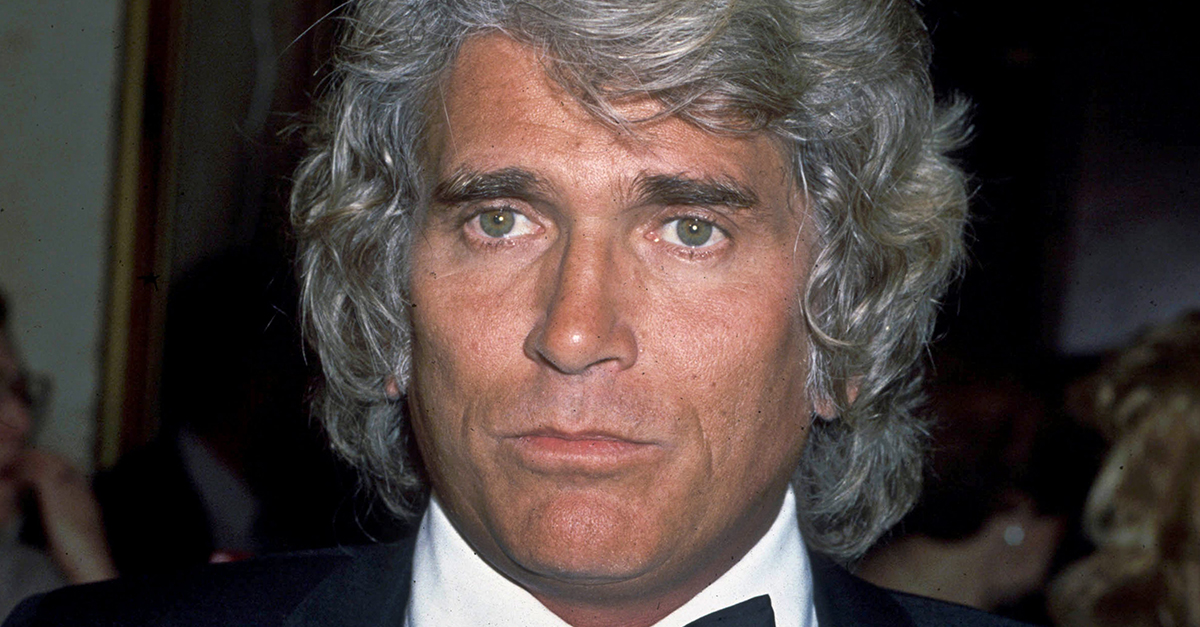
For more than 30 years, Michael Landon was one of the most familiar faces on American television. Whether audiences knew him as Little Joe Cartwright, Charles Ingalls, or Jonathan Smith, he seemed to embody warmth, strength, and family values. Yet behind the enormous success was a life marked by personal controversy, reinvention, and ultimately tragedy.
Michael Landon’s Road To Stardom Was Unexpected
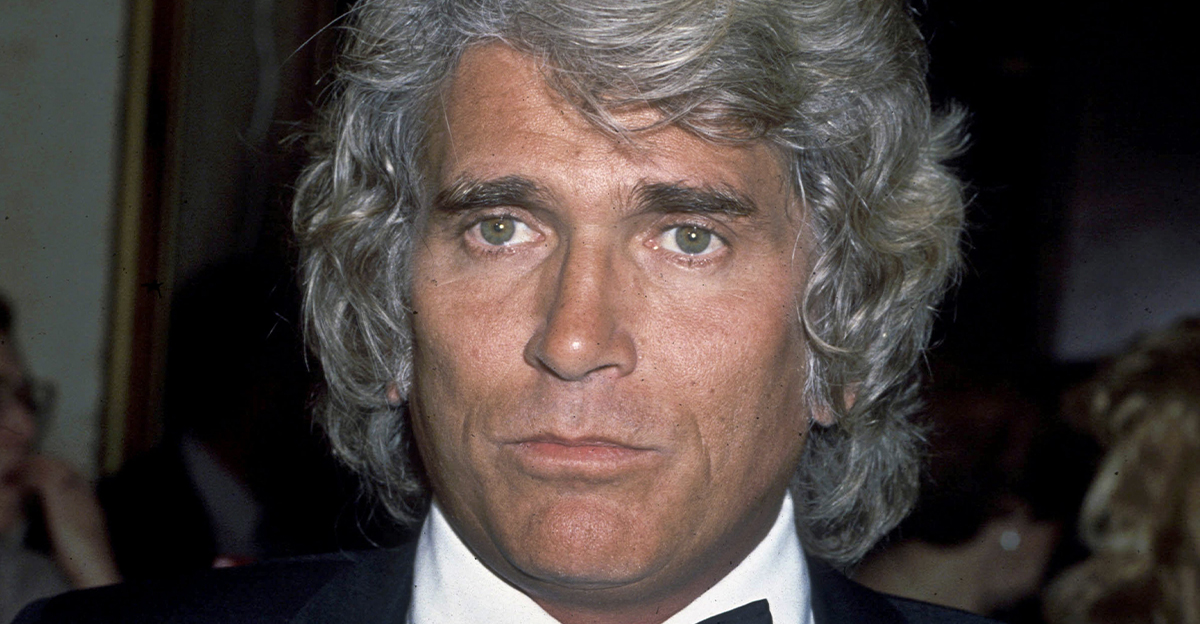
Born Eugene Maurice Orowitz in Queens, New York, Landon originally dreamed of athletic success rather than acting fame. A serious javelin injury ended those ambitions and forced him to rethink his future. What seemed like a devastating setback eventually pushed him toward Hollywood and changed the course of his life forever.
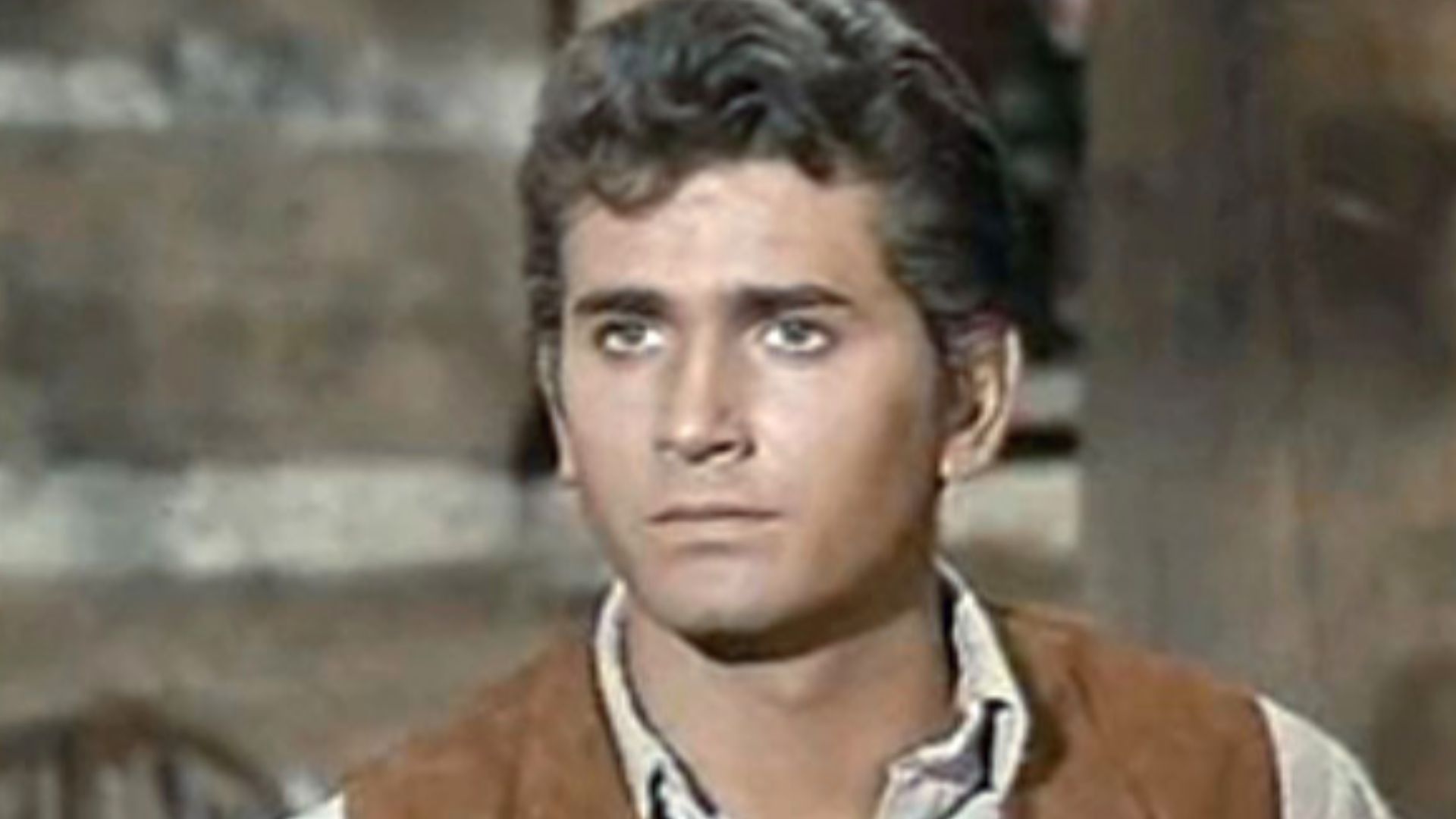 Film screenshot, Wikimedia Commons
Bonanza Turned Him Into A Household Name
Everything changed in 1959 when Landon was cast as Little Joe Cartwright on Bonanza. The series became one of television's biggest hits and remained a ratings powerhouse for years. Young viewers admired him, older viewers trusted him, and millions of Americans welcomed him into their living rooms every week.
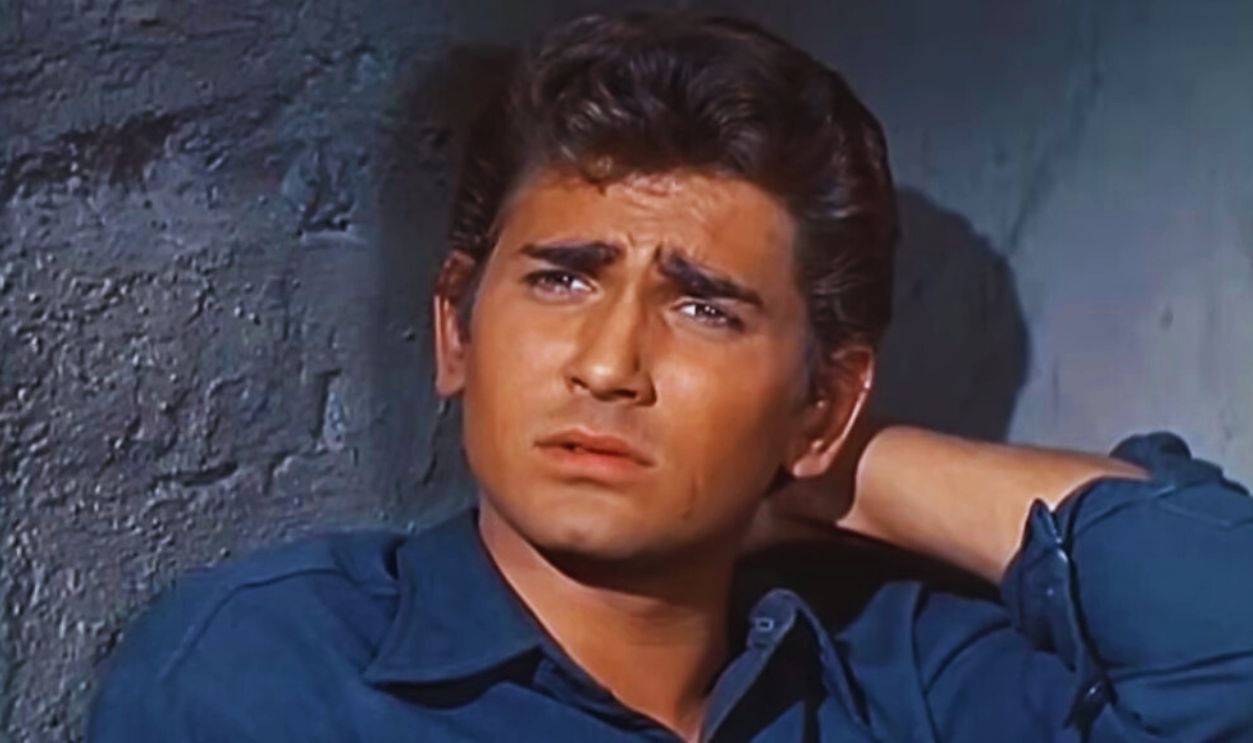 Screenshot from Bonanza, NBC (1959–1973)
He Refused To Be Just Another Television Star
While many actors were content simply appearing on screen, Landon wanted greater creative control. During his years on Bonanza, he began writing and directing episodes. Those experiences taught him how television worked behind the scenes and prepared him for an even larger role in shaping his future projects.
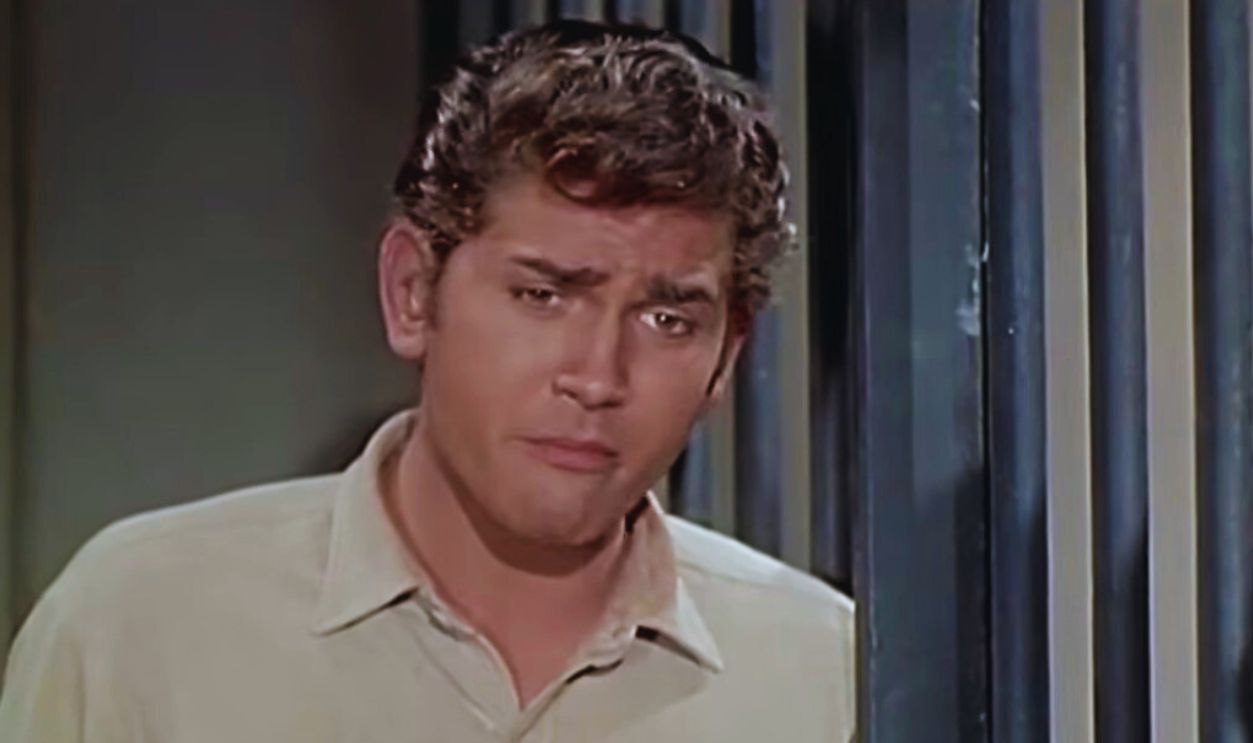 Screenshot from Bonanza, NBC (1959–1973)
Most Actors Would Have Struggled After Bonanza
When Bonanza ended in 1973, many observers assumed Landon’s biggest success was behind him. Television history is filled with stars unable to escape iconic roles. Yet Landon understood something many actors did not: survival in Hollywood often depends on reinvention rather than nostalgia.
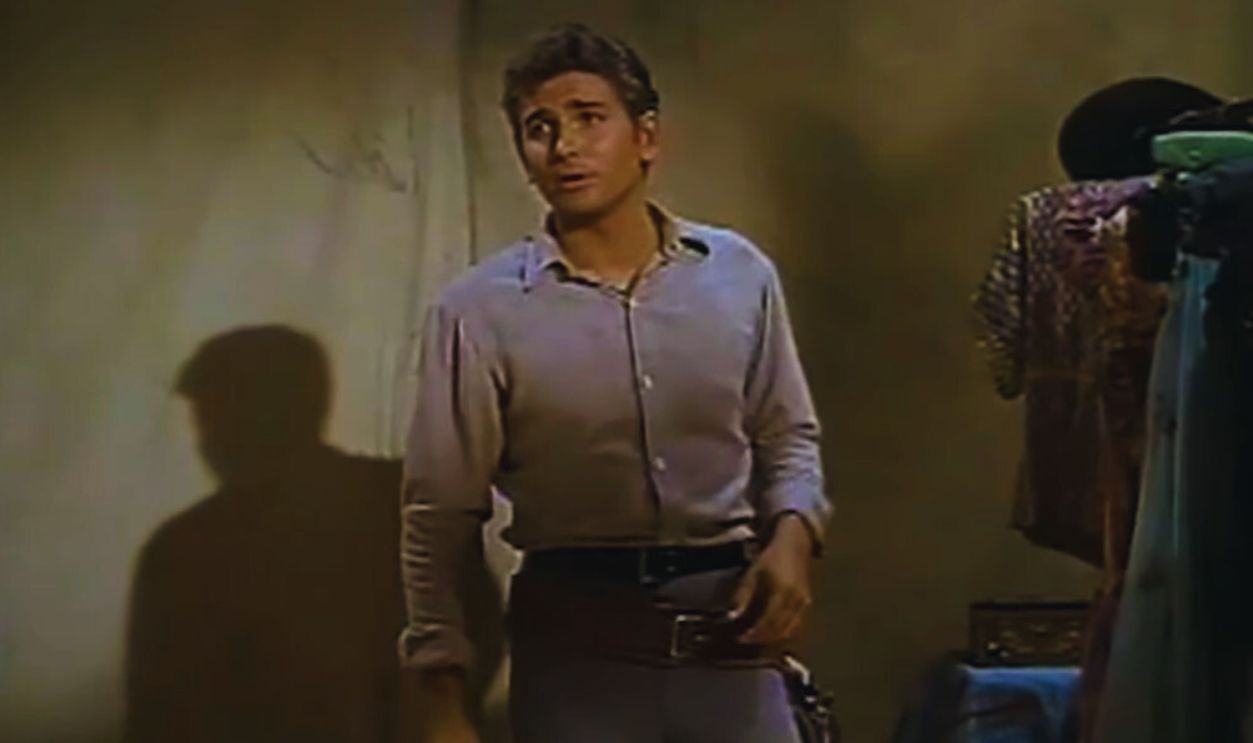
Little House On The Prairie Made Him Even Bigger
Only a year after Bonanza ended, Landon returned with Little House on the Prairie. This time he was no longer playing the youngest son. Instead, he became Charles Ingalls, the hardworking father at the center of one of television’s most beloved family dramas.
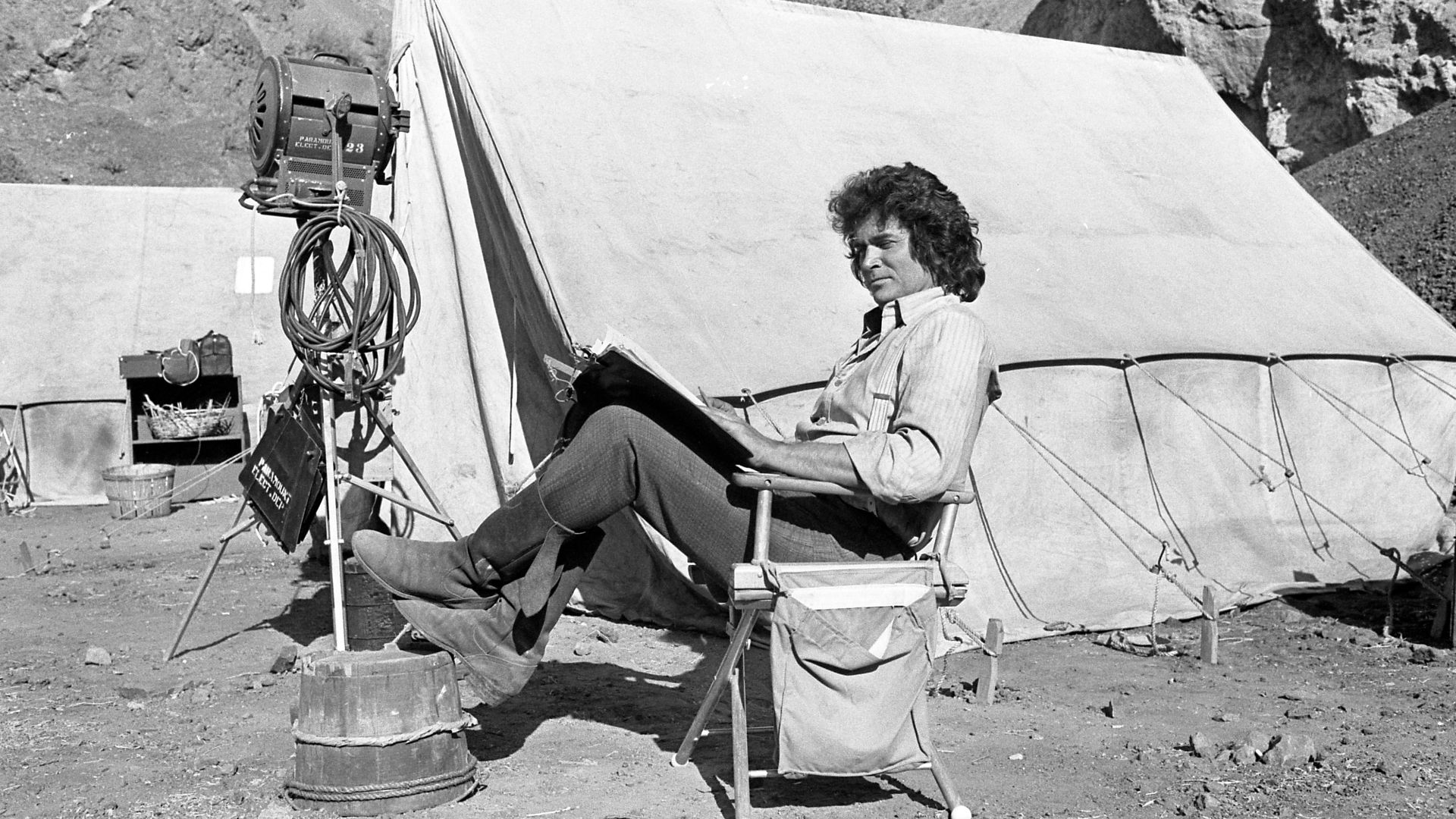 Robert Lachman, Los Angeles Times, Wikimedia Commons
Charles Ingalls Became Television’s Ideal Father
For many viewers, Charles Ingalls represented honesty, compassion, and resilience. Week after week, audiences watched him guide his family through hardship while maintaining optimism and integrity. The role transformed Landon from television heartthrob into one of America’s most trusted father figures.
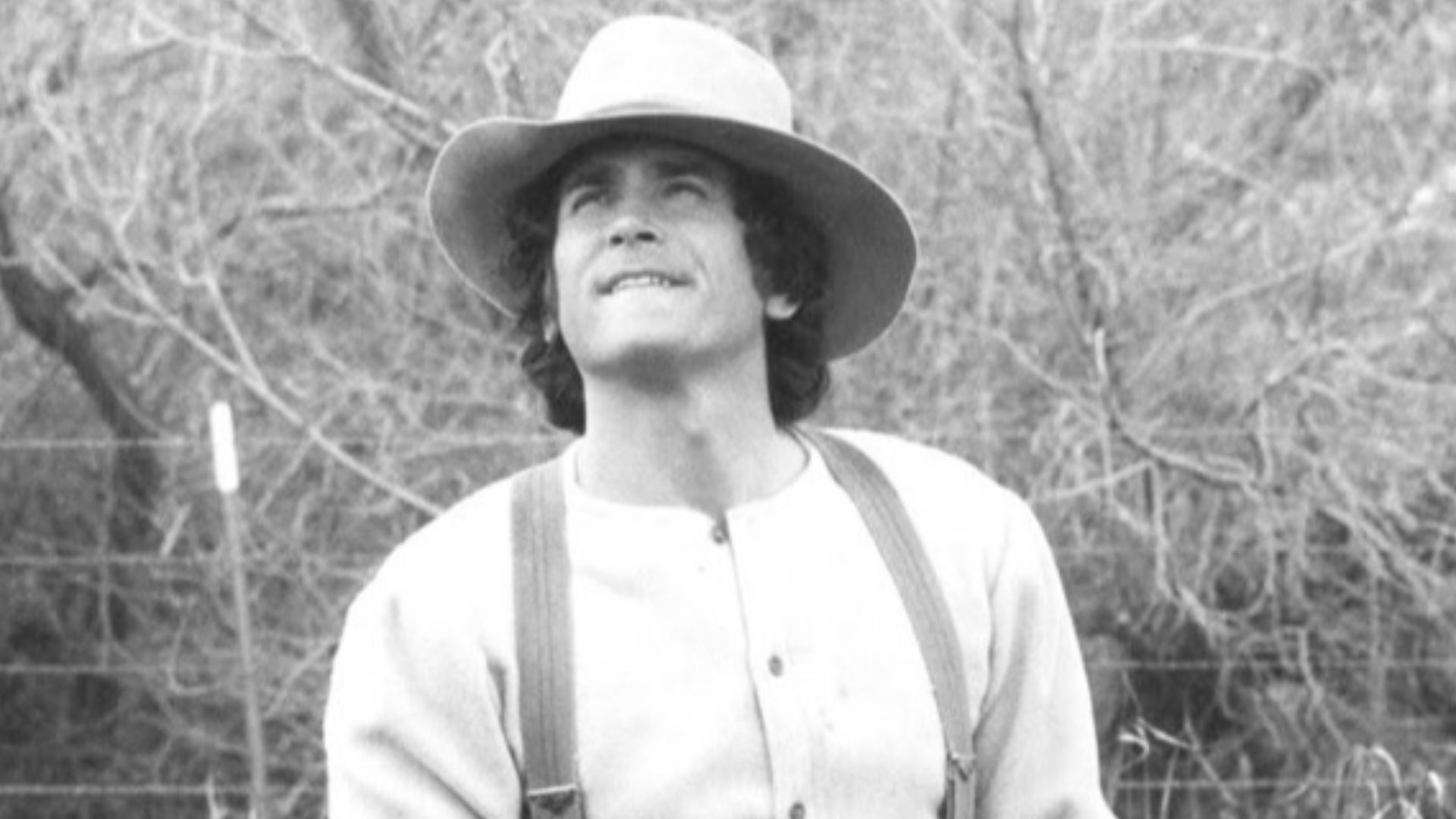 NBC Television, Wikimedia Commons
He Controlled Much More Than Audiences Realized
Landon wasn't simply starring in Little House on the Prairie. He was heavily involved as a writer, producer, and director. His influence touched nearly every aspect of the series. Few actors possessed that level of creative authority, and it allowed him to shape television according to his own vision.
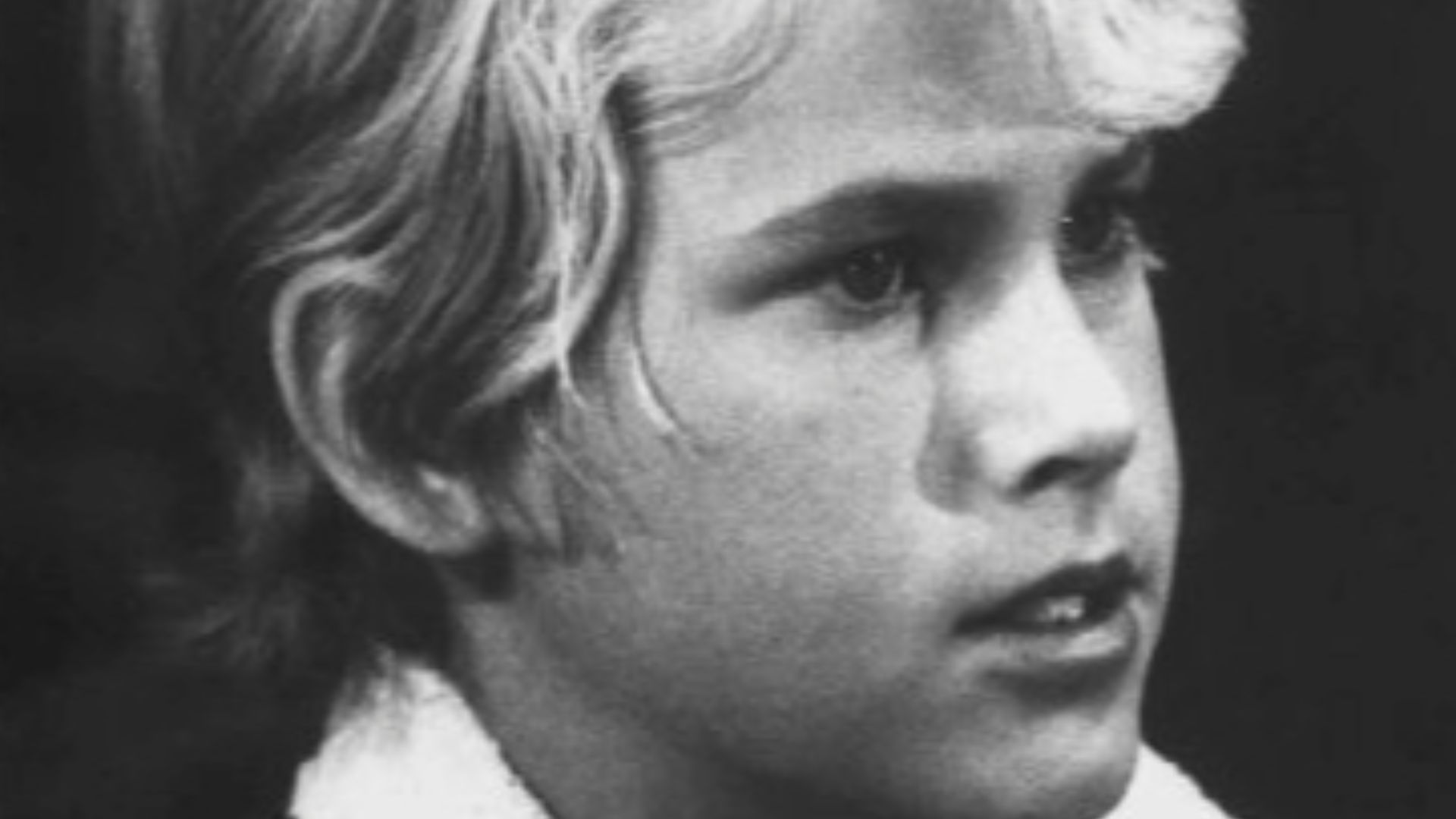 NBC Television Network, Wikimedia Commons
Young Cast Members Often Viewed Him As A Mentor
Many actors who worked on the show later described Landon as a teacher and mentor. Melissa Gilbert frequently credited him with helping guide her career. His experience and confidence gave younger performers someone to lean on as they navigated the challenges of growing up on television.
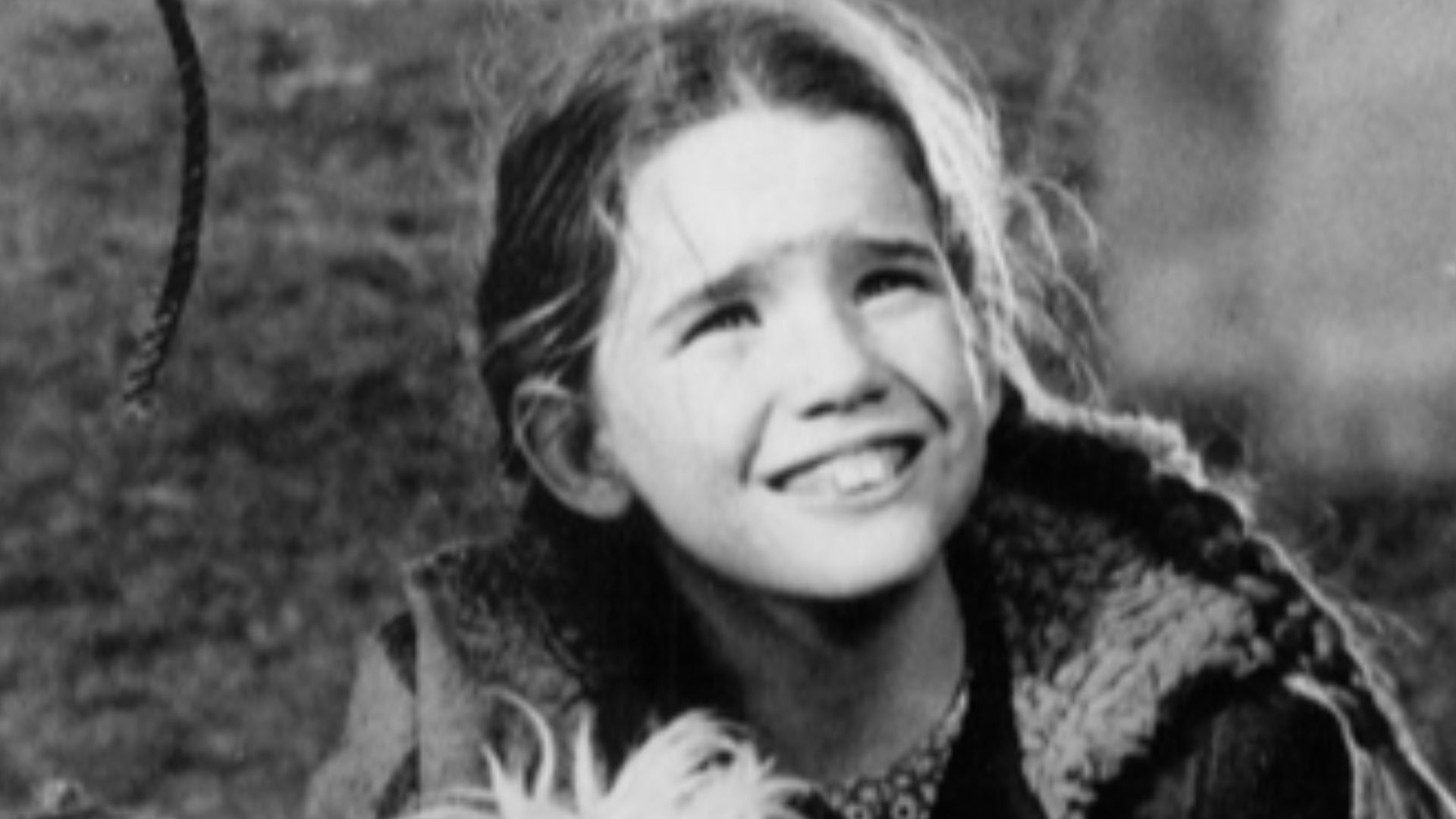 NBC Television Network, Wikimedia Commons
Behind The Scenes, His Marriage Was Falling Apart
However, while Landon portrayed devoted family men on television, his personal life was becoming increasingly complicated. By the late 1970s, his marriage to second wife Lynn Noe was under strain. Few fans suspected that serious problems were developing behind the wholesome image he projected on screen.
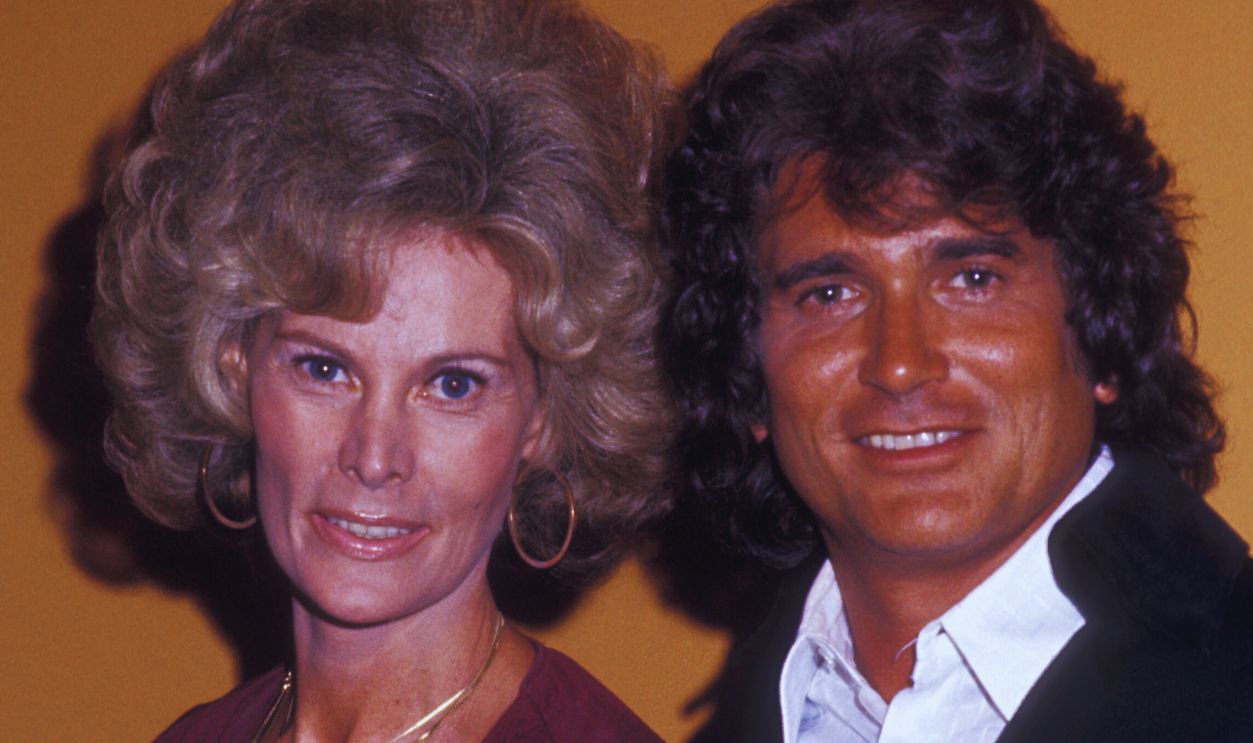
A Relationship On The Little House Set Changed Everything
During the production of Little House on the Prairie, Landon began a relationship with makeup artist Cindy Clerico. The relationship quickly became serious and eventually led to the collapse of his marriage. What began as a private matter soon became national entertainment news.
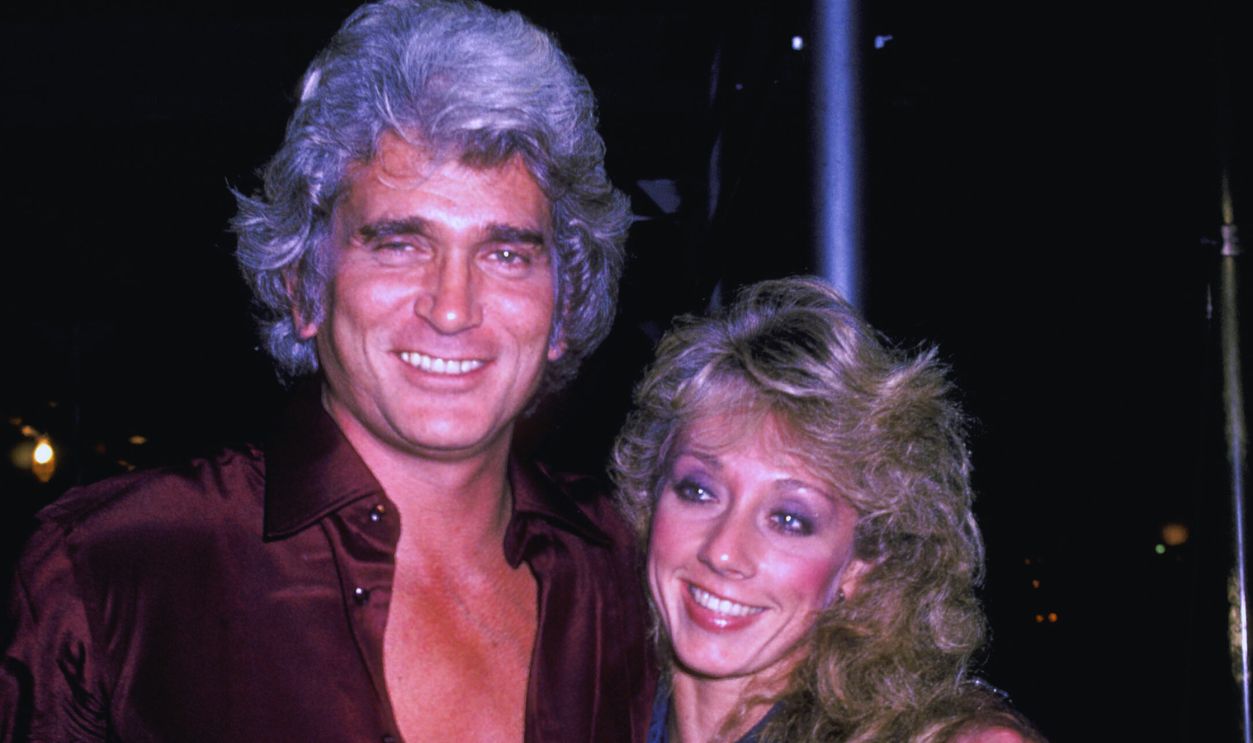
The Divorce Became Front-Page News
When Landon and Lynn Noe divorced in 1982 after nearly 20 years of marriage, media coverage was intense. Because audiences associated him with loyal family-man characters, many fans were shocked. The divorce generated headlines across the country and significantly altered public perception of him.
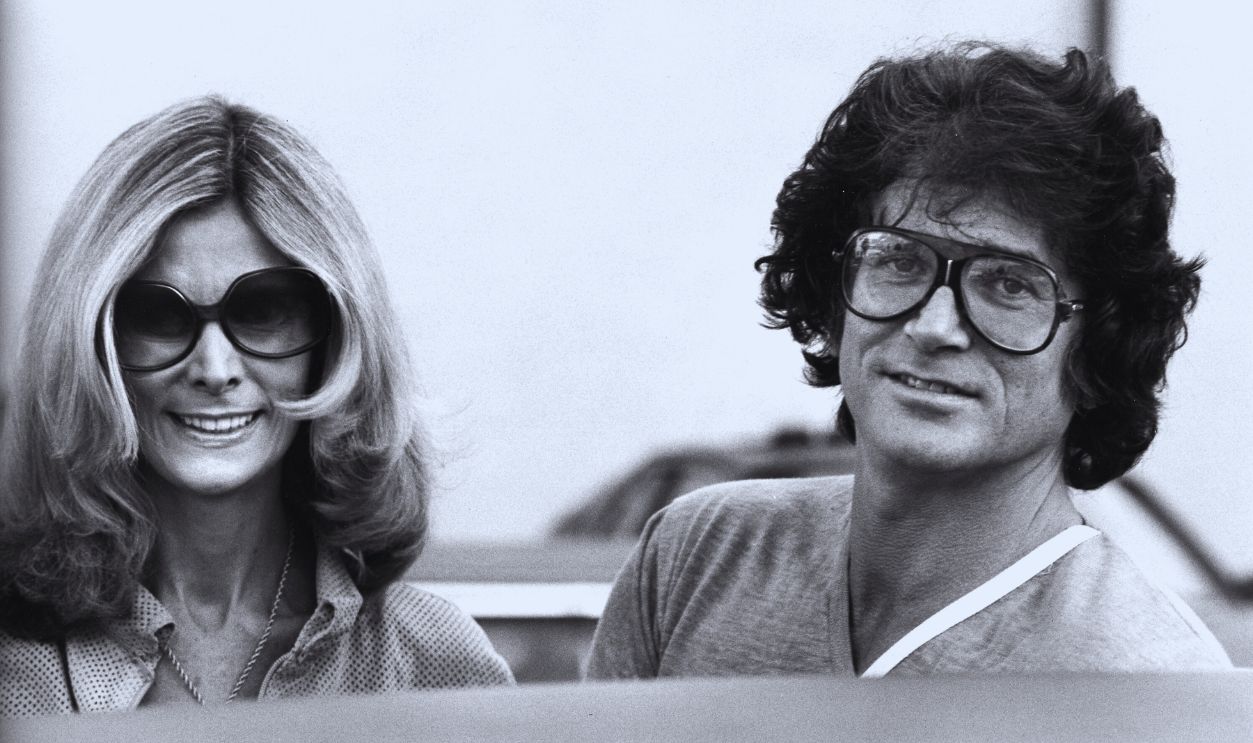
Some Fans Never Forgave Him
The backlash surprised Landon. Many viewers struggled to separate the actor from Charles Ingalls and Little Joe Cartwright. To some fans, the affair and divorce felt like a betrayal of the values his television characters represented. It became one of the few periods in his career when public opinion noticeably turned against him.
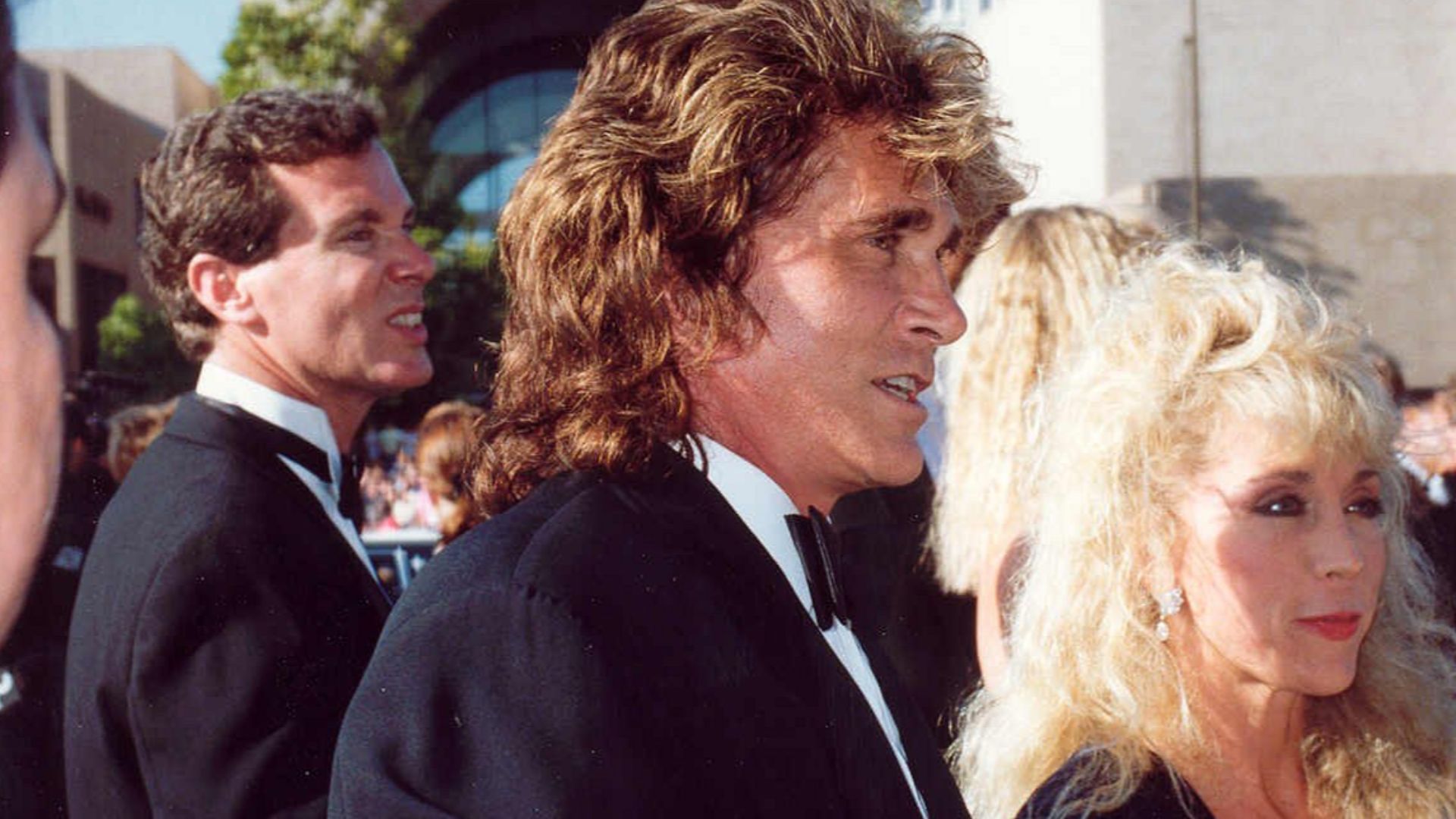
Little House Eventually Reached Its Conclusion
After nearly a decade, Little House on the Prairie came to an end. Once again, Landon faced a challenge that ends many careers: following up an iconic role. Fortunately, his instincts for reinvention remained as strong as ever.
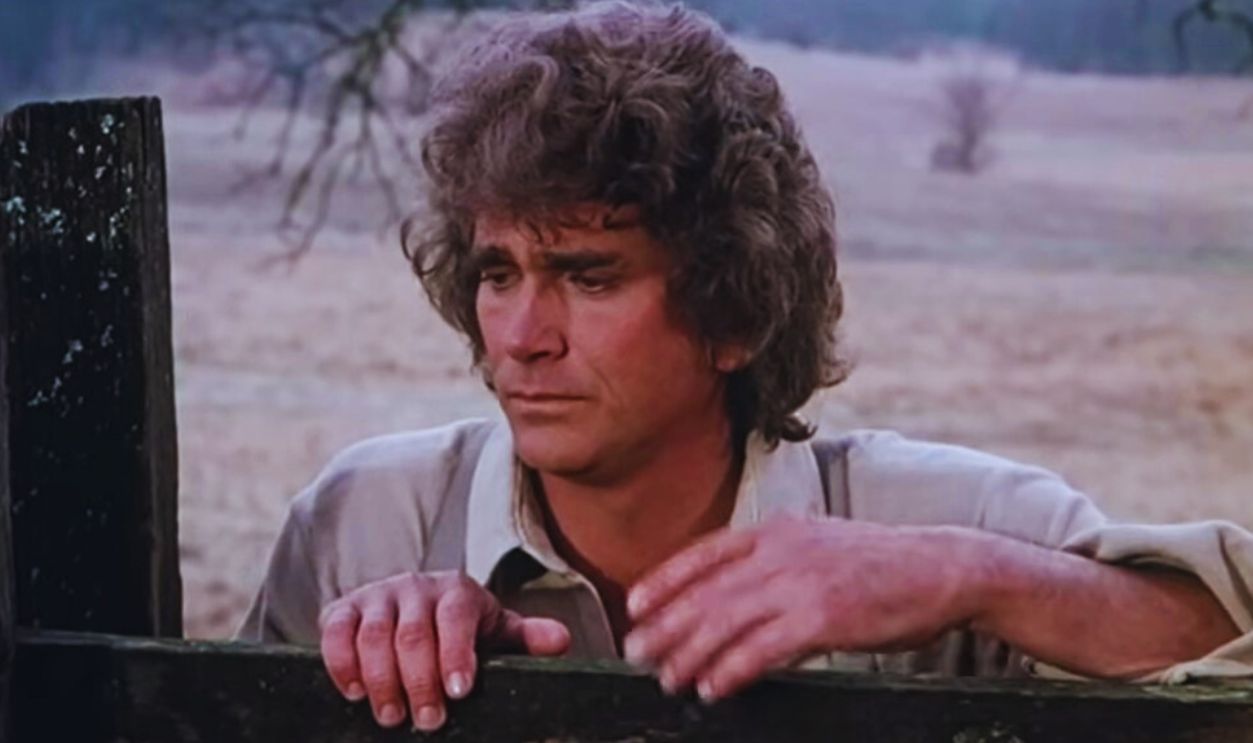 Screenshot from Little House on the Prairie, NBC (1974–1983)
Highway To Heaven Became His Final Major Success
Landon quickly returned with Highway to Heaven, a series that cast him as an angel helping people overcome hardship and despair. The show embraced themes of forgiveness, compassion, and redemption, reflecting a more mature and reflective phase of his career.
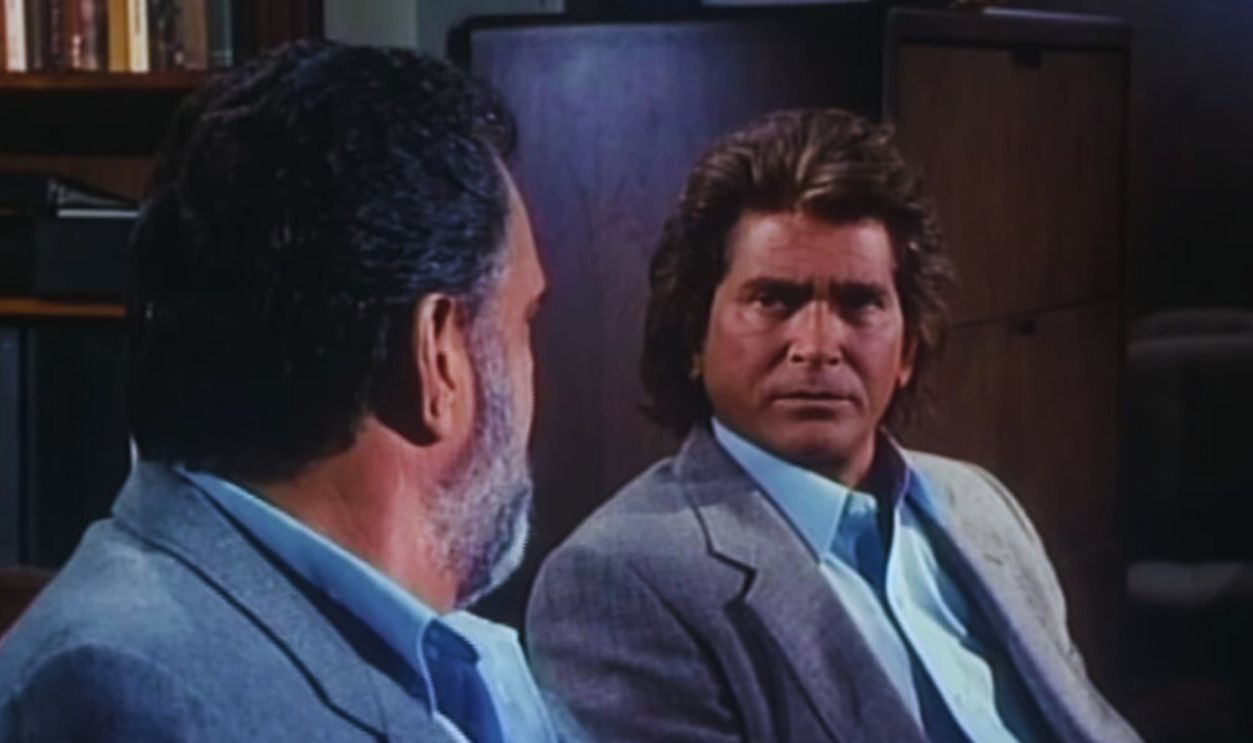 Screenshot from Highway to Heaven, NBC (1984–1989)
Television Was Changing Around Him
By the late 1980s, television audiences increasingly favored different kinds of programming. Family dramas no longer dominated the ratings the way they once had. Although Landon remained respected, the industry itself was moving toward a new era with different priorities and tastes.
Then came the awful twist nobody saw coming.
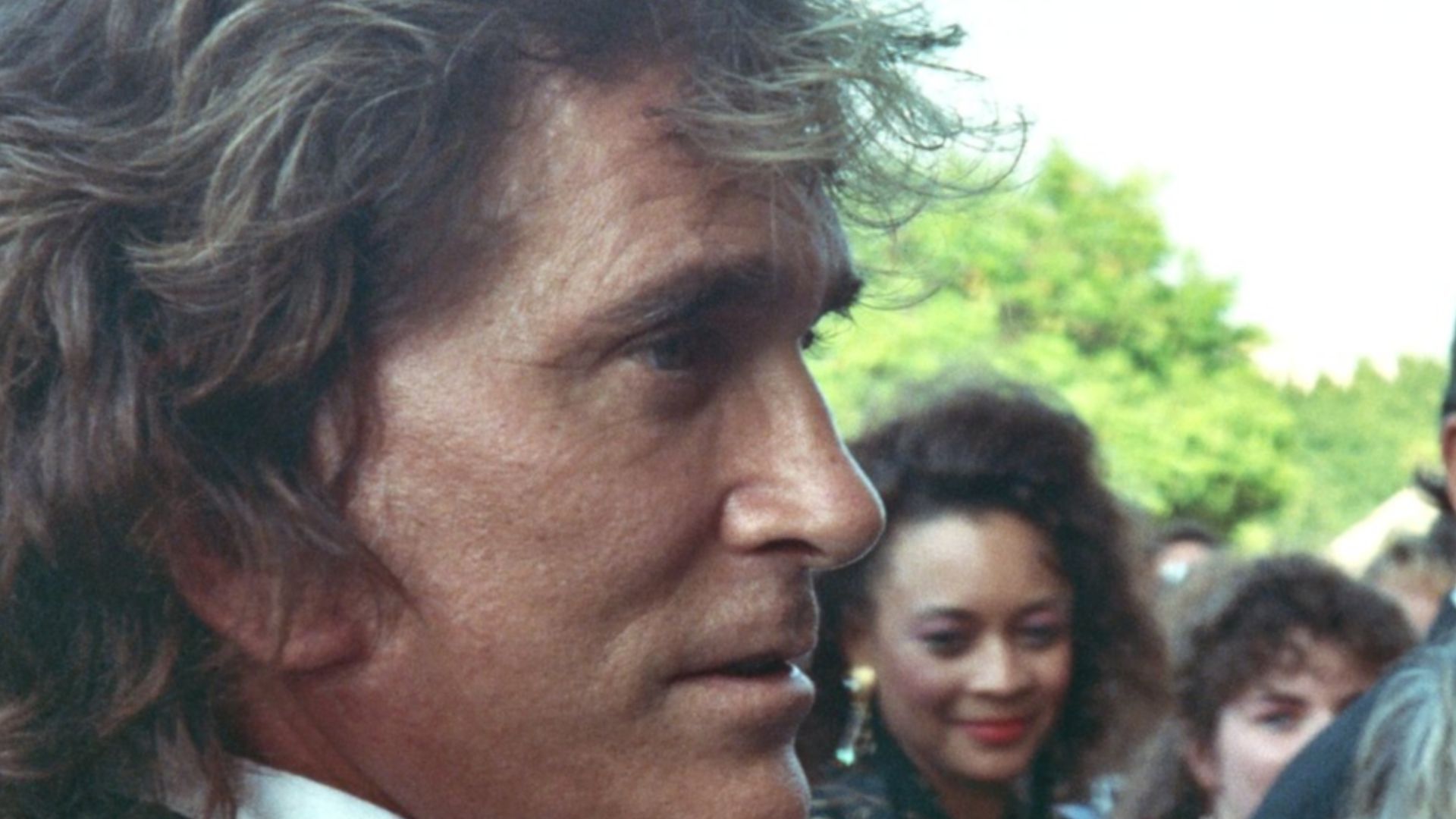
Then Came The News Nobody Expected
In April 1991, Landon announced that he had been diagnosed with pancreatic cancer. The news stunned fans across the country. He was only 54 years old and had remained active professionally, making the diagnosis feel sudden and shocking.
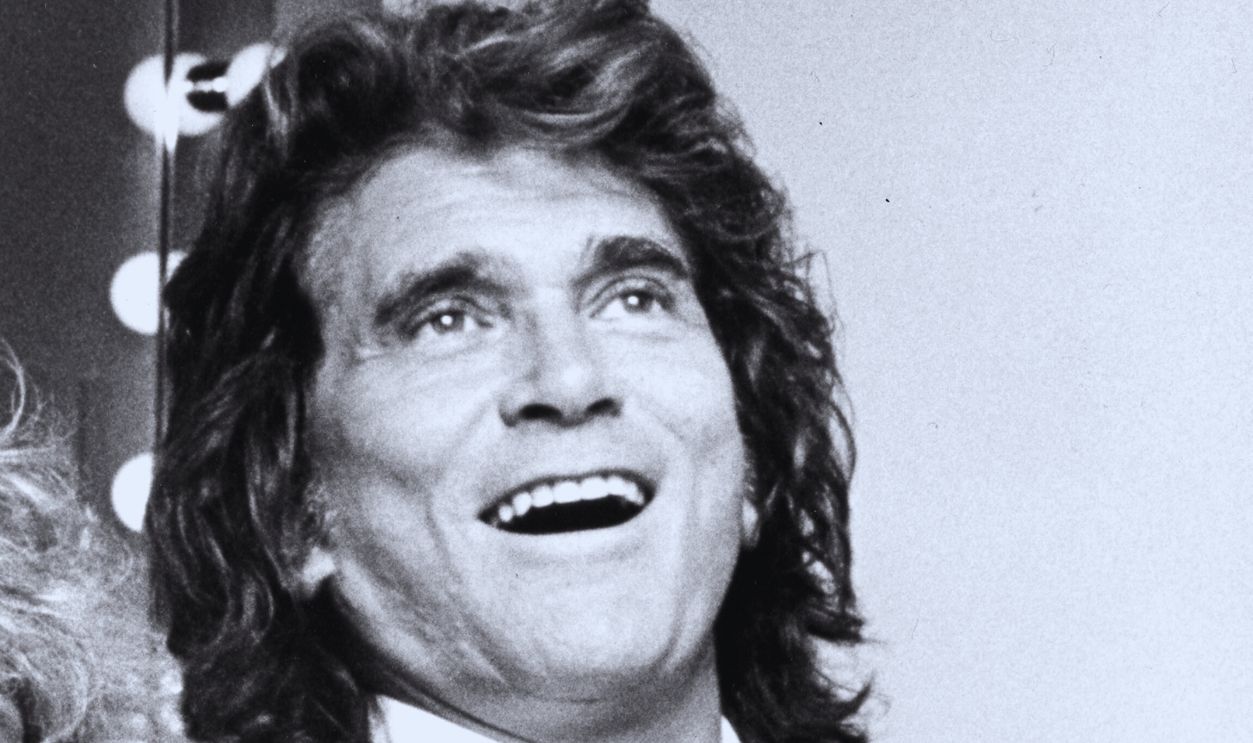
America Followed His Final Months Closely
Rather than hide from public view, Landon spoke openly about his illness. Interviews and television appearances allowed fans to witness his courage firsthand. Millions who had grown up watching him felt a personal connection to the battle he was fighting.
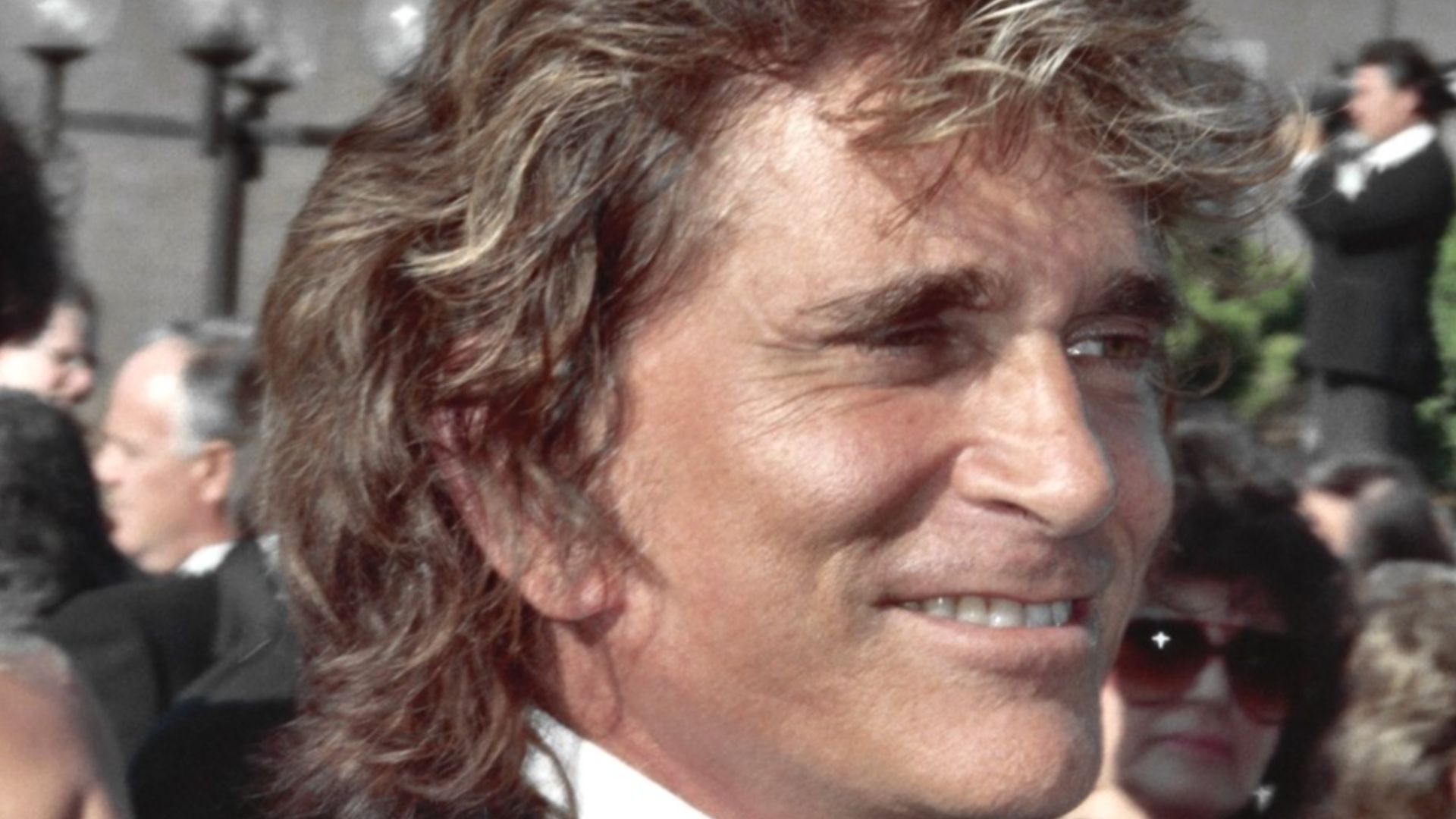
Michael Landon Died Far Too Young
On July 1, 1991, Michael Landon died from pancreatic cancer. His death generated enormous media coverage and heartfelt tributes from colleagues, friends, and viewers. For many Americans, it felt like losing a member of the family they had welcomed into their homes for decades.
 Arthur Dark, Wikimedia Commons
Why Michael Landon’s Story Still Matters
What happened to Michael Landon wasn't that he disappeared. Instead, he achieved something remarkably rare: he successfully reinvented himself multiple times, survived changing television eras, and remained relevant for more than 30 years. His story endures because it combines extraordinary success with very human struggles and loss.
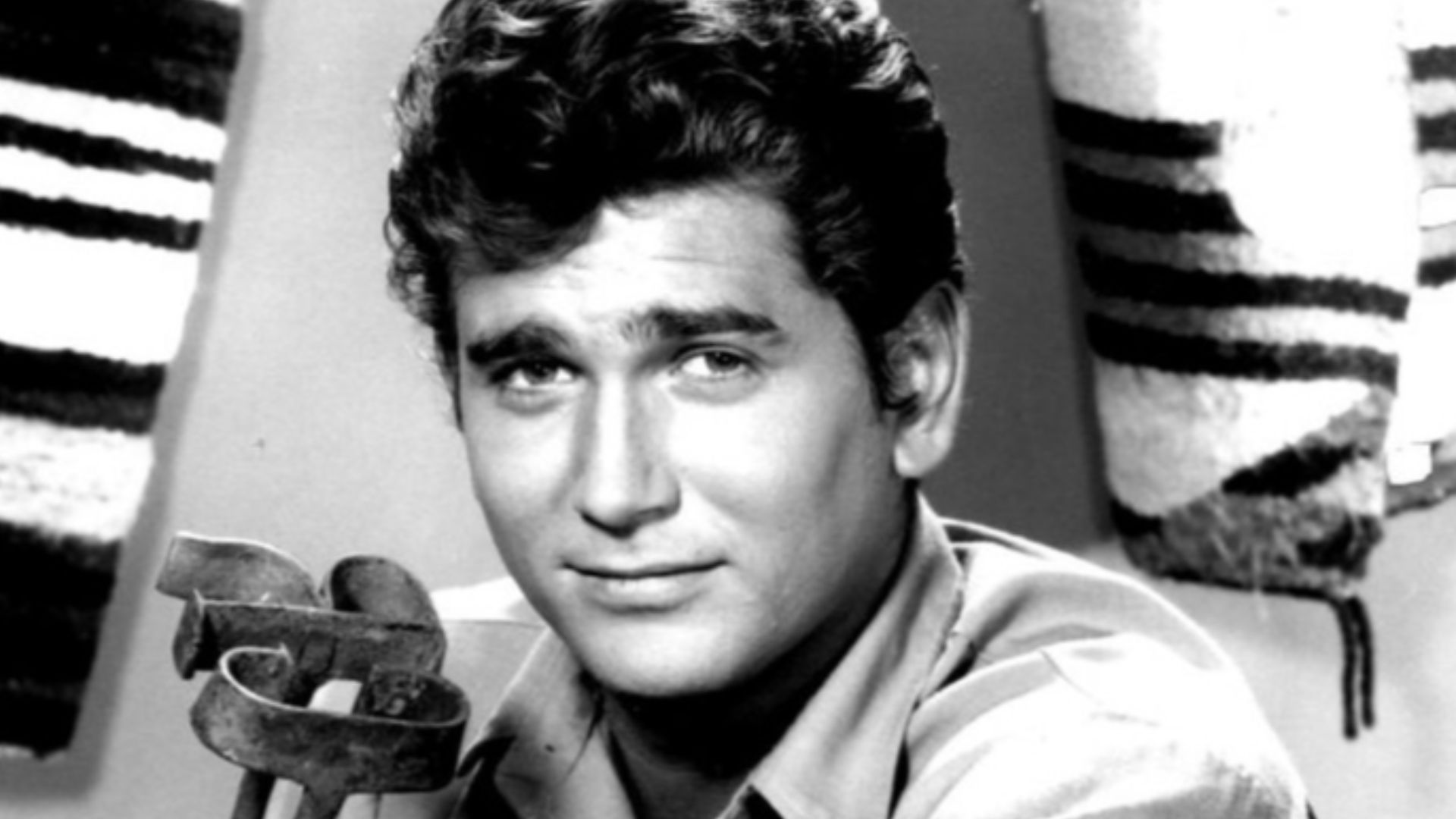 NBC Television, Wikimedia Commons
You May Also Like:
The Surprising Career Of Star Trek’s James Doohan
Why didn't we see Tony Dow anymore after Leave it to Beaver ended?