There Was More Behind The Muscle
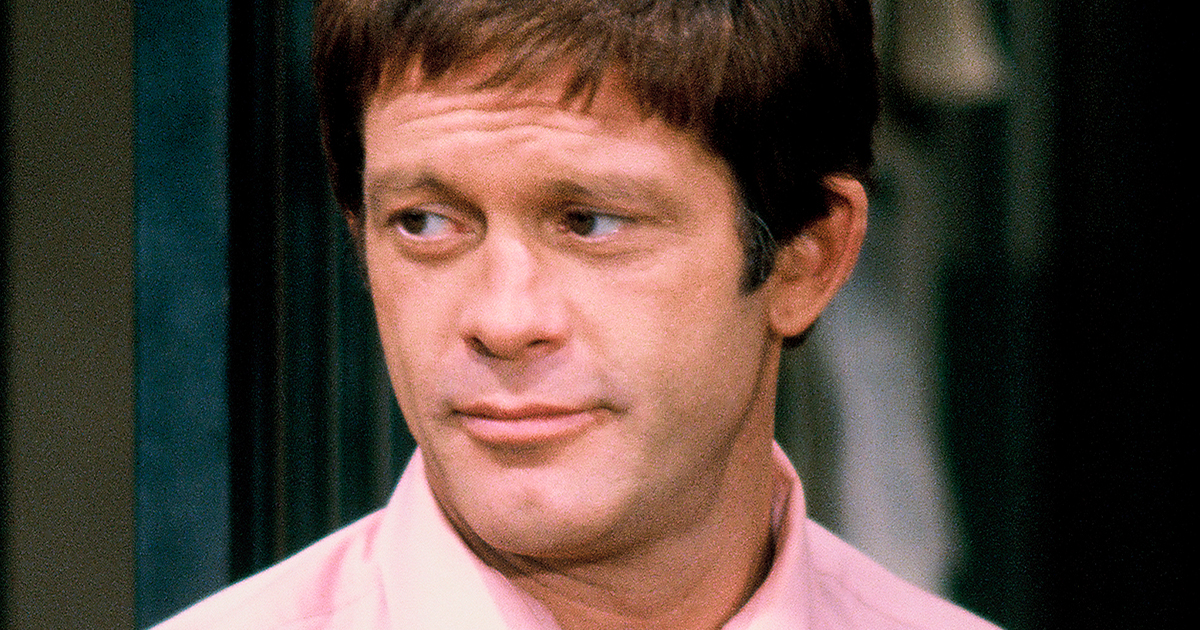
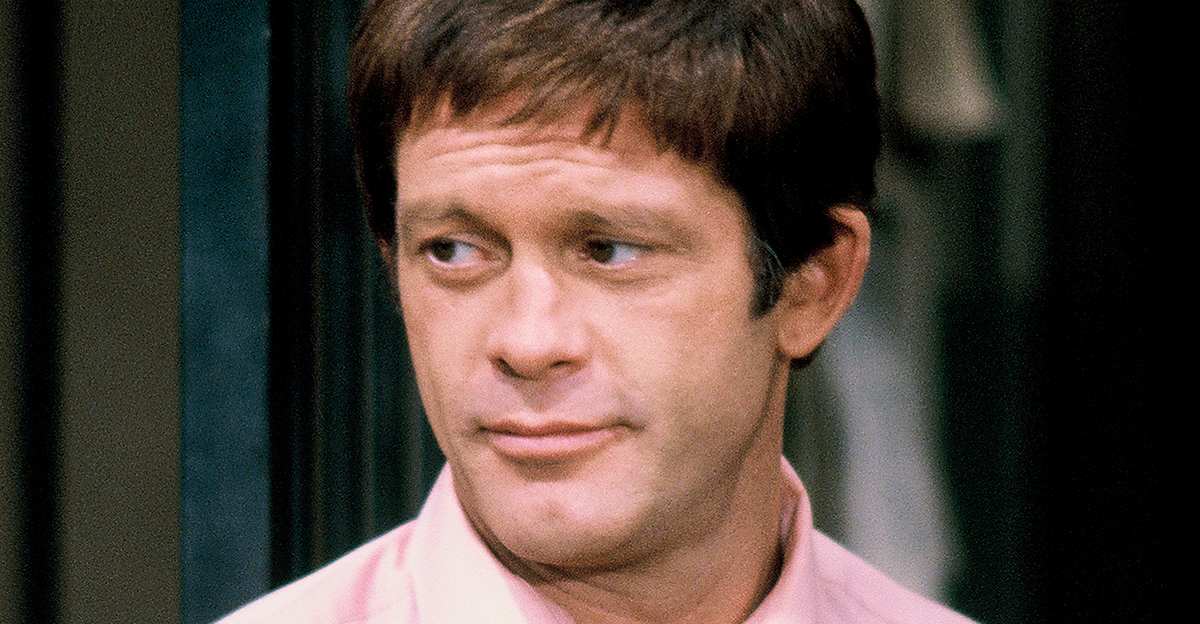
Detective Stan “Wojo” Wojciehowicz initially appeared to be Barney Miller’s big, impulsive cop, the sort of man who might break down a door before checking whether it was unlocked. Max Gail gradually revealed something more valuable beneath the bluster: the precinct’s surprisingly tender heart.
 ABC, Barney Miller (1975-1982)
He Grew Up Near Detroit
Maxwell Trowbridge Gail Jr. was born on April 5, 1943, in Detroit, Michigan, and grew up in nearby Grosse Ile. Long before he wore a detective’s badge on television, Gail seemed headed toward a considerably more conventional and less chaotic professional life.
He Earned An Unlikely Degree
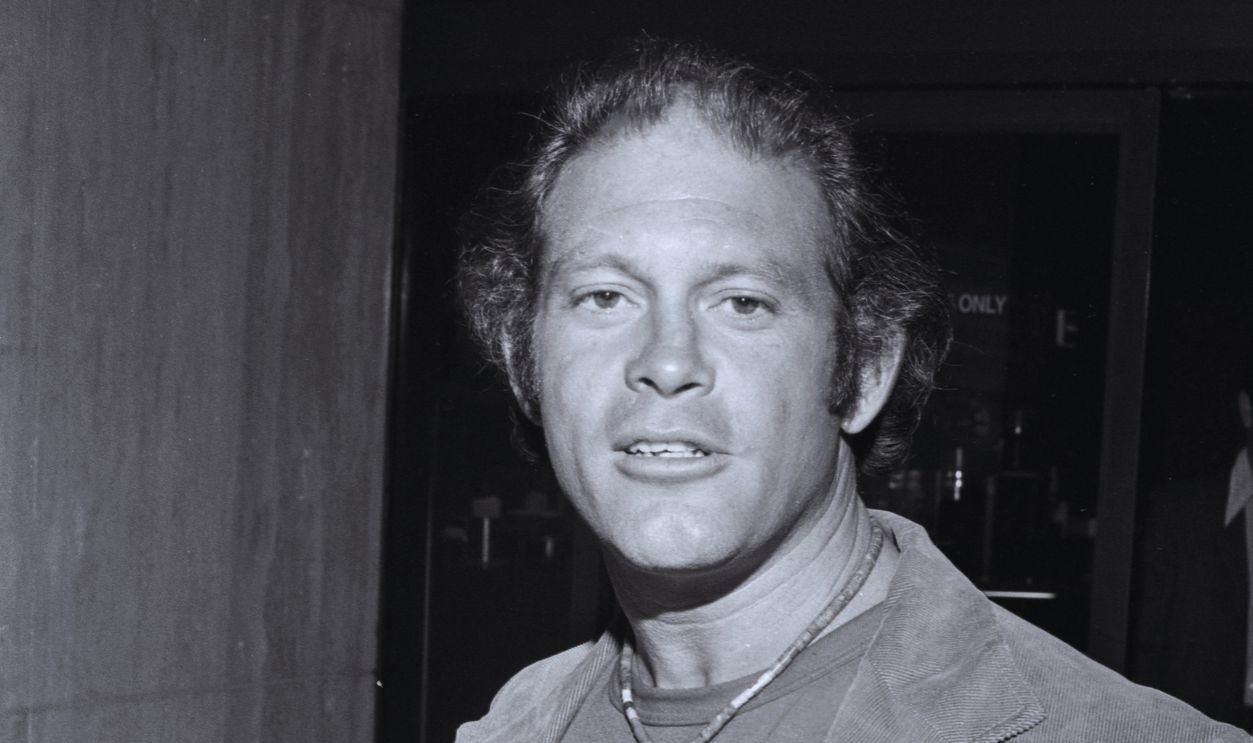
Gail attended Williams College before earning an MBA from the University of Michigan. Business school might seem like strange preparation for playing an emotionally complicated New York detective, but it reflected the thoughtful, curious personality he later brought to even his most apparently straightforward characters.
He Became A Teacher First
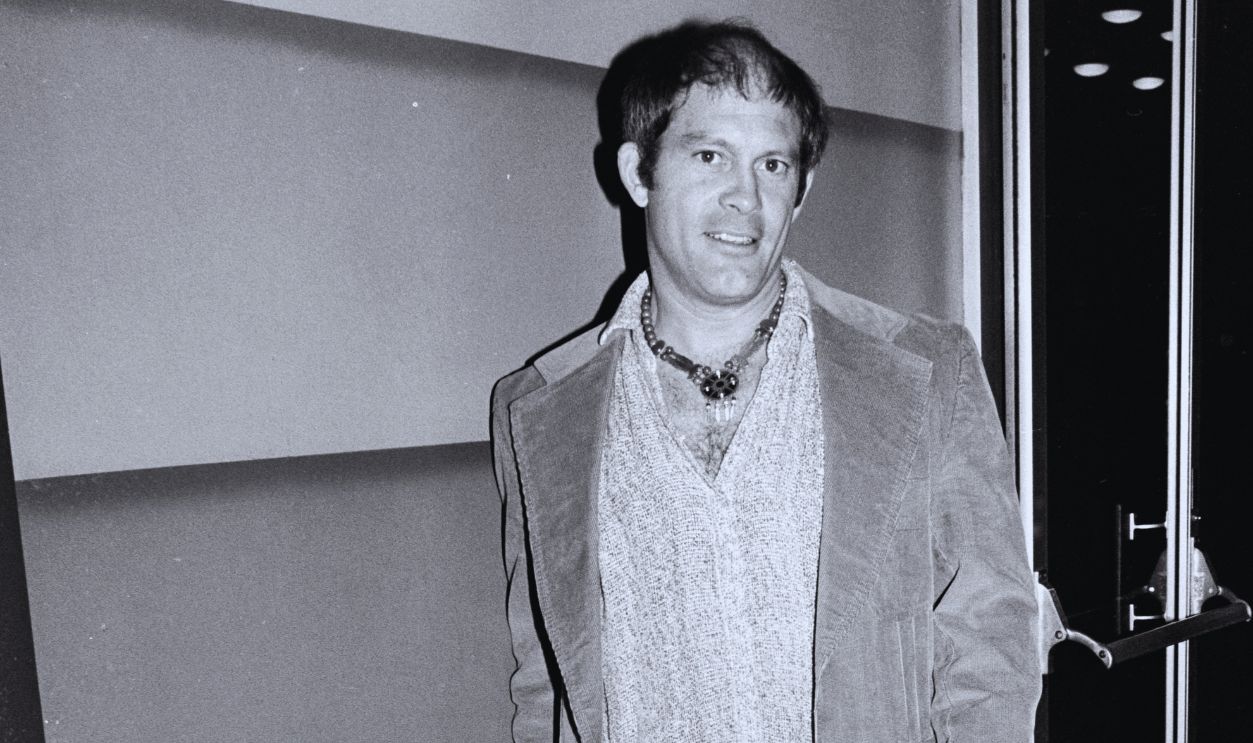
Before acting became his profession, Gail taught at University Liggett School in Michigan. Standing before a classroom required patience, presence, and an ability to understand different personalities, all skills that would prove remarkably useful once he joined the unpredictable inhabitants of the 12th Precinct.
A Difficult Stage Role Changed His Direction
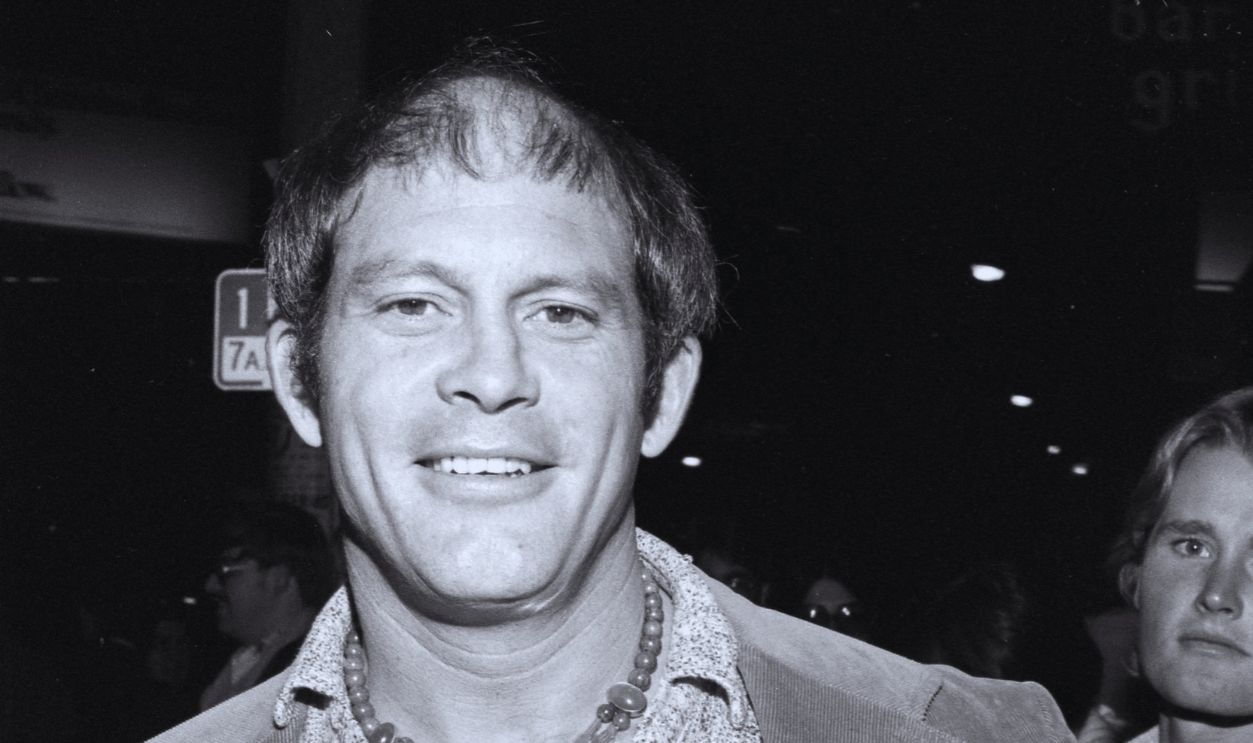
Gail began acting professionally around 1970, playing Chief Bromden in a San Francisco stage production of One Flew Over the Cuckoo’s Nest. He later reprised the part in New York, demonstrating the quiet intensity that casting directors would eventually recognize beneath his approachable appearance.
Television Barely Knew Him
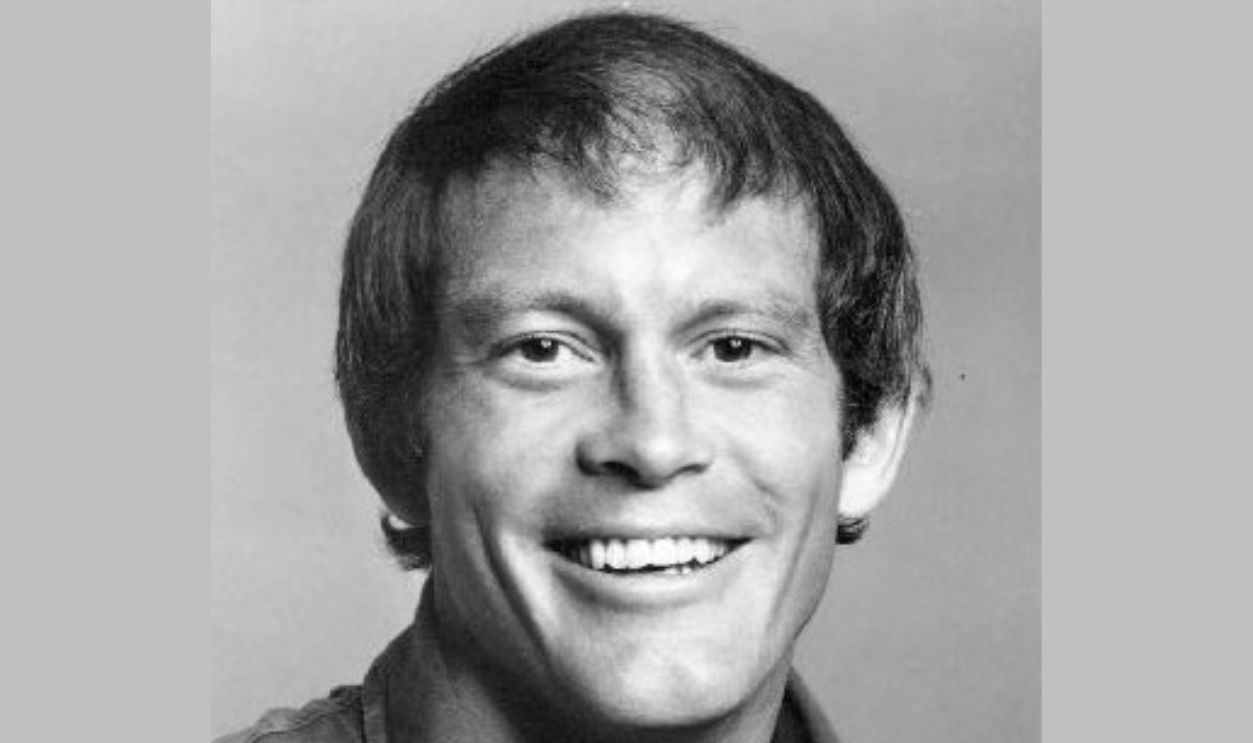
Gail had accumulated only a modest collection of screen credits when Barney Miller arrived. He was hardly a familiar television personality, which worked in the show’s favor. Viewers could accept him as Wojo without first having to forget some larger, more glamorous role.
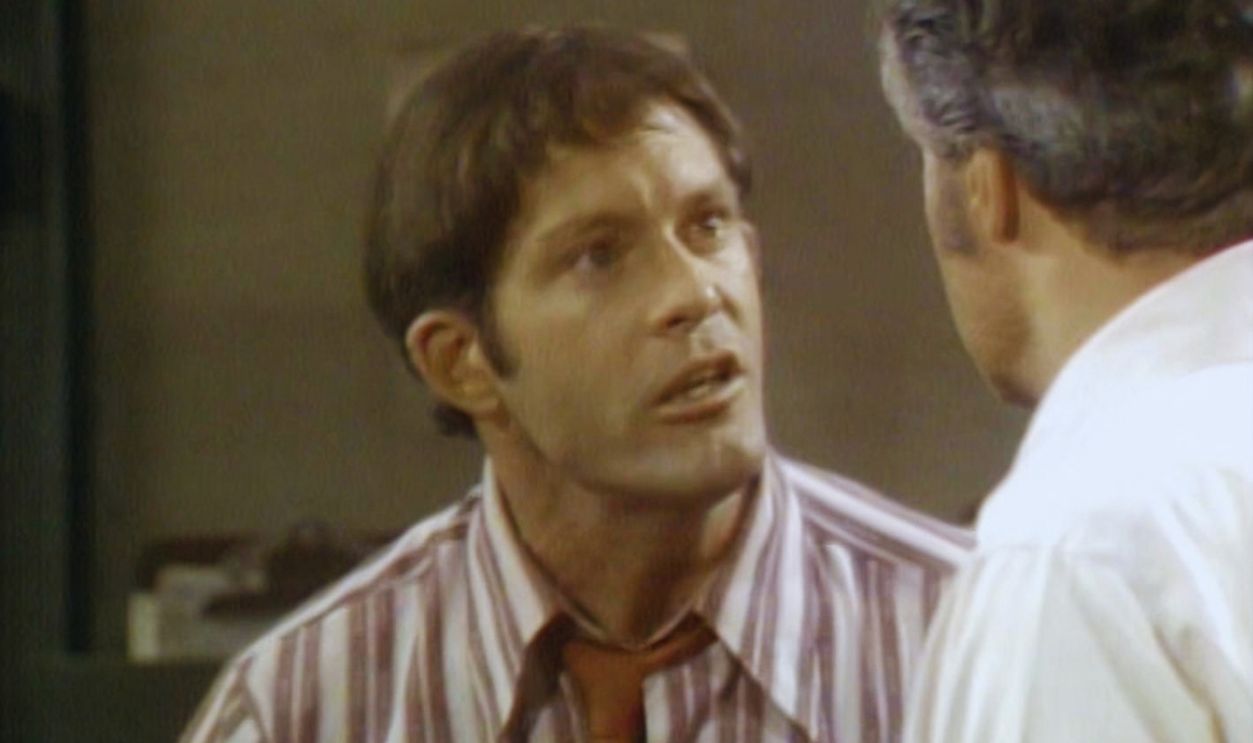 Screenshot from Barney Miller, Sony Pictures Television (1975–1982)
The Precinct Became Television’s Unlikeliest Stage
Barney Miller premiered on ABC in January 1975 and largely remained inside one shabby Greenwich Village squad room. There were few car chases or gun battles. Instead, detectives processed paperwork, questioned eccentric suspects, drank questionable coffee, and tried to remain sane during another overcrowded shift.
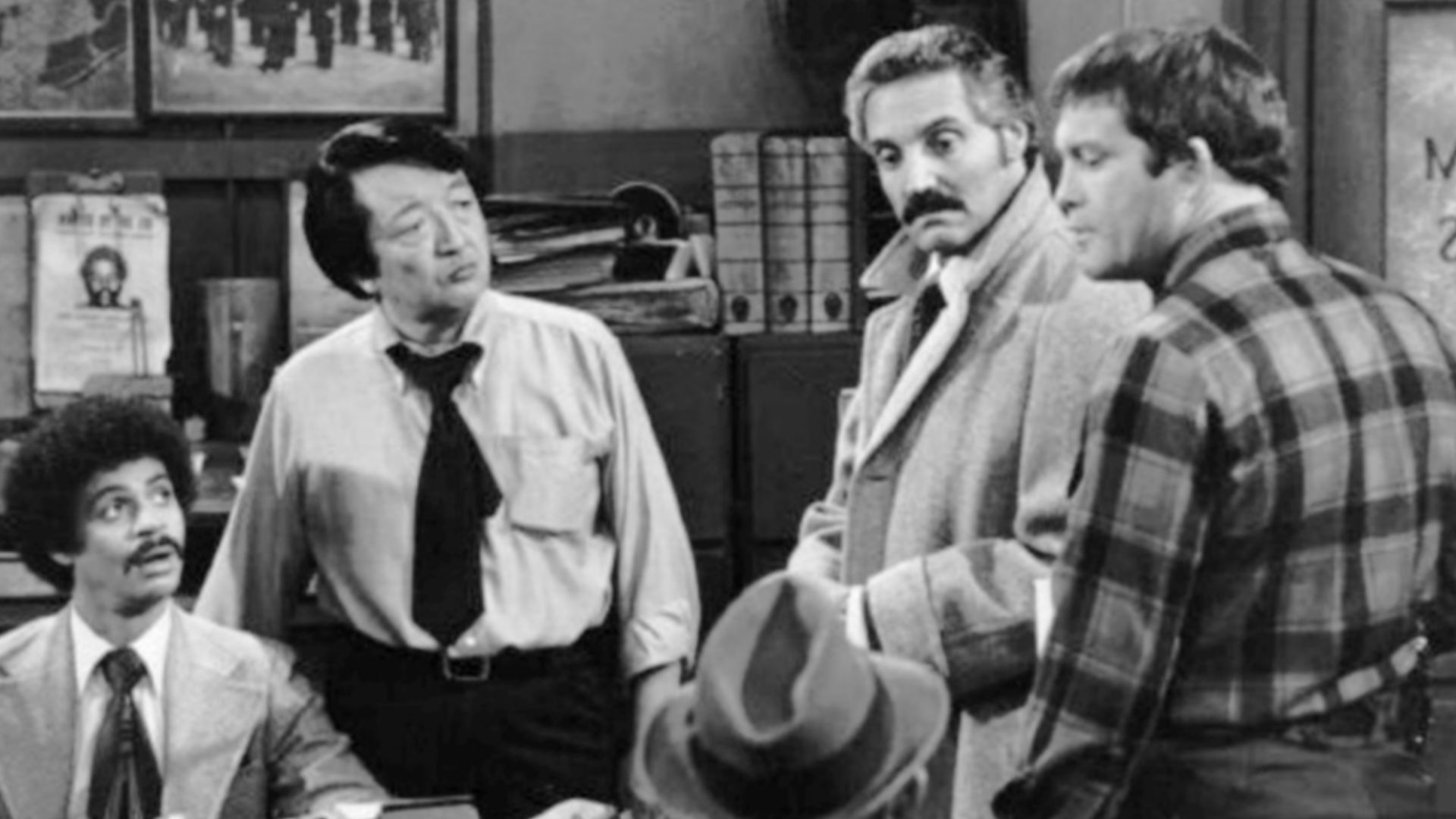 ABC Television, Wikimedia Commons
Wojo Looked Like The Obvious Muscle
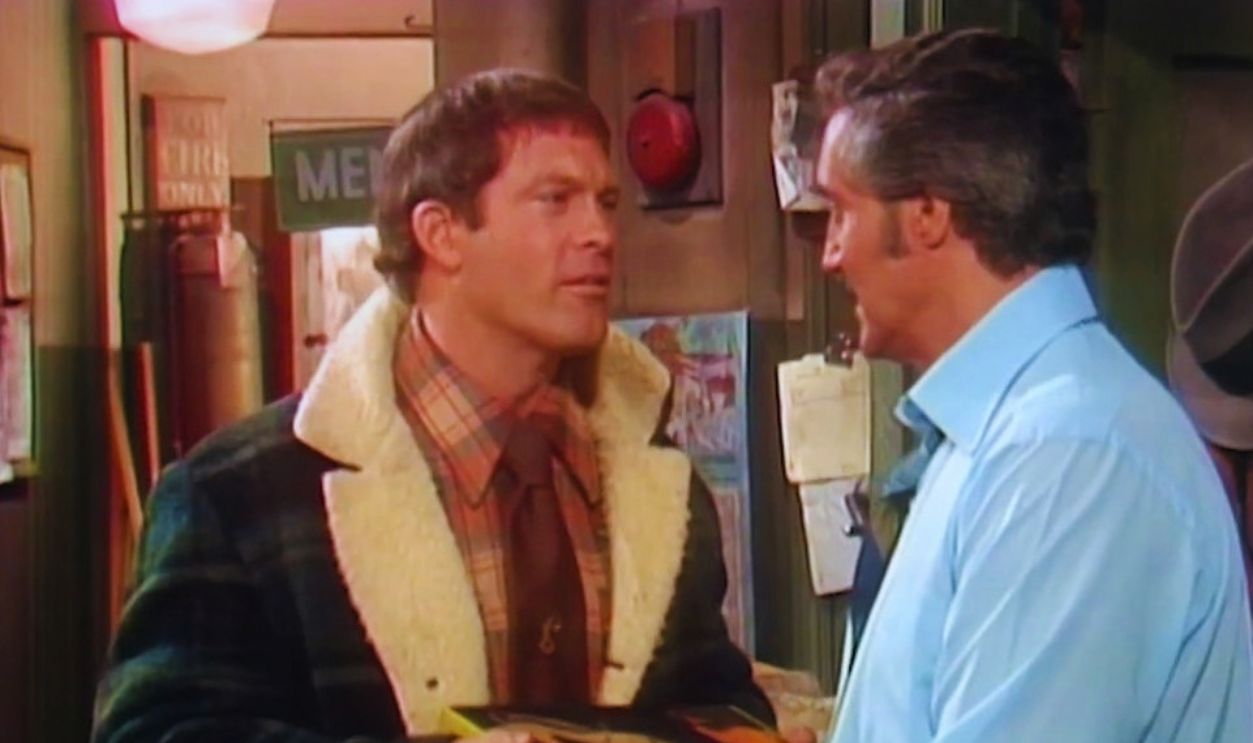
Wojo was young, broad-shouldered, energetic, and eager to prove himself. When the precinct needed someone to chase a suspect, restrain a prisoner, or carry something heavy, he seemed like the natural choice. Thinking before acting was not always included in the original assignment.
 Screenshot from Barney Miller, Sony Pictures Television (1975–1982)
He Was Supposed To Be The “House Dumbbell”
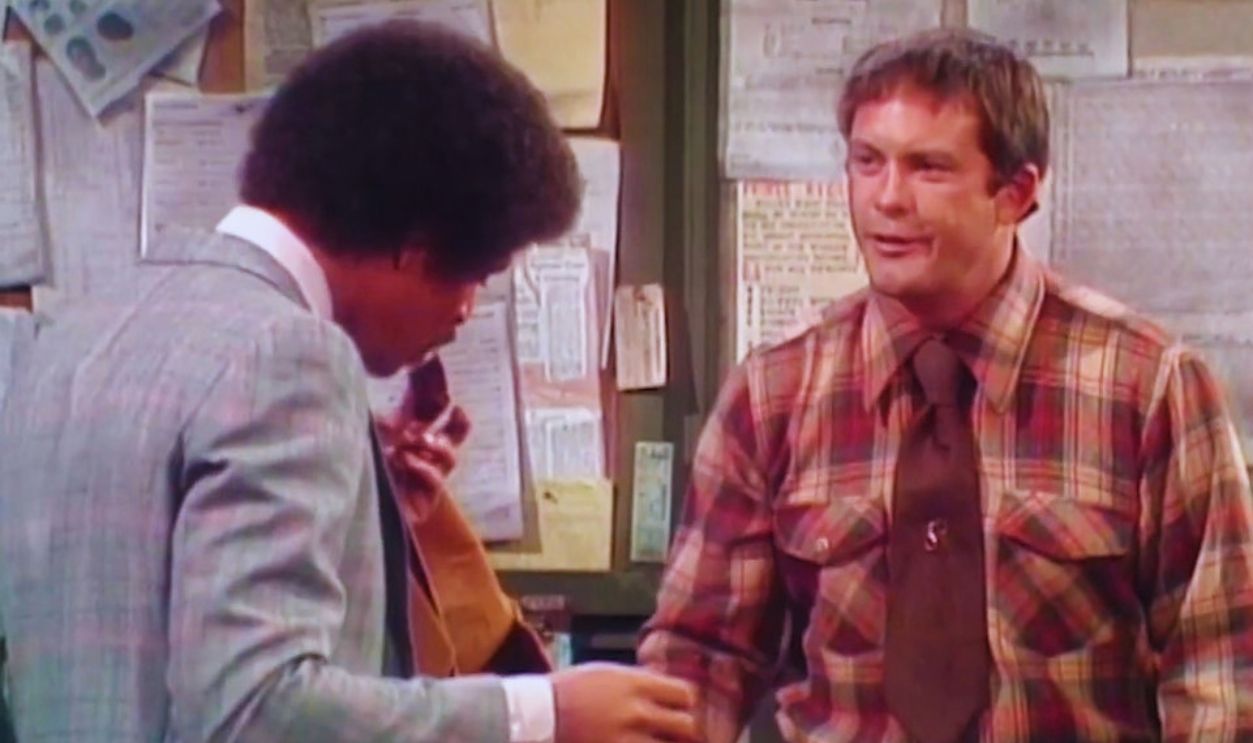
Early descriptions of the character treated Wojo as the squad’s resident simpleton. He could be gullible, overly literal, and spectacularly slow to understand a situation. Even his goofy laugh suggested that Barney Miller expected him to supply uncomplicated punchlines.
 Screenshot from Barney Miller, Sony Pictures Television (1975–1982)
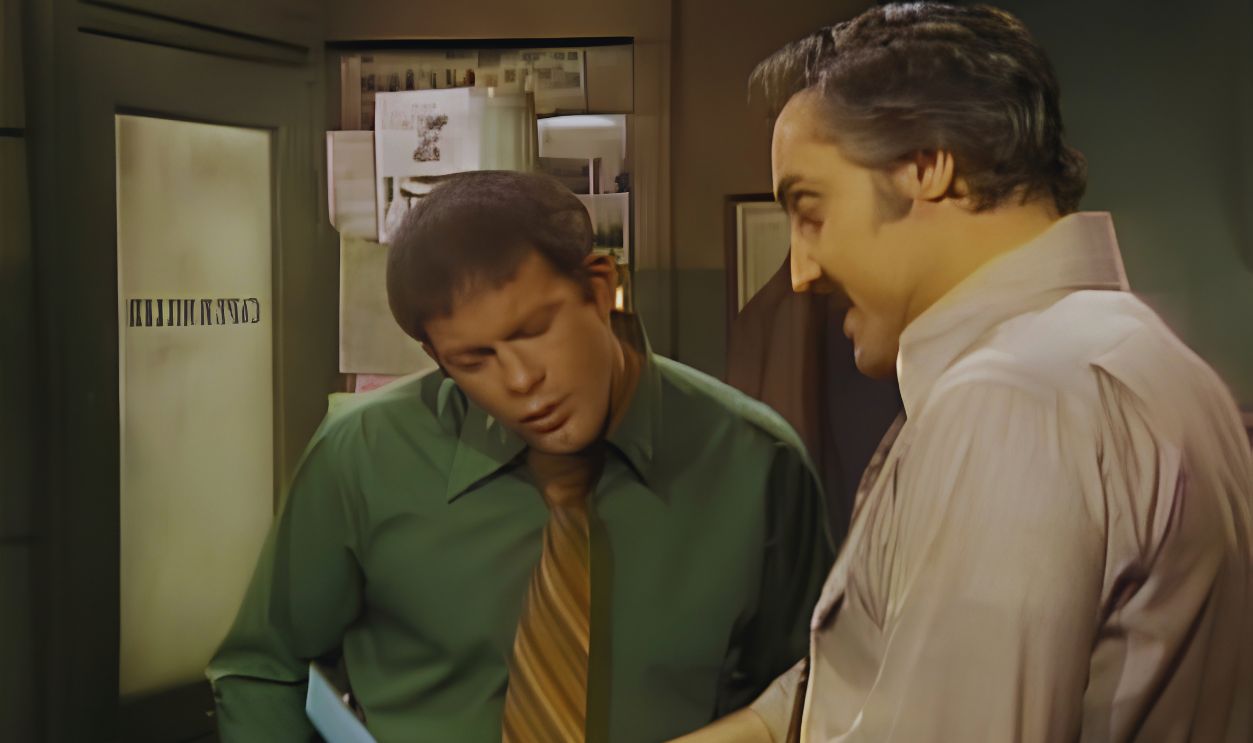
Max Gail Saw Something More
Gail did not deny Wojo’s limitations, but he refused to make stupidity the character’s entire personality. He found vulnerability inside the confusion and sincerity inside the bluster. Wojo might not understand everything happening around him, but he usually cared enough to keep trying.
 Screenshot from Barney Miller, Sony Pictures Television (1975–1982)
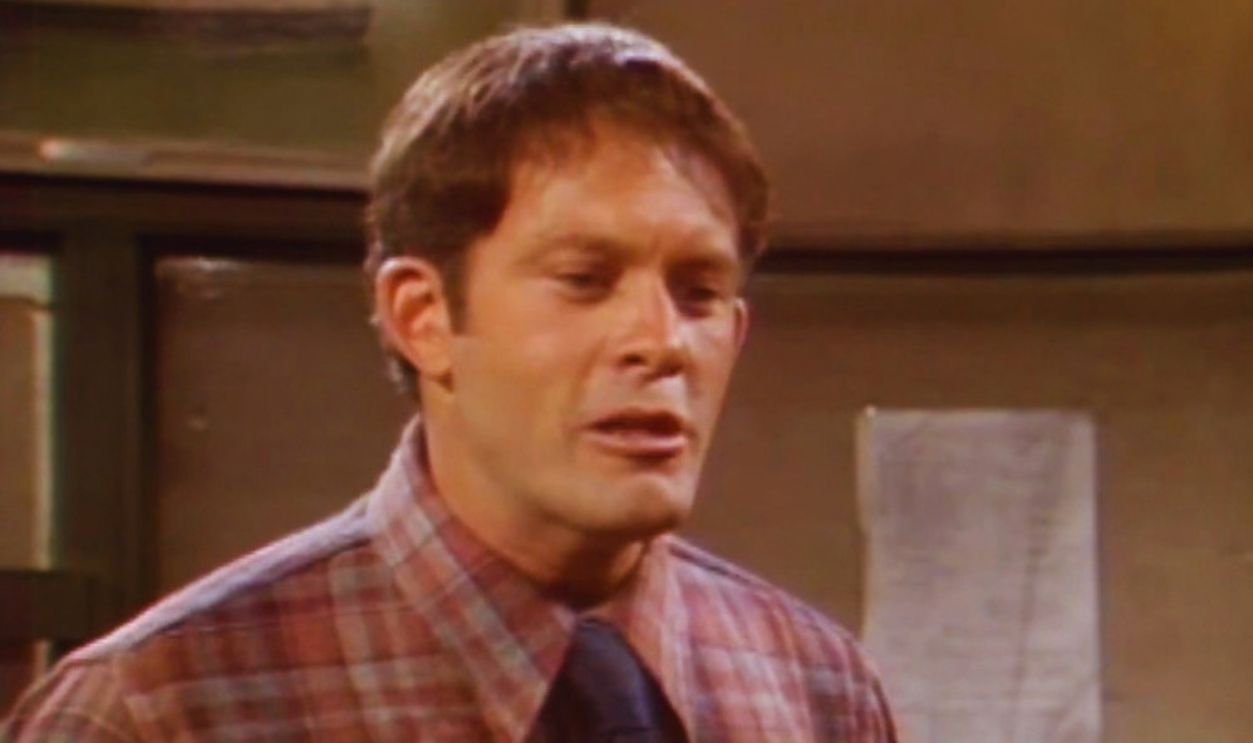
His Name Immediately Told A Story
Stanley Wojciehowicz was a proud Polish American raised in a Catholic family. The character occasionally encountered jokes and assumptions about his background, but Gail gave Wojo a recognizable cultural identity rather than allowing his difficult surname to become the whole joke.
 Screenshot from Barney Miller, Sony Pictures Television (1975–1982)
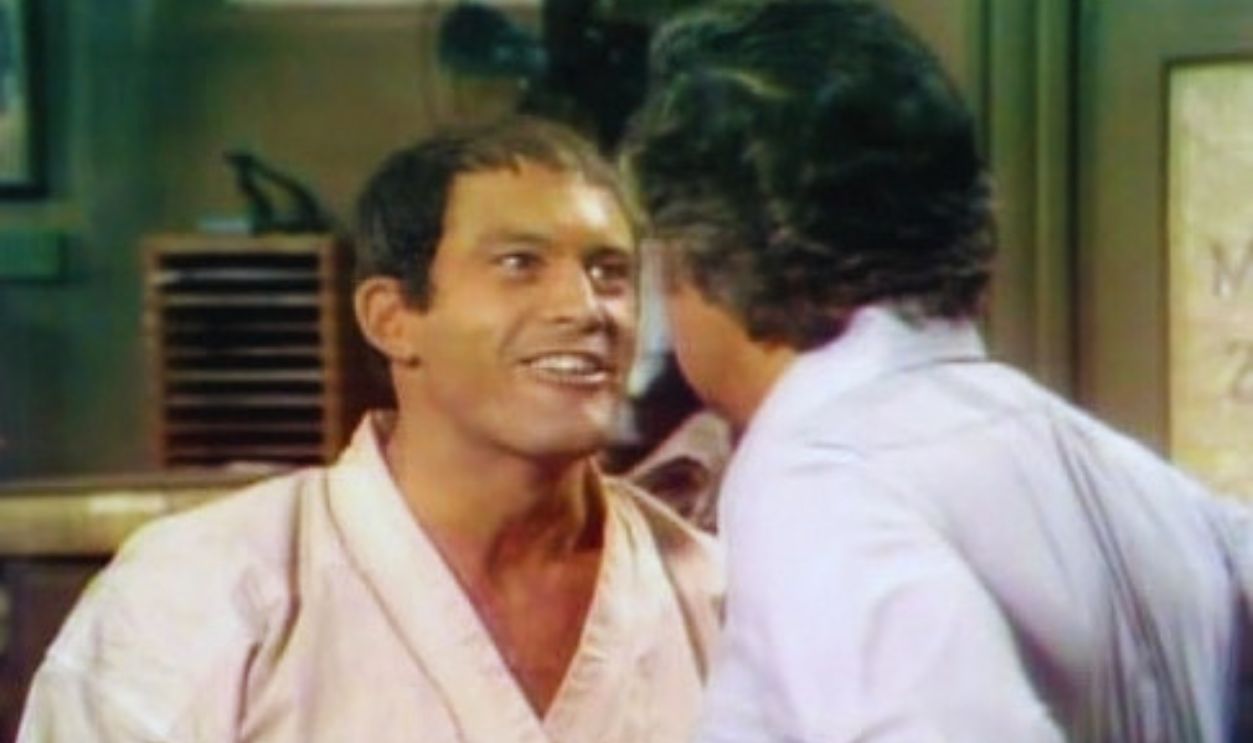
His Military Past Shaped Him
Wojo had served in the Marines, which helped explain his respect for rules, physical confidence, and instinctive belief in authority. It also created tension whenever police work presented problems that could not be solved through discipline, strength, or a clear chain of command.
 Screenshot from Barney Miller, Sony Pictures Television (1975–1982)
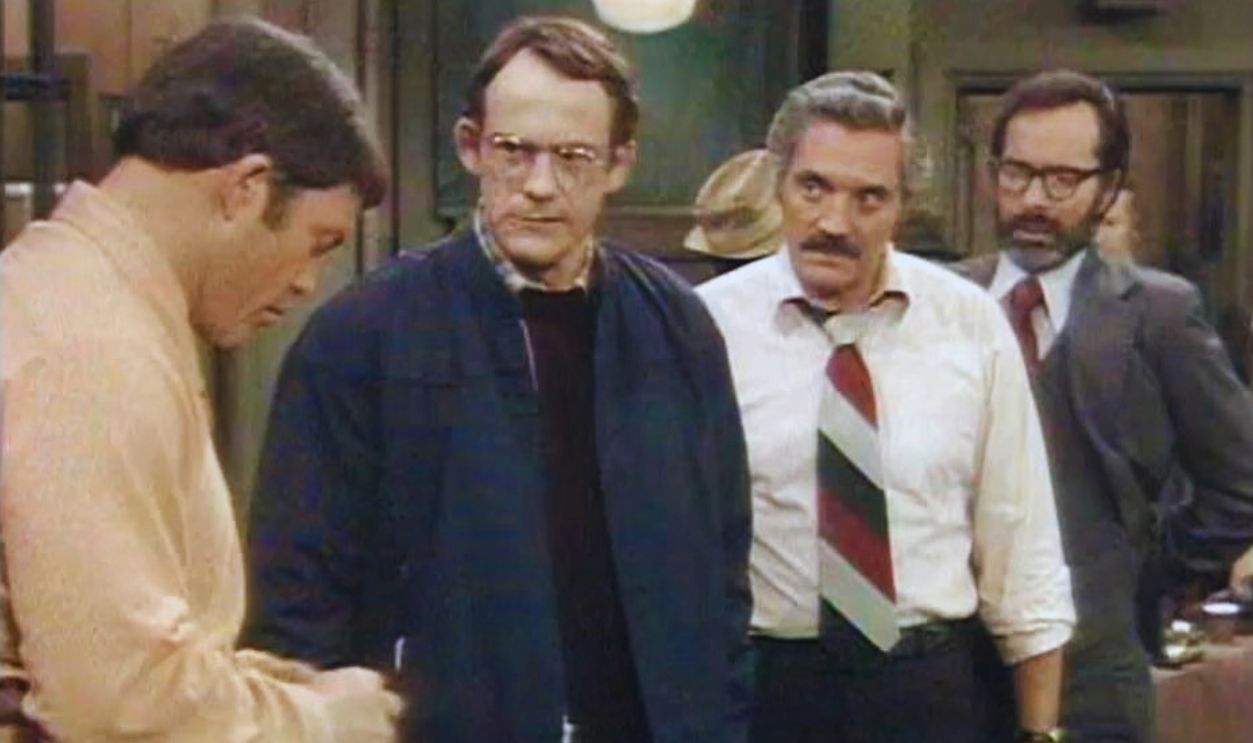
Barney Became His Mentor
Captain Barney Miller rarely raised his voice, even when the precinct seemed one strange visitor away from collapse. Wojo looked to him for approval, advice, and occasional rescue. Their relationship gradually resembled that of a patient father and a well-meaning son who kept touching the hot stove.
 Screenshot from Barney Miller, Sony Pictures Television (1975–1982)
Wojo Became The Emotional Core
Years later, Max Gail described Barney as the program’s logical center and Wojo as its emotional center. That distinction captured the character perfectly. Barney usually understood what should be done, while Wojo reminded viewers why the decision mattered to the people involved.
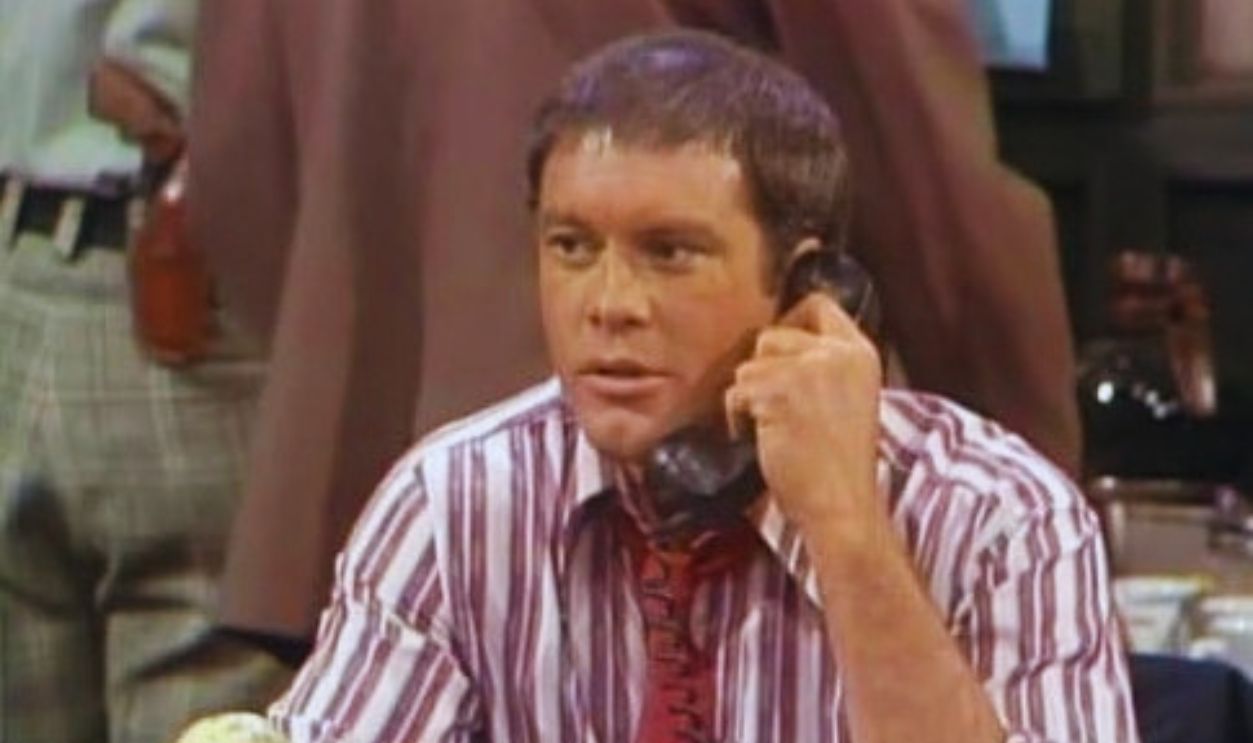 Screenshot from Barney Miller, Sony Pictures Television (1975–1982)
One Early Episode Changed How Viewers Saw Him
In “Courtesans,” Wojo initially expressed harsh opinions about street workers brought into the precinct. Then he spoke to one of the women and became completely smitten. The supposedly simple cop discovered an actual person where his assumptions had previously placed only a label.
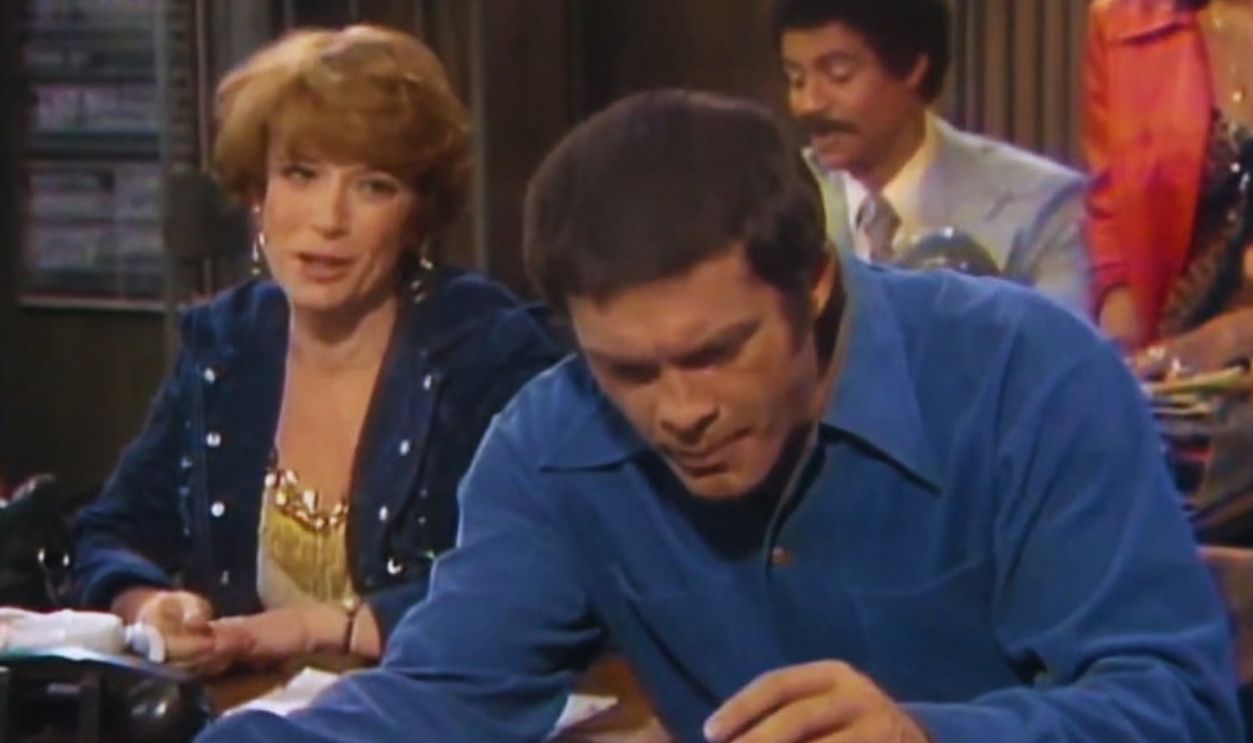 Screenshot from Barney Miller, Sony Pictures Television (1975–1982)
The Final Joke Worried The Network
At the end of the episode, Wojo asked Barney to lend him $50, strongly implying that he planned to see the woman again. Network executives reportedly objected to the joke, but producer Danny Arnold fought to preserve it. The provocative ending helped audiences realize this sitcom would take unusual risks.
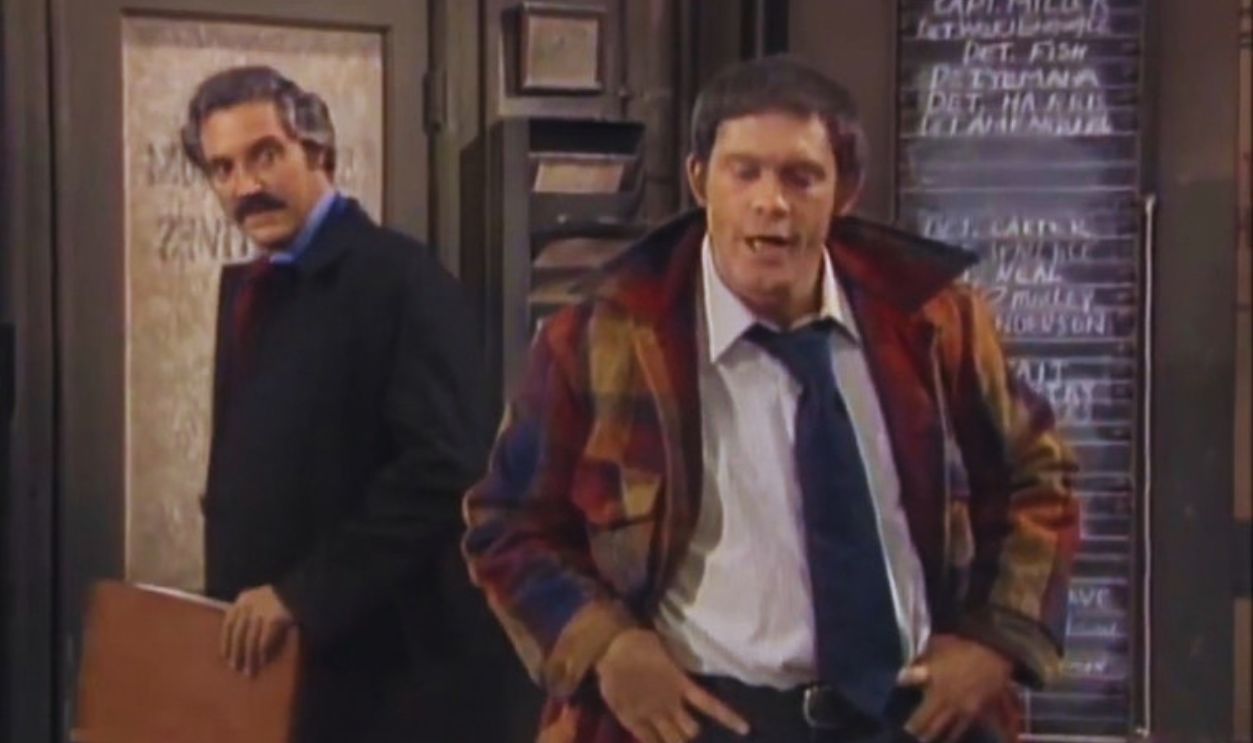 Screenshot from Barney Miller, Sony Pictures Television (1975–1982)
Wojo Was Not Really Unintelligent
Wojo sometimes lacked education, sophistication, or common sense, but he possessed another kind of intelligence. He could recognize pain, loyalty, and unfairness with startling clarity. Gail made his character emotionally perceptive even when the detective could not follow Dietrich’s latest explanation.
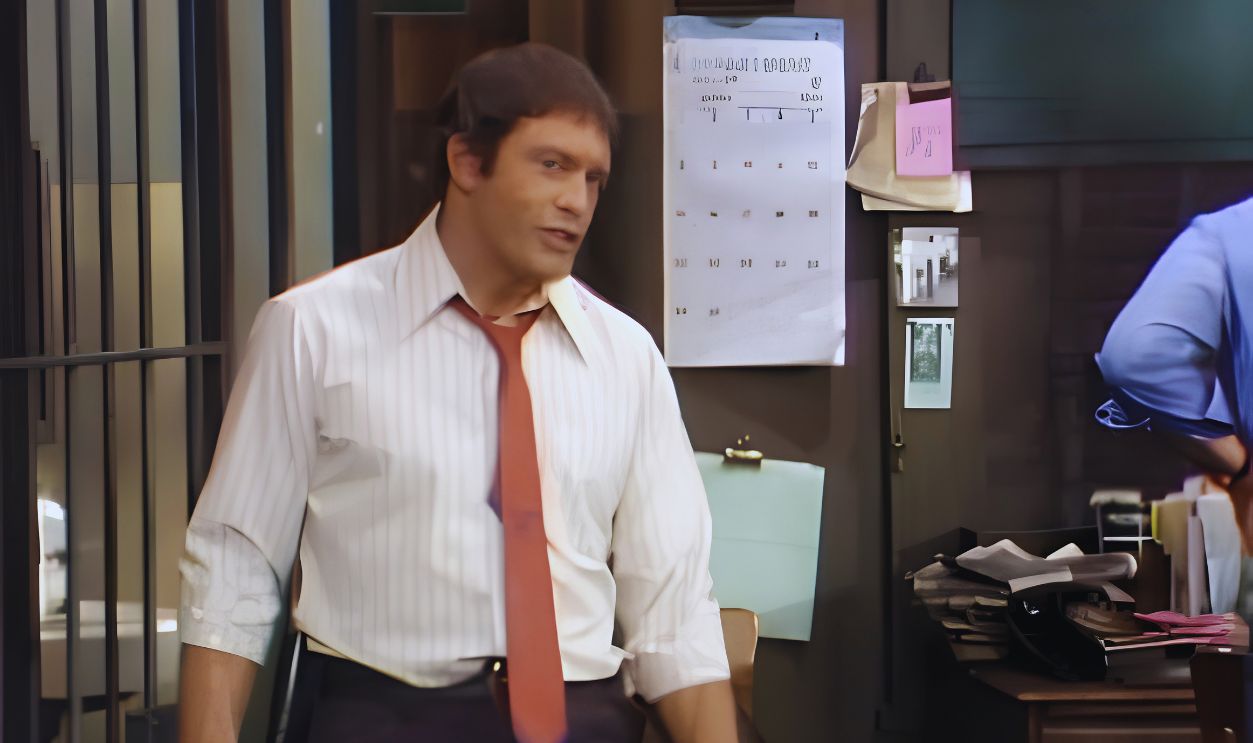 Screenshot from Barney Miller, Sony Pictures Television (1975–1982)
Harris Was His Perfect Opposite
Ron Harris was stylish, articulate, ambitious, and determined to become a successful writer. Wojo was direct, unpolished, and generally uninterested in appearing impressive. Their contrasting personalities created friction, but they also reflected the affection and irritation found inside real workplaces.
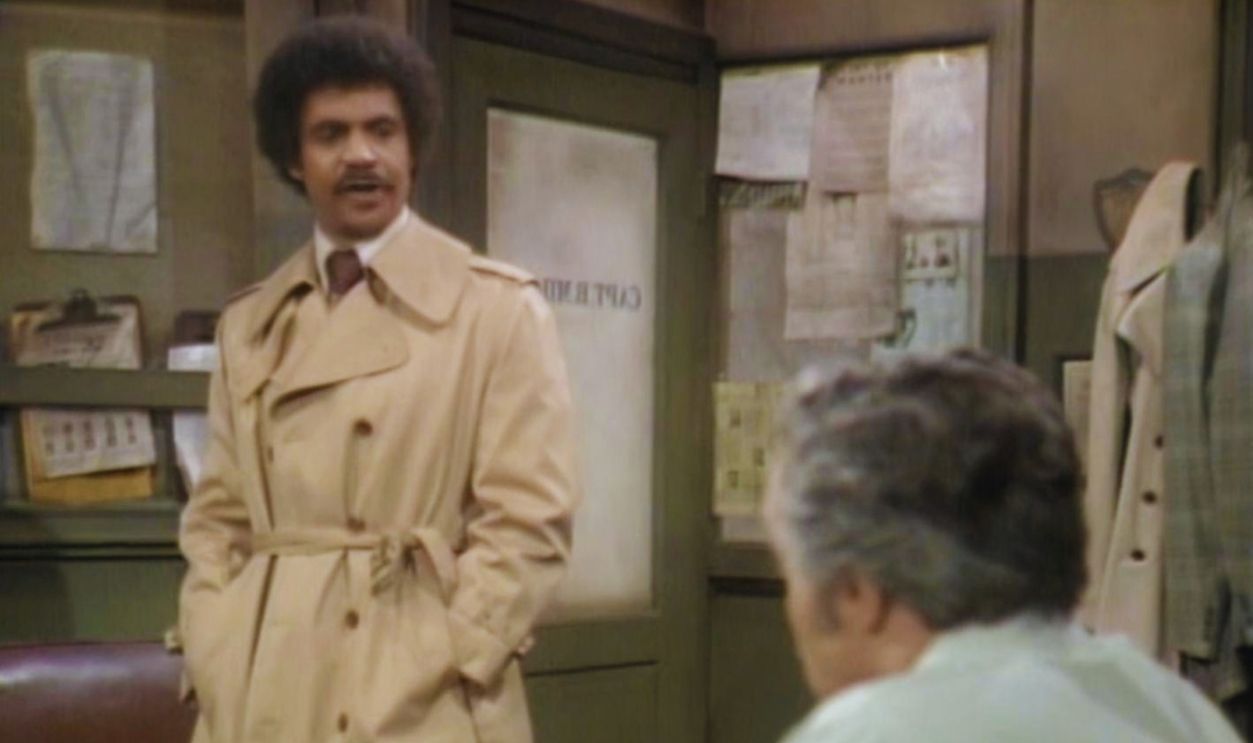 Screenshot from Barney Miller, Sony Pictures Television (1975–1982)
Yemana Could Defeat Him With One Look
Nick Yemana rarely needed more than a dry comment or exhausted expression to make Wojo look foolish. Jack Soo’s wonderfully restrained delivery contrasted beautifully with Gail’s physical enthusiasm. Wojo charged into conversations while Yemana seemed to be watching the charge from several miles away.
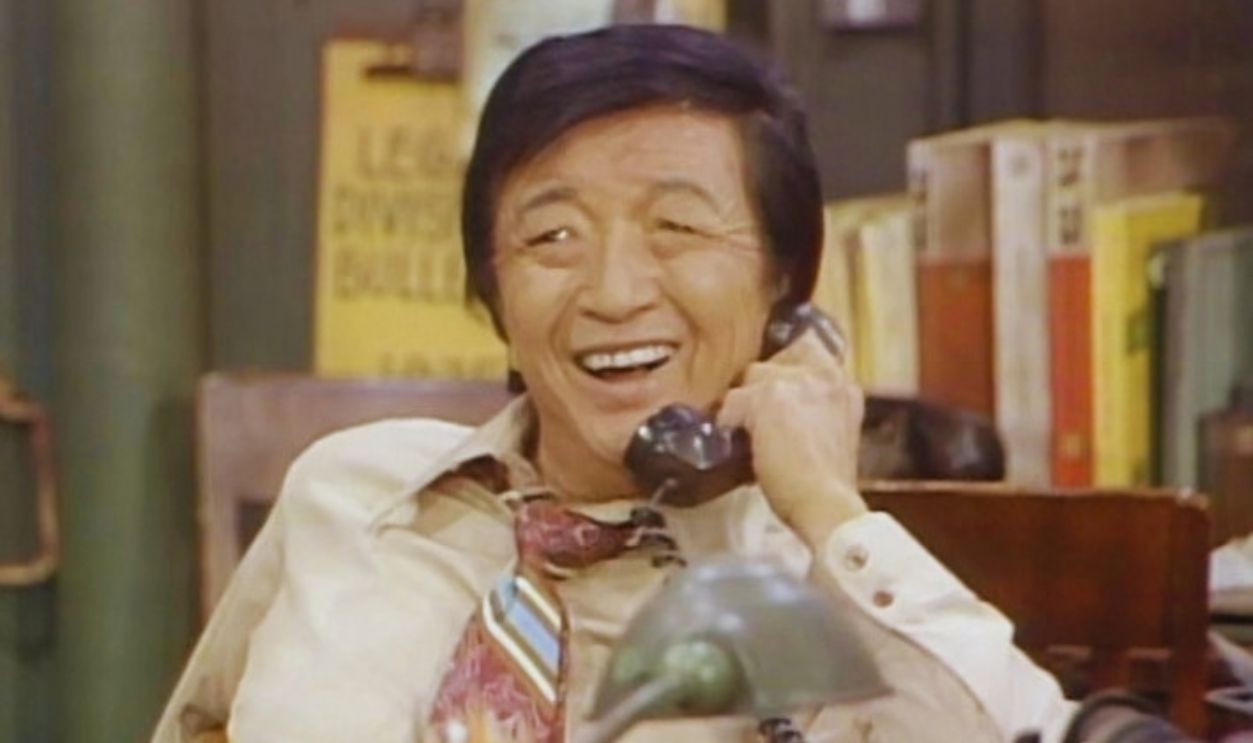 Screenshot from Barney Miller, Sony Pictures Television (1975–1982)
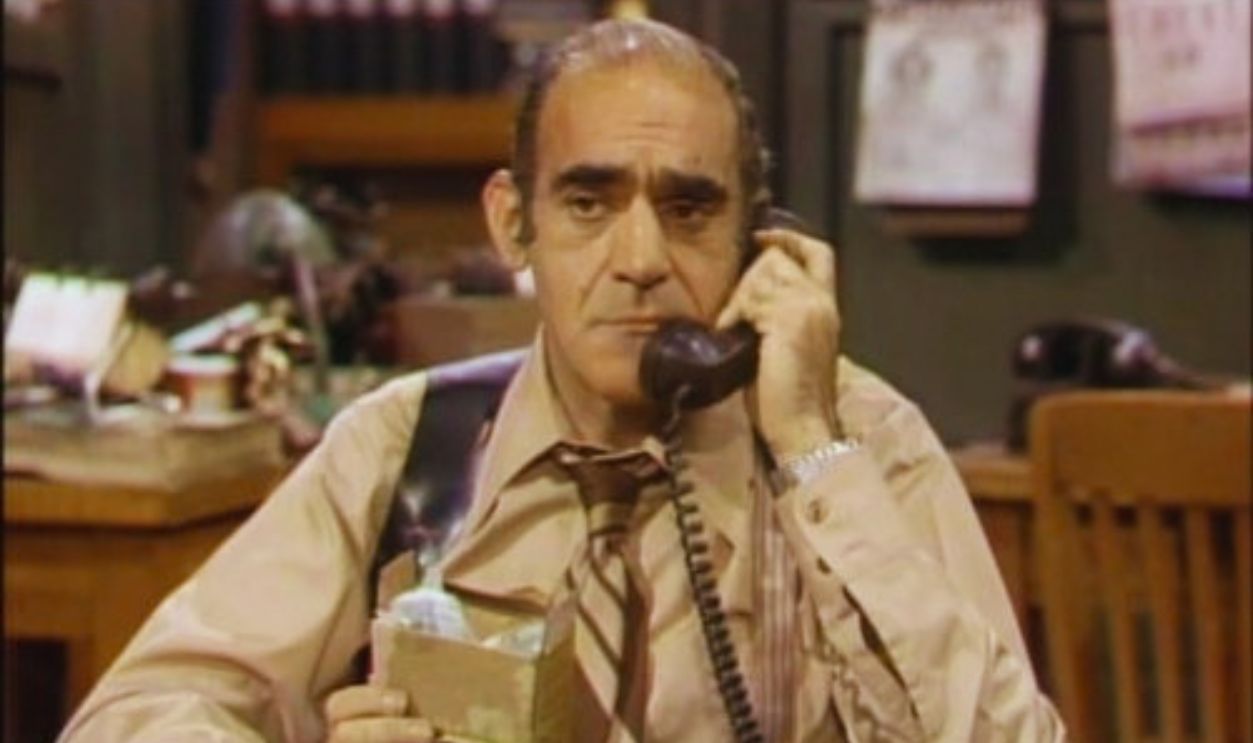
Fish And Dietrich Completed His Education
The weary Detective Fish had seen practically everything, while Arthur Dietrich seemed to have read practically everything. Wojo occupied the space between them, still young enough to be surprised and ordinary enough to ask what the audience was thinking, although not always in the most delicate language.
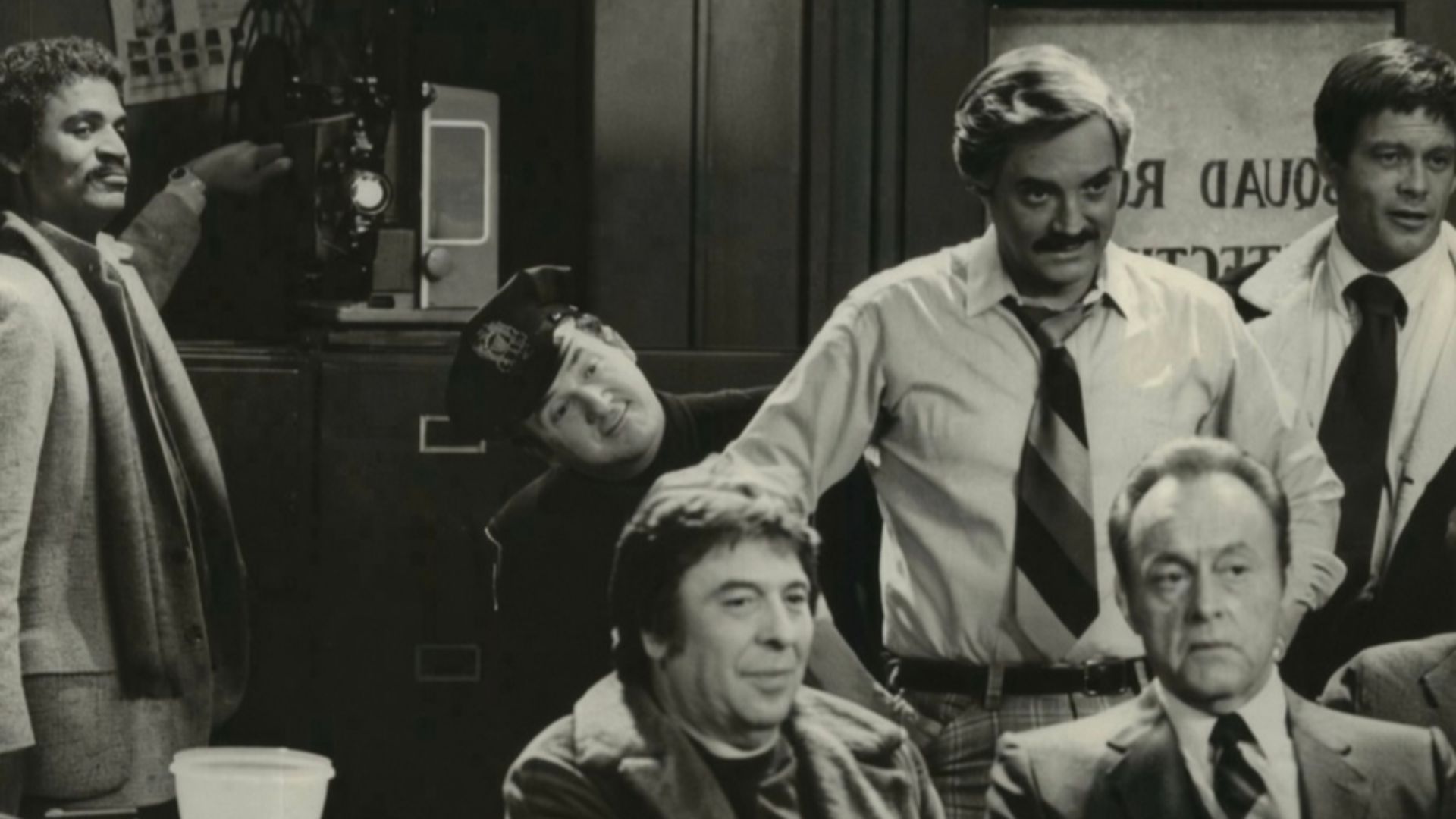
The Ensemble Never Needed A Traditional Star
Barney Miller succeeded because no detective dominated every episode. Hal Linden provided the steady center, while Gail, Soo, Ron Glass, Abe Vigoda, Steve Landesberg, and the rest of the cast created distinct personalities. Wojo became essential without requiring the entire precinct to revolve around him.
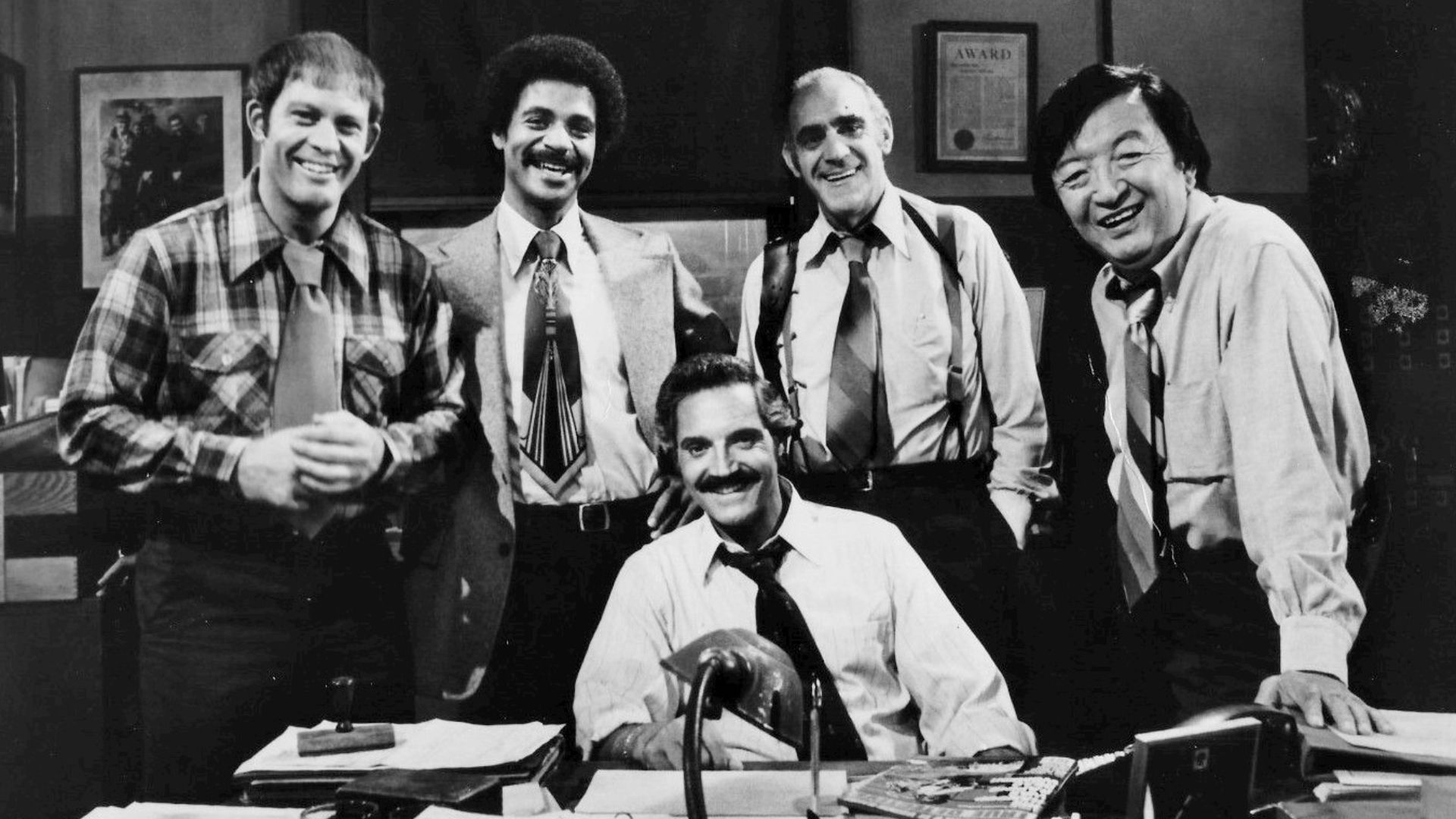 ABC Television, Wikimedia Commons
His Romantic Life Exposed His Weaknesses
Wojo’s relationships often revealed his insecurities about masculinity, commitment, and women’s independence. He could become possessive or confused when a girlfriend challenged his expectations. The show did not always excuse him, allowing Gail to play a man slowly discovering that affection did not equal ownership.
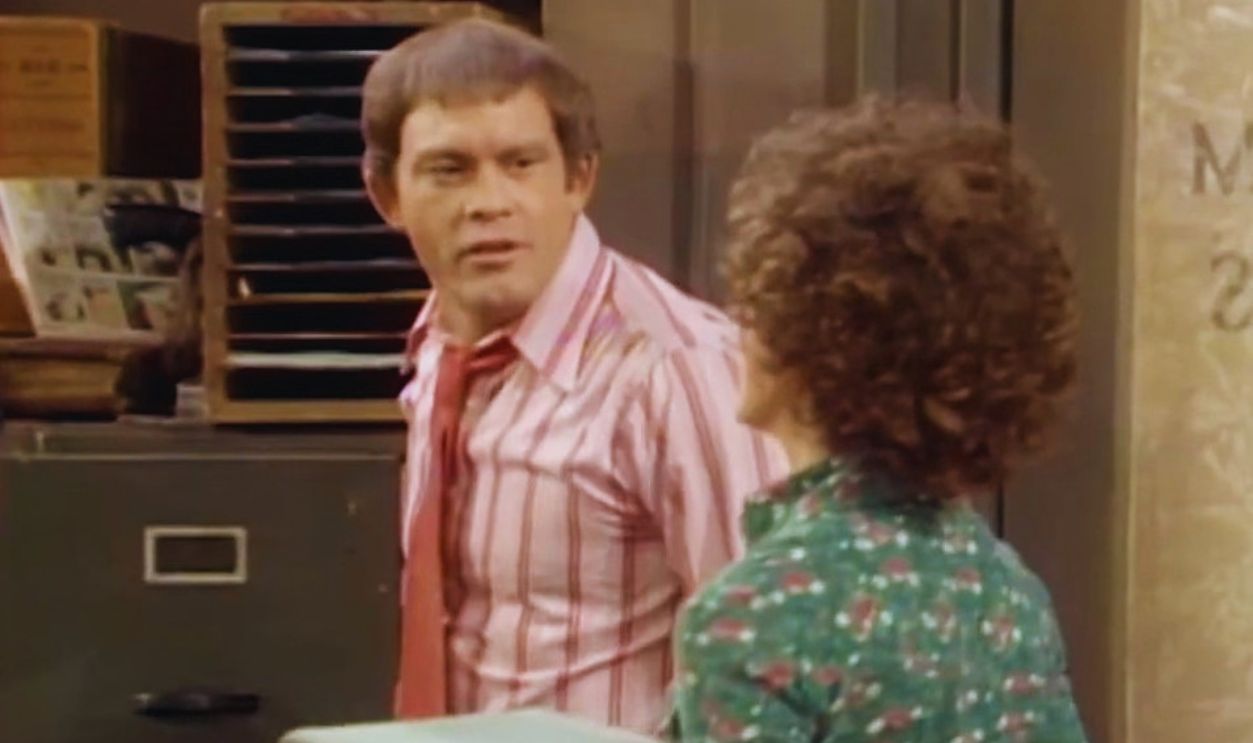 Screenshot from Barney Miller, Sony Pictures Television (1975–1982)
His Prejudices Became Part Of His Growth
Wojo sometimes reacted awkwardly or offensively to people he did not understand, including the show’s recurring gay characters. Those moments can be uncomfortable today, but they also gave the character somewhere to go. He was not presented as perfectly enlightened; he had to confront his assumptions.
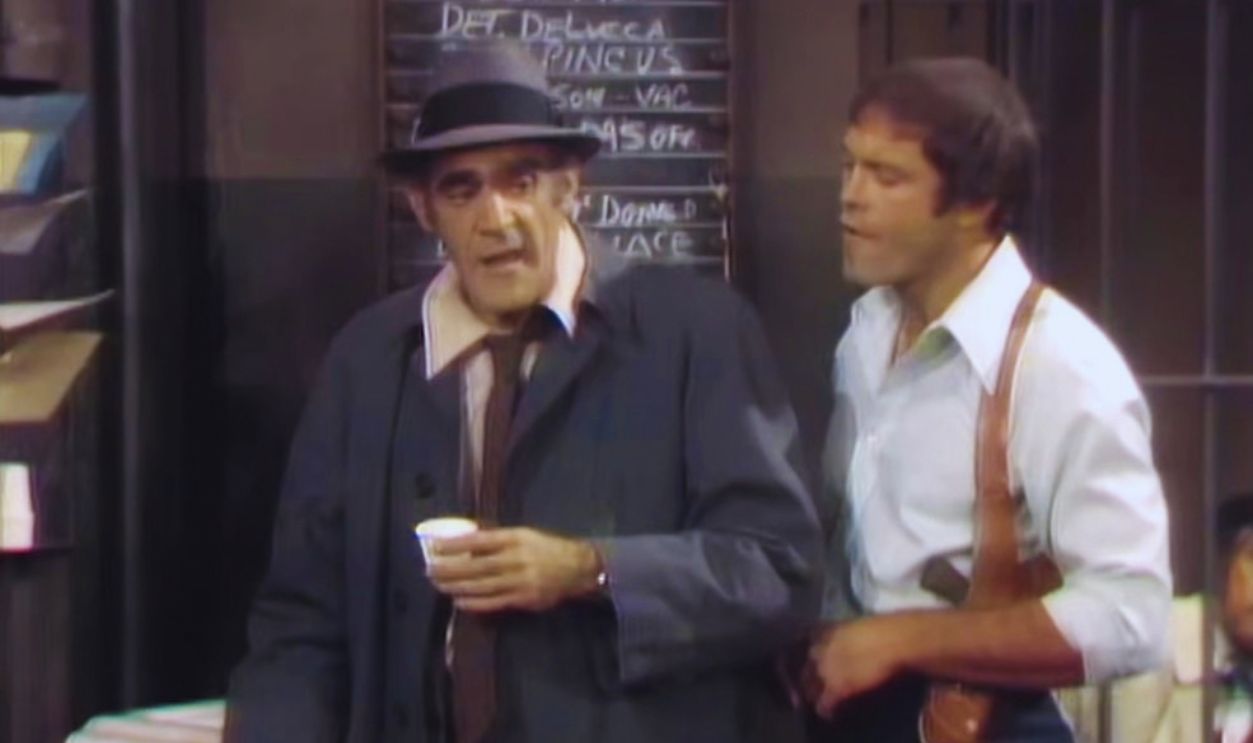 Screenshot from Barney Miller, Sony Pictures Television (1975–1982)
One Mistake Had Serious Consequences
In a memorable storyline, Wojo accidentally revealed that Officer Zatelli was gay while speaking to the deeply unpleasant Lieutenant Scanlon. His carelessness threatened another officer’s career. Zatelli eventually forgave him, but the story forced Wojo to understand that good intentions could not erase real harm.
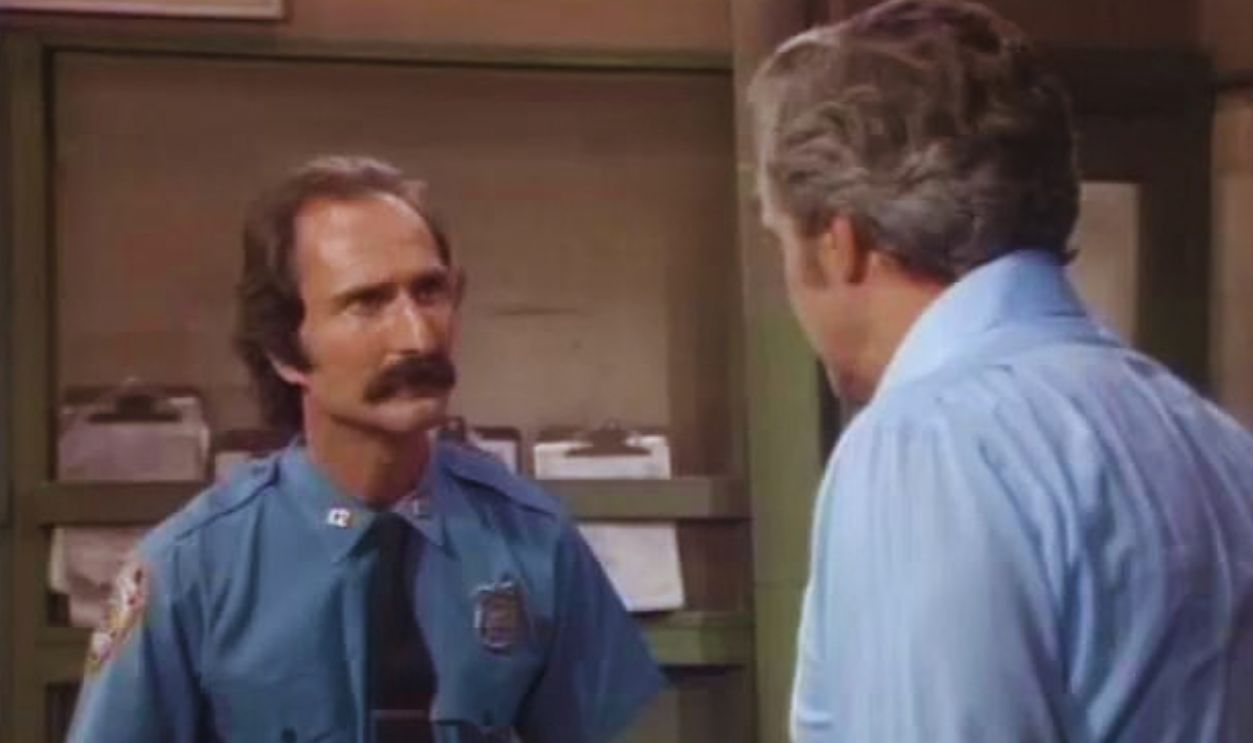 Screenshot from Barney Miller, Sony Pictures Television (1975–1982)
Police Violence Troubled Him Deeply
Wojo’s size and military background made him appear comfortable with force, yet taking a life was another matter. After shooting a young robbery suspect, he was so shaken that he considered resigning. Gail played the crisis without bravado, exposing the conscience underneath the uniform.
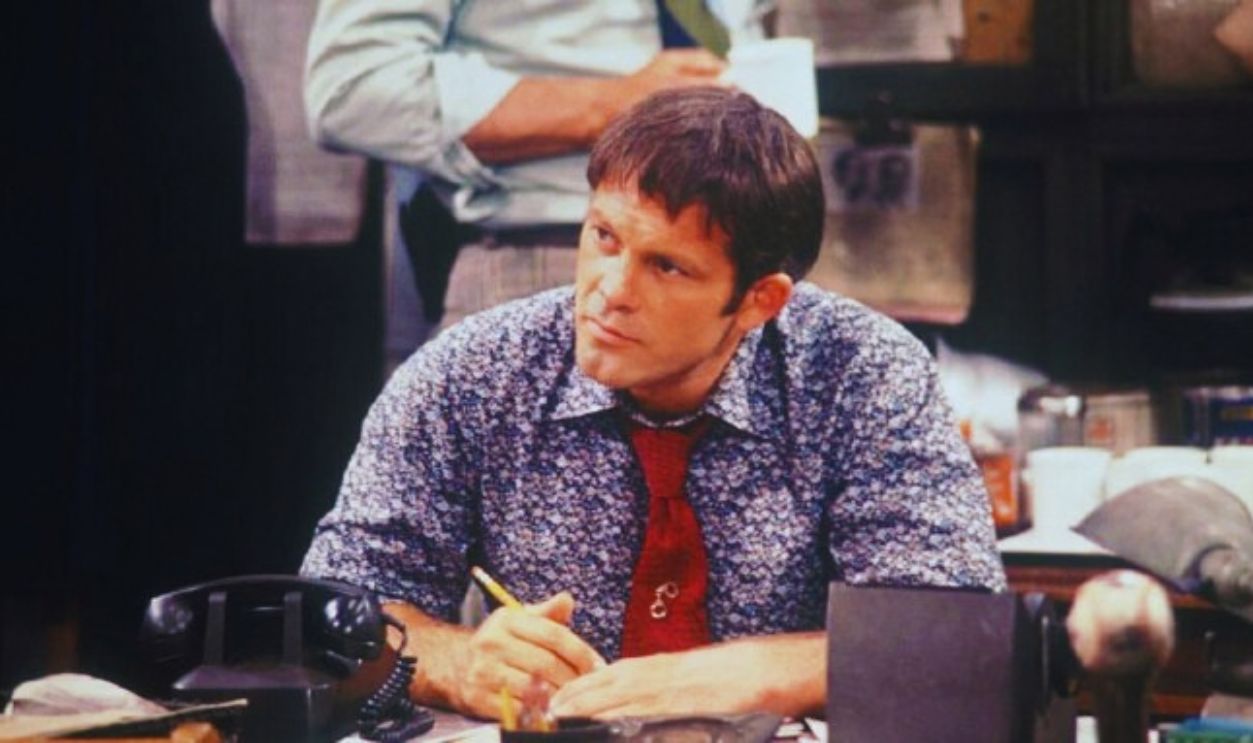 Screenshot from Barney Miller, Sony Pictures Television (1975–1982)
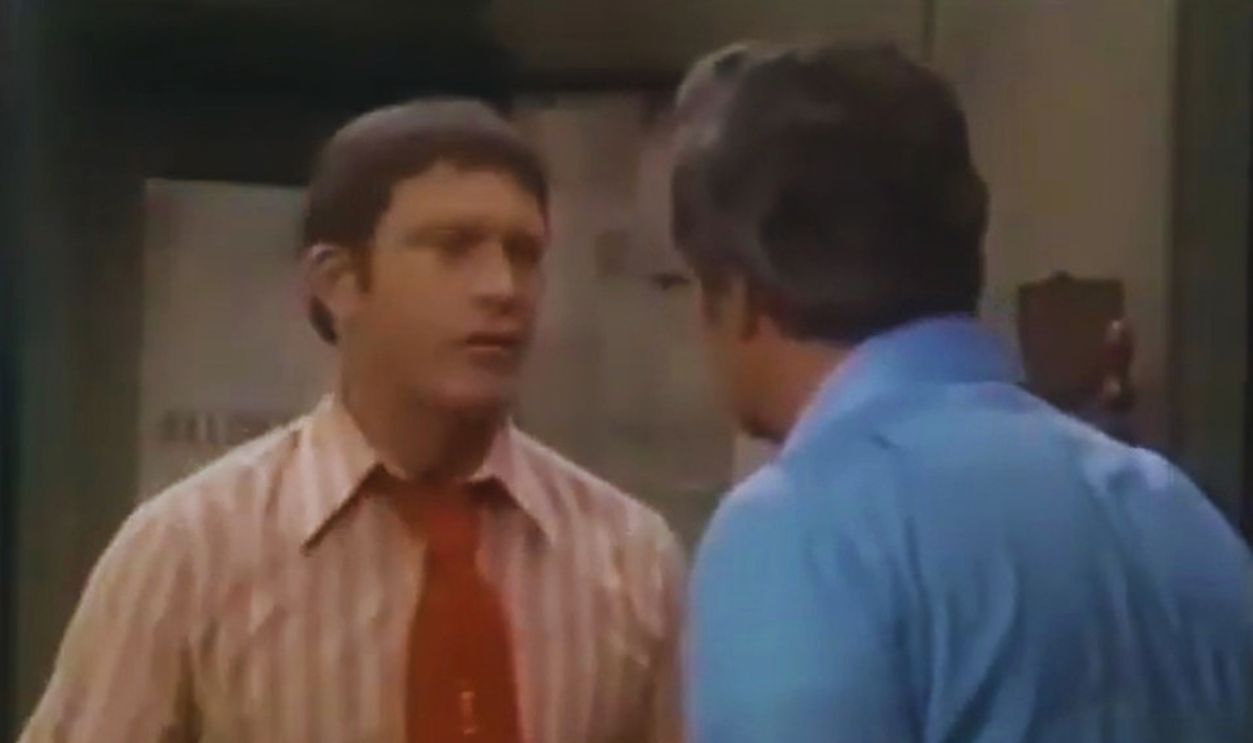
Injustice Could Make Him Explode
Wojo had little patience for cruelty, corruption, or someone taking advantage of a vulnerable person. His moral certainty occasionally caused problems, but it also made him the detective most likely to become personally invested. The same impulsiveness that made him foolish could also make him brave.
 Screenshot from Barney Miller, Sony Pictures Television (1975–1982)
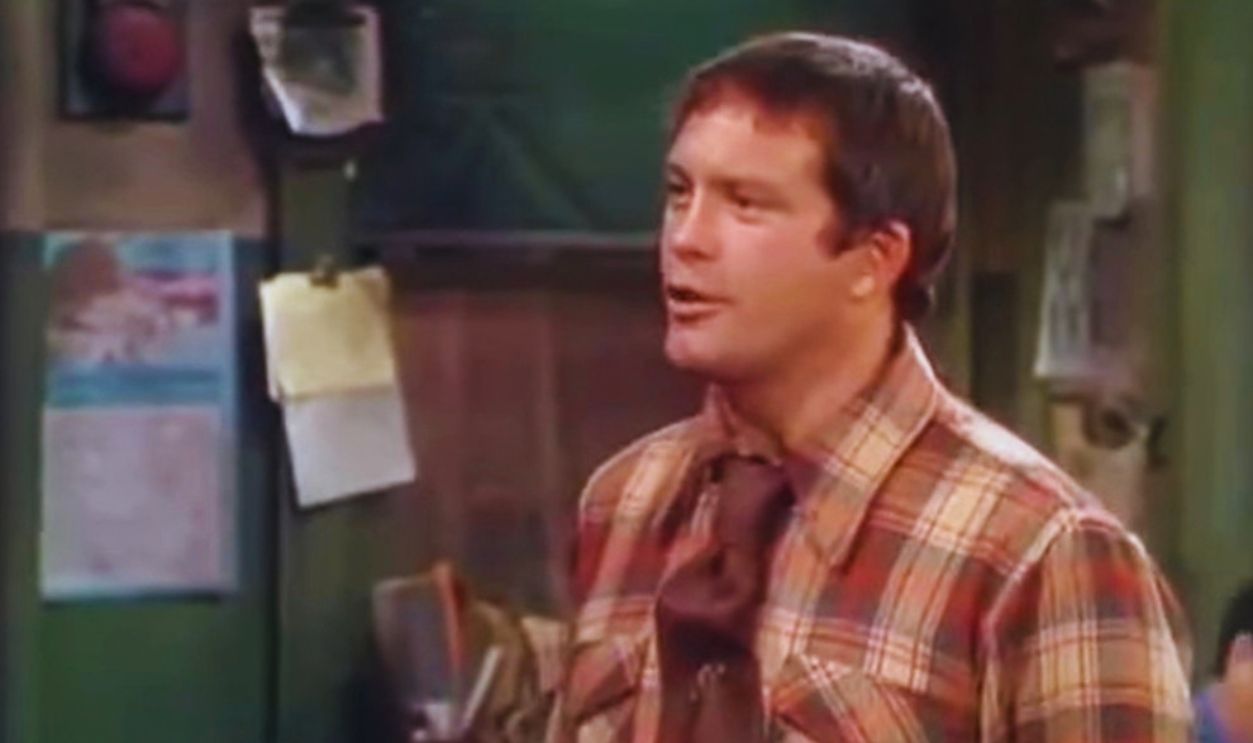
He Wanted To Become A Sergeant
Wojo eventually began thinking about advancement and attempted the sergeant’s examination. The storyline was funny because studying did not come naturally to him, but it also showed genuine ambition. He wanted to improve, even when improvement required sitting still with a book instead of chasing someone.
 Screenshot from Barney Miller, Sony Pictures Television (1975–1982)
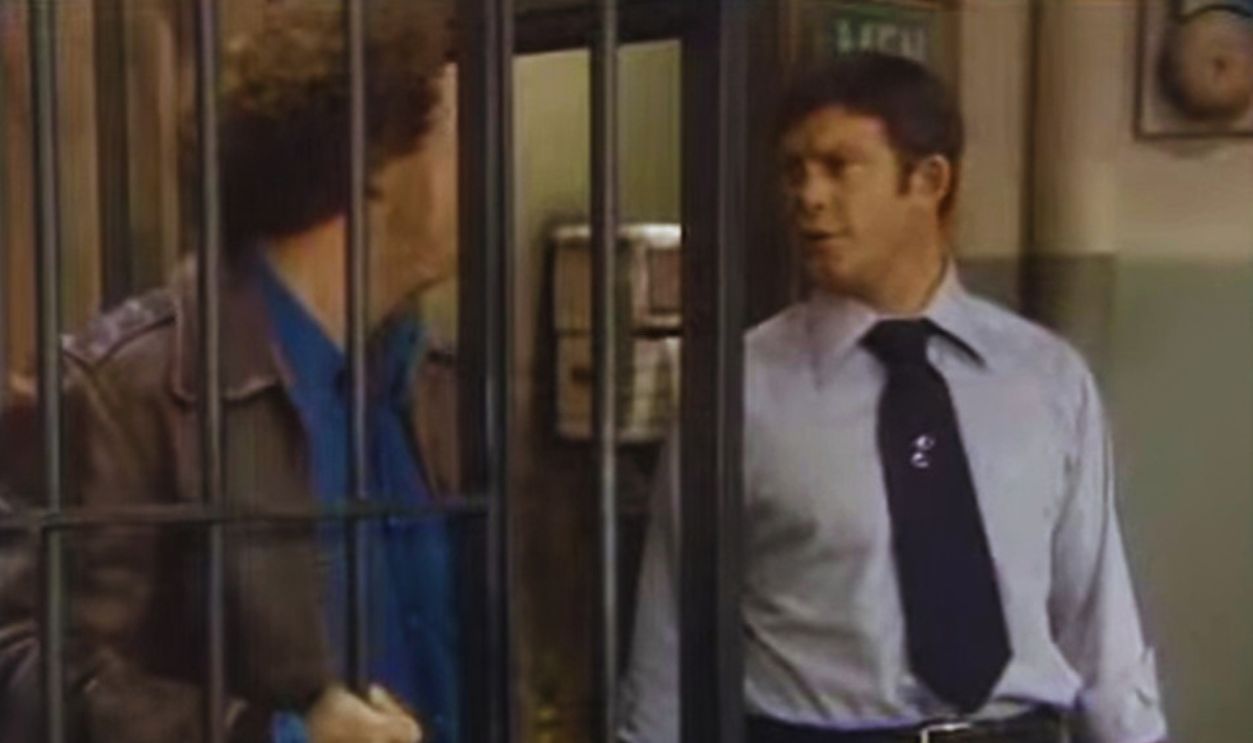
The Visitors Brought Out His Humanity
The precinct welcomed thieves, eccentrics, lonely people, confused tourists, frightened witnesses, and suspects with problems far bigger than their crimes. Wojo might initially judge them, but conversation often changed his attitude. Gail made those small shifts feel like genuine discoveries rather than tidy sitcom lessons.
 Screenshot from Barney Miller, Sony Pictures Television (1975–1982)
Real Police Officers Appreciated The Show
Despite its absurd visitors, Barney Miller earned praise for showing the less glamorous reality of police work. The detectives spent enormous amounts of time talking, listening, filing reports, and waiting. Wojo’s development mattered because viewers saw him learn through the daily routine of the job.
 ABC Television, Wikimedia Commons
Making The Show Was Exhausting
Creator and producer Danny Arnold was famously demanding, frequently rewriting material until the jokes and performances felt right. Tapings could stretch into the early morning. The relaxed conversations viewers saw on television were sometimes produced during exceptionally long and difficult nights.
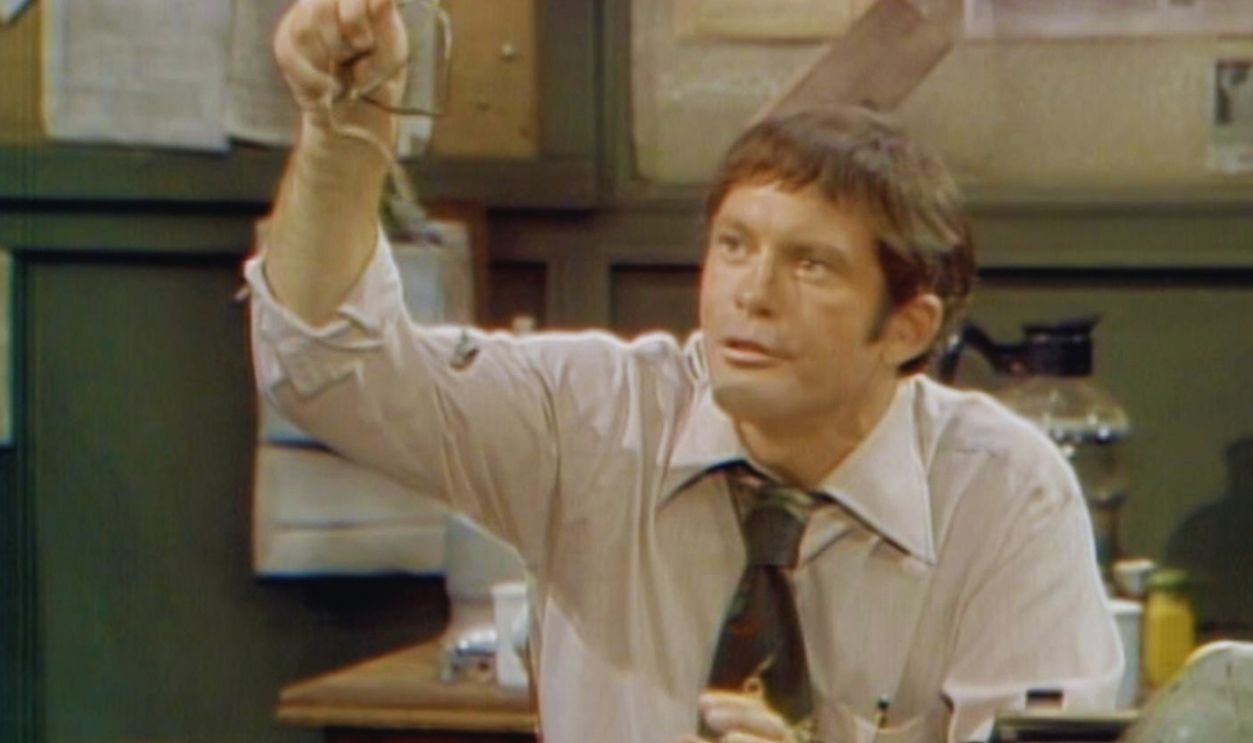 Screenshot from Barney Miller, Sony Pictures Television (1975–1982)
Gail Eventually Stepped Behind The Camera
As his confidence grew, Gail directed several episodes of Barney Miller under the name Maxwell Gail. Directing required him to understand the full ensemble rather than only Wojo. It was another sign that the supposed “big dumb cop” was being played by a serious and increasingly versatile artist.
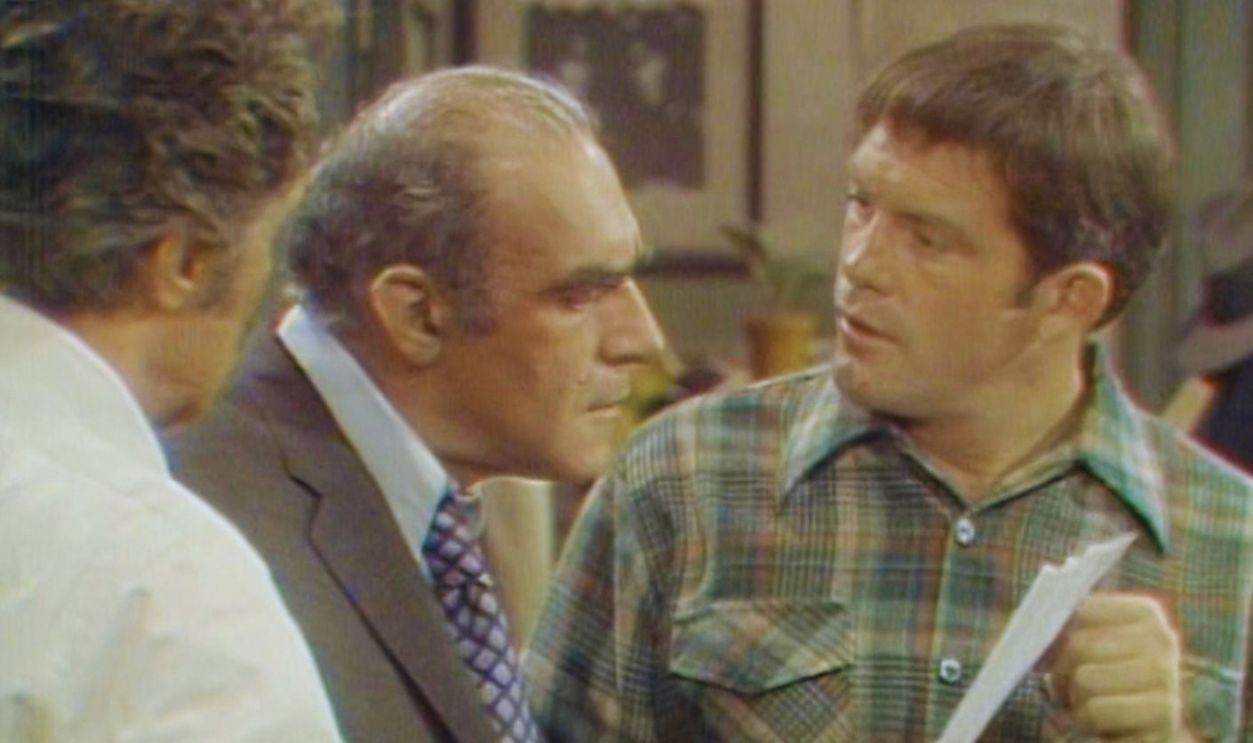 Screenshot from Barney Miller, Sony Pictures Television (1975–1982)
The Loss Of Jack Soo Changed Everyone
Jack Soo died of cancer in 1979, leaving an enormous absence inside the precinct. Rather than continuing as if nothing had happened, the cast created a special retrospective honoring him. Gail joined his fellow actors in remembering the colleague whose quiet wit had helped define the series.
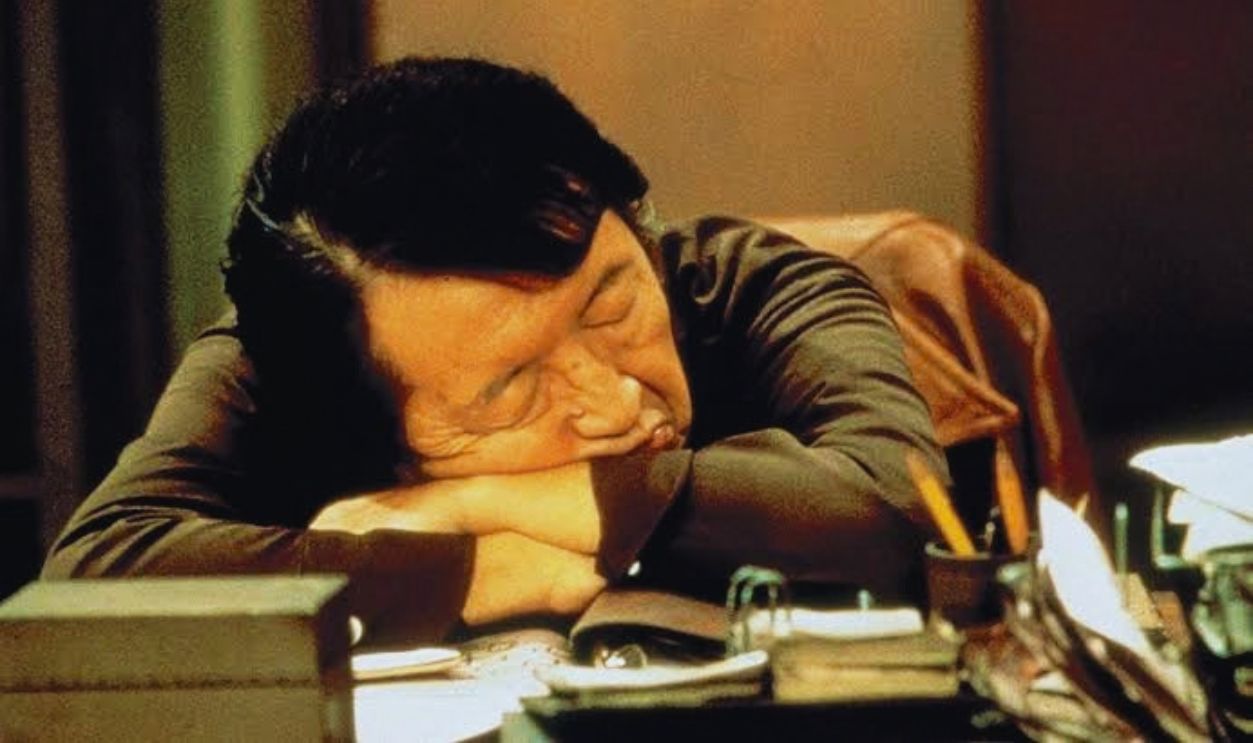 Screenshot from Barney Miller, Sony Pictures Television (1975–1982)
The Television Academy Noticed Him
Gail received Primetime Emmy nominations for Outstanding Supporting Actor in a Comedy Series in both 1979 and 1980. He did not win, but the nominations confirmed what regular viewers already understood: Wojo had grown far beyond the limited comic stereotype introduced years earlier.
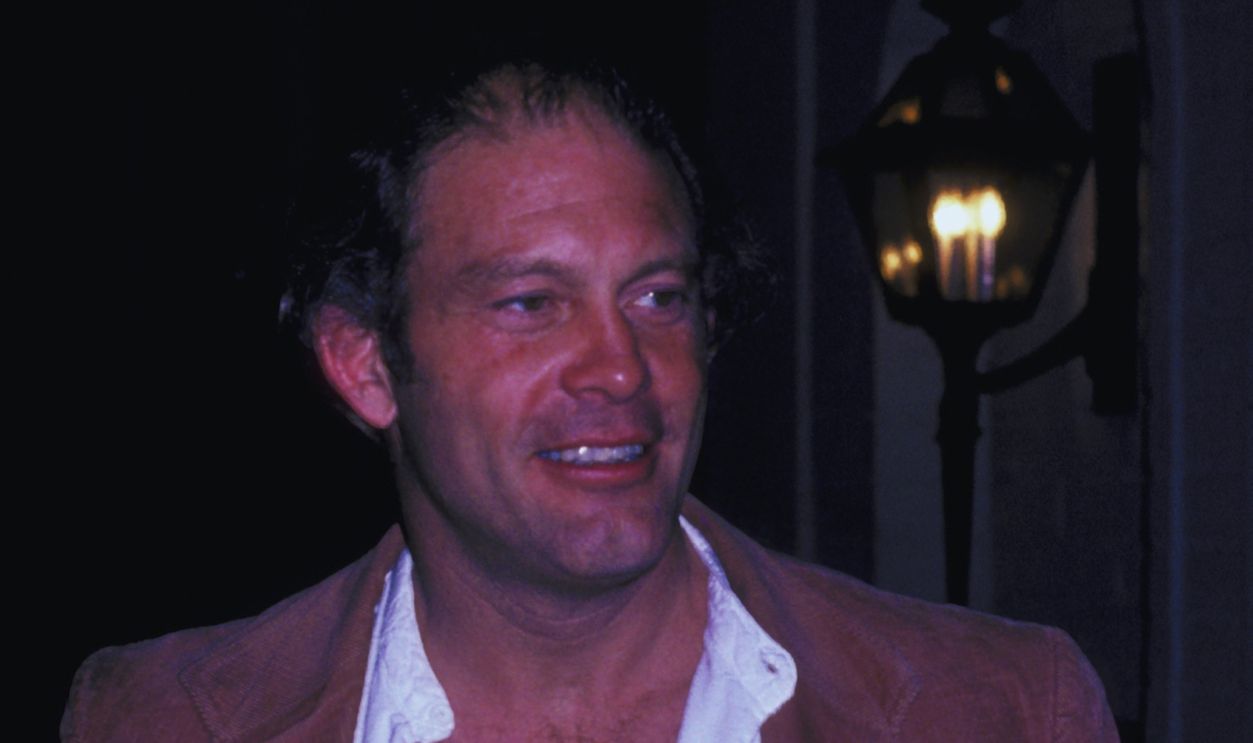 Ron Galella Collection, Getty Images
The Precinct Finally Closed
Barney Miller ended in 1982 after eight seasons. Its final episodes broke apart the familiar squad room as characters moved toward new stages of their lives. Wojo left television as a more mature detective, although thankfully not so mature that anyone would mistake him for Dietrich.
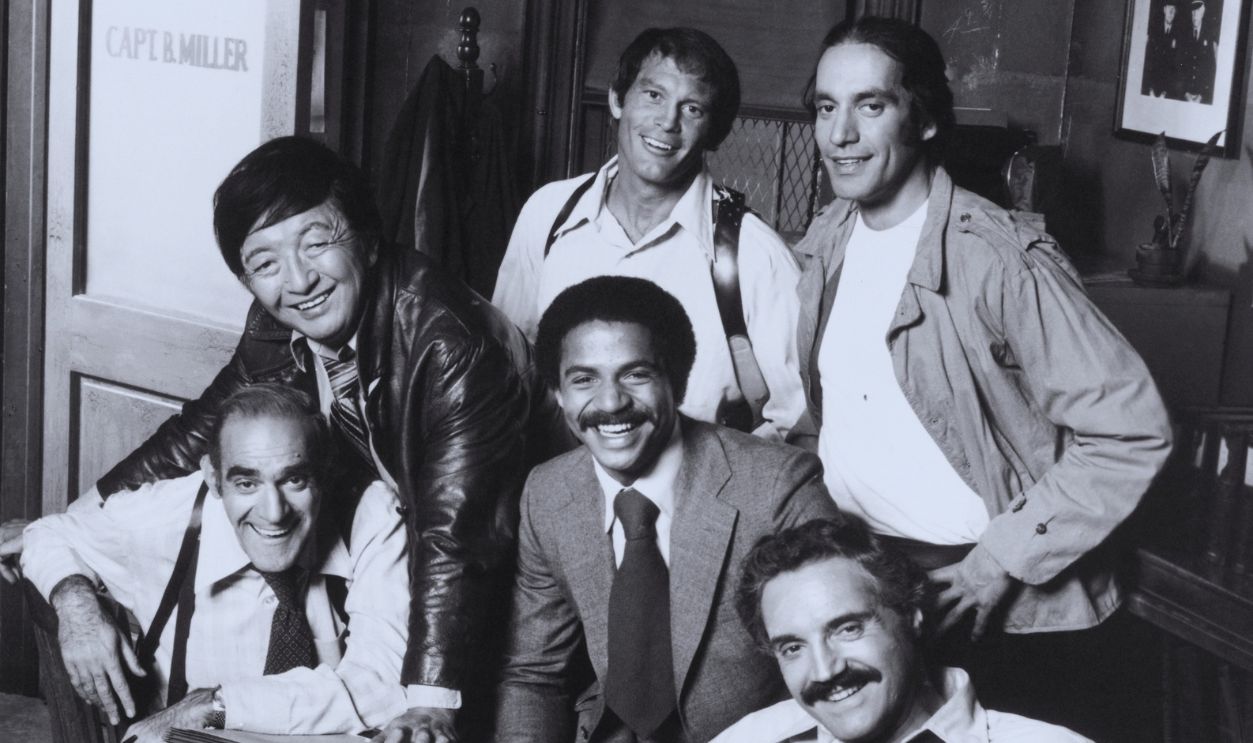
Gail Refused To Stop Exploring
After the series, Gail continued appearing in film and television, with credits including D.C. Cab, Whiz Kids, Sons & Daughters, Mad Men, 42, Hawaii Five-0, NCIS, Magnum P.I., and Chicago Med. Wojo remained famous, but he was never Gail’s final destination.
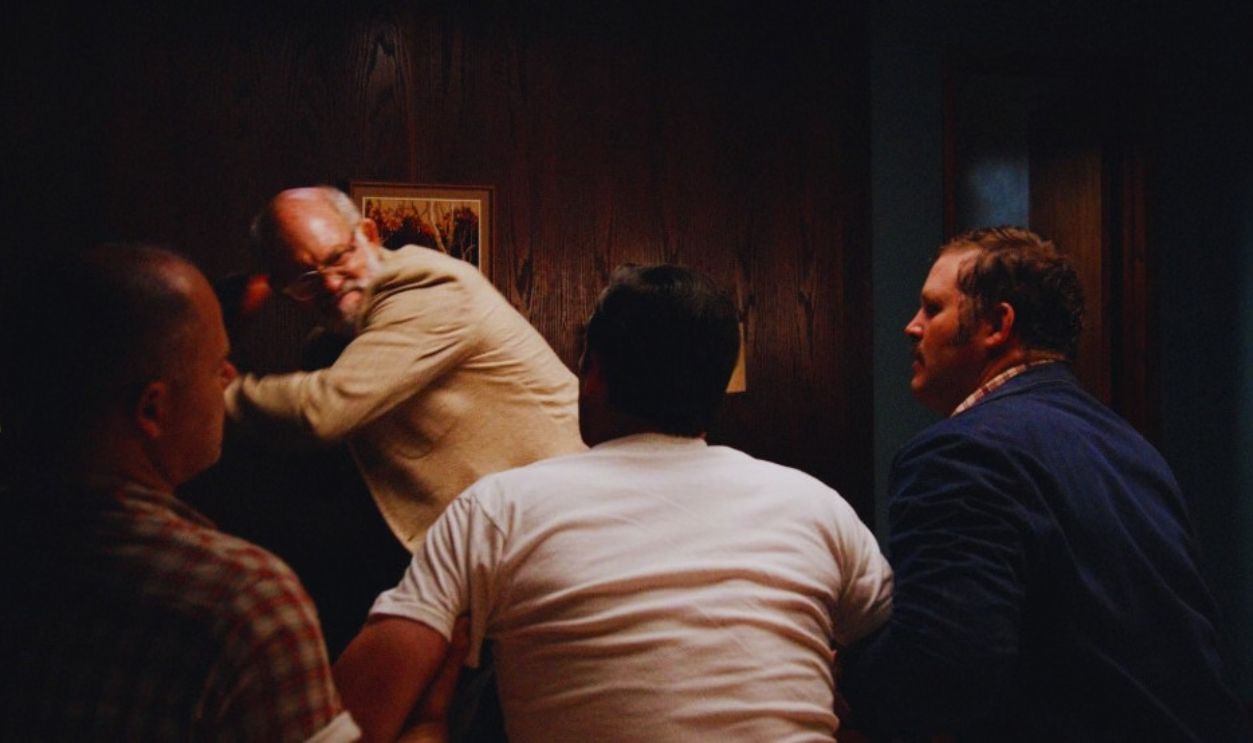 Screenshot from Mad Men, Lionsgate Television (2007–2015)
His Interests Extended Beyond Acting
Gail also pursued music, activism, and documentary production. Through his company Full Circle, he became involved with projects exploring political, environmental, medical, and social issues. The curiosity that made Wojo evolve onscreen was also a defining part of the actor playing him.
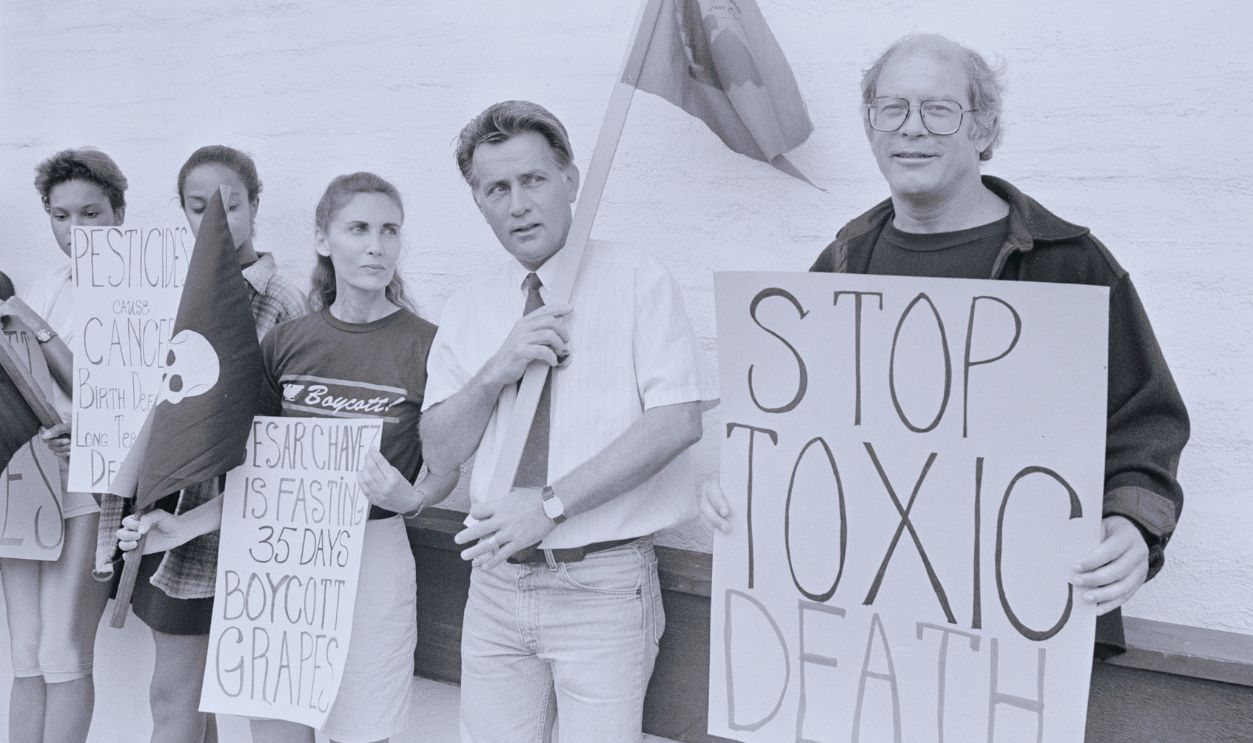
His Personal Life Included Profound Loss
Gail’s first wife, Willie Beir, died from cancer in 1986, leaving him to raise their young daughter, India. The loss deeply affected him. He later became involved with Hoxsey: When Healing Becomes a Crime, a documentary examining a controversial alternative cancer treatment.
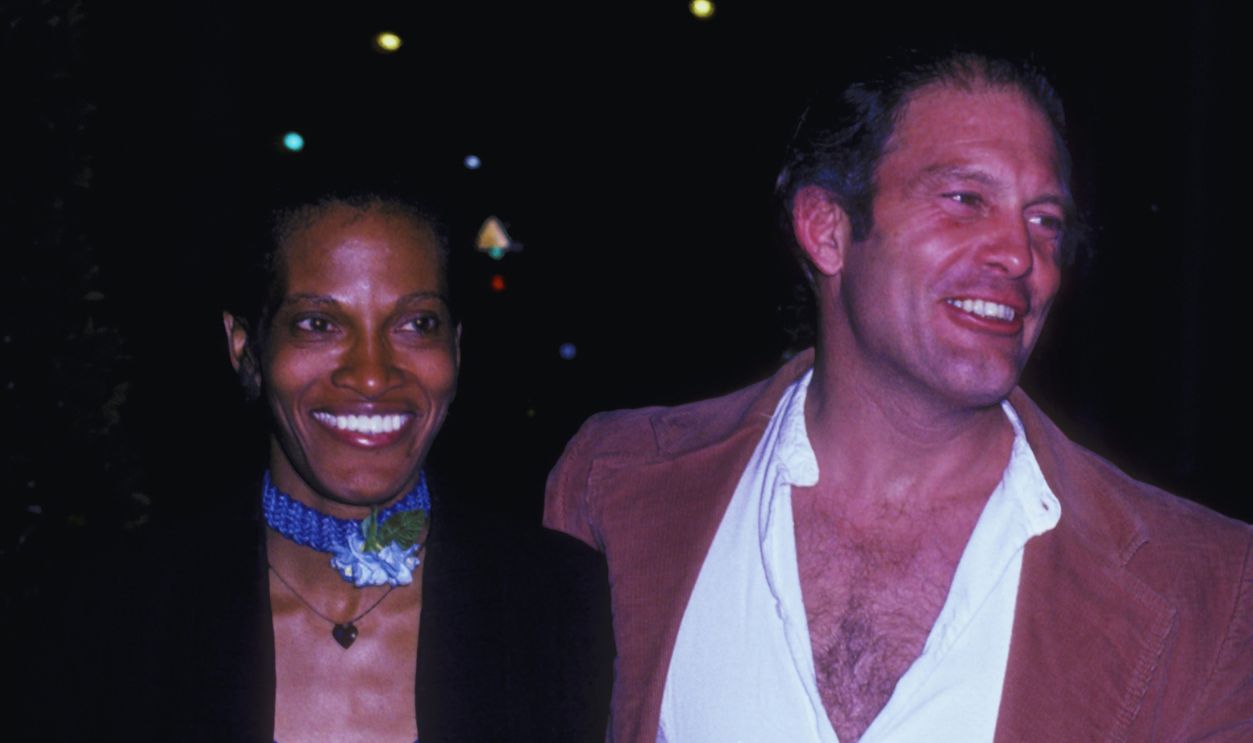
Daytime Television Revealed Another Side
In 2018, Gail joined General Hospital as Mike Corbin, the father of mob boss Sonny Corinthos. Mike’s struggle with Alzheimer’s disease became an emotional story about memory, caregiving, and family. Gail delivered a performance filled with tenderness, confusion, humor, and devastating vulnerability.
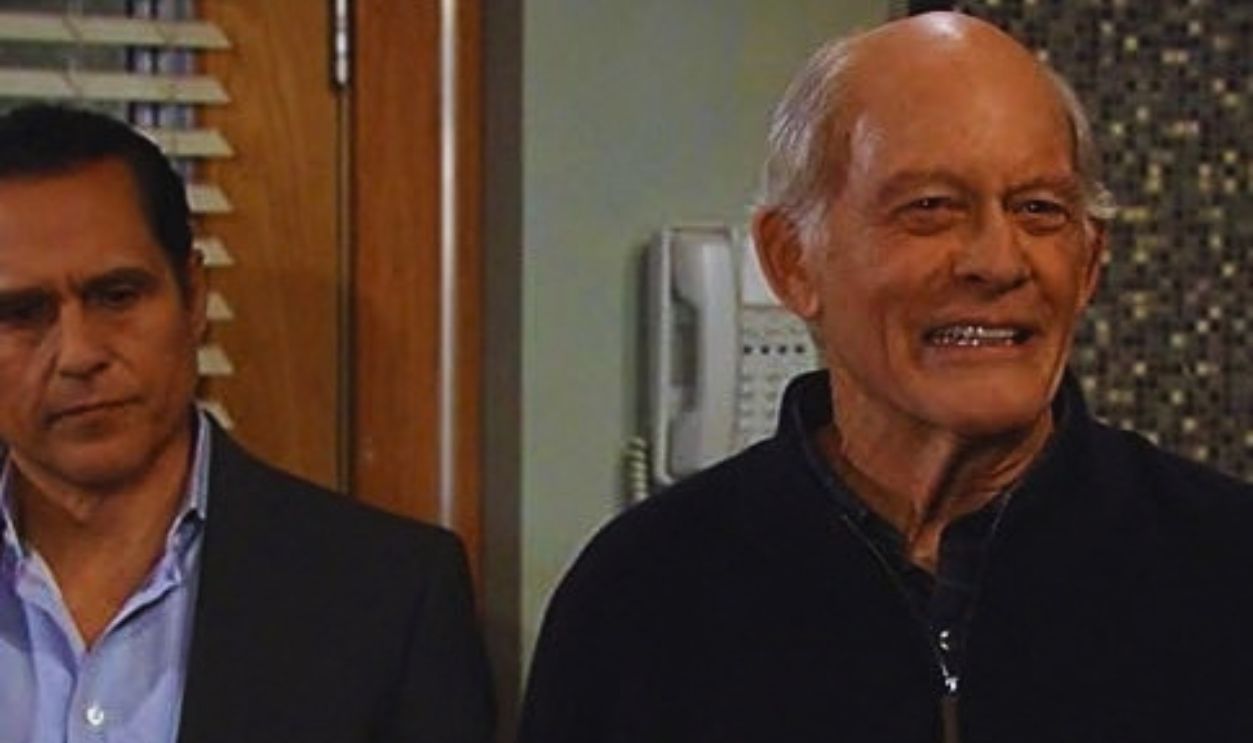 Screenshot from General Hospital, American Broadcasting Company (1963–Present)
He Finally Took Home The Emmy
Gail won the Daytime Emmy for Outstanding Supporting Actor in 2019 and received the honor again in 2021. Decades after Wojo made him famous, the victories recognized an actor who could transform a painful decline into something intimate, compassionate, and deeply human.
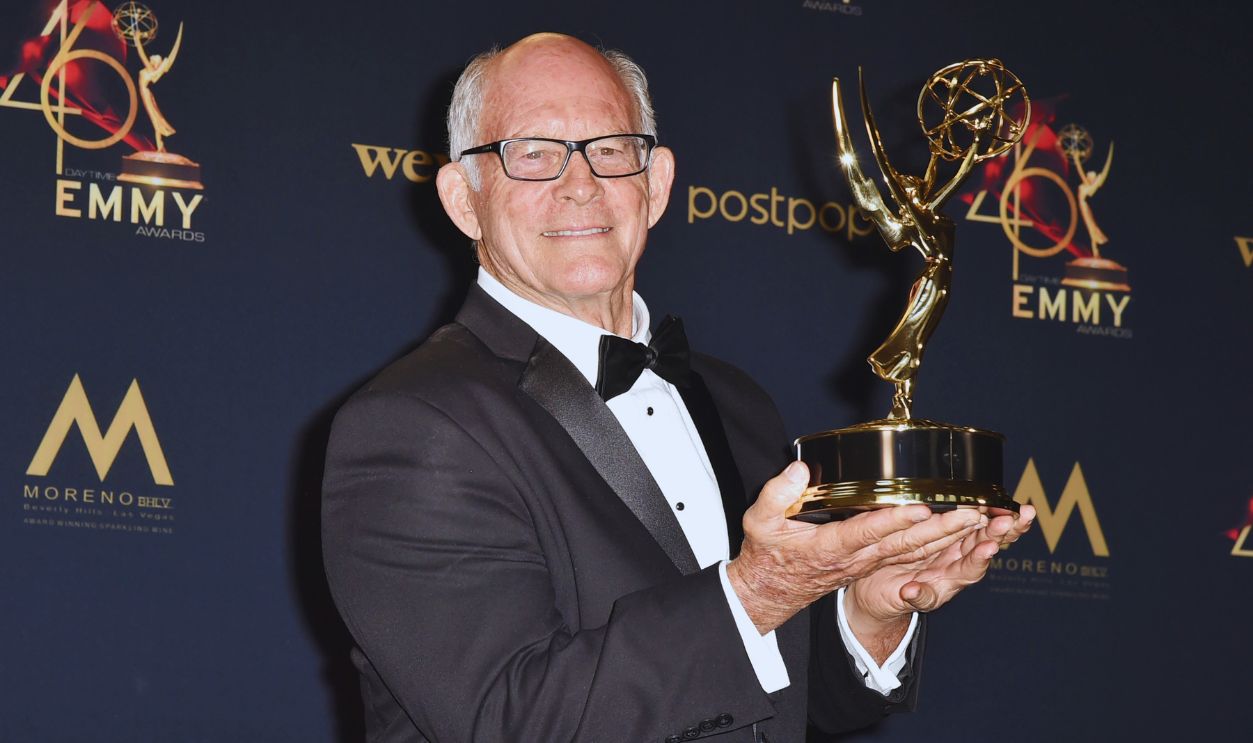 Patrick McMullan, Getty Images
Wojo Was Never The Joke
Max Gail made Wojo funny without treating him as disposable. The detective began as Barney Miller’s muscle, but he became its conscience, its student, and frequently its most open heart. Wojo did not always have the right answer, yet his willingness to keep learning made him unforgettable.
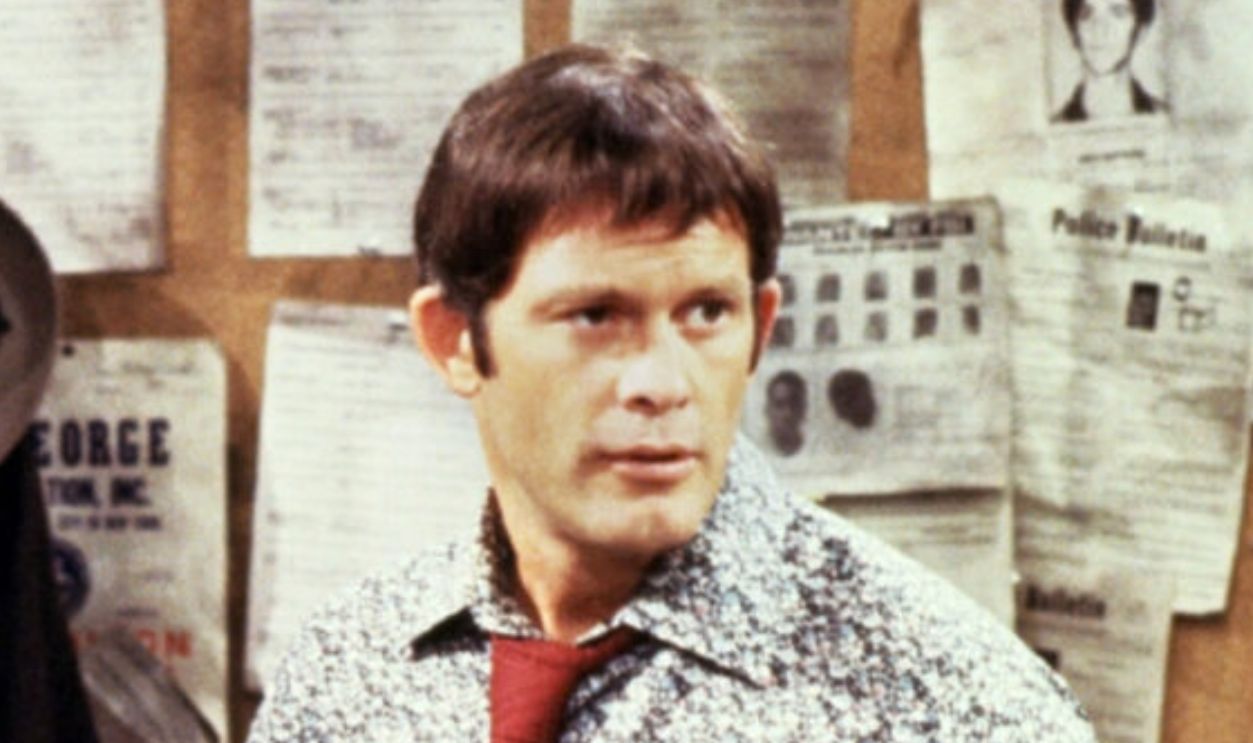 Screenshot from Barney Miller, Sony Pictures Television (1975–1982)
You May Also Like: