Ghostbusters And Red Glasses Got Her Noticed
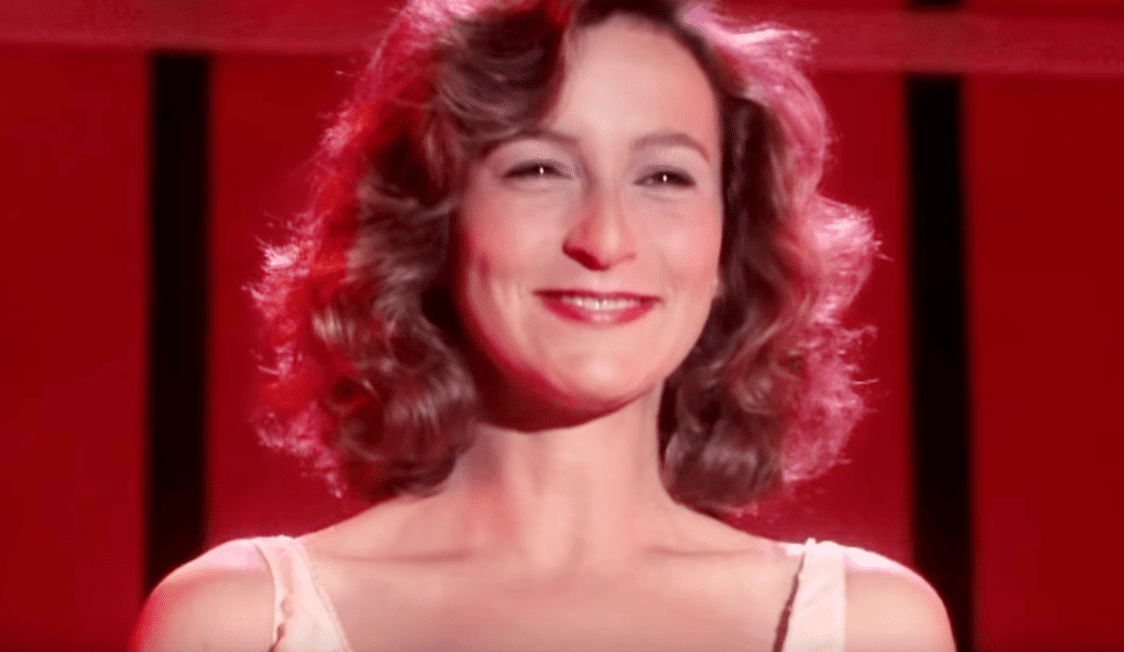
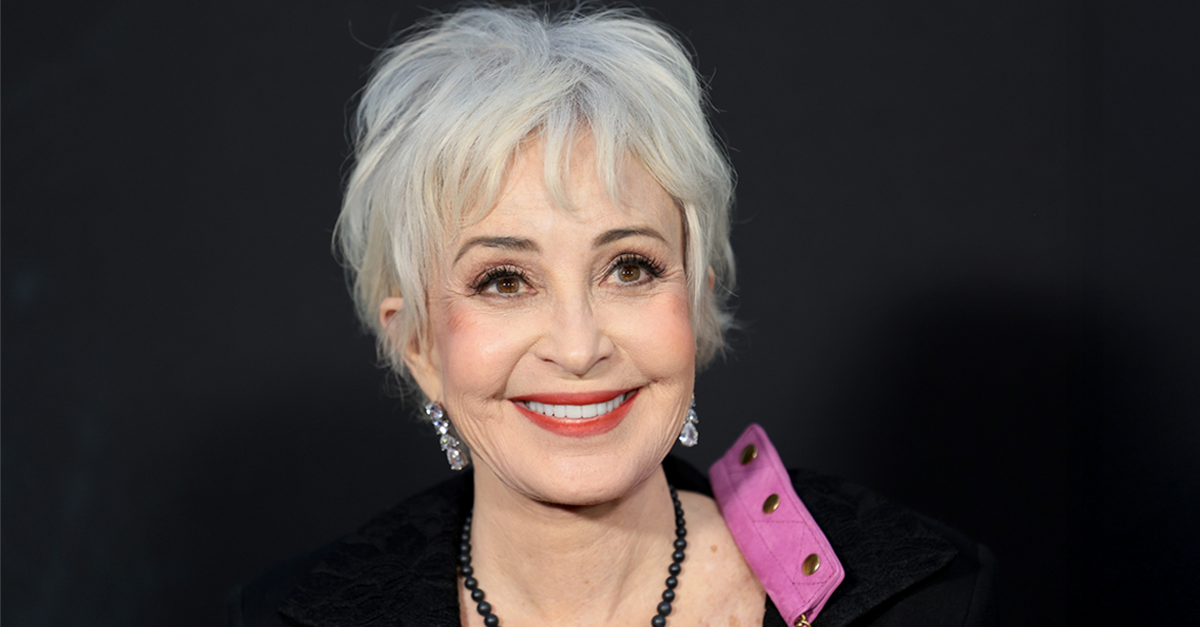
Annie Potts was already an established working actor when Ghostbusters opened in 1984, but the smash hit comedy changed the direction of her career forever. Janine Melnitz became instantly recognizable, raising Potts’s profile in a big way. But while many actors would have fallen into the trappings of ego and fame, Potts wasn't going to let that happen.
She made sure that her sudden success wouldn't change how she approached her work—and this mindset helped her build a successful television career spanning five decades.
 Dimitrios Kambouris/Getty Images
Janine Worked Because Potts Played It Straight
Potts came from theater training, while several Ghostbusters cast members were comfortable improvising. She later recalled being startled when actors changed lines during filming. She adapted by becoming a reliable straight woman, letting Janine’s impatience and deadpan reactions sharpen the comedy around her.
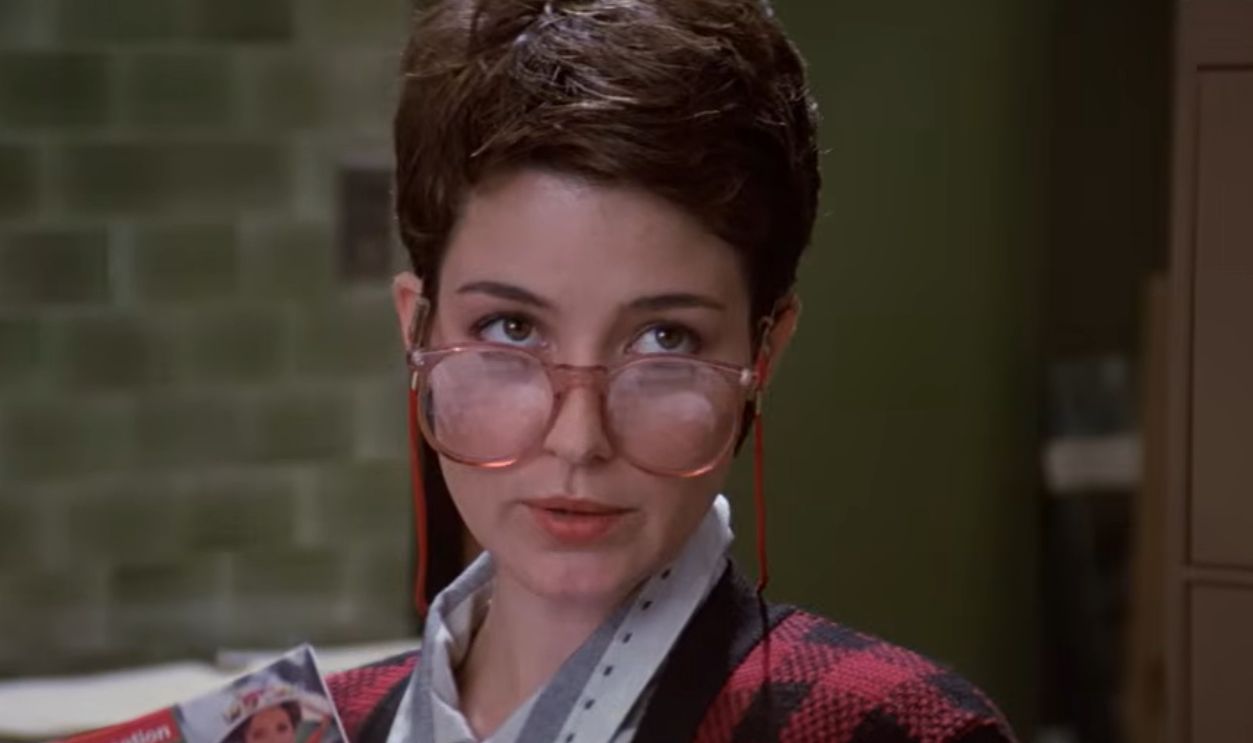 Screenshot from Ghostbusters, Columbia Pictures (1984)
She Never Planned To Chase Movie Stardom
After Ghostbusters became a hit, Potts didn't reorganize her life around trying to ride the spotlight to movie stardom. She describes herself as practical, and she's said she wanted a long career that paid the rent at that time. Television would be perfect for making that plan work.
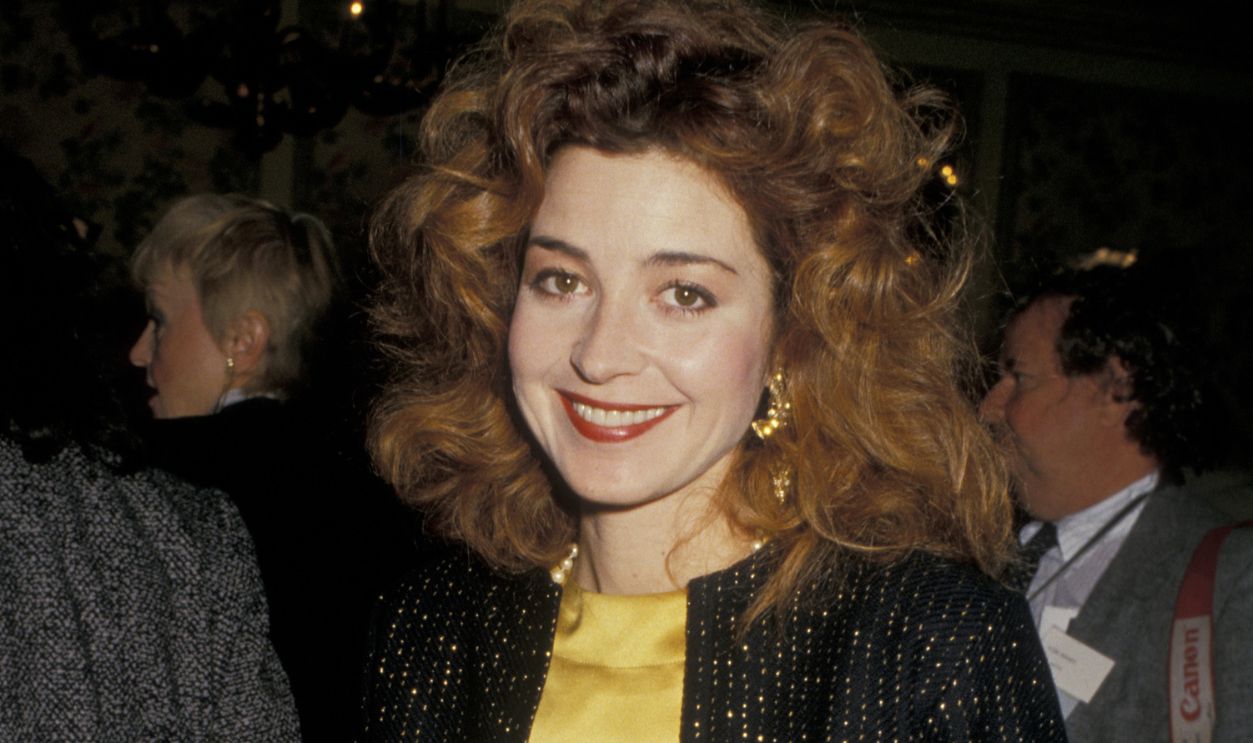 Ron Galella, Ltd., Getty Images
She Did Not Abandon Movies
Potts continued appearing in films after Ghostbusters, including Pretty in Pink and Jumpin’ Jack Flash. Her career was never a clean switch from movies to television. She frequently moved between formats, especially early on—but as the years went on, she began increasingly finding long-running opportunities on the small screen.
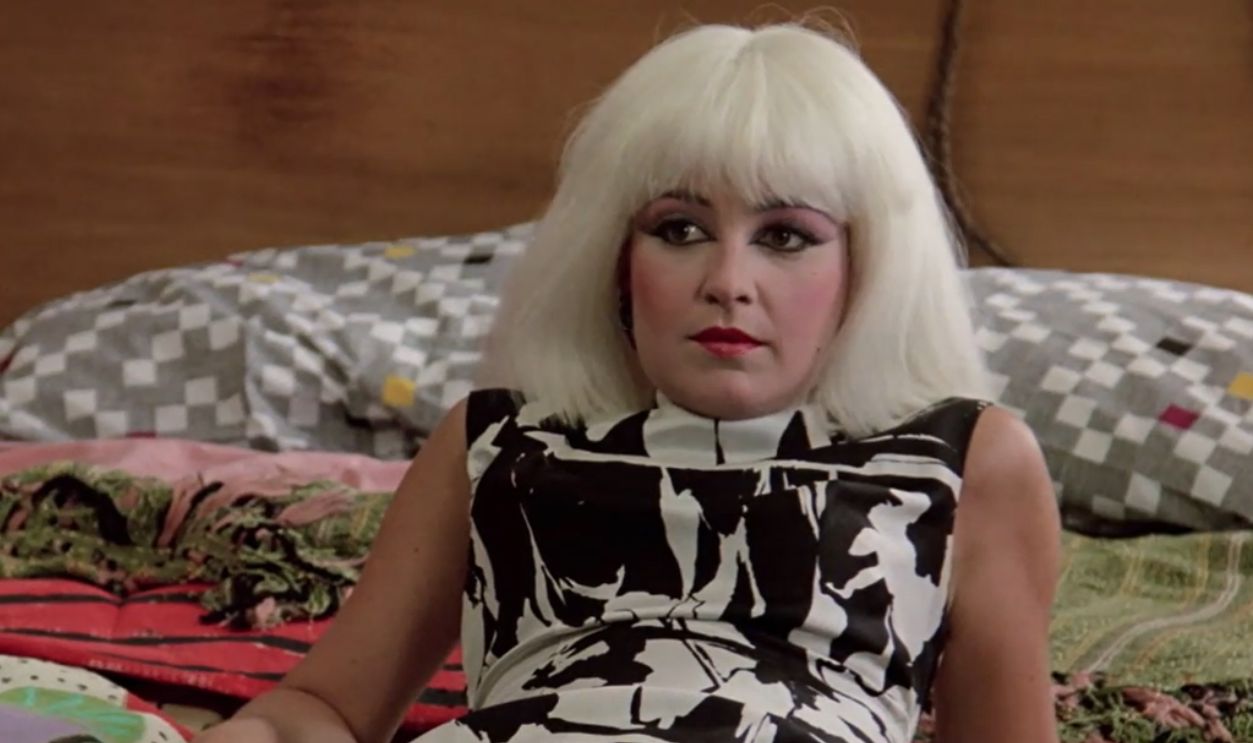 Screenshot from Pretty in Pink, Paramount Pictures (1986)
Designing Women Arrived At Exactly The Right Time
In 1986, Potts joined CBS’s Designing Women as Mary Jo Shively. The role became her breakout television part and placed her inside an ensemble with Dixie Carter, Delta Burke, and Jean Smart. It also gave Potts a weekly showcase for fast, character-driven comedy.
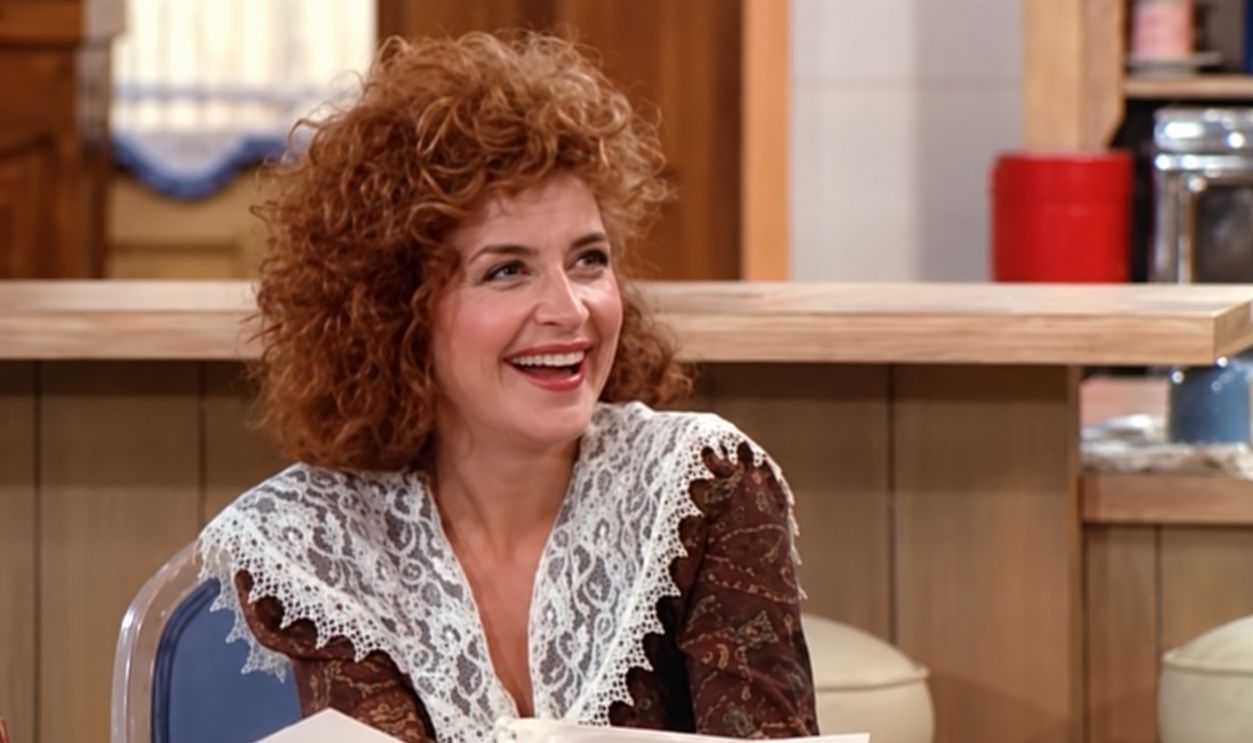 Screenshot from Designing Women, Columbia Pictures Television (1986–1993), Modified
Mary Jo Was Built For Ensemble Comedy
Designing Women didn't depend on one performer carrying every scene. Mary Jo could trade jokes, react, argue, and contribute to the larger rhythm of the group. Potts became memorable without turning the character into the loudest person in every conversation.
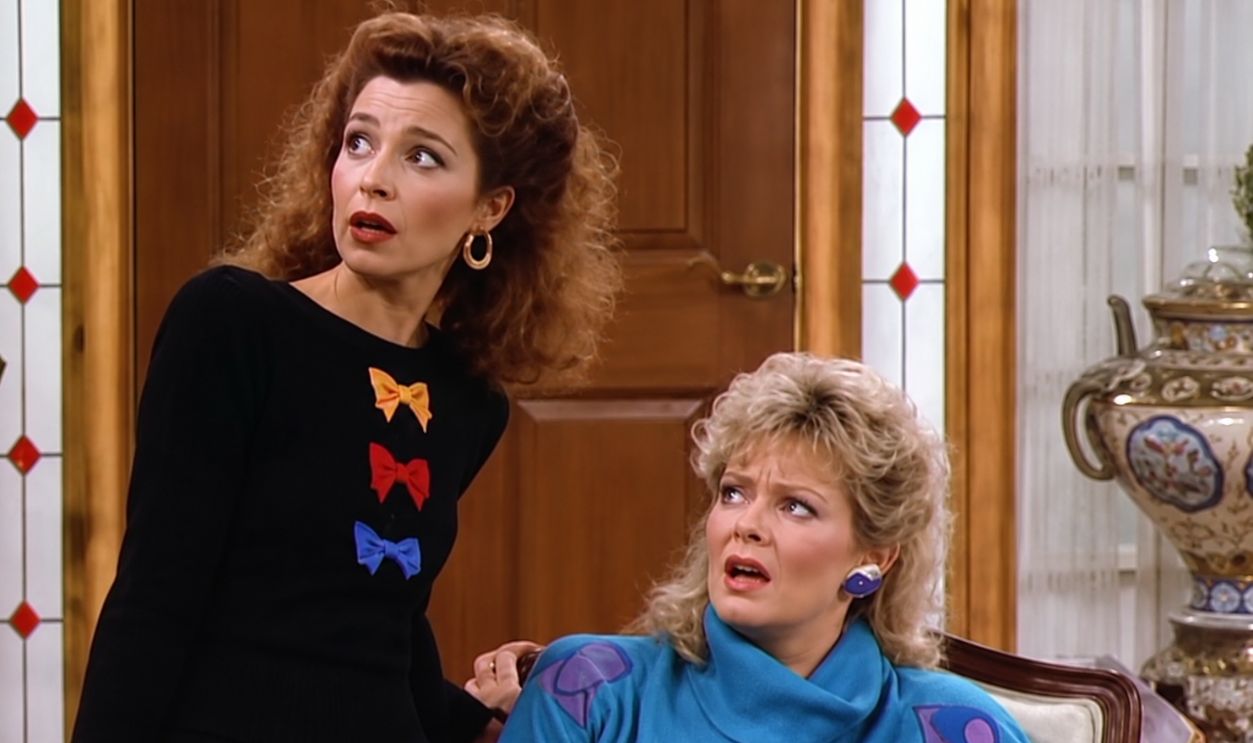 Screenshot from Designing Women, Columbia Pictures Television (1986–1993), Modified
The Southern Setting Meant Something To Potts
Potts was born in Nashville and raised in Kentucky, and she knew the stereotypes attached to Southern women. She later recalled resenting assumptions that she was shallow or uneducated. Designing Women offered a highly visible counterexample on network television.
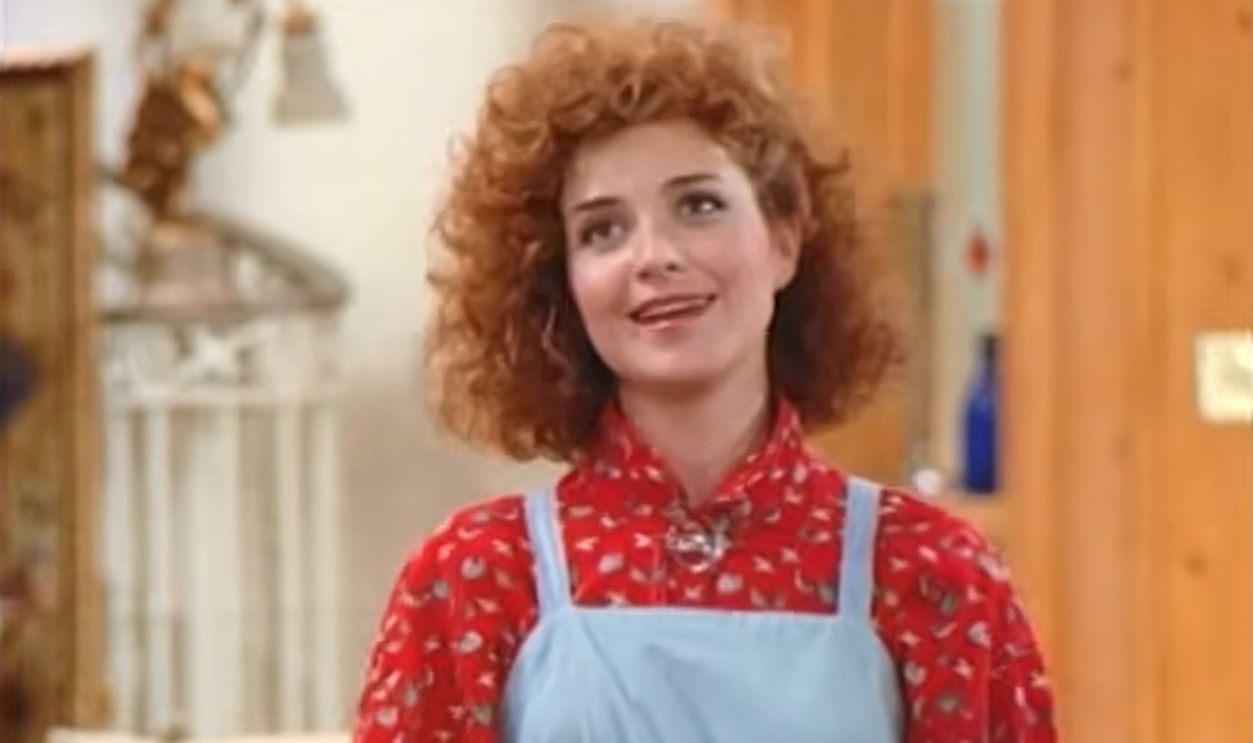 Screenshot from Designing Women, Columbia Pictures Television (1986–1993)
Seven Seasons Created Real Bonds
Potts remained with Designing Women for seven seasons, from its 1986 debut through 1993. Years later, she said she had stayed connected with surviving co-stars Delta Burke and Jean Smart. That long run also provided unusual continuity in an unpredictable profession.
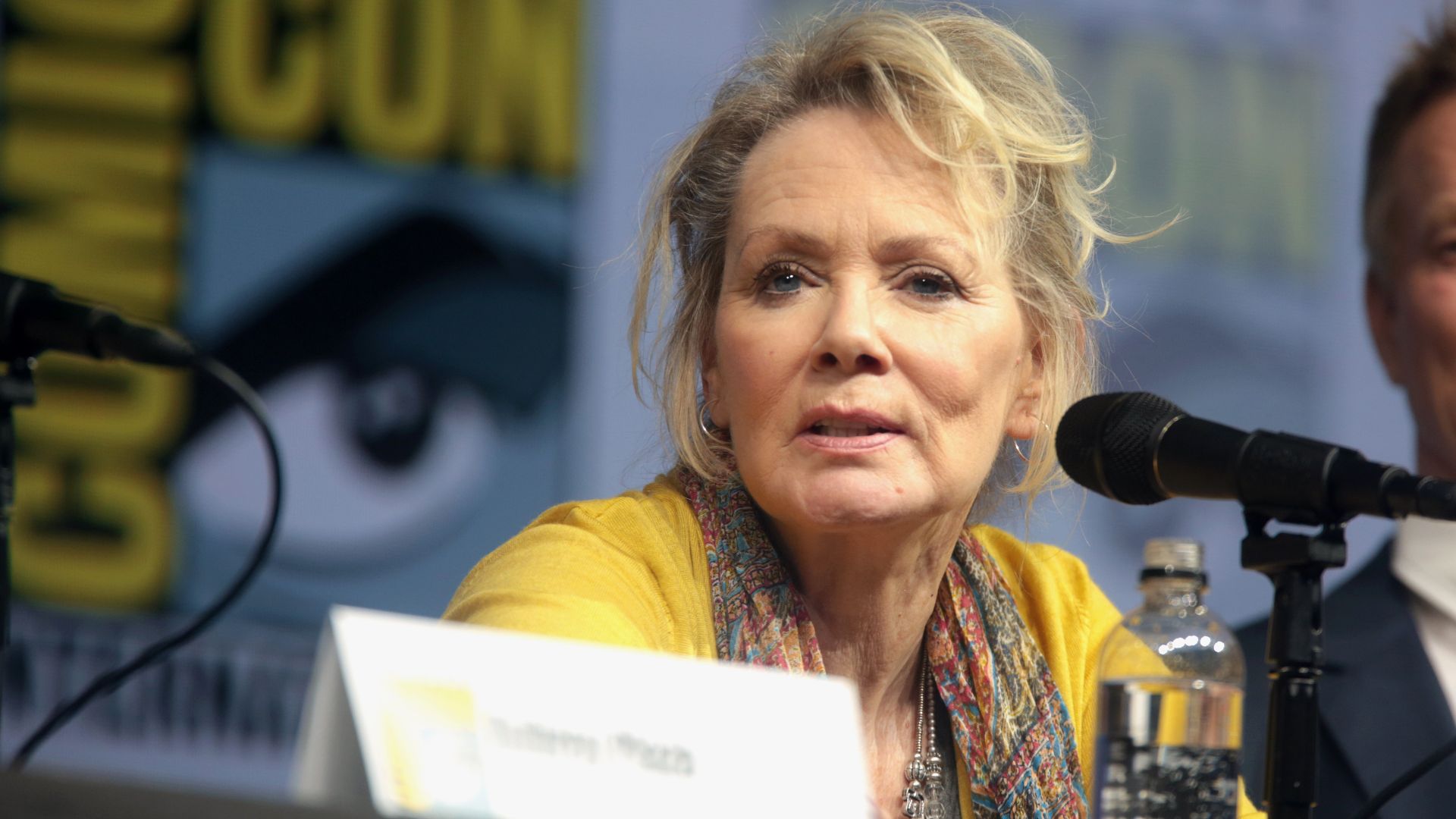 Gage Skidmore from Peoria, AZ, United States of America, Wikimedia Commons
Then She Wanted A Break From Series Television
When Designing Women ended, Potts initially hoped to step away from another weekly series. She told the Los Angeles Times that she wanted to rest and make one or two feature films a year. But the realities of family life soon complicated that plan.
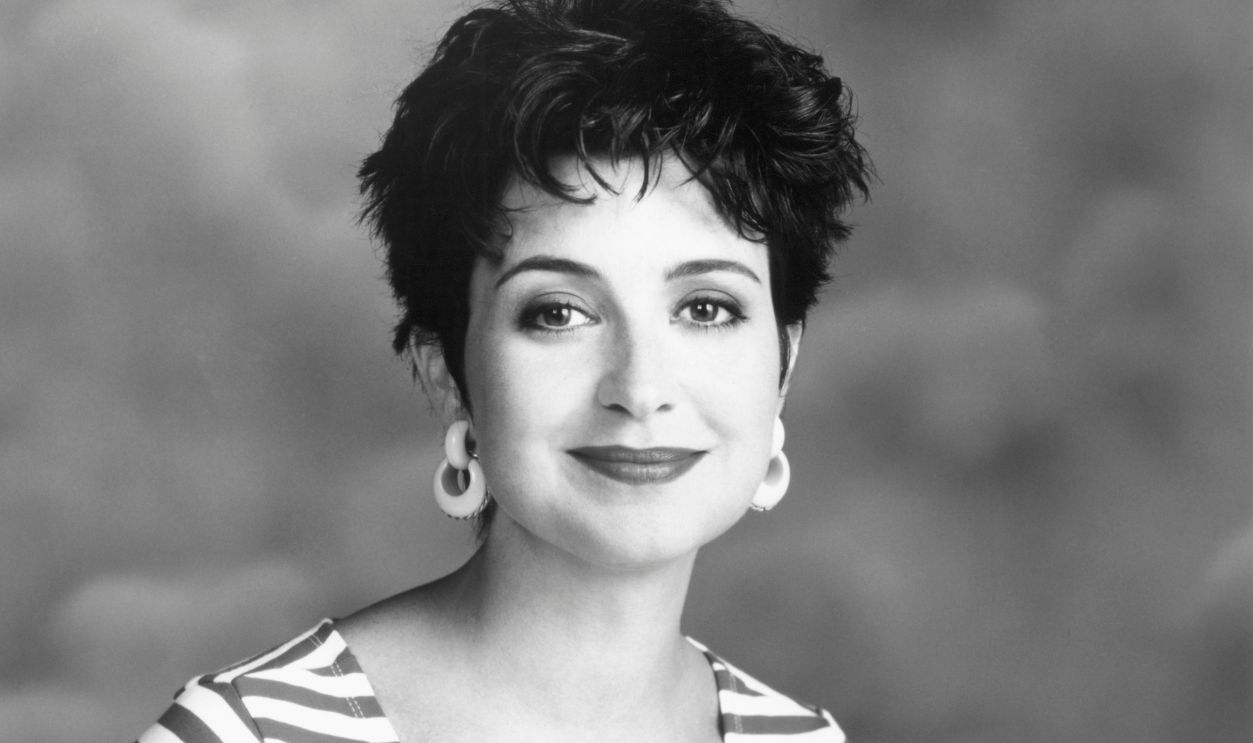 Universal History Archive, Getty Images
Movie Work Came With A Family Tradeoff
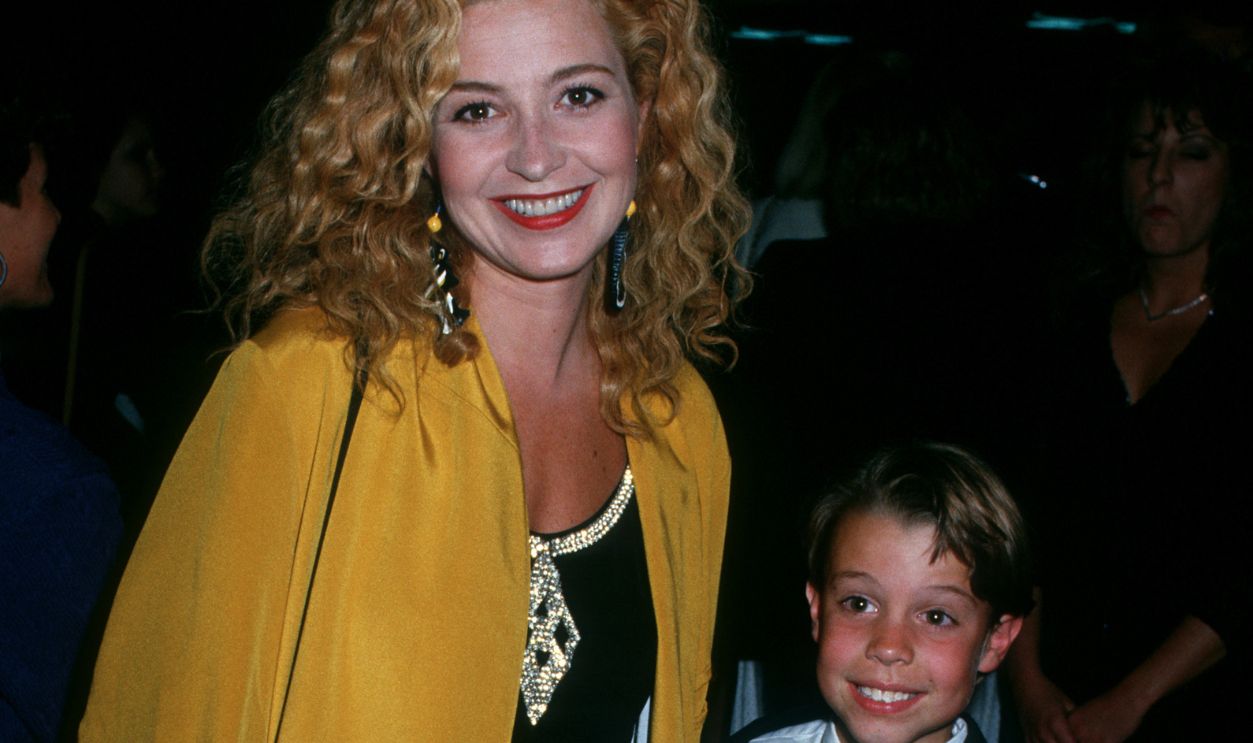
Potts had children at home, and feature-film offers could mean months away in another part of the country. She questioned whether she wanted to keep moving her family around for work. Even after seven years on Designing Women, a stable television job in one place remained hard to say no to.
 Ron Galella, Ltd., Getty Images
Love & War Offered A Completely Different Woman
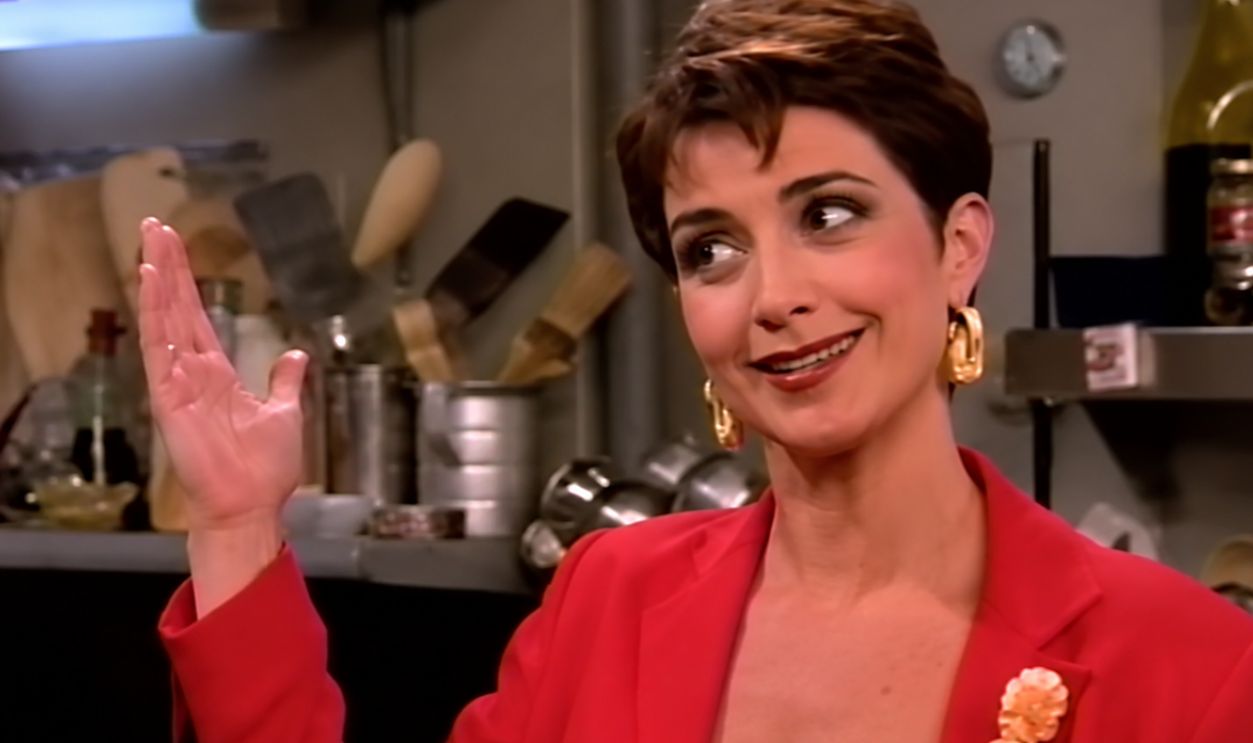
In 1993, CBS fired Susan Dey, the female lead of the Love & War, due to a "lack of chemistry" with star Jay Thomas. To replace her, they brought in Annie Potts, hot off the heels of Designing Women's finale. She played Dana Palladino, a chef at the Blue Shamrock and the new romantic interest for columnist Jack Stein.
But rather than play the same character, Potts deliberately played Dana as sharper and more confrontational than Mary Jo.
 Screenshot from Love & War, CBS (1992–1995), Modified
The Character Was Shaped Around Her
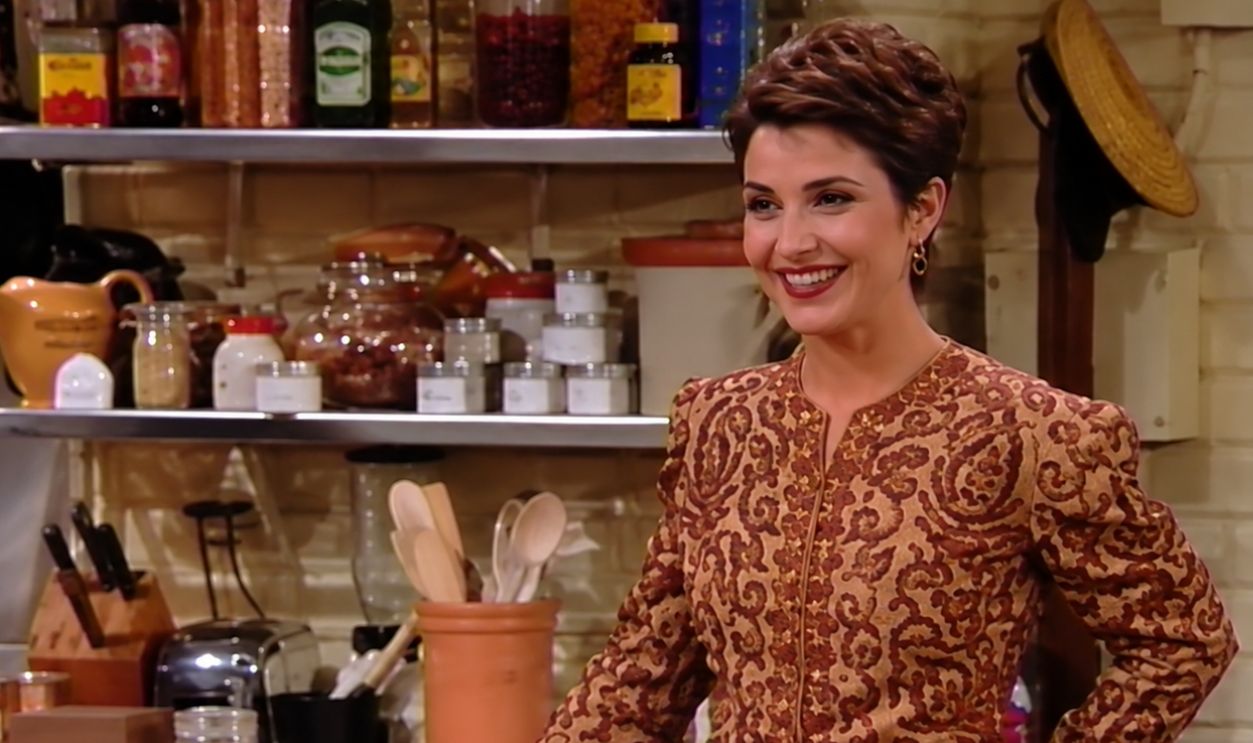
Creator Diane English had been a fan of Potts before bringing her onto Love & War. Potts said English developed Dana after discussing the kind of character Potts wanted to play. That gave her unusual influence over the direction of a network sitcom role.
 Screenshot from Love & War, CBS (1992–1995), Modified
Dana Brought Her An Emmy Nomination
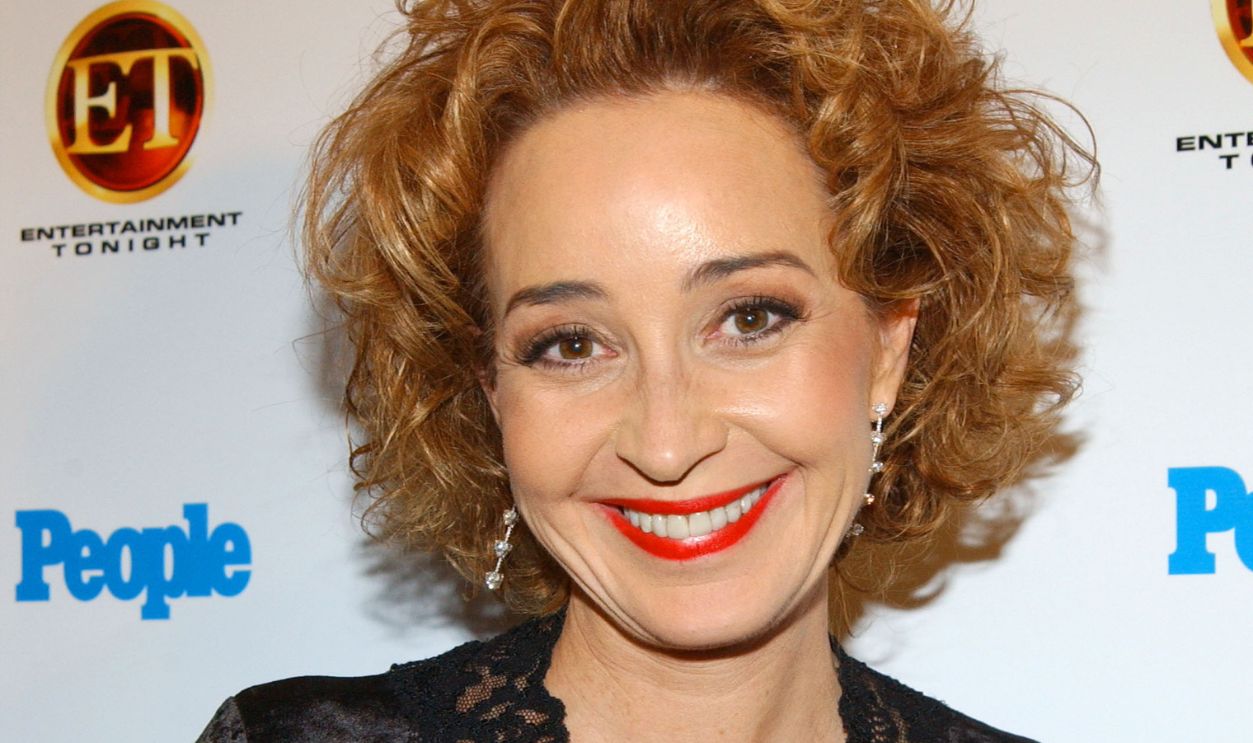
The change worked. Potts received a 1994 Emmy nomination for Outstanding Lead Actress in a Comedy Series for playing Dana Palladino. She was nominated alongside Patricia Richardson, Helen Hunt, Roseanne Barr, and eventual winner Candice Bergen.
She Decided She Was Ready For Drama
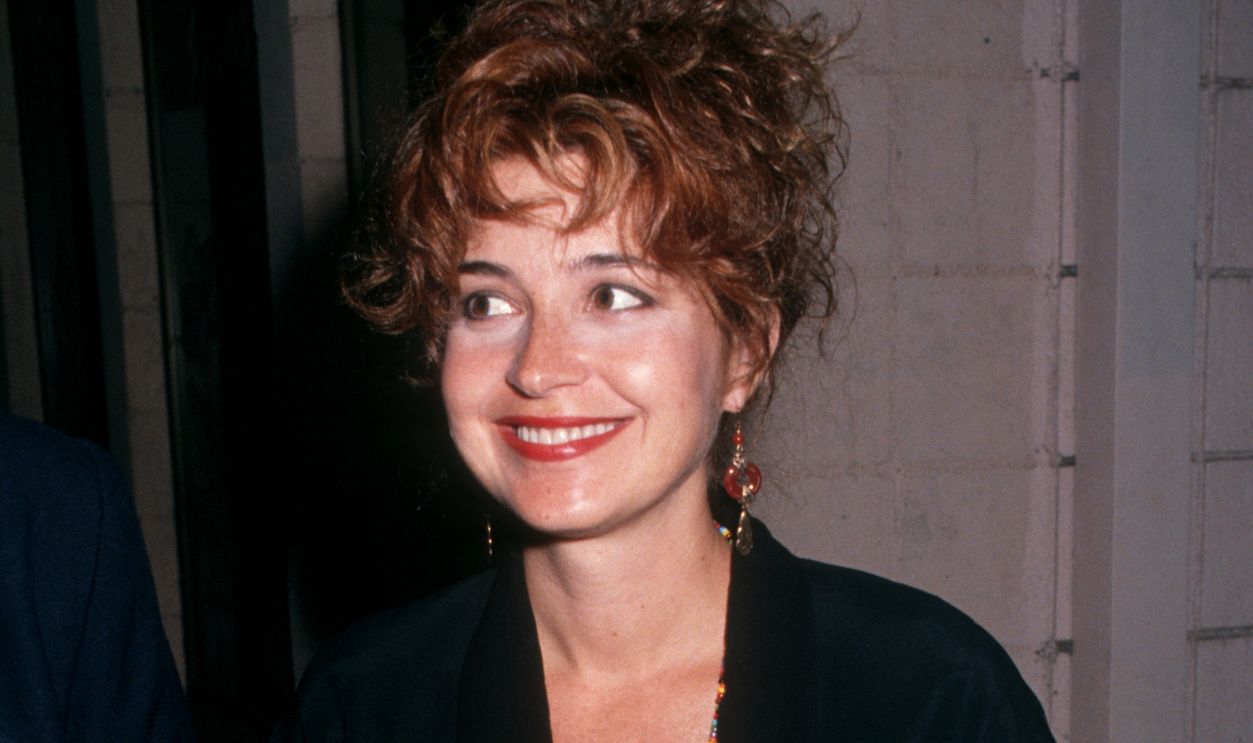
After years of sitcom work, Potts felt like it was time to move into more dramatic material. She later joked that she was “out of jokes” and was happy to change direction. The shift led to one of the most substantial dramatic television roles of her career.
 Ron Galella, Ltd., Getty Images
Any Day Now Showed She Had More Range
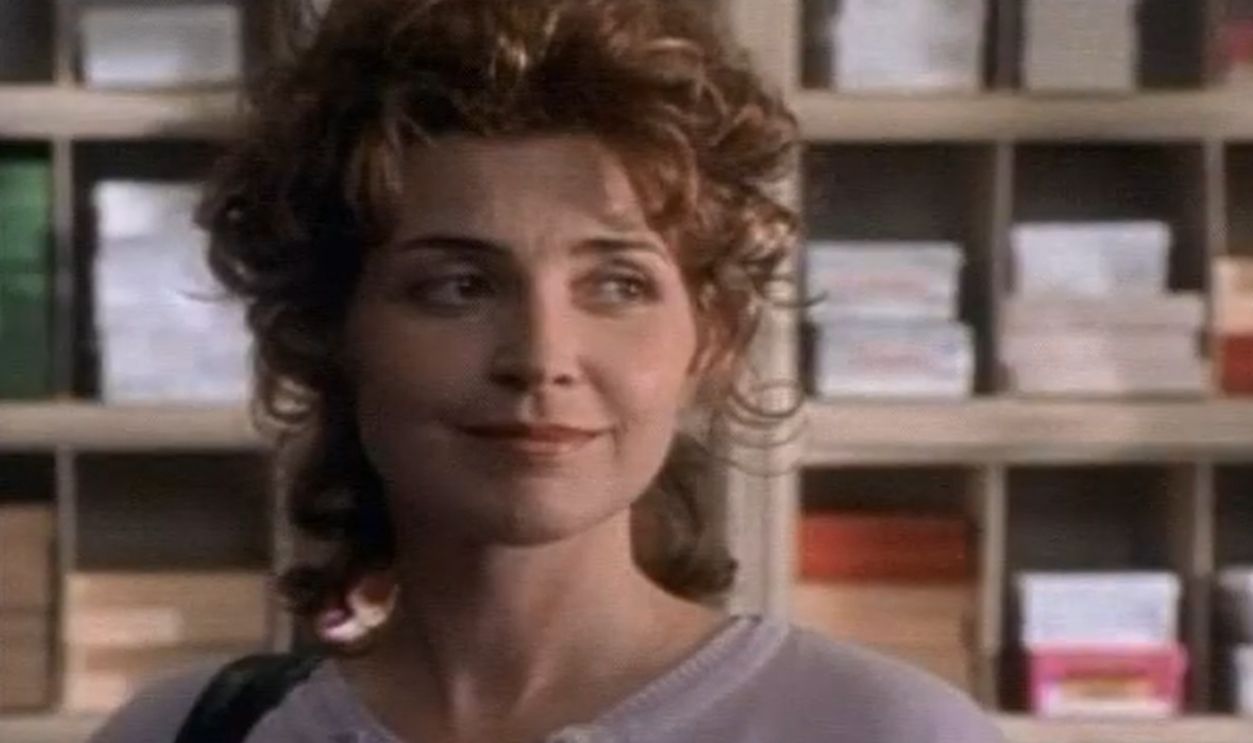
Potts starred in Lifetime’s series Any Day Now as Mary Elizabeth “M.E.” Sims. The drama explored a long friendship against stories involving race, family, and social change. Potts’s dramatic turn earned her two Screen Actors Guild Award nominations.
 Screenshot from Any Day Now, Lifetime (1998–2002)
Voice Acting Became Another Major Lane
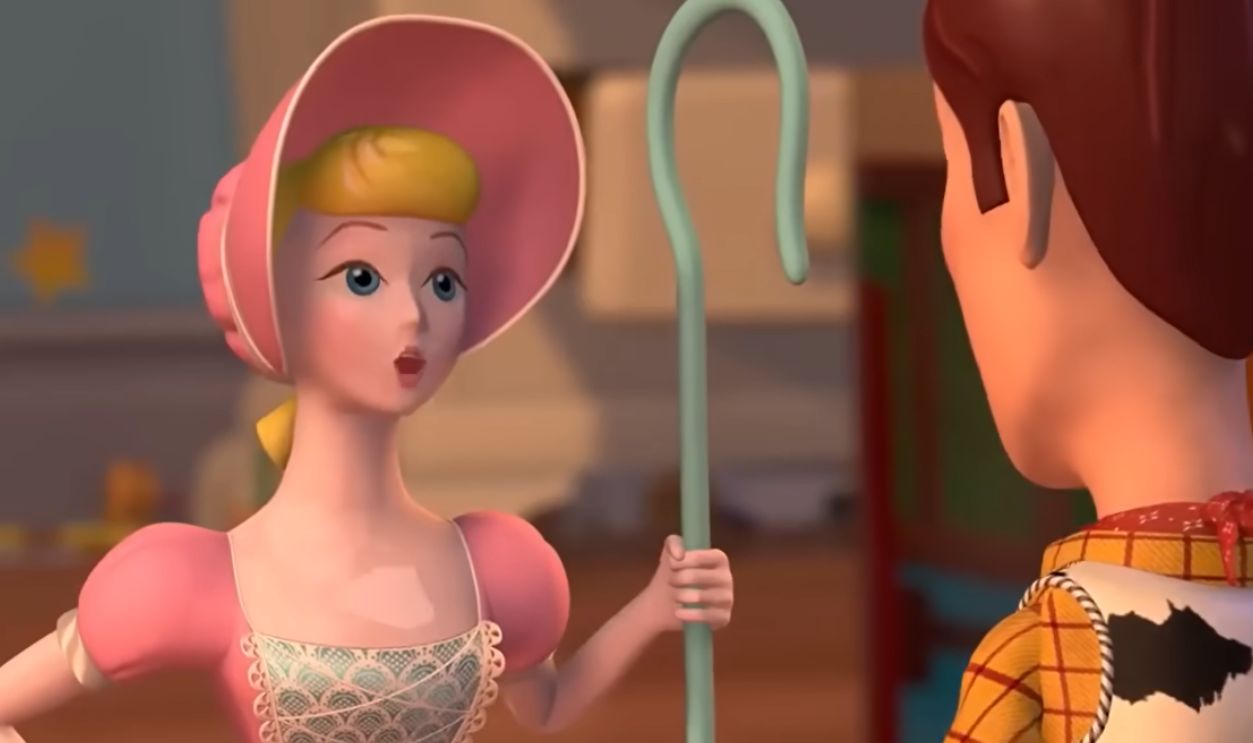
Potts also created one of her most durable characters without appearing on screen. She voiced Bo Peep in the original Toy Story and returned in Toy Story 2. The role connected her to another enormous franchise while demanding a very different kind of performance.
 Screenshot from Toy Story 2, Buena Vista Pictures Distribution (1999)
Bo Peep Eventually Got A Reinvention
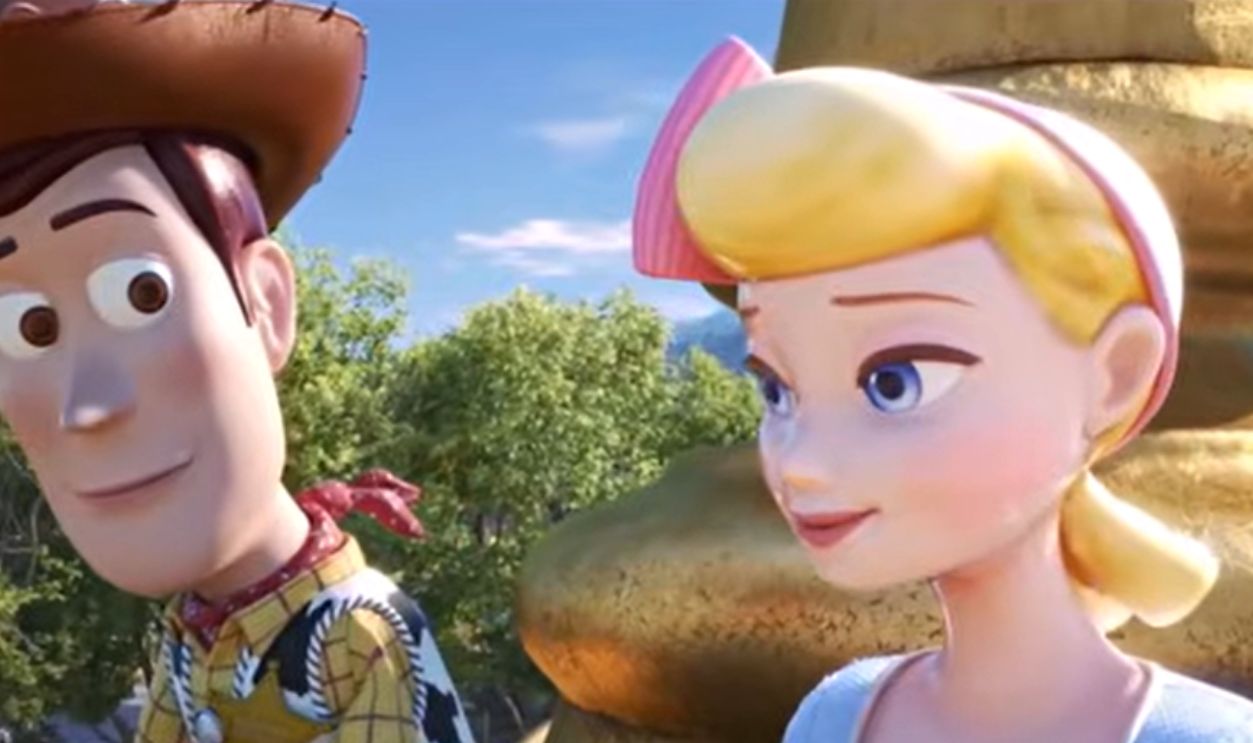
When Bo Peep returned in Toy Story 4, she was no longer simply a supporting figure. The character helped direct other toys and took a more active role in the story. Potts described the updated Bo as having more attitude than audiences remembered.
 Screenshot from Toy Story 4, Walt Disney Studios Motion Pictures (2019)
The Work Became Harder To Find
Potts has spoken openly about the career slowdown she experienced as she got older. She told The Guardian that the years from roughly 55 to 65 were especially difficult. Rather than stop acting, she returned to theater and continued looking for worthwhile roles.
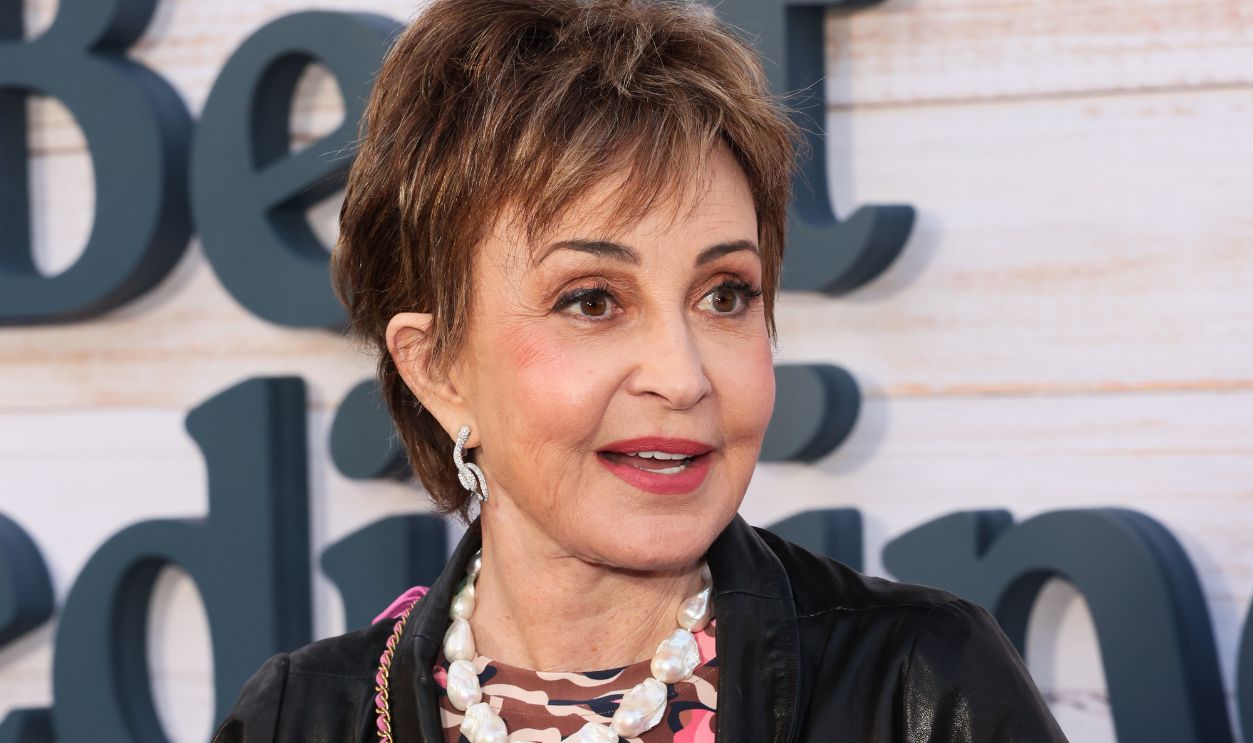
Broadway Finally Happened In Her Fifties
Potts made her Broadway debut in God of Carnage in 2010, shortly after turning 57. She later noted that she never would have expected to wait that long for Broadway. The milestone showed that new career firsts could still arrive decades after Ghostbusters.
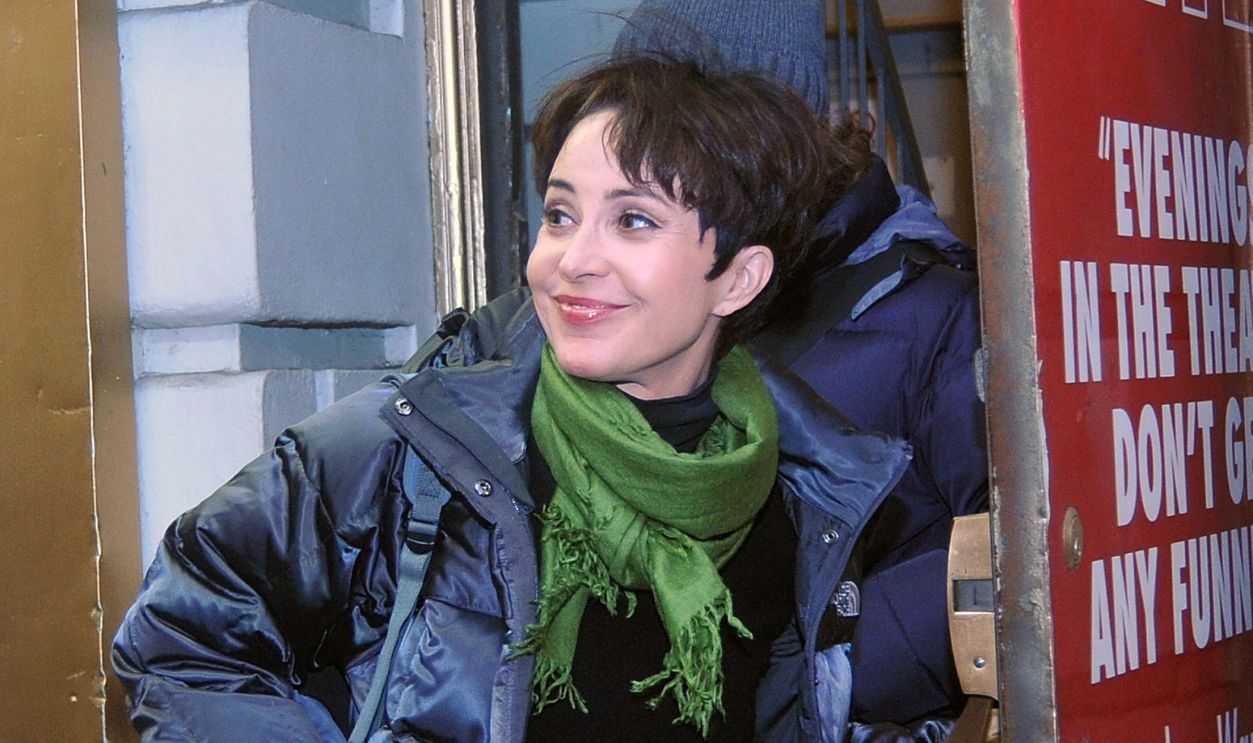
Young Sheldon Arrived During A Slump
By 2016, Potts described herself as being in a career slump and had moved to Louisiana with her husband. Then producer Chuck Lorre called about Young Sheldon. The opportunity brought her back to Los Angeles and into another long-running television ensemble.
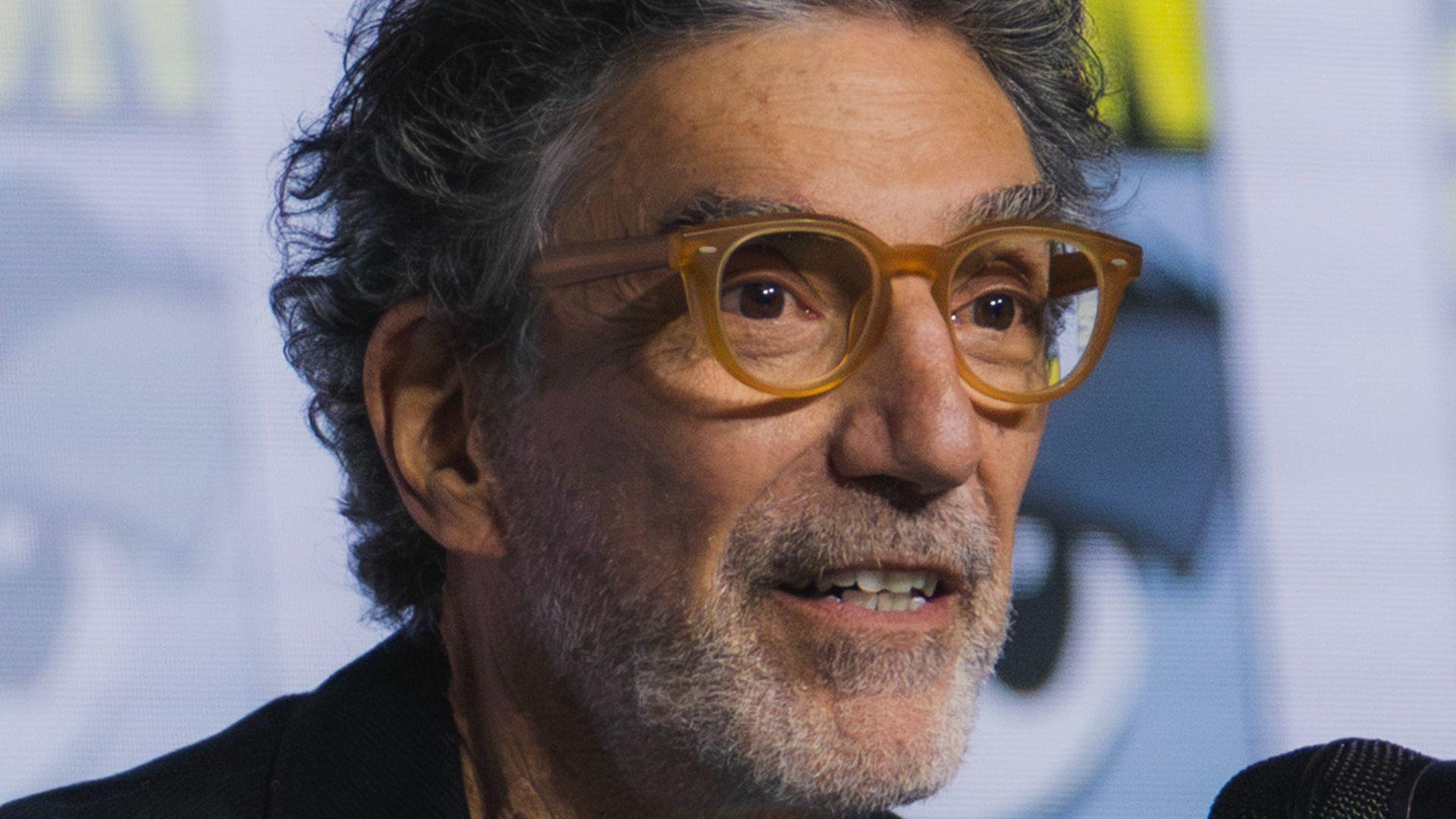
She Knew Quickly That Meemaw Was Worth It
The Young Sheldon pilot had already been filmed before Potts became involved. She told Glamour that after watching only the opening minutes, she wanted to join the show. The decision ultimately gave her one of the longest and most recognizable roles of her later career.
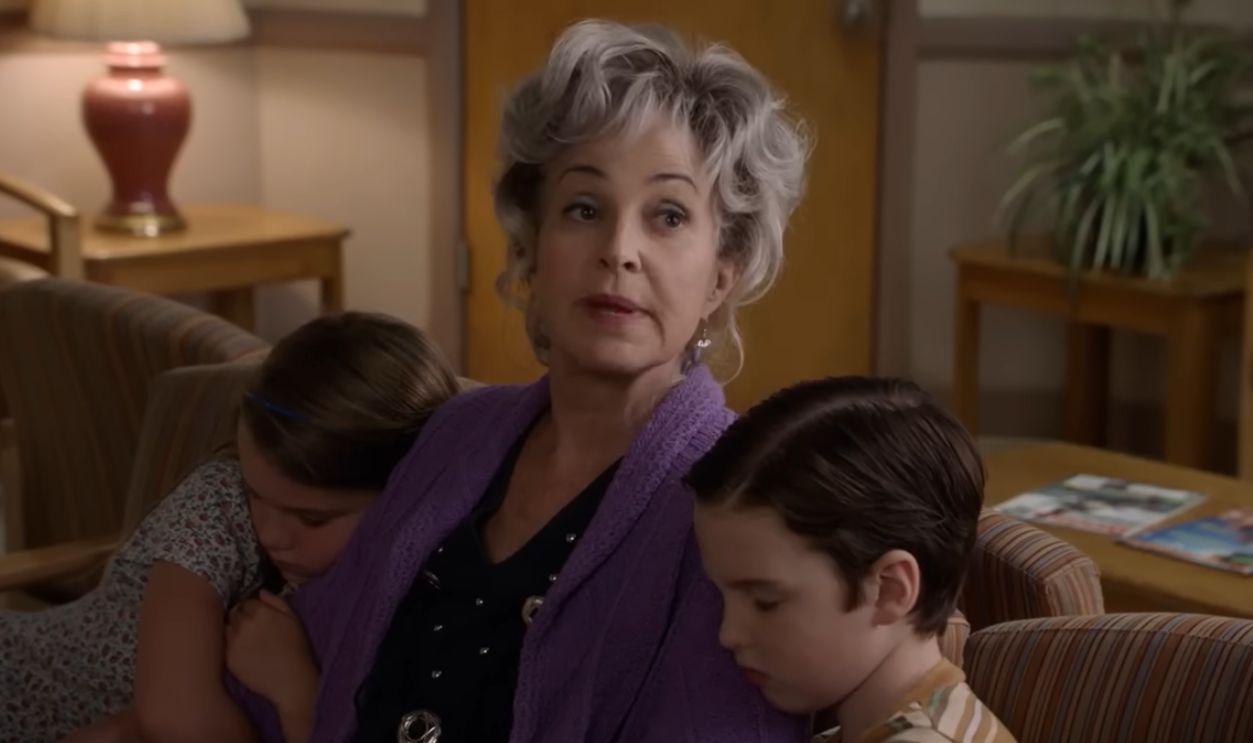 Screenshot from Young Sheldon, Warner Bros. Domestic Television Distribution (2017–2024)
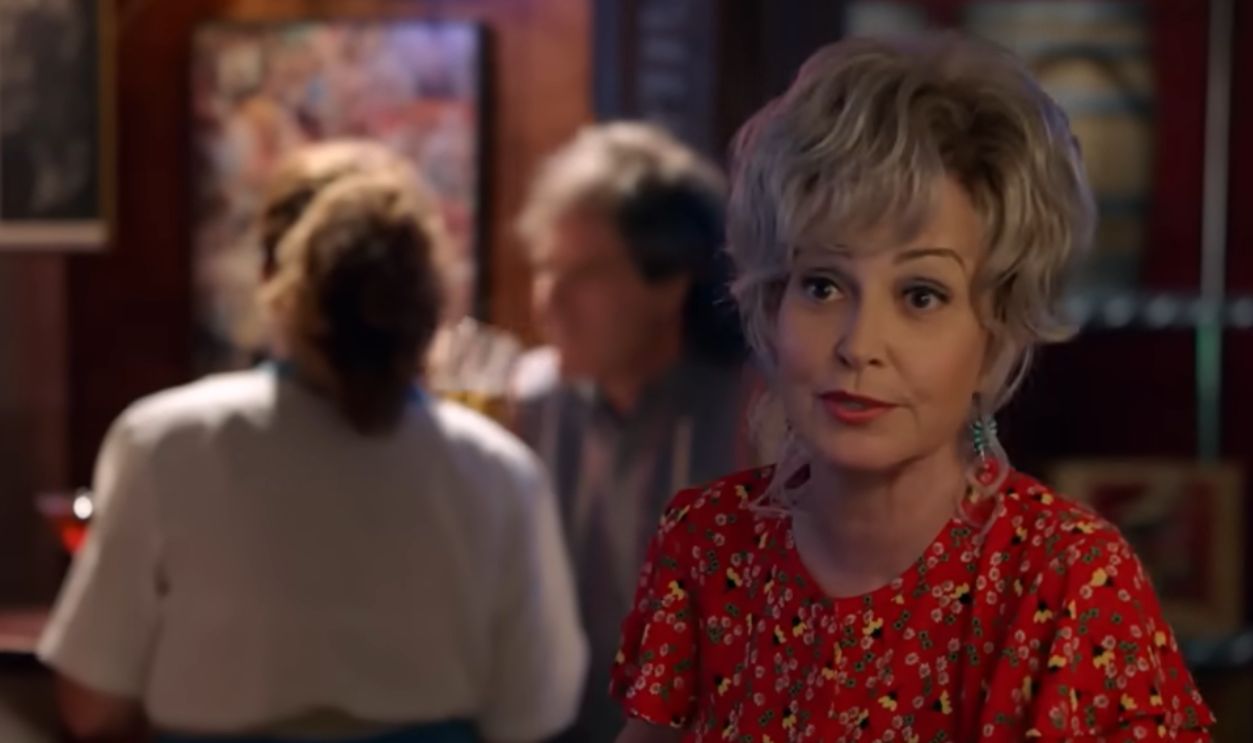
Meemaw Had Her Own Kind Of Intelligence
Meemaw was not a scientist like her grandson Sheldon, and the show never pretended otherwise. Potts described the character as genuinely smart and convinced that Sheldon had inherited his intelligence from her. Her strength came from experience, confidence, and understanding people.
 Screenshot from Young Sheldon, Warner Bros. Domestic Television Distribution (2017–2024)
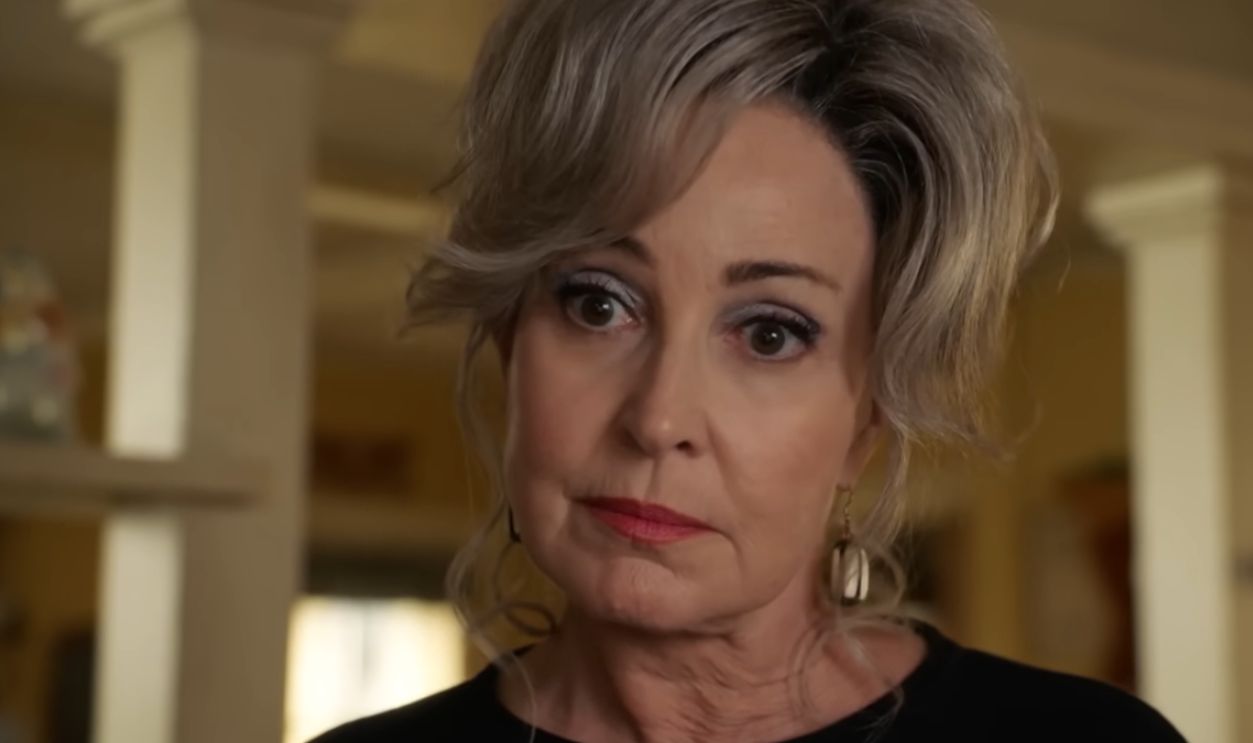
The New Sitcom Required New Timing
Young Sheldon was filmed as a single-camera comedy, unlike the four-camera Designing Women, which used a live audience. Potts said the newer format required subtler comic timing because there was no audience reaction to guide the performance. Even after decades on television, she had to adjust.
 Screenshot from Young Sheldon, Warner Bros. Domestic Television Distribution (2017–2024)
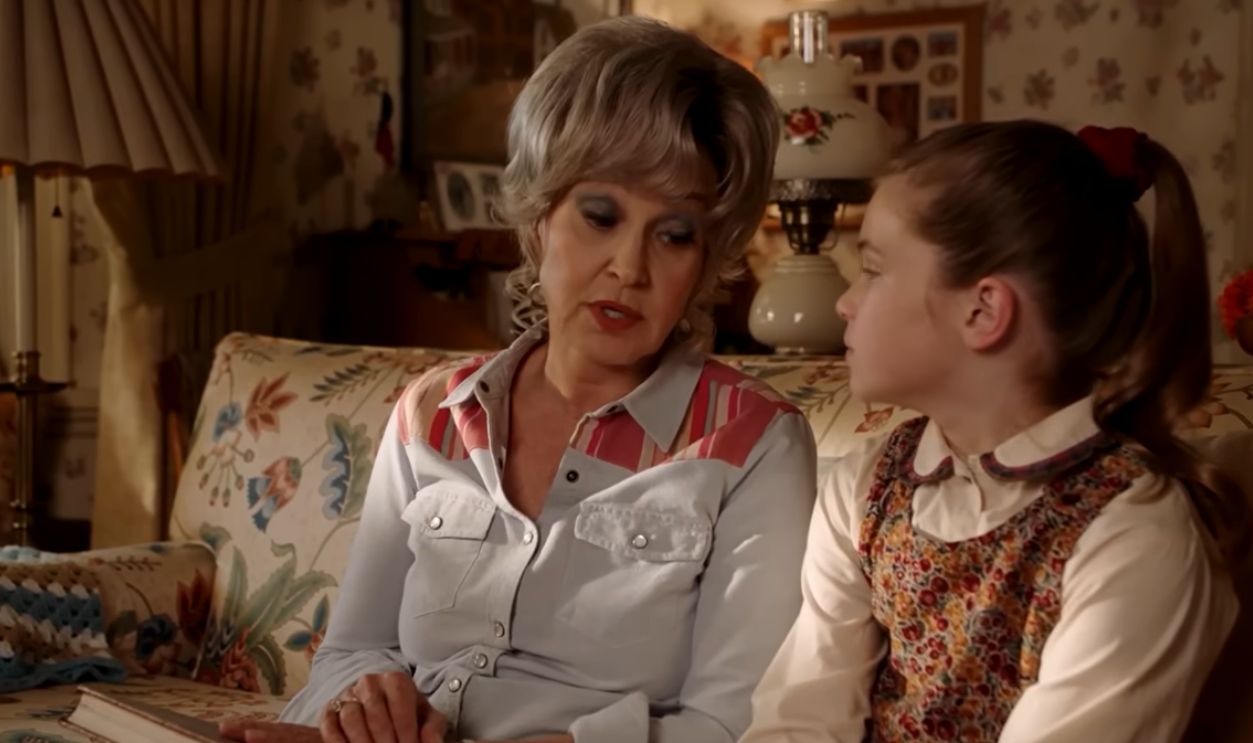
Her Younger Co-Stars Changed Her Approach
Potts said working with the younger Young Sheldon cast members taught her something about acting. She admired their ability to be natural rather than overwork a performance. After decades in the business, she was still taking lessons from the people around her.
 Screenshot from Young Sheldon, Warner Bros. Domestic Television Distribution (2017–2024)
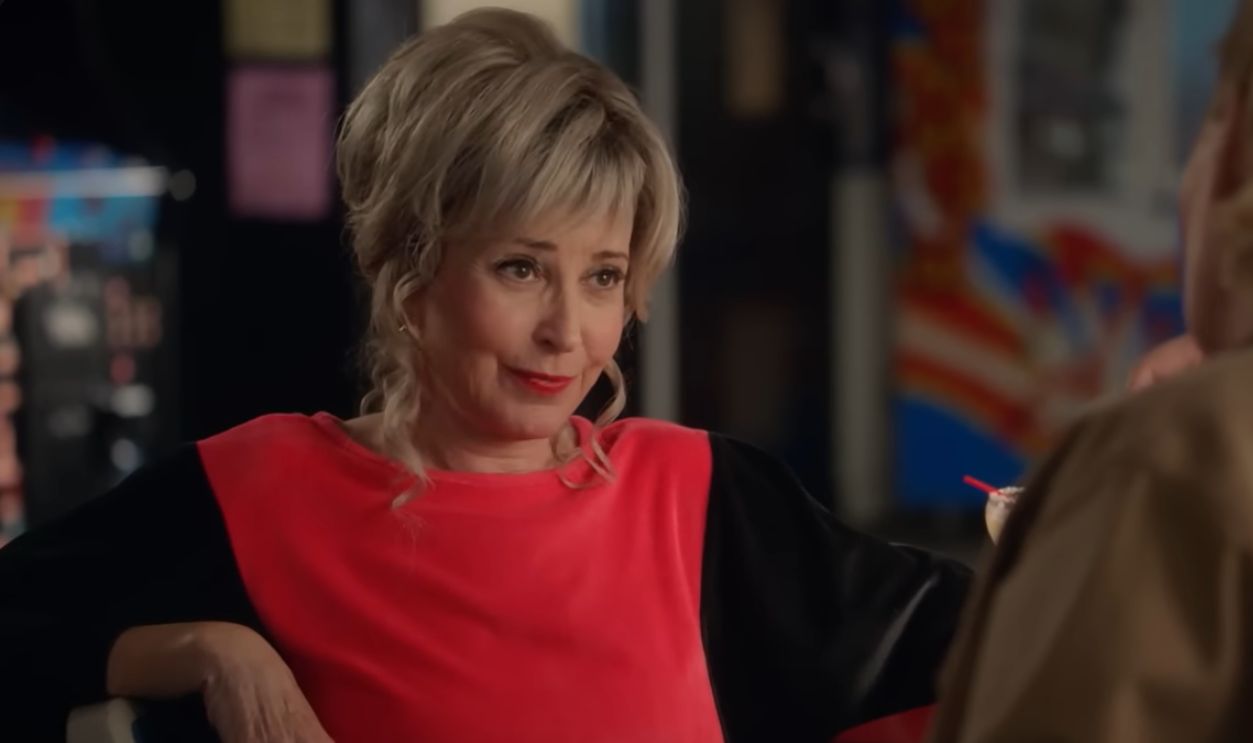
Seven Seasons Made Meemaw A Defining Role
Potts played Meemaw throughout all seven seasons of Young Sheldon. The role introduced her to viewers who had never seen Designing Women or the original Ghostbusters in theaters. Another major sitcom character had arrived more than three decades after her first television breakthrough.
 Screenshot from Young Sheldon, Warner Bros. Domestic Television Distribution (2017–2024)
Janine Finally Got To Suit Up
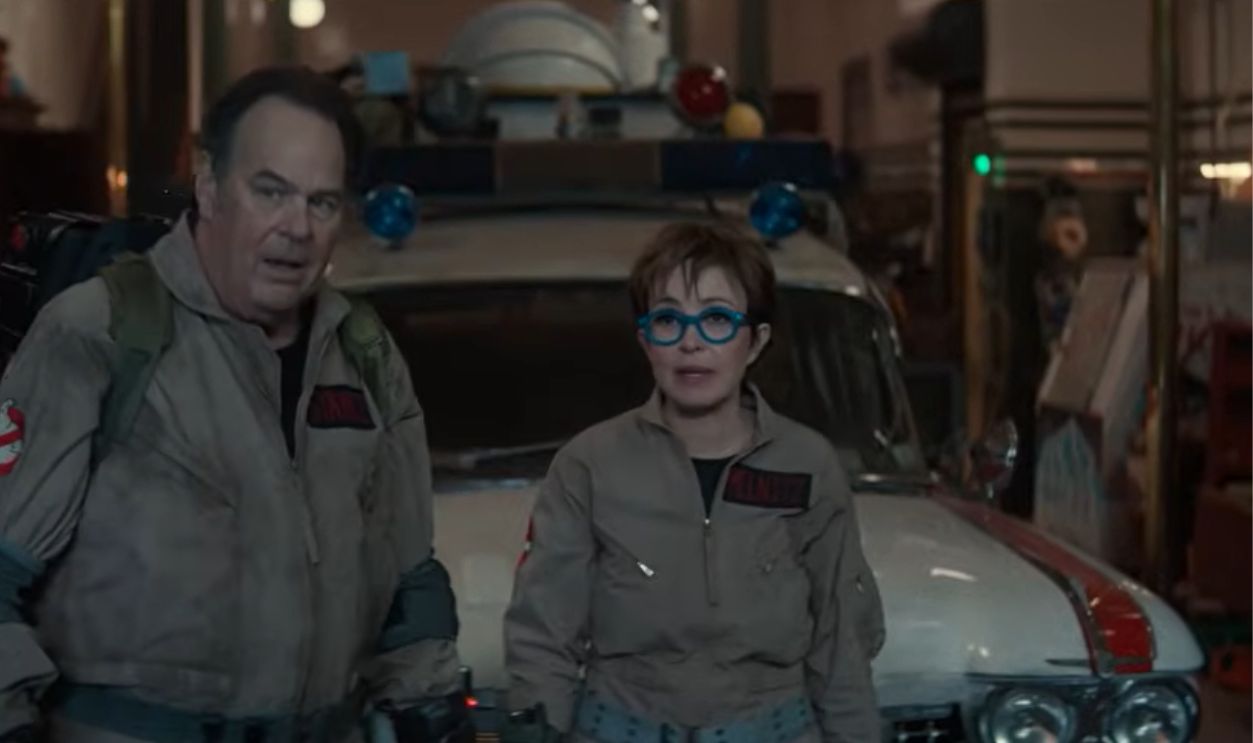
While Young Sheldon was still part of her life, Potts also returned to the Ghostbusters franchise. In Ghostbusters: Frozen Empire, Janine moved beyond the receptionist role and wore the familiar flight suit herself. Potts said she was thrilled by the development.
 Screenshot from Ghostbusters: Frozen Empire, Sony Pictures Releasing (2024)
Meemaw Survived The End Of Young Sheldon
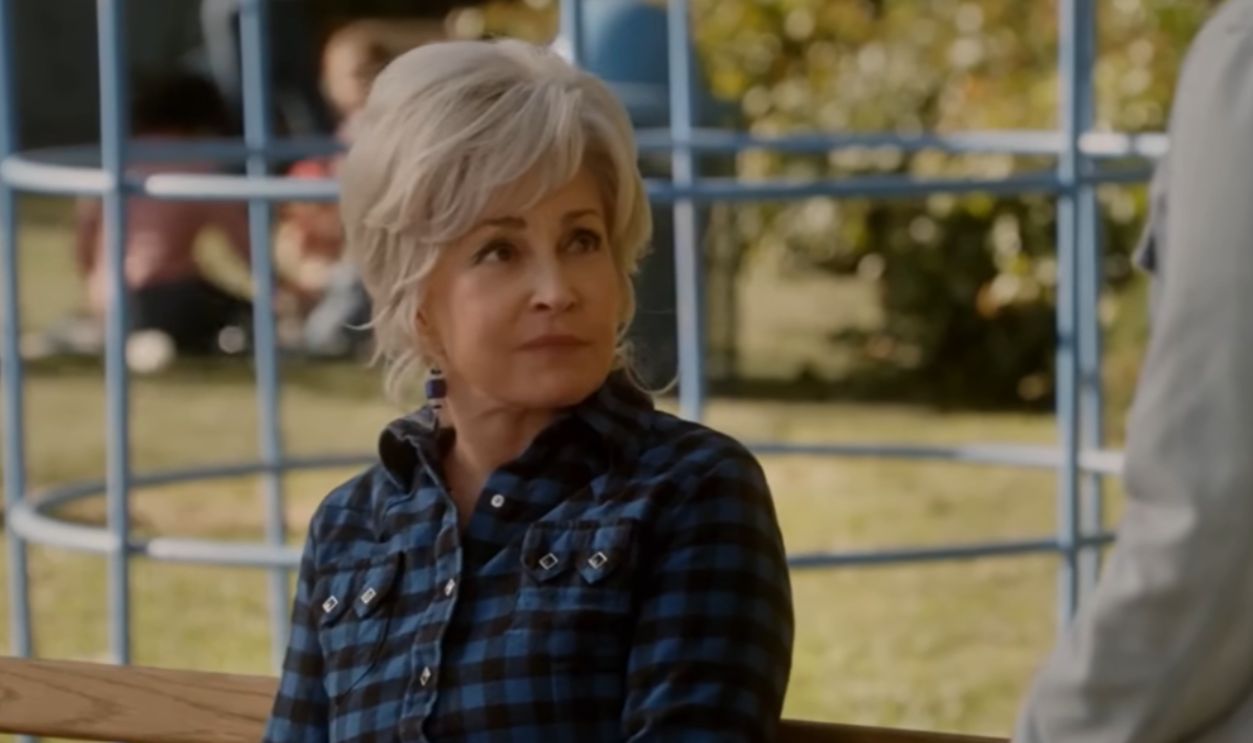
Young Sheldon ended in 2024, but Potts did not immediately leave the character behind. She later guest-starred as Meemaw on the spinoff Georgie & Mandy’s First Marriage. The appearance extended a role that had already become central to her later career.
 Screenshot from Georgie & Mandy’s First Marriage, CBS (2024–present)
Her Career Kept Moving Forward
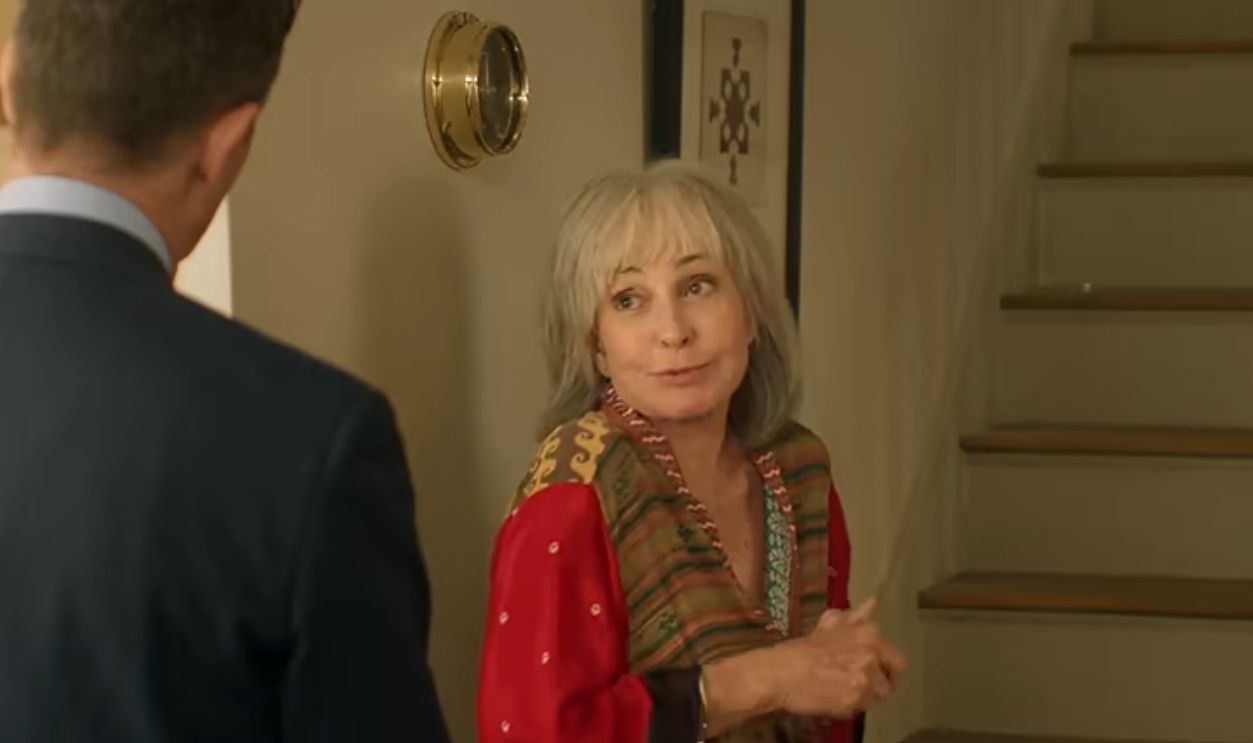
Potts subsequently joined the Fox comedy-drama Best Medicine as Aunt Sarah. By then, her résumé stretched from 1970s films to blockbusters, network sitcoms, drama, animation, Broadway, and 21st-century television. Few performers get to keep reinventing themselves across that many formats.
 Screenshot from Best Medicine, FOX Entertainment Global (2026–present)
The Sitcoms Tell The Story Best
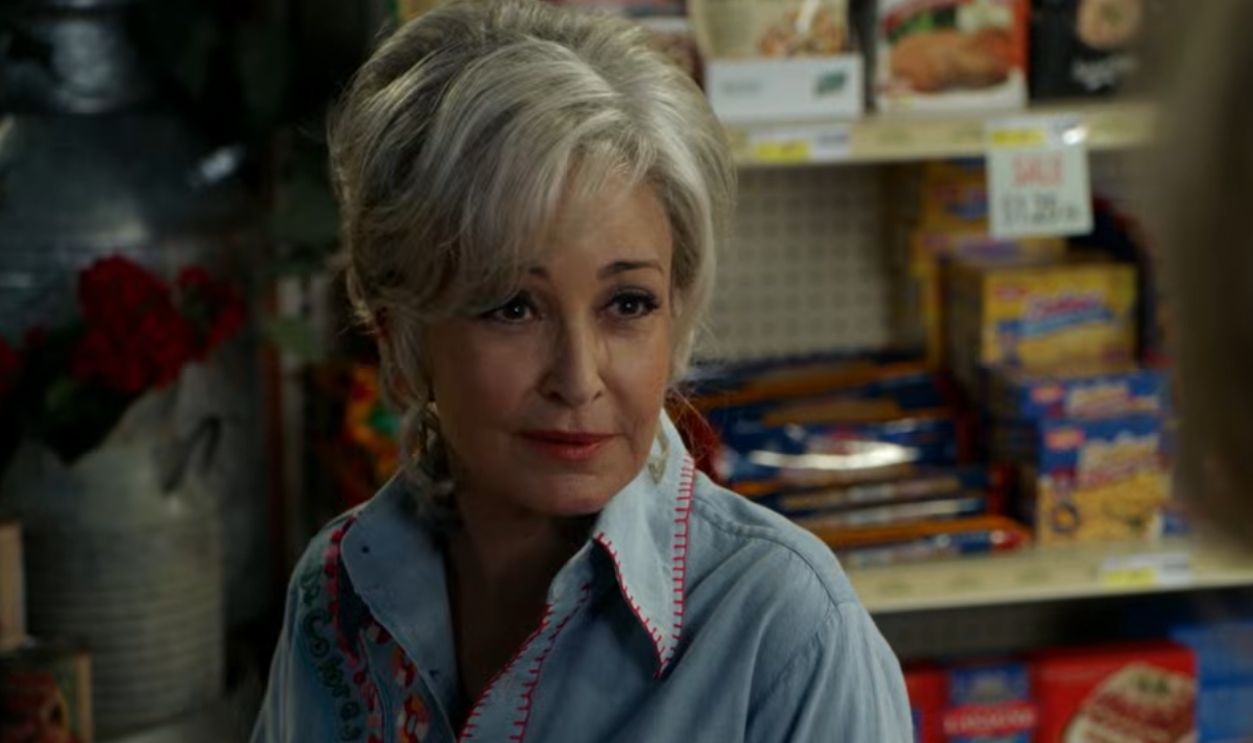
Ghostbusters may have given Annie Potts her most famous early character, but television gave her extraordinary longevity. Mary Jo, Dana, and Meemaw were distinct women created decades apart. Together, they show how Potts turned sharp timing, adaptability, and character work into a remarkably durable career.
 Screenshot from Young Sheldon, Warner Bros. Domestic Television Distribution (2017–2024)
You May Also Like:
Linda Gray Made Sue Ellen Ewing Impossible To Forget, Then Turned A Soap Role Into Something Deeper
Mariette Hartley Was Everywhere On TV, But Her Real Life Was Heartbreaking
Susan Dey Escaped The Partridge Family Image, Then Proved She Was More Than A Teen Idol