She Made It Look Easy.
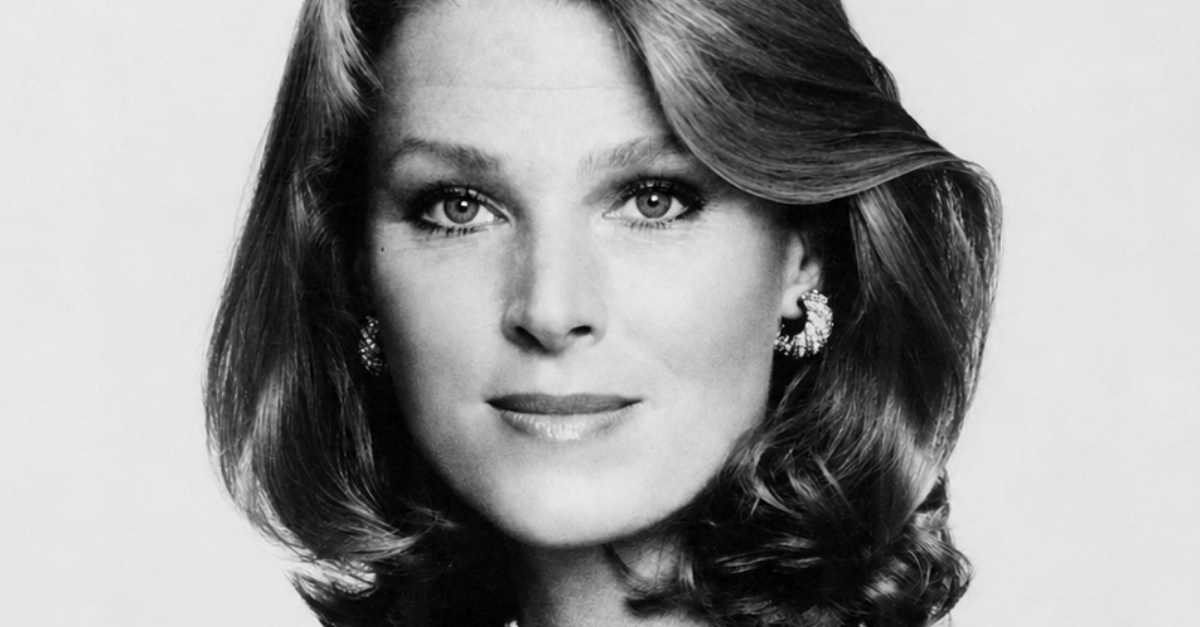
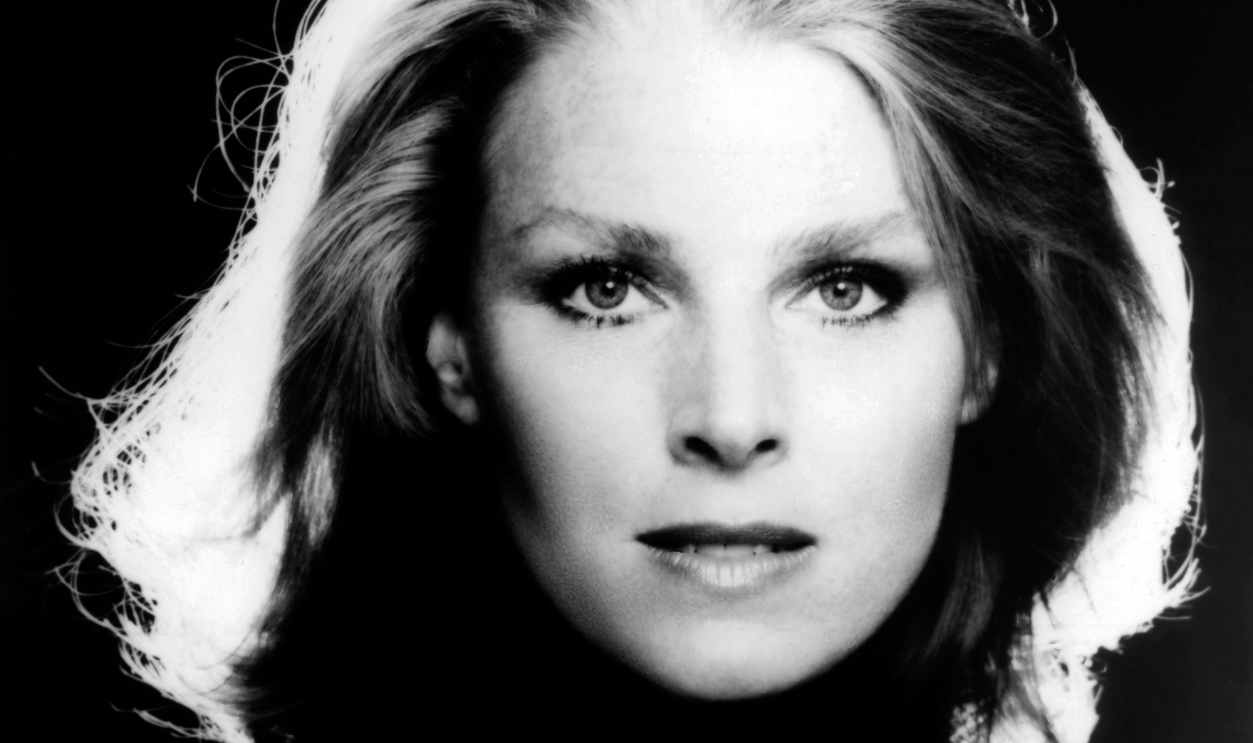
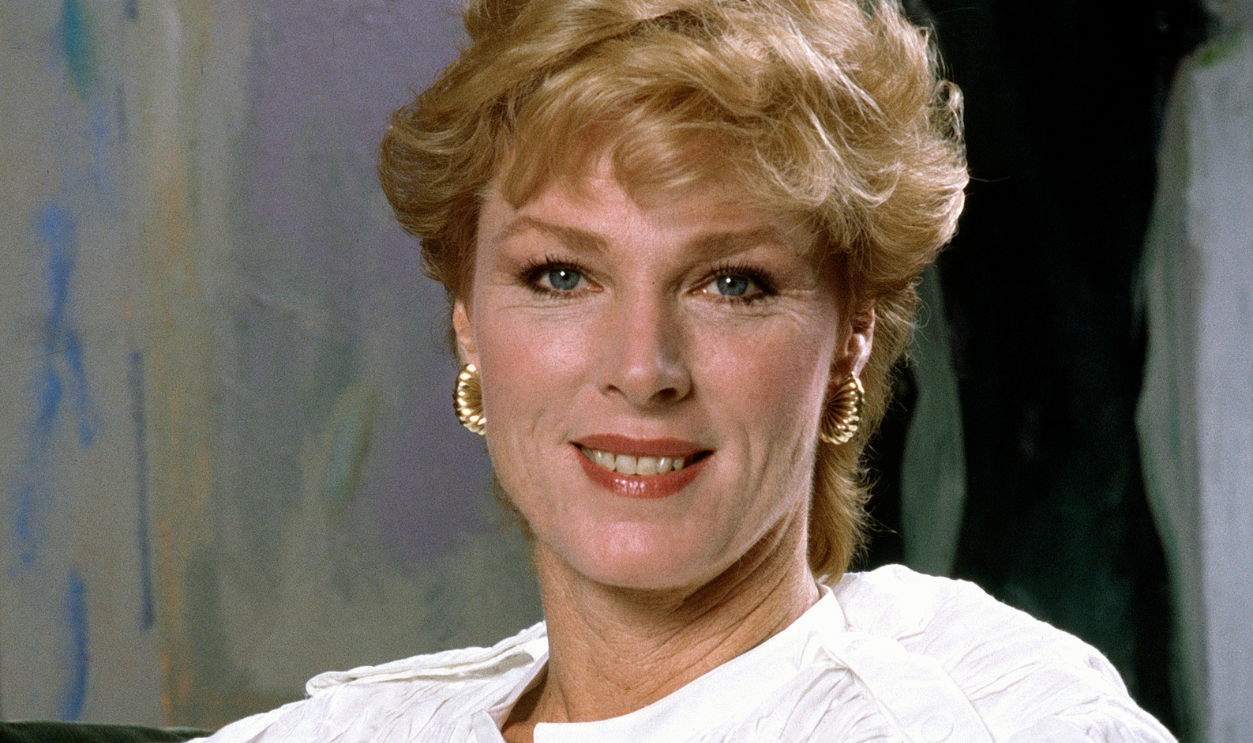
Mariette Hartley spent decades moving effortlessly between Westerns, science fiction, sitcoms, television movies, commercials, and the stage, becoming one of those familiar faces audiences seemed to encounter everywhere. Behind that polished public image, however, was a painful family history that Hartley eventually transformed into a remarkable second calling as an author and advocate.
The Stage Found Her Remarkably Young
Hartley grew up in Weston, Connecticut, and discovered acting while she was still a child. By 14, she was already playing Juliet, beginning the serious theatrical training that would shape her approach to acting. Long before Hollywood knew her face, the stage had given her a place where discipline and imagination mattered more than celebrity.
Her Family Legacy Was Complicated
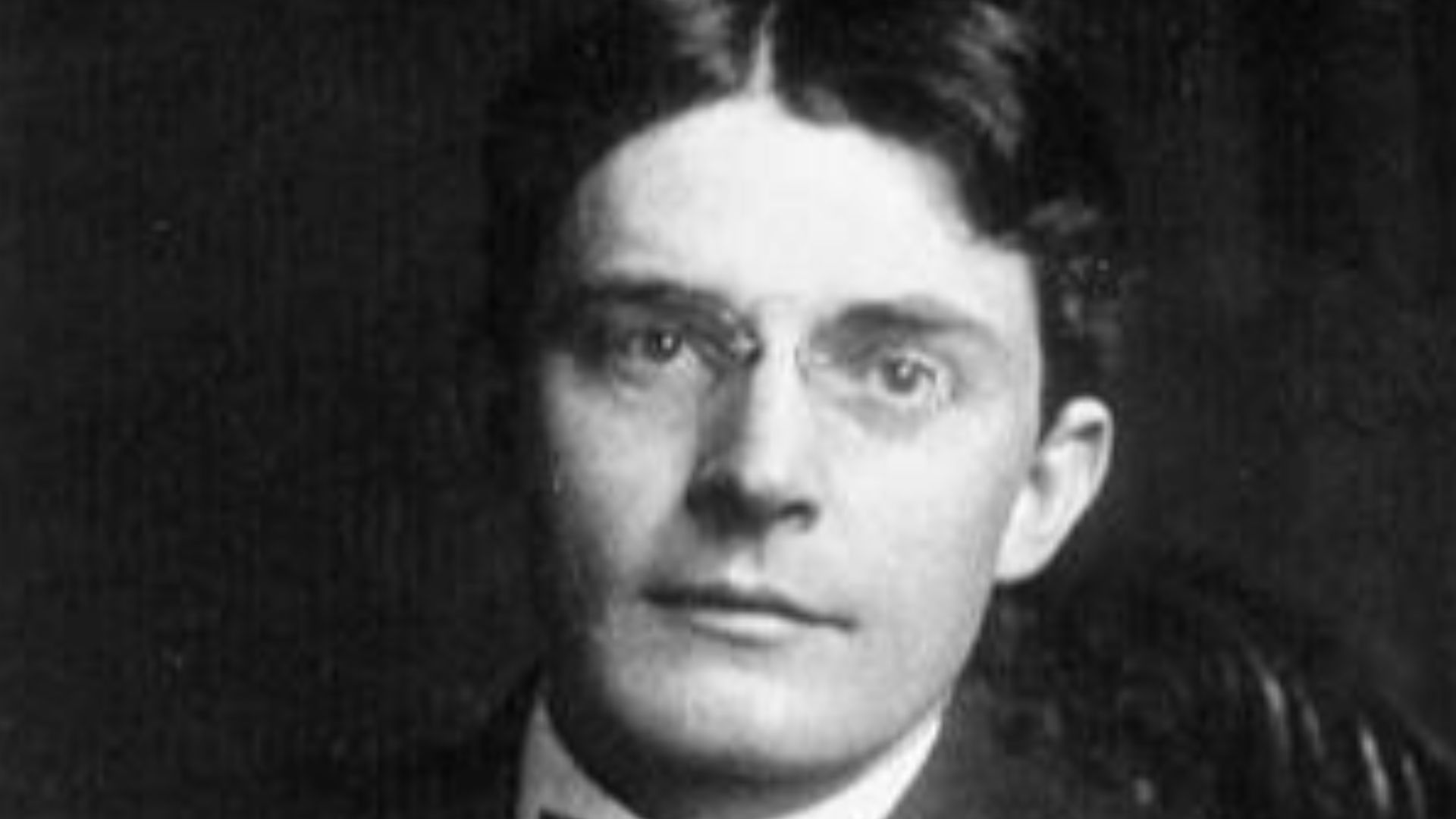
Hartley’s maternal grandfather was John B. Watson, the influential behavioral psychologist. She later examined how ideas about emotional restraint and child-rearing had affected generations of her family. What outsiders might have viewed as an impressive intellectual pedigree therefore carried much more complicated meaning for her.
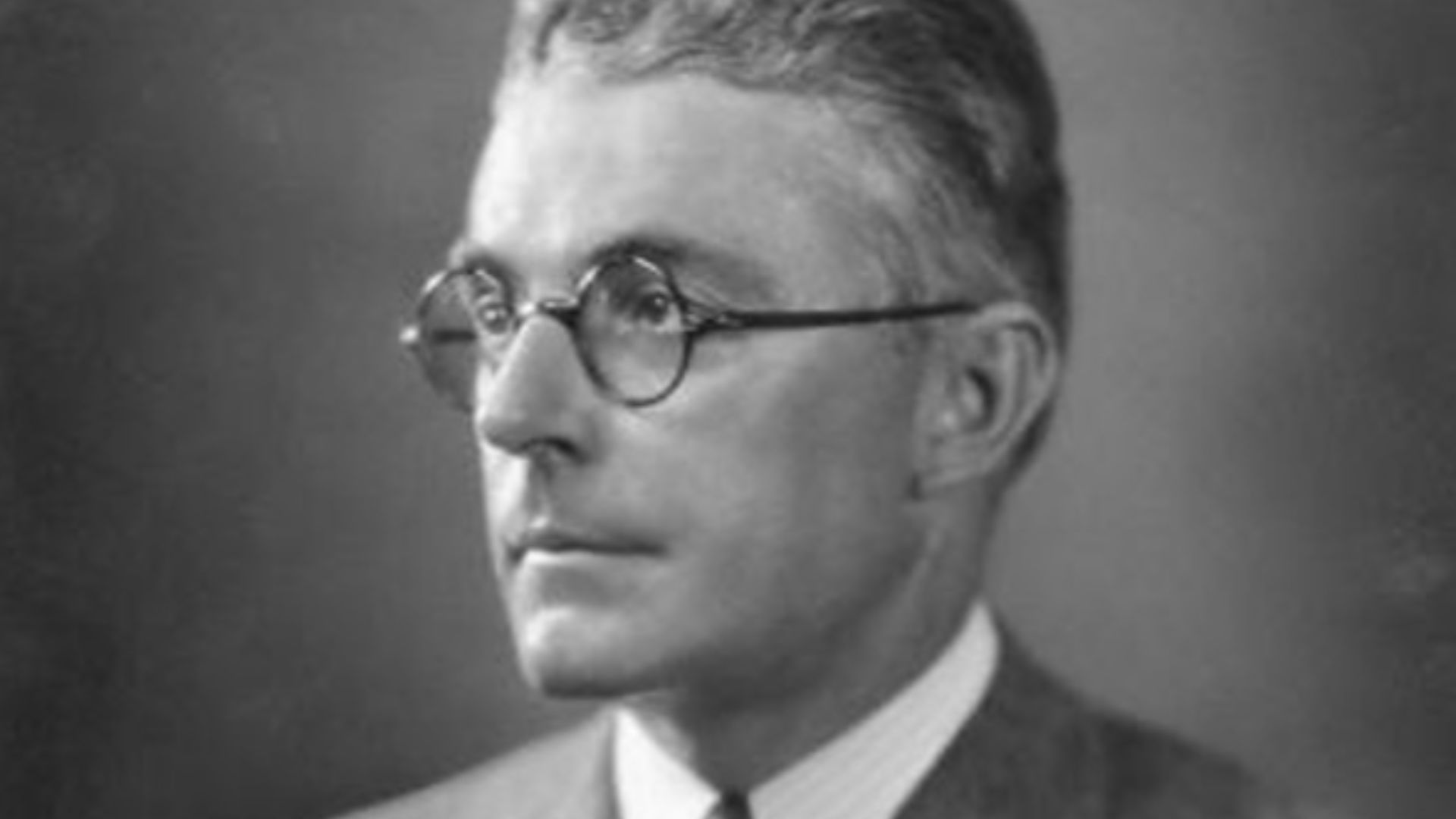 Prakruthi Prasad, Wikimedia Commons
Eva Le Gallienne Became A Powerful Mentor
As a teenager, Hartley studied with celebrated actress and director Eva Le Gallienne. Hartley later remembered Le Gallienne as someone focused fiercely on the art of acting rather than on building a glamorous career. That lesson stayed with Hartley as she moved through a profession that constantly tried to measure performers by fame.
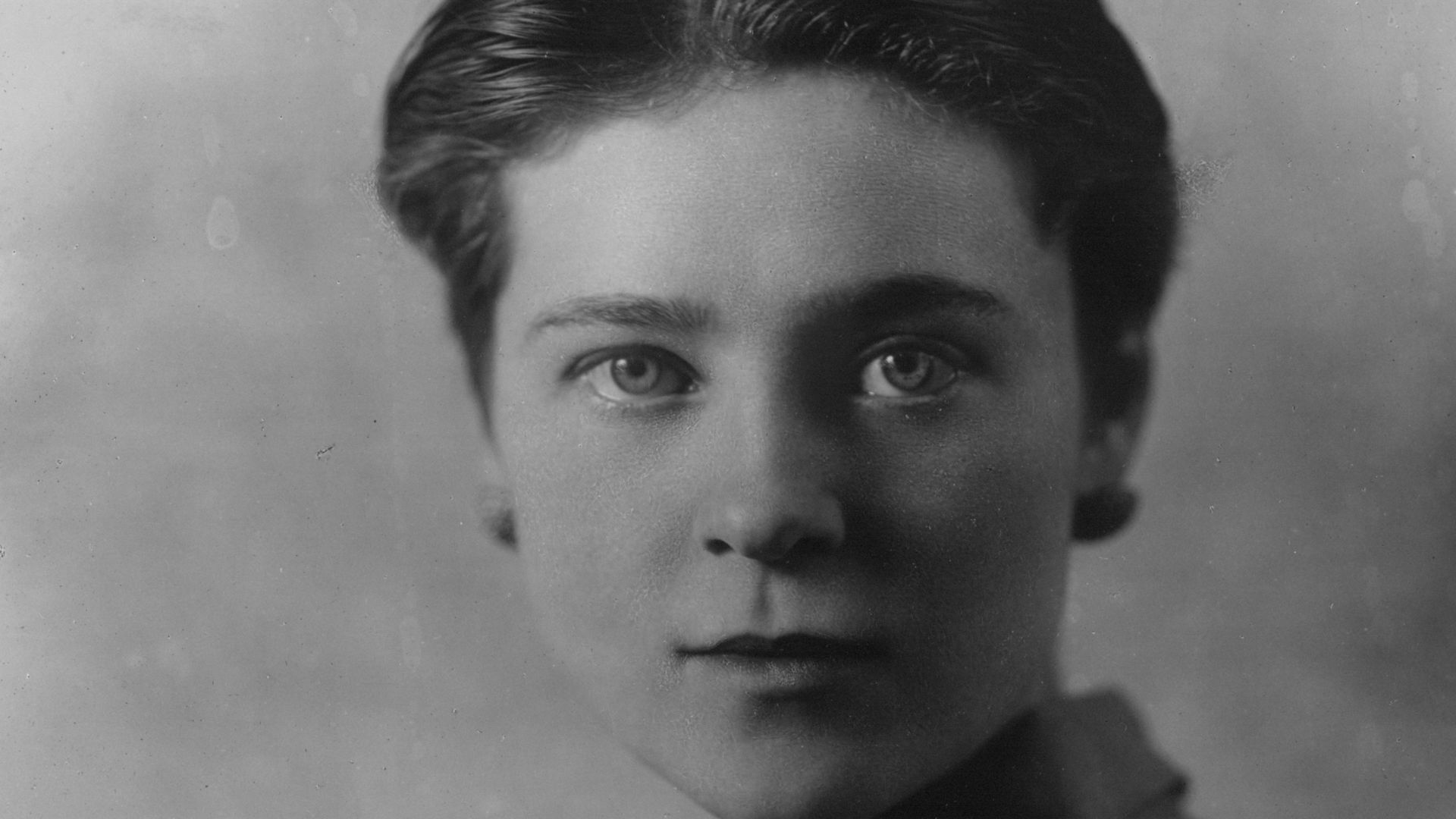 Nicholas Haz, Wikimedia Commons
Ride The High Country Was An Extraordinary Beginning
Hartley made her feature-film debut as Elsa Knudsen in Sam Peckinpah’s Ride the High Country. The 1962 Western placed the young actress opposite veterans Joel McCrea and Randolph Scott. What could have been an intimidating first movie instead became the beginning of a career that would keep returning to the Western genre.
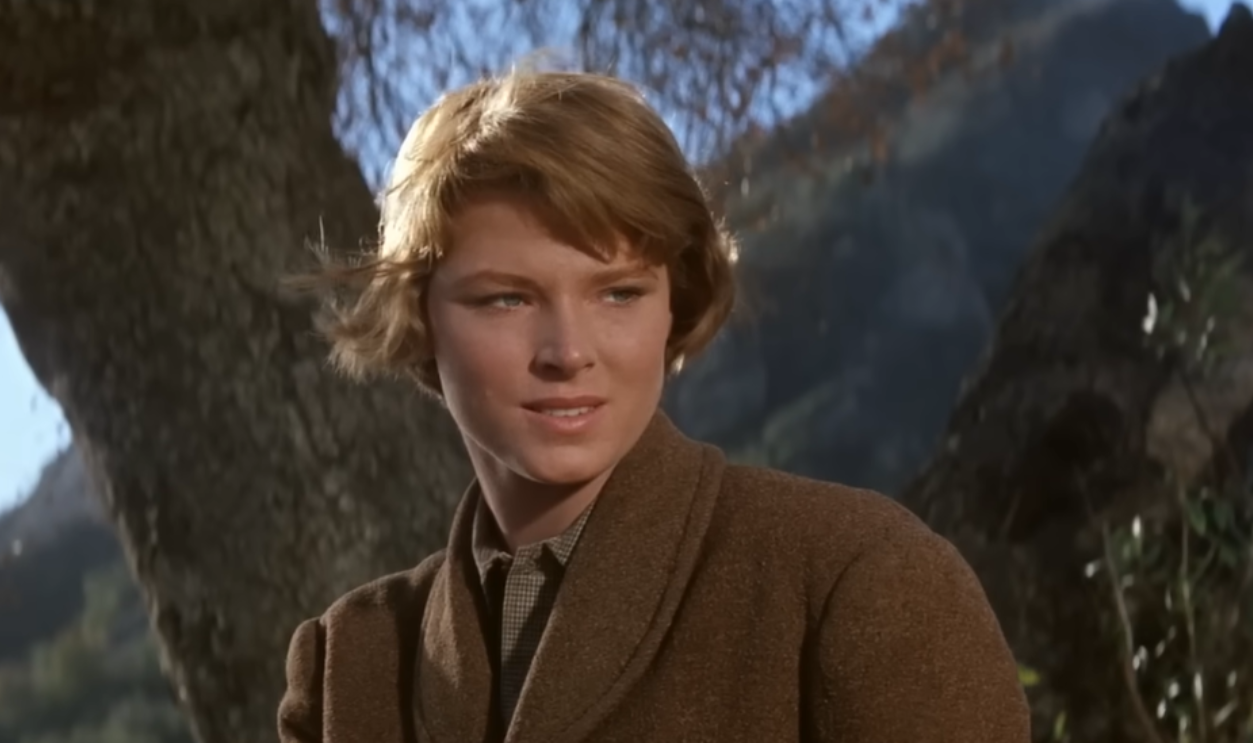 Screenshot from Ride the High Country, Metro-Goldwyn-Mayer (1962)
Britain Immediately Noticed The Newcomer
Hartley’s debut brought her a BAFTA nomination for Most Promising Newcomer to Leading Film Roles. The nomination placed her alongside a small group of emerging performers being singled out internationally. It was unusually prestigious recognition for someone at the very beginning of a screen career.
Television Westerns Kept Calling
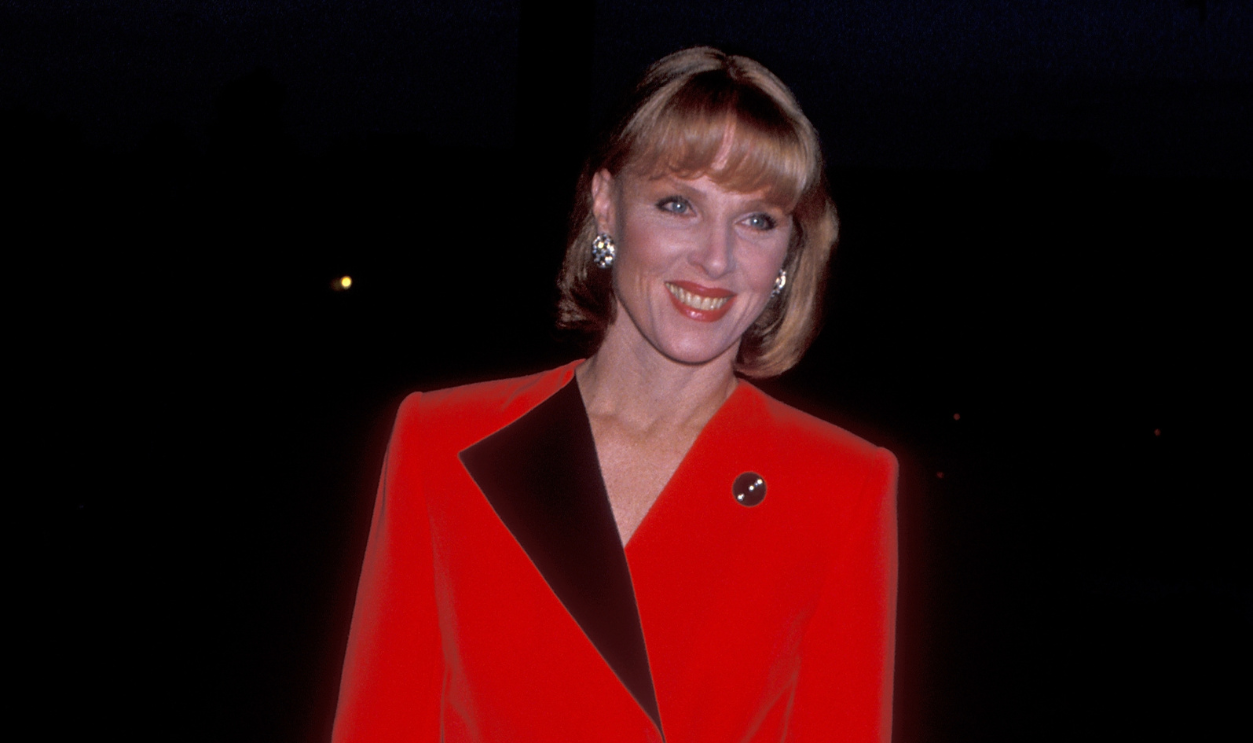
Hartley soon became a frequent presence in television Westerns. Her credits included appearances on Gunsmoke, Bonanza, The Virginian, and Death Valley Days, among other series. The repeated guest roles helped establish the pattern that would define much of her television career: she could enter an existing show and make an immediate impression.
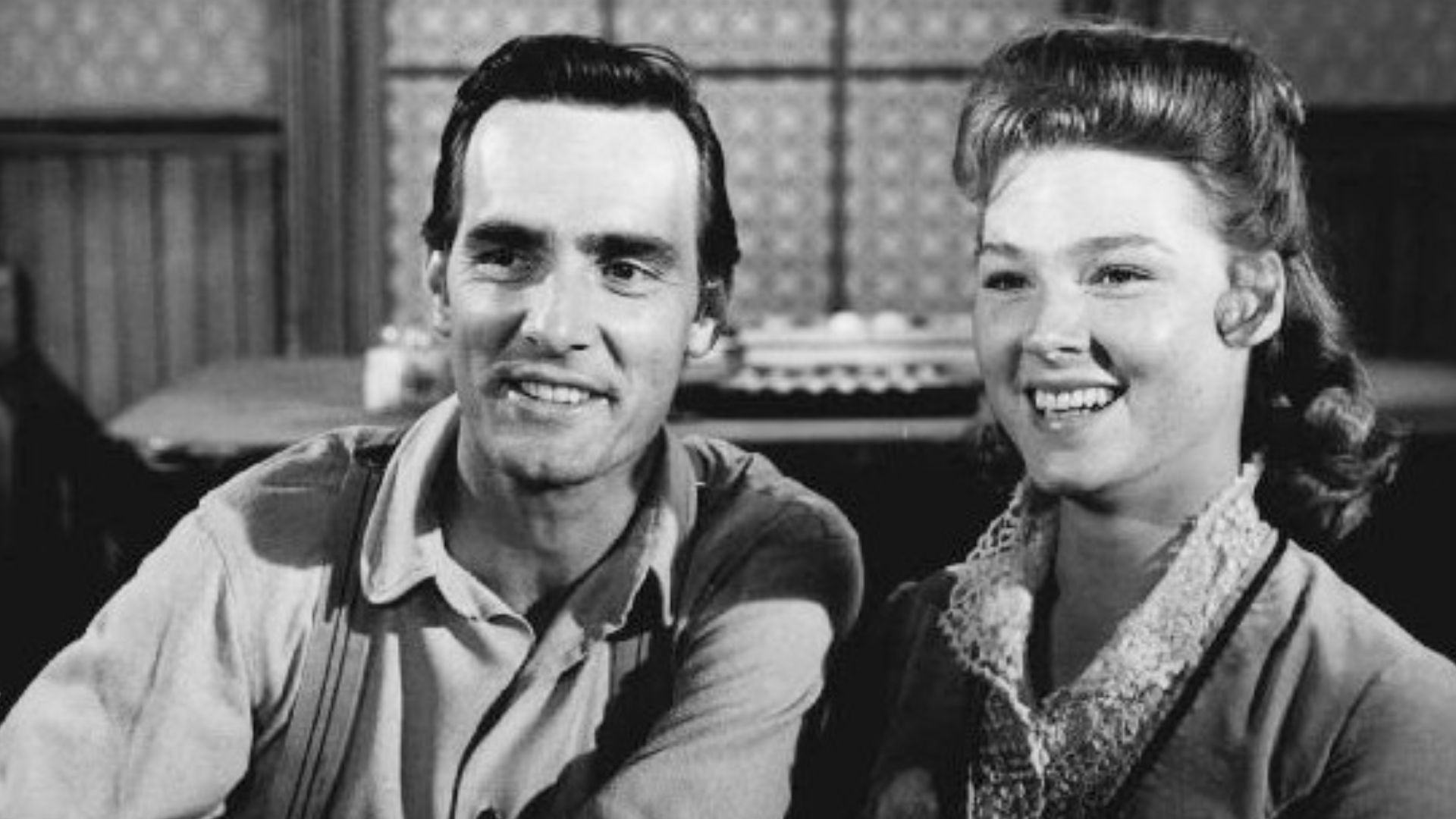 CBS Television, Wikimedia Commons
The Twilight Zone Added Science Fiction
In 1964, Hartley played Sandra Horn in “The Long Morrow,” an episode of The Twilight Zone written by Rod Serling. Robert Lansing starred as an astronaut facing an extraordinary journey while Hartley played the woman whose life becomes entwined with his decision. The episode gave her an early connection to a series whose popularity would continue growing long after its original run.
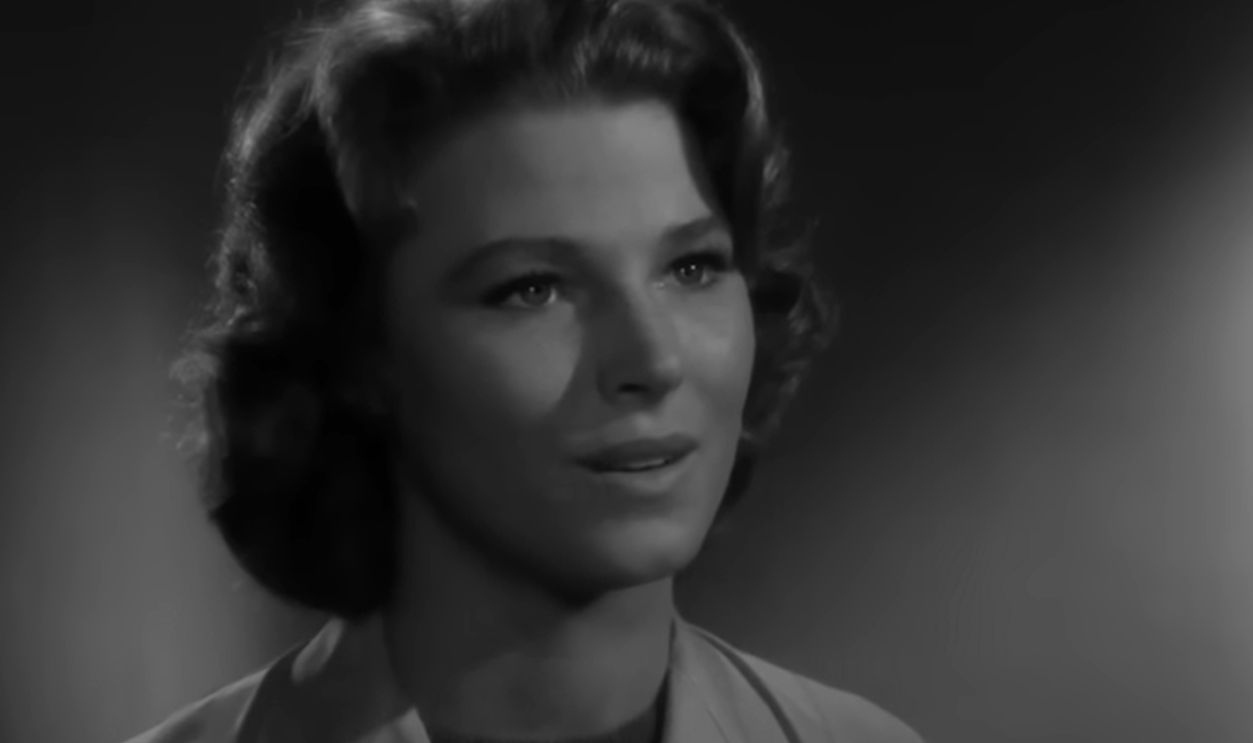 Screenshot from The Twilight Zone, CBS (1964)
Hitchcock Put Her Inside Marnie
That same period brought Hartley into Alfred Hitchcock’s Marnie. The 1964 film starred Tippi Hedren and Sean Connery, with Hartley appearing as Susan Clabon. She was still relatively early in her career, yet her résumé already included Peckinpah, Serling, and Hitchcock.
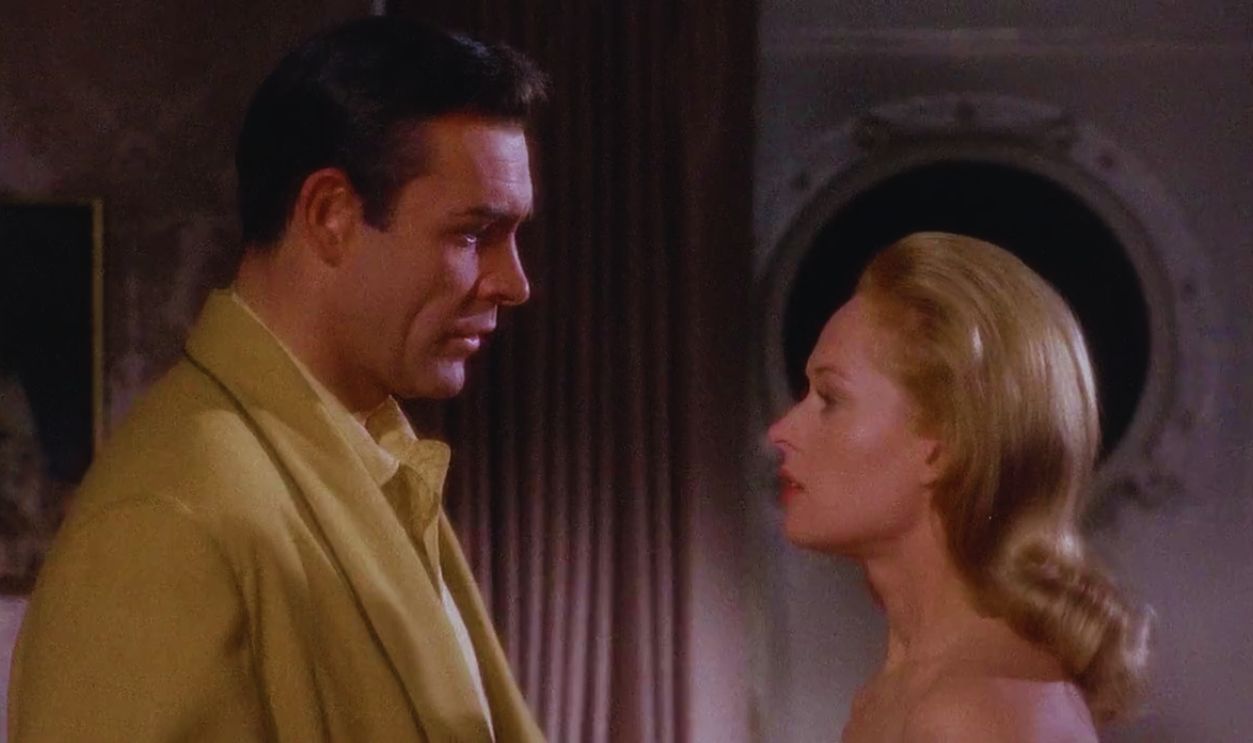 Trailer screenshot, Wikimedia Commons
Peyton Place Made Her A Series Regular
Hartley joined the hugely popular prime-time serial Peyton Place as Dr. Claire Morton. Instead of dropping into a program for a single guest appearance, she now had a recurring place within one of television’s best-known continuing dramas. It demonstrated that she could handle serialized storytelling as comfortably as anthology television and Westerns.
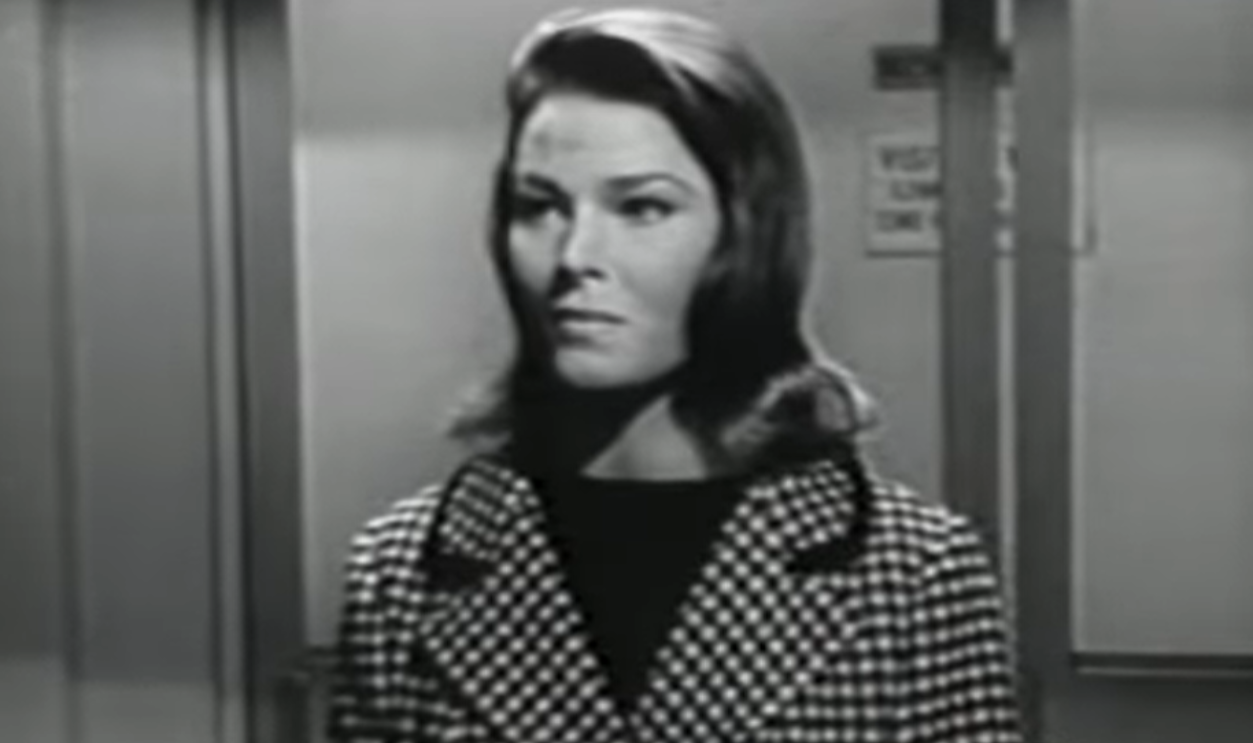 Screenshot from Peyton Place, 20th Century Fox (1957)
The Hero Let Her Try Weekly Comedy
Hartley next appeared opposite Richard Mulligan in the NBC sitcom The Hero. She played Ruth Garret during the show’s 1966-67 run, giving her another regular television assignment in a very different genre. That versatility would eventually become one of the defining features of her career.
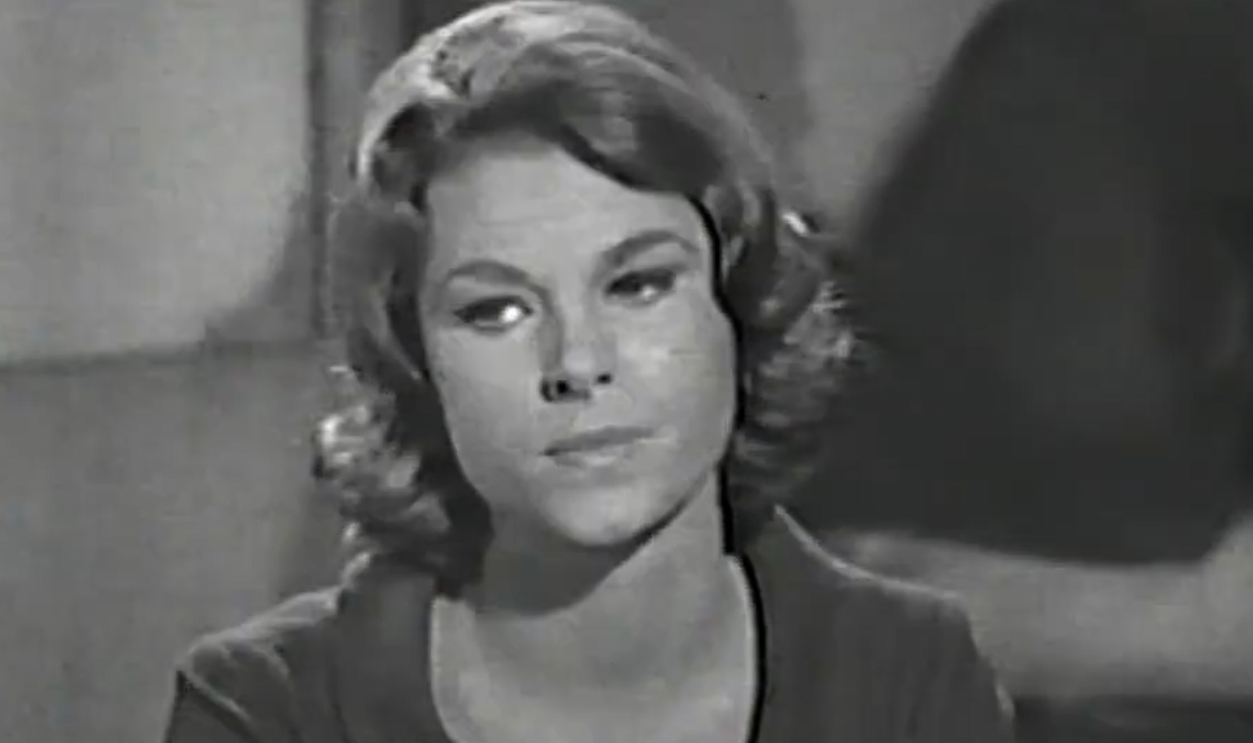 Screenshot from The Hero, NBC (1966–1967)
Star Trek Made Zarabeth Unforgettable
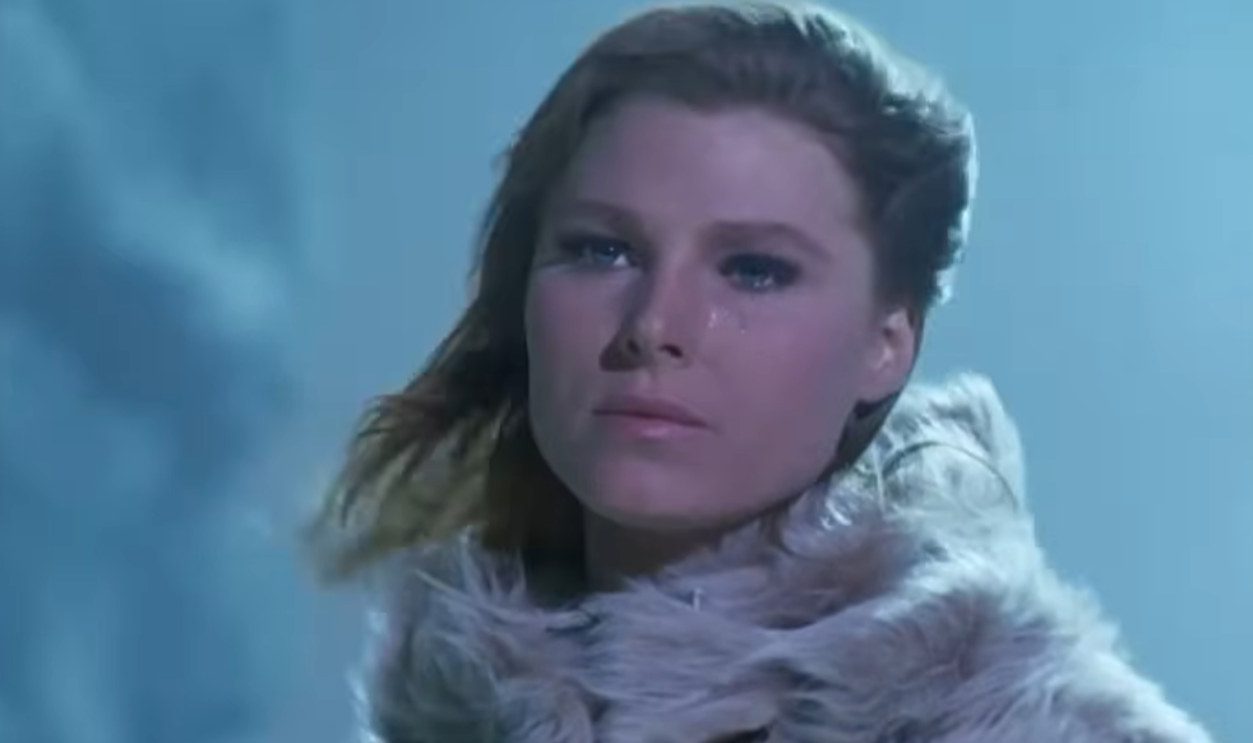
In 1969, Hartley appeared as Zarabeth in the original Star Trek episode “All Our Yesterdays.” More than four decades later, she told StarTrek.com that fans were still fascinated by the episode and continued approaching her about it at conventions. A single guest appearance had become one of the most enduring credits on an already crowded résumé.
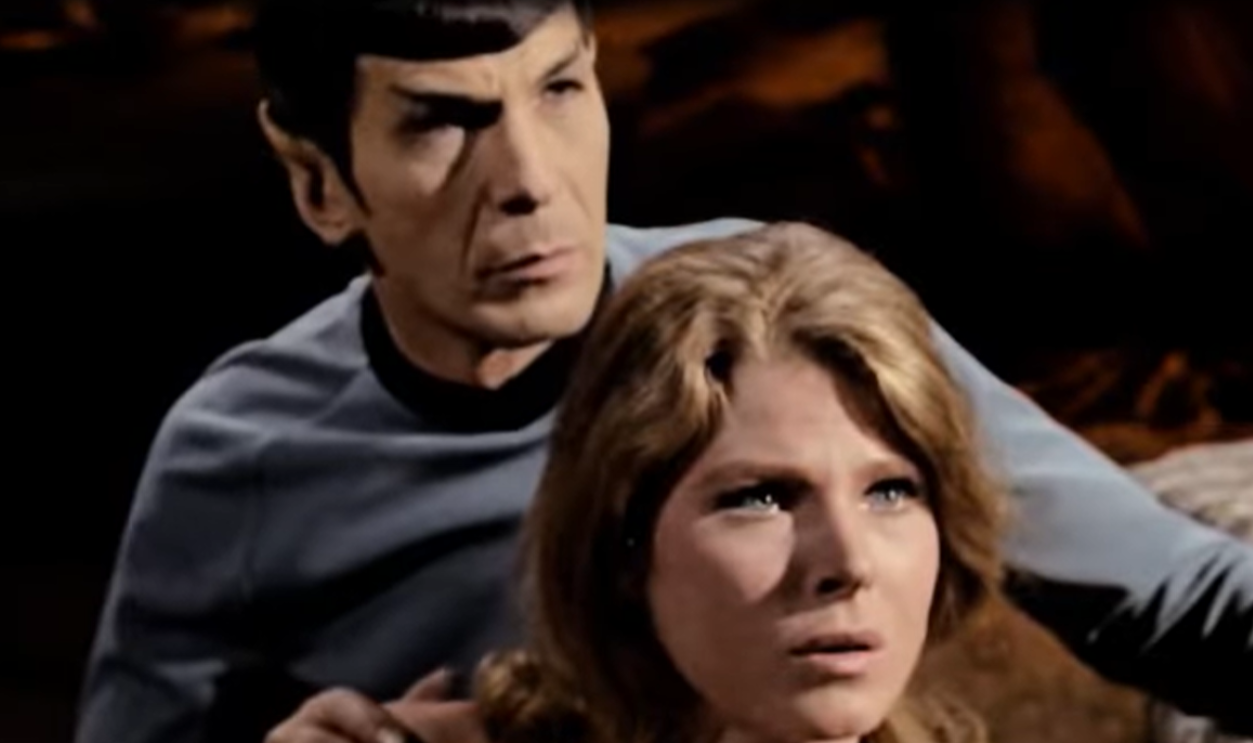 Screenshot from Star Trek: The Original Series, Paramount Television (1969)
Television Became Her Natural Habitat
Hartley continued moving through an extraordinary variety of television programs rather than attaching herself permanently to one long-running series. Columbo, MASH*, The F.B.I., The Rockford Files, and numerous television movies eventually joined her credits. She jokingly described herself as possessing “little-screen karma,” and television certainly seemed determined to keep proving her right.
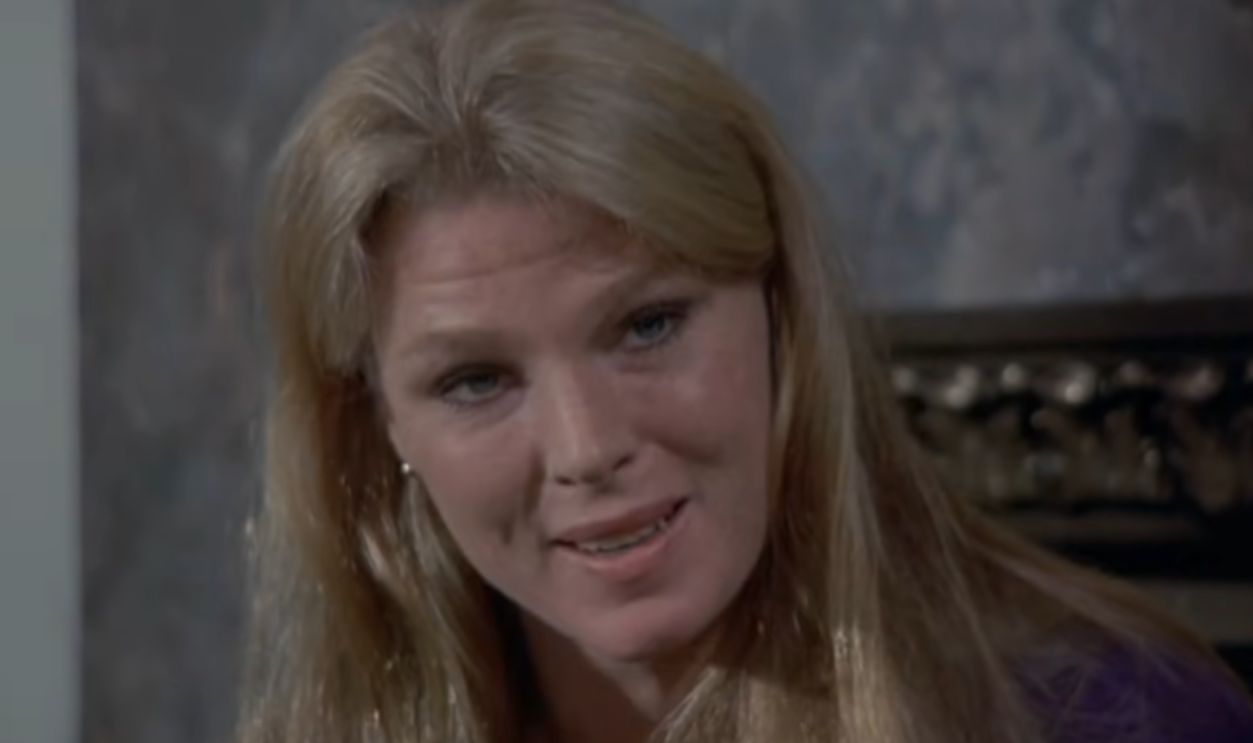 Screenshot from Columbo, NBCUniversal (1968-2003)
Then A Camera Commercial Changed Her Fame
In the late 1970s, Hartley began appearing with James Garner in commercials for Polaroid cameras. The campaign paired the two performers in humorous exchanges that relied heavily on their ability to tease and interrupt one another. Hartley had worked steadily for years, but these short advertisements suddenly made her recognizable to an enormous audience.
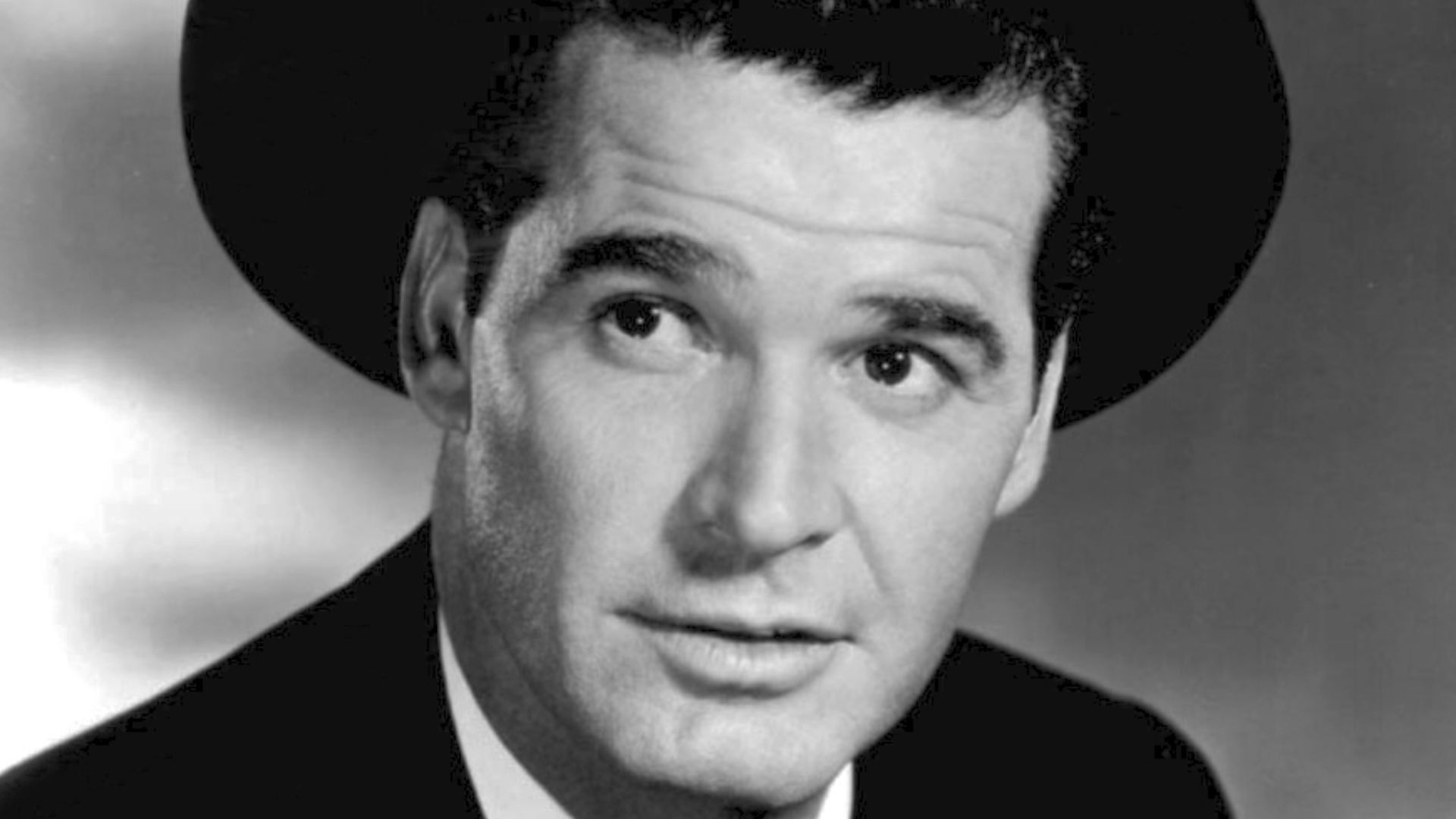 Warner Brothers Television, Wikimedia Commons
James Garner Was Her Perfect Comic Partner
Garner later compared their comic rhythm to a game of Ping-Pong. Hartley could toss a line toward him, wait for his dry response, and immediately fire something back. Their easy chemistry made the commercials feel less like advertising and more like tiny domestic sitcoms.
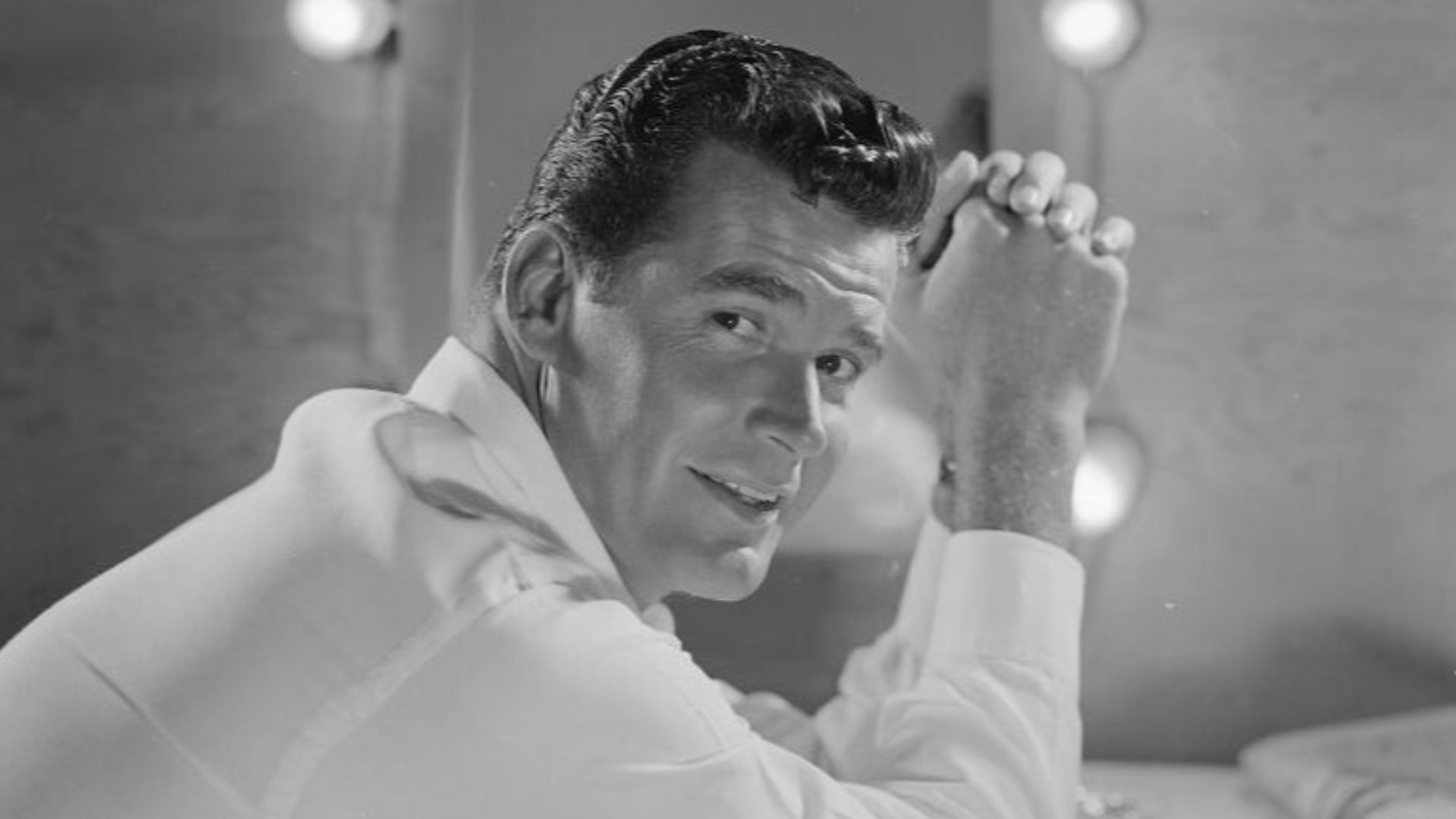 Ashley and Crippen, Wikimedia Commons
Viewers Became Convinced They Were Married
The performances were so convincing that many viewers assumed Garner and Hartley were actually husband and wife. Garner was, in fact, married to Lois Clarke, not Hartley. The confusion became so widespread that it eventually became another joke surrounding the campaign.
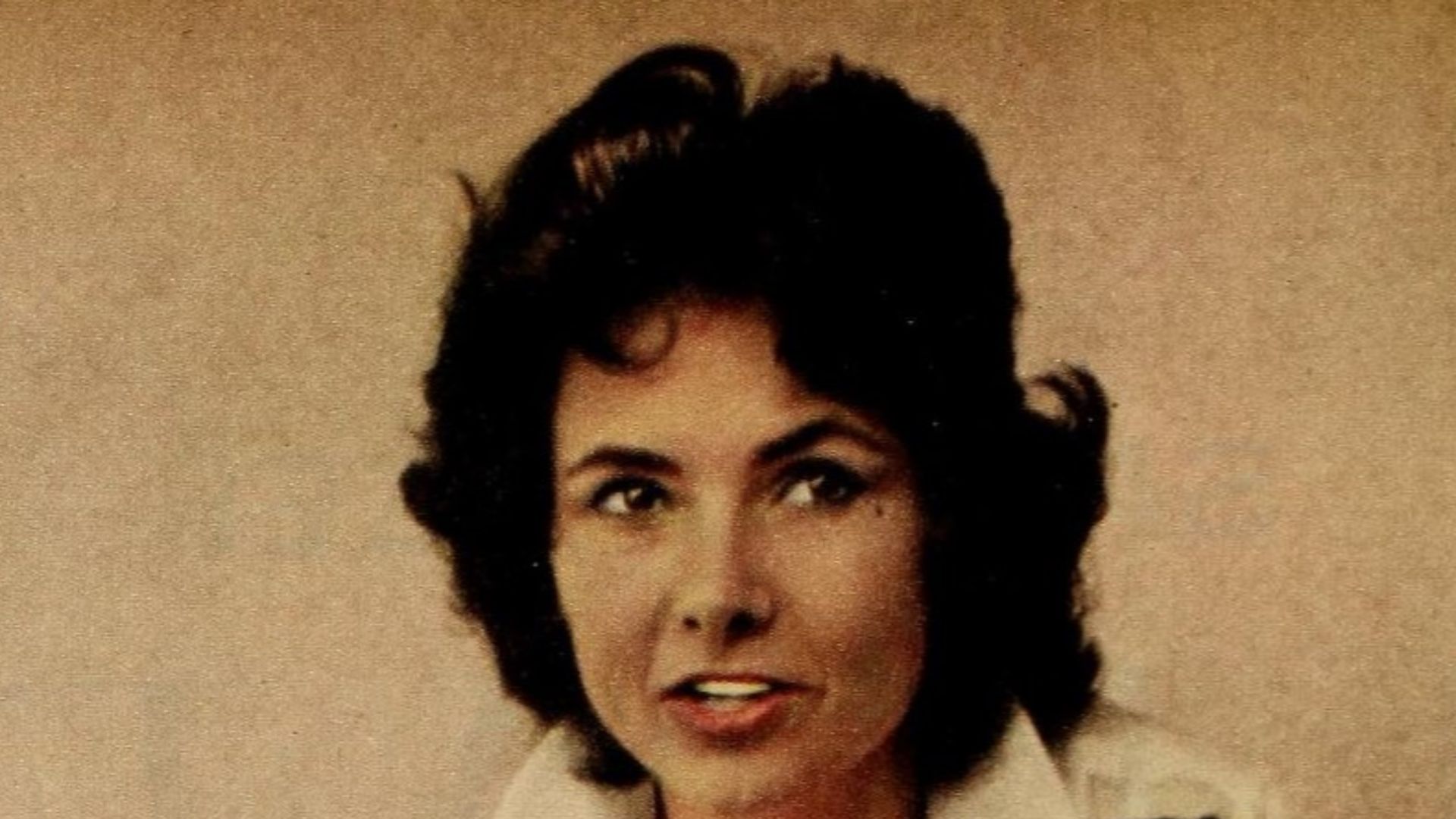 Topix. Photographer not credited, Wikimedia Commons
Her T-Shirt Finally Set The Record Straight
Hartley famously responded by wearing a shirt announcing that she was not Mrs. James Garner. The gag became nearly as memorable as the commercials themselves. According to the Los Angeles Times, the campaign ultimately produced hundreds of spots and won three Clio Awards.
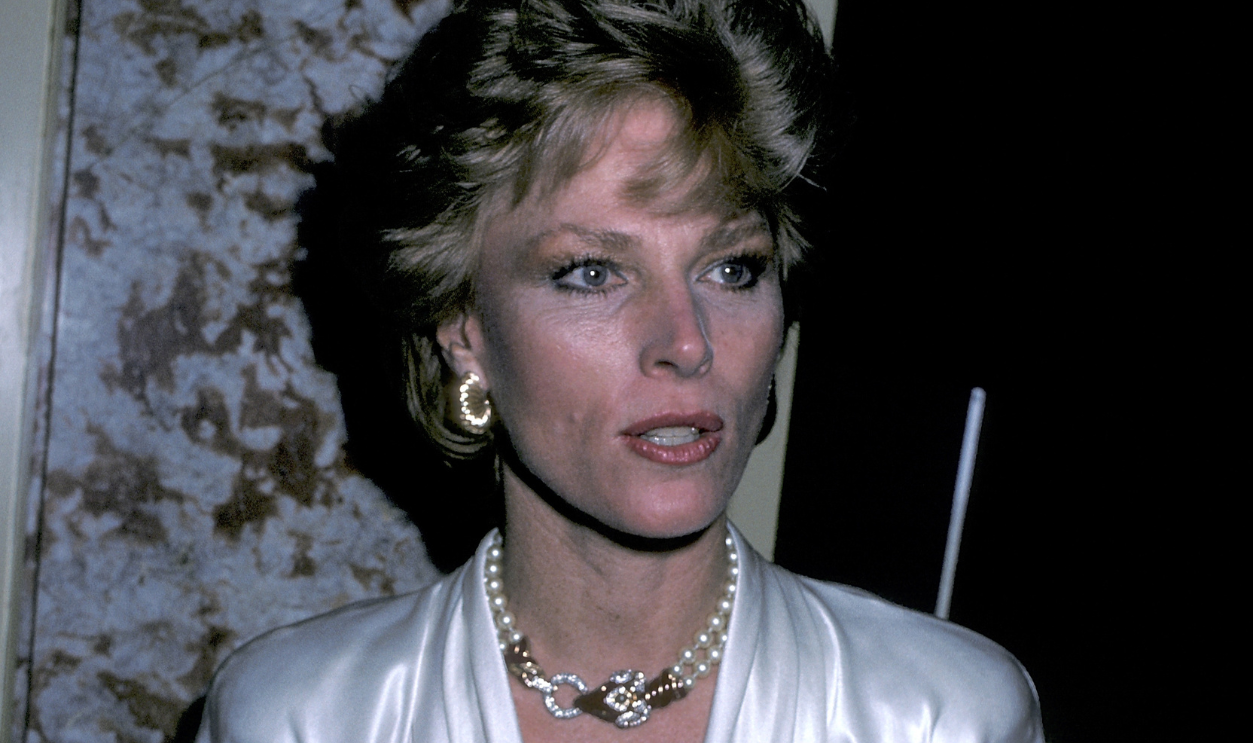
Polaroid Revealed A Side TV Had Missed
Hartley later said the commercials changed how audiences and producers viewed her. Before the campaign, she felt she was primarily regarded as a serious dramatic and theatrical actress. The Polaroid spots suddenly demonstrated that she could handle broad comedy with impeccable timing.
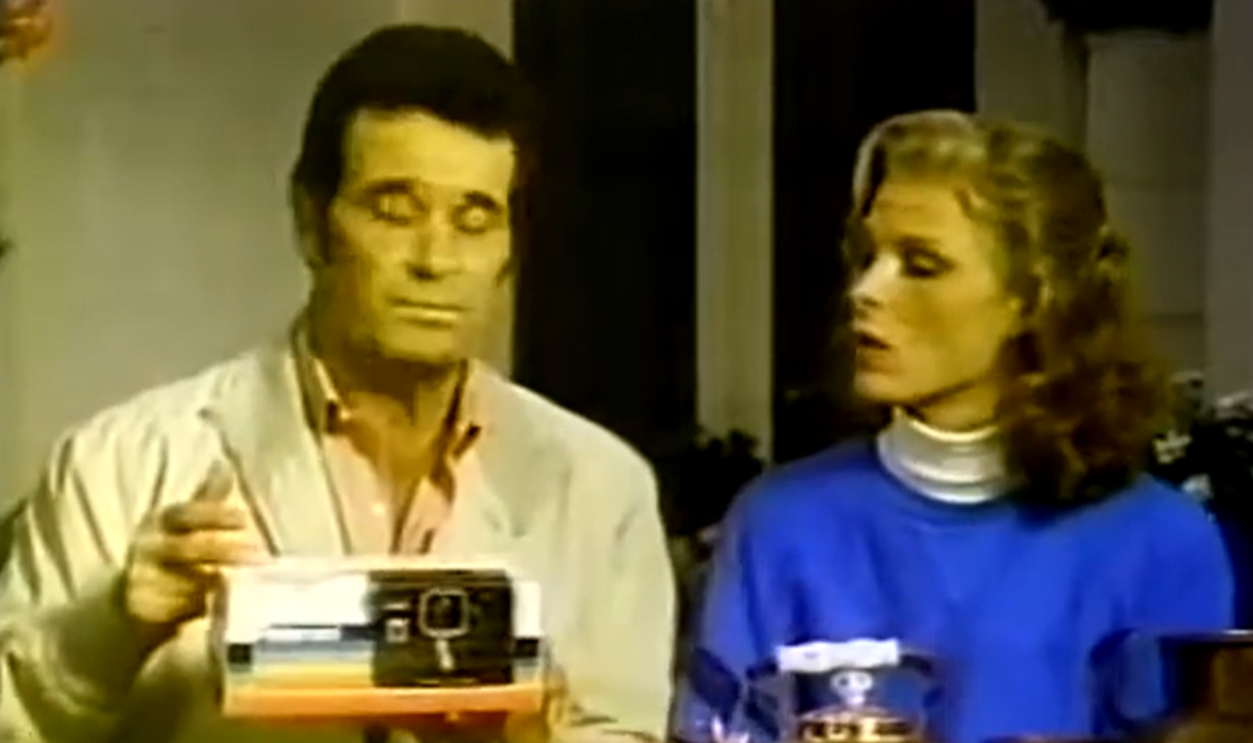 Screenshot from Polaroid OneStep, Polaroid Corporation (1977)
The Incredible Hulk Brought Her An Unexpected Triumph
Hartley guest-starred opposite Bill Bixby in the Incredible Hulk episode “Married,” playing Dr. Carolyn Fields. She nearly declined the assignment before Bixby personally encouraged her to take the job. The decision turned into one of the most important professional choices she ever made.
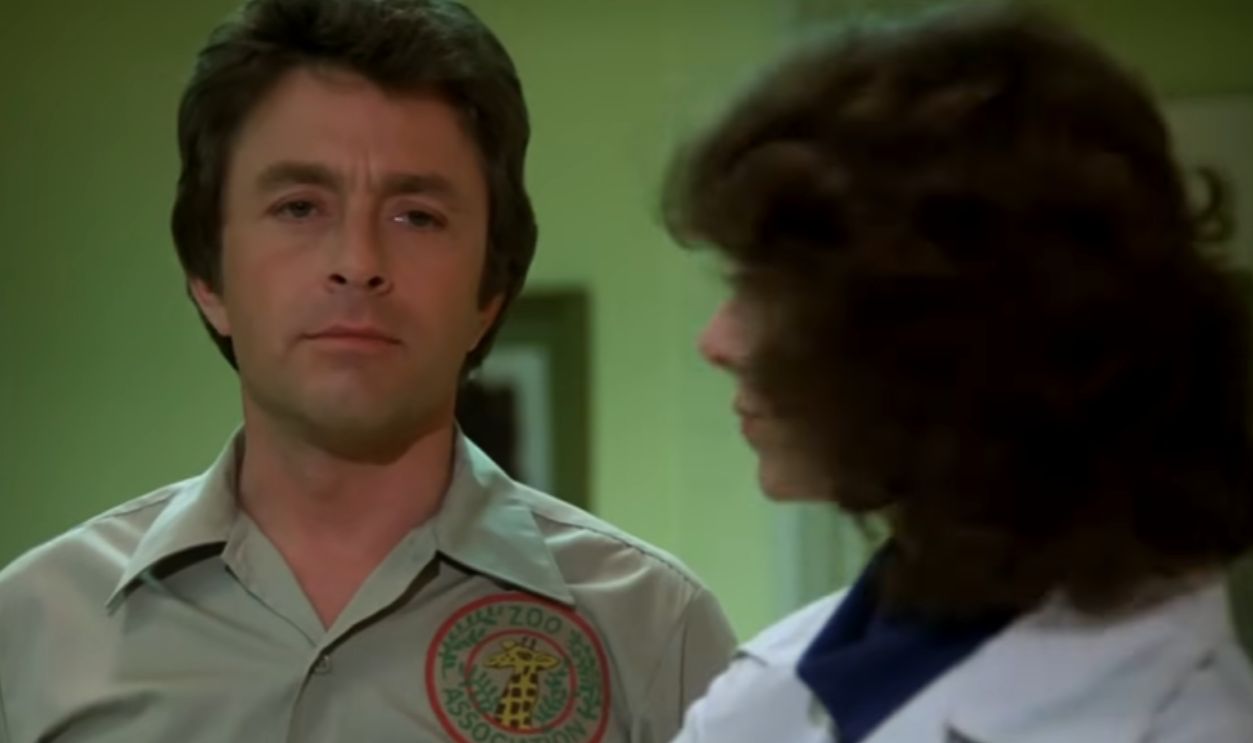 Screenshot from The Incredible Hulk, Universal Television (1978)
One Guest Role Won Her An Emmy
Hartley won the 1979 Primetime Emmy for Outstanding Lead Actress in a Drama Series for The Incredible Hulk. Her competition included Barbara Bel Geddes, Sada Thompson, and Rita Moreno. A performer famous for bouncing between programs had won television’s highest acting honor for a role that lasted only a short time.
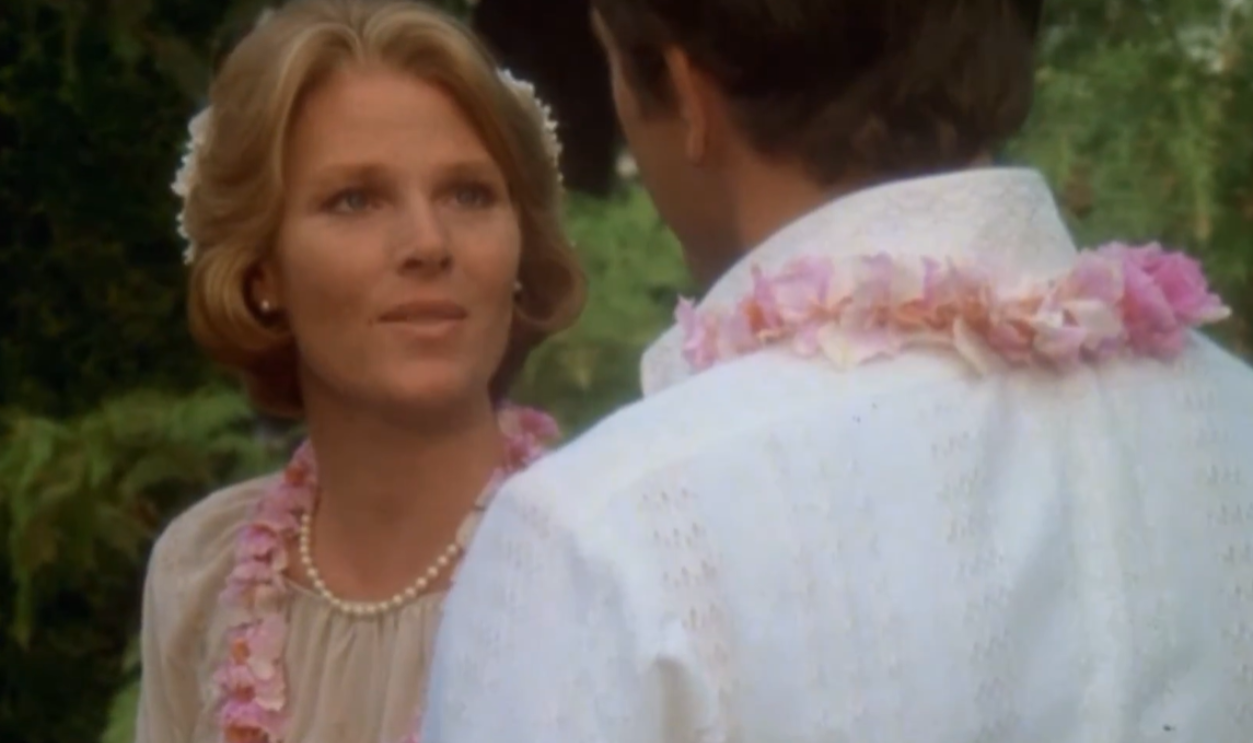 Screenshot from The Incredible Hulk, Universal Television (1978)
The Emmy Nominations Kept Coming
The Hulk victory was not an isolated burst of awards attention. Hartley later received another drama nomination for The Rockford Files, plus nominations for The Halloween That Almost Wasn’t, Goodnight, Beantown, and M.A.D.D.: Mothers Against Drunk Drivers. The Television Academy ultimately credits her with six Primetime Emmy nominations and one win.
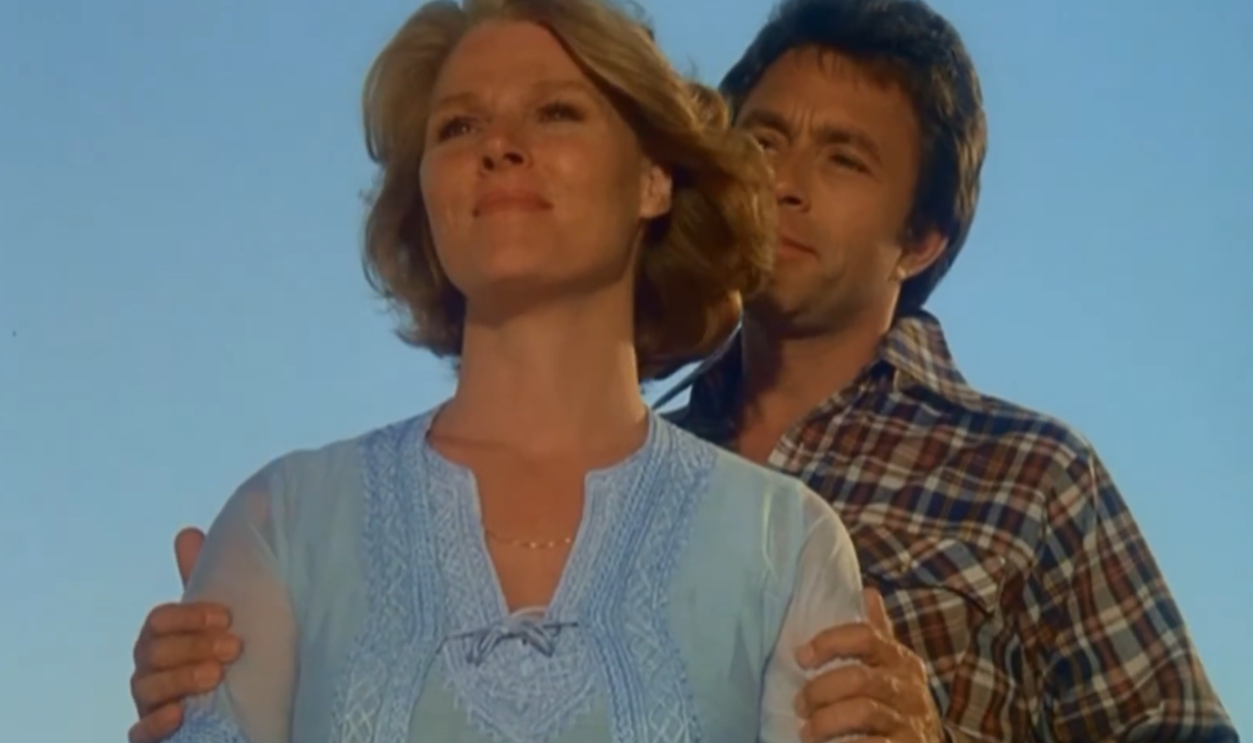 Screenshot from The Incredible Hulk, Universal Television (1978)
Goodnight, Beantown Reunited Her With Bill Bixby
Hartley and Bixby teamed again on the CBS sitcom Goodnight, Beantown. They played television personalities whose professional clashes provided the show’s comic engine. Hartley’s performance earned her a 1983 Emmy nomination for Outstanding Lead Actress in a Comedy Series, confirming how effectively she could switch between dramatic and comic work.
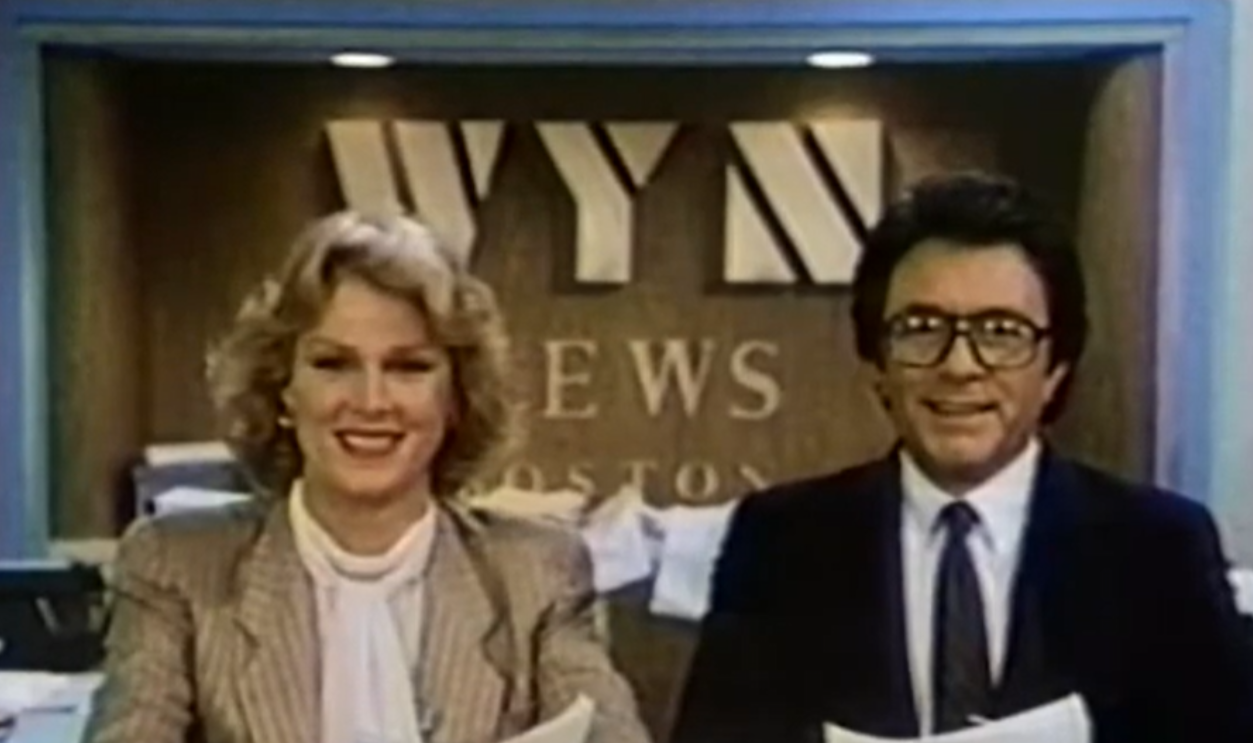 Screenshot from Goodnight, Beantown, Warner Bros. Television (1983–1984)
Playing Candy Lightner Changed Her Perspective
Hartley portrayed Mothers Against Drunk Driving founder Candy Lightner in the television movie M.A.D.D.: Mothers Against Drunk Drivers. The performance brought Hartley another Emmy nomination in 1983. More importantly, Hartley later said that portraying a real woman who had transformed personal grief into activism affected the way she thought about her own life.
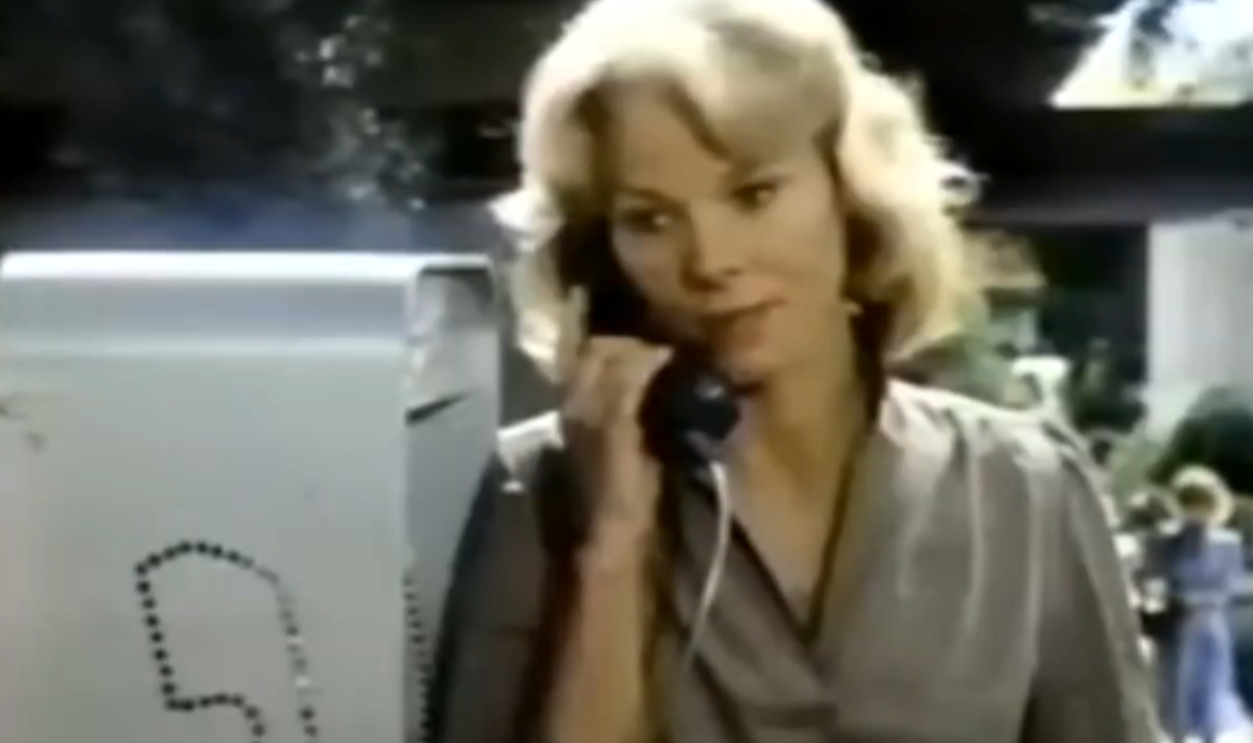 Screenshot from M.A.D.D.: Mothers Against Drunk Drivers, NBC (1983)
Silence Of The Heart Hit Even Closer
In 1984, Hartley played the mother of a teenager lost to suicide in Silence of the Heart. Researching the film forced her to speak with families whose experiences echoed something she had kept largely private for years. Hartley later called the project a galvanizing force in her decision to begin discussing her own family history publicly.
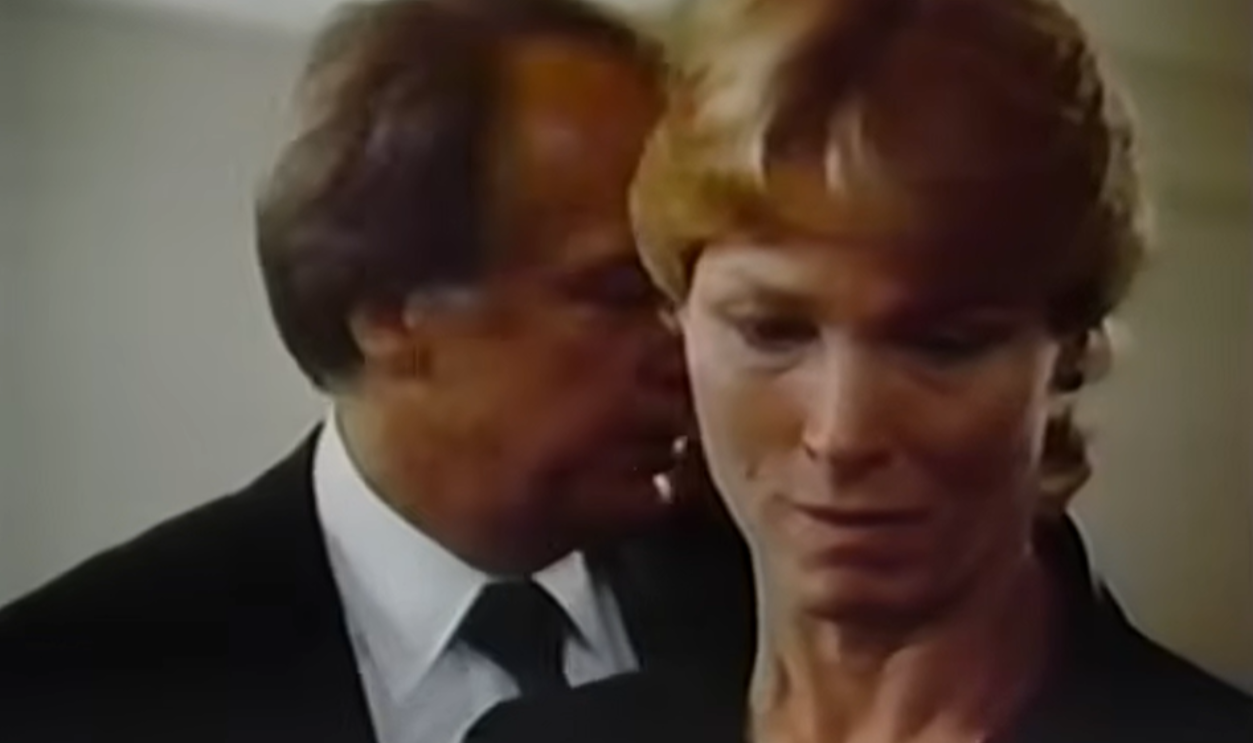 Screenshot from Silence of the Heart, CBS (1984)
Her Father’s Death Had Haunted Her For Decades
Hartley was 23 when her father died by suicide in 1963 while she and her mother were nearby in their home. She later described how profoundly the experience affected her, including her reaction to sounds on television and movie sets that reminded her of that day. None of that pain was visible to the millions of viewers who later knew her from polished performances and cheerful commercials.
Her Family Had Taught Her To Keep Silent
Hartley said her mother insisted that the circumstances surrounding her father’s death remain private. She later described the home in which she had grown up as a place filled with hidden shame, depression, and problems involving alcohol. Keeping those experiences secret became another burden that followed her well into adulthood.
Breaking The Silence Changed Her Public Image
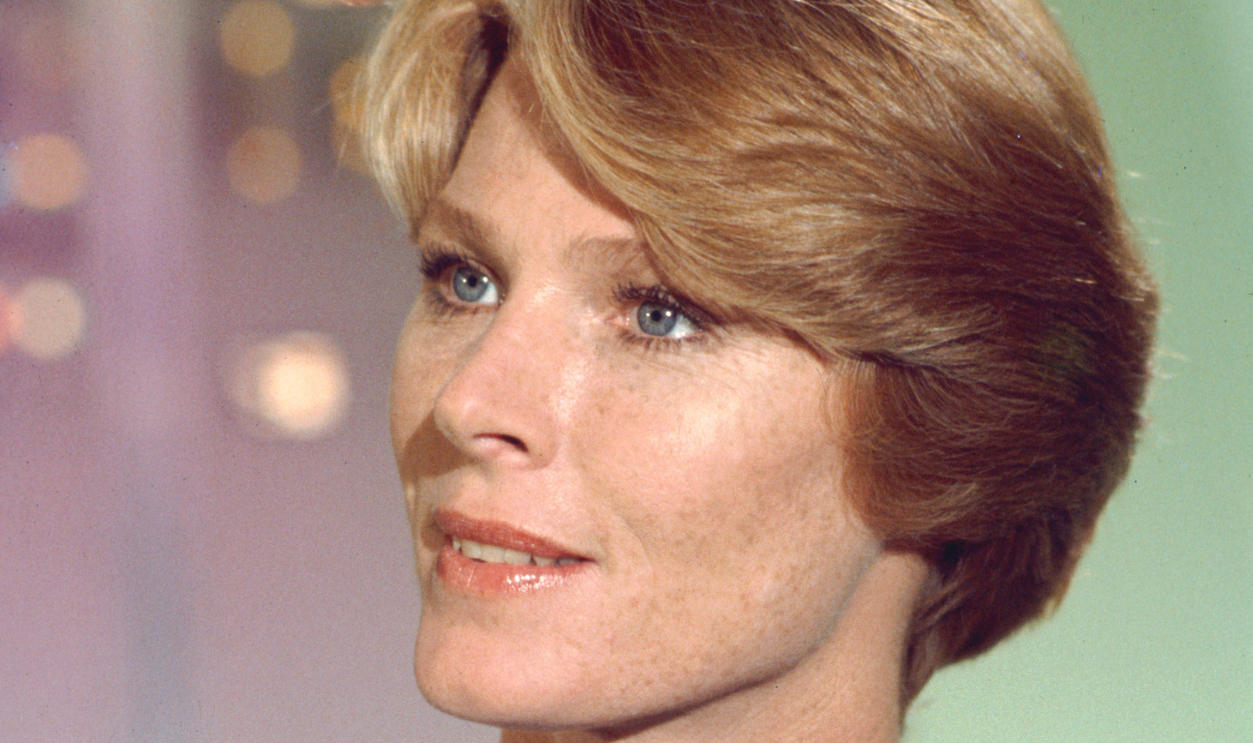
In 1990, Hartley and writer Anne Commire published the memoir Breaking the Silence. Instead of protecting the cheerful public persona audiences associated with Polaroid and television, Hartley wrote openly about the painful forces that had shaped her family. Publishers Weekly praised the autobiography for balancing extremely difficult material with Hartley’s characteristic intelligence and humor.
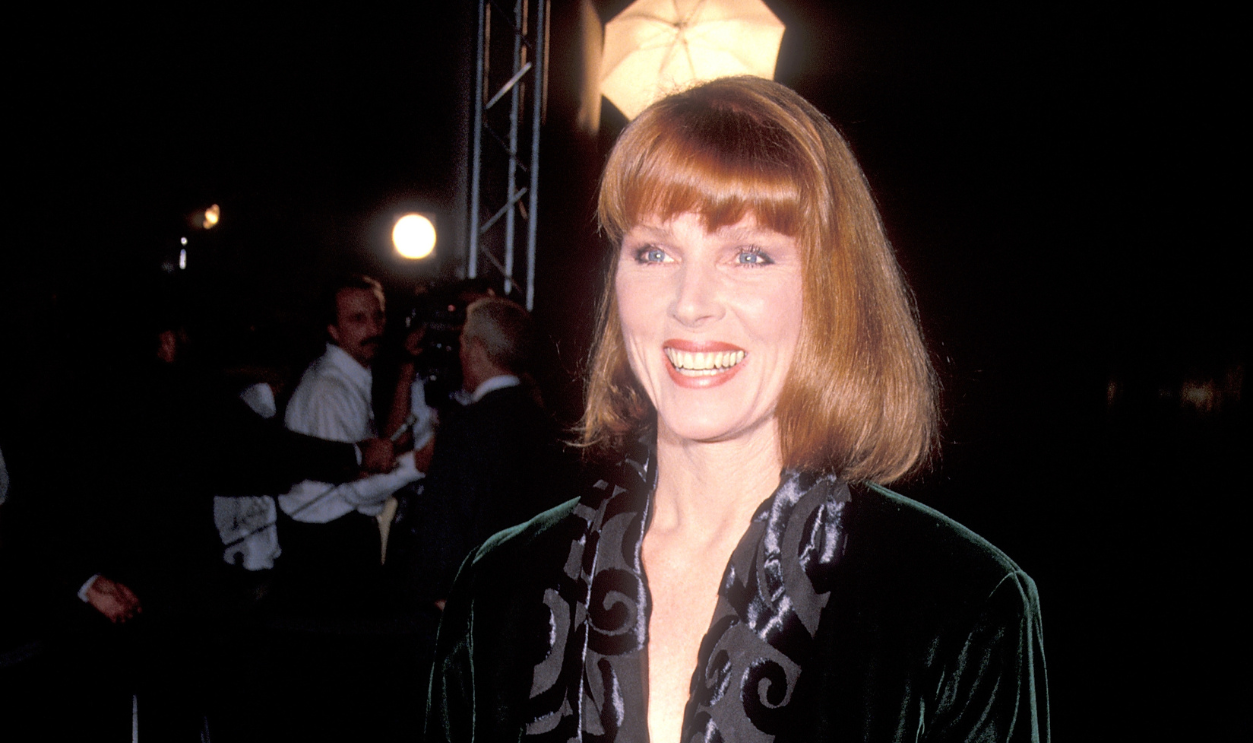
She Wanted Survival To Be The Real Story
Hartley did not want the memoir to function simply as a collection of tragedies. She told the Los Angeles Times that her goal was to place past pain within the context of the joy she had eventually found. The central message was that surviving a devastating family history did not require being defined by it forever.
 Silver Screen Collection, Getty Images
Speaking Out Became A Second Career
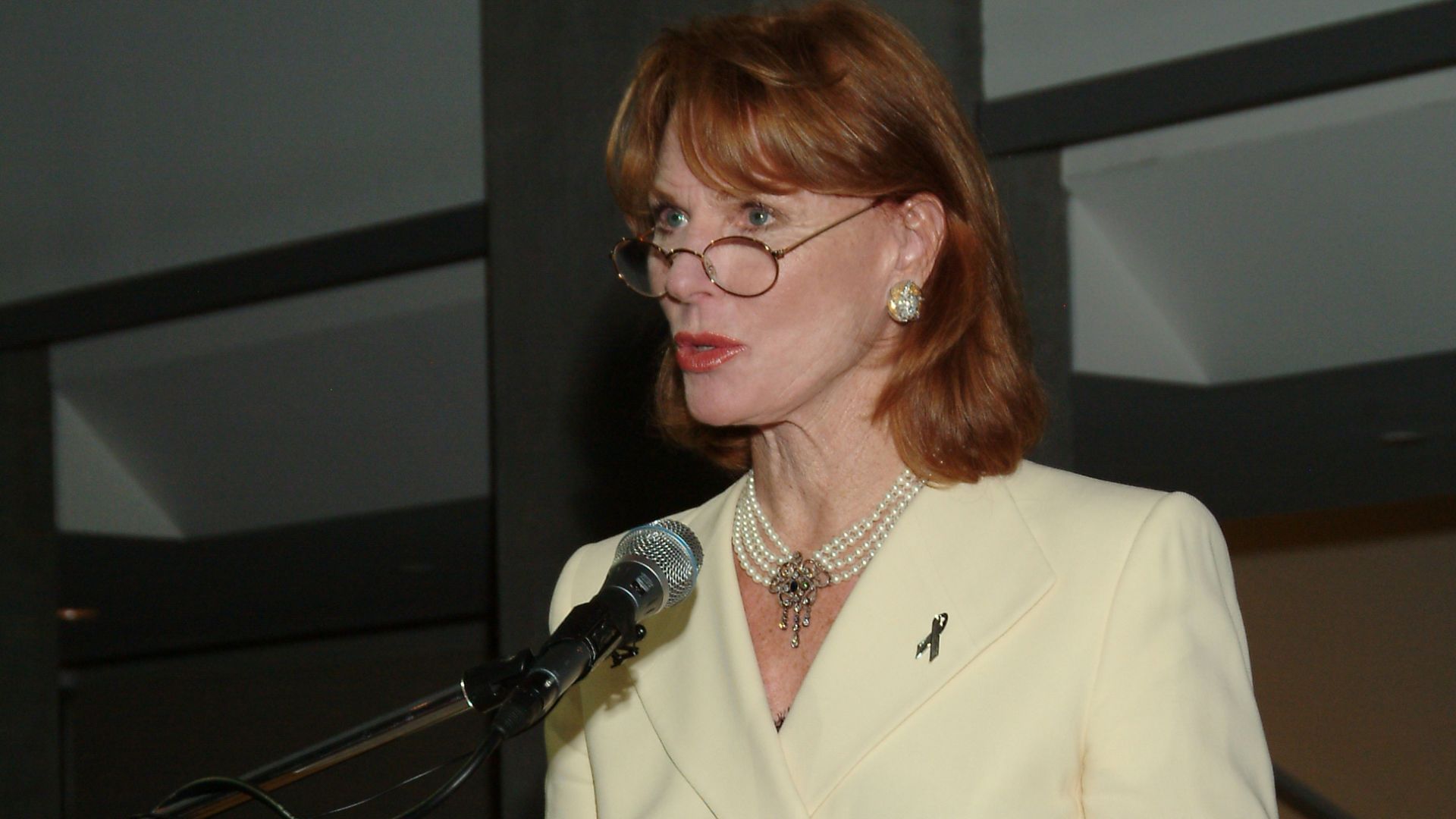
Hartley turned increasingly toward suicide-prevention advocacy and work with people who had lost loved ones. The Los Angeles Times reported in 2000 that she was volunteering as a facilitator with Survivors After Suicide and using her visibility to challenge the shame often surrounding such loss. She also became a prominent national voice associated with the American Foundation for Suicide Prevention.
 SAMHSA from Rockville, Wikimedia Commons
Morning Television Tested Her Resilience Again
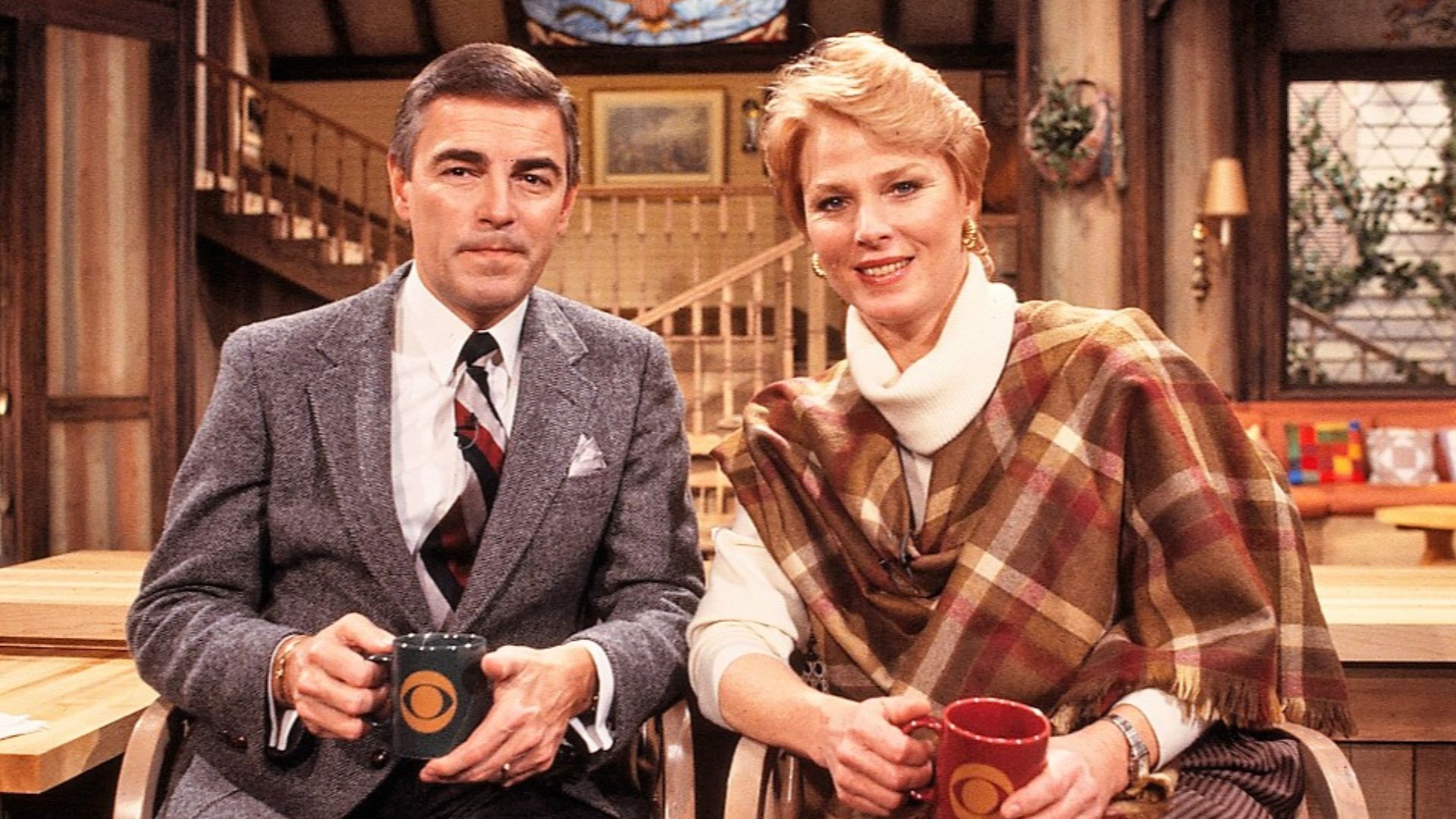
Hartley became a co-host of CBS’s The Morning Program during the 1980s, but the ambitious program struggled to find its footing. After leaving, she spoke candidly about clashes over what executives wanted the show and her television persona to become. It was another reminder that even a veteran performer with enormous audience familiarity could find television brutally unpredictable.
 Gotfryd, Bernard, photographer, Wikimedia Commons
WIOU Put Her Back Inside A Newsroom
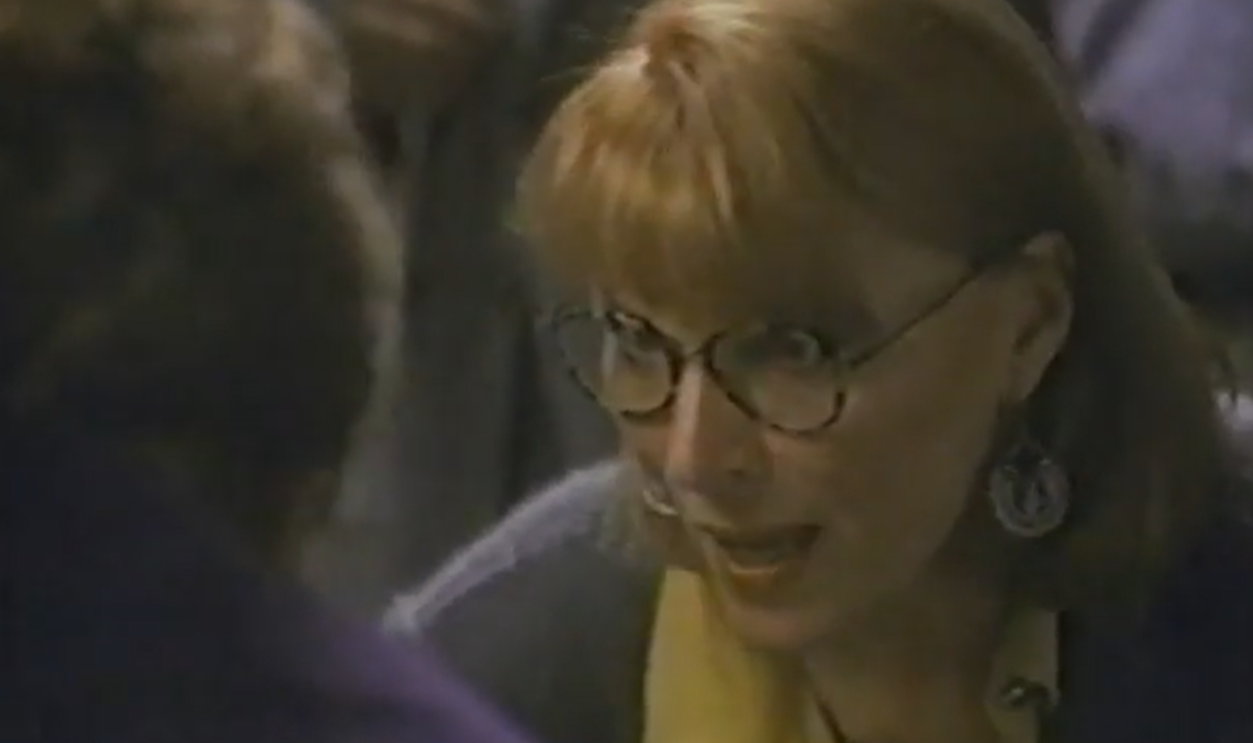
In 1990, Hartley returned to series television on the CBS drama WIOU. She played Liz McVay, an executive producer at a struggling television news operation who wanted the news director’s job. The series was short-lived, but Hartley was once again moving into a character unlike the parts that had made her famous.
 Screenshot from WIOU, CBS (1990–1991)
The Stage Helped Her Turn Pain Into Art
Hartley continued returning to theater, including Wendy Wasserstein’s The Sisters Rosensweig. She later developed If You Get to Bethlehem, You’ve Gone Too Far, a solo stage work drawn from the experiences explored in Breaking the Silence. Instead of hiding the past that audiences had never suspected, she eventually made confronting it part of her art.
![Title: Mariette Hartley, host, C.B.S. Morning Show (actually, The Morning Program)
Creator(s): Gotfryd, Bernard, photographer
Date Created/Published: [1986 or 1987]
Medium: 1 photograph : color transparency ; 35mm (slide format)
Reproduction Number: LC-DI](https://www.factinate.com/storage/app/media/theshot/2026/9/3/1788407023cc2483ea8bf77fba65b3ea65863cccfb177b2f94.jpg) Gotfryd, Bernard, photographer, Wikimedia Commons
Gotfryd, Bernard, photographer, Wikimedia Commons
Being Everywhere Was Only Half Her Story
Hartley kept working for decades, adding later television appearances while remaining closely identified with suicide-prevention advocacy. Her career eventually stretched from Sam Peckinpah Westerns and Star Trek to Emmy-winning drama, sitcoms, commercials, news television, and stage work. The remarkable part was not simply that Mariette Hartley seemed to be everywhere on television, but that the buoyant performer audiences thought they knew had built that career while learning how to survive a history they could never see.
 Screenshot from Star Trek: The Original Series, Paramount Television (1969)
You May Also Like:
Facts About Classic TV Shows That Will Make You Nostalgic
The Most Memorable Award Show Moments Of The 1970s
Does Anyone Remember These Television Shows? Anyone?
Sources: 1, 2, 3, 4, 5, 6, 7, 8, 9, 10, 11, 12, 13, 14, 15, 16, 17, 18, 19, 20, 21, 22, 23, 24, 25, 26, 27, 28, 29, 30, 31, 32, 33