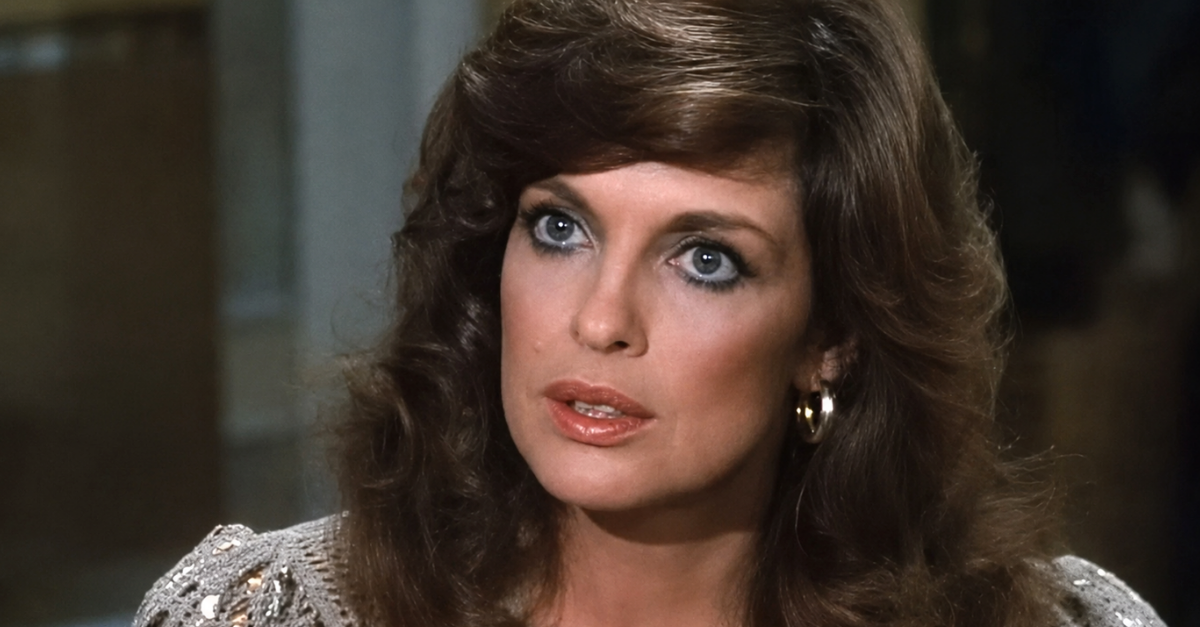
She Could Have Been Just J.R.’s Wife.
Instead, Linda Gray spent more than a decade turning Sue Ellen Ewing into one of Dallas’s most emotionally complicated characters, moving her from the background of Southfork into the center of stories about addiction, resilience, ambition, and independence. Gray’s own determination to make the role richer ultimately transformed a glamorous prime-time soap part into the performance that defined her career.
Modeling Taught Her How To Face A Camera
Gray grew up in Southern California and began working professionally as a model before acting became her primary career. She later remembered an era when models were working professionals rather than international celebrities, and the job gave her years of experience with cameras and commercial production. That background would eventually help her project Sue Ellen’s carefully controlled public image even when the character was unraveling underneath it.

Hundreds Of Commercials Came Before Southfork
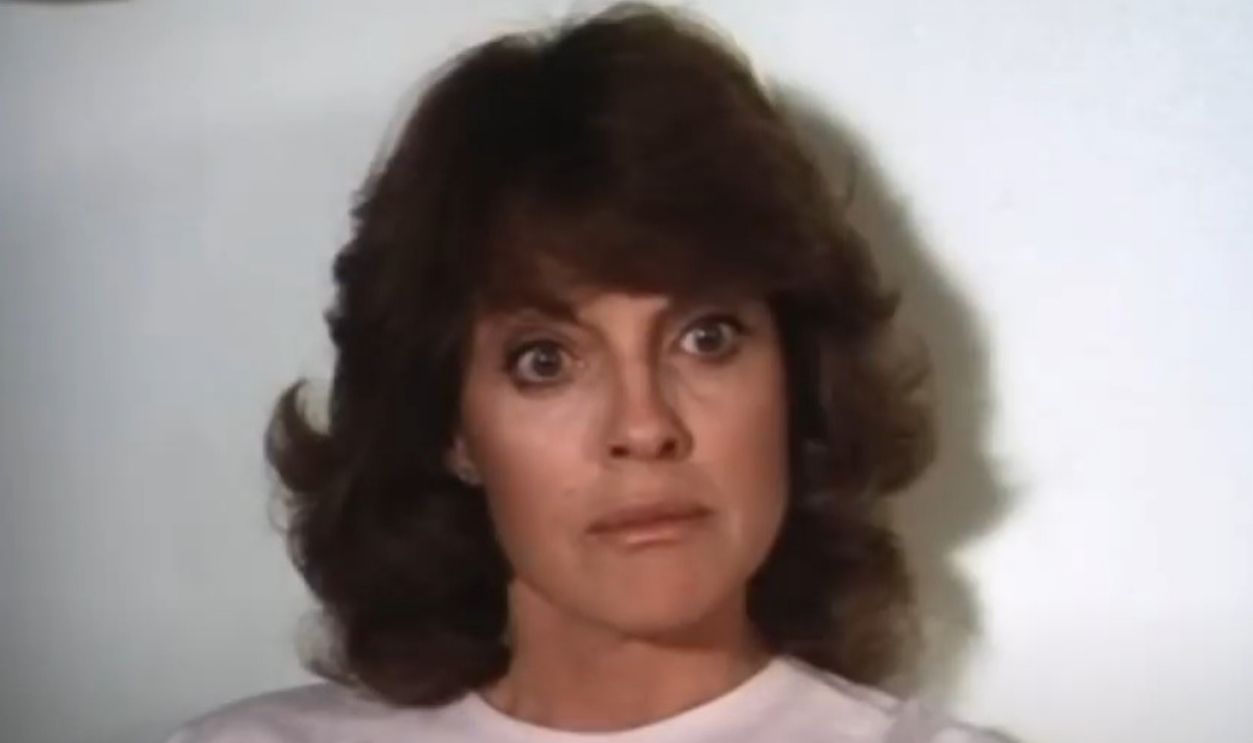
Gray spent years working in television advertising and has recalled appearing in hundreds of commercials before Dallas. Those jobs provided steady camera experience without making her a household name. When her major acting opportunity finally arrived, she was hardly a newcomer to the mechanics of television production.
 Screenshot from Dallas, CBS (1978–1991)
One Famous Leg Became Hollywood Trivia
Before Sue Ellen existed, part of Gray had already appeared in one of the most recognizable movie advertisements of the 1960s. The stockinged leg in the famous poster for The Graduate belonged to Gray, who said she was paid $25 for the modeling job. Decades later, the odd piece of trivia became an amusing reminder of how far her career traveled from anonymous body double to international television star.

Acting Took Longer To Become The Main Event
Gray wanted to act, but modeling and commercial work initially offered the more reliable career. She gradually accumulated television appearances while raising a family and continuing to work in front of cameras. Her route to fame was therefore much slower than the instant-discovery stories usually attached to television stars.
 Screenshot from Dallas, CBS (1978–1991)
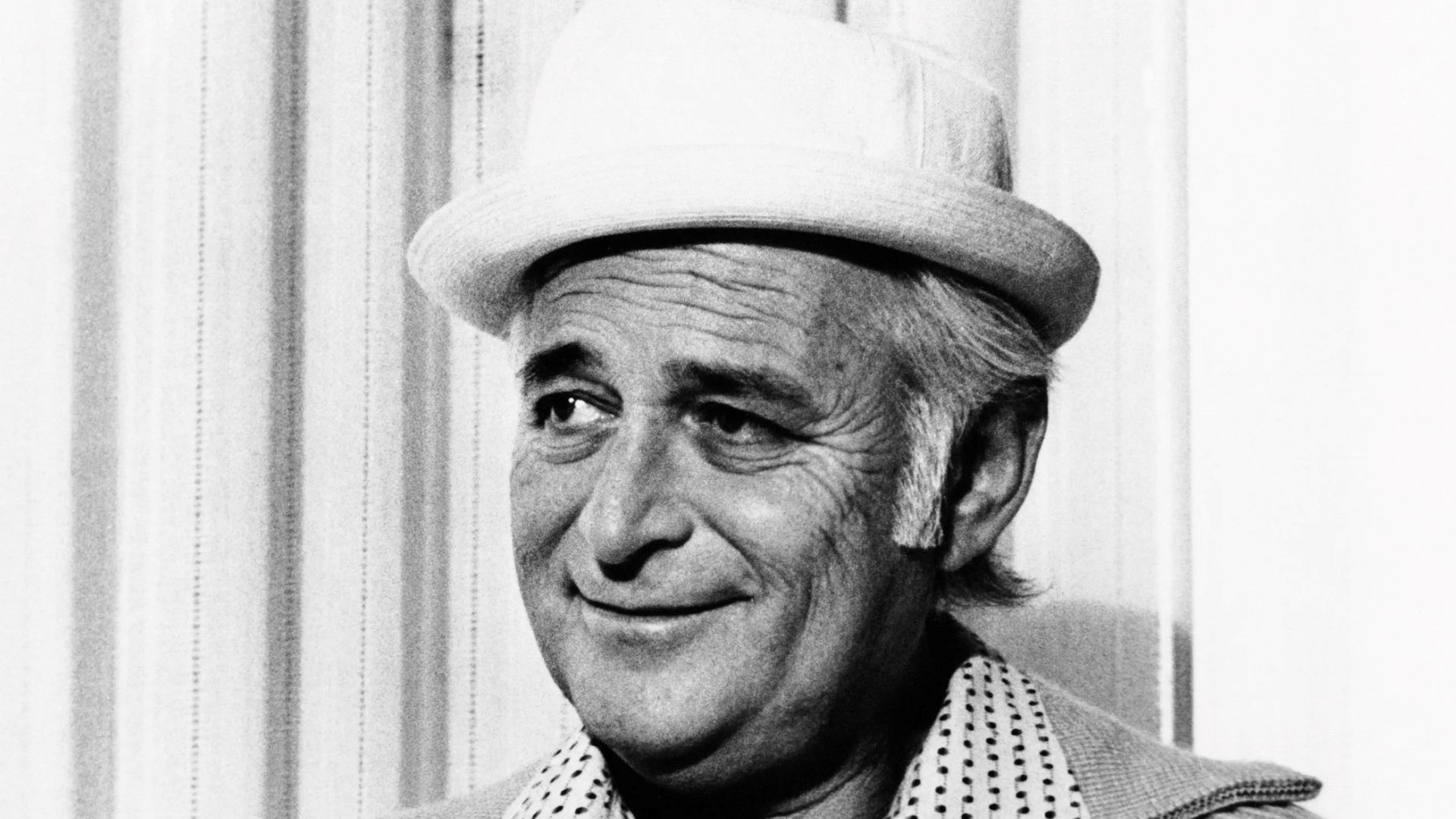
Norman Lear Gave Her An Unusual Pre-Dallas Role
In 1977, Gray appeared in Norman Lear’s short-lived syndicated comedy All That Glitters. The series reversed many familiar workplace and domestic conventions, giving Gray material far removed from the glamorous Texas world awaiting her a year later. She later remembered Lear as someone willing to push television into territory other producers avoided.
 PBS Television, Wikimedia Commons
The Dallas Audition Was Almost An Accident
Gray recently recalled that she was confused when she was asked to read for Dallas because she believed her friend Mary Frann had already secured the role. She arrived for a late Friday audition without much information about the project or the character. Something clicked anyway, and Gray said she left with the strong feeling that the part would become hers.
![Publicity photo of Jennifer Douglas [Mary Frann] from the television program That Girl.](https://www.factinate.com/storage/app/media/theshot/2026/9/1/17882808716162c83f18c2dd65951399a4a9058546dd22be7f.jpg) ABC Television. Though the tag is folded, the ABC logo in reverse is visible., Wikimedia Commons
ABC Television. Though the tag is folded, the ABC logo in reverse is visible., Wikimedia Commons
Sue Ellen Barely Registered At First
The earliest version of Sue Ellen was nowhere near the major character viewers eventually knew. Gray has remembered having so little to do that cast members jokingly referred to her as the brunette sitting on the couch. Instead of treating that limitation as permanent, she used the quiet time to start figuring out who Sue Ellen might actually be.
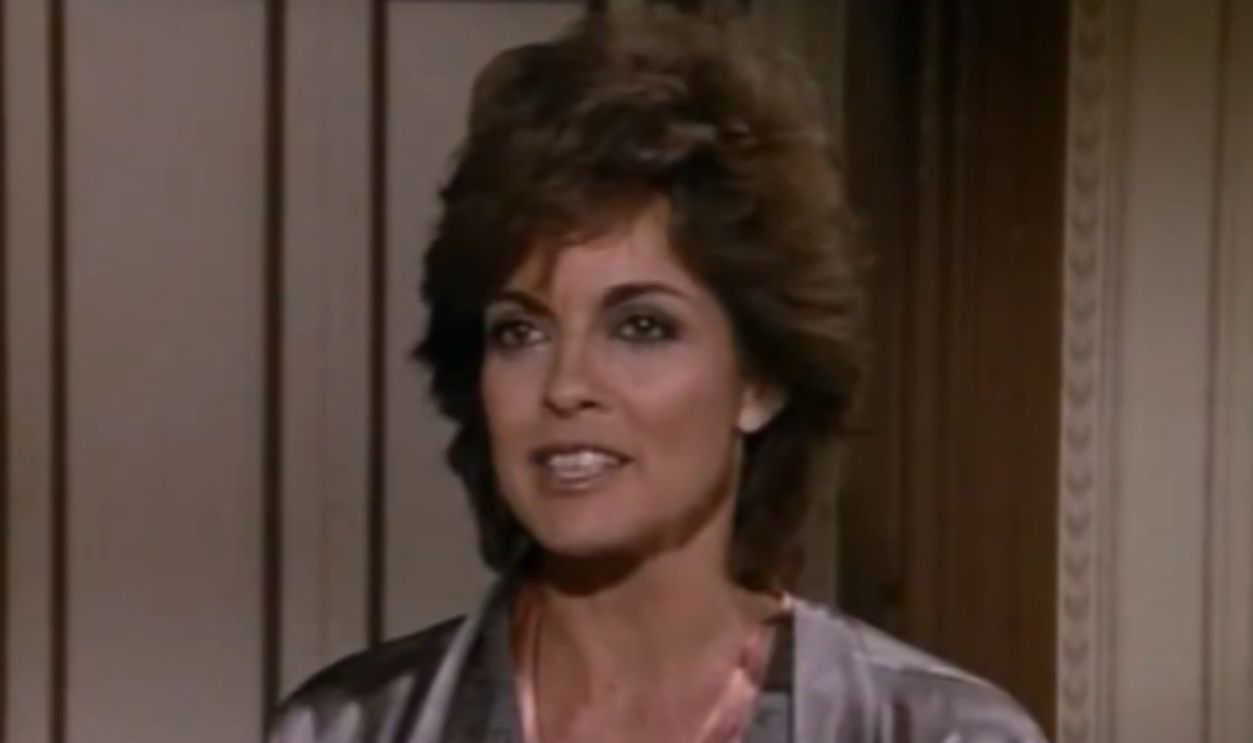 Screenshot from Dallas, CBS (1978–1991)
She Studied Texas Women For Clues
Gray had never lived in Texas, yet Sue Ellen was supposed to be a former Miss Texas who understood the wealthy social world surrounding the Ewings. She began visiting salons, shopping, and observing local women while filming in Dallas. Those details helped her create a character with specific mannerisms and social instincts rather than simply playing generic Southern glamour.
 Gage Skidmore from Peoria, AZ, United States of America, Wikimedia Commons
J.R. Gave Her The Perfect Opponent
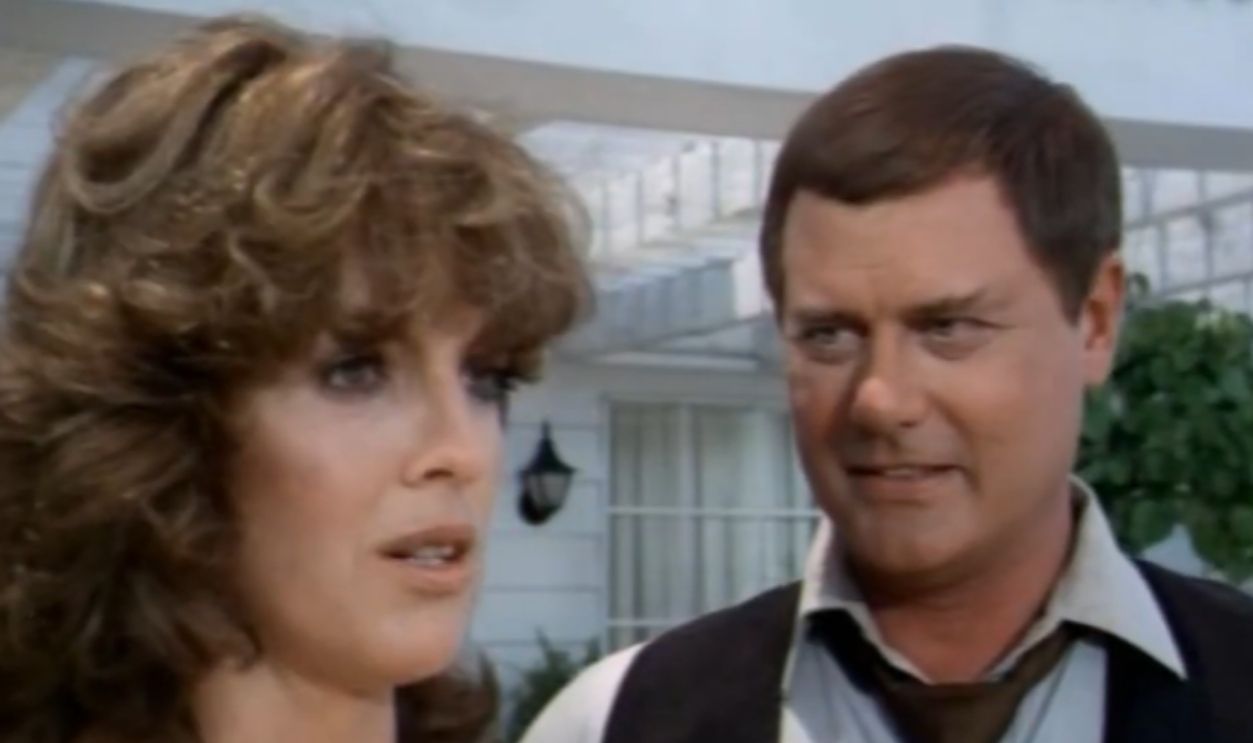
Larry Hagman’s J.R. Ewing quickly emerged as the show’s central schemer, and Sue Ellen became one of the people most damaged by his behavior. Their marriage gave Gray material filled with anger, humiliation, loyalty, pride, and constant emotional conflict. The more outrageous J.R. became, the more important it was for Sue Ellen to feel like a recognizable person reacting to him.
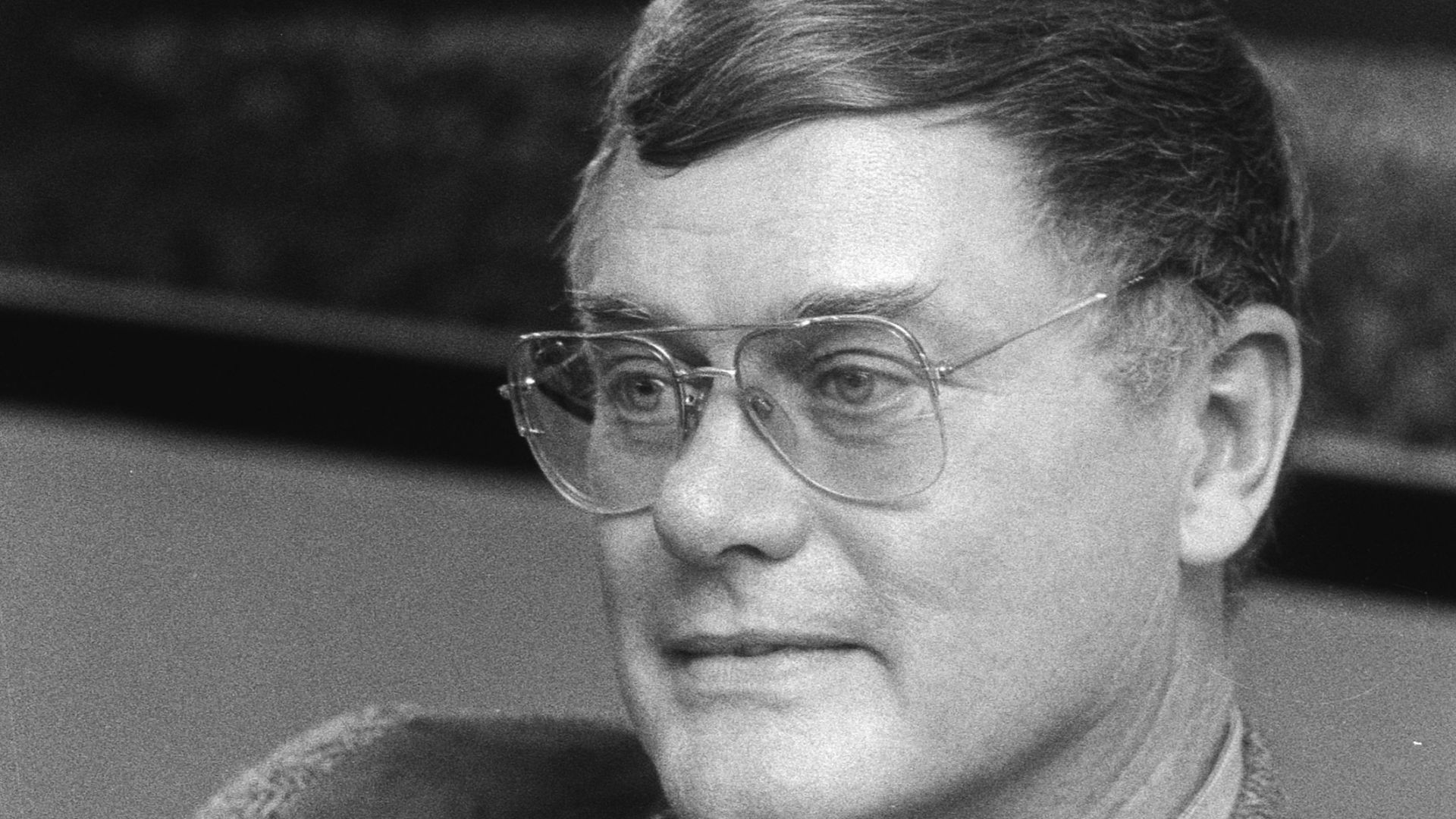 Rob Bogaerts for Anefo, Wikimedia Commons
Larry Hagman Became A Trusted Partner
Gray’s relationship with Hagman was far warmer off camera than Sue Ellen’s relationship with J.R. The actors developed a lasting friendship, and Gray repeatedly spoke with affection about working beside him through the original series and the later revival. That trust made it easier for them to play a television marriage built on almost endless conflict.
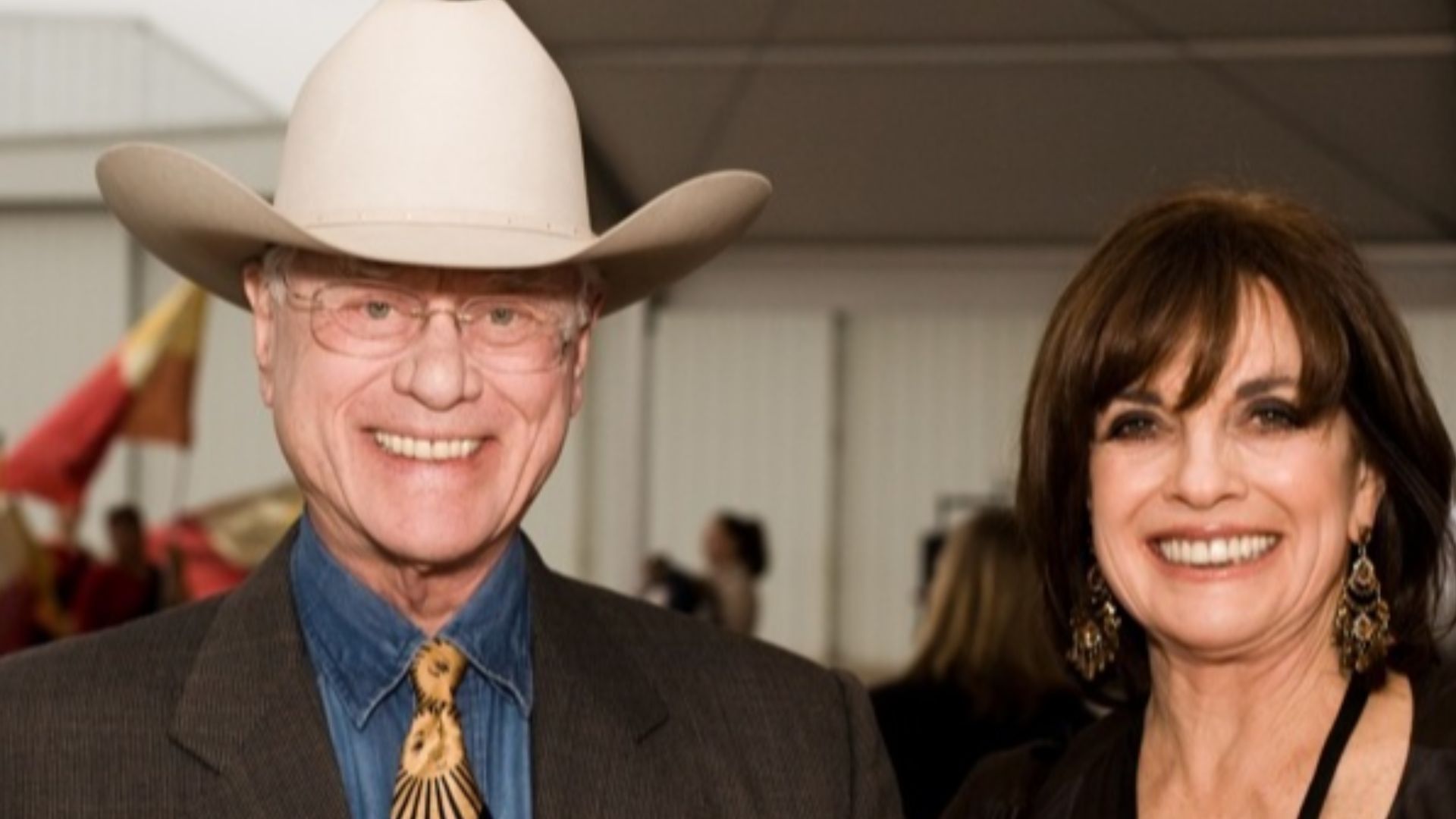 Charlie Llewellin from Austin, USA, Wikimedia Commons
Sue Ellen’s Drinking Could Not Become A Joke
One of Sue Ellen’s defining storylines involved her dependence on alcohol during the worst periods of her marriage. Gray later said she wanted those scenes to look painful and destructive rather than glamorous because viewers were watching a character hit genuine emotional lows. She received letters from people who recognized their own struggles in Sue Ellen’s story, convincing her that the material could reach beyond ordinary soap melodrama.
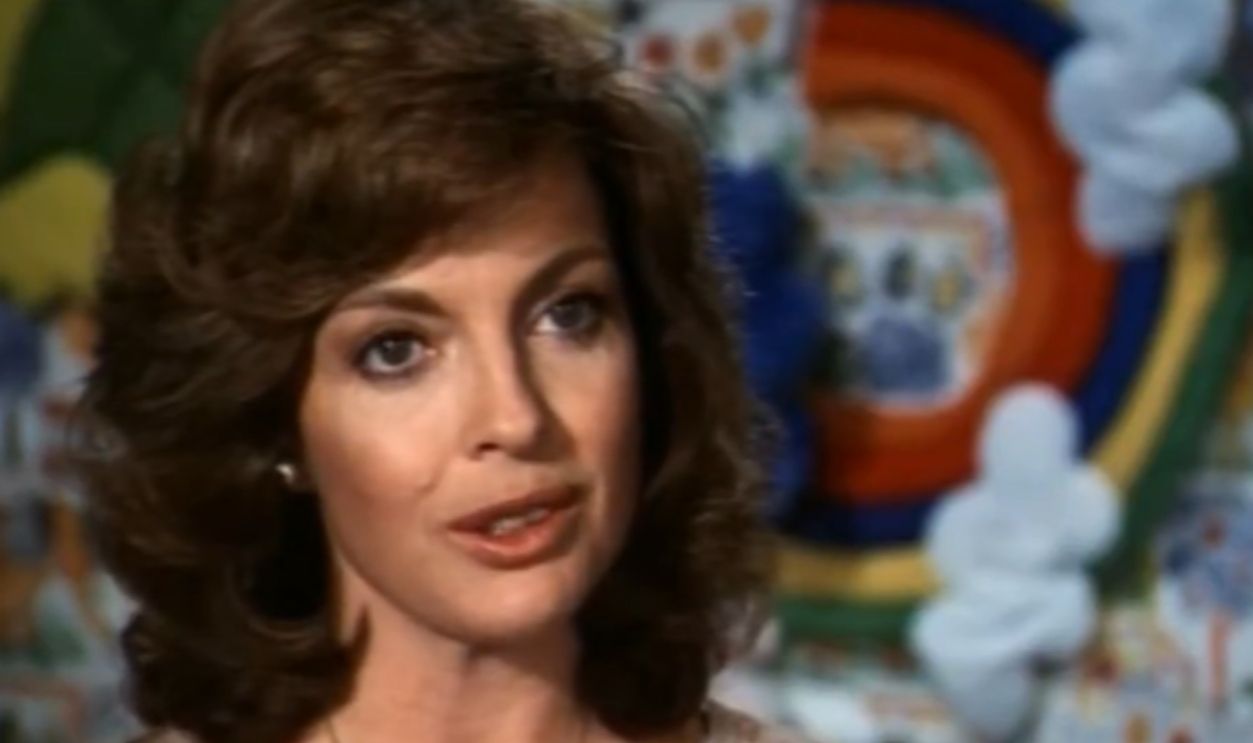 Screenshot from Dallas, CBS (1978–1991)
The Storyline Connected To Gray’s Own Family
Gray has also explained that Sue Ellen’s struggles helped her confront painful experiences involving her mother’s drinking. She even shared scripts with her mother in hopes of showing how addiction affects the people surrounding it. That personal connection gave some of Sue Ellen’s darkest material an emotional significance for Gray that went well beyond simply performing the scene.
 Screenshot from Dallas, CBS (1978–1991)
She Wanted Sue Ellen To Hit Bottom Honestly
Gray resisted the temptation to make Sue Ellen’s worst moments attractive or easily digestible. She later described wanting audiences to understand how destructive alcohol could become when the character reached her lowest point. Those scenes became some of the performances Gray remembered most passionately from her years on Dallas.
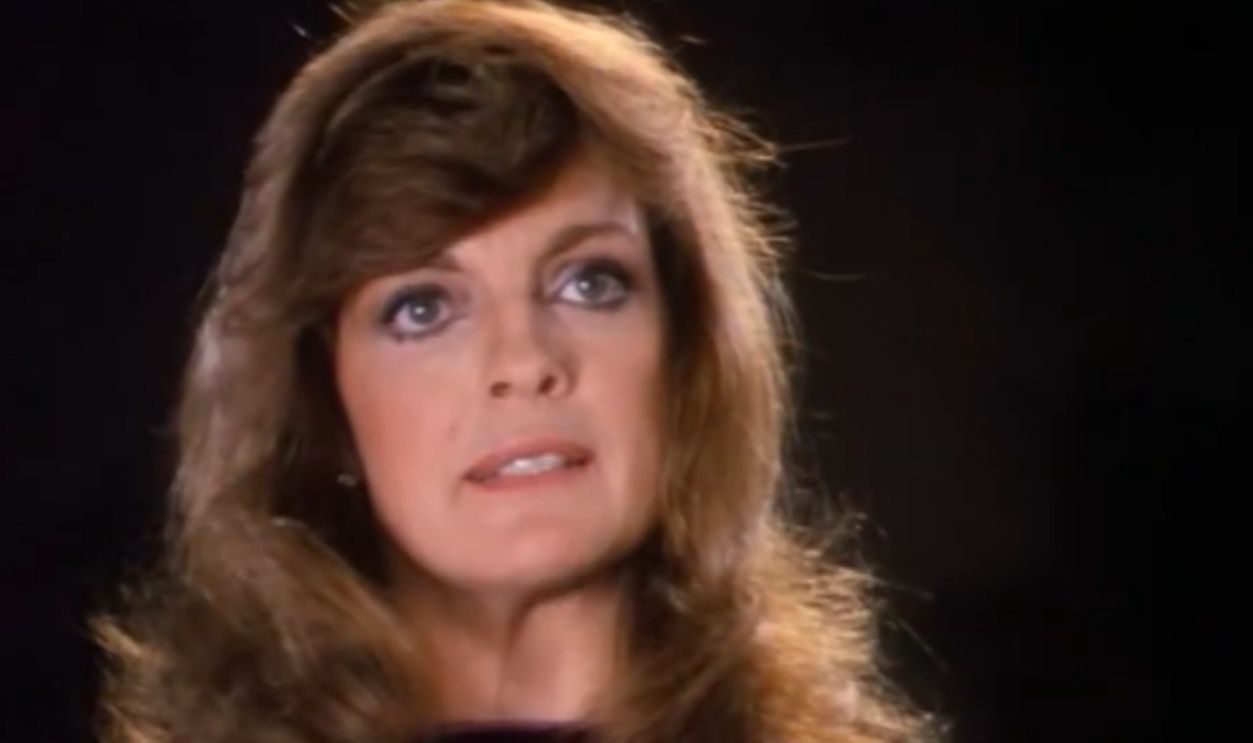 Screenshot from Dallas, CBS (1978–1991)
Who Shot J.R. Put Sue Ellen Under Suspicion
The 1980 cliffhanger that asked who had shot J.R. turned Dallas into an even larger cultural phenomenon. Sue Ellen had plenty of reasons to be angry with her husband, making her an obvious suspect for viewers trying to solve the mystery. Entertainment Weekly continues to identify the shooting as one of the defining moments of the entire series.
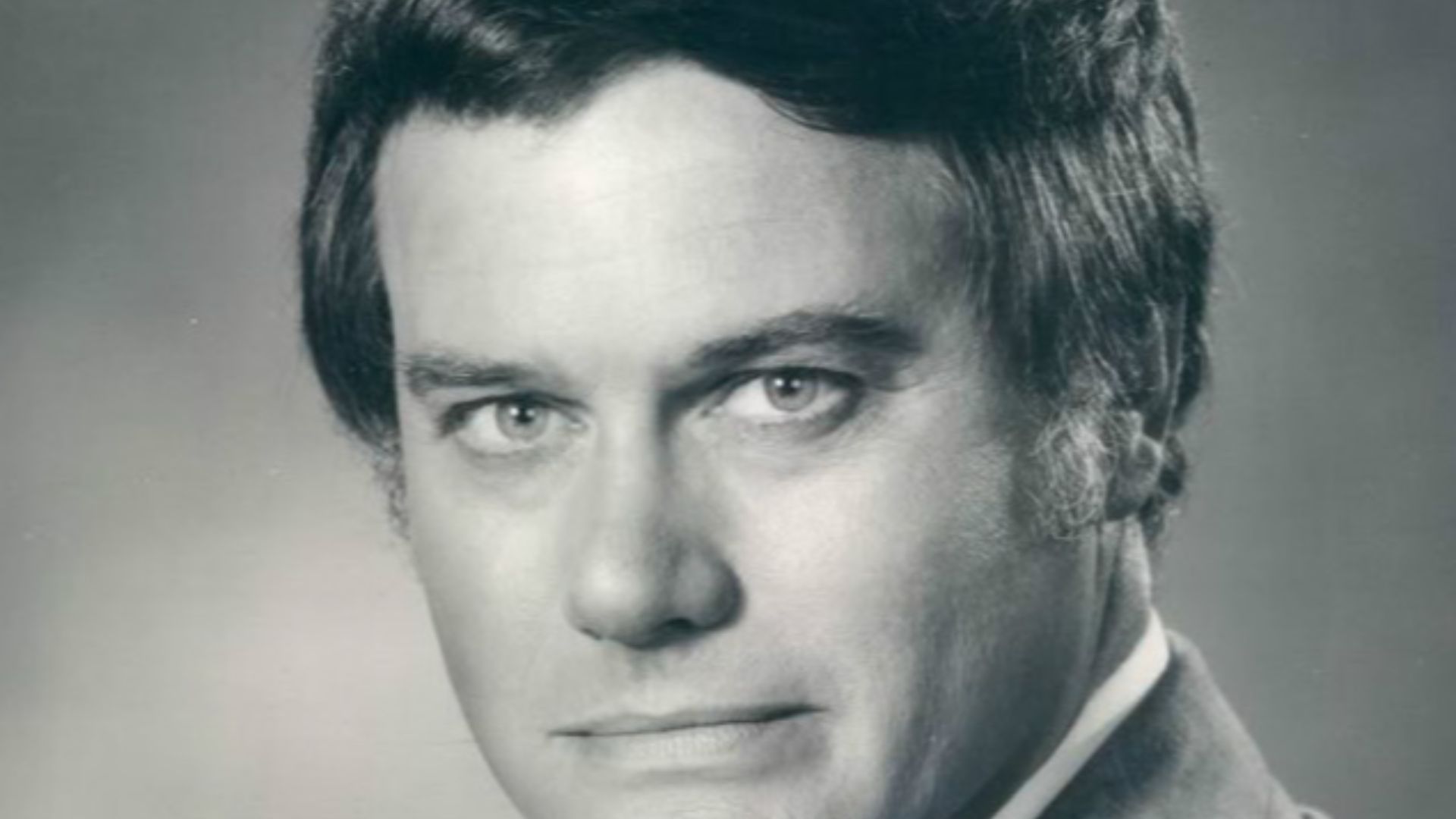 ABC Television, Wikimedia Commons
Gray Secretly Knew The Answer
Gray later revealed that she knew the shooter’s identity during the long summer when viewers were obsessing over the mystery. She had recorded dialogue revealing that Kristin was responsible, which meant she had to protect one of television’s biggest secrets while strangers constantly asked her for the answer. The frenzy demonstrated just how deeply Dallas had entered everyday popular culture.
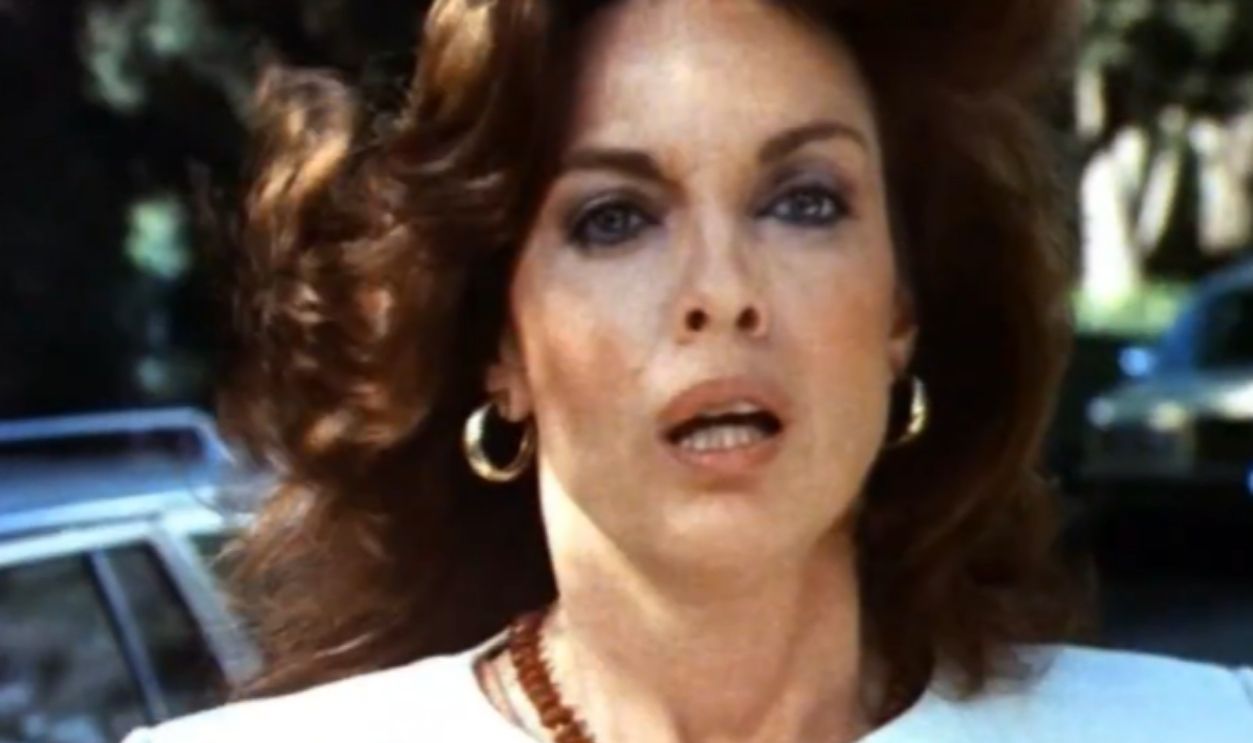 Screenshot from Dallas, CBS (1978–1991)
Dallas Became Bigger Than Anyone Expected
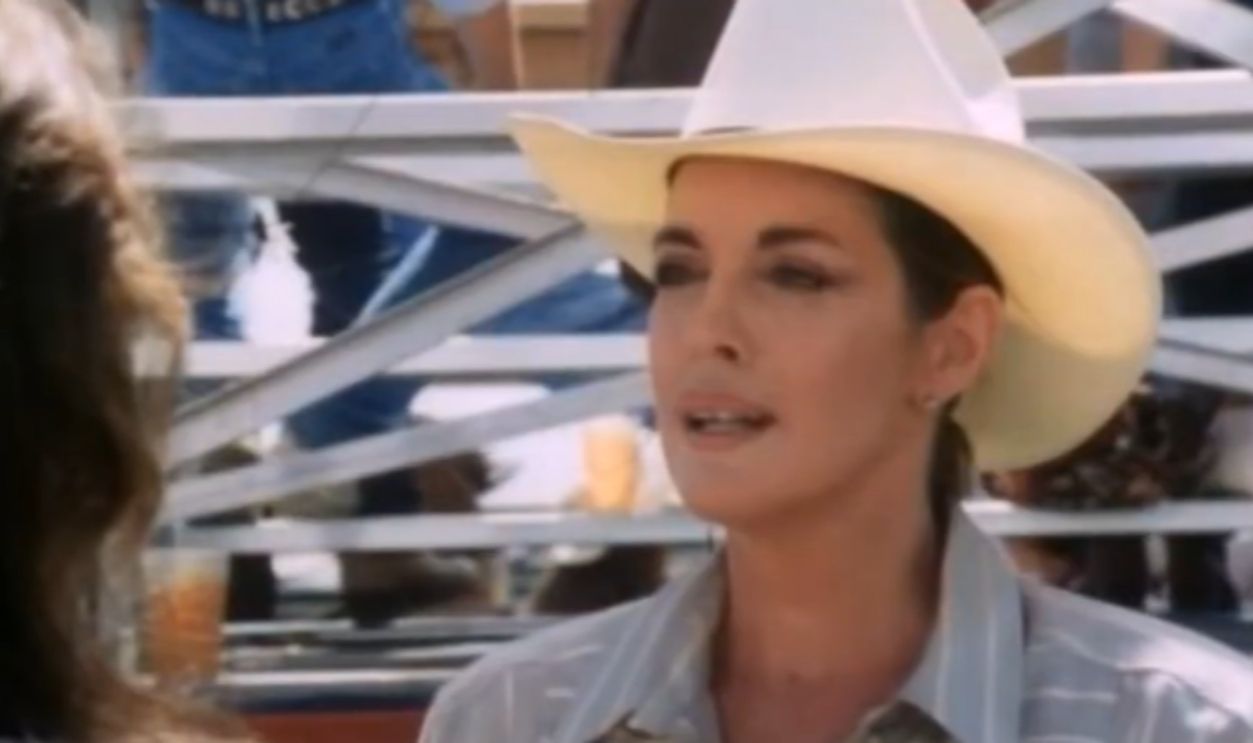
The original series began in 1978 as a five-part miniseries and grew into a long-running CBS drama that lasted until 1991. People notes that the show became an instant hit and eventually produced spinoffs, reunion movies, and a later continuation. Sue Ellen’s development unfolded inside one of the most widely recognized television franchises of its era.
 Screenshot from Dallas, CBS (1978–1991)
Gray Eventually Wanted More Than Suffering
As the years passed, Gray became frustrated that Sue Ellen too often reacted to whatever J.R. had done rather than building a life of her own. She remembered approaching producers because women in the real world were increasingly running businesses and establishing independent careers while Sue Ellen remained trapped in familiar cycles. Gray wanted the character’s growth to reflect those changes.
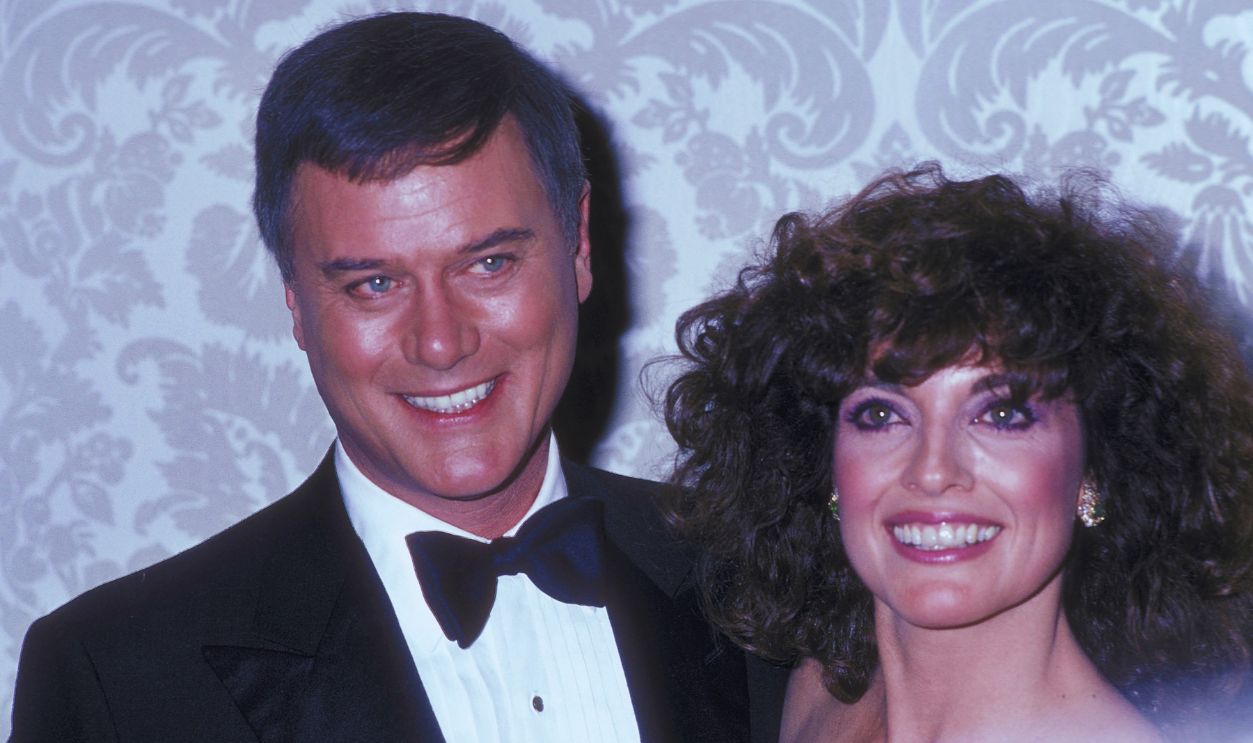
The Victim Slowly Became A Survivor
Looking back in 2004, Gray said the quality she valued most about Sue Ellen’s long story was the movement from victimhood toward survival. She described the character as having an unusually satisfying dramatic arc because viewers watched years of mistakes, setbacks, and gradual change. That evolution is a major reason Sue Ellen lasted as more than simply another wealthy soap wife.
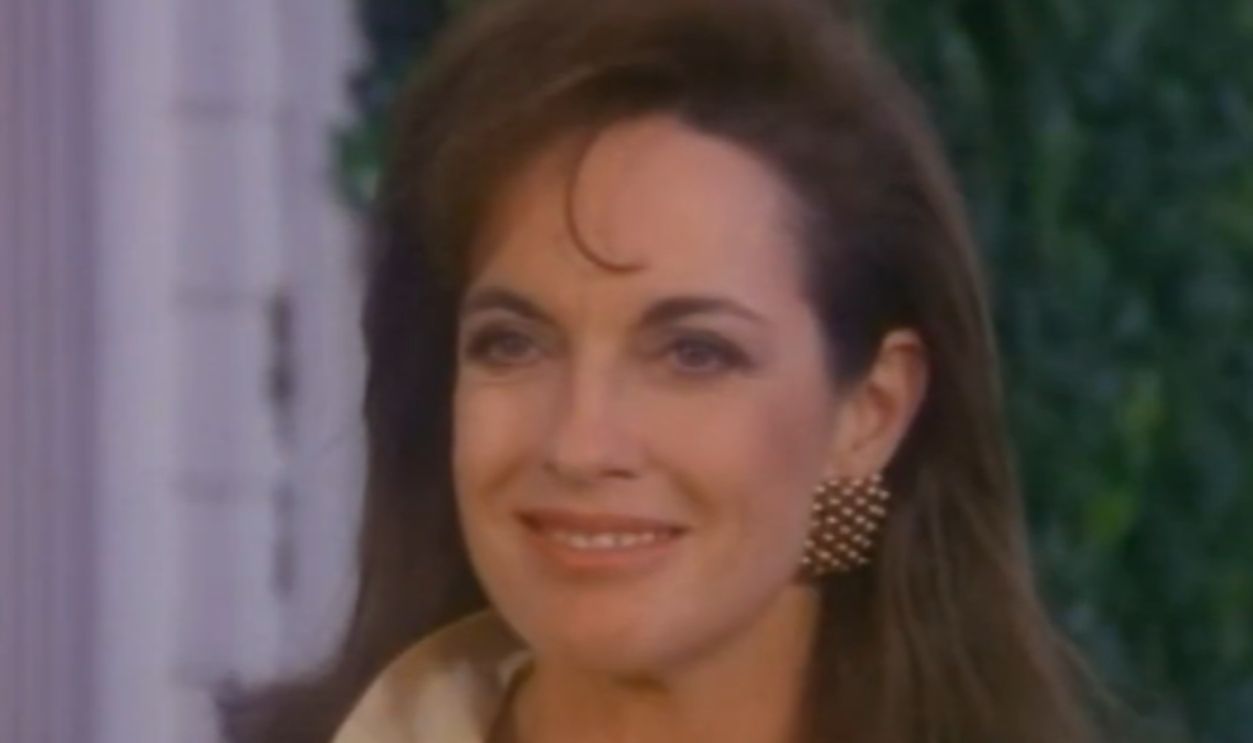 Screenshot from Dallas, CBS (1978–1991)
Her Appearance Became Part Of The Character
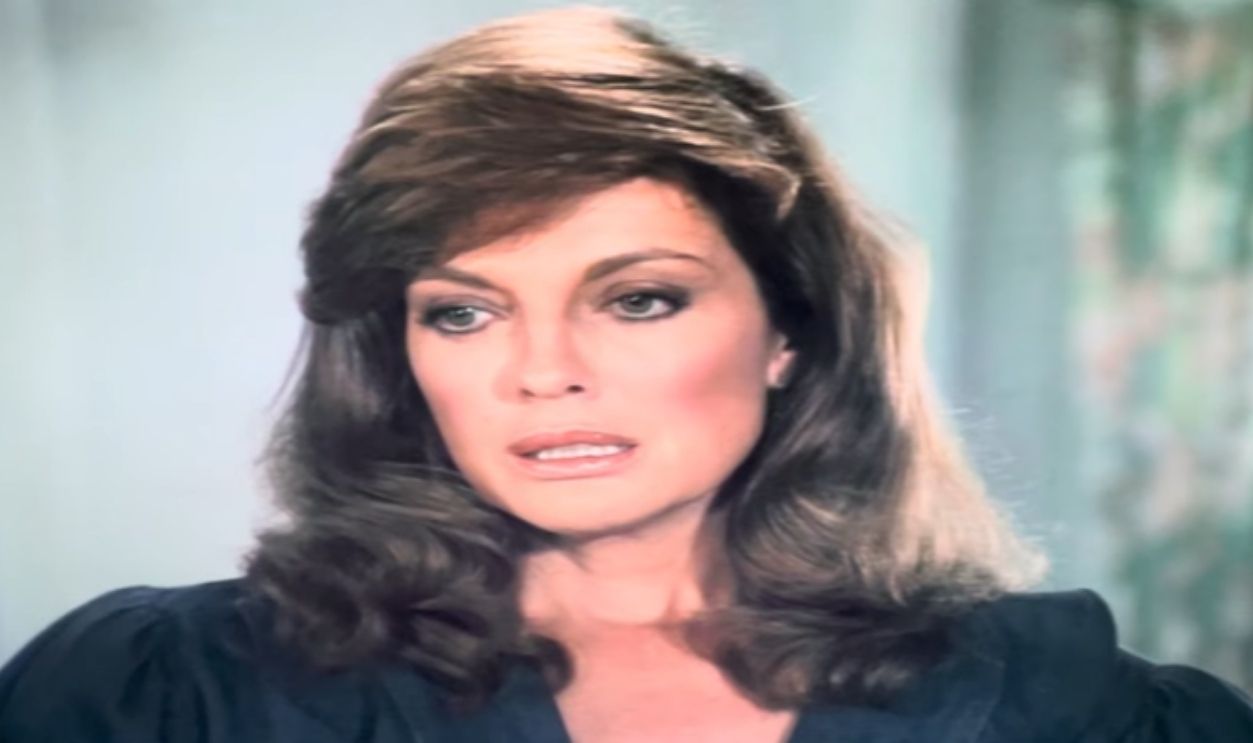
Sue Ellen’s hair, clothes, makeup, and posture became essential pieces of the Southfork image. Gray has explained that costume details helped her enter the character and that even shoes hidden from the camera affected how she performed a scene. The glamour therefore worked best when it supported Sue Ellen’s psychology rather than replacing it.
 Screenshot from Dallas, CBS (1978–1991)
Even A Haircut Caused A Production Crisis
Gray learned how closely producers guarded Sue Ellen’s image when she arrived for a new season with dramatically shorter hair. She had cut it because filming outdoors at Southfork made her longer hairstyle difficult to manage in the wind. Gray remembered producers being extremely unhappy that she had changed such a recognizable part of the character without consulting them first.
 Donaldson Collection, Getty Images
Emmy Voters Recognized The Performance
Gray received a Primetime Emmy nomination for Outstanding Lead Actress in a Drama Series for Dallas in 1981. Her competition included Barbara Bel Geddes, Stefanie Powers, Veronica Hamel, Michael Learned, and eventual winner Barbara Babcock. The nomination confirmed that industry voters were seeing more in Sue Ellen than the extravagant storylines surrounding her.
The Golden Globes Nominated Her Twice
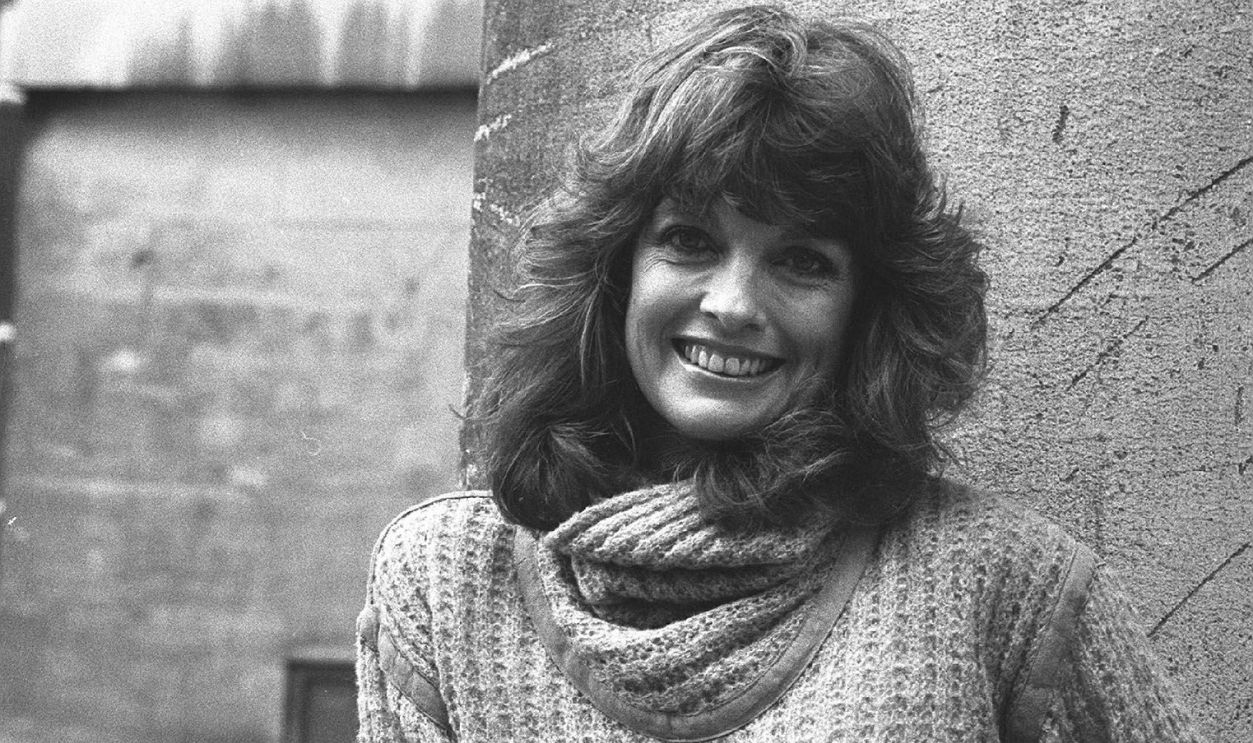
The Golden Globes nominated Gray for Best Performance by an Actress in a Television Series, Drama, in both 1981 and 1982. The official awards database lists both nominations for Dallas. Alongside the Emmy recognition, those honors established Sue Ellen as a serious acting achievement inside a genre often dismissed as pure escapism.
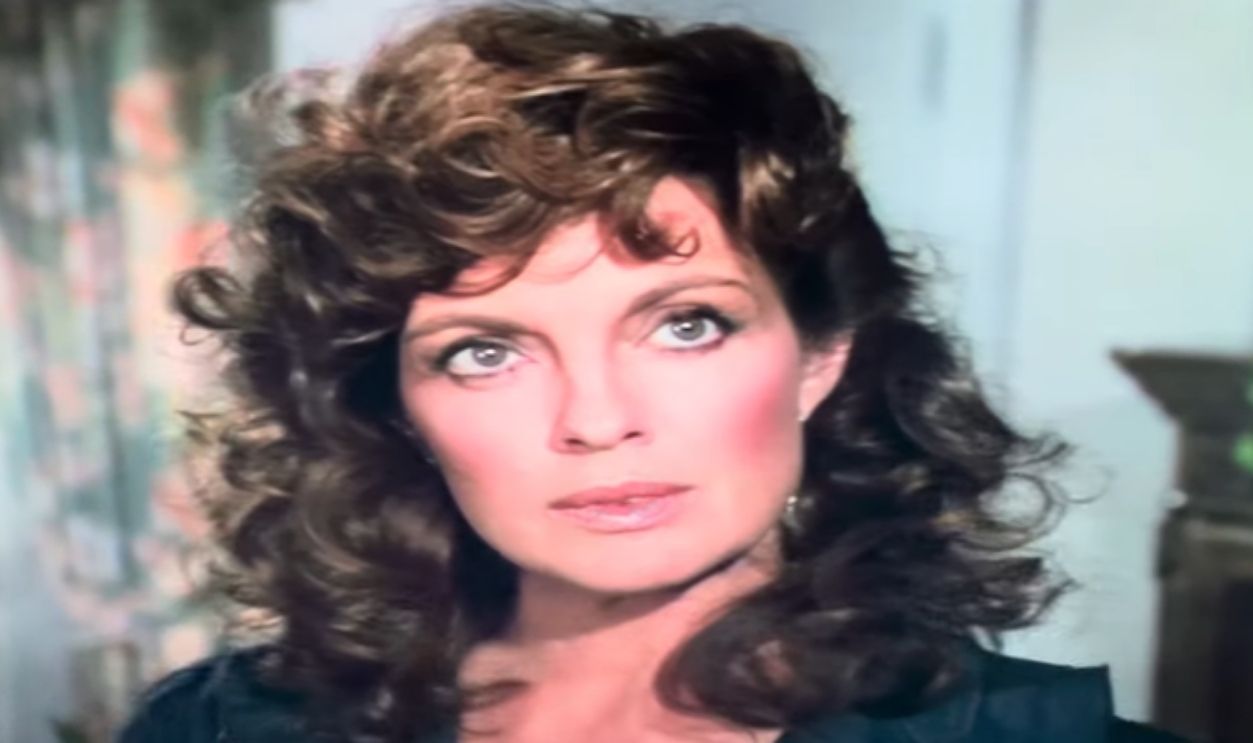 Screenshot from Dallas, CBS (1978–1991)
She Wanted To Learn Directing Too
Gray’s ambitions eventually extended behind the camera. She has said that she studied directing privately and waited until she believed she was properly prepared before asking Dallas producers for an opportunity. Her request was initially rejected, an experience she later discussed as part of the difficulty women encountered when trying to move into positions of greater creative authority.
 Donaldson Collection, Getty Images
Eleven Years Finally Felt Like Enough
In February 1989, Gray announced that she would leave Dallas after 11 years as Sue Ellen. Her publicist said she wanted to pursue other television and film opportunities. Walking away meant leaving the role that had made her internationally recognizable, but Gray had already spent years pushing against the idea that Sue Ellen should remain unchanged forever.
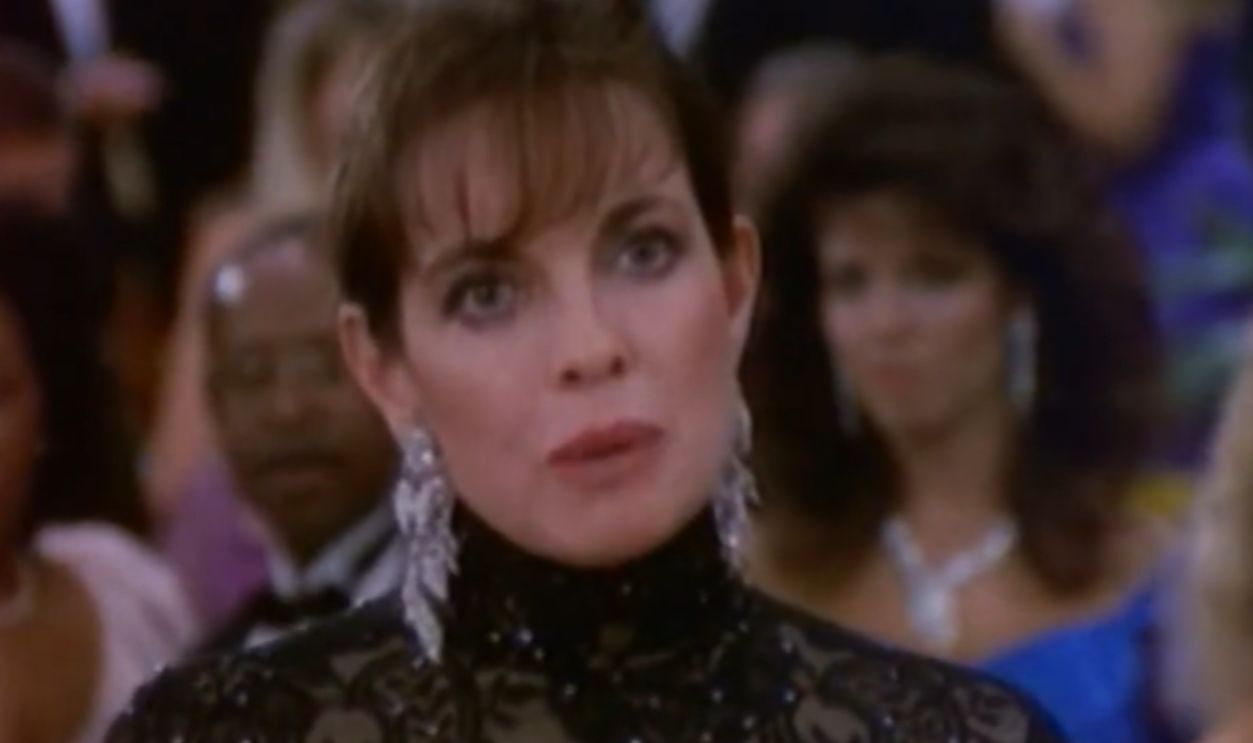 Screenshot from Dallas, CBS (1978–1991)
She Refused To Chase Sue Ellen Copies
After leaving the show, Gray deliberately slowed her career. She told the Los Angeles Times that she received offers for series and television movies but found many of the characters too similar to Sue Ellen. Rather than repeating the performance simply because producers knew she could do it, Gray took time away and waited for something different.

Models Inc. Let Her Play The Boss
Gray returned to series television in 1994 with Aaron Spelling’s Models Inc., playing agency head Hillary Michaels. The Washington Post described Hillary as tough and fully in command, a noticeable contrast with the more reactive Sue Ellen of early Dallas. The show lasted only one season, but it allowed Gray to carry another prime-time drama without recreating Southfork.
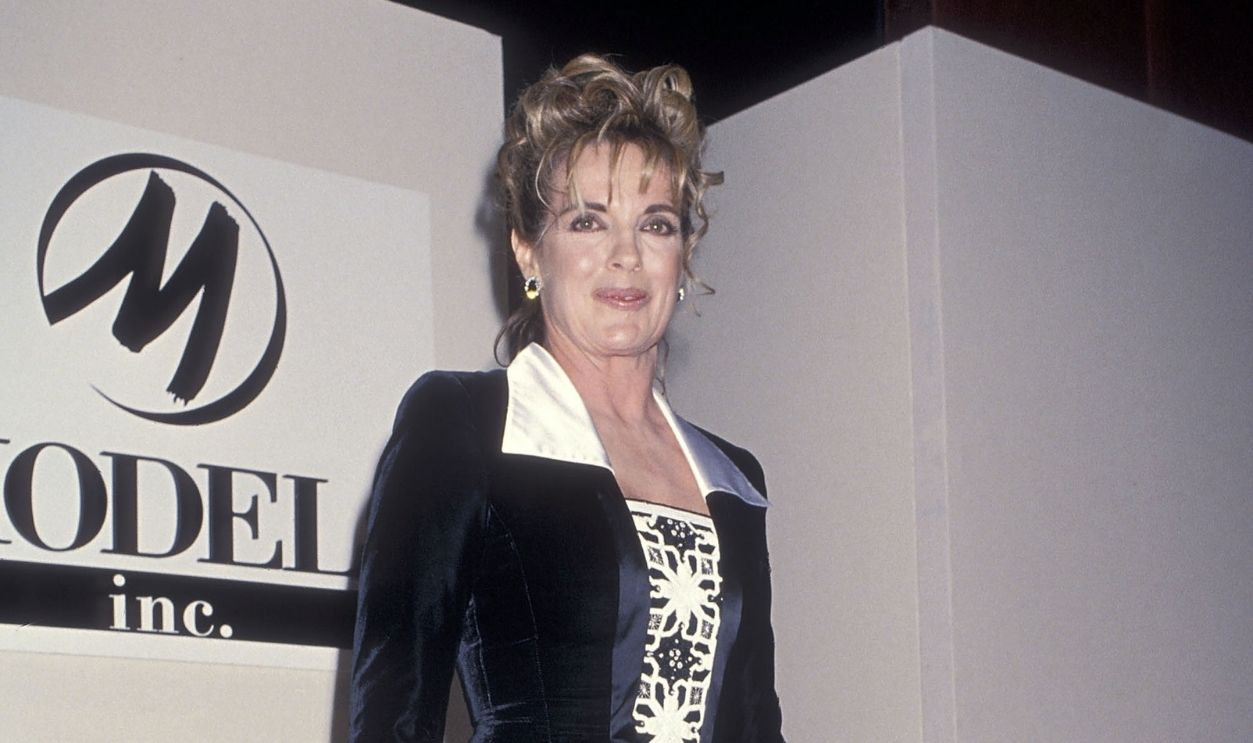 Ron Galella, Ltd., Getty Images
The Stage Gave Her Another Reinvention
Gray later moved into major theater work, appearing as Mrs. Robinson in stage productions of The Graduate in London and on Broadway. She subsequently starred as Aurora Greenway in a stage adaptation of Terms of Endearment. Those roles forced audiences to watch the performer without Southfork, J.R., or the editing rhythms of a television soap to support her.

Returning To Dallas Required A Stronger Sue Ellen
When Dallas returned on TNT in 2012, Gray did not want Sue Ellen frozen in the emotional state viewers remembered from decades earlier. She argued that the character should have confronted her old problems and emerged as a stronger, more capable woman. The revived Sue Ellen consequently entered a more independent phase, allowing Gray to continue the transformation she had wanted during the original run.

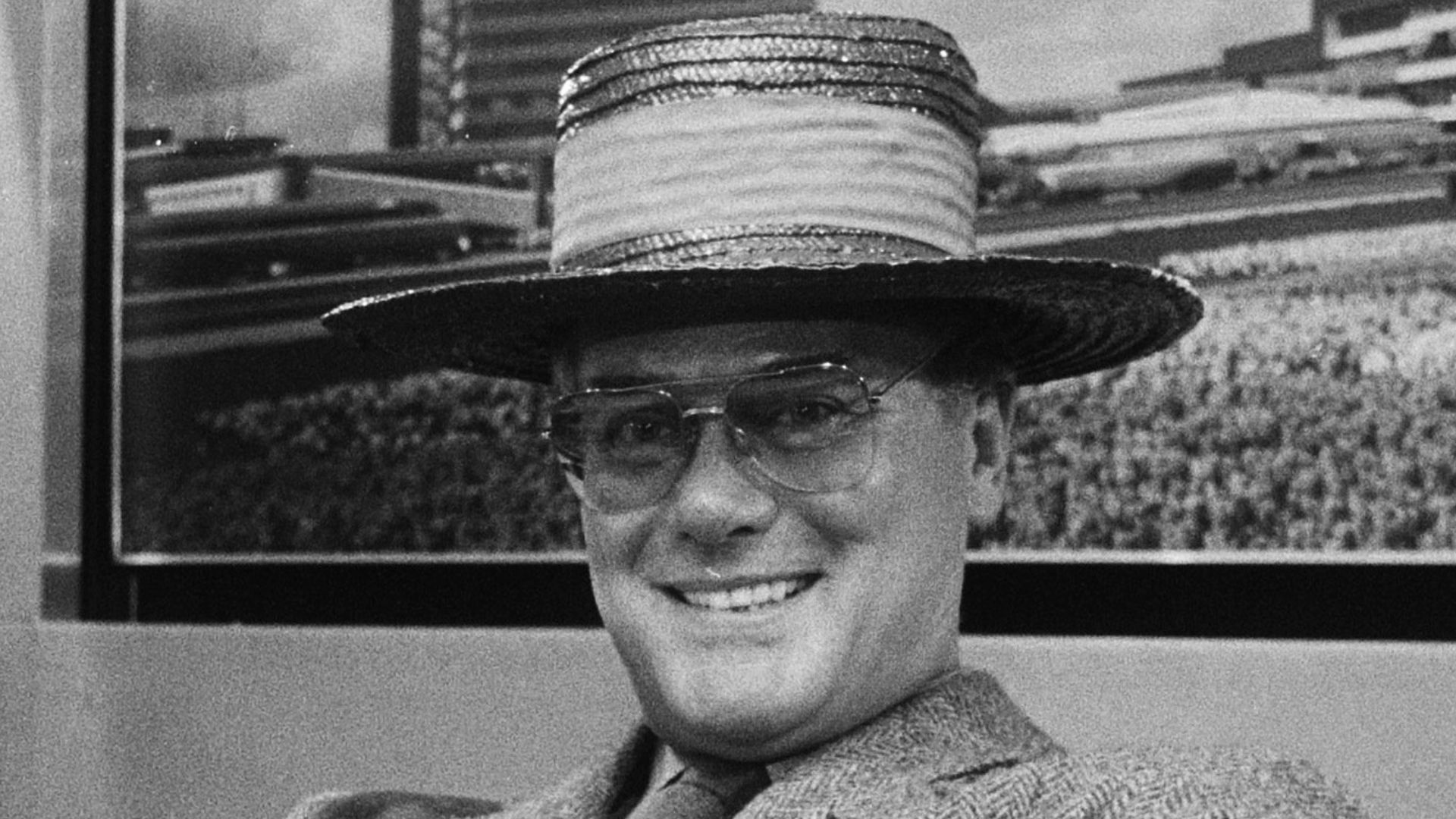
Larry Hagman’s Death Made The Revival Painfully Real
Hagman died in 2012 while the new Dallas was in production, forcing Gray and the rest of the cast to continue without their longtime friend. Gray later described the emotional difficulty of returning to work while still feeling Hagman’s presence on the set. Sue Ellen’s grief consequently carried an unavoidable layer of genuine history between two performers who had spent decades connected through the same characters.
 Rob Bogaerts for Anefo, Wikimedia Commons
Sue Ellen Became Bigger Than The Soap Around Her
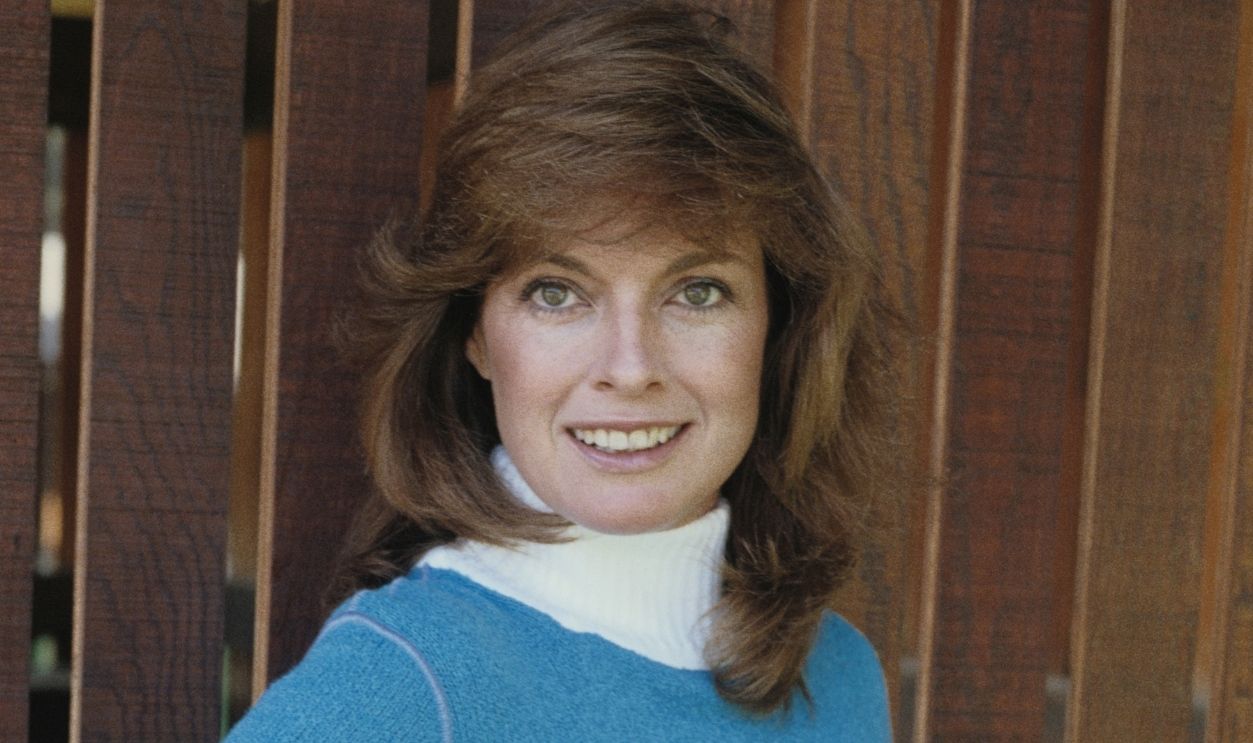
Gray began Dallas with a character who barely had enough dialogue to establish who she was. By the end, Sue Ellen had become an Emmy-nominated survivor whose addiction, independence, ambition, and painful relationship with J.R. gave the series some of its most human material. Linda Gray made the role unforgettable because she kept demanding that there be a person underneath all that Southfork glamour.
 Donaldson Collection, Getty Images
You May Also Like:
TV Moms From The 1960s & 1970s Who Raised Half Of America
The Best Workplace Comedies Of All Time
Facts About Classic TV Shows That Will Make You Nostalgic
Sources: 1, 2, 3, 4, 5, 6, 7, 8, 9, 10, 11, 12, 13, 14, 15, 16, 17, 18, 19, 20, 21, 22, 23, 24