The Man Who Looked Tired Before The Joke Even Started
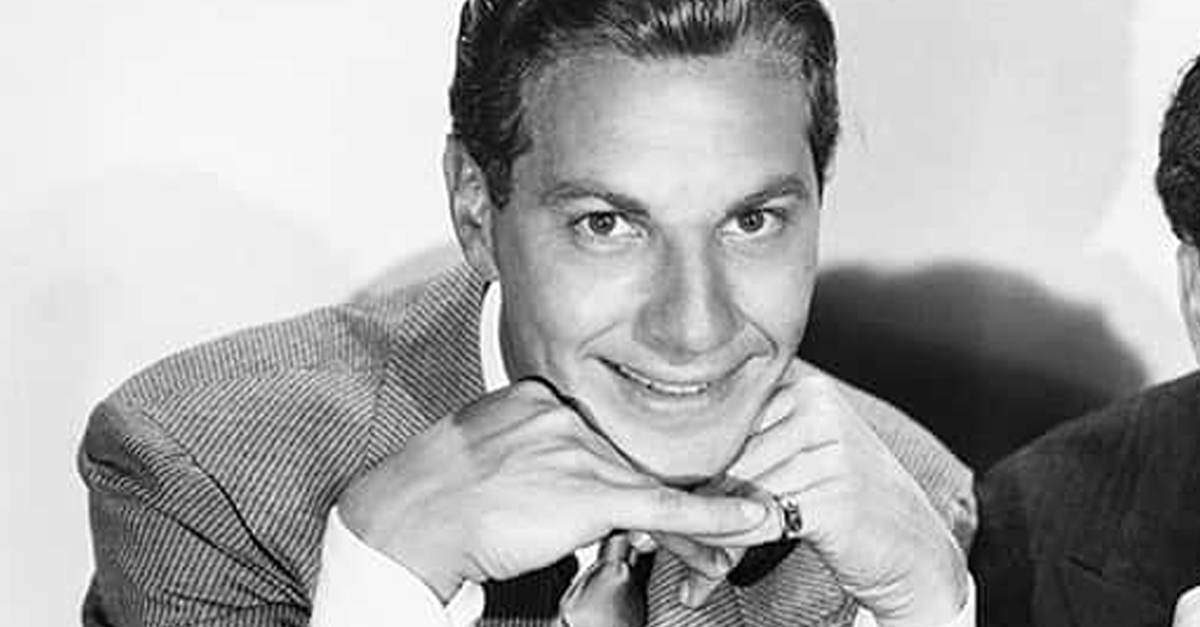
Abe Vigoda spent decades building a serious acting career before television discovered that his permanently weary expression was comedy gold. The Godfather made his face famous, while Barney Miller turned him into America's favorite exhausted detective.
Then a magazine accidentally reported that he had died, and Vigoda's career took one of the strangest turns in pop-culture history. Fortunately, he was very much alive to enjoy the joke.
 Ralph Dominguez/MediaPunch via Getty Images
Brooklyn Came Long Before Hollywood
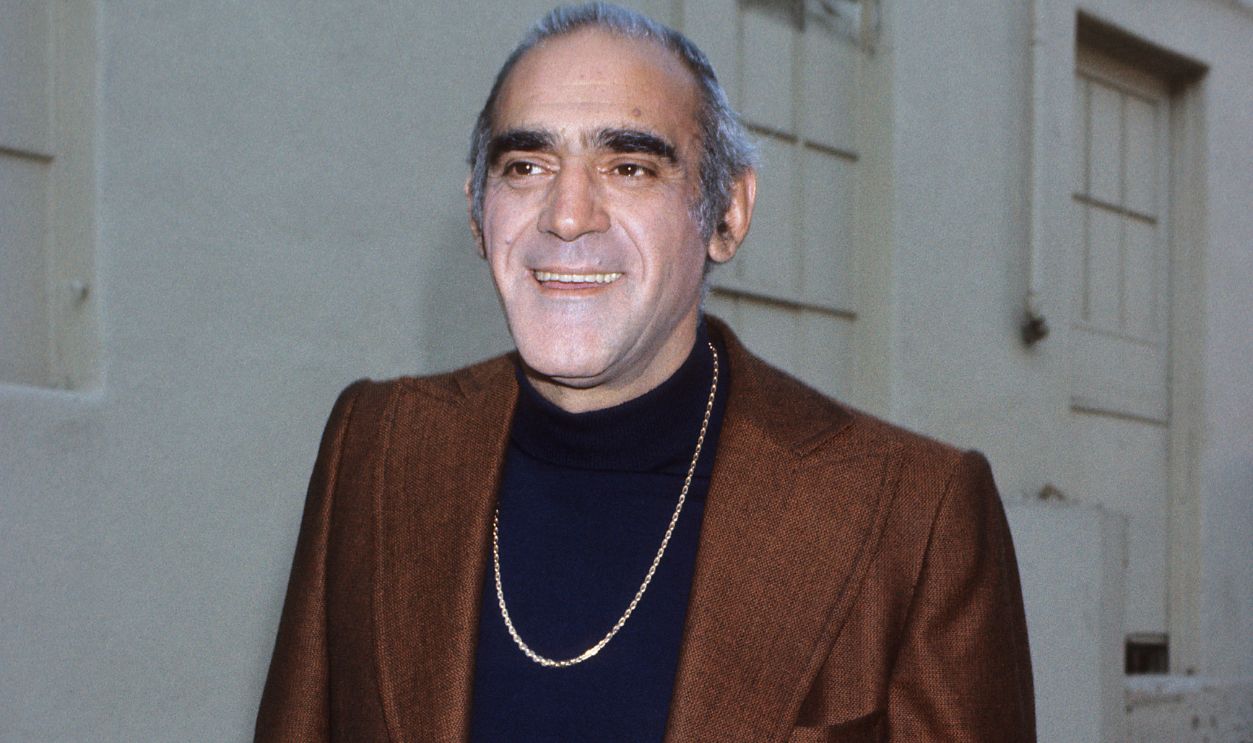
Abraham Vigoda was born in Brooklyn on February 24, 1921, to Russian Jewish immigrant parents. His father worked as a tailor, and nothing about Vigoda's upbringing suggested an easy path toward movie stardom. He became interested in acting as a young man and began working professionally in the late 1940s. Fame, however, wouldn't arrive quickly. Vigoda spent years building the kind of career that rarely generates headlines.
 Michael Ochs Archives, Getty Images
He Was A Working Actor For Decades
Vigoda trained and worked with the American Theatre Wing and gradually built a résumé in theater and early television. His first television appearances came long before most viewers knew his name, and he spent much of the 1950s and 1960s taking small roles wherever he could find them. That slow climb became important later because Vigoda was already a seasoned performer when Hollywood finally noticed him.
Broadway Helped Sharpen The Face Behind The Characters
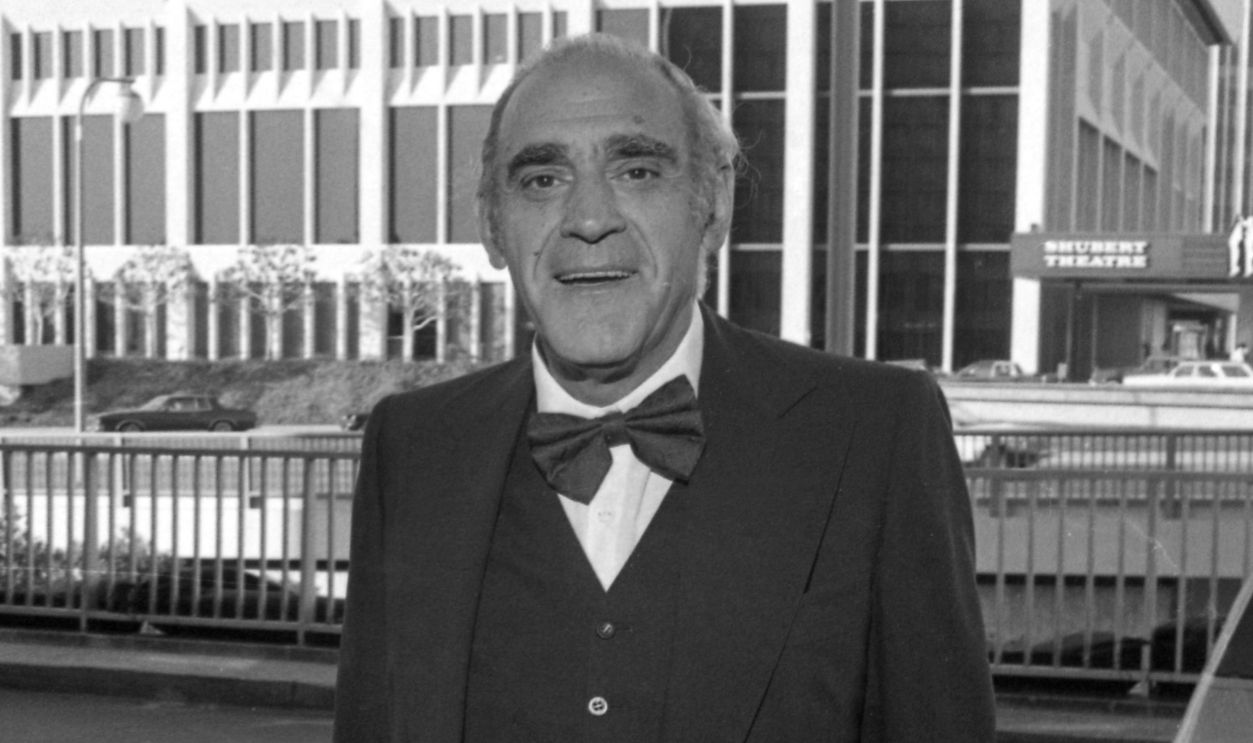
By the late 1960s, Vigoda was getting stronger stage opportunities. His Broadway credits included Marat/Sade, The Impossible Years, The Man in the Glass Booth, and Inquest. These weren't lightweight parts, and Vigoda's stage background taught him how to make an impression without demanding the center of attention. That skill would become invaluable once he started playing supporting characters who somehow became unforgettable.
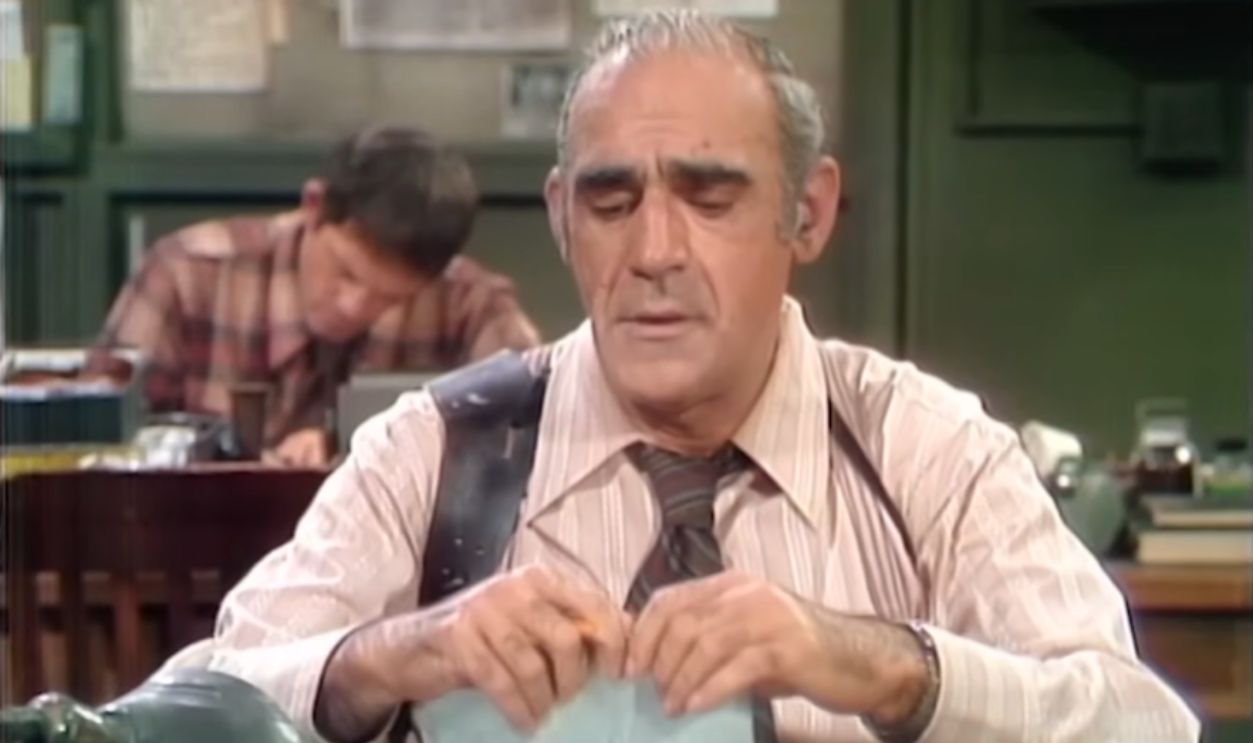 Screenshot from Barney Miller, Columbia Pictures Television (1975–1982)
The Godfather Came From An Open Call
Vigoda's biggest break arrived when Francis Ford Coppola was casting The Godfather. Coppola deliberately held open calls to find unfamiliar faces for supporting roles, including actors without powerful agents or established movie careers. Vigoda showed up and landed the role of Salvatore Tessio. He was around 50 years old and had never played a major film role. Suddenly, he was joining one of the most extraordinary casts ever assembled.
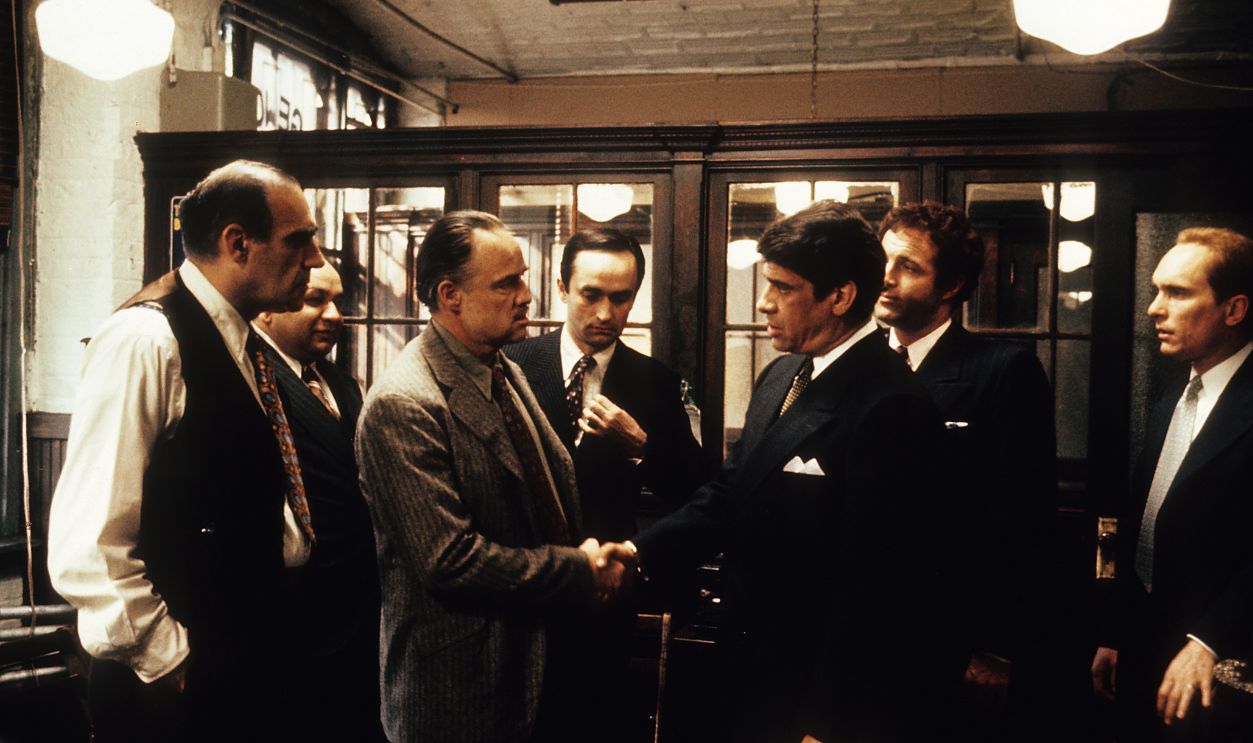 Michael Ochs Archives, Getty Images
Tessio Looked Like He Had Been In The Mafia Forever
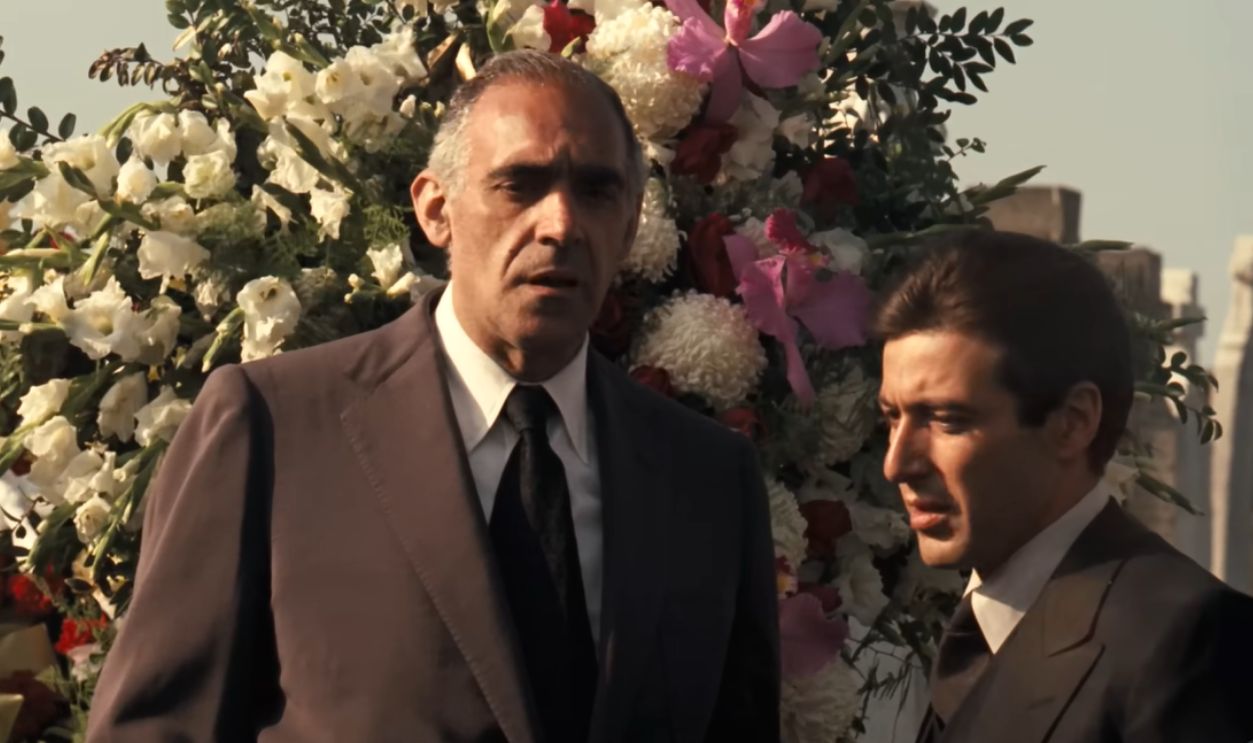
Sal Tessio was one of Vito Corleone's trusted capos, and Vigoda fit the role beautifully. He didn't play Tessio as a flashy mafioso. The character seemed old, cautious, practical, and deeply embedded in the Corleone organization. Vigoda's long face and grave manner suggested a man who had spent years watching dangerous people make dangerous decisions. It gave Tessio authority without requiring much screen time.
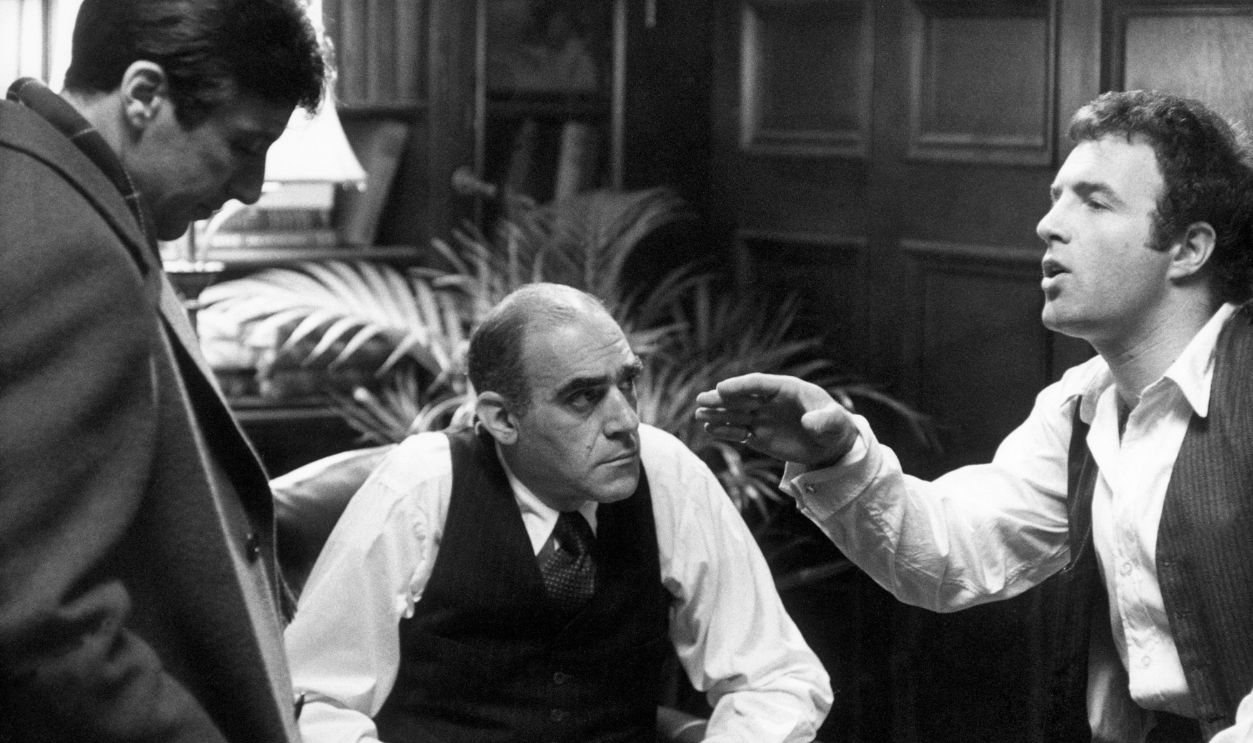
His Betrayal Became One Of The Movie's Great Final Turns
Near the end of The Godfather, Michael Corleone realizes Tessio has betrayed him by arranging the meeting that would leave Michael vulnerable to Barzini. Tessio understands immediately that he's been caught. His final plea to Tom Hagen isn't frantic. He accepts what is coming with almost professional resignation, asking that Michael be told it was only business. Vigoda made betrayal look heartbreakingly ordinary.
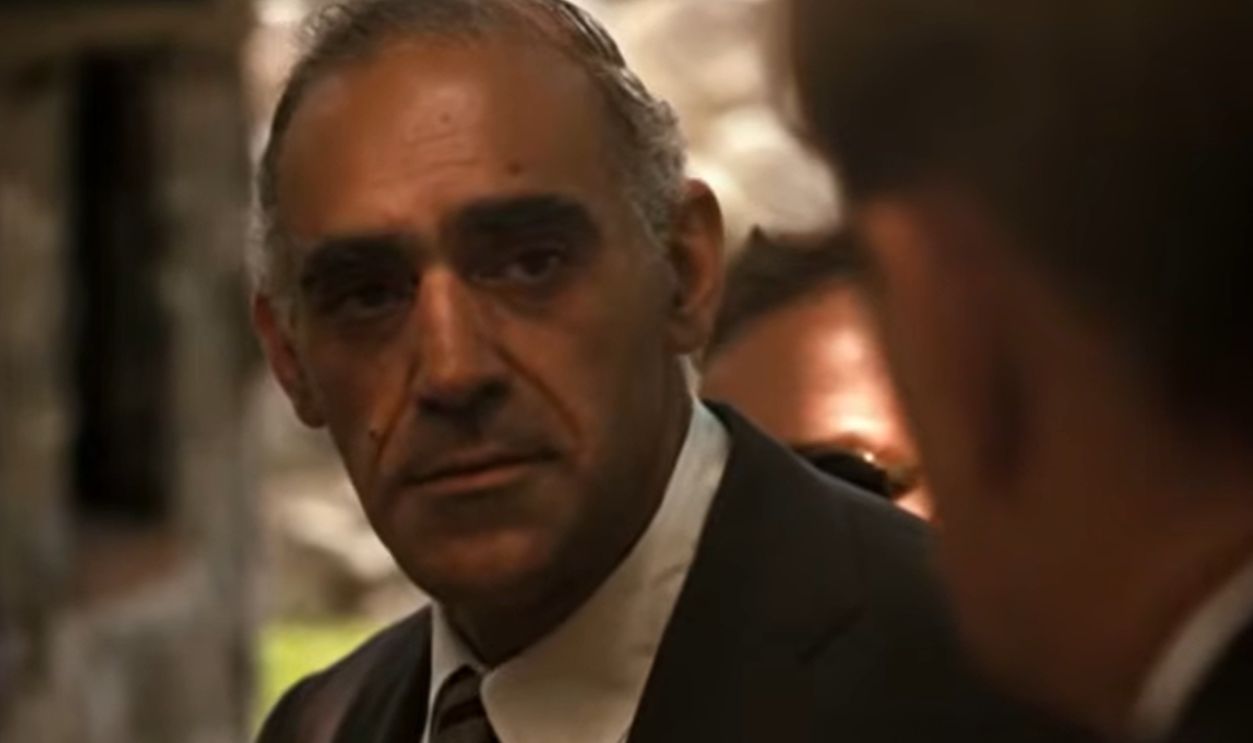 Screenshot from The Godfather, Paramount Pictures (1972)
One Supporting Role Changed His Entire Career
The Godfather became a phenomenon, and Vigoda suddenly had the kind of face audiences recognized even if they didn't immediately know his name. Producers now saw him as an ideal mafioso, heavy, or older authority figure. The irony was that a role built around menace eventually helped lead him toward comedy. Vigoda had spent decades becoming a dramatic character actor just before television discovered how funny his seriousness could be.
 Screenshot from The Godfather, Paramount Pictures (1972)
He Even Returned For The Godfather Part II
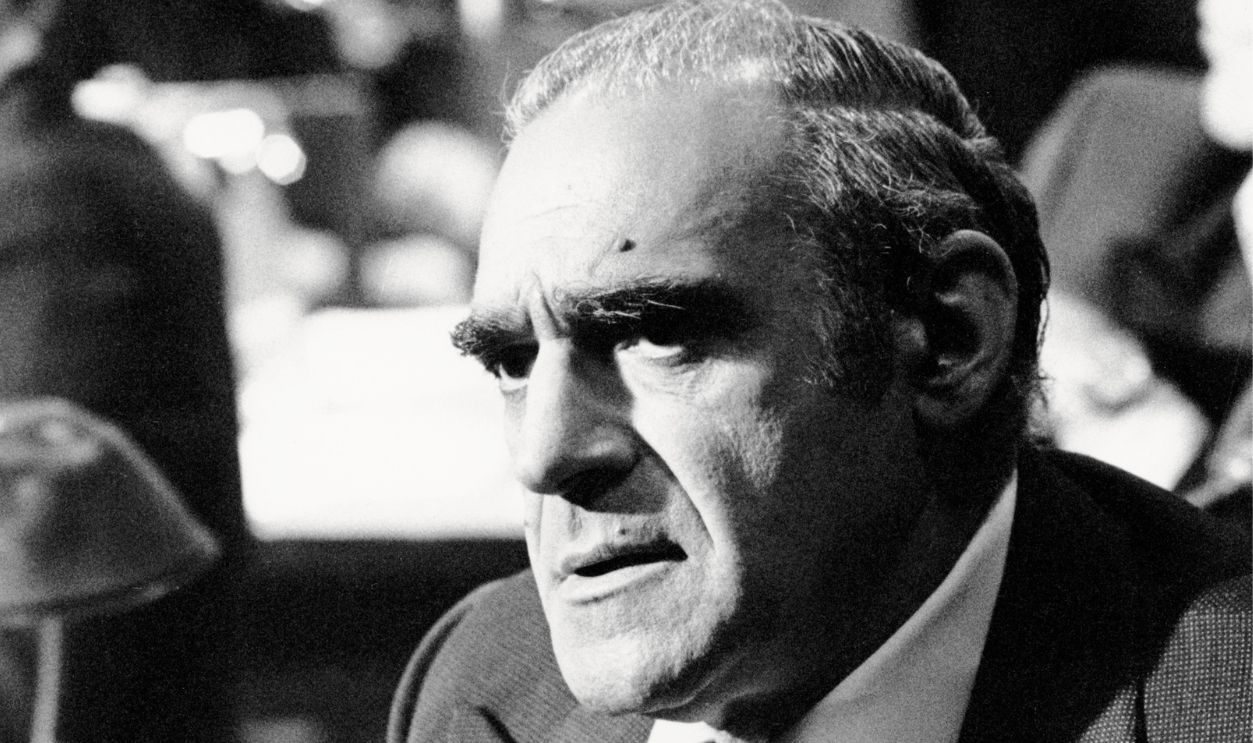
Vigoda briefly reprised Tessio in The Godfather Part II during the film's final flashback sequence. The scene takes viewers back to a younger Michael Corleone before the events that would transform the family. Tessio's presence reinforces how long these men had been part of one another's lives. By then, Vigoda's association with the Corleone world was secure, even though his biggest television role was still ahead.
 Silver Screen Collection, Getty Images
Vigoda Looked Older Than He Really Was
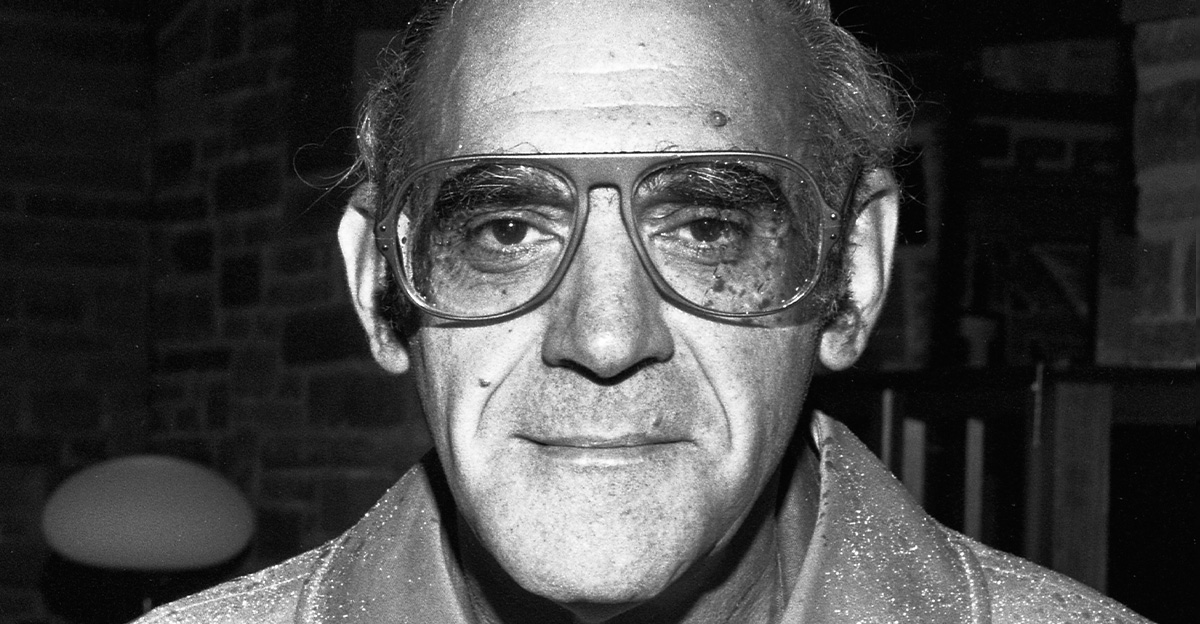
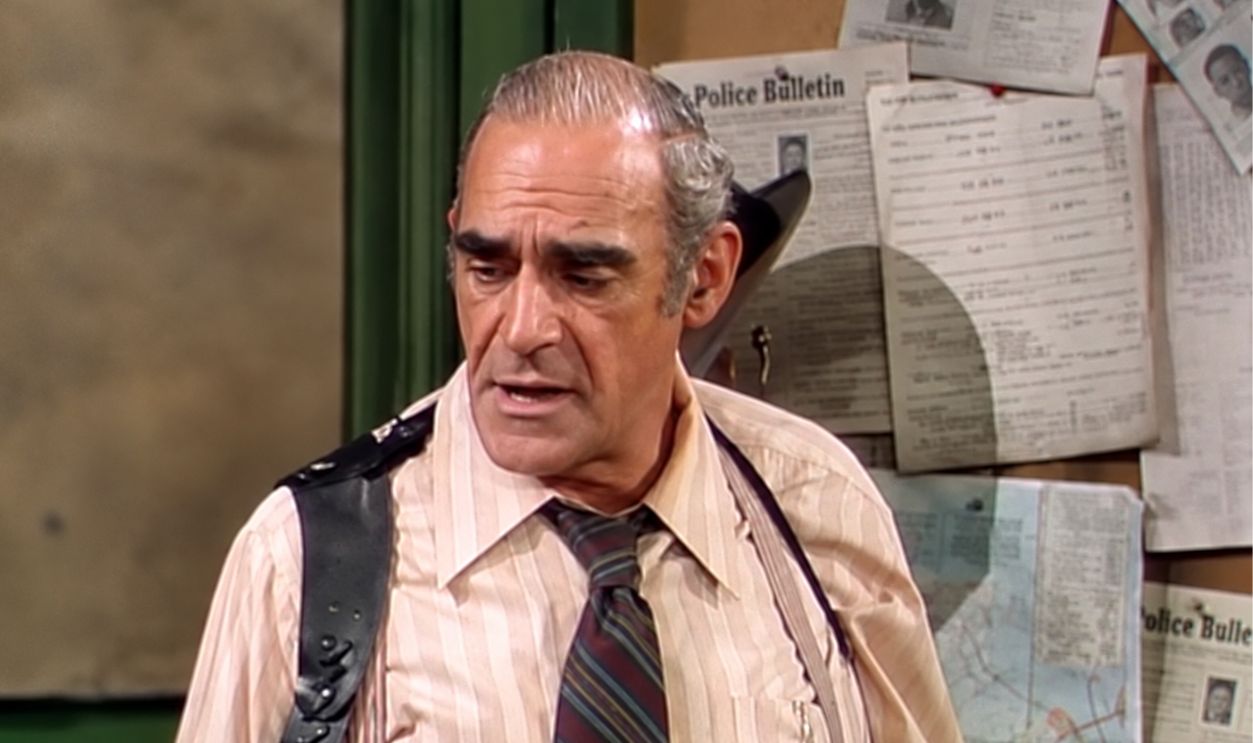
Part of Vigoda's unusual appeal was that he seemed elderly long before he actually was. His heavy eyelids, lined face, thinning hair, and gravelly delivery made him look permanently exhausted. When Barney Miller began, Vigoda was only in his early fifties, yet Detective Phil Fish seemed like a man who had already spent about seventy years waiting for retirement. Television writers immediately understood the comic possibilities.
 Screenshot from Barney Miller, Columbia Pictures Television (1975–1982), Modified
A Five-Mile Jog Helped Him Land Barney Miller
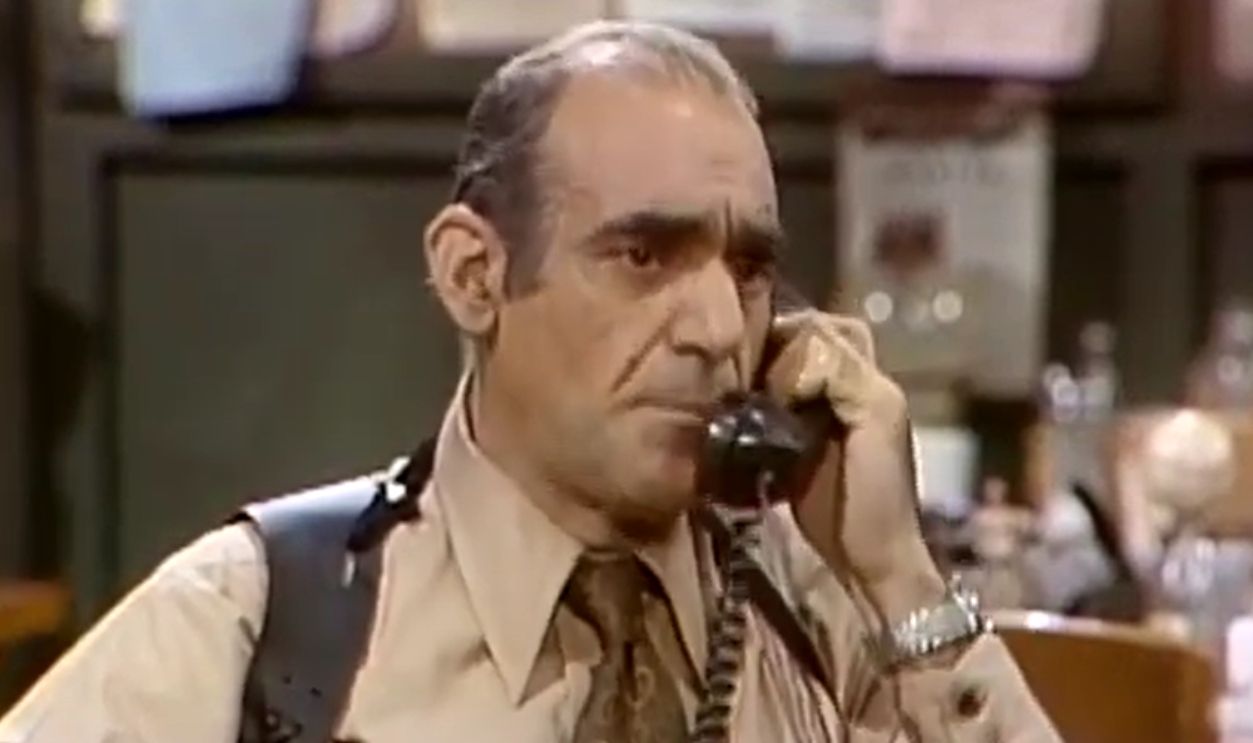
Vigoda told a wonderful story about his audition. His agent called after he'd finished a five-mile jog and told him to get to the producers immediately. Vigoda wanted to shower first, but his agent insisted he go as he was. He arrived sweaty and exhausted. Producer Danny Arnold thought he looked exactly like someone suffering from hemorrhoids. Vigoda reportedly answered, "What are you, a doctor or a producer?" He got the job.
 Screenshot from Barney Miller, Columbia Pictures Television (1975–1982)
Phil Fish Seemed Exhausted By Existing
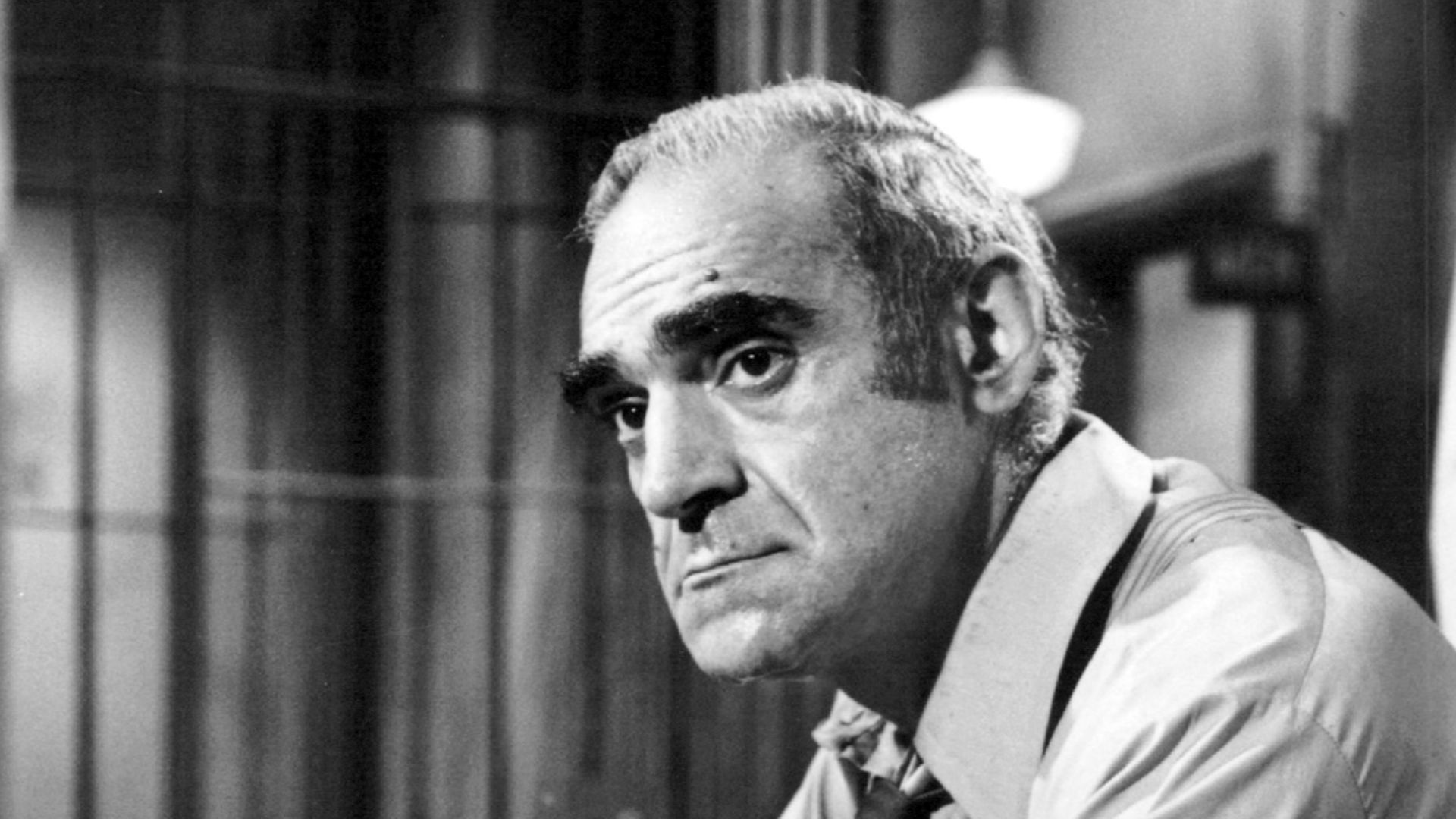
Detective Phil Fish debuted when Barney Miller premiered in 1975. He worked in Captain Barney Miller's Manhattan precinct alongside detectives with wildly different personalities, but Fish stood out immediately. He moved slowly, complained constantly, and reacted to law enforcement work as if every new case were personally inconveniencing his digestive system. Vigoda didn't push the jokes. He simply looked defeated before anyone else had finished talking.
 ABC Television, Wikimedia Commons
His Health Complaints Became Part Of The Character
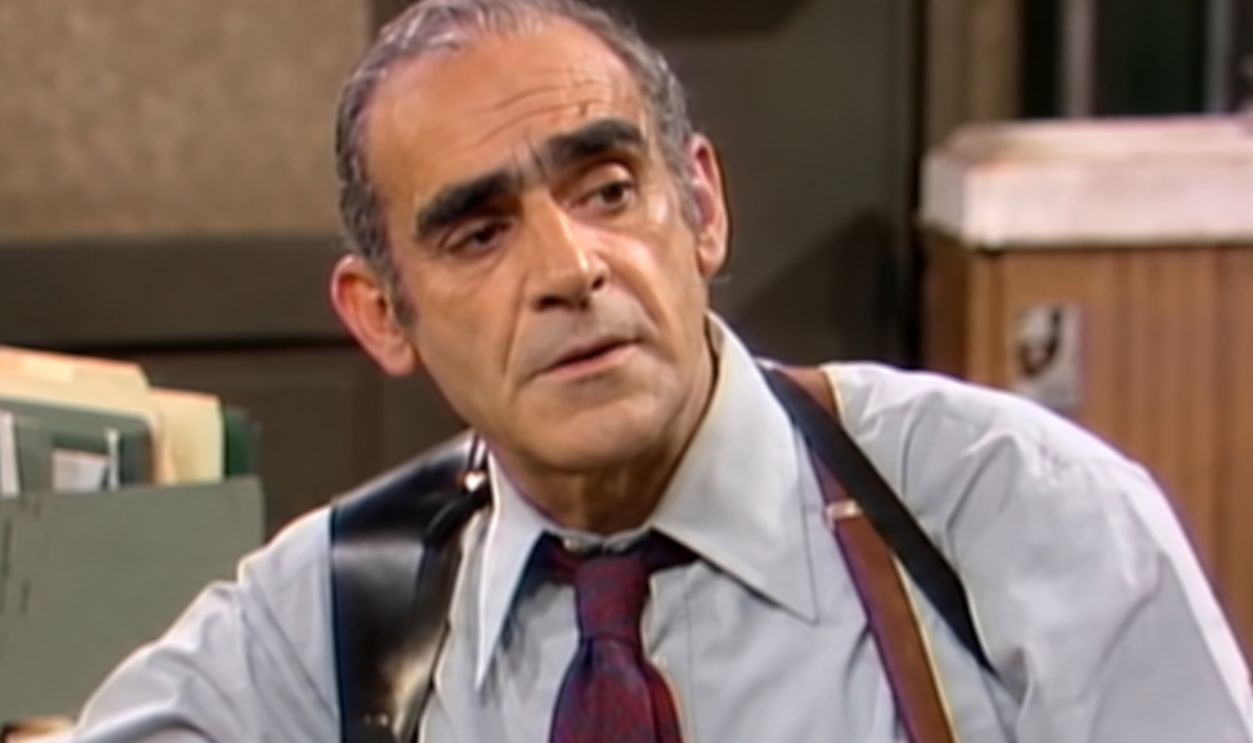
Fish's endless physical complaints became a running gag. Hemorrhoids were a recurring subject, and almost any unpleasant sensation could become evidence that his aging body was turning against him. The comedy worked because Vigoda delivered these complaints with total sincerity. Fish didn't know he was funny. He genuinely believed everyone else should understand the seriousness of whatever ache, pain, or bathroom crisis was occupying him that day.
 Screenshot from Barney Miller, Columbia Pictures Television (1975–1982), Modified
The Precinct Made His Misery Even Funnier
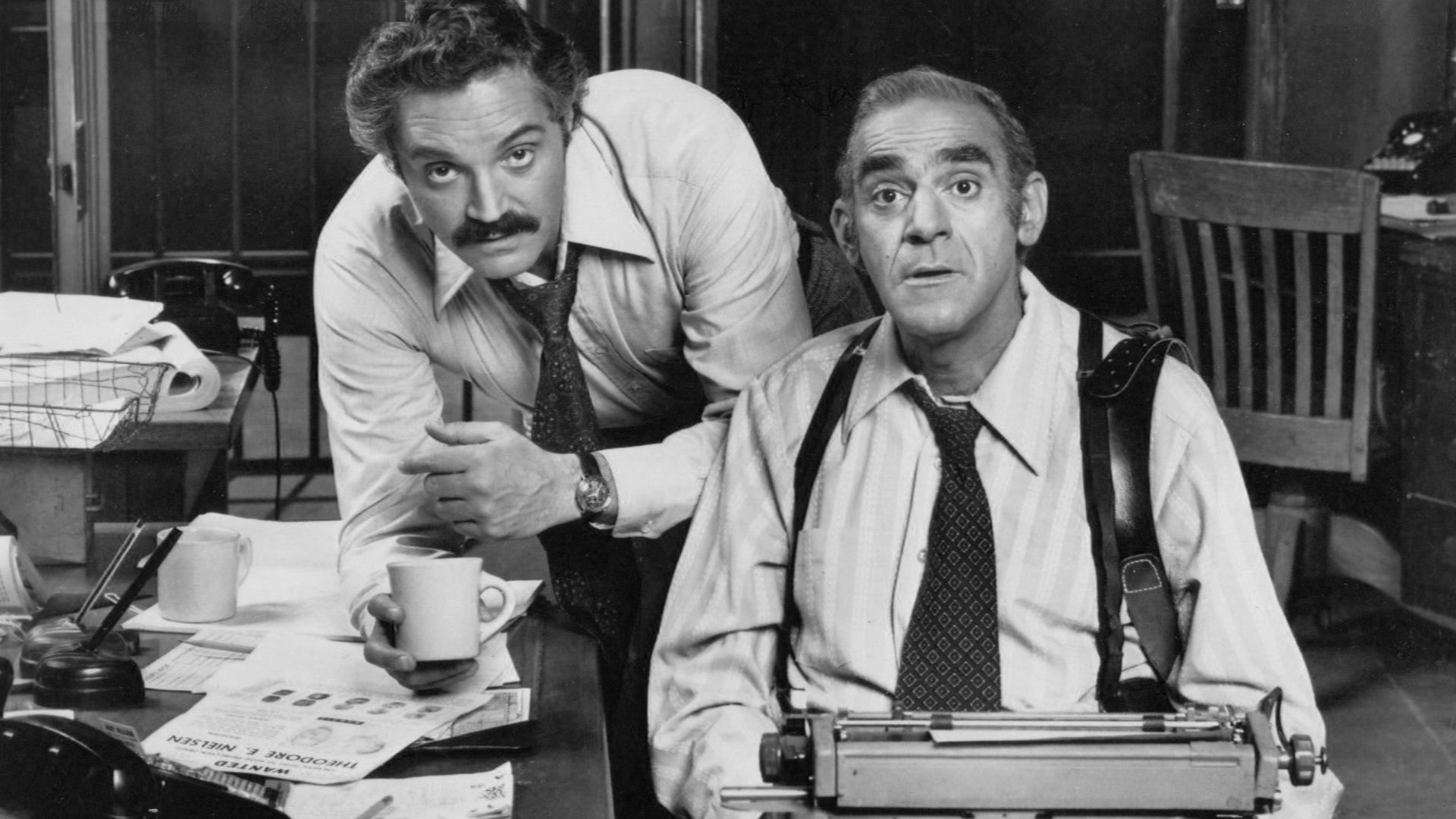
Barney Miller depended on ensemble chemistry, and Vigoda's slow, mournful rhythm contrasted beautifully with Hal Linden, Ron Glass, Max Gail, Jack Soo, and the show's rotating collection of suspects and eccentrics. Fish rarely needed to dominate a scene. Sometimes one weary look was enough. The more chaos entered the precinct, the more he seemed to wonder why retirement hadn't arrived several years earlier.
 ABC Television, Wikimedia Commons
"Hash" Let Fish Get Unexpectedly Physical
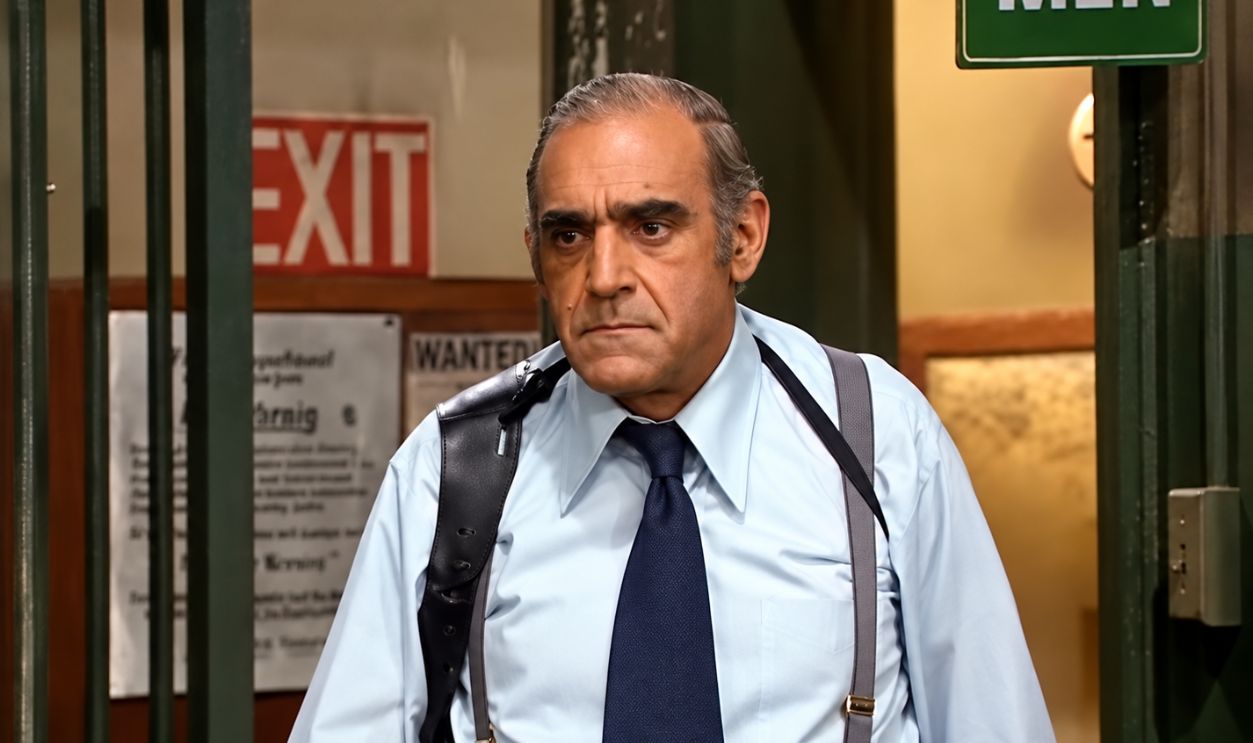
The third-season episode "Hash" became one of Barney Miller's most famous installments. Most of the squad accidentally eats brownies containing hashish, sending normally professional detectives into increasingly strange behavior. Fish, of all people, gets involved in a surprisingly physical pursuit that includes jumping across an alley while chasing a suspect. Watching television's most exhausted detective suddenly act almost athletic made the joke even better.
 Screenshot from Barney Miller, Columbia Pictures Television (1975–1982), Modified
Emmy Voters Noticed The Scene-Stealer
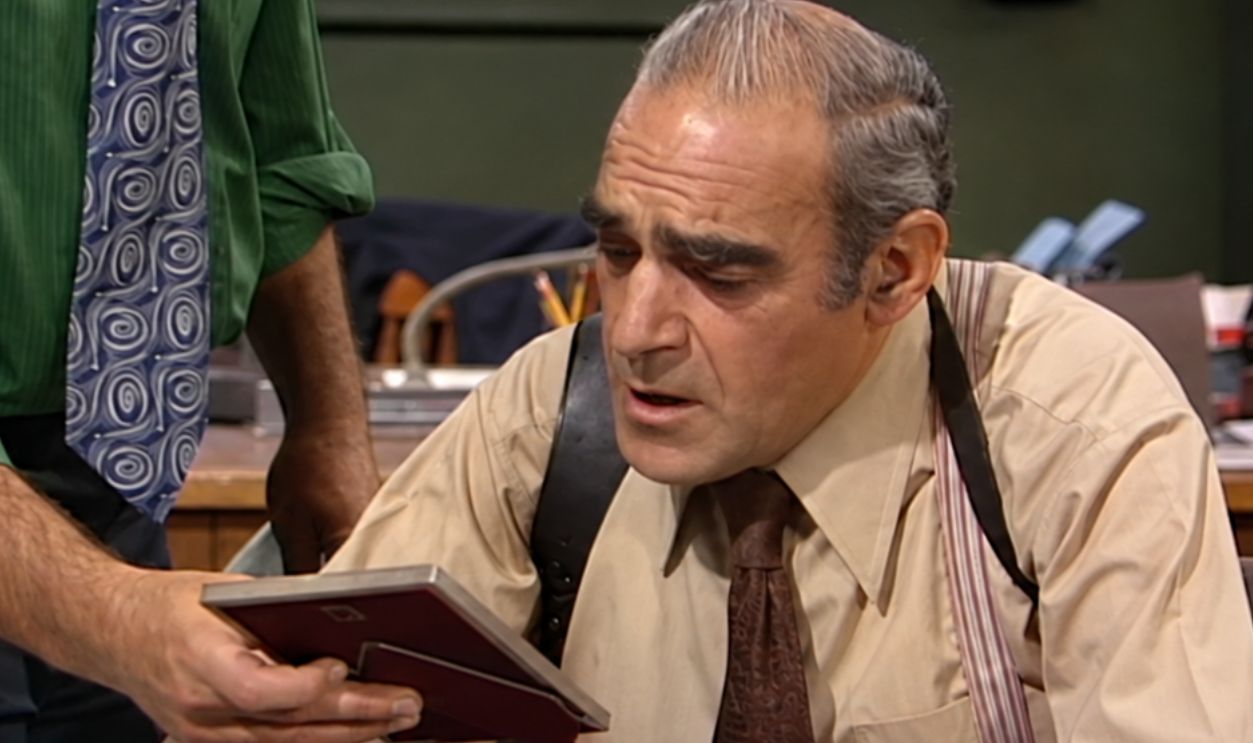
Vigoda's performance earned three consecutive Emmy nominations for his supporting work on Barney Miller, in 1976, 1977, and 1978. He never won, but the nominations showed how important Fish had become to the series. Vigoda wasn't the conventional sitcom scene-stealer with rapid-fire punchlines. His weapon was exhaustion. The less energy Fish seemed willing to expend, the harder audiences laughed.
 Screenshot from Barney Miller, Columbia Pictures Television (1975–1982), Modified
Fish Became Popular Enough For His Own Show
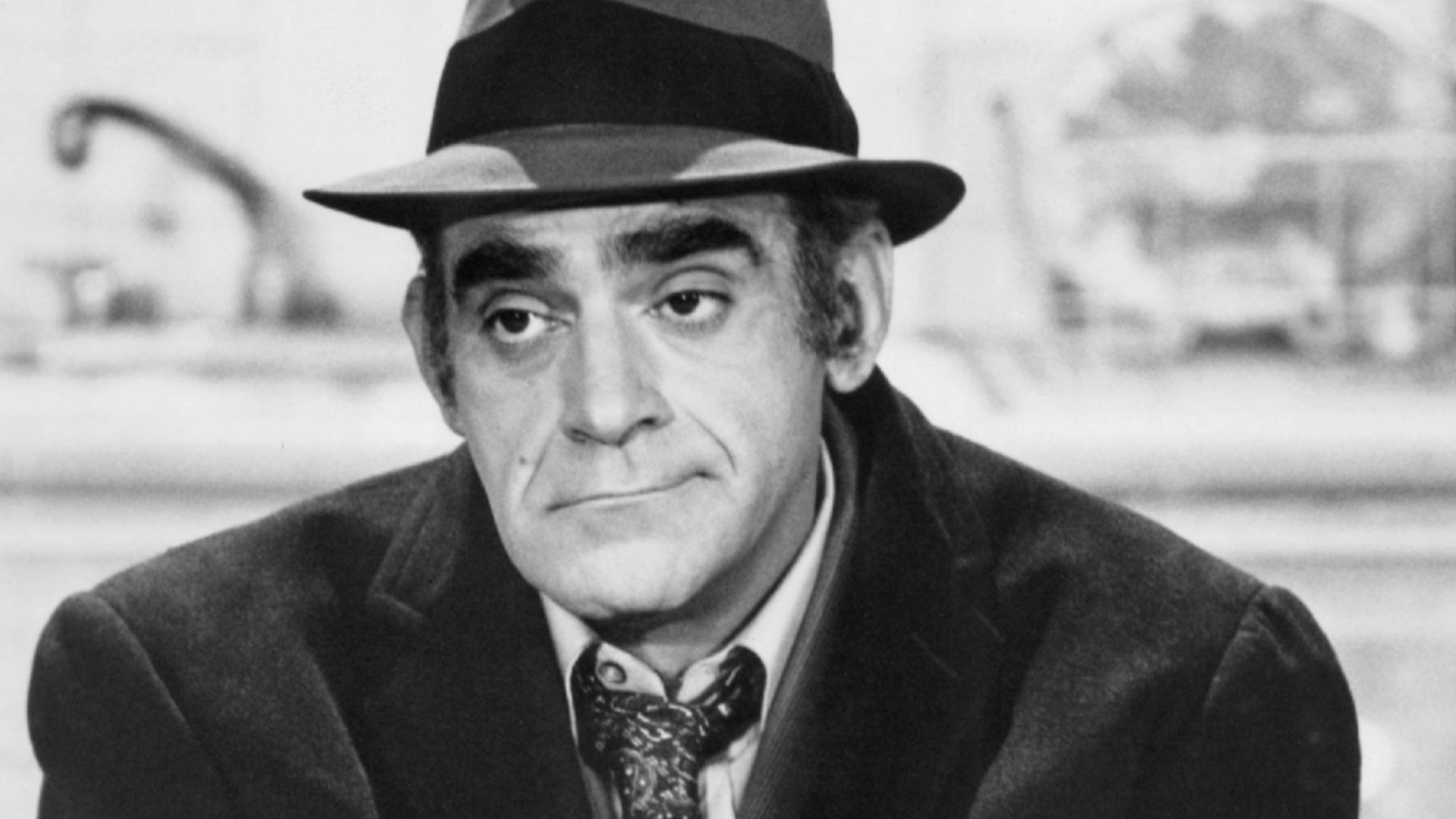
ABC quickly realized viewers liked Fish enough to consider building another series around him. The result was Fish, which premiered in 1977 while Vigoda was still connected to Barney Miller. Getting a spinoff was a remarkable turn for an actor who had spent most of his career in supporting roles. At an age when many performers struggle to find regular work, Vigoda had suddenly become a sitcom leading man.
 ABC Television, Wikimedia Commons
Fish Took Him Out Of The Precinct
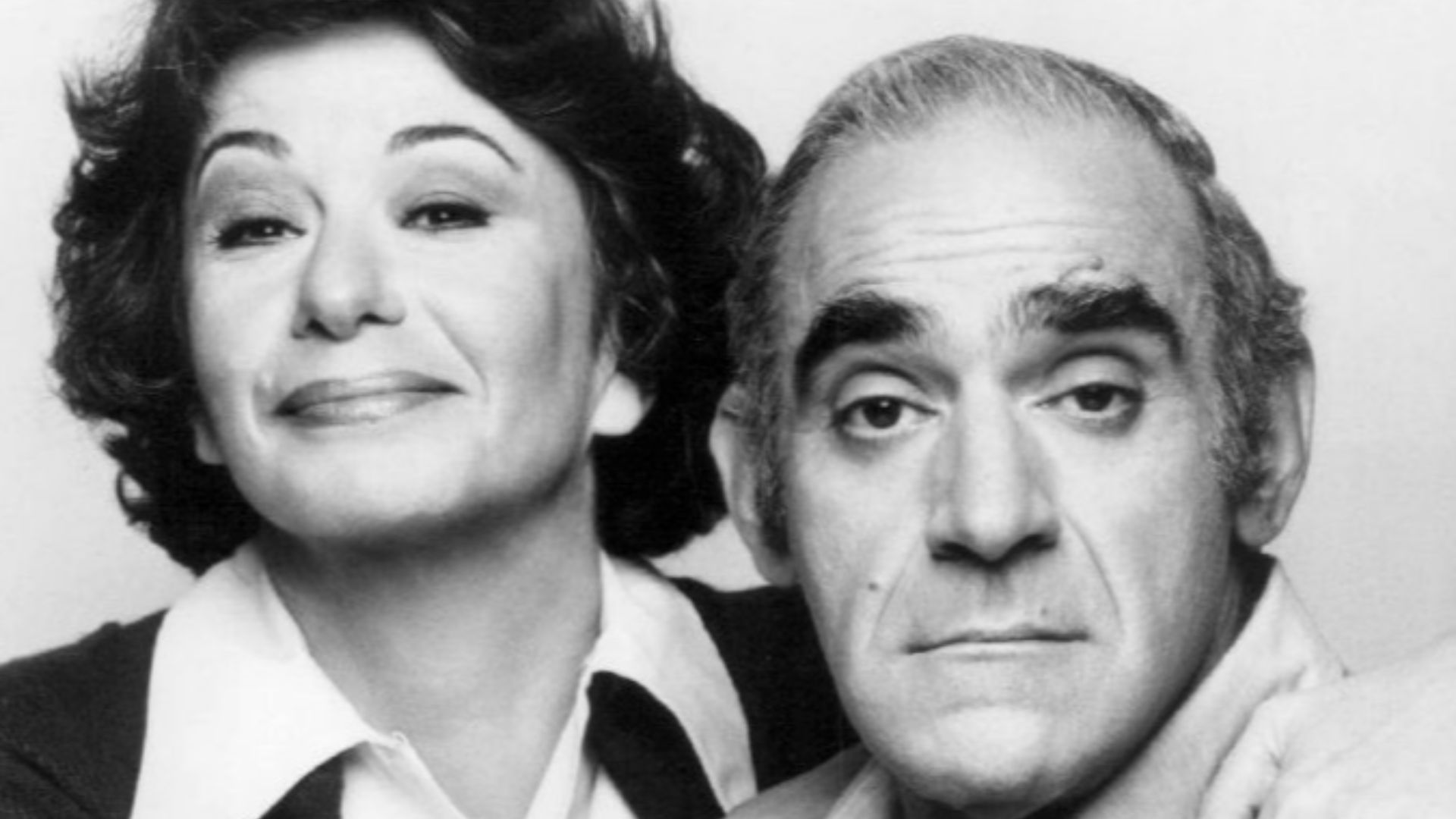
The spinoff shifted attention toward Fish's home life with his wife Bernice, played by Florence Stanley. The couple became foster parents to a group of troubled children, including a young Todd Bridges. Instead of relying entirely on precinct humor, Fish explored the absurdity of placing a tired, retirement-aged detective in a house full of energetic kids. Vigoda's exhausted persona suddenly had an entirely new reason to look overwhelmed.
 ABC Television, Wikimedia Commons
The Spinoff Couldn't Match Barney Miller
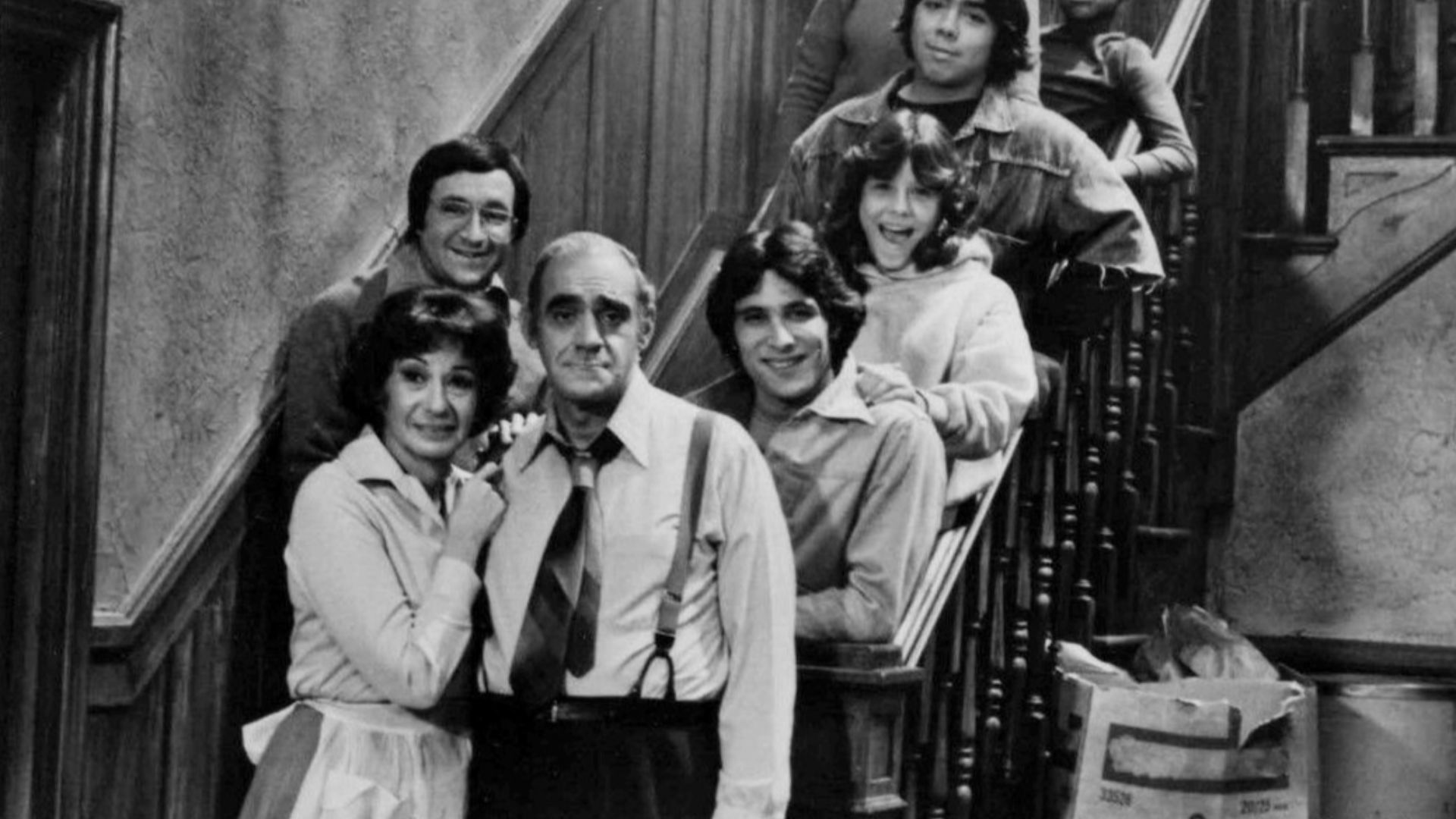
Fish lasted only two seasons, from 1977 to 1978. The show never developed the durability of its parent series, and behind-the-scenes disagreements over Vigoda's role and compensation complicated matters. Fish eventually retired from the NYPD, and Vigoda moved on. He later returned to Barney Miller for a guest appearance, giving viewers one more chance to see the detective who had become one of the show's defining characters.
 ABC Television, Wikimedia Commons
Vigoda Kept Working After His Sitcom Peak
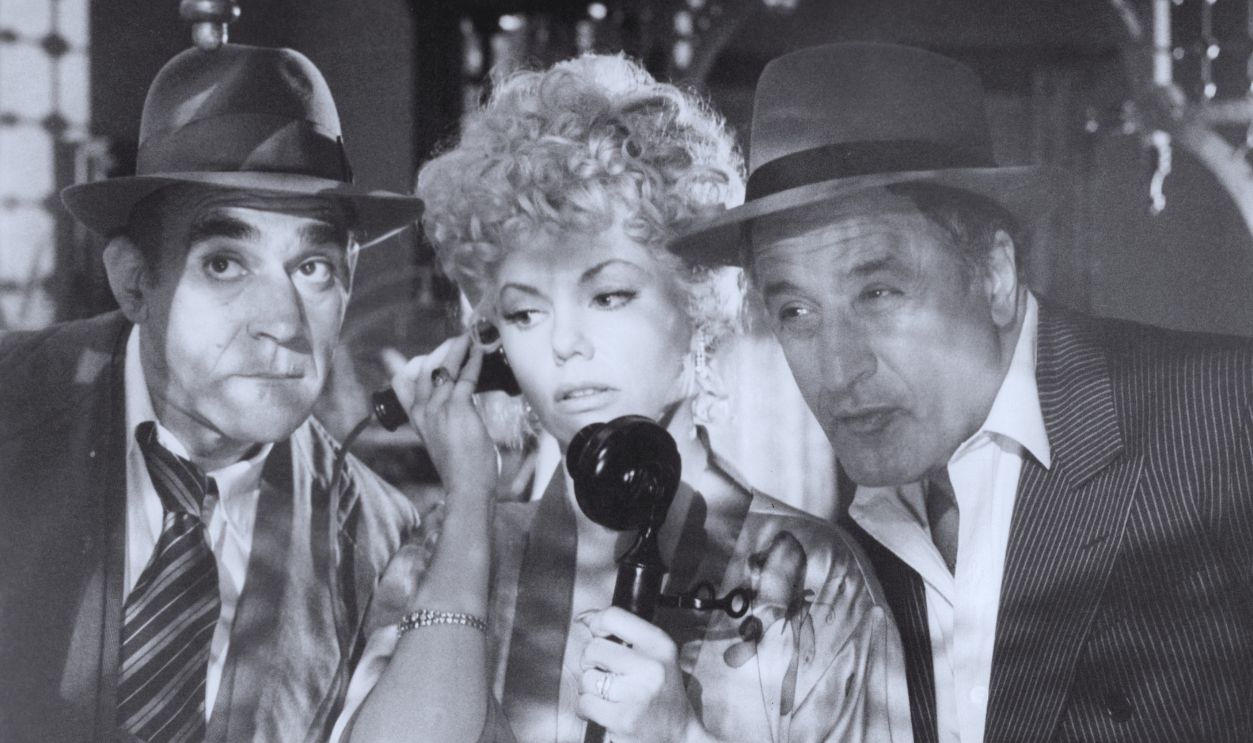
The end of Fish didn't end Vigoda's career. He appeared in films including The Cheap Detective, Cannonball Run II, Look Who's Talking, Prancer, Joe Versus the Volcano, Sugar Hill, and North. Television work continued too, with appearances on shows including MacGyver, Law & Order, Wings, Diagnosis Murder, and Mad About You. Then an entirely different kind of fame found him.
 Michael Ochs Archives, Getty Images
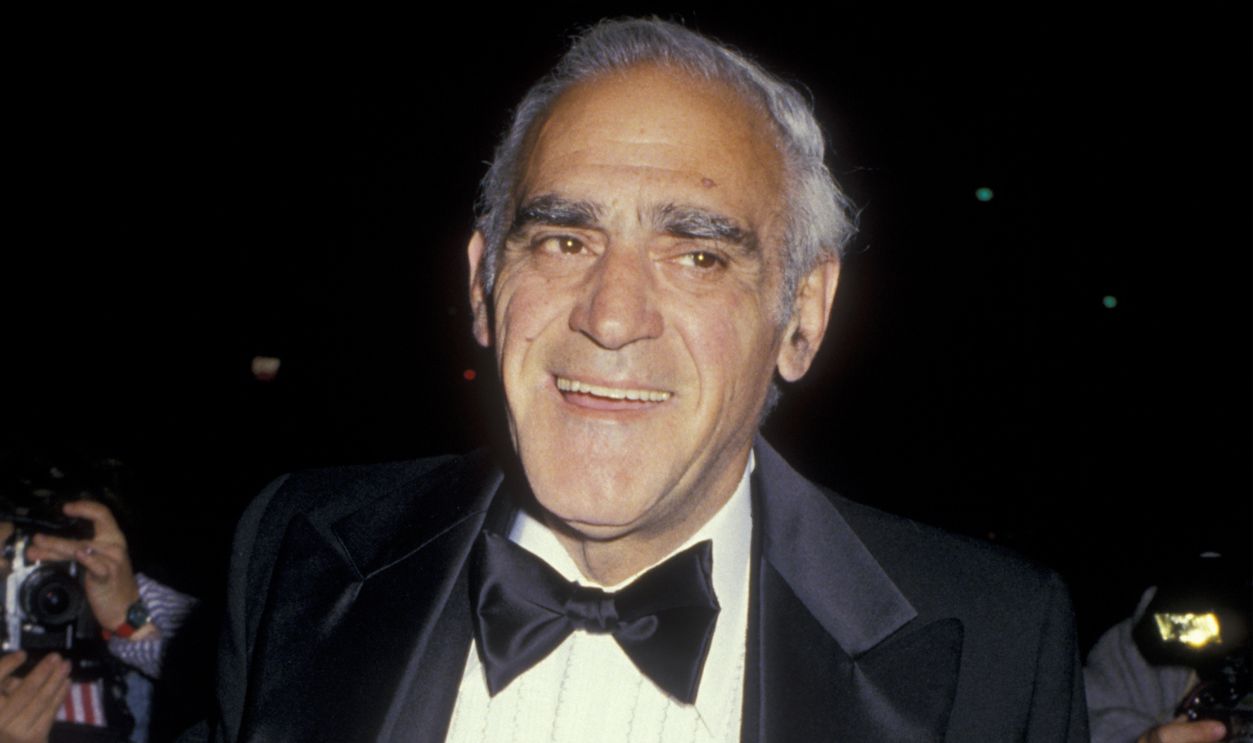
People Magazine Accidentally Killed Him In 1982
The strange second act of Vigoda's public life began when People magazine referred to him in 1982 as "the late Abe Vigoda". There was one obvious problem: Vigoda wasn't dead. He was 60 years old and very much alive, reportedly working in Calgary when the error appeared. The magazine corrected itself, but the idea that Abe Vigoda might secretly be gone proved strangely impossible to still.
He Answered With A Coffin
Instead of becoming furious, Vigoda responded with exactly the kind of dry humor that made Phil Fish work. He posed for a photograph in which he sat upright inside a coffin while holding the offending issue of People. The image ran in Variety and immediately transformed an embarrassing publishing error into a joke Vigoda controlled. If everyone wanted to discuss whether he was alive, he was willing to participate.
 Kim Delaney and Jeff Arbaugh, Wikimedia Commons
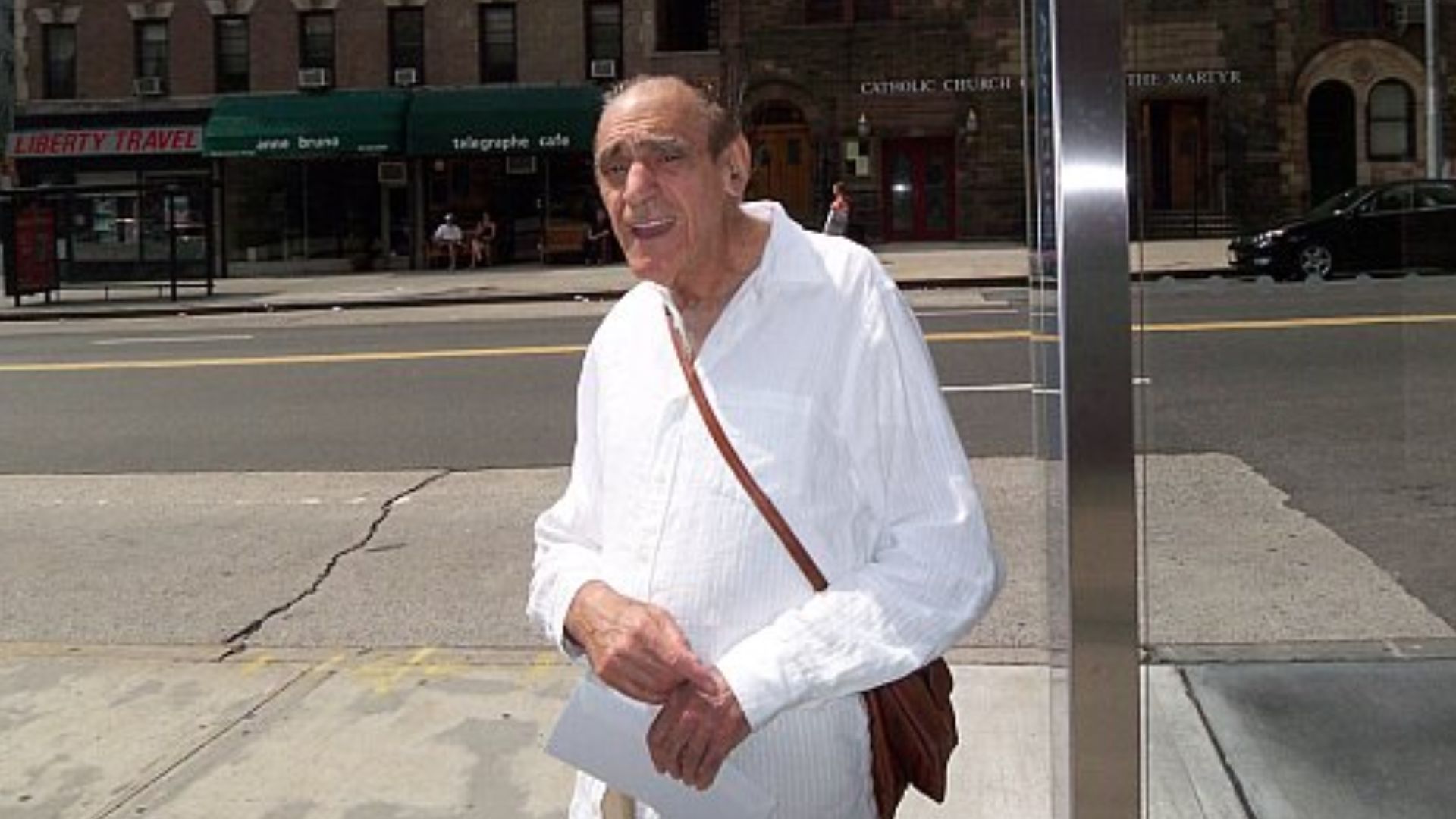
Then Television Declared Him Lifeless Again
The mistake somehow happened again in 1987 when a New York-area television reporter referred to Vigoda as "the late Abe Vigoda". The error was corrected, but by then a pattern had formed. People heard his name and somehow associated it with the grave. Vigoda later joked that his wife received condolence cards and suggested that producers may even have passed him over for jobs because they incorrectly assumed he was unavailable for the most permanent reason possible.
 Ron Galella, Ltd., Getty Images
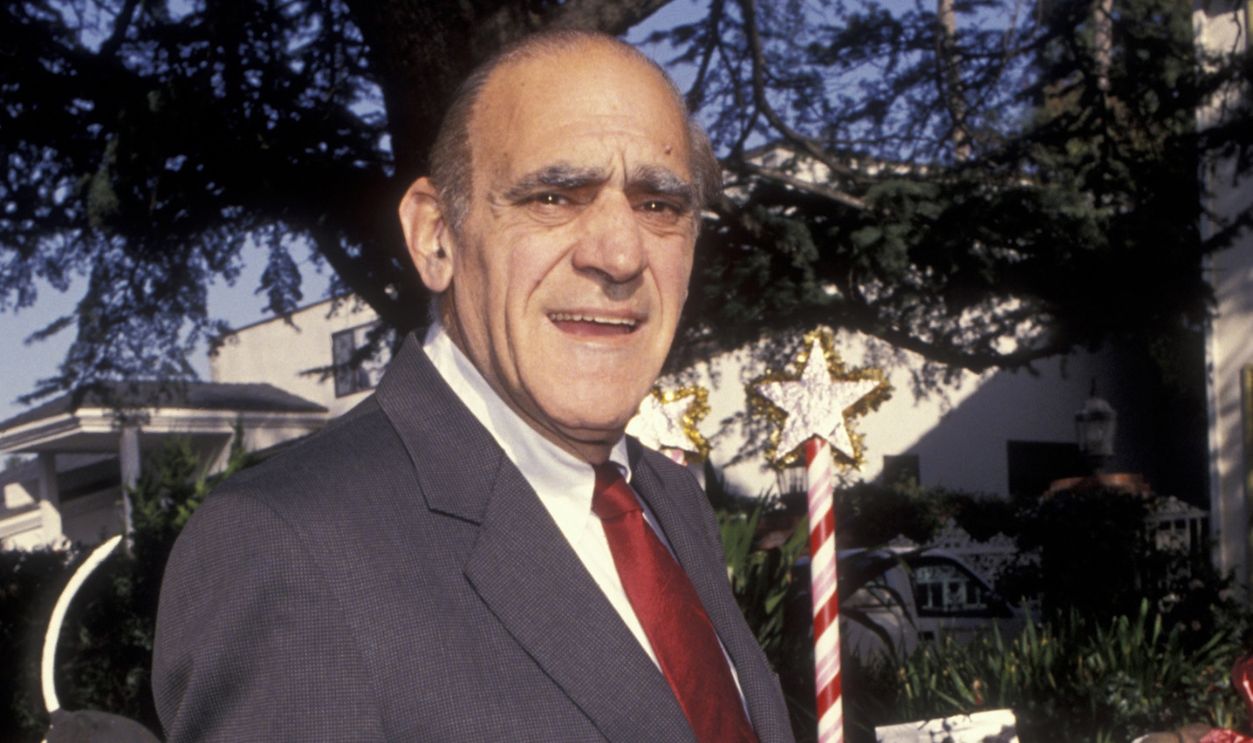
The Rumor Became Bigger Than The Original Mistake
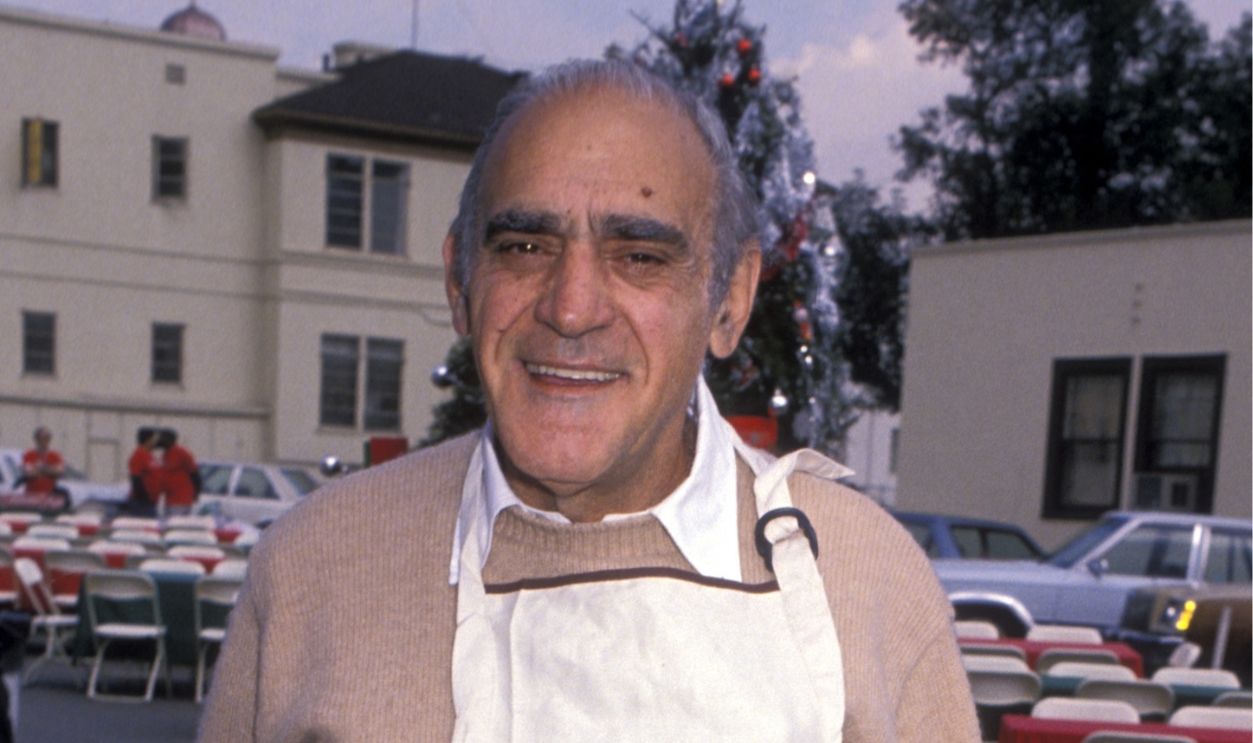
Eventually, nobody needed an actual false obituary anymore. "Is Abe Vigoda still alive?" became the joke. His naturally ancient-looking face, combined with the original magazine error, made him a recurring cultural reference whenever television comedians needed a celebrity who seemed impossibly old. The remarkable part was that Vigoda didn't spend years complaining about it. He realized the gag could keep him in the public eye.
 Ron Galella, Ltd., Getty Images
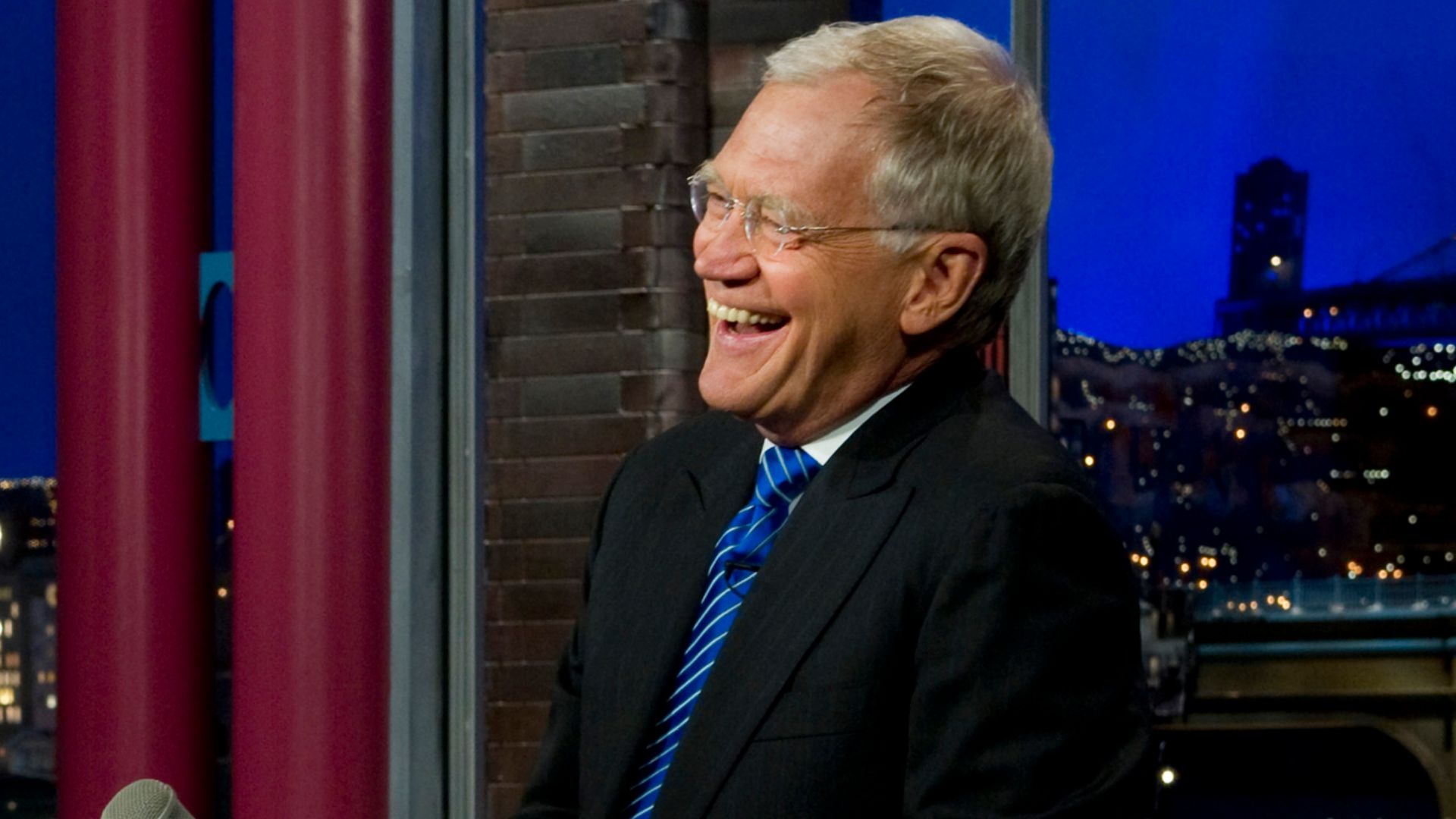
David Letterman Made Vigoda's Survival A Running Bit
Vigoda became a perfect guest for David Letterman's surreal brand of late-night comedy. In one gag, Letterman attempted to summon Vigoda's ghost only for Vigoda himself to appear and point out that he wasn't gone. During another appearance, he breathed on a mirror as evidence of continued life. Vigoda played every bit with the same solemn expression that had made Fish funny years earlier.
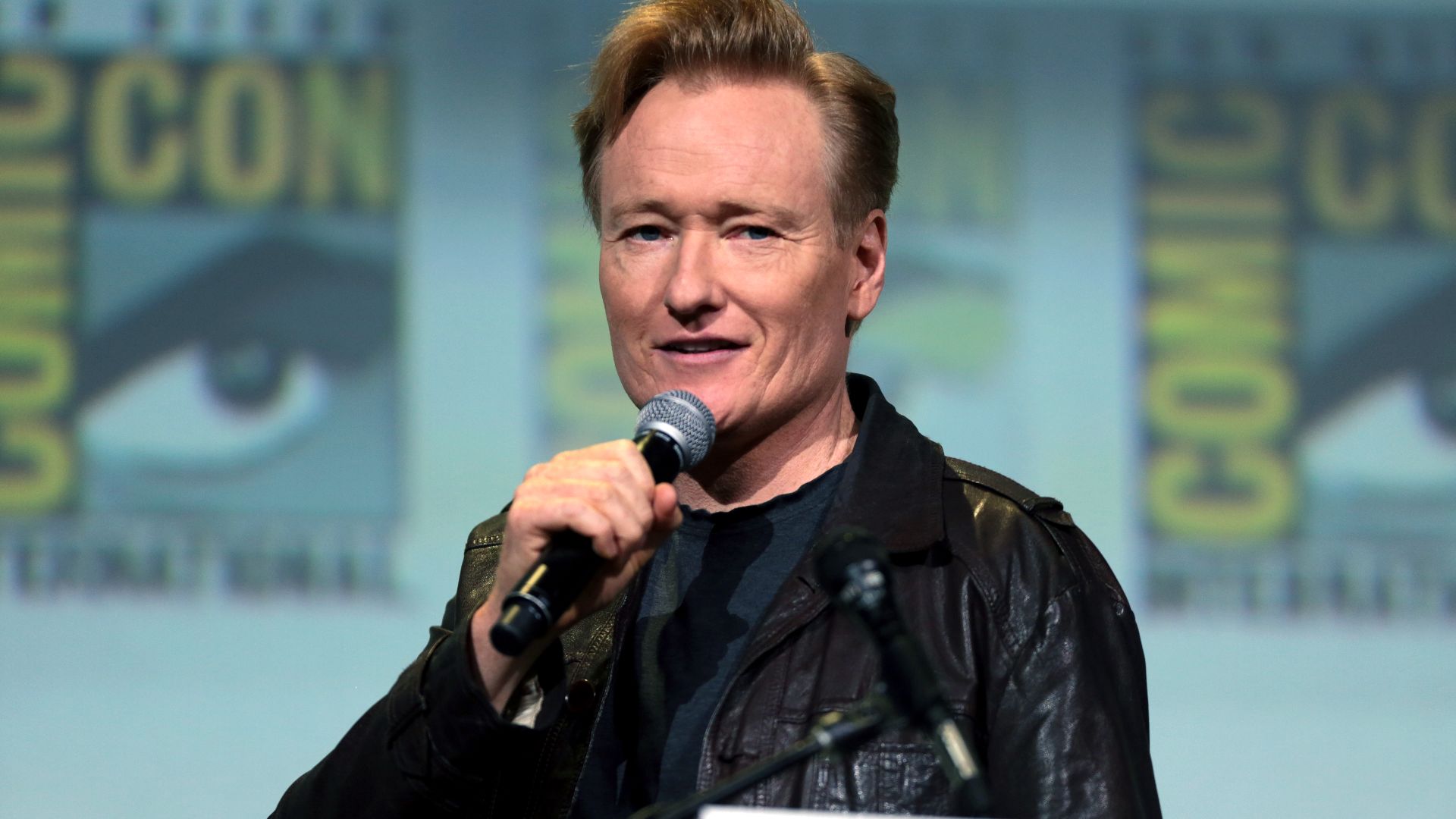
Conan O'Brien Helped Introduce The Joke To Another Generation
The gag survived long enough to migrate to Late Night with Conan O'Brien, where Vigoda became a recurring comic presence. Younger viewers who had never seen Barney Miller or The Godfather could recognize him simply as that elderly actor who kept appearing to prove he wasn't dead. Few performers have experienced such an odd form of career longevity. Vigoda had become famous for surviving rumors about Abe Vigoda.
 Gage Skidmore from Peoria, AZ, United States of America, Wikimedia Commons
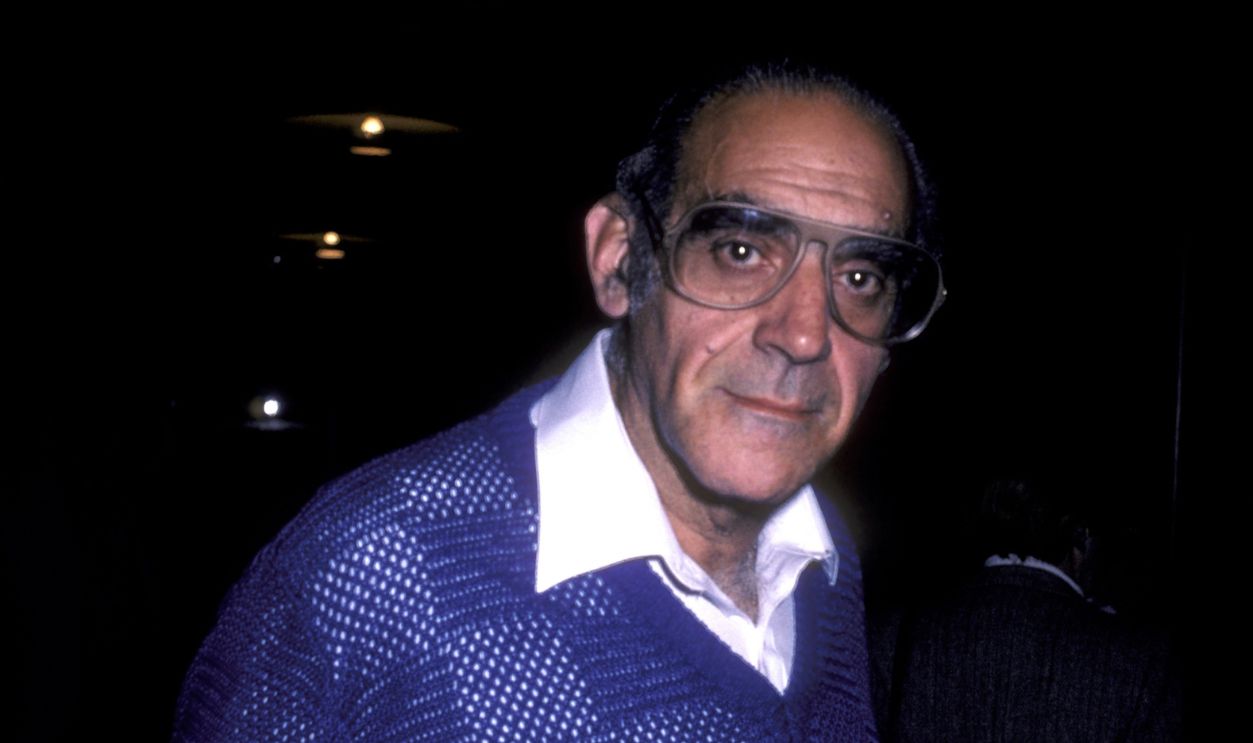
The Internet Made His Vital Signs A Website
The joke was practically designed for the early internet. In 2001, a website devoted itself to answering one basic question: whether Abe Vigoda was alive or dead. For years, visitors could check his status as though monitoring a piece of equipment. The site turned a 1982 magazine error into a digital-age gag, proving that Vigoda's accidental reputation had become almost completely detached from whatever originally caused it.
Good Burger Let Him Joke About It On Film
Vigoda even folded the gag into his movie work. In the 1997 comedy Good Burger, he played Otis, an elderly employee working the restaurant's fry station. The character jokes that he should have passed on years earlier, an obvious wink at the decades of false reports surrounding Vigoda himself. By then, pretending Abe Vigoda was dead had become something of a collaborative project between the actor and his audience.
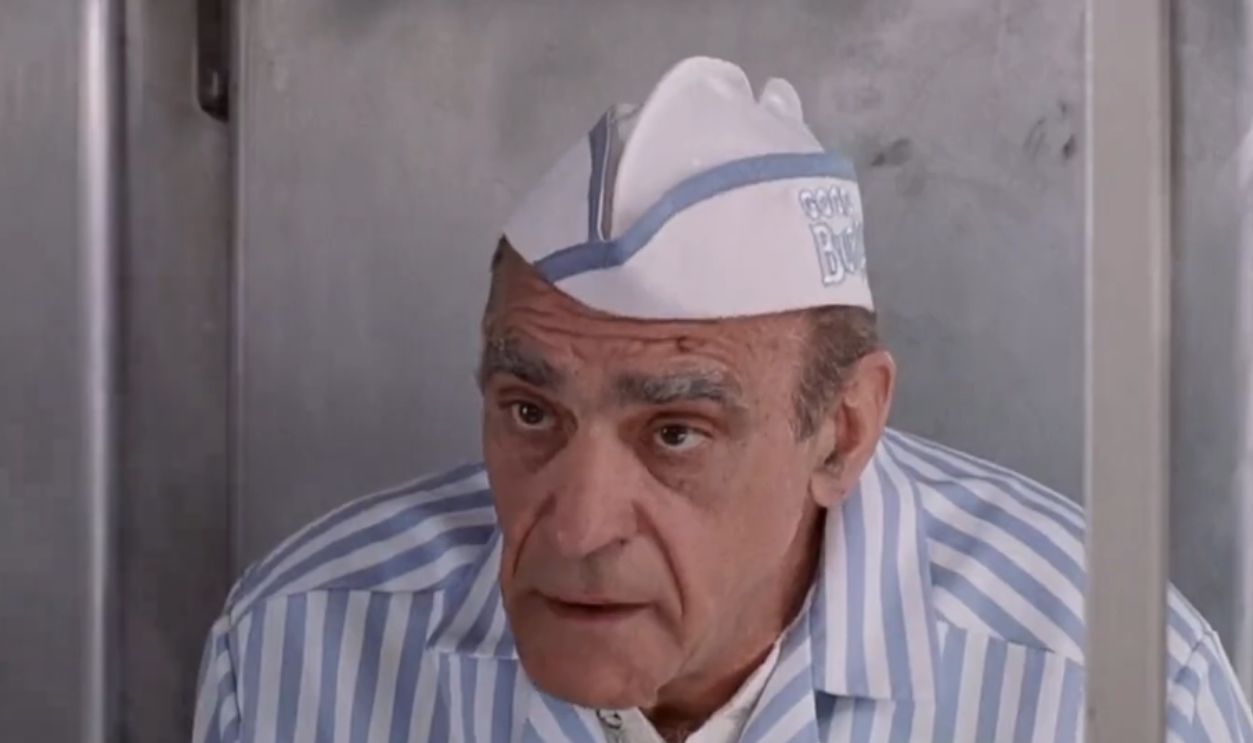 Screenshot from Good Burger, Paramount Pictures (1997)
He Lived Long Enough To Outlast The Joke
Abe Vigoda actually died on January 26, 2016, at his daughter's home in Woodland Park, New Jersey. He was 94 years old. The announcement produced an unusual reaction because news organizations had to emphasize that this time the report was real. Vigoda had lived more than three decades after People first prematurely offed him, long enough for the mistake to become one of entertainment's most persistent running jokes.
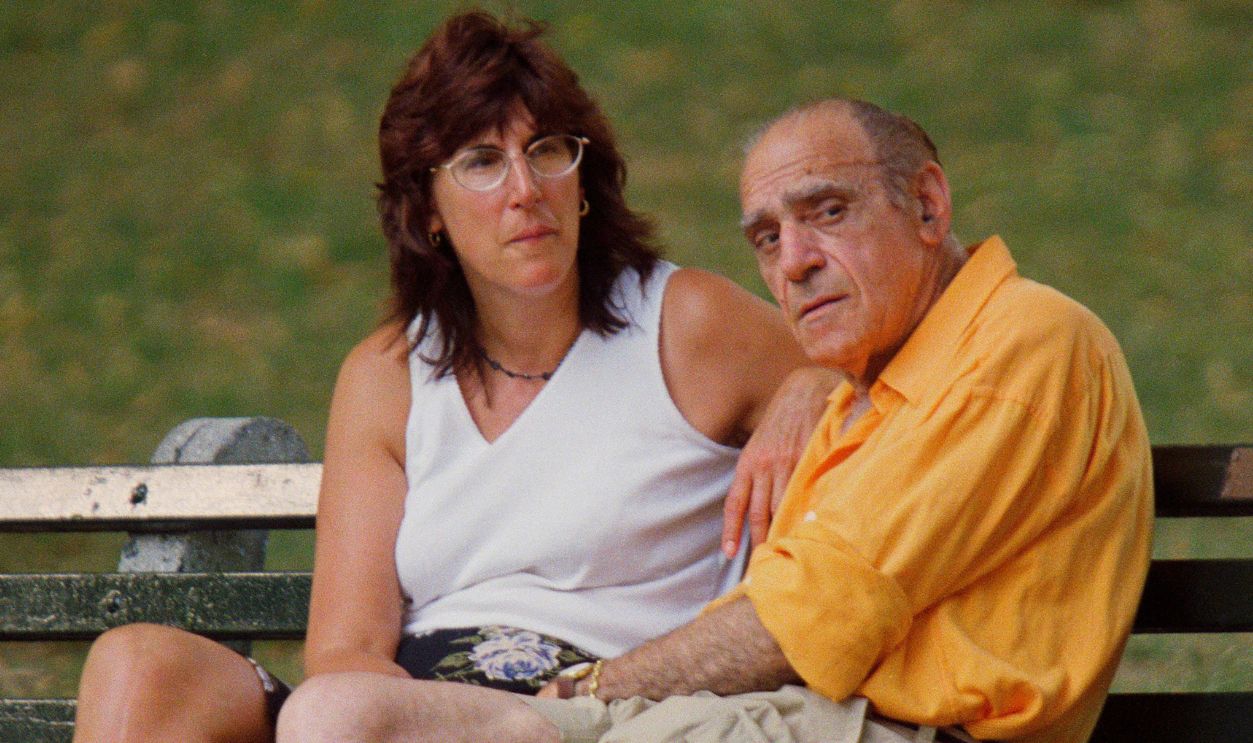 Lawrence Schwartzwald, Getty Images
The Joke Never Erased The Actor
It would be easy to remember Vigoda only as the man everybody thought had already met his end, but that misses why anyone cared about him in the first place. Sal Tessio gave The Godfather one of its most quietly memorable betrayals, while Phil Fish turned exhaustion into an entire comic language. Vigoda became famous late, stayed recognizable for decades, and then found a way to turn a ridiculous mistake into part of his legacy. For a man whose greatest television character always looked ready to collapse, Abe Vigoda proved remarkably difficult to get rid of.
You May Also Like:
Hal Linden Made Barney Miller Feel Like The Smartest Cop Show On Television
Frank Bonner Made WKRP’s Herb Tarlek Ridiculous, Then Became One Of TV’s Quietest Success Stories