A Quietly Hilarious TV Original
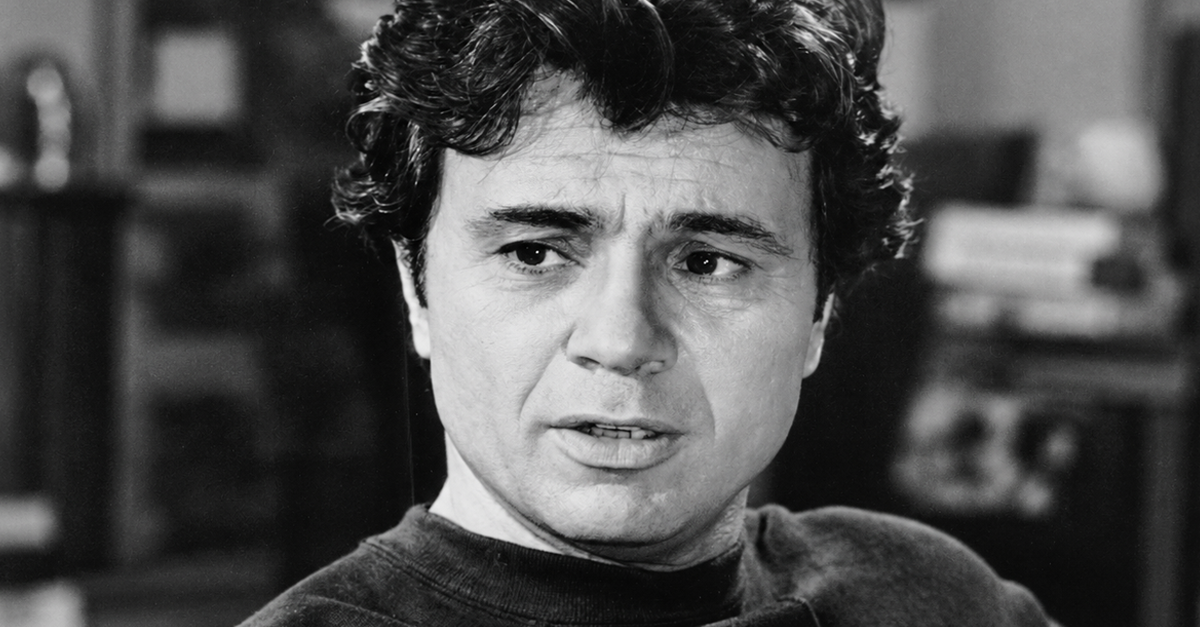
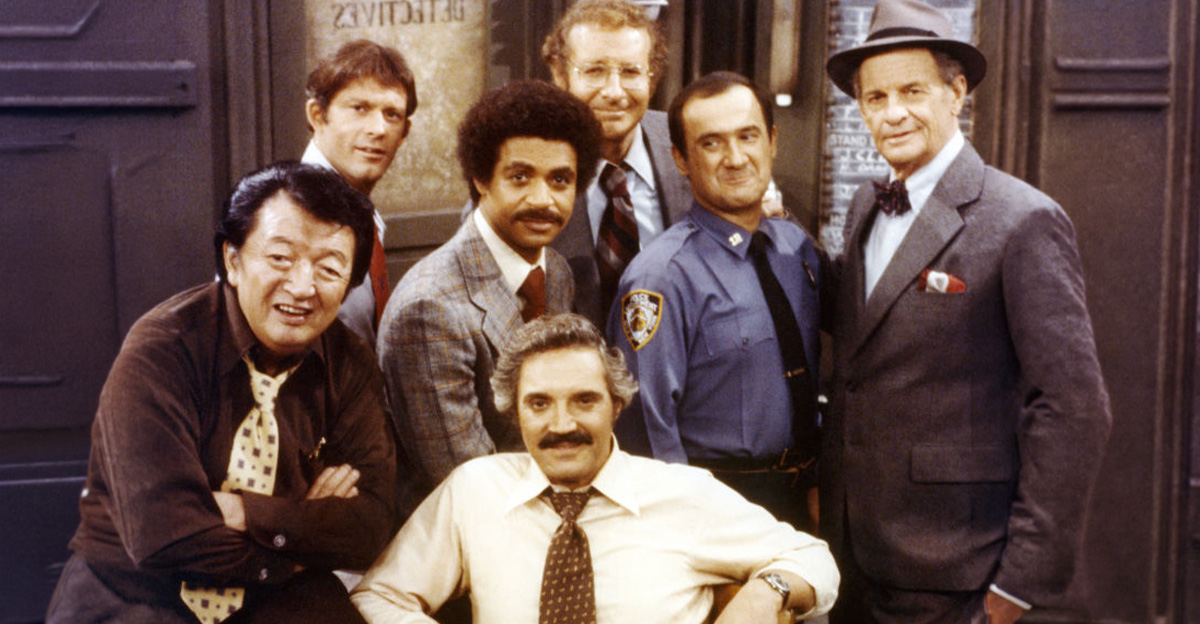
On a show packed with unforgettable personalities, Jack Soo somehow became one of Barney Miller’s secret weapons. As Detective Nick Yemana, he rarely needed to shout, mug for the camera, or chase a punchline. He simply waited, delivered a perfectly dry remark, and let everyone else fall apart.
 Silver Screen Collection, Getty Images
Before He Was Jack Soo
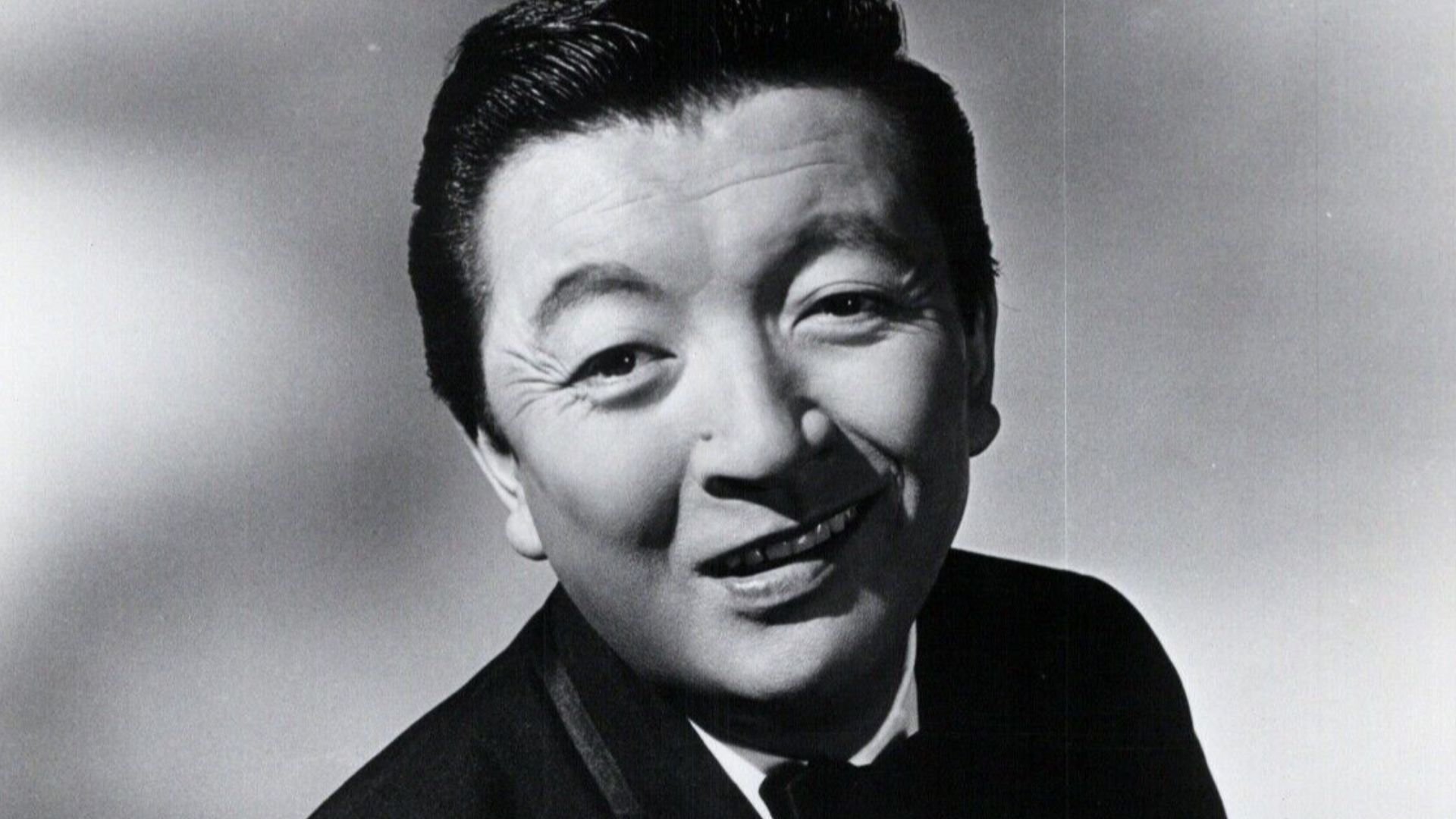
Long before the 12th Precinct, Soo was Goro Suzuki, born in 1917 and raised in Oakland, California. He attended the University of California, Berkeley, but performing was already pulling him in another direction. Singing, comedy, and nightclub work offered something an English degree could not: an audience.
 Universal-International, Wikimedia Commons
Entertaining Through Incarceration
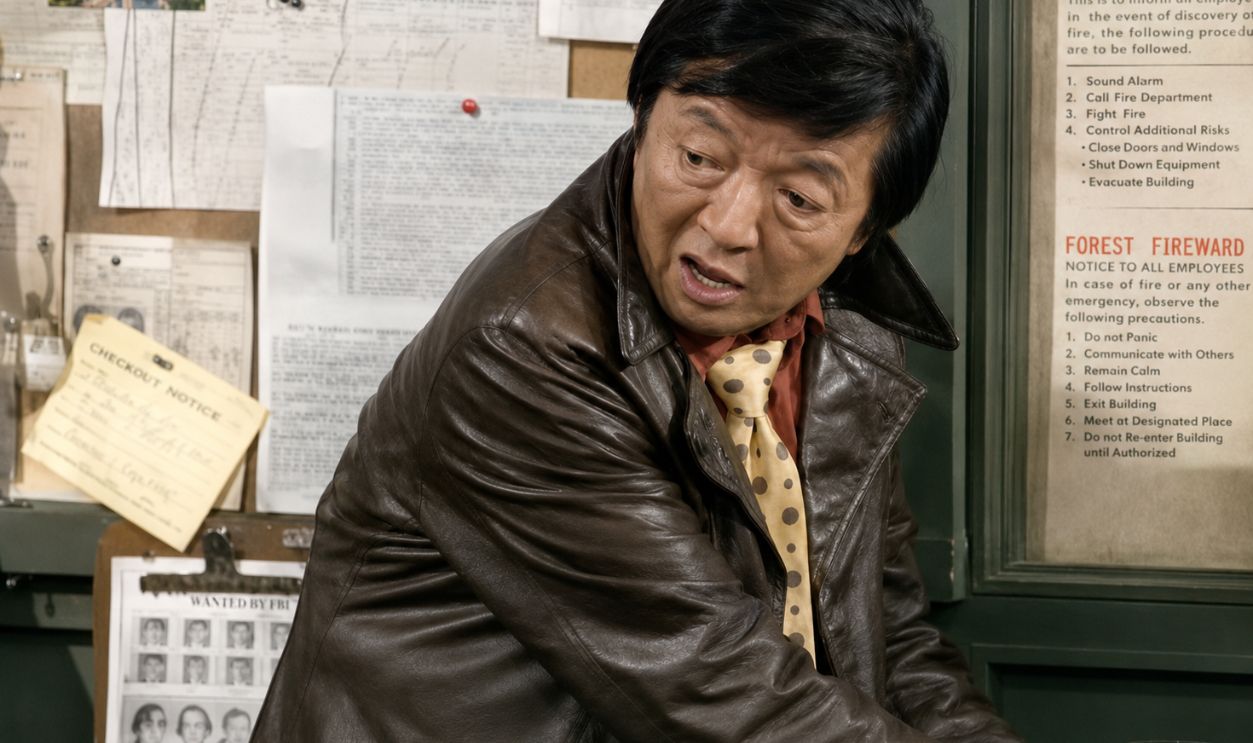
World War II dramatically interrupted his early career. Suzuki and his family were incarcerated with other Japanese Americans, first at Tanforan and later at the Topaz camp in Utah. Even there, he became known as an entertainer, organizing shows, singing, and helping provide badly needed moments of escape.
 Screenshot from Barney Miller, ABC (1975-1982)
Reinventing Himself After The War
After leaving Topaz, Suzuki continued performing and eventually adopted the stage name Jack Soo. Anti-Japanese prejudice remained widespread, and changing his professional name helped him navigate an entertainment business that already offered Asian American performers frustratingly few opportunities.
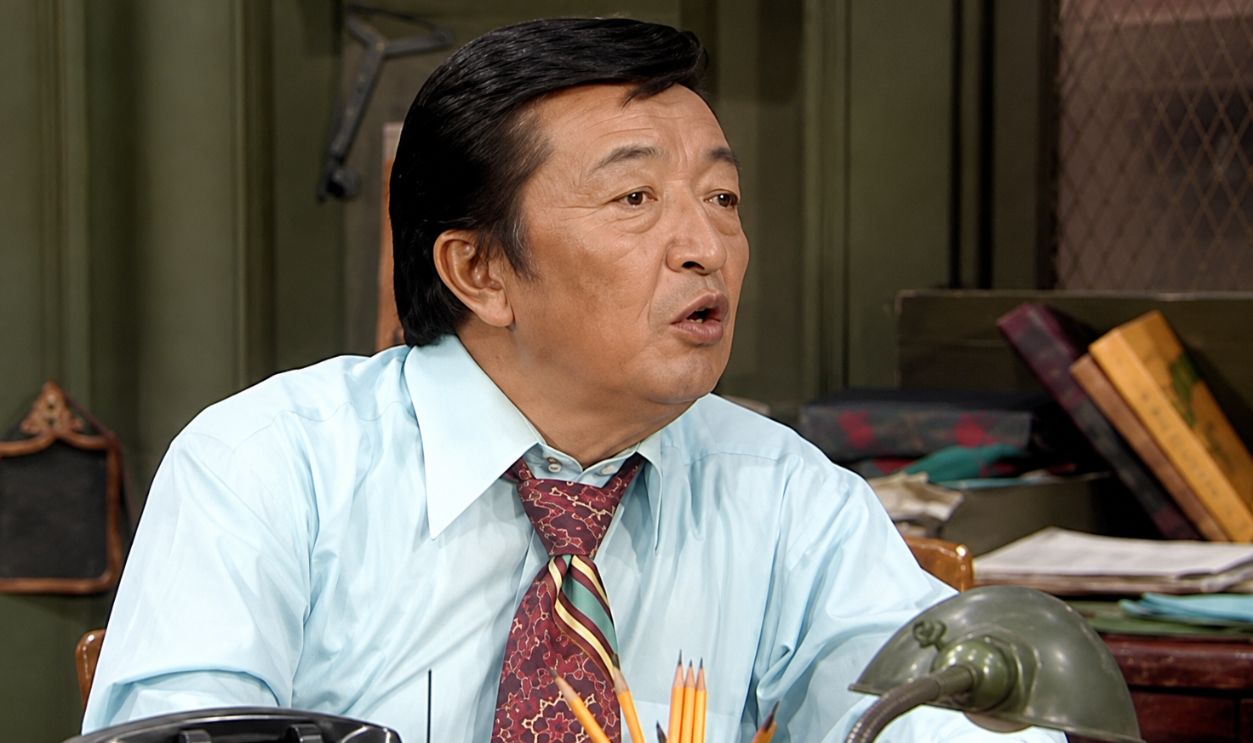 Screenshot from Barney Miller, ABC (1975-1982)
Learning Timing The Hard Way
Soo spent years sharpening the relaxed delivery that would eventually make Nick Yemana so funny. In 1949, he became a straight man for comedian Joey Bishop. It was valuable training: standing beside a comedian teaches you exactly how much a pause, glance, or understated response can accomplish.
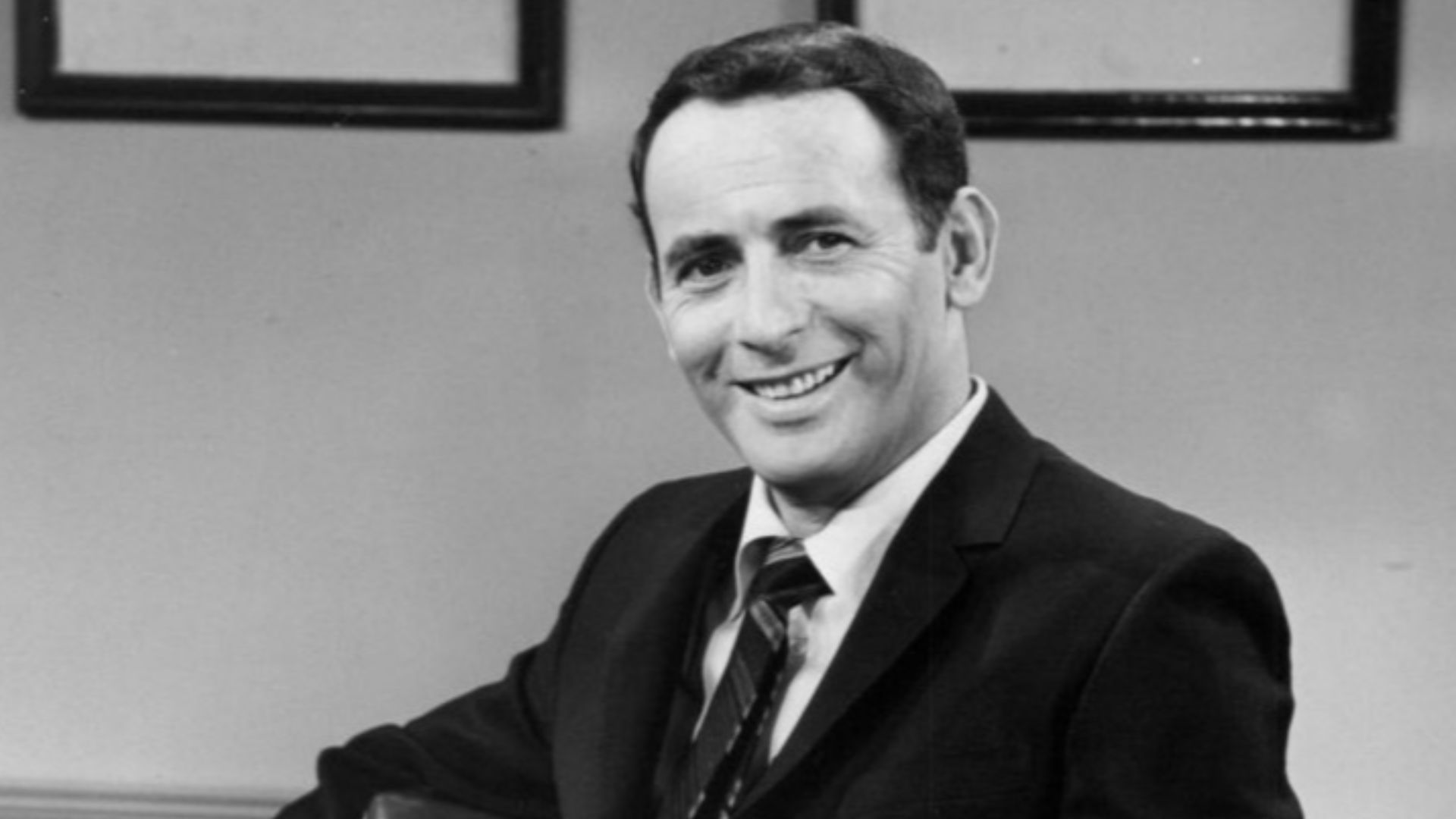 NBC Television., Wikimedia Commons
The Forbidden City Years
He later became a popular performer at San Francisco’s Forbidden City nightclub, part of a circuit that offered Asian American entertainers opportunities rarely available elsewhere. Soo sang, joked, hosted, and developed a stage presence built more on confidence and timing than frantic attempts to win laughs.
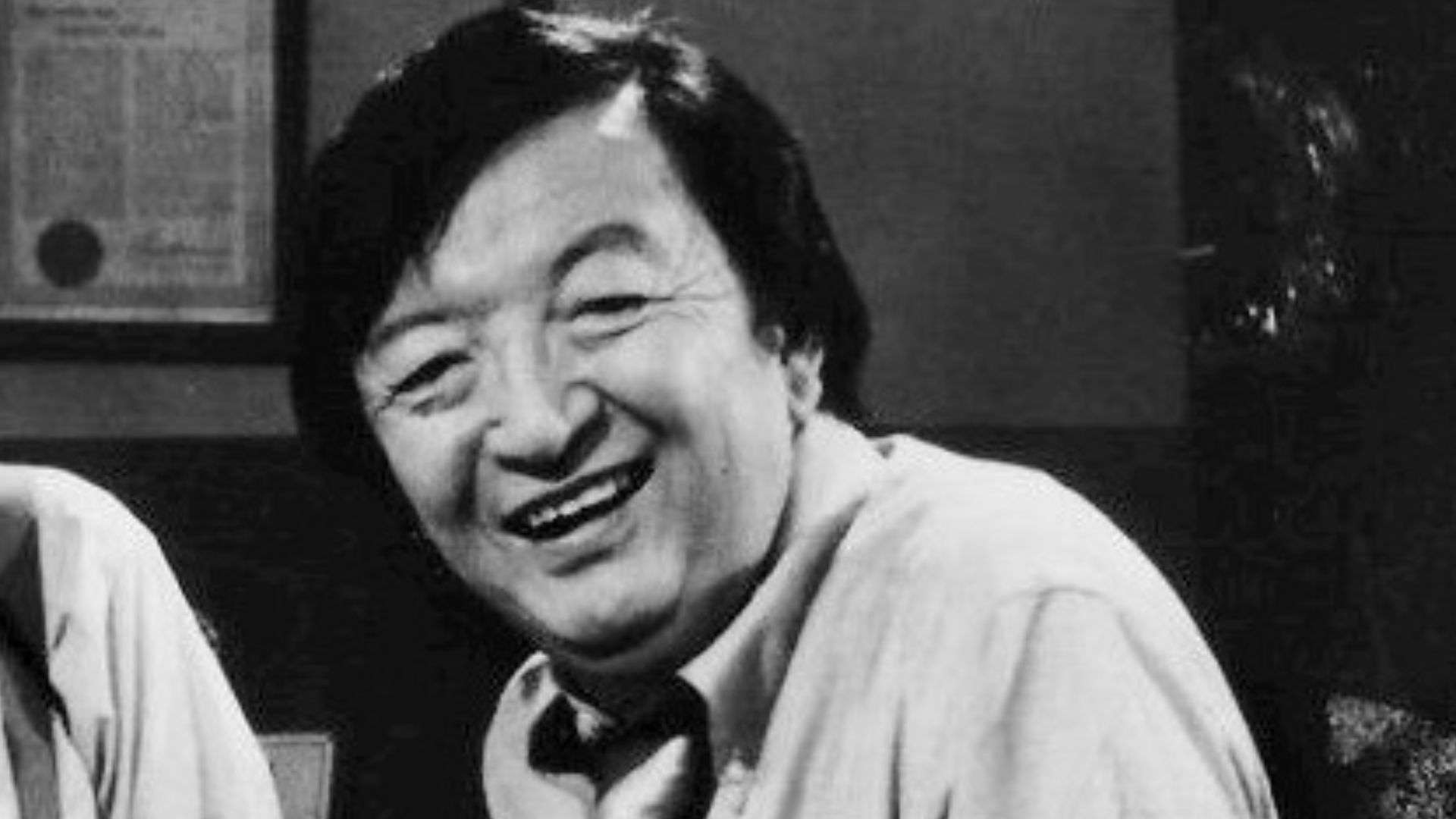 ABC Television, Wikimedia Commons
Broadway Finally Called
That nightclub work led to a major break. Gene Kelly spotted Soo and helped bring him into Rodgers and Hammerstein’s Flower Drum Song. Soo began as nightclub announcer Frankie Wing and understudied the larger role of Sammy Fong. Suddenly, years of nightclub experience were paying off on Broadway.
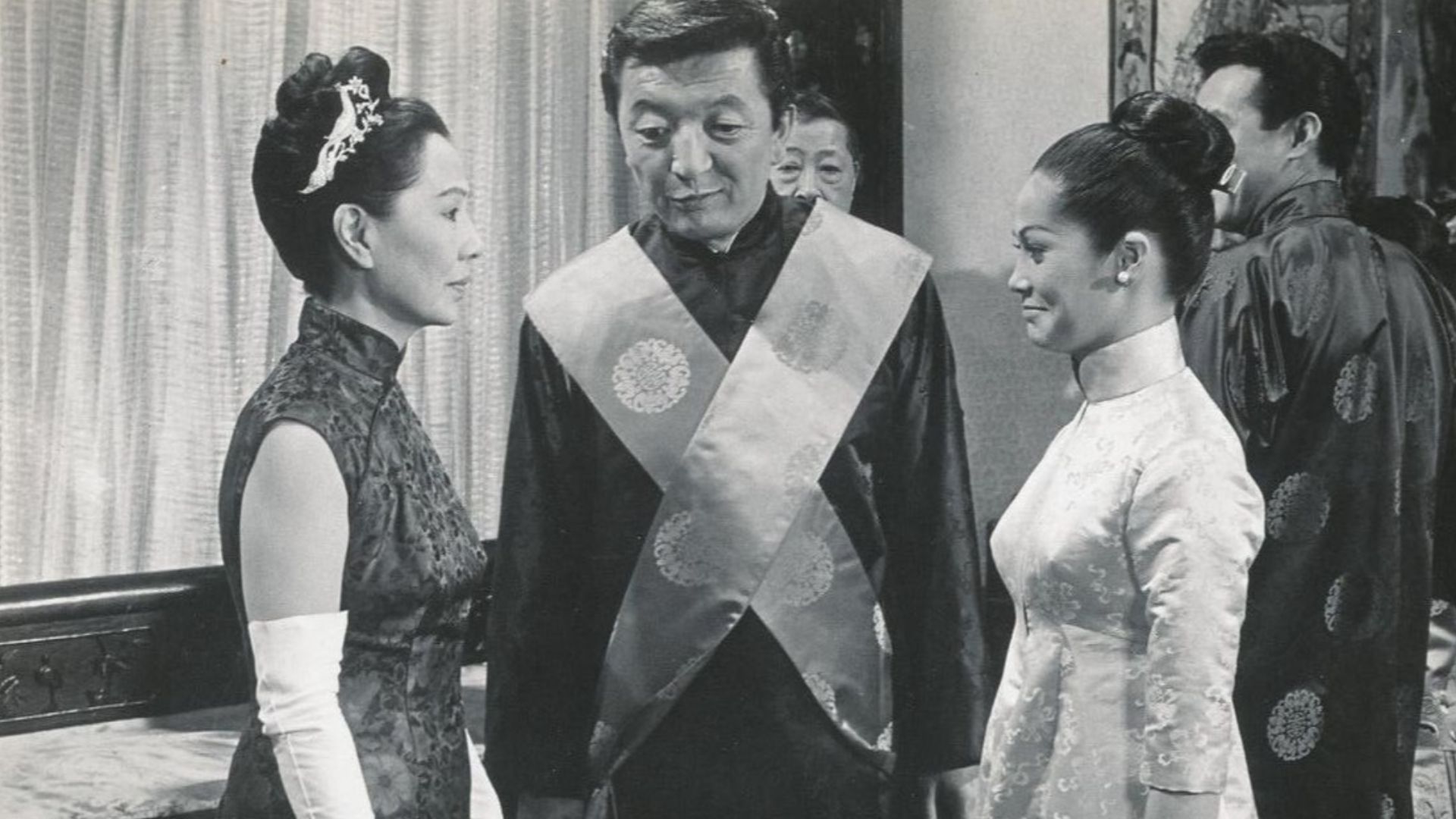 Universal-International, Wikimedia Commons
Becoming Sammy Fong
In late 1959, Soo took over the role of Sammy Fong, the flashy nightclub owner who became one of Flower Drum Song’s most memorable characters. He later reprised the part in the 1961 movie, bringing his smooth comic delivery to a much larger audience.
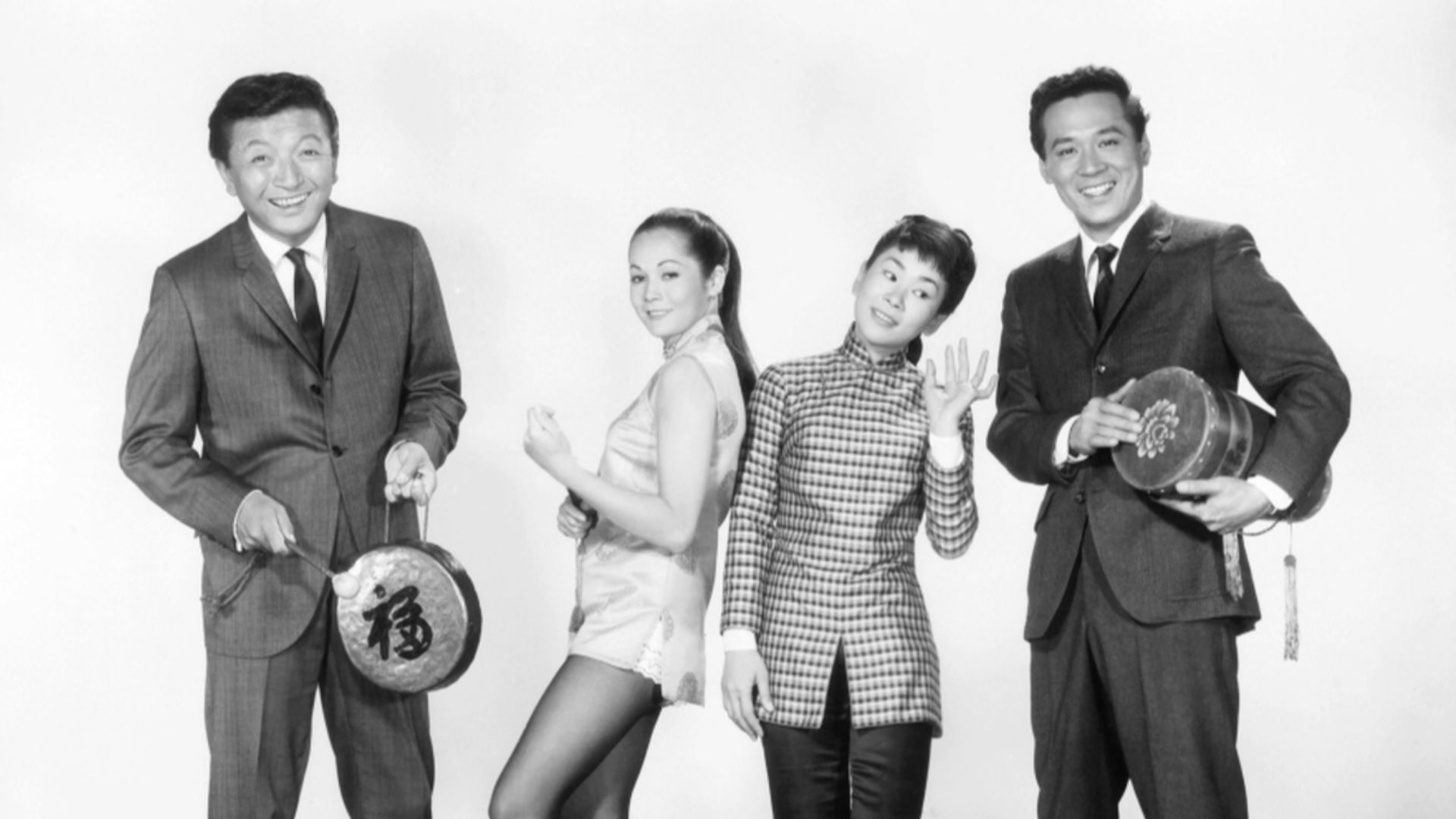 Universal Pictures Company, Inc., Wikimedia Commons
Hollywood Took Notice
After Flower Drum Song, Soo began collecting film and television roles. He appeared in productions ranging from comedies to dramas, slowly building the kind of career that had once seemed nearly impossible for an Asian American performer working in postwar Hollywood. The parts were getting better, but limitations remained.
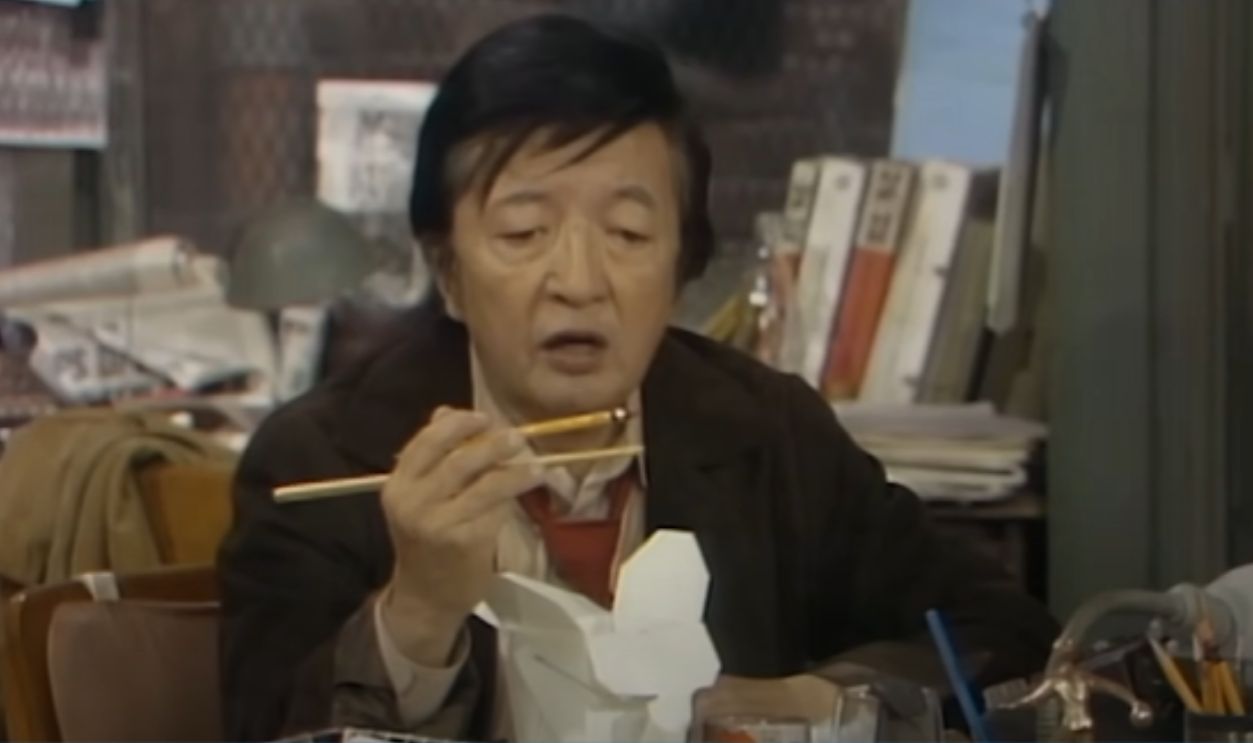 Screenshot from Barney Miller, ABC (1975-1982)
Refusing To Be The Sidekick
Soo was also willing to reject roles he found demeaning. When offered a part in the 1964 sitcom Valentine’s Day, he initially resisted because he did not want to play a subservient stereotype. He accepted after discovering the character was actually written as an equal.
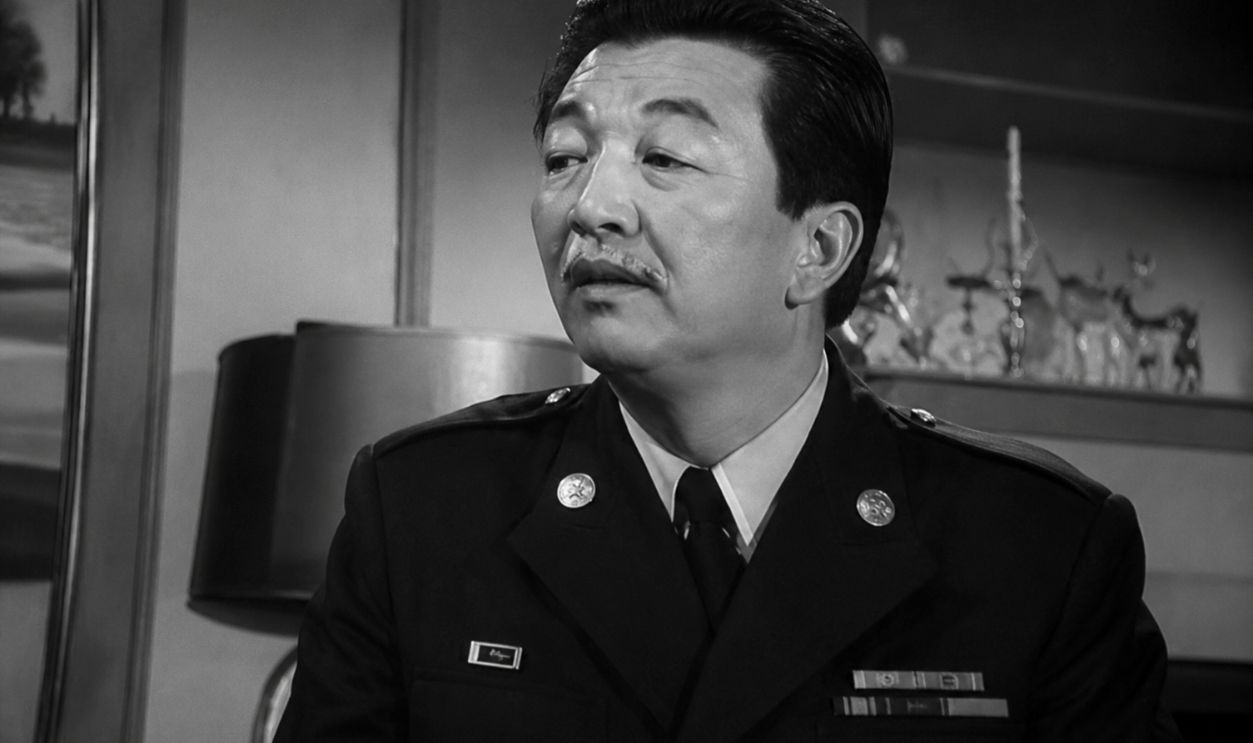 Screenshot from Valentine’s Day, 20th Century Fox Television (1964-1965)
Valentine’s Day Broke Ground
On Valentine’s Day, Soo played Rocky Sin opposite Tony Franciosa. George Takei later praised the significance of seeing an Asian American character presented as a buddy and equal rather than a servant or exotic outsider. The series lasted only one season, but Soo had made another important step forward.
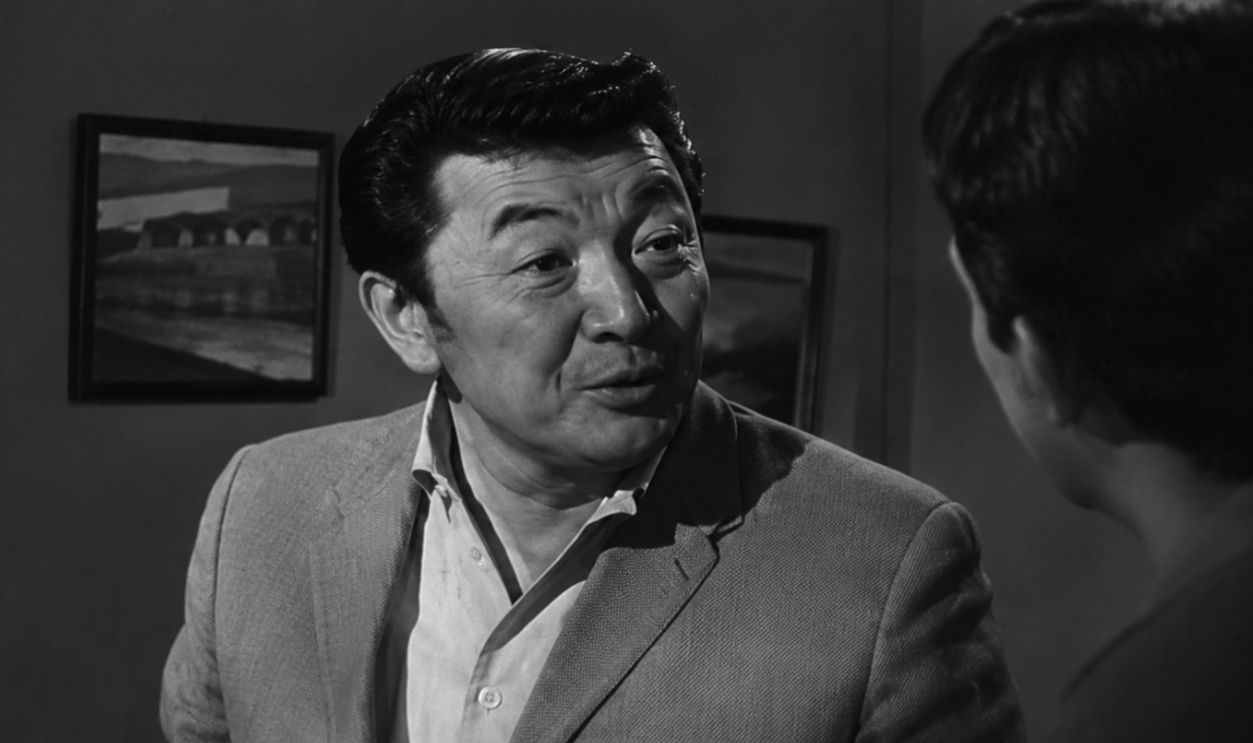 Screenshot from Valentine’s Day, 20th Century Fox Television (1964-1965)
A Familiar Face Across Television
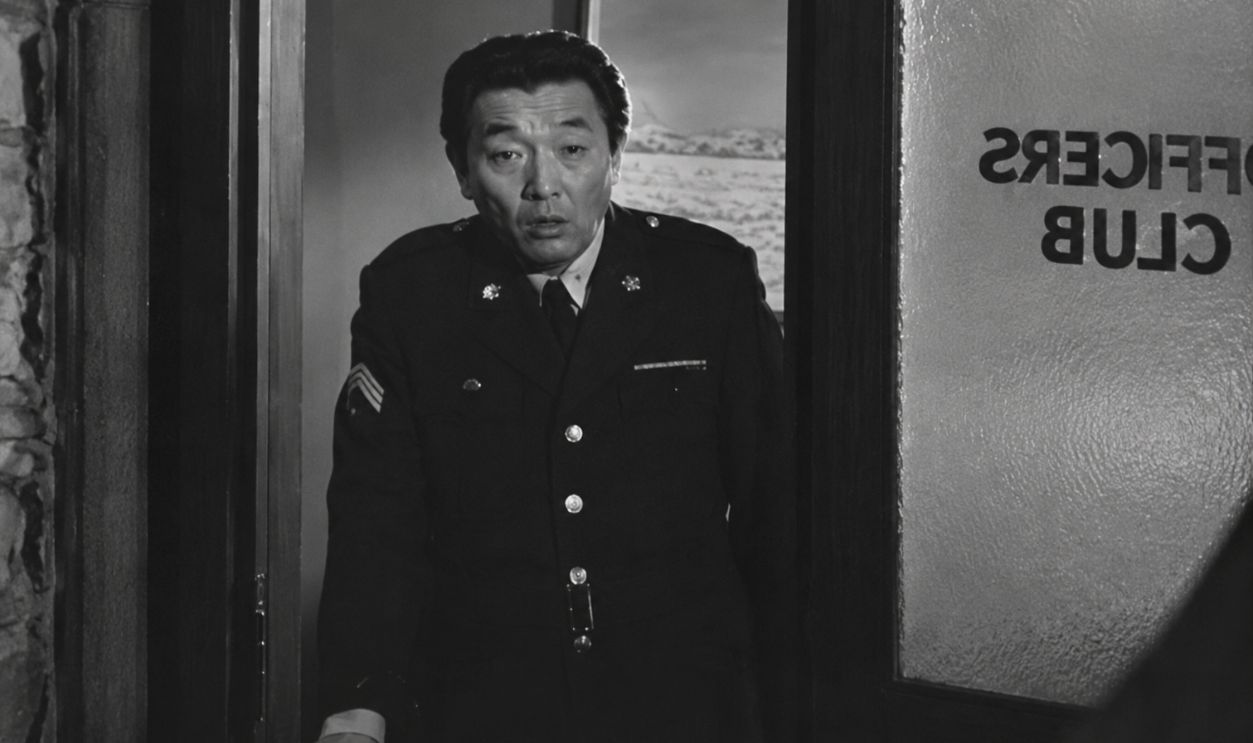
Through the 1960s and early 1970s, Soo kept working. Movies, guest appearances, and television parts made him increasingly recognizable. Yet the role that would define him still had not arrived. That changed when an old connection from his nightclub days helped put him inside a shabby New York squad room.
 Screenshot from Valentine’s Day, 20th Century Fox Television (1964-1965)
An Old Friendship Opened A Door
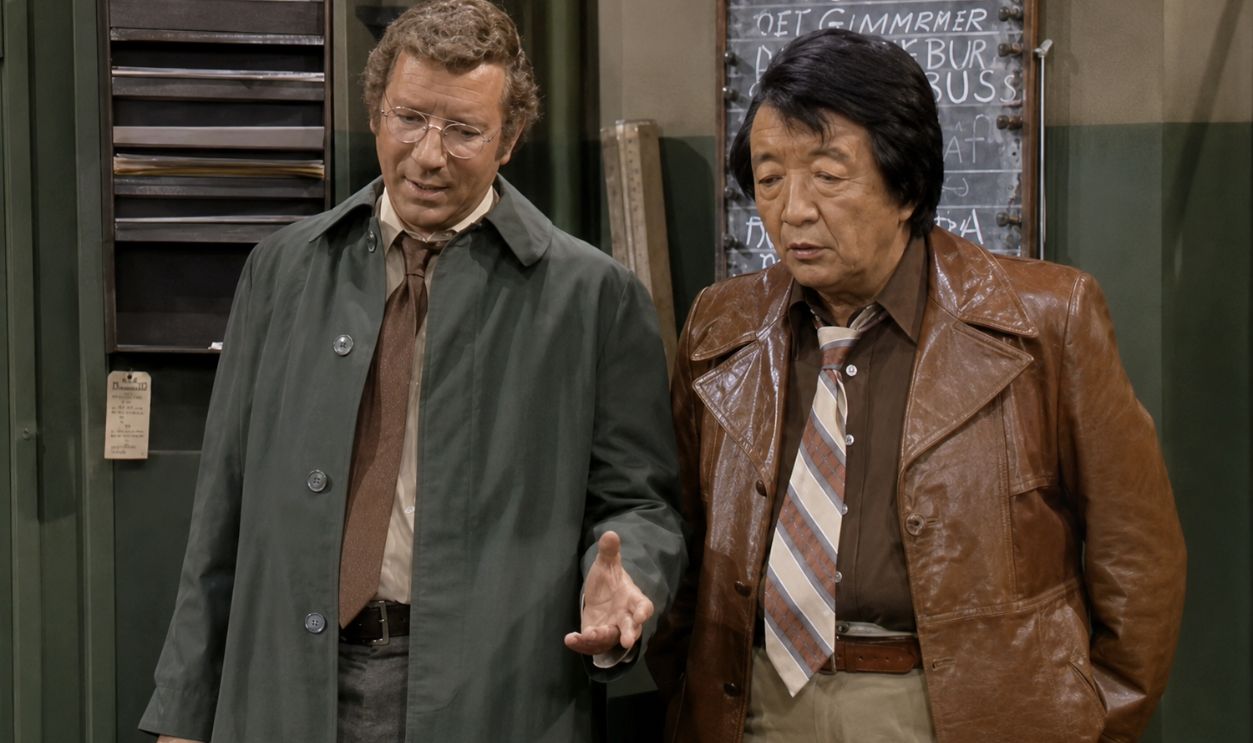
Soo had known Barney Miller producer Danny Arnold since the two were struggling entertainers in Cleveland decades earlier. When the new police comedy came together in 1975, Soo landed the role of Japanese American detective Nick Yemana. It turned out to be the perfect marriage of performer and character.
 Screenshot from Barney Miller, ABC (1975-1982)
Enter Nick Yemana
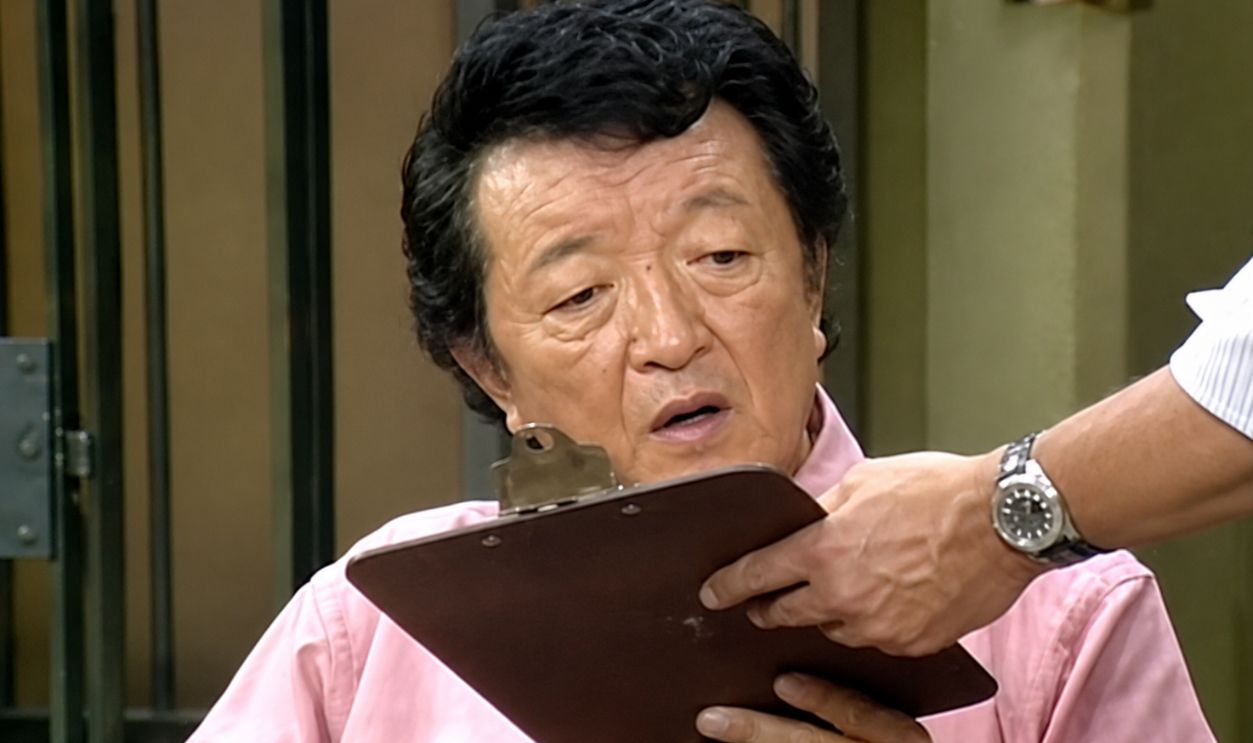
Yemana was tired, observant, sarcastic, and seemingly unimpressed by almost everything happening around him. That made him ideal for Barney Miller, a comedy where the detectives often reacted to bizarre criminals and bureaucratic nonsense as though they were surviving one extremely long Monday morning.
 Screenshot from Barney Miller, ABC (1975-1982)
Deadpan Was His Superpower
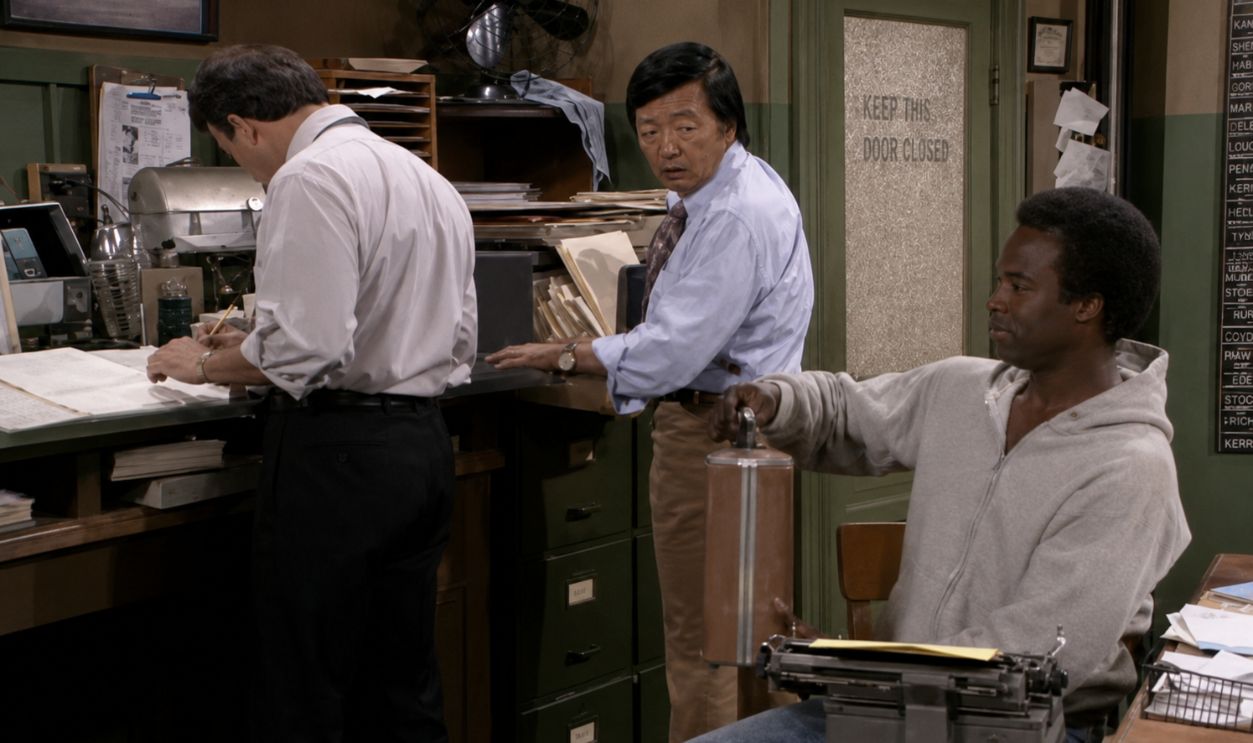
Soo understood something many comedy performers never learn: sometimes doing less gets the biggest laugh. Nick could stare at somebody for two seconds longer than expected, calmly answer an absurd question, or deliver a brutal observation without changing expression. The audience quickly learned to watch him closely.
 Screenshot from Barney Miller, ABC (1975-1982)
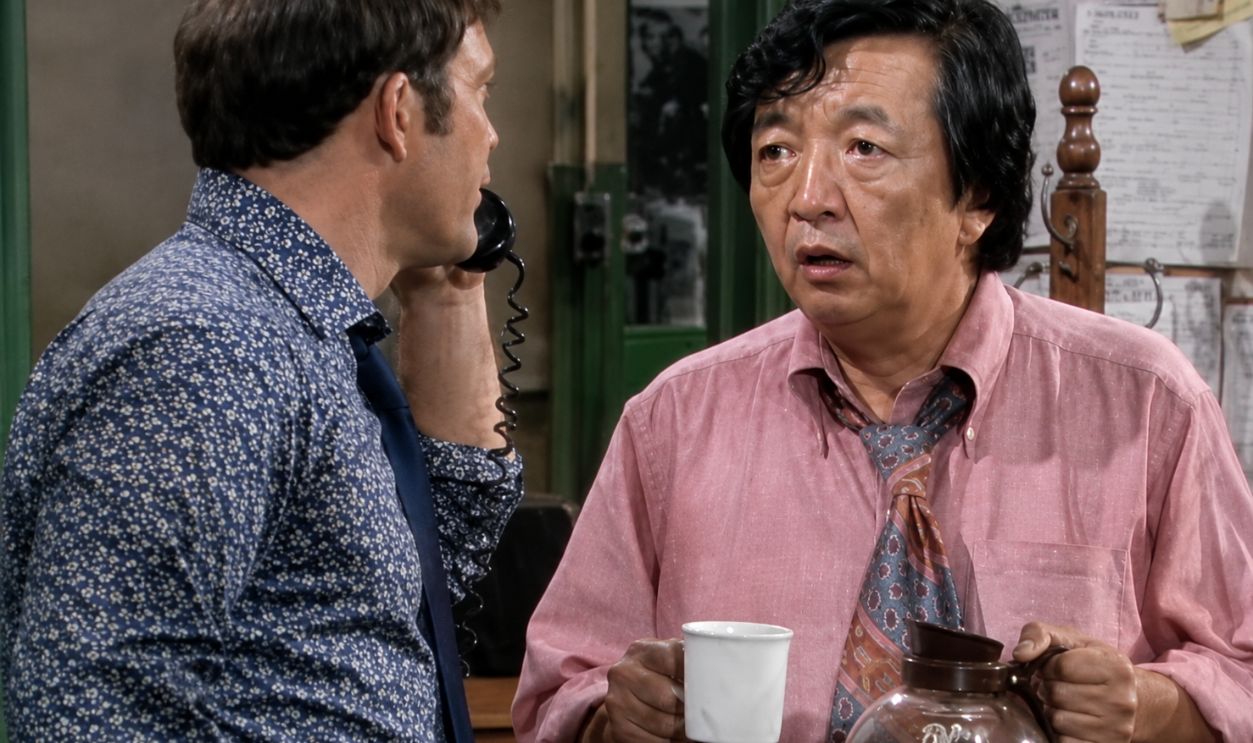
The Coffee Became A Character
Then there was Yemana’s coffee. Nick repeatedly produced beverages so awful that the squad treated drinking them like an occupational hazard. The running gag became one of the character’s signatures, partly because Soo played Nick as completely unconcerned about his reputation as Manhattan’s least gifted coffee maker.
 Screenshot from Barney Miller, ABC (1975-1982), Enhanced
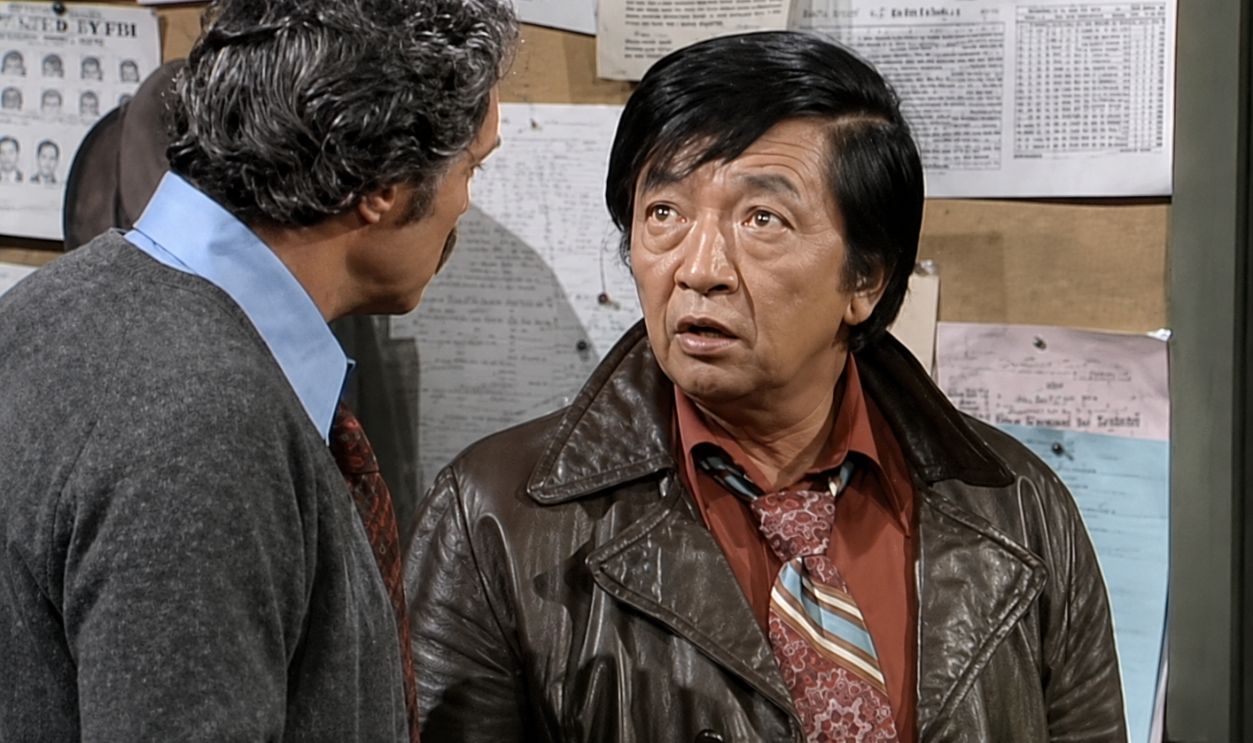
He Could Steal A Scene Without Moving
The beauty of Yemana was that he never seemed desperate for attention. While louder characters argued, complained, or panicked, Nick could sit quietly until exactly the right second. Then Soo would drop a line, barely move his face, and suddenly the entire scene belonged to him.
 Screenshot from Barney Miller, ABC (1975-1982), Enhanced
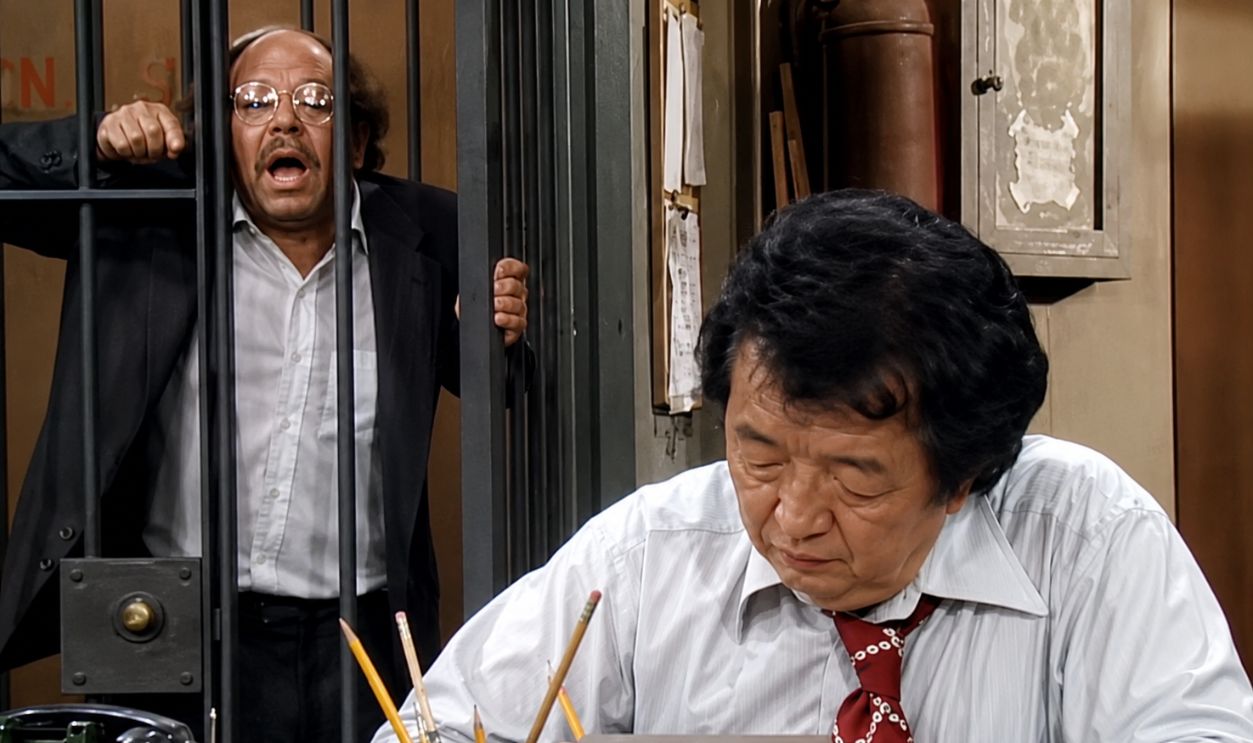
Hash Showed Another Side
One particularly memorable episode, “Hash,” found members of the squad unknowingly eating brownies containing marijuana. Soo got the chance to loosen Nick’s usually controlled personality, including breaking into song. The contrast worked because viewers were accustomed to seeing Yemana as the precinct’s master of restraint.
 Screenshot from Barney Miller, ABC (1975-1982)
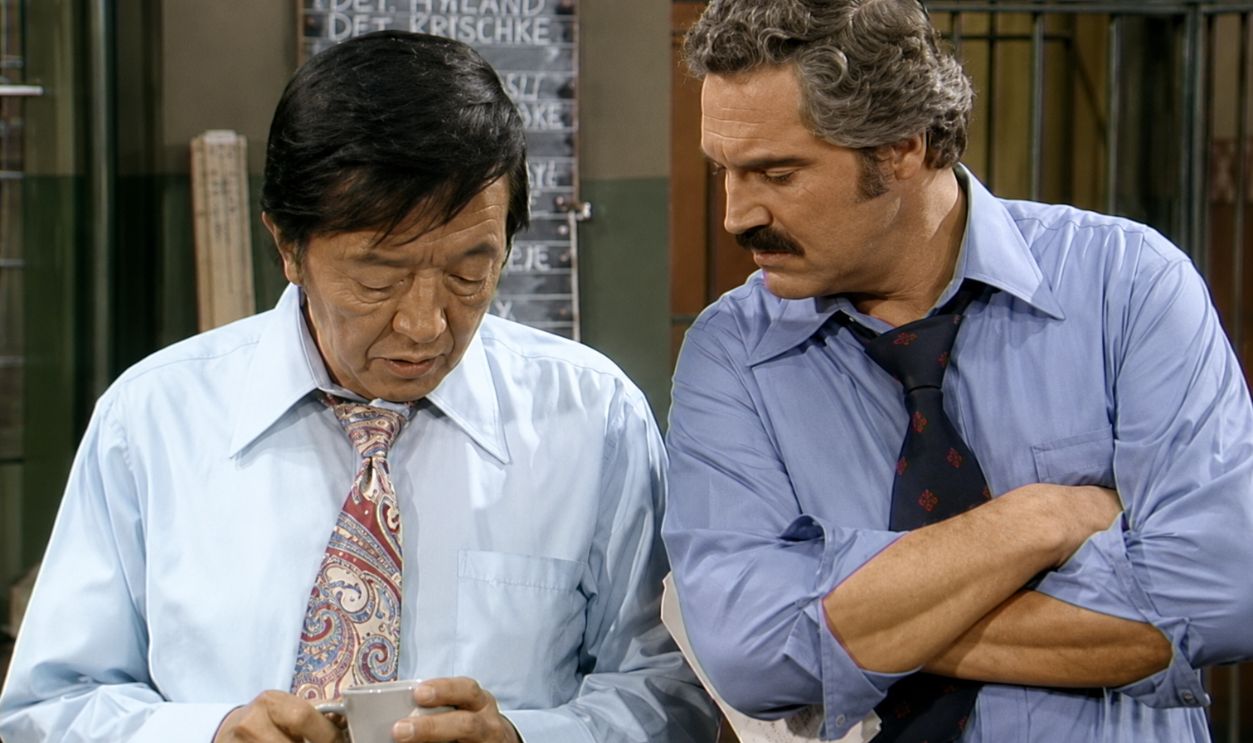
The Jokes Could Cut Both Ways
Barney Miller occasionally confronted racial assumptions by having other characters stereotype Yemana. Instead of turning Nick into a lecture machine, Soo often responded with dry disbelief. One famous exchange about returning to his supposedly ancestral homeland ends with Nick matter-of-factly correcting the assumption about where he came from.
 Screenshot from Barney Miller, ABC (1975-1982), Enhanced
Barney Miller Needed His Balance
The ensemble included big personalities such as Wojo, Harris, Fish, Dietrich, and Inspector Luger. Yemana provided something different. His humor often came from calmly observing the madness instead of generating it, creating a rhythm that helped prevent the squad room from becoming one nonstop shouting match.
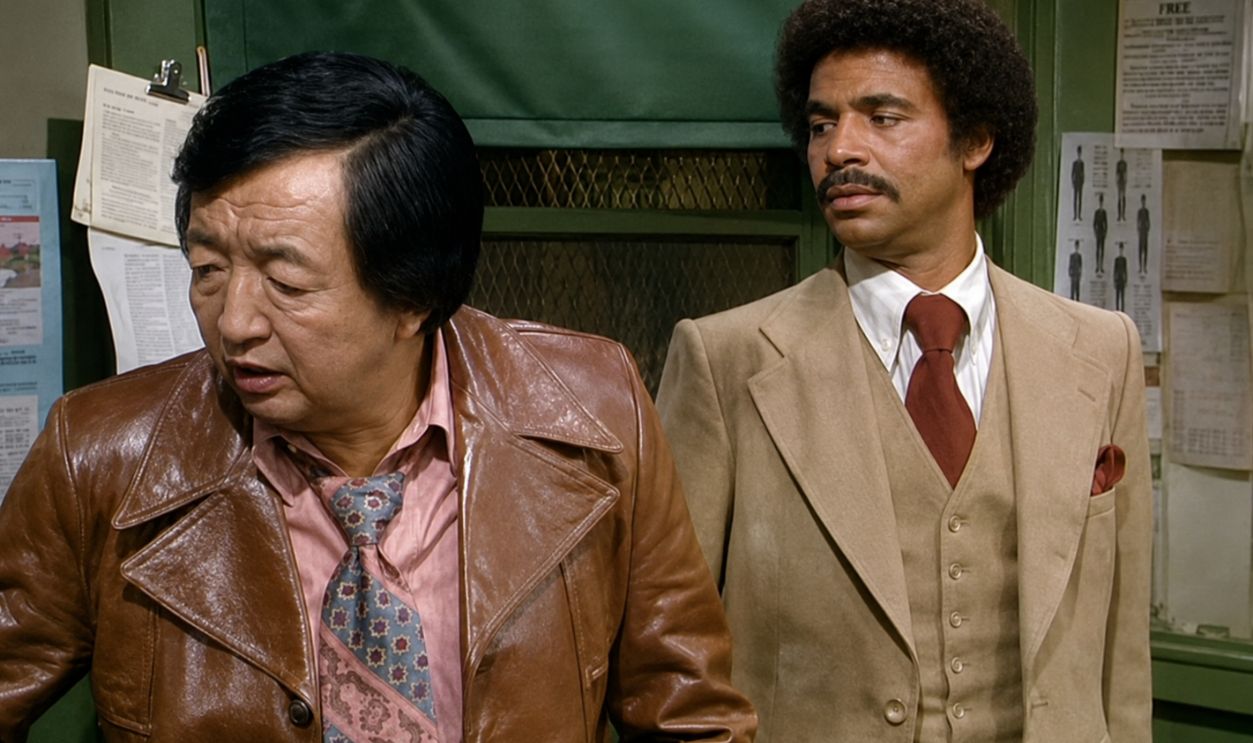 Screenshot from Barney Miller, ABC (1975-1982), Enhanced
Representation Without A Lecture
Soo’s presence also mattered beyond the jokes. Barney Miller put a notably diverse group of actors together as colleagues, and Yemana was allowed to be competent, annoyed, funny, flawed, and proudly Japanese American. Hal Linden later remembered that Soo brought dignity as well as humor to the character.
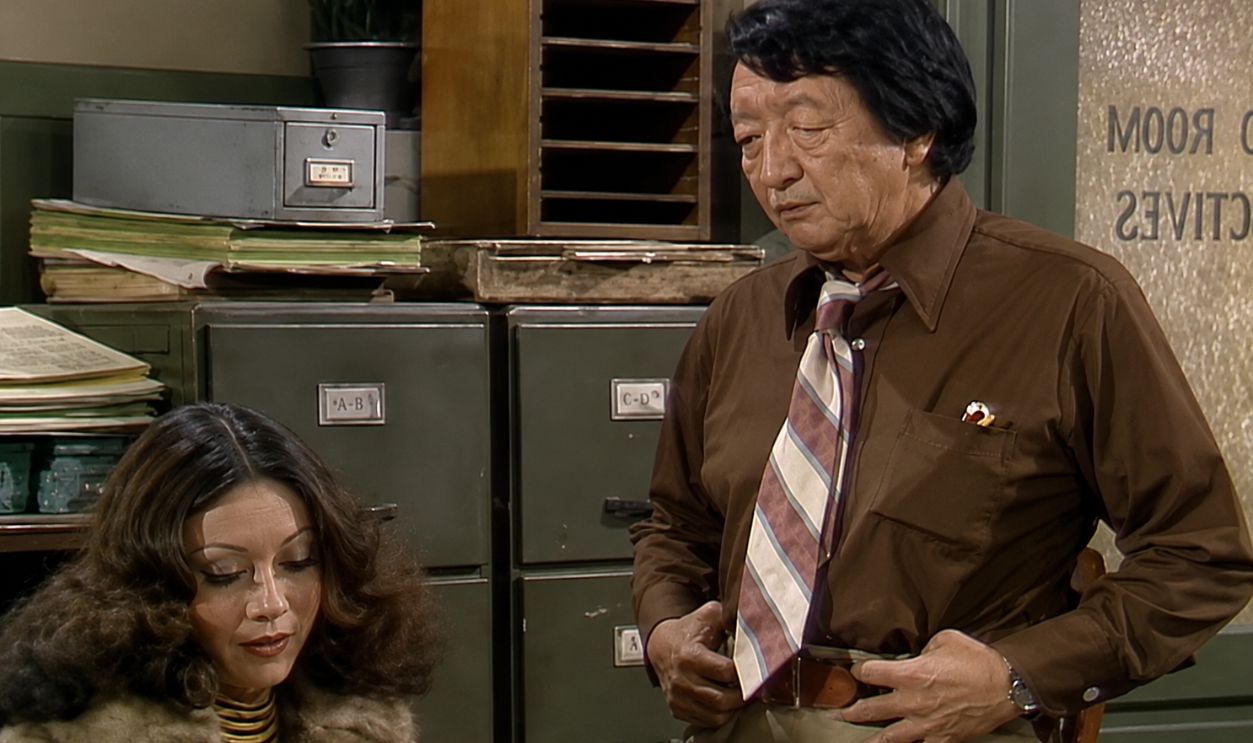 Screenshot from Barney Miller, ABC (1975-1982)
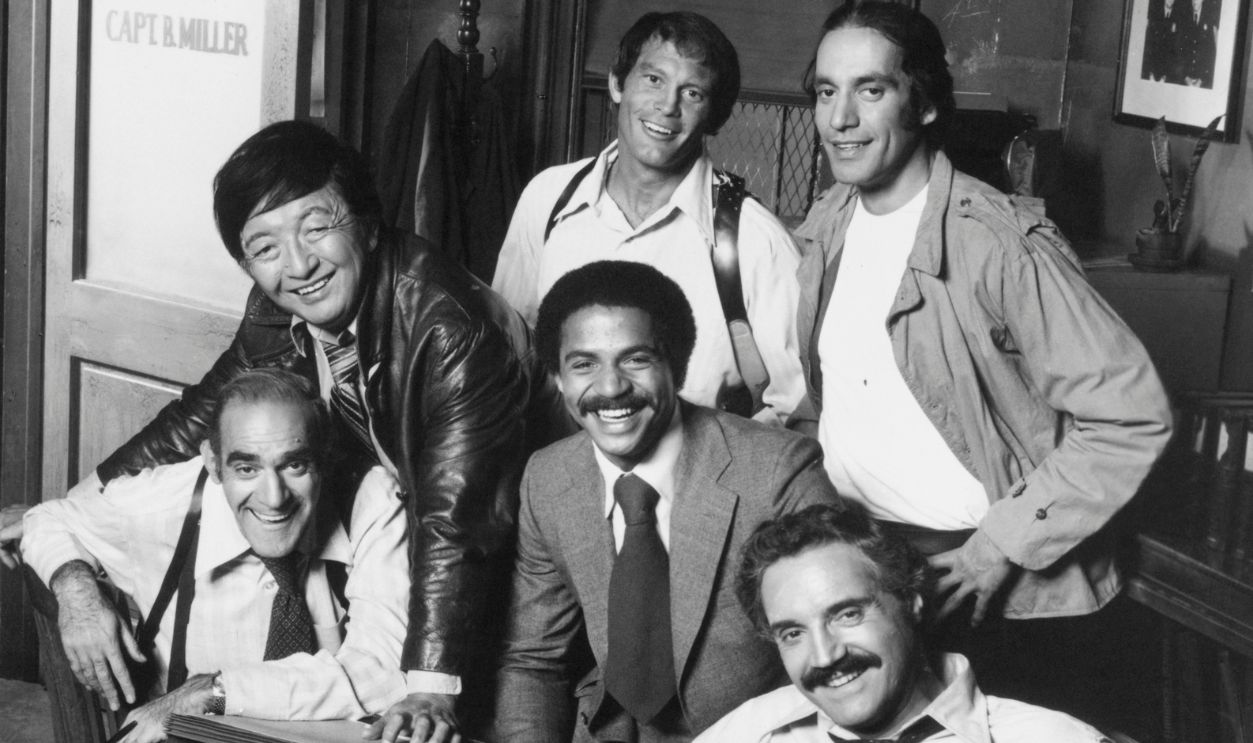
Cancer Interrupted The Run
During the show’s fourth season, Soo was diagnosed with esophageal cancer. His illness forced him to miss episodes while undergoing treatment. It was a painful interruption for a performer who had finally found the television role audiences most strongly associated with him.
He Came Back Anyway
Soo returned for the fifth season even as his health declined. The familiar delivery and quiet wit remained, but his illness increasingly affected him. He was able to film only part of the season before leaving the series again, this time without the happy return everyone would have wanted.
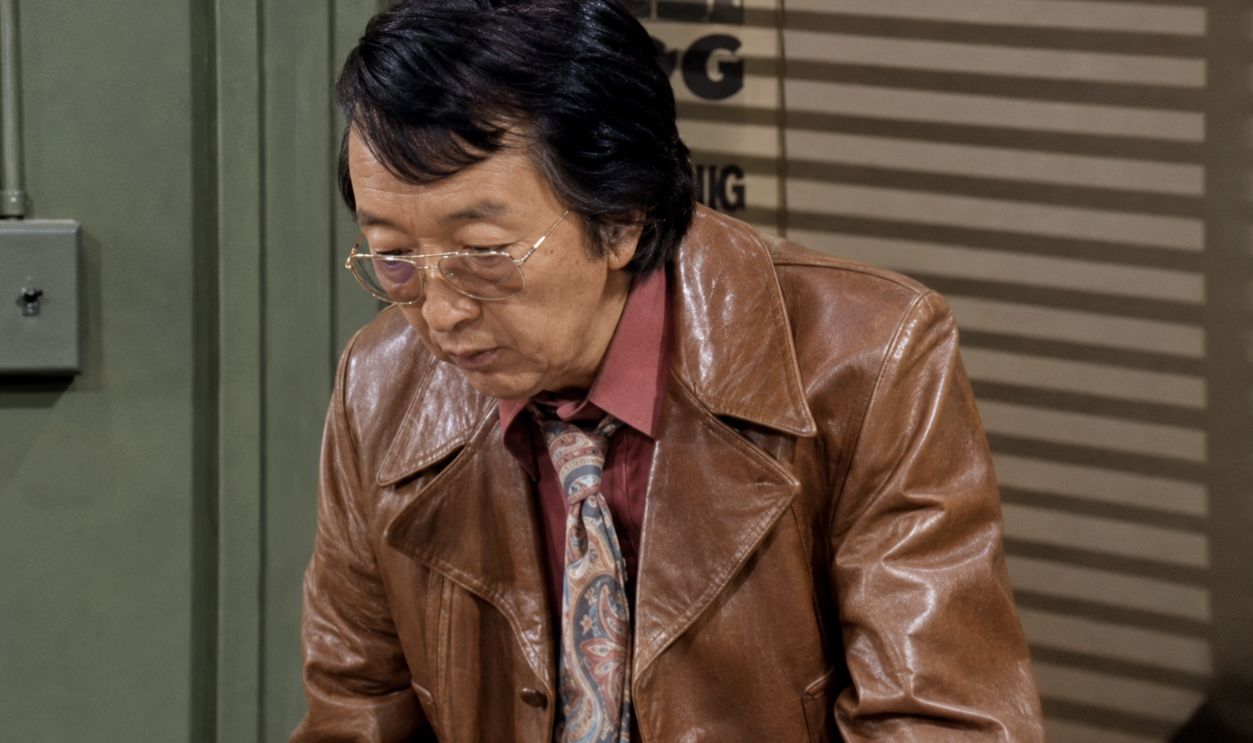 Screenshot from Barney Miller, ABC (1975-1982)
Nick’s Last Appearance
Soo’s final Barney Miller appearance came in “The Vandal,” broadcast on November 9, 1978. There was no grand fictional farewell for Nick Yemana. The episode simply became the last time viewers saw Soo sitting among the detectives who had come to feel like one wonderfully dysfunctional workplace family.
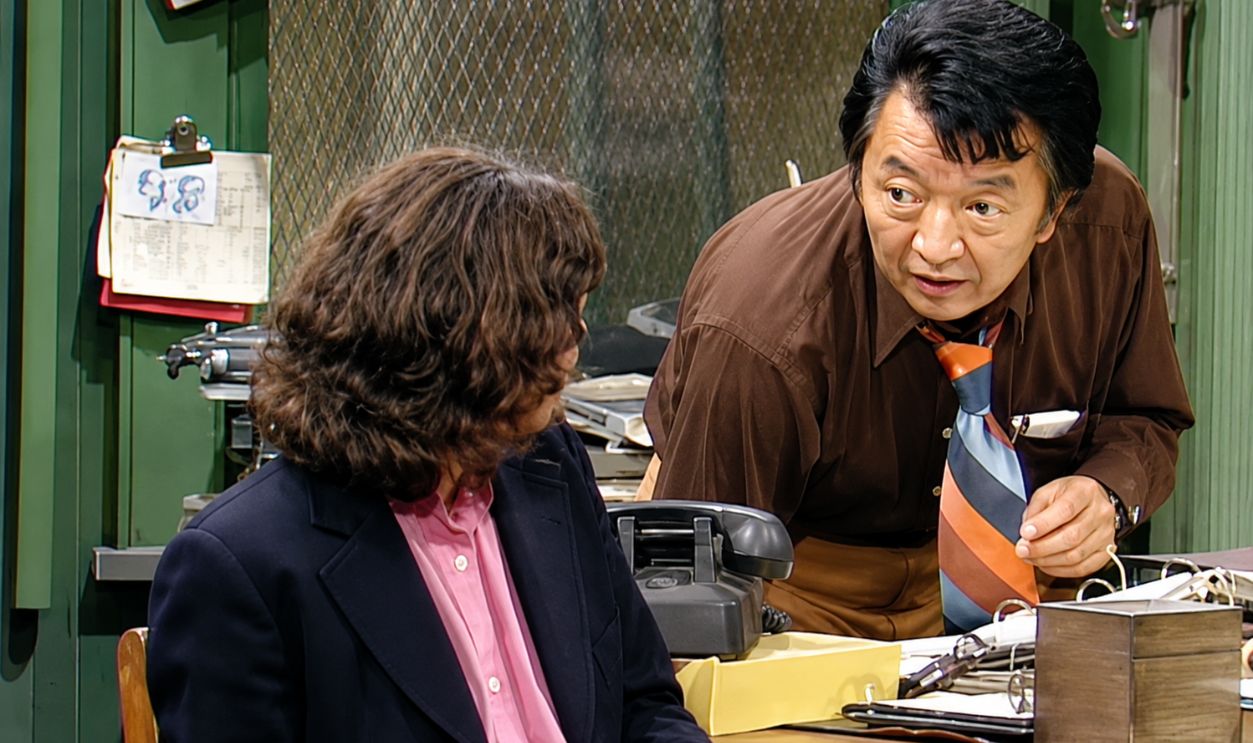 Screenshot from Barney Miller, ABC (1975-1982)
Jack Soo Dies
Jack Soo died from esophageal cancer on January 11, 1979. He was 61. His death occurred while Barney Miller was still in production, leaving the cast without both a colleague and a friend whose understated comic presence had helped define the series.
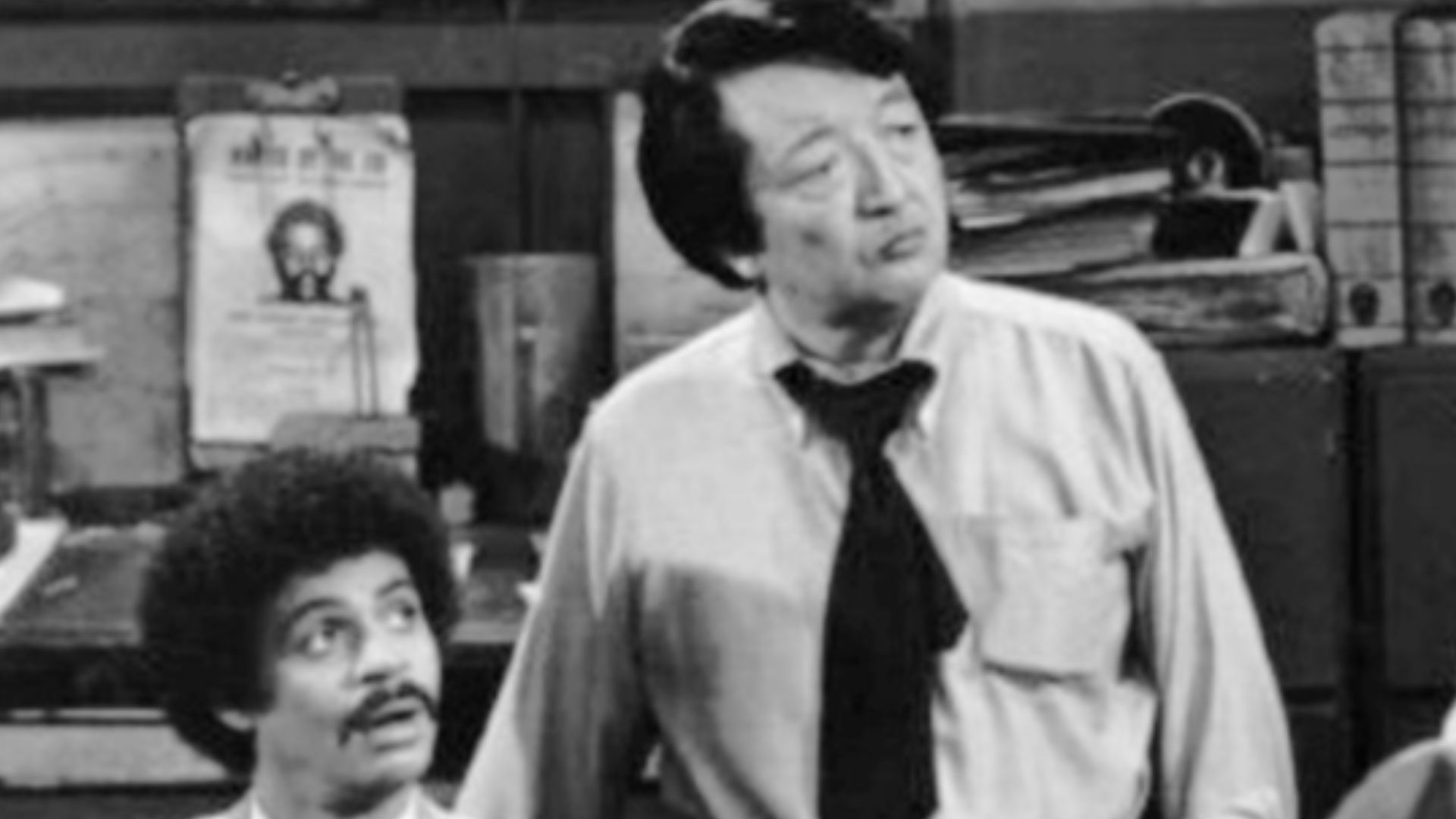 ABC Television, Wikimedia Commons
The Show Drops The Act
Rather than pretend nothing had happened, Barney Miller did something remarkably personal. “Jack Soo, A Retrospective,” broadcast May 17, 1979, featured the actors appearing as themselves, remembering Soo and introducing favorite Yemana moments. It felt less like a sitcom episode and more like friends gathering after a funeral.
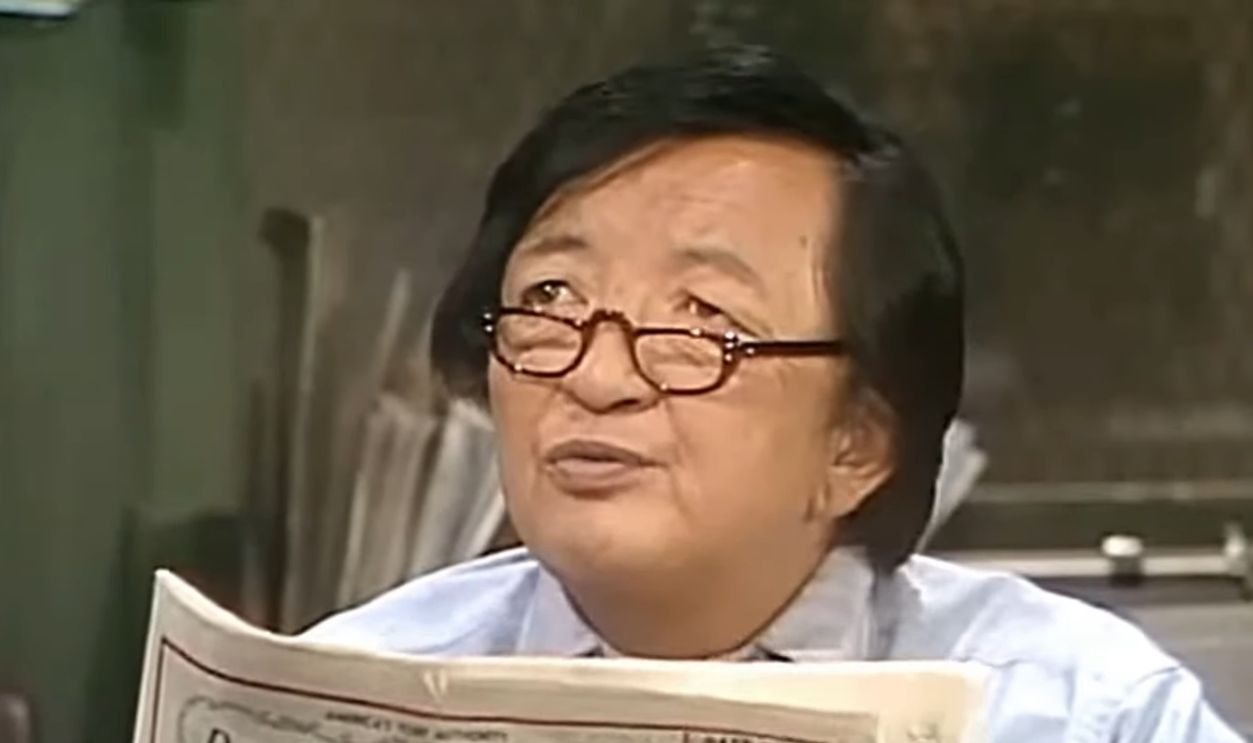 Columbia Pictures Television, Barney Miller (1975–1982)
A Farewell That Still Hurts
The tribute ended with the cast raising cups of coffee to Jack Soo, transforming Nick Yemana’s longest-running joke into a genuinely emotional goodbye. Soo’s actual Barney Miller coffee mug eventually entered the Smithsonian collection. Decades later, that simple toast still explains why Nick Yemana was more than comic relief: viewers genuinely missed him.
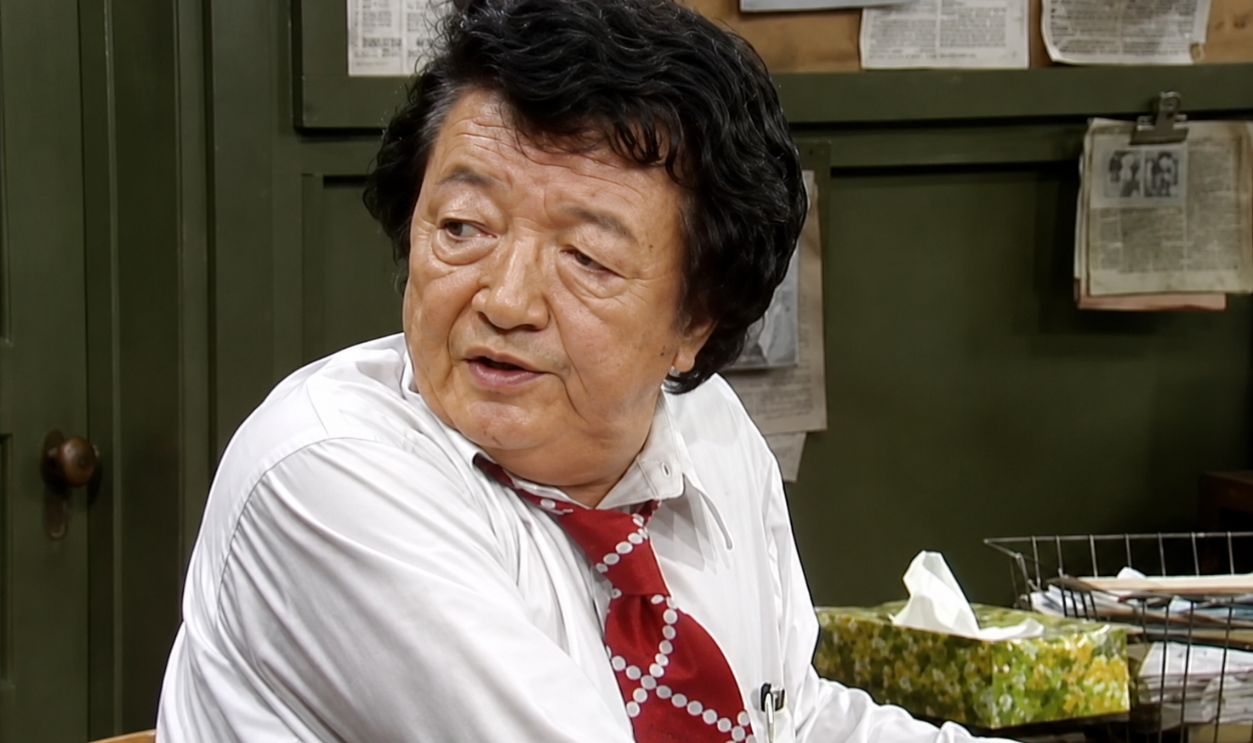 Screenshot from Barney Miller, ABC (1975-1982), Enhanced
You May Also Like:
Great 60s Songs Sung By Artists Most People Couldn't Name Today. How Many Do You Remember?
TV Stars Who Publicly Fought Their Own Hit Shows And Risked Everything To Get Their Way