Before Springfield, There Was Carol Kester
Long before Marcia Wallace became the voice of Edna Krabappel on The Simpsons, she was already one of television’s most recognizable comic performers. She had been Bob Newhart’s wisecracking receptionist, a talk-show favorite, a game-show regular, and a dependable sitcom scene-stealer. By the time Springfield came calling, Wallace had already built the kind of career most actors spend a lifetime chasing. And somehow, her most famous role was still ahead of her.
Small-Town Beginnings In Iowa
Marcia Karen Wallace was born on November 1, 1942, in Creston, Iowa, the oldest of three children. Her father, Arthur "Poke" Wallace, operated a general store called Wallace Sundries, and Wallace and her siblings sometimes helped around the family business. Creston was a long way from Hollywood, but Wallace discovered performing while still in school. A teacher noticed her ability in a high school play and encouraged her to consider acting seriously. That suggestion turned out to be pretty good career advice.
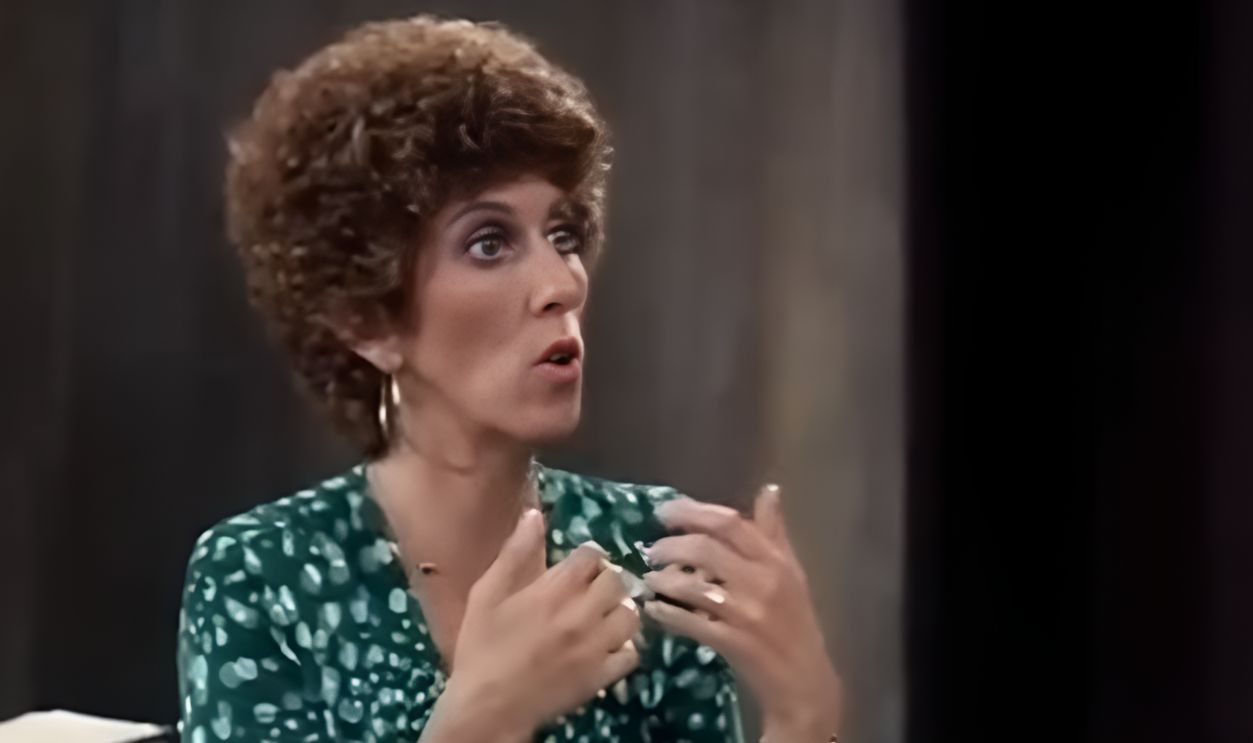 Screenshot from The Bob Newhart Show, CBS (1972–1978), Modified
School Gave Her Somewhere To Belong
Wallace later spoke openly about growing up feeling awkward and self-conscious. She was smart, tall, and struggled with her weight, experiences she would eventually turn into humor in interviews and her memoir. Theater gave her a place where being expressive was suddenly an advantage rather than something to hide. After graduating from Creston High School in 1960, she attended Parsons College in Fairfield, Iowa, on a full scholarship and studied both English and theater.
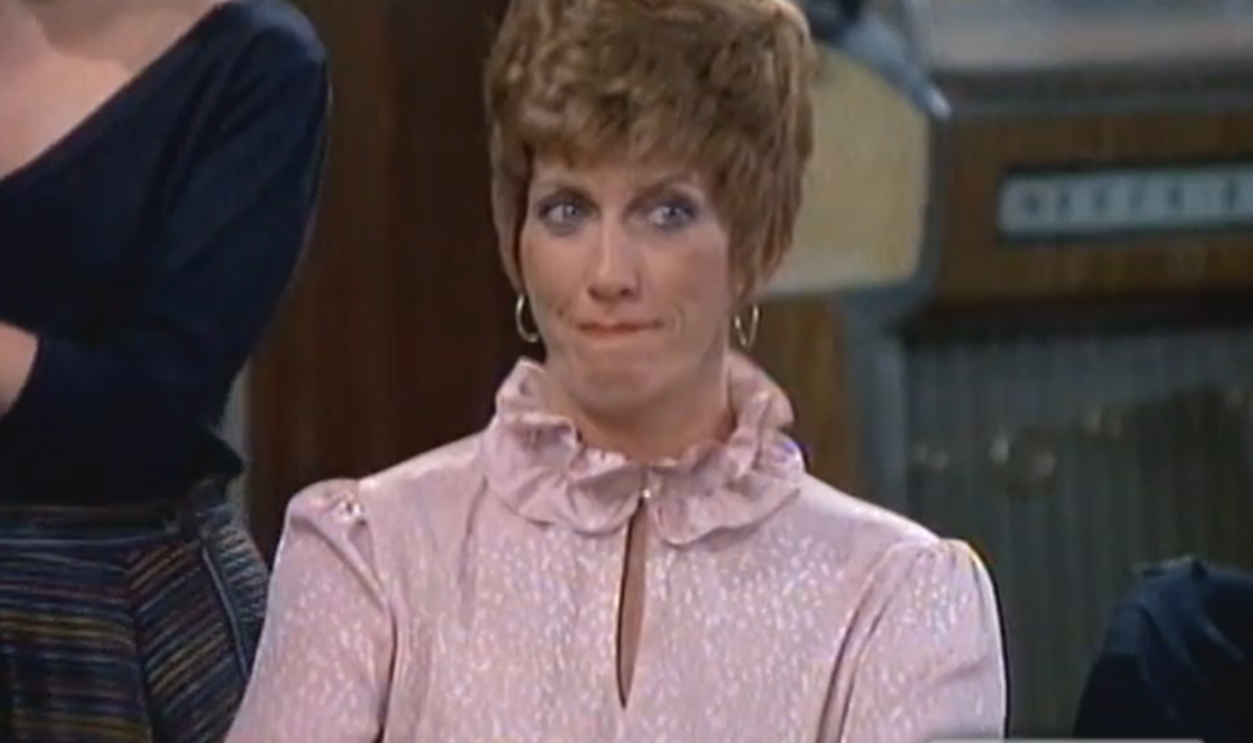 Screenshot from The Bob Newhart Show, CBS (1972–1978)
College Made Acting Feel Possible
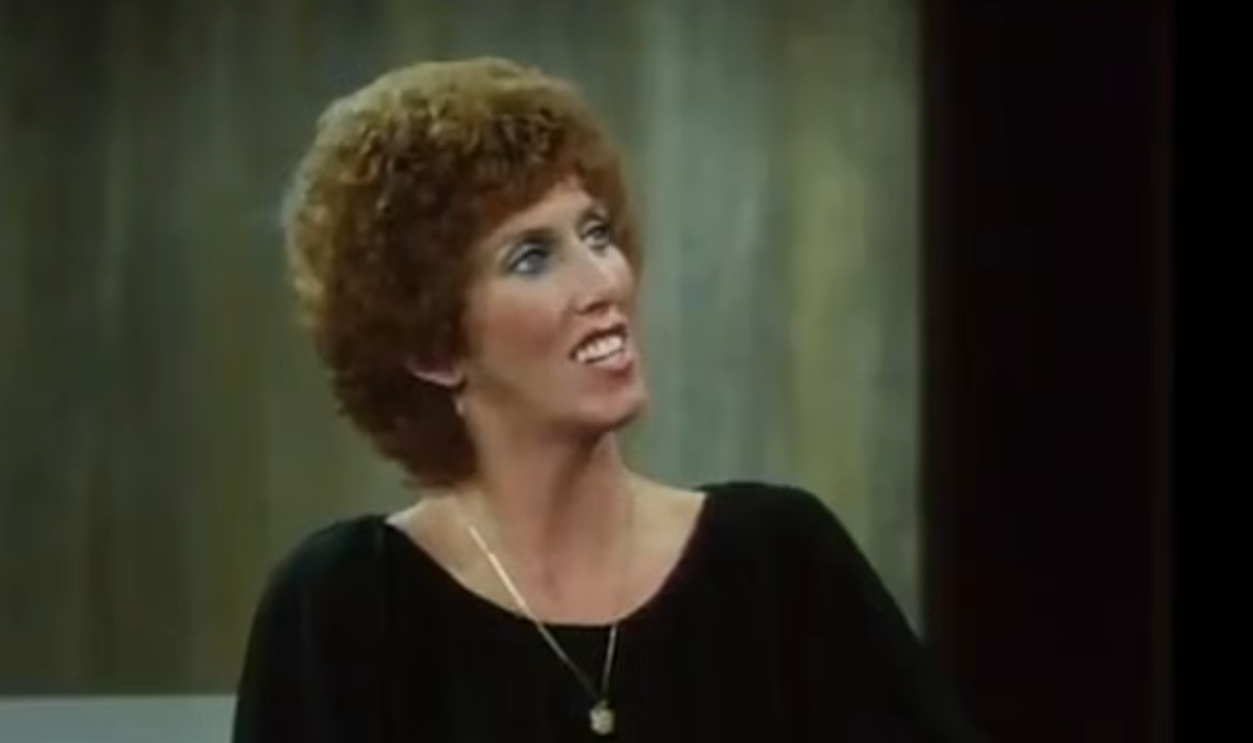
At Parsons, Wallace threw herself into campus productions, appearing in shows including The Music Man and Brigadoon. She graduated in 1964, and instead of choosing a predictable career close to home, she decided to test herself in New York City. Wallace later joked that she arrived with roughly $150 to her name while weighing considerably more than that. Her line about aspiring performers was characteristically blunt: your ready cash should at least equal your weight. It was exactly the kind of joke Wallace would build an entire career on, turning insecurity into a punchline before anyone else could.
 Screenshot from The Bob Newhart Show, CBS (1972–1978)
New York Was Not Exactly Waiting For Her
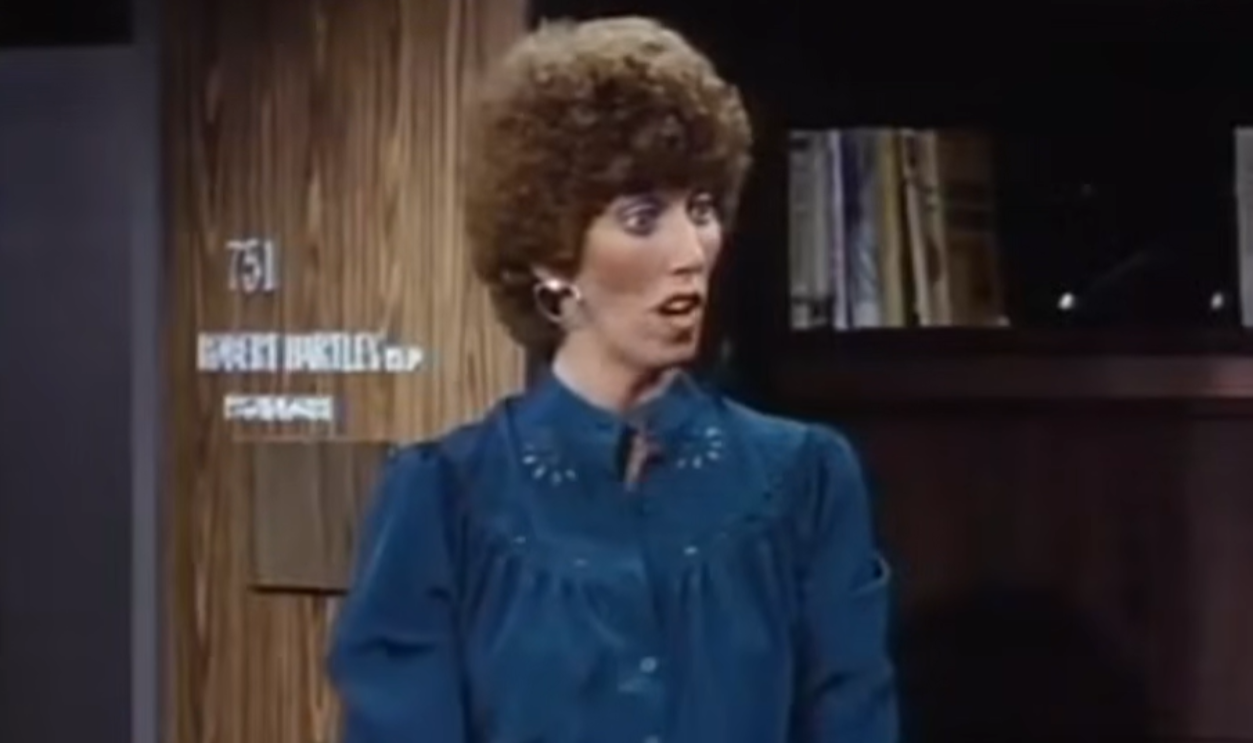
Wallace moved to New York immediately after college and discovered what thousands of young performers discover every year: ambition does not cover rent. She took whatever work she could find, including typing scripts, appearing in commercials, performing summer stock theater, and working as a substitute English teacher in the Bronx. None of it resembled television stardom yet, but those years gave Wallace something she would use constantly later: the ability to think quickly in front of unpredictable people.
 Screenshot from The Bob Newhart Show, CBS (1972–1978)
Improv Became Her Comedy School
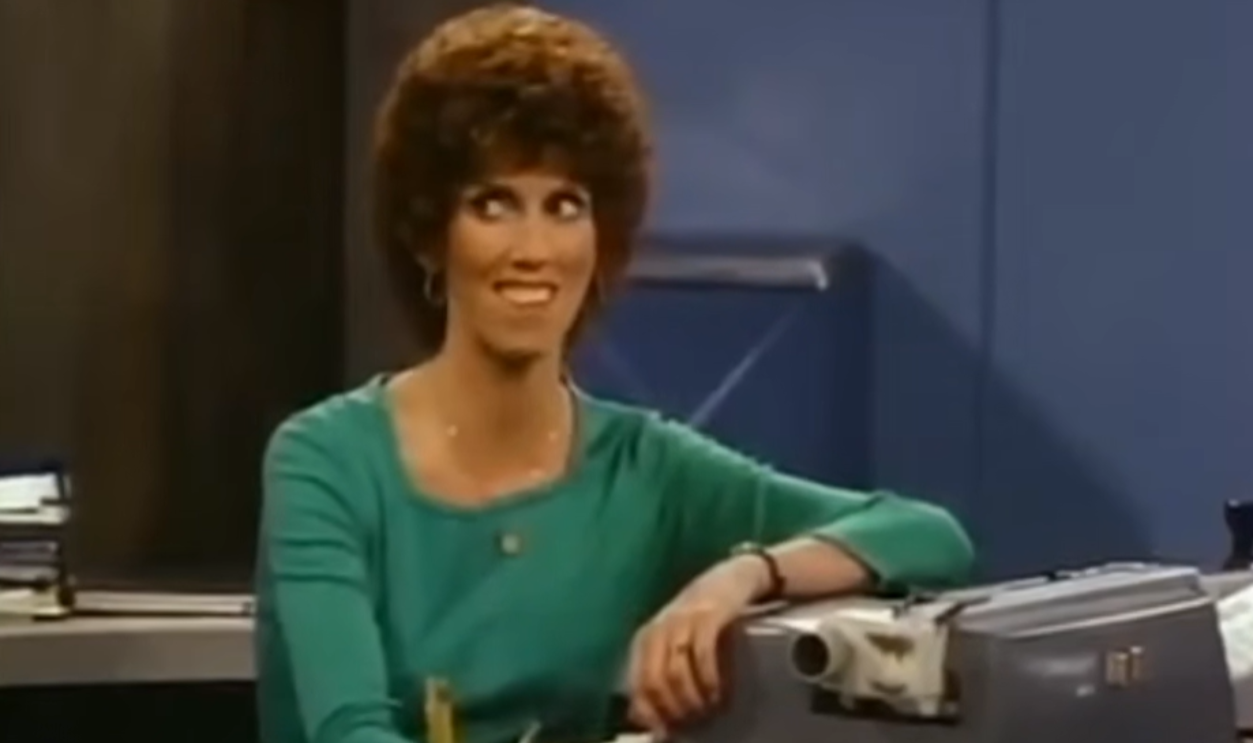
By the late 1960s, Wallace was performing in Greenwich Village and became part of an improvisational group called The Fourth Wall. The troupe performed off-Broadway, giving Wallace a chance to sharpen the fast, conversational comedy that would become her specialty. She was not a performer who needed an elaborate setup to get a laugh. A facial expression, a perfectly timed pause, or one sarcastic sentence could do the job. That skill made her especially valuable once television producers started noticing her.
 Screenshot from The Bob Newhart Show, CBS (1972–1978)
Merv Griffin Gave Her A National Audience
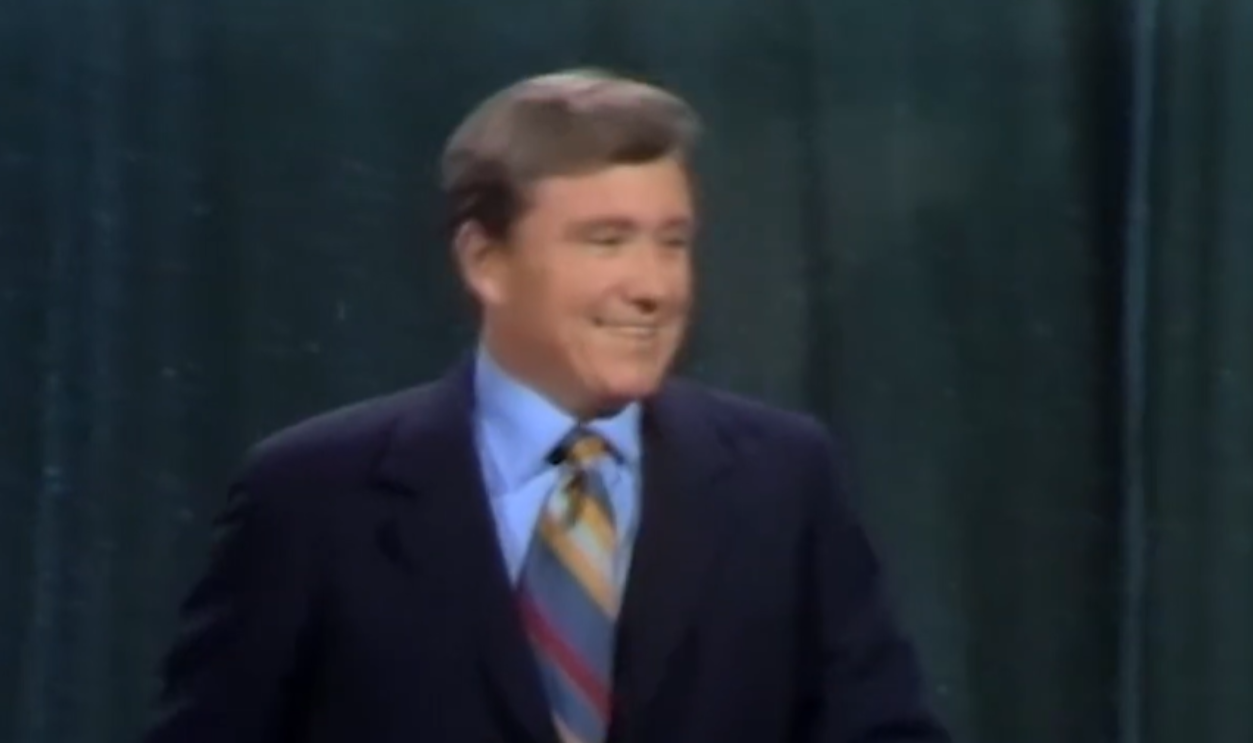
One of Wallace's biggest early breaks came through The Merv Griffin Show. She became a semi-regular on the talk show and reportedly appeared more than 75 times. Wallace was ideal for the format because she could tell stories, improvise, joke with celebrities, and keep a conversation moving without sounding rehearsed. Audiences got to know her as Marcia Wallace rather than as a fictional character, which was unusual for an actress still trying to establish herself.
 Screenshot from The Merv Griffin Show, Merv Griffin Enterprises (1962–1986)
One Talk-Show Appearance Changed Everything
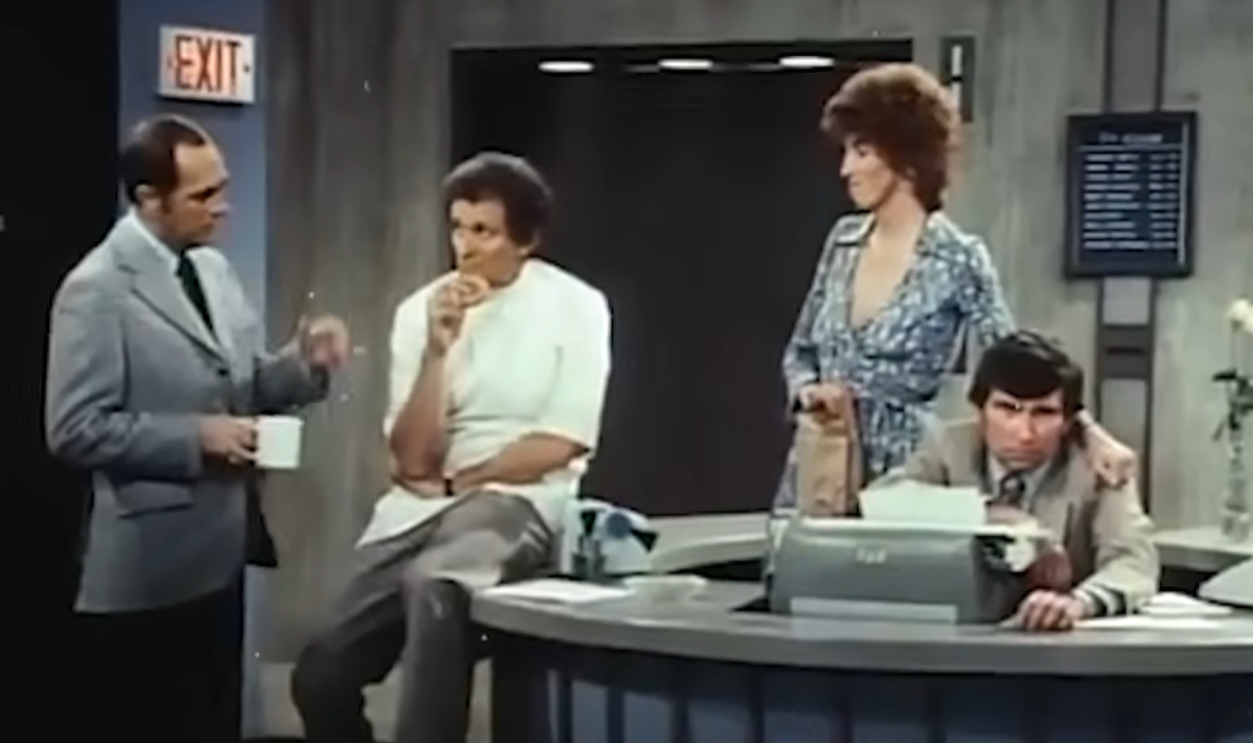
Wallace's appearances with Merv Griffin eventually caught the attention of some very important television people. Producer Grant Tinker, who was married to Mary Tyler Moore and was helping build one of television's strongest comedy operations, contacted Wallace about a new sitcom starring Bob Newhart. The role was not simply another audition for a generic receptionist. Carol Kester was essentially developed with Wallace in mind. In 1972, after years of hustling through theater and television appearances, she suddenly had a permanent desk in one of the decade's defining sitcoms.
 Screenshot from The Bob Newhart Show, CBS (1972–1978)
Carol Kester Was Nobody's Ordinary Receptionist
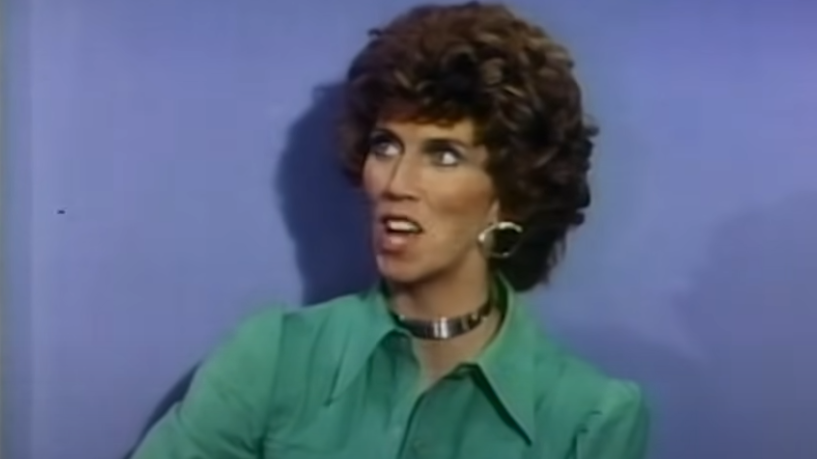
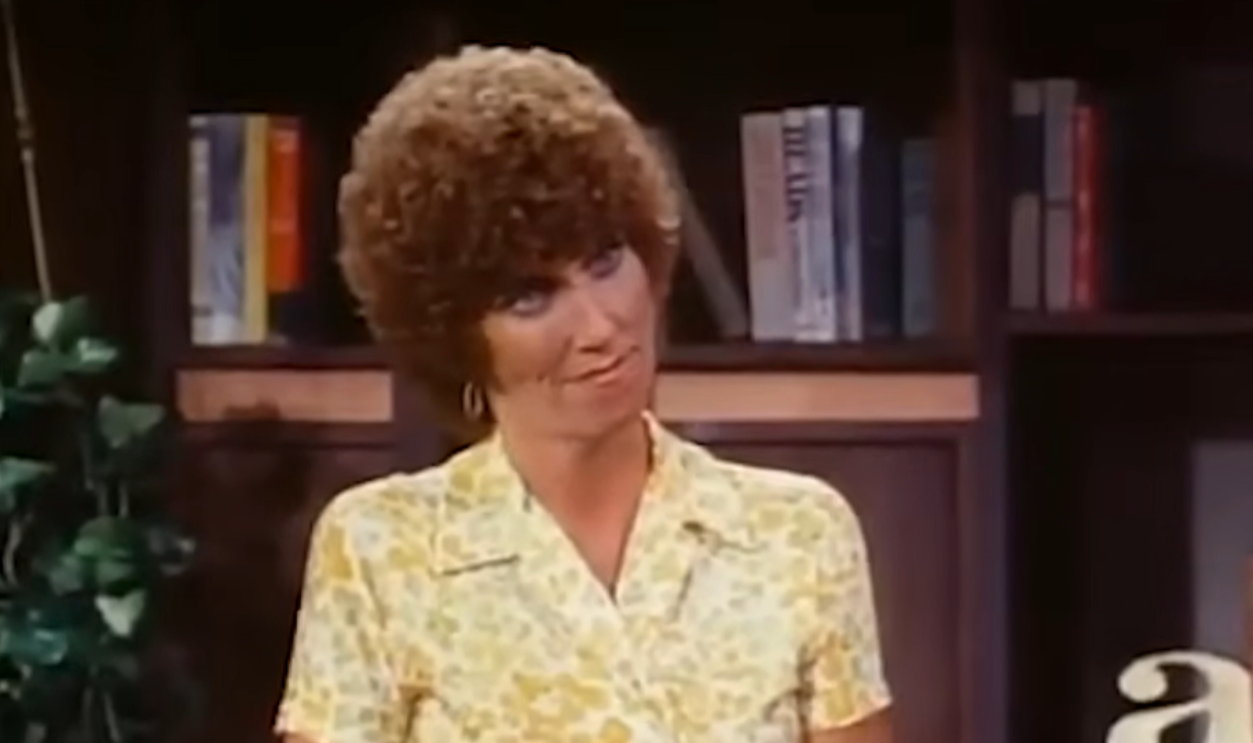
On The Bob Newhart Show, Marcia Wallace played Carol Kester, the receptionist working in the Chicago office building where Newhart's character, psychologist Bob Hartley, practiced. In weaker hands, Carol could have been little more than the woman answering the telephone between scenes. Wallace made sure that never happened. Carol was outspoken, nosy, funny, occasionally lovelorn, and perfectly comfortable puncturing Bob's calm professionalism with a sarcastic observation.
 Screenshot from The Bob Newhart Show, CBS (1972–1978)
Wallace And Newhart Were Comic Opposites
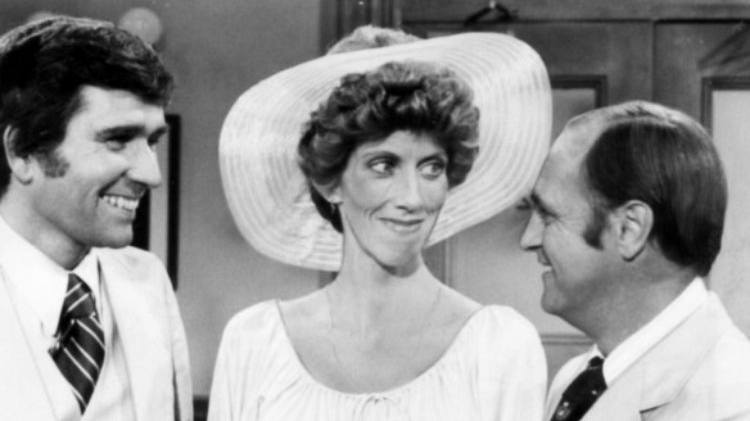
Part of the magic came from the contrast between Wallace and Bob Newhart. Newhart's comedy was famously controlled. He paused, stammered, listened, and reacted while chaos unfolded around him. Wallace arrived with a completely different energy. Carol could be loud, excitable, romantic, frustrated, and brutally direct. Put those two rhythms in the same room and they made each other funnier. Newhart didn't need to compete with Wallace's energy, and Wallace didn't need to imitate his restraint.
 CBS Television, Wikimedia Commons
The Show Became A 1970s Favorite
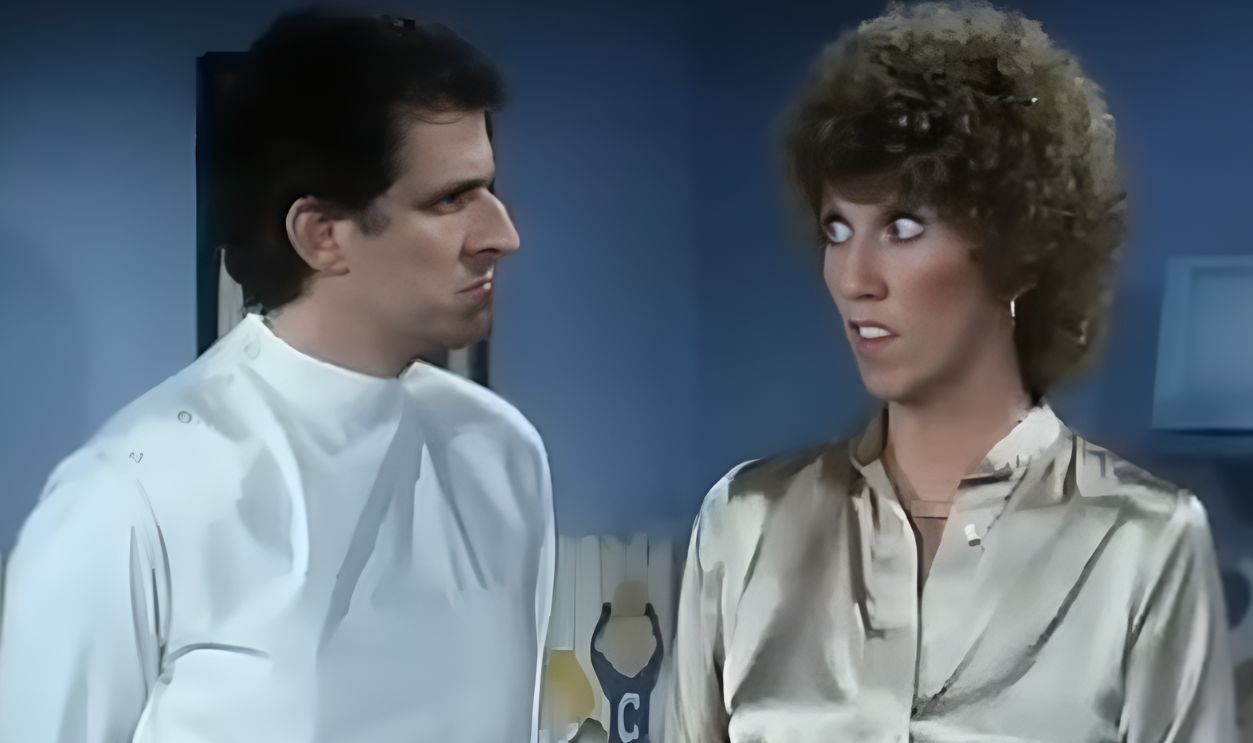
The Bob Newhart Show premiered in 1972 and ran for six seasons, becoming part of the remarkable collection of sophisticated sitcoms associated with MTM Enterprises. Wallace remained with the series through its conclusion in 1978. Alongside Newhart, Suzanne Pleshette, Bill Daily, Peter Bonerz, and the show's recurring cast, she helped create a comedy whose humor came largely from personality rather than elaborate gimmicks. Wallace later remembered the series as something genuinely special and felt the cast had created a kind of television magic.
 Screenshot from The Bob Newhart Show, CBS (1972–1978), Modified
Carol Had A Life Outside Bob's Office
One reason Carol worked so well was that the writers allowed her to become more than Bob Hartley's receptionist. Her dating life, friendships, frustrations, and eventual marriage gave Wallace opportunities to play more than punchlines. Carol Kester eventually became Carol Kester Bondurant, and Wallace's character evolved alongside the rest of the ensemble. Viewers cared about her because Wallace made Carol feel like a person you might actually know, preferably one seated close enough at work to hear her commentary on everybody else.
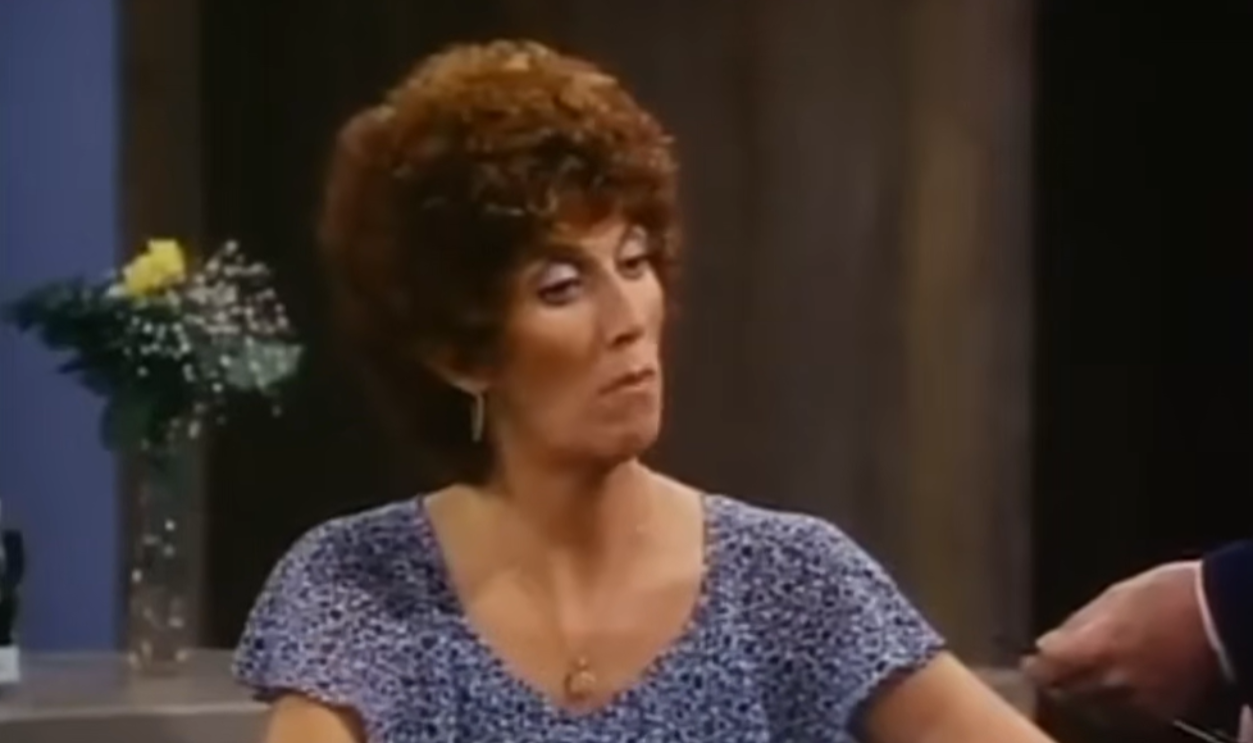 Screenshot from The Bob Newhart Show, CBS (1972–1978)
Game Shows Discovered Her Too
While starring on The Bob Newhart Show, Wallace became a familiar face on game shows. She appeared on programs including Match Game, Hollywood Squares, Password Plus, Super Password, The $25,000 Pyramid, and later Win, Lose or Draw. This was a perfect environment for her because game shows rewarded exactly what Wallace did best: spontaneity. She could not rely on a sitcom script when Gene Rayburn or another host suddenly turned to her. She simply had to be funny, and usually she was.
 CBS Television, Wikimedia Commons
Match Game Was Particularly Good To Her
Wallace fit naturally into the loose, celebrity-driven chaos of Match Game. The series depended on personalities who could make even a ridiculous fill-in-the-blank question entertaining, and Wallace had no trouble keeping up with regulars such as Brett Somers, who also became a close friend. For viewers who watched daytime television during the 1970s, Wallace could seem practically omnipresent. Even people who never watched The Bob Newhart Show regularly might still recognize the red hair and the laugh.
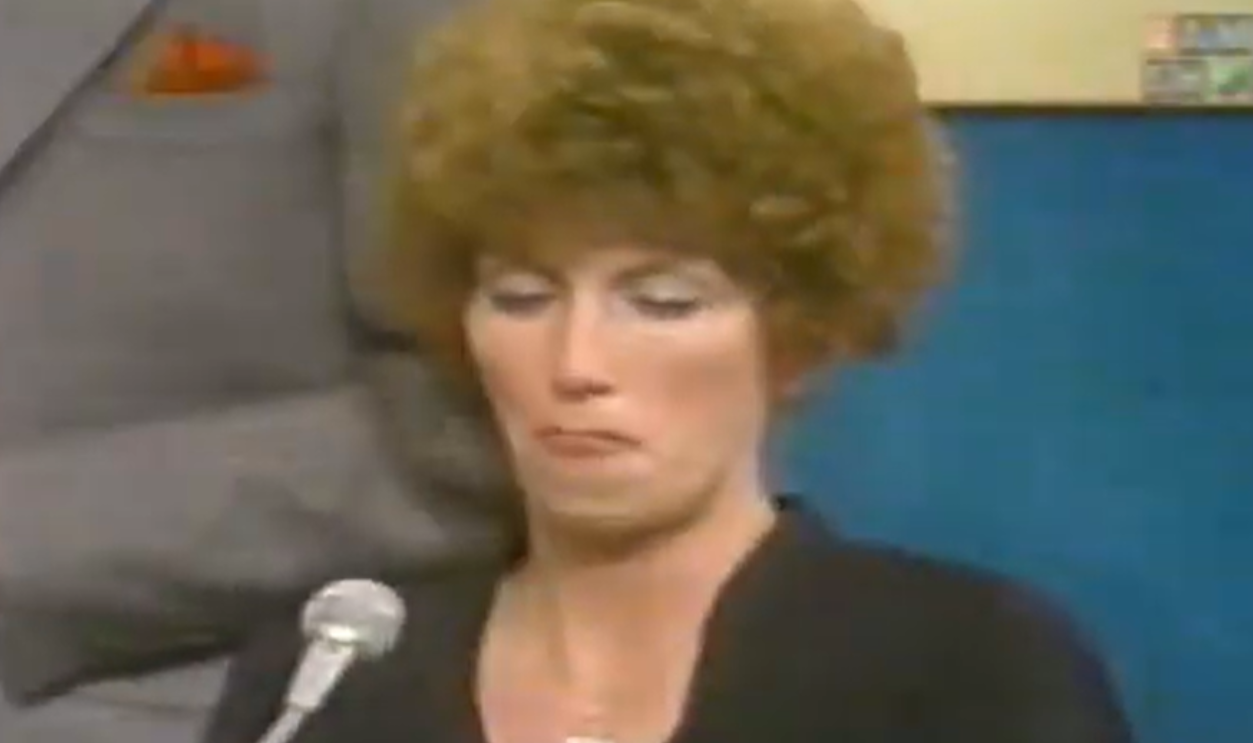 Screenshot from Match Game, Goodson-Todman Productions (1962–1969)
When The Sitcom Ended, Wallace Kept Working
The end of The Bob Newhart Show in 1978 didn't leave Marcia Wallace without a career. Instead, she settled into the life of one of television's most dependable character actresses. She made guest appearances on an enormous range of shows, including Taxi, The Love Boat, Magnum, P.I., Murder, She Wrote, ALF, Full House, 7th Heaven, and Murphy Brown. If a sitcom needed a woman who could walk into a scene and immediately make it sharper, Wallace was a pretty safe phone call.
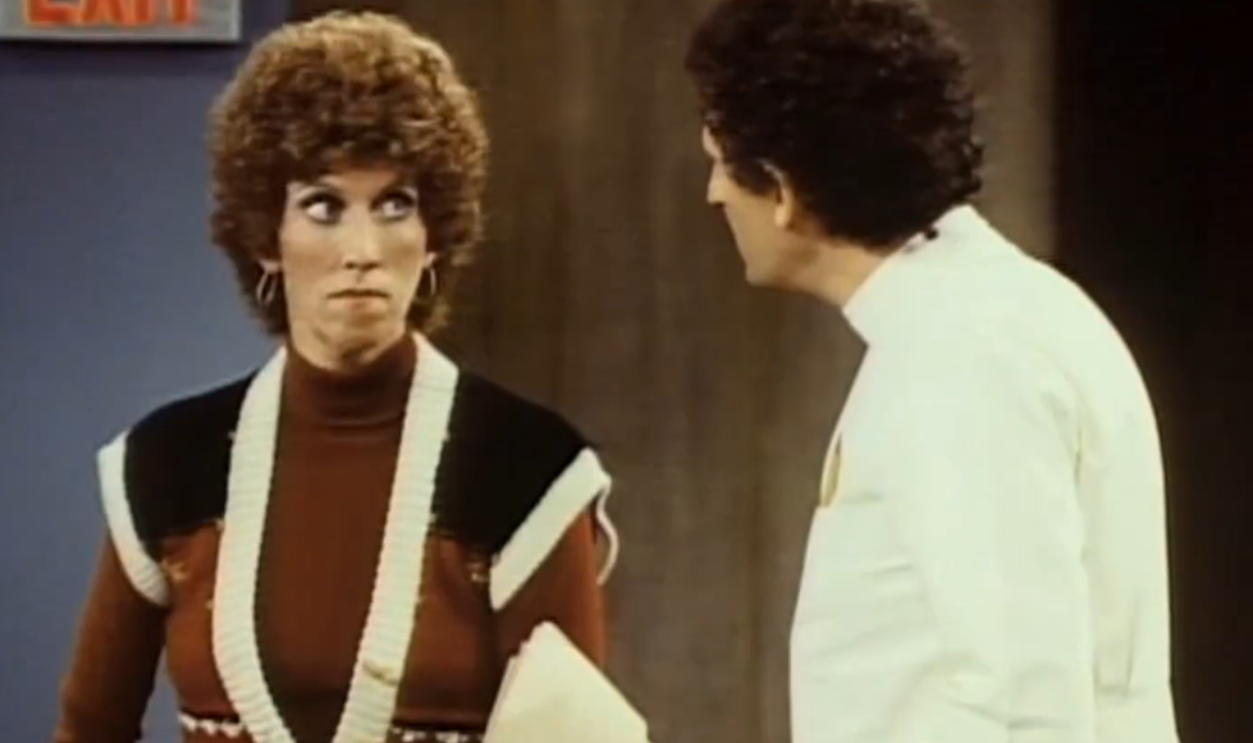 Screenshot from The Bob Newhart Show, CBS (1972–1978)
She Never Abandoned The Stage
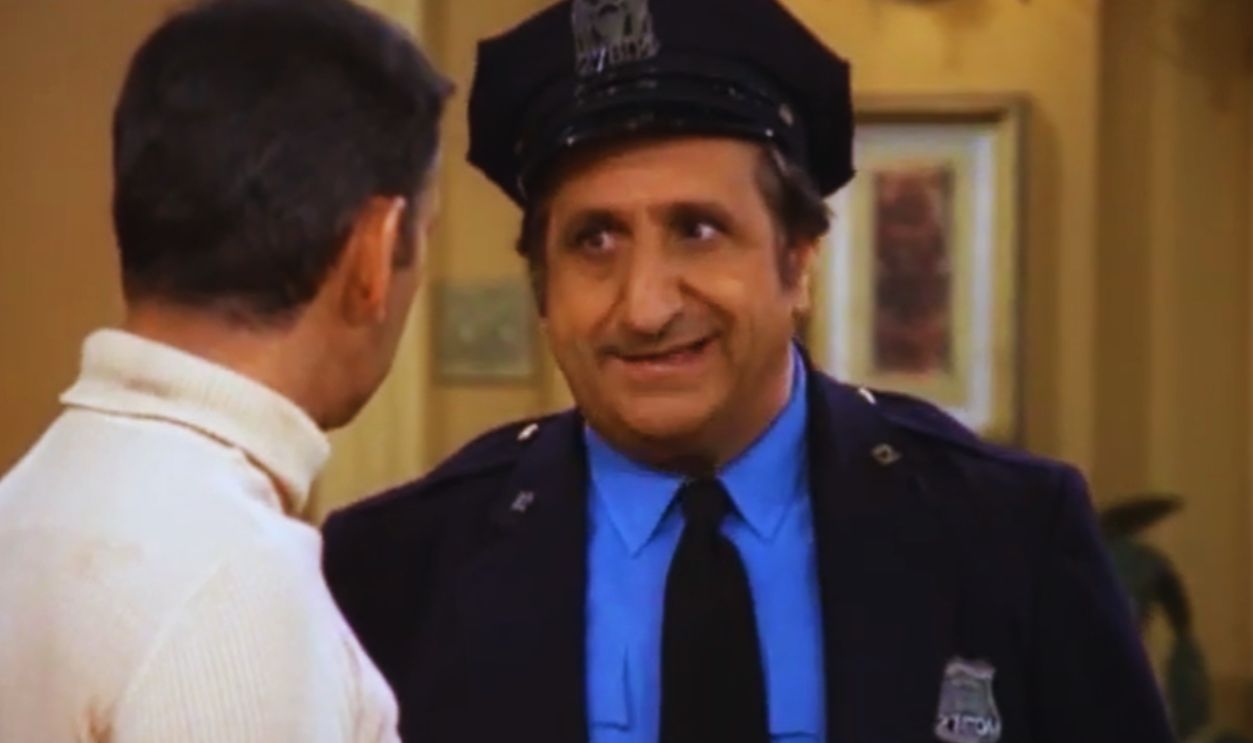
Television made Wallace famous, but she continued working in theater throughout her career. Her credits included productions of Plaza Suite, Gypsy, The Odd Couple, The Vagina Monologues, and other stage projects. Theater also kept her connected to the live-performance instincts she had developed during her New York improv years. Wallace was a television veteran, but she never became dependent on camera tricks or editing to make comedy work. She knew how to hold a room.
 Screenshot from The Odd Couple, Paramount Global (1970-1975)
Her Personal Life Finally Found A Happy Chapter
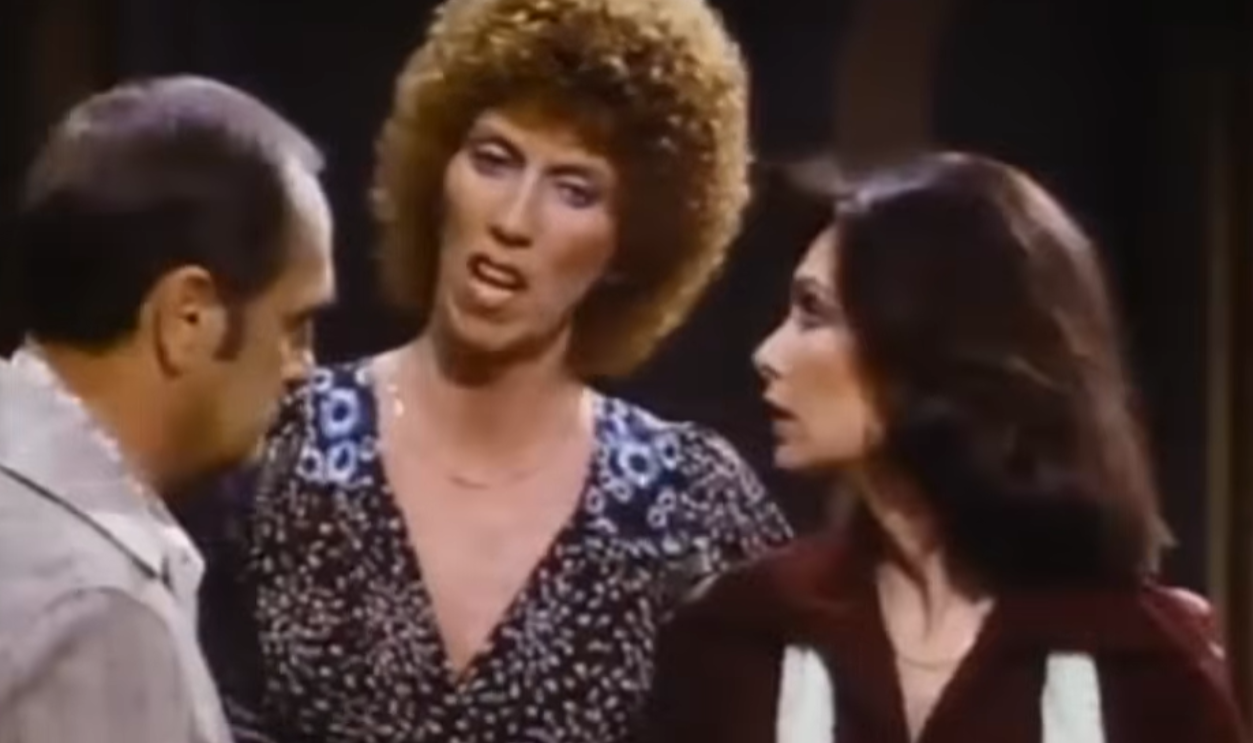
Wallace married hotelier Dennis Hawley in 1986. The couple adopted a son, Michael, and for Wallace, who had spent years joking publicly about dating and single life, marriage and motherhood opened an important new chapter. Unfortunately, the period also coincided with one of the most frightening challenges of her life. Just as things seemed to be settling personally, Wallace received a diagnosis that forced her to think about mortality in a very different way.
 Screenshot from The Bob Newhart Show, CBS (1972–1978)
Breast Cancer Changed Her Life
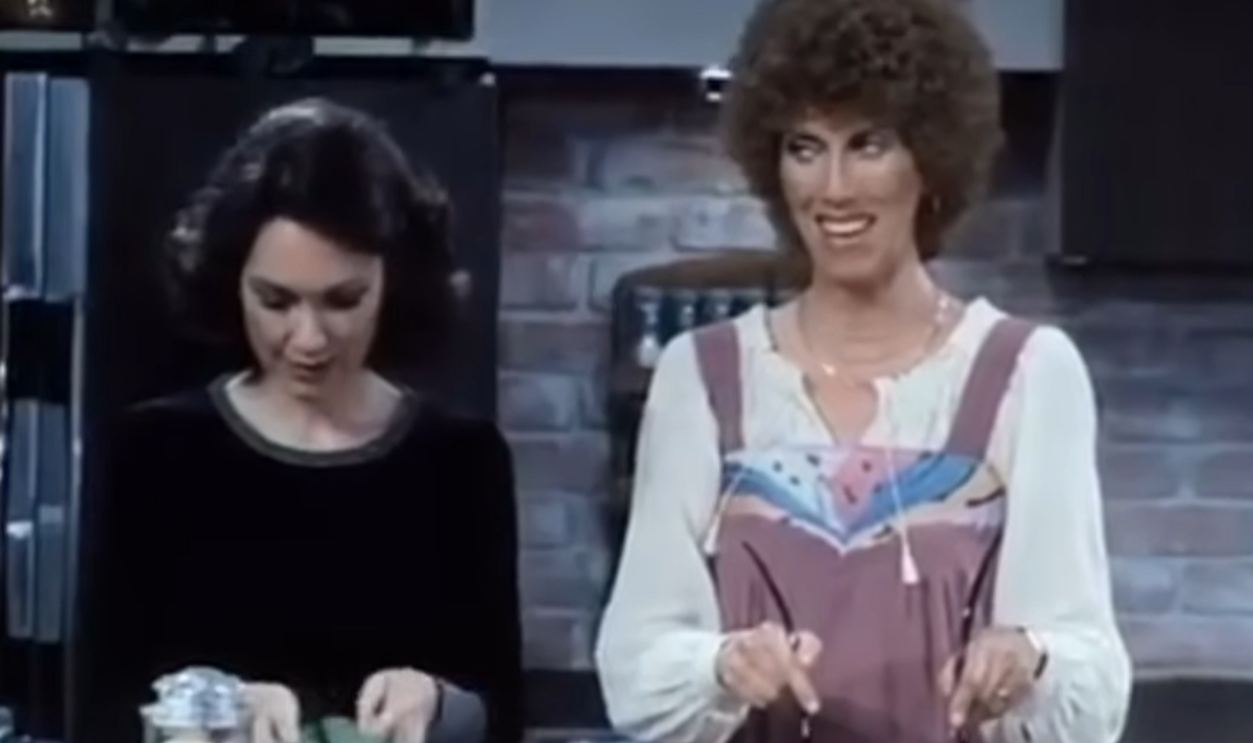
Marcia Wallace was diagnosed with breast cancer in 1985. She underwent treatment and survived, then chose to speak openly about the experience at a time when public conversations about breast cancer were considerably less common than they are today. Wallace became an advocate for cancer awareness and spent years encouraging other women to seek screenings and treatment. She approached the subject with the same combination of honesty and humor that characterized her career.
 Screenshot from The Bob Newhart Show, CBS (1972–1978)
She Turned Survival Into Something Useful
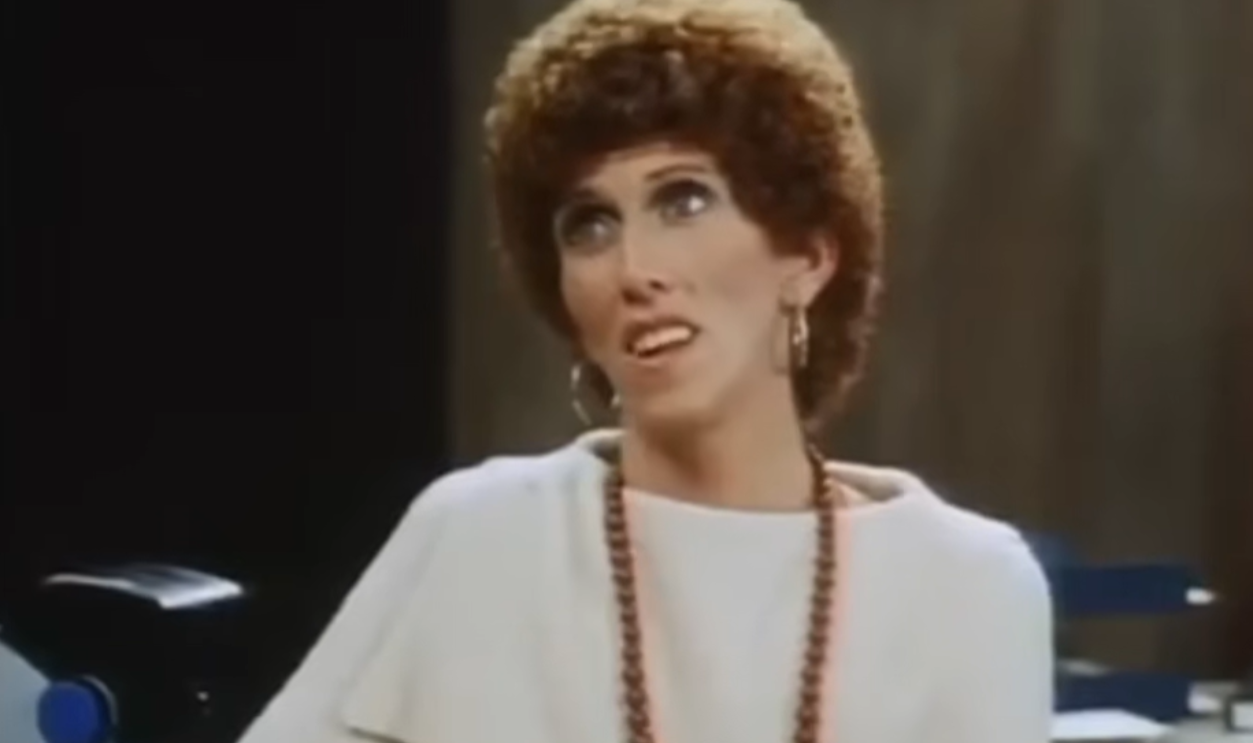
Rather than treating cancer as something that had to remain private, Wallace used her public profile to help others. She became a speaker and activist, discussing both the fear surrounding diagnosis and the possibility of life after treatment. Her willingness to joke about difficult experiences didn't mean she dismissed them. Humor was simply how Wallace processed life. Eventually, she would bring that same outlook to her memoir, Don't Look Back, We're Not Going That Way!
 Screenshot from The Bob Newhart Show, CBS (1972–1978)
Then Another Kind Of Heartbreak Arrived
Wallace's husband, Dennis Hawley, died of cancer in 1992, only six years after they married. Wallace was left to raise their son while continuing her career. She later wrote movingly about Hawley and her belief that their connection had not simply disappeared with his death. The loss was devastating, but Wallace kept working, raising Michael and maintaining the upbeat public personality audiences knew. Her comedy was never evidence of an easy life. Often, it was how she survived the hard parts.
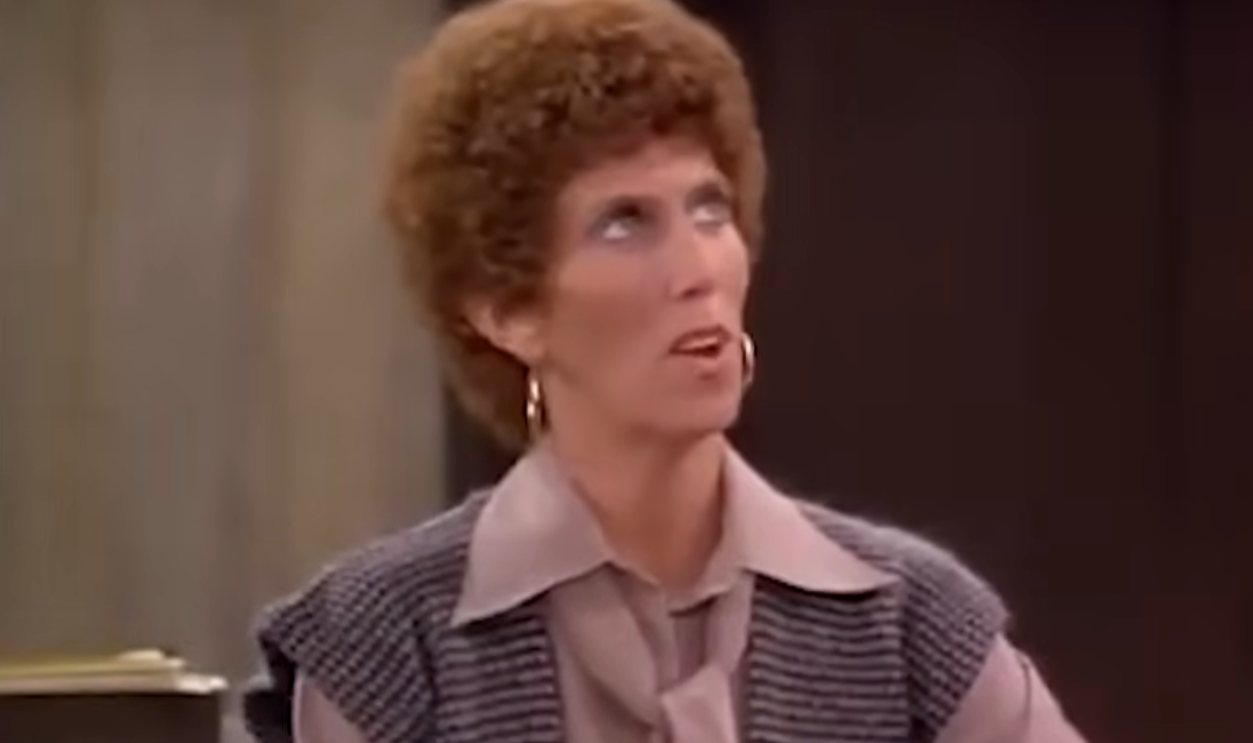 Screenshot from The Bob Newhart Show, CBS (1972–1978)
By Then, Springfield Had Come Calling
Two years before Hawley's death, Wallace had taken a voice role on a relatively young animated series called The Simpsons. The character was Edna Krabappel, Bart Simpson's fourth-grade teacher at Springfield Elementary. Wallace first voiced her in 1990, and the role initially seemed like one more television job in an already busy career. Nobody could have known that Edna would become Wallace's longest-running and most internationally recognizable character.
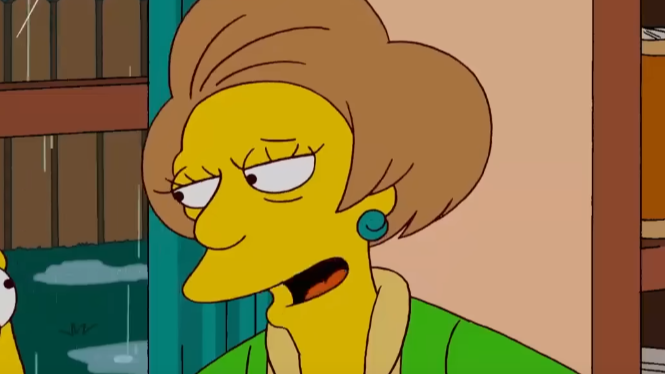 Screenshot from The Simpsons, FOX (1989-)
That Voice Was Impossible To Mistake
Edna Krabappel sounded tired before Bart even entered the classroom. Wallace gave her a gravelly, weary delivery that suggested years of bad dates, staff meetings, cigarette breaks, low pay, and children who absolutely refused to listen. Then came the laugh. Edna's mocking "Ha!" became one of the show's instantly recognizable vocal signatures. Wallace could communicate an entire history of disappointment in one syllable.
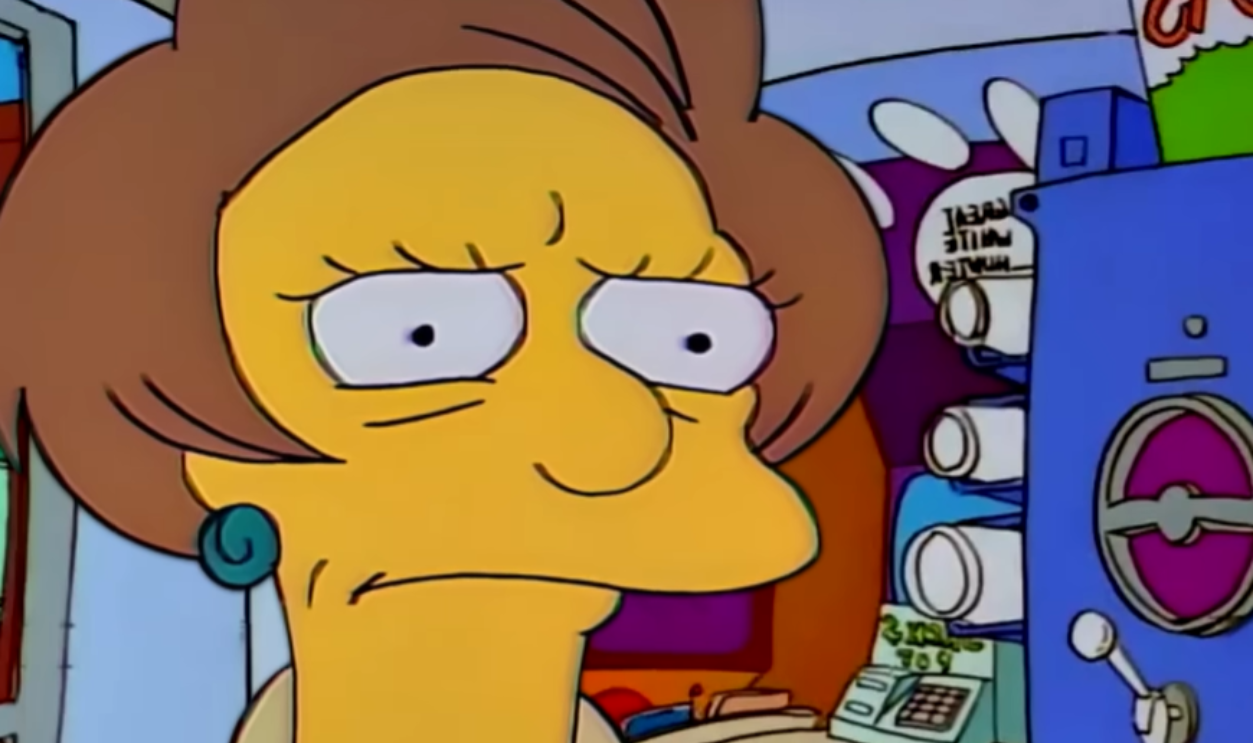 Screenshot from The Simpsons, FOX (1989-)
Edna Was More Than Bart's Exhausted Teacher
The Simpsons gradually developed Edna beyond her role as Bart's classroom adversary. Viewers saw her loneliness, dating struggles, frustrations with Springfield Elementary, and occasional glimpses of genuine affection for the students who drove her crazy. Wallace's performance helped make those layers believable. Edna could be cynical without becoming completely cruel, and when the show gave her moments of vulnerability, Wallace knew exactly how far to soften the character without losing the edge".
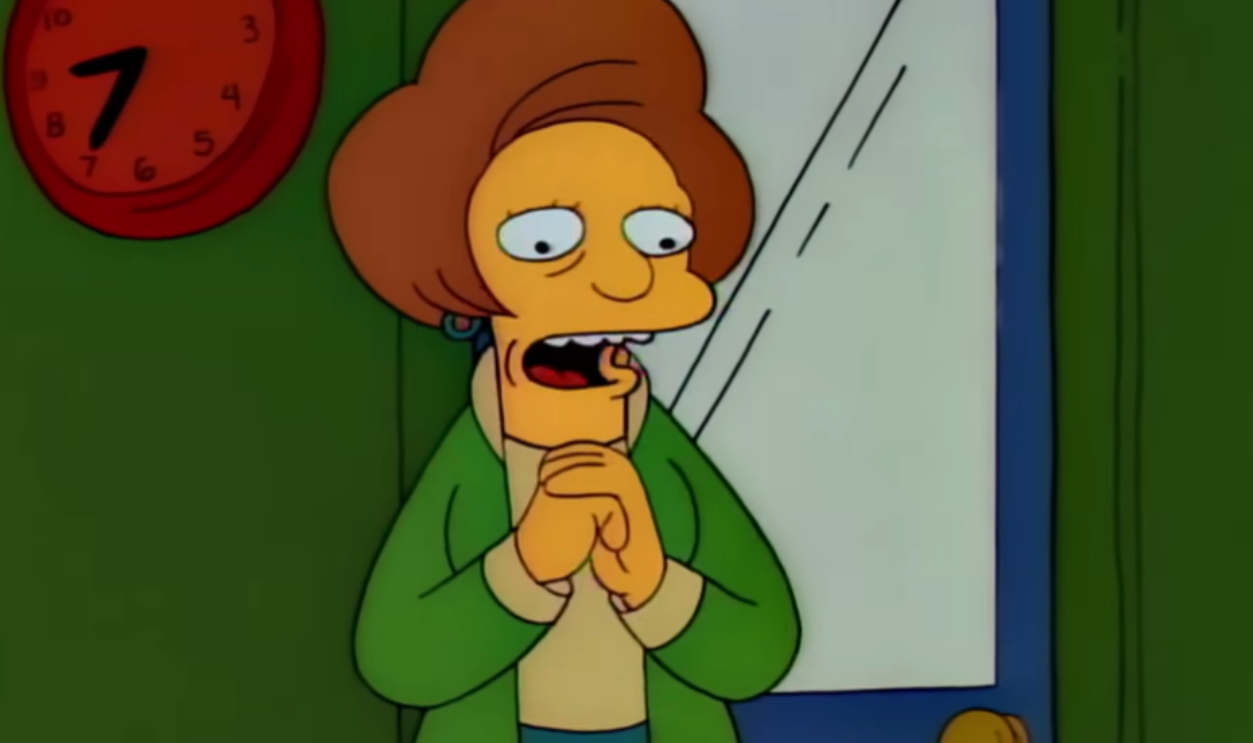 Screenshot from The Simpsons, FOX (1989-)
Bart The Lover" Showed What Wallace Could Really Do
One of Edna's defining episodes was 1992's "Bart the Lover". Bart discovers that his teacher has placed a personal ad and cruelly invents a fictional admirer to trick her. What begins as another Bart prank becomes surprisingly emotional once he realizes how badly he has hurt a lonely woman who genuinely believed she had found someone. The episode gave Wallace more dramatic material than usual while still remaining funny, and her performance earned her a Primetime Emmy for Outstanding Voice-Over Performance.
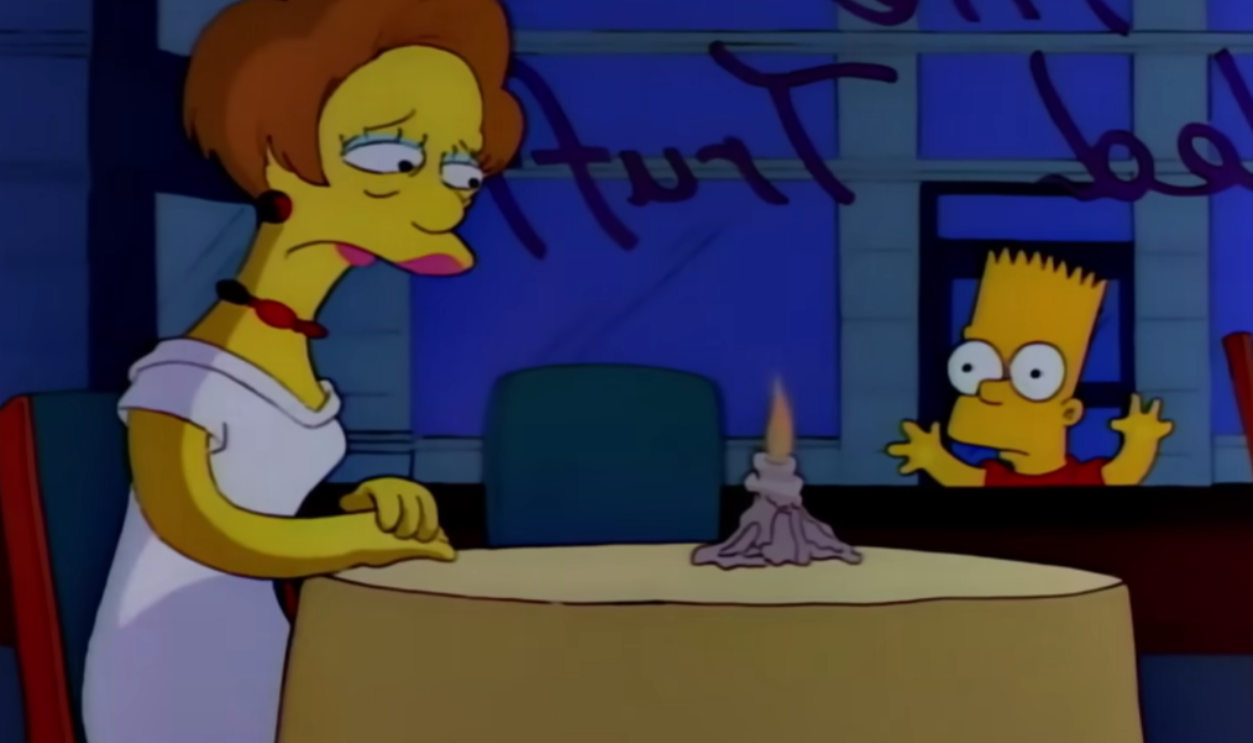 Screenshot from The Simpsons, FOX (1989-)
An Emmy Put Krabappel Beside Carol
By winning an Emmy for The Simpsons in 1992, Marcia Wallace had managed something unusual. Twenty years after becoming famous as Carol Kester, she had created another signature television character without even appearing onscreen. Her voice alone was enough. Younger viewers who had never watched The Bob Newhart Show knew Edna immediately, while older viewers could recognize Wallace's comic instincts underneath the animation. She had essentially built two television careers for two different generations.
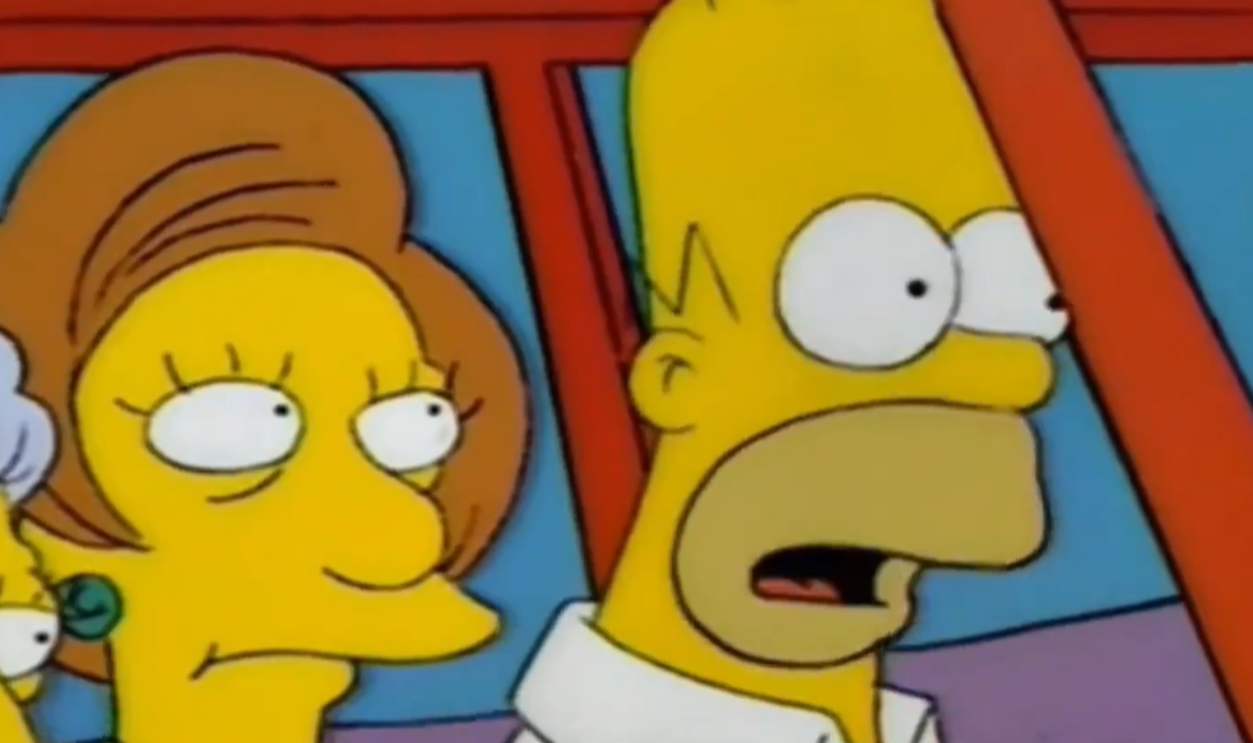 Screenshot from The Simpsons, FOX (1989-)
She Could Still Revisit Her Old Television World
Wallace never completely left Carol Kester behind. She and Bob Newhart reprised their Bob Newhart Show characters for a 1994 episode of Murphy Brown. Wallace's guest performance earned her another Emmy nomination, this time for Outstanding Guest Actress in a Comedy Series. More than 20 years after Carol first answered Bob Hartley's office telephone, the character still worked because the chemistry between Wallace and Newhart remained intact.
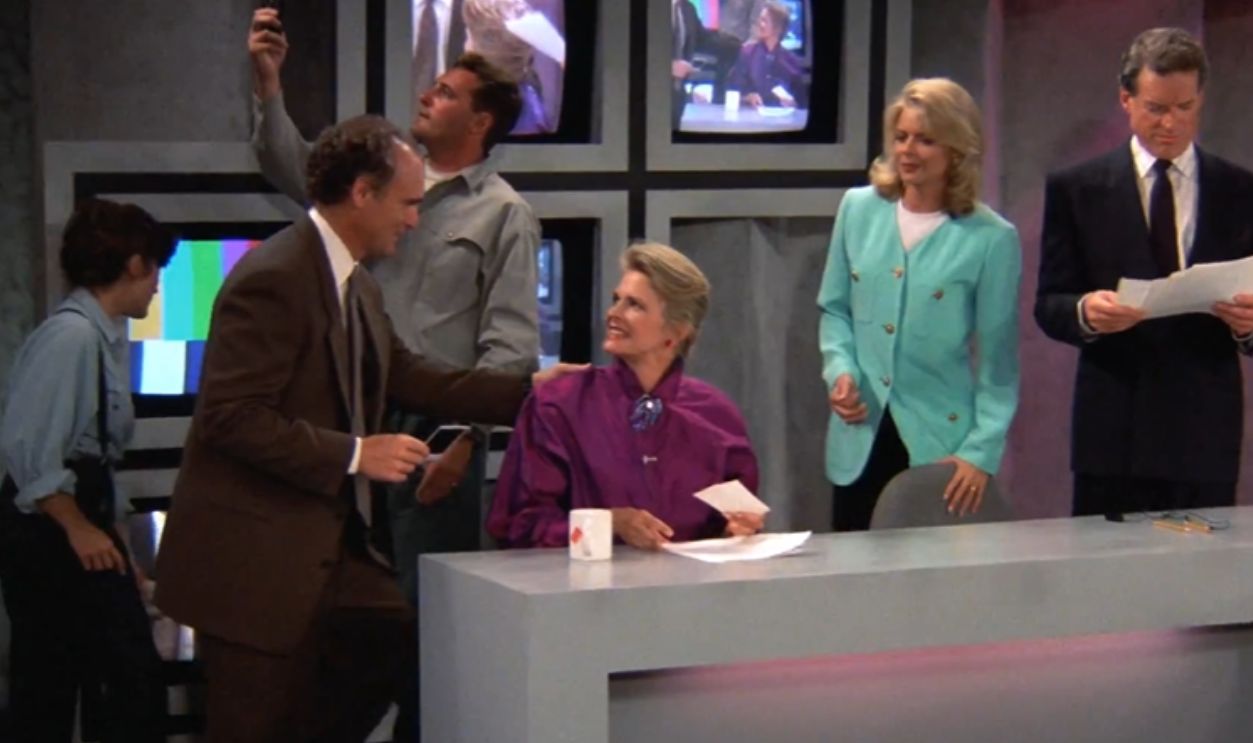 Screenshot from Murphy Brown, CBS (1988–1998)
Full House Found A Place For Her Too
Another generation knew Wallace from Full House, where she appeared as MrsCarruthers, a character whose enthusiasm for Bob Saget's Danny Tanner was anything but subtle. It was a smaller recurring role, but once again Wallace could make a memorable impression without needing to dominate an episode. By this stage of her career, she had become one of those performers who could appear for a few minutes and leave viewers remembering her long after the credits.
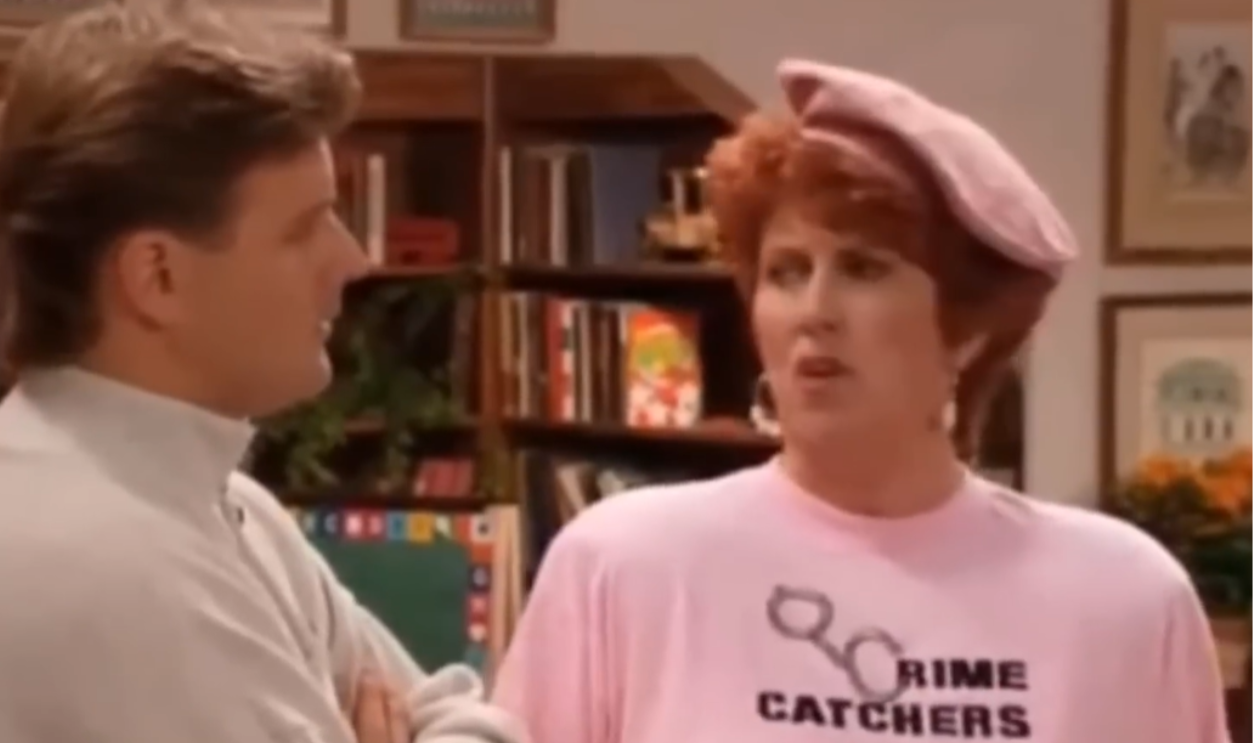 Screenshot from Full House, Warner Bros. (1987-1995)
She Never Really Stopped Showing Up
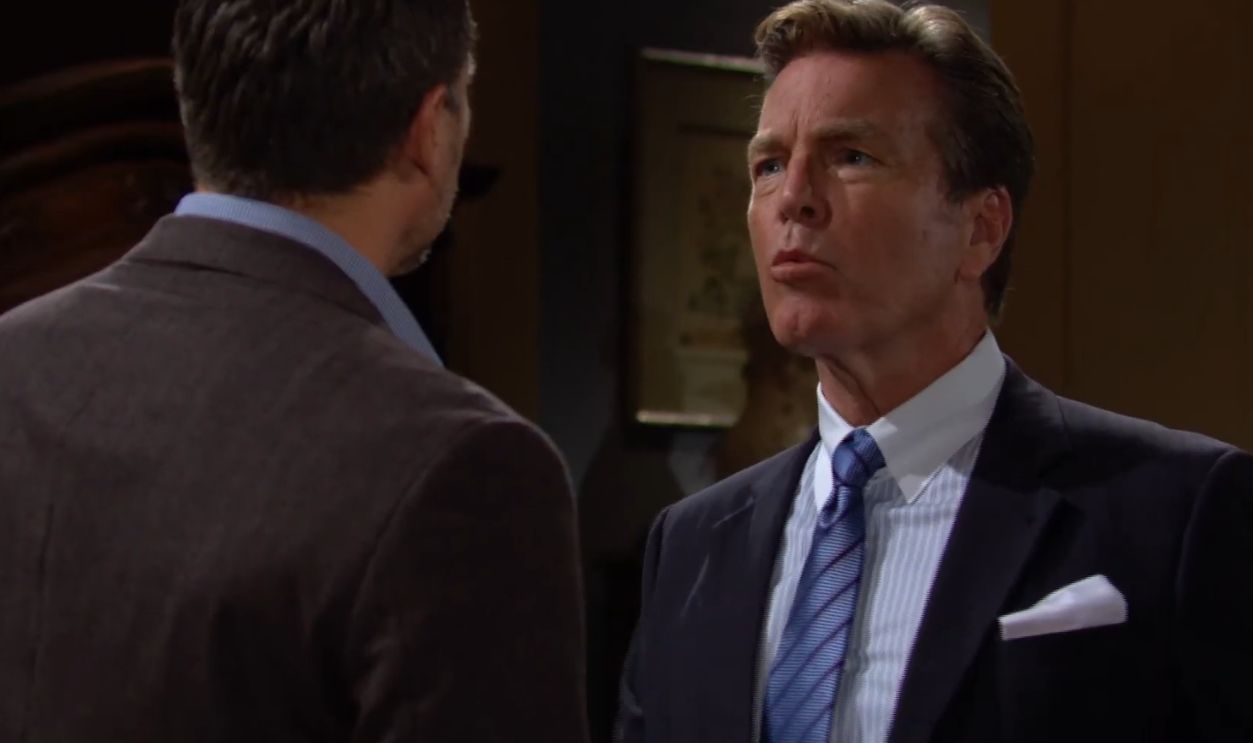
Marcia Wallace continued acting well into the 2000s, appearing in television, film, voice work, and stage productions. She even popped up on The Young and the Restless in 2009, playing a character named Annie Wilkes. Her career was remarkably durable, especially for a performer who had once been so strongly identified with one sitcom role. Every time it looked as though television might have placed Wallace in a particular box, she found another way to keep working.
 Screenshot from The Young and the Restless, CBS (1973-)
Her Work Went Beyond Acting
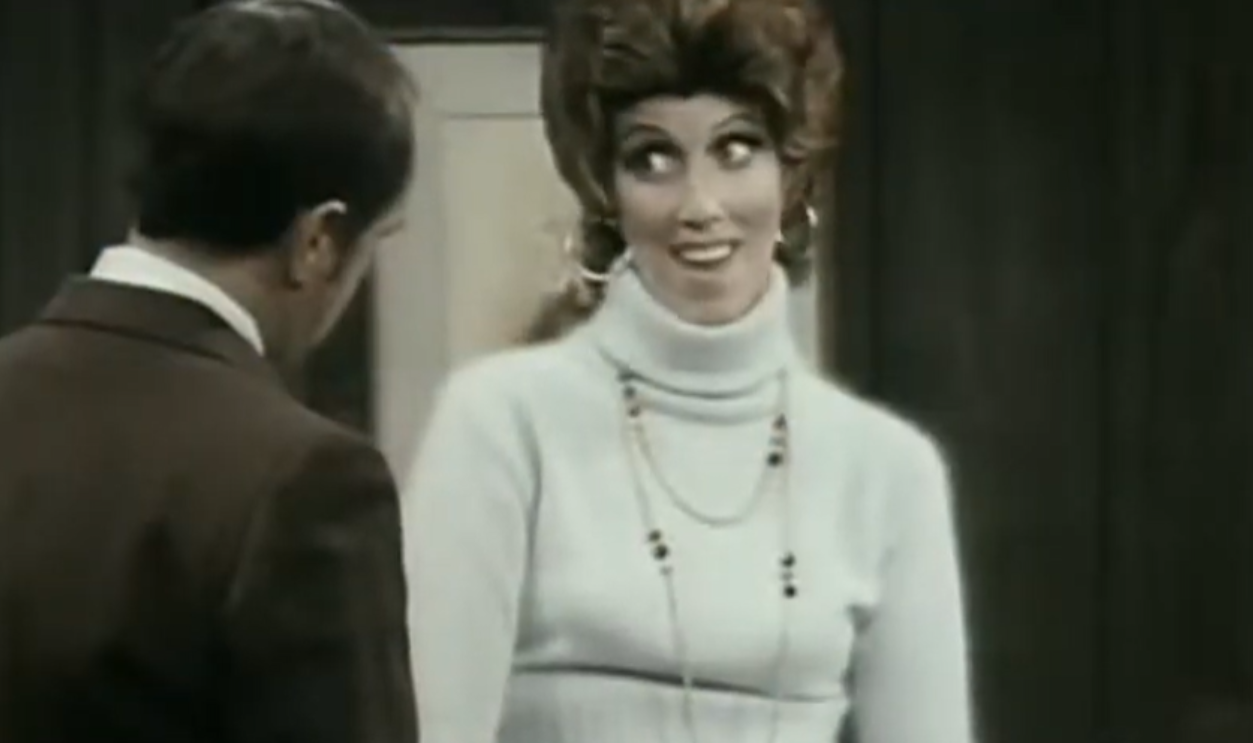
Wallace was also active in the organizations representing performers. She served on the Screen Actors Guild board and later worked with SAG-AFTRA, including efforts surrounding the merger of SAG and AFTRA. She supported union foundations and participated in programs dealing with women's issues. For Wallace, being a working actor was not simply about landing the next sitcom guest spot. She cared about the professional community that had given her a career.
 Screenshot from The Bob Newhart Show, CBS (1972–1978)
Edna Eventually Found A Surprisingly Sweet Ending
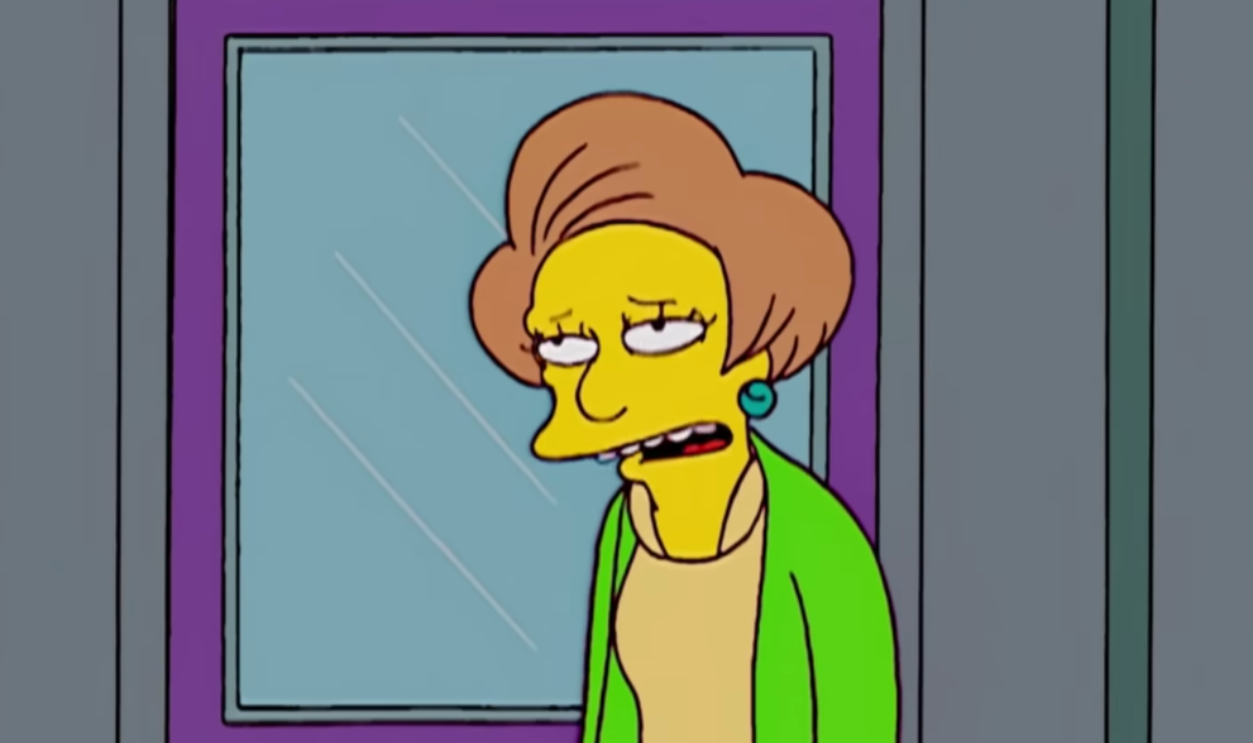
Late in Wallace's Simpsons run, Edna became romantically involved with Ned Flanders, one of Springfield's most relentlessly wholesome residents. The pairing seemed ridiculous at first, which naturally made it perfect for The Simpsons. Viewers were even invited to vote on whether the relationship should continue, and they chose to keep the unlikely couple together. Edna and Ned were later revealed to have secretly married. After decades of fictional romantic disappointment, Wallace's character had finally found somebody.
 Screenshot from The Simpsons, FOX (1989-)
Wallace Remained Beloved Behind The Microphone
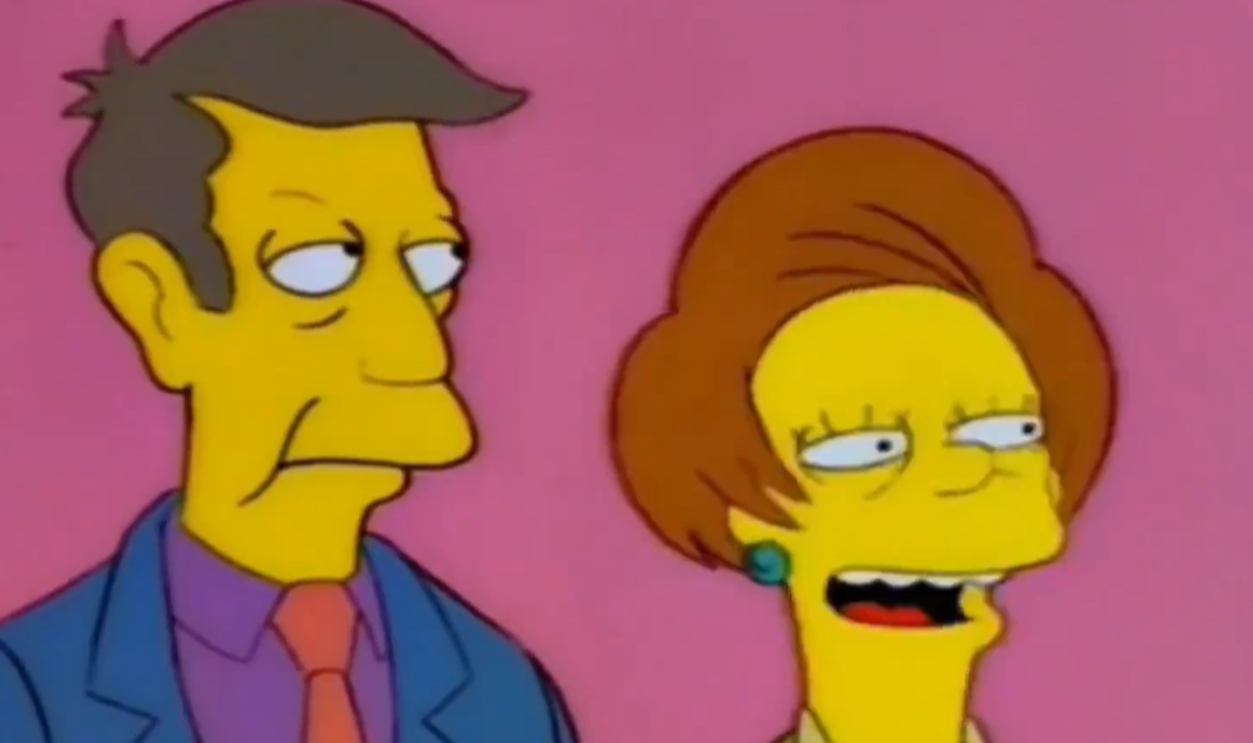
Her Simpsons colleagues frequently described Wallace as warm, funny, and positive, which made the contrast with Edna's exhaustion even better. Harry Shearer, who voiced Ned Flanders, remembered the enormous positive energy Wallace brought to her work. Executive producer Al Jean similarly described her as gracious and beloved by the people making the series. Edna might have sounded like she had completely run out of patience with humanity, but the woman performing her was remembered very differently.
 Screenshot from The Simpsons, FOX (1989-)
Her Final Years Included Another Health Struggle
Wallace's health declined during 2013. She had dealt with breast cancer for decades and underwent another surgery that March, after which her son said she was considered clear of the disease. She continued working and had already recorded substantial Simpsons material in advance. Her long history as a cancer survivor understandably shaped early reporting about her death, but her family said she ultimately died from complications of pneumonia.
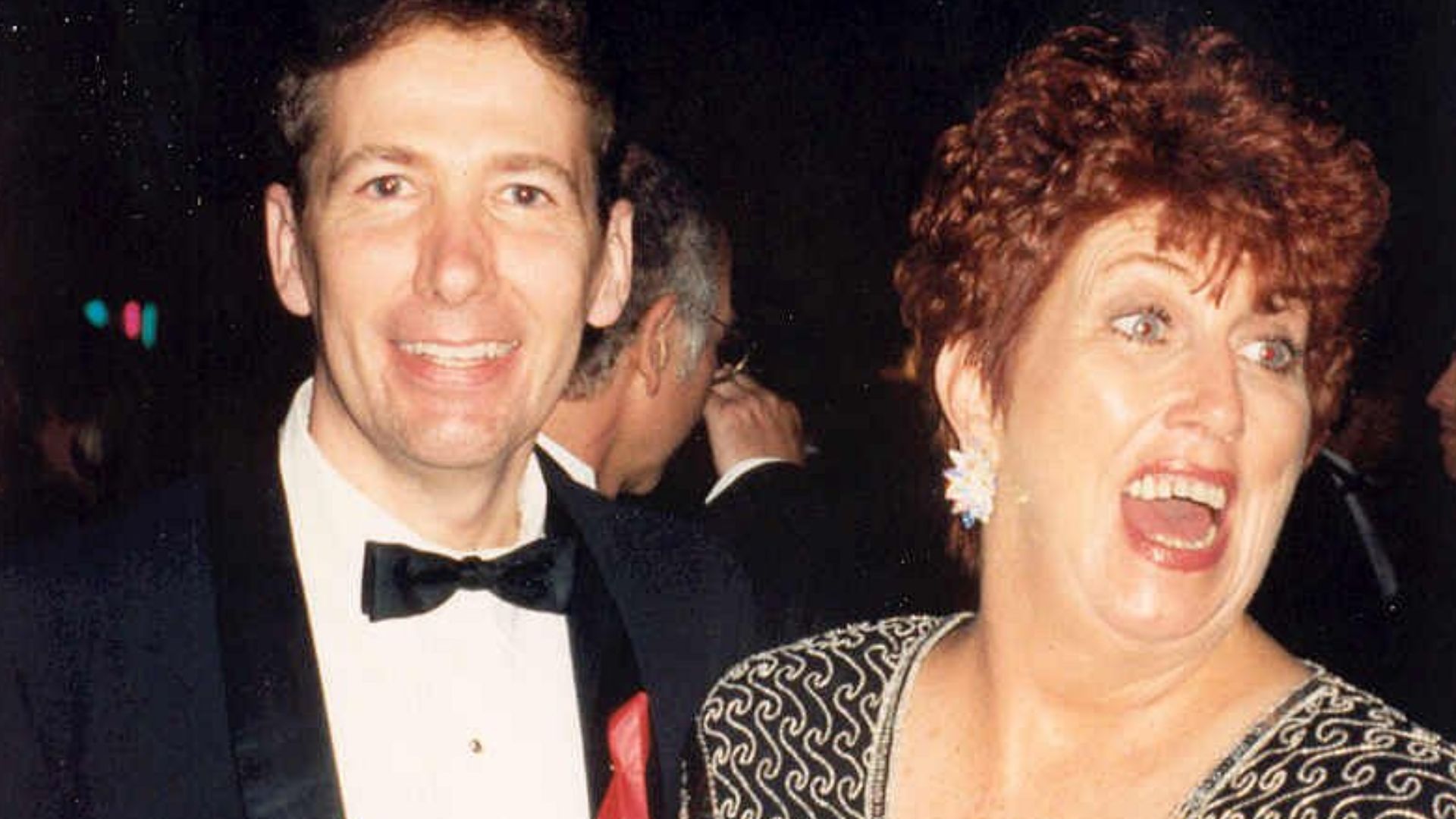
Television Lost Her Just Before Her 71st Birthday
Marcia Wallace died at her Los Angeles home on October 25, 2013, surrounded by family and friends. She was 70 years old and only days away from her 71st birthday. The news hit two generations of television fans differently. Some had lost Carol from The Bob Newhart Show. Others had lost MrsKrabappel. Plenty of viewers had grown up knowing both.
 Screenshot from The Bob Newhart Show, CBS (1972–1978)
The Simpsons Decided Edna Could Not Be Replaced
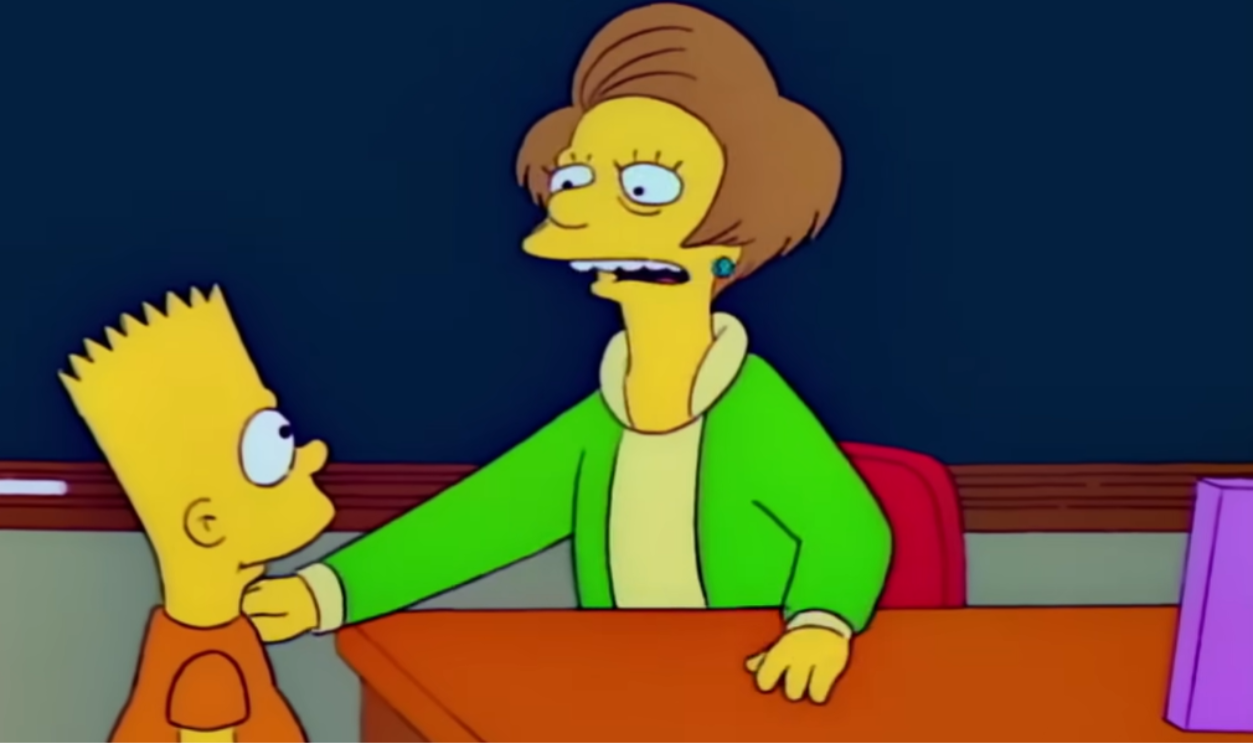
Almost immediately, The Simpsons executive producer Al Jean announced that the show would retire Edna Krabappel rather than cast another actress. Wallace's performance had become too closely tied to the character for a simple replacement to make sense. The decision was a quiet acknowledgment of how much of Edna came directly from Wallace herself. Springfield could find Bart another teacher, but it could not simply find another Marcia Wallace.
 Screenshot from The Simpsons, FOX (1989-)
Bart's Opening Punishment Became A Goodbye
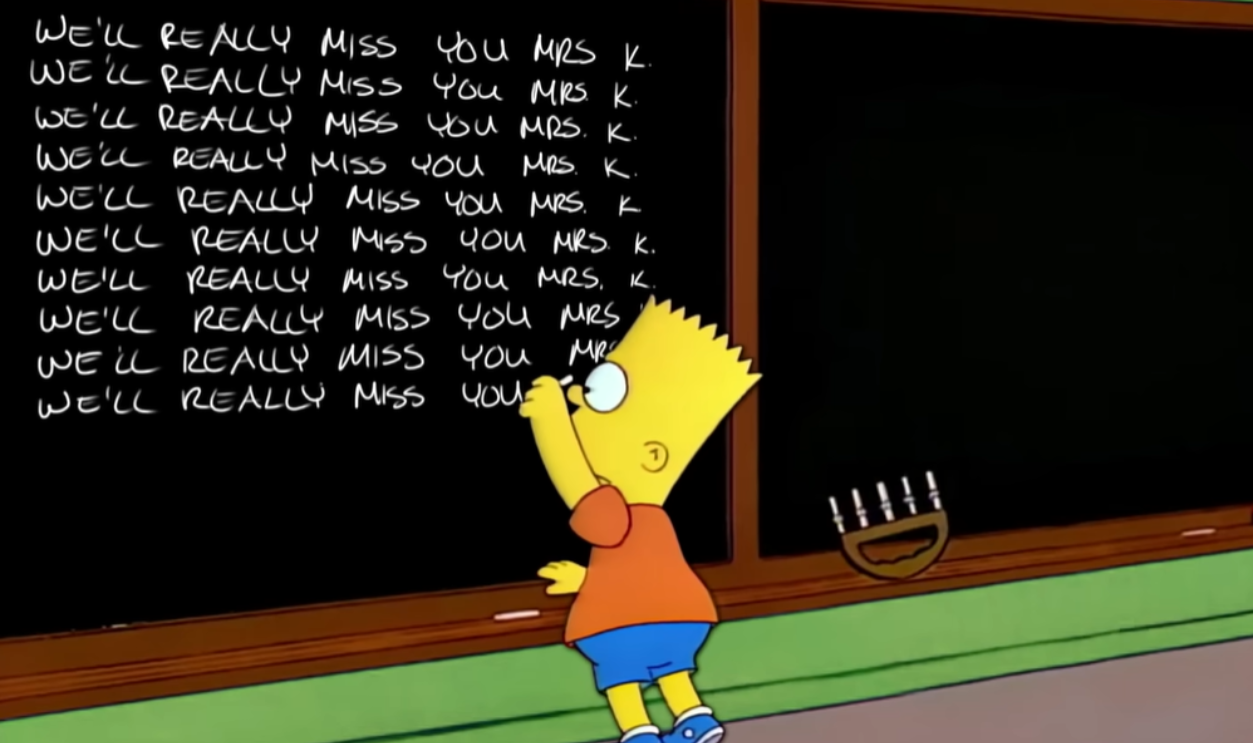
The Simpsons then found an especially fitting way to honor her. In the opening credits of the November 3, 2013 episode "Four Regrettings and a Funeral," the familiar chalkboard gag suddenly stopped being a joke. Instead of repeatedly writing some ridiculous punishment assigned by his teacher, Bart stood at the board and wrote a simple message: "We'll really miss you MrsK". The creators had tucked a memorial to Wallace directly into one of the show's most recognizable opening traditions. The episode also included another dedication to her at the end. It was funny television's version of lowering the lights.
 Screenshot from The Simpsons, FOX (1989-)
Long Before Krabappel, There Was Marcia
To one audience, Marcia Wallace will always be Carol Kester rolling her eyes at Bob Hartley. To another, she is Edna Krabappel delivering that unmistakable laugh while Bart ruins another school day. Between those two characters were game shows, theater productions, guest appearances, cancer advocacy, personal heartbreak, and five decades of making people laugh. Edna Krabappel became an animation icon, but Wallace had already earned her place in television history years before Springfield existed. The touching chalkboard message after her passing simply confirmed something audiences had known since the 1970s: television really was going to miss Marcia Wallace.
You May Also Like:
Why The Bob Newhart Show Star Suzanne Pleshette Became One Of Television’s Most Beloved Performers