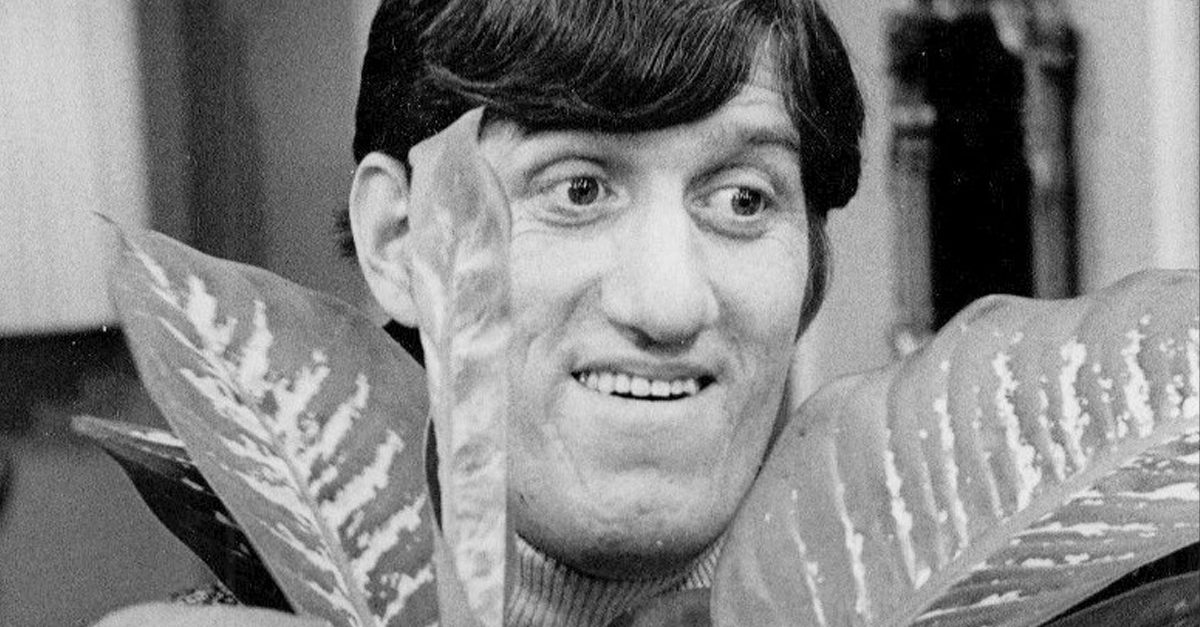
The Neighbor Everyone Remembered
Paul Benedict became unforgettable to classic TV fans as Harry Bentley, the strange, polite, back-bending British neighbor on The Jeffersons. He could wander into George and Louise Jefferson’s apartment and instantly change the rhythm of a scene. But Benedict was much more than a sitcom eccentric.
His career stretched across stage, film, children’s television, and sharp American comedy. There was so much for to Paul Benedict than most people know.
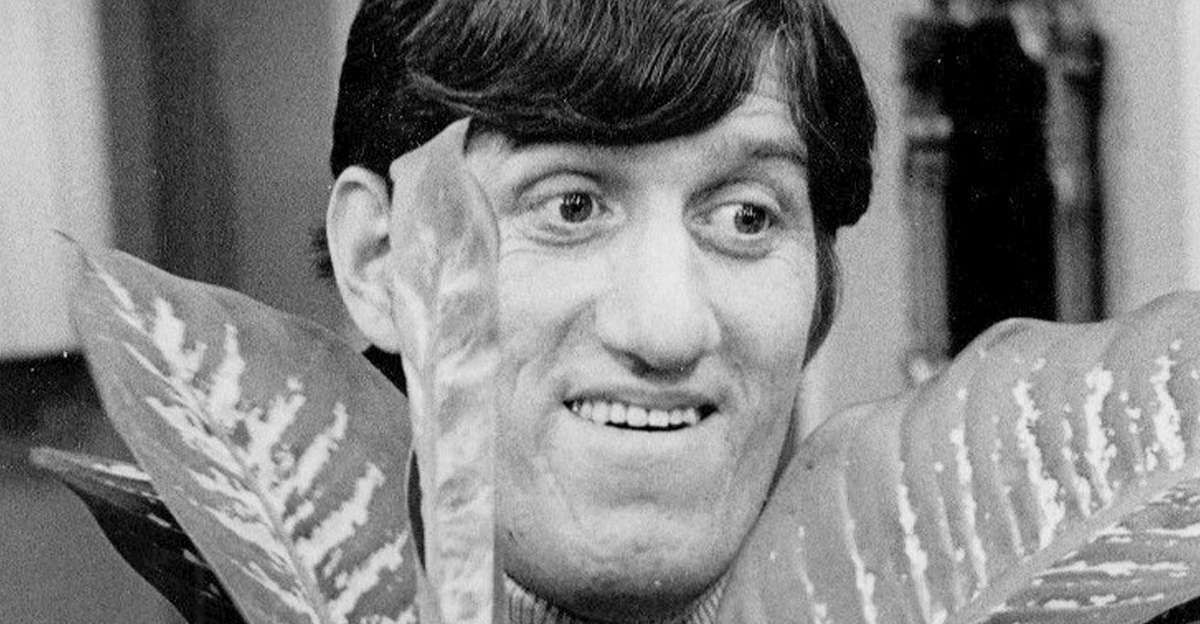 CBS Television, Wikimedia Commons
He Was Born Far From Sitcom Fame
Benedict was born in Silver City, New Mexico, in 1938 and grew up before television made him familiar to millions. His path to acting was not the obvious journey of a conventional leading man. He had a distinctive face, an unusual presence, and the kind of physicality that made casting directors remember him.
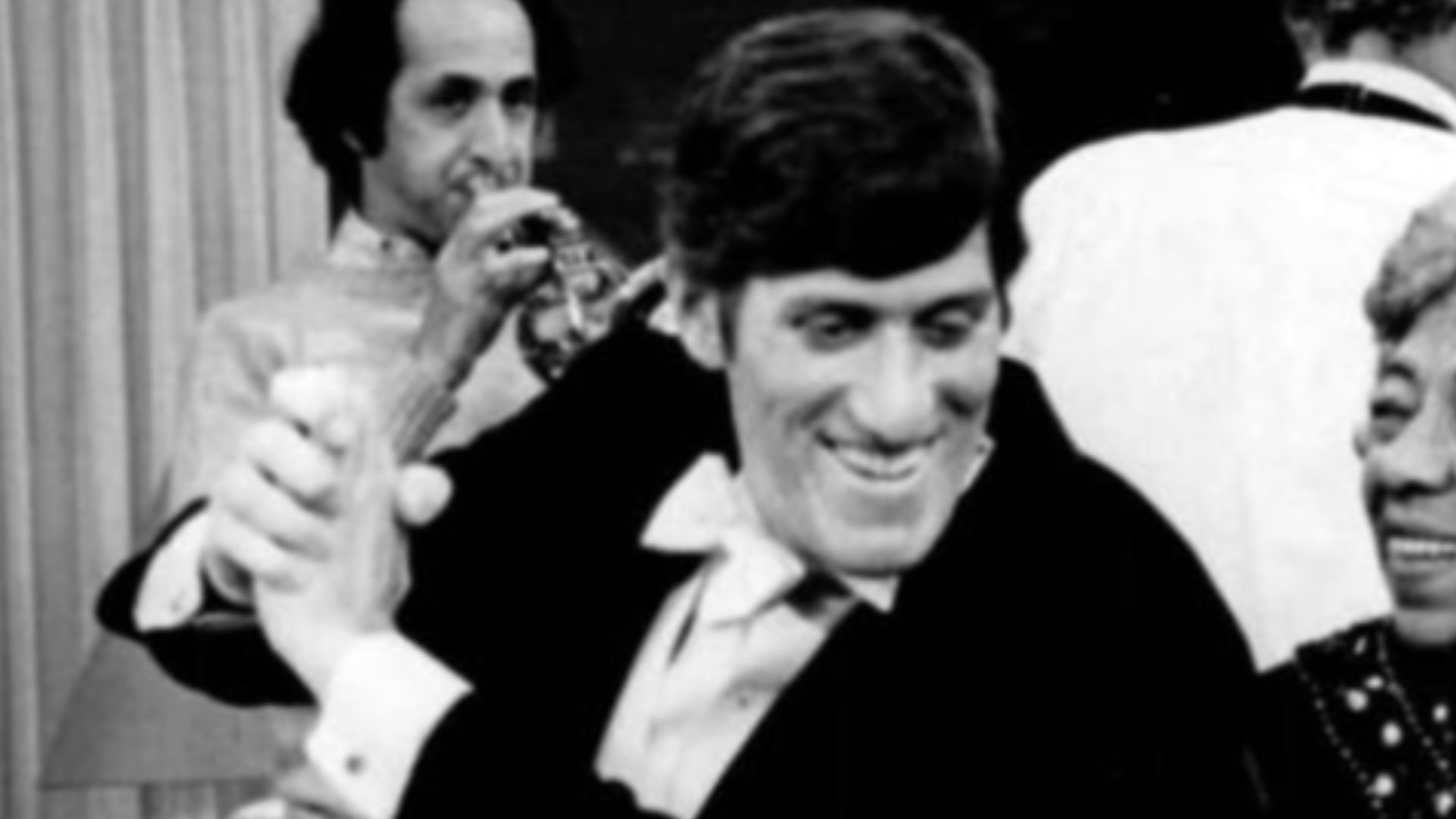 CBS Television, Wikimedia Commons
His Look Came From A Medical Condition
Benedict’s long face and striking features were partly the result of acromegaly, a hormonal disorder that can change bone structure. Instead of hiding what made him visually unusual, he built a career around presence, timing, and intelligence. His face became part of his instrument, but never the whole of his talent.
The Stage Gave Him Serious Training
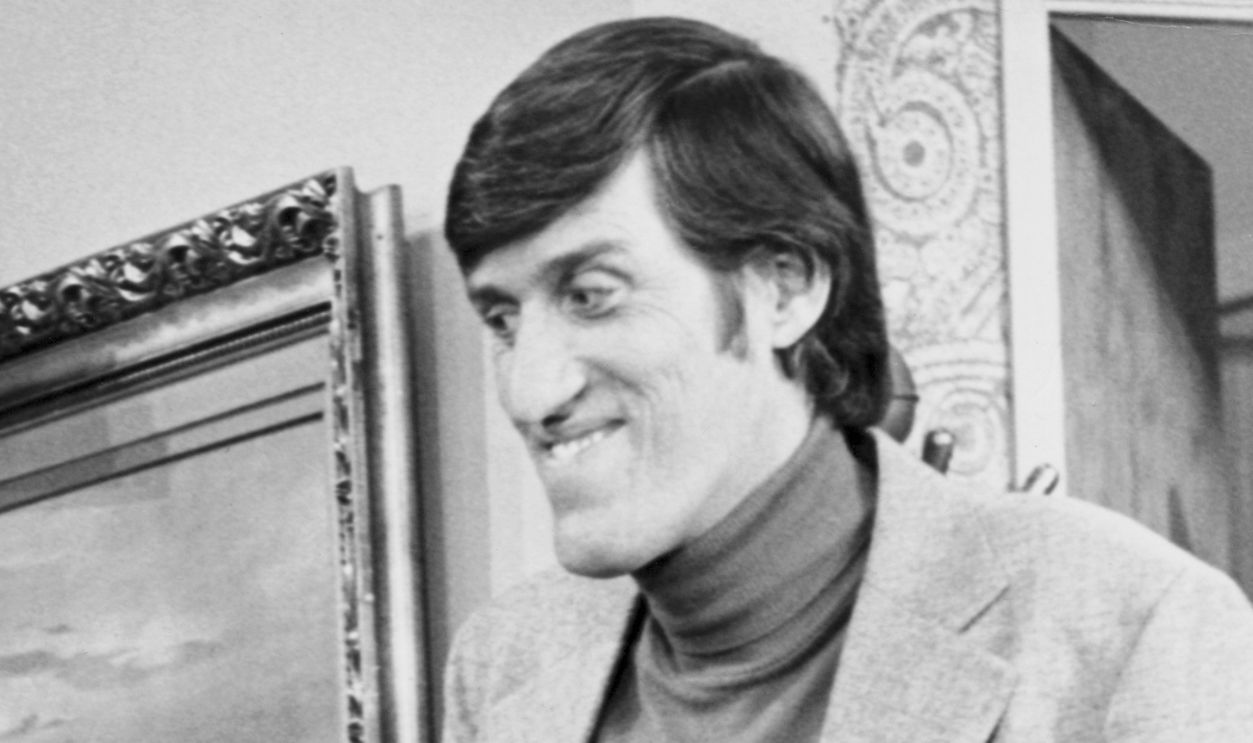
Before audiences knew him as Harry Bentley, Benedict built deep stage experience. He worked in theater for years and remained loyal to the stage even after television made him recognizable. That stage background helped explain the precision of his comic timing. He knew how to enter, pause, react, and steal a scene without forcing it.
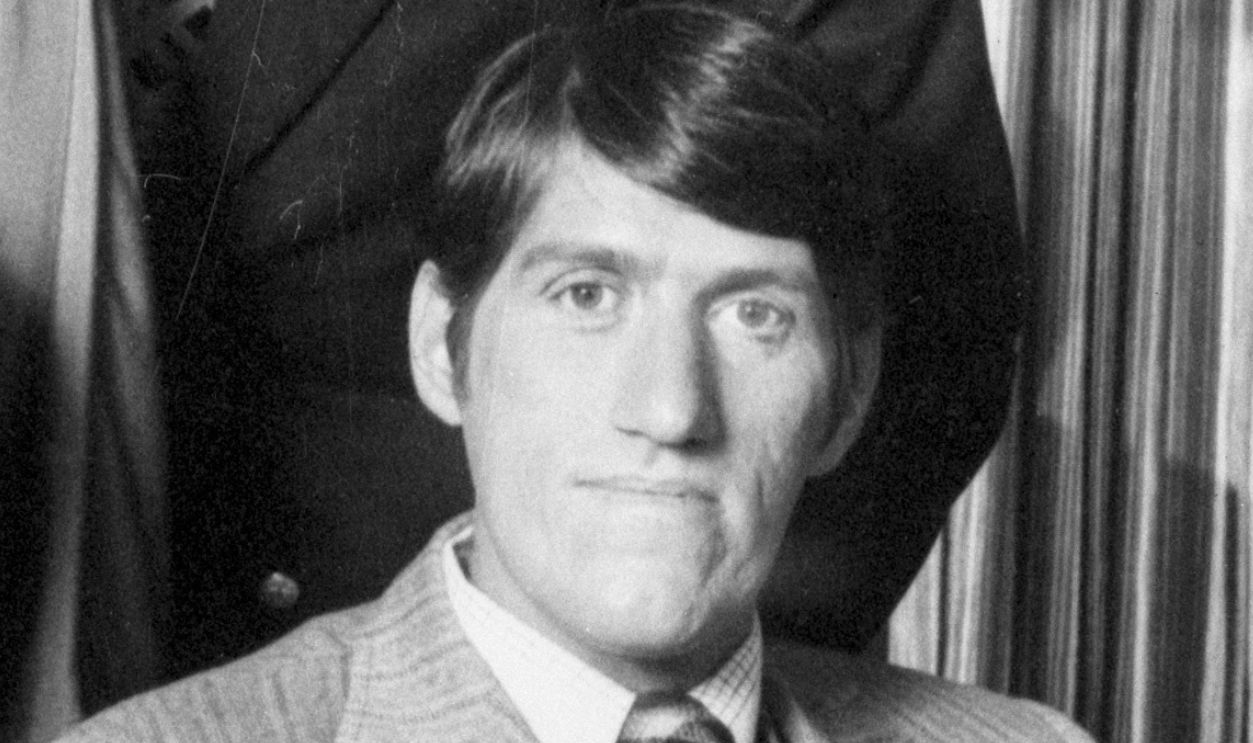
Norman Lear’s World Found Him Early
Benedict appeared in the orbit of Norman Lear’s television empire before The Jeffersons became his defining sitcom. He showed up on Lear-connected comedies including All in the Family and Maude, where his offbeat delivery fit perfectly into a television world built around sharp social comedy and memorable side characters.
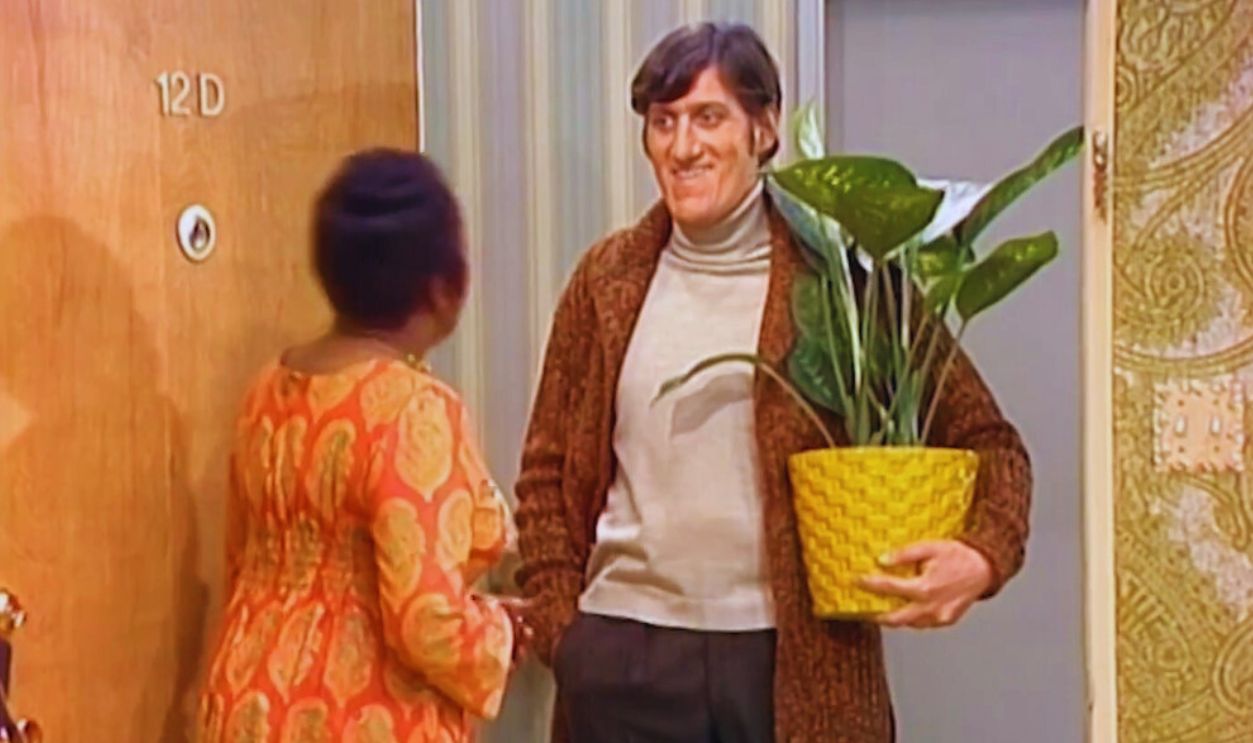 Screenshot from The Jeffersons, CBS (1975–1985)
Then Came Harry Bentley
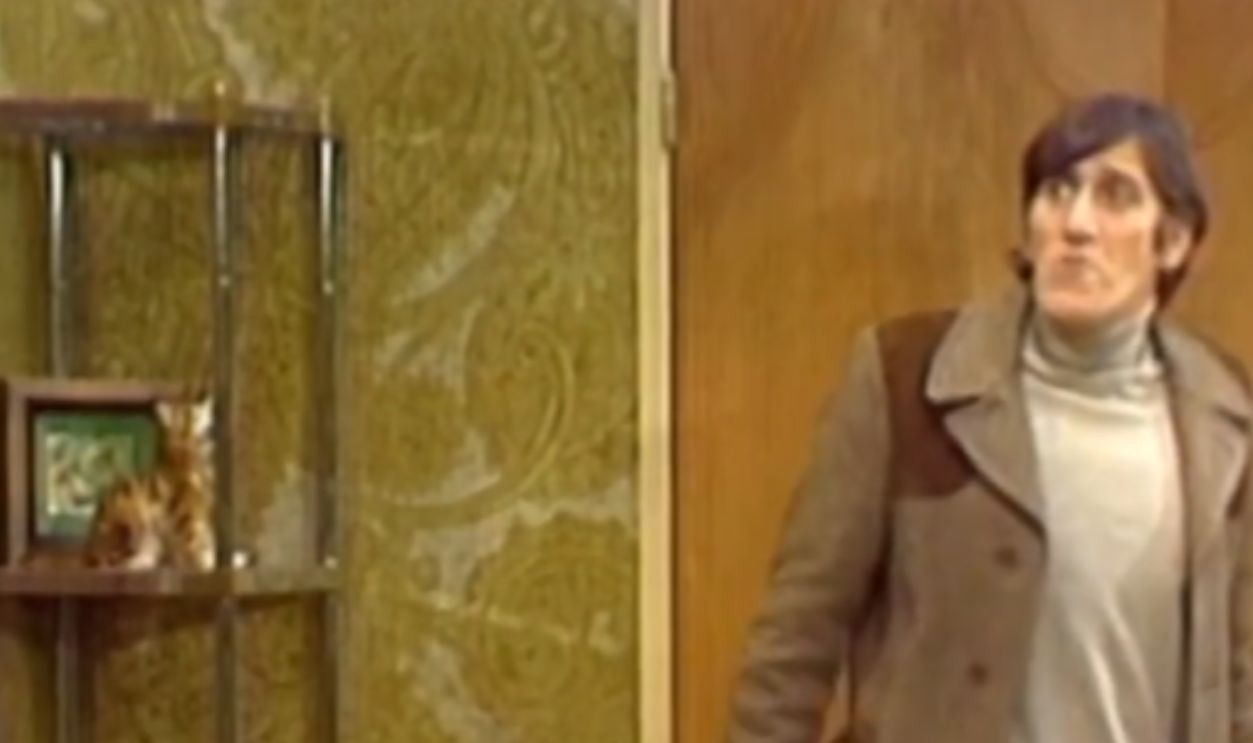
In 1975, Benedict joined The Jeffersons as Harry Bentley, the Jeffersons’ English next-door neighbor. Bentley was courteous, odd, intellectual, and physically comic in a way that made him stand out. His running gag involved asking George Jefferson to walk on his back, a bizarre detail that somehow became perfectly normal in the show’s universe.
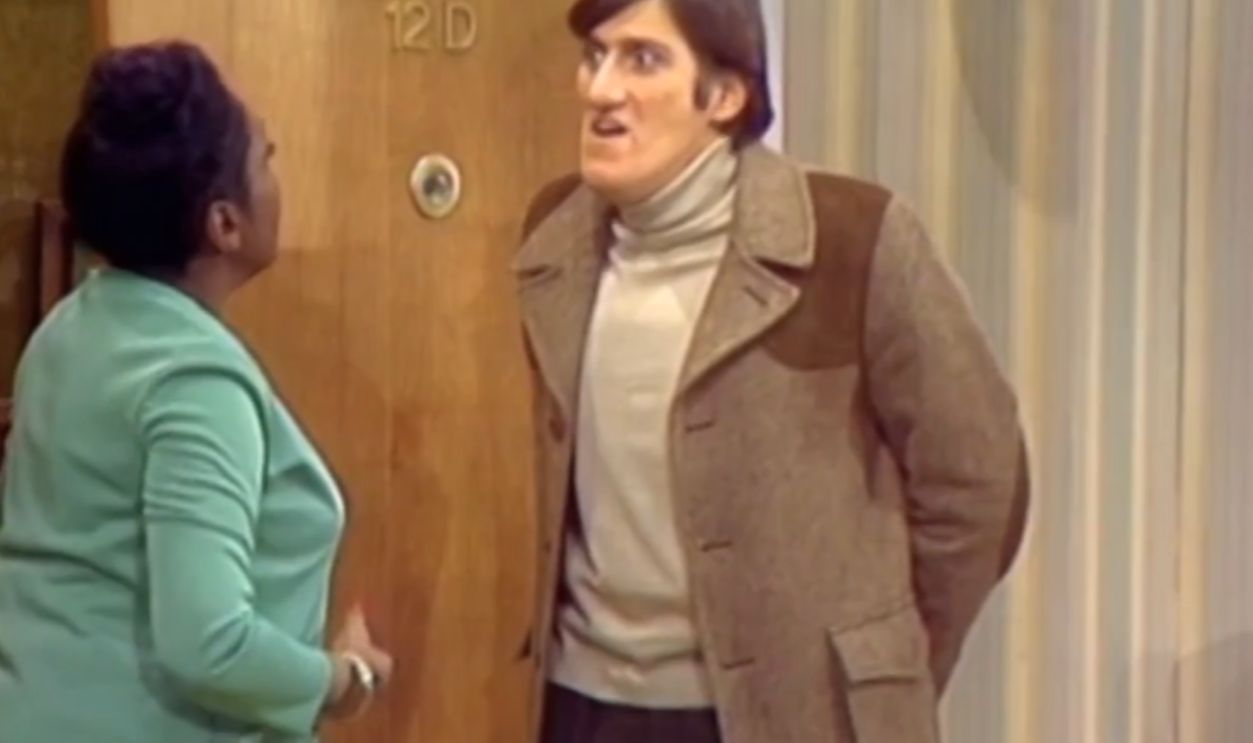 Screenshot from The Jeffersons, CBS (1975–1985)
Harry Bentley Was Strange Without Being Cruel
What made Bentley work was that he was never just a cheap joke. He was peculiar, yes, but also sweet, patient, and oddly dignified. Benedict played him as a man with habits nobody else understood, yet he never seemed embarrassed by them. That gave the character a gentle comic weirdness.
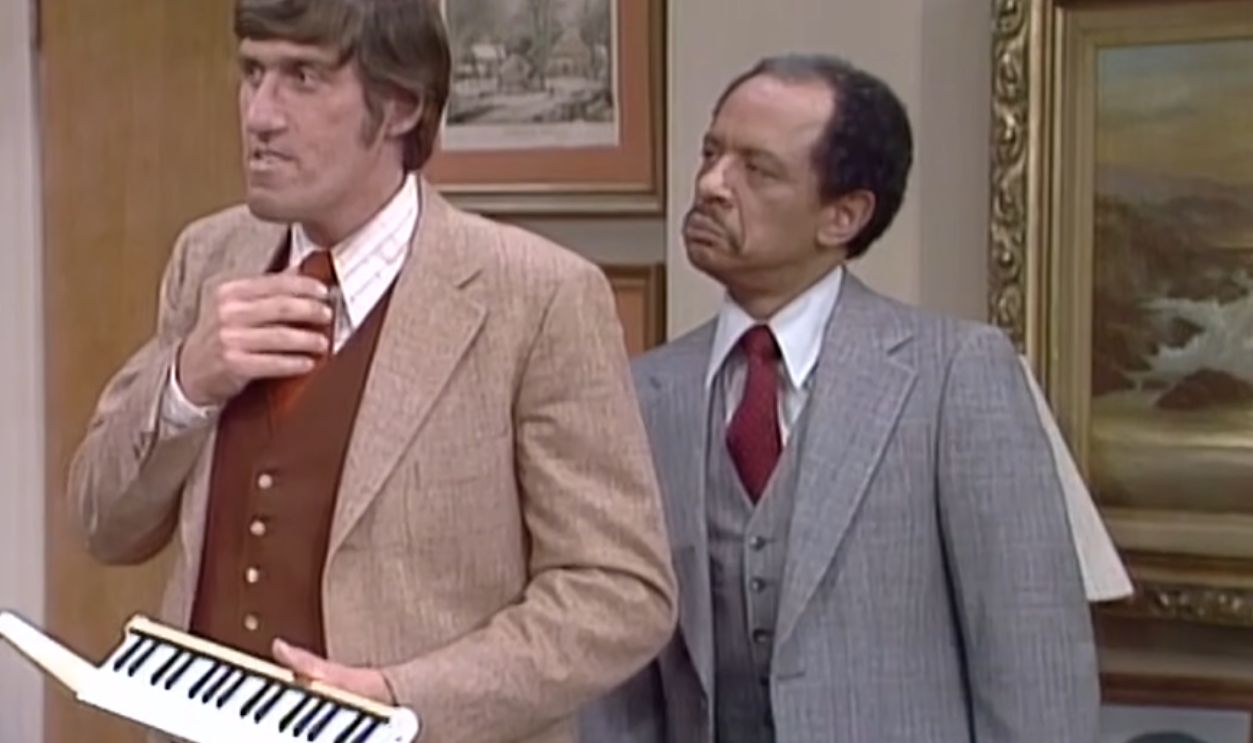 Screenshot from The Jeffersons, CBS (1975–1985)
George Jefferson Played Perfectly Against Him
Bentley worked especially well because Sherman Hemsley’s George Jefferson was explosive, suspicious, and loud, while Benedict’s Bentley was soft-spoken and obliviously calm. The contrast made their scenes pop. George could bark, insult, or complain, and Bentley would somehow remain cheerfully unshaken.
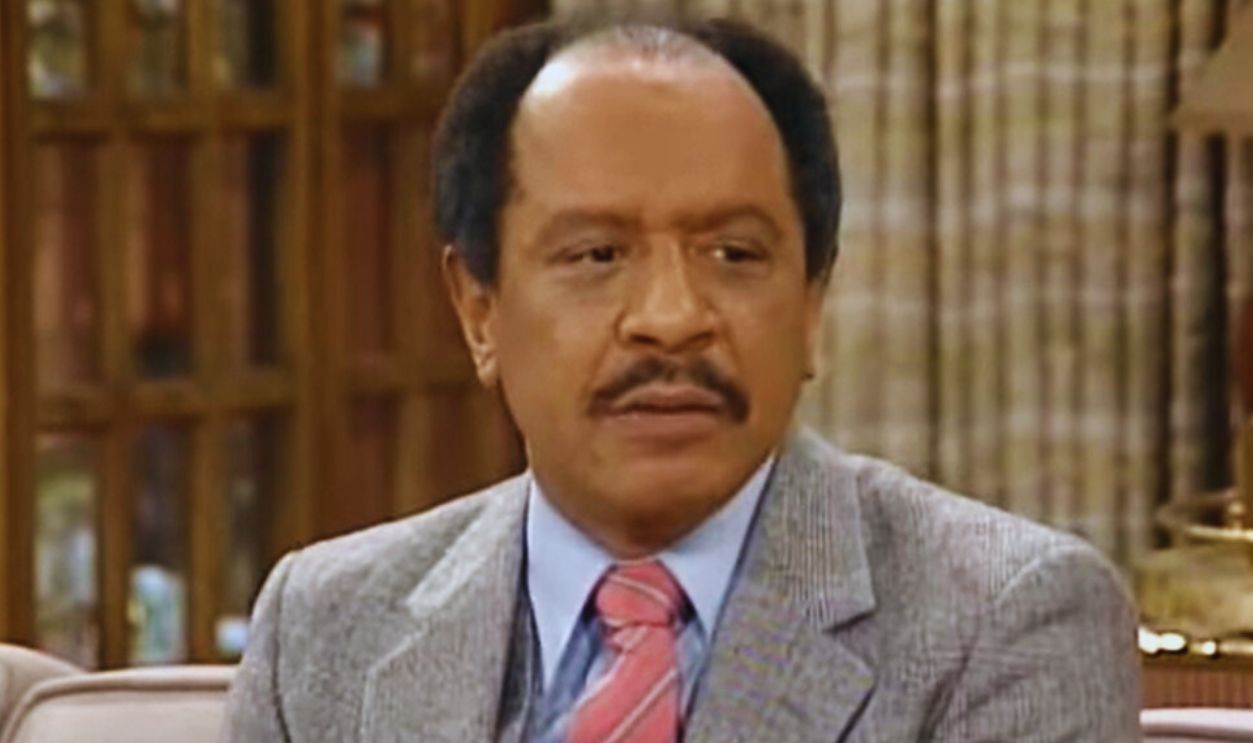 Screenshot from The Jeffersons, CBS (1975–1985)
He Became One Of TV’s Great Oddball Neighbors
The 1970s gave sitcoms many unforgettable neighbors, but Harry Bentley had his own peculiar flavor. He was not nosy in the usual way, not glamorous, and not a romantic foil. He was simply strange, civilized, and always slightly out of step. Benedict made that enough.
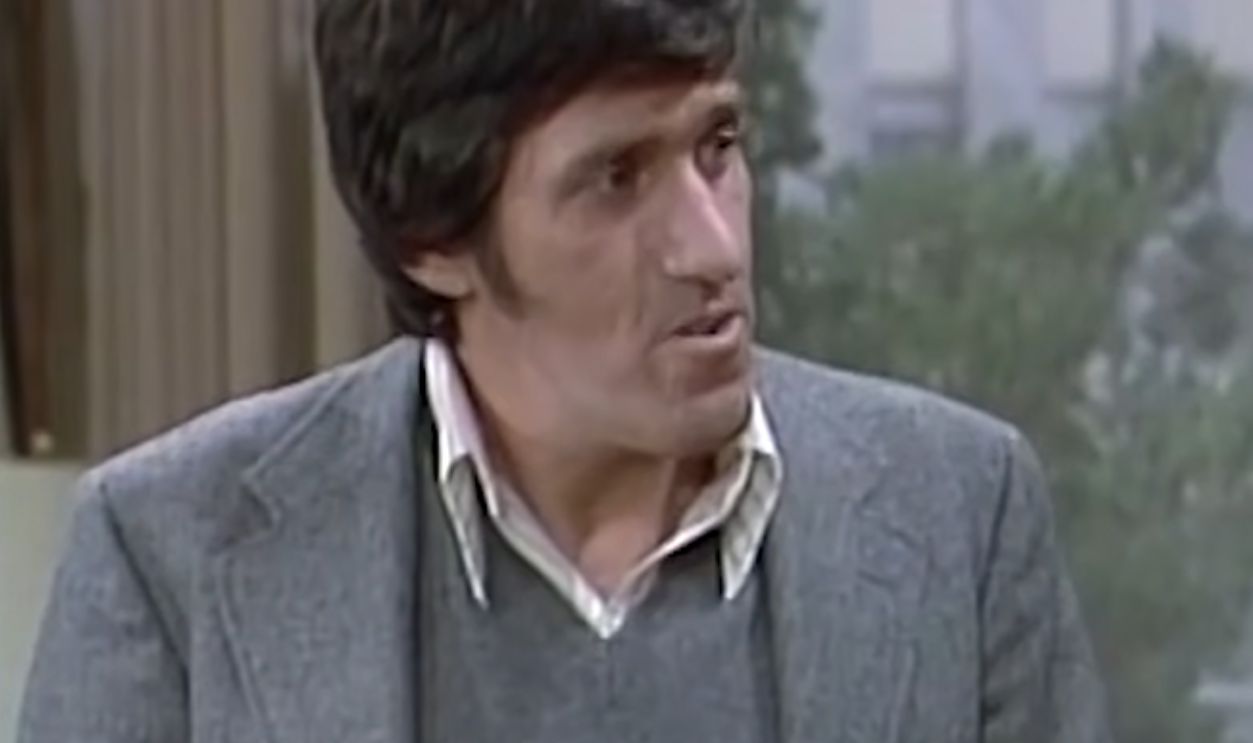 Screenshot from The Jeffersons, CBS (1975–1985)
He Left And Then Came Back
Benedict appeared during the early years of The Jeffersons, left for a period, and later returned in the show’s later seasons. That return showed how useful Harry Bentley remained to the sitcom’s rhythm. Even when the series evolved, his odd little presence still belonged in that building.
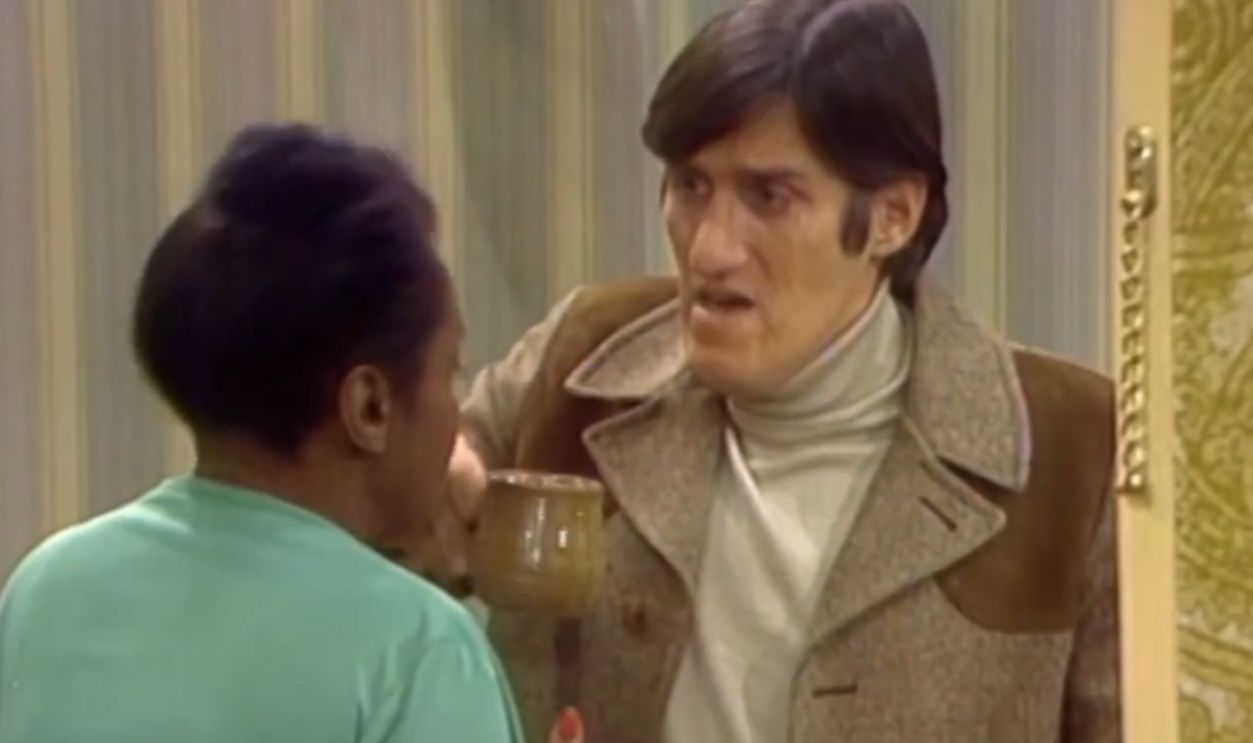 Screenshot from The Jeffersons, CBS (1975–1985)
The Jeffersons Could Have Defined Him Completely
For many actors, a role like Harry Bentley would become both blessing and cage. Benedict knew the risk. The part made him famous to television viewers, but it also threatened to flatten a much richer career into one quirky neighbor. Fortunately, his work outside the show told a bigger story.
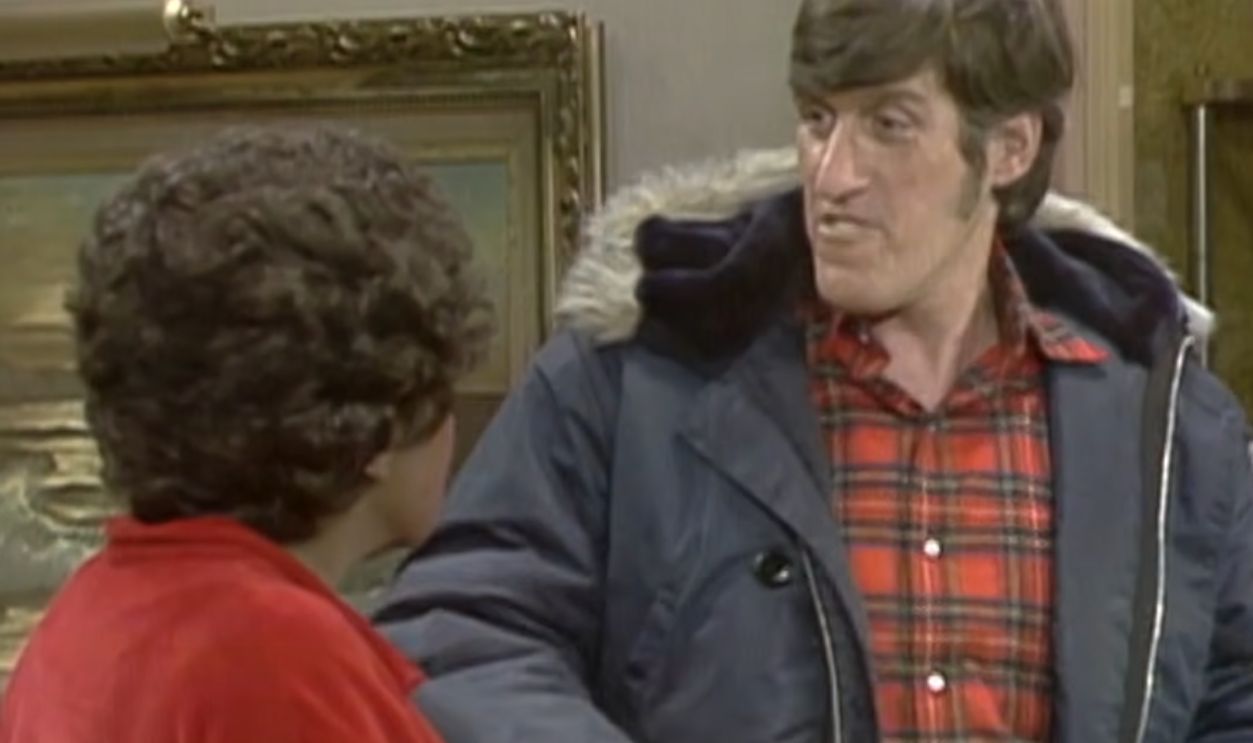 Screenshot from The Jeffersons, CBS (1975–1985)
Children Knew Him From Sesame Street
Benedict also became familiar to younger viewers through Sesame Street, where he appeared as the Number Painter. The recurring bits gave children a different version of his comic oddness. He could be strange, visual, and funny in a way that worked even outside a traditional sitcom format.
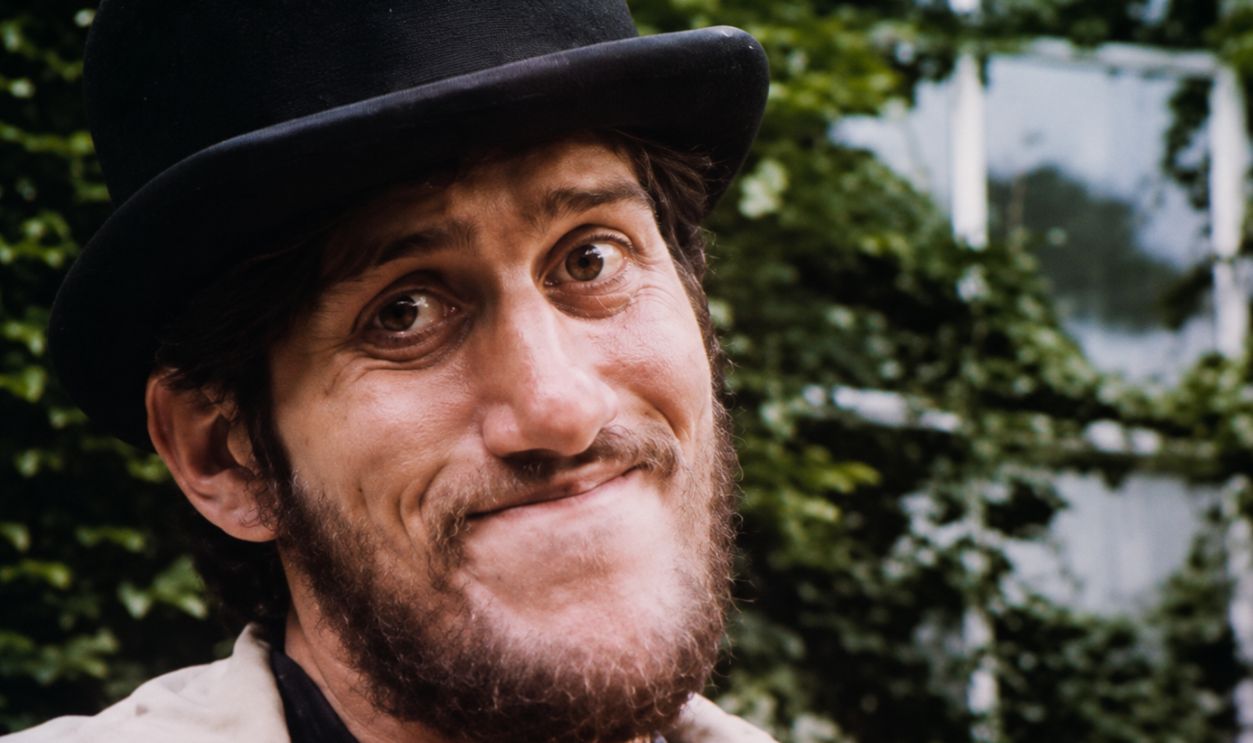 : Screenshot from Sesame Street, Children's Television Workshop (1969–present), Modified
He Had A Gift For Visual Comedy
The Number Painter role showed one of Benedict’s great strengths. He did not need long speeches to be funny. He could use posture, movement, expression, and rhythm. Whether on children’s television or a grown-up sitcom, he understood how comedy could come from the body as much as the line.
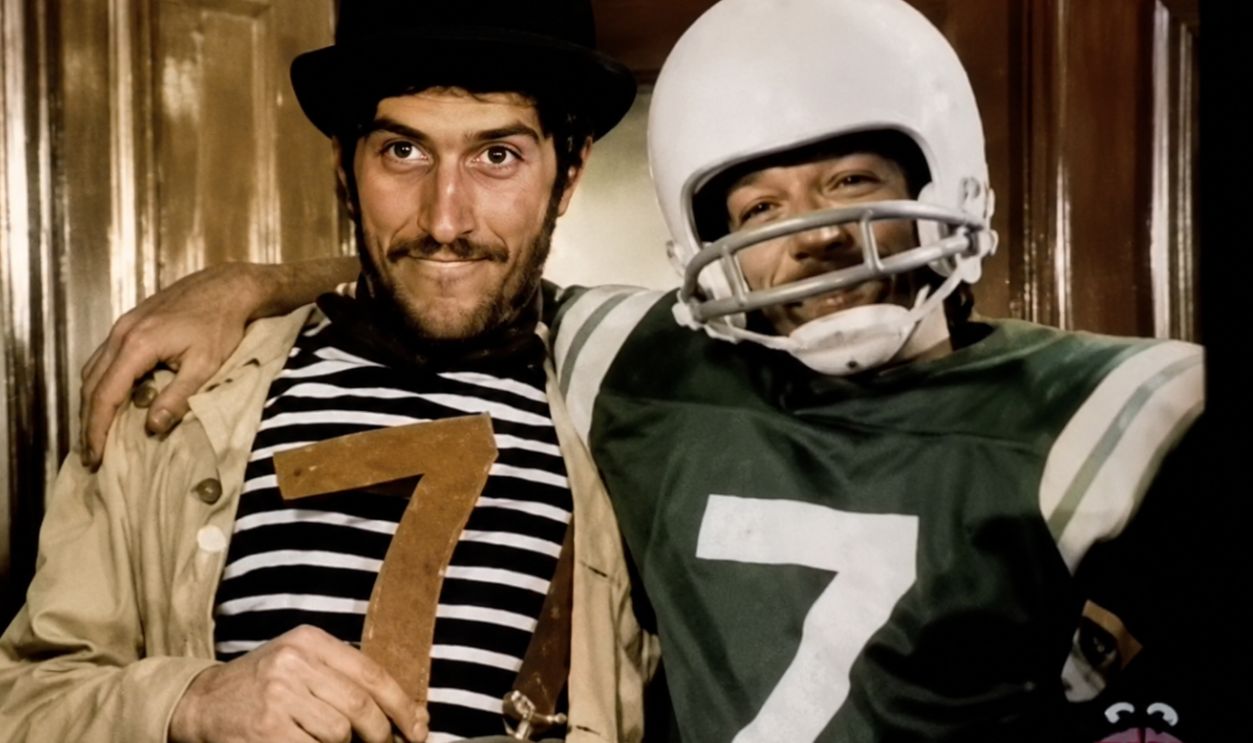 Screenshot from Sesame Street, Children's Television Workshop (1969–present), Modified
Film Directors Found Uses For His Oddness
Benedict’s film work was surprisingly varied. He appeared in films such as Taking Off, Mandingo, The Goodbye Girl, The Man with Two Brains, This Is Spinal Tap, and Arthur 2: On the Rocks. His screen appearances were often brief, but they were rarely forgettable.
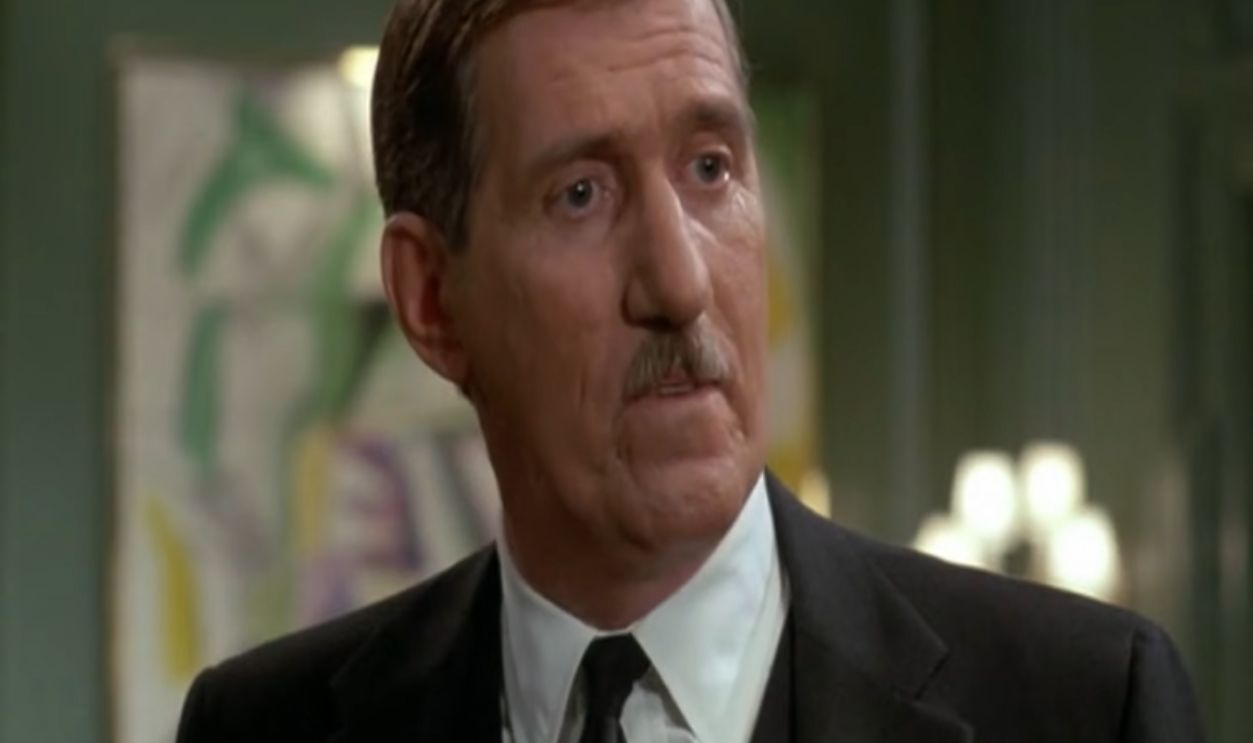 Screenshot from Arthur 2: On the Rocks, Warner Bros. Pictures (1988)
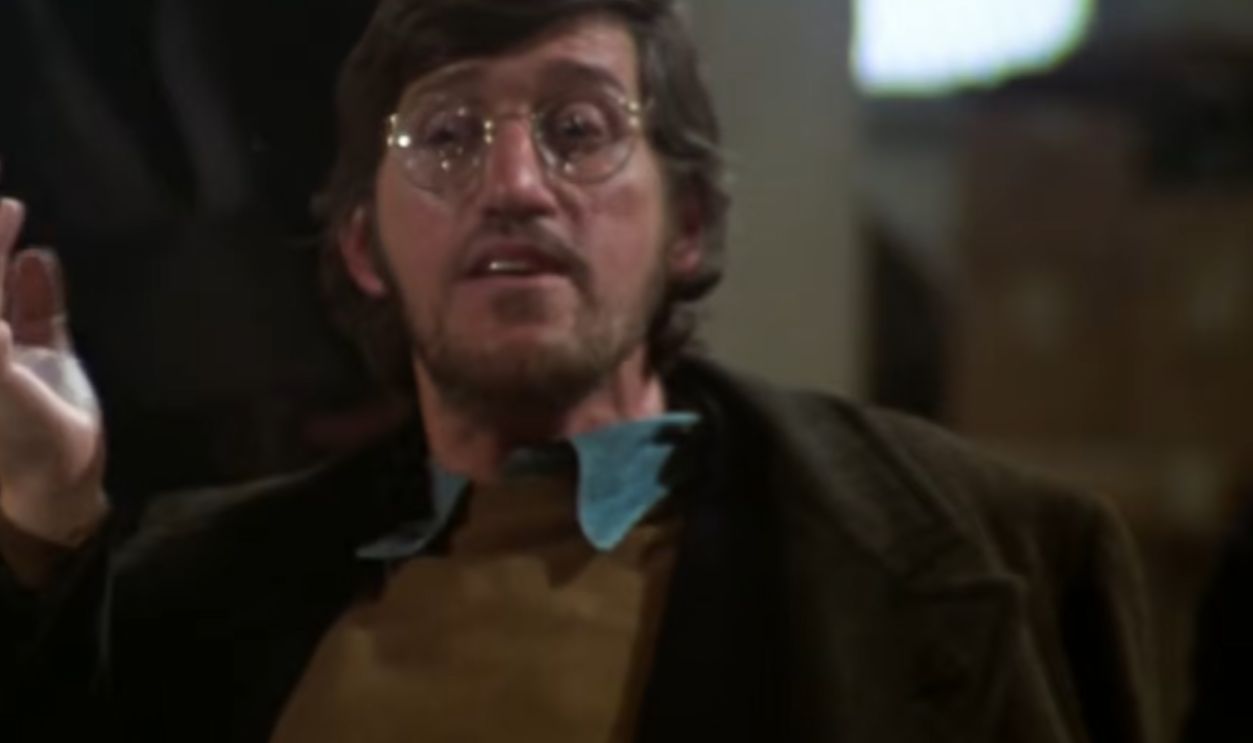
The Goodbye Girl Gave Him A Classic Comic Role
One of Benedict’s best-known film parts came in The Goodbye Girl, where he played a pretentious stage director who forces Richard Dreyfuss’s character into an absurd interpretation of Richard III. It was a perfect Benedict role: theatrical, ridiculous, precise, and just pompous enough to be hilarious.
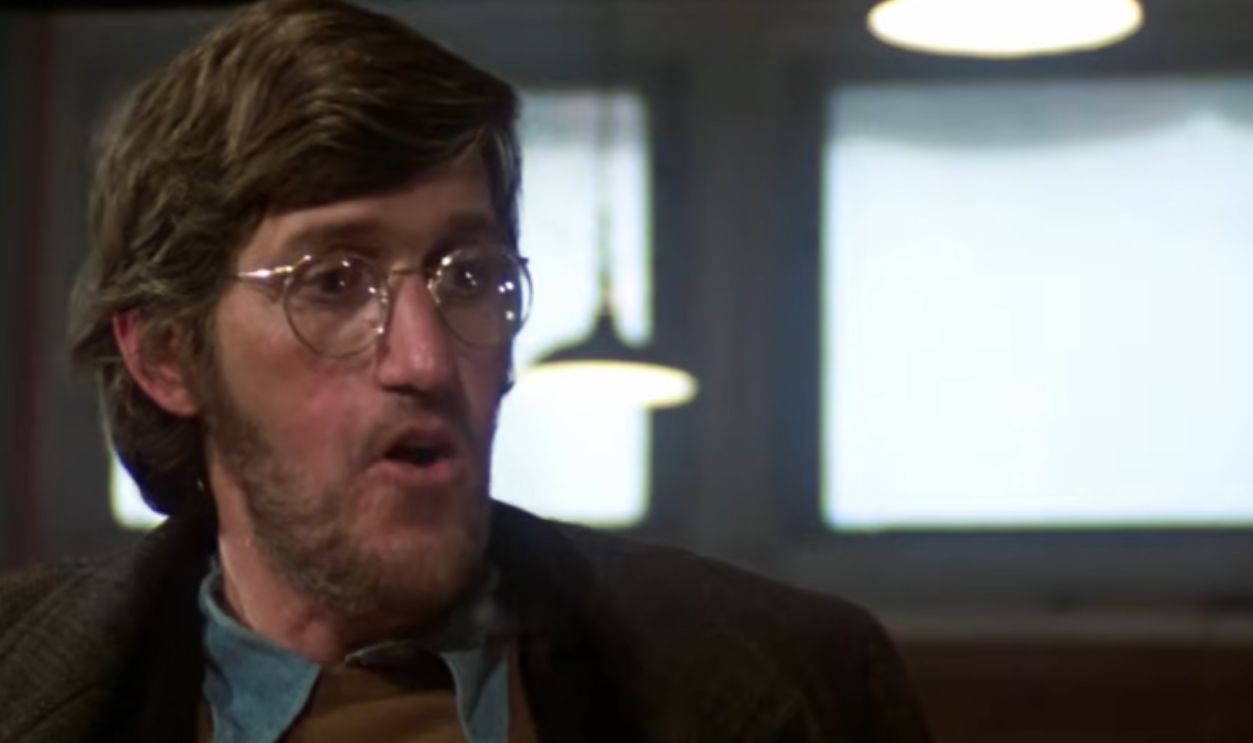 Screenshot from The Goodbye Girl, Metro-Goldwyn-Mayer (1977)
He Fit Perfectly Into Christopher Guest Comedy
Benedict later appeared in Christopher Guest’s comedy world, including Waiting for Guffman. That made sense. Guest’s mockumentary style depended on performers who could make odd people feel completely real. Benedict had spent his whole career doing exactly that.
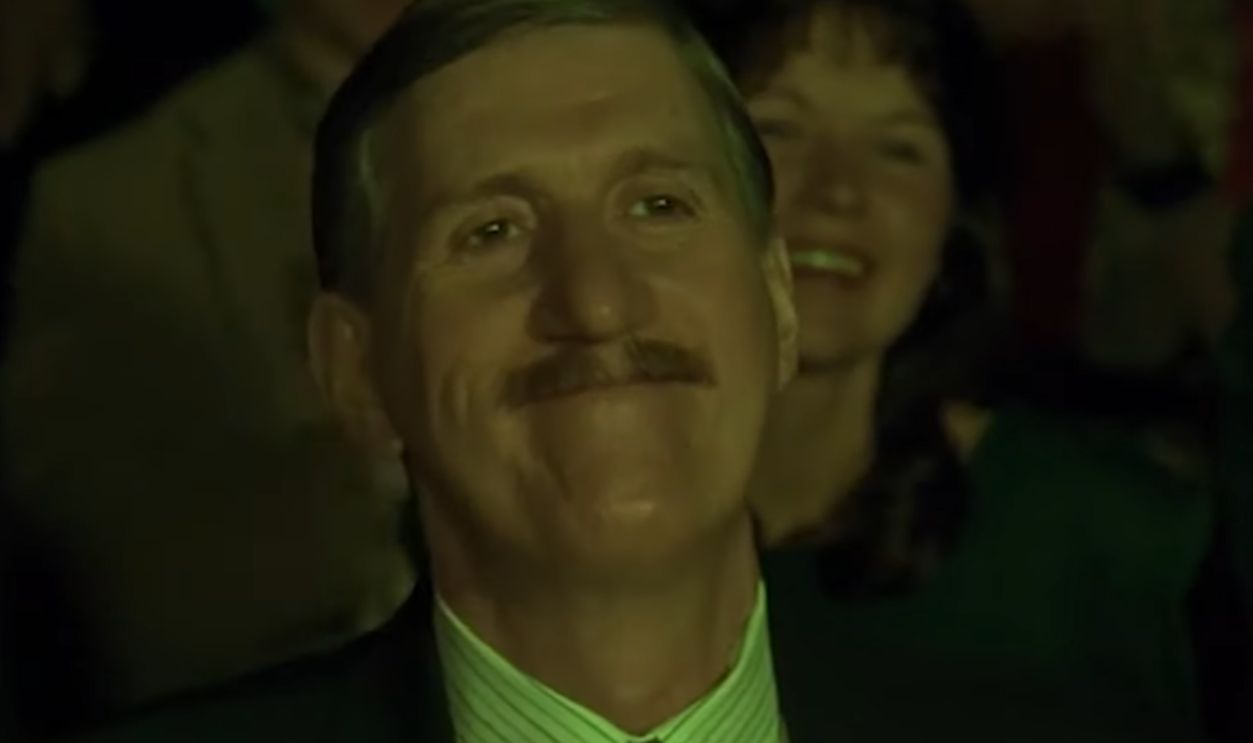 Screenshot from Waiting for Guffman, Sony Pictures Classics (1996)
This Is Spinal Tap Used Him Beautifully
In This Is Spinal Tap, Benedict appeared as Tucker “Smitty” Brown, one more strange presence in a movie full of perfectly observed absurdity. It was not the kind of role that needed to dominate the film. It needed an actor who could make a small comic detail feel lived-in. Benedict could do that effortlessly.
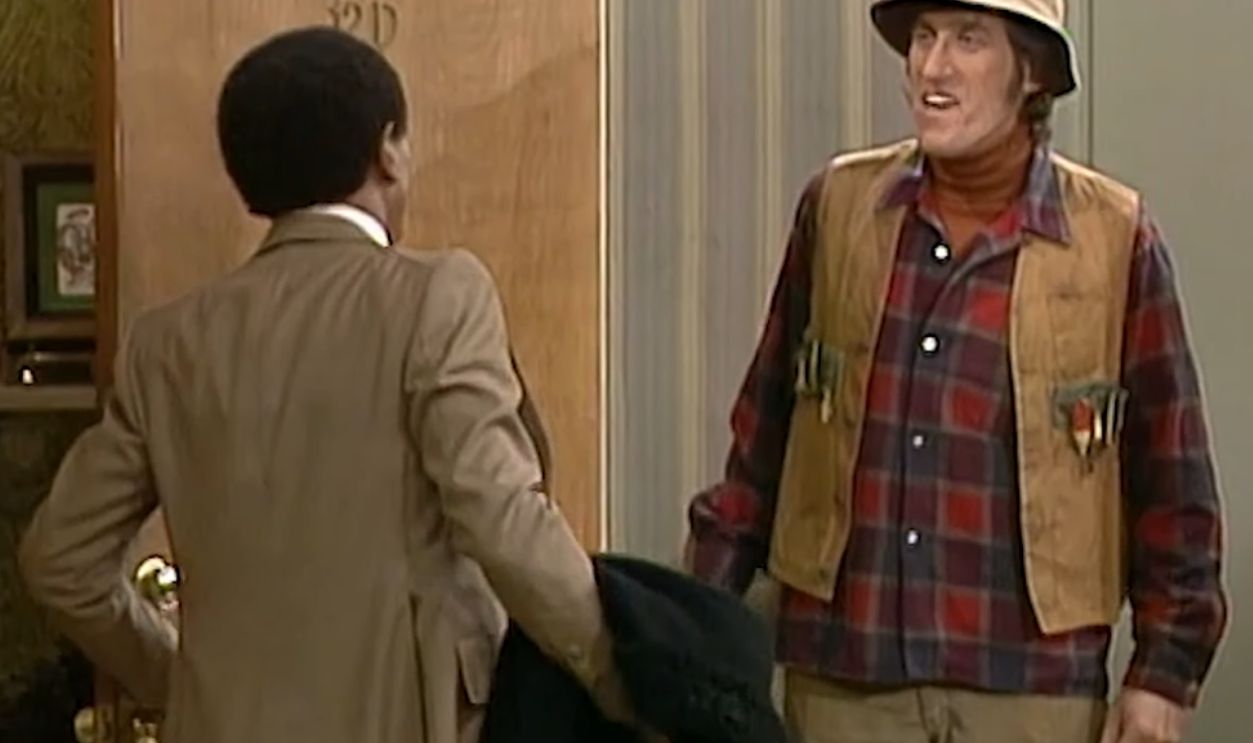 Screenshot from The Jeffersons, CBS (1975–1985)
He Even Turned Up On Seinfeld
Benedict also appeared on Seinfeld, a show that valued eccentric side characters as much as any sitcom in television history. His presence there felt natural. He belonged in comedy worlds where the smallest social interaction could become ridiculous, tense, or strangely memorable.
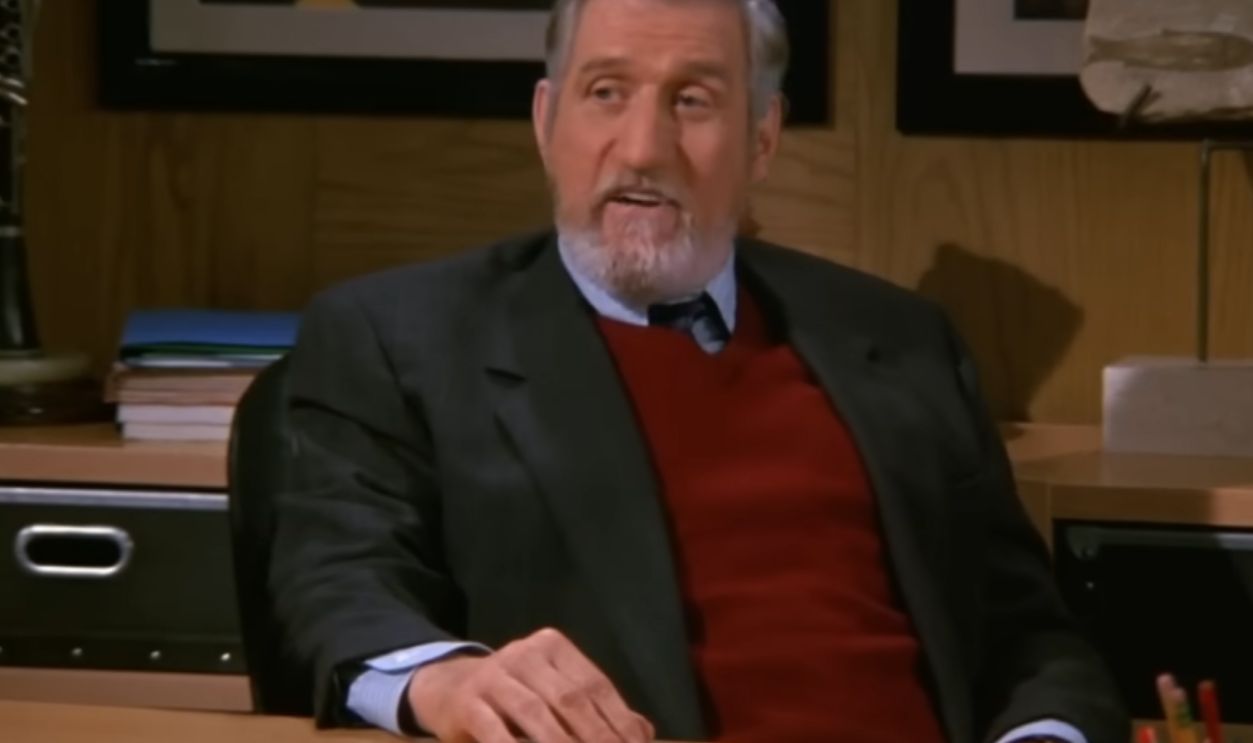 Screenshot from Seinfeld, NBC (1989–1998)
Broadway Never Stopped Mattering
Even after television made him recognizable, Benedict stayed connected to theater. He's still remembered as a television and stage actor who remained faithful to the stage throughout his long career. That matters because he was not simply a TV character actor. He was a working performer with serious theatrical roots.
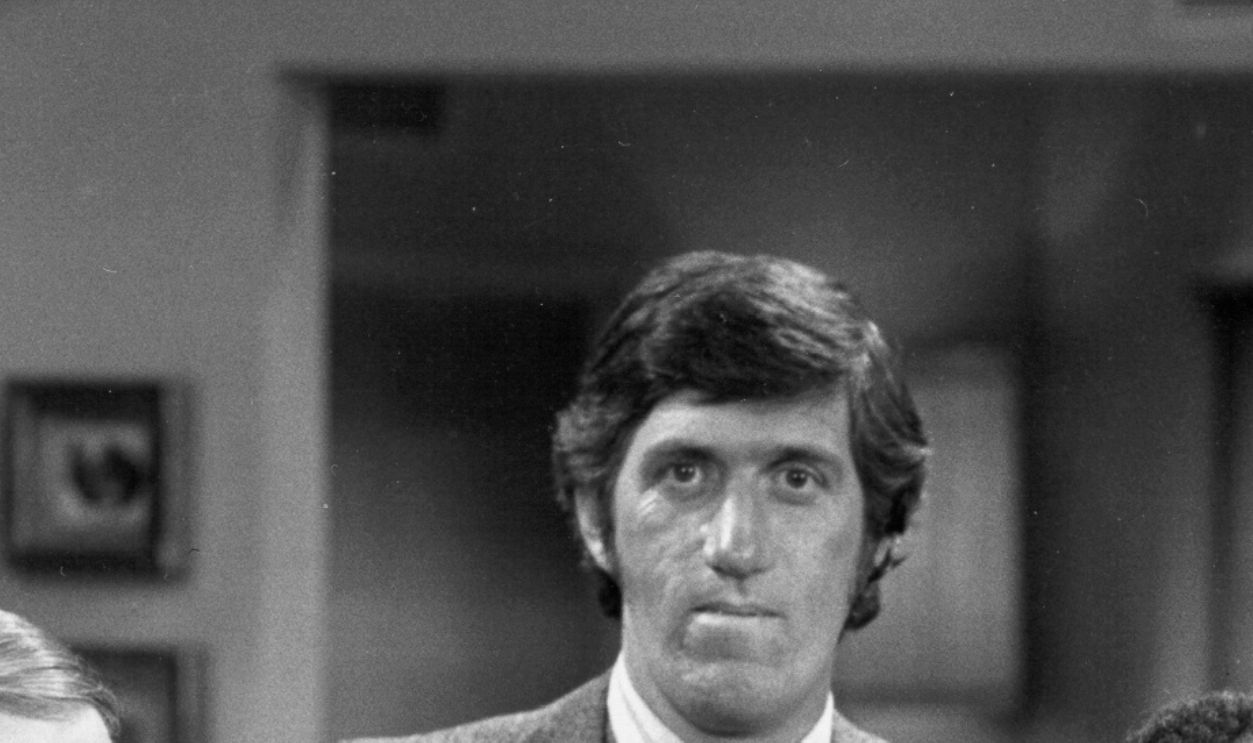 Michael Ochs Archives, Getty Images
He Was A Scene-Stealer, Not A Star Chaser
Benedict’s career was not built around leading-man glamour. It was built around specificity. He could enter a scene and make viewers wonder who that person was, why he sounded that way, and what odd thought might come next. That is a quieter kind of fame, but it can last longer.
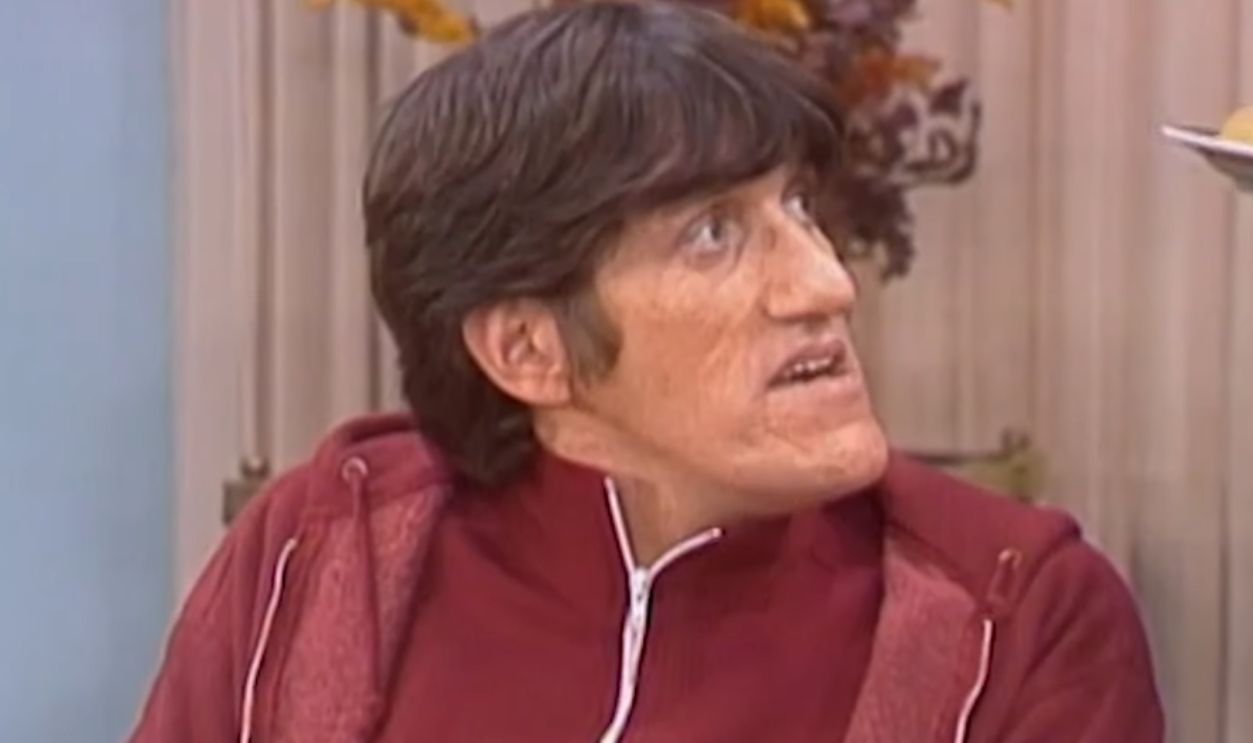 Screenshot from The Jeffersons, CBS (1975–1985)
His Comedy Was Never Desperate
What made Benedict so funny was his calmness. He rarely seemed to beg for laughs. Harry Bentley did not know he was bizarre. The Number Painter did not announce himself as eccentric. His film characters often behaved as if their absurdity was perfectly logical. That confidence made the comedy sharper.
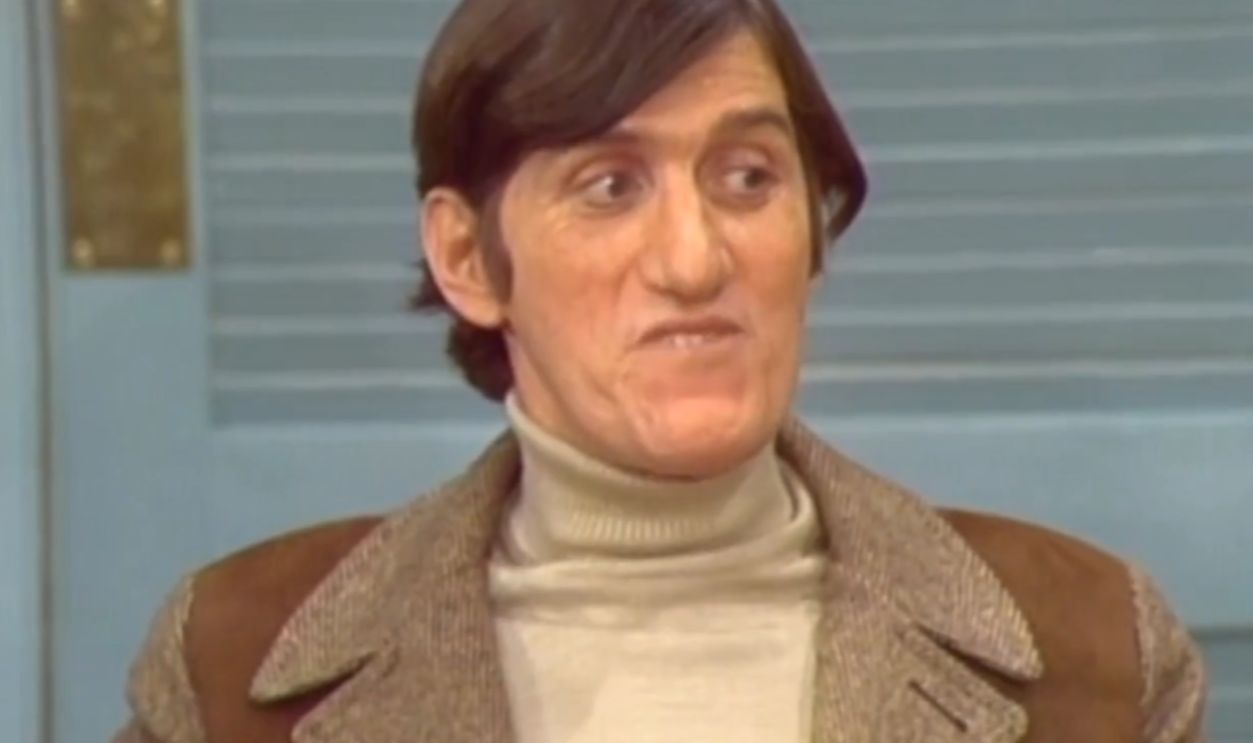 Screenshot from The Jeffersons, CBS (1975–1985)
He Made Small Roles Feel Complete
Many actors disappear inside small parts. Benedict did the opposite. He suggested entire lives in just a few gestures. A voice, a look, a pause, or an oddly formal sentence could make one of his characters feel as if he had wandered in from a fully developed private world.
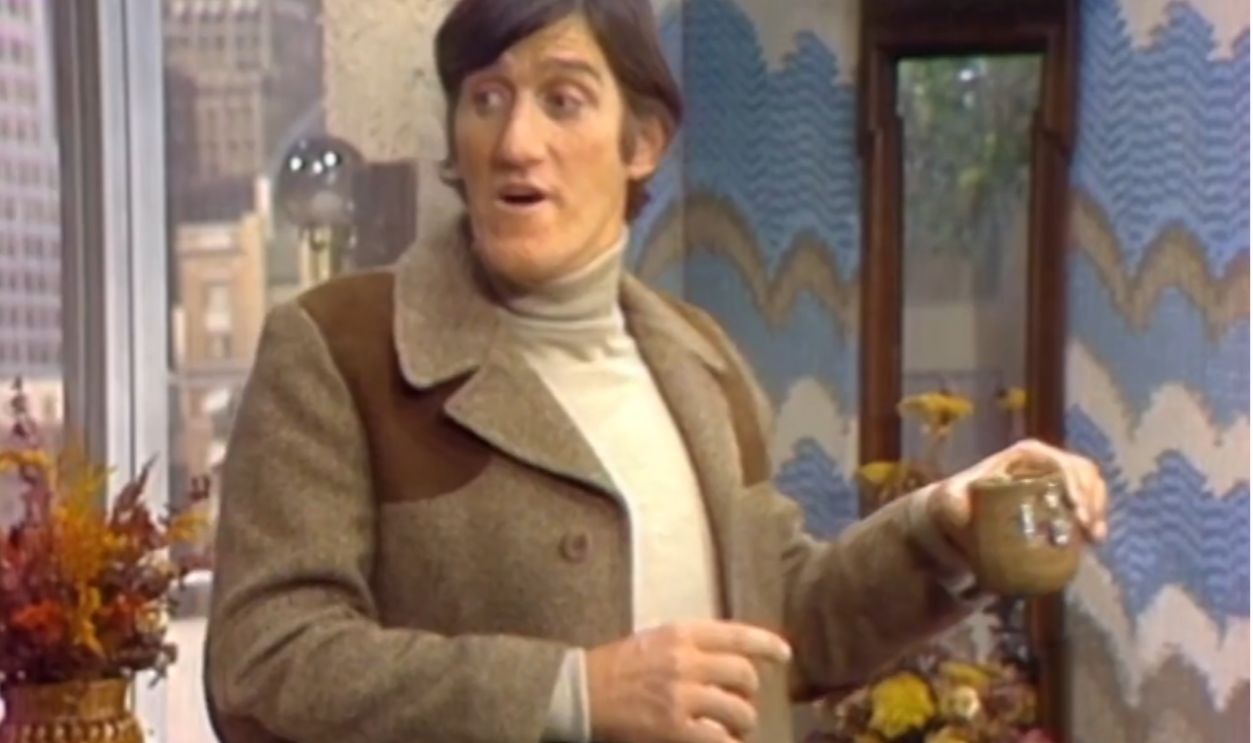 Screenshot from The Jeffersons, CBS (1975–1985)
His Passing Came Quietly
Paul Benedict passed of a brain hemorrhage on December 1, 2008, at his home on Martha’s Vineyard. He was 70 years old. Reports at the time noted his most famous television role, but also recognized the breadth of a career that had never belonged to just one show.
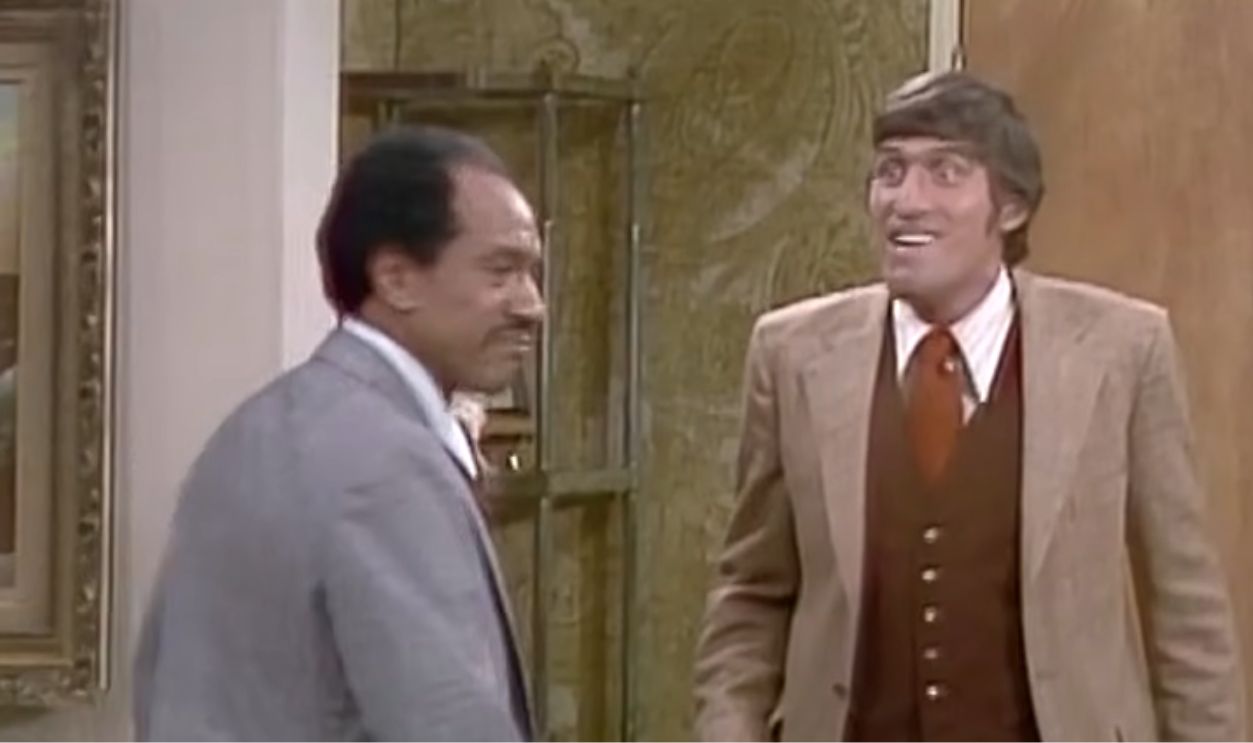 Screenshot from The Jeffersons, CBS (1975–1985)
He Left Behind A Strange And Lovely Legacy
Benedict’s legacy is not the kind built on superstardom. It is built on memory. People remember Harry Bentley’s odd politeness, the Number Painter’s visual comedy, the ridiculous director in The Goodbye Girl, and the small comic sparks he brought to films and television shows across decades.
 Screenshot from The Goodbye Girl, Metro-Goldwyn-Mayer (1977)
Paul Benedict Deserved More Credit
Paul Benedict played one of the oddest neighbors on 1970s television, but his career went far beyond The Jeffersons. He was a stage actor, a children’s TV presence, a film character actor, and a master of quiet eccentricity. Harry Bentley made him famous, but Benedict’s real gift was making every strange little role feel unforgettable.
 Screenshot from The Jeffersons, CBS (1975–1985)
You May Also Like:
The Secret Marriage And Horrifying Death Of Forgotten Television Star Inger Stevens
The Cinematic Legend Of James Mason
How Alan Young helped make Mister Ed one of television’s strangest success stories.