The Rarely Told Story Behind the Scenes
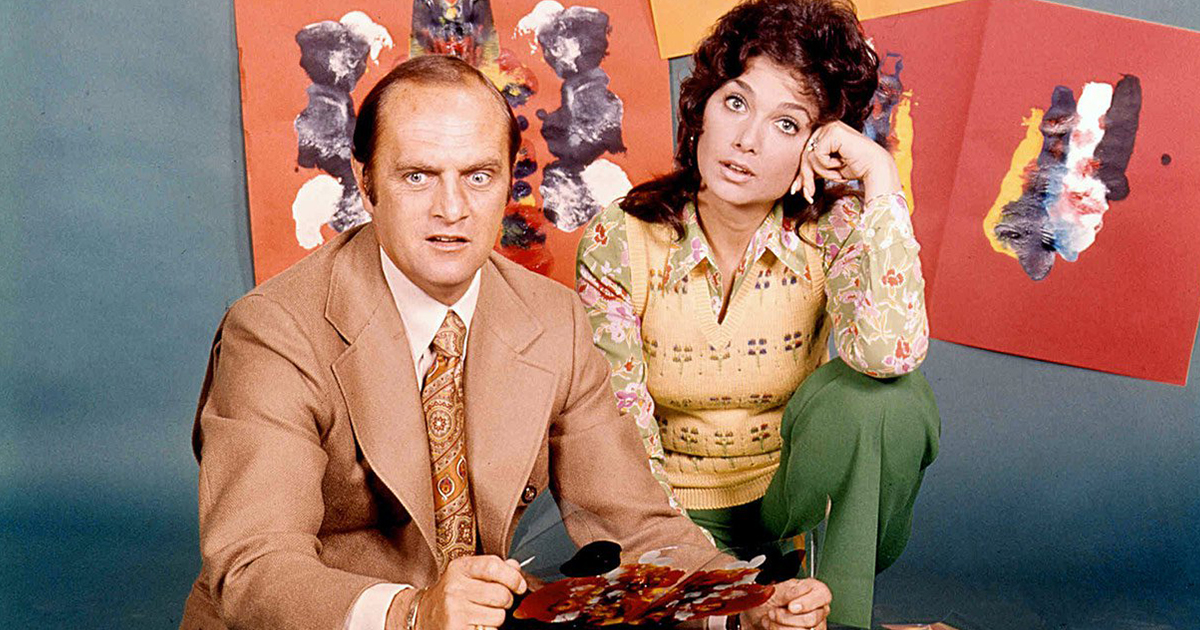
In 1972, television comedy was getting louder, sharper, and more argumentative. Then along came a soft-spoken Chicago psychologist who mostly stared at strange people until they explained themselves. Somehow, that became the joke—and one of television’s most beloved sitcoms. Yet one tragic reason nearly kept the show from existing at all.
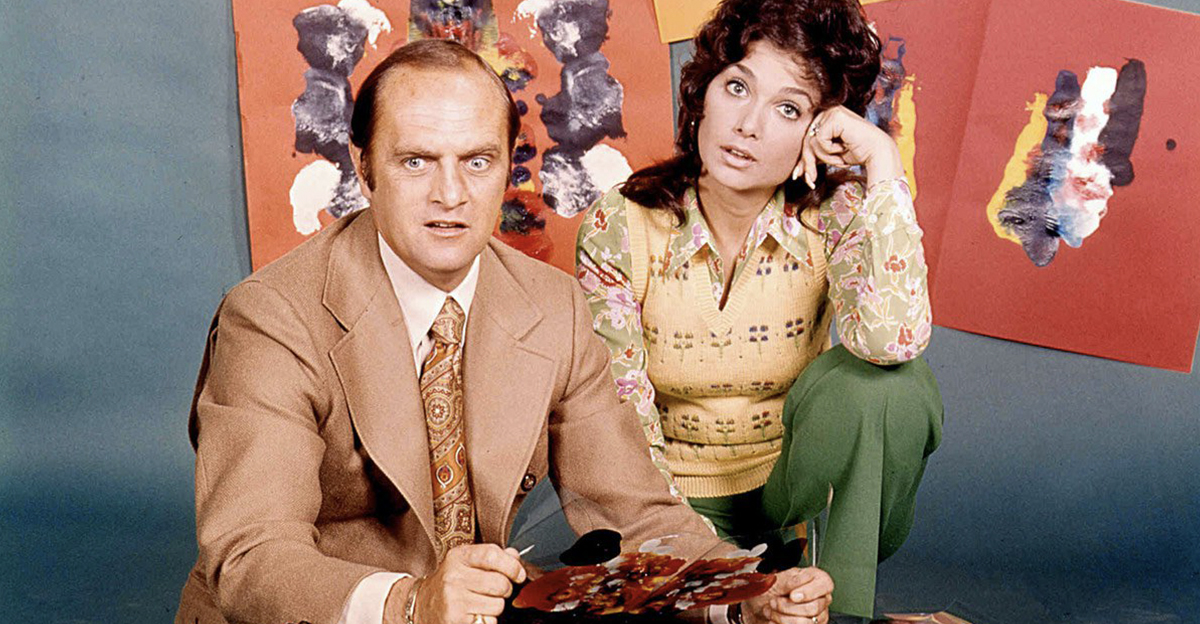 MTM Enterprises/20th Century Fox, The Bob Newhart Show (1972-1978)
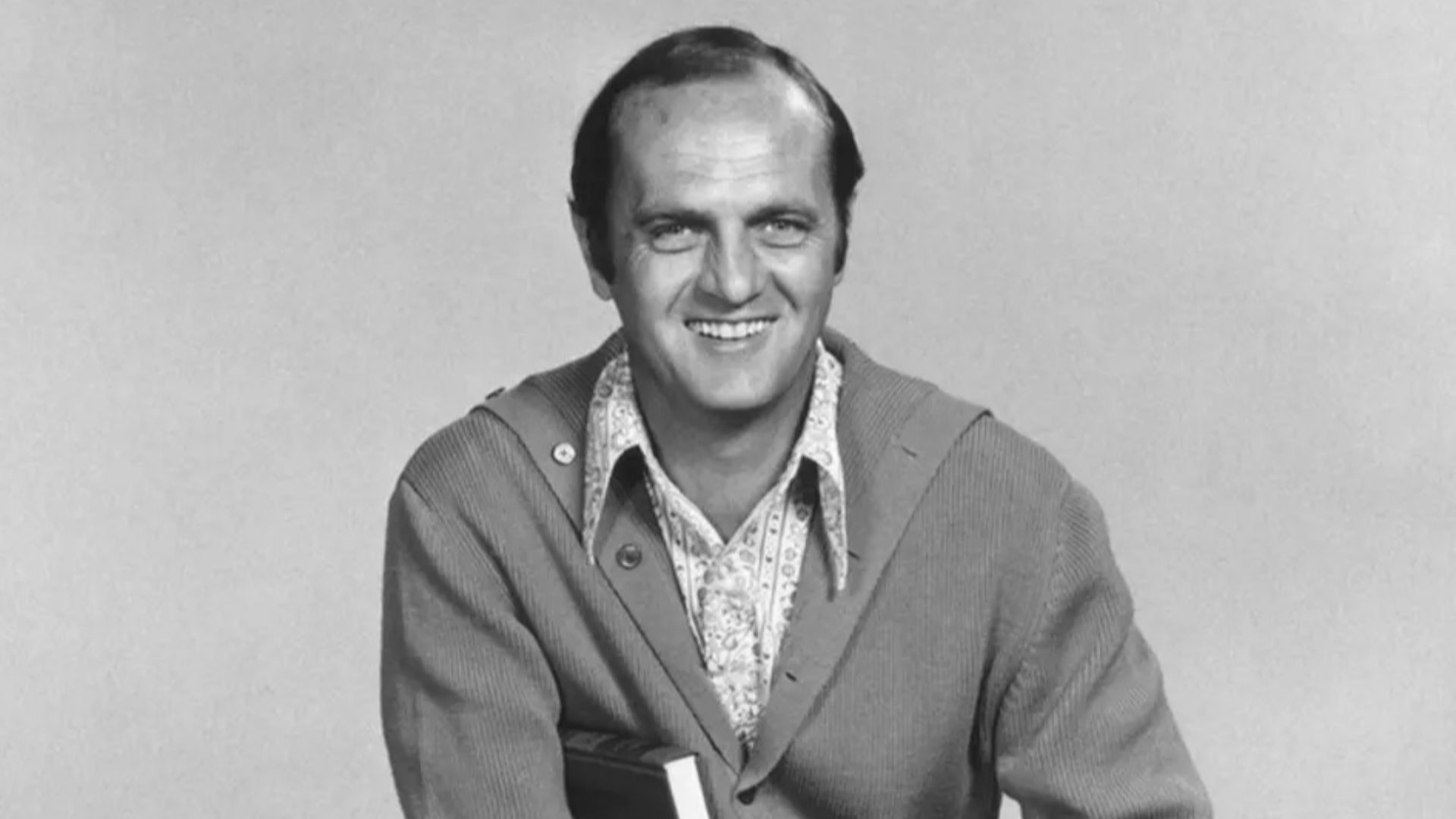
Bob Newhart Was Already Famous Without a Sitcom
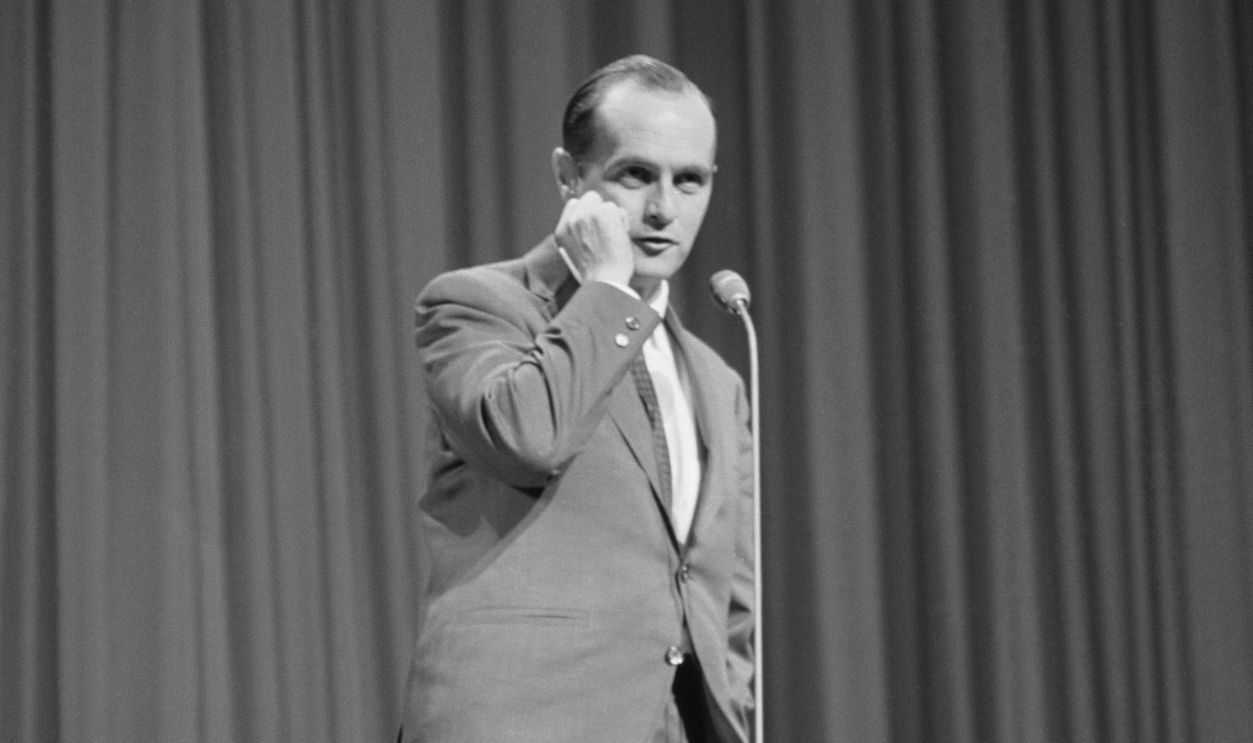
Newhart did not need television to introduce him to America. His 1960 comedy album, The Button-Down Mind of Bob Newhart, turned his hesitant delivery and one-sided telephone routines into a national sensation. He had already proved that silence, confusion, and one raised eyebrow could land harder than a punchline.
 CBS Television, Wikimedia Commons
His Comedy Worked Because He Left Half the Conversation Missing
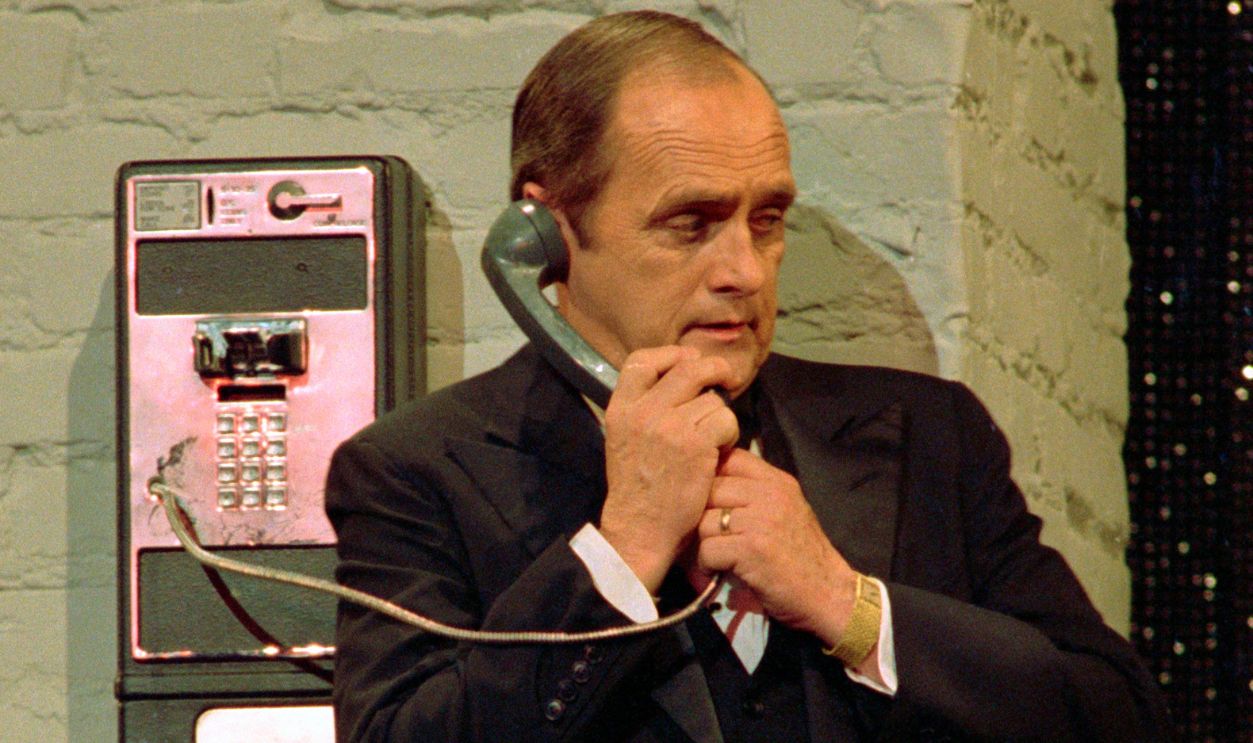
Many of Newhart’s most famous routines featured him speaking on the telephone while the audience imagined the person on the other end. Instead of announcing the joke, he let listeners build it themselves. That same trust in the audience would eventually become one of the sitcom’s secret weapons.
Television Had Already Taught Him a Painful Lesson
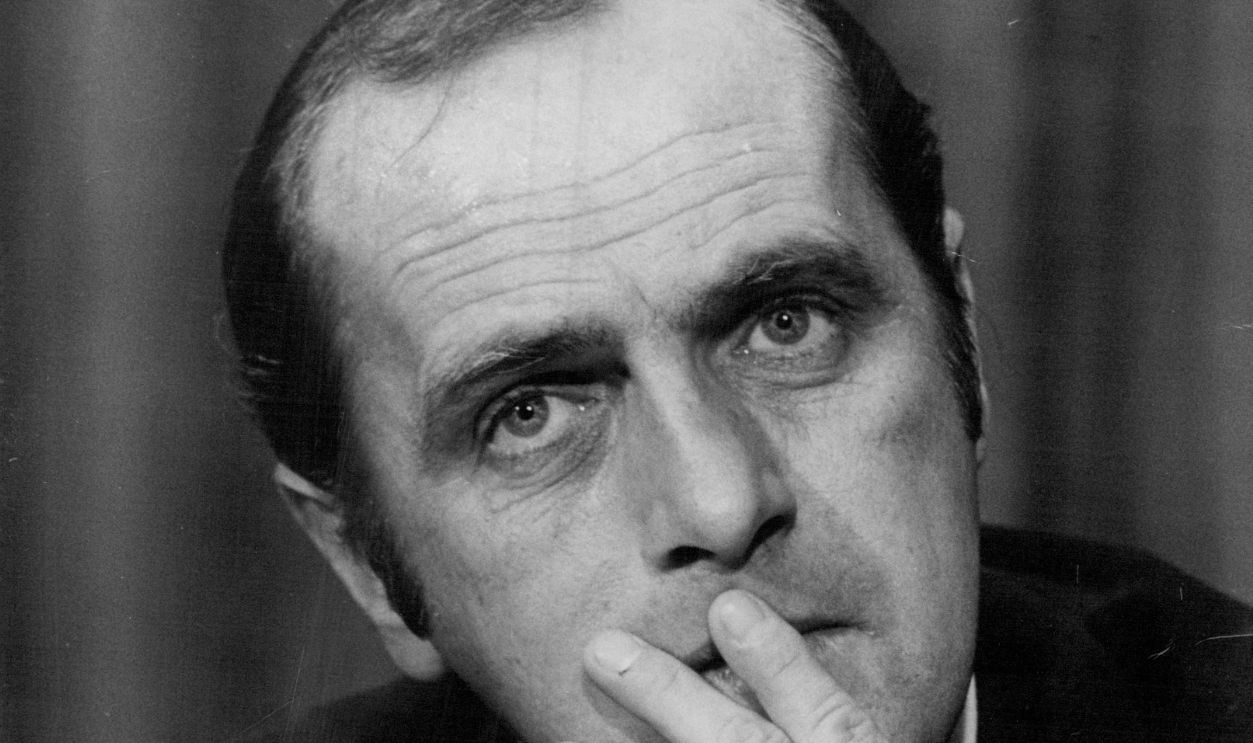
By the time MTM Enterprises approached him, Newhart had reasons to be cautious about committing to another weekly series. He knew television could offer awards, praise, and a brutal disappointment in the same breath. The full story of that hesitation would not emerge until the show was ready to move forward.
 Fairfax Media Archives, Getty Images
MTM Enterprises Had Become Television’s Safe Harbor
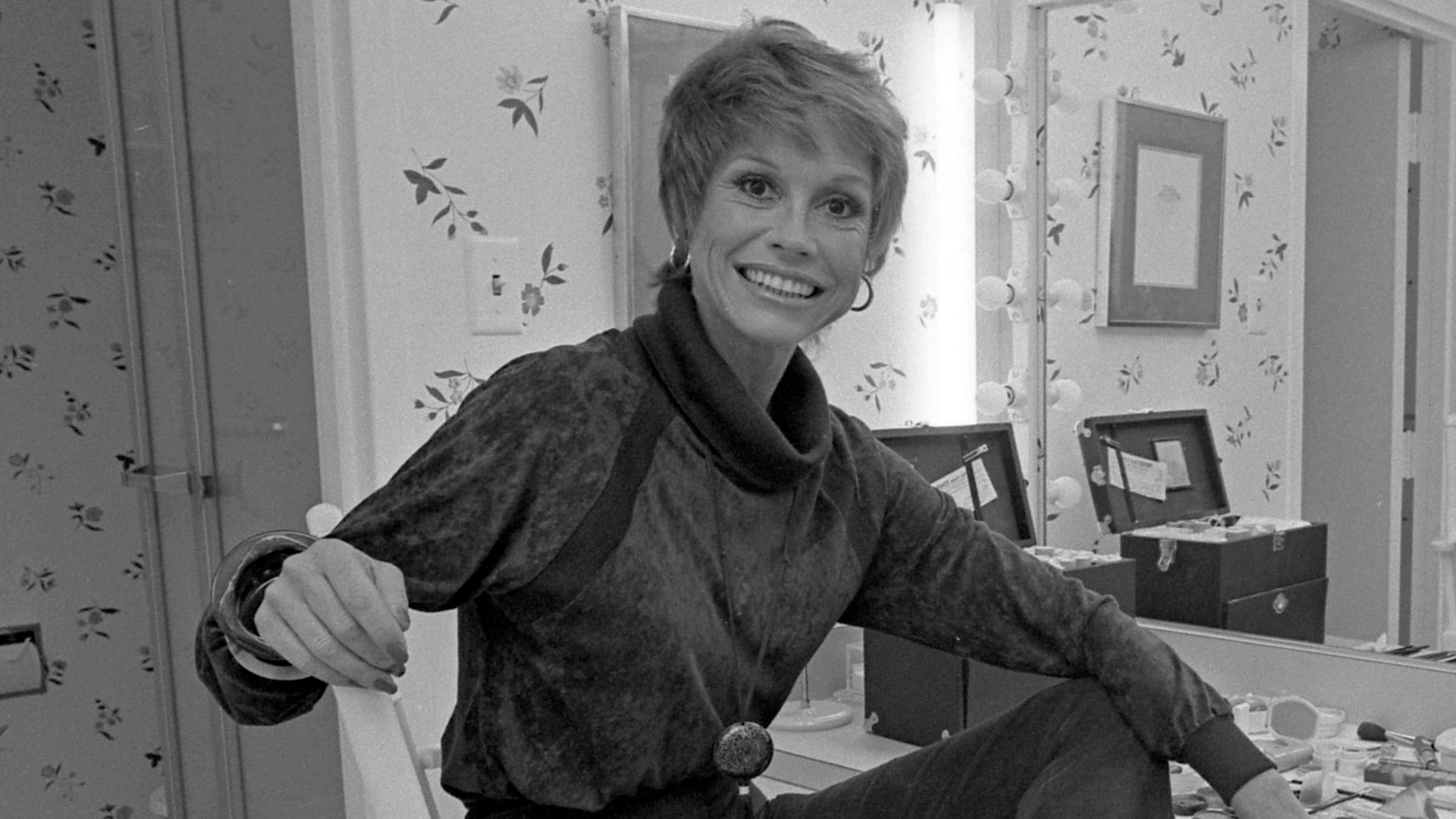
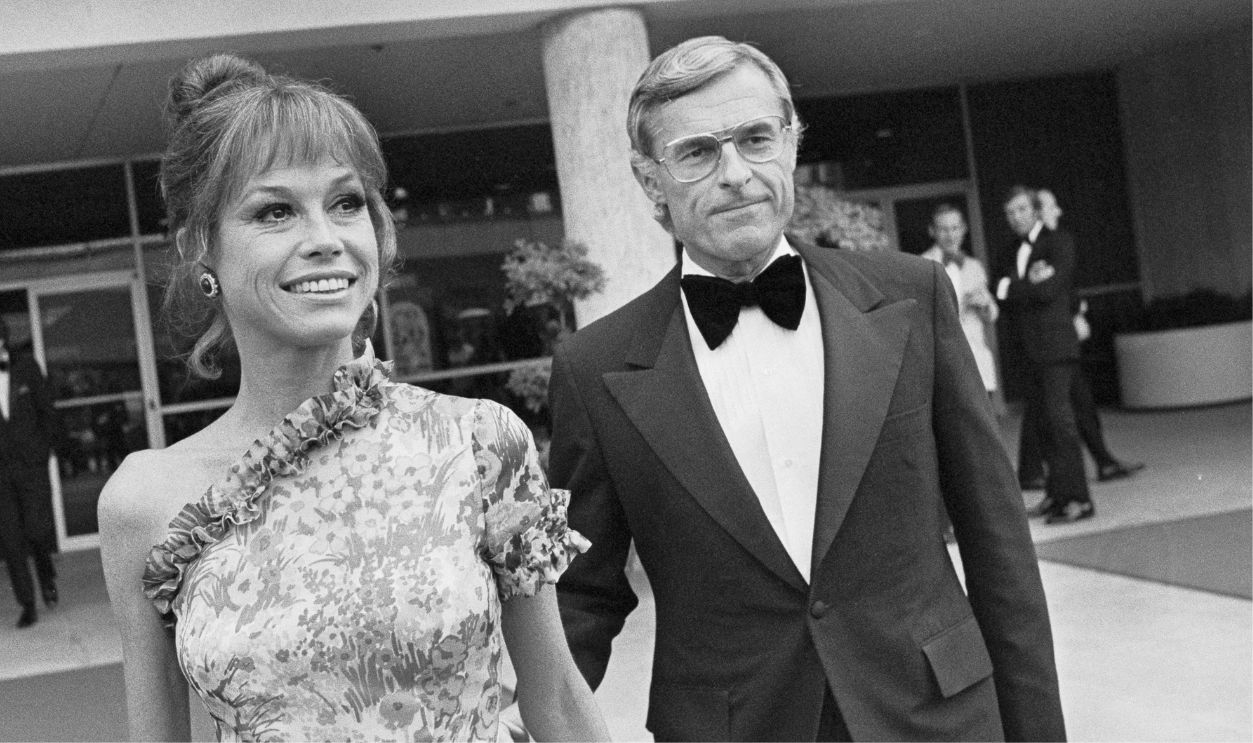
Mary Tyler Moore and her husband, producer Grant Tinker, had created MTM Enterprises around the idea that talented people did better work when executives gave them room to breathe. After the success of The Mary Tyler Moore Show, MTM wanted a second sophisticated comedy built around adults rather than noisy household gimmicks.
 George Rose, Los Angeles Times, Wikimedia Commons
Two Writers Found the Perfect Frame
David Davis and Lorenzo Music developed the series around Newhart’s particular rhythm. A surviving final draft of the pilot, dated January 12, 1972, credits both men as writers. Their challenge was simple but intimidating: how do you build a weekly sitcom around a comedian whose funniest move is often doing almost nothing?
The Psychologist Idea Was Quietly Brilliant
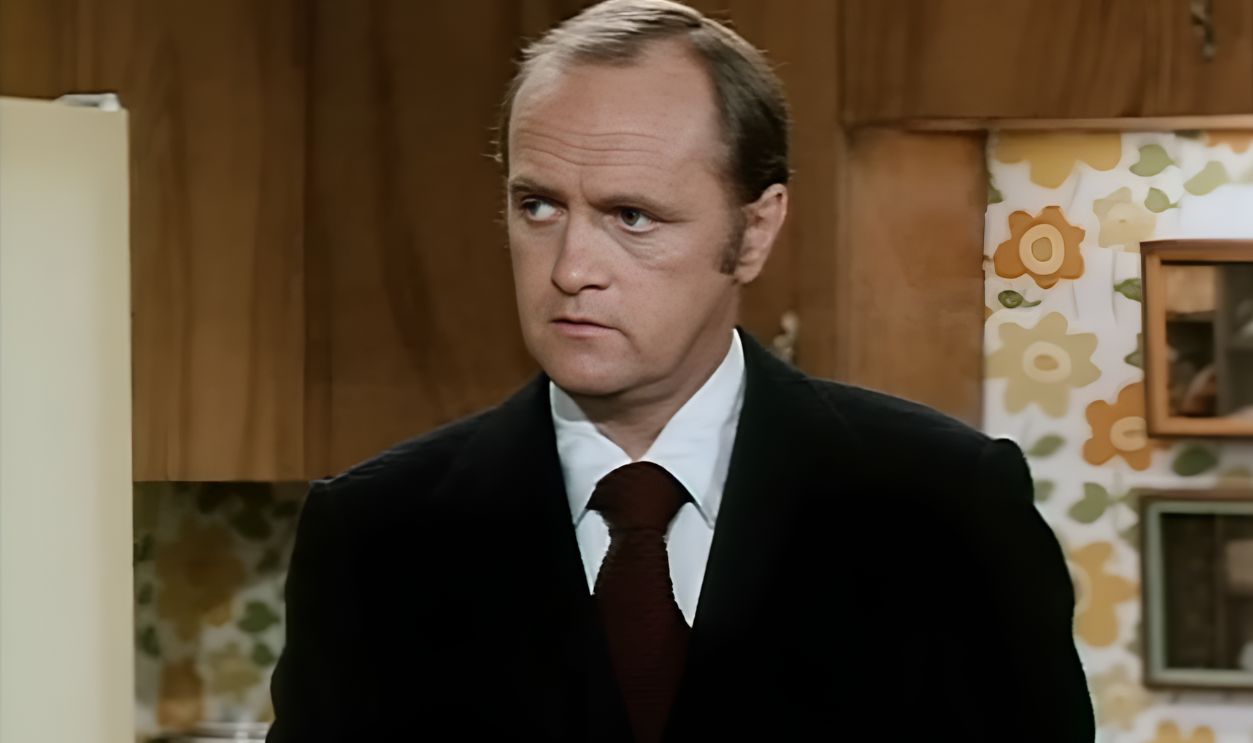
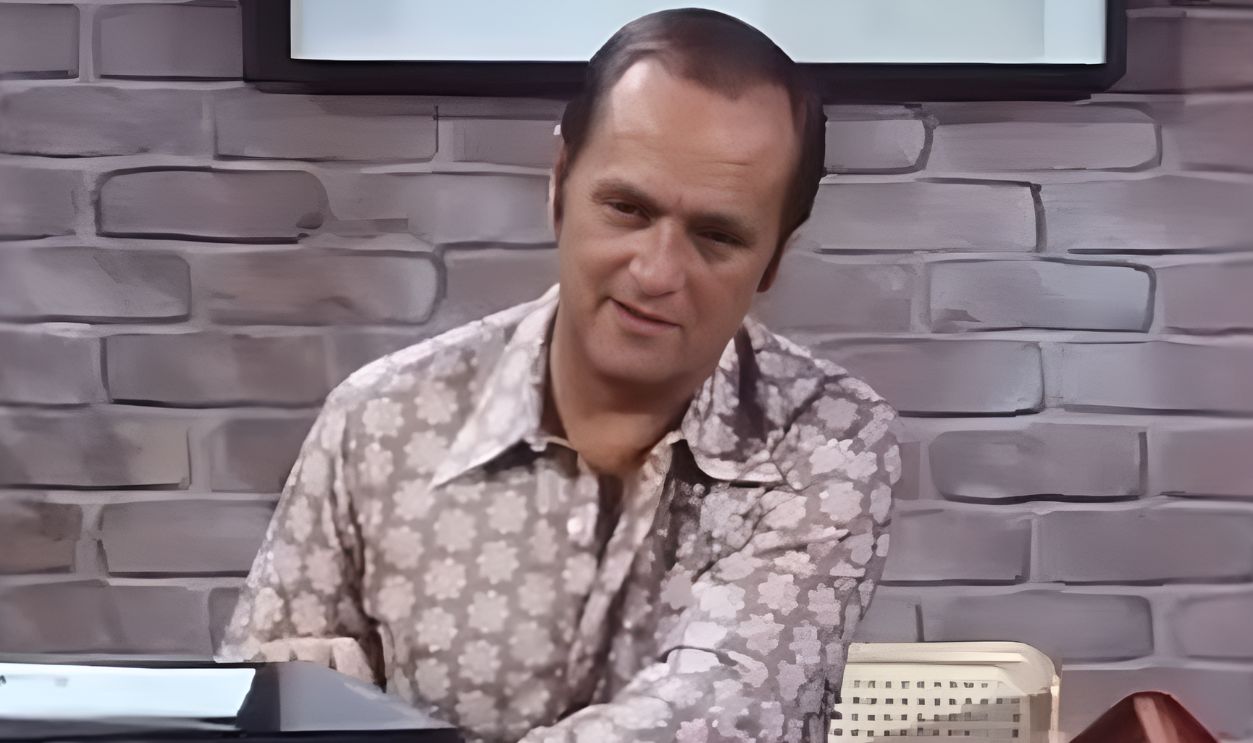
The answer was Dr. Robert Hartley, a Chicago psychologist whose job required him to listen while other people talked themselves into increasingly ridiculous corners. The role did not force Newhart to become louder or broader. It turned the way he already performed into the entire structure of the show.
 Screenshot from The Bob Newhart Show, CBS (1972–1978), Modified
Peter Bonerz Summed Up the Whole Formula
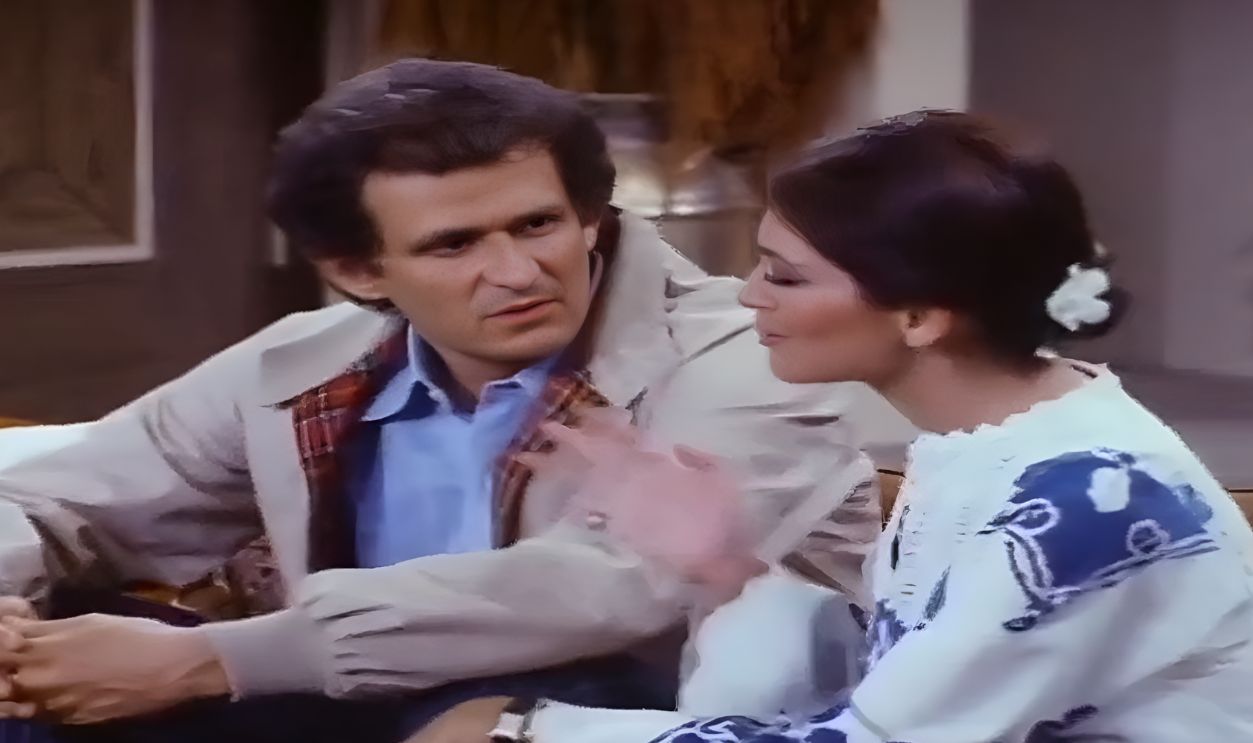
Peter Bonerz, who played orthodontist Jerry Robinson, later called Newhart’s role as a listener “the genius of The Bob Newhart Show.” Bob did not need to chase laughs around the room. The eccentrics came to him, and his baffled reactions told viewers exactly how strange everything had become.
 Screenshot from The Bob Newhart Show, CBS (1972–1978), Modified
Chicago Made the Show Feel Like a Real Adult Life
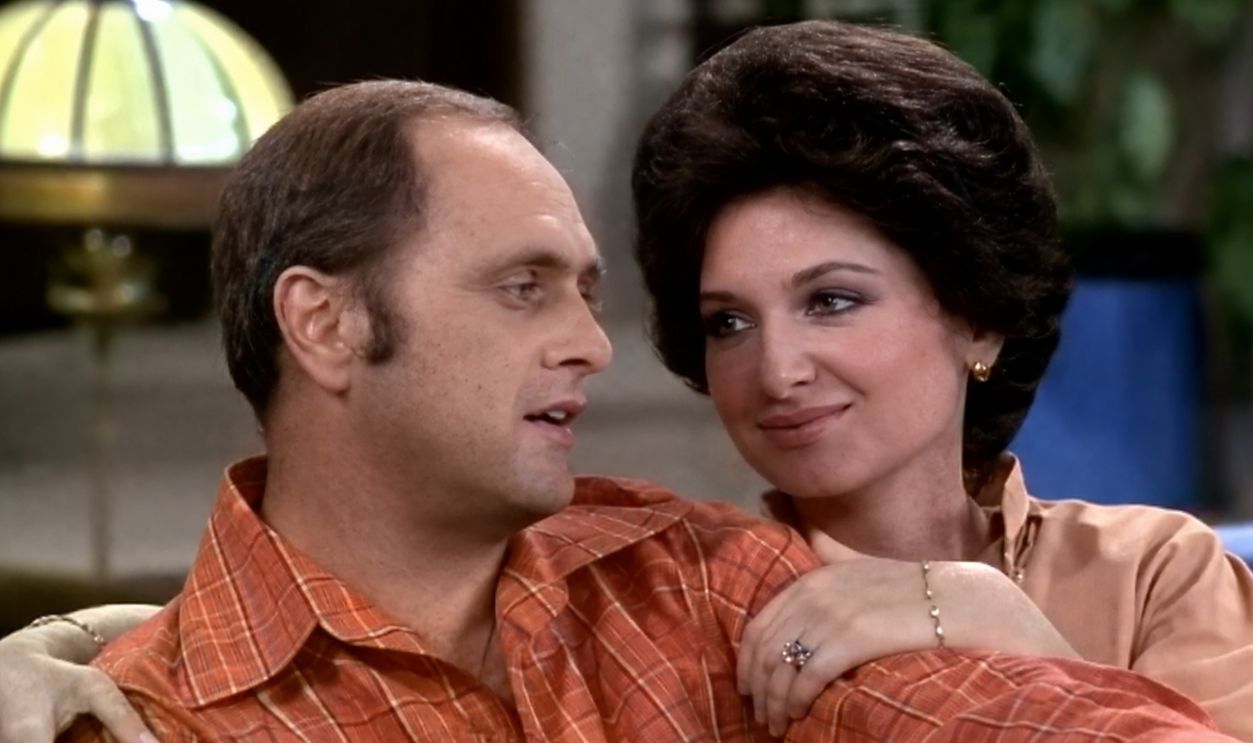
The series divided Bob’s world between his psychology office and the apartment he shared with his wife, Emily. That simple setup created two reliable kinds of comedy: patients who paid Bob to hear their problems, and friends who wandered into his home and gave him those problems for free.
 Screenshot from The Bob Newhart Show, CBS (1972–1978), Modified
Suzanne Pleshette Changed the Temperature
Suzanne Pleshette brought stage experience, film credibility, and a gloriously sharp delivery to Emily Hartley. She did not play the endlessly patient sitcom wife waiting to approve Bob’s decisions. Emily challenged him, teased him, and frequently recognized the absurdity of a situation several minutes before he did.
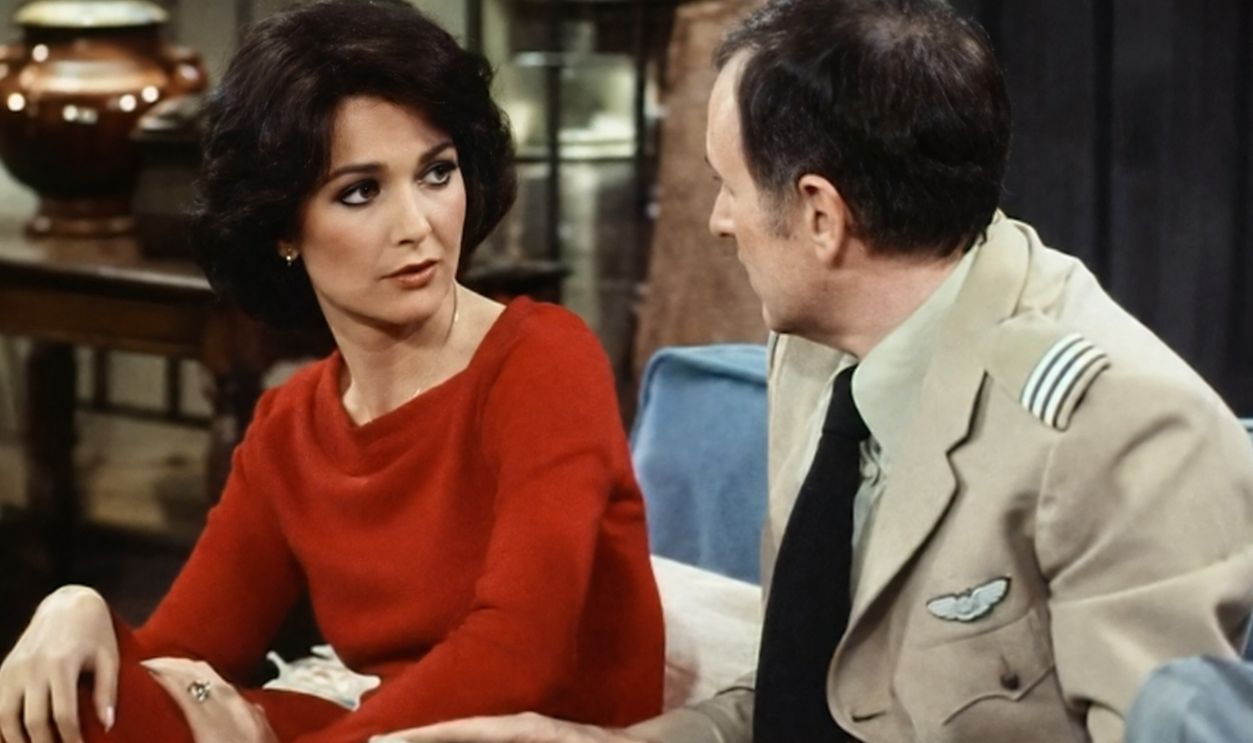 Screenshot from The Bob Newhart Show, CBS (1972–1978), Modified
The Marriage Felt Like a Partnership, Not a Lecture
Bob and Emily could disagree without making either spouse look foolish. Their bedtime conversations became recurring highlights because they sounded like two intelligent adults stretching an argument five minutes past the point where both should have gone to sleep. Television marriages were rarely this equal—or this casually funny.
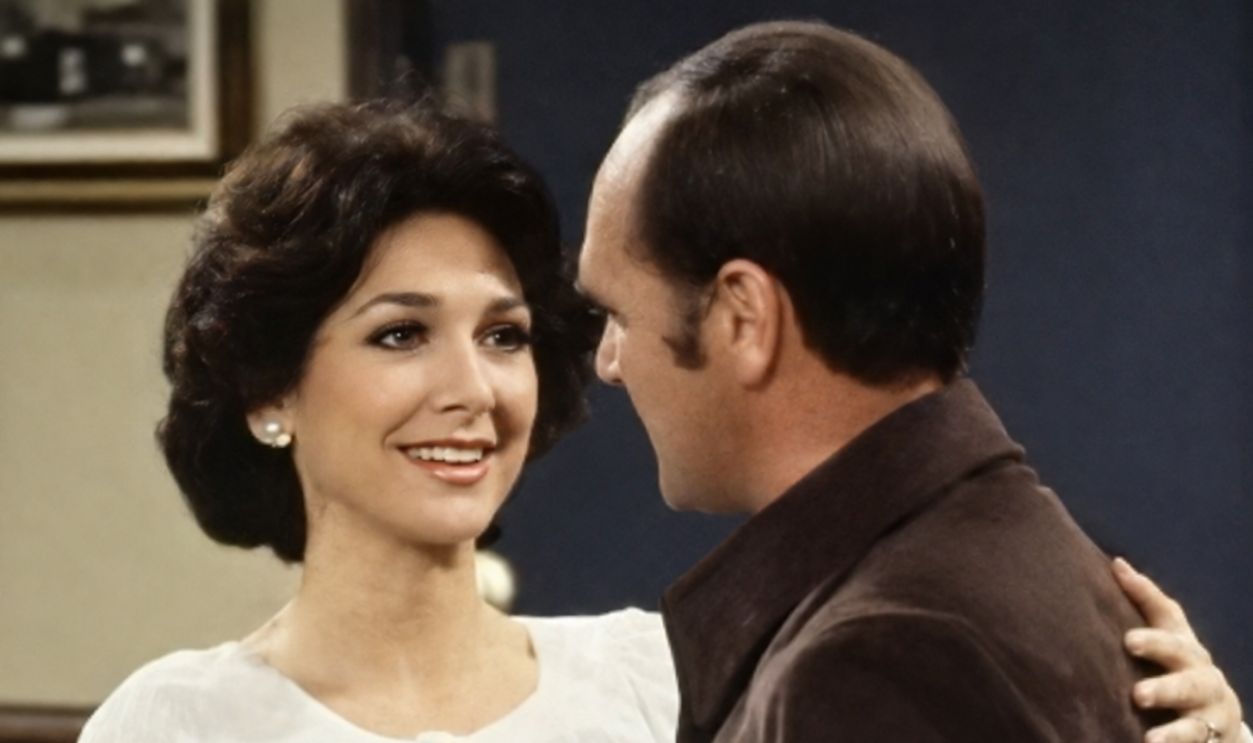 Screenshot from The Bob Newhart Show, CBS (1972–1978), Modified
Pleshette Knew Newhart Needed Fast People Around Him
Pleshette later said Grant Tinker had the good sense to surround Newhart with performers who were “fast and good on their feet.” That mattered because Bob’s stillness only worked if the people around him supplied the motion. The ensemble did not compete with his style; it completed it.
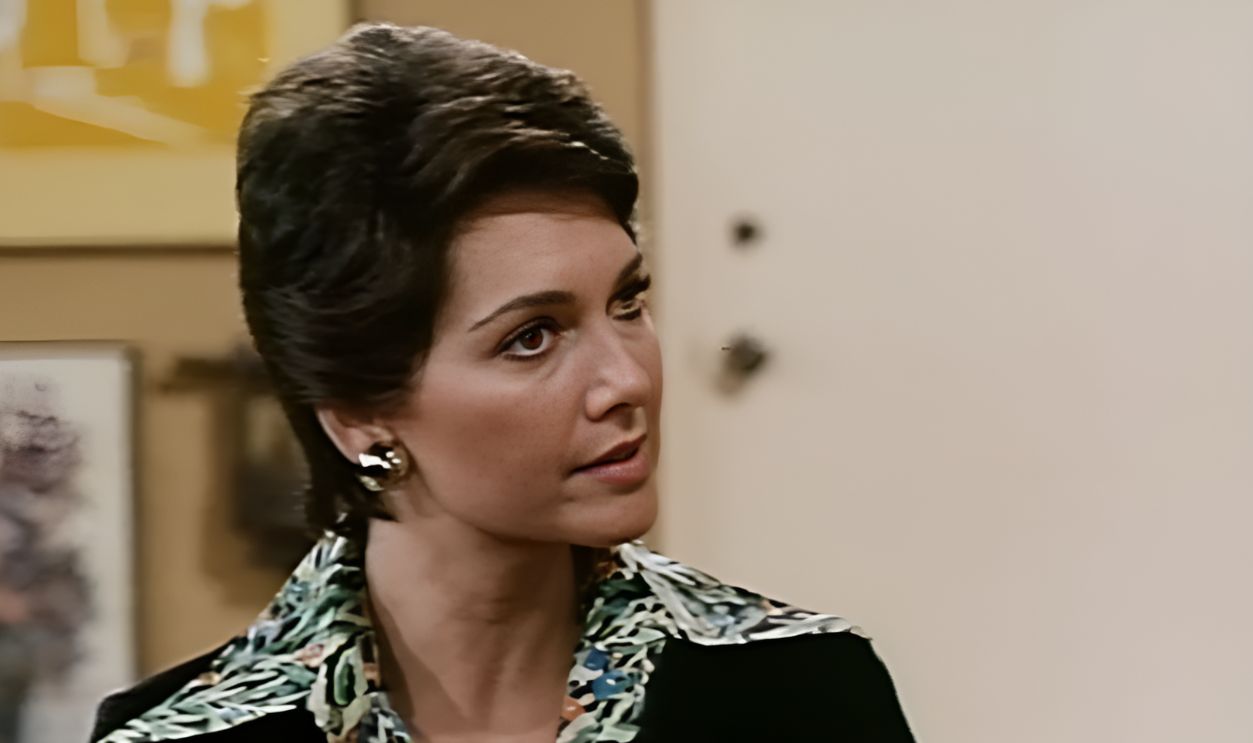 Screenshot from The Bob Newhart Show, CBS (1972–1978), Modified
Howard Borden Was the Child They Never Had
Bill Daily played Howard Borden, the Hartleys’ friendly, helpless airline navigator neighbor. Howard routinely entered their apartment, ate their food, misunderstood obvious instructions, and required gentle supervision. The Television Academy’s history of the show describes him as, in effect, the offspring Bob and Emily did not have.
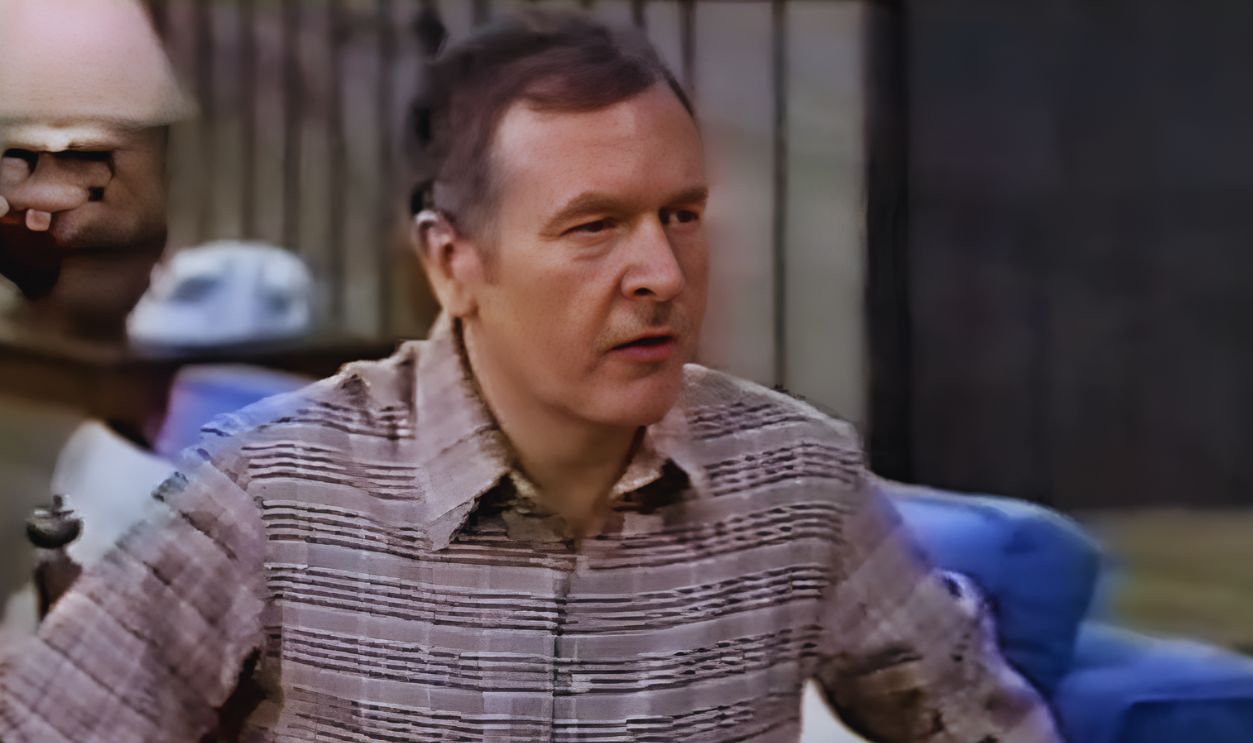 Screenshot from The Bob Newhart Show, CBS (1972–1978), Modified
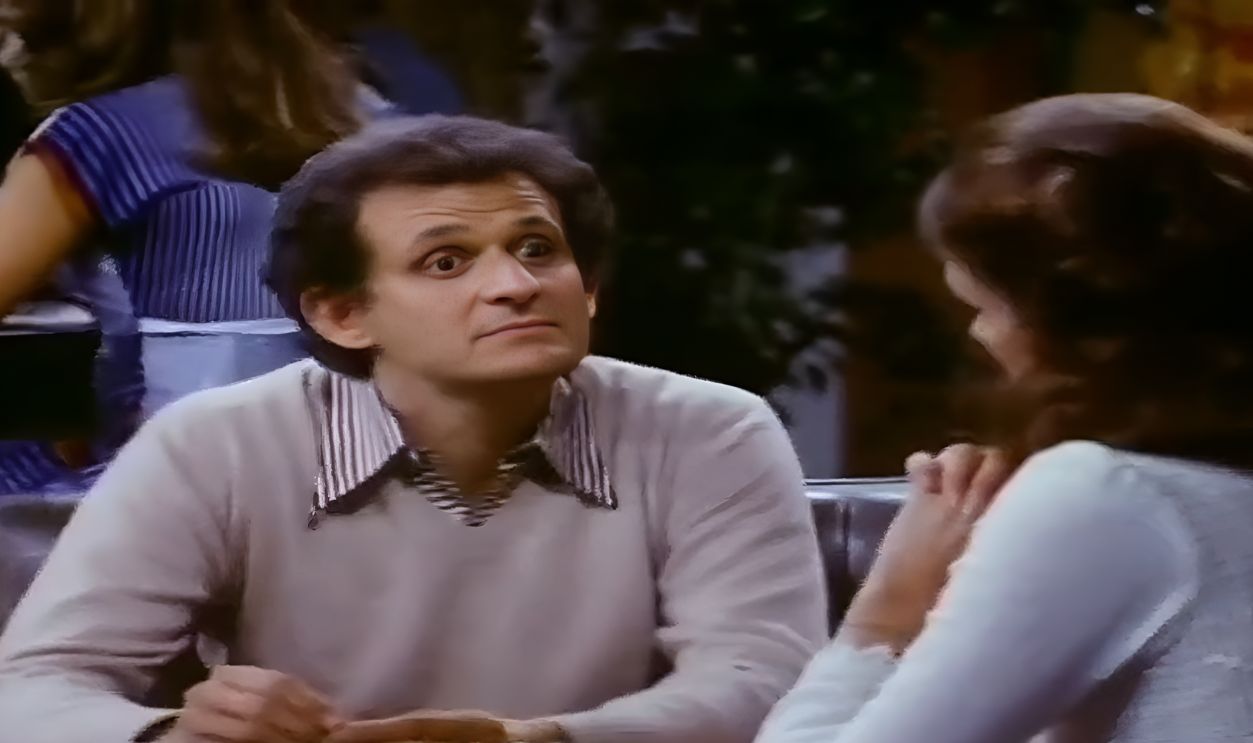
Jerry Robinson Made the Office Feel Like a Clubhouse
Peter Bonerz’s Jerry Robinson shared a receptionist and waiting area with Bob, despite being an orthodontist rather than a psychologist. Jerry brought confidence, bachelor energy, and occasional nonsense into the office. Bonerz also began directing episodes, turning the series into an important second career behind the camera.
 Screenshot from The Bob Newhart Show, CBS (1972–1978), Modified
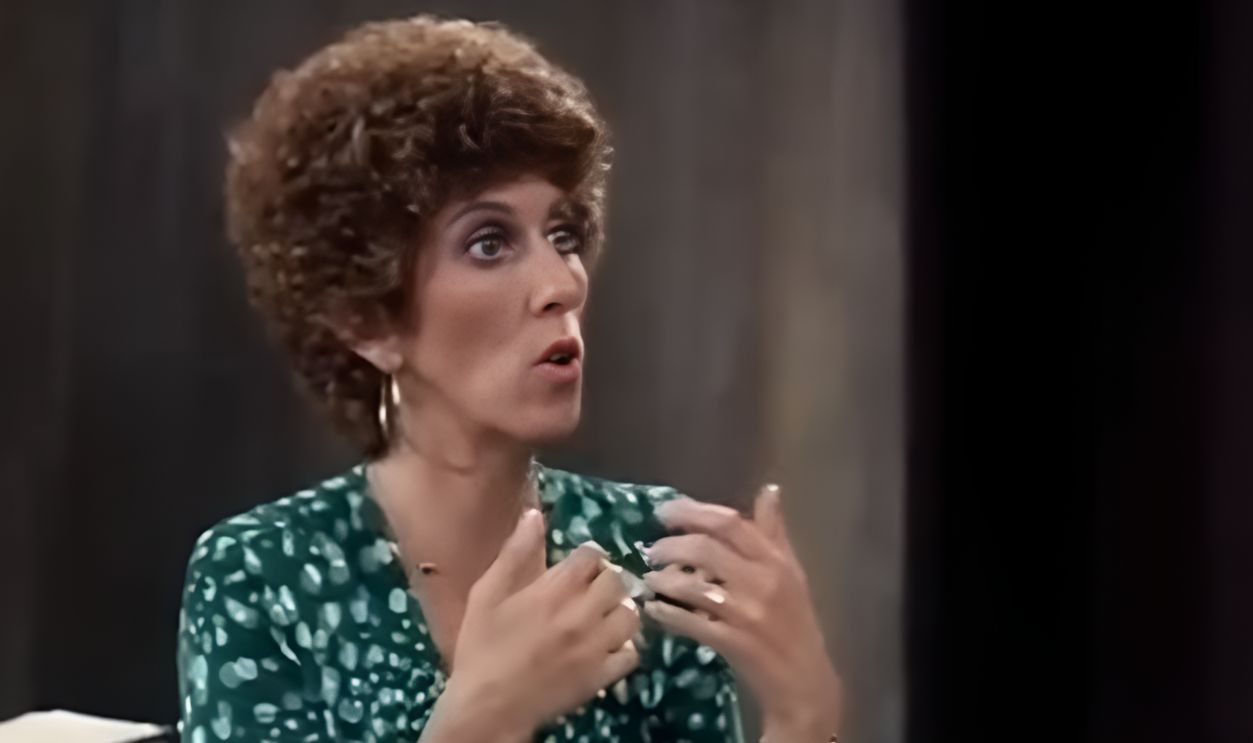
Carol Kester Refused to Be Background Furniture
Marcia Wallace played Carol Kester, the receptionist who often seemed more capable than both doctors sharing her desk. Carol had romantic problems, career ambitions, and a sharp response ready whenever Bob or Jerry became too pleased with themselves. She was an employee, but she was never written as scenery.
 Screenshot from The Bob Newhart Show, CBS (1972–1978), Modified
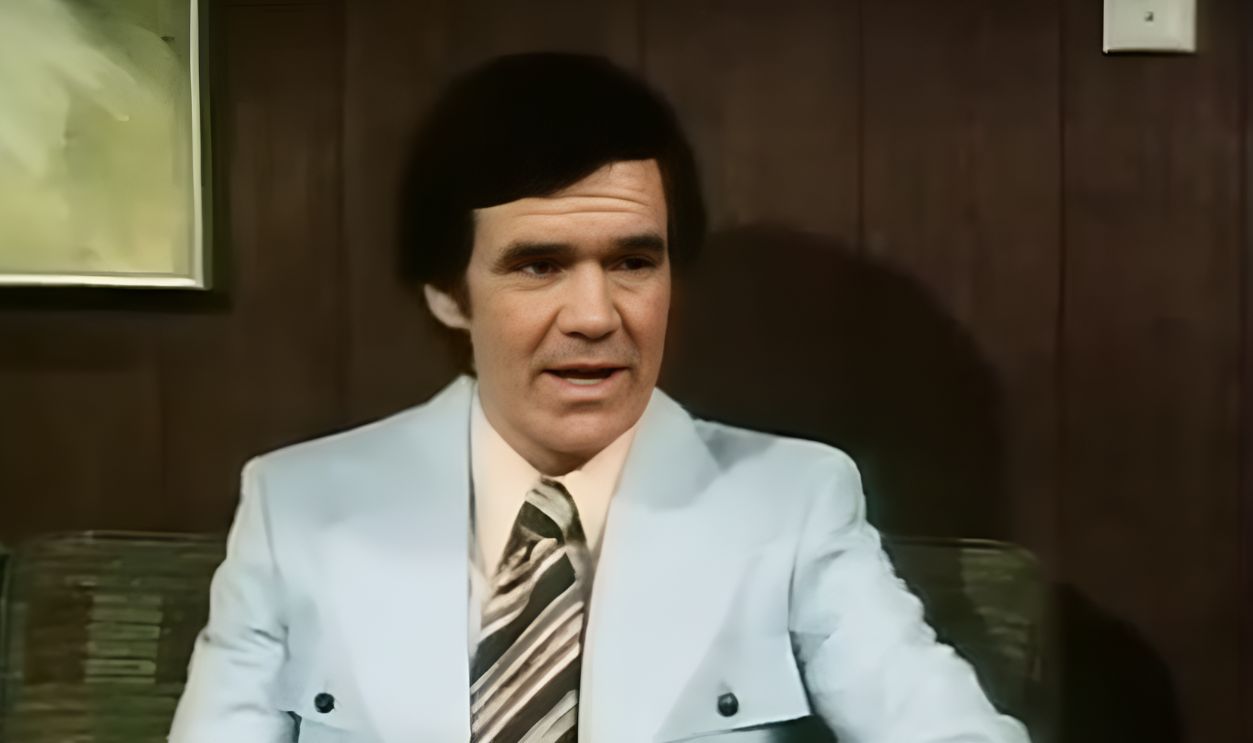
Elliot Carlin Made Therapy Deliciously Hopeless
Jack Riley’s Elliot Carlin became the standout member of Bob’s therapy group. Bitter, suspicious, and impressively committed to remaining unhappy, Carlin could turn a supportive exercise into an insult before Bob finished explaining it. His repeat appearances gave the show a familiar troublemaker without turning him into a traditional villain.
 Screenshot from The Bob Newhart Show, CBS (1972–1978), Modified
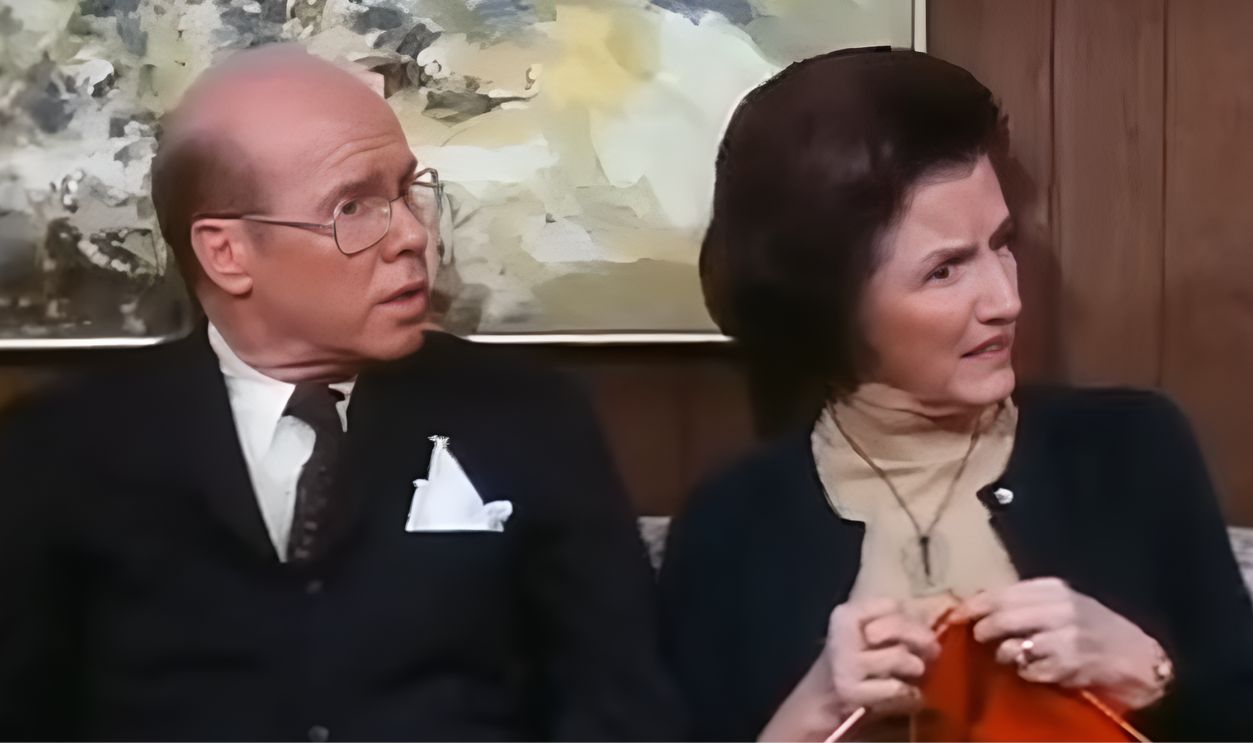
The Patients Were Odd, but Never Disposable
John Fiedler’s timid Emil Peterson, Florida Friebus’s knitting Mrs. Bakerman, and the other group members returned often enough to develop personalities beyond a single joke. The show understood that neuroses become funnier when viewers recognize them—and when the characters somehow become a strange little community.
 Screenshot from The Bob Newhart Show, CBS (1972–1978), Modified
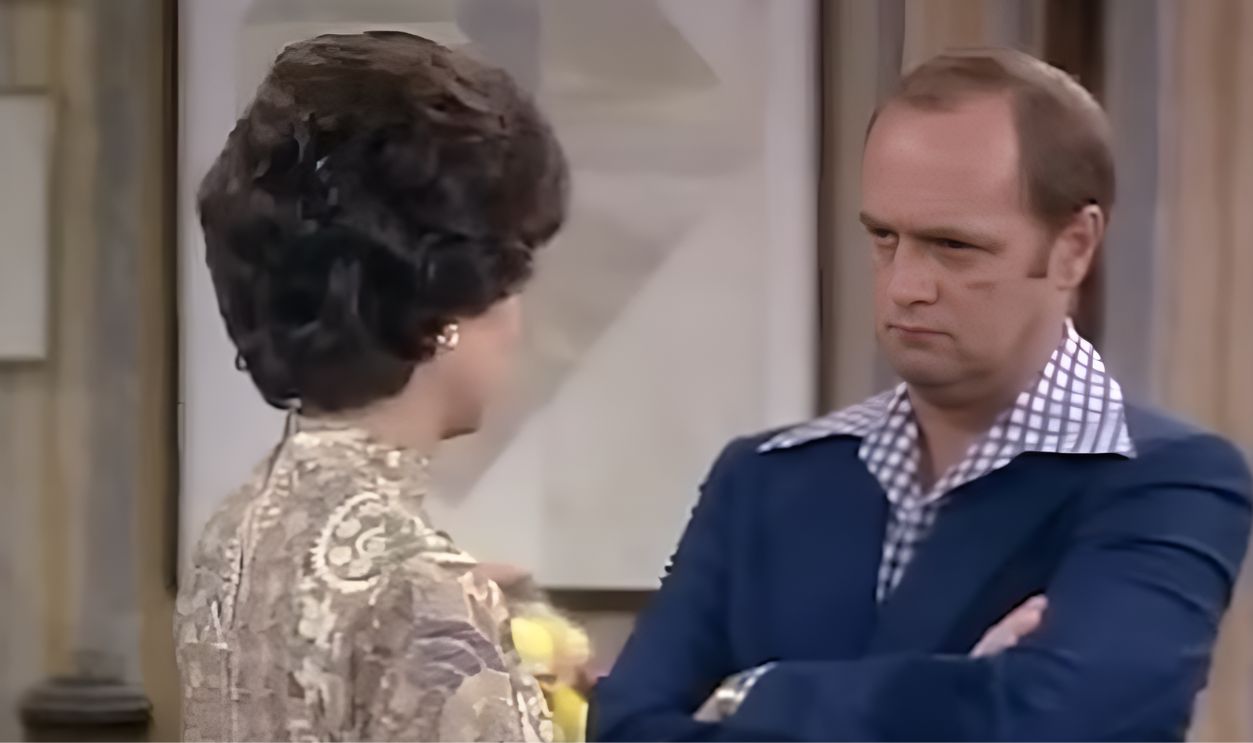
The Pilot Was Nerve-Racking for the One Person Named in the Title
Director Jay Sandrich later remembered Newhart being nervous while making the pilot. That made sense: Newhart was adapting a carefully controlled stand-up rhythm to ensemble acting, cameras, blocking, and weekly scripts. According to Sandrich, the nerves disappeared when the cameras started. Apparently, panic had excellent timing.
 Screenshot from The Bob Newhart Show, CBS (1972–1978), Modified
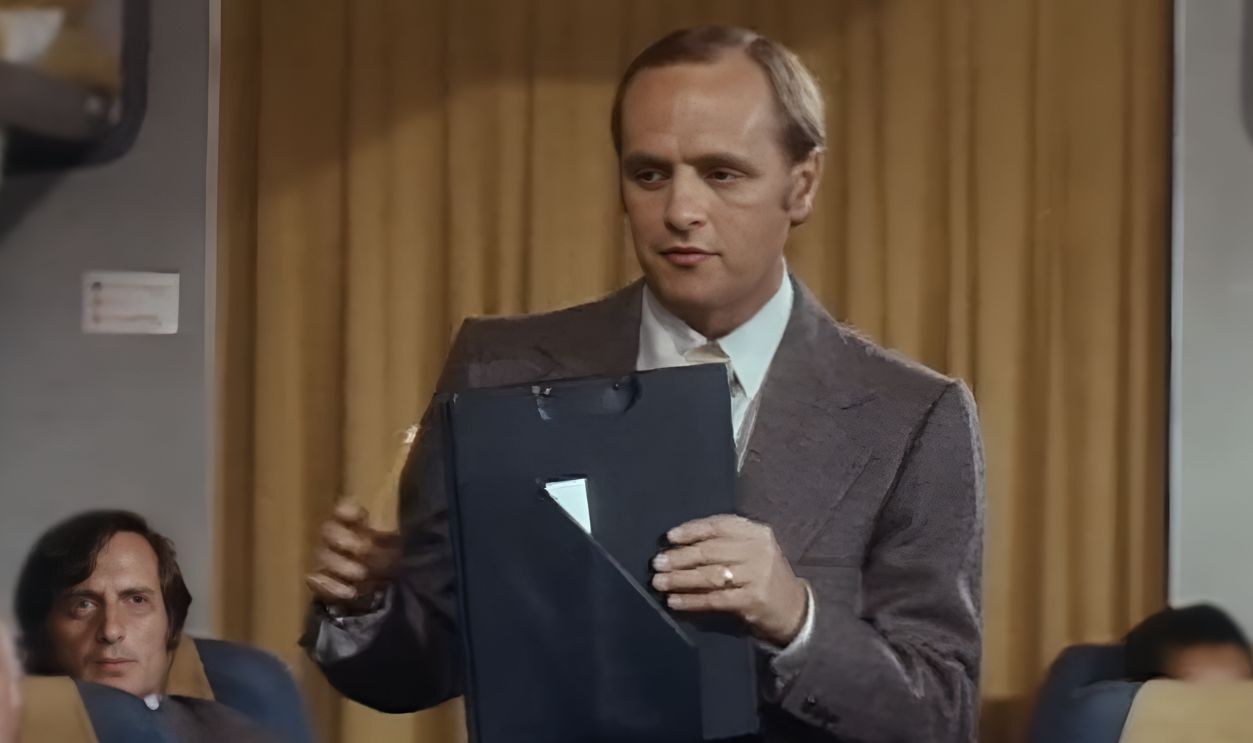
A Live Audience Gave the Silences Their Power
The show was performed before an audience, allowing Newhart to feel exactly how long he could hold a pause before releasing the laugh. His comedy depended on tension. The audience did not merely react to the timing; it helped determine it, especially during the stares, stammers, and telephone calls.
 Screenshot from The Bob Newhart Show, CBS (1972–1978), Modified
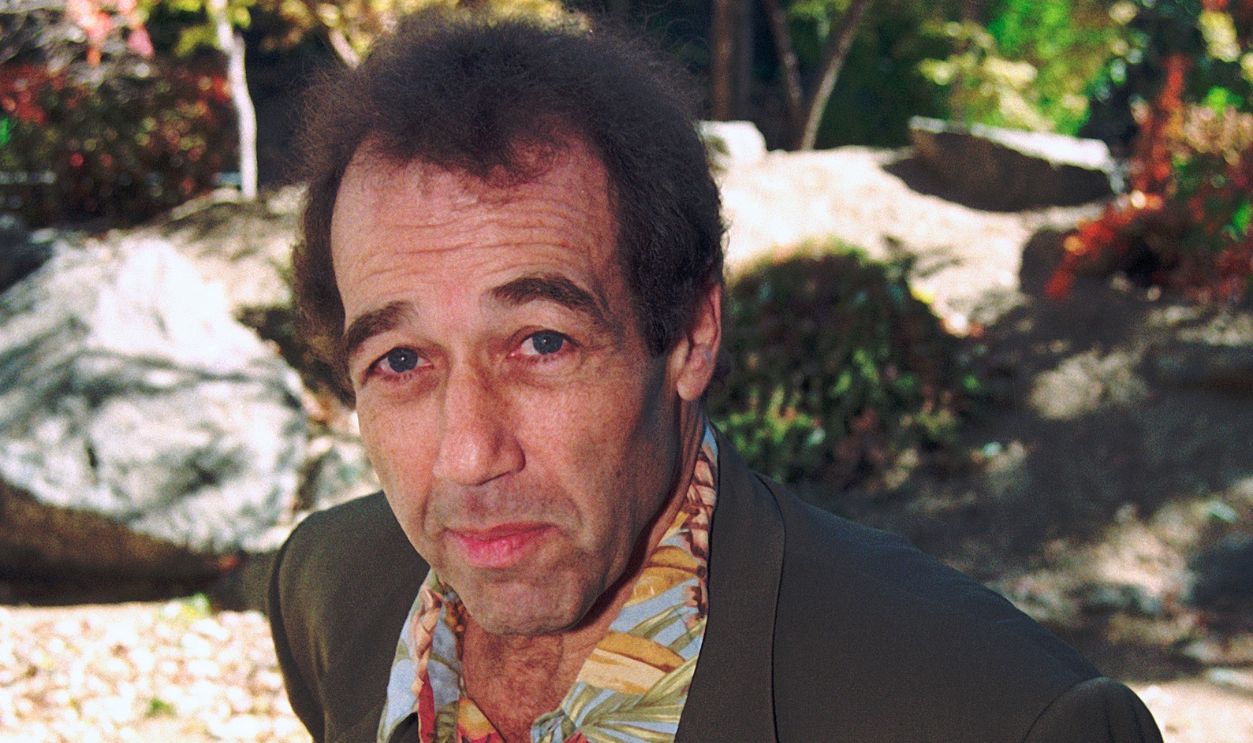
The Writers Knew Restraint Was Funnier
The writing staff included people such as Tom Patchett, Jay Tarses, Charlotte Brown, Gary David Goldberg, and later Glen and Les Charles. Many went on to shape major television comedies of their own. The house style rewarded character, rhythm, and carefully controlled absurdity rather than desperate joke piling.
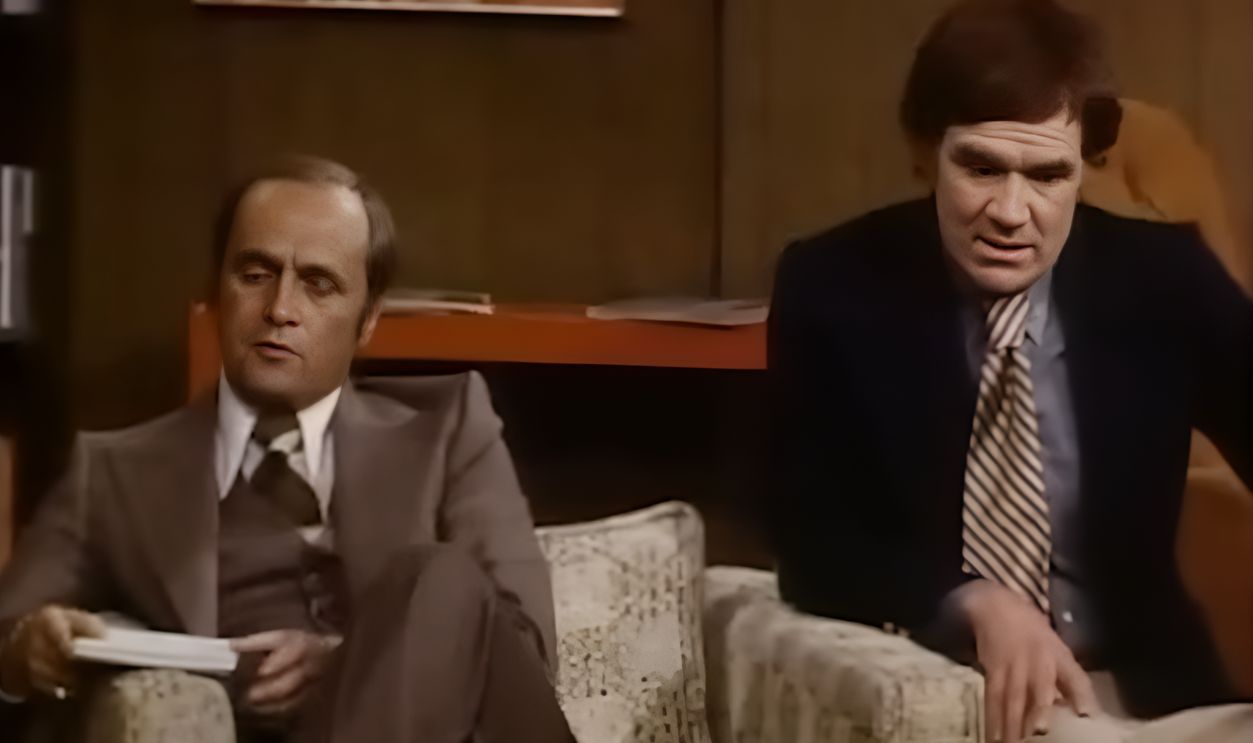
CBS Gave It the Best Neighborhood on Television
For much of its run, The Bob Newhart Show followed The Mary Tyler Moore Show on Saturday nights and shared the evening with programs including All in the Family, M*A*S*H, and The Carol Burnett Show. Jamie Farr later called that lineup “the best night of television ever.” He had a point.
 Screenshot from The Bob Newhart Show, CBS (1972–1978), Modified
It Felt Adult Without Trying to Look Important
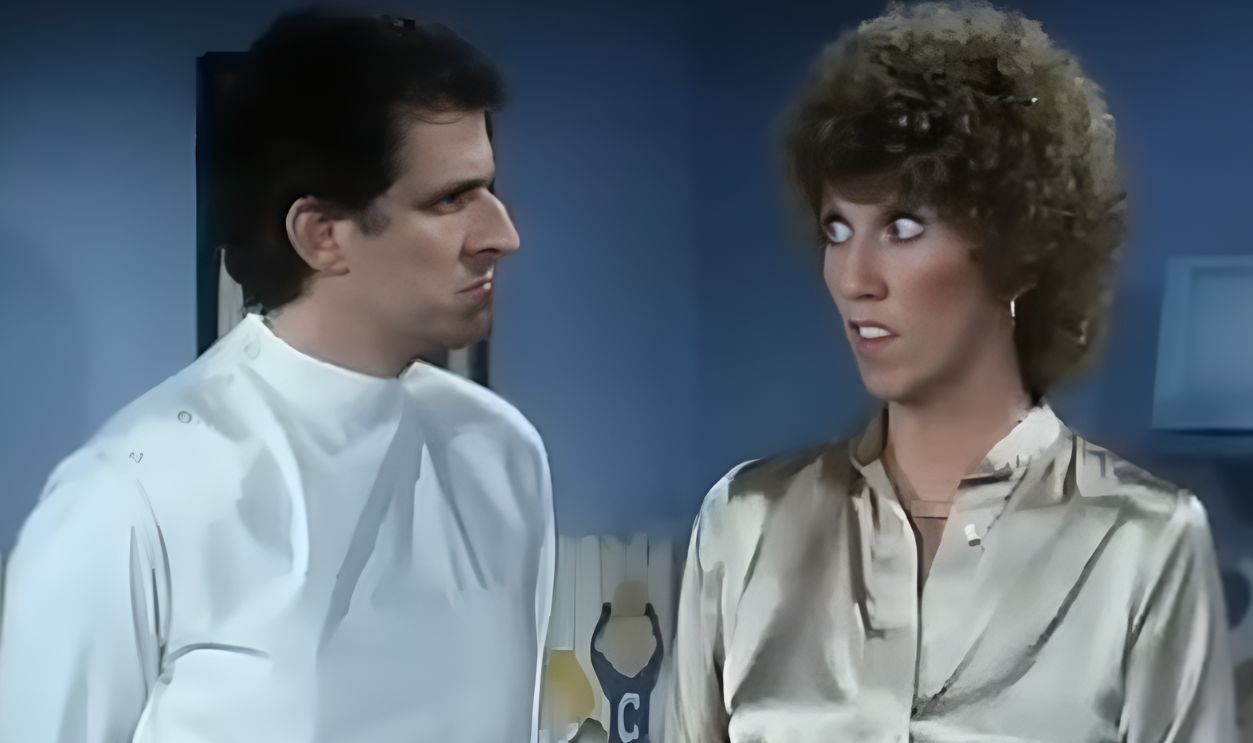
The characters had careers, marriages, divorces, anxieties, and disappointments, but the series rarely announced that it was doing “grown-up television.” Bob and Emily had no children, Carol pursued a life beyond her desk, and the patients were treated like flawed adults rather than walking punchlines.
 Screenshot from The Bob Newhart Show, CBS (1972–1978), Modified
The Running Gags Never Needed to Shout
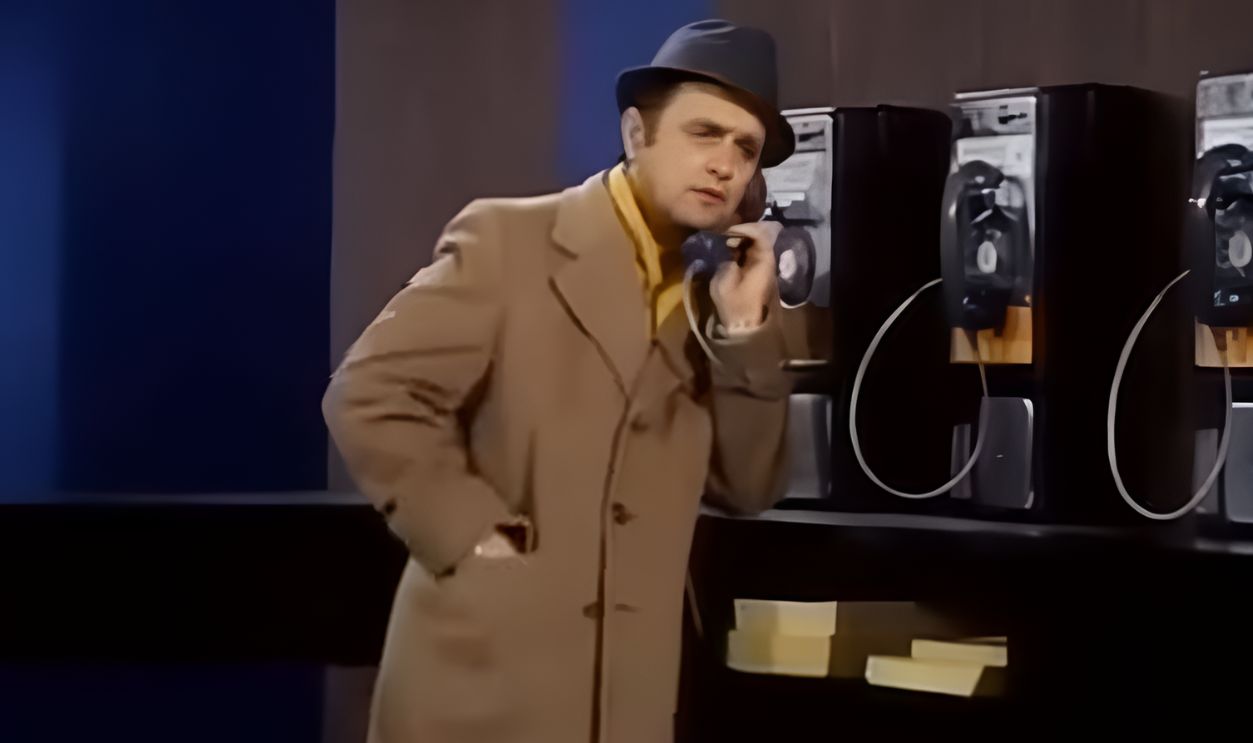
Bob’s one-sided calls, Emily’s final comment after the bedroom light went out, Howard’s helpless entrances, and Carlin’s attacks on human happiness became reliable pleasures. The show repeated these patterns without making them feel mechanical because the humor came from character, not merely from hearing the same phrase again.
 Screenshot from The Bob Newhart Show, CBS (1972–1978), Modified
Even Thanksgiving Became a Comic Disaster
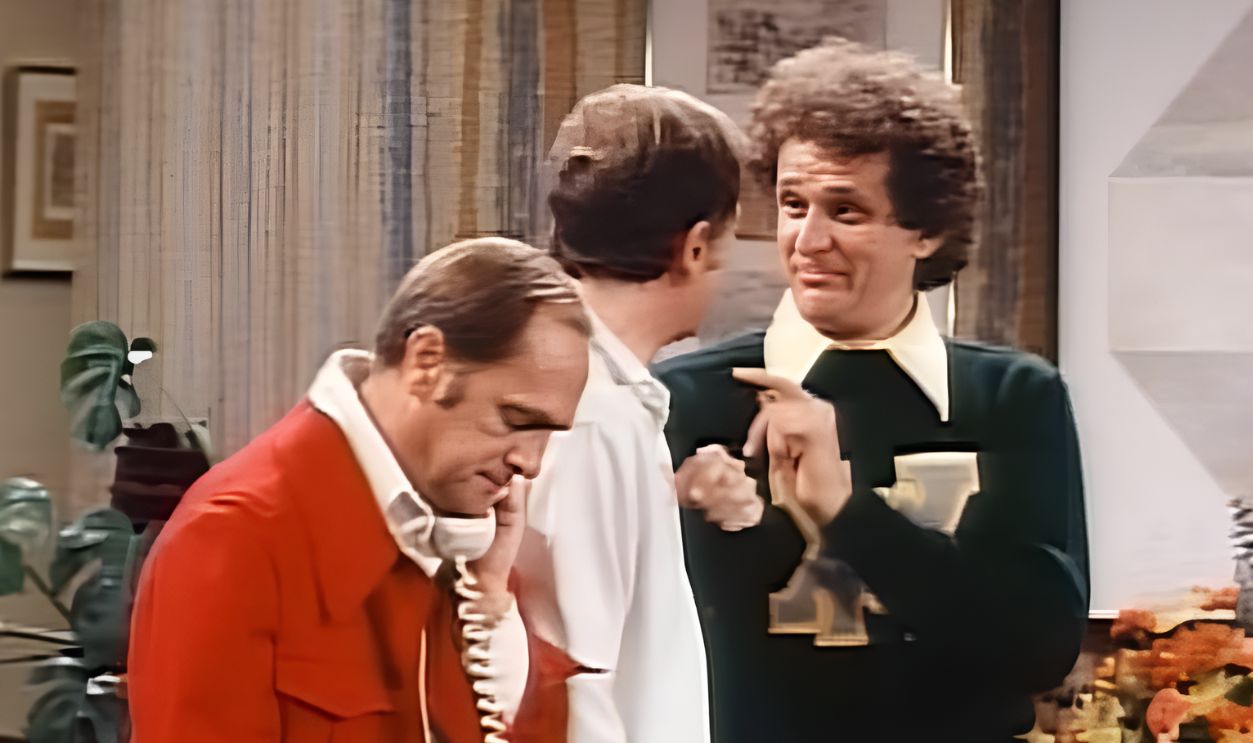
The celebrated episode “Over the River and Through the Woods” trapped Bob, Jerry, Howard, and Carlin together for Thanksgiving. Drink and football gradually destroyed whatever dignity remained. The episode later appeared near the top of TV Guide’s ranking of television’s greatest episodes, proving quiet comedy could still get spectacularly messy.
 Screenshot from The Bob Newhart Show, CBS (1972–1978), Modified
The Emmys Somehow Missed the Joke
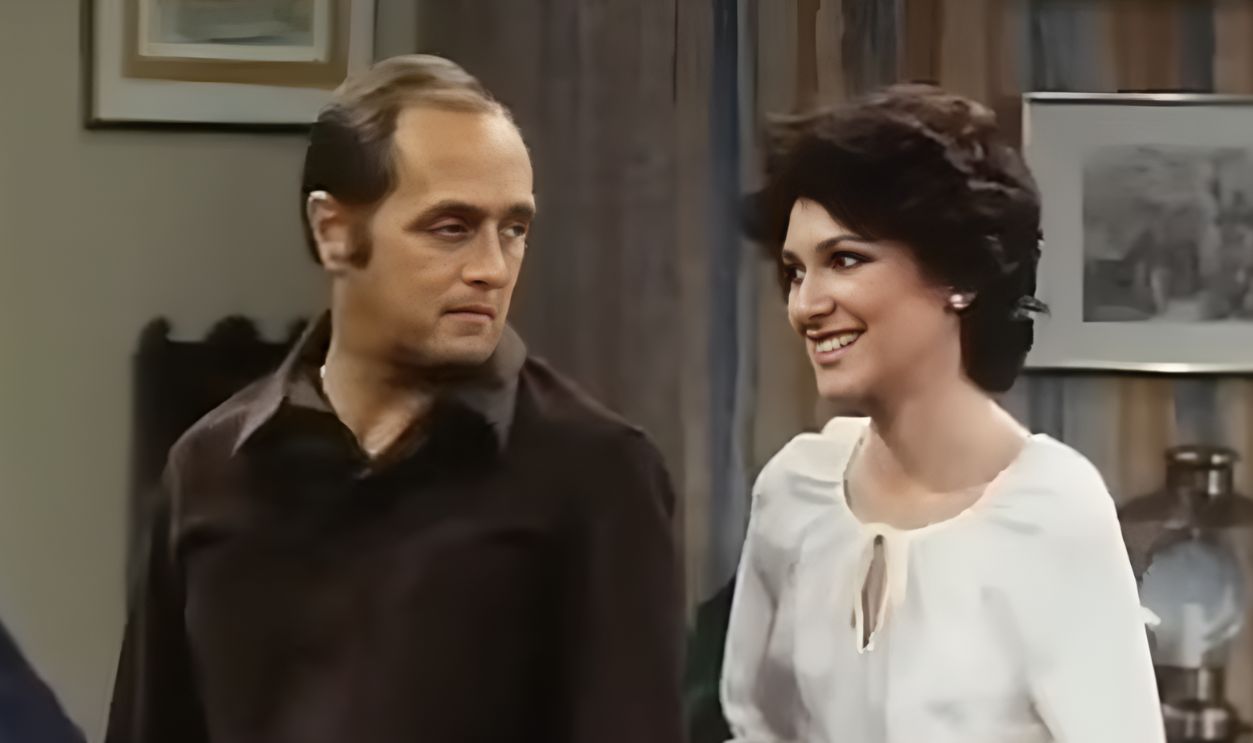
The series received major nominations, including Outstanding Comedy Series in 1977 and acting nominations for Suzanne Pleshette. Yet the 1972–78 sitcom never won a Primetime Emmy. Marcia Wallace later joked that people assume the show and cast won plenty: “Nope, never!” Television history eventually corrected the oversight in reputation, if not trophies.
 Screenshot from The Bob Newhart Show, CBS (1972–1978), Modified
Bob Drew One Line the Writers Could Not Cross
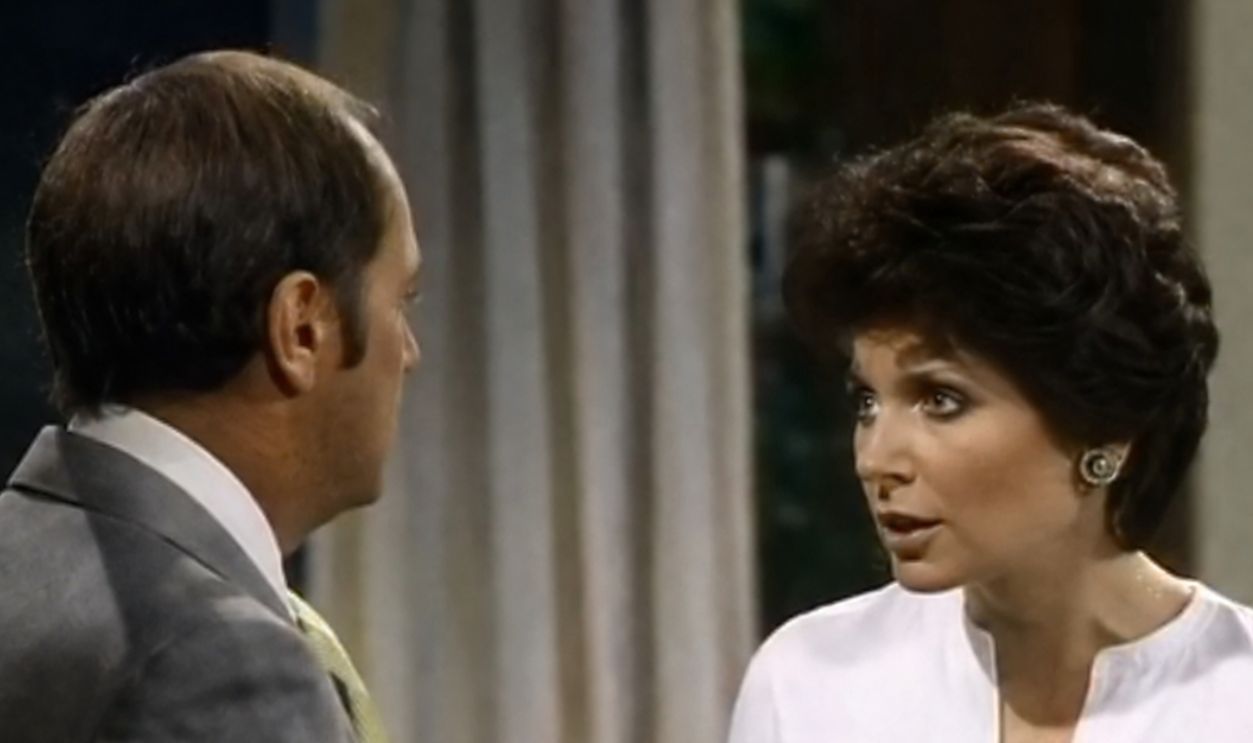
Newhart did not want Bob and Emily to have children because he feared the show would slide into the familiar sitcom formula of the foolish father rescued by his family. When writers presented a pregnancy script he found genuinely funny, he reportedly asked who they planned to hire to play Bob. The pregnancy became a dream.
 Screenshot from The Bob Newhart Show, CBS (1972–1978), Modified
The Show Ended Before It Wore Out Its Welcome
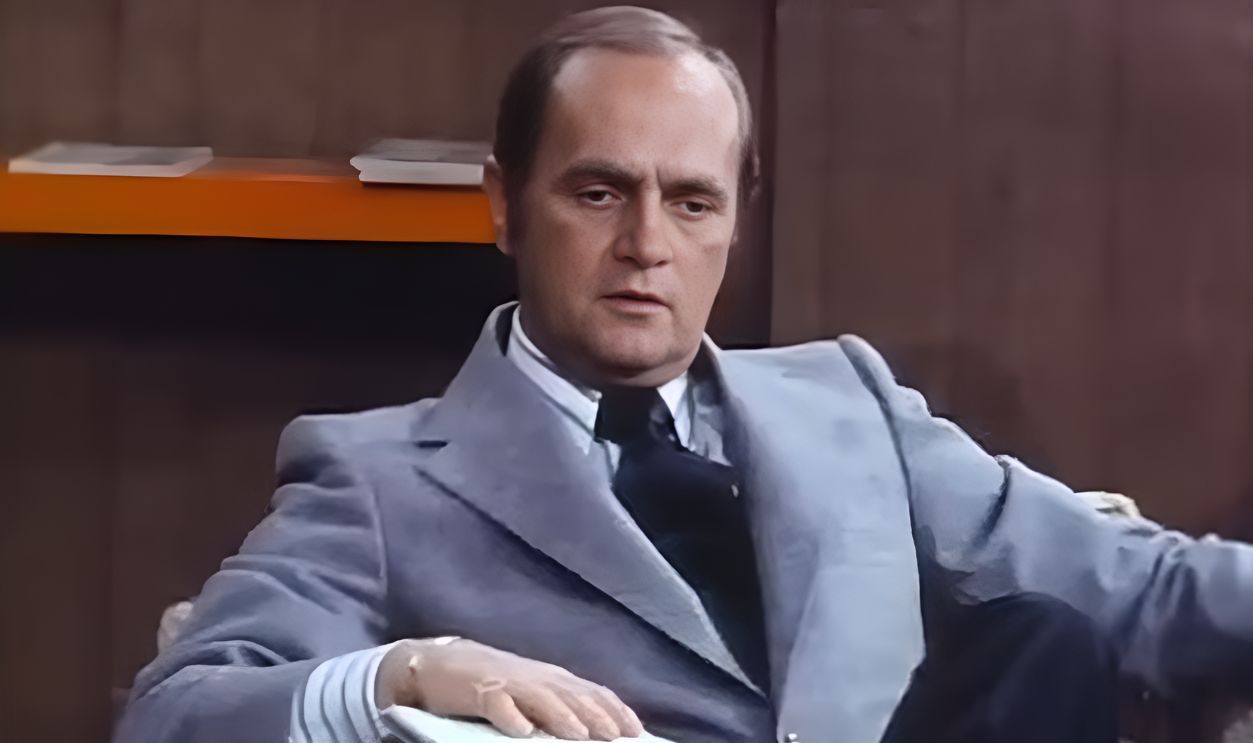
After six seasons, Newhart chose to end the series in 1978 rather than stretch it until everyone looked tired. The cast’s affection was real. Wallace remembered “much crying and sobbing” when production ended, while Pleshette later discussed the emotional breakup of a group that had genuinely enjoyed working together.
 Screenshot from The Bob Newhart Show, CBS (1972–1978), Modified
Then Came the Story That Explained the Near-Miss
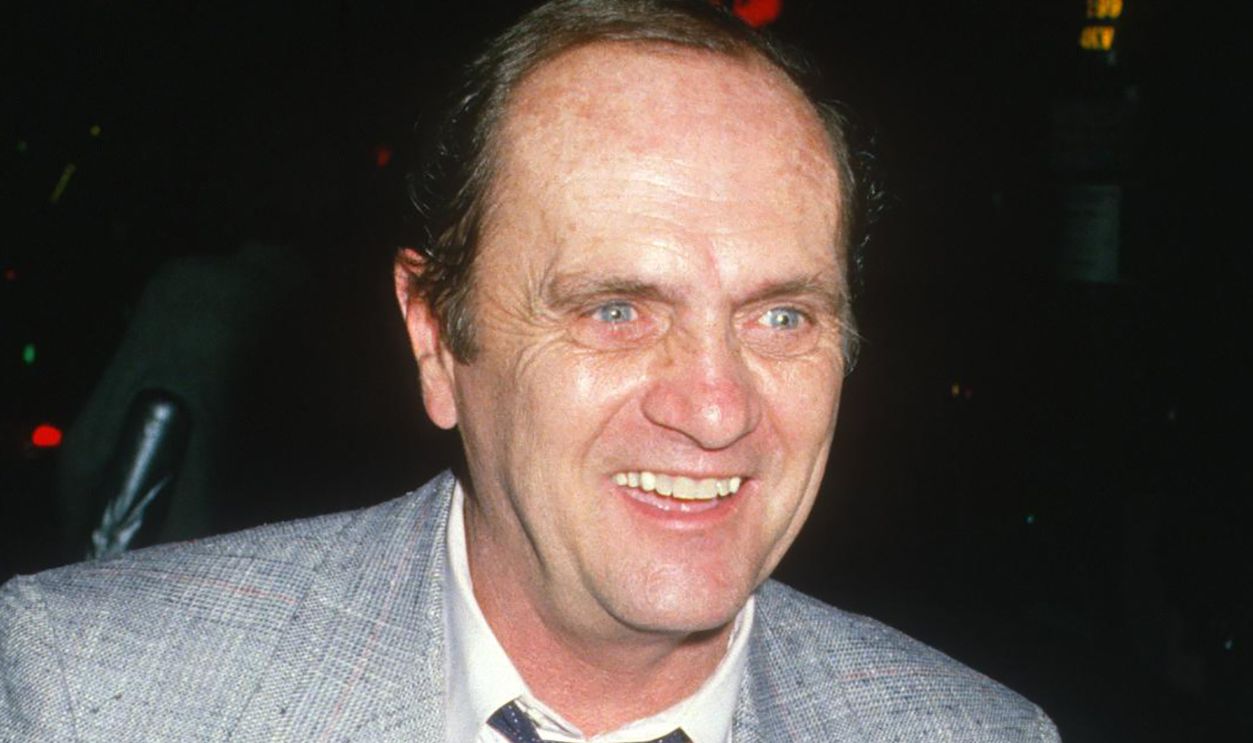
A decade before the sitcom, Newhart had hosted an NBC variety series also called The Bob Newhart Show. It earned an Emmy and a Peabody Award—but weak ratings led NBC to cancel it after one season. Newhart later described the experience as receiving “a Peabody Award, an Emmy, and a pink slip” almost simultaneously.
 Ron Galella, Ltd., Getty Images
Bob Had Been Saying No to Sitcom Offers
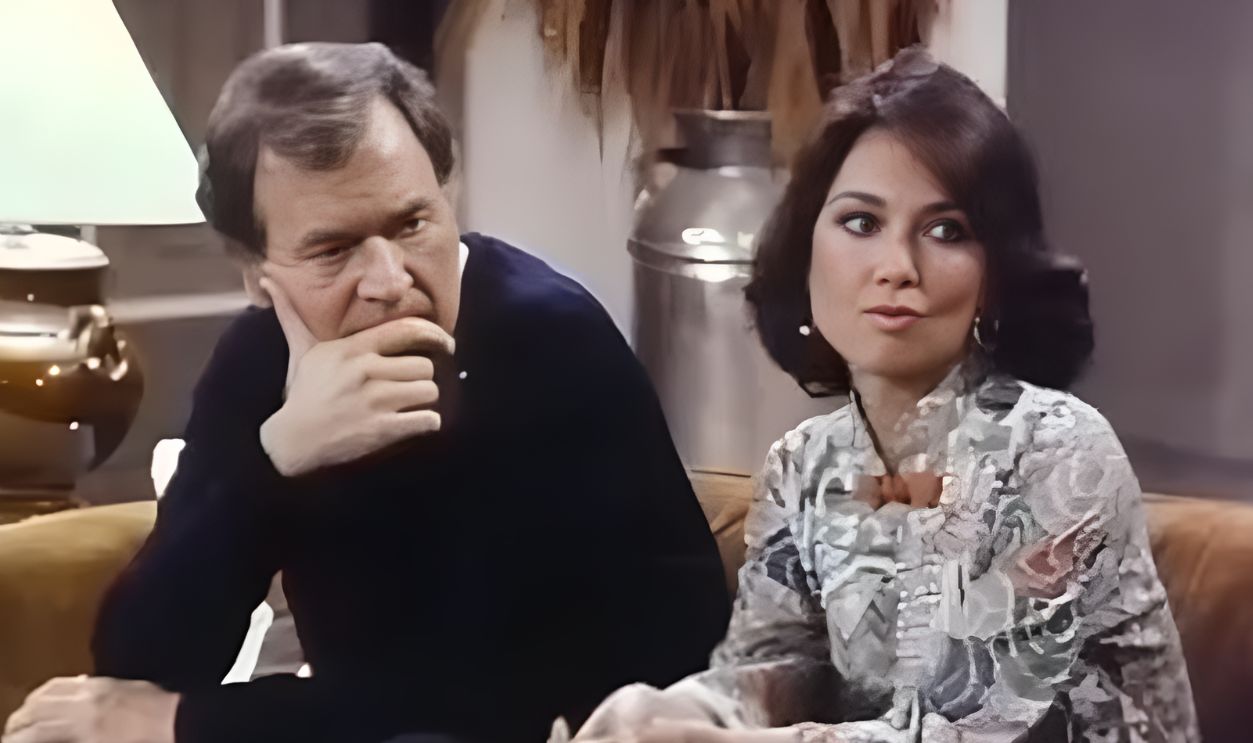
That cancellation left him wary of another weekly series. Newhart said he had developed the habit of rejecting sitcom proposals, particularly the standard setup in which an incompetent father created trouble for his family. Had he continued saying no, Dr. Hartley, Emily, Howard, Carol, Jerry, and Carlin would never have existed.
 Screenshot from The Bob Newhart Show, CBS (1972–1978), Modified
MTM Finally Offered the Deal He Could Trust
Mary Tyler Moore, Grant Tinker, David Davis, and Lorenzo Music changed his mind by building the series around his actual comic instincts. Newhart received creative control, the humor was tailored to his rhythm, and the premise made him a competent adult surrounded by lovable chaos. The very protections he demanded became the reasons the show worked.
One Nervous Yes Changed Television Comedy
The Bob Newhart Show succeeded because nobody tried to turn Bob Newhart into a louder, broader sitcom star. They made stillness the center of the action, assembled an ensemble capable of orbiting it, and trusted viewers to listen. The classic almost disappeared before it began—all because its star had every reason to say no.
 Screenshot from The Bob Newhart Show, CBS (1972–1978), Modified
You May Also Like:
TV Shows That Were Huge Abroad—But Never Took Off In The U.S.
20 Years Ago, These Controversial Movies Were Hits—Today They’d Spark Outrage
30 of the Longest-Running TV Shows