The Captain Who Made The Precinct Feel Like Home
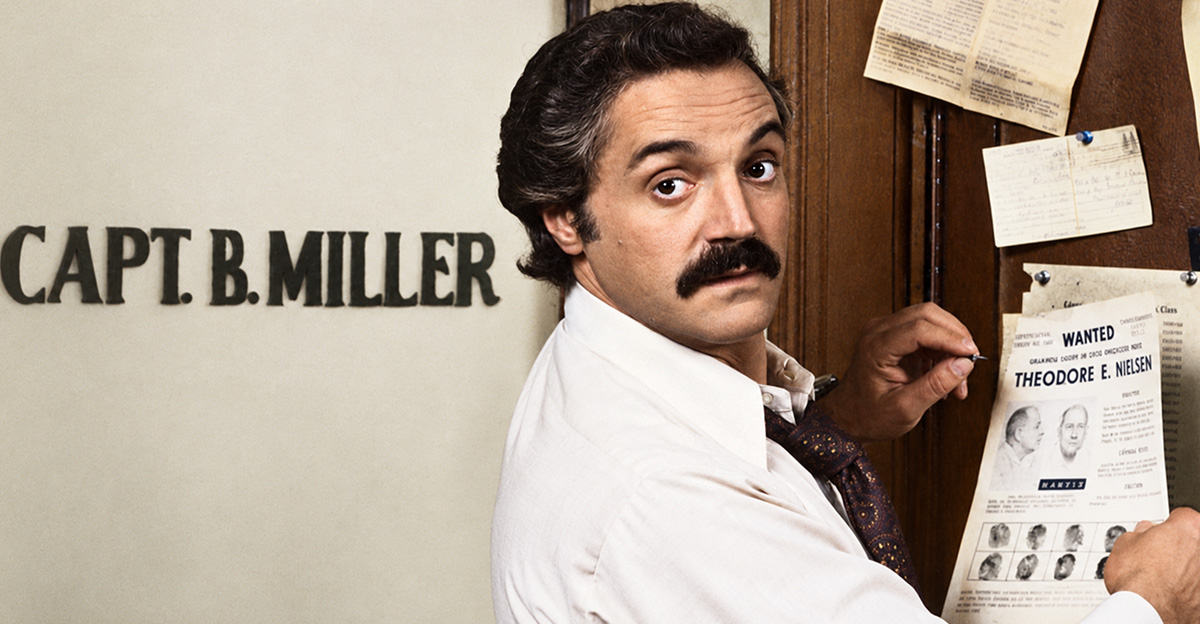
If you watched Barney Miller when it first aired, chances are that shabby squad room still looks familiar. The ringing phones, bad coffee, cluttered desks, and endlessly strange visitors felt almost comforting. Holding everything together was Hal Linden, whose calm, clever Captain Barney Miller made the show unlike any other cop series on television.
Hal Linden Had Already Paid His Dues
Linden didn't simply appear on television one day and become Captain Miller. By the 1970s, he had spent years working as a musician and stage performer. Viewers may have discovered him through ABC's Thursday-night lineup, but Linden had already built the kind of professional experience that made Barney seem instantly believable.
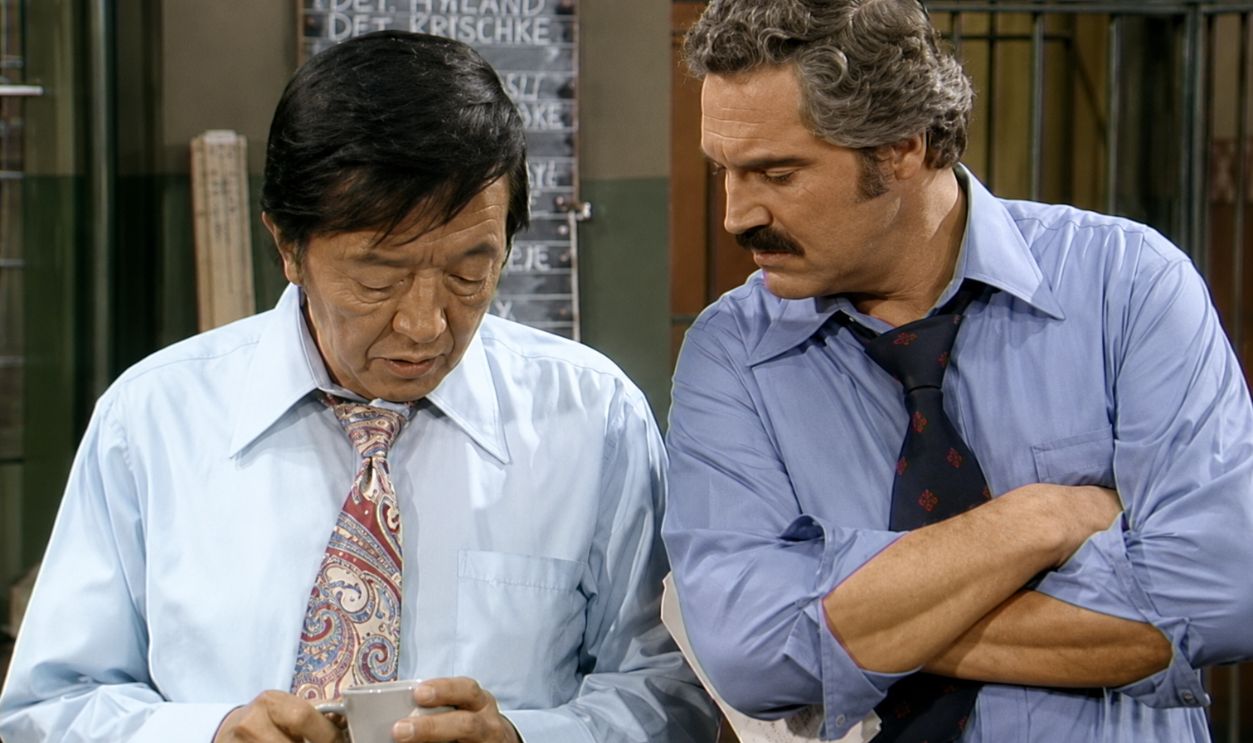 Screenshot from Barney Miller, ABC (1975-1982), Enhanced
He Started With Music
Long before the 12th Precinct, Linden was a clarinetist and saxophonist. Music gave him a strong sense of timing, something that became obvious on Barney Miller. He knew exactly when to speak, when to pause, and when one long look across the squad room was funnier than any punchline.
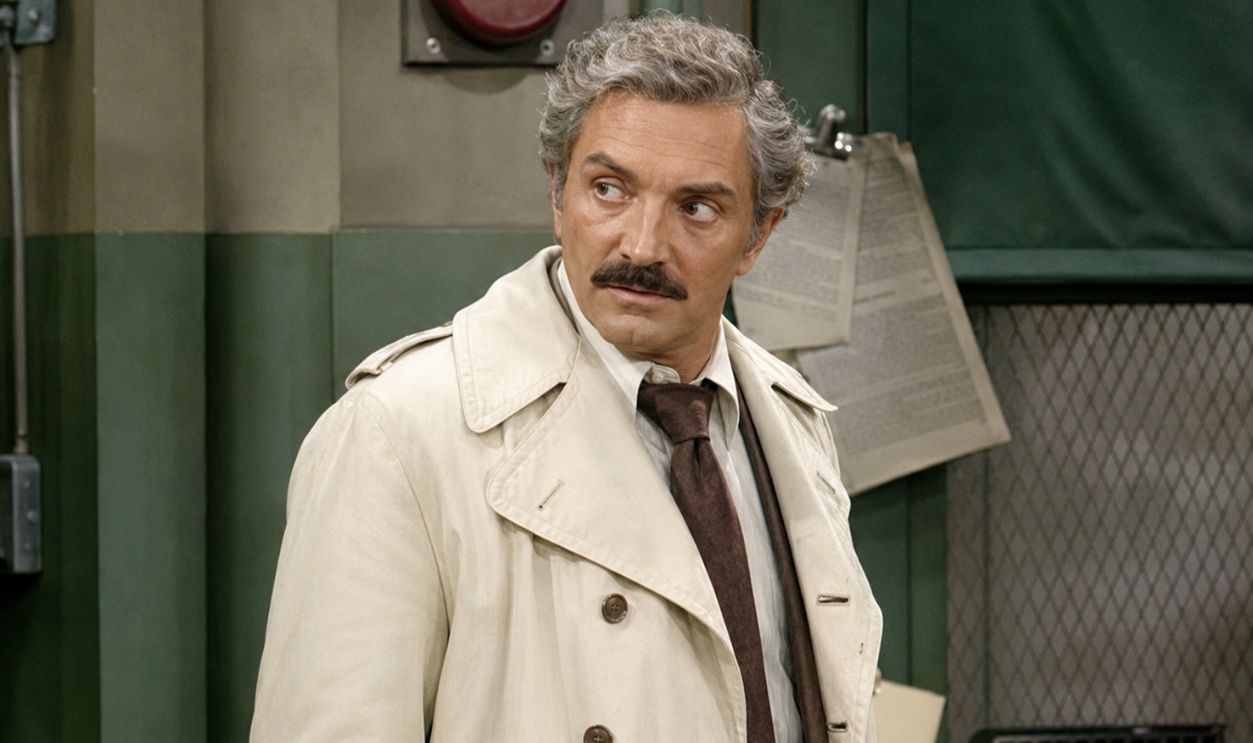 Screenshot from Barney Miller, ABC (1975-1982), Enhanced
Broadway Came First
Linden eventually found success on Broadway, most notably winning a Tony Award for The Rothschilds. That stage background helped explain why he could command a scene without dominating it. On Barney Miller, he was surrounded by terrific performers, and Linden always seemed comfortable giving everyone else room to shine.
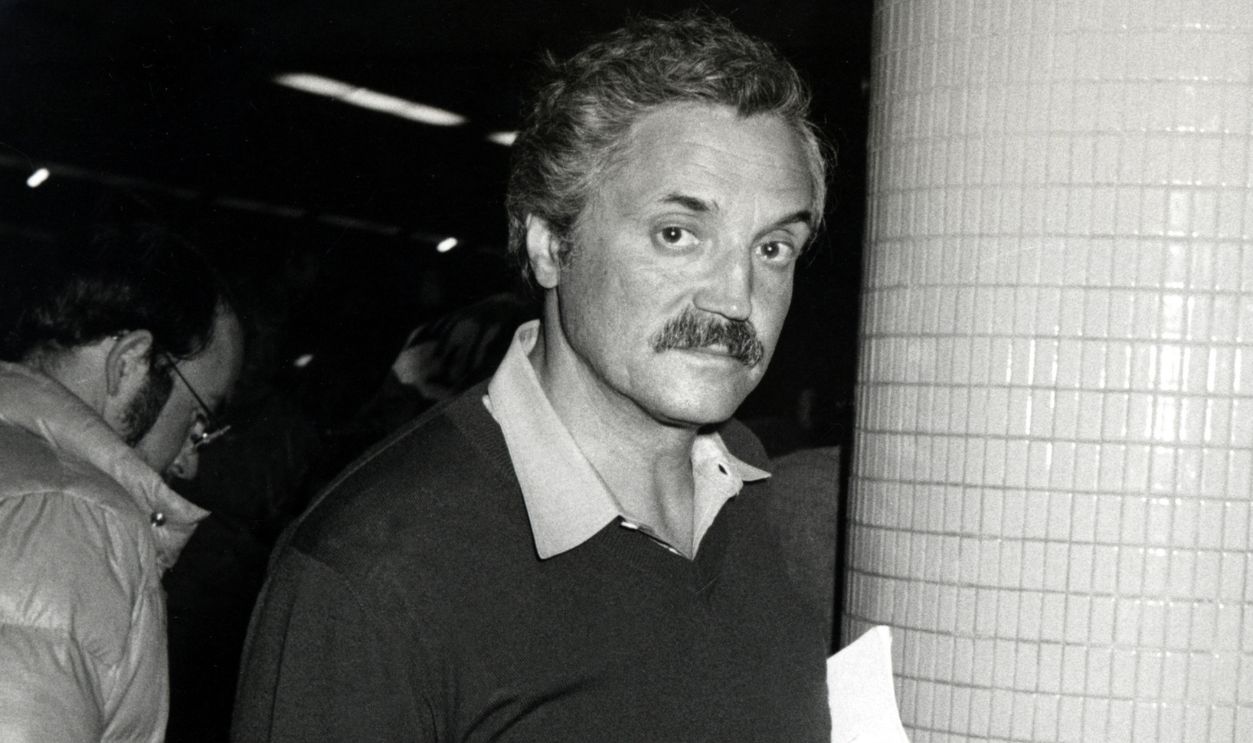 Ron Galella, Ltd., Getty Images
Then Came That Familiar Precinct
When Barney Miller premiered in 1975, television already had its share of cops racing around New York. This show mostly stayed indoors. Instead of screaming tires and rooftop chases, viewers got a worn-down station house filled with detectives, paperwork, criminals, complainants, and some of the strangest characters prime time had ever seen.
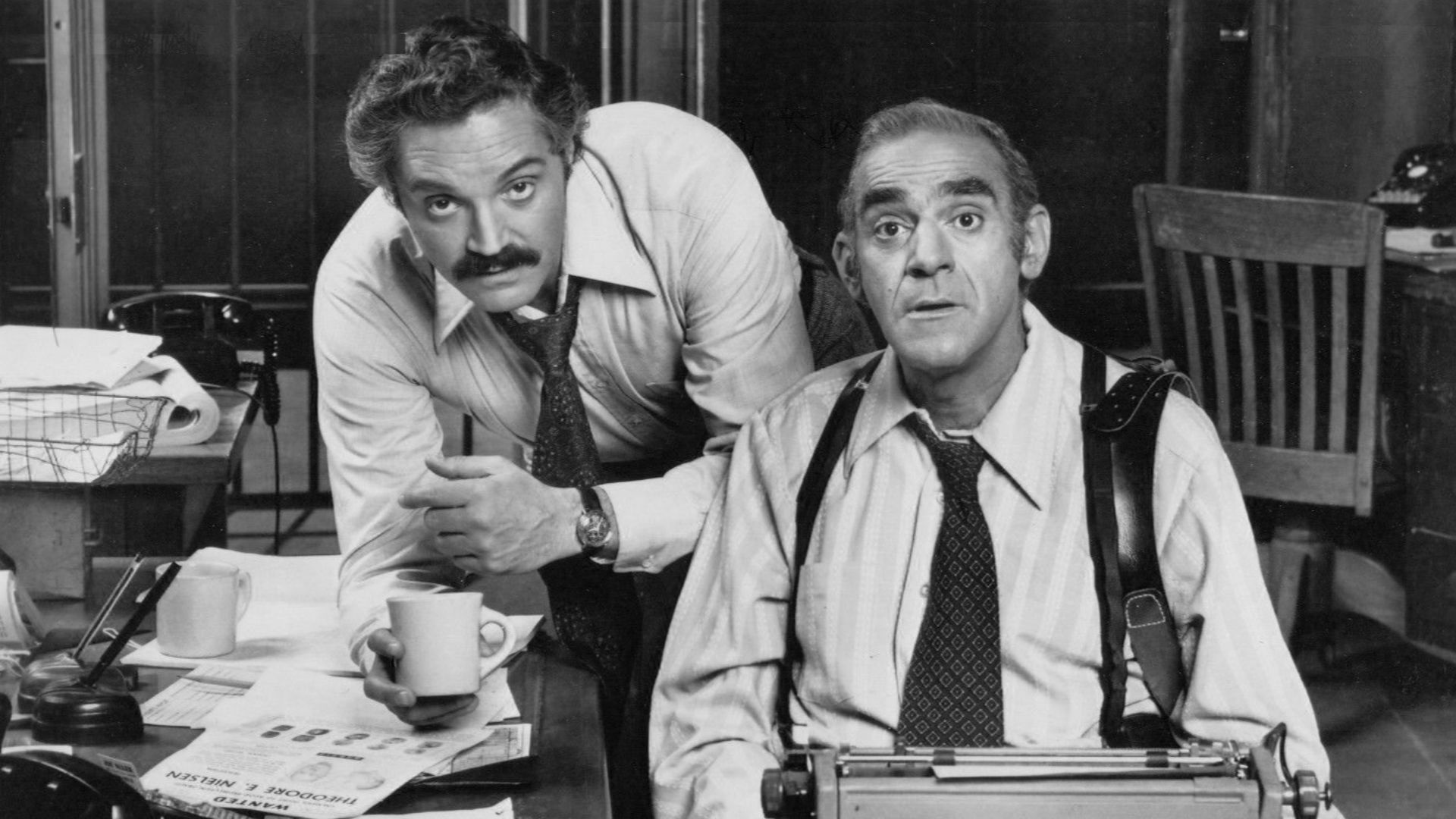 ABC Television, Wikimedia Commons
Barney Wasn't Like Other TV Cops
Captain Miller rarely kicked down doors or waved a revolver around. Most of the time, he was behind his desk trying to stop the day from becoming completely ridiculous. For viewers used to hard-boiled television detectives, Barney's patience and intelligence felt refreshingly different.
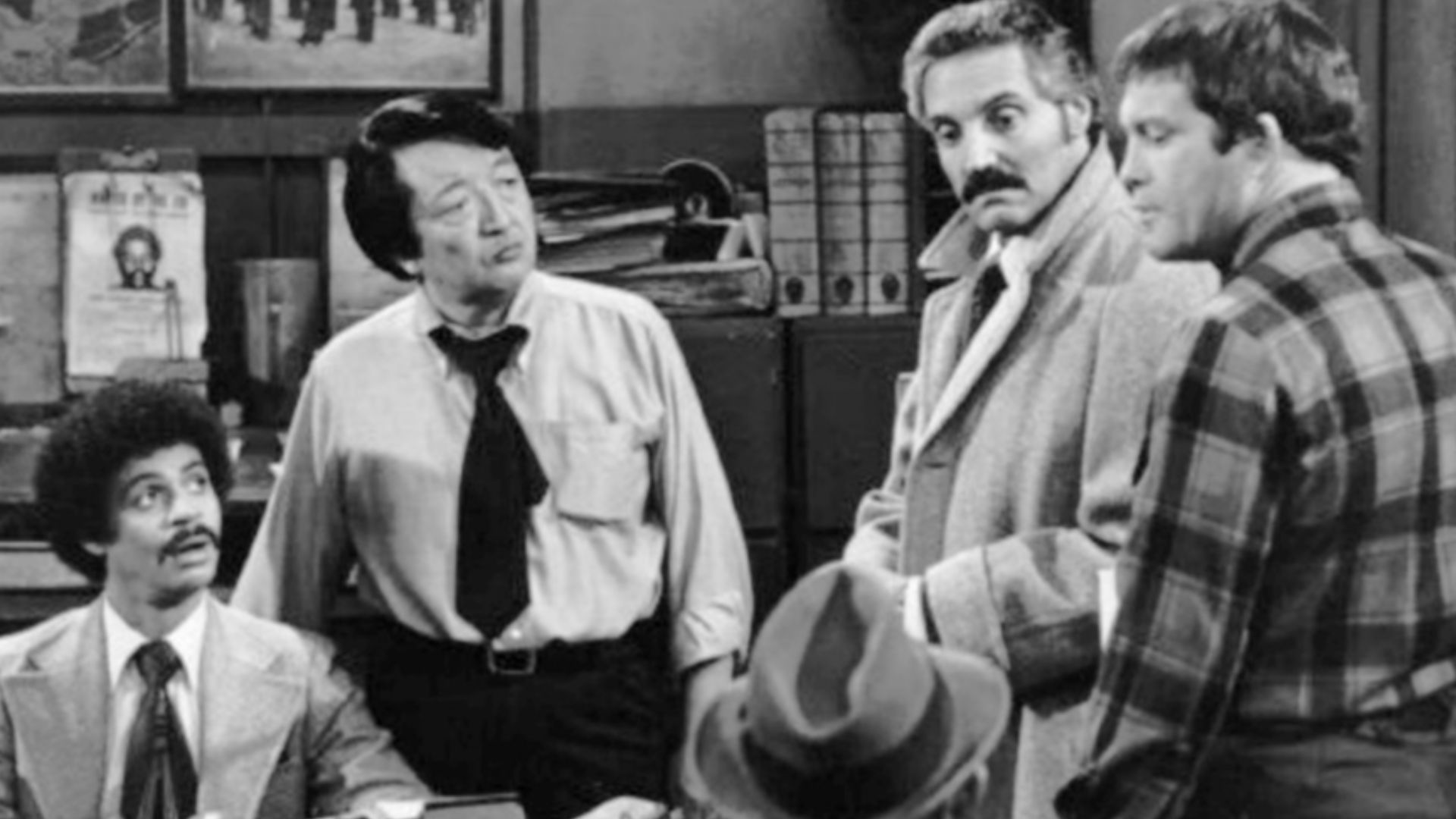 ABC Television, Wikimedia Commons
That Famous Hal Linden Look
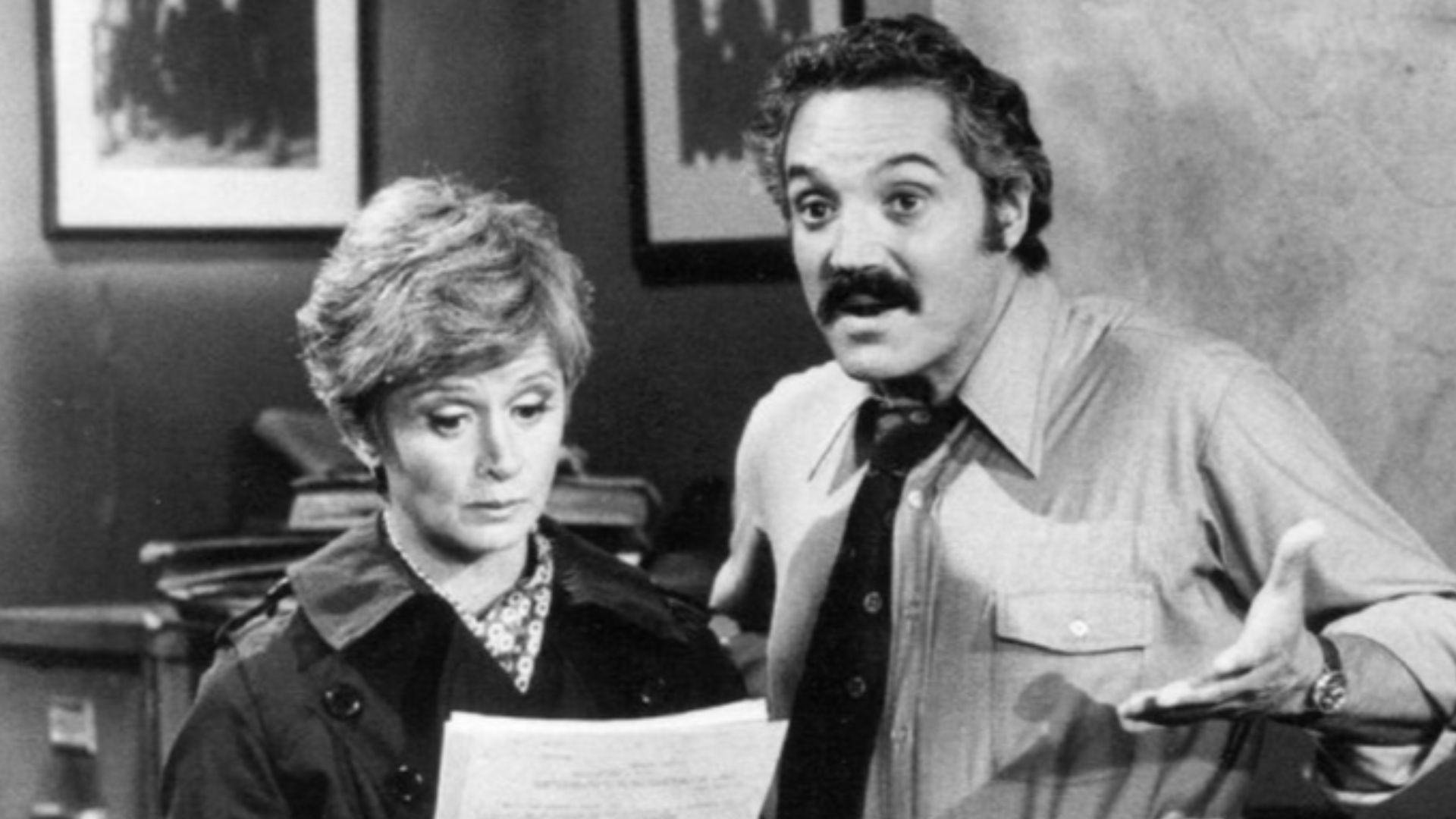
Fans knew the look. Somebody would say something absurd, and Barney would simply stare. Linden could turn a raised eyebrow or a silent pause into a complete joke. You could almost hear viewers at home laughing before he even answered. It was one of those performances that rewarded paying attention.
 ABC Television, Wikimedia Commons
The Show Never Talked Down To You
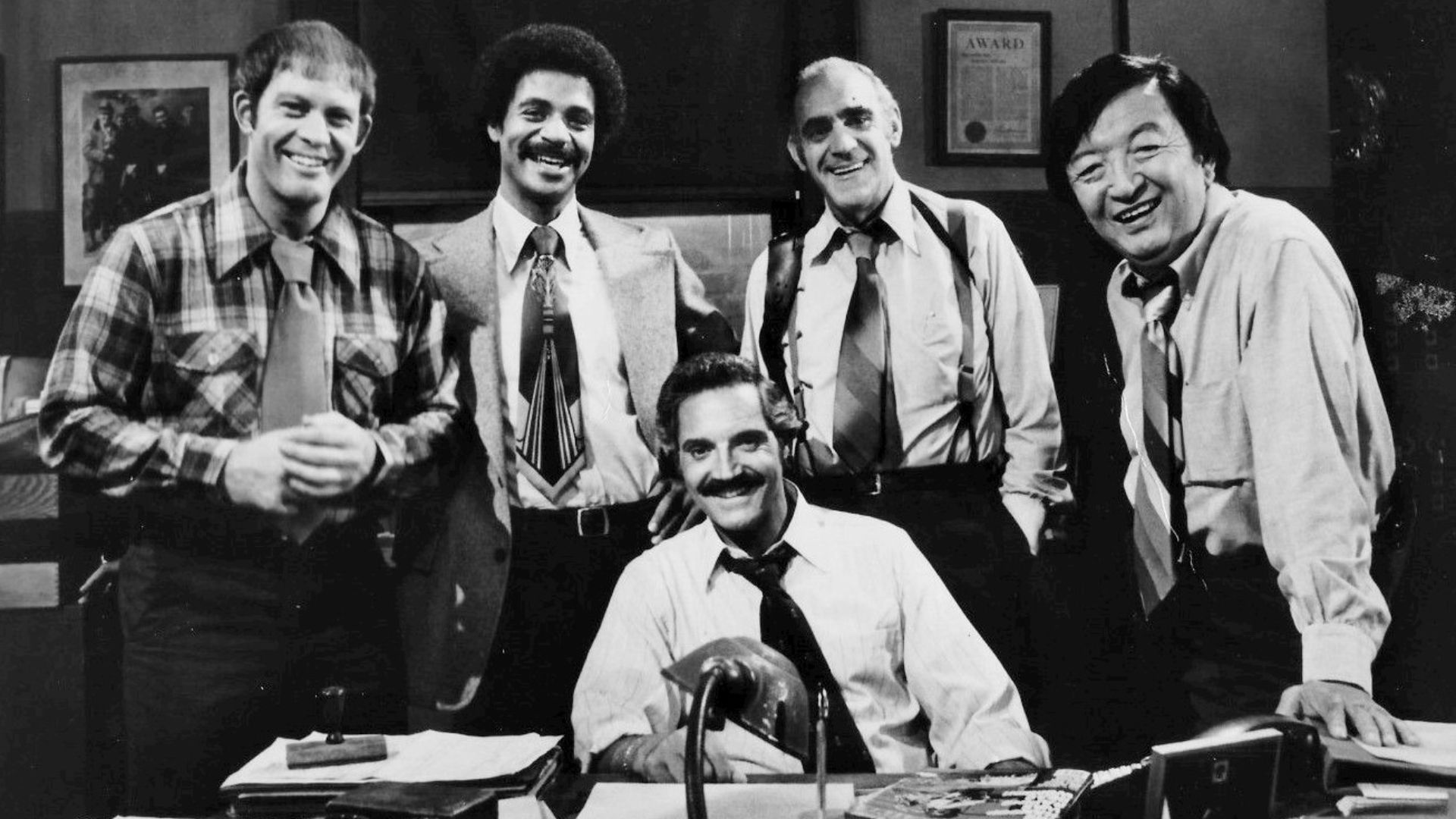
Part of what made Barney Miller special was that it trusted its audience. The jokes weren't always spelled out, and the serious moments weren't wrapped in neat little speeches. Linden fit that style perfectly. Barney seemed intelligent because the show allowed him to think before he spoke.
 ABC Television, Wikimedia Commons
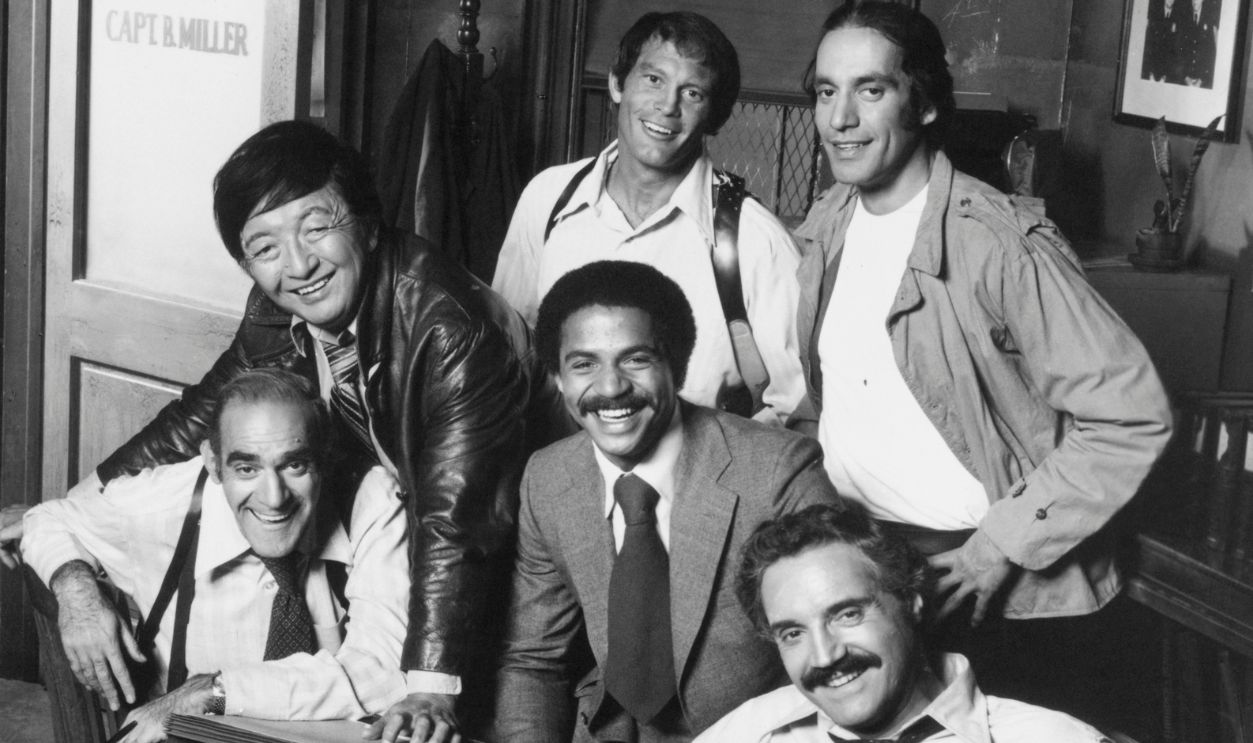
The Squad Room Was Full Of Characters
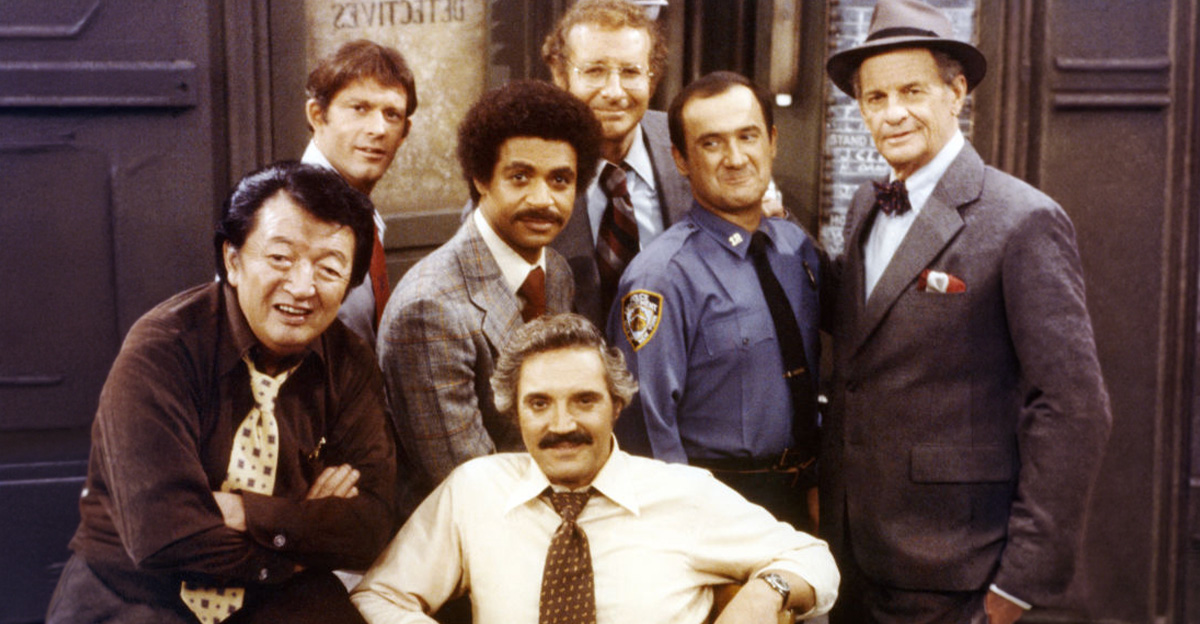
Barney had plenty to manage. Fish was tired before the shift even started. Harris had bigger ambitions. Wojo could be earnest, stubborn, and wonderfully naïve. Nick Yemana seemed capable of producing the worst coffee in New York. Linden was the steady center around which all that comic chaos revolved.
 Silver Screen Collection, Getty Images
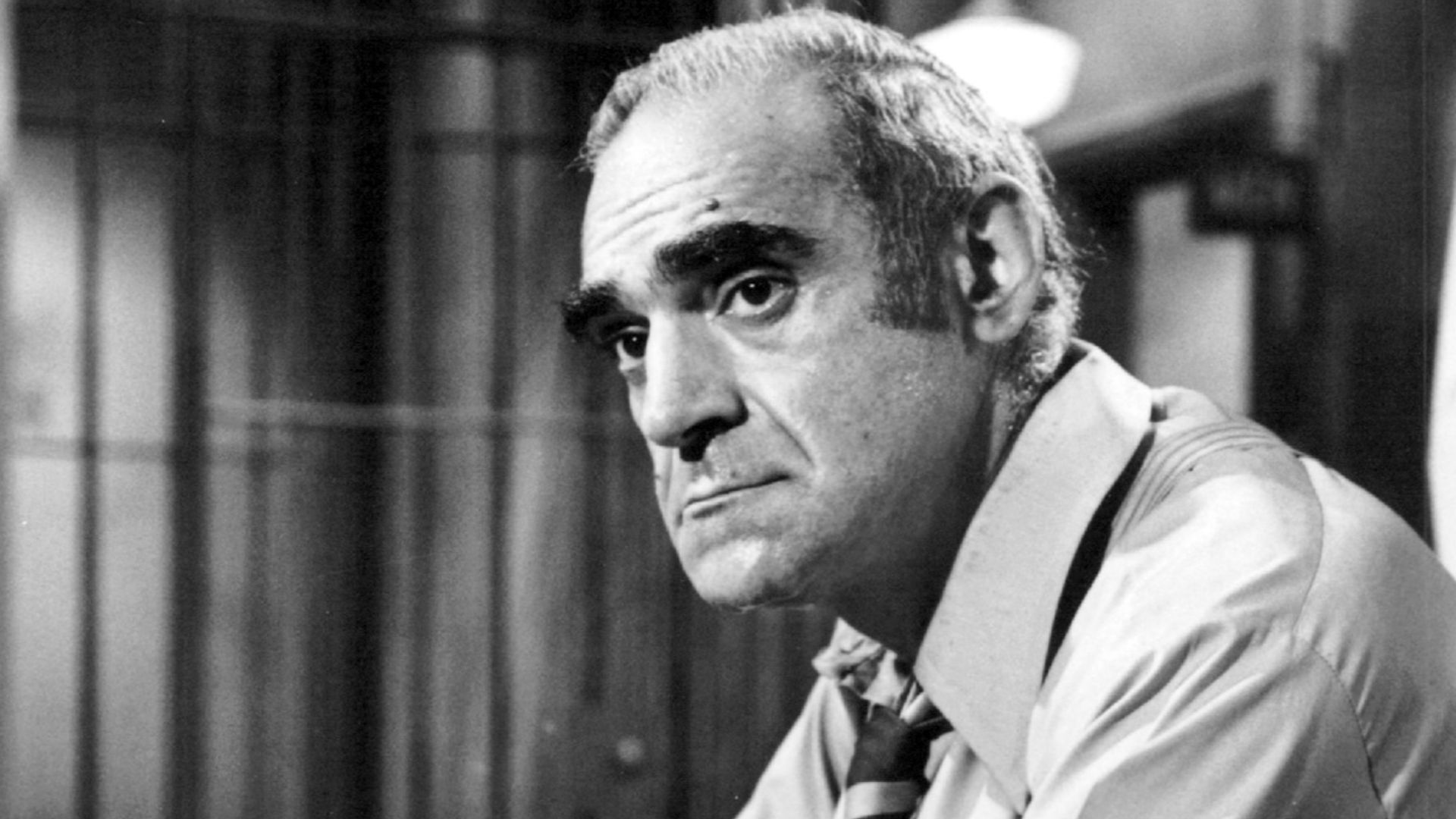
Abe Vigoda Was The Perfect Foil
Older viewers especially remember Abe Vigoda's Detective Fish. He moved through the precinct like a man who had been tired since the Eisenhower administration. Linden wisely never tried to outdo him. Barney's quiet sympathy and occasional disbelief made Fish's complaints even funnier.
 ABC Television, Wikimedia Commons
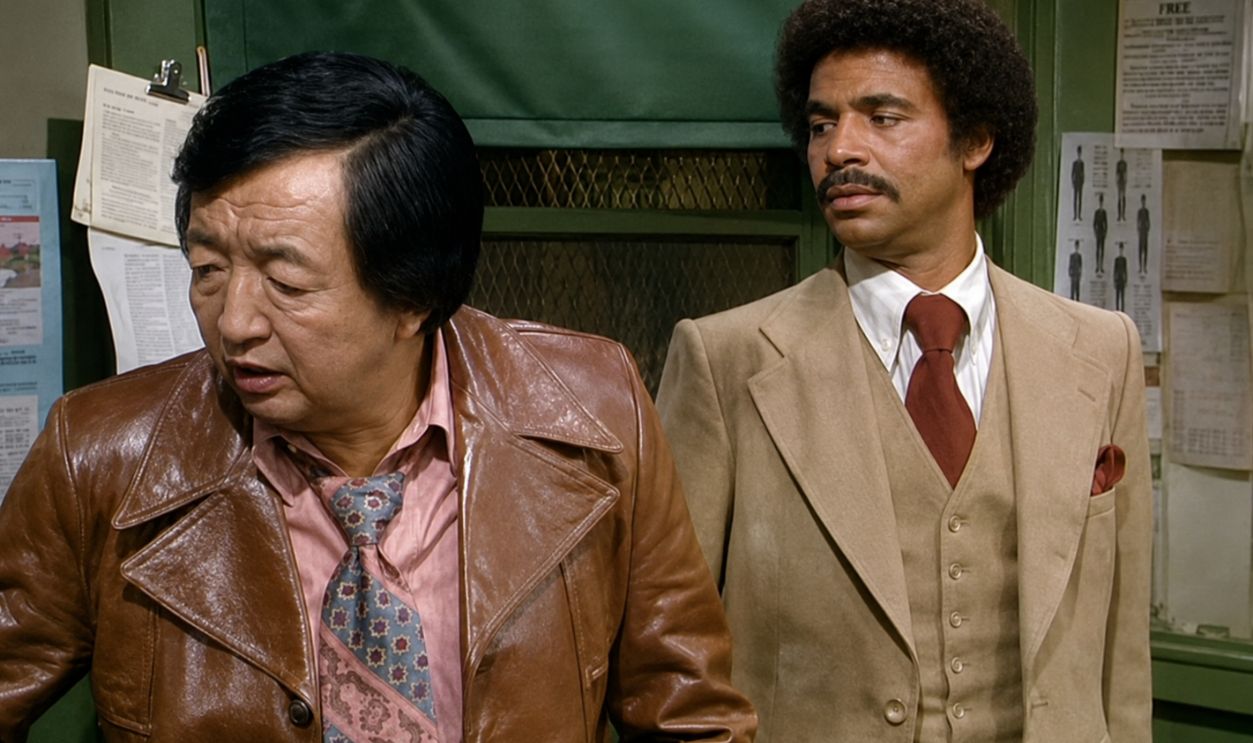
Ron Glass Brought Style To The Squad
Detective Ron Harris, played by Ron Glass, always seemed a little too polished for that crumbling precinct. He dressed well, dreamed big, and worked on his writing career while solving crimes. Barney understood Harris's ambition, even when it tested his patience, giving their scenes a wonderfully dry chemistry.
 Screenshot from Barney Miller, ABC (1975-1982), Enhanced
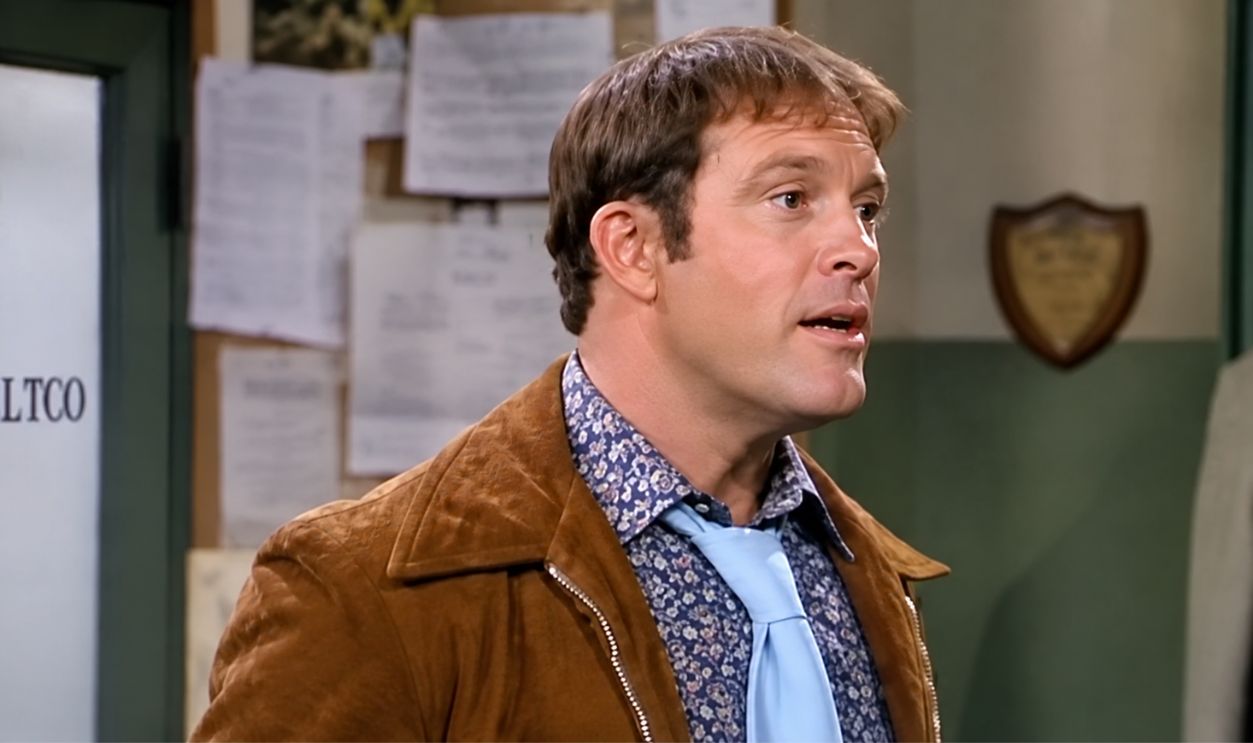
Wojo Felt Like Someone You Knew
Max Gail's Wojciehowicz brought heart to the show. Wojo wasn't always sophisticated, but he genuinely wanted to do the right thing. Barney often found himself gently steering him through new ideas and changing times. Their relationship could be funny one minute and surprisingly touching the next.
 Screenshot from Barney Miller, ABC (1975-1982), Enhanced
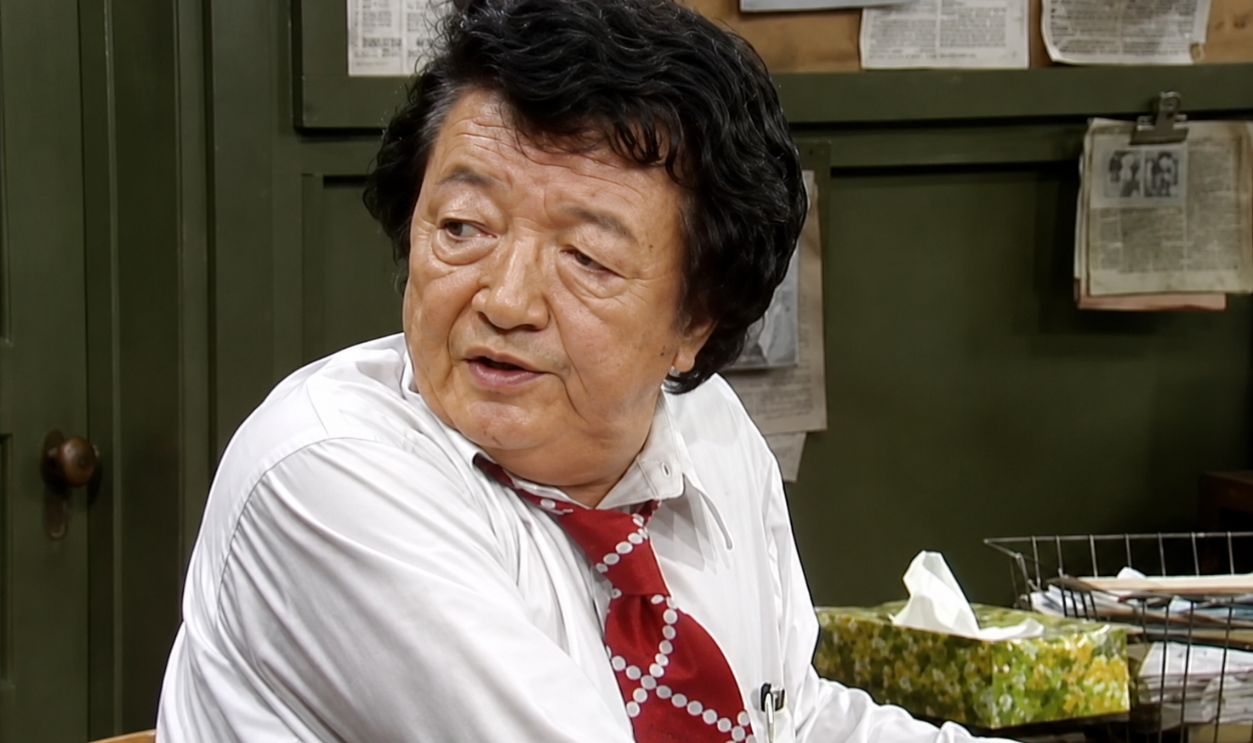
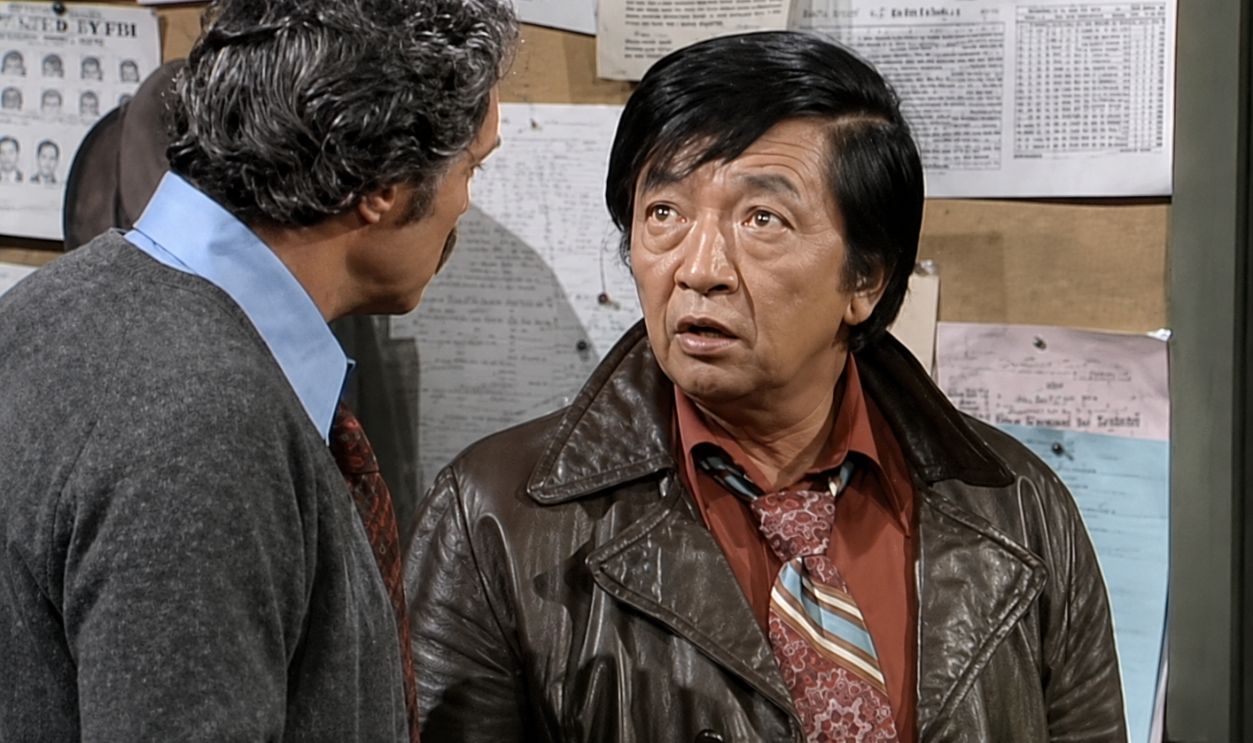
Then There Was Nick Yemana
Jack Soo's Nick Yemana became another fan favorite, especially with his legendary coffee. Soo's understated humor fit beautifully beside Linden's. Neither actor needed to shout to get a laugh. Their scenes had that relaxed rhythm longtime viewers remember from the show's very best years.
 Screenshot from Barney Miller, ABC (1975-1982), Enhanced
The Precinct Looked Real
Nothing about the station seemed glamorous. The furniture looked secondhand, the paint looked tired, and every surface appeared buried under forms. For viewers watching on a wood-paneled television set in the family room, that squad room gradually became one of the most recognizable workplaces on television.
It Was Almost A Workplace Comedy
Looking back, Barney Miller was as much about going to work as it was about police work. Everyone wanted lunch, complained about assignments, dealt with irritating coworkers, and wondered when the shift would end. That everyday quality made it strangely relatable, even if your office didn't have a holding cell.
 Screenshot from Barney Miller, ABC (1975-1982), Enhanced
Serious Subjects Slipped In Quietly
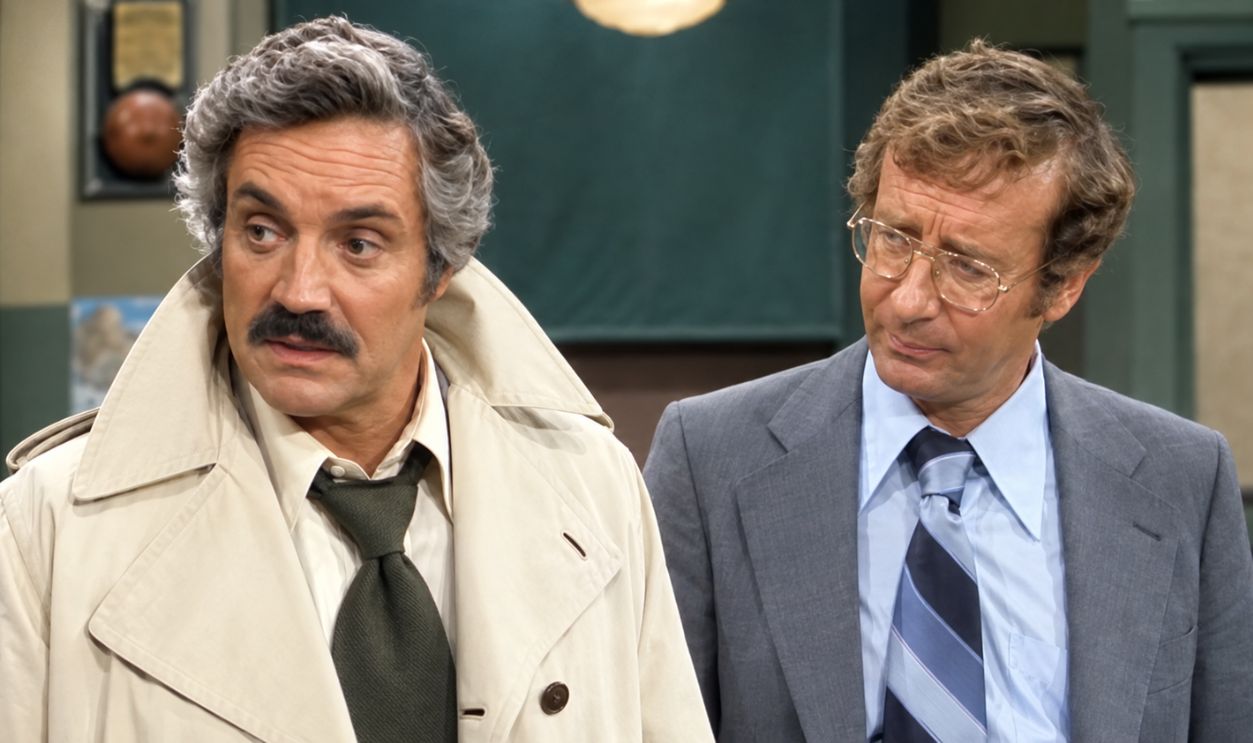
The show could tackle aging, discrimination, loneliness, mental health, crime, and changing social attitudes without losing its sense of humor. That was unusual television at the time. Linden helped the transitions work because Barney treated people seriously, even when their situations were funny.
 Screenshot from Barney Miller, ABC (1975-1982), Enhanced
Barney Usually Listened First
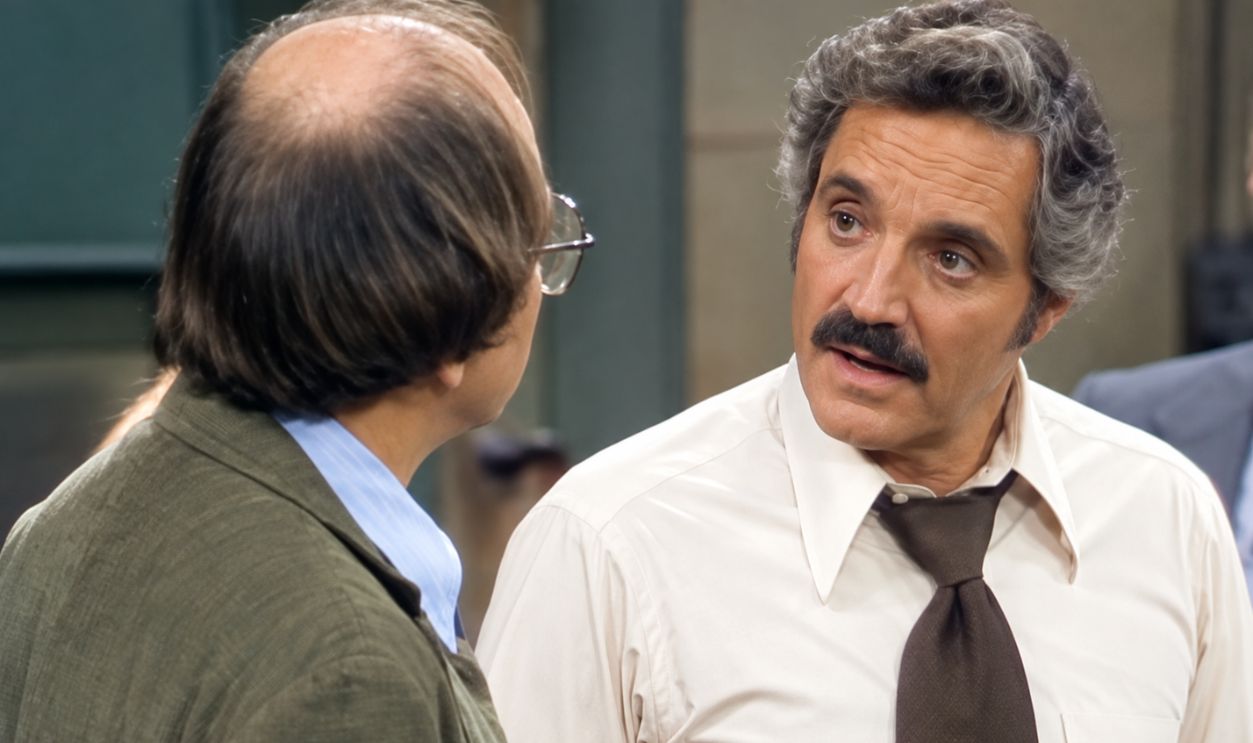
One of the things that made Captain Miller feel modern was his willingness to listen. Suspects, victims, detectives, and complete eccentrics all got their say. Barney might sigh, disagree, or stare across the room in disbelief, but he rarely dismissed people before hearing them out.
 Screenshot from Barney Miller, ABC (1975-1982), Enhanced
He Was A Boss People Actually Respected
Barney wasn't respected because he frightened everyone. He was respected because he was competent. He knew his detectives, understood their weaknesses, and usually figured out how to keep the station running. Anyone who ever had a decent boss probably recognized something comforting in Linden's performance.
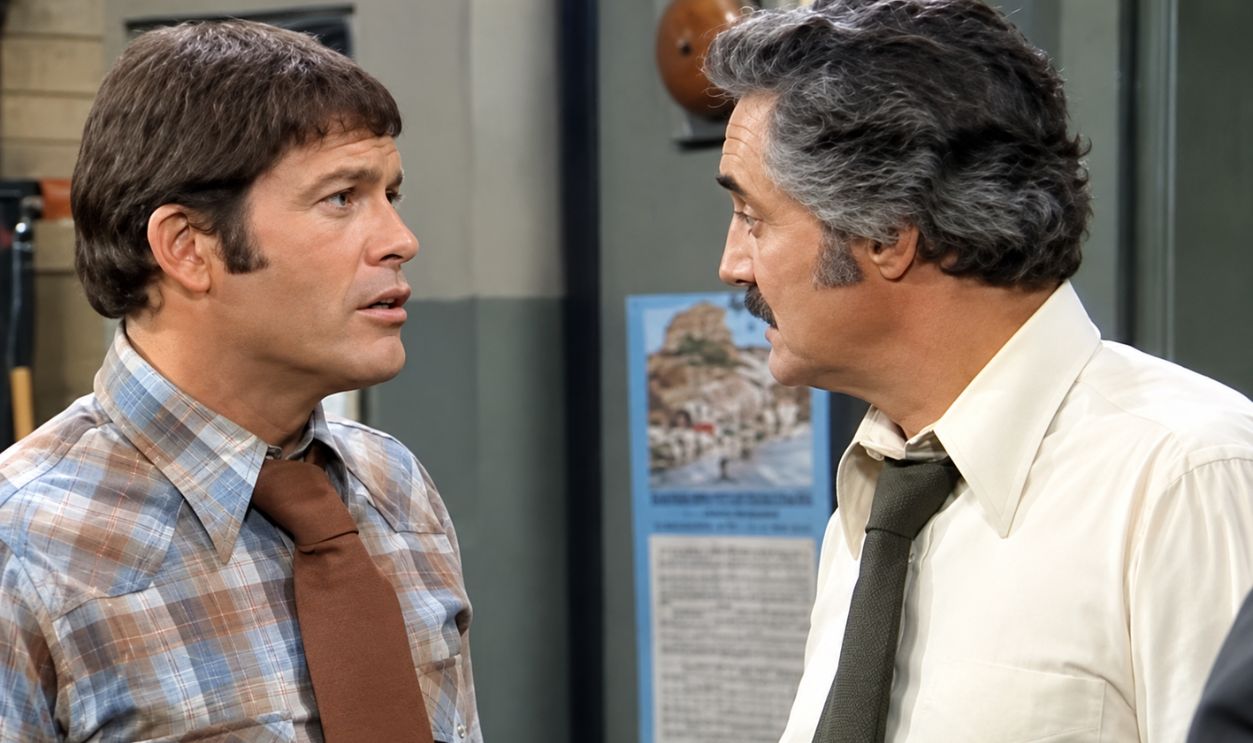 Screenshot from Barney Miller, ABC (1975-1982), Enhanced
The Comedy Wasn't Forced
There were no wild costumes, elaborate gimmicks, or constant explosions. Often, a joke was simply someone walking into the station with an unbelievable problem. Linden played everything straight enough to make the absurdity even funnier. That restraint is a big reason the humor has aged so well.
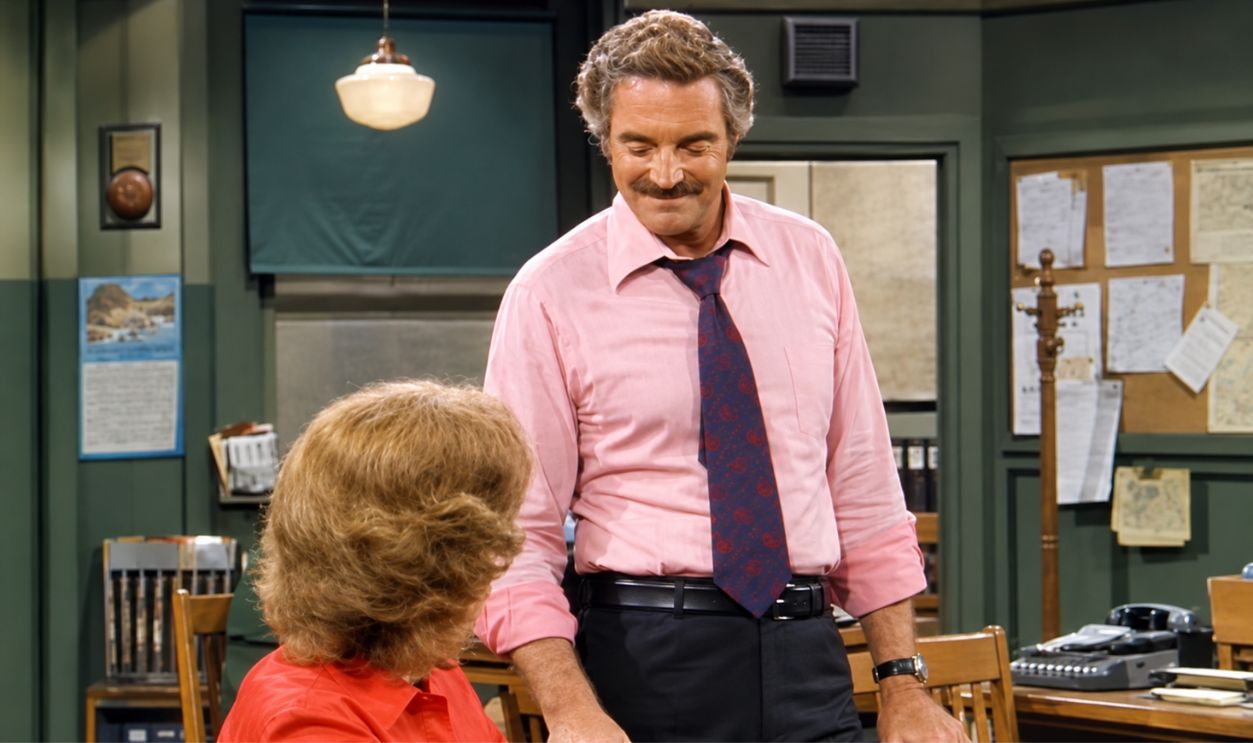 Screenshot from Barney Miller, ABC (1975-1982), Enhanced
The Show Captured 1970s New York
Barney Miller never presented New York as shiny or polished. The city outside the precinct felt crowded, frustrating, unpredictable, and very real. Even though viewers rarely saw much of it, you could feel New York pressing against those walls every time another unusual character walked through the door.
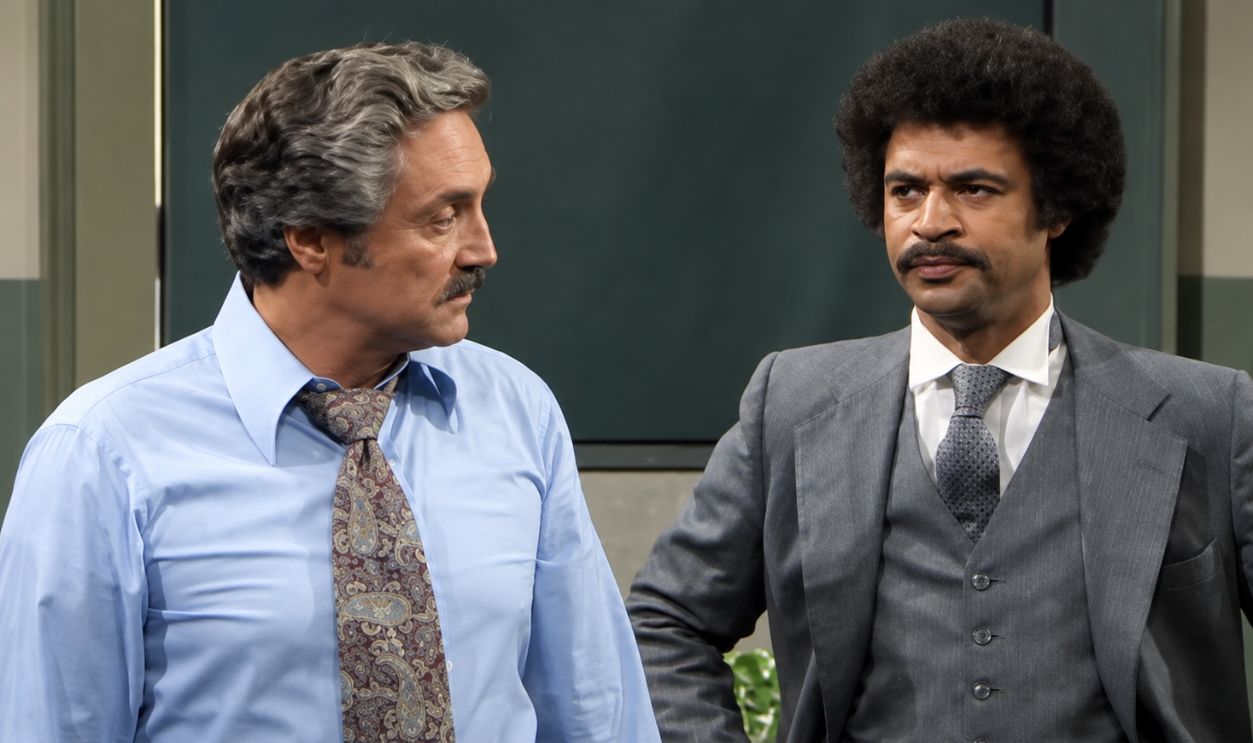 Screenshot from Barney Miller, ABC (1975-1982), Enhanced
Thursday Nights Felt Different
For viewers who watched during the original run, Barney Miller wasn't something discovered through streaming or reruns. It was part of the weekly television routine. You waited for it. You knew the faces. You recognized the opening music. Then you settled in to see what kind of trouble had reached the precinct this week.
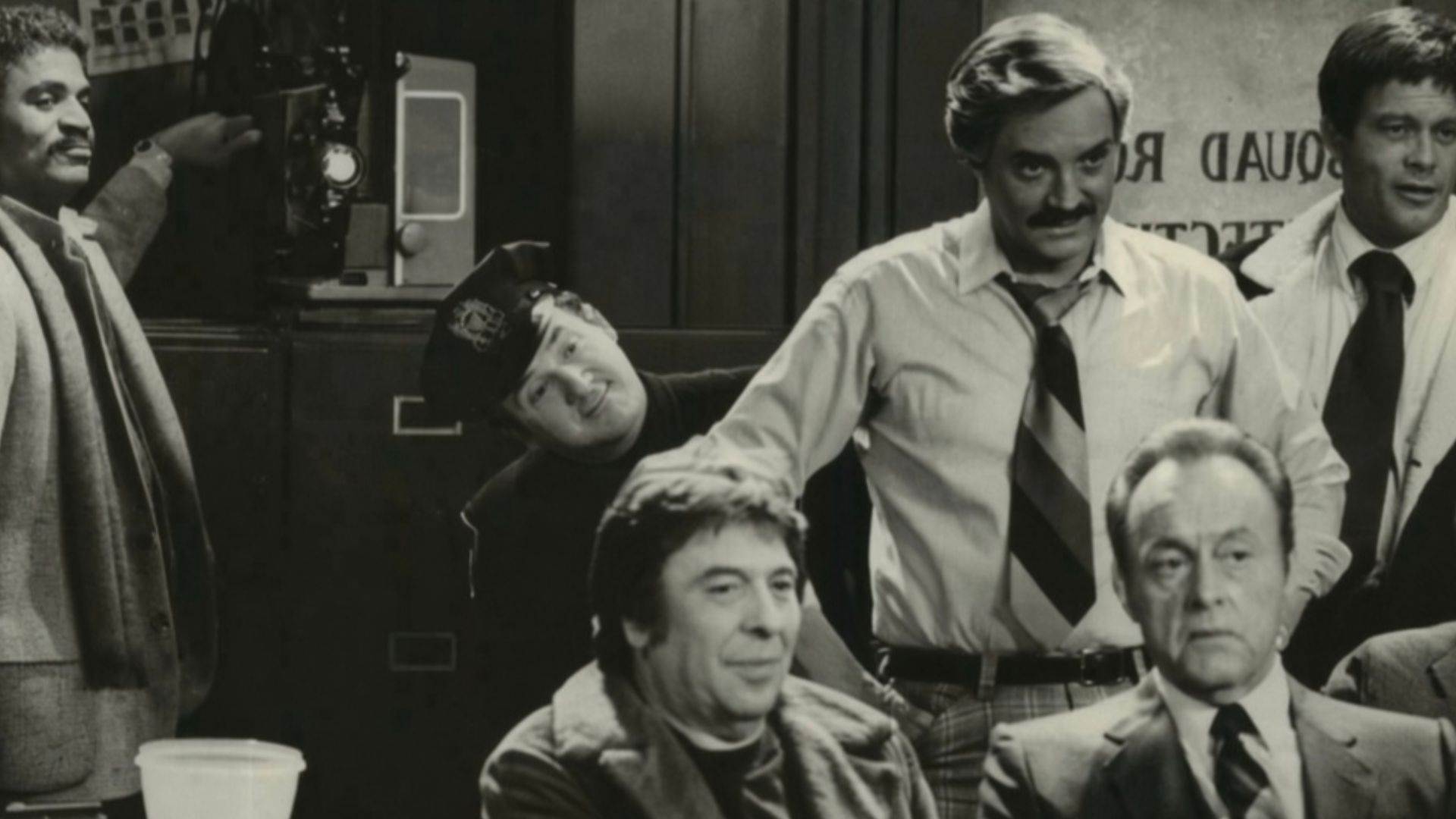 ABC Television, Wikimedia Commons
That Opening Theme Still Works
The show's famous bass-heavy theme immediately announced that you were entering Barney's world. Even decades later, hearing those opening notes can send longtime viewers straight back to the 1970s. Before anyone said a word, the music told you that this was going to be cool, funny, and unmistakably New York.
 Screenshot from Barney Miller, ABC (1975-1982), Enhanced
Linden Made Restraint Look Effortless
Many actors would have played Barney bigger. Linden understood that the character worked because he remained calm while everyone else unraveled. When Barney finally raised his voice or lost patience, it mattered. Viewers had spent the episode watching him carefully hold the whole place together.
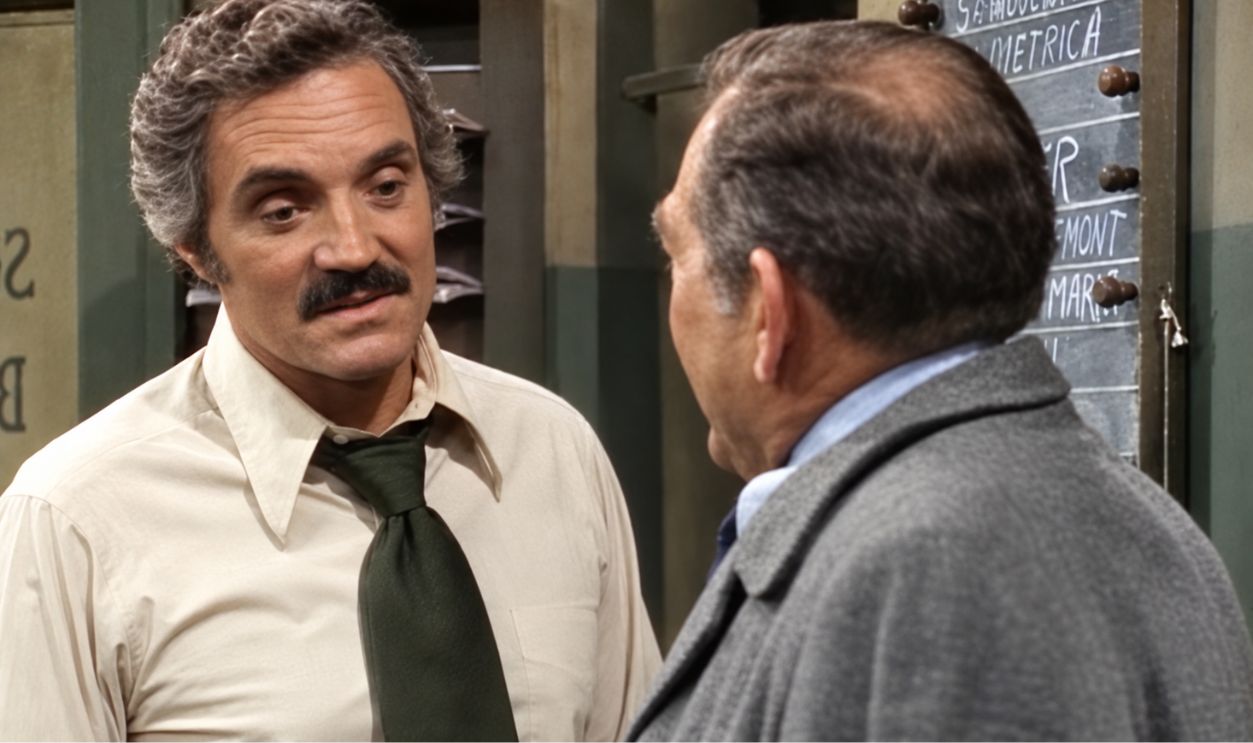 Screenshot from Barney Miller, ABC (1975-1982), Enhanced
The Emmy Voters Kept Noticing
Linden earned multiple Emmy nominations for the role, even though he never took home the trophy for Barney Miller. The recognition made sense. Playing the sensible man in a room full of colorful characters is deceptively difficult, and Linden made it look almost effortless week after week.
 Bill Ingalls, Wikimedia Commons
It Didn't Need Car Chases
For a police show, remarkably little police action happened on screen. The exciting part often occurred before somebody reached the station. What mattered was what happened afterward. Suspects talked. Detectives argued. Barney listened. Somehow, paperwork and conversation became just as entertaining as flashing lights.
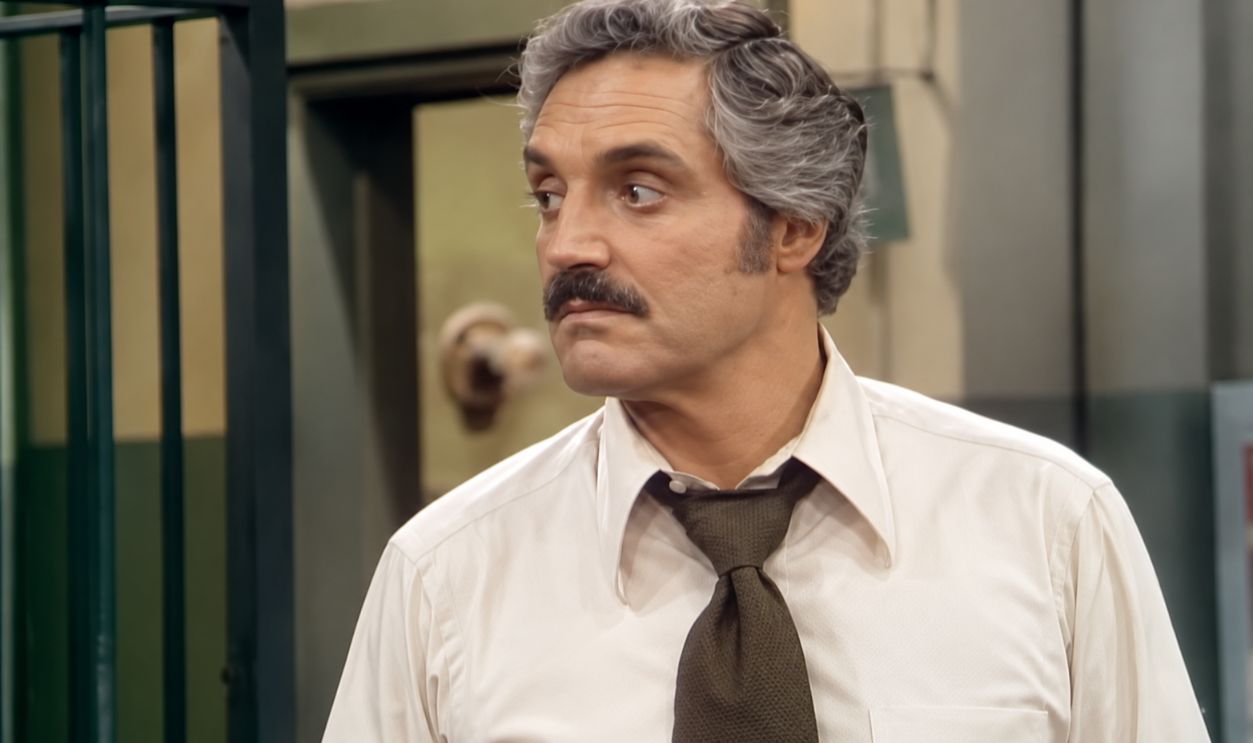 Screenshot from Barney Miller, ABC (1975-1982), Enhanced
The Final Years Never Betrayed The Show
By the time Barney Miller ended in 1982, television itself was changing. Yet the series never needed to become louder or flashier. It remained true to its little precinct and its characters. For longtime viewers, saying goodbye felt less like losing a cop show and more like leaving familiar coworkers behind.
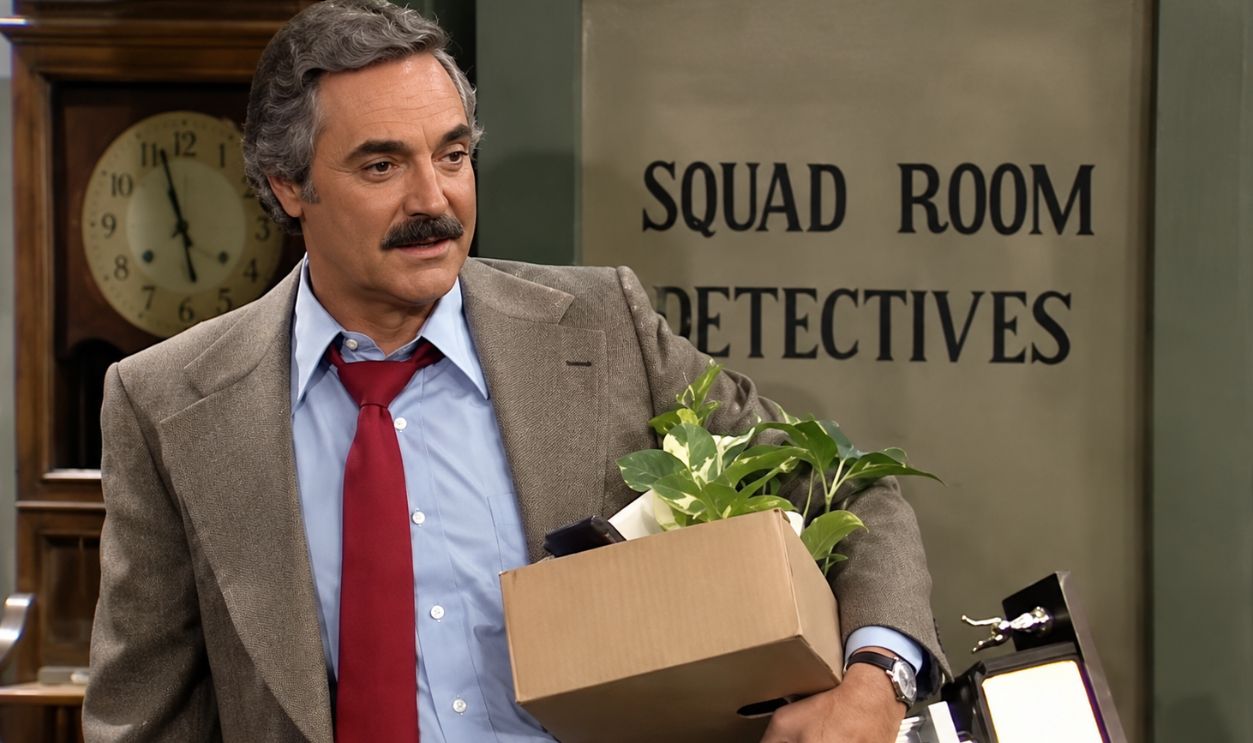 Screenshot from Barney Miller, ABC (1975-1982), Enhanced
Hal Linden Will Always Be Captain Miller
Linden continued working on television and stage for decades, but Barney remained the role audiences most closely associated with him. It's easy to understand why. He made intelligence entertaining, decency interesting, and patience funny. Few television captains ever seemed more capable of surviving another strange day at work.
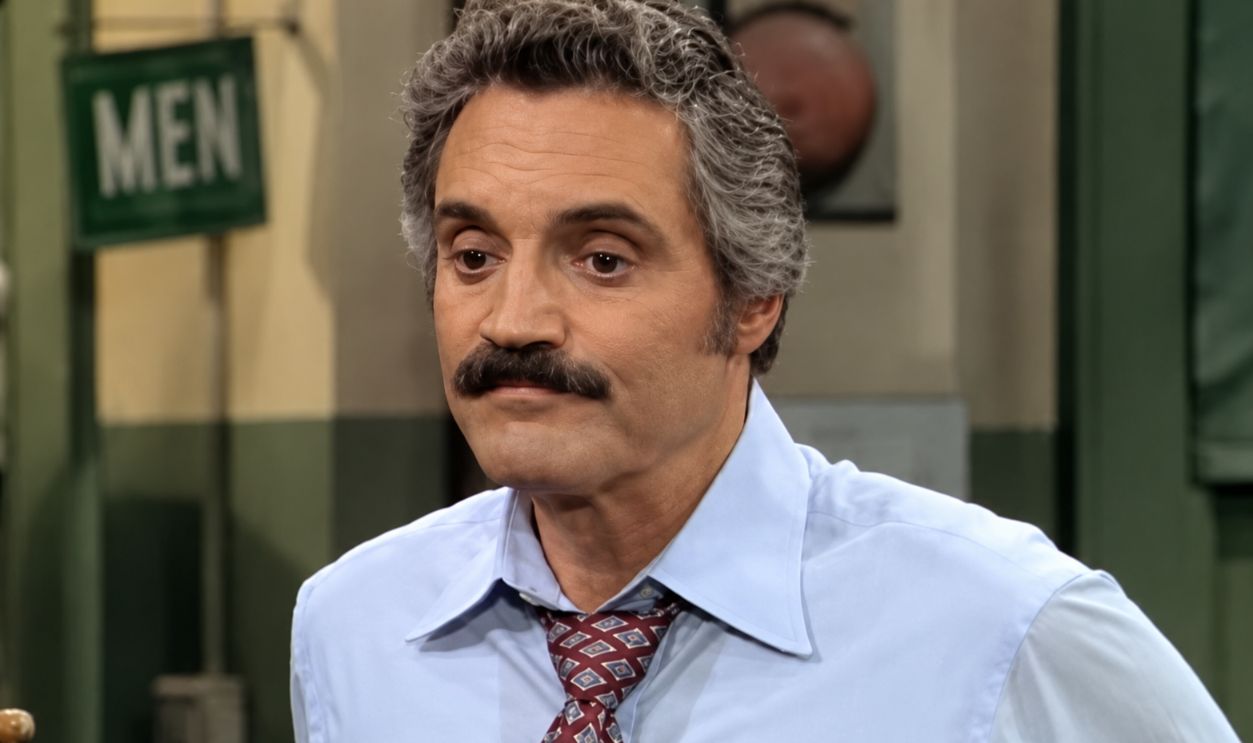 Screenshot from Barney Miller, ABC (1975-1982), Enhanced
Why Barney Miller Still Feels Special
For those who watched it in the 1970s, Barney Miller brings back more than great jokes. It brings back a kind of television that trusted quiet performances, smart writing, and familiar characters. Hal Linden was the perfect center of it all, turning one tired New York precinct into a place viewers were always happy to revisit.
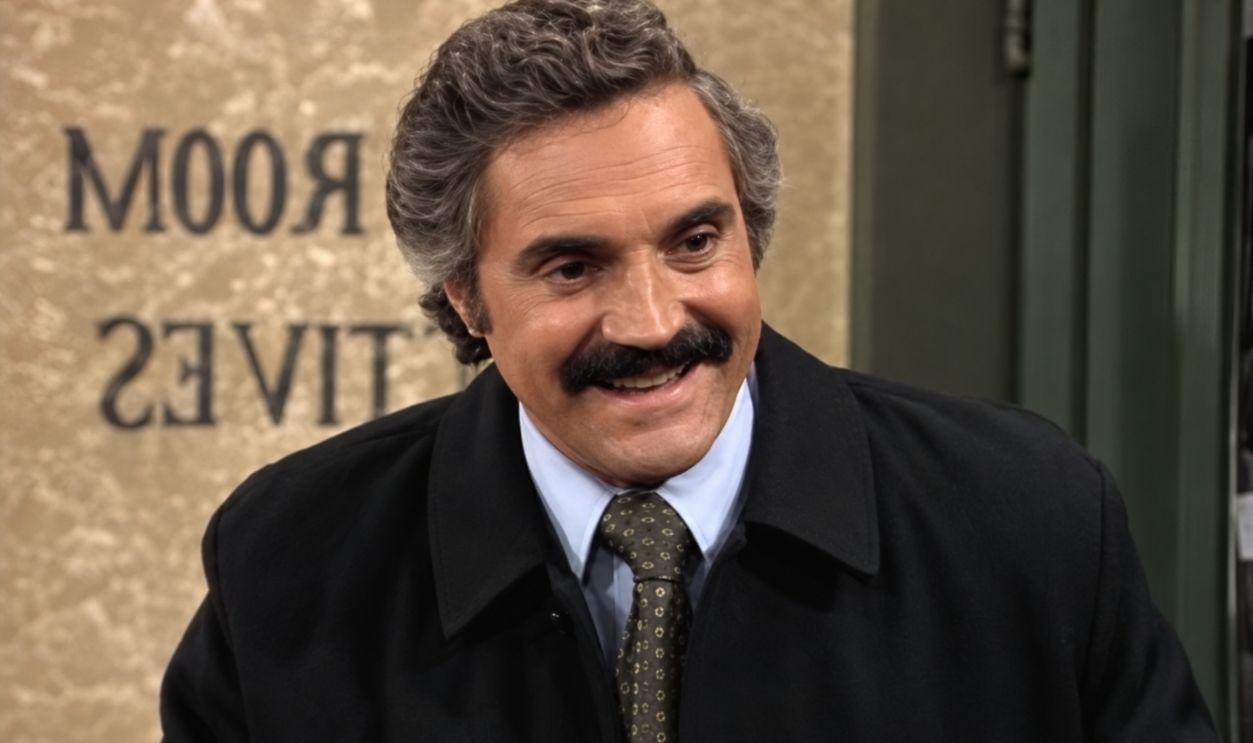 Screenshot from Barney Miller, ABC (1975-1982), Enhanced
You May Also Like:
The Hardest 1980s TV Theme Song Quiz—The "Skip Intro" Generation Won't Know A Single One