The Scene Hollywood Never Forgot
In May 1962, Marilyn Monroe stepped into a swimming pool on a Hollywood soundstage wearing a flesh-colored swimsuit. Before the cameras stopped rolling, the swimsuit was gone. And soon, Marilyn would be too.
Fox Wanted Its Biggest Star Back
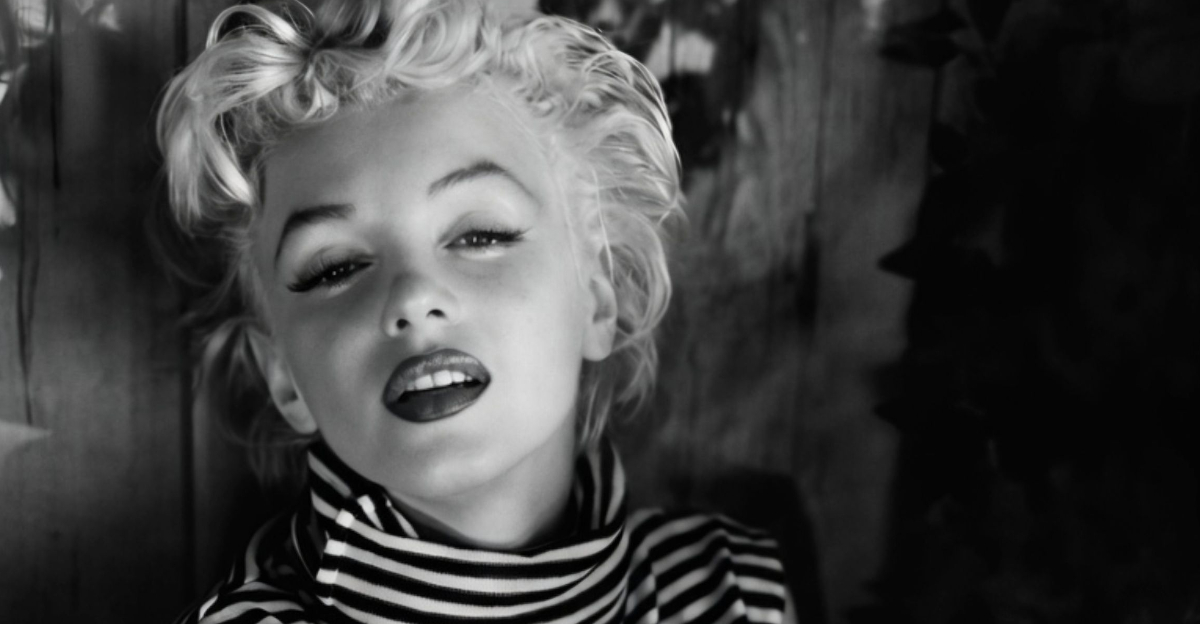
Marilyn hadn't made a movie in more than a year when she returned to 20th Century Fox to make Something's Got to Give. The studio still had one of the most famous women on Earth under contract, and this film was supposed to put her back where Fox wanted her: in front of a movie camera.
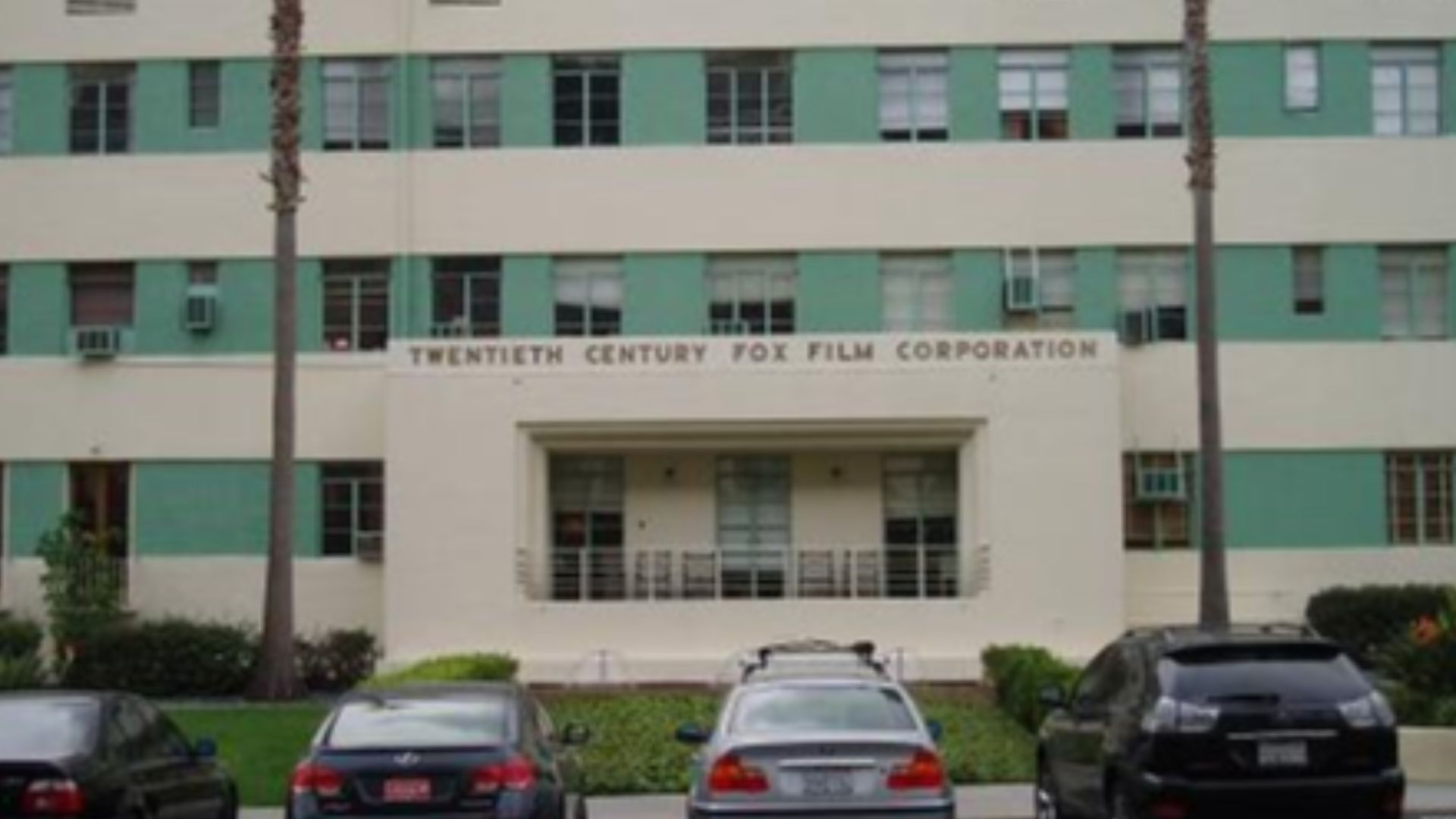 Charlie Brewer from Sydney, Australia, Wikimedia Commons
The Story Was Practically Made For Marilyn
The movie was a remake of the 1940 comedy My Favorite Wife. Marilyn played Ellen Arden, a woman presumed gone after disappearing at sea. She finally returns home years later...only to discover her husband, played by Dean Martin, has just married someone else. Cue the awkward honeymoon.
It Was Marilyn's Final Movie...Sort Of
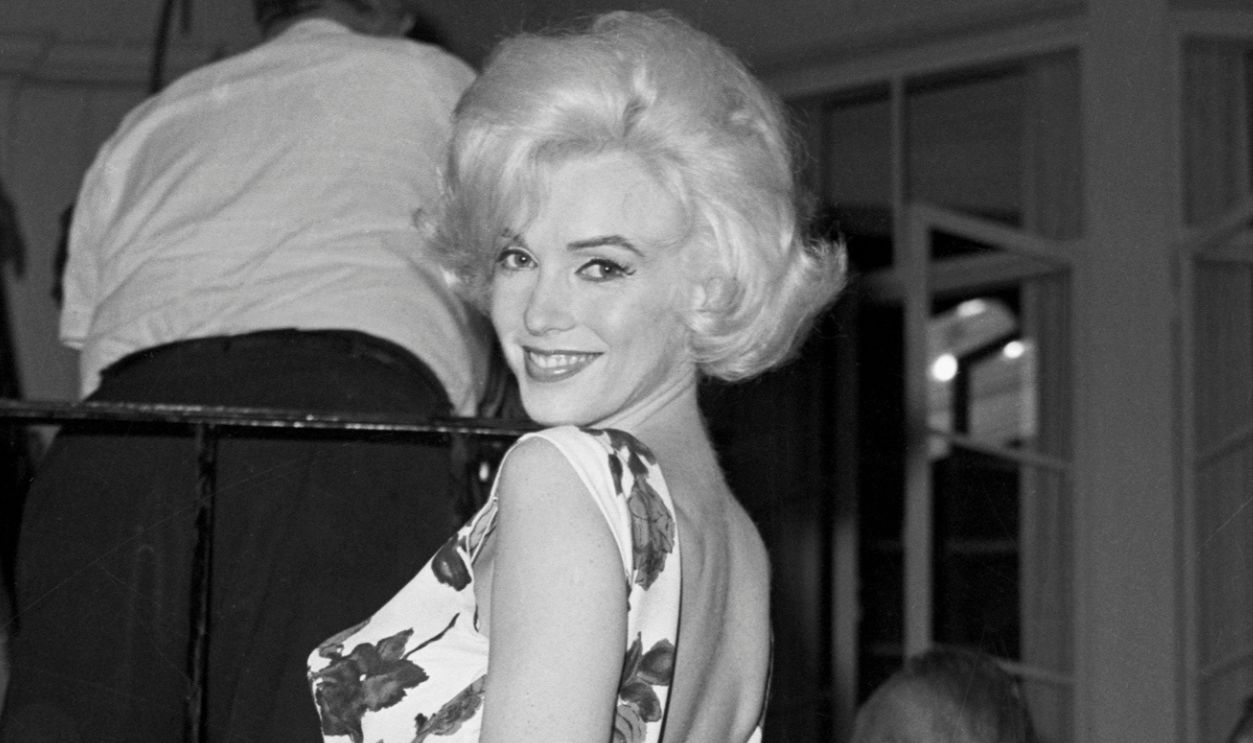
Something's Got to Give was the final movie Marilyn Monroe worked on, although it was never completed. Her last finished film was The Misfits in 1961. That distinction matters because the unfinished footage gives us something unusually eerie: Marilyn still working, laughing and performing during the final months of her life.
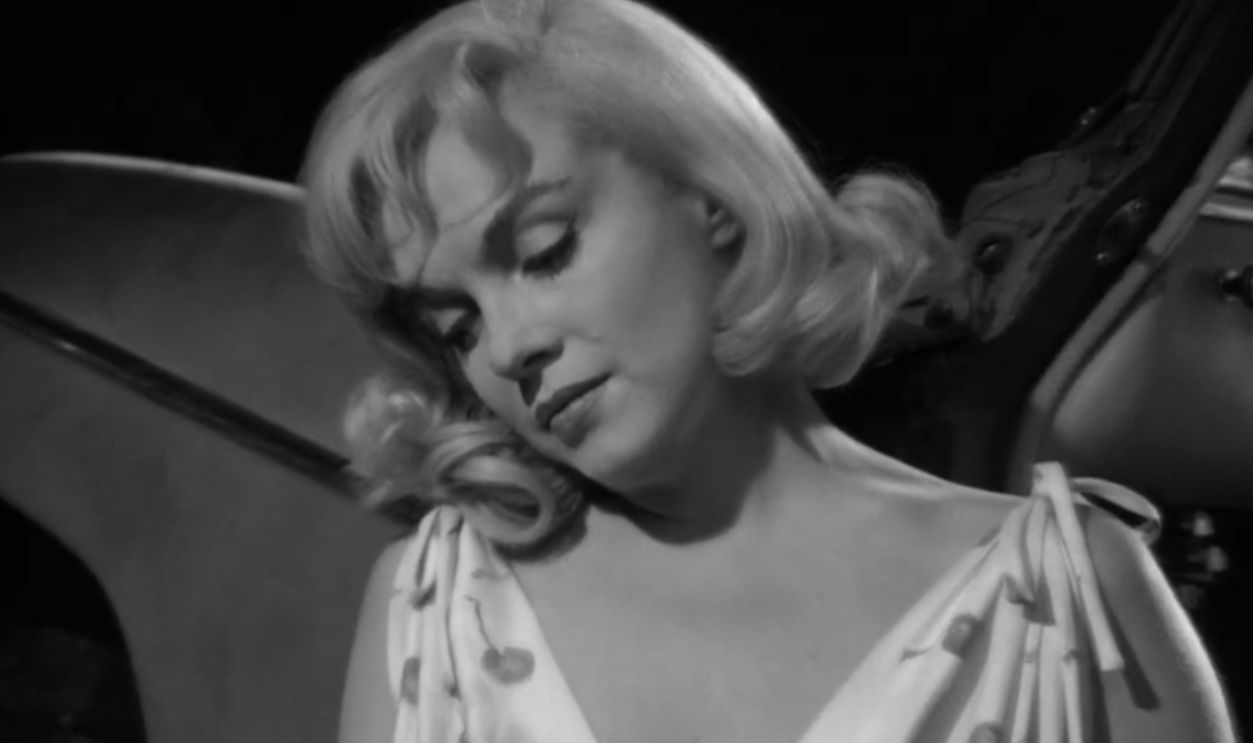 Screenshot from The Misfits, United Artists (1961)
But Marilyn Wasn't In A Great Place
Behind the glamour, Monroe had been through an extremely difficult stretch. She'd dealt with major health problems, surgeries and hospitalization, and by the time filming began she was frequently ill. Whatever Fox hoped this movie would become, the production was shaky almost from the start.
 Los Angeles Times, Wikimedia Commons
The Movie Started Without Her
Production began in April 1962, but Monroe was absent for much of the early shooting. Doctors cited illnesses including acute sinusitis and high fevers, while director George Cukor tried to keep the production moving by filming scenes that didn't require her. That only worked for so long.
 Allan warren, Wikimedia Commons
Then She Stepped In Front Of The Camera
Here's what makes the story complicated: when Marilyn actually appeared on film, she could still look spectacular. Years later, people assembling the surviving footage were struck by how luminous and assured she could appear onscreen, even while the production around her was coming apart.
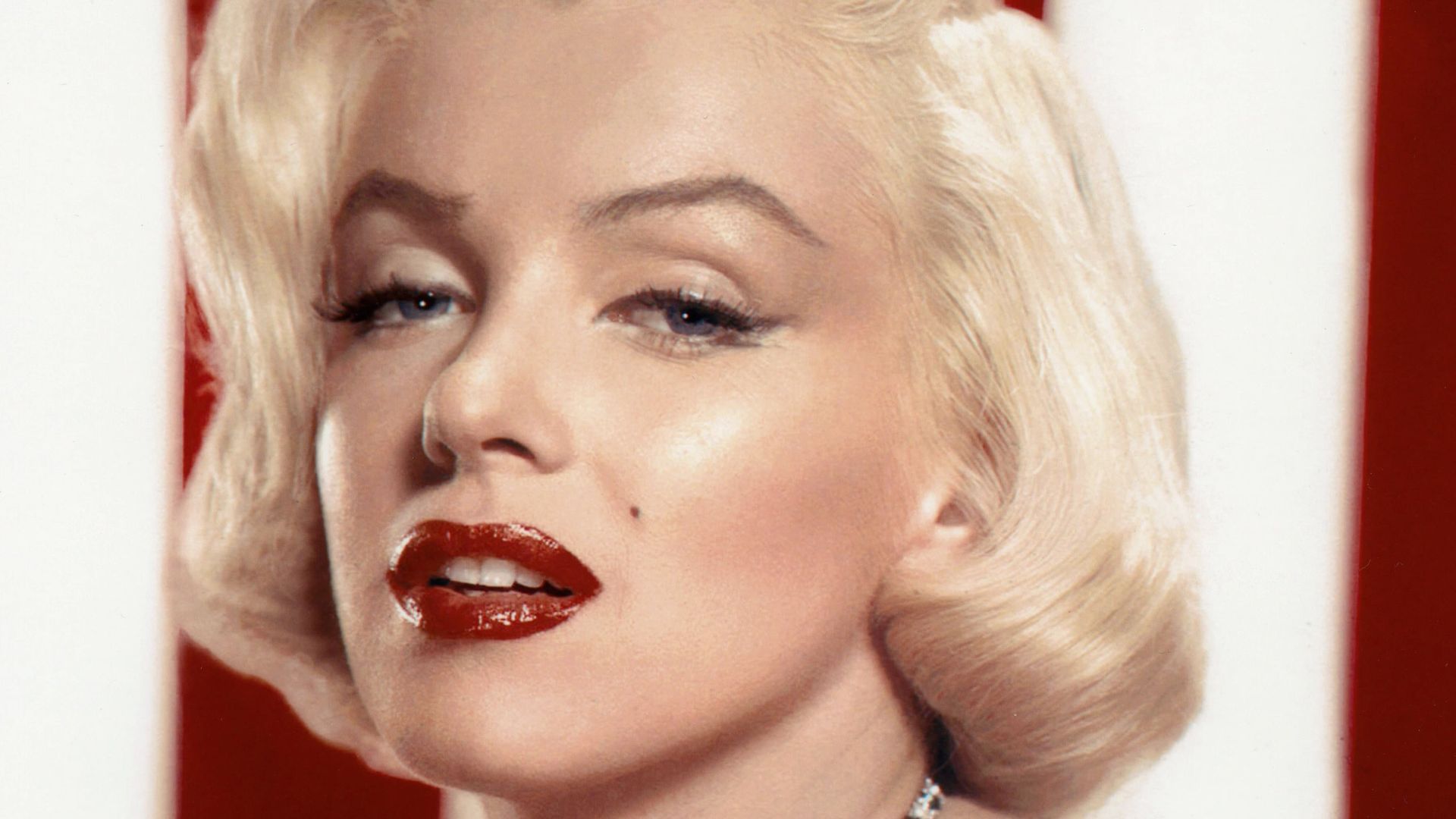 Studio publicity still, Wikimedia Commons
Fox Had Another Giant Problem
As Something's Got to Give struggled in Hollywood, Fox was watching another production swallow money overseas: Cleopatra, starring Elizabeth Taylor. Its mounting expenses and delays had placed enormous pressure on the studio. Suddenly, executives had very little patience left for another troubled movie production.
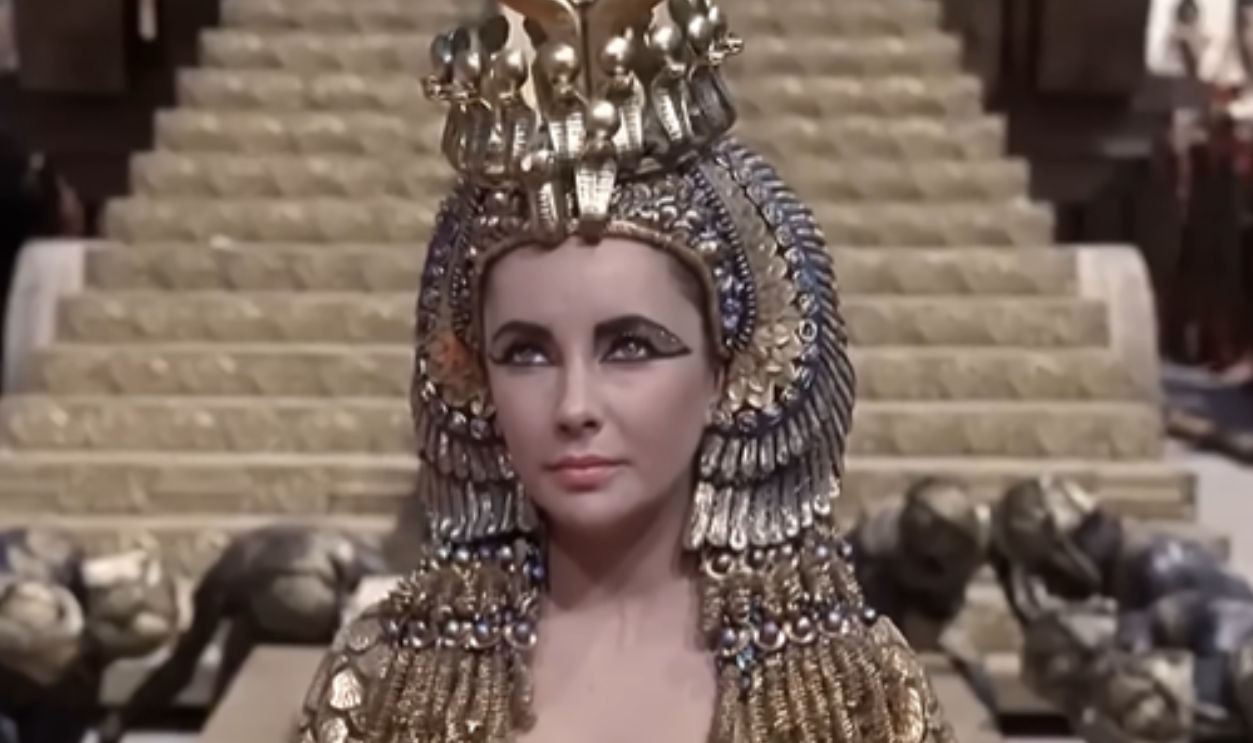 Screenshot from Cleopatra, 20th Century Fox (1963)
Then Marilyn Flew To New York
On May 19, Monroe appeared at Madison Square Garden for President John F. Kennedy's birthday celebration and delivered perhaps the most famous rendition of Happy Birthday ever performed. She had arranged the appearance before filming began, but after missing work because of illness, her glamorous New York appearance did not exactly calm things back at Fox.
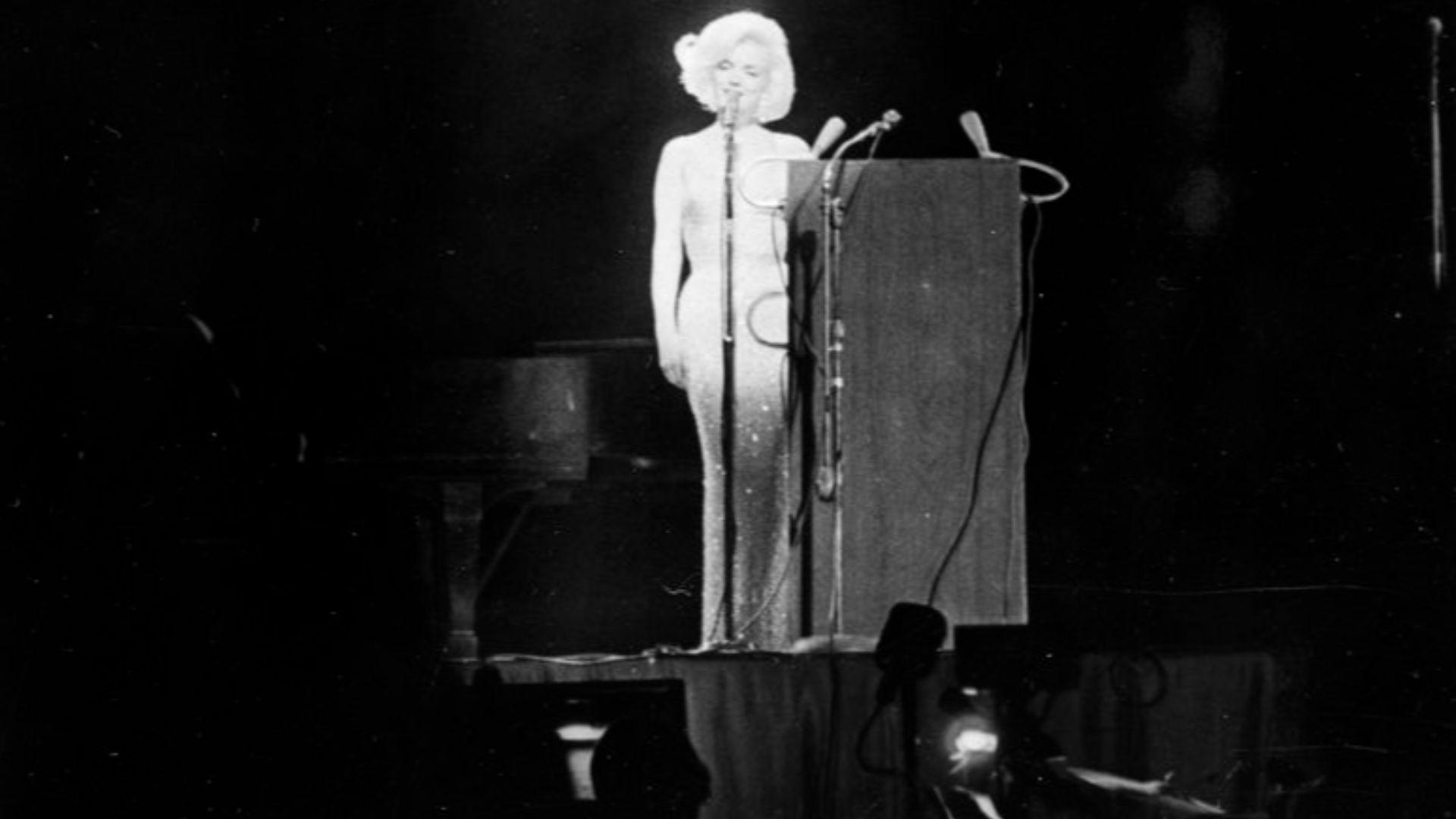 Cecil Stoughton, White House Photographs, Wikimedia Commons
Four Days Later, She Was Back At Work
Marilyn returned to Los Angeles, and on May 23 the production reached the scene that would ultimately overshadow almost everything else filmed for the movie. A swimming pool had been built on a Fox soundstage, and Ellen was supposed to use a late-night swim to tempt her husband away from his new bride.
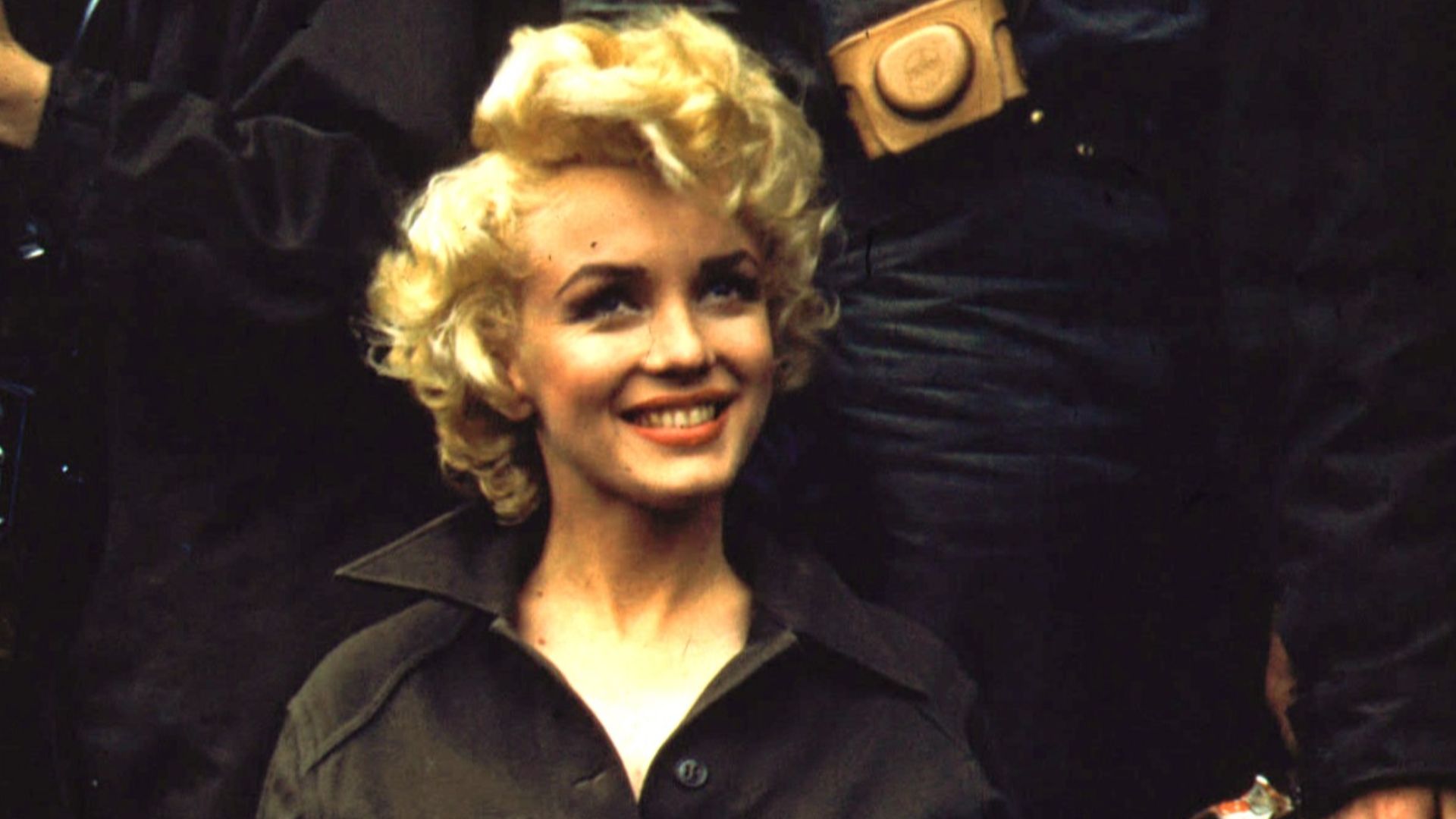 USMC Archives, Wikimedia Commons
The Scene Already Called For Her To Appear Without Clothes
There's an important little detail here. The screenplay described Ellen as appearing without clothes, but that didn't necessarily mean Marilyn herself was expected to actually film the scene that way. Hollywood's censorship rules still had plenty to say about what could appear in a mainstream movie in 1962.
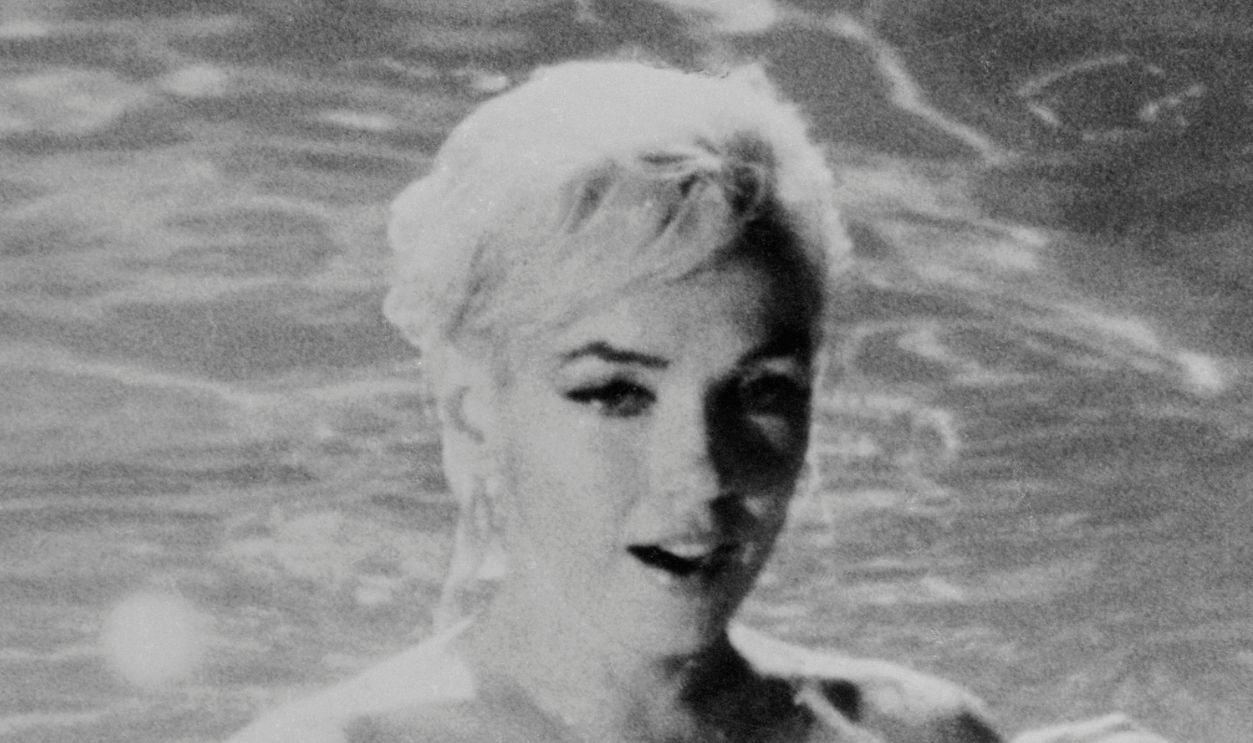
So They Gave Her A Flesh-Colored Swimsuit
The solution was pure old Hollywood trickery: Marilyn entered the water wearing a flesh-colored two-piece designed to create the illusion that she wasn't wearing anything. With the water, camera angles and careful framing doing the rest, Fox could suggest much more than audiences would actually see.
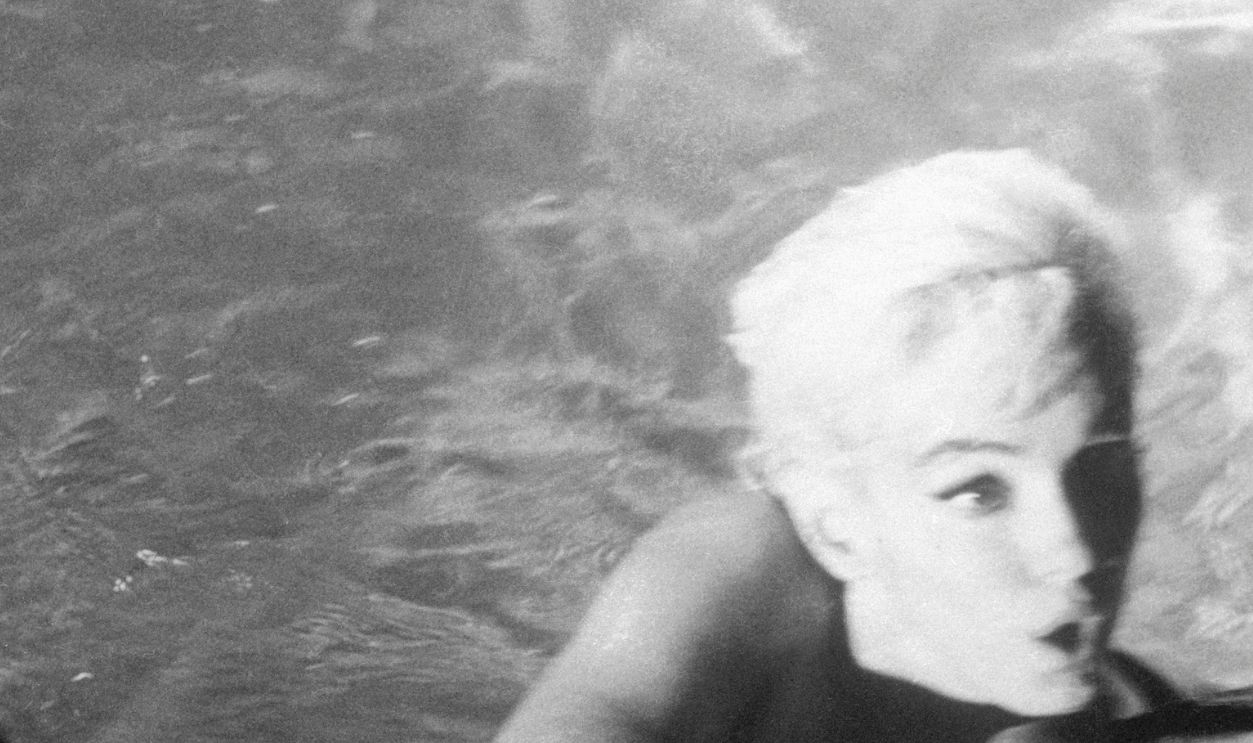
Then Marilyn Took It Off
According to photographer Lawrence Schiller, Marilyn had already floated the idea of going into the pool wearing the swimsuit and coming out wearing nothing. And that's essentially what happened. During the pool filming and accompanying photo session, Monroe removed the swimsuit, emerged without it and posed for the cameras around the pool. Suddenly, the publicity photos being taken for a movie had become something much bigger.
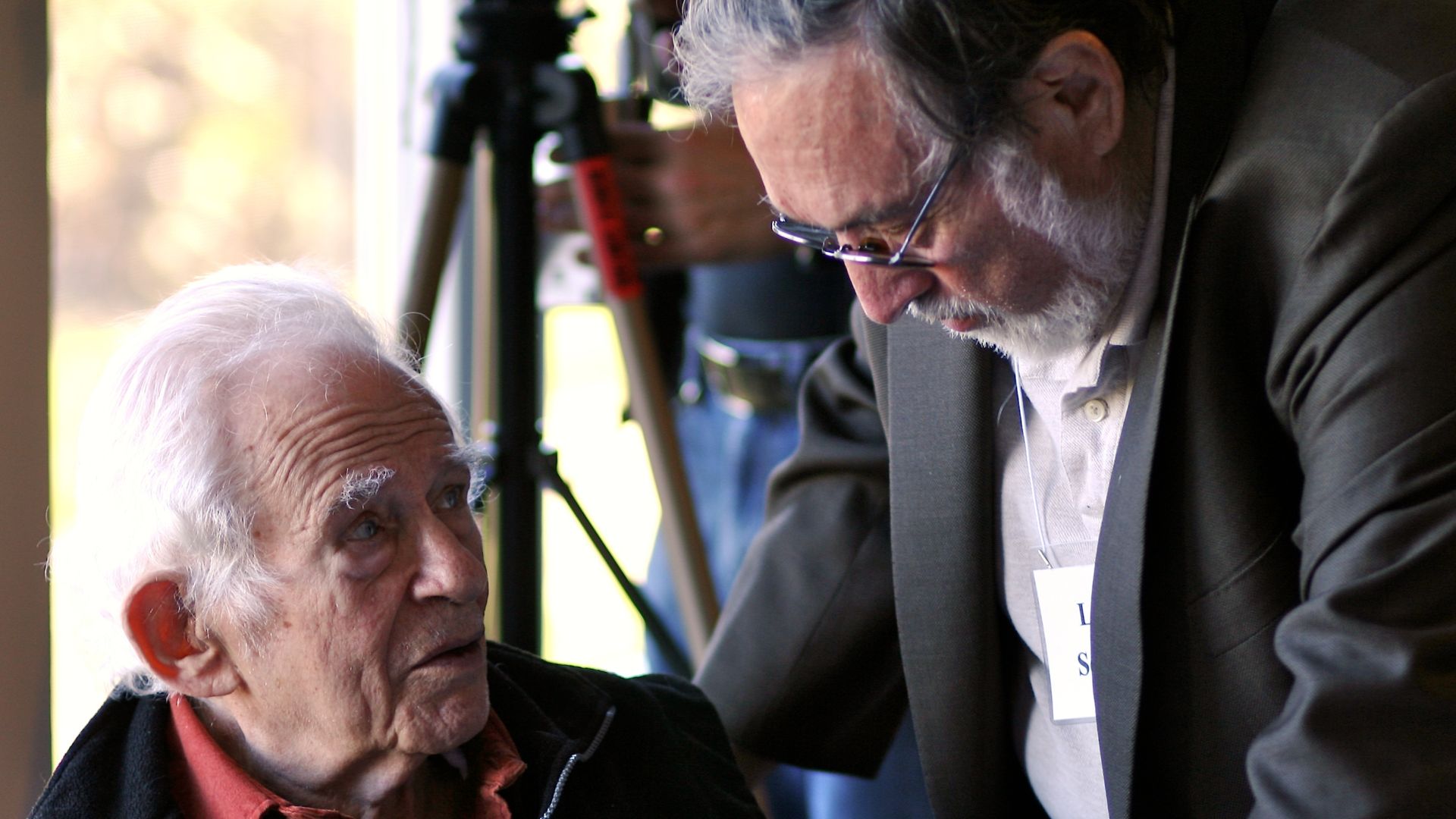
The Photographers Couldn't Believe Their Luck
Schiller was there on assignment for Paris Match, while other photographers also covered the scene. What had started as a straightforward on-set assignment had turned into photographs of the world's most famous movie star swimming and posing without clothes. In 1962, you didn't exactly get that assignment every Tuesday.

Marilyn Wasn't Simply Going Along With It
This is where the story gets much more interesting. Accounts from Schiller and later curators portray Monroe not as someone accidentally caught in a provocative moment, but as an active participant who understood exactly how powerful those photographs could be. She knew how to work a still camera...and she knew what magazines wanted.
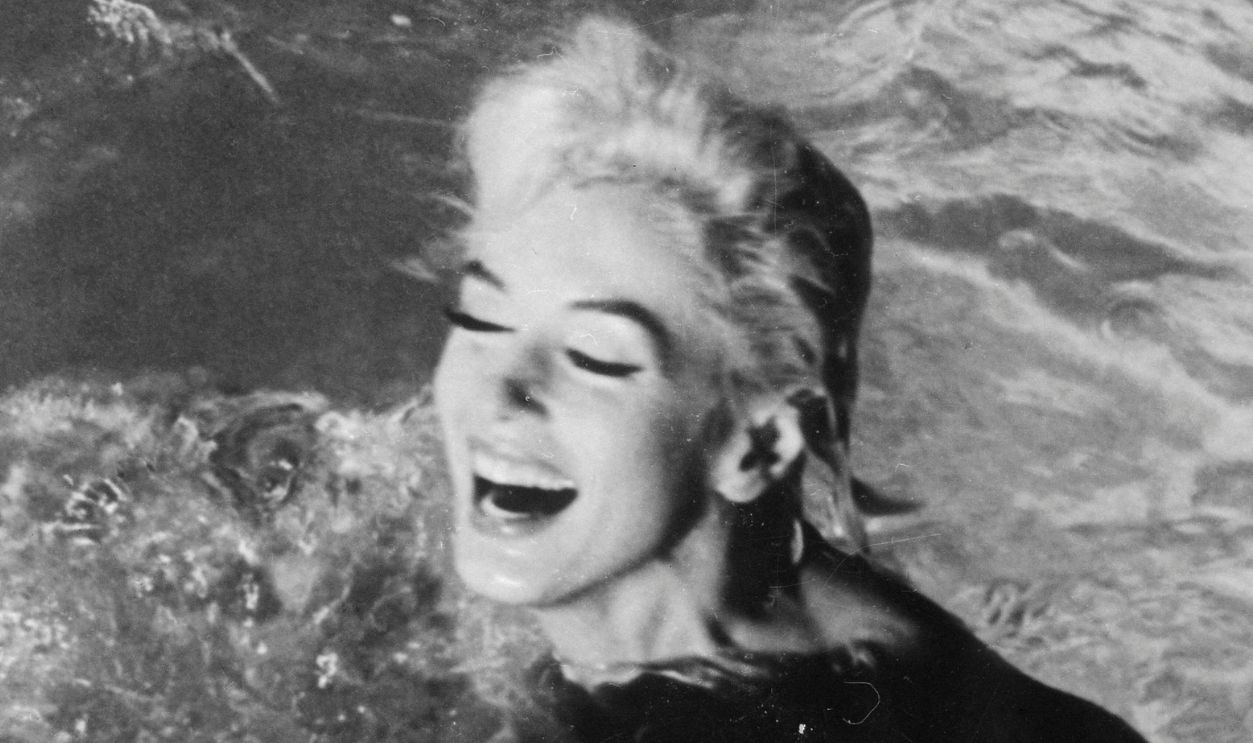
And Elizabeth Taylor Was Apparently On Her Mind
At that exact moment, Elizabeth Taylor was dominating headlines while making Cleopatra. Schiller later recalled that Marilyn wanted the pool photos to put her back on magazine covers around the world instead. Two legendary stars, one publicity battle...and Marilyn had apparently decided subtlety wasn't going to win this round.
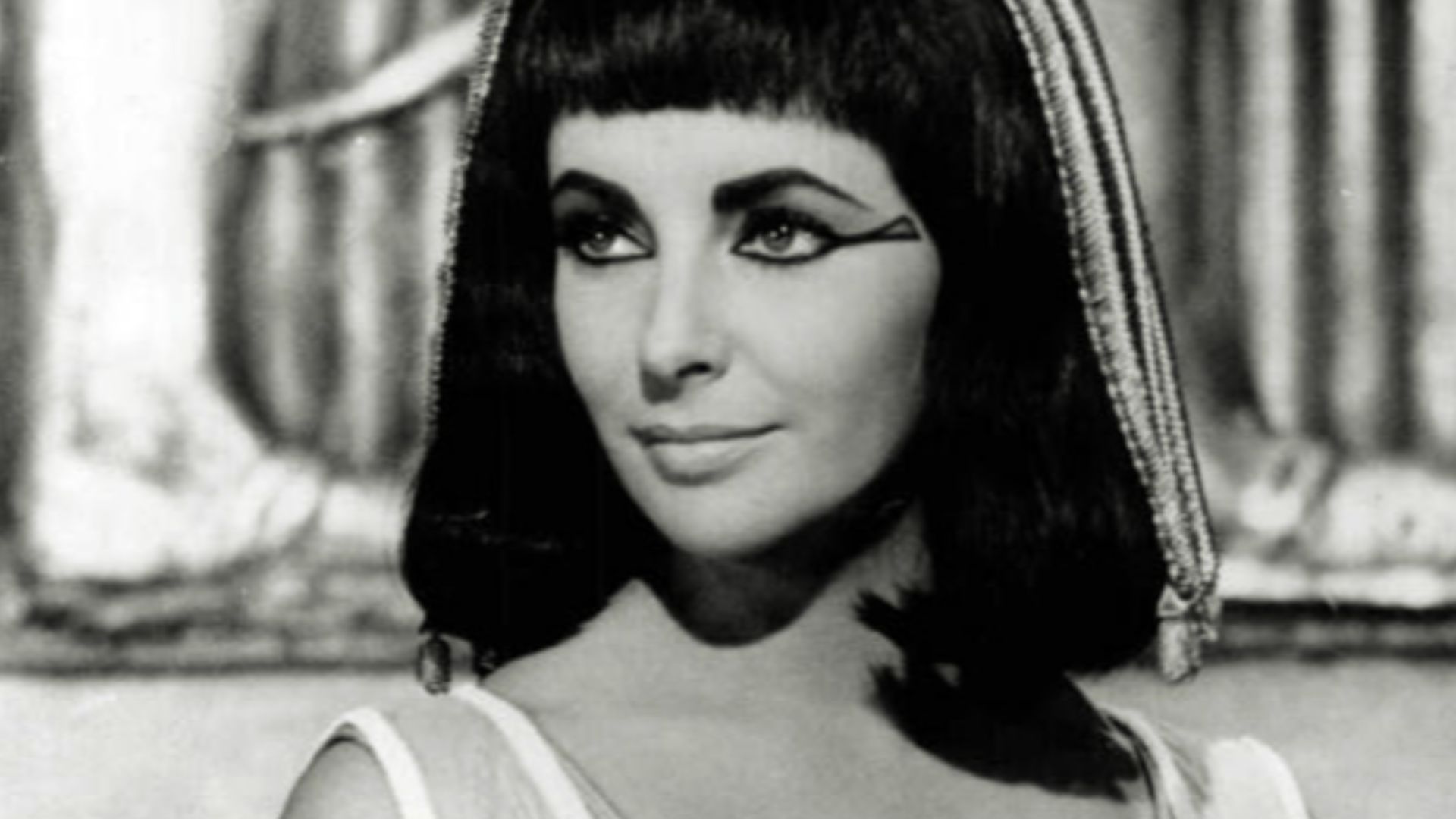 Renamed user 995577823Xyn, Wikimedia Commons
She Even Helped Decide Which Photos Survived
Schiller recalled Monroe reviewing his images afterward and literally cutting apart frames she didn't like. That's a very different Marilyn from the helpless Hollywood creation she's sometimes reduced to. Whatever chaos surrounded her movie career, when it came to still photography, she understood her image and exercised real control over it.

The Plan Worked
The pool photographs became an international sensation. Images from the session appeared across magazines around the world, and LIFE featured Monroe shortly after Fox dismissed her under the headline, “They Fired Marilyn: Her Dip Lives On.” She had wanted attention, and she got it in spectacular fashion. Marilyn Monroe was suddenly impossible to ignore again.
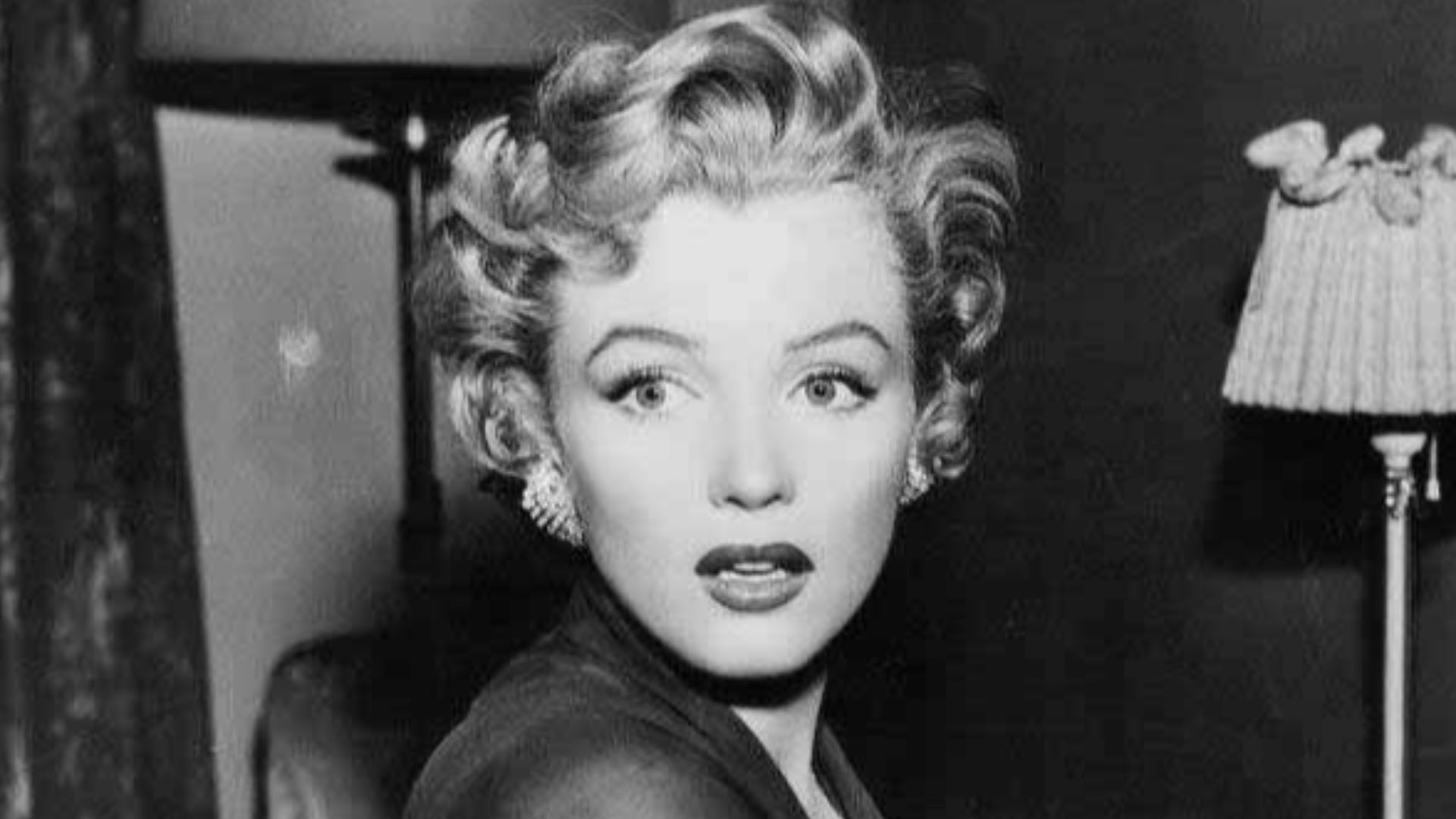 Dell Publications, Inc. New York, publisher of Modern Screen, Wikimedia Commons
Then Came Her 36th Birthday
On June 1, Marilyn celebrated her 36th birthday on the set of Something's Got to Give. She filmed scenes with Dean Martin and Wally Cox and was photographed smiling with a birthday cake. Looking at those pictures now, you'd never guess the studio was about to make a stunning decision.
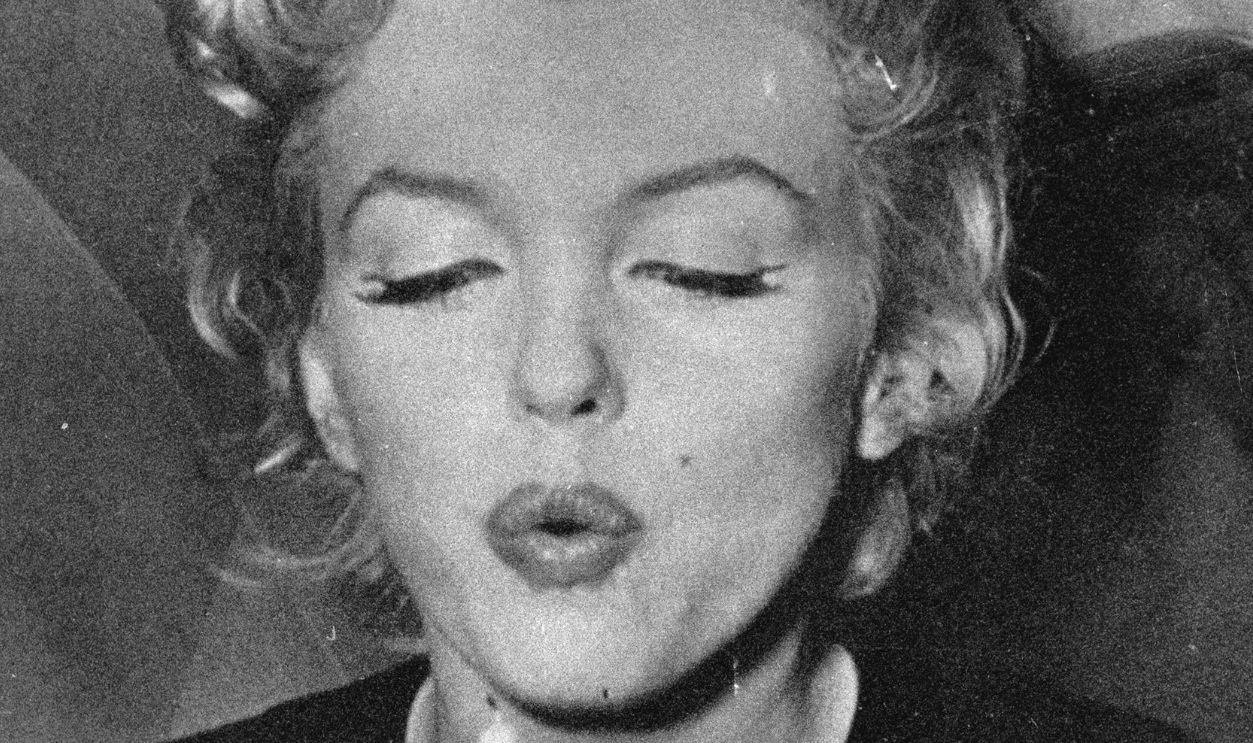 brandstaetter images, Getty Images
One Week Later, Marilyn Was Out
On June 8, 1962, 20th Century Fox fired Marilyn Monroe from Something's Got to Give, citing her repeated absences from production. The studio also pursued her for breach of contract, seeking a reported $750,000 in damages. Just 16 days had passed since that unforgettable pool shoot. The woman dominating magazine photographs was suddenly unemployed.
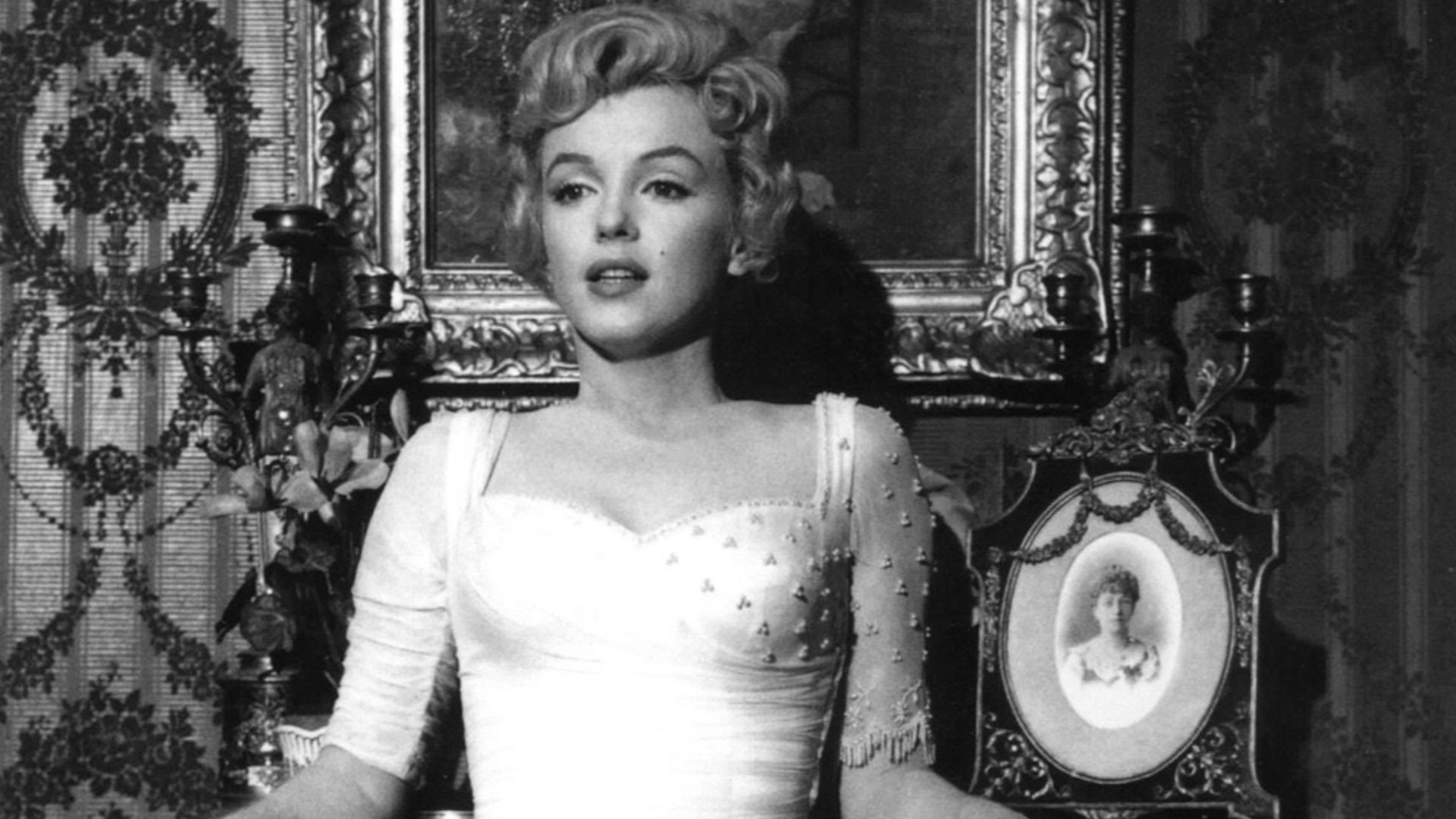 Milton H. Greene, Wikimedia Commons
Fox Already Had Another Marilyn
Or at least it thought it did. Actress Lee Remick was brought in to replace Monroe. On paper, the studio could simply recast the role, restart production and move on from all the drama.
There was just one rather important person Fox apparently hadn't convinced: Dean Martin.
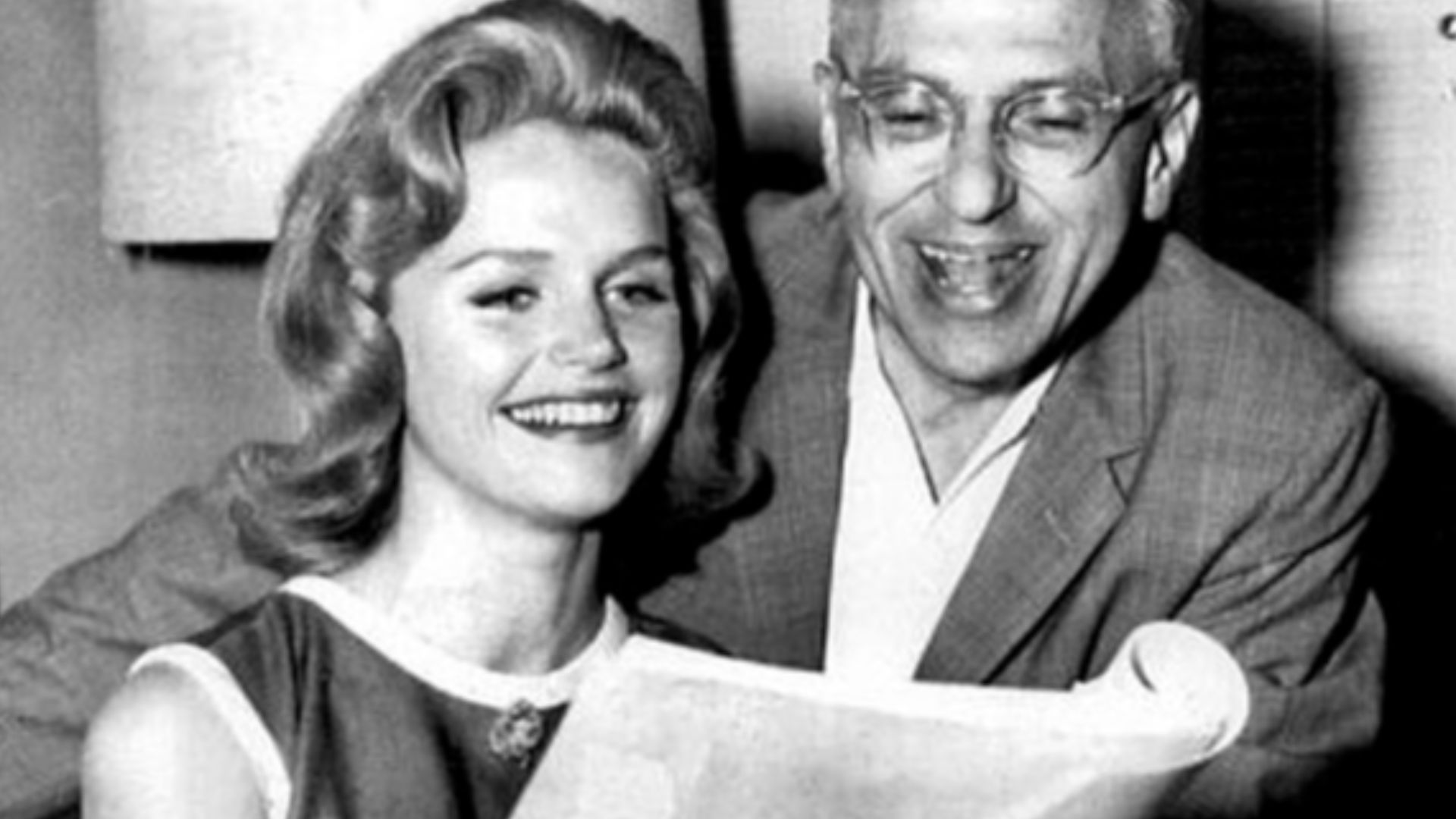
Dean Martin Refused To Play Along
Martin had approval over his leading lady, and when Fox tried replacing Marilyn, he refused to continue with anyone else. He publicly praised Remick but made his position perfectly clear: he'd signed on to make the picture with Marilyn Monroe. Without Marilyn, there wasn't going to be much of a movie.
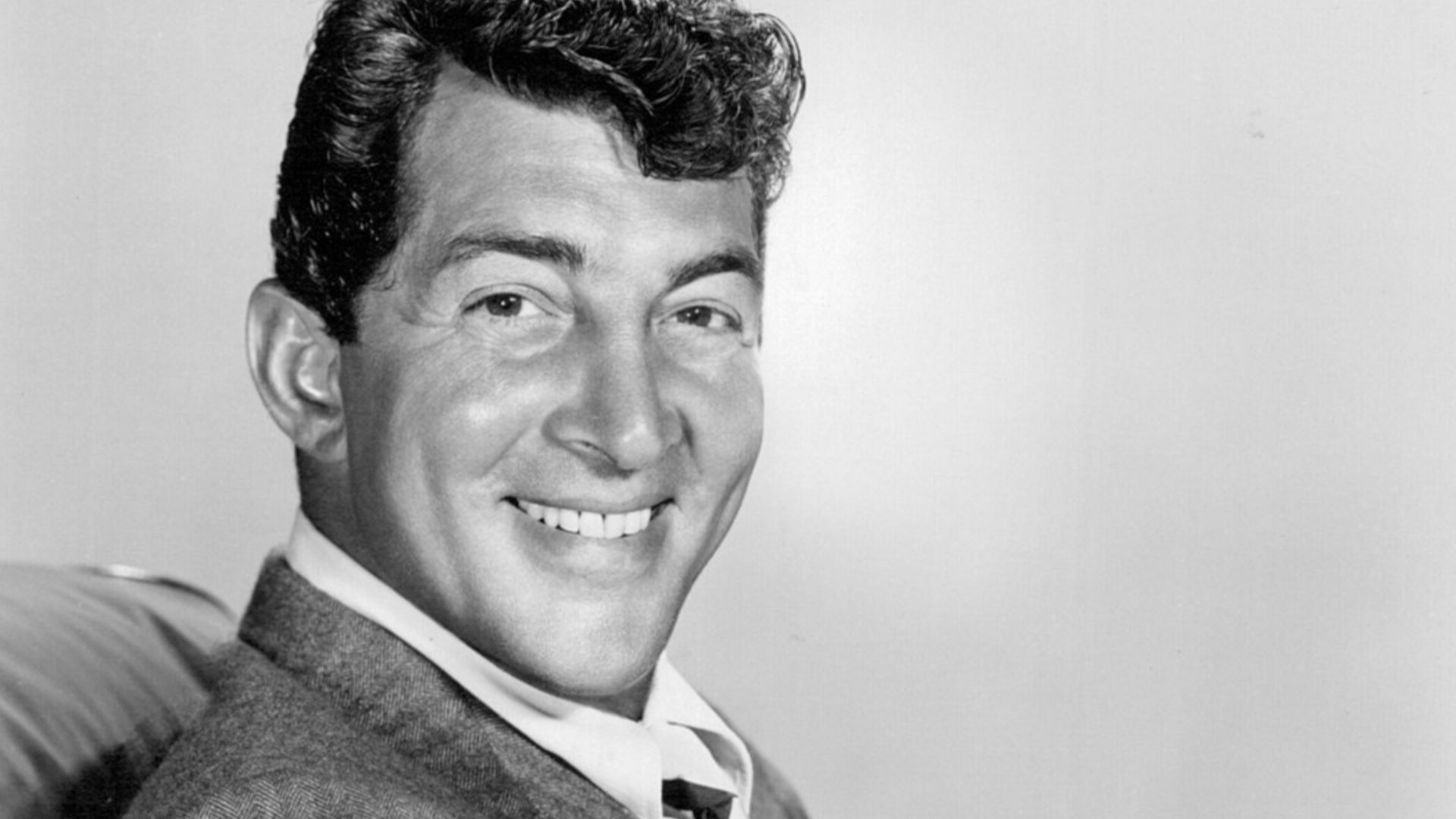
Suddenly, Marilyn Didn't Look So Replaceable
Fox had fired its troublesome star expecting the movie to continue. Instead, the production stalled. Before long, negotiations began that could bring Marilyn back. The woman who had supposedly become too difficult for the studio to employ was once again becoming the woman the studio needed to finish its picture.
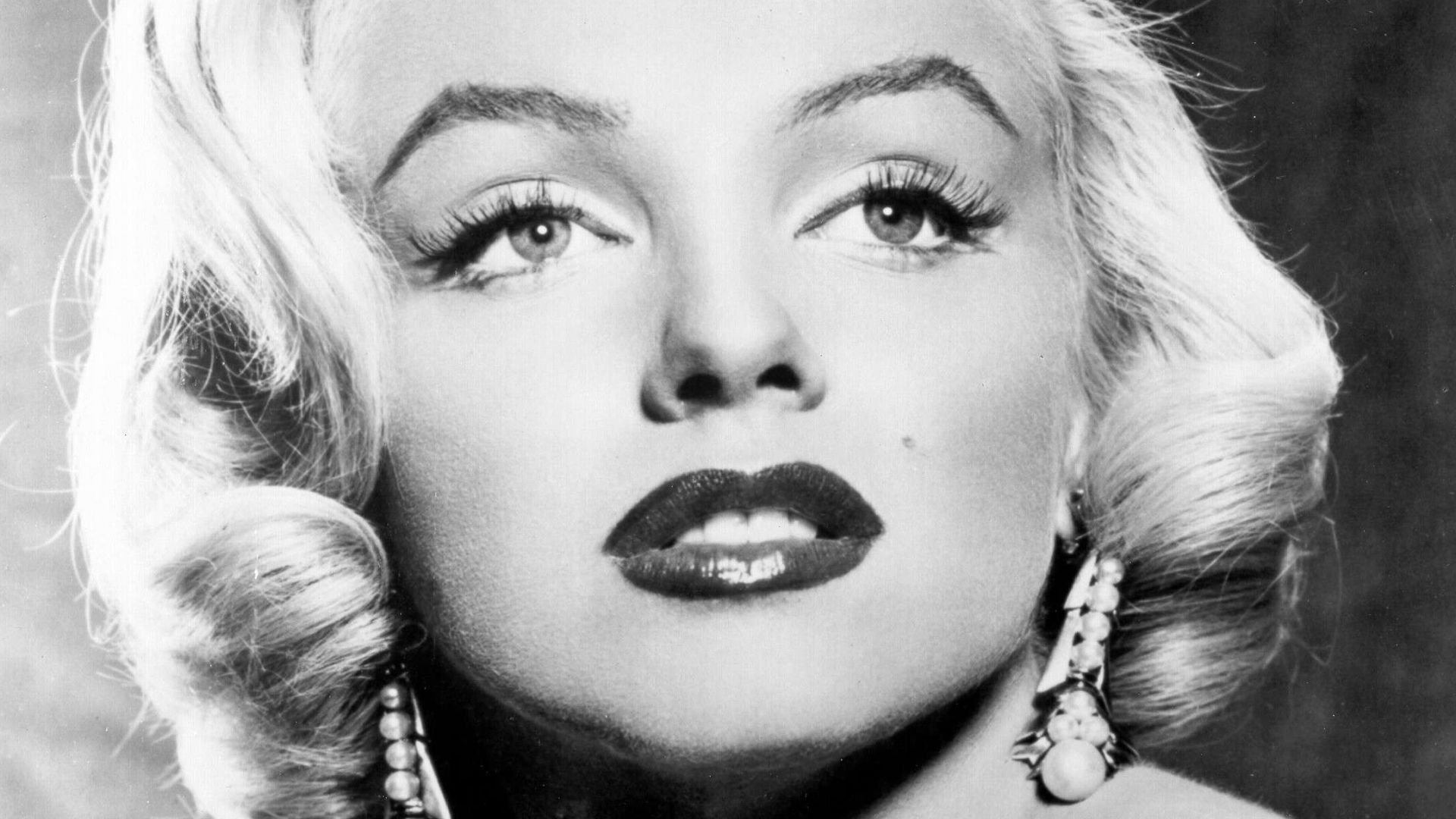 Frank Powolny, Wikimedia Commons
She Was Actually Getting Her Comeback
By the summer, Monroe and Fox were moving toward reconciliation. The Los Angeles Times later reported that she reached a new two-picture agreement with the studio worth $1 million, with plans to resume Something's Got to Give. After the firing, the headlines and the public humiliation, Marilyn appeared to have won herself another chance.
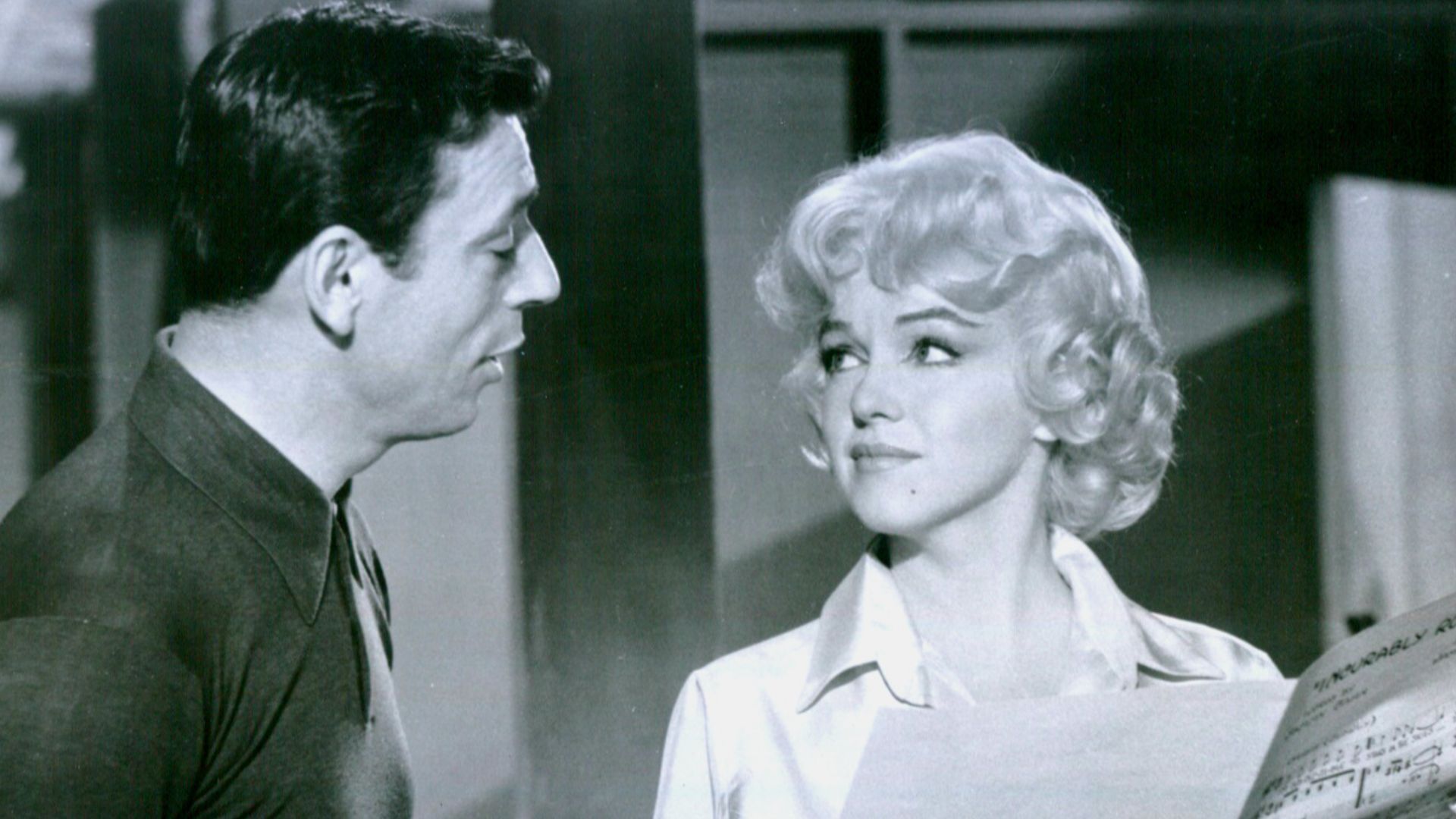 20th Century Fox, Wikimedia Commons
But The Cameras Never Rolled Again
Marilyn Monroe passed away in August 1962 at just 36 years old, before production could resume. Something's Got to Give was abandoned, leaving behind hours of raw footage from a movie that suddenly could never be completed with its original star.
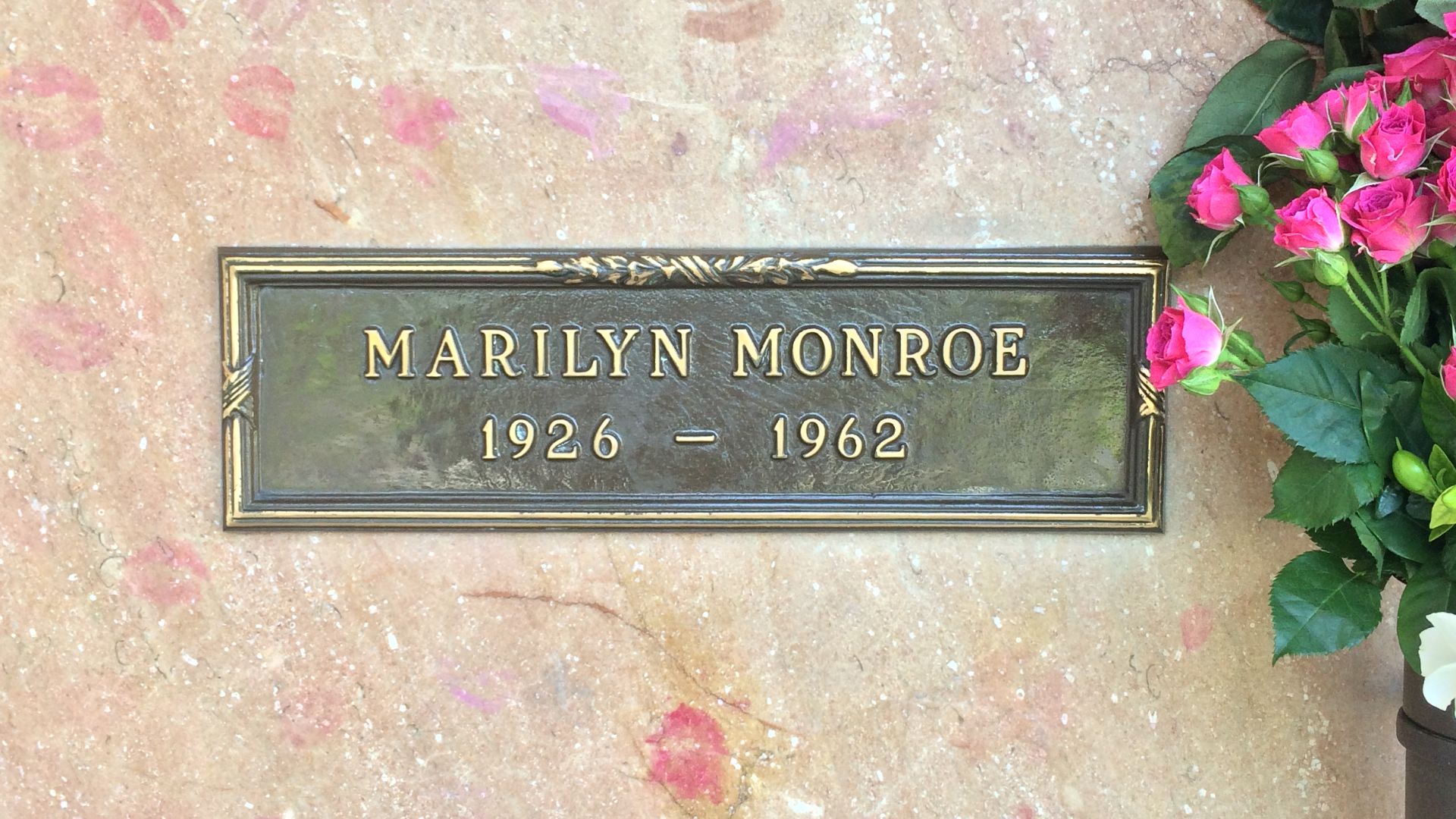 Arthur Dark, Wikimedia Commons
Decades Later, Marilyn's Lost Movie Returned
Much of that footage sat unseen for years. In 2001, more than nine hours of surviving material was used to assemble a roughly 37-minute reconstruction for the documentary Marilyn: The Last Days. Audiences could finally see far more of the movie Marilyn Monroe never got the chance to finish.
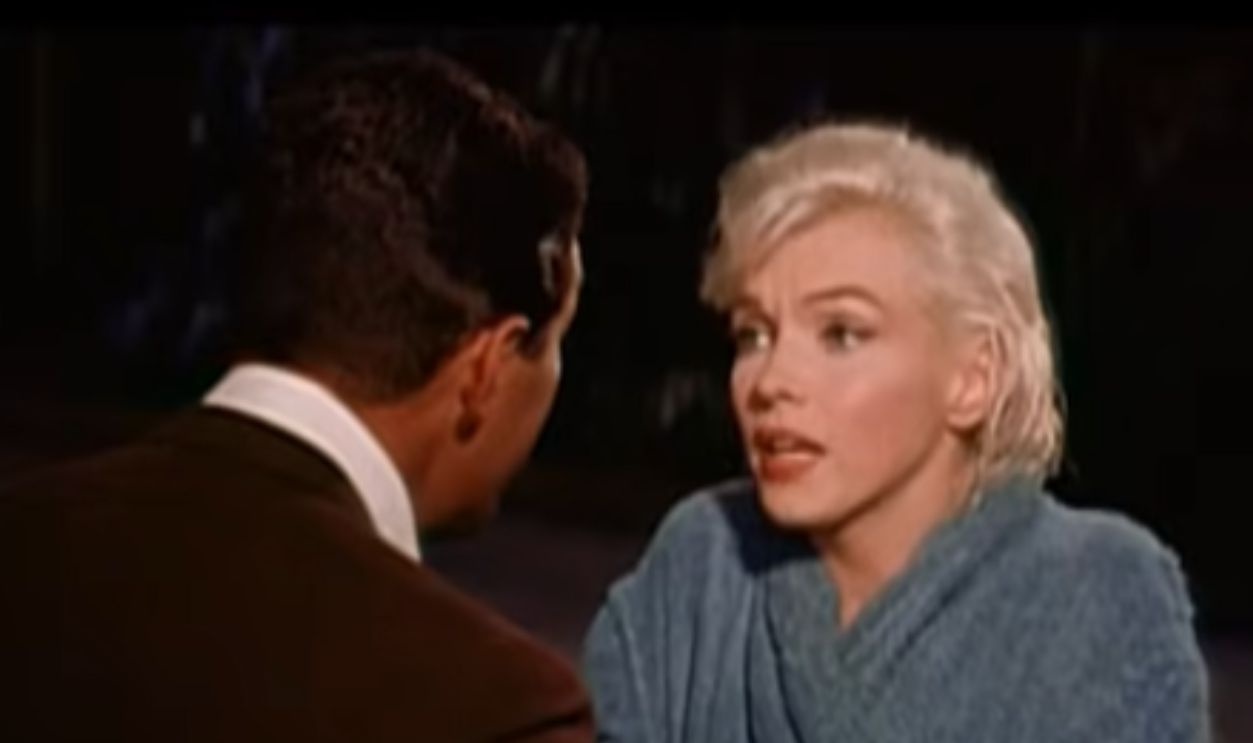 Screenshot from Marilyn Monroe: The Final Days, 20th Century Fox (2001)
And That Pool Scene Never Really Went Away
Fox eventually remade the basic story as Move Over, Darling with Doris Day and James Garner. But Something's Got to Give became something stranger: an unfinished glimpse of Marilyn Monroe at the very end of her movie career.
And of everything she filmed that spring, it's still those photographs from one swimming pool that refuse to disappear.
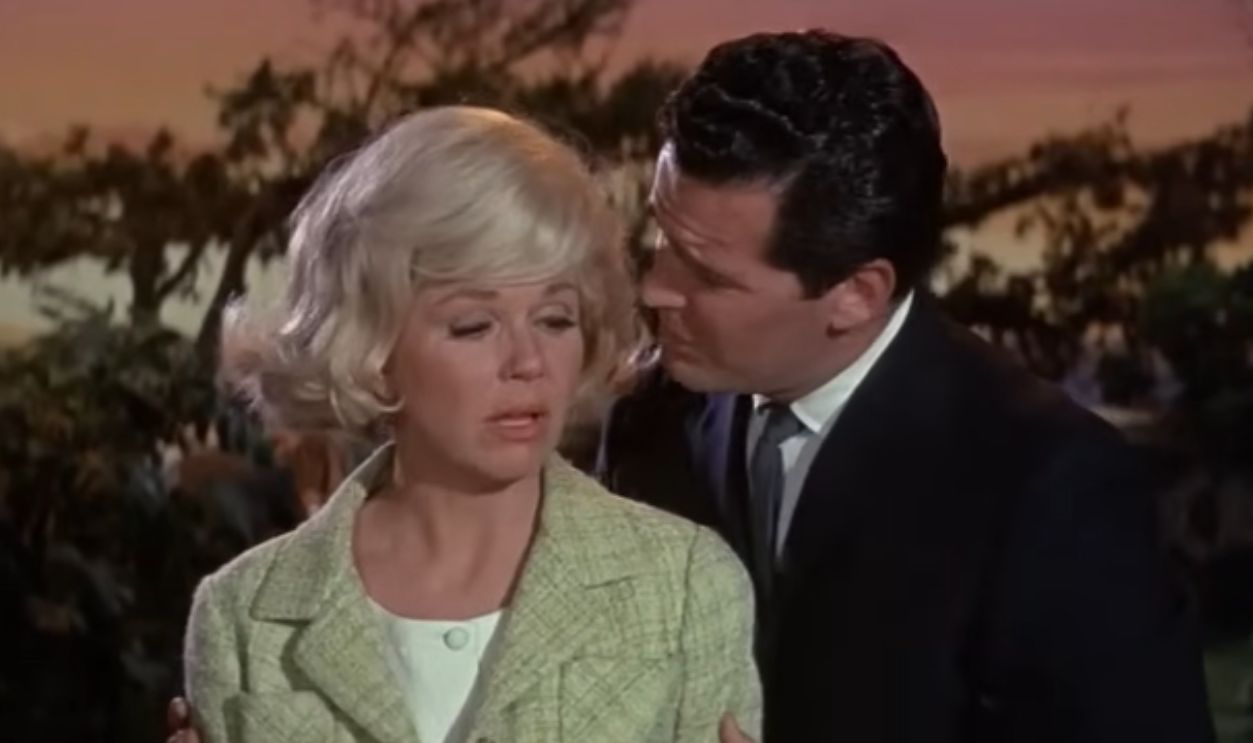 Screenshot from Move Over, Darling, 20th Century Fox (1963)
You Might Also Like:
How Mary Tyler Moore’s Television Success Nearly Never Happened