Hollywood Had The Talent, But Not Always The Roles
Hollywood had no shortage of brilliant actresses in the 1970s. What it often lacked were roles worthy of them. Too many women were stuck playing wives, girlfriends, victims, or supporting characters in somebody else's story. Then a handful of actresses got the chance to show just how much Hollywood had been leaving on the table.
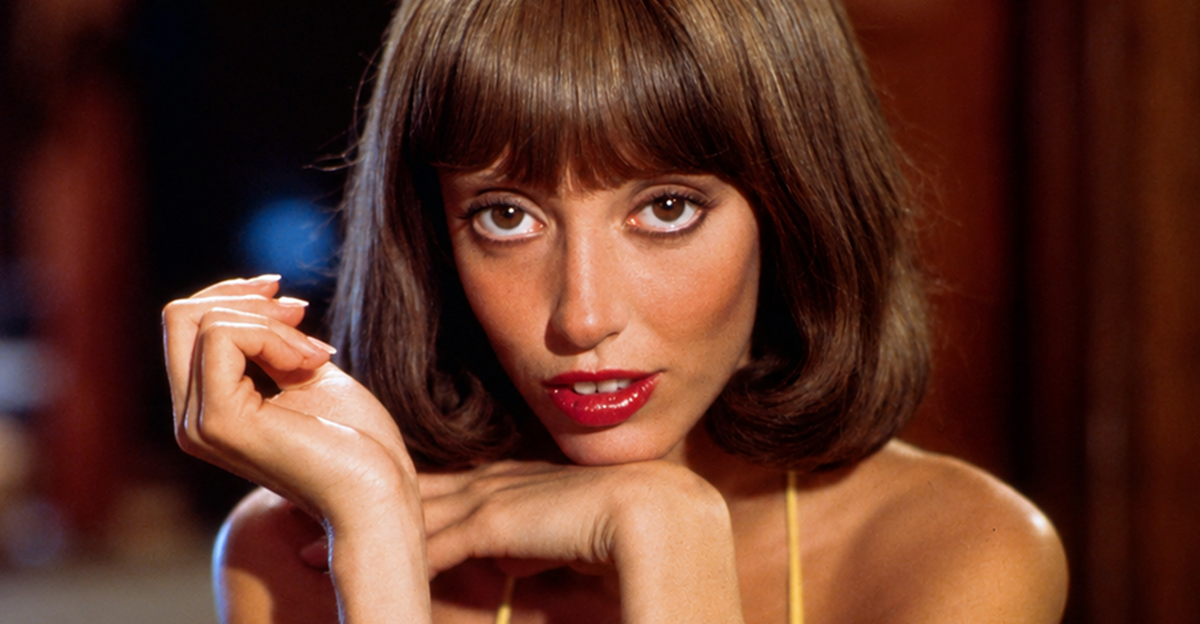 Screenshot from 3 Women, 20th Century-Fox (1977)
Ellen Burstyn Saw The Problem Up Close
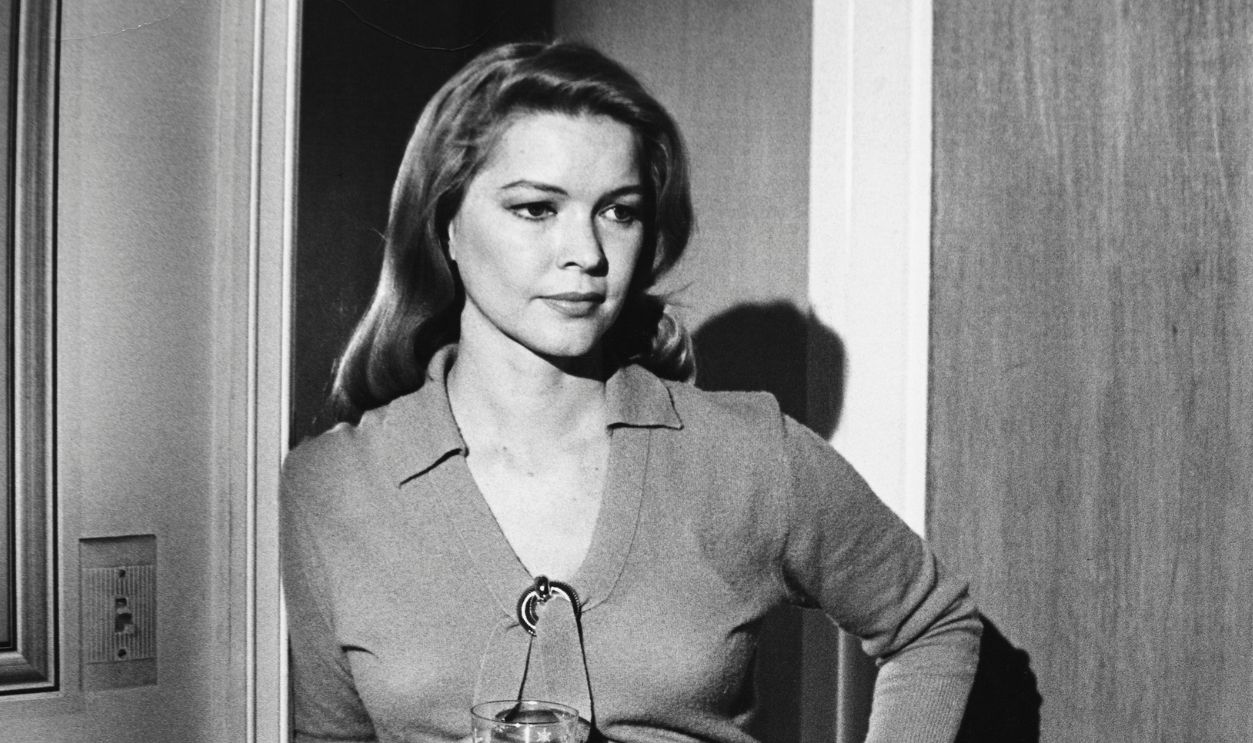
By the early 1970s, Ellen Burstyn had already shown that she could handle complicated characters in movies like The Last Picture Show. Yet when Warner Bros. began sending her scripts after seeing her work on The Exorcist, she was unimpressed. Burstyn later remembered that the women were overwhelmingly written as victims, dutiful wives, or characters defined mainly by men.
 John Springer Collection, Getty Images
She Was Already Choosing Carefully
Burstyn had encountered the problem even before becoming a major star. When The Last Picture Show came along, she preferred the more forceful Lois Farrow over another troubled female character she was offered. The decision showed that Burstyn was already thinking carefully about the kinds of women she wanted to put on screen.
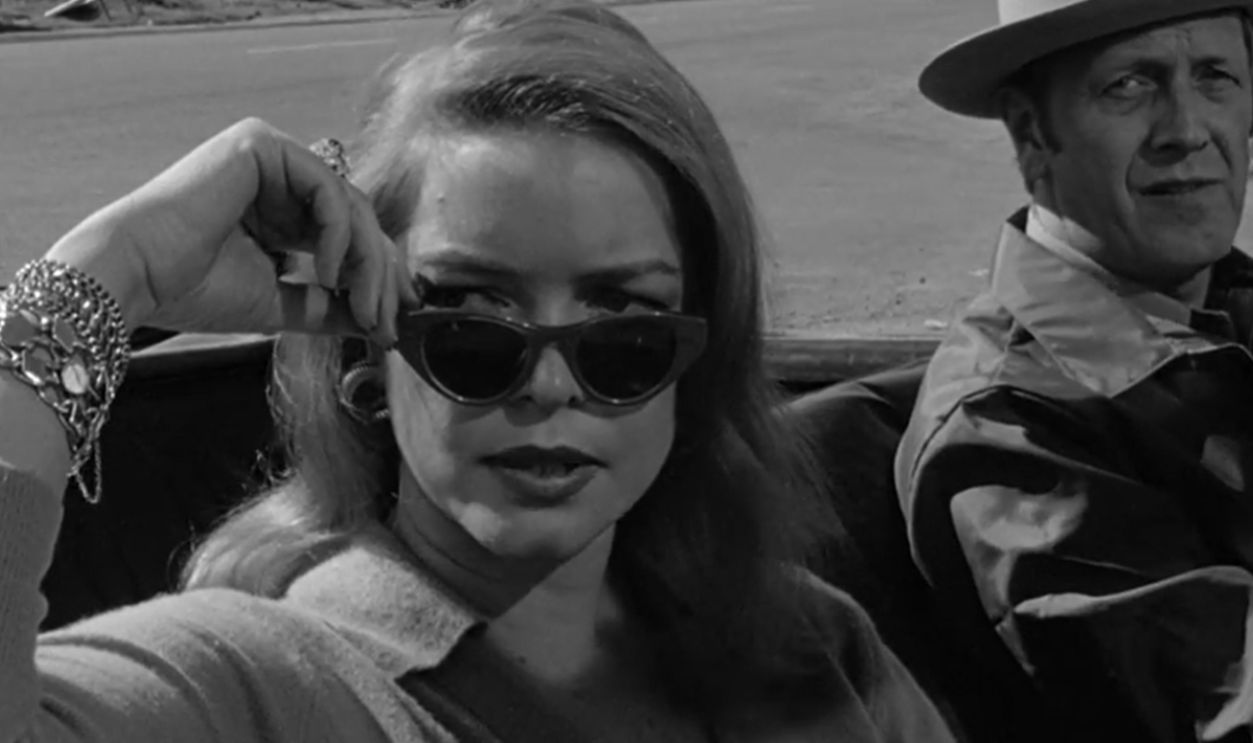 Screenshot from The Last Picture Show, Columbia Pictures (1971)
Alice Finally Put A Woman At The Center
Burstyn found what she was looking for in Alice Doesn't Live Here Anymore. She brought the script to Warner Bros., which agreed to make it, and then chose the young Martin Scorsese to direct. Burstyn won the Academy Award, and the film showed that an ordinary woman's hopes and frustrations could carry an entire movie.
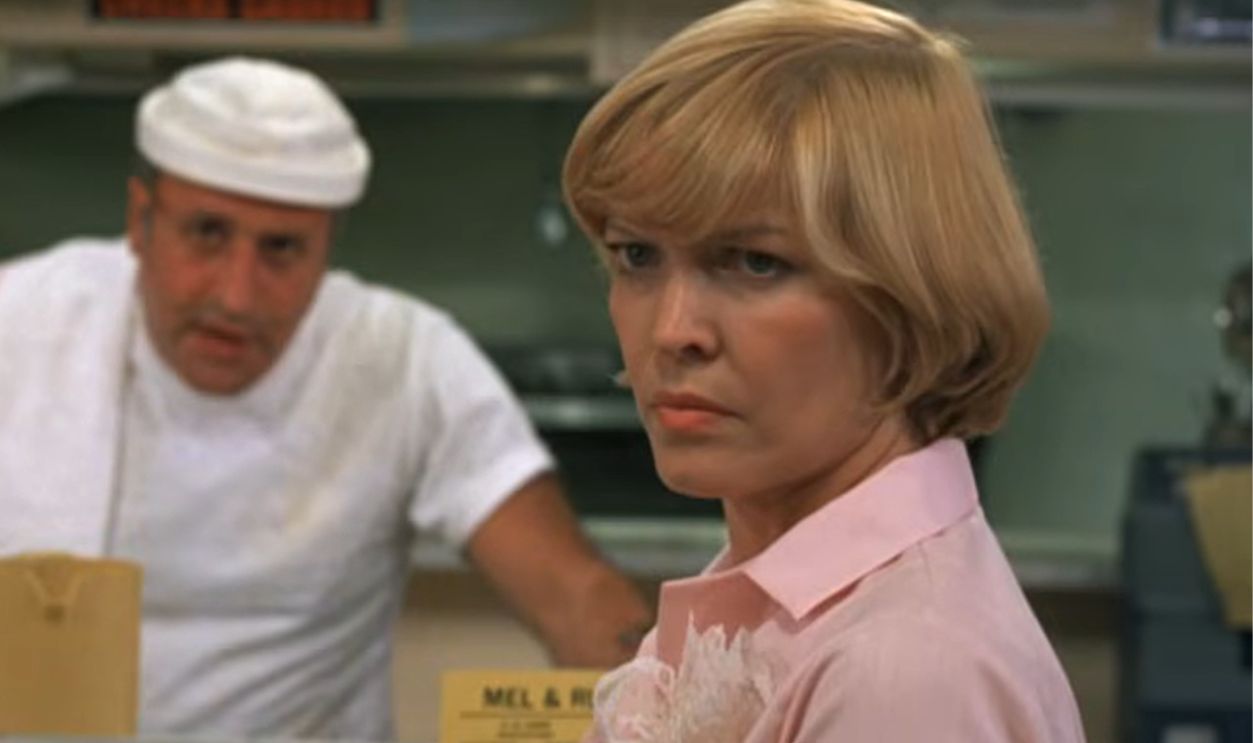 Screenshot from Alice Doesn't Live Here Anymore, Warner Bros. (1974)
Cicely Tyson Simply Refused The Stereotypes
For Cicely Tyson, the problem was even more restrictive. She said substantial roles for Black actresses were extremely difficult to find, while stereotyped parts appeared far more often. Tyson rejected characters she felt presented Black women in ways she did not want to perpetuate, even when meaningful alternatives were scarce.
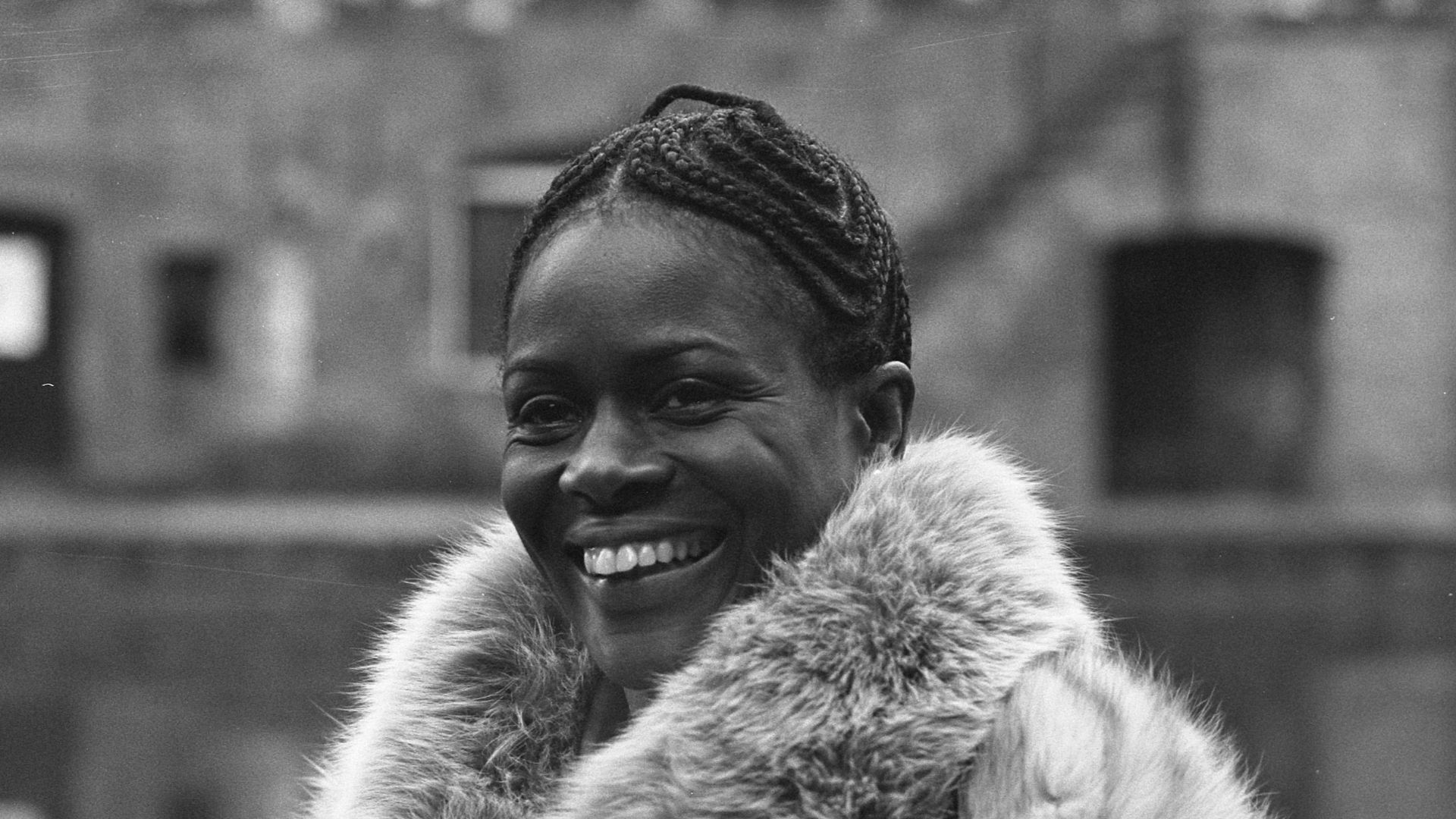 Hans Peters for Anefo, Wikimedia Commons
Sounder Showed What She Could Do
That selectiveness paid off with Sounder in 1972. Tyson played Rebecca Morgan, a sharecropper's wife who keeps her family together after her husband is imprisoned. The performance earned Tyson an Academy Award nomination and gave her the kind of substantial dramatic role she had been seeking.
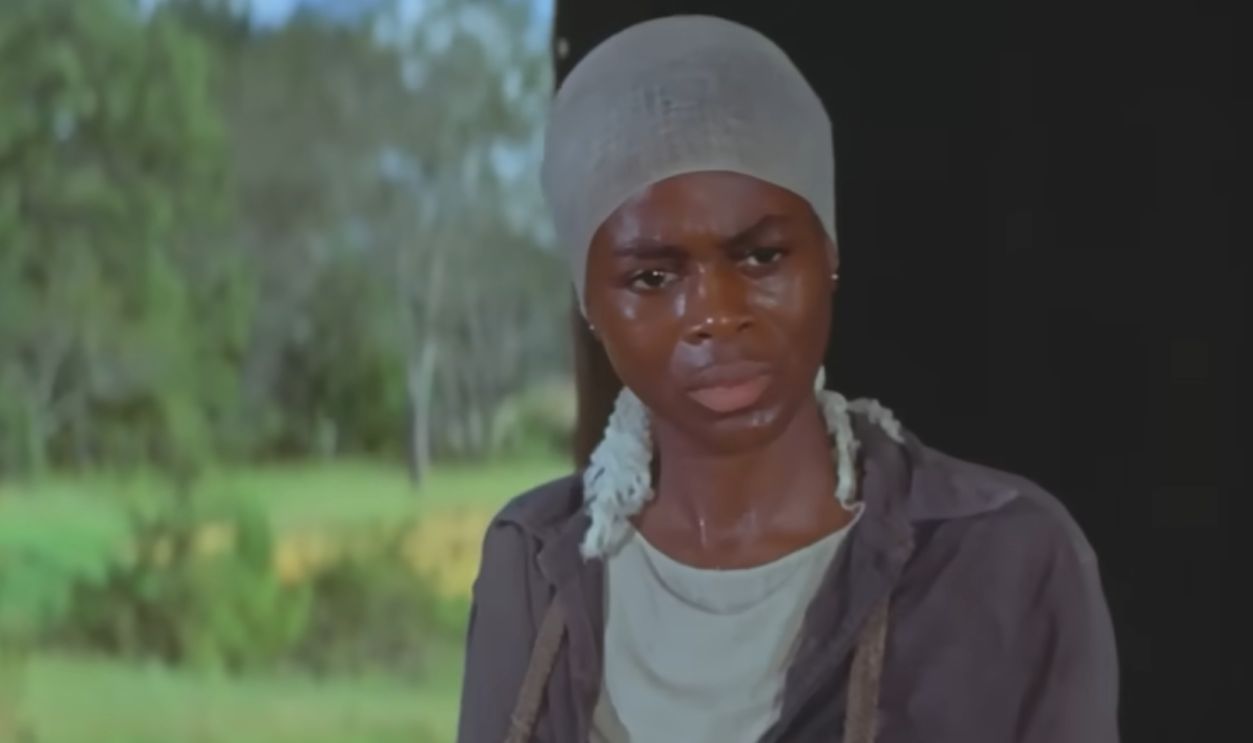 Screenshot from Sounder, Twentieth Century-Fox Film Corporation (1972)
Jane Pittman Took Her Even Further
Two years later, The Autobiography of Miss Jane Pittman asked Tyson to portray one woman's life across decades of American history. Tyson immersed herself in research, including spending time with elderly people who could help her understand the character's experiences. The television film brought her two major Emmy wins and became one of the defining performances of her career.
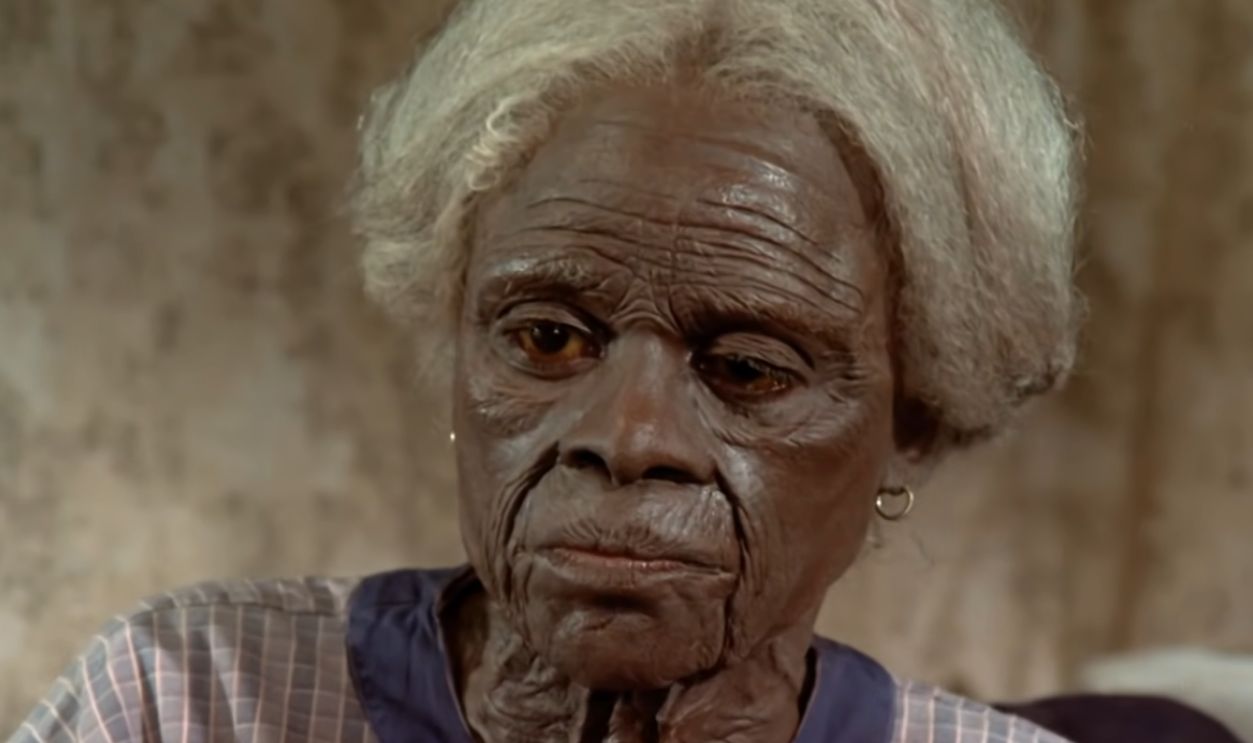 Screenshot from The Autobiography of Miss Jane Pittman, CBS (1974)
Jane Fonda Wanted More Than Glamour
Jane Fonda had spent much of the 1960s being marketed partly for her looks, but her ambitions were changing sharply by the next decade. She became increasingly interested in films that reflected her political and social concerns. That shift led her toward more substantial roles throughout the 1970s.
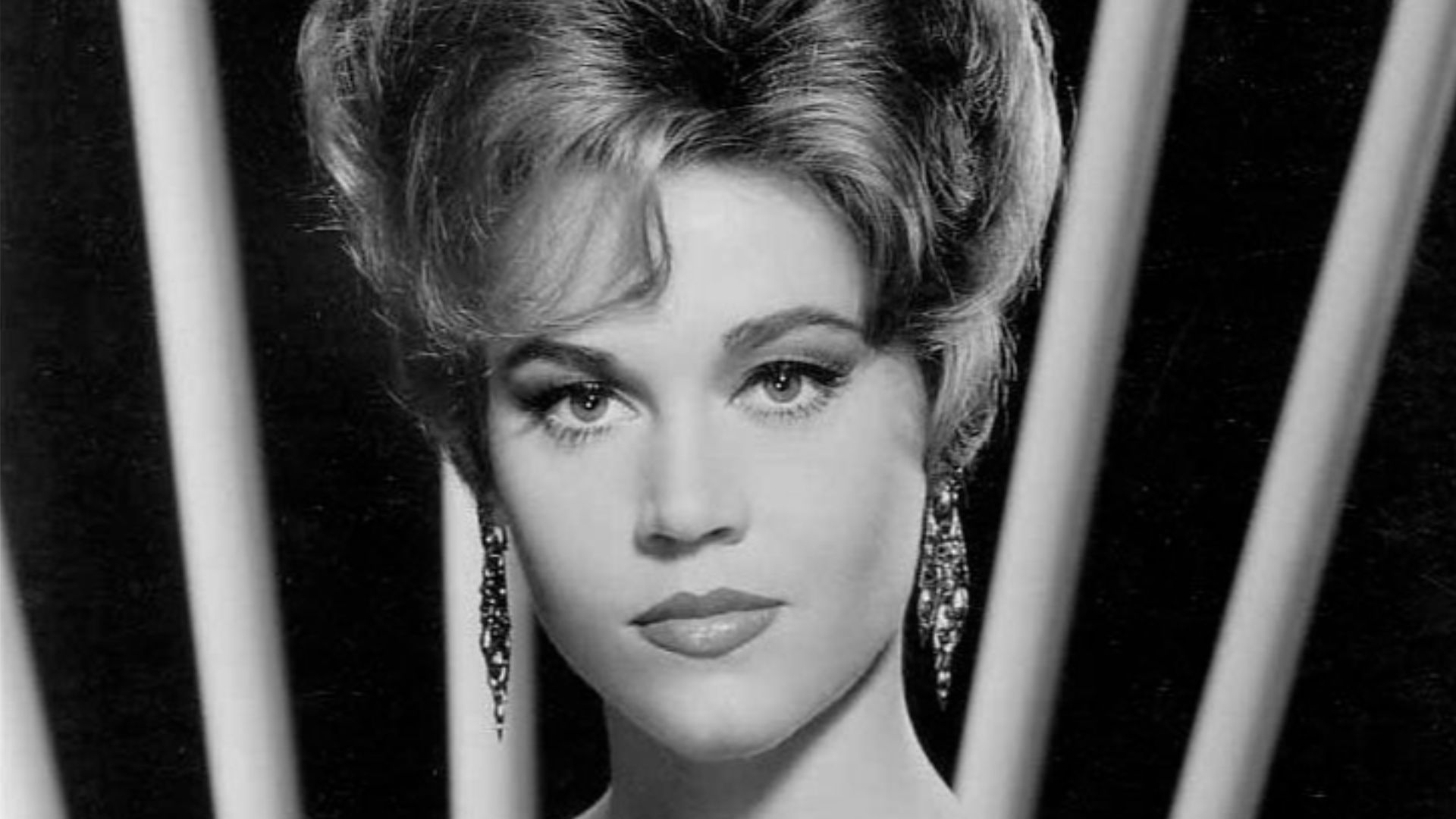
Klute Changed More Than Her Career
For Klute, Fonda played Bree Daniels, a woman whose profession could easily have been reduced to a stereotype. Fonda researched the role by spending time with women living similar lives and later said the experience helped awaken her feminism. Her performance earned her the Academy Award for Best Actress.
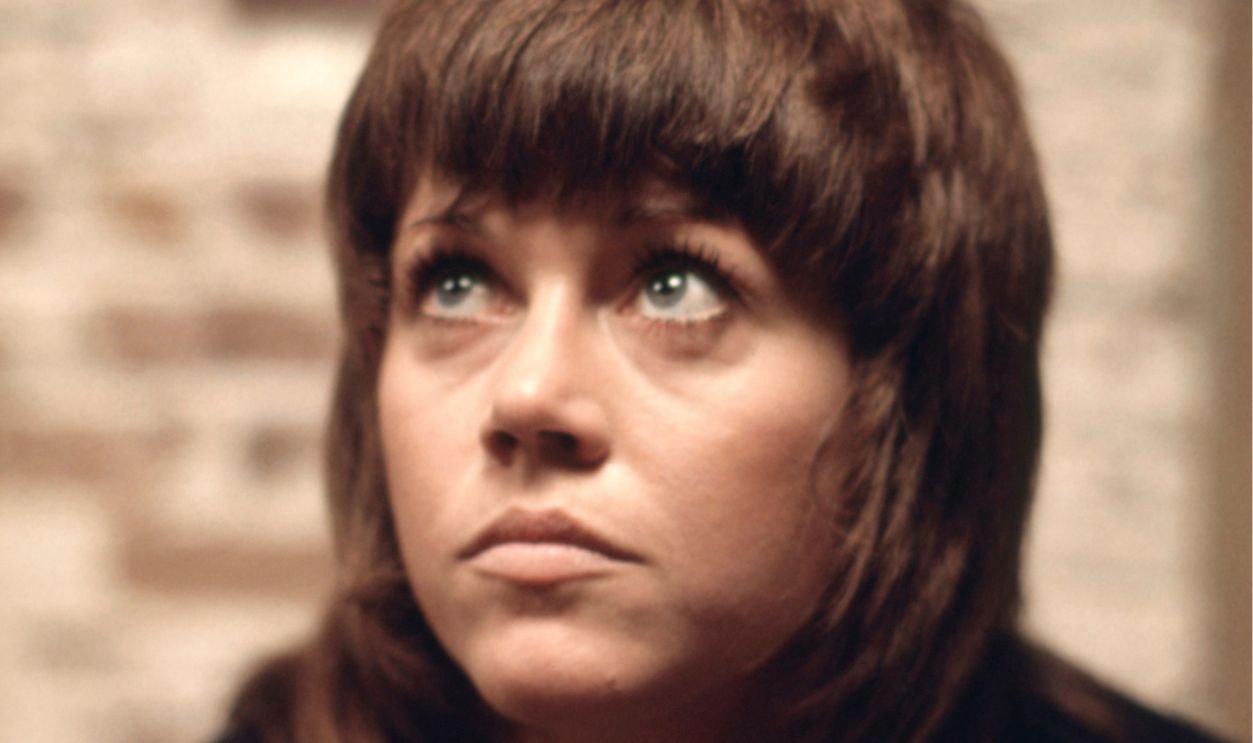
She Wanted Women Who Actually Thought
By the time Fonda made Julia in 1977, she was openly talking about how unusual it was to play a woman primarily motivated by ideas rather than romantic desperation. She chose the role of writer Lillian Hellman instead of the more overtly heroic title character because she found Hellman more challenging. Fonda was no longer simply waiting for strong material to appear.
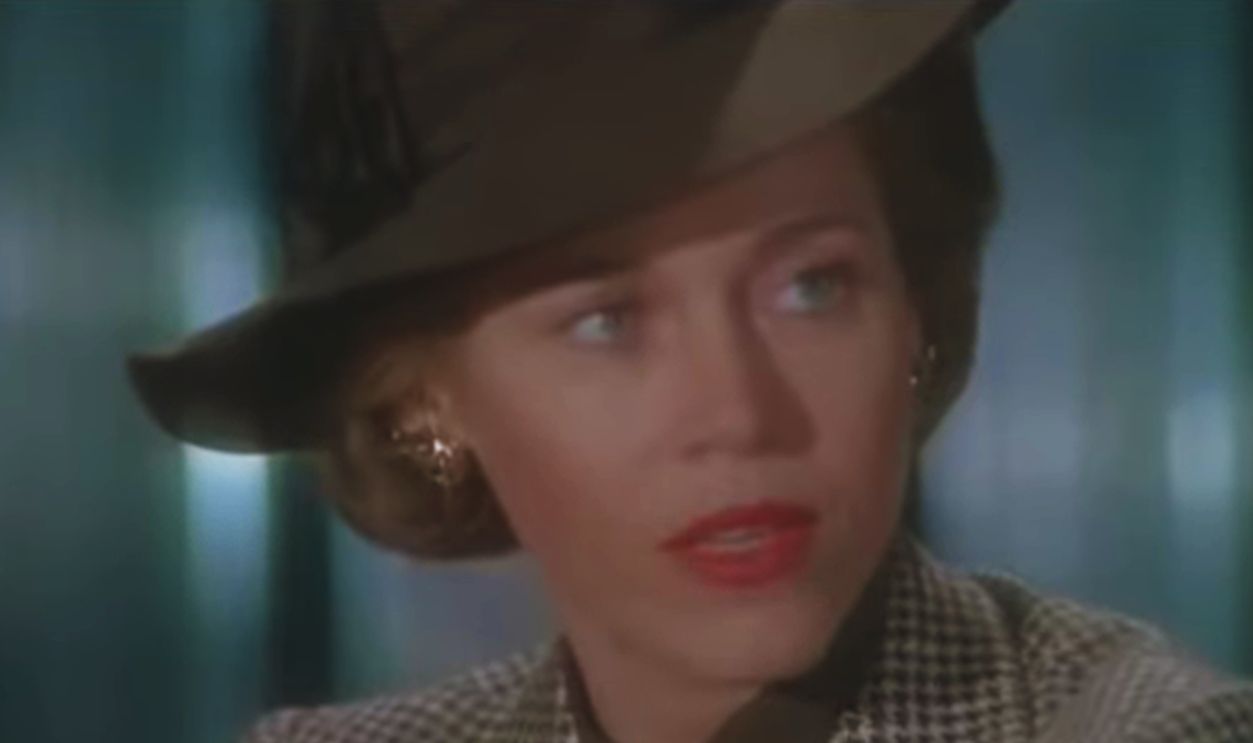 Screenshot from Julia, 20th Century Fox (1977), Modified
Glenda Jackson Never Fit The Usual Mold
Glenda Jackson did not resemble the conventional Hollywood ingénue, and that became one of her strengths. Early in her career, she had even been advised that she was a character actress who might not find substantial work until she was older. Instead, her intensity helped make her one of the most distinctive actresses of the decade.
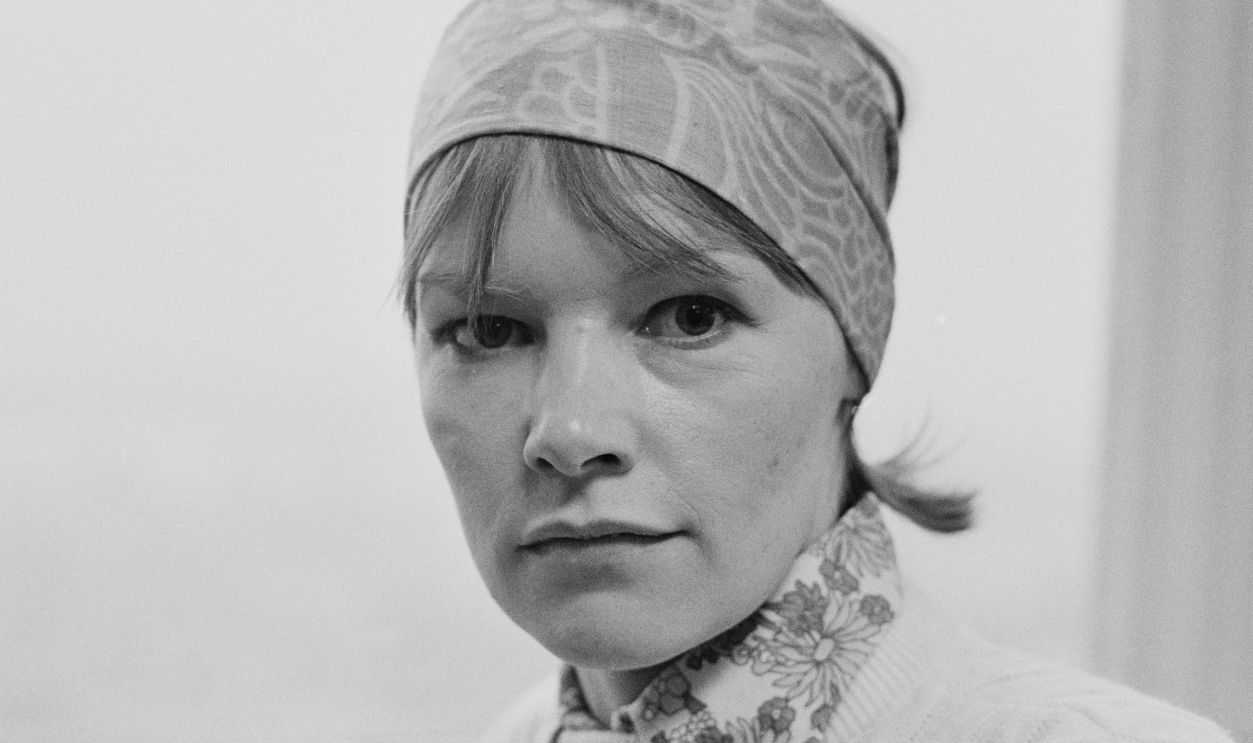 William Lovelace, Getty Images
One Year Showed Her Extraordinary Range
Jackson's 1971 output alone was remarkable. She played Queen Elizabeth I on television in Elizabeth R, appeared as the queen again in Mary, Queen of Scots, and starred in the provocative relationship drama Sunday Bloody Sunday. Few performers were moving so easily between historical drama and unconventional contemporary roles.
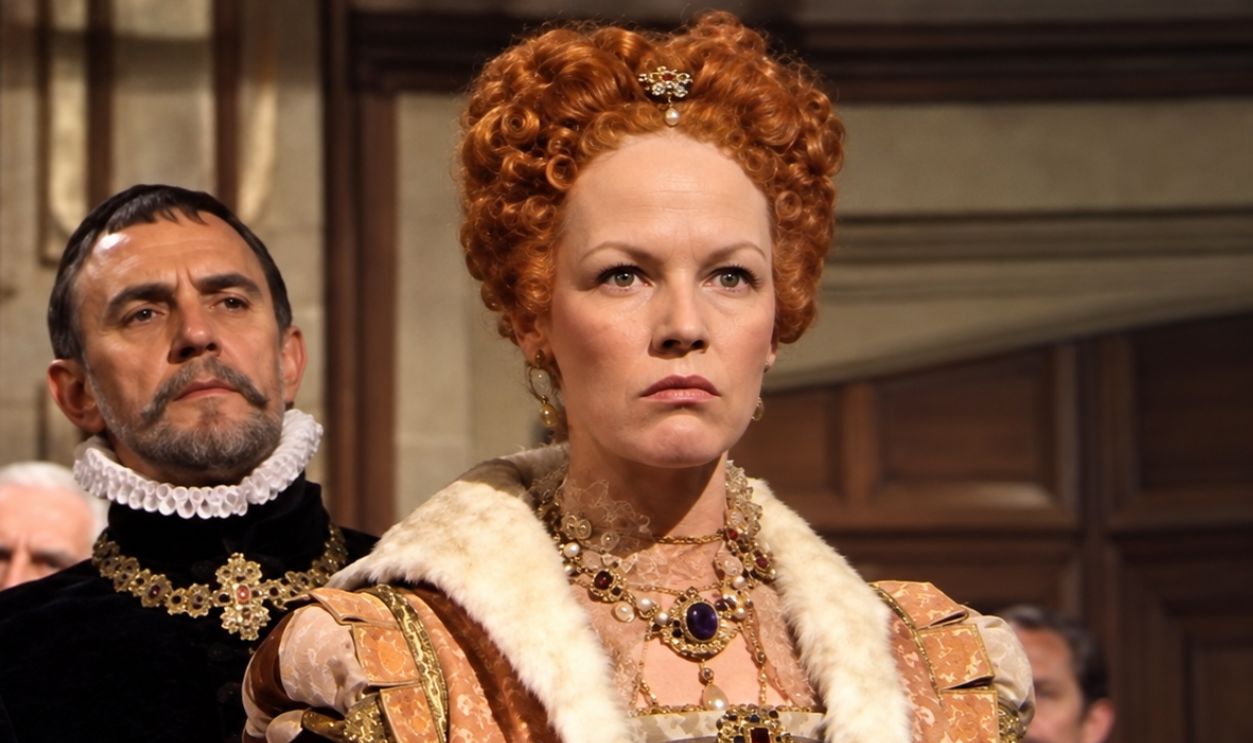 Screenshot from Elizabeth R, BBC Television (1971), Modified
She Still Saw Women Being Sidelined
Jackson later remained blunt about the weakness of many female parts. She recalled movies in which a woman's main function seemed to be confirming that the male hero was heterosexual. Jackson's career showed what actresses could accomplish when writers gave them something more substantial to play.
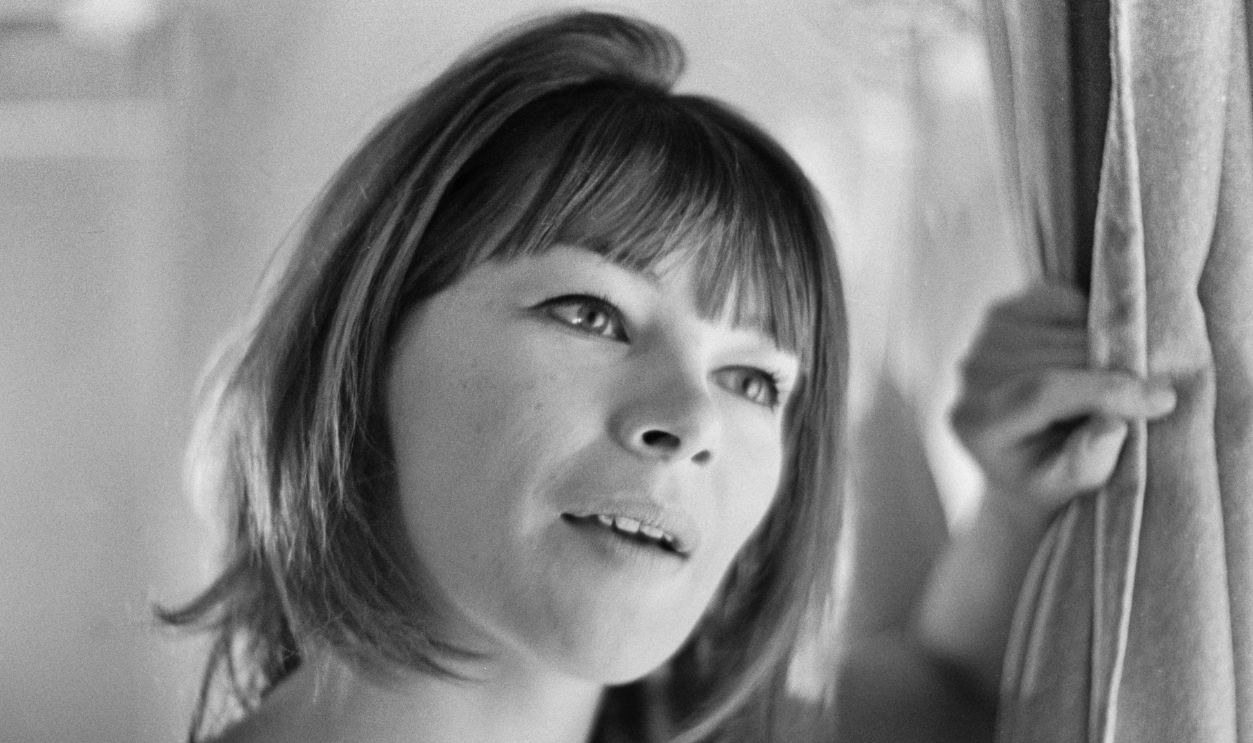
Gena Rowlands Took Another Route
Gena Rowlands found some of her greatest roles outside the traditional Hollywood system. Her collaborations with husband John Cassavetes allowed her to play messy, difficult women who did not behave like polished studio heroines. That freedom made Rowlands one of the defining performers of American independent cinema.
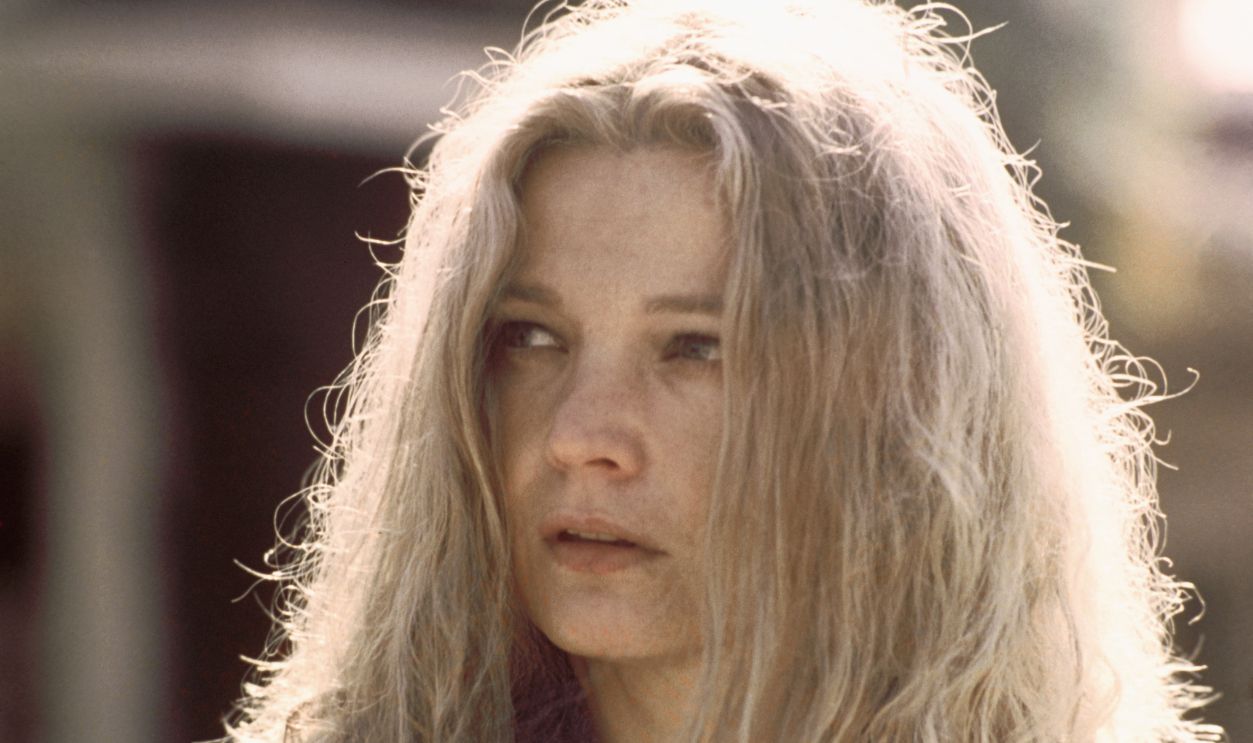
She Asked For A Story About Women
A Woman Under the Influence began partly because Rowlands told Cassavetes that she wanted to perform something about the difficulties facing contemporary women. Cassavetes originally wrote a play, but Rowlands felt the material would be too emotionally exhausting to perform night after night. They turned it into a film instead.
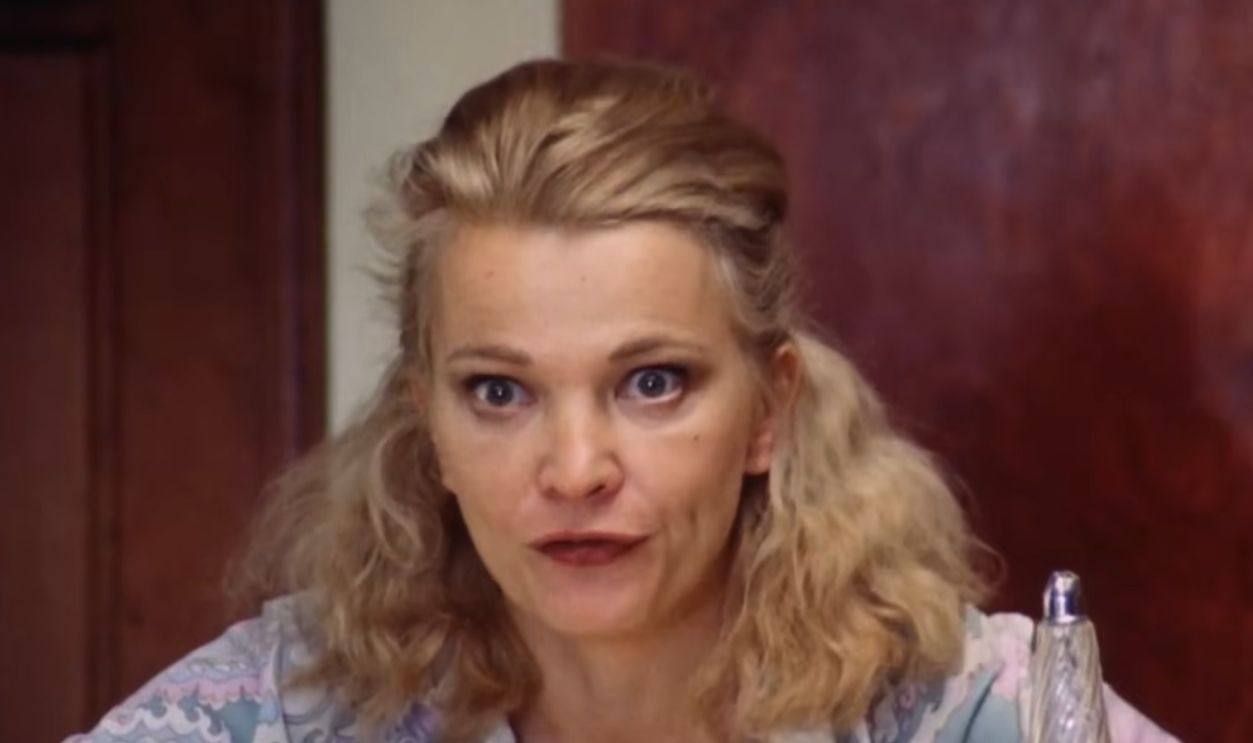 Screenshot from A Woman Under the Influence, Faces International Films (1974)
The Result Was Anything But A Stock Housewife
Rowlands played Mabel Longhetti, a wife and mother whose emotional crisis strains her marriage and family. The part gave her room to be funny, unsettling, affectionate, furious, vulnerable, and unpredictable. Rowlands and co-star Peter Falk later counted their performances among the best work of their careers.
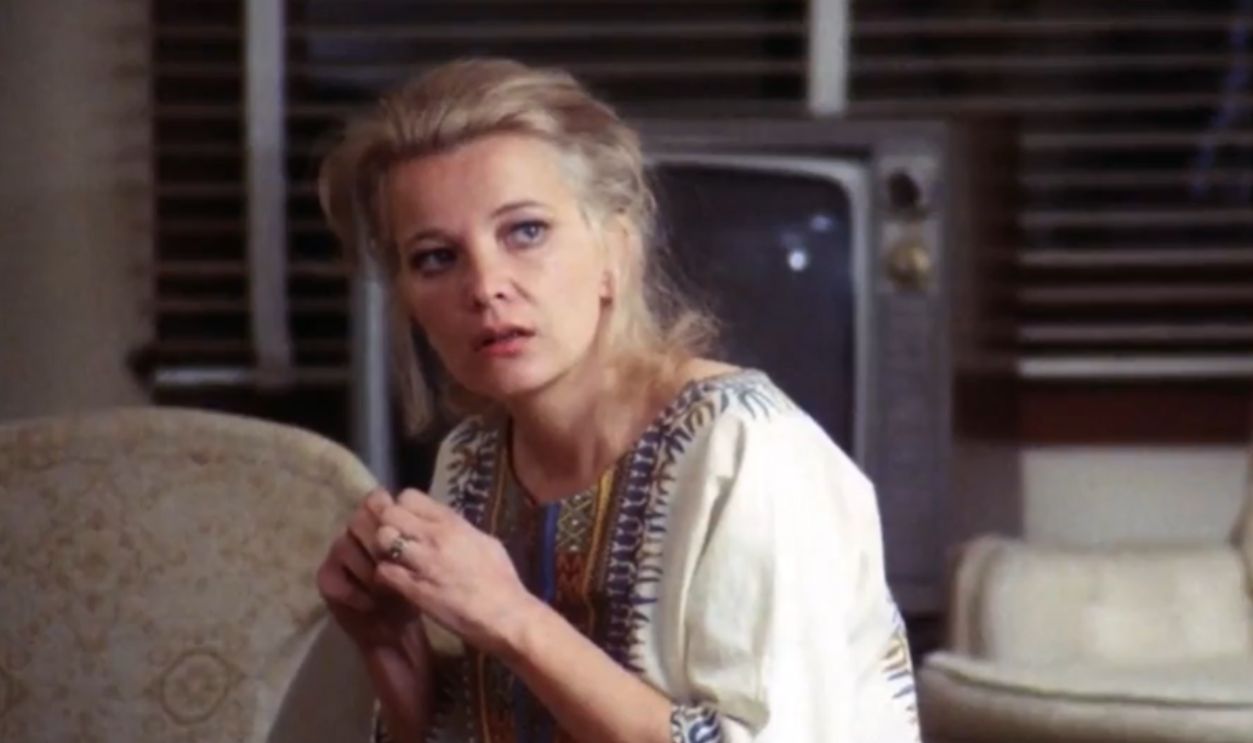 Screenshot from A Woman Under the Influence, Faces International Films (1974)
Faye Dunaway Was Almost Too Good At Being Tough
Faye Dunaway became famous playing women who could match the men around them in intelligence and force of personality. From Bonnie and Clyde into the 1970s, that commanding presence became part of her screen identity. The downside was that Hollywood increasingly associated Dunaway with one particular kind of formidable woman.
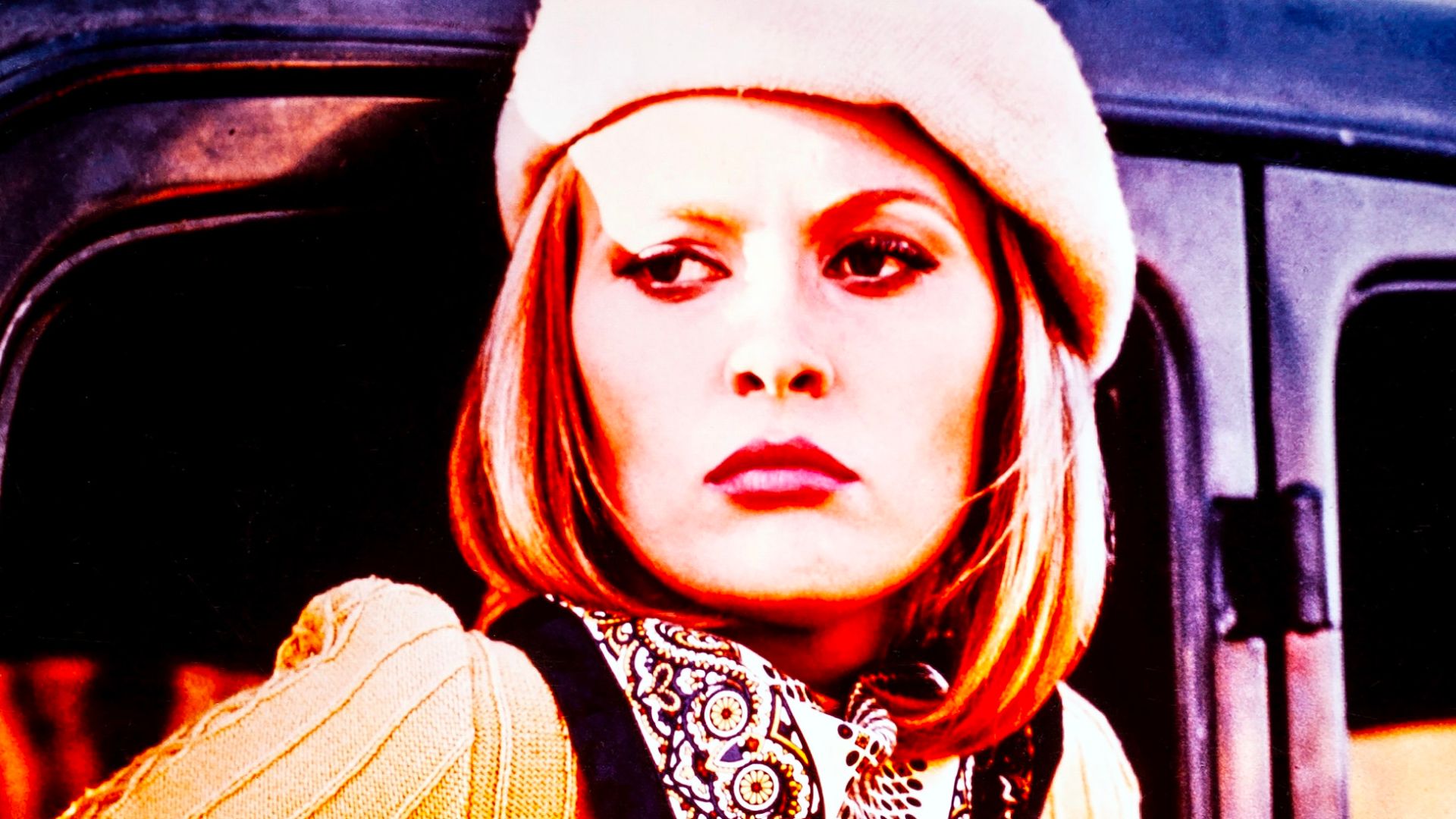 Distributed by Warner Bros.-Seven Arts., Wikimedia Commons
Network Gave Her A Ferocious Showcase
That persona reached its peak in Network. Dunaway played Diana Christensen, an ambitious television executive who views almost everything through the lens of ratings. The performance won her the Academy Award and gave her one of the decade's most memorable female characters.
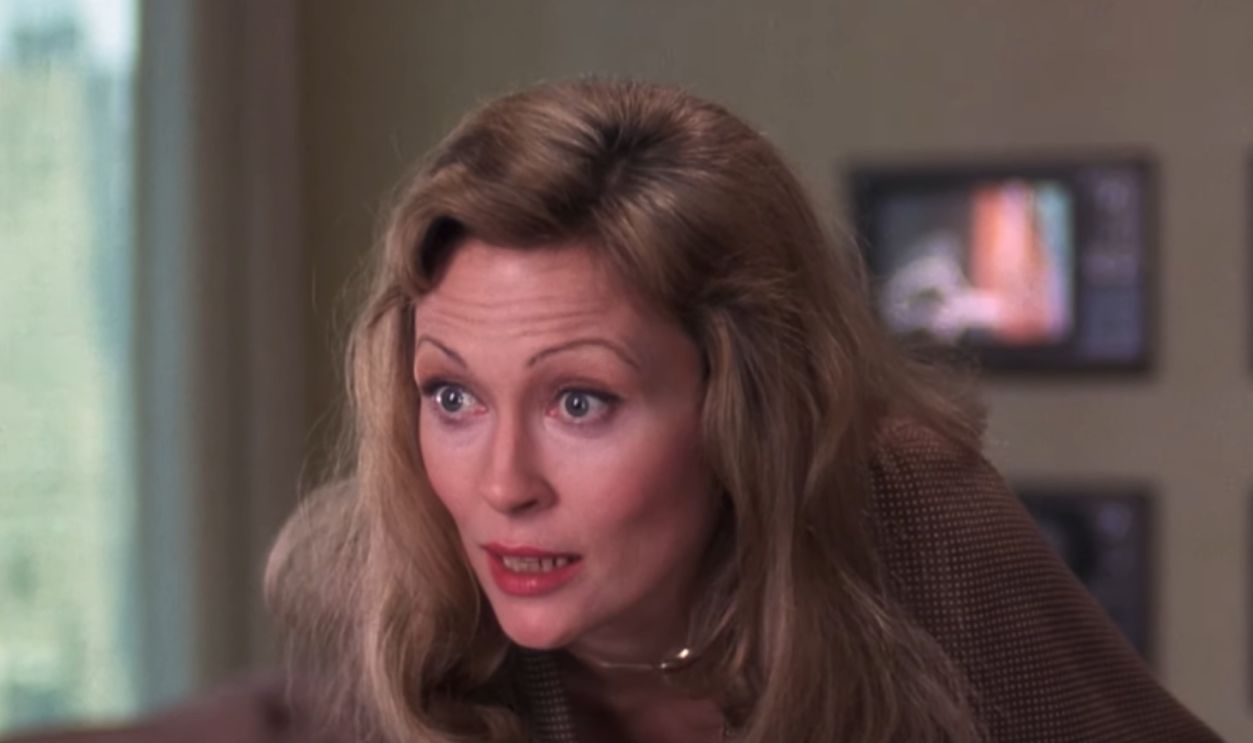 Screenshot from Network, United Artists (1976)
Success Created Another Box
Dunaway later said those forceful early roles had left her somewhat trapped by her own image. Scripts kept arriving for hard-driving women, while gentler or more vulnerable characters were harder to find. Her experience showed that even a breakthrough female archetype could become limiting once Hollywood decided that was all an actress could do.
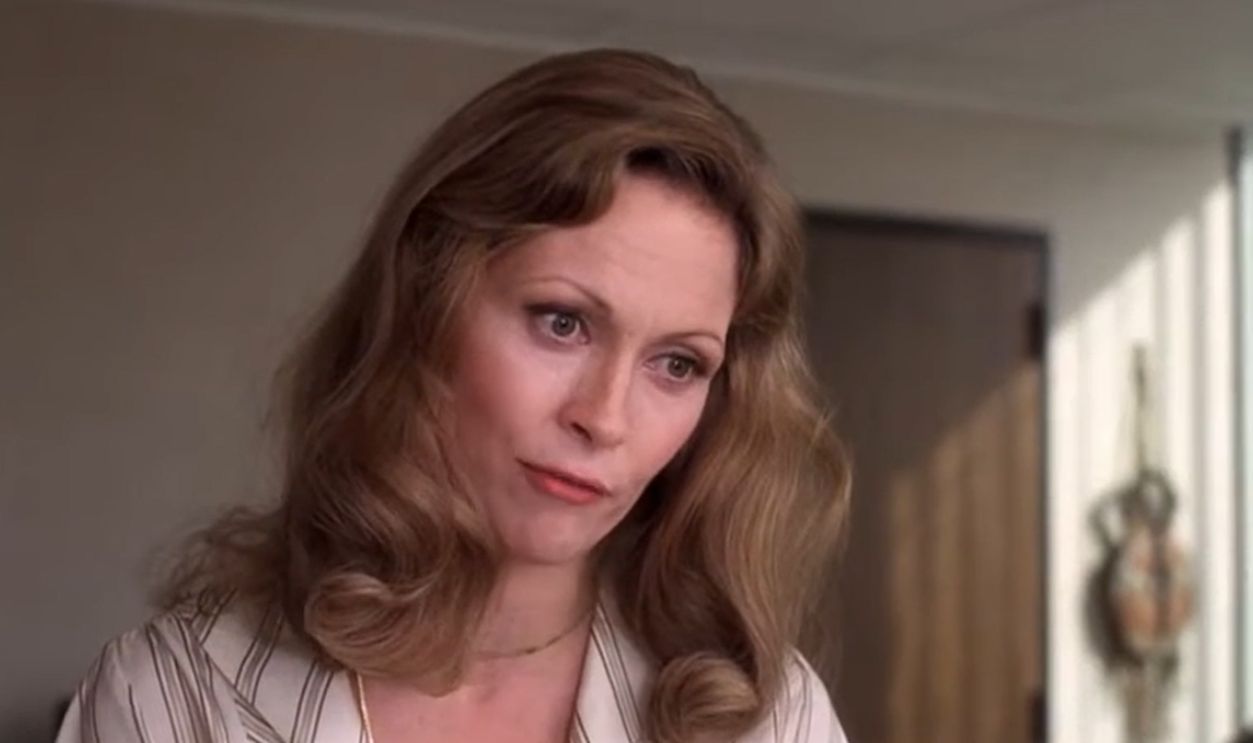 Screenshot from Network, United Artists (1976)
Karen Black Could Make Small Roles Huge
Karen Black emerged from the New Hollywood era with a gift for making unconventional women impossible to ignore. Her 1970 breakthrough in Five Easy Pieces cast her as Rayette, the working-class girlfriend of Jack Nicholson's restless Bobby Dupea. The character could easily have existed mainly to illuminate the male lead, but Black made Rayette painfully specific and memorable.
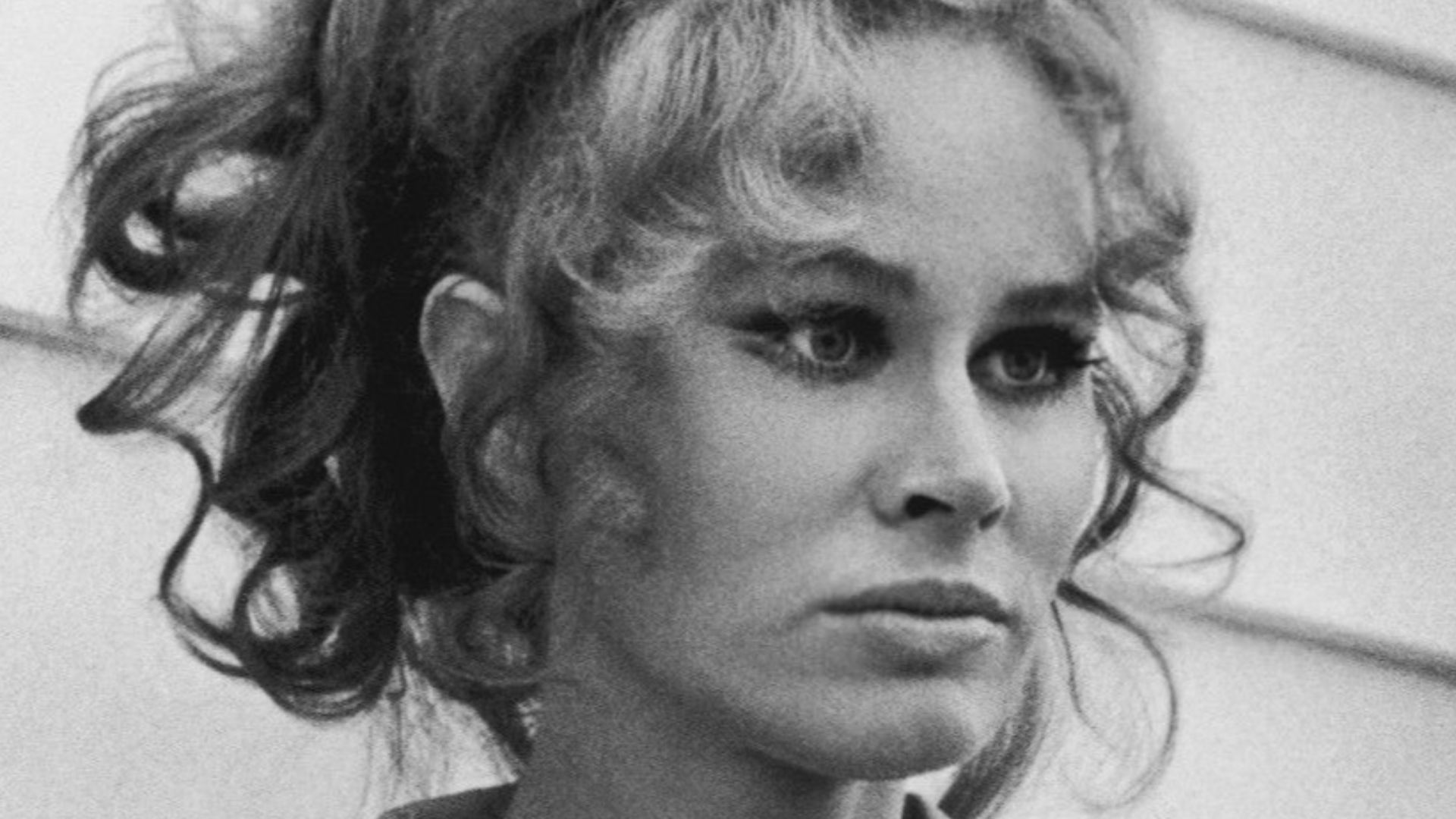 Columbia Pictures, Wikimedia Commons
Hollywood Kept Putting Her Beside Difficult Men
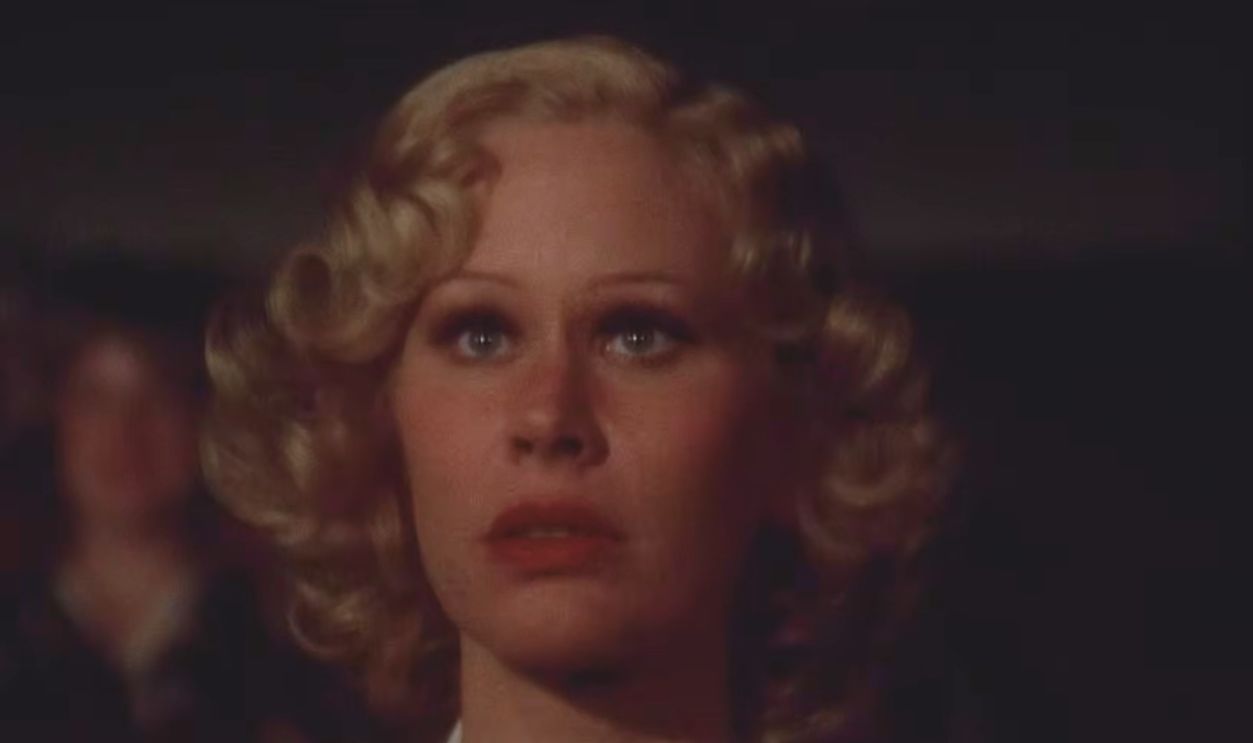
Black frequently played women caught in the orbit of complicated male characters. In The Great Gatsby, she was Myrtle Wilson, Tom Buchanan's mistress, while The Day of the Locust cast her as aspiring actress Faye Greener. Even when the story was not primarily hers, Black had a knack for making these women difficult to forget.
 Screenshot from The Day of the Locust, Paramount Pictures (1975), Modified
She Refused To Be Predictable
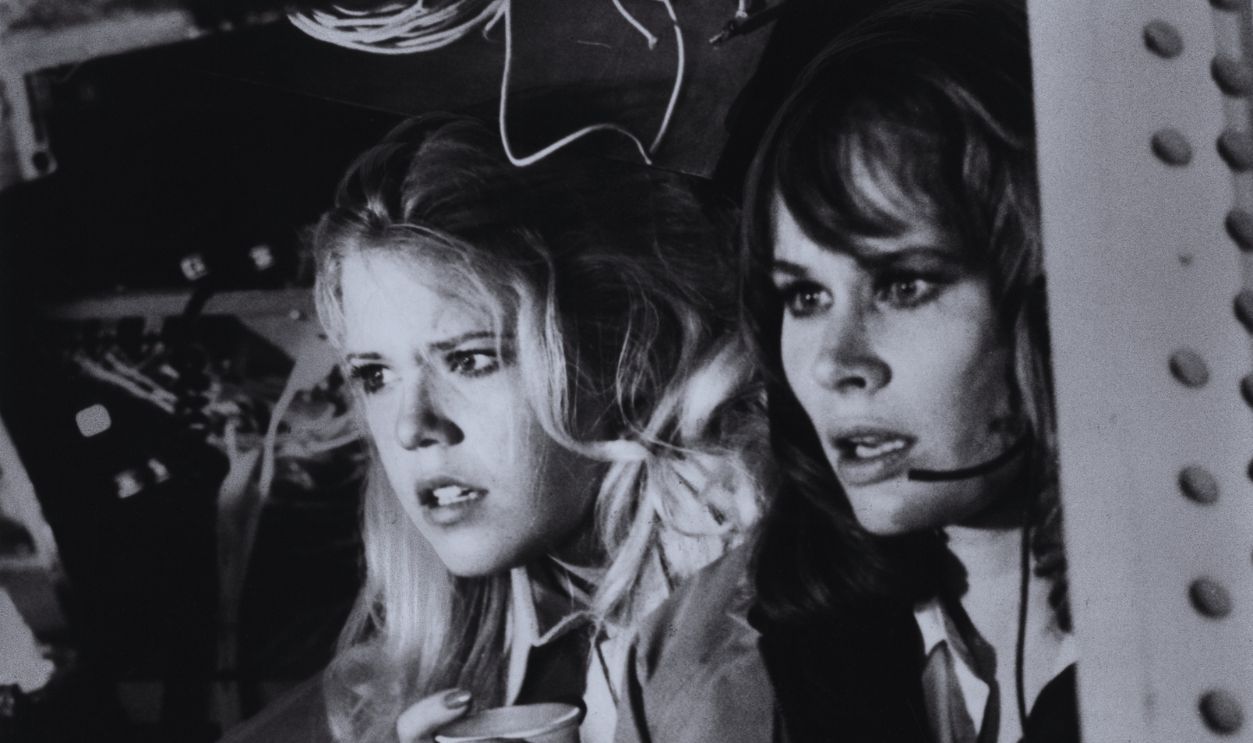
Black also jumped between genres with unusual ease. In Airport 1975, she played a flight attendant forced to help bring a damaged passenger jet under control, while Nashville let her play a polished country singer and perform her own songs. Hollywood did not always seem certain what category Black belonged in, which was precisely what made her interesting.
 Michael Ochs Archives, Getty Images
Jill Clayburgh Arrived At The Perfect Moment
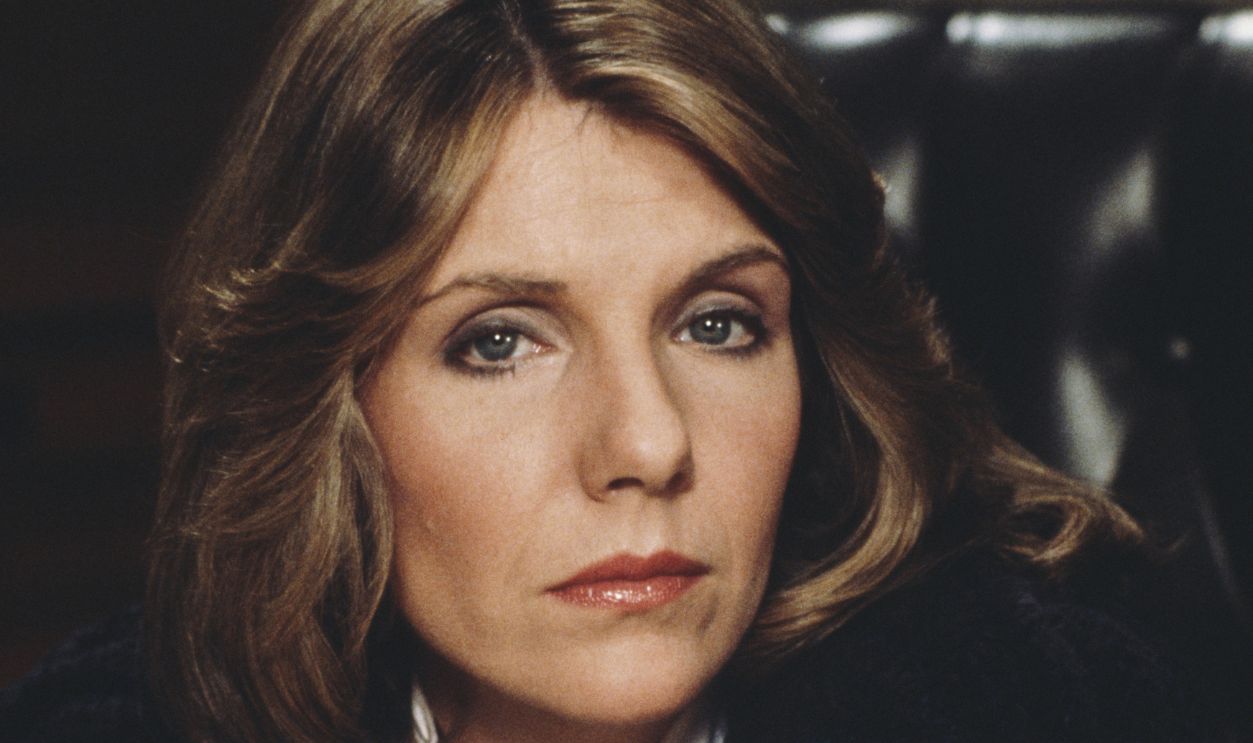
Jill Clayburgh became a major film star just as Hollywood was beginning to explore the changing expectations placed on American women. She brought an approachable intelligence to characters dealing with relationships, independence, work, and identity. Her breakthrough came from playing women whose lives did not stop when their marriages did.
An Unmarried Woman Felt Different
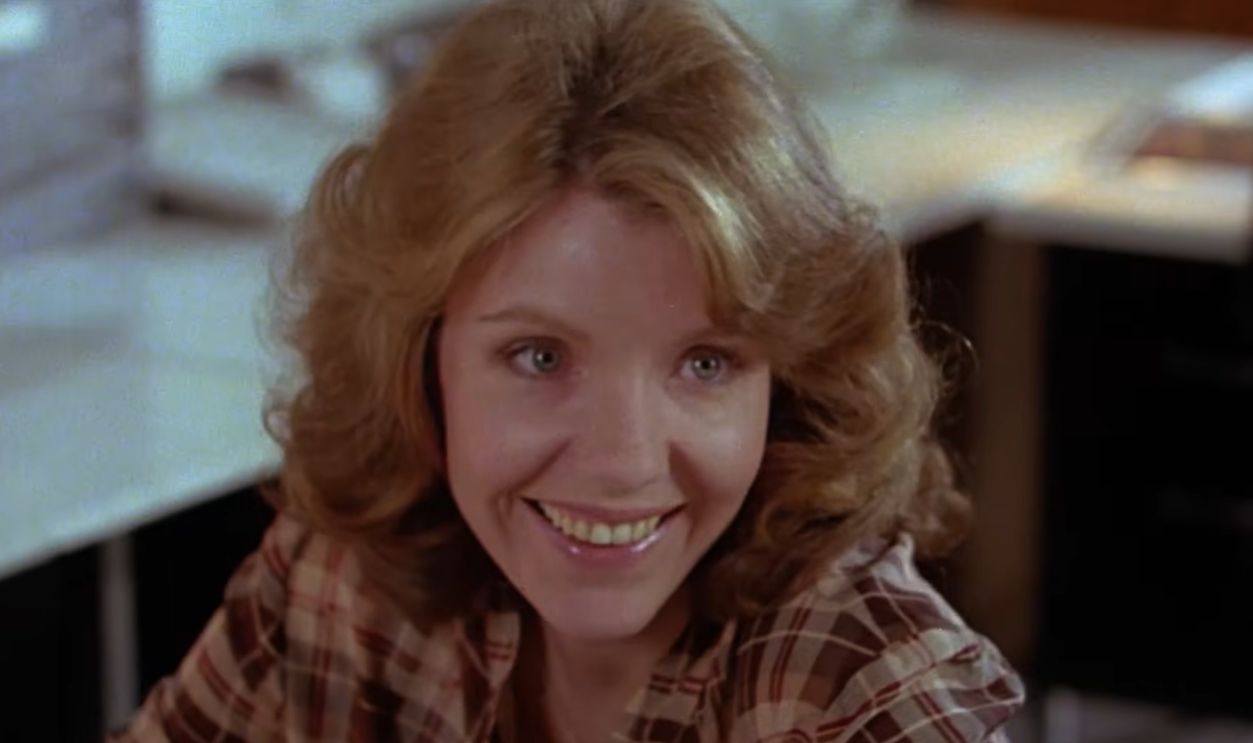
In 1978's An Unmarried Woman, Clayburgh played Erica, whose husband leaves her after 16 years of marriage. Instead of simply finding another man and restoring the old status quo, Erica slowly discovers who she is outside her marriage. The film treated that process as the main story rather than a detour on the way to another romance.
 Screenshot from An Unmarried Woman, Twentieth Century-Fox Film Corporation (1978)
Hollywood Had A Different Kind Of Heroine
Director Paul Mazursky researched the project by speaking with women whose marriages had unexpectedly fallen apart. Clayburgh's performance earned an Academy Award nomination and became closely associated with the era's changing ideas about female independence. It also showed that a middle-class woman's emotional reinvention could be enough to anchor a major studio movie.
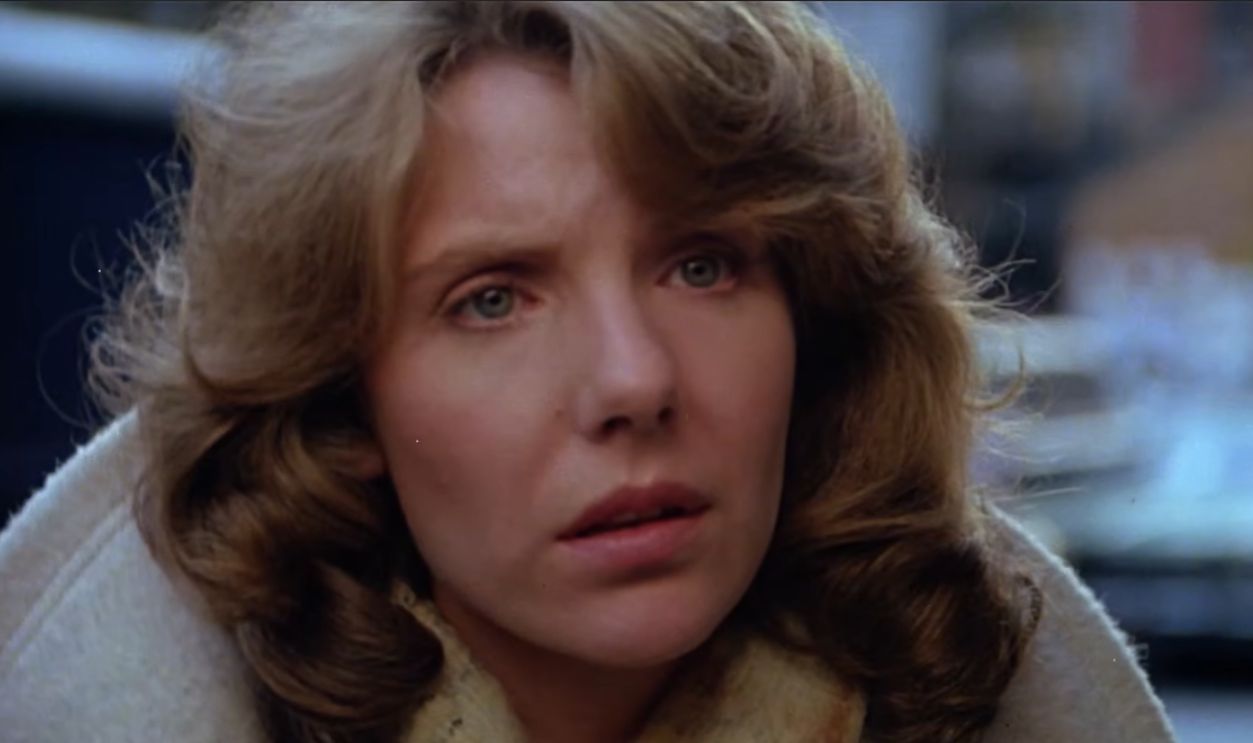 Screenshot from An Unmarried Woman, Twentieth Century-Fox Film Corporation (1978)
Shelley Duvall Looked Like Nobody Else
Shelley Duvall entered movies almost by accident after Robert Altman's associates encountered her in Houston. Her distinctive appearance and largely untrained acting style were nothing like Hollywood's standard idea of a leading lady. Altman recognized that difference as an advantage and repeatedly built roles around qualities other filmmakers might have tried to smooth away.
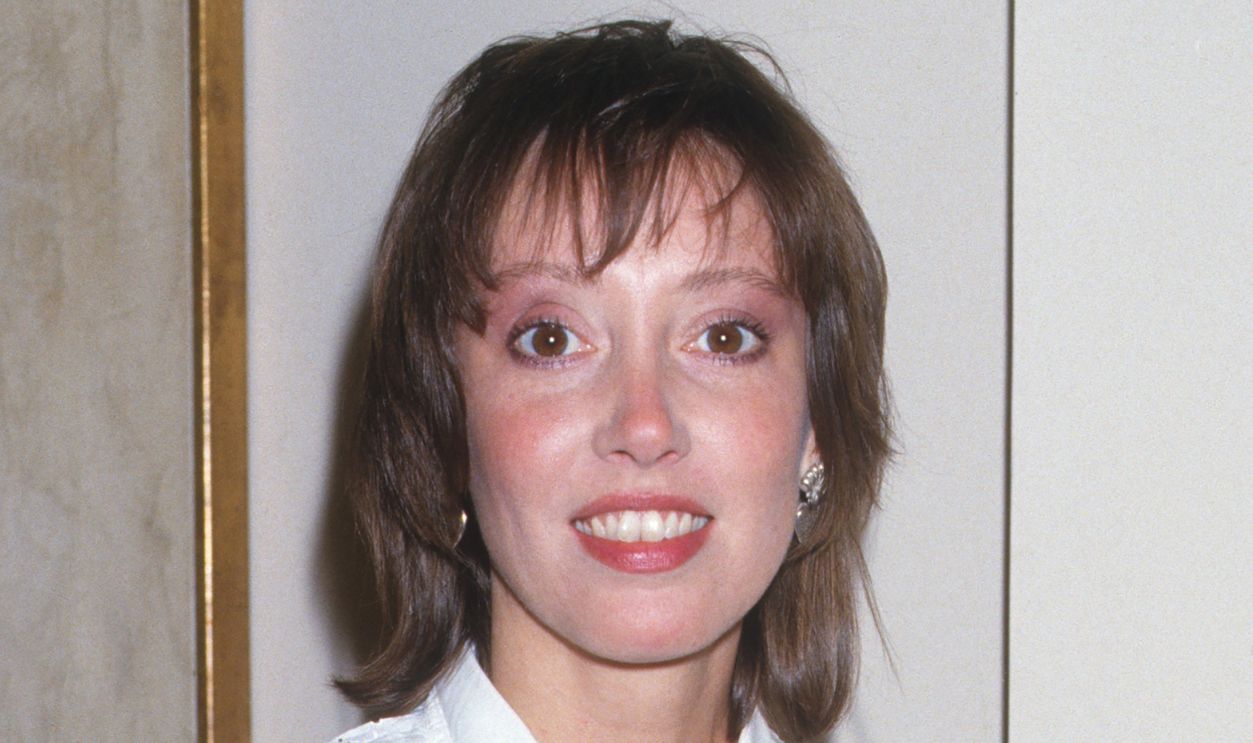 Ron Galella, Ltd, Getty Images
Other Directors Were Slow To Catch On
Duvall became closely associated with Altman through Brewster McCloud, McCabe & Mrs. Miller, Thieves Like Us, and Nashville. She later recalled that other directors initially were not calling, despite the attention her Altman performances received. That finally began changing in the middle of the decade.
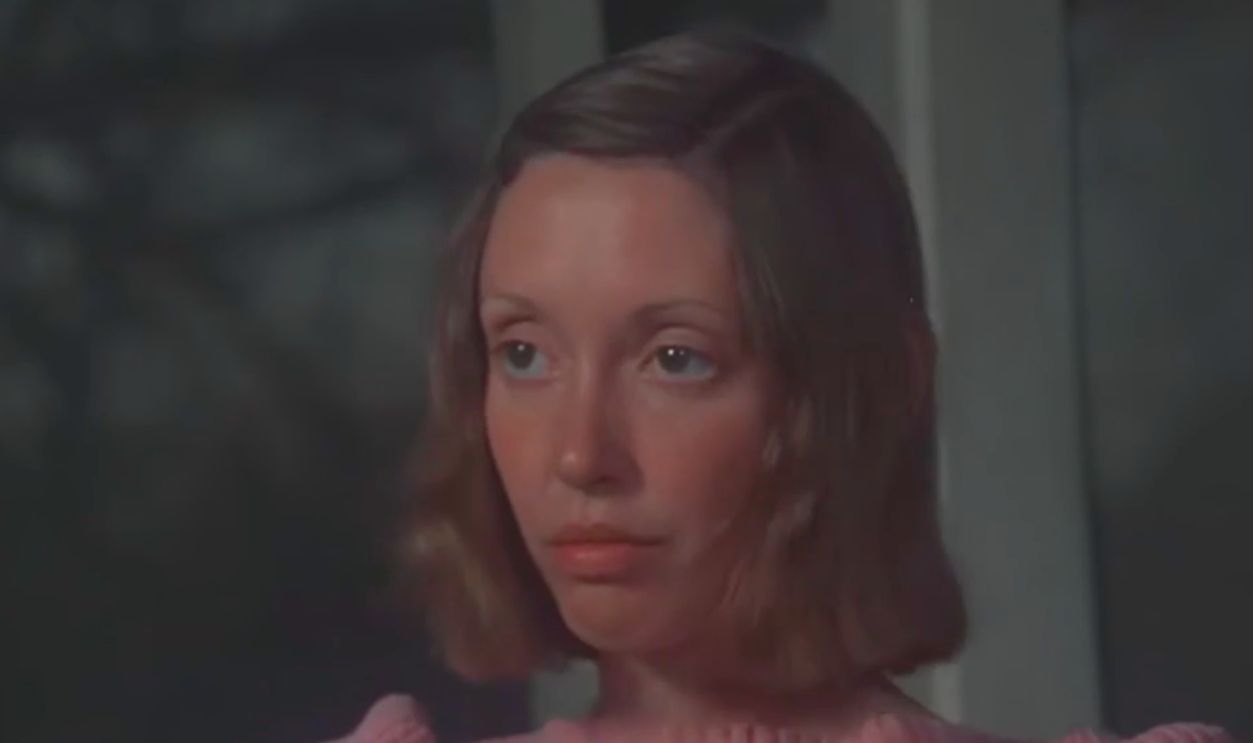 Screenshot from Thieves Like Us, United Artists (1974), Modified
Three Women Proved The Point
Then came Altman's 3 Women in 1977, with Duvall playing the desperately self-invented Millie Lammoreaux opposite Sissy Spacek. Duvall won Best Actress at Cannes, confirming that the supposedly oddball performer could carry one of the decade's strangest and most demanding films. By the end of the 1970s, the problem was hard to miss. Hollywood had never lacked remarkable actresses, but it had too often lacked roles worthy of them.
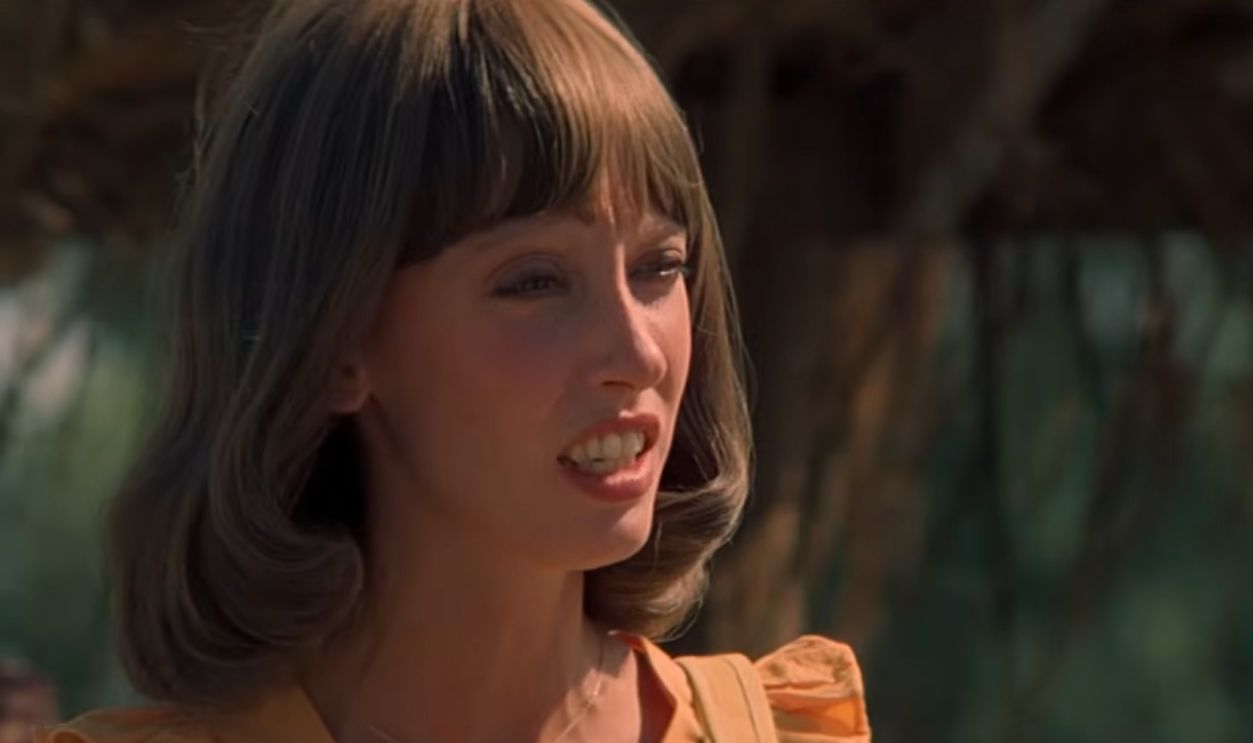 Screenshot from 3 Women, Twentieth Century-Fox Film Corporation (1977)
You May Also Like:
Female Action Stars Of The 1970s Who Were Cooler Than The Men Around Them
Alien Turned Sigourney Weaver Into A Sci-Fi Icon—But Ripley Almost Didn’t Survive
Teresa Graves Made TV History With Get Christie Love!—Then Quietly Walked Away From Fame