She Made History And Then Disappeared
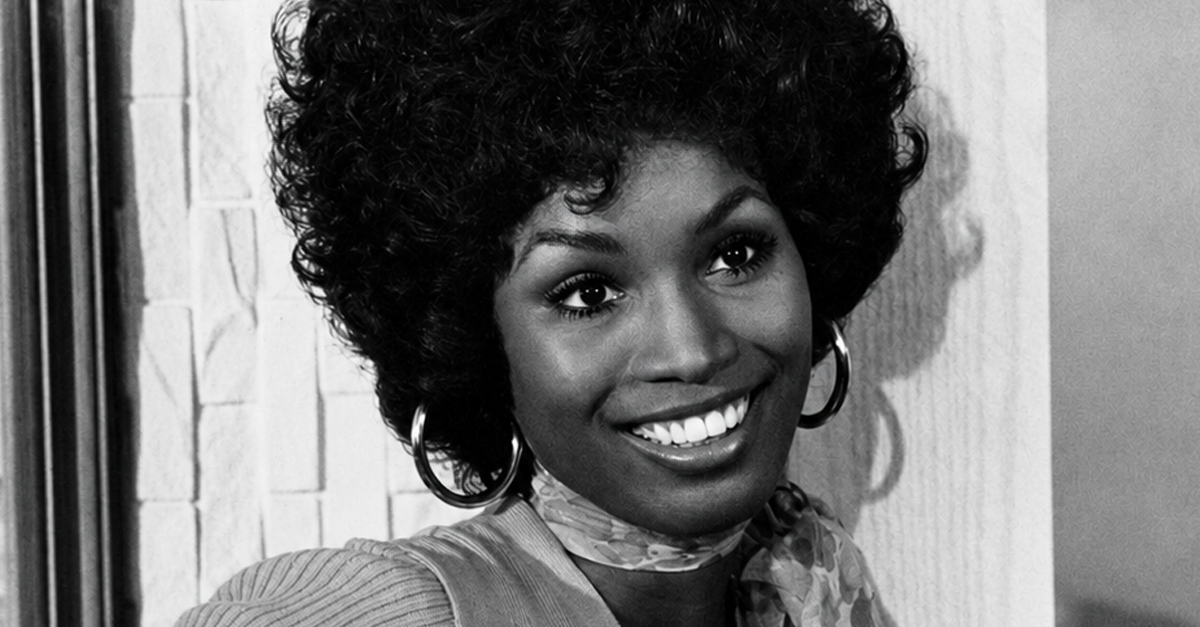
In 1974, Teresa Graves became the first Black woman to headline an hour-long American network drama. Get Christie Love! lasted just one season, but her cool, confident detective made a lasting impression. Within a decade, Graves had quietly walked away from fame.
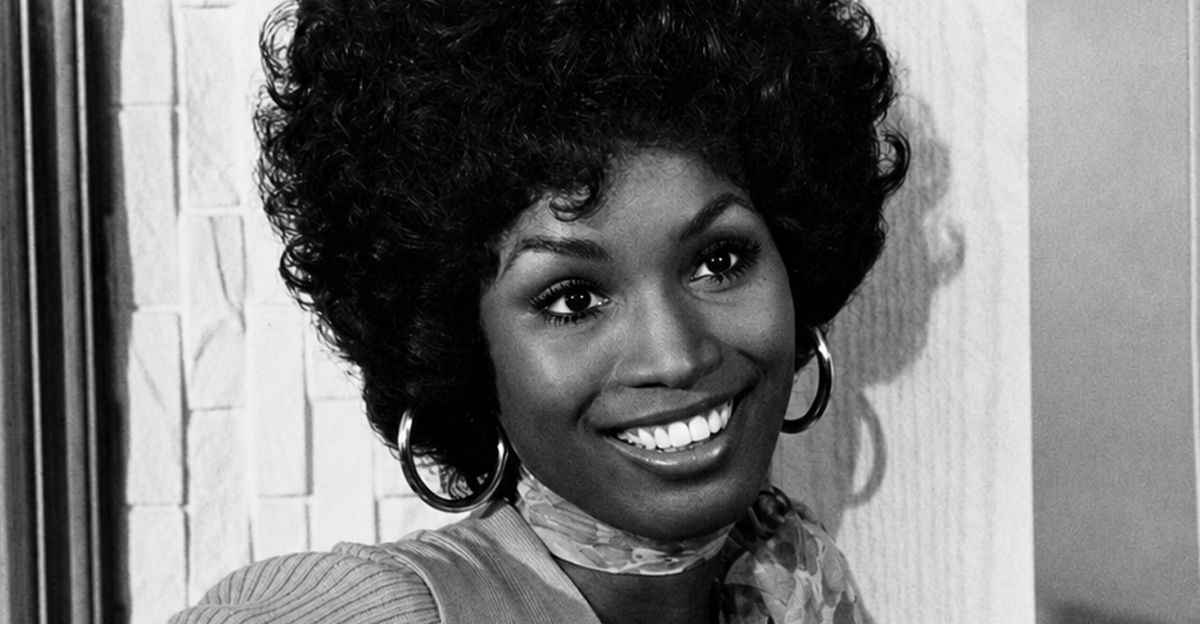 Silver Screen Collection, Getty Images
Her Story Started In Houston
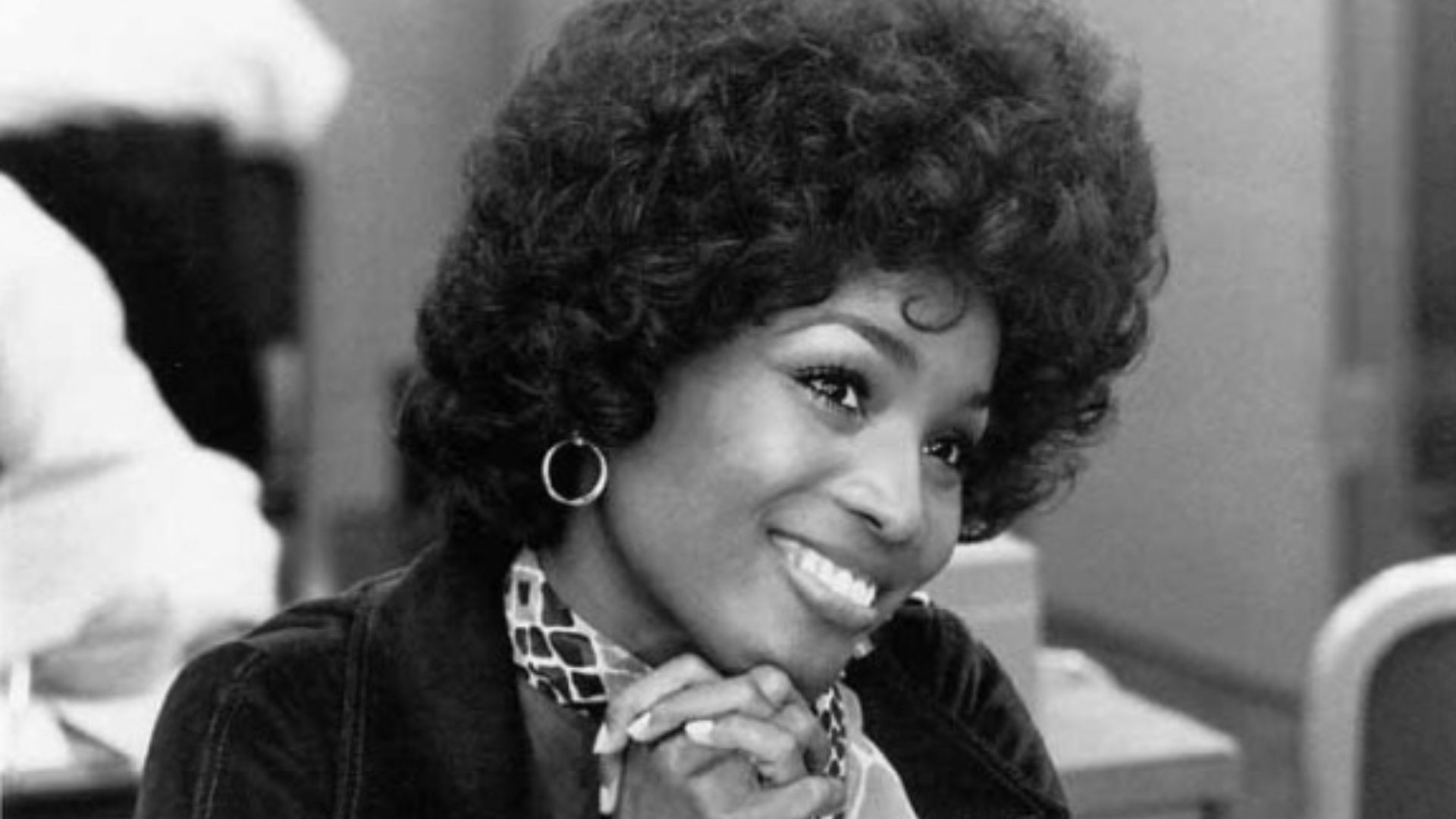
Graves was born in Houston, Texas, on January 10, 1948. Her family moved to Los Angeles when she was five, placing her much closer to the entertainment industry. At Washington High School, she pursued music and drama before graduating in 1966.
Singing Came Before Acting
Graves launched her professional career as a member of the Doodletown Pipers, a large vocal ensemble known for polished pop arrangements. Touring with the group gave her valuable stage experience and brought her onto television. She later released a self-titled solo album in 1970.
Television Opened A New Door
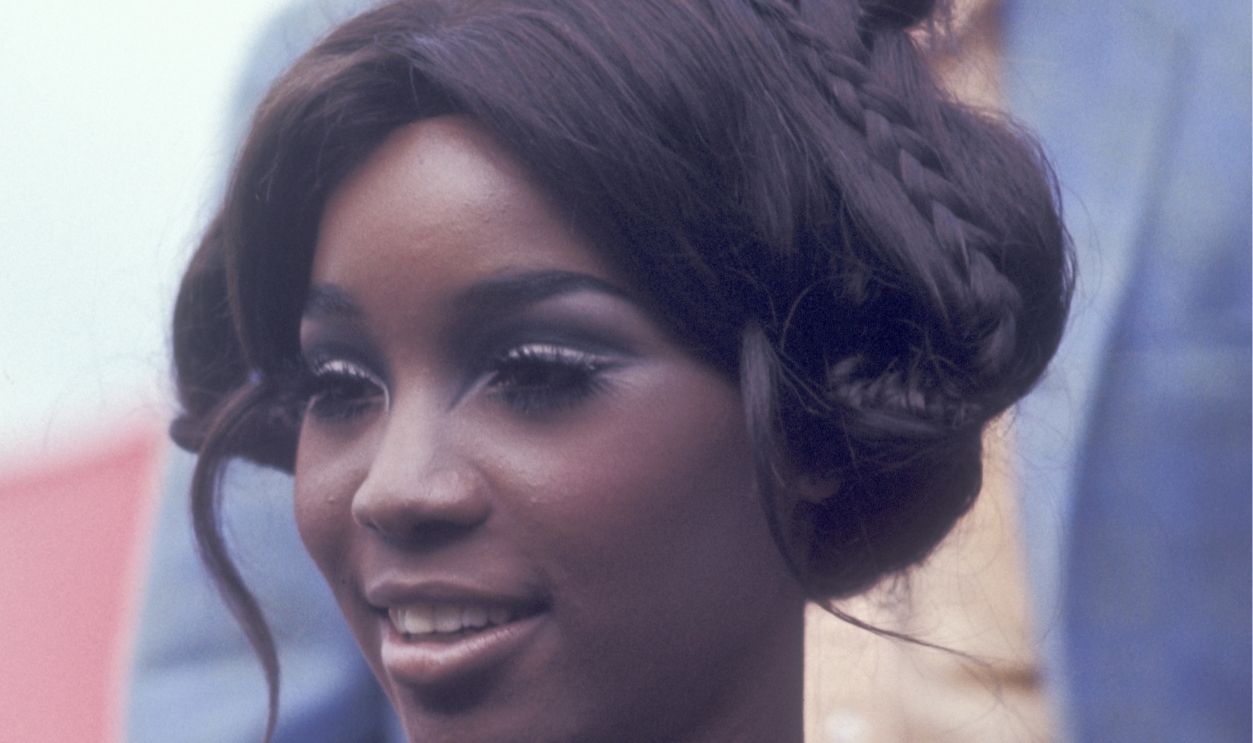
Graves began moving beyond group performances when she joined the 1967 variety series Our Place. In 1969, she also traveled through Southeast Asia as part of one of Bob Hope’s USO tours. Those experiences helped establish her as a performer who could sing, dance, and handle comedy.
She Survived A Legendary Flop
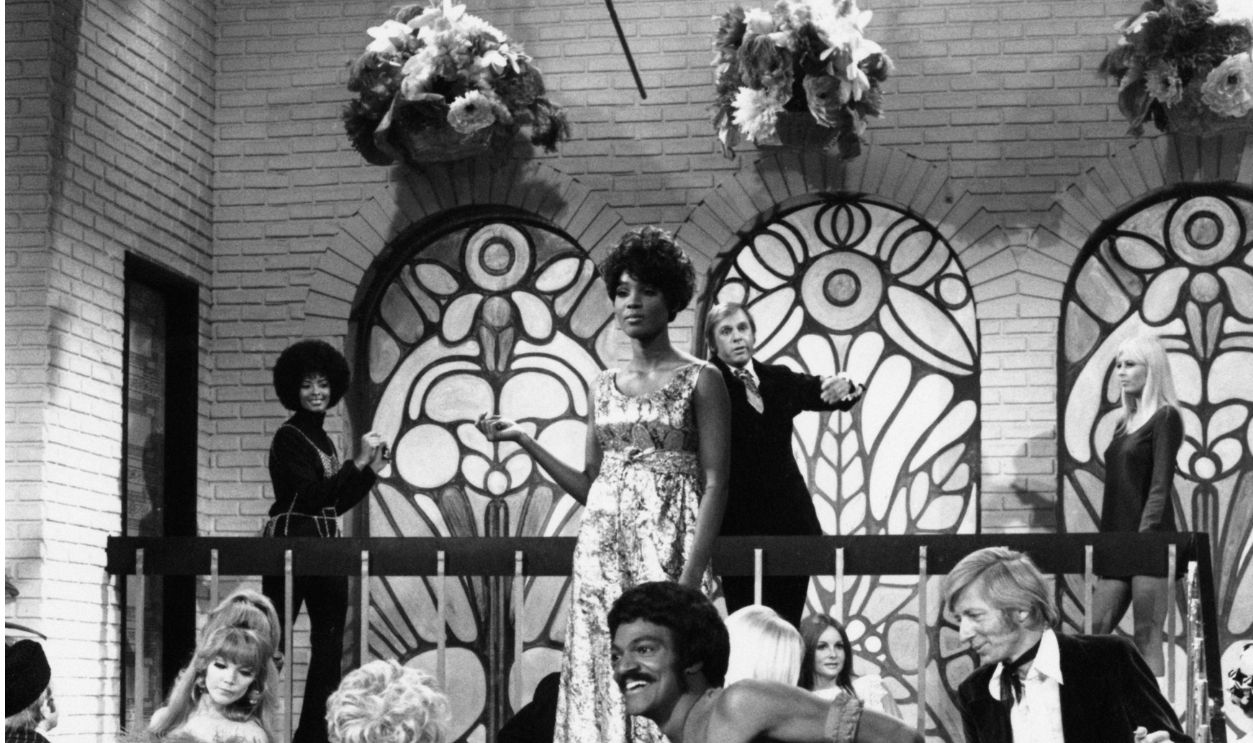
One of Graves’s earliest television jobs was on ABC’s experimental sketch show Turn-On. The series aired once in February 1969 before ABC pulled it from the schedule and formally canceled it within days. Graves’s career survived a production that quickly became one of television’s most notorious failures.
 Screenshot from Turn-On, ABC (1969), Modified
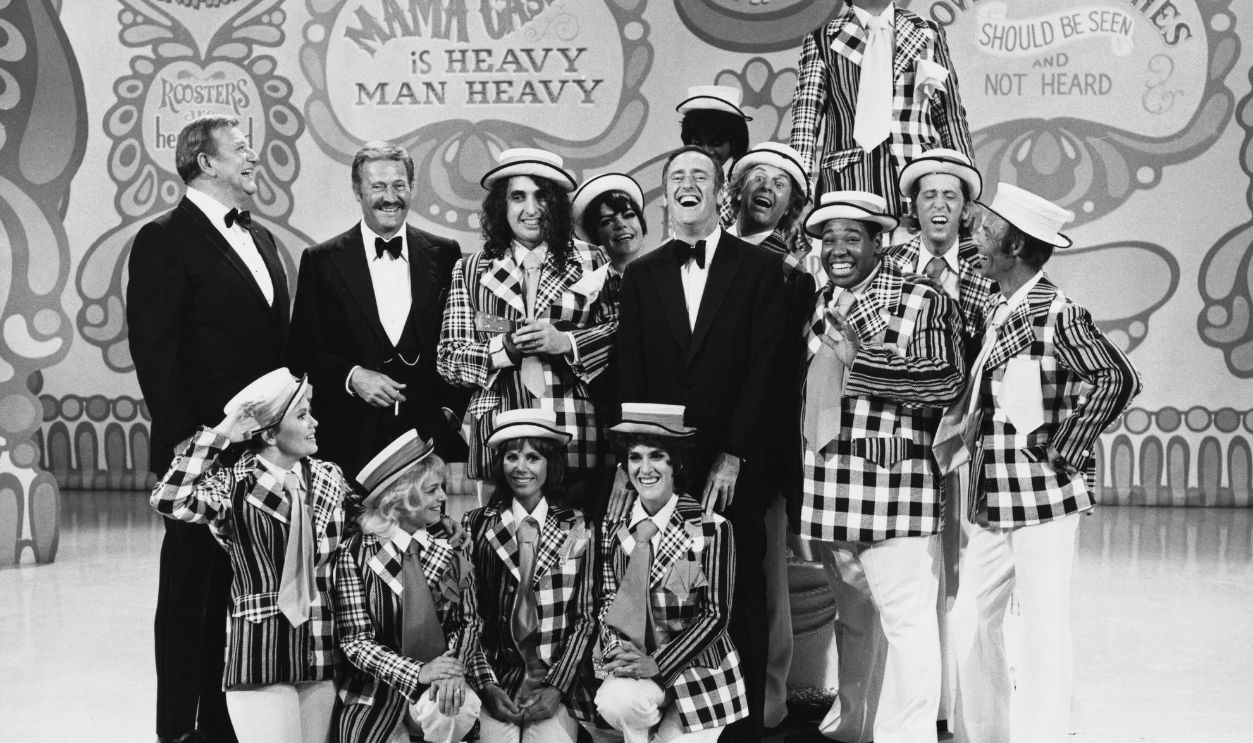
Laugh-In Put Her On The Map
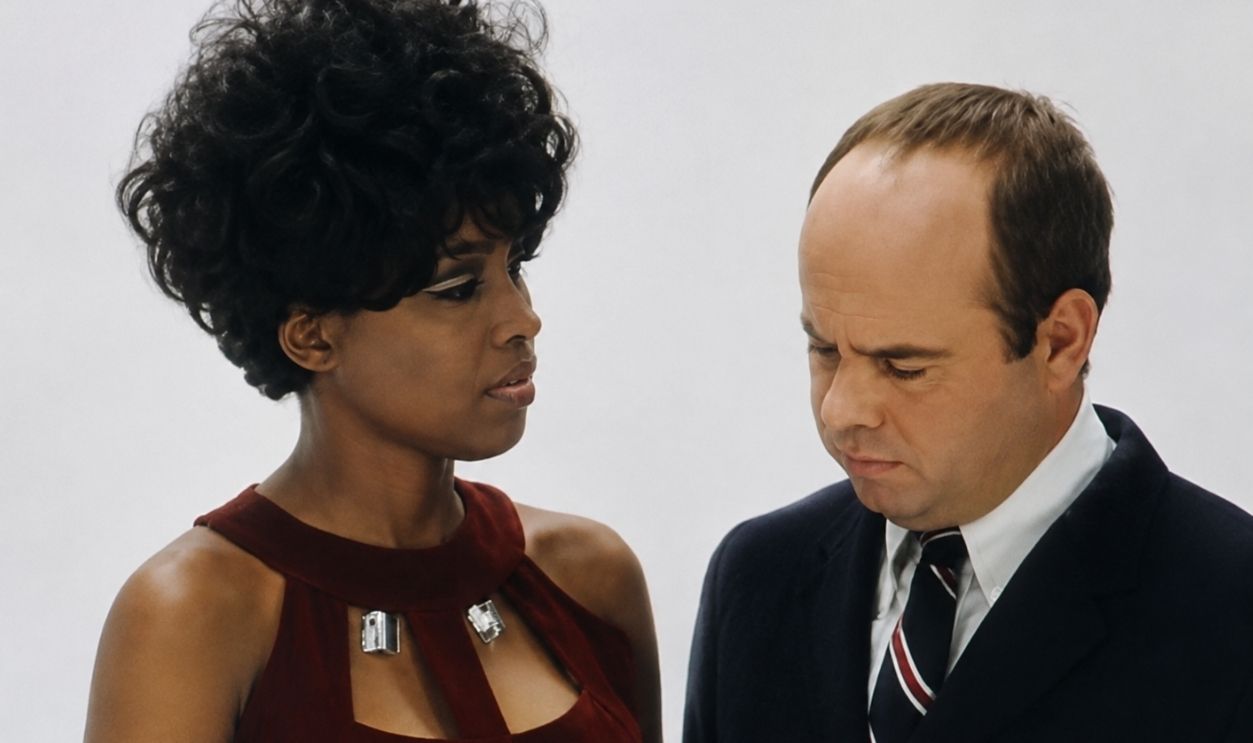
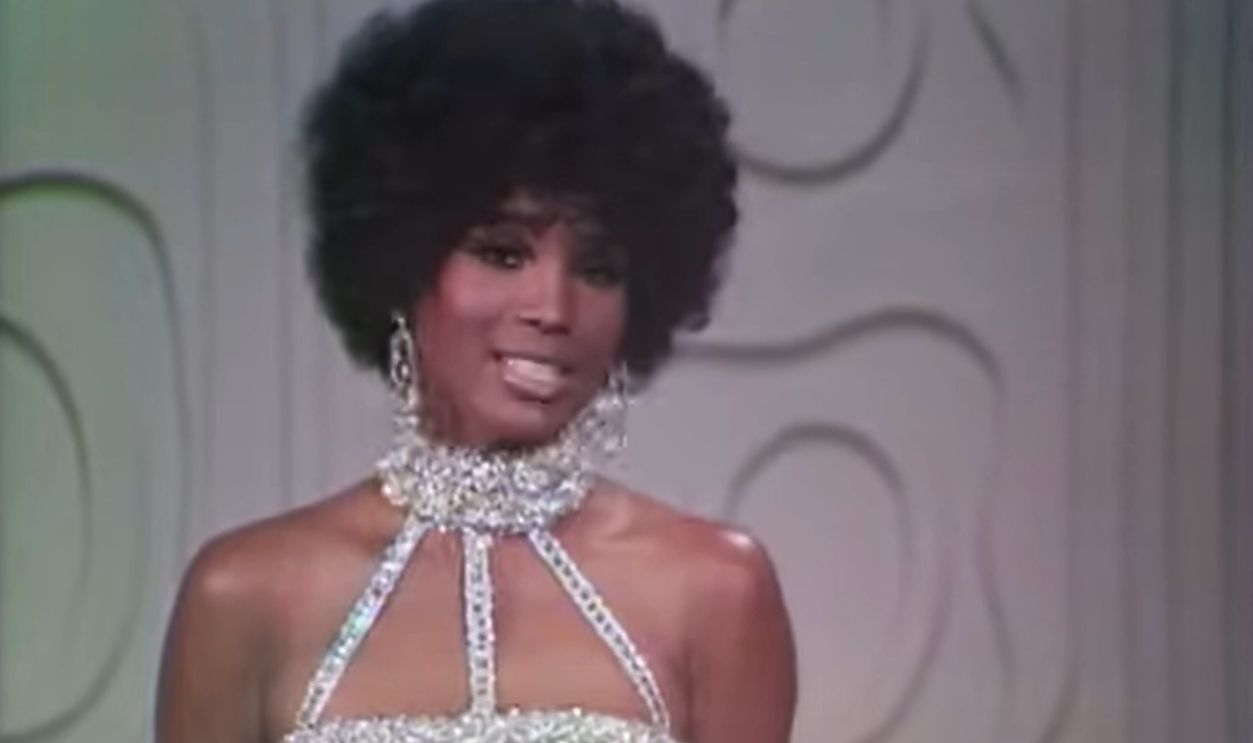
Later that year, Graves joined the third season of Rowan & Martin’s Laugh-In. Its rapid jokes, visual gags, and topical humor demanded sharp timing from every cast member. Graves stood out in a crowded ensemble and gained national exposure along the way.
Comedy Wasn't Her Only Strength
After Laugh-In, Graves began appearing in more conventional acting roles. She turned up on programs including The New Dick Van Dyke Show and the police drama The Rookies. These parts gave viewers an early look at the dramatic presence she would soon bring to Christie Love.
 Screenshot from Rowan & Martin's Laugh-In, NBC (1968–1973)
Movies Raised Her Profile
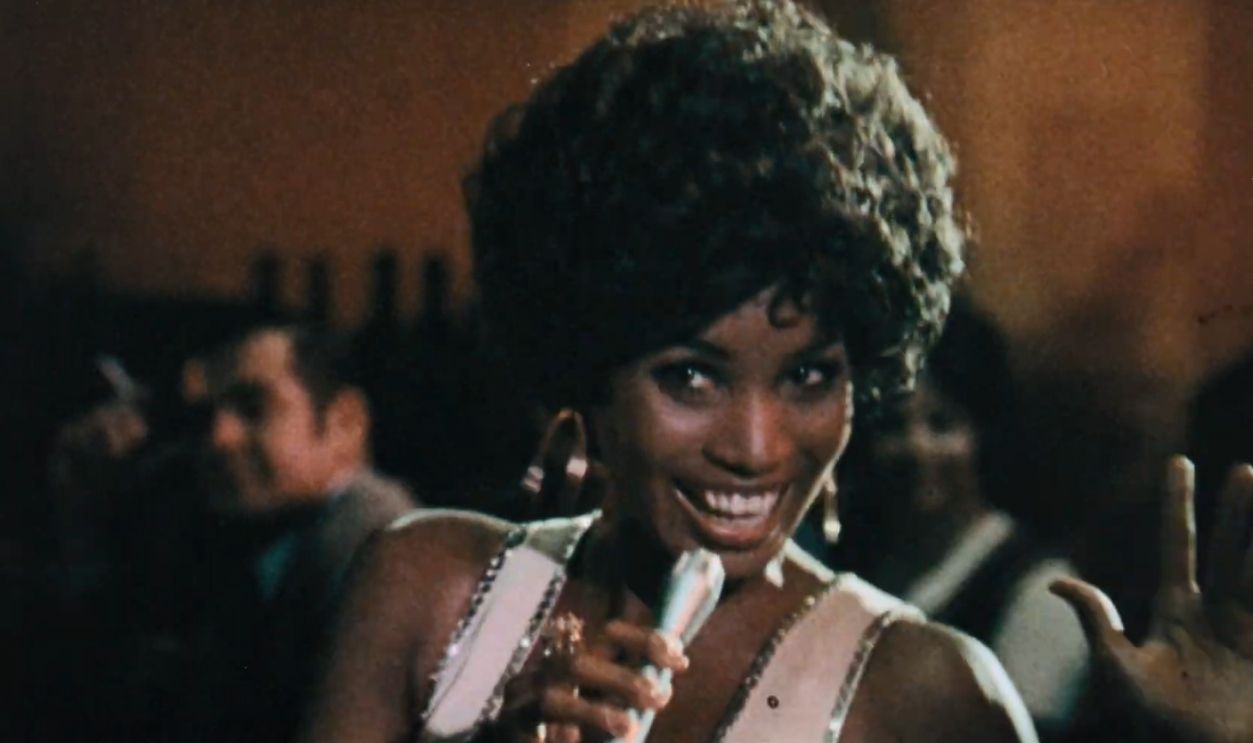
Graves entered feature films with roles in the Fred Williamson action movie That Man Bolt and the detective thriller Black Eye. She also appeared opposite David Niven in the British horror comedy Vampira. By 1974, she had experience in comedy, drama, music, and action.
 Screenshot from That Man Bolt, Columbia Pictures (1973)
Television Needed A New Kind Of Heroine
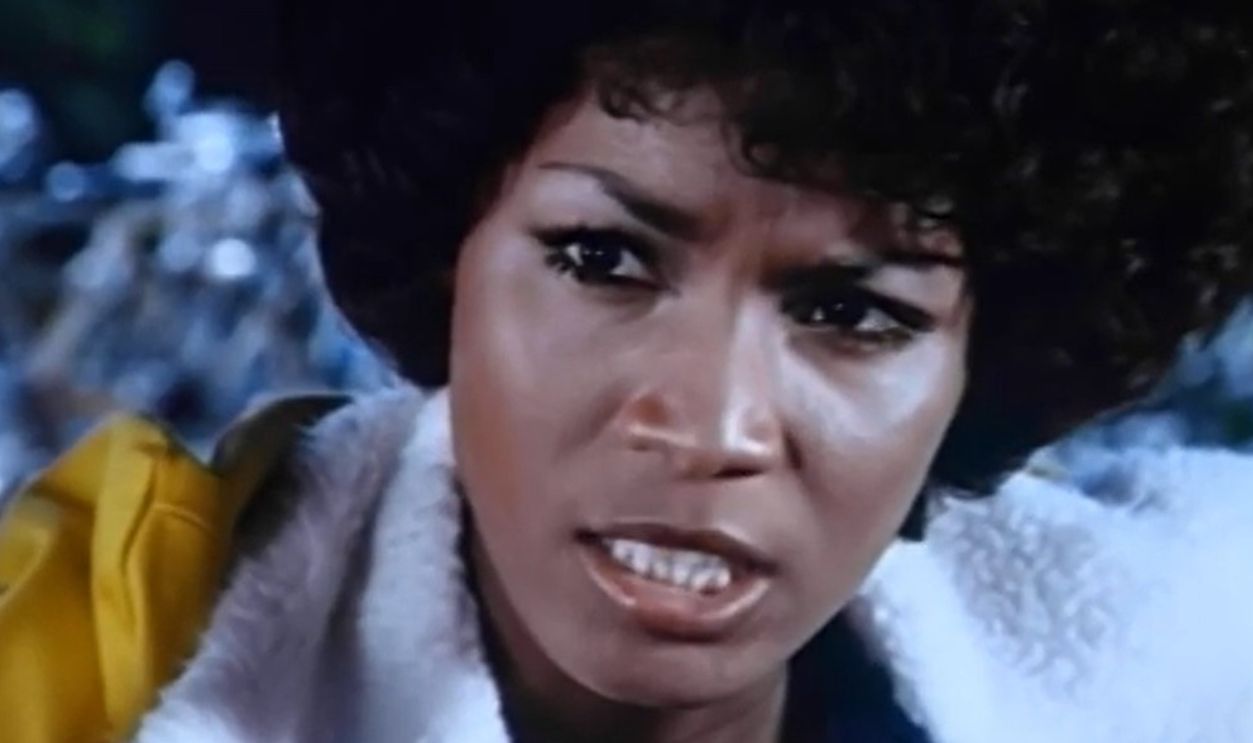
Black action stars such as Pam Grier and Tamara Dobson were drawing movie audiences during the early 1970s. Network television, however, remained far more cautious about placing Black women at the center of action stories. Get Christie Love! offered ABC a chance to bring some of that energy into prime time.
 Screenshot from Get Christie Love!, ABC (1974–1975)
A Novel Supplied The Blueprint
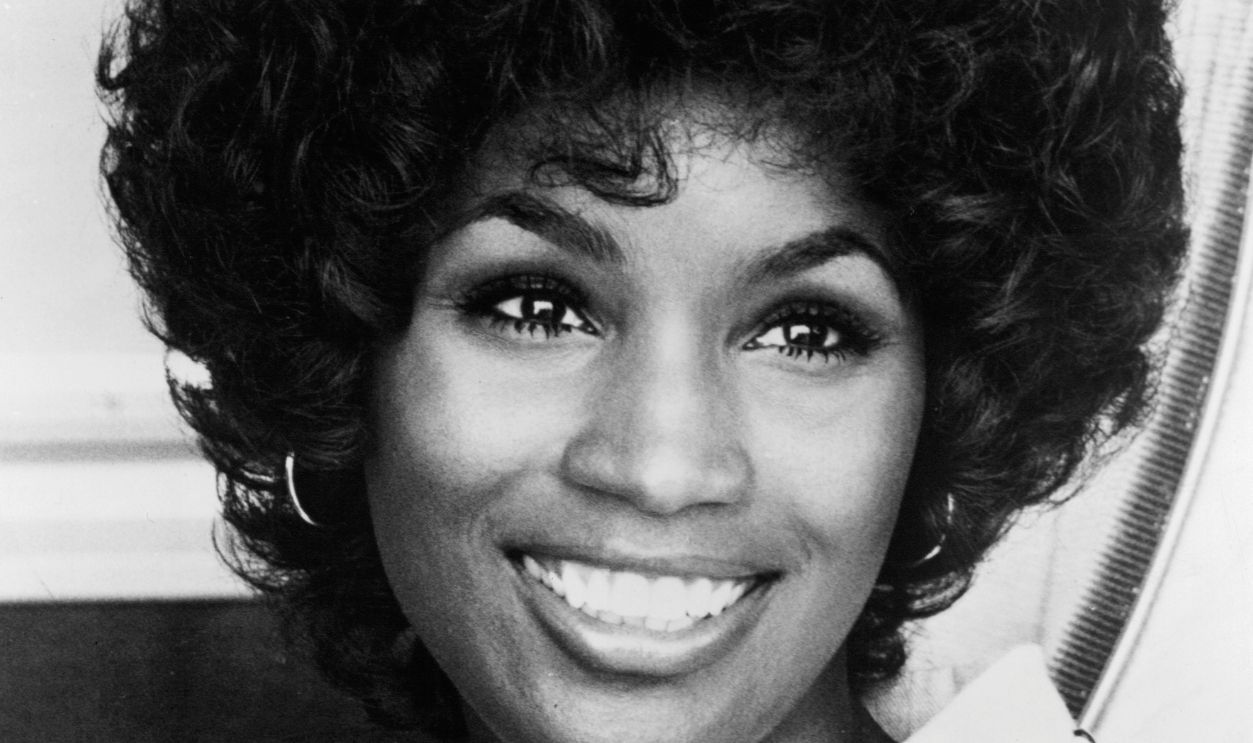
The project began with Dorothy Uhnak’s 1970 crime novel The Ledger. Uhnak had worked in law enforcement, and her book followed white New York detective Christie Opara. Screenwriter George Kirgo used that story as the foundation for a very different television heroine.
 Michael Ochs Archives, Getty Images
An Injury Changed The Casting
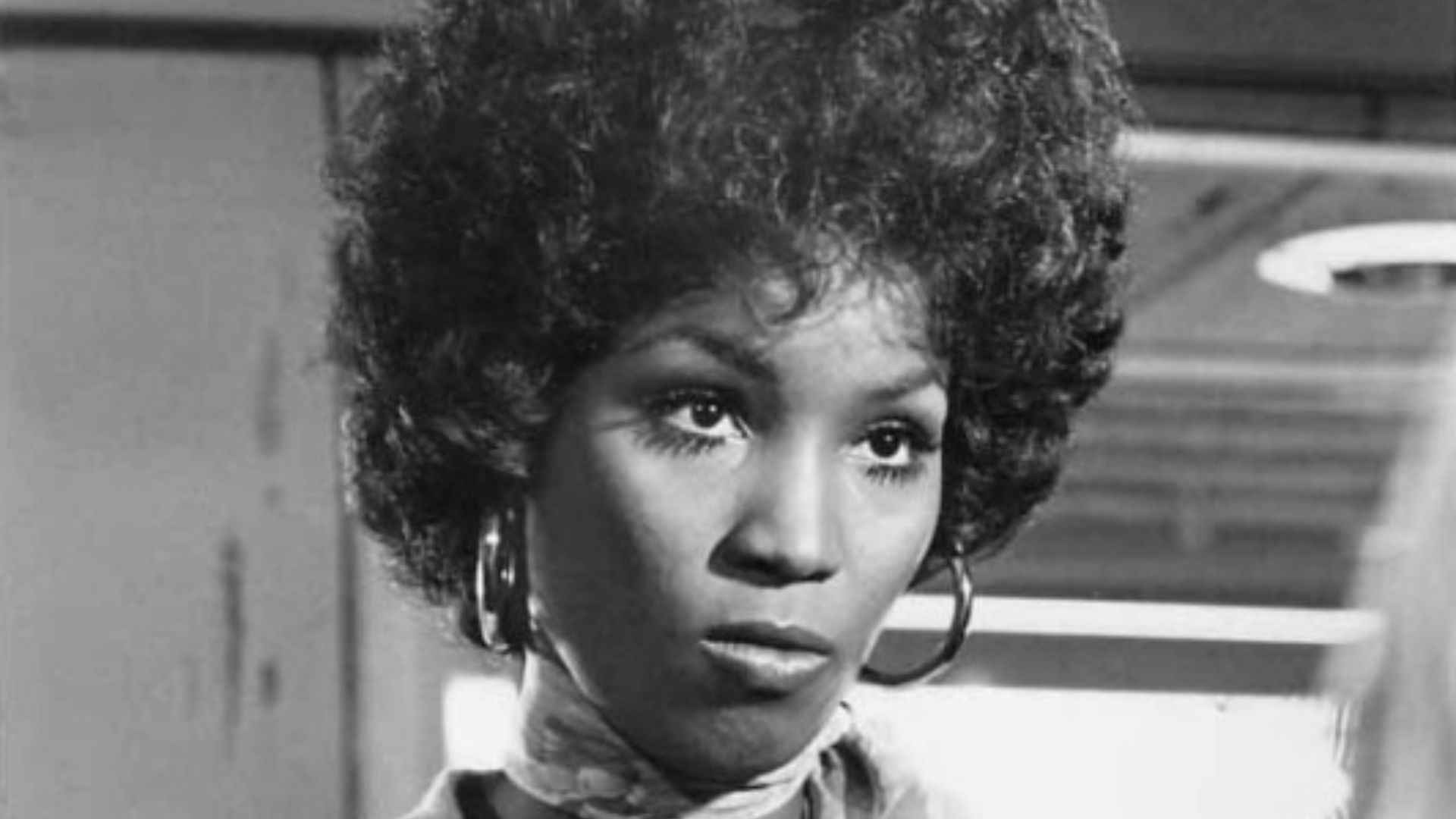
According to records found in production archives, Cicely Tyson was originally selected for the lead. Tyson withdrew after suffering an injury, leaving producers to make another choice. The role eventually went to Graves, whose warmth and comic instincts would shape the finished character.
Christie Was Reinvented For Television
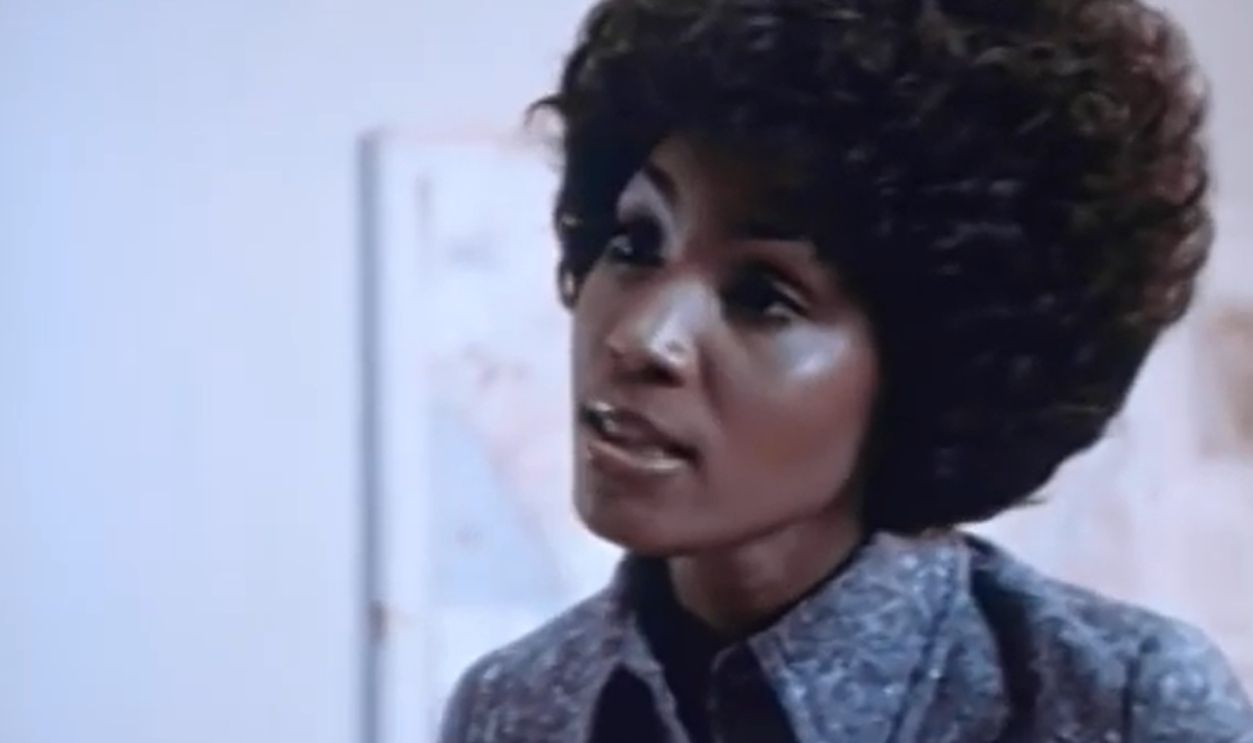
The adaptation replaced Christie Opara with Christie Love, a Black detective working in Los Angeles. Producers also pushed the material toward the stylish action format popular at the time. Graves turned that revised character into someone playful, self-assured, and comfortable challenging authority.
 Screenshot from Get Christie Love!, ABC (1974–1975)
The Pilot Sent Her Undercover
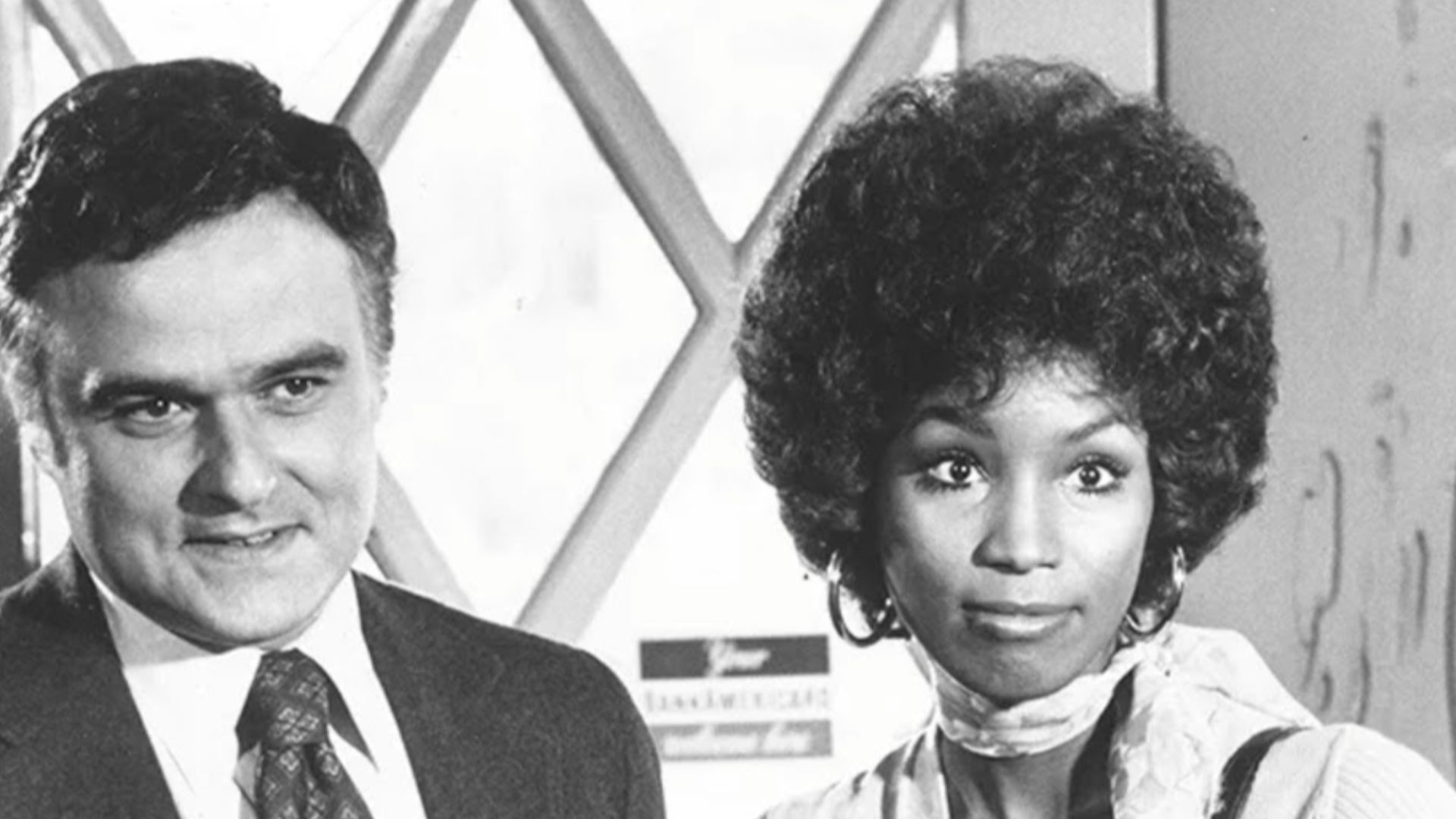
Get Christie Love! first aired as an ABC Movie of the Week on January 22, 1974. The story sent Christie undercover to obtain evidence against a powerful criminal organization. William A. Graham directed the movie, while Harry Guardino, Louise Sorel, and Ron Rifkin appeared alongside Graves.
 ABC Television, Wikimedia Commons
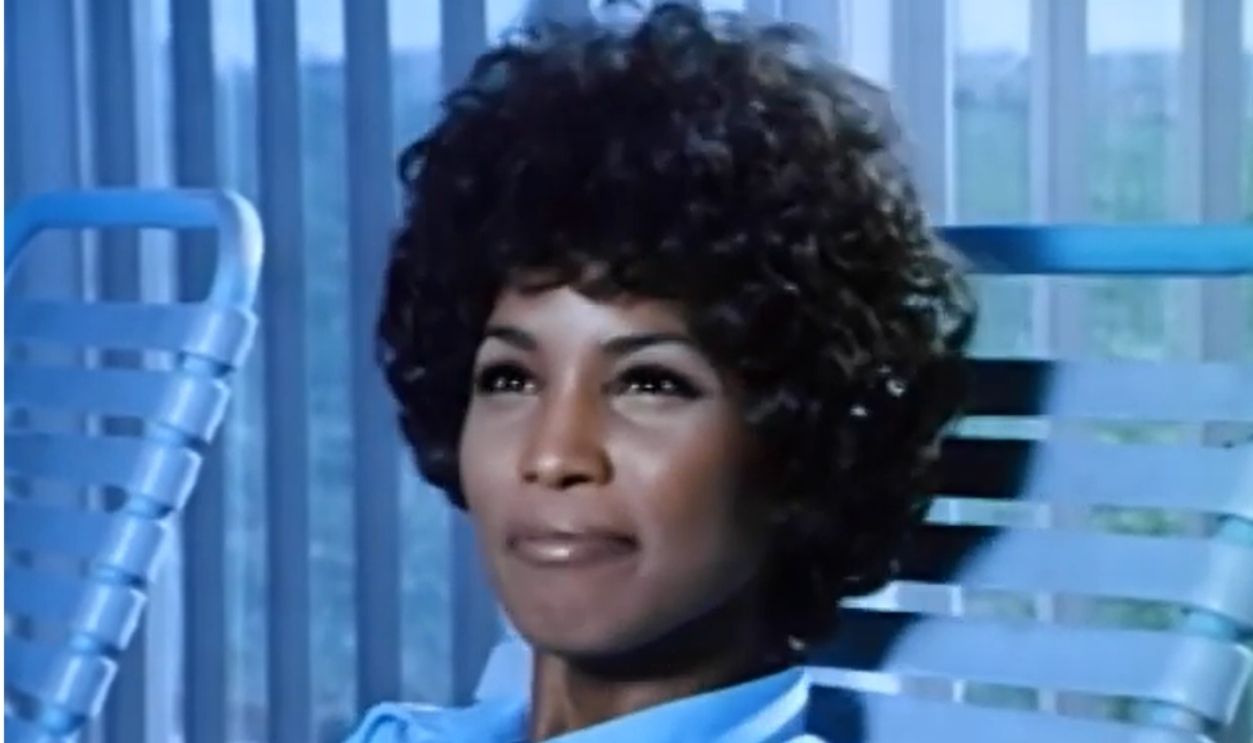
Viewers Responded To Graves
ABC’s audience testing produced mixed marks for the pilot’s writing, realism, and supporting characters. Graves herself received a much warmer reaction, particularly from Black viewers who appreciated her humor, humanity, and groundbreaking role. ABC saw enough potential to order a weekly series.
 Screenshot from Get Christie Love!, ABC (1974–1975)
History Arrived That Fall
The regular series premiered on September 11, 1974. Diahann Carroll had already broken an enormous barrier by leading the half-hour sitcom Julia, but Graves now became the first Black woman to headline an hour-long network drama. She was also the first Black woman positioned as the central hero of an American television action series.
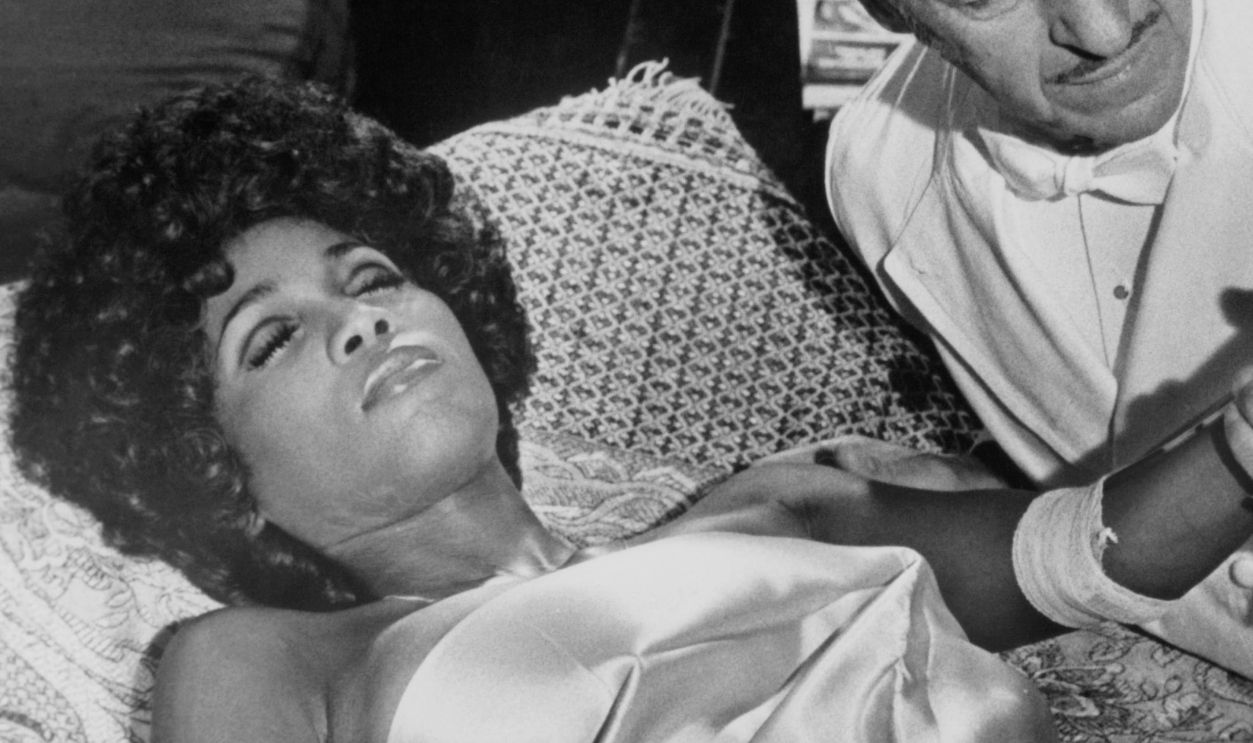
Christie Was Nobody's Sidekick
Christie Love was an undercover LAPD detective who relied on quick thinking, disguises, and nerve. She regularly pushed against orders from male supervisors when she believed a case demanded it. The role placed a Black woman in command of stories that television usually built around white men.
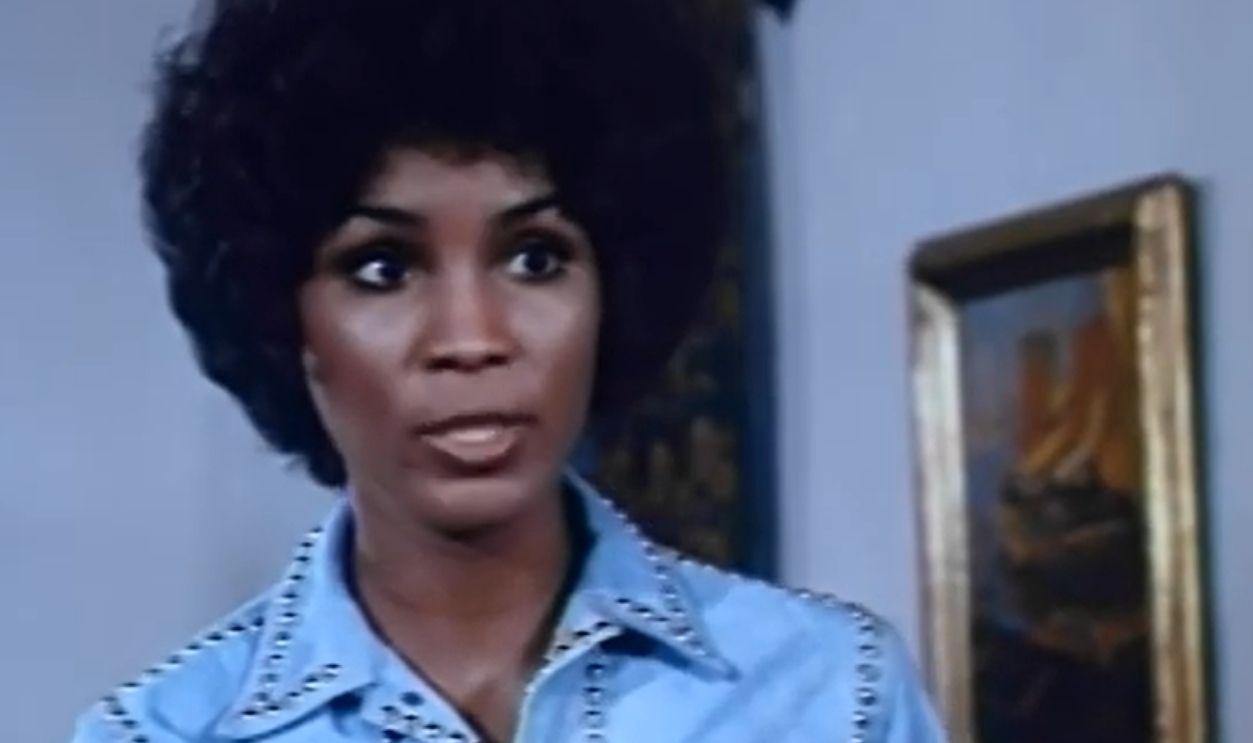 Screenshot from Get Christie Love!, ABC (1974–1975)
Every Case Required A New Identity
The undercover format allowed Graves to draw on nearly every part of her entertainment background. Christie posed as a singer while investigating a record company, trained at a flying school, and disguised herself as a flight attendant. Other cases involved jewel thieves, counterfeiters, smugglers, and organized crime.
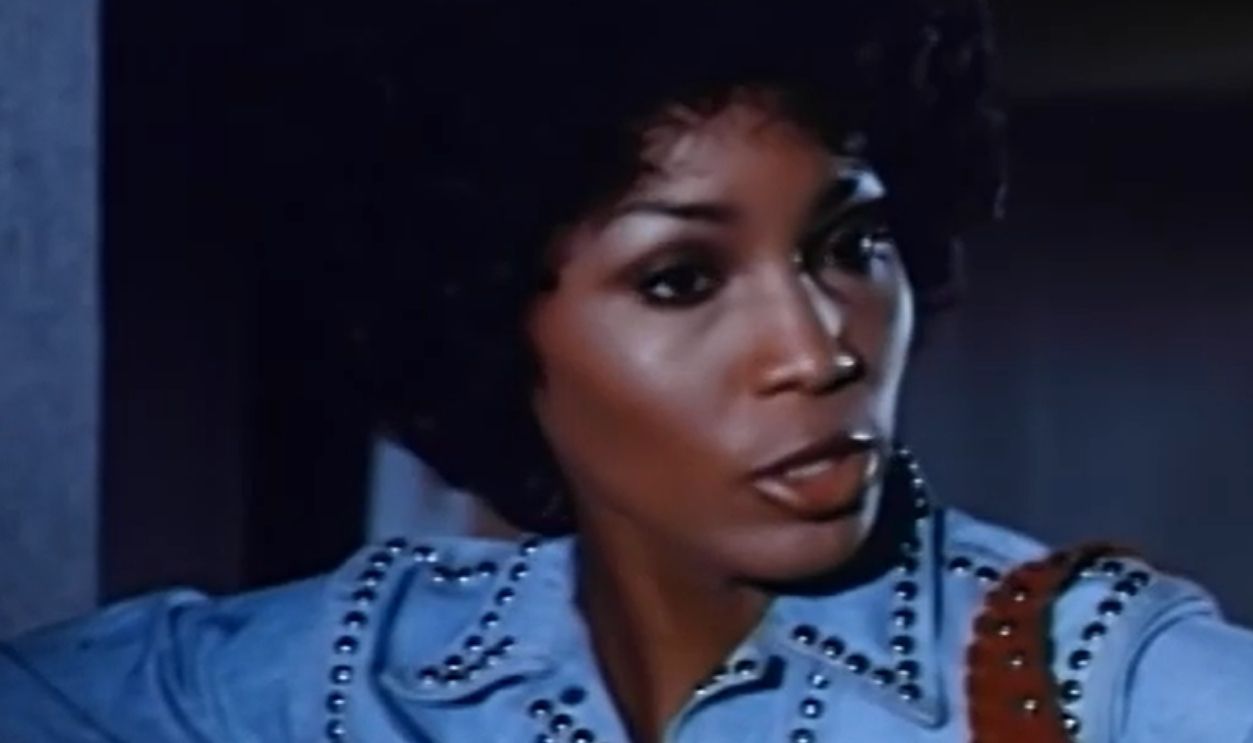 Screenshot from Get Christie Love!, ABC (1974–1975)
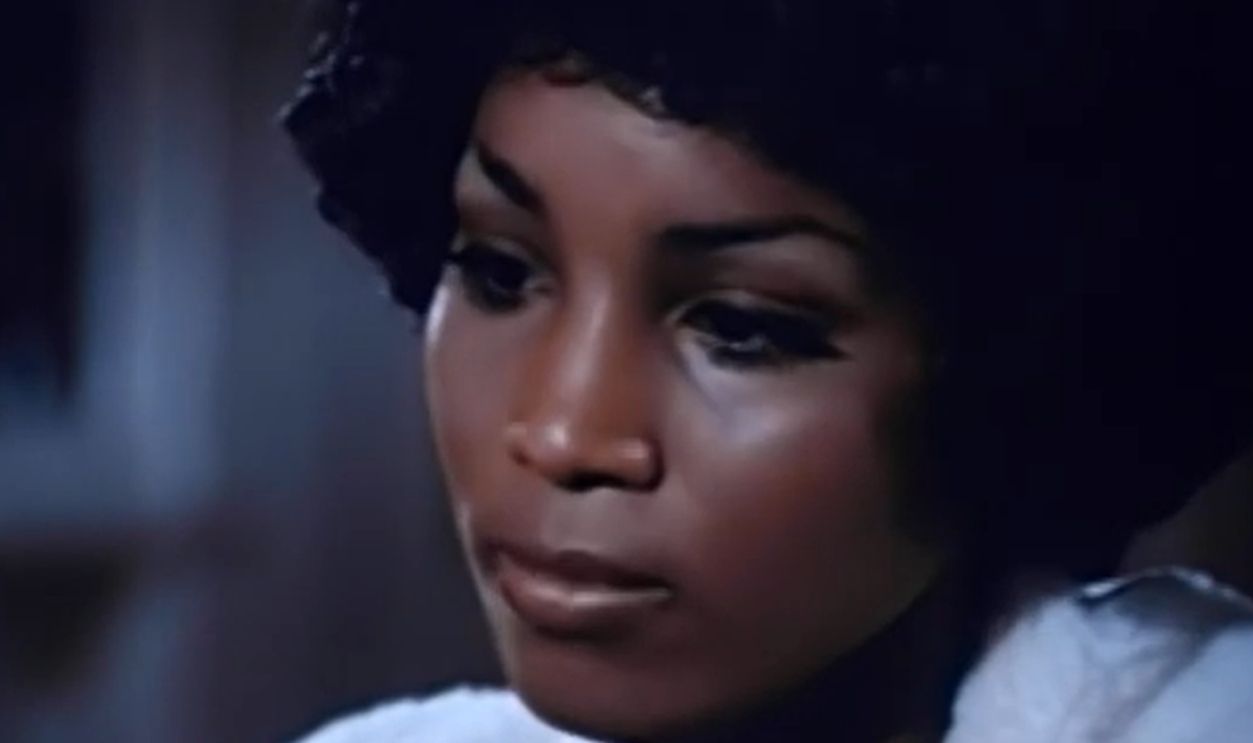
One Catchphrase Became Her Trademark
Christie frequently ended arrests with the line, “You’re under arrest, sugar!” Graves delivered it with a cool confidence that made the phrase inseparable from the show. It remained recognizable long after most individual episodes became difficult to find.
 Screenshot from Get Christie Love!, ABC (1974–1975)
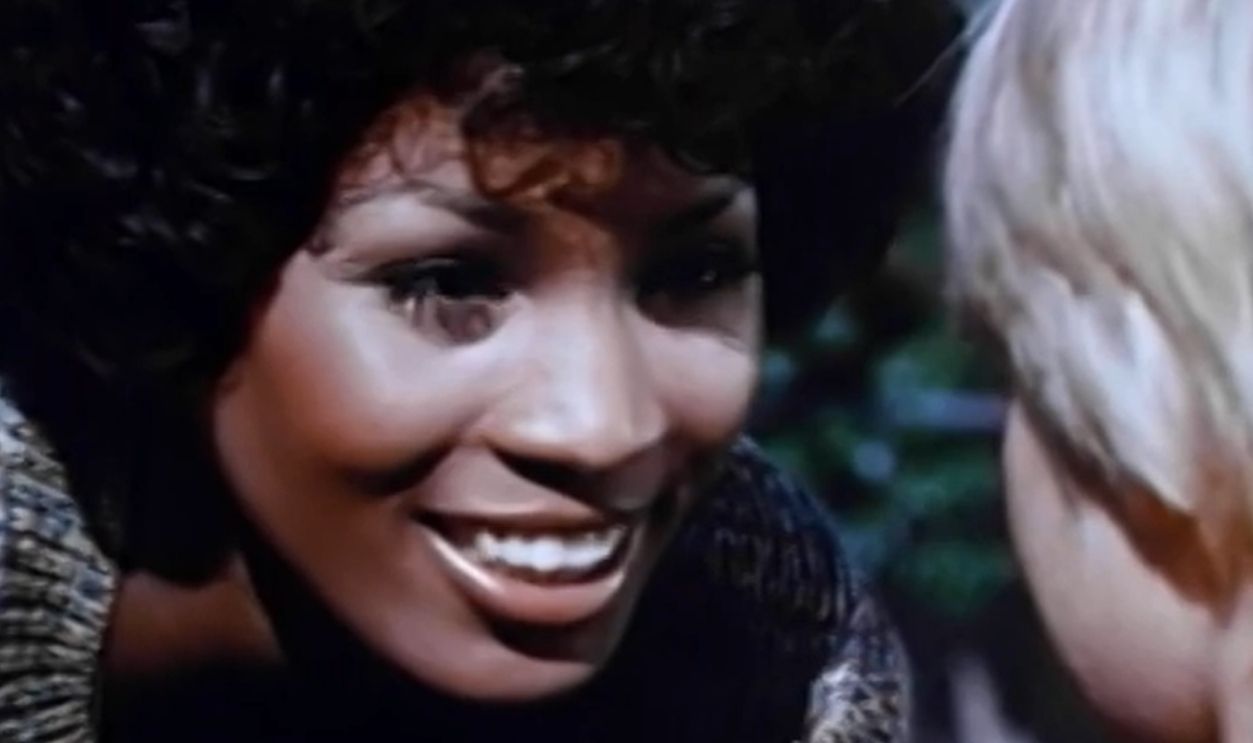
A Real Detective Advised The Show
NYPD detective Olga Ford served as a technical adviser during the production. Ford also received writing credit on episodes of the weekly series. Graves said she wanted Christie to feel like a natural, believable professional rather than a cartoonish action figure.
 Screenshot from Get Christie Love!, ABC (1974–1975)
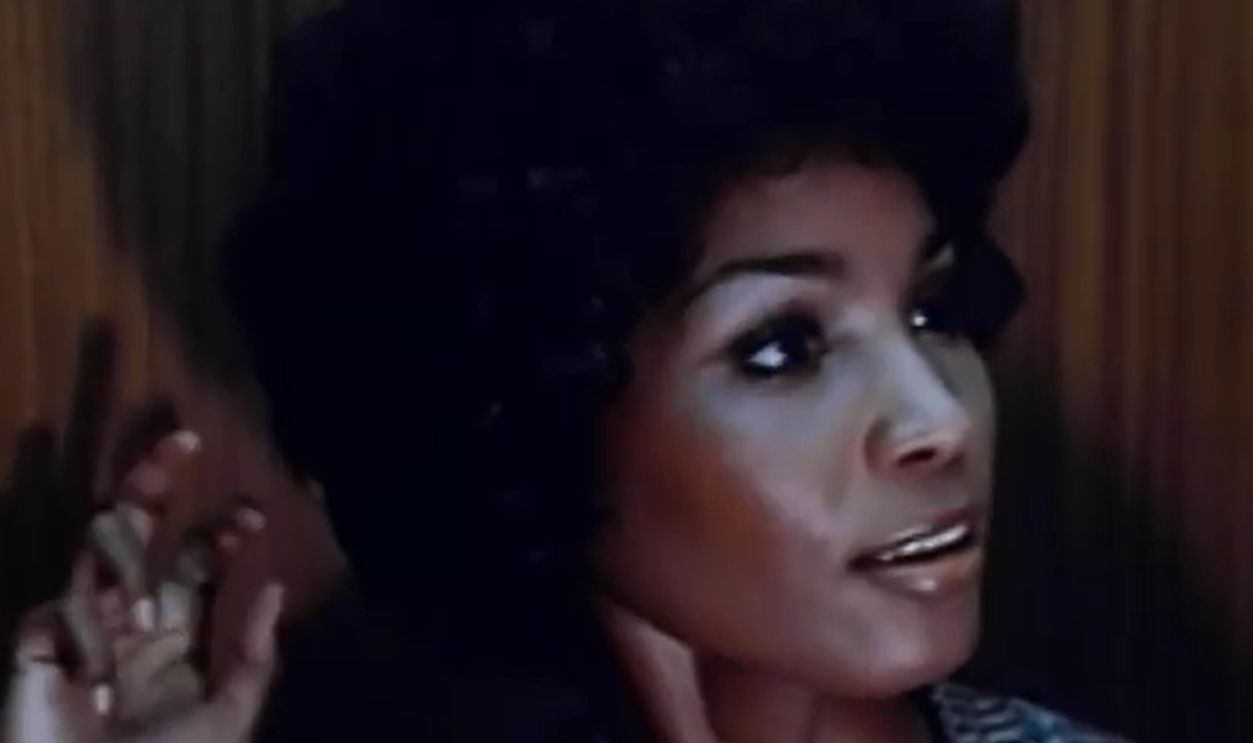
Praise Came With Frustration
Contemporary reviewers often separated Graves’s performance from the material surrounding her. Many admired her charm and screen presence while criticizing the scripts as uneven or repetitive. Black critics also questioned why the series rarely explored Christie’s life away from work or the discrimination she realistically would have encountered.
 Screenshot from Get Christie Love!, ABC (1974–1975)
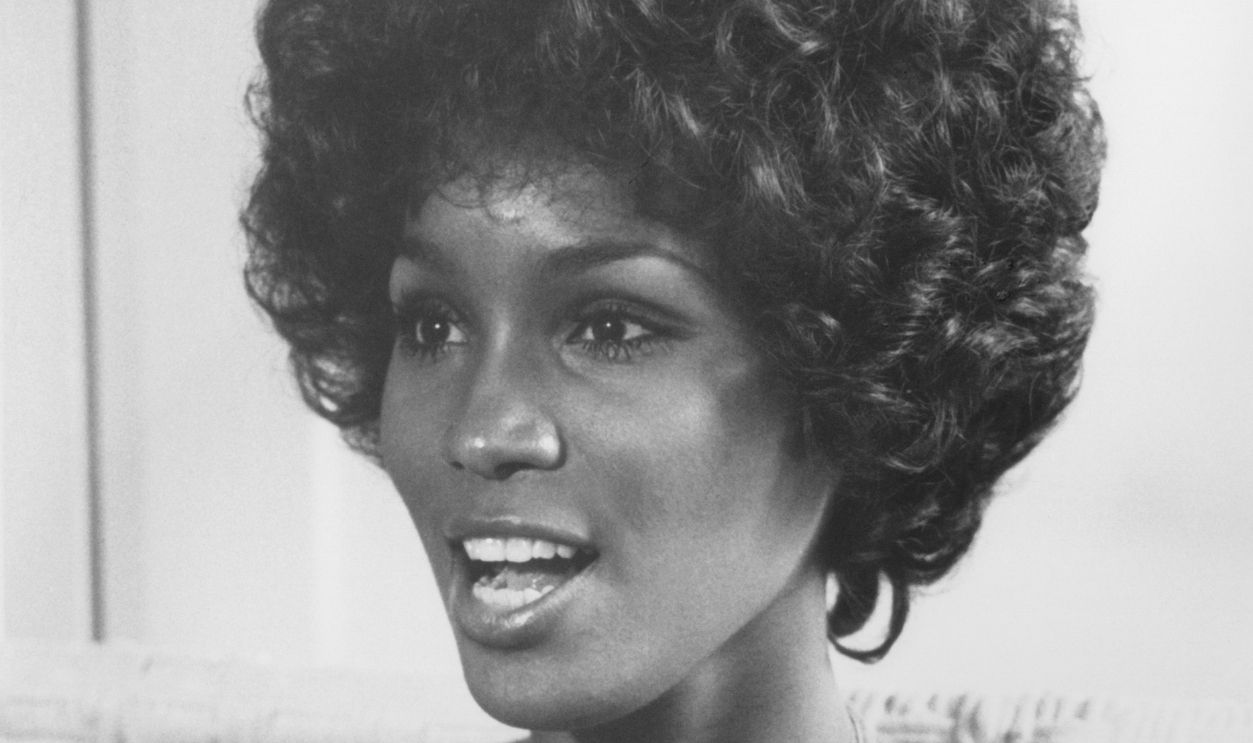
Her Faith Changed Her Boundaries
After filming the 1974 pilot movie, Graves converted to the Jehovah’s Witness faith. When ABC picked up the movie as a weekly series, she used her leverage to secure contract restrictions barring swearing, direct lies, excessive violence, and overtly suggestive material. The rules reflected her beliefs but complicated a show built around undercover deception and action.
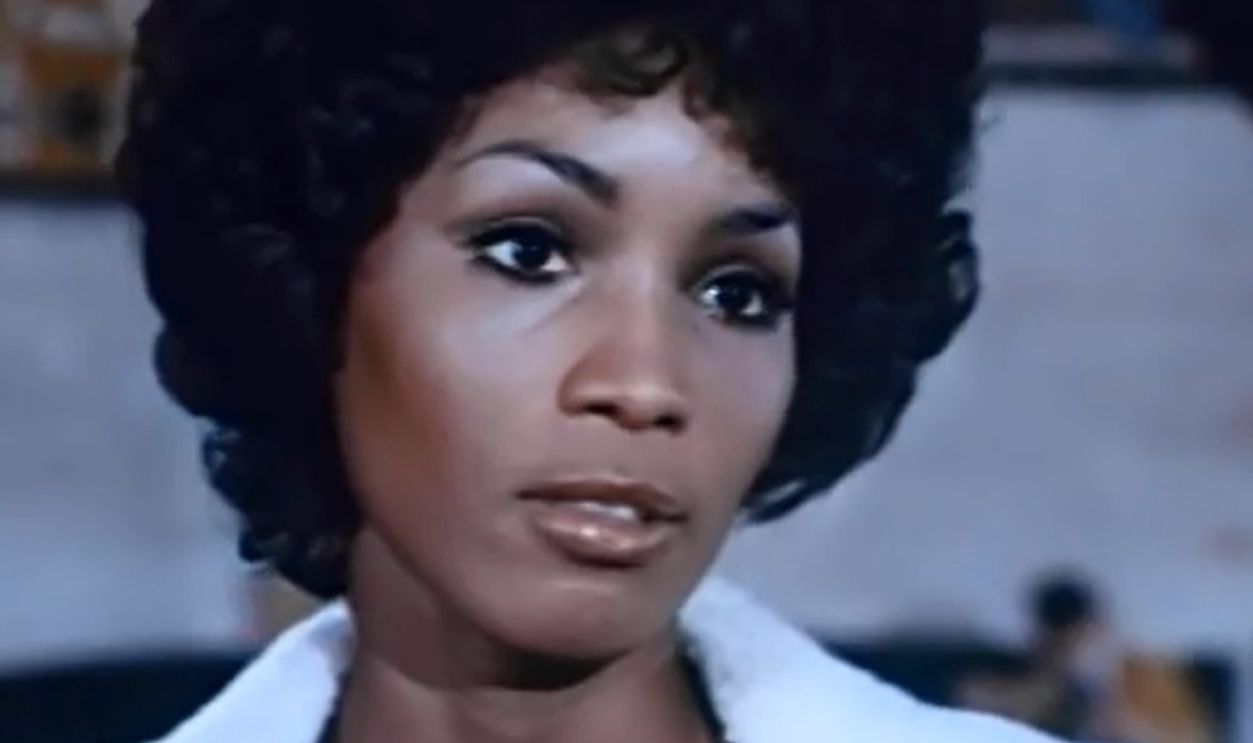
The Formula Became Hard To Balance
Writers now had to create an undercover detective who could assume false identities without directly lying. Producers also wanted action and glamour while Graves pushed for a more positive, morally responsible program. The resulting tug-of-war contributed to a series that never settled on a consistent identity.
 Screenshot from Get Christie Love!, ABC (1974–1975)
Midseason Changes Couldn't Save It
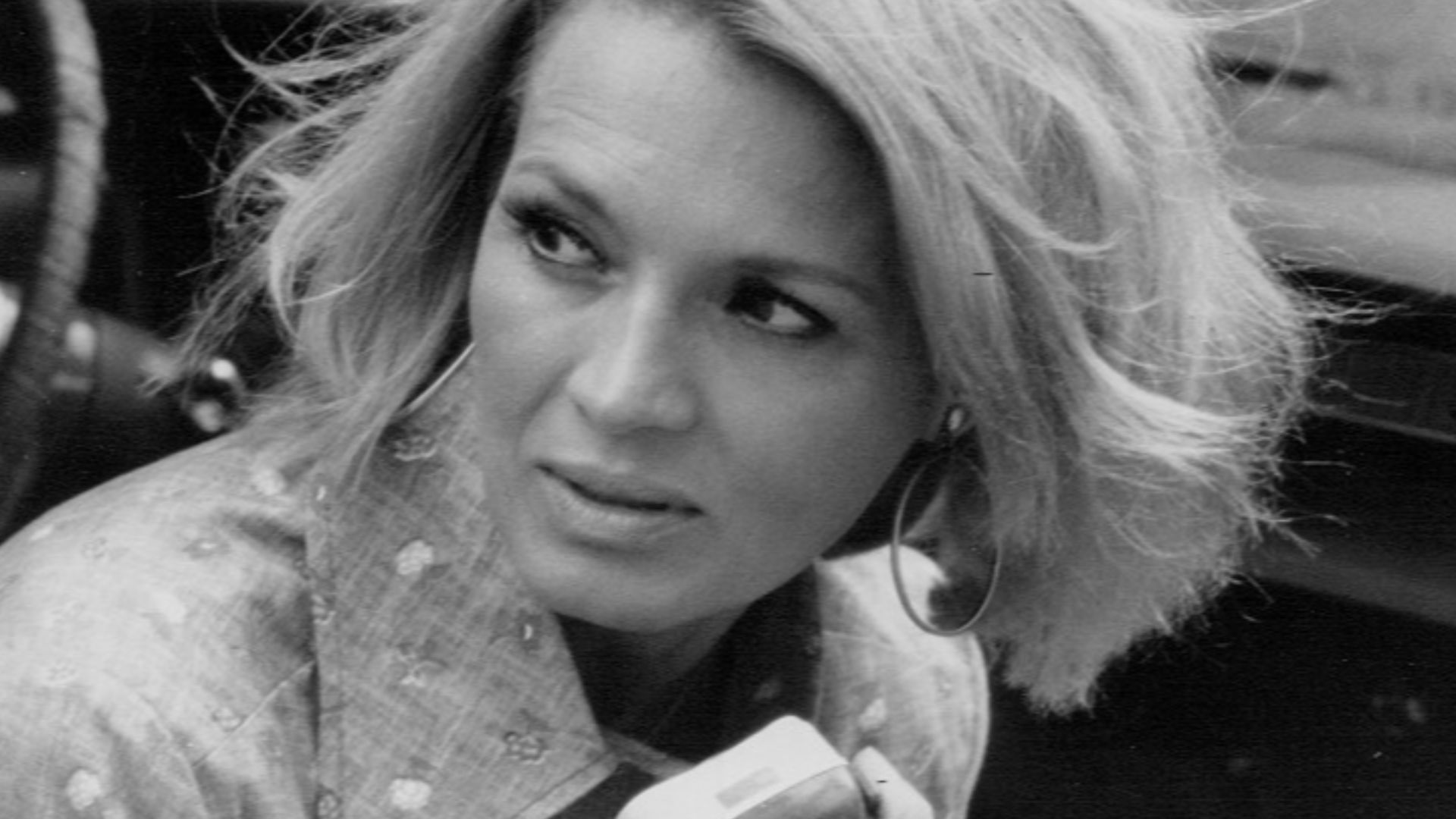
The production underwent noticeable changes as ratings struggled. Charles Cioffi’s Lieutenant Reardon was replaced by Jack Kelly’s Captain Ryan, while Michael Pataki became more prominent as Christie’s partner. ABC later moved the series into direct competition with Angie Dickinson’s more established Police Woman.
 Columbia Pictures Television, Wikimedia Commons
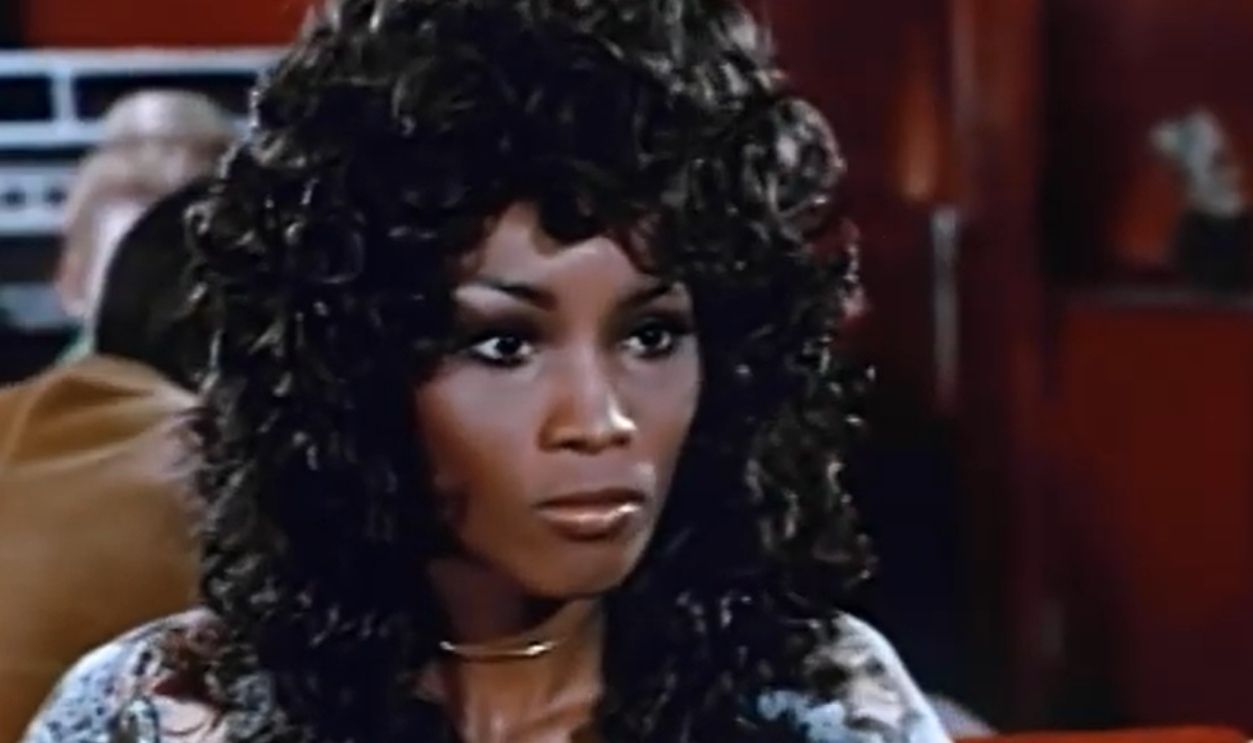
The End Came Quickly
Get Christie Love! completed 22 regular episodes before its final original broadcast on April 4, 1975. Mediocre ratings prevented ABC from ordering a second season. Reruns continued into the summer, but Graves’s history-making turn had already come to an unexpectedly early end.
 Screenshot from Get Christie Love!, ABC (1974–1975)
Recognition Outlasted The Series
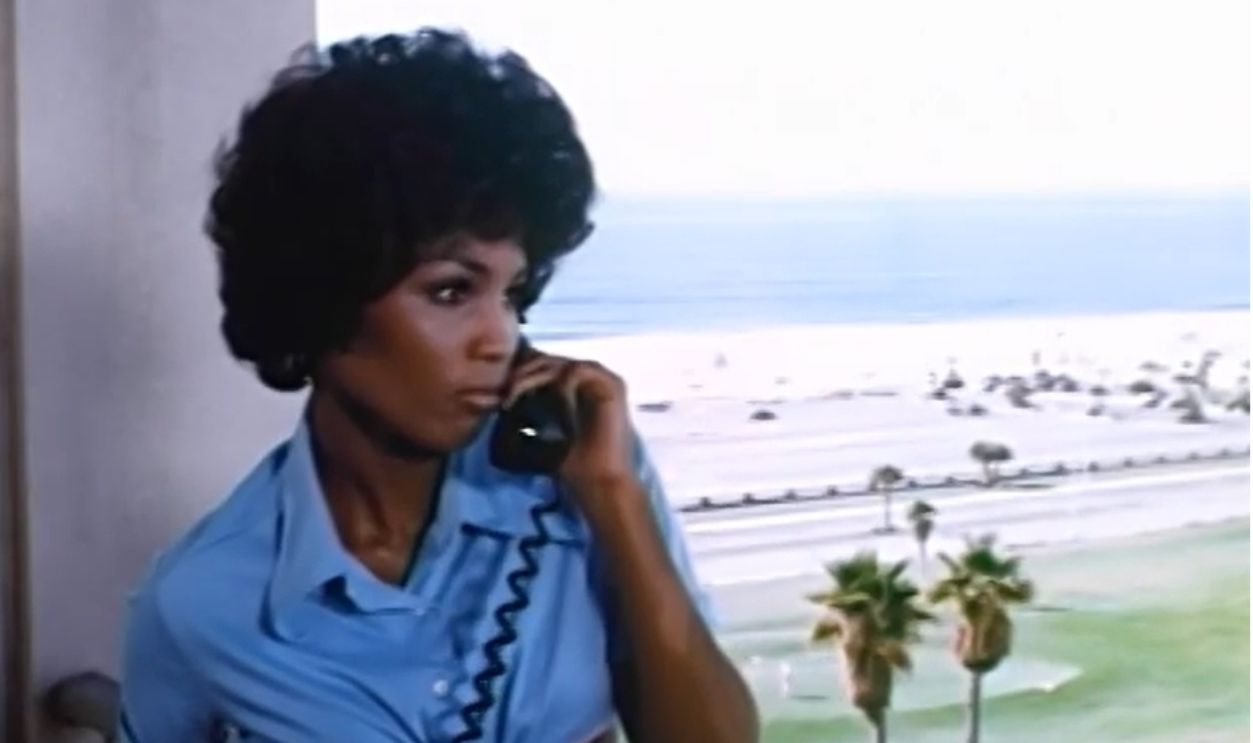
Graves received a 1975 Golden Globe nomination for Best Actress in a Television Series, Drama. Her fellow nominees included Angie Dickinson, Michael Learned, Jean Marsh, and Lee Remick. The recognition confirmed that Graves’s performance had attracted attention even when the series around her struggled.
 Screenshot from Get Christie Love!, ABC (1974–1975)
Graves Chose A Different Life
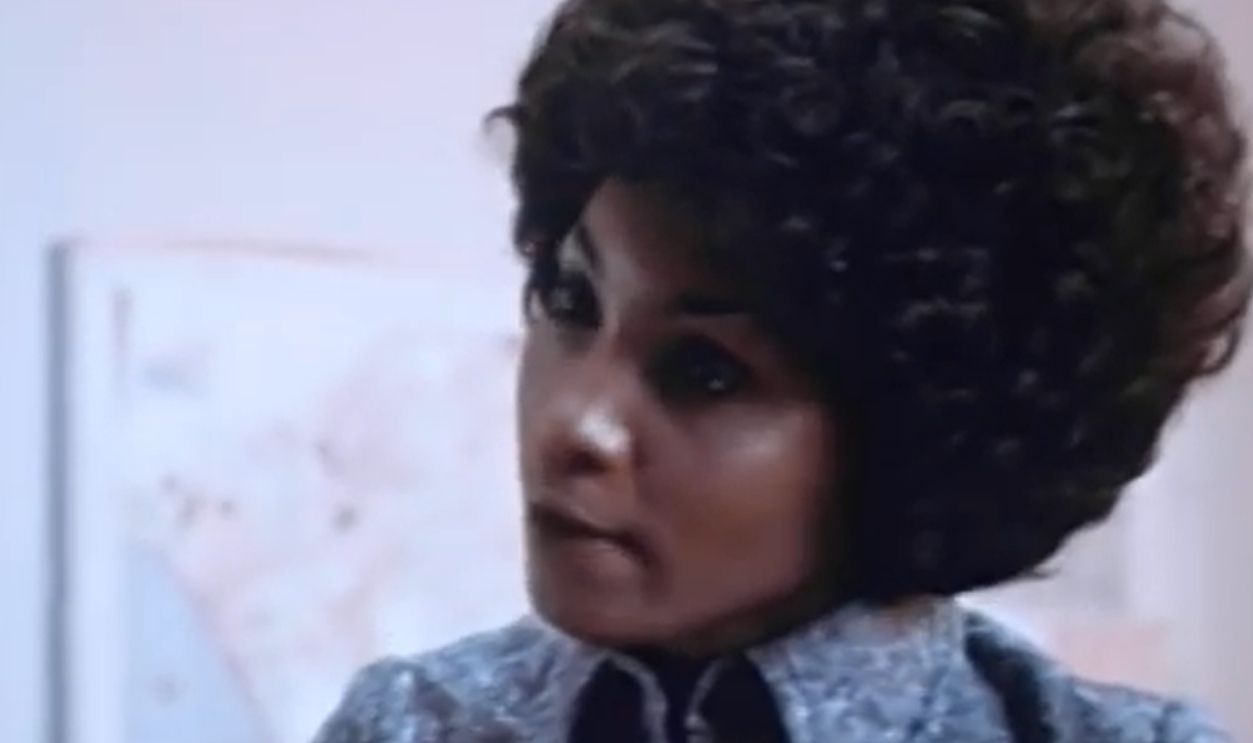
Graves made occasional television appearances after Get Christie Love!, including a 1982 Bob Hope special. By the early 1980s, however, she had effectively retired from entertainment and devoted herself to her faith. She also spent much of her later life caring for her mother in Los Angeles.
 Screenshot from Get Christie Love!, ABC (1974–1975)
She Used Fame For A Different Cause
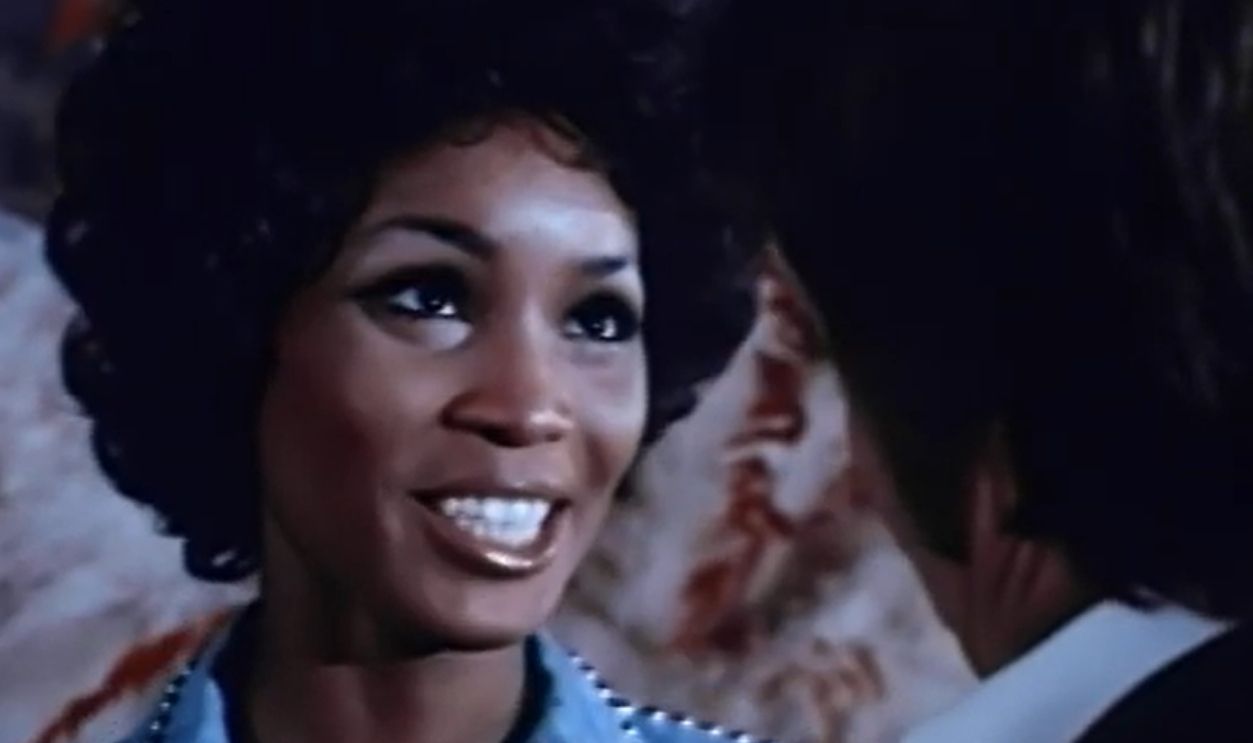
Graves did not treat her new faith as something private. After converting, she used her public profile to draw attention to the persecution of Jehovah’s Witnesses in Malawi under President Hastings Banda’s one-party government. Her priorities had clearly shifted from building her celebrity to supporting the religious community she had chosen.
 Screenshot from Get Christie Love!, ABC (1974–1975)
Her Life Ended Tragically
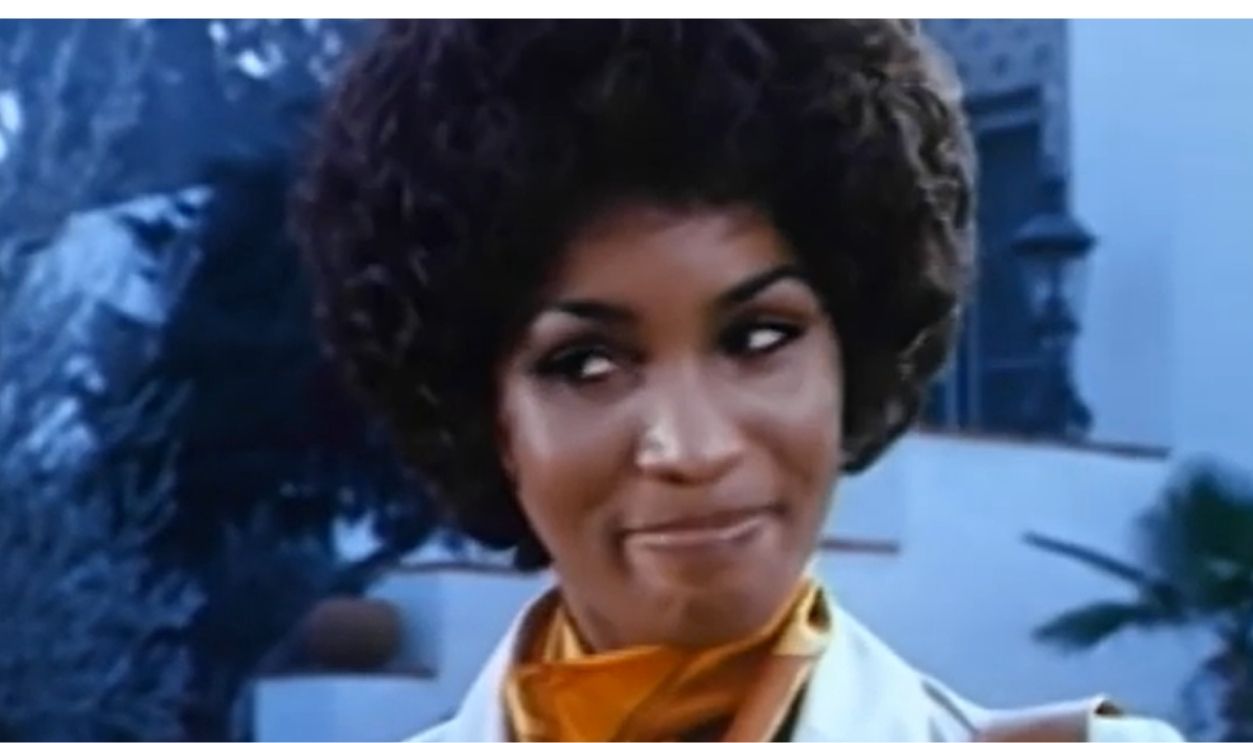
On October 10, 2002, a fire broke out at Graves’s Los Angeles home. Firefighters found her unconscious inside, and she was later pronounced dead at a hospital. Graves was 54, and investigators attributed the fire to a faulty space heater.
 Screenshot from Get Christie Love!, ABC (1974–1975)
Her Breakthrough Became Impossible To Ignore
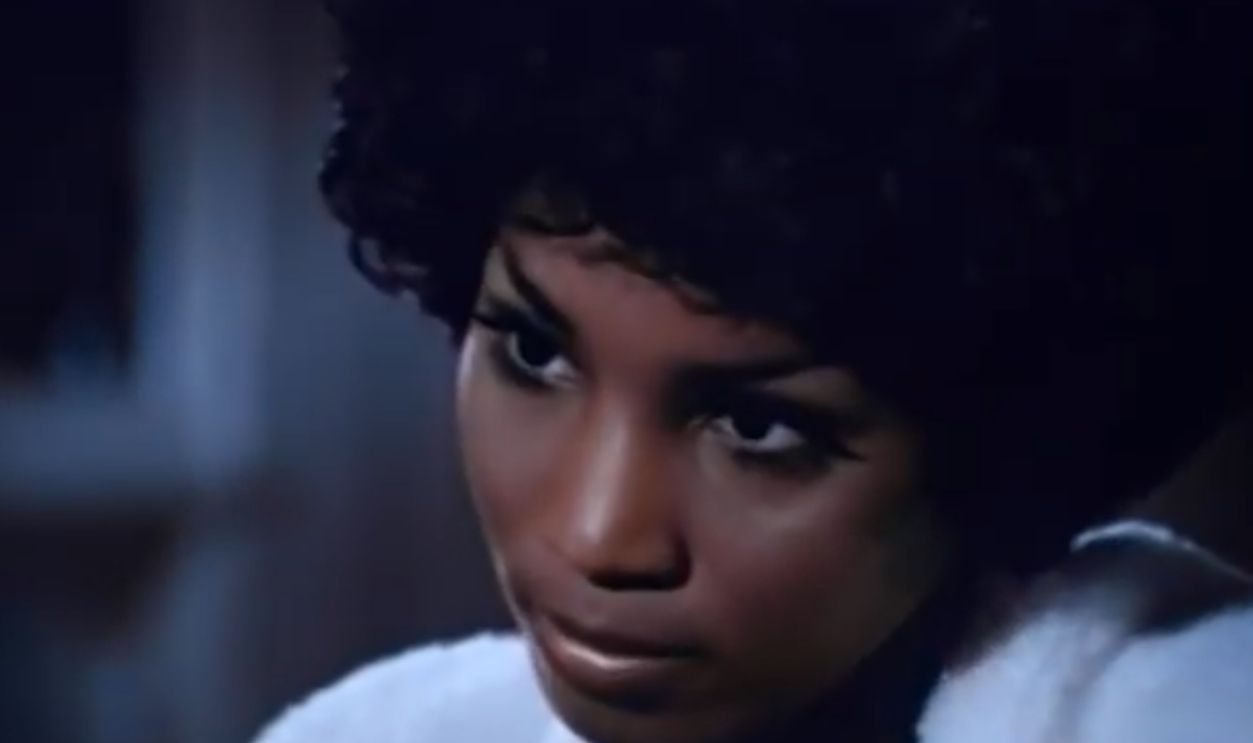
When Kerry Washington began starring in Scandal in 2012, she became the first Black woman to lead a network drama since Graves. That extraordinary 38-year gap made the importance of Get Christie Love! newly visible. Graves may have left Hollywood quietly, but television history never truly moved past the barrier she broke.
 Screenshot from Get Christie Love!, ABC (1974–1975)
You May Also Like:
Foxy Facts About Pam Grier, The Queen Of The 1970s
Female Action Stars Of The 1970s Who Were Cooler Than The Men Around Them