The Songs That Turned TV Into A Sing-Along
The 1970s knew how to make a TV theme song stick. Before streaming skips and “next episode” buttons, a great theme tune had to pull viewers in fast. Some became mini pop classics, known by millions. Others now feel like secret handshakes from a very specific living-room era.
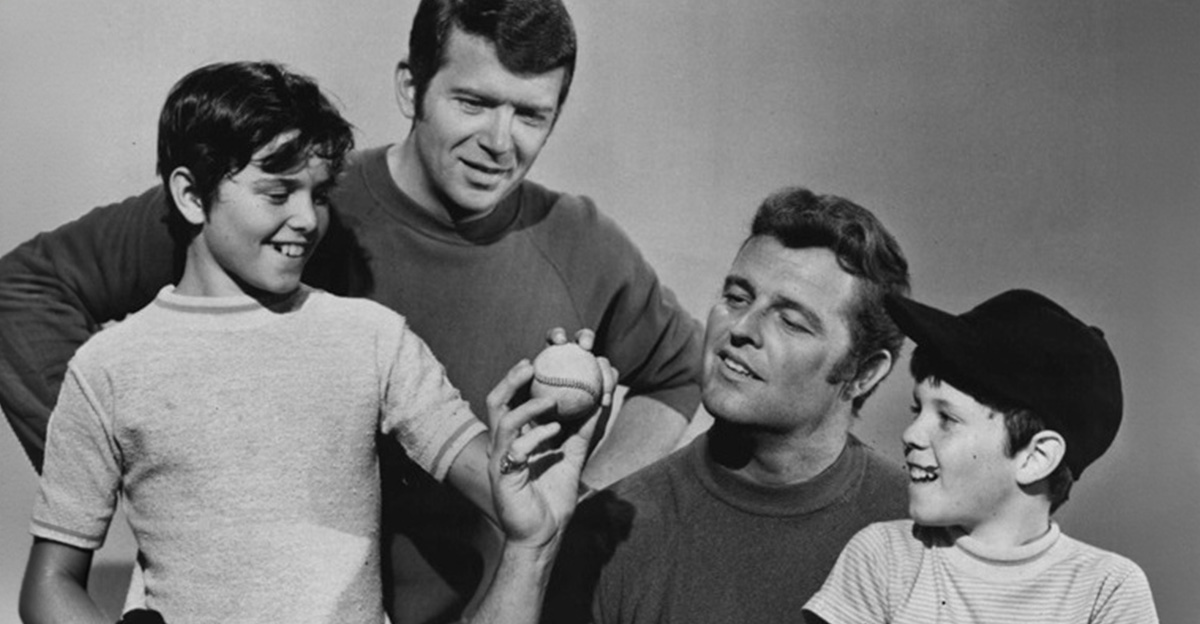 ABC Television., Public domain, via Wikimedia Commons
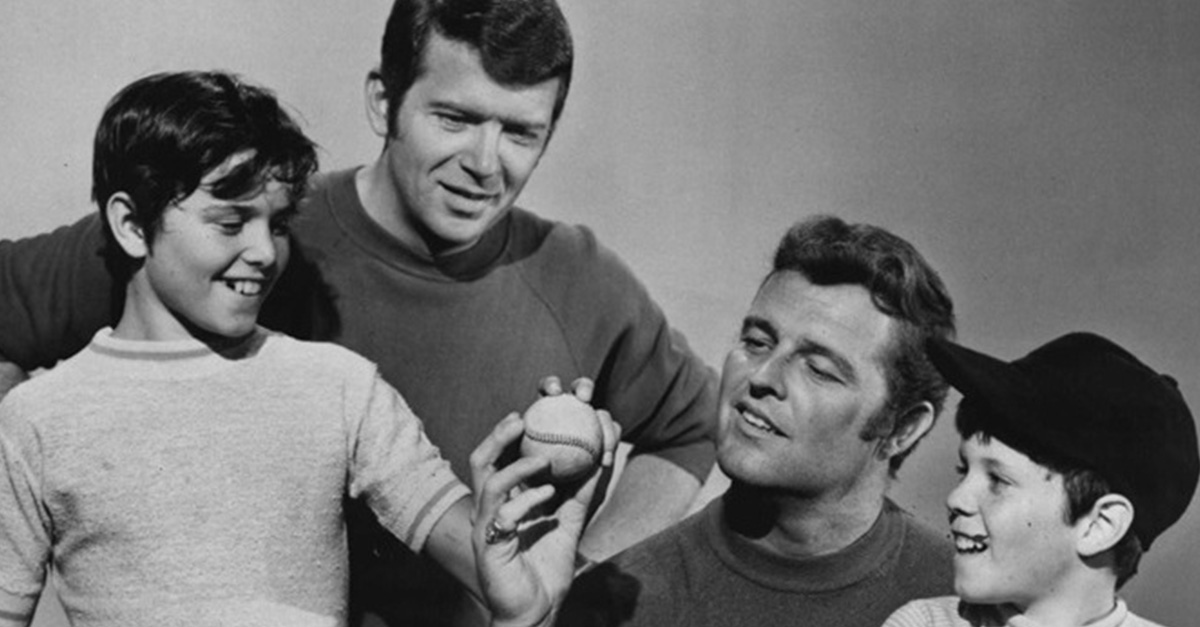
The Brady Bunch
Few theme songs explain an entire family tree as efficiently as “The Brady Bunch.” In under a minute, viewers learned about a lovely lady, a man named Brady, and the blended-family sitcom setup. Anyone raised on reruns can probably still sing it without missing a single “bunch.”
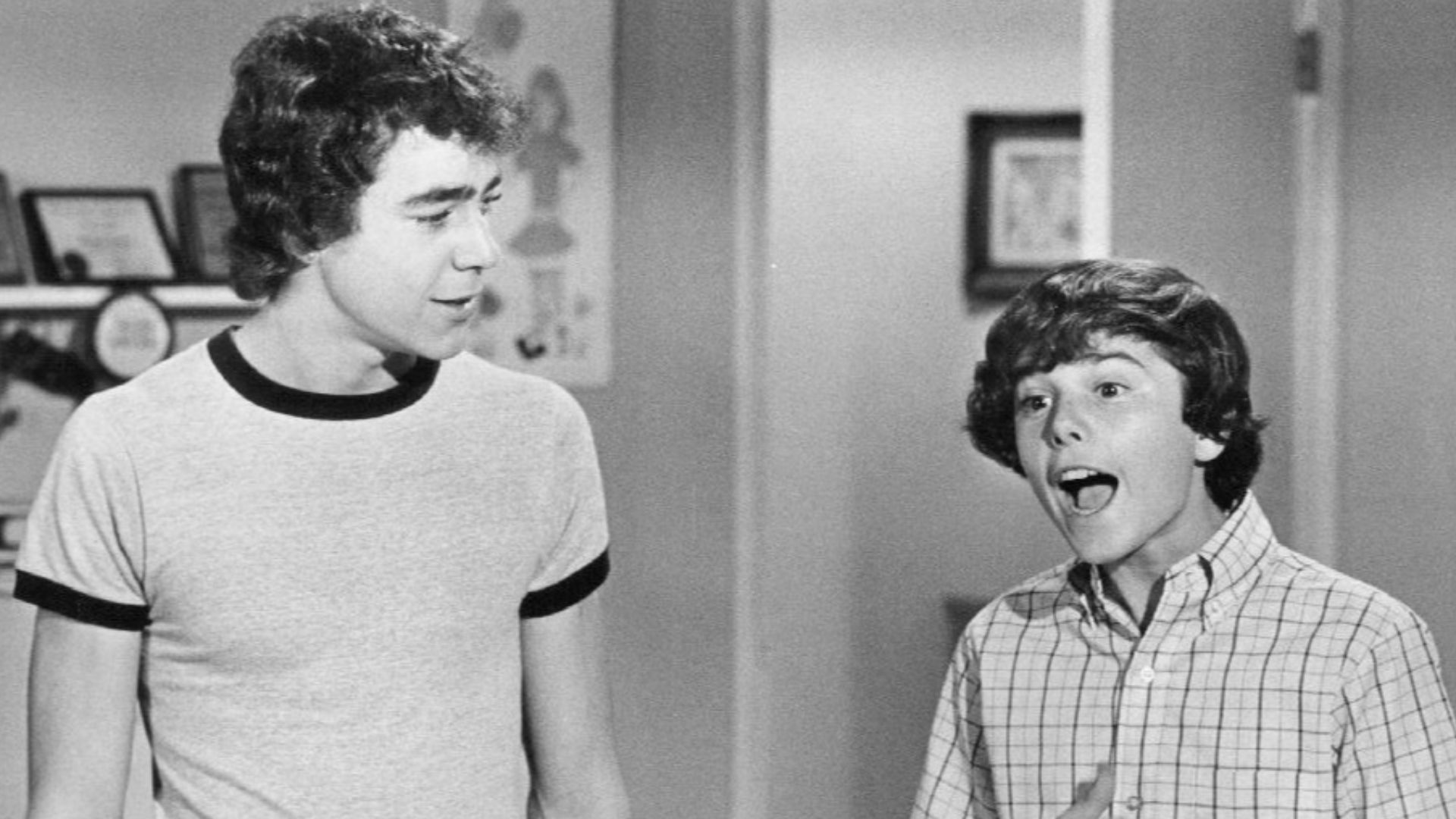 ABC Television., Wikimedia Commons
All In The Family
“Those Were the Days” sounded like a tipsy family sing-along because that was the point. Archie and Edith at the piano instantly told viewers this show was about old values crashing into modern America. It was funny, awkward, catchy, and impossible to forget once Edith hit those notes.
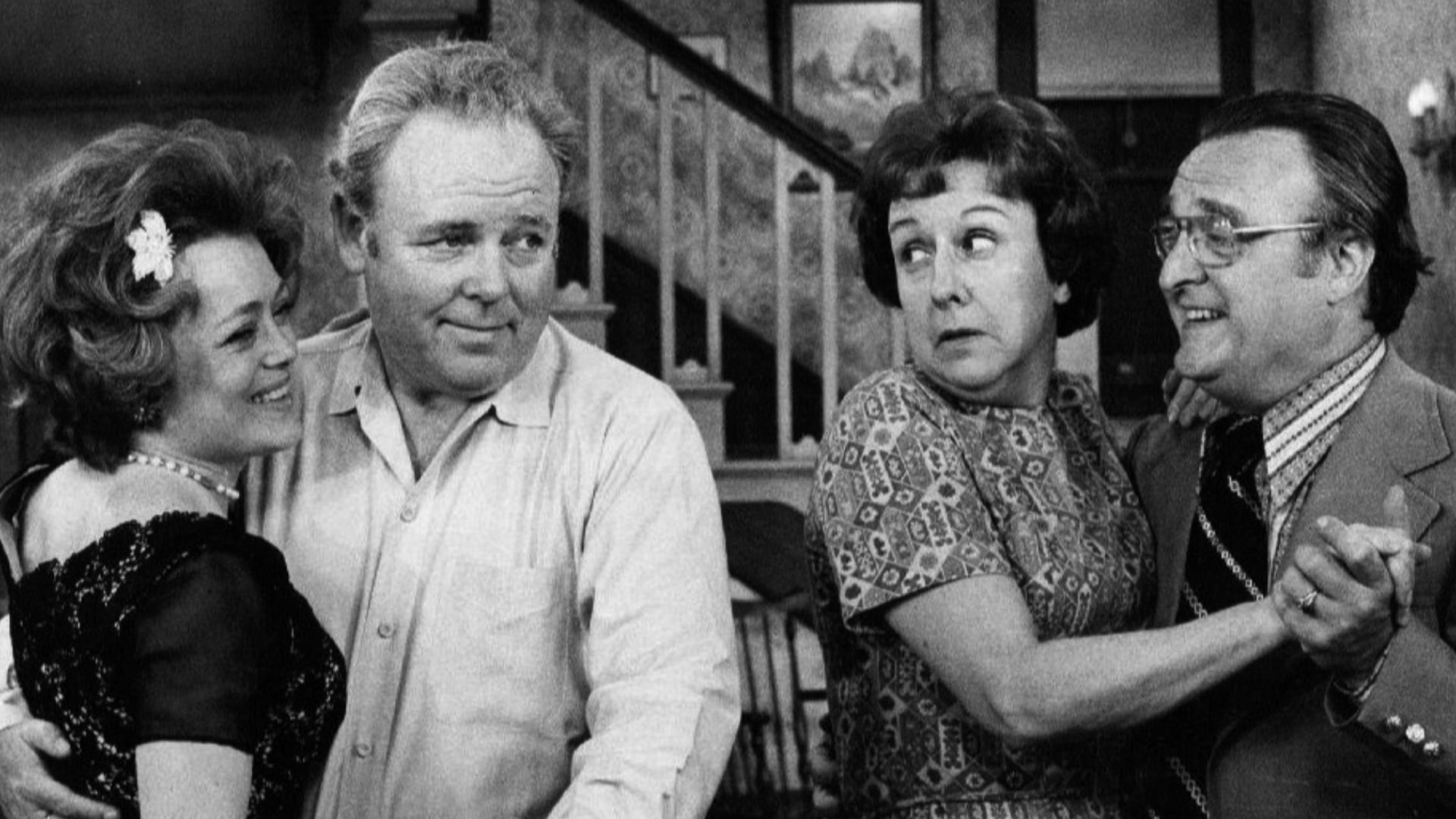 CBS Television, Wikimedia Commons
The Mary Tyler Moore Show
“Love Is All Around” was basically a pep talk with a beret toss. The song made Mary Richards feel like everyone’s brave friend starting over in the big city. Its question, “Who can turn the world on with her smile?” still lands because the answer was obviously Mary.
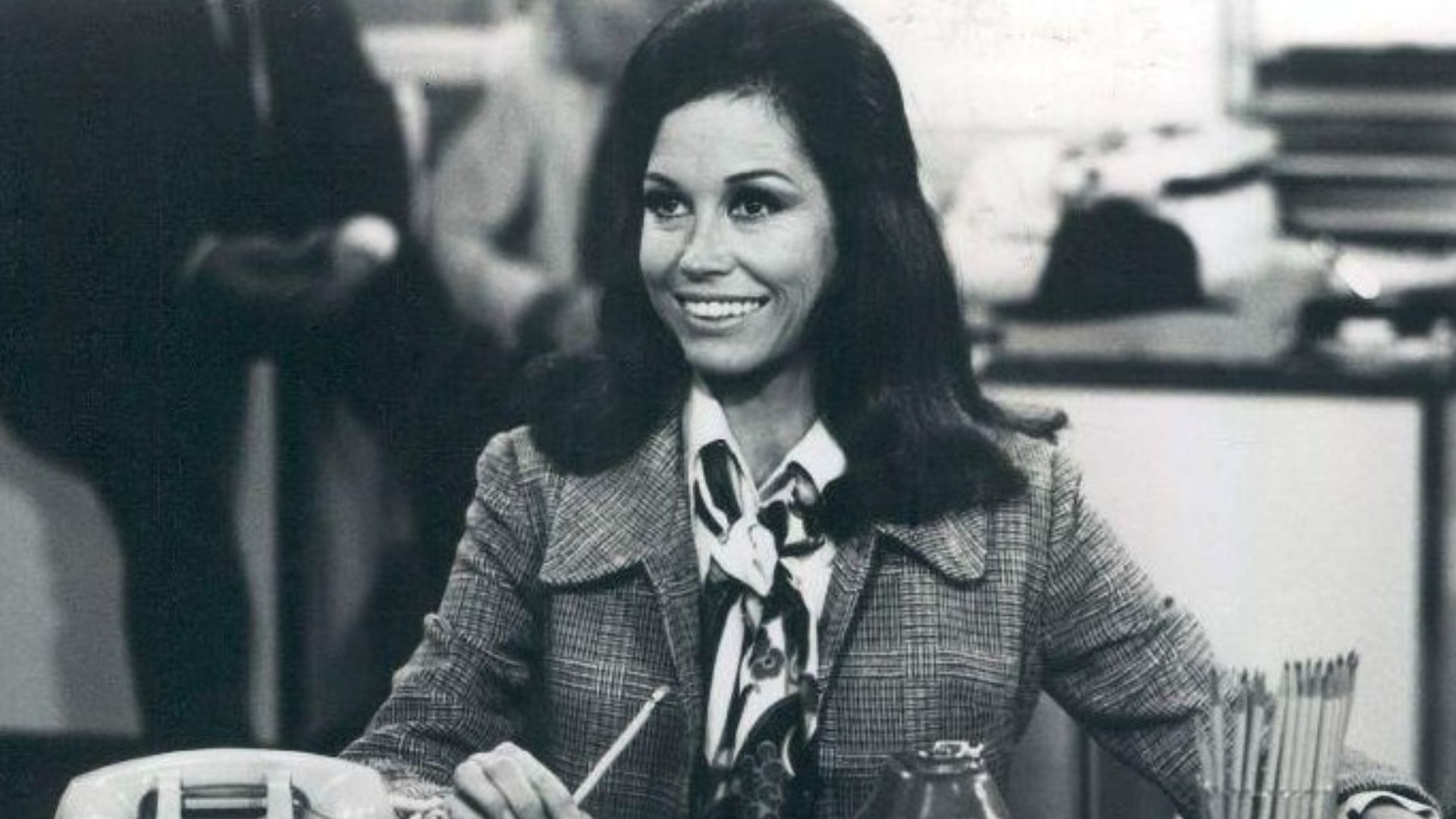 CBS Television, Wikimedia Commons
MAS*H
“Suicide Is Painless” had a strange journey from movie theme to one of TV’s most famous melodies. The series used the instrumental version, which gave the show a haunting, bittersweet feeling before the jokes even started. Millions know the tune, even if they never learned the title.
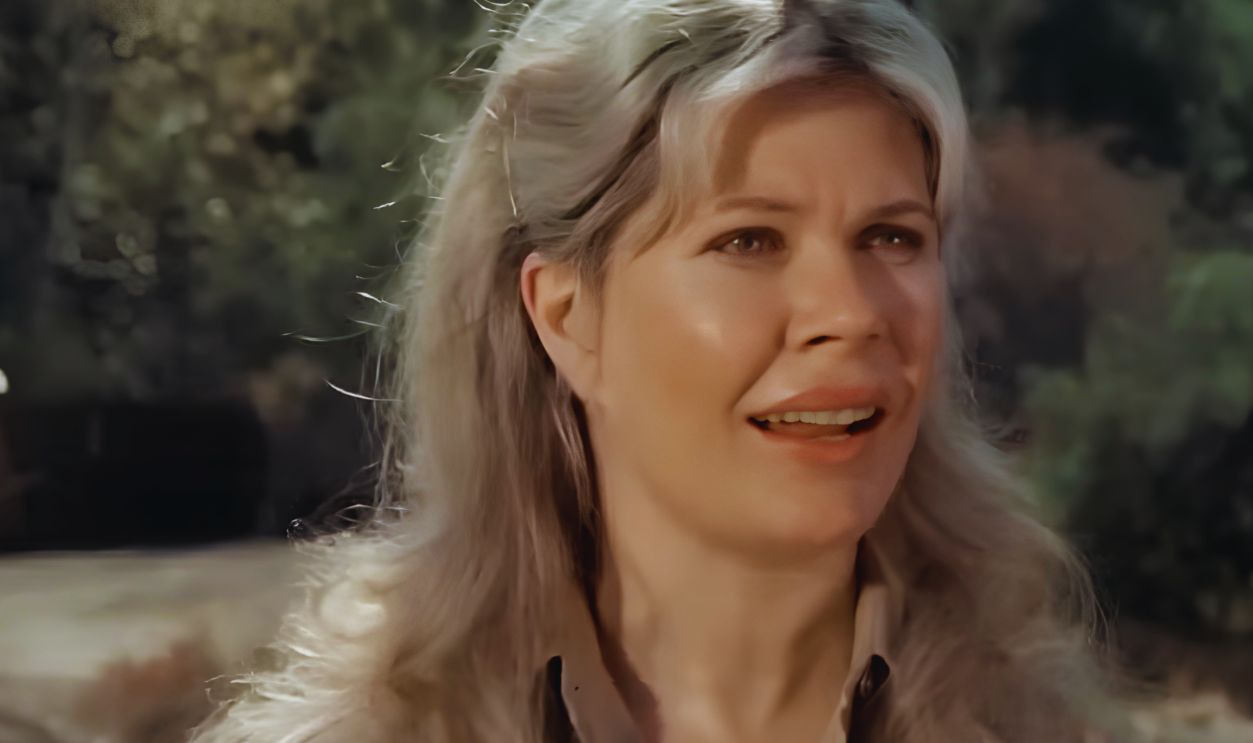 Screenshot from M*A*S*H, The Walt Disney Company (1972-1983)
Sanford And Son
Quincy Jones gave “Sanford and Son” one of the funkiest TV themes ever recorded. “The Streetbeater” did not need lyrics. That swaggering bass, brass, and junkyard bounce instantly put you beside Fred Sanford’s truck. It sounded like trouble, bills, and brilliance all arriving at once.
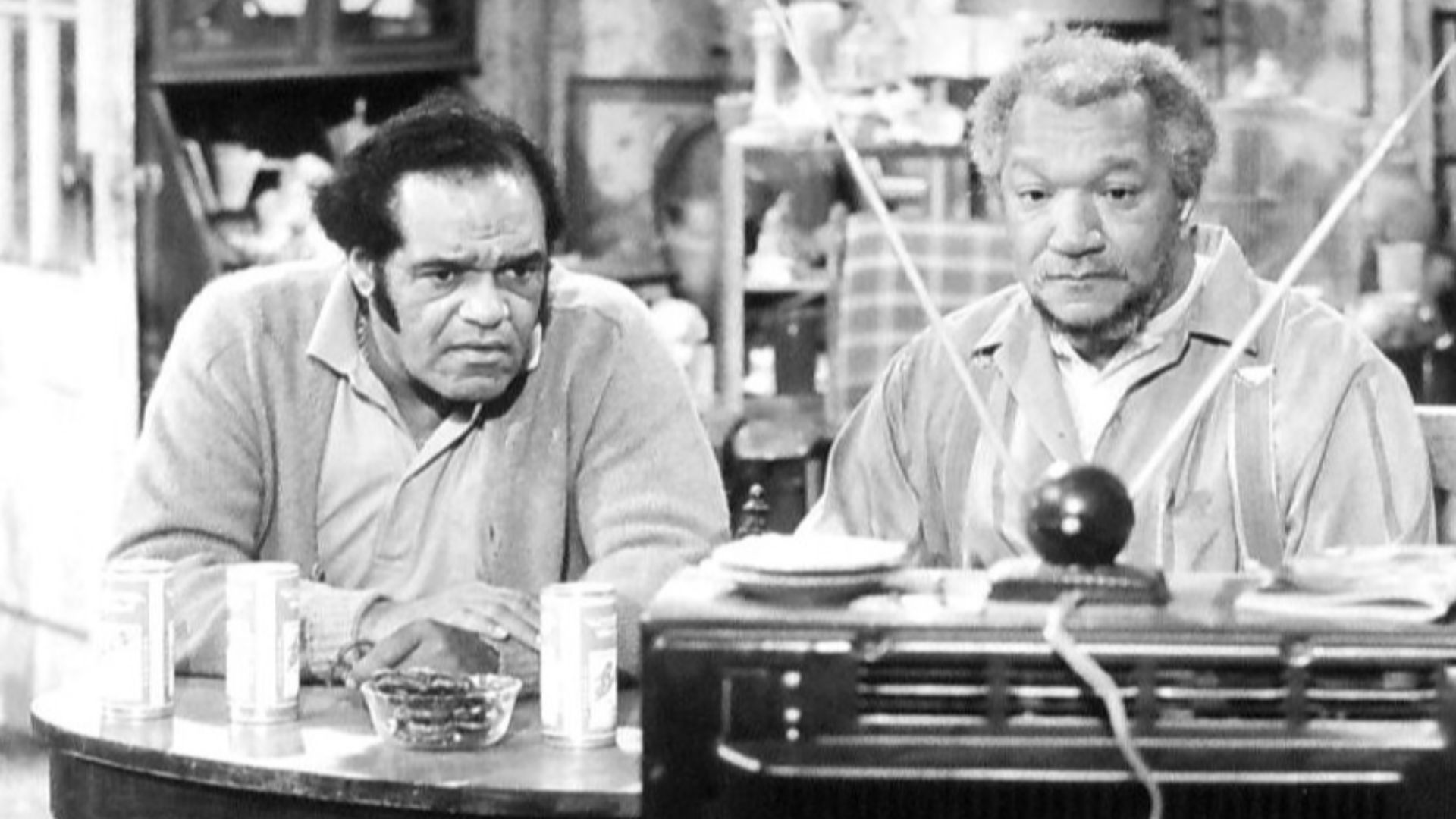 NBC Television, Wikimedia Commons
Maude
“And then there’s Maude” is not just a lyric. It is an announcement. The theme song framed Bea Arthur’s character as part history lesson, part force of nature. By the time the choir reached her name, you knew Maude was not entering quietly, and she was not apologizing.
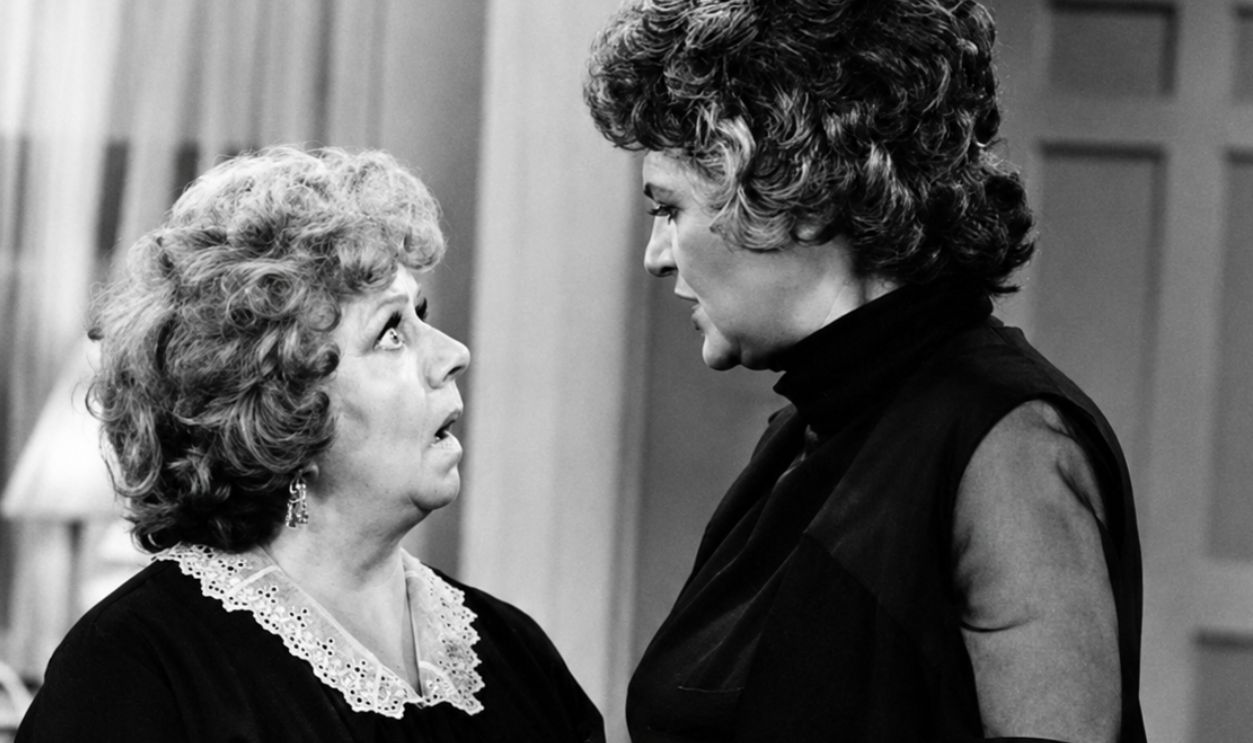 CBS Television, Wikimedia Commons, enhanced
Good Times
The “Good Times” theme somehow made hardship sound hopeful. Its soaring gospel-style vocals and “temporary layoffs” lyrics were honest about struggle, but the song still had warmth and lift. People remember it because it felt like a family pushing forward, one chorus at a time.
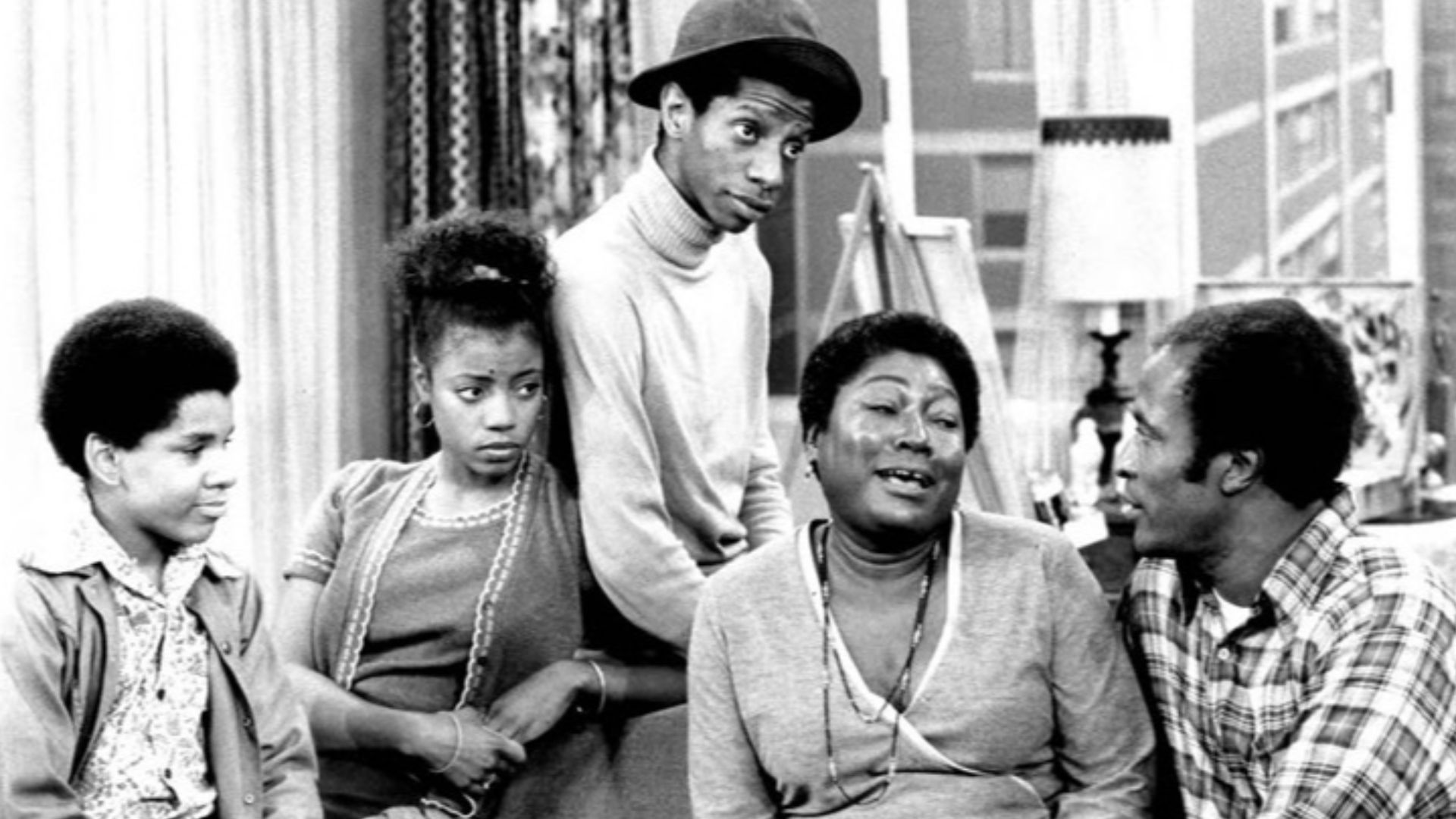 CBS Television, Wikimedia Commons
Happy Days
“Happy Days” turned nostalgia into a hand-clapping anthem. Though the show looked back to the 1950s, the theme became pure 1970s comfort food. It promised jukeboxes, leather jackets, milkshakes, and a world where every problem might be fixed before the final freeze-frame.
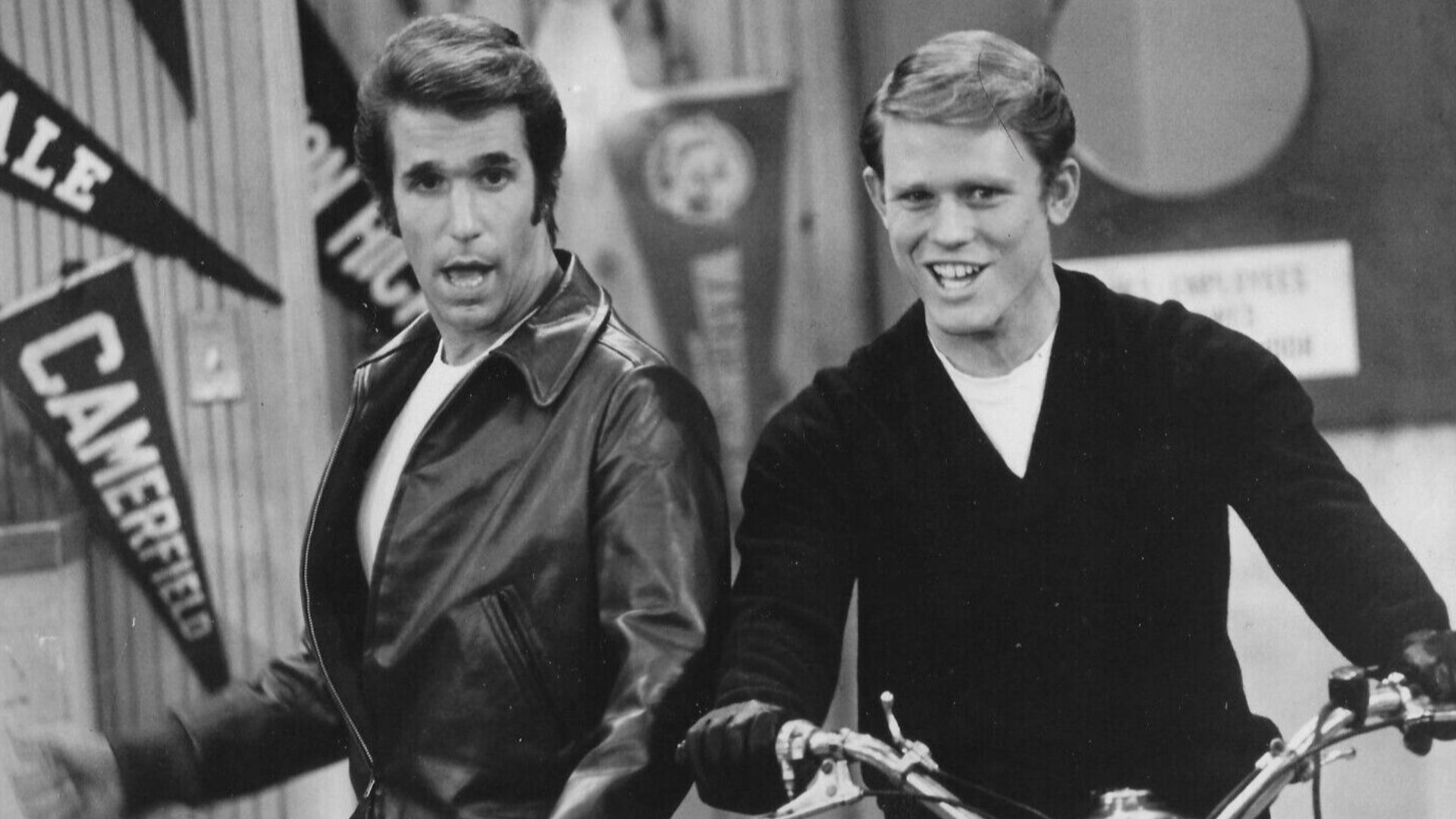 ABC Television. Uploaded by We hope at en.wikipedia, Wikimedia Commons
The Jeffersons
“Movin’ On Up” is the rare sitcom theme that feels like a victory parade. With gospel power and unstoppable energy, it told viewers George and Louise Jefferson had arrived. Even people who never watched the show know the song’s big climb to that deluxe apartment in the sky.
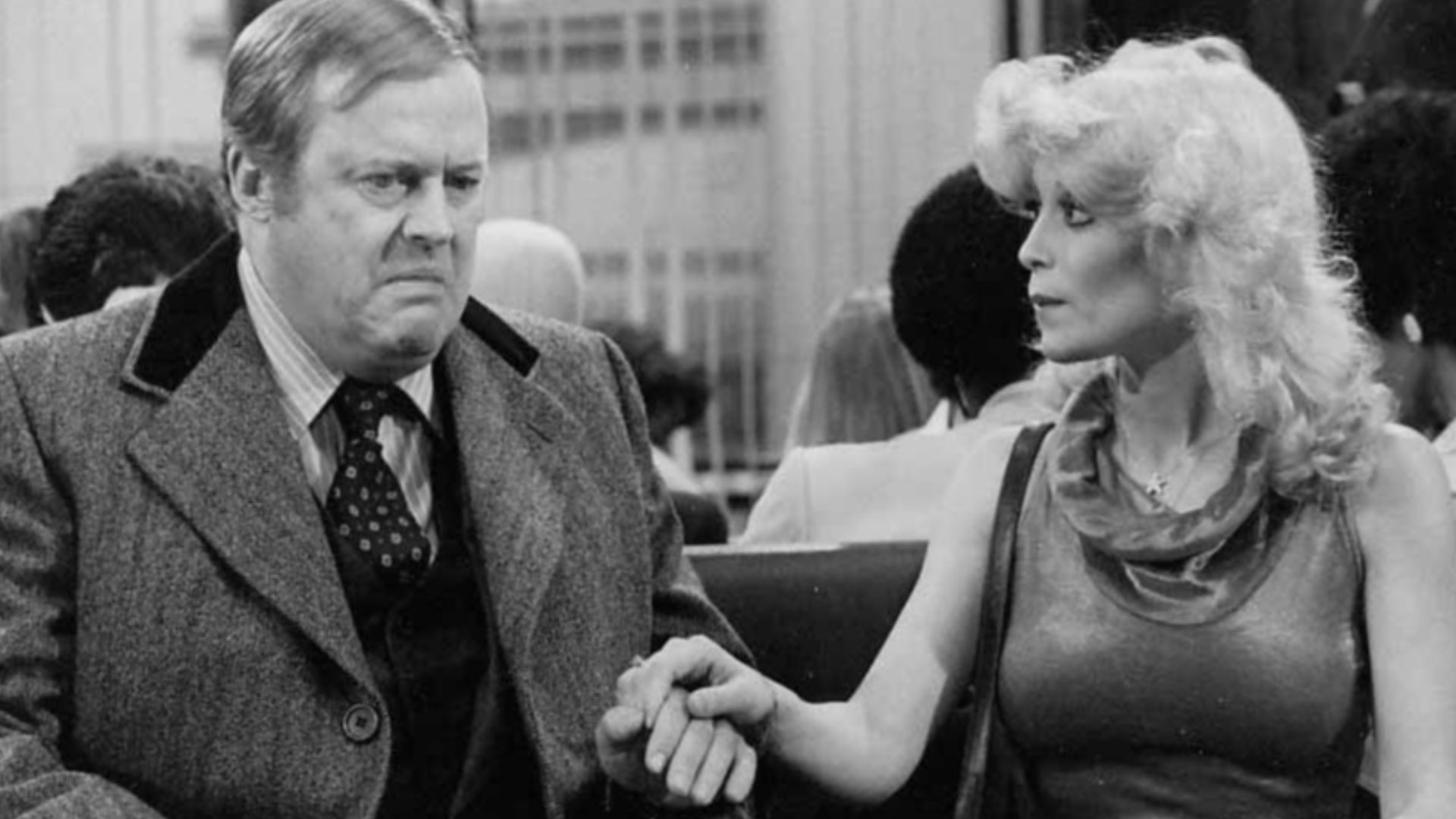
Welcome Back, Kotter
John Sebastian’s “Welcome Back” became a hit far beyond the classroom. Soft, warm, and instantly hummable, it made a show about troublemaking students feel like a reunion. The Sweathogs were chaotic, but the theme sounded like coming home to people who remembered your name.
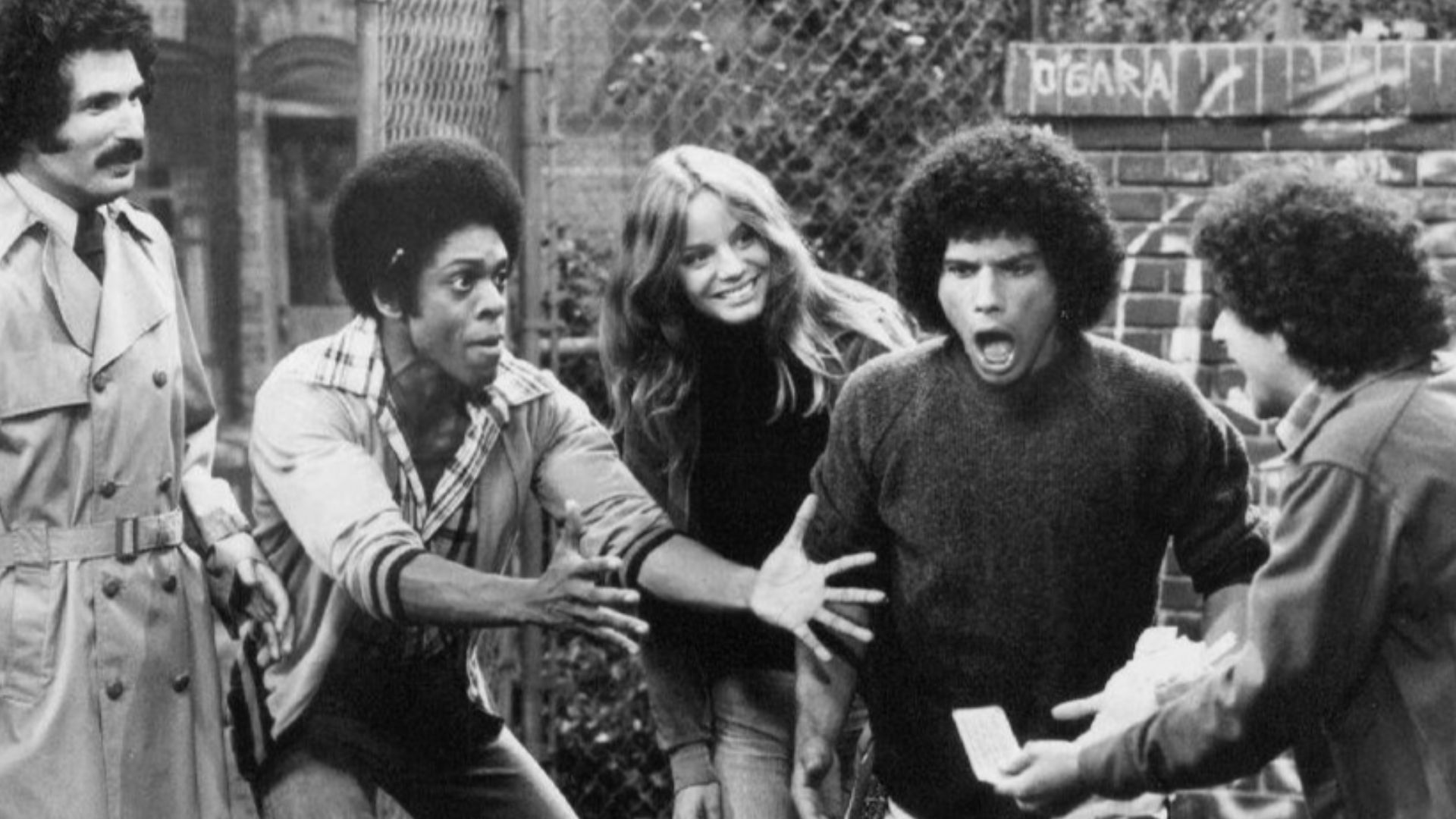 ABC Television, Wikimedia Commons
Laverne & Shirley
“Making Our Dreams Come True” came charging in with hopscotch chanting, blue-collar optimism, and Milwaukee-sized energy. Laverne and Shirley were not waiting for life to hand them glamour. They were going to bottle beer, chase dreams, and shout-singing their way into sitcom history.
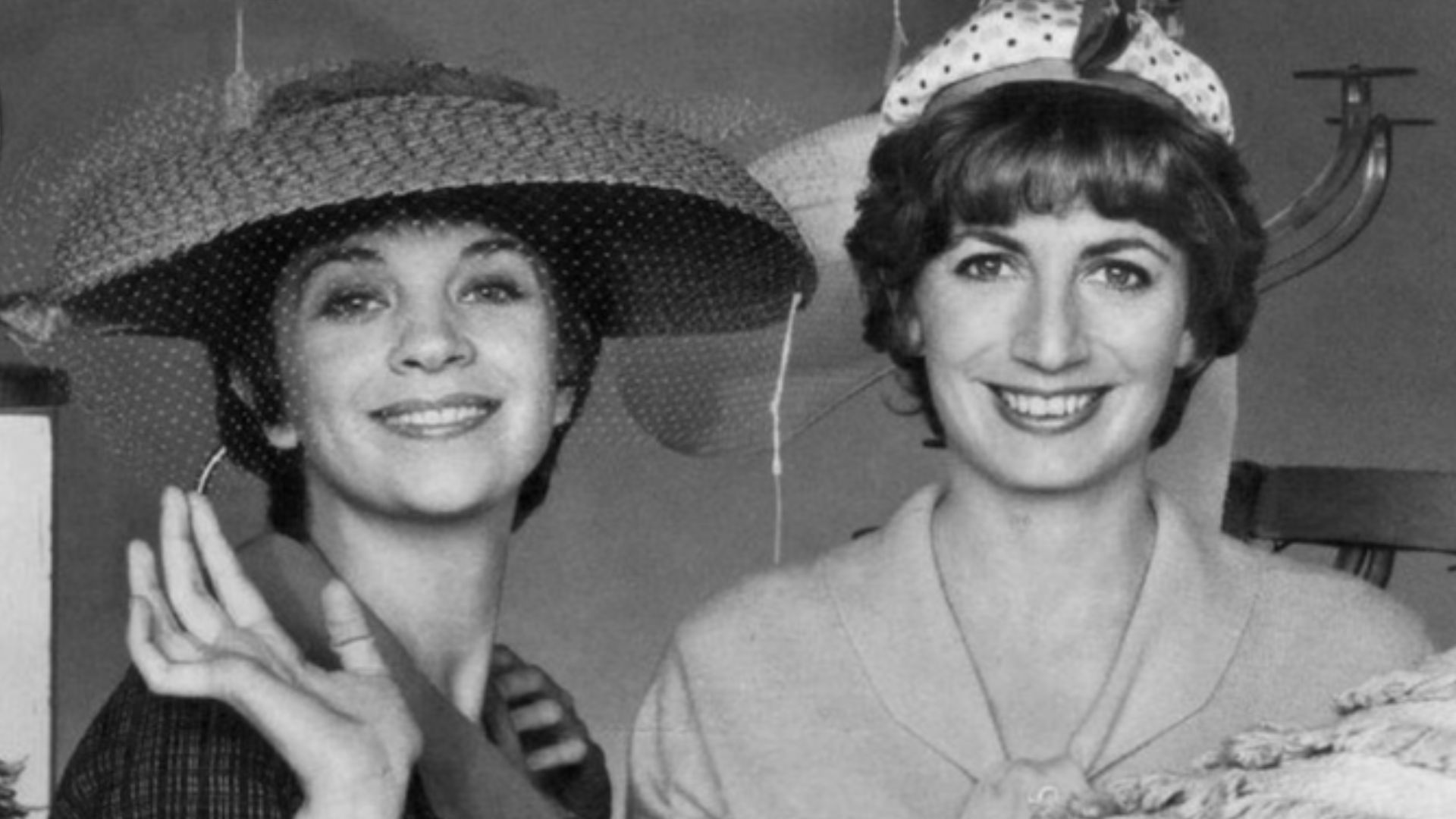 ABC Television, Wikimedia Commons
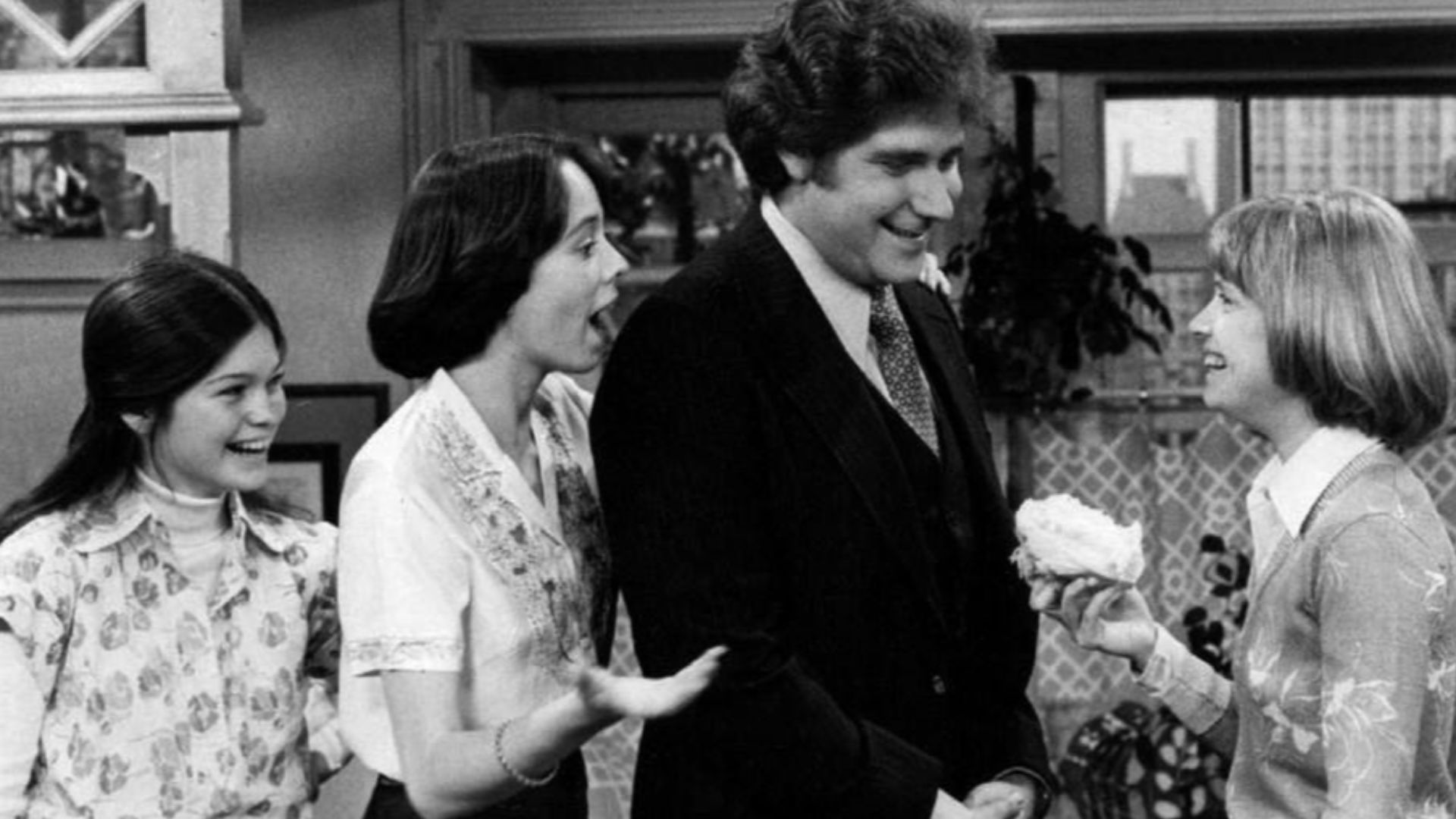
One Day At A Time
“This Is It” had the bright, brassy confidence of a family starting over. For a sitcom about a divorced mother raising two daughters, the theme felt fresh and forward-looking. It captured that 1970s belief that life might be messy, but tomorrow still deserved a strong entrance.
 CBS Television, Wikimedia Commons
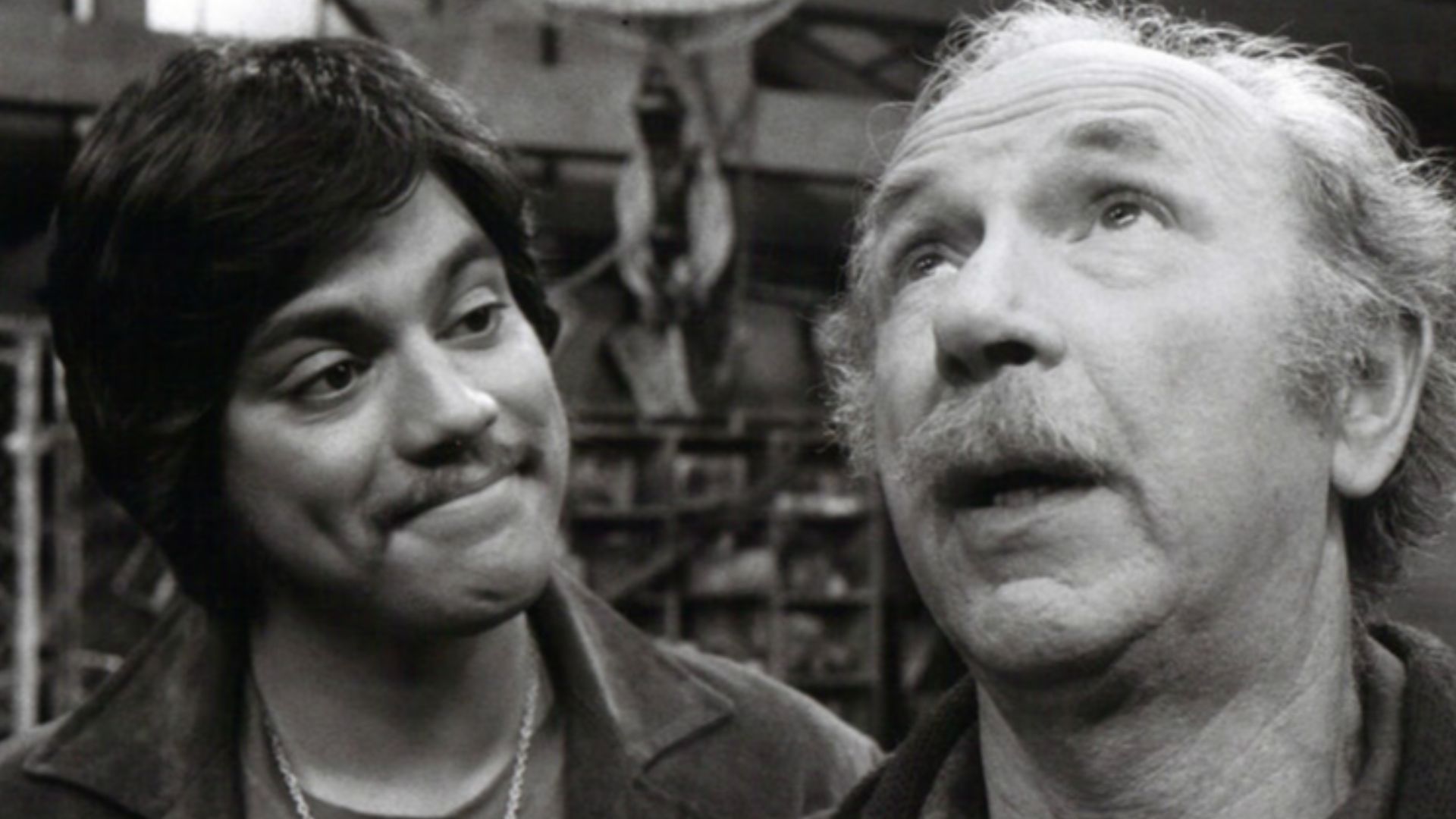
Chico And The Man
Jose Feliciano’s “Chico and the Man” gave the sitcom a warm, soulful identity. The theme had a gentle bounce and a human touch, matching the unlikely friendship at the show’s center. It is deeply familiar to some viewers, but almost invisible to many younger ones.
 NBC Television, Wikimedia Commons
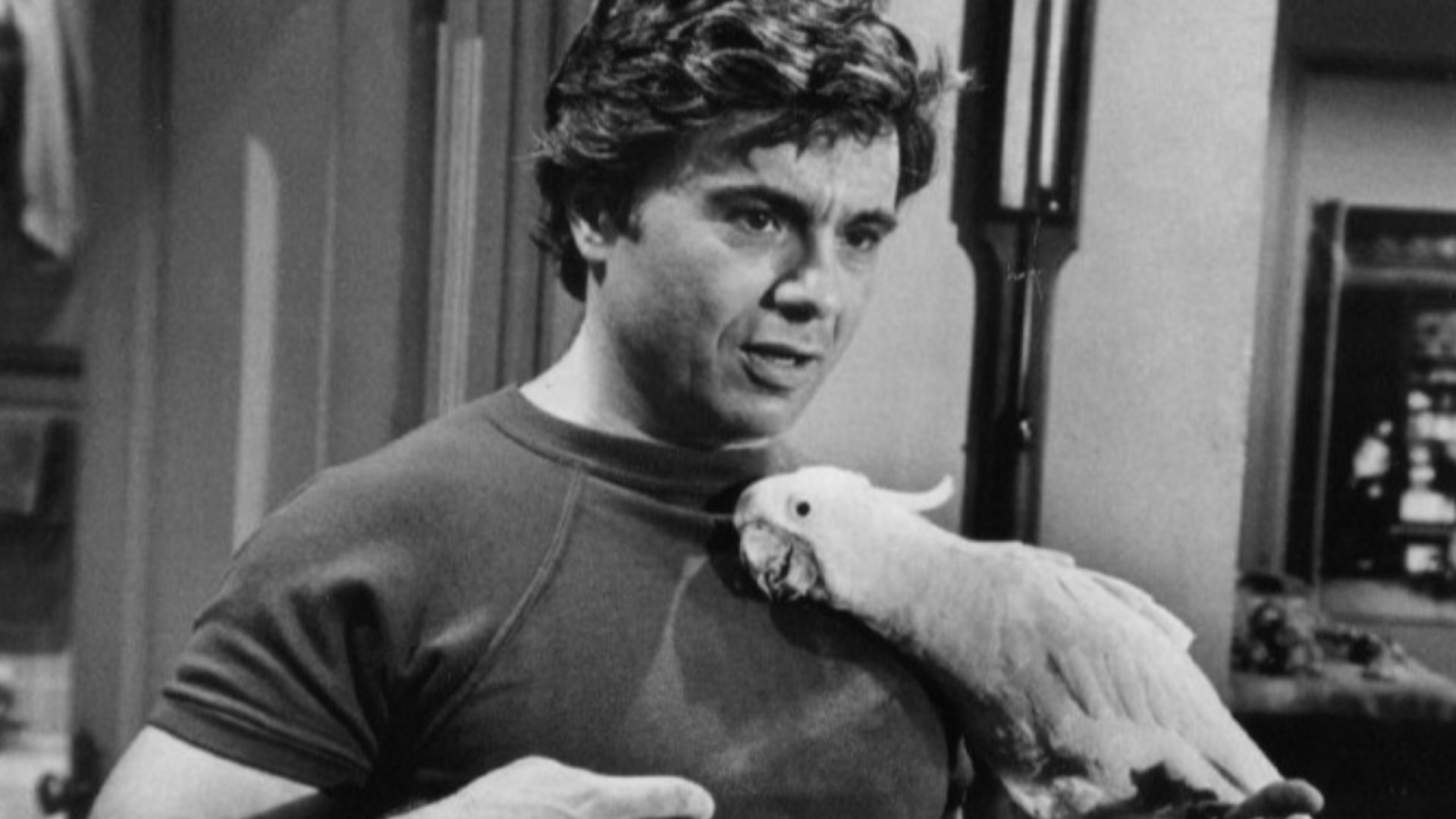
Baretta
“Keep Your Eye on the Sparrow” gave “Baretta” a streetwise cool that felt bigger than television. Sammy Davis Jr. sang it with velvet confidence, turning a detective theme into a warning, a wink, and a nightclub number. “Don’t do the crime” became the line everyone remembered.
 ABC Television, Wikimedia Commons
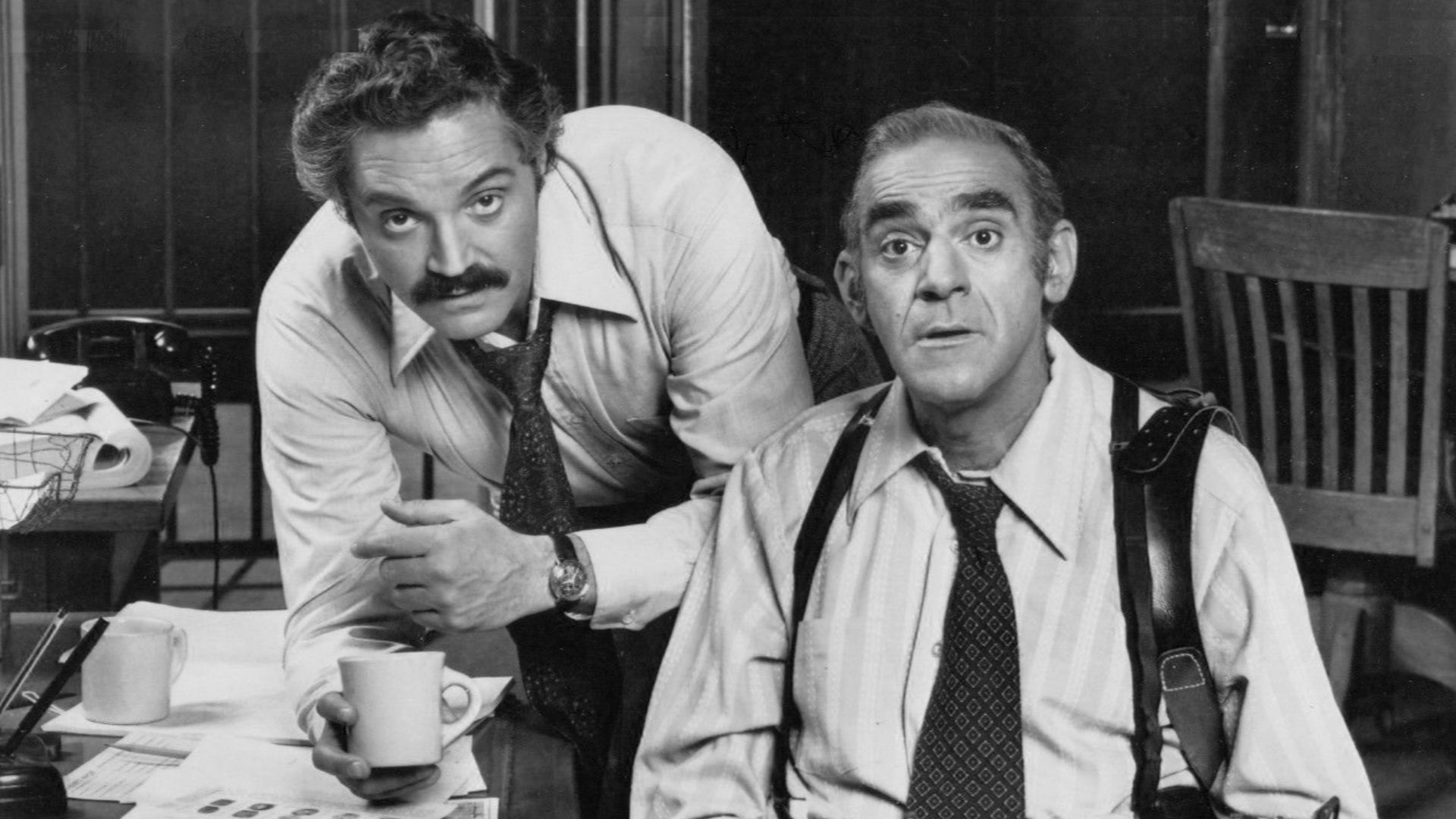
Barney Miller
The “Barney Miller” theme proved a bass line could carry an entire precinct. Cool, low, and instantly recognizable, it set the mood for a comedy that was smart, dry, and very New York. No lyrics were needed. That groove clocked in for duty every week.
 ABC Television, Wikimedia Commons
The Rockford Files
“The Rockford Files” theme sounded like a private eye who had seen too much but still had bills to pay. With harmonica, synth, and a laid-back beat, it was catchy in a completely unusual way. It made Jim Rockford’s answering machine feel like part of the band.
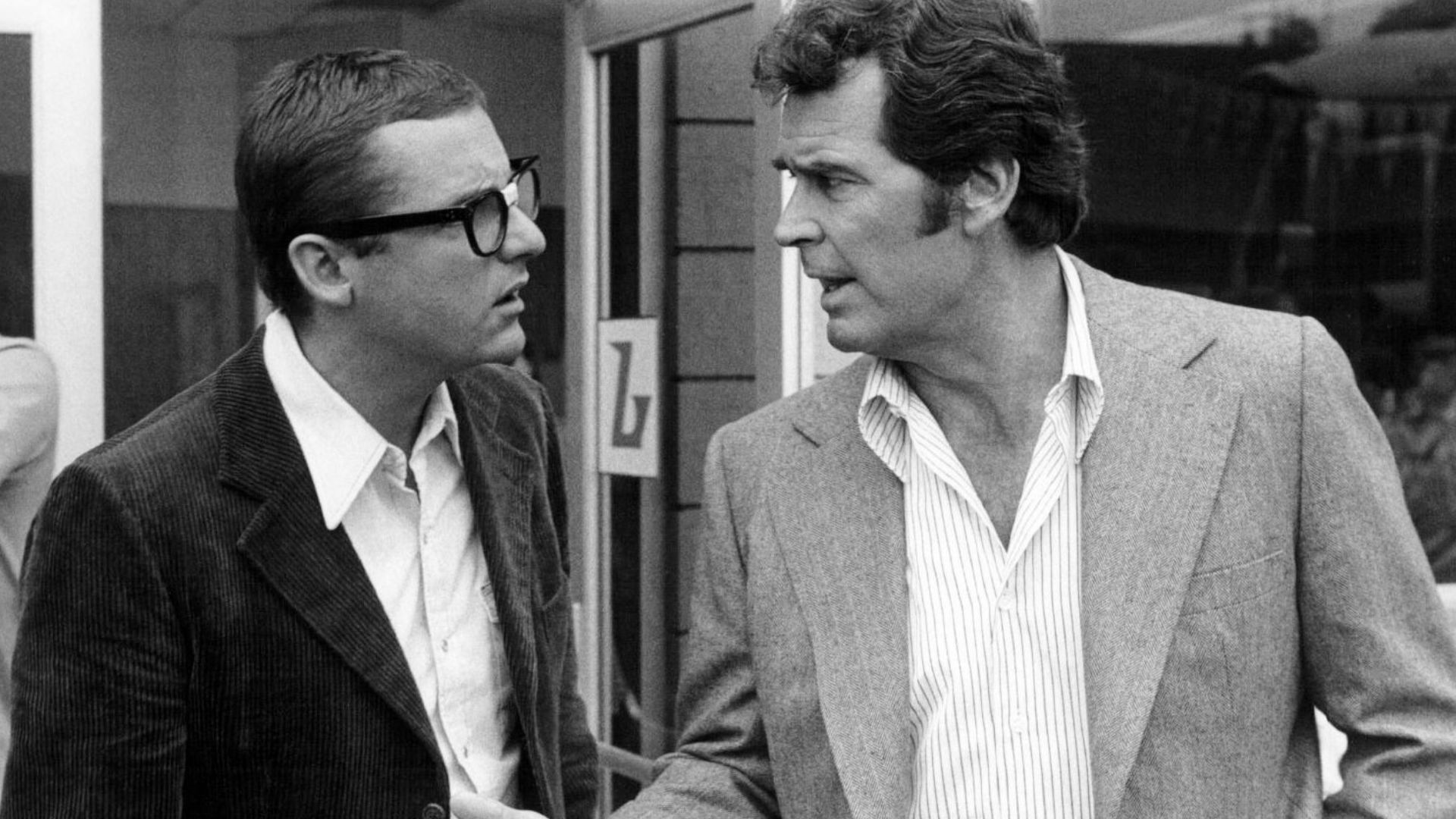 NBC Television, Wikimedia Commons
Wonder Woman
The “Wonder Woman” theme was heroic, sparkly, and wonderfully dramatic. It told you everything: she was satin tights, fighting rights, and making hawks out of doves. For kids of the era, it was not just an opening song. It was the sound of spinning into action.
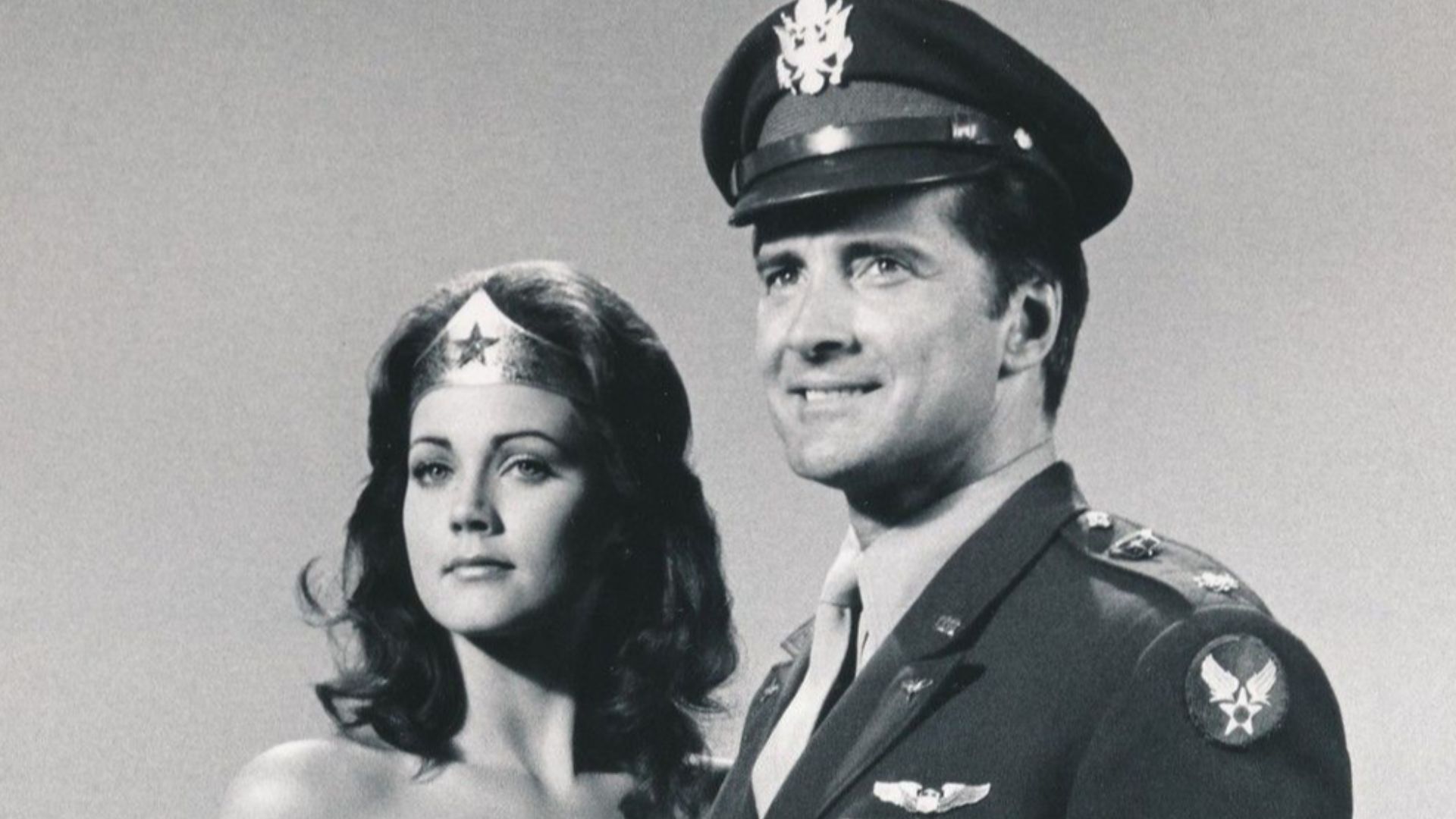 ABC Television, Wikimedia Commons
Alice
“There’s a New Girl in Town” gave “Alice” a friendly, hopeful welcome. The song fit a widow chasing a fresh start while working at Mel’s Diner. It was not flashy, but it had that cozy sitcom quality that made viewers feel they had pulled up a counter stool.
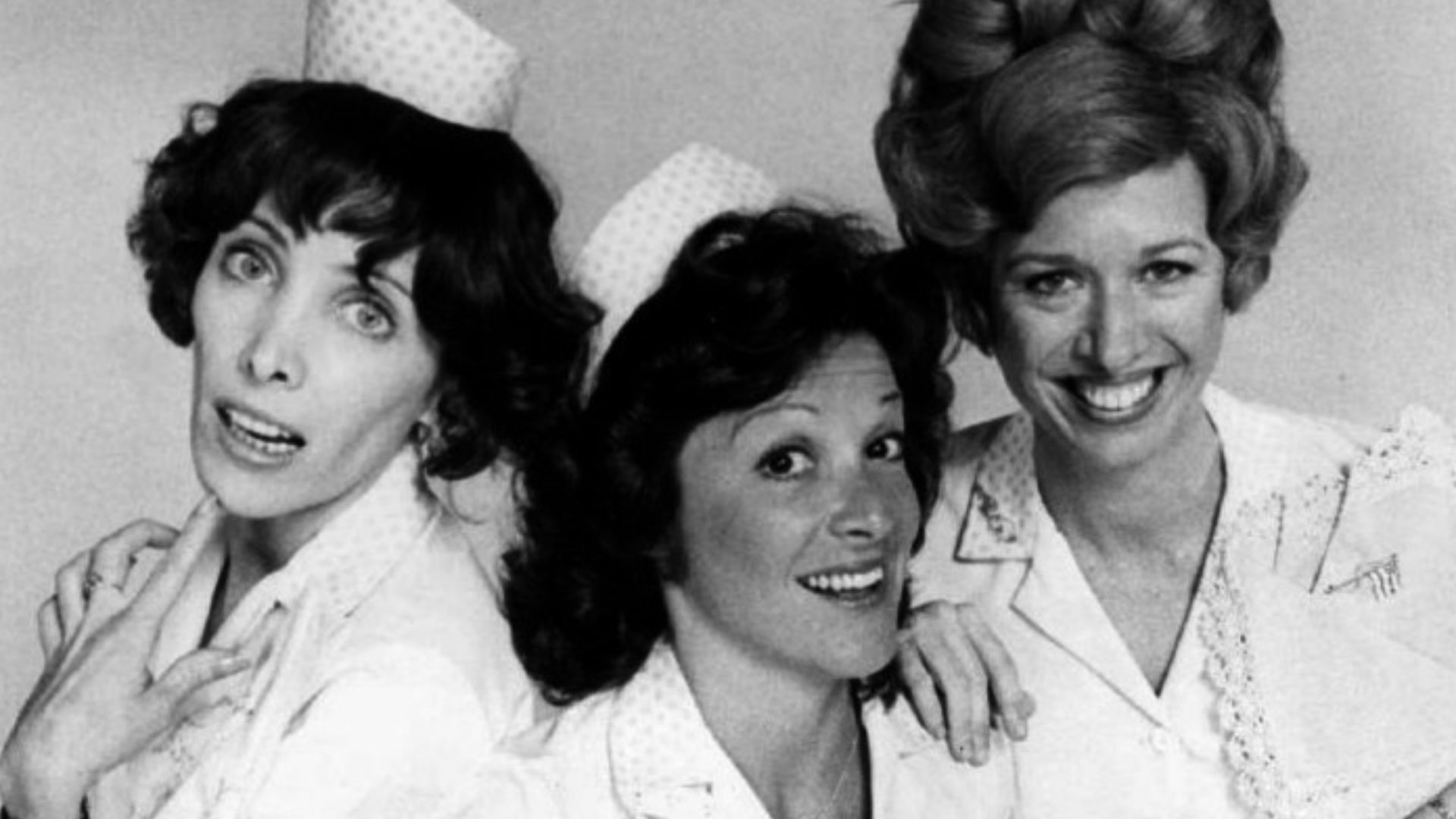 CBS Television, Wikimedia Commons
Three’s Company
“Come and Knock on Our Door” may be one of the most cheerful invitations in TV history. The “Three’s Company” theme promised misunderstandings, sunshine, and aggressively bright apartment living. It was silly, catchy, and so tied to the show that hearing it still summons a couch and a laugh track.
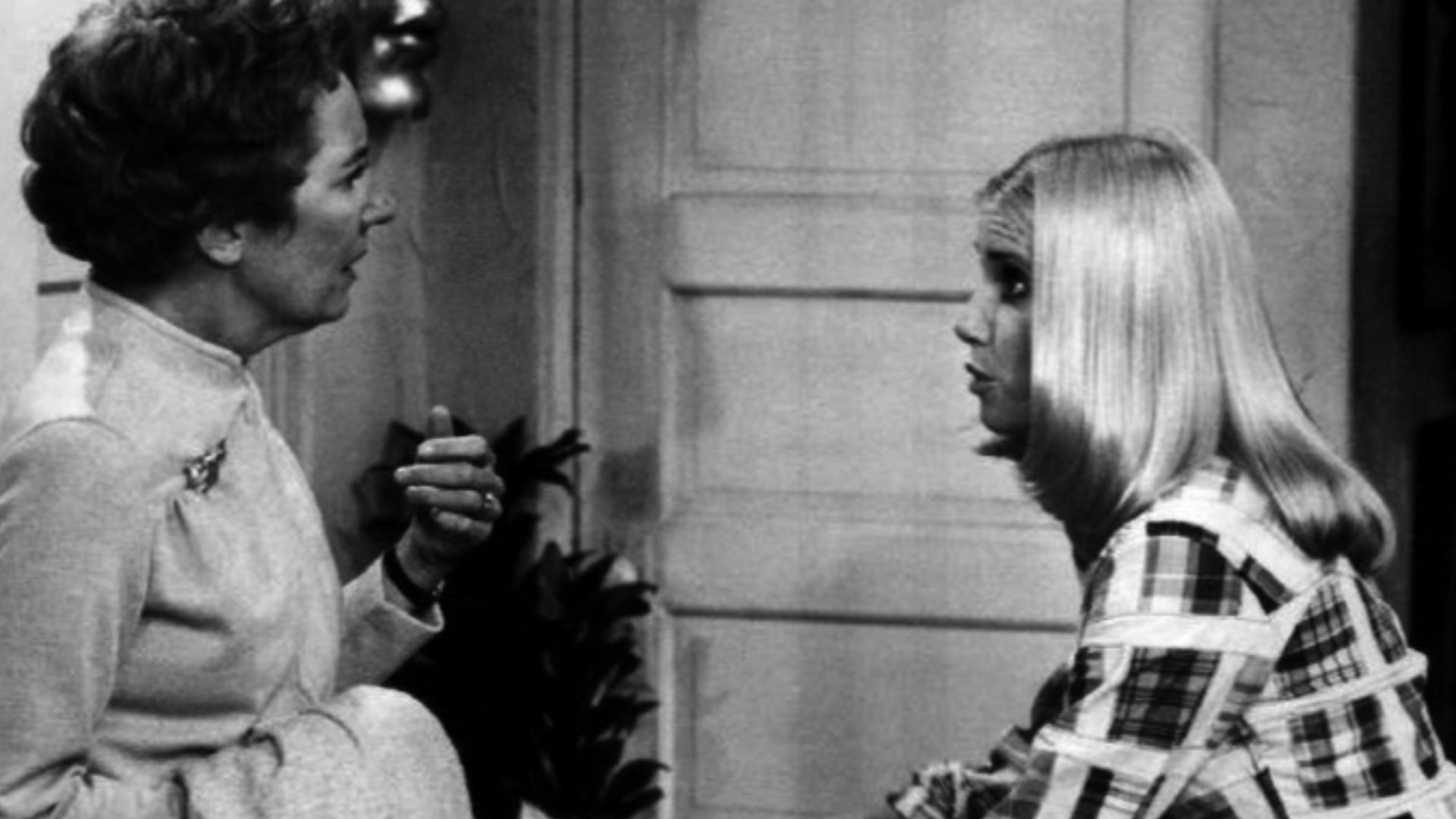 ABC Television, Wikimedia Commons
The Love Boat
“The Love Boat” theme did not enter a room. It sailed in wearing a captain’s hat. Romantic, dramatic, and gloriously cheesy, it promised guest stars, shipboard crushes, and soft-focus emotions. Even viewers who skipped the cruise still know that love was exciting and new.
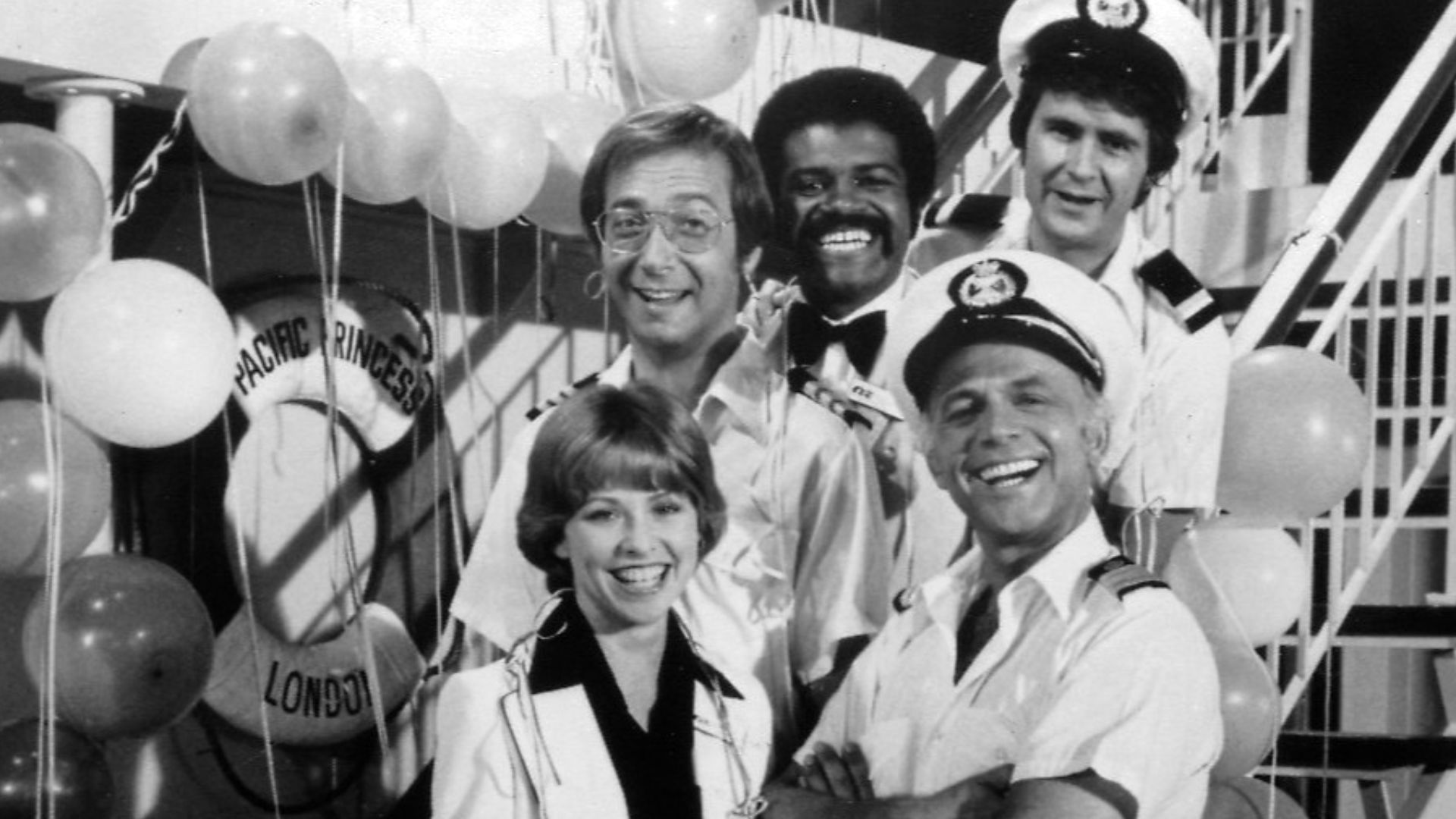 ABC Television Uploaded by We hope at en.wikipedia, Wikimedia Commons
Fantasy Island
“Fantasy Island” had a lush, mysterious theme that made every episode feel like a strange vacation brochure. Add Mr. Roarke, Tattoo, and “The plane! The plane!” and the music became part of the ritual. It suggested magic, danger, and probably someone learning a lesson by sunset.
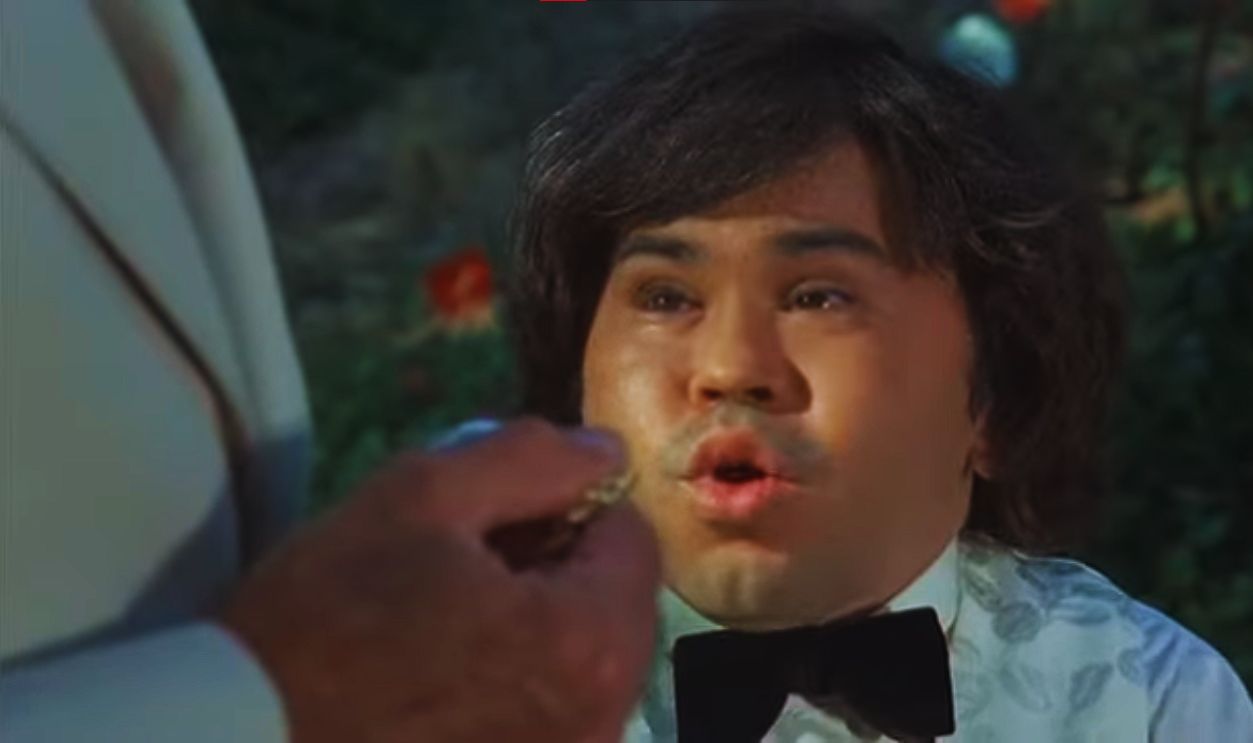 Screenshot from Fantasy Island, Spelling-Goldberg Productions / Sony Pictures Television (1977-1984)
Diff’rent Strokes
The “Diff’rent Strokes” theme was pure sitcom philosophy: the world does not move to one beat. Bright, bouncy, and endlessly repeatable, it helped sell a high-concept family comedy with a friendly wink. For many viewers, those opening notes still trigger an automatic “Whatchu talkin’ ’bout?”
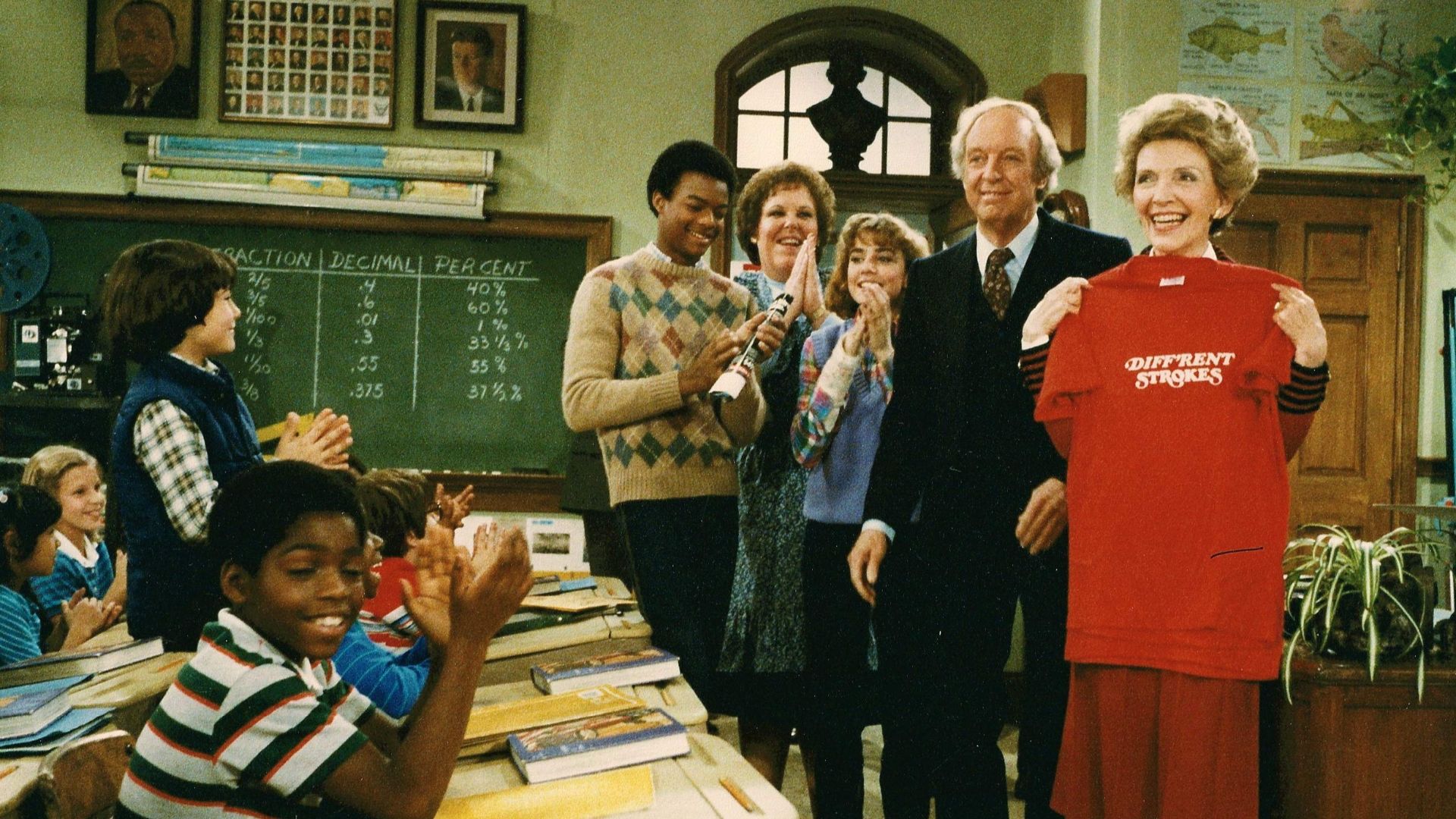 Ronald Reagan Presidential Library, Wikimedia Commons
Taxi
Angela’s “Taxi” theme was quiet magic. Jazzy, dreamy, and a little lonely, it captured late-night New York better than most songs with lyrics ever could. It did not shout for attention, which may be why it still feels so cool to people who remember it.
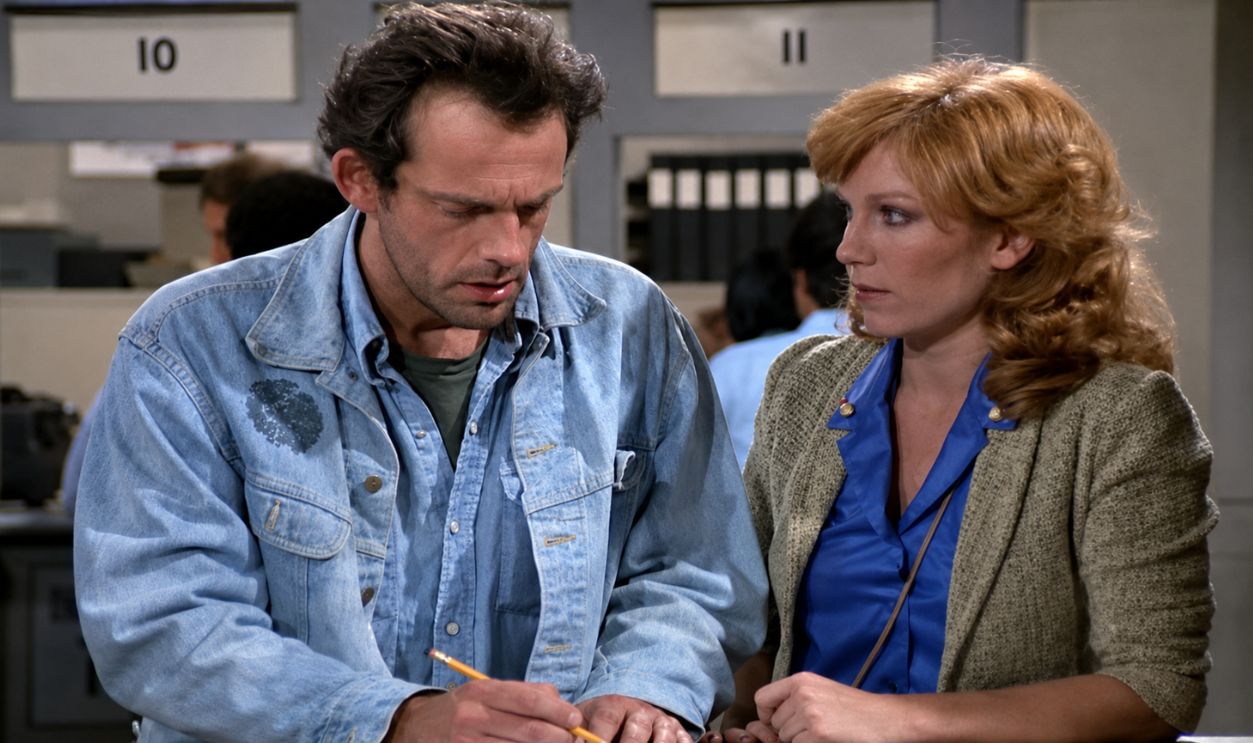 Screenshot from Taxi, Paramount Global Distribution Group (1978-1983)
WKRP In Cincinnati
The “WKRP in Cincinnati” theme sounded like a weary radio man’s confession. It had humor, heart, and just enough rock-and-roll sadness. Then the closing theme arrived as a glorious fake-out, with nonsense lyrics that somehow felt perfect for a station barely holding itself together.
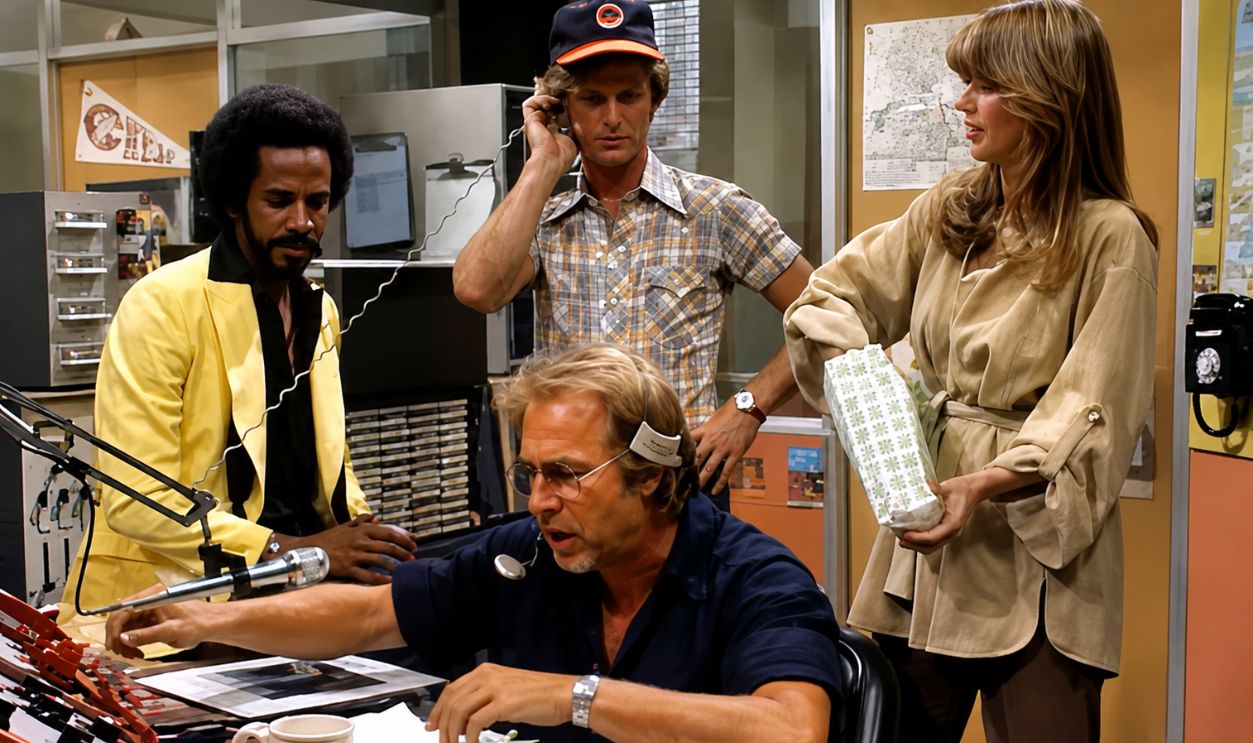 Screenshot from WKRP In Cincinnati, CBS (1978-1982)
The Dukes Of Hazzard
“Good Ol’ Boys” gave “The Dukes of Hazzard” instant country credibility because Waylon Jennings himself sang the story. The theme sounded like a front-porch legend about cousins, cars, and trouble with the law. Even people who forgot the plots remember that they were never meaning no harm.
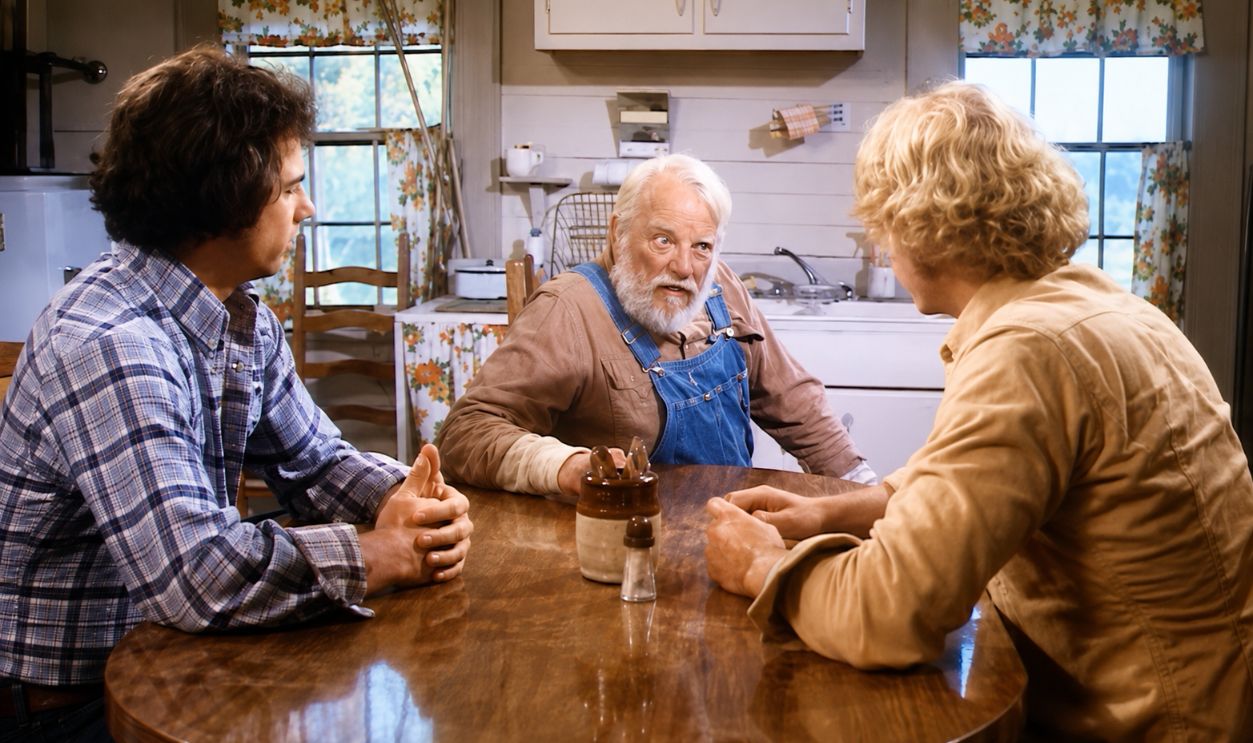 Screenshot from The Dukes Of Hazzard, CBS (1979-1985)
Dallas
The “Dallas” theme is pure oil-money drama. Big, brassy, and confident, it made the Ewing family’s problems sound like national events. There were no lyrics to memorize, but that sweeping melody told viewers to expect betrayal, shoulder pads, and someone making a very expensive mistake.
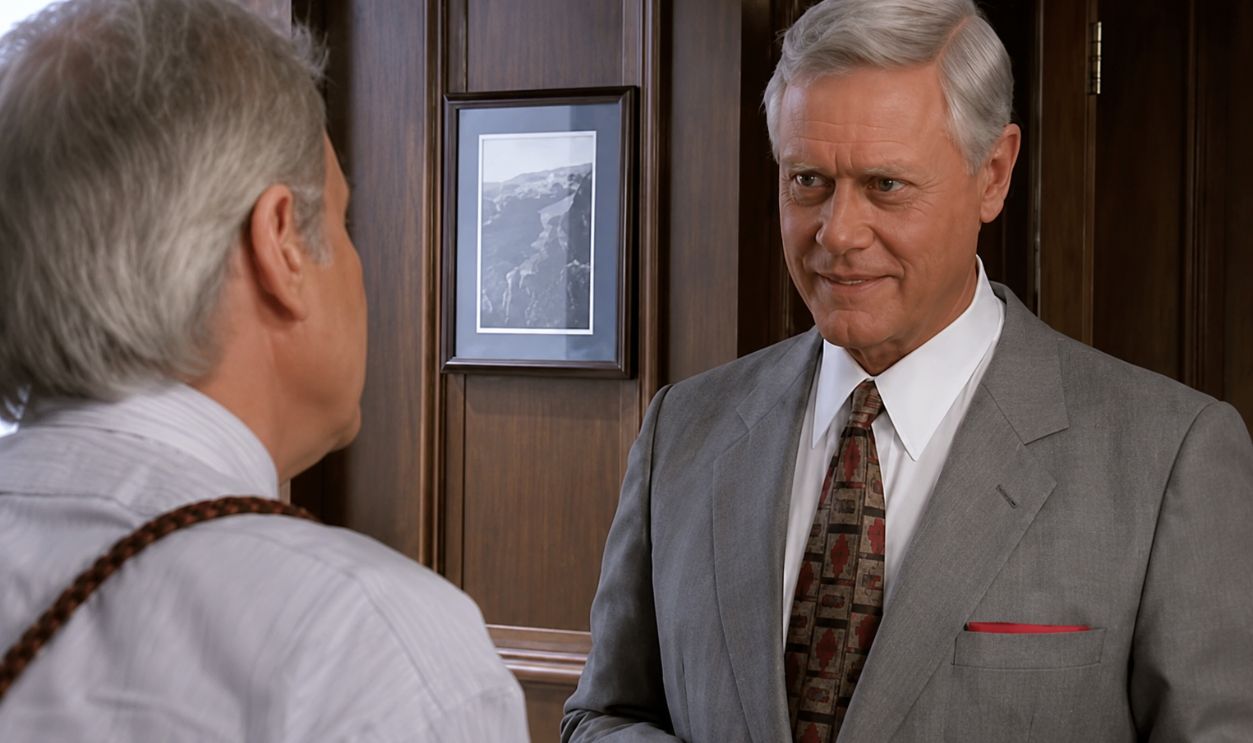 Screenshot from Dallas, Warner Bros. Television Distribution (1978-1991)
Why These Themes Still Matter
These songs came from a time when TV themes were not background noise. They were little introductions, jokes, promises, and memory hooks. Millions still know them because they played weekly, loudly, and proudly. Millions more may never hear them, unless someone keeps humming them first.
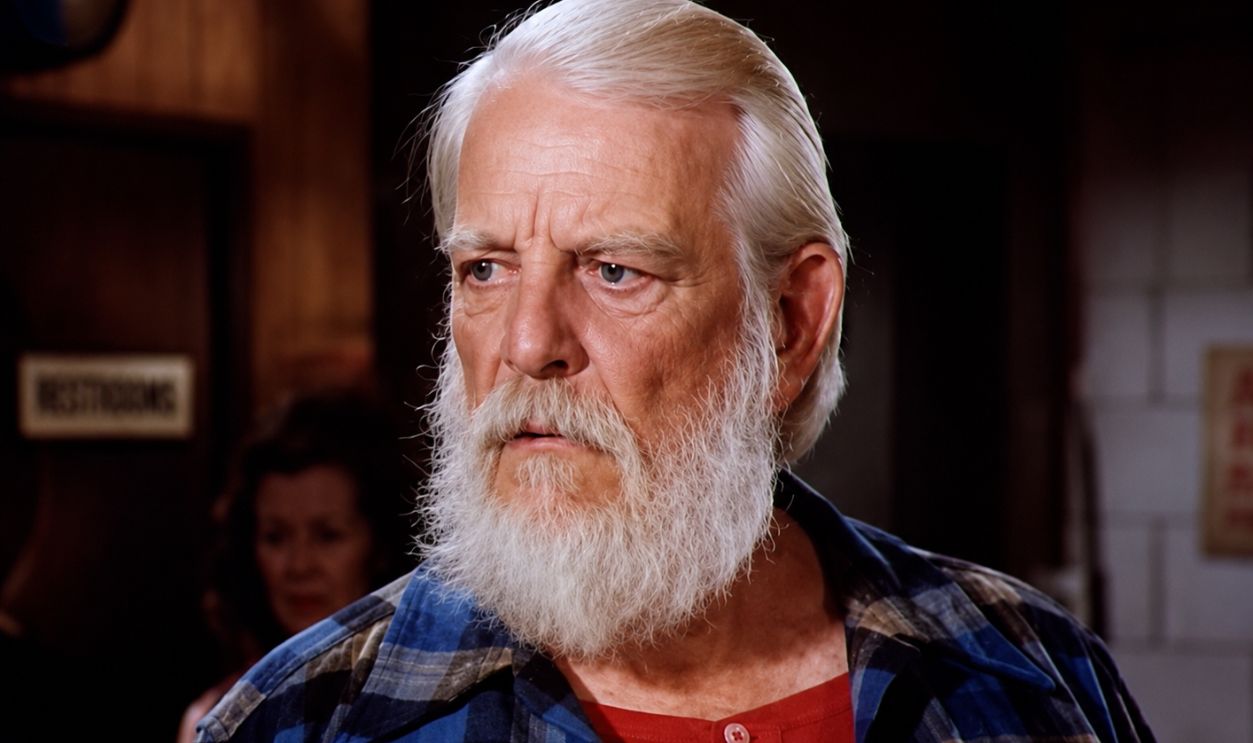 Screenshot from The Dukes Of Hazzard, CBS (1979-1985)
You May Also Like:
Great Movies From The 1960s That No One Remembers—Seriously, Do You Remember Even 5 Of These Films?