Walking Away Too Soon
Leaving a hit television series can seem like the perfect career move. Some actors hoped for bigger paychecks, movie stardom, or more creative freedom, only to discover that success outside their signature role proved much harder to find. Here are 22 stars whose departures quickly became cautionary tales.
 ABC Television, Wikimedia Commons
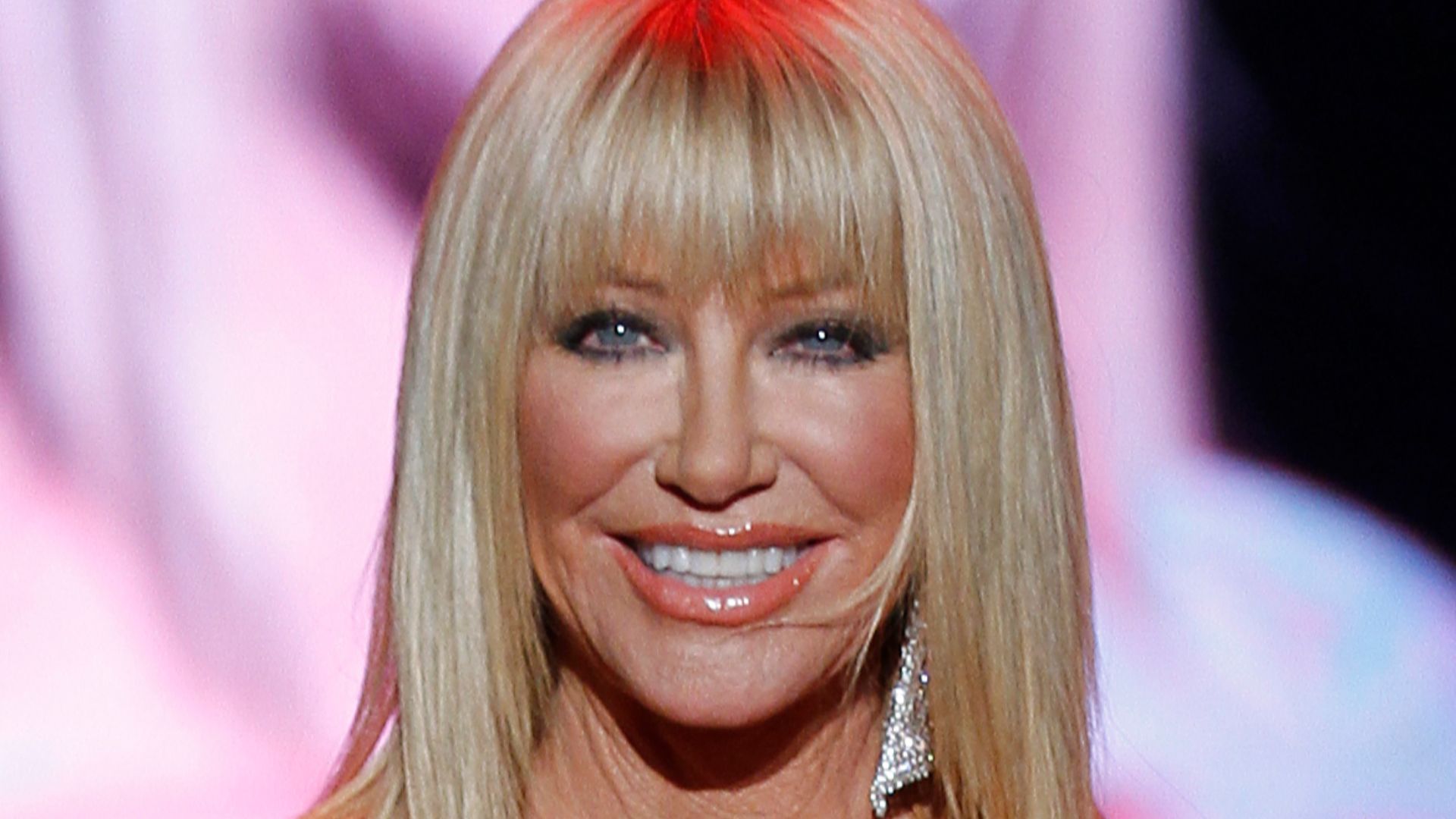
Suzanne Somers
Suzanne Somers left Three's Company during a bitter salary dispute after seeking pay comparable to her male co-star John Ritter. The series continued successfully without her, while she found herself unofficially blacklisted by much of Hollywood for years before eventually rebuilding her career through fitness and business ventures.
 The Heart Truth, Wikimedia Commons
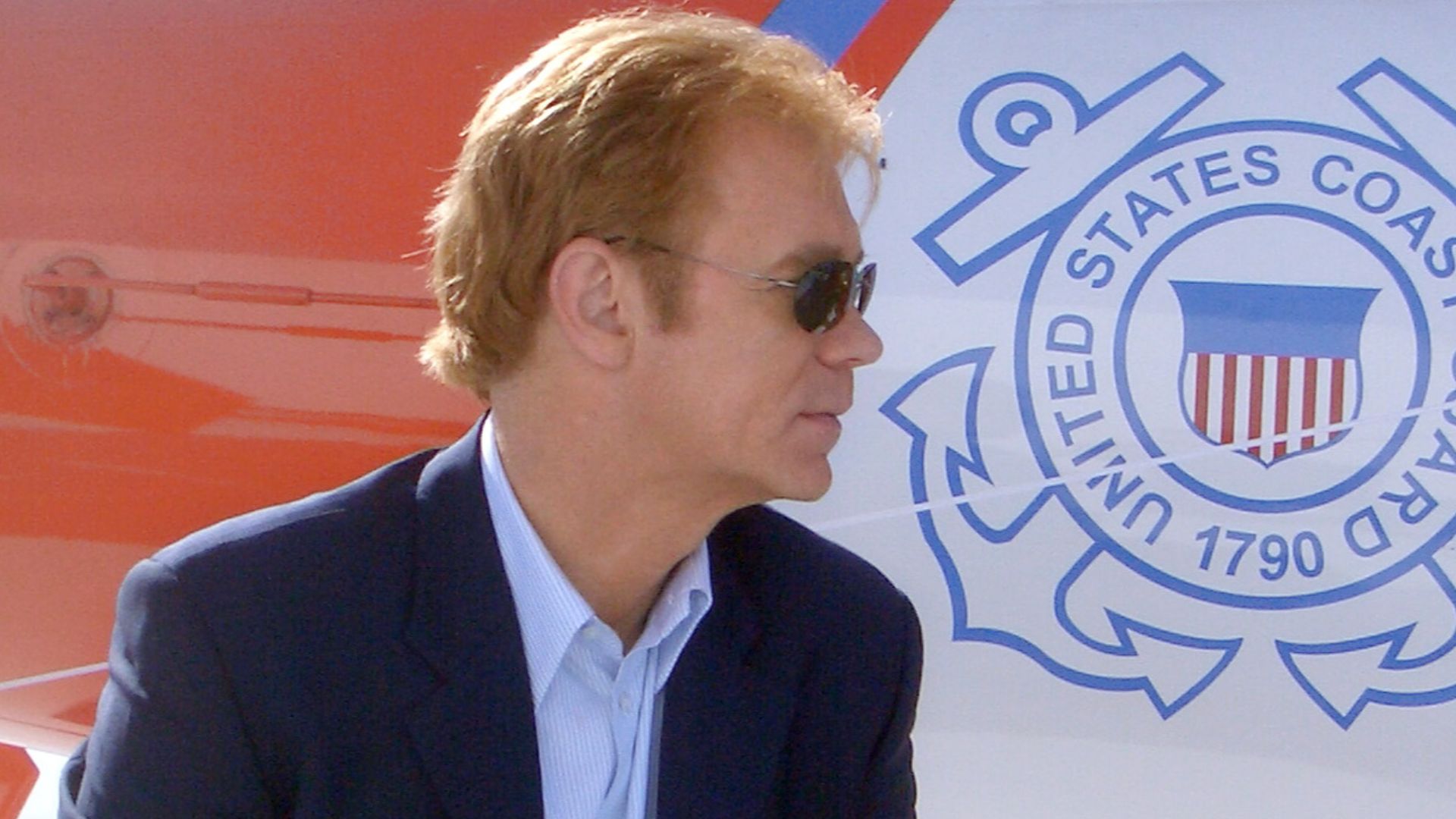
David Caruso
After becoming television's hottest new star on NYPD Blue, David Caruso departed after just one season hoping to become a major movie star. Several films underperformed, and he spent years rebuilding his reputation before finding lasting television success on CSI: Miami.
 USCG photo by Lt. Cmdr. Jeff Loftus., Wikimedia Commons
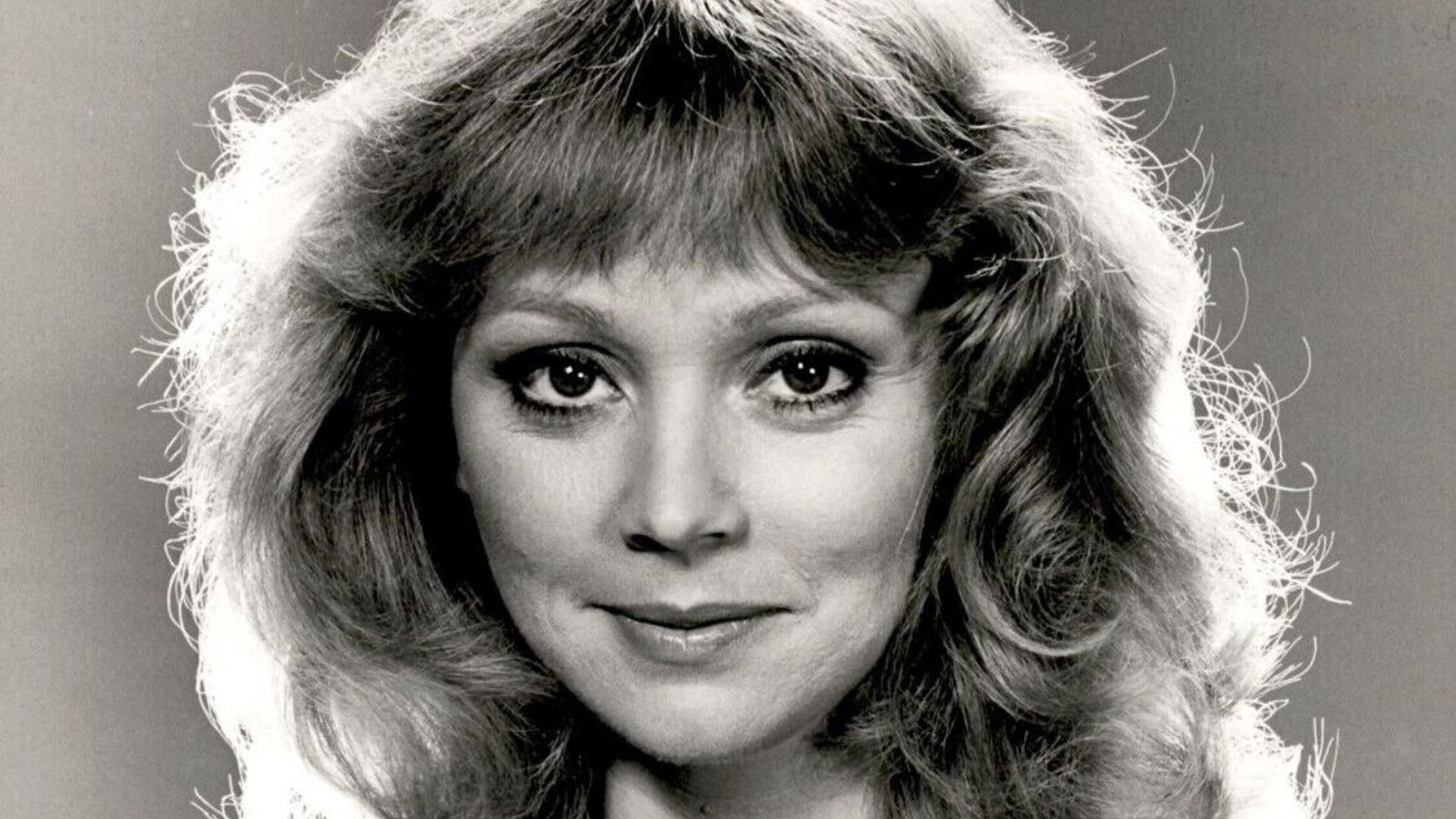
Shelly Long
Shelly Long left Cheers before the series ended because she wanted to focus on movies and family. Although she enjoyed some film success, none matched the cultural impact of Diane Chambers, while Cheers continued thriving for several more highly successful seasons.
 NBC Television, Wikimedia Commons
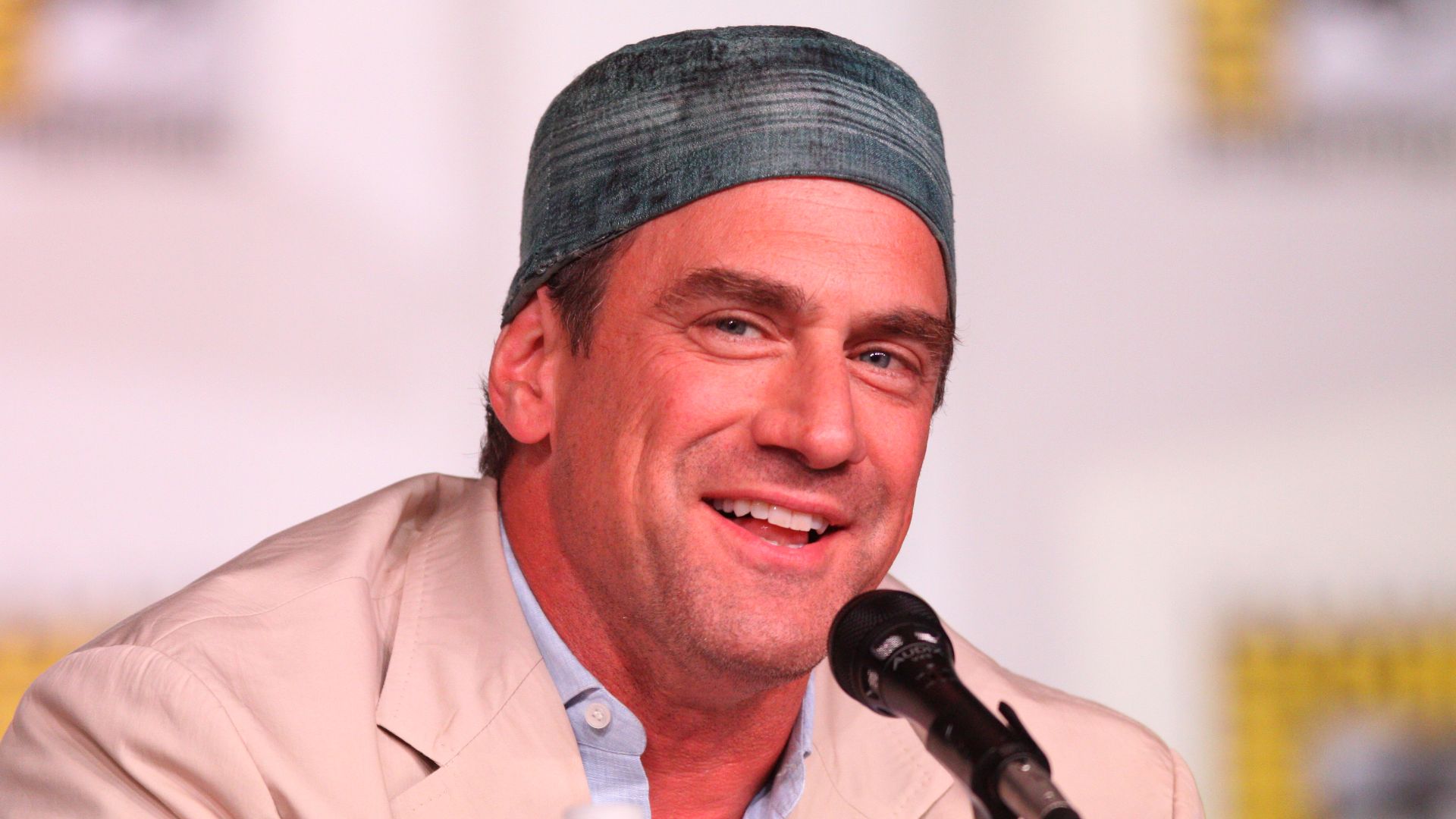
Christopher Meloni
Christopher Meloni departed Law & Order: Special Victims Unit following contract negotiations that reached an impasse. Although he remained busy, many fans associated him most strongly with Elliot Stabler. His eventual return years later highlighted just how closely audiences connected him with the role.
 Gage Skidmore from Peoria, AZ, United States of America, Wikimedia Commons
Farrah Fawcett
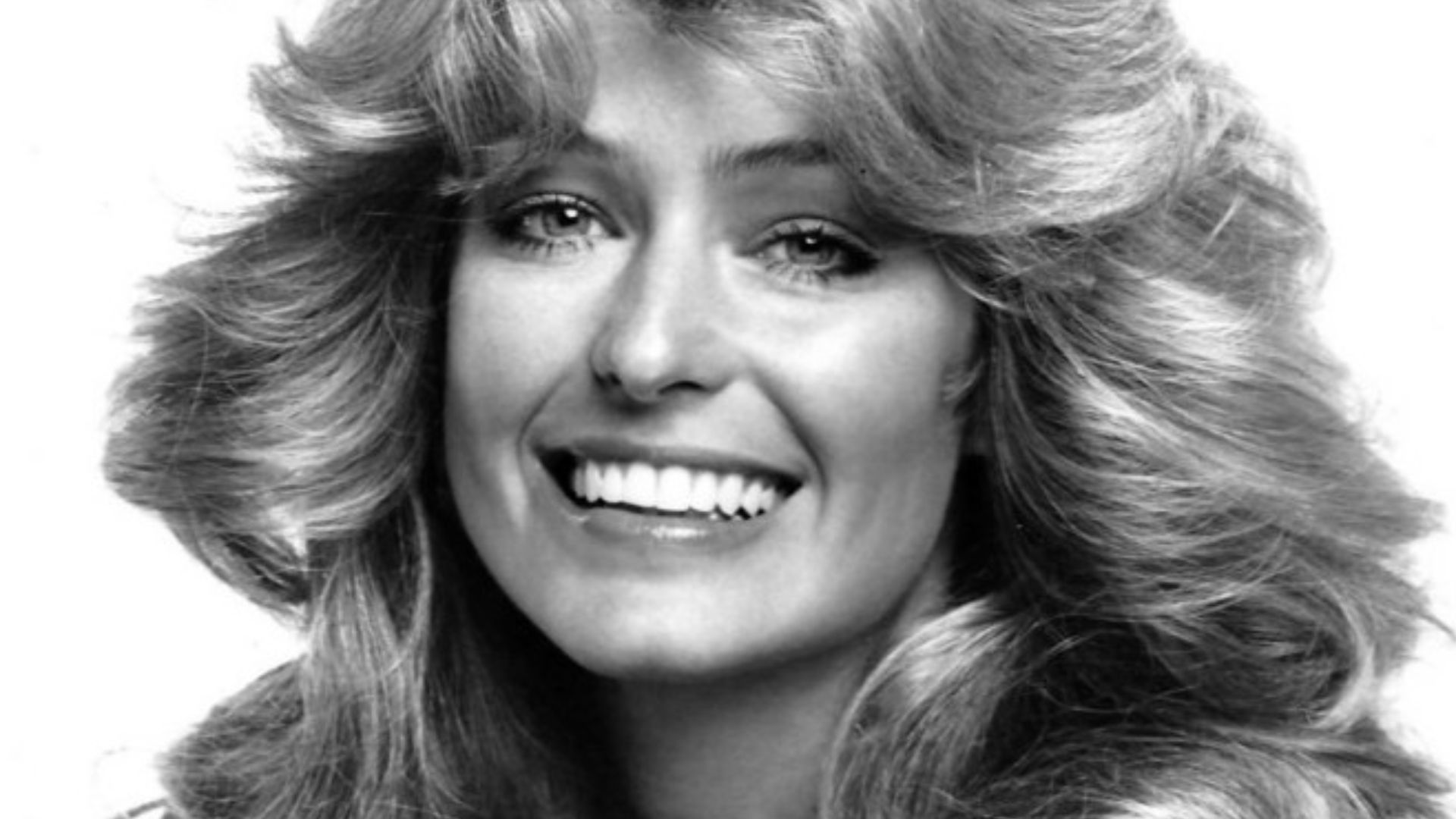
Farrah Fawcett became the breakout star of Charlie's Angels but left after only one season in pursuit of movie stardom. Lengthy legal disputes followed, and while she later built a respected acting career, her departure became one of television's earliest examples of leaving a blockbuster series too soon.
ABC Television, Wikimedia Commons
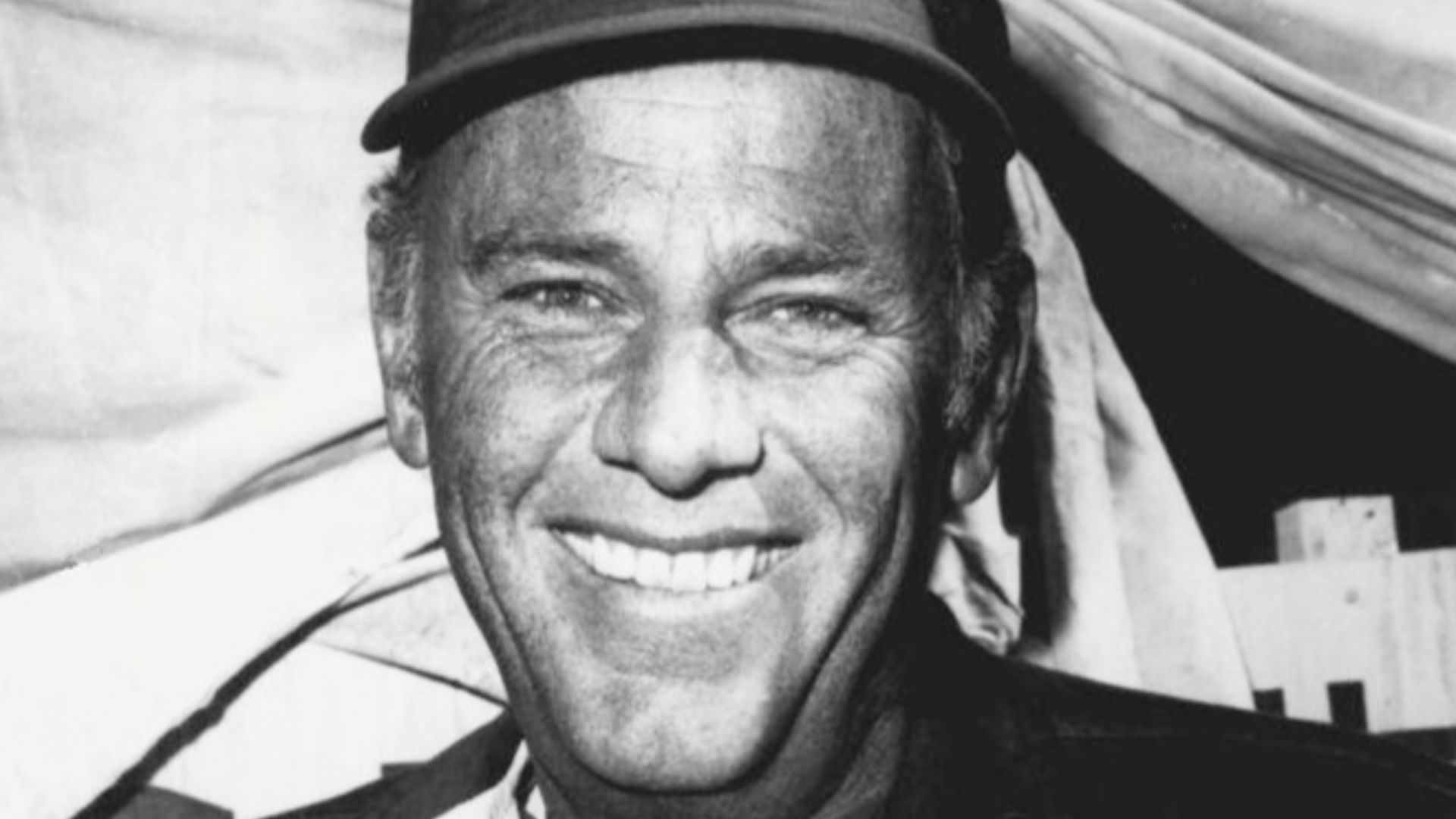
McLean Stevenson
McLean Stevenson believed he could become a leading television star after leaving M*A*S*H. Unfortunately, the sitcom remained enormously successful without him, while several of his own starring vehicles were canceled quickly, making his departure one of television's most famous career miscalculations.
 CBS Television, Wikimedia Commons
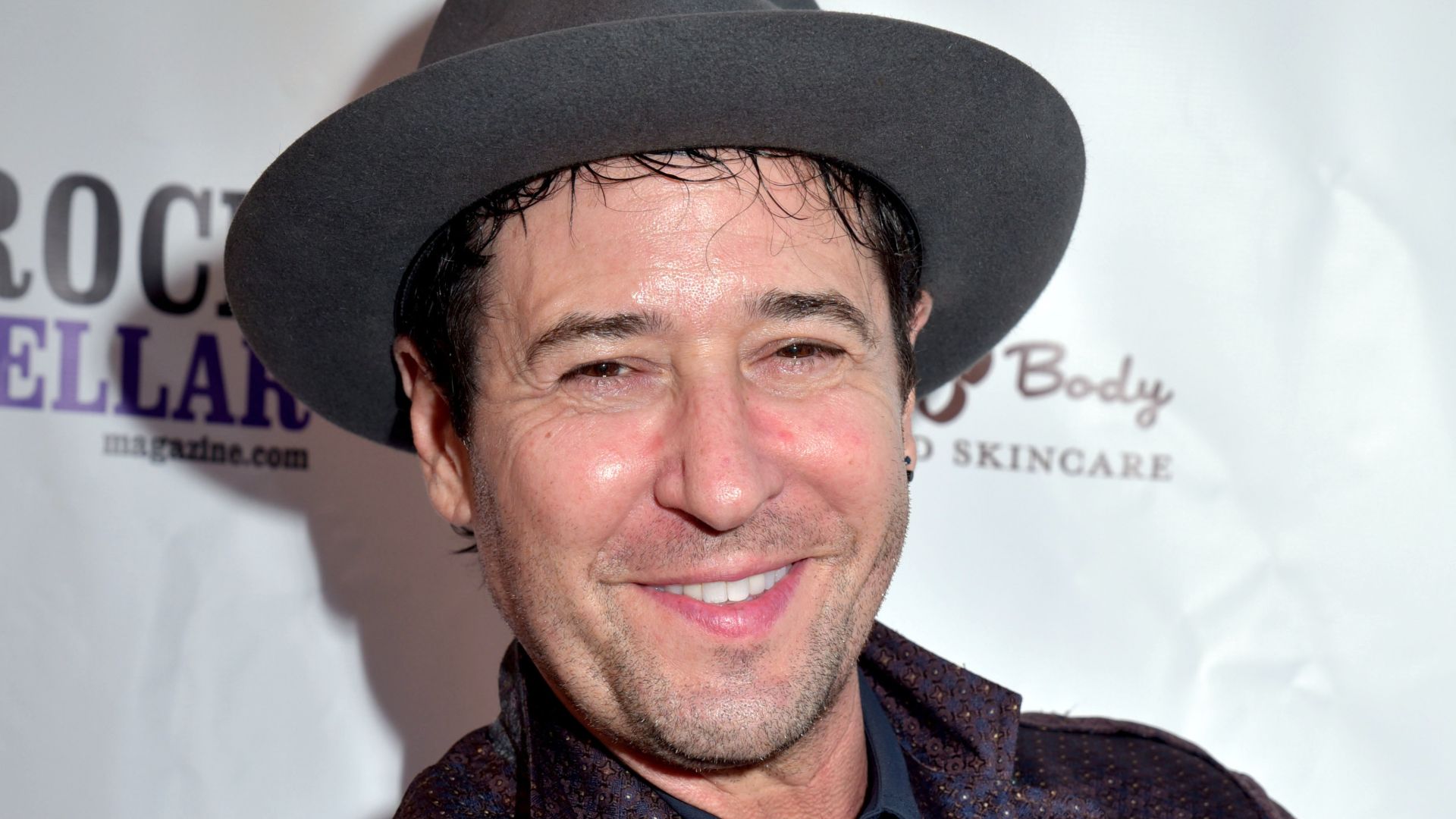
Rob Morrow
Rob Morrow exited Northern Exposure amid contract disagreements near the height of the show's popularity. Although he continued working steadily, many observers believed leaving the acclaimed series early limited the momentum he had built with one of television's most distinctive dramatic roles.
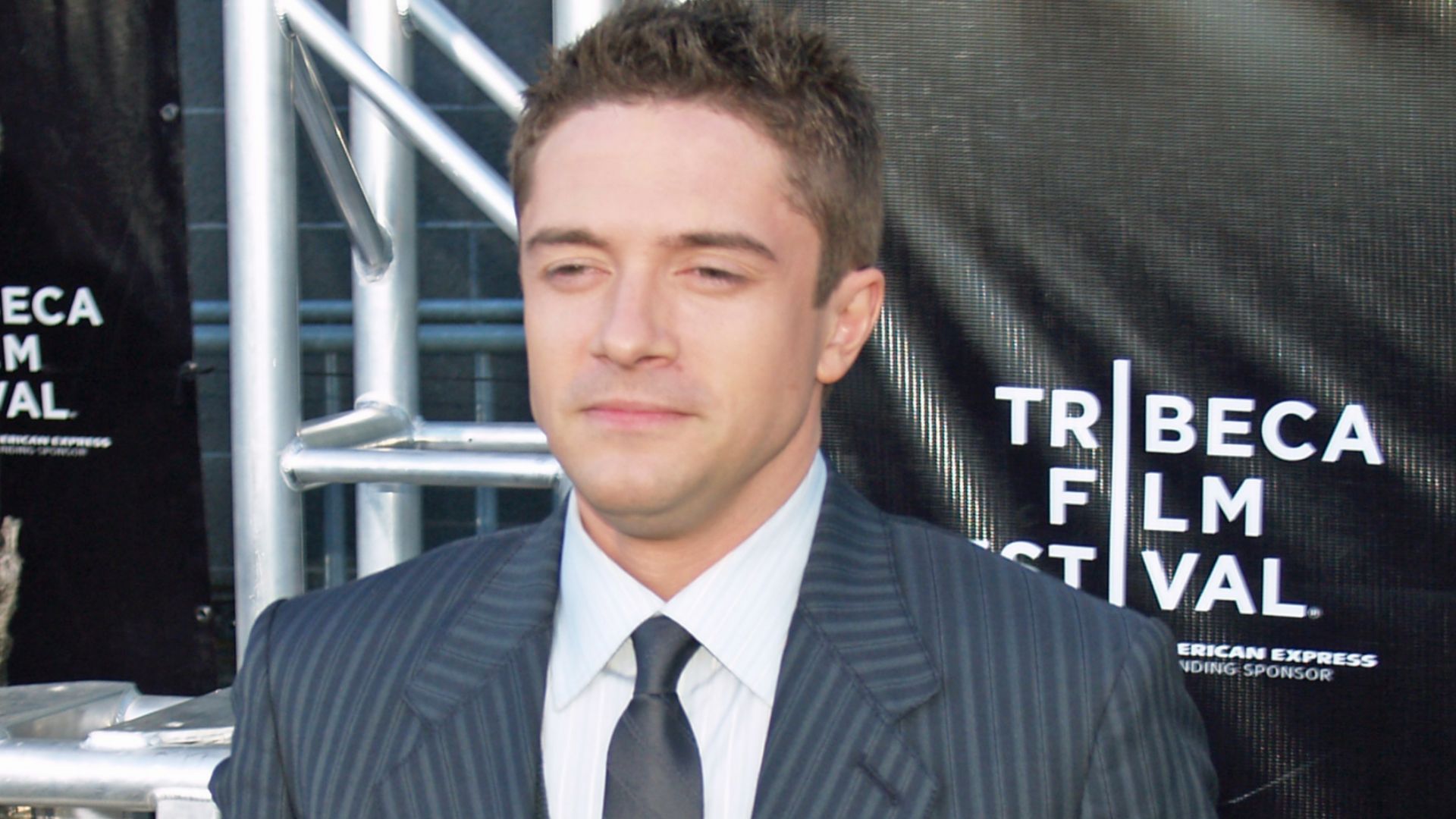
Topher Grace
Topher Grace chose to leave That '70s Show before its final season to pursue feature films. While he landed several notable movie roles, the career explosion many expected never fully materialized, and the sitcom remains the performance for which he is still best remembered.
 David Shankbone, Wikimedia Commons
Katherine Heigl
Katherine Heigl stepped away from Grey's Anatomy after several public disagreements and growing tensions surrounding the series. Although she starred in successful romantic comedies, her television exit coincided with a period in which Hollywood opportunities gradually became more limited than many had predicted.
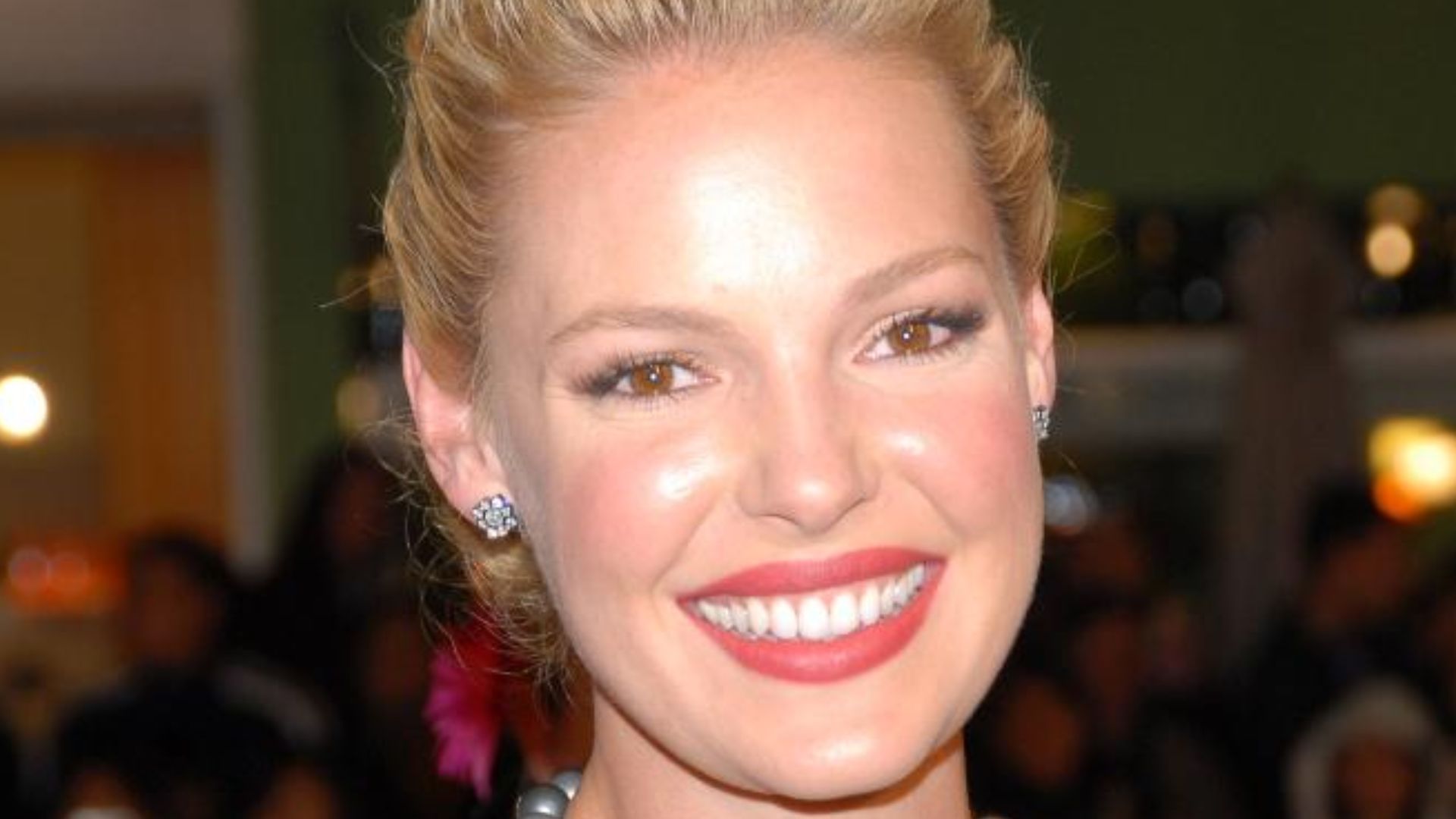 Photo from www.lukeford.net, Wikimedia Commons
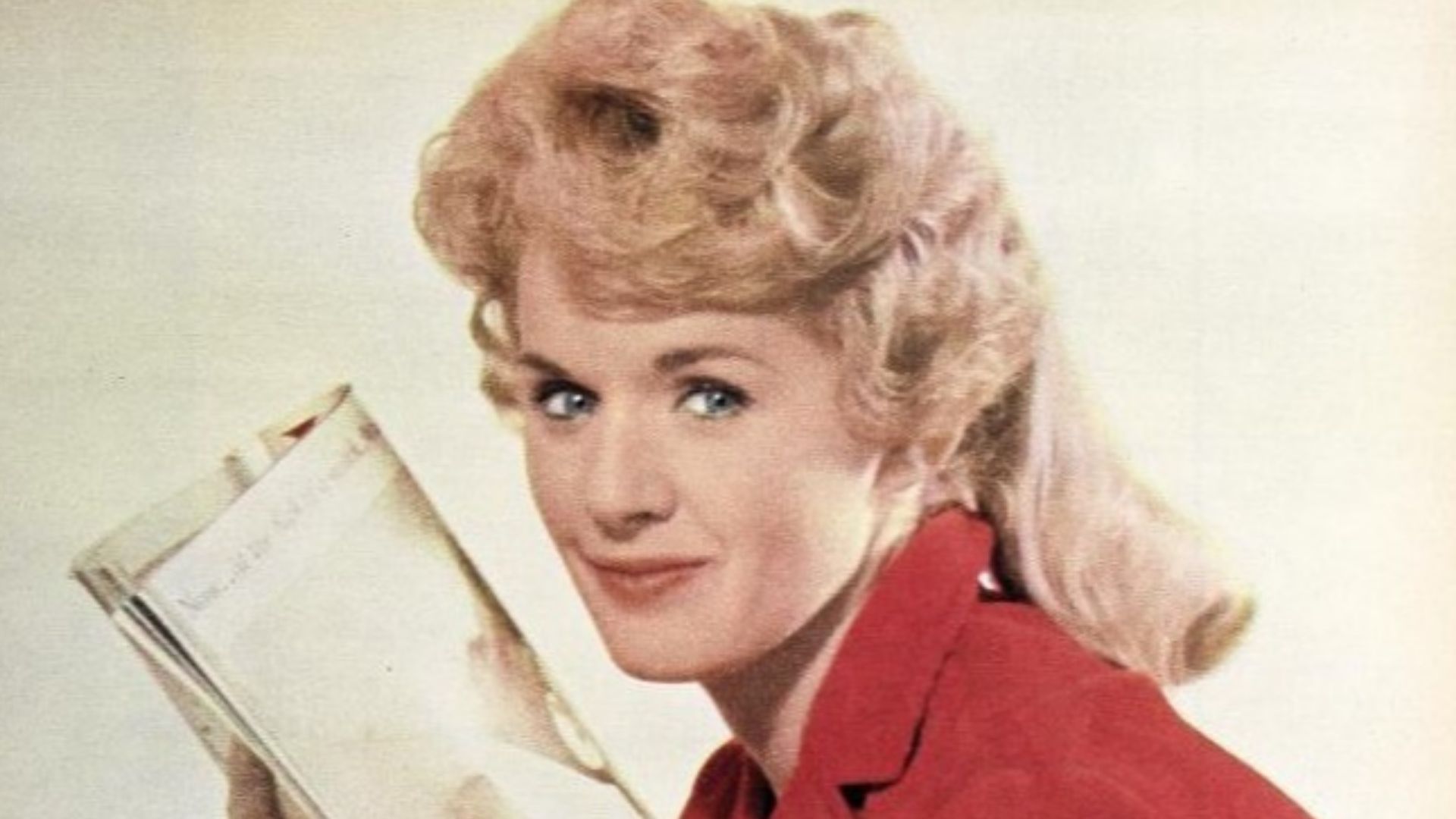
Connie Stevens
Connie Stevens left Hawaiian Eye believing broader opportunities awaited. Although she remained a recognizable entertainer, the level of stardom she enjoyed during the hit detective series proved difficult to duplicate once she moved beyond the show that made her famous.
 Photographer not credited, Wikimedia Commons
Mischa Barton
Mischa Barton departed The O.C. while still one of television's most recognizable young stars. After the series, consistent starring opportunities became scarce, and many critics later viewed her early departure as a risky decision that failed to produce the expected career breakthrough.
 MTV International, Wikimedia Commons
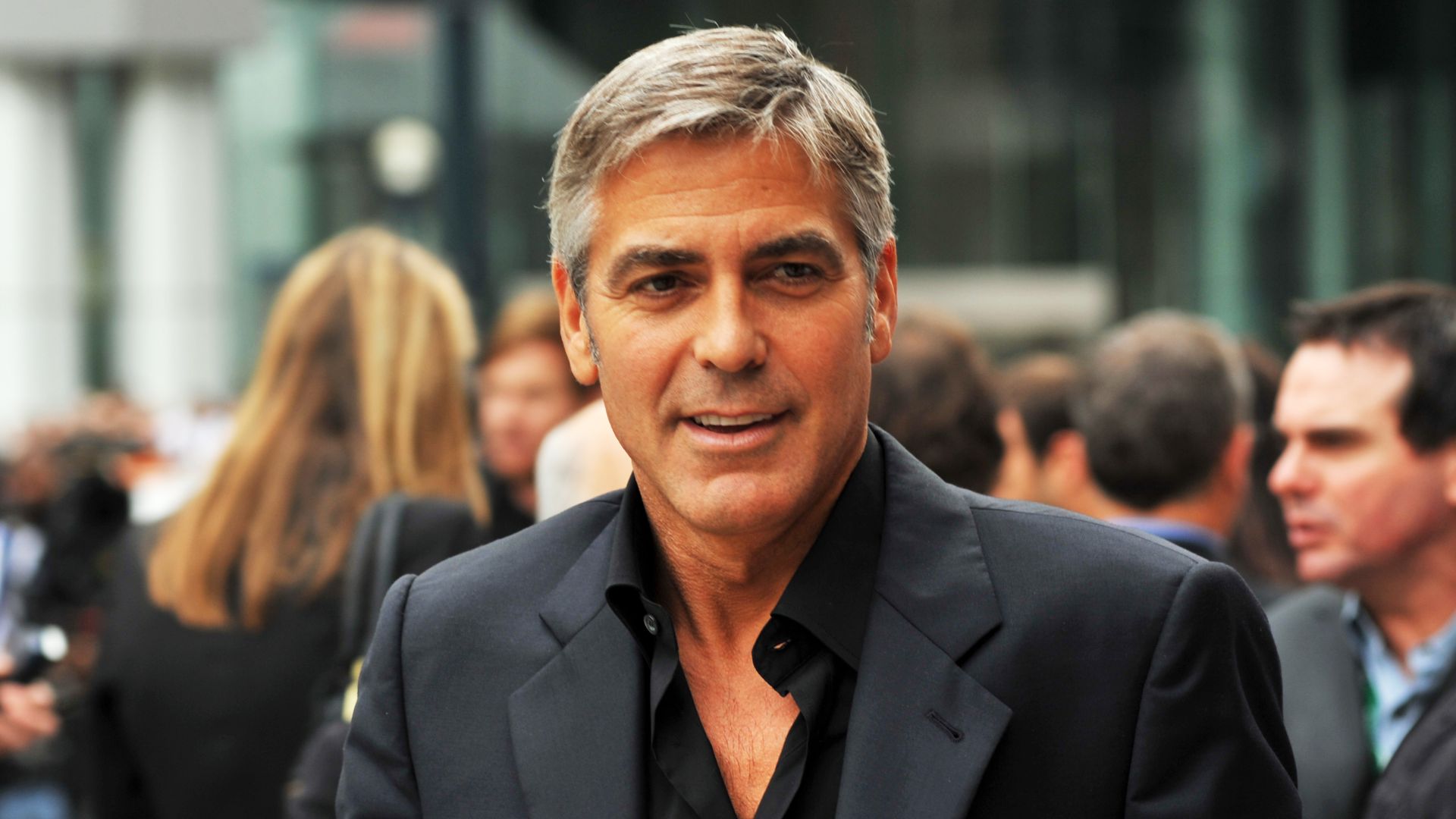
George Clooney
George Clooney left ER before the medical drama concluded, but unlike many others, he found extraordinary success in film. Even so, he has acknowledged that leaving a beloved series carried significant uncertainty because television had provided the foundation for everything that followed.
 Michael Vlasaty, Wikimedia Commons
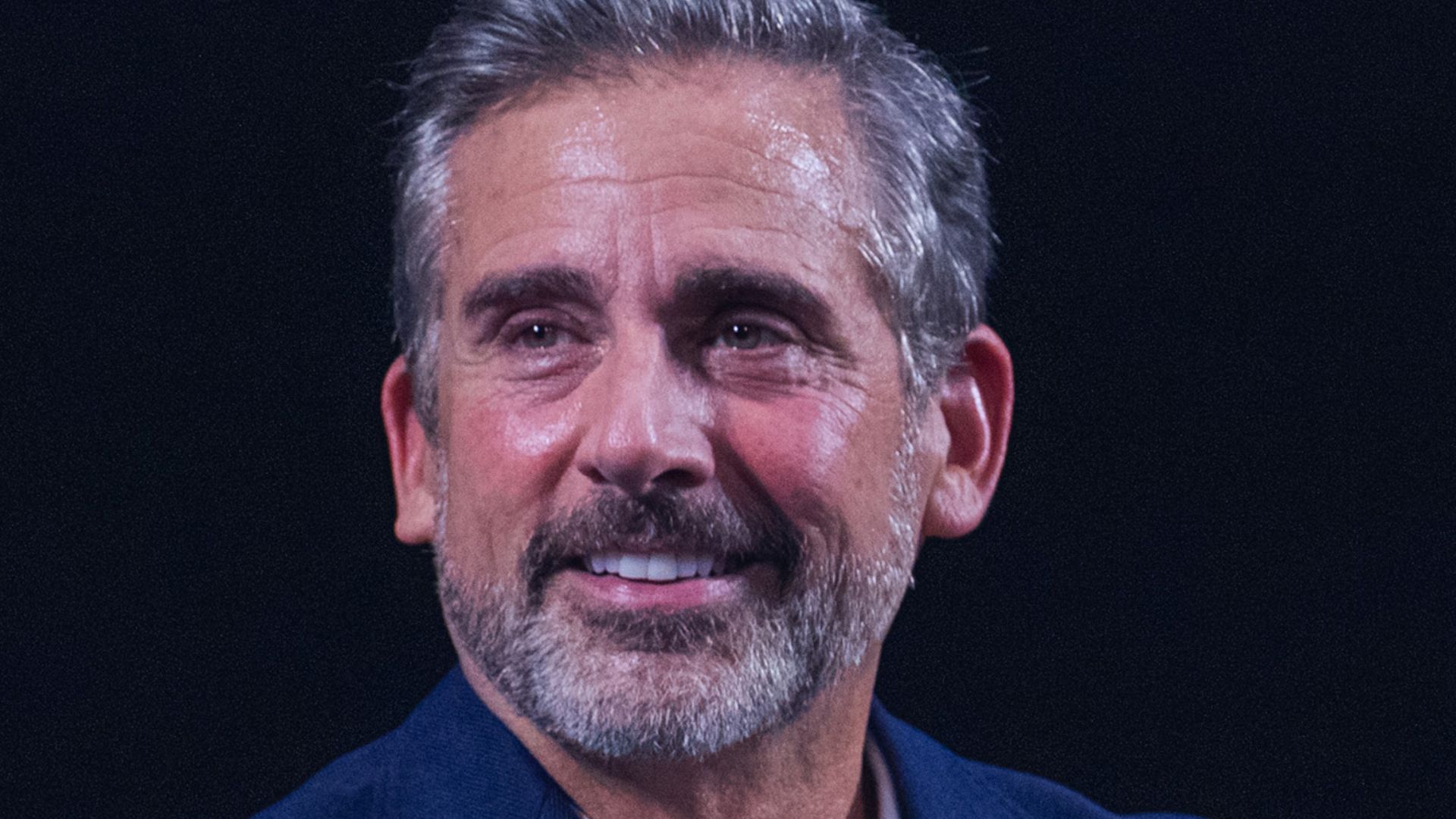
Steve Carell
Steve Carell exited The Office after seven seasons, and both the series and his film career continued successfully. However, many fans believed the show's quality declined without him, and Carell himself later expressed surprise that NBC never seriously attempted to keep him longer.
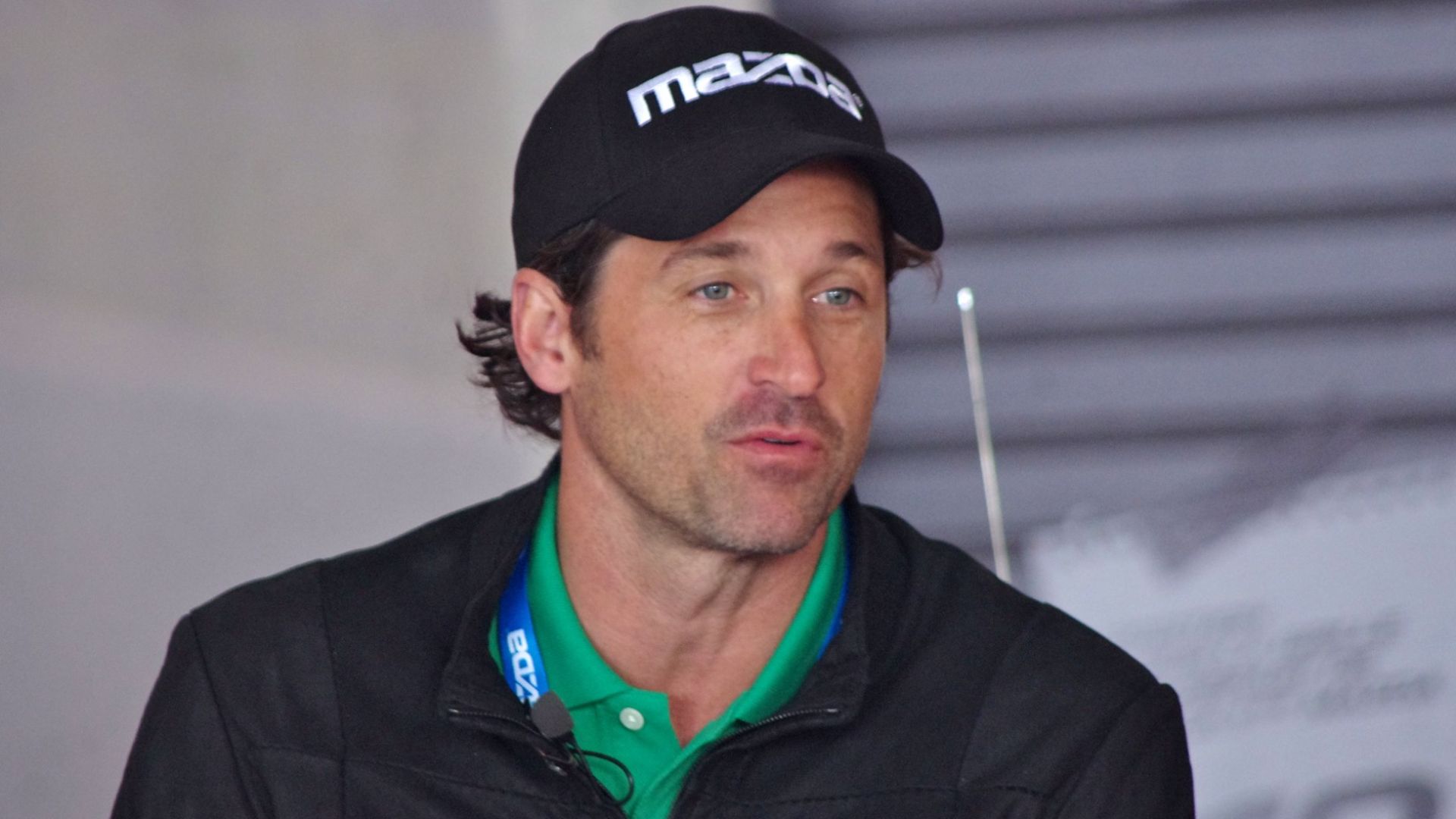
Patrick Dempsey
Patrick Dempsey left Grey's Anatomy after more than a decade as Derek Shepherd. Although he continued acting, few subsequent projects matched the cultural prominence of the medical drama, and his later return to high profile television reflected the enduring popularity of his signature role.
 David Merrett from Daventry, England, Wikimedia Commons
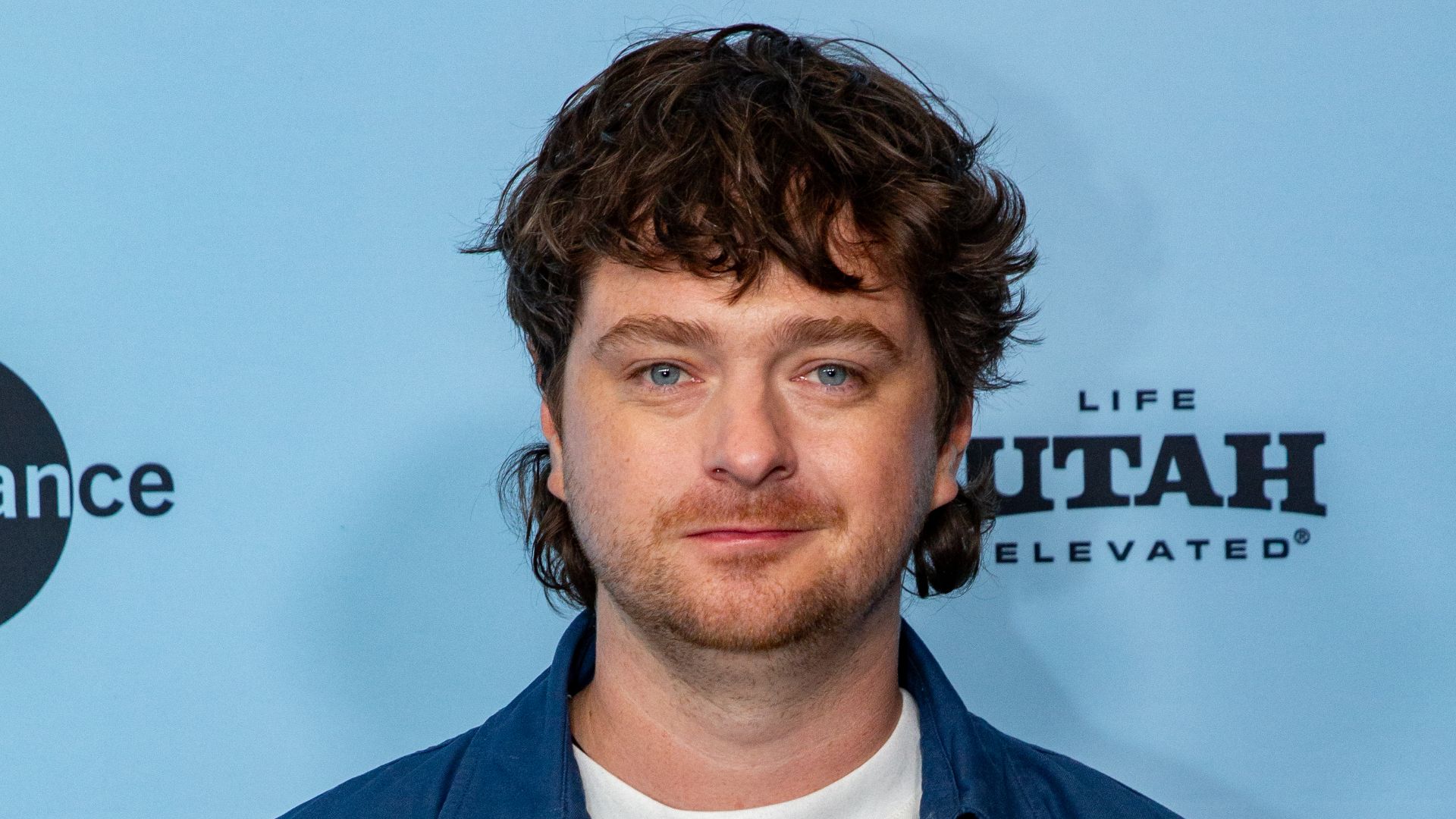
Michael Shanks
Michael Shanks temporarily left Stargate SG-1 because of creative concerns surrounding his character. Fans strongly supported his return, and he eventually rejoined the series, illustrating how difficult it can be for both performers and productions when a key cast member departs unexpectedly.
 Adam Chitayat, Wikimedia Commons
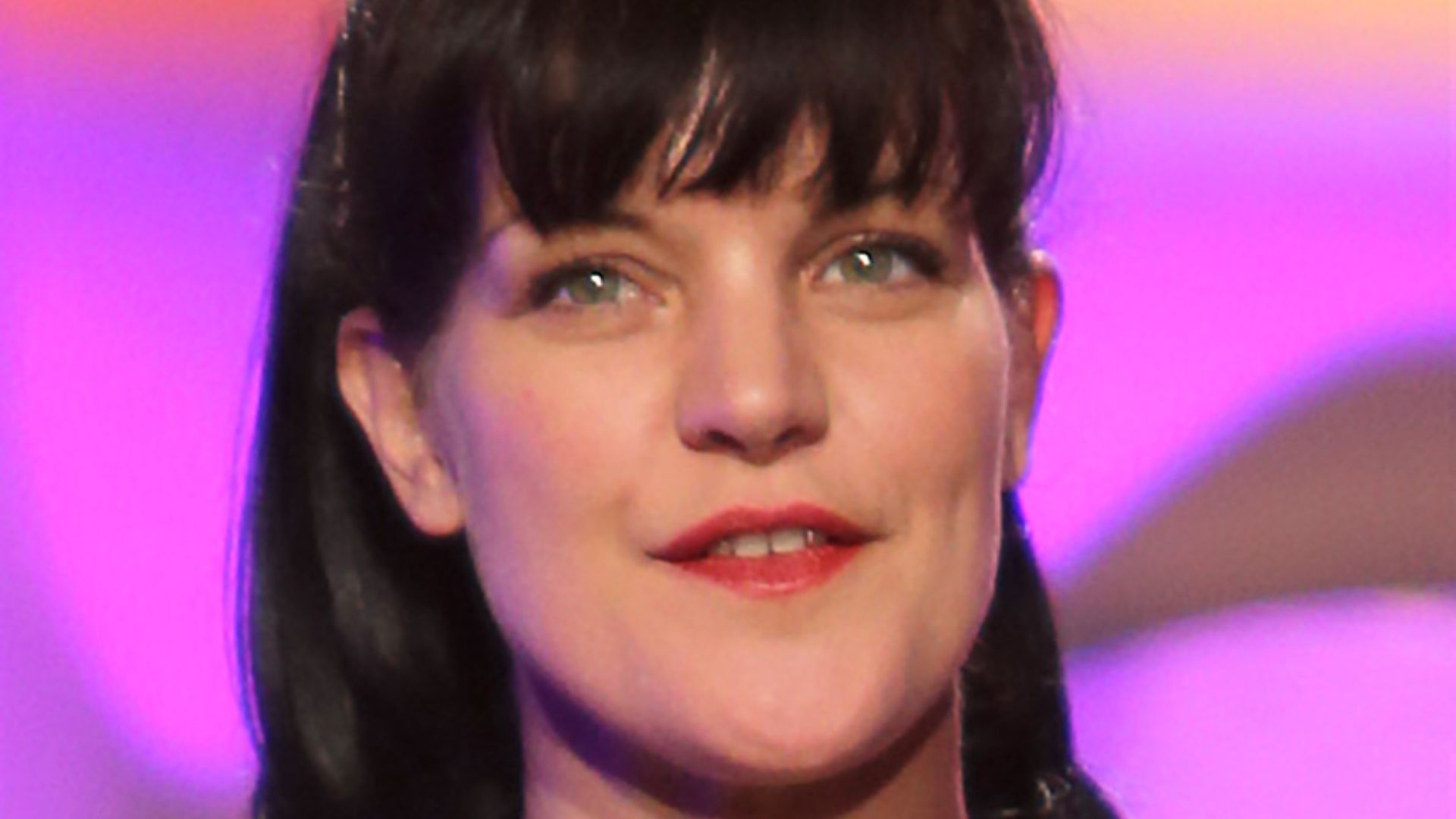
Pauley Perrette
Pauley Perrette became synonymous with Abby Sciuto on NCIS. After leaving the hugely successful procedural, her next starring sitcom lasted only one season. She later retired from acting, leaving many fans to wonder whether departing such an iconic role had been worthwhile.
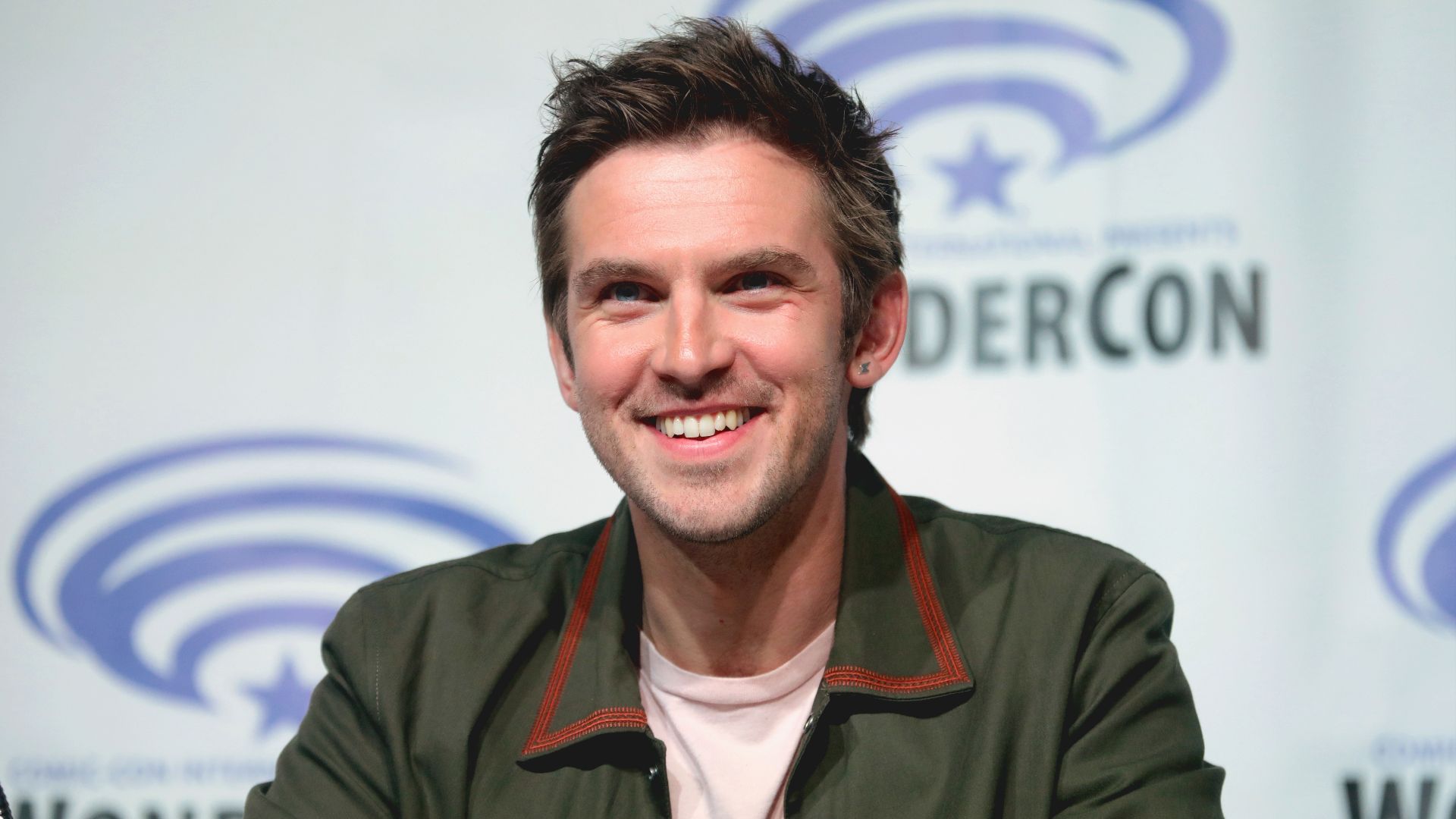
Dan Stevens
Dan Stevens surprised audiences by leaving Downton Abbey at the height of its popularity. Although he later earned praise in film and television, many viewers still associate him most closely with Matthew Crawley, the character whose sudden departure shocked millions of fans.
 Gage Skidmore from Peoria, AZ, United States of America, Wikimedia Commons
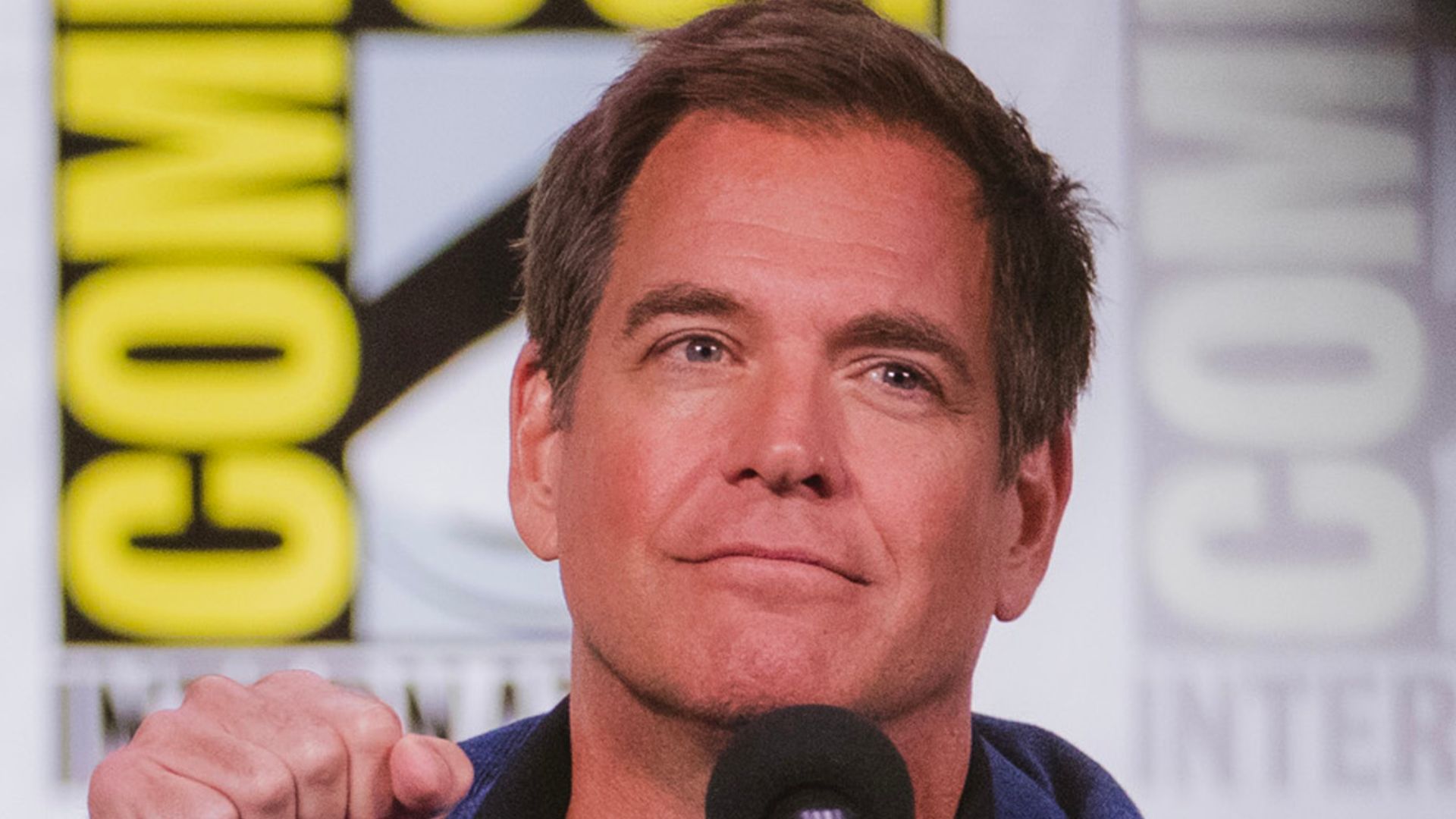
Michael Weatherly
Michael Weatherly left NCIS after 13 seasons to headline Bull. While Bull enjoyed a respectable run, it never matched the cultural impact or enormous audience of NCIS, making his departure a frequent topic whenever television career risks are discussed.
Mandy Patinkin
Mandy Patinkin unexpectedly departed Criminal Minds, later explaining that he found the show's violent subject matter emotionally overwhelming. Although he went on to acclaimed work in Homeland, he has openly reflected on the decision and acknowledged the unique success of the series he left behind.

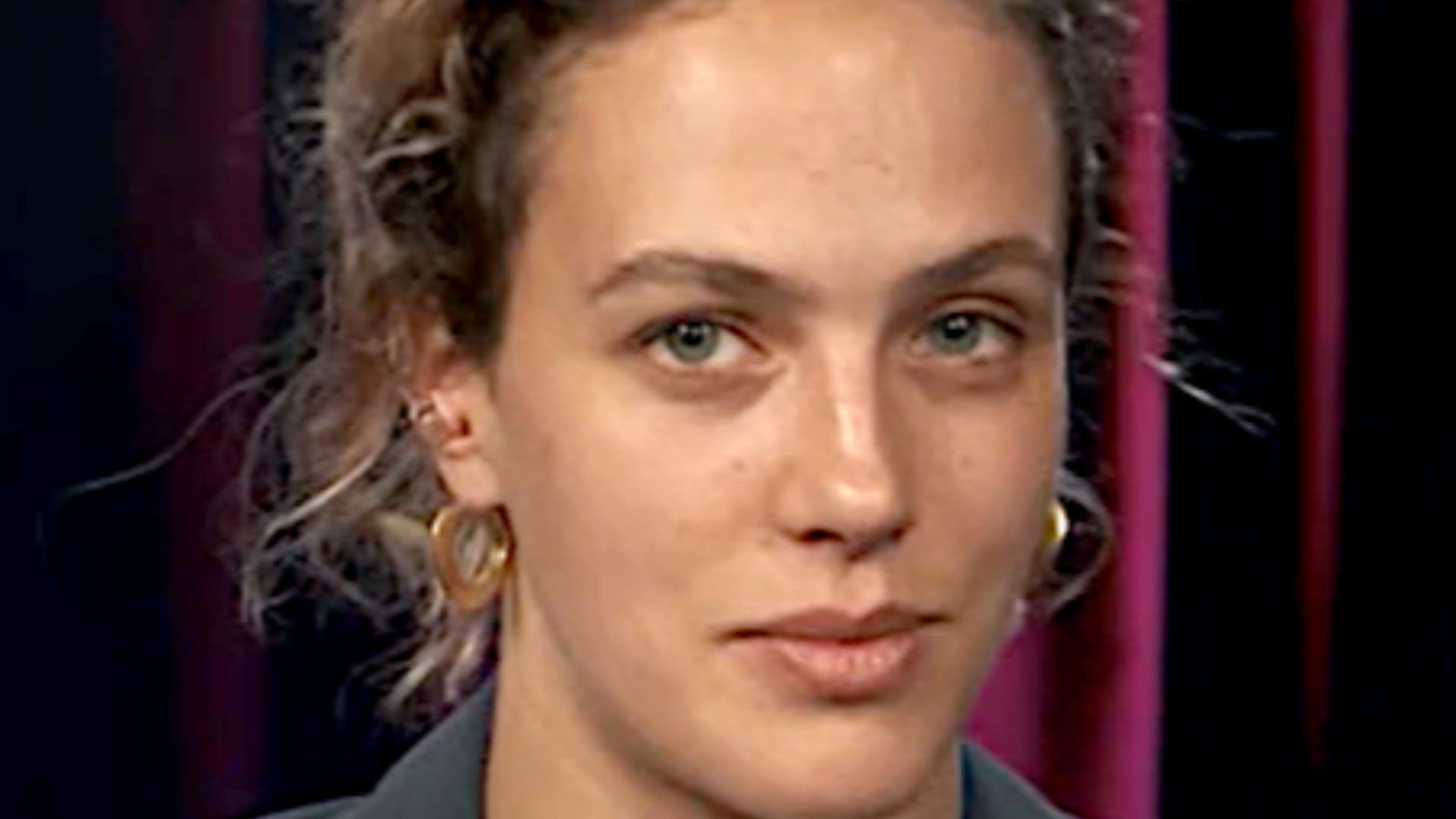
Jessica Brown Findlay
Jessica Brown Findlay insisted on leaving Downton Abbey after its third season because she did not want to become permanently identified with one character. Although she continued acting steadily, few subsequent roles achieved the same worldwide recognition.
 Sidewalks Entertainment, Wikimedia Commons
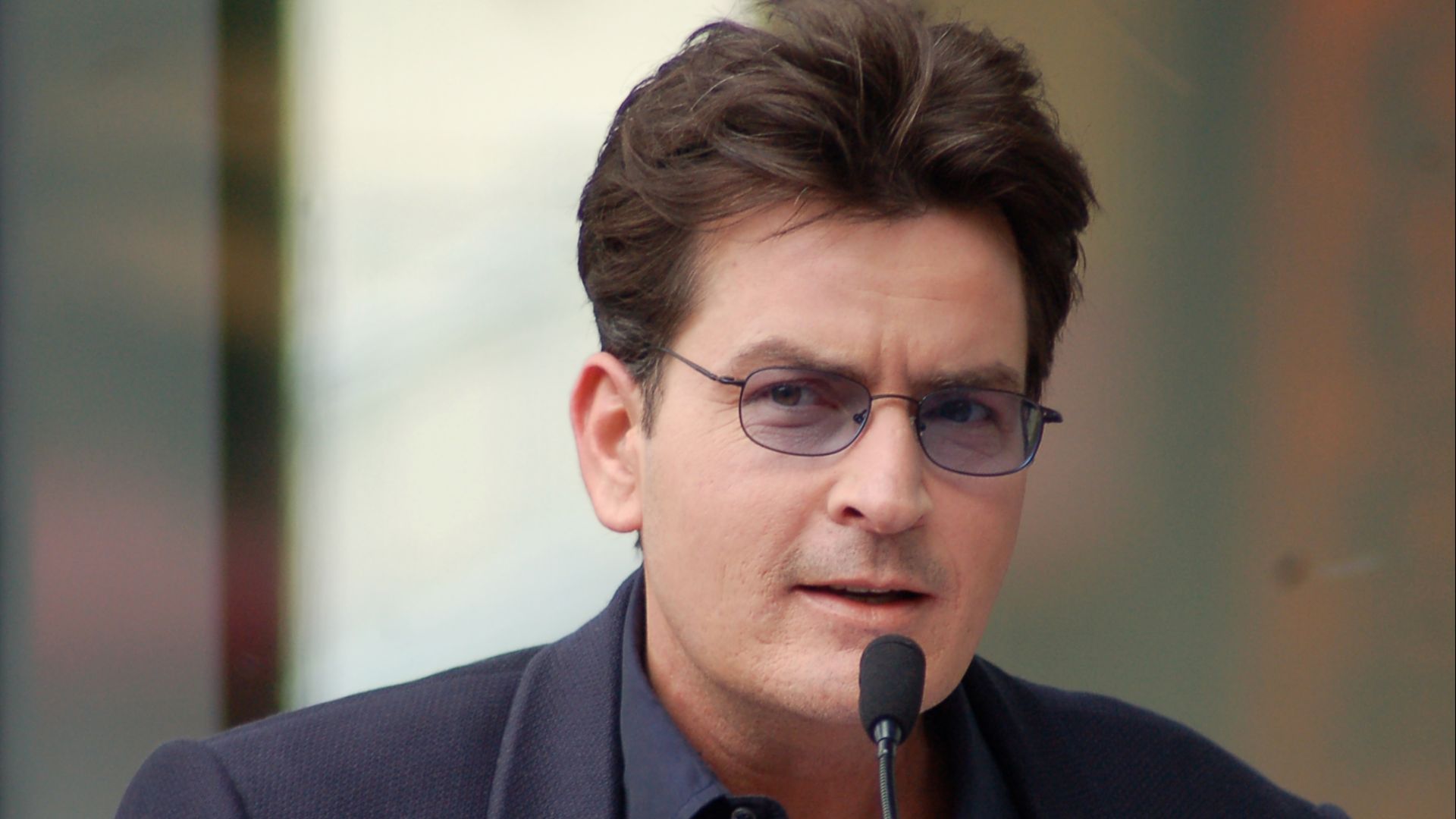
Charlie Sheen
Charlie Sheen's departure from Two and a Half Men followed a highly public dispute rather than a planned exit. Although he remained famous, none of his later television work approached the ratings dominance or financial rewards of the sitcom he left behind.
 Angela George at https://www.flickr.com/photos/sharongraphics/, Wikimedia Commons
Sometimes Staying Pays
Television history shows that leaving a hit series is always a gamble. While a few actors successfully reinvent themselves, many discover that replacing the chemistry, visibility, and audience loyalty of an established hit is much harder than it appears from the outside.
You May Also Like:
McLean Stevenson: M*A*S*H And Everything After
Why Charlie’s Angels Star Kate Jackson Turned Her Back On Hollywood