
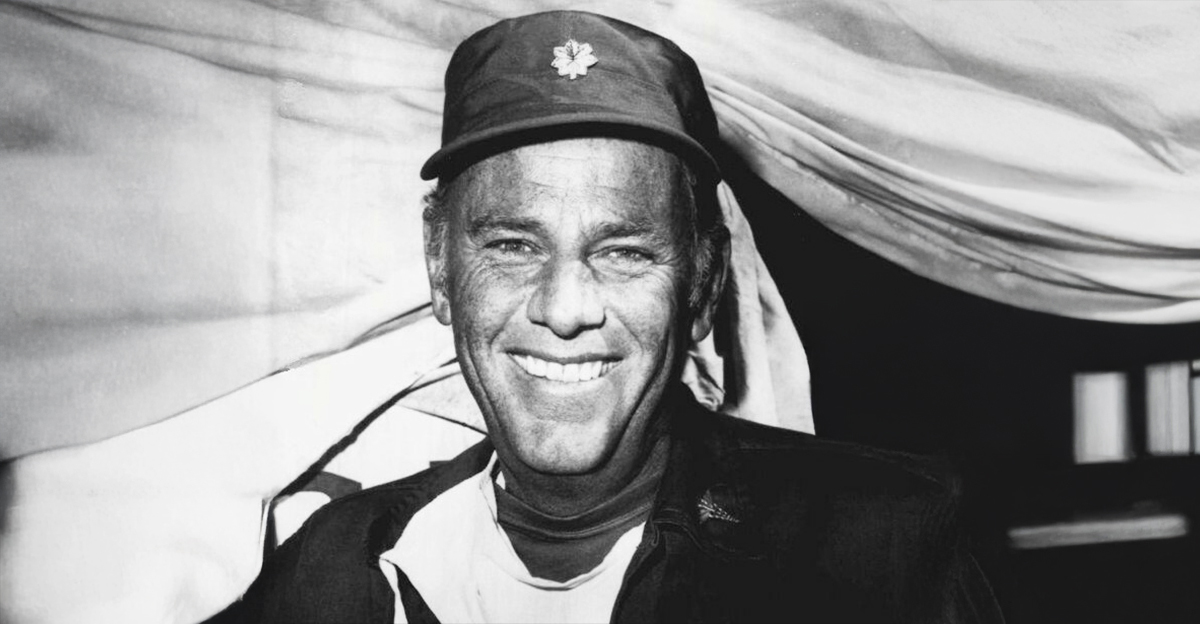
A Career Defining Choice
Few television actors are remembered for a single career decision as much as McLean Stevenson. As the likable Lieutenant Colonel Henry Blake on M*A*S*H, he became one of television's most popular stars. Leaving that success behind would shape the rest of his career.
 CBS Television, Public domain, via Wikimedia Commons
Midwestern Beginnings
Edgar McLean Stevenson Jr. was born on November 14, 1927, in Normal, Illinois. He grew up in a respected family with deep roots in public service, education, and medicine, influences that helped shape his outlook long before Hollywood entered the picture.
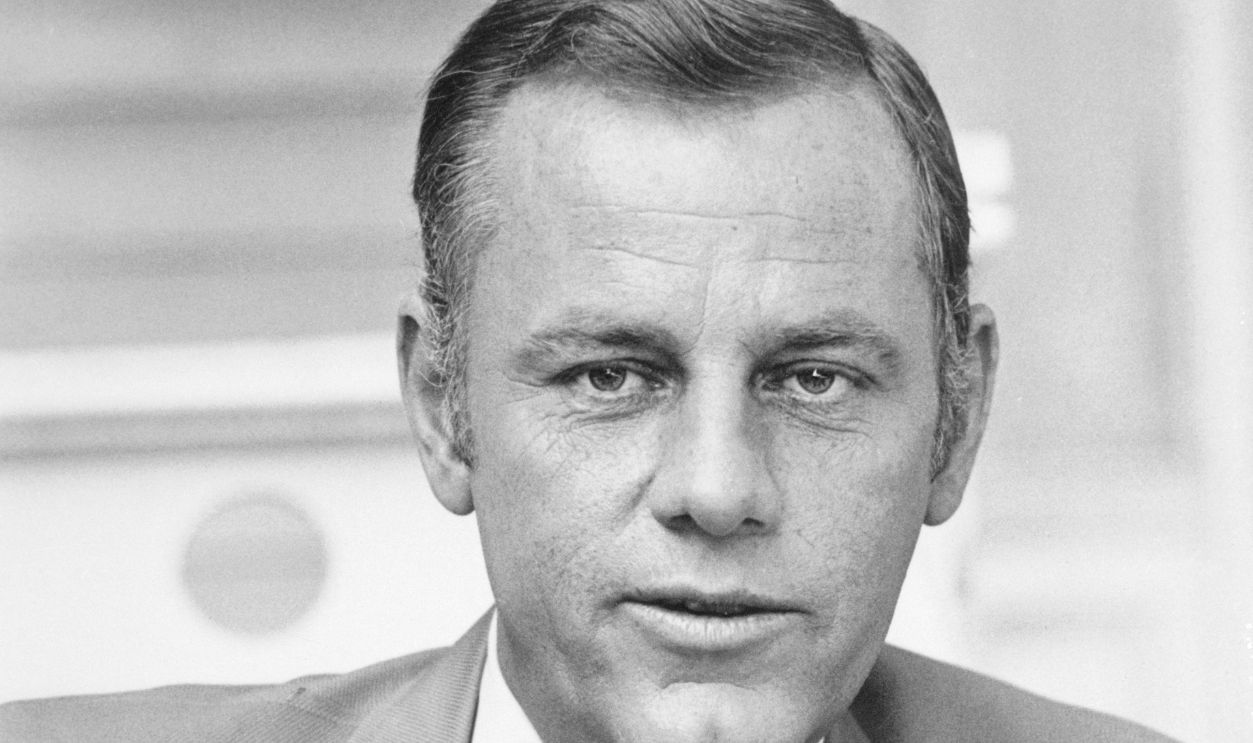
Medicine In The Family
Medicine was practically a family tradition. Stevenson's father was a cardiologist, and several relatives worked in medical professions. Although McLean ultimately chose entertainment instead of medicine, his familiarity with doctors and hospitals later proved useful in his most famous role.
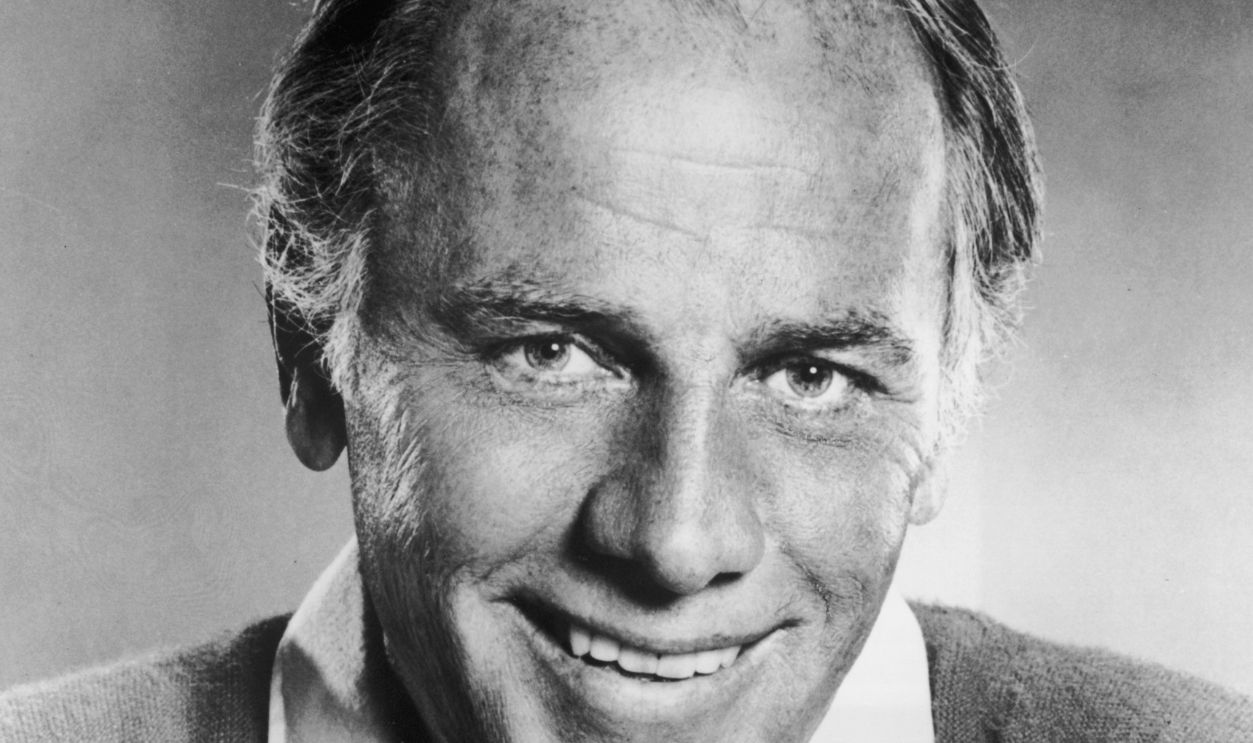
A Famous Relative
Stevenson was also related to prominent Democratic politician Adlai Stevenson II. The future presidential candidate was his first cousin once removed, giving McLean a connection to one of the most recognizable political families in Illinois history.
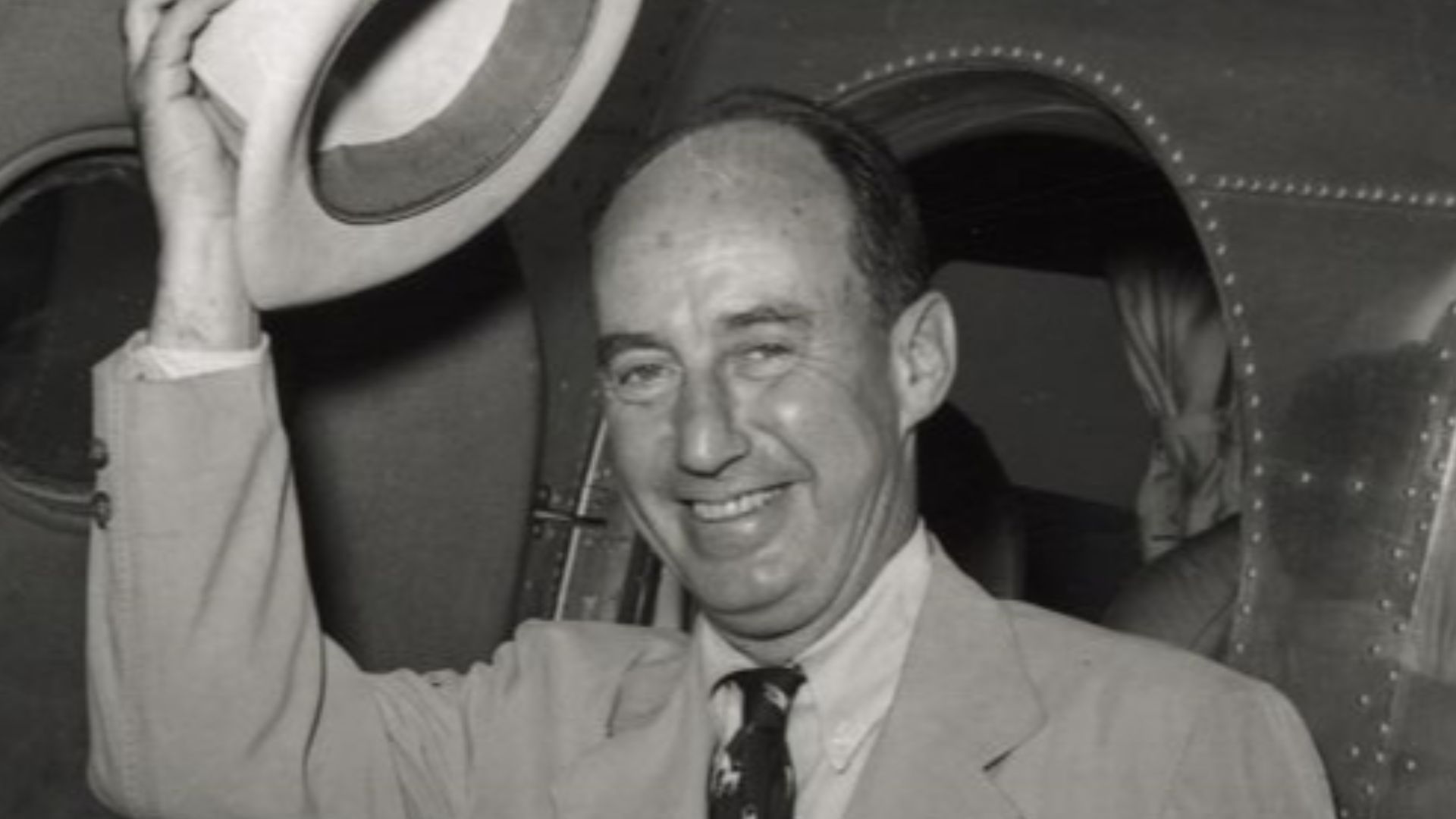 U.S. News & World Report Magazine photographer Thomas J. O'Halloran, Wikimedia Commons
Service In Uniform
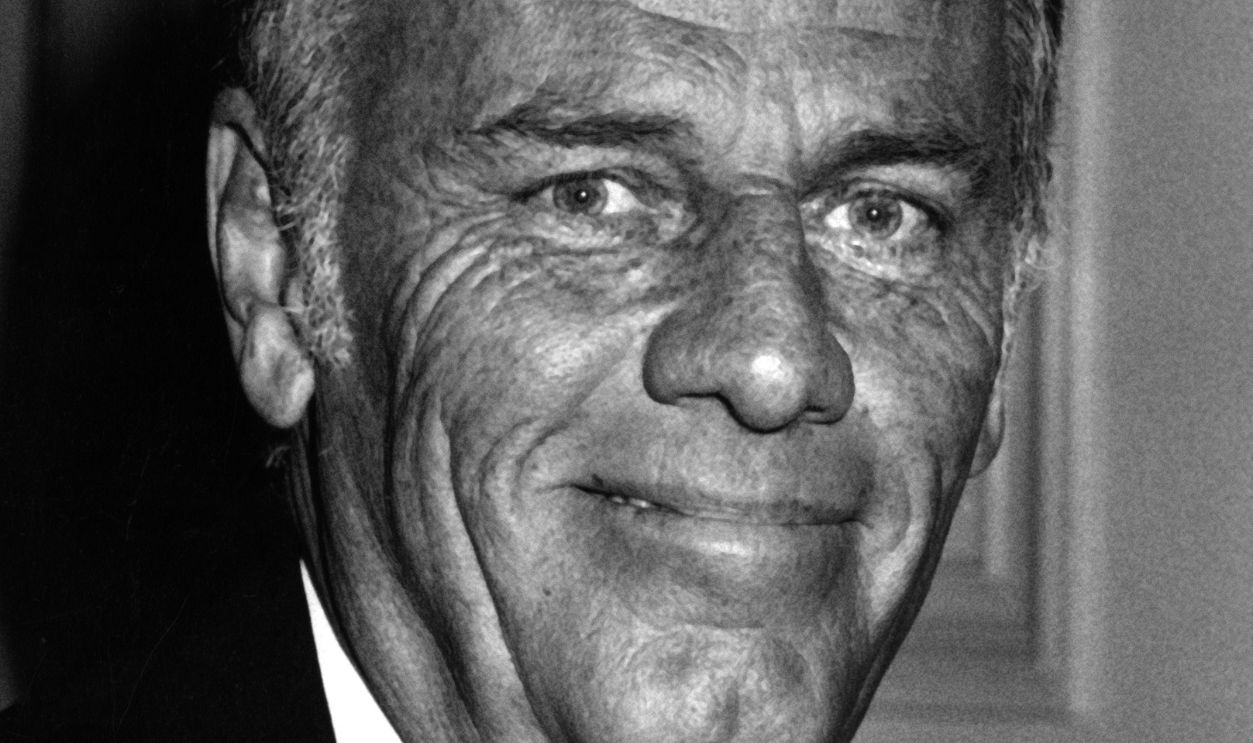
After high school, Stevenson served in the United States Navy. He worked as a corpsman, essentially serving as a military medic. The experience provided firsthand exposure to military life and medical procedures that would later inform his portrayal of Henry Blake.
Finding His Direction
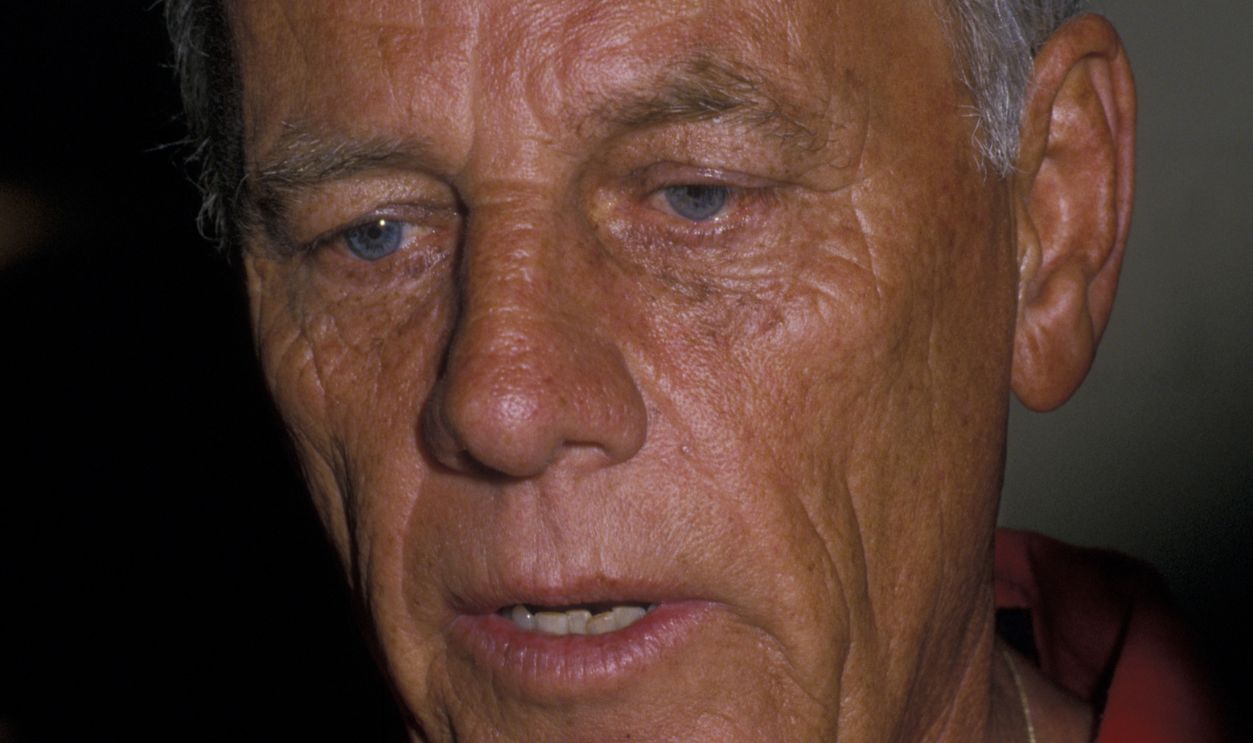
After leaving the Navy, Stevenson attended college and worked a variety of jobs before turning seriously toward entertainment. Comedy and performance gradually became his focus as he sought opportunities in radio, television, and live entertainment.
Breaking Into Television
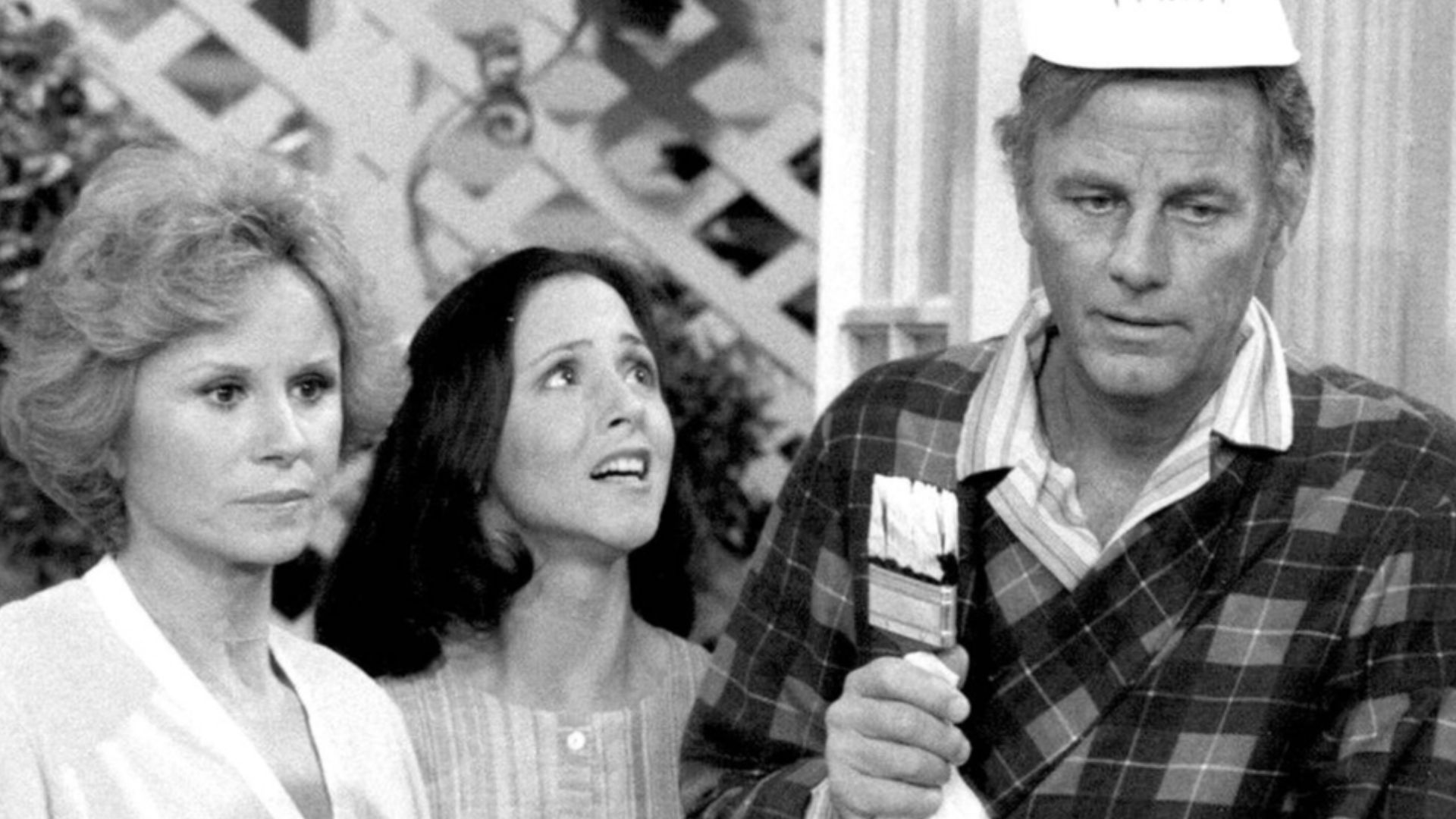
Stevenson initially found work as a writer and performer. Like many aspiring television personalities of the era, he spent years building experience behind the scenes before securing substantial opportunities in front of the camera.
 NBC Television, Wikimedia Commons
Early Guest Roles
Throughout the 1960s, Stevenson accumulated guest appearances across television. He appeared on series such as That Girl and The Tim Conway Comedy Hour, helping him refine the relaxed comedic style that would eventually make him a familiar face to audiences nationwide.
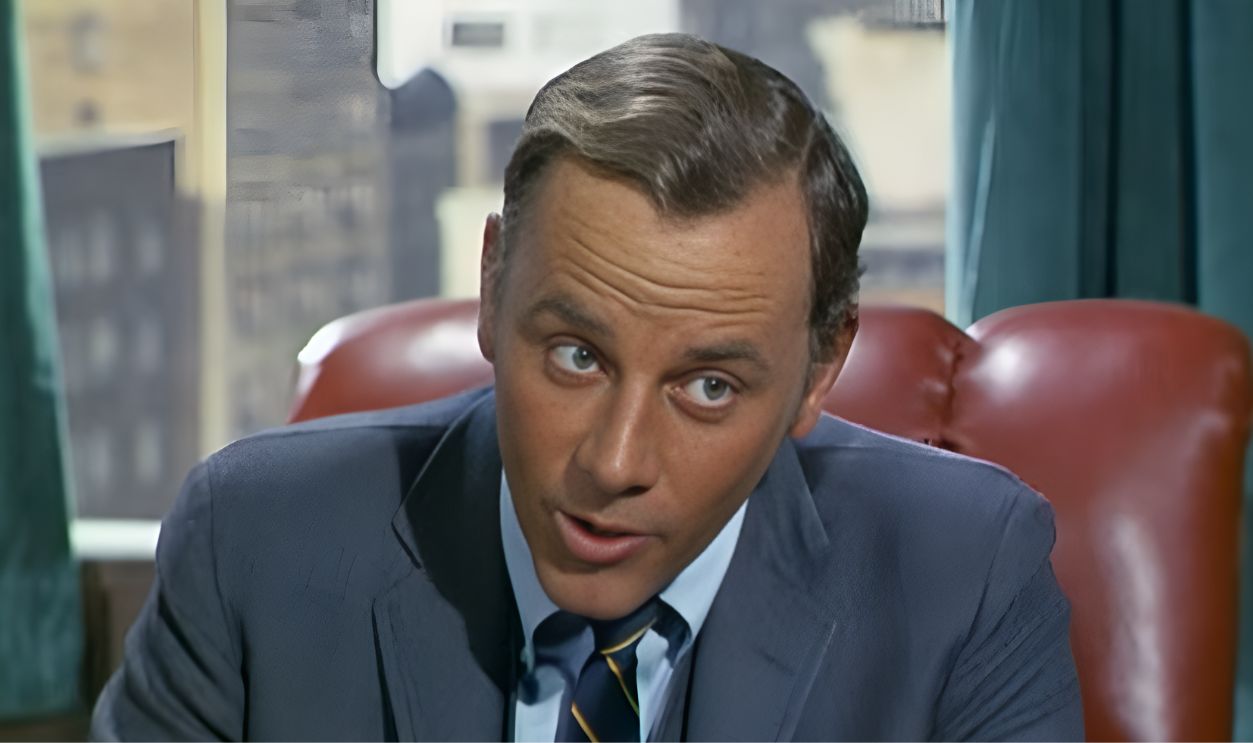 Screenshot from That Girl, ABC (1966–1971), Modified
The Doris Day Show
Among his notable appearances were guest spots on The Doris Day Show. Such roles helped establish Stevenson as a dependable television performer and increased his visibility among casting directors looking for comic talent.
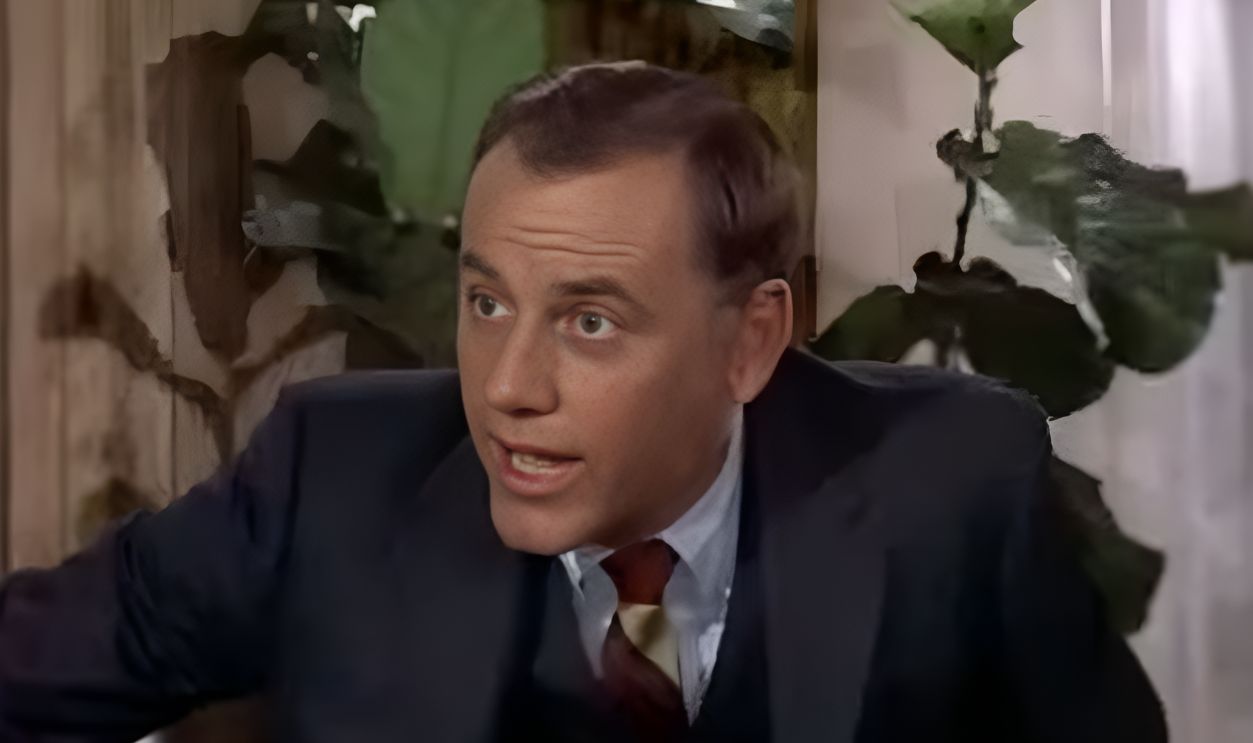 Screenshot from The Doris Day Show, CBS (1968–1973), Modified
Entering The Seventies
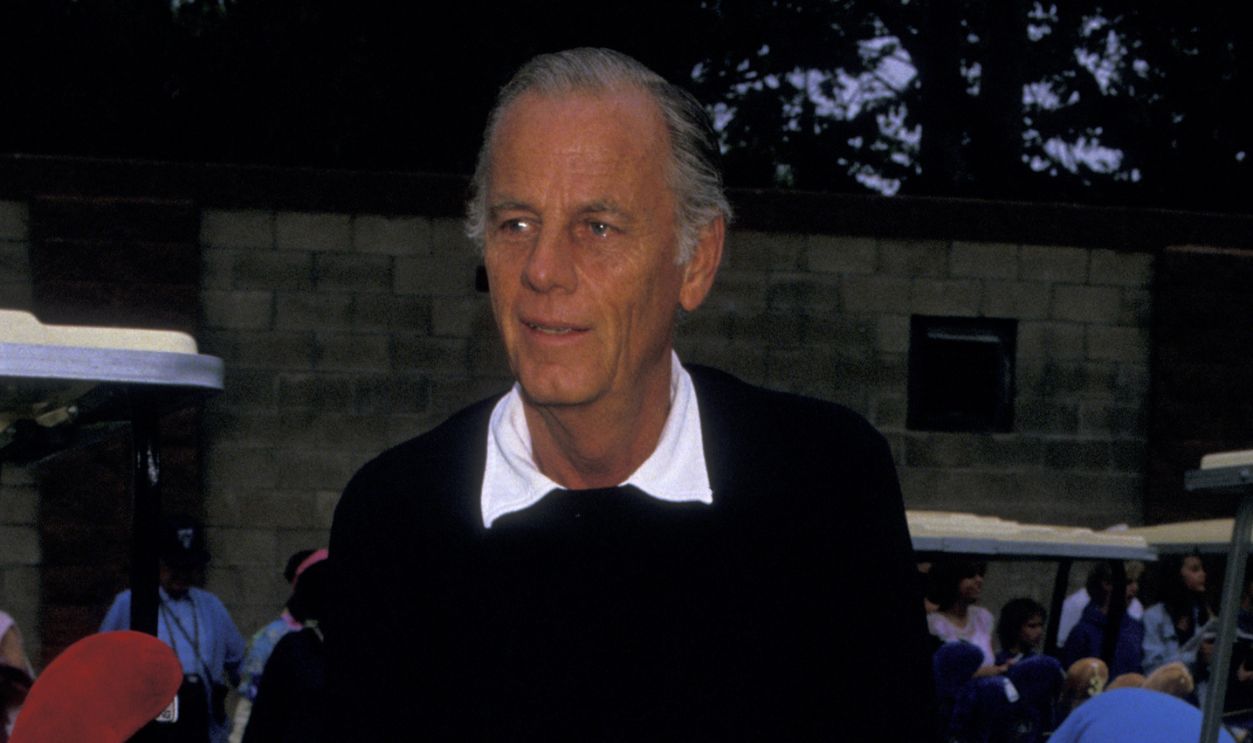
By the early 1970s, Stevenson had expanded his résumé with appearances on programs including The Courtship of Eddie's Father and The Carol Burnett Show. Although success remained modest, he had developed a reputation as a skilled comic performer capable of thriving within ensemble casts.
Auditioning For Hawkeye
When producers were casting M*A*S*H, Stevenson originally read for the role of Hawkeye Pierce. The producers ultimately saw something different in him and decided he would be a better fit for another important character.
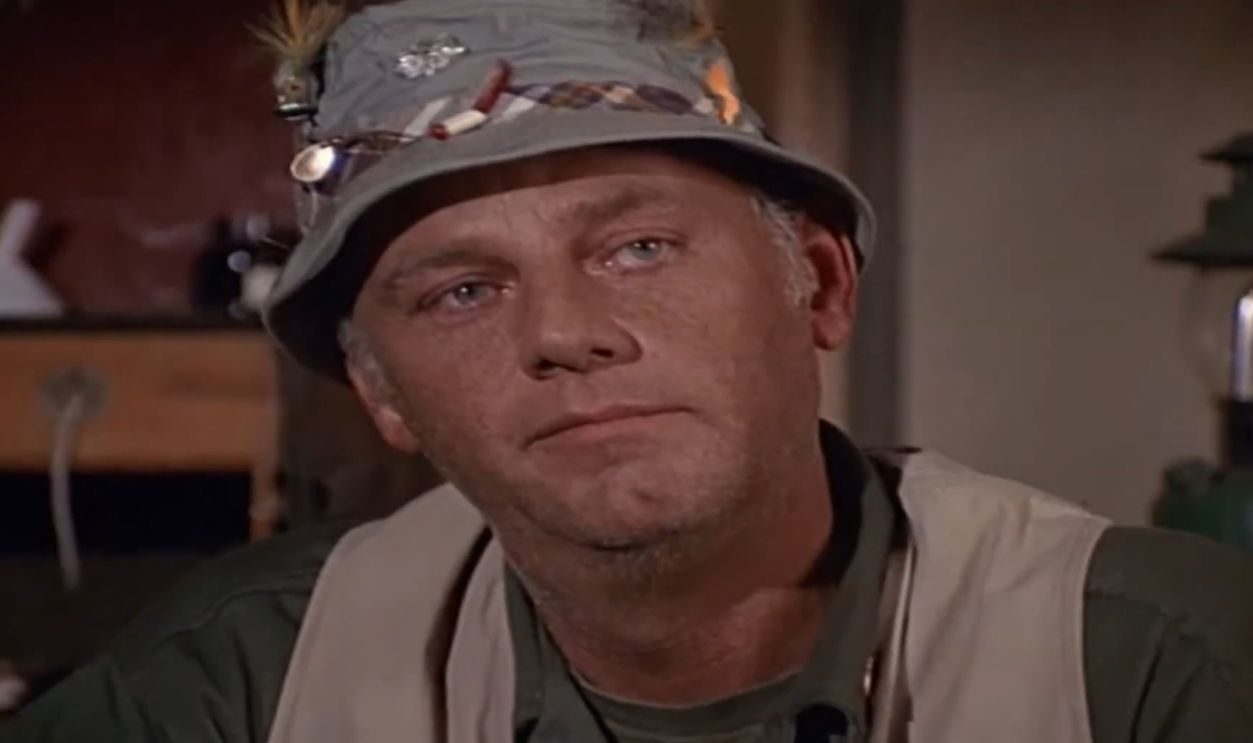 Screenshot from M*A*S*H, CBS (1972–1983)
Becoming Henry Blake
Instead of Hawkeye, Stevenson landed the role of Lieutenant Colonel Henry Blake. The character's easygoing leadership style, humor, and occasional incompetence made him instantly relatable and helped establish the show's unique tone.
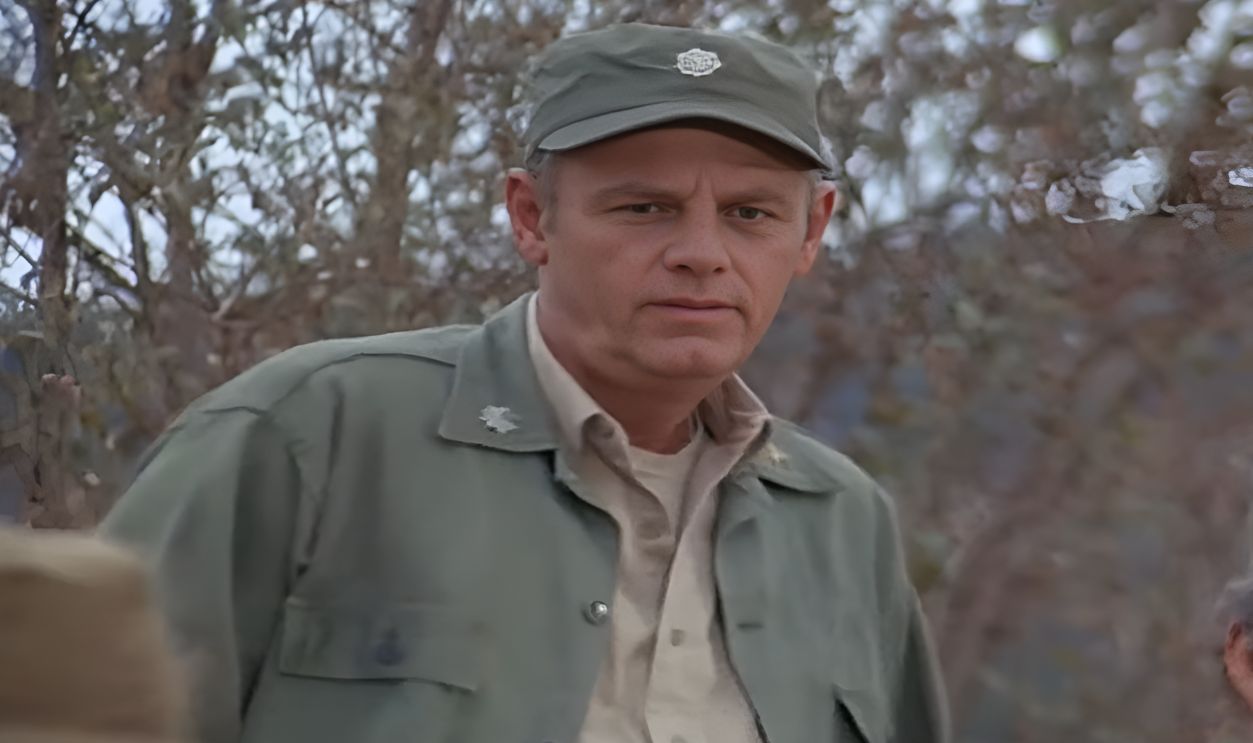 Screenshot from M*A*S*H, CBS (1972–1983), Modified
A Fan Favorite
Henry Blake quickly became one of the most beloved characters on M*A*S*H. Viewers enjoyed his warmth, vulnerability, and humanity. Stevenson brought a natural charm to the role that made Blake feel like a real person rather than a military stereotype.
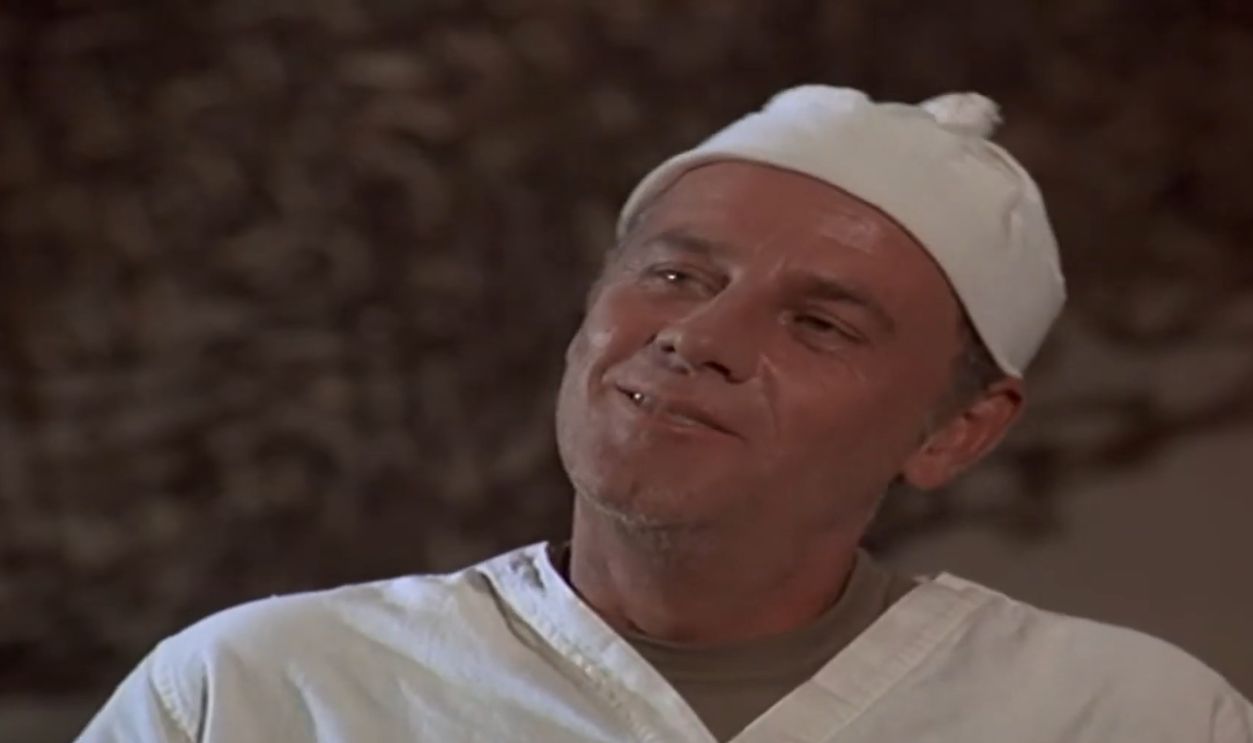 Screenshot from M*A*S*H, CBS (1972–1983)
Growing Frustrations
As the series grew more successful, Alan Alda increasingly emerged as its central star. According to accounts from the period, Stevenson became frustrated by his supporting status and wanted greater opportunities to lead projects of his own.
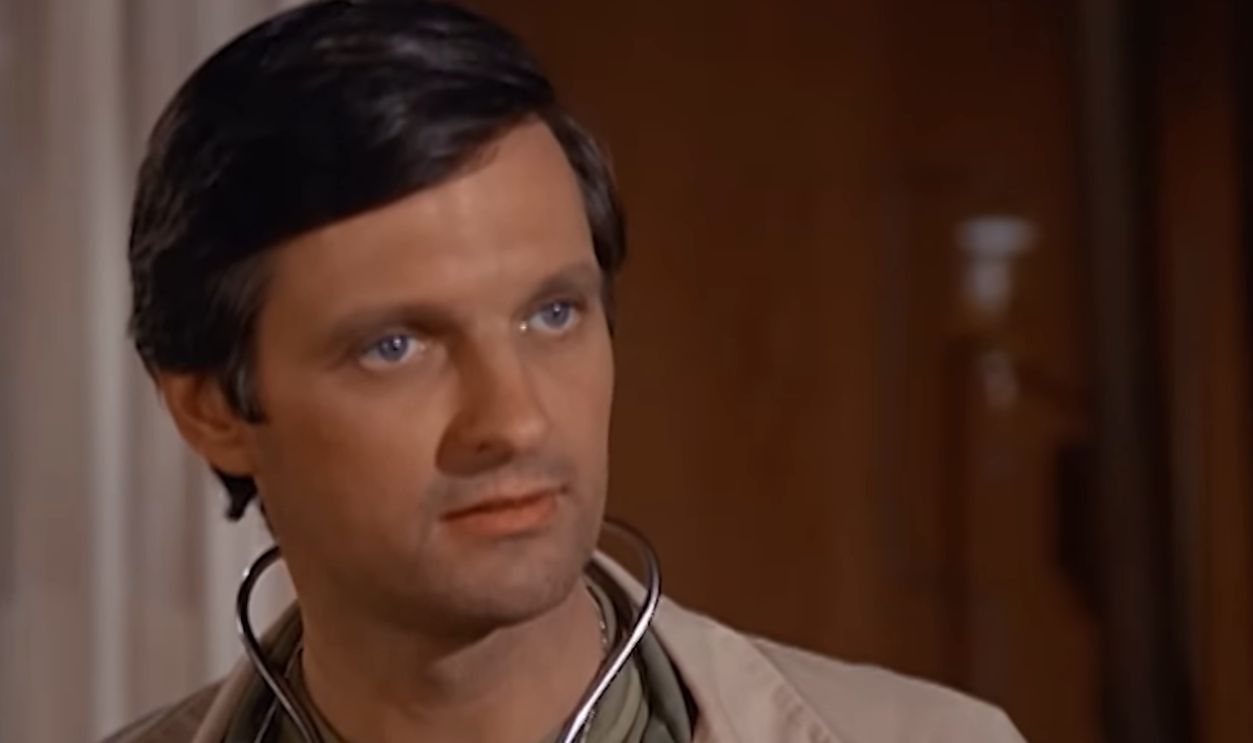 Screenshot from MAS*H, CBS (1972–1983)
Choosing To Leave
Convinced that larger opportunities awaited him elsewhere, Stevenson decided to leave M*A*S*H after the third season. The decision surprised many colleagues and would become one of the most discussed departures in television history.
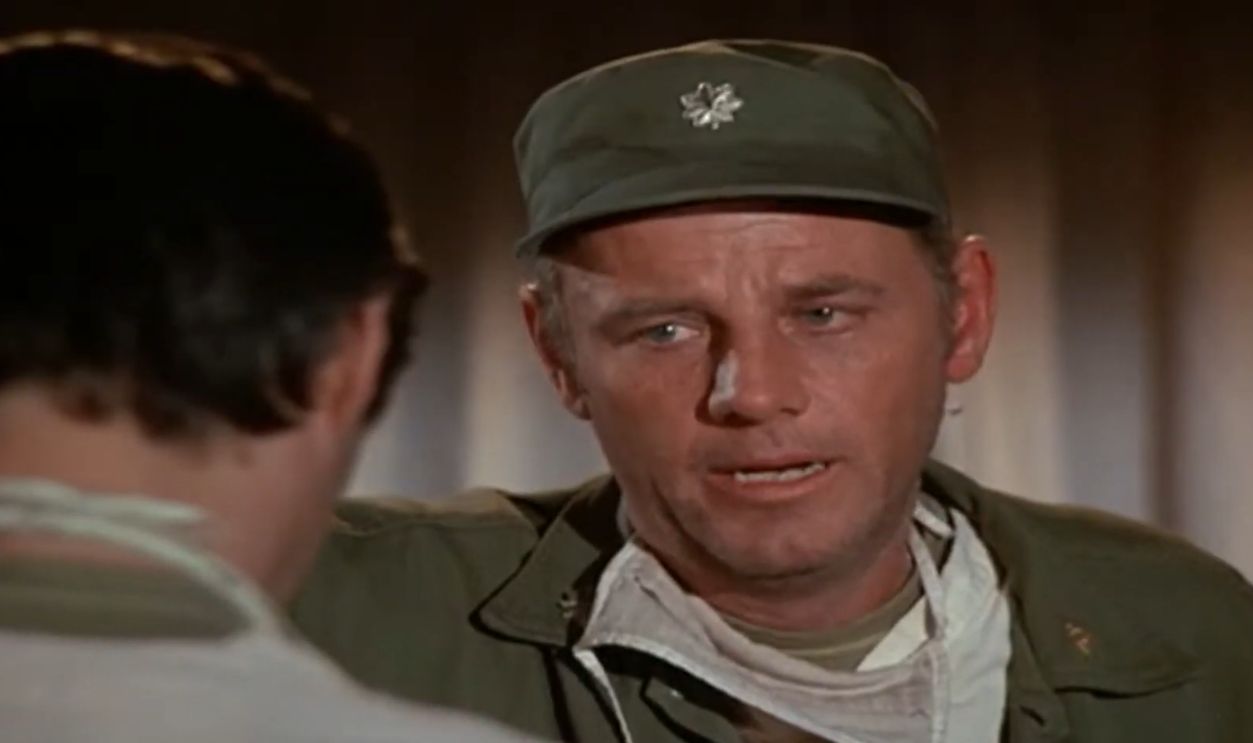 Screenshot from M*A*S*H, CBS (1972–1983)
Blake's Shocking Fate
The writers chose an unprecedented exit. In the episode's final moments, viewers learned that Henry Blake's plane had been shot down and that there were no survivors. Television audiences were stunned by the sudden tragedy.
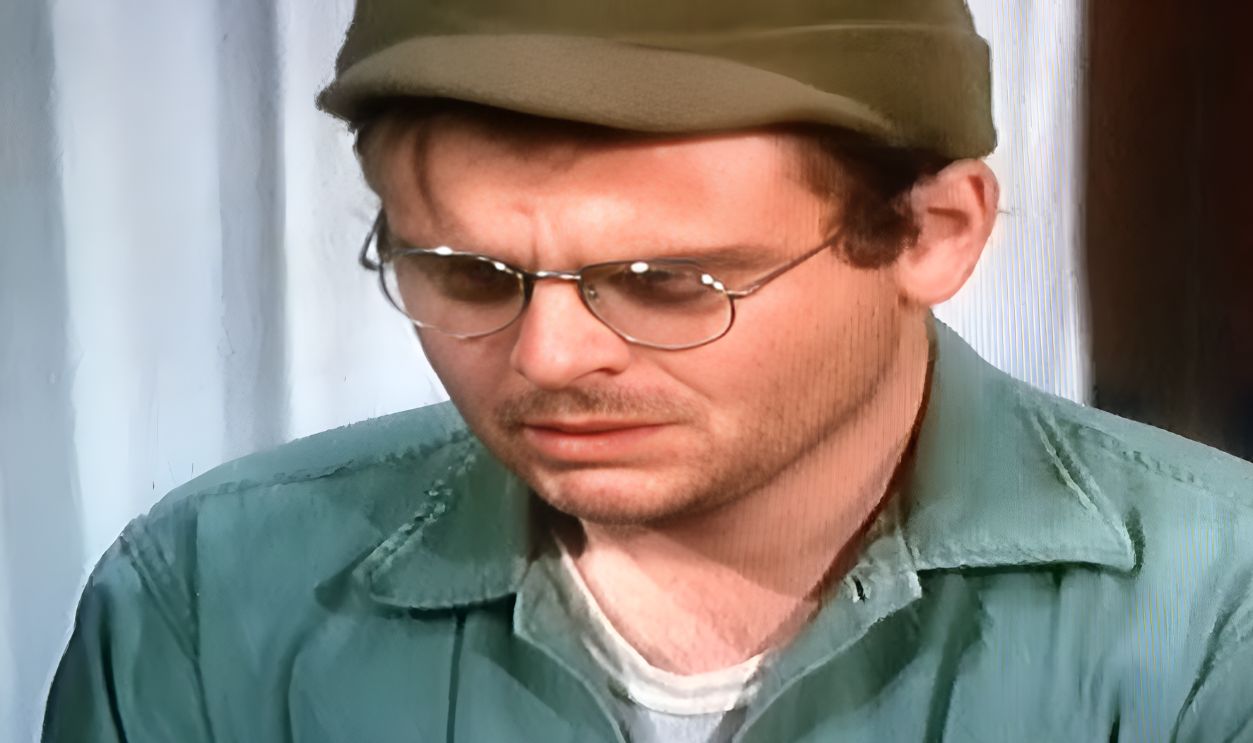 Screenshot from M*A*S*H, CBS (1972–1983), Modified
Cast Left Devastated
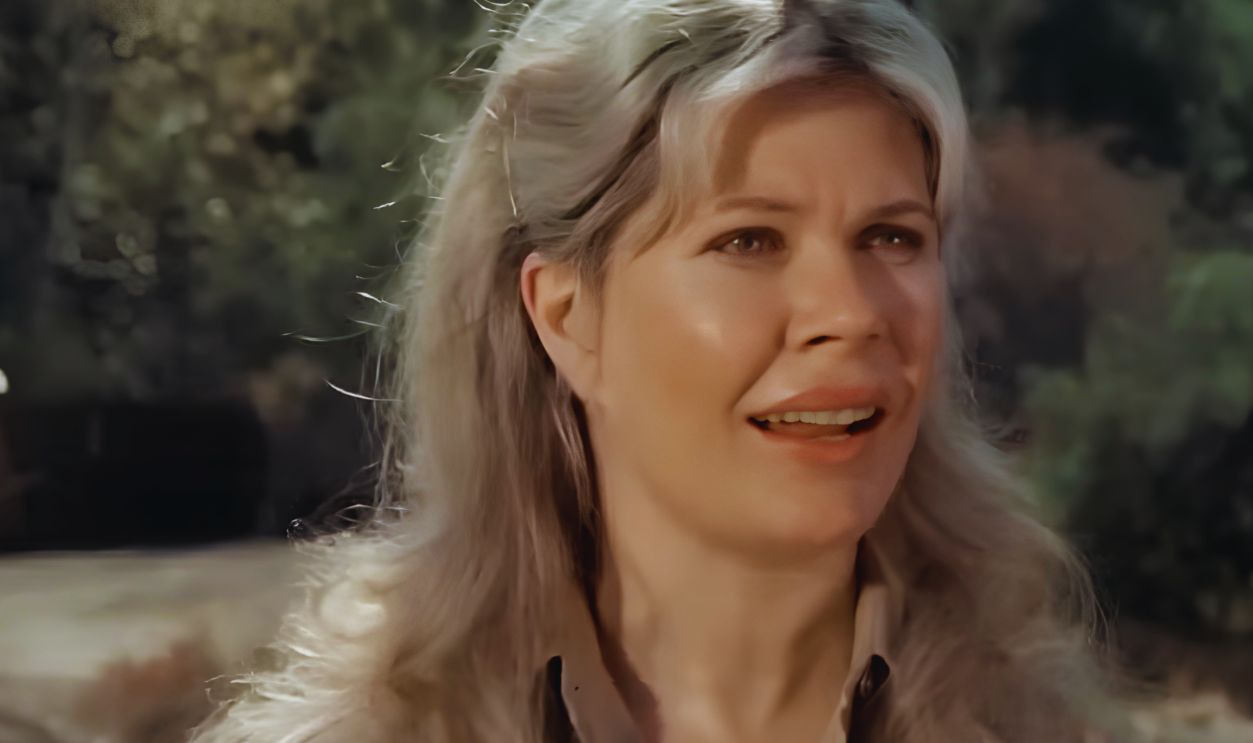
The cast's reaction mirrored that of viewers. According to Loretta Swit, many performers were devastated when Blake was killed off. Reports described genuine sobs on set as actors processed the shocking final scene.
 Screenshot from M*A*S*H, CBS (1972–1983)
Hosting The Tonight Show
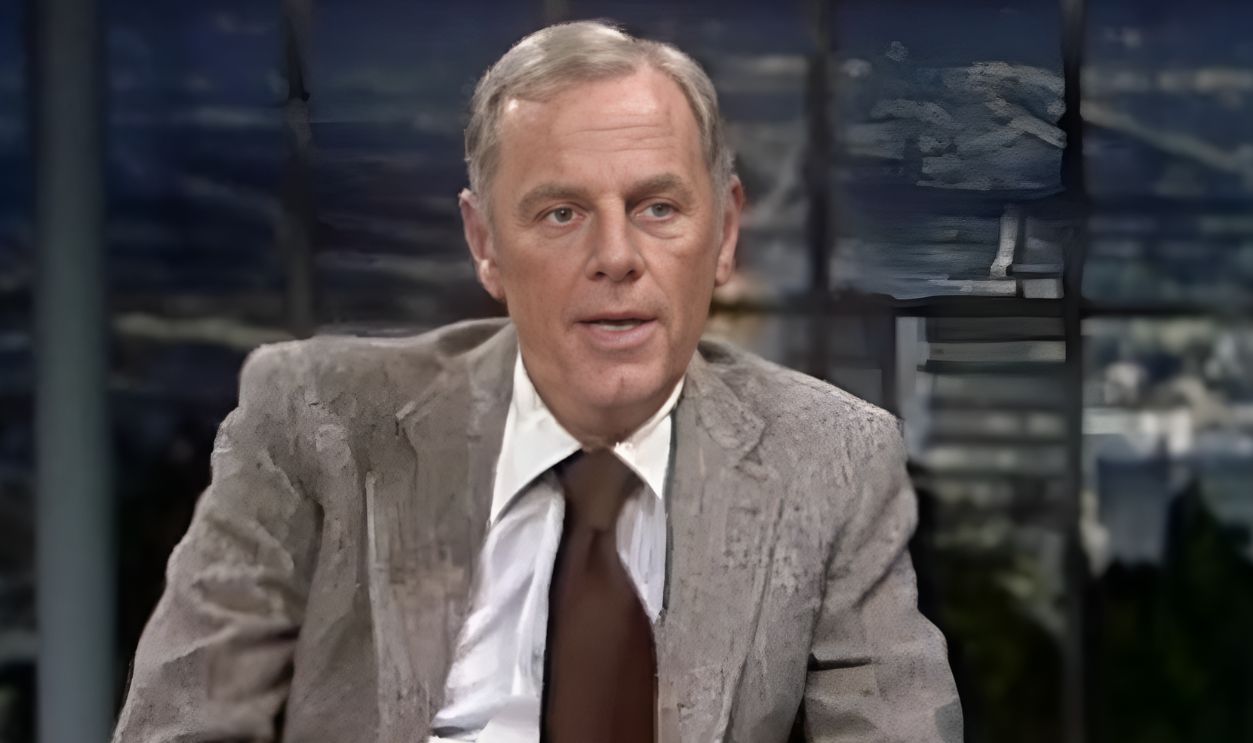
After leaving M*A*S*H, Stevenson pursued larger opportunities. One prestigious assignment involved serving as a guest host for The Tonight Show to spell off Johnny Carson, demonstrating that network executives still viewed him as a major television personality.
 Screenshot from The Tonight Show Starring Johnny Carson, NBC (1962–1992), Modified
Match Game Success
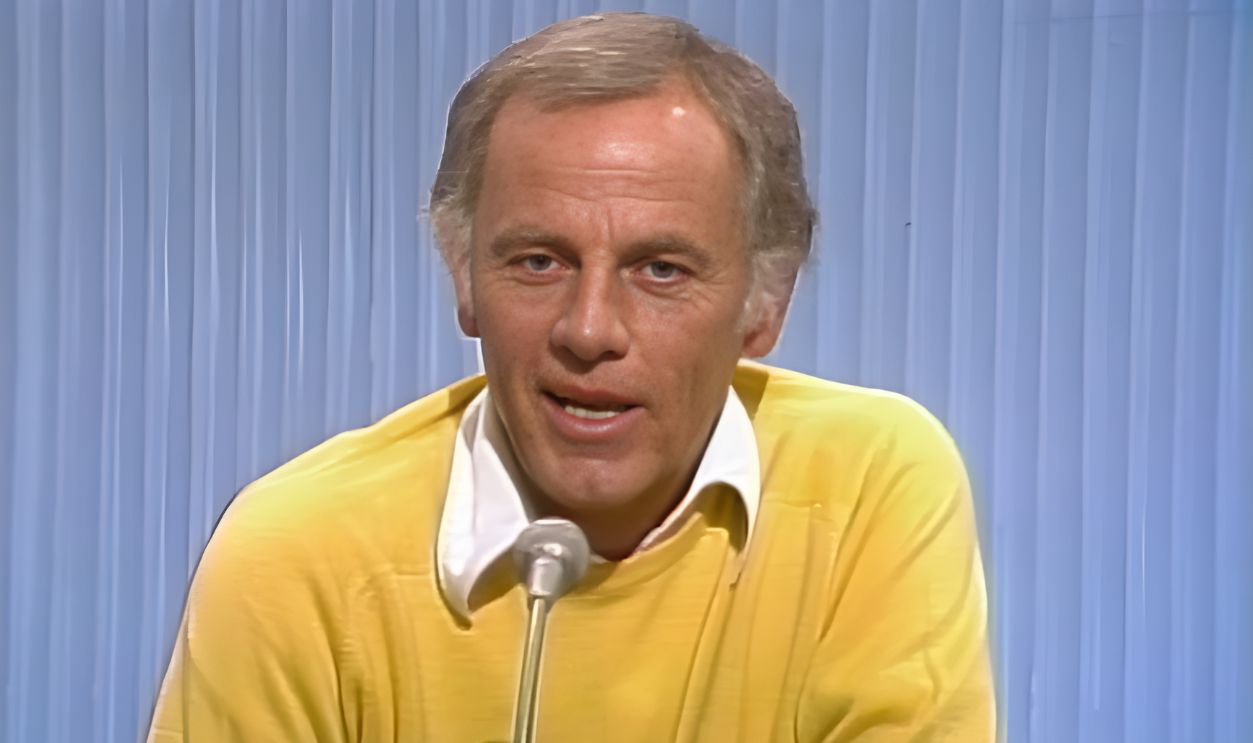
Stevenson also became a frequent presence on Match Game. His quick wit and easygoing humor made him a popular panelist, and his appearances helped keep him visible with television audiences throughout the decade.
 Screenshot from Match Game, NBC (1962–), Modified
In The Beginning
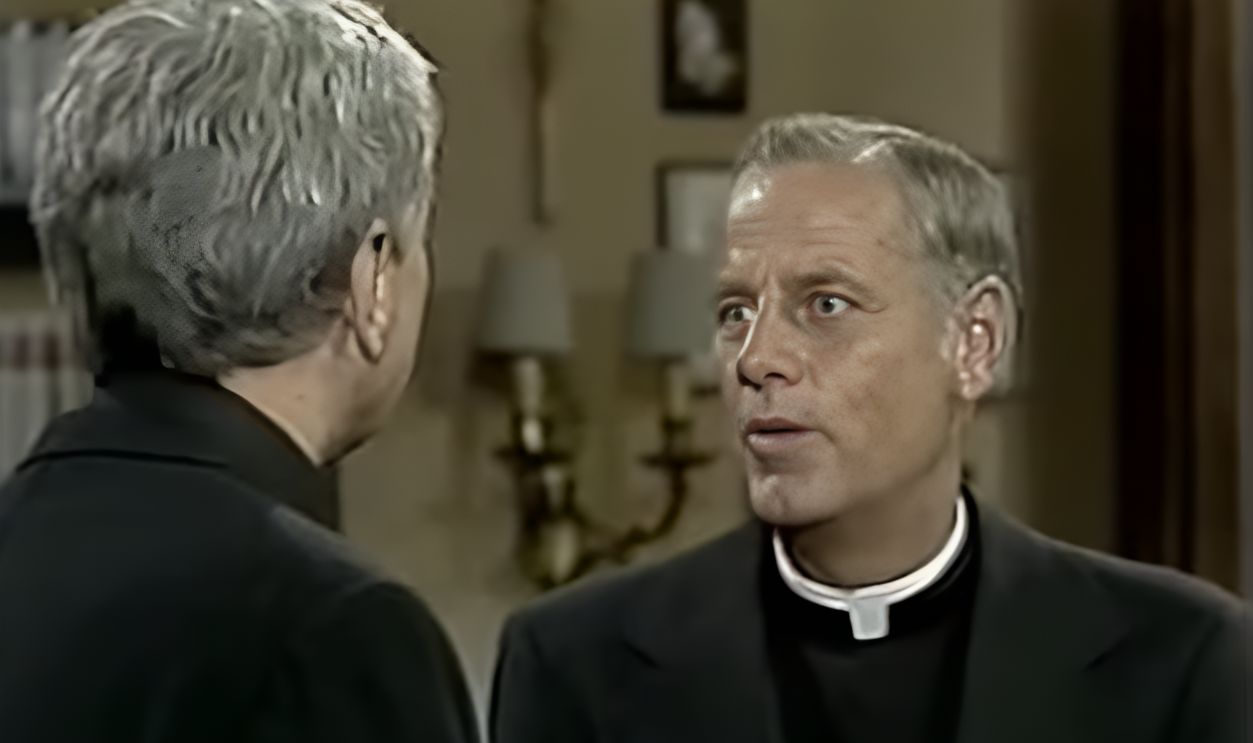
One of Stevenson's major post-M*A*S*H starring vehicles was In the Beginning, a comedy about a liberal priest working in an urban parish. Stevenson played Father Cleary opposite Priscilla Lopez. Despite strong expectations and a respected creative team, the series lasted only for about a month.
 Screenshot from In the Beginning, CBS (1978), Modified
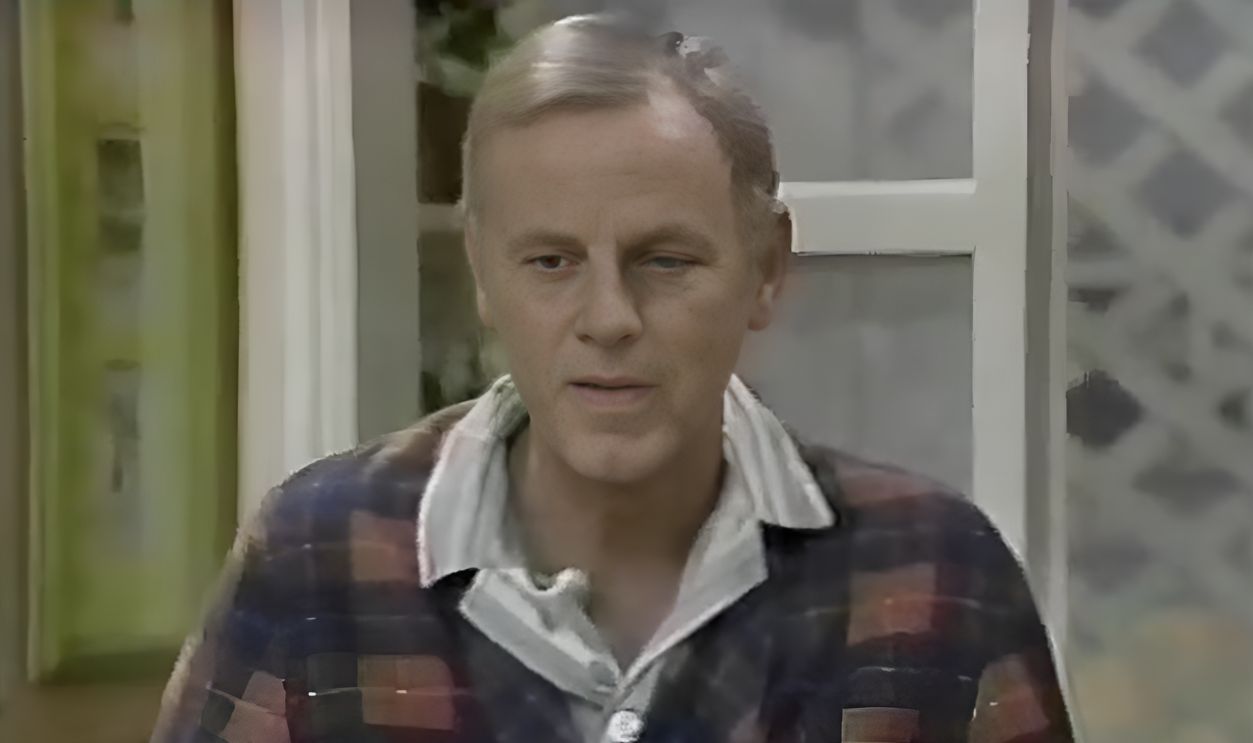
The McLean Stevenson Show
In The McLean Stevenson Show, Stevenson played Mac Ferguson, a small-town politician who unexpectedly becomes mayor. The comedy co-starred Connie Stevens. Network executives hoped the show would establish Stevenson as a leading sitcom star, but ratings proved disappointing.
 Screenshot from The McLean Stevenson Show, NBC (1976–1977), Modified
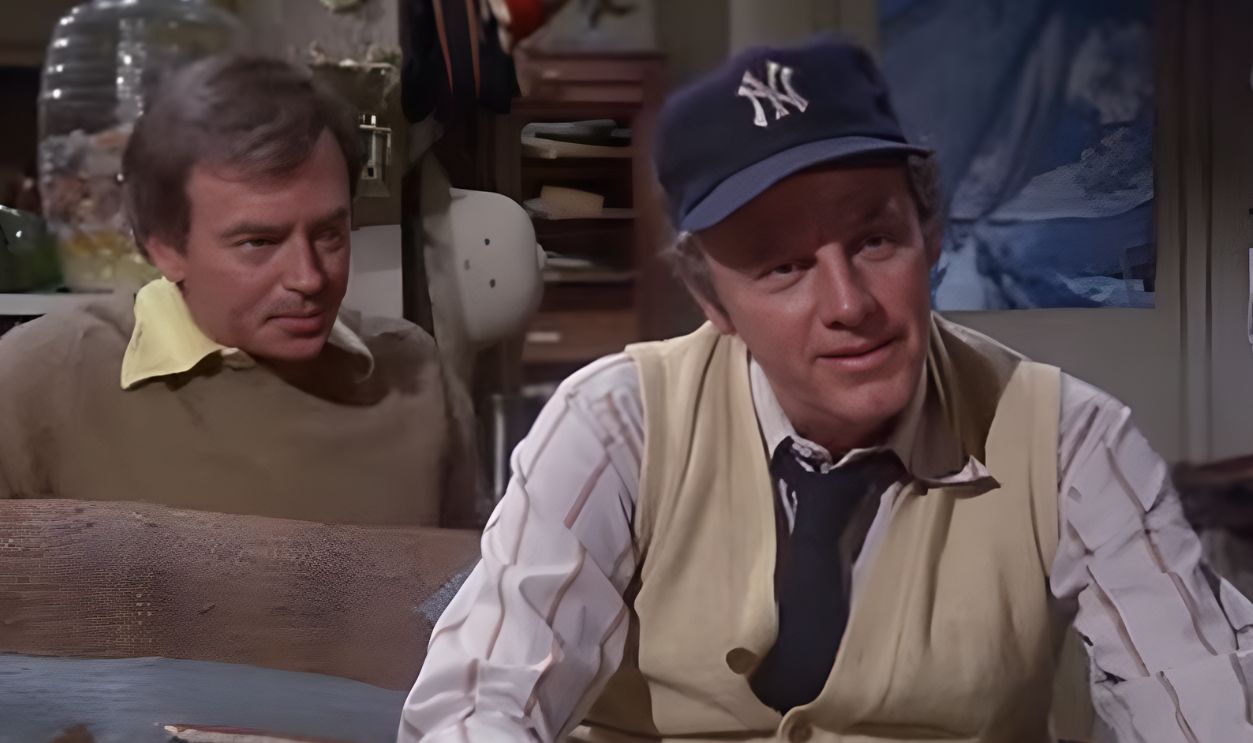
The Cat From Outer Space
Stevenson appeared in Disney's 1978 movie The Cat from Outer Space, a family science-fiction comedy about a stranded extraterrestrial cat whose advanced technology attracts government attention. Stevenson played Army General Stilton alongside performers including Ken Berry and Sandy Duncan.
 Screenshot from The Cat From Outer Space, Walt Disney Productions (1978), Modified
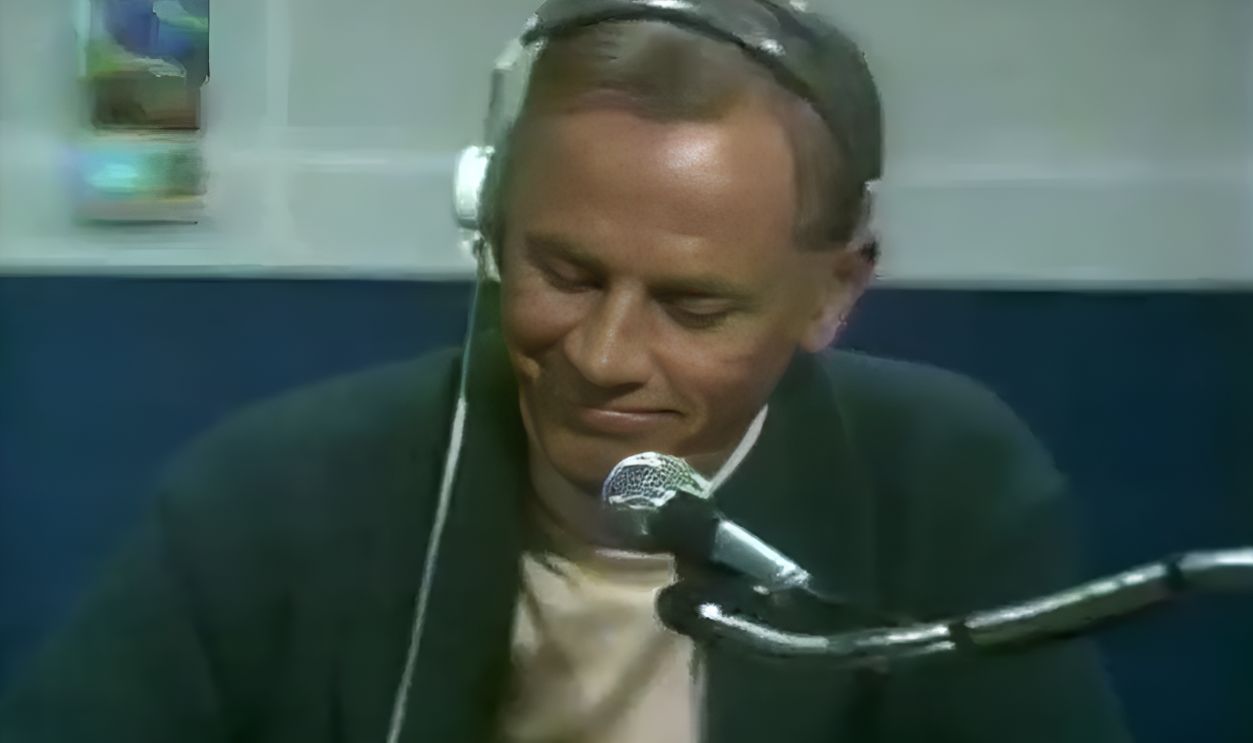
Hello, Larry
Stevenson starred as radio host Larry Alder in Hello, Larry. The series followed a recently divorced broadcaster raising his two daughters in Oregon. Co-stars included Kim Richards and Donna Wilkes. Despite heavy promotion, critics were often unkind. The show lasted for 38 episodes over two seasons in 1979–80.
 Screenshot from Hello, Larry, NBC (1979–1980), Modified
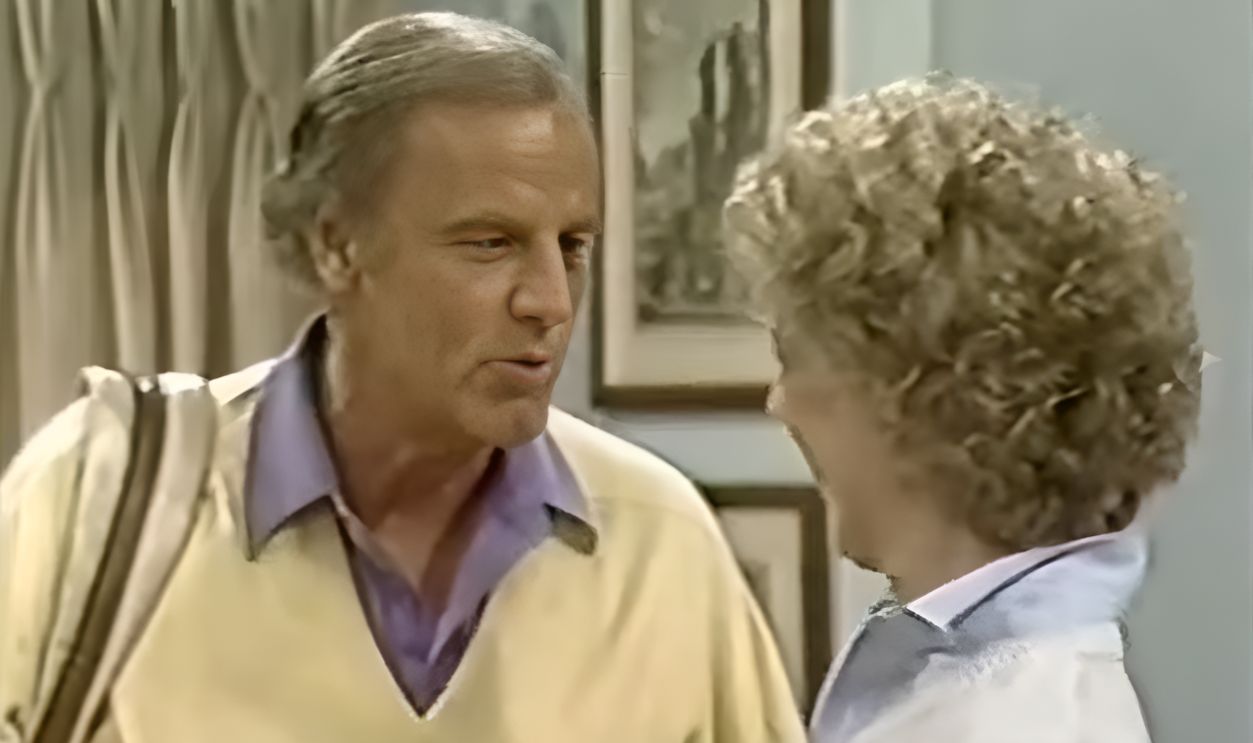
Condo
Stevenson continued pursuing sitcom success with Condo, a comedy centered on neighboring families sharing a condominium complex. Stevenson played James Kirkridge opposite Luis Ávalos and Barbara Rhoades. The series explored cultural clashes but enjoyed only a brief run in 1983.
 Screenshot from Condo, ABC (1983), Modified
Looking Back
As the years passed, Stevenson openly acknowledged that leaving M*A*S*H hadn't produced the career breakthrough he expected. The role he left behind ultimately remained the performance for which audiences remembered him most fondly.
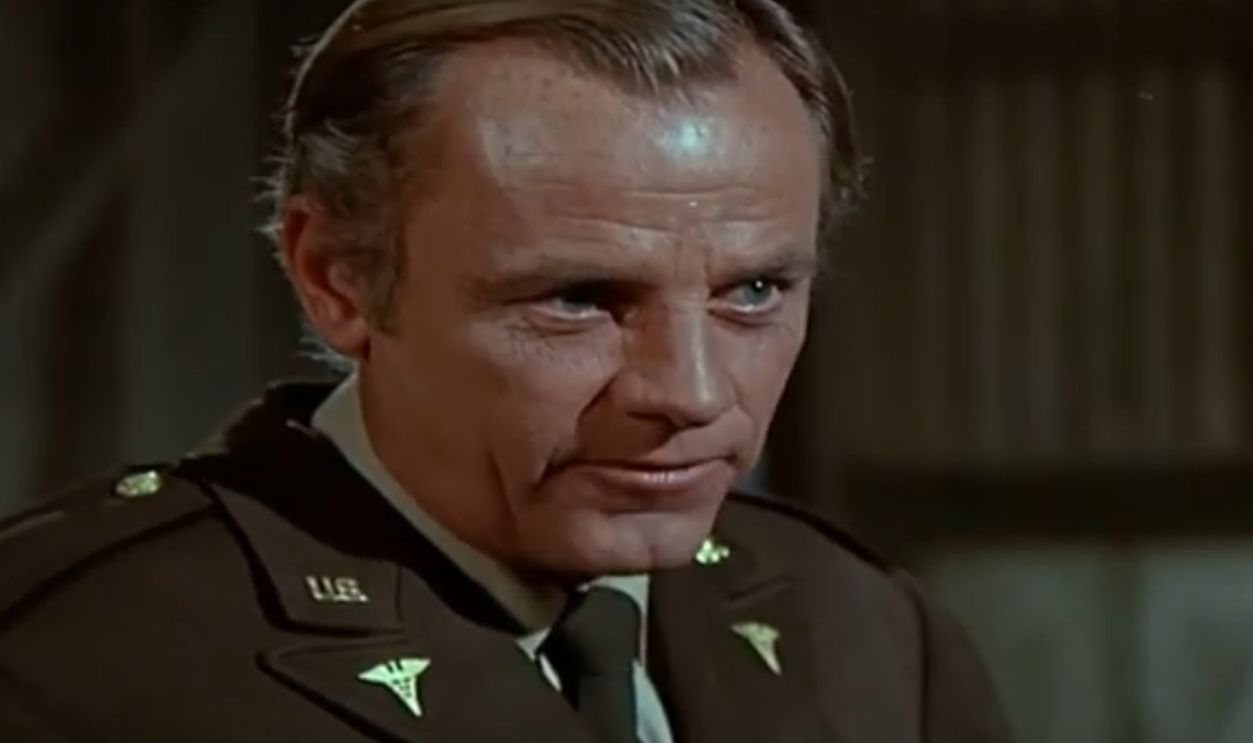 Screenshot from M*A*S*H, CBS (1972–1983)
An Unusual Coincidence
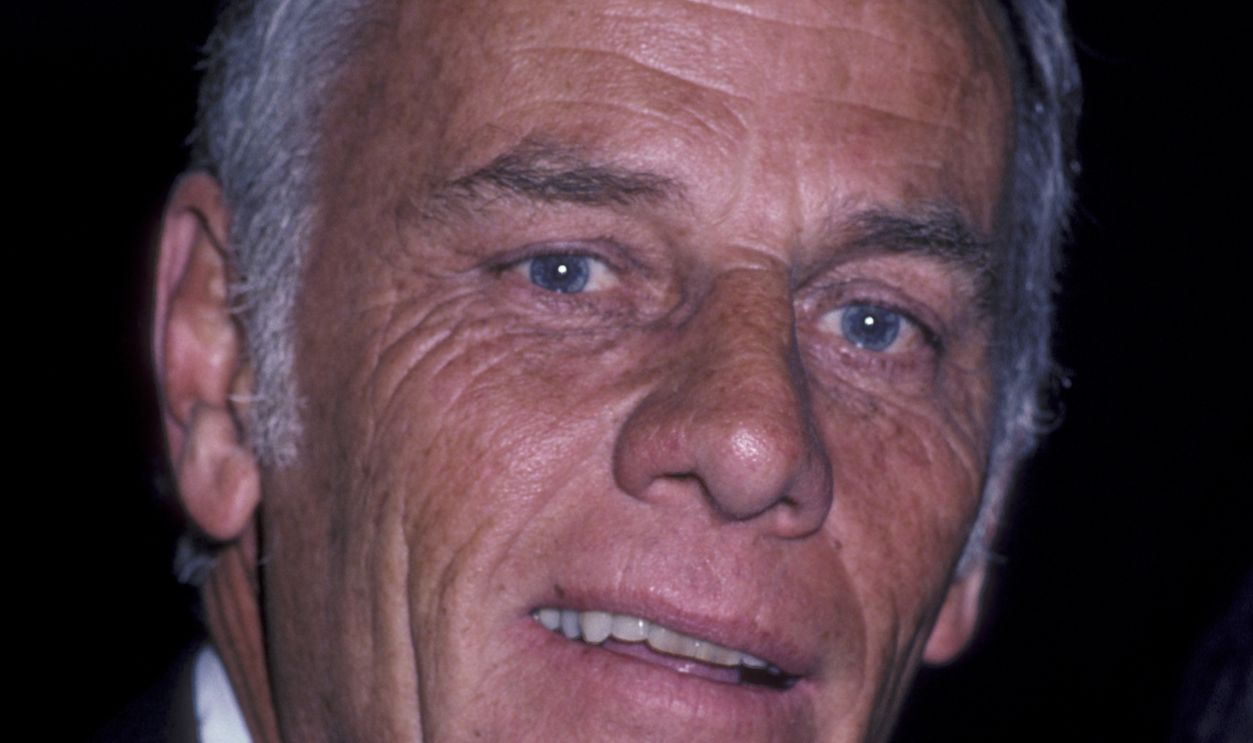
Stevenson died of a heart attack on February 15, 1996, at age 68. In a strange coincidence, Roger Bowen, who portrayed Henry Blake in the original movie version of M*A*S*H (1970), also died from a heart attack the very next day.
Fans Never Forgot Him
Although his post-M*A*S*H career never matched the success of the series he left behind, McLean Stevenson remained a familiar television presence for decades. His portrayal of Henry Blake helped create one of television's most beloved ensemble comedies and remains his enduring legacy.
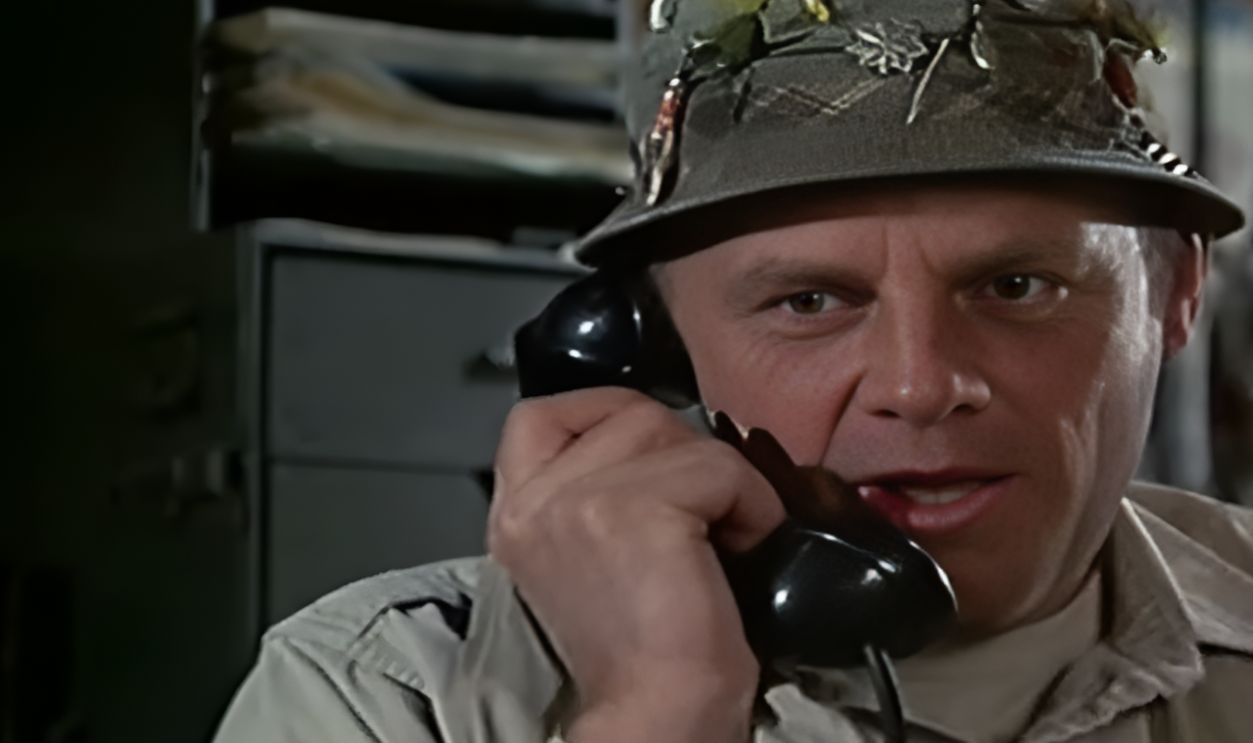 Screenshot from M*A*S*H, CBS (1972–1983), Modified
You May Also Like:
Everyone loved "Hot Lips" Loretta Swit on M*A*S*H, but where did she go when the show ended?
Why did Sanford and Son star Demond Wilson walk away from Hollywood at the height of fame?

.JPG)