Pilot Error
Some shows don’t slowly reveal they’re bad—they announce it immediately, loudly, and without hesitation. These pilots waved every possible red flag, and networks somehow took that as encouragement. One episode was already too many. An entire season felt like a dare no one should’ve accepted.
The Swan (2004)
From the opening episode, this felt less like television and more like an ethical violation with commercial breaks. The pilot framed extreme cosmetic surgery as empowerment while quietly traumatizing its contestants. Viewers were uncomfortable instantly. Somehow, executives watched the same episode and thought the problem was that it hadn’t gone far enough.
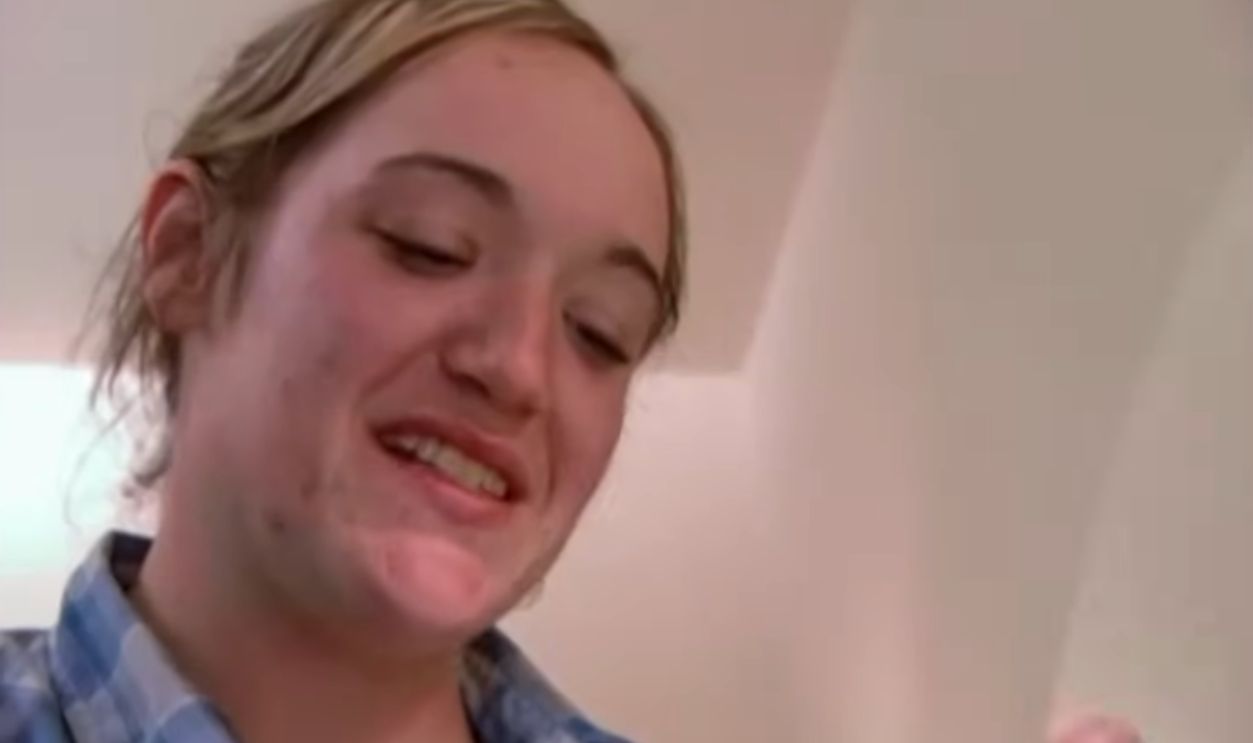 Screenshot from The Swan, Fox (2004–2005)
Cop Rock (1990)
The pilot answered its own question almost immediately: no, police dramas should not burst into song. Watching officers sing about crime scenes created tonal chaos that felt impossible to recover from. It wasn’t daring—it was baffling. The real shock isn’t that it failed. It’s that someone watched this and said, “Let’s make ten more…with choreography.”
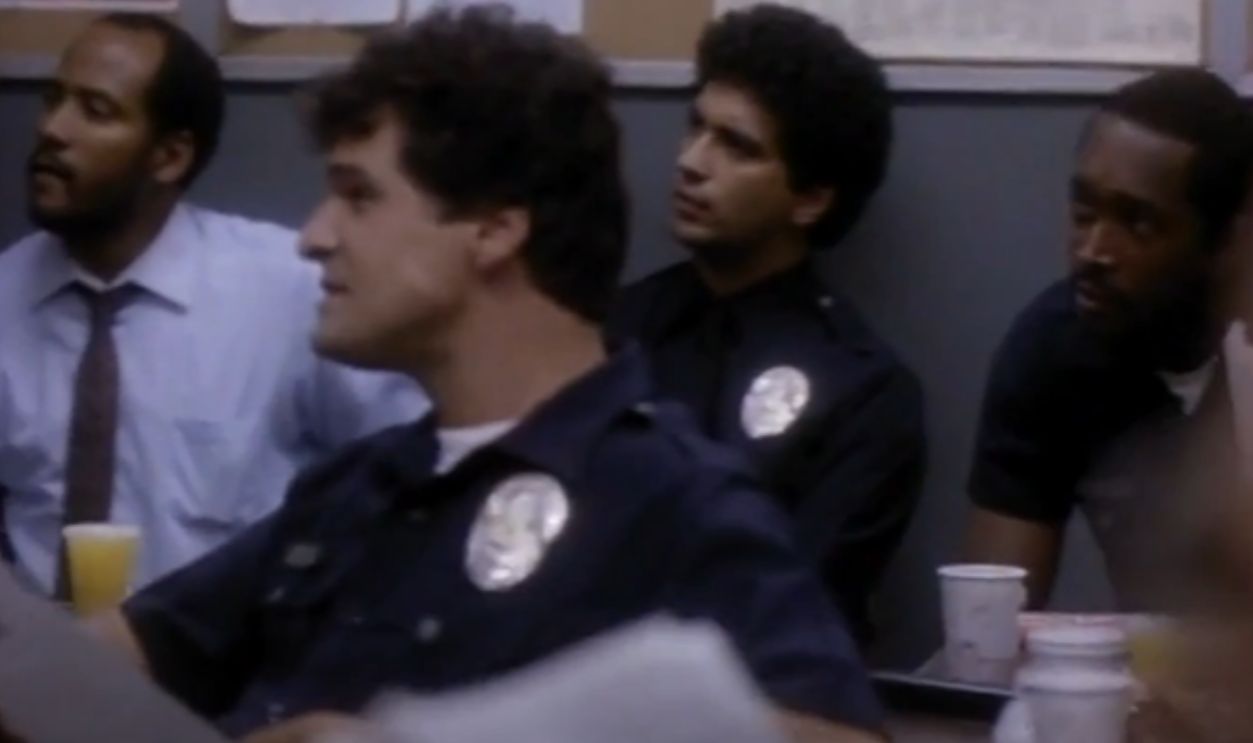 Screenshot from Cop Rock, ABC (1990)
My Mother the Car (1965–1966)
The premise was out of ideas before the pilot finished airing. A dead mother reincarnated as a talking car left nowhere to go emotionally or comedically. The joke landed once—poorly—and then just sat there. Thirty episodes later, audiences were still wondering who thought this had legs.
 NBC, My Mother the Car (1965-1966)
Cavemen (2007)
The pilot proved exactly why commercials shouldn’t become sitcoms. What felt mildly clever in thirty seconds turned painfully repetitive over twenty-two minutes. The metaphors were obvious, the jokes thin, and the concept already exhausted. Viewers didn’t need time to decide—episode one told them everything.
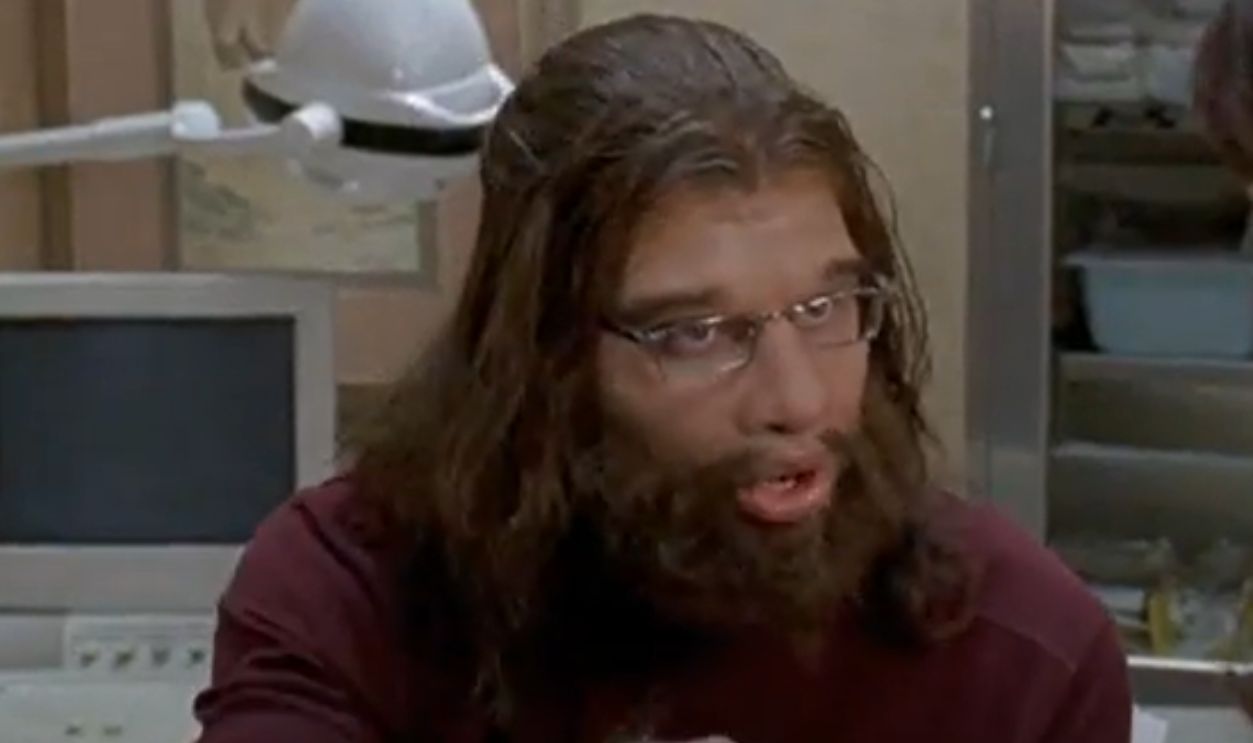 Screenshot from Cavemen, ABC (2007)
The Paul Reiser Show (2011)
A sitcom built around a likable comedian somehow managed to feel completely empty. The pilot offered no hook, no urgency, and no reason to care. Nothing was technically broken—nothing worked either. From minute one, it felt like a show everyone assumed would succeed without trying.
 Screenshot from The Paul Reiser Show, Universal Television (2011)
Emily’s Reasons Why Not (2006)
The pilot tried hard to feel stylish and modern, but there was nothing underneath the surface. Characters were thin, jokes barely registered, and the premise had nowhere to grow. Viewers didn’t hate it—they forgot it. That indifference was obvious before the episode even ended. Honestly, it should’ve been called Emily’s Reasons Why Not to Renew This Show.
 Screenshot from Emily’s Reasons Why Not, ABC Studios (2006)
Mulaney (2014–2015)
The pilot stripped away everything that made John Mulaney funny. His stand-up voice disappeared, replaced by stiff pacing and lifeless delivery. Even after a full retool, the damage was done. Episode one made it clear this was a bad translation of a good comedian.
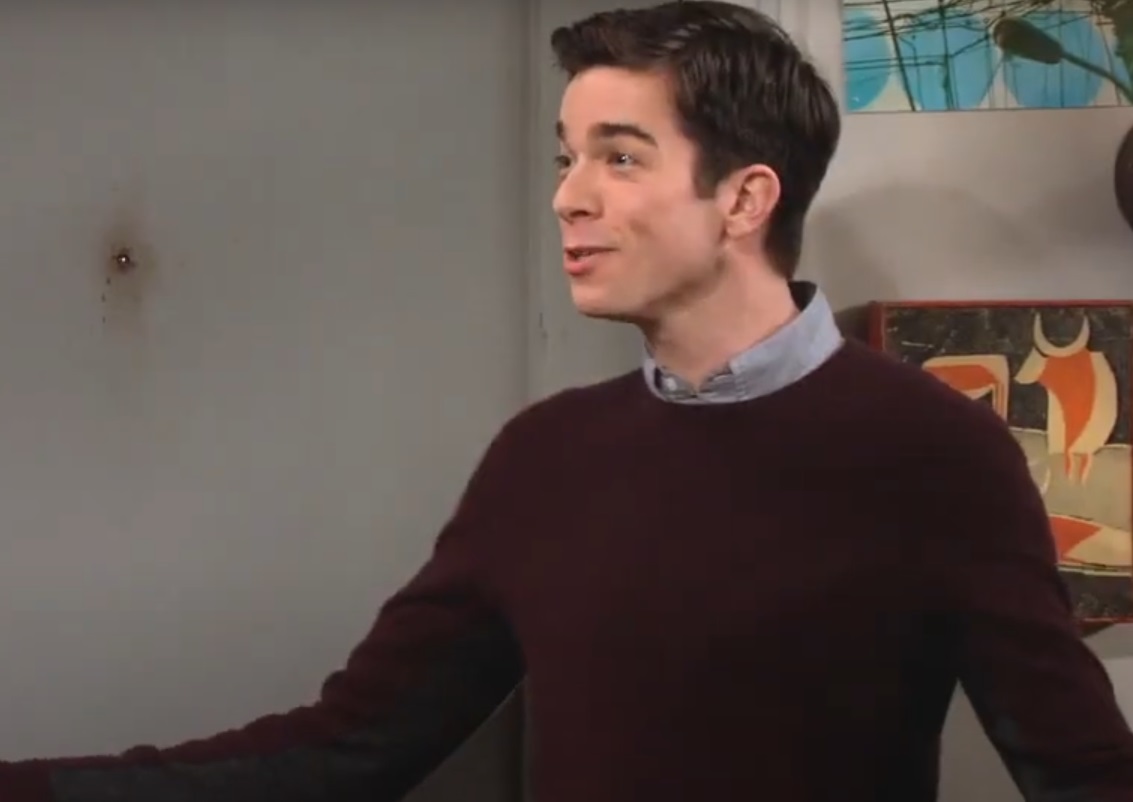 Screenshot from Mulaney, 20th Century Fox Television (2014–2015)
Dads (2013–2014)
The pilot leaned heavily on stereotypes that already felt outdated the moment they aired. What was framed as edgy humor came off lazy and uncomfortable. Critics recoiled instantly, and audiences followed. From episode one, it felt like a sitcom stuck in the past with no intention of moving forward.
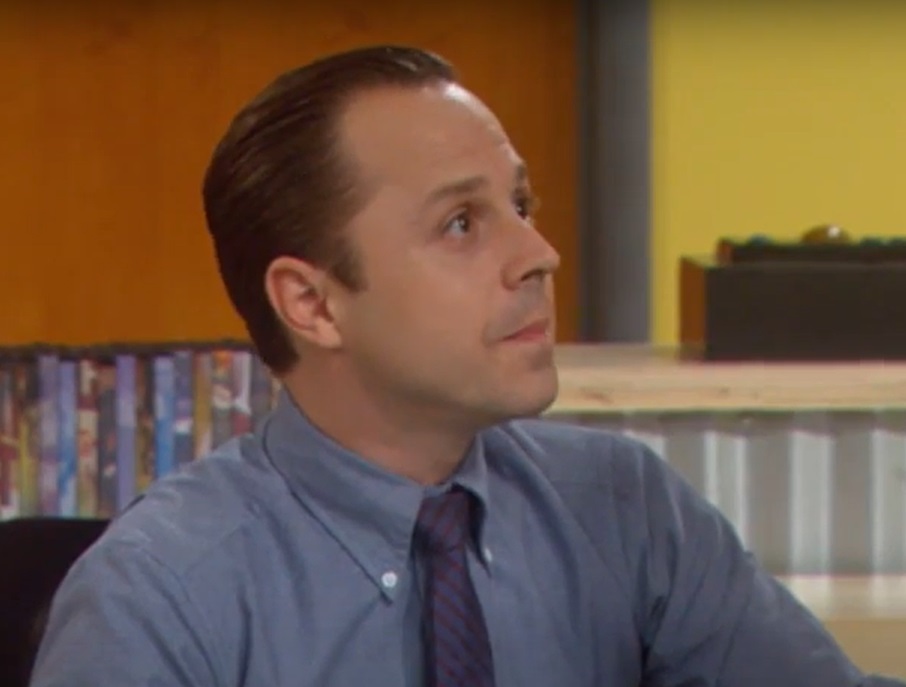 Screenshot from Dads, 20th Century Fox Television (2013–2014)
Rob (2012)
The pilot showed exactly how little the show had to offer beyond a recognizable name. The jokes were generic, the characters flat, and the cultural humor clumsy. There was no hook, no spark, and no reason to keep watching. Episode one already felt like a rerun.
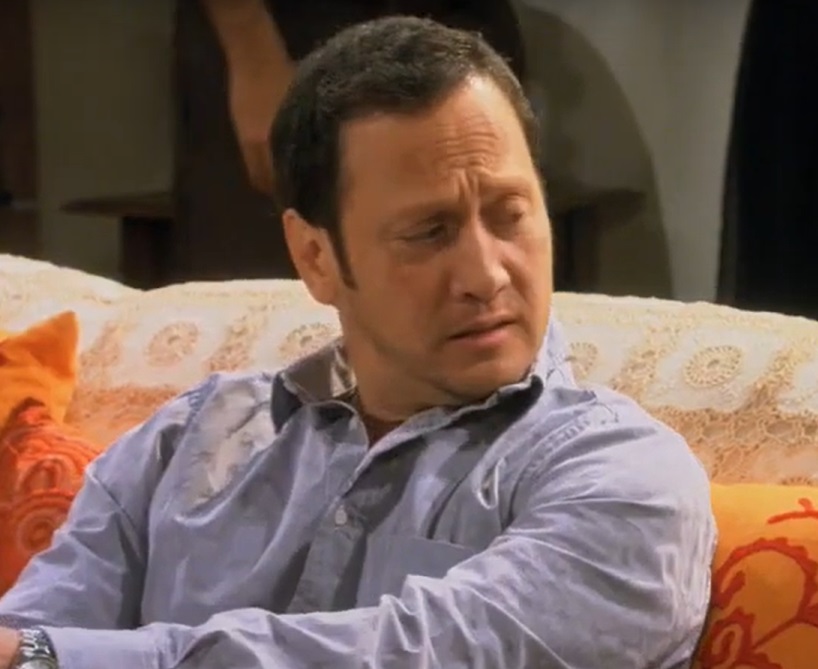 Screenshot from Rob, CBS Television Studios (2012)
Outsourced (2010–2011)
The pilot relied on stereotypes that aged poorly almost immediately. What might’ve worked as a single joke collapsed under the weight of a full episode. The concept showed its limits right away, leaving nowhere to expand. From the start, it felt like a novelty stretched far too thin.
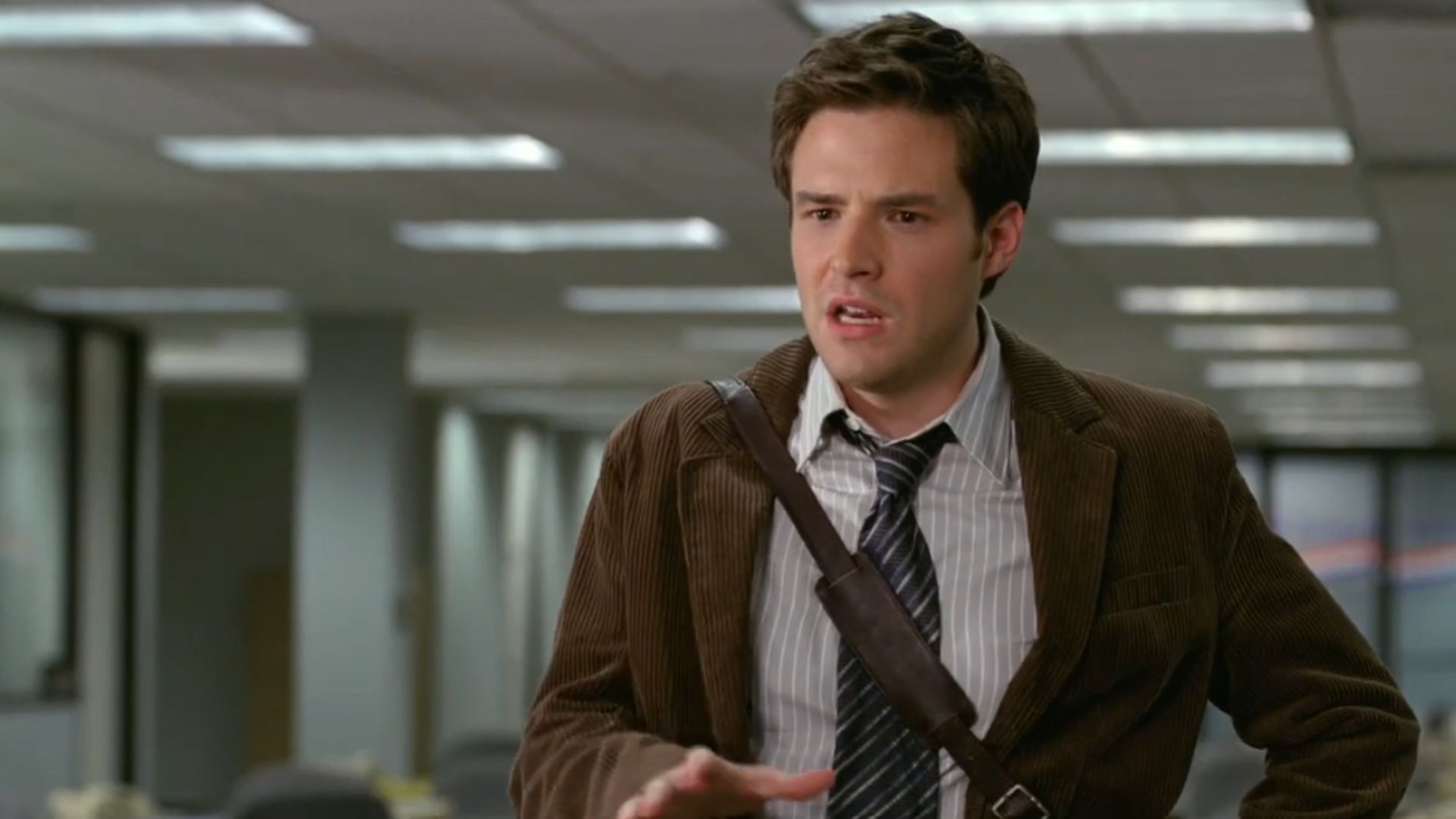 Screenshot from Outsourced, Universal Television (2010–2011)
Dracula: The Series (1990–1991)
Turning Dracula into a modern crime-fighting businessman raised eyebrows instantly—and not in a good way. The pilot couldn’t decide what kind of show it wanted to be. Horror, action, and camp all competed for control. Even with a near-full season run, the problems were obvious immediately.
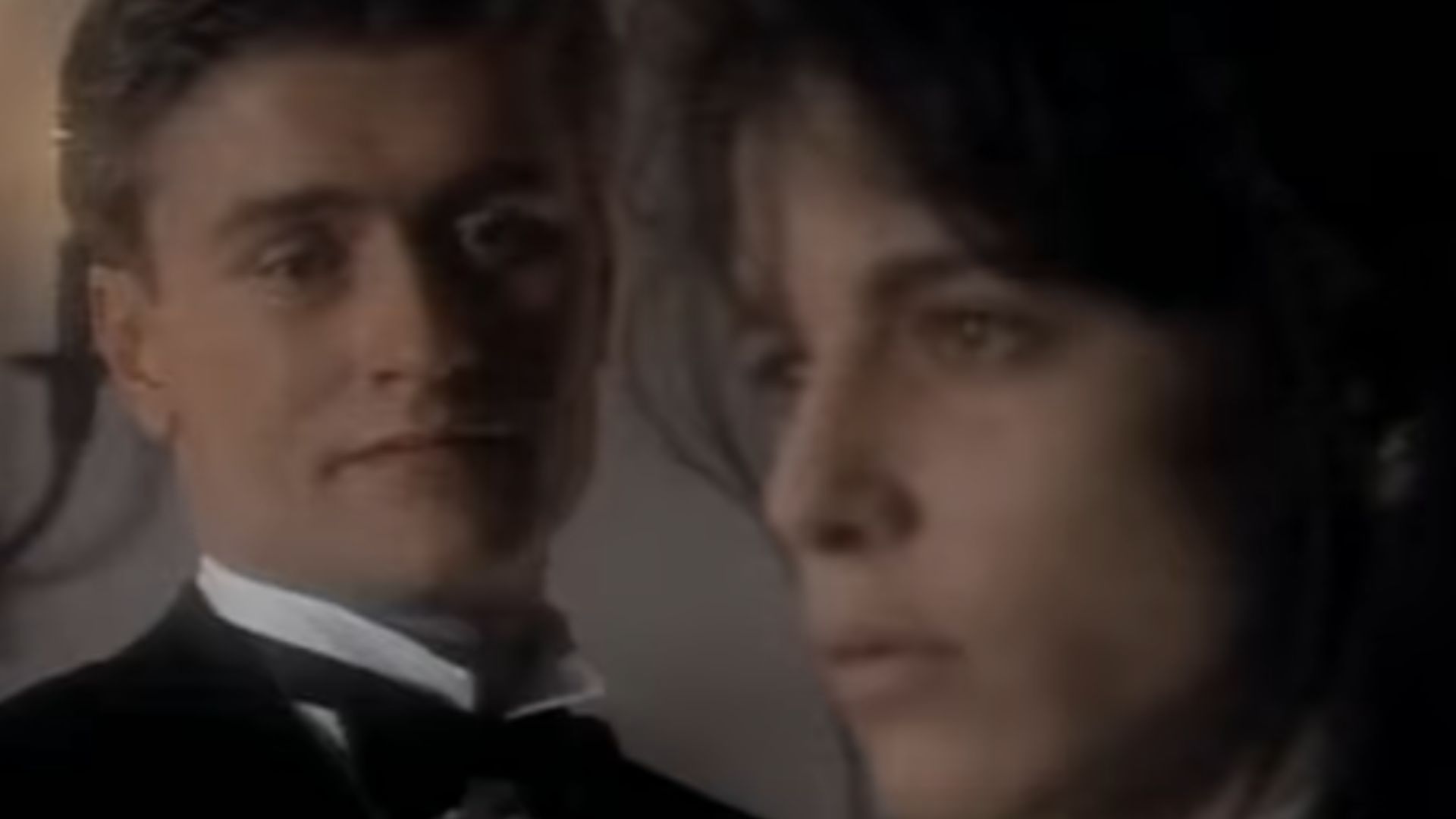 Screenshot from Dracula: The Series, Universal Television (1990–1991)
The Michael Richards Show (2000)
The pilot made it clear the show misunderstood why audiences loved its star in the first place. Physical comedy without strong writing became awkward fast. Characters felt hollow, and setups rarely paid off. Viewers didn’t need multiple episodes to decide—this wasn’t a comeback.
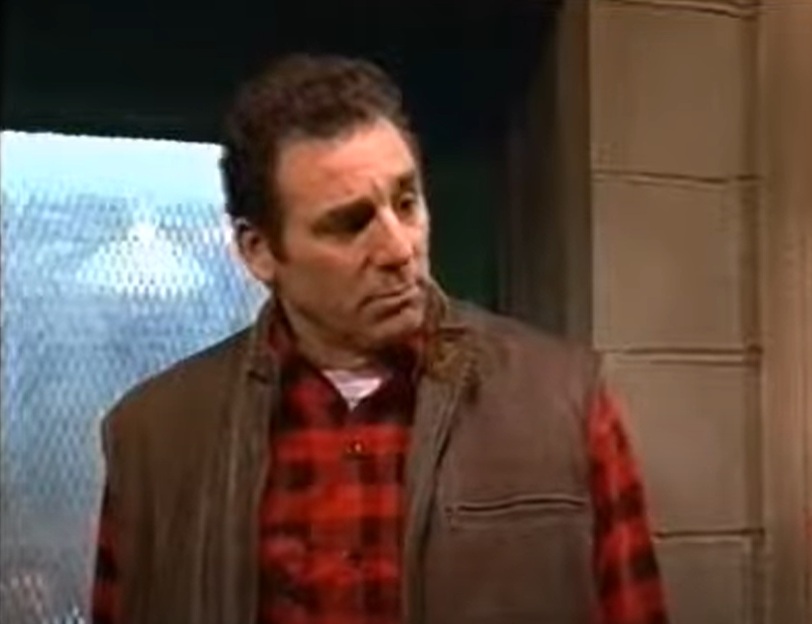 Screenshot from The Michael Richards Show, Paramount Network Television (2000)
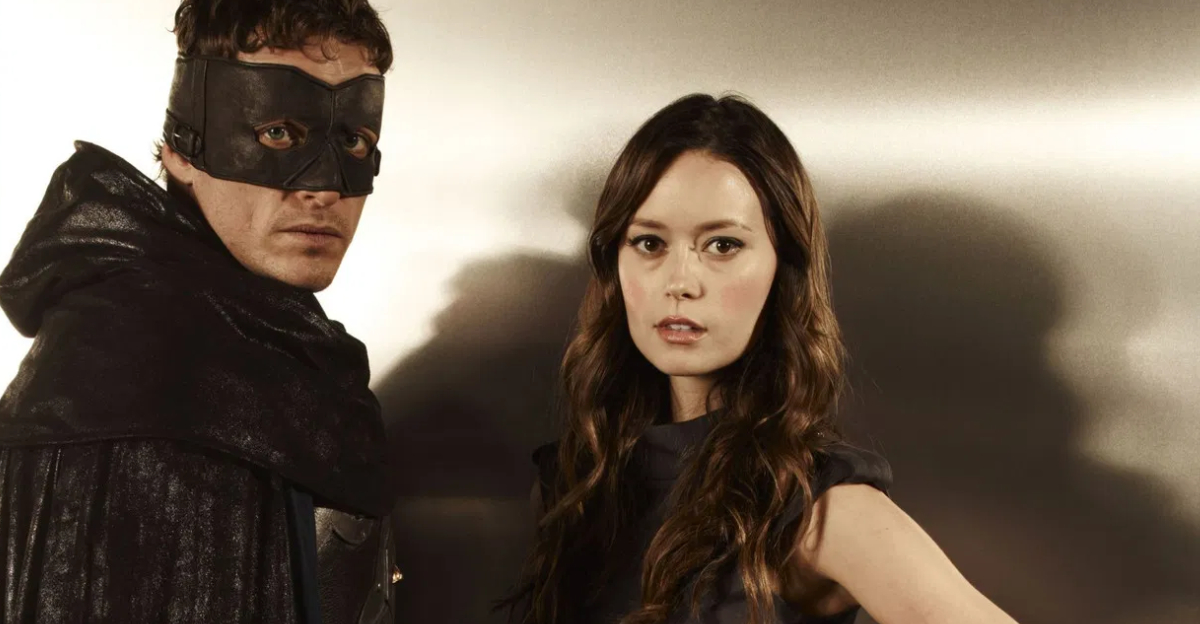
The Cape (2011)
The pilot introduced an interesting idea and immediately buried it under stiff dialogue and cheap-looking effects. Ambition clearly outpaced execution. Viewers lost confidence quickly, and the show never recovered. Even early on, it already felt unfinished and unstable.
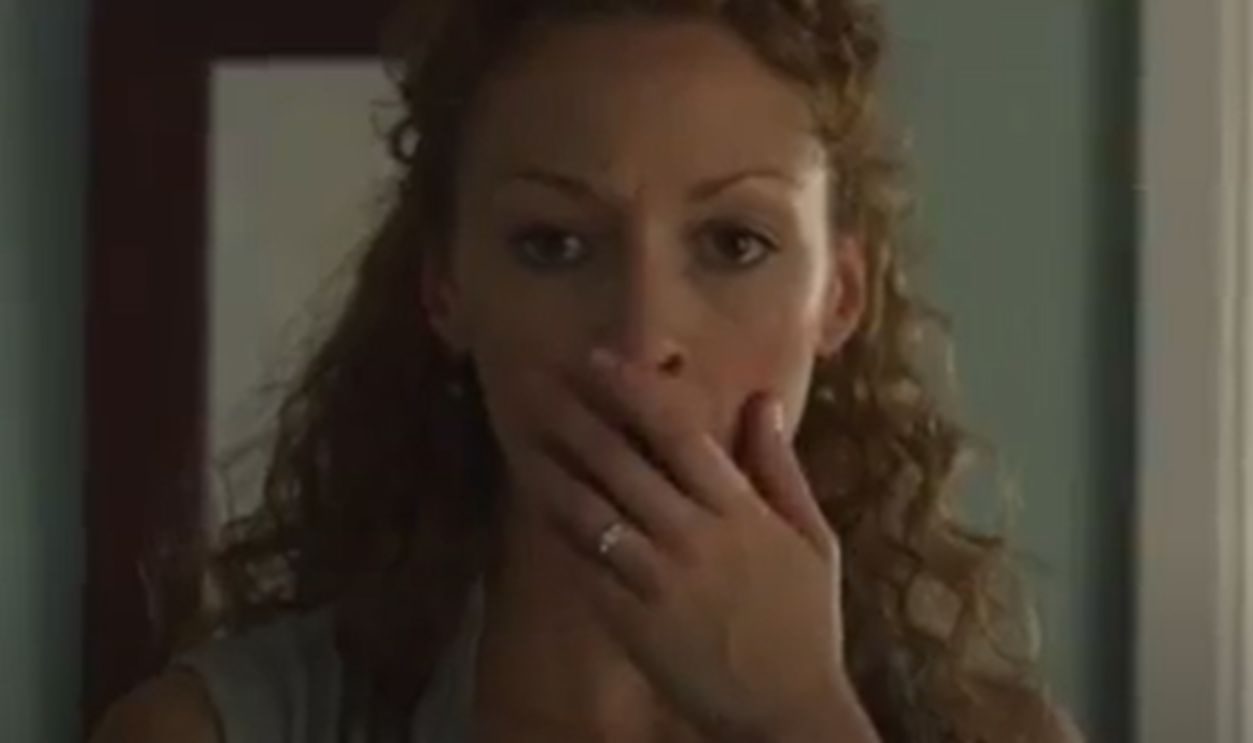 Screenshot from The Cape, Universal Television (2011)
Terra Nova (2011)
The pilot promised dinosaurs, danger, and epic storytelling—but delivered clunky exposition and dull characters instead. Despite its massive budget, the show felt oddly lifeless. Bigger spectacle couldn’t hide weak storytelling. The warning signs were—like a T-Rex in your living room—impossible to miss from episode one.
 Screenshot from Terra Nova, 20th Century Fox Television (2011)
Joey (2004–2006)
Yes, it technically ran for two seasons. But spinning off from one of the most popular shows of all time, we decided to include it anyway. Episode one made it clear this wasn’t going to be a spin-off hit—instead it was a slow-motion reminder that some characters should stay among friends (see what we did there?).
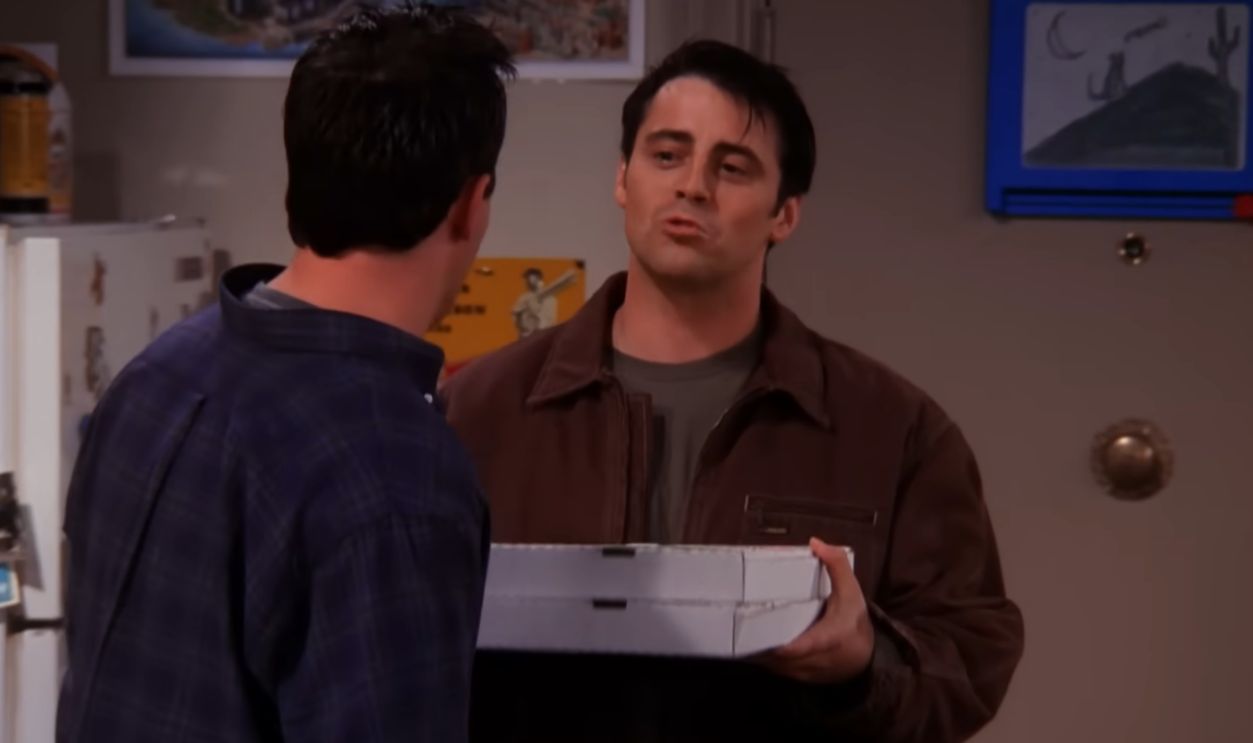 Screenshot from Joey, Warner Bros. Television (2004–2006)
The Hasselhoffs (2010)
Okay, rule-breaker time. This one didn’t come close to a full season—but the two awful episodes that aired somehow felt longer than an entire season of good television. The show was awkward, uncomfortable, and hard to watch in ways no one intended. The real surprise isn’t that it was cancelled. It’s that episode two was ever greenlit.
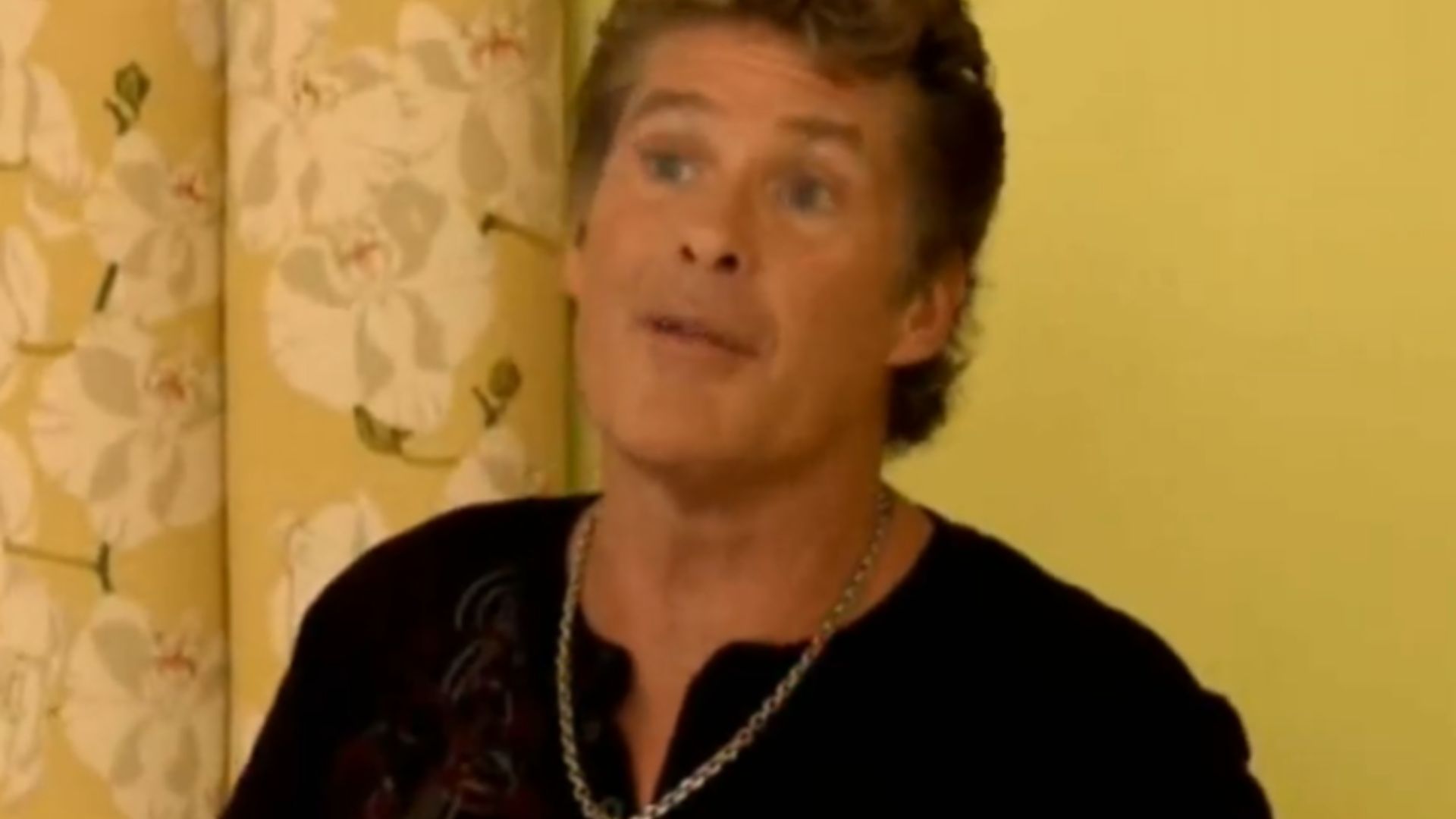 Screenshot from The Hasselhoffs, Universal Television (2010)
Work It (2012)
Okay, rule-breaker time. This one barely made it past episode one—but somehow still managed to air a second. The pilot felt outdated and tone-deaf the moment it aired, and the backlash was immediate. The real mystery isn’t why it was cancelled. It’s how anyone watched the first episode and thought the solution was more of it.
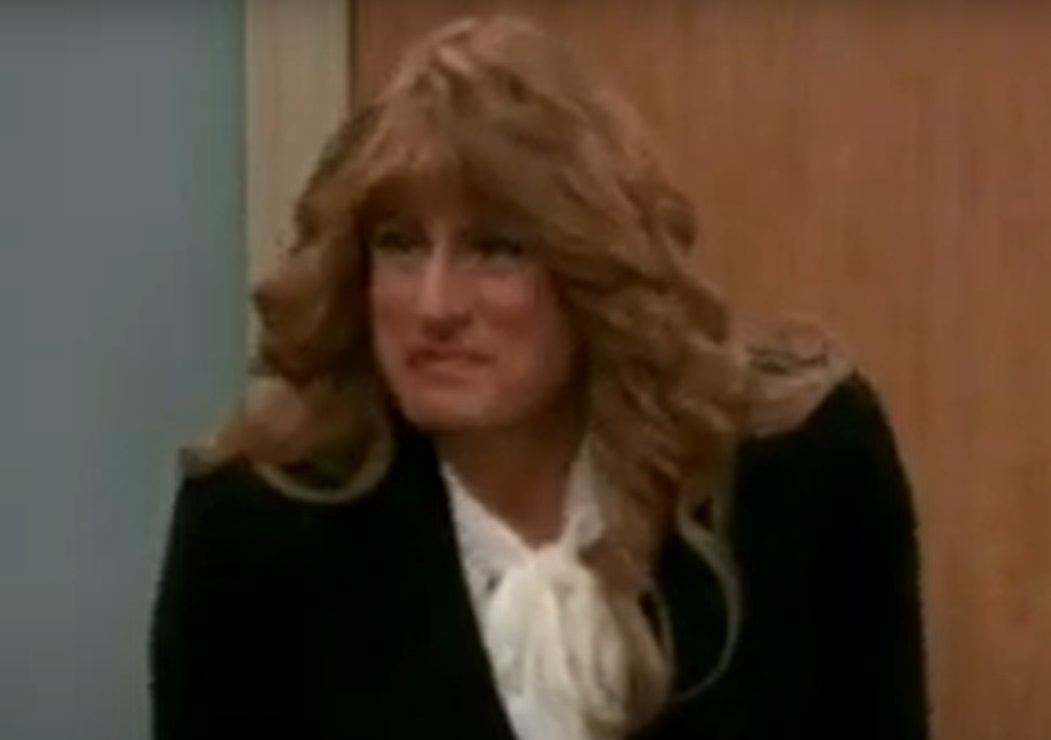 Screenshot from Work It, ABC Studios (2012)
Viva Laughlin (2007)
Okay, we’re fully breaking the rules now. The pilot featured suspects singing pop songs during interrogations, which should’ve ended the experiment instantly. Instead, someone approved a second episode. The real shock isn’t that the show collapsed. It’s that episode one didn’t immediately trigger an emergency network meeting.
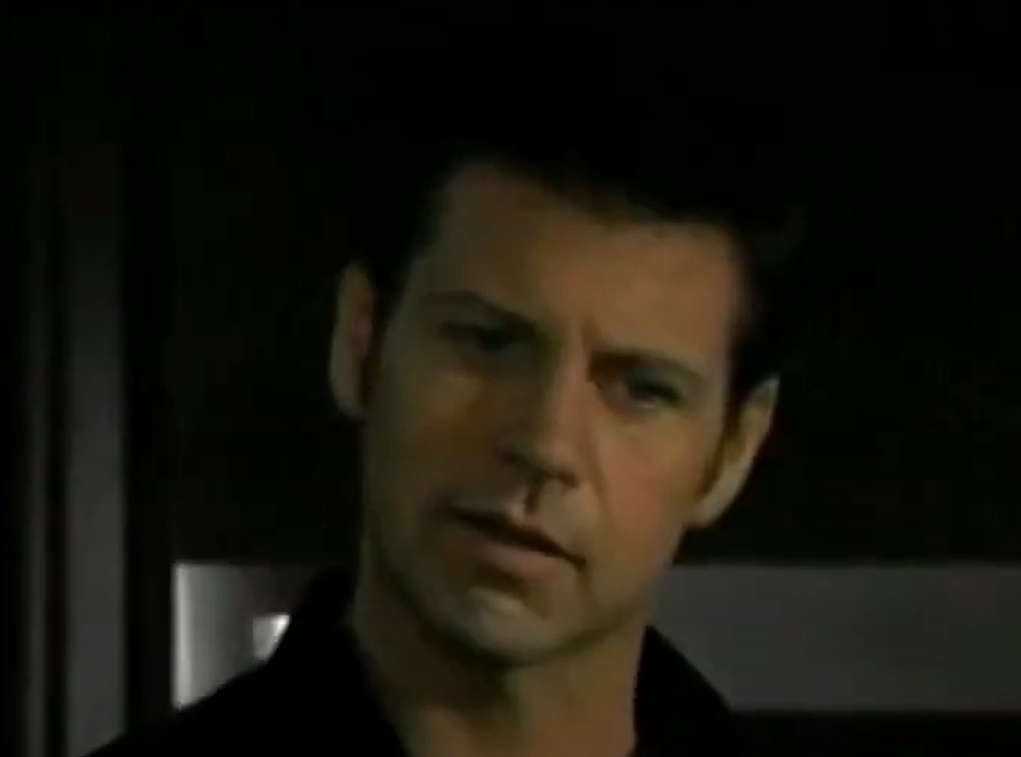 Screenshot from Viva Laughlin, CBS Television Studios (2007)
You Might Also Like:
Everyone Forgot These 1980s TV Shows Existed—Until Now
TV Series That Became Synonymous With A Single Location