TV Series That Became Synonymous With A Single Location
Some TV shows give us characters we adore. Others give us storylines we can’t forget. But then there are those rare, special series that become so tied to their setting that the location itself becomes a character—sometimes even the star.
Twin Peaks: The Weirdest Small Town In America
Few shows embody a location like Twin Peaks. Its misty forests, quiet diners, and unnerving small-town charm made the fictional Washington town feel unsettlingly real. Between the owls (which are definitely not what they seem), the Black Lodge, and a damn fine cup of coffee, Twin Peaks put small-town surrealism permanently on the map.
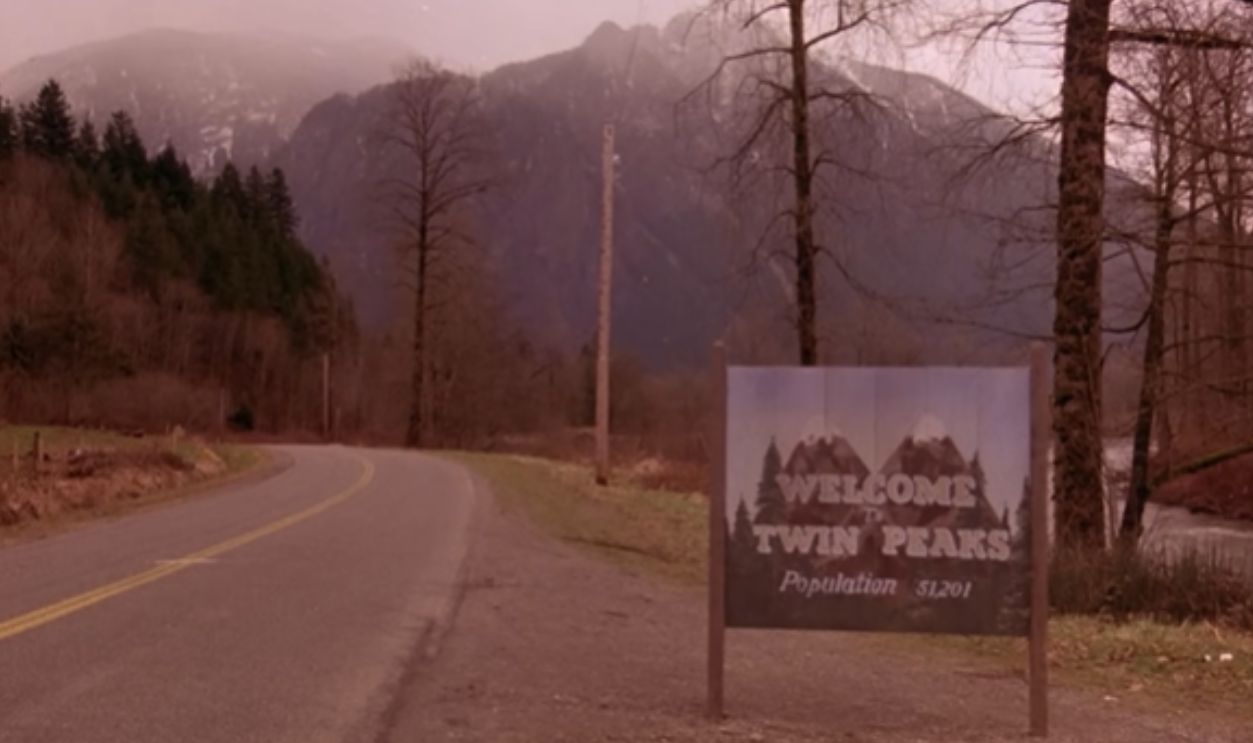 Screenshot from Twin Peaks, ABC (1990-1991)
Friends: A New York Apartment We All Recognize
Sure, Friends takes place in New York City, but let’s be real: the show is synonymous with Monica’s massive purple apartment. It’s practically the seventh friend. The mismatched furniture, the iconic doorframe, the giant bay window—you could spot it instantly. And of course, Central Perk was basically the friend group’s second home.
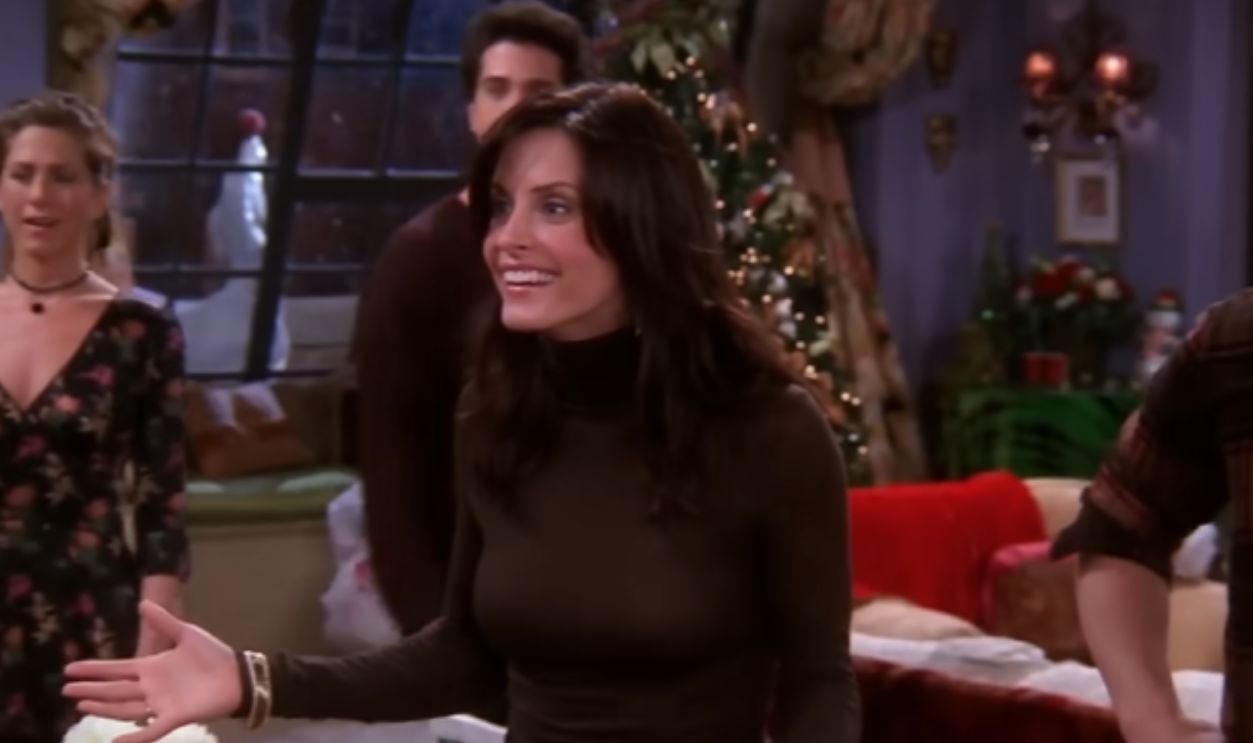 Screenshot from Friends, Warner Bros. Television (1994-2004)
Breaking Bad: Albuquerque’s Desert Underbelly
Before Breaking Bad, Albuquerque wasn’t exactly a pop-culture hotspot. After Walter White, it might as well have been the eighth world wonder. From the car wash to Los Pollos Hermanos and those endless stretches of desert highway, the show turned the New Mexico city into a symbol of transformation, danger, and “we need to cook.”
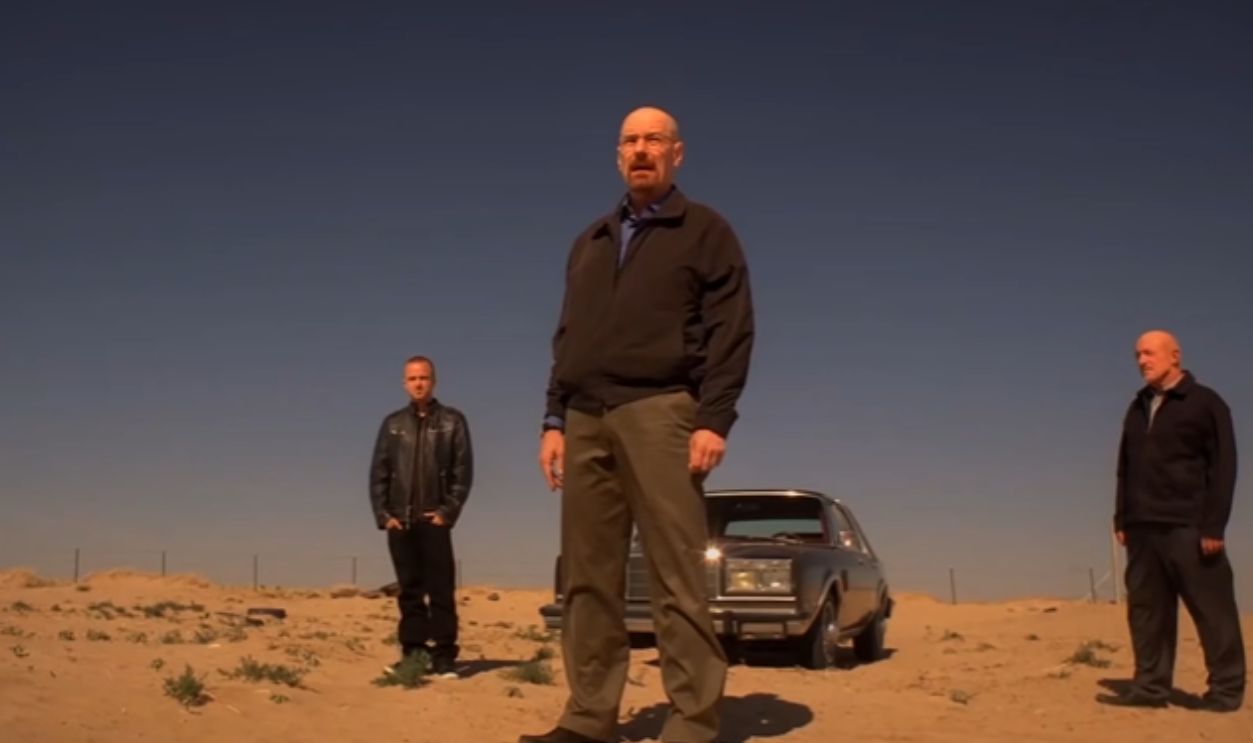 Screenshot from Breaking Bad, Sony Pictures Television (2008-2013)
Gilmore Girls: Stars Hollow, Our Cozy Fantasy Town
Stars Hollow is the TV town people want to move to—even though it doesn’t exist. With town festivals practically every weekend, quirky neighbors, and Luke’s Diner as the center of the universe, Gilmore Girls made Stars Hollow feel like a warm blanket in town form.
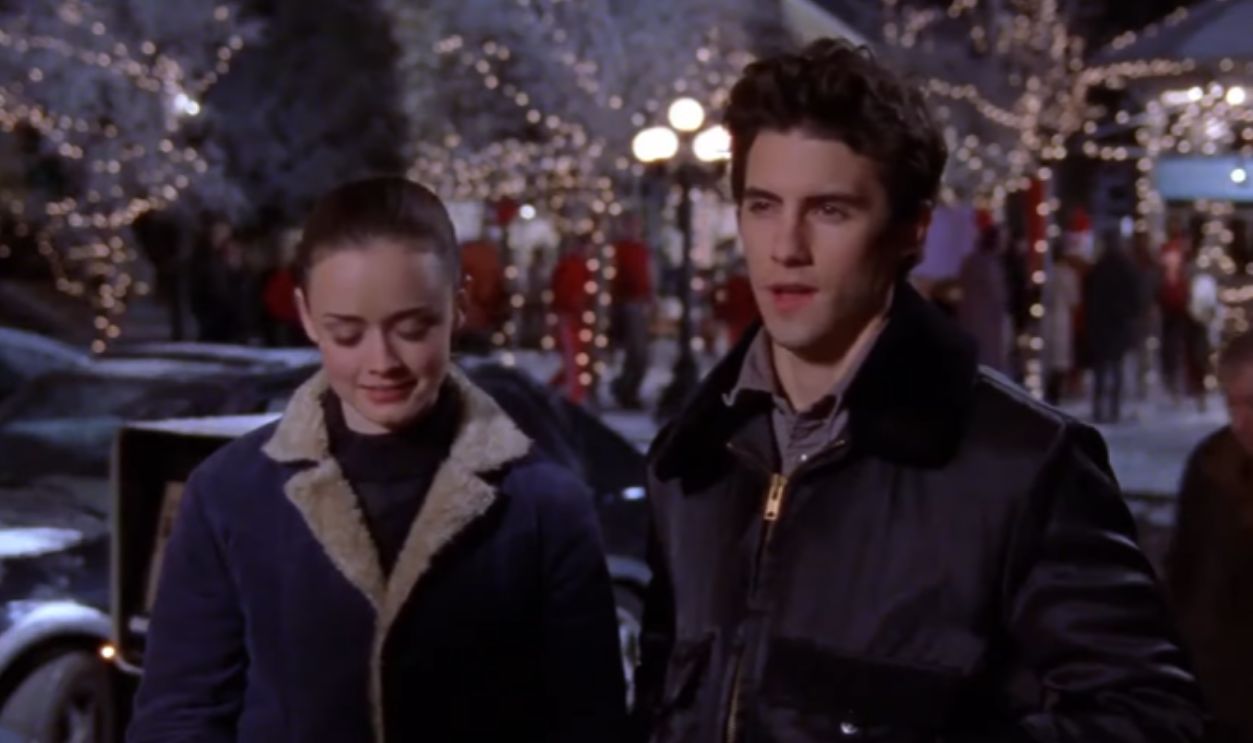 Screenshot from Gilmore Girls, Warner Bros. Television (2000-2007)
Game Of Thrones: King’s Landing As The Seat Of Chaos
Yes, Game of Thrones spans continents, but no place defined the show like King’s Landing. The Red Keep, the throne room, the winding streets—all became shorthand for political scheming. Dubrovnik’s old walls became so iconic that visiting fans turned the real-life city into a pilgrimage site.
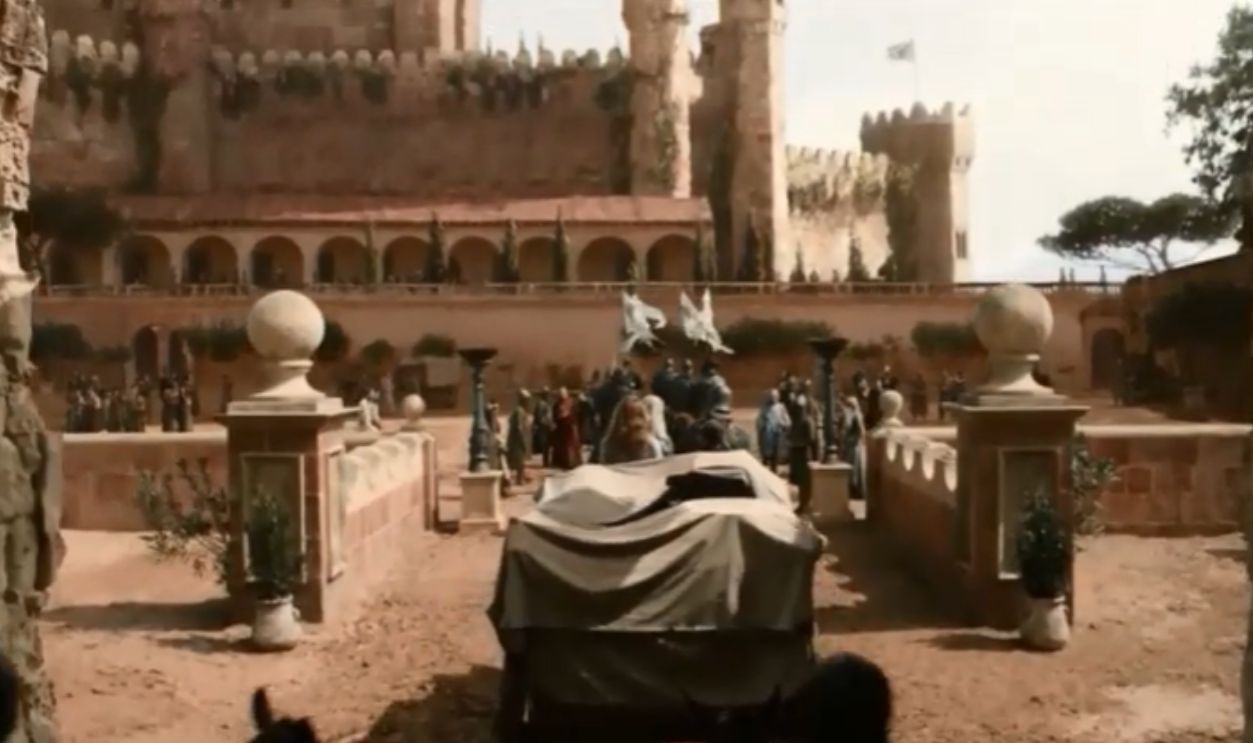 Screenshot from Game of Thrones, HBO (2011-2019)
Cheers: The Bar Where Everybody Knows Your Name
Few locations are more iconic than the cozy Boston bar from Cheers. Whether you were there for Sam’s flirtations, Carla’s insults, or Norm’s eternal “Norm!” entrance, the bar wasn’t just a backdrop—it was the show’s beating heart.
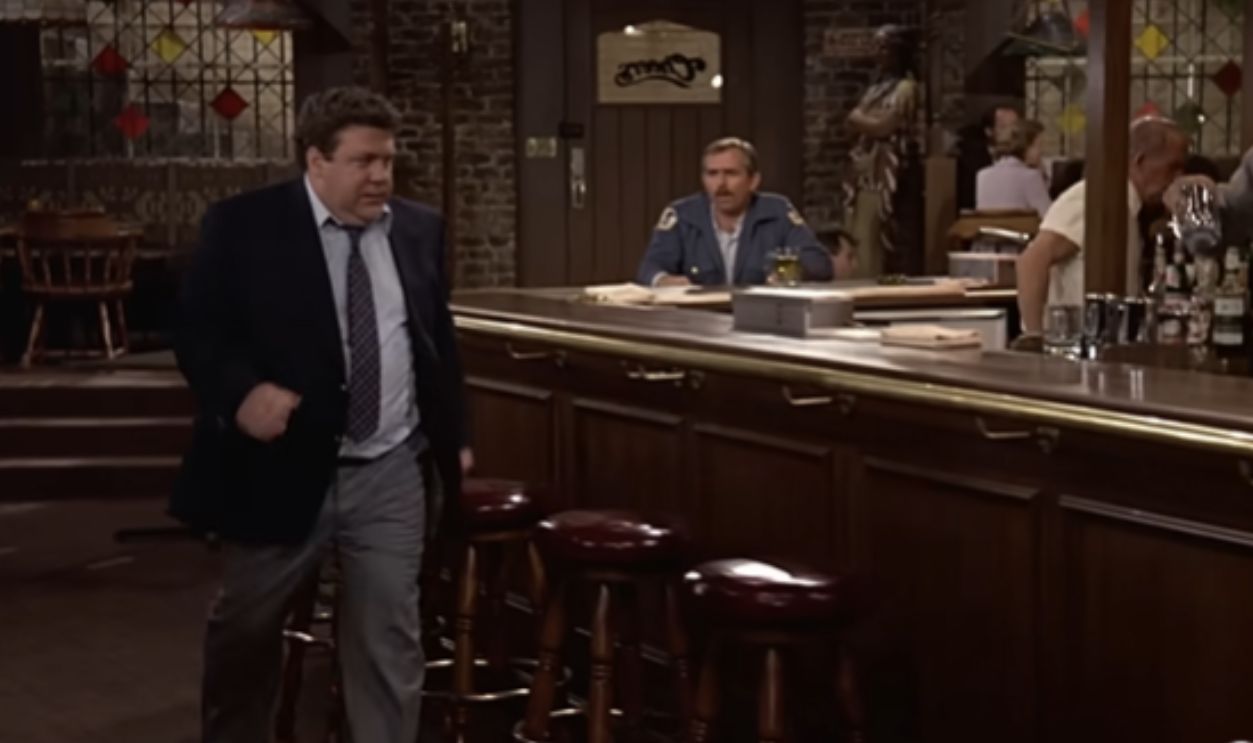 Screenshot from Cheers, NBC (1982-1993)
The Office: Scranton, The World’s Most Famous Paper Town
Few shows have immortalized a mid-sized American city like The Office. Scranton became the place for Dunder Mifflin superfans. The ‘Welcome to Scranton’ sign? Iconic. The Steamtown Mall? Legendary. The fictional paper company became so tied to the city that Scranton embraced its newfound fame wholeheartedly.
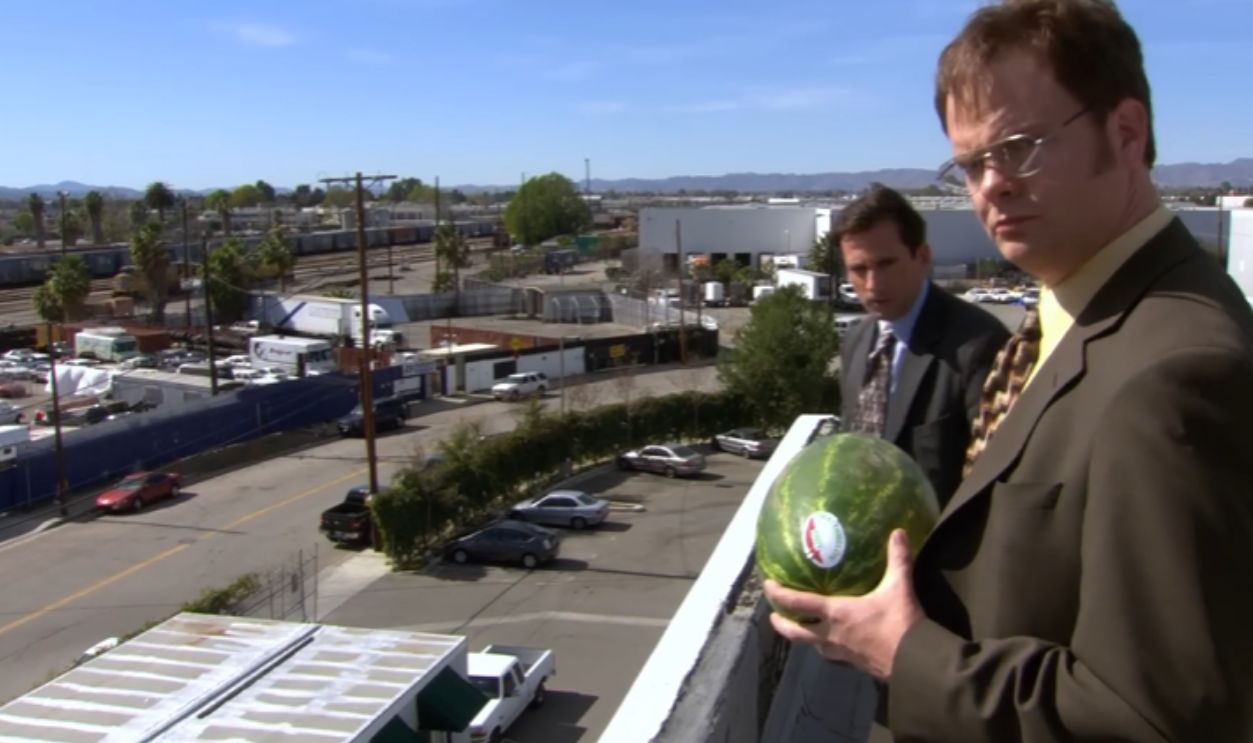 Screenshot from The Office, NBC (2005-2013)
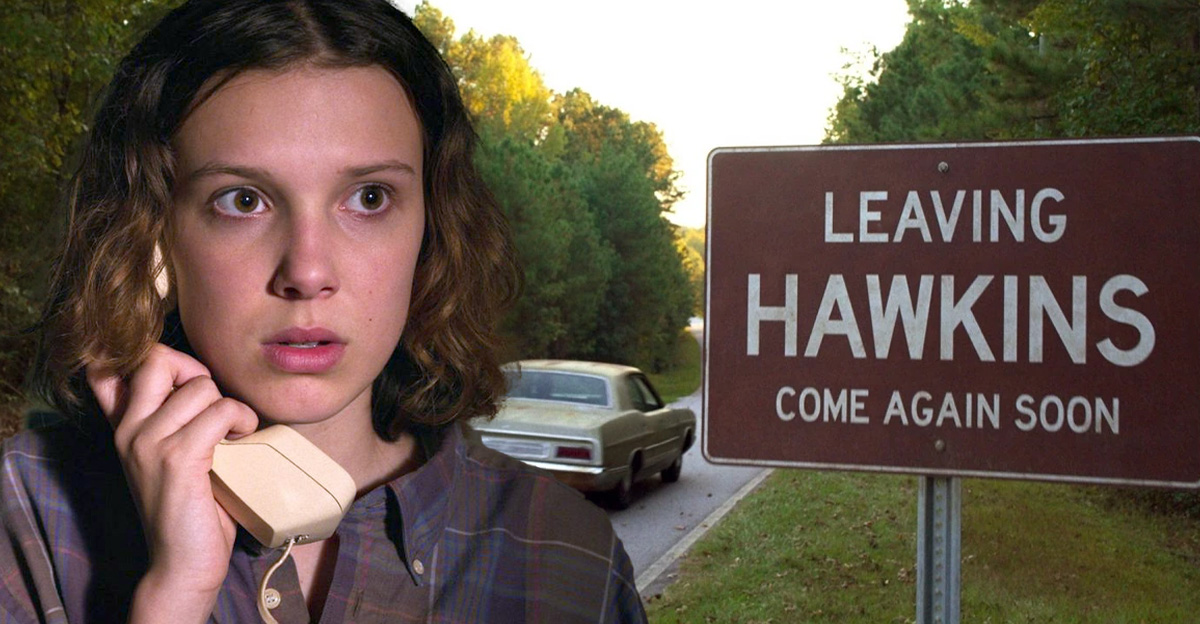
Stranger Things: Hawkins, Indiana, And The Upside Down
Hawkins looks like a perfectly average ’80s small town—until a Demogorgon or rogue scientist shows up. Stranger Things made the place feel both nostalgic and dangerous. And of course, nothing says “Hawkins” like the flickering lights of the Byers house or the neon glow of the mall.
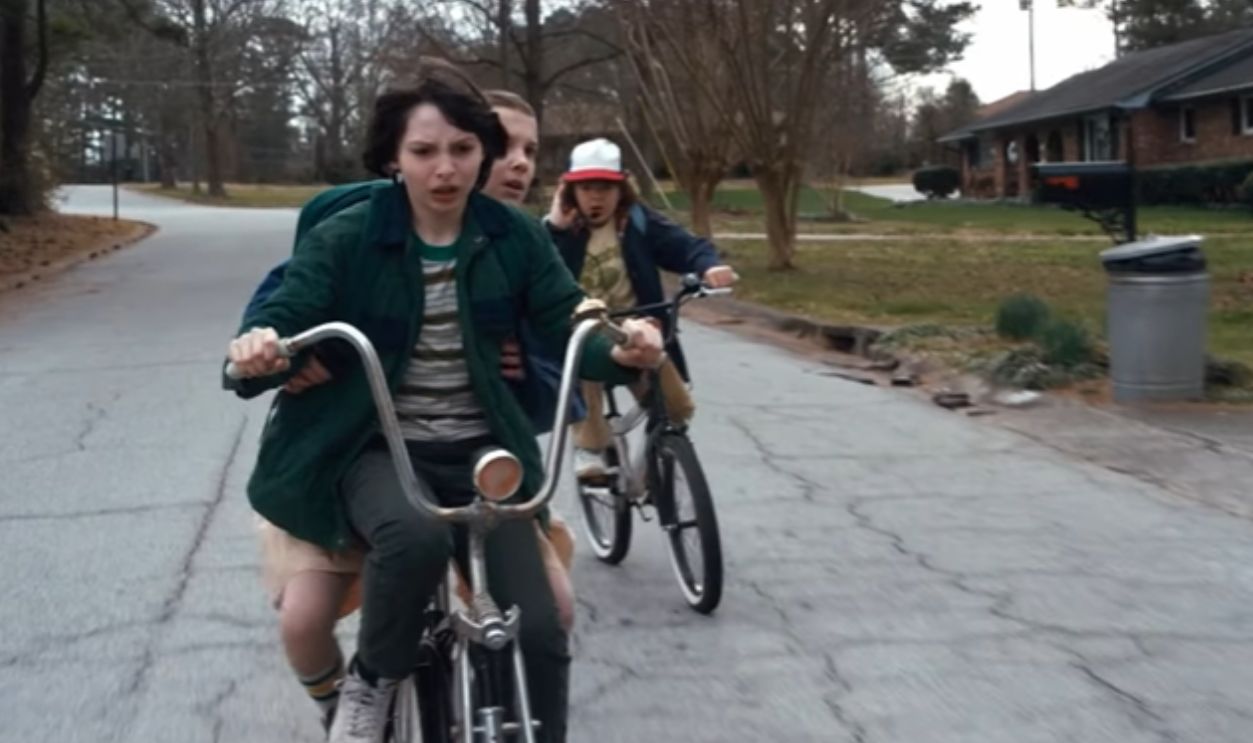 Screenshot from Stranger Things, Netflix (2016-)
Sex And The City: New York As A Fashion Runway
Carrie Bradshaw didn’t just walk the streets of New York—she owned them. Sex and the City turned Manhattan into a designer-clad playground where brunch reigned supreme and taxis existed solely to be hailed by fabulous women. NYC wasn’t just the backdrop; it was the fifth member of the friend group.
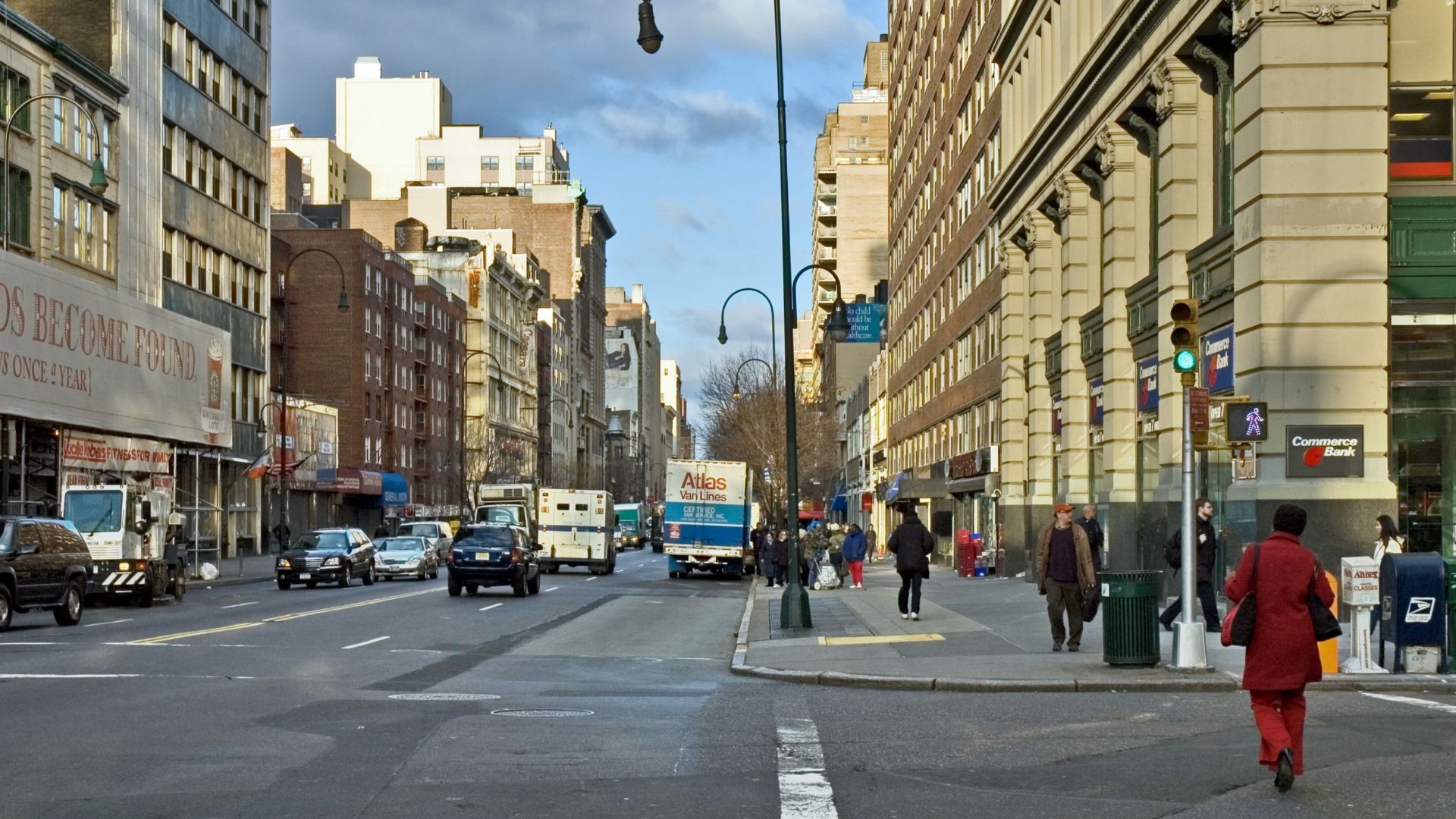 No machine-readable author provided. Leifern assumed (based on copyright claims)., Wikimedia Commons
Lost: The Island That Broke Our Brains
The Island (capital letters required) is one of the most iconic settings in TV history. Mysterious hatches, eerie whispers, polar bears (??)... Lost made its location feel alive—literally. The Island wasn’t just where the story happened; it was the story.
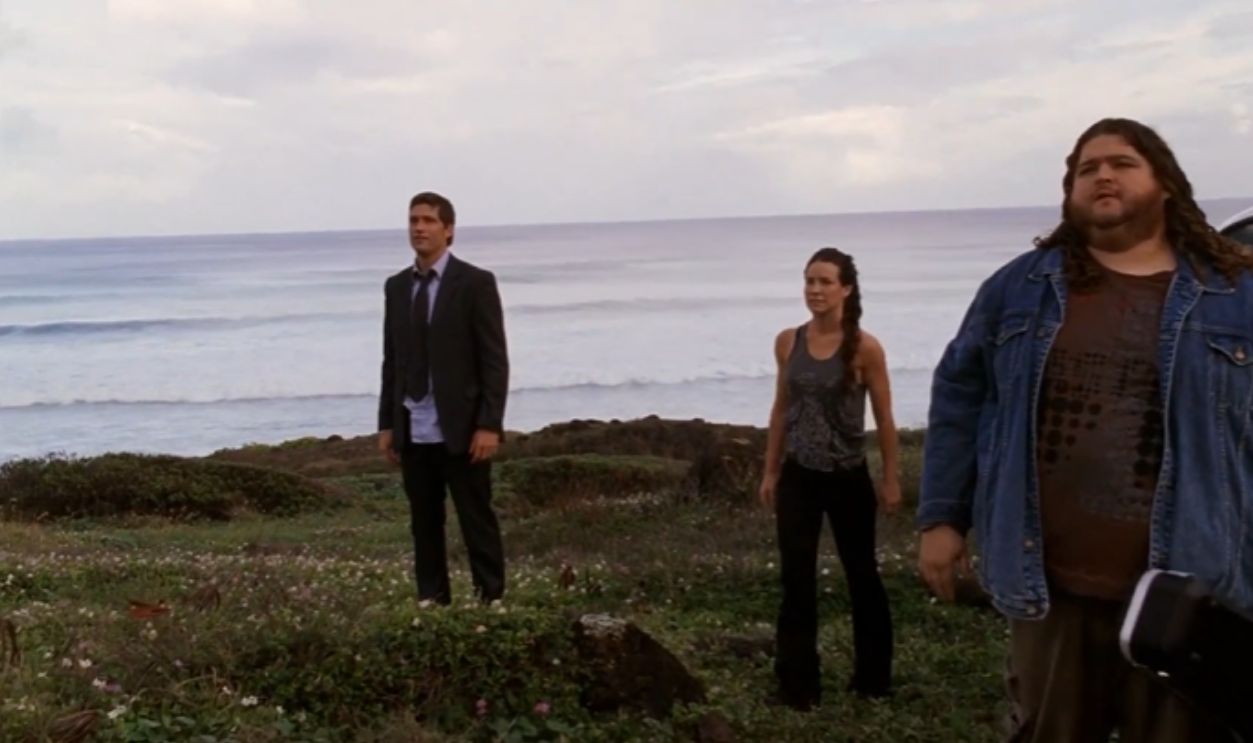 Screenshot from Lost, ABC (2004-2010)
Downton Abbey: England’s Most Dramatic Estate
When you watch Downton Abbey, you don’t just watch a show; you visit a place. Highclere Castle became the beating heart of the drama—both breathtakingly grand and intimately familiar. The grand staircase and servant corridors alike made the estate a character of its own.
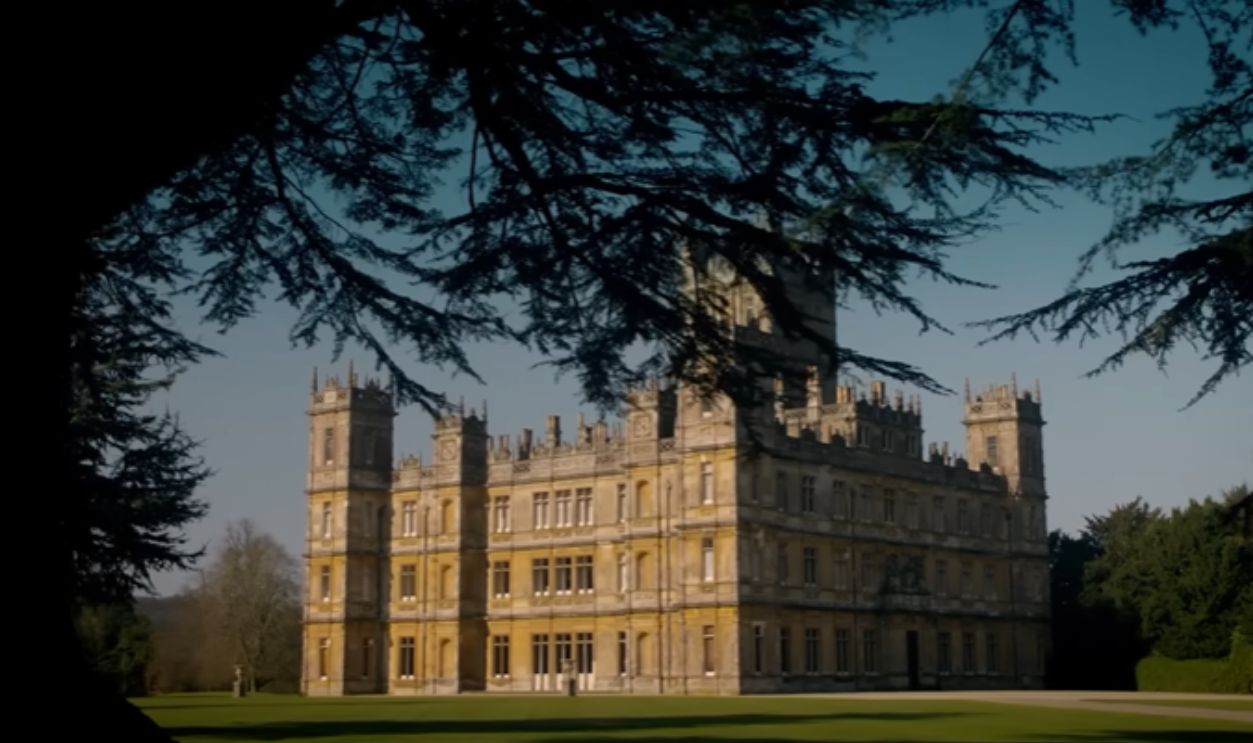 Screenshot from Downton Abbey, ITV (2010-2015)
Buffy The Vampire Slayer: Sunnydale, Town On A Hellmouth
Sunnydale: population 38,500 and roughly 38,000 supernatural problems. Buffy the Vampire Slayer made its fictional California town—with its cursed high school perched above a literal Hellmouth—the epicenter of late-’90s fantasy television. The Bronze, the cemetery, the library—they’re all etched into fan memory.
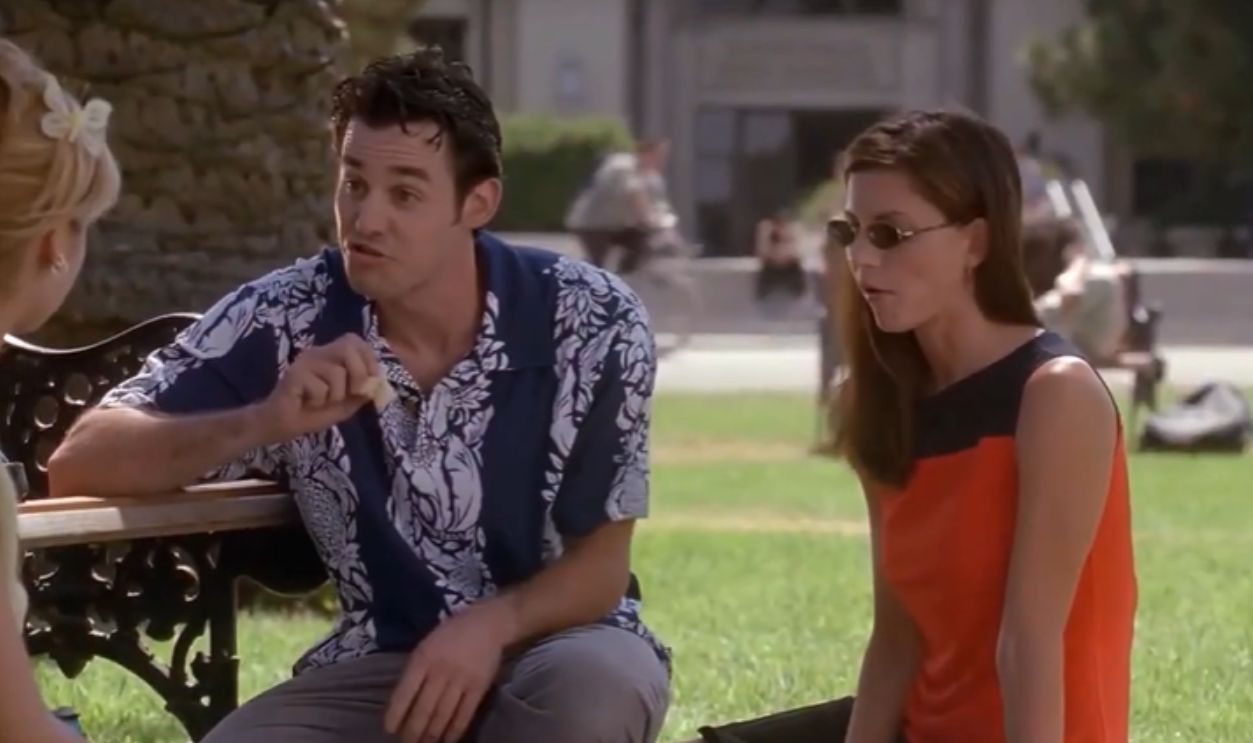 Screenshot from Buffy the Vampire Slayer, 20th Television (1997-2003)
The Wire: Baltimore’s Grit And Reality
The Wire is inseparable from Baltimore—its blocks, docks, schools, and political corridors. The show didn’t just use the city as a backdrop; it revealed it. It turned real neighborhoods into unforgettable storytelling landscapes and changed how TV portrays cities forever.
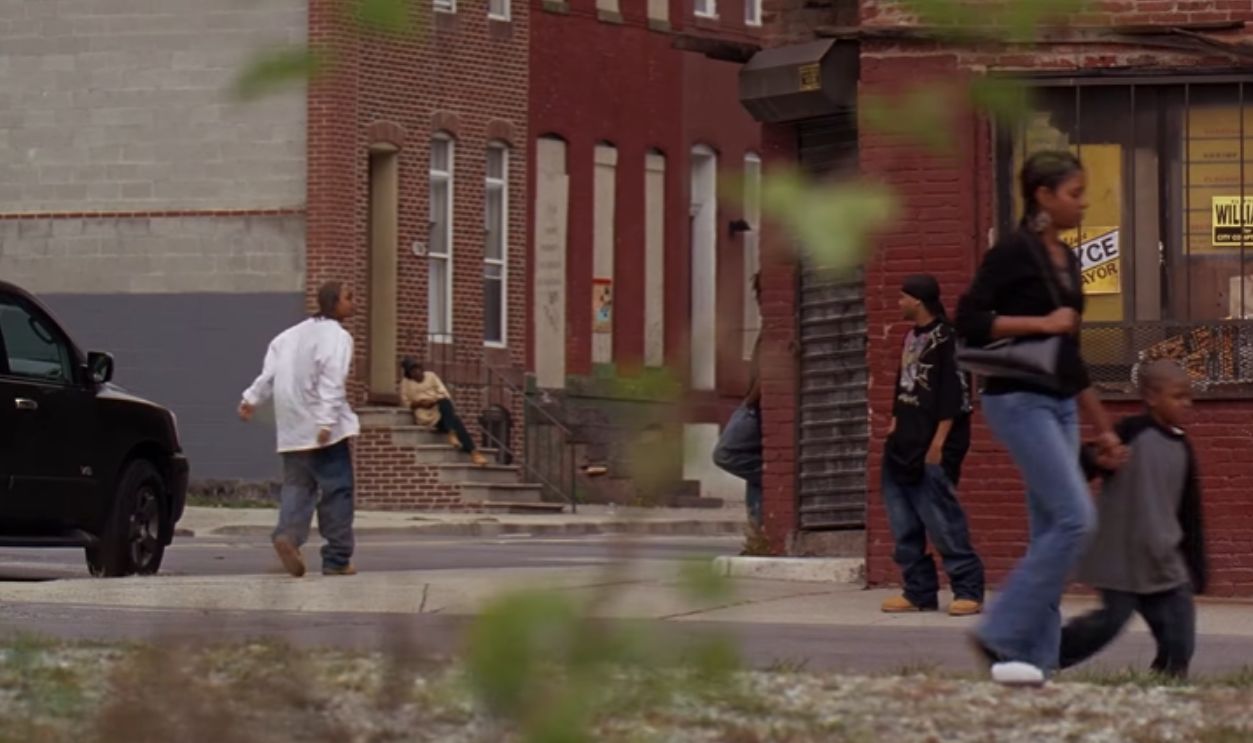 Screenshot from The Wire, HBO (2002-2008)
M*A*S*H: The 4077th As Home Away From Home
The mobile army surgical hospital might sound like an unlikely comfort zone, but for fans of M*A*S*H, the 4077th became a place of humor, heartbreak, and unforgettable camaraderie. The tents, the mess hall, the Swamp—it was a whole world contained in one chaotic camp.
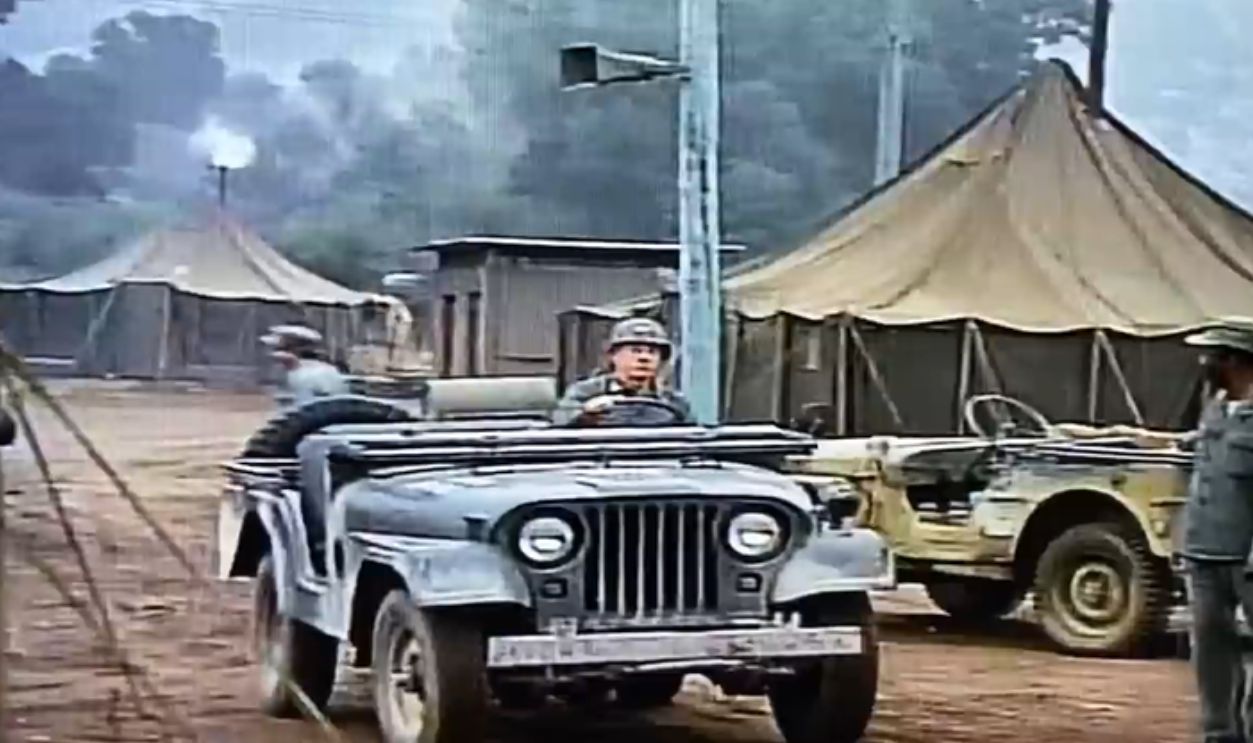 Screenshot from M*A*S*H, CBS (1972-1983)
Seinfeld: A Show About Nothing In One Apartment
Jerry’s apartment is one of the most recognizable spaces on television. The cereal boxes, the bike on the wall, Kramer’s slide-in entrances—it’s comedy geography. Paired with Monk’s Café as the gang’s meeting spot, Seinfeld kept New York feeling small, intimate, and endlessly funny.
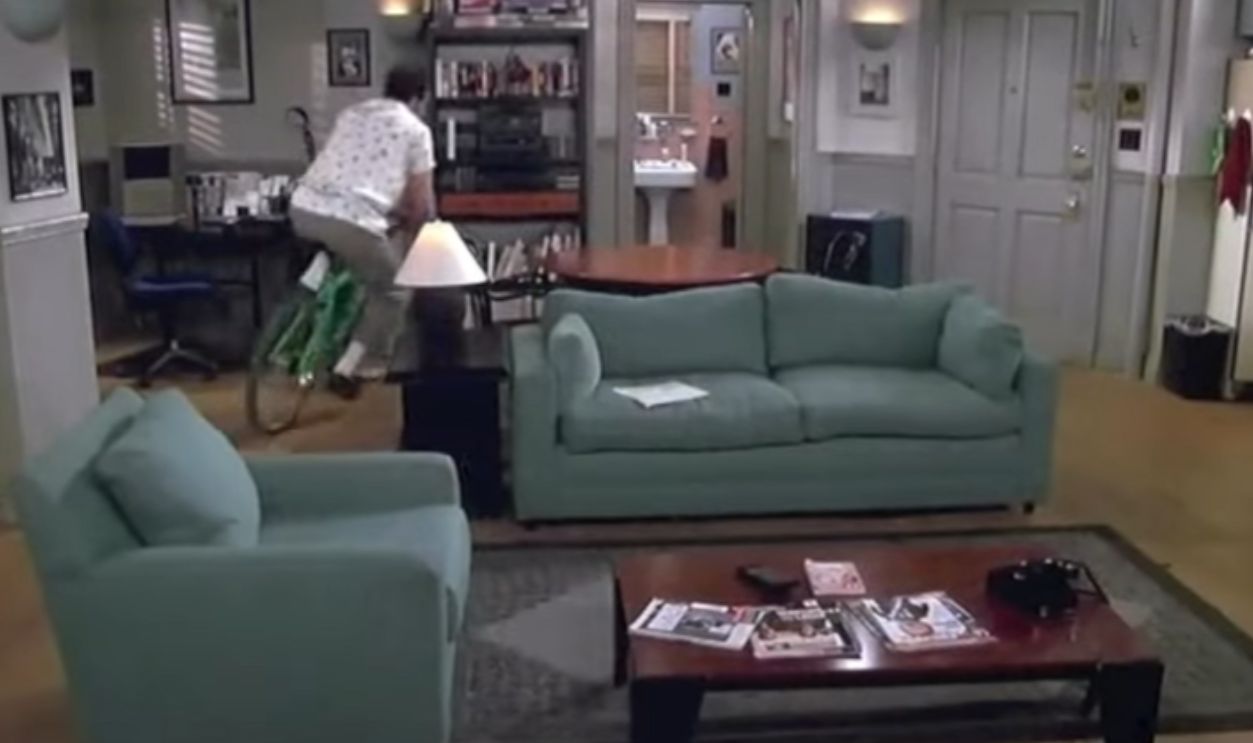 Screenshot from Seinfeld, NBC (1989-1998)
Schitt’s Creek: The Town That Became Home
The Rosebud Motel. Café Tropical. The world’s most awkward but lovable small town. Schitt’s Creek transformed its once-unwanted setting into a place of healing and hilarity. By the end, fans loved the town every bit as much as the characters did.
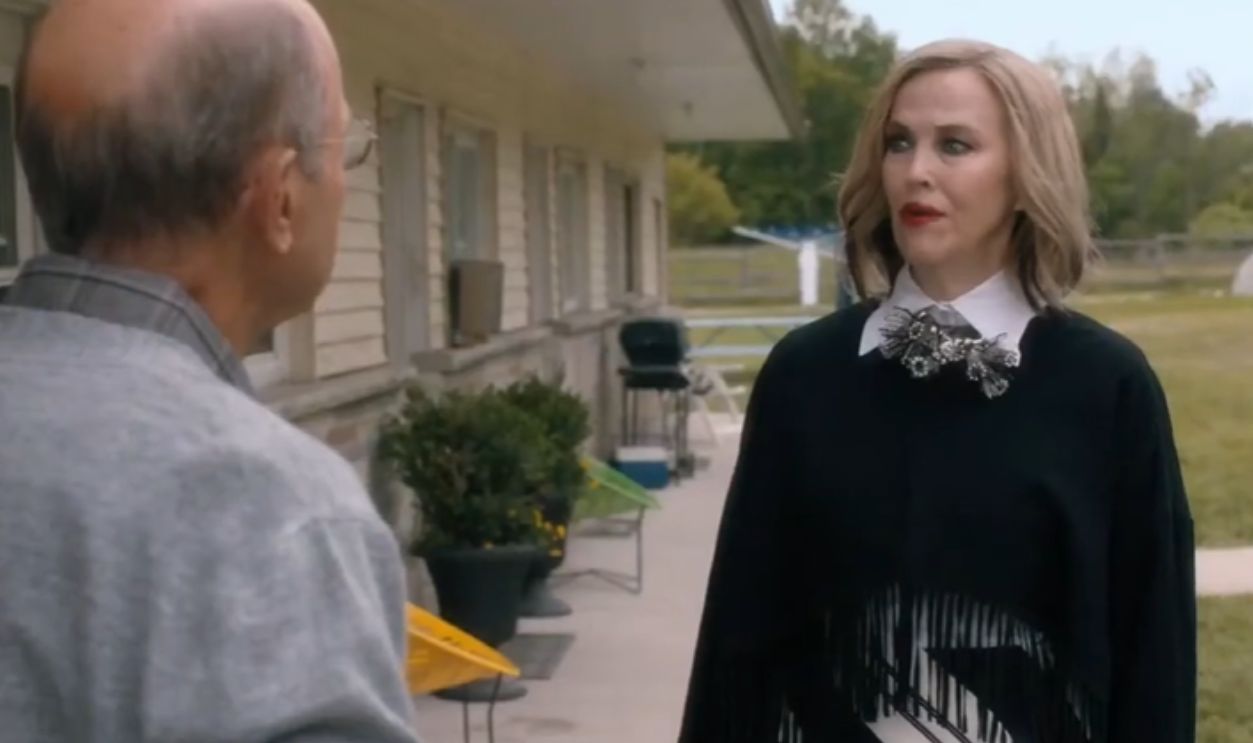 Screenshot from Schitt's Creek, CBC Television (2015-2020)
Yellowstone — The Dutton Ranch As Empire
The sweeping Montana landscapes and the sprawling Dutton Ranch define Yellowstone as much as its characters do. The show made cowboy power struggles look cinematic, and its rustic cabins and rolling pastures became instantly iconic.
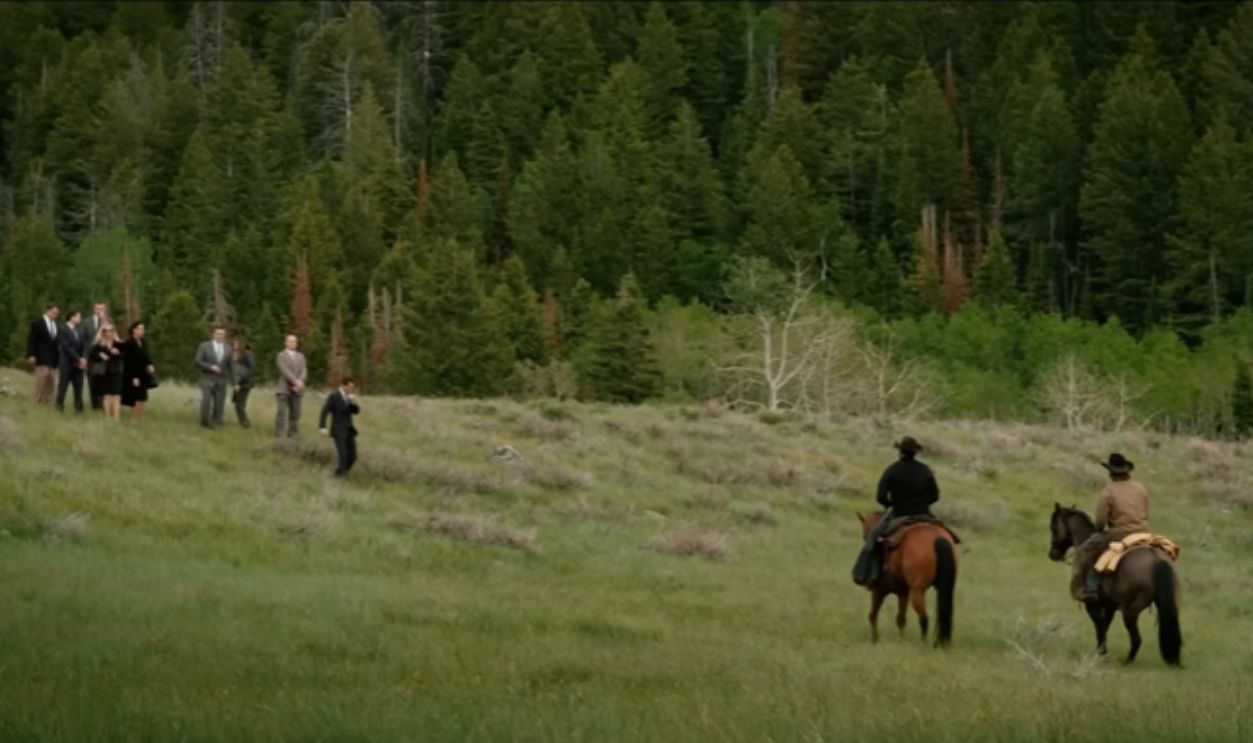 Screenshot from Yellowstone, Paramount Network (2018-)
The Simpsons: Springfield, USA (Wherever It Is)
Part of the joke is that no one knows exactly where Springfield is—but it still feels like a real place. Moe’s Tavern, the Kwik-E-Mart, the nuclear plant… The Simpsons crafted a town that’s both absurd and deeply familiar, a universal caricature of American suburbia.
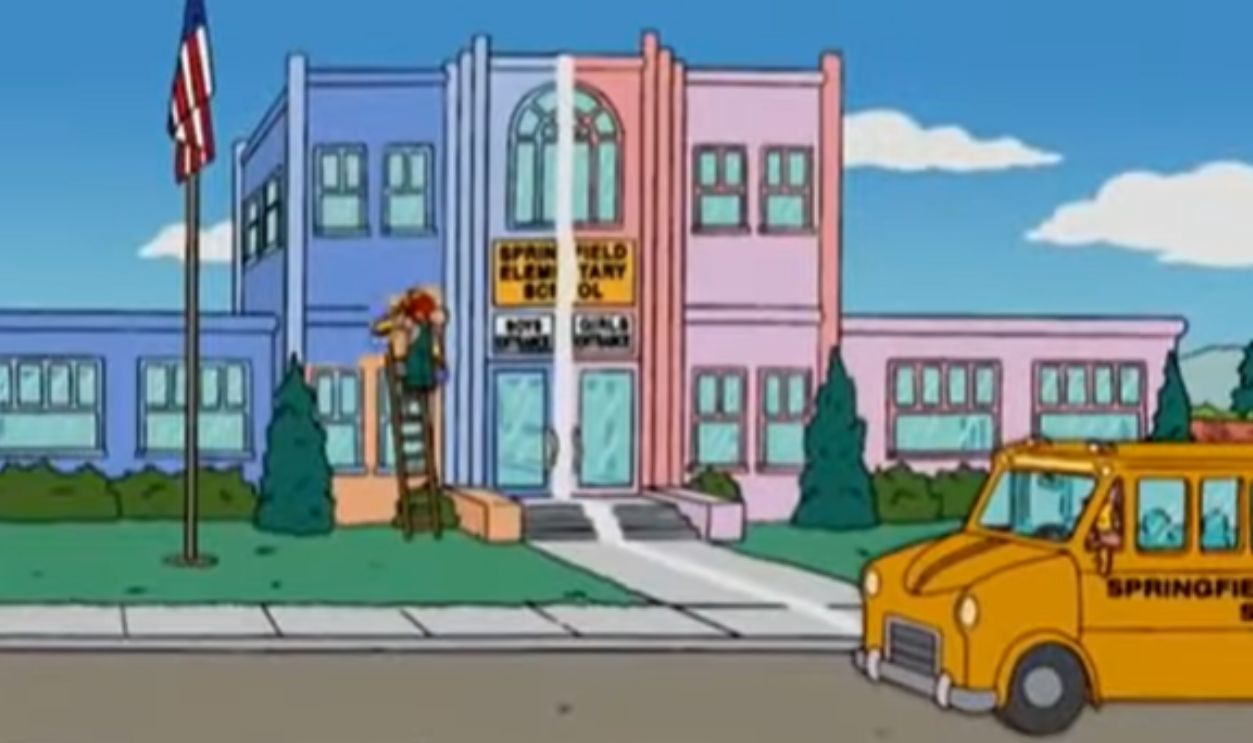 Screenshot from The Simpsons, 20th Television (1989-)
Friday Night Lights: Dillon, Texas, Where Football Is Life
“Clear eyes, full hearts, can’t lose.” Dillon, Texas isn’t just a town—it’s a way of life. Friday Night Lights made its fields, diners, and high-school hallways feel real and lived-in. For many fans, Dillon became the quintessential small-town America.
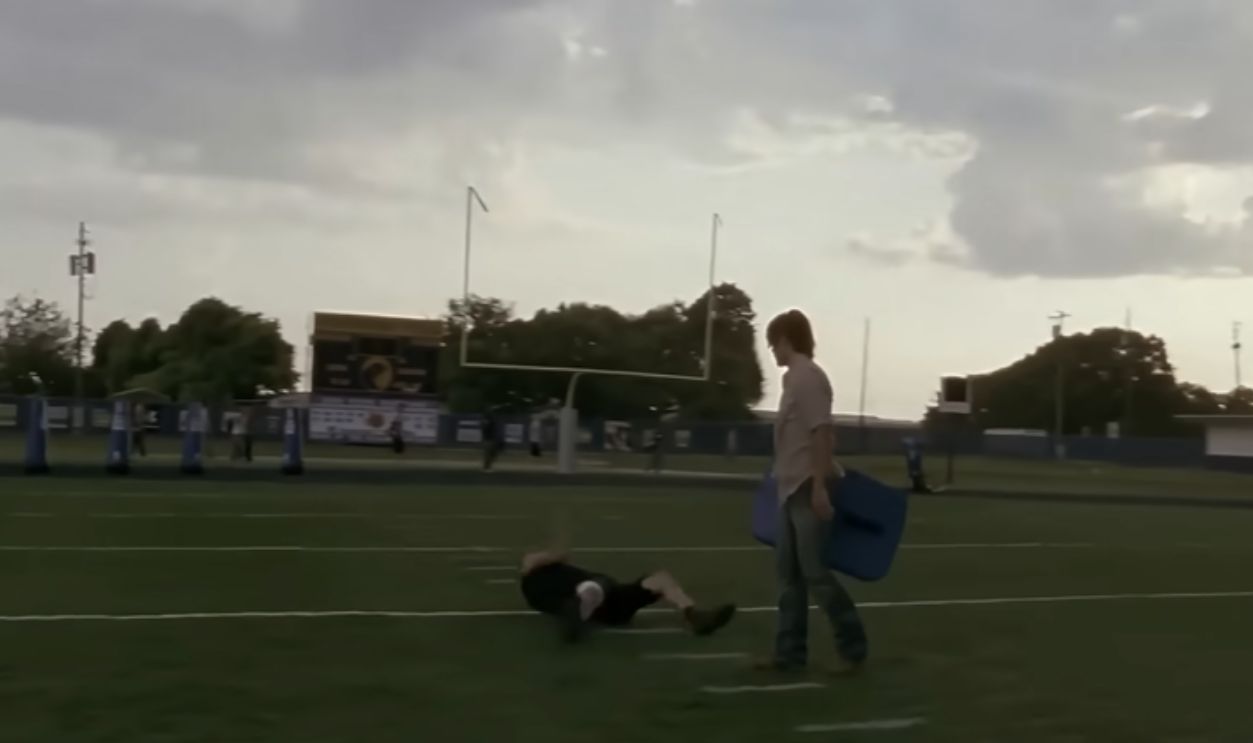 Screenshot from Friday Night Lights, NBC (2006-2011)
The Mandalorian: The Outer Rim’s Rugged Frontier
While Star Wars covers countless planets, The Mandalorian made the Outer Rim feel like a cohesive, dusty, lawless frontier. From Tatooine’s sand-swept streets to Nevarro’s bustling markets, the show’s locations became instant fan favorites—especially wherever Grogu appeared.
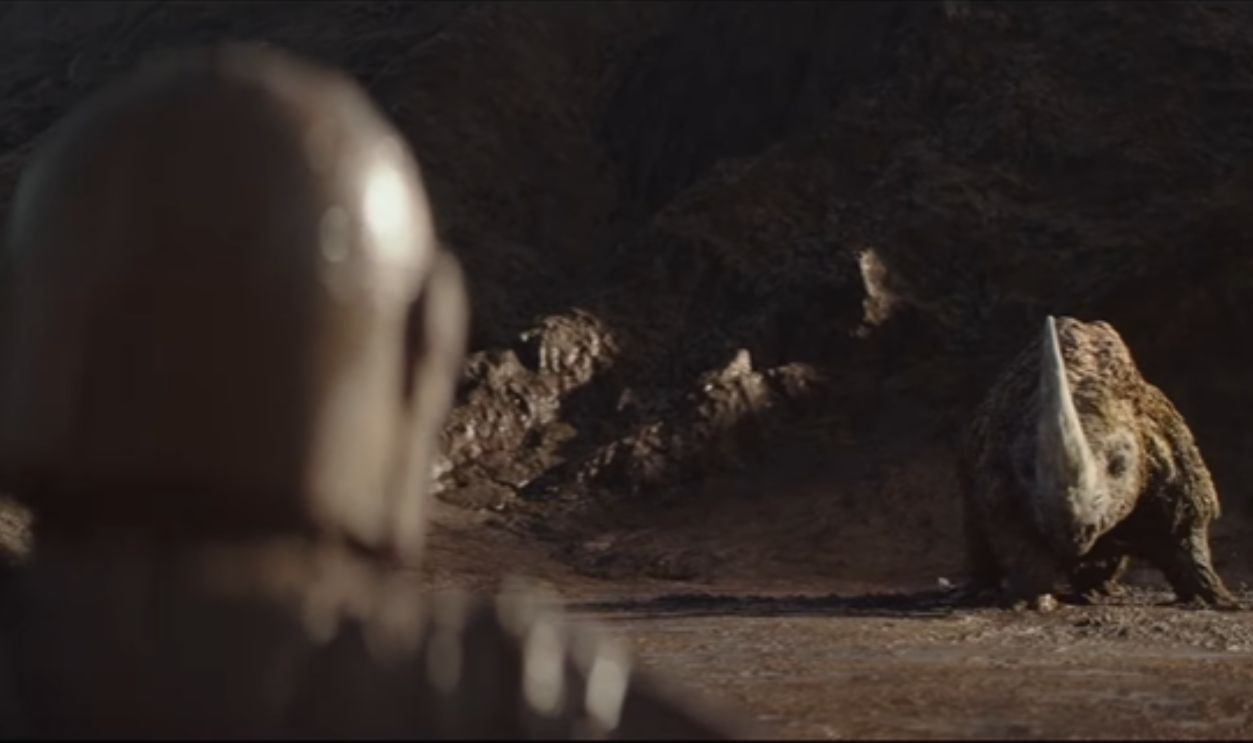 Screenshot from The Mandalorian, Disney+ (2019-)
Ted Lasso: Nelson Road And AFC Richmond
You can’t think of Ted Lasso without picturing AFC Richmond’s home stadium. Nelson Road—fictional but convincingly real—became the stage for feel-good sports storytelling and endless biscuit-fueled positivity. The locker room alone has enough heart to power a small city.
 Screenshot from Ted Lasso, Apple TV+ (2020-2023)
Peaky Blinders: Birmingham’s Smoke And Shadows
Gritty, moody, and atmospheric, Peaky Blinders turns post-WWI Birmingham into a stylish underworld of smoky streets and razor-sharp fashion. The factories, canals, and betting shops aren’t just scenery—they’re part of the show’s swagger.
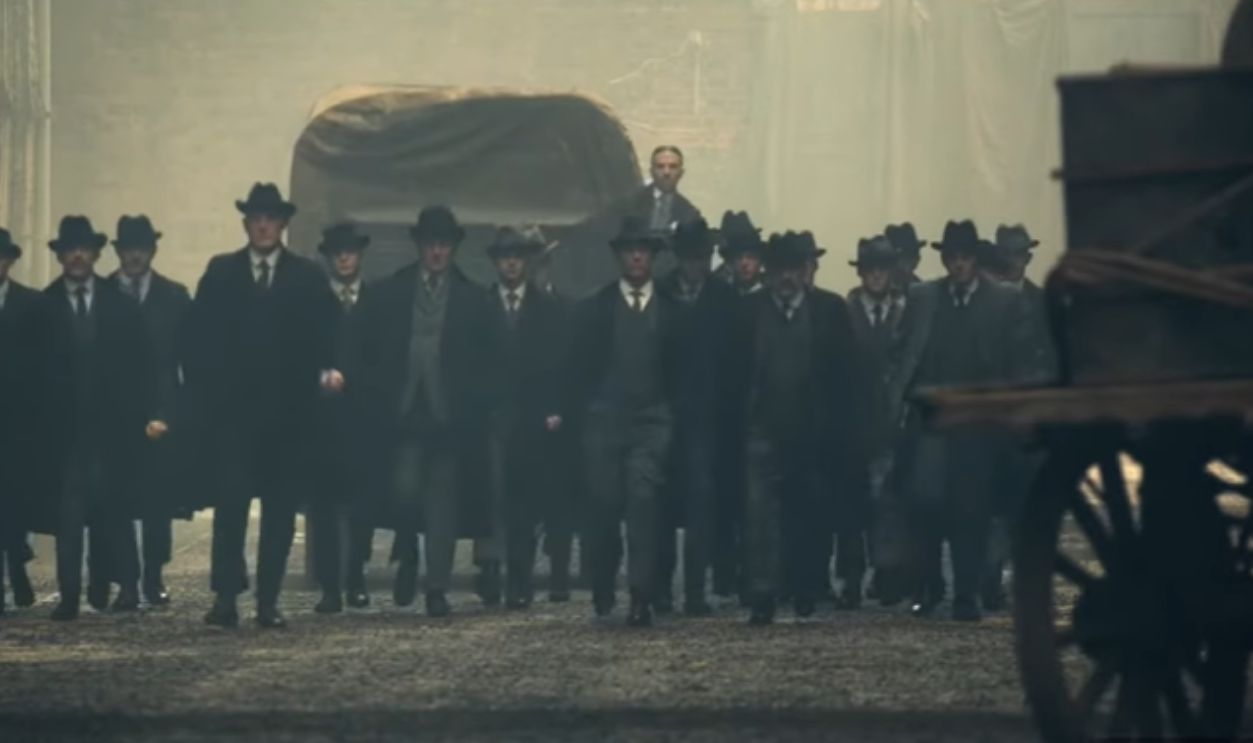 Screenshot from Peaky Blinders, BBC Two (2013-2022)
The Walking Dead: The Atlanta Apocalypse
The early seasons of The Walking Dead are inseparable from the hauntingly empty streets of Atlanta. The tank, the rooftop scenes, the highway clogged with abandoned cars—they defined the show’s apocalyptic aesthetic and set the tone for everything that followed.
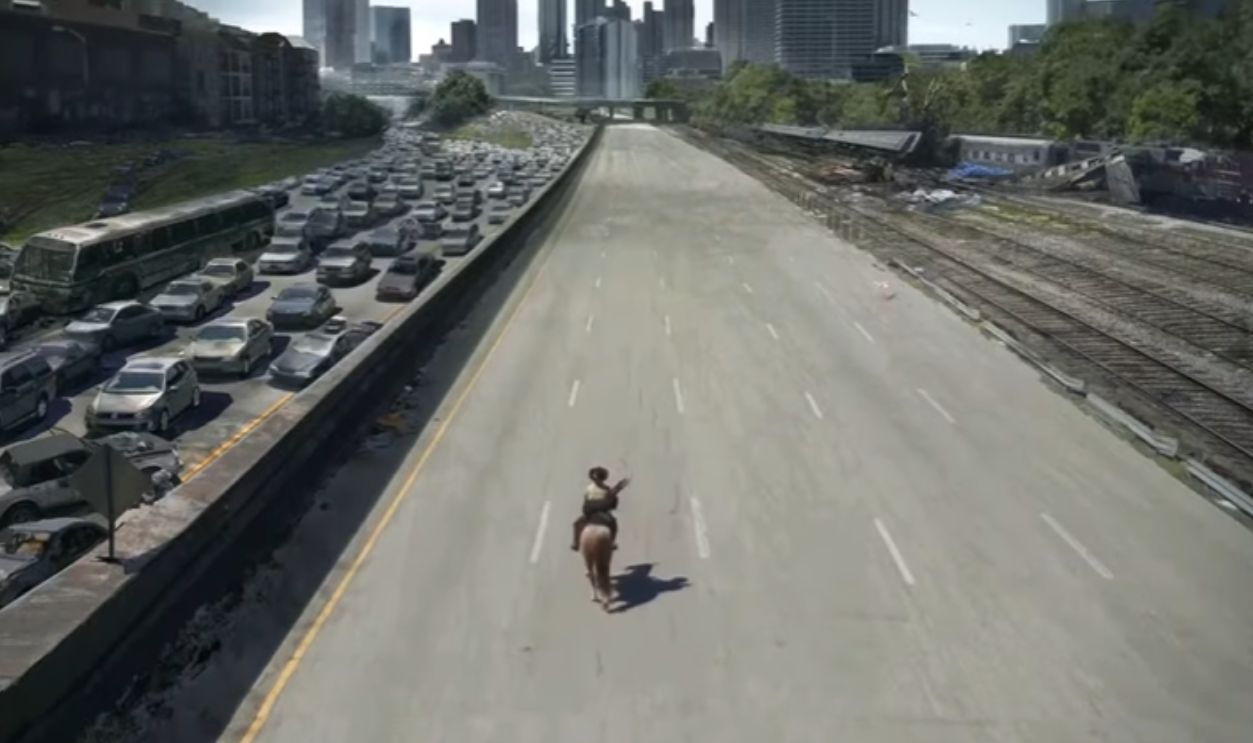 Screenshot from The Walking Dead, AMC (2010-2022)
Big Little Lies: Monterey’s Moody Coastline
Waves crashing against cliffs. Misty mornings. Ultra-wealthy drama lurking behind every view. Big Little Lies used Monterey’s breathtaking coastline so effectively that the town became a character in itself—simultaneously gorgeous and ominous.
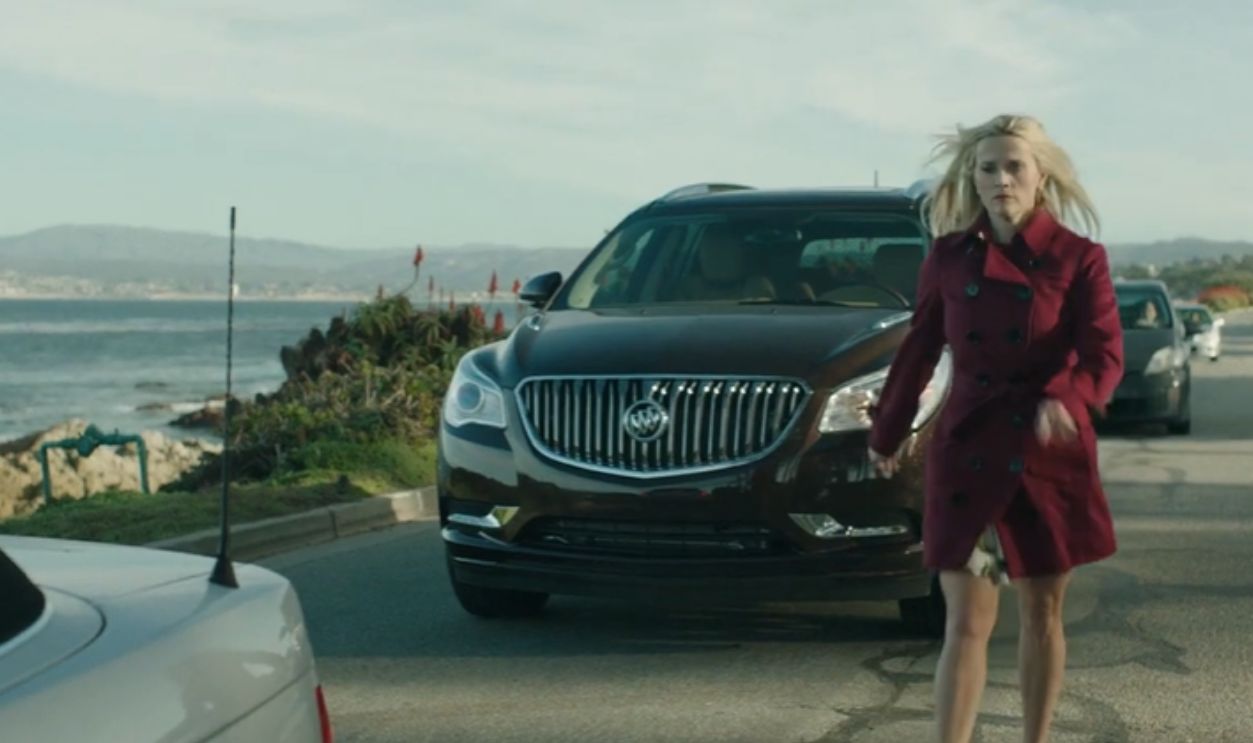 Screenshot from Big Little Lies, HBO (2017-2019)
The Sopranos: North Jersey’s Underworld
From Satriale’s Pork Store to the familiar drive up to the house in the opening credits, The Sopranos embedded itself into New Jersey’s landscape. Suburban streets never looked the same again once Tony Soprano started making his rounds.
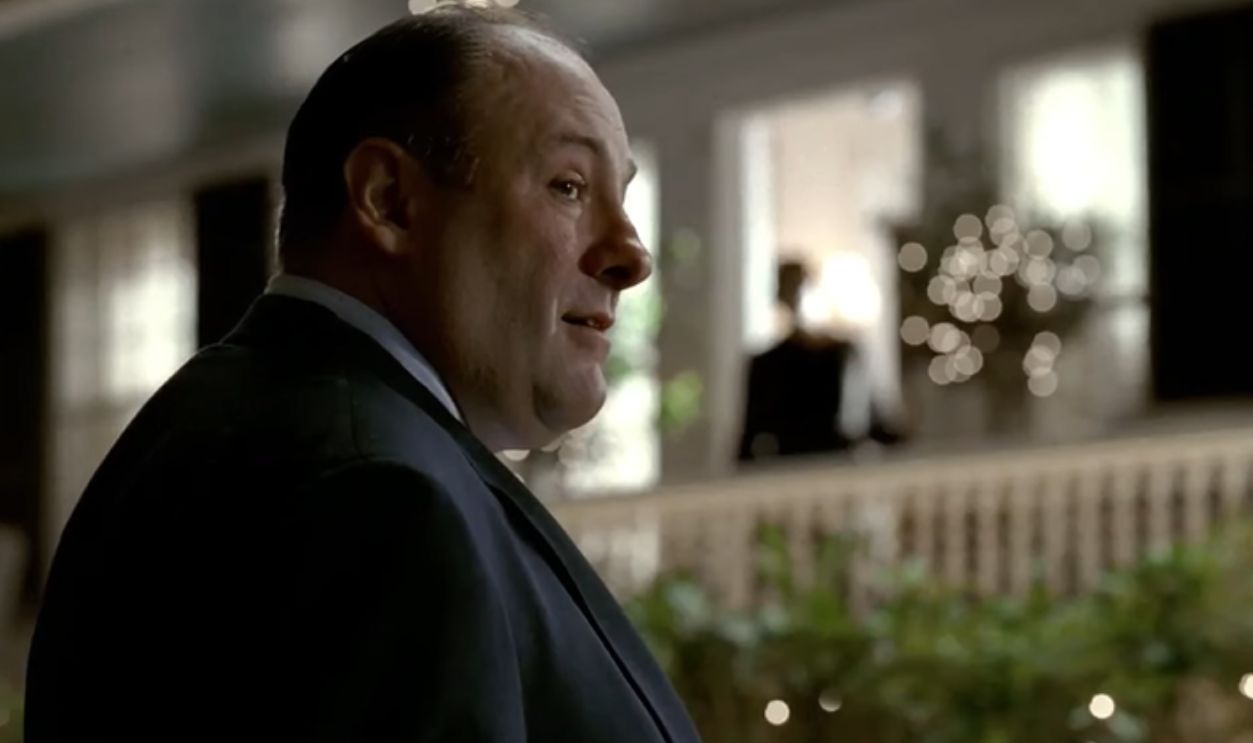 Screenshot from The Sopranos, HBO (1999-2007)
When A Place Becomes A Character
The beauty of TV is that it transports us. But some shows do more than set a scene—they build worlds that feel as real as our own neighborhoods. Whether it’s the warmth of Stars Hollow, the chaos of King’s Landing, or the eerie mysteries of Twin Peaks, these iconic locations remind us why television is such a powerful escape: sometimes, we fall in love not just with the characters, but with the places they call home.
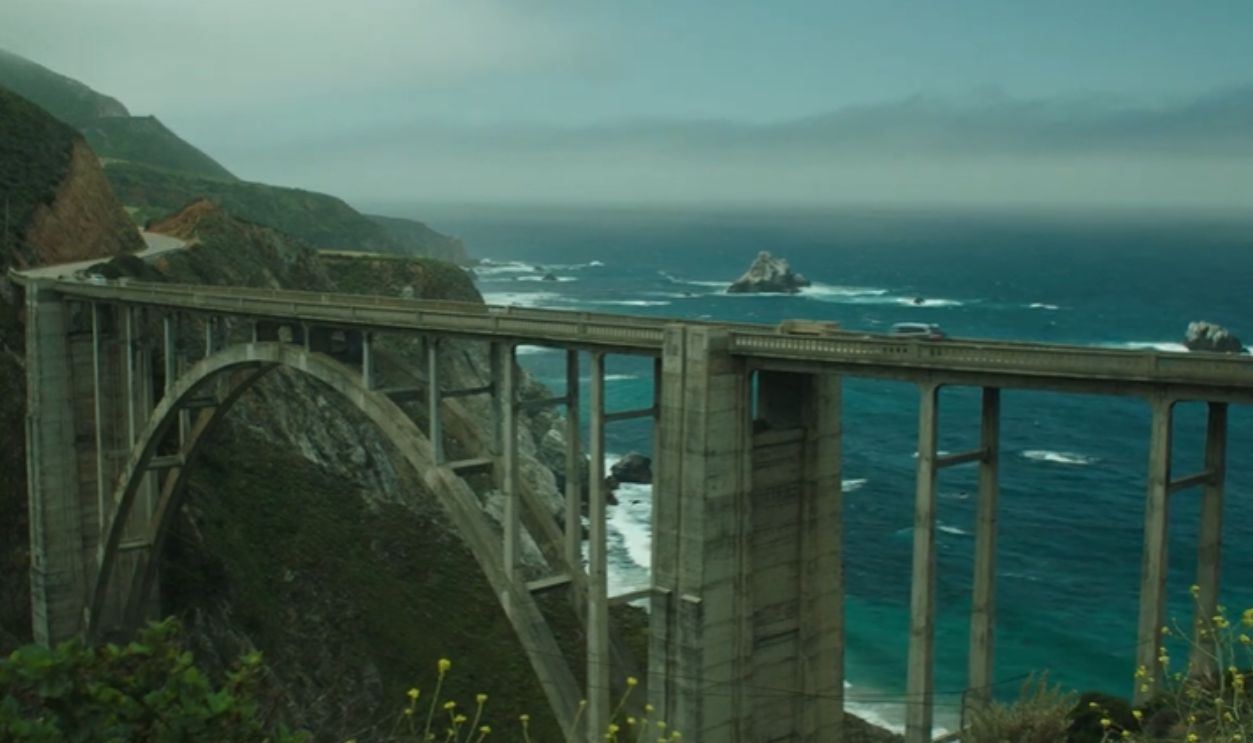 Screenshot from Big Little Lies, HBO (2017-2019)
You May Also Like:
Lonely Facts About Omar Sharif, The Smouldering Egyptian Bad Boy
Times That American Cinema Butchered Beautiful Foreign Films