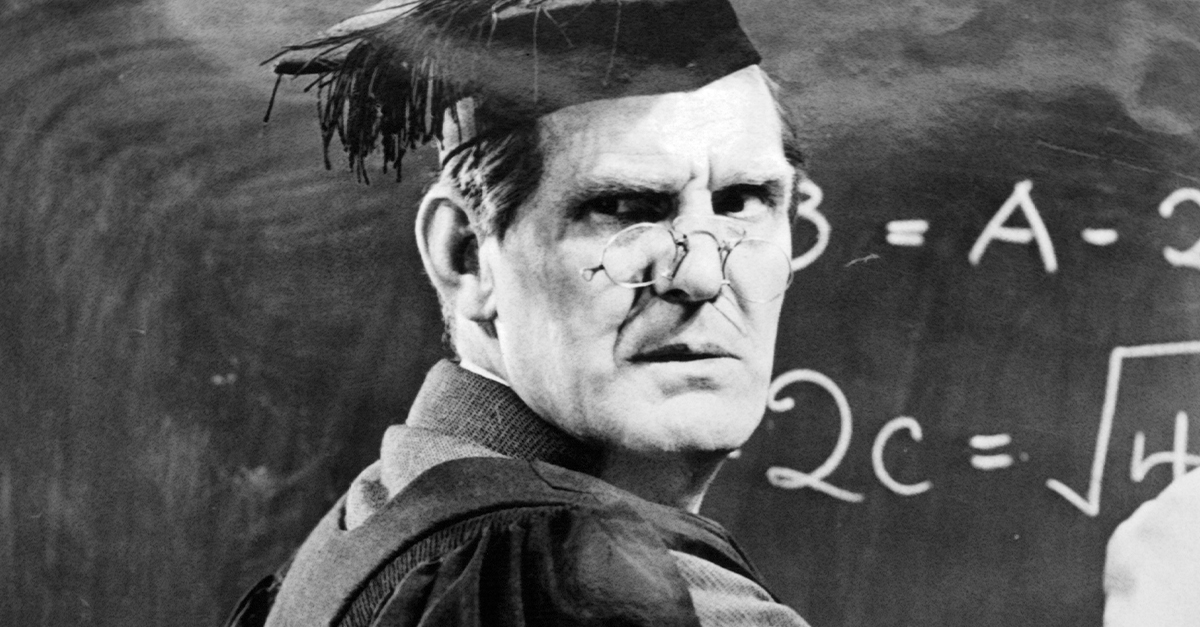
Gone Too Soon…But Not Forgotten (By Some of Us)
The 70s gave us plenty of TV classics that ran for years and are forever engraved in our minds—but it also produced some truly fascinating shows that disappeared almost as quickly as they arrived. Some were ahead of their time. Some were just plain weird. And honestly, pretty much all of them deserved a much longer run. How many of these do you remember?
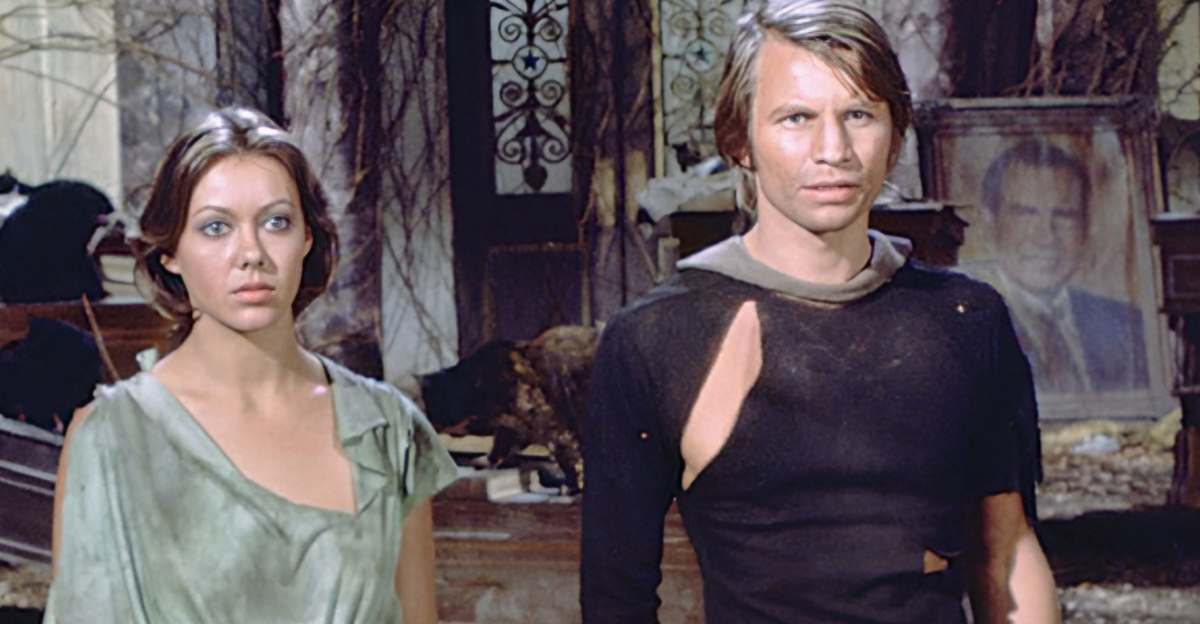
Logan’s Run
After the 1976 sci-fi movie became a hit, CBS quickly turned Logan’s Run into a TV series. The show followed Logan and Jessica as they escaped a futuristic society that forced citizens to die at age 30. It had ambitious ideas and solid ratings early on—but high production costs and declining viewership led to cancellation after just one season in 1977.
 Screenshot from Logan's Run, Metro-Goldwyn-Mayer (1976)
Hot L Baltimore
Norman Lear produced plenty of huge hits in the 70s, but Hot L Baltimore wasn’t one of them—at least not in terms of longevity. The 1975 sitcom followed residents of a rundown hotel and tackled surprisingly edgy topics for network television at the time. Critics liked it, but controversial subject matter scared advertisers, and the show ended quickly.
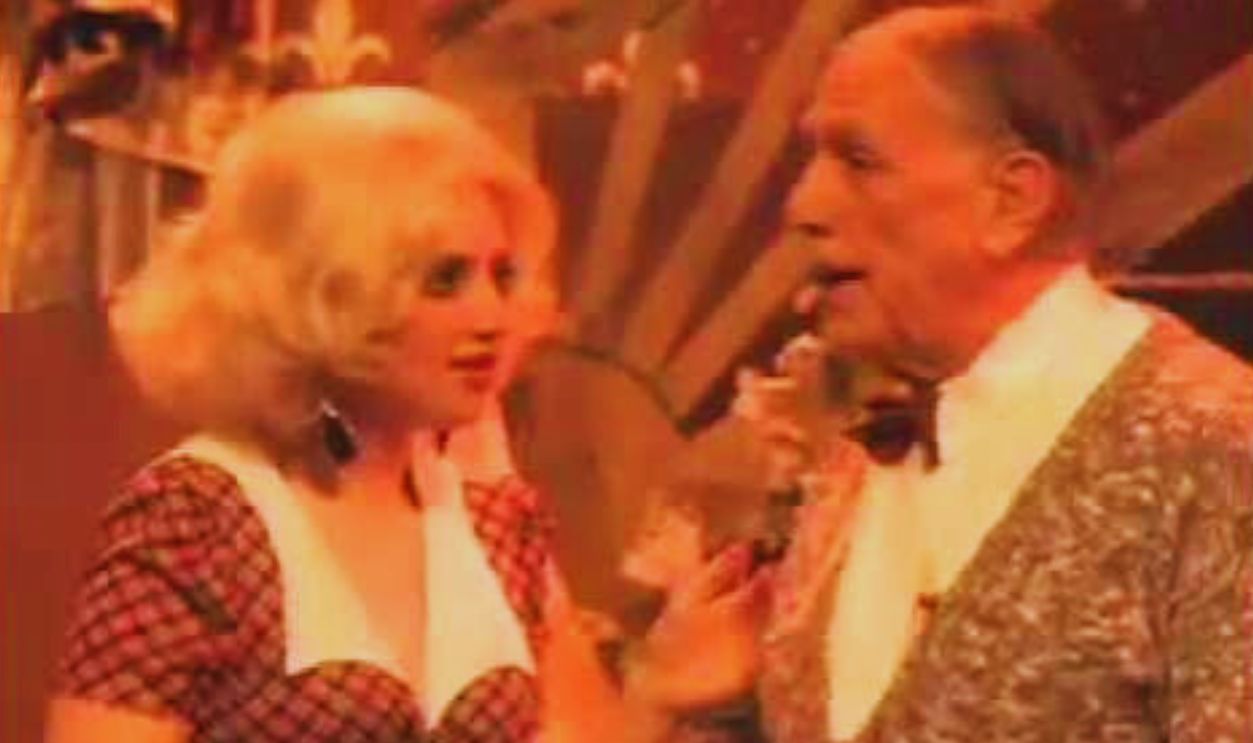 Screenshot from Hot L Baltimore, ABC (1975)
Man From Atlantis
Before Dallas made Patrick Duffy a household name, he starred in this strange and memorable sci-fi series. Man From Atlantis followed a mysterious man discovered in the ocean with webbed hands, superhuman swimming abilities, and no memory of his past. It began with several successful TV movies before becoming a weekly series in 1977—but it only lasted one season.
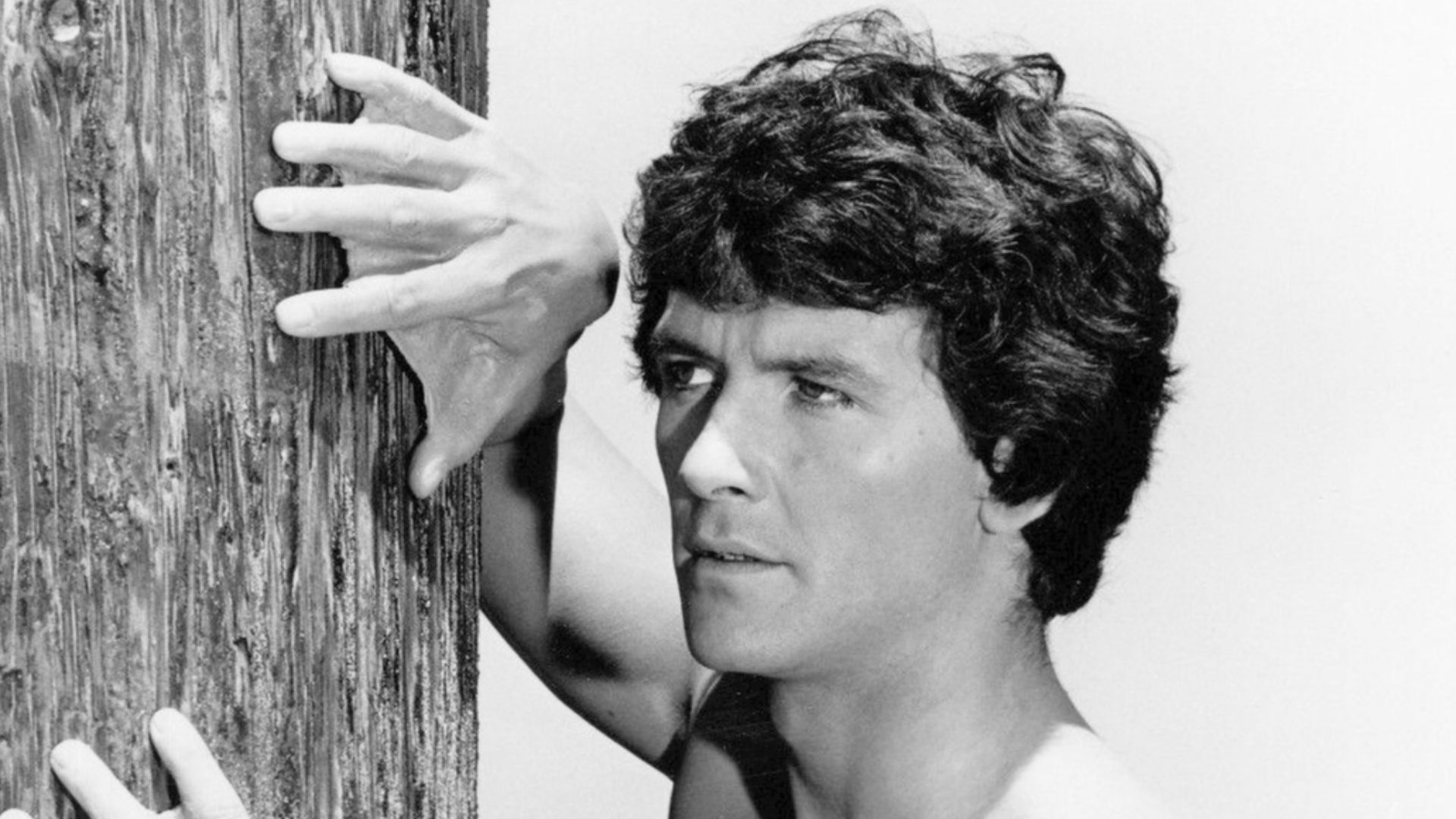 NBC Television, Wikimedia Commons
The Oregon Trail
NBC attempted to revive the Western genre with The Oregon Trail in 1977. The series followed a wagon train traveling westward after the Civil War, with each episode focusing on different challenges faced along the journey. Despite strong production values and familiar frontier themes, the show only lasted a few episodes before being canceled.
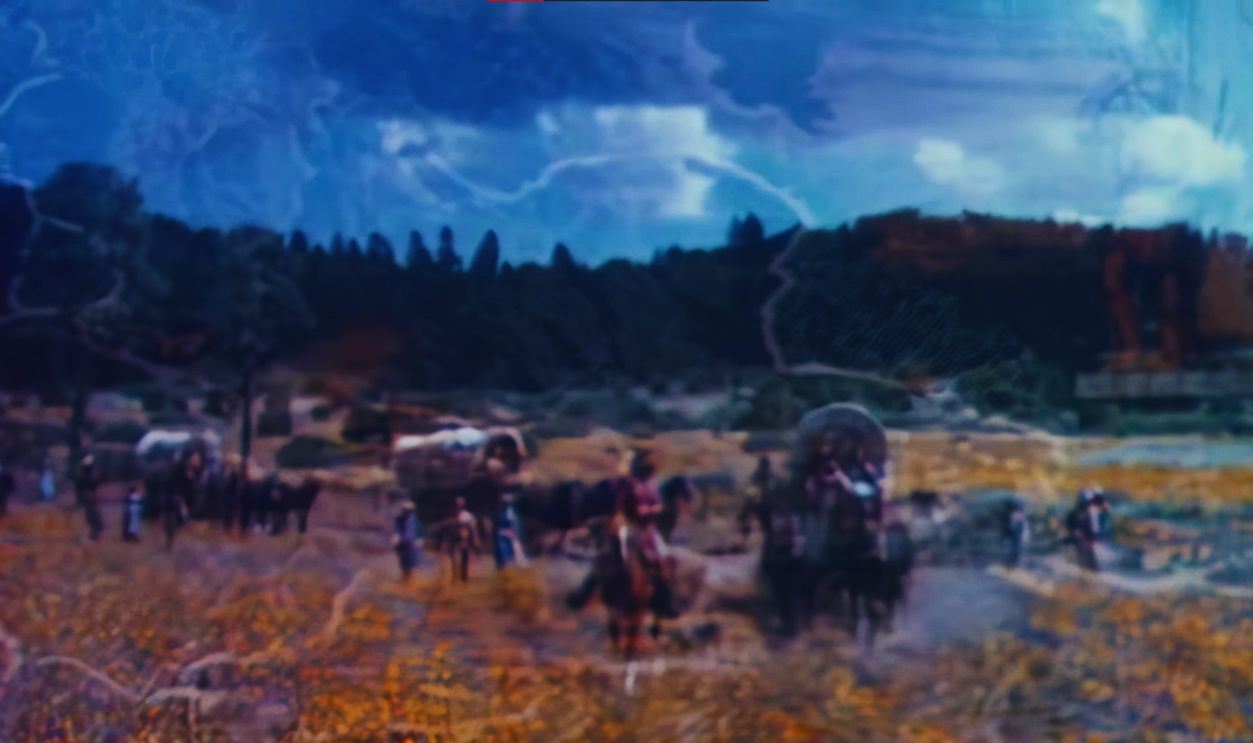 Screenshot from The Oregon Trail, NBC (1977)
Quark
If you enjoy sci-fi that doesn’t take itself too seriously, Quark might be your kind of show. Starring Richard Benjamin as the commander of an interstellar garbage ship, the series leaned heavily into parody and satire. Think Star Trek mixed with a wink and a shrug. NBC canceled it after one season in 1978—but it later developed a cult following.
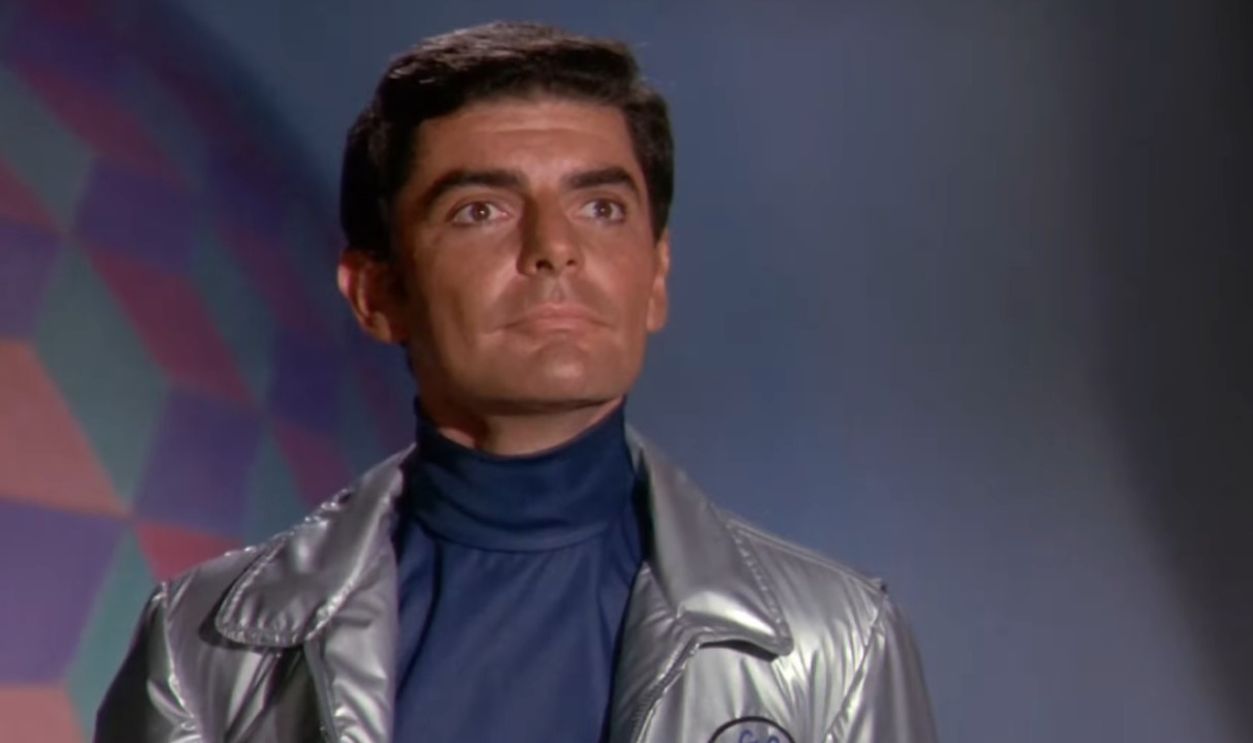 Screenshot from Quark, NBC (1977)
Salvage 1
Imagine a junk dealer deciding he’s going to build a rocket ship out of scrap metal and fly to the moon. That’s the wonderfully odd premise behind Salvage 1, starring Andy Griffith. The show began with a successful TV movie in 1979, but the weekly series struggled to maintain viewers and lasted only a handful of episodes.
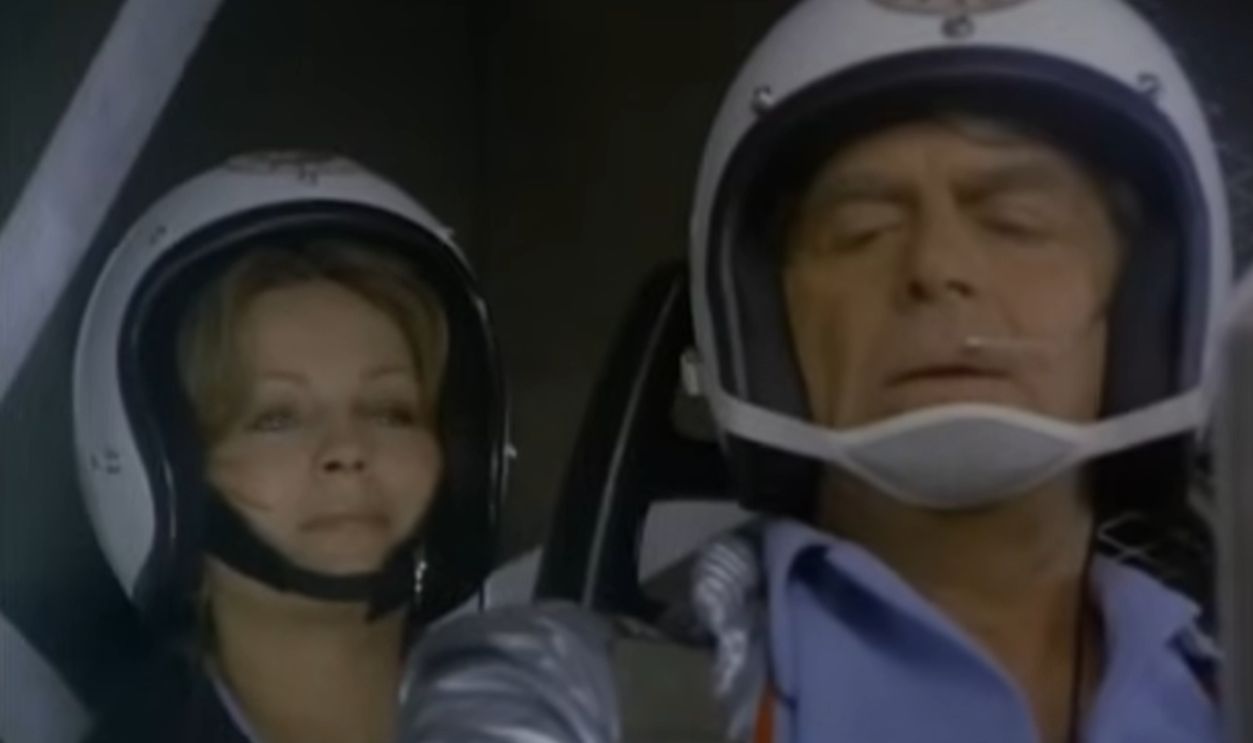 Screenshot from Salvage 1, ABC (1979)
The Fantastic Journey
This short-lived NBC series from 1977 had one of the most interesting premises of the decade. A group of travelers passes through the Bermuda Triangle and lands on a mysterious island where different civilizations exist in separate time zones. Vikings in one area, futuristic societies in another. It ran just ten episodes before disappearing—but the idea was undeniably cool.
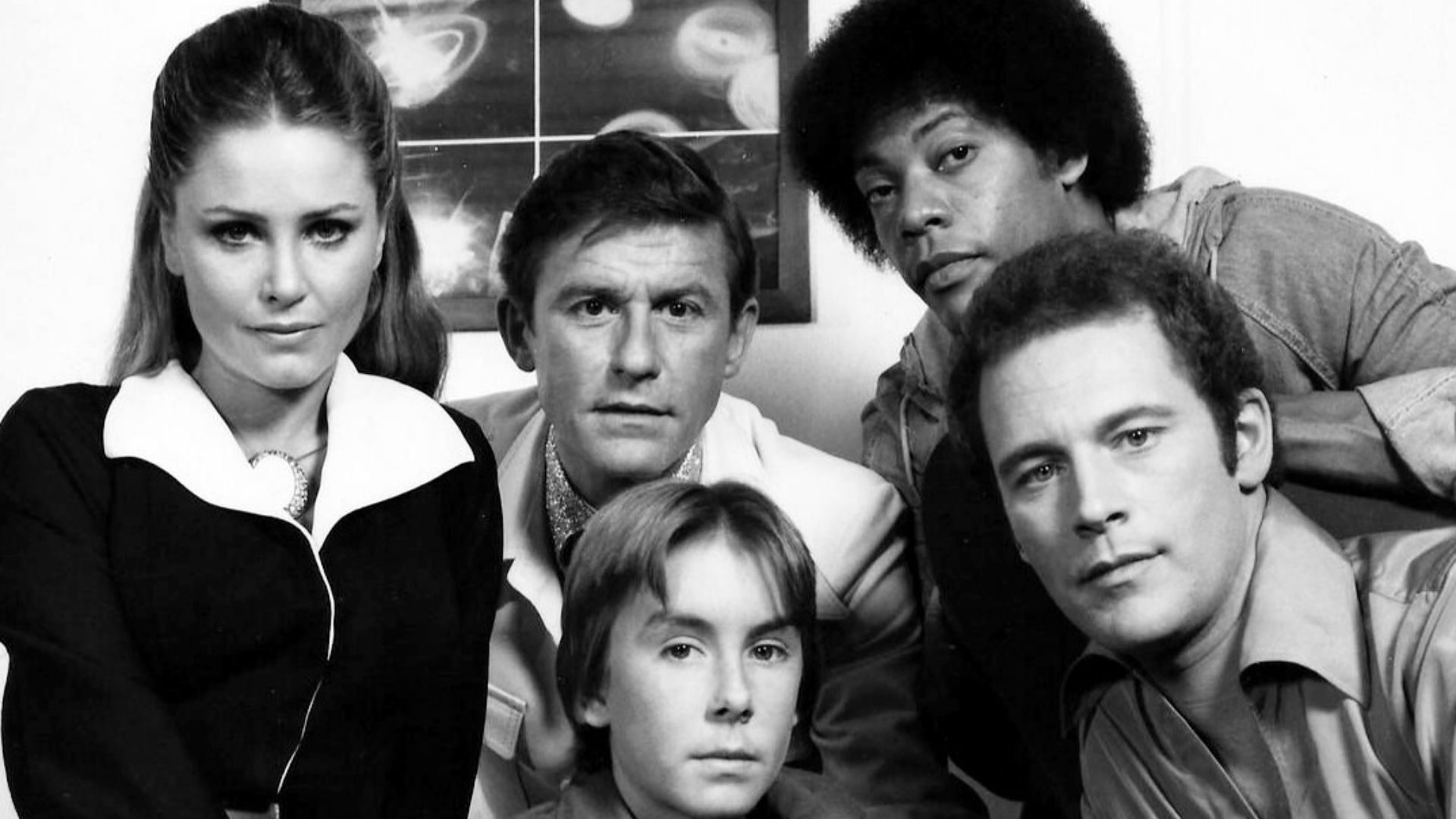 NBC Television, Wikimedia Commons
Lucan
This 1977 drama had a premise that sounded like something straight out of a movie. A young boy raised by wolves is discovered and brought back into human society, where he struggles to adapt. Actor Kevin Brophy played the mysterious Lucan, wandering from town to town while learning about civilization. It lasted one season but left a strong impression on viewers.
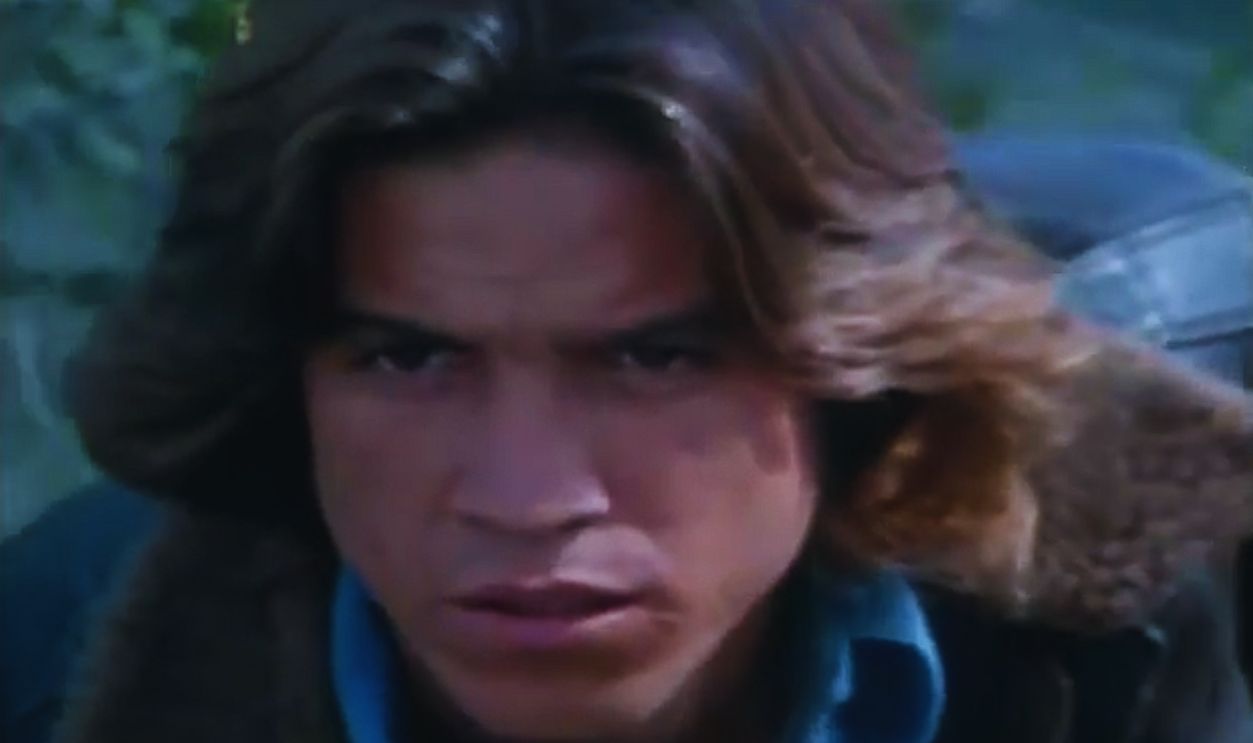 Screenshot from Lucan, ABC (1977)
The Gemini Man
The 70s loved invisible-man stories, and NBC tried another version with The Gemini Man in 1976. The series followed a secret agent who could turn invisible thanks to a wristwatch device—but the effect came with dangerous side effects if he used it too long. Despite a fun concept and decent action, the show vanished after just one short season.
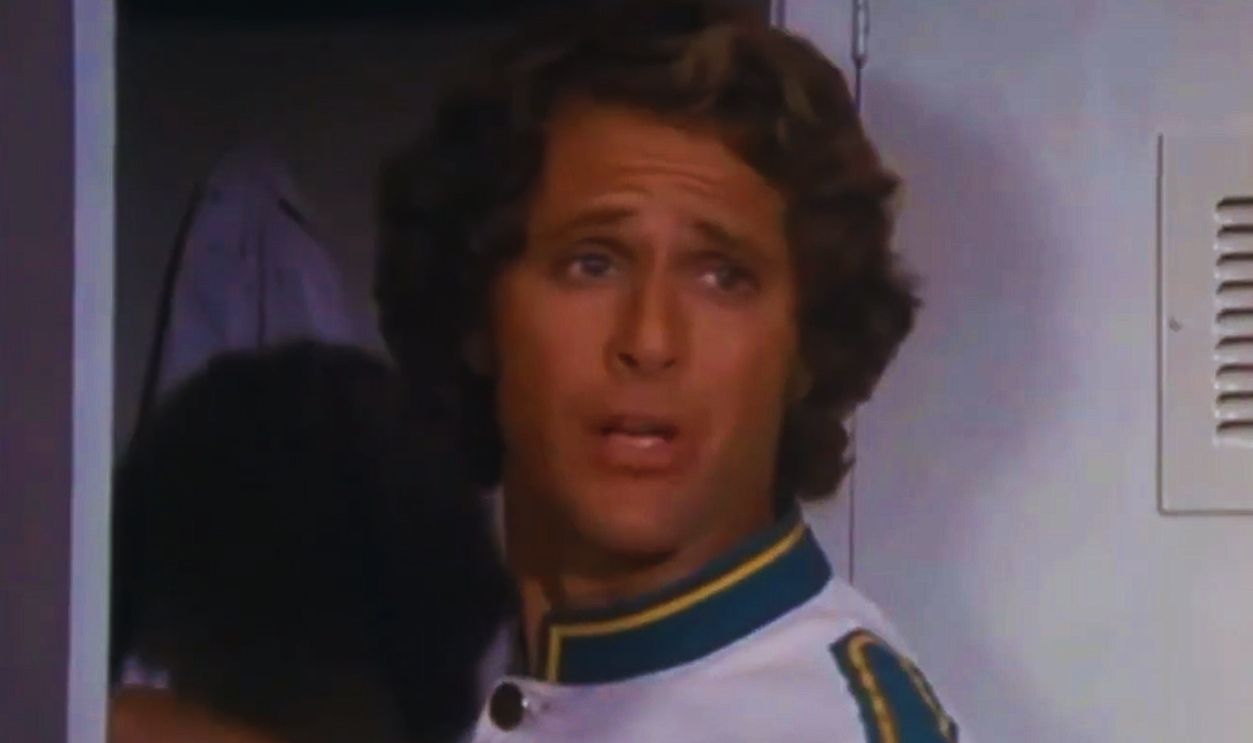 Screenshot from The Gemini Man, NBC (1976)
Cliffhangers!
NBC tried something unusual in 1979 with Cliffhangers!, a show built around three serialized adventure stories that continued each week. One segment followed a mysterious female detective, another featured a jungle adventure, and the third leaned into horror. Unfortunately, the series was canceled mid-story—meaning viewers never got to see how the plots ended.
 Screenshot from Cliffhangers!, NBC (1979)
Future Cop
Years before RoboCop arrived in theaters, TV audiences met Officer Haven, a robotic police partner designed to help fight crime. Future Cop premiered in 1976 with Ernest Borgnine playing the veteran cop assigned to train the machine. The show mixed crime drama with light comedy but struggled in the ratings and lasted only one season.
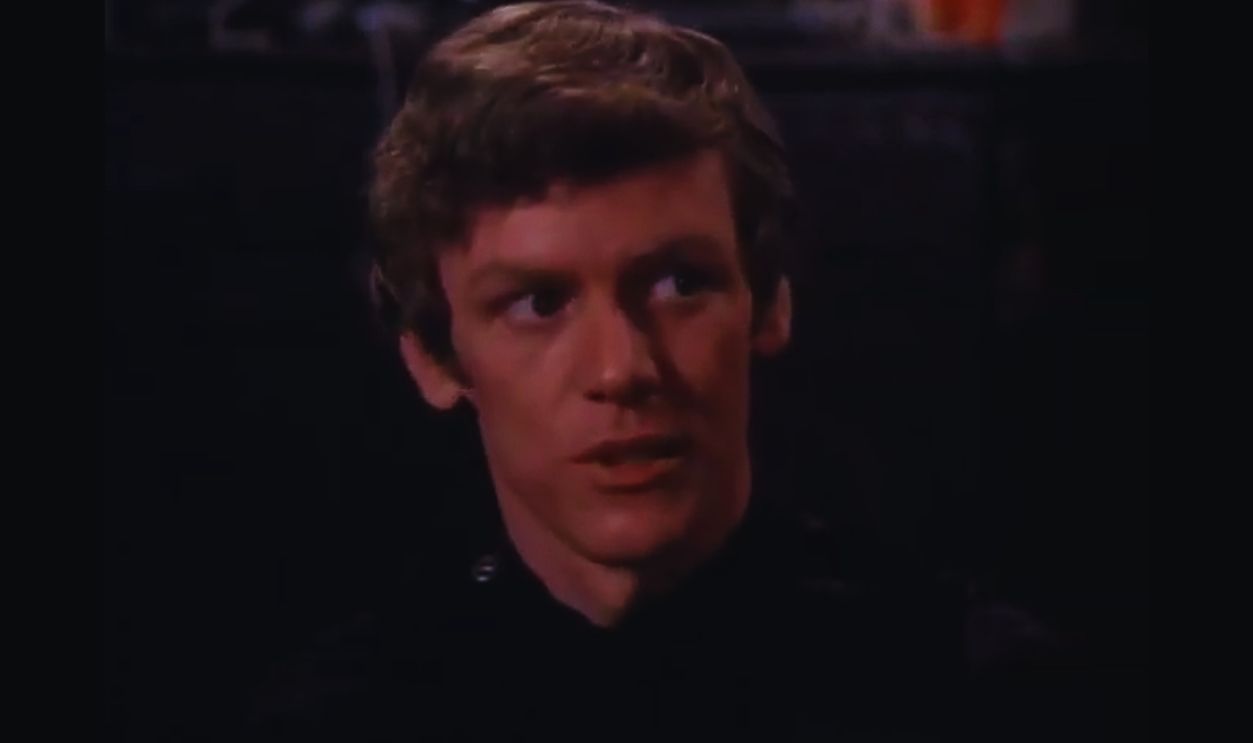 Screenshot from Future Cop, ABC (1976)
Turnabout
Based on a popular novel, Turnabout premiered in 1979 with a simple but hilarious premise: a husband and wife magically swap bodies and are forced to live each other’s lives. John Schuck and Sharon Gless handled the comedic chaos that followed. The idea had plenty of potential, but the series lasted only a handful of episodes.
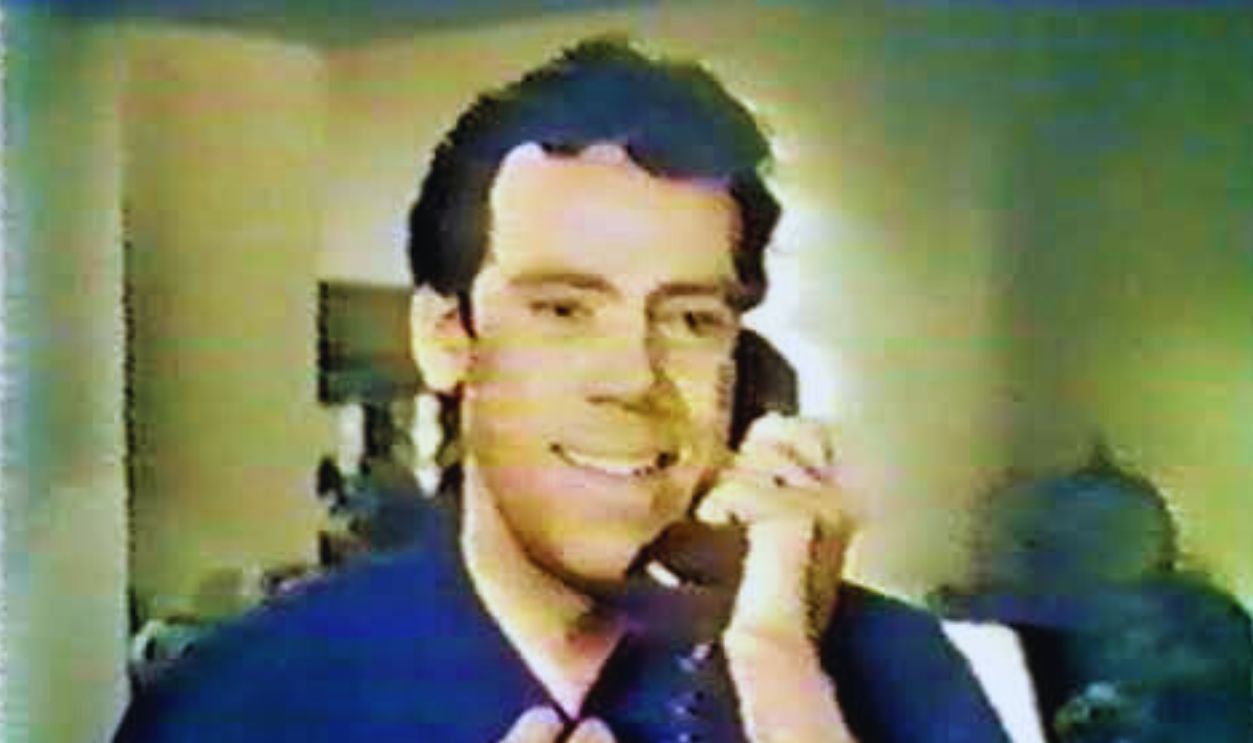 Screenshot from Turnabout, NBC (1979)
Planet of the Apes
After the success of the famous film series, CBS tried to continue the story with a weekly TV show in 1974. Planet of the Apes followed two astronauts stranded on a world ruled by intelligent apes. The series had decent production value but struggled to match the scale of the movies, leading to cancellation after just one season.
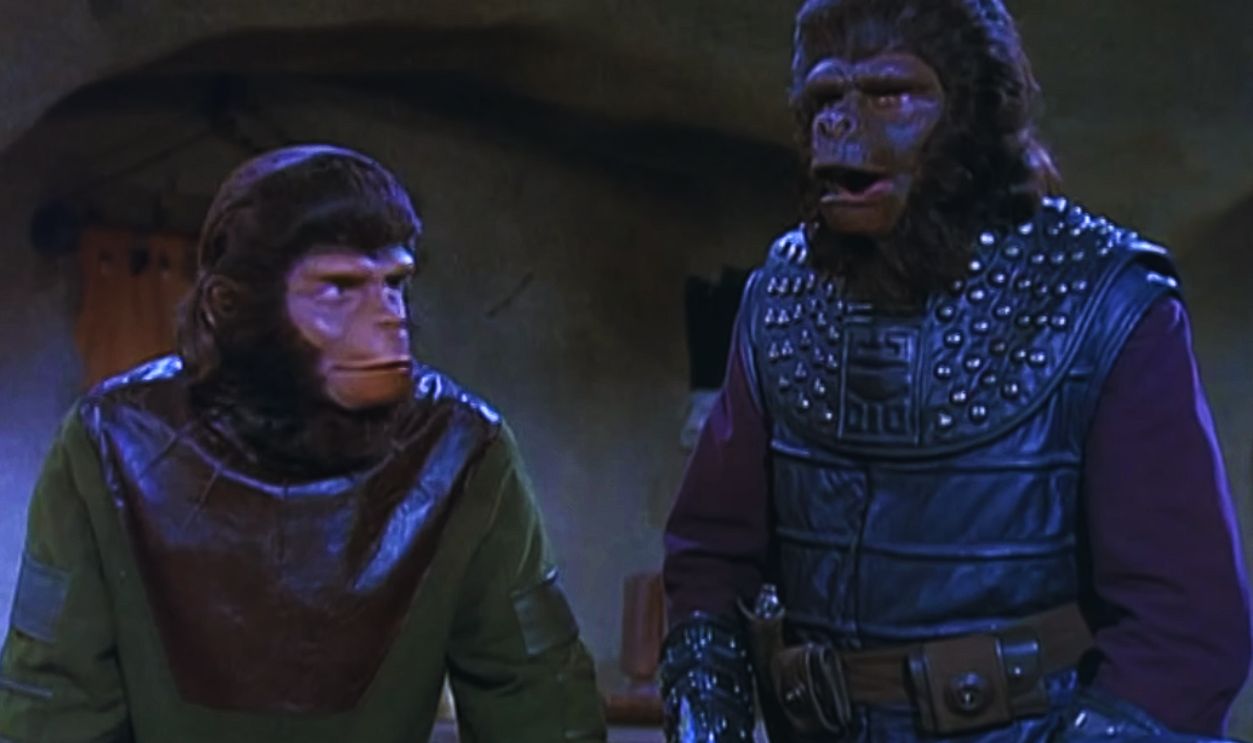 Screenshot from Planet of the Apes, CBS (1974)
Search
Long before spy shows were filled with digital gadgets and satellite tracking, Search imagined a future where agents used advanced surveillance technology to solve crimes. Airing from 1972 to 1973, the show featured rotating teams of investigators using remote cameras, tracking devices, and other high-tech tools that seemed futuristic at the time.
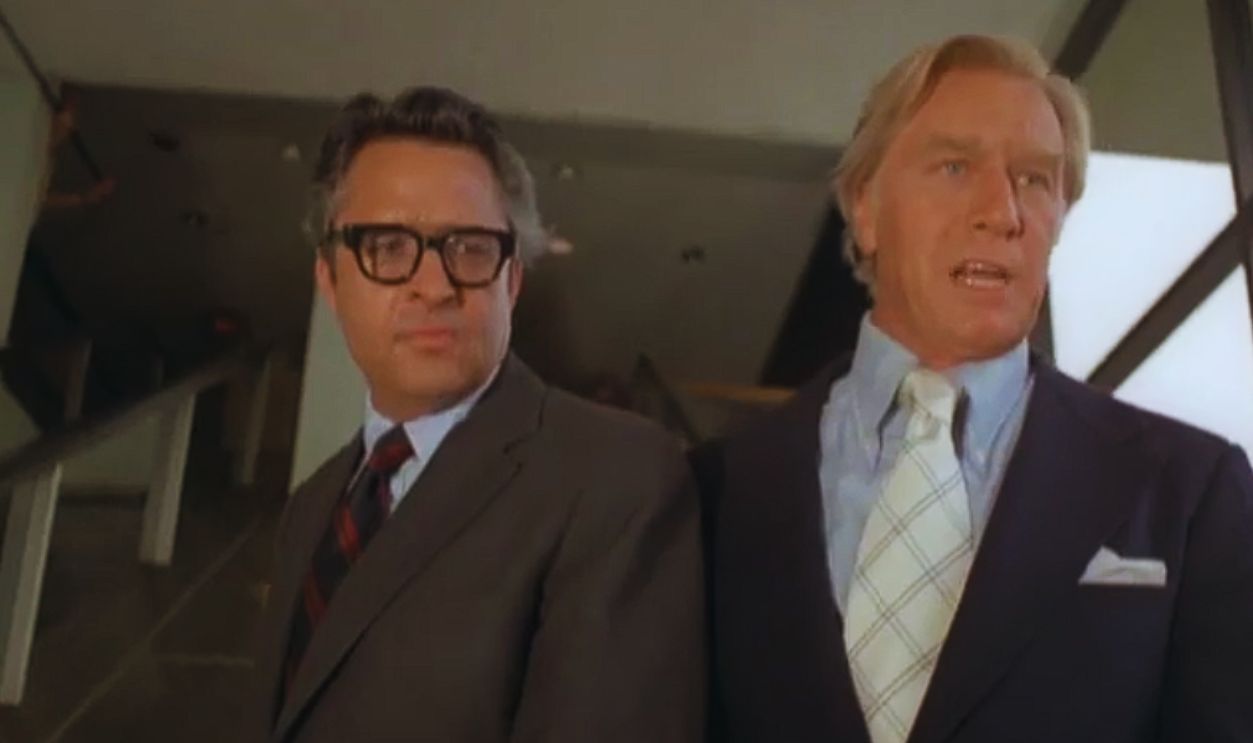 Screenshot from Search, NBC (1972)
The Starlost
This Canadian science-fiction series had big ambitions when it premiered in 1973. Set on a massive spaceship carrying the last survivors of Earth, The Starlost followed a small group trying to restore control of the drifting vessel. Unfortunately, low budgets and production troubles kept the show from fully realizing its ideas, and it ended after one season.
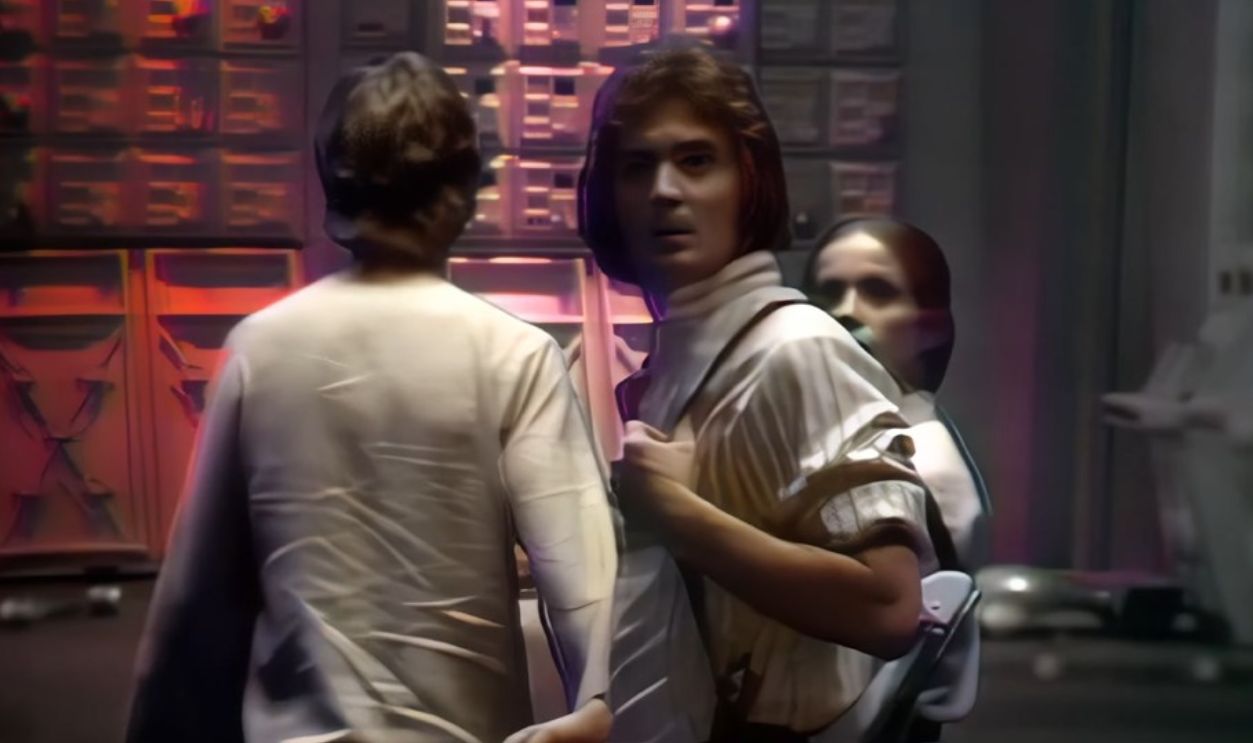 Screenshot from The Starlost, CTV (1973)
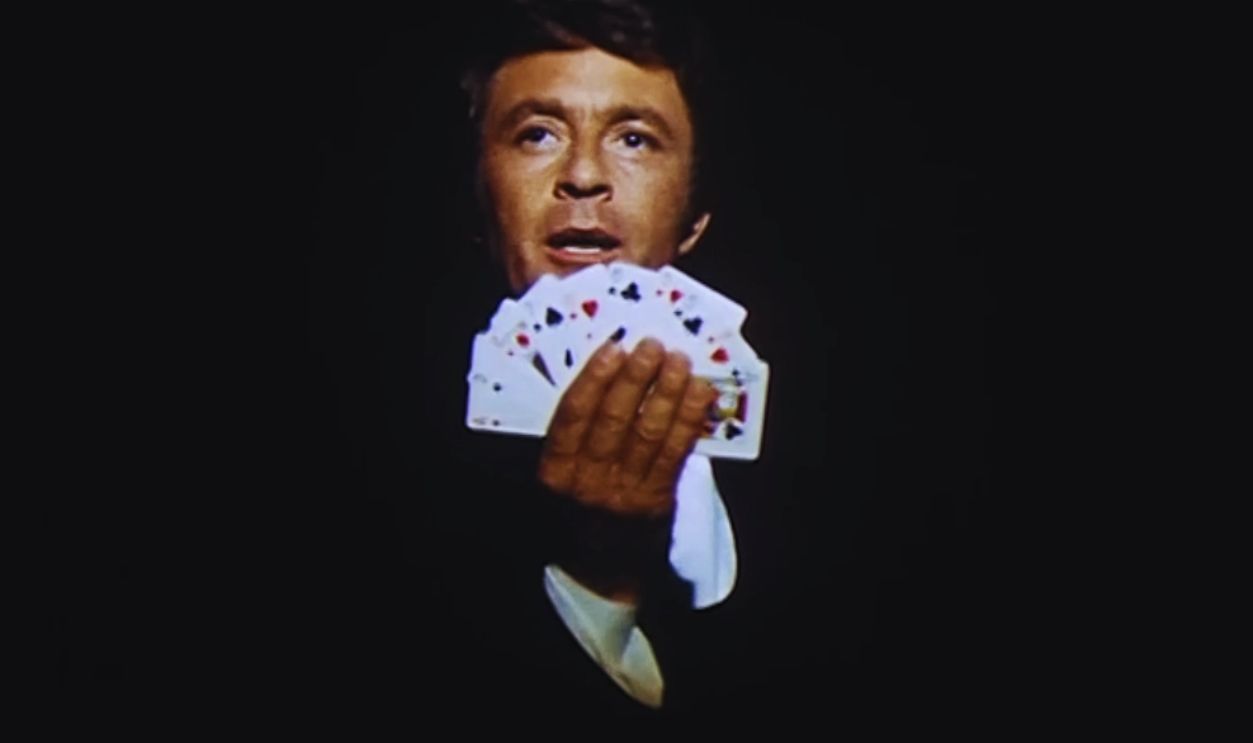
The Magician
Bill Bixby starred as a wealthy illusionist who used his skills to solve crimes in this 1973 series. Each episode blended stage magic, detective work, and a bit of mystery storytelling. Bixby was already well known to TV audiences, but the show struggled to find a large enough audience and ended after a single season.
 Screenshot from The Magician, NBC (1973)
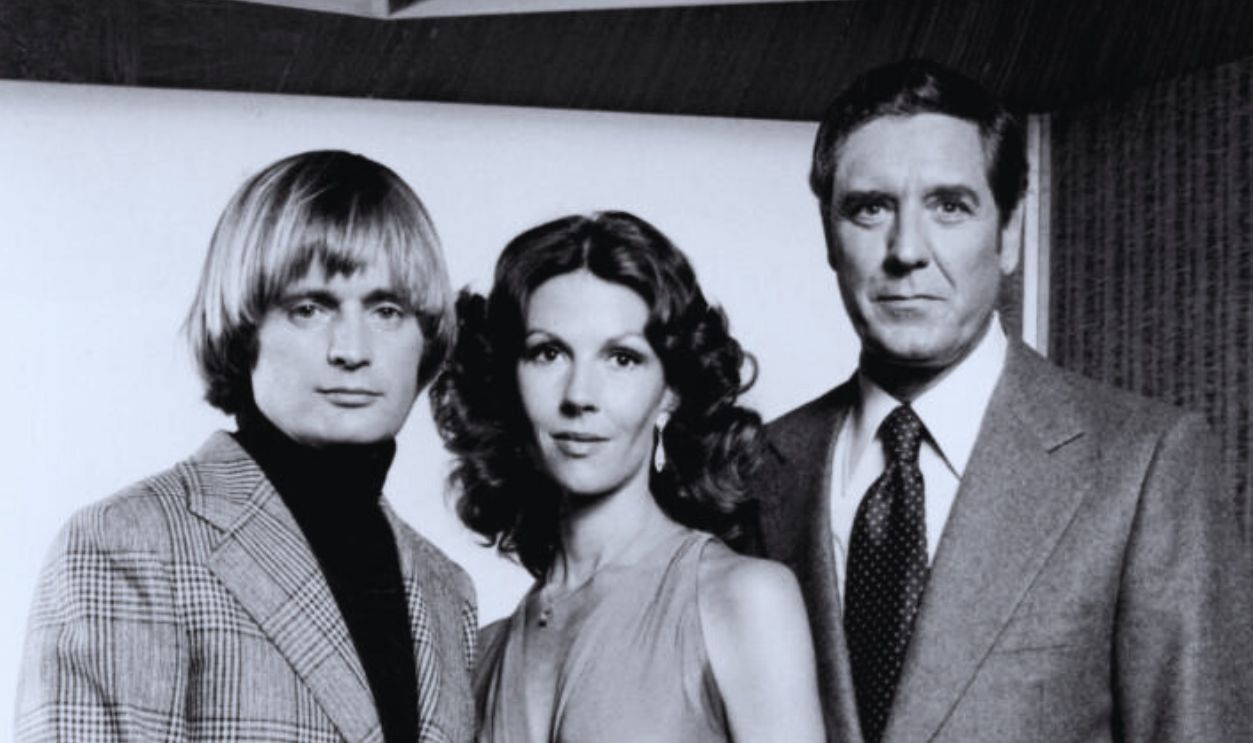
The Invisible Man
Based loosely on the classic H.G. Wells character, this 1975 series starred David McCallum as a scientist who gains the ability to become invisible. Naturally, the government immediately recruits him for spy missions—because if you had an invisible agent, you’d probably do the same thing. The show only ran one season despite decent ratings.
 NBC Television, Wikimedia Commons
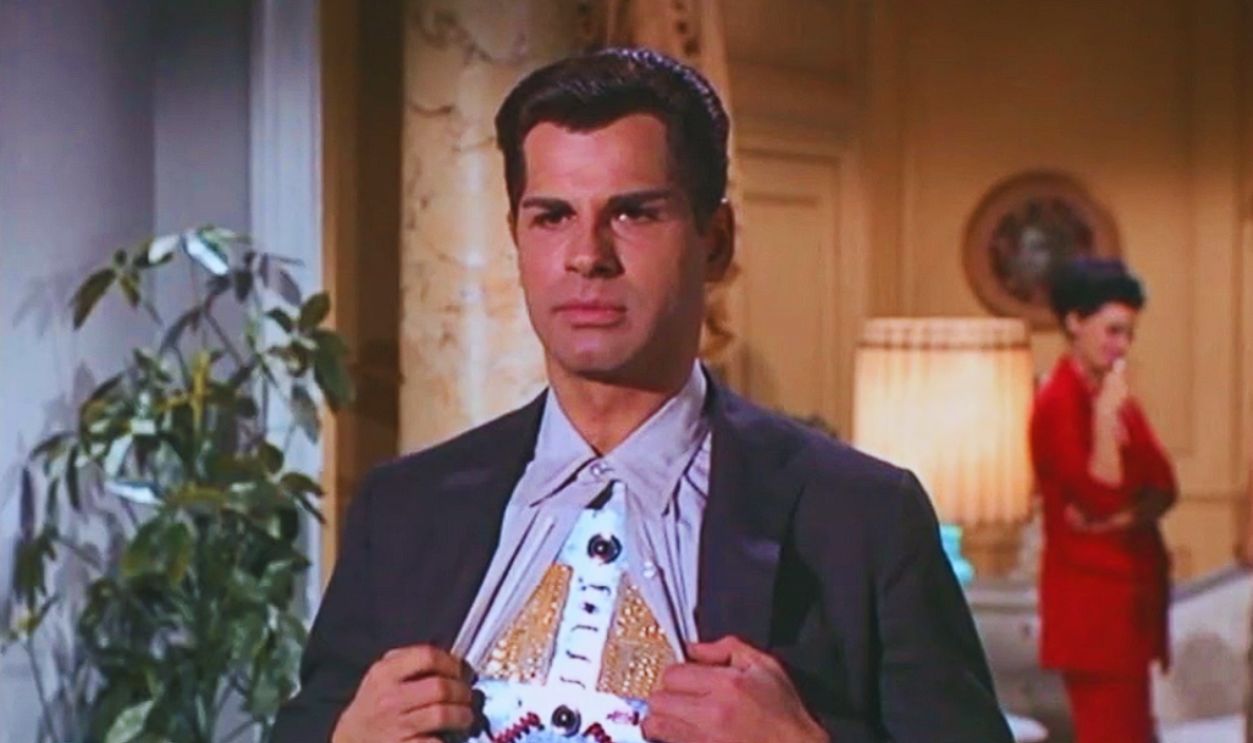
Holmes & Yoyo
If you thought the robot-cop idea sounded familiar earlier, ABC tried it even earlier in 1976 with Holmes & Yoyo. The sitcom followed a detective partnered with a clumsy android officer who tried very hard to act human—and failed spectacularly. The show leaned heavily into goofy humor and lasted just one short season.
 Screenshot from Holmes & Yo-Yo, ABC (1976)
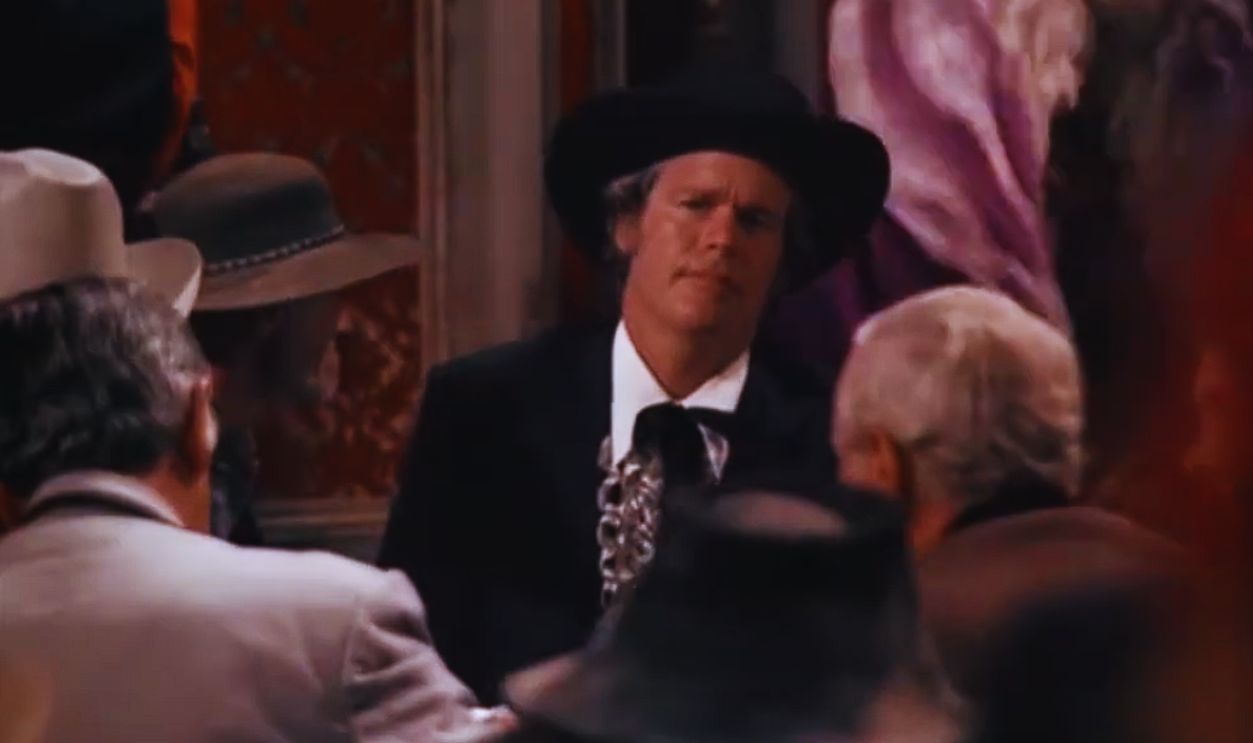
Barbary Coast
William Shatner and Doug McClure teamed up for this 1975 action-adventure series set in 1870s San Francisco. Shatner played a flamboyant casino owner secretly working for the government, while McClure portrayed a bounty hunter partner. The mix of Western action and undercover intrigue was fun—but it lasted only one season.
 Screenshot from Barbary Coast, ABC (1975)
Project U.F.O.
This eerie NBC series from 1978 dramatized real UFO sightings investigated by the U.S. Air Force’s Project Blue Book. Each episode followed investigators examining strange encounters reported by ordinary citizens. The documentary-style storytelling made the cases feel surprisingly believable, which gave the show a creepy atmosphere. The show ran for two seasons but faded quickly and is now mostly remembered by UFO enthusiasts and late-night TV fans.
 Screenshot from Project U.F.O., NBC (1978)
Supertrain
Few TV flops were as spectacular as Supertrain. NBC spent enormous amounts of money building massive sets to portray a nuclear-powered luxury train traveling across America. The show looked impressive—but critics were brutal, ratings were poor, and the series was canceled quickly in 1979 after just nine episodes.
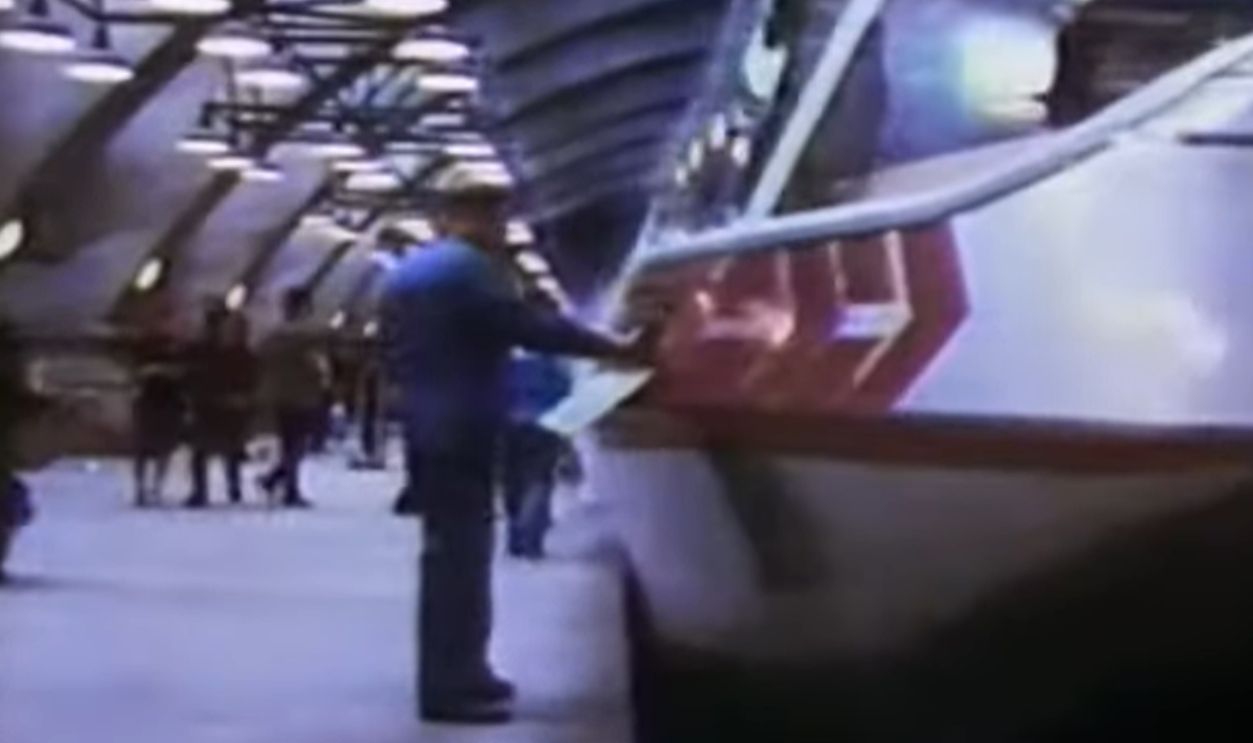 Screenshot from Supertrain, NBC (1979)
Get Christie Love!
Based on a TV movie, Get Christie Love! premiered in 1974 and followed an undercover police detective played by Teresa Graves. The show blended crime drama with a bit of the era’s action style, and Graves’ catchphrase “You’re under arrest, sugar!” became instantly memorable. Despite strong fan interest, the series lasted only one season.
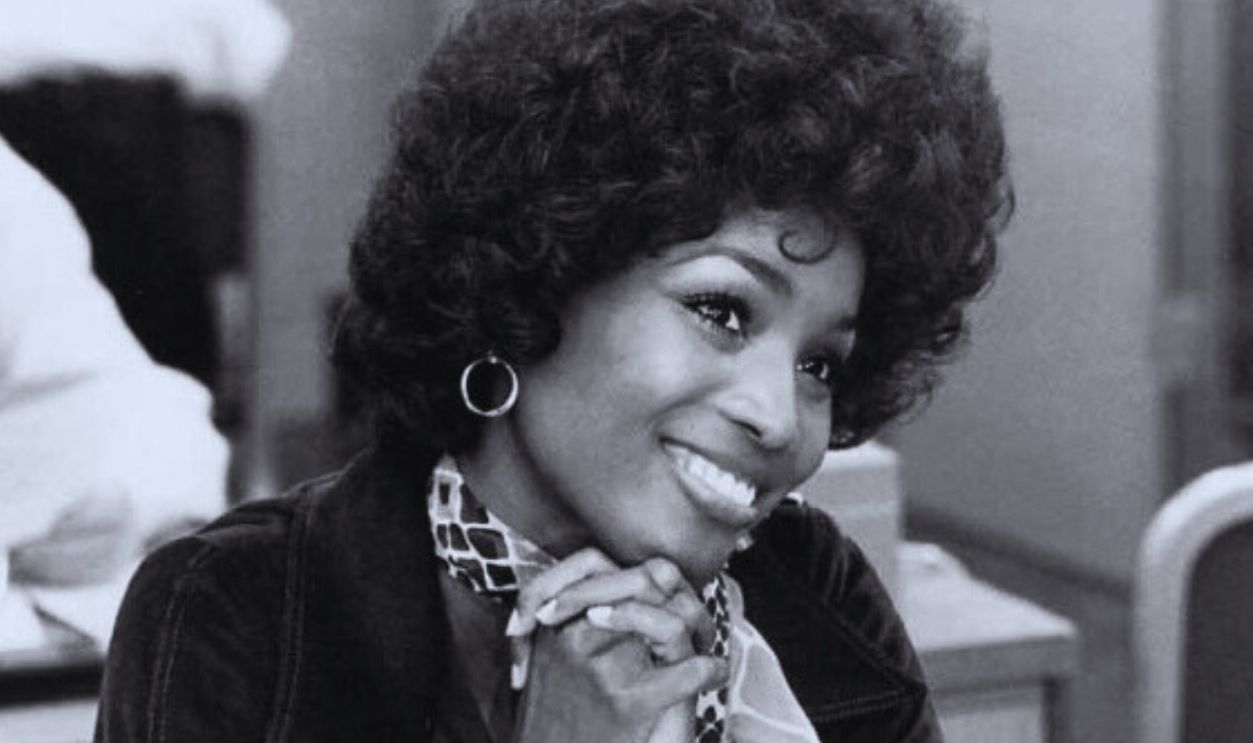
The Sixth Sense
This short-lived paranormal drama aired in 1972 and starred Gary Collins as a parapsychologist who investigated supernatural mysteries. Each episode explored ghosts, psychic phenomena, and unexplained events. The show leaned heavily into eerie storytelling and atmospheric tension. It only lasted one season, but its mix of mystery and the supernatural made it memorable.
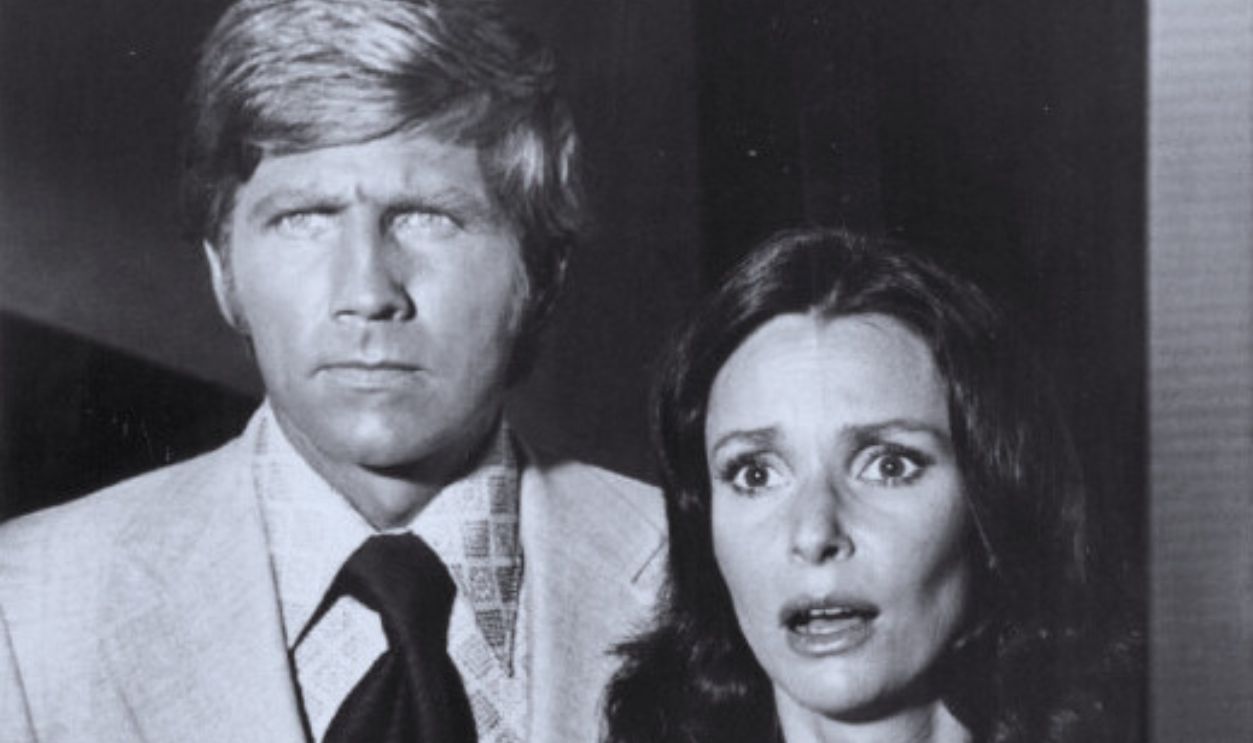 ABC Television, Wikimedia Commons
Bearcats!
Set during the American frontier era, Bearcats! followed two adventurers traveling across the West while taking on odd jobs and solving problems along the way. The 1971 series blended Western action with a bit of humor and adventure. Despite an interesting premise, it was canceled after just thirteen episodes.
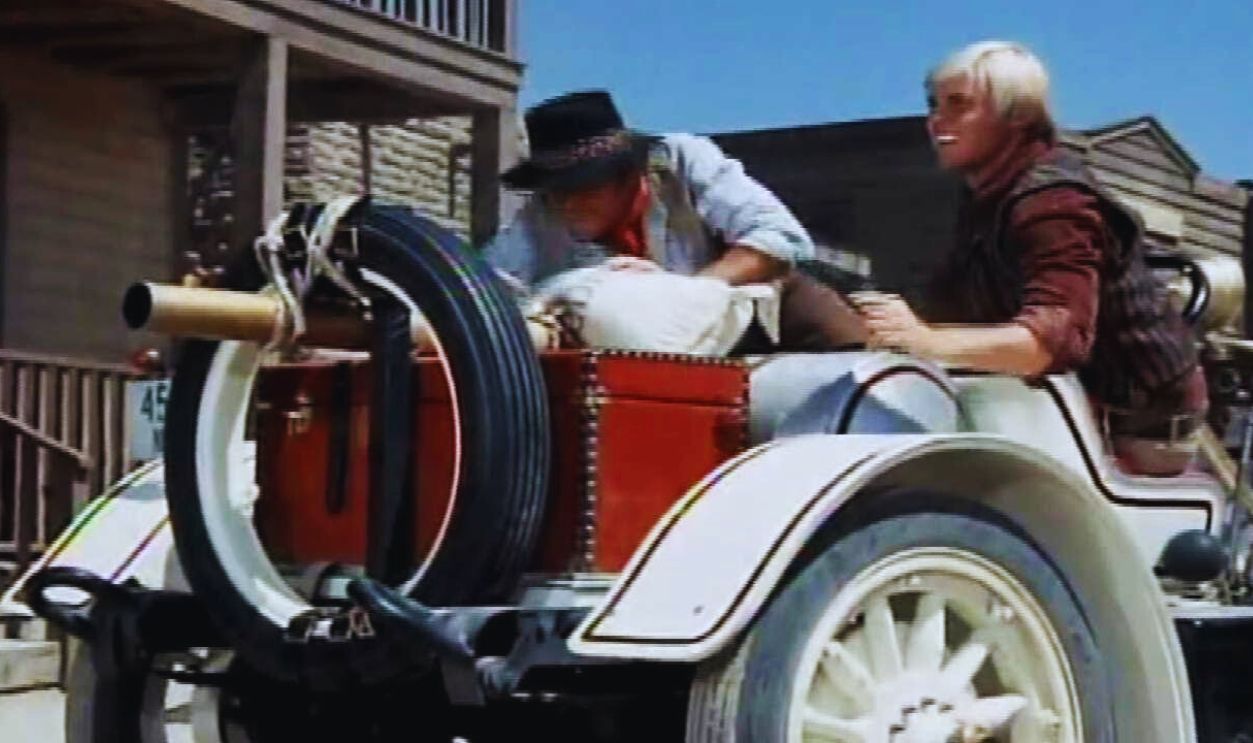 Screenshot from Bearcats!, CBS (1971)
Ark II
This Saturday-morning sci-fi adventure from Filmation premiered in 1976 and imagined a future Earth recovering from a massive ecological disaster. A team of young scientists traveled across the wasteland in a high-tech vehicle called Ark II, helping communities rebuild civilization. It only lasted one season but became a memorable part of 70s weekend television for many kids.
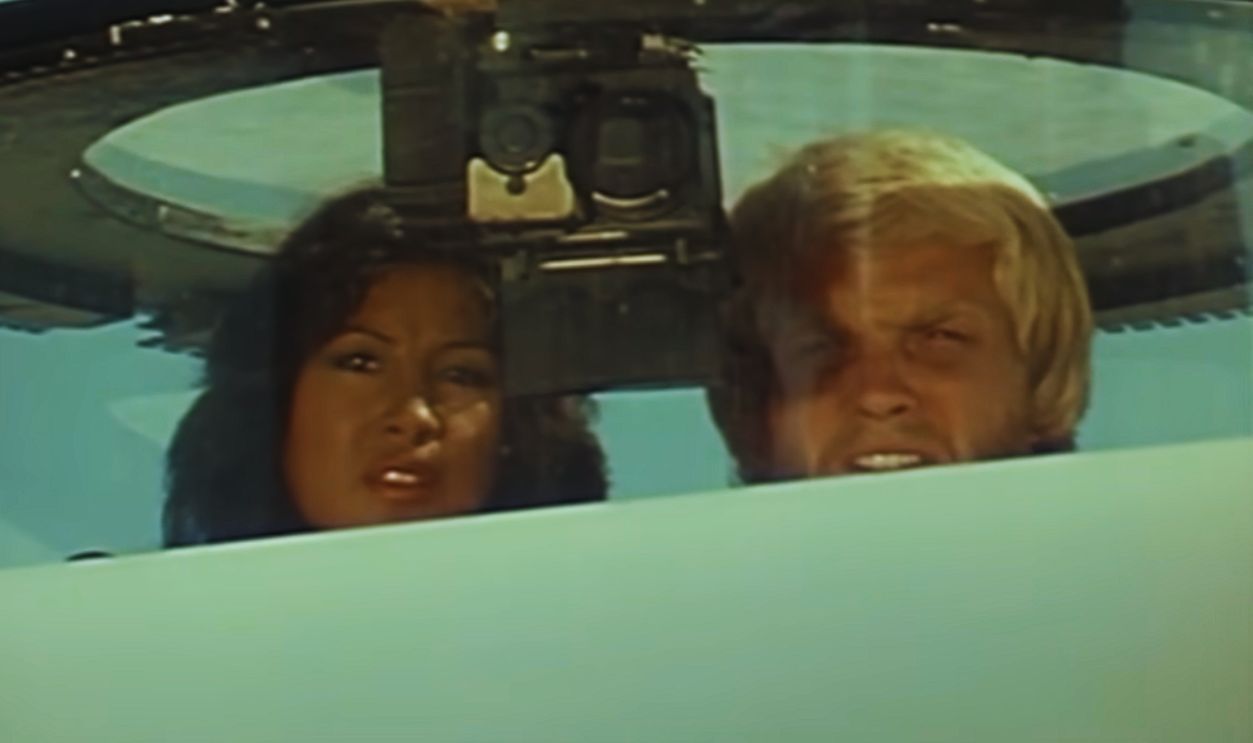 Screenshot from Ark II, CBS (1976)
When Things Were Weird on TV
Looking back, the 70s might have been one of television’s most experimental decades. Networks tried strange ideas, ambitious science fiction, and unusual comedies—sometimes with great results, sometimes not. Many of these shows vanished quickly, but they still live on in reruns, DVDs, and the memories of viewers who were there.
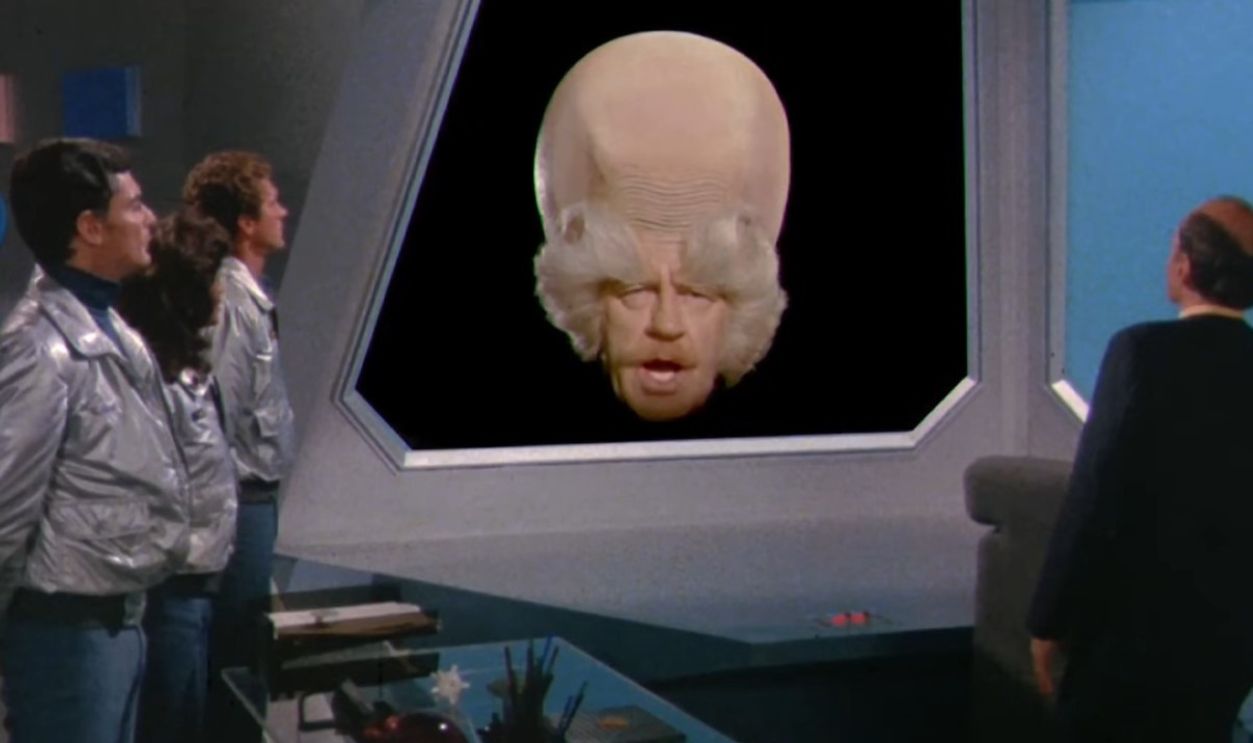 Screenshot from Quark, NBC (1977)
You Might Also Like:
The Seinfeld Cast’s Post-Show Careers, Ranked
You Definitely Saw These Famous Actors On Both “The Love Boat” And “Fantasy Island”—You Just Forgot
I Just Picked The 30 Best Movies From The 1970s. Do You Agree With My List?