When Real Life Starts Writing The Season Finale
Some shows feel so perfectly engineered—so packed with twists, power plays, and “no way that happened” moments—that your brain automatically files them under pure invention. And then you learn they’re rooted in real events. Suddenly, the most far-fetched parts don’t feel like creative risks—they feel like receipts.
The 20 series below take real-world stories and translate them into television that’s often stranger than anything a writer would dare pitch.
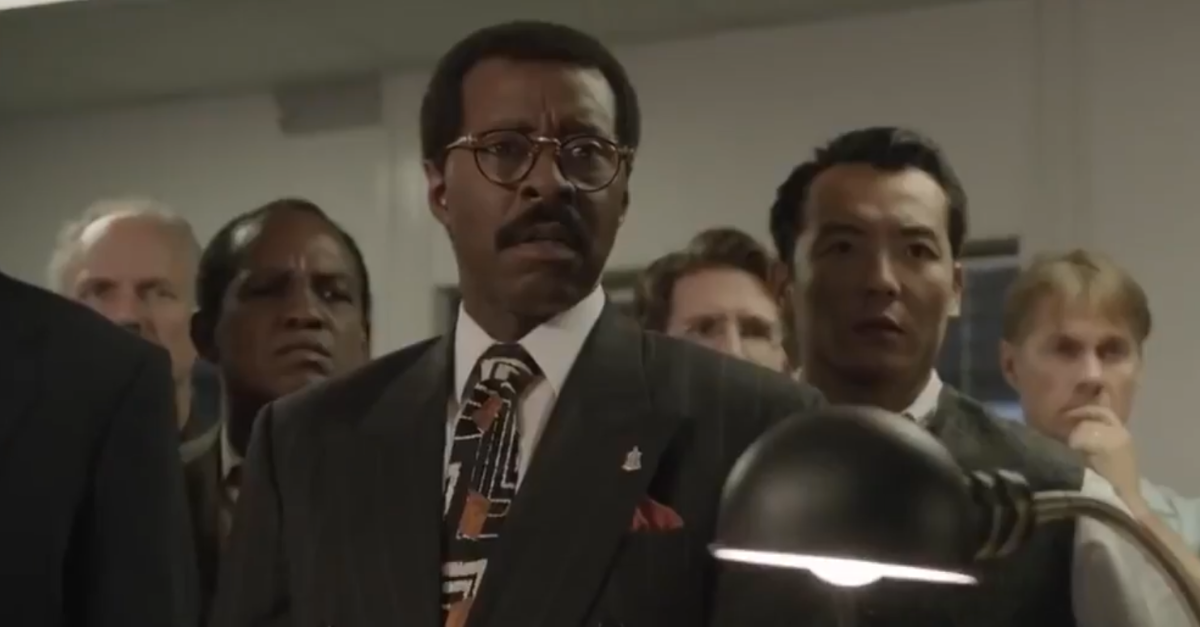
 Screenshot From American Crime Story , The People vs O.J Simpson, Disney+, 2016
Band of Brothers
This series doesn’t treat history like a museum display. It follows Easy Company through WWII with a focus on routine, pressure, and the bonds that form when people rely on each other completely. Even when you know the outcome, the day-to-day tension still lands.
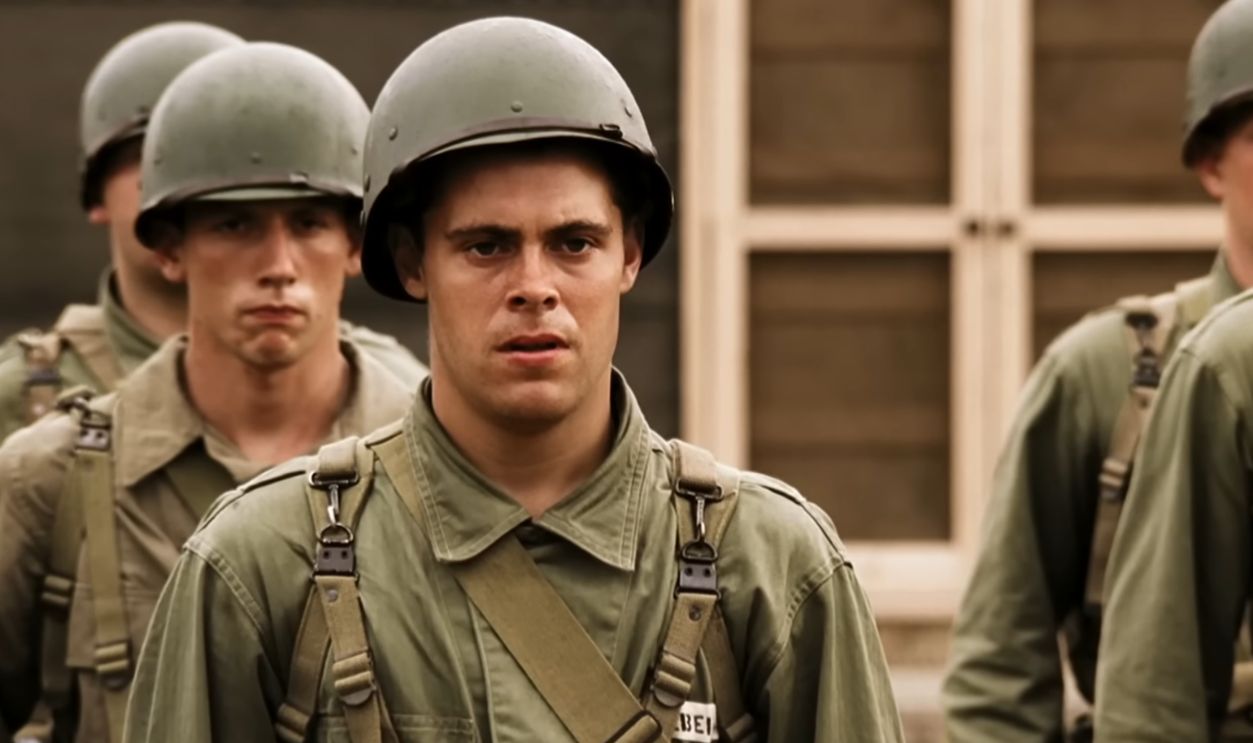 Screenshot from Band of Brothers, HBO (2001)
Chernobyl
This is a slow, methodical account of a catastrophic failure—and the chain reactions that followed. It’s as much about institutions and decision-making as it is about the event itself. You finish it with the uneasy feeling that the most important moments happened in rooms where nobody wanted to say the wrong thing.
 Screenshot from Chernobyl, HBO (2019)
The Crown
This show makes the monarchy feel less like a fairy tale and more like a long-running negotiation between image and reality. It explores public duty, private strain, and the way personal relationships bend under constant scrutiny. It’s basically a masterclass in how “perfect” can still be complicated.
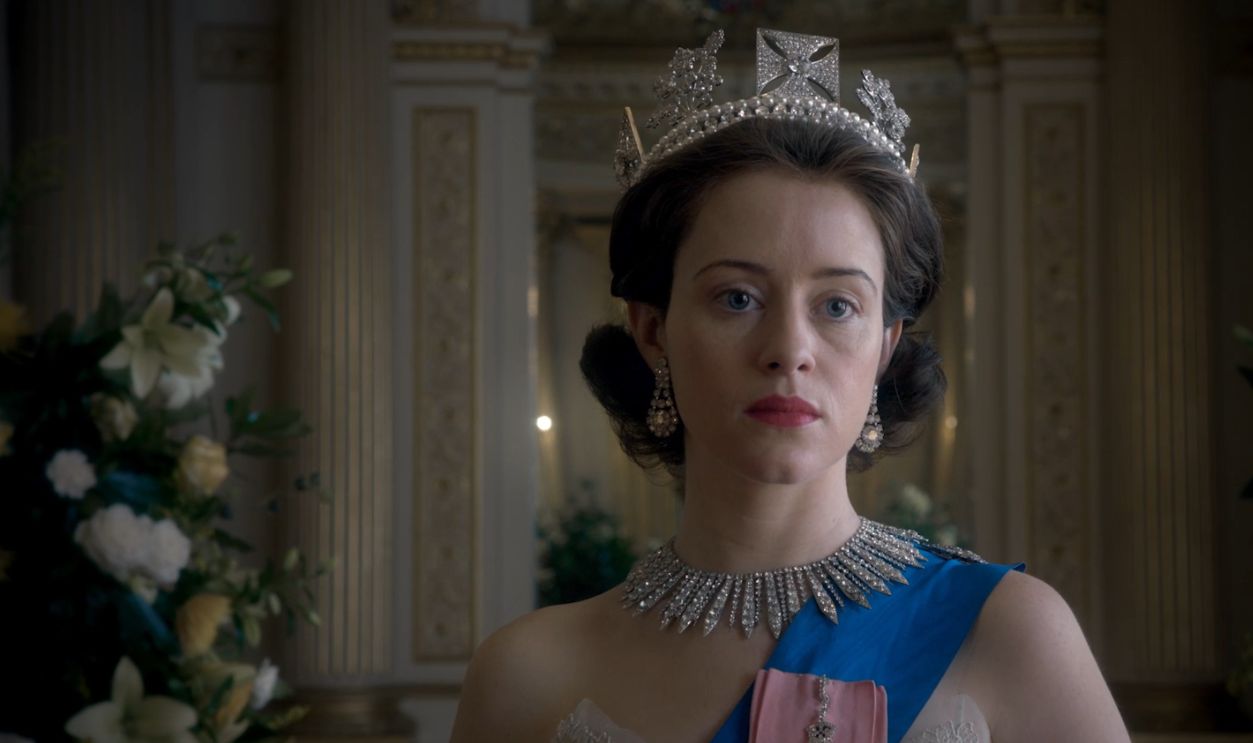 Screenshot from The Crown, Netflix (2016–2023)
When They See Us
This series focuses on the human cost of a case that took on a life of its own. It doesn’t rush—because the point is how long everything takes when you’re stuck inside it. The performances make it feel personal, not abstract, and that’s what lingers.
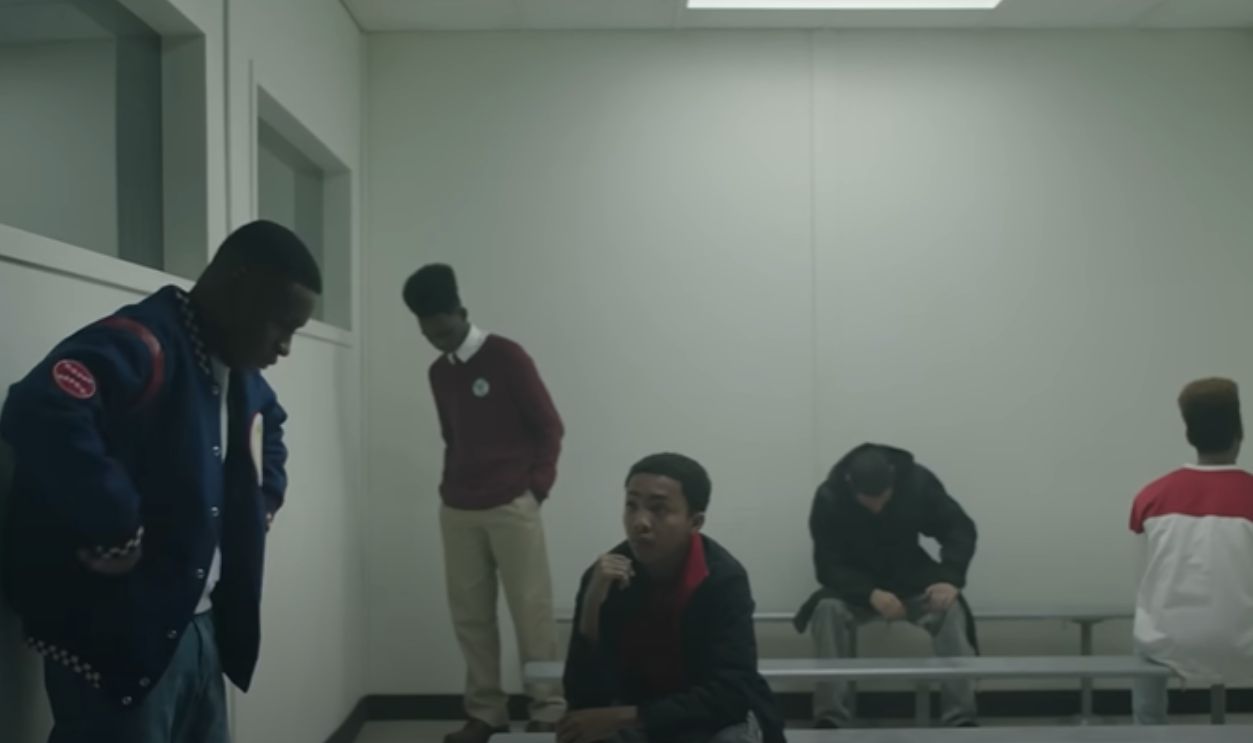 Screenshot from When They See Us, Netflix (2019)
Boardwalk Empire
Prohibition-era America was a business opportunity wrapped in a moral panic, and this show leans into that contradiction. It mixes politics and ambition with a sense of scale that makes it feel like a period epic. The fact that it draws from real figures only makes the backroom deals hit harder.
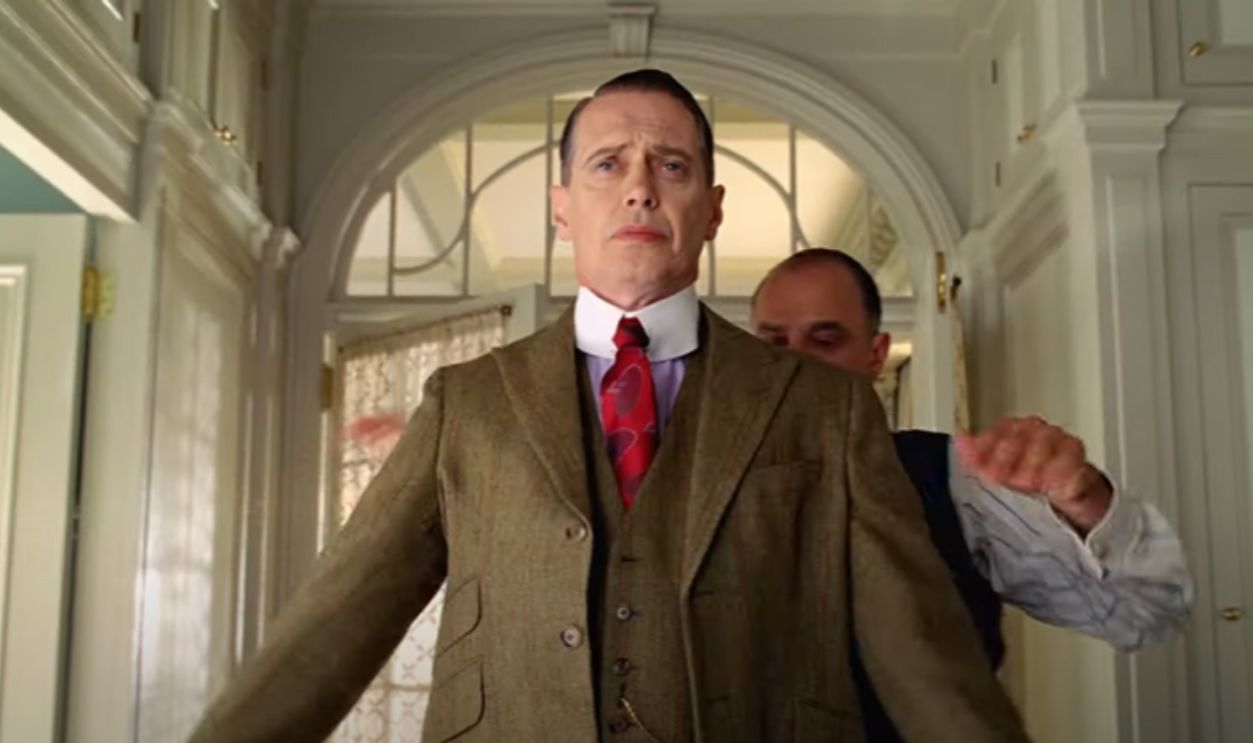 Screenshot from Boardwalk Empire, HBO (2010–2014)
Unbelievable
This one starts with a case that seems straightforward, then opens into a bigger story about how systems respond when people ask for help. It’s built around persistence—who keeps pushing, who backs off, and who gets dismissed. By the end, it’s clear the most important turns aren’t dramatic—they’re procedural.
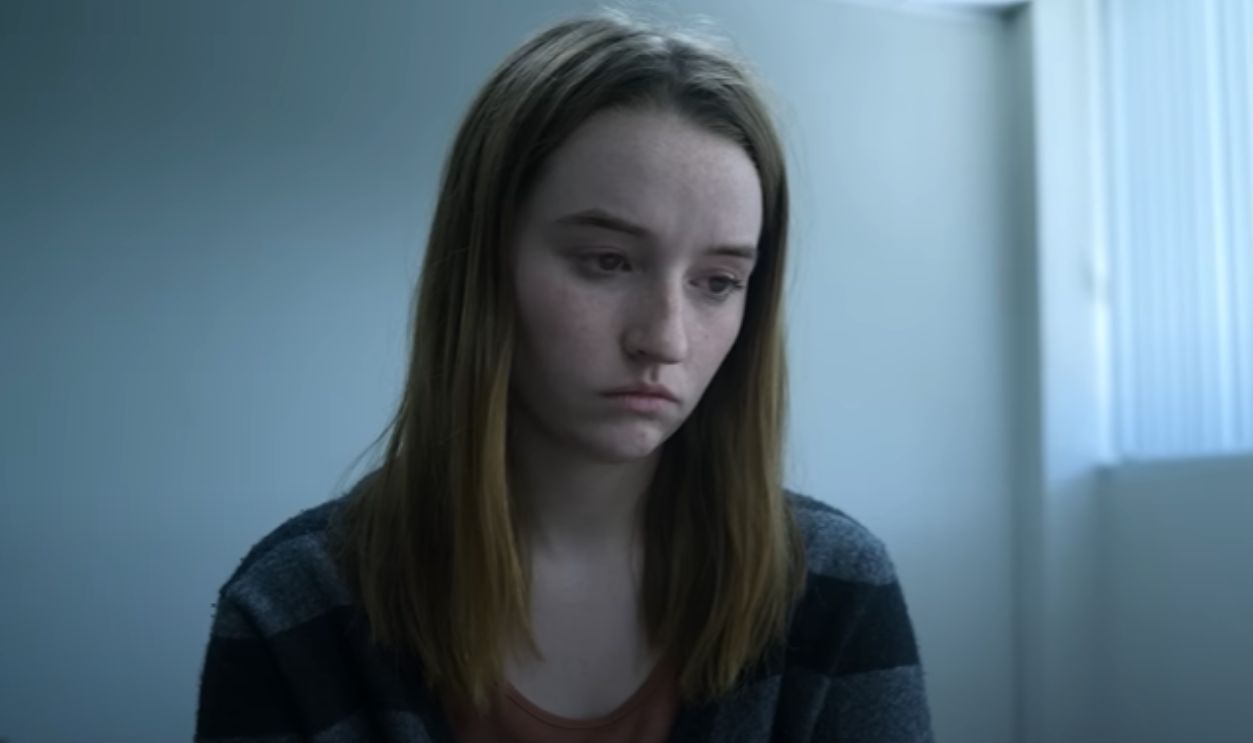 Screenshot from Unbelievable, Netflix (2019)
John Adams
Founding-era history can feel like a parade of statues, but this series brings it back to messy, exhausting reality. Decisions are political, personal, and often made under pressure that doesn’t fit neatly into a textbook paragraph. It’s surprisingly intimate for something that covers the birth of a country.
 Screenshot from John Adams, HBO (2008)
Mindhunter
Instead of focusing on action, this series focuses on conversation—and how much can be revealed when someone keeps talking. It follows early efforts to understand patterns behind certain crimes, and why that work changed law enforcement. The tension comes from what’s said calmly, not what’s shown loudly.
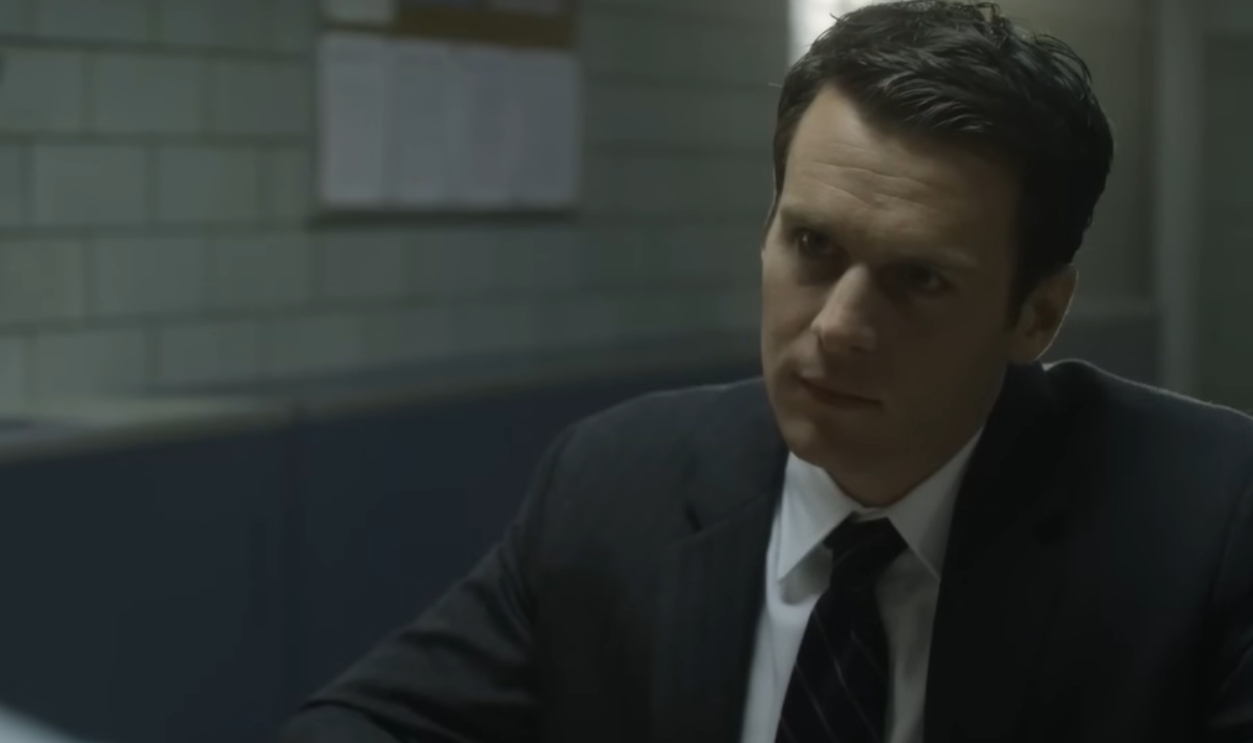 Screenshot from Mindhunter, Netflix (2017–2019)
Dopesick
This series tracks how a public-health crisis spread through communities in ways that didn’t look dramatic at first. It moves between boardrooms, hospitals, and families, showing how different incentives can create the same outcome. It’s a reminder that huge consequences often start with very ordinary choices.
 Screenshot from Dopesick, Hulu (2021)
Generation Kill
War stories often default to simple arcs. This one doesn’t. Based on firsthand reporting, it captures long stretches of waiting, bursts of confusion, and the strange humor people use to stay steady. It’s less about myth-making and more about what it felt like in real time.
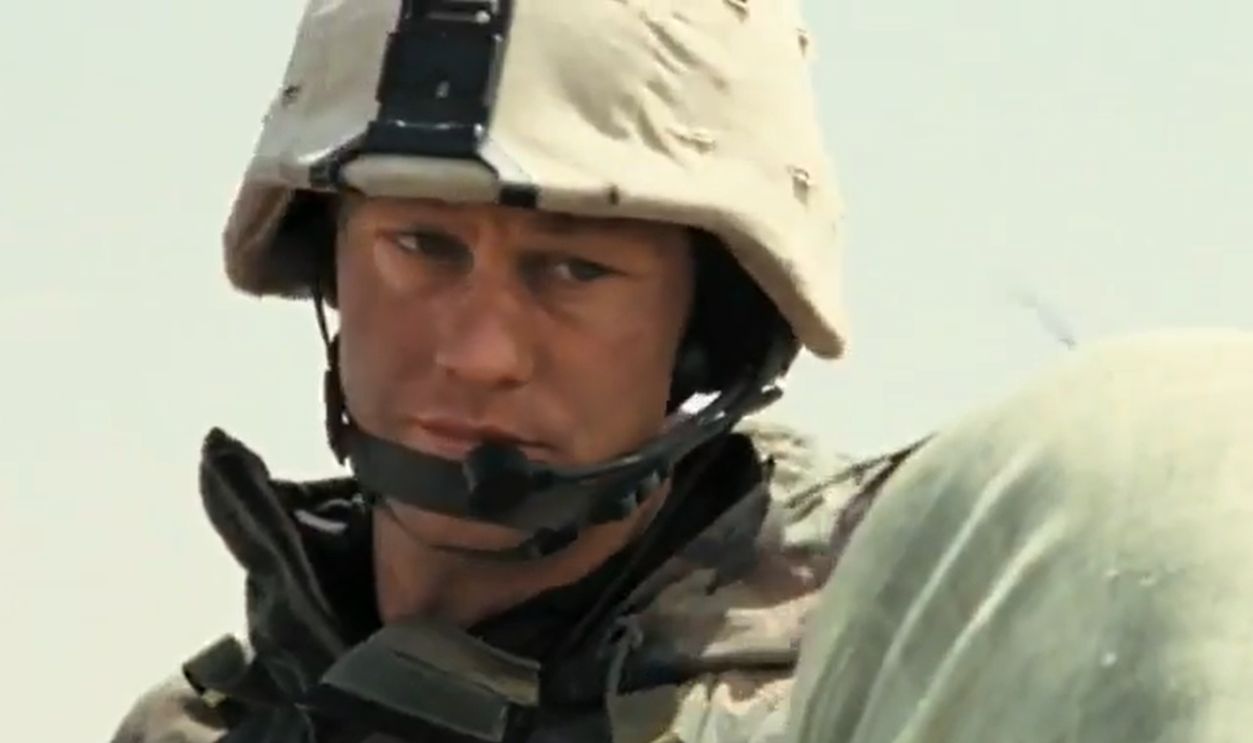 Screenshot from Generation Kill, HBO (2008)
Maid
This story keeps its focus tight: one person trying to build stability when everything around her keeps shifting. It’s about work, childcare, housing, paperwork, and the kind of exhaustion that doesn’t get fixed by one big speech. The show’s power comes from how familiar those obstacles feel.
 Screenshot from Maid, Netflix (2021)
Narcos
The scale of this story is hard to wrap your head around, which is exactly the point. It chronicles the rise of a cartel empire and the ripple effects across politics, communities, and law enforcement.
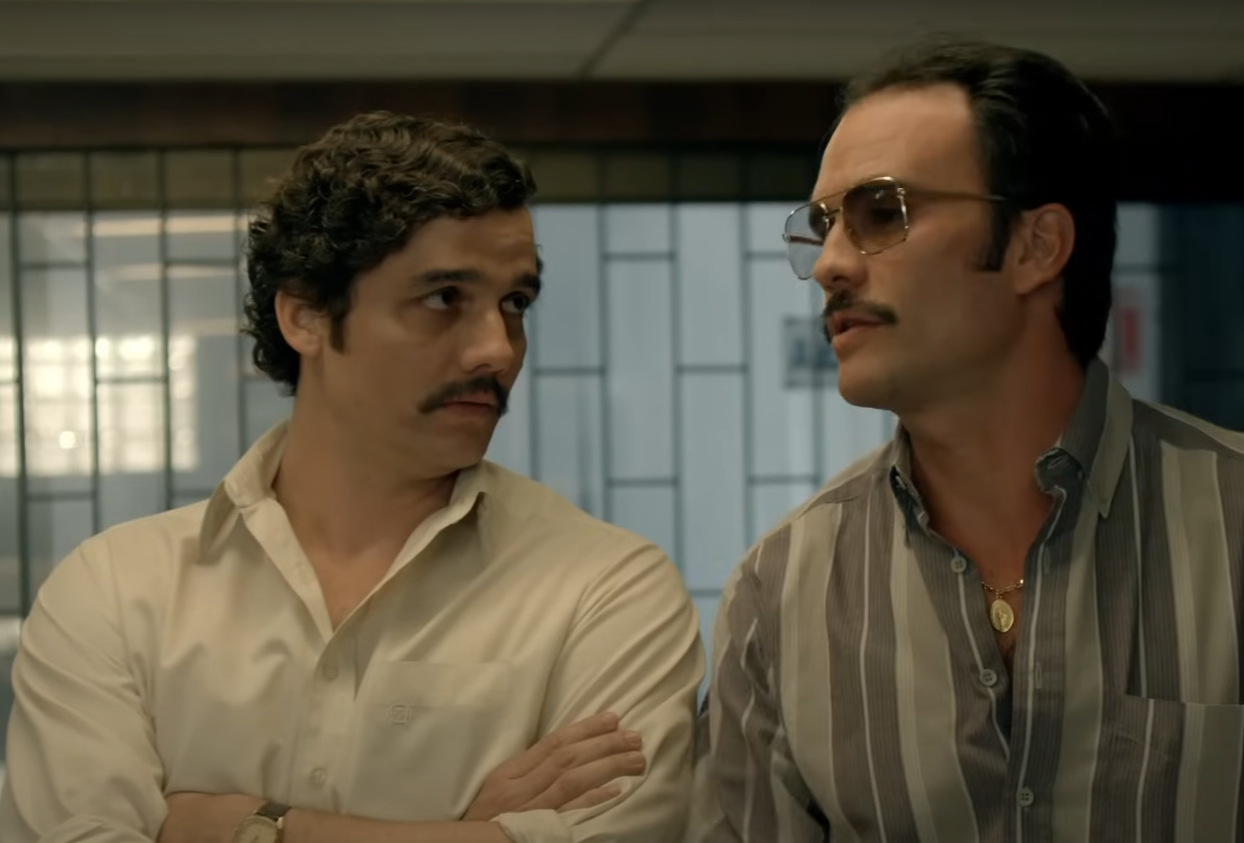 Screenshot from Narcos, Netflix (2015–2017)
A Very English Scandal
If you described this plot out loud, it would sound like satire. But this is one of those cases where reality went full theatrical. The series balances sharp humor with the uncomfortable awareness that the consequences were real, even if the behavior feels unreal.
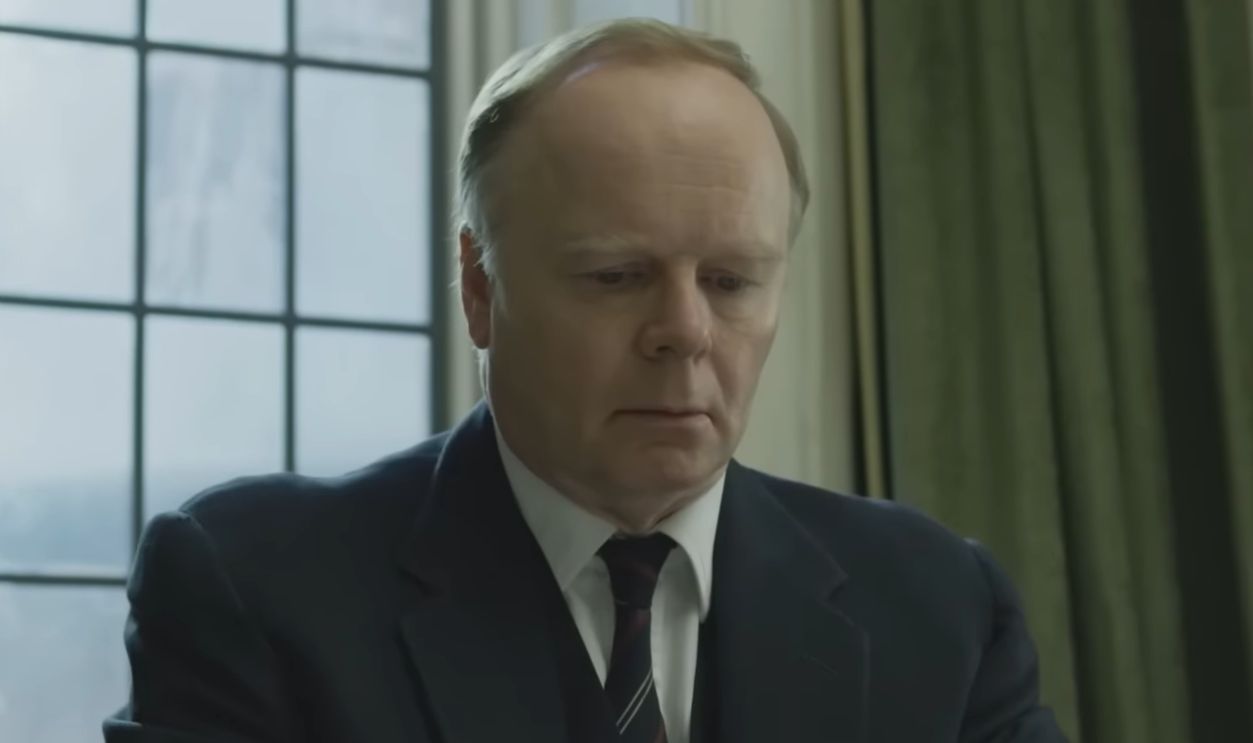 Screenshot from A Very English Scandal, BBC One (2018)
Five Days At Memorial
This series takes place in a limited window, but it covers an enormous moral and logistical collapse. It looks at what happens when infrastructure fails, communication breaks down, and responsibility becomes murky. It’s the kind of story that makes you realize how thin the line is between order and chaos.
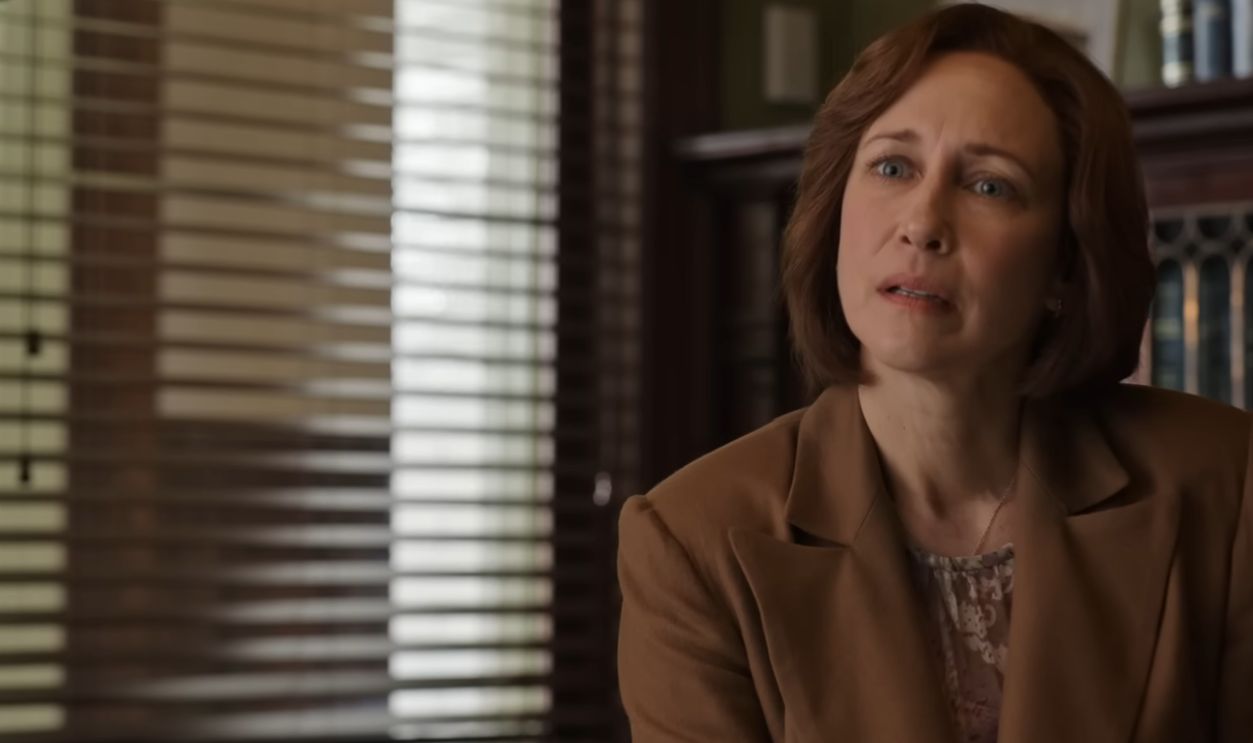 Screenshot from Five Days at Memorial, Apple TV+ (2022)
Alias Grace
This is a historical story with a slippery center, because the truth is filtered through memory, power, and perception. The series plays with ambiguity in a way that feels deliberate, not evasive. It’s less about a single answer and more about who gets to decide what “truth” means.
 Screenshot from Alias Grace, CBC Television (2017)
I Am The Night
Part identity story, part investigation, this series follows a person trying to understand where she came from—and what was hidden from her. The show ties that search to a larger, infamous case, but the emotional throughline stays personal. It’s a reminder that secrets can shape entire lives.
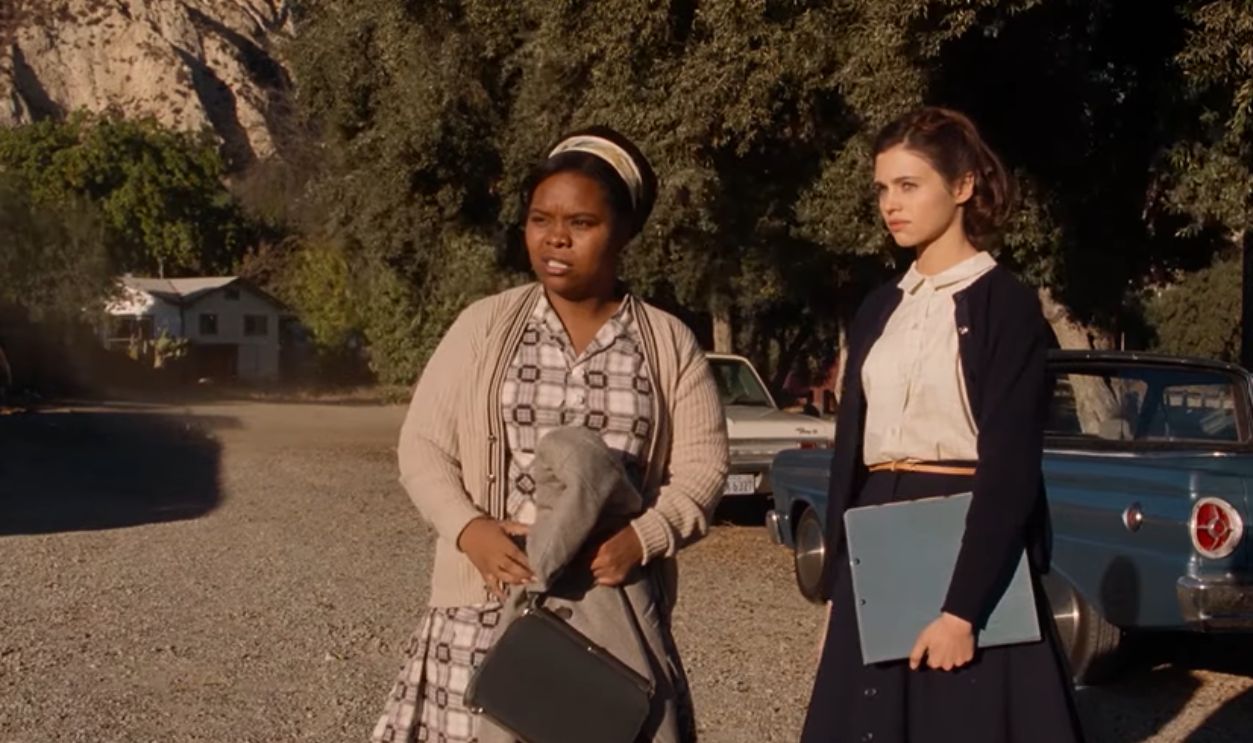 Screenshot from I Am the Night, TNT (2019)
Manhunt
This one is about endurance more than spectacle. It follows the long, meticulous process of pursuing a suspect when there’s no shortcut and no cinematic “aha” moment. The tension comes from time—how it stretches, and what it does to everyone involved.
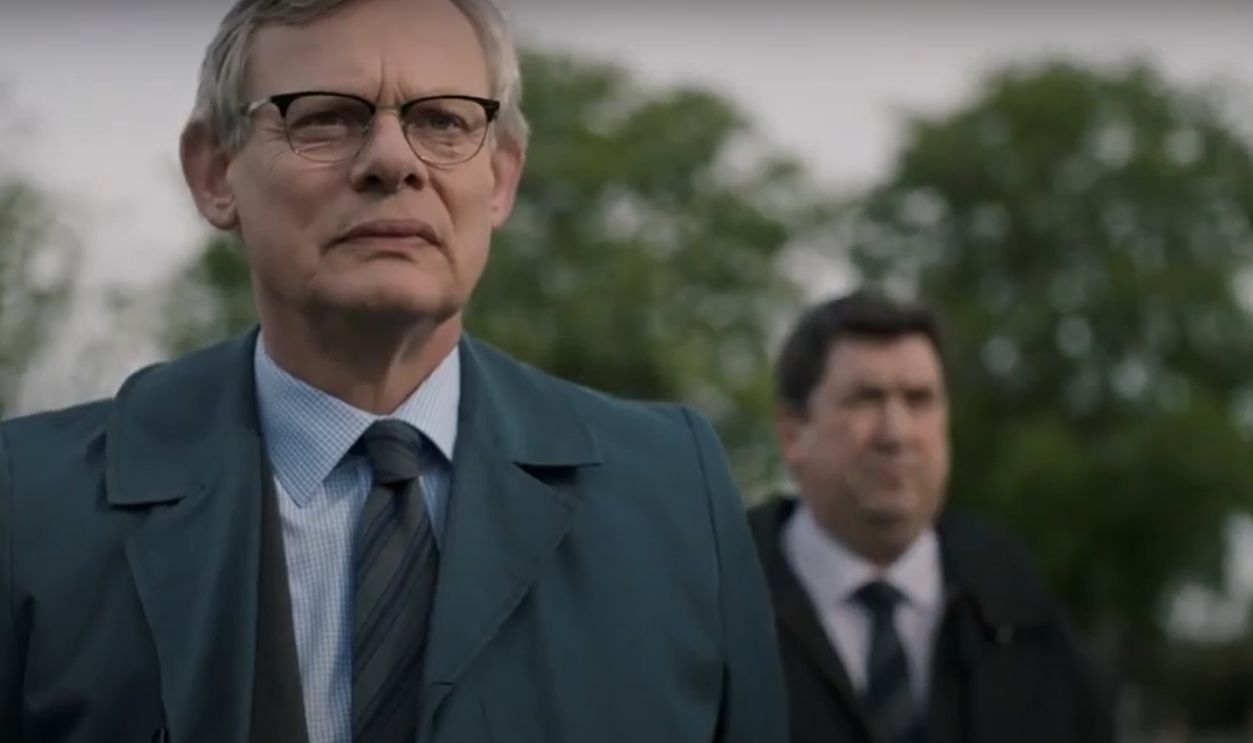 Screenshot from Manhunt, ITV (2019–2021)
We Own This City
This series looks at institutional failure without pretending it’s limited to one bad day. It shows how misconduct can become routine when oversight erodes and shortcuts get rewarded. The result is a story that feels less like an anomaly and more like a warning sign.
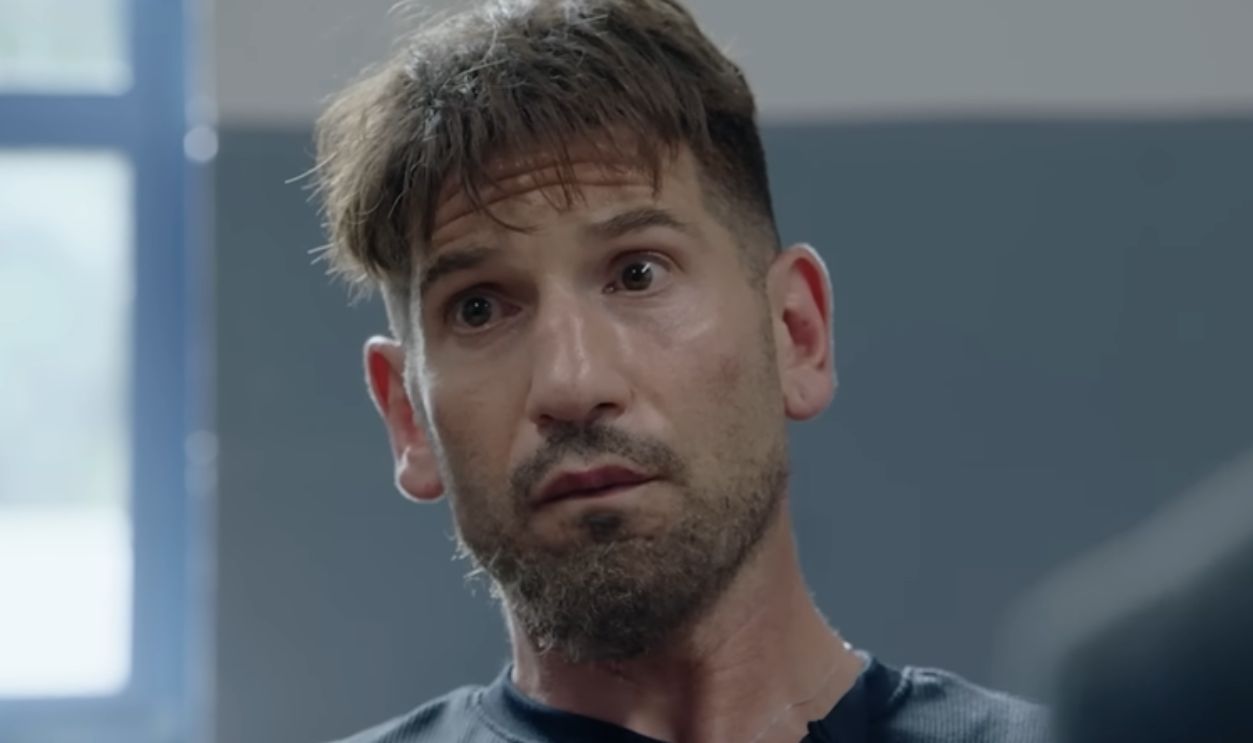 Screenshot from We Own This City, HBO (2022)
American Crime Story: The People v OJ Simpson
Even if you already know the major beats, this series makes the case feel newly specific—about strategy, perception, and how media attention changes everything. It captures the way a trial can become entertainment while still carrying real consequences. It’s courtroom drama with cultural aftershocks.
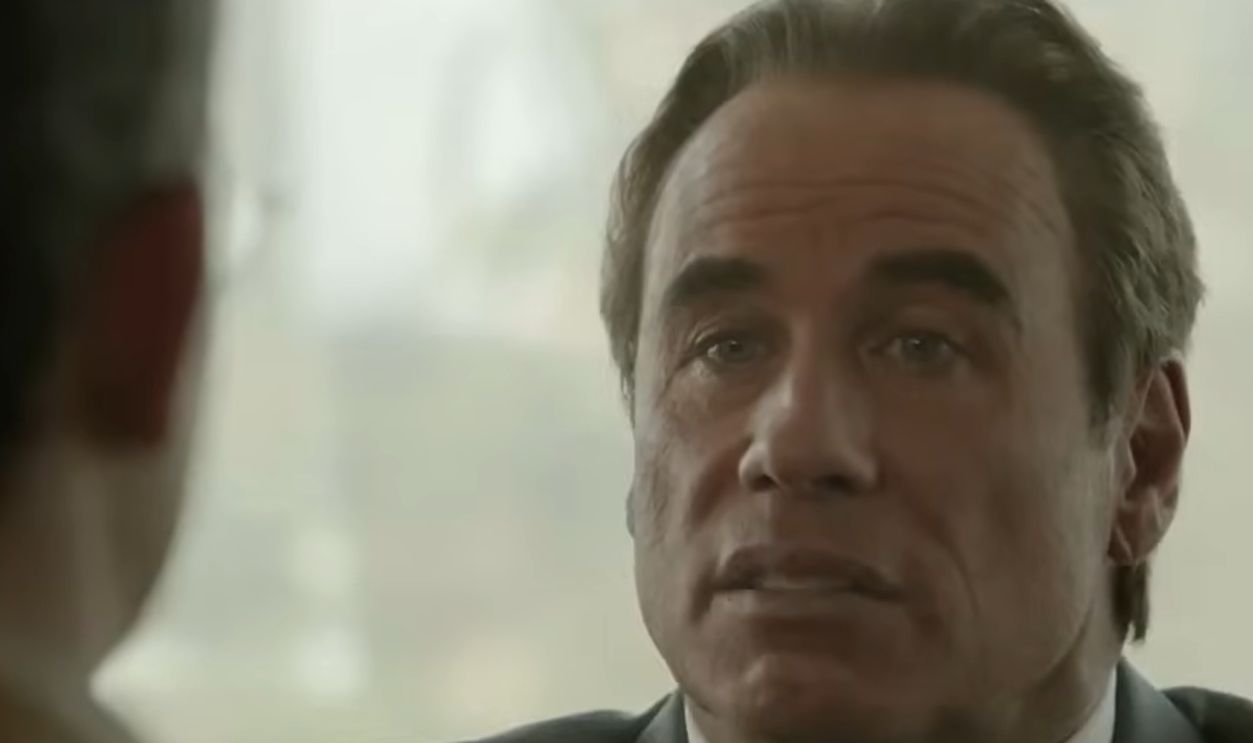 Screenshot from American Crime Story: The People v. O.J. Simpson, FX (2016)
Under the Banner of Heaven
This show takes a case and uses it to explore bigger questions about belief, community, and what happens when certainty hardens into something dangerous. It balances investigation with reflection, and it never treats the subject like a simple puzzle. By the end, the most unsettling part isn’t the mystery—it’s how preventable some turns feel.
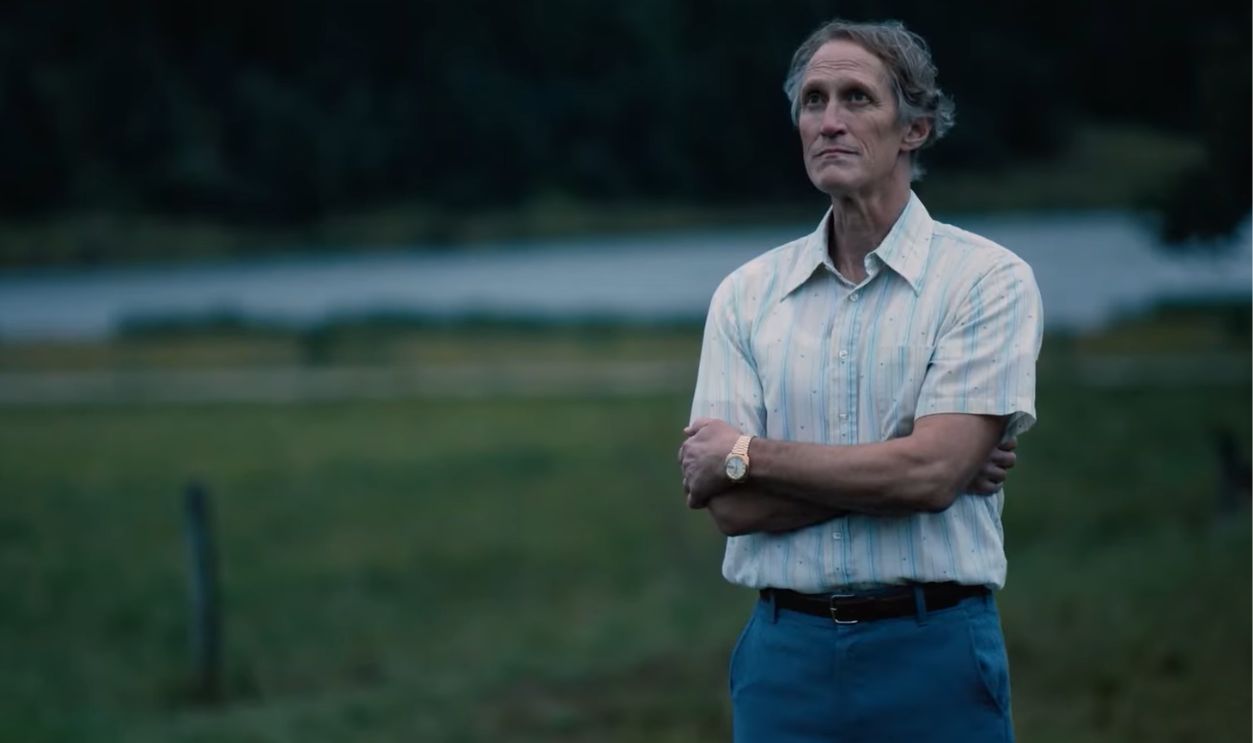 Screenshot from Under the Banner of Heaven, FX on Hulu (2022)
You May Also Like:
If These TV Shows Actually Made Sense To You As A Kid, You Were Smarter Than You Realized
TV Shows That Crossed The Line, Sparking Serious Controversy
Hilary Duff was America’s favorite teen star—until the world decided she was no longer a child.
Source: 1