Kids’ TV Quietly Tested Your Brain
Some shows aimed at young audiences aren’t as simple as they look. They use nonlinear storytelling, satire, unreliable narrators, or adult references disguised as humor. If these series clicked for you as a kid, without you needing any explanation, it likely meant that you were following layered logic, subtext, and hints that were barely noticeable even for a lot of grown-ups.
Animaniacs
On the surface, Animaniacs (1993–1998) was loud and chaotic, but behind all the noise sat history jokes, political satire, and rapid-fire wordplay. Understanding that kind of humor required getting references that were never explained and appreciating the irony, maybe even before you knew what that term meant! If the jokes landed, you were a 90s kid that was already decoding complexity well above grade level.
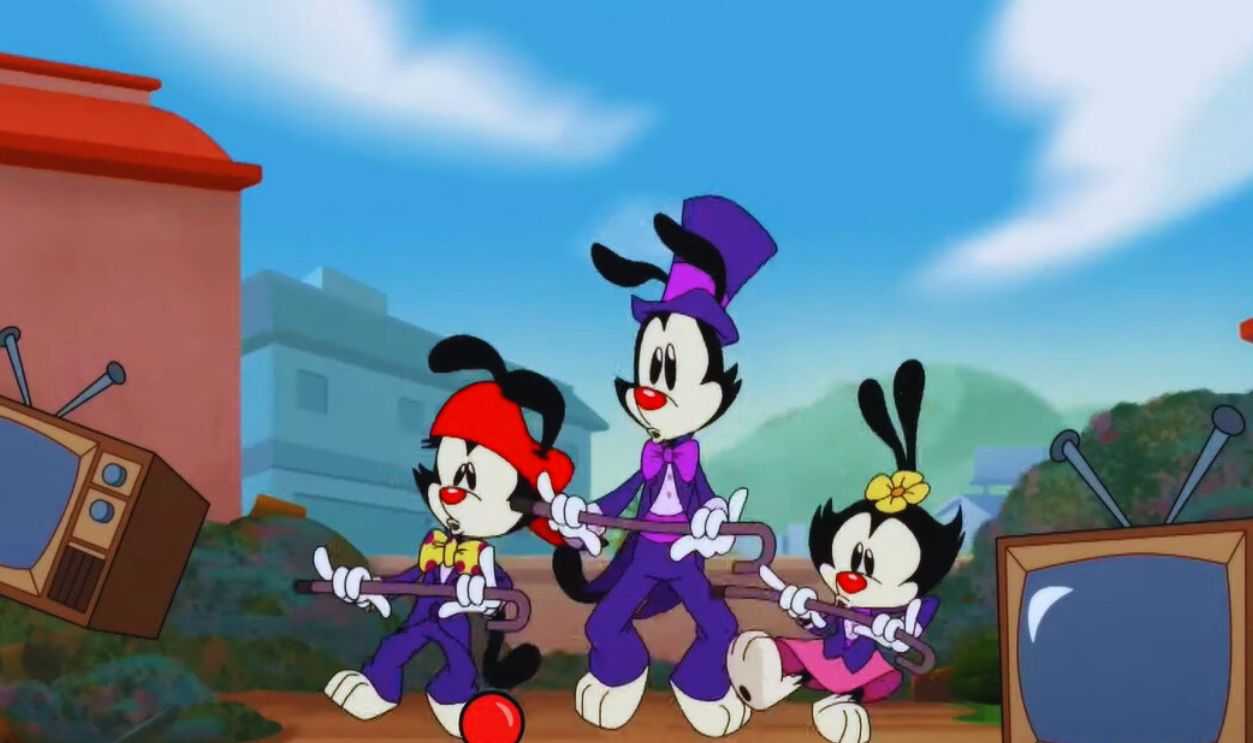 Screenshot from Animaniacs, Warner Bros. Television Distribution (1993-1998)
Batman: The Animated Series
Another animated 90s series that treated children as smart viewers. Episodes explored moral ambiguity, trauma, and psychological motivation through restrained dialogue and visual storytelling. If you were able to follow its themes beyond the simple “heroes versus villains” dynamic, you were processing nuance, empathy, and cause-and-effect reasoning that’s more typically reserved for adult dramas.
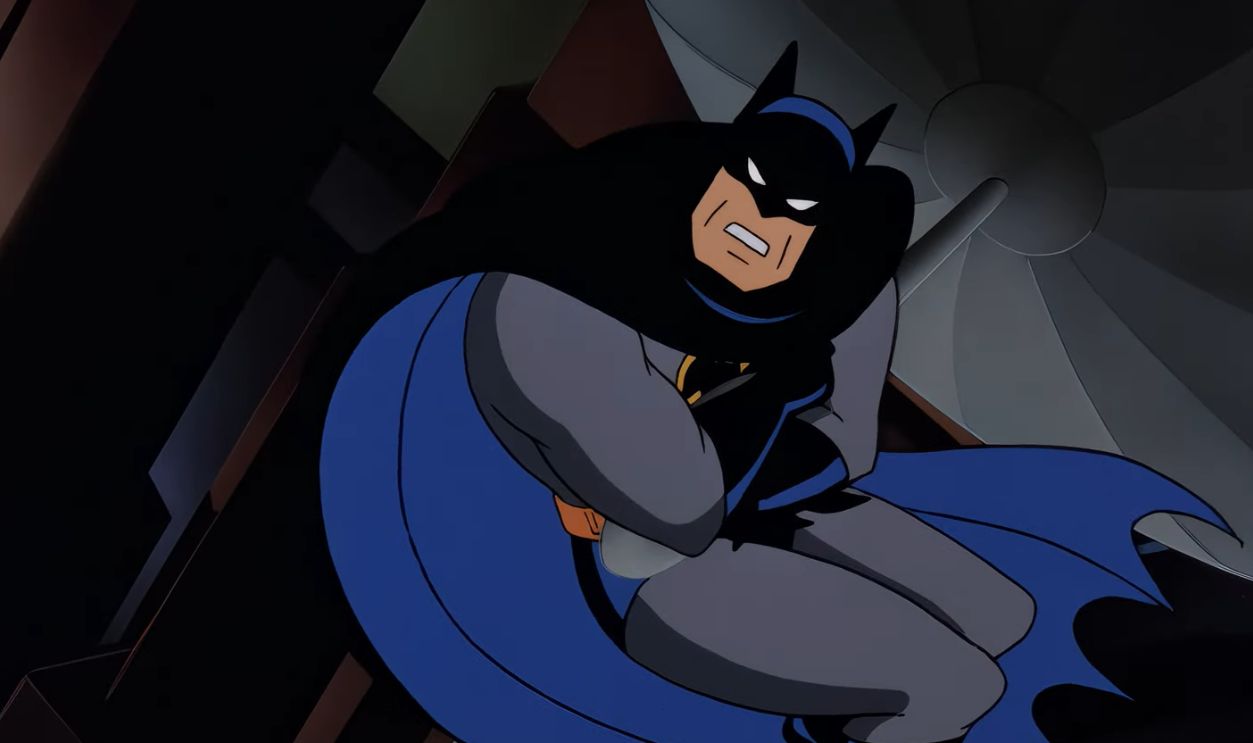 Screenshot from Batman: The Animated Series, Warner Bros. Animation (1992–1995)
The Twilight Zone
Many kids stumbled onto reruns of The Twilight Zone without fully grasping why they felt unsettled. If you understood the twist endings or allegories, you were recognizing symbolism, irony, and social commentary instinctively. All of these are insights that are only taught years later in literature classes.
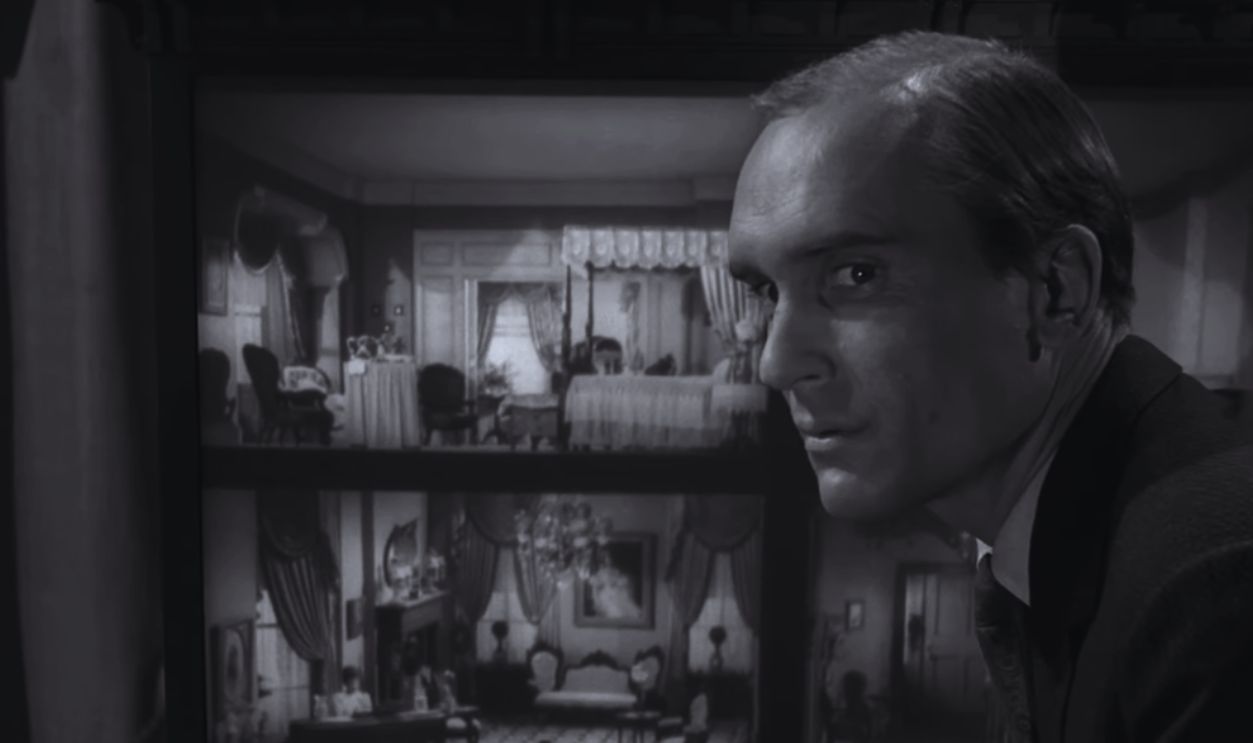 Screenshot from The Twilight Zone, CBS Television (1959–1964)
Are You Afraid of the Dark?
Beyond jump scares, Are You Afraid of the Dark? (1992–1996) used framing devices, unreliable narrators, and moral consequences. Understanding why certain stories lingered required you to pay attention to narrative structure and emotional implication. If you “got” why these stories mattered, you were reading a lot more into it than most kids were.
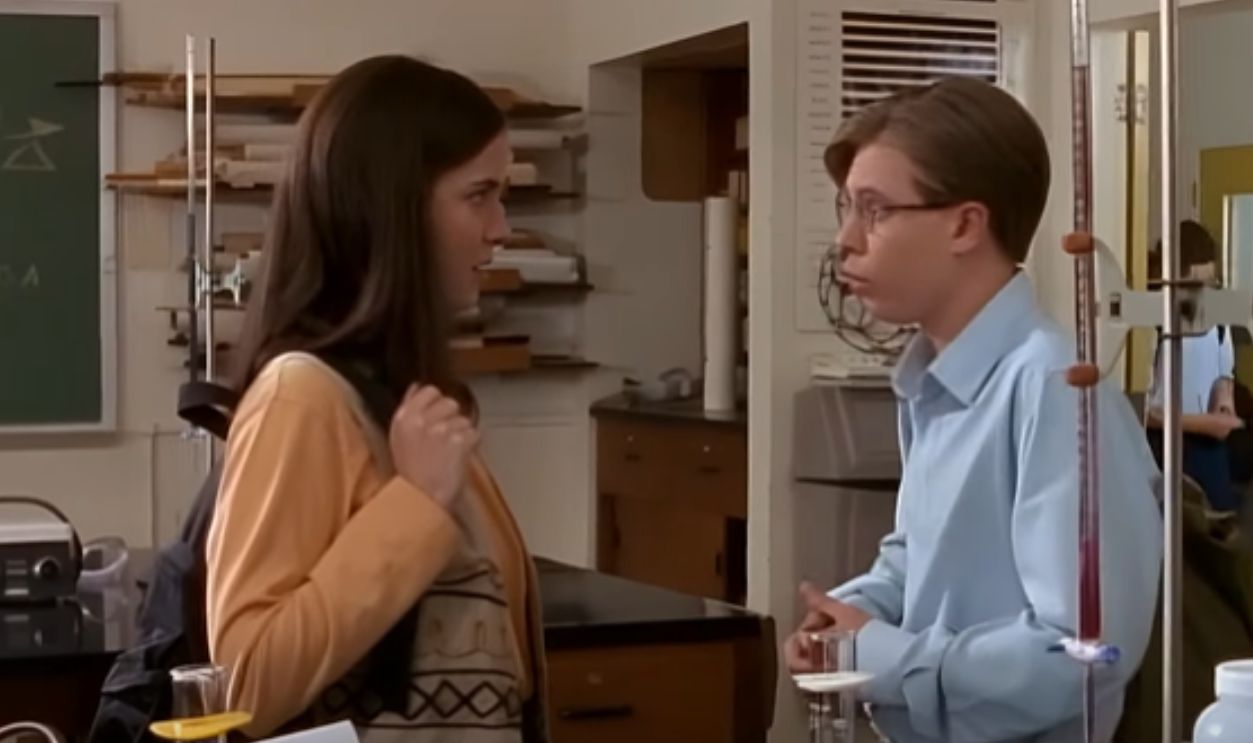 Screenshot from Are You Afraid of the Dark?, Nickelodeon (1992–1996)
Rocko’s Modern Life
Rocko’s Modern Life (1993–1996) hid adult satire inside its absurd cartoon worlds. Themes of consumerism, anxiety, and bureaucracy weren’t necessarily spelled out. Kids who got the gist of this humor without explanation were identifying metaphor and exaggeration a long time before they likely ever learned those concepts formally.
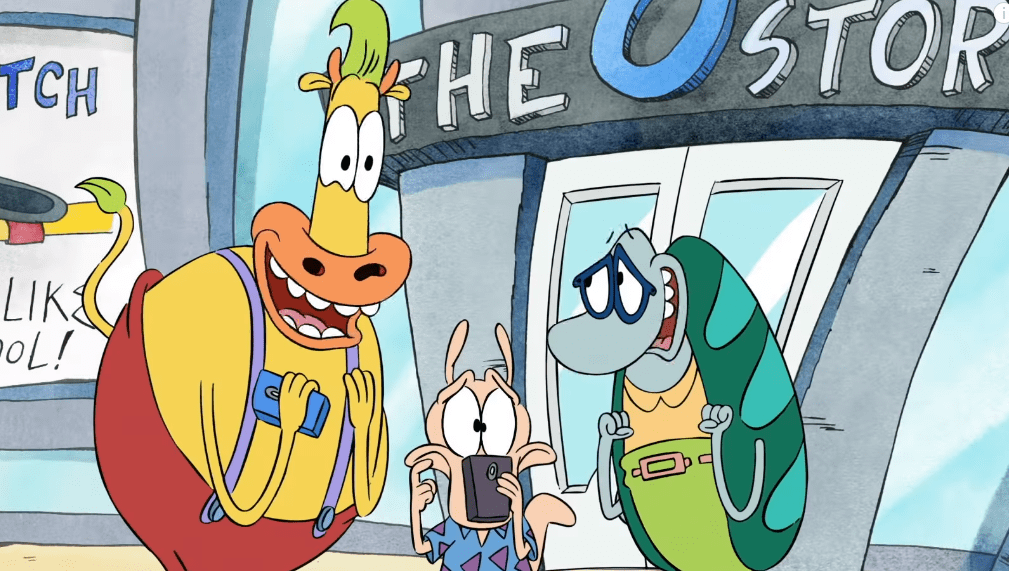 Screenshot from Rocko’s Modern Life, Nickelodeon (1993–1996)
Doctor Who
Time travel, regeneration, paradoxes, and moral dilemmas were everyday matters for Doctor Who. If you were able to follow the logic, especially in the older episodes from the 60s, 70s, and 80s, you were tracking shifting timelines and conditional rules. That’s some pretty abstract thinking disguised as run-of-the-mill family sci-fi television!
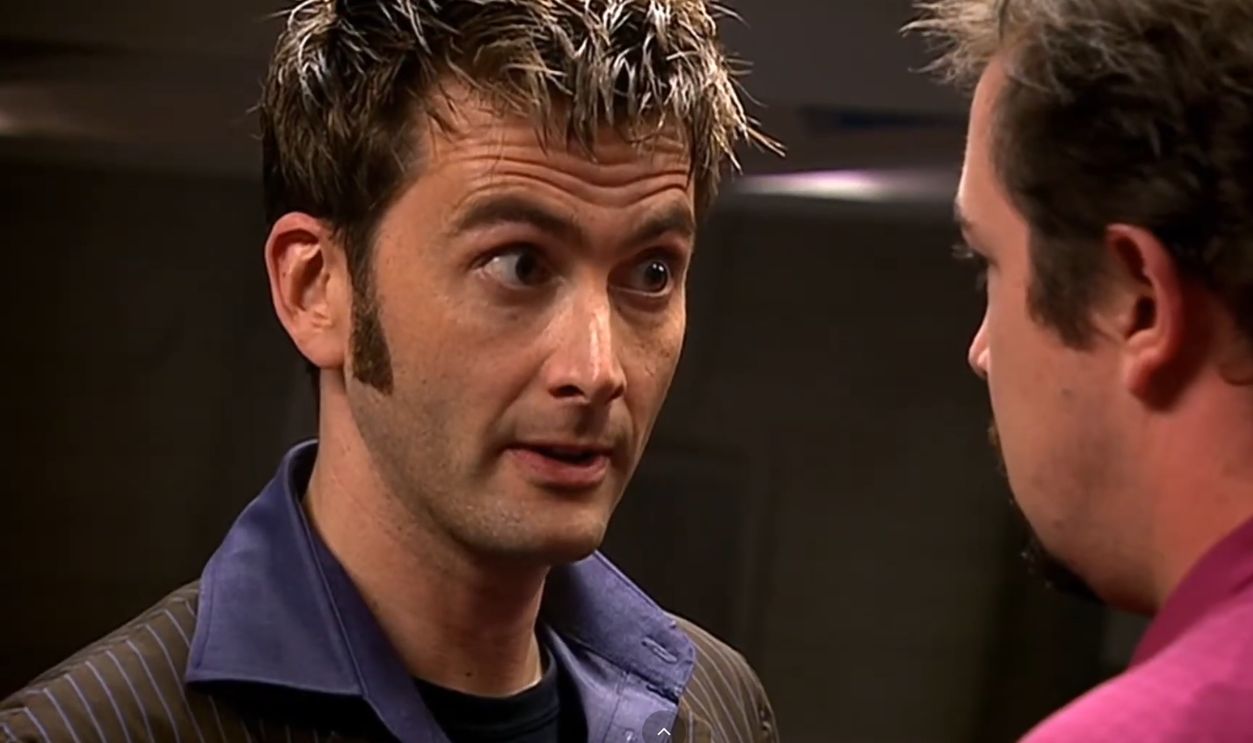 Screenshot from Doctor Who, BBC One (1963–)
Gargoyles
The 90s animated series Gargoyles (1994–1997) layered Shakespeare, mythology, serialized plot arcs, and surprisingly complicated character development into what was ostensibly a kids’ cartoon. Understanding the character motivations across long storylines required memory, pattern recognition, and a dose of empathy as well. If it all made sense, you were thinking in systems, not episodes.
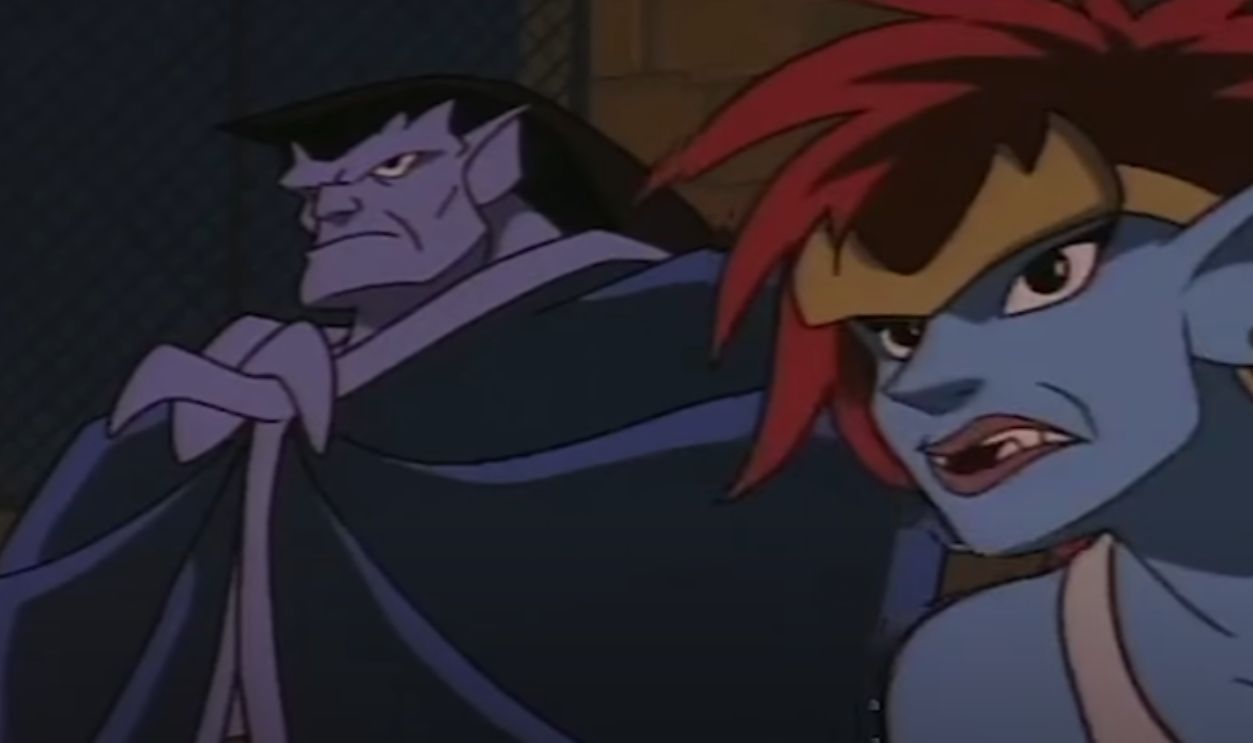 Screenshot from Gargoyles, ABC(1964-1966)
Bill Nye the Science Guy
While framed as energetic education, Bill Nye the Science Guy (1993–1998) made the bold assumption that kids could follow hypotheses, demonstrations, and logical conclusions on a mature level. If the explanations sank in as well as the jokes, it was an encouraging sign that you were already comfortable with scientific reasoning and skepticism, concepts that even many grown-ups struggle with.
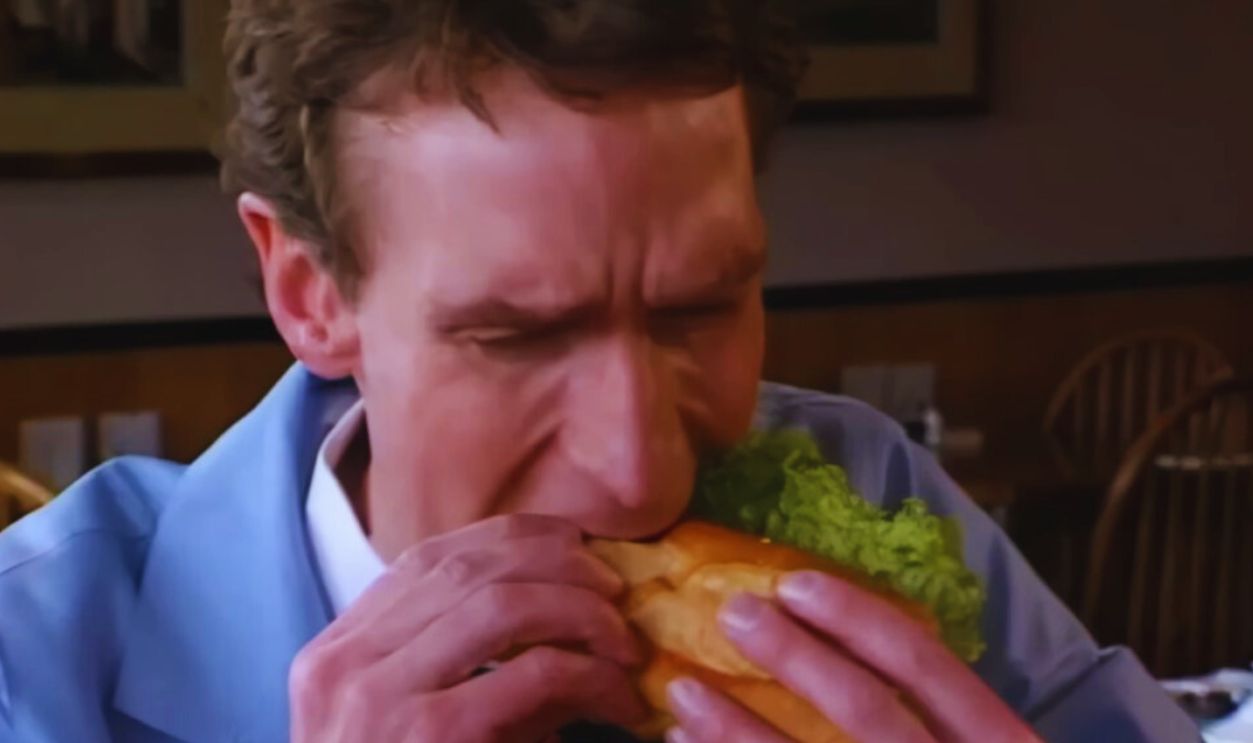 Screenshot from Bill Nye the Science Guy, PBS (1993–1998)
Pee-wee’s Playhouse
The absurdity of Pee-Wee’s Playhouse (1986–1990) worked on levels of symbolism and performance art. Understanding patterns within the chaos required that kids recognize the rules inside nonsense. If you felt the wacky show made sense on its own level, you were intuitively able to understand the surreal, and that not everything needs to be taken literally all the time.
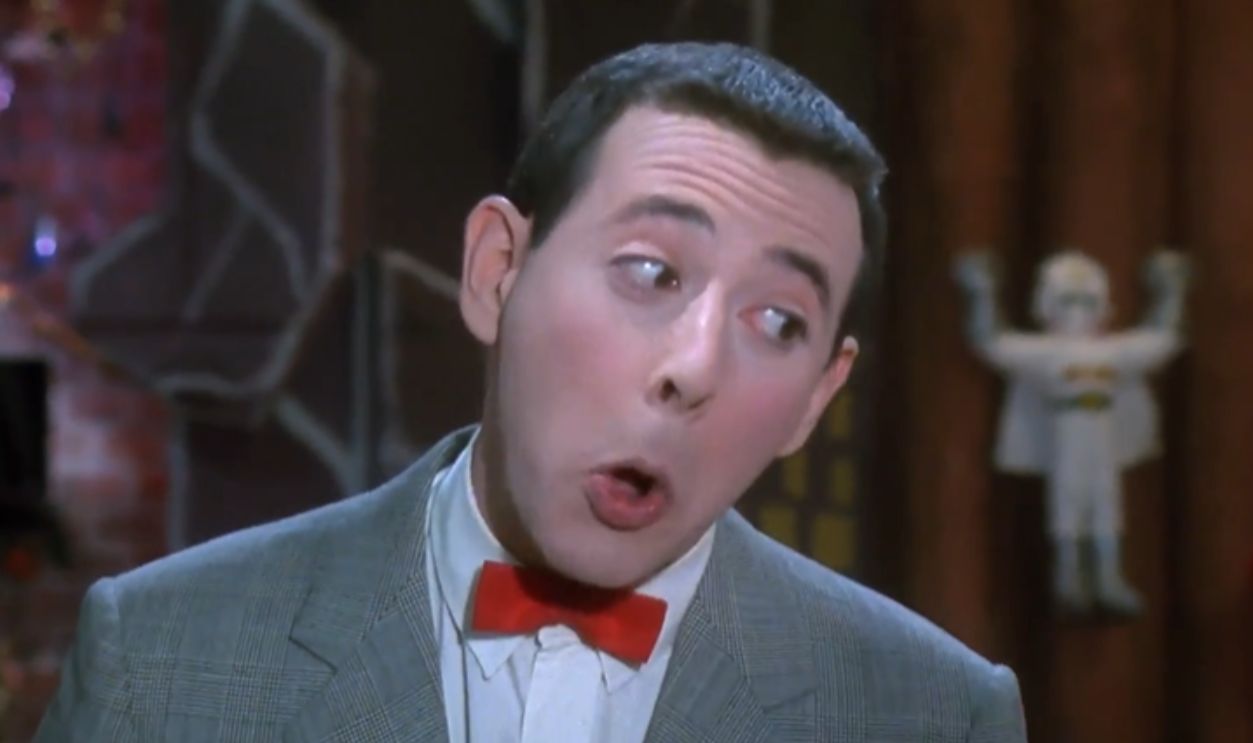 Screenshot from Pee-Wee’s Playhouse Christmas Special, Warner Bros. Television (1988)
Clarissa Explains It All
Clarissa Explains It All (1991–1994) “broke the fourth wall” and narrated her inner logic directly to the viewer, a new idea at the time. Following her explanations meant you had a big advantage in understanding perspective, bias, and self-awareness. If you could relate easily to this show, you were tracking some pretty complex layered parallel narratives for your age!
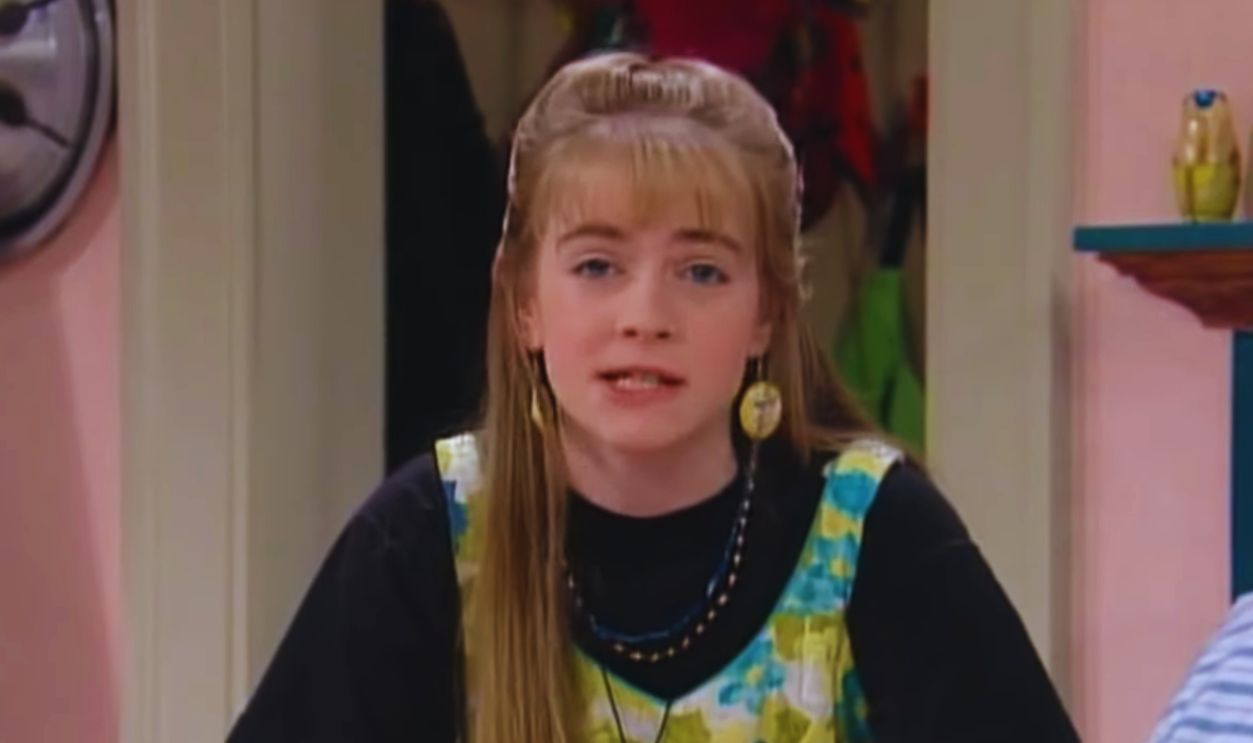 Screenshot from Clarissa Explains It All, Nickelodeon (1991–1994)
Futurama
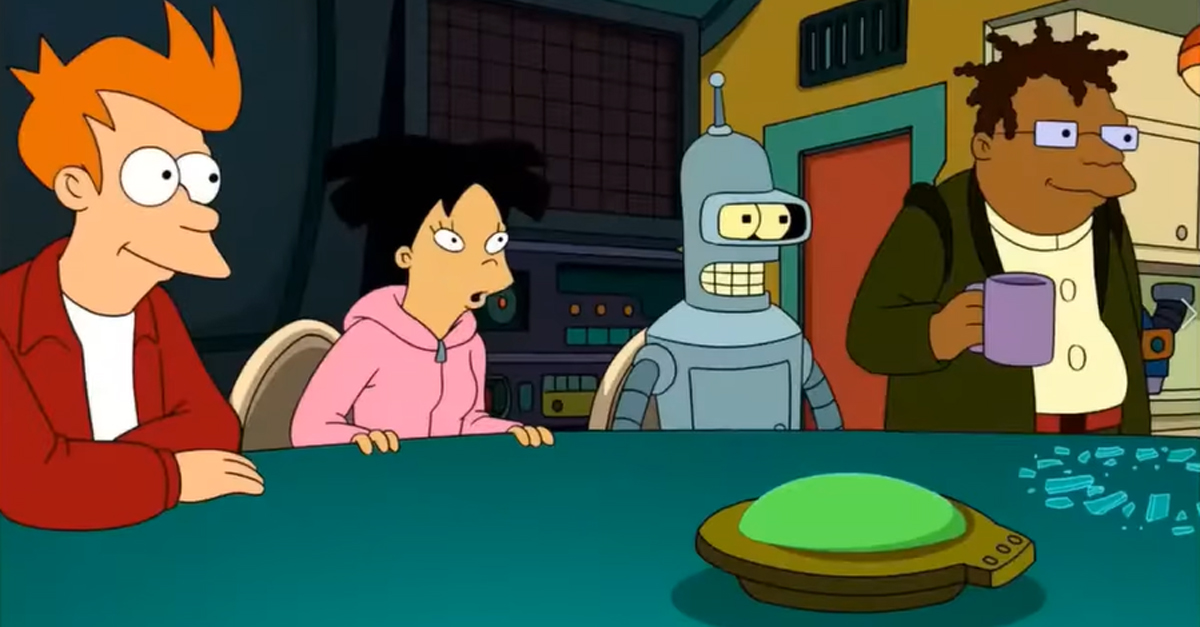
With a big audience following that enjoyed referencing it for its math and science jokes, Futurama (1999–2003; 2008–2013; 2023–?) rewarded viewers who understood paradoxes, probability, and irony. Kids who grasped the humor weren’t just laughing, but decoding the layered references and crazy logic embedded within the comedy. Make sure you give some credit to the show’s writers for maintaining that quality over a span of nearly three decades.
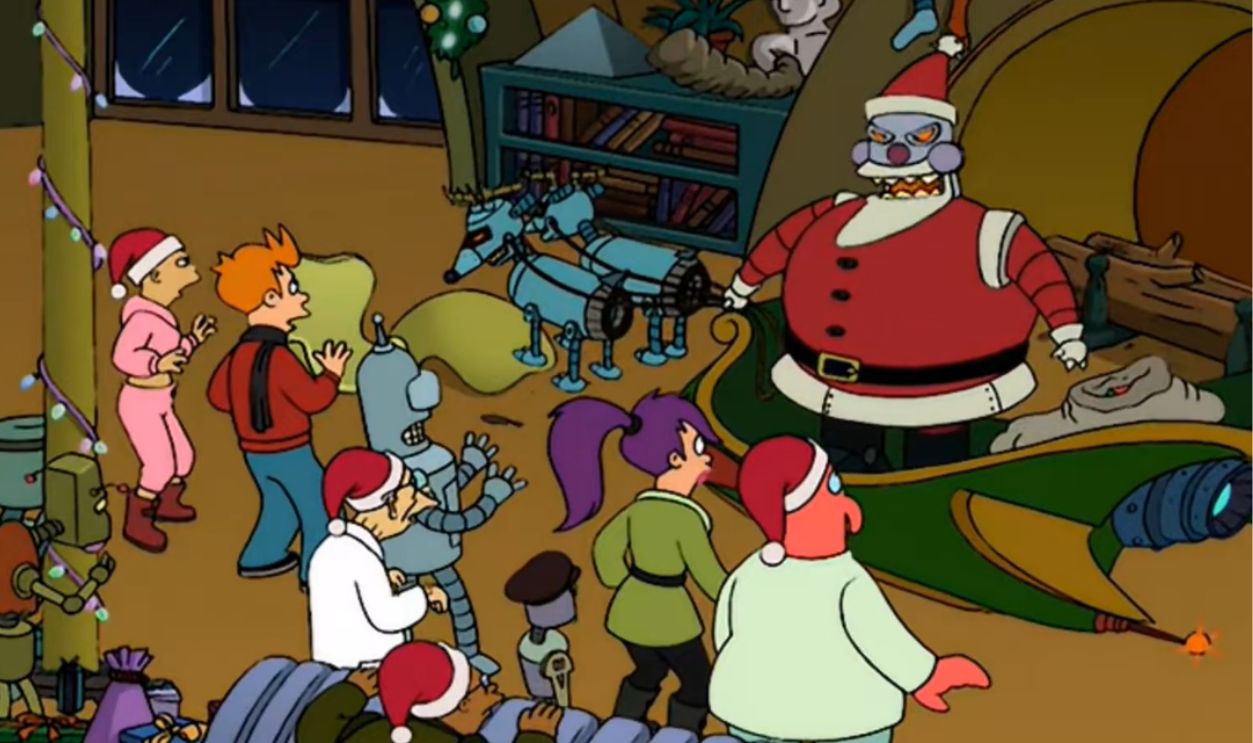 Screenshot from Futurama, Fox (1999–2013, 2023–)
DuckTales
Beyond adventure, DuckTales (1987–1990) used economics, history, and cause-and-effect storytelling. If Scrooge McDuck’s decisions made sense to you, you were already starting to think about things like long-term consequences and systems thinking.
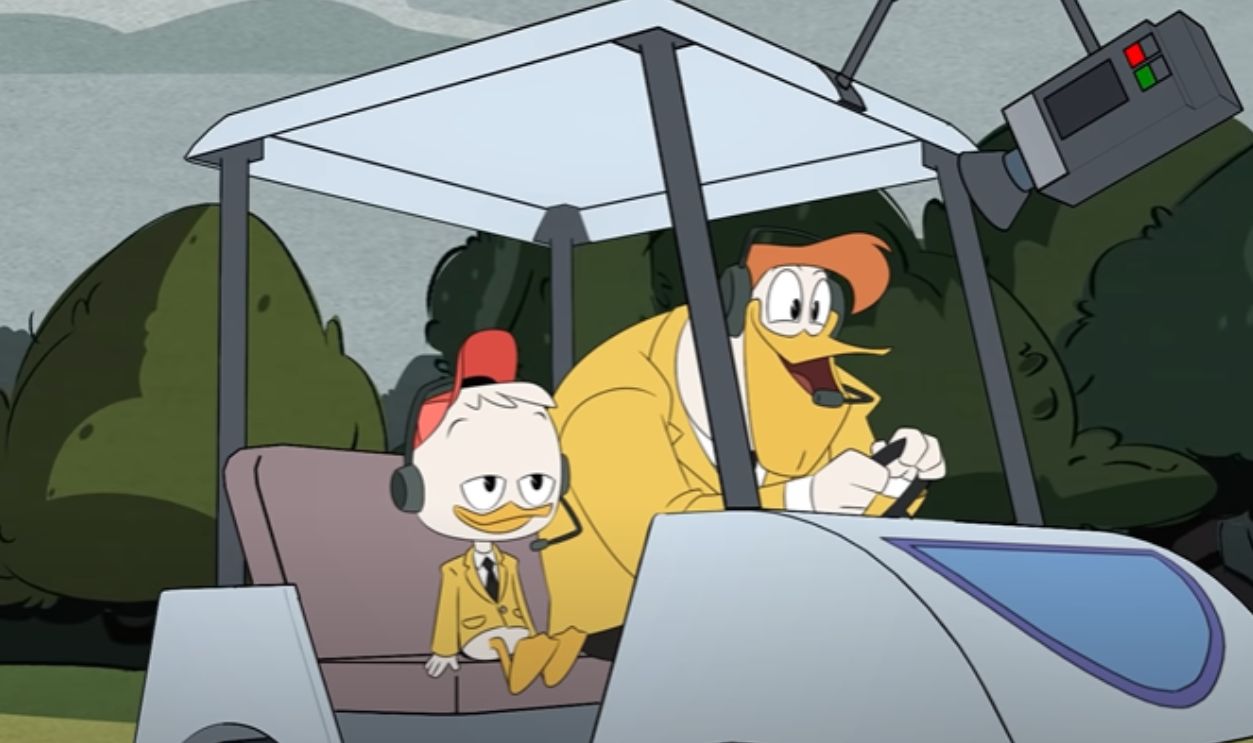 Screenshot from DuckTales, Disney Television Animation (1987-1990)
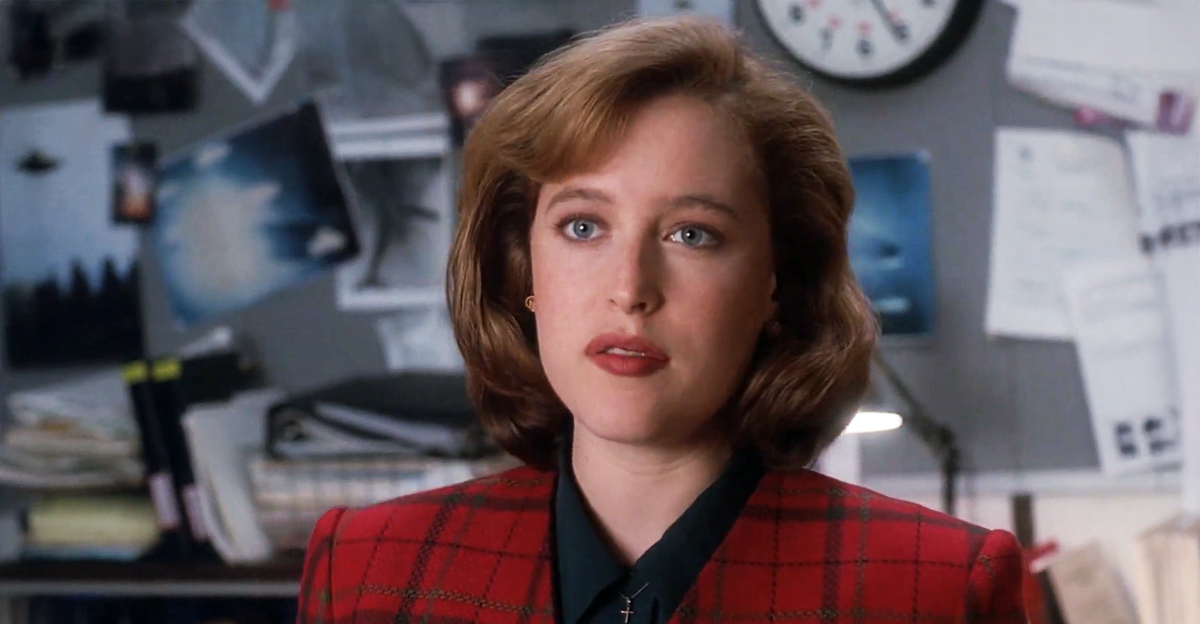
The X-Files
Kids who watched The X-Files (1993–2002) often followed conspiracy arcs without fully understanding them. But the show dealt relentlessly with serious themes, a strong inducement for younger viewers to try to figure things out. If you could track credibility, evidence, and skepticism, you were engaging in critical thinking and accepting ambiguity far earlier than most grown-ups would have expected you to.
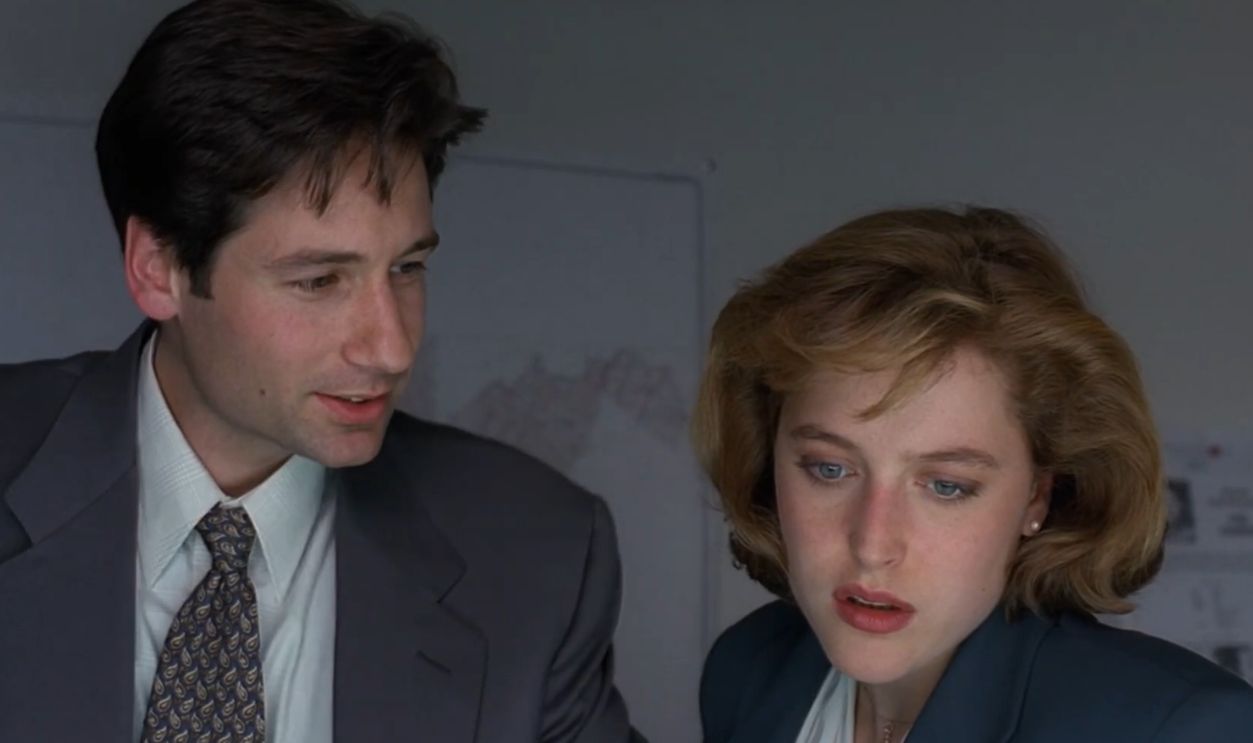 Screenshot from The X-Files, Fox Broadcasting Company (1993–2018)
Boy Meets World
While framed as a family sitcom, Boy Meets World (1993–2000) regularly explored ethics, identity, and responsibility. If those lessons landed with you naturally, you were able to grasp the subtext and moral reasoning instead of just laughing at the jokes.
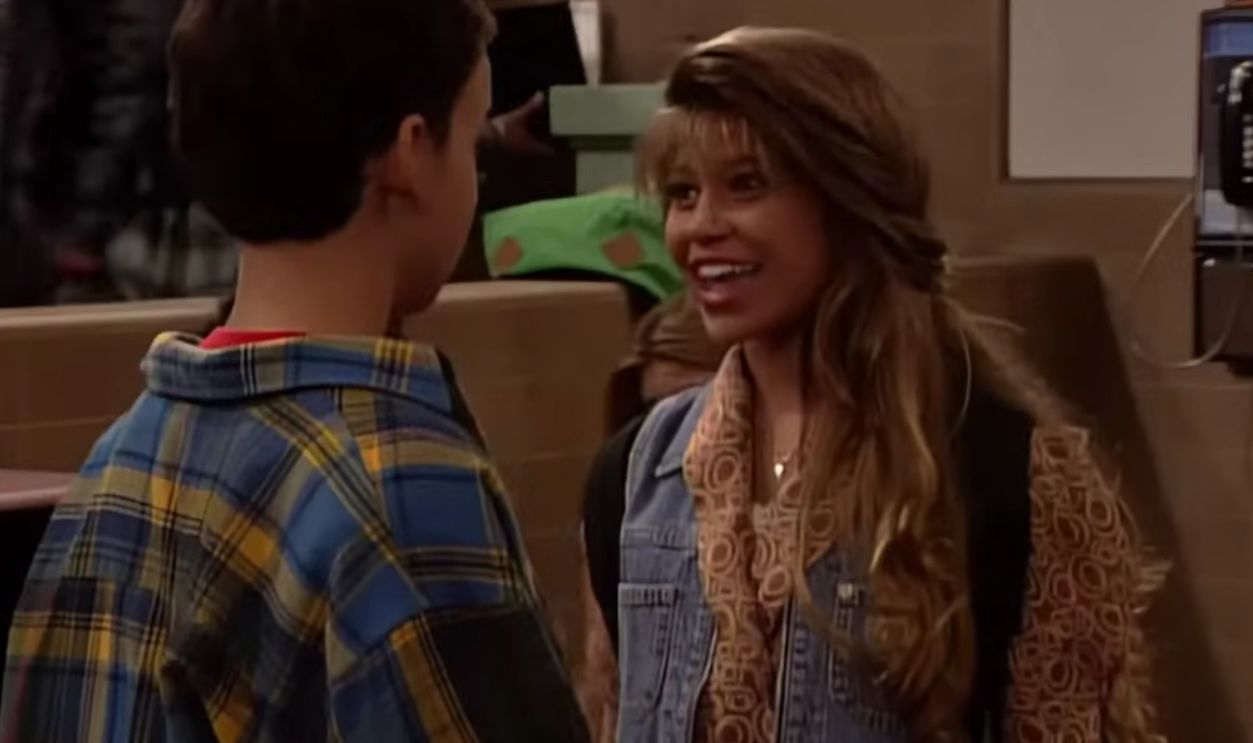 Screenshot from Boy Meets World, ABC (1993-2000)
Avatar: The Last Airbender
Avatar: The Last Airbender (2005–2008) tackled war, political power, trauma, and moral compromise episode after episode. Understanding character arcs demanded a fairly high level of emotional intelligence and attention to continuity from its young viewers. If it all made sense, you were years ahead of your time!
 Screenshot from Avatar: The Last Airbender, Nickelodeon (2005–2008)
The Simpsons
Early Simpsons episodes set the tone for the show’s layered satire, cultural commentary, and irony under the always important layer of slapstick humor. Kids who understood why jokes landed were already starting to recognize parody and social criticism without needing to have it spoon-fed to them.
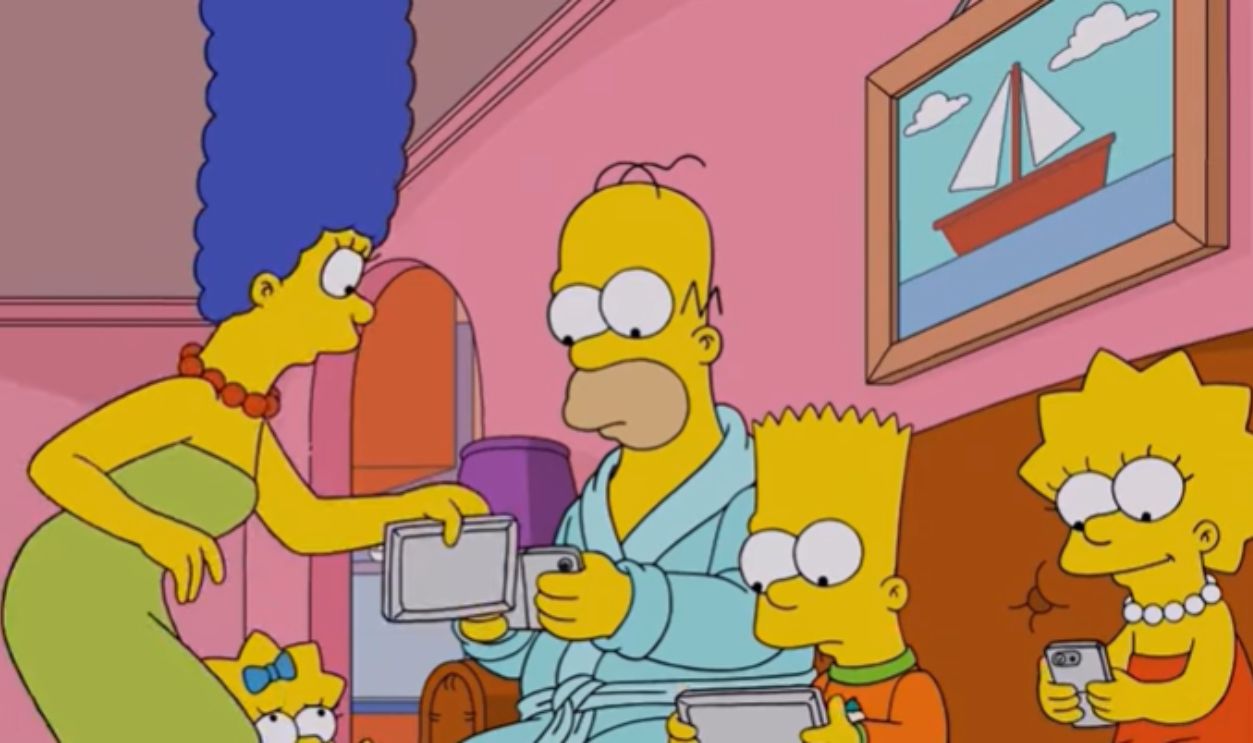 Screenshot From The Simpsons, 20th Century Fox (1989–present)
Twin Peaks
Some kids encountered Twin Peaks (1990–91) without fully grasping its reputation. If its dream logic or emotional tone clicked with you, you were interpreting mood, symbolism, and ambiguity better than quite a few grown-up watchers in those days.
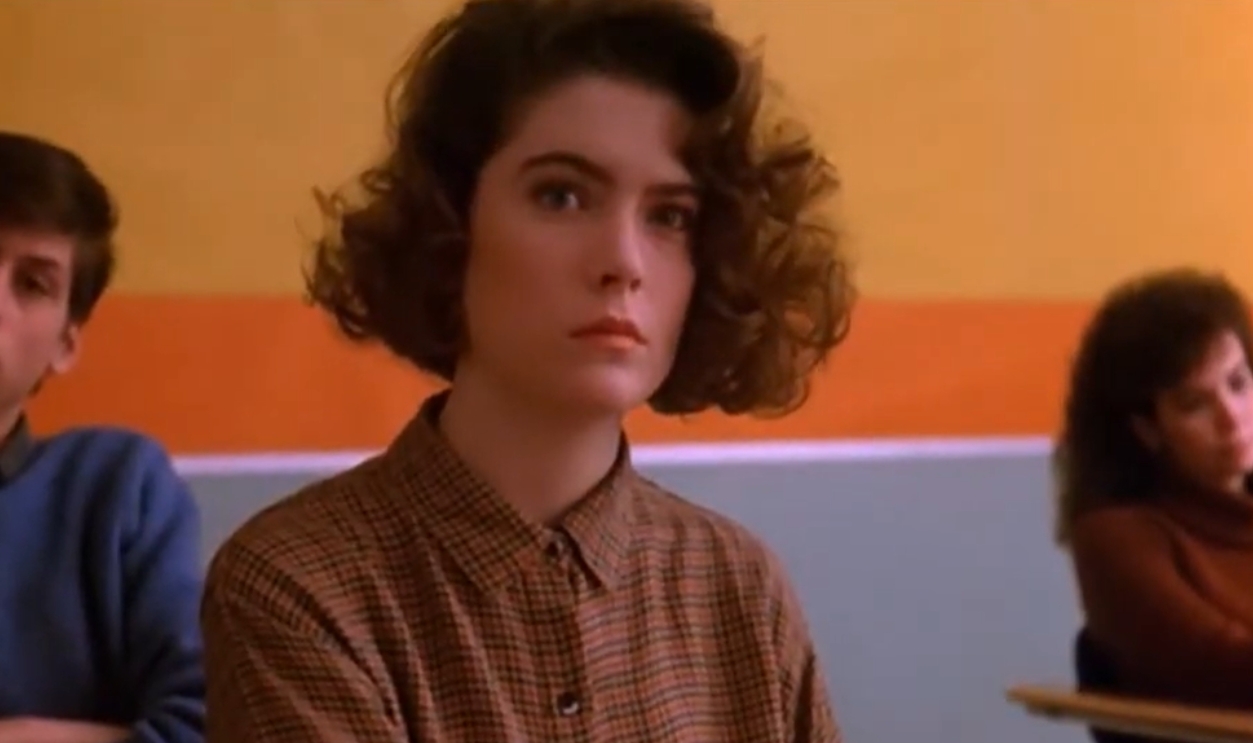 Screenshot from Twin Peaks, ABC (1990–1991)
Reading Rainbow
The PBS series Reading Rainbow (1983–2006) did a very brave thing for its time: it tried to use TV to connect kids to reading books. Even more boldly, it assumed that kids could connect stories to real-world meaning. If you could grasp and interpret why the narratives mattered, and not just recount events, you were already engaging with books on a grown-up level.
 Screenshot from Reading Rainbow, PBC (1983– )
Mister Rogers’ Neighborhood
Mister Rogers (1968-2001) spoke honestly about emotions, boundaries, and consequences for two generations of youngsters. Kids who understood its calm and welcoming logic were processing emotional intelligence and self-reflection, skills that all too many of us adults still struggle with.
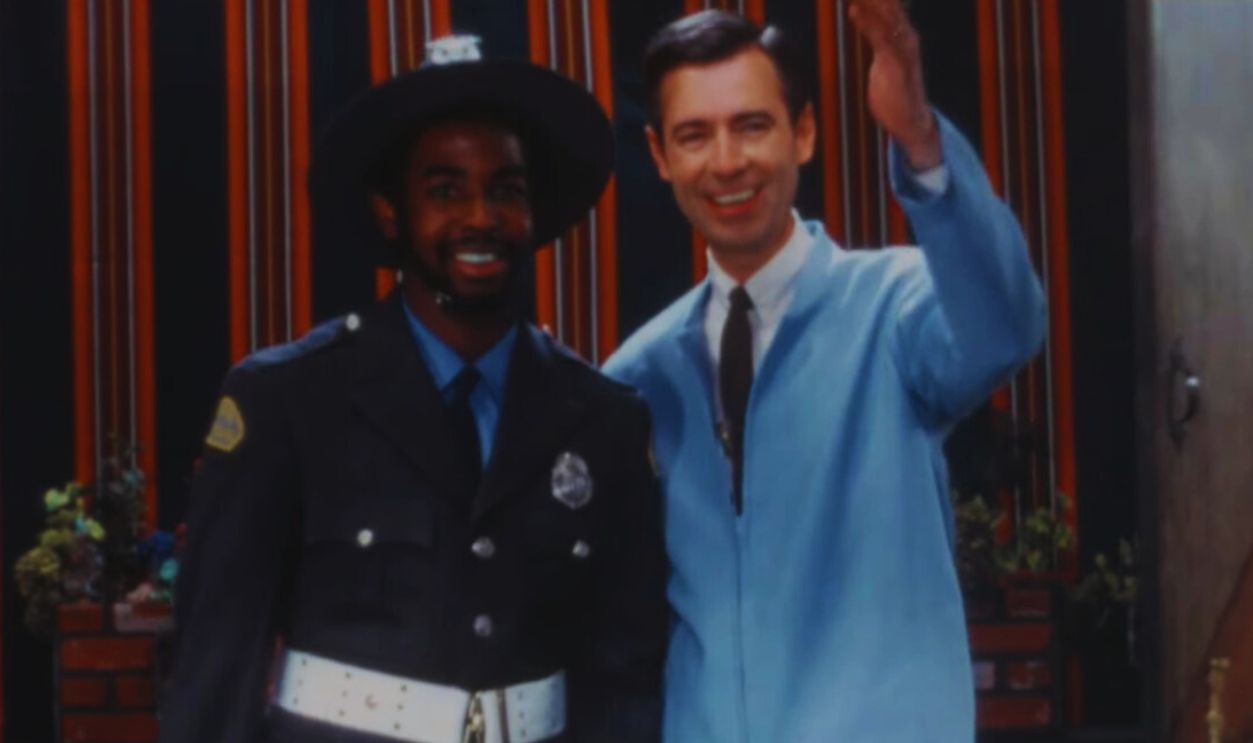 Screenshot from Mister Rogers’ Neighborhood, PBS (1968–2001)
You Thought Differently
If these shows made sense to you without needing any explanation, it wasn’t because they were simple. It’s because you were already understanding grown-up ideas like structure, irony, and implication. Childhood comprehension of layered storytelling is a classic early sign of being able to think outside the box.
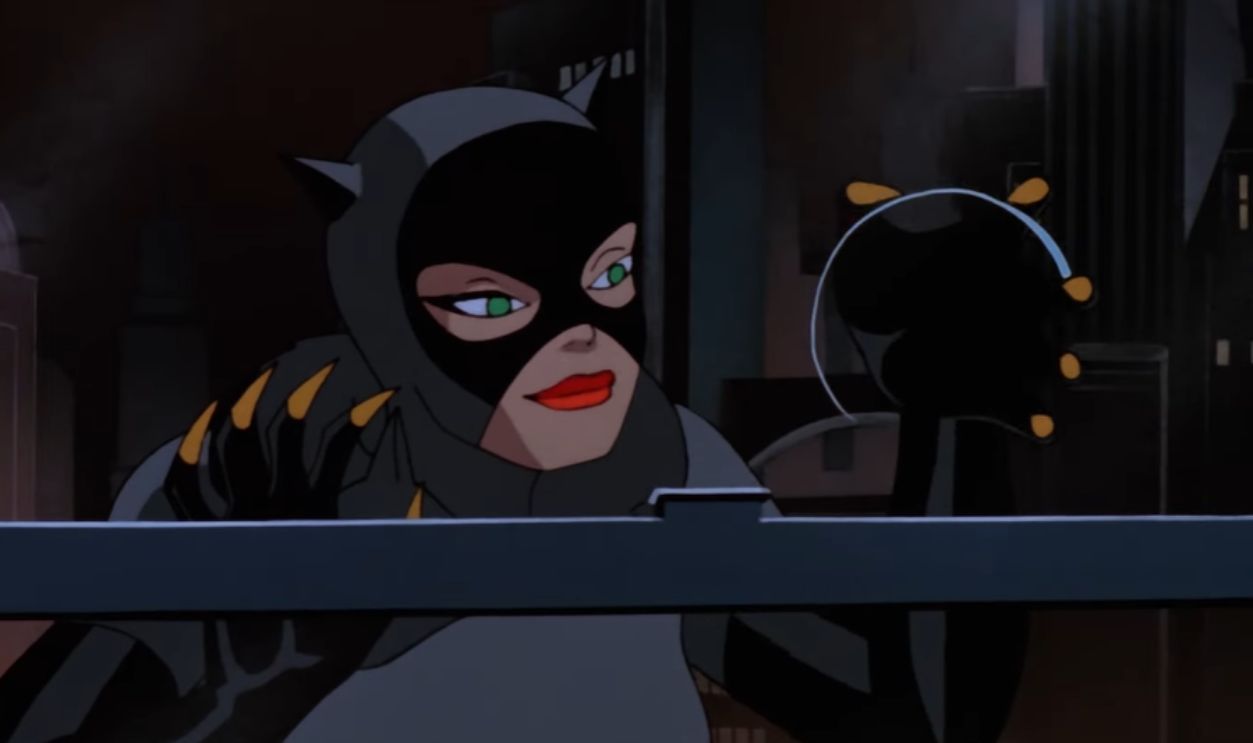 Screenshot from Batman: The Animated Series, Warner Bros. Television (1992 - 1995)
You May Also Like:
Let’s Be Honest: The 2000s Was The Best Era For Animated TV
Shows That Were Secretly Political — And Brilliantly So
Boomers Can't Understand These Shows That Shaped Millennial Culture
Sources: 1, 2, 3, 4, 5, 6, 7, 8, 9, 10, 11, 12, 13, 14, 15, 16, 17, 18, 19