When TV Took A Stand—And Politics Took Notice
Television’s power to entertain is one thing–but when shows tap into cultural nerves, they can set off political debates, public outrage, and even policy questions. These 20 shows didn’t just draw viewers–they sparked discussions that stretched far beyond the screen. From dramas that reshaped how we think about war and justice to reality series that ignited ethical firestorms, here’s how TV crossed the line and found itself in the middle of serious political controversy.
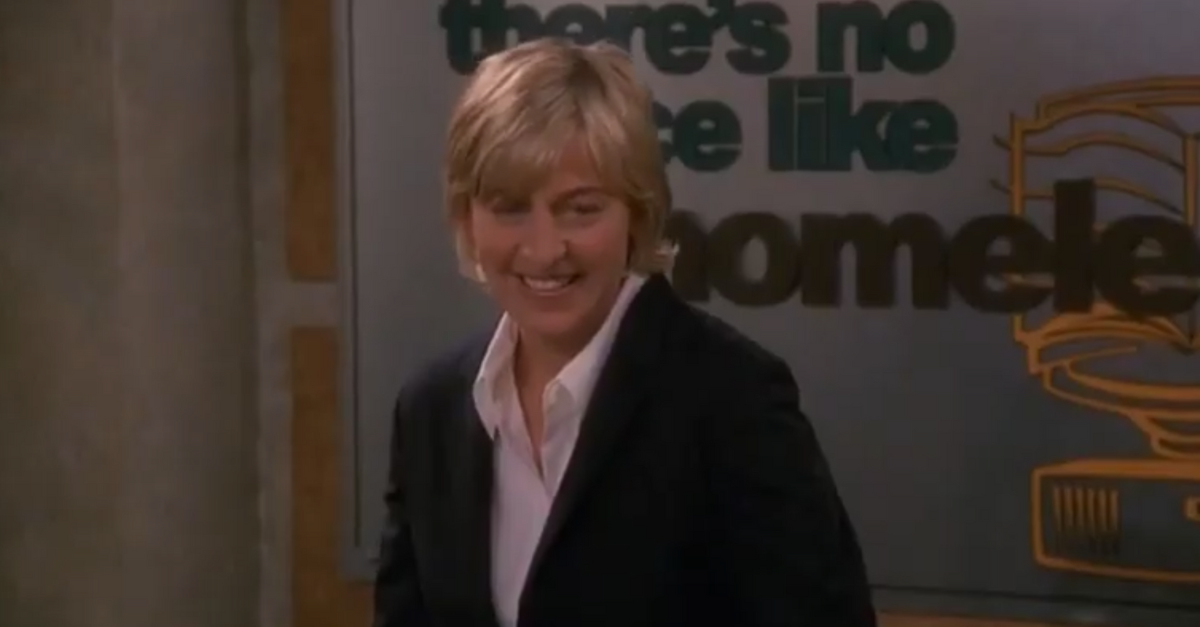
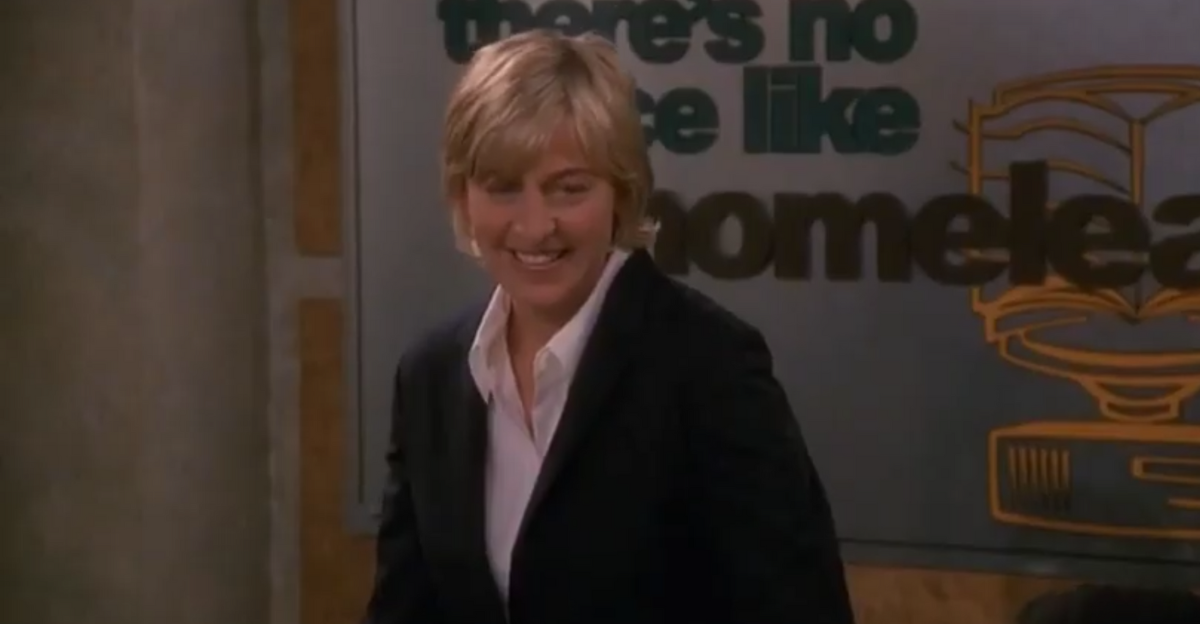 Screenshot from Ellen, 1994, Disney Plus
Cathy Come Home—The Homelessness Wake-Up Call
When Cathy Come Home dramatized a family’s descent into homelessness. Viewers were confronted with real systemic failures, prompting British politicians and citizens alike to reassess welfare policies. The drama’s raw honesty made it impossible to ignore the real-world issue it depicted, turning entertainment into civic reckoning.
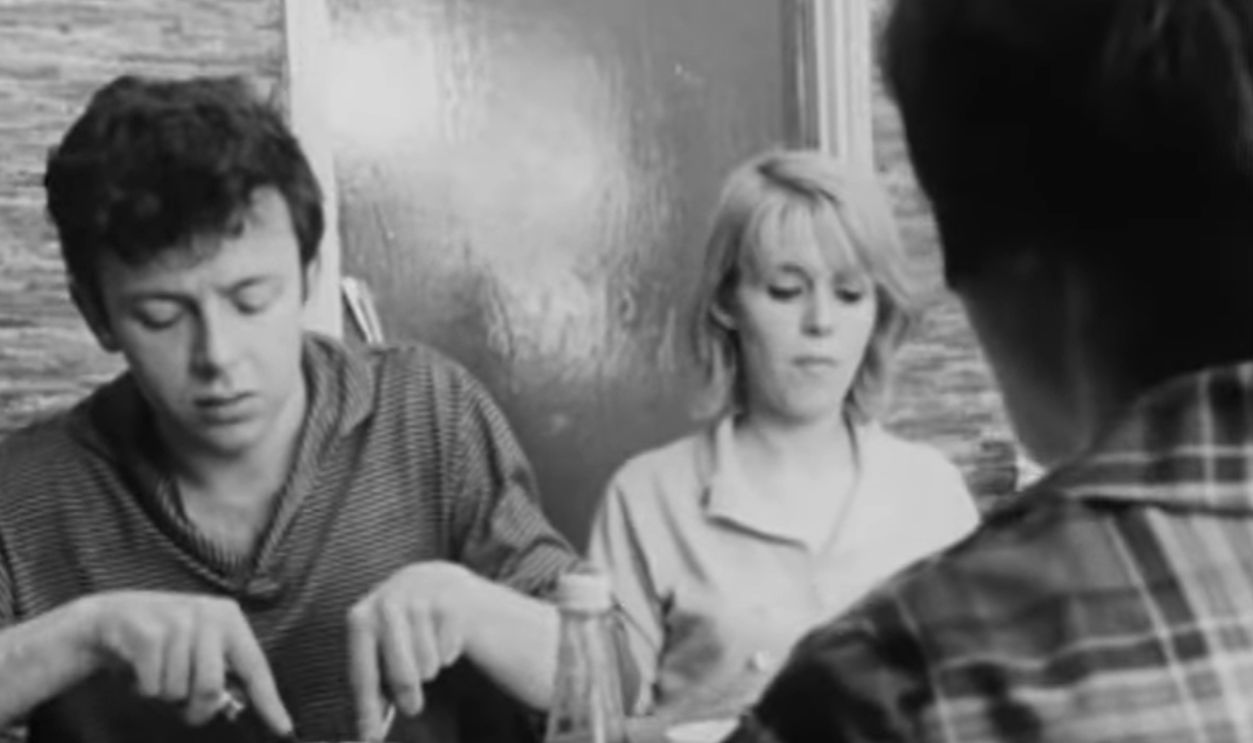 Screenshot from Cathy Come Home, BBC (1966)
The Day After—When Fiction Changed Policy Thinking
Though not a show, the 1983 TV movie The Day After imagined the aftermath of a nuclear strike on American soil–and it terrified the nation. So intense was the reaction that even President Ronald Reagan said it influenced his thinking about nuclear strategy. It blurred fiction and political urgency in a way few others have managed.
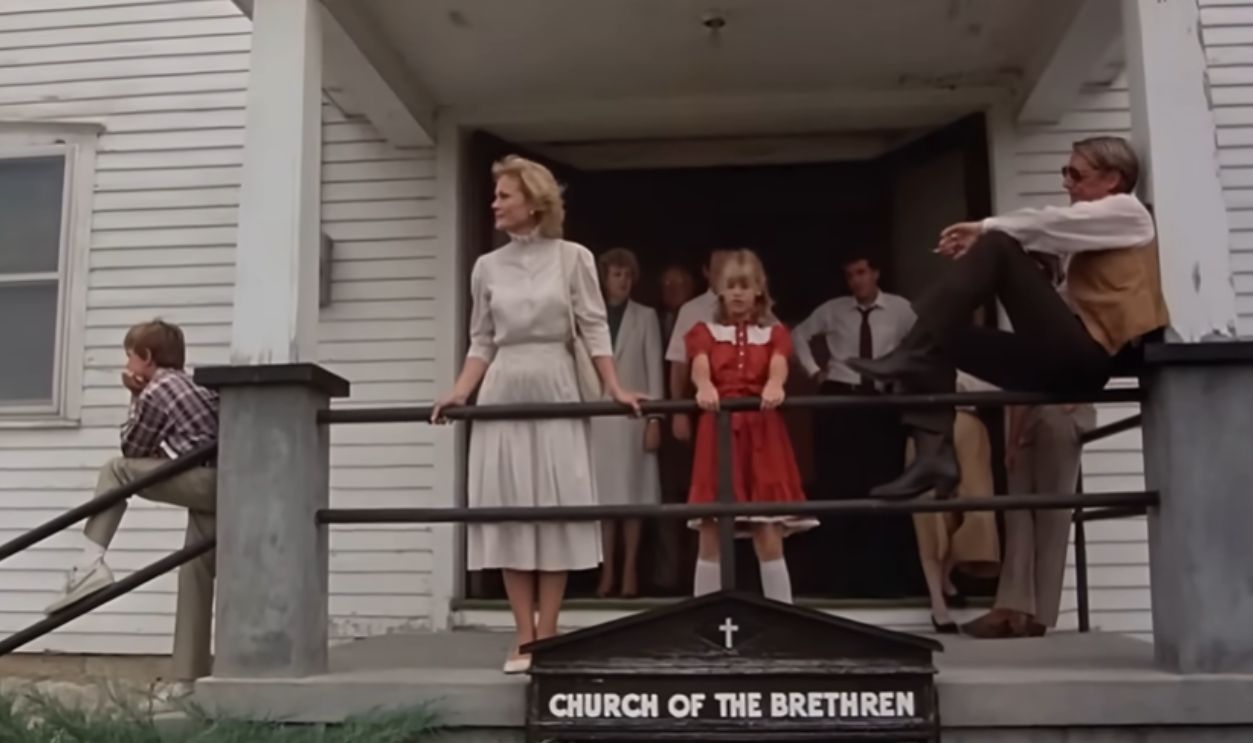 Screenshot from The Day After, ABC (1983)
The War Game—The Banned Nuclear Nightmare
The BBC shelved The War Game for nearly two decades because its unflinching depiction of nuclear fallout was judged too disturbing. Politicians feared its impact on public morale, making it a unique case where a film was deemed politically too hot for broadcast. Its later release only confirmed its power to provoke debate.
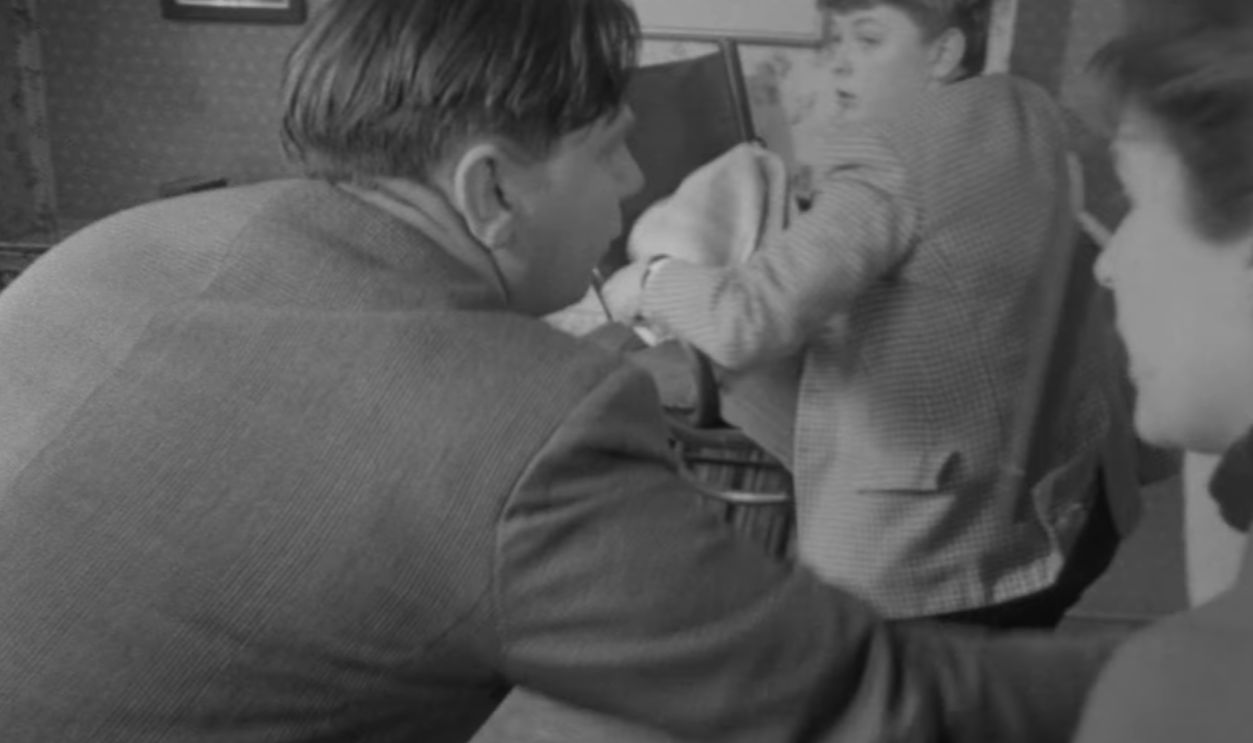 Screenshot from The War Game, BBC (1965)
Ellen—A Sitcom–and A Culture-Shift Moment
When Ellen DeGeneres’s character came out in 1997, Ellen wasn’t just a sitcom anymore–it became a flashpoint in the fight for LGBTQ+ visibility. Advertisers balked, religious groups protested and networks felt the heat, showing how one TV episode can become a flashpoint in broader social battles.
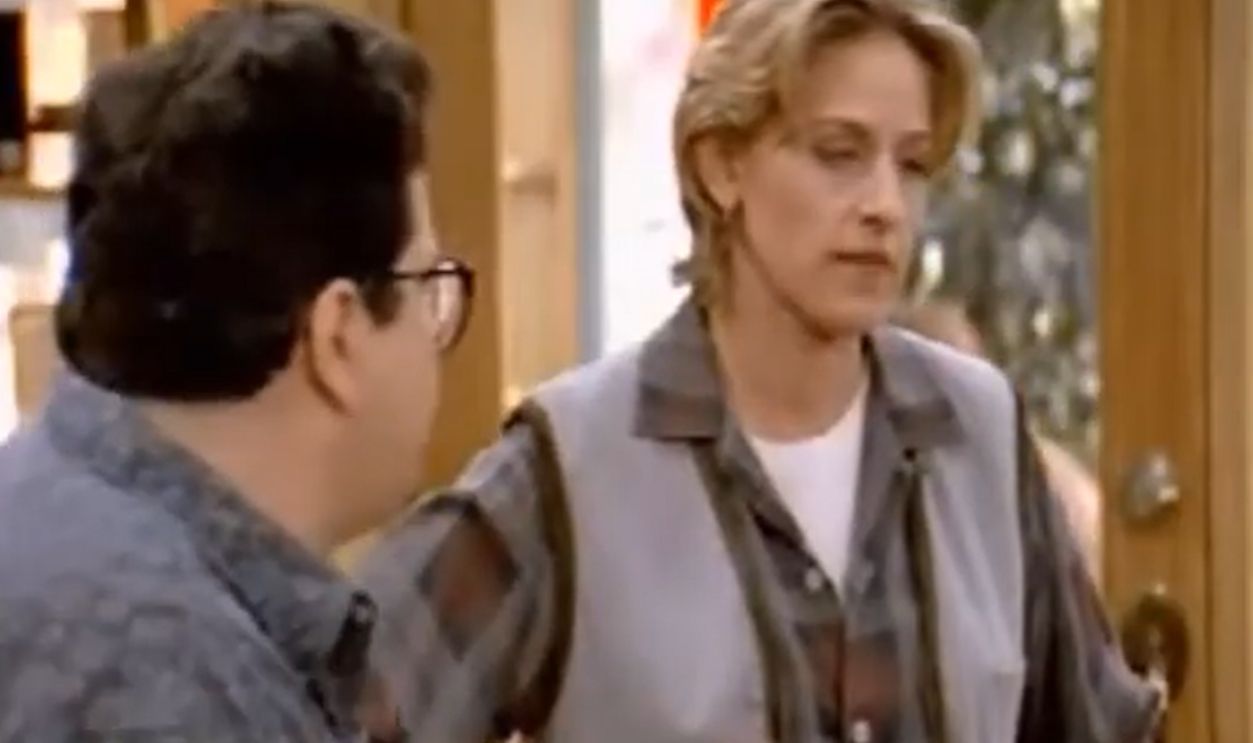 Screenshot from Ellen, Buena Vista Television (1994-1998)
Brass Eye—Satire That Set Off Outrage
Chris Morris’s Brass Eye specialized in skewering media panic–but in doing so it created real-world panic of its own. Its spoof on sensitive subjects triggered condemnations from politicians and press alike before many viewers had even seen the episode, proving satire can hit too close to home.
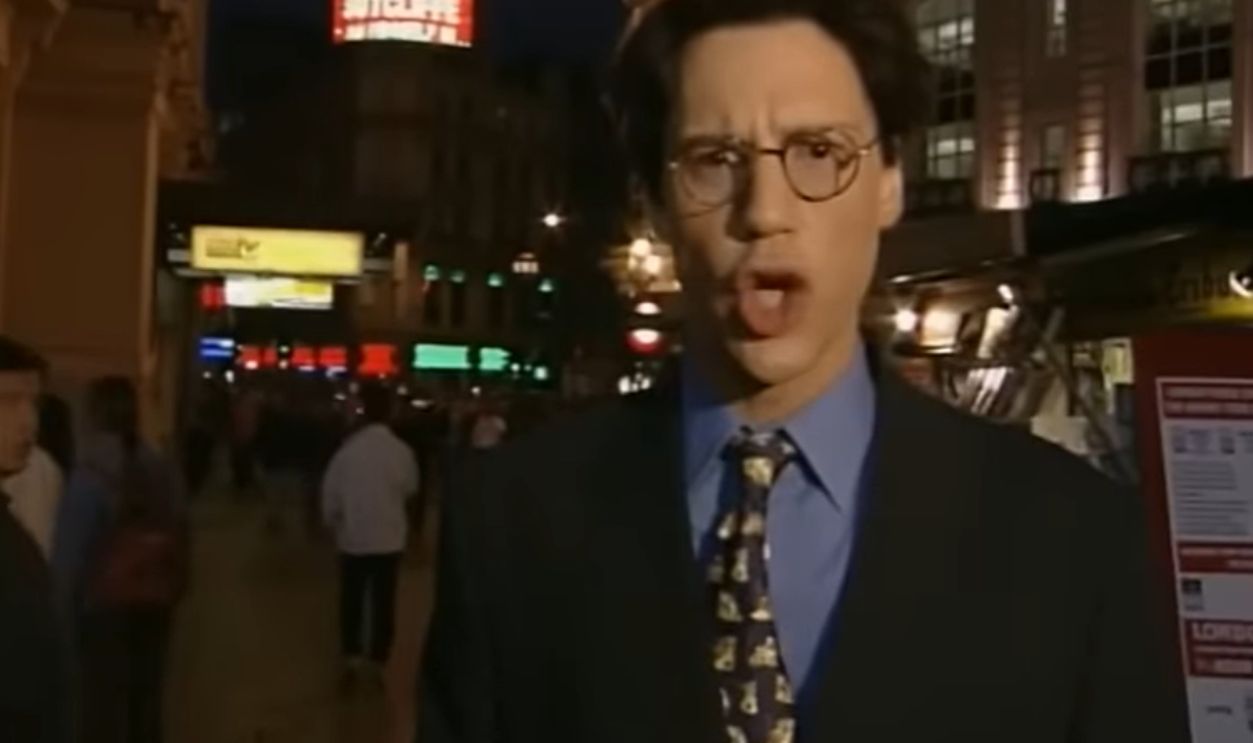 Screenshot from Brass Eye, Channel 4 Television Corporation (1997-2001)
24—Security And Real Debate
24 was a thriller about counterterrorism that some critics said glorified pain and simplified complex geopolitics. Lawmakers and commentators debated whether the show shaped public opinion on national security–and whether entertainment could subtly endorse real-world policies.
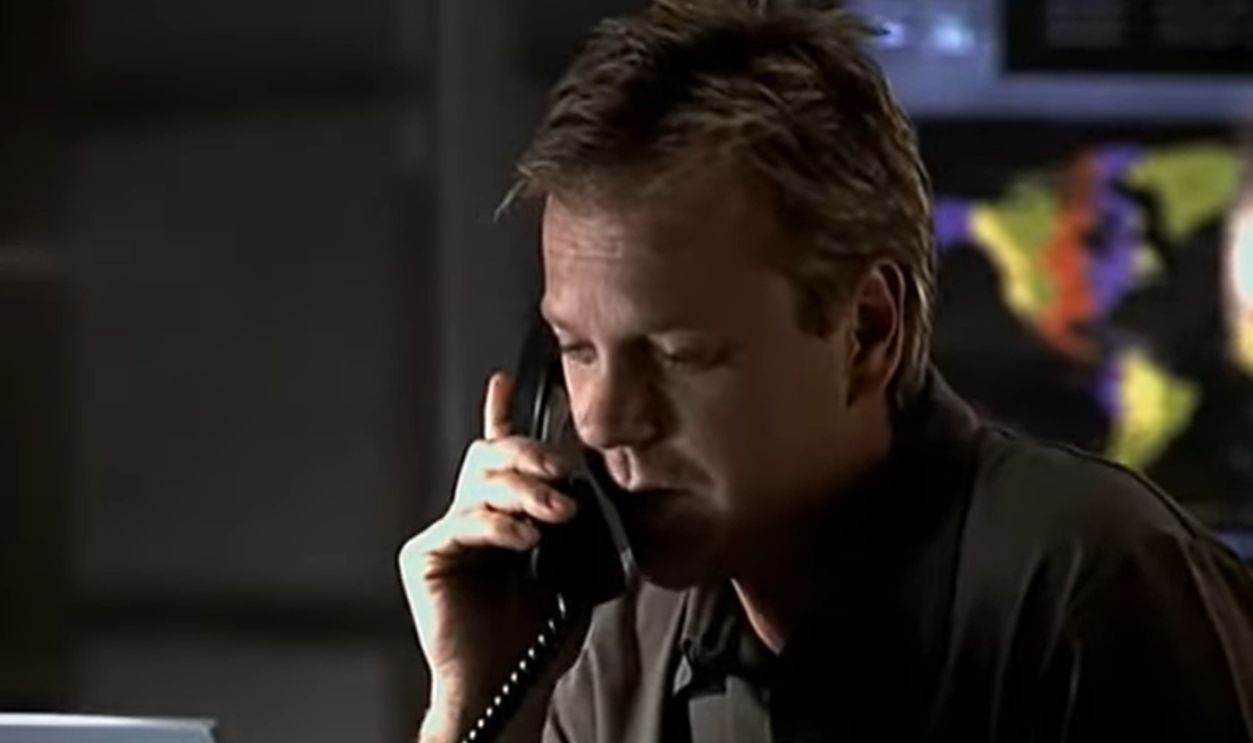 Screenshot from 24, 20th Century Fox Television (2001-2010)
Death of a President—Mockumentary That Upset Nations
This fictional portrayal of a US president’s end outraged audiences and leaders who saw it as disrespectful and destabilizing. The controversy wasn’t just about taste–it was about political boundaries and the ethics of imagining violent outcomes for real figures.
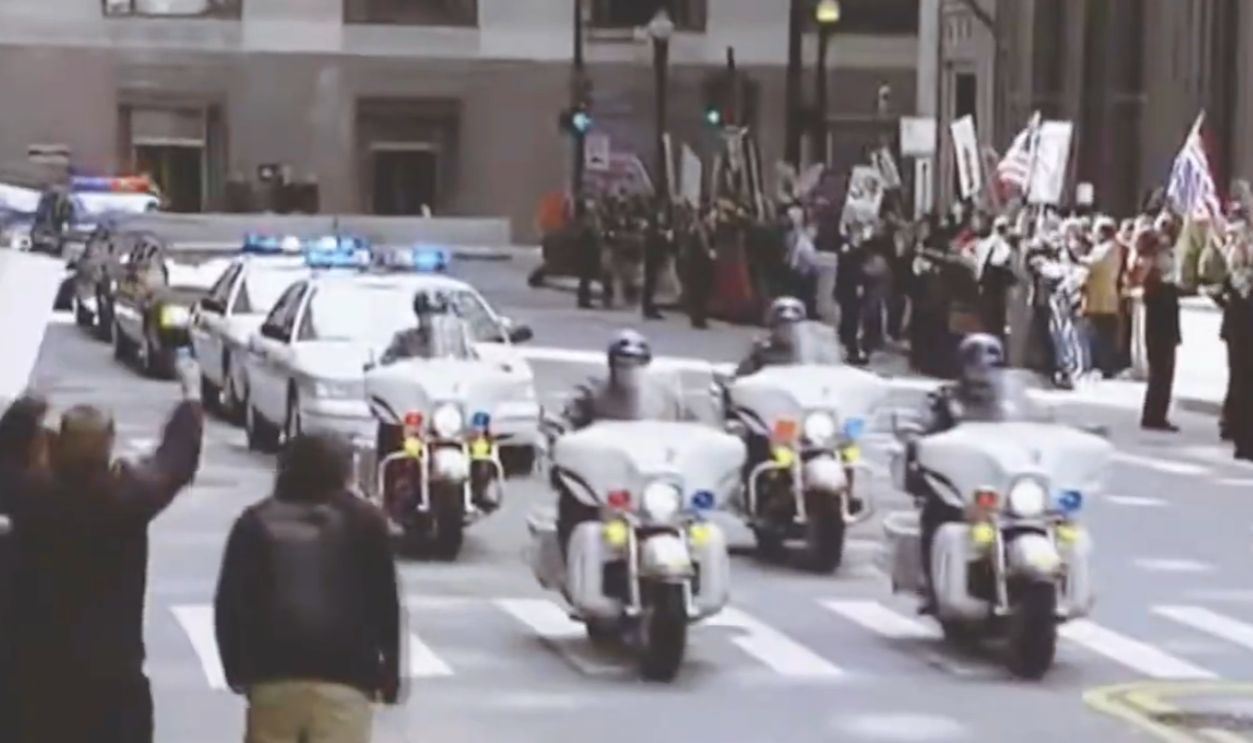 Screenshot from Death of a President, Newmarket Films (2006)
Underbelly—Drama Meets Court Pressure
Australia’s Underbelly was pulled from broadcast in some regions because prosecutors worried its dramatization of gangland figures might prejudice live trials. The intersection of entertainment and real justice made this more than just a programming decision–it was a flashpoint.
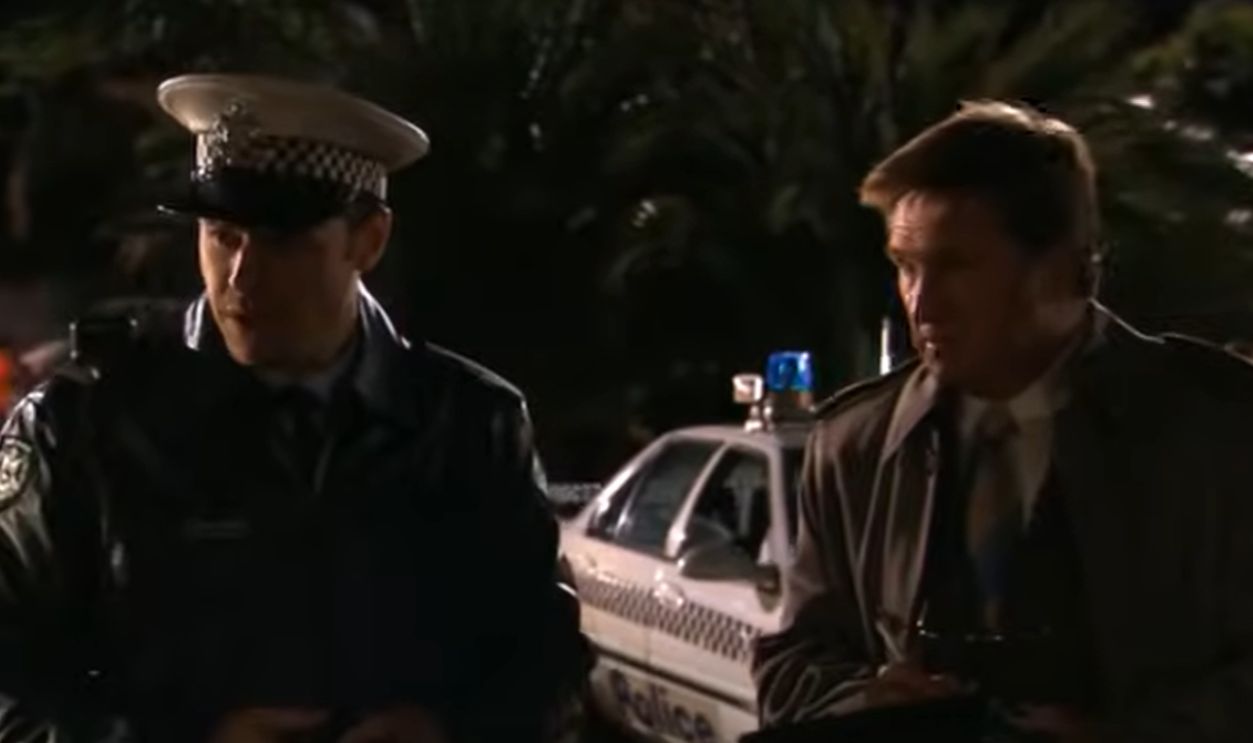 Screenshot from Underbelly, Nine Network (2008-2013)
South Park—No Figure Safe From Satire
South Park has built a career on saying the unsayable–including sending up religious icons, political figures and social movements. That willingness to offend has led to bans, threats and intense debate over free speech and responsible comedy.
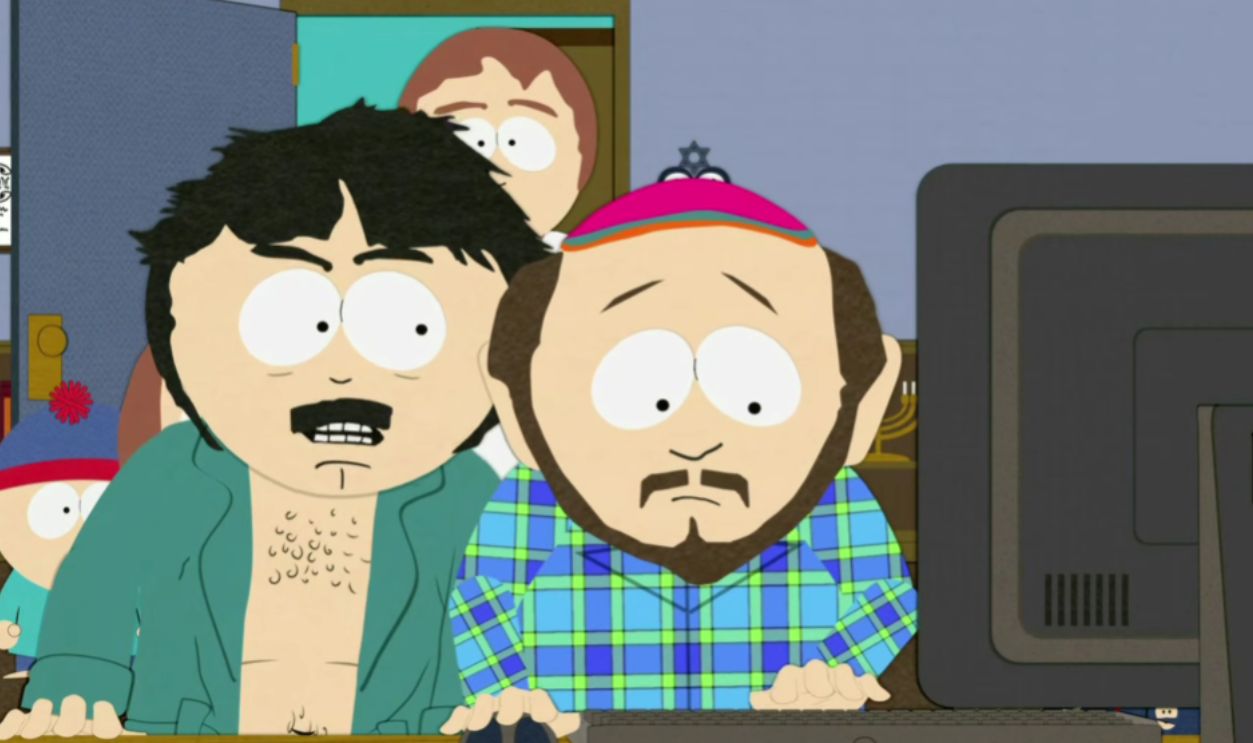 Screenshot from South Park, Comedy Central (1997–present)
Borgen—Political Fiction With Real-World Echoes
This Danish drama about government and media became a conversation starter on issues like agriculture policy and regulation, showing that even scripted politics can influence public debate and parliamentary discussions.
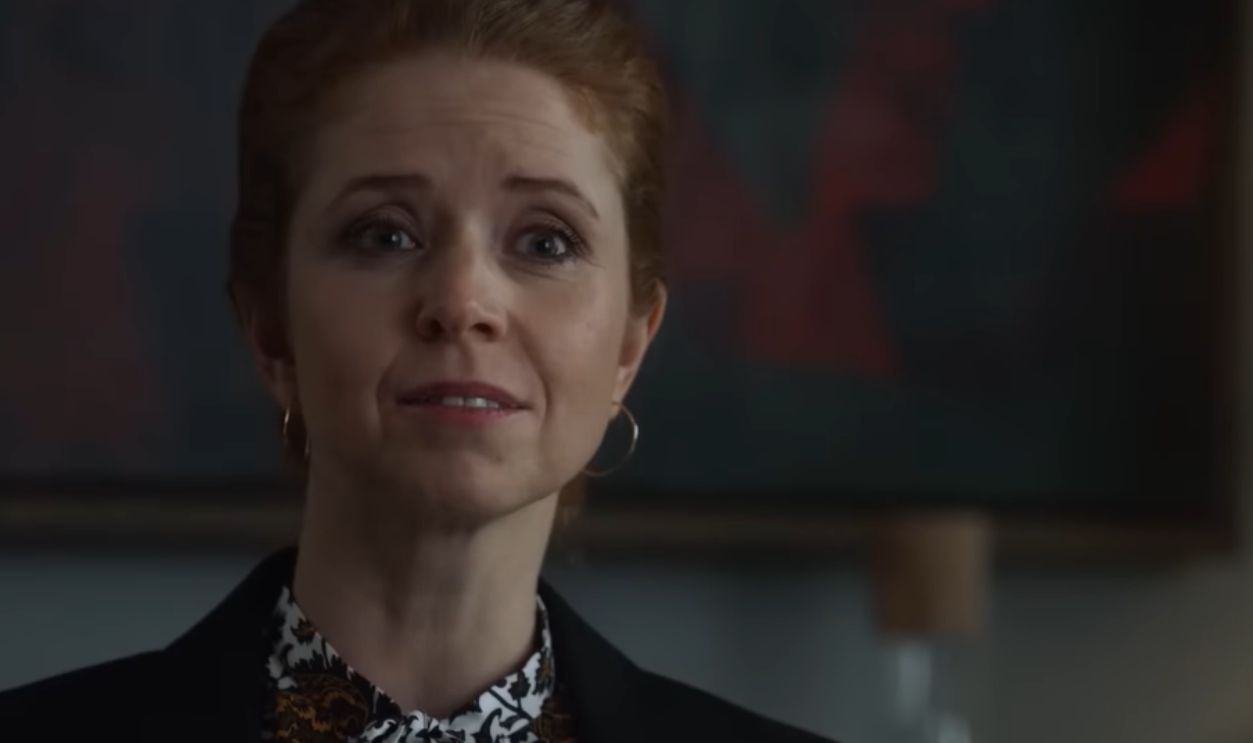 Screenshot from Borgen, Netflix (2010–2022)
The Richard Pryor Show—Sketch Comedy That Shocked
In the 1970s this sketch series was pulled after barely airing because its razor-sharp comedy addressed race and society with a frankness that made network executives nervous. It became an early example of comedy clashing with political sensibilities.
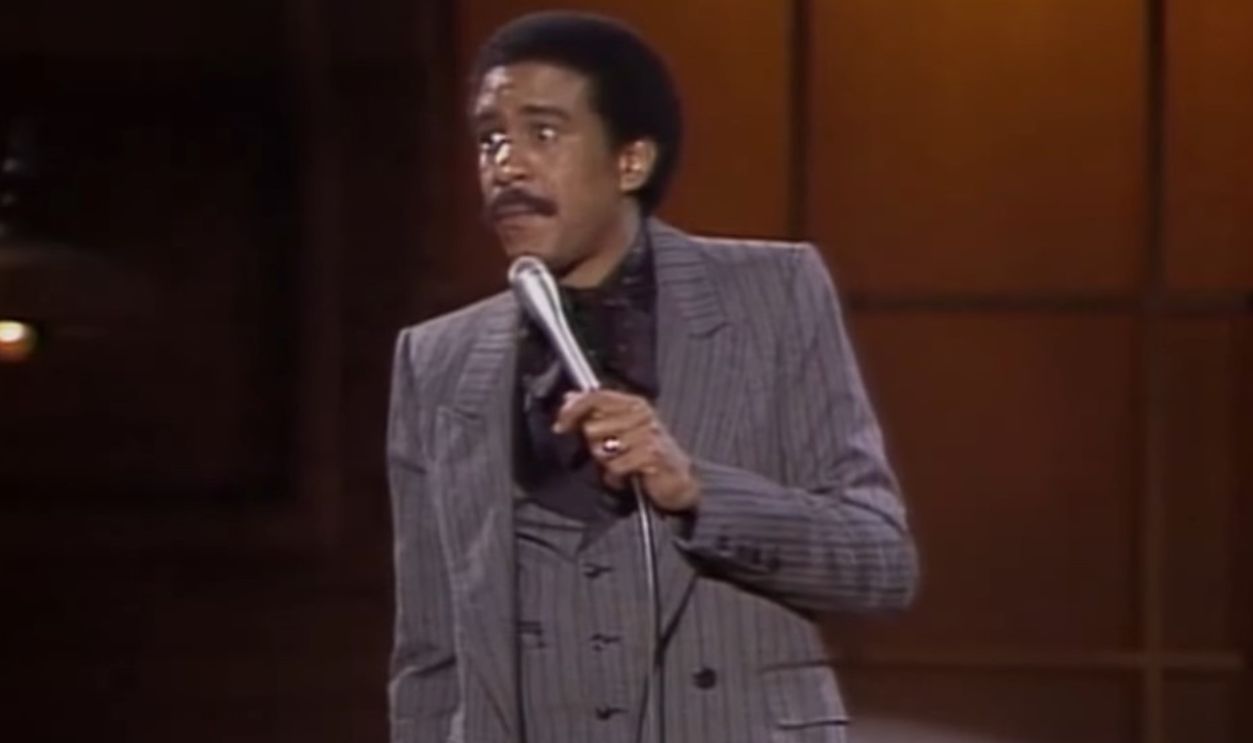 Screenshot from The Richard Pryor Show, NBC Television (1977)
The Melting Pot—A Comedy Too Far
This British sitcom was canceled after one episode when its use of brownface and stereotypes sparked immediate backlash. What was intended as humor was instead seen as offensive, illustrating how misjudged comedic choices can ignite cultural conflict.
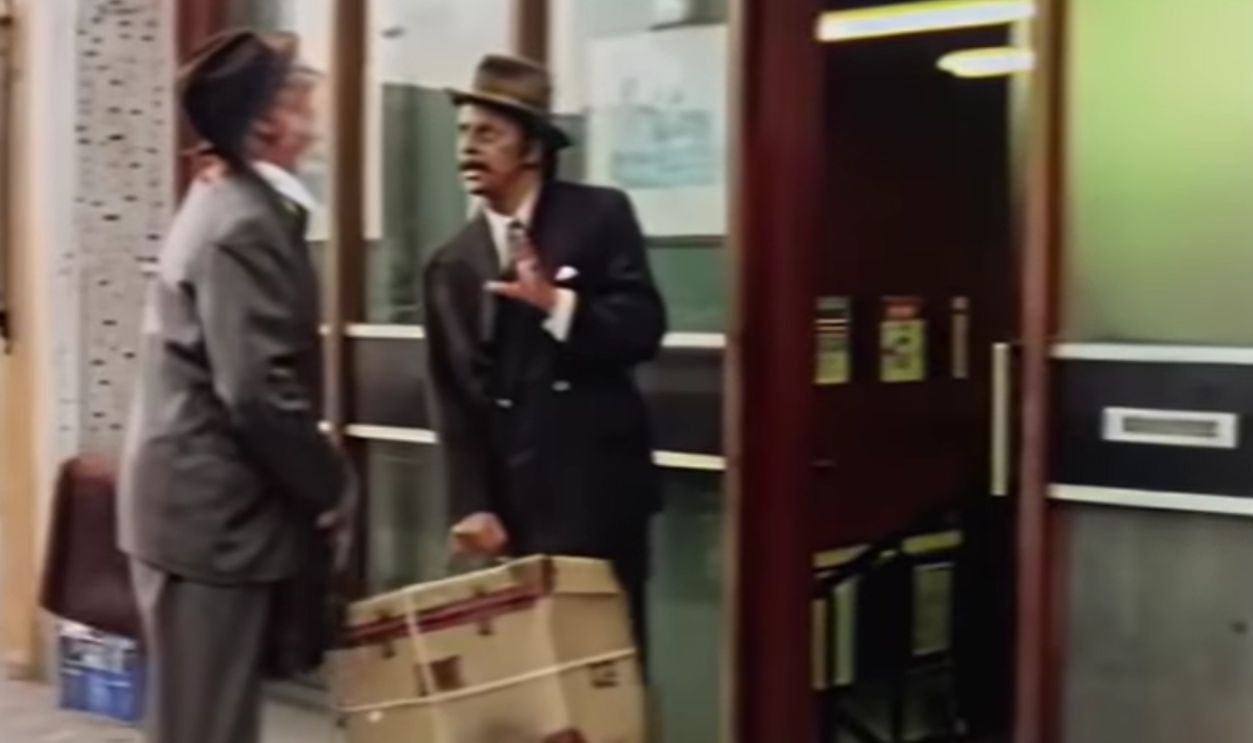 Screenshot from The Melting Pot, BBC (1975 -1976)
Turn-On—Controversy In Minutes
ABC’s Turn-On was an experimental comedy that managed to offend so many viewers so quickly that affiliate stations dropped it mid-air. Its rapid cancellation became a case study in how far is too far in televised experimentation.
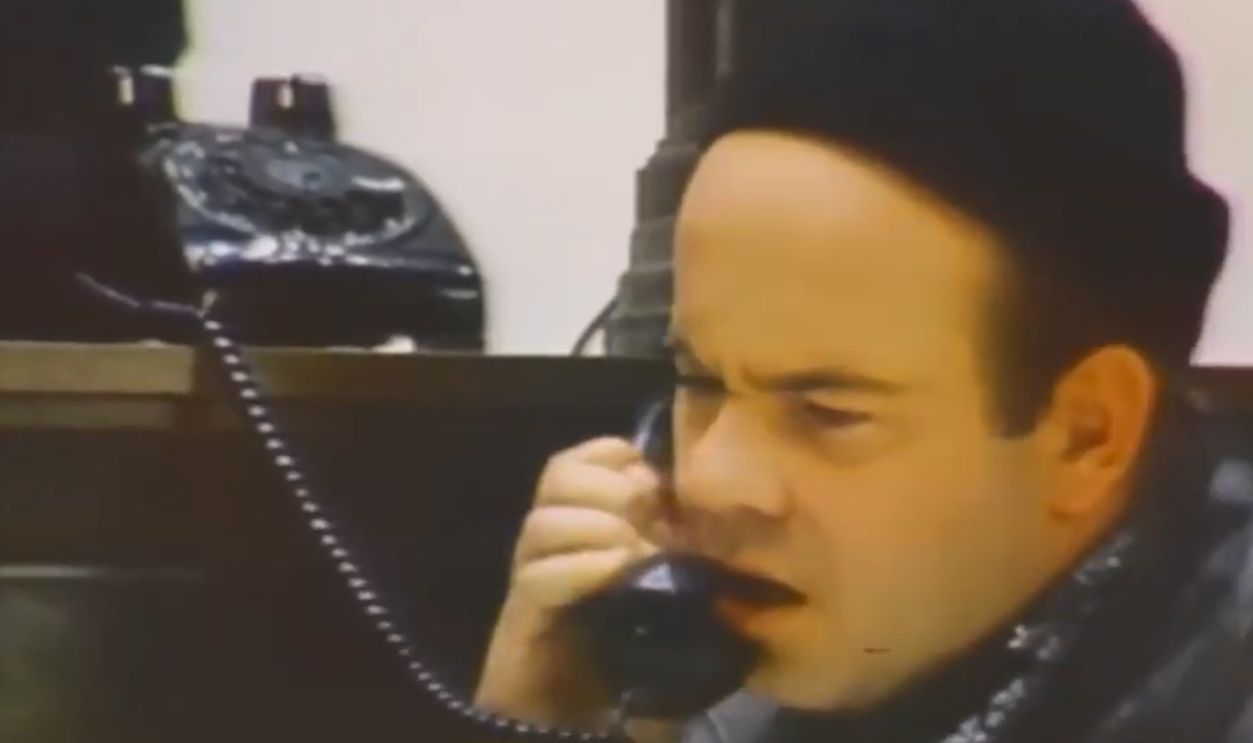 Screenshot from Turn-On, ABC (1969)
Kid Nation—Reality TV Ethics Under Fire
CBS’s Kid Nation placed children in a social experiment that drew fire from child-welfare advocates and parents who questioned the ethical implications of putting minors in high-stress scenarios for entertainment. It became a debate about children’s rights and television responsibility.
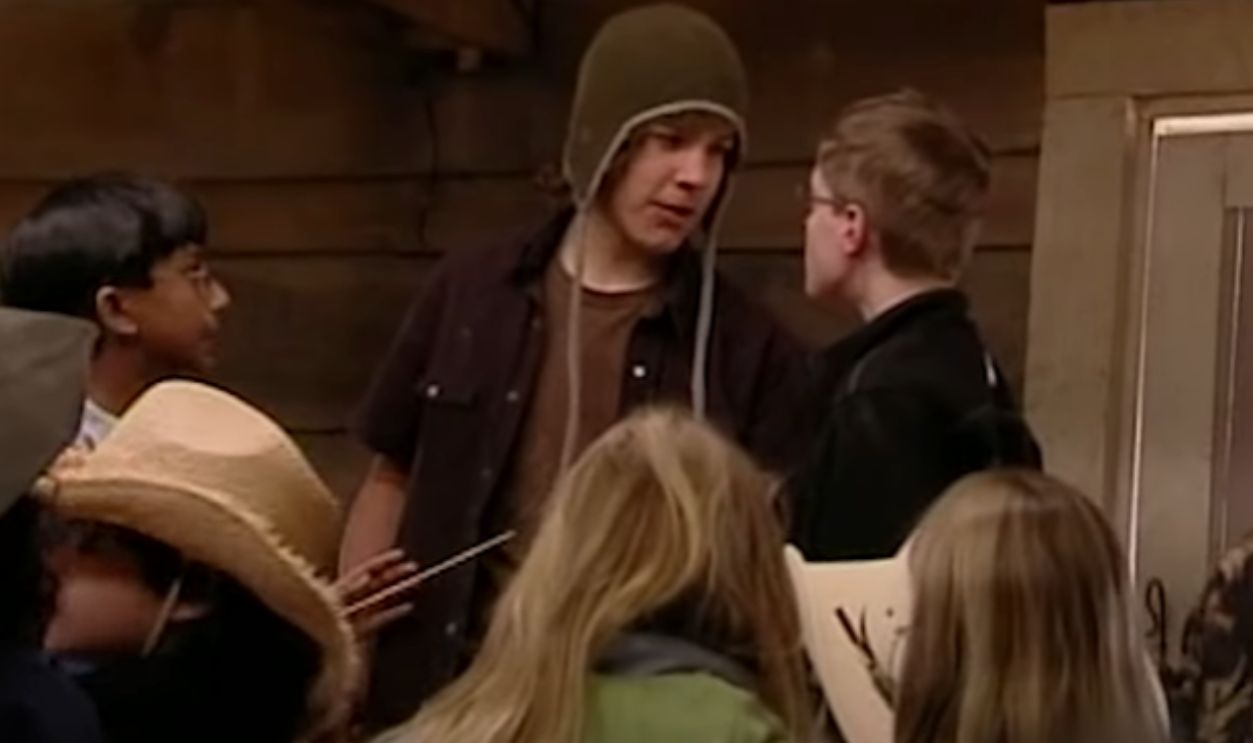 Screenshot from Kid Nation, CBS (2007)
Bridalplasty—Beauty, Competition–and Backlash
This reality competition offered plastic surgery as a prize, prompting critics to condemn it as exploitative and harmful. The political conversation here wasn’t about policy but about cultural values and how media portrays beauty and self-image.
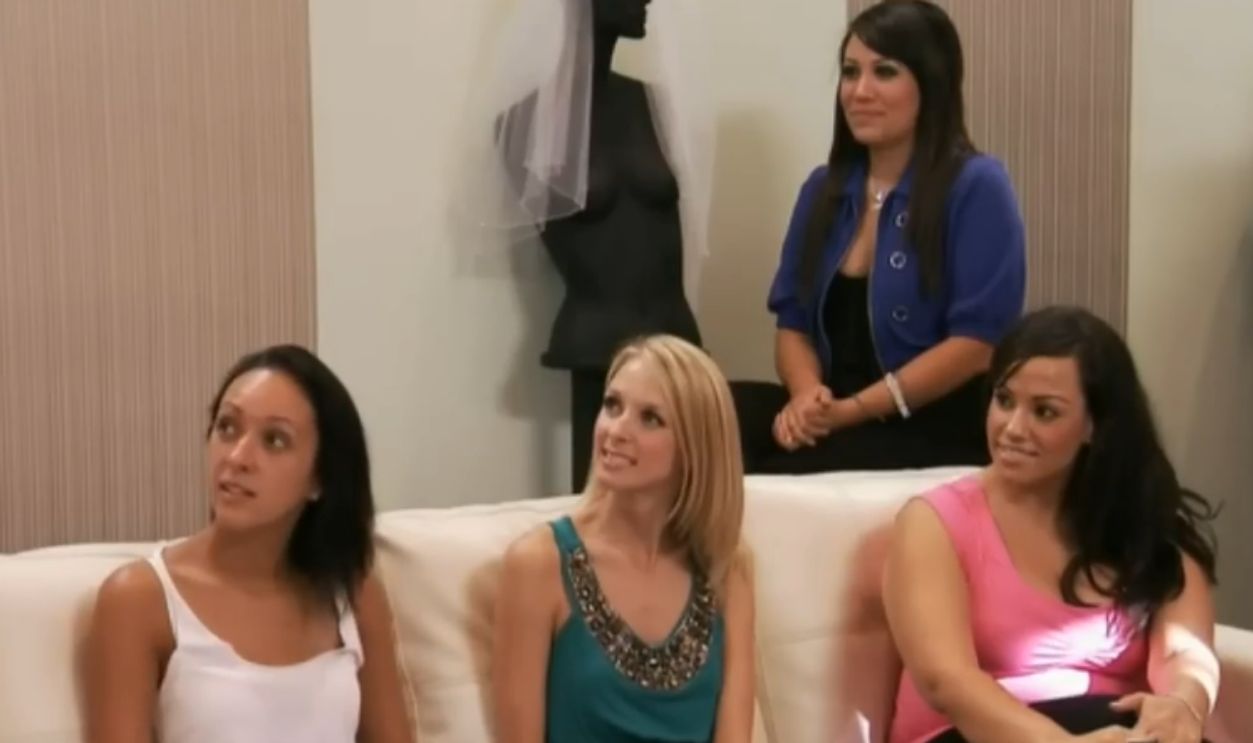 Screenshot from Bridalplasty, E! network (2010-2011)
HBO’s Luck—Animal Safety And Public Outcry
When multiple horses passed during the production of Luck, animal rights groups and viewers demanded accountability. The controversy drove HBO to cancel the show, underscoring how real-world ethical concerns can trump creative vision.
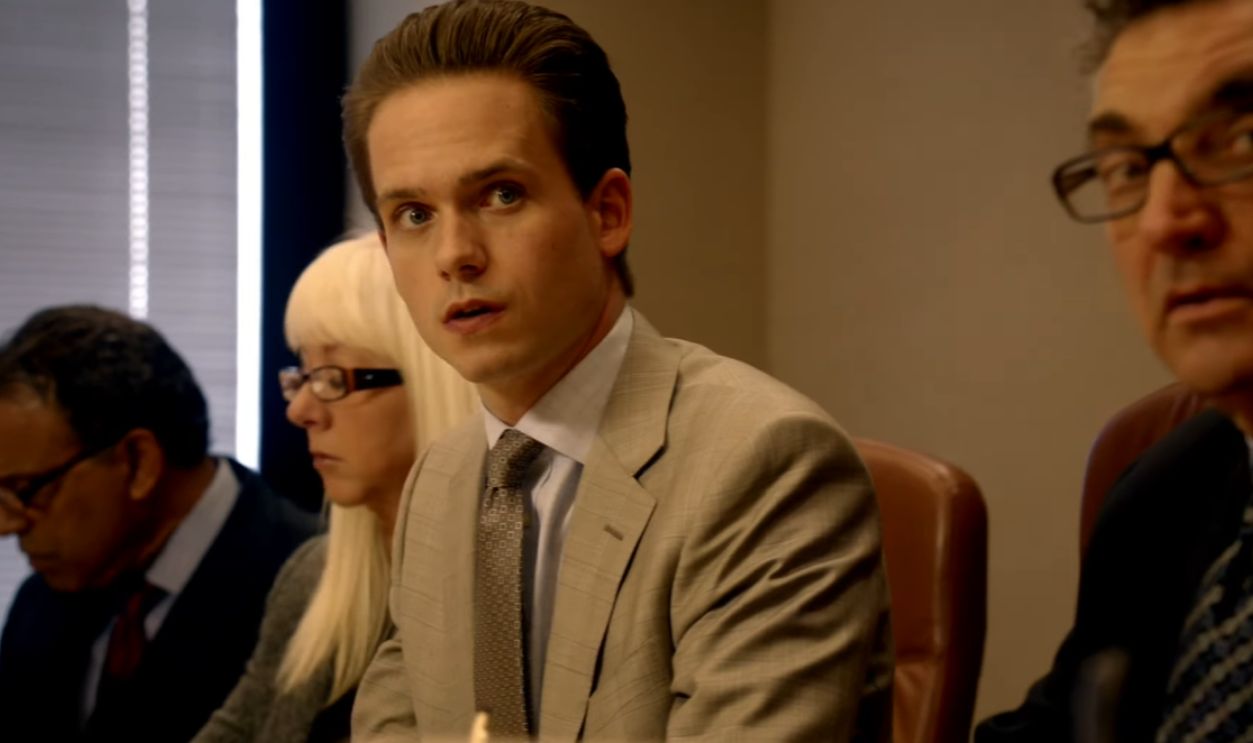 Screenshot from Luck, HBO (2012)
Rock Of Love: Megan Wants A Millionaire—Tragedy And TV
This dating reality show was pulled after a contestant was linked to a murder investigation. What started as guilty pleasure entertainment became a sobering reminder that televised personalities exist in the same moral world as the rest of us.
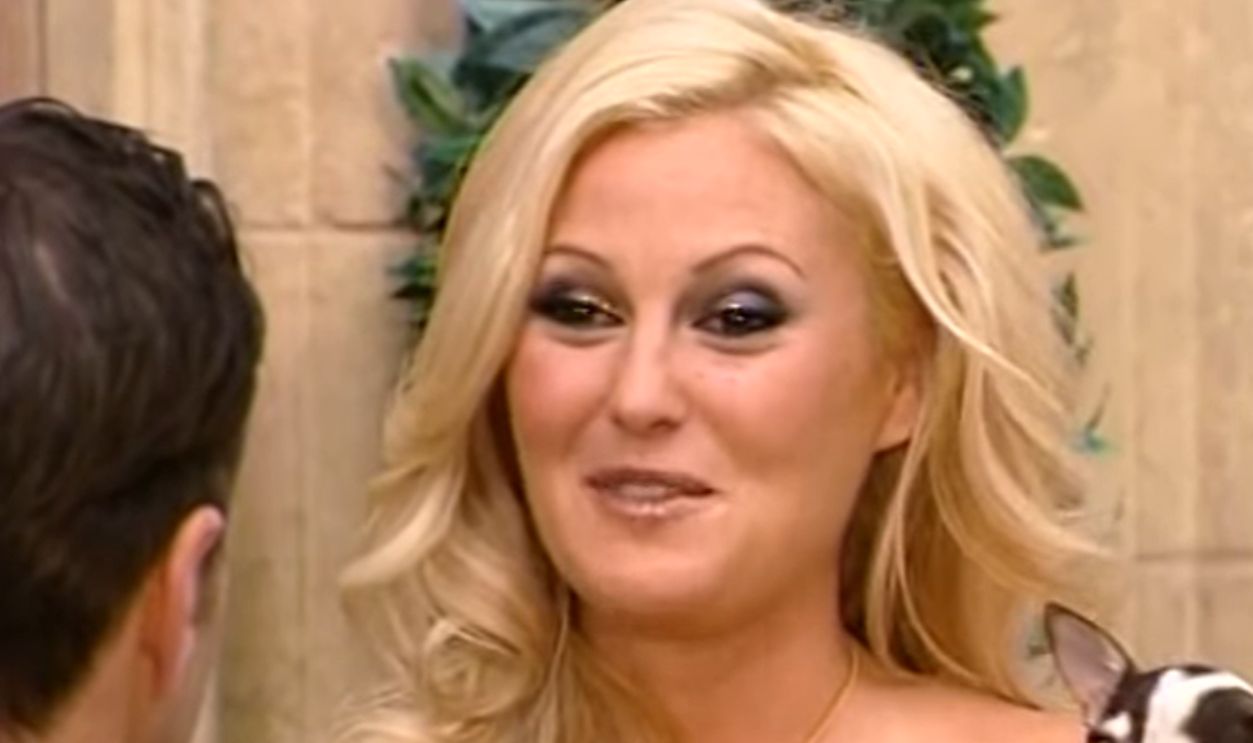 Screenshot from Megan Wants A Millionaire, VH1 (2009)
Neighbors With Benefits—Intimacy On Screen Sparks Debate
A reality show exploring the lives of swingers became controversial not just for its content but for the debates it stirred about privacy, morality and what’s acceptable in prime-time television.
 Screenshot from Neighbors With Benefits, A&E Network (2015)
Who’s Your Daddy?—Ethics On The Line
A game show premise based on revealing family relationships drew ethical criticism for exploiting personal history for ratings. Its controversy ignited conversations about responsibility and sensationalism in reality TV.
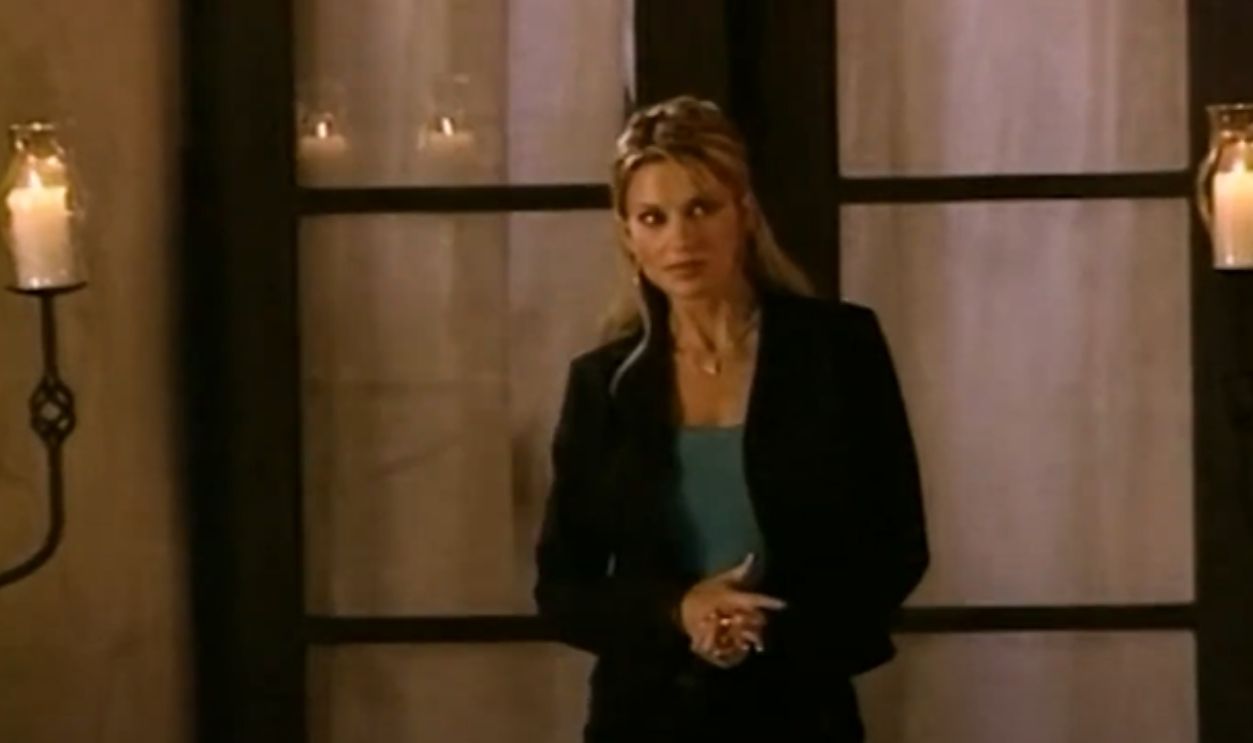 Screenshot from Who’s Your Daddy?, Fox (2005)
The Swan—Beauty And Body Politics
Though not on every controversial list, The Swan’s extreme makeover format generated debate about body image, societal pressure and where television should draw the line, making it a defining controversy of its era.
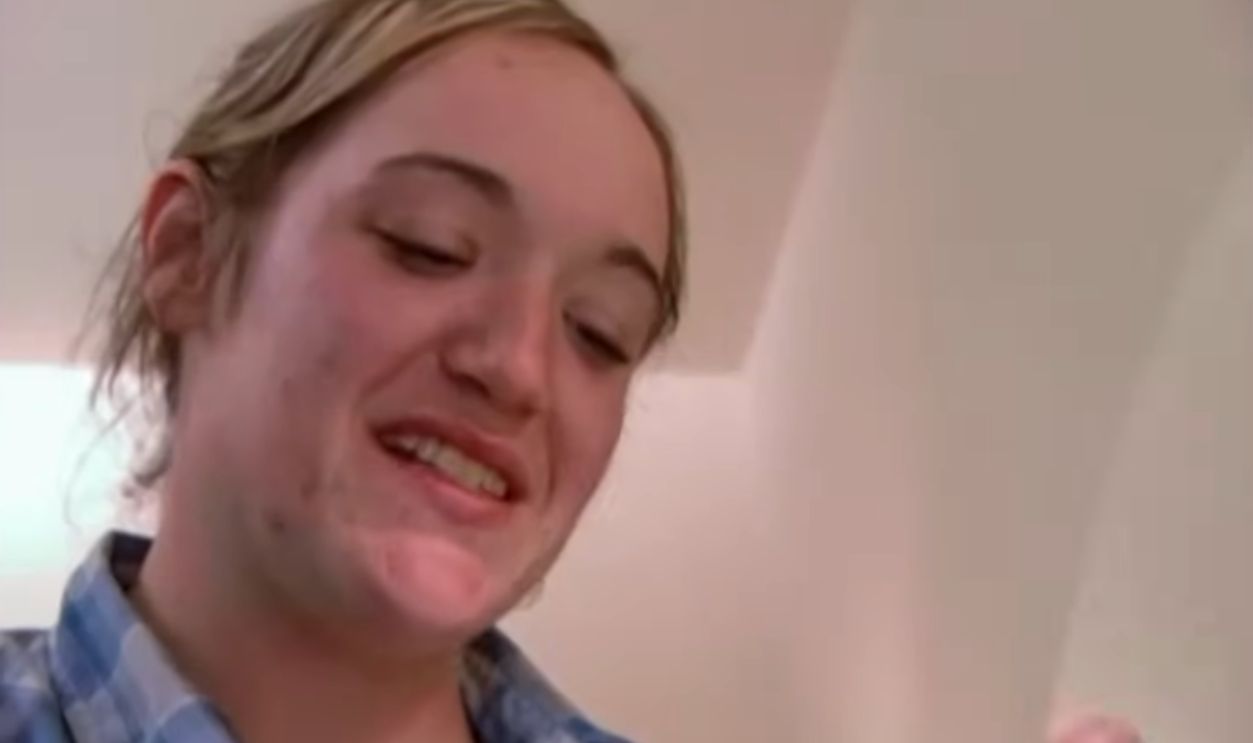 Screenshot from The Swan, Fox (2004)
You May Also Like:
Snowed In? These Are The Most Bingeable Series On Netflix Right Now
Let’s Be Honest: The 2000s Was The Best Era For Animated TV