Different Channels, Different Childhoods
People sometimes talk about Baby Boomers as if they all grew up watching the exact same television shows. Not even close.
Someone born in 1946 had a completely different TV childhood than someone born in 1962. These are the shows older Boomers raced home to watch while many younger Boomers barely remember they ever existed.
How many of these shows do you recognize?
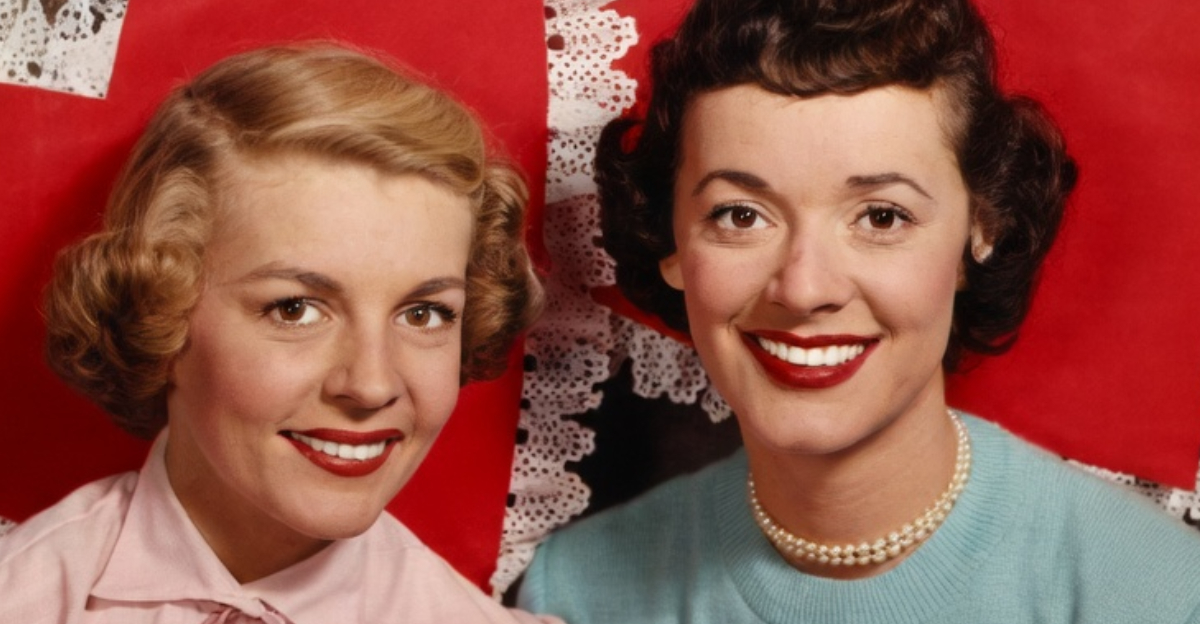
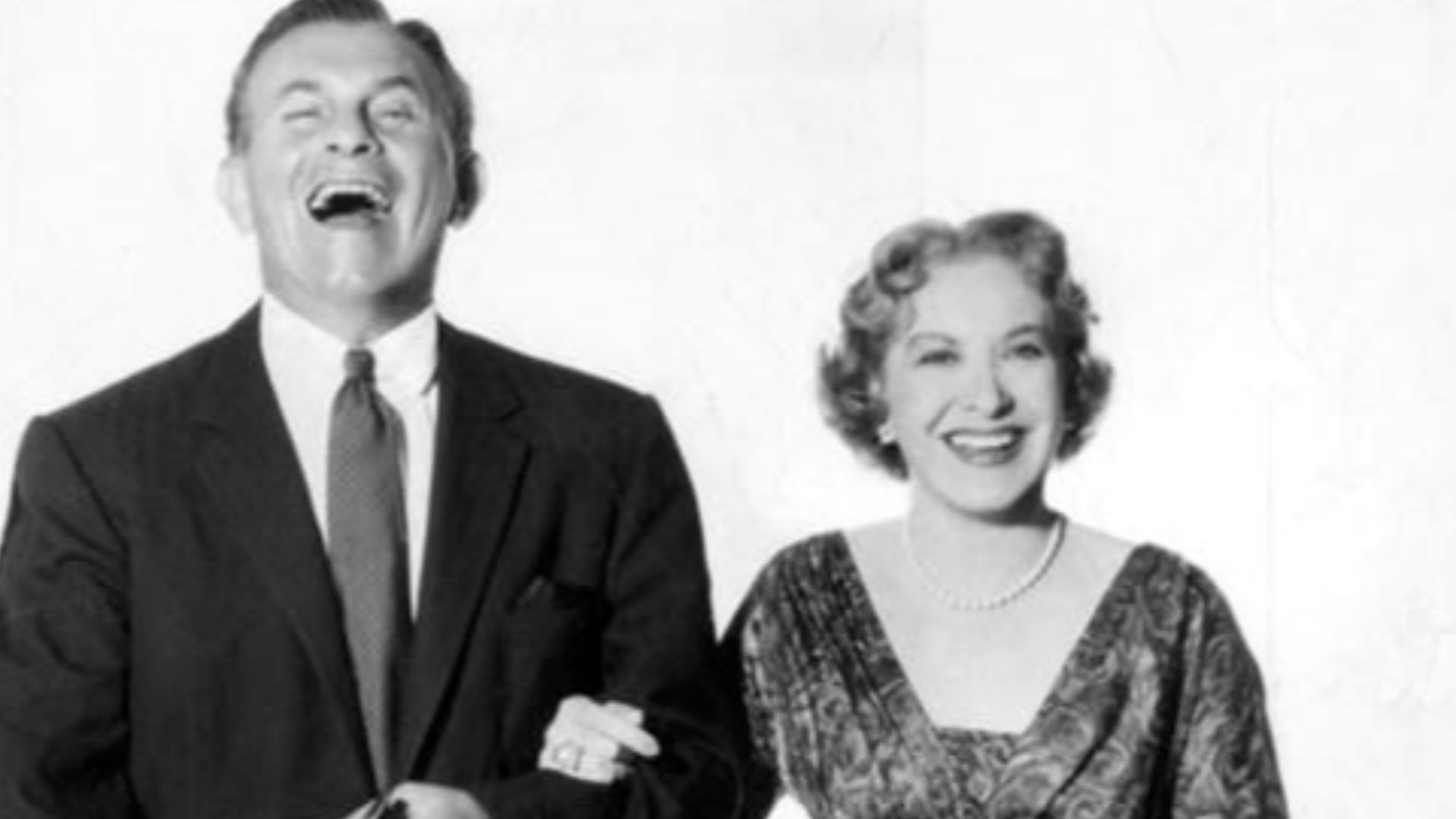
The George Burns and Gracie Allen Show
George Burns' dry wit and Gracie Allen's wonderfully backwards logic made this one of television's defining early sitcoms. It ran throughout the 50s and was a weekly favorite in millions of homes. Older Boomers remember Gracie's hilarious misunderstandings. Many younger Boomers know George Burns but never actually watched the series that made him a television legend.
 CBS Television Uploaded by We hope at en.wikipedia, Wikimedia Commons
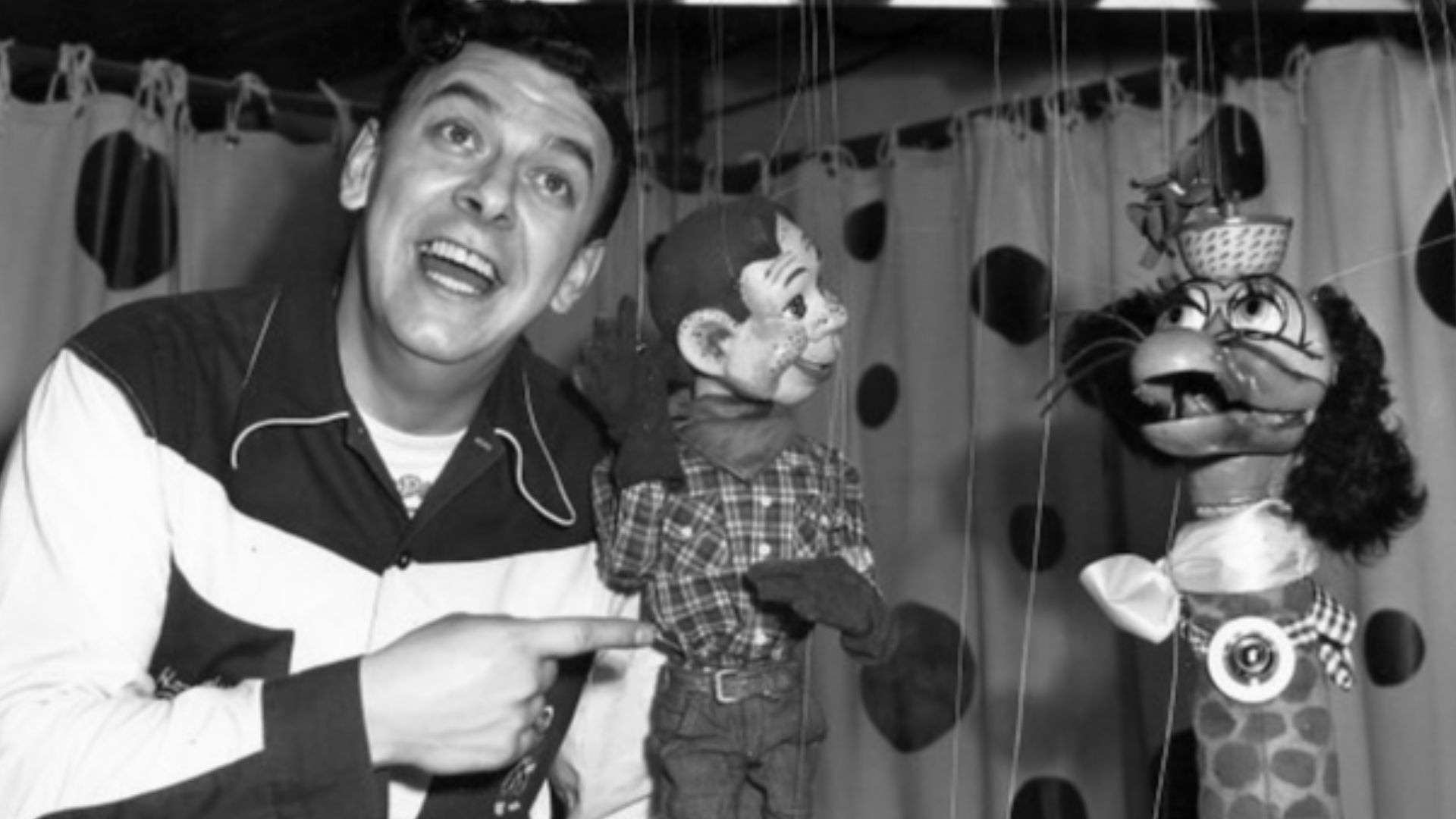
The Howdy Doody Show
If you were an older Baby Boomer, chances are you spent at least part of your childhood watching Buffalo Bob Smith and a freckle-faced puppet named Howdy Doody. It became one of television's first massive children's hits. Younger Boomers may recognize the name, but many were simply born too late to experience the show's original run, which ended in 1960.
 NBC Television, Wikimedia Commons
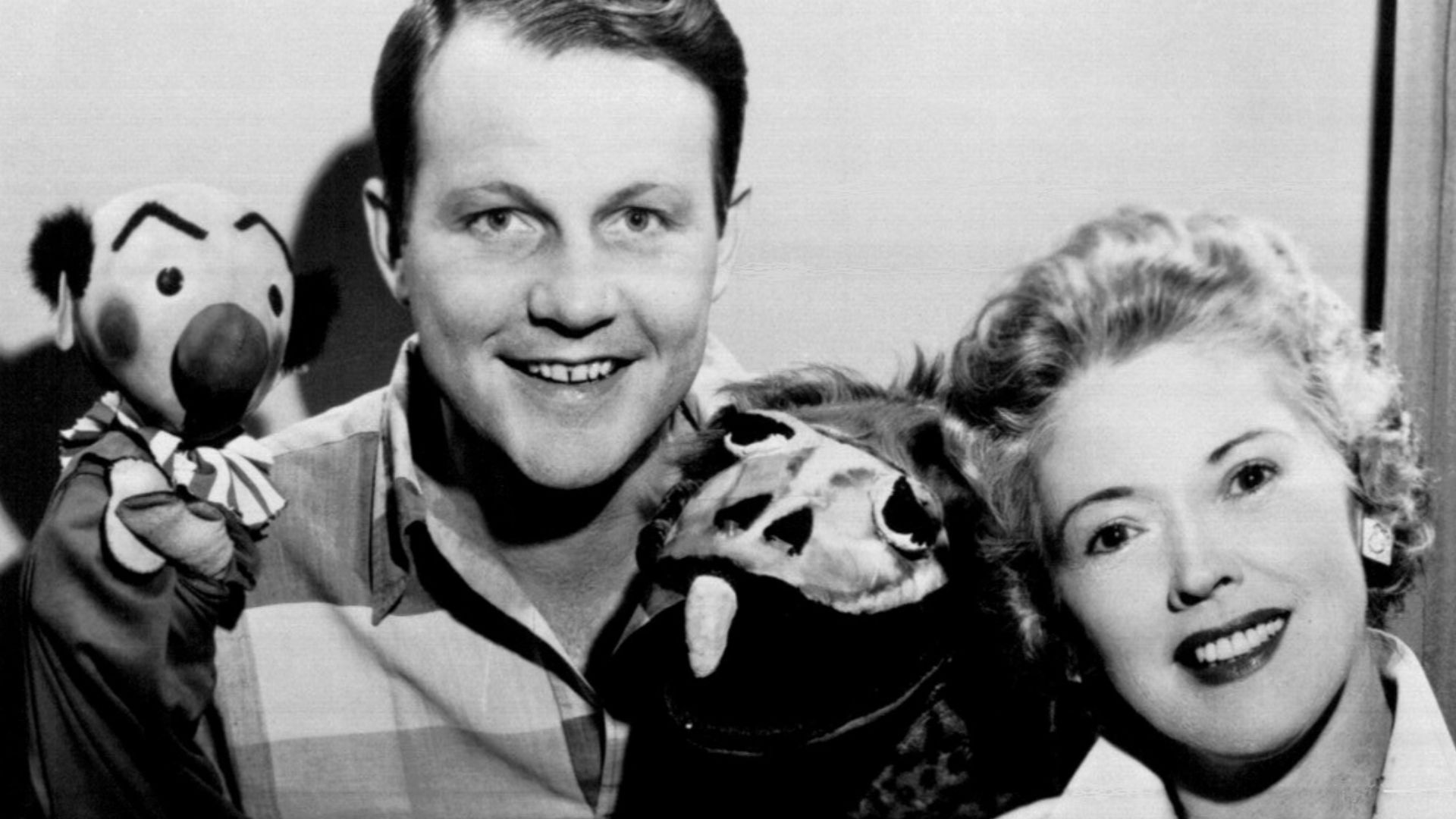
Kukla, Fran and Ollie
Long before flashy special effects or Saturday morning cartoon blocks, three hand puppets and Fran Allison held millions of kids completely spellbound. The show relied on gentle humor and imagination instead of frantic action. By the time younger Boomers were old enough to watch television regularly, it had already disappeared from the air after ending in 1957.
 ABC Television, Wikimedia Commons
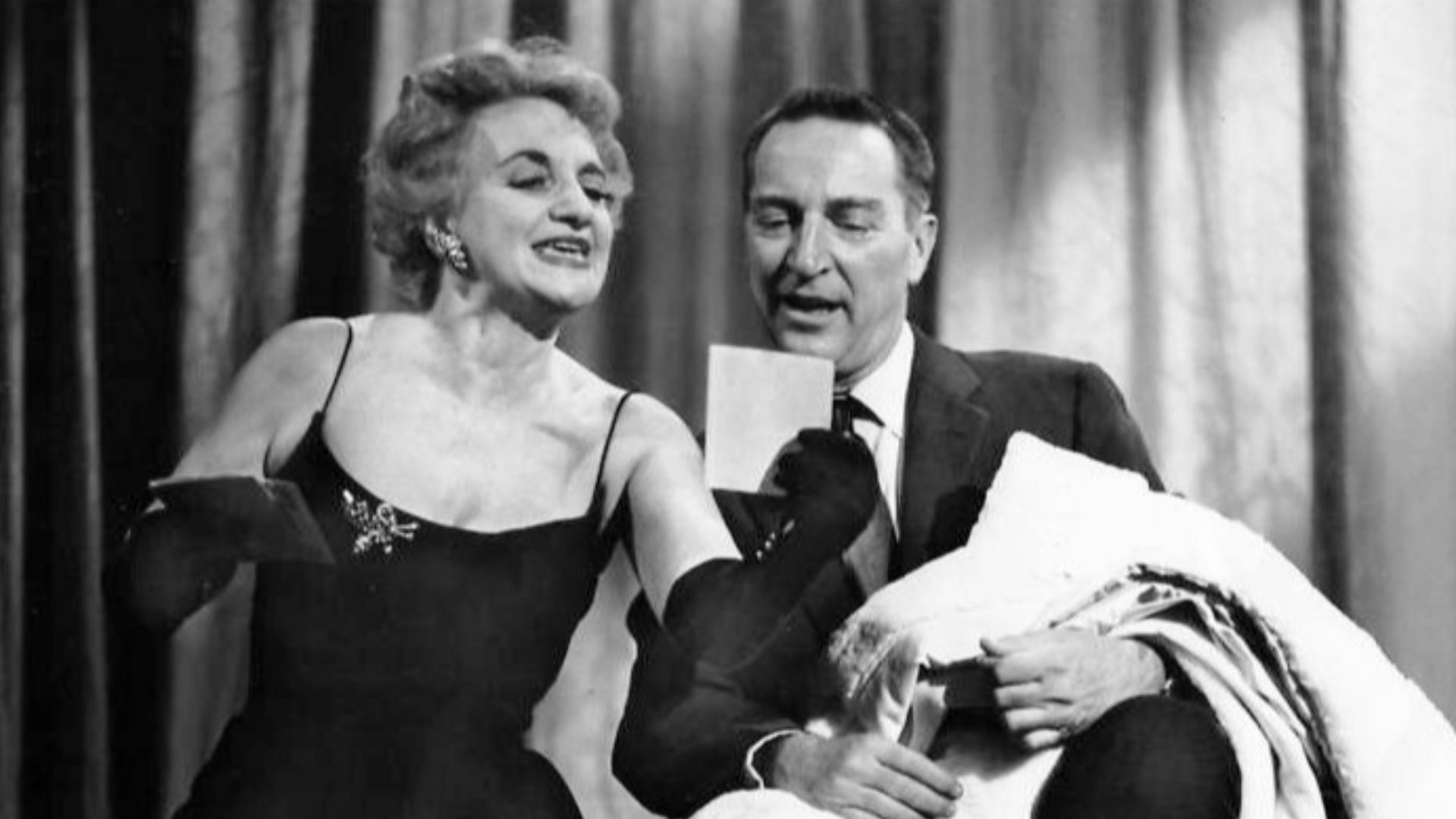
I've Got a Secret
The format was brilliantly simple: contestants arrived with unusual secrets, and celebrity panelists tried to figure them out before time ran out. Sometimes the secrets were funny. Sometimes they were astonishing. The guessing game made every episode feel different, helping the series become one of CBS's biggest hits throughout the 50s.
 CBS Television, Wikimedia Commons
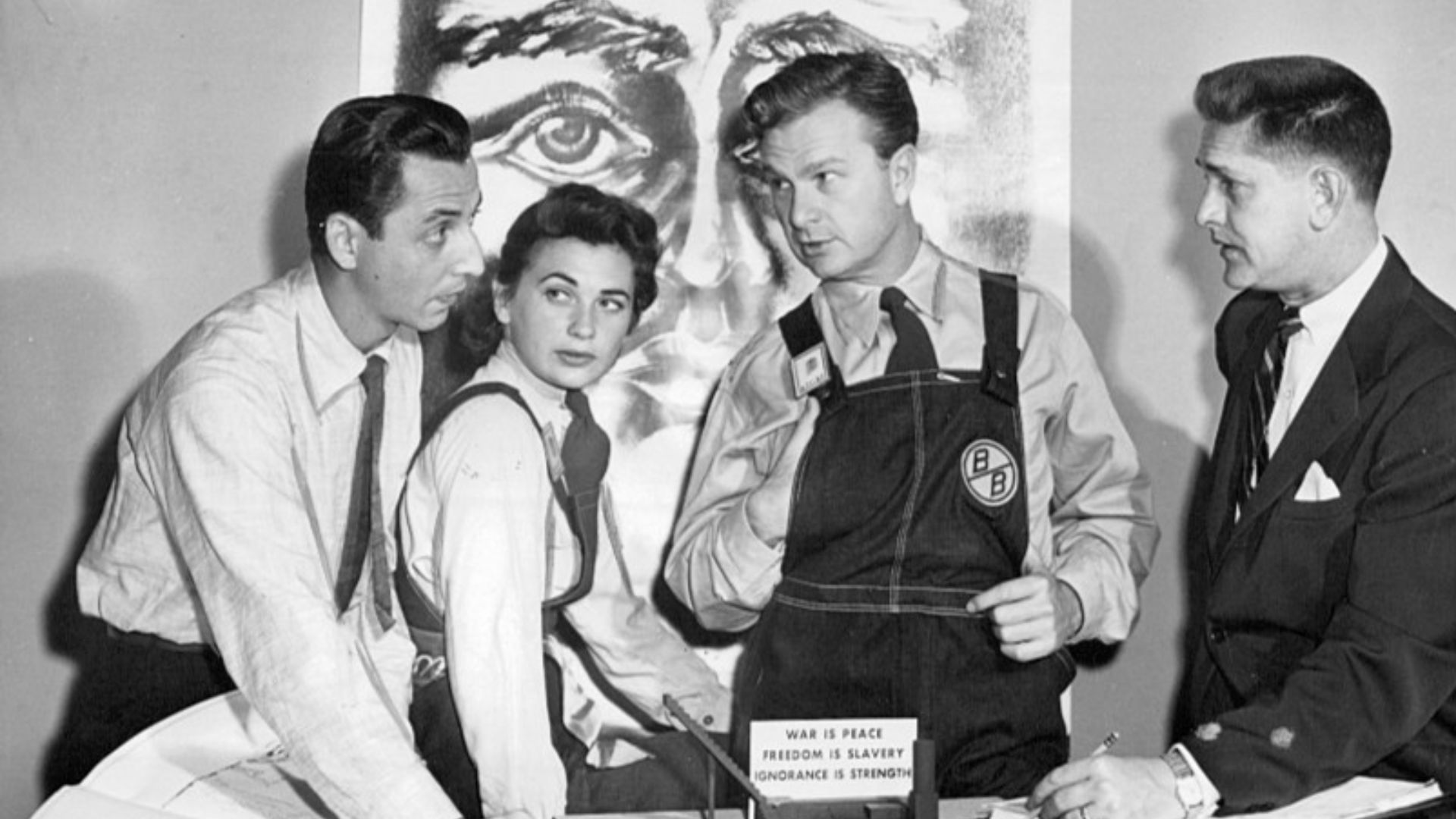
Studio One
Anthology dramas don't get much attention today, but Studio One helped define early television. Every week brought a completely different story with different actors, and many future Hollywood stars appeared before becoming famous. Older Boomers watched it unfold during its original network run. Younger Boomers were much more likely to grow up with filmed series instead.
 CBS Television, Wikimedia Commons
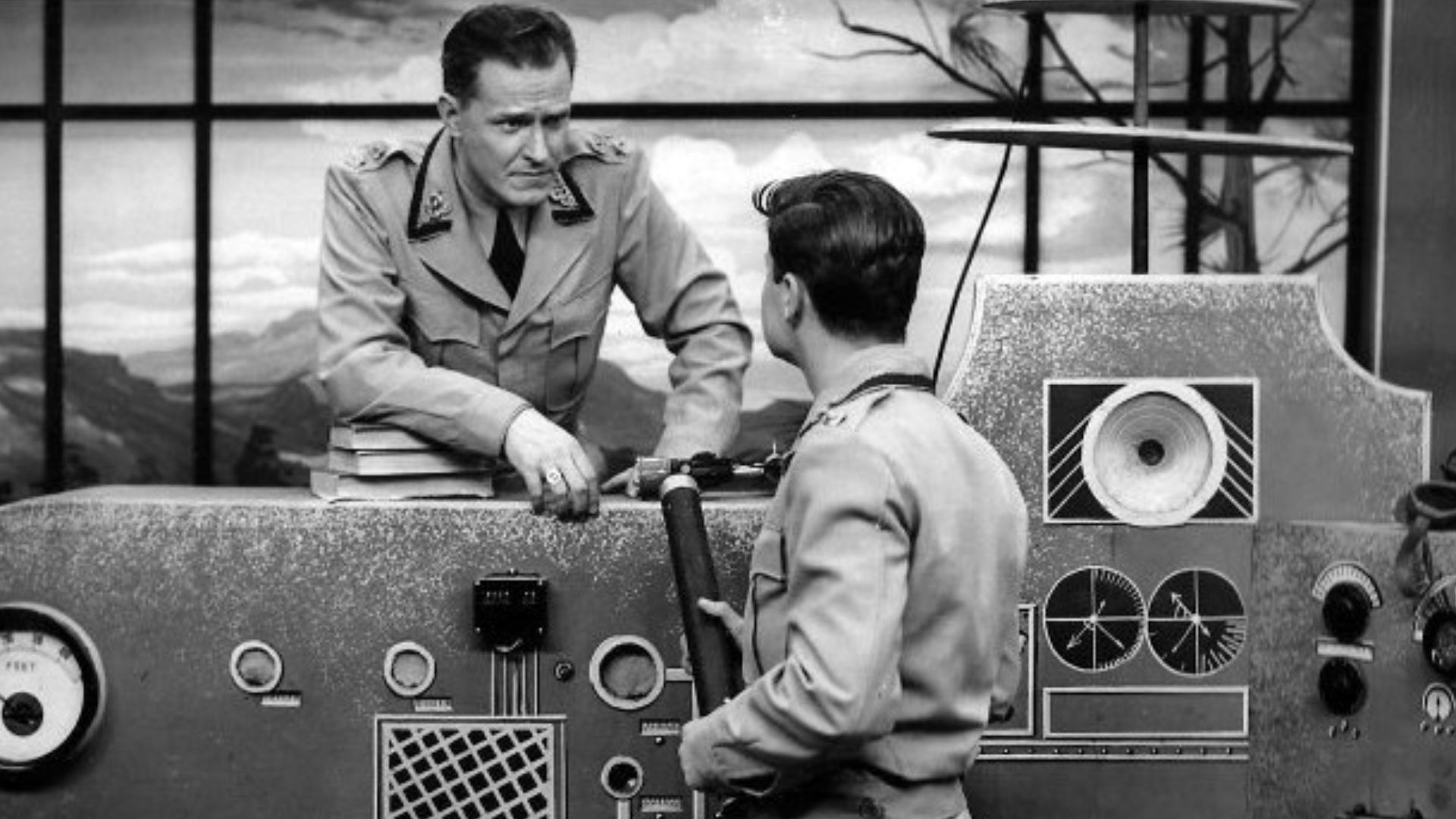
Captain Video and His Video Rangers
Before Star Trek. Before Lost in Space. Before almost every TV space adventure people remember today, there was Captain Video and His Video Rangers. Often considered television's first successful science-fiction series, kids happily overlooked the shoestring-budget sets because there simply wasn't anything else like it. Younger Boomers mostly missed its original run, which ended in 1955.
 DuMont Television/photographer: William Kahn, Wikimedia Commons
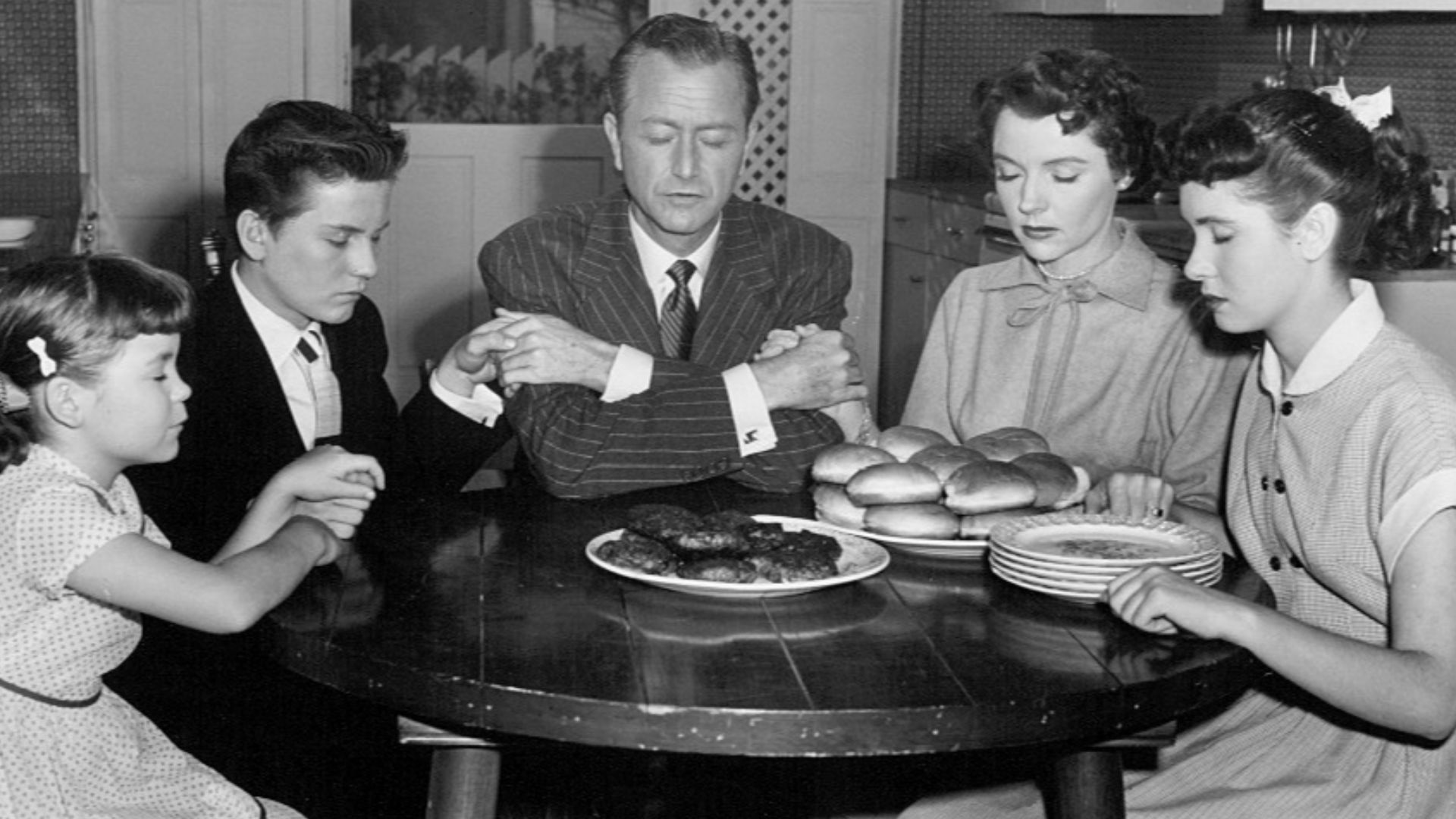
Father Knows Best
Ask an older Baby Boomer about Jim Anderson and you'll often get an immediate smile. The family sitcom became one of the defining shows of the 50s, presenting an idealized version of suburban America. Younger Boomers certainly know the title, but many were too young to experience most of its original network run before it ended in 1960.
 Bureau of Industrial Service, Wikimedia Commons
The Adventures of Ozzie and Harriet
Few sitcoms spent more time in America's living rooms during television's first golden age. Starring the real-life Nelson family, the show ran for an incredible 14 seasons and introduced millions of viewers to future rock-and-roll star Ricky Nelson. Older Boomers watched him grow up. Younger Boomers mostly inherited the memories through reruns.
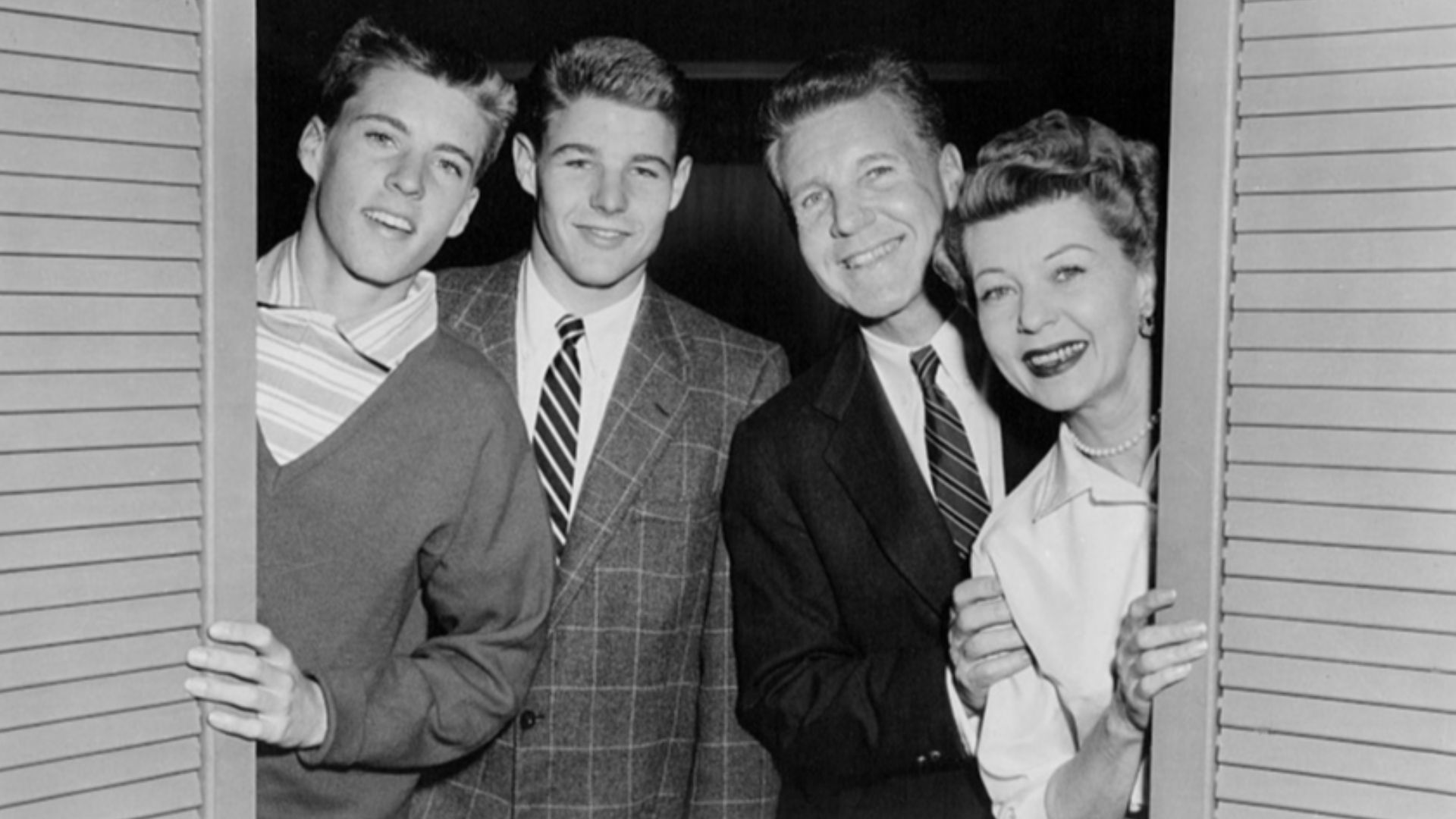 ABC Television Network, Wikimedia Commons
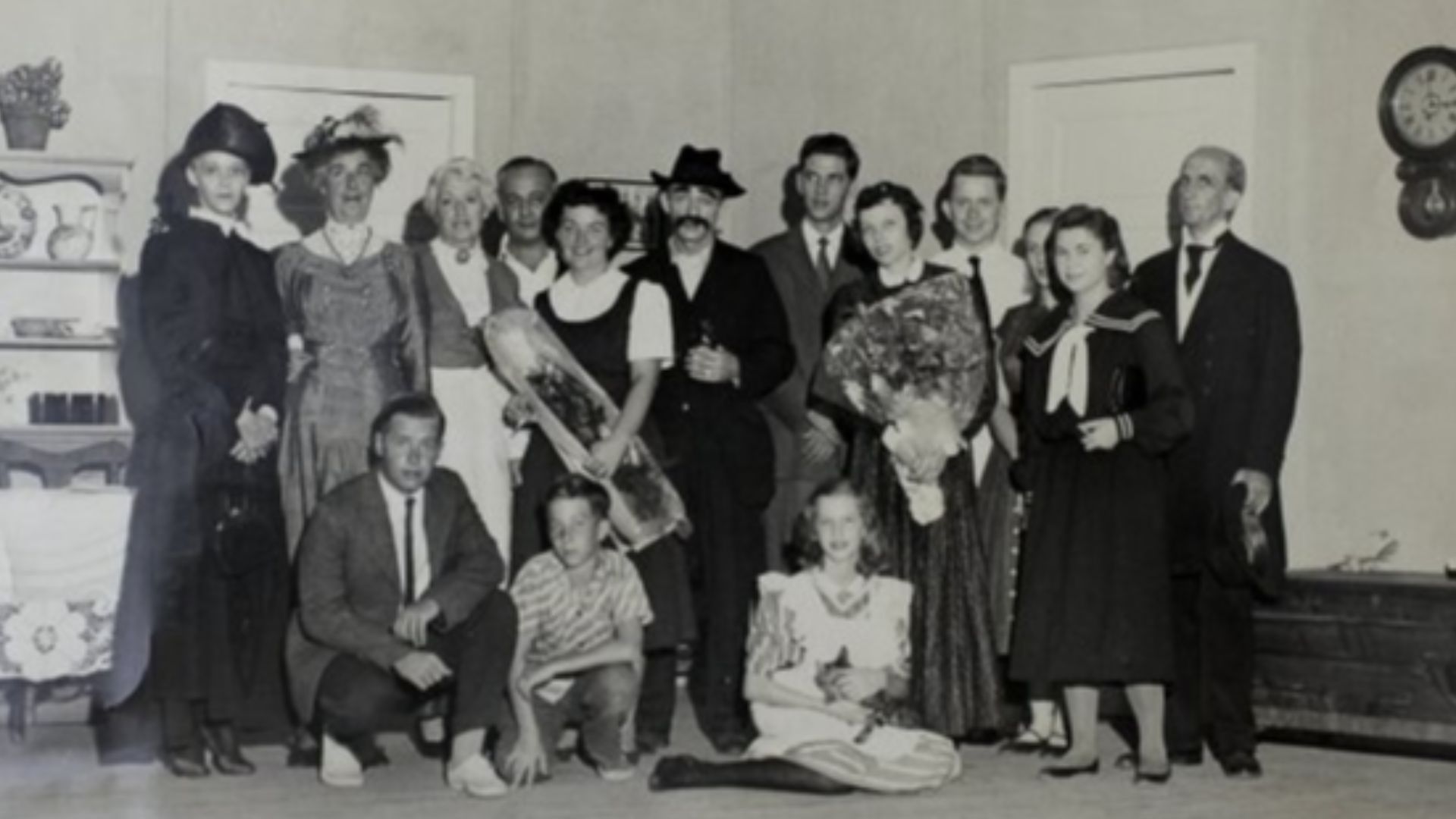
I Remember Mama
It wasn't loud or flashy, but families adored this heartfelt series about a Norwegian-American family making a life in San Francisco during the early 1900s. The stories focused on family, sacrifice and everyday life rather than gimmicks. It wrapped up in 1957, making it largely a memory for the oldest Boomers.
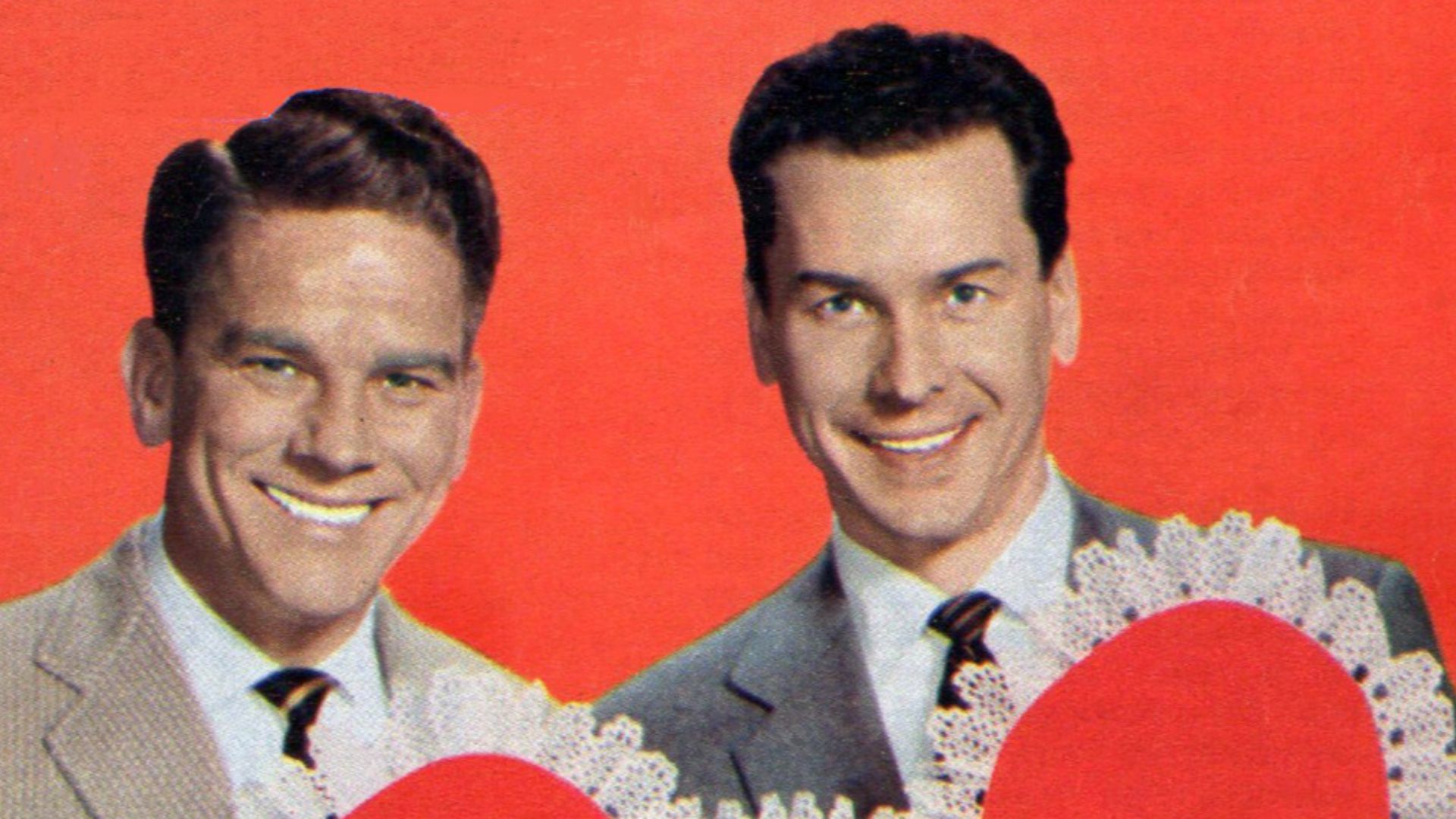
Your Hit Parade
Before MTV. Before music videos. Before countdown shows. There was Your Hit Parade. Each week, performers recreated the country's biggest songs in elaborate costumes and stage productions. It sounds unusual today, but millions tuned in religiously. Younger Boomers often grew up with entirely different music television and rarely saw this once-enormous hit.
The Millionaire
Imagine opening your front door and discovering someone wanted to hand you a check for one million dollars—no contest, no lottery ticket, just one life-changing gift from an anonymous millionaire. That irresistible premise kept viewers hooked for years. Every episode explored how sudden wealth changed ordinary people, making it one of television's most talked-about dramas during the 50s.
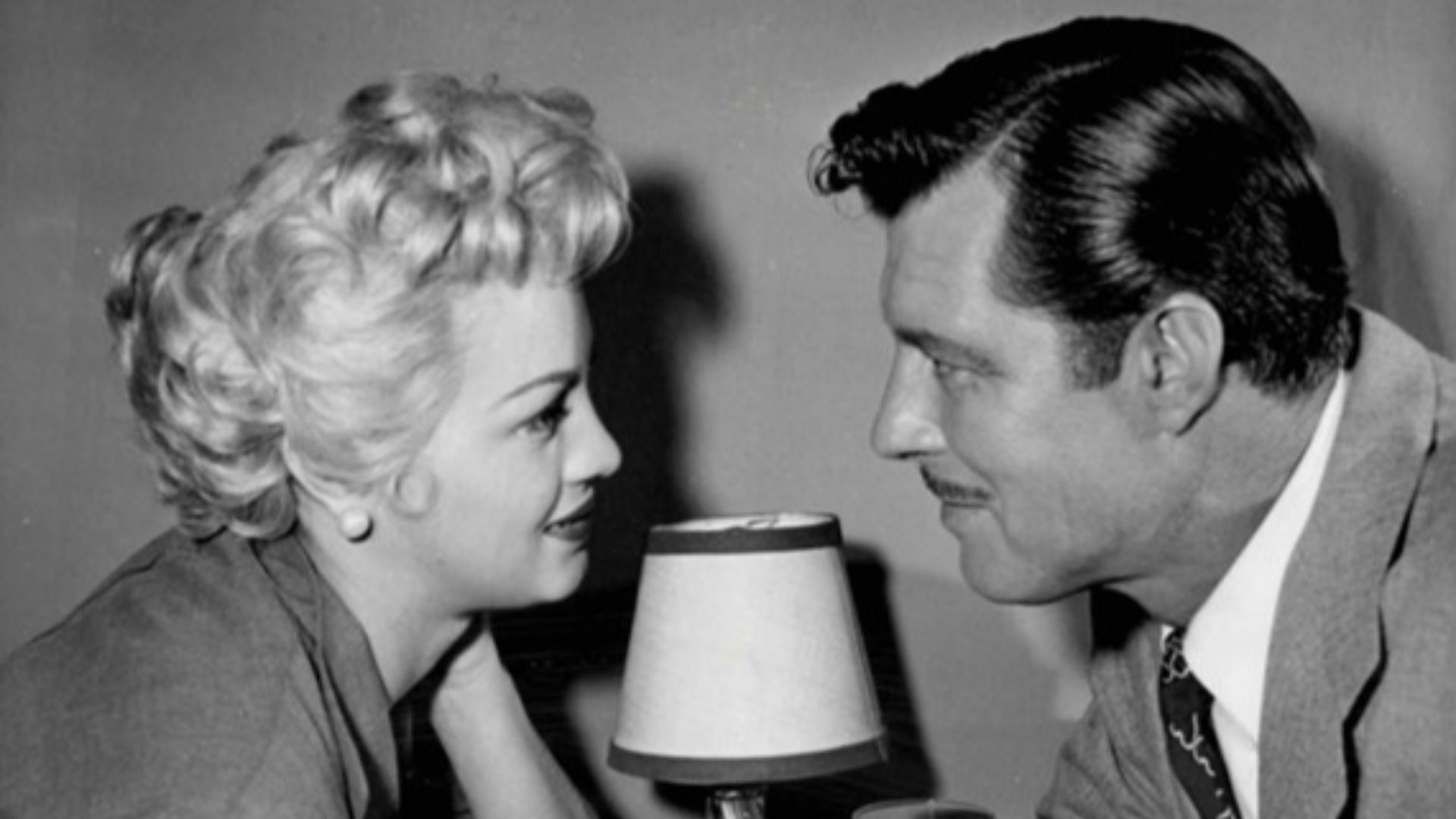 CBS Television, Wikimedia Commons
What's My Line?
Watching celebrities quietly sneak onto stage while a panel tried to guess their occupation somehow became appointment television. It sounds almost impossible today, but audiences loved playing along from home. The show's mix of humor, mystery and famous guests made it one of television's longest-running and most successful panel shows.
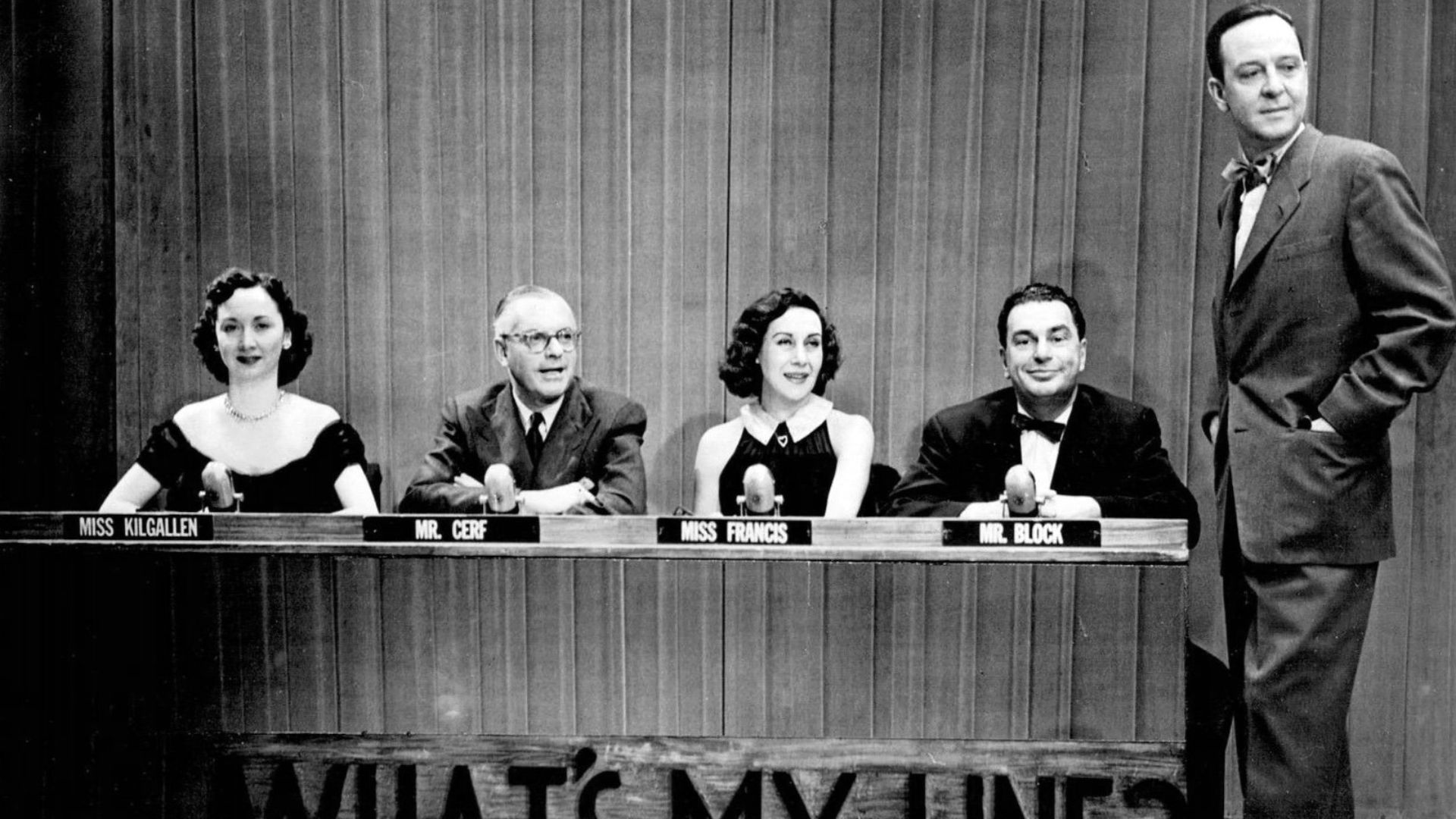 CBS Television, Wikimedia Commons
Playhouse 90
This wasn't just another television show—it was practically prestige television decades before anyone used that phrase. Each live 90-minute production tackled ambitious dramas featuring some of the biggest actors, directors and writers of the era. It earned widespread critical acclaim and numerous Emmy Awards, but many younger Boomers never experienced its remarkable original broadcasts.
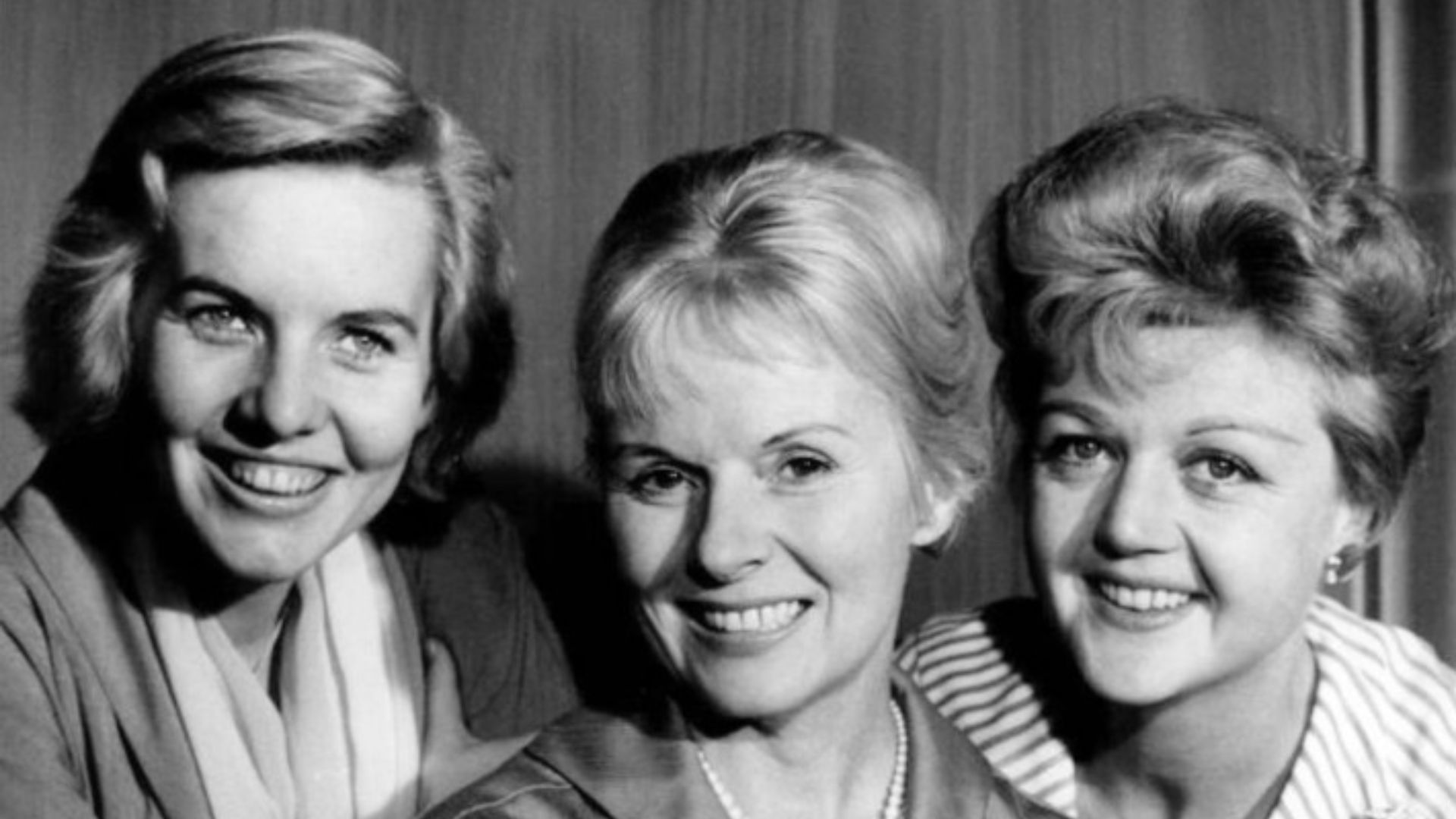 CBS Television, Wikimedia Commons
The Goldbergs
Decades before the sitcom everyone knows today, there was another The Goldbergs. It began on radio in 1929 before making the jump to television in 1949. For older Boomers, Molly Goldberg felt like part of the family. Younger Boomers? Many have no idea there was an earlier show with the exact same name.
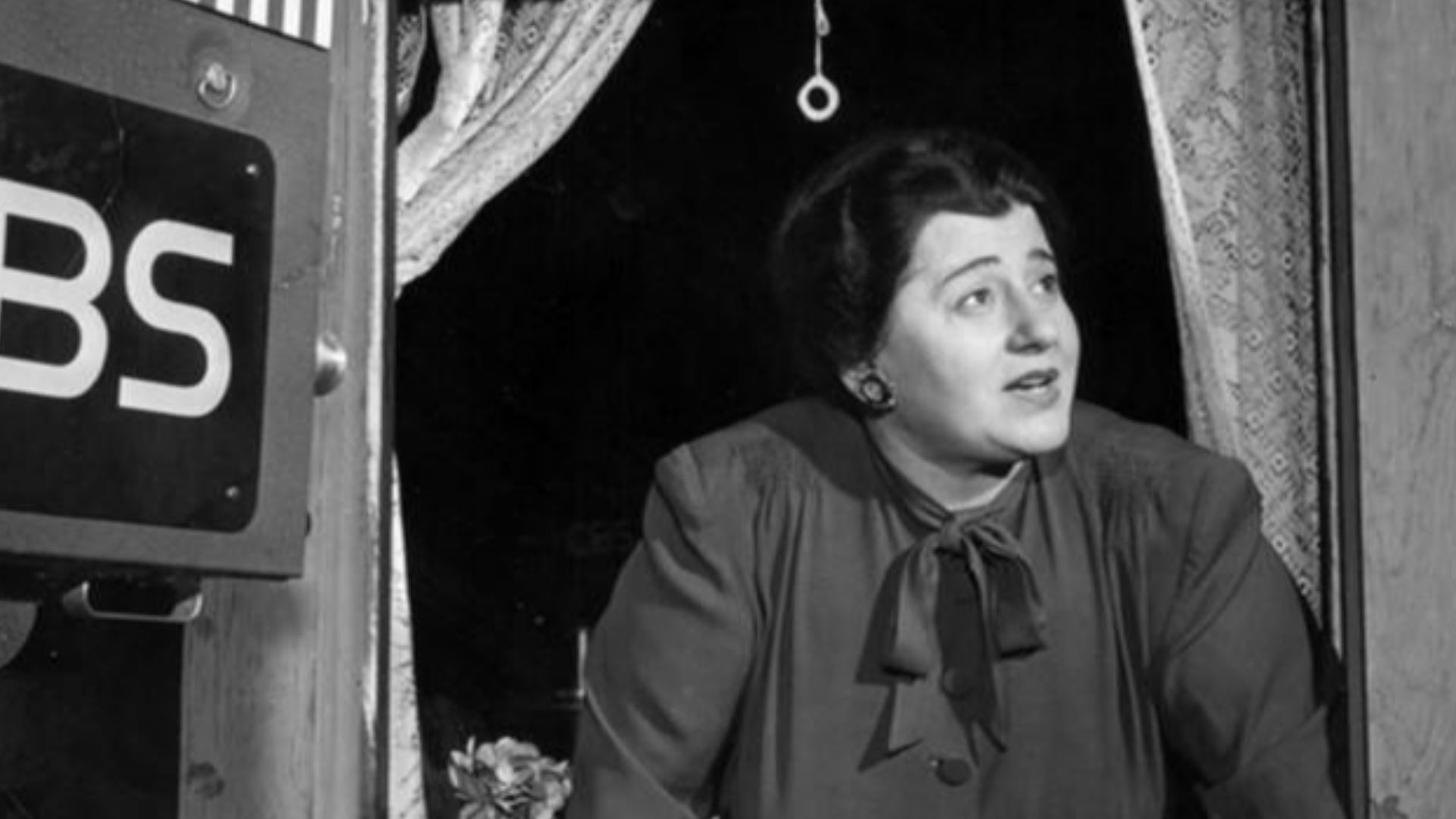 CBS Television Uploaded by We hope at en.wikipedia, Wikimedia Commons
The Red Skelton Show
Red Skelton could make audiences laugh with almost no props at all. Characters like Freddie the Freeloader, Clem Kadiddlehopper and Cauliflower McPugg became television favorites for millions of viewers. While the show lasted until 1971, its biggest cultural impact came during the 50s and early 60s, when older Boomers were its most devoted young fans.
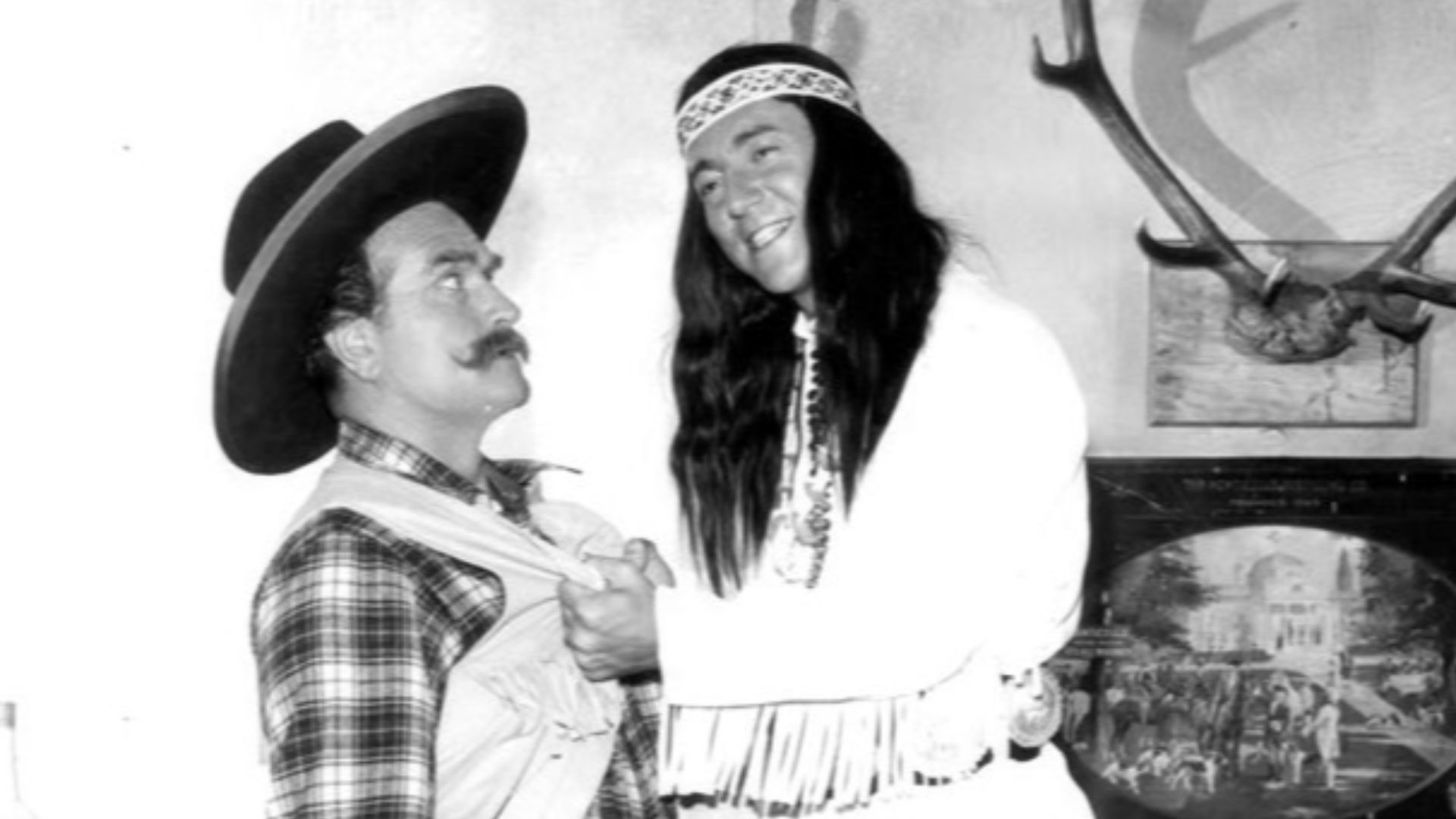 CBS Television, Wikimedia Commons
Sea Hunt
Long before shark documentaries and underwater reality shows, Lloyd Bridges made scuba diving look like the coolest hobby on Earth. Sea Hunt inspired countless kids to dream about exploring the ocean and helped fuel America's growing fascination with skin diving. It was a television phenomenon in the late 50s, but many younger Boomers only caught an occasional rerun—if they saw it at all.
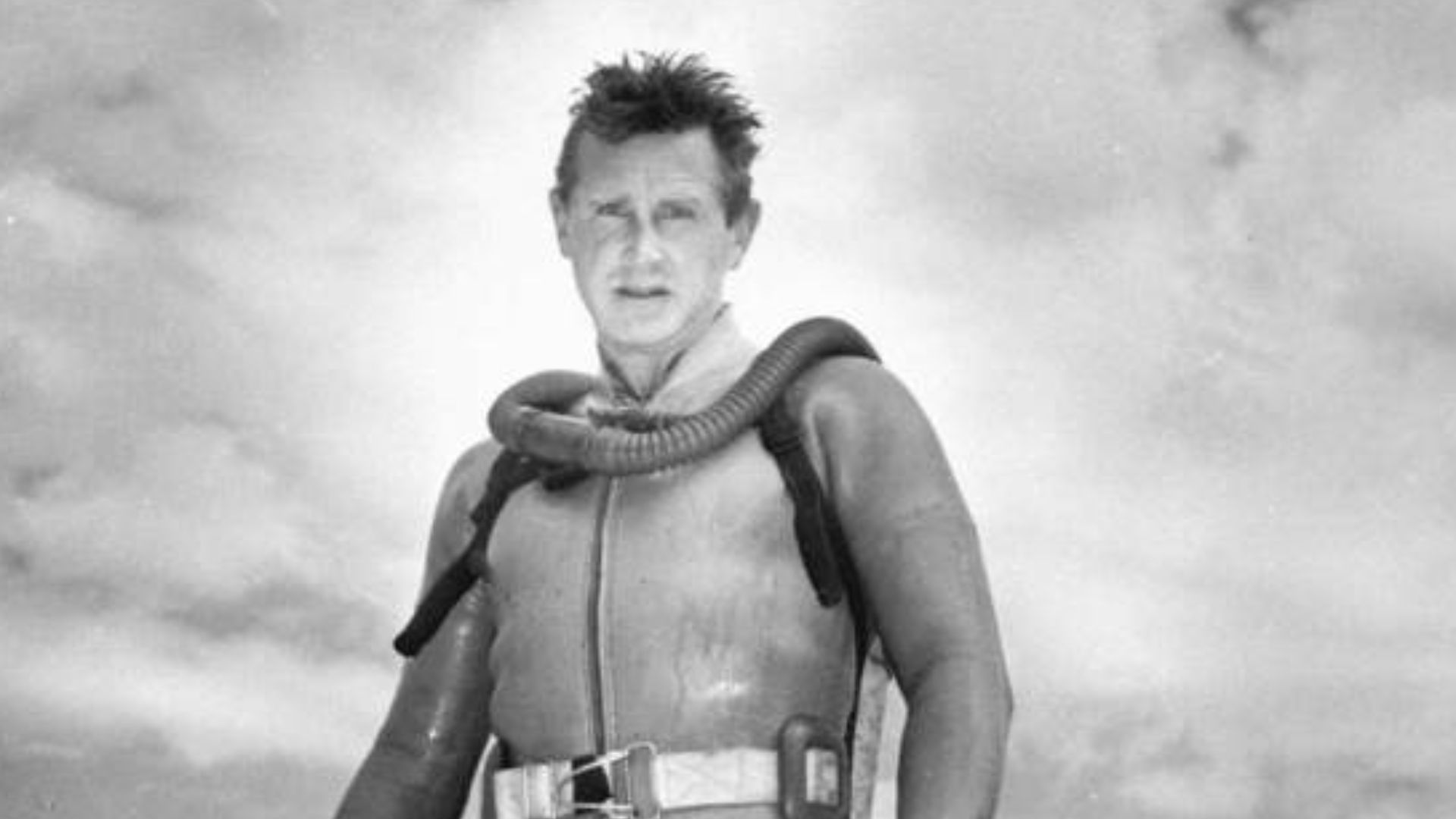 Florida Memory, Wikimedia Commons
Highway Patrol
There were plenty of westerns on television, but this fast-paced police drama offered something different. Broderick Crawford's gruff delivery of '10-4' became one of the show's trademarks, and viewers loved its stories inspired by real law enforcement. It wrapped up in 1959, putting it squarely in older Boomer territory.
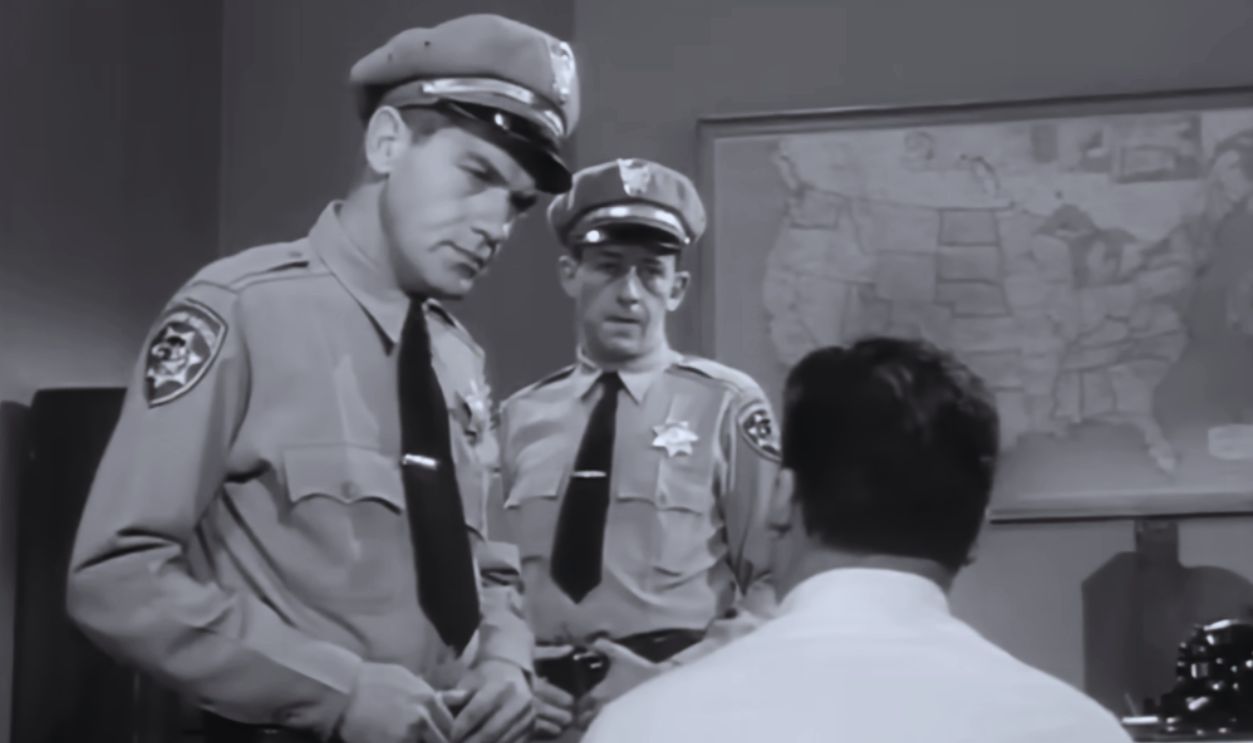 Screenshot from Highway Patrol, Ziv Television Programs / United Artists Television (1955)
The Real McCoys
Years before rural sitcoms dominated television, The Real McCoys was already winning over audiences. Walter Brennan and Richard Crenna played members of a West Virginia family who relocated to a farm in southern California. It became one of the era's biggest comedies, yet it rarely comes up when people talk about classic television today.
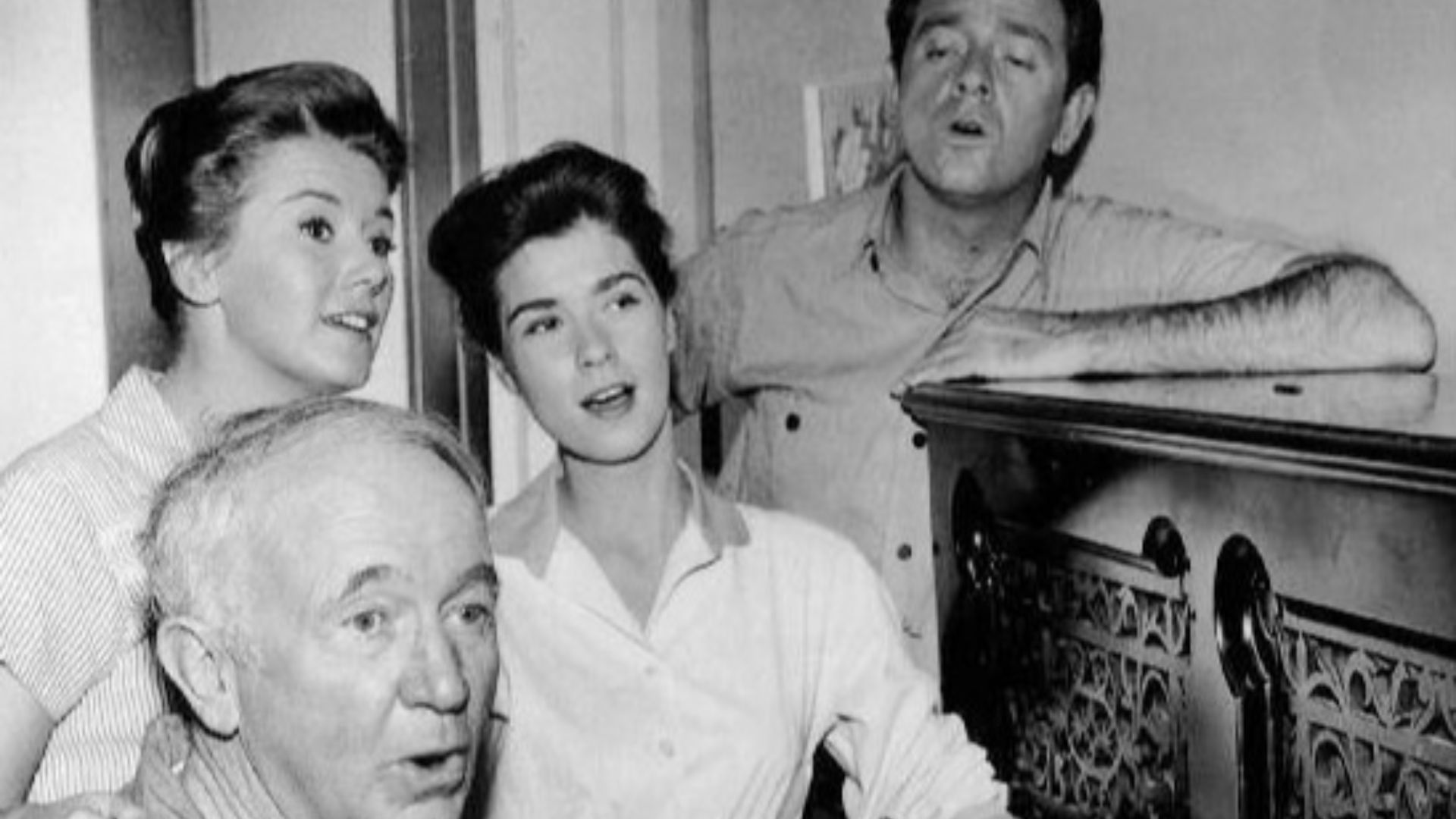 ABC Television, Wikimedia Commons
Bachelor Father
John Forsythe became a television favorite as a carefree bachelor unexpectedly raising his teenage niece. The show's charm came from its gentle humor rather than outrageous situations, making it a dependable hit throughout the late 50s and early 60s. Today, it's one of those once-popular sitcoms that has largely slipped out of the conversation.
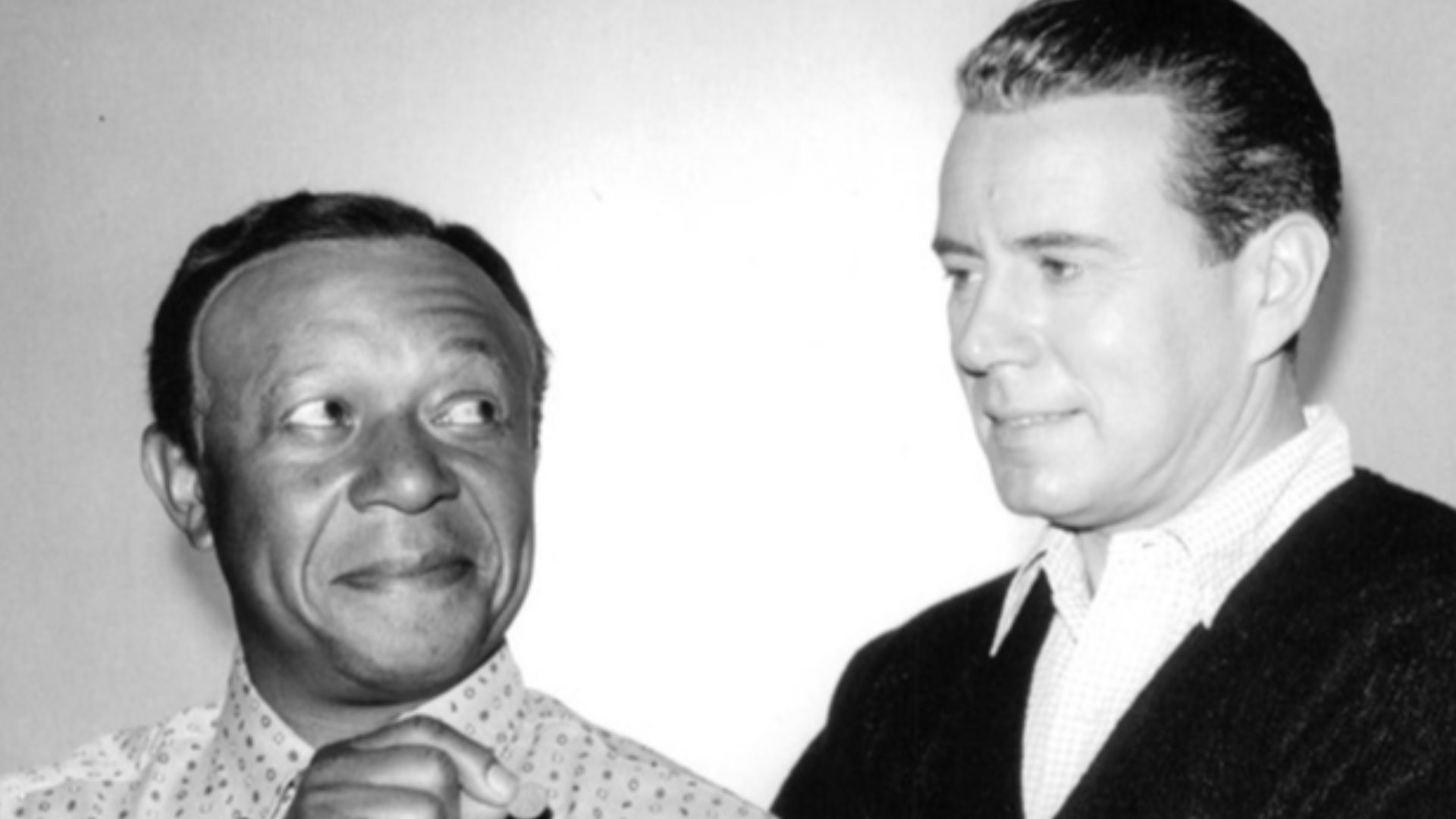 ABC Television Uploaded by We hope at en.wikipedia, Wikimedia Commons
The Loretta Young Show
Loretta Young didn't just star in this acclaimed anthology series—she also became famous for elegantly sweeping through a doorway in a glamorous gown to introduce each episode. That unforgettable entrance became one of television's signature images during the 50s. Older Boomers remember it instantly. Many younger Boomers never saw it during its original run.
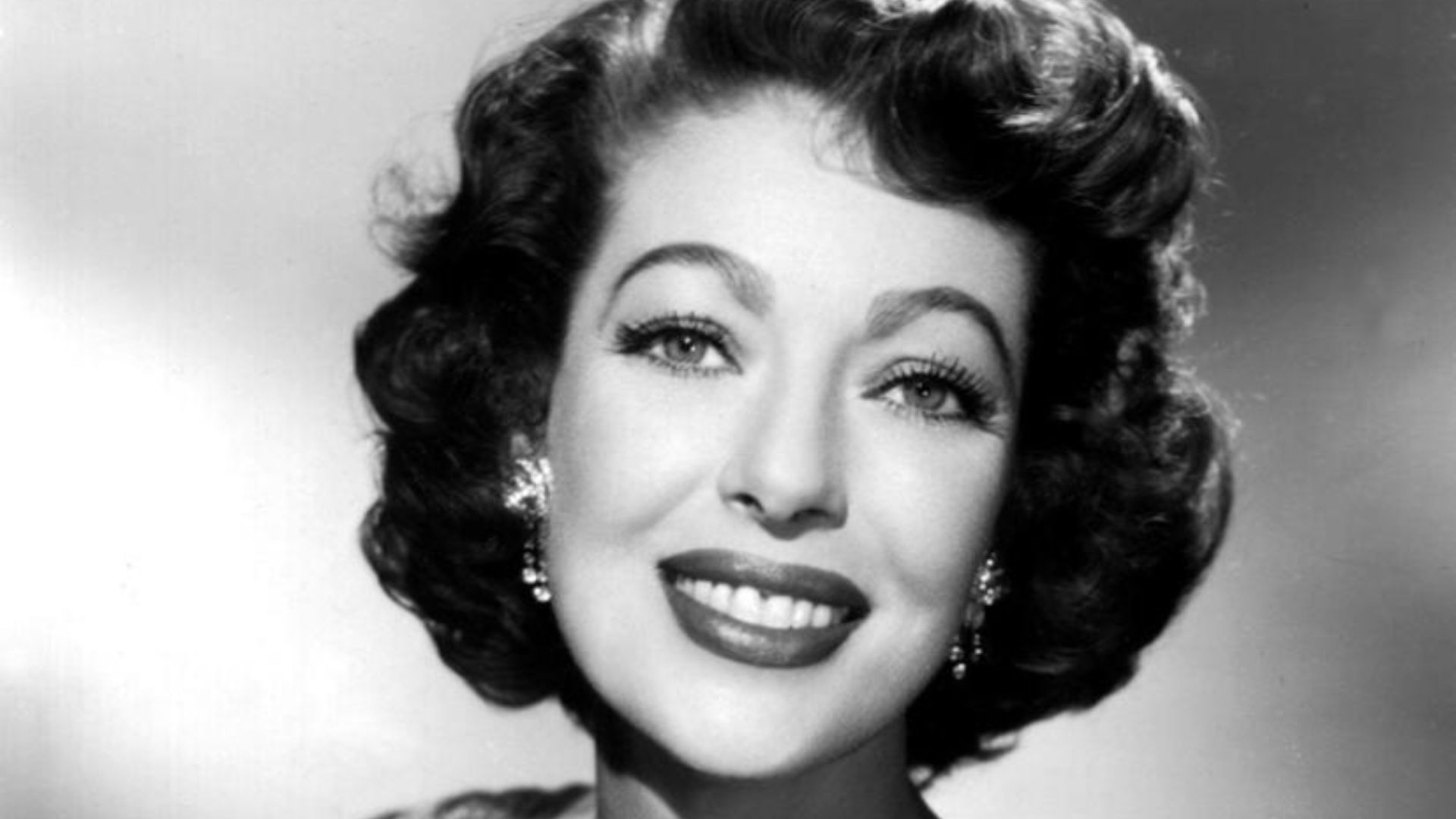 Studio Publicity, Wikimedia Commons
The Life of Riley
William Bendix turned Chester A. Riley into one of television's most lovable working-class fathers. His famous catchphrase, 'What a revoltin' development this is!' became part of everyday conversation for millions of viewers. The series was a major hit during the 50s, but it had largely faded by the time younger Boomers became regular TV watchers.
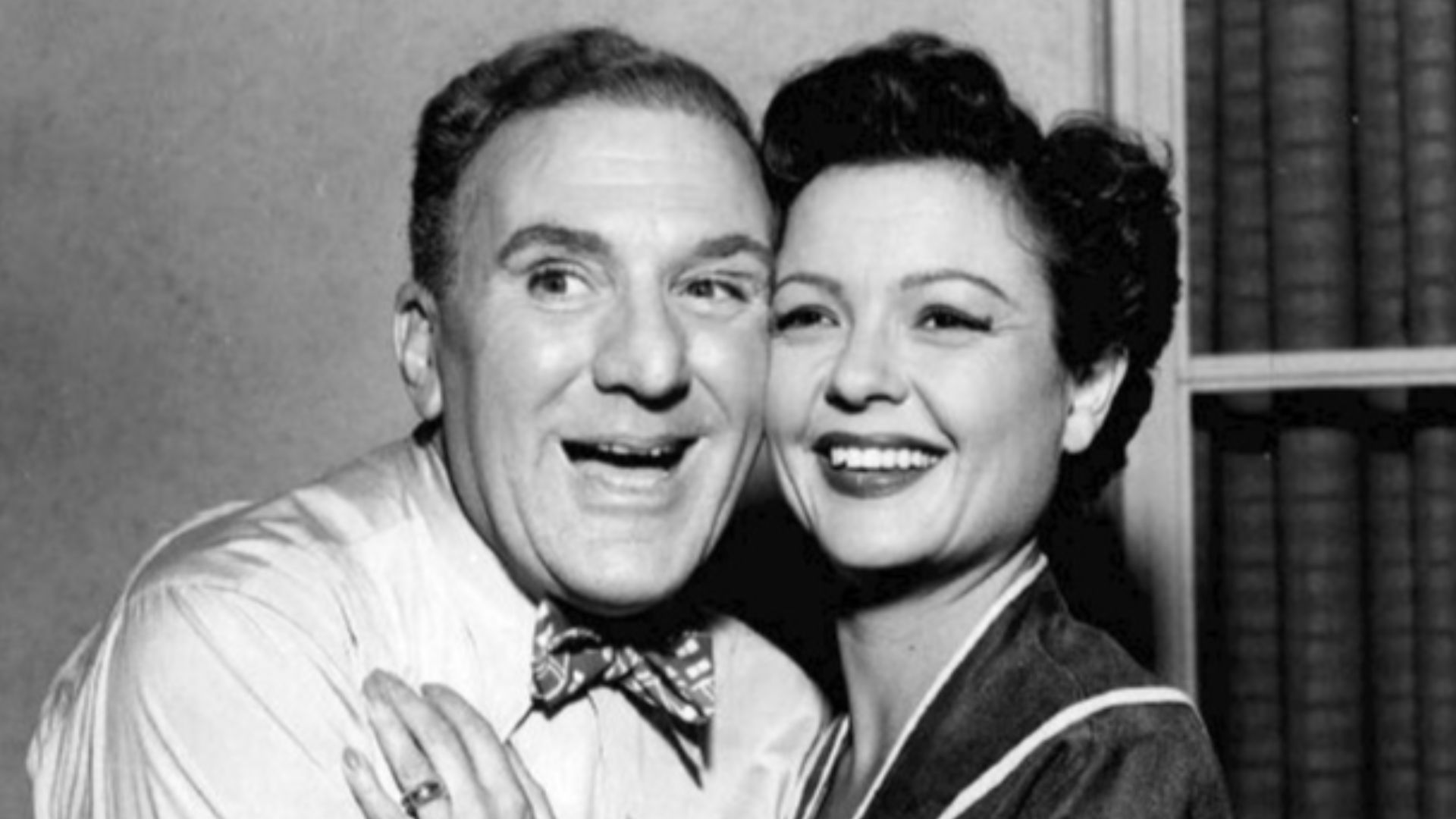 NBC Television, Wikimedia Commons
The Many Loves of Dobie Gillis
The Many Loves of Dobie Gillis felt surprisingly modern for its time, following a teenager who spent as much energy chasing girls as he did avoiding homework. It also introduced many viewers to Bob Denver years before he became Gilligan. Older Boomers embraced its quirky humor, while younger Boomers usually remember Gilligan's Island instead.
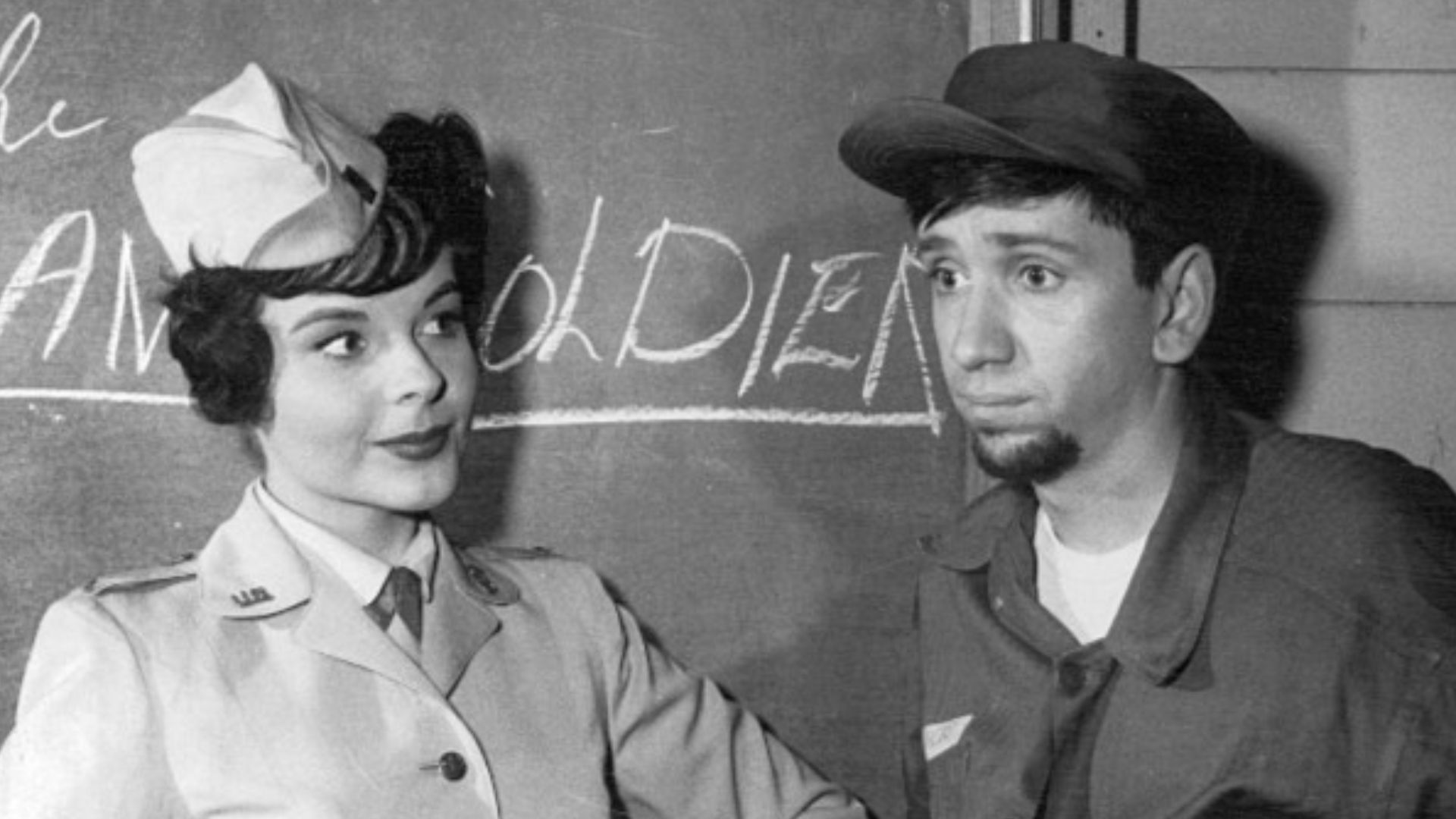 CBS Television, Wikimedia Commons
One Last Channel Change...
Television changed incredibly fast during its first decade and a half, and those few extra years between older and younger Boomers were enough to create two surprisingly different TV childhoods.
You Might Also Like:
Movie Stars Who Thought Fame Would Last Forever—Now No One Born After 2000 Has Even Heard Of Them