Do You Remember Any Of These?
The 1970s gave us legendary sitcoms like All in the Family and The Mary Tyler Moore Show. But for every classic, there were dozens that barely made it past their first season. Some had big stars. Some had bold concepts. Some just had terrible timing. Whatever the reason, these shows arrived… and then disappeared almost as fast.
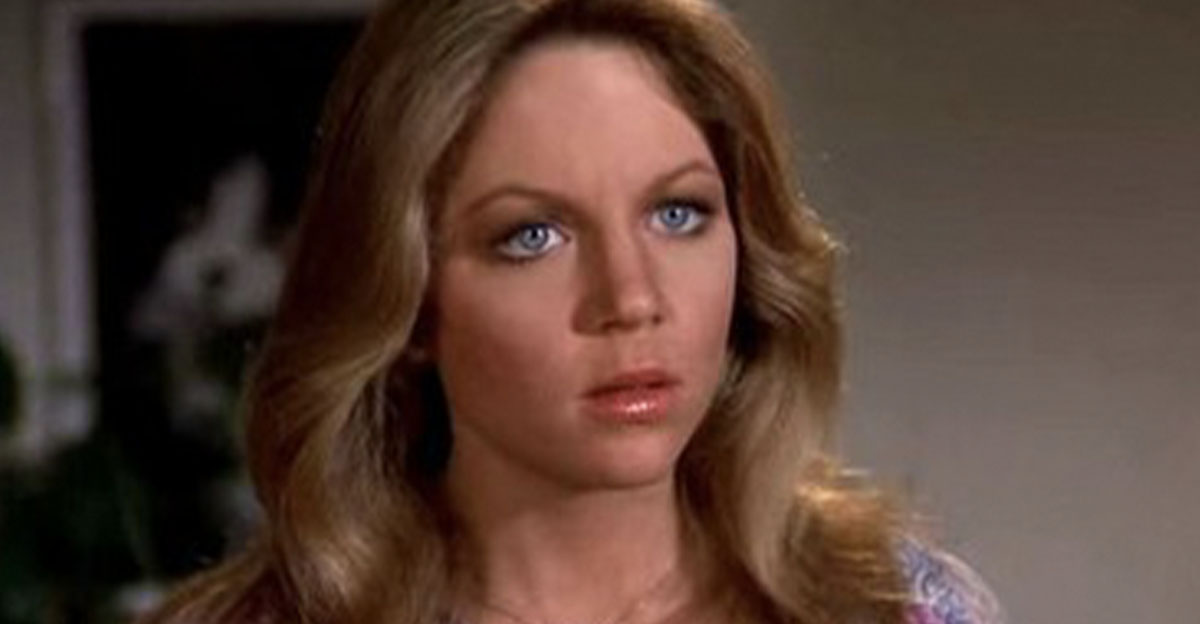
Turn-On (1969–1970)
Turn-On was a rapid-fire sketch sitcom that relied on computerized humor and fast-paced satire. It was so controversial and confusing that some ABC affiliates pulled it off the air mid-broadcast. It was canceled after just one episode in many markets, making it one of the fastest flameouts in TV history. It was not popular — mostly just shocking.
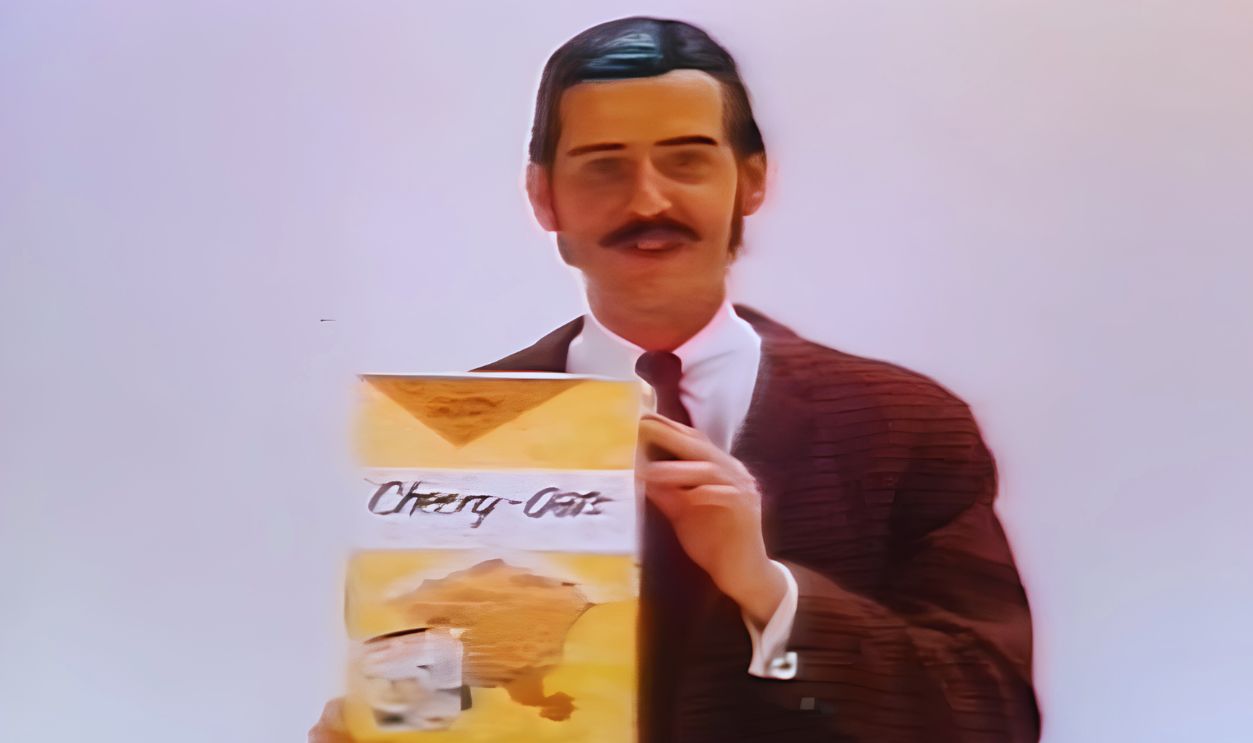 Screenshot from Turn-On, American Broadcasting Company (ABC) (1969)
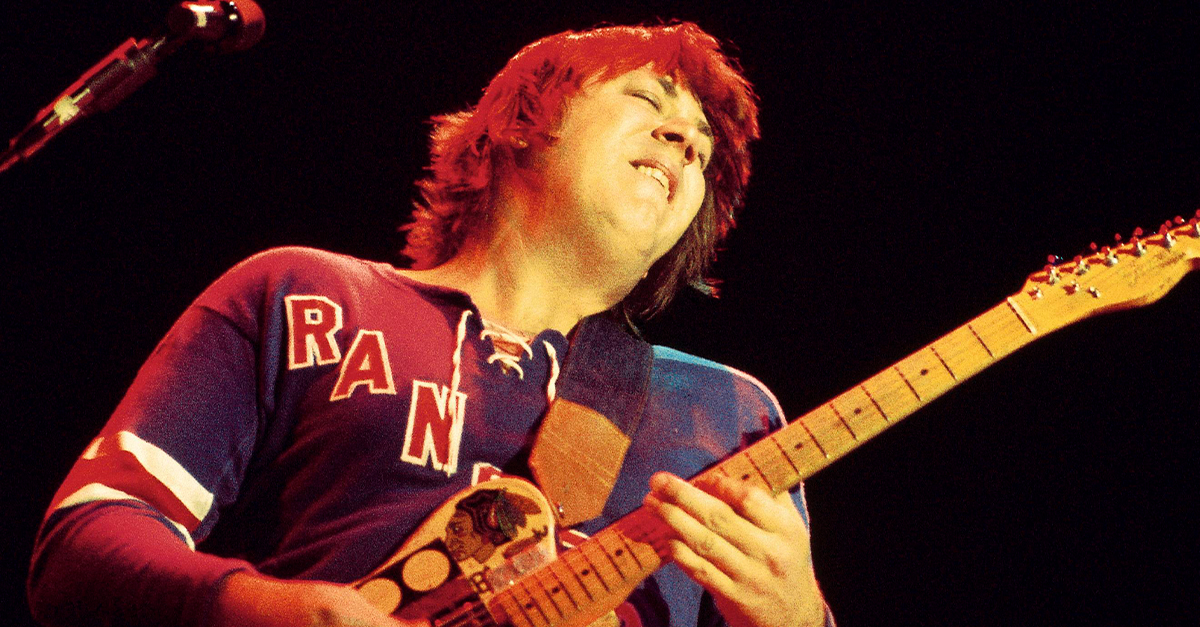
Me and the Chimp (1972)
Starring Ted Bessell, this sitcom followed a dentist whose family life was complicated by a mischievous chimpanzee. The concept leaned heavily into slapstick animal comedy. Critics weren’t impressed, and audiences didn’t connect. It lasted only 13 episodes and never built much of a following.
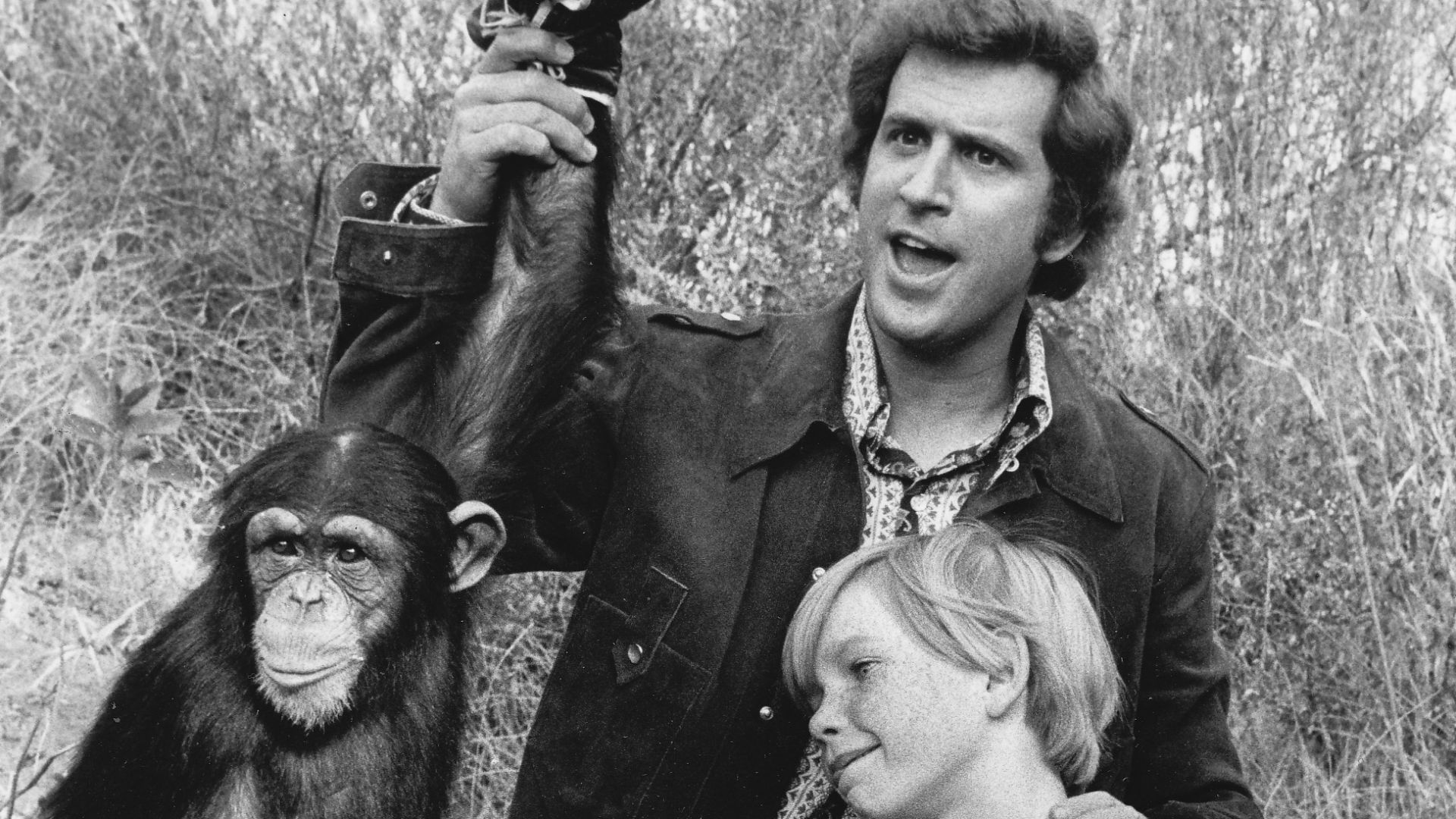 CBS Television Network, Wikimedia Commons
The Paul Lynde Show (1972)
Paul Lynde starred as a cranky father adjusting to modern life. Lynde was already famous from Hollywood Squares, but this show struggled with ratings and inconsistent writing. Despite his recognizable face, the sitcom lasted just one season and was not considered a hit.
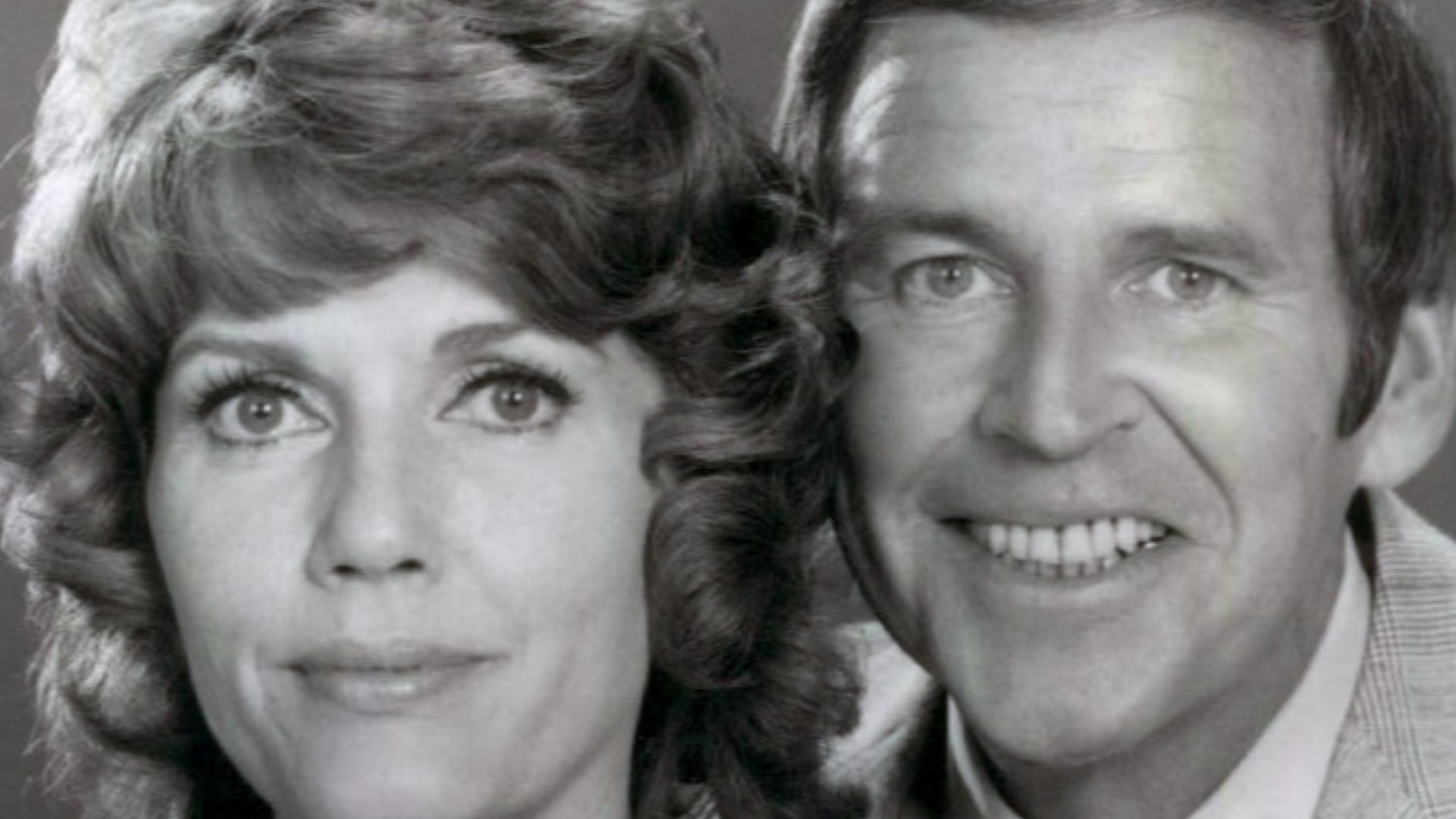 ABC Television, Wikimedia Commons
Lotsa Luck (1973–1974)
Dom DeLuise starred as a lottery winner still living with his overbearing mother. The show relied heavily on loud humor and physical comedy. While DeLuise had fans, the show failed to gain strong ratings and was canceled after one season despite modest early interest.
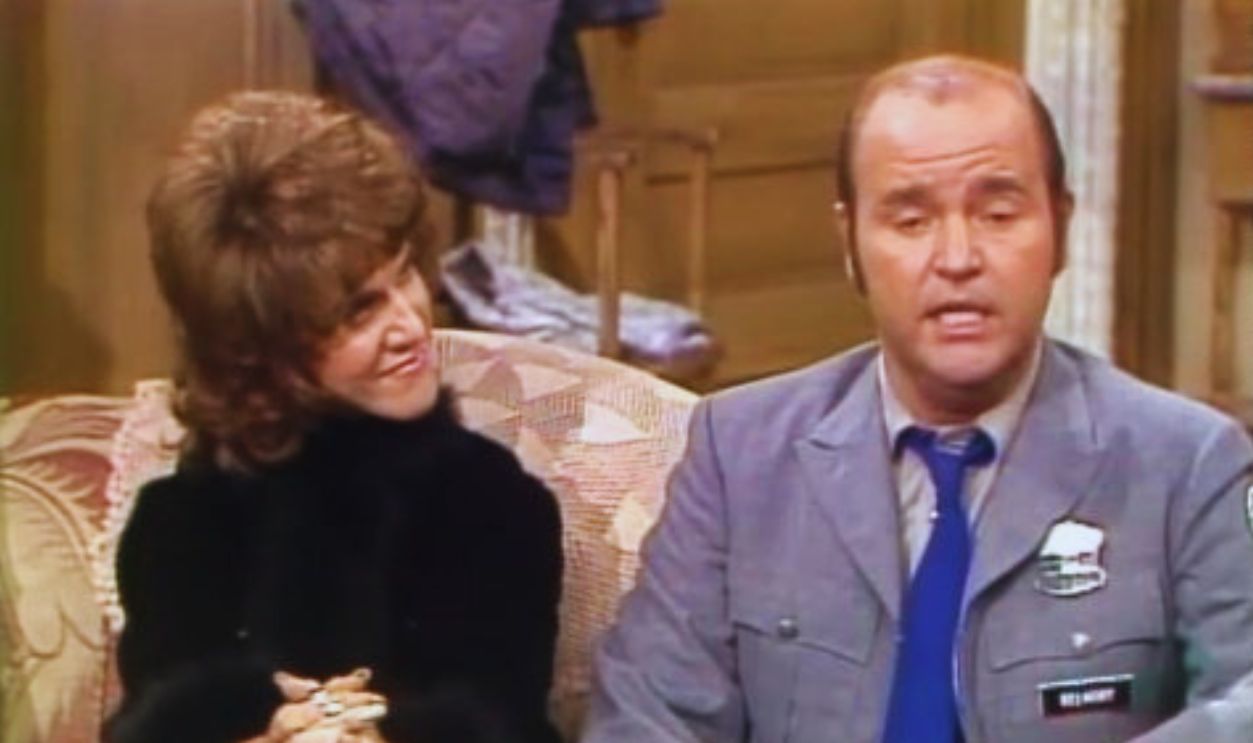 Screenshot from Lotsa Luck!, National Broadcasting Company (NBC) (1973–1974)
Temperatures Rising (1972–1974)
Set in a hospital, this sitcom initially starred James Whitmore and Cleavon Little. The network kept retooling the show, even renaming it The New Temperatures Rising Show. The constant changes confused viewers. It never stabilized in ratings and was canceled after one turbulent season.
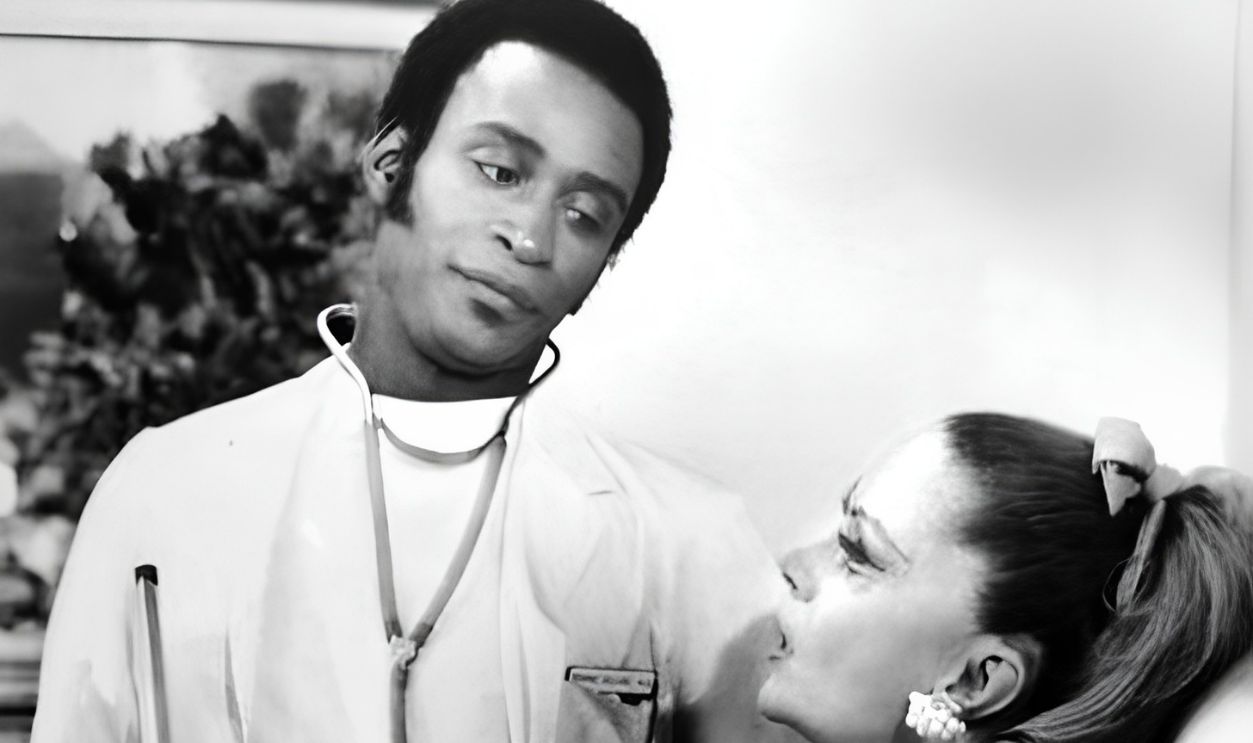 ABC Television, Wikimedia Commons
The Sandy Duncan Show (1972)
Sandy Duncan played a schoolteacher navigating work and romance. Although Duncan was well-liked, the show struggled with scheduling changes and audience retention. It had decent visibility but couldn’t maintain ratings, leading to cancellation after its first season.
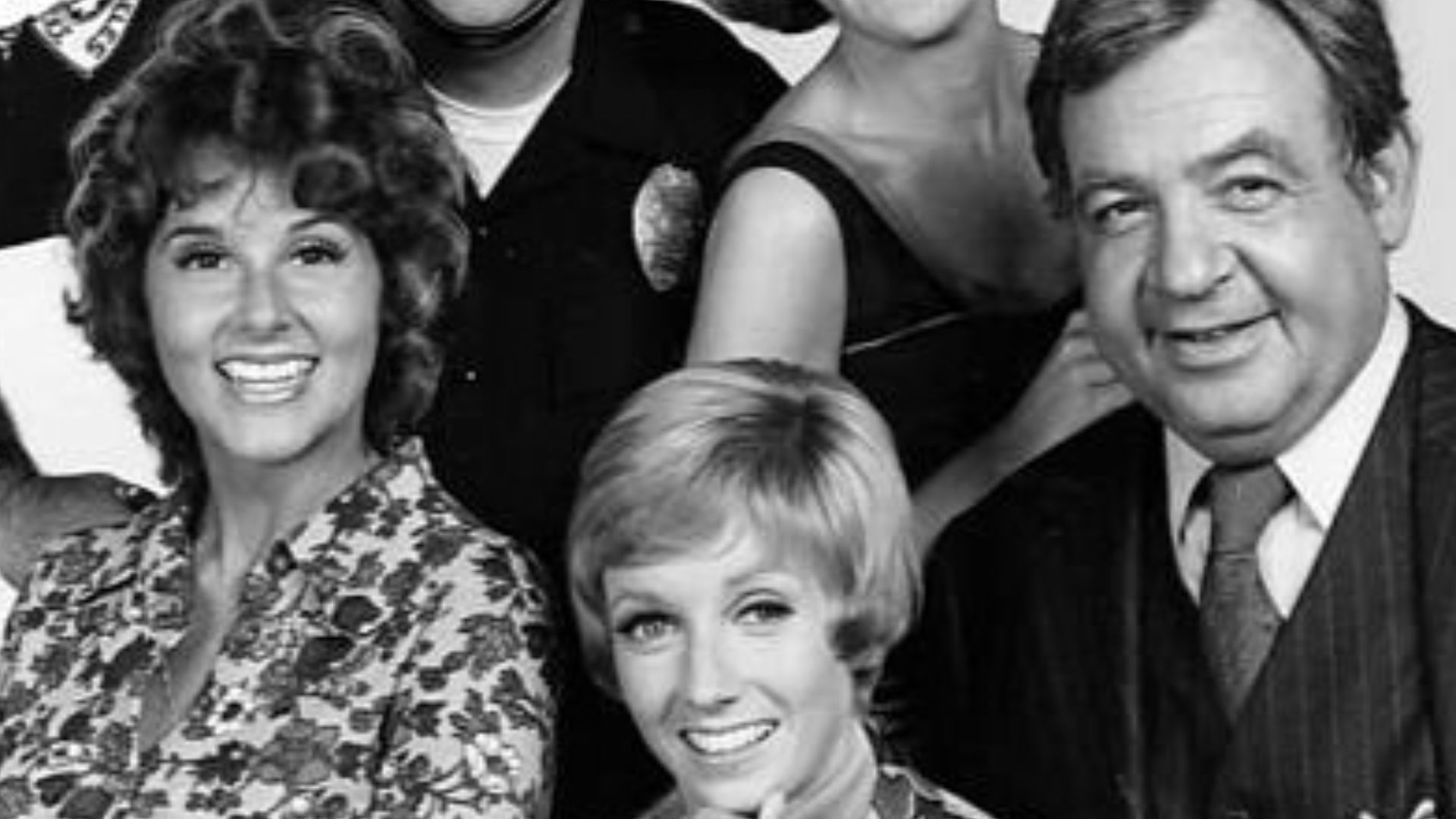 CBS Television, Wikimedia Commons
Roll Out (1973–1974)
Produced by Norman Lear, Roll Out centered on a group of African American soldiers during World War II. It featured talented cast members like Hilly Hicks. Despite critical interest, it struggled to balance comedy with historical setting and failed to attract a broad audience.
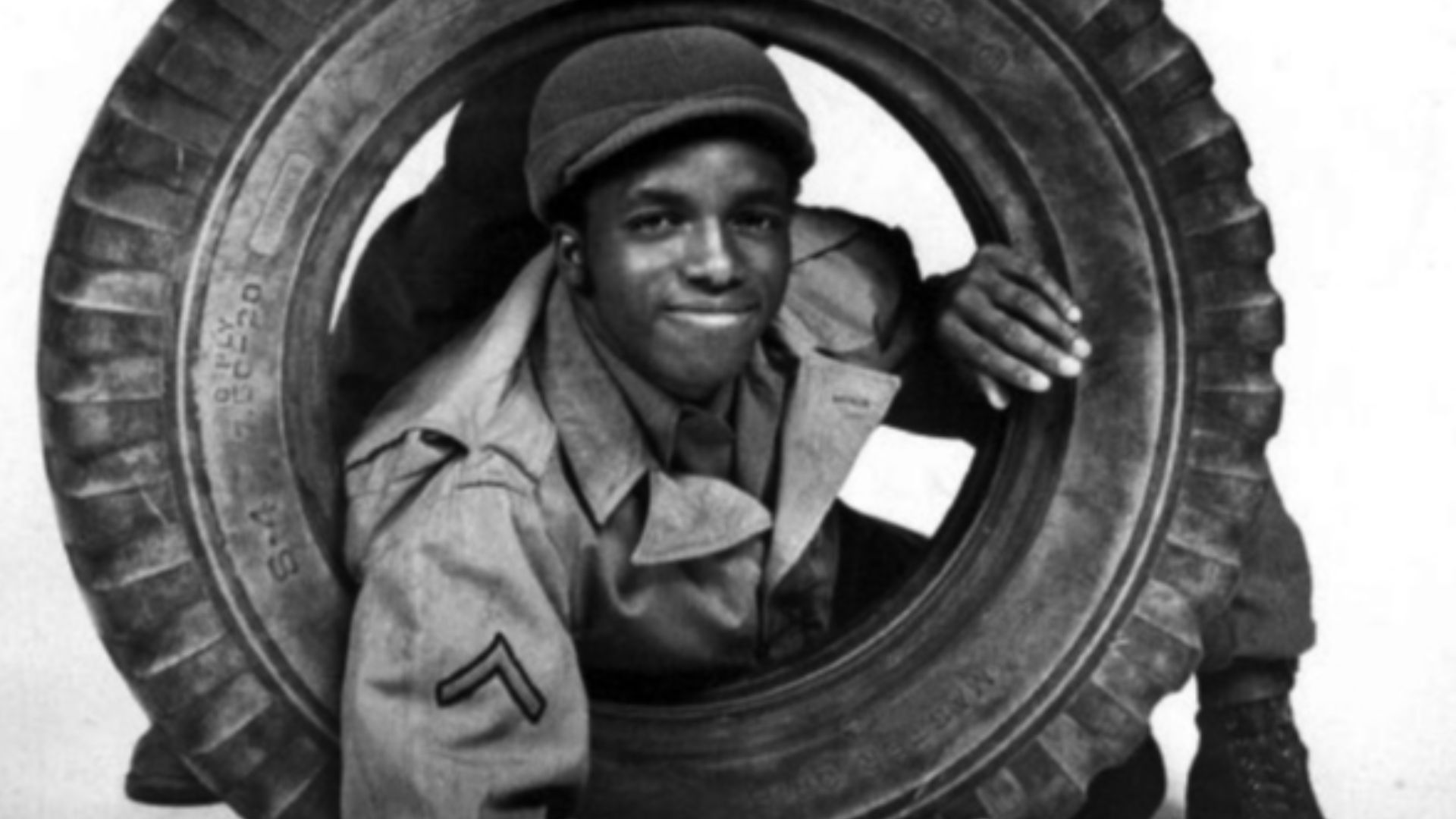 CBS Television, Wikimedia Commons
We’ll Get By (1975)
Starring Paul Sorvino and Deirdre Lenihan, this sitcom focused on a single mother and her son adjusting to life changes. The premise was heartfelt but low-key. It lacked strong comedic punch and was overshadowed by louder competitors in its time slot.
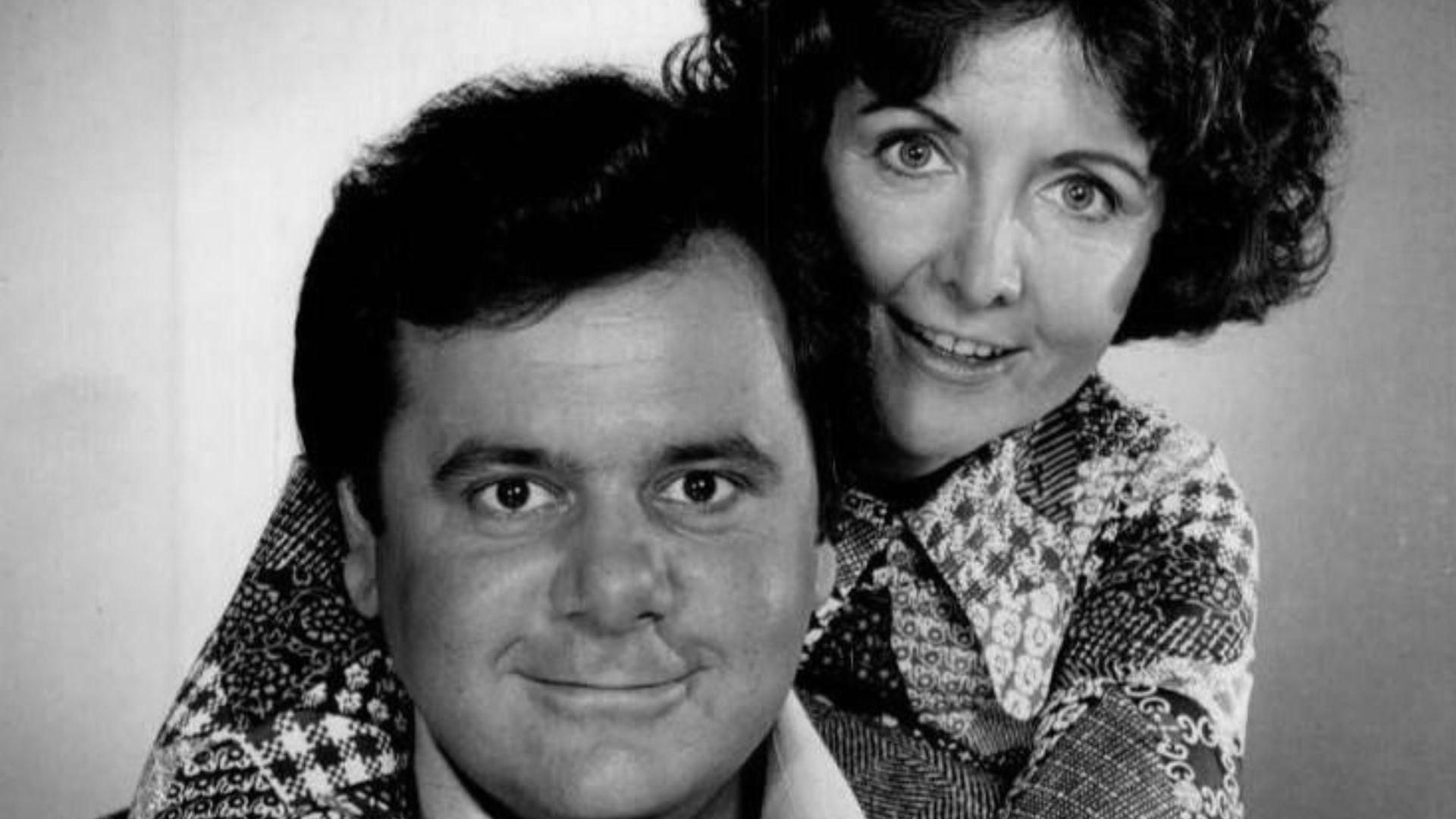 CBS Television, Wikimedia Commons
Ball Four (1976)
Based on the controversial baseball memoir by Jim Bouton, this sitcom followed the off-field lives of pro baseball players. It was loosely adapted and toned down from the book. Fans of the memoir were disappointed, and general audiences didn’t latch on.
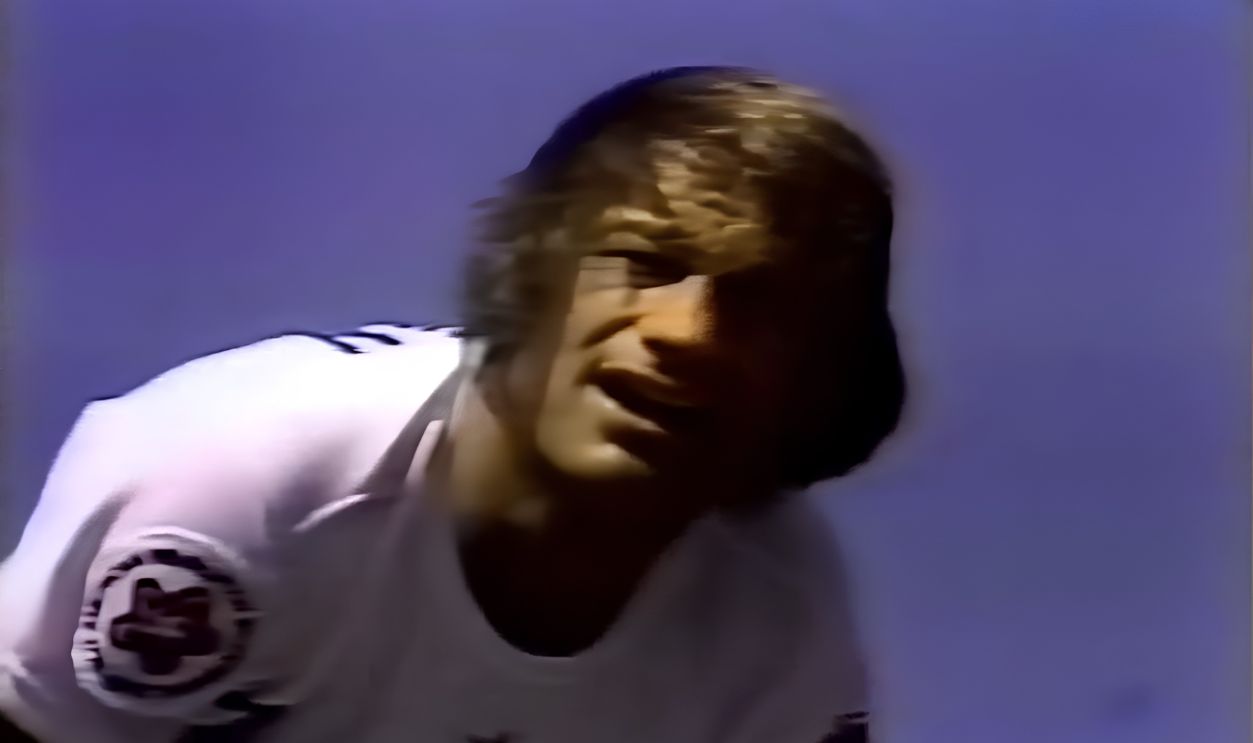 Screenshot from Ball Four, CBS (1976)
On the Rocks (1975–1976)
Set in a minimum-security prison, this sitcom starred Hal Williams and featured a young Dwayne Hickman. While the prison setting was unusual for comedy, ratings remained low. It developed a small cult following later, but during its run, it struggled.
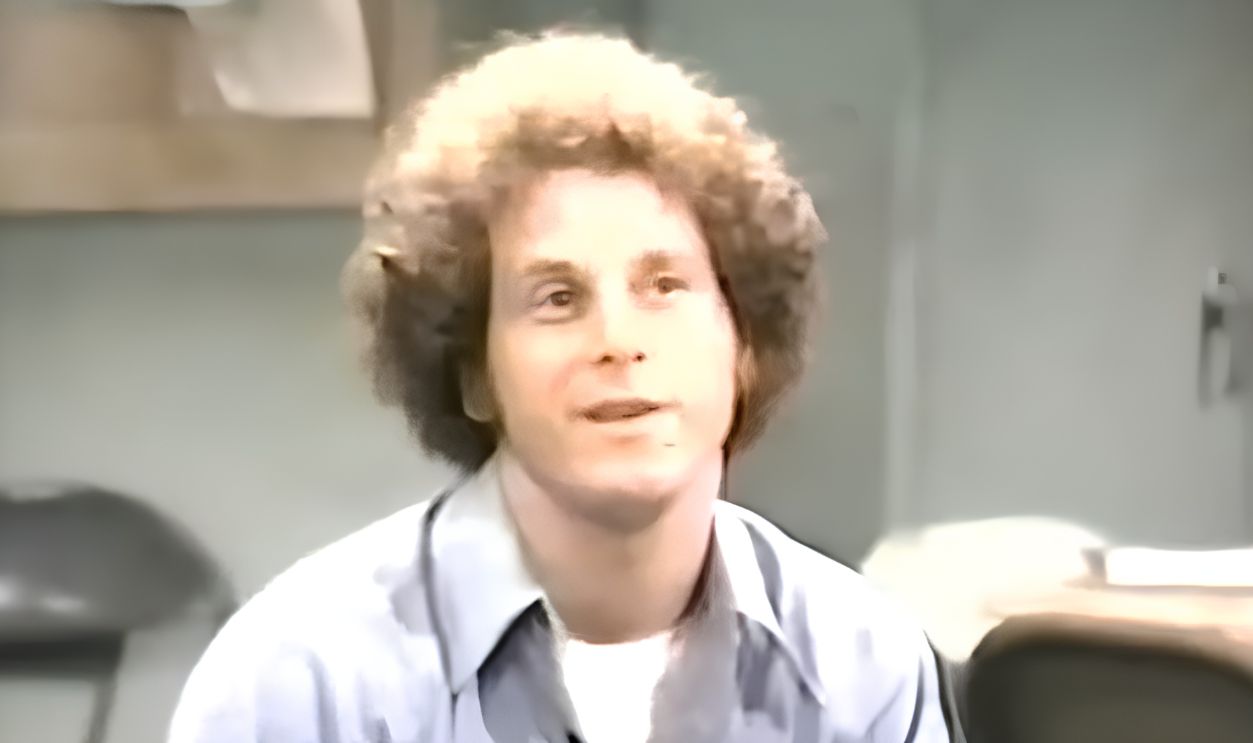 Screenshot from On the Rocks, ABC (1975–1976)
The Practice (1976–1977)
Danny Thomas starred as a cantankerous doctor working with younger physicians. Despite Thomas’s fame, the show felt dated compared to more modern sitcom styles emerging in the mid-70s. It ran one season and faded quietly.
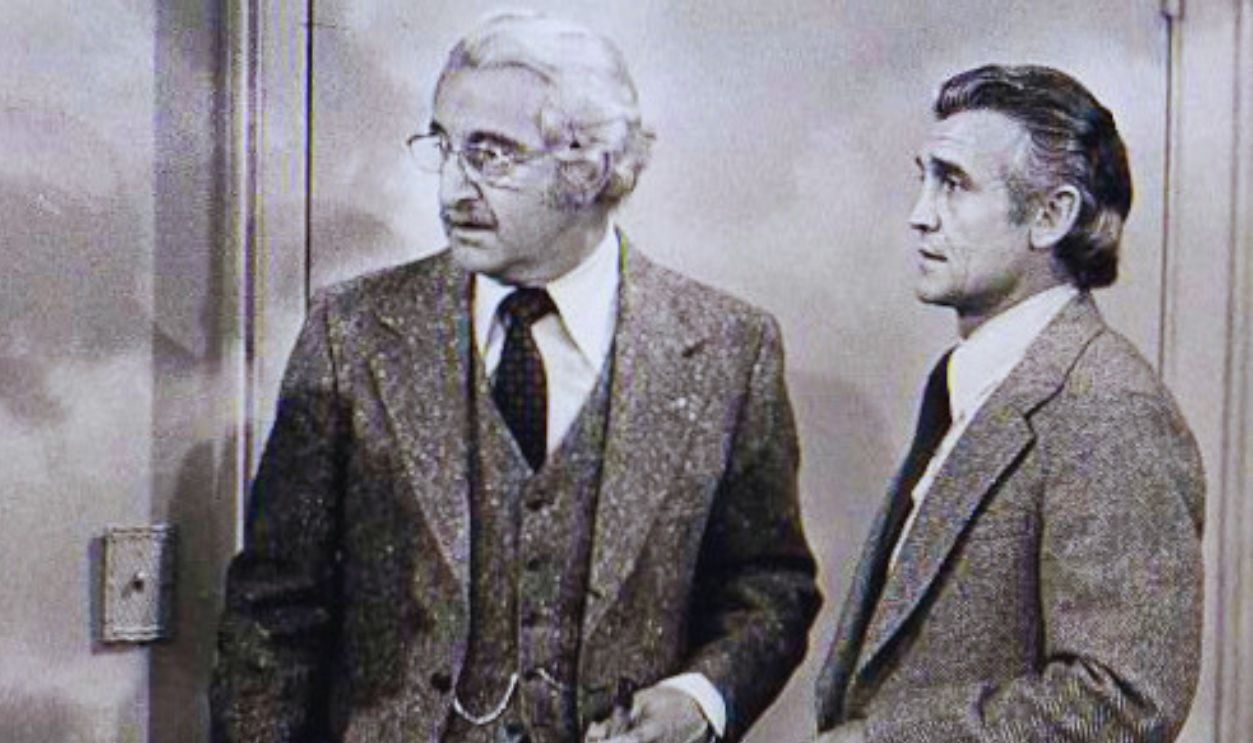 Screenshot from The Practice, NBC (1976–1977)
Blansky’s Beauties (1977)
Nancy Walker played a former showgirl running a charm school in Las Vegas. The show featured a young Scott Baio. Despite flashy surroundings, weak writing and low ratings led to cancellation after just one season.
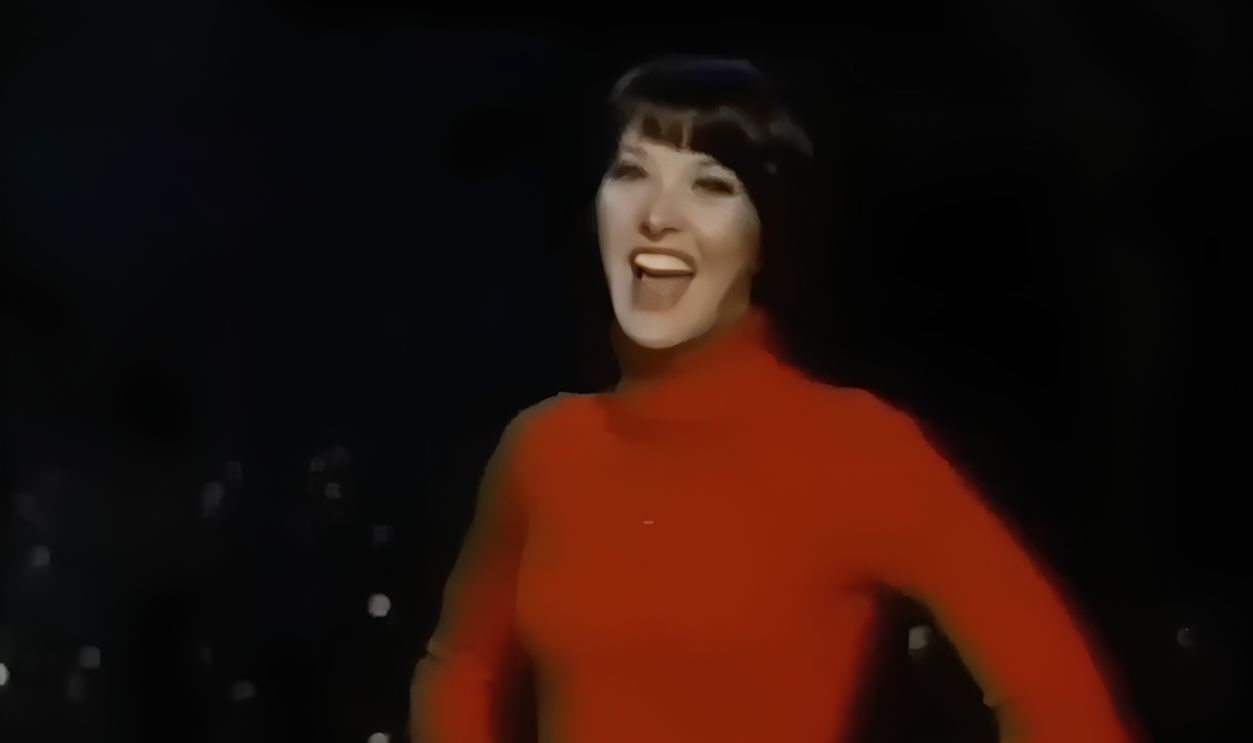 Screenshot from Blansky's Beauties, Paramount Television / ABC (1977)
The Dumplings (1976)
James Coco and Geraldine Brooks starred as a happily overweight married couple. The show aimed for heartwarming humor but leaned heavily on outdated stereotypes. Audiences never fully embraced it, and it lasted only one season.
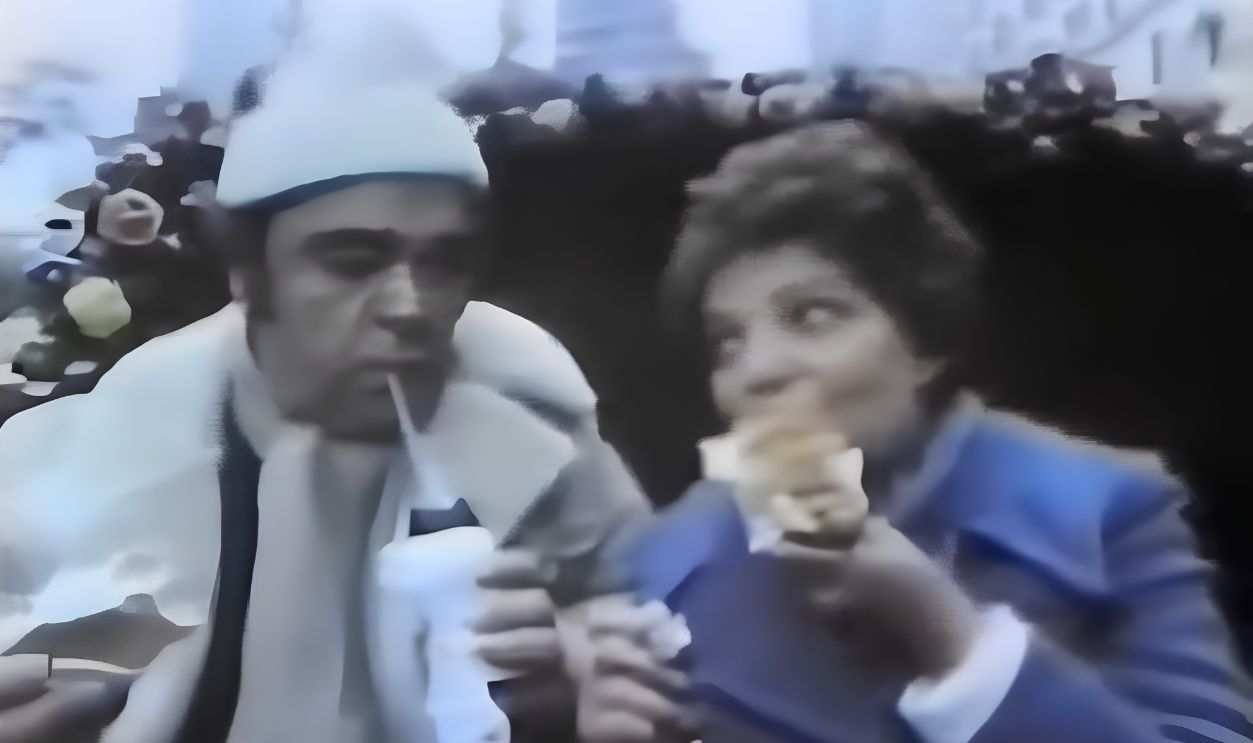 Screenshot from The Dumplings, NBC (1976)
Who’s Watching the Kids? (1978)
Starring Scott Baio and Tammy Lauren, this sitcom followed teenagers balancing show business dreams and everyday life. It struggled with inconsistent tone and scheduling. Ratings never stabilized, and it was canceled after its first season.
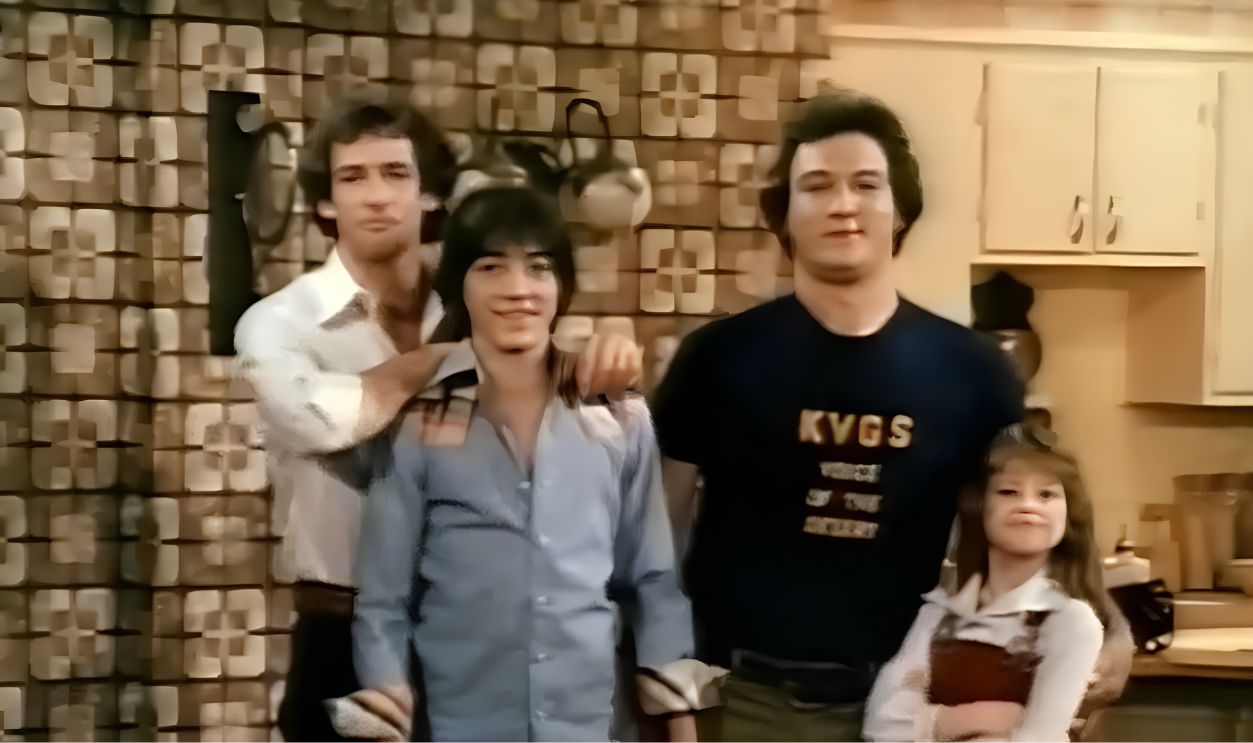 Screenshot from Who’s Watching the Kids?, Paramount Television / NBC (1978)
The Corner Bar (1972–1973)
This sitcom revolved around the patrons of a small-town bar. While it had relatable blue-collar themes, it lacked the strong character chemistry needed to stand out. It quietly disappeared after one season without major fanfare.
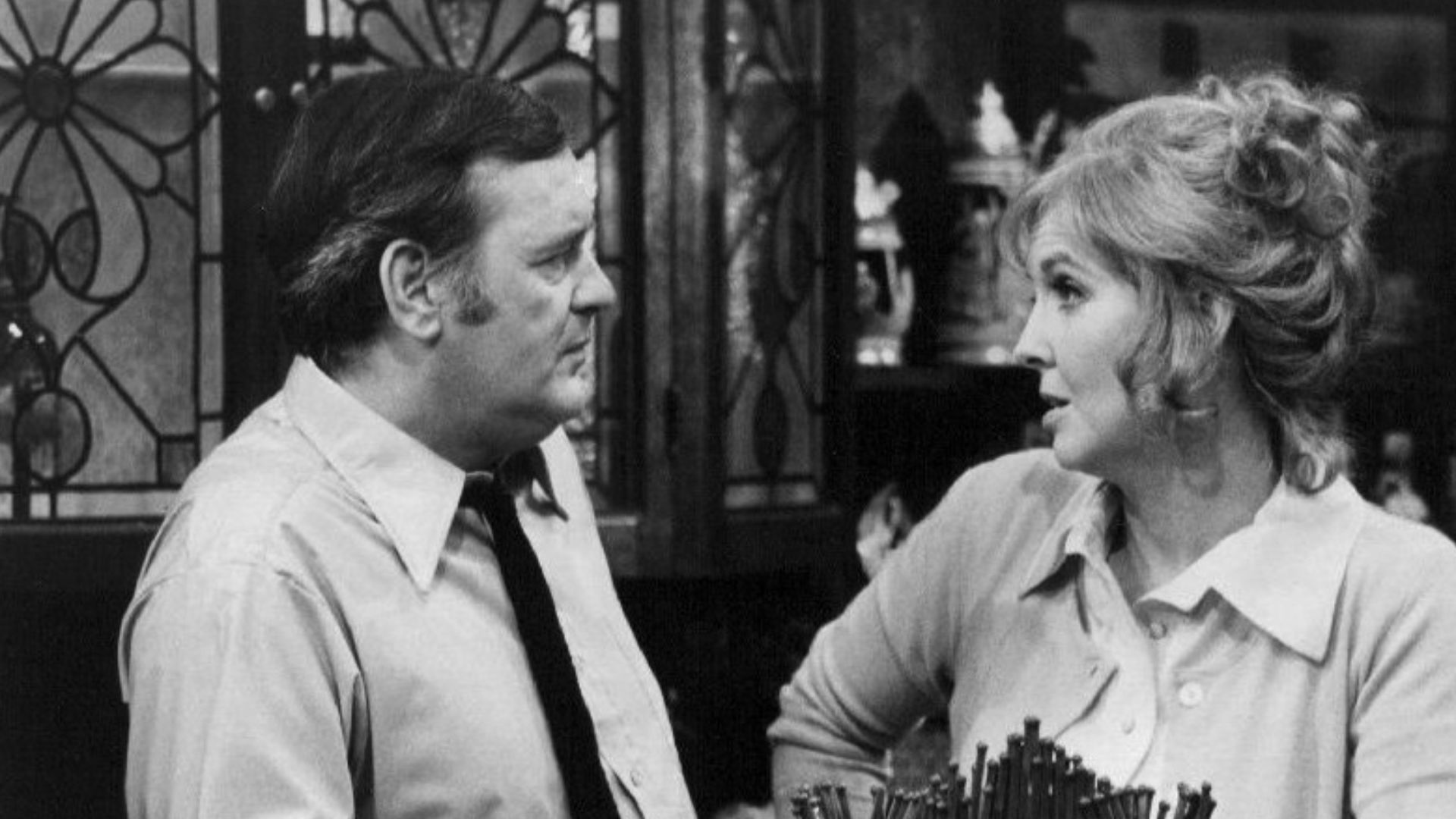 ABC Television, Wikimedia Commons
The Texas Wheelers (1974–1975)
Starring Gary Busey and Jack Elam, the show followed a widowed father raising three daughters in Texas. Despite decent performances, it never found a consistent audience. It was moderately liked by critics but didn’t generate ratings momentum.
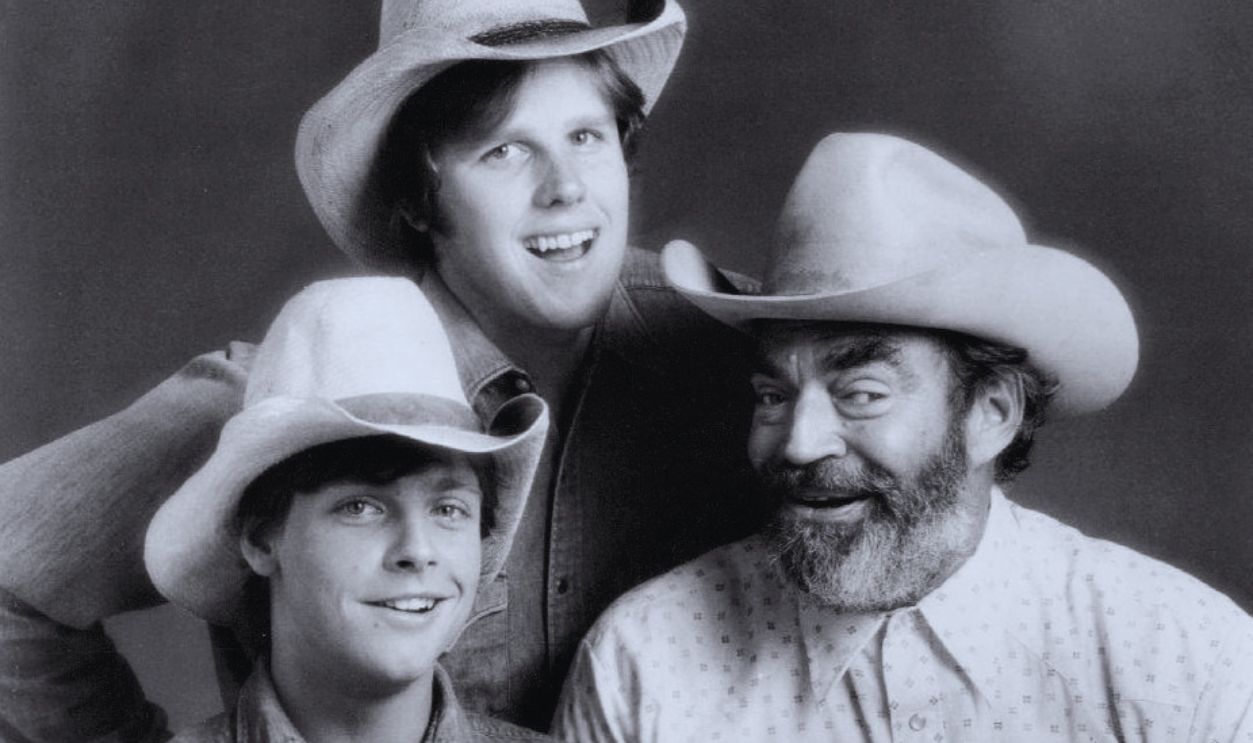 ABC Television, Wikimedia Commons
Love, American Style (Early 70s Decline)
Although it ran multiple seasons, its early 70s iterations struggled and were eventually phased out. Its anthology romance format began to feel dated. Viewers were moving toward edgier, more topical sitcoms.
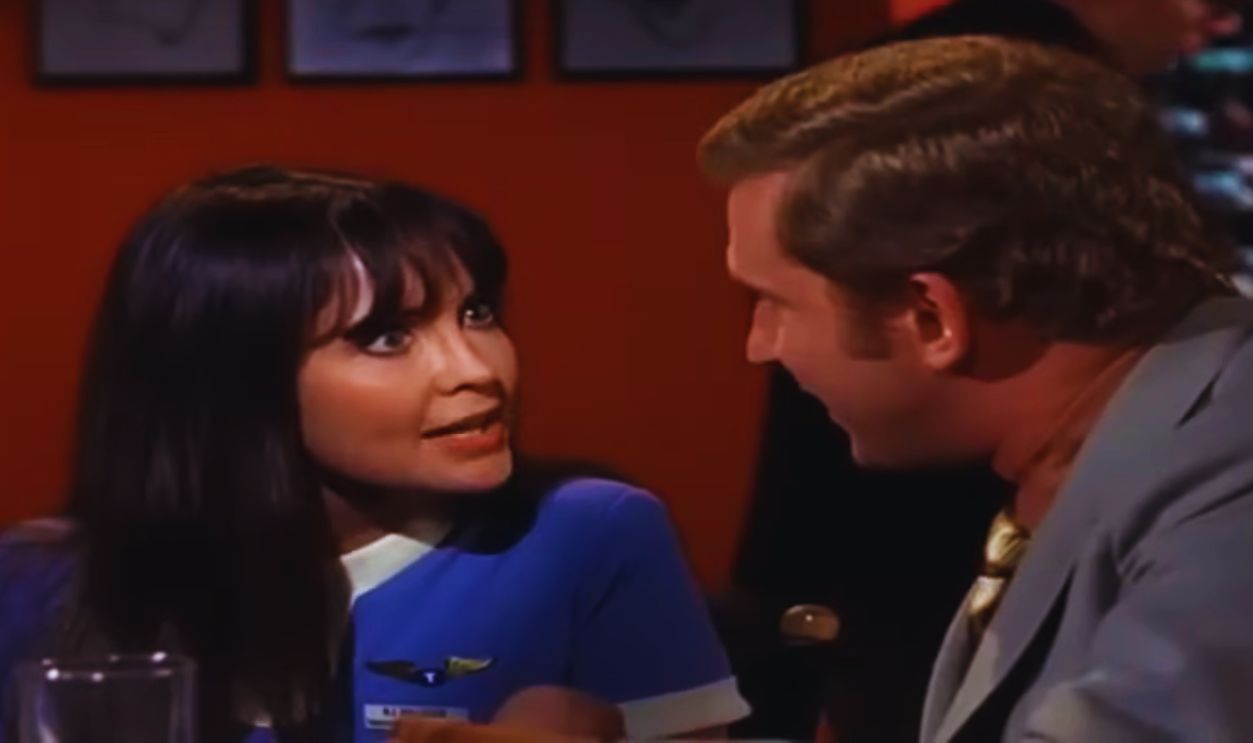 Screenshot from Love, American Style, Paramount Television / ABC (1969–1974)
Good Heavens (1976)
Starring Carl Reiner, this sitcom featured an angel returning to Earth to help a struggling minister. Despite the strong concept and talent involved, it failed to gain traction and was canceled after a single season.
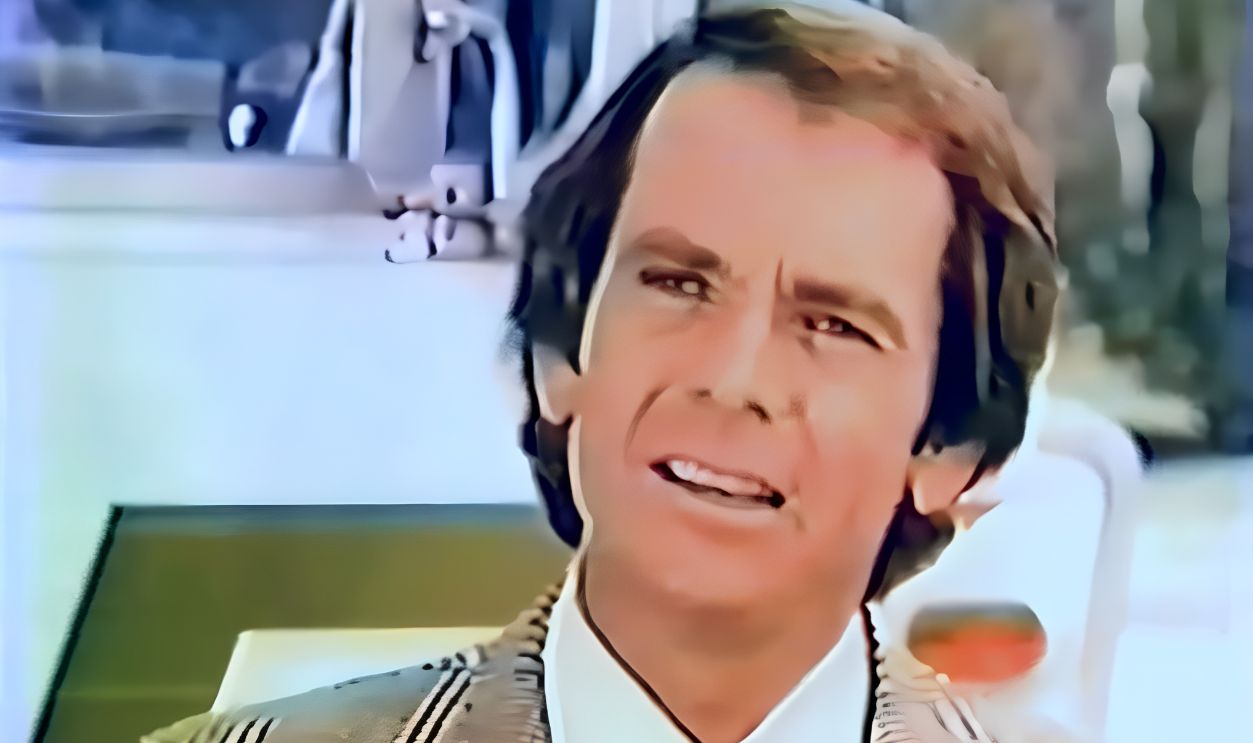 Screenshot from Good Heavens, Columbia Pictures Television / ABC (1976)
Tabitha (1977–1978)
A spin-off of Bewitched, this show followed Samantha’s daughter as a young adult discovering her magical powers. Despite built-in name recognition, audiences didn’t connect strongly with the new cast. It lasted one season and failed to replicate the original’s success.
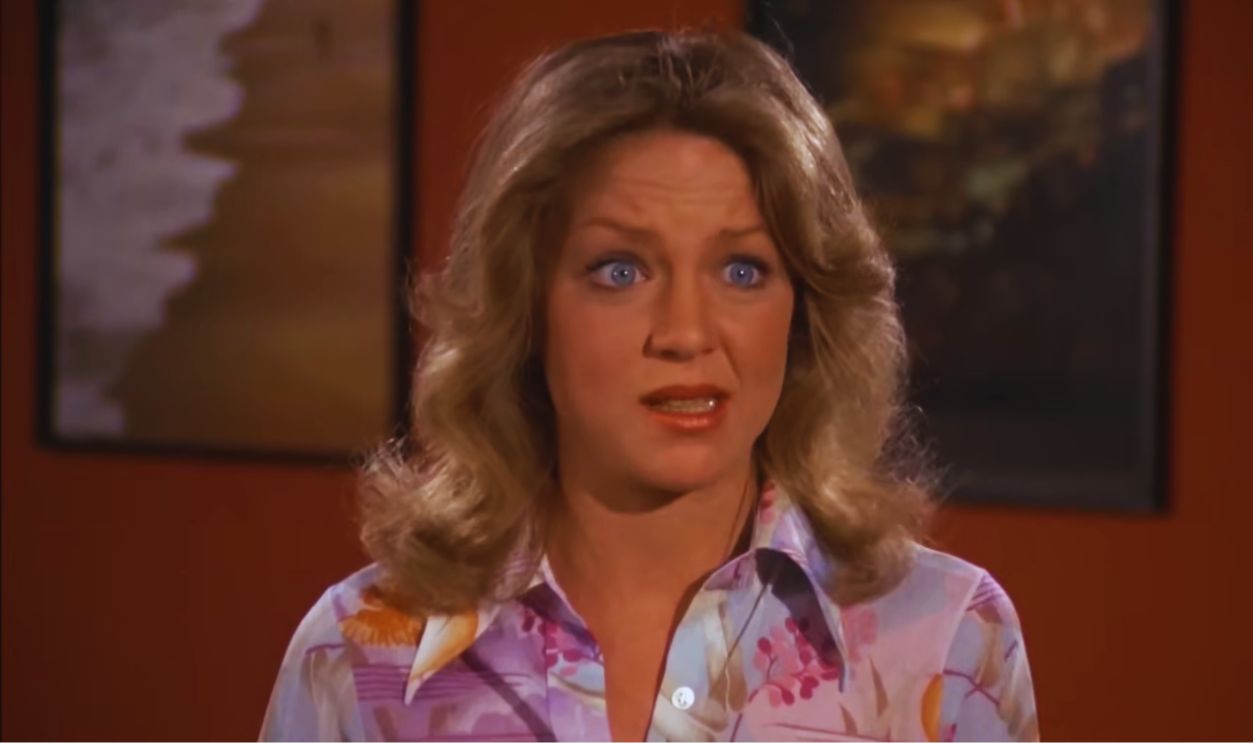 Screenshot from Tabitha, Columbia Pictures Television / ABC (1977–1978)
Holmes & Yo-Yo (1976–1977)
This oddball sitcom followed a detective partnered with a malfunctioning android. The sci-fi concept was ambitious for its time but often felt clunky. While it attracted curiosity, ratings were weak, and it ended after one season.
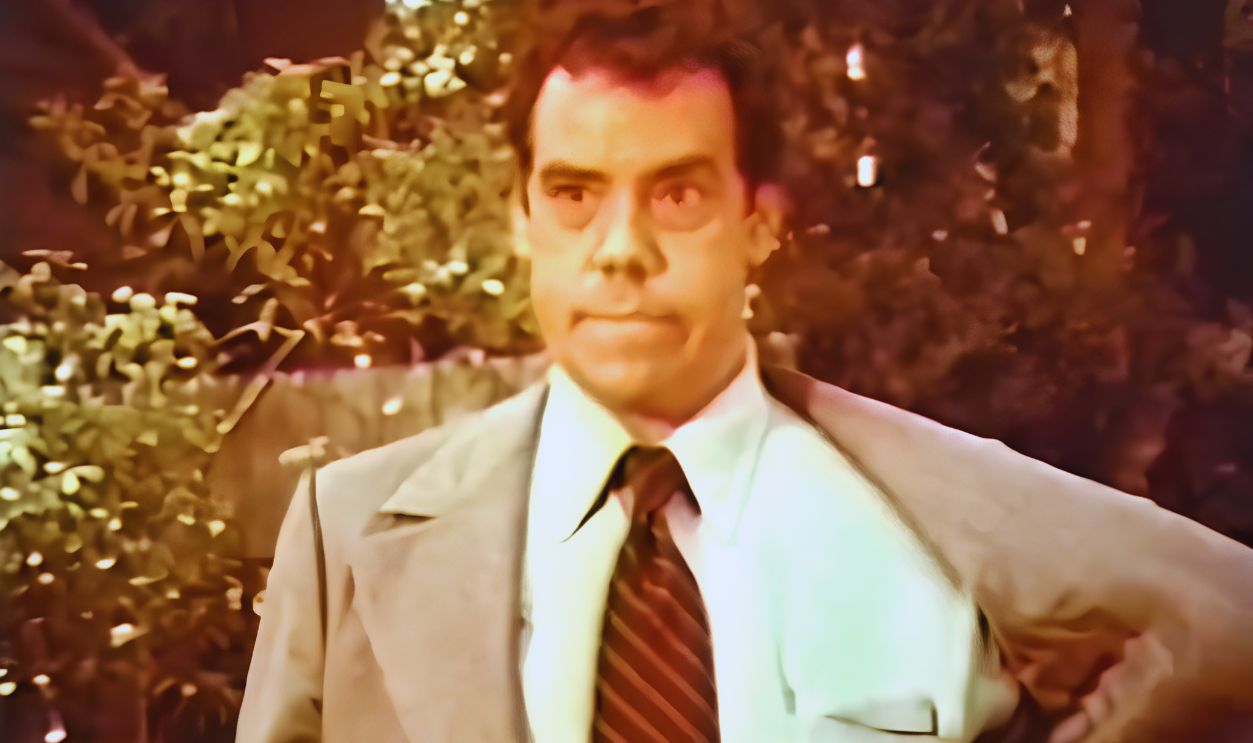 Screenshot from Holmes & Yo-Yo, Columbia Pictures Television / ABC (1976–1977)
Why So Many Disappeared
The 1970s were a transition era for television. Audiences were shifting toward socially conscious comedy, sharper writing, and stronger character development. Many of these shows either leaned too heavily on gimmicks or couldn’t compete with breakout hits of the decade.
They may not have become classics — but they remain fascinating reminders of how unpredictable television success can be.
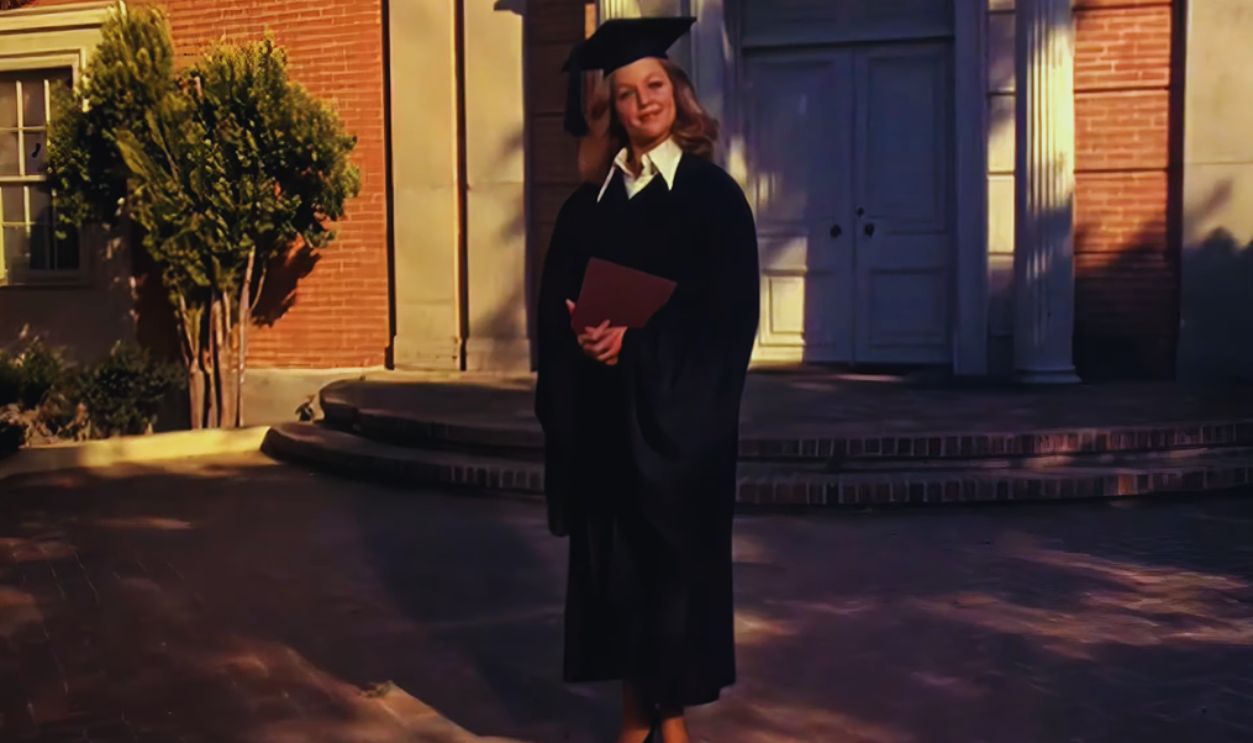 Screenshot from Tabitha, Columbia Pictures Television / ABC (1977–1978)
You May Also Like:
TV Shows That Were Huge Abroad—But Never Took Off In The U.S.
20 Years Ago, These Controversial Movies Were Hits—Today They’d Spark Outrage
30 of the Longest-Running TV Shows
Sources: 1, 2, 3, 4, 5, 6, 7, 8, 9, 10, 11, 12, 13, 14, 15, 16, 17, 18, 19, 20