Do You Remember Any Of These?
Everyone remembers I Love Lucy, The Andy Griffith Show, and The Twilight Zone. Those never really left. But the 60s pumped out a ton of TV, and a lot of it just vanished (at least from most of our memories).
Let’s see how many of these you actually recognize…be honest.
 Metro-Goldwyn-Mayer Television
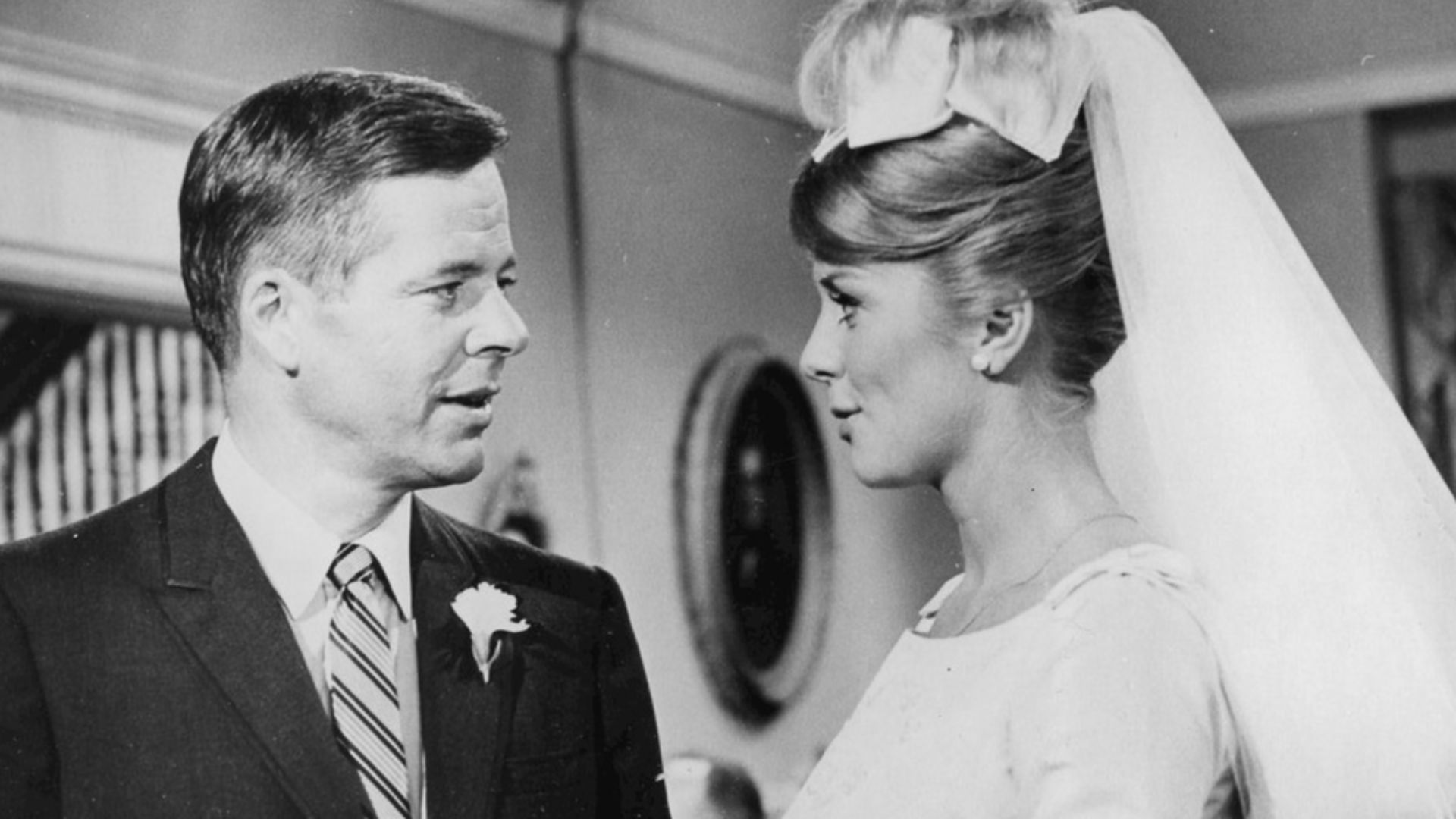
The Farmer’s Daughter (1963–1966)
A Swedish-American housekeeper working for a congressman doesn’t sound like much, but it actually won awards and pulled solid ratings. For a few years, it worked. Then it faded fast. Now it’s one of those shows you only find if you’re really digging.
 ABC Television, Wikimedia Commons
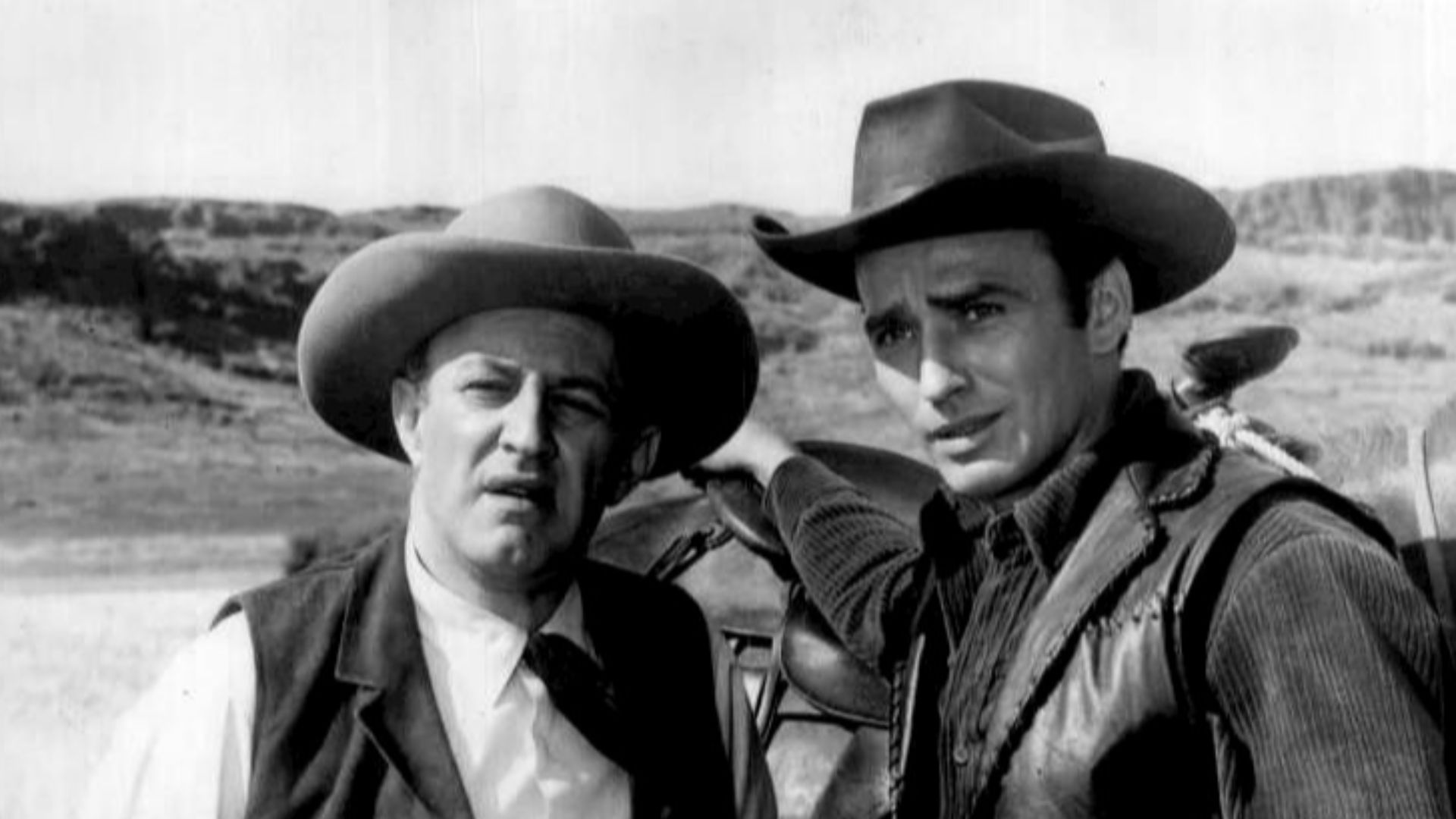
The Virginian (1962–1971)
Nine seasons. That alone should make this one more famous than it is. It was one of the first 90-minute Westerns and a big deal at the time. Now it mostly lives in the shadow of Bonanza and Gunsmoke, which completely took over the conversation.
 NBC Television, Wikimedia Commons
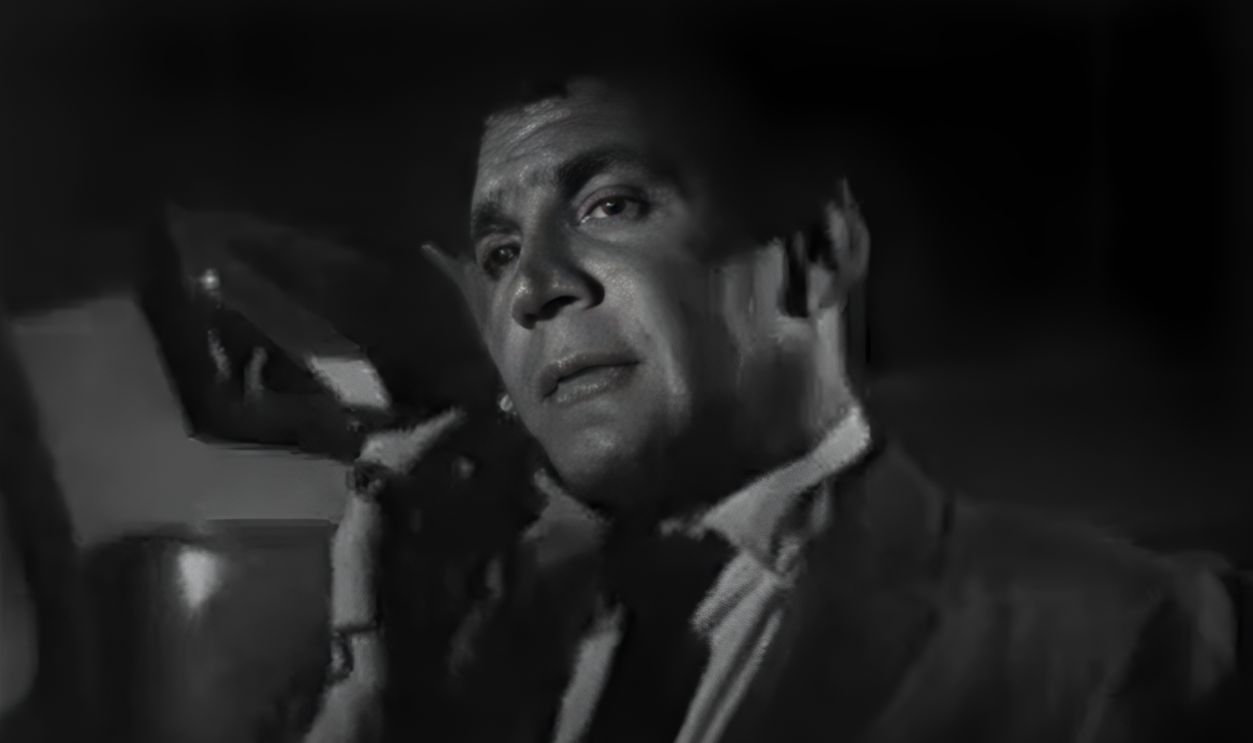
Burke’s Law (1963–1966)
A millionaire detective solving crimes from a Rolls-Royce with a chauffeur feels like someone dared TV to try it. And they did. It leaned all the way into glam and celebrity cameos. Big for a moment, then it wore out its welcome.
 Screenshot from Burke’s Law, ABC (1963–1966), Modified
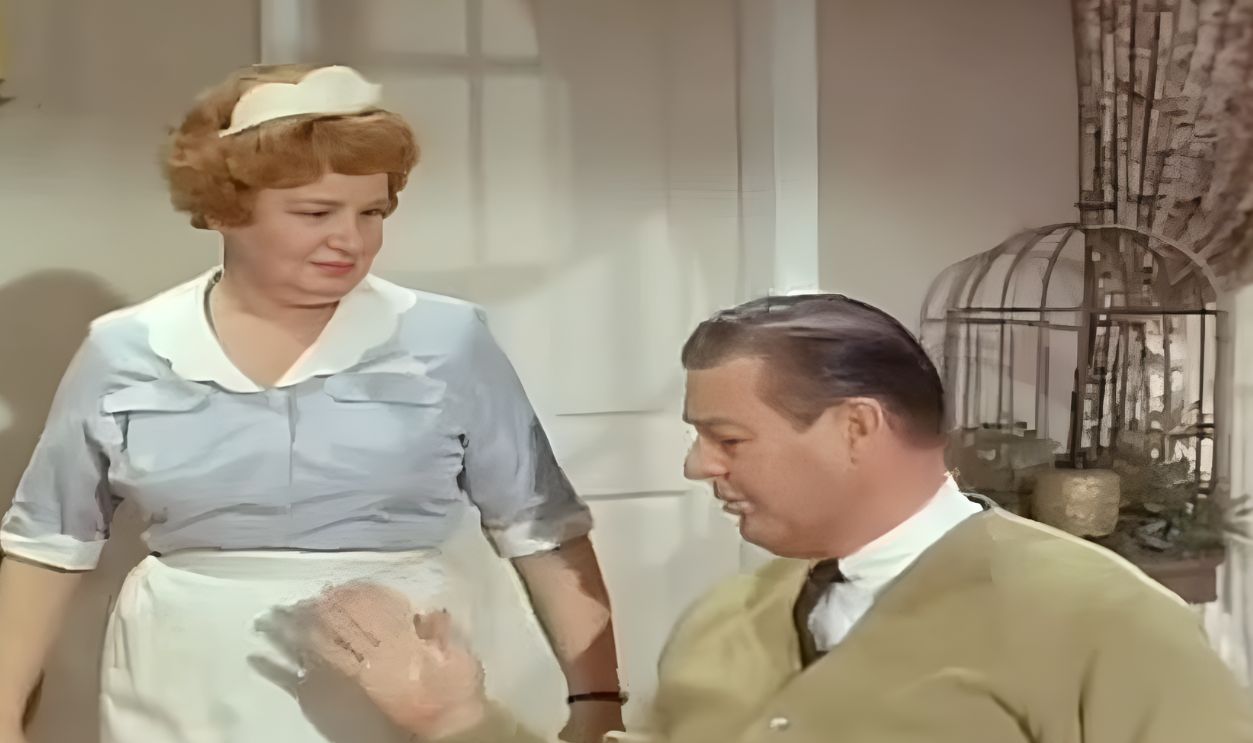
Hazel (1961–1966)
Five seasons, strong ratings, and a main character who basically runs the entire household. This was a legit hit. Now it’s more like, “I’ve heard the name,” and not much else. Somehow it just didn’t carry forward.
 Screenshot from Hazel, NBC (1961–1966), Modified
Run For Your Life (1965–1968)
A man finds out he only has a couple years to live and decides to actually live. That’s a heavy idea for 60s TV. It ran three seasons, did well enough, and then quietly disappeared like it never happened.
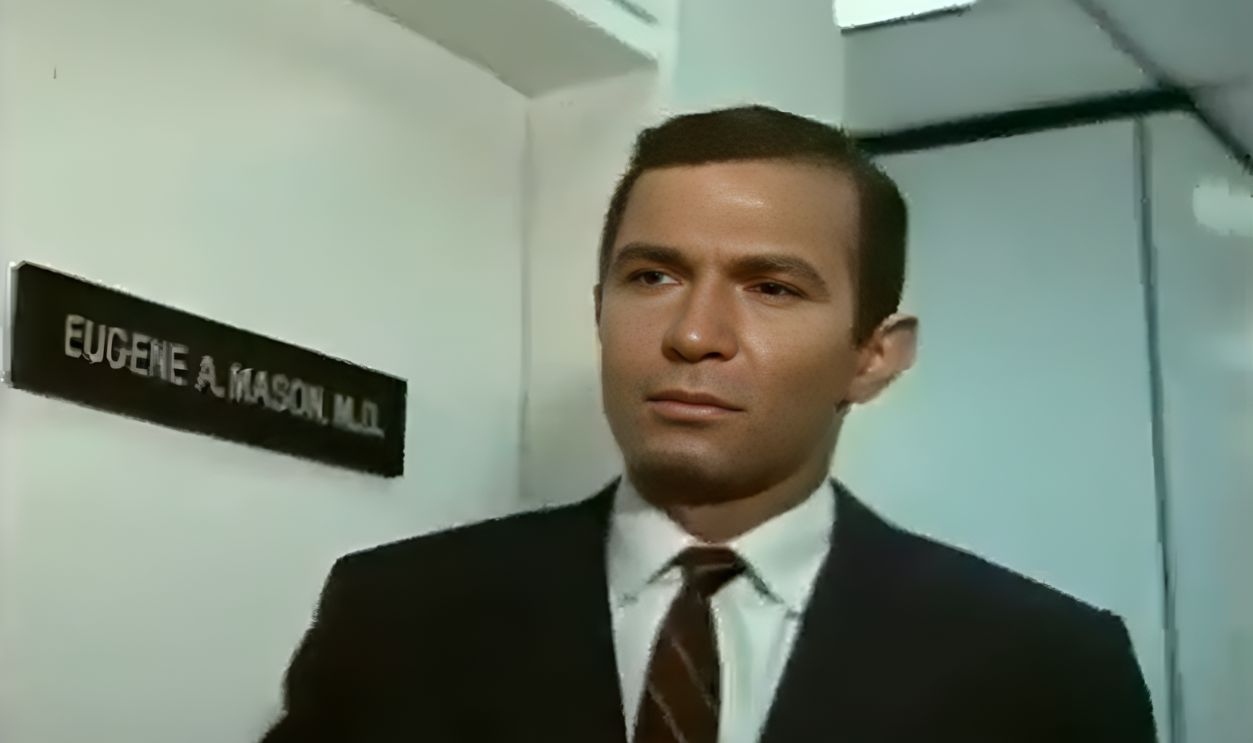 Screenshot from Run for Your Life, NBC (1965–1968), Modified
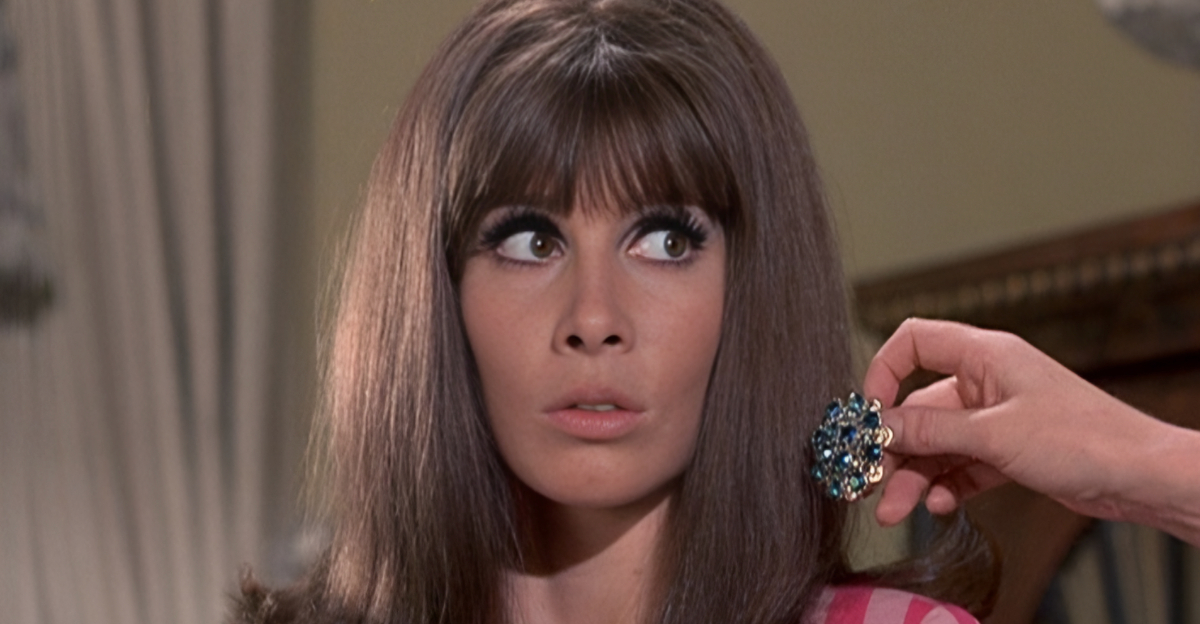
Honey West (1965–1966)
A stylish private eye with gadgets, confidence, and a pet ocelot. This was one of the first female-led action shows, which feels like a big deal looking back. One season later, it’s gone and barely part of the conversation.
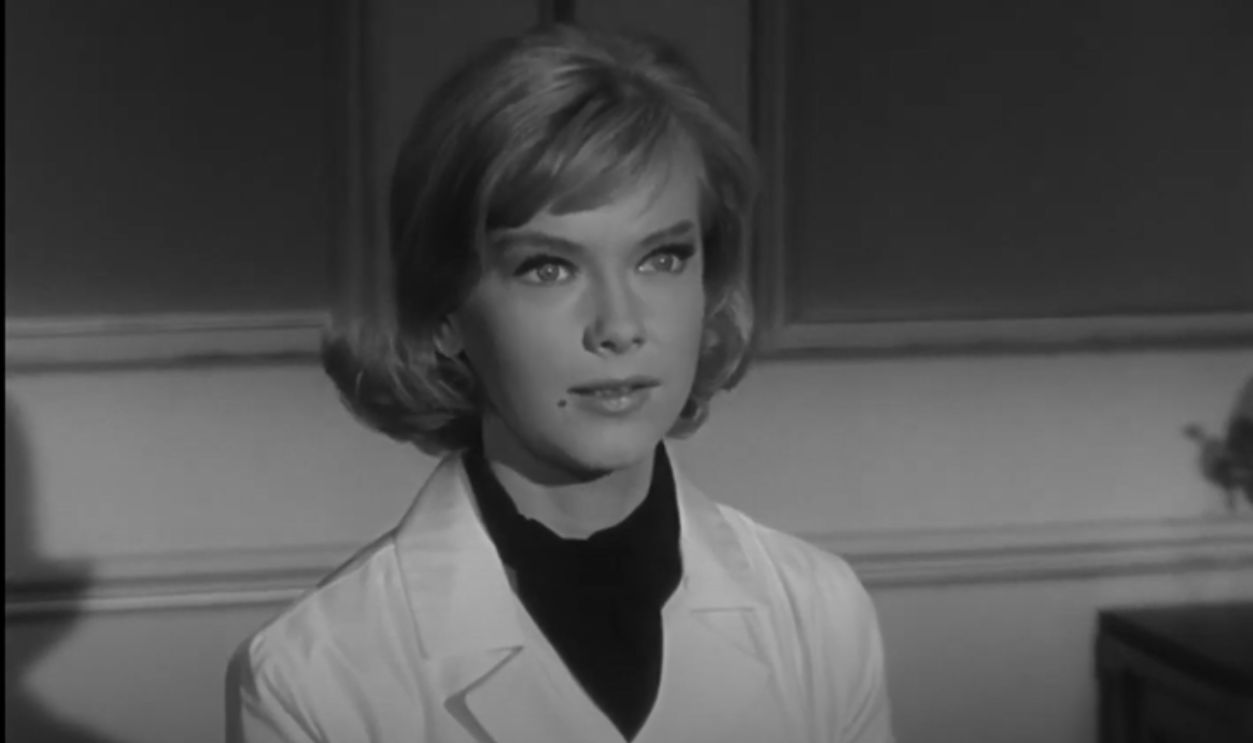 Screenshot from Honey West, ABC (1965–1966)
Family Affair (1966–1971)
This ran five seasons and pulled big numbers. A bachelor suddenly raising kids with help from a very proper British butler. It was everywhere for a while. Now it feels like one of those shows people almost remember.
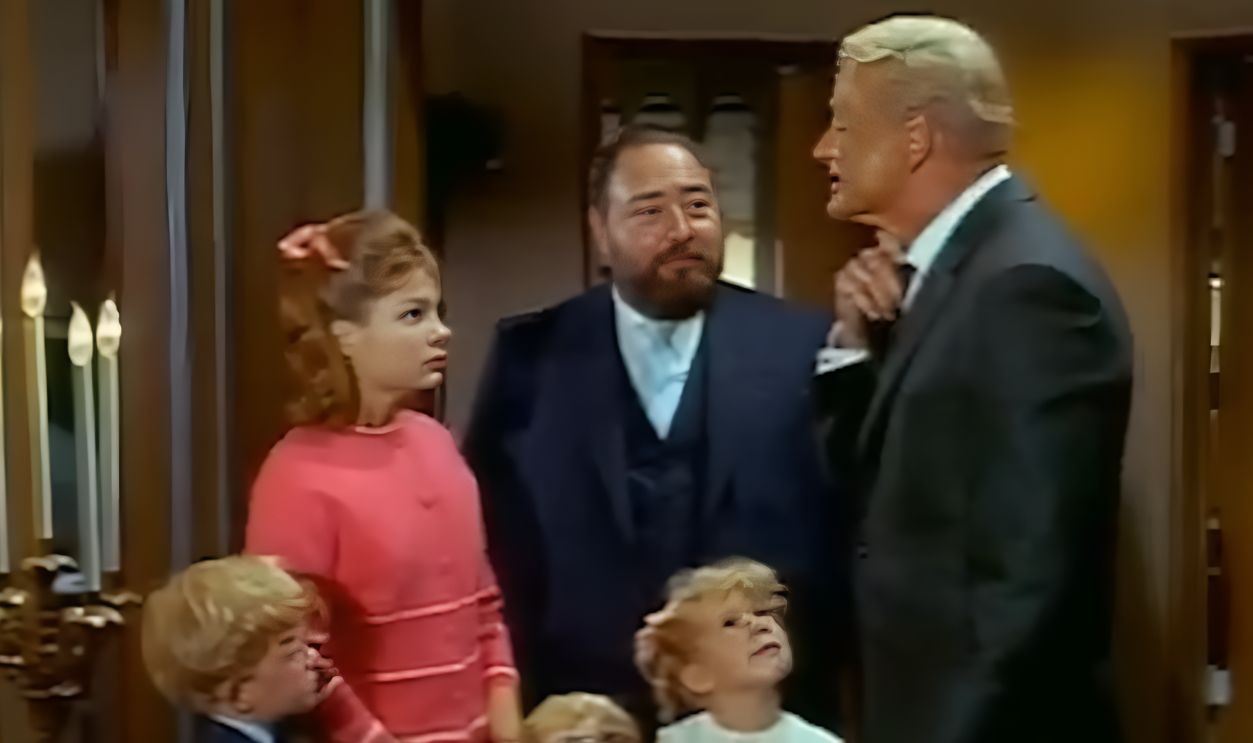 Screenshot from Family Affair, CBS (1966–1971), Modified
The Girl From U.N.C.L.E. (1966–1967)
This tried to keep the spy craze going after The Man From U.N.C.L.E. took off. It had everything lined up to work. It just didn’t stick. Once that trend cooled, this one went with it.
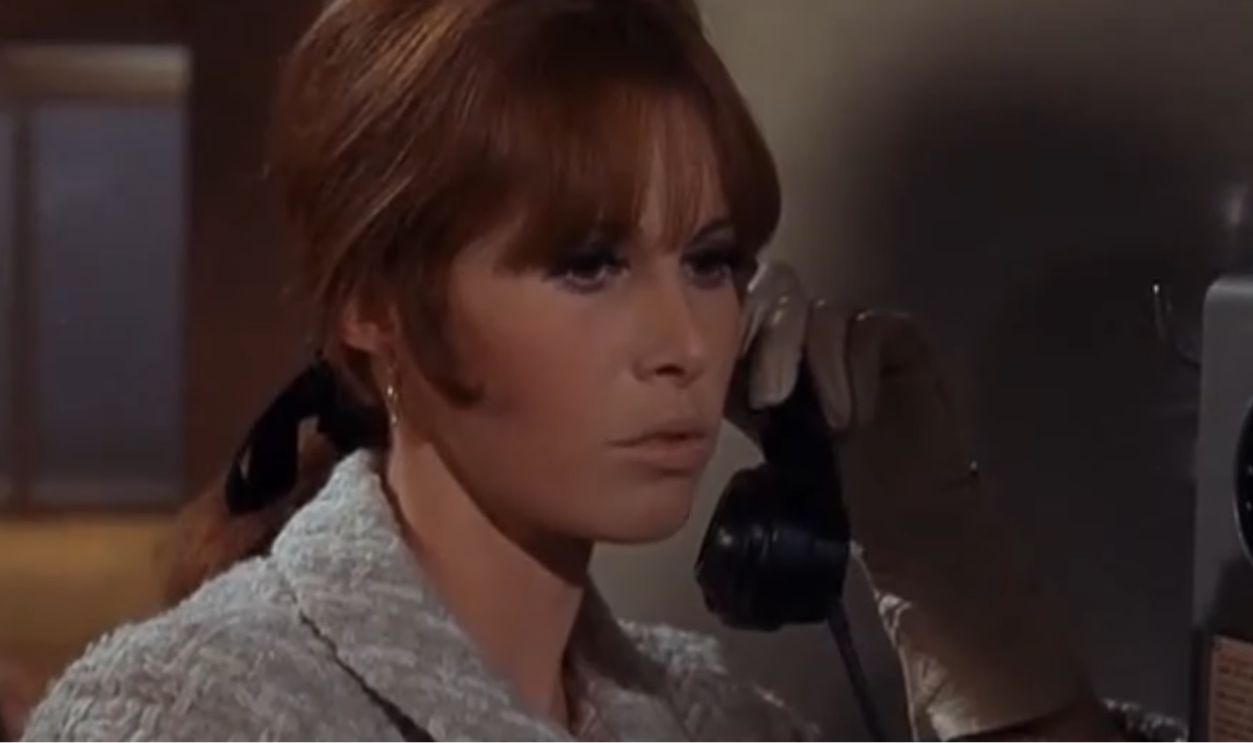 Screenshot from The Girl from U.N.C.L.E., NBC (1966–1967)
My Mother The Car (1965–1966)
A man’s mother comes back as a talking car. That’s not a joke, that’s the pitch. Even in the 60s, people were like… what? It didn’t work, but it did stick around as a legend for how weird TV can get.
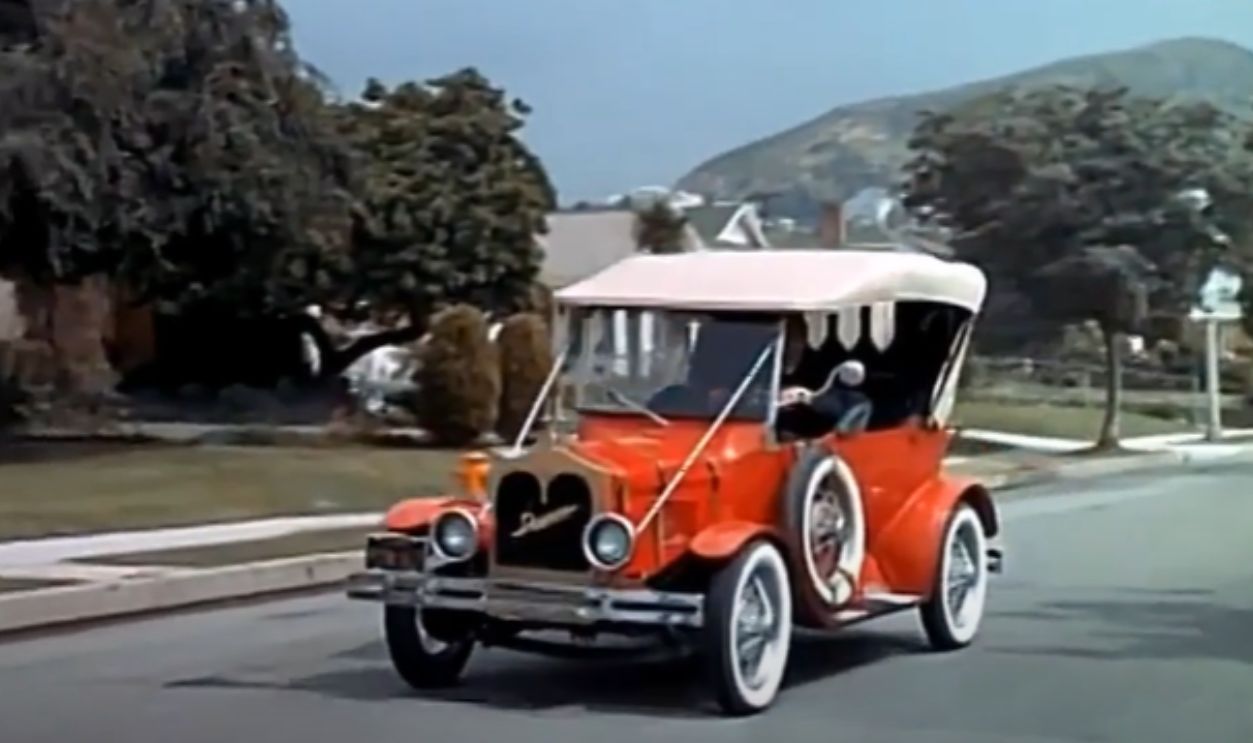 Screenshot from My Mother the Car, NBC (1965–1966)
Peyton Place (1964–1969)
This was huge. Multiple episodes a week, ongoing drama, people completely hooked. It basically helped shape primetime soap storytelling. And yet, unless someone’s really into TV history, it almost never comes up now.
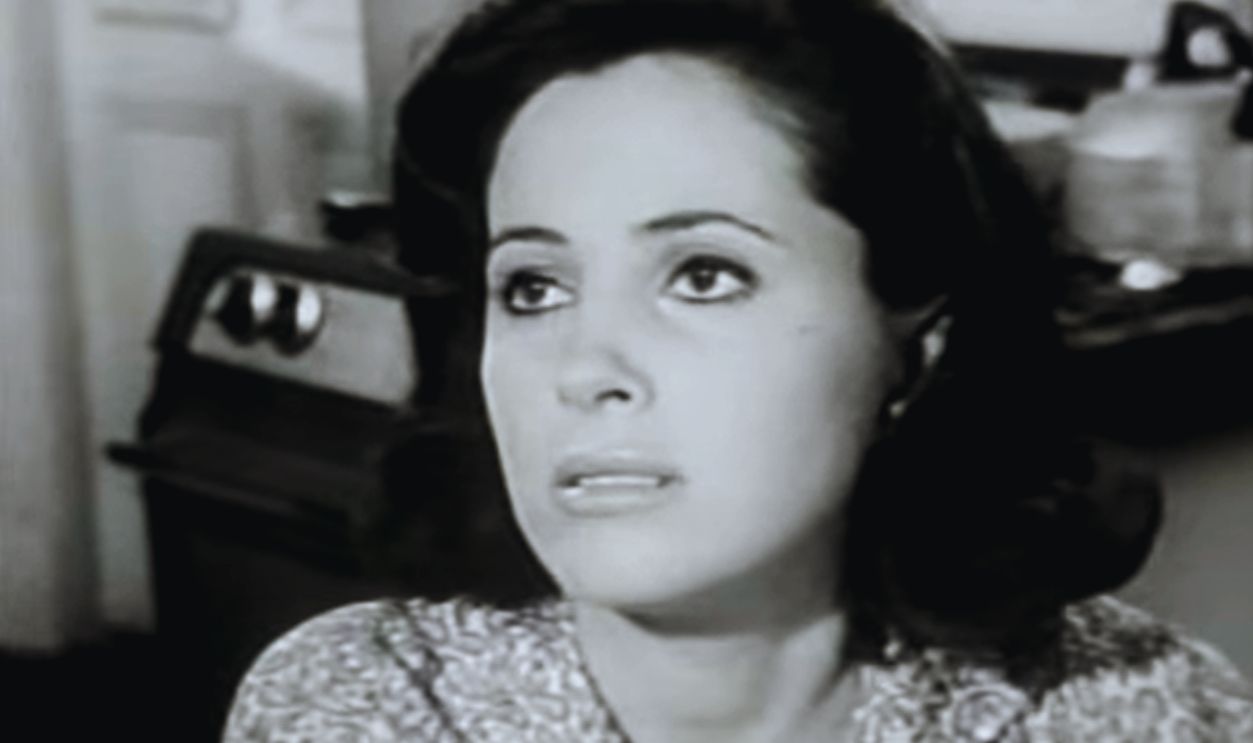 Screenshot from Peyton Place, ABC (1964–1969)
The Loner (1965–1966)
A Western that focused more on character and quiet moments instead of constant action. Critics liked that approach. Viewers didn’t. When everything else had shootouts, this one probably felt like it forgot something.
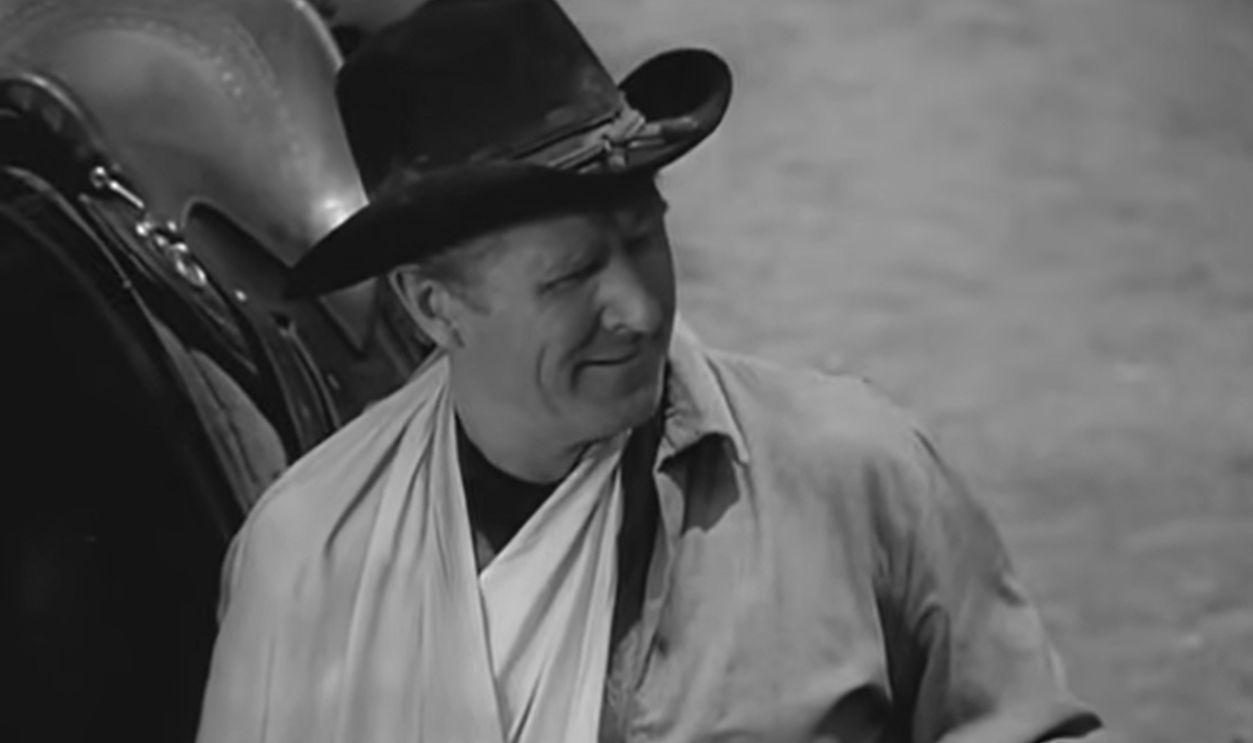 Screenshot from The Loner, CBS (1965–1966)
He & She (1967–1968)
A smart sitcom about a cartoonist and his wife that feels like it showed up a little too early. Critics loved it. It won Emmys. Almost nobody watched it. That’s usually not a great combination for survival.
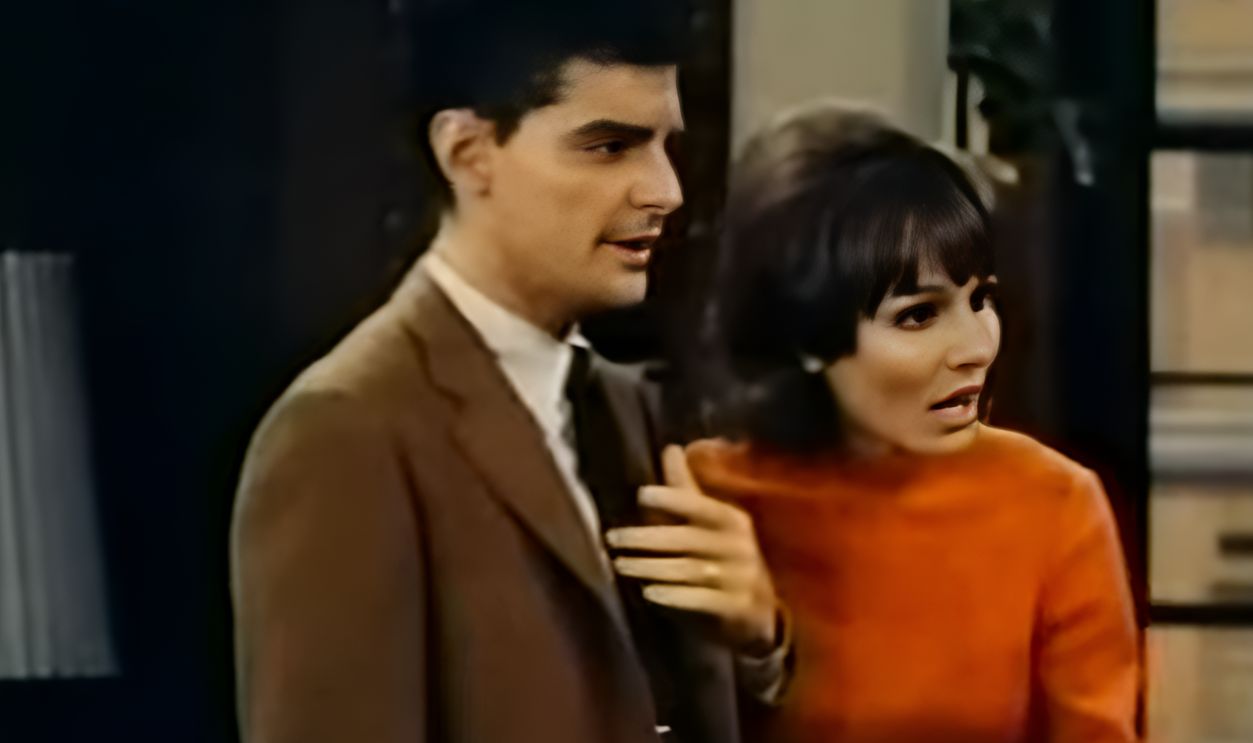 Screenshot from He & She, CBS (1967–1968), Modified
12 O’Clock High (1964–1967)
A serious World War II drama that didn’t try to be light or easy. It had strong performances and ran three seasons. It’s also the kind of show people don’t casually revisit, which is probably why it’s faded this far out.
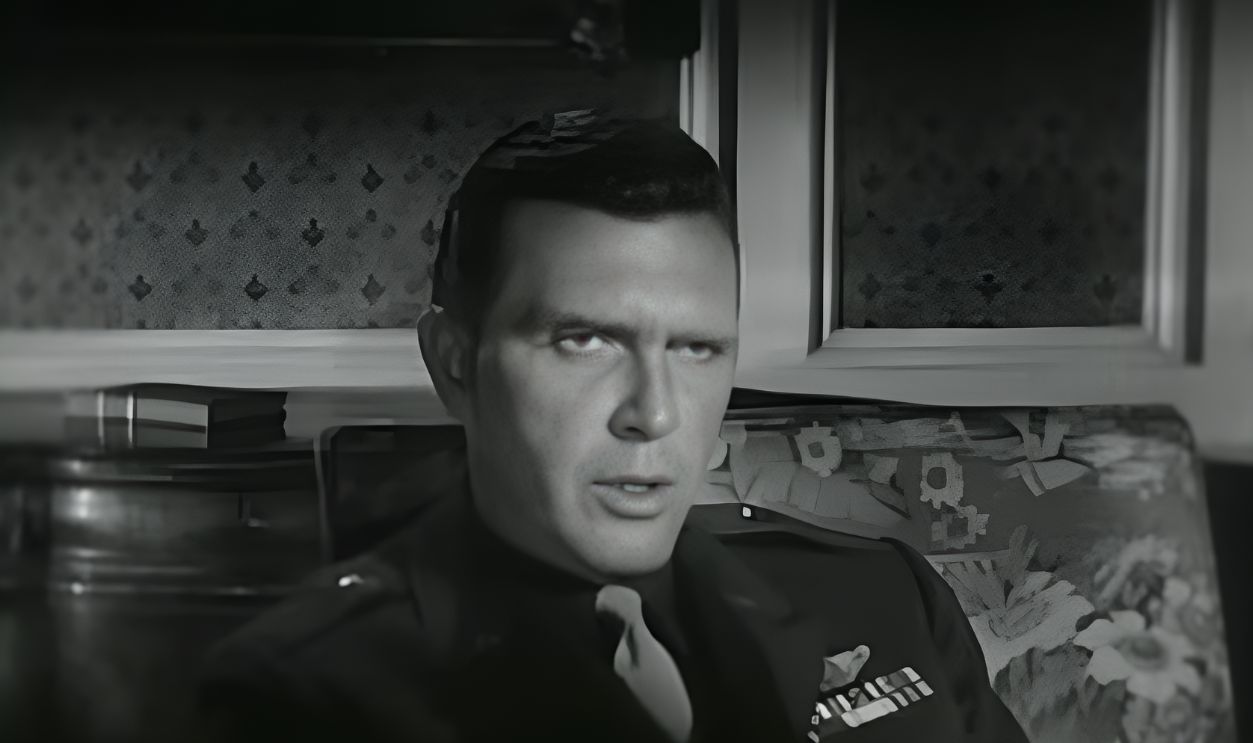 Screenshot from 12 O’Clock High, ABC (1964–1967), Modified
Captain Nice (1967)
NBC saw Batman working and decided to jump in. A nerdy chemist becomes a superhero with a huge ego problem. It tried to be funny and weird. Mostly it just didn’t connect and disappeared almost immediately.
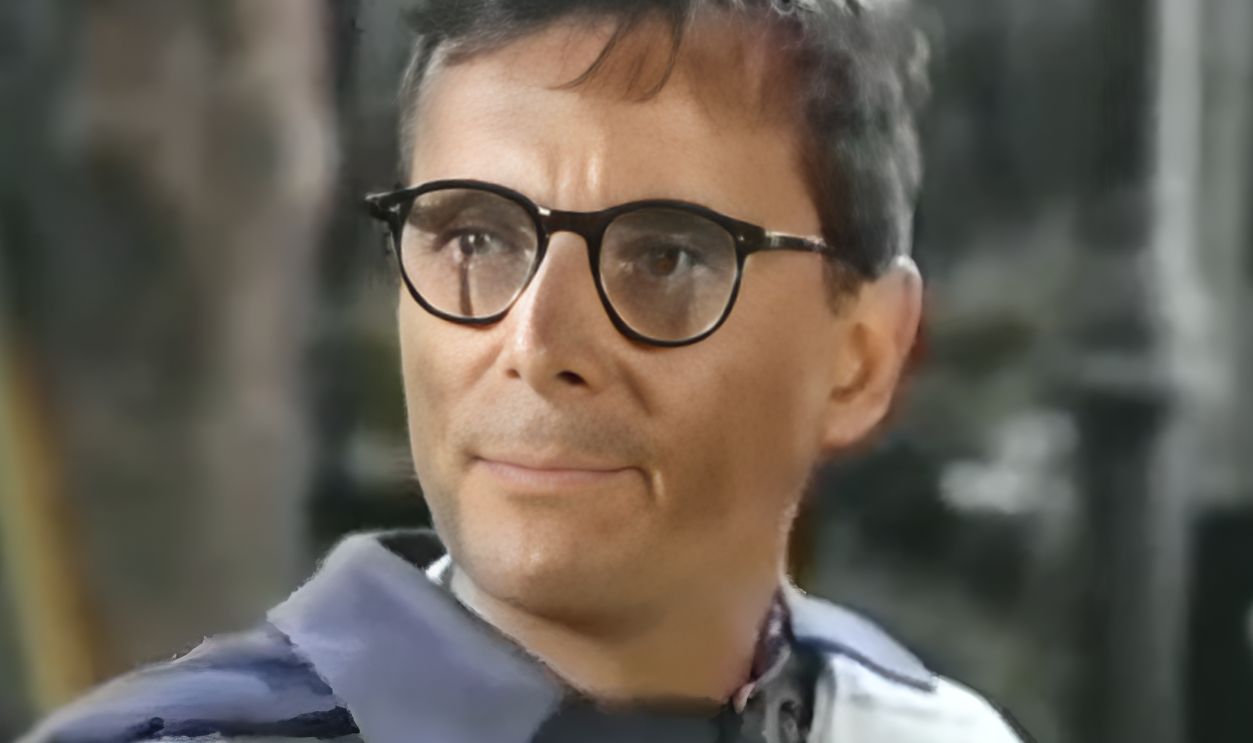 Screenshot from Captain Nice, NBC (1967), Modified
The Smothers Brothers Comedy Hour (1967–1969)
This one was actually a big deal. It pushed into political satire enough to make the network uncomfortable. When it got canceled, it kind of froze in time. Did it also freeze in your mind?.
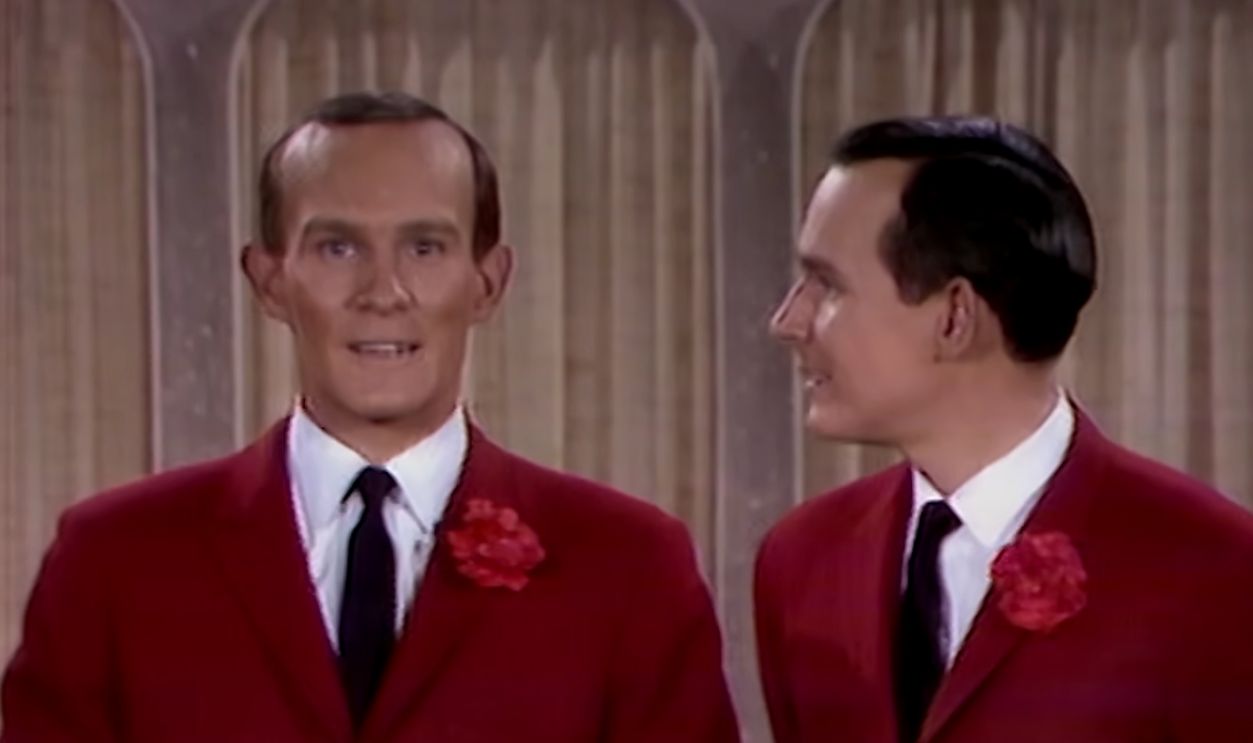 Screenshot from The Smothers Brothers Comedy Hour, CBS (1967–1969)
The Second Hundred Years (1967–1968)
A man gets frozen and wakes up decades later trying to adjust. That feels like a guaranteed reboot today. Back then, it lasted one season and quietly disappeared without much noise.
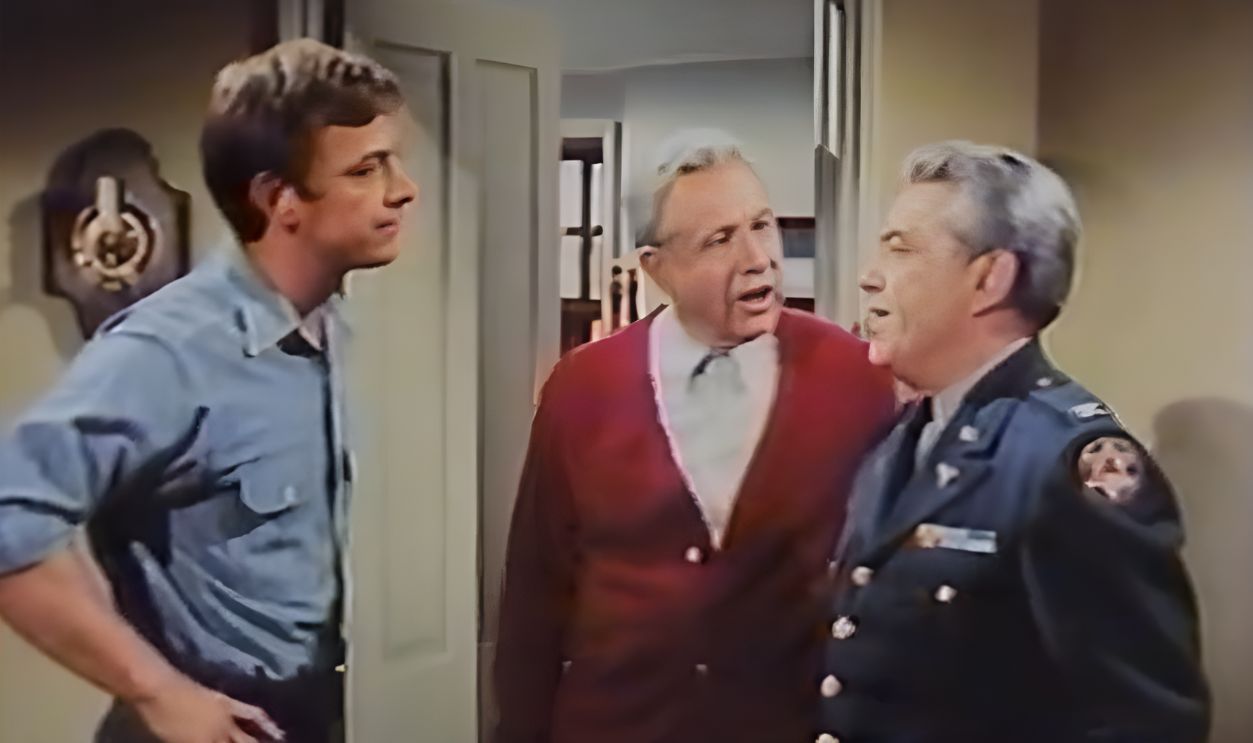 Screenshot from The Second Hundred Years, ABC (1967–1968), Modified
The Double Life Of Henry Phyfe (1966)
An awkward office worker secretly working as a spy sounds like a fun idea. It just never fully clicked. One season later, it’s gone and now feels like something people are surprised ever existed.
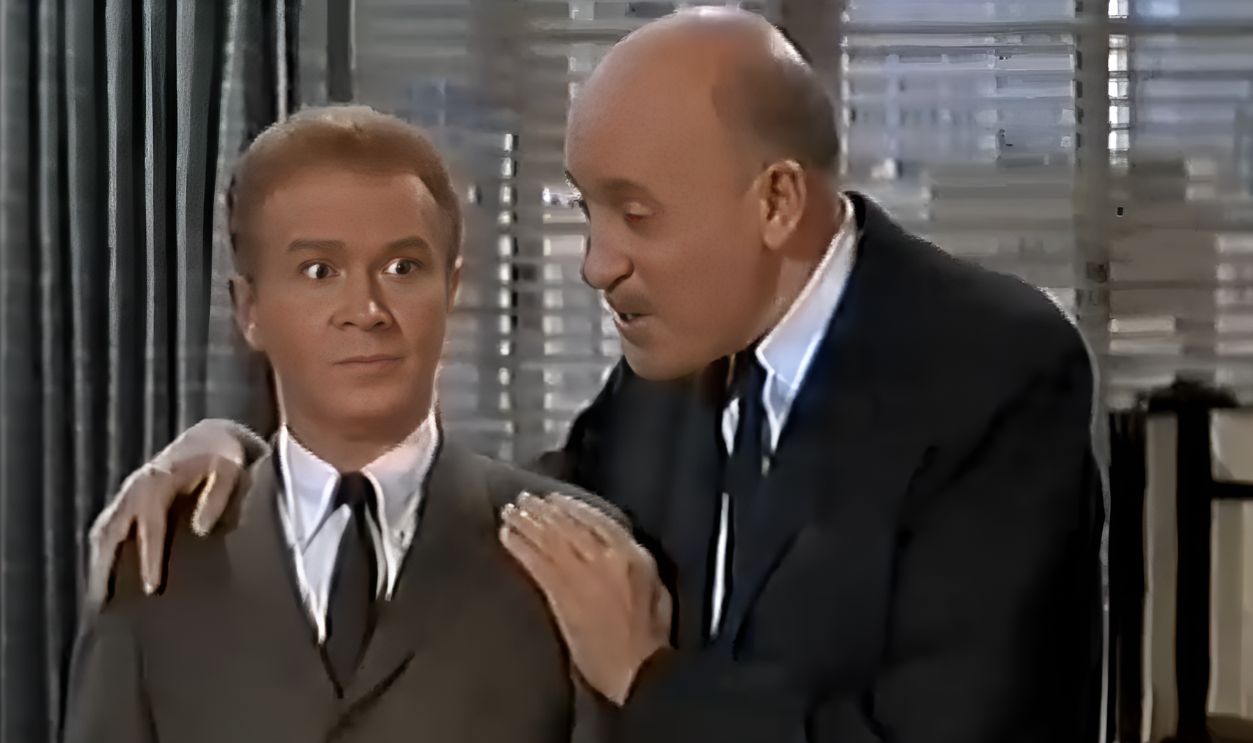 Screenshot from The Double Life Of Henry Phyfe, ABC (1966), Modified
Camp Runamuck (1965–1966)
A chaotic summer camp full of oddball counselors and nonstop gags. It leaned hard into silliness. It had energy, but nothing that really separated it from everything else competing for attention.
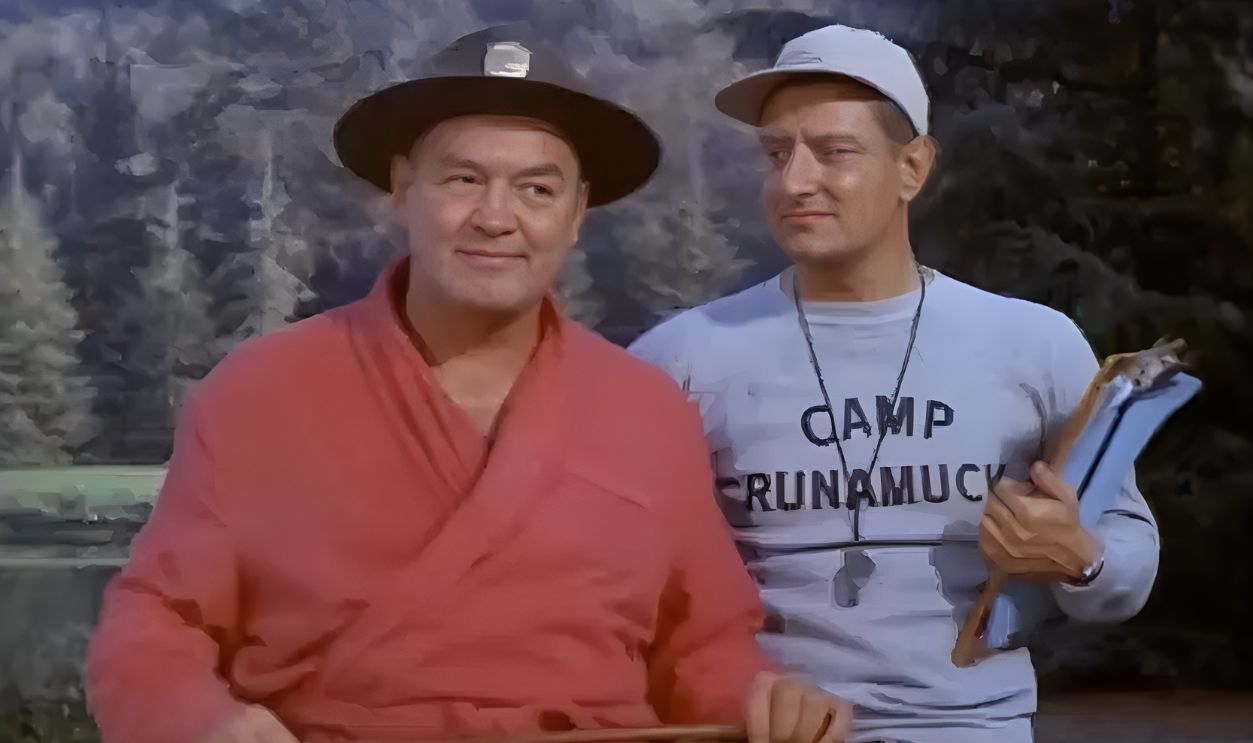 Screenshot from Camp Runamuck, NBC (1965–1966), Modified
The Baileys Of Balboa (1964–1965)
A family running a charter boat business sounds like it should at least be a little dramatic or chaotic. Instead, it mostly just existed. Not bad, not great, just very easy to forget.
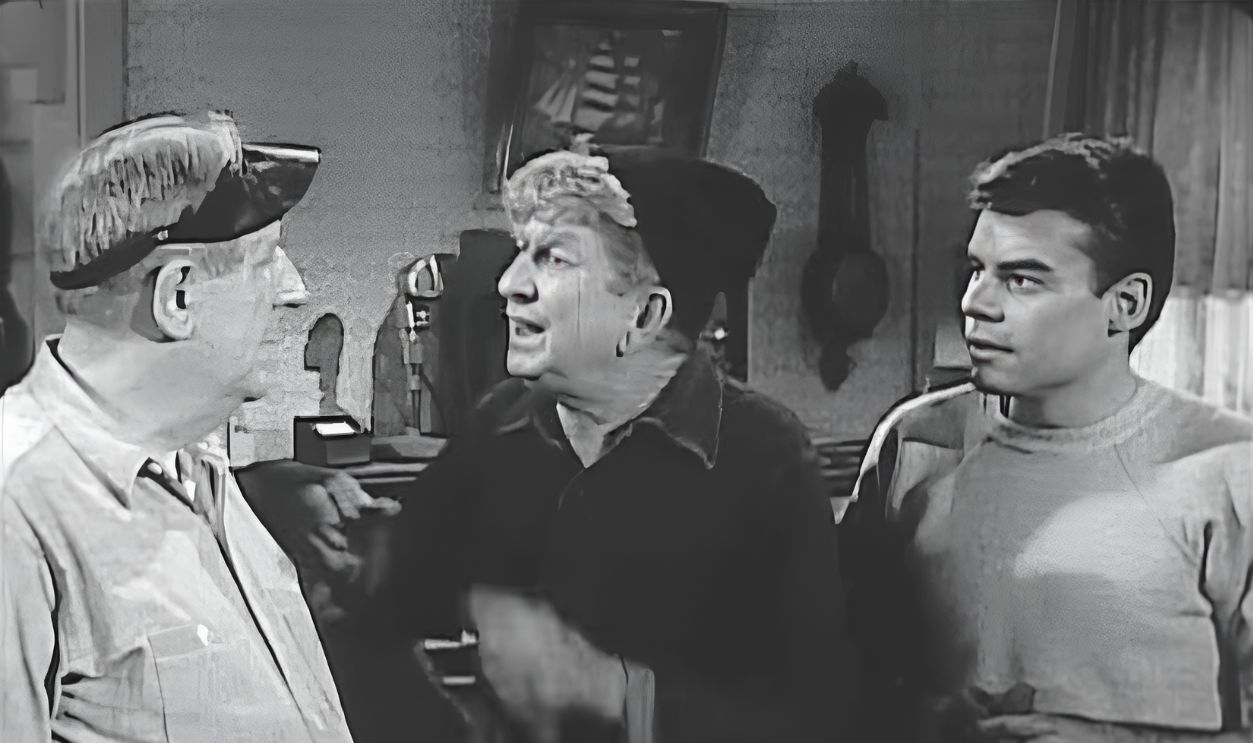 Screenshot from The Baileys Of Balboa, CBS (1964–1965), Modified
Hank (1965–1966)
A janitor secretly attending college classes by pretending to be a student is a great setup. It even got decent reviews. For whatever reason, viewers didn’t stick with it, and it was gone before it could build anything.
 Screenshot from Hank, NBC (1965–1966), Modified
The Cara Williams Show (1964–1965)
A married couple balancing work and independence, which was a more modern idea at the time. It tried to tap into something real. It just didn’t last long enough to really leave a mark.
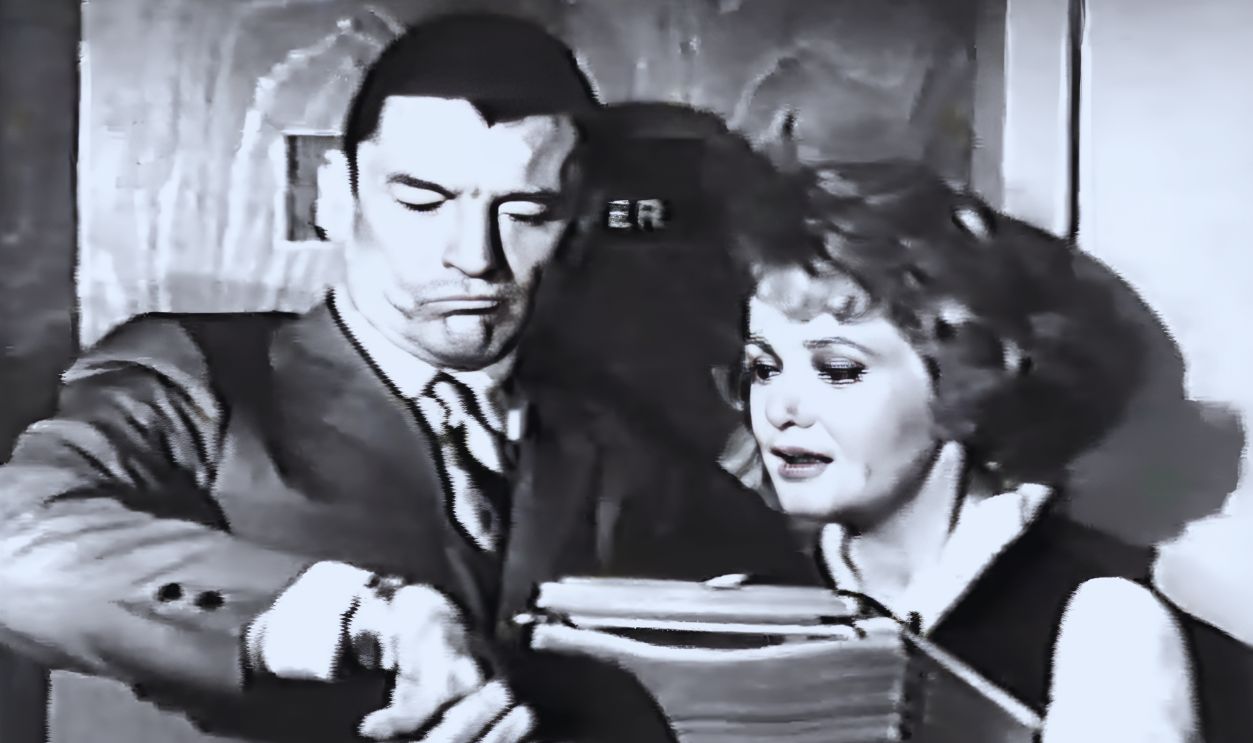 Screenshot from The Cara Williams Show, CBS (1964–1965), Modified
The Tycoon (1964–1965)
A wealthy businessman traveling the world solving problems feels like it should have worked better. It had a solid lead and a decent premise. It just never gave people a strong reason to keep coming back.
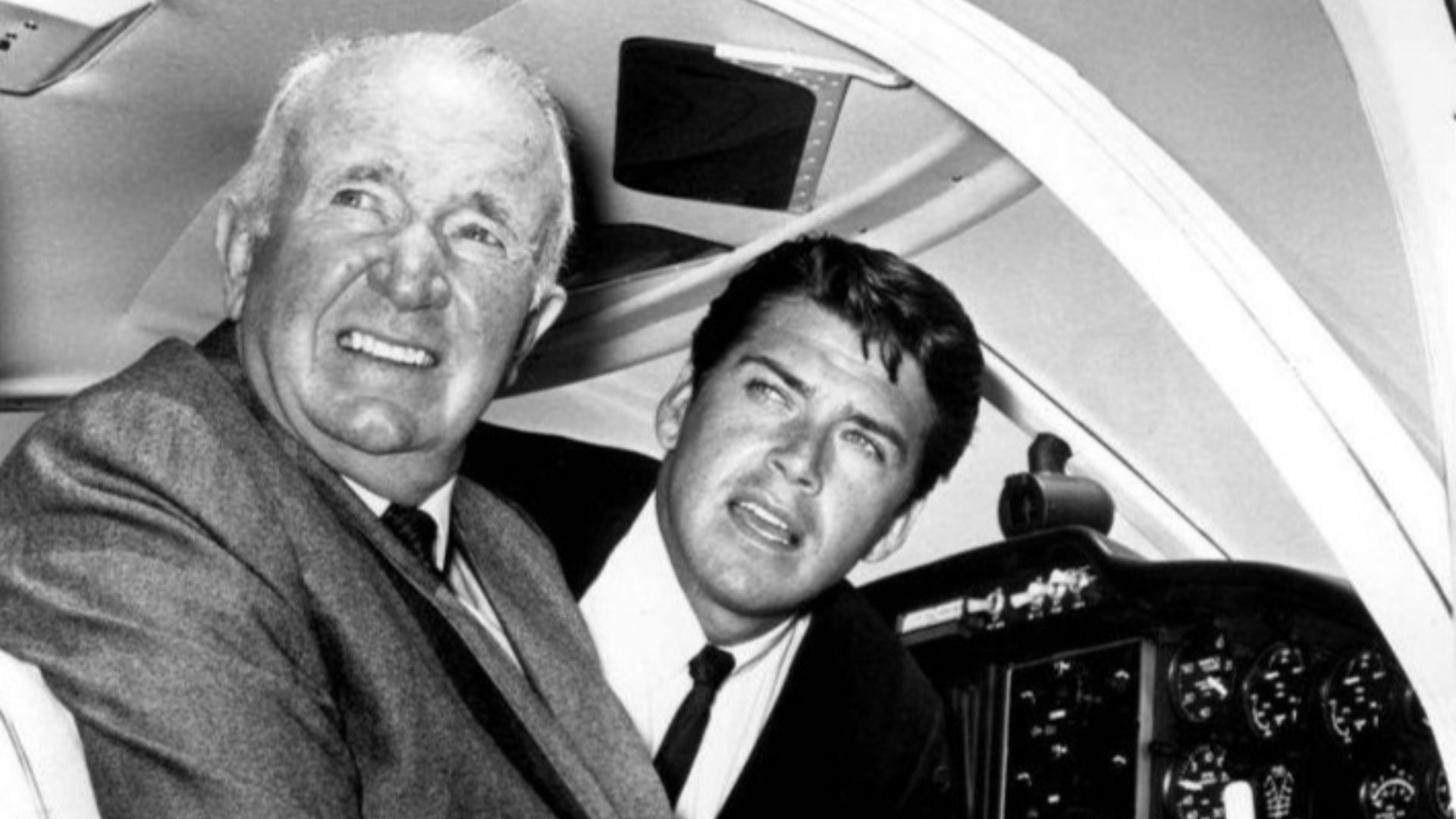 ABC Television, Wikimedia Commons
The Legend Of Jesse James (1965–1966)
Turning Jesse James into more of a hero than an outlaw sounds like a safe play. It ended up feeling a little too safe. Even with a famous name, it didn’t stand out enough to stick.
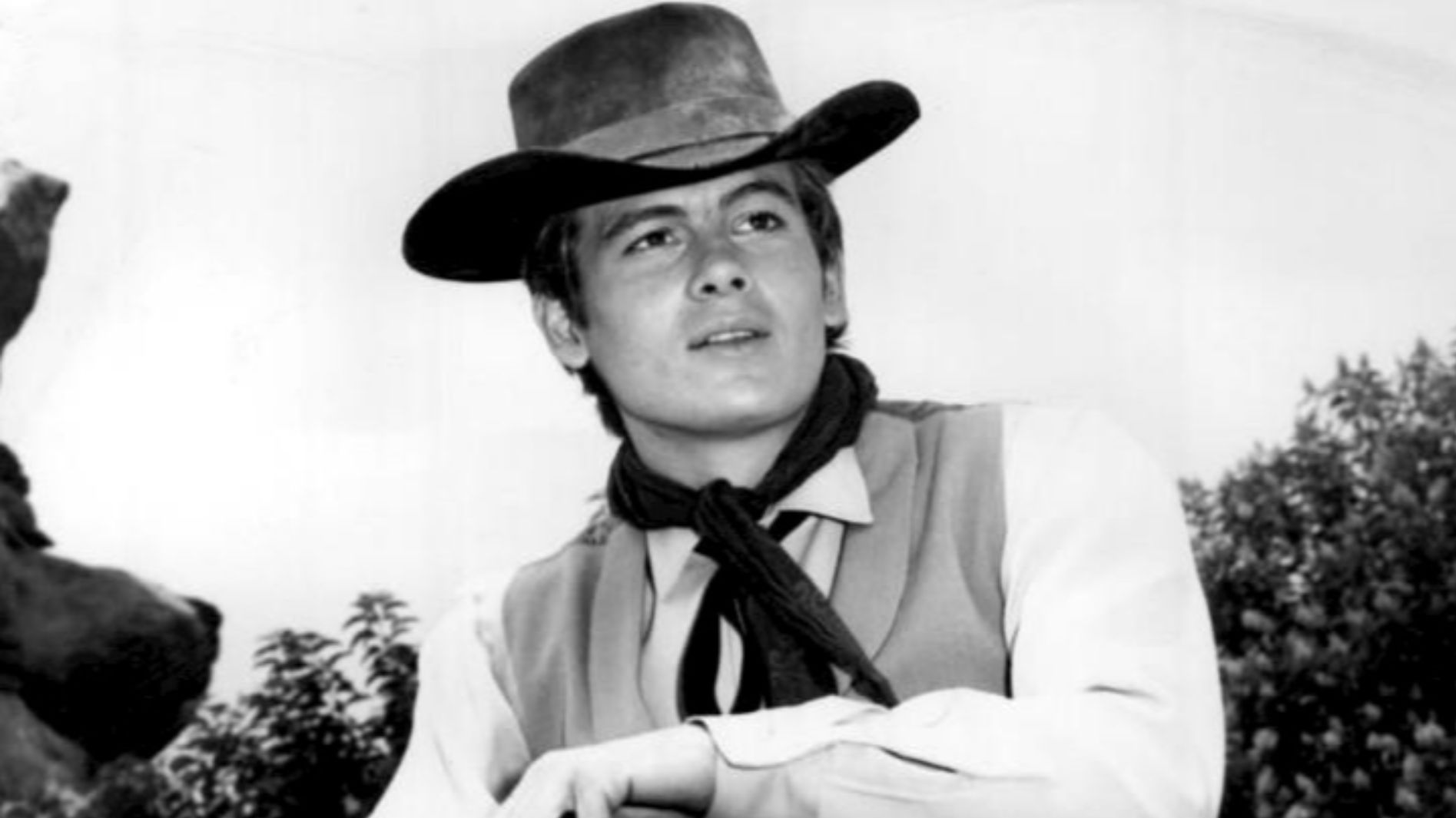 ABC Television, Wikimedia Commons
The Invaders (1967–1968)
A man realizes aliens are secretly taking over Earth and no one believes him. That’s a great hook. It built a cult following later, but at the time it didn’t fully break through and ended sooner than you’d expect.
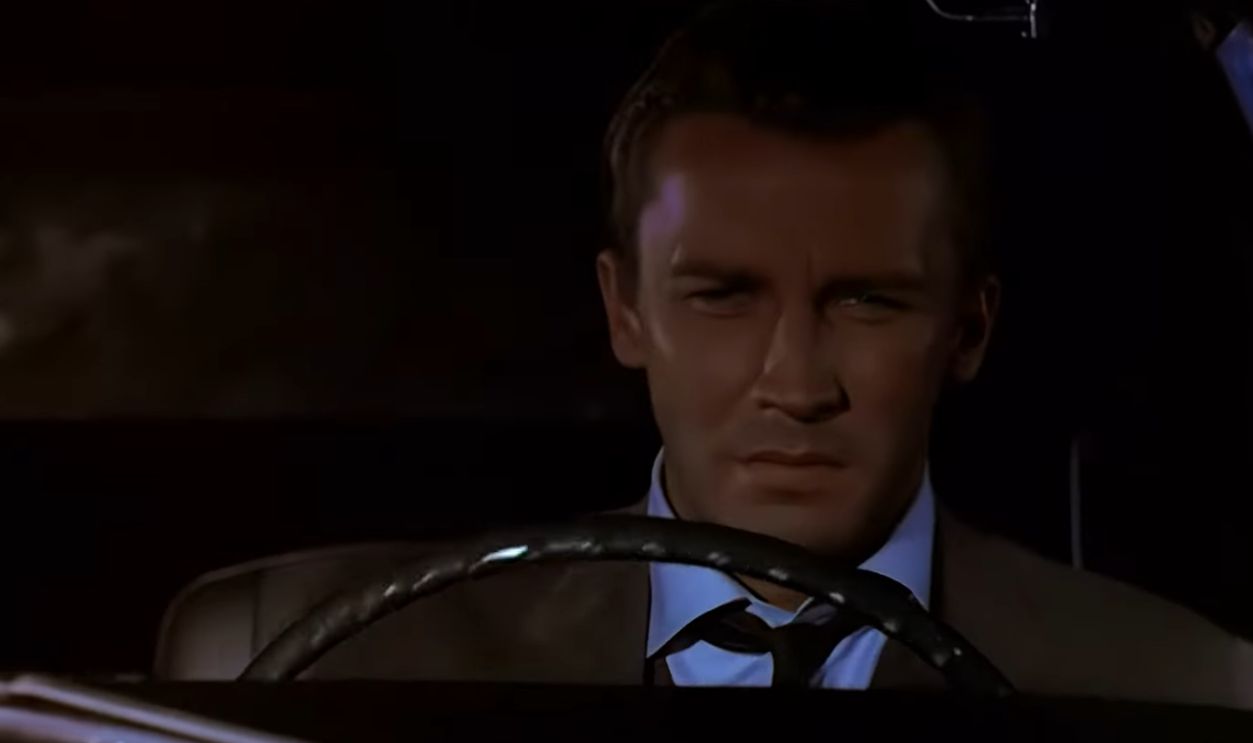 Screenshot from The Invaders, ABC (1967–1968)
It’s About Time (1966–1967)
Two astronauts get sent back to prehistoric times. Then halfway through, the show flips and brings the cavemen into the present. That kind of shift usually doesn’t help, and it didn’t here either.
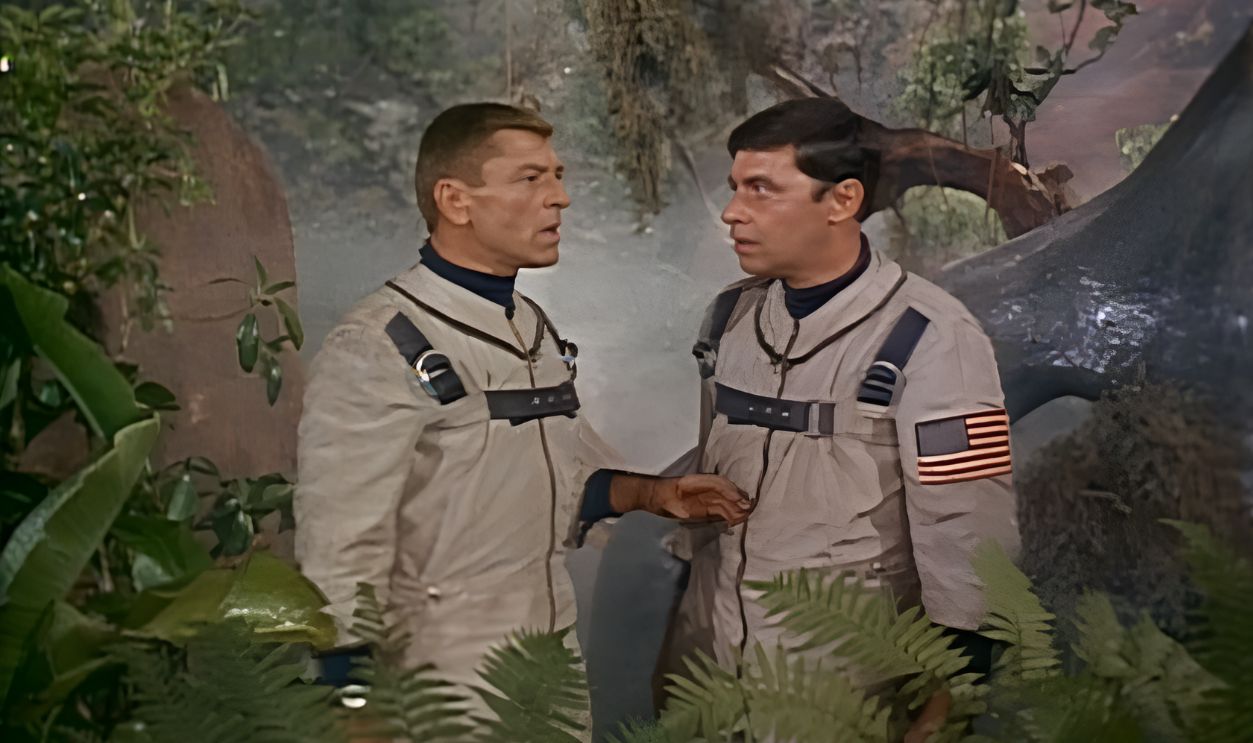 Screenshot from It’s About Time, CBS (1966–1967), Modified
The Rounders (1966)
A Western comedy about two cowboys constantly getting into trouble. It had a recognizable cast and a decent setup. It just didn’t stand out in a decade where Westerns were everywhere.
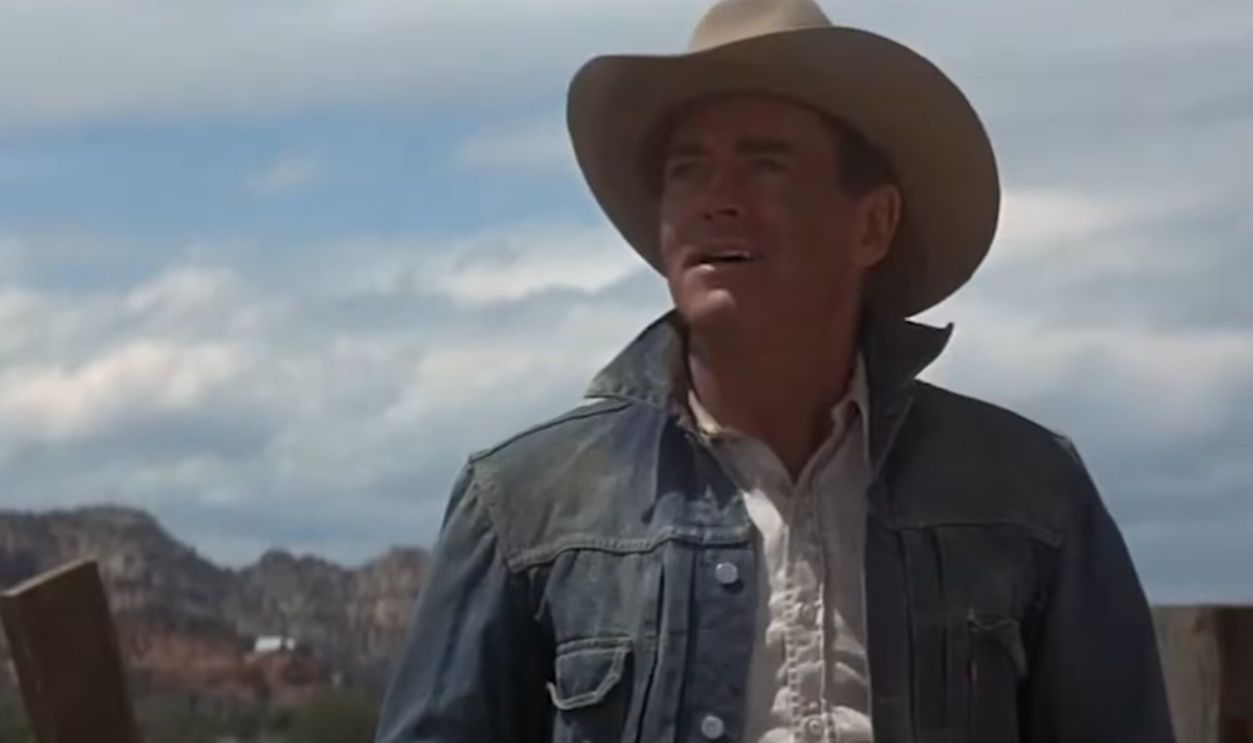 Screenshot from The Rounders, ABC (1966)
How Many Did You Actually Know?
So? Did you know five? Did you remember more? The 60s weren’t just full of classics. They were packed with shows that came and went, and some that even lasted years on the tube but not in our collective TV minds.
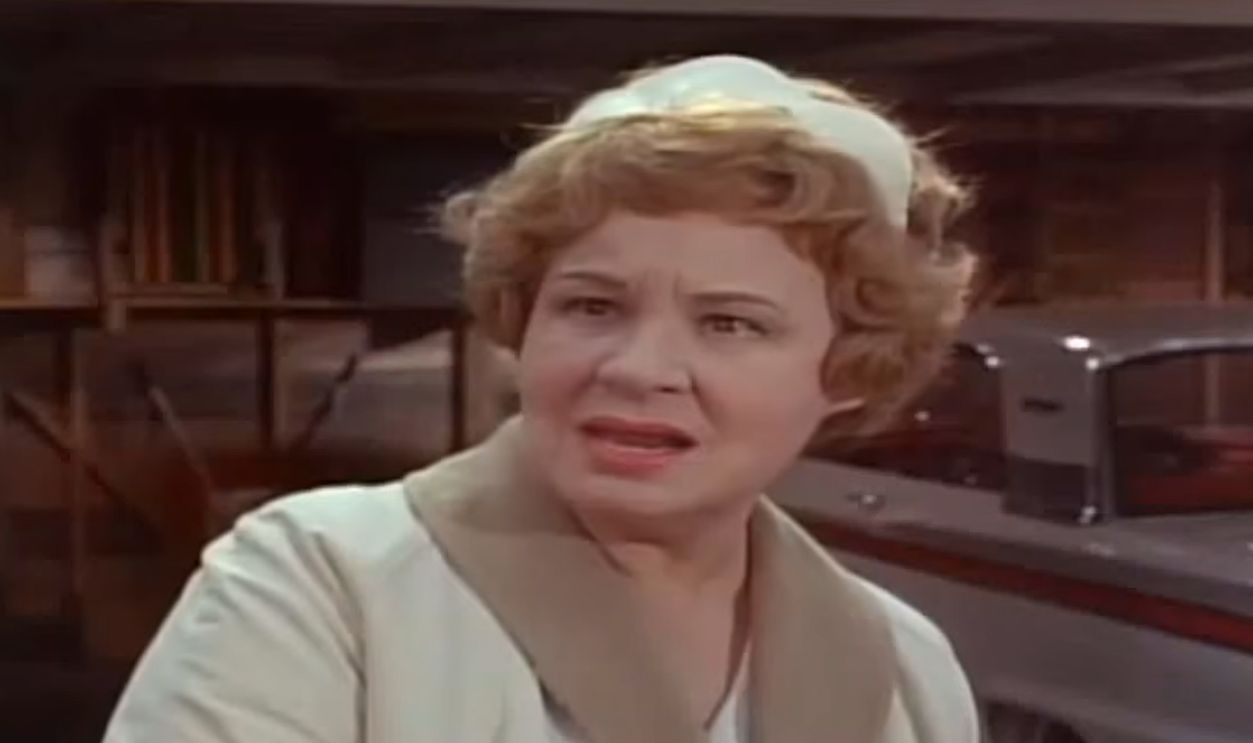 Screenshot from Hazel, NBC (1961–1966)
You Might Also Like:
The Seinfeld Cast’s Post-Show Careers, Ranked
The Brat Pack took over Hollywood in the 80s—then an unexpected turn brought it all crashing down.
Without Don Henley, we wouldn’t have the Eagles—but the rock icon’s life was far from easy.