The Wrong Generation Couldn't Appreciate These TV Reboots
Television reboots are supposed to bridge generations—bringing beloved characters back while welcoming new audiences along for the ride. Sometimes that magic works. Other times, a reboot ends up landing in front of viewers who simply weren’t primed to appreciate what it was trying to do. Whether it was tonal shifts, cultural references, or expectations shaped by entirely different TV eras, these shows often felt like messages sent to the wrong inbox.
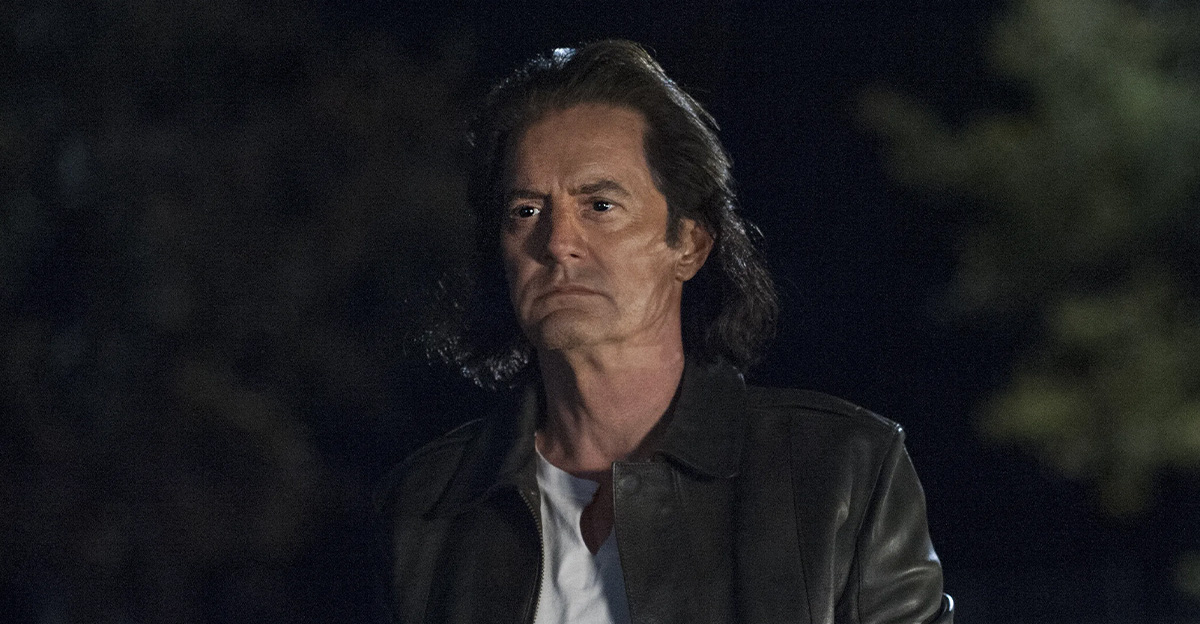
Knight Rider (2008)
The original Knight Rider thrived on ’80s optimism, synth-heavy style, and a genuine belief that a talking car could change the world. The 2008 reboot arrived in a post-Dark Knight TV landscape, where audiences wanted grit and irony. Younger viewers saw it as cheesy, while older fans felt it lost its earnest charm.
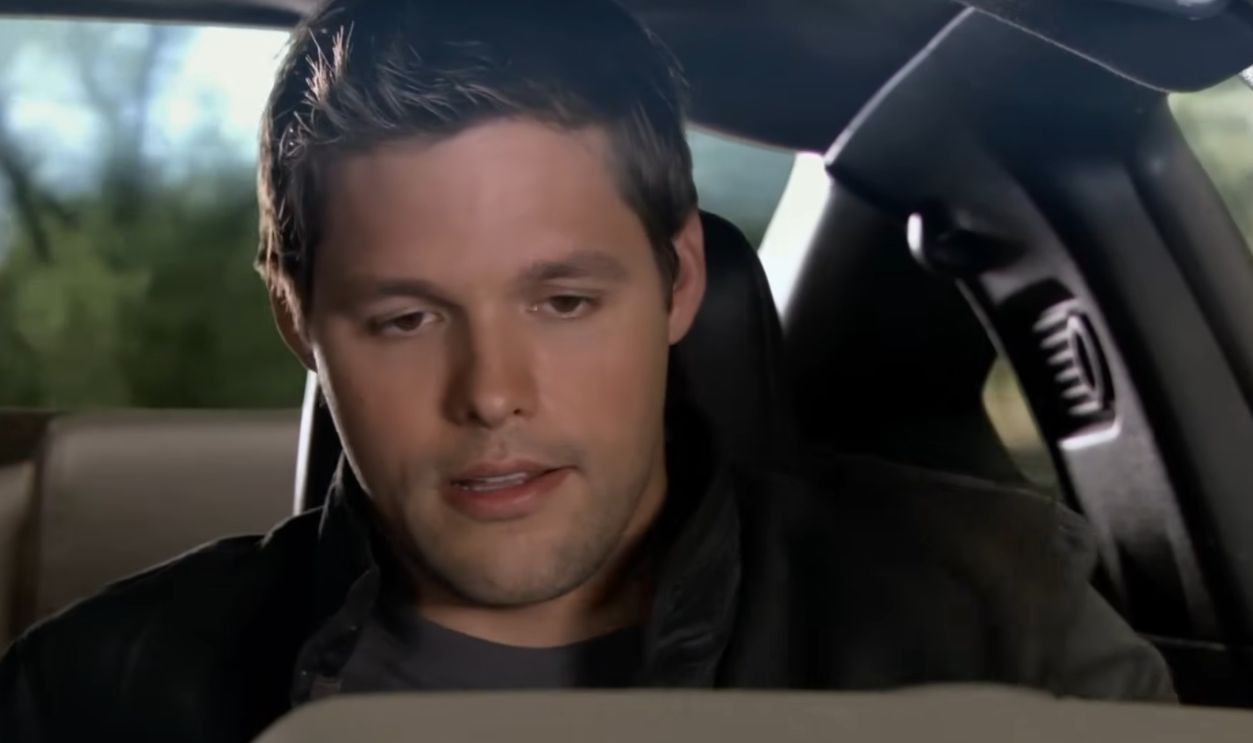 Screenshot from Knight Rider, NBC (2008)
The Twilight Zone (2002)
Rod Serling’s The Twilight Zone was built on social allegory and quiet dread. The 2002 reboot tried to modernize the formula for a generation raised on faster-paced thrillers. The result often felt too subtle for younger viewers and too flashy for longtime fans.
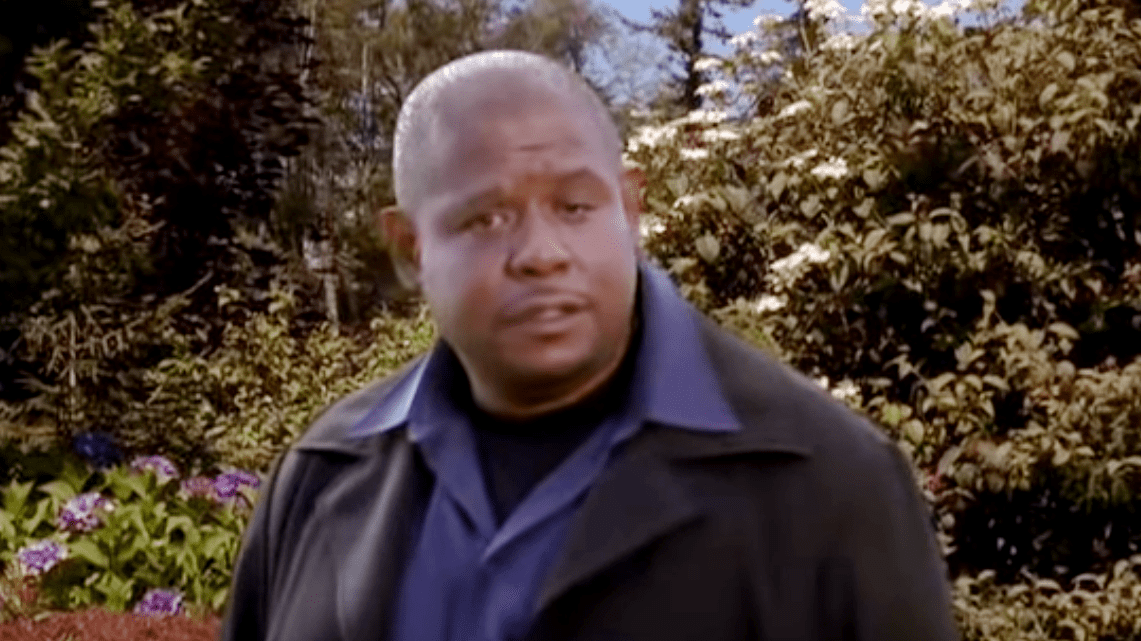 Screenshot from The Twilight Zone, UPN (2002)
Battlestar Galactica (2004)
Critically adored, Battlestar Galactica was still technically a reboot of a campy 1970s sci-fi series. Many younger viewers missed how radical its transformation was, while older fans sometimes struggled with its bleak tone and political complexity.
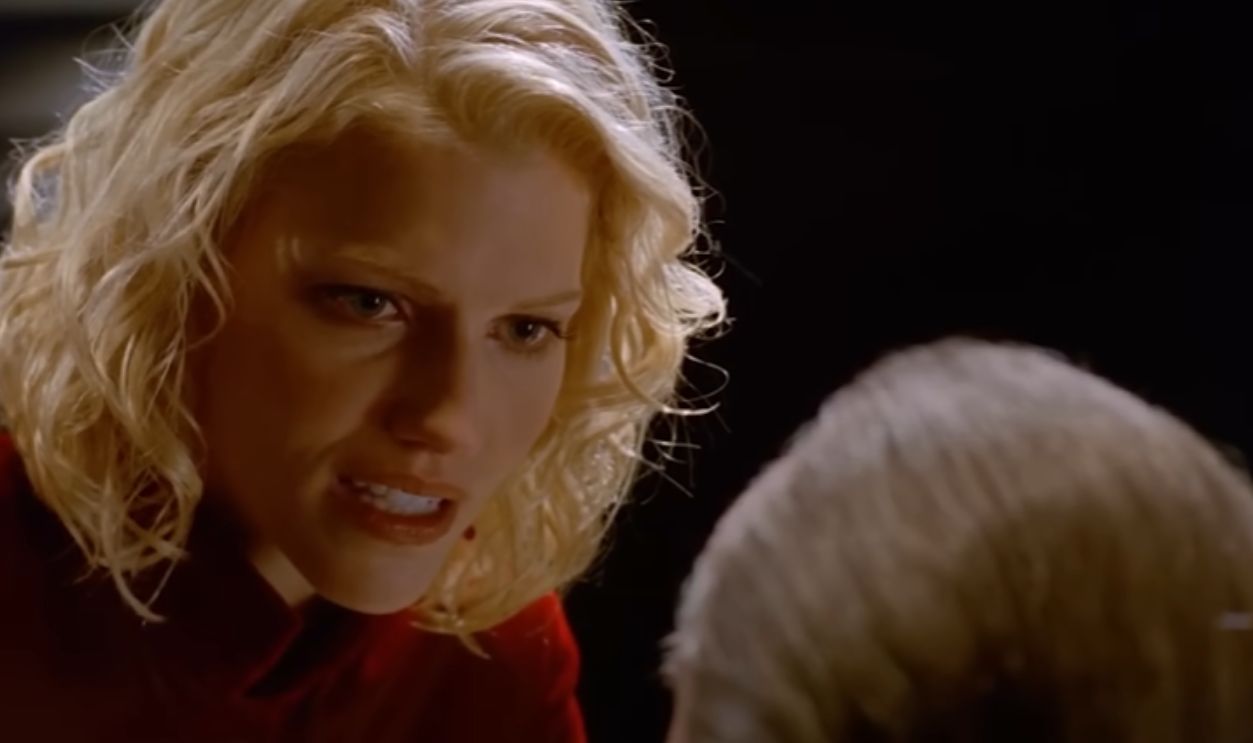 Screenshot from Battlestar Galactica, Sci-Fi (2004)
The Prisoner (2009)
The original The Prisoner was a surreal Cold War fever dream. The 2009 reboot aired to audiences accustomed to straightforward prestige dramas. Its abstract storytelling confused new viewers and alienated fans who treasured the original’s countercultural spirit.
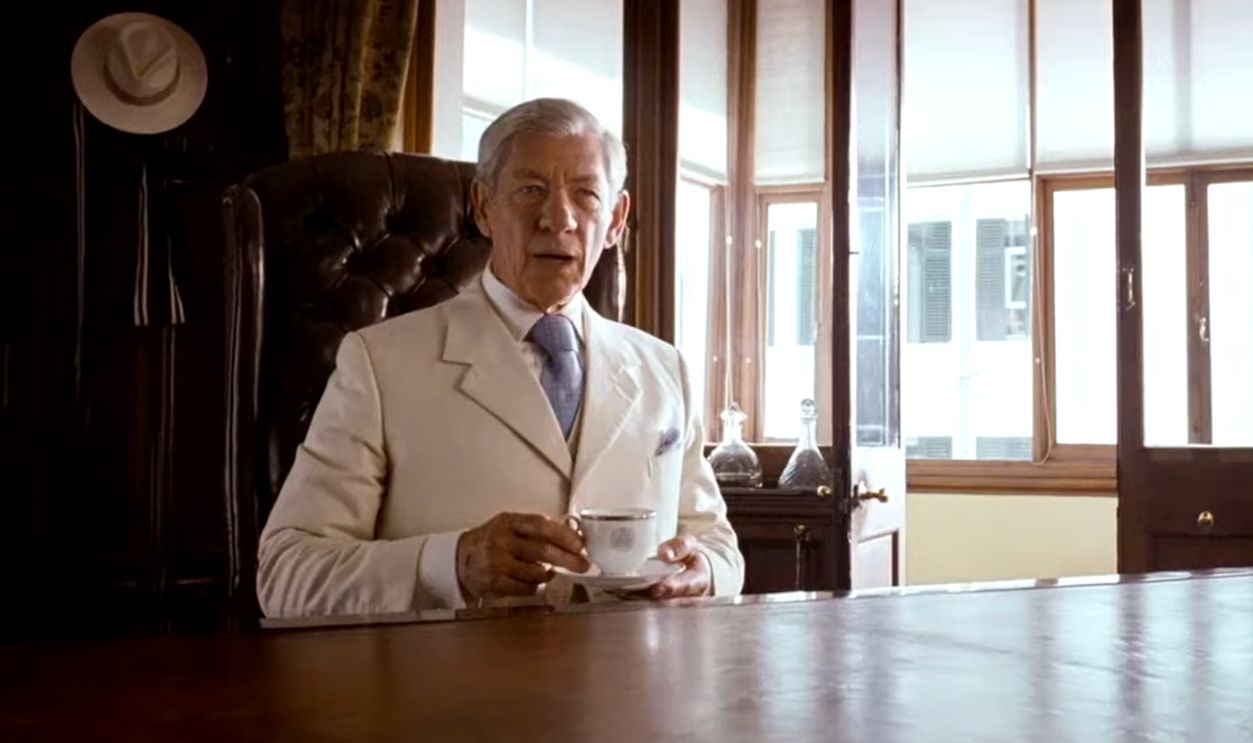 Screenshot from The Prisoner, AMC (2009)
Charlie’s Angels (2011)
The 1970s Charlie’s Angels was a product of its time—glamorous, escapist, and unapologetically fun. The reboot tried to appeal to a younger audience raised on slick spy thrillers, but ended up feeling hollow to both generations.
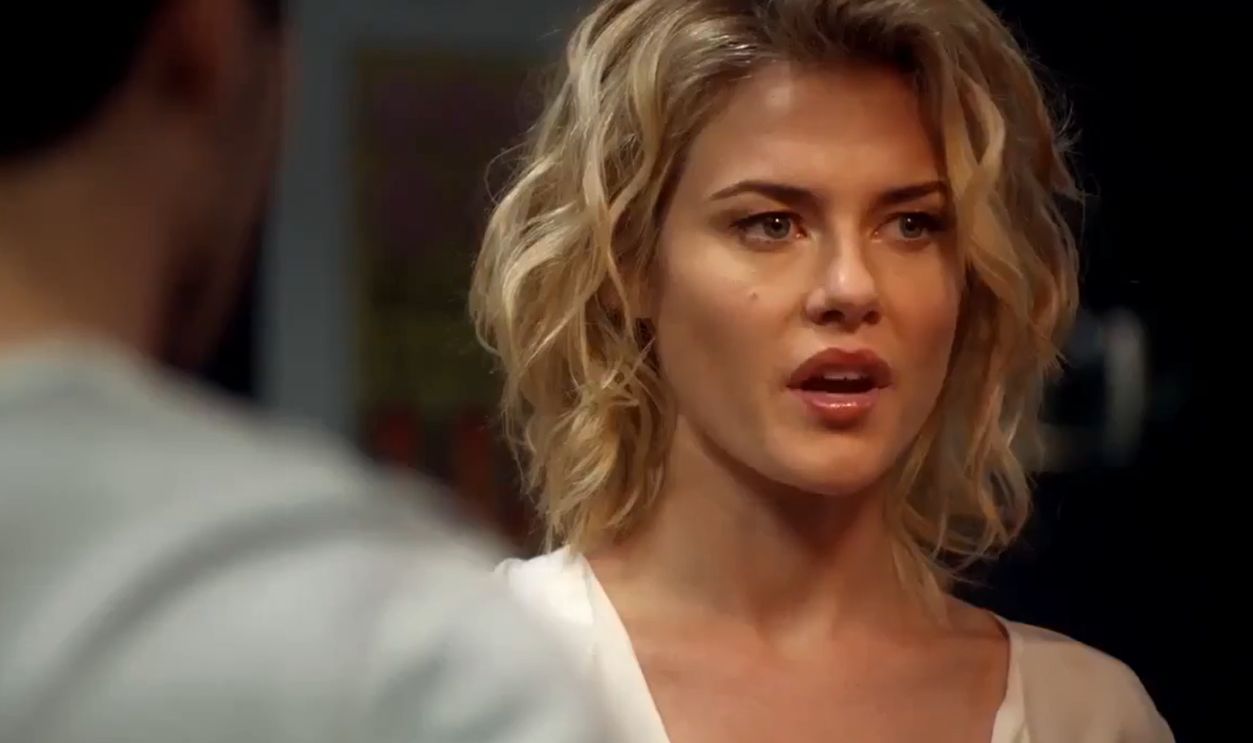 Screenshot from Charlie’s Angels, ABC (2011)
Dallas (2012)
The Dallas reboot assumed younger viewers would be fascinated by oil barons and slow-burn soap opera rivalries. Instead, its strongest audience was nostalgic older fans, while younger viewers found it quaint in an era of sharper, faster dramas.
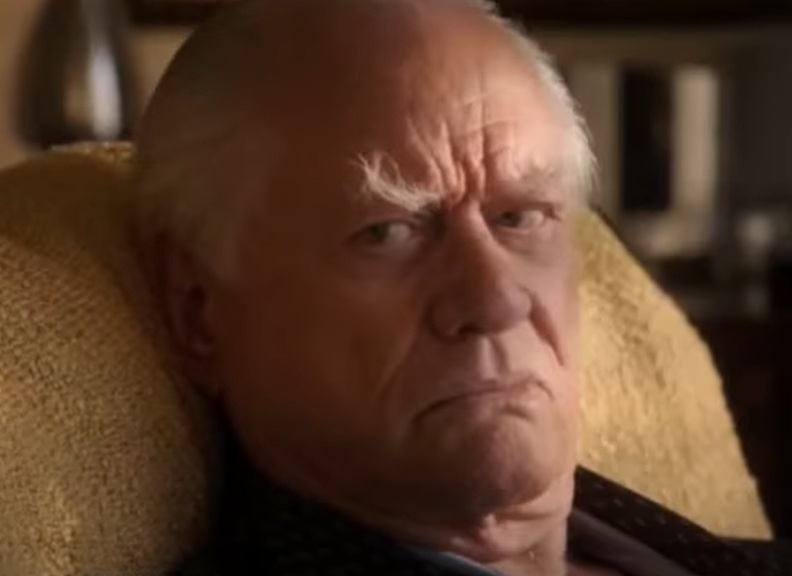 Screenshot from Dallas, TNT (2012)
MacGyver (2016)
Original MacGyver fans loved the ingenuity and low-tech problem-solving. The reboot targeted younger viewers raised on high-octane action shows, often sidelining the very creativity that made the original special.
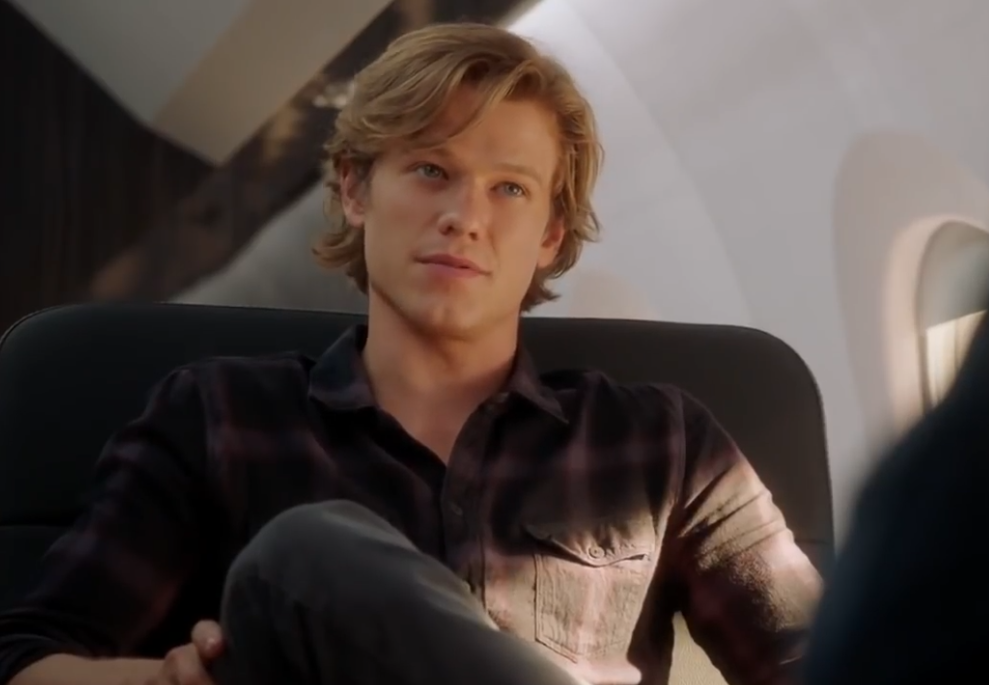 Screenshot from MacGyver, CBS (2016)
Hawaii Five-0 (2010)
The reboot was stylish and action-packed, but much of its appeal rested on legacy characters and callbacks. Younger viewers enjoyed the surface-level thrills, but missed the cultural significance the original held for earlier generations.
 Screenshot from Hawaii Five-0, CBS (2010)
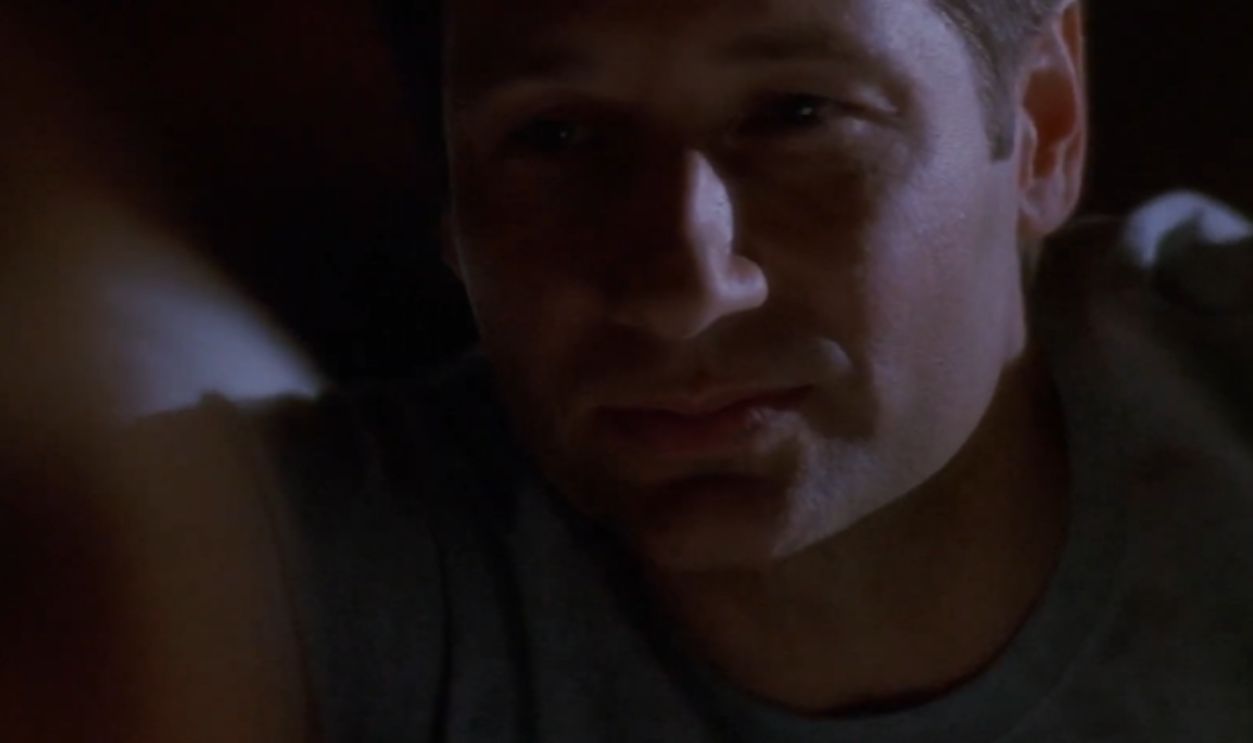
The X-Files (2016 Revival)
When The X-Files returned, it leaned heavily into mythology and nostalgia. Younger viewers without years of emotional investment found it impenetrable, while longtime fans debated whether the magic could ever truly return.
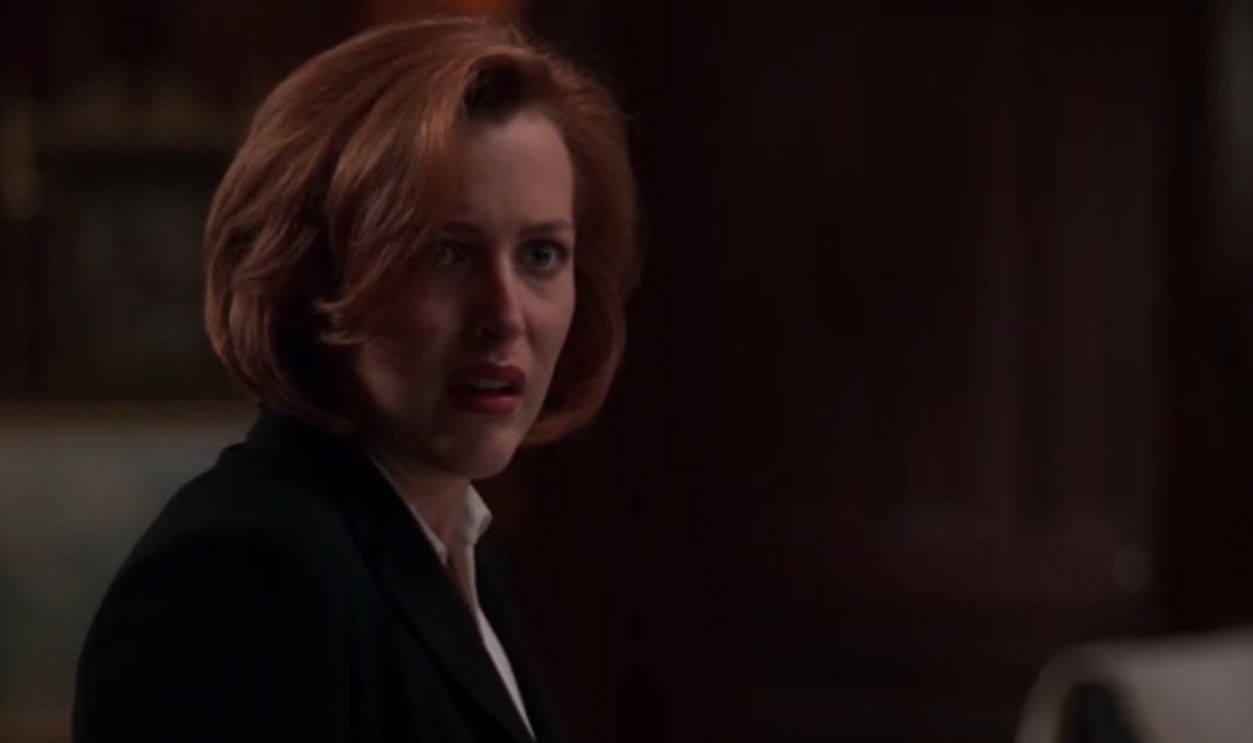 Screenshot from The X-Files, Fox (2016)
Charmed (2018)
The original Charmed balanced supernatural drama with early-2000s melodrama. The reboot aimed squarely at Gen Z sensibilities, emphasizing social commentary. Older fans felt alienated, while younger viewers lacked attachment to the core premise.
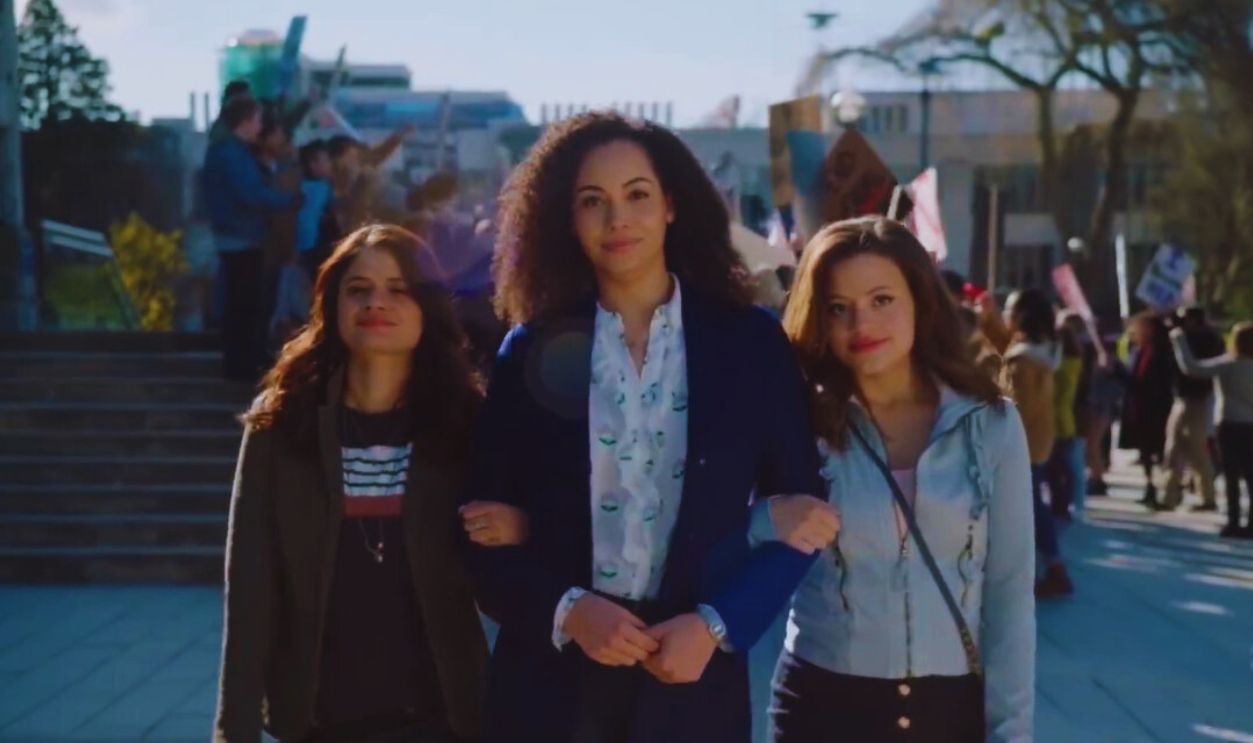 Screenshot from Charmed, The CW (2018)
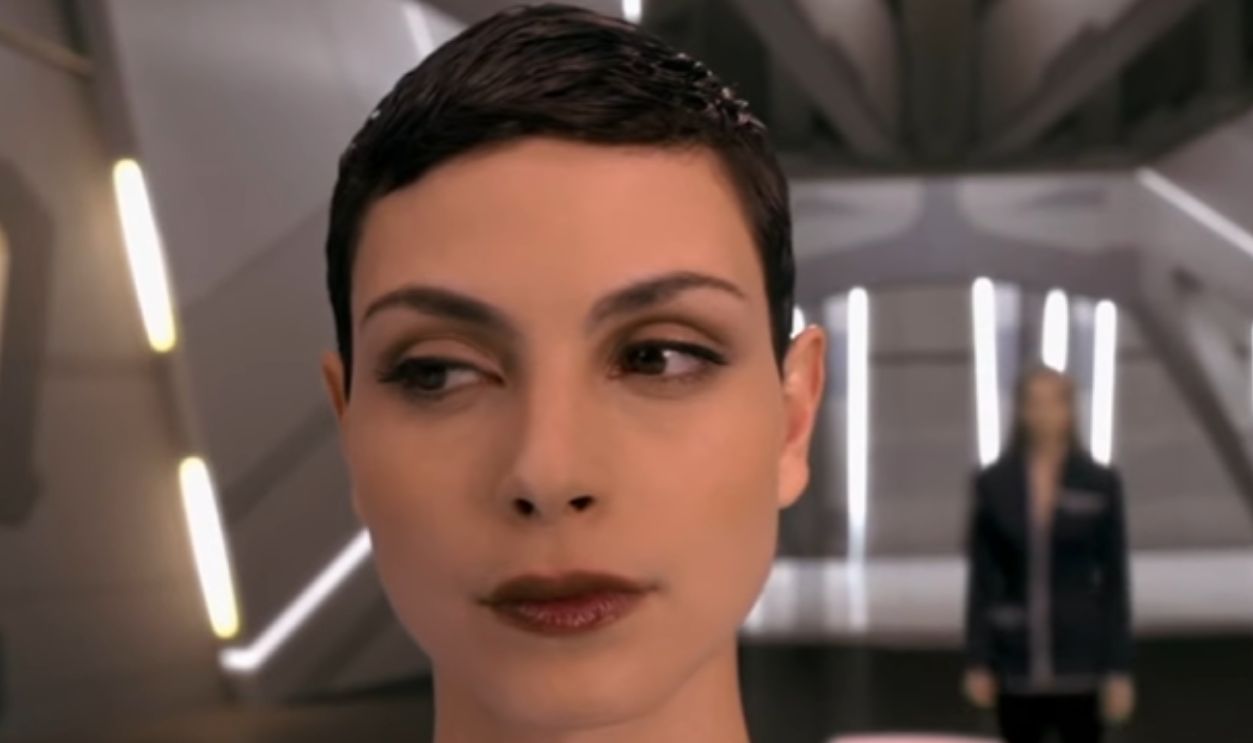
V (2009)
The 1980s miniseries V was a Cold War allegory wrapped in sci-fi spectacle. The reboot aired to audiences more interested in character-driven genre TV, making its slow political metaphor feel dated.
Fuller House (2016)
Full House was already a nostalgia play, but Fuller House leaned so hard into callbacks that younger viewers had little reason to care. It worked best for millennials who grew up with the Tanner family, not for new audiences.
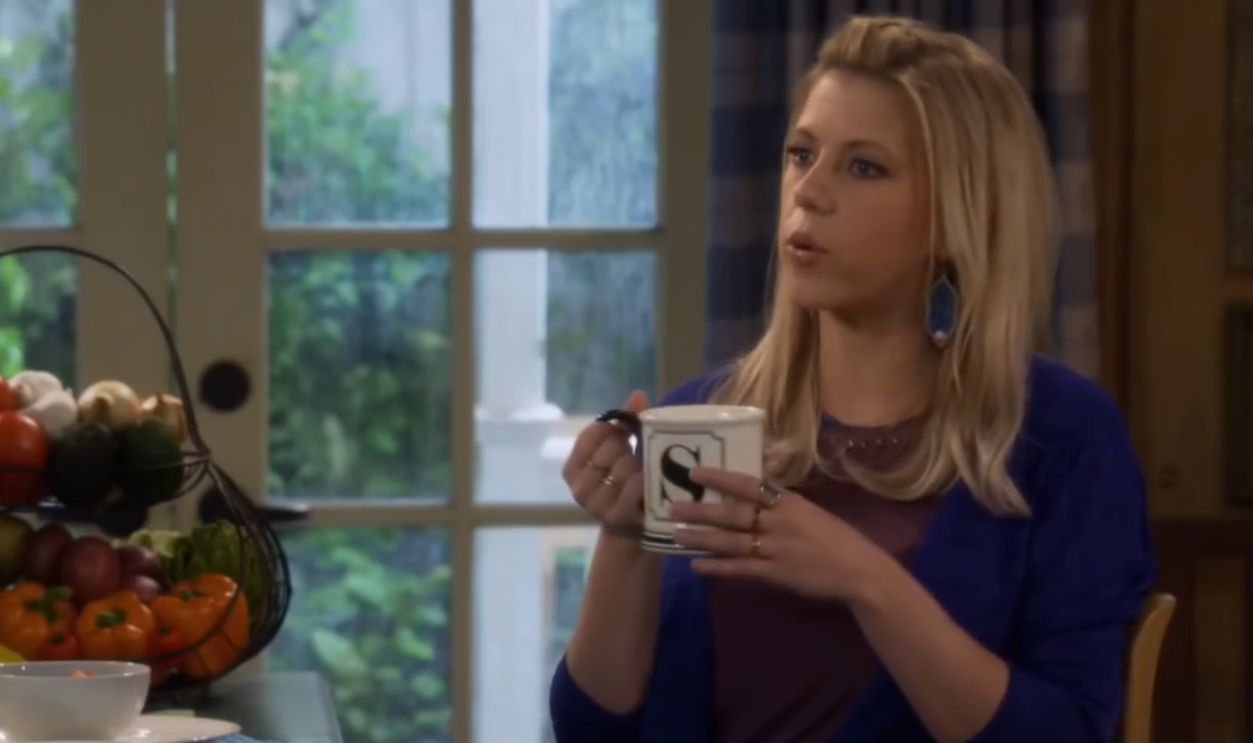 Screenshot from Fuller House, Netflix (2016)
The Muppets (2015)
This mockumentary-style reboot skewed adult and cynical, assuming younger viewers would appreciate the irony. Instead, it alienated kids and disappointed older fans who loved the Muppets’ warmth and sincerity.
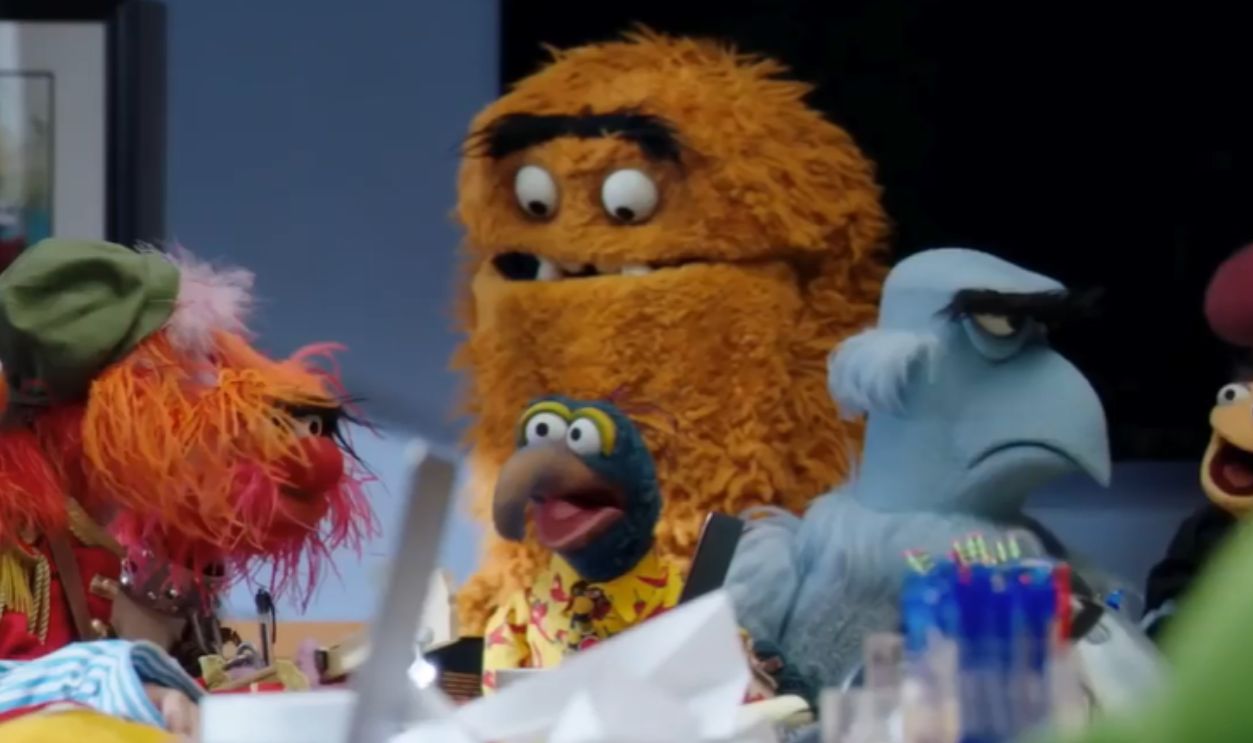 Screenshot from The Muppets, ABC (2015)
Dynasty (2017)
The original Dynasty was pure ’80s excess. The reboot tried to modernize its soapiness for younger viewers, but much of its appeal relied on understanding the genre it was riffing on—something many new viewers lacked.
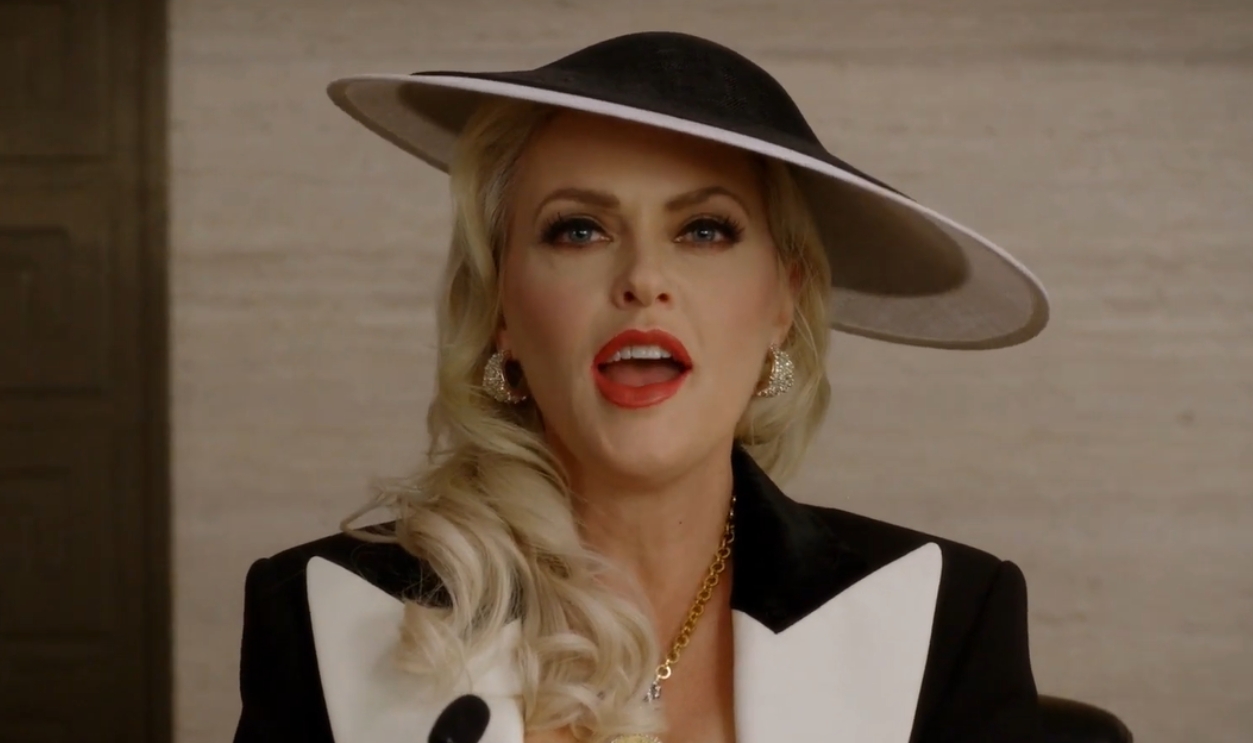 Screenshot from Dynasty, The CW (2017)
The Odd Couple (2015)
The humor of The Odd Couple was rooted in generational contrasts and stage-play rhythms. The reboot played like a throwback sitcom to younger viewers and a pale imitation to older fans.
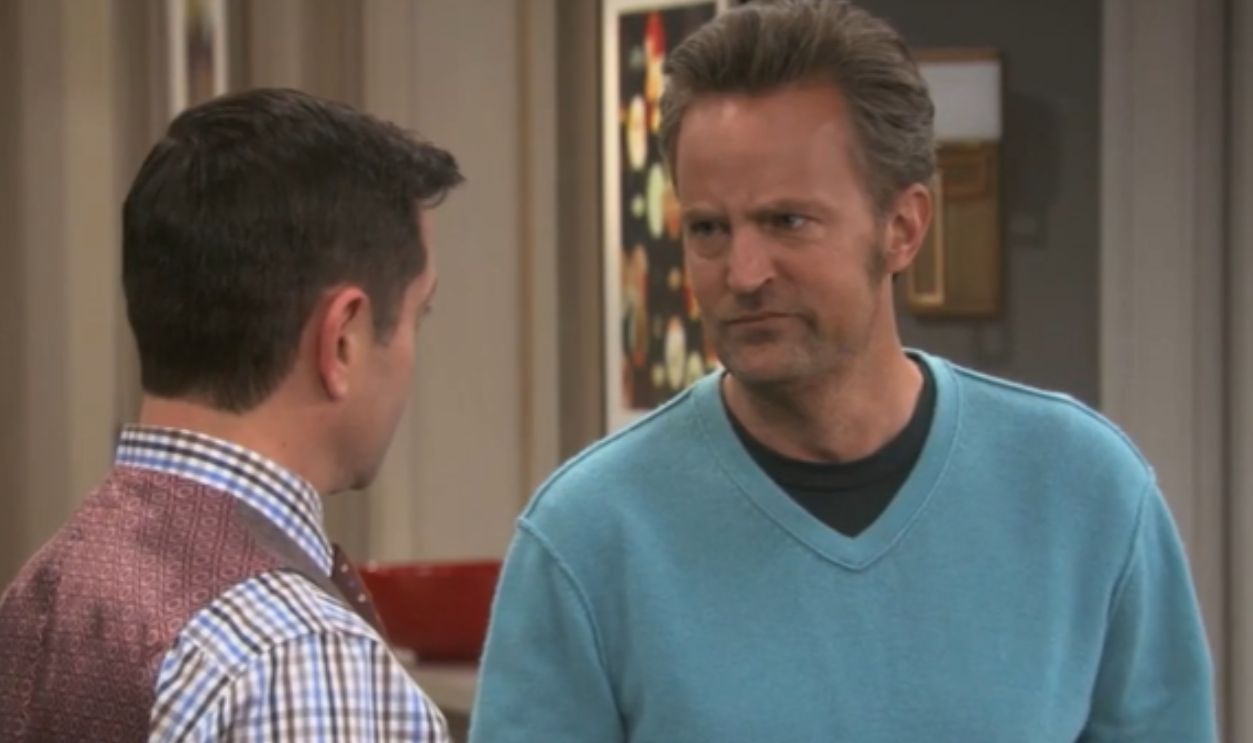 Screenshot from The Odd Couple, CBS (2015)
Heroes Reborn (2015)
The original Heroes captured mid-2000s TV lightning in a bottle. Its revival assumed viewers still cared deeply about its mythology, but younger audiences had moved on, and older fans had already made peace with its decline.
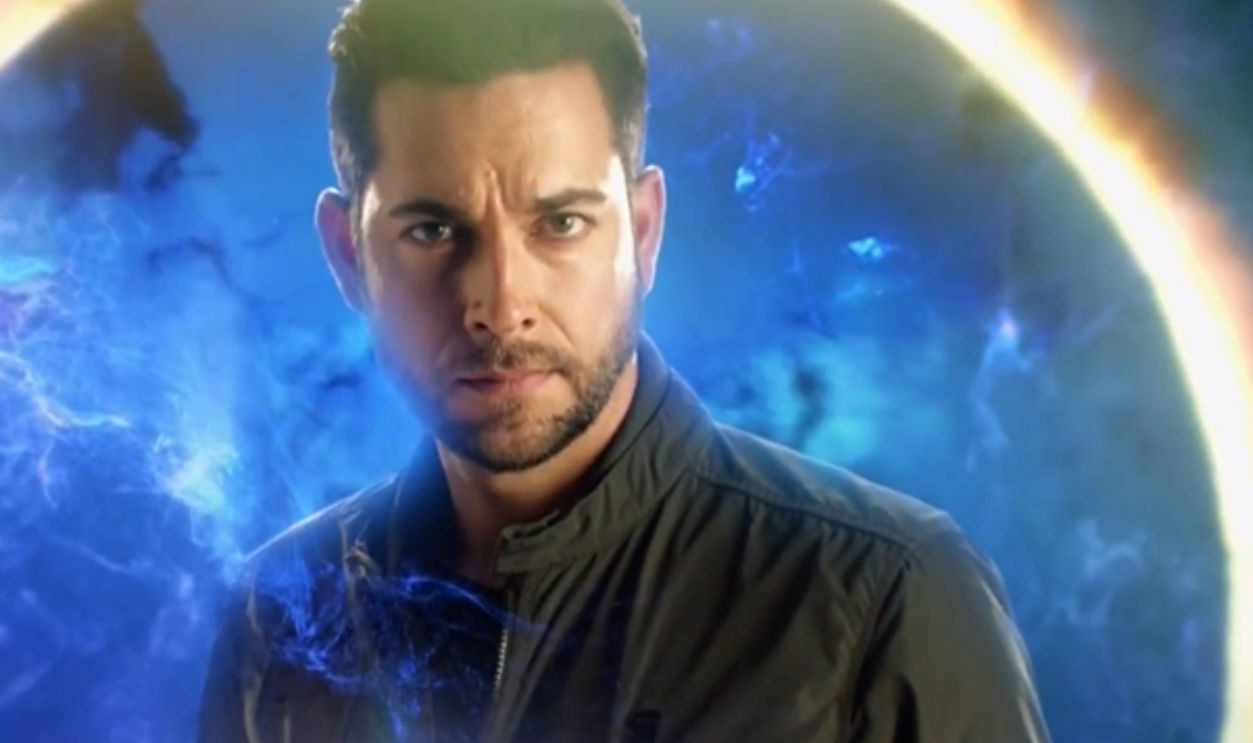 Screenshot from Heroes Reborn, NBC (2015)
Arrested Development (Netflix Era)
While technically a continuation, the Netflix seasons felt like a reboot in spirit. Younger viewers discovered the show without the context of its original cancellation, while longtime fans struggled with its fragmented new format.
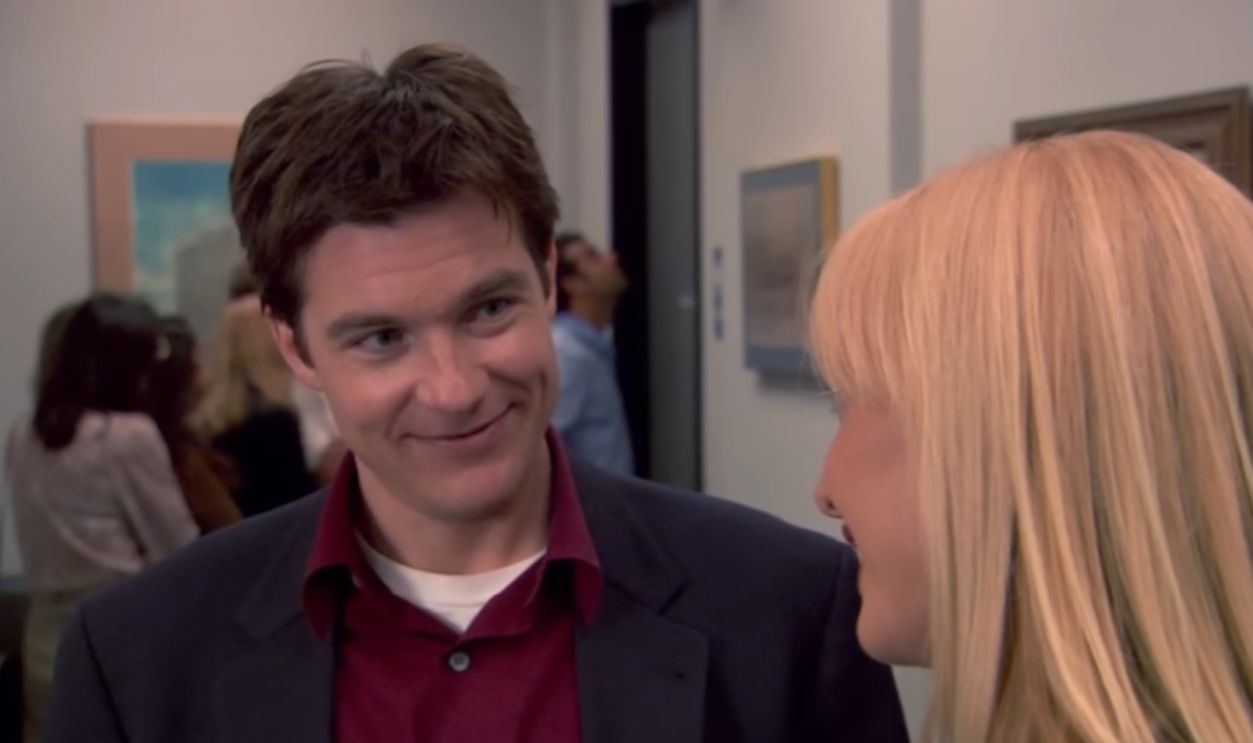 Screenshot from Arrested Development, Netflix (2019)
Scooby-Doo! Mystery Incorporated
This darker, serialized take on Scooby-Doo was too complex for kids expecting simple mysteries, and too cartoonish for adults nostalgic for the original. It ended up being appreciated most after the fact.
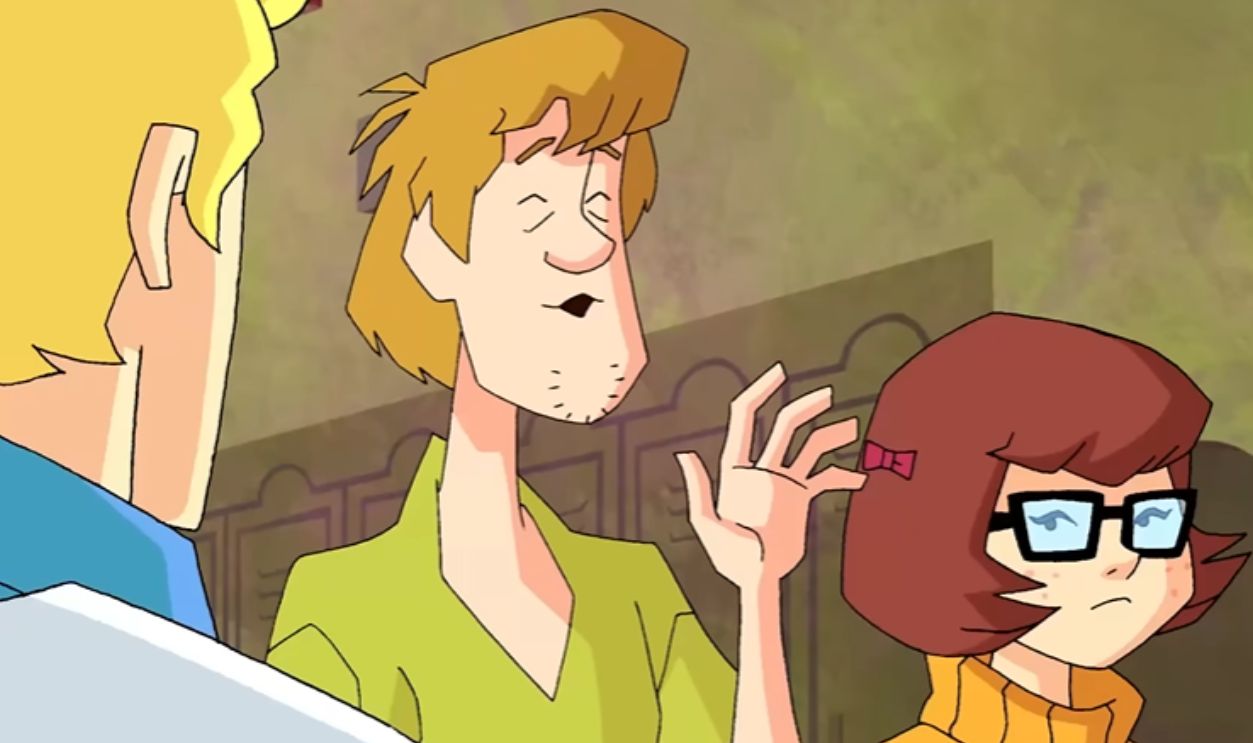 Screenshot from Scooby-Doo! Mystery Incorporated, Warner Bros. Animation (2010)
Gilmore Girls: A Year in the Life
The revival assumed viewers had aged alongside the characters. Younger audiences didn’t connect with its pacing, while some older fans felt it didn’t reflect their own growth since the original ended.
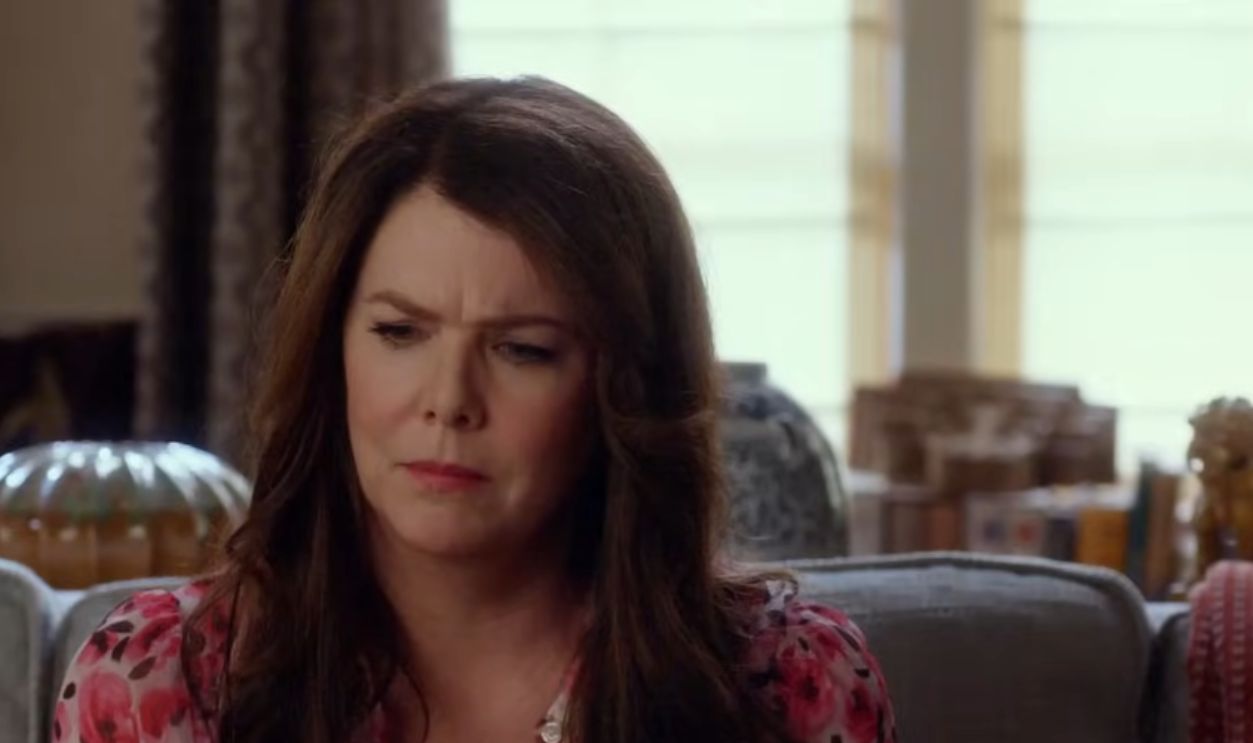 Screenshot from Gilmore Girls: A Year in the Life, Netflix (2016)
Roswell, New Mexico (2019)
The original Roswell was teen sci-fi romance for the late ’90s. The reboot targeted a more politically aware generation, leaving fans of the original tone feeling disconnected.
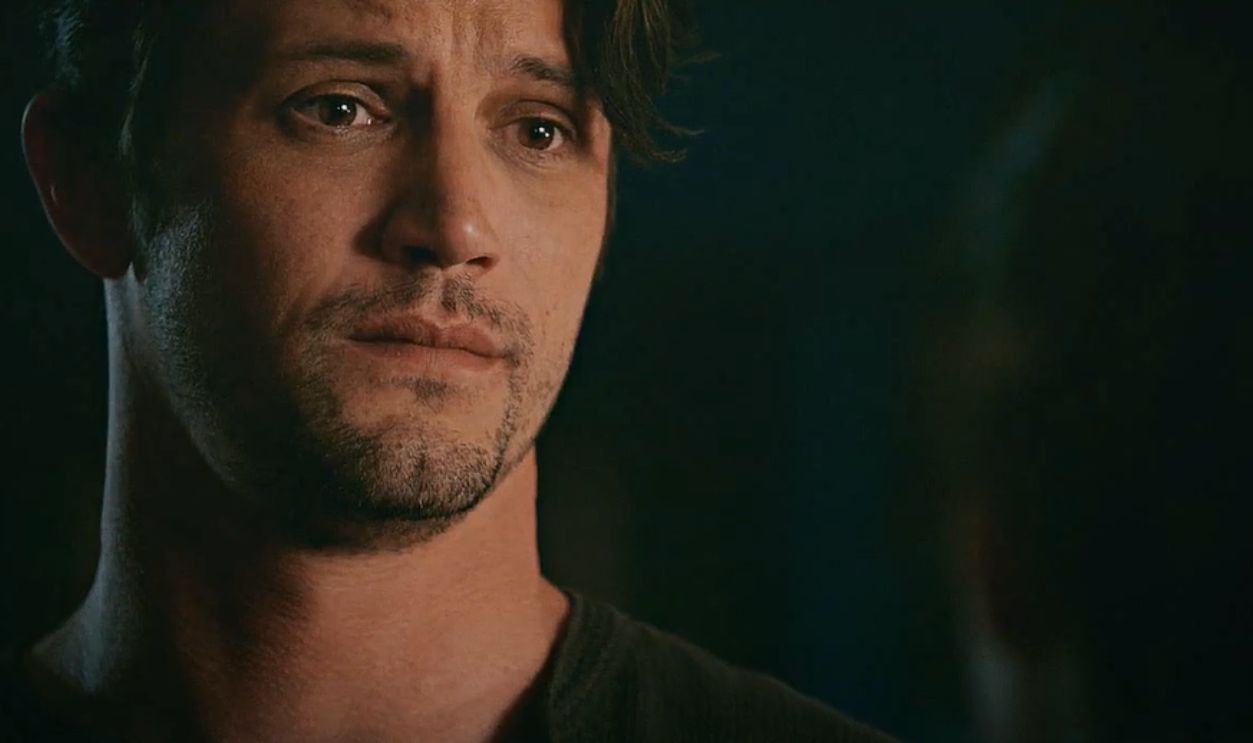 Screenshot from Roswell, New Mexico, The CW (2019)
Magnum P.I. (2018)
The original’s laid-back charisma and Vietnam War subtext didn’t translate easily to modern viewers. The reboot played as standard procedural TV, missing the cultural context that made the original resonate.
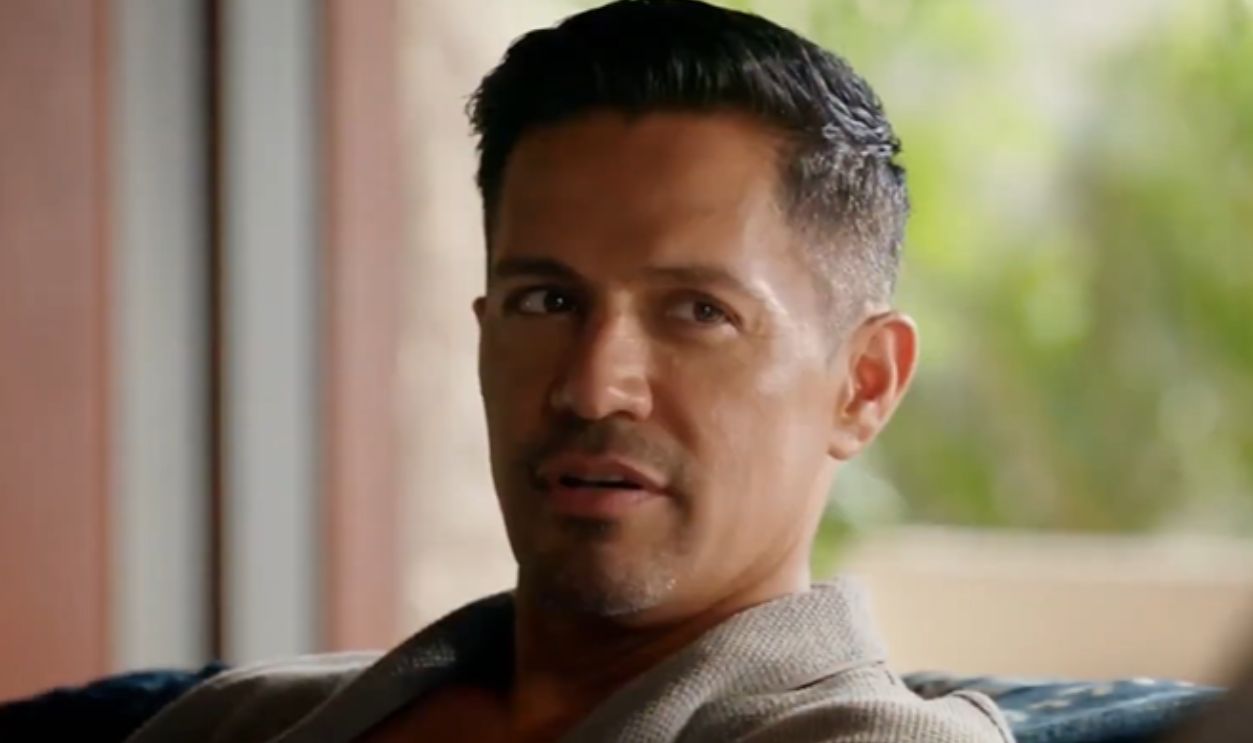 Screenshot from Magnum P.I., CBS (2018)
DuckTales (2017)
Critically praised, but many younger viewers missed how cleverly it subverted the original. Older fans appreciated the depth, while kids often preferred simpler animated fare.
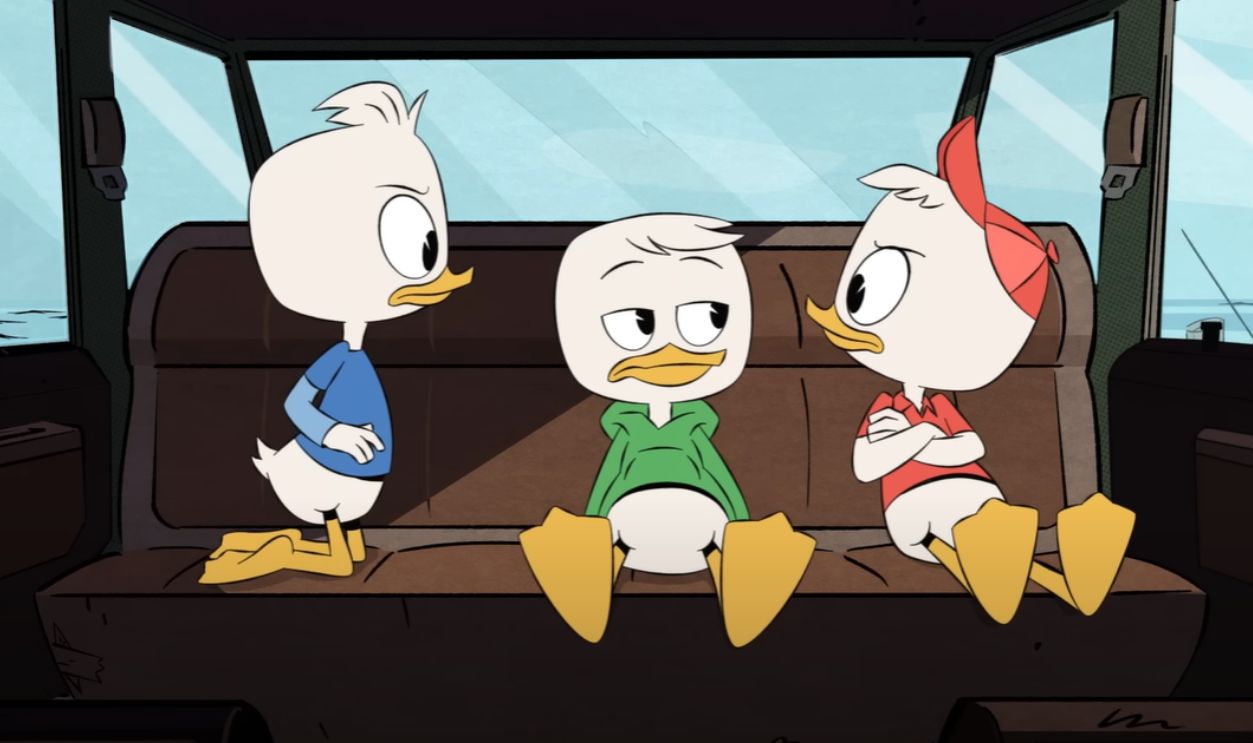 Screenshot from DuckTales, Disney XD (2017)
Will & Grace (2017 Revival)
The revival returned to address modern politics, but much of its humor relied on understanding how groundbreaking the original once was. Younger viewers took its themes for granted.
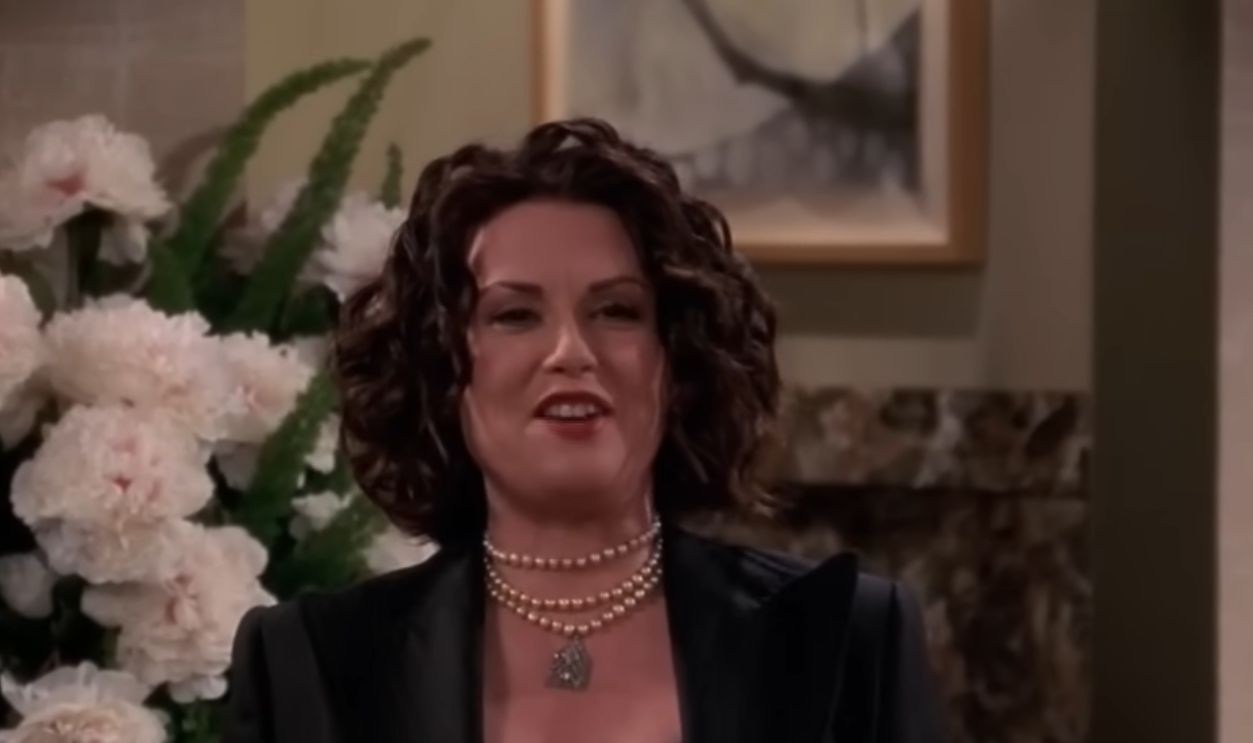 Screenshot from Will & Grace, NBC (2017)
That ’80s Show
A spin-off reboot watched mostly by viewers too young to feel nostalgic for the decade it depicted. Without cultural memory, its references felt hollow and its humor flat.
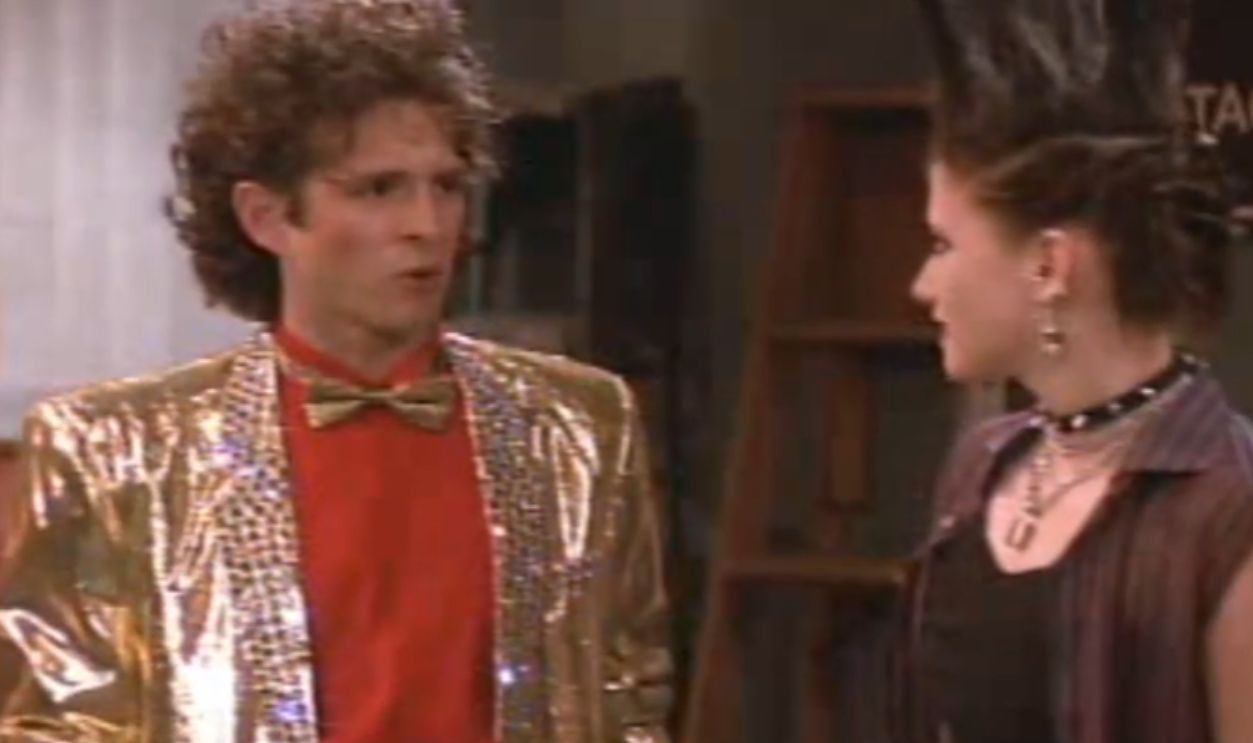 Screenshot from That ’80s Show, Fox (2002)
Reboots Need More Than Familiar Names
Reboots don’t fail because audiences are too young or too old—they fail when they misunderstand who they’re speaking to. These shows often arrived with good intentions but missed the generational sweet spot that made their originals resonate. Sometimes appreciation only comes later, when viewers grow into the context the reboot was reaching for. In television, as in life, timing really is everything.
You May Also Like:
Iconic Scenes That Took Place In Real Locations You Can Still Visit
Times That American Cinema Butchered A Beautiful Foreign Film