You Know The Character
Television creates a peculiar kind of fame. Millions of viewers can instantly recognize a character, quote their lines, and remember exactly which show they came from, yet completely blank on the actor's name. These performers created some of television's most familiar faces, even when their characters ultimately became more famous than they did.
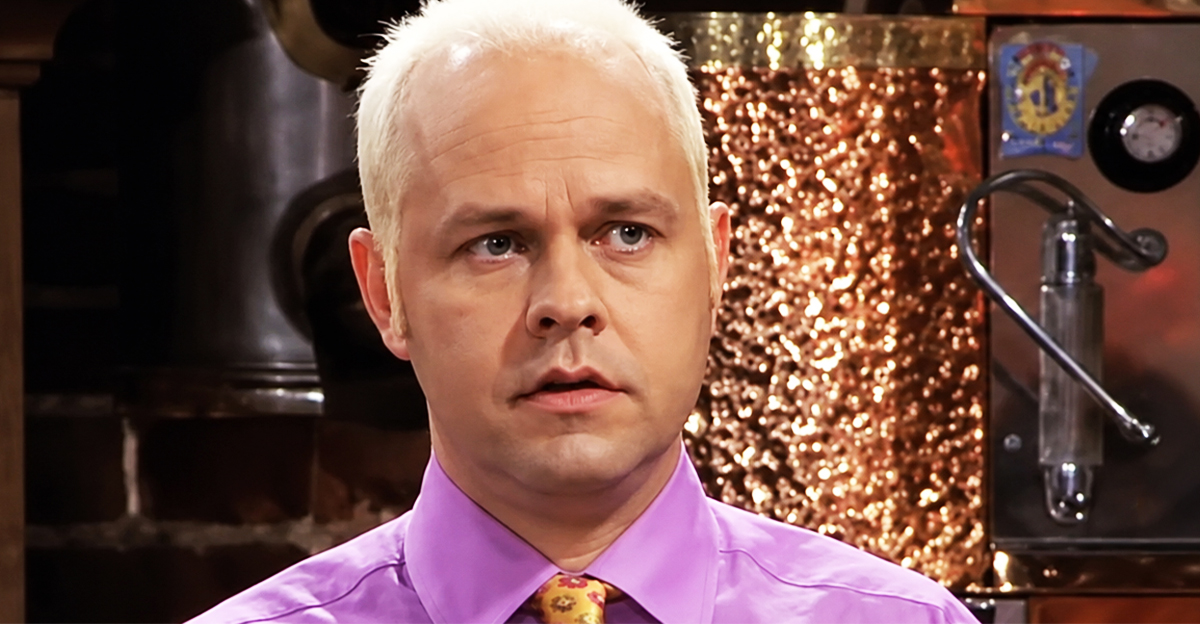
 Screenshot of James Michael Tyler in 'Friends' (2004), NBC Television
Frank Cady—Sam Drucker
Frank Cady became the friendly shopkeeper Sam Drucker on Petticoat Junction in 1963, then carried the character into Green Acres and The Beverly Hillbillies. Across the three series, Cady worked alongside stars including Bea Benaderet, Eddie Albert, Eva Gabor, and Buddy Ebsen, turning Drucker's general store into one of rural television's most familiar gathering places.
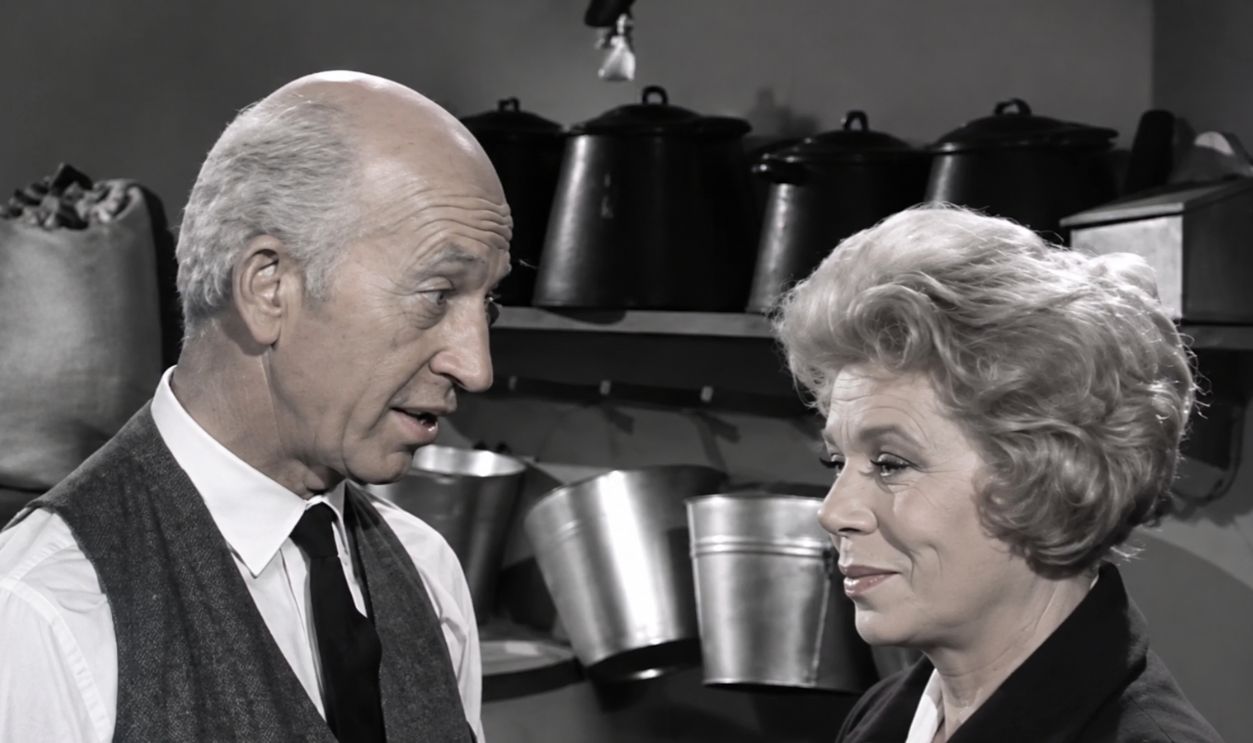 Screenshot from Petticoat Junction, Paramount Global (1963-1970)
Al Lewis—Grandpa Munster
Everyone remembers the excitable, cape-wearing Grandpa from The Munsters, but casual viewers may struggle to name Al Lewis. Beginning in 1964, Lewis played the family's resident vampire opposite Fred Gwynne's Herman and Yvonne De Carlo's Lily, creating a character whose wild hair, Transylvanian wardrobe, and basement experiments remain instantly recognizable.
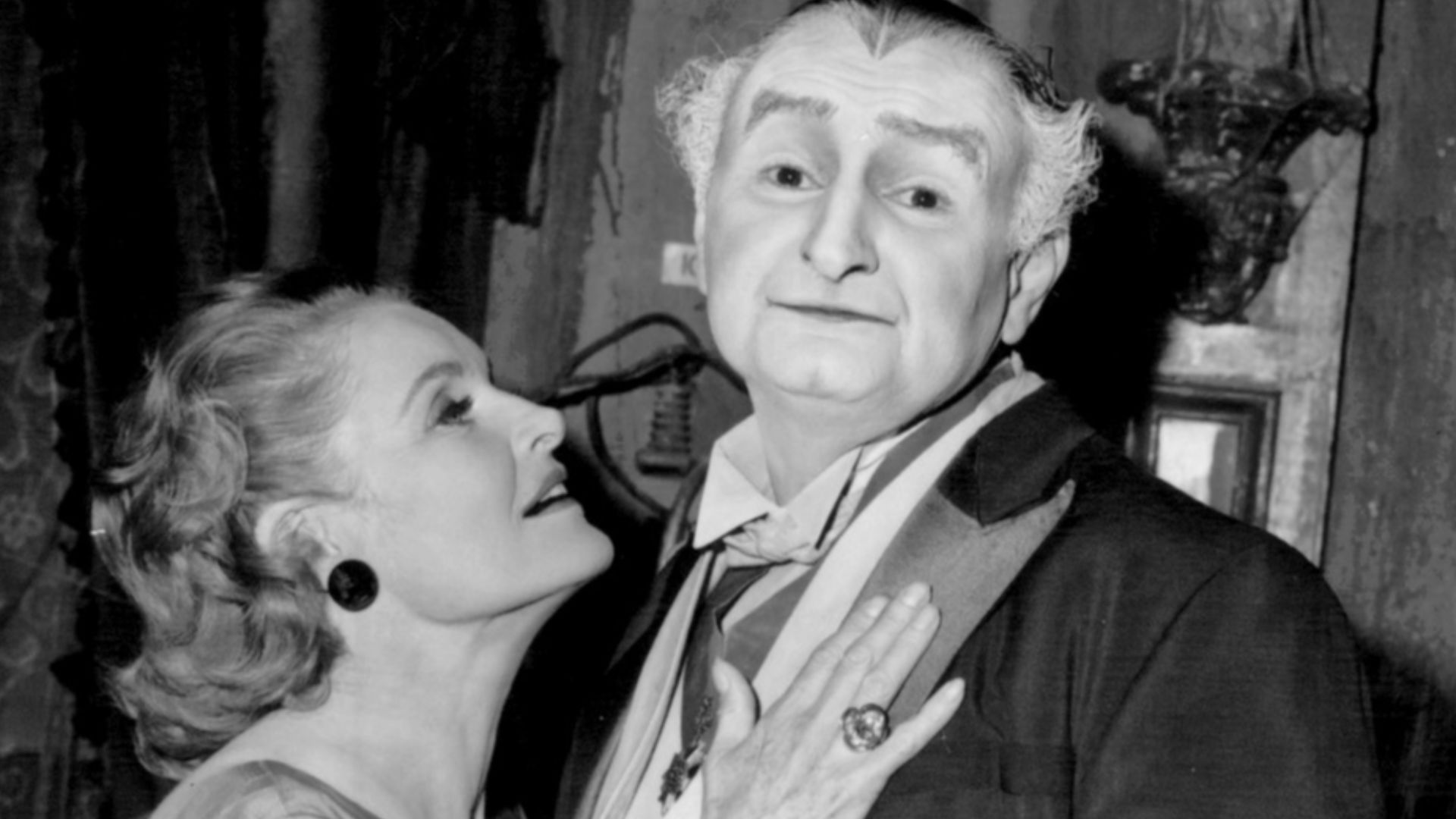 CBS Television, Wikimedia Commons
Hope Summers—Clara Edwards
Hope Summers appeared repeatedly on The Andy Griffith Show as Clara Edwards, the competitive but ultimately loyal friend of Aunt Bee, played by Frances Bavier. Introduced in 1961 under a slightly different character name, Summers became a familiar Mayberry presence, especially whenever Clara and Aunt Bee found themselves competing over cooking, flowers, or community status.
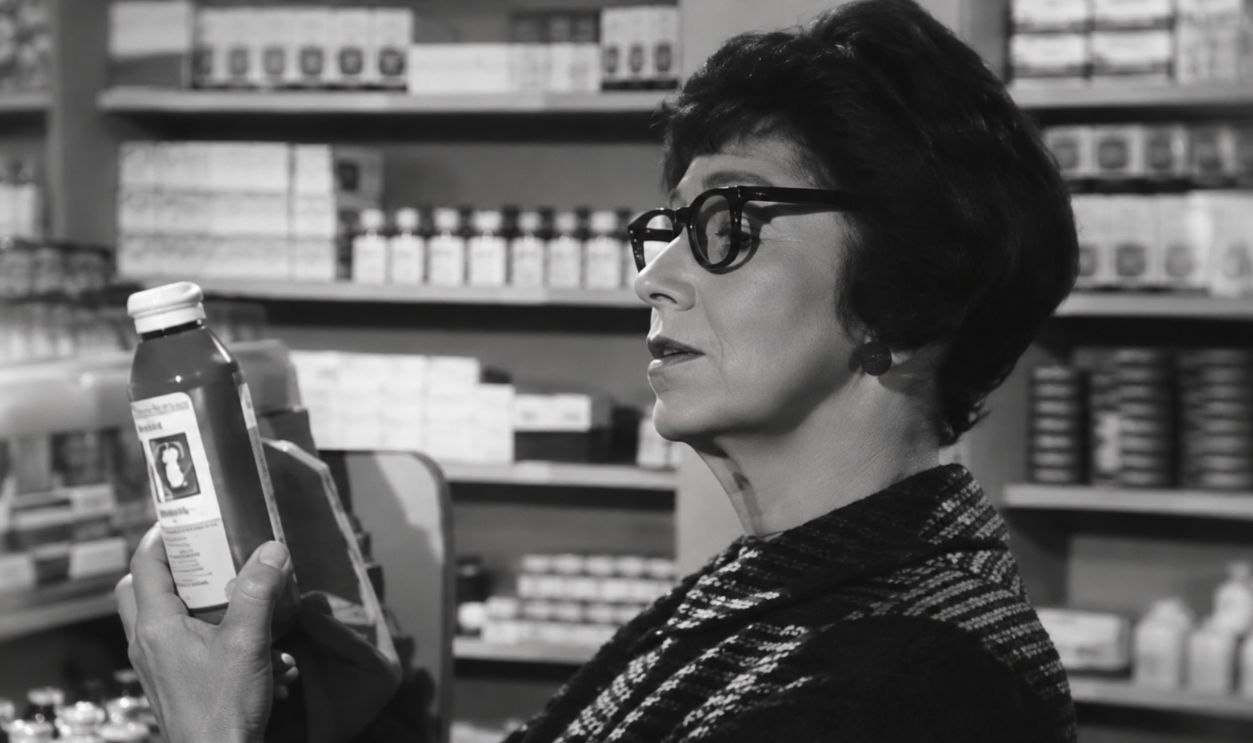 Screenshot from The Andy Griffith Show, CBS (1960–1968), Modified
Alice Ghostley—Esmeralda
Alice Ghostley was already an accomplished stage and screen performer when she joined Bewitched as Esmeralda in 1969. The timid, accident-prone witch had a habit of disappearing whenever she became nervous, creating headaches for Elizabeth Montgomery's Samantha. Ghostley's character became one of the sitcom's most memorable supernatural supporting players.
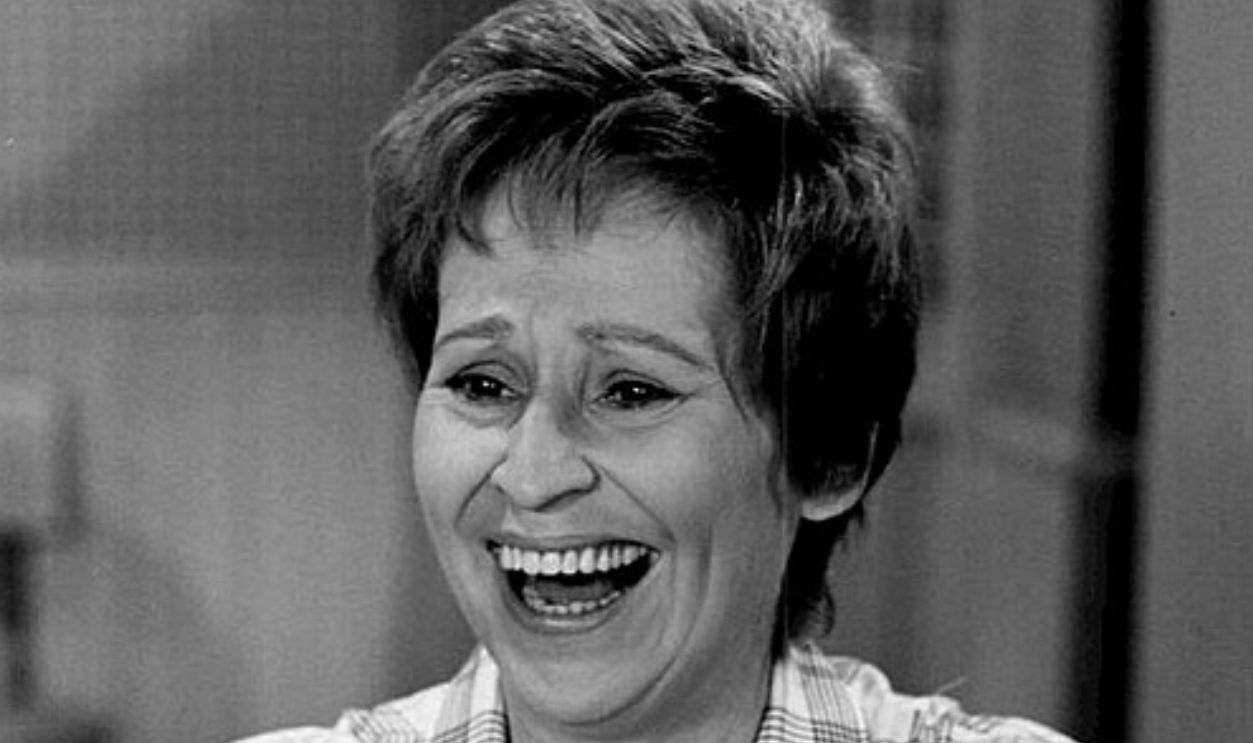 CBS Television, Wikimedia Commons
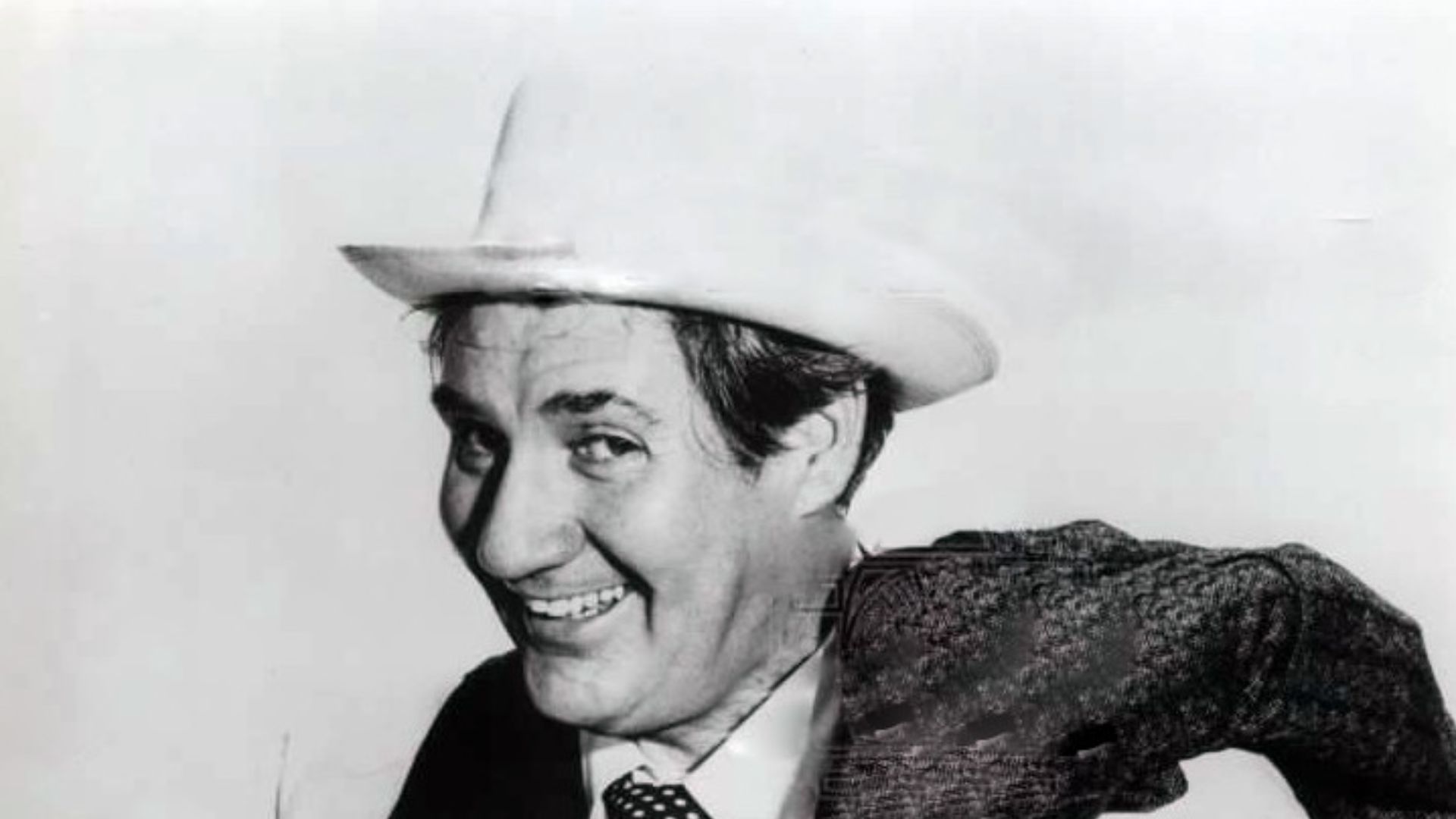
Pat Buttram—Mr. Haney
Whenever the residents of Green Acres needed something, Mr. Haney usually appeared with precisely the item they didn't know they needed and a price they probably shouldn't pay. Pat Buttram played the fast-talking salesman opposite Eddie Albert and Eva Gabor, transforming Haney into one of the show's defining comic characters.
 Unknown authorUnknown author, Wikimedia Commons
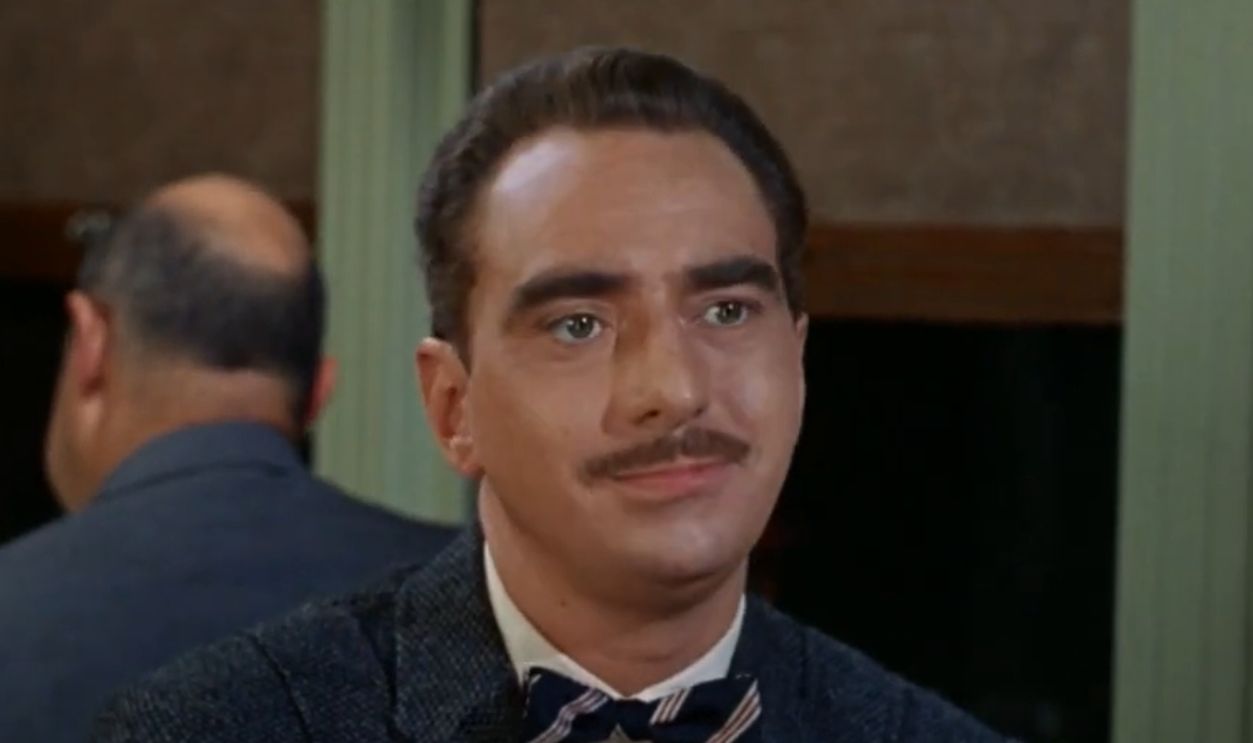
Jack Dodson—Howard Sprague
Howard Sprague was the mild-mannered county clerk whose sheltered life frequently collided with the eccentricities of Mayberry. Jack Dodson joined The Andy Griffith Show in 1966 and later carried Howard into Mayberry R.F.D. His nervous delivery made the character memorable even beside established favorites Andy Griffith, Don Knotts, and Frances Bavier.
 Screenshot from The Andy Griffith Show, CBS (1960–1968), Modified
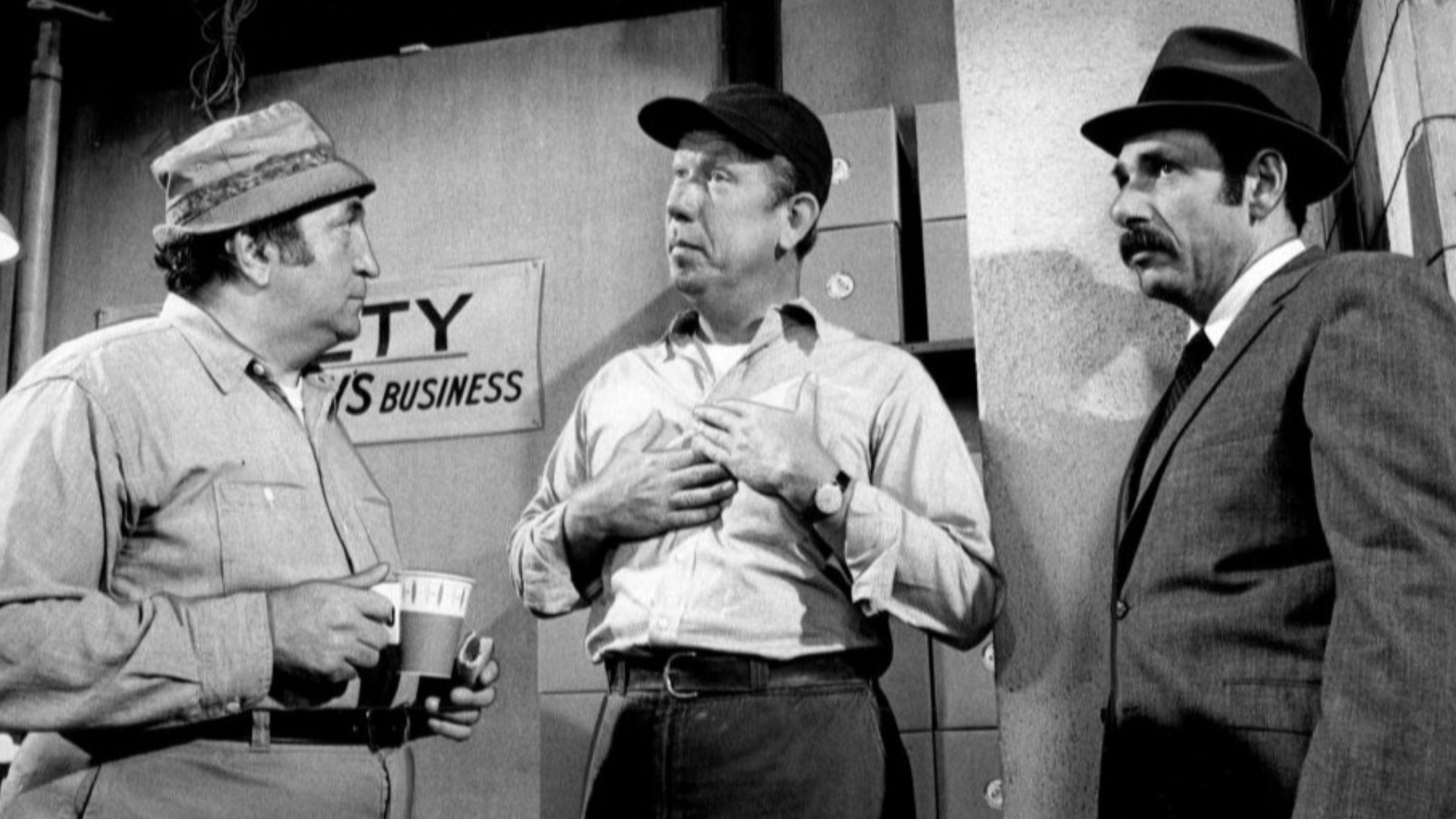
Allan Melvin—Sam Franklin
Allan Melvin became enormously familiar without necessarily becoming famous under his own name. Beginning in 1969, he played Sam Franklin, the butcher who dated Alice throughout The Brady Bunch. Opposite Ann B. Davis's Alice, Melvin made “Sam the Butcher” one of the sitcom's most fondly remembered recurring characters. The pair were eventually depicted as married.
 CBS Television, Wikimedia Commons
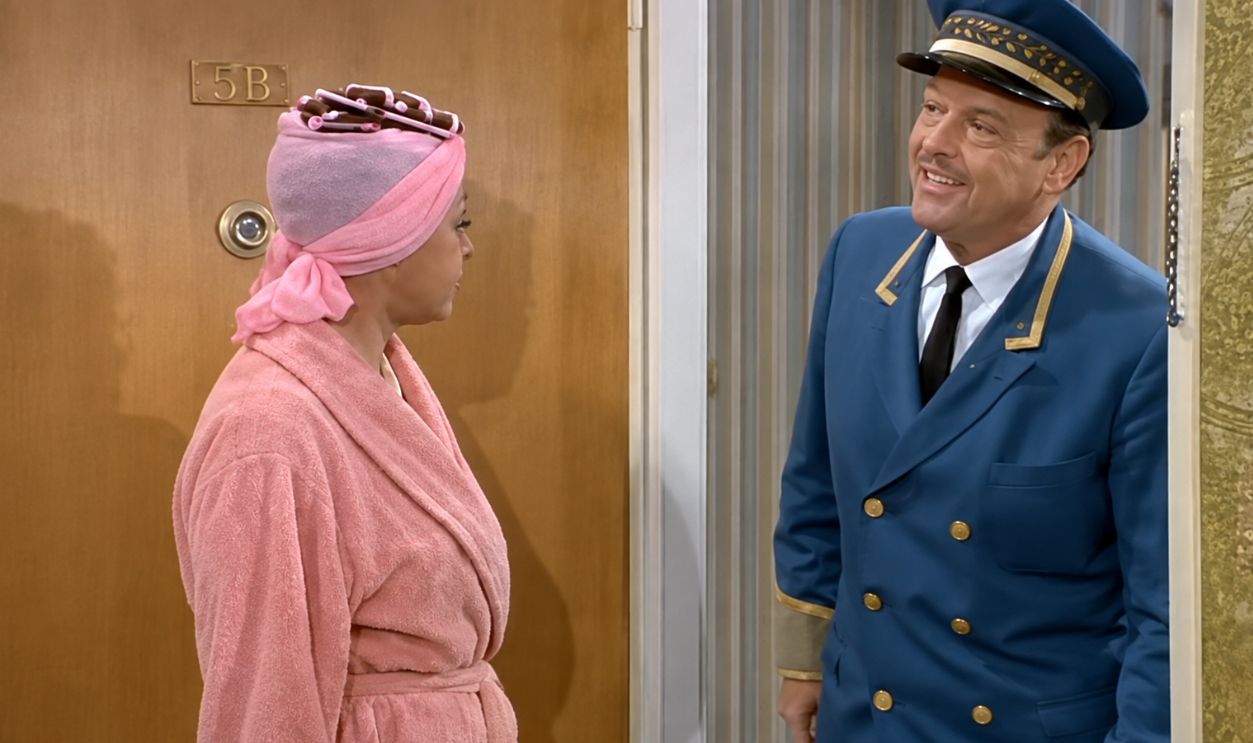
Ned Wertimer—Ralph Hart
George and Louise Jefferson's doorman Ralph Hart always seemed to have his hand ready for a tip. Ned Wertimer played Ralph throughout The Jeffersons, beginning in 1975, appearing alongside Sherman Hemsley, Isabel Sanford, and Marla Gibbs. The character's cheerful ability to extract money from practically anyone became a long-running joke.
 Screenshot from The Jeffersons, CBS (1975–1985)
Al Molinaro—Al Delvecchio
For millions of Happy Days viewers, he was simply Al, the genial owner of Arnold's Drive-In who regularly greeted customers with his mournful “Yep-yep-yep-yep-yep.” Al Molinaro joined the sitcom in 1976, working alongside Ron Howard, Henry Winkler, Tom Bosley, and Marion Ross before later appearing on the spinoff Joanie Loves Chachi.
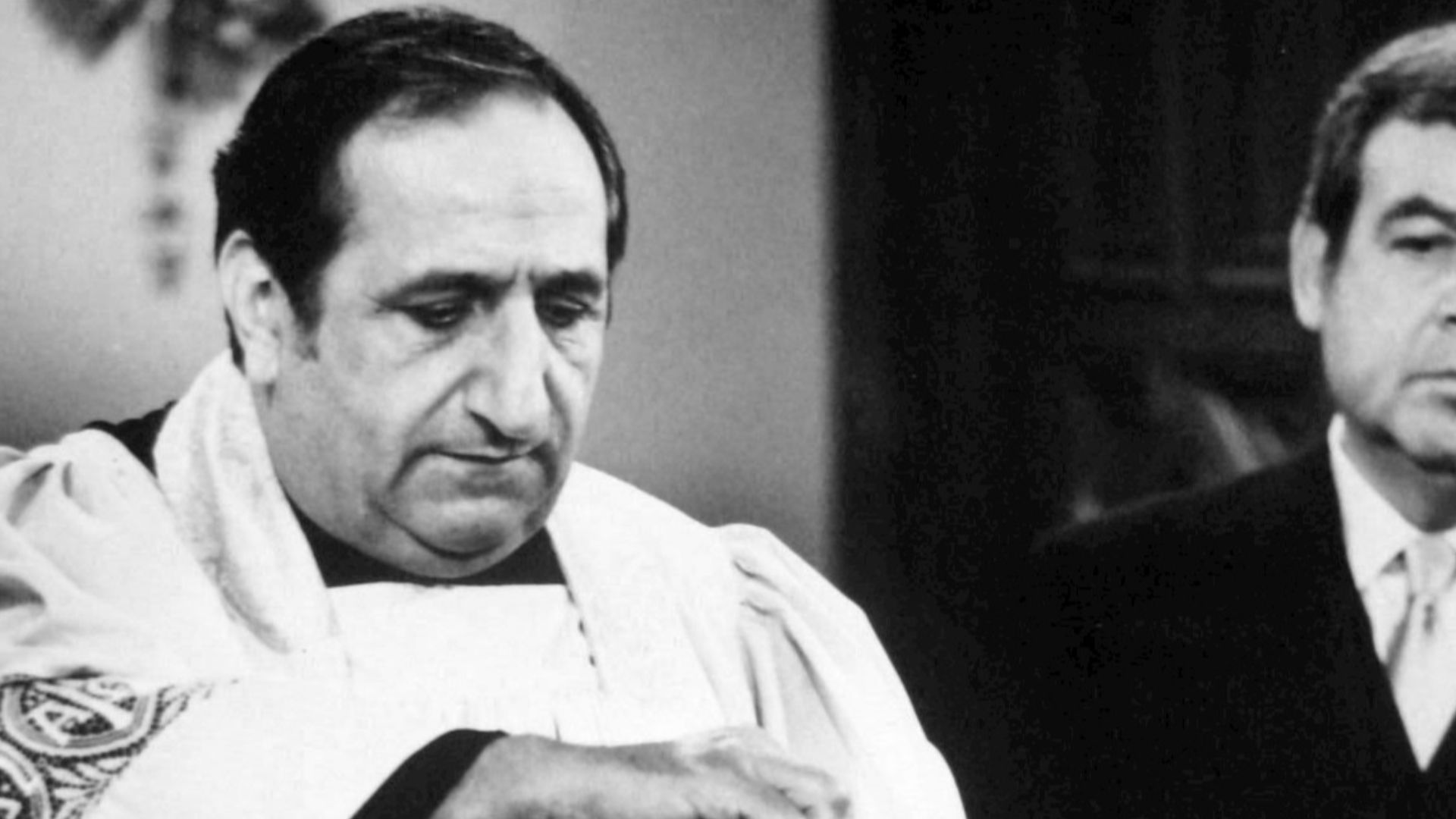 ABC Television, Wikimedia Commons
Richard Kline—Larry Dallas
Jack Tripper's best friend Larry Dallas was a leisure-suited used-car salesman who was perpetually chasing women and encouraging Jack's worst ideas. Richard Kline began playing Larry on Three's Company in 1977 and became a recurring fixture alongside John Ritter, Joyce DeWitt, Suzanne Somers, and later Priscilla Barnes.
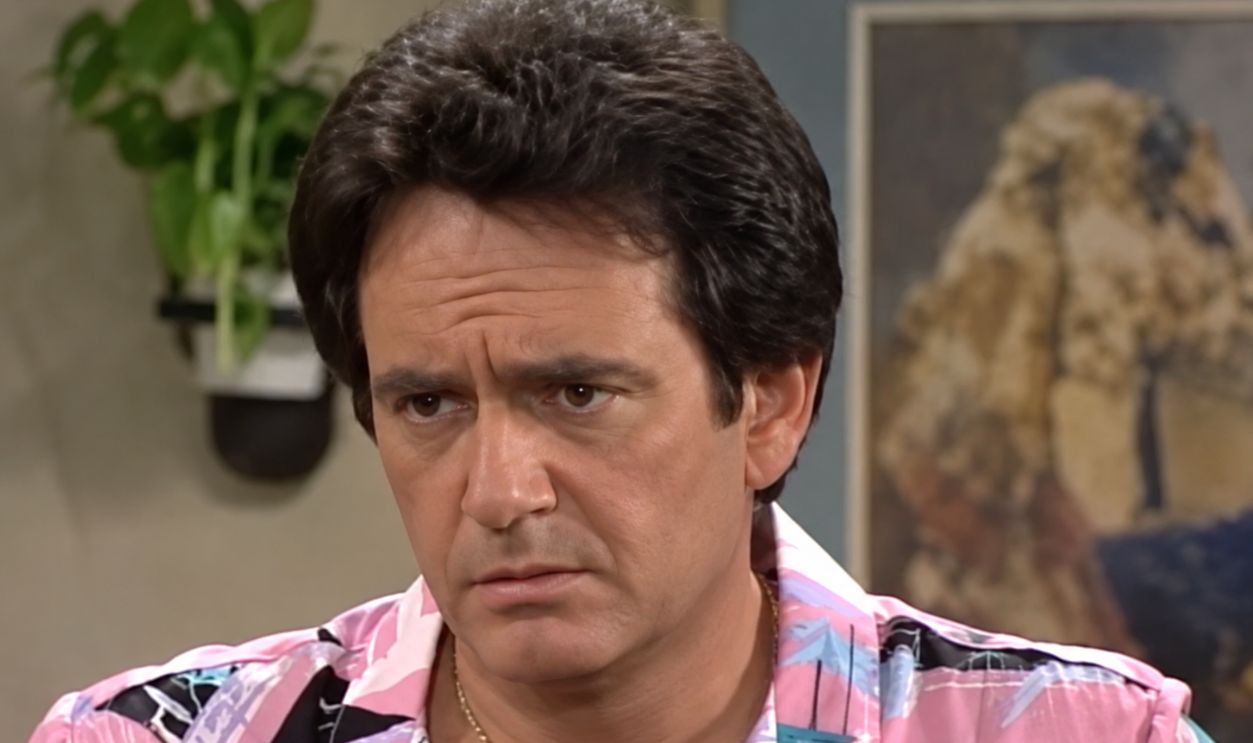 Screenshot from Three's Company, ABC (1977–1984), Enhanced
Robert Donner—Exidor
Robin Williams was unmistakably Mork, but one of Mork & Mindy's strangest recurring characters belonged to veteran character actor Robert Donner. Beginning in 1978, Donner played Exidor, an eccentric would-be prophet who communicated with imaginary followers. His unpredictable appearances made him an ideal match for Williams' already surreal comic universe.
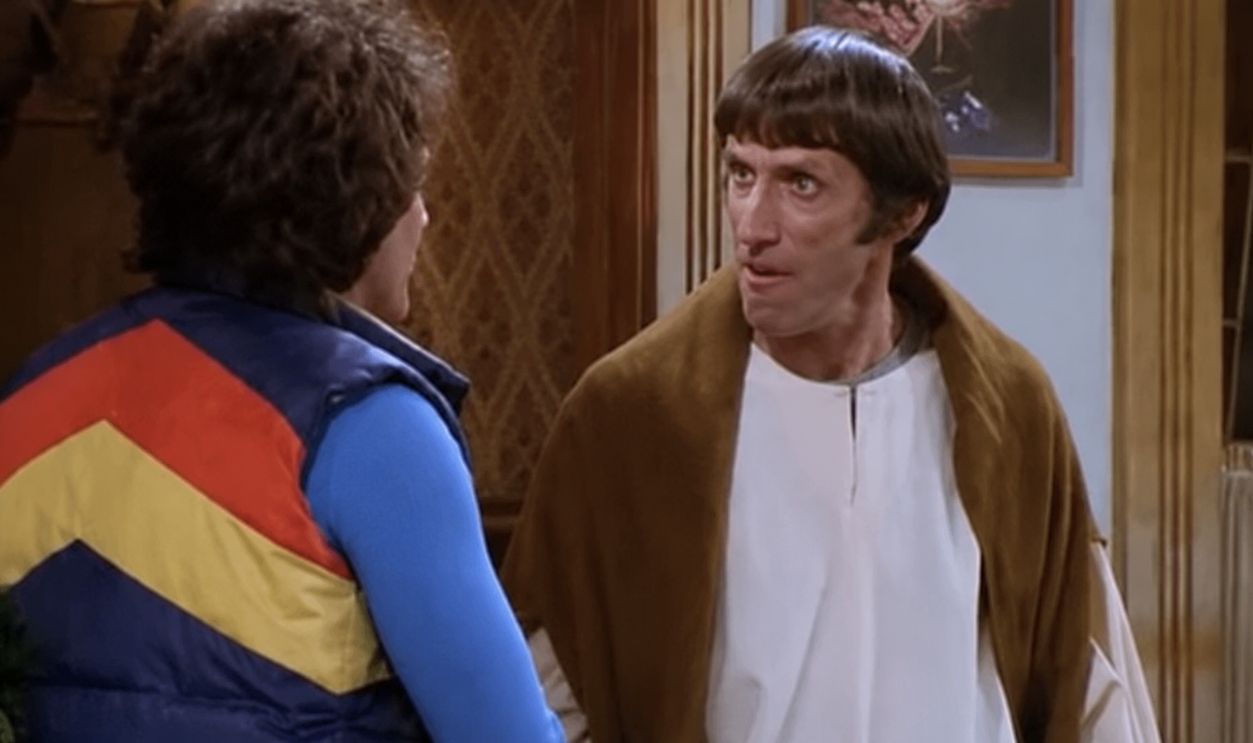 Screenshot from Mork & Mindy, Paramount Television Domestic Syndication (1978–1982)
Earl Boen—Reverend Meechum
The perpetually exasperated Reverend Lloyd Meechum became one of the recurring characters who made Mama's Family such an eccentric ensemble. Earl Boen, later familiar to movie audiences from The Terminator (1984) and its sequels, played the minister opposite Vicki Lawrence's Thelma Harper beginning during the show's original network run.
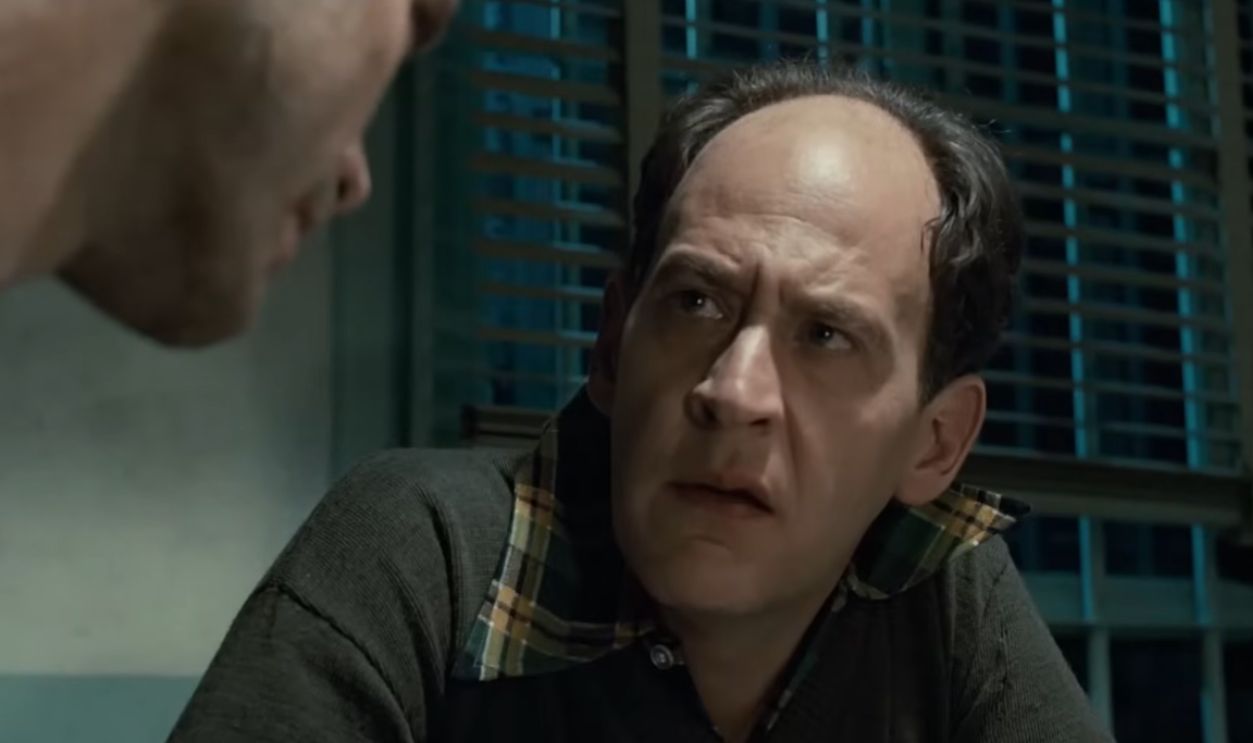 Screenshot from The Terminator, Hemdale Film Corporation (1984)
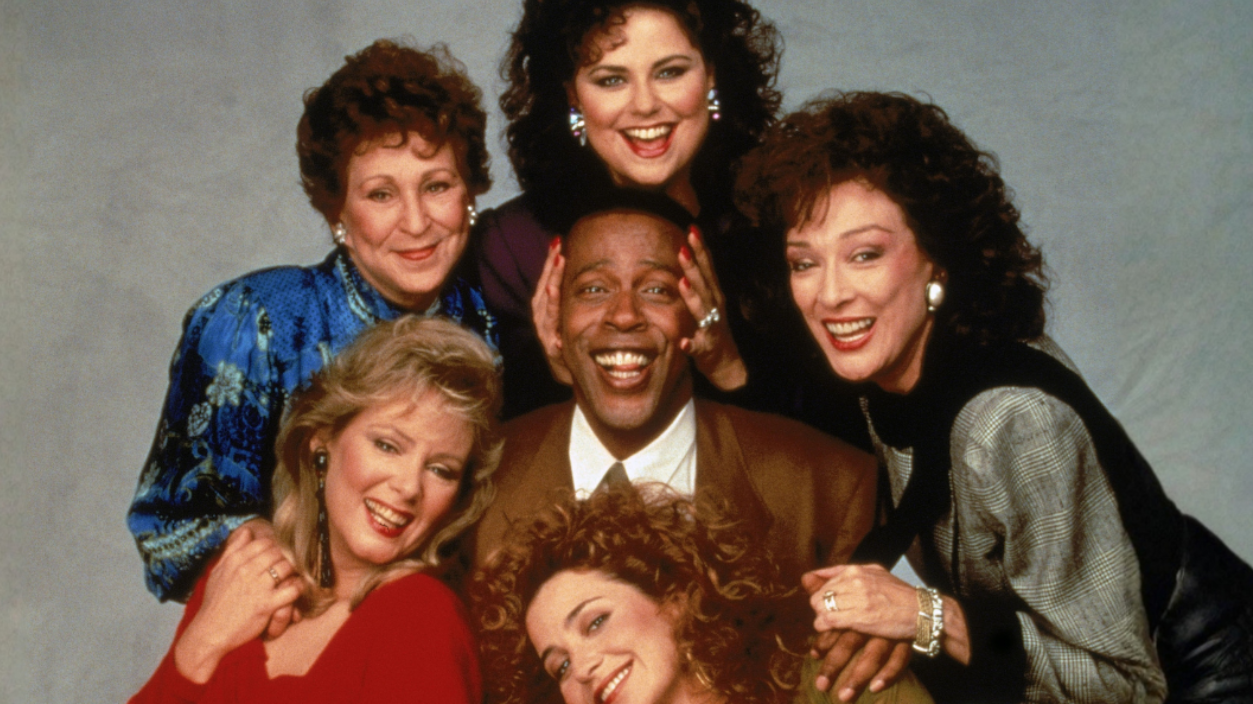
Meshach Taylor—Anthony Bouvier
Anthony Bouvier began Designing Women as a recently paroled deliveryman and gradually became an essential member of the Sugarbaker circle. Meshach Taylor's warm, funny performance opposite Dixie Carter, Delta Burke, Annie Potts, and Jean Smart earned him an Emmy nomination, while Anthony became far better known than the actor playing him.
 Fotos International, Getty Images
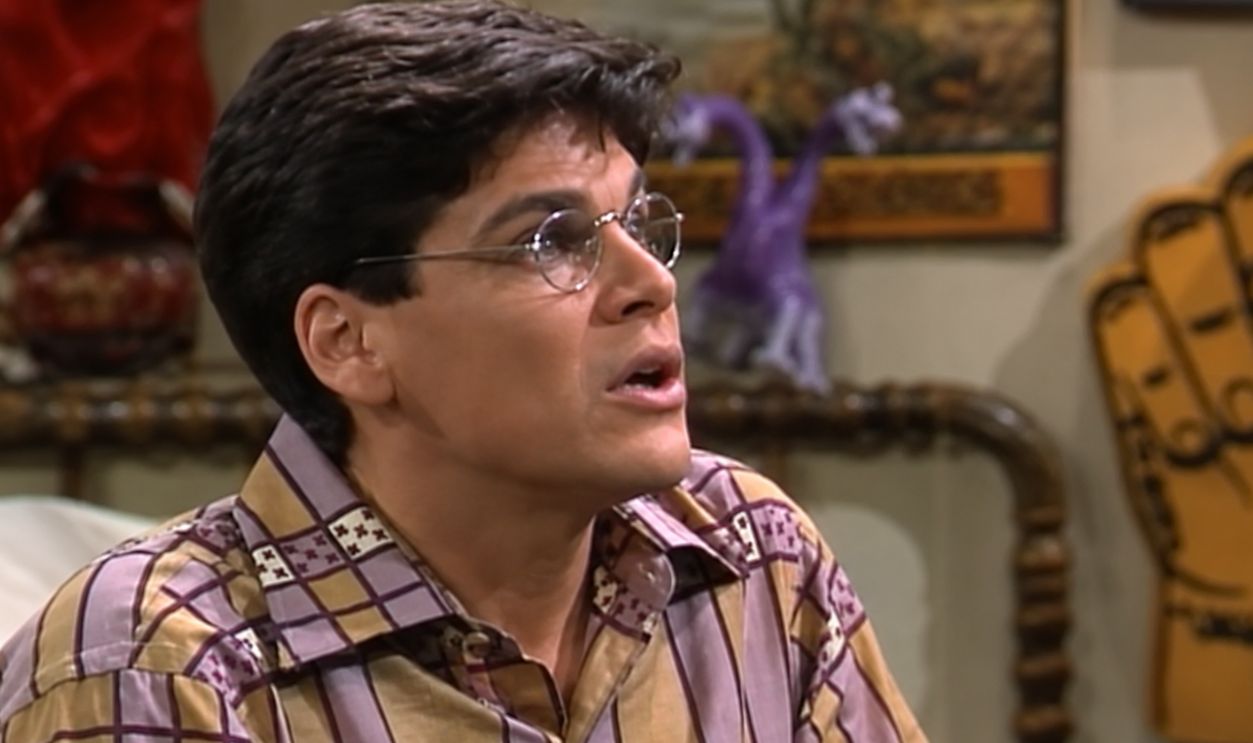
Marc Price—Skippy Handelman
Irwin “Skippy” Handelman was Alex P. Keaton's hopelessly awkward best friend and Mallory's hopelessly unsuccessful admirer on Family Ties. Marc Price began playing Skippy in 1982, holding his own alongside Michael J. Fox, Justine Bateman, Meredith Baxter, and Michael Gross while turning social discomfort into the character's comic trademark.
 Screenshot from Family Ties, NBC (1982–1989)
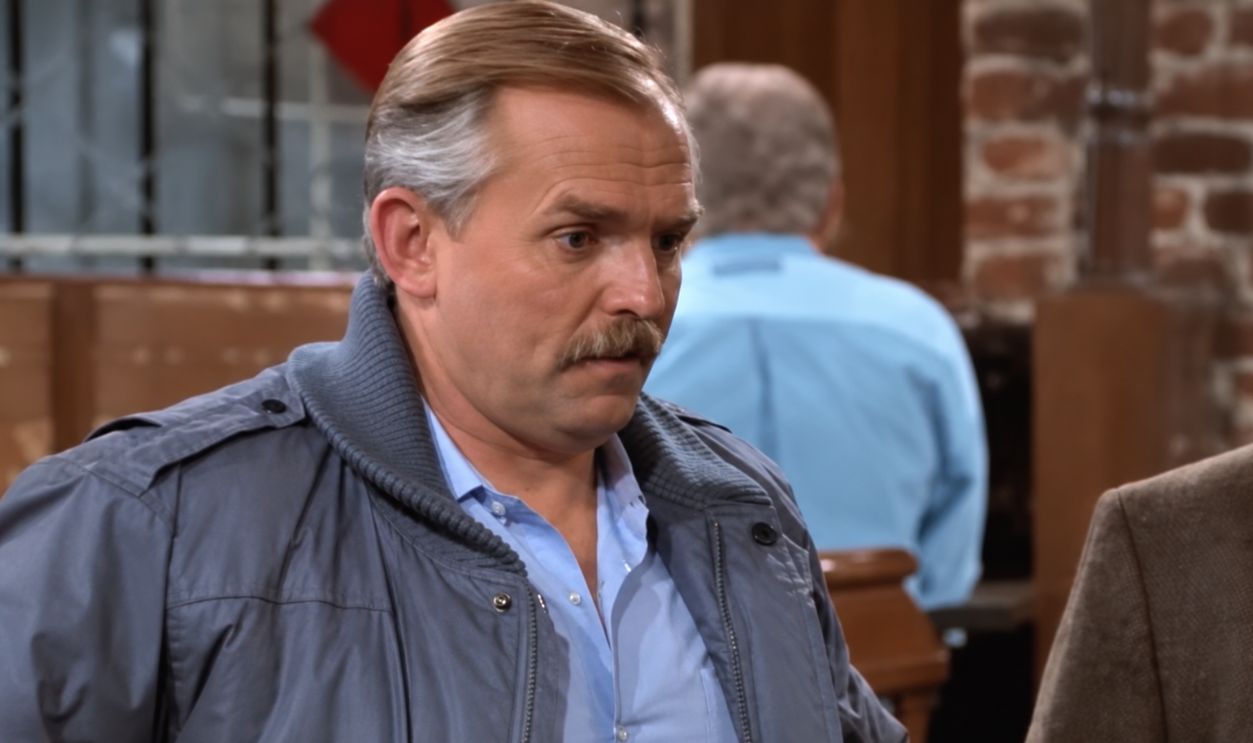
John Ratzenberger—Cliff Clavin
Everyone at Cheers knew what happened when Cliff Clavin started explaining something: an extremely confident torrent of questionable information was coming. John Ratzenberger played the Boston mail carrier from 1982 through the series finale, creating an unforgettable barfly alongside Ted Danson, George Wendt, Rhea Perlman, and Shelley Long.
 Screenshot from Cheers, NBC (1982–1993), Enhanced
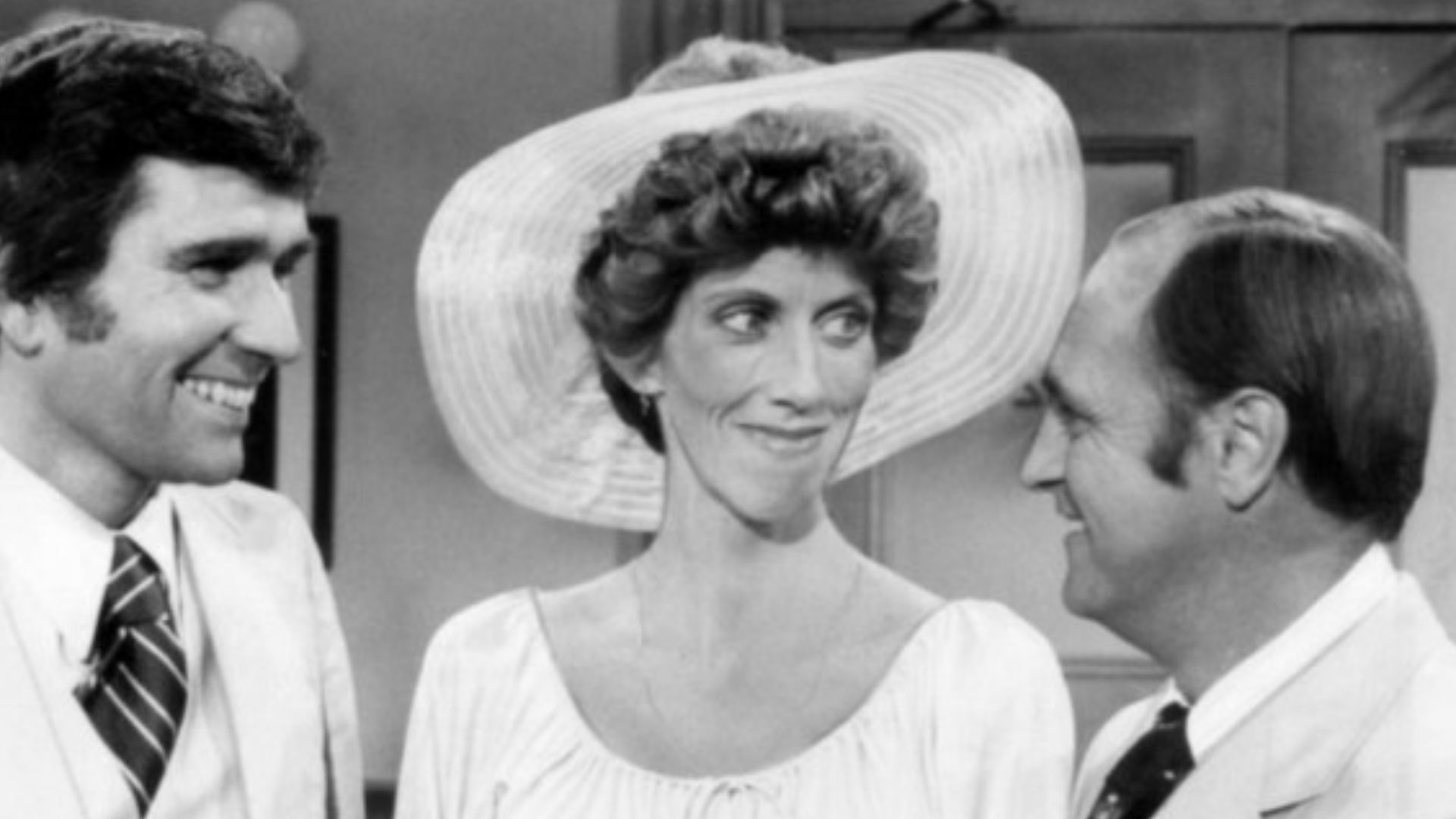
Marcia Wallace—Carol Kester
Bob Hartley's wisecracking receptionist Carol Kester could puncture the psychologist's composure with a single line on The Bob Newhart Show. Marcia Wallace played Carol throughout the show's 1972 to 1978 run, opposite Bob Newhart, Suzanne Pleshette, Bill Daily, and Peter Bonerz, before becoming equally recognizable as a prolific voice actress.
 CBS Television, Wikimedia Commons
Tom Poston—George Utley
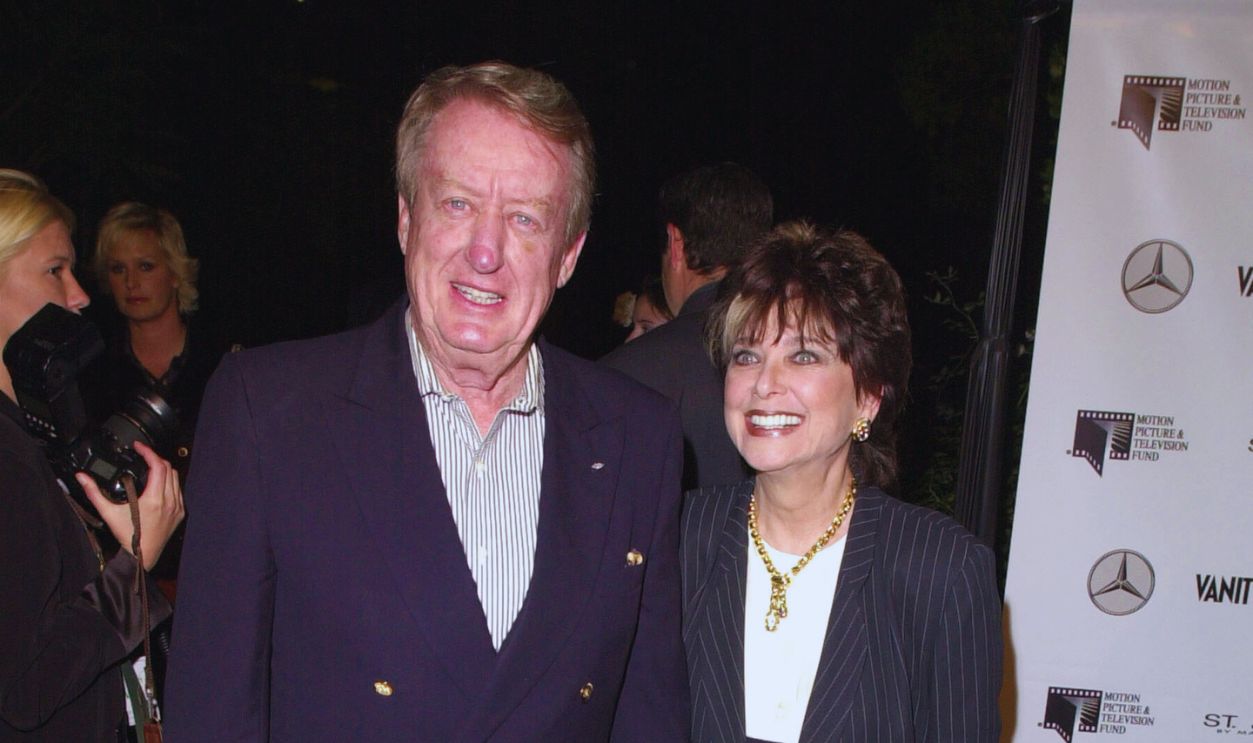
George Utley was the handyman at the Stratford Inn on Newhart, although “handyman” sometimes seemed optimistic. Veteran comedian Tom Poston joined Bob Newhart, Mary Frann, and later Julia Duffy and Peter Scolari in 1982. His wonderfully blank delivery made George's baffling observations sound perfectly reasonable, earning Poston three Emmy nominations.
Richard Moll—Bull Shannon
Standing six-foot-eight with a shaved head, Richard Moll was difficult to overlook as towering bailiff Nostradamus “Bull” Shannon on Night Court. Beginning in 1984, Bull's intimidating appearance concealed an innocent, almost childlike personality. Moll played him throughout the sitcom alongside Harry Anderson, John Larroquette, and Markie Post.
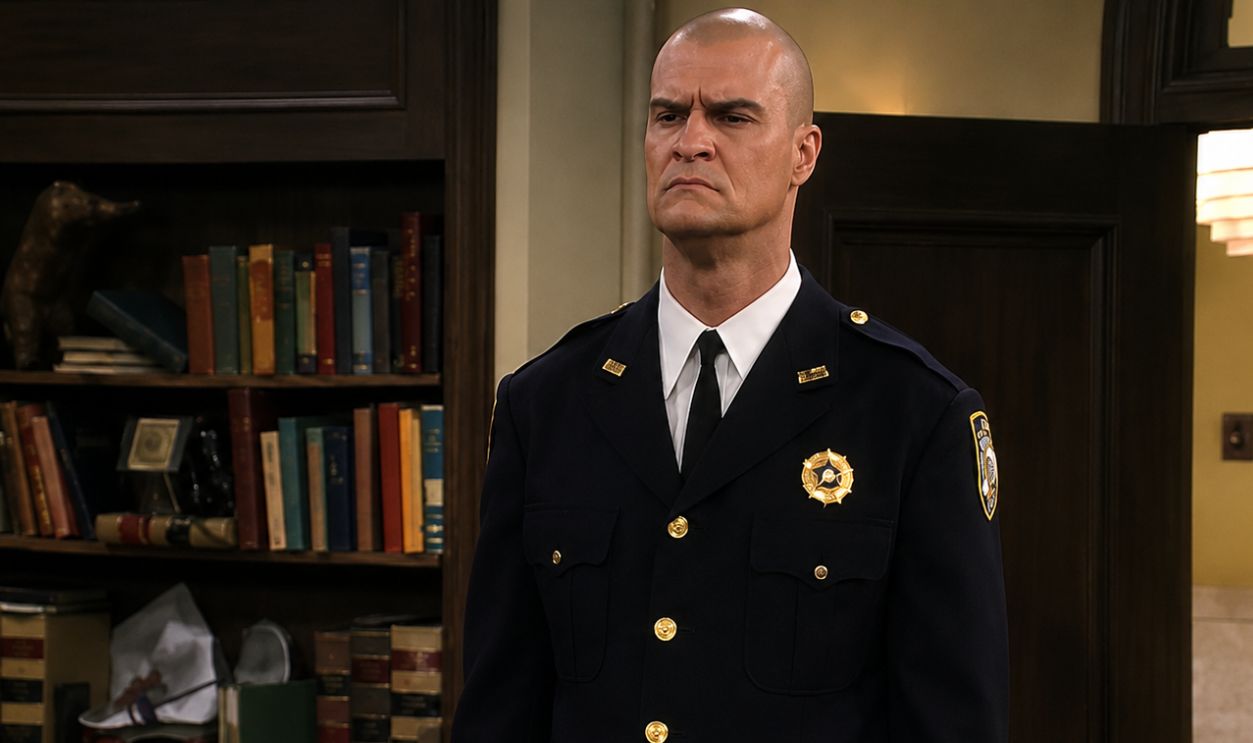 Screenshot from Night Court, Warner Bros. Television (1984-1992), Enhanced
Larry Hankin—Mr. Heckles
The downstairs neighbor who complained about imaginary noise became one of Friends' earliest memorable recurring characters. Larry Hankin played Mr. Heckles opposite Jennifer Aniston, Courteney Cox, Lisa Kudrow, Matt LeBlanc, Matthew Perry, and David Schwimmer. Although Heckles appeared only occasionally, his crankiness made him surprisingly difficult to forget.
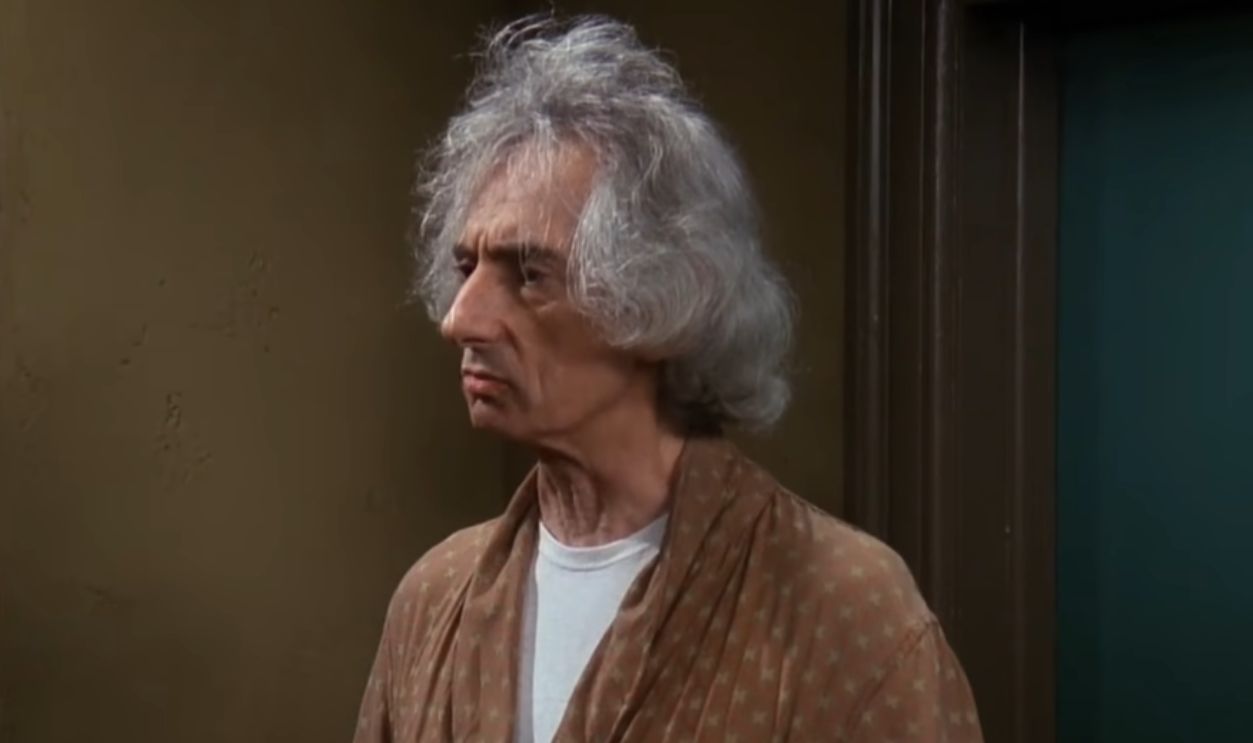 Screenshot from Friends, Warner Bros. Television (1994–2004)
Estelle Harris—Estelle Costanza
George Costanza's mother could turn practically any conversation into a full-scale crisis. Estelle Harris first appeared as Estelle Costanza on Seinfeld in 1992, forming an explosively funny partnership with Jerry Stiller as Frank. Their screaming arguments helped make George's parents nearly as memorable as Jason Alexander's perpetually neurotic George himself.
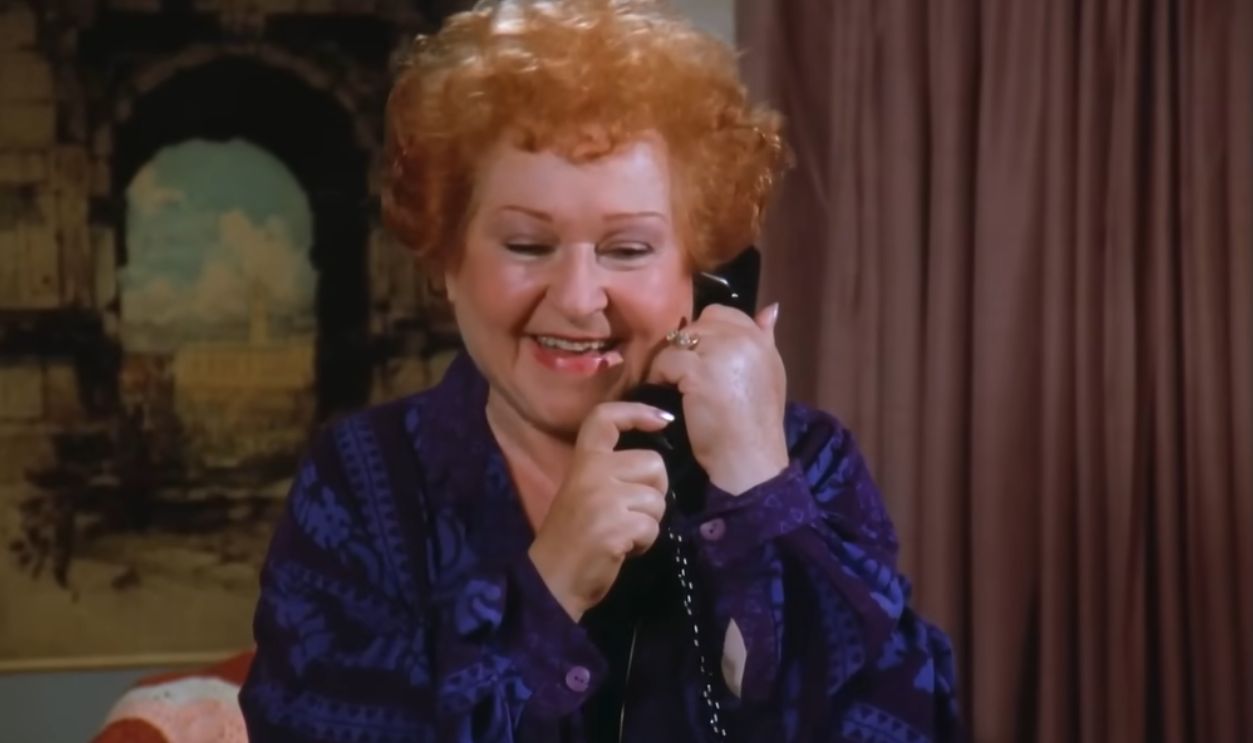 Screenshot from Seinfeld, Sony Pictures Entertainment (1989-1998)
Wayne Knight—Newman
“Hello, Newman.” Wayne Knight's scheming postal worker became Jerry Seinfeld's inexplicable nemesis on Seinfeld, first appearing onscreen in 1992 after the character had previously been heard offscreen. Knight's theatrical indignation and chemistry with Seinfeld, Jason Alexander, Julia Louis-Dreyfus, and Michael Richards made Newman one of television's great recurring antagonists.
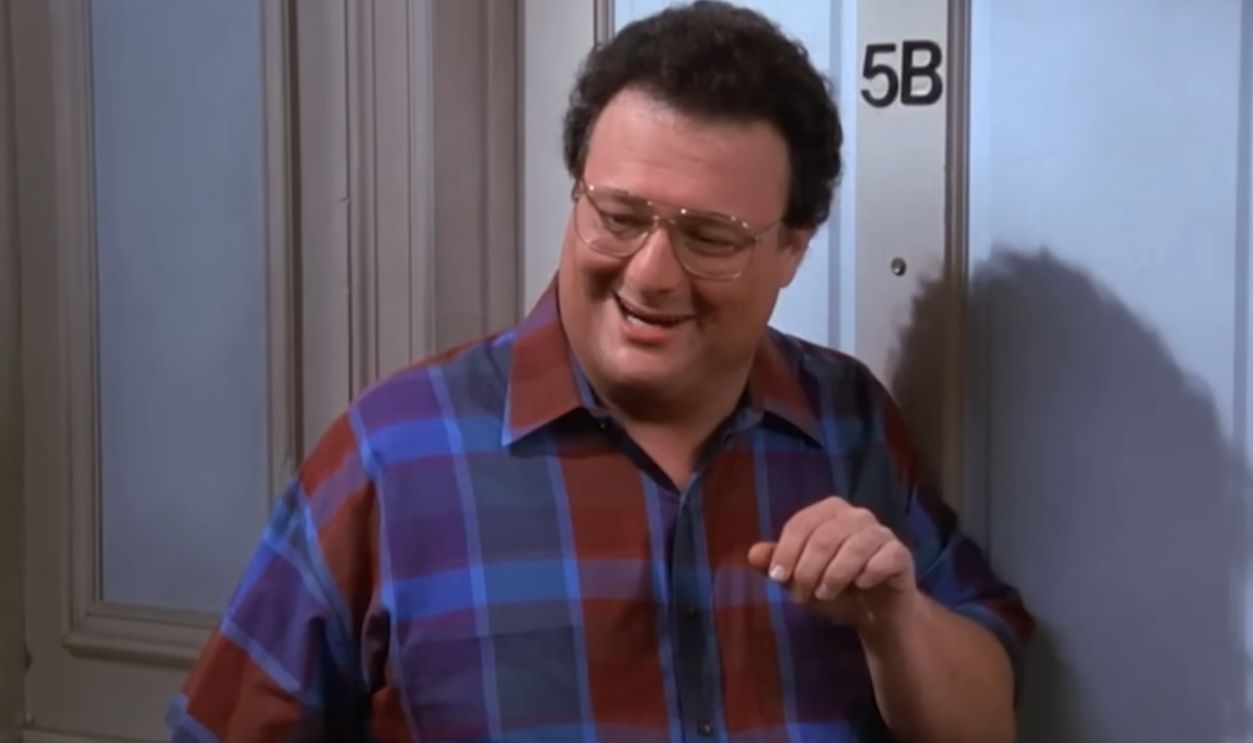 Screenshot from Seinfeld, Sony Pictures Entertainment (1989-1998)
William B. Davis—Smoking Man
For years, The X-Files barely seemed to need to explain who he was. William B. Davis played the mysterious Cigarette Smoking Man, also called Cancer Man, beginning with the 1993 pilot. Lurking behind government conspiracies involving David Duchovny's Mulder and Gillian Anderson's Scully, he became the show's human face of secrecy and menace.
 Yves Tennevin, Wikimedia Commons
Frances Bay—Marble Rye Lady
Frances Bay accumulated scores of credits, but Seinfeld fans instantly remember her as Mabel Choate, the elderly woman from whom Jerry steals a marble rye. Appearing in the 1996 episode “The Rye,” Bay created one of the series' funniest one-episode adversaries while sharing an unforgettable confrontation with Jerry Seinfeld.
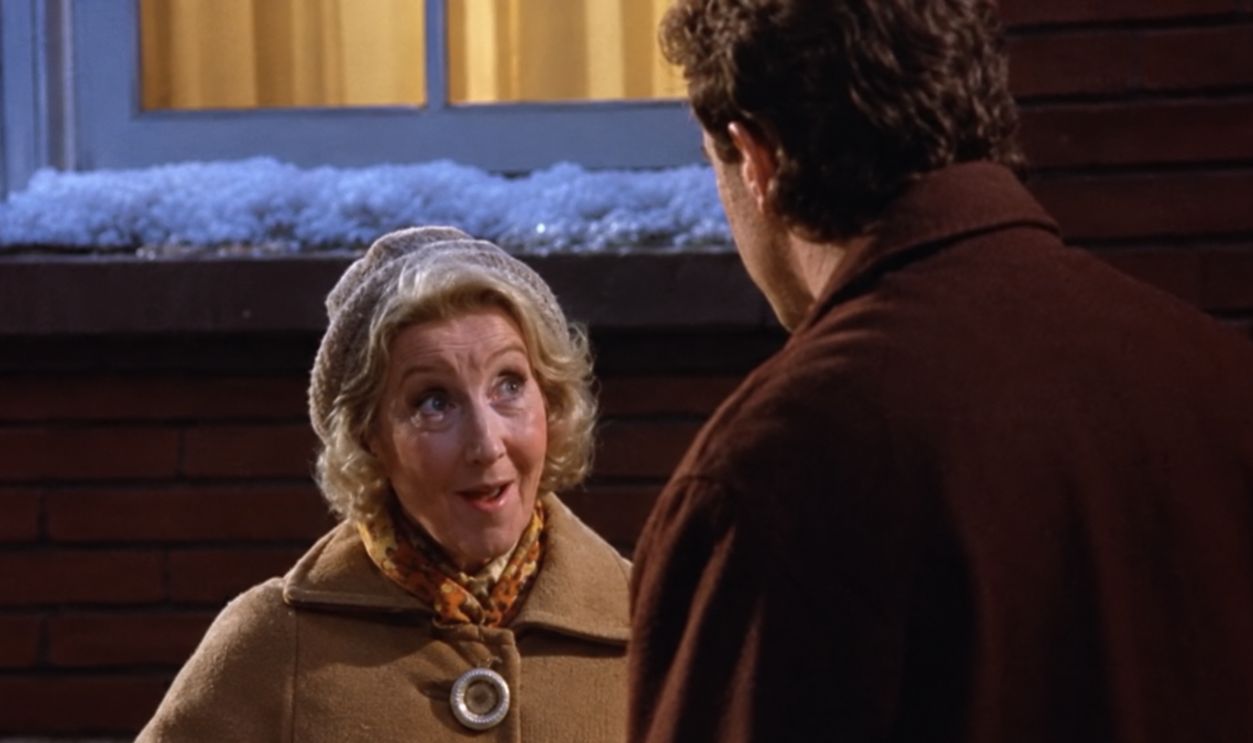 Screenshot from Seinfeld, Sony Pictures Entertainment (1989-1998)
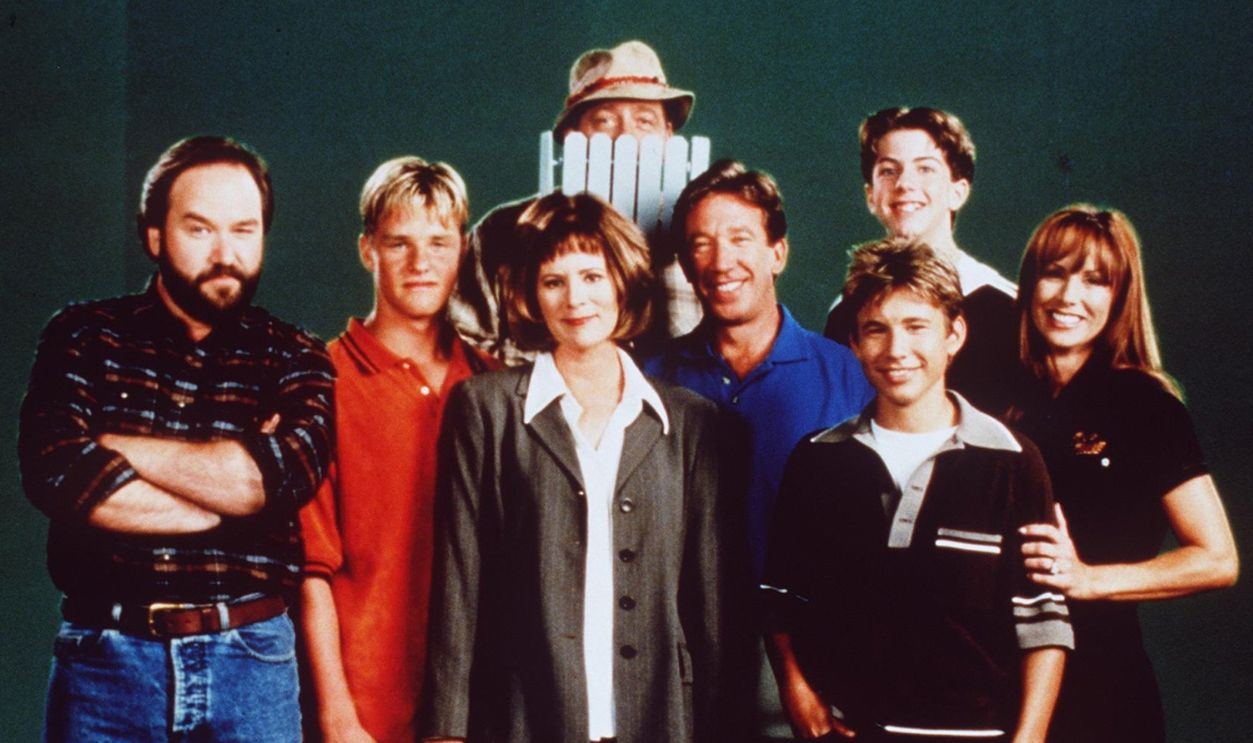
Richard Karn—Al Borland
Tim Taylor may have hosted Tool Time, but millions of viewers knew exactly who actually understood the tools. Richard Karn played the flannel-wearing, endlessly patient Al Borland on Home Improvement opposite Tim Allen beginning in 1991. Al's deadpan corrections and “I don't think so, Tim” became essential ingredients in the show's humor.
James Michael Tyler—Gunther
Gunther spent years serving coffee at Central Perk while silently pining for Rachel Green. James Michael Tyler first appeared on Friends in 1994 and ultimately became its most prominent recurring character outside the main ensemble. His bleached hair, permanently wounded expression, and hopeless devotion to Jennifer Aniston's Rachel made Gunther instantly recognizable.
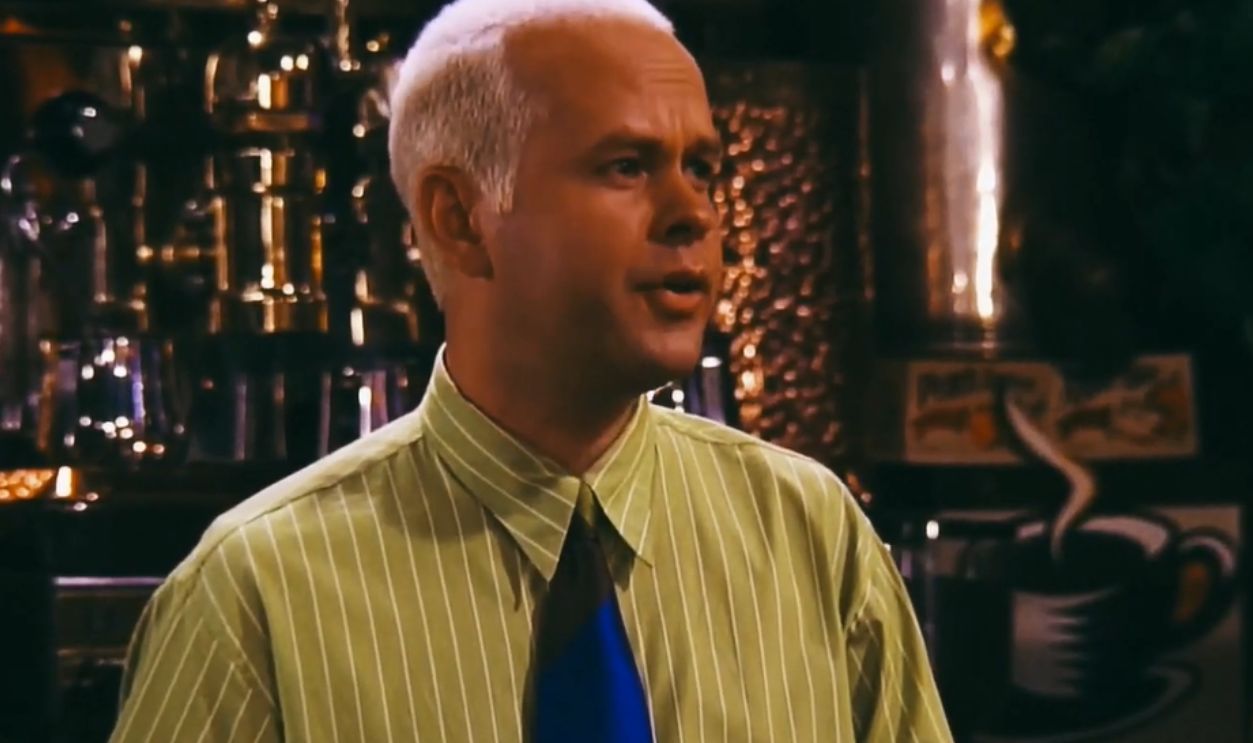 Screenshot from Friends, Warner Bros. Television (1994–2004)
Willie Garson—Stanford Blatch
Long before viewers necessarily remembered Willie Garson's name, they knew Carrie Bradshaw's loyal friend Stanford Blatch. Garson began playing Stanford on Sex and the City in 1998, appearing opposite Sarah Jessica Parker and the show's central ensemble. His dry observations, colorful wardrobe, and friendship with Carrie made Stanford a fan favorite.
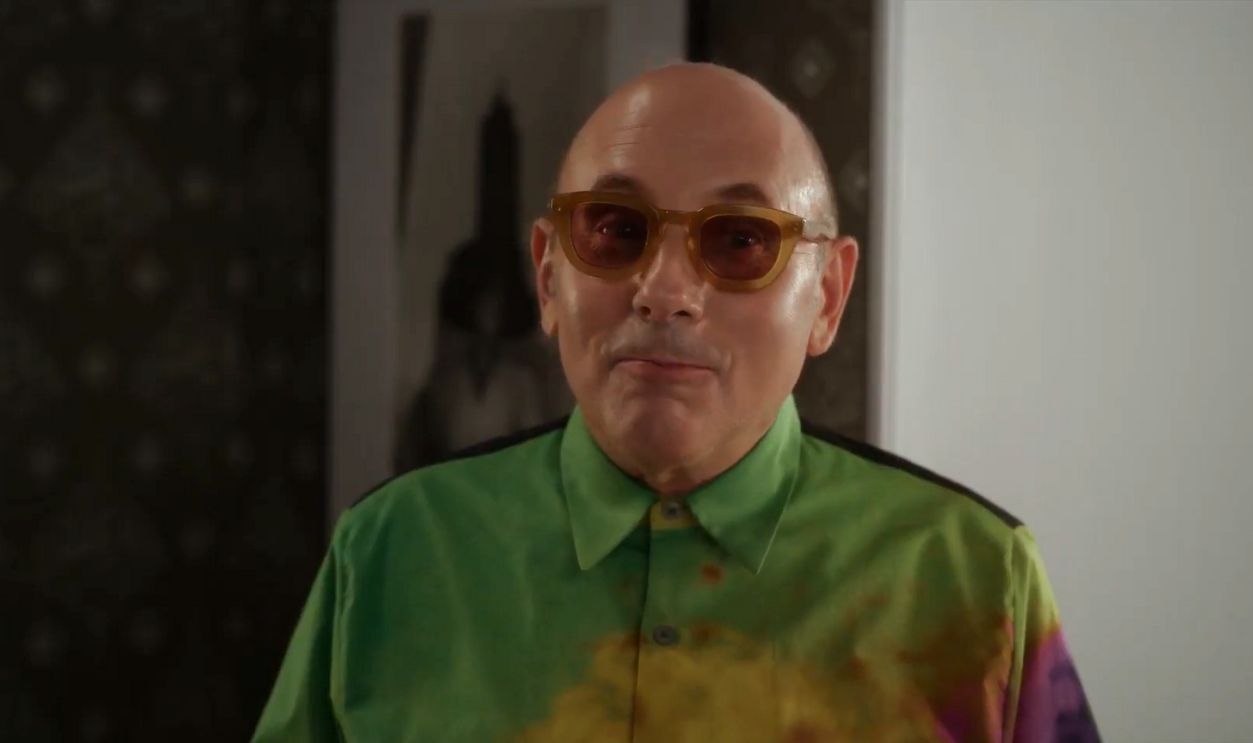 Warner Bros. Television Distribution, And Just Like That (2021–present)
They Made Them Unforgettable
That's the strange triumph of a great character actor: sometimes doing the job too well means the fictional person becomes more famous than the performer. These actors gave their characters voices, gestures, wardrobes, and personalities audiences remembered for decades. You may forget the name on the credit, but you never forget the face.
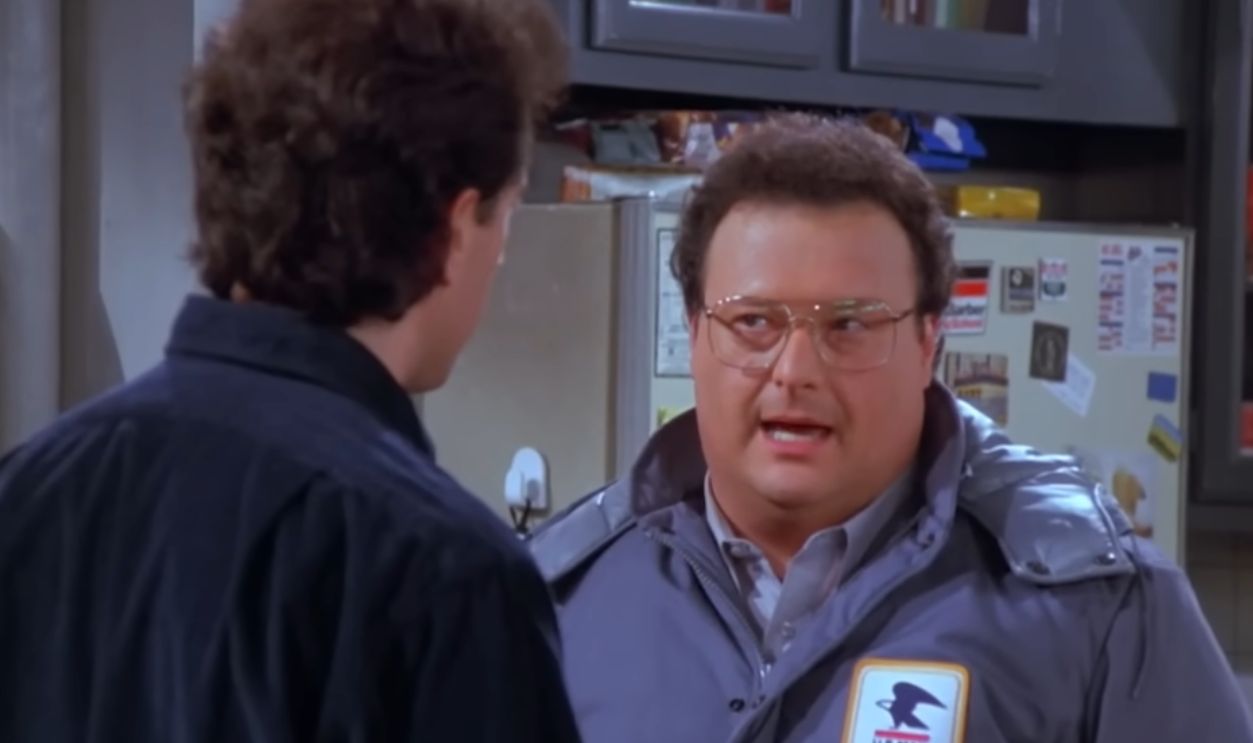 Screenshot from Seinfeld, Sony Pictures Entertainment (1989-1998)
You May Also Like:
One-Hit TV Characters From The 1980s Who Were Bigger Than The Shows Around Them
TV Shows That Accidentally Created A Character More Popular Than The Lead
Iconic 1990s TV Characters People Still Recognize—Even When They Can’t Place The Show
Sources: 1, 2, 3, 4, 5, 6, 7, 8, 9, 10, 11, 12, 13, 14, 15, 16, 17, 18, 19, 20, 21, 22, 23, 24, 25