When The Side Character Steals The Whole Show
Television popularity cannot be measured the same way across every era, so “more popular” here means a documented breakout: unusually strong audience response, a supporting role that expanded because viewers loved it, or a character successful enough to earn a spin-off. In several cases, producers openly admitted that the result was not what they originally planned.
 CBS Television, wikimedia commons
Happy Days—Fonzie
Happy Days began with Ron Howard’s Richie Cunningham at its center, but Arthur “Fonzie” Fonzarelli quickly became the phenomenon. The Los Angeles Times later described Henry Winkler’s leather-jacketed character as having “stolen the show.” A supporting tough guy became the sitcom’s defining breakout.
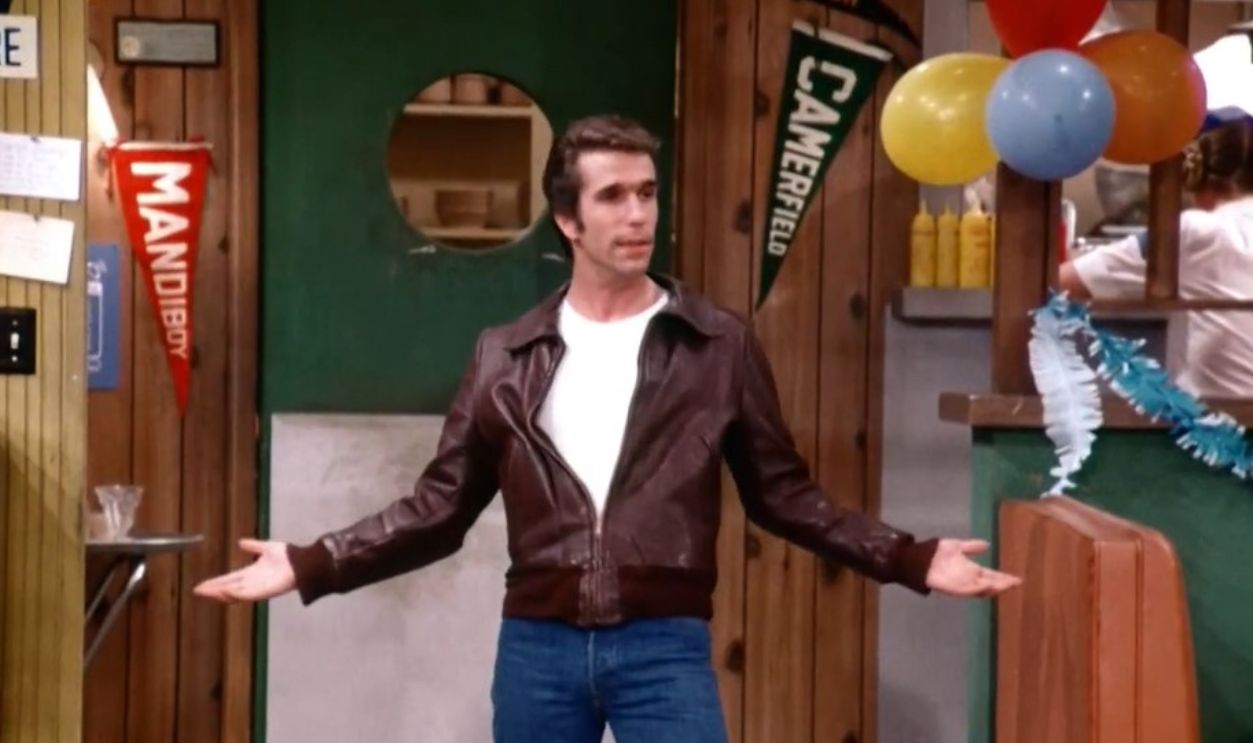 Screenshot from Happy Days, ABC (1974–1984)
Family Matters—Steve Urkel
Steve Urkel was not part of Family Matters’ original setup. Jaleel White was initially hired for occasional appearances, but producers saw ratings rise when Urkel appeared and expanded his role until he was required in every script. The Winslows’ annoying neighbor became the sitcom’s most recognizable creation.
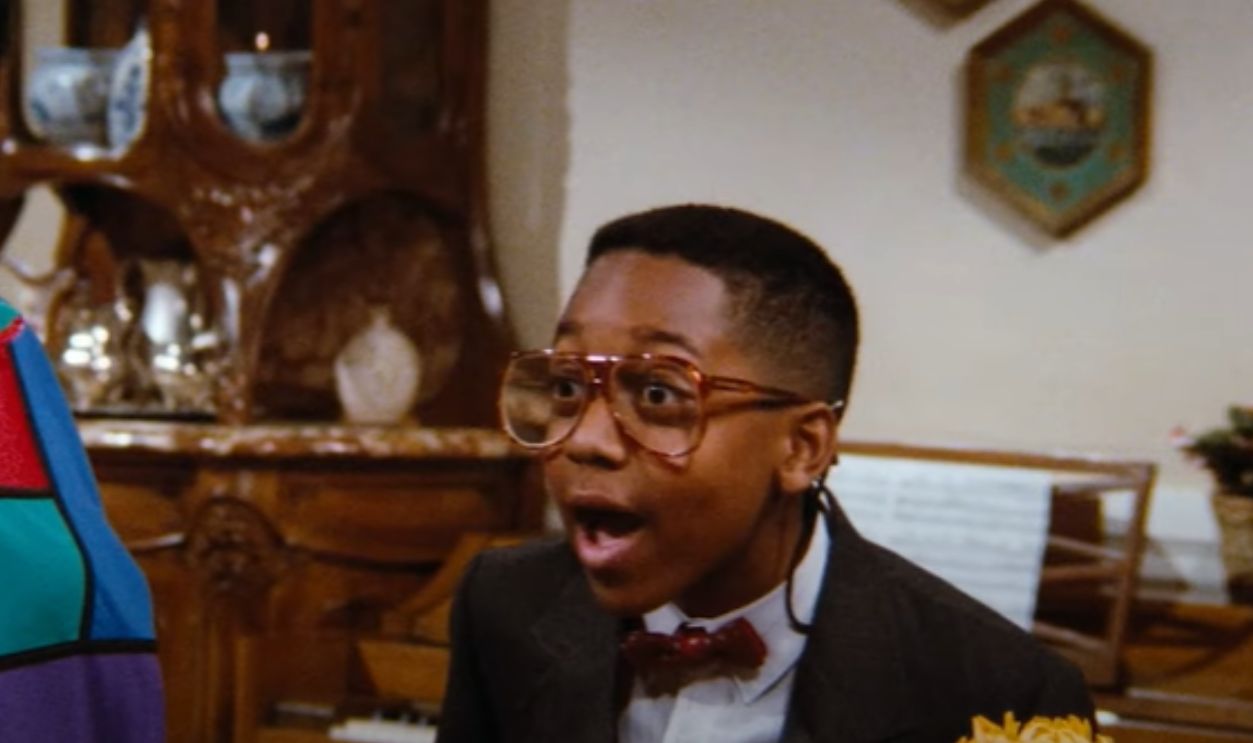 Screenshot from Family Matters, ABC (1989–1998)
Family Ties—Alex P. Keaton
Family Ties was conceived around former 1960s idealists Steven and Elyse Keaton raising their children. Then Michael J. Fox’s conservative son Alex became the sensation. Creator Gary David Goldberg shifted emphasis toward the children after executives saw the young cast’s popularity, especially Fox’s.
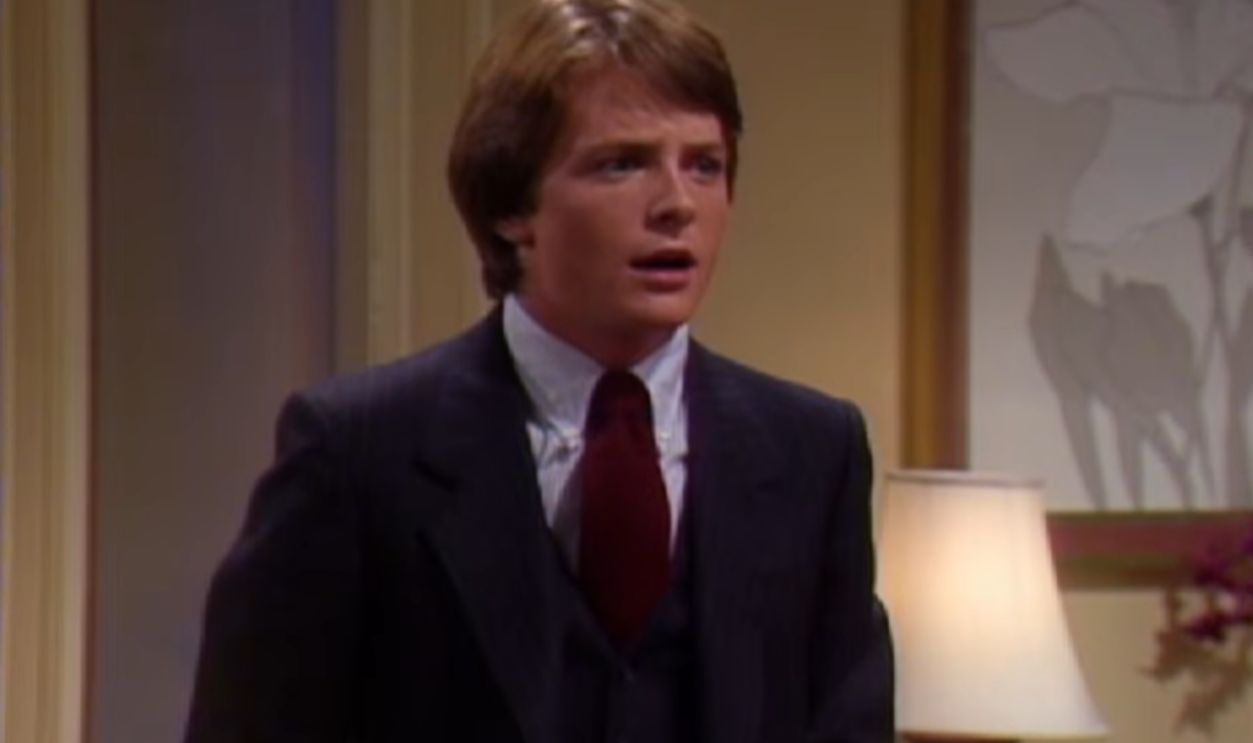 Screenshot from Family Ties, Paramount Domestic Television (1982–1989)
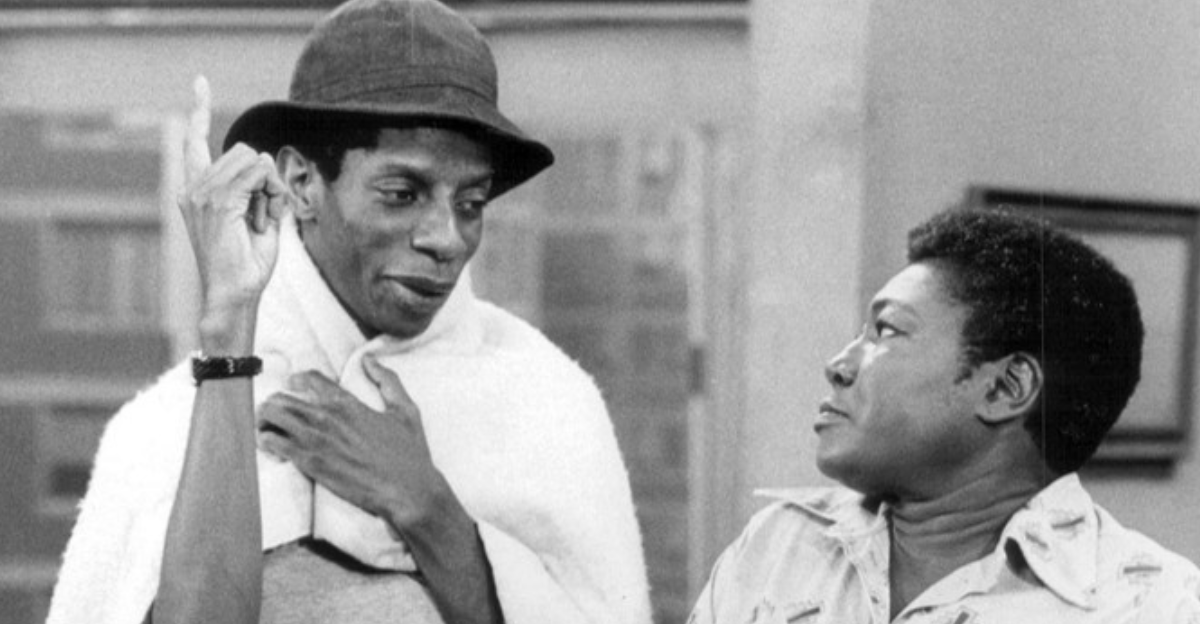
Good Times—J.J. Evans
Good Times centered on the Evans family, but Jimmie Walker’s wisecracking J.J. became its breakout. Producer Norman Lear later said the character accounted for much of the show’s popularity and remembered the enormous response Walker received from studio audiences.
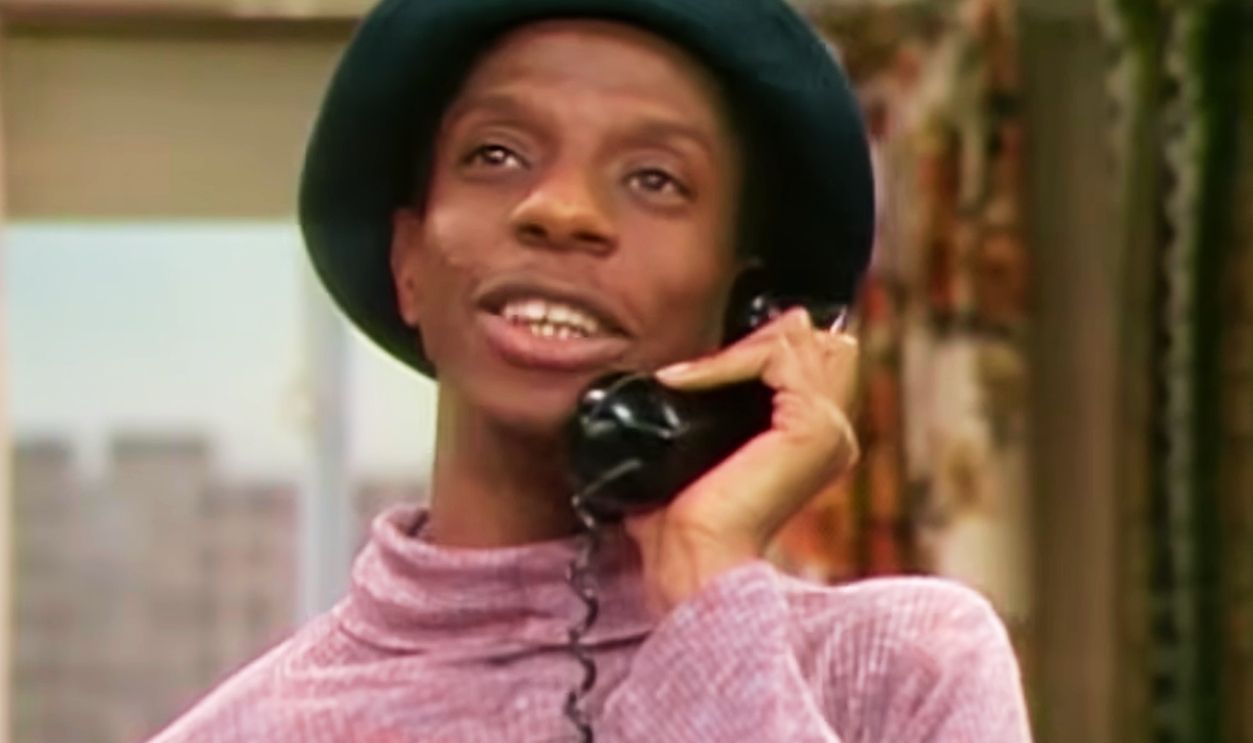 Screenshot from Good Times, CBS (1974–1979)
Dallas—J.R. Ewing
Dallas initially intended Bobby and Pamela Ewing’s marriage to drive the drama. Larry Hagman’s ruthless J.R. Ewing soon dominated the cultural conversation instead. The Washington Post later noted that Bobby and Pam were supposed to be the focus, while J.R.’s scheming inspired imitators across prime-time television.
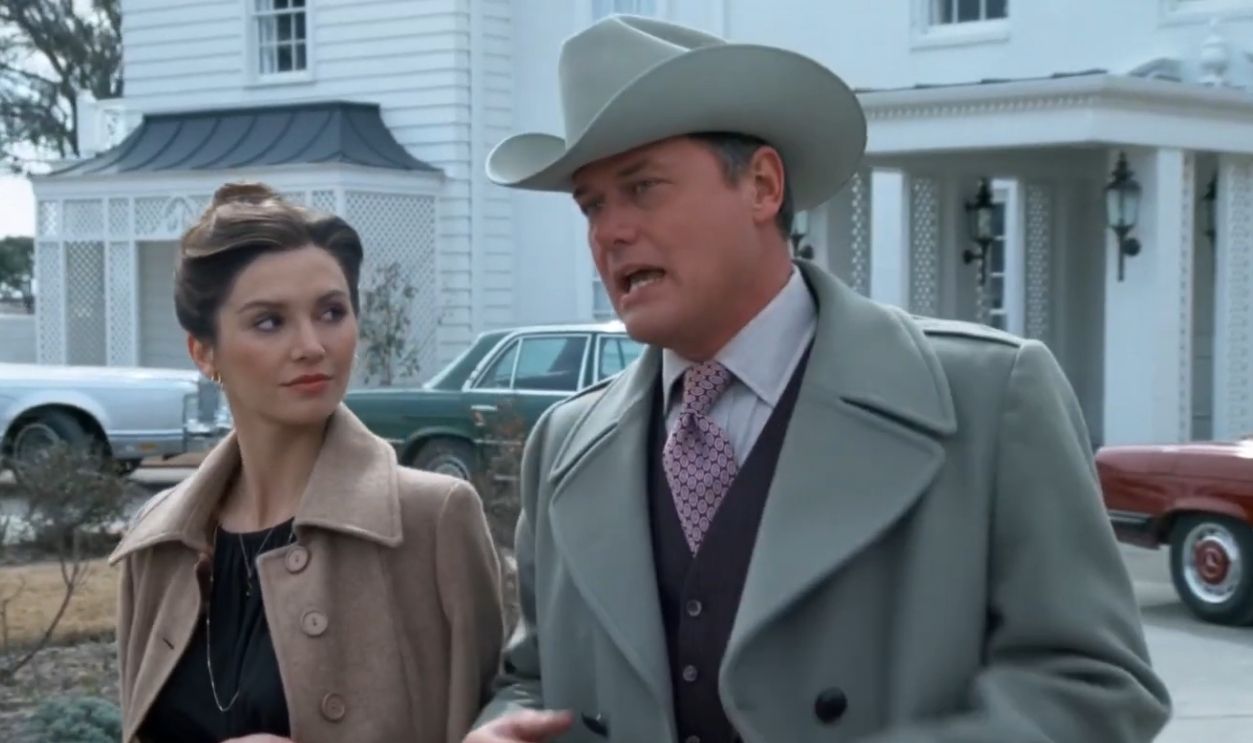 Screenshot from Dallas, CBS (1978–1991)
A Different World—Whitley Gilbert
A Different World started with Lisa Bonet’s Denise Huxtable as its star, but audiences were already looking elsewhere. Former producer Anne Beatts told the Los Angeles Times that studio crowds responded more enthusiastically to Jasmine Guy’s Whitley Gilbert than to Bonet. After Denise left, the ensemble took over.
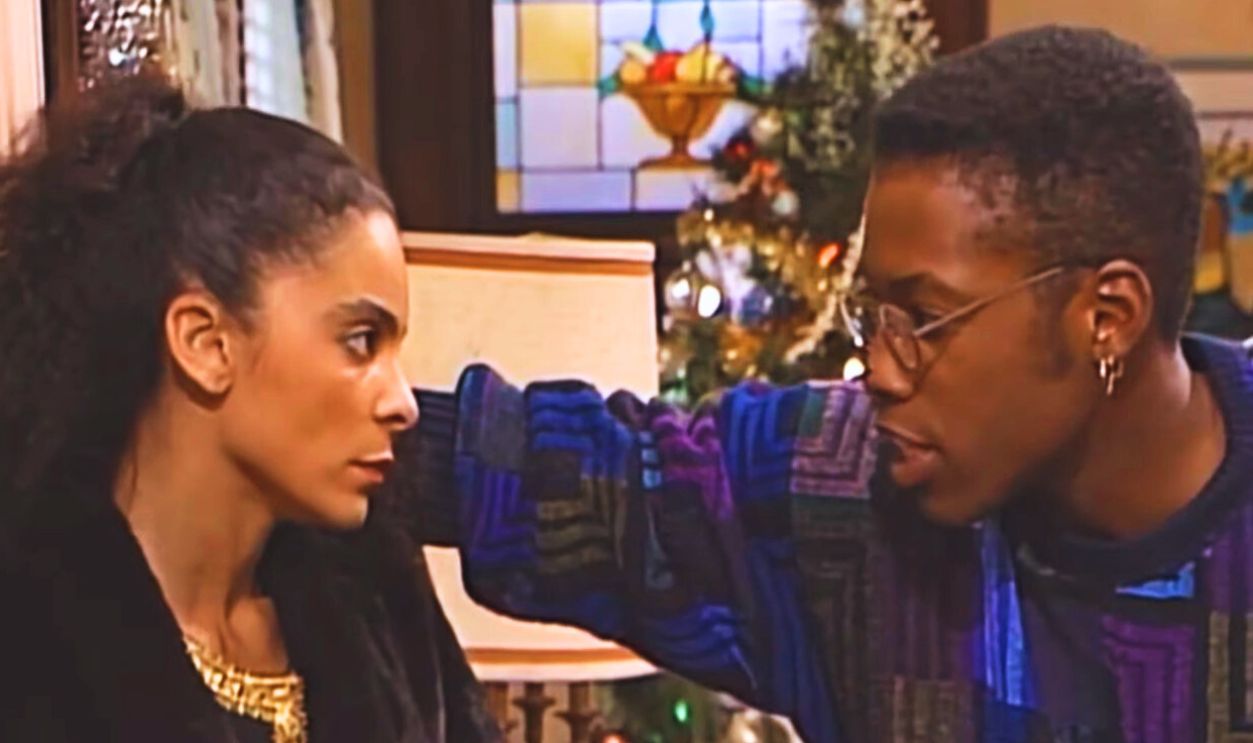 Screenshot from A Different World, NBC (1987)
Melrose Place—Amanda Woodward
Melrose Place was struggling when Heather Locklear arrived as Amanda Woodward. Courtney Thorne-Smith later recalled that the series was in danger of cancellation before Locklear joined, then became a hit. Amanda helped transform a shaky ensemble drama into the heightened prime-time soap viewers remember.
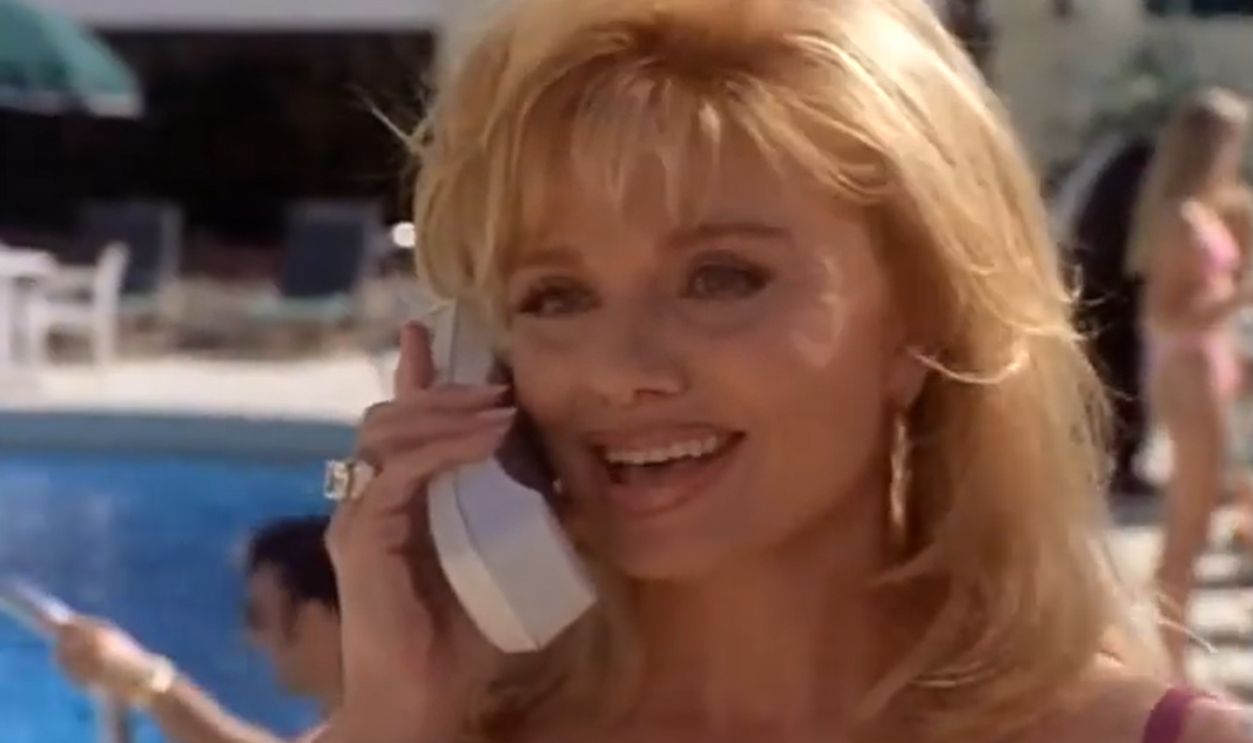 Screenshot from Melrose Place, Fox Television (1992–1999)
Dawson’s Creek—Pacey Witter
Dawson Leery had his name in the title, but Joshua Jackson’s Pacey Witter became the breakout heartthrob. In a 2026 retrospective, the Los Angeles Times explicitly gave that distinction to Jackson while describing Dawson as the structural center around which the series originally orbited.
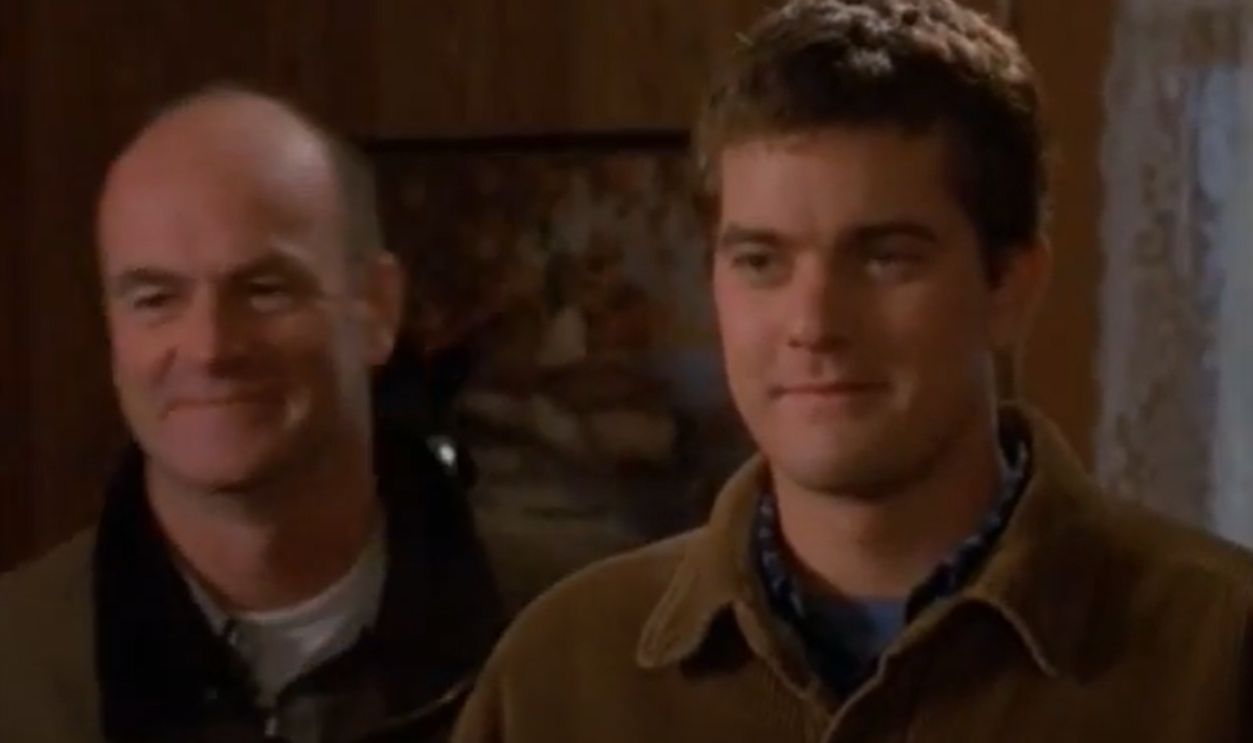 Screenshot from Dawson's Creek, Sony Pictures Television (1998–2003)
Beverly Hills, 90210—Dylan McKay
Luke Perry’s Dylan McKay did not appear until Beverly Hills, 90210’s second episode, yet he became one of its breakout stars. His relationships, especially the Brenda-Dylan-Kelly triangle, helped propel the show into a 1990s sensation and made Perry one of the franchise’s defining faces.
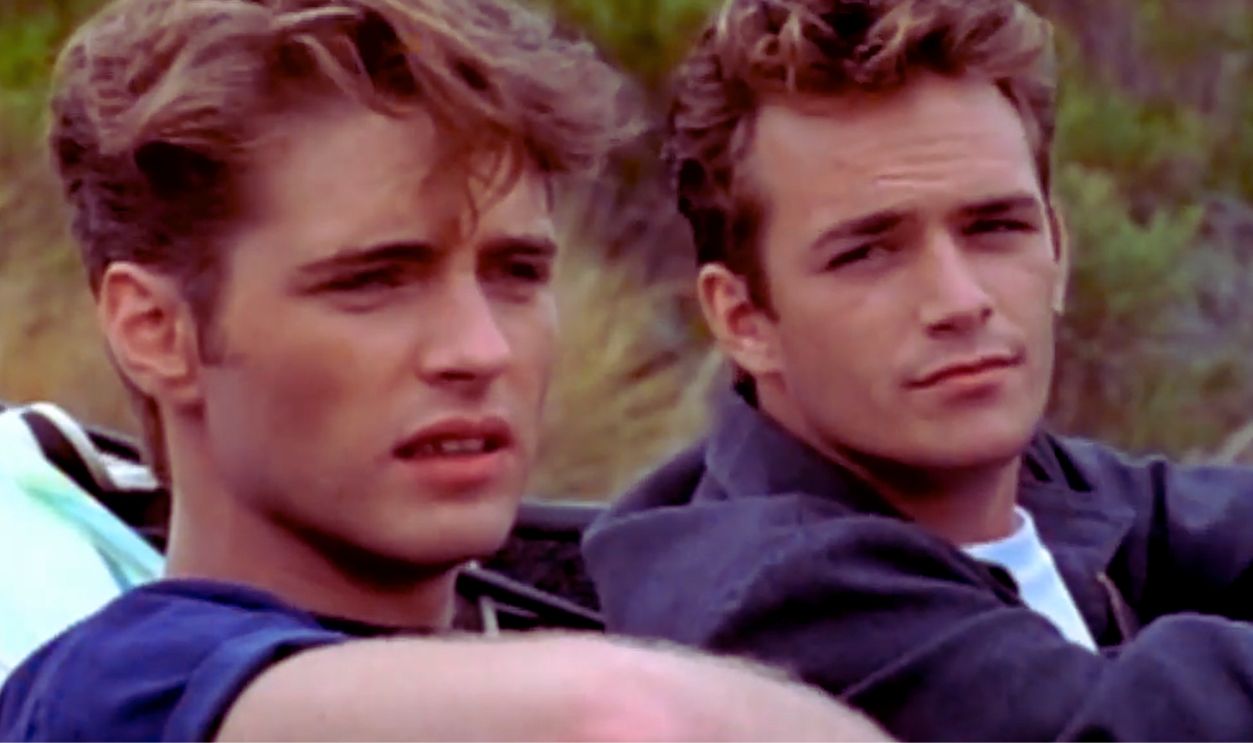 Screenshot from Beverly Hills, 90210, Fox (1990–2000)
Hercules: The Legendary Journeys—Xena
Xena was not supposed to become a franchise. Lucy Lawless has recalled that the warrior princess was expected to pass at the end of her original Hercules arc. Instead, executives saw enough potential to build Xena: Warrior Princess, turning a temporary character into a six-season lead.
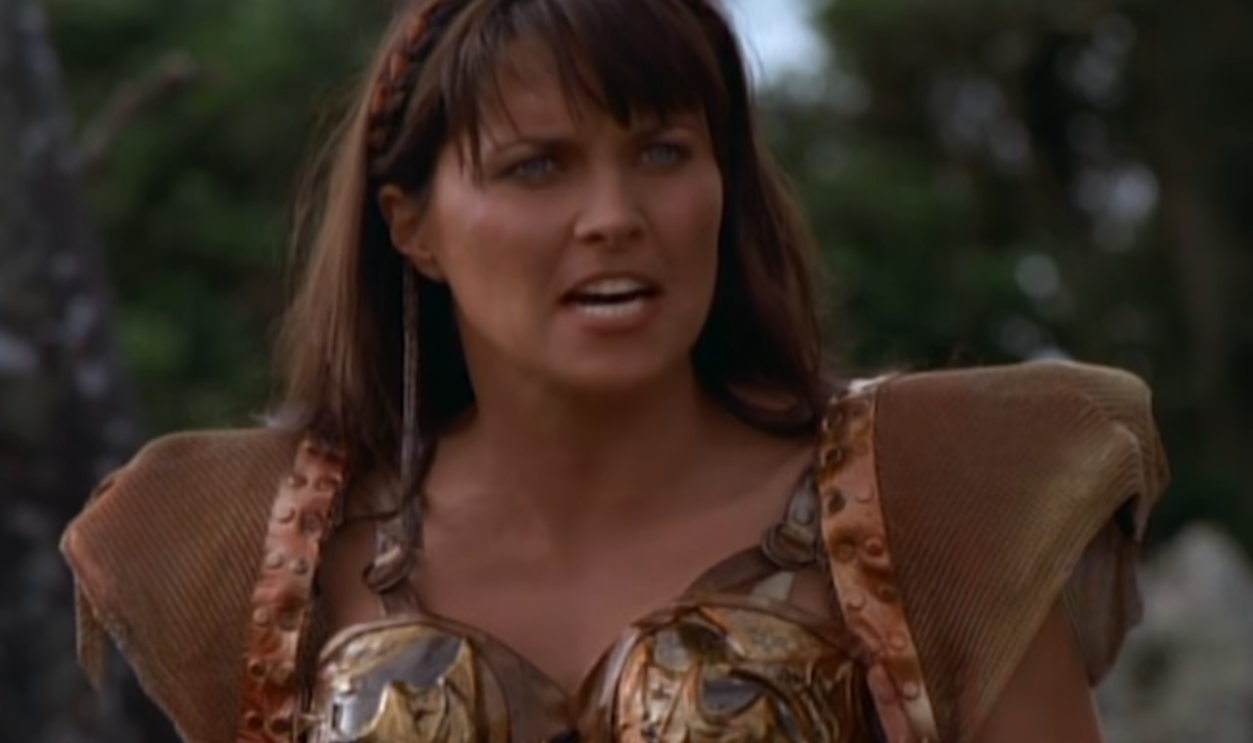 Screenshot from Hercules: The Legendary Journeys, Universal Television (1995–1999)
The Walking Dead—Daryl Dixon
Daryl Dixon did not exist in The Walking Dead comics. Norman Reedus auditioned using Merle Dixon material, and executive producer Frank Darabont liked him enough that the show created Daryl specifically for him. The Television Academy later called Daryl a fan favorite; he eventually received his own spin-off.
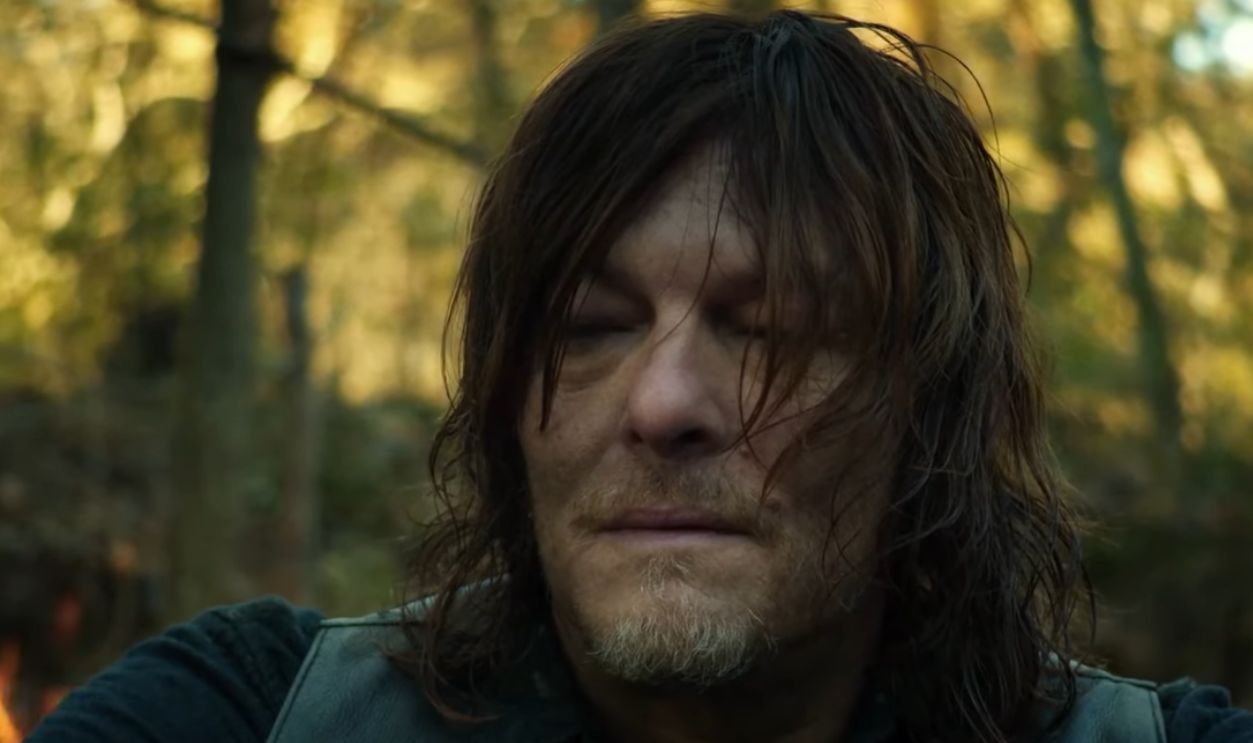 Screenshot from The Walking Dead, AMC (2010–2022)
Orange Is The New Black—Suzanne Warren
Piper Chapman was Orange Is the New Black’s original entry point, but the series quickly broadened into an ensemble. The Guardian identified Uzo Aduba’s Suzanne “Crazy Eyes” Warren as one of the first season’s breakout characters. As the ensemble expanded, Piper’s relative importance diminished.
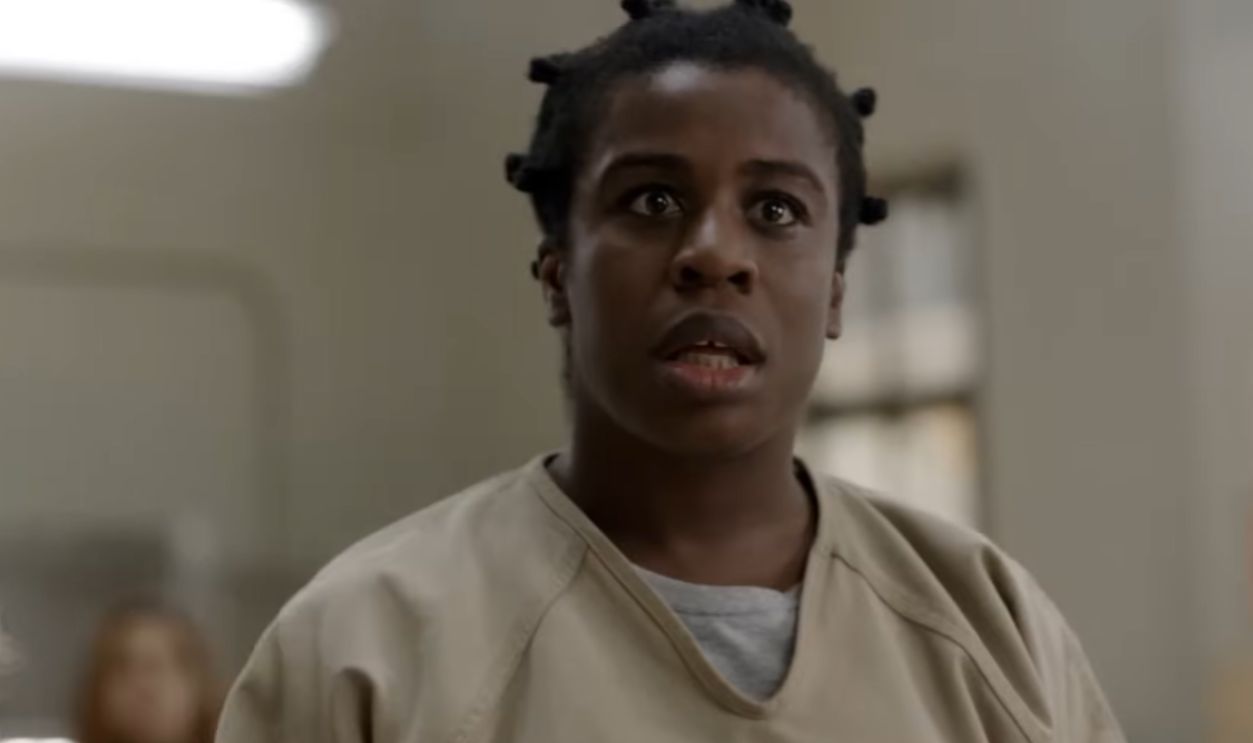 Screenshot from Orange Is The New Black, Netflix (2013–2019)
Arrow—Felicity Smoak
Felicity Smoak was supposed to appear once. Showrunner Marc Guggenheim later called Emily Bett Rickards’ casting the show’s “happiest accident,” explaining that the job began as one day of work before Felicity became a regular. Her relationship with Oliver Queen eventually reshaped the series.
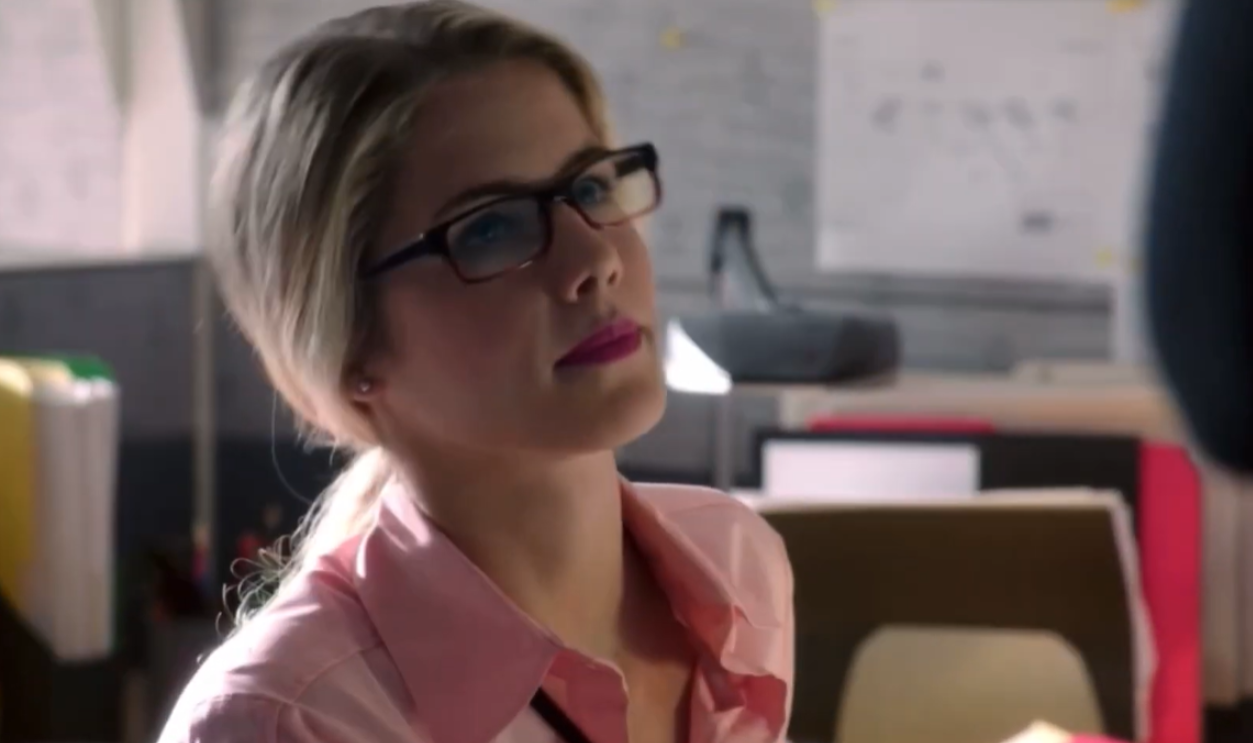 Screenshot from Arrow, Warner Bros. Television (2012–2020)
Parks And Recreation—Ron Swanson
Amy Poehler’s Leslie Knope remained the heart of Parks and Recreation, but Nick Offerman’s Ron Swanson became its breakout. Fast Company described Ron as a heavily quoted cultural favorite and the show’s breakout character. His deadpan worldview turned a supporting-boss role into a defining comic creation.
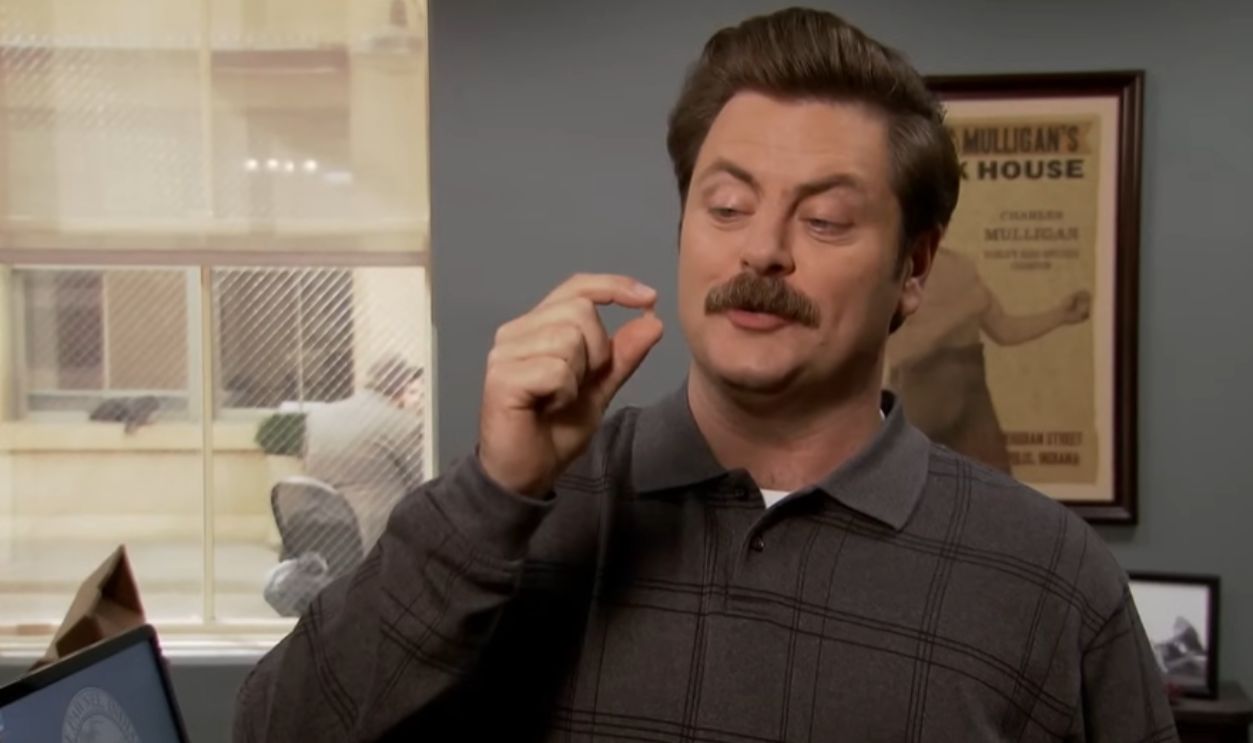 Screenshot from Parks and Recreation, NBC (2009-2015)
Will & Grace—Karen Walker
Will Truman and Grace Adler supplied the title, but Megan Mullally’s Karen Walker became the breakout. In a later interview, The A.V. Club flatly described Karen as the show’s “big breakout character.” Mullally’s sharp delivery made a supporting role one of the sitcom’s signature attractions.
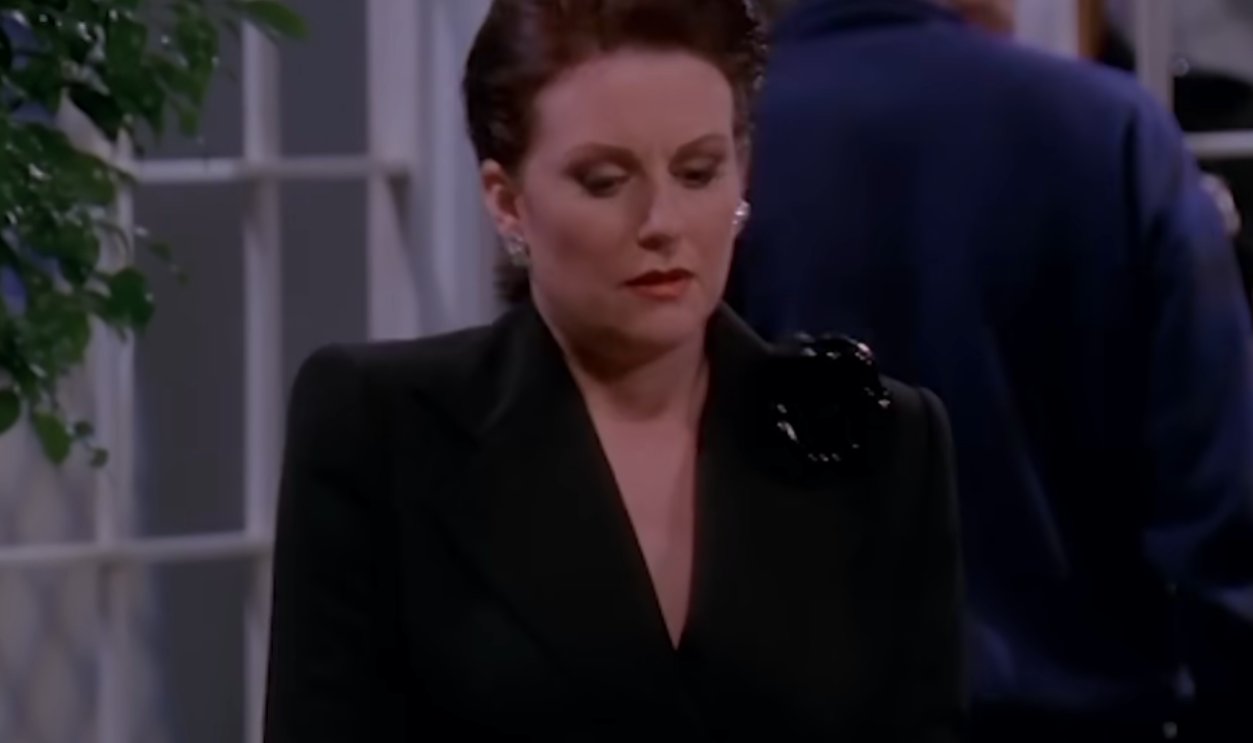 Screenshot from Will & Grace, NBC (1998–2006)
The Big Bang Theory—Sheldon Cooper
The Big Bang Theory was an ensemble, but Jim Parsons’ Sheldon Cooper became its unmistakable breakout. TV Guide used that label when CBS ordered Young Sheldon, a spin-off about his childhood. Parsons also won four lead-actor Emmys for playing Sheldon, reflecting how prominent the character became.
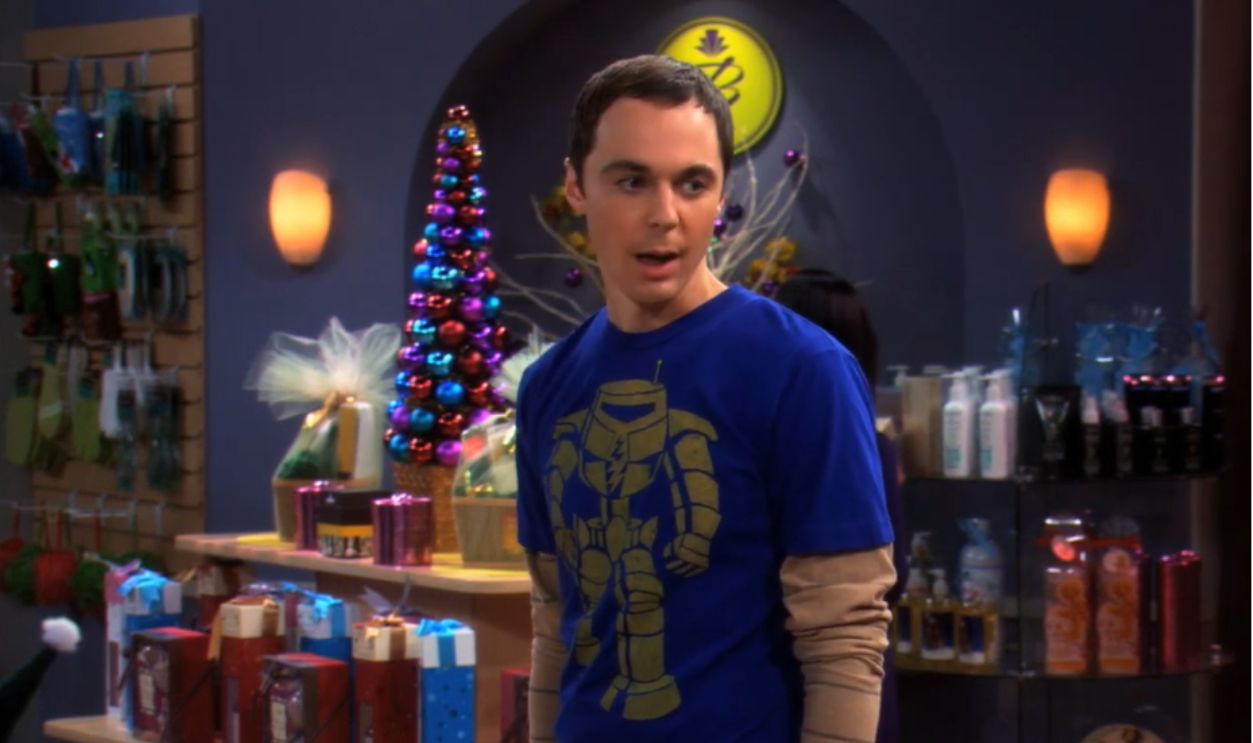 Screenshot from The Big Bang Theory, CBS (2007–2019)
How I Met Your Mother—Barney Stinson
Ted Mosby narrated How I Met Your Mother and supplied its central quest, but Neil Patrick Harris’ Barney Stinson quickly became the scene-stealer. The Los Angeles Times was saying so in 2006, noting that fans repeated Barney’s sayings and followed his in-show blog even though he was not the lead.
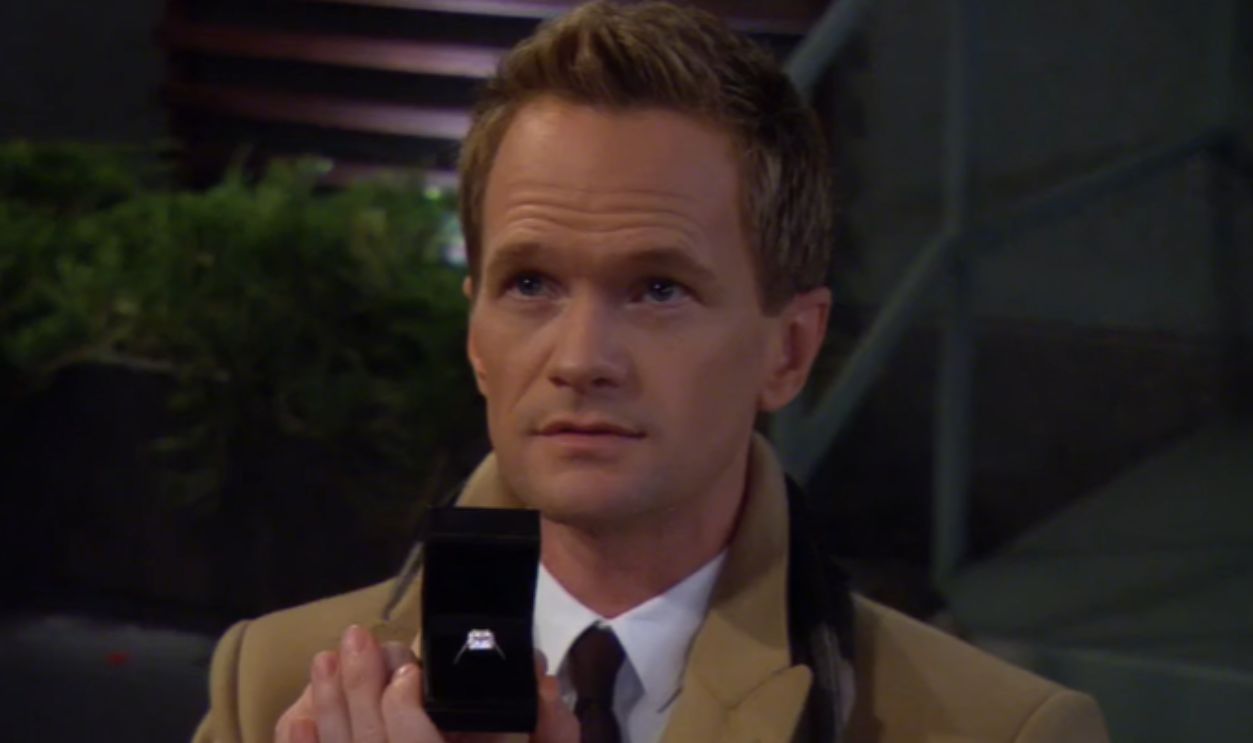 Screenshot from How I Met Your Mother, CBS (2005–2014)
Grey’s Anatomy—Addison Montgomery
Kate Walsh entered Grey’s Anatomy late in its first season as Addison Montgomery, complicating Meredith and Derek’s romance. She stayed, became a regular, and grew popular enough to anchor the show’s first spin-off. Shondaland says Addison’s fan-favorite status led to Private Practice, which ran six seasons.
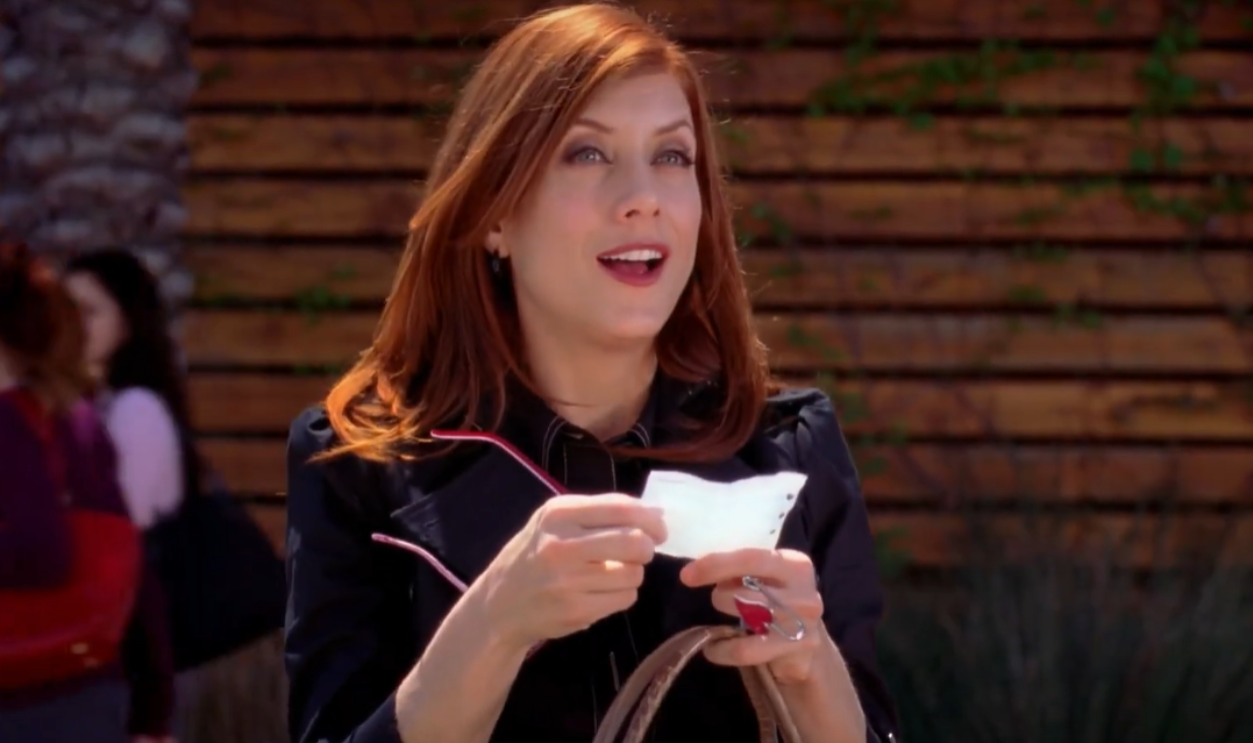 Screenshot from Grey's Anatomy, ABC Studios (2005–)
Cheers—Frasier Crane
Frasier Crane arrived on Cheers as a temporary complication in Sam and Diane’s romance. The Guardian later called him a “happy accident,” noting that he was initially expected to last only a few episodes. Kelsey Grammer stayed for years, then carried the character into the long-running Frasier.
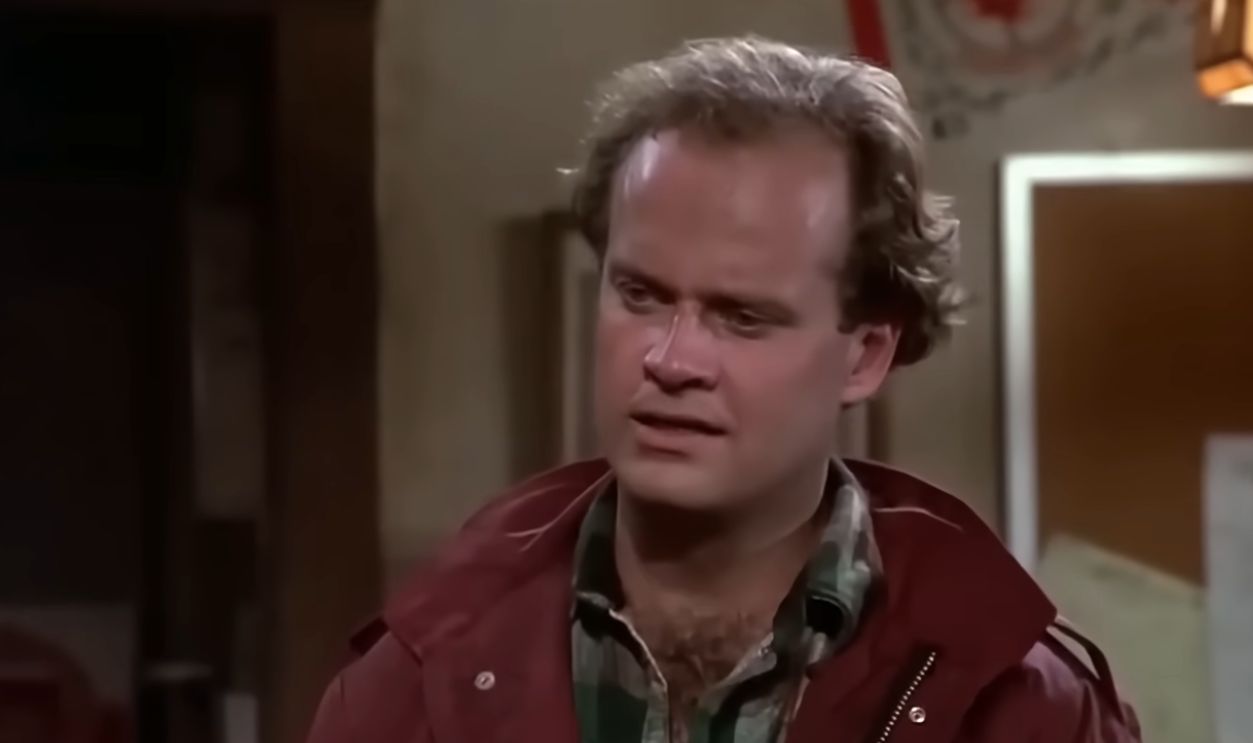 Screenshot from Cheers, NBC (1982–1993)
The Mandalorian—Grogu
Once viewers met the tiny character widely nicknamed “Baby Yoda,” Grogu became an immediate pop-culture hook for The Mandalorian. The Guardian called him 2019’s biggest new character and argued that he gave audiences someone beyond the series’ masked hero to latch onto.
 Screenshot from The Mandalorian, Walt Disney Studios (2019– )
You May Also Like:
Sources: 1, 2