The Quietest Man On Television’s Loudest Show
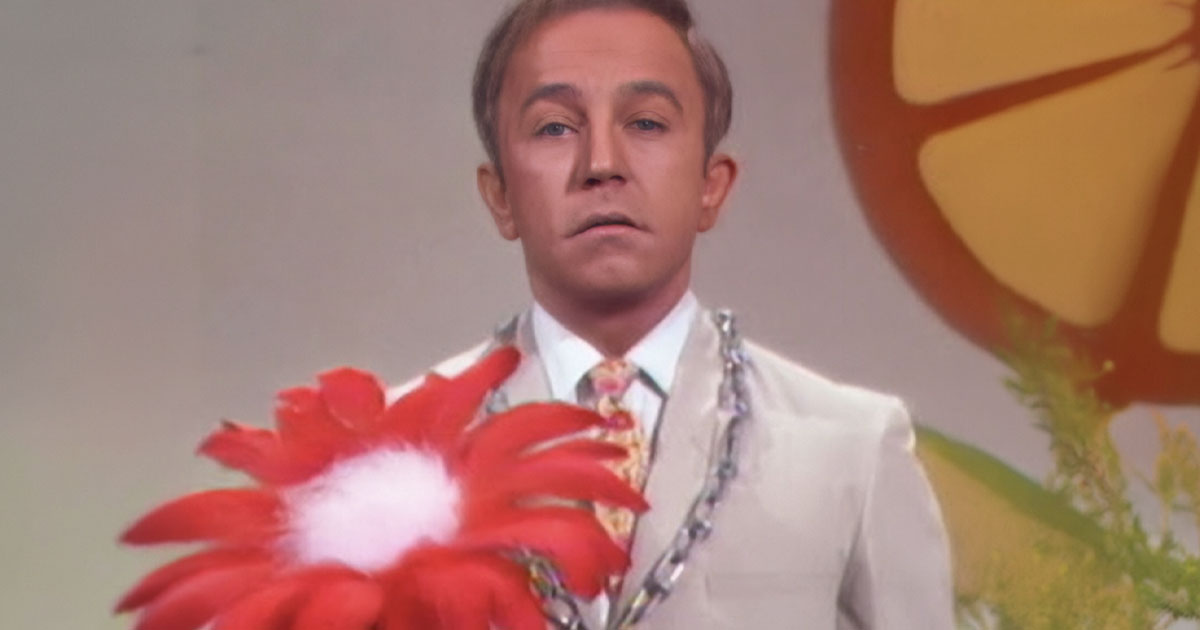
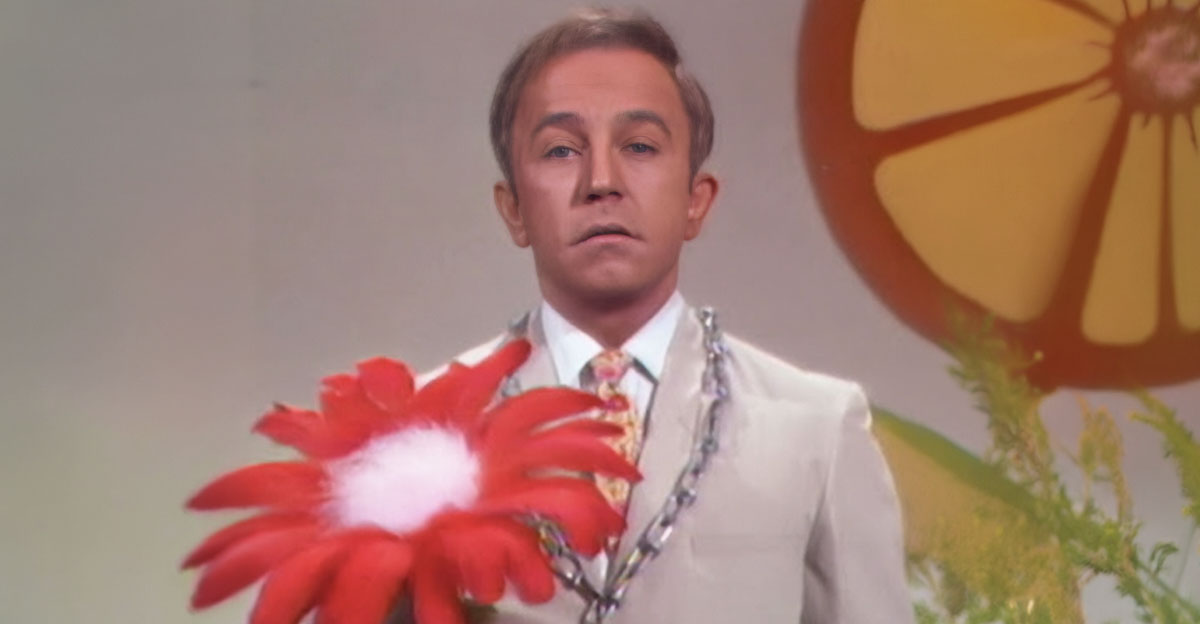
While everyone else on Laugh-In shouted, danced, fell over, or swung a handbag, Henry Gibson calmly appeared with an enormous flower and offered a poem. His gentle delivery seemed almost innocent—but after it made him a television star, Hollywood discovered that the same quiet manner could make a surprisingly sinister villain.
 NBC, Rowan & Martin's Laugh-In (1968-1973)
Henry Gibson Was Not His Real Name
He was born James Bateman in Germantown, Pennsylvania, on September 21, 1935. The quiet, slightly nervous Southern poet audiences eventually knew was entirely invented. Beneath the character was a professionally trained actor with considerably more experience than his innocent expression suggested.
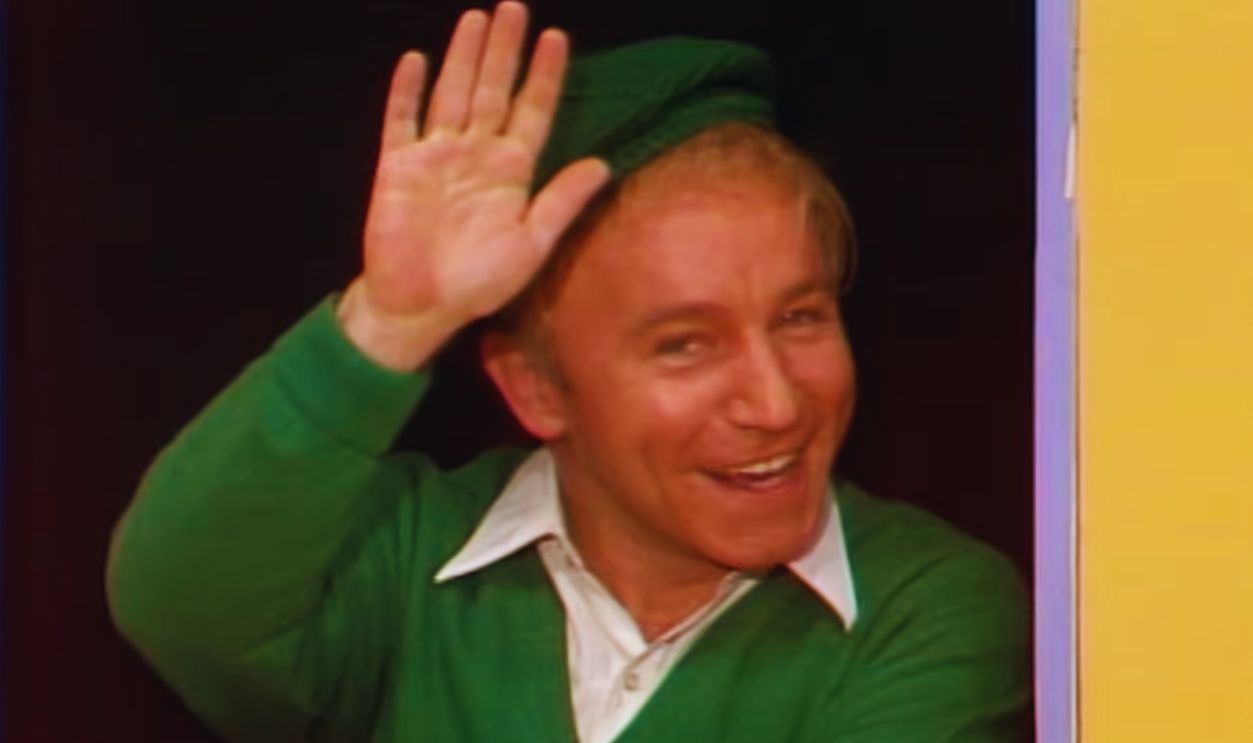 Screenshot from Rowan & Martin’s Laugh-In, Proven Entertainment (1968-1973)
He Started Acting At Eight
Bateman began performing professionally at approximately eight years old with Philadelphia’s Mae Desmond Theatre. He reportedly spent nine years touring and appearing in stage productions. By adulthood, he had already accumulated more theatrical experience than many performers twice his age—but television comedy was still nowhere in sight.
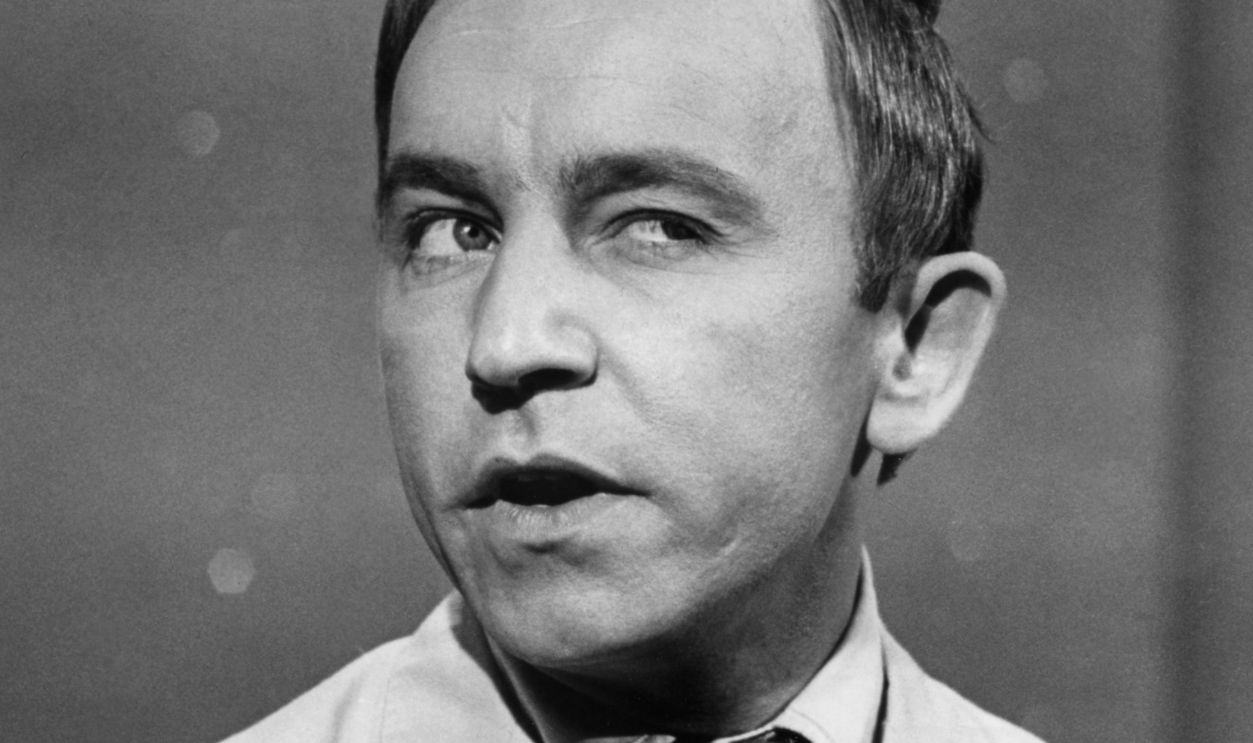 Michael Ochs Archives, Getty Images
He Studied Drama In Washington
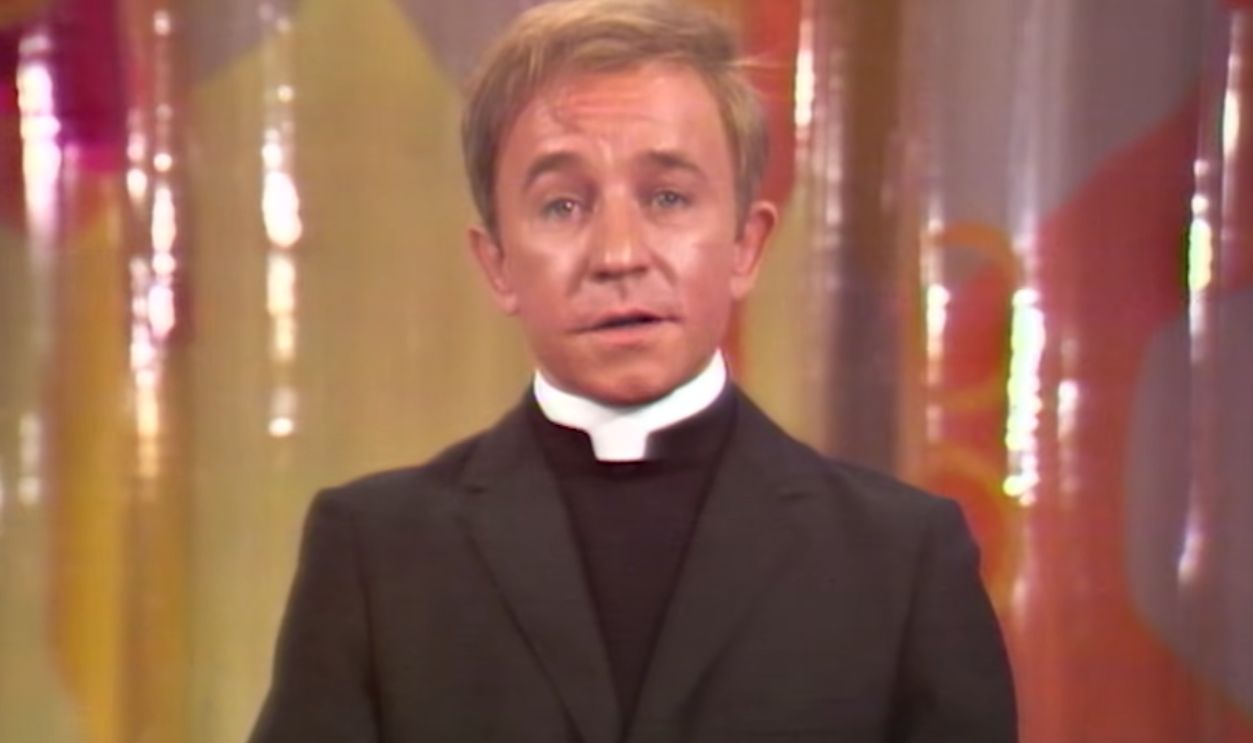
He attended the Catholic University of America in Washington, D.C., where he earned a bachelor’s degree in drama. One of his fellow students was future Academy Award winner Jon Voight. The two aspiring actors became friends long before either had any reason to expect national fame.
 Screenshot from Rowan & Martin’s Laugh-In, Proven Entertainment (1968-1973)
The Air Force Came Next
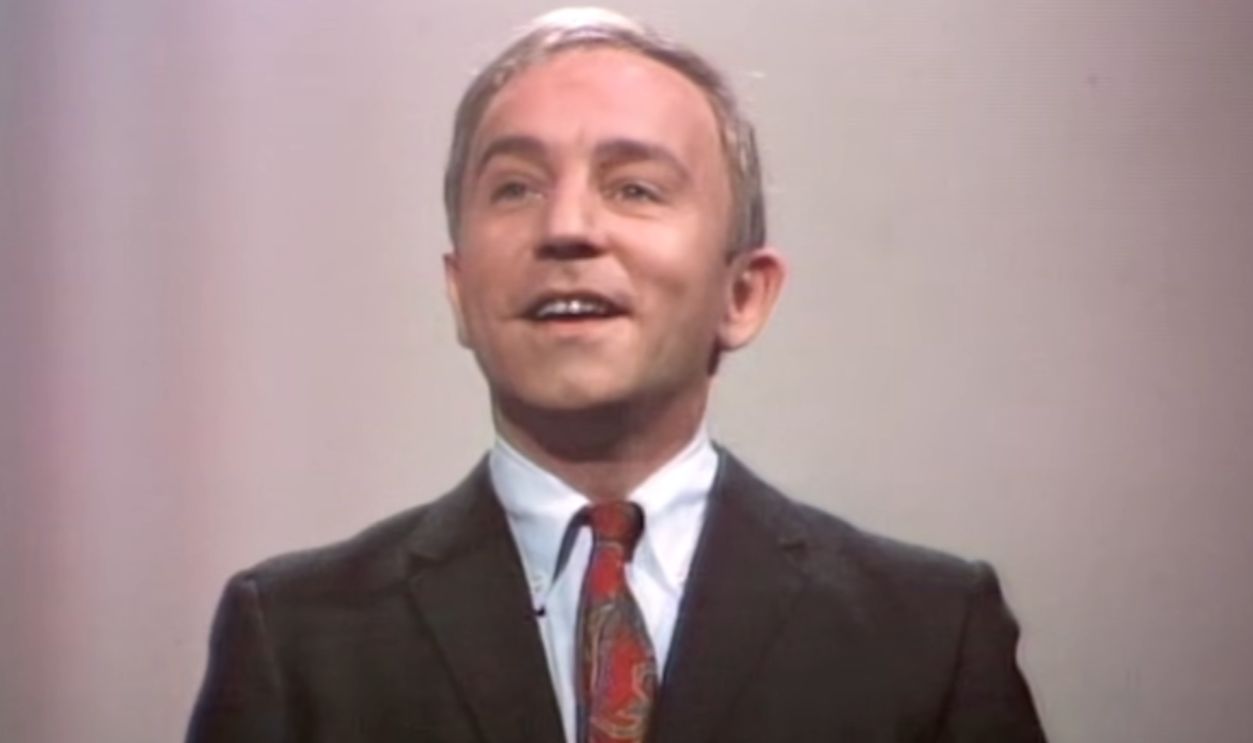
After college, Bateman served as an intelligence officer with the United States Air Force’s 66th Tactical Reconnaissance Wing in France from 1957 until 1960. It was an unexpectedly serious assignment for someone who would eventually become famous for earnestly explaining the emotional problems of flowers.
 Screenshot from Rowan & Martin’s Laugh-In, Proven Entertainment (1968-1973)
He Continued Training In London
Following his military service, Bateman studied at London’s Royal Academy of Dramatic Art. His formal training strengthened the precision behind his comedy. Henry Gibson would eventually appear wonderfully awkward, but the pauses, bows, accents, and tiny facial reactions were usually under far more control than they seemed.
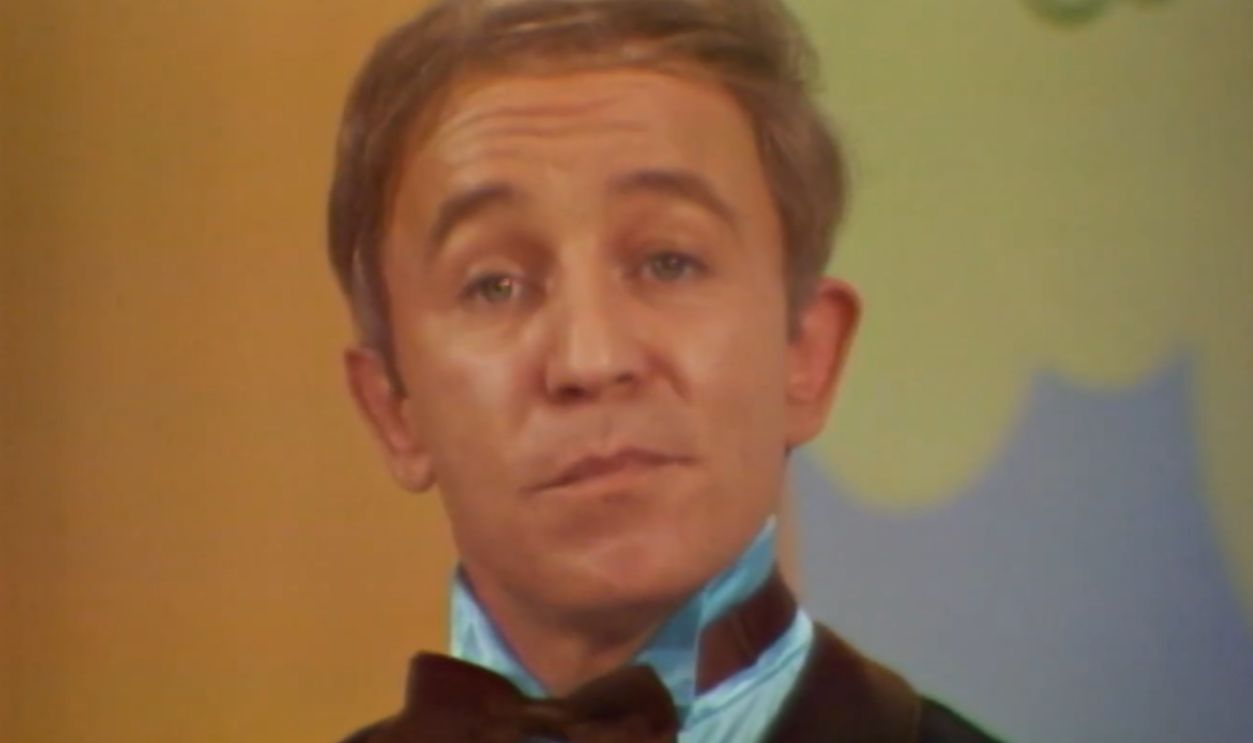 Screenshot from Rowan & Martin’s Laugh-In, Proven Entertainment (1968-1973)
Jon Voight Became His Roommate
After returning to the United States, Bateman lived in New York with Jon Voight while both struggled to establish acting careers. They developed a comedy routine featuring two unsophisticated country characters named Harold and Henry Gibson. Voight reportedly helped devise the names—and one of them permanently stuck.
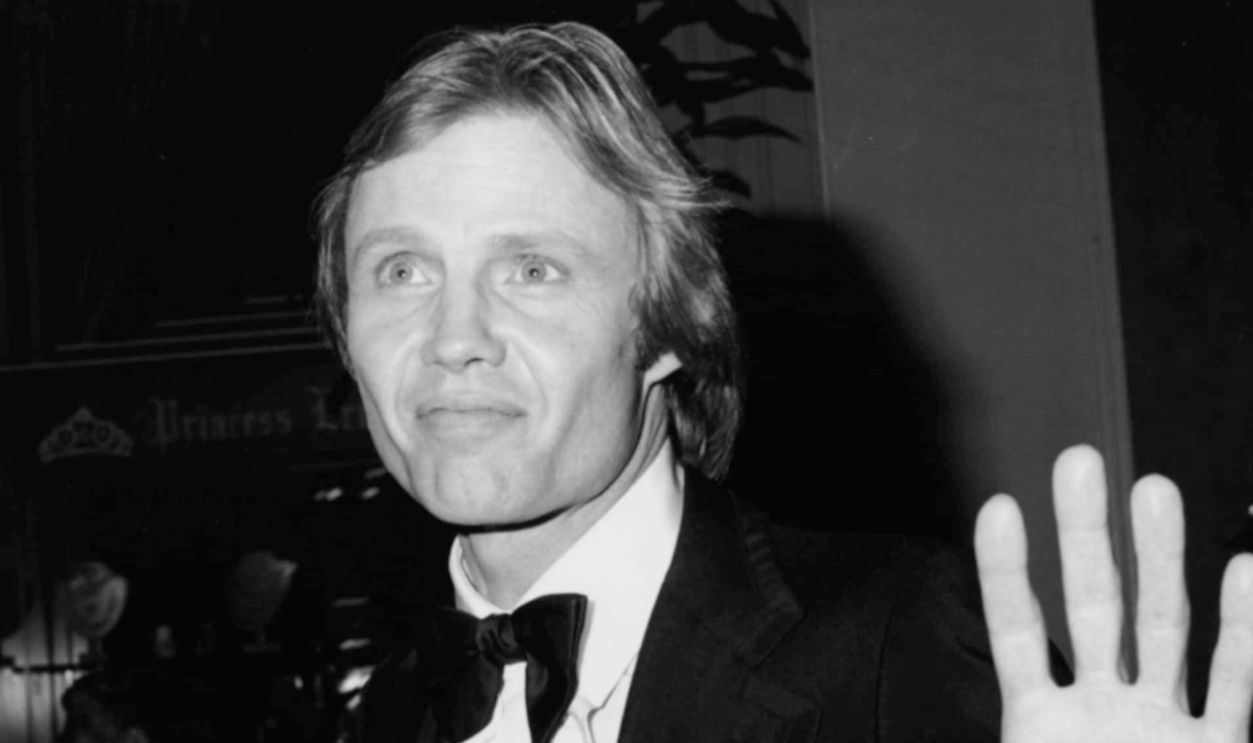 Fotos International, Getty Images
The Name Concealed A Literary Joke
“Henry Gibson” sounded like the name of a harmless Southern gentleman, but it was also a play on Norwegian playwright Henrik Ibsen. The joke captured Gibson’s style perfectly: it appeared simple and slightly foolish until the audience noticed the clever idea hiding underneath.
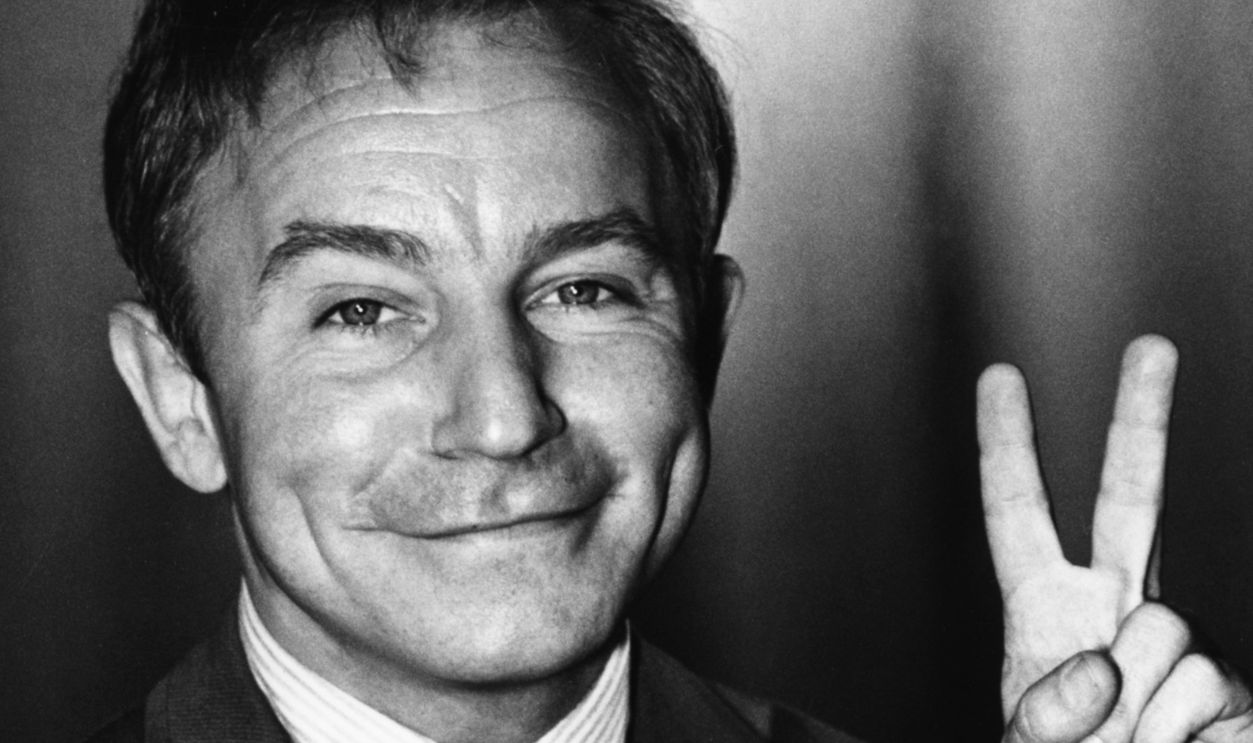 Michael Ochs Archives, Getty Images
He Created A Completely Fictional History
As Henry Gibson, Bateman claimed to be a poet from Fairhope, Alabama. He adopted a soft Southern accent, wrote deliberately peculiar verses, and presented himself with absolute sincerity. The more seriously he treated the nonsense, the funnier the character became.
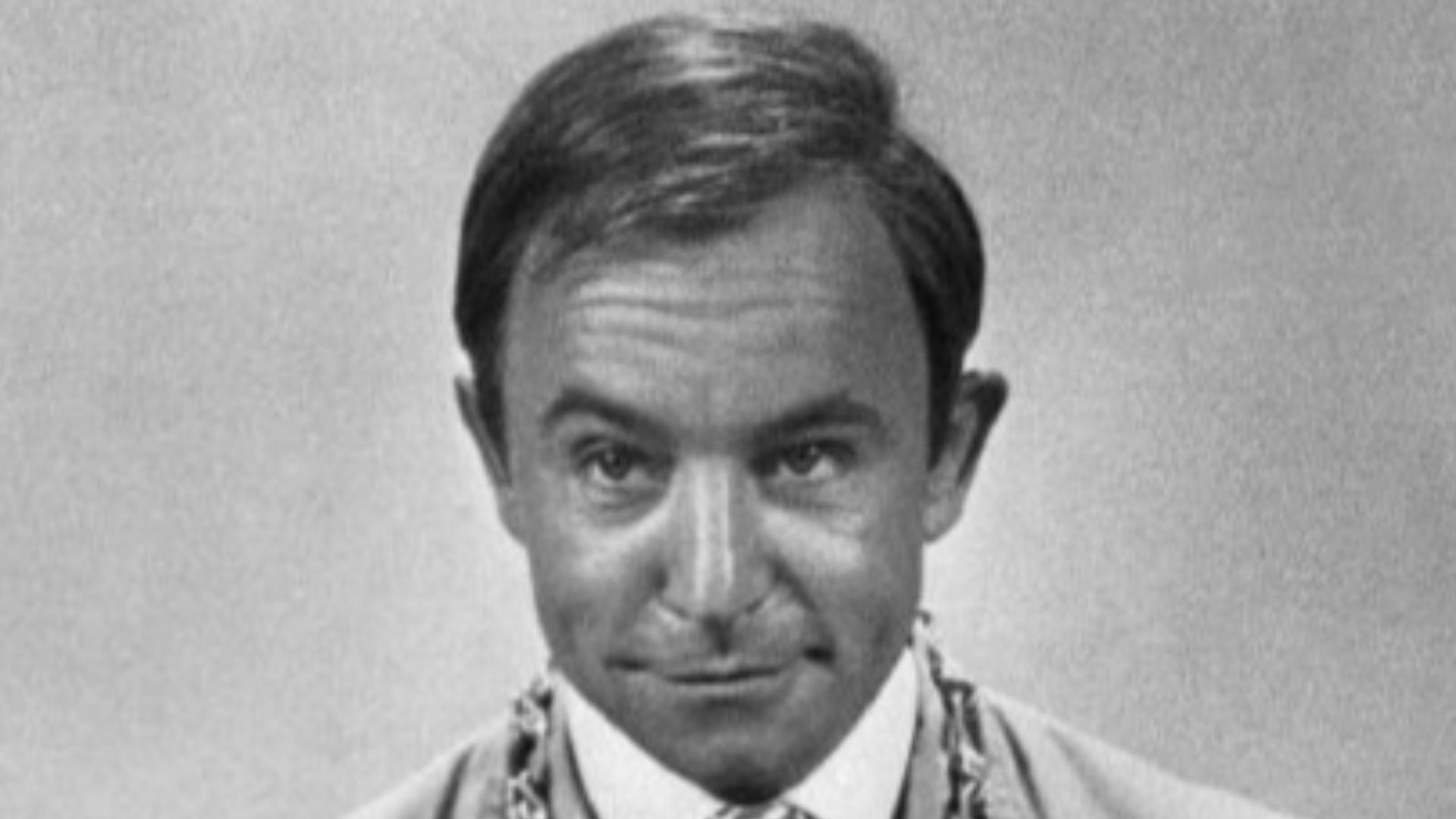 Roy Cummings Inc.-Hollywood, Wikimedia Commons
The Tonight Show Gave Him Early Exposure
Gibson began performing his poetry character on television, including appearances on Tonight Starring Jack Paar. Viewers saw a polite young man deliver oddly constructed poems as though he were presenting important literature. It was unusual enough to attract the attention of some very helpful people.
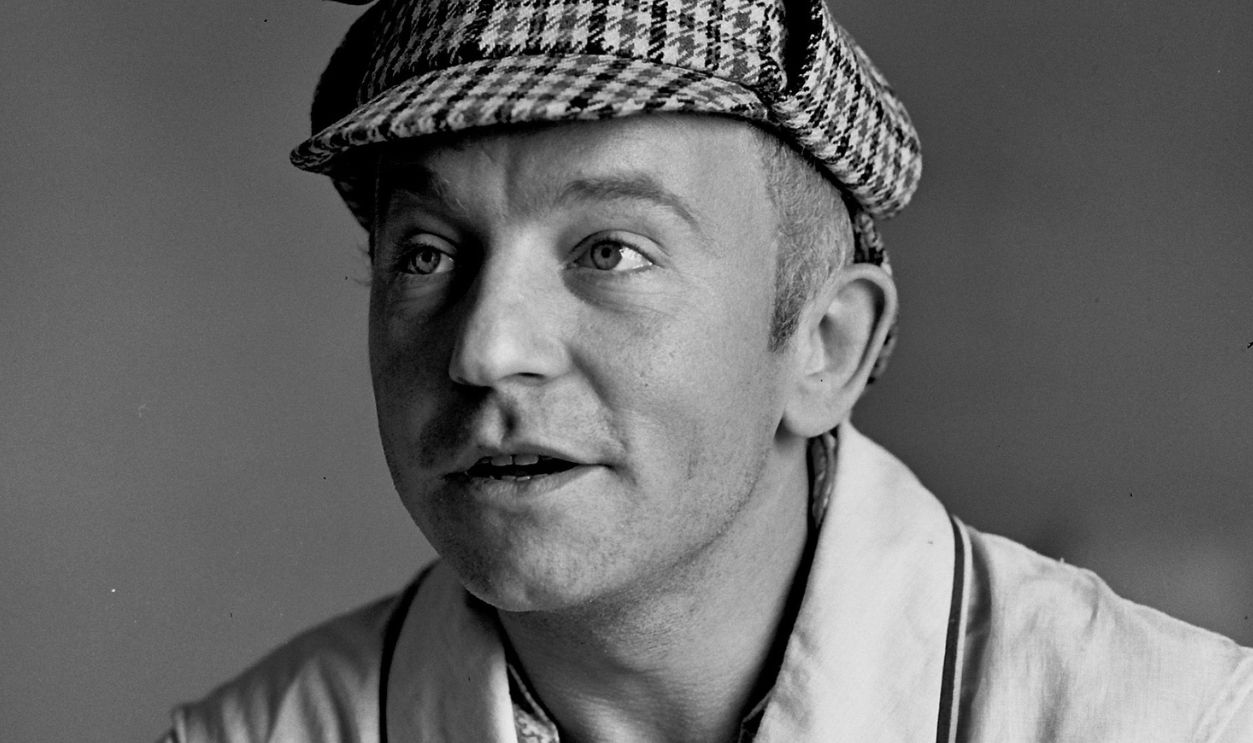
Jerry Lewis Spotted Something Special
During a Tonight appearance guest-hosted by Jerry Lewis, Gibson’s unusual manner reportedly caught the comedian’s attention. Lewis cast him as a college student in the 1963 film The Nutty Professor. It was a small role, but Hollywood now knew that the strange little poet could also act.
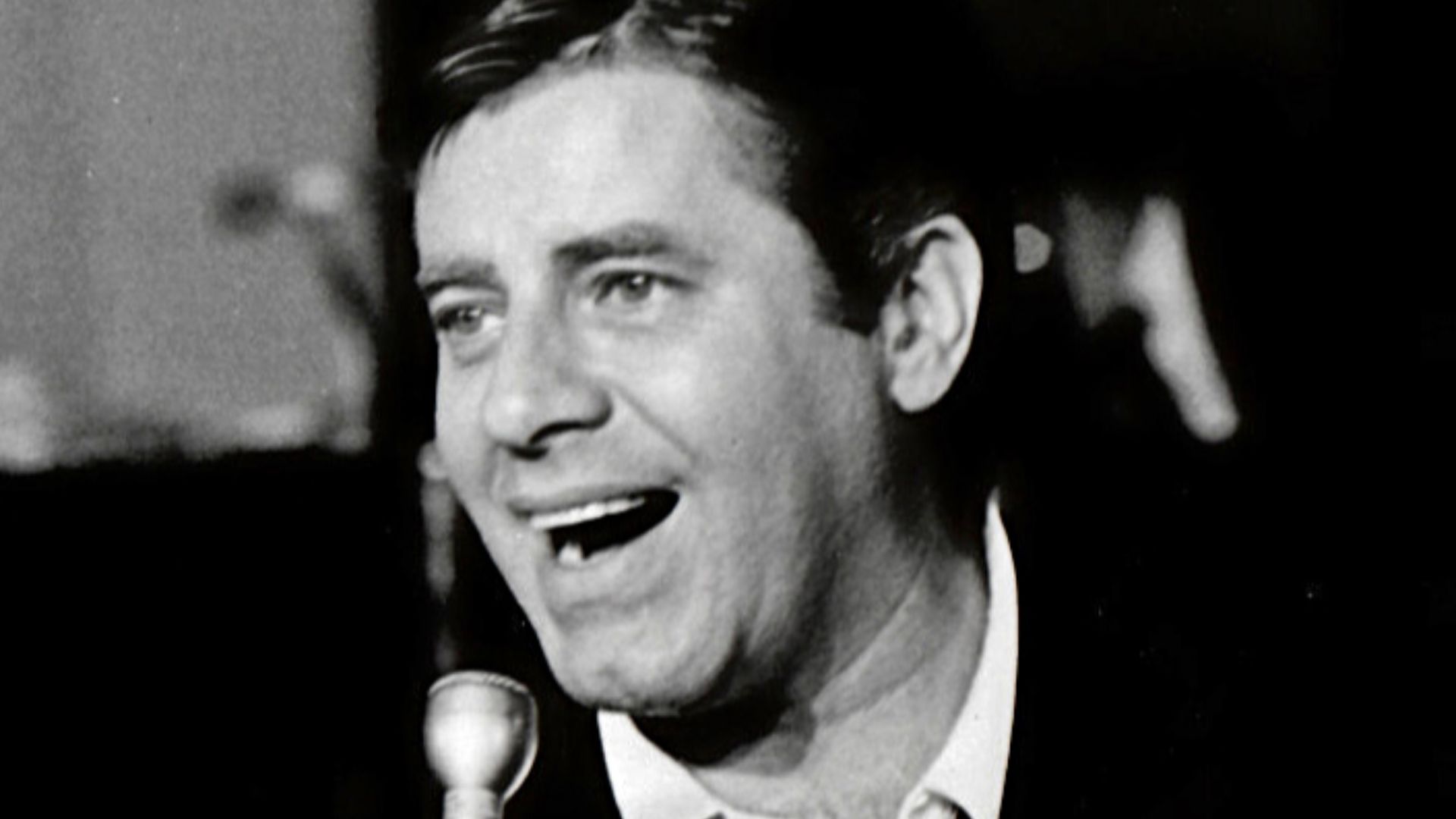
Television Roles Began Accumulating
Before Laugh-In, Gibson appeared on programs including The Beverly Hillbillies, My Favorite Martian, The Joey Bishop Show, The Dick Van Dyke Show, F Troop, and Bewitched. He frequently played nervous, naïve, or eccentric men—characters who looked harmless until they began talking.
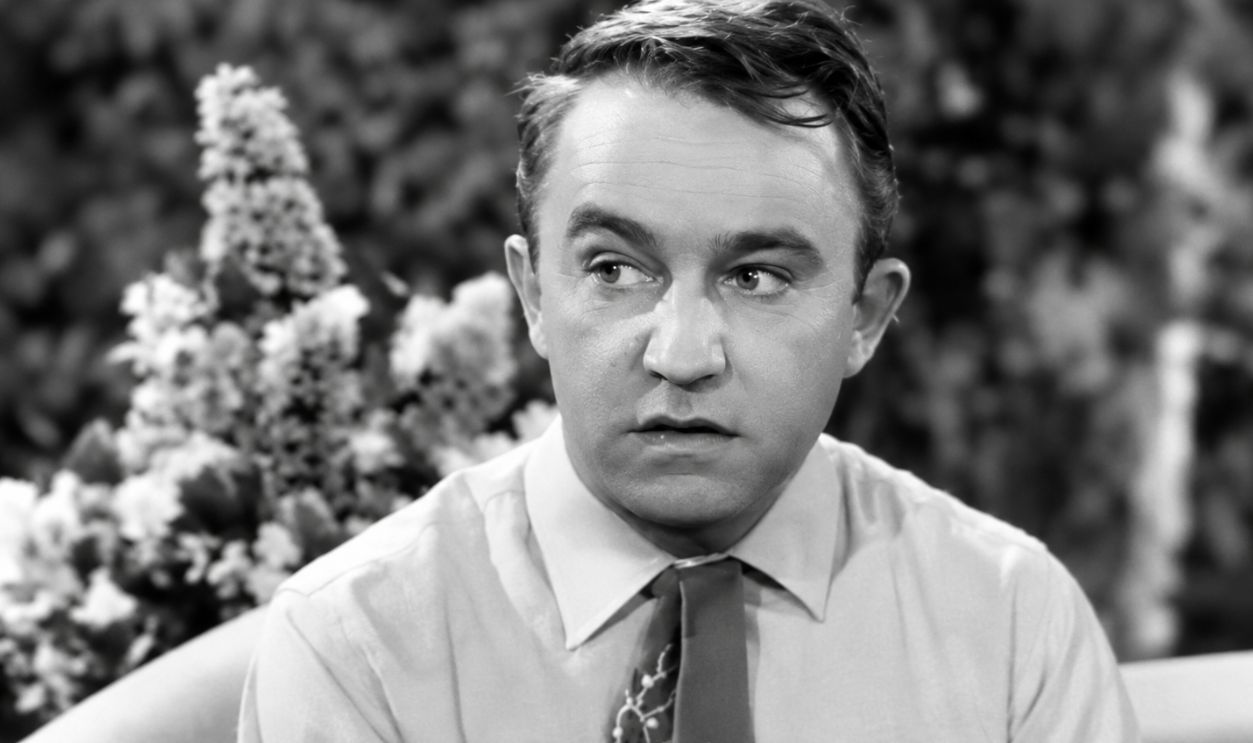 Screenshot from The Beverly Hillbillies, Paramount Global (1962-1971), enhanced
Poetry Was Already Becoming A Career
In 1962, Gibson recorded the comedy album The Alligator and Other Poems. Its tracks included titles such as “Why I Like Soap,” “How to Skin a Polecat,” and “Education Is Important.” This was not quite Shakespeare, but Gibson delivered every peculiar thought as though future students would analyze it.
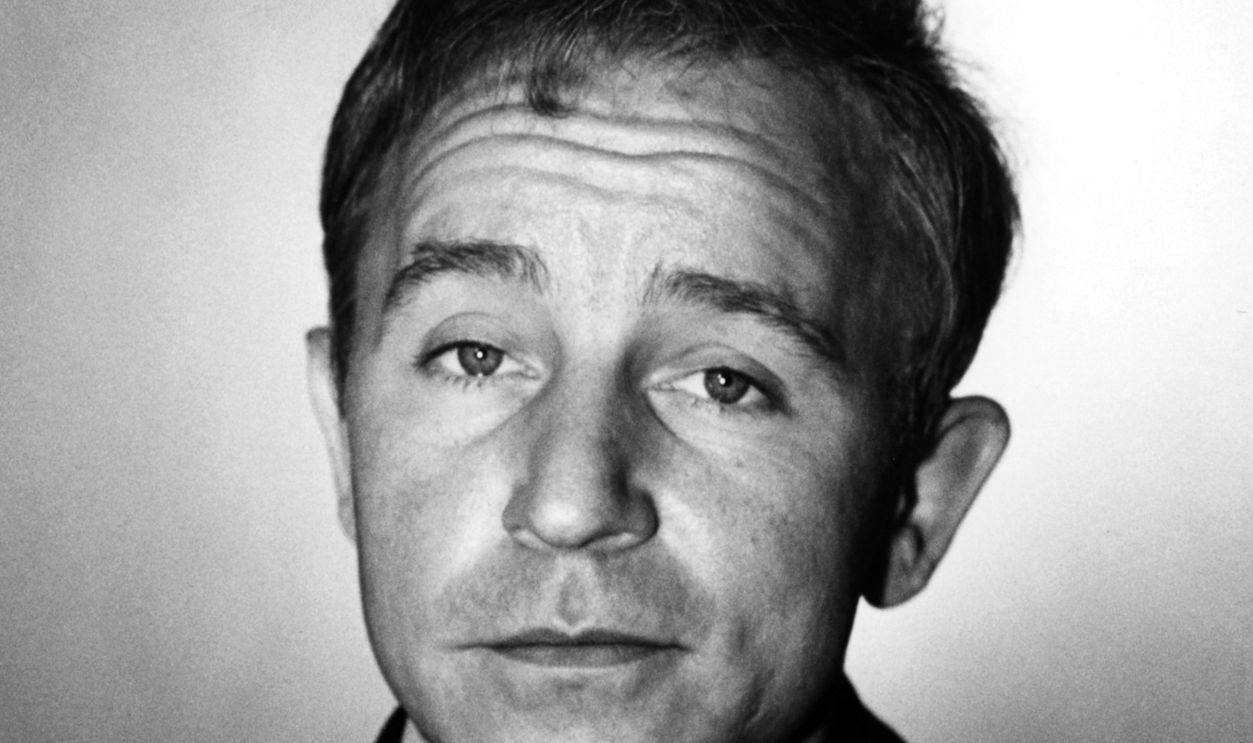 Michael Ochs Archives, Getty Images
Then Laugh-In Came Calling
Rowan & Martin’s Laugh-In began as a television special in 1967 before becoming a regular NBC series in January 1968. It combined political satire, nightclub comedy, visual gags, dancing, suggestive jokes, and rapid editing. The program moved so quickly that viewers barely had time to recover between punchlines.
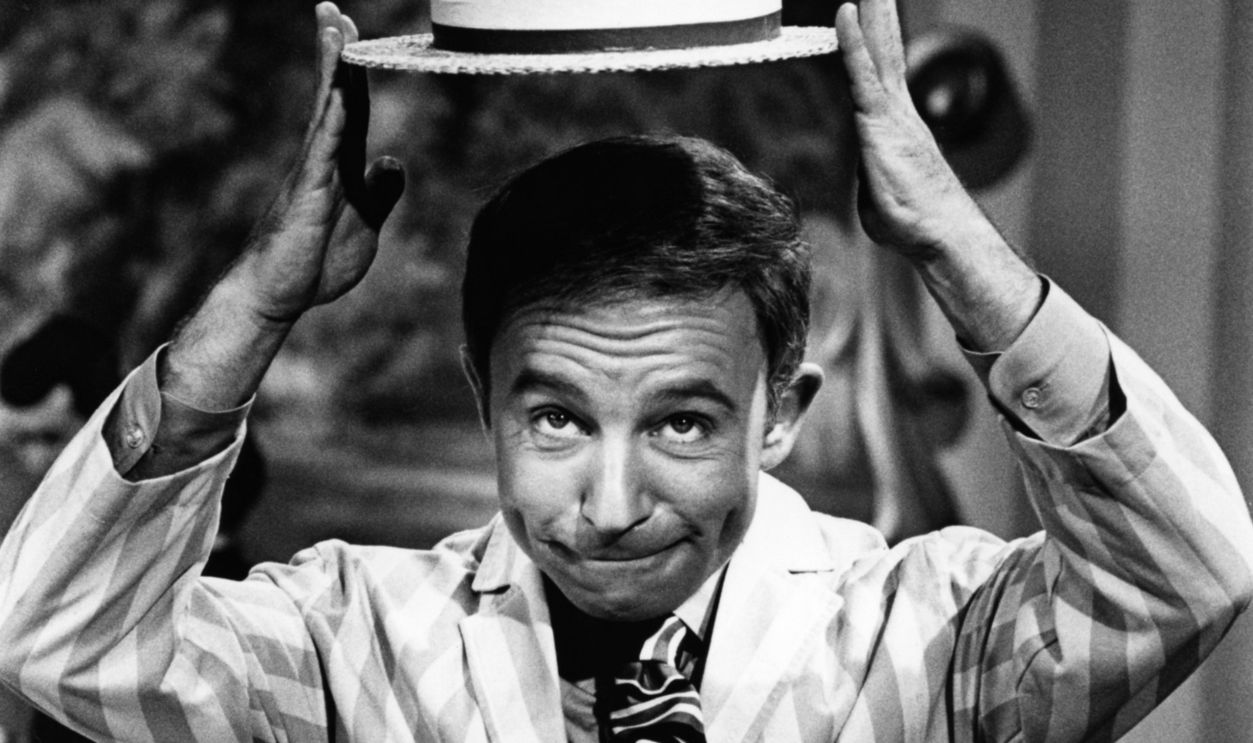 Michael Ochs Archives, Getty Images
His Audition Was Difficult To Forget
Creator and producer George Schlatter recalled Gibson entering his audition, delivering a poem, and then performing a complete backflip. Gibson reportedly finished by asking, “Is that anything?” Schlatter’s answer was wonderfully direct: be there Monday. Apparently, the combination of poetry and gymnastics had worked.
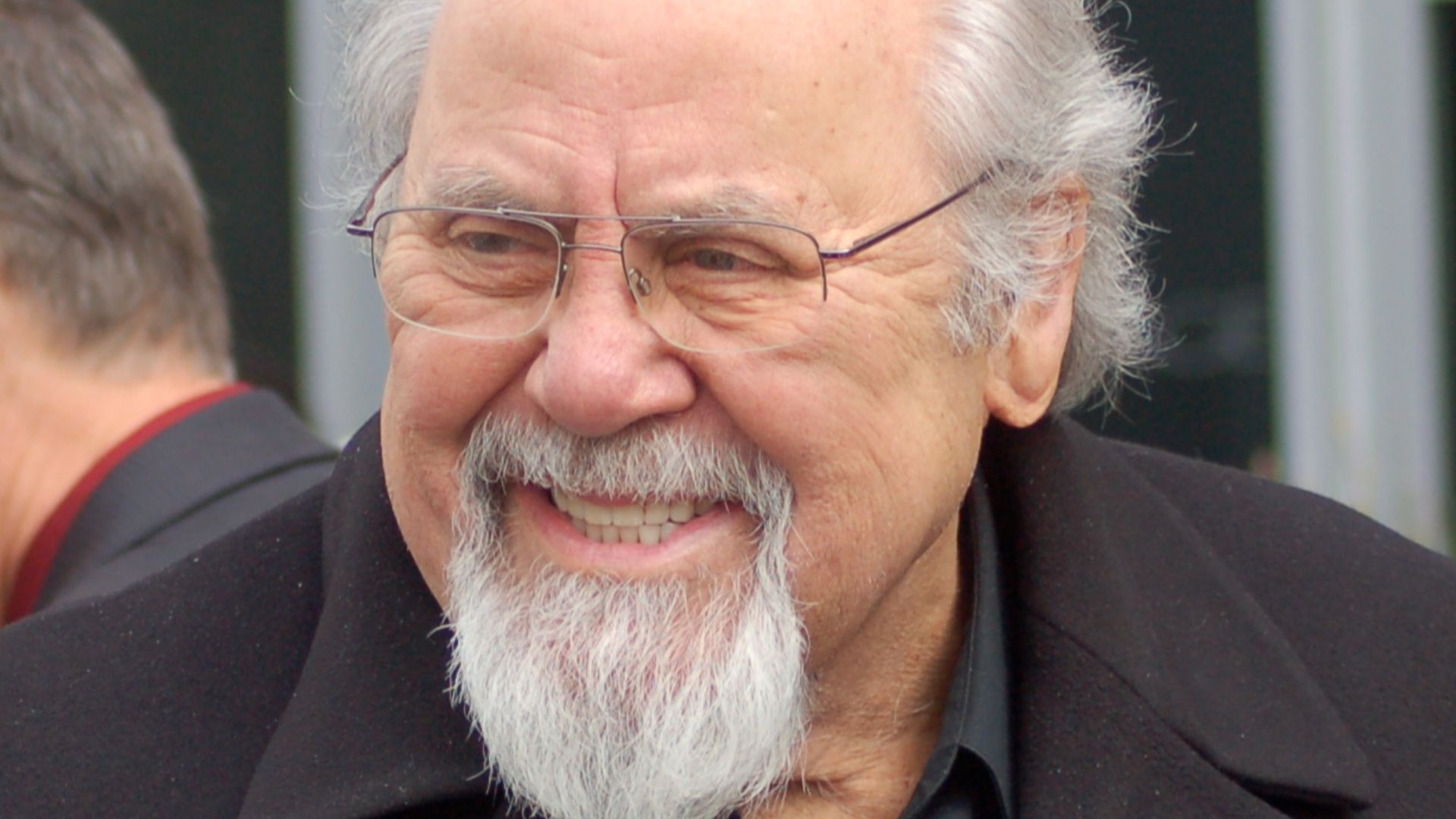 Angela George at https://www.flickr.com/photos/sharongraphics/, Wikimedia Commons
He Joined An Extraordinary Cast
Gibson became part of an ensemble that included Dan Rowan, Dick Martin, Ruth Buzzi, Arte Johnson, Judy Carne, Jo Anne Worley, Goldie Hawn, Alan Sues, and announcer Gary Owens. Each performer needed a recognizable identity. Gibson chose to become the calmest person inside television’s most frantic room.
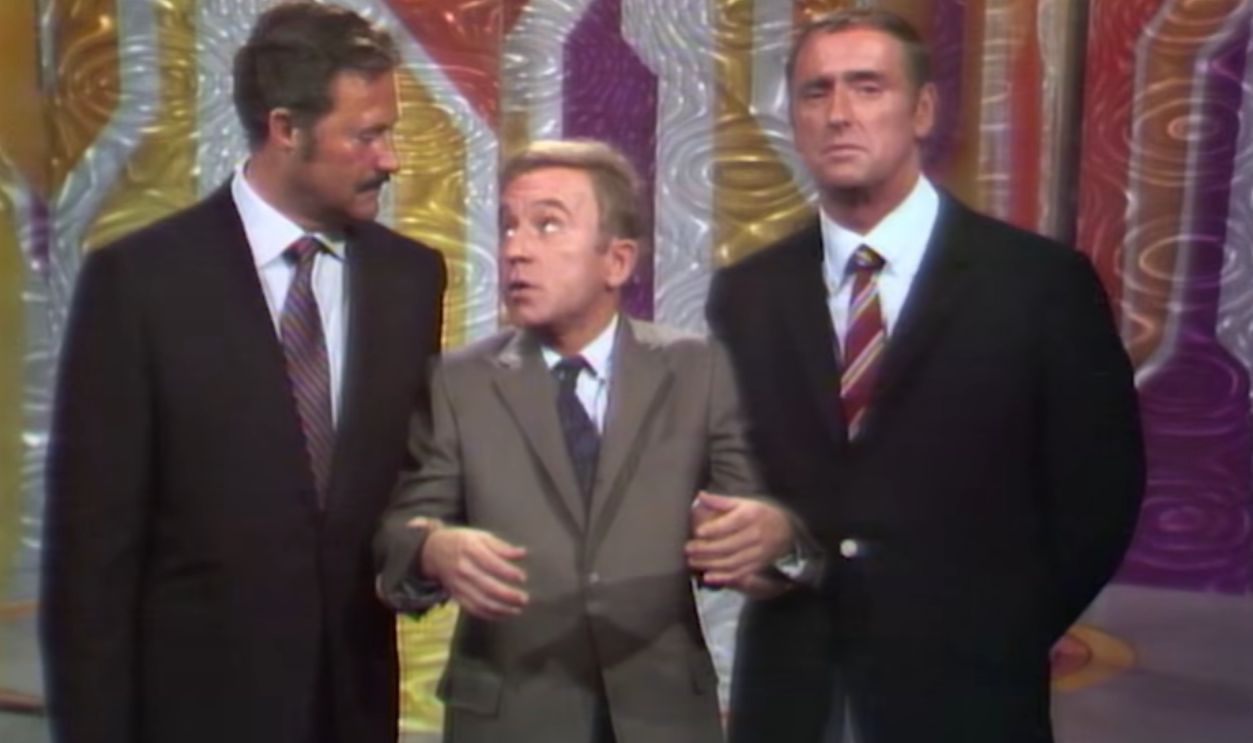 Screenshot from Rowan & Martin’s Laugh-In, Proven Entertainment (1968-1973)
His Stillness Made Him Stand Out
Most Laugh-In sketches depended upon speed, noise, and sudden visual surprises. Gibson frequently did the opposite. He stood almost motionless, spoke slowly, and behaved as though nothing unusual was happening. Surrounded by controlled chaos, his quiet seriousness became its own kind of disruption.
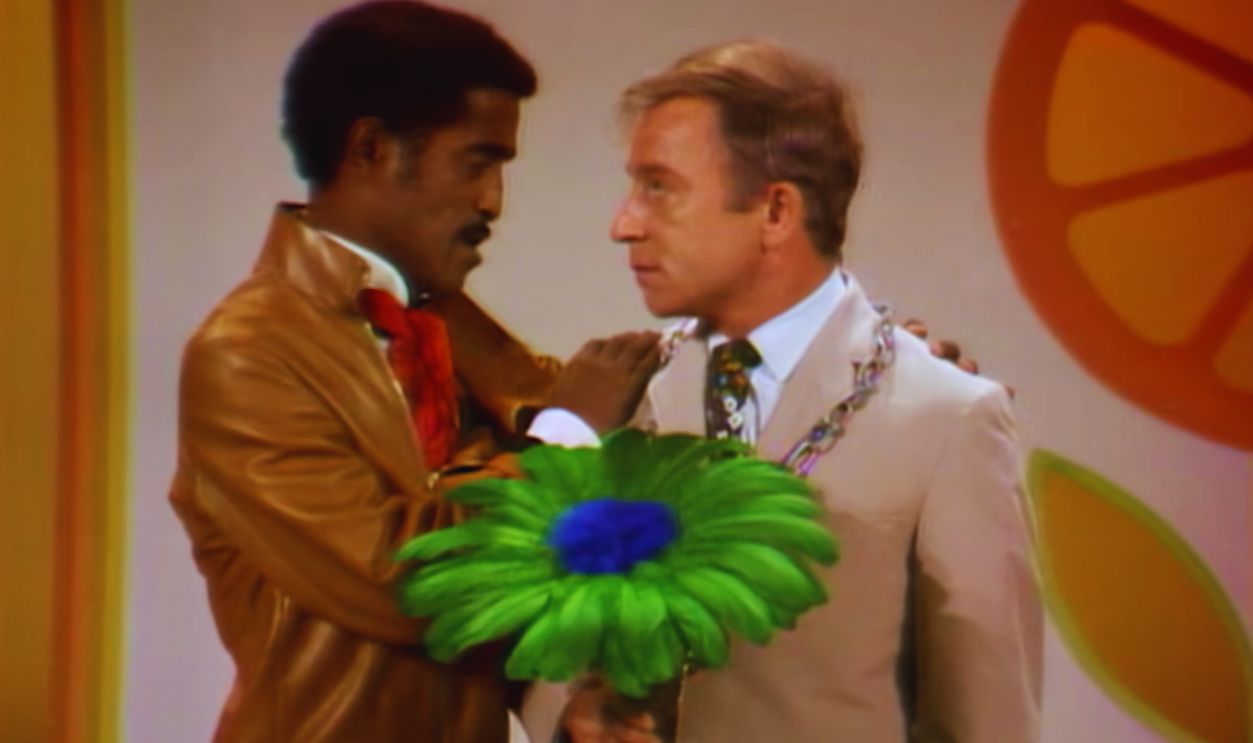 Screenshot from Rowan & Martin’s Laugh-In, Proven Entertainment (1968-1973)
The Poet Made His Entrance
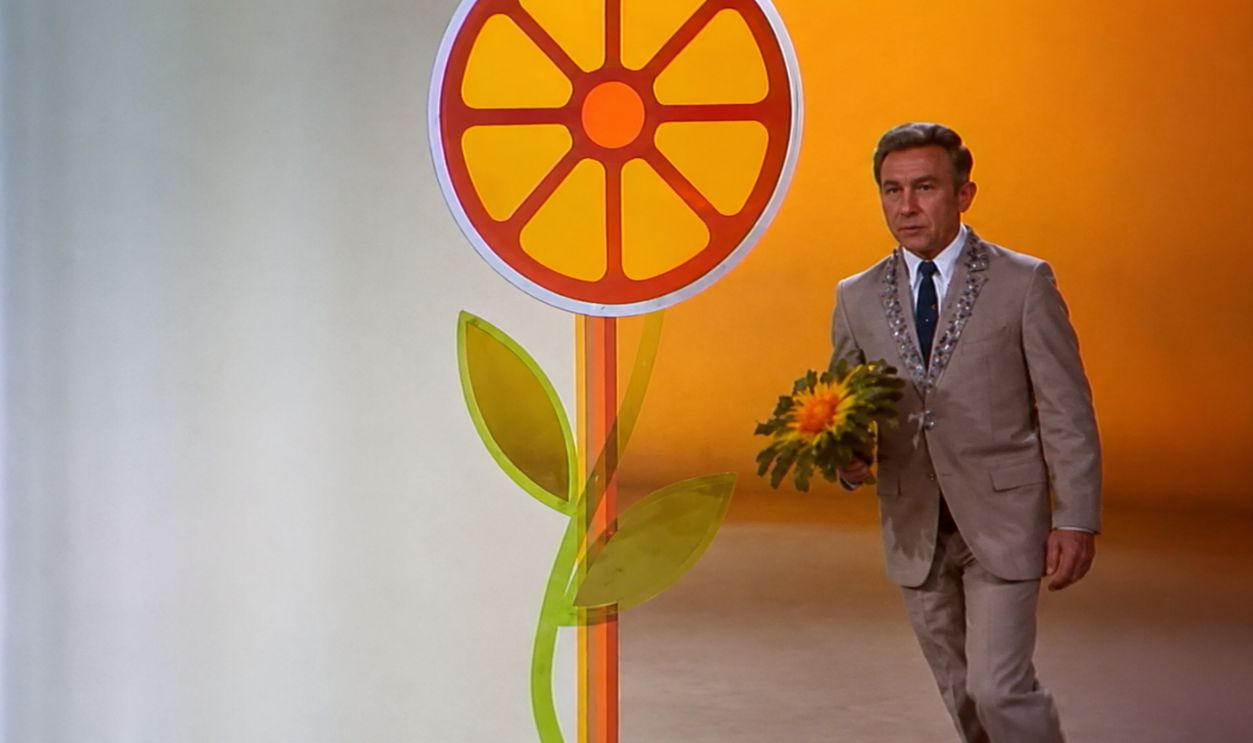
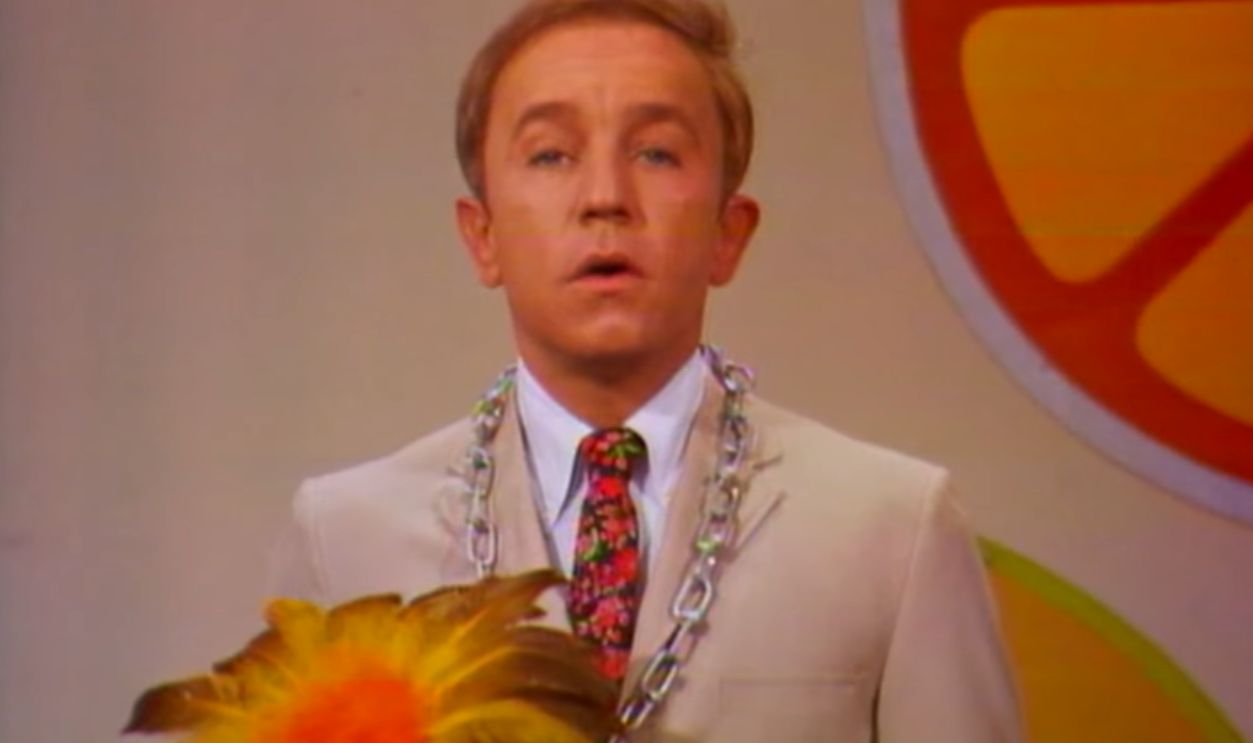
Gibson’s most famous appearances usually began when he stepped from behind a brightly painted stage panel. Wearing a formal jacket or colorful beads, he carried an oversized artificial flower. He bowed stiffly, announced the poem’s title, and concluded with the phrase audiences were waiting to hear.
 Screenshot from Rowan & Martin’s Laugh-In, Proven Entertainment (1968-1973), enhanced
“By Henry Gibson” Became A Catchphrase
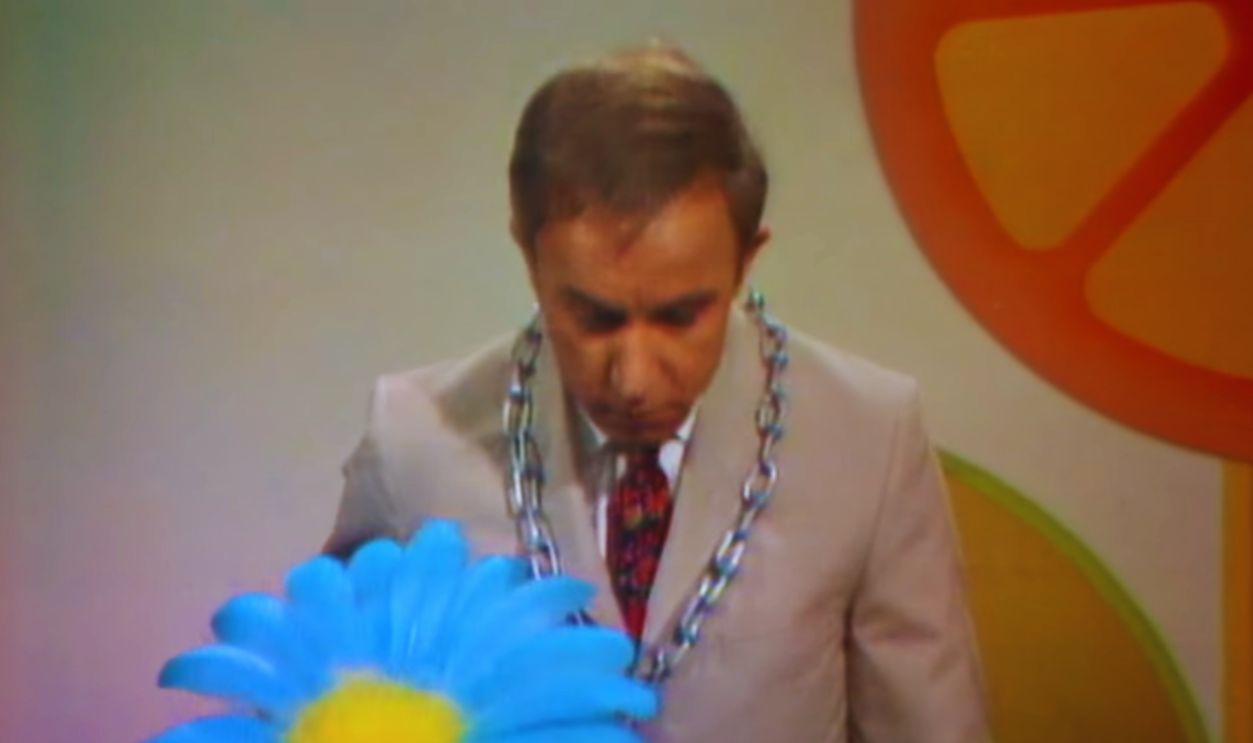
After announcing his subject, Gibson identified the author with solemn pride: “By Henry Gibson.” He bowed again and began reciting. The introduction was so consistent that audiences often started laughing before the poem had properly begun. They already knew something wonderfully ridiculous was coming.
 Screenshot from Rowan & Martin’s Laugh-In, Proven Entertainment (1968-1973)
The Flower Was Almost As Famous
The enormous flower made Gibson resemble an extremely earnest child presenting something found in the backyard. It also connected him visually to the era’s flower-child culture. Yet Gibson’s neat clothing and formal manner made him look less like a hippie than a bank clerk who had accidentally attended Woodstock.
The Voice Completed The Character
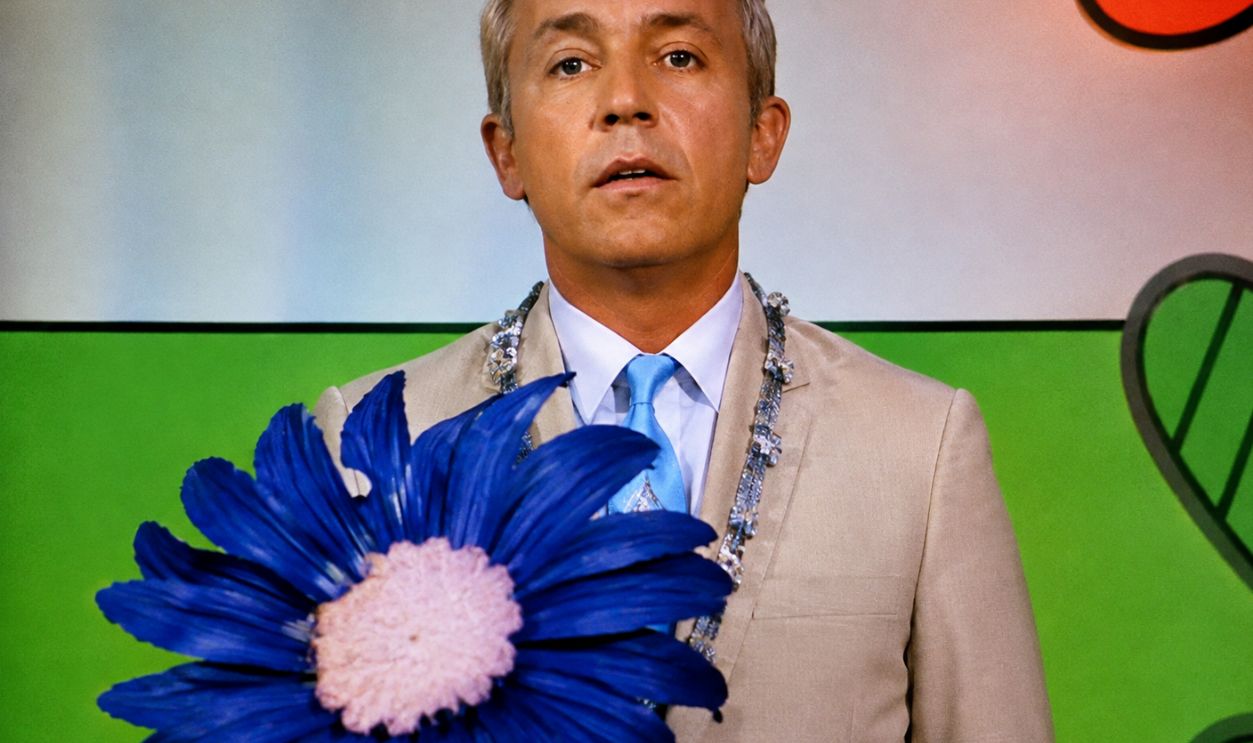
Gibson delivered the poems in a gentle Southern accent, despite having grown up in Pennsylvania. His voice carried no obvious hint that he understood the material was funny. That absolute sincerity allowed the audience to discover each joke instead of being told precisely where to laugh.
 Screenshot from Rowan & Martin’s Laugh-In, Proven Entertainment (1968-1973), enhanced
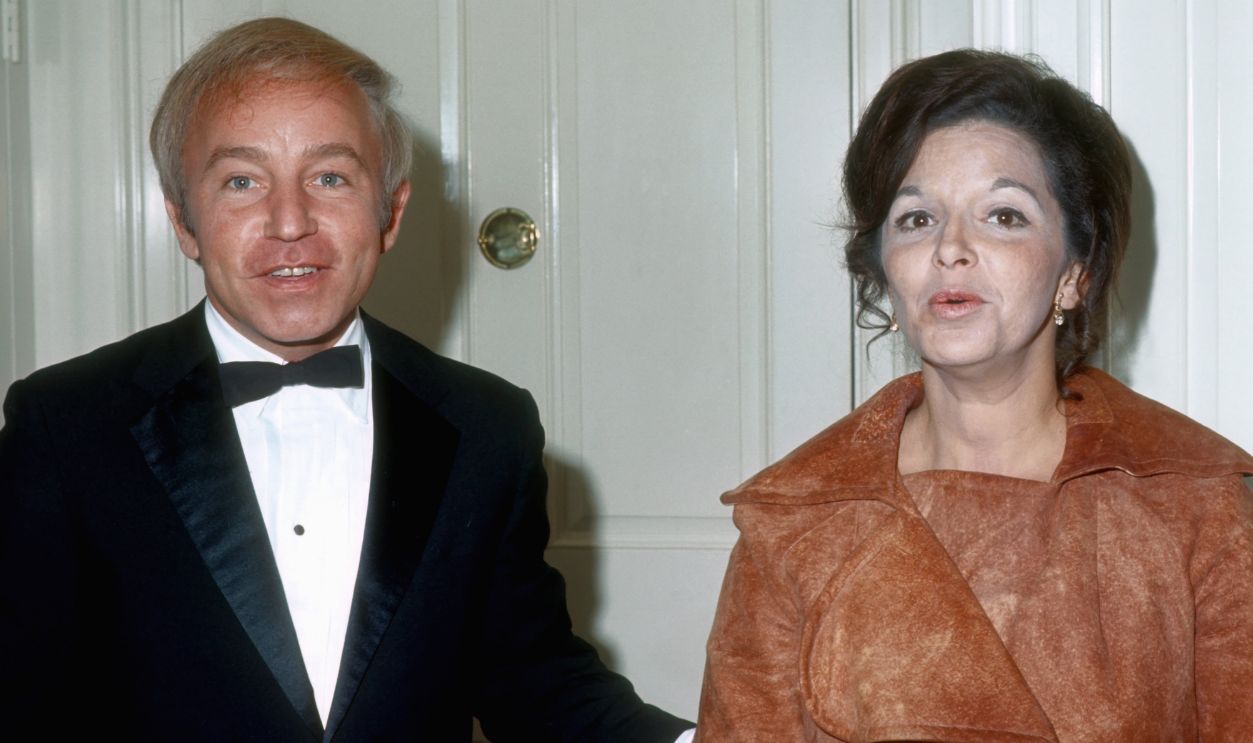
He Wrote The Poems Himself
According to Gibson’s family, writing his own Laugh-In poems was a point of personal pride. The show employed a large writing staff, but the poet’s verses belonged to Gibson. Those tiny segments were not simply acting assignments—they were miniature performances constructed around his own comic voice.
 Michael Ochs Archives, Getty Images
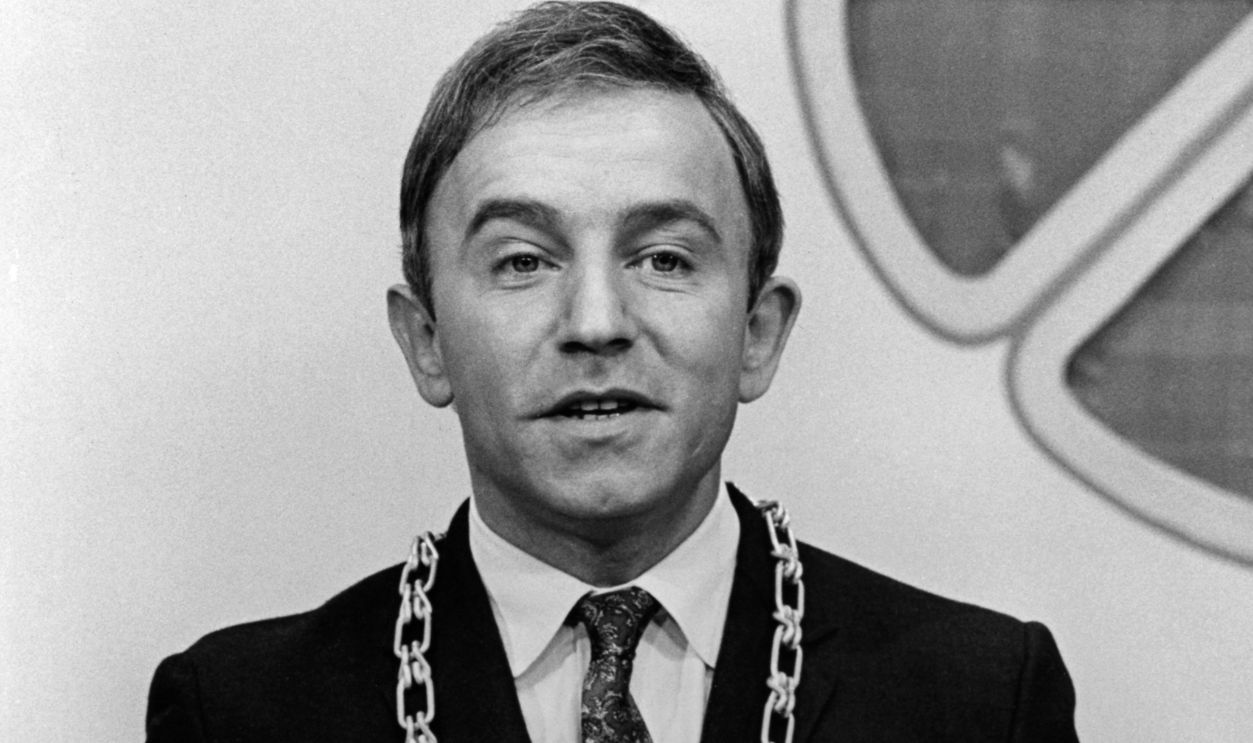
The Poems Were Deceptively Simple
Some verses appeared to be innocent observations about animals, flowers, weather, or ordinary objects. Others carried satirical or political meanings underneath their childlike rhymes. Gibson could slip a surprisingly sharp point into a poem so gentle that it barely seemed capable of causing trouble.
 Michael Ochs Archives, Getty Images
Brevity Made Them Perfect For The Show
A typical Laugh-In routine could disappear within seconds, making Gibson’s poetry ideal for the format. He established the character, announced the subject, delivered a compact burst of absurdity, bowed, and vanished. He required less time than most comedians needed to clear their throats.
 Screenshot from Rowan & Martin’s Laugh-In, Proven Entertainment (1968-1973)
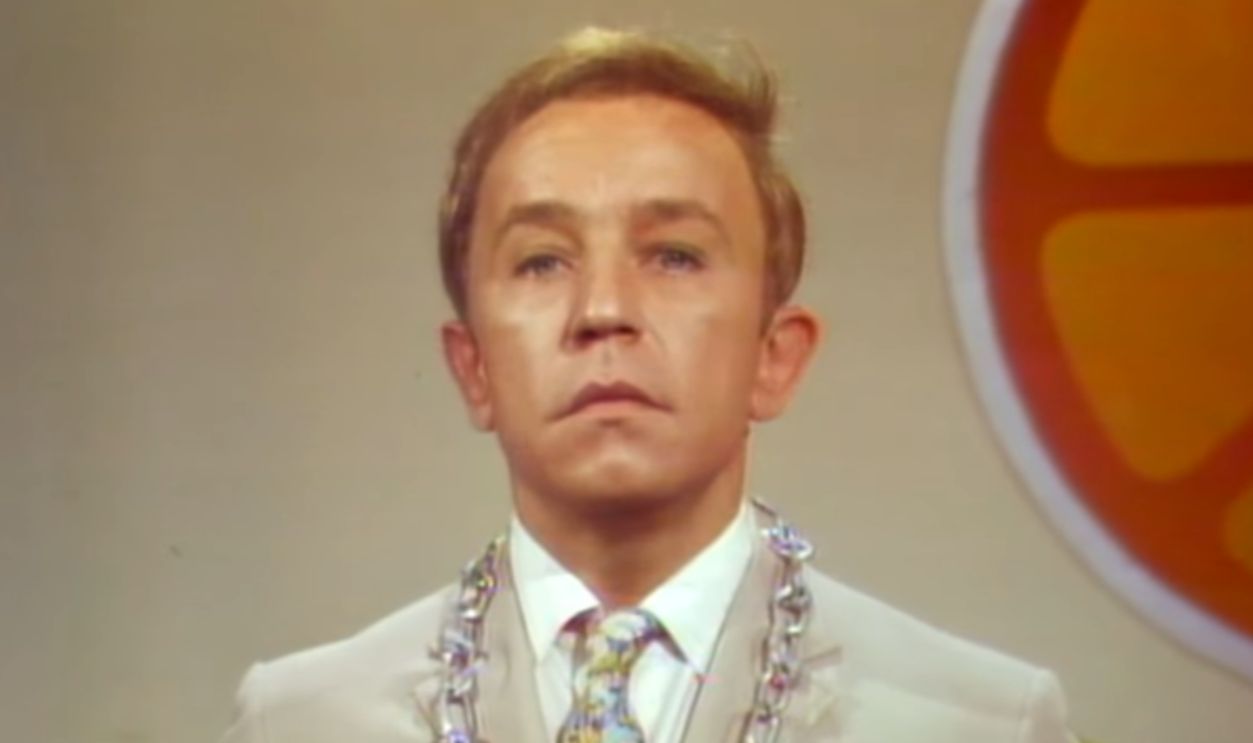
He Never Chased The Punchline
Gibson rarely altered his expression to reassure viewers that a joke had occurred. He trusted the writing, maintained the character, and allowed the audience to catch up. That restraint was especially effective on a program where practically everyone else seemed prepared to fire a cannon if a gag needed assistance.
 Screenshot from Rowan & Martin’s Laugh-In, Proven Entertainment (1968-1973)
He Appeared At The Cocktail Party
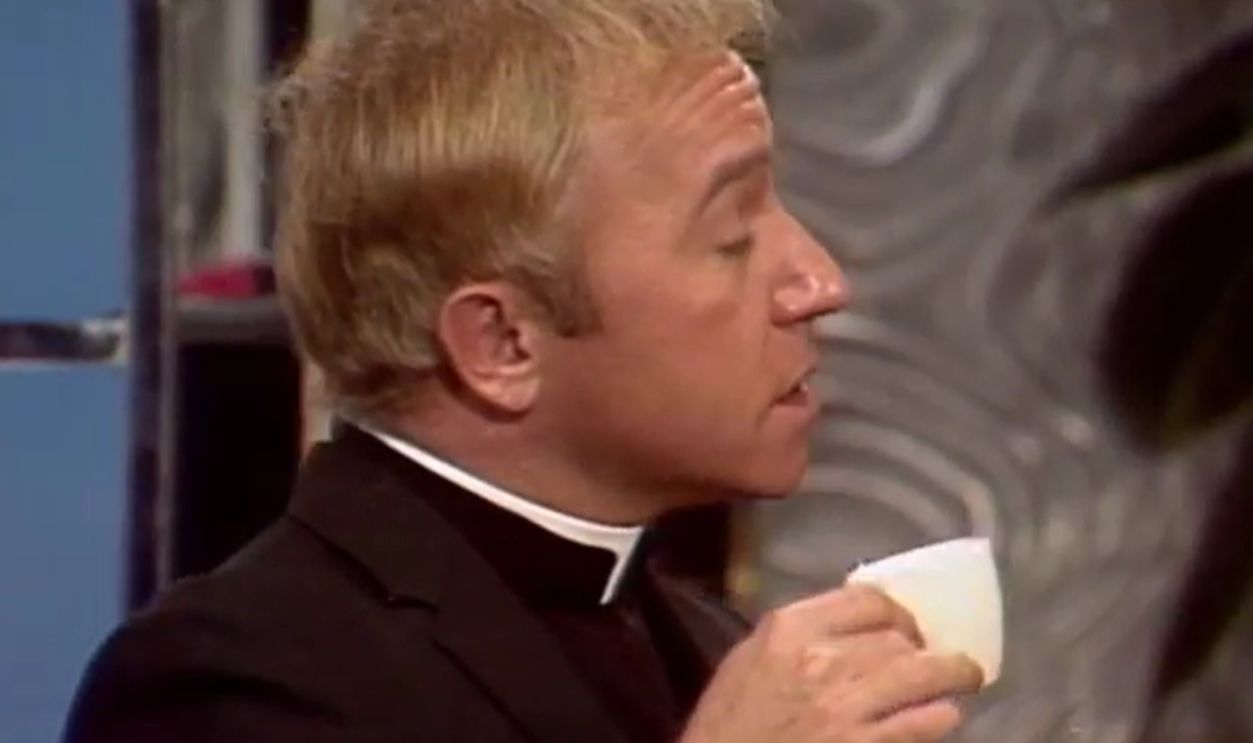
Gibson also participated in the show’s famous cocktail-party scenes, where music stopped repeatedly so cast members could deliver one-liners. He often appeared as a solemn clergyman holding a teacup and saucer. Even in a crowded party, he somehow looked as though he had arrived to conduct a funeral.
 Screenshot from Rowan & Martin’s Laugh-In, Proven Entertainment (1968-1973)
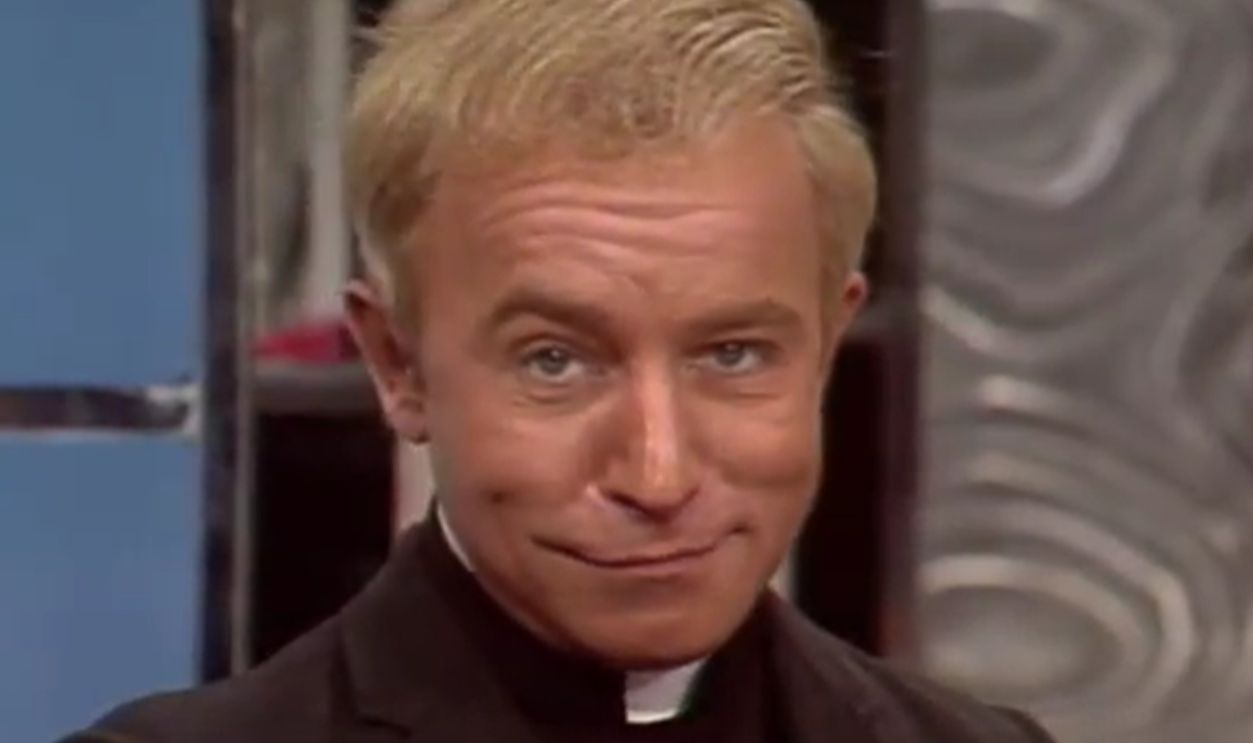
His Clergyman Loved Large Donations
In one memorable cocktail-party line, Gibson’s religious character explained that his congregation supported all denominations—but preferred twenties and fifties. He then calmly returned to his tea. The delivery turned an old joke about money and religion into something that felt unmistakably like Henry Gibson.
 Screenshot from Rowan & Martin’s Laugh-In, Proven Entertainment (1968-1973)
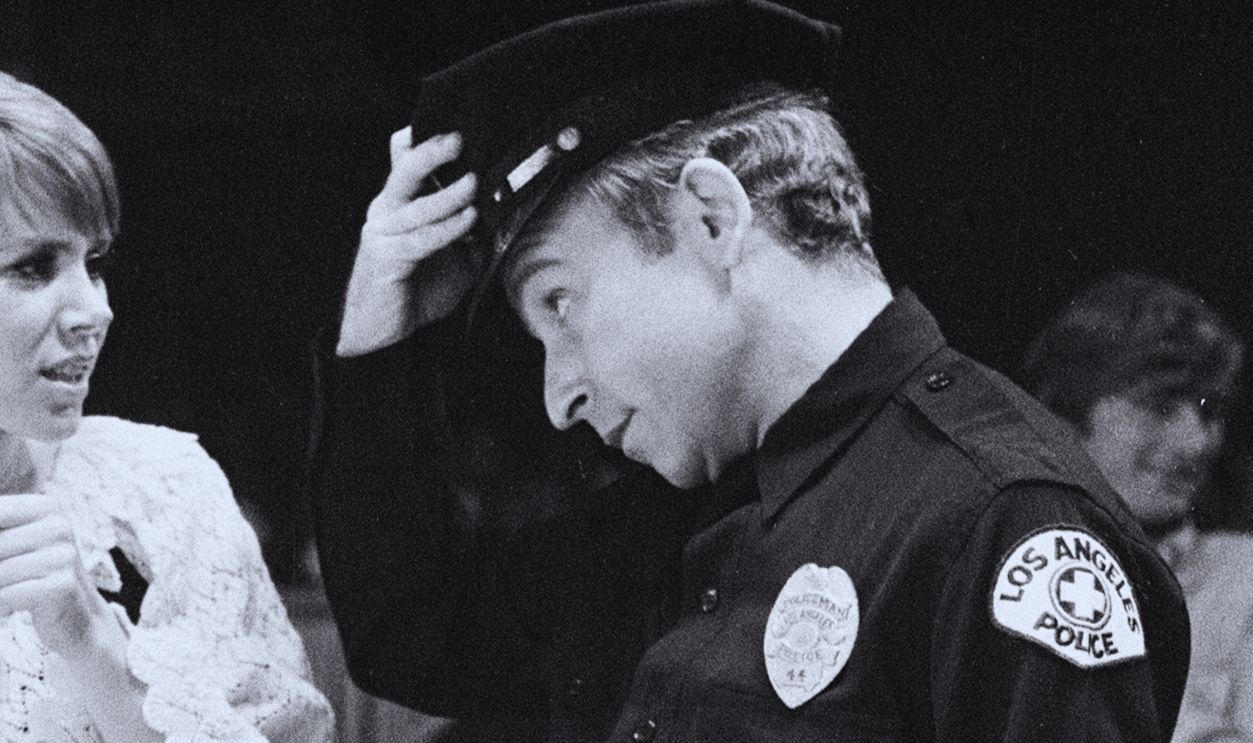
He Could Play Authority Without Looking Powerful
Gibson’s small stature and gentle voice made him an unusual choice for priests, officials, military men, or other authority figures. That contrast became part of the comedy. He looked incapable of intimidating anyone, yet his characters frequently spoke with the confidence of men who expected complete obedience.
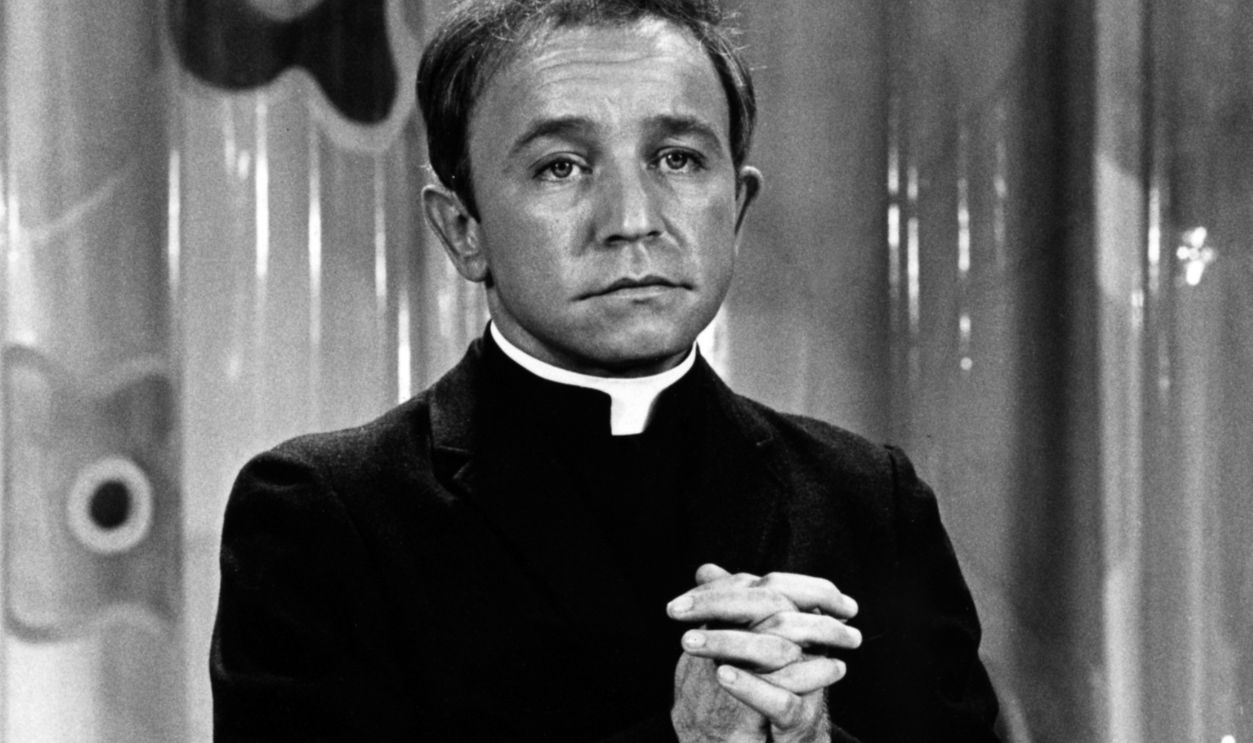
The Show Used Him As A Counterweight
Schlatter later explained that Gibson brought warmth, whimsy, intelligence, and charm to Laugh-In. Those qualities helped balance the program’s bawdy jokes and aggressive political satire. Gibson could follow a sharp attack on the establishment with a poem about an alligator—and somehow the transition made sense.
 Michael Ochs Archives, Getty Images
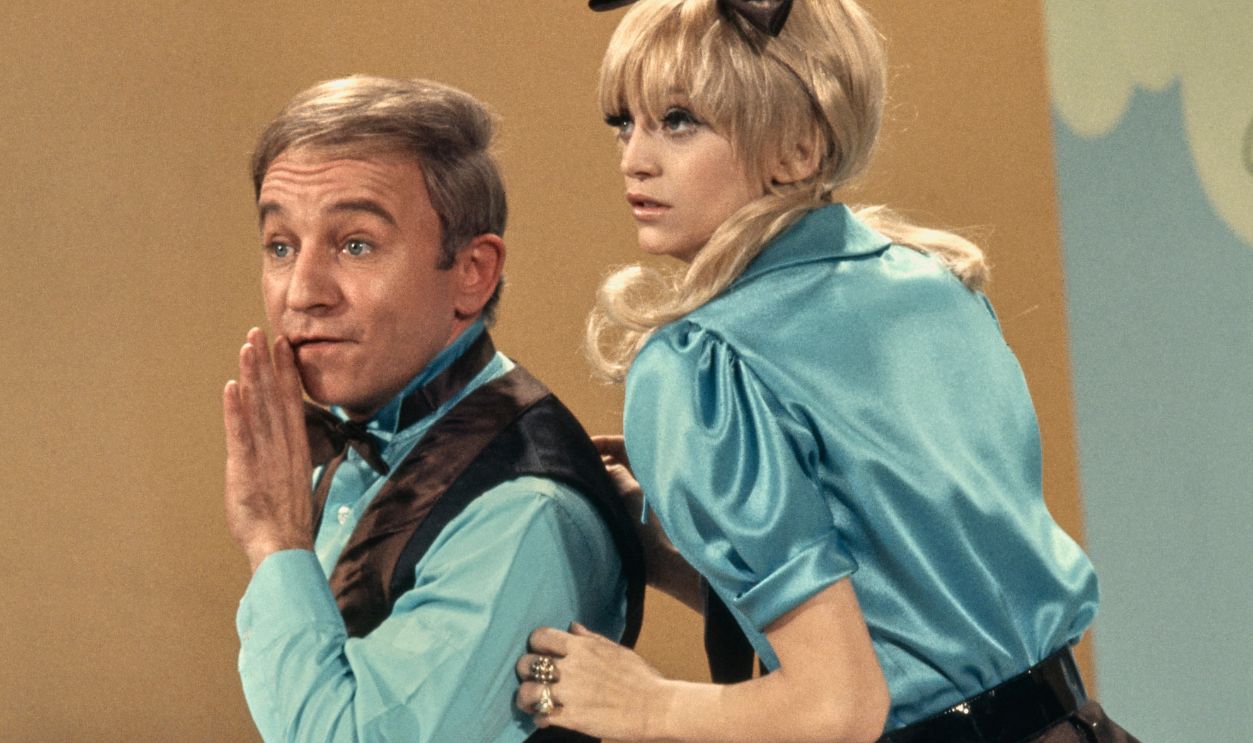
His Face Could Change A Joke
Gibson did not require elaborate dialogue to be funny. A tight smile, nervous glance, or slight pause could transform an ordinary line. Schlatter recalled that any material given to Gibson changed shape because he infused it with his own gentle intelligence and peculiar sense of timing.
 Michael Ochs Archives, Getty Images
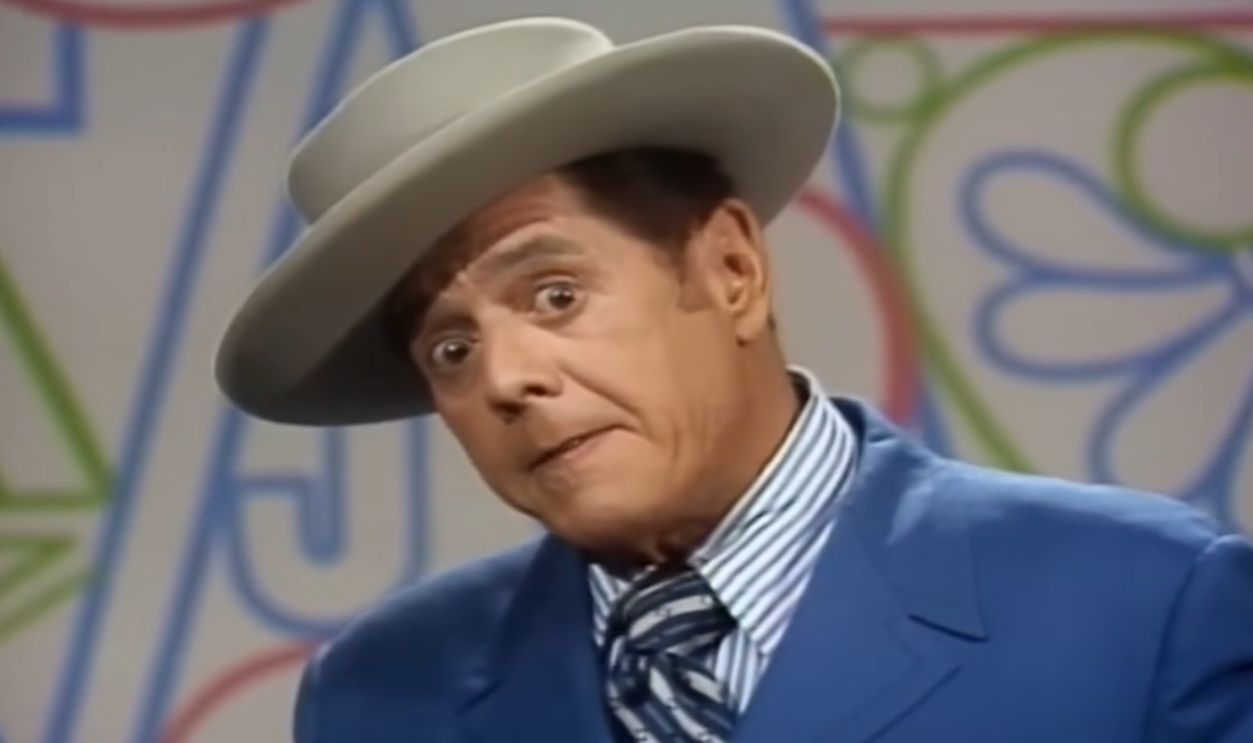
Famous Guests Joined The Game
Laugh-In attracted major celebrities, and some were invited to imitate Gibson’s poetry routine. Seeing an enormous star clutch a flower and solemnly announce a ridiculous poem demonstrated how recognizable the bit had become. The parody only worked because viewers knew Gibson’s original presentation so well.
 Screenshot from Rowan & Martin’s Laugh-In, Proven Entertainment (1968-1973)
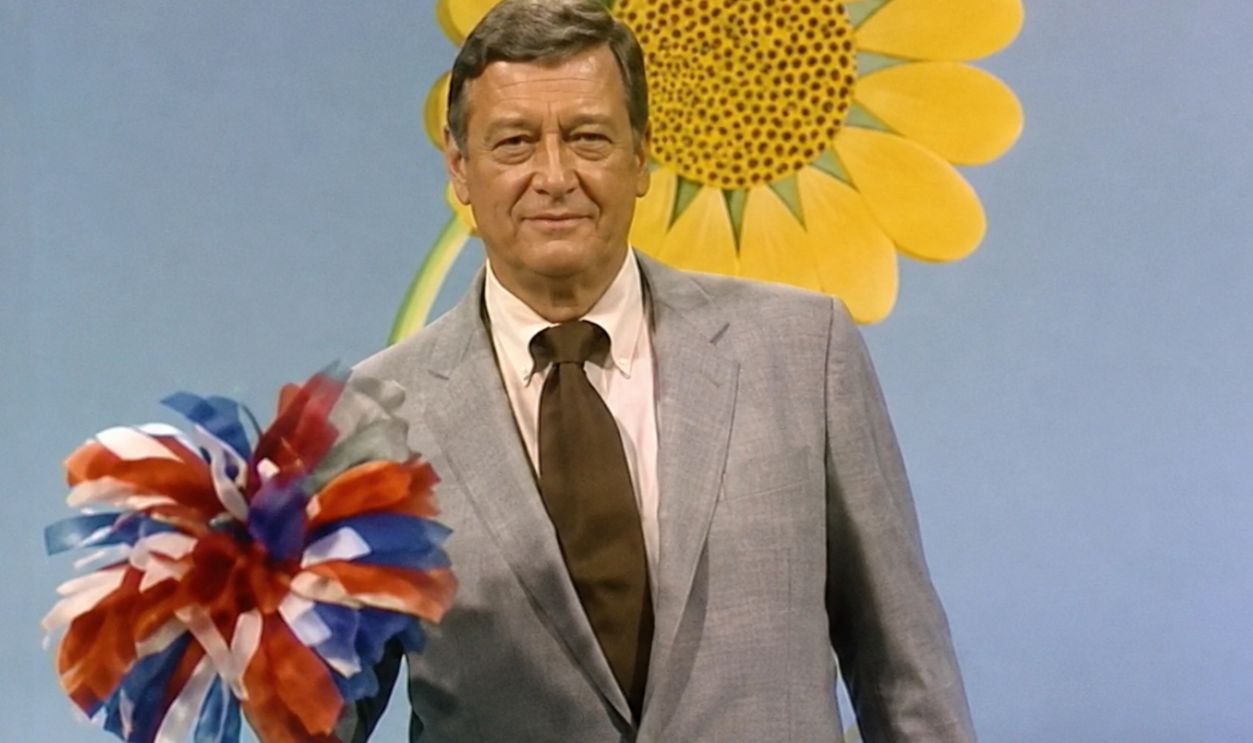
John Wayne Became A Poet
John Wayne performed his own version of the routine, announcing a brief poem about the sky, grass, and joining the Marines. Rather than quietly retreating through the scenery as Gibson did, Wayne smashed through the stage panel. Even Henry’s poetry apparently became more forceful in the Duke’s hands.
 Screenshot from Rowan & Martin’s Laugh-In, Proven Entertainment (1968-1973), enhanced
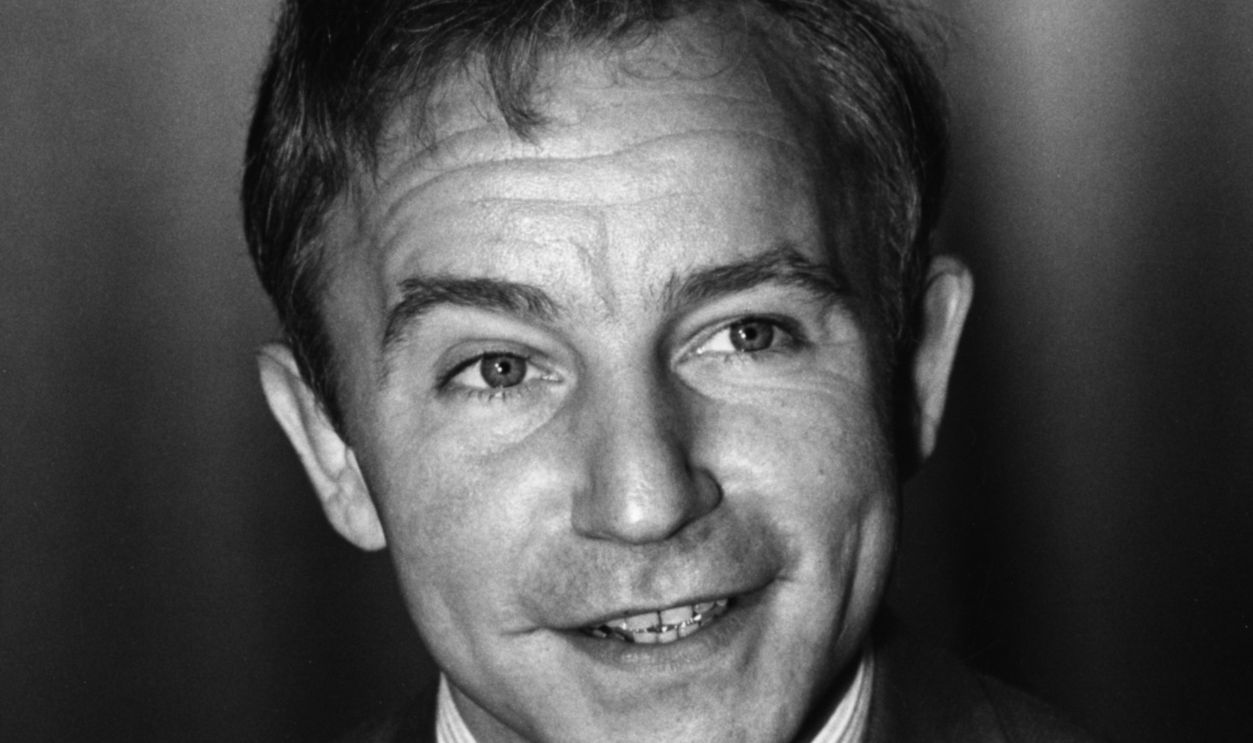
His Humor Fit The Changing Era
The poet appeared old-fashioned and contemporary at the same time. His rhymes recalled schoolroom recitations, while the flower, beads, and quiet political barbs belonged unmistakably to the late 1960s. Gibson turned an apparently square little man into one of the hippest oddities on television.
 Michael Ochs Archives, Getty Images
The Cast Recognized His Kindness
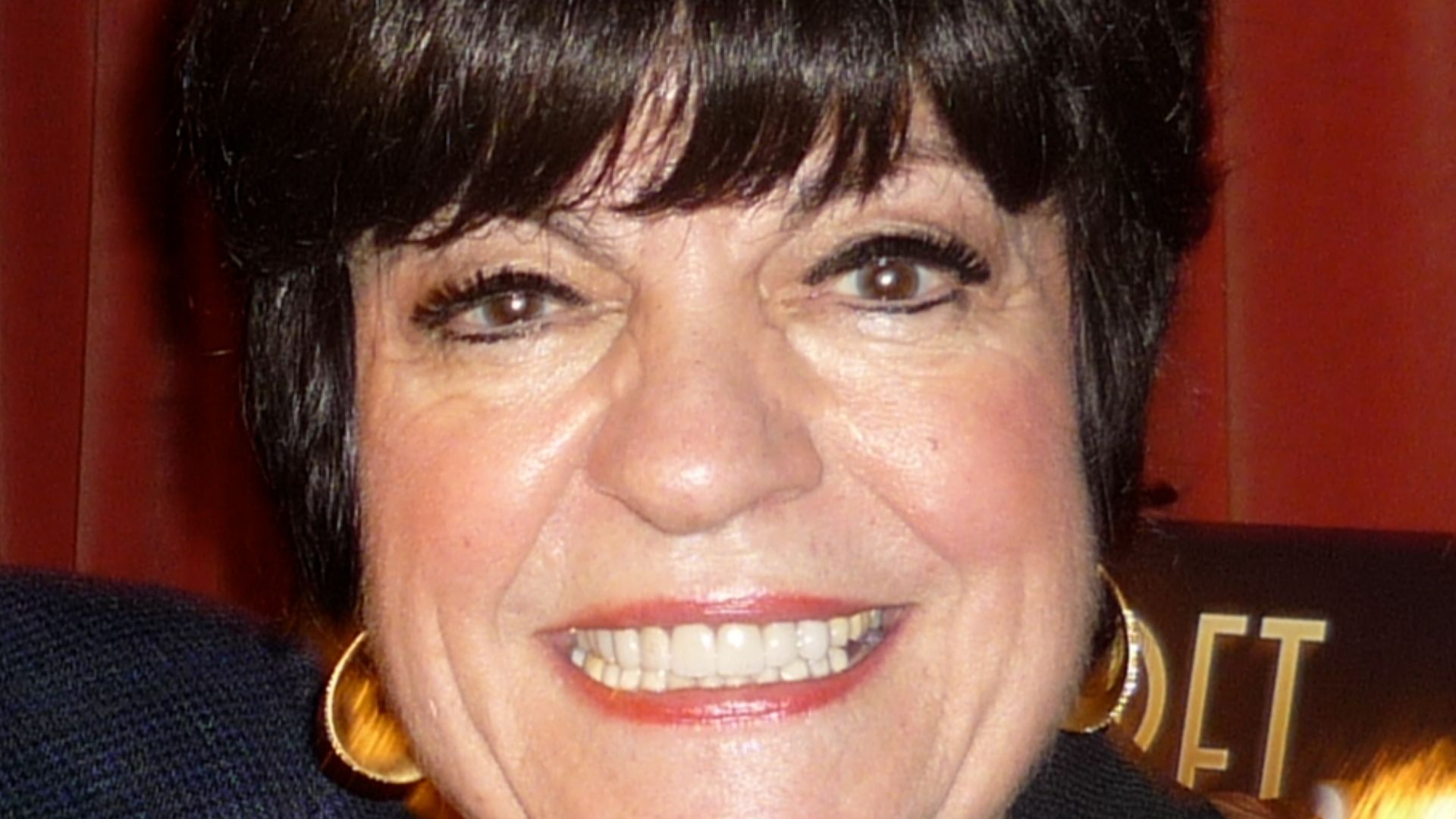
Behind the scenes, Gibson was considerably less eccentric than his characters. Jo Anne Worley later called him perhaps the kindest person on the program and said she sought his professional advice. Gary Owens similarly remembered him as a brilliant performer and remained close to him after the series.
 Greg Hernandez from California, CA, USA, Wikimedia Commons
Laugh-In Made Him Nationally Famous
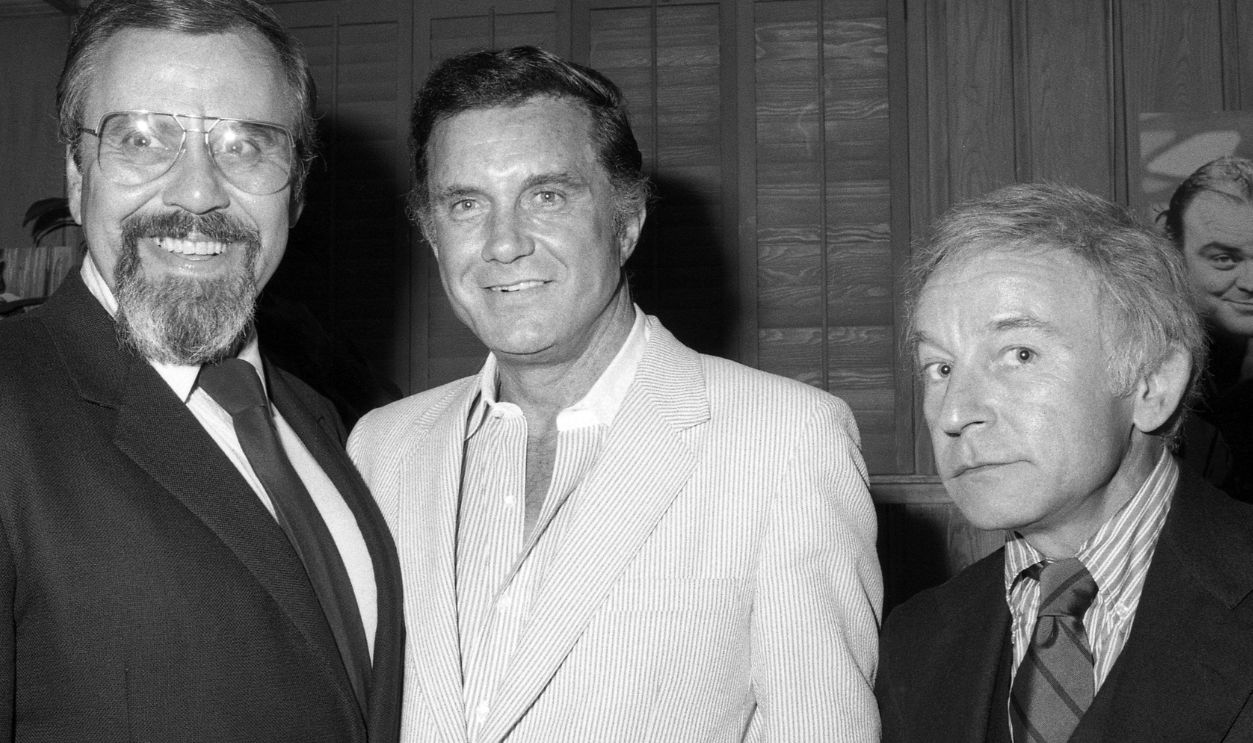
Before the program, Gibson had worked steadily without becoming a household name. Laugh-In changed that. Millions of viewers recognized the flower, the bow, and the voice almost immediately. A character he had developed in small performances suddenly became part of American popular culture.
 Joan Adlen Photography, Getty Images
Fame Expanded His Poetry Career
His earlier album was reissued after Laugh-In made him famous, and he recorded additional material including The Grass Menagerie. In 1970, his poetry appeared in the book A Flower Child’s Garden of Verses. The television joke had grown into its own remarkably peculiar literary franchise.
 Screenshot from Nashville, Paramount Global (1975)
He Earned Industry Recognition
Gibson received a Golden Globe nomination for his work on Laugh-In. The nomination acknowledged that his apparently effortless bits depended upon precise character work and original writing. He was no longer merely the quiet fellow between larger sketches—he had become one of the show’s essential personalities.
 Screenshot from The Burbs, NBCUniversal (1989)
He Left Laugh-In Before The Series Ended
Gibson departed Laugh-In in 1971 after three seasons, while the program continued until 1973. Walking away from such a visible role carried obvious risks. Yet the decision also allowed him to move beyond the poet before Hollywood decided that a flower was the only prop he could ever hold.
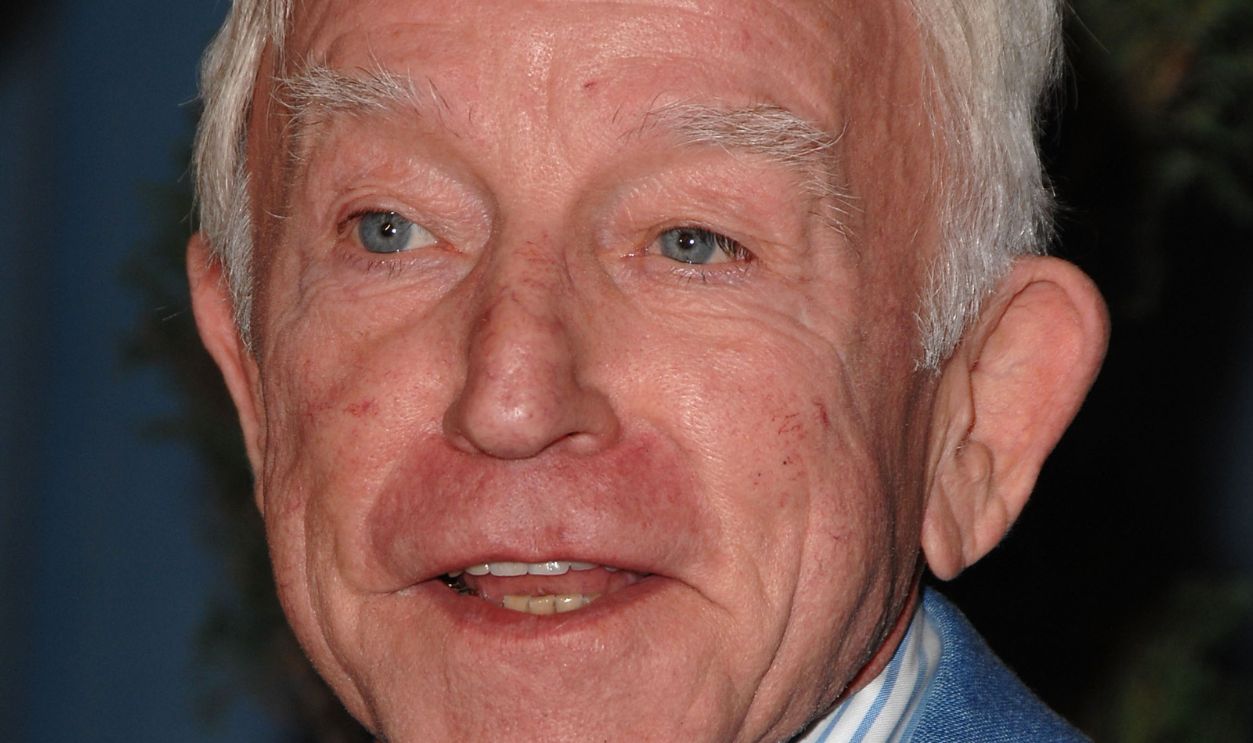
A Pig Became His Next Famous Voice
In 1973, Gibson voiced Wilbur in the animated adaptation of Charlotte’s Web. His gentle, vulnerable delivery was perfectly suited to the lovable pig terrified of his approaching fate. Children who had never seen Laugh-In could now recognize that unmistakable voice without seeing the man behind it.
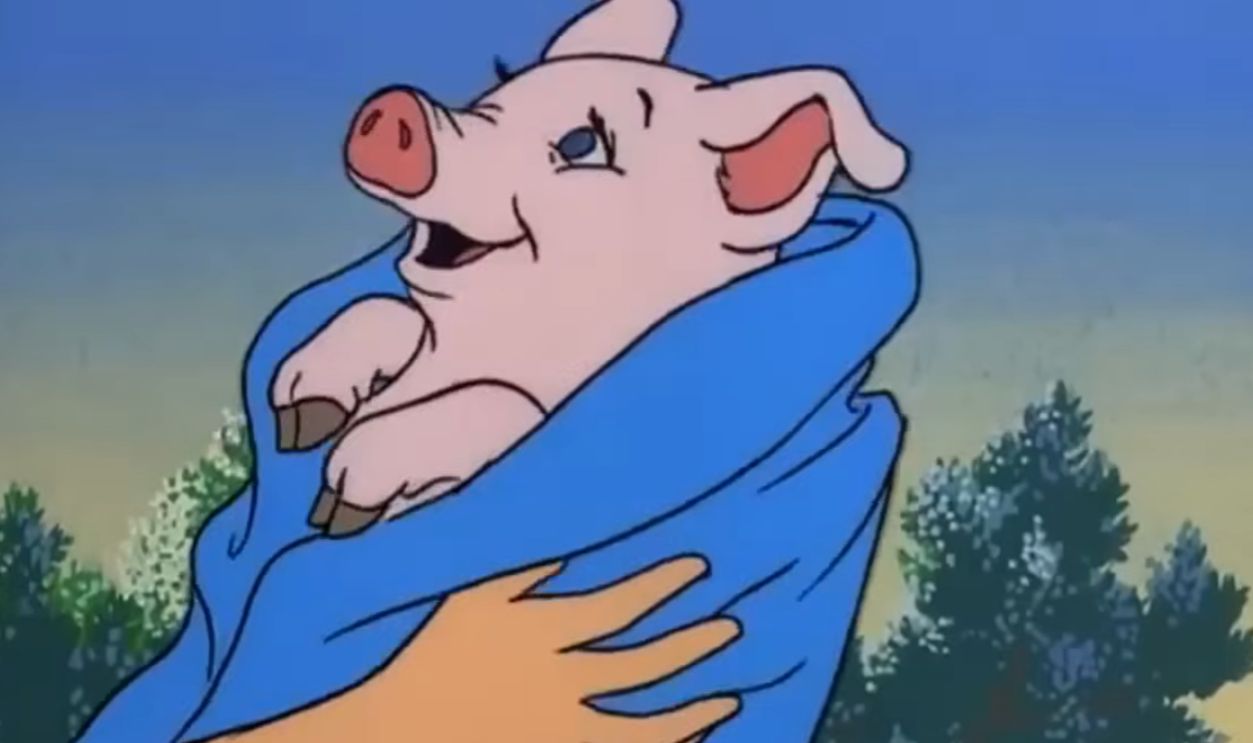 Screenshot from Charlotte’s Web, Paramount Global (1973)
Robert Altman Saw Something Darker
Director Robert Altman cast Gibson in The Long Goodbye and later gave him his greatest film role in Nashville. Altman recognized that Gibson’s politeness could conceal ambition, arrogance, or menace. The harmless poet had suddenly become a much more complicated screen presence.
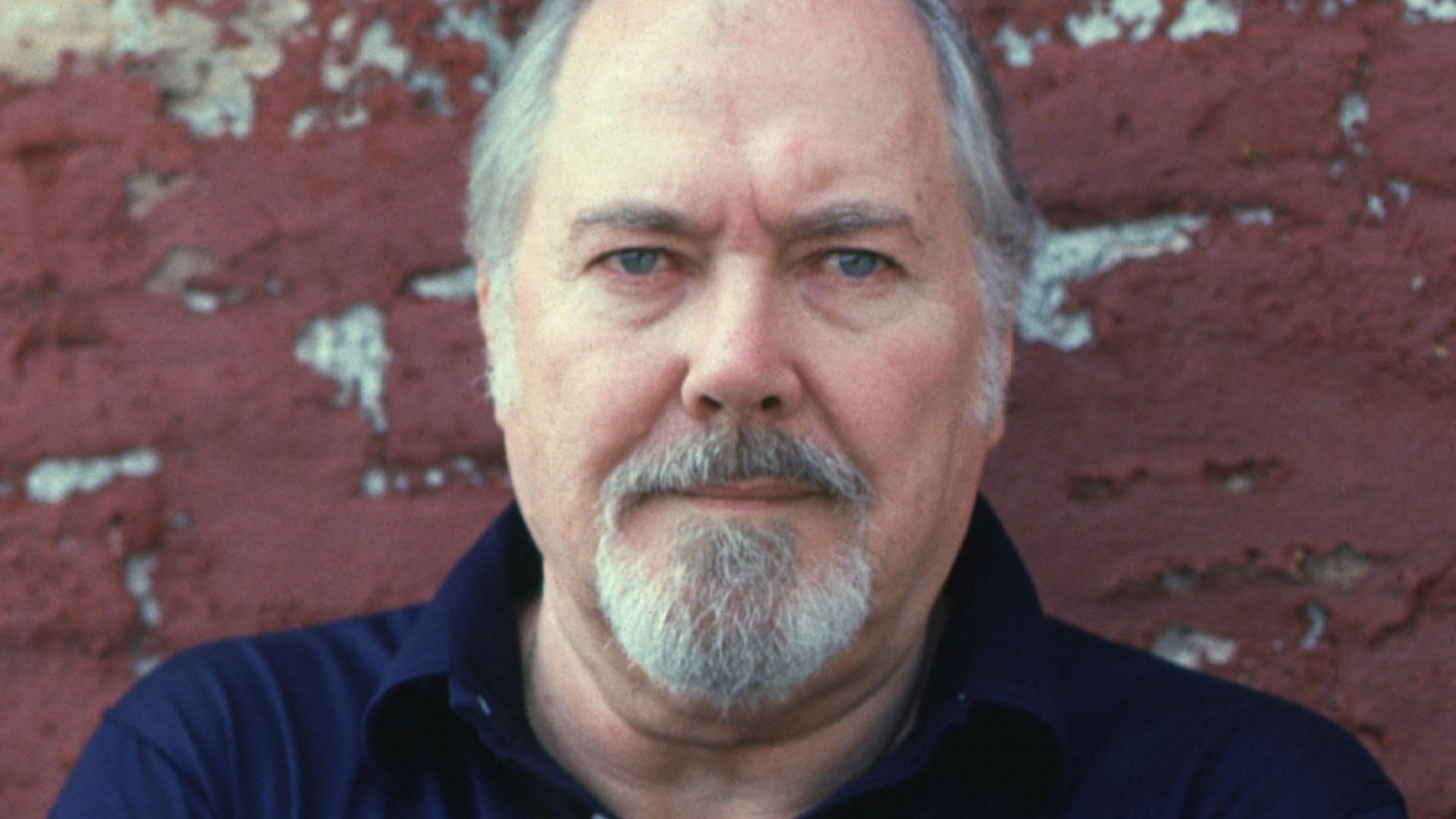 Gorup de Besanez, Wikimedia Commons
Haven Hamilton Changed His Career Again
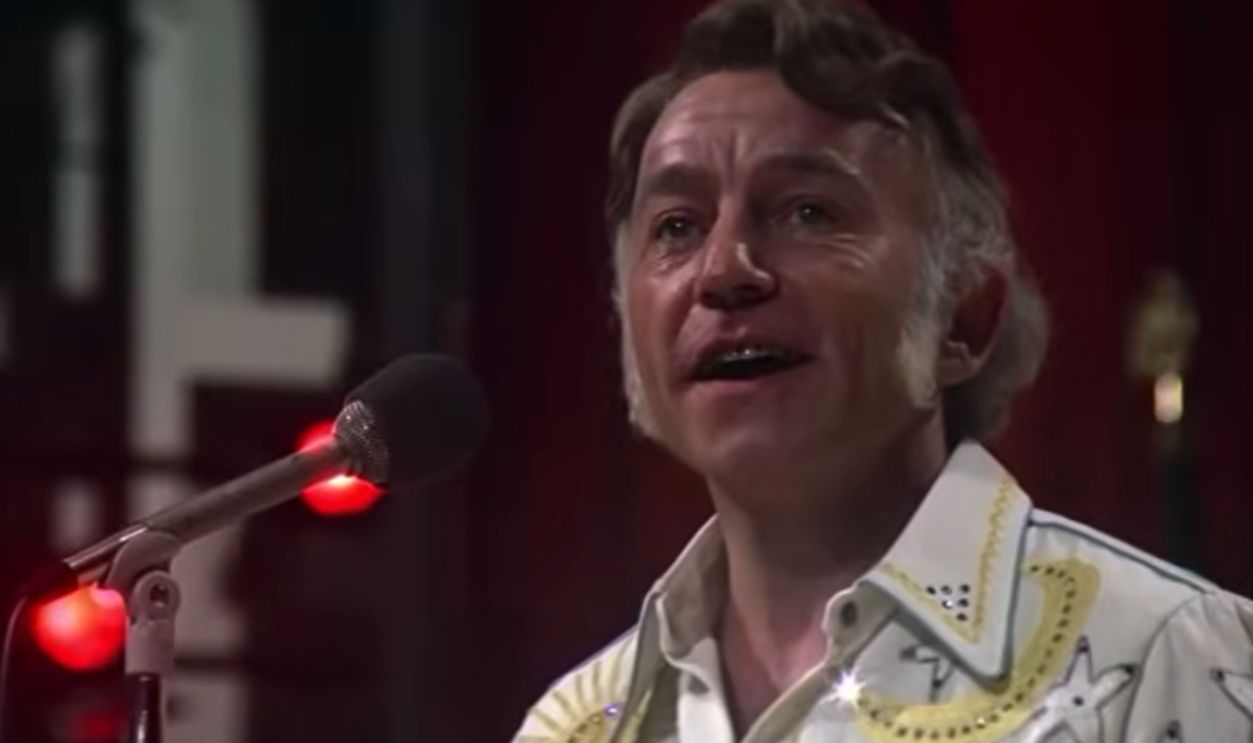
In Nashville (1975), Gibson played Haven Hamilton, a self-important country star who wrapped ambition and political influence in patriotic language. Gibson wrote much of Hamilton’s music and performed it in character. The role earned him a Golden Globe nomination and a National Society of Film Critics award.
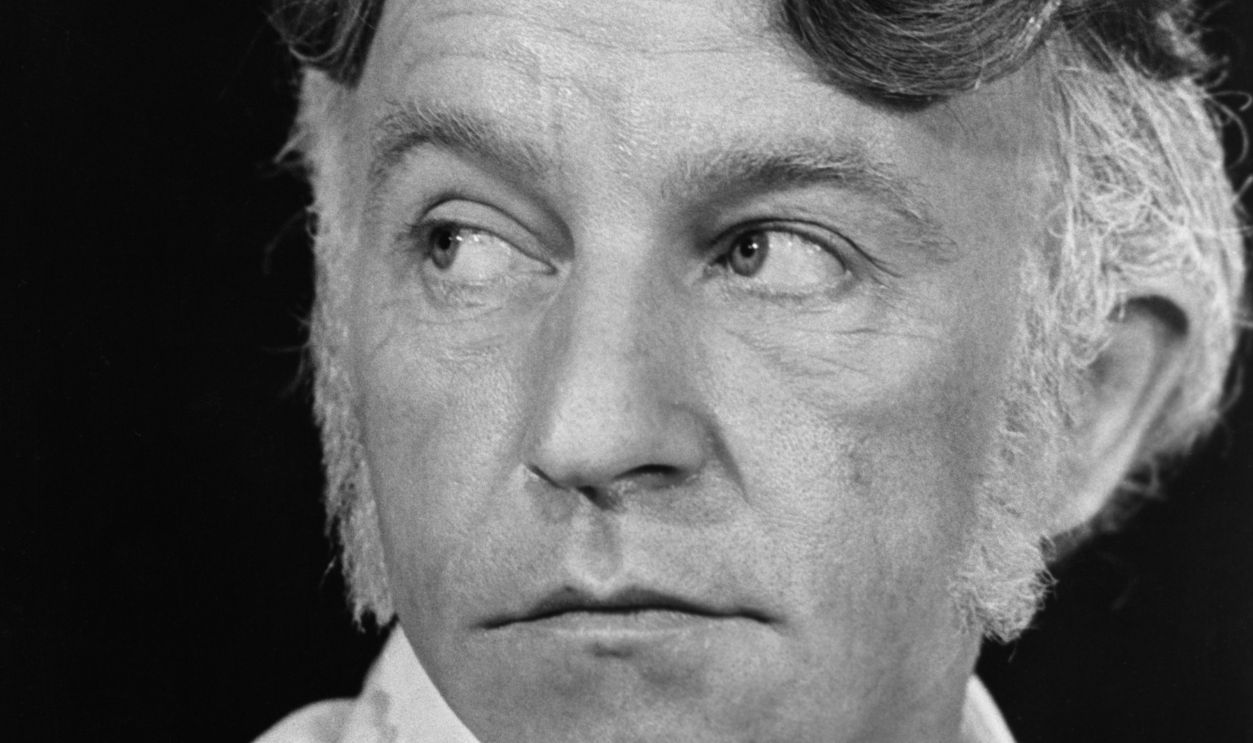 Michael Ochs Archives, Getty Images
Villains Became An Unexpected Specialty
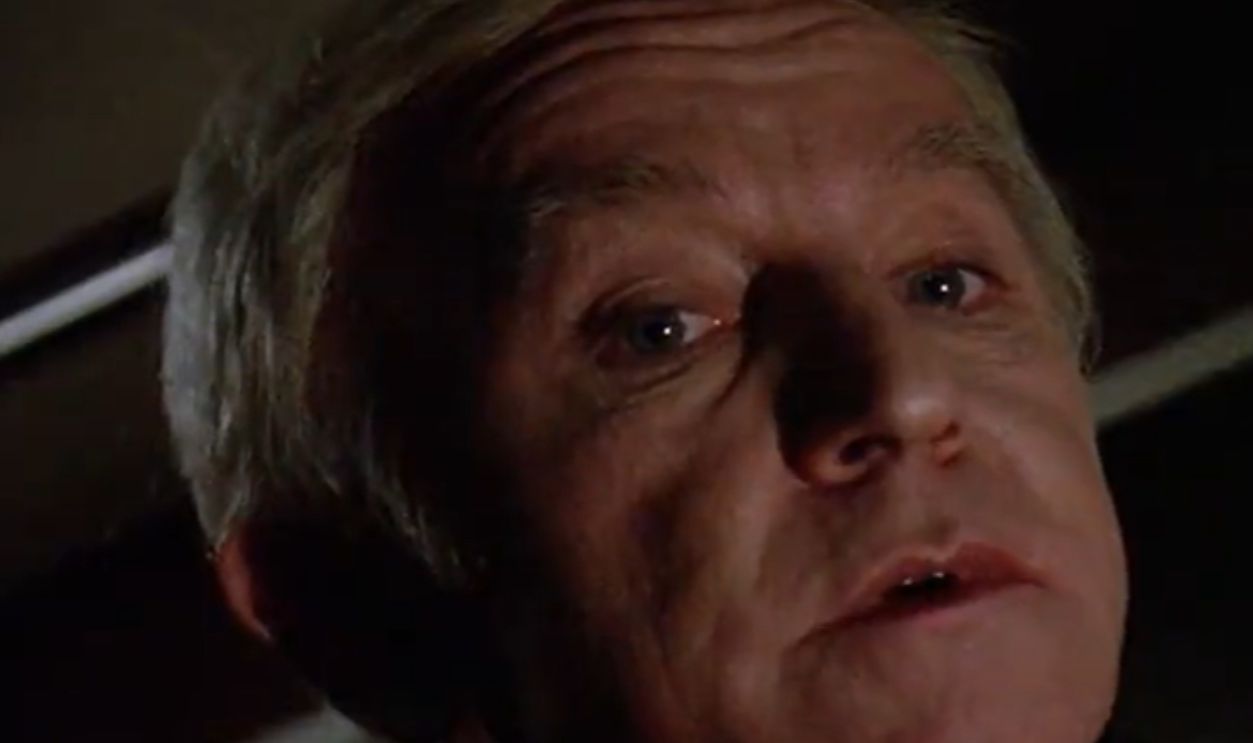
Gibson later played the leader of the Illinois Nazis in The Blues Brothers and the unsettling Dr. Klopek in The ’Burbs. His small size and mild delivery made the menace funnier—and occasionally more disturbing. Nobody expected the man with the flower to become the person everyone should fear.
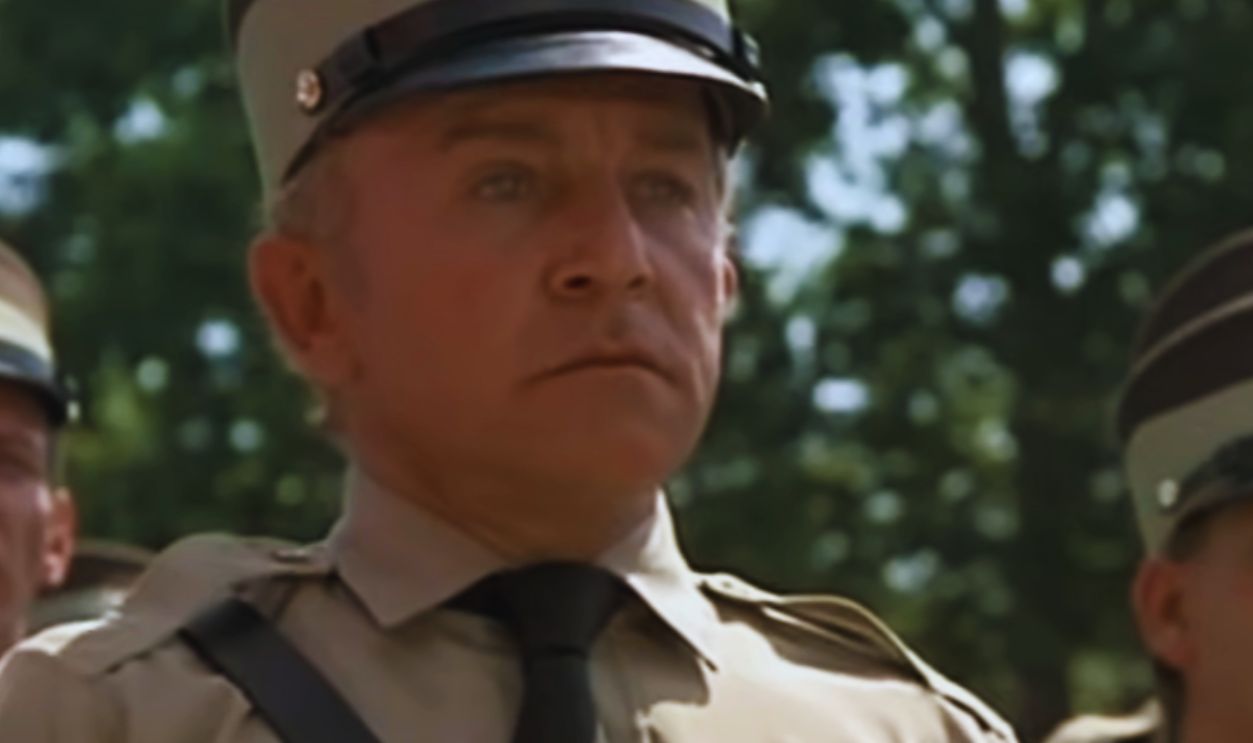 Screenshot from The Blues Brothers, NBCUniversal (1980)
He Never Stopped Finding Strange Characters
His later credits included Innerspace, Gremlins 2: The New Batch, Magnolia, Wedding Crashers, and numerous animated productions. He also provided voices for The Smurfs, King of the Hill, and other programs. Casting directors kept finding new uses for that calm, unmistakable voice.
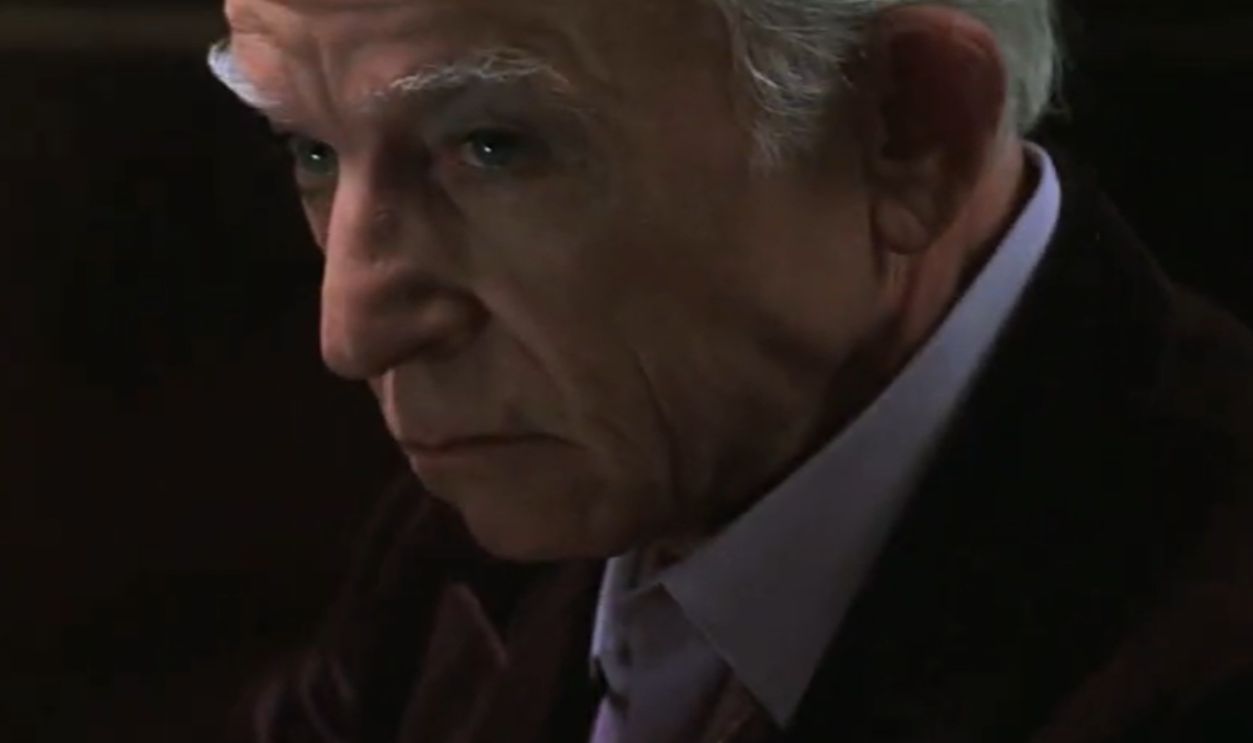 Screenshot from Magnolia, Warner Bros. Discovery (1999)
Boston Legal Gave Him A Final Showcase
From 2004 through 2008, Gibson regularly appeared as Judge Clark Brown on Boston Legal. Brown was stern, emotional, easily offended, and particularly fond of declaring things “shocking.” Decades after Laugh-In, Gibson could still make rigid authority collapse into delightful absurdity.
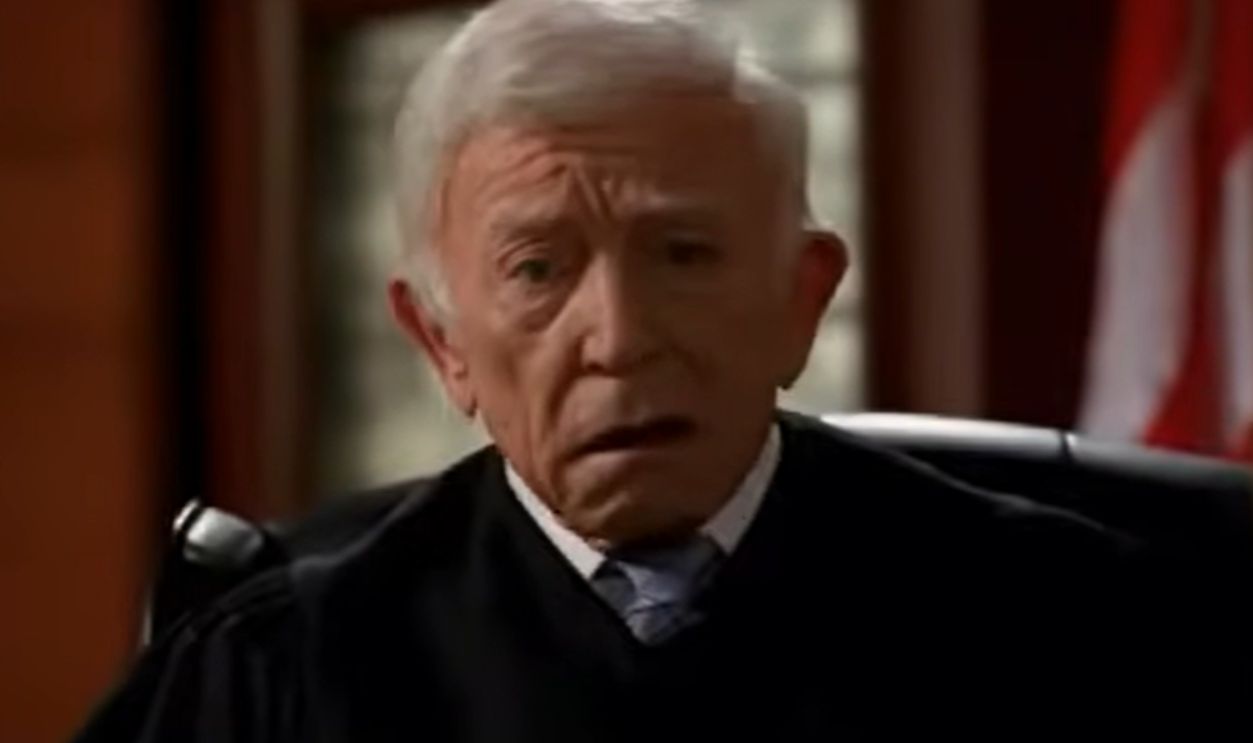 Screenshot from Boston Legal, The Walt Disney Company (2004-2008)
His Marriage Lasted More Than Four Decades
Gibson married Lois Joan Geiger in 1966, and they raised three sons: Jonathan, Charles, and James. The marriage lasted until Lois died in 2007. Away from his eccentric screen roles, Gibson maintained a comparatively private family life that rarely became part of his public image.
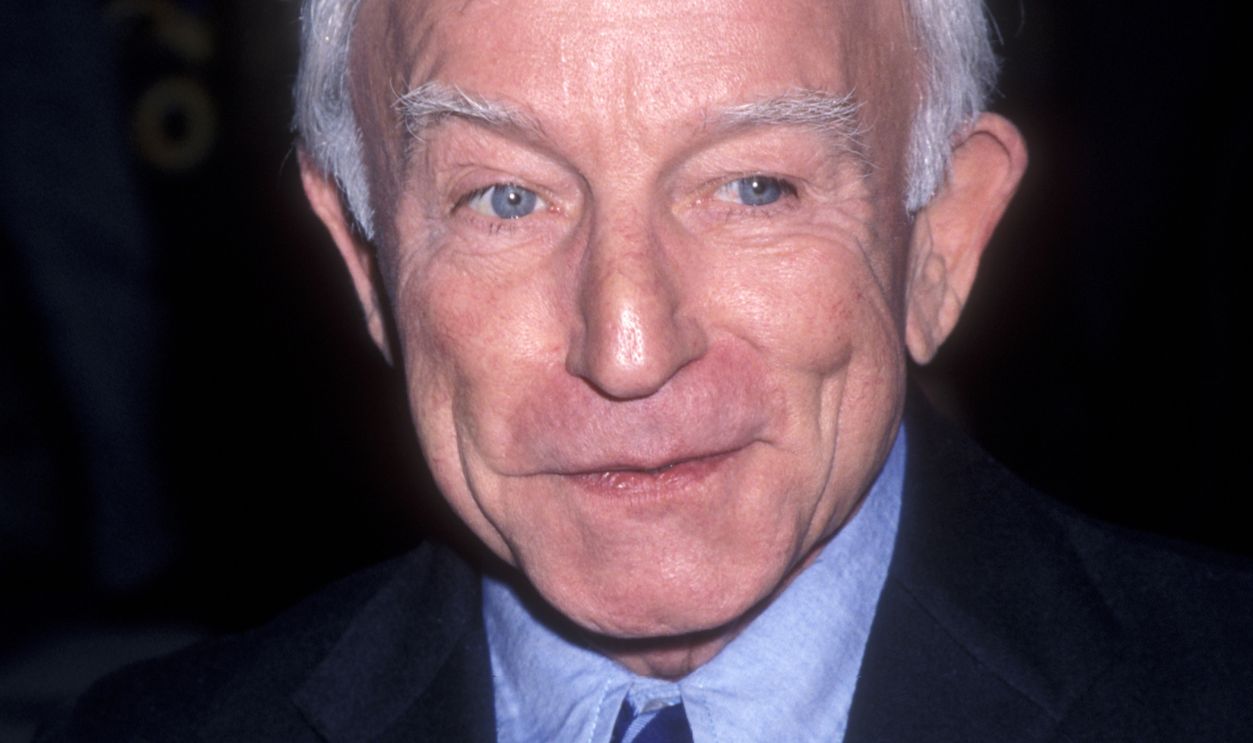 Ron Galella, Ltd., Getty Images
Henry Gibson Took His Final Bow
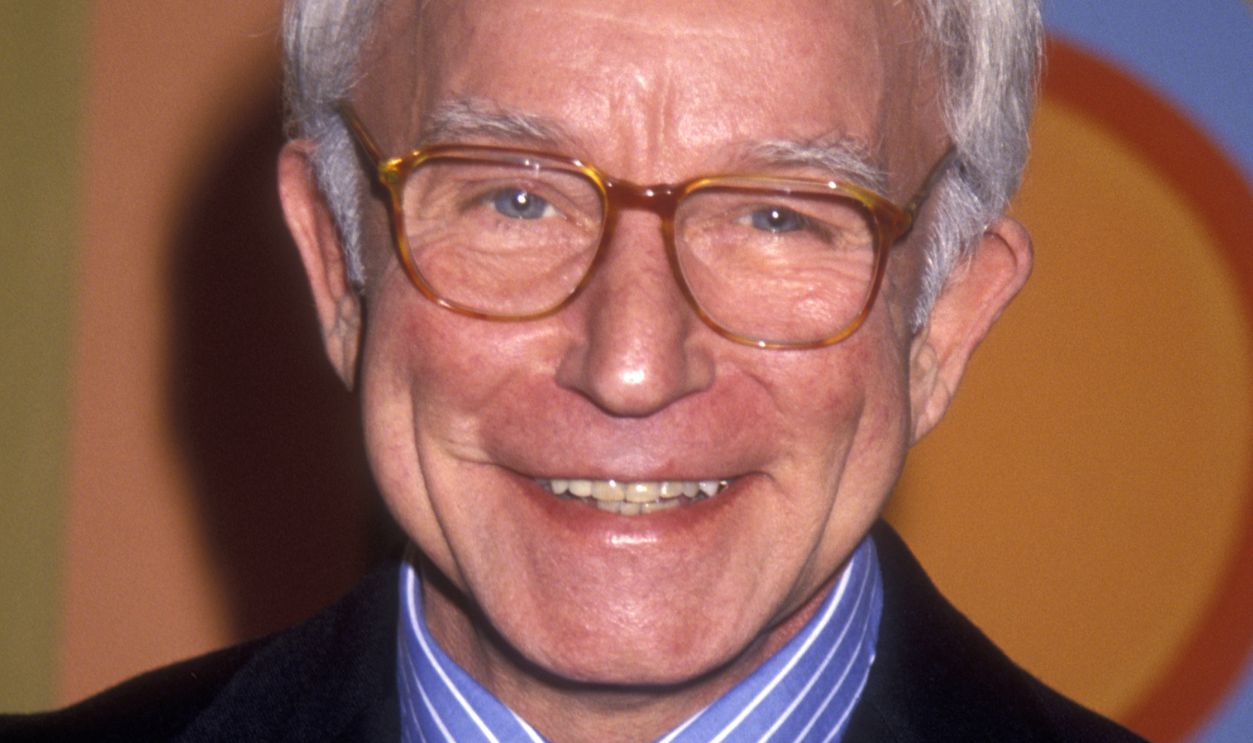
Gibson died at his Malibu home on September 14, 2009, after a short battle with cancer. He was 73, just one week short of his 74th birthday. Tributes remembered the actor, songwriter, father, and friend—but nearly everyone pictured that enormous flower first.
 Ron Galella, Ltd., Getty Images
The Little Poems Opened A Very Big Door
Henry Gibson entered Laugh-In as a curious poet with a Southern accent and left as a nationally recognized star. The poems lasted seconds, but they revealed everything he needed: original writing, perfect timing, and complete commitment. For Gibson, one giant flower opened a career that lasted more than four decades.
 Michael Ochs Archives, Getty Images
You May Also Like: