The Spy Hiding In America’s Living Rooms
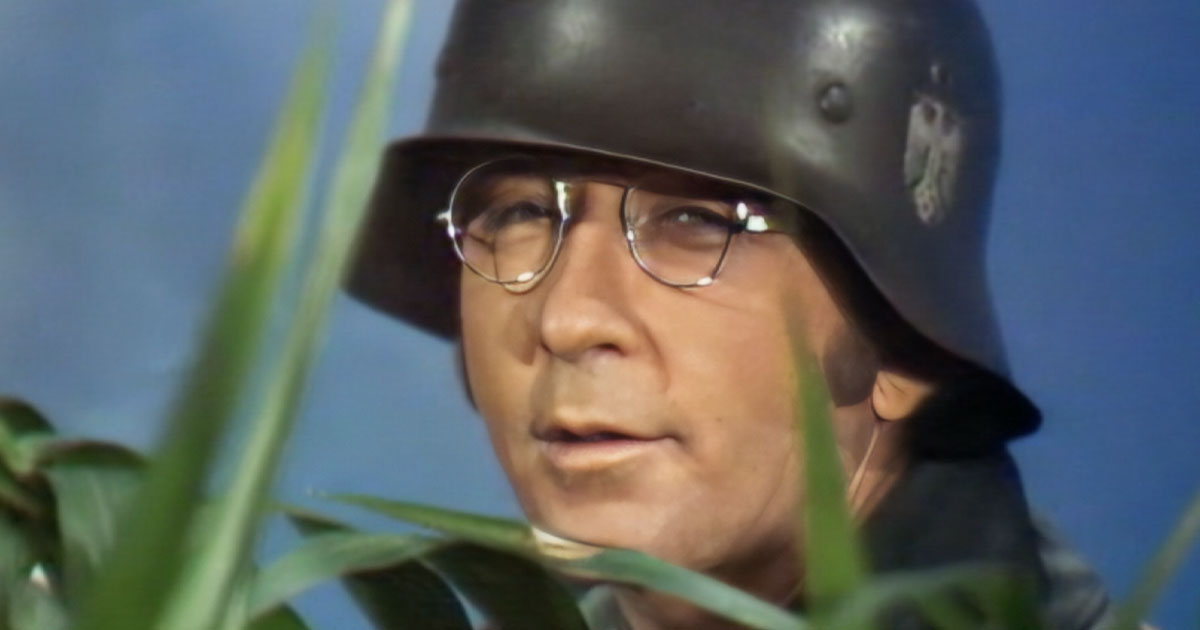
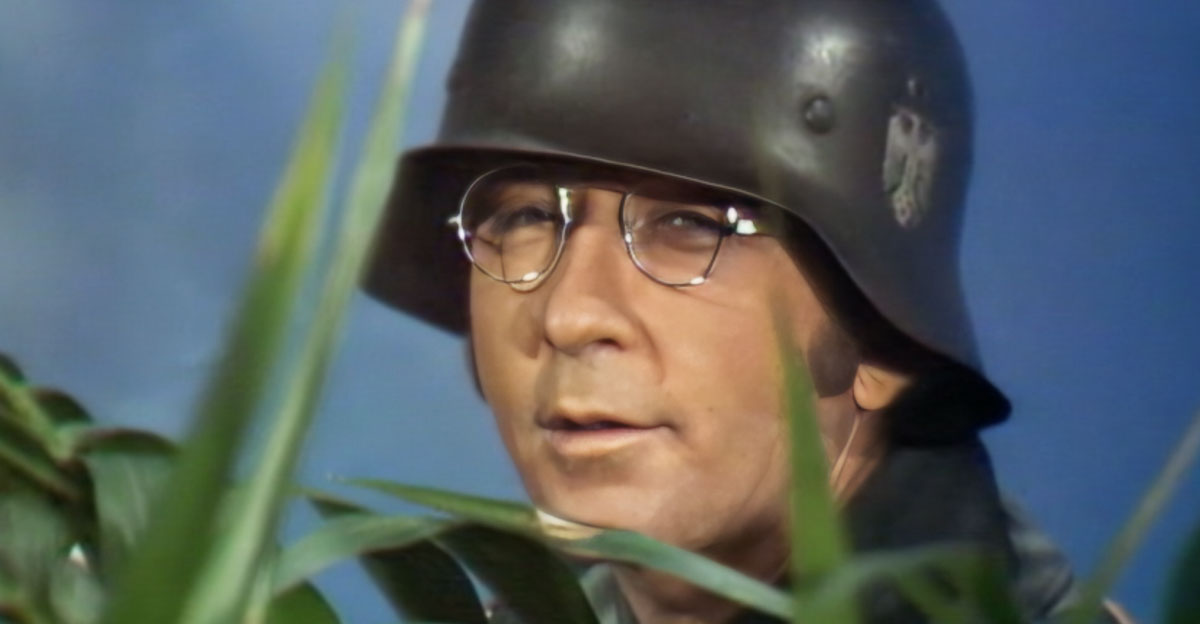
Arte Johnson needed only a German helmet, a smoke, and a suspicious-looking shrub to steal an entire television show. His bumbling soldier Wolfgang became one of Laugh-In’s most recognizable characters—but turning a Nazi into a lovable comedy favorite carried a controversy that became harder to ignore with time.
 NBC, Rowan & Martin's Laugh-In (1968-1973)
A Comedian From The Midwest
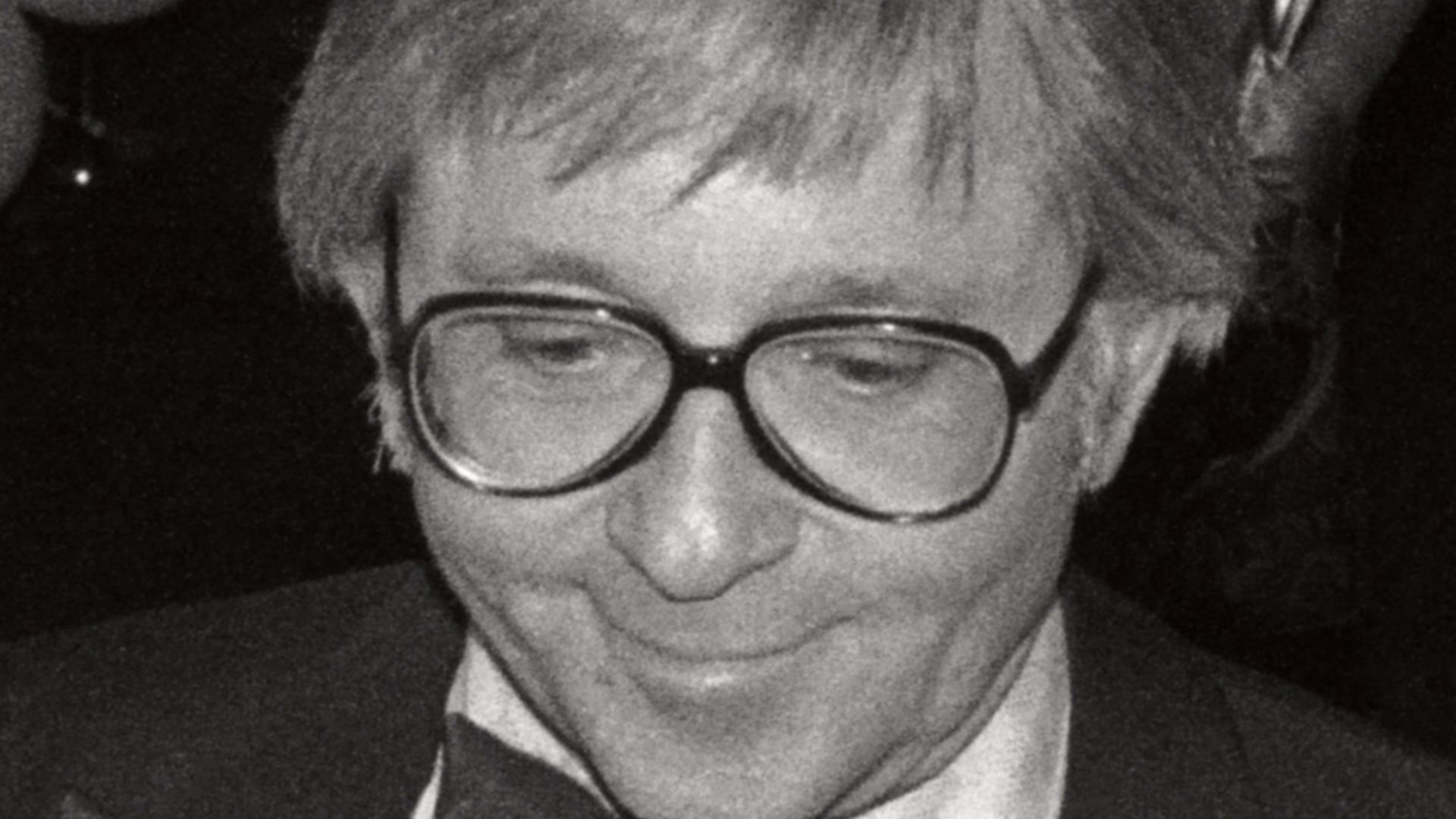
Arthur Stanton Eric Johnson was born on January 20, 1929, in Benton Harbor, Michigan, and grew up in Chicago. Long before television audiences knew his exaggerated accents and elastic expressions, Johnson was developing the observational skills that would eventually transform him into a one-man comedy ensemble.
Comedy Ran In The Family
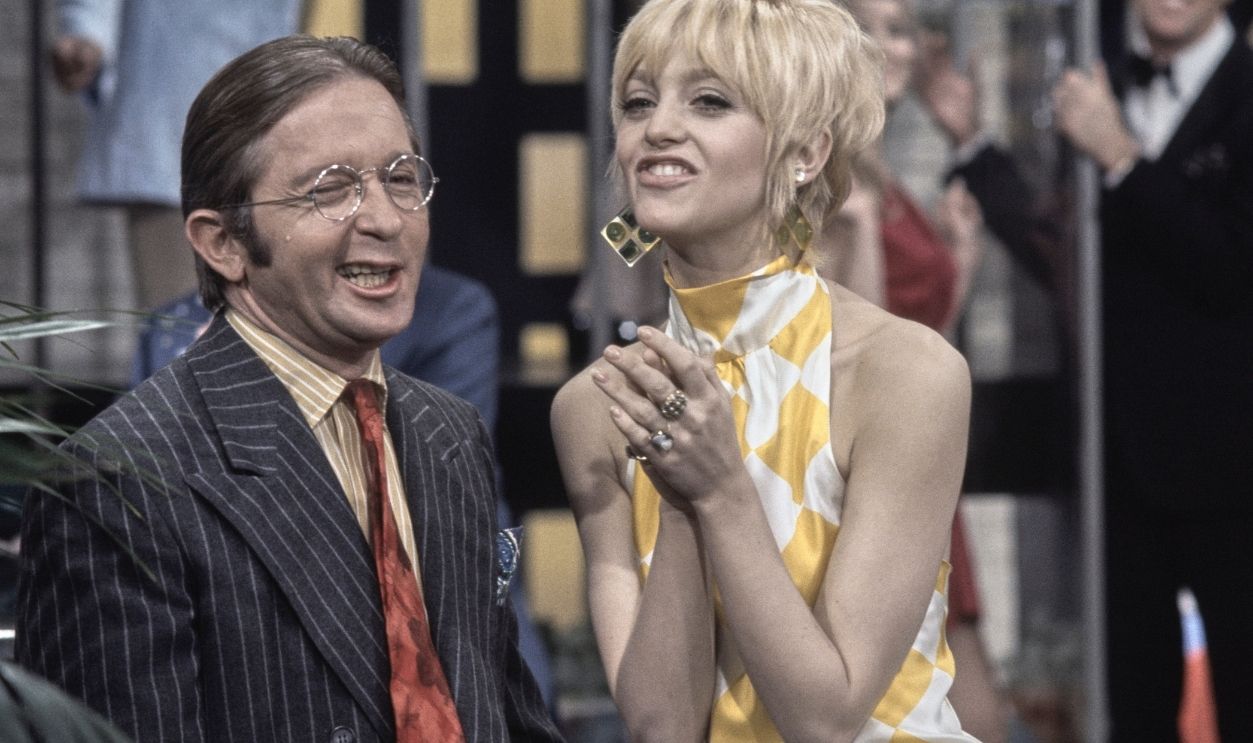
Johnson attended the University of Illinois, where he studied radio journalism, participated in campus radio, and performed with the university’s theater guild. His younger brother, Coslough Johnson, followed him into entertainment and eventually became a writer on Laugh-In, making the program something of a family operation.
 Michael Ochs Archives, Getty Images
His First Plan Was Far More Sensible
After graduating in 1949, Johnson pursued work in advertising before moving to New York and taking a job with the publishing company Viking Press. It was respectable, literary, and considerably less likely to involve a German soldier hiding inside someone’s landscaping.
 NBC Television, Wikimedia Commons
An Audition Changed Everything
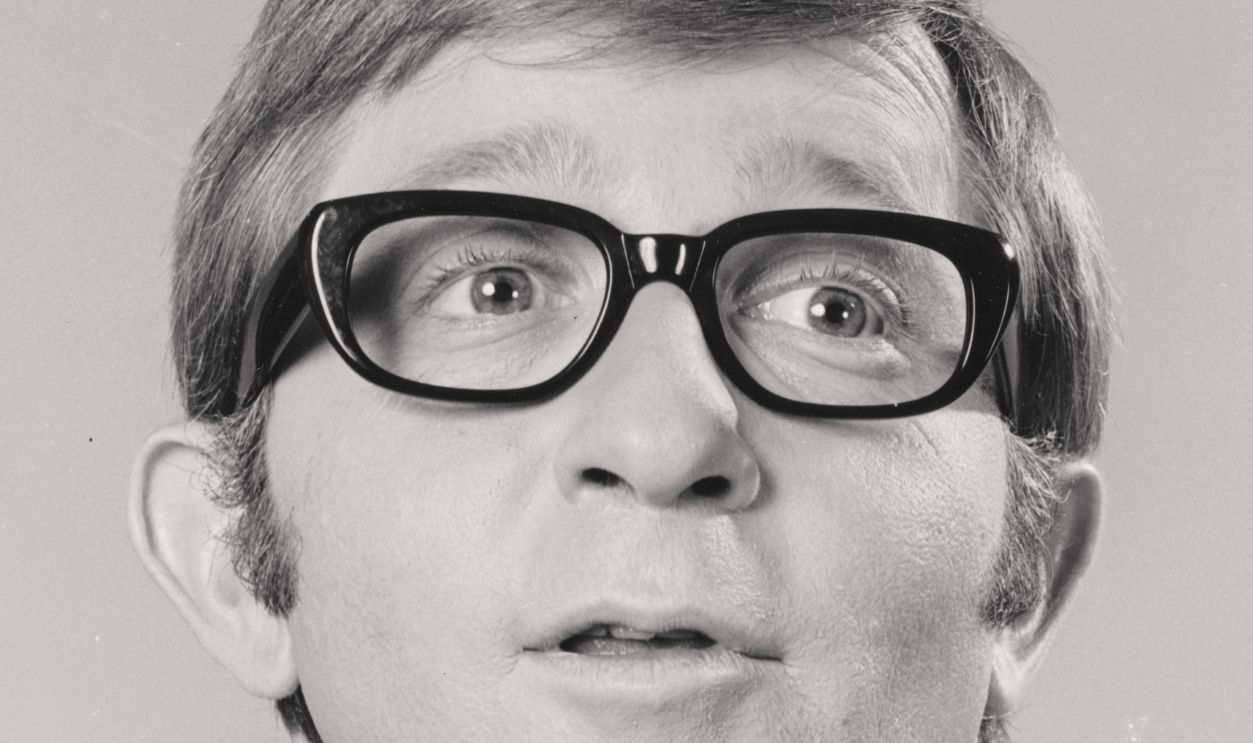
According to accounts of his early career, Johnson unexpectedly joined an audition line and earned a role in a revival of Gentlemen Prefer Blondes. The experience helped redirect him toward performance, where his small stature, expressive face, and gift for voices made him impossible to overlook for long.
Television Slowly Discovered Him
Johnson spent years appearing in nightclubs, theatrical revues, and television programs. His early credits included The Twilight Zone, Bewitched, The Dick Van Dyke Show, The Andy Griffith Show, Dr. Kildare, and Lost in Space. He was working steadily—but he had not yet found the character who would follow him forever.
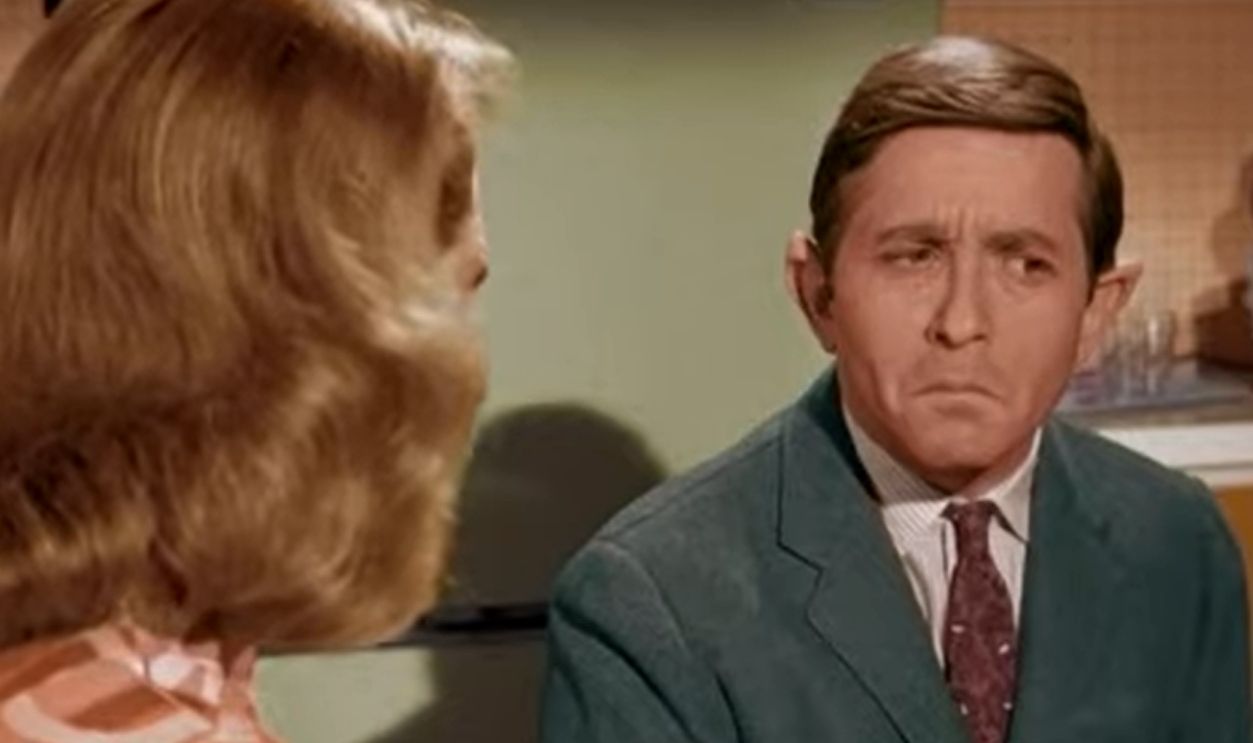 Screenshot from Bewitched, ABC (1964–1972)
He Was Already Perfecting Sinister Comedy
In the 1967 satire The President’s Analyst, Johnson played a government agent whose unquestioning obedience made him both funny and unsettling. That mixture—menace drained of its power through absurdity—would soon become central to his most famous creation.
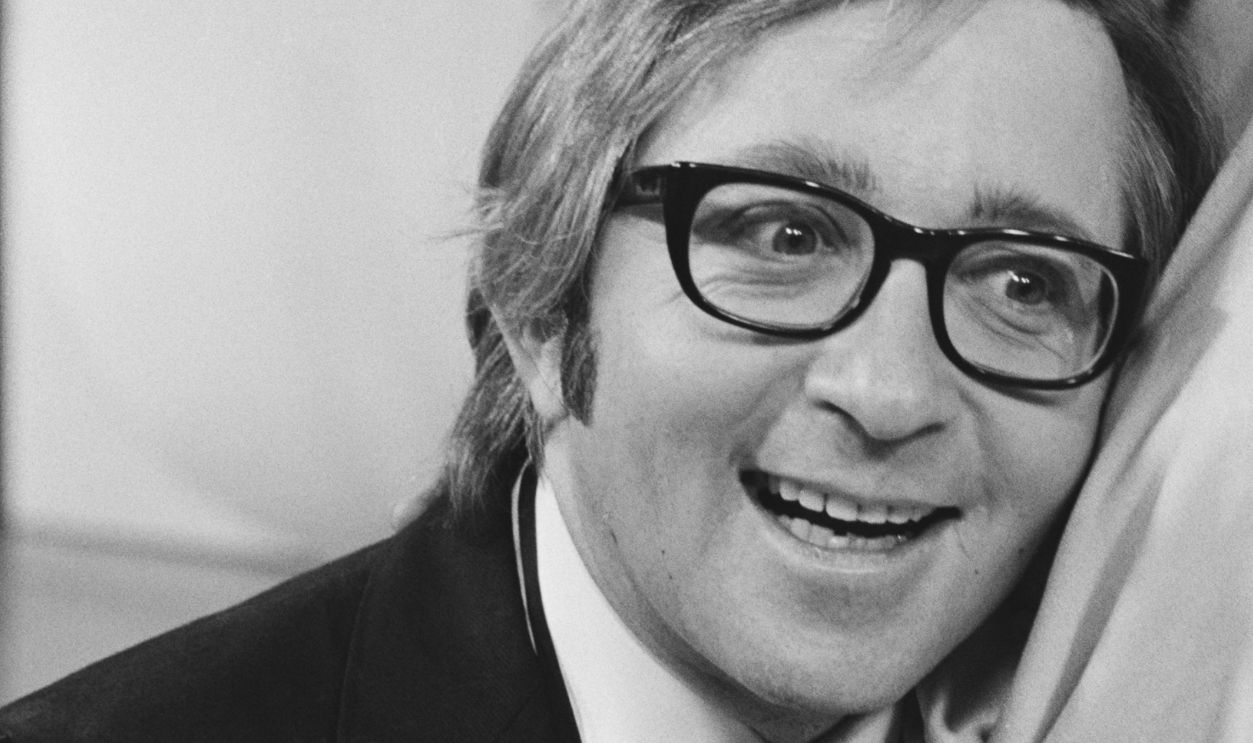
Laugh-In Arrived At Exactly The Right Moment
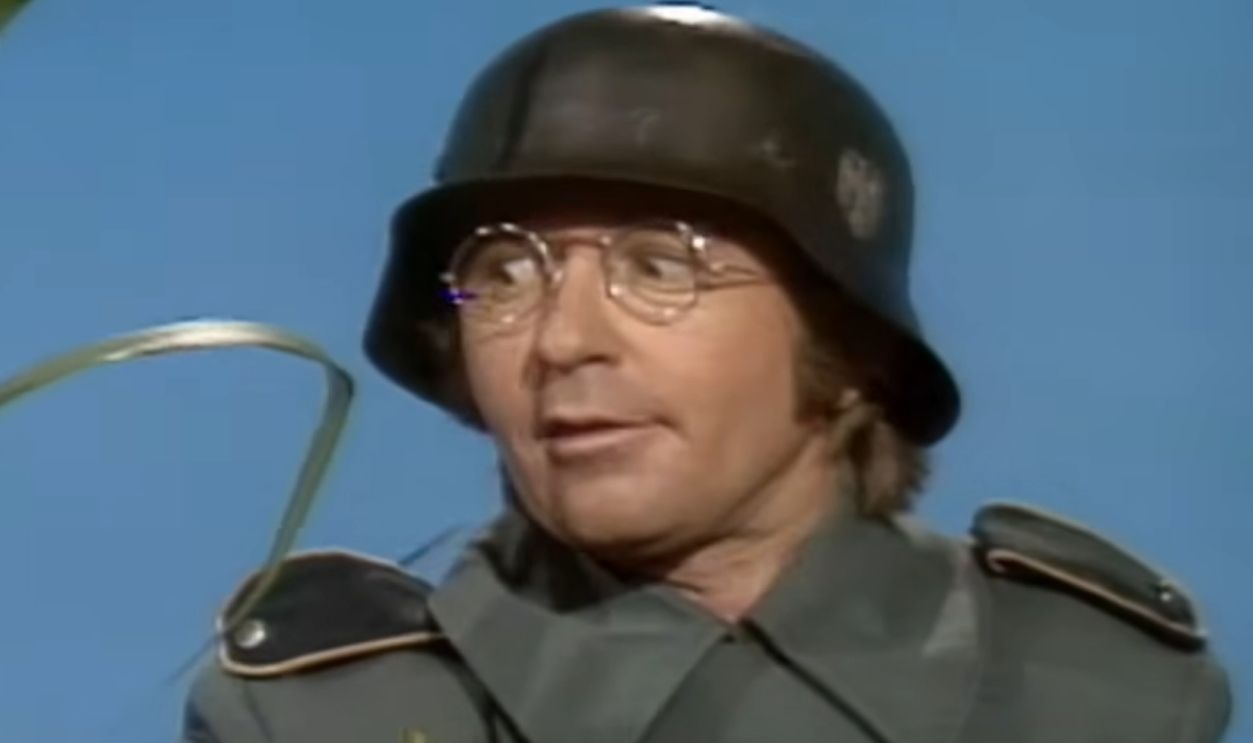
Rowan & Martin’s Laugh-In premiered as a weekly series on NBC on January 22, 1968. Its frantic collection of jokes, political satire, quick edits, celebrity cameos, and brightly painted bodies looked unlike almost anything else on television.
 Screenshot from Rowan & Martin's Laugh-In, NBC (1968–1973)
The Show Never Sat Still
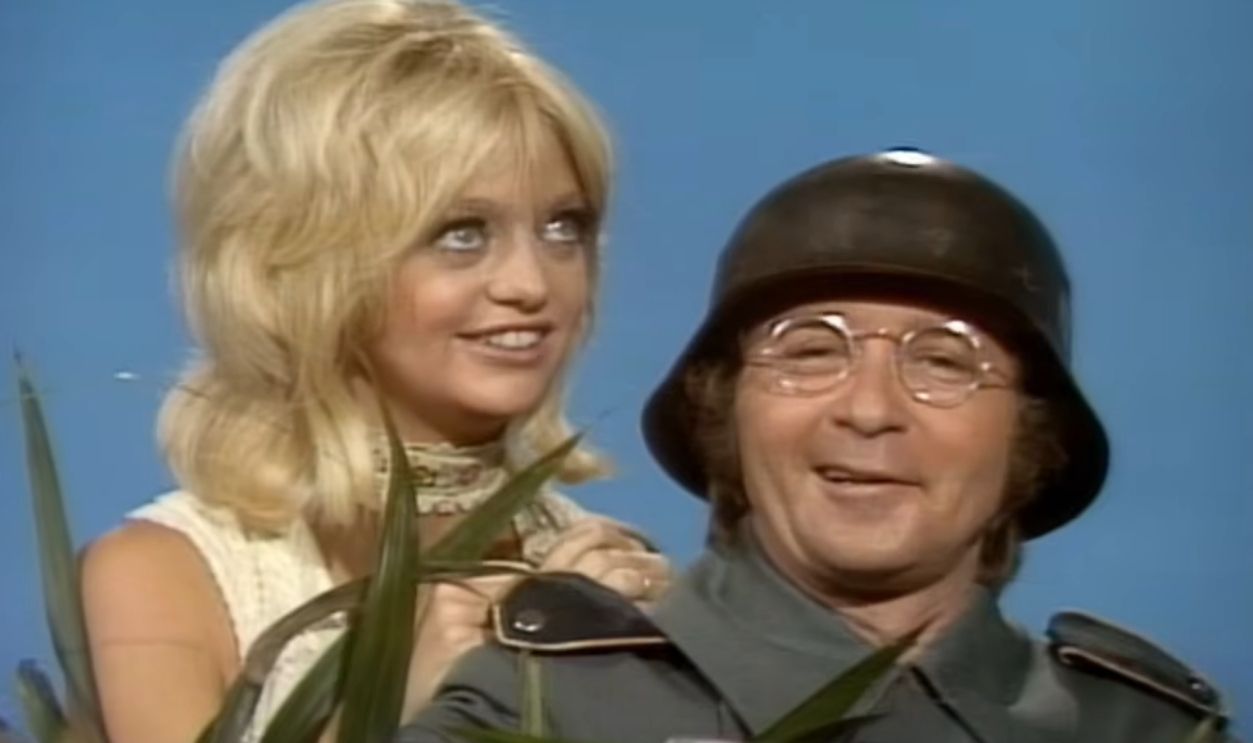
A typical episode could jump from a political joke to a musical performance and then to a cast member falling through a trapdoor. Goldie Hawn giggled, Ruth Buzzi swung her purse, and Lily Tomlin later operated a telephone switchboard. Johnson simply waited in the bushes.
 Screenshot from Rowan & Martin's Laugh-In, NBC (1968–1973)
Then Wolfgang Appeared
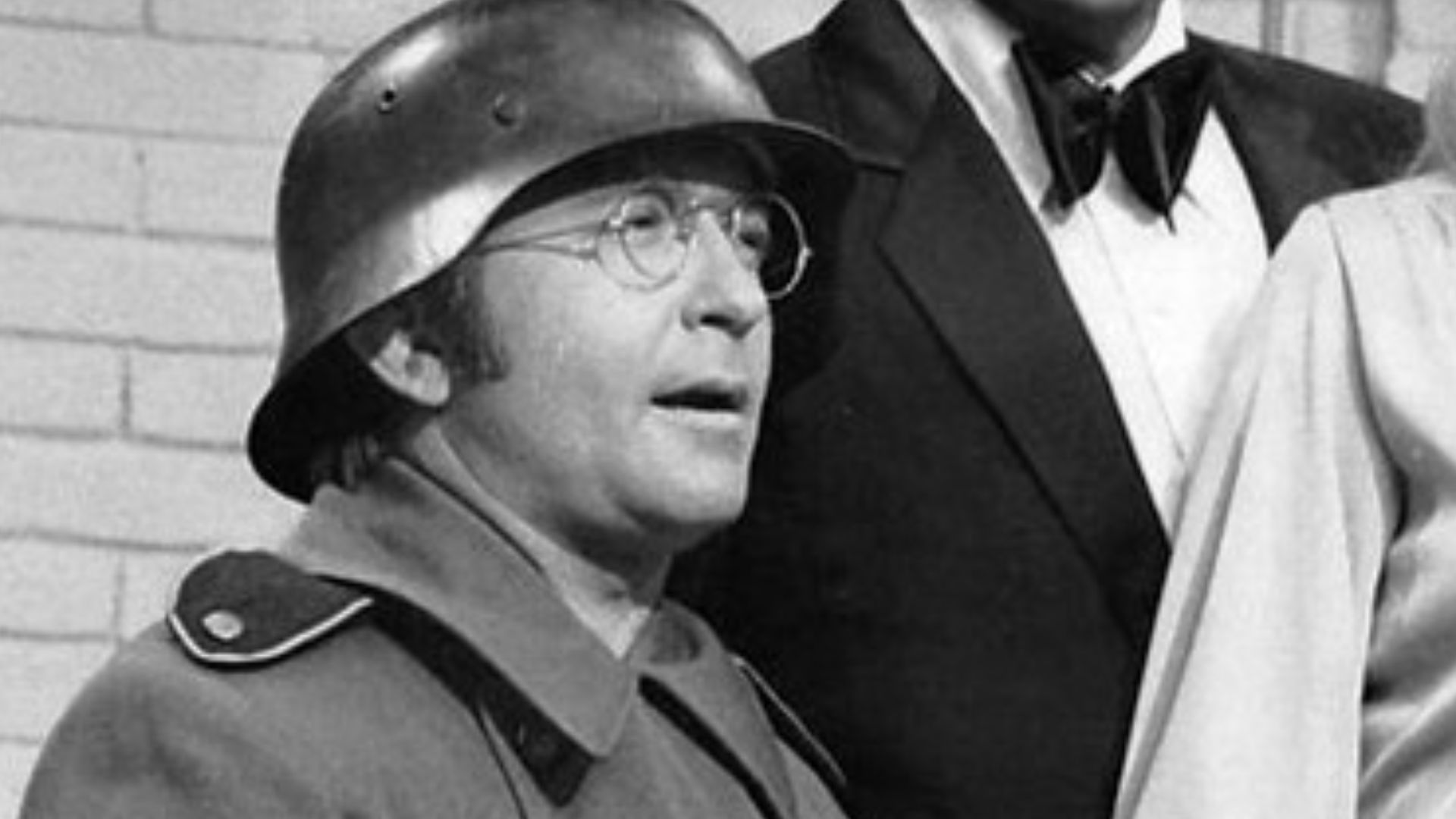
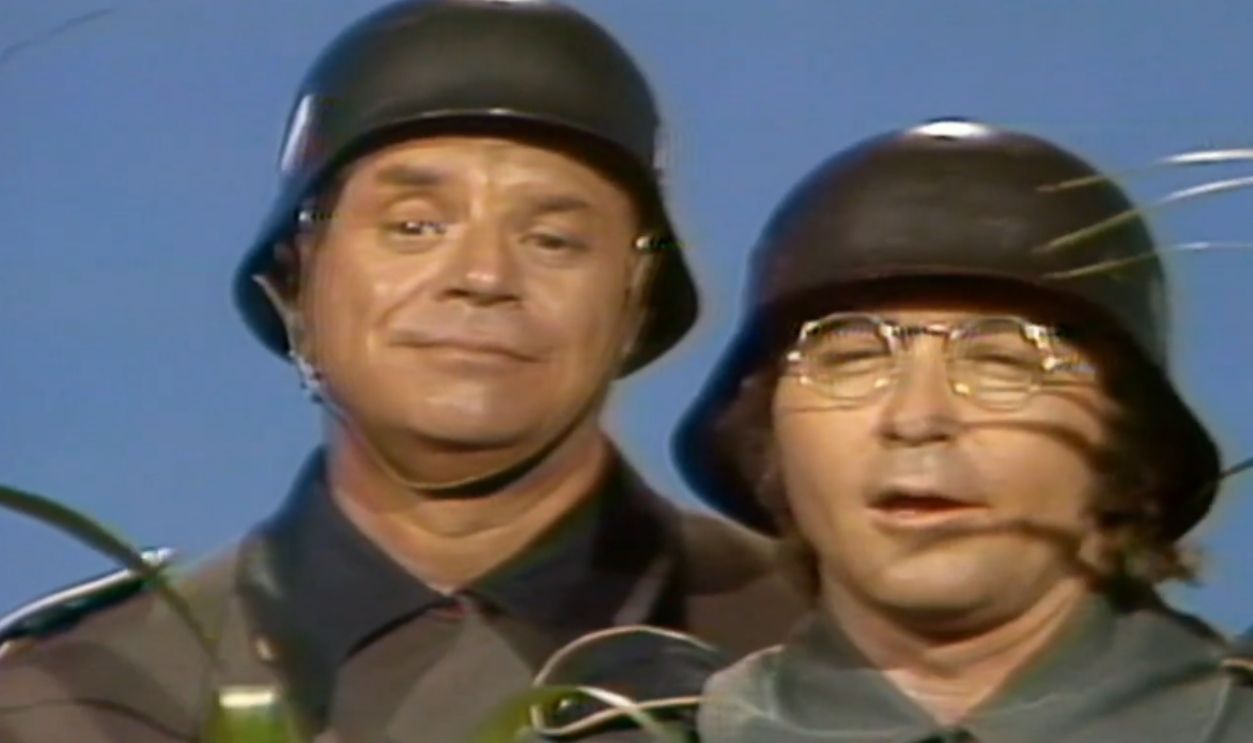
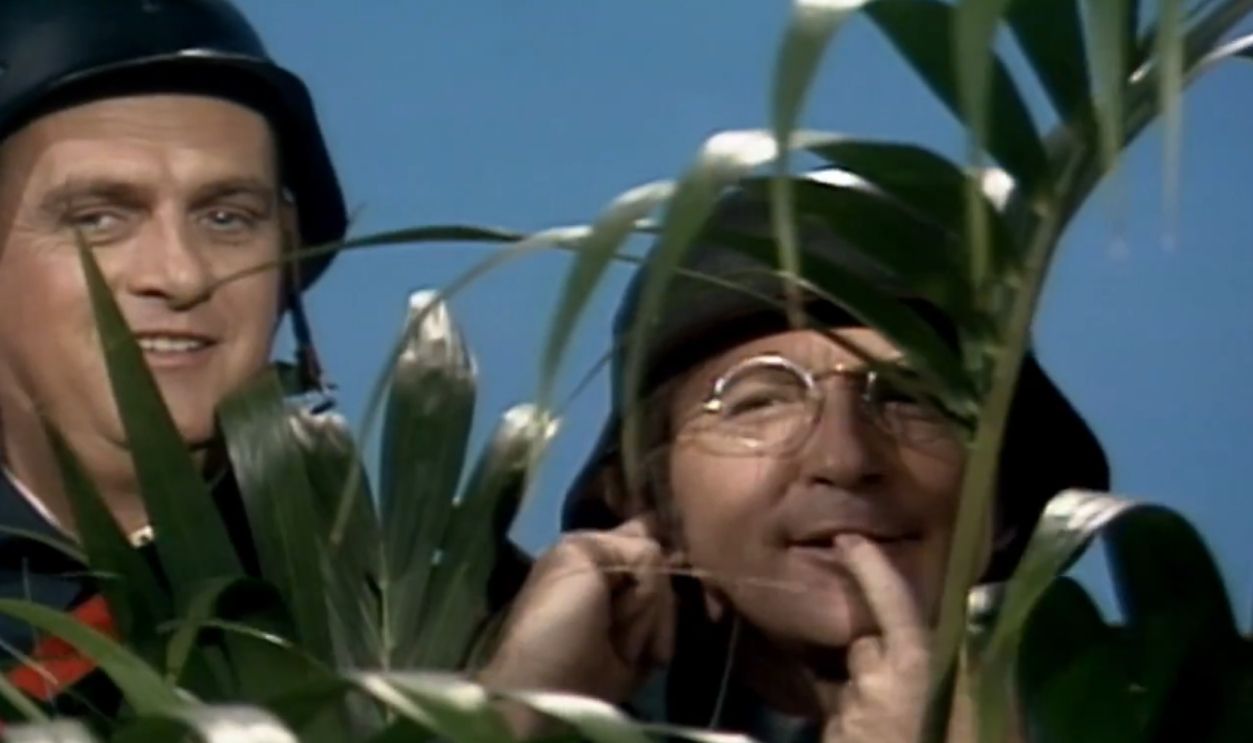
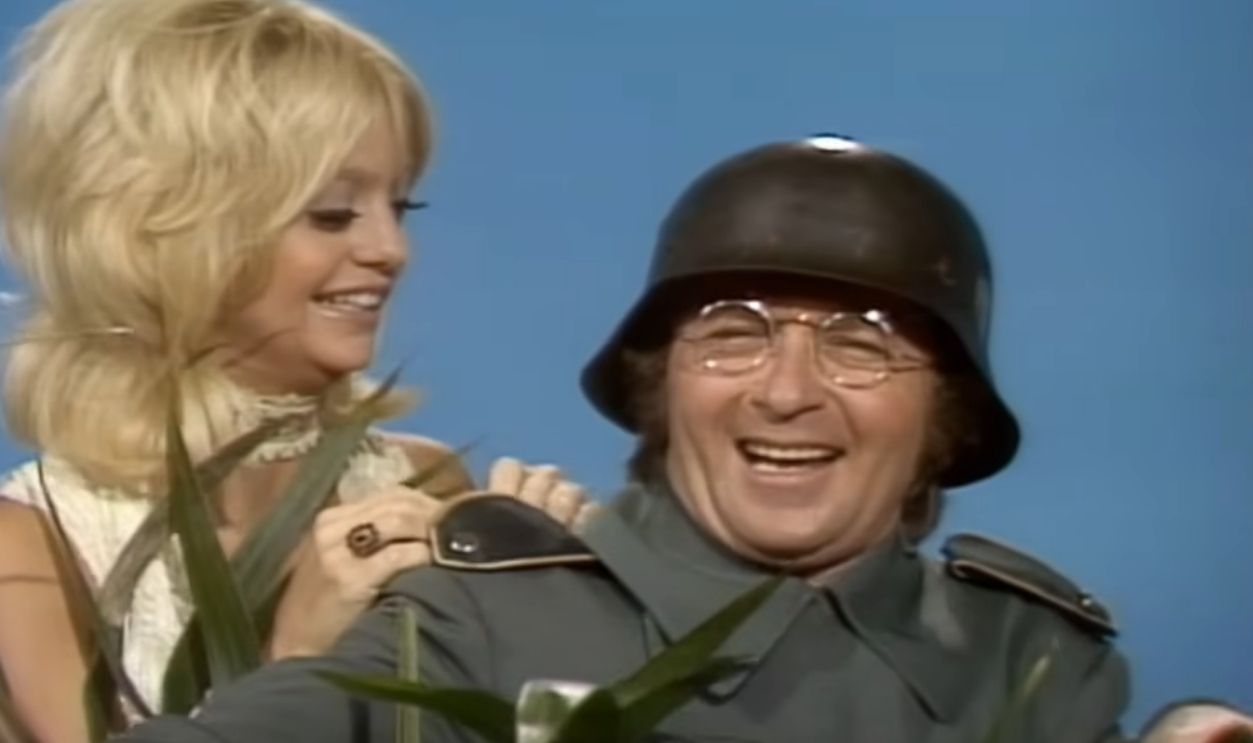
Wearing a German military helmet and speaking in an exaggerated accent, Wolfgang lurked behind foliage as though he were secretly gathering intelligence. The bewildered soldier appeared to believe that WWII was still underway—an impressive intelligence failure considering that the war had ended more than two decades earlier.
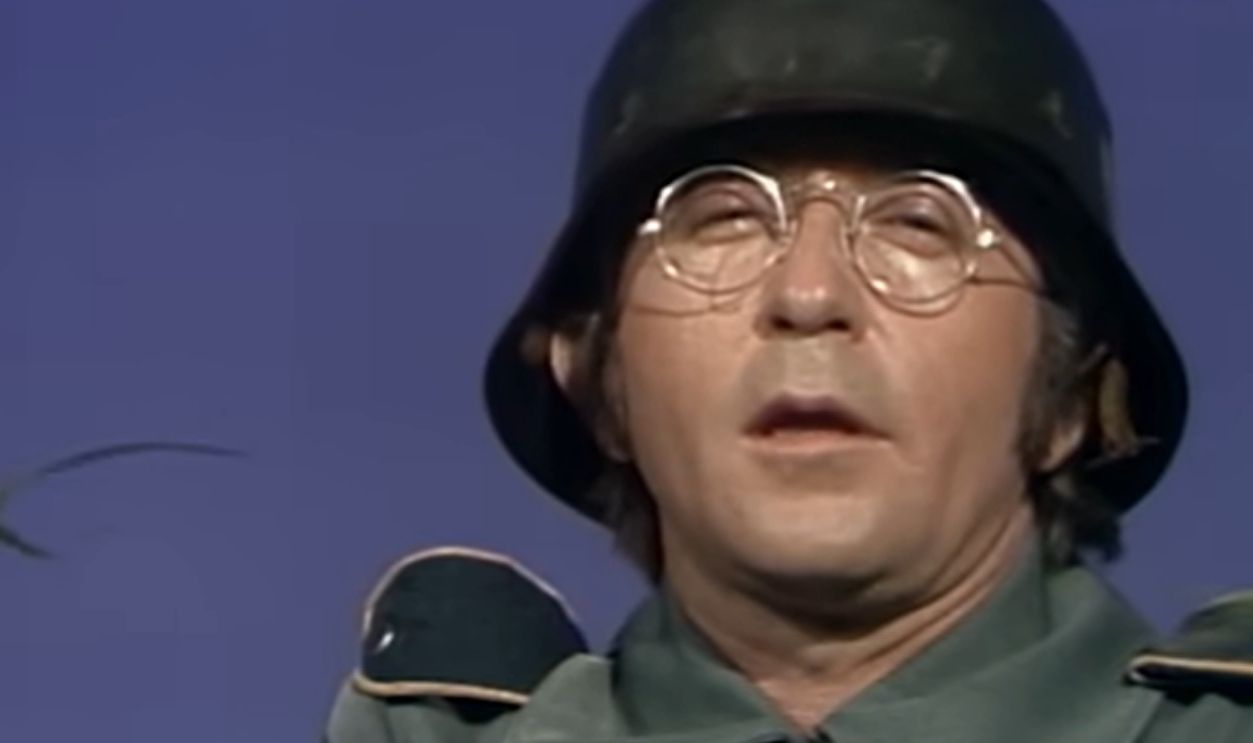 Screenshot from Rowan & Martin's Laugh-In, NBC (1968–1973)
He Only Needed A Few Words
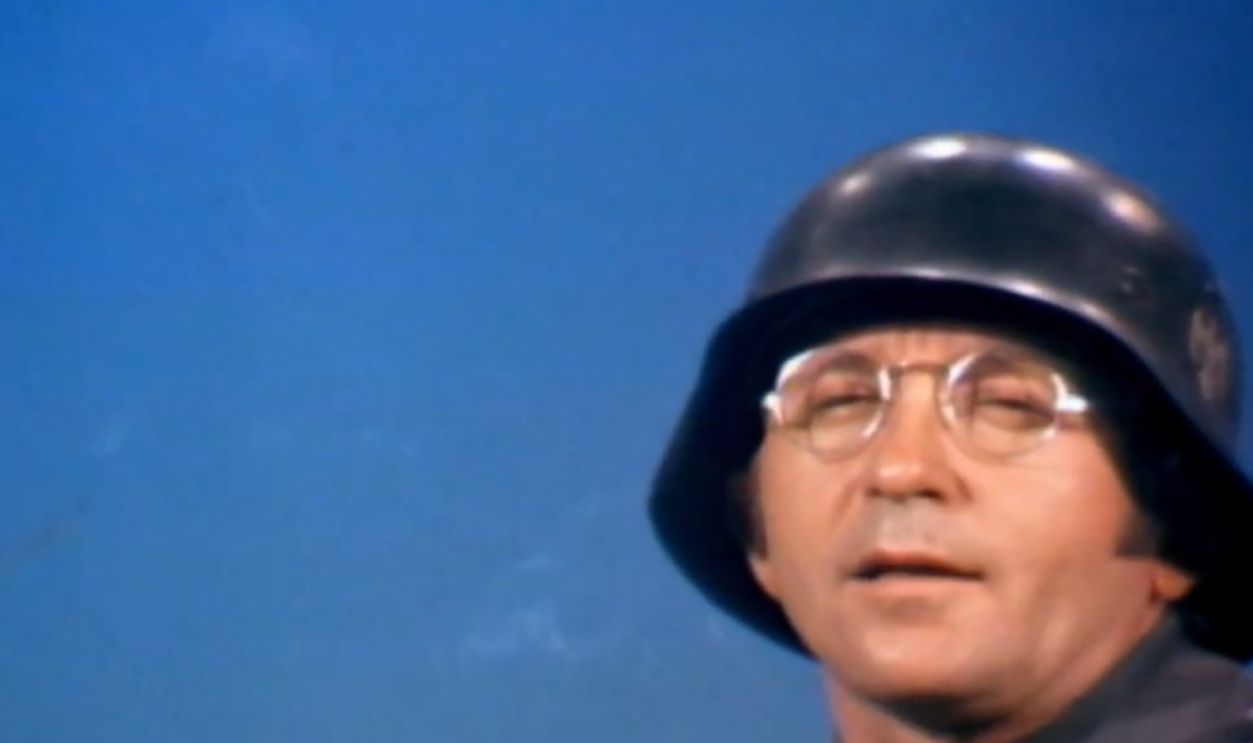
After observing whatever madness had just unfolded, Wolfgang slowly leaned forward and announced, “Verrrry interesting.” Sometimes he added a peculiar observation. At other times, he delivered the devastating conclusion that practically became a national catchphrase: “But stupid!”
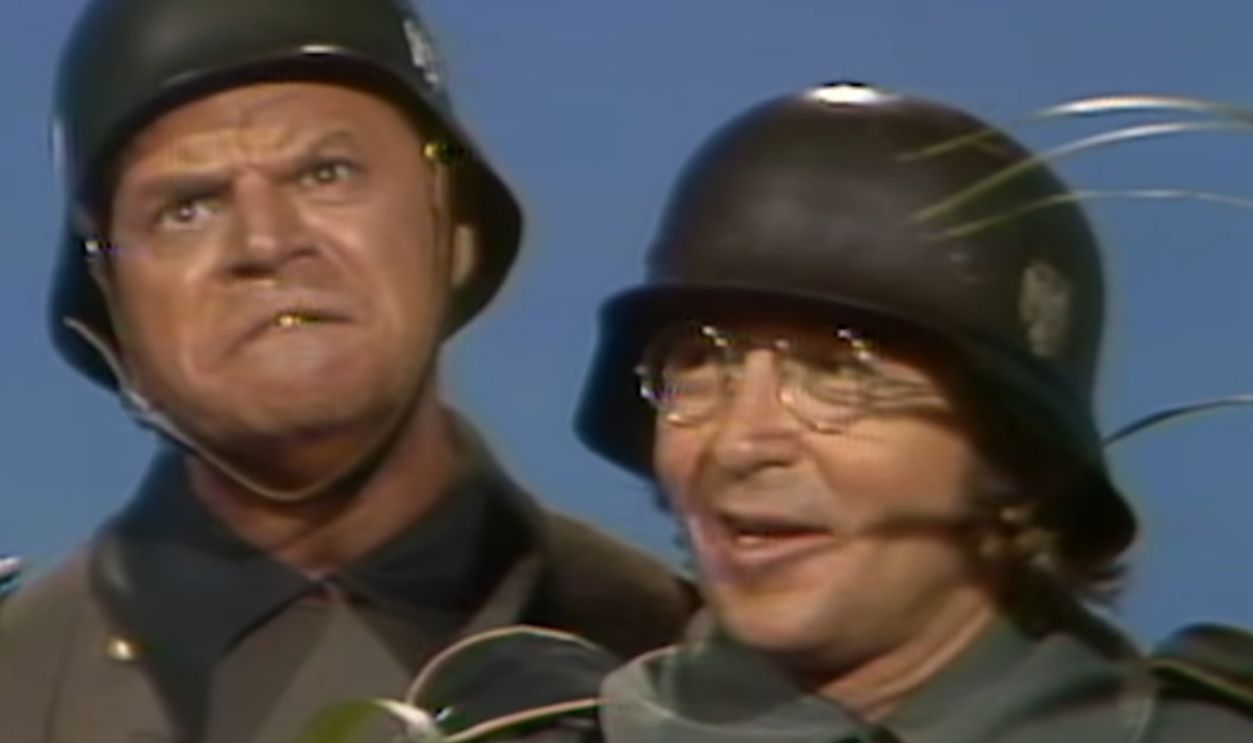 Screenshot from Rowan & Martin's Laugh-In, NBC (1968–1973)
The Phrase Had A Darker Origin
Johnson said the delivery was inspired by the 1942 wartime film Desperate Journey. In that movie, a Nazi interrogator repeatedly described information as “very interesting.” Johnson exaggerated the voice, stretched the words nearly beyond recognition, and converted an intimidating line into televised nonsense.
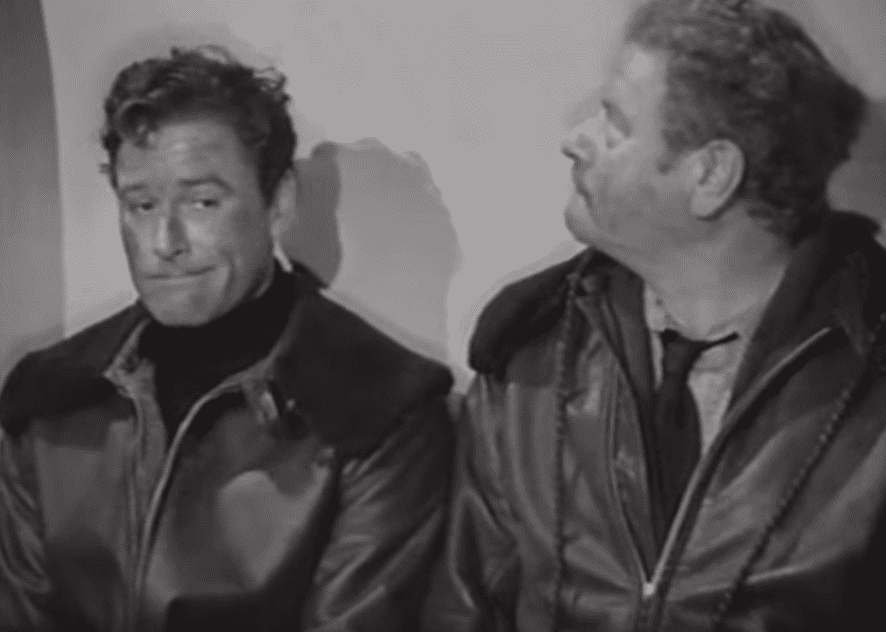 Screenshot from Desperate Journey, Warner Bros. Pictures (1942)
Wolfgang Was A Terrible Spy
The character’s incompetence was essential to the joke. Wolfgang did not seem capable of discovering anything genuinely useful, nor did he understand the country he was supposedly watching. He was an agent of a defeated regime who had somehow failed to notice that his side had lost.
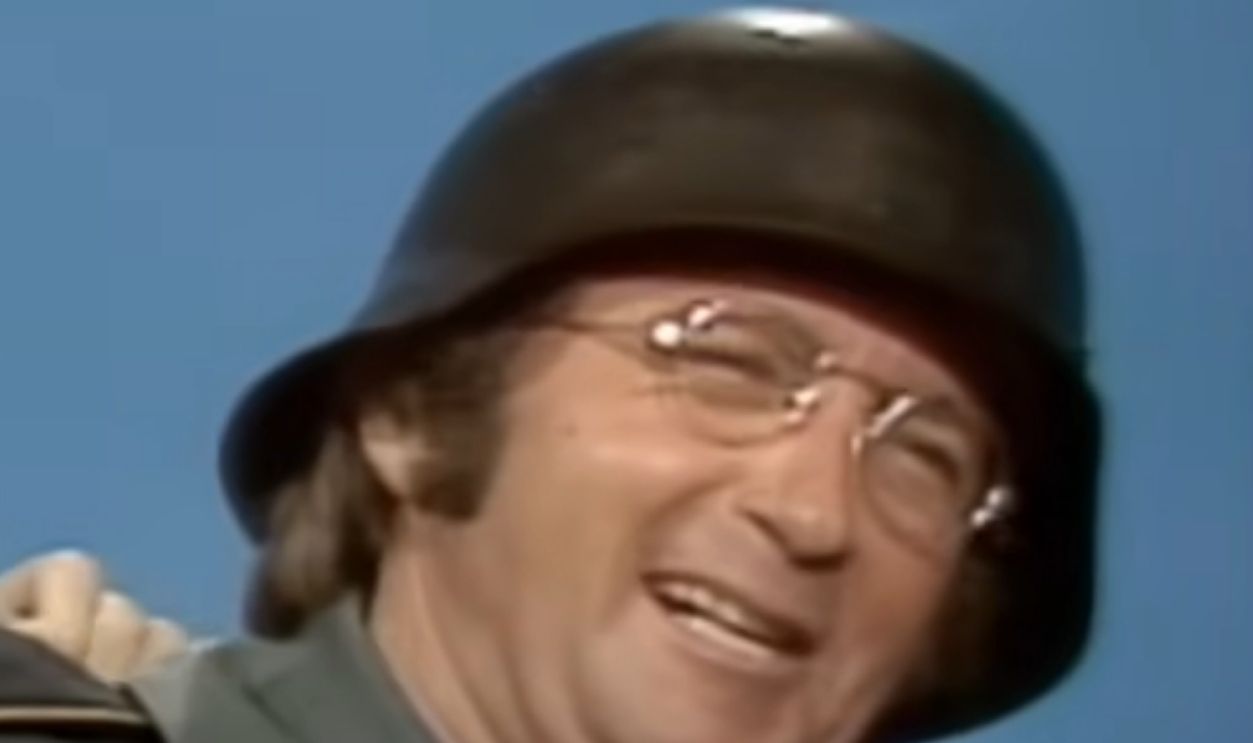 Screenshot from Rowan & Martin's Laugh-In, NBC (1968–1973)
America Loved Him
Viewers began repeating Wolfgang’s catchphrase, while Johnson’s brief appearances became some of the show’s most anticipated moments. He often occupied the screen for only seconds, yet his accent, helmet, and drawn-out verdict could upstage sketches involving far more famous performers.
 Screenshot from Rowan & Martin's Laugh-In, NBC (1968–1973)
The Timing Made Wolfgang Remarkable
When Laugh-In premiered, only 23 years had passed since Nazi Germany’s defeat in 1945. Millions of Americans watching Johnson had served in the war, lost relatives, survived persecution, or lived through years of fear and rationing. The history behind that helmet was hardly ancient.
 Screenshot from Rowan & Martin's Laugh-In, NBC (1968–1973)
The Character Entered Uncomfortable Territory
Wolfgang was generally presented as a German soldier, but his uniform, wartime mission, and Nazi-inspired dialogue made the intended association unmistakable. Johnson was using the imagery of one of history’s most murderous regimes as the foundation for a recurring comedy routine.
 Screenshot from Rowan & Martin's Laugh-In, NBC (1968–1973)
Yet The Villain Had Lost His Power
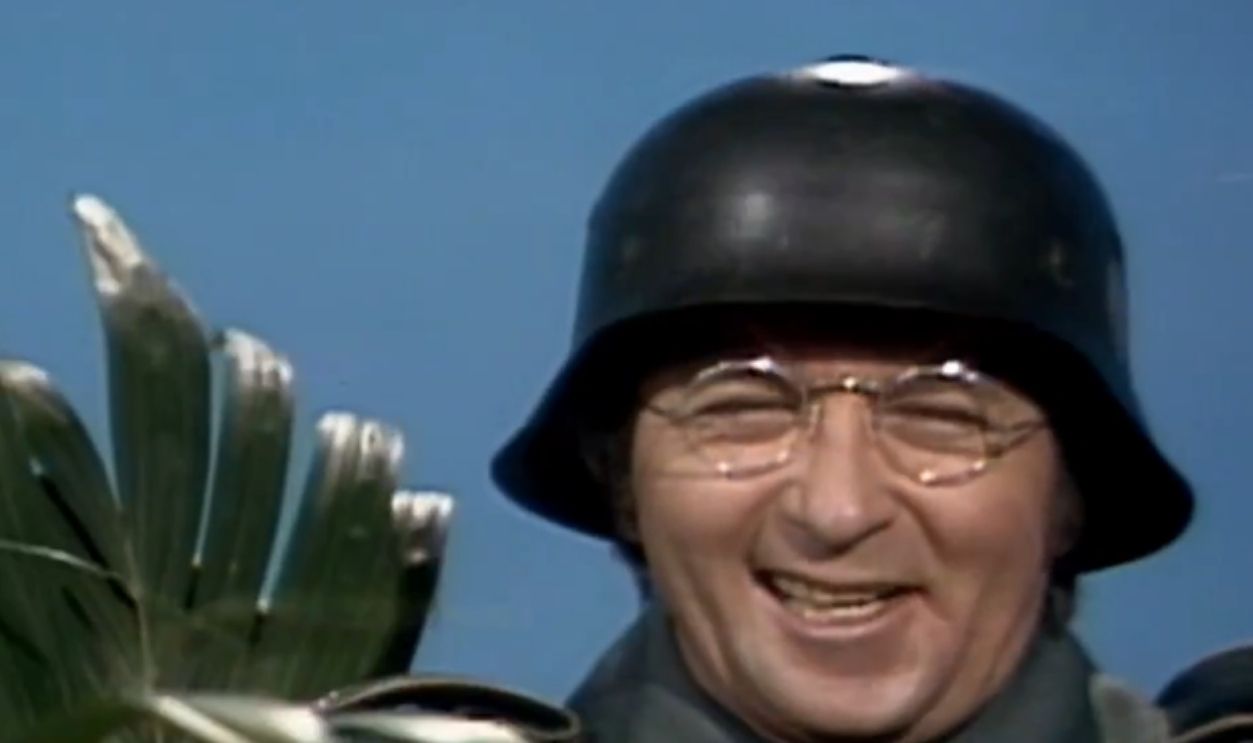
Johnson did not portray Wolfgang as intelligent, admirable, or dangerous. The soldier was ridiculous, hopelessly confused, and trapped in a war that existed only inside his own helmet. Instead of glorifying Nazi authority, the sketch reduced it to one foolish man whispering behind a plant.
 Screenshot from Rowan & Martin's Laugh-In, NBC (1968–1973)
Ridicule Had Long Been A Weapon
Comedians had mocked the Nazi regime before Johnson created Wolfgang. Charlie Chaplin attacked fascism in The Great Dictator, while wartime cartoons regularly portrayed Hitler and his followers as pathetic figures. Laughter could strip tyrants of the frightening dignity they tried to manufacture.
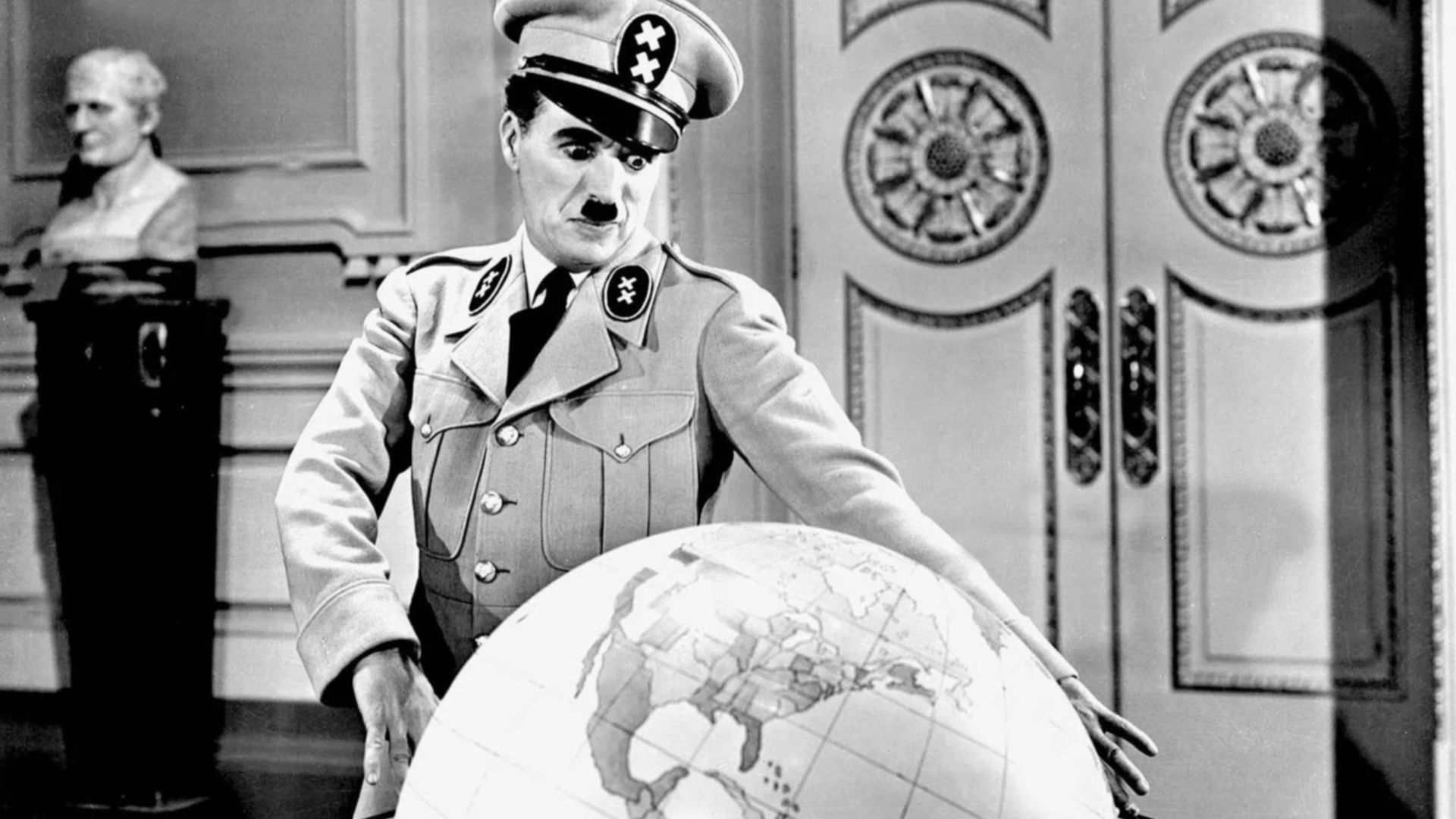 United Artists, Wikimedia Commons
But Wolfgang Was Different
Earlier wartime satire generally confronted an immediate enemy. Wolfgang appeared years afterward as a familiar weekly companion, complete with a memorable slogan. The audience was not merely laughing at a villain’s defeat—they were welcoming him back into their homes for another joke.
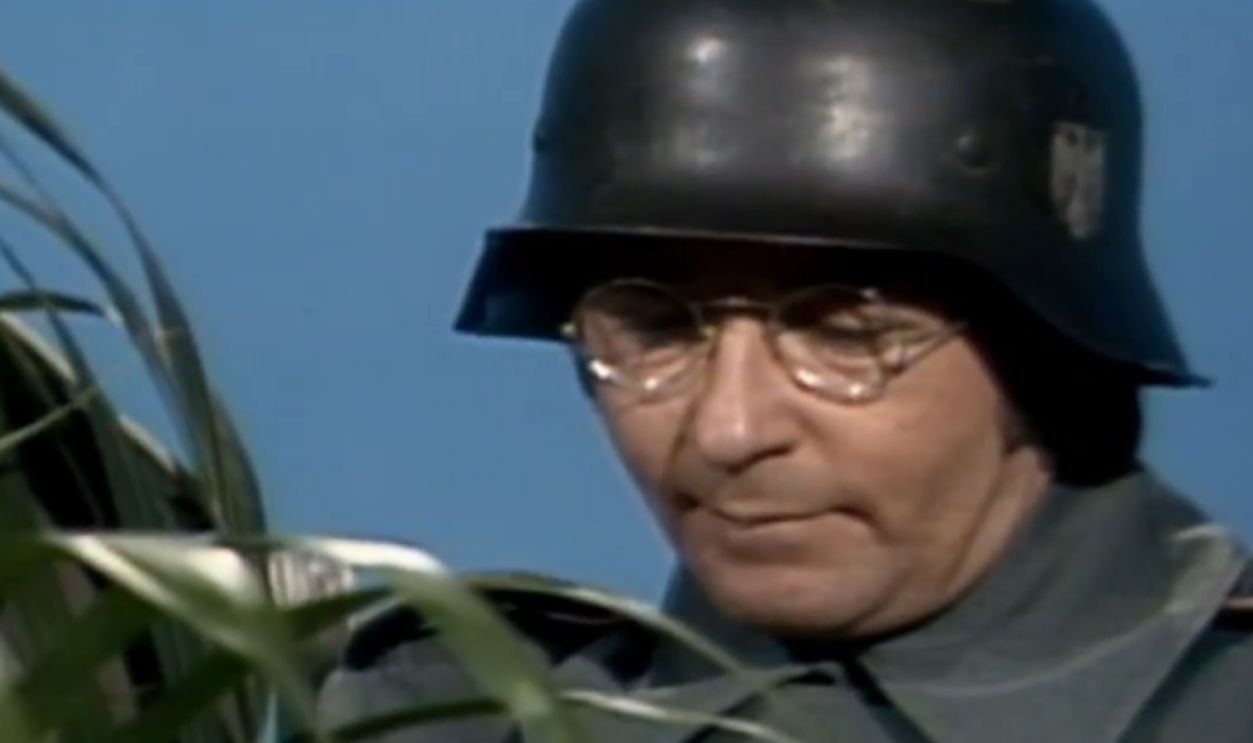 Screenshot from Rowan & Martin's Laugh-In, NBC (1968–1973)
The Controversy Was Not One Famous Scandal
Reliable accounts do not reveal a large, organized campaign demanding that NBC remove Wolfgang, nor is there evidence that Johnson was formally punished for playing him. The controversy surrounding the character is more complicated than a single complaint, sponsor revolt, or network ban.
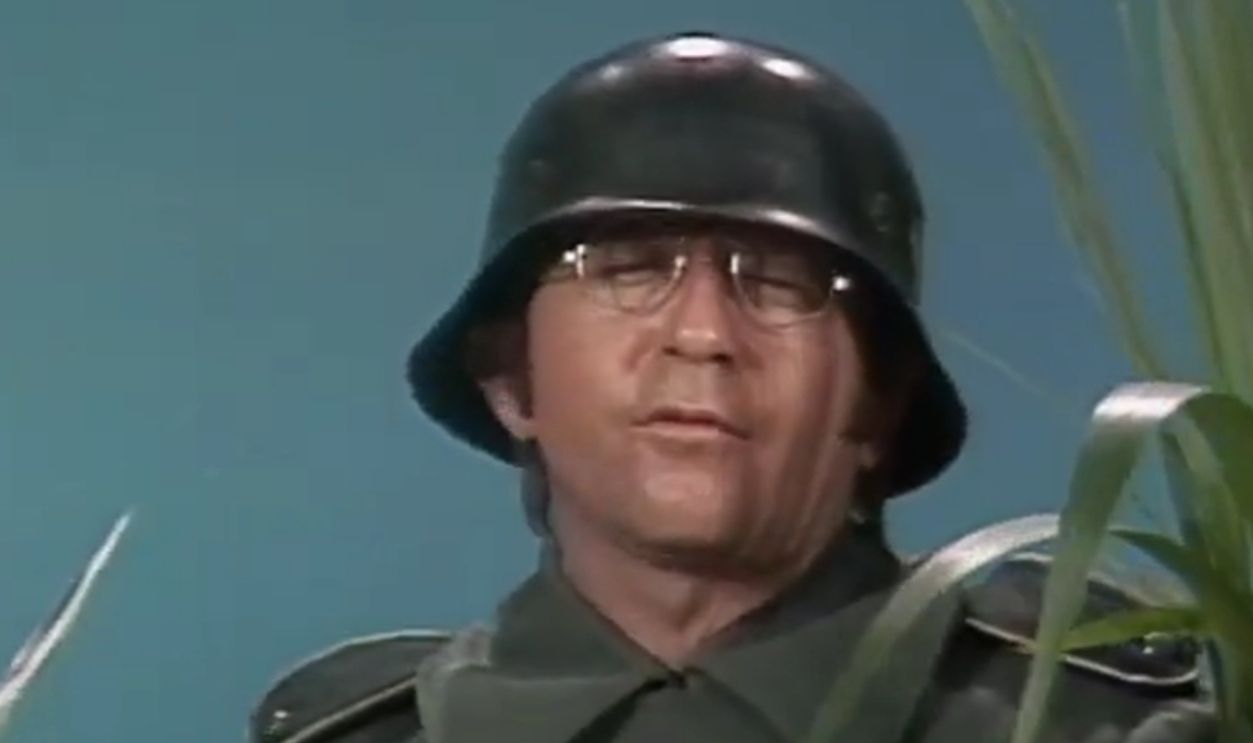 Screenshot from Rowan & Martin's Laugh-In, NBC (1968–1973)
The Real Question Lingered Beneath The Laughter
Could audiences ridicule fascism without diminishing its victims? Some viewers could see Wolfgang as a humiliation of Nazi arrogance. Others could reasonably feel that turning the uniform into a harmless comic costume made an unimaginably brutal history seem comfortably distant.
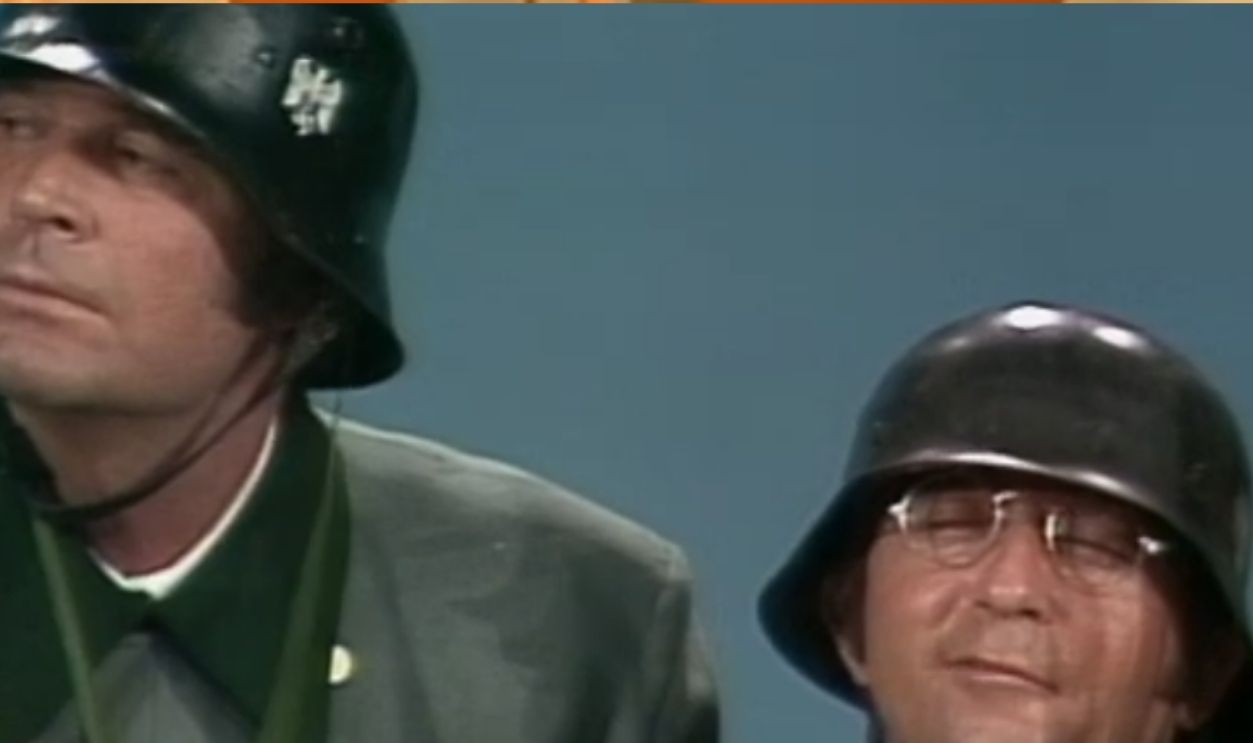 Screenshot from Rowan & Martin's Laugh-In, NBC (1968–1973)
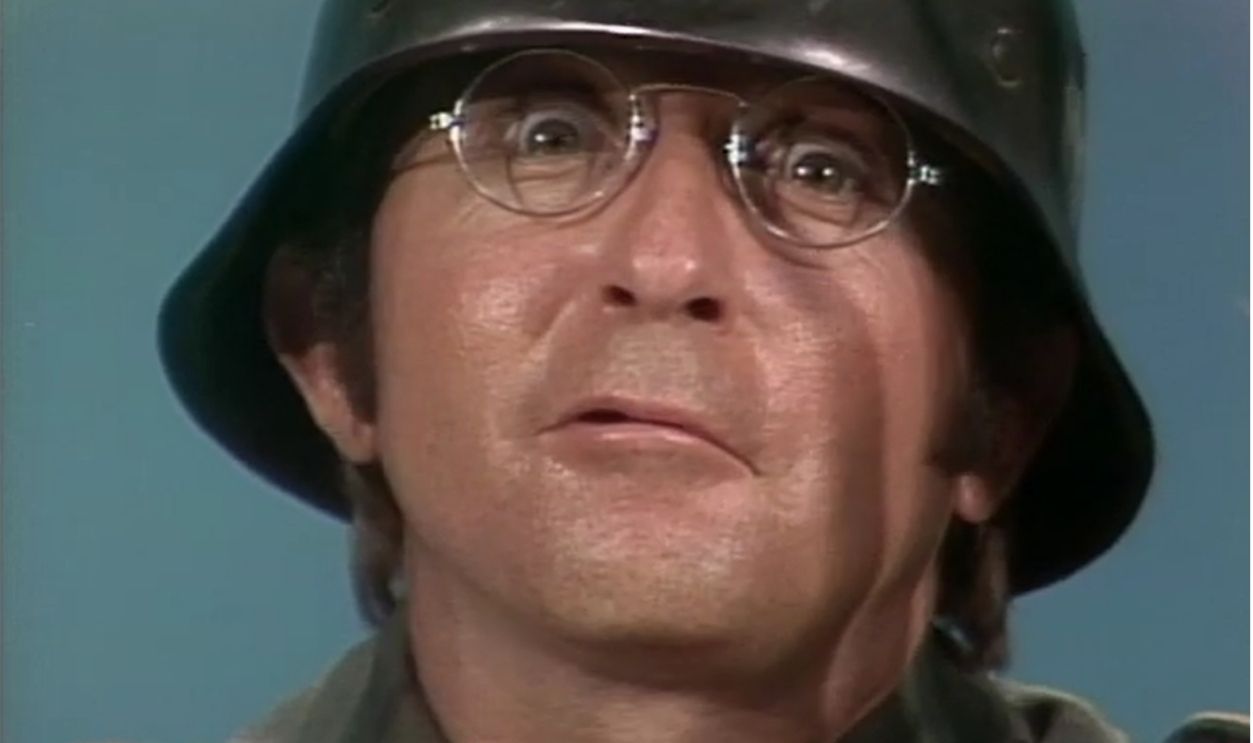
His Likability Complicated The Joke
Johnson was naturally charming, even when portraying someone absurd or unpleasant. Wolfgang’s popularity therefore produced a strange contradiction: viewers were not attracted to Nazi beliefs, but they became fond of the character wearing the uniform associated with them.
 Screenshot from Rowan & Martin's Laugh-In, NBC (1968–1973)
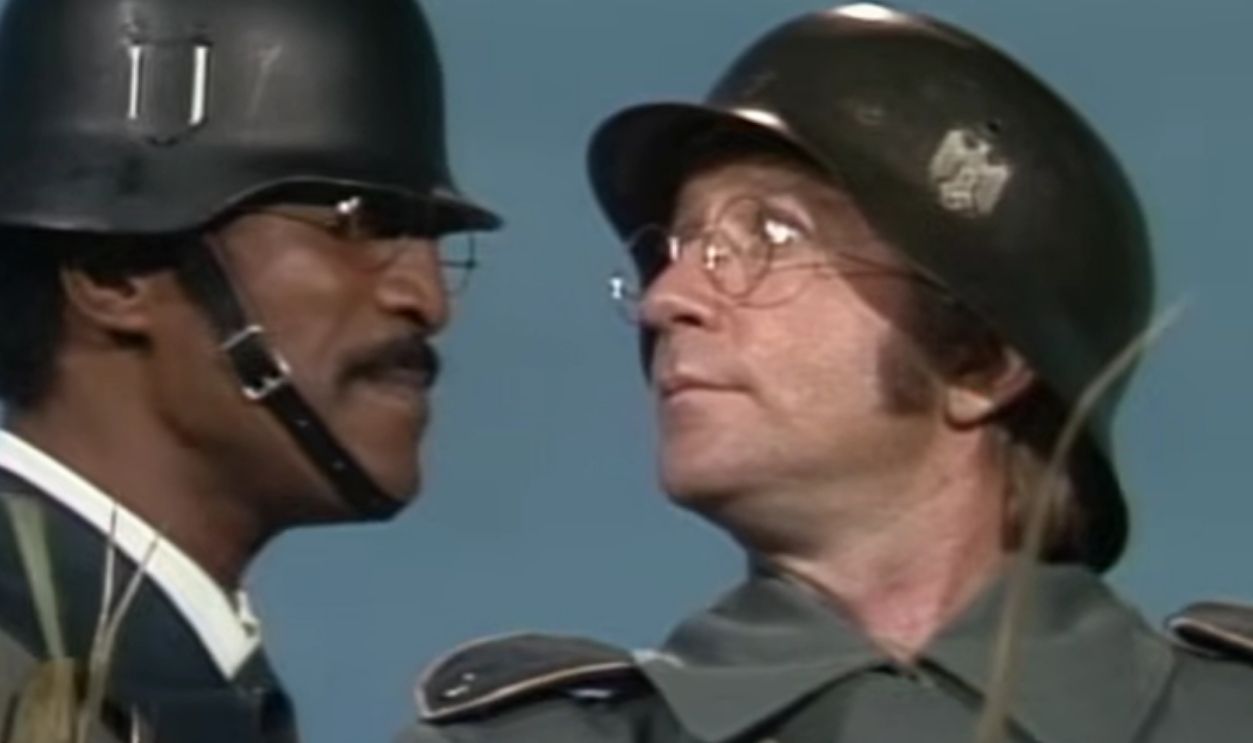
The Catchphrase Escaped Its Original Context
“Very interesting—but stupid” soon became far bigger than Wolfgang’s fictional mission. People repeated it at home, in schools, and around offices, often without thinking about its Nazi-film origin. The phrase survived because it worked perfectly as a response to almost any ridiculous situation.
 Screenshot from Rowan & Martin's Laugh-In, NBC (1968–1973)
Television Helped Soften The Image
The more frequently Wolfgang appeared, the more familiar his helmet and accent became. Familiarity was the engine of the joke—but it was also the source of its discomfort. The character transformed threatening imagery into something viewers associated with an eccentric comedian and a weekly punchline.
 Screenshot from Rowan & Martin's Laugh-In, NBC (1968–1973)
Modern Audiences Bring Different Questions
Contemporary viewers are more likely to examine who becomes the target of a joke and what historical imagery is being normalized. A character accepted as silly television in 1968 may consequently feel jarring today, especially when separated from Johnson’s intention to ridicule authoritarian stupidity.
 Screenshot from Rowan & Martin's Laugh-In, NBC (1968–1973)
Context Changes The Meaning
Watching Wolfgang in isolation can make the routine appear startlingly casual. Watching him within Laugh-In reveals a program that regularly mocked politicians, warfare, bureaucracy, and anyone taking power too seriously. Johnson’s soldier belonged to that larger carnival of institutional incompetence.
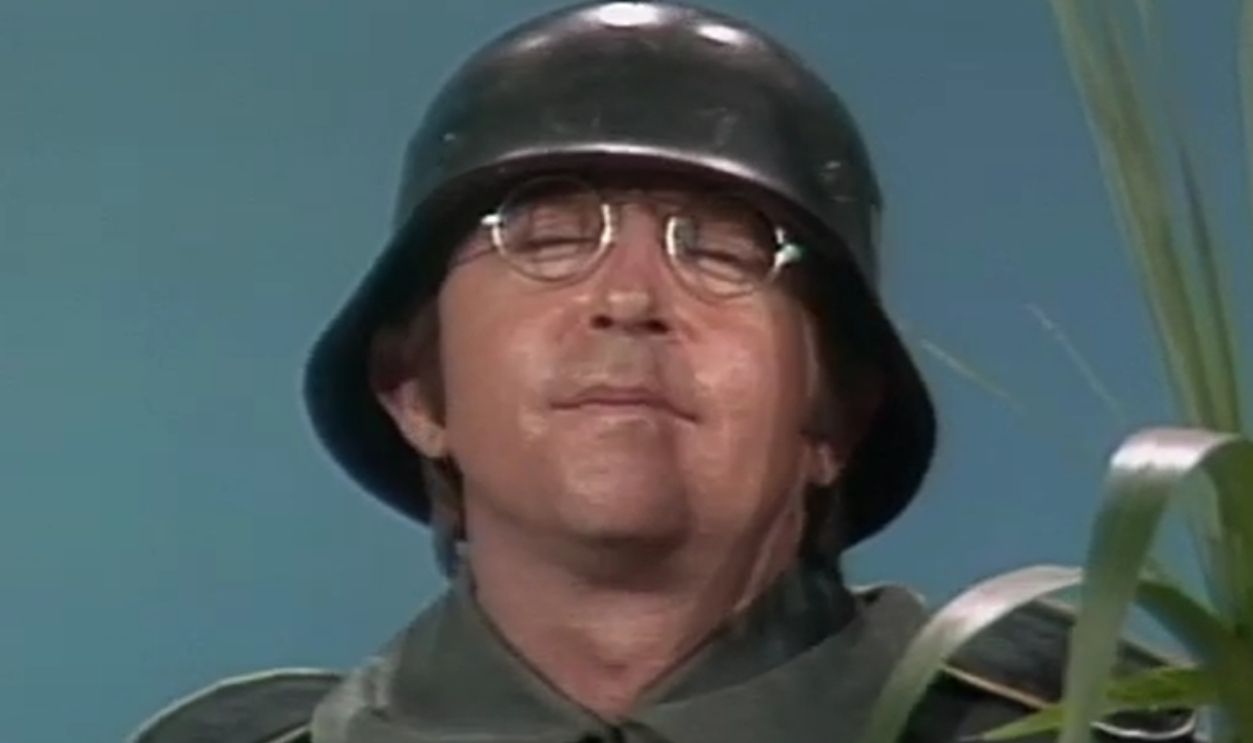 Screenshot from Rowan & Martin's Laugh-In, NBC (1968–1973)
The Debate Has No Simple Verdict
Calling Wolfgang an endorsement of Nazism would misrepresent the character; he was plainly the fool. Pretending there is nothing troubling about making that uniform adorable would ignore the painful history surrounding it. The routine can be anti-authoritarian satire and still make modern viewers uncomfortable.
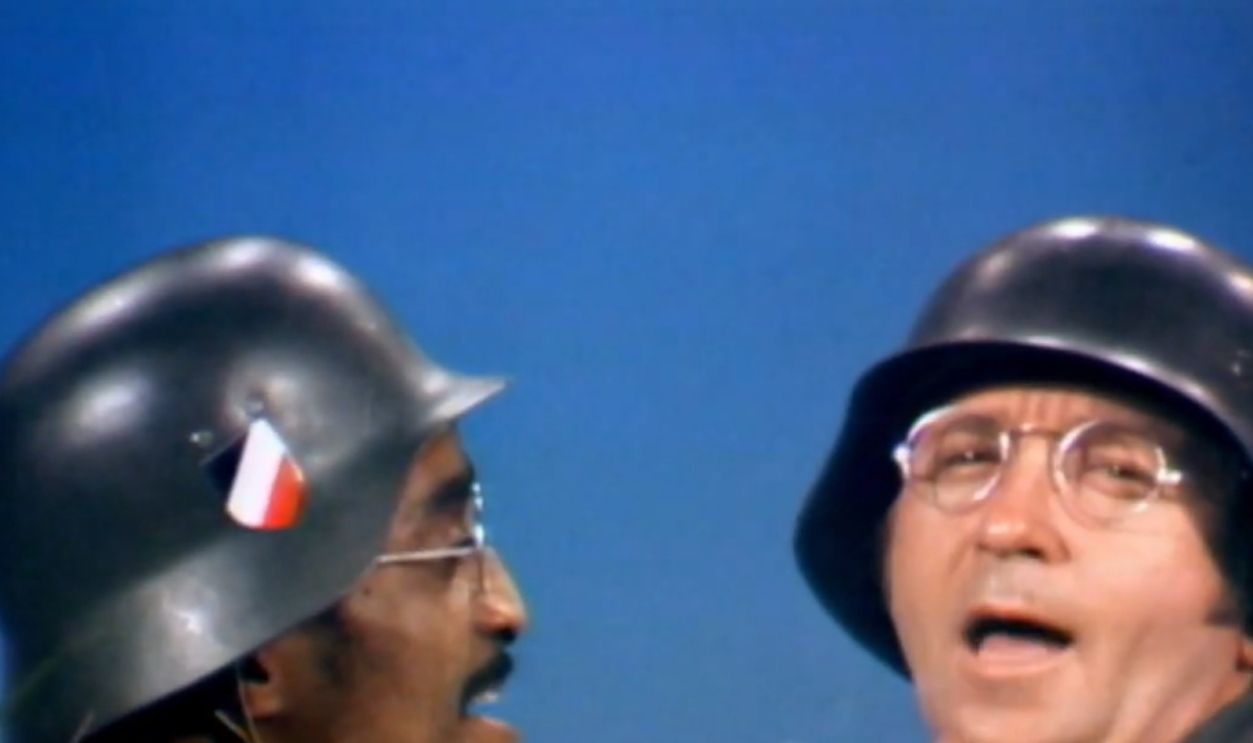 Screenshot from Rowan & Martin's Laugh-In, NBC (1968–1973)
Johnson Had Another Unforgettable Character
Wolfgang was not Johnson’s only breakout creation. He also played Tyrone F. Horneigh, a white-haired “dirty old man” who approached Ruth Buzzi’s stern Gladys Ormphby on a park bench and made unwelcome suggestions—usually earning several brutal blows from her handbag.
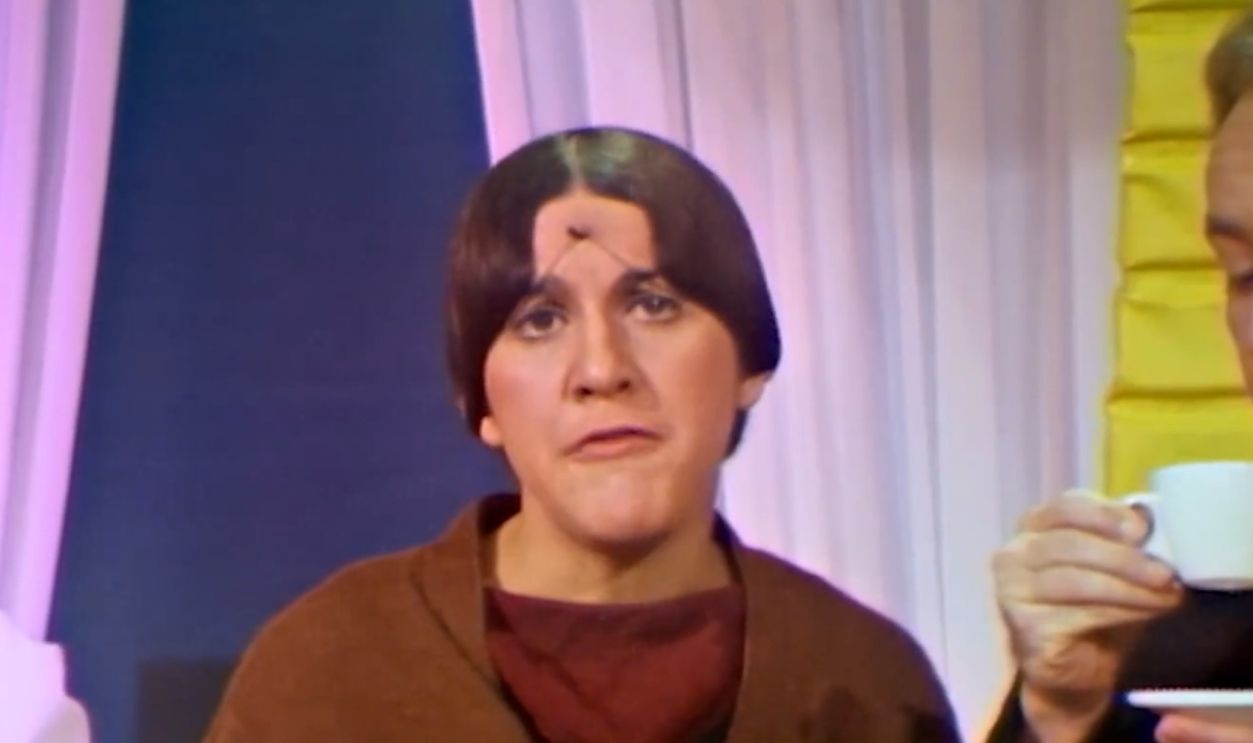 Screenshot from Rowan & Martin's Laugh-In, NBC (1968–1973)
Tyrone Has A Complicated Legacy Too
The sketches treated Tyrone’s behavior as pathetic rather than romantic, and Gladys always controlled the encounter’s explosive ending. Still, jokes built around persistent harassment can appear very different today. Johnson’s best-known characters reveal how dramatically comedy’s boundaries can change.
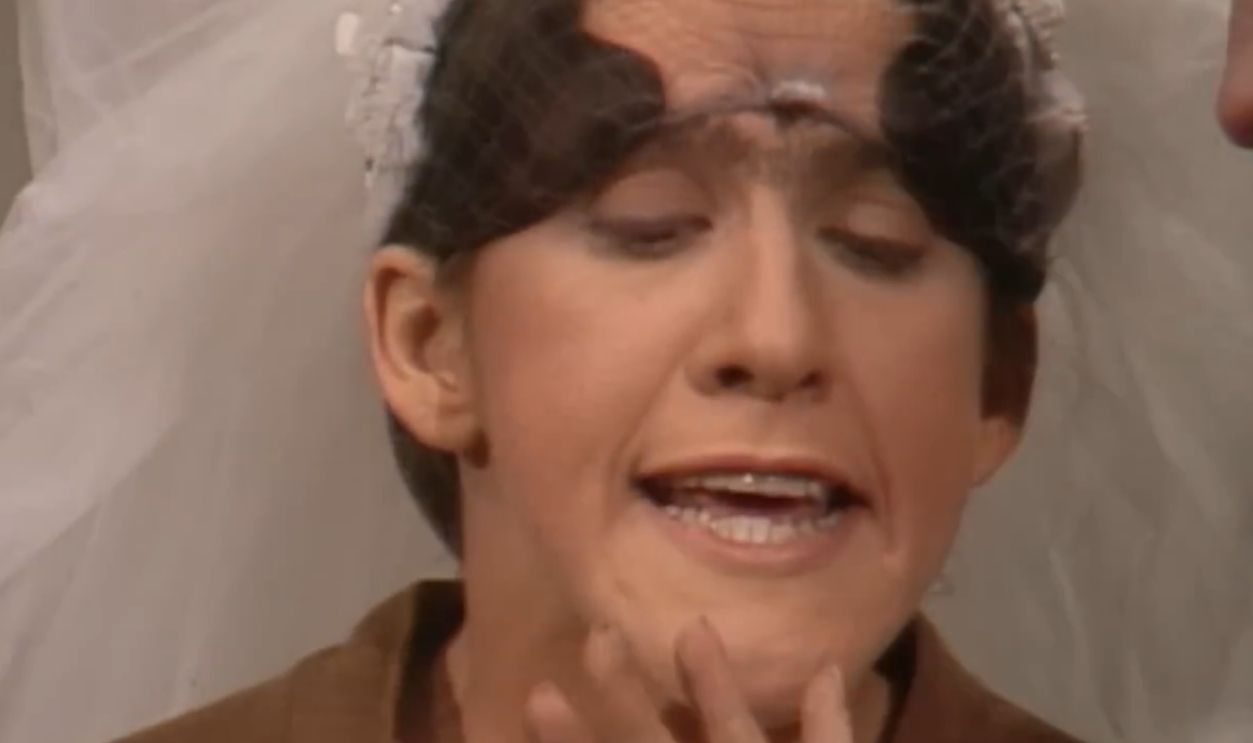 Screenshot from Rowan & Martin's Laugh-In, NBC (1968–1973)
His Work Earned Television’s Highest Honor
Johnson received two Emmy nominations for Laugh-In and won in 1969. The award recognized the versatility beneath the catchphrases: he could shift accents, ages, expressions, and personalities almost instantly, frequently becoming the most memorable person in a sketch without raising his voice.
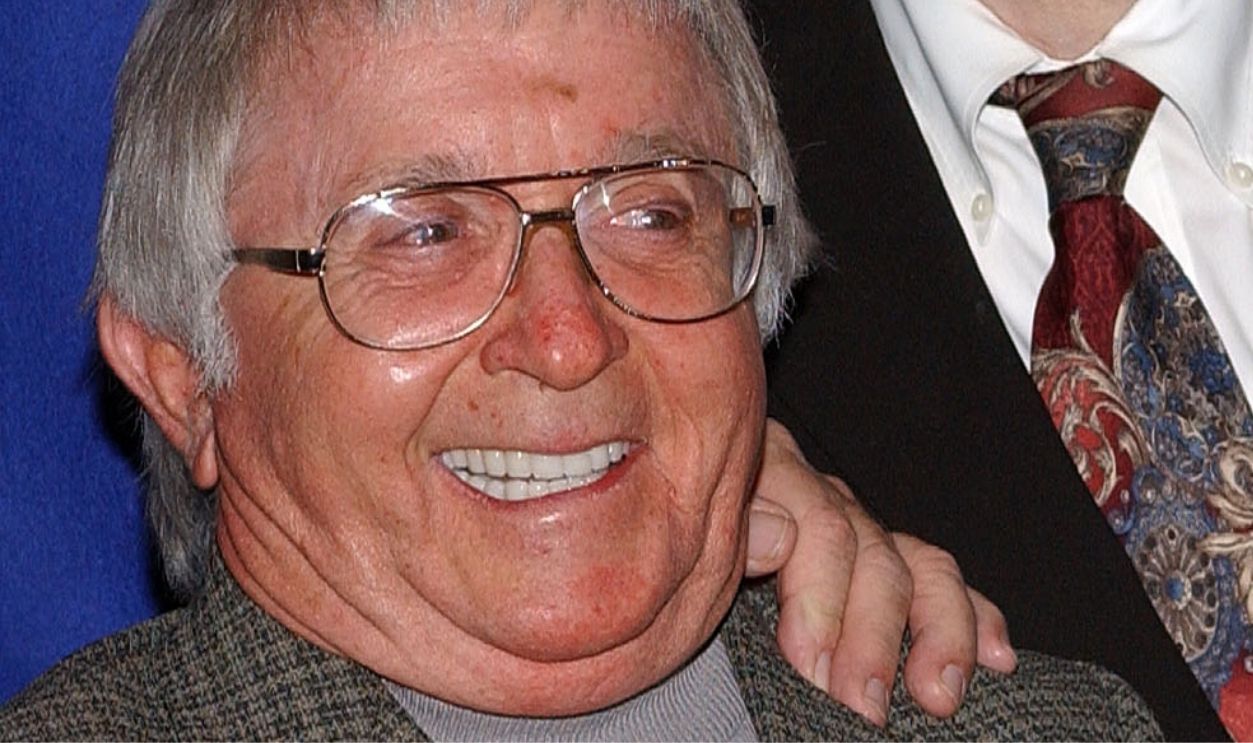
He Walked Away From The Show
Johnson left Laugh-In in 1971, two years before the original series ended. Leaving meant surrendering one of television’s most visible platforms, but it also prevented Wolfgang and Tyrone from becoming the entire definition of his career.
 Screenshot from Rowan & Martin's Laugh-In, NBC (1968–1973)
His Voices Found New Homes
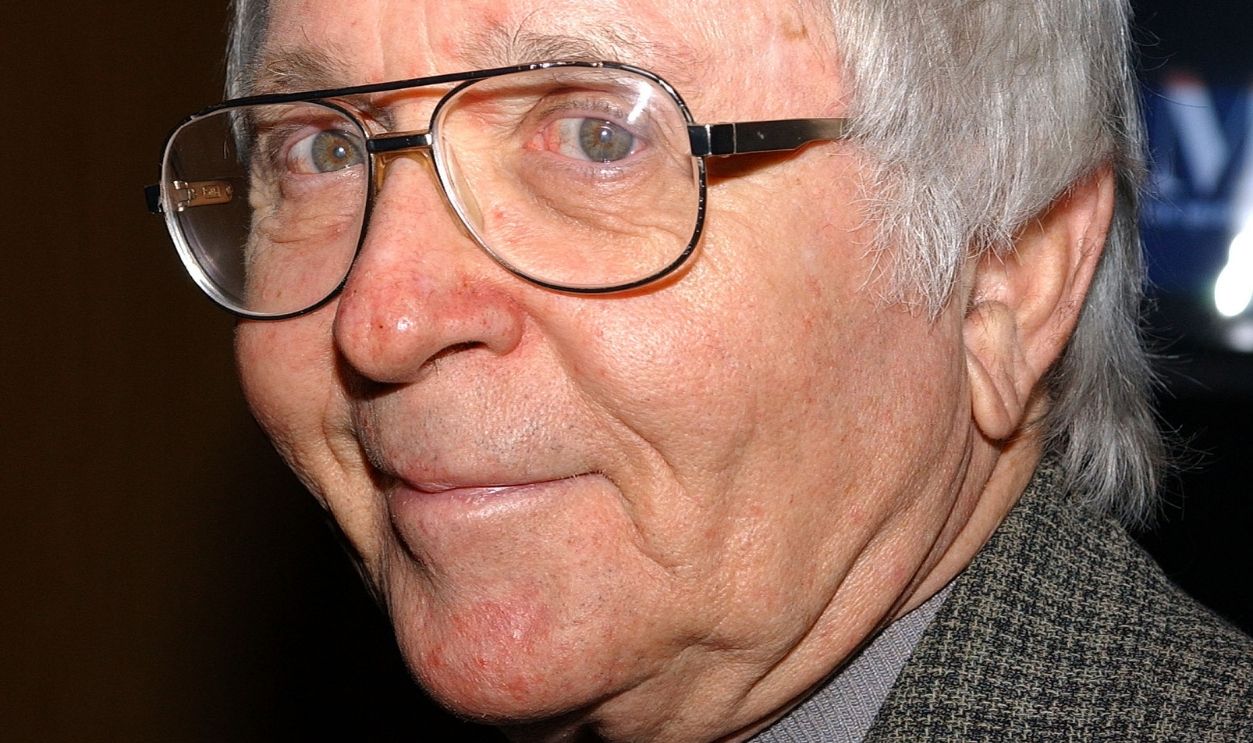
Johnson continued acting and later became especially prolific in animation and narration. His credits included The Smurfs, DuckTales, and Animaniacs. He also narrated dozens of audiobooks, allowing listeners to experience the vocal control that television audiences had once heard emerging from a shrub.
Wolfgang Never Completely Disappeared
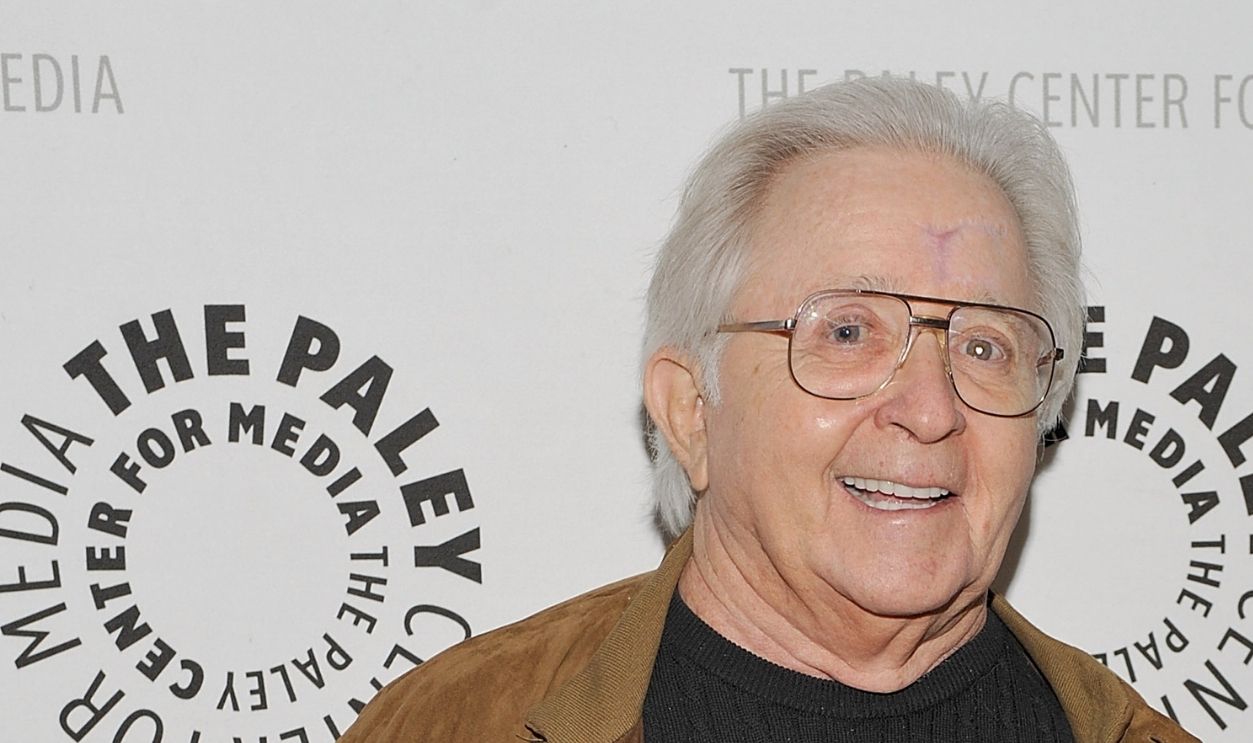
The character’s Germanic voice continued echoing through Johnson’s later work. In 2005, he voiced the similarly styled villain Virman Vundabar on Justice League Unlimited. By then, Wolfgang’s original catchphrase had been circulating through American popular culture for nearly four decades.
Fame Never Became His Entire Personality
Johnson married Gisela Johnson in 1968, and they remained together for 51 years. She later recalled that fame did not fundamentally change him: “It didn’t matter to him, he always was just ARTE.” Their long marriage lasted until his death.
He Faced A Difficult Final Battle
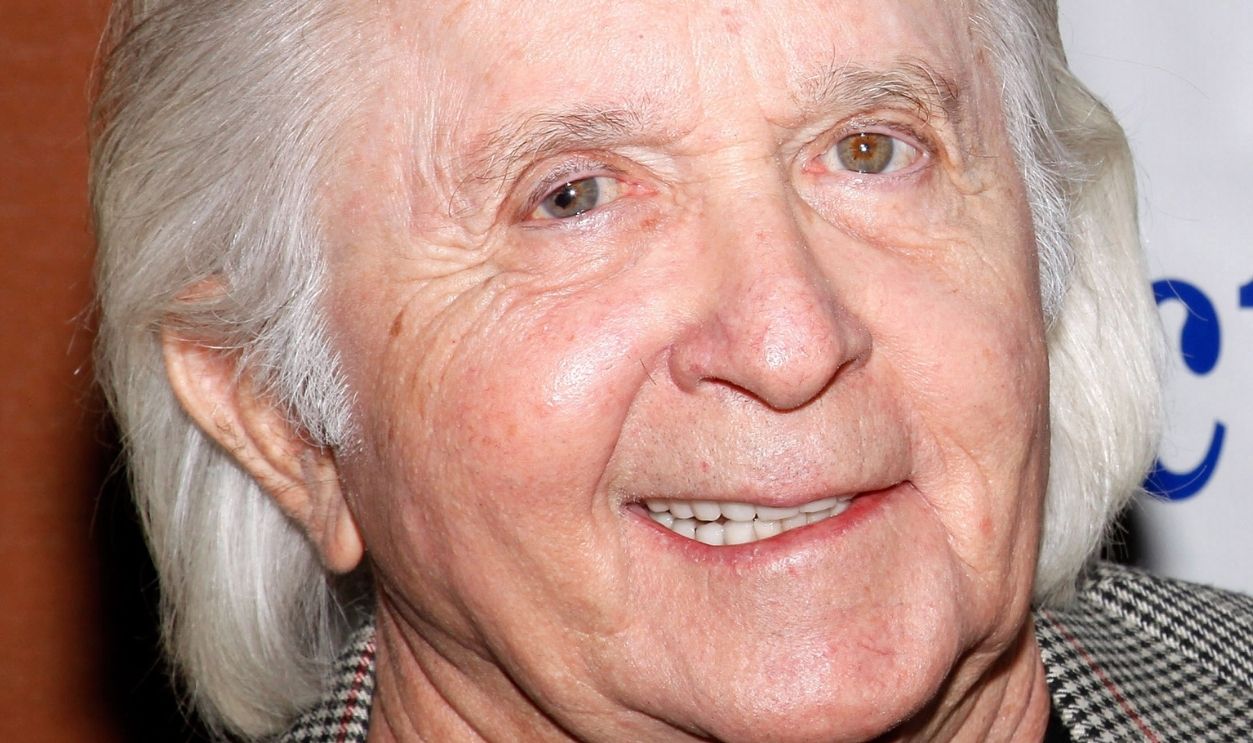
After a three-year struggle with bladder and prostate cancer, Johnson died of heart failure in Los Angeles on July 3, 2019. He was 90 years old. His death prompted tributes to an unusually versatile performer who could construct a complete character from little more than posture and pronunciation.
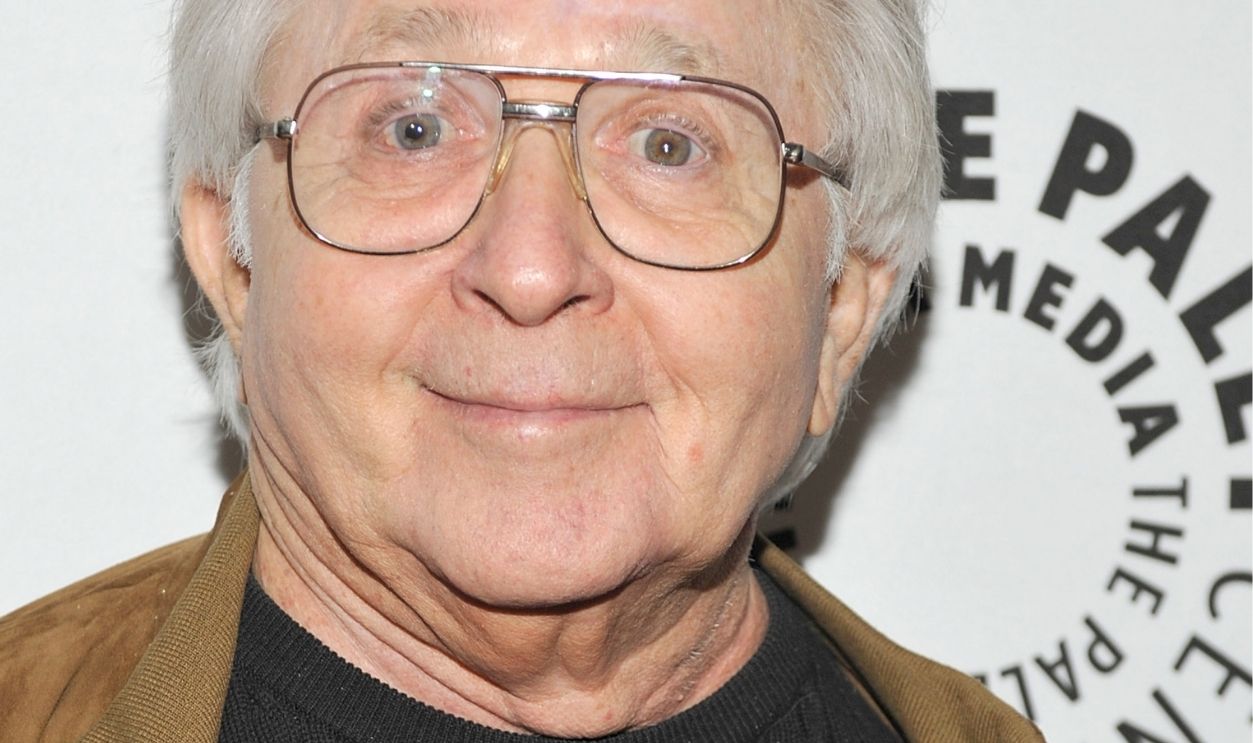
Wolfgang Remains “Very Interesting”
Arte Johnson created Wolfgang to make authoritarianism look ridiculous, and millions of viewers understood the joke that way. Yet the character’s enduring popularity also raises uneasy questions about when ridicule defangs hatred and when comedy makes terrible history feel harmless. Decades later, the answer remains—appropriately enough—very interesting.
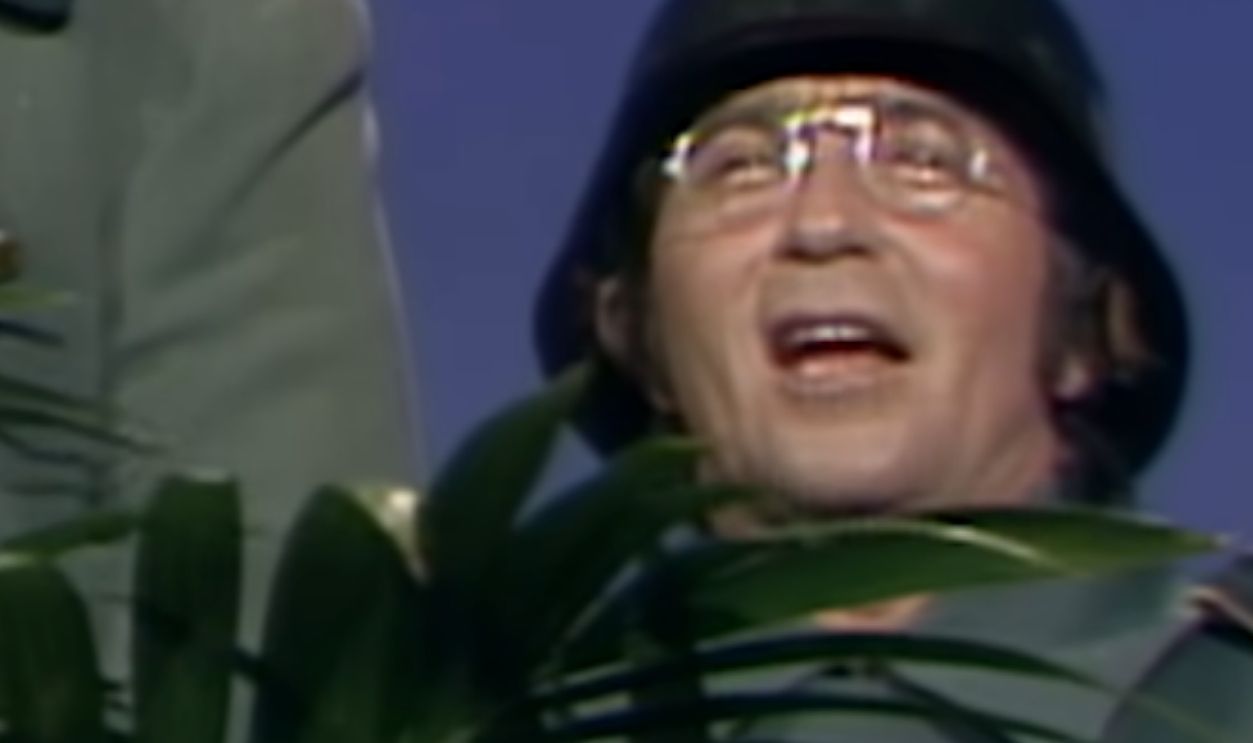 Screenshot from Rowan & Martin's Laugh-In, NBC (1968–1973)
You May Also Like:
Laugh-In Made Jo Anne Worley A 1960s Television Icon—But TV Fame Was Just The Beginning