When Television Needed More Chaos
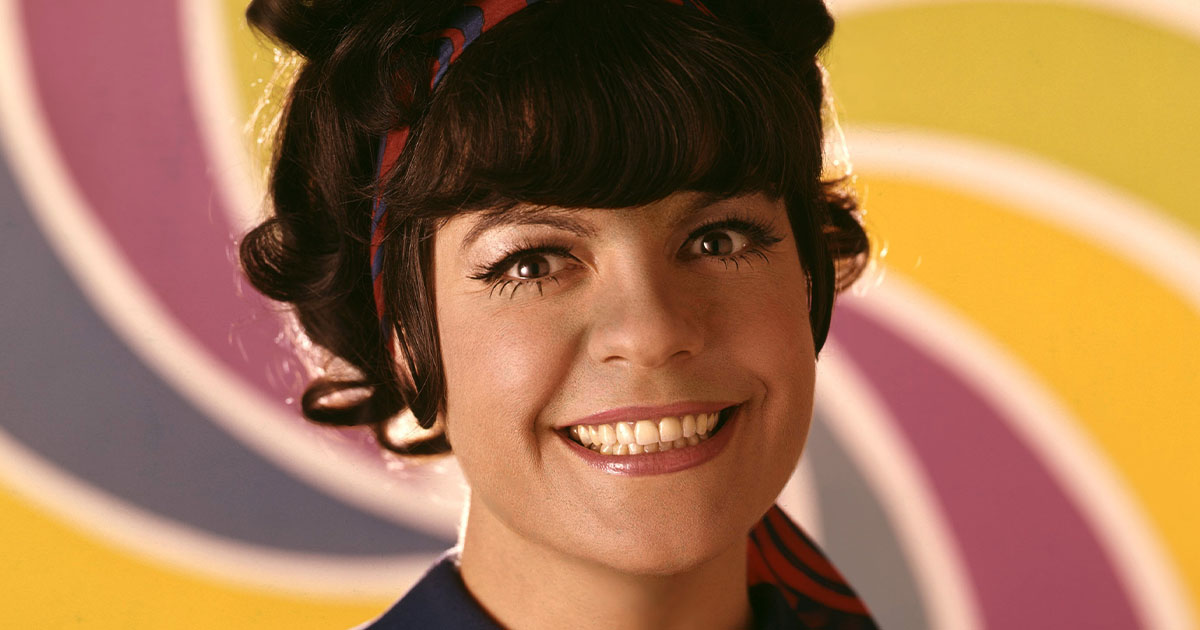
Jo Anne Worley became famous by shouting punchlines, rolling her eyes, and producing a laugh powerful enough to rattle a television set. Laugh-In made her one of comedy’s most recognizable women—but leaving the phenomenon behind revealed how much more she was capable of doing.
She Came From Small-Town Indiana
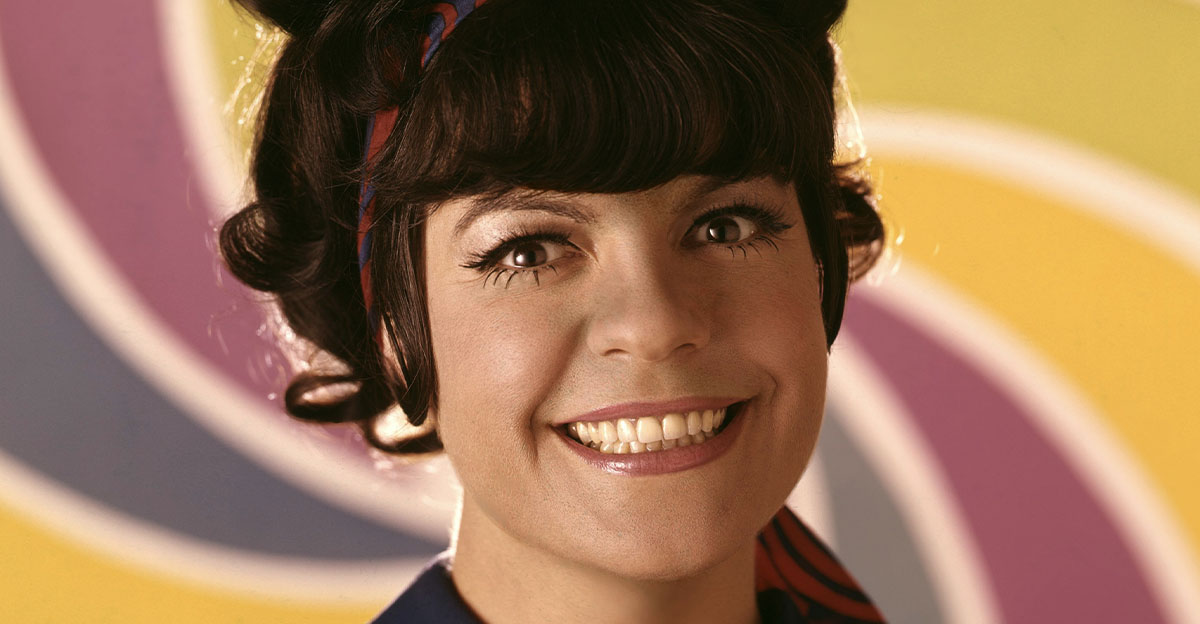
Jo Anne Worley was born on September 6, 1937, in Lowell, Indiana. She grew up as one of five children in a religious family that included several Church of Christ ministers. Nothing about rural Indiana suggested that one of television’s loudest personalities was preparing to emerge.
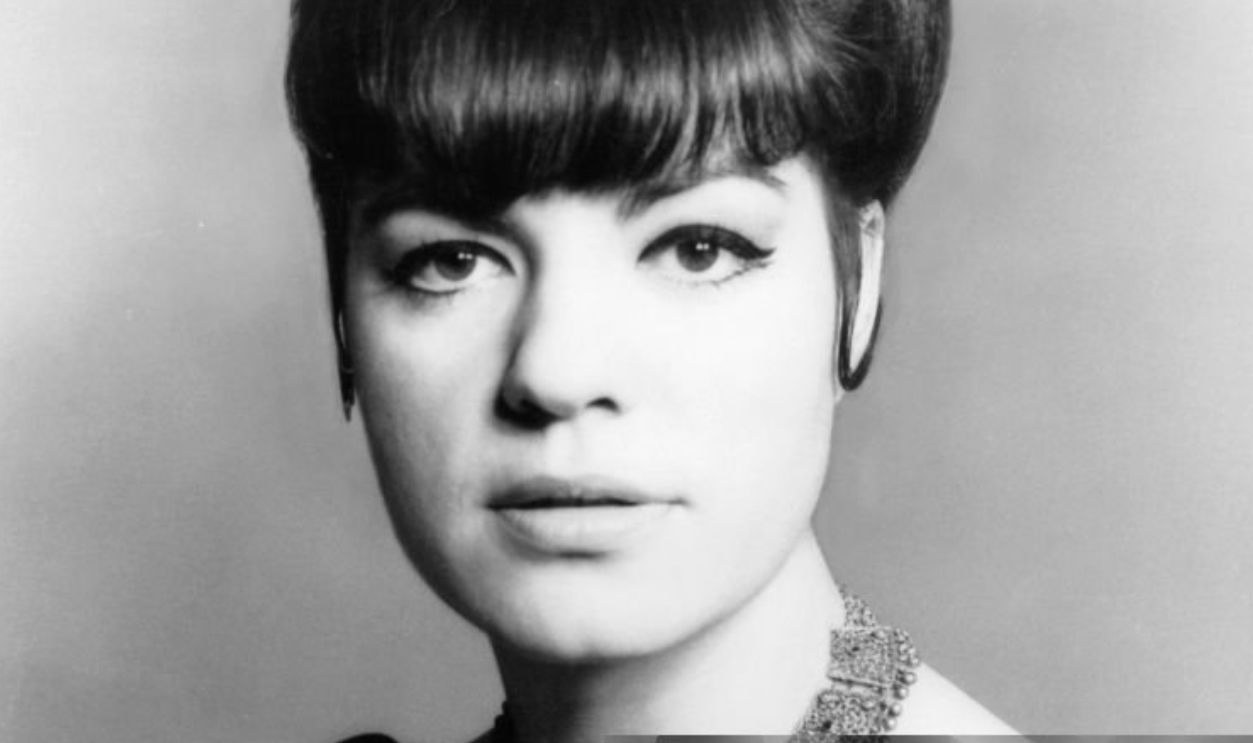 Michael Ochs Archives, Getty Images
Her Family Apparently Had Volume
Worley has joked that she came from a long line of enthusiastic singers, including a relative who supposedly entertained miners during the Alaskan Gold Rush. Whether that piece of family folklore was embellished hardly matters—it certainly sounds like a perfectly reasonable origin story for Jo Anne Worley.
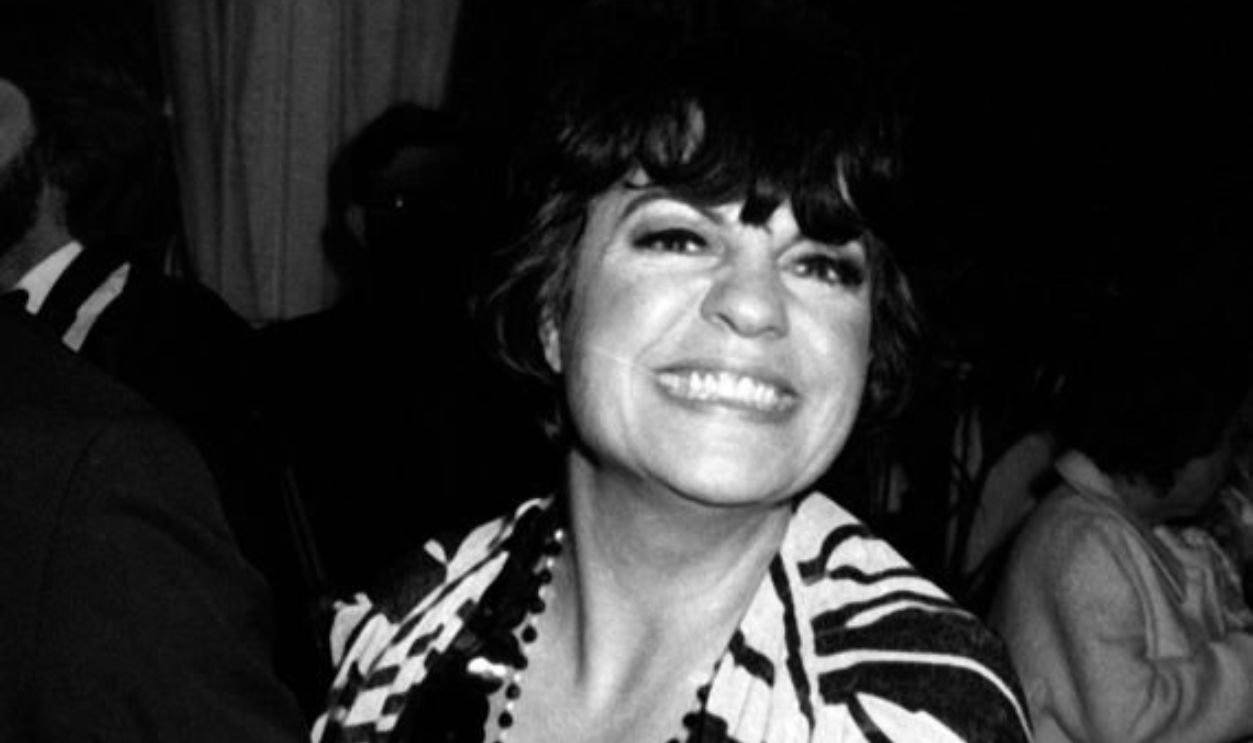
Even Church Could Not Contain Her Voice
Worley said she sometimes mouthed the hymns in church because she feared her powerful voice would overwhelm everyone else. She later described her comedy style with one wonderfully accurate word: “loud.” Subtlety was available, presumably, but she rarely saw any reason to use it.
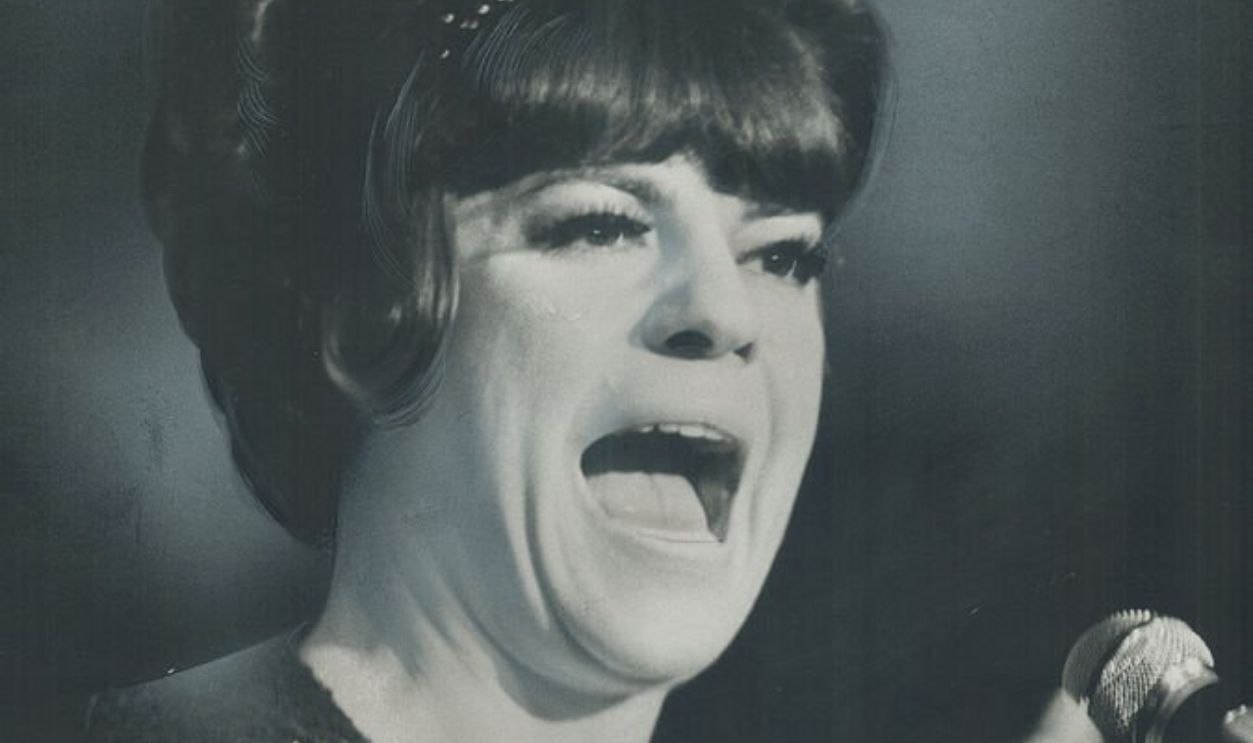
One Theater Trip Changed Everything
When Worley was nearly 12, her parents took her by train to Chicago to see Elaine Stritch in Call Me Madam. The performance made an enormous impression. The girl from Lowell suddenly understood that singing, comedy, and theatrical excess could become an actual profession.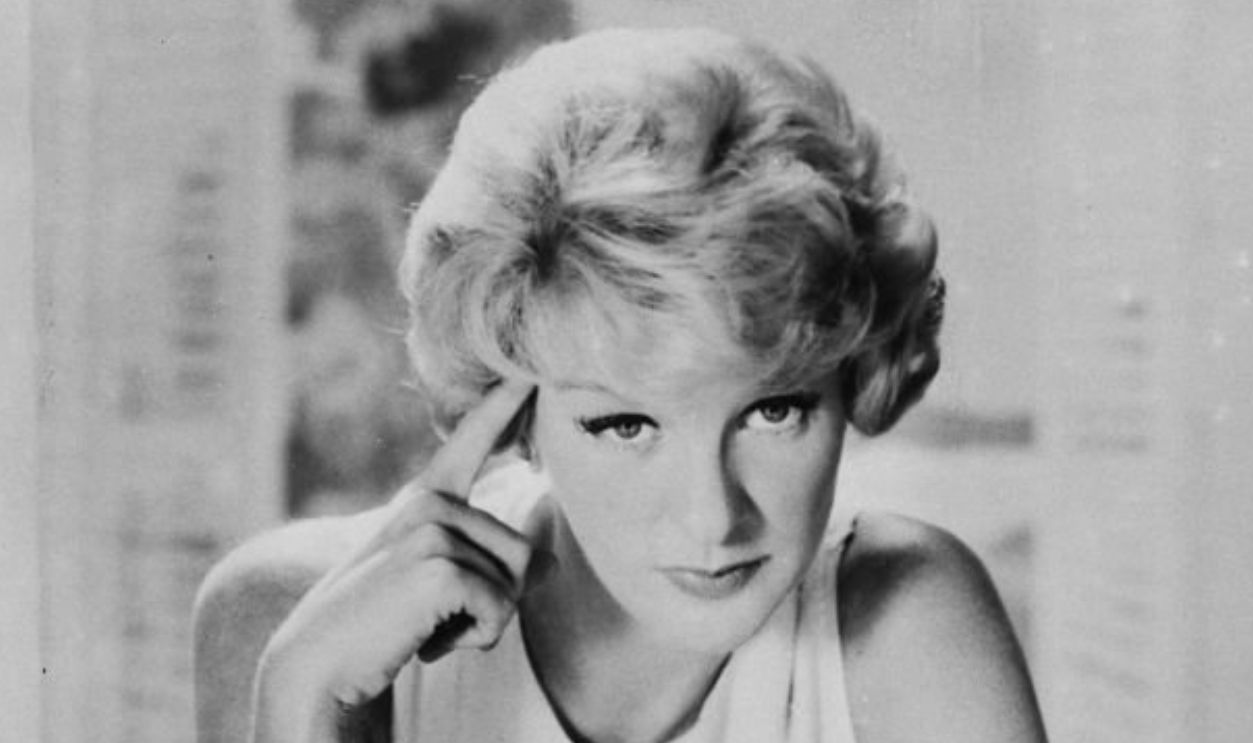 Evening Standard, Getty Images
She Entertained Customers At A Truck Stop
During high school, Worley worked summers at Robert’s Hotel, Gas and Café near the intersection of U.S. 41 and Indiana Highway 2. When business slowed, she sang and joked beside the café’s jukebox. It was not Broadway, but every audience has to begin somewhere.
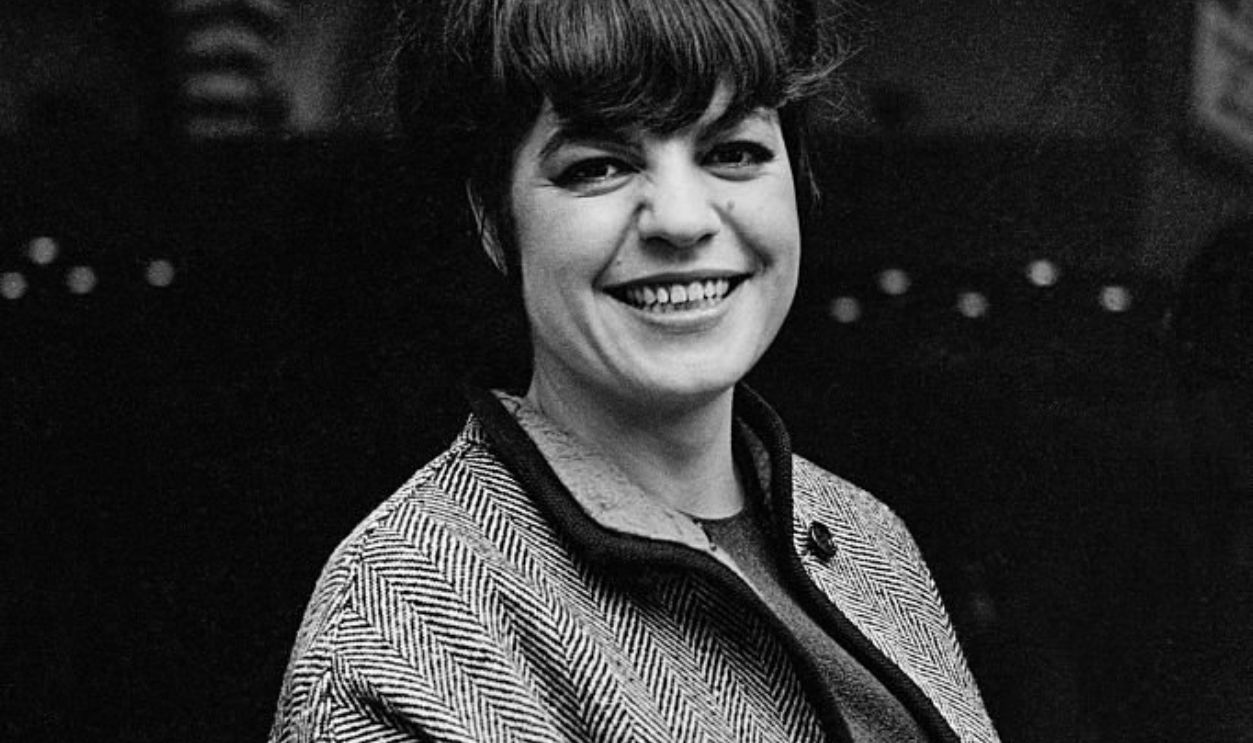
Her Classmates Recognized The Obvious
Worley was named her high school’s comedienne, an honor that probably surprised absolutely no one who had heard her speak. After graduating in 1955, she left Indiana for Blauvelt, New York, where she joined the Pickwick Players and began learning theater through constant performance.
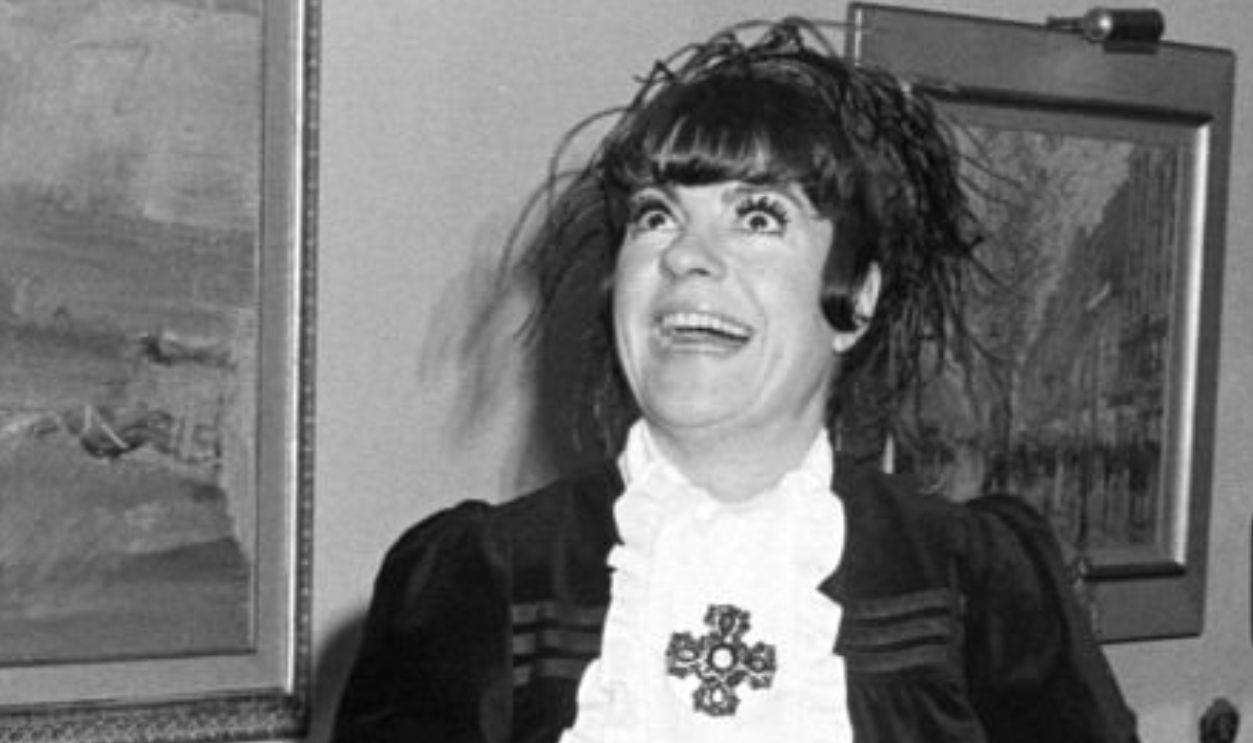
Her Father Questioned The Plan
Worley had been earning tips as a waitress when she accepted a theatrical apprenticeship in New York. Her practical father reportedly wondered why she was traveling across the country to pay someone to let her perform. Her mother replied, “Oh, let her go, we got four others.”
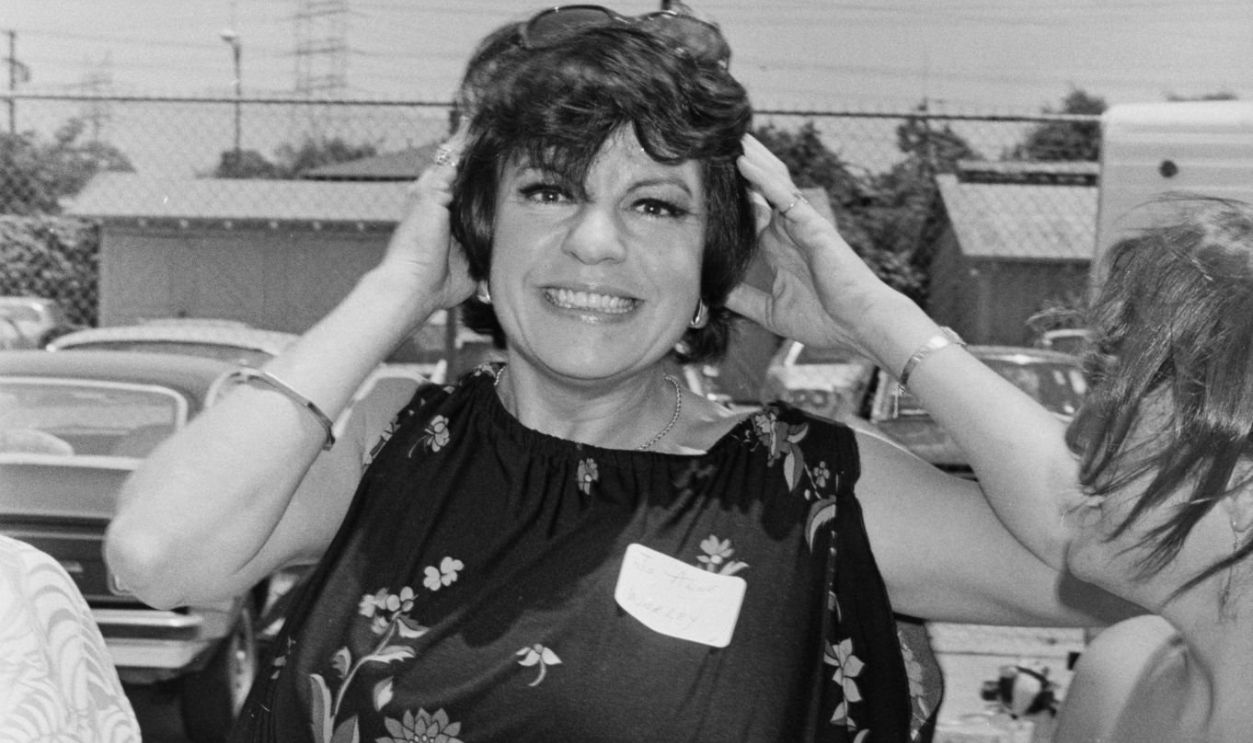 Michael Ochs Archives, Getty Images
A Scholarship Sent Her To Texas
Her work with the Pickwick Players led to a drama scholarship at Midwestern State University in Wichita Falls, Texas. Worley spent approximately two years studying there before continuing her training in California. Each move carried her farther from Lowell—and closer to the career she had imagined.
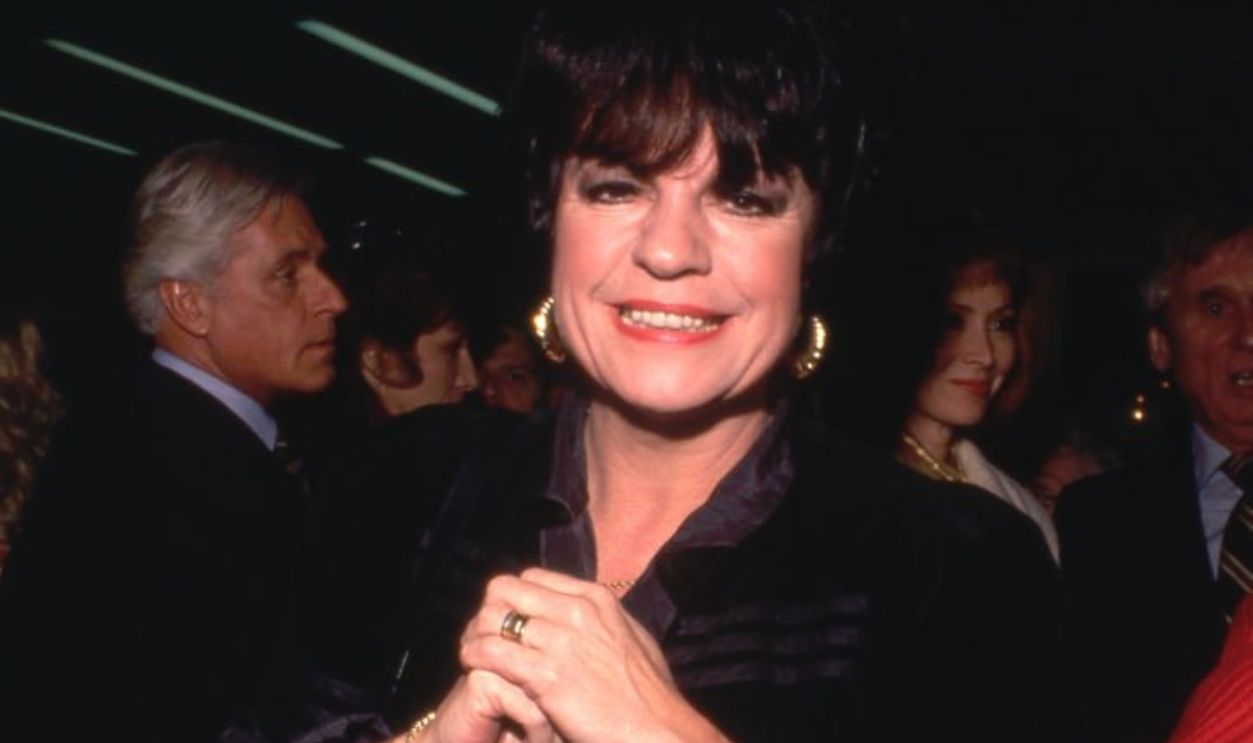
Hollywood Did Not Welcome Her Immediately
Worley lived at the Hollywood Studio Club, the famous residence for aspiring actresses, and participated in a Jerry Lewis comedy workshop. She also sought training at the Pasadena Playhouse but recalled that she was not accepted. Fortunately, rejection had very little effect on her volume.
One Silent Performance Got Her Noticed
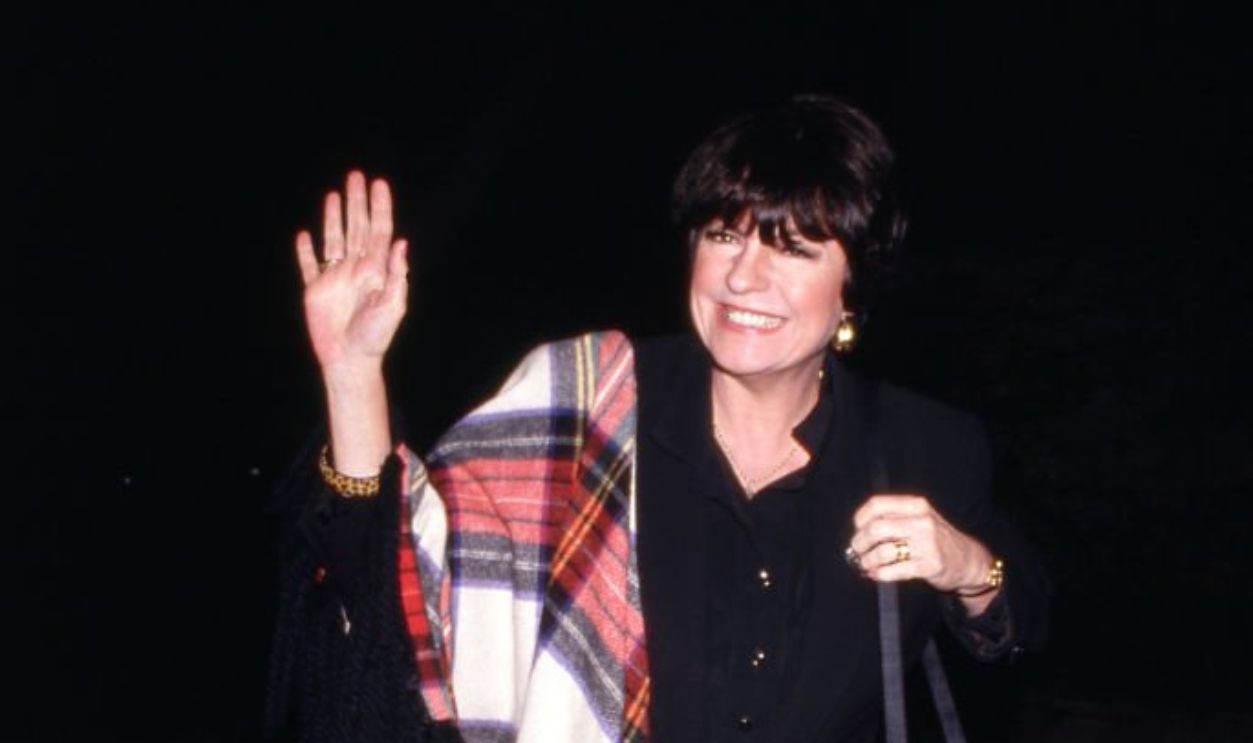
While appearing in a burlesque-style production with Jack Albertson, Worley performed a wordless pantomime under a pink spotlight. Composer and producer Billy Barnes saw the routine and remembered her. For someone known for her voice, one of her earliest breakthroughs came while saying absolutely nothing.
Billy Barnes Took Her To Broadway
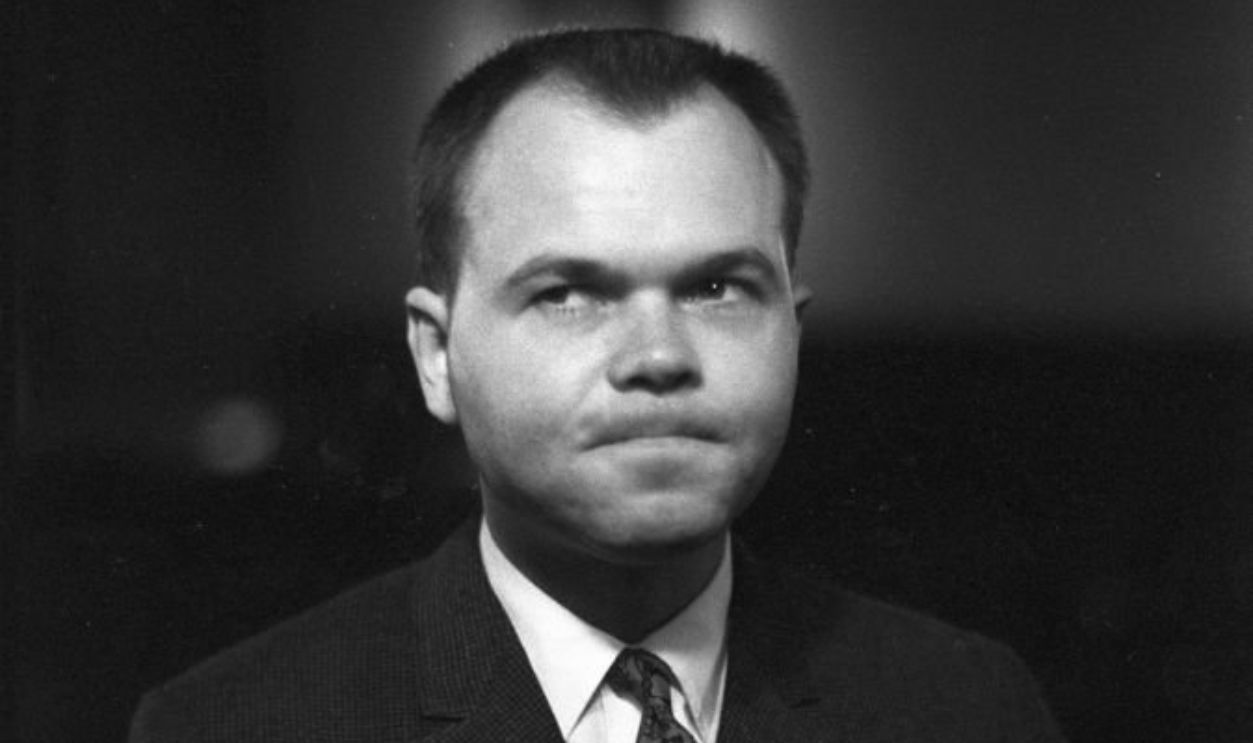
Worley joined The Billy Barnes People, a musical revue that reached Broadway in June 1961. Its Broadway run lasted only five performances, but she played several characters and displayed the versatility that would define her career. Television fame was still years away.
Carnival! Gave Her A Larger Role
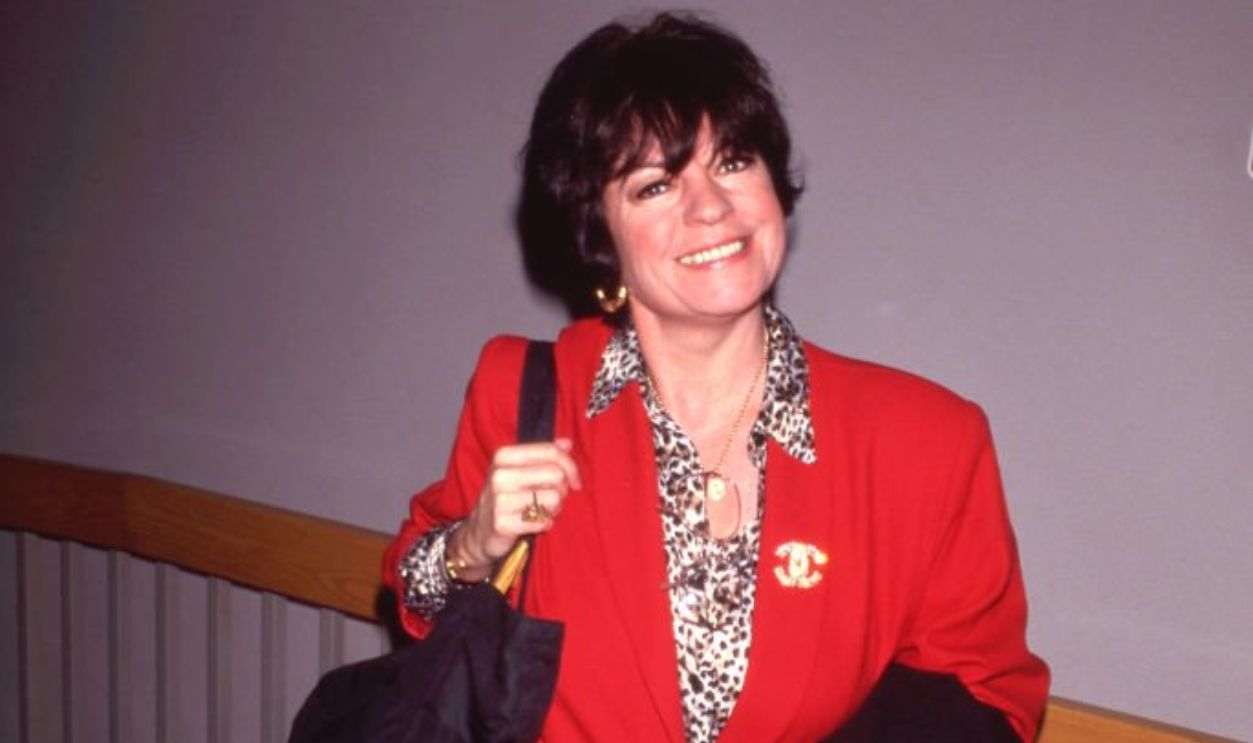
Later in 1961, Worley joined the original Broadway production of Carnival! as the Incomparable Rosalie. The musical ran until March 1963. Her theatrical voice, expressive face, and ability to dominate a scene were becoming professional assets rather than small-town curiosities.
Disney Put Her In The Movies
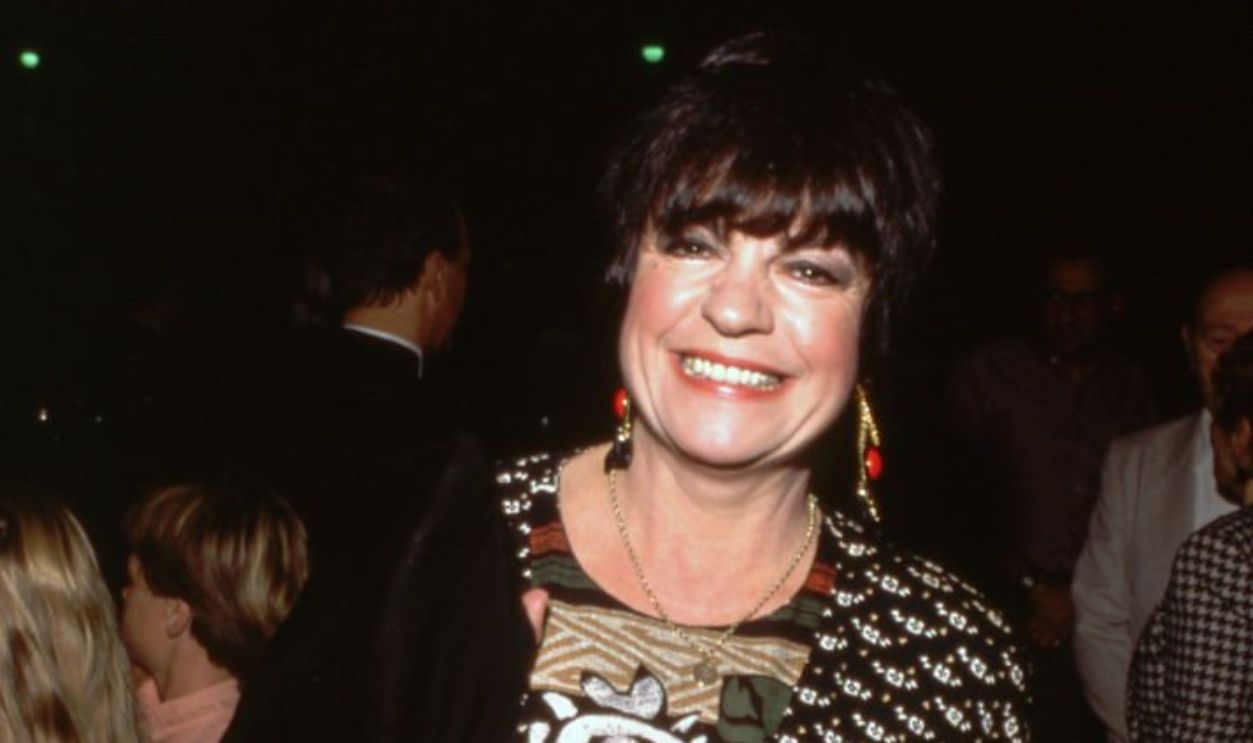
Worley appeared in the 1962 Disney comedy Moon Pilot, playing a woman named Henrietta. She also made early television appearances on The Many Loves of Dobie Gillis. The parts were modest, but she was steadily becoming the sort of performer viewers remembered after one scene.
She Waited Behind Carol Channing
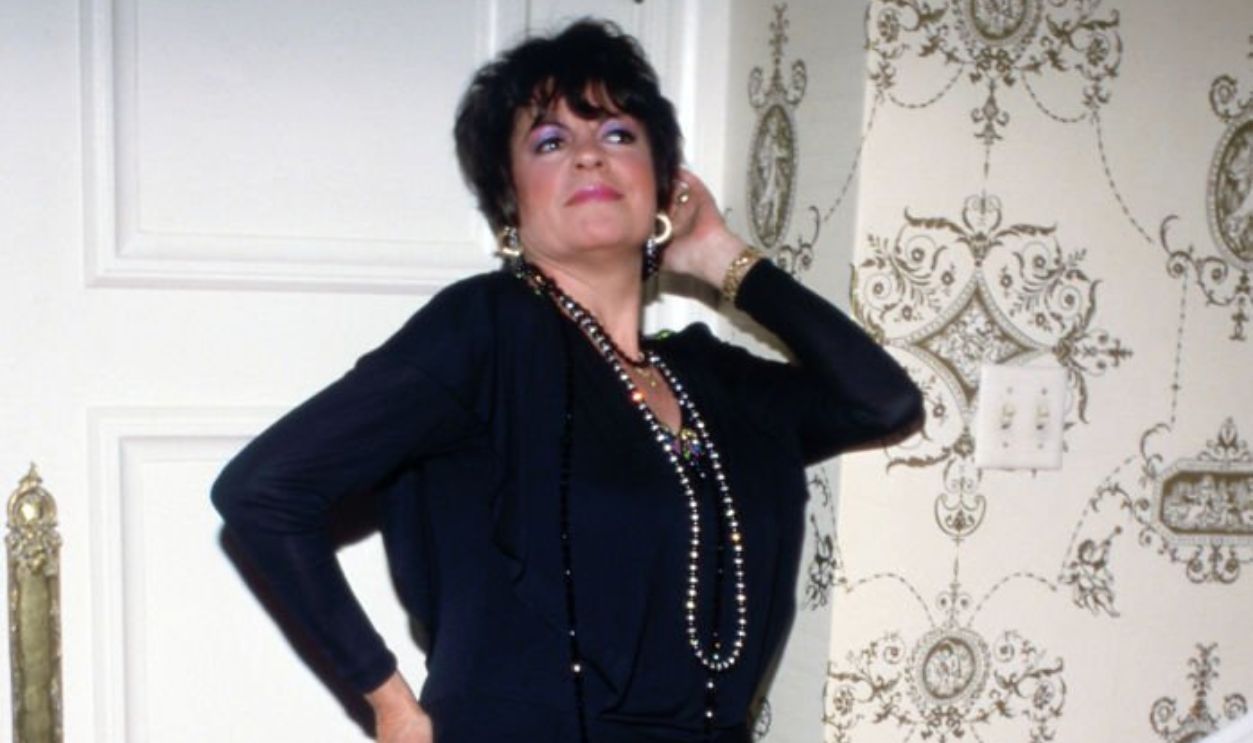
In 1964, Worley became Carol Channing’s standby in the original Broadway production of Hello, Dolly! Unfortunately for understudies everywhere, Channing almost never missed a performance. Worley had few opportunities to play Dolly on Broadway, although she later performed the role in regional productions and on tour.
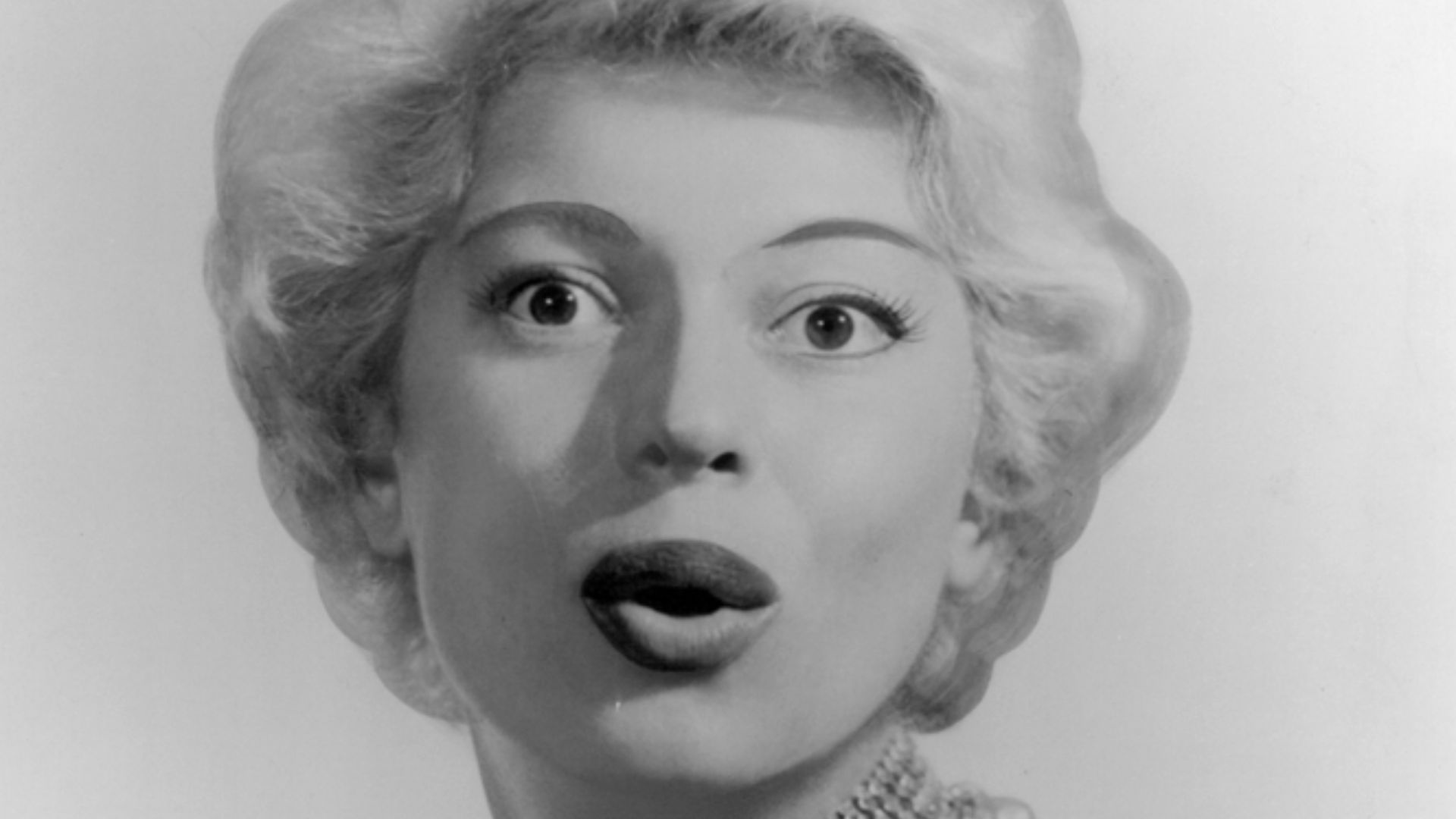 Unknown; studio, Wikimedia Commons
A Nightclub Act Changed Her Direction
Worley developed a comedy-and-singing act in Greenwich Village, combining powerful vocals with funny songs and unexpected twists. Merv Griffin saw her perform in 1966 and invited her onto his television program. She returned repeatedly, gaining the national exposure that Broadway had not yet provided.
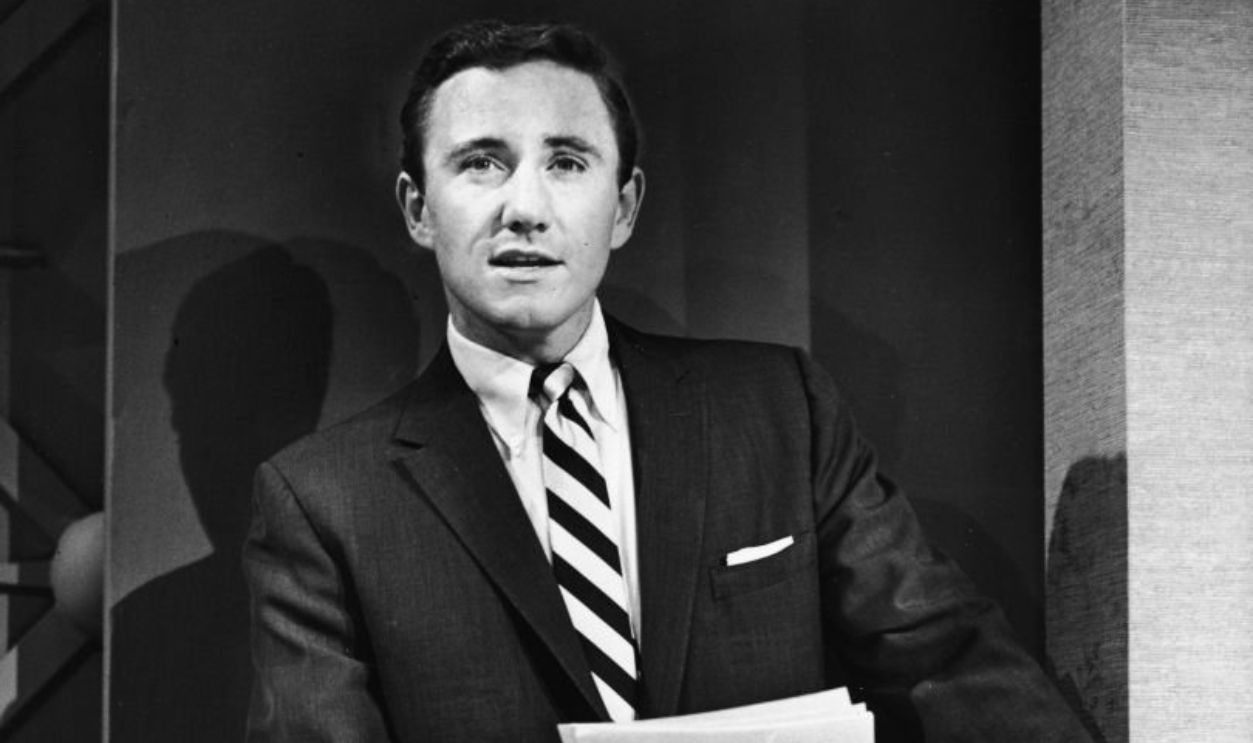 Authenticated News, Getty Images
The Mad Show Sharpened Her Comedy
In 1966, Worley appeared Off-Broadway in The Mad Show, a musical revue inspired by Mad magazine. Its satirical material suited her perfectly. She was not simply a singer with comic timing—she had become a comedian capable of making a ridiculous premise even more ridiculous.
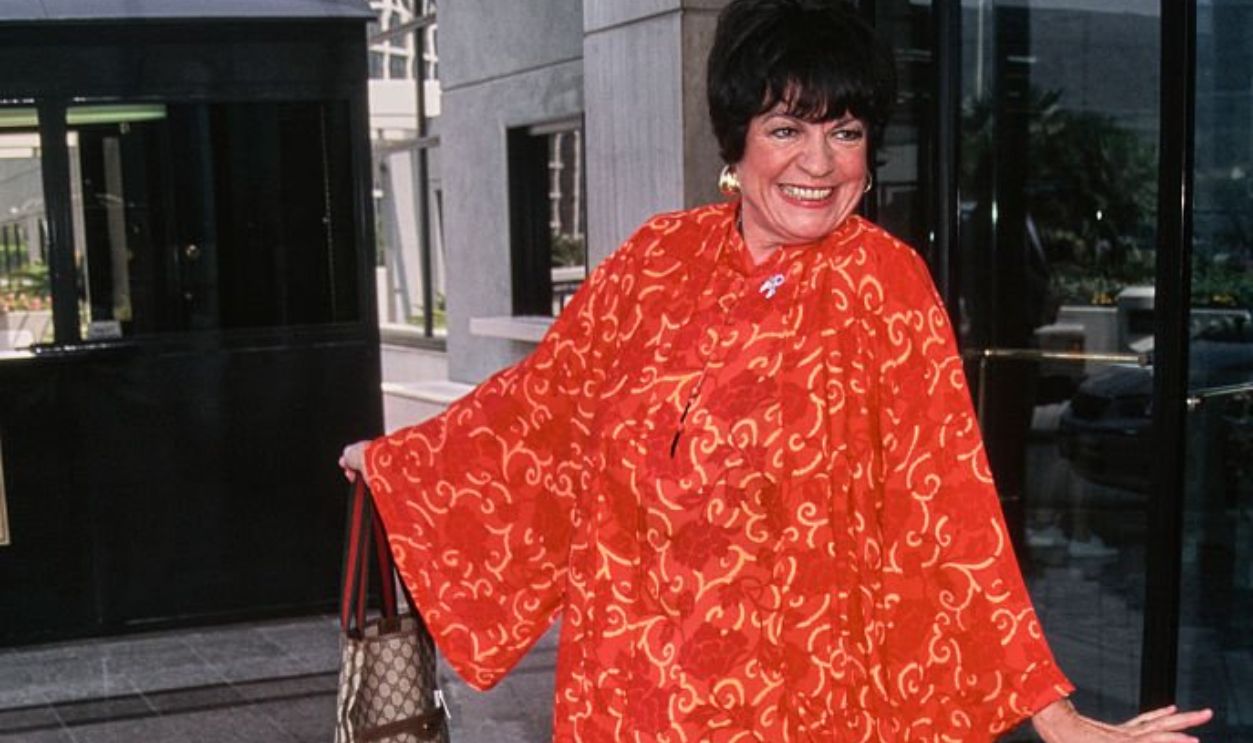
George Schlatter Saw The Tape
Producer George Schlatter watched Worley during one of her Merv Griffin Show appearances and invited her to audition for a new comedy-variety series. She and fellow performer Ann Elder read for the program and were both hired. That program was Rowan & Martin’s Laugh-In.
Television Was About To Lose Control
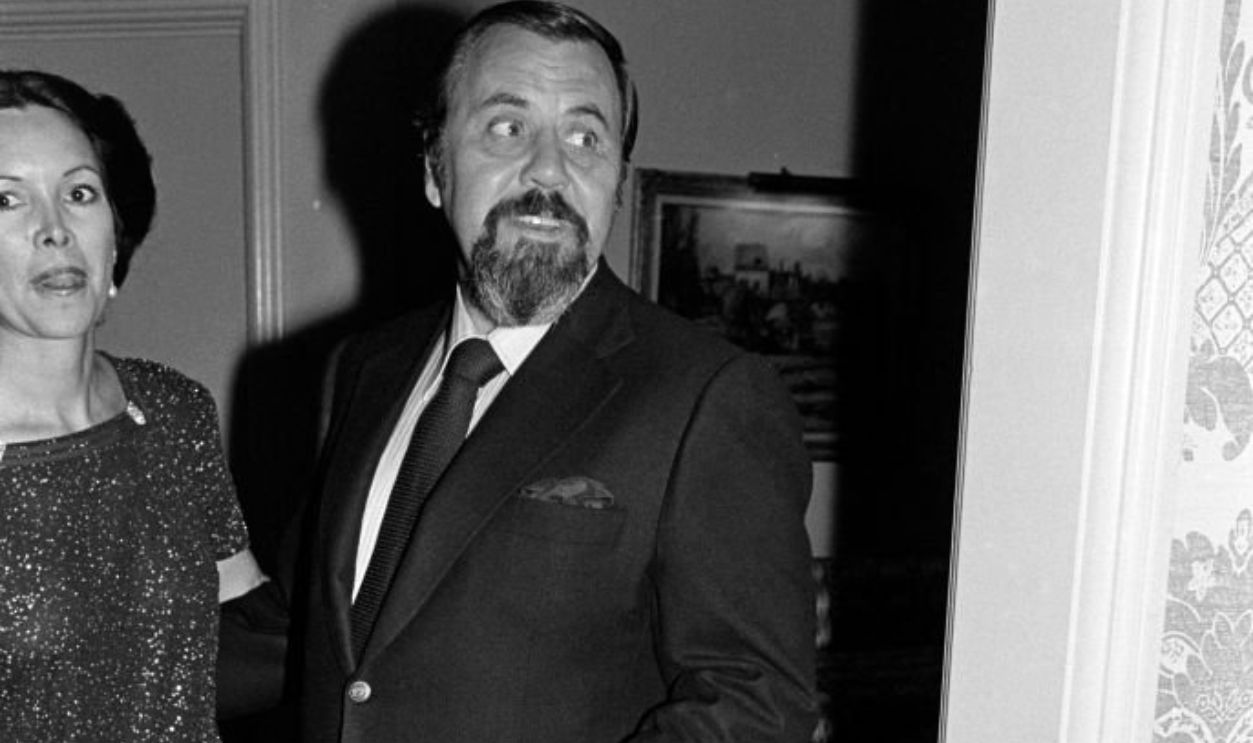
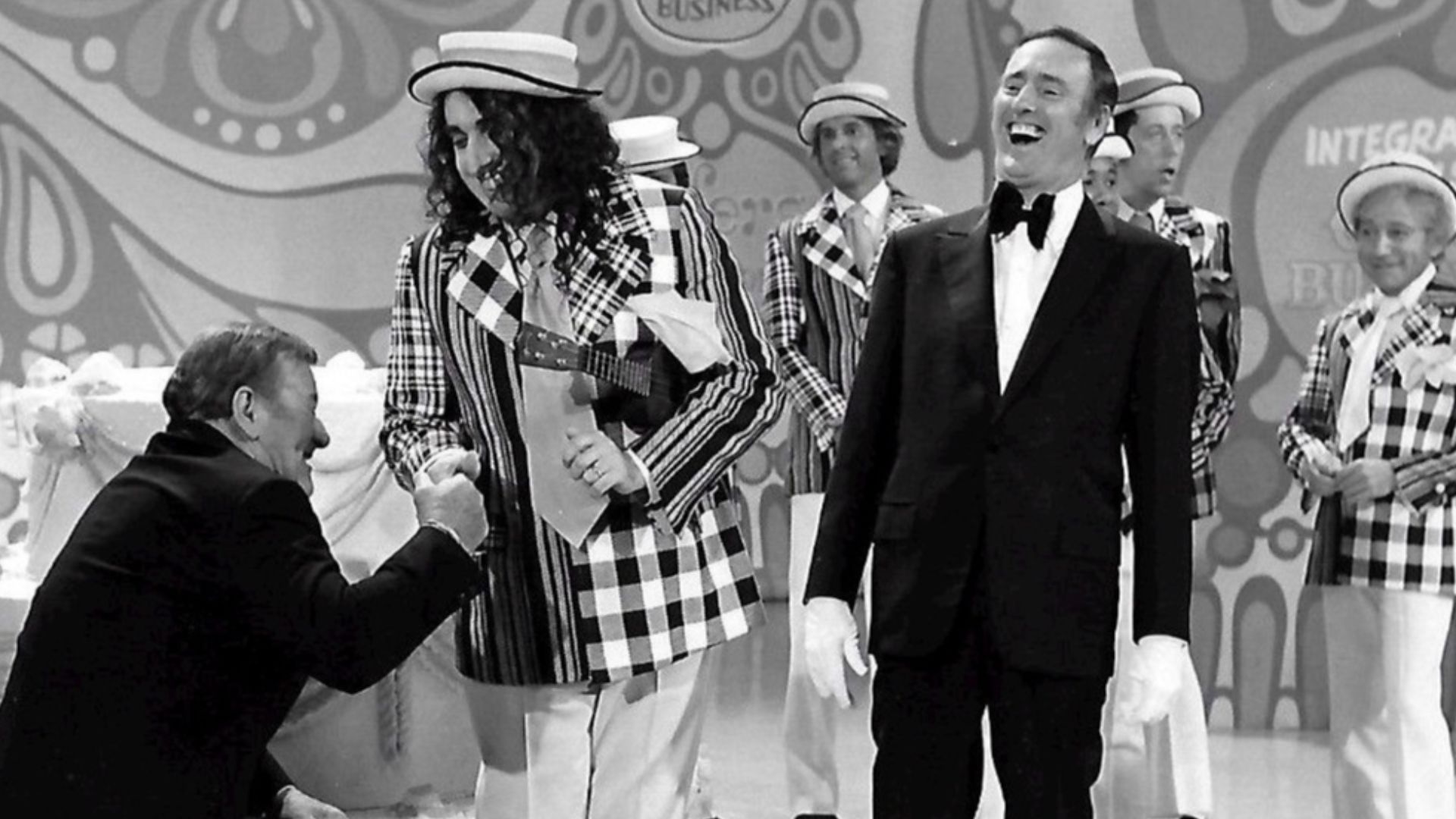
Laugh-In premiered as a regular NBC series in January 1968. Hosted by Dan Rowan and Dick Martin, it used rapid editing, one-line jokes, political satire, dancing, catchphrases, and celebrity cameos. It looked less like traditional variety television and more like someone had dropped the schedule down a staircase.
 NBC Television, Wikimedia Commons
Worley Made The Madness Louder
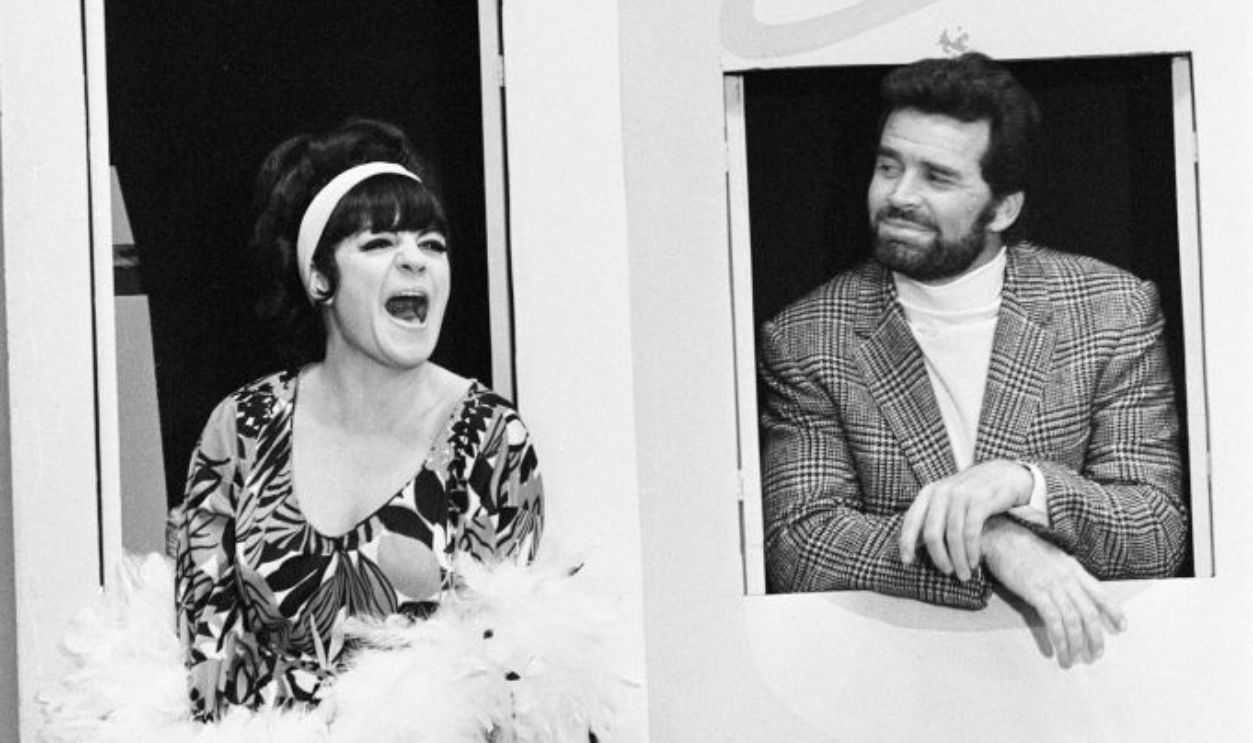
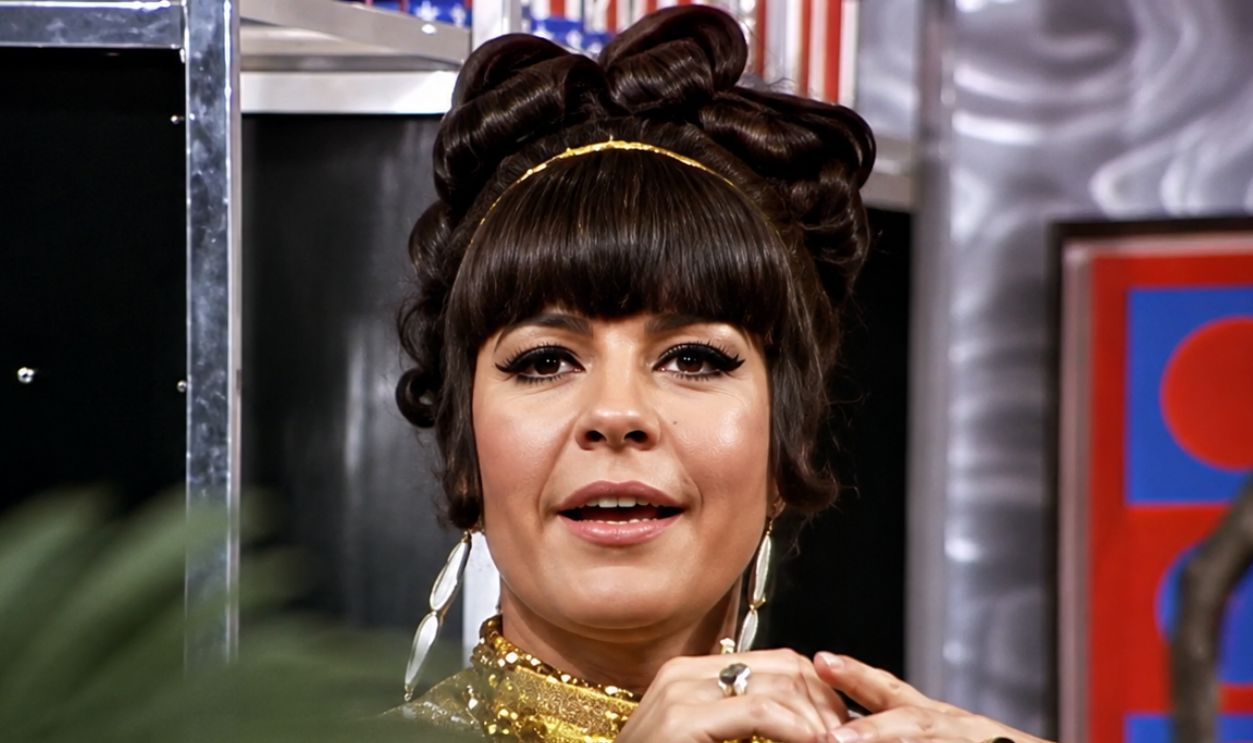
With her booming voice, wide eyes, dramatic jewelry, and operatic delivery, Worley could seize attention in seconds. Because Laugh-In moved at extraordinary speed, performers needed to establish a character almost instantly. Jo Anne could accomplish that with one gasp before she even reached the punchline.
The Work Was Surprisingly Demanding
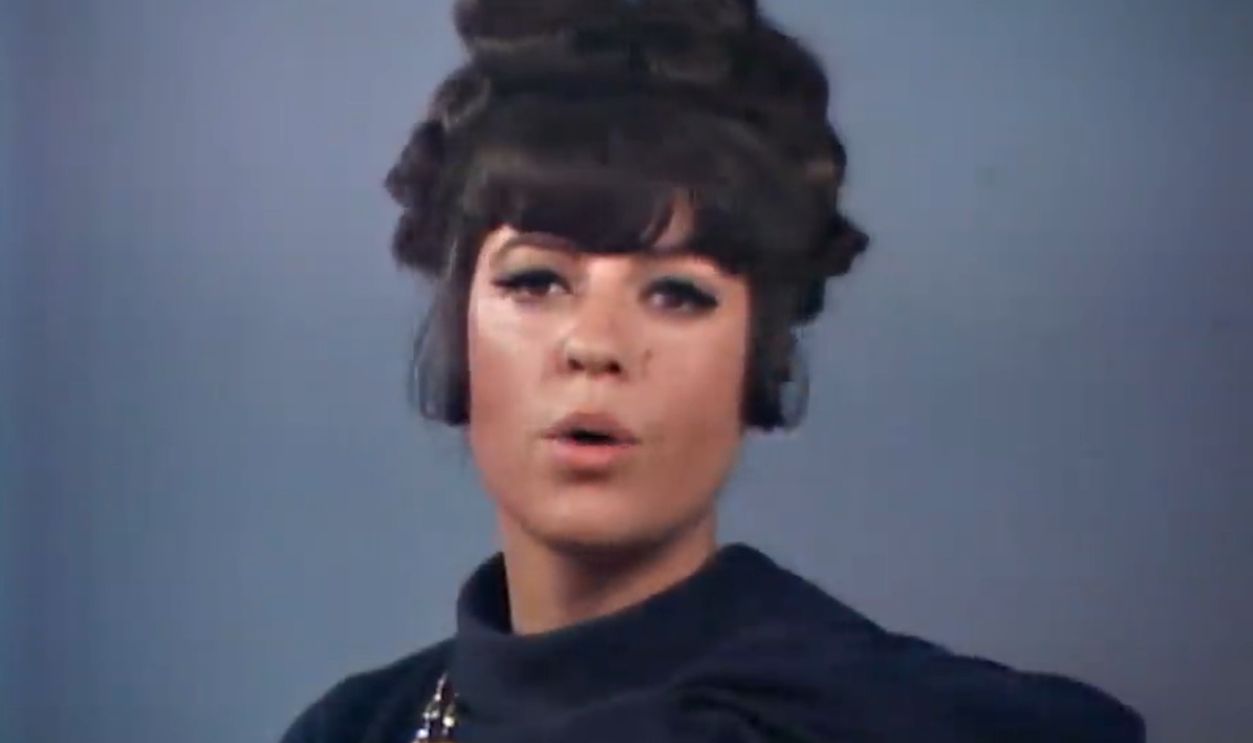
Worley later remembered the production as relentlessly busy. When the cast was not filming, they were rehearsing dance routines, changing costumes, or rushing through hair and makeup. Shooting could continue late into the night. The apparent chaos required an exhausting amount of preparation.
 Screenshot from Rowan & Martin’s Laugh-In, NBC (1968-1973)
She Could Rescue An Unplanned Moment
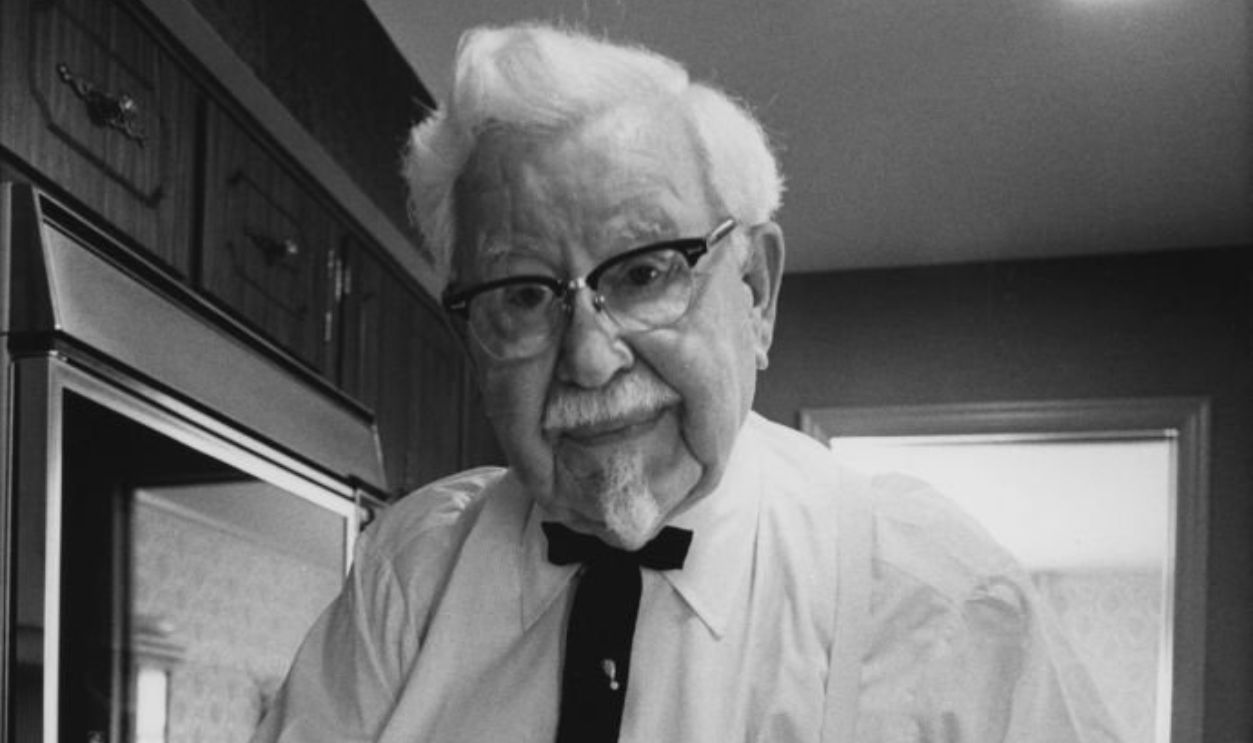
During one appearance, Colonel Harland Sanders placed his hand on Worley’s chest as they walked off the set before an audience. Worley immediately replied, “Oh, Colonel Sanders, I thought you were a leg man!” The audience roared, and an uncomfortable moment became her joke instead of his.
She Joined An Extraordinary Ensemble
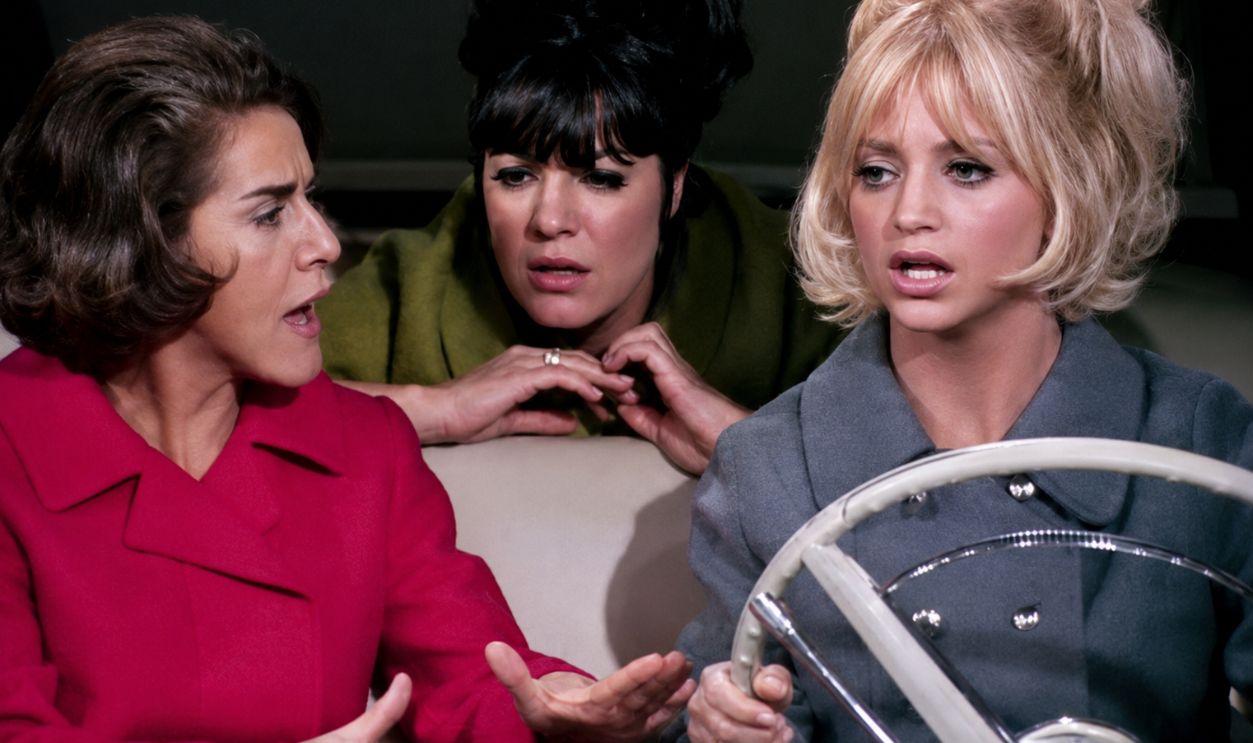
Worley worked beside Ruth Buzzi, Arte Johnson, Goldie Hawn, Henry Gibson, Judy Carne, Alan Sues, and numerous visiting celebrities. Each performer had a distinctive comic identity. Worley’s specialty was theatrical outrage—the expression of a woman who had just heard something too absurd to remain seated.
 Screenshot from Rowan & Martin’s Laugh-In, NBC (1968-1973)
Fame Arrived Almost Instantly
Laugh-In became the highest-rated television program in America during its first two seasons. Worley’s appearances made her recognizable across the country, even though most sketches lasted only seconds. She had spent years training for theater, only to become famous through jokes that sometimes ended before she finished inhaling.
 Screenshot from Rowan & Martin’s Laugh-In, NBC (1968-1973)
She Walked Away In 1970
Worley left Laugh-In in 1970 after three seasons to pursue other opportunities. She had not been fired, nor had the program ended. Departing television’s biggest comedy hit was risky, but she understood that remaining indefinitely could trap her inside one exaggerated version of herself.
Television Kept Calling Anyway
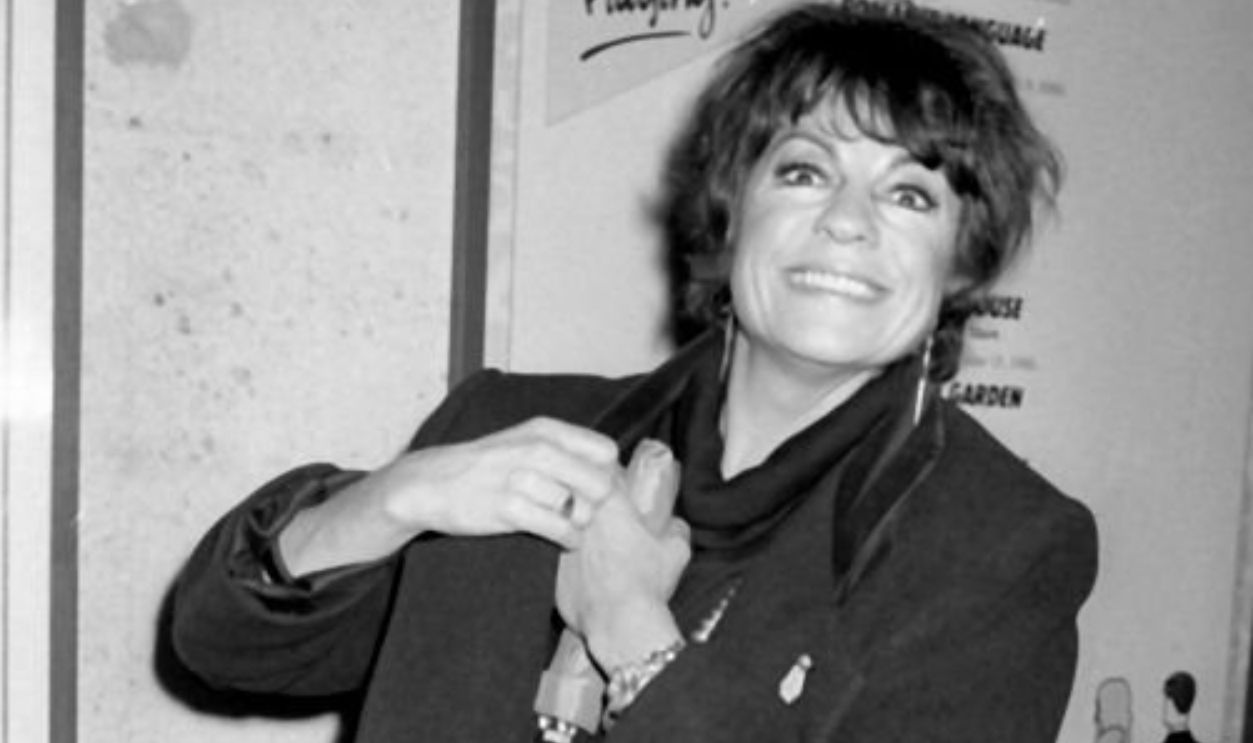
After leaving, Worley appeared in programs including Love, American Style, The Tonight Show Starring Johnny Carson, The Feminist and the Fuzz, Adam-12, Hawaii Five-O, Emergency!, CHiPs, The Love Boat, and Murder, She Wrote. The famous laugh remained useful almost everywhere.
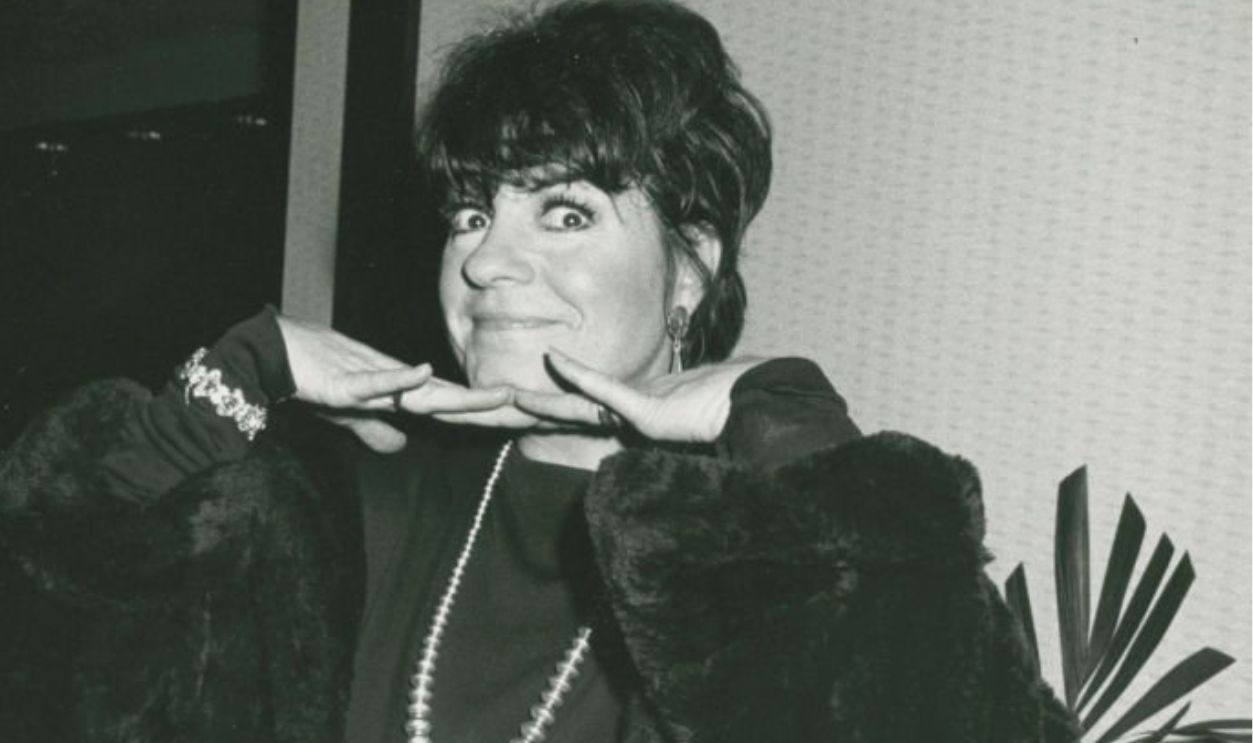
Game Shows Loved Her Unpredictability
Worley became a familiar celebrity guest on Hollywood Squares, Pyramid, Match Game, Super Password, and other game shows. Like Charles Nelson Reilly and Brett Somers, she understood that giving the correct answer was only part of the assignment. Making the answer entertaining mattered considerably more.
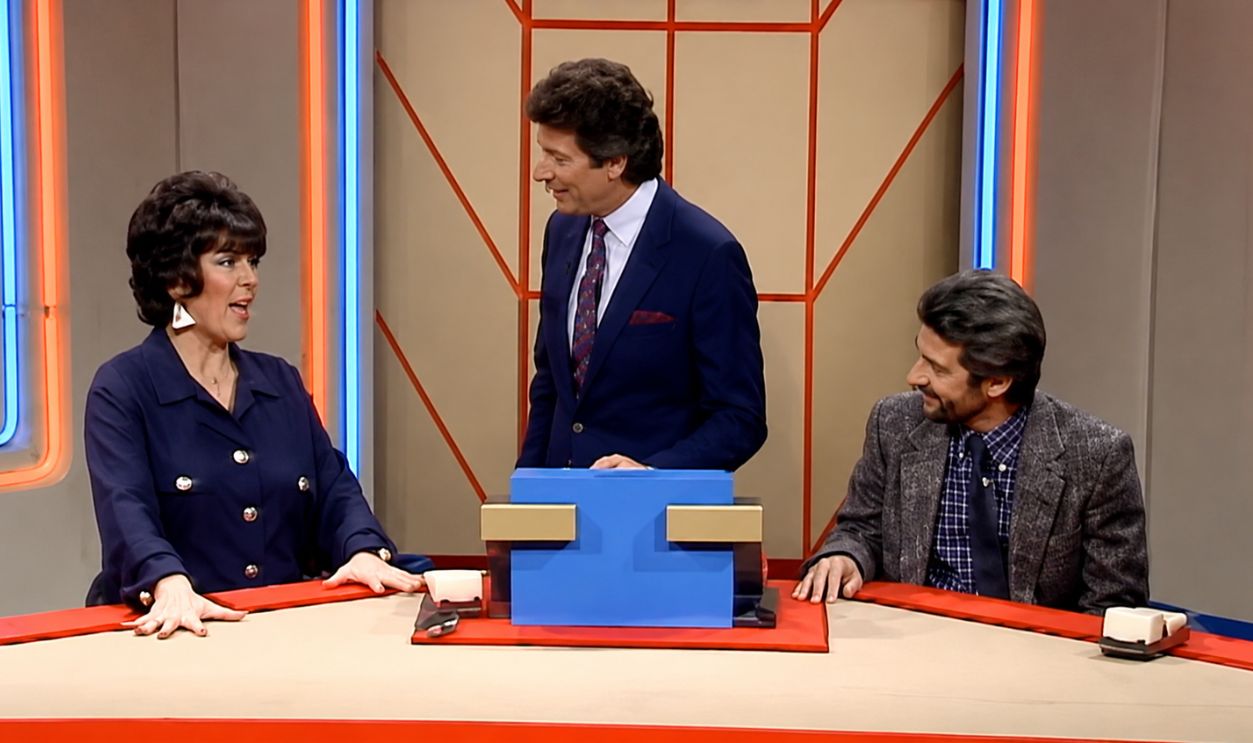 Screenshot from Super Password, NBC (1984-1989), Enhanced
She Married A Fellow Actor
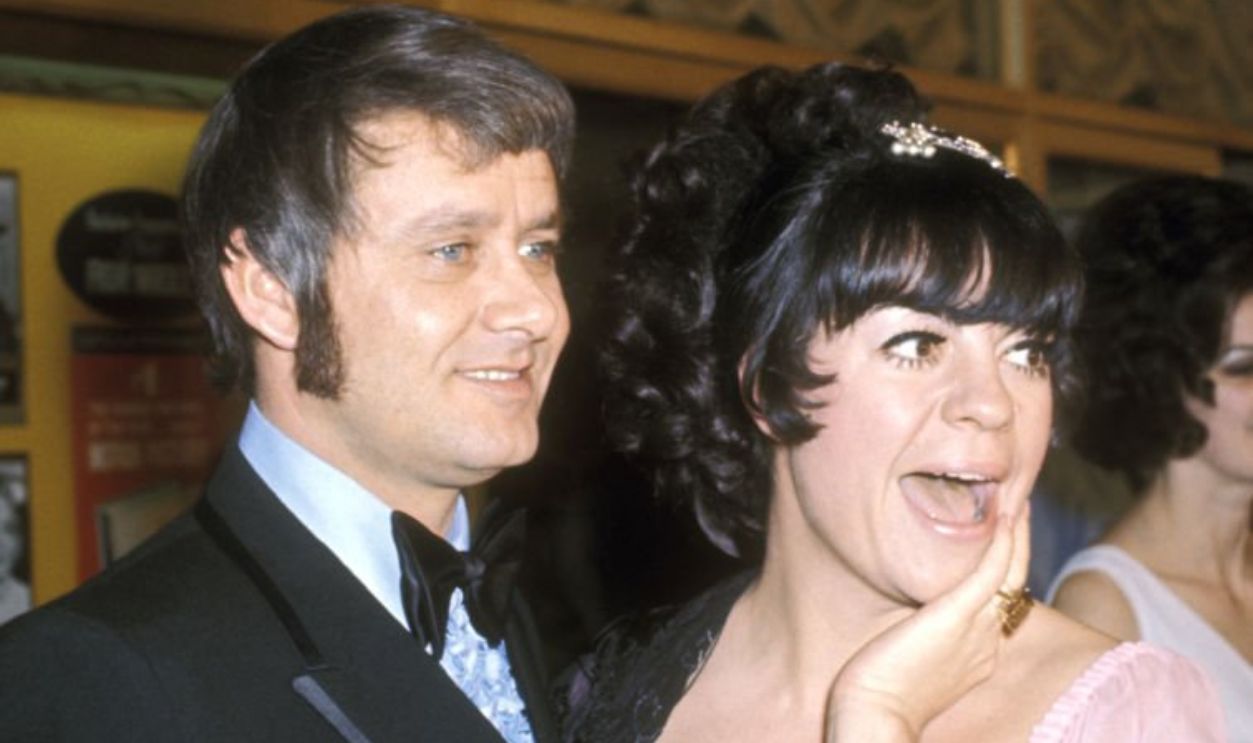
On May 11, 1975, Worley married actor Roger Perry, whose credits included Star Trek, Harrigan and Son, and The Facts of Life. The couple had no children and generally kept their marriage away from publicity. They divorced in 2000 after approximately 25 years together.
The Stage Never Stopped Calling
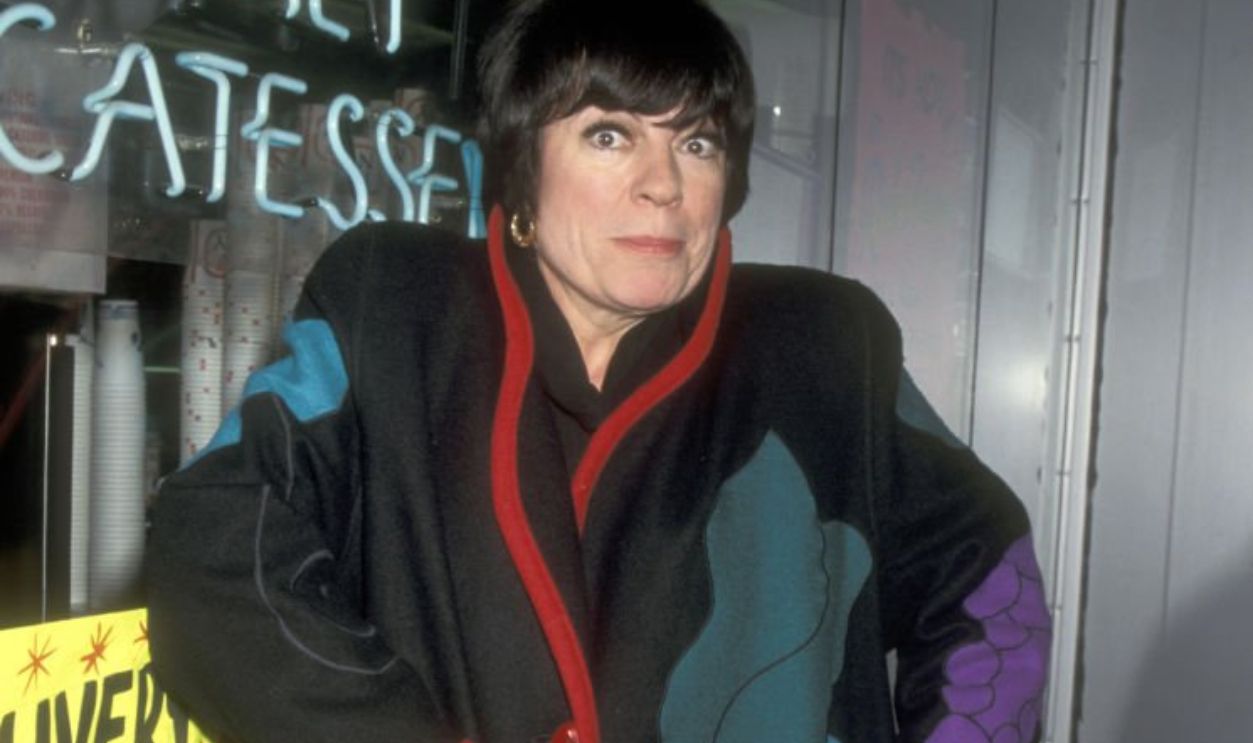
Worley remained deeply involved in regional and touring theater. She played Ruth in the 1981 Broadway revival of The Pirates of Penzance, Miss Hannigan in Annie, Miss Lynch in Grease, and the Wicked Witch of the West in The Wizard of Oz. Big personalities followed her everywhere.
Animation Discovered The Perfect Voice
Worley’s unmistakable delivery made her ideally suited for animation. She voiced Hoppopotamus in Disney’s The Wuzzles and appeared in several animated films, television programs, and video games. Even without her expressive face, audiences could recognize her almost immediately.
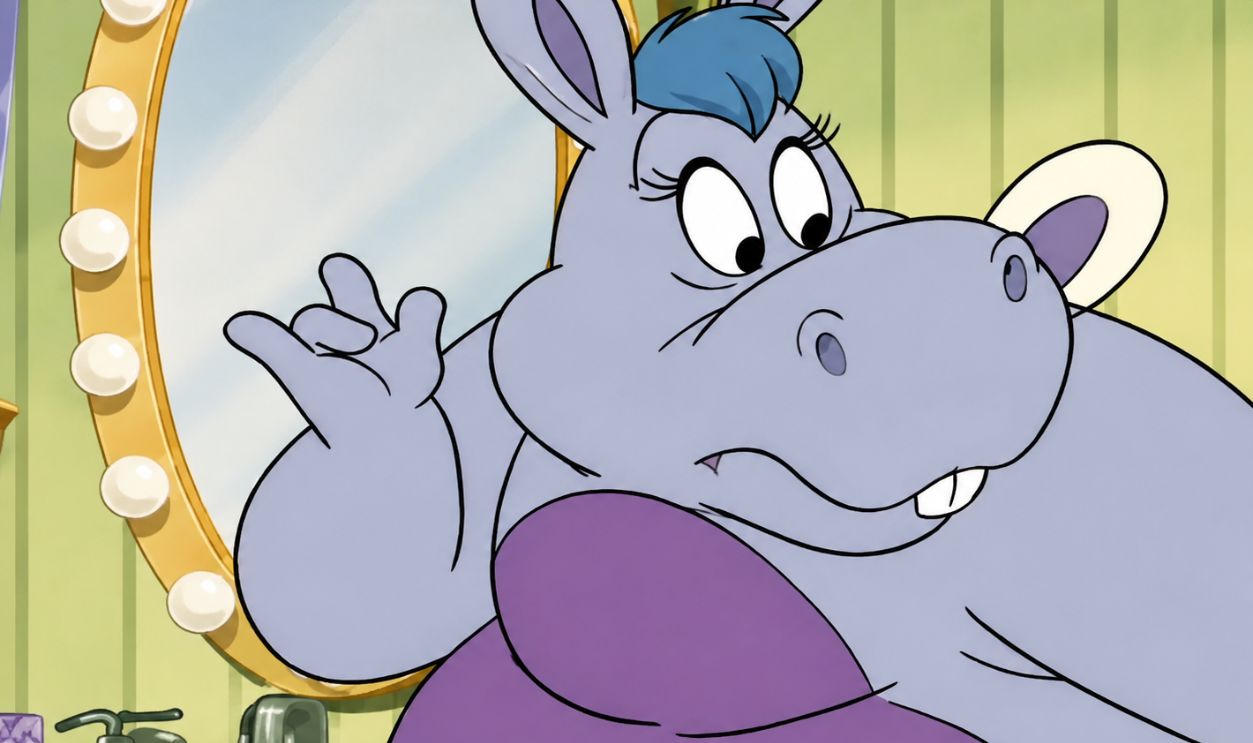 Screenshot from The Wuzzles, Buena Vista Television (1985), Enhanced
The Wardrobe Introduced Her To Children
In Disney’s 1991 animated classic Beauty and the Beast, Worley voiced the Wardrobe, an operatic piece of furniture who enthusiastically helps Belle prepare for dinner. Worley recorded separately from the other actors, but she recalled sensing that the film was becoming something special.
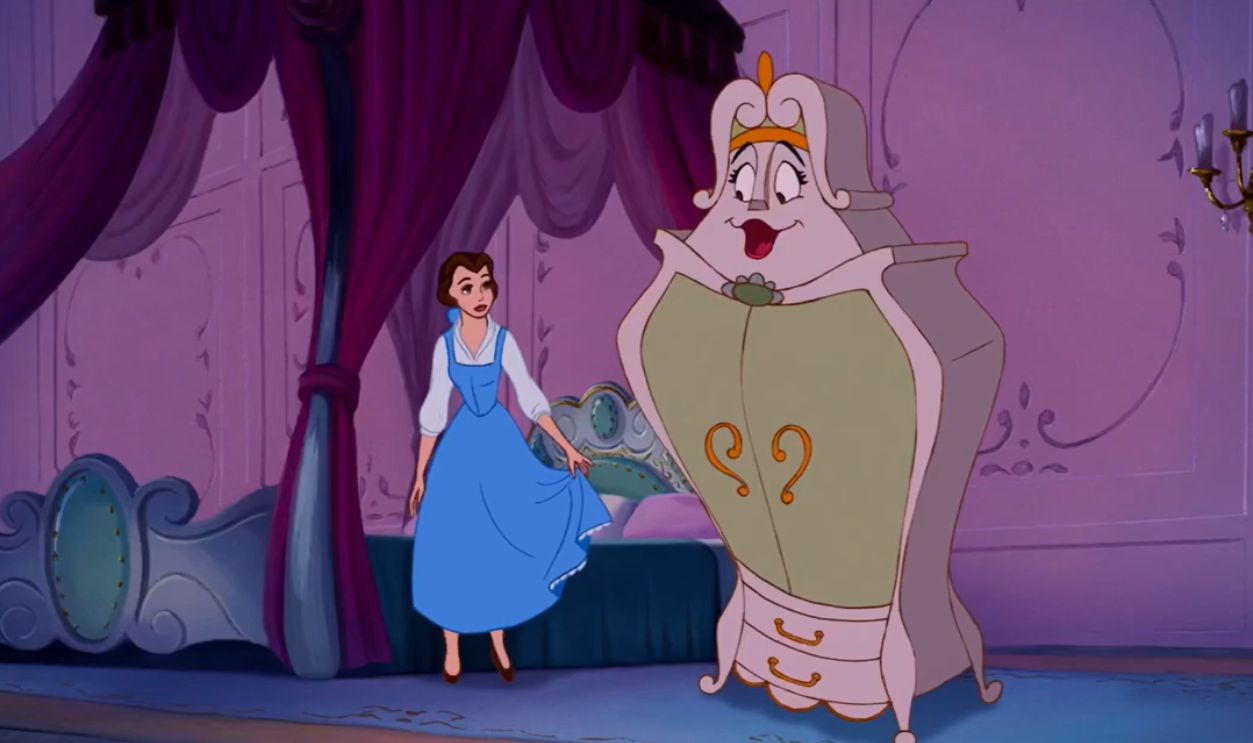 Screenshot from Beauty and the Beast, Walt Disney Studios Motion Pictures (1991)
Broadway Welcomed Her Back Again
In 2007, Worley returned to Broadway as Mrs. Tottendale in The Drowsy Chaperone. The following year, she played Madame Morrible in the Los Angeles production of Wicked. Decades after Laugh-In, major musicals were still finding excellent uses for her commanding voice and impeccable comic timing.
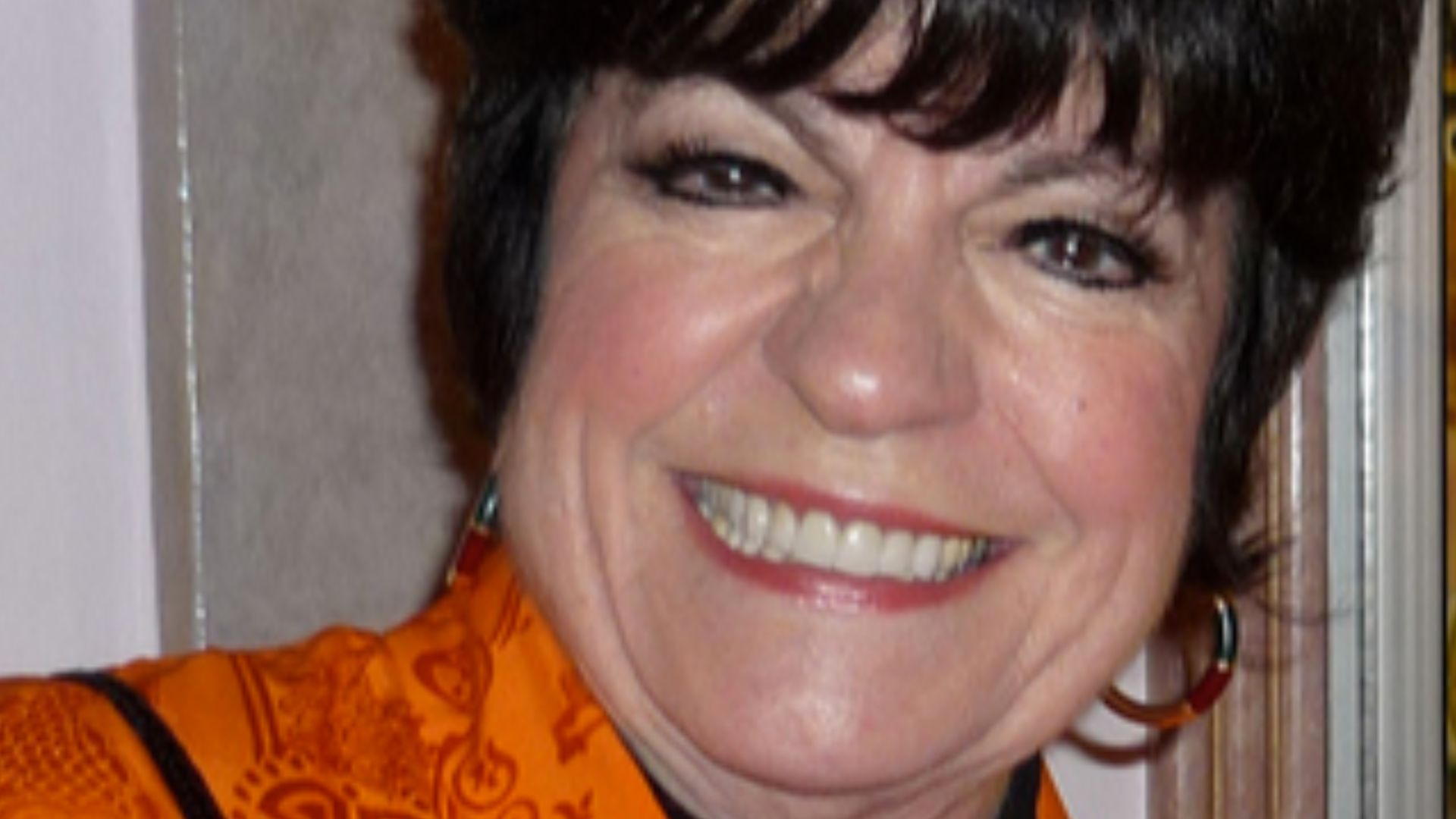 Greg Hernandez at https://www.flickr.com/photos/greginhollywood/, Wikimedia Commons
Younger Viewers Kept Discovering Her
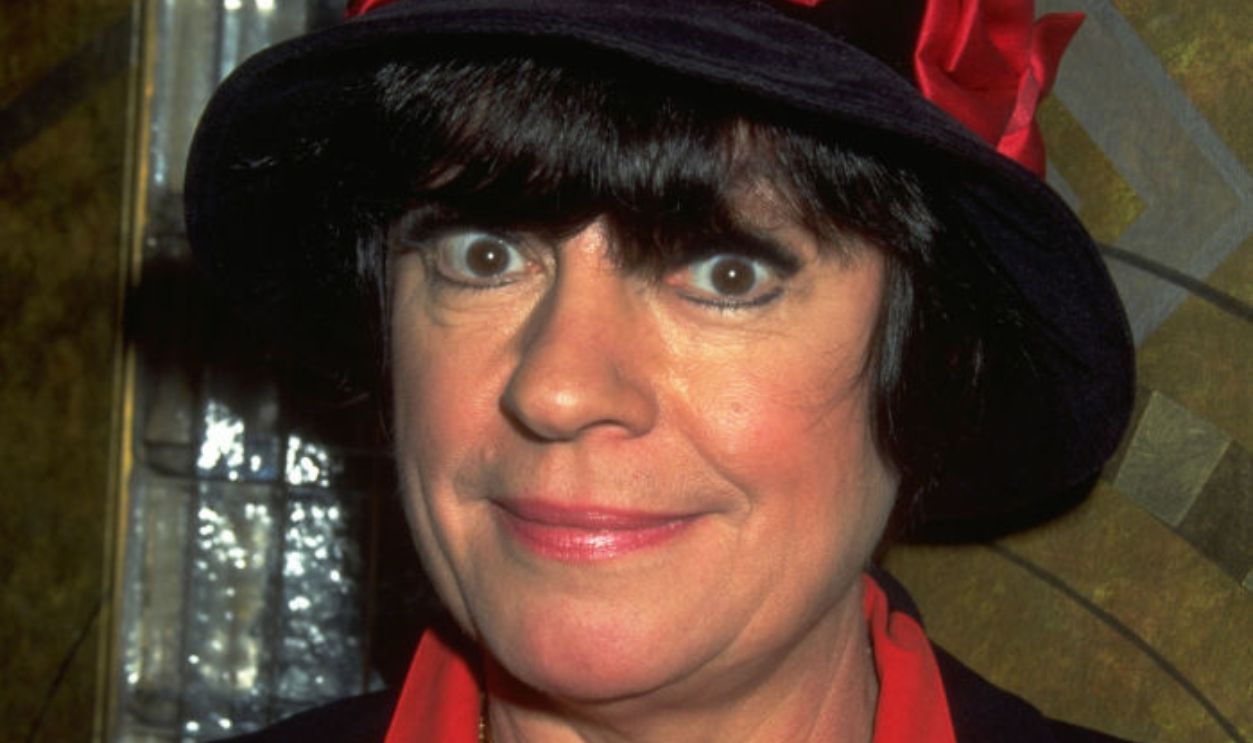
Worley later appeared in programs including Curb Your Enthusiasm, Bones, The Middle, Jessie, and Wizards of Waverly Place. She also performed voice roles connected to Kim Possible and Disney Princess projects. Her career quietly crossed from baby-boomer television into entertainment watched by their grandchildren.
Animals Became Her Other Great Cause
Worley devoted decades to Actors and Others for Animals, a Southern California organization that helps pet guardians obtain veterinary care and supports spay-and-neuter programs. She joined its board in 1982, later served as vice president, and became the organization’s president in 2007.
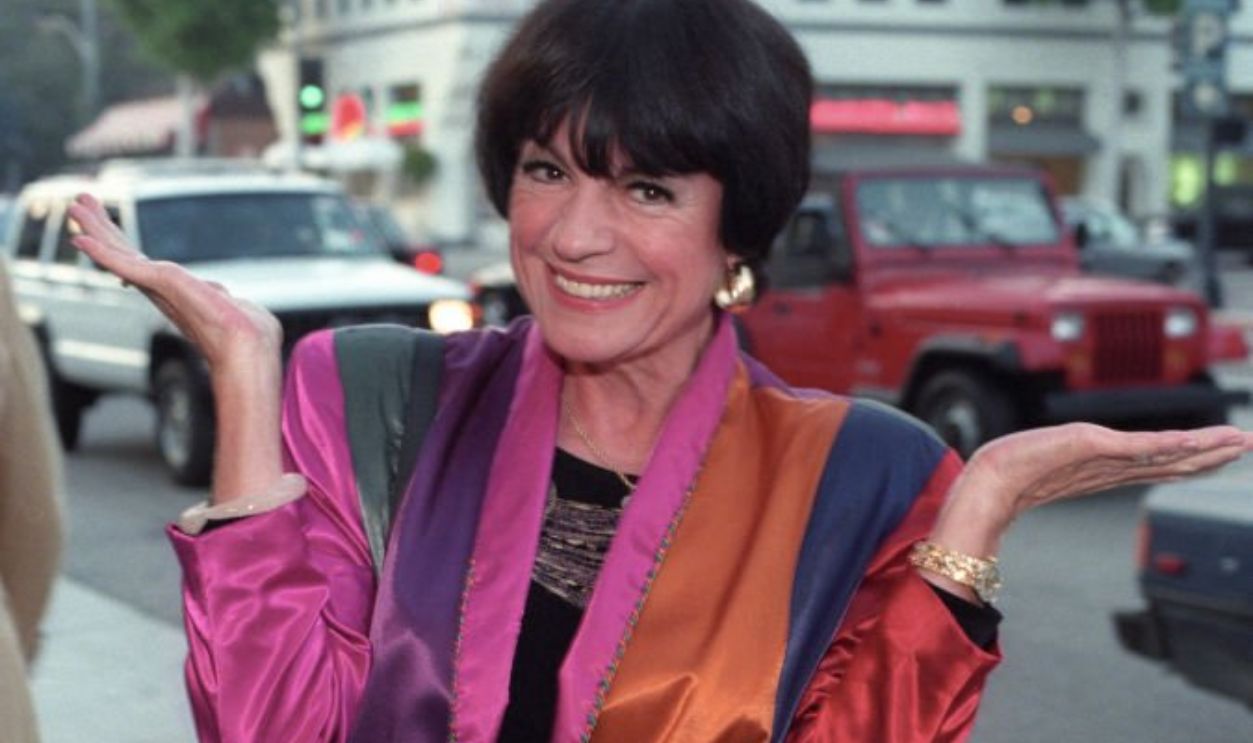
Her Rescue Dog Inspired Her Philosophy
Worley has spoken warmly about her rescue dog, Harmony, and summarized her personal goal with characteristic simplicity: “to be the kind of person my dog thinks I am.” Behind the explosive laugh was someone who turned her celebrity into practical, long-term help for animals and their owners.
Laugh-In Was Only The Beginning
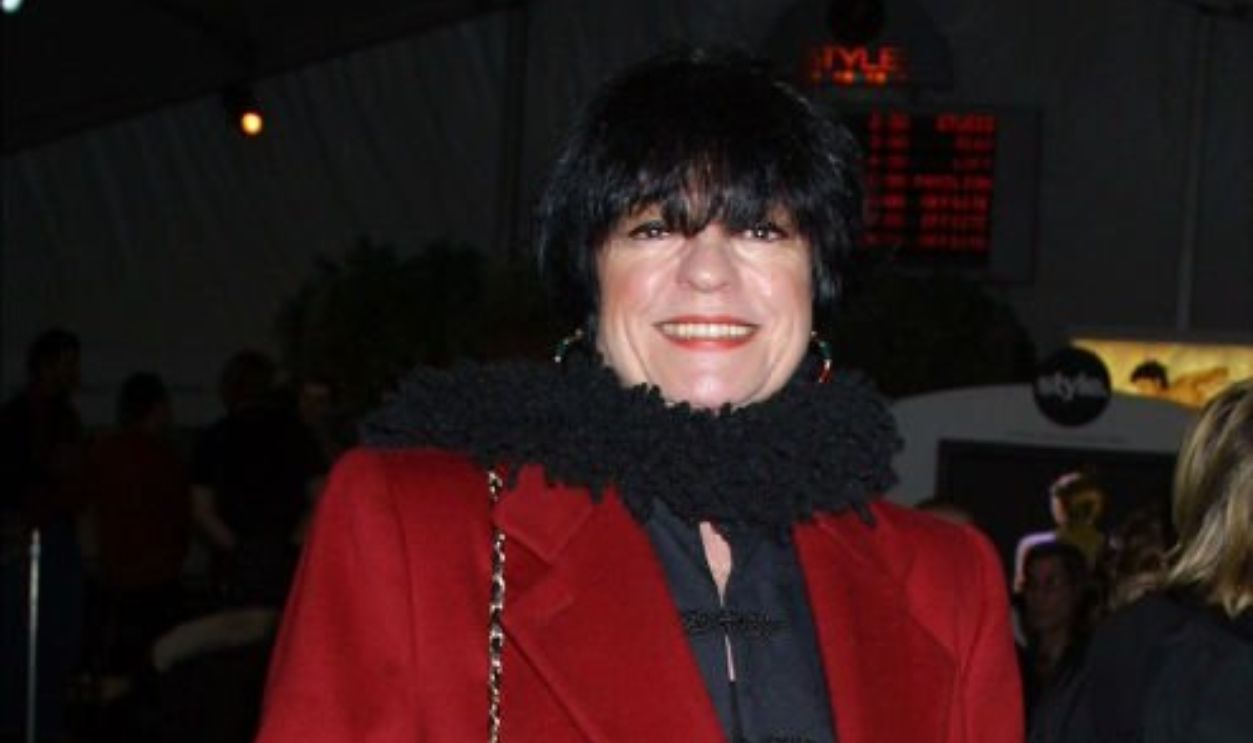
Jo Anne Worley made Laugh-In louder, stranger, and considerably harder to ignore—but three seasons never defined her. Broadway musicals, Disney films, television roles, game shows, and animal advocacy followed. Her career proved that a performer could be unforgettable without being trapped forever inside her most famous show.
You May Also Like: