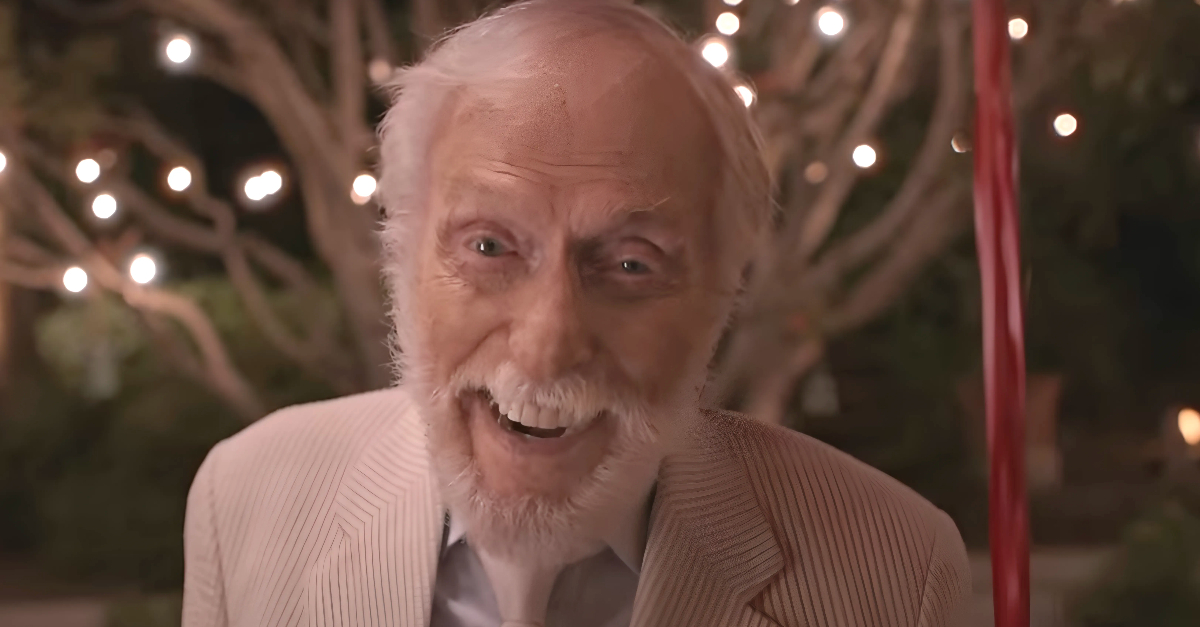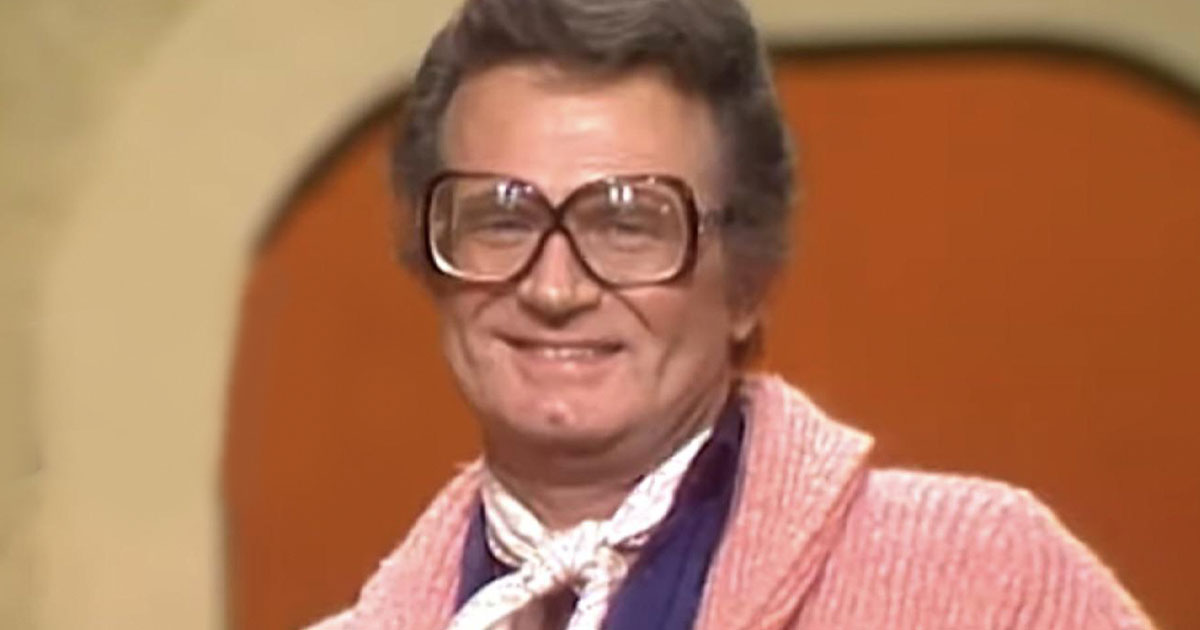
The Man Behind The Ascot
Charles Nelson Reilly became a 1970s television favorite by wearing enormous glasses, delivering shameless double entendres, and turning every game show into controlled chaos. Yet behind that gloriously campy persona was a Tony-winning actor who survived a horrifying childhood tragedy—and challenged television rules simply by refusing to disappear.
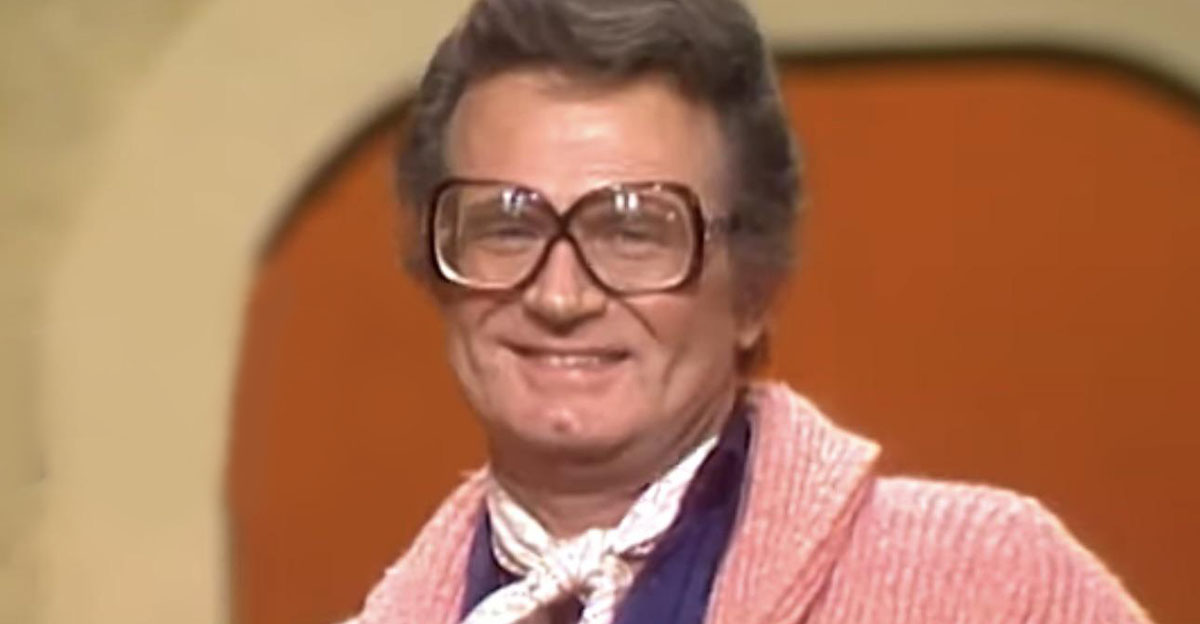 NBC Network, Match Game (1973 -1982)
He Was Born In The Bronx
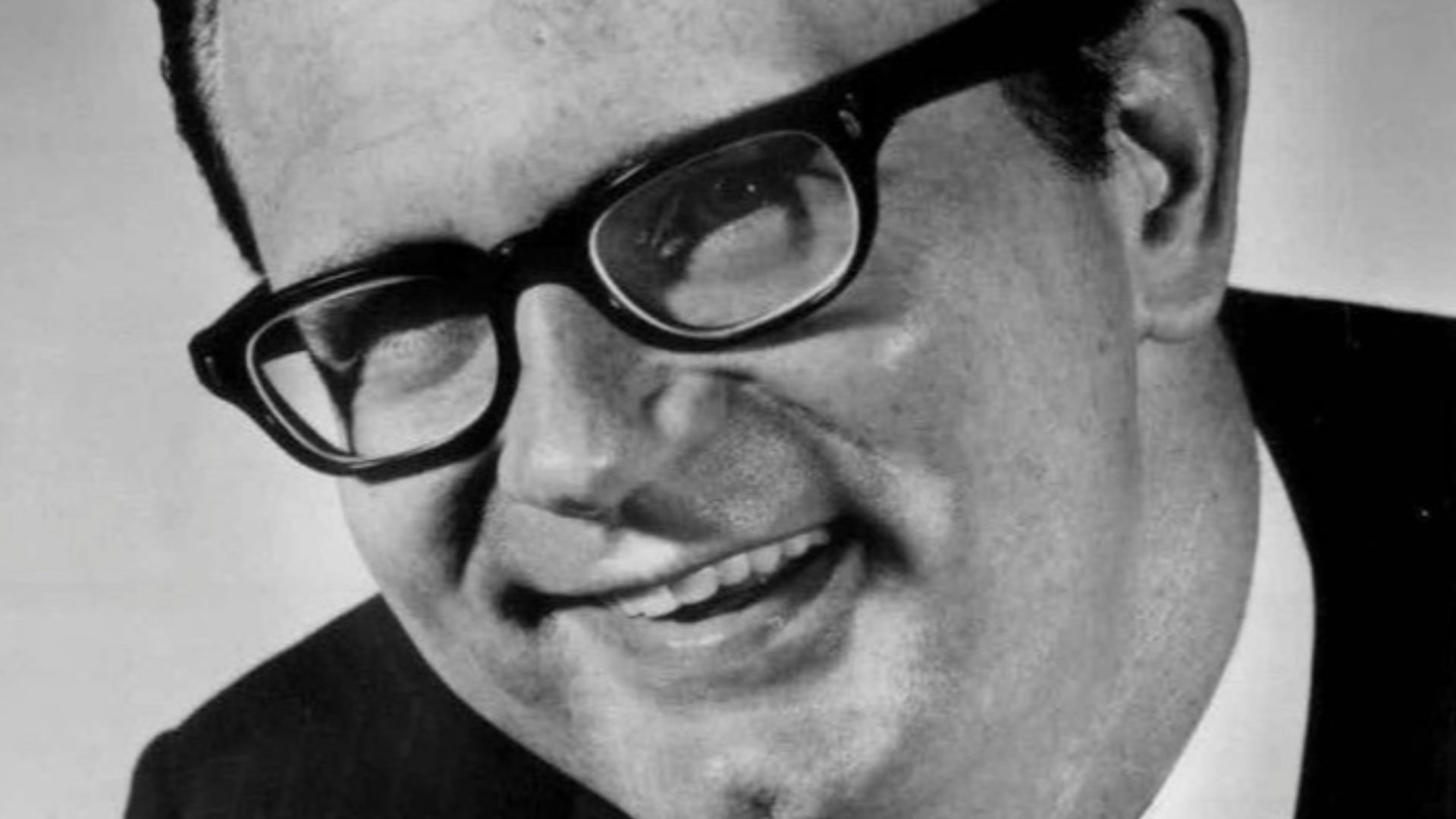
Charles Nelson Reilly was born in the Bronx, New York, on January 13, 1931. He was the only child of an Irish Catholic father and a Swedish Lutheran mother. The theatrical child growing up inside that tense household would eventually become impossible for America to ignore.
 NBC Television Network., Wikimedia Commons
His Father Had Artistic Ambitions
Reilly’s father, Charles Joseph Reilly, was a commercial artist who designed outdoor advertising for Paramount Pictures. According to stories Reilly later told, Walt Disney once offered his father work in California. His father declined—and the family’s future traveled down a considerably darker road.
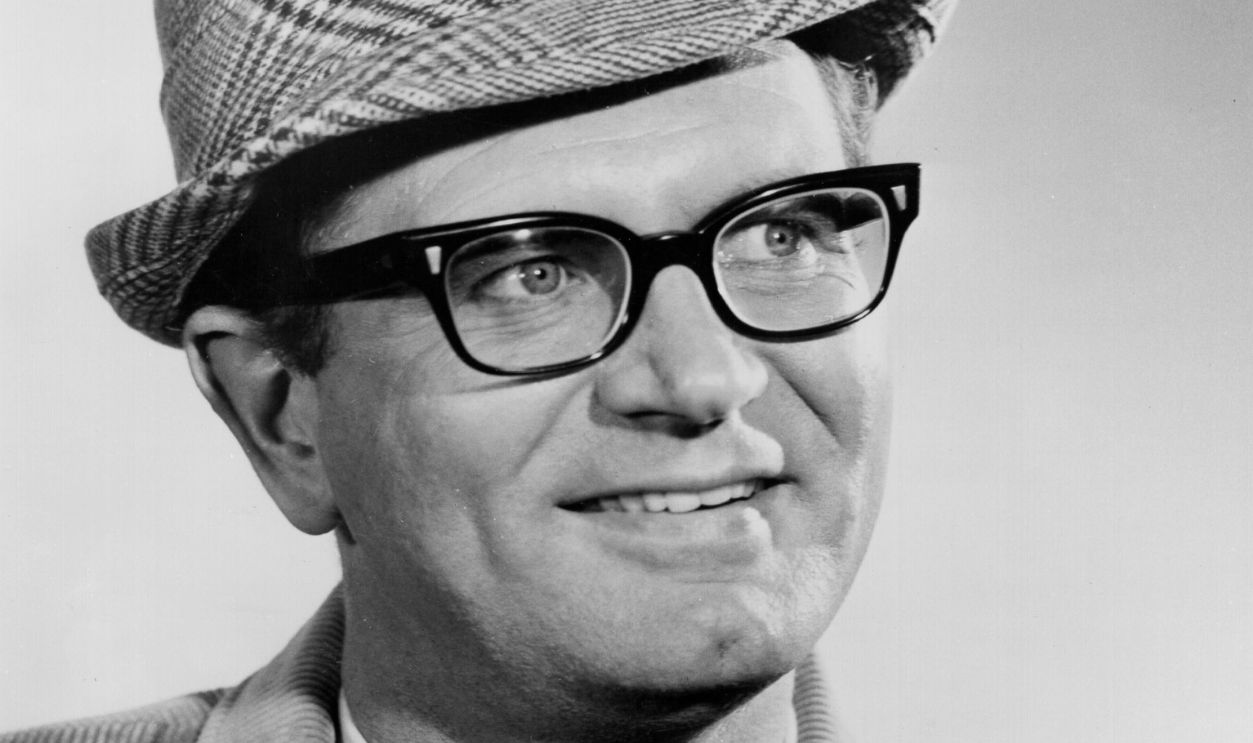 Michael Ochs Archives, Getty Images
His Childhood Home Became Unstable
Reilly recalled his father drinking heavily and eventually suffering a serious breakdown that led to institutionalization. He and his mother later lived with her relatives in Connecticut. The quick-witted performer audiences eventually loved had learned early that a household could change without warning.
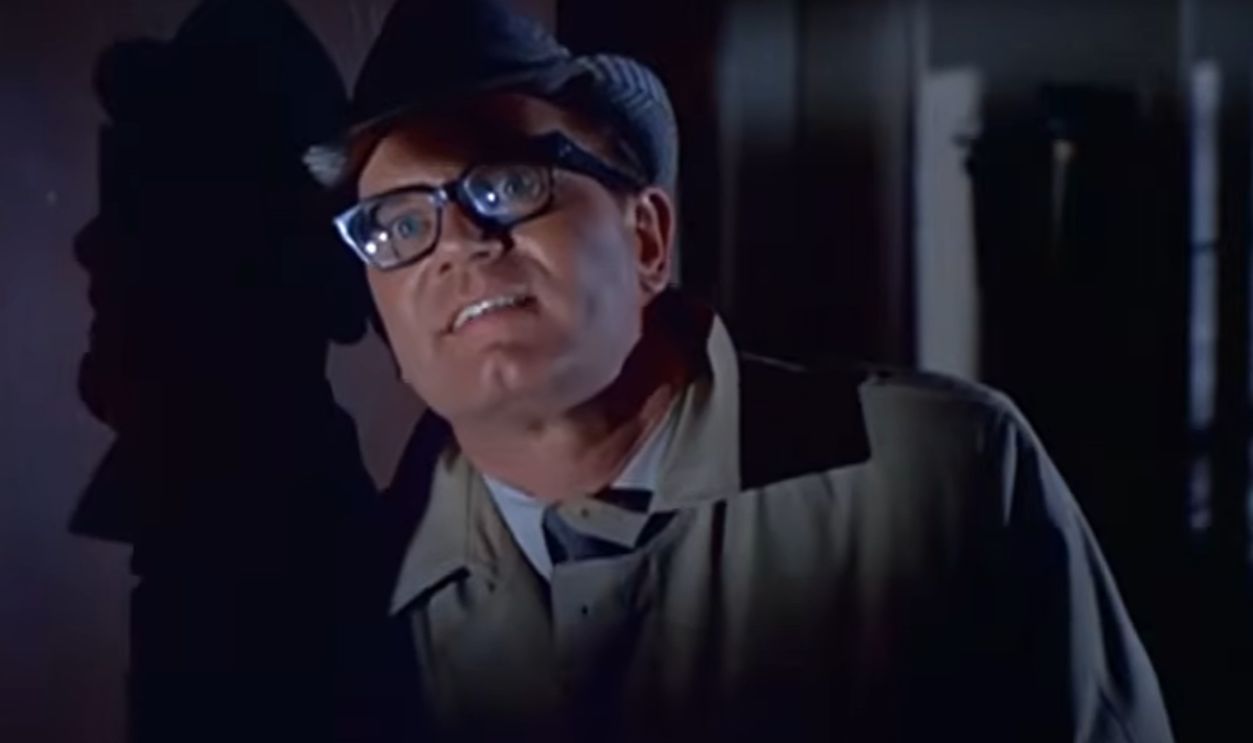 Screenshot from The Ghost & Mrs. Muir, The Walt Disney Company (1968-1970)
His Mother Could Be Cruel
Reilly described his mother, Signe, as volatile, prejudiced, and capable of astonishingly hurtful remarks. One of her repeated commands became famous: whenever young Charles behaved theatrically, she told him to “save it for the stage.” Years later, he turned those words into the title of his life story.
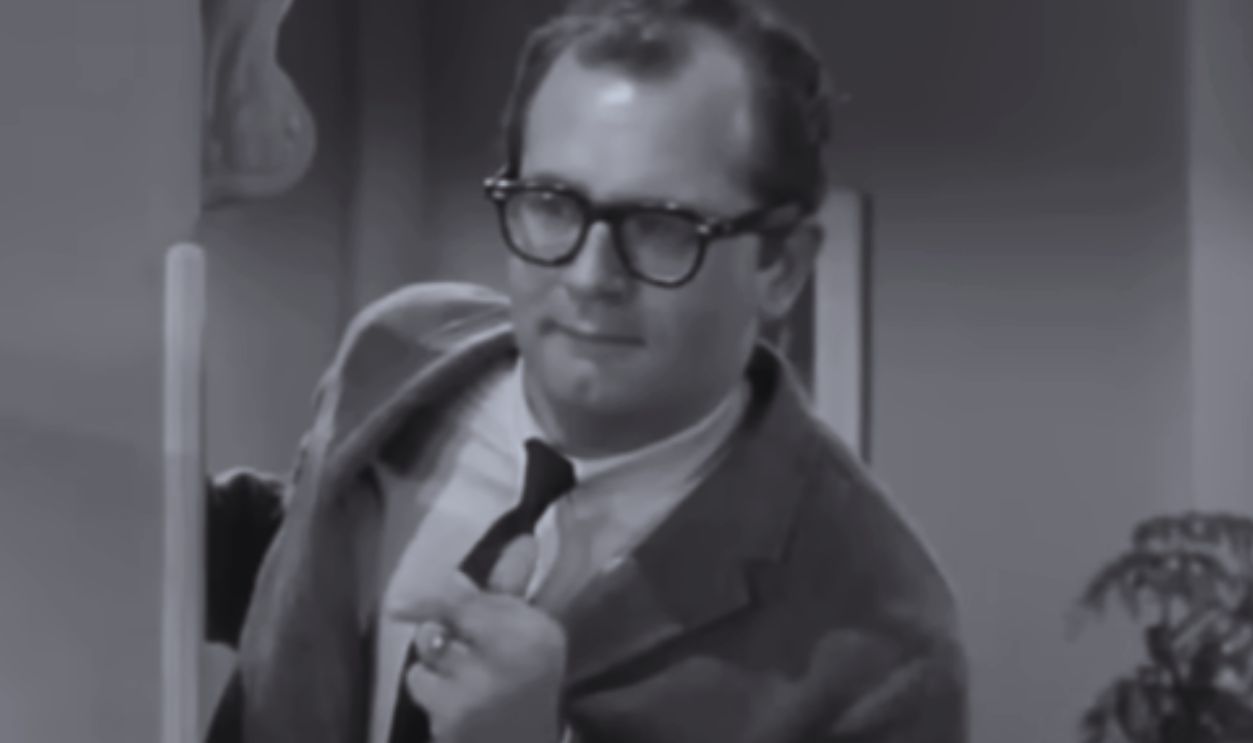 Screenshot from The Donna Reed Show, Sony Pictures Entertainment (1958-1966)
Performing Gave Him Somewhere To Escape
As a child, Reilly created puppet shows from materials in his mother’s sewing basket. He also appeared in school plays and discovered that his unusual voice, exaggerated expressions, and natural sense of timing could delight an audience. What irritated some adults became his earliest source of confidence.
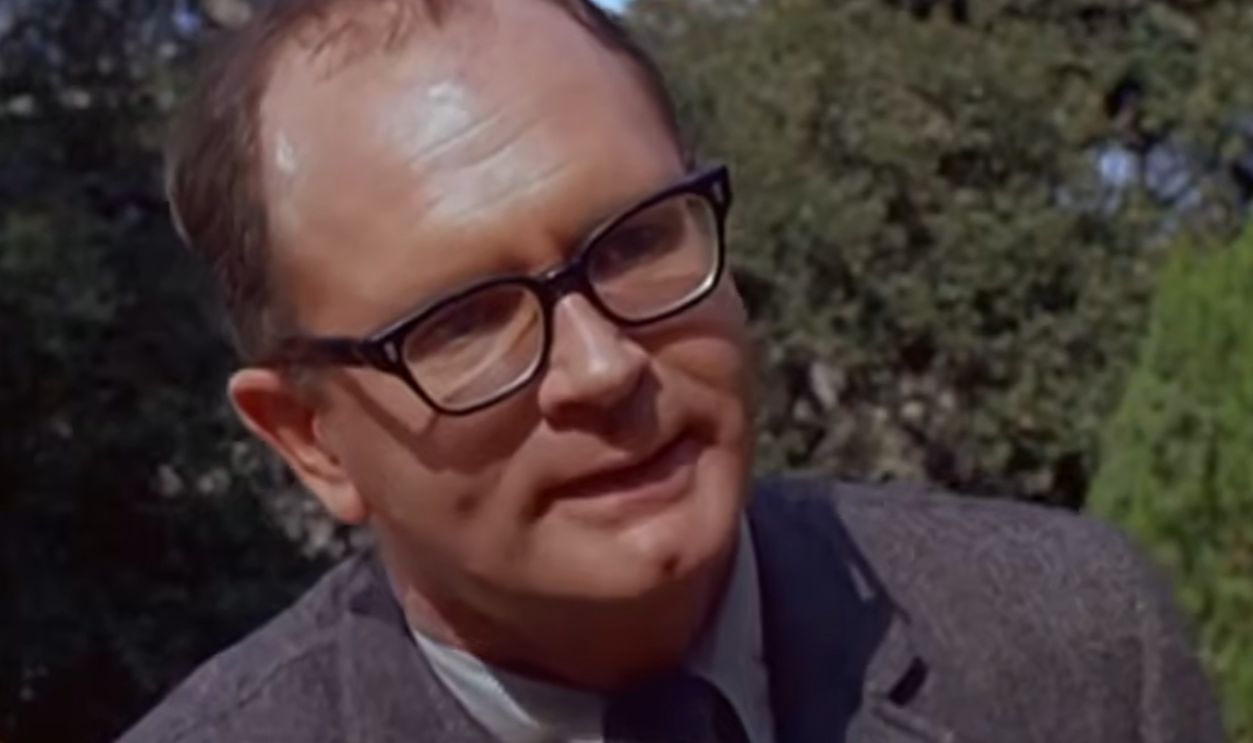 Screenshot from The Ghost & Mrs. Muir, The Walt Disney Company (1968-1970)
Then The Circus Tent Caught Fire
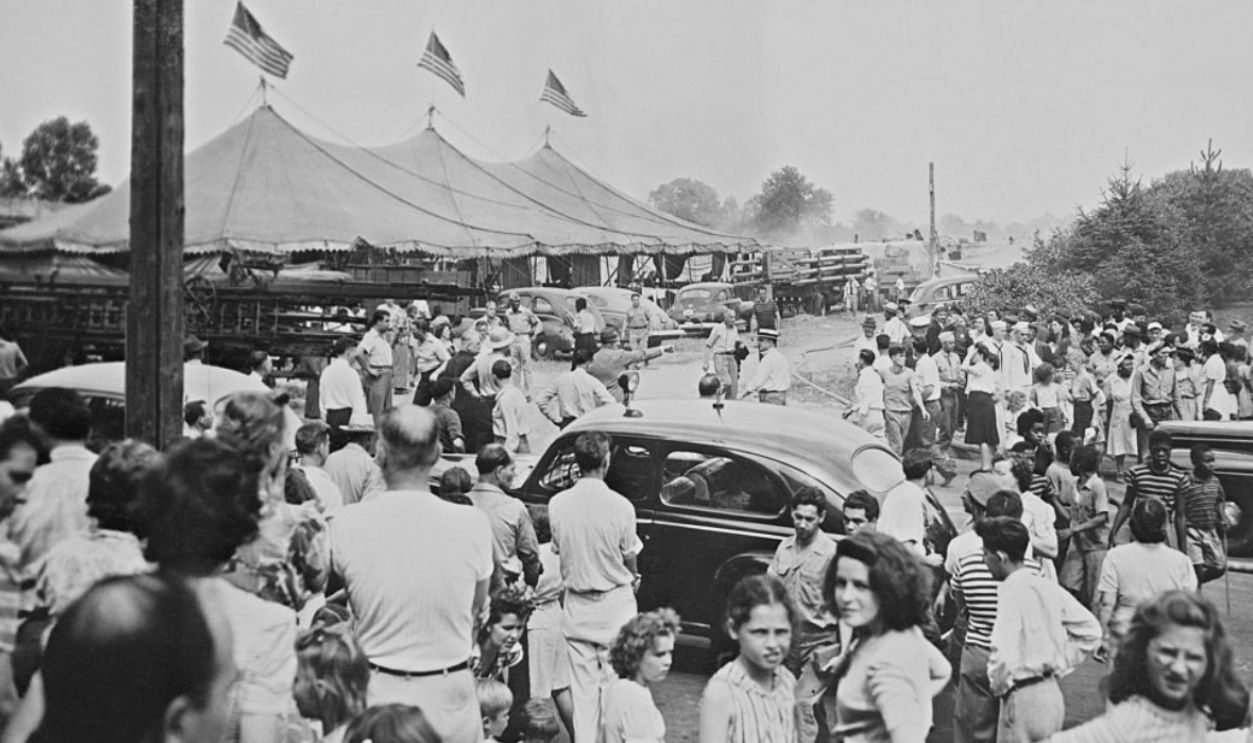
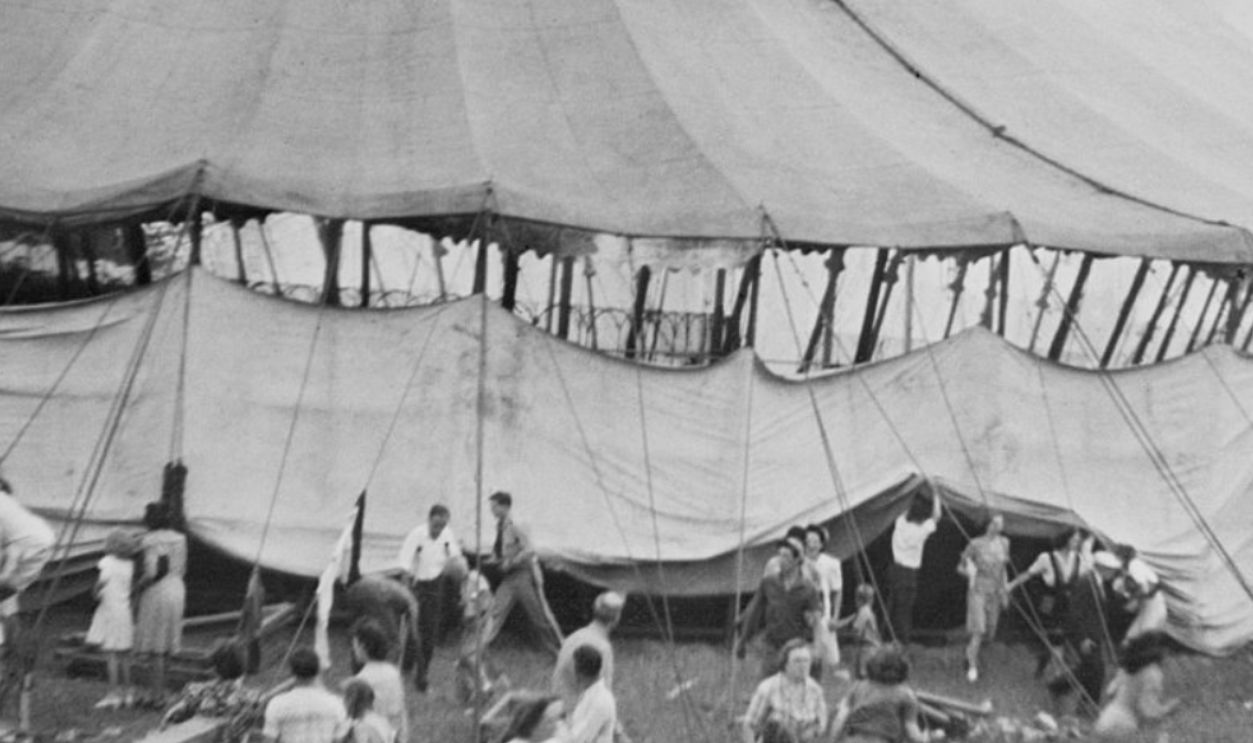
On July 6, 1944, 13-year-old Reilly attended a Ringling Brothers and Barnum & Bailey circus performance in Hartford, Connecticut. At approximately 2:40 p.m., flames raced across the waterproofed big top. The afternoon outing suddenly became one of the deadliest fire disasters in American history.
The Crowd Had Only Minutes
The tent had been waterproofed using paraffin wax and gasoline, allowing the flames to spread with terrifying speed. Blocked routes, animal chutes, confused spectators, and inadequate safety preparations made escape extraordinarily difficult. The burning canvas collapsed in less than ten minutes.
Reilly Survived A Catastrophe
At least 167 people died, and hundreds more were injured. Many victims were women and children attending the afternoon performance. Reilly escaped physically unharmed, but he carried the experience for the rest of his life. Large crowds would never again feel entirely safe.
 Screenshot from The Ghost & Mrs. Muir, The Walt Disney Company (1968-1970)
The Fire Changed How He Watched Theater
Reilly later said the Hartford fire left him unable to sit comfortably inside an audience. Even when directing, he preferred watching from the back of the theater or near an exit. The man who would spend his life entertaining crowds remained deeply uneasy whenever he became part of one.
 NBC Television Network., Wikimedia Commons
Opera Became His First Great Dream
Reilly enrolled at the Hartt School of Music in Connecticut intending to become an opera singer. He eventually concluded that his voice was not powerful enough for the career he imagined. Still, opera remained a lifelong passion—and he would later direct productions for several American opera companies.
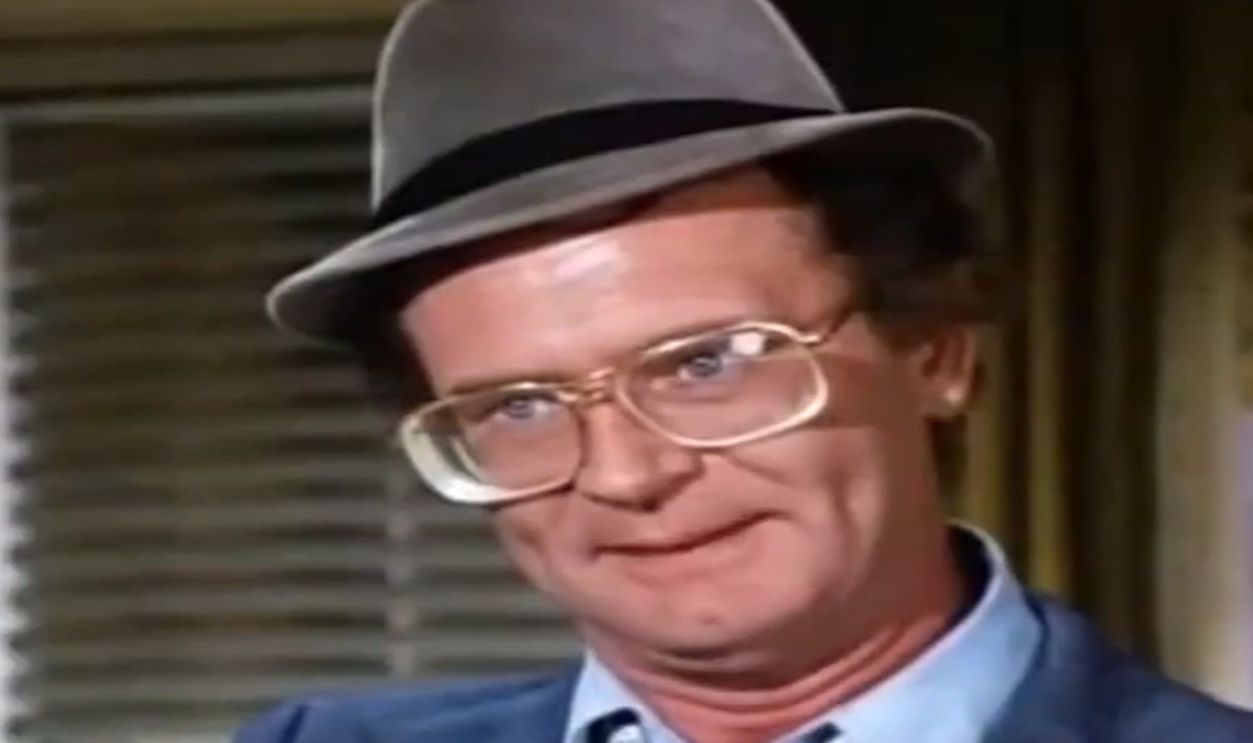 Screenshot from Love, American Style, Paramount Global (1969-1974)
He Started Again As An Actor
At approximately 18, Reilly moved to New York and studied acting with the legendary Uta Hagen. His classmates included future stars such as Hal Holbrook, Jack Lemmon, Geraldine Page, Jason Robards, Charles Grodin, and Steve McQueen. It was an intimidating room, although Reilly later insisted they were all terrible at first.
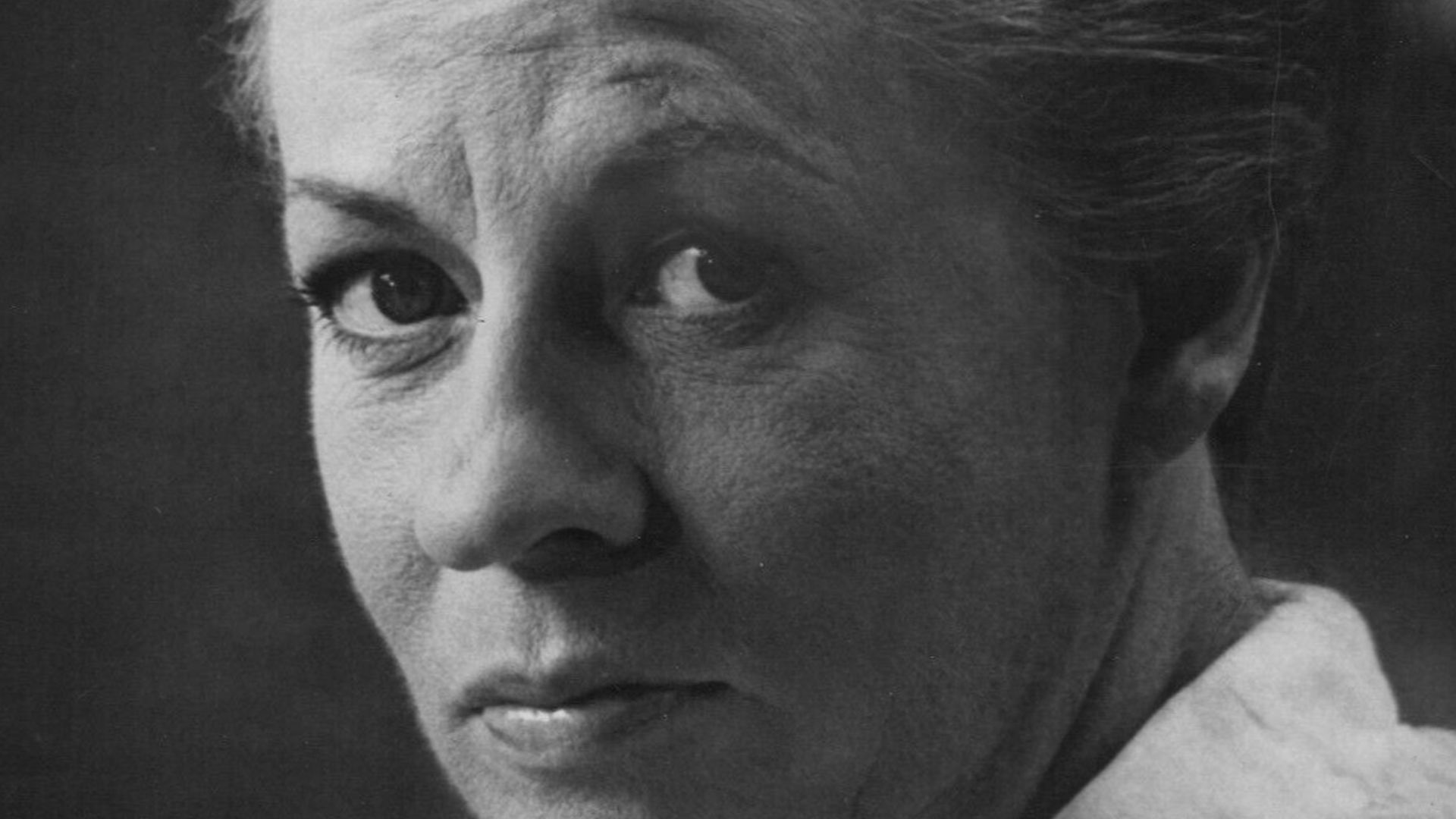 Unknown author, distributed by: 20th Century Fox, Wikimedia Commons
Broadway Did Not Welcome Him Quickly
During the 1950s, Reilly appeared in numerous Off-Broadway productions while waiting for something larger. He worked as a night mail clerk at the Waldorf-Astoria and endured constant auditions. His unusual manner made him memorable—but being memorable did not necessarily make conservative producers comfortable.
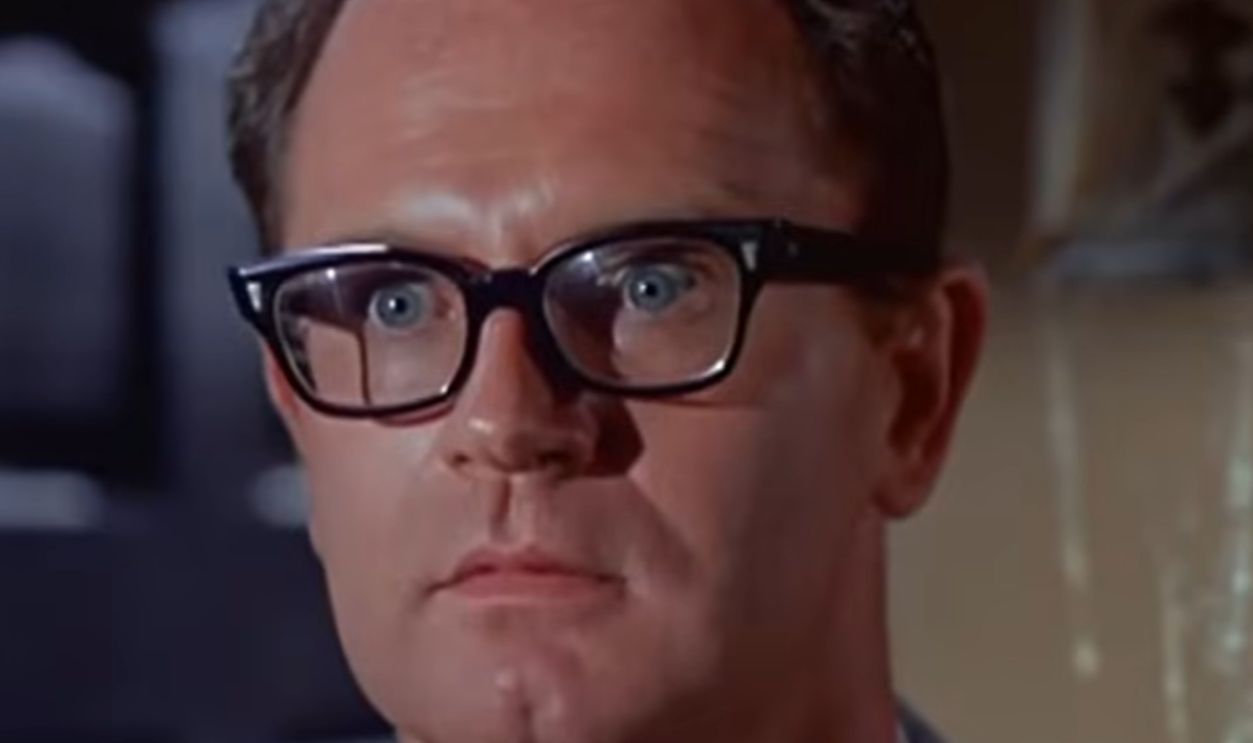 Screenshot from The Ghost & Mrs. Muir, The Walt Disney Company (1968-1970)
Bye Bye Birdie Opened The Door
Reilly reached Broadway in the original 1960 production of Bye Bye Birdie. He played Mr. Henkel and served as the standby for Albert Peterson, the role played by Paul Lynde. Two future icons of camp comedy were working in the same musical before television knew what to do with either of them.
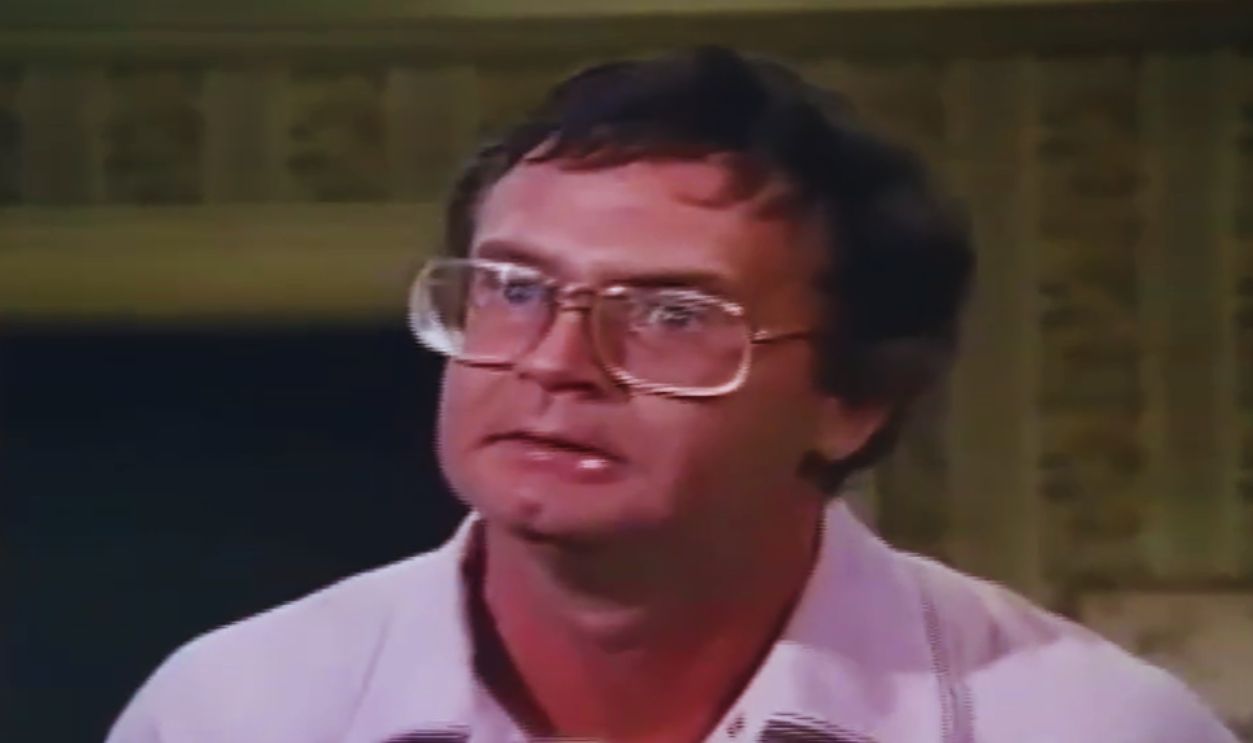 Screenshot from Love, American Style, Paramount Global (1969-1974)
Bud Frump Changed Everything
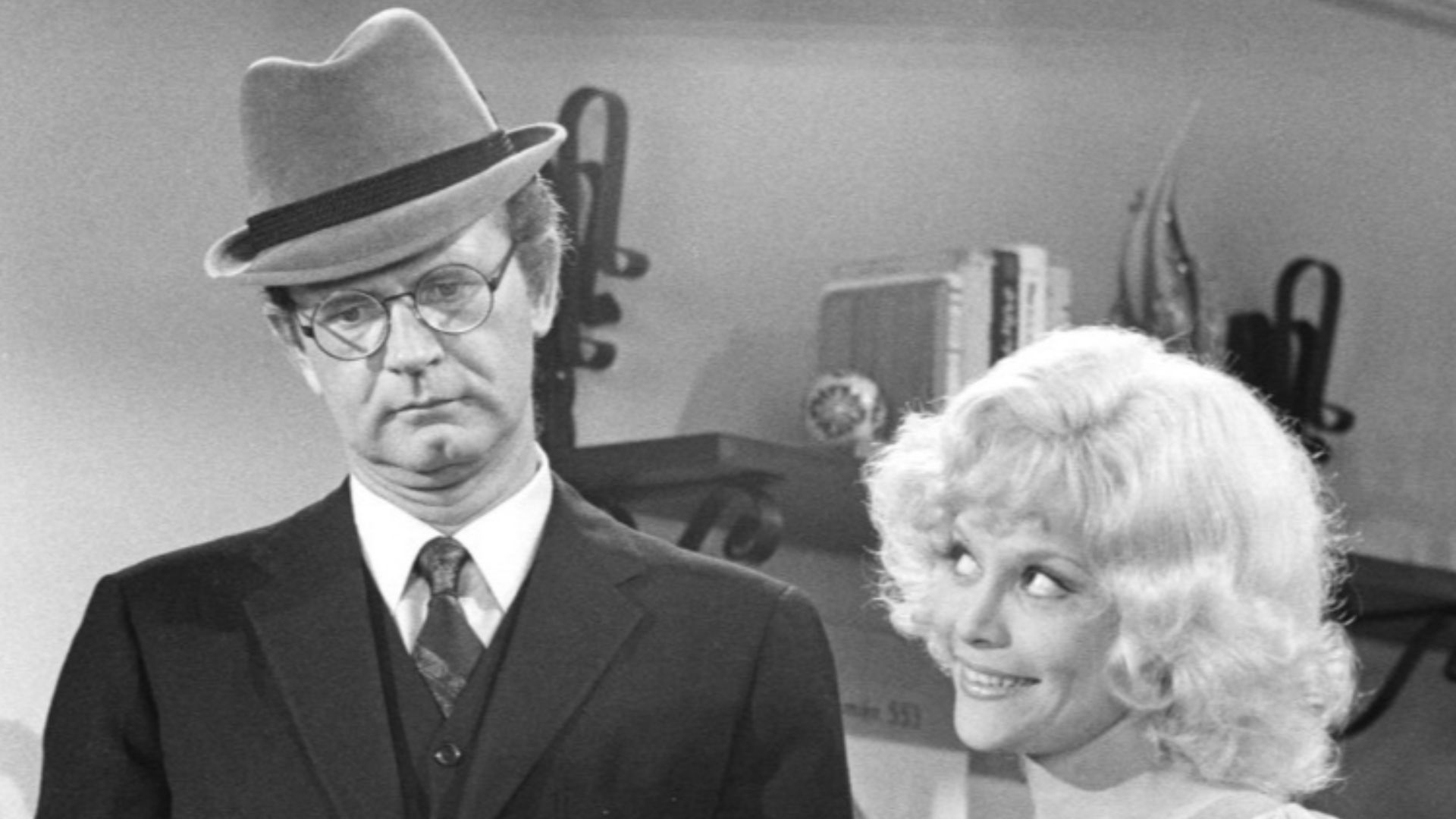
In 1961, Reilly created the role of scheming nephew Bud Frump in How to Succeed in Business Without Really Trying. His comic performance earned him the 1962 Tony Award for Best Featured Actor in a Musical. Long before the ascots and game-show insults, Reilly had conquered Broadway.
 ABC Television, Wikimedia Commons
Hello, Dolly! Proved It Was No Accident
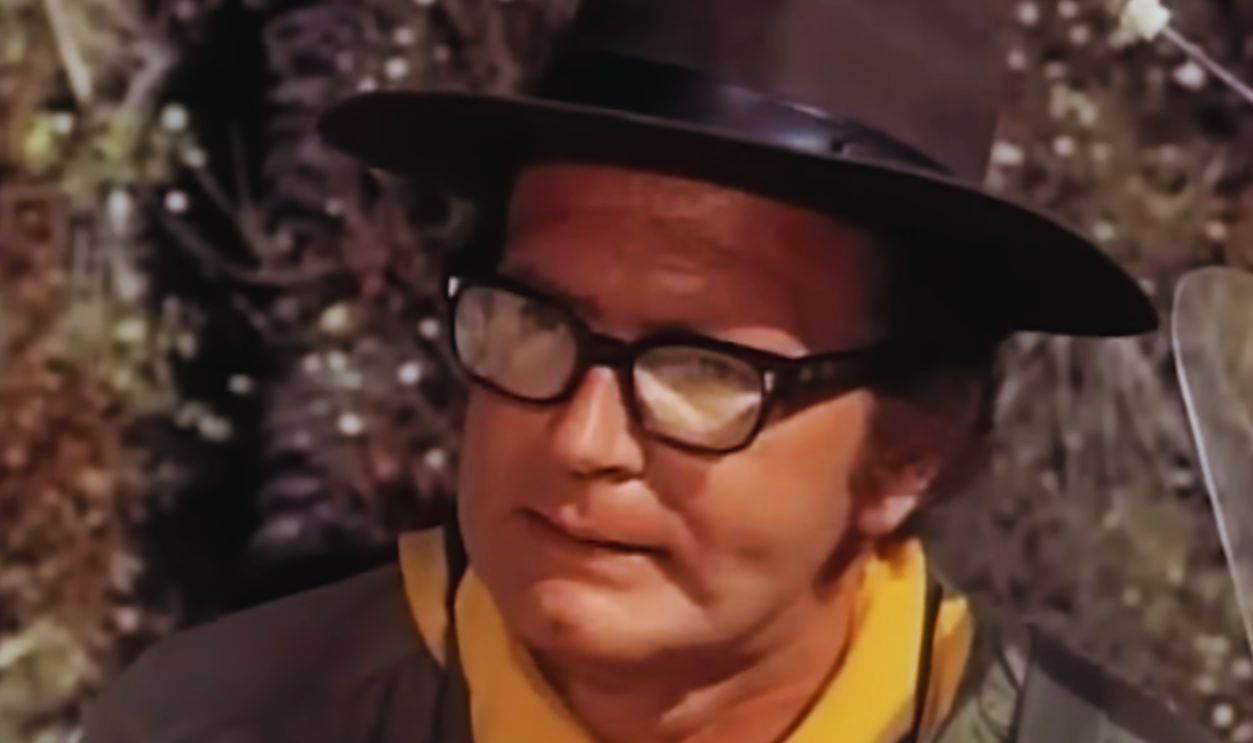
Reilly originated the role of Cornelius Hackl opposite Carol Channing in the 1964 Broadway production of Hello, Dolly! His performance brought another Tony nomination. By his early thirties, he was not merely an eccentric comedian—he was one of musical theater’s most accomplished supporting performers.
 Screenshot from Nanny and the Professor, The Walt Disney Company (1970-1971)
Television Presented A Crueler Obstacle
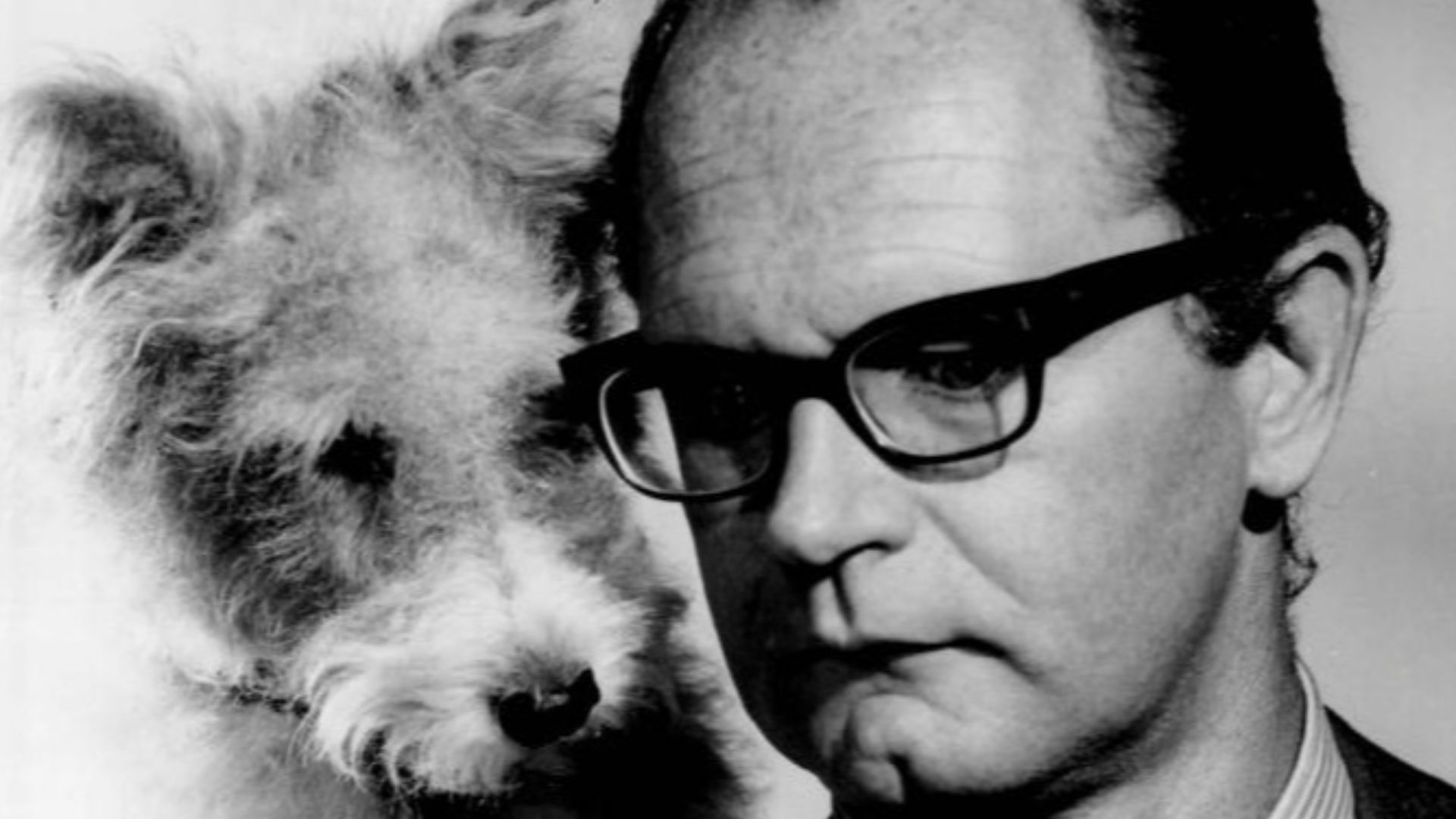
Reilly later remembered attempting to obtain work in NBC television dramas and being told by a network executive that they did not permit gay men on television. The remark was not an official written blacklist, but it revealed the prejudice governing casting decisions behind closed doors.
 20th Century Fox and/or NBC Television Network., Wikimedia Commons
The Rules Were Rarely Stated Publicly
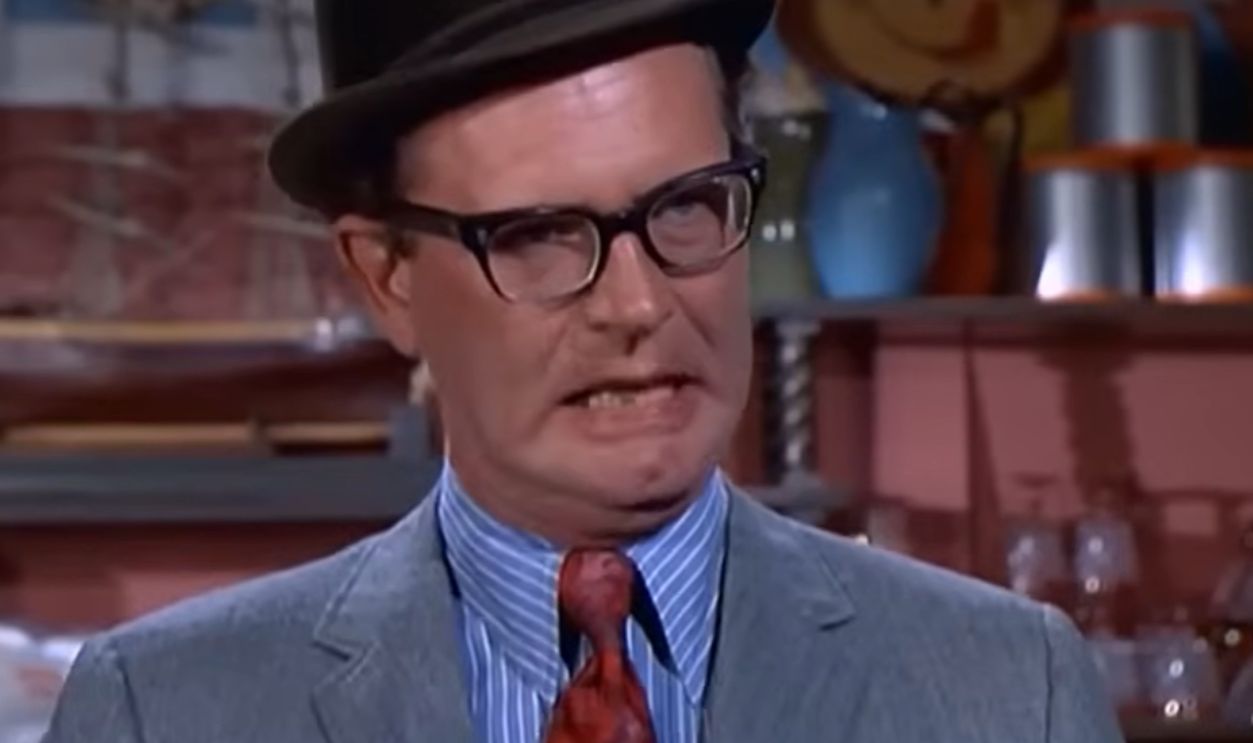
American television in the 1950s and 1960s largely avoided openly gay characters, relationships, and performers who discussed their sexuality. A flamboyant man might appear as comic relief, but acknowledging why audiences recognized his mannerisms was another matter. Reilly was acceptable only if everyone kept playing an elaborate game of silence.
 Screenshot from The Ghost & Mrs. Muir, The Walt Disney Company (1968-1970)
He Reached Television Anyway
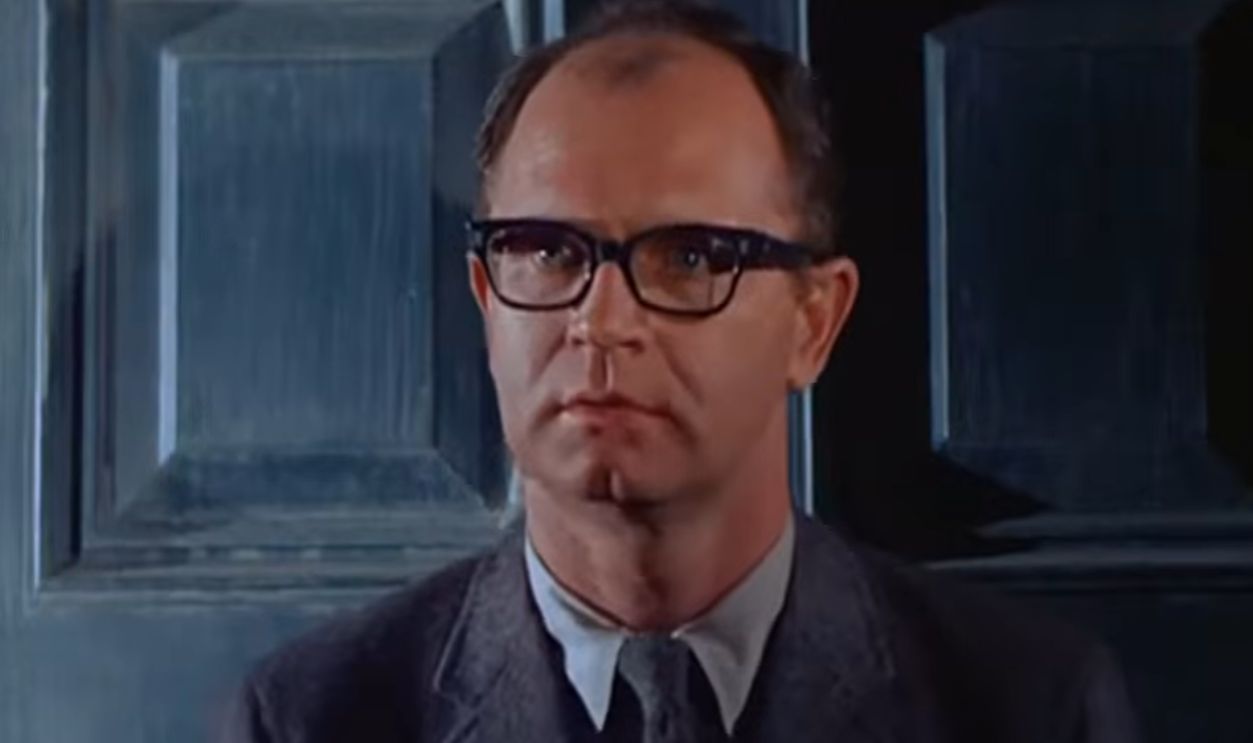
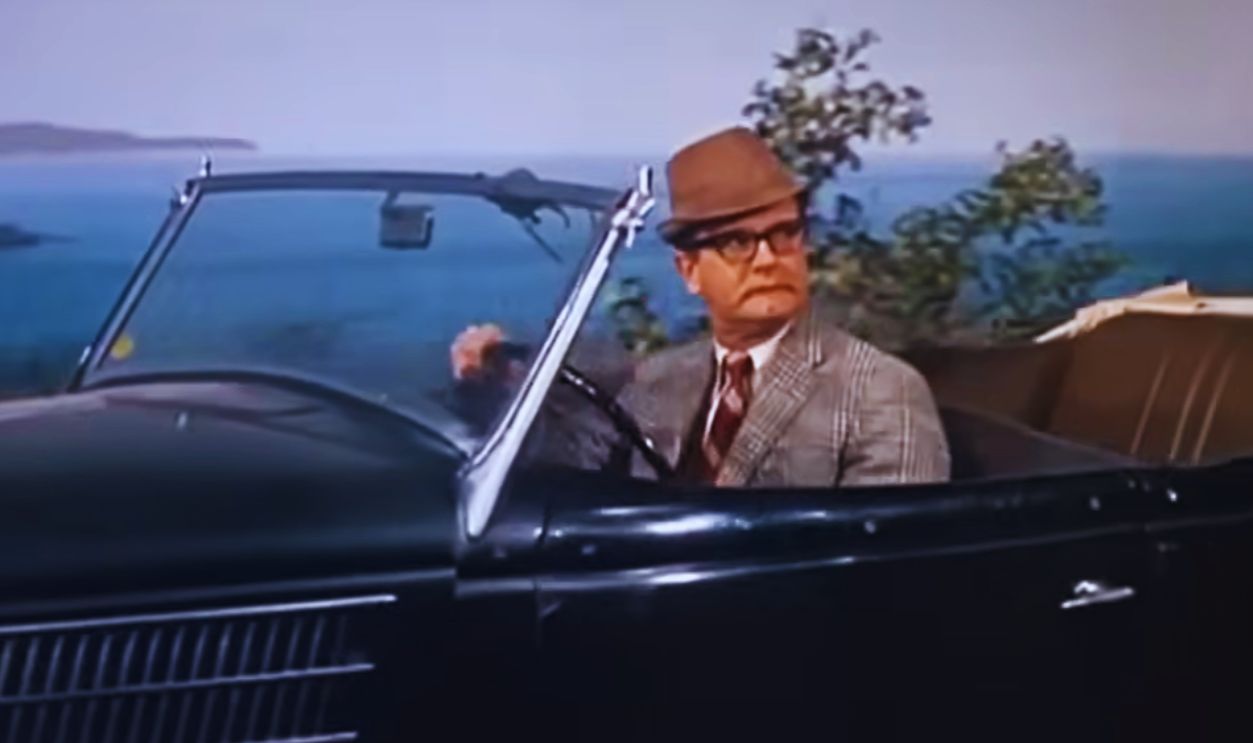
Reilly moved to Hollywood and found steady work, most notably as Claymore Gregg on The Ghost & Mrs. Muir, which premiered in 1968. He also appeared on variety programs, sitcoms, and talk shows. The industry that supposedly had no place for him was suddenly putting him everywhere.
 Screenshot from The Ghost & Mrs. Muir, The Walt Disney Company (1968-1970)
Children Knew Him As A Villain
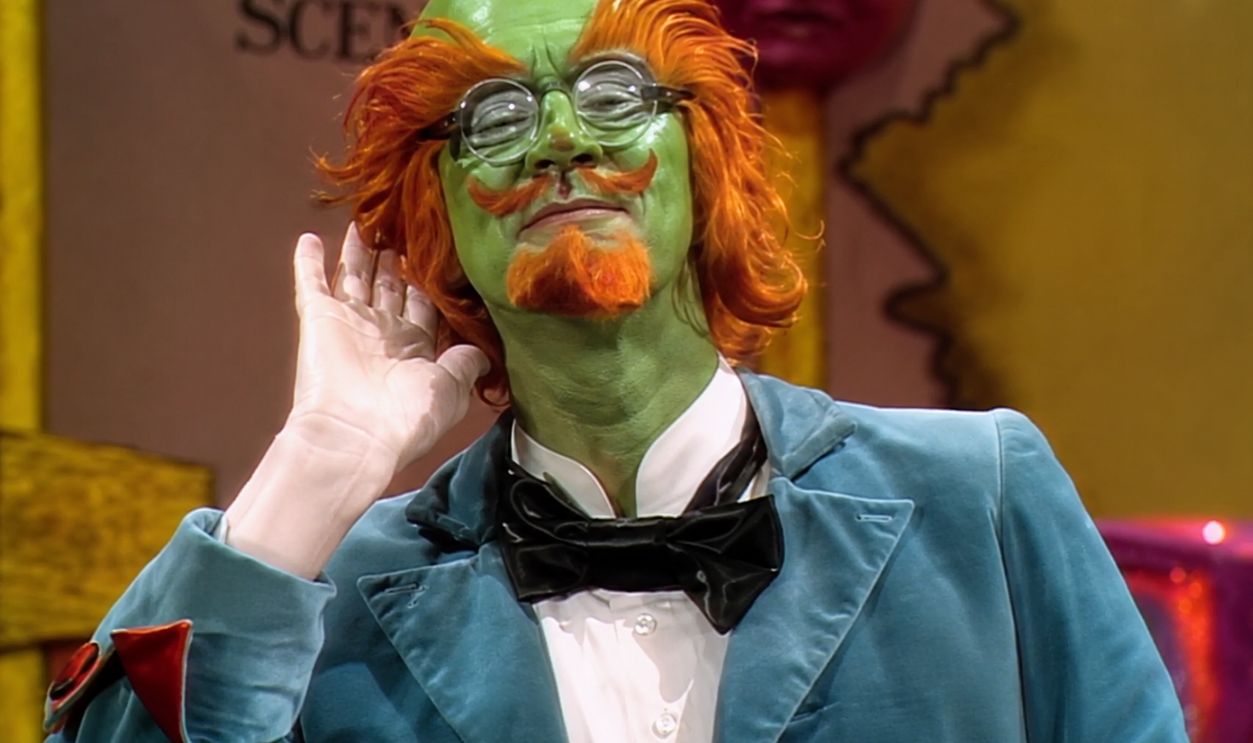
During the early 1970s, Reilly played the flamboyant magician Horatio J. HooDoo on Sid and Marty Krofft’s Lidsville. With exaggerated costumes, theatrical fury, and a collection of talking hats, HooDoo was less a terrifying villain than a Broadway performer who had accidentally wandered into Saturday morning television.
 Screenshot from Lidsville, Cineverse (1971-1972), enhanced
Game Shows Discovered His Real Superpower
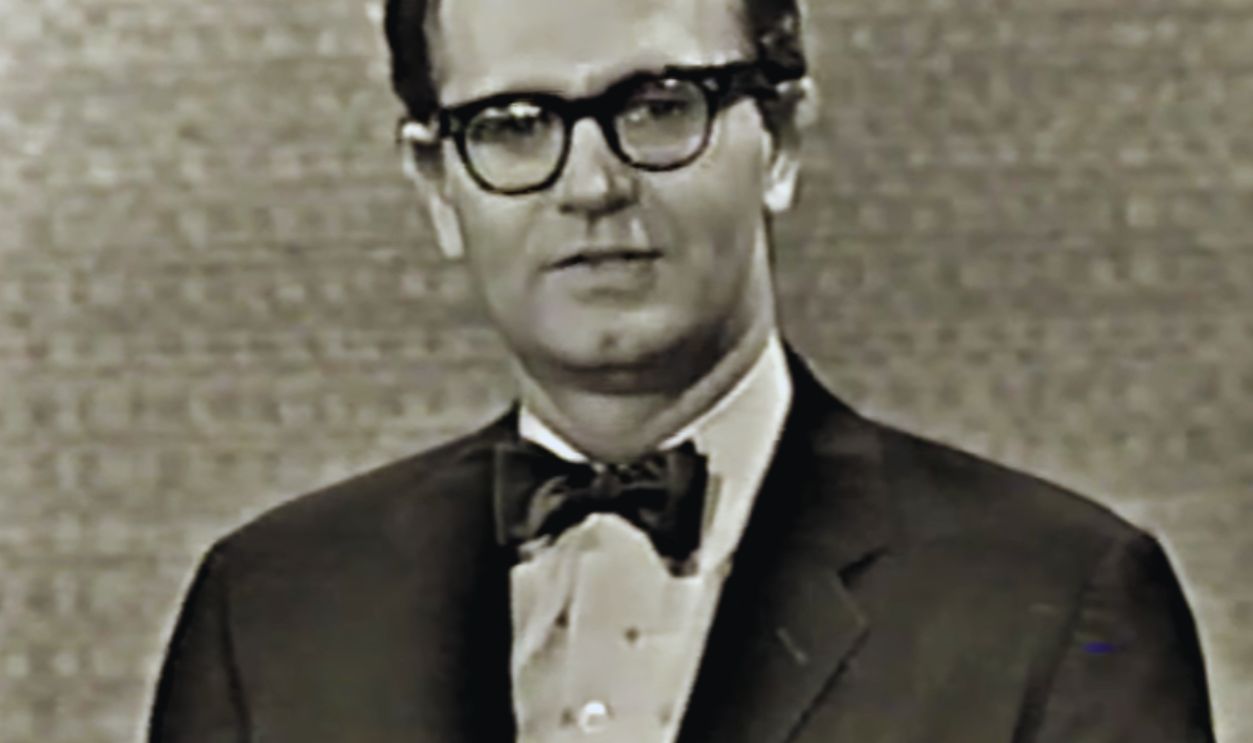
Producers soon realized that Reilly did not require a script to be funny. He appeared on What’s My Line?, To Tell the Truth, Hollywood Squares, Tattletales, and other programs. He could transform a routine answer into a performance—and occasionally transform the entire program into an argument.
 Screenshot from What’s My Line?, Fremantle (1950-1967)
Match Game Made Him Unavoidable
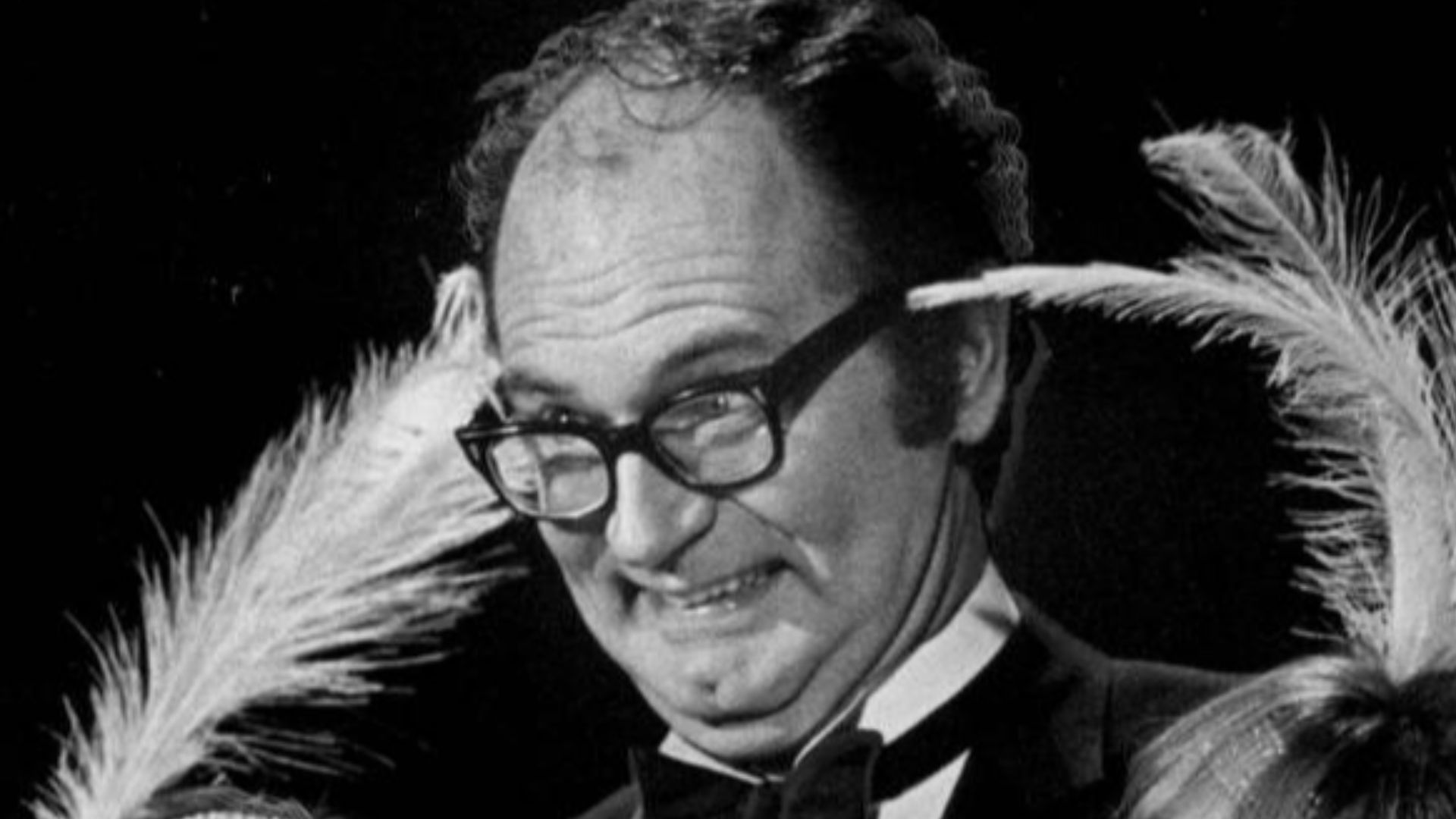
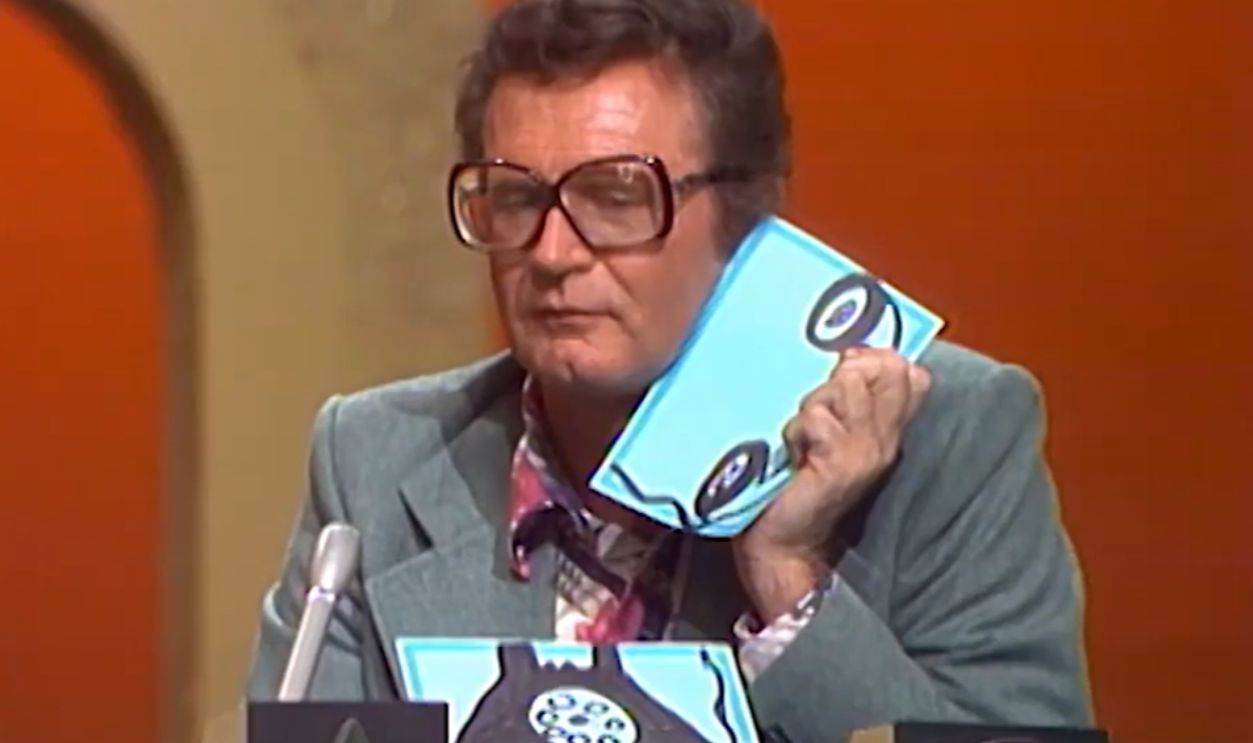
When the CBS revival of Match Game became a daytime sensation after its 1973 premiere, Reilly emerged as one of its defining personalities. He occupied the upper-right seat, usually beside Brett Somers, and treated the game as a minor interruption between insults, stories, and increasingly outrageous answers.
 Screenshot from Match Game, Fremantle (1962-)
Brett Somers Became His Favorite Opponent
Reilly and Somers bickered with the confidence of people who genuinely adored each other. They criticized one another’s clothing, intelligence, handwriting, and answers. The mock hostility became one of the show’s great attractions—especially when host Gene Rayburn abandoned all hope of restoring order.
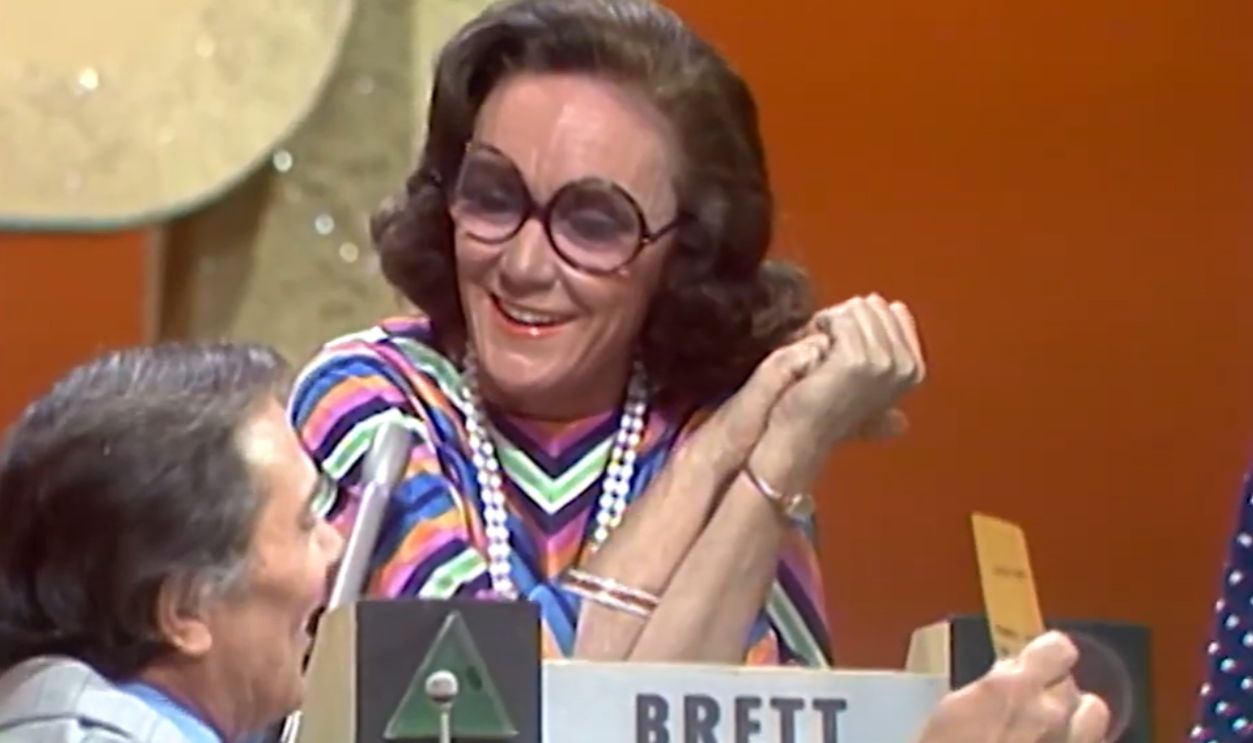 Screenshot from Match Game, Fremantle (1962-)
His Appearance Became A Television Uniform
Oversized glasses, colorful shirts, ascots, hats, a pipe, and a carefully maintained hairpiece helped create Reilly’s unmistakable look. When his hairpiece was away being adjusted in New York, he appeared on Match Game wearing a succession of hats. Naturally, the panel refused to let the matter pass quietly.
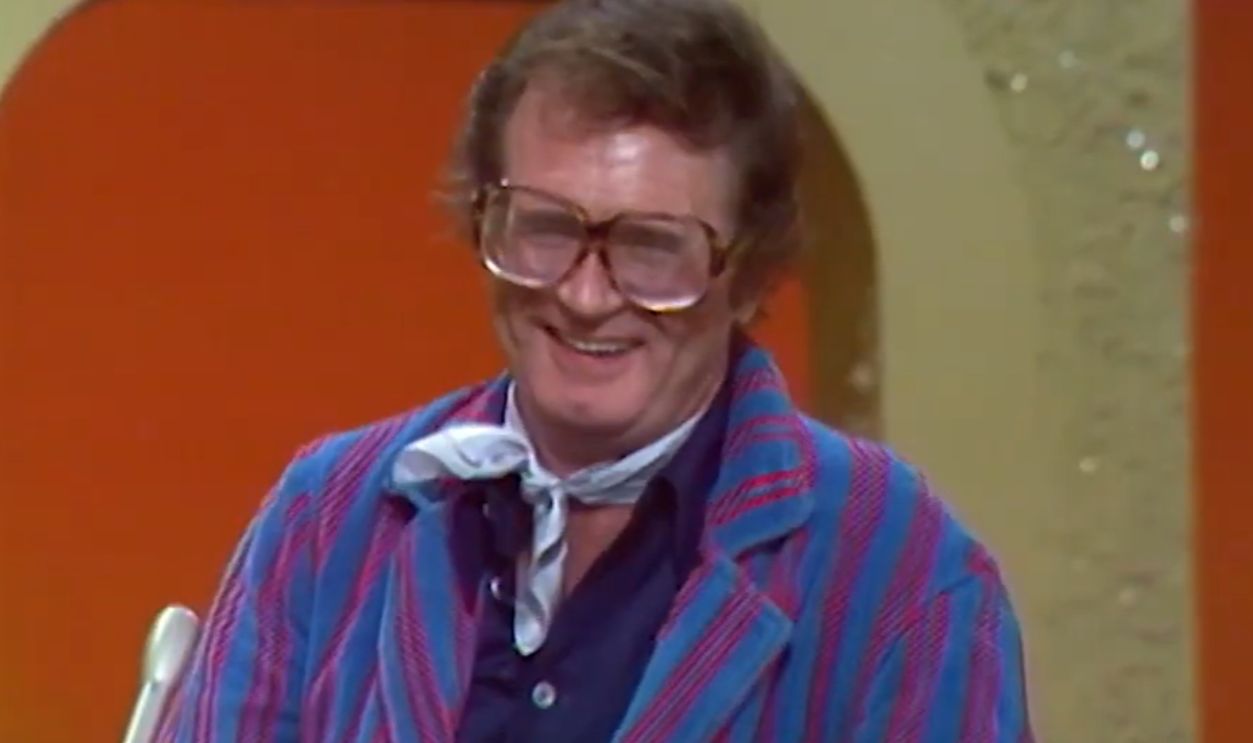 Screenshot from Match Game, Fremantle (1962-)
“Chuck” Was Deliberately Ridiculous
Reilly occasionally lowered his voice, called himself “Chuck,” and jokingly claimed to be extremely masculine. The gag worked because viewers understood the contradiction. At a time when television refused to discuss gay identity directly, Reilly turned the network’s awkward silence into part of the joke.
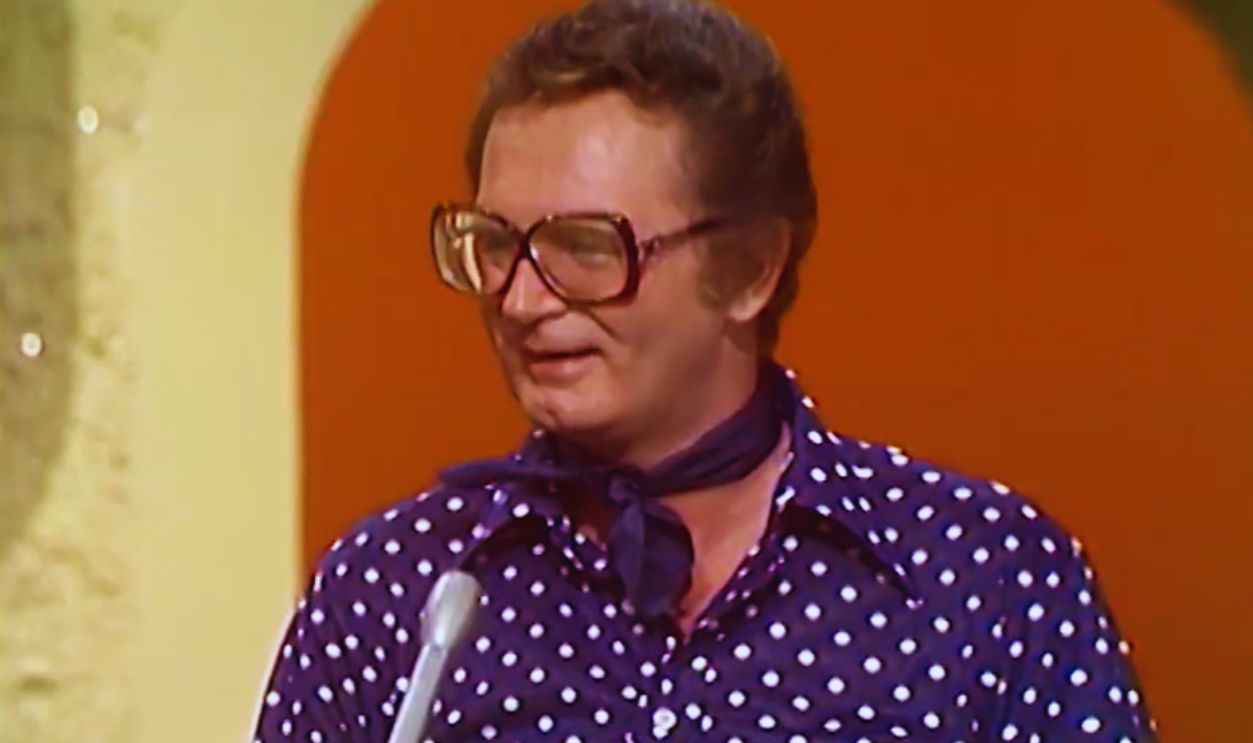 Screenshot from Match Game, Fremantle (1962-)
One Answer Said Almost Everything
During one memorable Match Game exchange, Reilly asked, “What’s the biggest fruit you can get, present company excluded?” The studio audience erupted. It was a startlingly direct self-reference for daytime television—and an example of how he acknowledged what network programming still refused to say plainly.
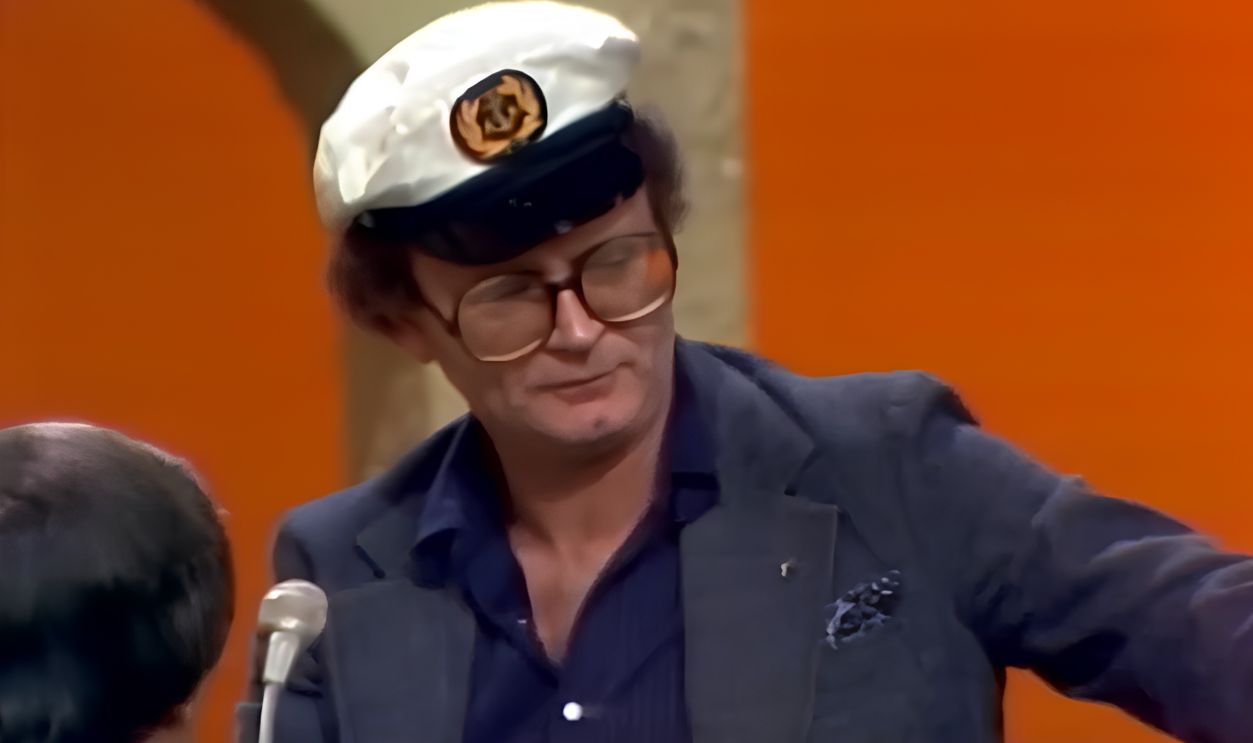 Screenshot from Match Game, Fremantle (1962-)
He Danced Around The Censors
Match Game built its popularity on questions filled with suggestive blanks and answers that remained barely acceptable for daytime broadcasting. Reilly excelled inside that narrow space. He could make an ordinary word sound scandalous through nothing more than a raised eyebrow, a pause, and that unmistakable voice.
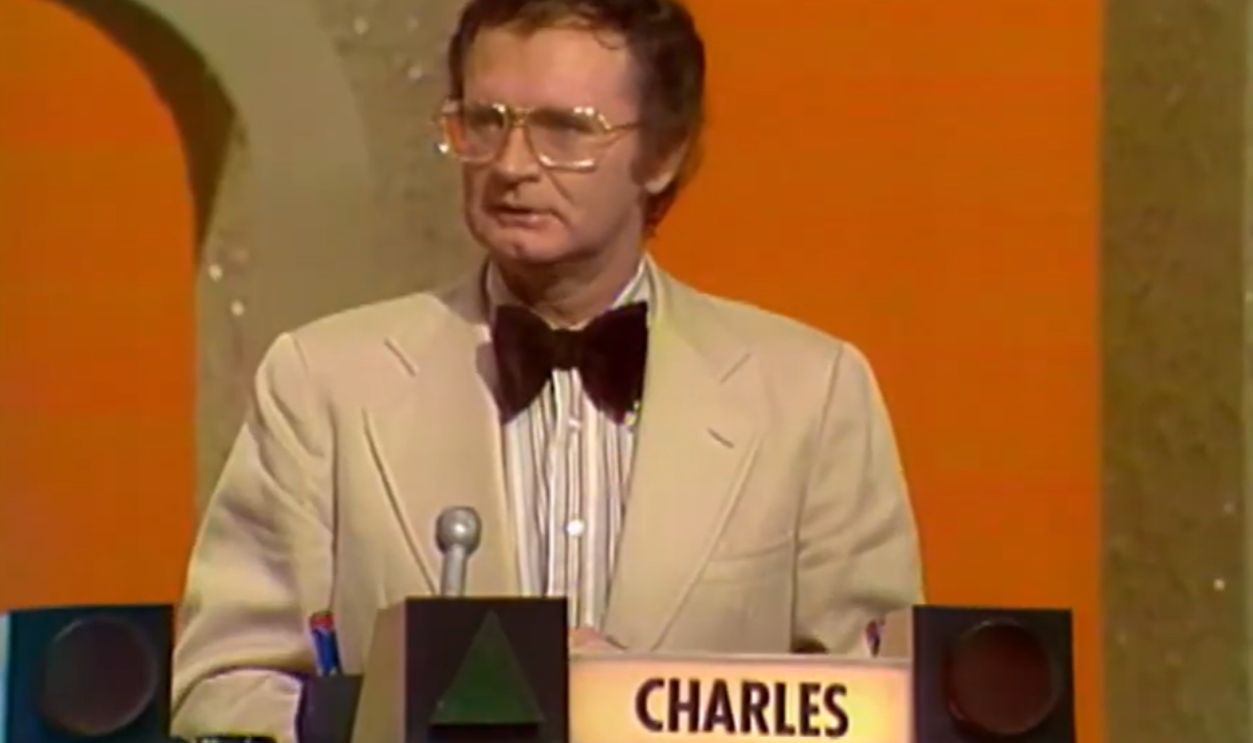 Screenshot from Match Game, Fremantle (1962-)
His Persona Created A Contradiction
Reilly’s camp manner made him enormously popular, yet the same qualities could prevent executives from viewing him as a conventional leading man. Television welcomed his flamboyance when it produced laughter, but remained uncomfortable with the real identity behind it. He succeeded by turning that contradiction into entertainment.
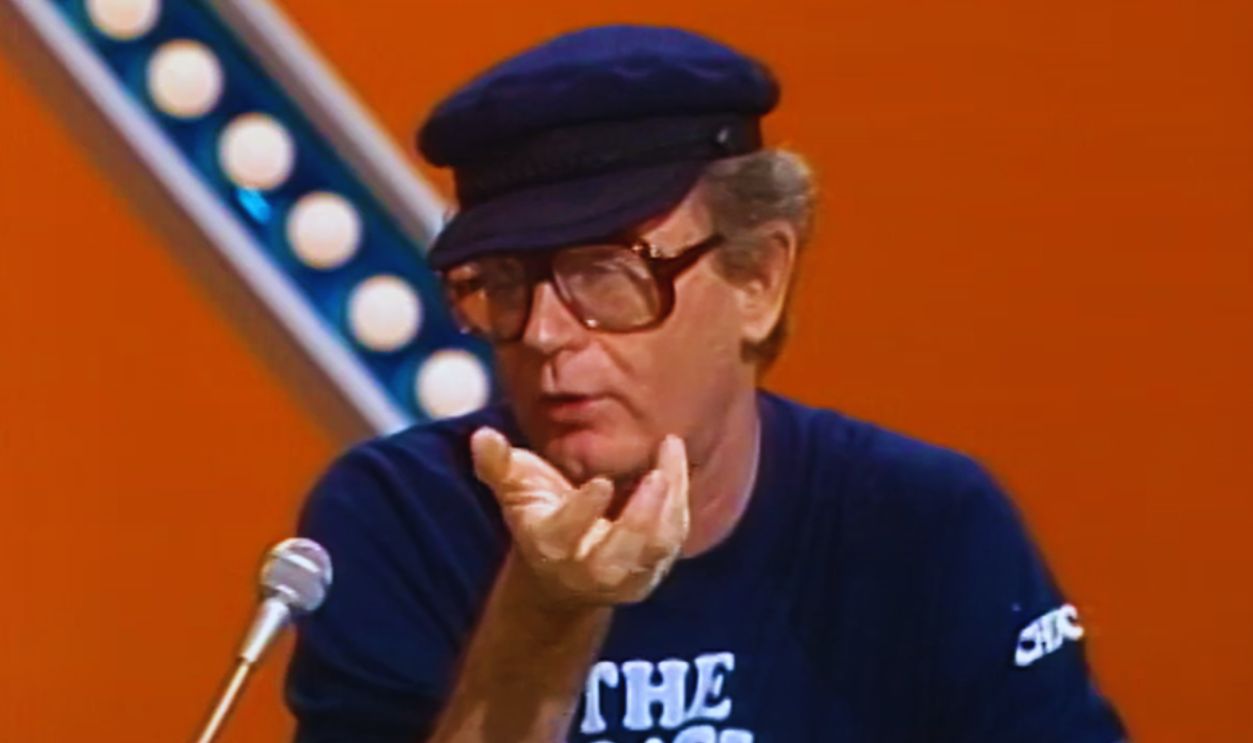 Screenshot from Match Game, Fremantle (1962-)
He Did Not Publicly Explain Himself
Profiles during the 1970s and 1980s generally avoided discussing Reilly’s sexuality or romantic life. He did not deliver a formal public announcement during his game-show years. He later maintained, however, that he had never deliberately hidden who he was. His performance had hardly been designed to fool anyone.
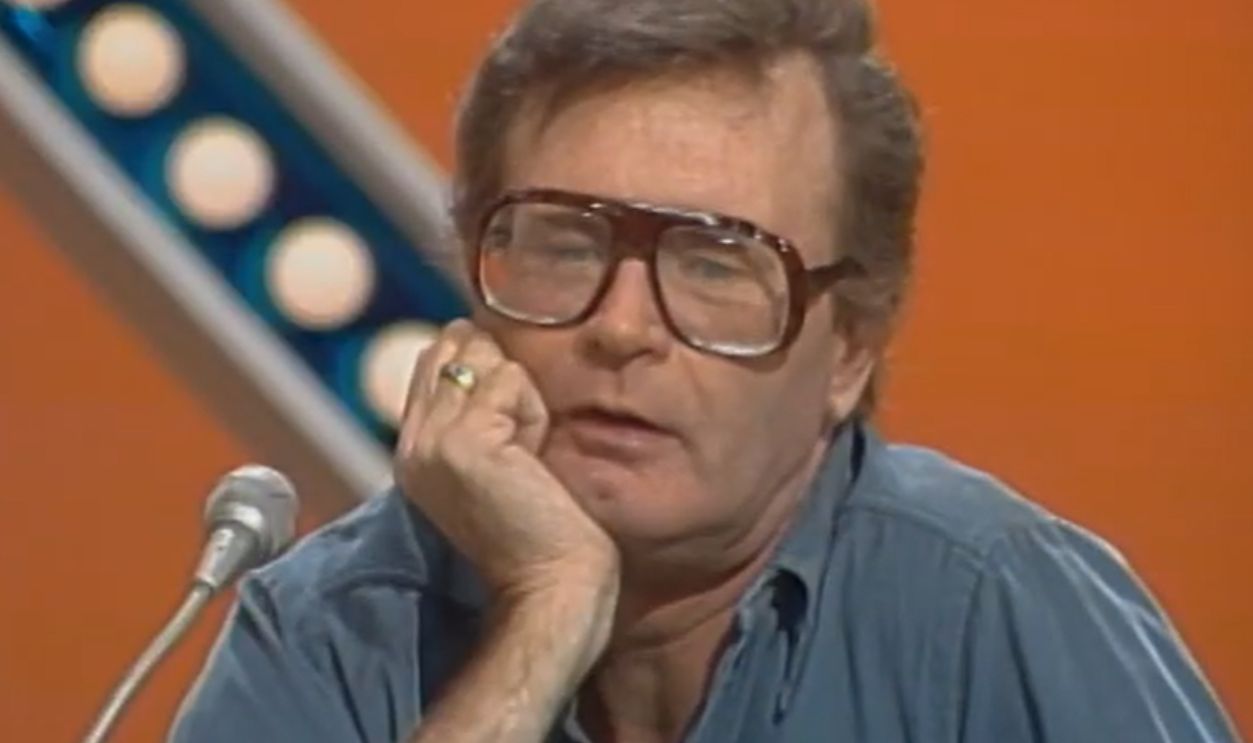 Screenshot from Match Game, Fremantle (1962-)
Some Viewers Saw A Quiet Rebellion
Reilly’s humor could be self-mocking, and some jokes reflected stereotypes common to the period. Yet his sheer visibility also mattered. A flamboyant gay man had been told television would reject him—then appeared in millions of homes, day after day, without sanding away the qualities executives had feared.
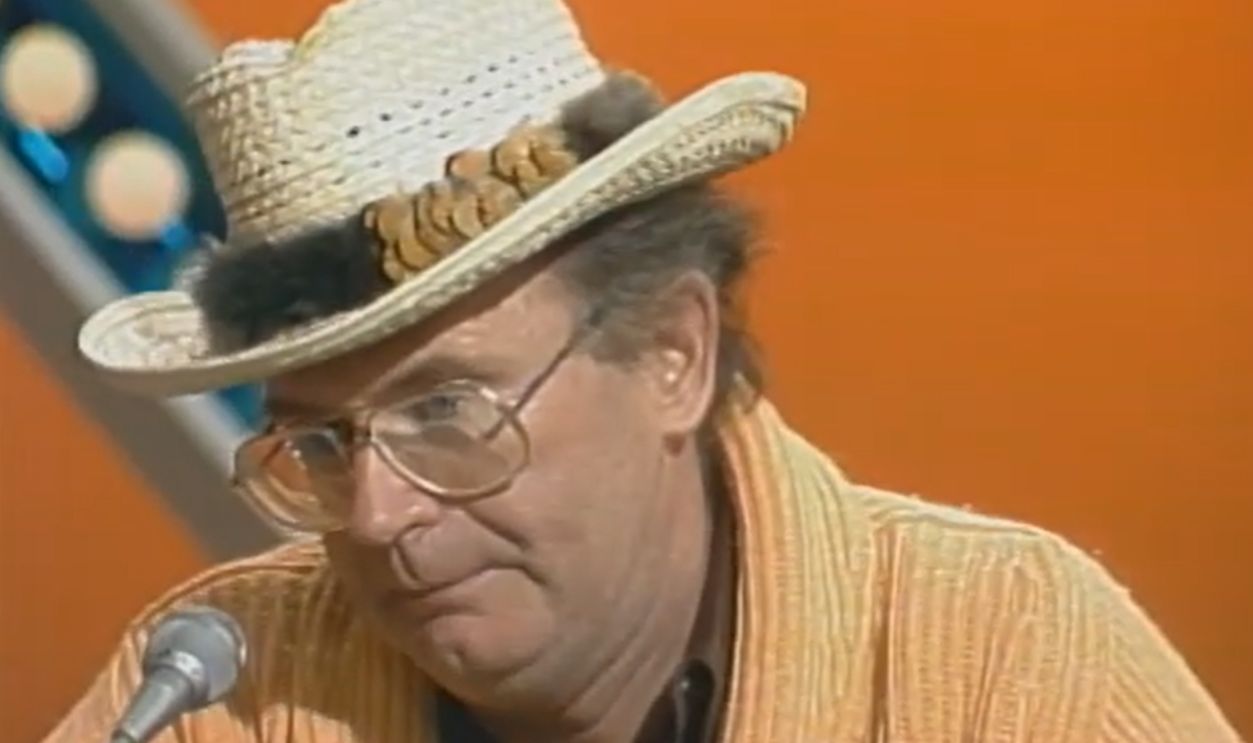 Screenshot from Match Game, Fremantle (1962-)
Johnny Carson Kept Calling
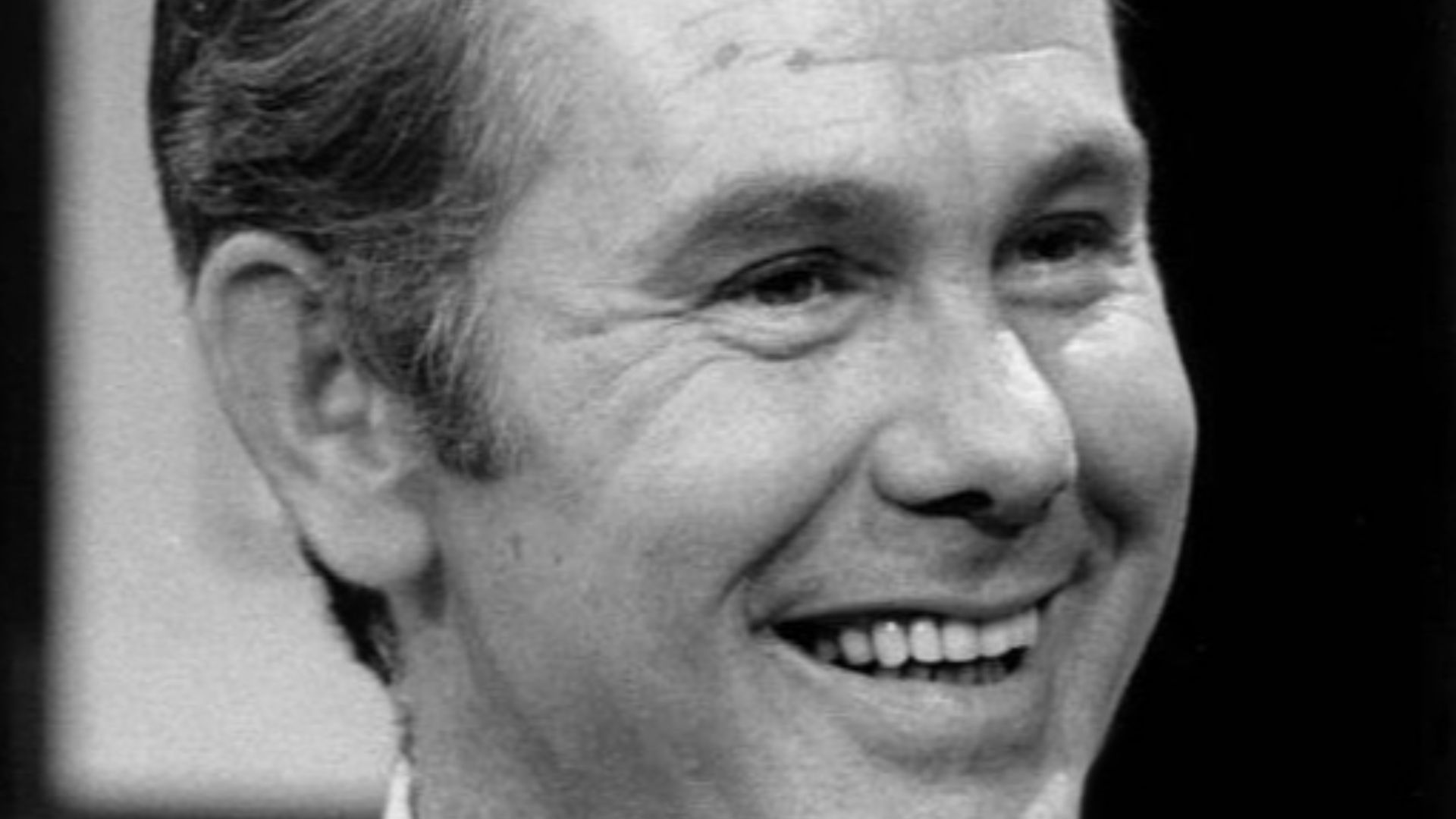
Reilly appeared on The Tonight Show Starring Johnny Carson more than 95 times. His stories often became elaborate comic disasters, and Carson understood that interruption usually improved them. Reilly could arrive as a substitute for a canceled guest and still become the person viewers remembered the next morning.
 NBC Television, Wikimedia Commons
He Occasionally Reminded Everyone He Could Act
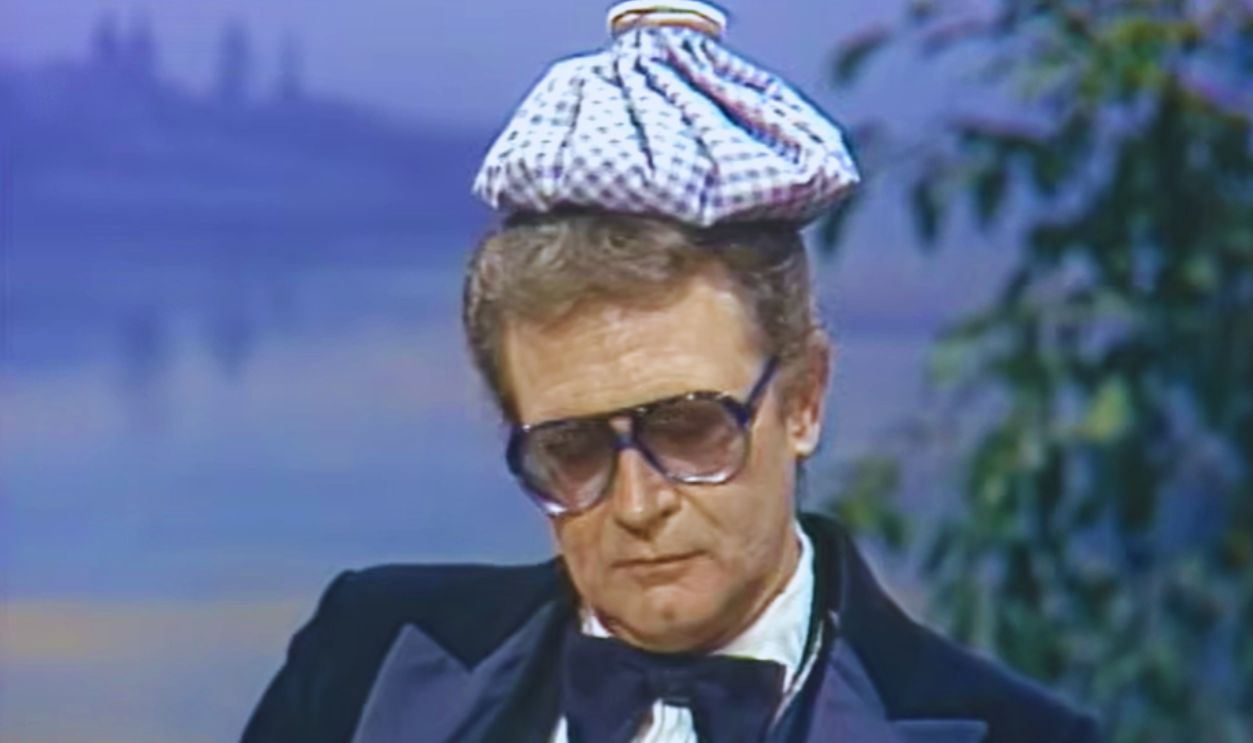
During one Tonight Show appearance, a guest reportedly dismissed Reilly when he attempted to discuss Shakespeare. Reilly responded by performing part of Hamlet’s “The play’s the thing” speech with unexpected gravity. The campy game-show celebrity suddenly revealed the trained actor hiding in plain sight.
 Screenshot from The Tonight Show Starring Johnny Carson, Carson Entertainment Group (1962-1992)
Fame Eventually Became A Trap
Reilly later admitted that his constant game-show appearances damaged his acting prospects. “You can’t do anything else once you do game shows,” he told The Advocate in 2001. Audiences loved his personality so thoroughly that casting directors struggled to imagine him as anyone else.
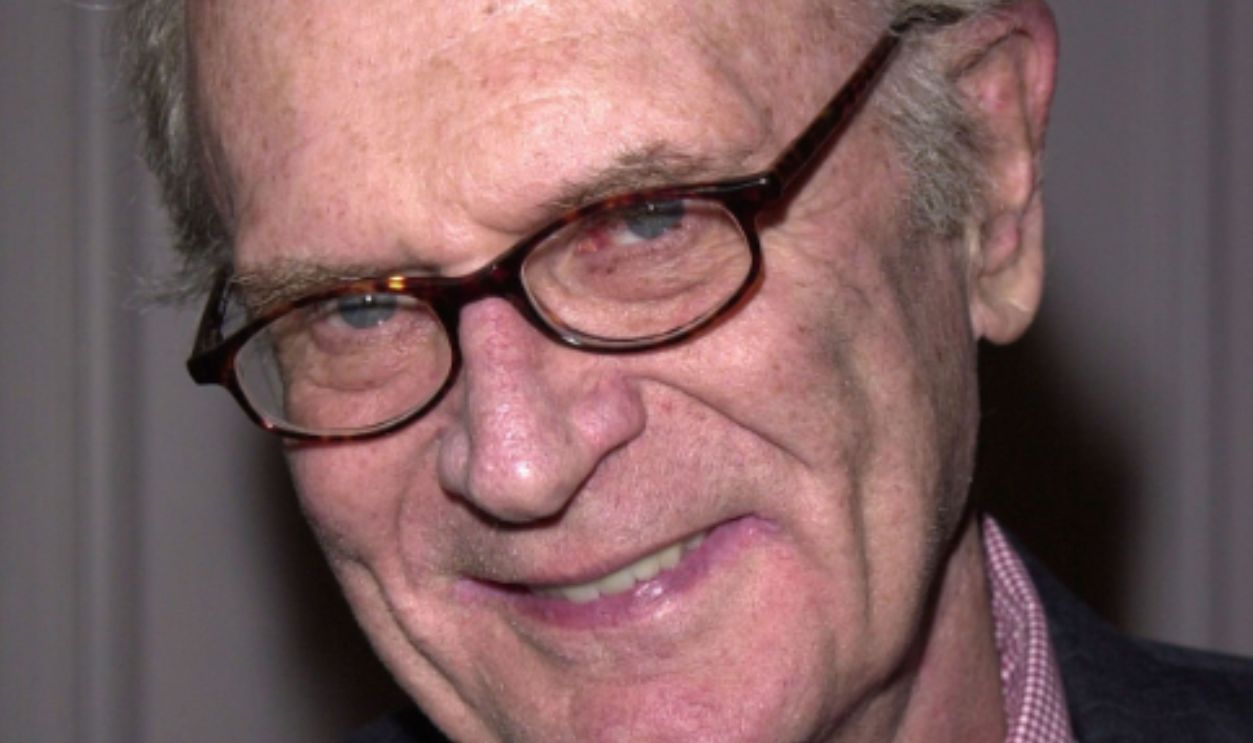
He Was Far More Than A Panelist
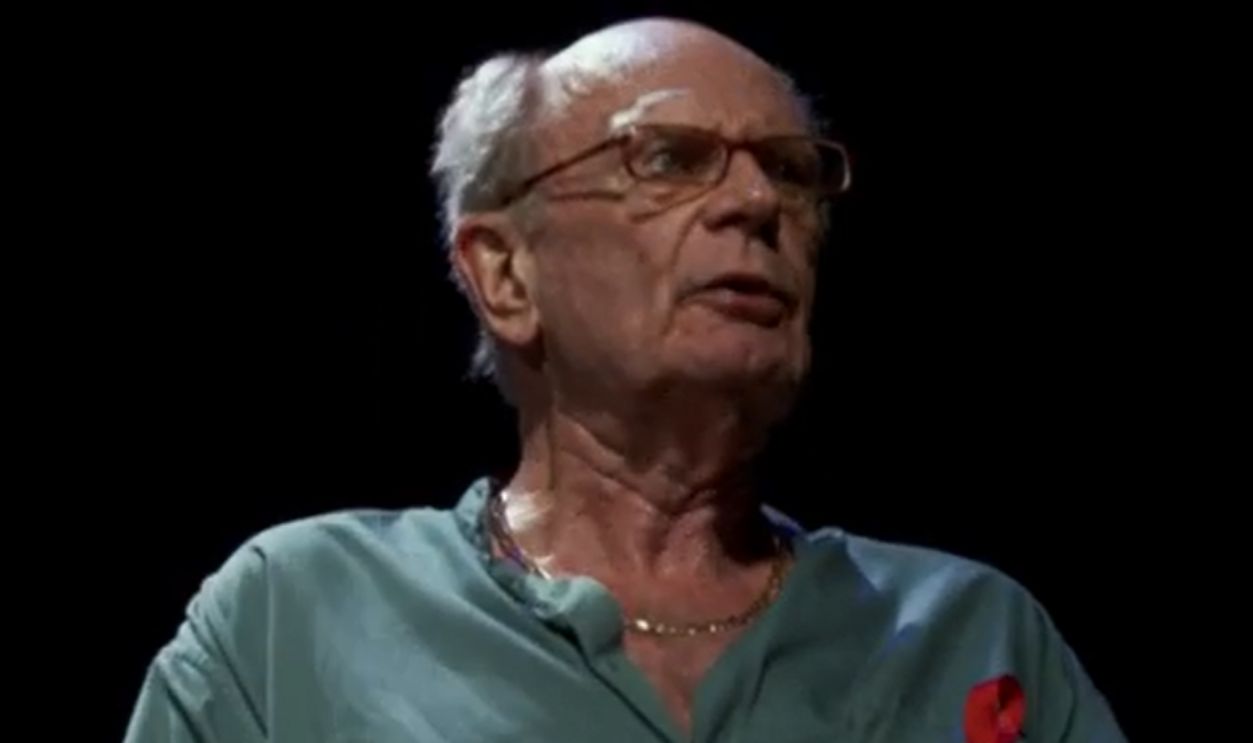
Away from television, Reilly became a respected acting teacher and theatrical director. He directed Julie Harris in The Belle of Amherst, the celebrated one-woman play about Emily Dickinson, and later guided Harris and Charles Durning in the 1997 Broadway revival of The Gin Game.
 Screenshot from The Life of Reilly, Reel Diva Consultants (2007)
Broadway Recognized Him Again
His direction of The Gin Game earned Reilly a 1997 Tony nomination for Best Direction of a Play. Thirty-five years after winning as an actor, he had returned as an acclaimed director. Television remembered the ascot; Broadway had never completely forgotten the artist wearing it.
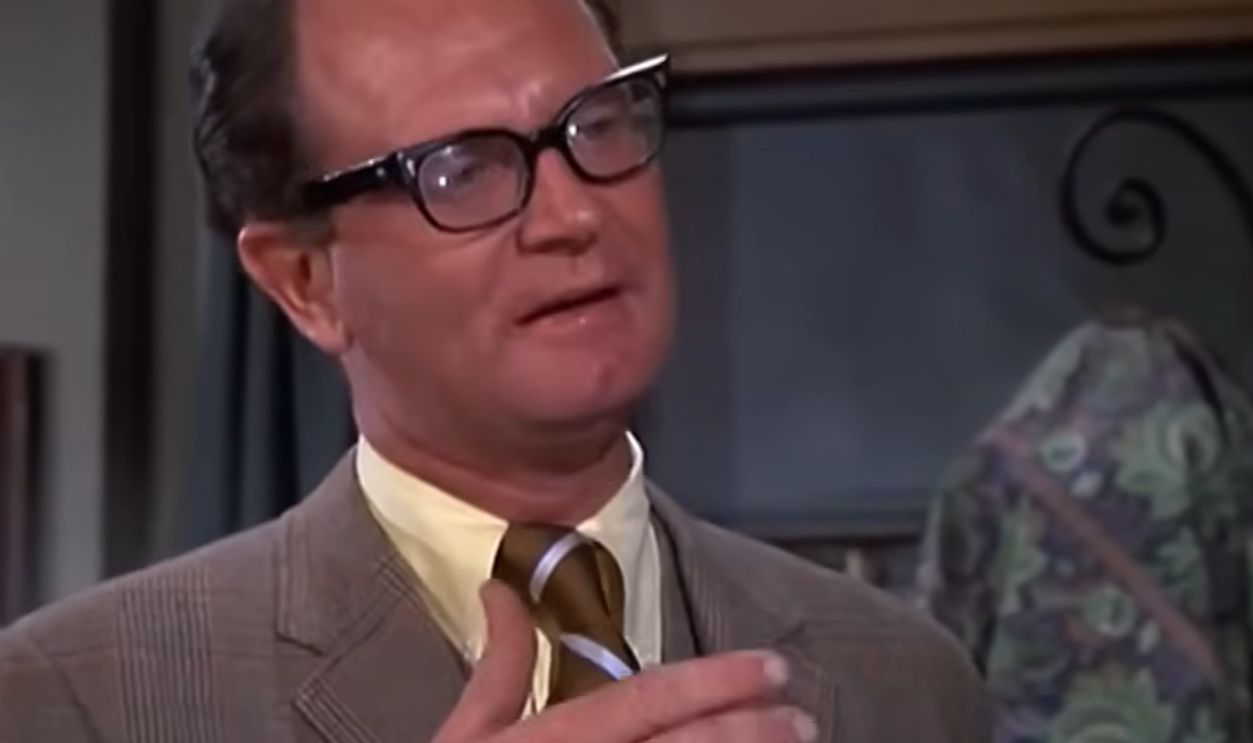 Screenshot from The Ghost & Mrs. Muir, The Walt Disney Company (1968-1970)
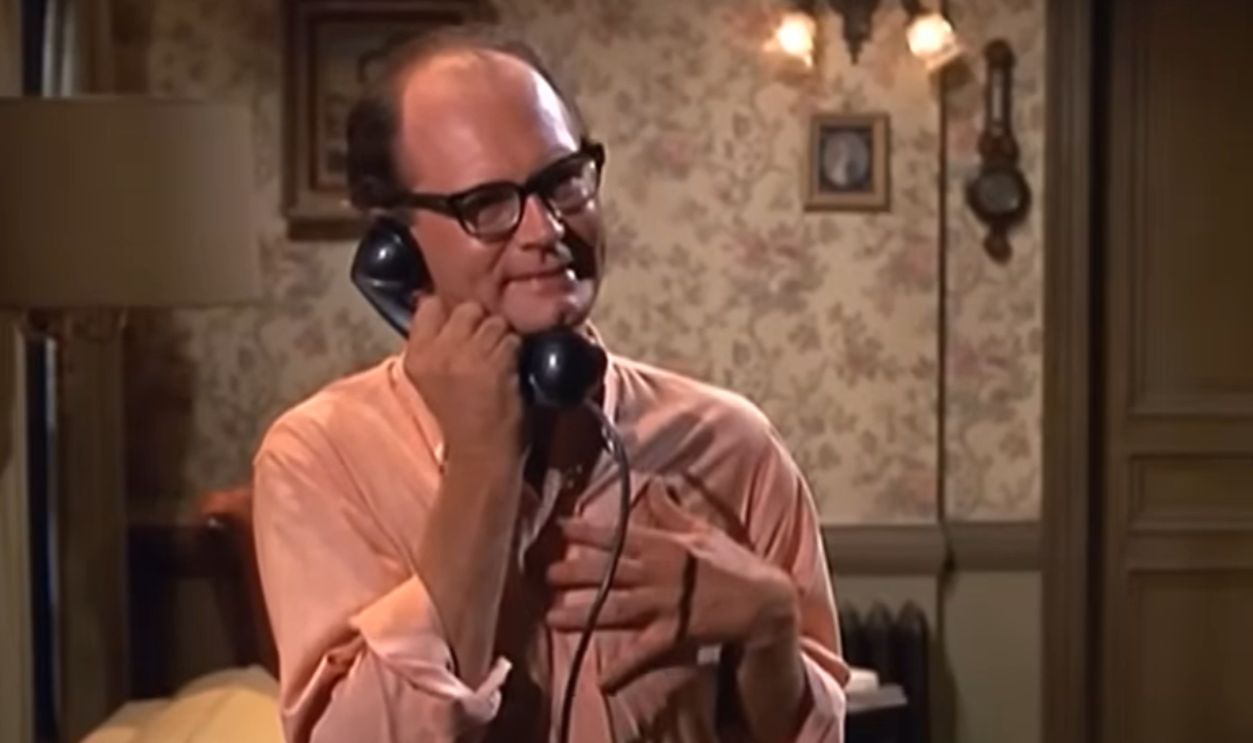
His Private Life Was Remarkably Steady
Reilly shared his later life with set decorator Patrick Hughes III, whom he met during the early 1980s while appearing on Battlestars. Their relationship lasted until Reilly’s death. It was largely absent from the celebrity coverage that had documented nearly everything else about him.
 Screenshot from The Ghost & Mrs. Muir, The Walt Disney Company (1968-1970)
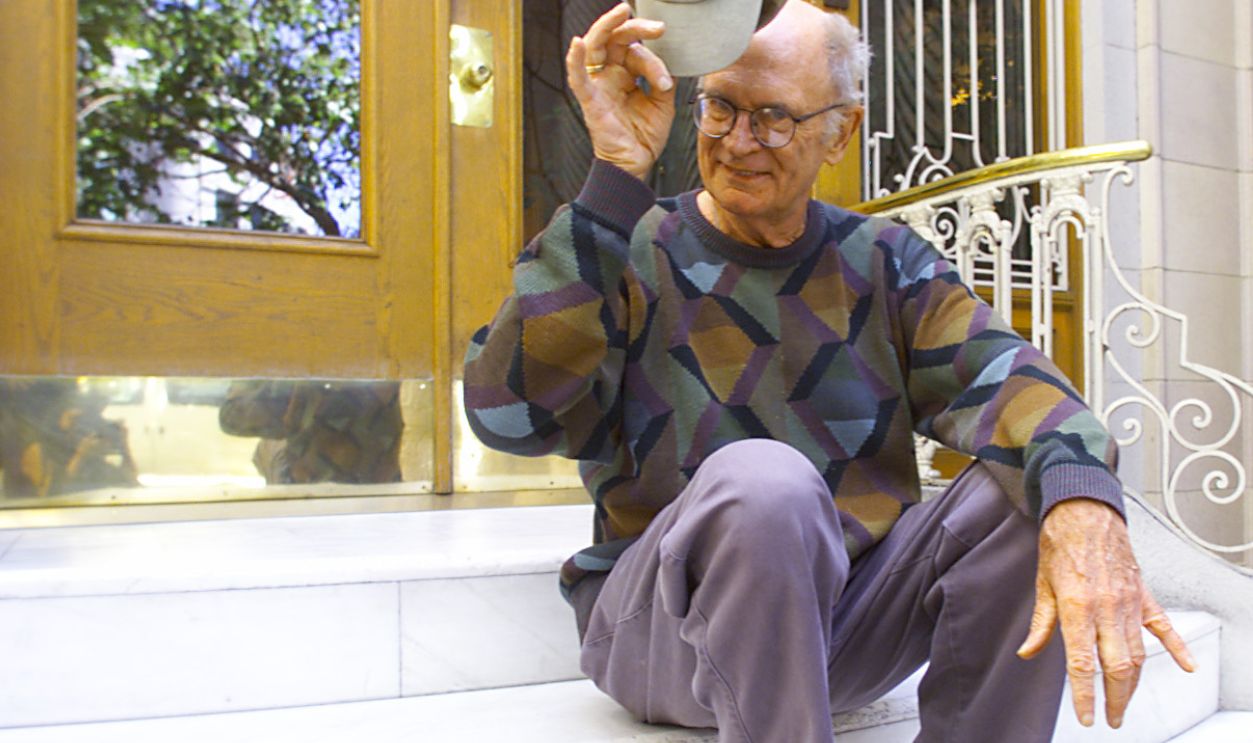
He Finally Told The Entire Story
In 2000, Reilly began performing the autobiographical one-man show Save It for the Stage: The Life of Reilly. He revisited his unstable family, the cruelty he experienced, the circus fire, professional rejection, sexuality, and fame. The television personality had finally reclaimed control of the narrative.
 San Francisco Chronicle/Hearst Newspapers, Getty Images
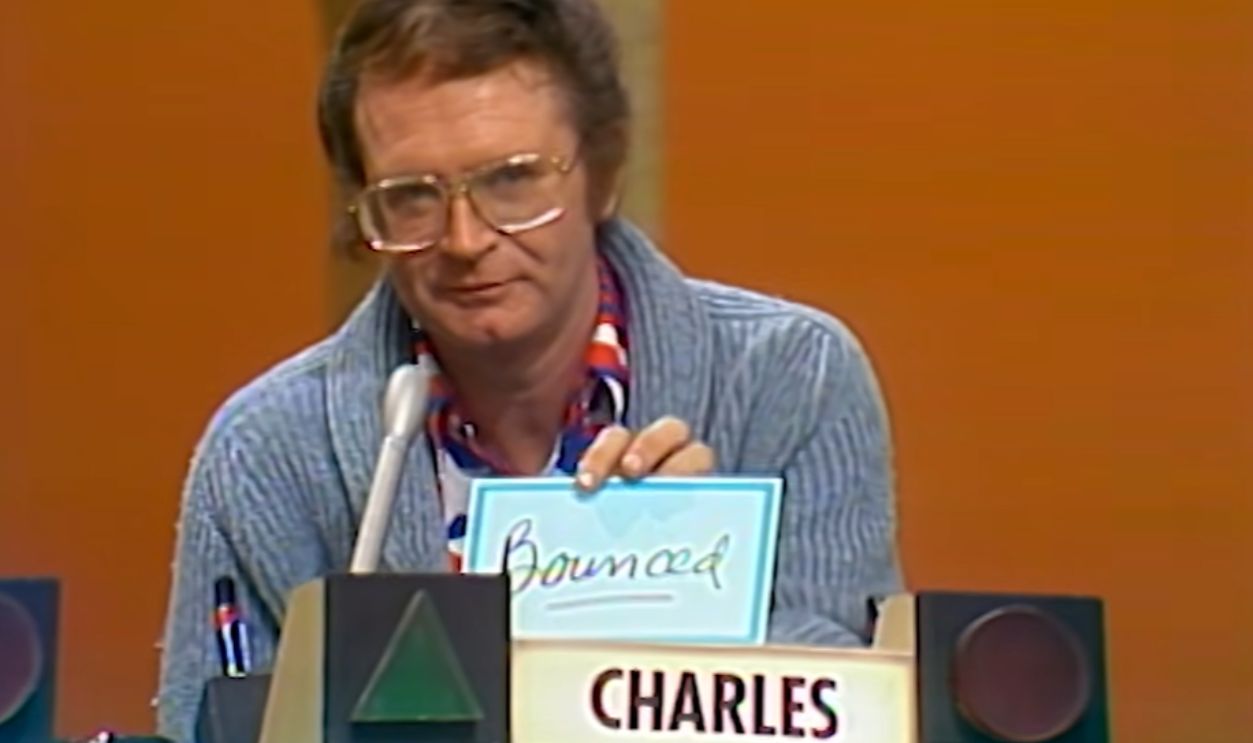
The Jokes Became Something Deeper
The show revealed that Reilly’s humor had never been empty eccentricity. It was how he processed fear, humiliation, rejection, and survival. He could describe a devastating childhood memory, wait through the silence, and then find the precise joke that allowed an audience to breathe again.
 Screenshot from Match Game, Fremantle (1962-)
His Final Performances Were Preserved
Reilly’s last performances of the show were filmed in North Hollywood in 2004 and edited into the documentary The Life of Reilly. The film premiered at South by Southwest in March 2006. By then, respiratory illness had forced him to retire from performing and directing.
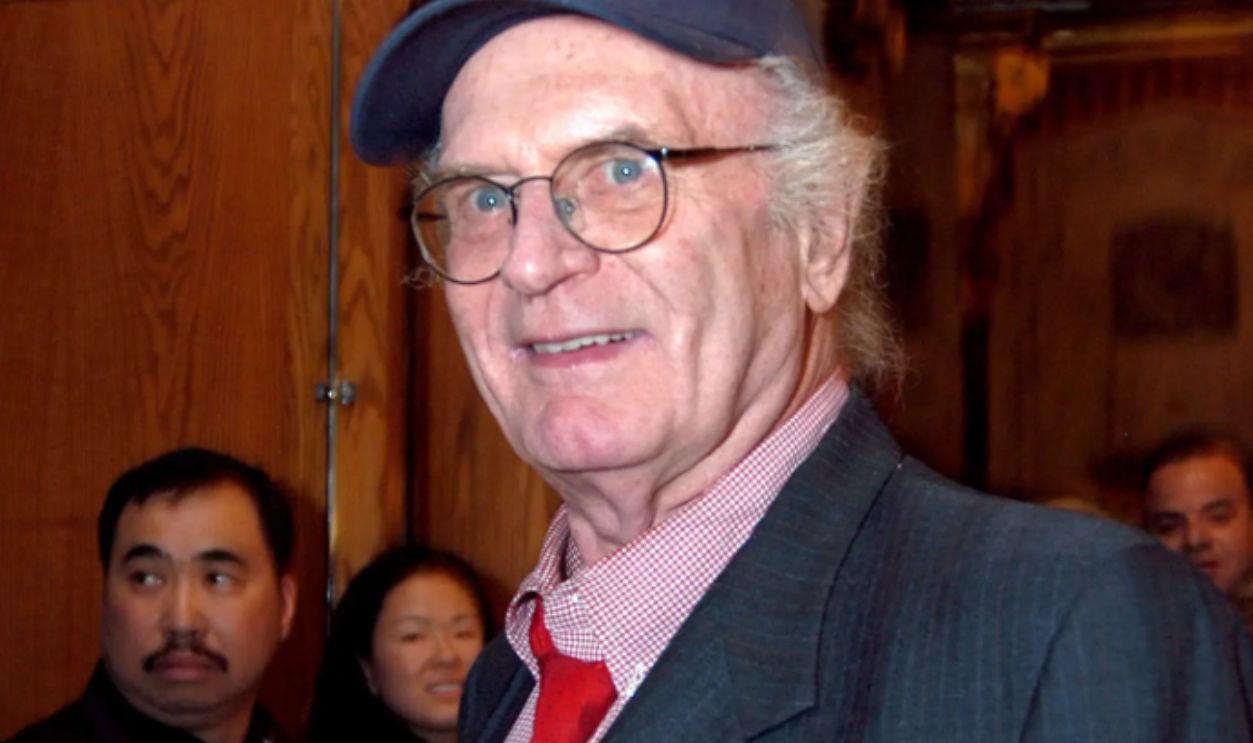
Charles Nelson Reilly Left The Stage
Reilly died in Los Angeles on May 25, 2007, from complications of pneumonia. He was 76. News reports naturally remembered Match Game, the enormous glasses, and his explosive laugh—but they also reminded audiences that the seemingly silly television fixture had possessed a formidable theatrical career.
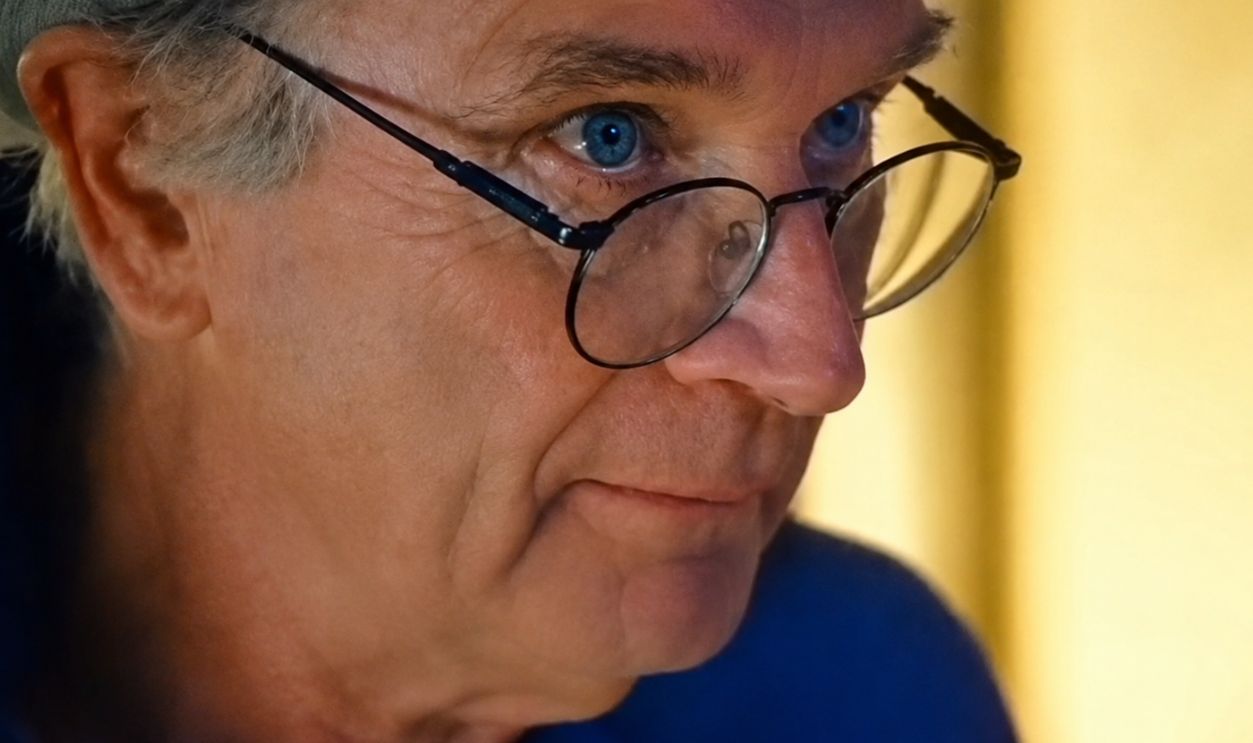 Screenshot from Gaydar, TLA Releasing (2002), enhanced
He Made Himself Impossible To Erase
Charles Nelson Reilly was not merely tolerated by television—he became one of its most recognizable personalities. Behind the camp was a survivor, teacher, Tony winner, director, and gay performer who outlasted an industry that once declared there was no place for him. His greatest punchline was proving it wrong.
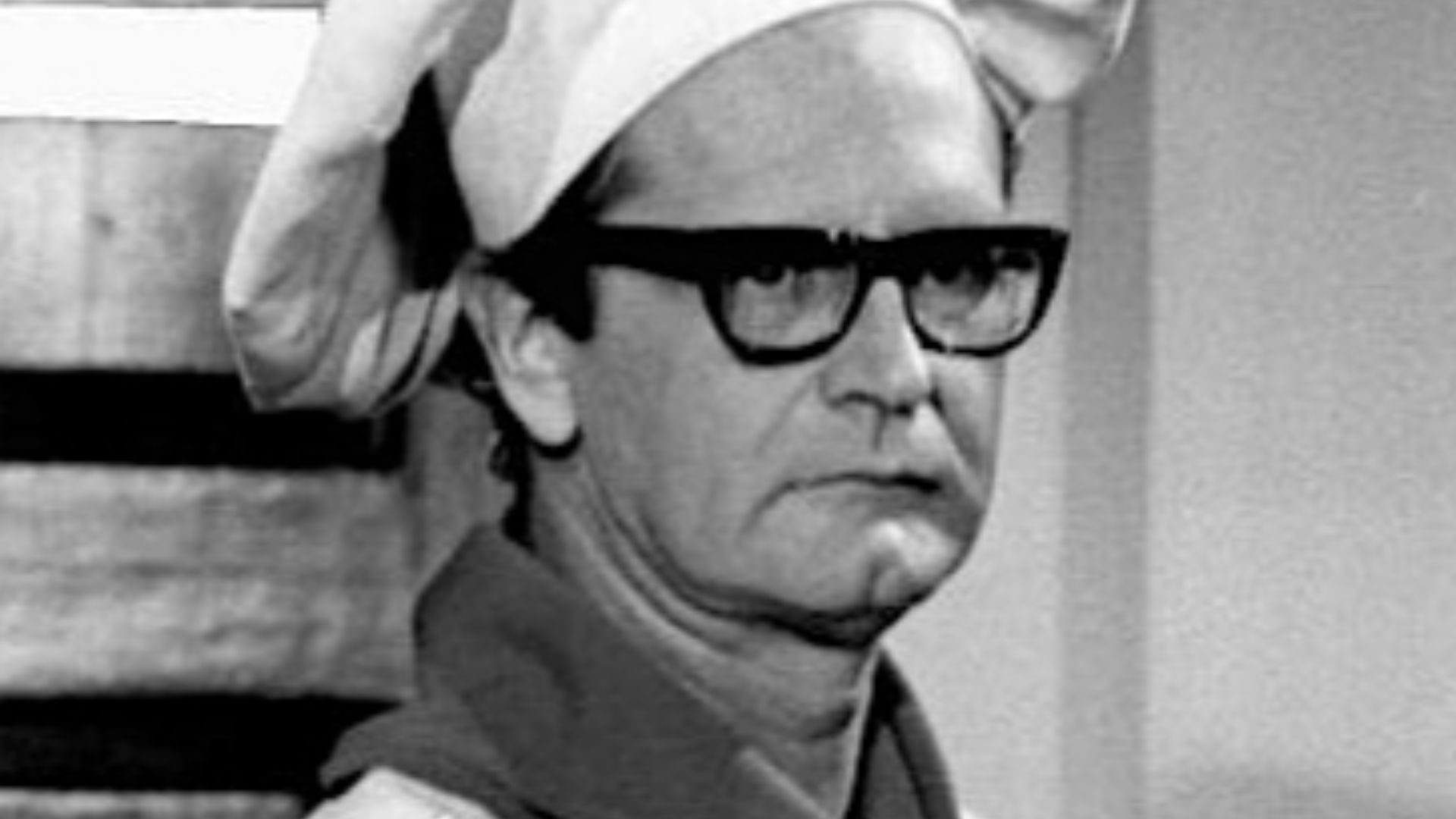 CBS Television Network., Wikimedia Commons
You May Also Like:
Variety Show Regulars From The 1970s Who Were Everywhere On TV, Now No One Remembers Them—Seriously, How Many Do You Remember?