Sometimes One Character Was All It Took
The 1980s gave us plenty of unforgettable TV shows, but sometimes one character swallowed the whole thing. A nerdy neighbor could become the real star, a supporting trio could convince writers to bring them back, and a wisecracking puppet could end up plastered on hundreds of products. Decades later, you might barely remember what their shows were about, but you'd recognize these characters in seconds.
Steve Urkel Wasn't Supposed To Take Over
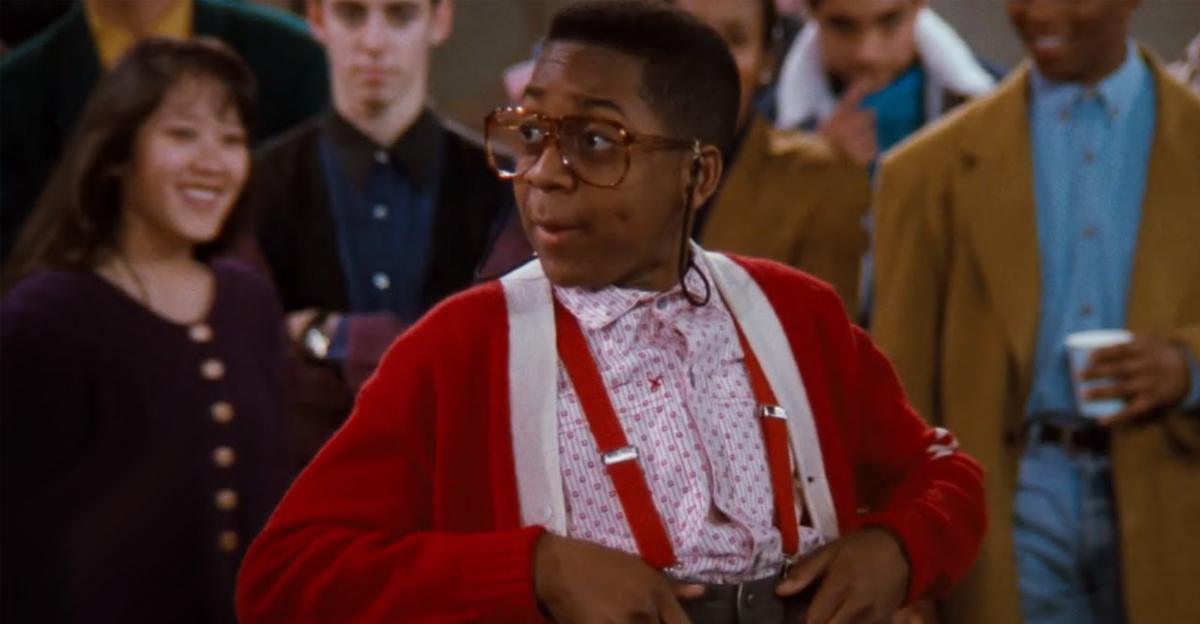
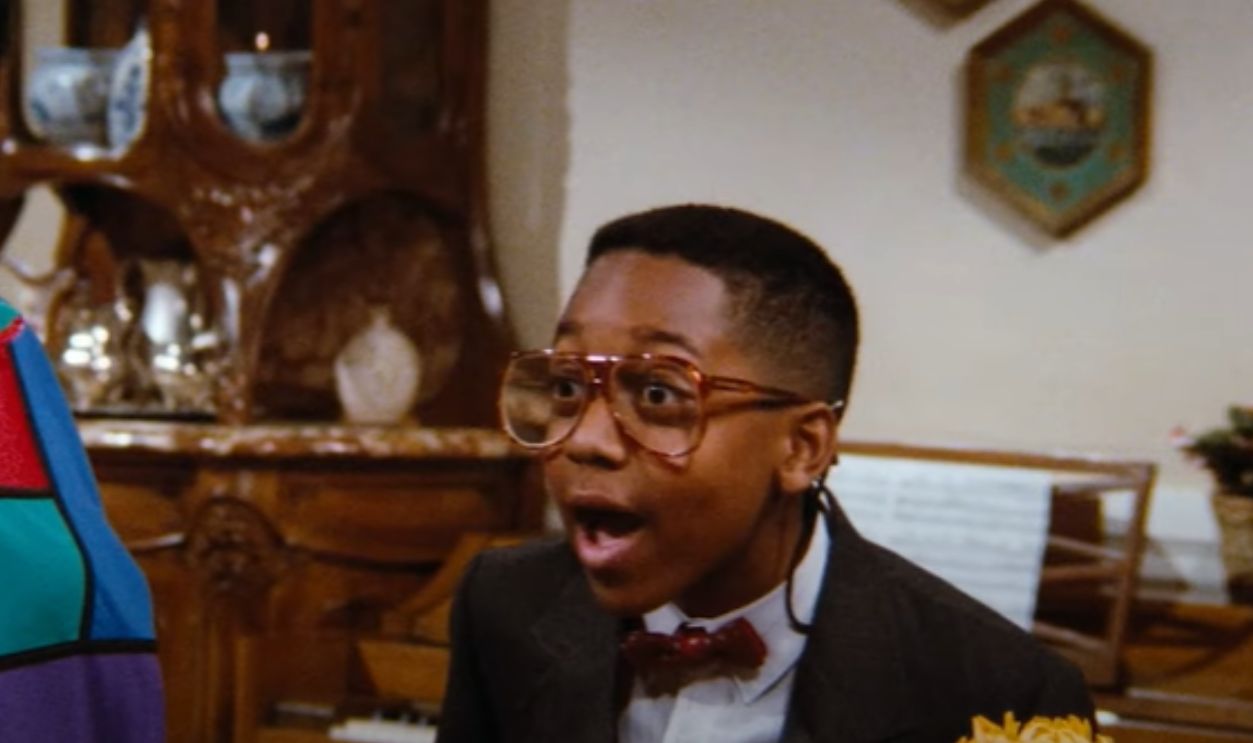
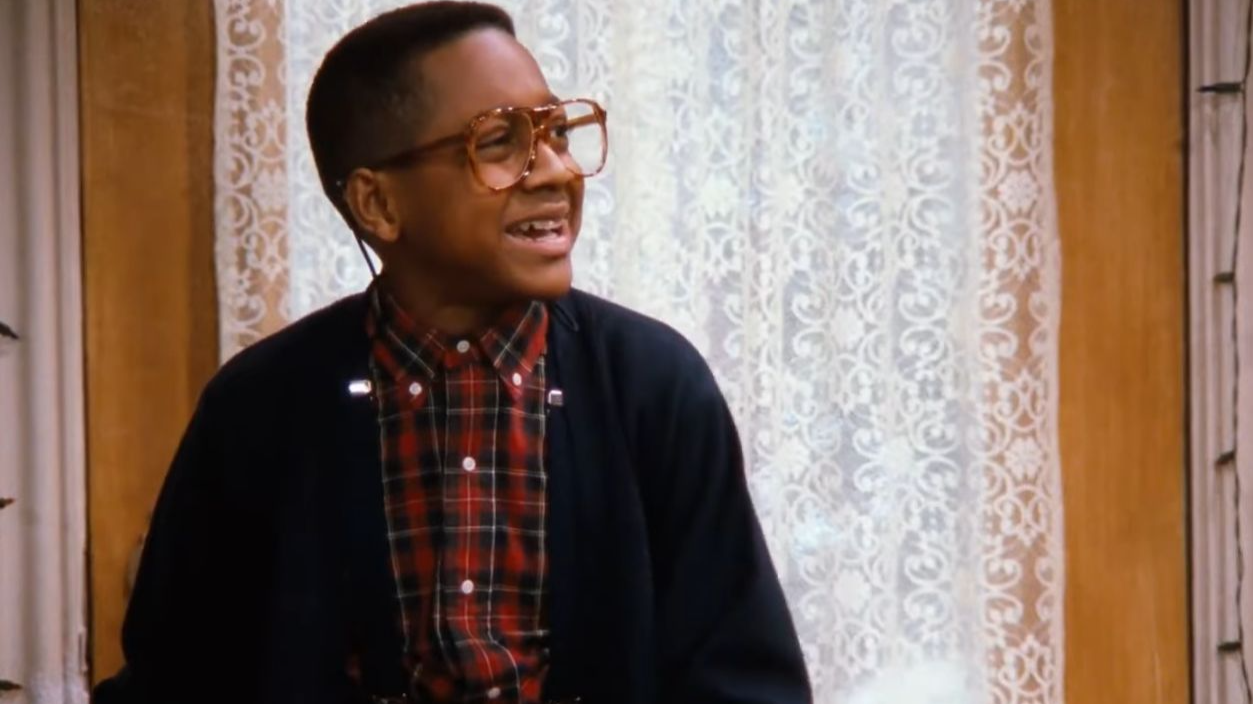
When Family Matters began in 1989, it centered on the Winslows, a working-class Chicago family. Steve Urkel was created as a nerdy teenage date for Laura and was originally intended as a one-time character. Jaleel White's performance connected so strongly with viewers that Urkel was quickly brought back. Nobody could have guessed just how completely he was about to take over.
 Screenshot from Family Matters, ABC (1989–1998)
Suddenly It Was The Urkel Show
Before long, the high-waisted pants, huge glasses, nasal voice, and spectacular social awkwardness were everywhere. The character became so dominant that contemporary coverage credited him with helping turn Family Matters into a genuine hit. Urkel merchandise eventually included shirts, puzzles, dolls, and plenty of other reminders that the annoying neighbor had become the star attraction.
 Screenshot from Family Matters, Warner Bros. (1989–1998)
Max Headroom Looked Like Television From The Future
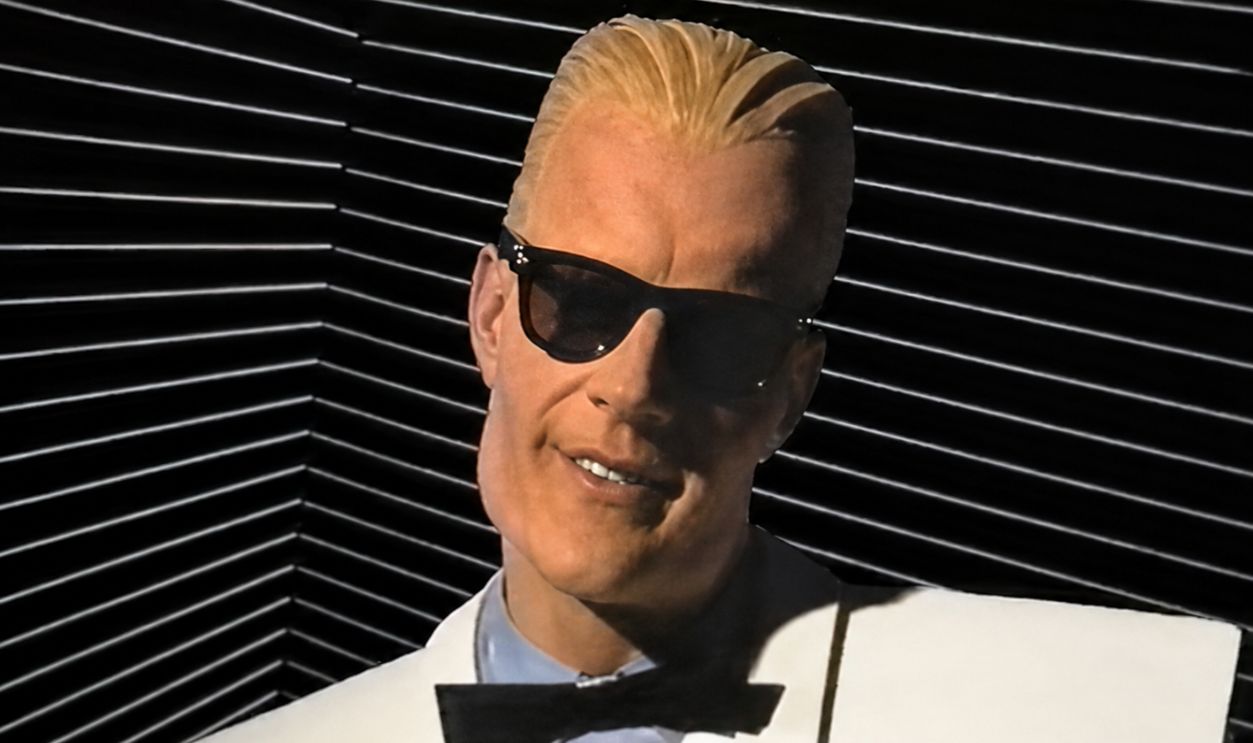
Max Headroom seemed almost impossible to explain, which was part of his appeal. Played by Matt Frewer beneath heavy makeup and enhanced with video effects, the glitching artificial TV personality emerged from British television before starring in an ambitious American sci-fi series in 1987. Critics admired the ABC show, but Max himself soon became much more recognizable than its dystopian storylines. Then something even stranger happened: the show faded, but Max didn't.
 Screenshot from Max Headroom, ABC (1987–1988), Enhanced
Max Escaped His Own Show
The ABC series disappeared quickly, yet Max Headroom remained remarkably visible. Frewer appeared as the character in prominent Coca-Cola advertising, while licensing deals put Max on shirts and plenty of other products. The strange talking head had essentially become a brand independent of the television series carrying his name.
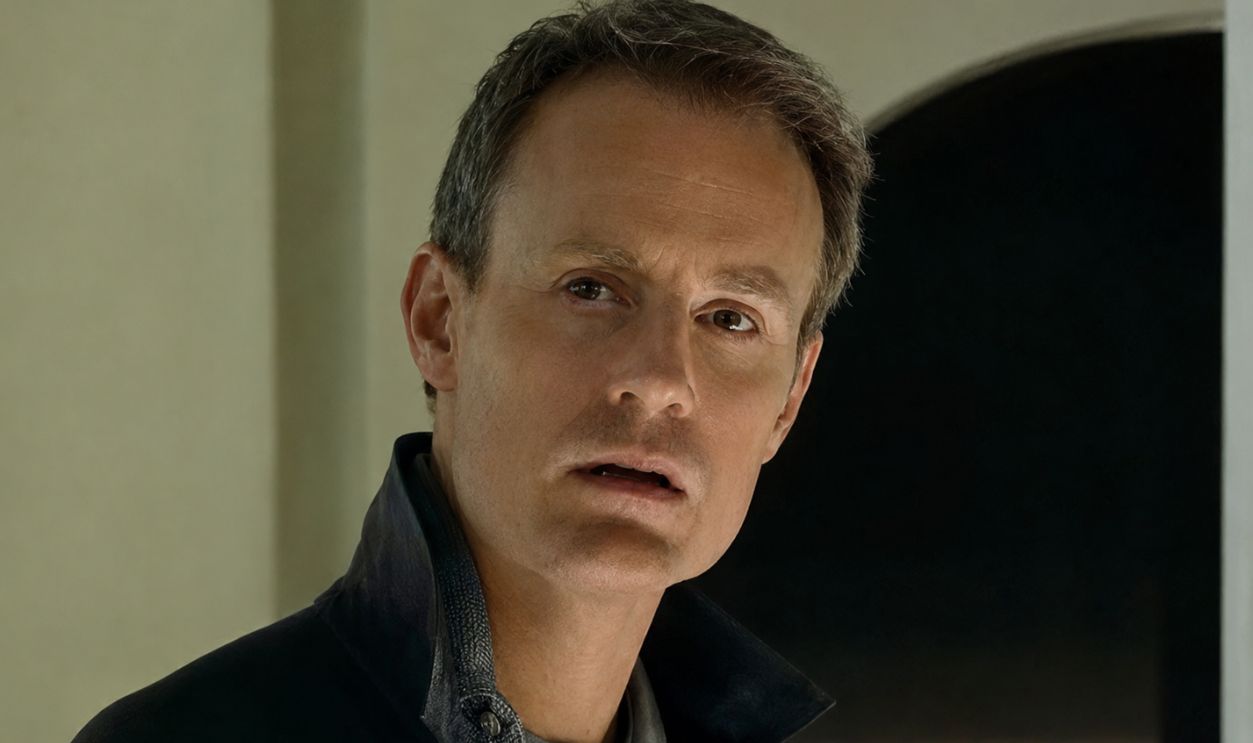 Screenshot from Max Headroom, ABC (1987–1988), Enhanced
Larry, Darryl And Darryl Stole Newhart's Attention
Newhart already had Bob Newhart at its center, but three peculiar backwoods brothers unexpectedly became audience favorites. William Sanderson played Larry, while Tony Papenfuss and John Voldstad played his almost completely silent brothers, both named Darryl. They were not initially intended to become major regulars. Then the studio audience reacted so strongly that the show's plans began to change.
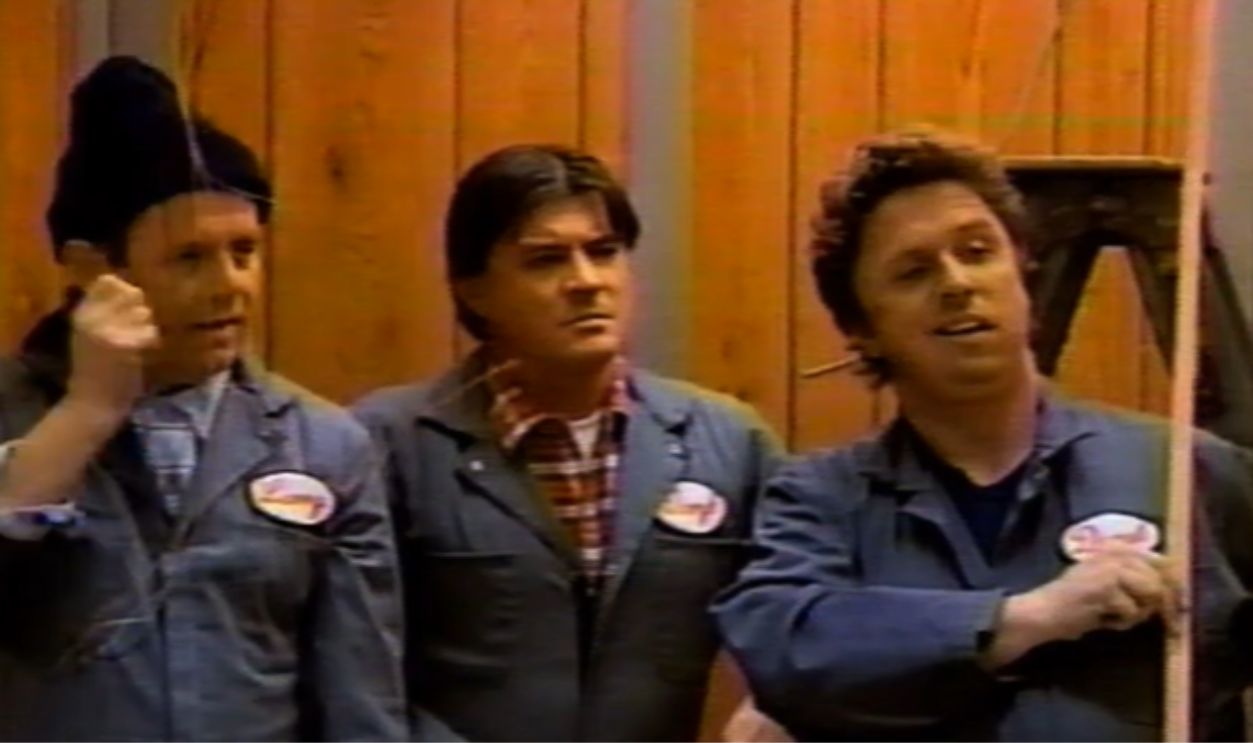 Screenshot from Newhart, CBS (1982–1990)
The Audience Made The Decision
Newhart later recalled that the studio audience's reaction convinced the show to bring the trio back. Their introductions became running jokes, and their bizarre personalities turned them into what Newhart himself described as cult figures. It was a perfect example of viewers choosing the characters they wanted to see again.
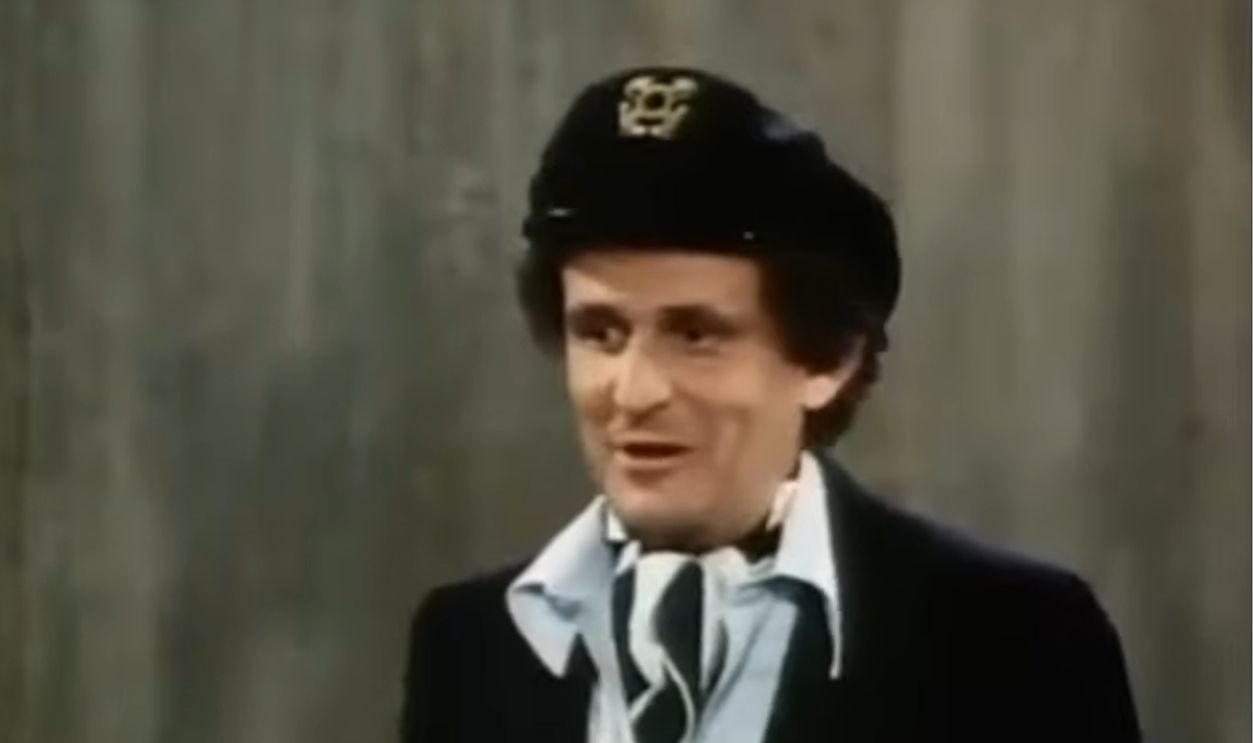 Screenshot from The Bob Newhart Show, MTM Enterprises (1972–1978)
Balki Bartokomous Was Impossible To Ignore
Perfect Strangers was technically about two cousins, but Bronson Pinchot's Balki Bartokomous was its wild card. The cheerful immigrant from the fictional island of Mypos bounced through American life while his uptight cousin Larry tried to maintain some degree of normality. Their chemistry powered the sitcom from its debut in 1986. But one of those cousins proved especially difficult to forget.
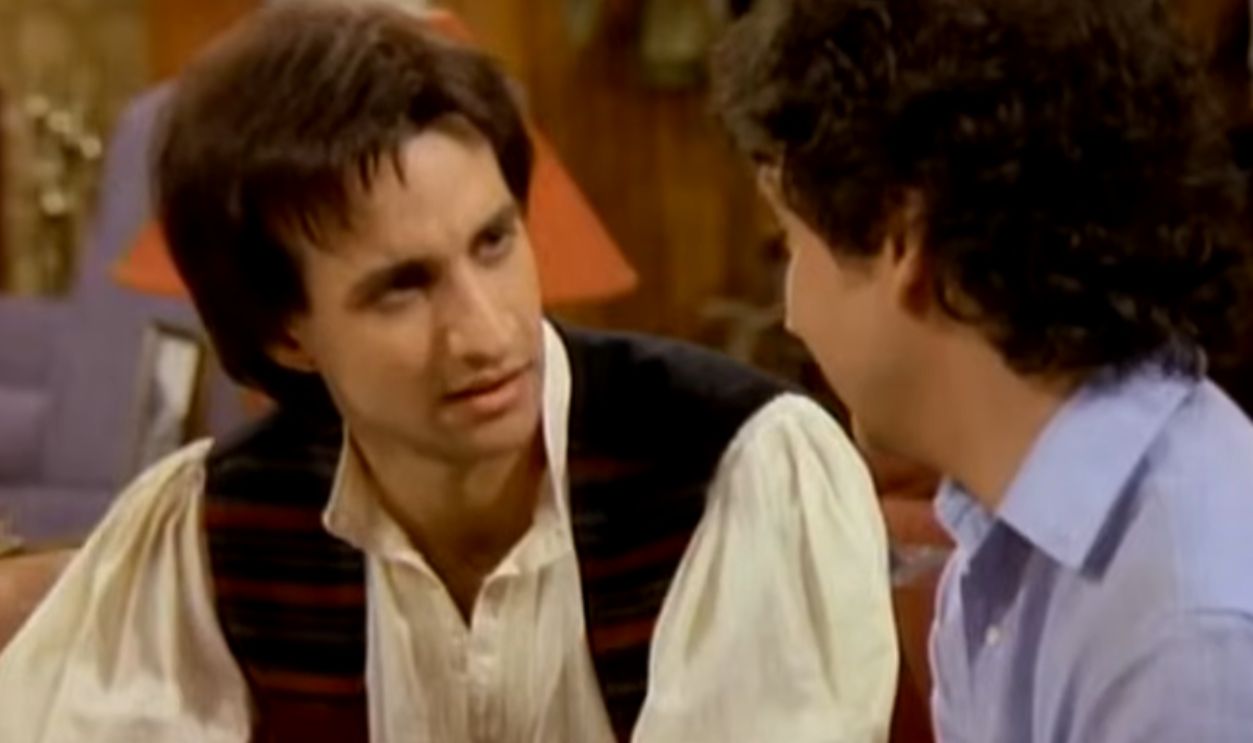 Screenshot from Perfect Strangers, Warner Bros. Television (1986-1993)
The Dance Of Joy Outlived The Plotlines
Balki's strange expressions, innocent misunderstandings, and exuberant personality became some of the show's biggest calling cards. Even the pair's famous "Dance of Joy" remains closely associated with Perfect Strangers decades later. The sitcom lasted for years, but Balki became the image many viewers carried away from it.
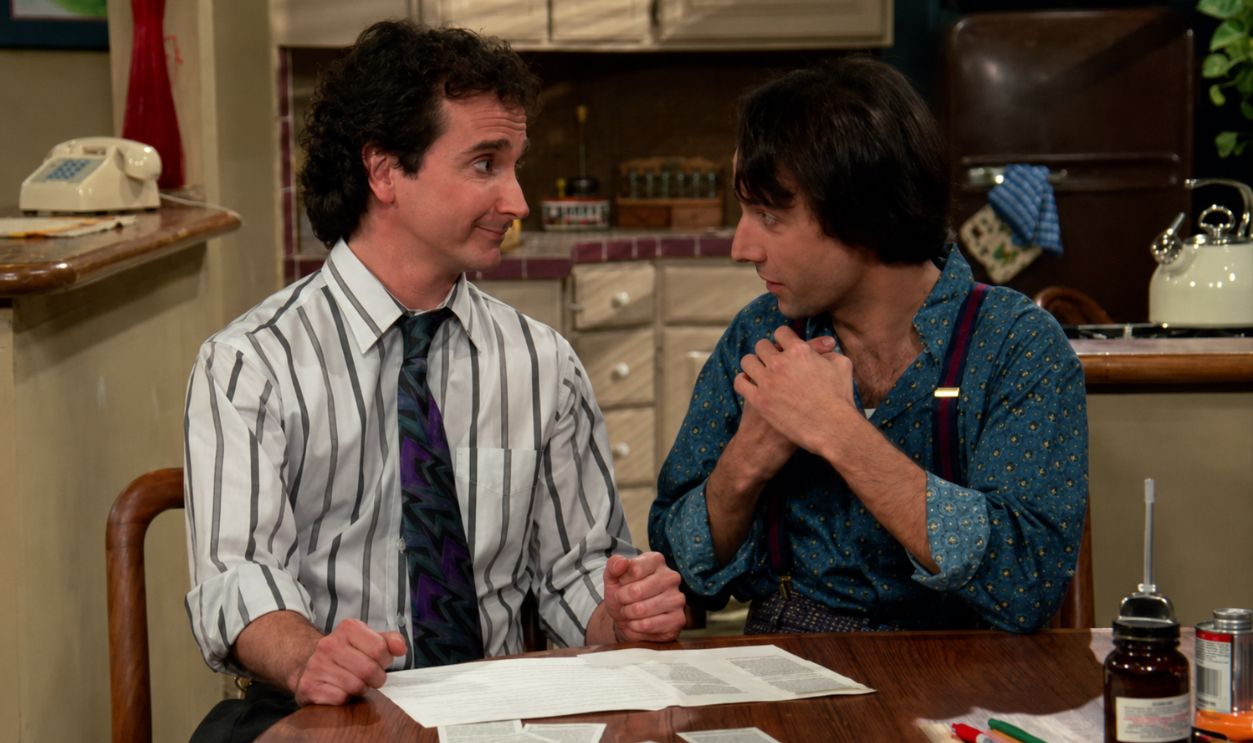 Screenshot from Perfect Strangers, ABC (1986-1993)
ALF Became A Merchandising Monster
NBC introduced ALF in 1986 as a furry alien hiding with the suburban Tanner family after crash-landing on Earth. The premise sounded ridiculous even by sitcom standards, but the wisecracking creature became enormously popular. It wasn't long before his fame escaped the Tanner family's living room entirely. Soon, you didn't even need to watch NBC to find ALF staring back at you.
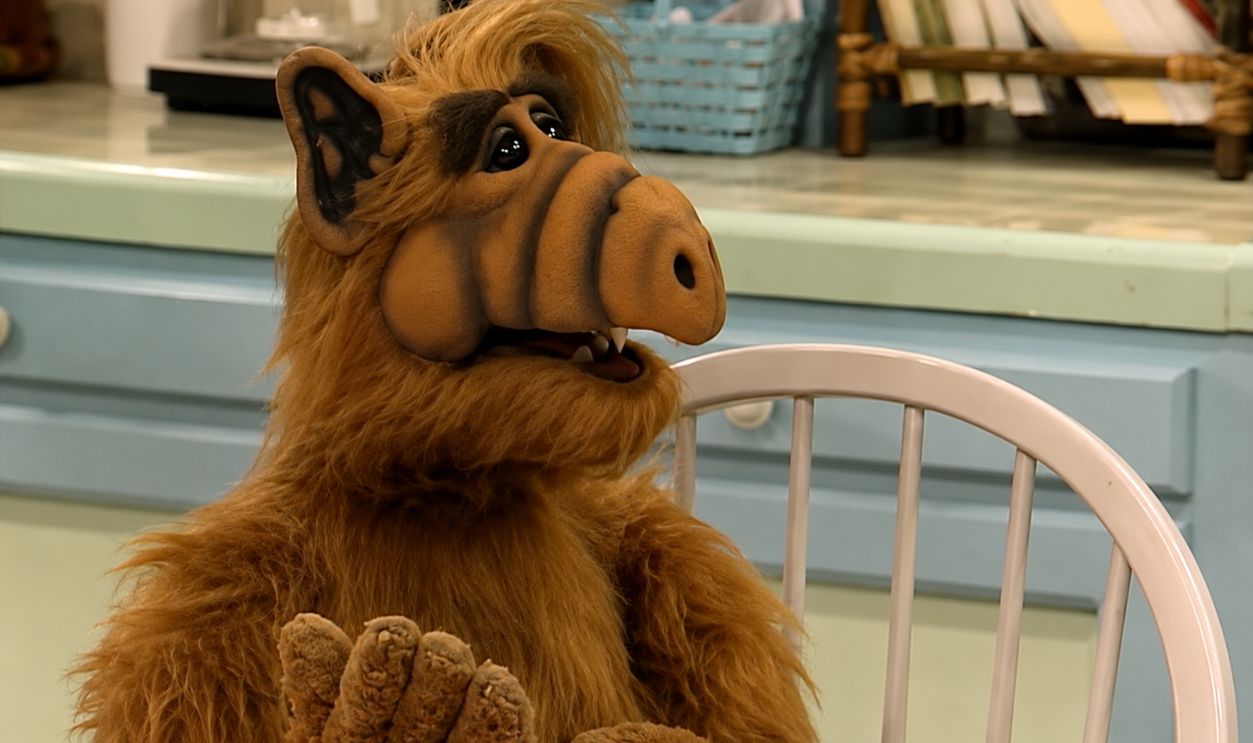 Screenshot from ALF, NBC Television Network (1986-1990), Enhanced
You Could Barely Escape His Face
Companies licensed ALF for toys, clothes, posters, lunch boxes, watches, bedding, and a mountain of other merchandise. Contemporary reporting described dozens of companies producing hundreds of ALF products. At that point, the Tanner family almost felt like supporting players in the career of their own puppet houseguest.
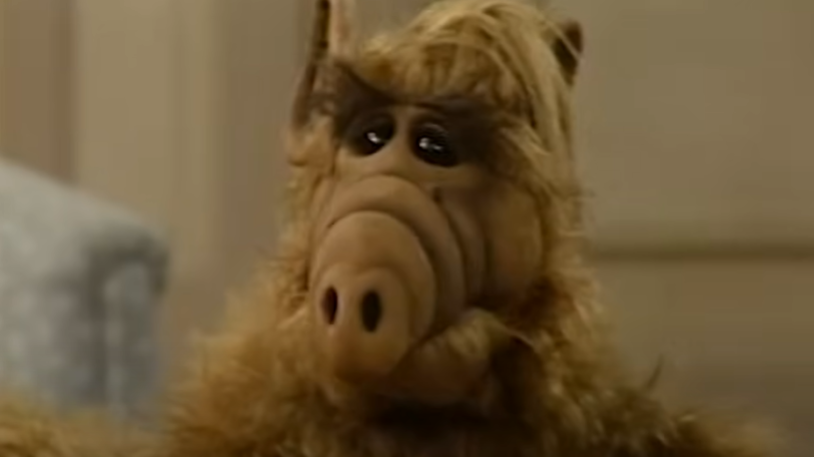 Screenshot from ALF, NBC Television Network (1986-1990)
Punky Brewster Became A Childhood Symbol
Soleil Moon Frye began playing Penelope "Punky" Brewster in 1984, giving television a fiercely optimistic young heroine with unmistakable fashion and attitude. The sitcom mixed broad comedy with surprisingly serious subjects affecting children. Punky herself quickly became the element viewers connected with most strongly. Behind the scenes, the sheer scale of that connection was becoming impossible to ignore.
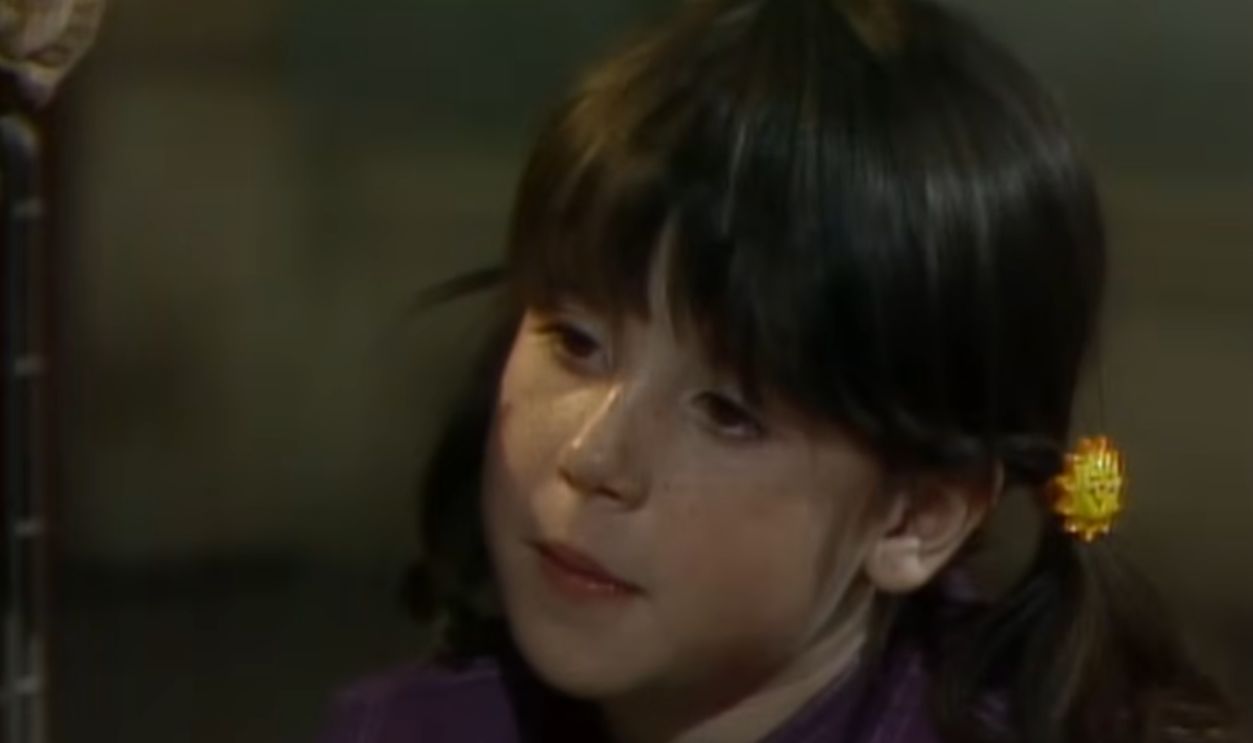 Screenshot from Punky Brewster, NBC (1984–1988)
Fans Never Really Forgot Punky
At the peak of the show's popularity, Frye was receiving thousands of fan letters every week. Decades later, she recalled adults approaching her to explain how Punky had helped them through difficult childhood experiences. That emotional attachment ultimately helped make a revival of the character possible many years later.
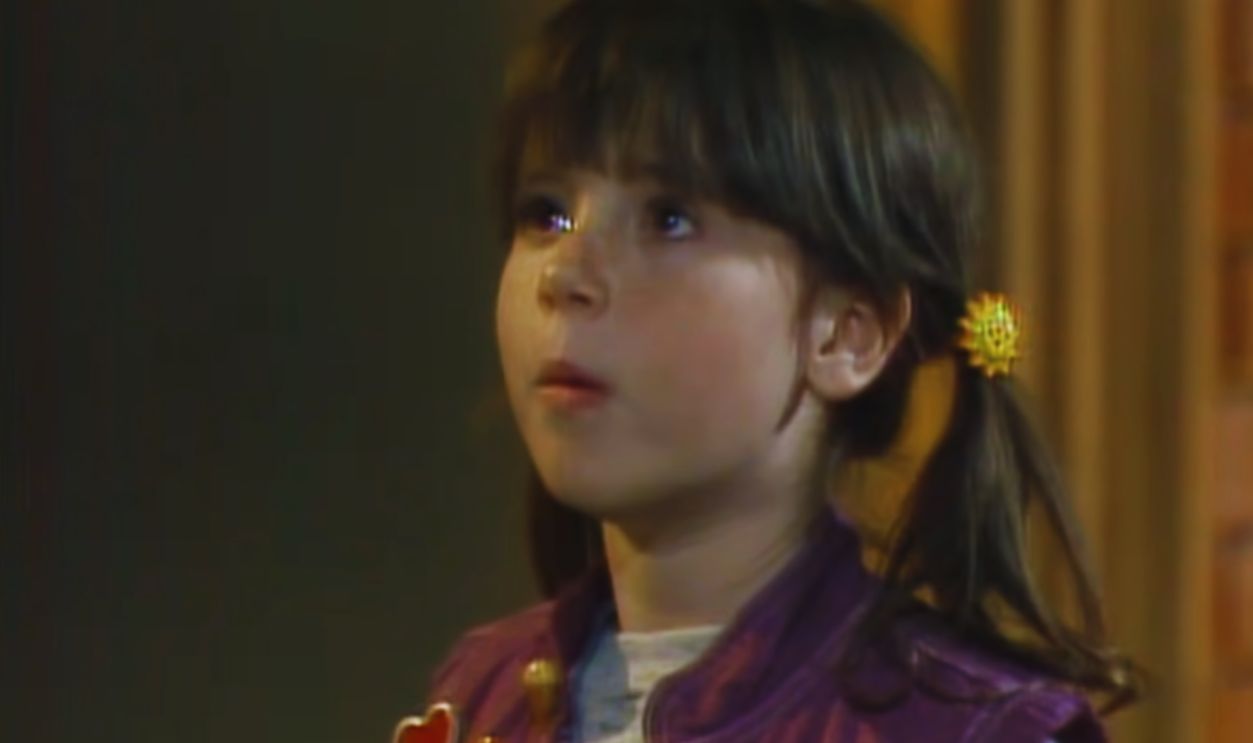 Screenshot from Punky Brewster, Sony Pictures Television (1984-1988)
Webster Was Basically The Show
Webster surrounded its title character with accomplished adult actors Alex Karras and Susan Clark, but there was little question about whose face audiences associated with the sitcom. Emmanuel Lewis played Webster Long, an orphan taken in by his godfather and his wife. His tiny stature, expressive performance, and enormous personality made him one of the decade's most recognizable TV kids. Before long, separating the young actor from his famous character became nearly impossible.
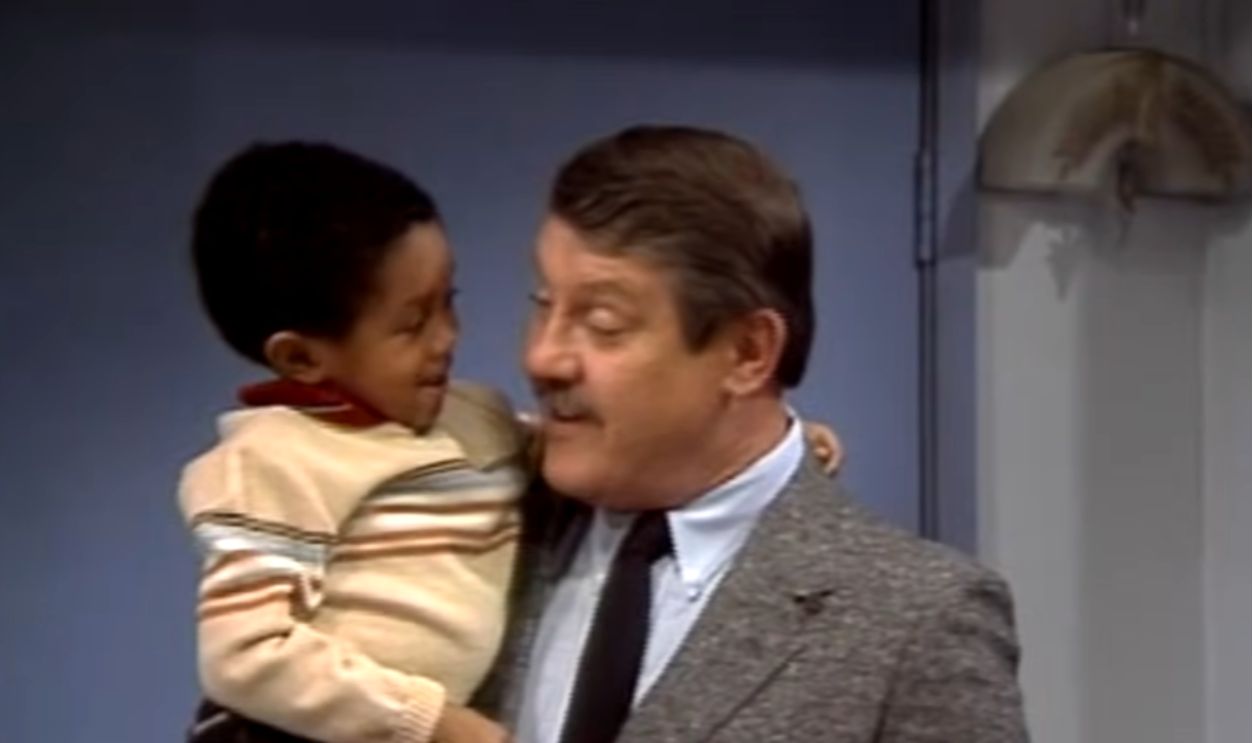 Screenshot from Webster, The Walt Disney Company (1983-1989)
Emmanuel Lewis Became Inseparable From Webster
The sitcom occasionally tackled surprisingly serious subjects, but its public identity remained inseparable from Emmanuel Lewis. His affectionate performance made Webster the show's unmistakable center of gravity. Even viewers who have forgotten much of the supporting cast are likely to remember exactly who stood at the center of Webster.
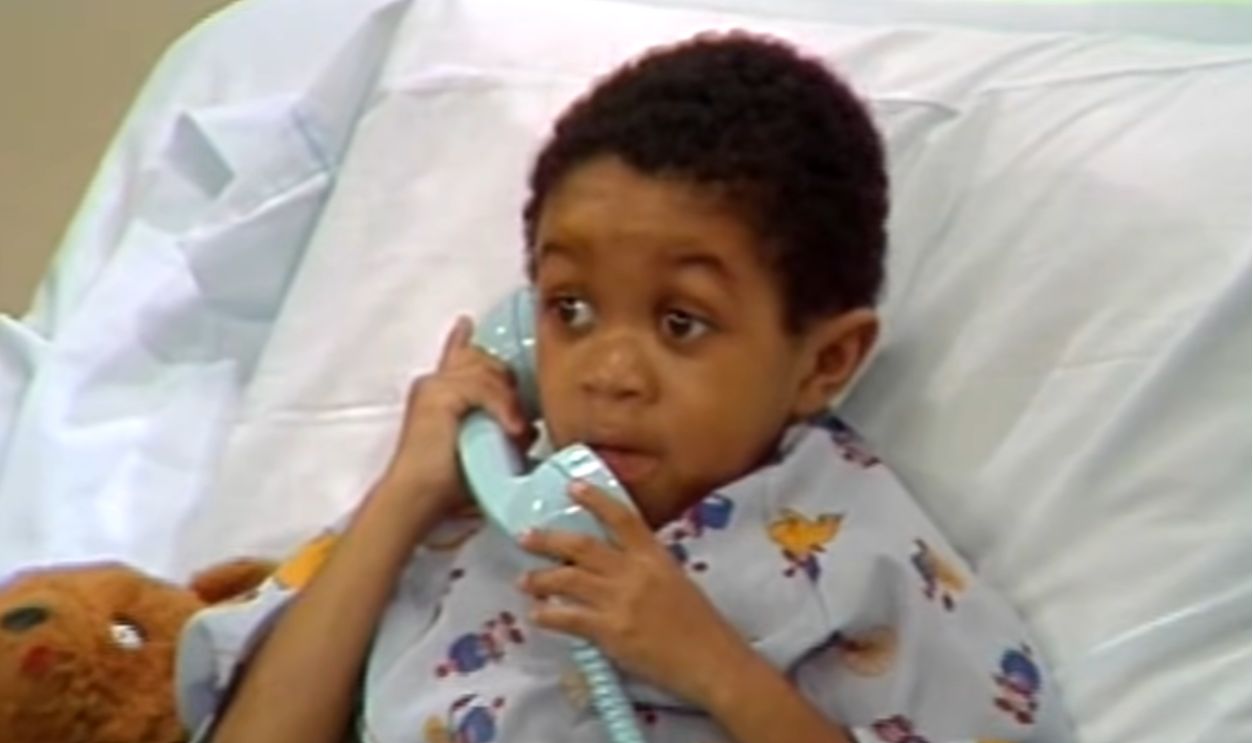 Screenshot from Webster, The Walt Disney Company (1983-1989)
Vicki Made Small Wonder Unforgettable
Small Wonder arrived in syndication in 1985 with one of the strangest sitcom premises of the decade. Tiffany Brissette played Vicki, a child-sized robot secretly living with the family of the engineer who created her. Her stiff movements, mechanical voice, and distinctive appearance made the character instantly recognizable. What made her success even stranger was where viewers were finding the show.
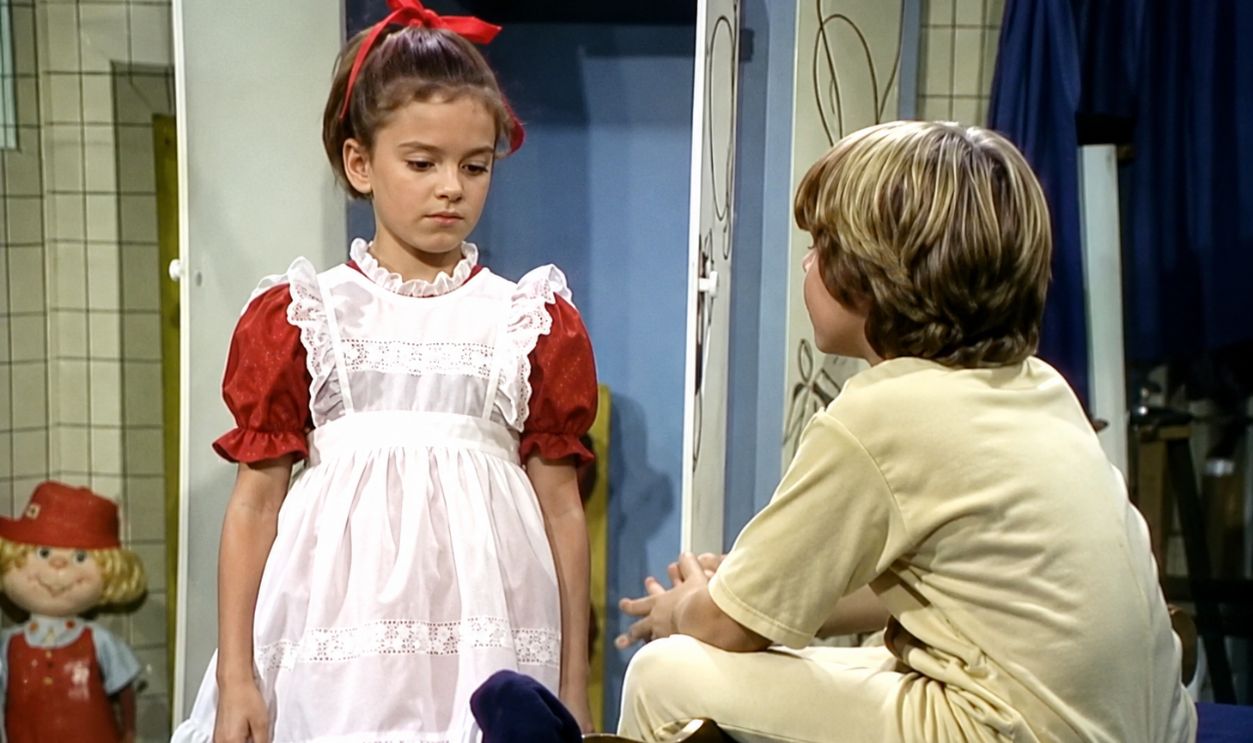 Screenshot from Small Wonder, Metromedia Producers Corporation (1985–1989), Enhanced
The Robot Became The Show
Unlike most familiar sitcoms of the era, Small Wonder didn't originally air as part of a major network lineup. It went directly into first-run syndication and still lasted four seasons. Vicki's mechanical voice, red-and-white outfit, and stiff movements became the show's unmistakable calling cards, making the robot girl far easier to remember than almost anything happening around her.
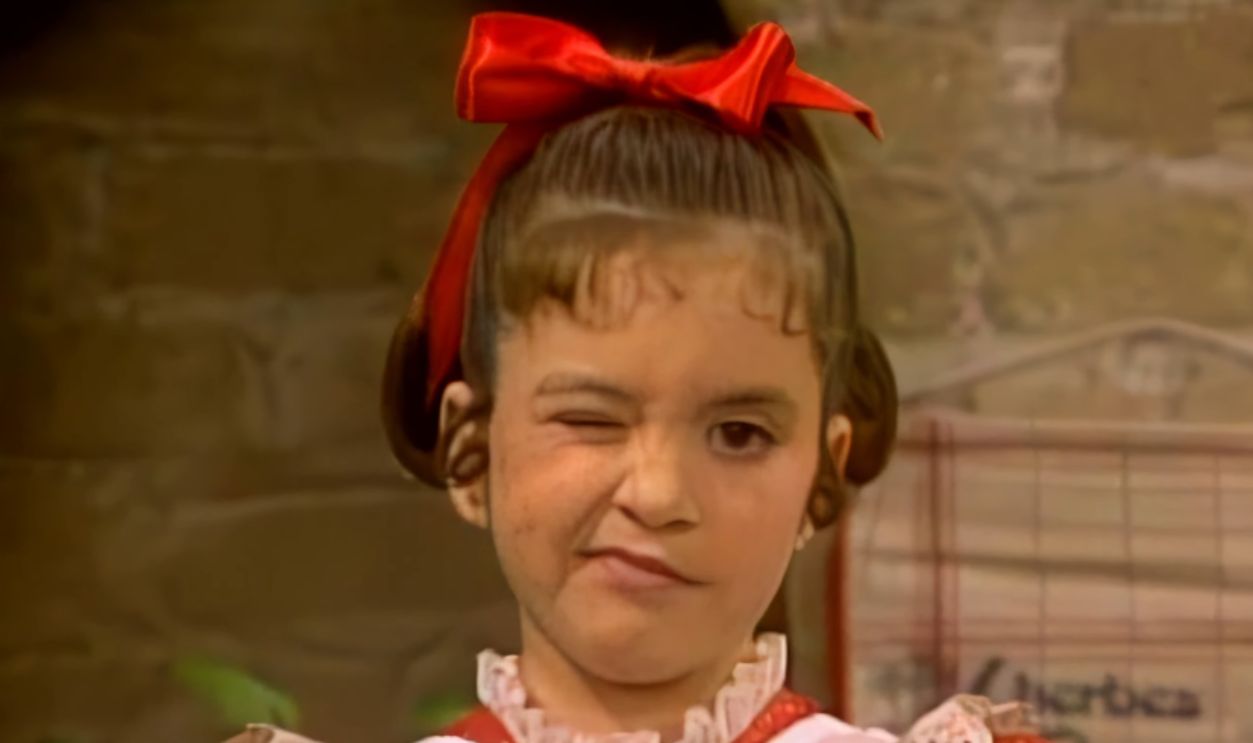 Screenshot from Small Wonder, Metromedia Producers Corporation (1985–1989)
Screech Existed Before Saved By The Bell
Dustin Diamond was playing Samuel "Screech" Powers before Saved by the Bell even existed. He originated the awkward student in Good Morning, Miss Bliss, a short-lived Disney Channel sitcom that also featured Zack Morris and Lisa Turtle. When producers reworked the concept into Saved by the Bell in 1989, Screech was one of the characters who made the jump. That move was only the beginning of Screech's strangely long television life.
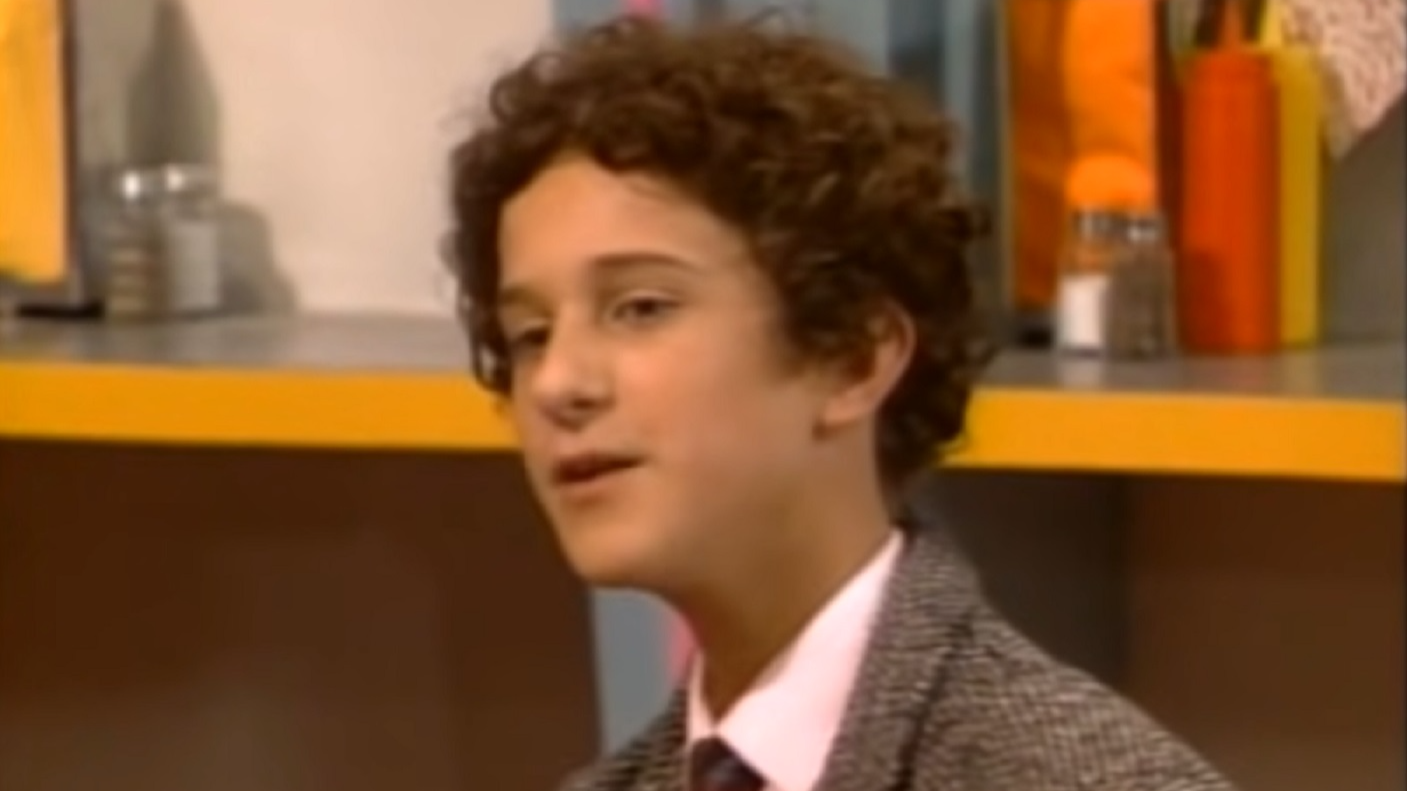 Screenshot from Saved by the Bell, NBC (1989–1993)
Screech Became Practically Indestructible
Diamond continued playing Screech through several later versions of the franchise. That gave the character a television lifespan far longer than the obscure program where he had started. Screech went from supporting nerd to one of the most instantly identifiable names associated with the entire franchise.
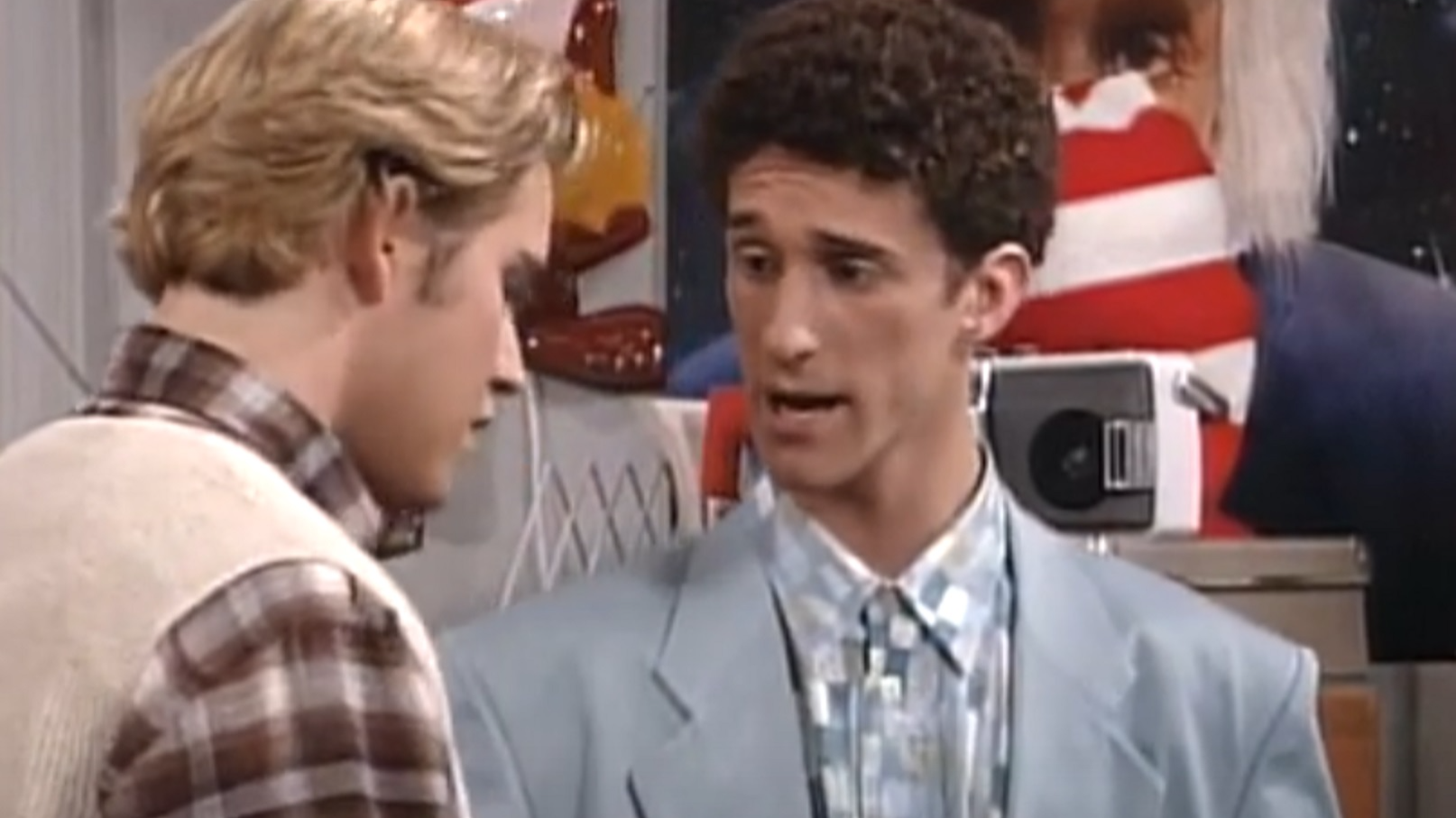 Screenshot from Saved by the Bell: The College Years, NBC Studios (1993-1994)
Ed Grimley Was Too Weird For One Show
Martin Short's Ed Grimley began on SCTV, complete with towering hair, nervous energy, and an obsessive enthusiasm for extremely ordinary things. Short then brought the character with him when he joined Saturday Night Live for the 1984-85 season. Grimley quickly became one of Short's signature creations. And somehow, two major sketch shows still weren't enough for Ed Grimley.
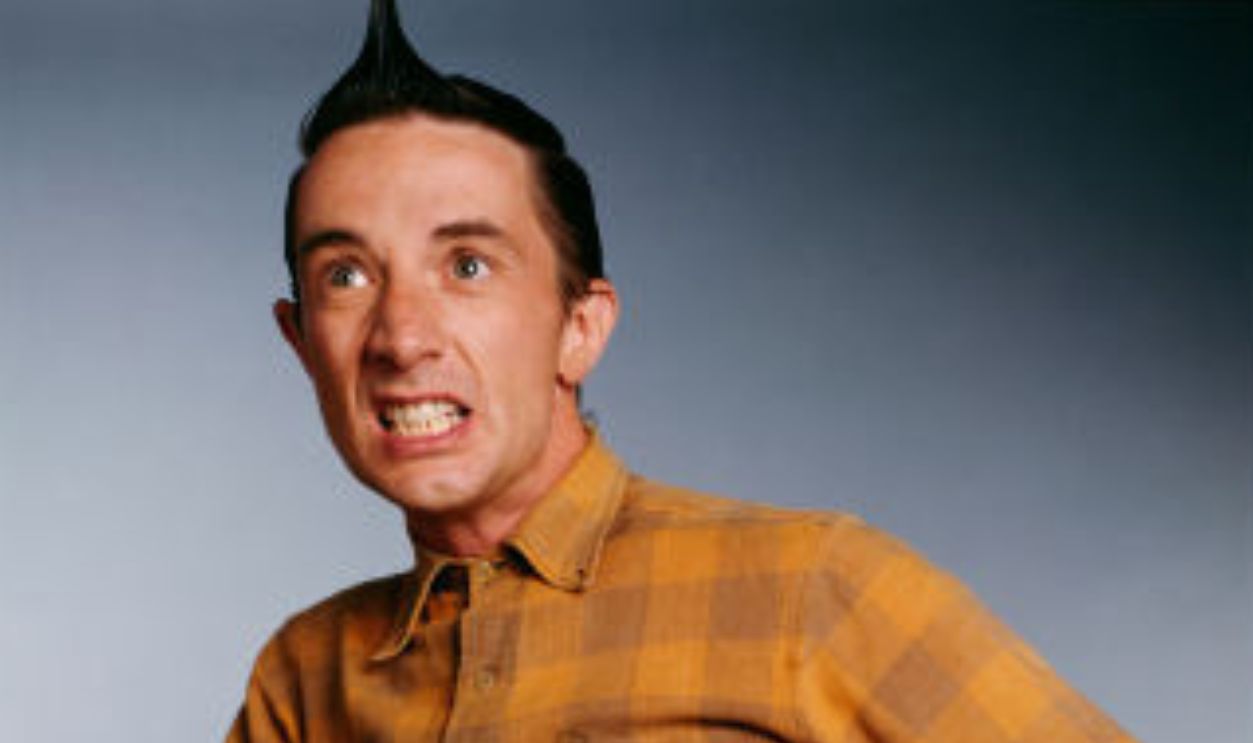 Bonnie Schiffman Photography, Getty Images
Then Ed Grimley Became A Cartoon
Most sketch characters never get anywhere near their own animated program. Grimley somehow did. NBC launched The Completely Mental Misadventures of Ed Grimley in 1988, transforming Short's bizarre live-action creation into a Saturday-morning cartoon hero. Few characters could jump between shows and formats quite like Ed.
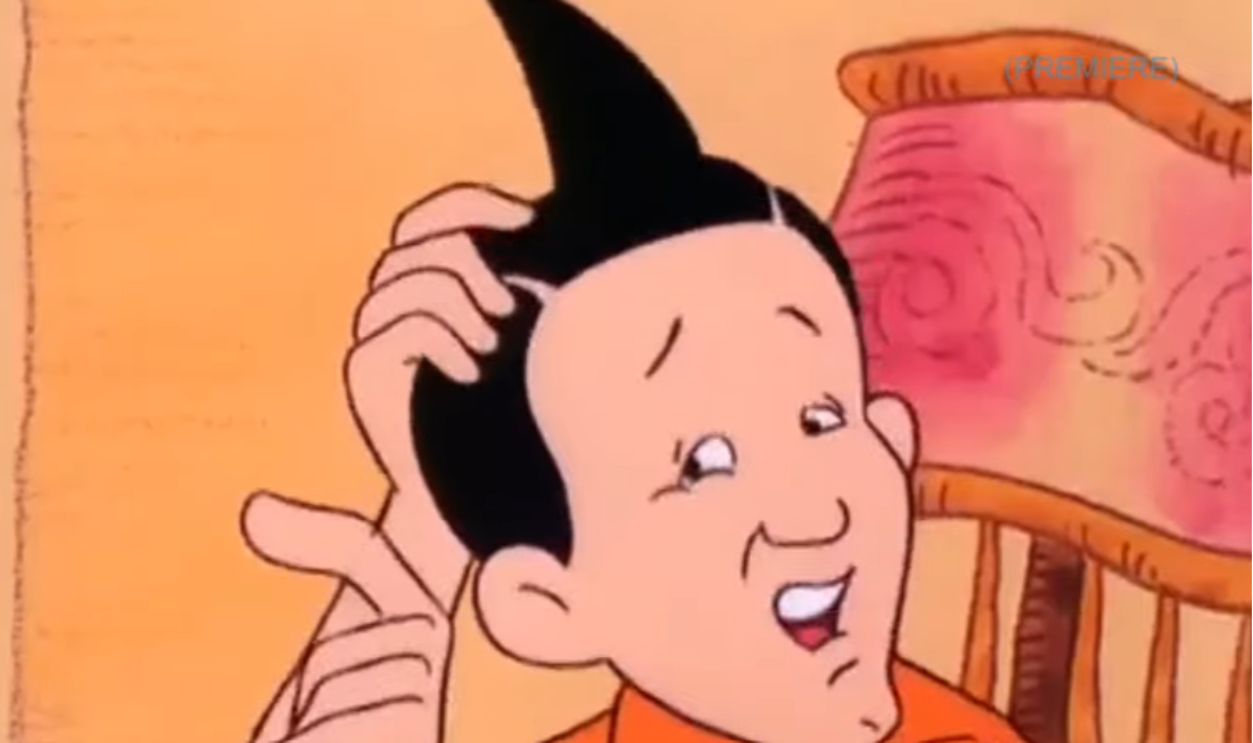 Screenshot from The Completely Mental Misadventures of Ed Grimley, NBC Productions (1988)
Elvira Outgrew Late-Night Horror Movies
Cassandra Peterson debuted Elvira, Mistress of the Dark, on Los Angeles television in 1981. The concept was simple: Elvira introduced old horror movies while making sarcastic jokes in an exaggerated gothic persona. Viewers soon became considerably more interested in the hostess than many of the movies she was presenting. Eventually, Elvira didn't need those horror movies at all.
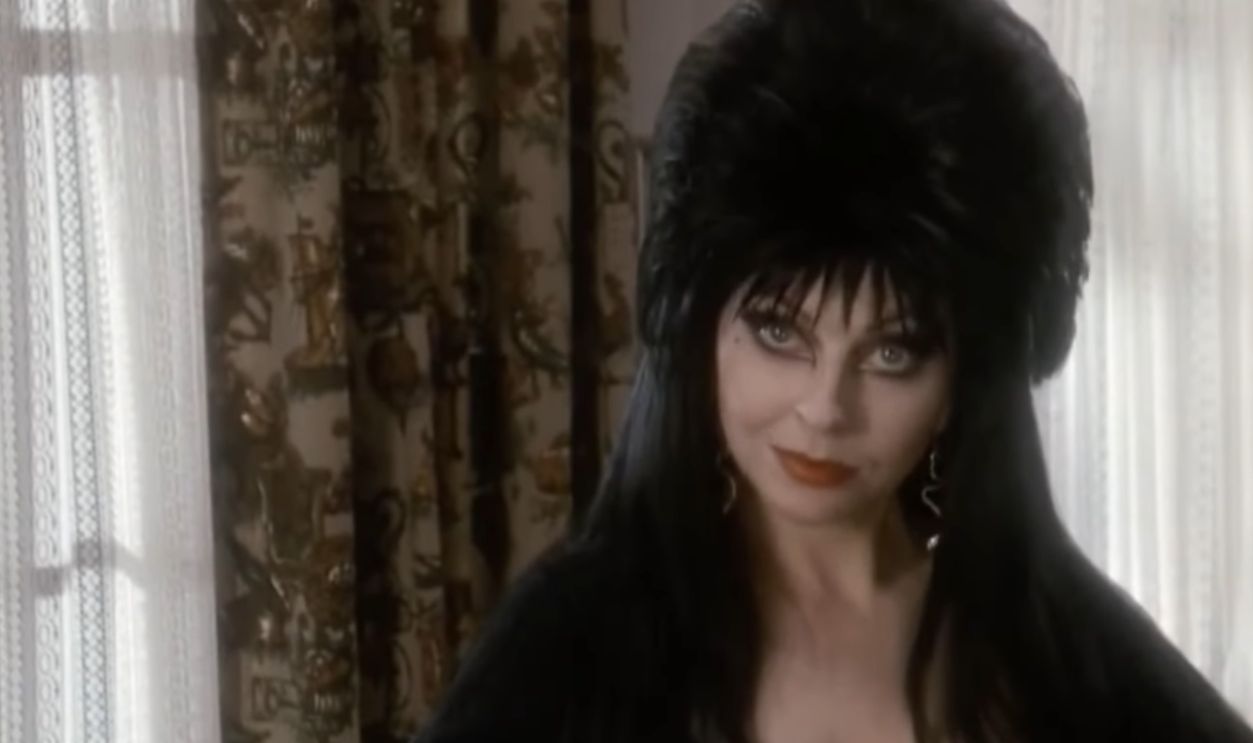 Screenshot from Elvira: Mistress of the Dark, New World Pictures (1988)
Elvira Became Her Own Entertainment Empire
By the end of the decade, Peterson had taken Elvira from local horror host to a character with national recognition. Elvira headlined live appearances, merchandise, and the 1988 feature film Elvira: Mistress of the Dark. The original TV format became only one chapter in a character that proved far more durable than the movies she once introduced.
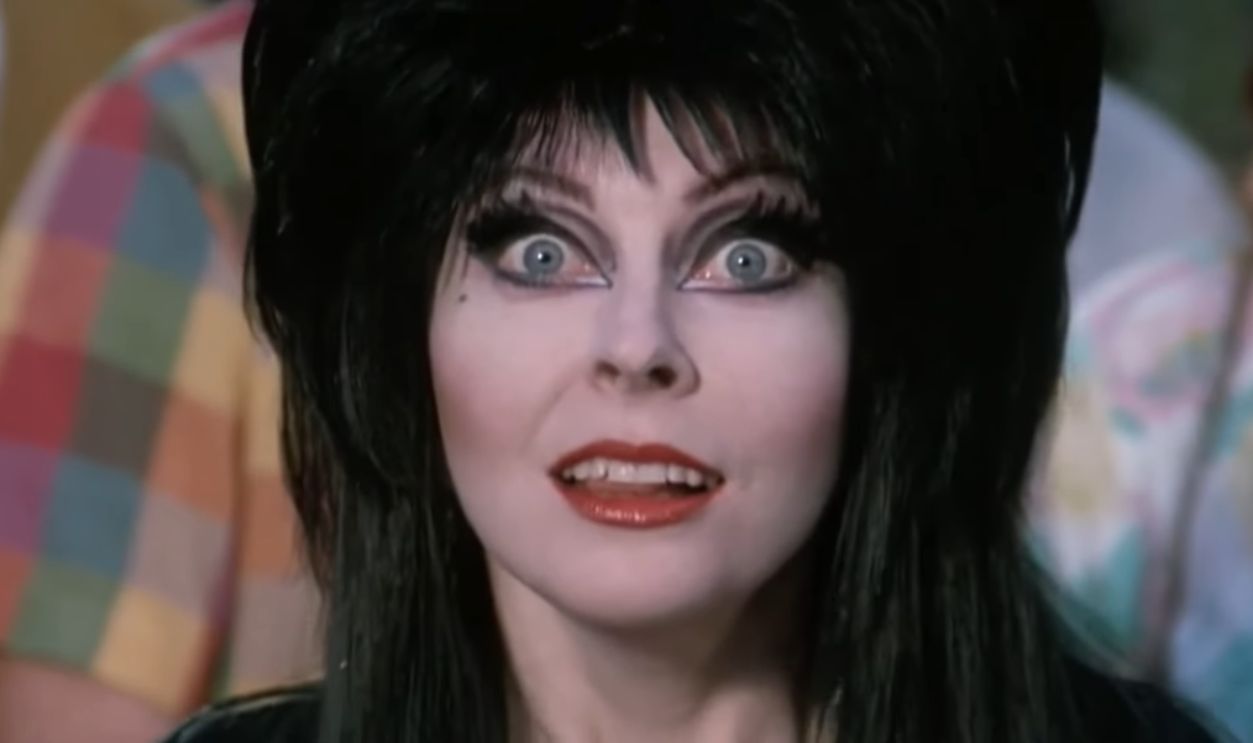 Screenshot from Elvira: Mistress of the Dark, New World Pictures (1988)
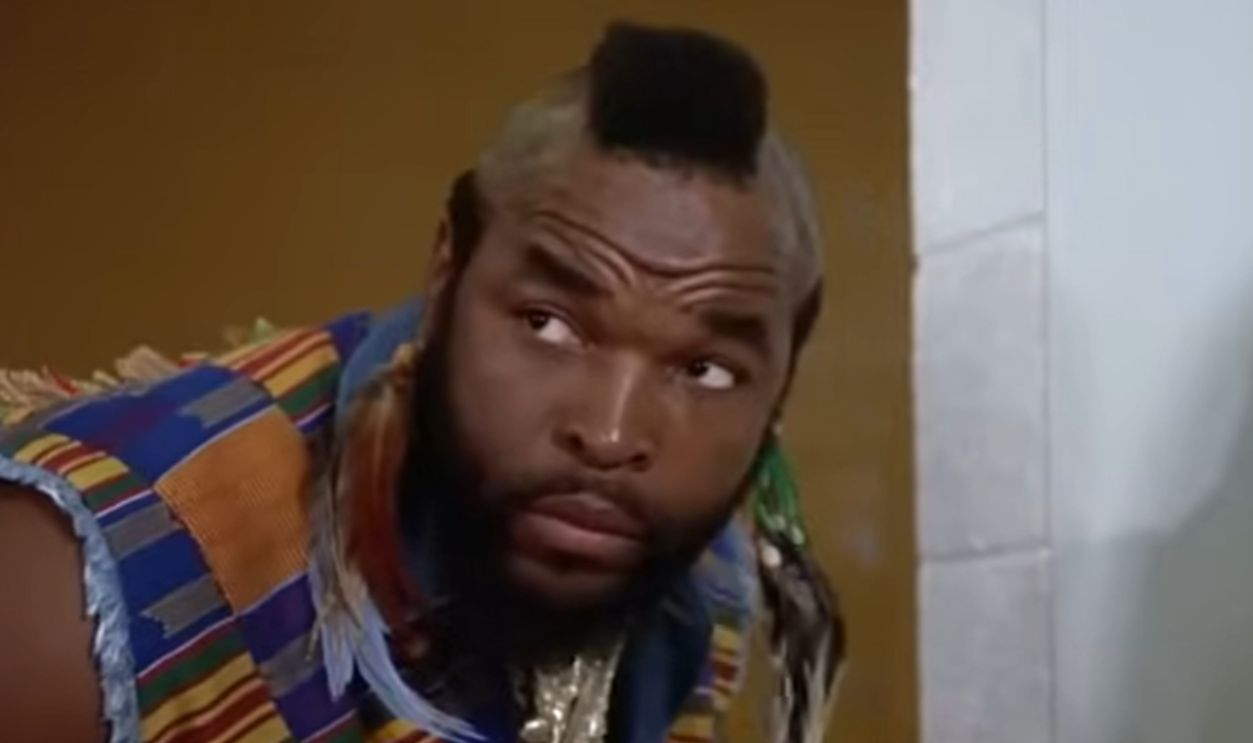
B.A. Baracus Became The Face Of The A-Team
The A-Team had four colorful heroes, but B.A. Baracus was particularly hard to miss. Mr. T played the gold-covered, mohawked mechanic and muscle of the group, bringing an already larger-than-life persona to prime-time television. Combined with Mr. T's earlier breakout as Clubber Lang in Rocky III, B.A. helped cement him as one of the defining personalities of the decade. Soon, it became difficult to tell where B.A. ended and Mr. T began.
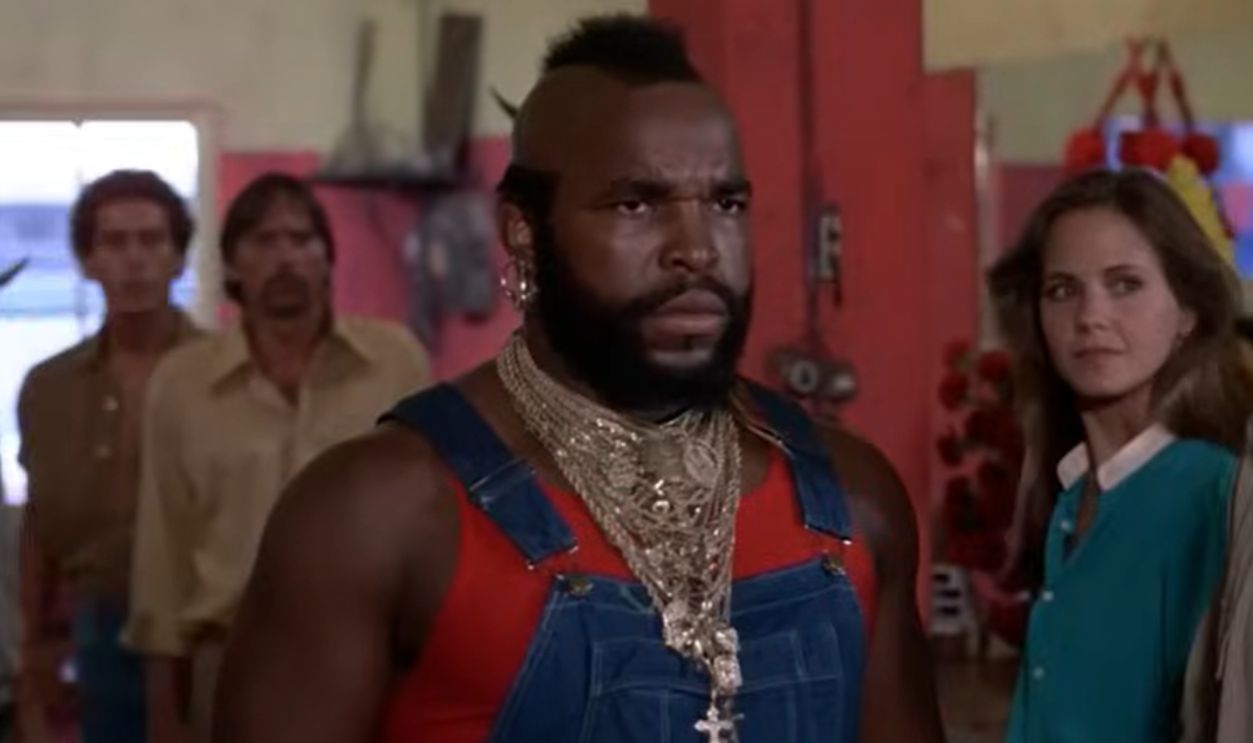 Screenshot from The A-Team, 20th Century Fox (1983-1987)
B.A. And Mr. T Became Almost Impossible To Separate
Eventually, the line between B.A. Baracus and Mr. T's larger public persona became remarkably blurry. The mohawk, gold chains, tough-guy attitude, and larger-than-life delivery followed him far beyond The A-Team. B.A. didn't exactly eclipse a forgotten show, but he became such a powerful symbol of it that the character and the actor remain almost impossible to separate in pop-culture memory.
 Screenshot from The A-Team, Universal Television (1983-1987)
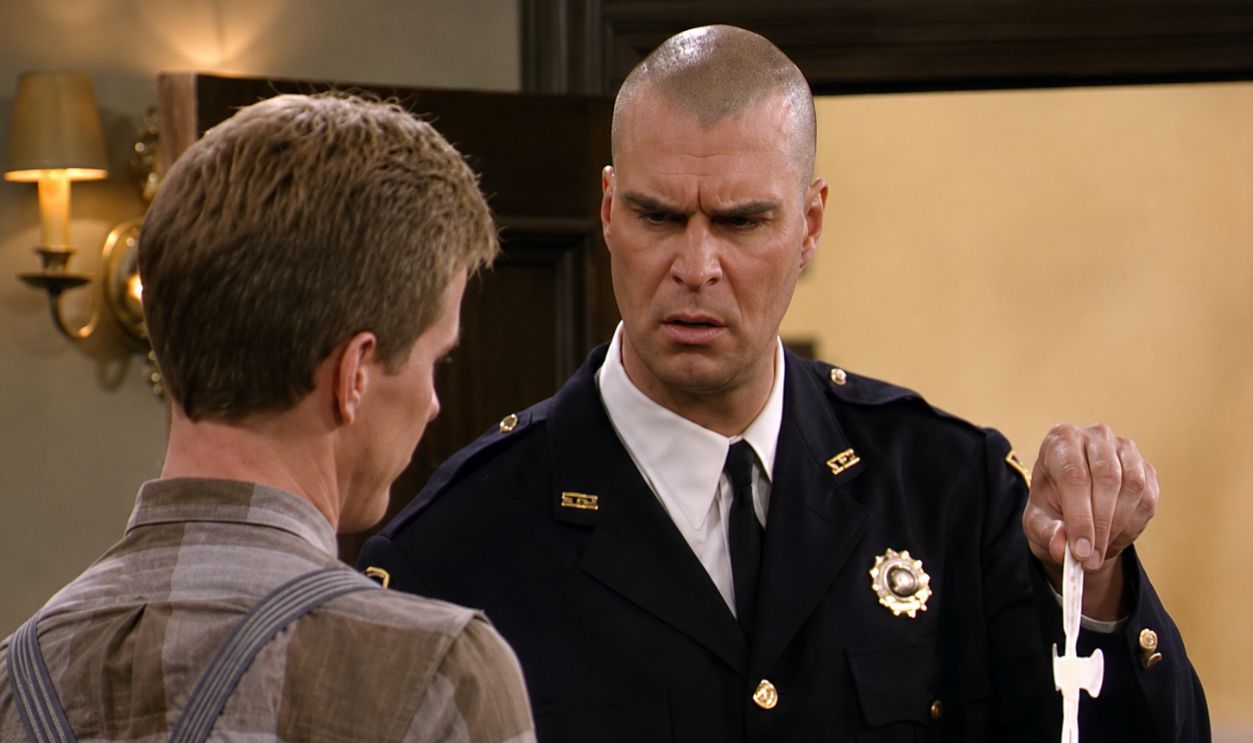
Bull Shannon Looked Scary Until He Spoke
At six-foot-eight with a shaved head, Richard Moll could have played Night Court's bailiff Bull Shannon as a straightforward heavy. Instead, the character became an eccentric gentle giant with an innocent outlook and an unforgettable delivery. Moll appeared throughout the original show's run from 1984 to 1992. That unexpected contrast helped Bull become much harder to forget than his job description suggested.
 Screenshot from Night Court, Warner Bros. Television (1984-1992), Enhanced
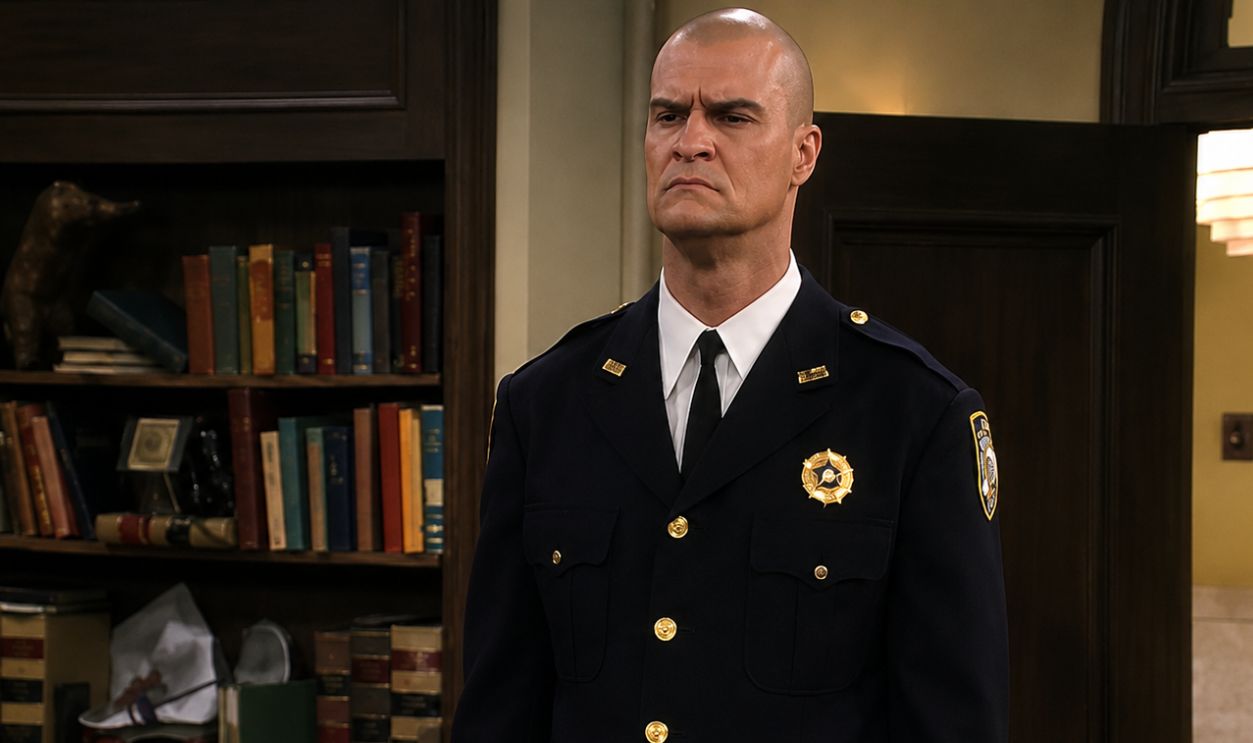
Bull Was Impossible To Miss
Bull shared the screen with a strong ensemble that included Harry Anderson, John Larroquette, and later Marsha Warfield, so he hardly carried Night Court alone. Yet Moll's enormous physical presence and unexpectedly sweet performance made Bull instantly recognizable. Decades later, the role remained the one most closely associated with Moll's career.
 Screenshot from Night Court, Warner Bros. Television (1984-1992), Enhanced
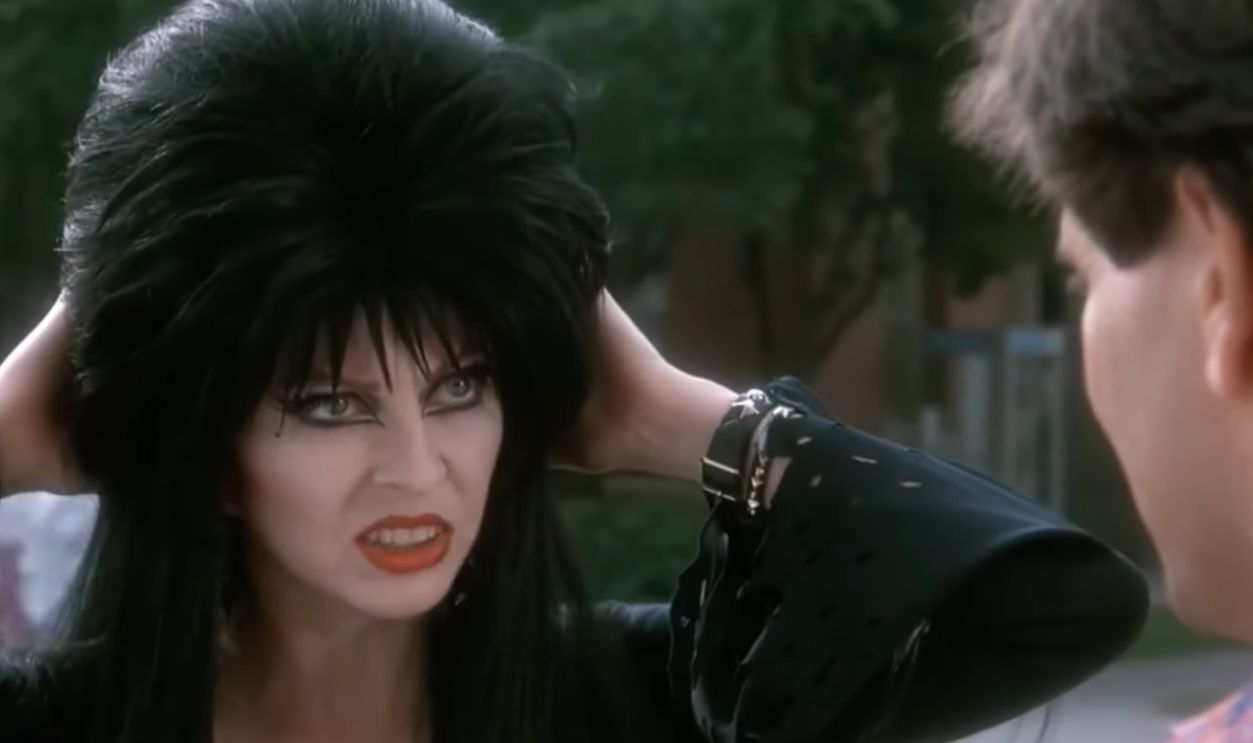
These Characters Refused To Stay In Their Lane
Some came from genuine hits, while others emerged from shows that disappeared surprisingly quickly. What connected them was an ability to become something larger than an ordinary television role, whether through merchandising, spin-offs, catchphrases, or sheer personality. The 1980s were particularly good at creating characters who needed one costume, one voice, or one ridiculous mannerism to take over the room.
 Screenshot from Elvira: Mistress of the Dark, New World Pictures (1988)
You May Also Like:
Movies That Prove The 80s Were The Best Decade In Film
Incredible TV Shows From The 80s Most People Forgot About
Sources: 1, 2, 3, 4, 5, 6, 7, 8, 9, 10, 11, 12, 13, 14, 15, 16, 17, 18, 19, 20, 21, 22