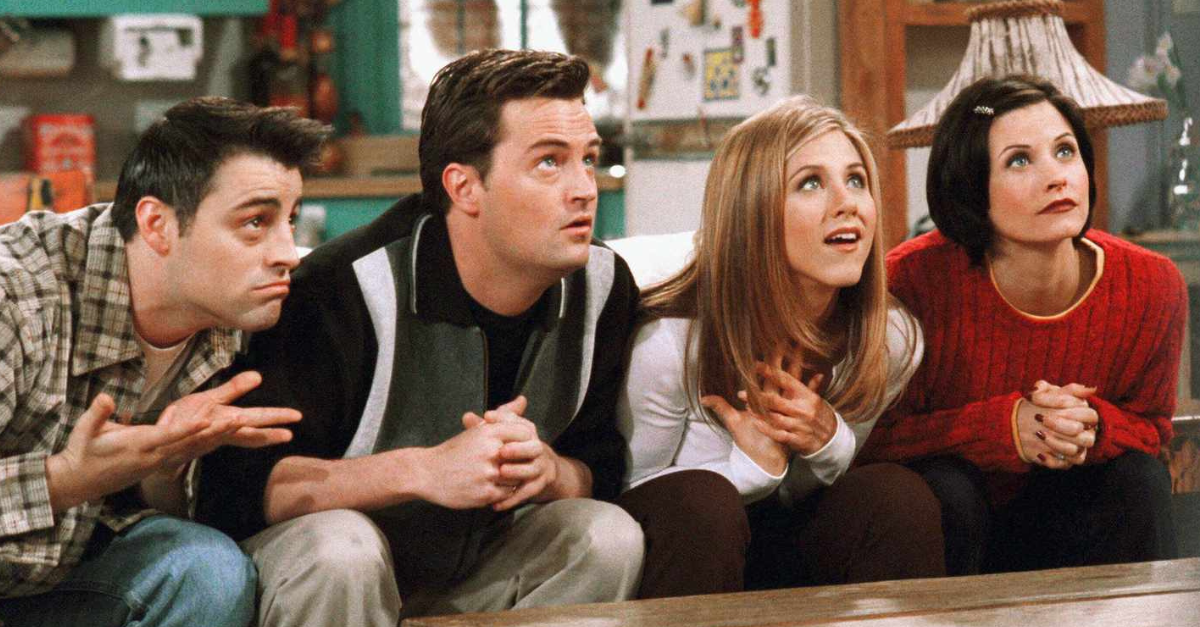
Some Rooms Never Leave You.
A purple wall, a sunken living room, or one familiar couch can instantly bring back years of jokes, romances, and ridiculous arguments. These sitcom apartments became so recognizable that devoted fans could probably identify them before a single character walked through the door.
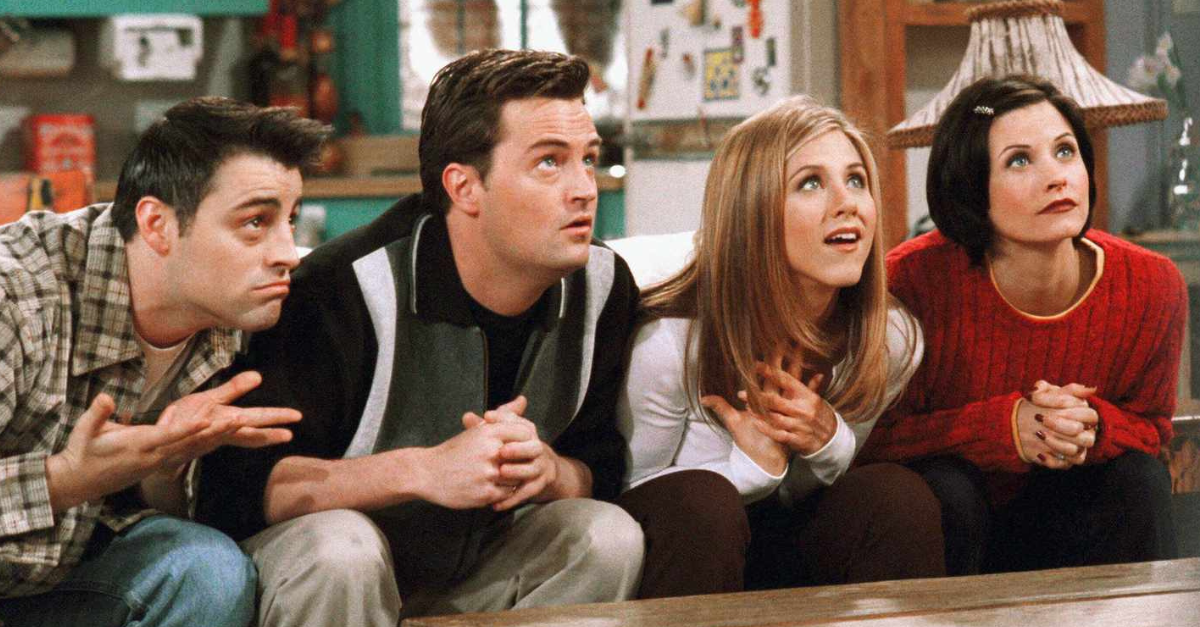
Monica’s Purple Apartment Became The Ultimate Hangout
Monica Geller’s apartment on Friends was defined by purple walls, mismatched furniture, oversized windows, and a kitchen that always seemed ready for company. Production designer John Shaffner intentionally created an eclectic home that looked assembled from secondhand finds rather than a matching furniture catalog. The apartment became so central to the series that its doorframe, couch, and open-plan living room remain instantly recognizable decades later.
 Screenshot from Friends, NBC (1994-2004)
Joey And Chandler’s Place Was Beautifully Messy
Across the hall, Joey and Chandler’s apartment offered a looser, more chaotic contrast to Monica’s carefully curated space. The foosball table, reclining chairs, entertainment center, and constant stream of takeout made it feel like the ultimate 1990s bachelor pad. It never looked polished, but that casual clutter made it feel lived-in and perfectly suited to its roommates.
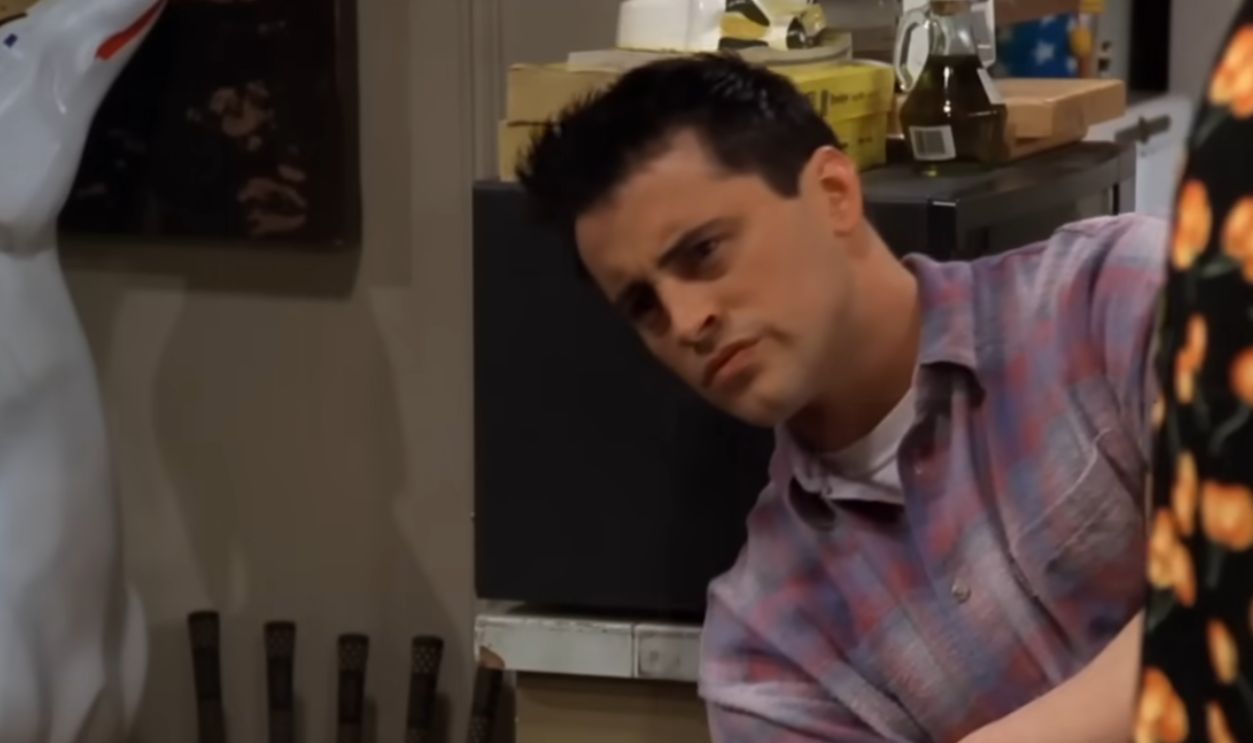 Screenshot from Friends, NBC (1994-2004)
Jerry Seinfeld’s Apartment Made Blandness Iconic
Jerry’s Upper West Side apartment was not stylish in any obvious way, which became part of its charm. The blue couch, crowded shelves, tiny kitchen, and strangely placed bicycle created a believable bachelor space where friends wandered in without knocking. Architectural Digest later noted that its unstyled, collected quality helped the apartment feel unusually authentic.
 Screenshot from Seinfeld, NBC (1989-1998), Modified
Frasier’s View Was Almost Too Good
Frasier Crane’s Seattle apartment mixed expensive furniture, modern art, and one spectacular fictional skyline view. The carefully decorated home reflected Frasier’s cultivated taste, while Martin’s battered recliner constantly disrupted the elegant look. That clash between sophistication and family comfort made the apartment visually memorable and comically useful.
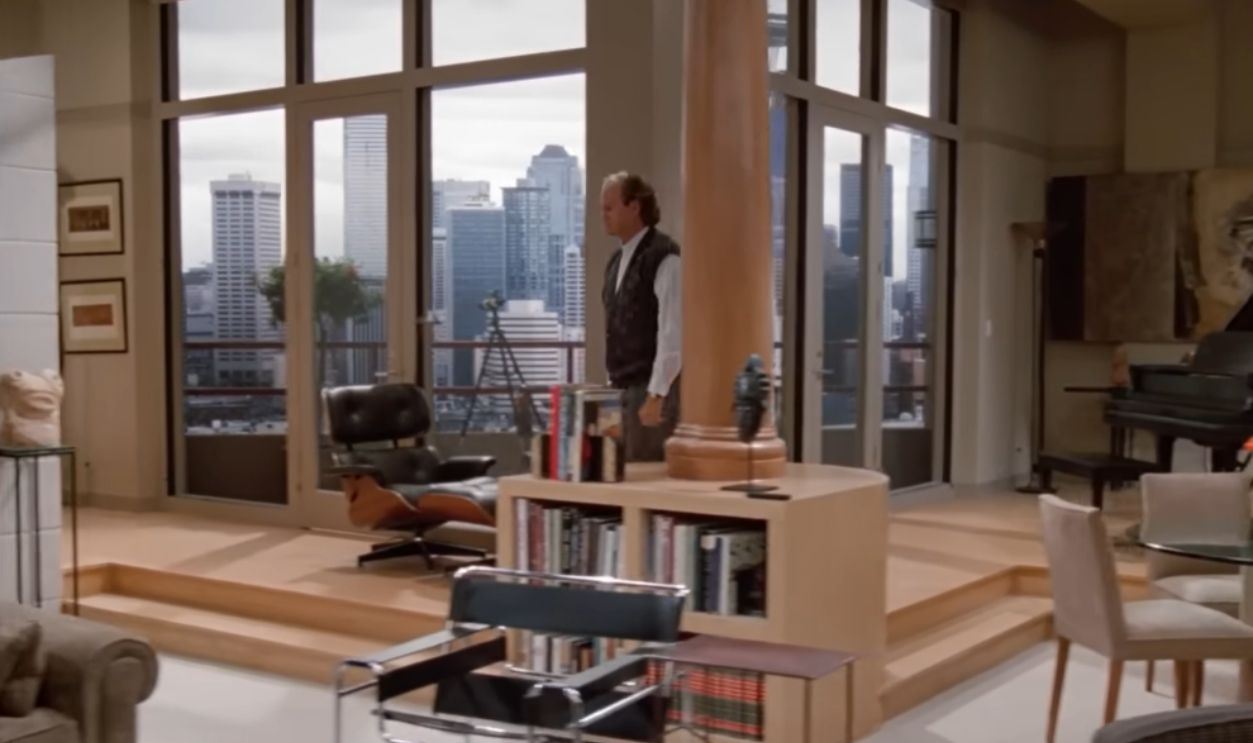 Screenshot from Seinfeld, NBC (1989-1998)
Will Truman’s Apartment Looked Effortlessly Expensive
Will’s apartment on Will & Grace became the elegant center of the show’s friendships, arguments, and unexpected drop-ins. Its fireplace, clean architectural lines, warm colors, and polished furnishings reflected Will’s controlled personality. When the series returned, designers updated the space while preserving the features fans associated with the original set.
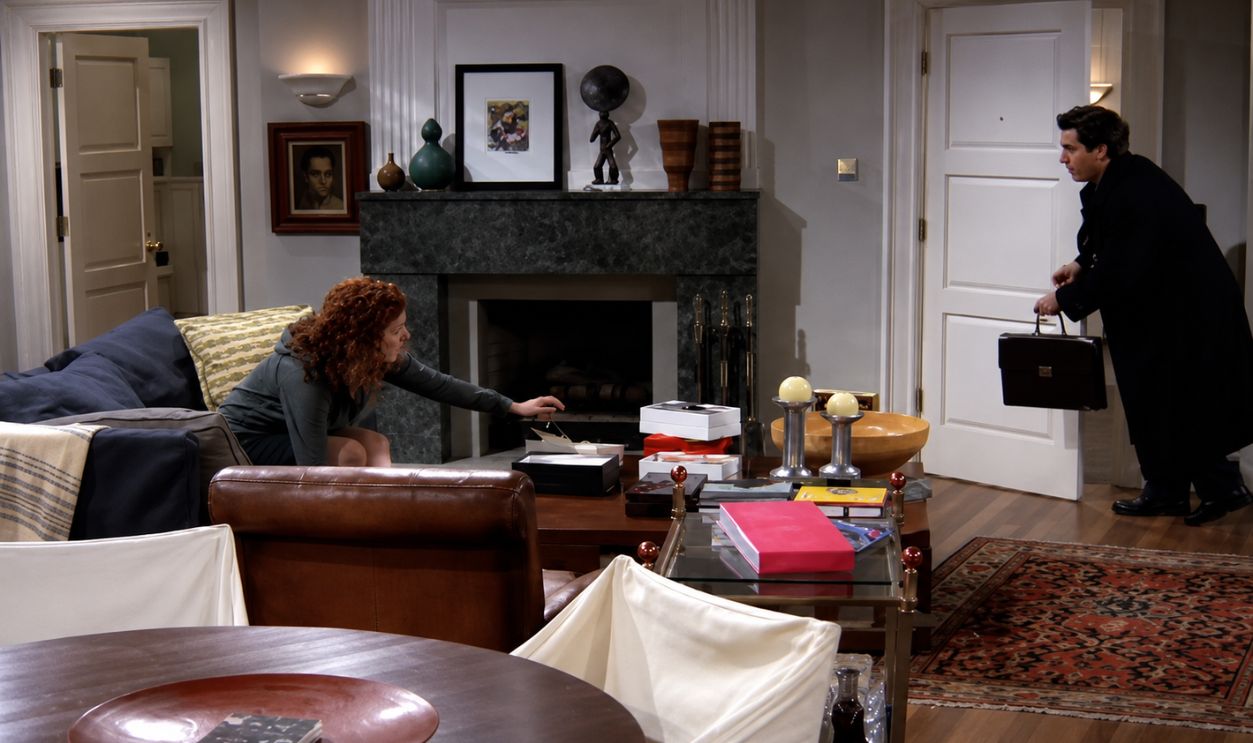 Screenshot from Will & Grace, NBC (1998-2006), Modified
Carrie Bradshaw’s Closet Became A Landmark
Carrie’s apartment on Sex and the City was built around her writing desk, flea-market furnishings, and famously important closet. Its evolving design mirrored Carrie’s changing tastes and relationships, but the familiar layout remained one of the show’s strongest visual anchors. Fans came to know the space almost as intimately as her shoes.
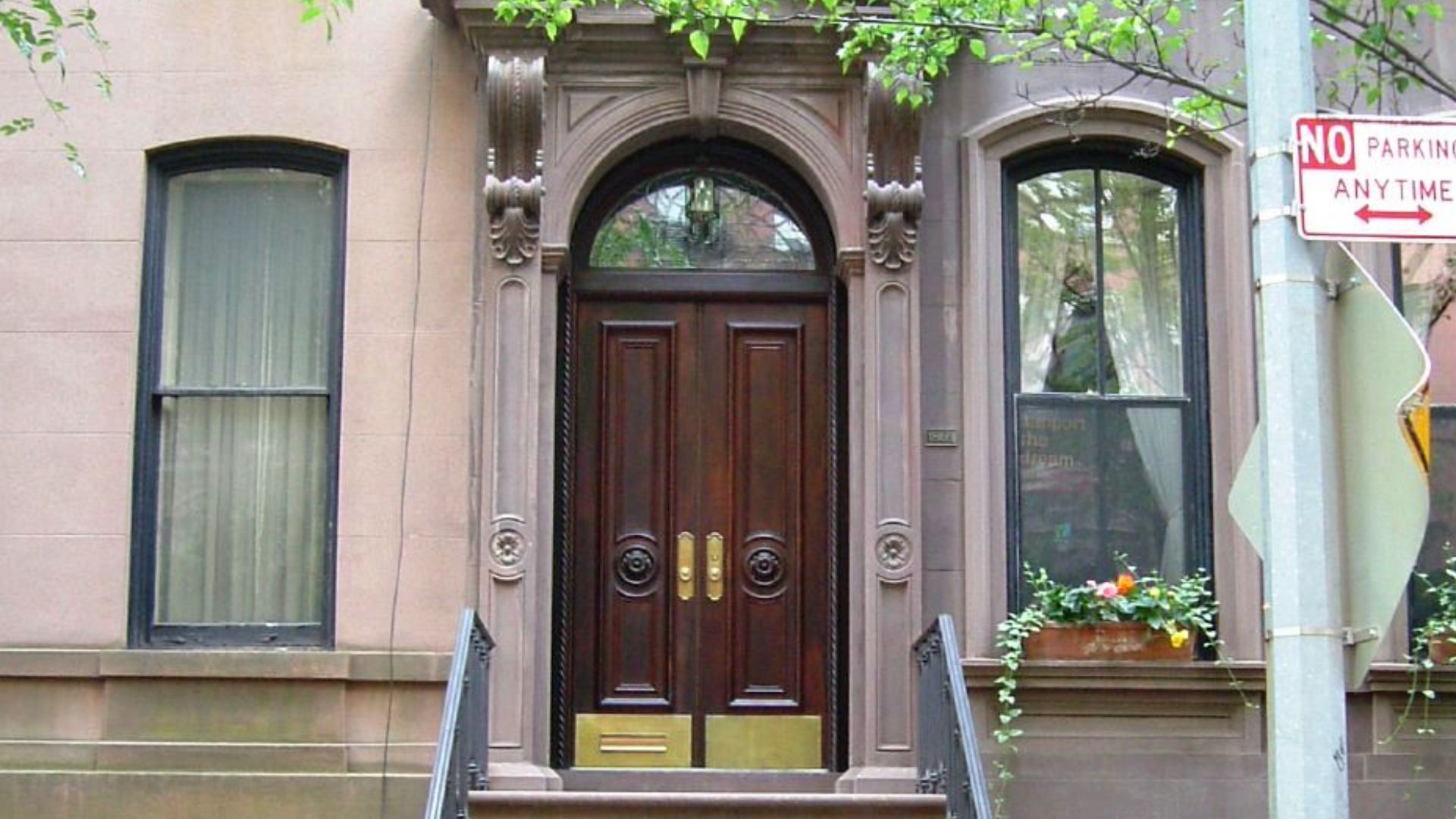 Rob Young from United Kingdom, Wikimedia Commons
Lucy And Ricky’s Apartment Defined Early Sitcom Living
The Ricardos’ apartment on I Love Lucy helped establish how television audiences imagined an urban married couple’s home. Its living room, piano, fireplace, and separate twin beds reflected both the era’s tastes and television standards. The show became an immediate sensation, making that modest Manhattan apartment one of the earliest truly iconic sitcom interiors.
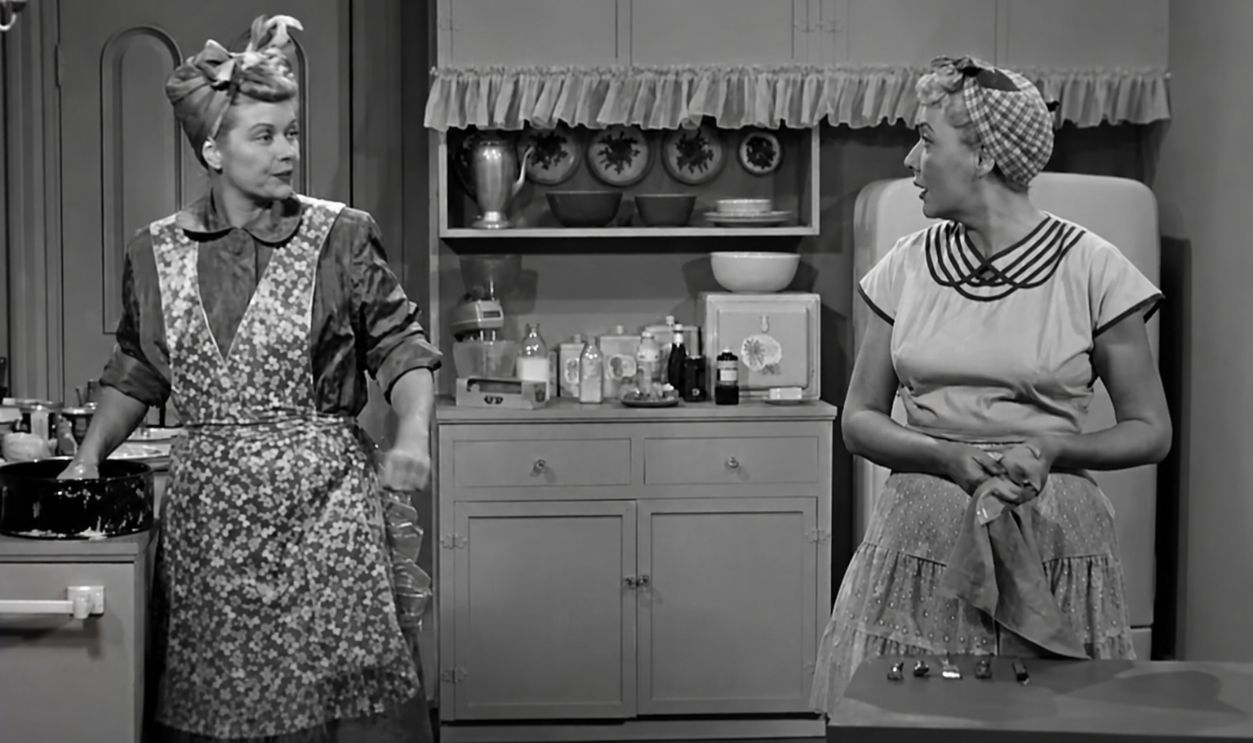 Screenshot from I Love Lucy, CBS (1951-1957), Modified
Mary Richards Made A Studio Feel Aspirational
Mary Richards’s Minneapolis studio apartment was small, but it felt stylish, independent, and full of possibility. The sunken living area, tall corner window, fireplace, pullout sofa, and famous letter “M” turned the space into a symbol of single working life. Its balance of charm and practicality helped make the apartment almost as influential as Mary herself.
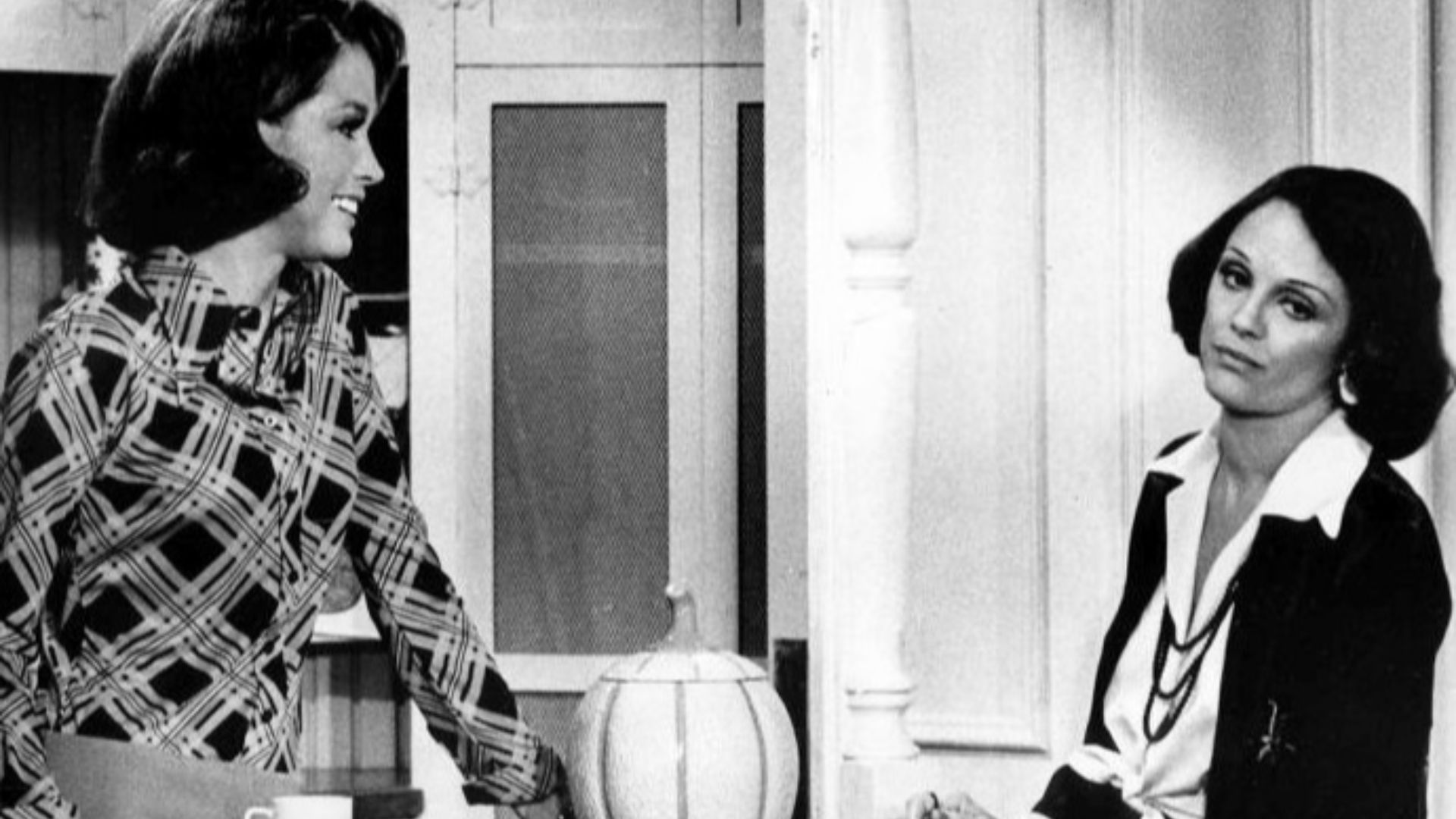 CBS Television Uploaded by We hope at en.wikipedia, Wikimedia Commons
The Kramdens’ Apartment Made Sparseness Memorable
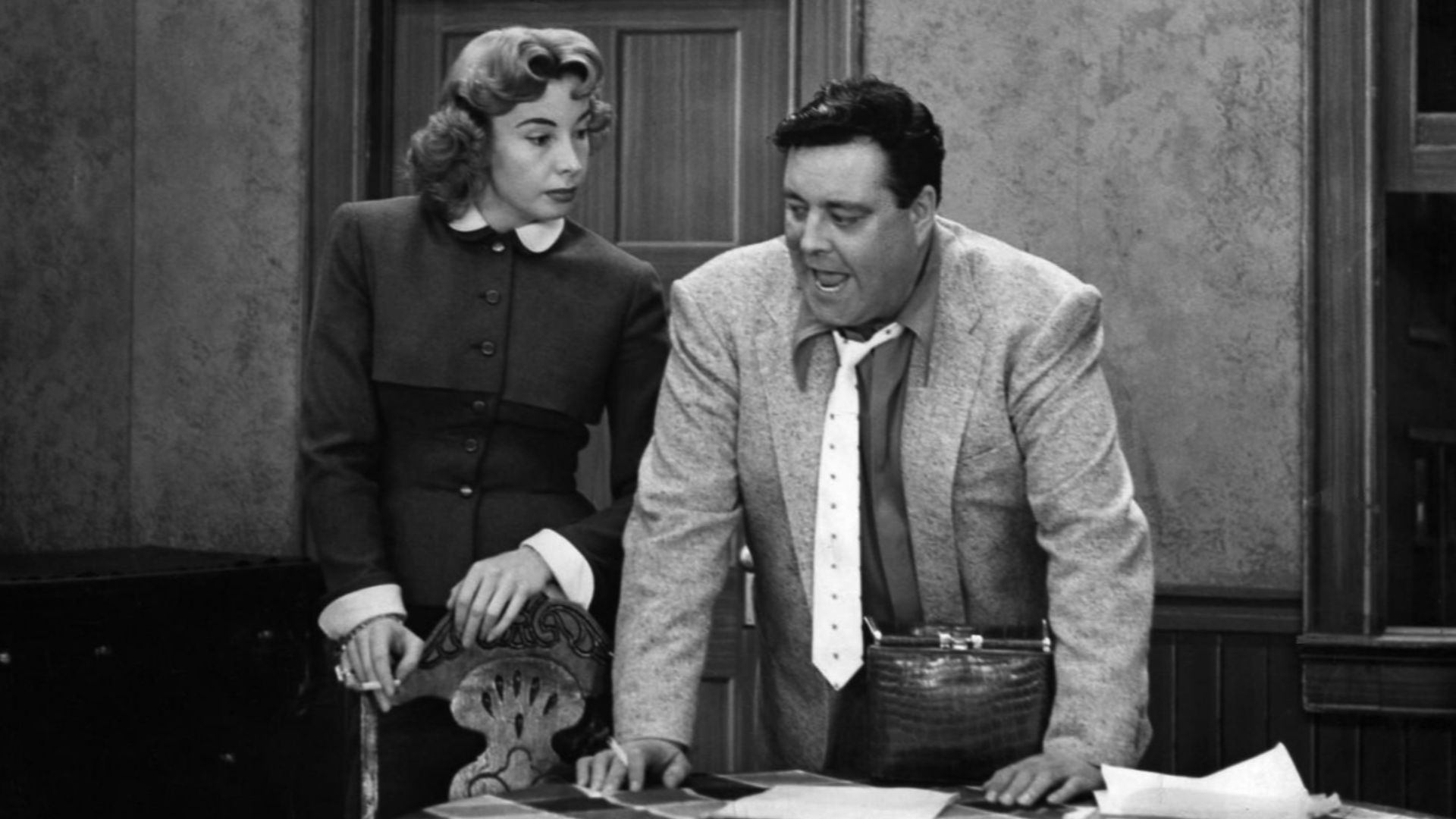
Ralph and Alice Kramden’s Brooklyn apartment on The Honeymooners was famously bare. A small table, a few chairs, a simple stove, and almost no decoration emphasized the couple’s financial struggles. The emptiness became part of the comedy, making the apartment instantly recognizable despite how little it contained.
 CBS Television, Wikimedia Commons
Oscar And Felix Turned One Apartment Into A Battlefield
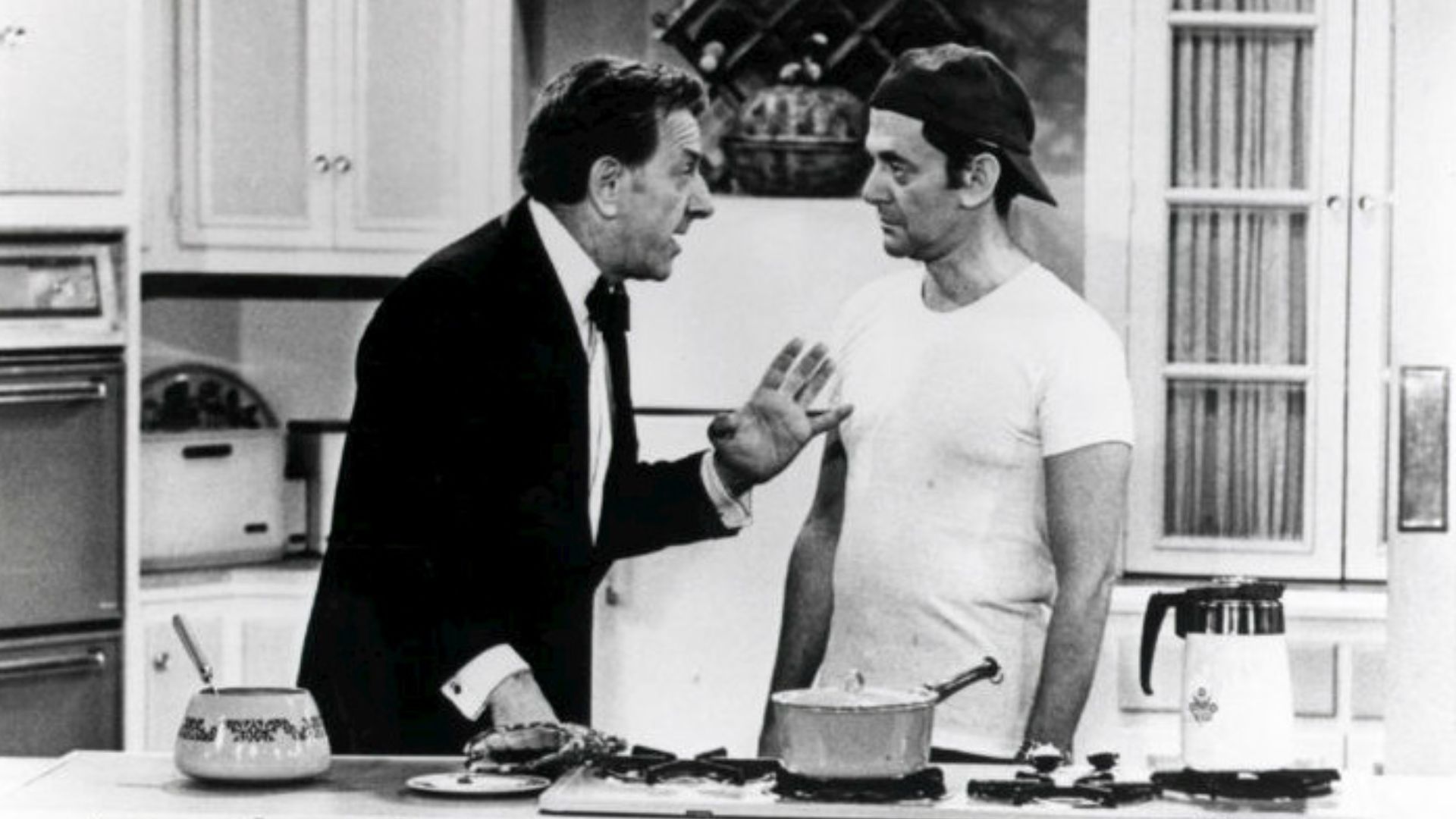
The Odd Couple built its entire premise around two divorced men with completely incompatible habits sharing one Manhattan apartment. Oscar’s mess and Felix’s obsession with order turned every room into a visual argument. The apartment worked because audiences could understand the conflict before either man said a word.
 ABC Television, Wikimedia Commons
Three’s Company Made Roommates Look Dangerous
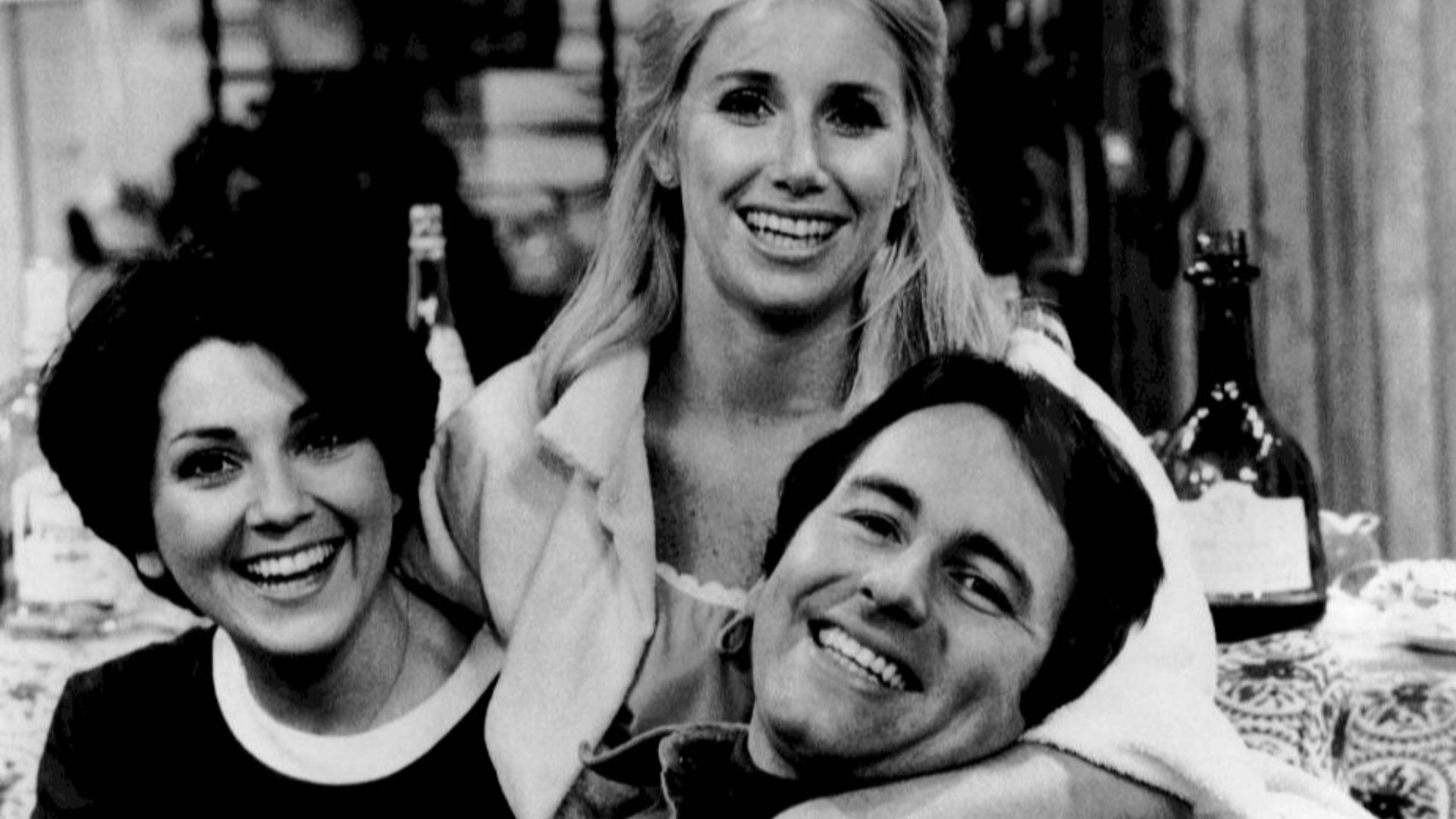
Jack, Janet, and Chrissy’s Santa Monica apartment became the setting for misunderstandings, double meanings, and endless attempts to fool their landlord. The bright living room, swinging kitchen door, and frequently used couch gave the comedy a reliable physical playground. The coed-living premise was considered unusually provocative when the show premiered in 1977.
 ABC Television, Wikimedia Commons
Laverne And Shirley Made Basement Living Fun
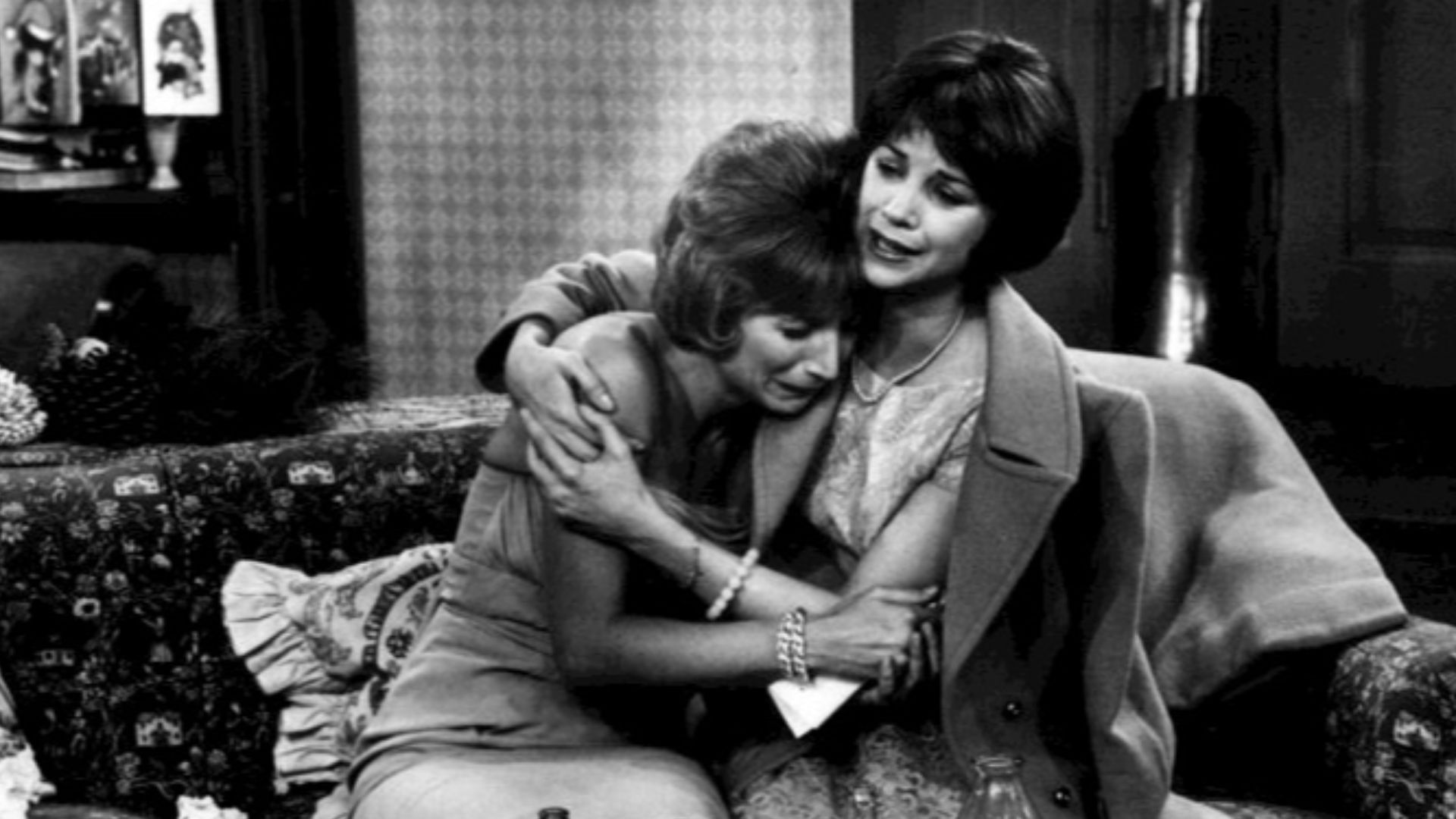
Laverne and Shirley’s Milwaukee basement apartment had pipes, brick walls, secondhand furniture, and plenty of working-class character. Its modest design matched two young women trying to build independent lives while working at a brewery. The apartment’s rough edges helped make their friendship feel energetic, warm, and believable.
 ABC Television Uploaded by We hope at en.wikipedia, Wikimedia Commons
The Jeffersons’ Penthouse Meant They Had Arrived
George and Louise Jefferson’s luxury East Side apartment visually announced that the family had moved into a new social class. Plush furniture, a sweeping layout, and the suggestion of a Manhattan view separated it sharply from the Bunkers’ Queens home. The “deluxe apartment in the sky” became the perfect symbol of George’s success and ambition.
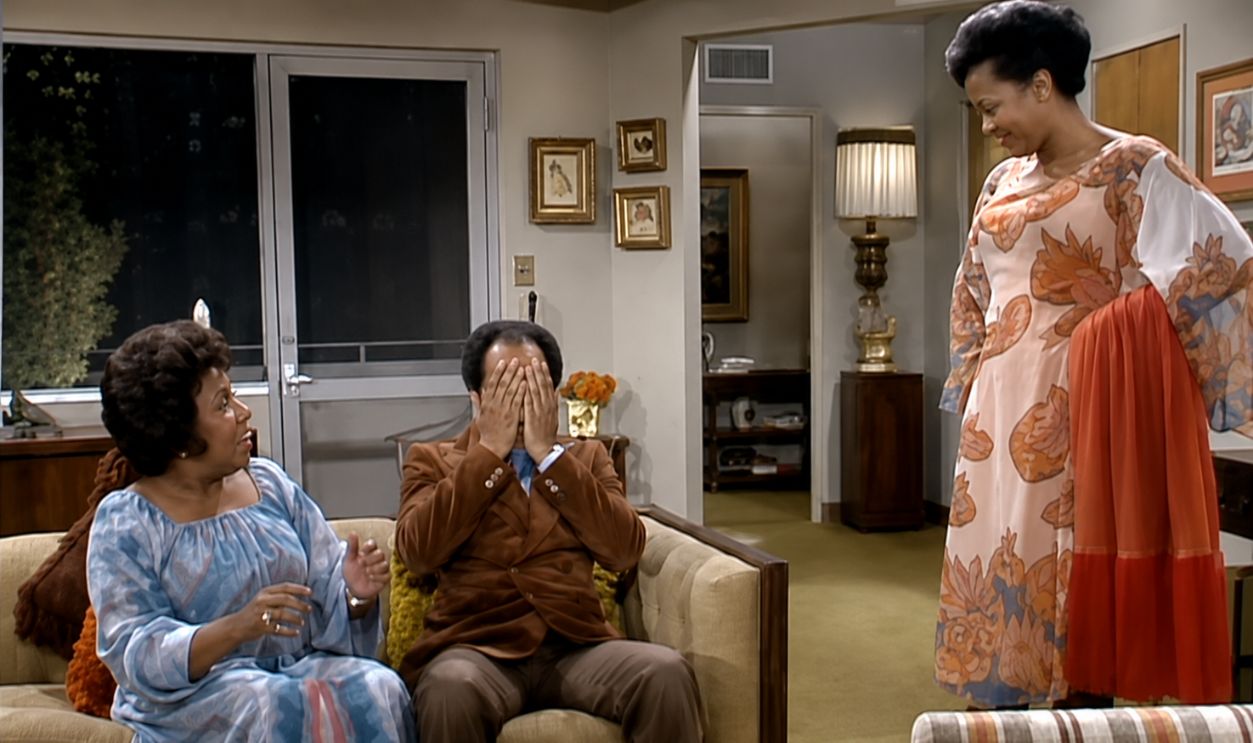 Screenshot from The Jeffersons, CBS (1975-1985), Modified
The Evans Apartment Held A Whole Family Together
The apartment on Good Times was modest, crowded, and rooted in a Chicago public-housing community. Its living room and kitchen carried family debates, financial worries, celebrations, and some of the show’s hardest emotional moments. The limited space reinforced how closely the Evans family depended on one another.
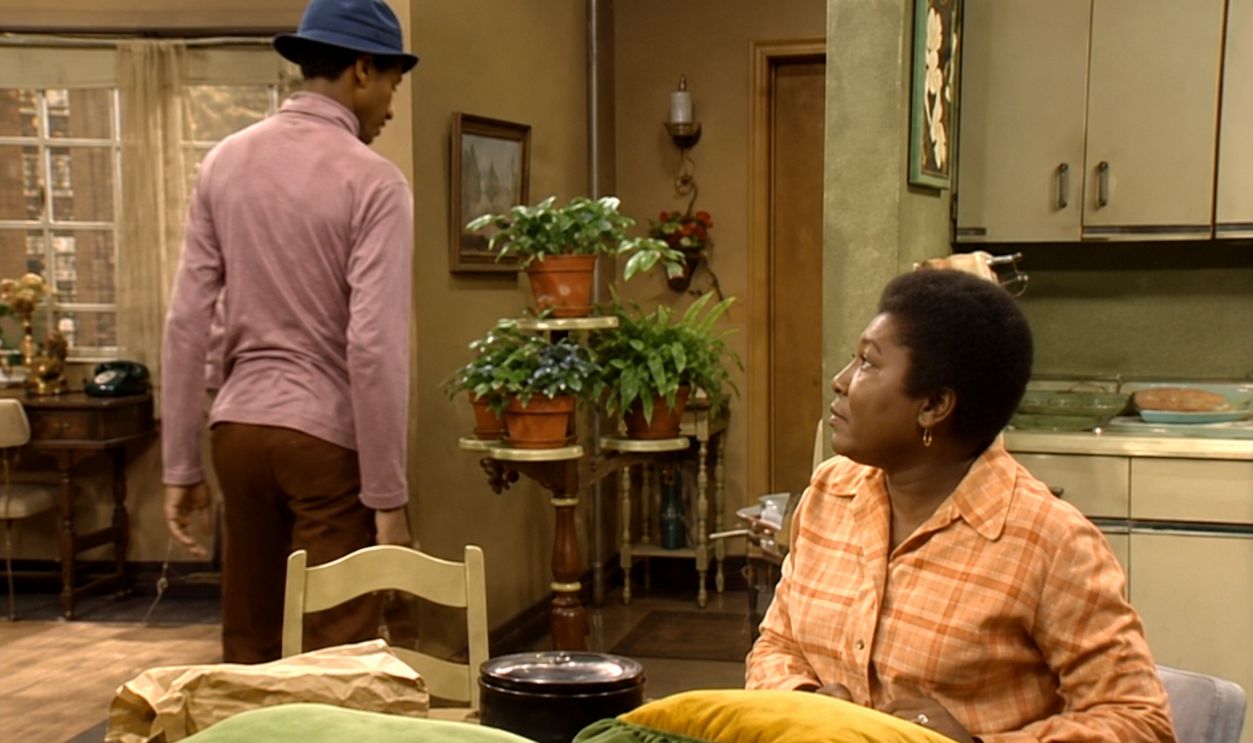 Screenshot from Good Times, CBS (1974-1979), Modified
Apartment 227 Made The Front Steps Famous
The Washington, D.C., apartment building on 227 was more than a backdrop. Mary Jenkins and her neighbors regularly gathered on the front stoop, turning the building entrance into a social center where news, gossip, and arguments spread quickly. The number itself became so memorable that fans needed no street name to know exactly where they were.
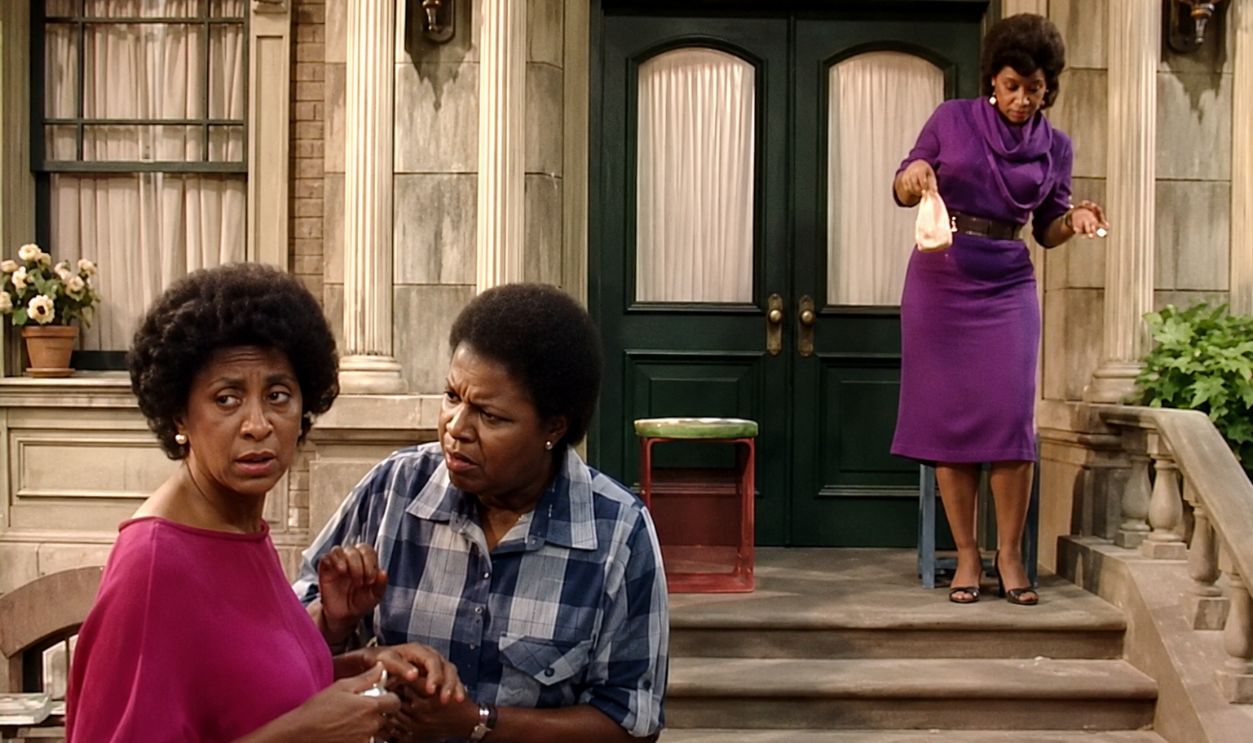 Screenshot from 227, NBC (1985-1990), Modified
Living Single Made A Brownstone Feel Vibrant
Khadijah and Synclaire’s Brooklyn brownstone apartment on Living Single was colorful, spacious, and filled with personality. Its pink-toned living room, original art, island kitchen, and frequent visitors created a warm gathering place for the show’s six friends. The apartment helped define the series as a celebration of friendship, independence, and Black professional life in 1990s New York.
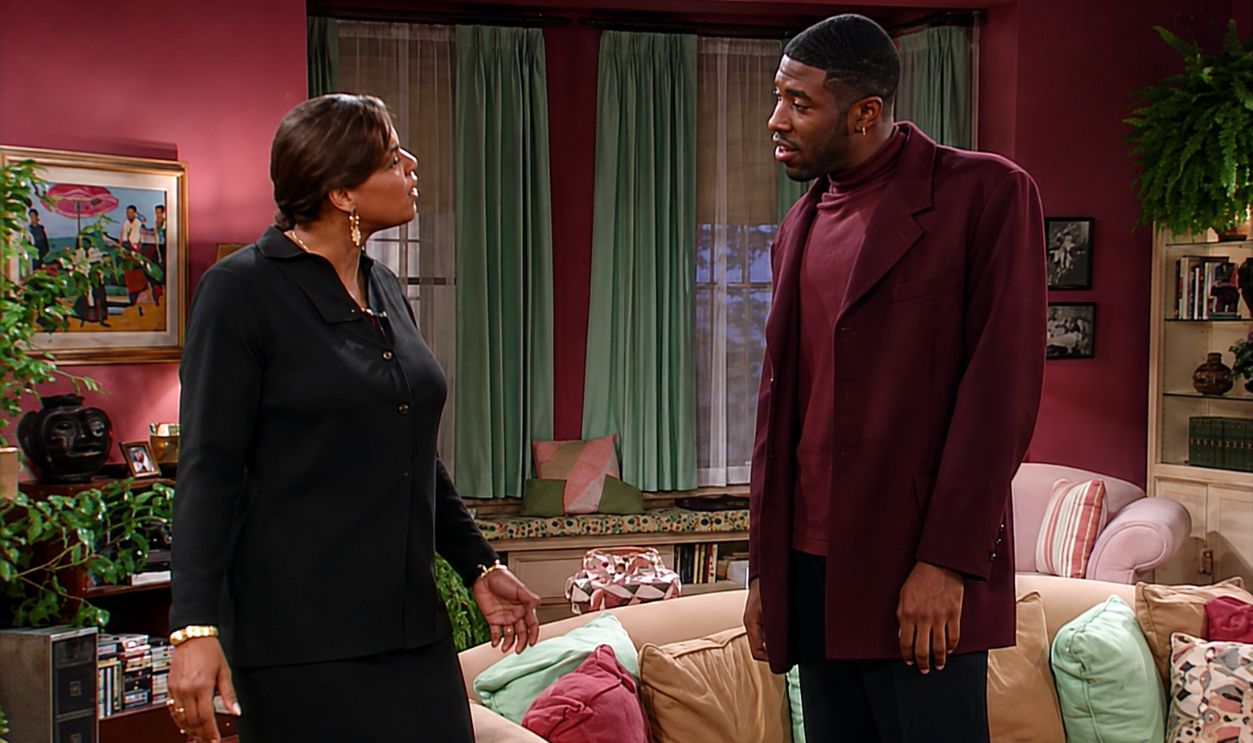 Screenshot from Living Single, Fox (1993 - 1998), Modified
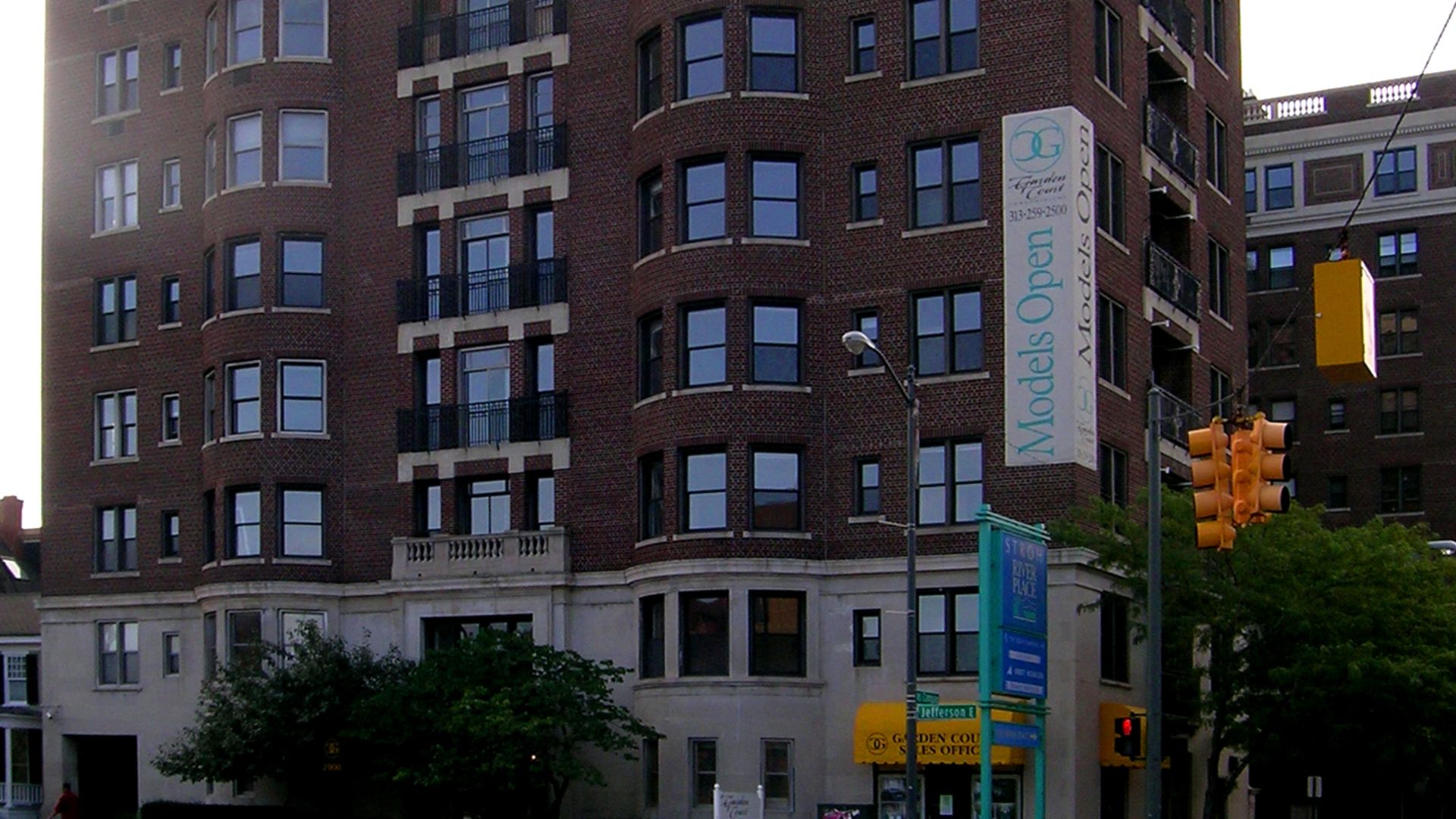
Martin’s Detroit Apartment Was Built For Chaos
Martin Payne’s apartment became the main stage for arguments with Gina, visits from Tommy and Cole, and some of the show’s wildest physical comedy. The broad living-room layout allowed characters to storm in, insult one another, and take over the space without warning. Its familiarity made the apartment feel like a neighborhood clubhouse disguised as someone’s home.
 Andrew Jameson, Wikimedia Commons
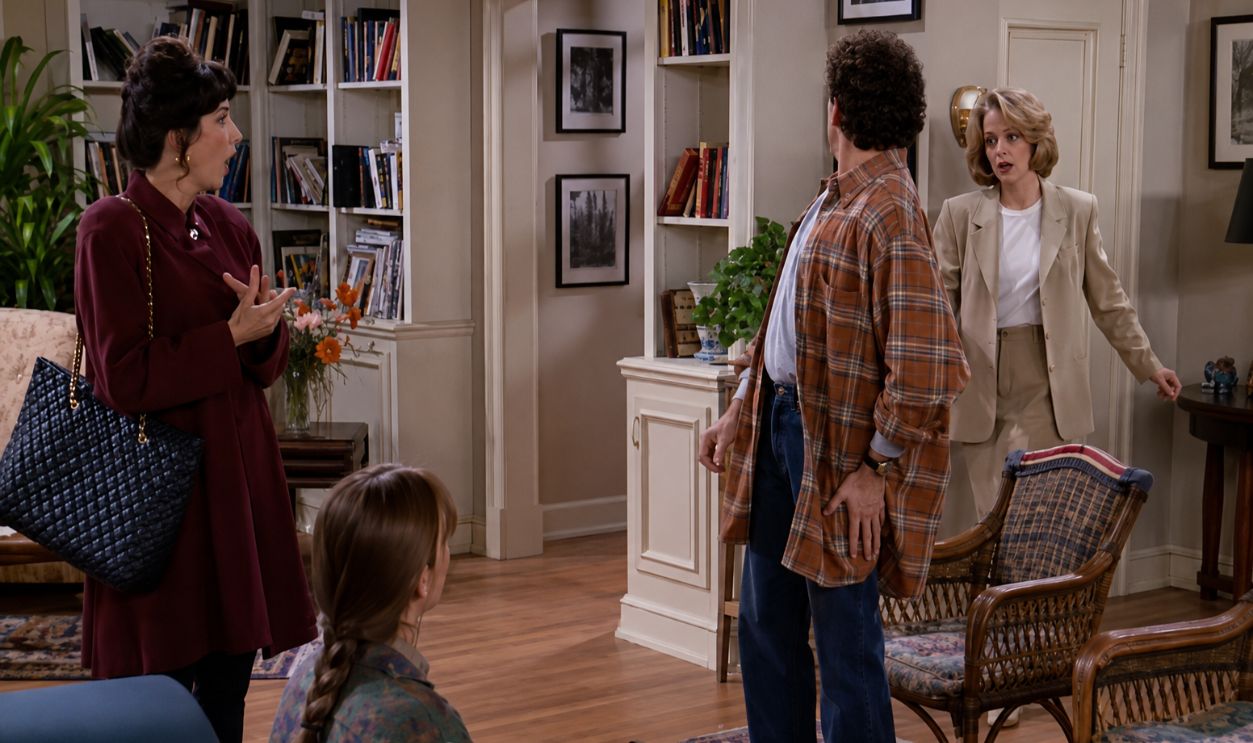
Paul And Jamie’s Apartment Felt Like Real Marriage
The Buchmans’ Manhattan apartment on Mad About You was comfortable without looking unrealistically glamorous. Its narrow rooms, warm furnishings, and busy kitchen supported a comedy built around the tiny frustrations of married life. Because Paul and Jamie spent so much time talking through problems at home, the apartment became closely tied to the show’s intimate tone.
 Screenshot from Mad About You, NBC (1992-1999), Modified
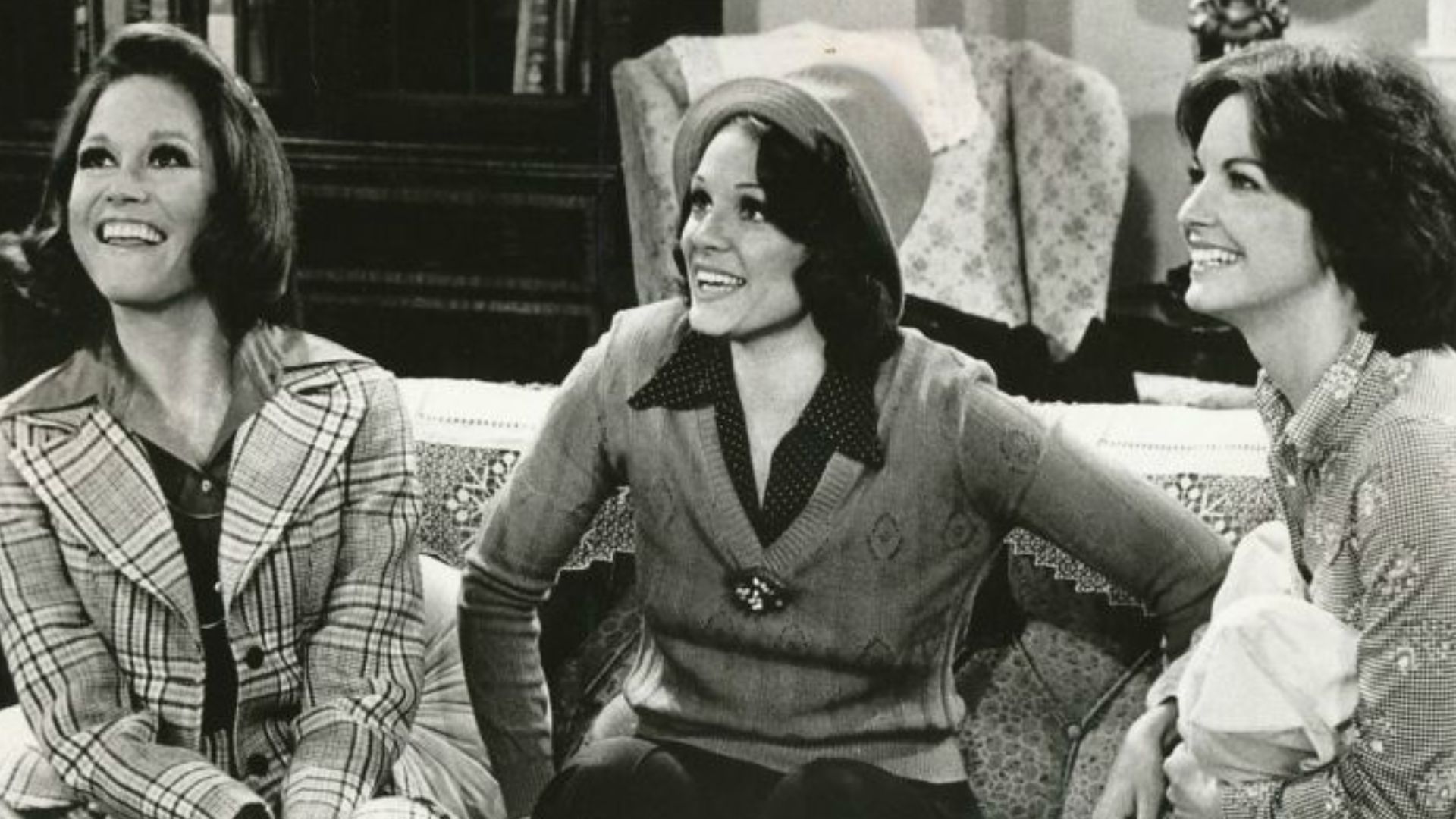
Rhoda’s Apartment Marked A Fresh Start
When Rhoda Morgenstern left Minneapolis for New York, her apartment represented a new phase of independence. The space reflected her bold taste and more chaotic personality, separating her visually from Mary Richards’s carefully composed studio. It became the home base for a spin-off that quickly established its own identity.
 CBS Television Uploaded by We hope at en.wikipedia, Wikimedia Commons
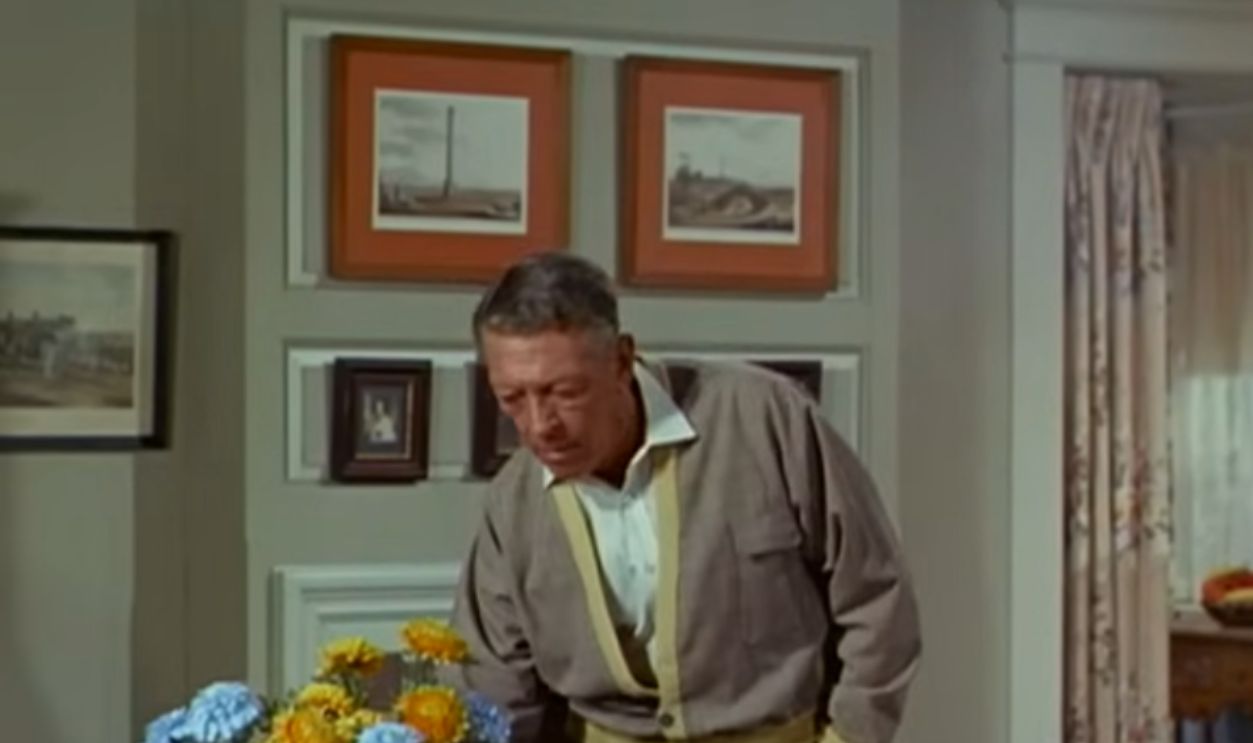
Ann Marie’s Apartment Captured Big-City Ambition
Ann Marie’s New York apartment on That Girl represented the freedom of a young woman pursuing an acting career on her own. The bright, feminine space supported a series built around auditions, jobs, romance, and independence. Long before later sitcom heroines moved to Manhattan, Ann’s apartment helped make single city life look exciting.
 Screenshot from That Girl, ABC (1966-1971)
The Hartleys’ Apartment Made Marriage Look Modern
Bob and Emily Hartley’s Chicago apartment on The Bob Newhart Show felt polished, adult, and comfortably understated. Its living room became the setting for dry conversations, patient-related complications, and visits from eccentric friends and neighbors. The home’s calm design perfectly supported Bob Newhart’s restrained comic style.
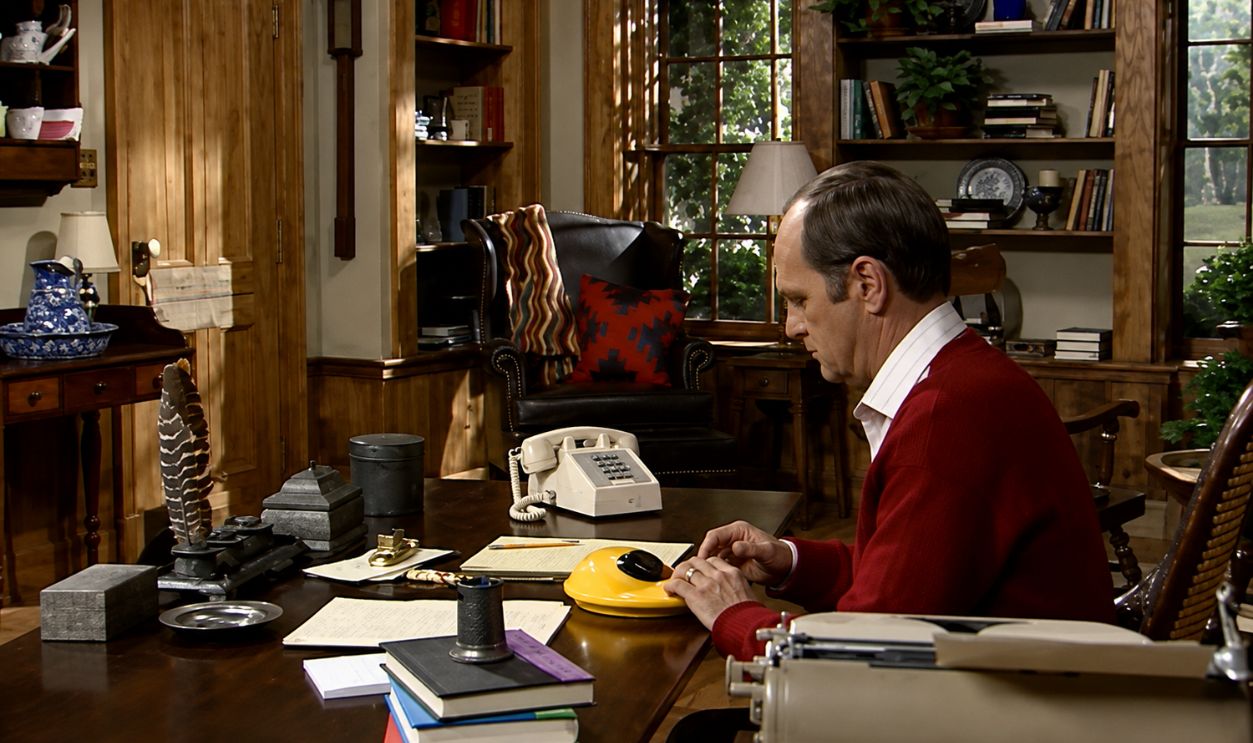 Screenshot from The Bob Newhart Show, CBS (1972-1978), Modified
Balki And Larry’s Apartment Mixed Two Worlds
On Perfect Strangers, Larry Appleton’s Chicago apartment became a testing ground for life with his newly arrived cousin Balki. The space blended Larry’s efforts at order with Balki’s enthusiasm, traditions, and unpredictable ideas. Their shared home visually captured the cultural and personality clash at the center of the sitcom.
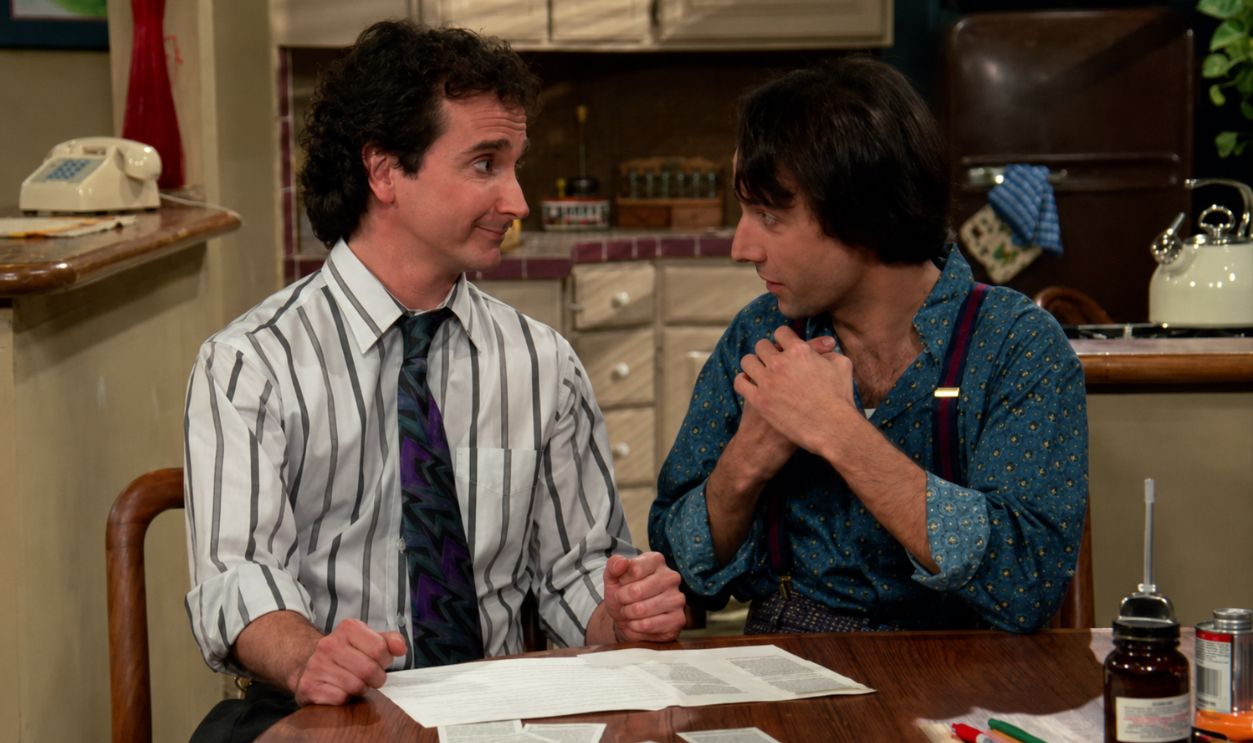 Screenshot from Perfect Strangers, ABC (1986-1993), Modified
Leonard And Sheldon’s Apartment Became Geek Central
Apartment 4A on The Big Bang Theory was crowded with books, scientific equipment, collectibles, and one very specific seating arrangement. Sheldon’s designated spot on the couch became one of the show’s most repeated jokes. The apartment’s cluttered intelligence made it instantly recognizable as the center of the group’s social universe.
 Screenshot from The Big Bang Theory, CBS (1998-2006)
Ted’s Apartment Held Years Of Memories
Ted Mosby’s apartment on How I Met Your Mother served as the group’s home base through breakups, engagements, career changes, and countless stories. Its red couch, exposed brick, swords, and familiar living-room layout became visual shorthand for the friends’ twenties and thirties. Even as roommates changed, the apartment remained one of the series’ emotional constants.
 Screenshot from How I Met Your Mother, CBS (2005-2014)
The New Girl Loft Made Room For Everyone
The Los Angeles loft on New Girl was huge, industrial, colorful, and barely controlled. Its open layout, exposed brick, mismatched furniture, and multiple roommates made it perfect for ensemble comedy. The loft felt less like a realistic rental and more like a giant playground for friendships, romance, and increasingly strange house rules.
 Screenshot from New Girl, Fox (2011-2018)
Max And Caroline’s Apartment Matched Their Finances
The apartment on 2 Broke Girls was cramped, cluttered, and decorated with whatever Max and Caroline could afford or rescue. Its battered furnishings and crowded rooms reinforced the show’s central joke about two women trying to build a business while nearly broke. The messy home also contrasted sharply with Caroline’s former life of wealth.
 Screenshot from 2 Broke Girls, CBS (2011-2017), Modified
The Drummond Penthouse Looked Like Another World
The Park Avenue apartment on Diff’rent Strokes was spacious, formal, and far removed from the Harlem life Arnold and Willis had known. Its staircase, elegant furniture, and household staff emphasized Phillip Drummond’s wealth. The apartment’s luxury helped make the show’s class and cultural contrasts immediately visible.
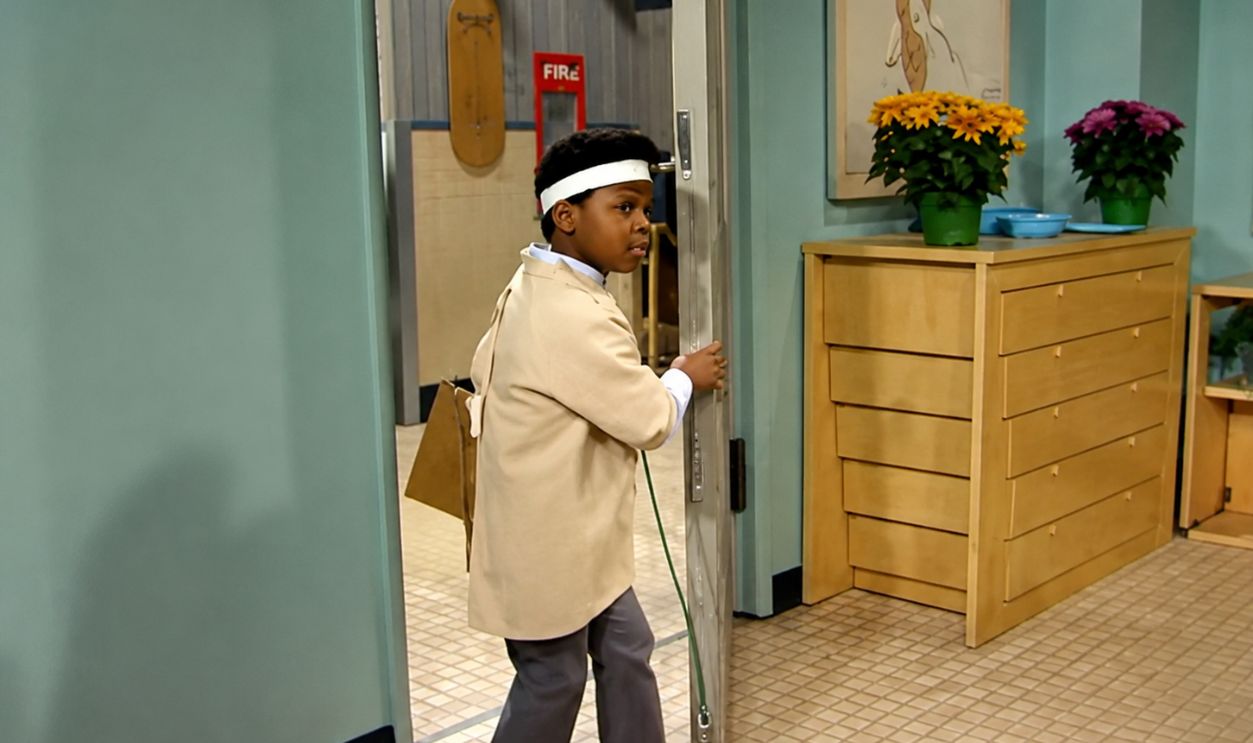 Screenshot from Diff’rent Strokes, NBC (1978-1985), Modified
You May Also Like:
Classic TV Families That Viewers Couldn't Get Enough Of
Beloved 1960s TV Shows That Everyone Stopped Talking About
The Most Influential TV Shows Of All Time
Sources: 1, 2, 3, 4, 5, 6, 7, 8, 9, 10, 11, 12, 13, 14, 15, 16, 17, 18, 19, 20, 21, 22, 23, 24, 25, 26, 27, 28, 29, 30, 31, 32, 33, 34