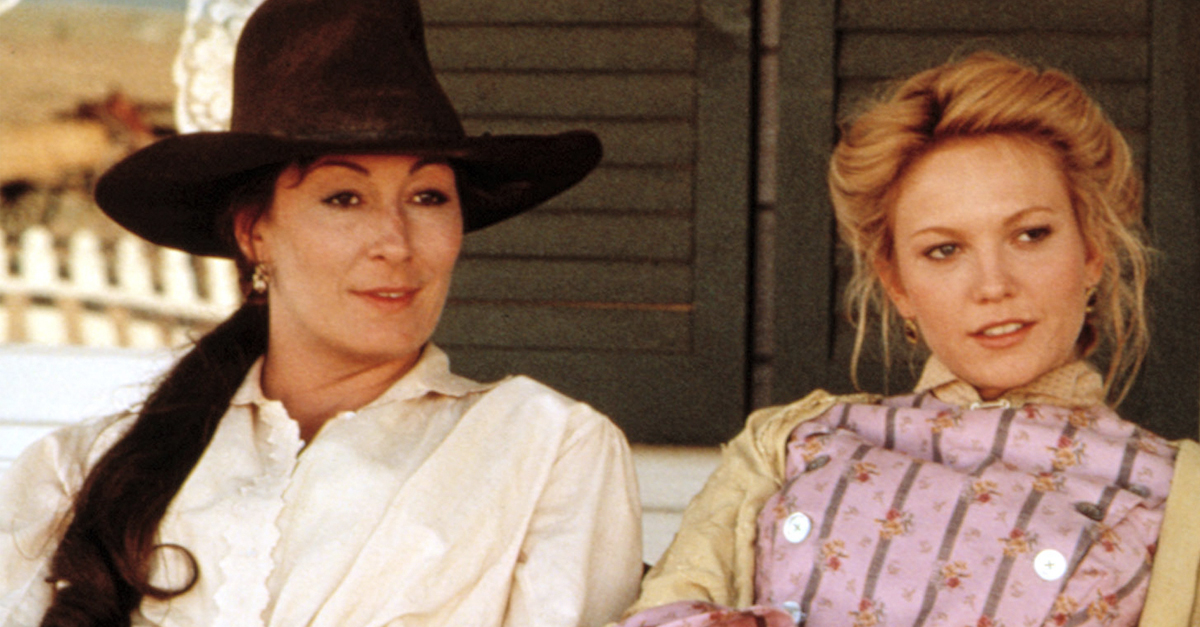
The Western That Refuses To Ride Into The Sunset
Some television shows disappear after their final episode, but Lonesome Dove has never quite ridden off into the sunset. The beloved 1989 CBS miniseries starred Robert Duvall and Tommy Lee Jones in one of television's most unforgettable Western adventures. Now Netflix is developing a new adaptation of Larry McMurtry's classic novel, introducing another generation to the cowboys who captured America's imagination nearly four decades ago.
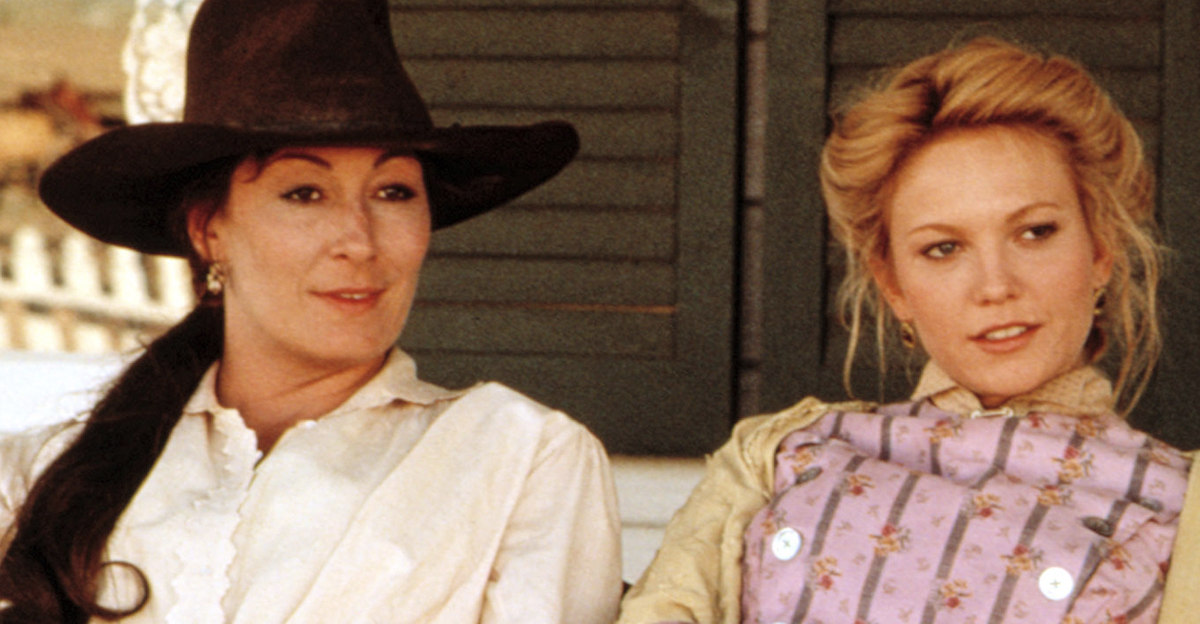
Netflix Is Bringing Lonesome Dove Back
In September 2026, Netflix officially announced plans for a new television adaptation of Lonesome Dove. The streaming giant has ordered a drama series based on McMurtry's Pulitzer Prize-winning novel, with Zoe Kazan and Jeb Stuart serving as co-showrunners. Although speculation has surrounded a possible 2027 release, Netflix has not confirmed a premiere date or announced the cast.
 Ian West-PA Images, Getty Images
The Original Was A Television Phenomenon
When Lonesome Dove premiered on CBS on February 5, 1989, the network was betting on a lengthy Western at a time when the genre was widely considered unfashionable. Instead, the opening installment attracted an estimated 44 million viewers and became the highest-rated television movie or miniseries episode of that season. Its enormous success helped demonstrate that audiences still had an appetite for sweeping frontier dramas.
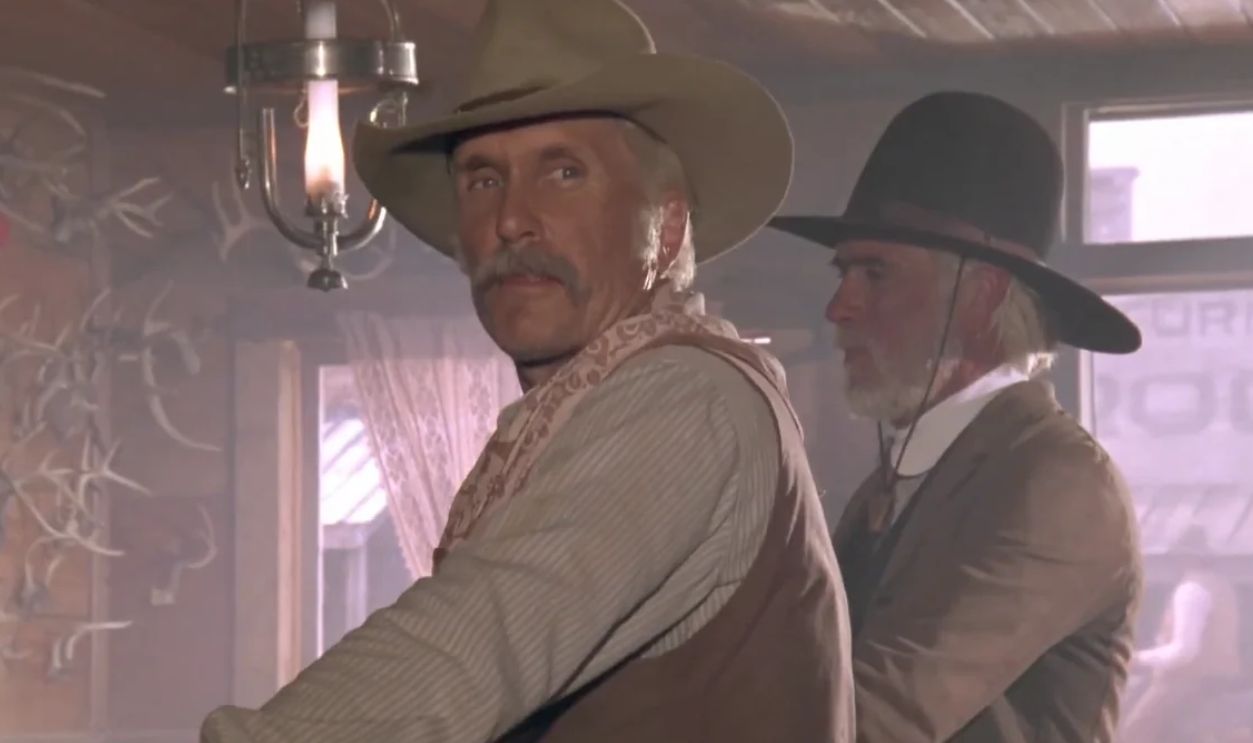 Screenshot from Lonesome Dove, CBS (1989)
It All Started With Two Aging Texas Rangers
At the heart of Lonesome Dove are Augustus "Gus" McCrae and Woodrow F. Call, two former Texas Rangers living in the small border settlement of Lonesome Dove. The men have survived years of danger together, but their personalities could hardly be more different. Their seemingly settled lives change when the prospect of a cattle drive to Montana promises one last extraordinary adventure.
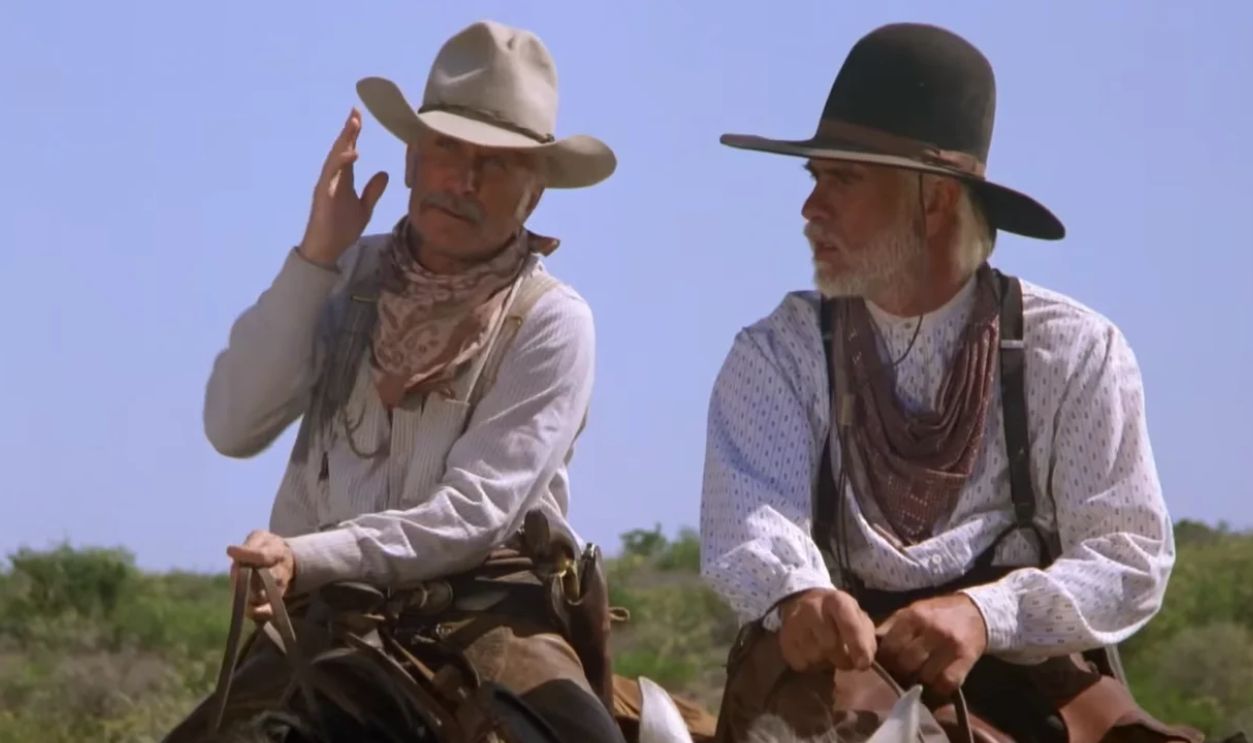 Screenshot from Lonesome Dove, CBS (1989)
Robert Duvall Made Gus McCrae Unforgettable
Robert Duvall played Augustus McCrae, the talkative, witty former Ranger whose relaxed manner concealed a lifetime of hard-earned experience. Gus enjoys conversation, companionship, and the occasional opportunity to irritate his stern old partner. Duvall's charismatic performance became one of the miniseries' defining attractions and eventually earned him a Golden Globe.
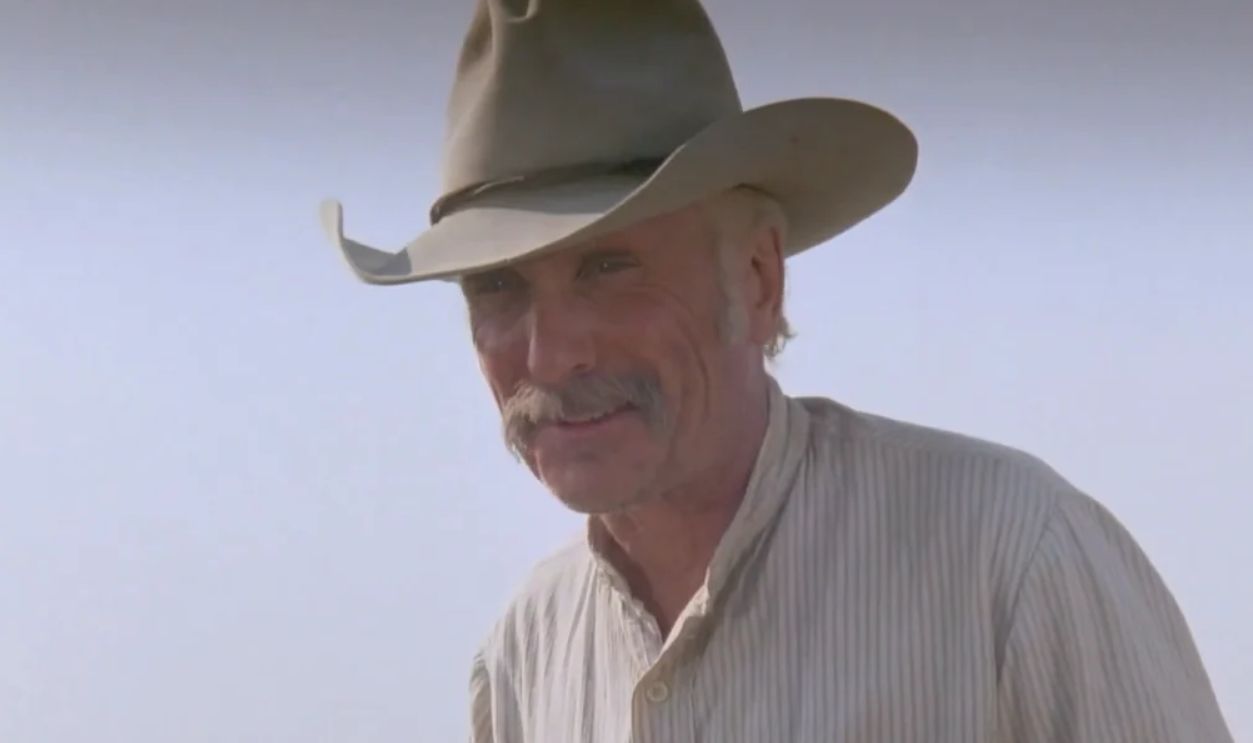 Screenshot from Lonesome Dove, CBS (1989)
Tommy Lee Jones Was His Perfect Opposite
Tommy Lee Jones portrayed Woodrow Call, a disciplined and emotionally guarded man who approaches nearly everything as a duty. Where Gus loves talking, Call prefers working, and their contrasting attitudes create both friction and affection throughout the story. Jones received an Emmy nomination for his performance, helping establish one of television's most memorable Western partnerships.
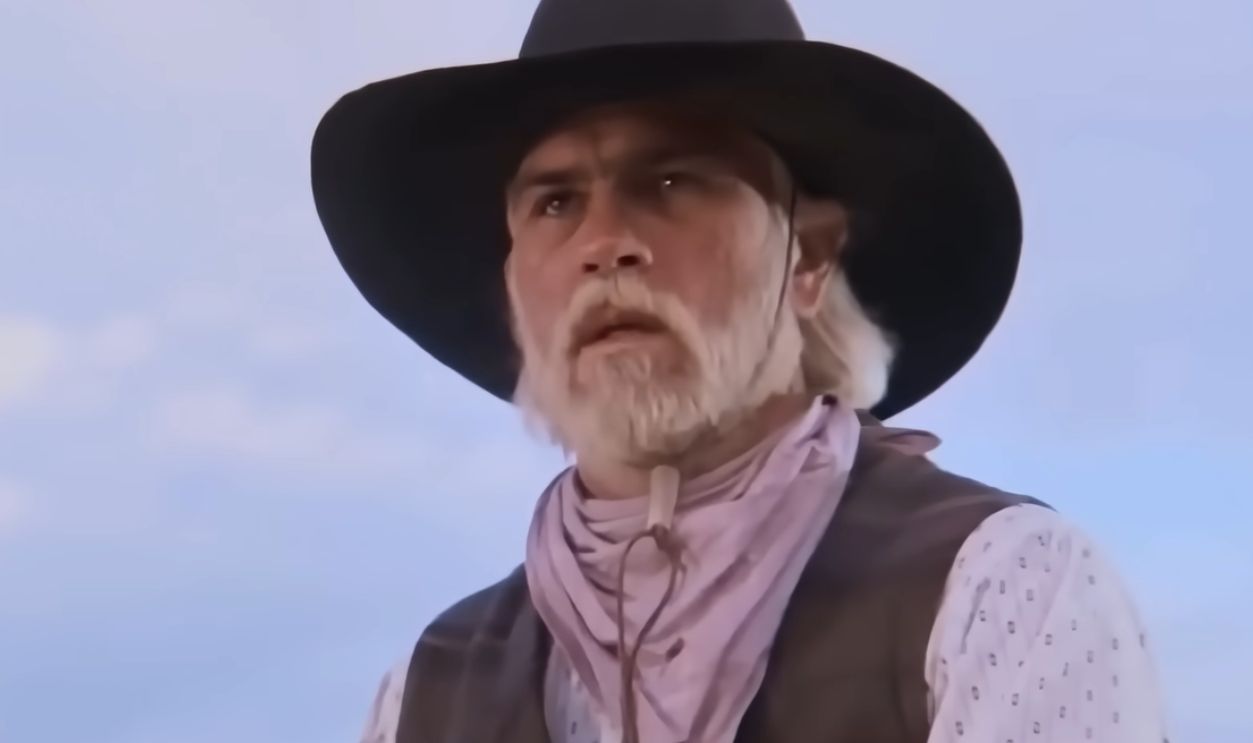 Screenshot from Lonesome Dove, CBS (1989)
Their Friendship Was The Real Love Story
Although Lonesome Dove features romance, violence, and adventure, its emotional center is the lifelong friendship between Gus and Call. The former Rangers have developed an understanding that rarely requires sentimental declarations, even when they disagree bitterly. Their relationship gives the cattle-drive story a human foundation that matters far more than simply reaching Montana.
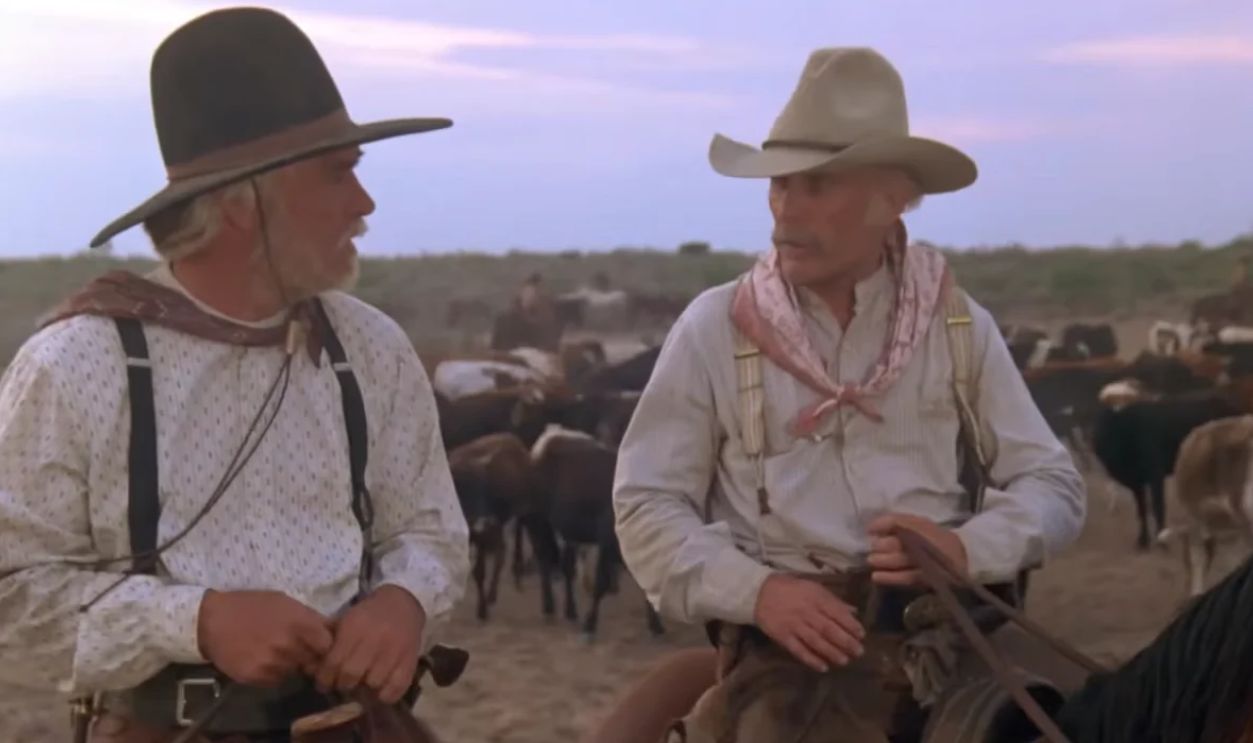 Screenshot from Lonesome Dove, CBS (1989)
The Story Almost Starred John Wayne
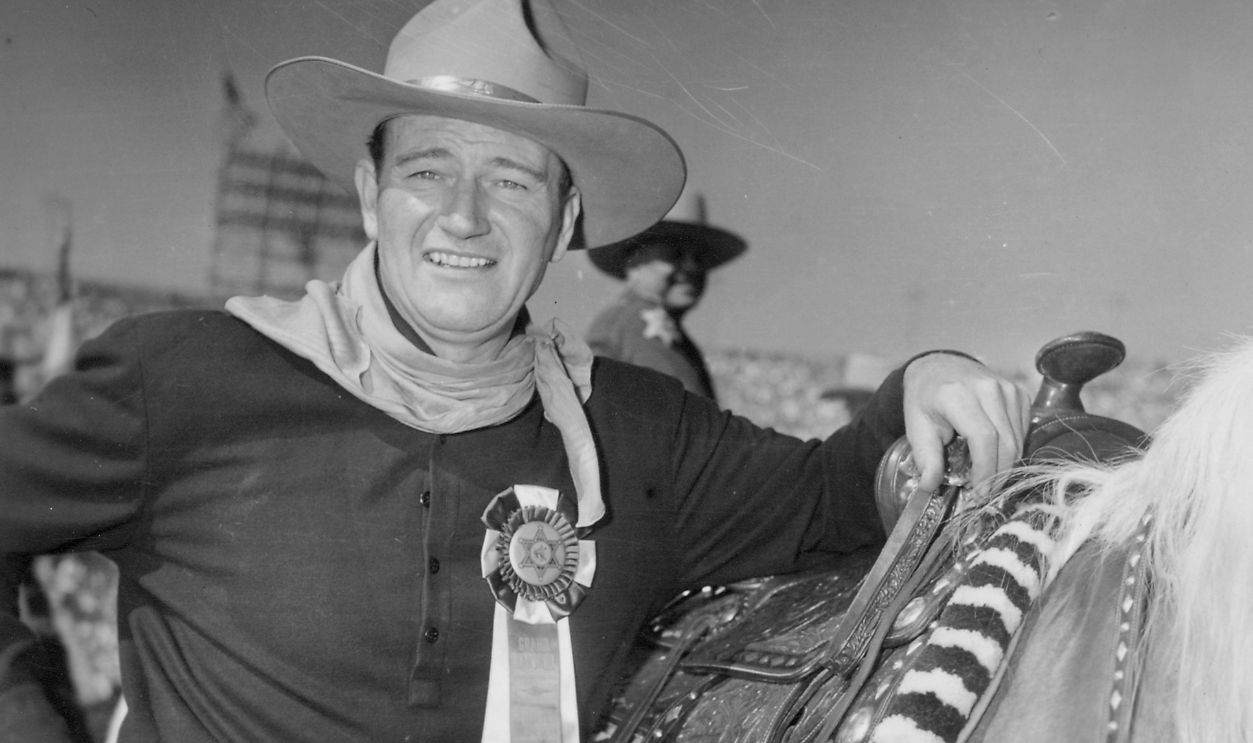
Long before Duvall and Jones became Gus and Call, Larry McMurtry envisioned the story as a movie starring three Hollywood legends. His original screenplay was developed in the early 1970s with John Wayne, James Stewart, and Henry Fonda in mind. Peter Bogdanovich was expected to direct, but the ambitious project never reached production.
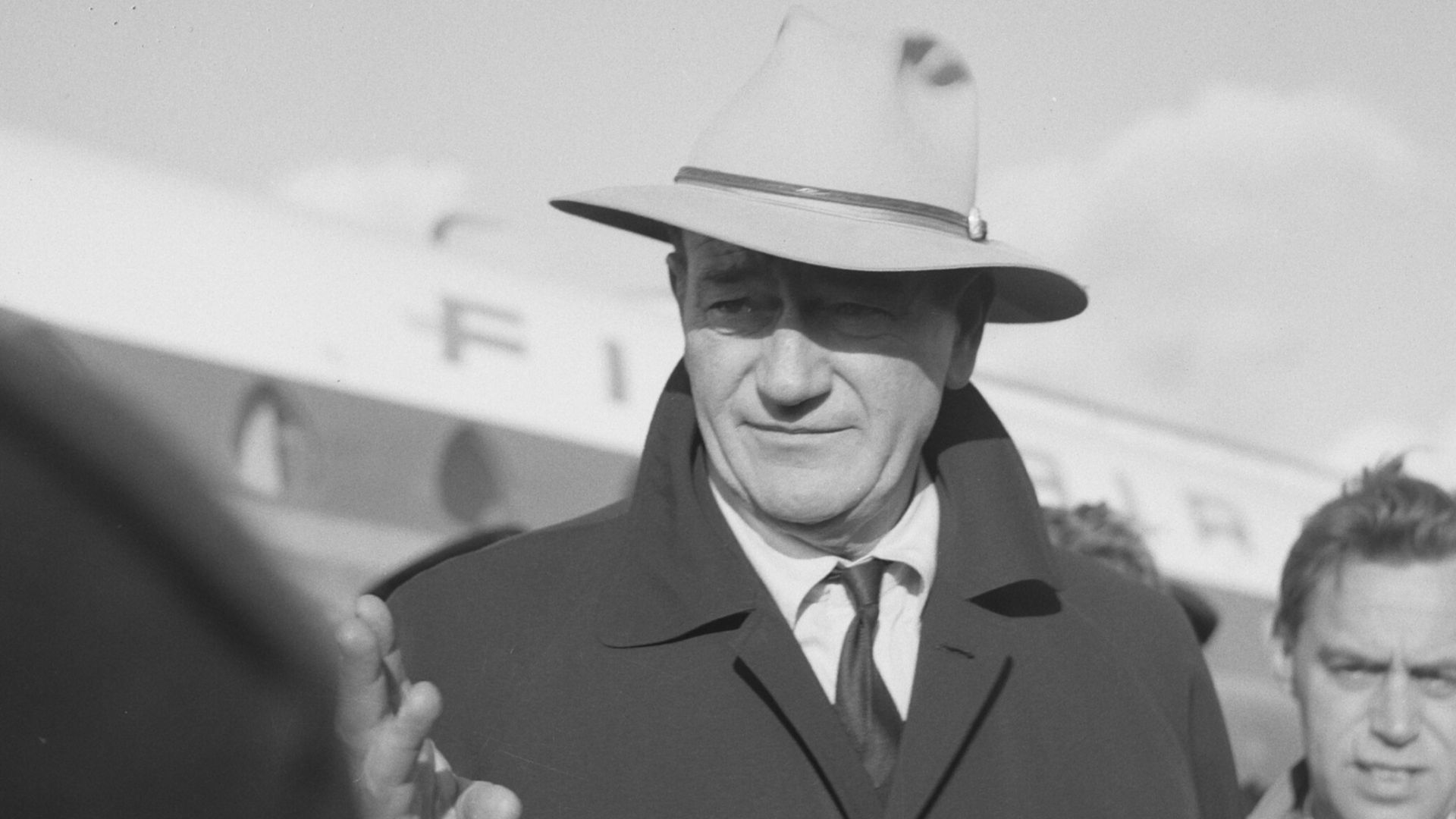 Hugo van Gelderen / Anefo, Wikimedia Commons
John Wayne Helped Derail The Original Plan
According to McMurtry, the proposed film encountered difficulties partly because Wayne did not want the role originally intended for him. Wayne was supposed to play Woodrow Call, while Stewart would portray Gus and Fonda would take the part of Jake Spoon. The disagreement contributed to the project's collapse, leaving a remarkable collection of Hollywood talent without the Western they had been expected to make.
 Smith Collection/Gado, Getty Images
McMurtry Refused To Abandon His Cowboys
After the proposed movie fell apart, McMurtry eventually recovered the rights to his original screenplay from Warner Bros. He tried several times to transform the story into a novel before finally completing the manuscript. What began as an unrealized Hollywood production eventually became one of the most celebrated works of Western fiction.
The Novel Became A Pulitzer Prize Winner
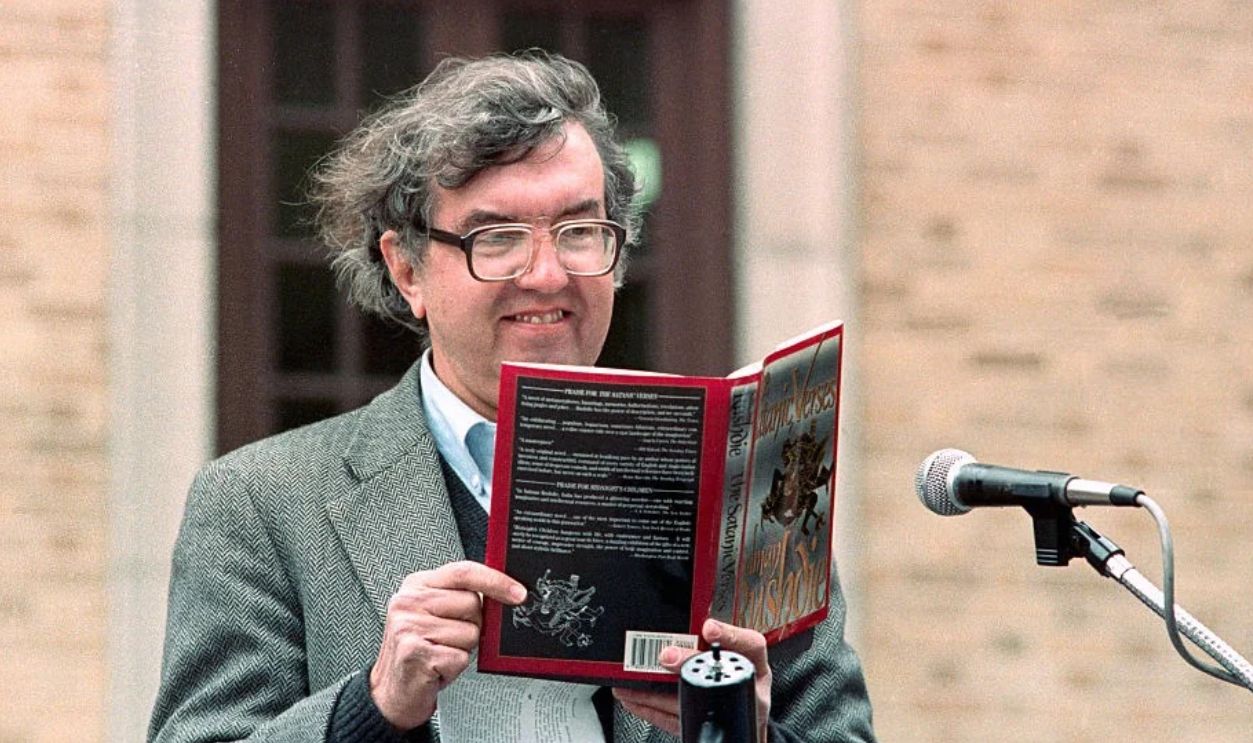
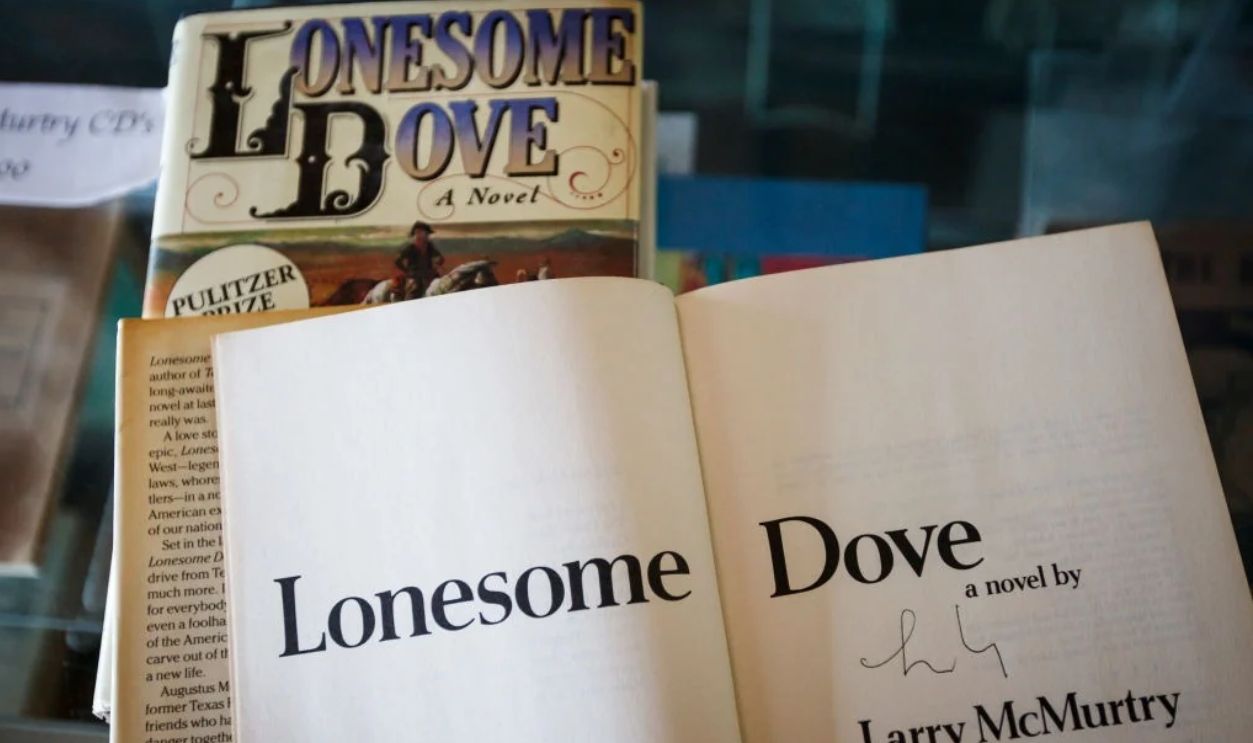
Published in 1985, Lonesome Dove turned McMurtry's frontier characters into literary sensations. The sprawling novel won the 1986 Pulitzer Prize for Fiction and became a major bestseller. Its popularity helped create the foundation for a television adaptation that would bring Gus, Call, and their companions into millions of American homes.
 Houston Chronicle/Hearst Newspapers, Getty Images
Bringing The Novel To Television Was No Small Task
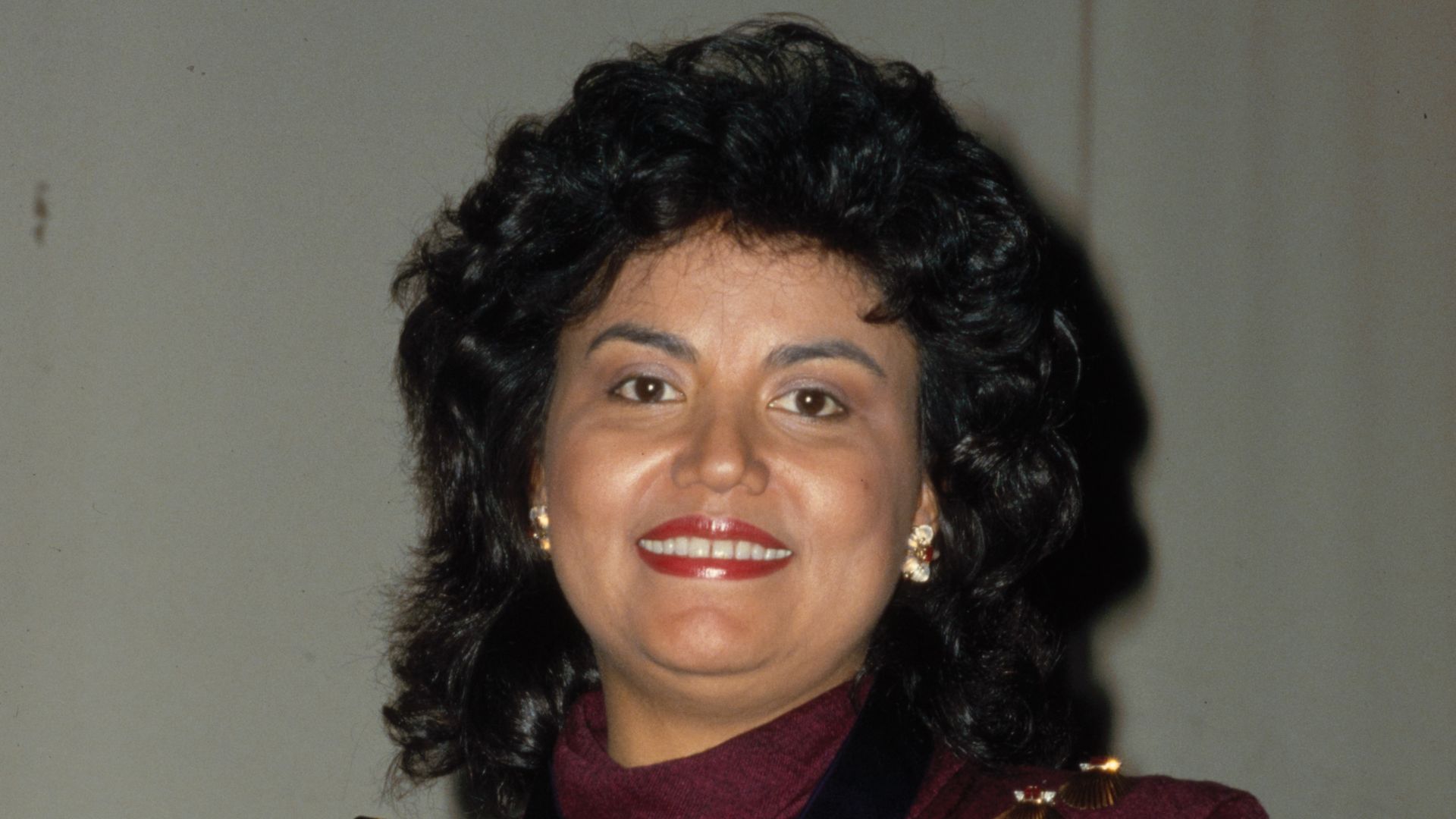
Producer Suzanne de Passe helped shepherd the adaptation to the screen through Motown Productions and CBS. Screenwriter Bill Wittliff, a fellow Texan with previous Western credits, was brought aboard to adapt McMurtry's enormous novel. Instead of trying to compress the material into a conventional television movie, the producers developed an ambitious four-part miniseries.
 Gotfryd, Bernard, photographer, Wikimedia Commons
The Production Had A Serious Hollywood Budget
The television adaptation reportedly cost approximately $20 million, an enormous commitment for a Western miniseries in the late 1980s. Director Simon Wincer oversaw a production involving dozens of speaking roles, substantial crews, livestock, and multiple locations. The scale was intended to make the cattle drive feel like a genuine journey across the American frontier.
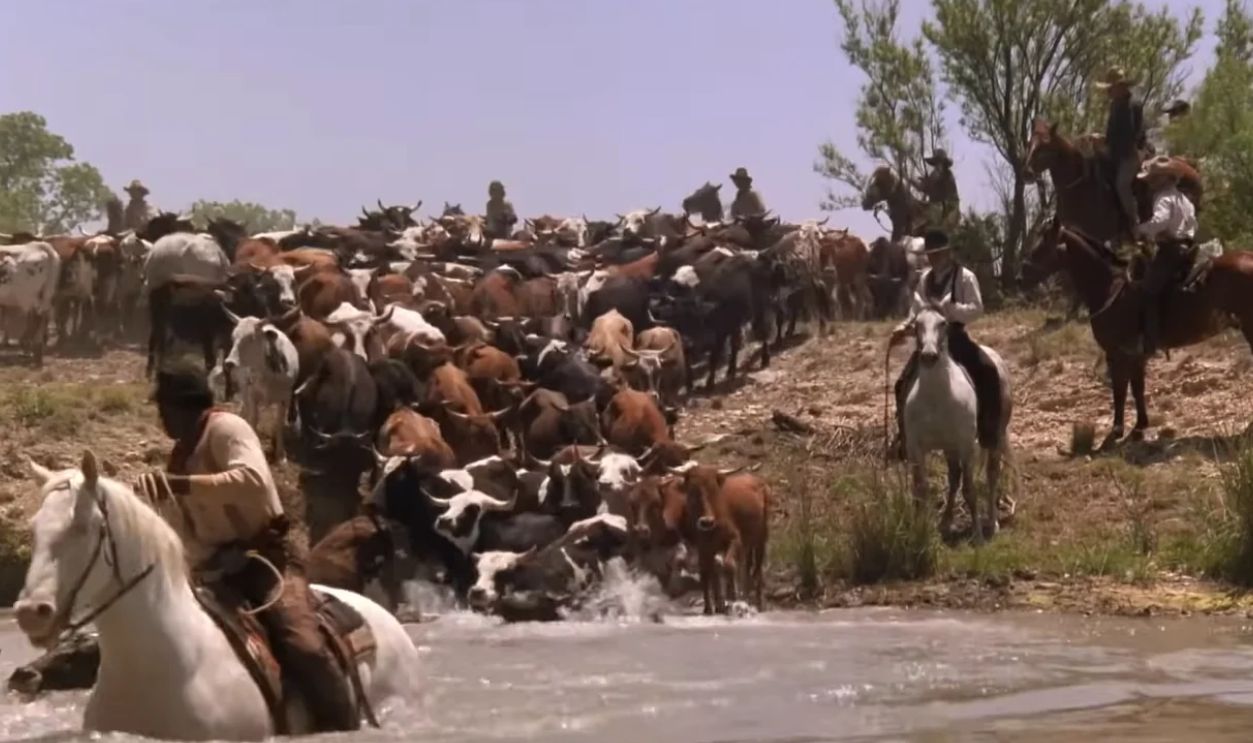 Screenshot from Lonesome Dove, CBS (1989)
Filming Took The Cowboys Across The Southwest
Production began in Texas in March 1988 and continued through the summer, using locations in Texas and New Mexico. The filmmakers shot around Austin and Del Rio, as well as the Santa Fe and Angel Fire areas. These landscapes provided the wide-open scenery needed to portray the dangerous journey from the Mexican border toward Montana.
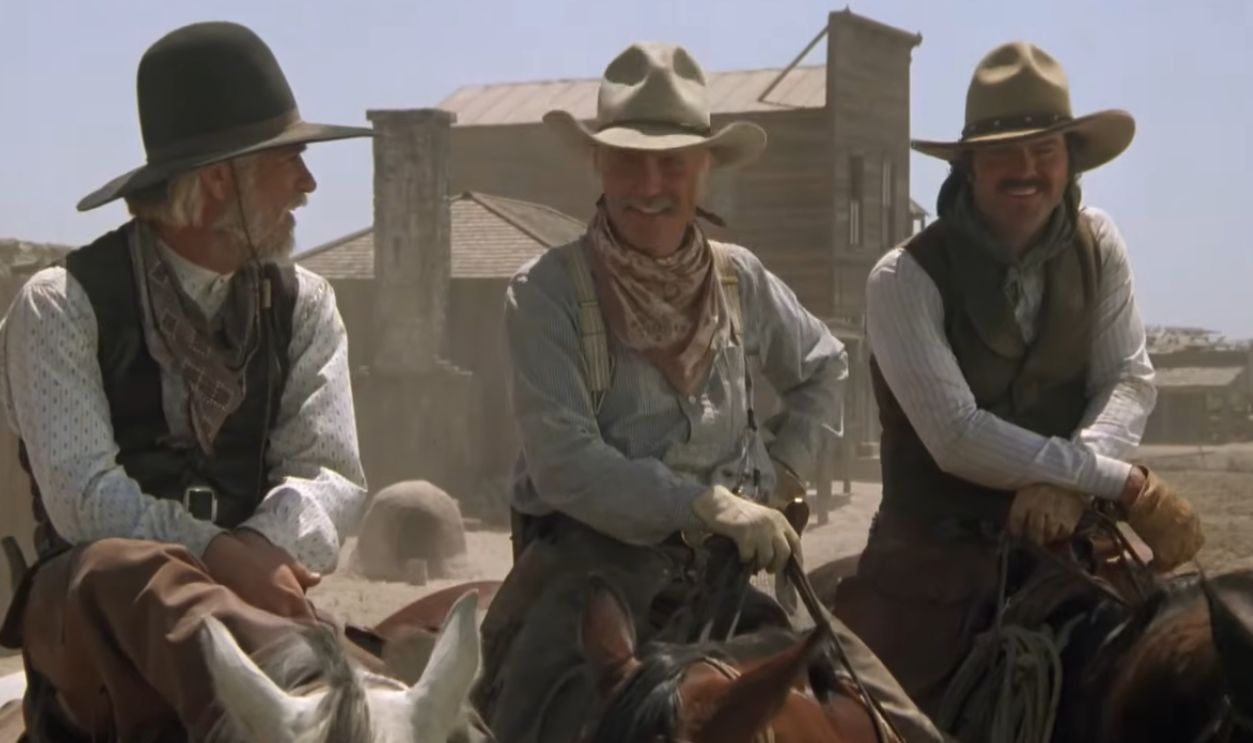 Screenshot from Lonesome Dove, CBS (1989)
The Cast Was Packed With Familiar Faces
Duvall and Jones were joined by an impressive ensemble that included Danny Glover, Diane Lane, Anjelica Huston, Robert Urich, and Rick Schroder. Each actor contributed to the enormous collection of characters surrounding the cattle drive. The result was an ensemble drama rather than a Western built entirely around its two leading stars.
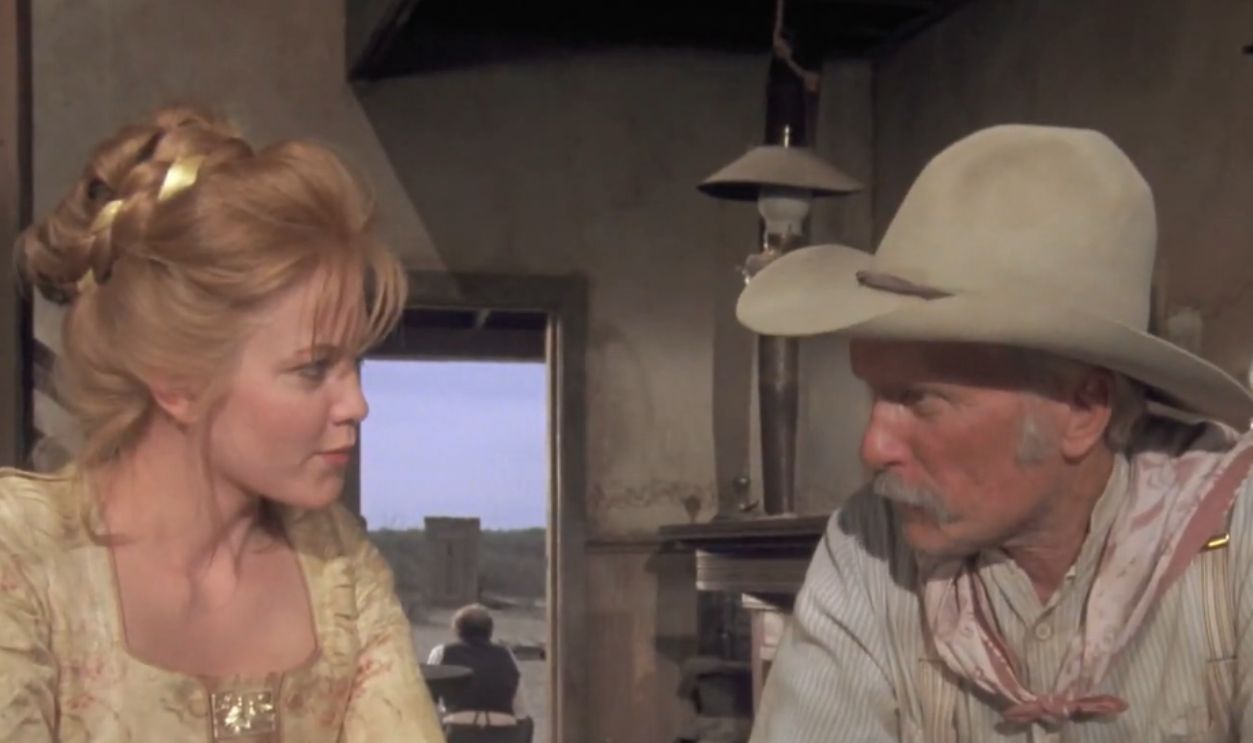 Screenshot from Lonesome Dove, CBS (1989)
Danny Glover Gave The Story Its Heart
Danny Glover portrayed Joshua Deets, the skilled tracker and former Ranger whose loyalty to Gus and Call runs deep. Deets is one of the cattle drive's most dependable figures, bringing experience and quiet dignity to the group. Glover's performance earned him an Emmy nomination for Outstanding Supporting Actor in a Miniseries or Special.
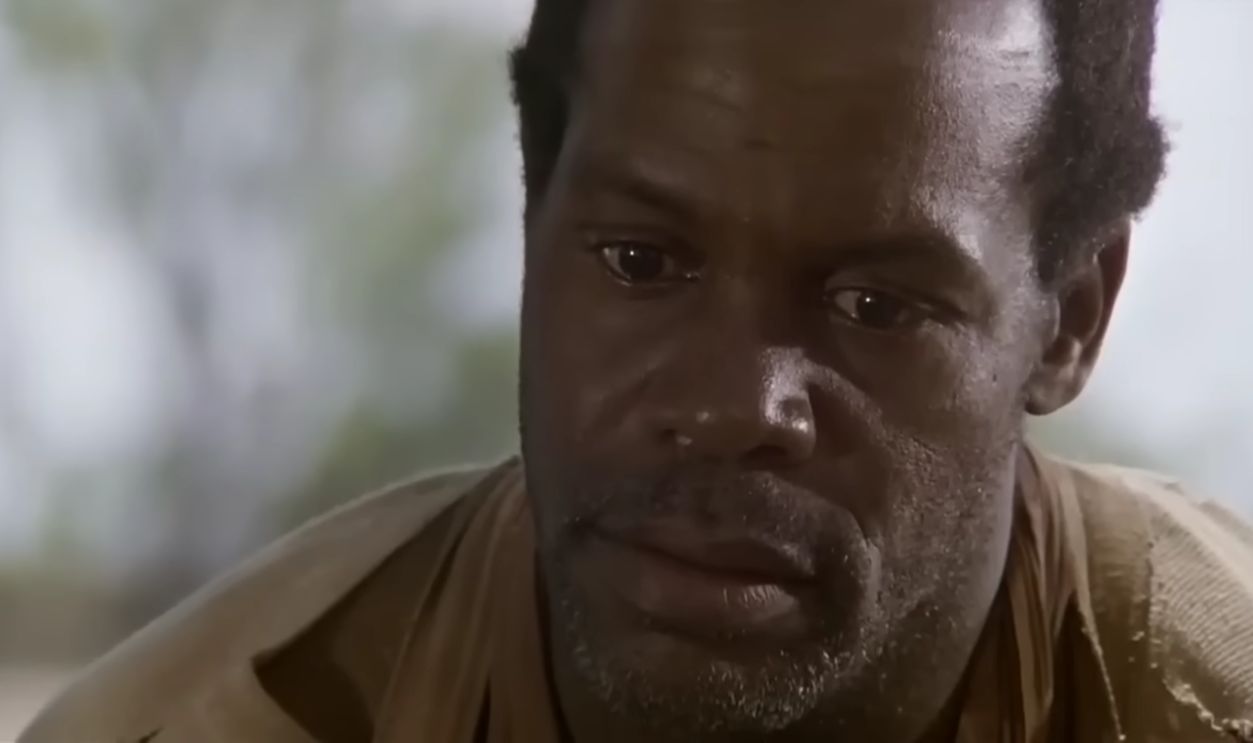 Screenshot from Lonesome Dove, CBS (1989)
Diane Lane Played A Woman Seeking Freedom
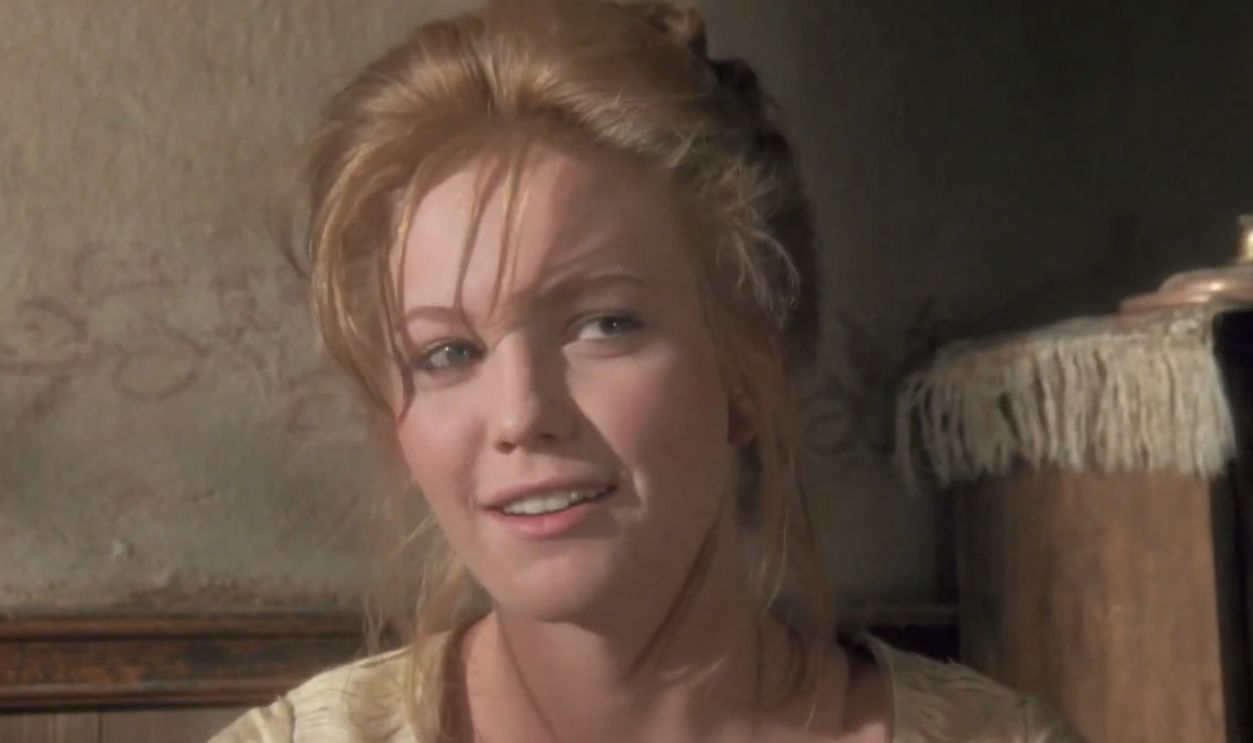
Diane Lane portrayed Lorena Wood, a young woman hoping to escape her difficult circumstances in Lonesome Dove. Her involvement with Gus and the cattle drive places her in the middle of some of the story's most painful events. Lane's portrayal earned an Emmy nomination and gave the production another important emotional perspective beyond its aging cowboys.
 Screenshot from Lonesome Dove, CBS (1989)
Anjelica Huston Added Another Emotional Layer
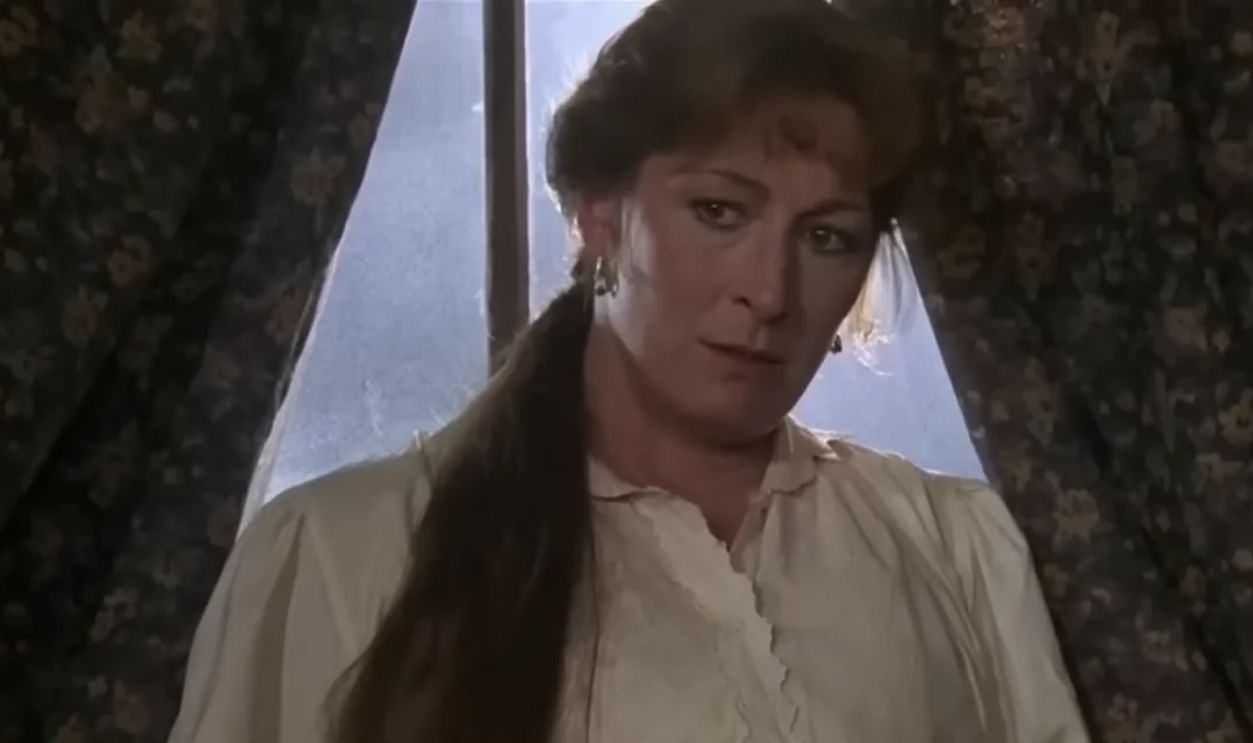
Anjelica Huston appeared as Clara Allen, a woman whose complicated history with Gus gives the Western an especially poignant dimension. Clara has built a life beyond their earlier relationship, yet their shared past remains significant when the story brings them together again. Huston's performance received an Emmy nomination, adding to the considerable recognition earned by the ensemble.
 Screenshot from Lonesome Dove, CBS (1989)
Robert Urich Played A Dangerous Old Friend
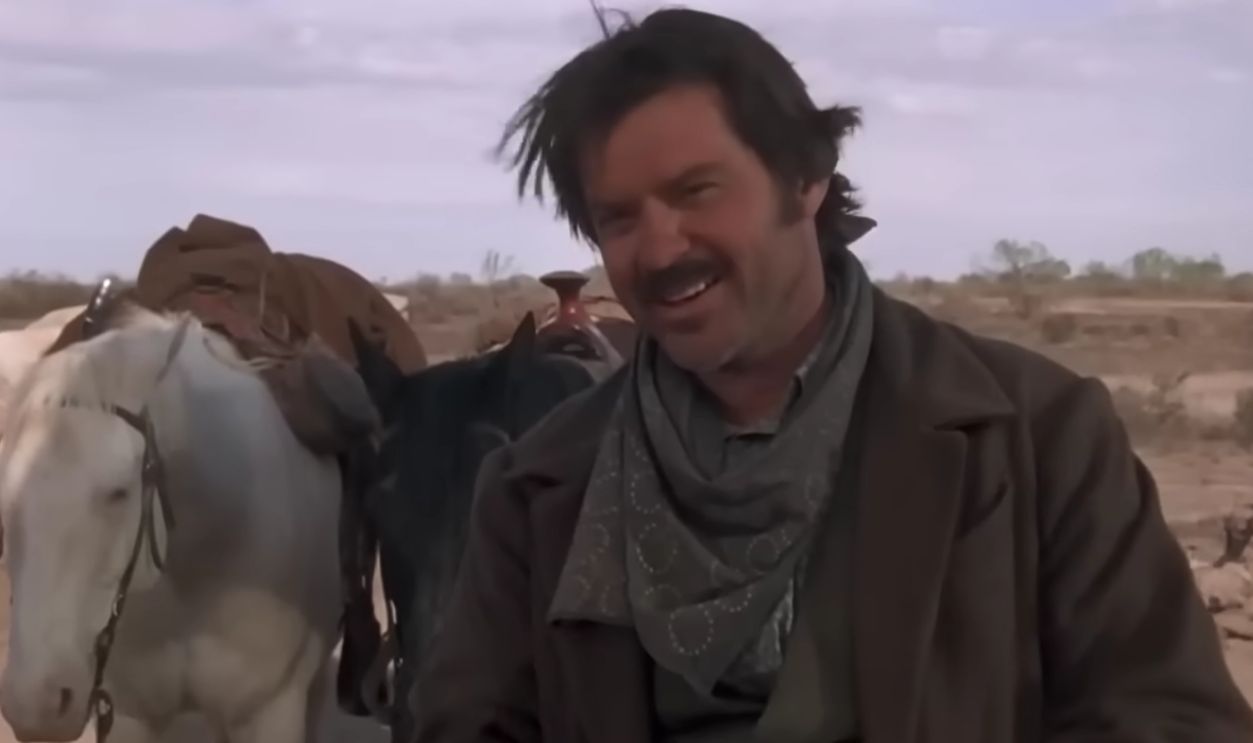
Robert Urich portrayed Jake Spoon, a former Ranger whose arrival helps set the cattle-drive adventure in motion. Jake's charm and unreliability make him a striking contrast to the loyalty and discipline of his former companions. His storyline also demonstrates how quickly old friendships can be tested when personal decisions carry deadly consequences.
 Screenshot from Lonesome Dove, CBS (1989)
Rick Schroder Was One Of The Younger Stars
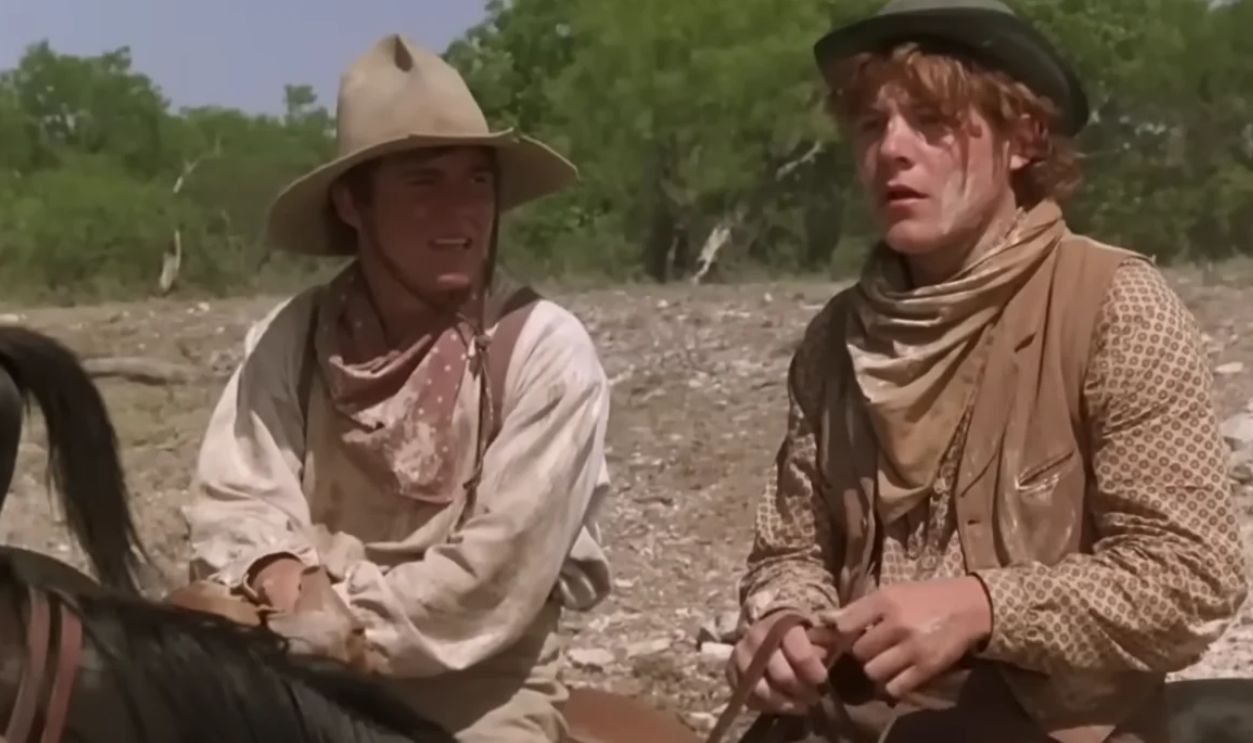
Rick Schroder played Newt Dobbs, a young cowboy whose journey with the older men forms an important part of the story. Newt's uncertain relationship with Woodrow Call gives the miniseries one of its most personal conflicts. While the older Rangers confront the consequences of their past, Newt represents a younger generation trying to understand the men who came before him.
 Screenshot from Lonesome Dove, CBS (1989)
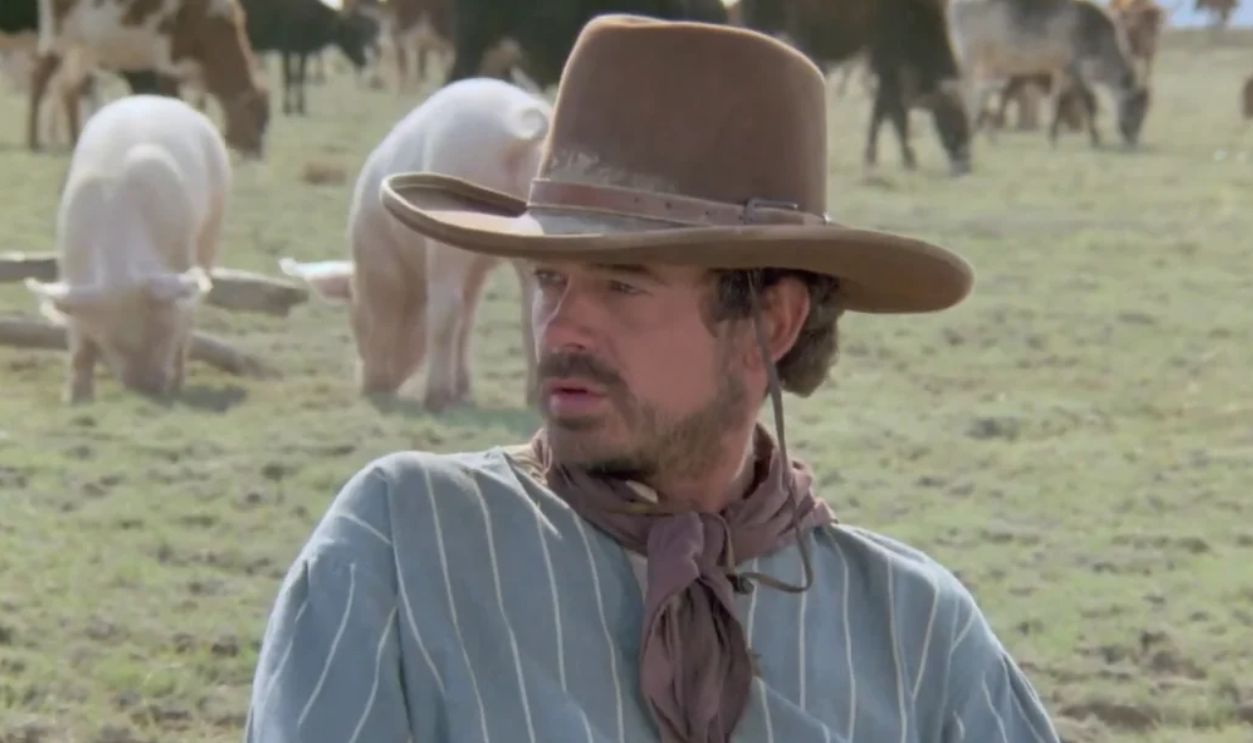
The Music Made The Journey Feel Even Bigger
Composer Basil Poledouris created the memorable musical score that accompanied the cattle drive across the frontier. His orchestral music added grandeur to the landscape while supporting the story's quieter emotional moments. Poledouris received an Emmy for his work, confirming that the miniseries' impact extended well beyond its performances.
 Screenshot from Lonesome Dove, CBS (1989)
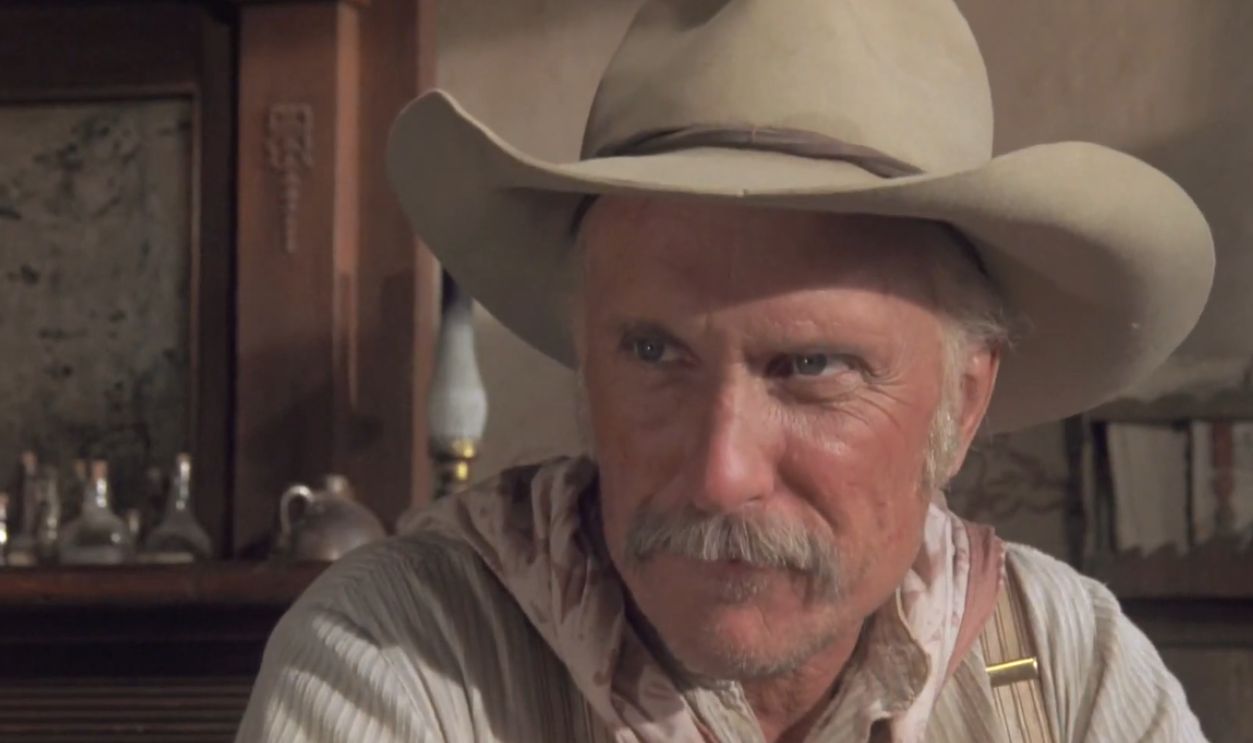
America Couldn't Stop Watching
The opening episode was only the beginning of Lonesome Dove's extraordinary ratings success. Its concluding installment on February 8, 1989, also topped the weekly television rankings, with a 27.3 Nielsen household rating. CBS enjoyed one of its strongest prime-time ratings weeks in years, helped enormously by the Western's popularity.
 Screenshot from Lonesome Dove, CBS (1989)
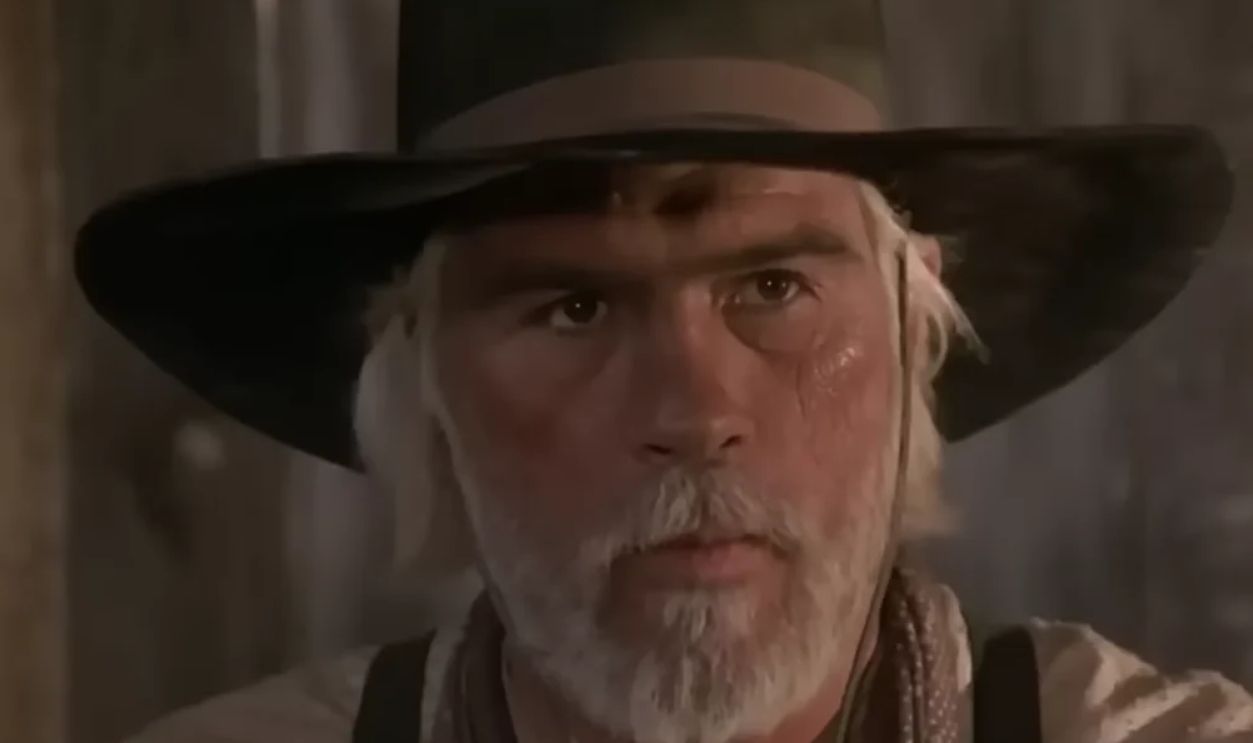
Critics Realized Something Special Had Happened
The miniseries earned widespread attention for its storytelling, performances, and ambitious production. The Peabody Awards organization later praised Lonesome Dove for challenging the idea that television Westerns and miniseries had become obsolete. Its recognition showed that the production had become more than a ratings success and was changing expectations about what television could accomplish.
 Screenshot from Lonesome Dove, CBS (1989)
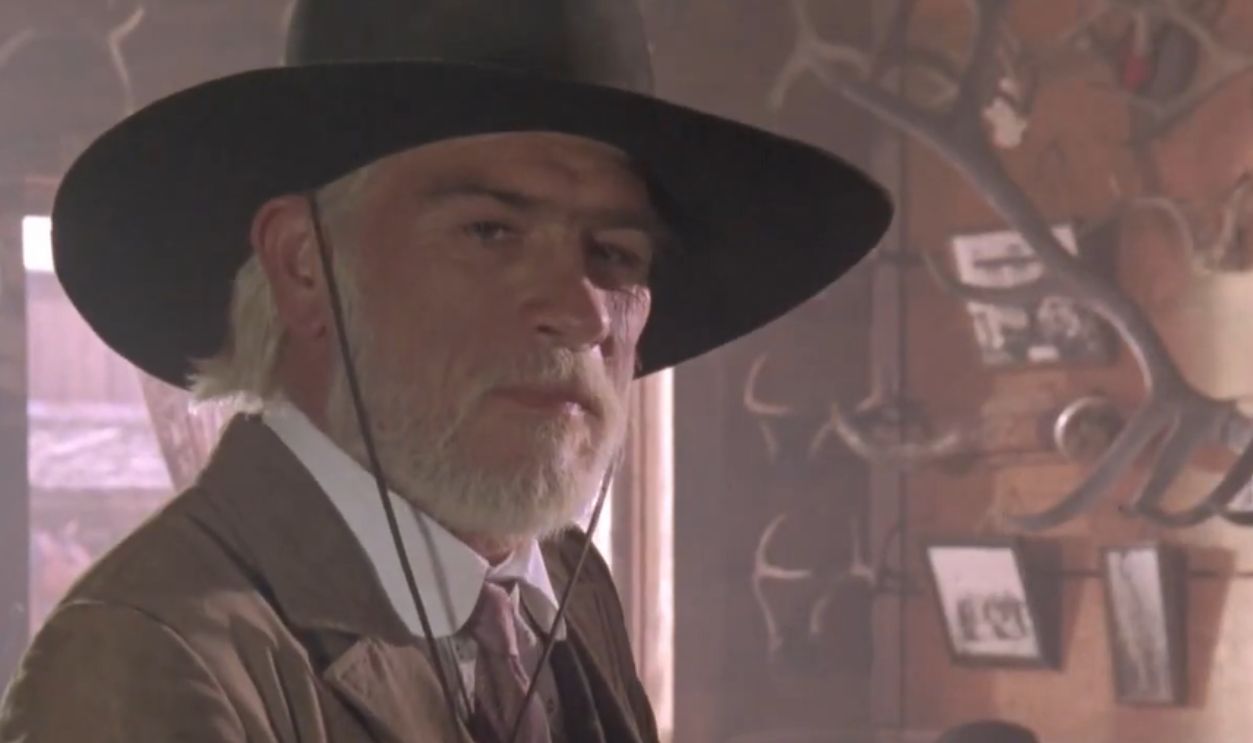
The Emmy Awards Took Notice
At the 1989 Primetime Emmy Awards, Lonesome Dove received 18 nominations, according to the Television Academy's official records. The production collected awards for achievements including directing, costume design, music, makeup, and sound. Its nominations for performers such as Duvall, Jones, Glover, Lane, and Huston reflected the remarkable depth of its cast.
 Screenshot from Lonesome Dove, CBS (1989)
The Golden Globes Delivered Another Triumph
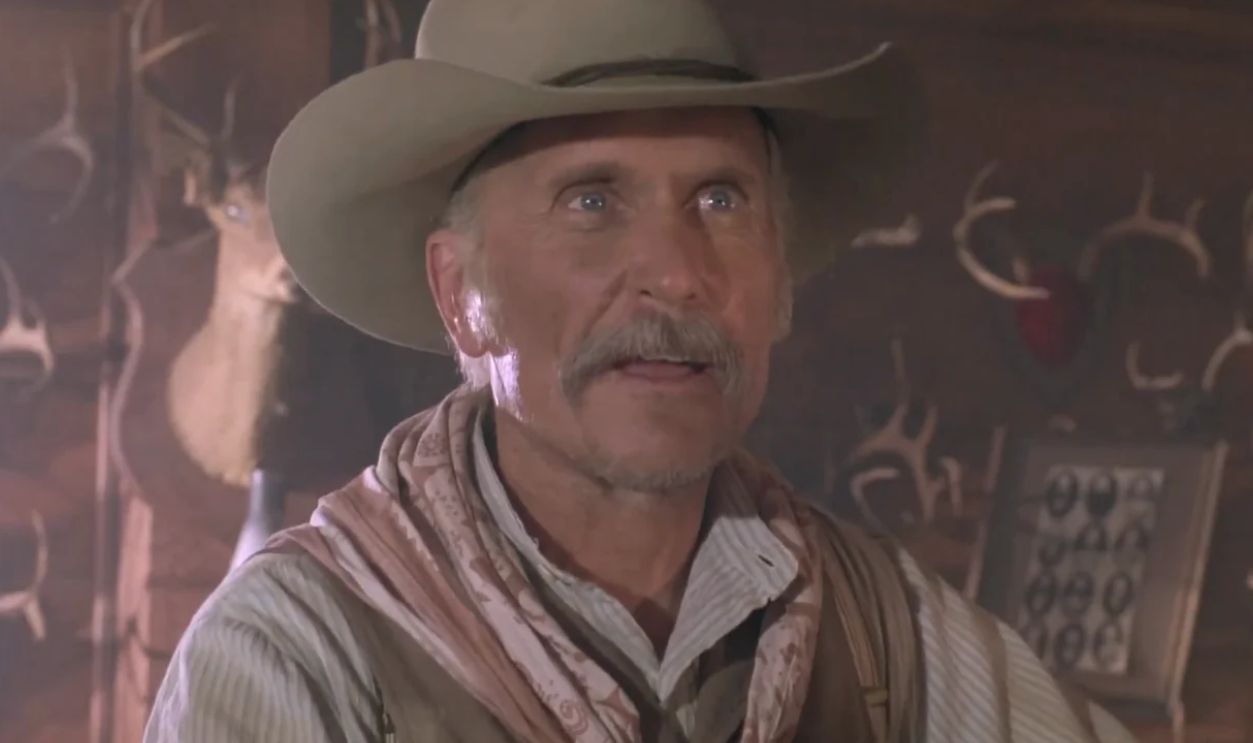
The awards recognition continued at the 1990 Golden Globes, where Lonesome Dove won Best Television Miniseries or Motion Picture Made for Television. Robert Duvall also received the award for Best Actor in a Miniseries or Television Movie. The double victory further cemented the production's reputation as one of the defining television events of its era.
 Screenshot from Lonesome Dove, CBS (1989)
The Story Didn't End In 1989
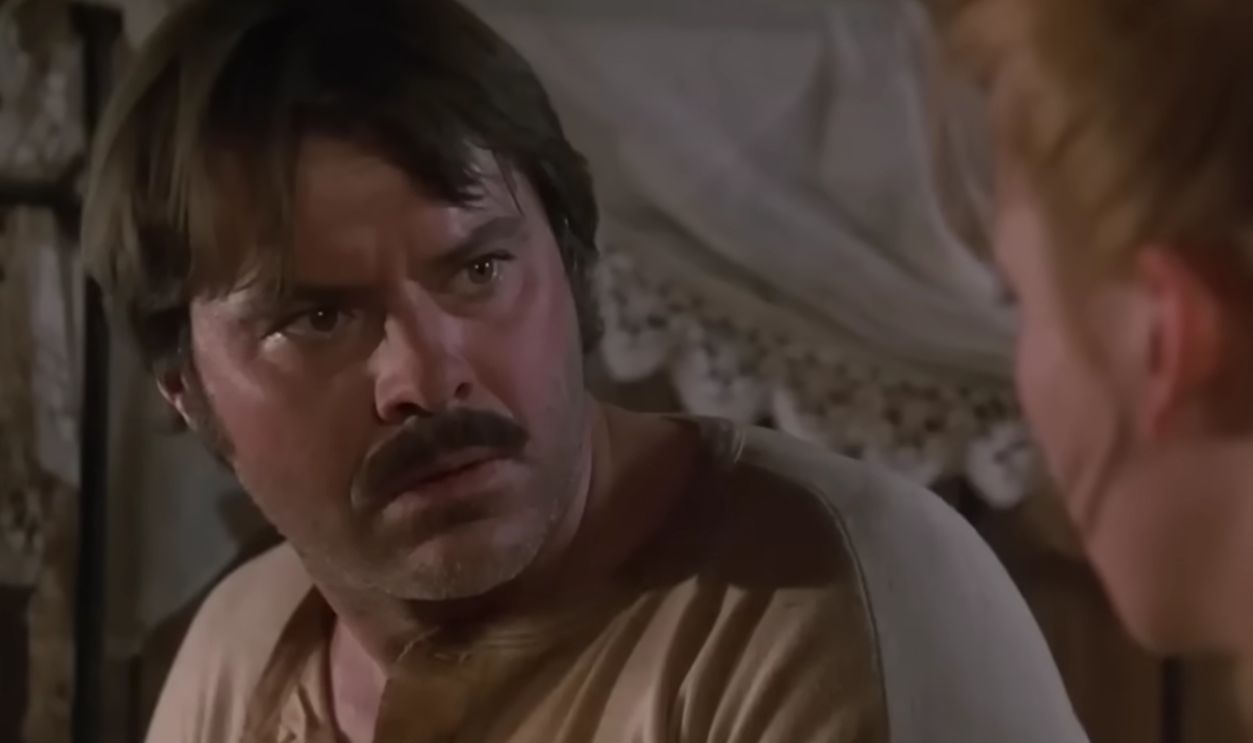
The enormous popularity of Lonesome Dove inspired additional television productions based on the world of McMurtry's characters. Return to Lonesome Dove arrived in 1993, while Streets of Laredo, adapted from another McMurtry novel, followed in 1995. The franchise also expanded into other television adaptations, demonstrating the enduring appeal of the fictional frontier.
 Screenshot from Lonesome Dove, CBS (1989)
The New Netflix Creators Have Big Shoes To Fill
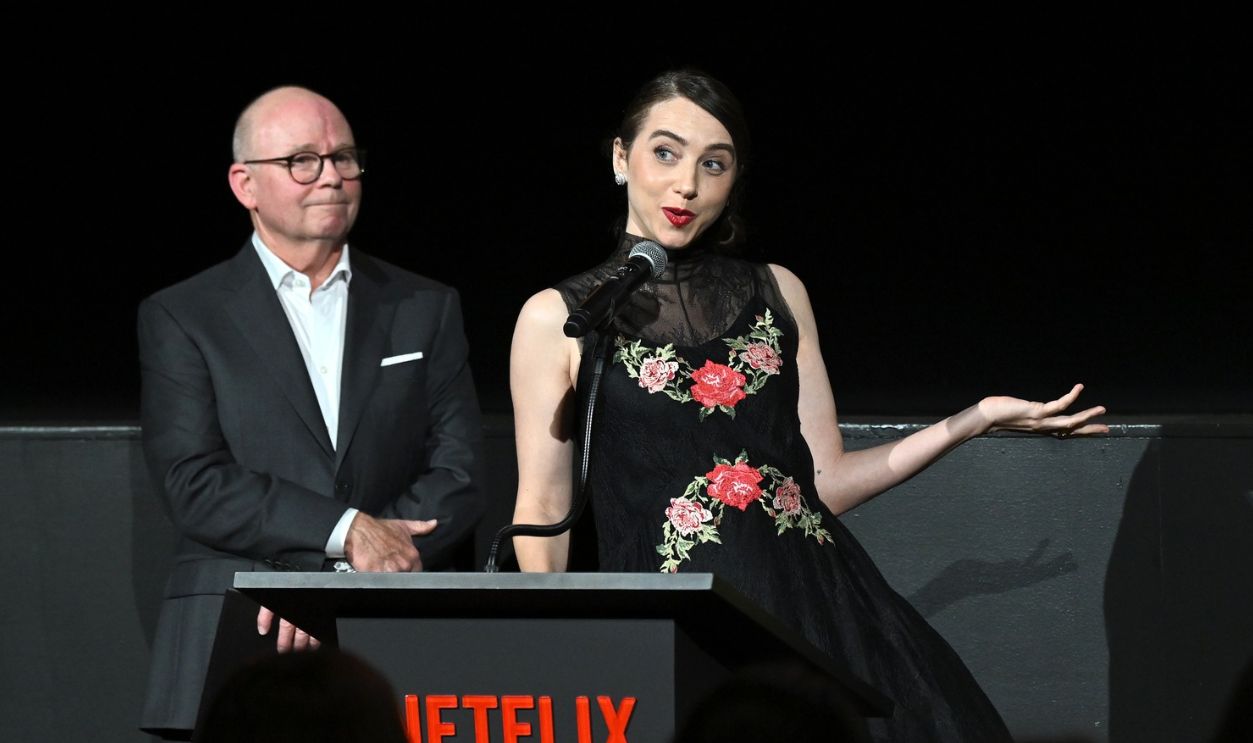
Netflix has entrusted its new adaptation to Zoe Kazan and Jeb Stuart, the creative team behind its version of John Steinbeck's East of Eden. Their involvement was officially announced in September 2026, alongside Teton Ridge Entertainment's participation in the project. The new production will once again explore the adventures of Gus McCrae and Woodrow Call, although it has yet to reveal who will portray the legendary characters.
Can Netflix Recapture The Magic?
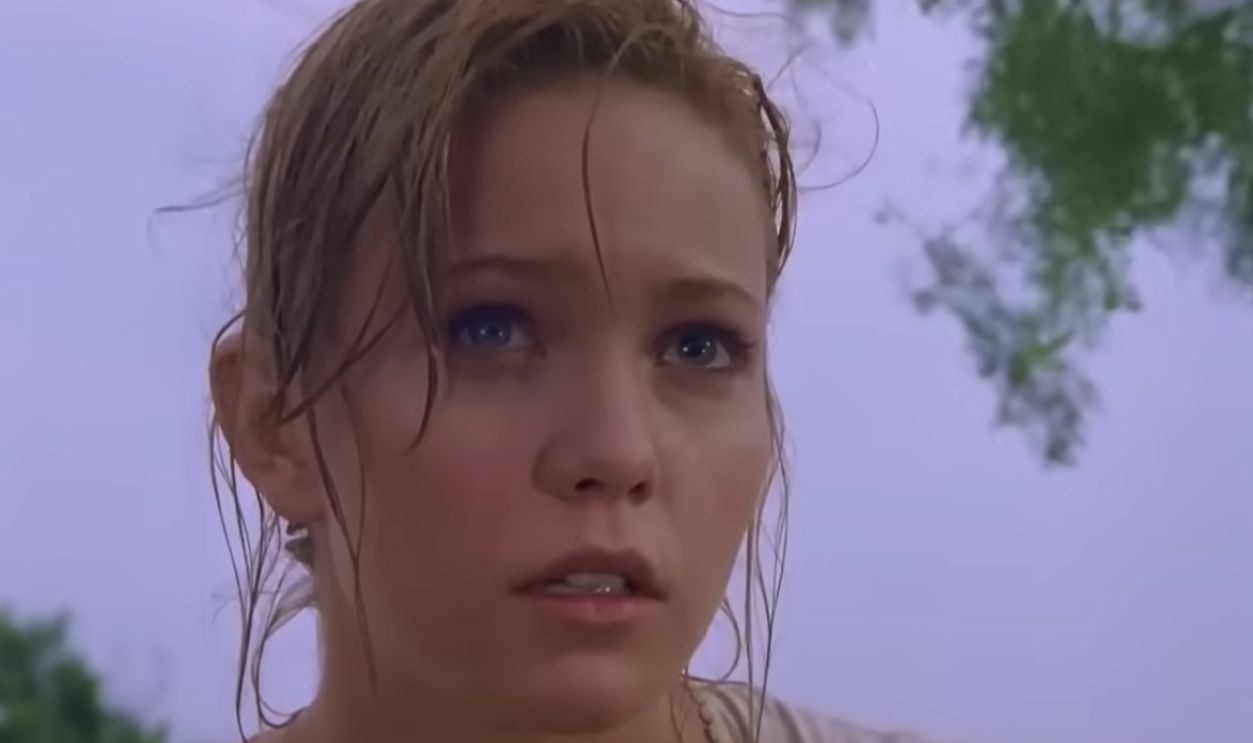
The original Lonesome Dove succeeded because it combined an enormous Western adventure with deeply personal stories about friendship, loss, ambition, and regret. Netflix now has an opportunity to introduce those themes to viewers who may never have experienced the 1989 miniseries. Whether the new adaptation can earn the same affection remains to be seen, but it will certainly have an extraordinary television legacy to live up to.
 Screenshot from Lonesome Dove, CBS (1989)
You May Also Like:
The Best Western TV Shows, Classic And Modern
The Miniseries Boom Of The 70s And 80s Changed TV—How Many Did You Watch?