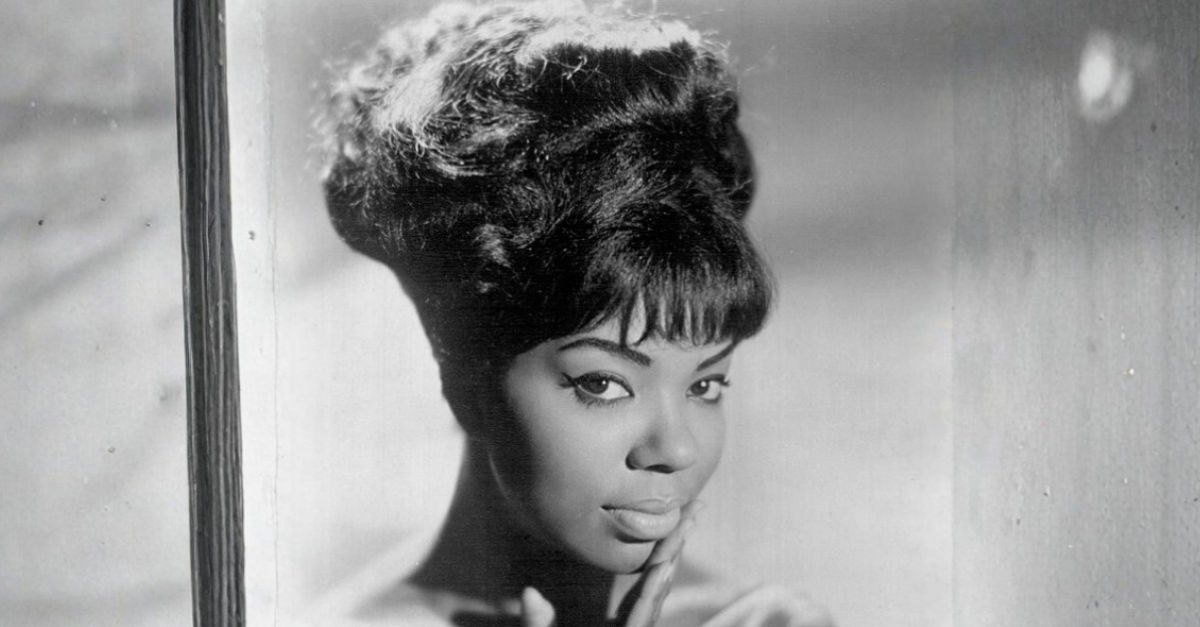
The Prosecutor Audiences Loved To Hate
Dan Fielding should have been unbearable. He was vain, greedy, status-obsessed, a relentless womanizer, and usually convinced he was the smartest man in the room. John Larroquette somehow made him irresistible. What began as a fairly buttoned-up prosecutor on Night Court evolved into one of 1980s television's wildest comic creations, and before long, the supporting player was winning Emmys faster than anyone else on the show.
New Orleans Came Before Hollywood
John Larroquette was born in New Orleans on November 25, 1947, and grew up surrounded by the city's distinctive culture and humor. His first creative interests leaned toward music and radio rather than acting, and he worked as a disc jockey before eventually pursuing performance more seriously. That deep voice, which would become one of his greatest comic weapons, actually helped him land one of his strangest early Hollywood credits.
 Michael Ochs Archives, Getty Images
His First Famous Role Wasn't On Camera
Larroquette provided the opening narration for Tobe Hooper's 1974 horror classic The Texas Chain Saw Massacre. Decades later, he confirmed the wonderfully odd story that Hooper paid him with marijuana rather than a conventional paycheck. Larroquette later returned to narrate other entries in the franchise, but in 1974 he couldn't have known that his booming voice would eventually become associated with comedy rather than chainsaw horror.

Television Slowly Started Finding Him
Before Night Court, Larroquette built up a résumé through supporting television and movie work. He played Lieutenant Bob Anderson on the military series Baa Baa Black Sheep and appeared in films including Stripes and Star Trek III: The Search for Spock. These weren't yet the roles that would define him, but they established his gift for playing authority figures who somehow seemed ridiculous the longer you watched them.
 Screenshot from Stripes, Columbia Pictures (1981)
He Had Already Survived A Much More Serious Battle
John Larroquette has spoken openly about the heavy drinking that threatened his life and career before Night Court. He quit drinking in the early 1980s, shortly before the role of Dan Fielding arrived. That timing mattered. When he auditioned for the sitcom, Larroquette was rebuilding his personal life and trying to figure out what came next professionally. Instead, he landed the job that changed virtually everything.

Night Court Had A Very Strange Courtroom
Created by Reinhold Weege, Night Court premiered in January 1984 and followed the night shift of a Manhattan arraignment court presided over by Harry Anderson's wonderfully eccentric Judge Harry Stone. Defendants could be magicians, eccentrics, petty criminals, or people who seemed to have wandered in from another sitcom entirely. Larroquette played assistant district attorney Dan Fielding, whose job was theoretically to bring some professionalism to the room. That didn't last.
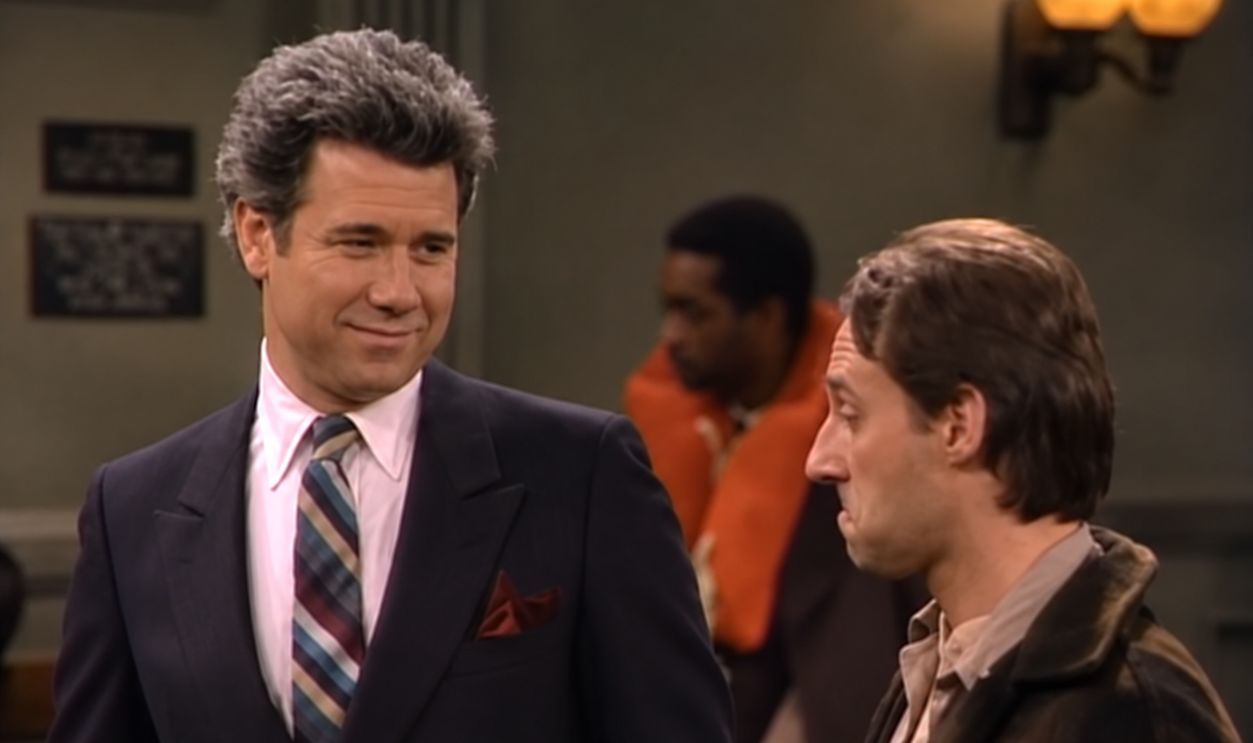 Screenshot from Night Court, Warner Bros. Television Distribution (1984–1992), Modified
Dan Wasn't Originally Quite So Outrageous
Early Dan Fielding was considerably more restrained than the character viewers eventually came to know. Larroquette remembered him as a conservative, vested, pipe-smoking sort of man. As Weege and the writers discovered what Larroquette could do, they steadily pushed Dan toward absurdity. By the later seasons, as Larroquette joked, he had gone from that stiff prosecutor to performing gags involving garden hoses down his pants.
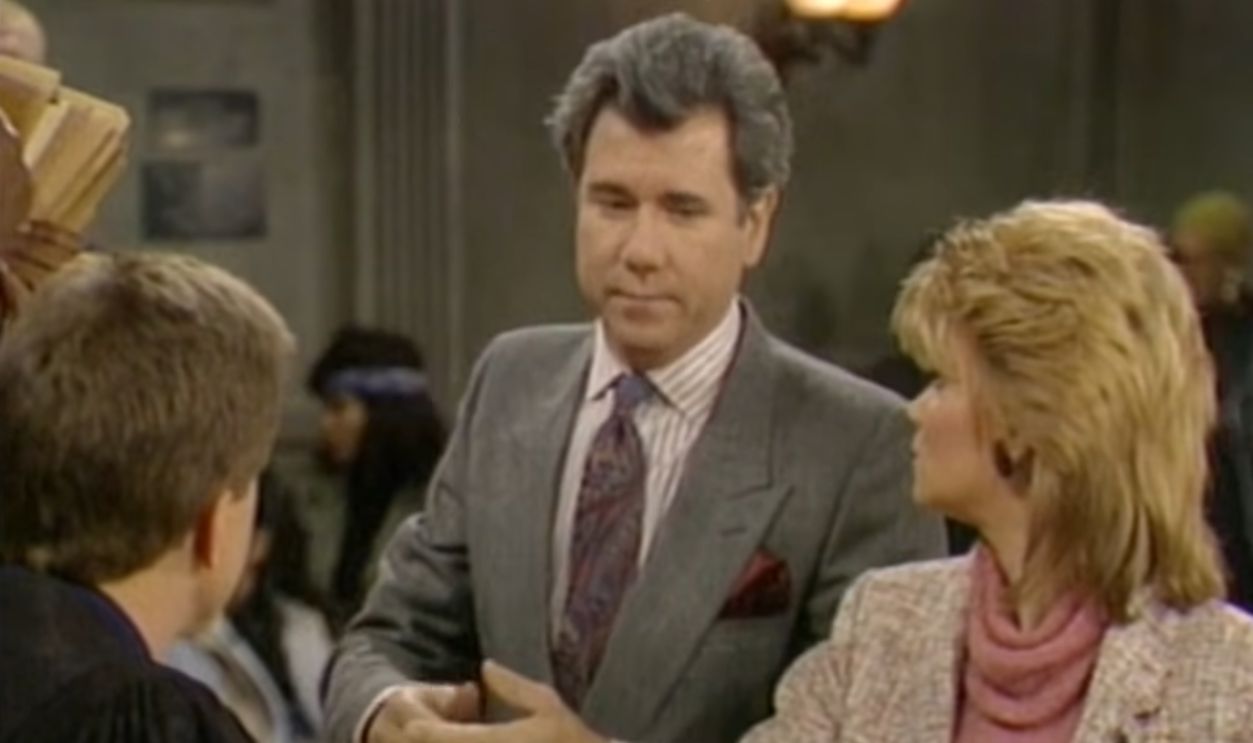 Screenshot from Night Court, Warner Bros. Television Distribution (1984–1992)
The Sleaze Became The Point
Dan soon developed into the courthouse's resident shameless opportunist. He chased women, worshipped money, coveted prestigious jobs, insulted his colleagues, and treated almost every situation as a possible route toward intimacy or social advancement. It should have made him impossible to root for. Instead, the writers usually made sure Dan's arrogance blew up in his face, allowing audiences to enjoy his awfulness without believing the show actually endorsed it.
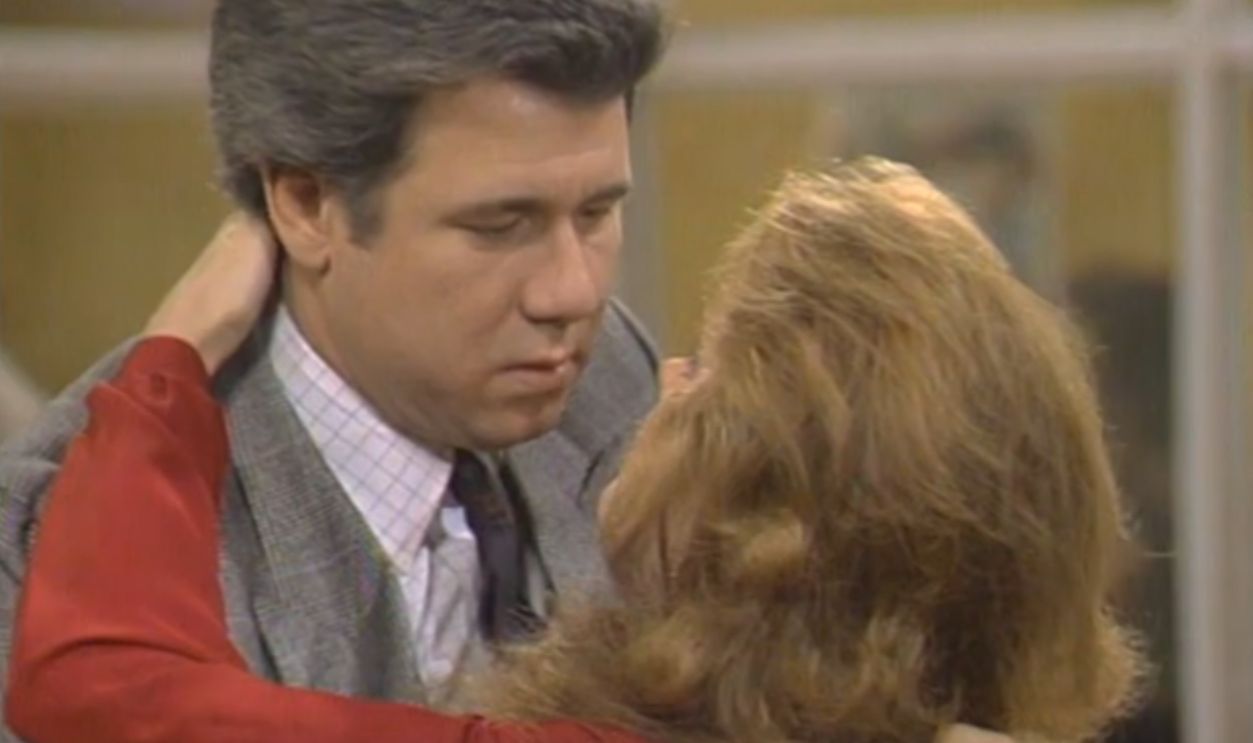 Screenshot from Night Court, Warner Bros. Television Distribution (1984–1992)
Larroquette Knew Dan Couldn't Be Completely Detestable
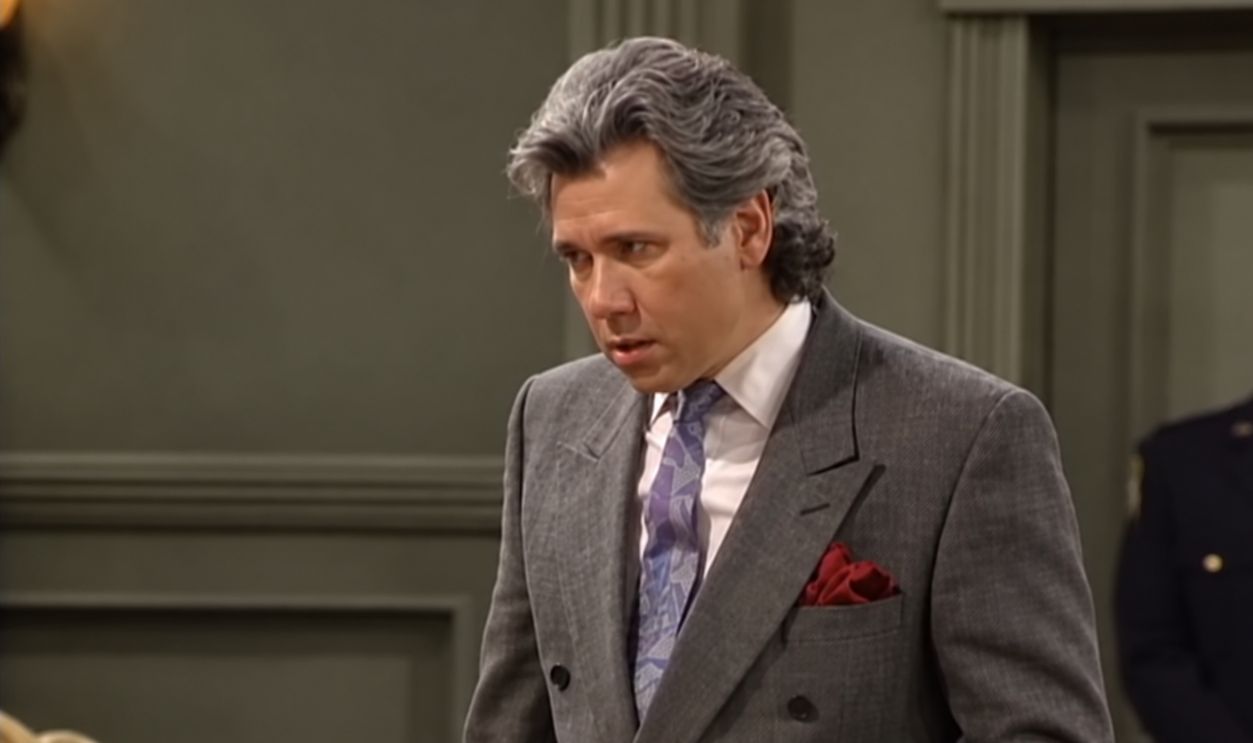
The trick was giving Dan enough charm that viewers would keep laughing rather than simply wishing he'd leave. Creator Reinhold Weege compared Larroquette's gift to John Cleese's ability to play someone with a nasty edge who nevertheless remains likable. Larroquette himself understood that Dan couldn't plausibly exist in real life exactly as written. The exaggeration was crucial because Fielding worked as a comic monster rather than a realistic model of behavior.
 Screenshot from Night Court, Warner Bros. Television Distribution (1984–1992), Modified
That Voice Did Half The Work
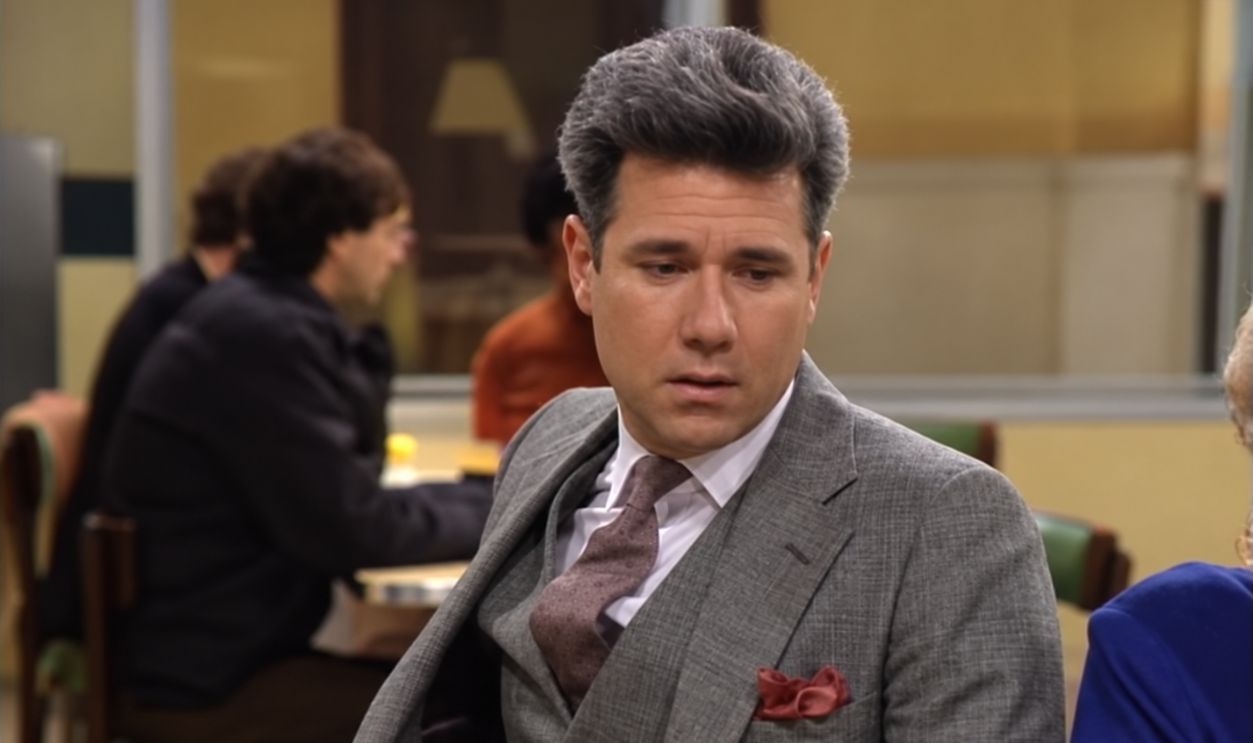
Larroquette's deep baritone became one of Dan's secret weapons. He could deliver something completely ridiculous with the gravity of a courtroom closing argument, then suddenly explode into a squeal, panic, or physical tantrum when events turned against him. That contrast made Dan unpredictable. One minute he sounded like the smoothest man in Manhattan. Thirty seconds later, he could be crawling across furniture because a scheme had collapsed.
 Screenshot from Night Court, Warner Bros. Television Distribution (1984–1992), Modified
Harry Stone Became His Perfect Opponent
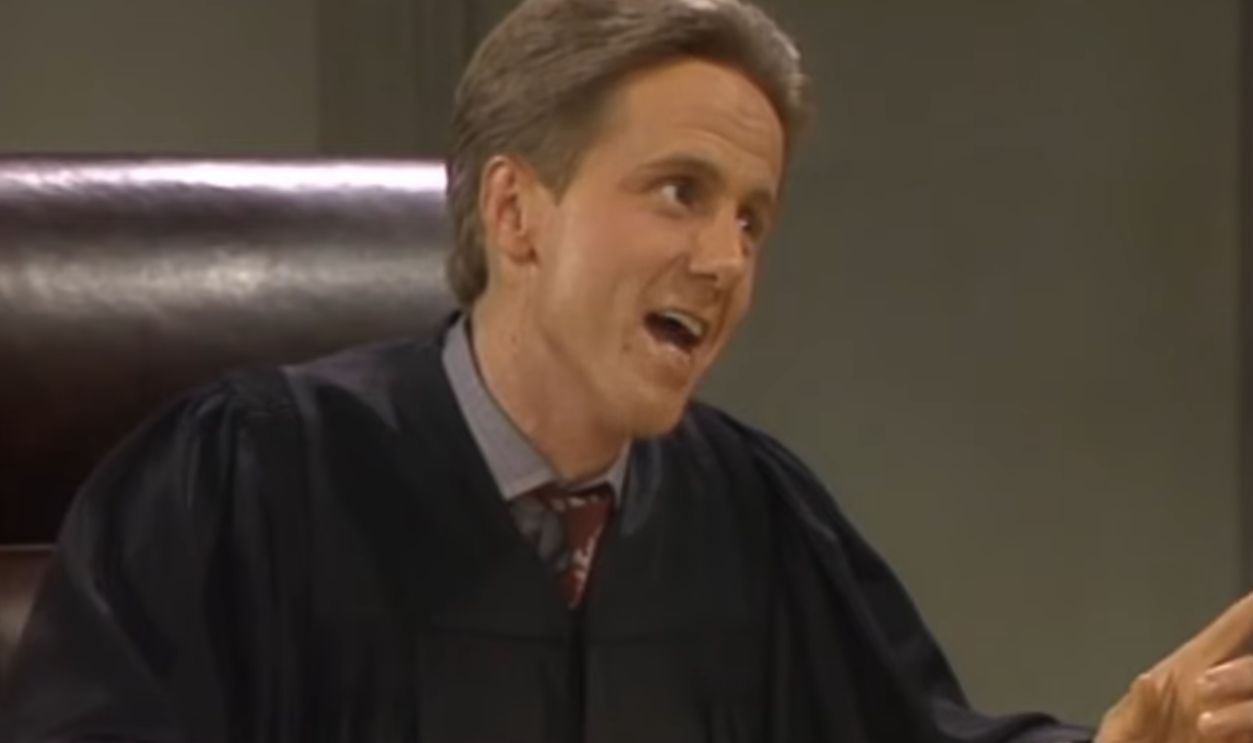
Harry Anderson's Judge Stone gave John Larroquette exactly the kind of partner Dan needed. Harry was mischievous but fundamentally compassionate, while Dan insisted that sentimentality was for people who hadn't discovered money yet. Their relationship gradually became much warmer than either character liked admitting. Harry could see through Dan's bluster, and Dan secretly respected Harry even when he was busy complaining that the judge was ruining his career.
 Screenshot from Night Court, Warner Bros. Television Distribution (1984–1992)
His Real Name Was Part Of The Reinvention
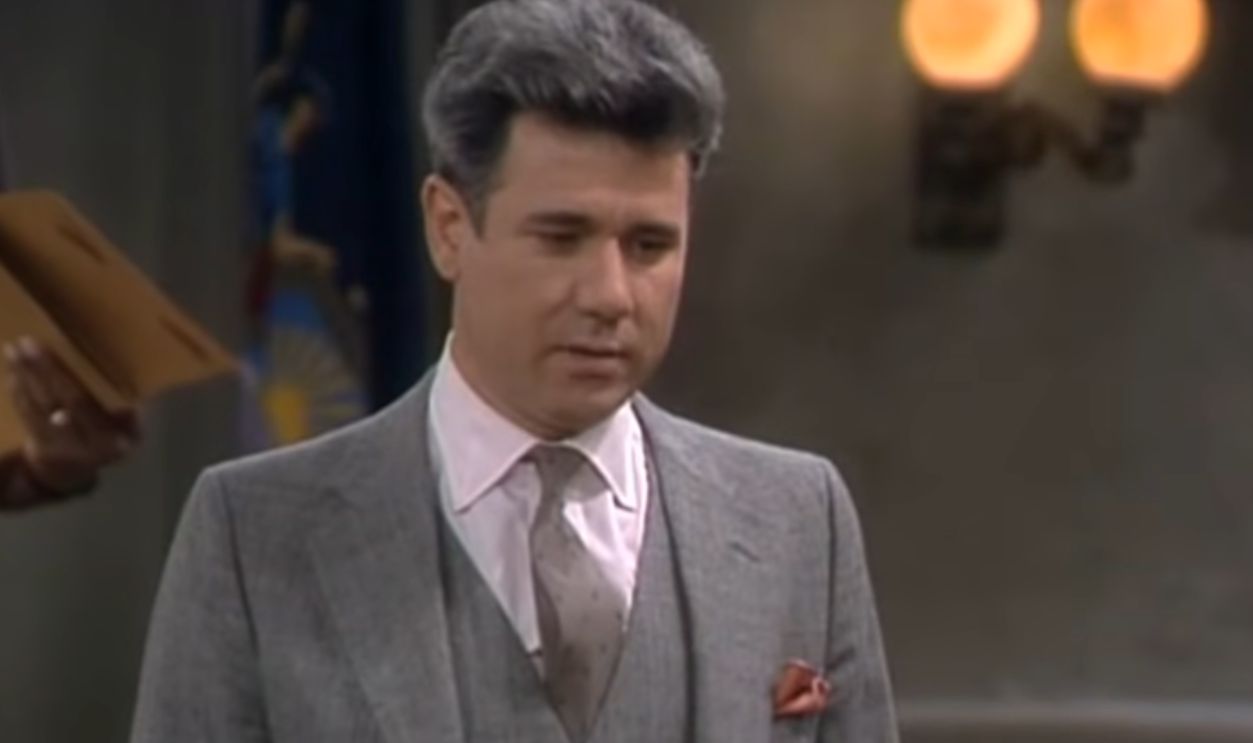
Dan's carefully constructed identity went deeper than expensive suits. The series eventually revealed that he was born Reinhold Fielding Elmore and had reshaped his name while trying to escape his upbringing. Even that revelation became a joke, since "Reinhold" nodded toward series creator Reinhold Weege. Beneath the gag, though, was a recurring theme: Dan Fielding had essentially invented the man he wanted everyone else to believe he had always been.
 Screenshot from Night Court, Warner Bros. Television Distribution (1984–1992)
Christine Sullivan Gave Him Someone Who Wouldn't Buy The Act
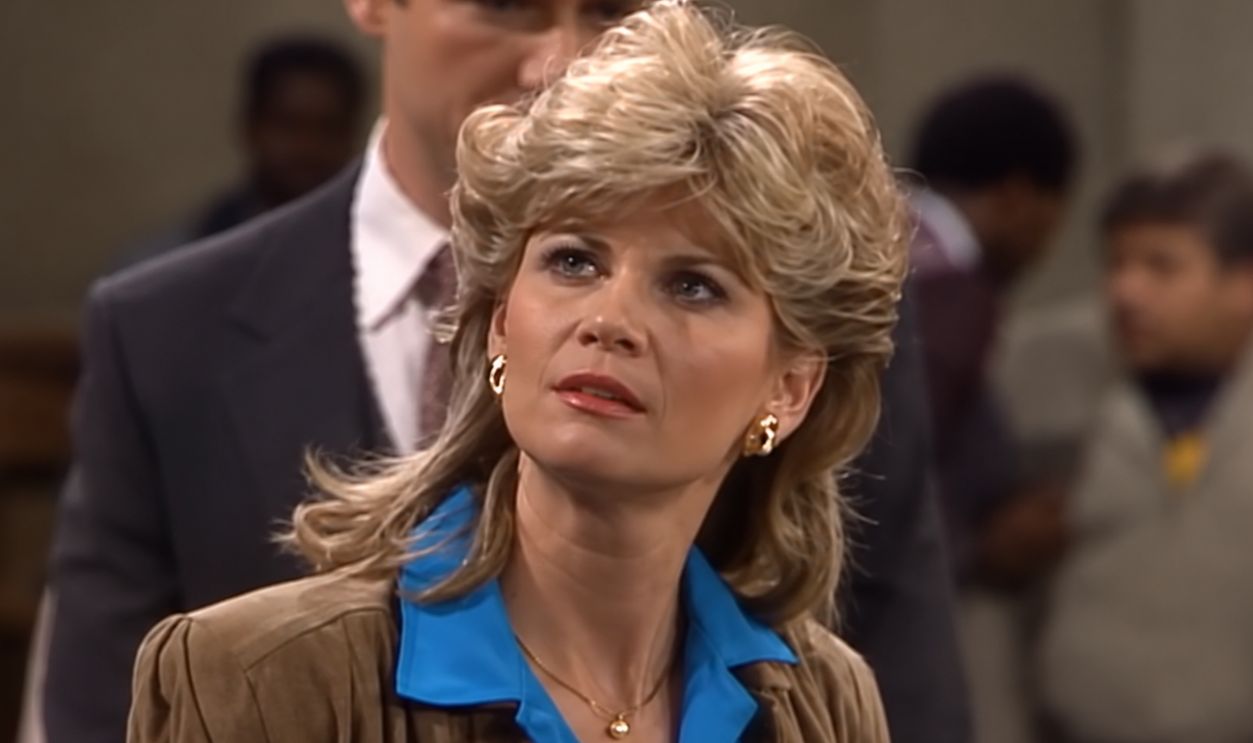
Markie Post's Christine Sullivan became another crucial part of Dan's comedy. Christine was idealistic, proper, and professionally opposed to him as the court's public defender. Dan's flirting and innuendo rarely impressed her, leaving him to bounce between teasing, rivalry, attraction, and genuine affection. Their relationship also exposed a recurring contradiction in Dan: for someone constantly bragging about women, he was often hopeless whenever actual emotional intimacy entered the room.
 Screenshot from Night Court, Warner Bros. Television Distribution (1984–1992), Modified
"Dan's Operation" Finally Cracked The Armor
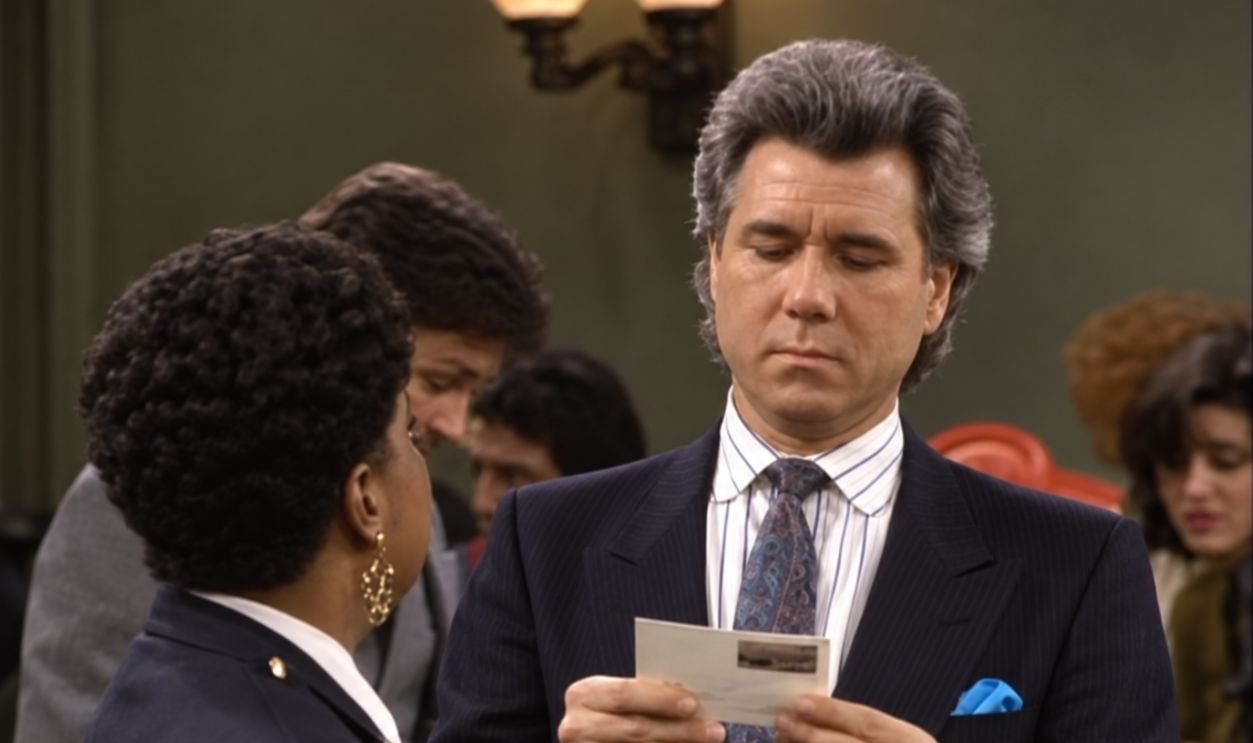
The two-part fourth-season story "Dan's Operation" pushed that contradiction much further. After refusing to take his recovery from surgery seriously, Dan overexerts himself and winds up in a coma. The medical crisis gives Harry a chance to confront him about his self-destructive behavior. Eventually, the story reaches the loneliness beneath all Dan's raunchy boasting, suggesting that countless encounters hadn't given him the affection he actually wanted.
 Screenshot from Night Court, Warner Bros. Television Distribution (1984–1992), Modified
One Vulnerable Moment Changed How Dan Played
That glimpse beneath the surface mattered. Melissa Rauch later cited the "Dan's Operation" story while explaining why the modern revival could plausibly present an older, more emotionally developed Fielding. Underneath decades of flirting and bragging was an insecure man who wanted someone to love him. Once viewers had seen that, his failures became funnier and occasionally sadder because they understood what all the posing was protecting.
 Screenshot from Night Court, Warner Bros. Television Distribution (1984–1992), Modified
His Physical Comedy Kept Getting Bigger
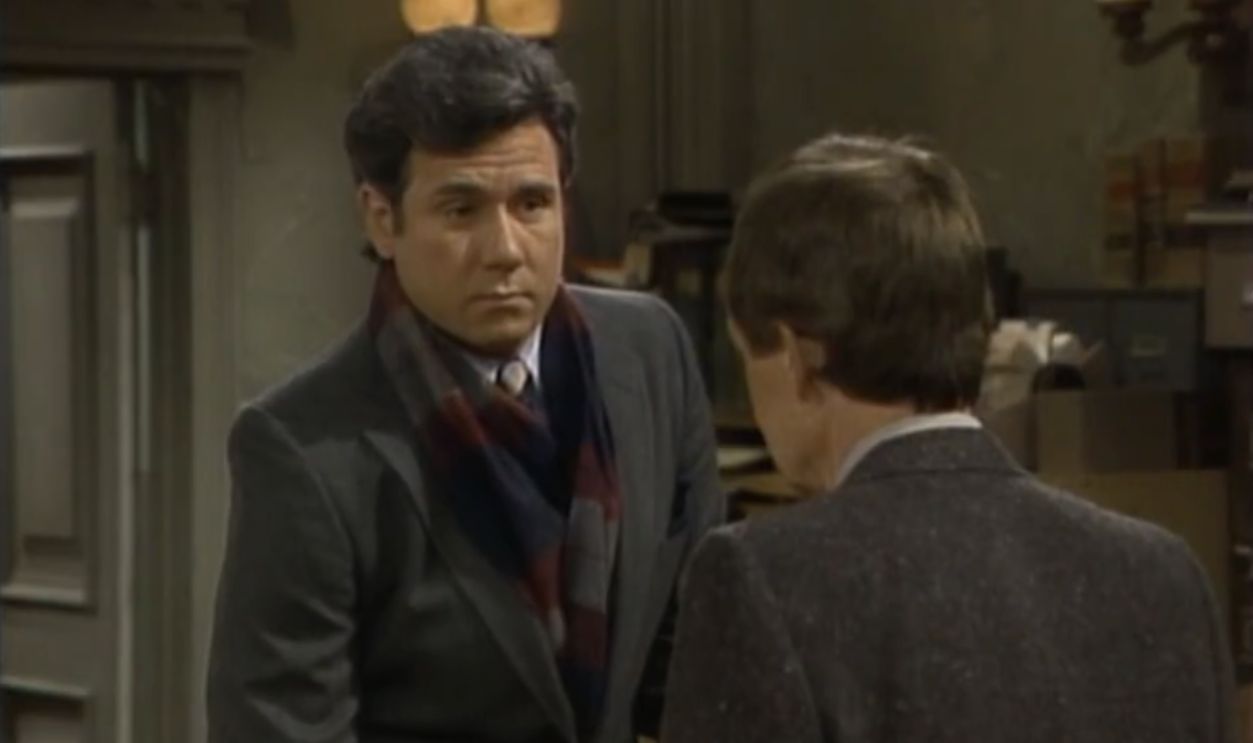
As Dan evolved, John Larroquette increasingly used his imposing height and long-limbed physicality as comic tools. He could slink confidently across the courtroom when pursuing someone, then fold himself into ridiculous positions once humiliation arrived. The writers became more adventurous because Larroquette was willing to look foolish. He wasn't protecting himself as a handsome television star. If destroying Dan's dignity made the scene funnier, he was usually game.
 Screenshot from Night Court, Warner Bros. Television Distribution (1984–1992)
Roz Became His Most Ruthless Critic
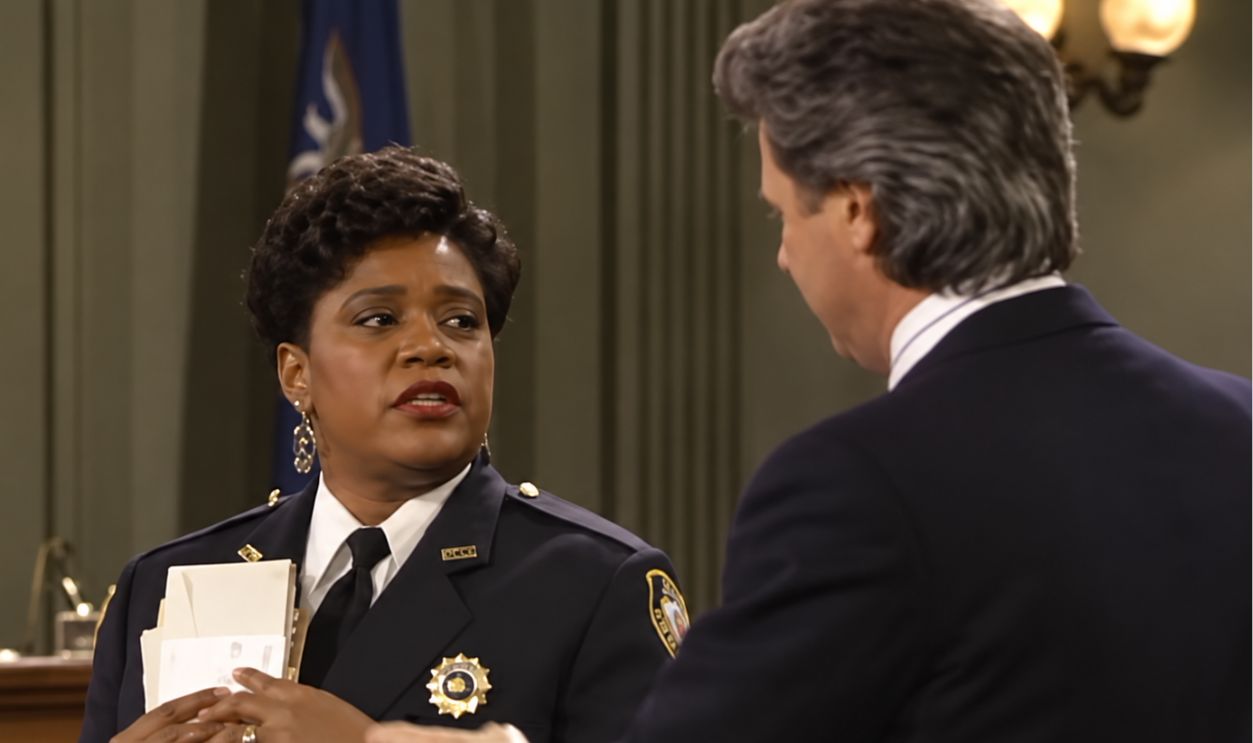
When Marsha Warfield joined the cast as bailiff Roz Russell, Dan encountered someone who could puncture his ego almost effortlessly. Roz generally responded to his boasting with contempt, disgust, or one perfectly timed insult. Their sparring became another reliable part of the later seasons. Dan might think he controlled the conversation, but Roz usually needed only a sentence to remind him that nobody else was nearly as impressed with Dan Fielding as Dan Fielding was.
 Screenshot from Night Court, Warner Bros. Television Distribution (1984–1992), Modified
Even His Greed Eventually Became A Trap
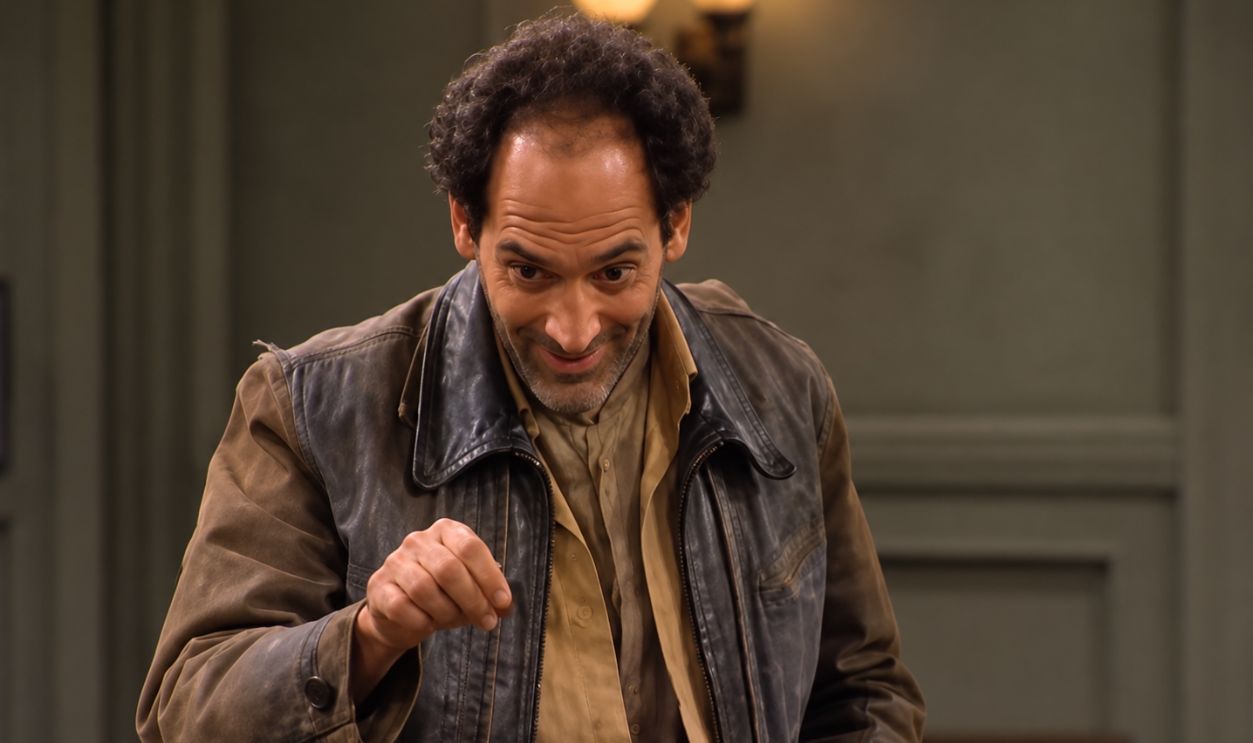
Late in the series, the writers found an ingenious way to punish Dan's obsession with money. After his homeless acquaintance Phil dies, Dan discovers that Phil had secretly been wealthy. Instead of simply inheriting the fortune, Dan winds up responsible for the Phil Foundation and has to distribute millions to worthy causes. Producers described the idea as trapping their ultimate self-interested character in a situation where he couldn't spend the money on himself.
 Screenshot from Night Court, Warner Bros. Television Distribution (1984–1992), Modified
Four Straight Emmys Made The Scene-Stealer Official
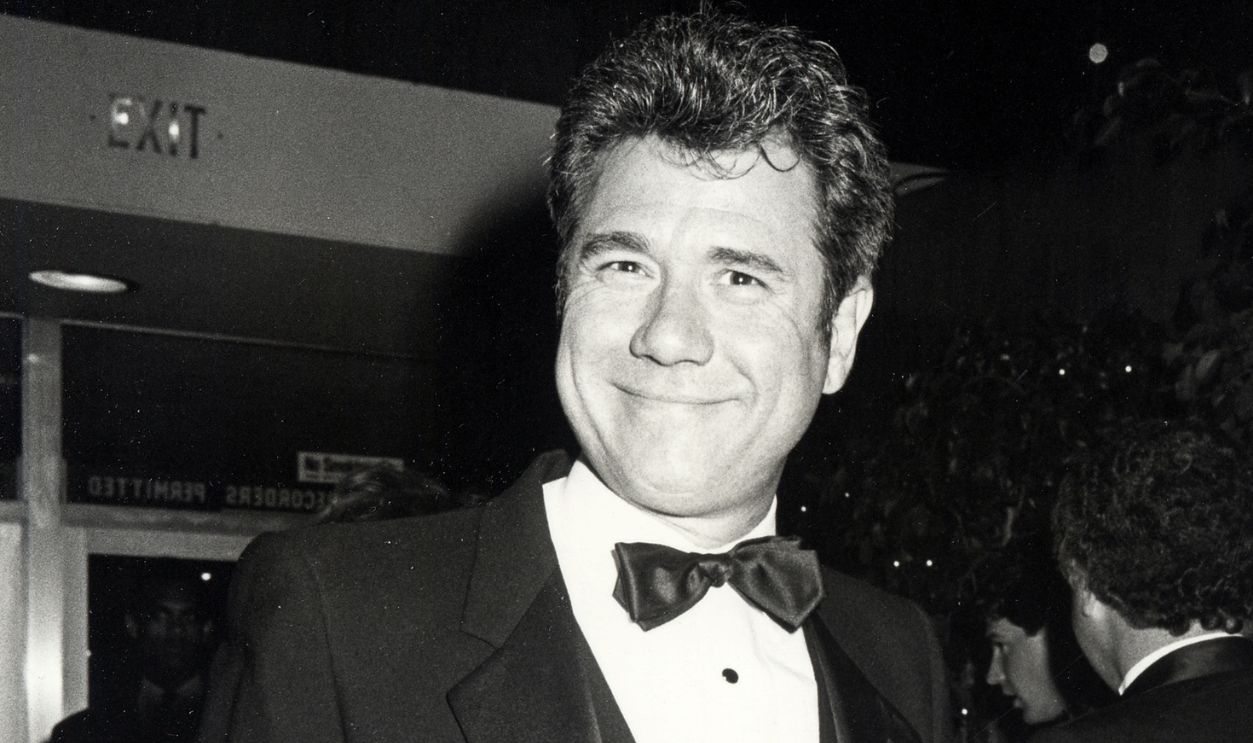
Larroquette's work wasn't merely popular with viewers. He won the Primetime Emmy for Outstanding Supporting Actor in a Comedy Series four consecutive times, in 1985, 1986, 1987, and 1988. At the time, four straight victories set a record. A character who wasn't even the show's lead had become so dominant that Larroquette essentially owned his Emmy category for much of the decade.

Then He Took Himself Out Of The Race
After four consecutive victories, John Larroquette asked not to be submitted for another Emmy. He later explained that Dan had become so indelibly associated with him that he wanted the character to begin receding from public attention as the series approached its later years. The decision became famous in its own right, although Larroquette joked that withdrawing after four wins made it sound suspiciously like he was generously allowing someone else to have one.
Night Court Never Got Quite The Respect Its Cast Did
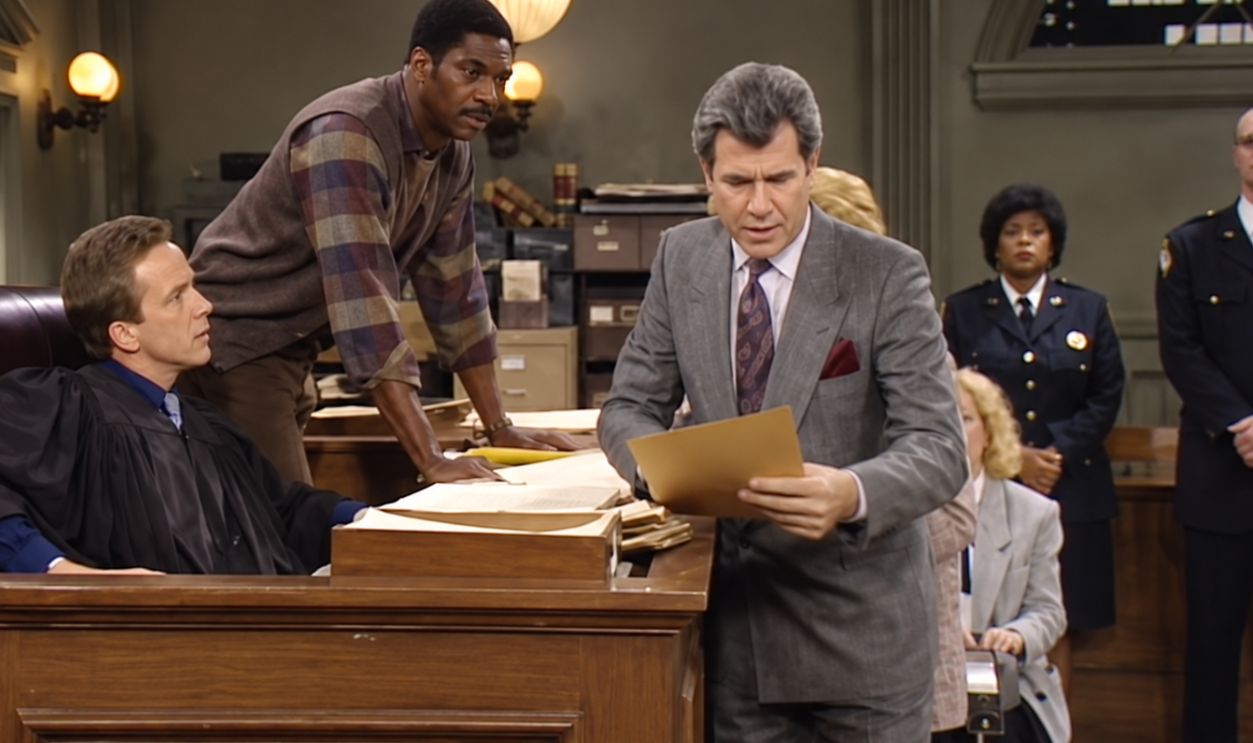
The original Night Court lasted nine seasons and produced 193 episodes, surviving repeated scheduling changes while developing an intensely loyal audience. Critics weren't always as enthusiastic as viewers, something the cast noticed. Yet the show accumulated dozens of Emmy nominations, and Larroquette's four victories were impossible to dismiss. By the late 1980s, Dan Fielding had become one of the clearest examples of a supporting sitcom character growing almost as famous as the series itself.
 Screenshot from Night Court, Warner Bros. Television Distribution (1984–1992), Modified
Escaping Dan Fielding Became The Next Challenge
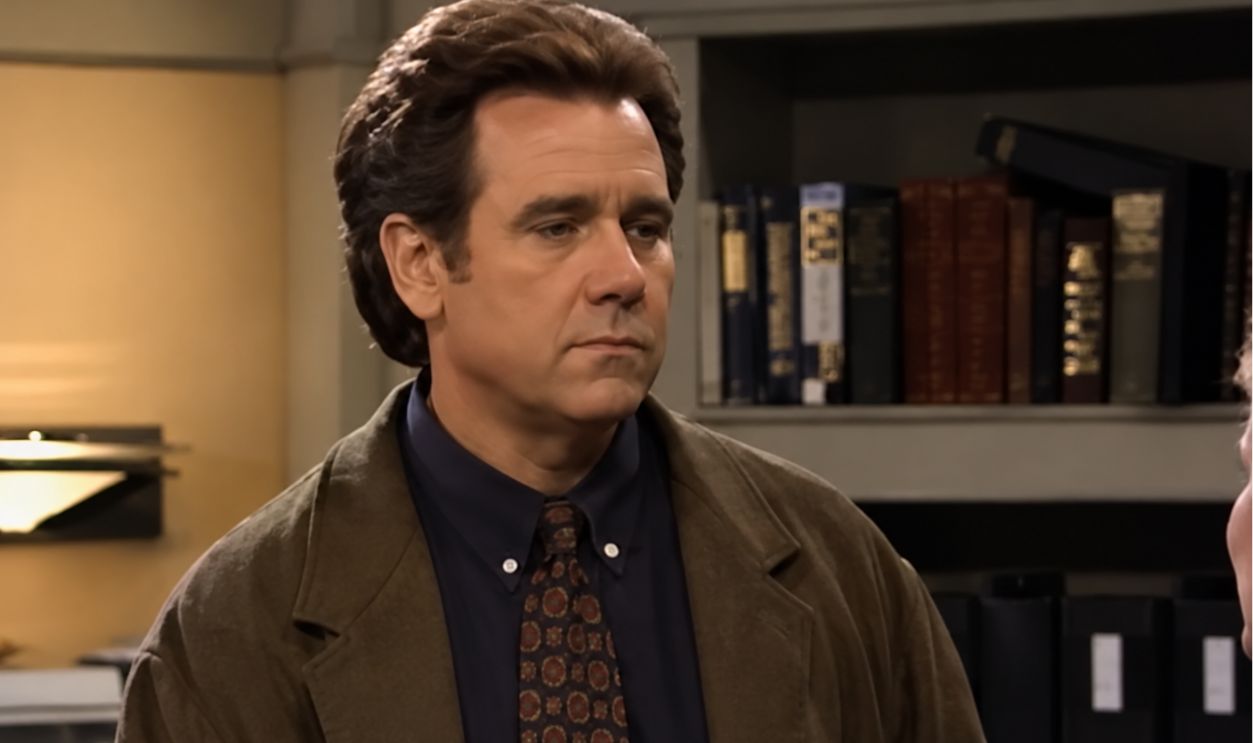
After Night Court, Larroquette deliberately searched for material that wouldn't simply make him Dan again. The John Larroquette Show, which debuted in 1993, cast him as John Hemingway, a recovering alcoholic managing a St. Louis bus station. The darker premise drew partly on Larroquette's own experience with alcoholism and sobriety. It was an unusually personal move for an actor whose most famous character had spent years hiding vulnerability behind outrageous behavior.
 Screenshot from The John Larroquette Show, Warner Bros. Television (1993–1996), Modified
Another Emmy Proved Dan Hadn't Been A Fluke
John Larroquette continued building a career around characters with intelligence, arrogance, or darkness lurking just below the surface. His guest role as Joey Heric on The Practice earned him a fifth Emmy in 1998. Later credits included Boston Legal, The West Wing, The Librarians, The Good Fight, and numerous film and stage roles. In 2011, he even won a Tony Award for the Broadway revival of How to Succeed in Business Without Really Trying.

Then Dan Fielding Came Calling Again
When Melissa Rauch began developing a new Night Court, Larroquette's initial reaction was essentially no thanks. He was in his seventies and didn't particularly want to compete with memories of his younger, more physically manic self. The idea became more interesting once Rauch decided to star as Harry Stone's daughter Abby. Larroquette realized he had a rare opportunity to discover what had happened to Dan during three missing decades.
 Photo by Dominick D Cropped by Caudex Rax, Wikimedia Commons
The New Dan Couldn't Be The Same Man
The revived Night Court found Dan older, widowed, emotionally withdrawn, and no longer driven by the carnal hunger that dominated his younger self. Abby draws him back into legal work, eventually putting the former prosecutor on the other side of the courtroom as a public defender. Larroquette said age forced the comedy to become less acrobatic and more cerebral, but the essential Dan remained: sarcastic, arrogant, and certain he was probably smarter than everyone nearby.
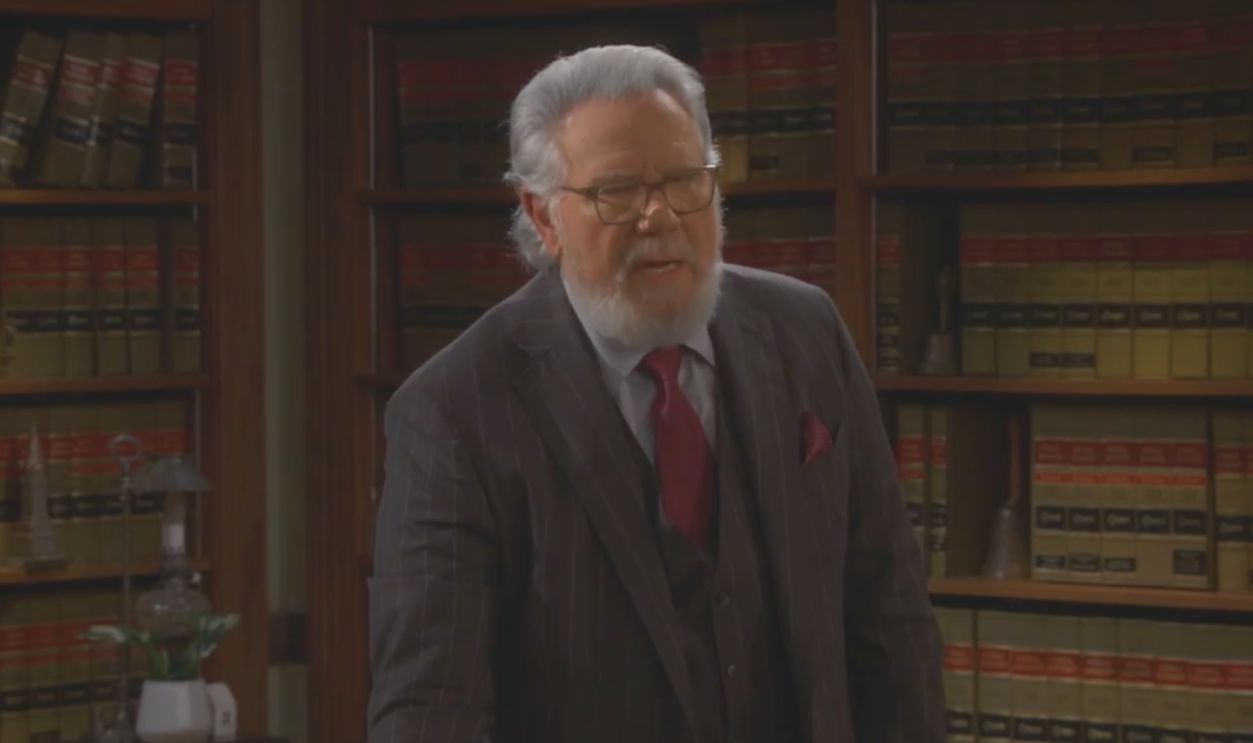 Screenshot from Night Court, Warner Bros. Television Distribution (2023–2025)
The Scene-Stealer Finally Got To Grow Up
What makes John Larroquette's return remarkable is that it doesn't pretend 1980s Dan would fit unchanged into the present. The older Fielding has experienced love, loss, loneliness, and enough years to recognize some of his younger self's absurdity. Yet Larroquette hasn't erased the character who won those four Emmys. The smugness, timing, deep voice, and flashes of unexpected decency are all still there. Dan Fielding began as Night Court's sleaziest joke and became something much harder to pull off: a shameless sitcom scene-stealer audiences were willing to follow for more than 40 years.

You May Also Like:
Charlene Tilton Became Dallas’s Young Scene-Stealer, Then Lived With Fame Before She Was Ready
Tom Selleck Shot To Fame On Magnum, P.I., But Stardom Changed His Life In Ways He Never Expected