Kim Basinger Looked Almost Untouchable
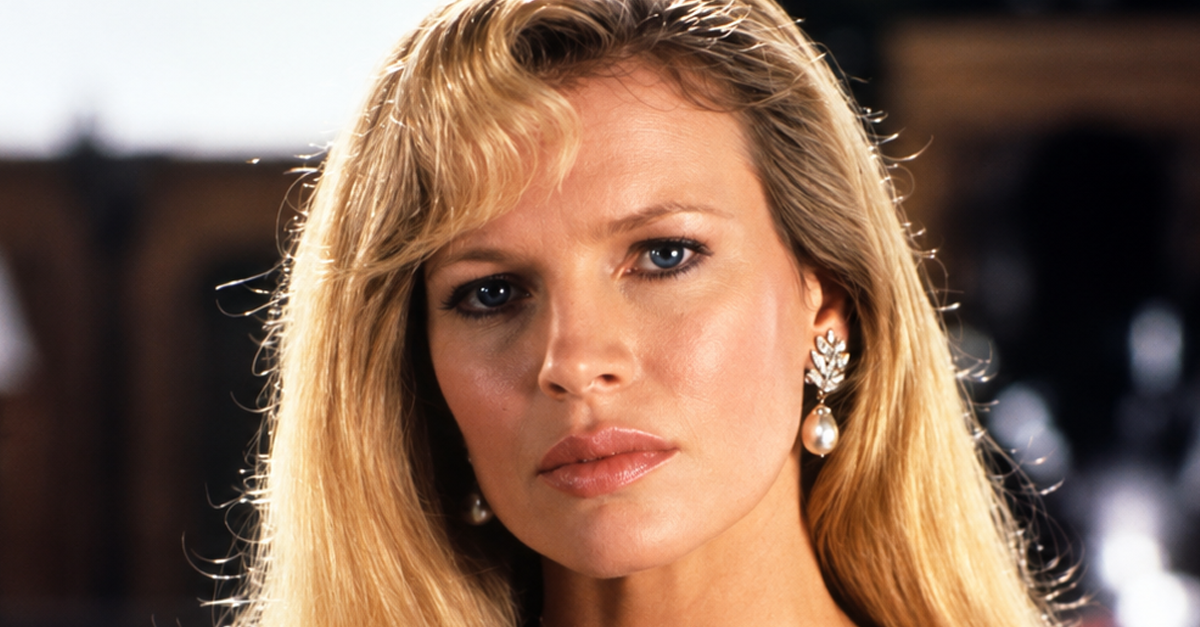
By the end of the 1980s, Kim Basinger had gone from fashion model to Bond girl to the female lead in one of Hollywood's biggest blockbusters. Batman made her more famous than ever, and huge paychecks followed. Then one movie she never even made sparked a brutal legal battle that ended in bankruptcy and cost her millions.
 Sunset Boulevard/Corbis, Getty Images
She Grew Up Far From Hollywood
Basinger was born in Athens, Georgia, in 1953 and grew up as the third of five children. Her father had been a jazz musician, while her mother had worked as a model, dancer, and swimmer. Extremely shy as a child, Basinger was enrolled in dance classes partly to help build her confidence.
A Beauty Contest Opened An Unexpected Door
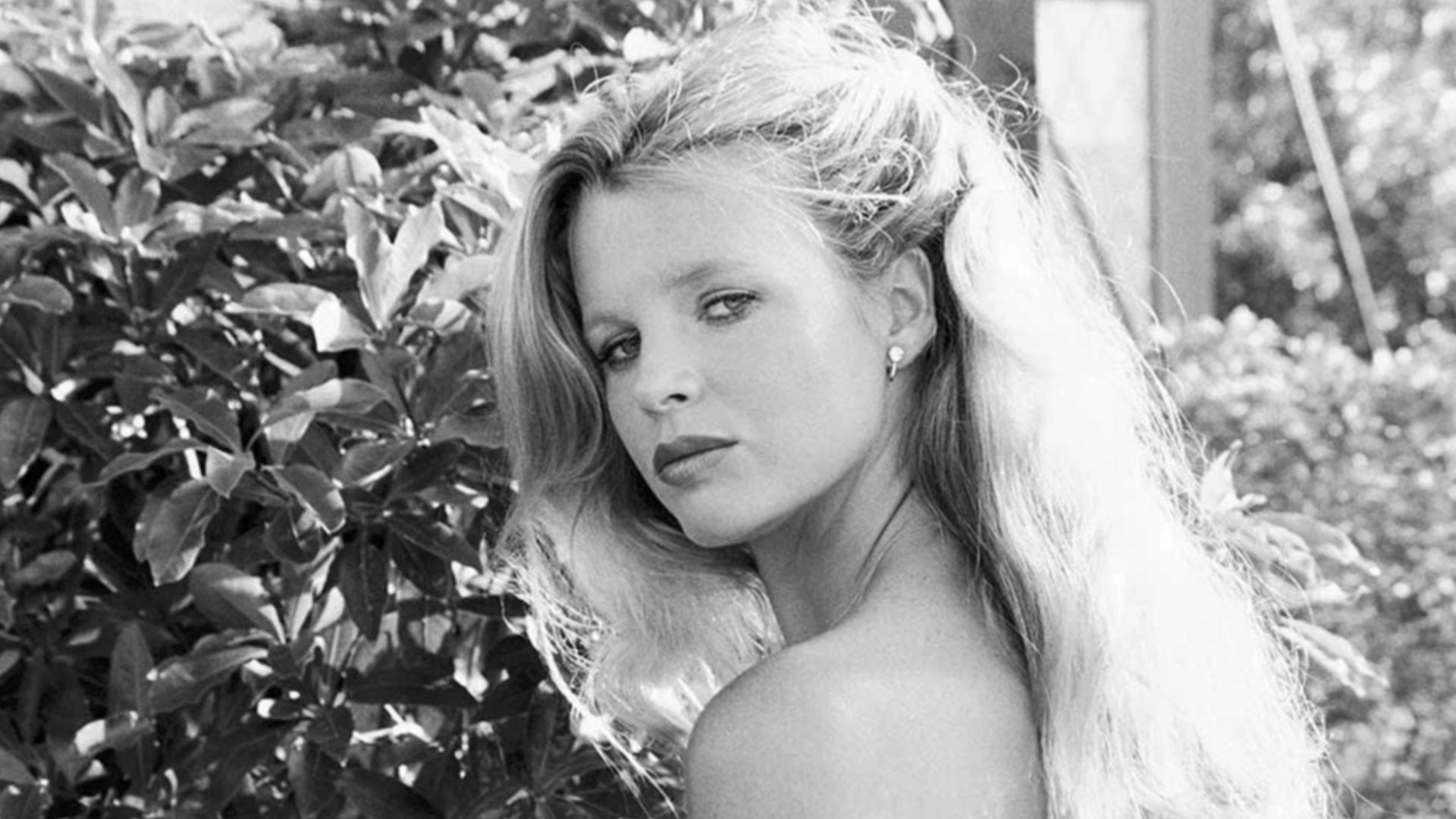
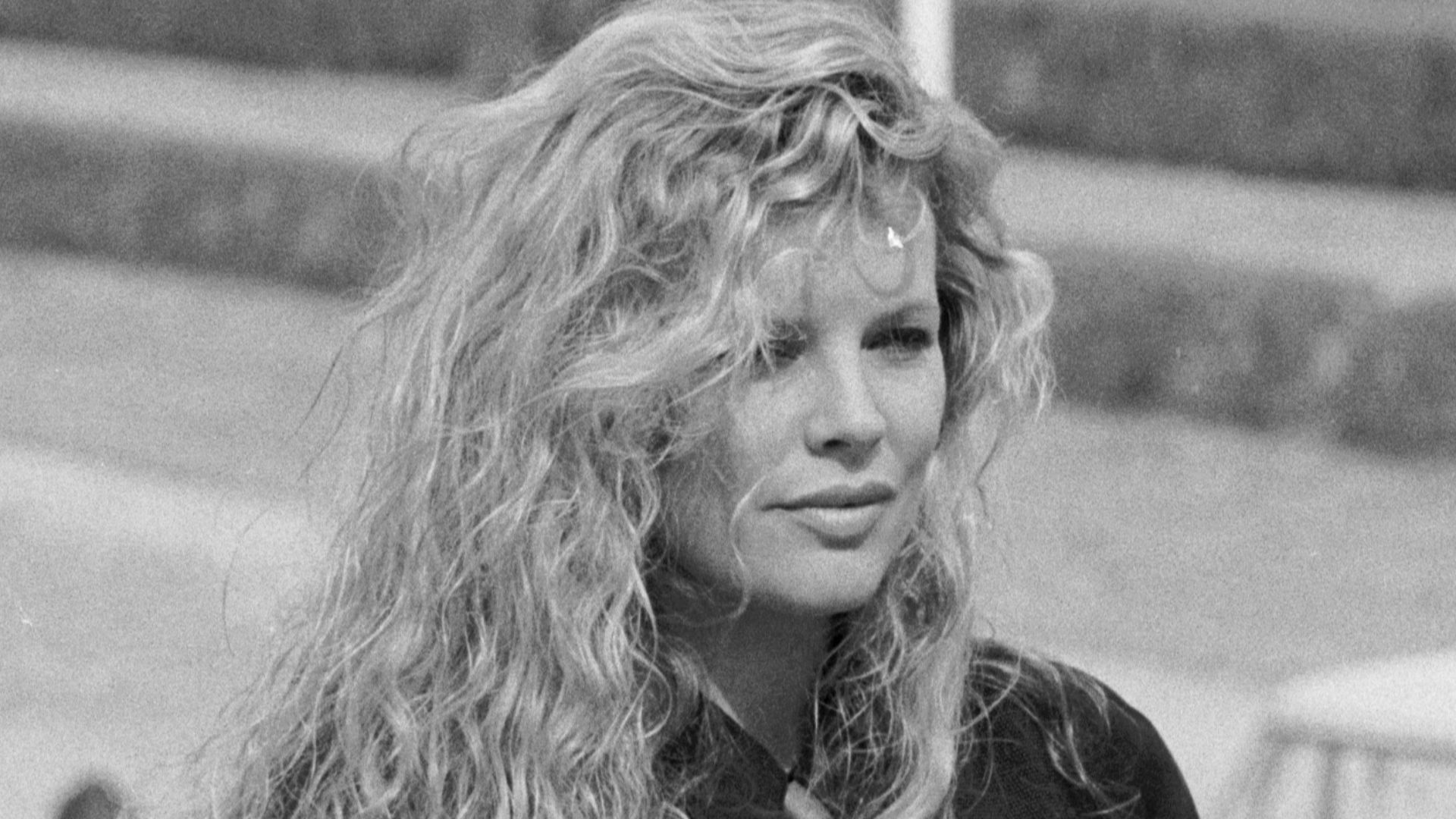
As a teenager, Basinger won the Athens Junior Miss pageant. That experience eventually brought her to the attention of Eileen Ford, whose famous modeling agency offered her a contract in New York. Basinger had imagined becoming a singer, but modeling quickly became her career.
 Roland Godefroy, Wikimedia Commons
She Became A Successful Model Fast
Within weeks of joining the Ford Agency, Basinger was working full time. By age 20, magazine covers and advertising jobs were reportedly earning her as much as $1,000 a day. Breck Shampoo was among her best-known clients, but she already wanted something more.
Modeling Was Never The Real Goal
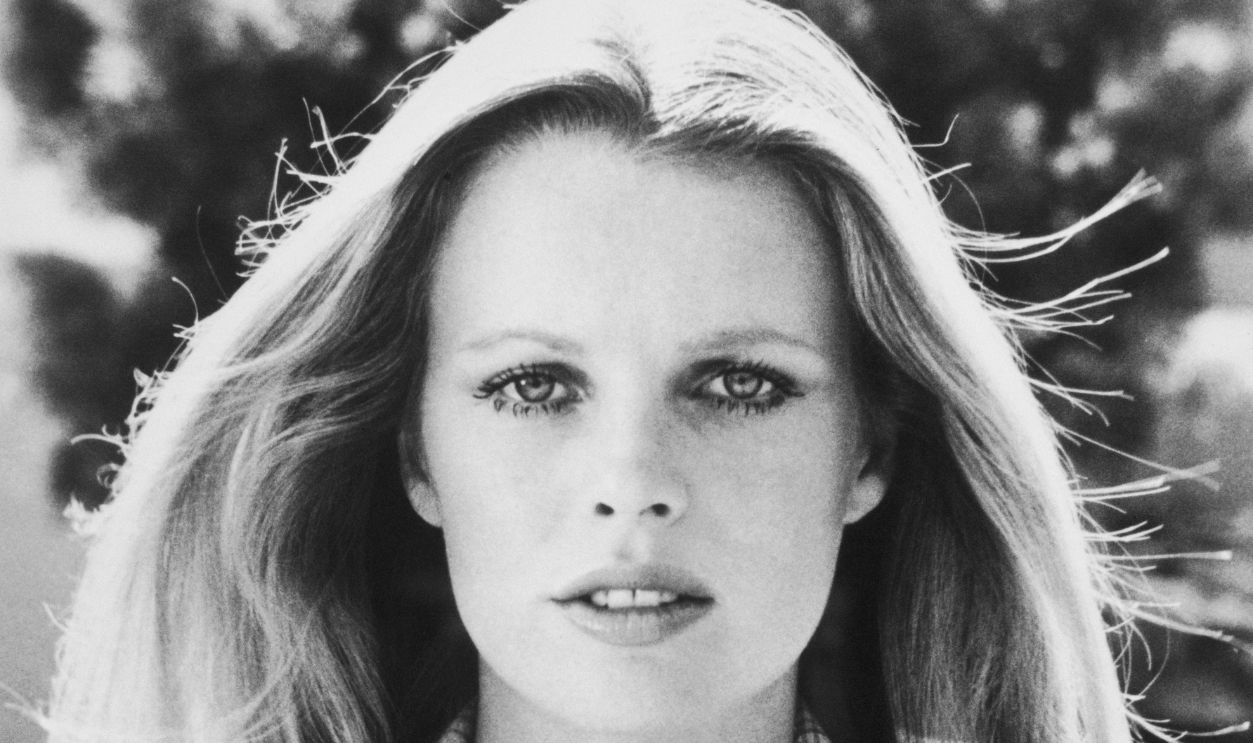
Basinger later said she did not particularly enjoy modeling. Away from shoots, she took acting and voice lessons and sang at open-mike nights in Greenwich Village. In 1976, she left New York for Los Angeles to pursue acting seriously.
Television Gave Her A Way In
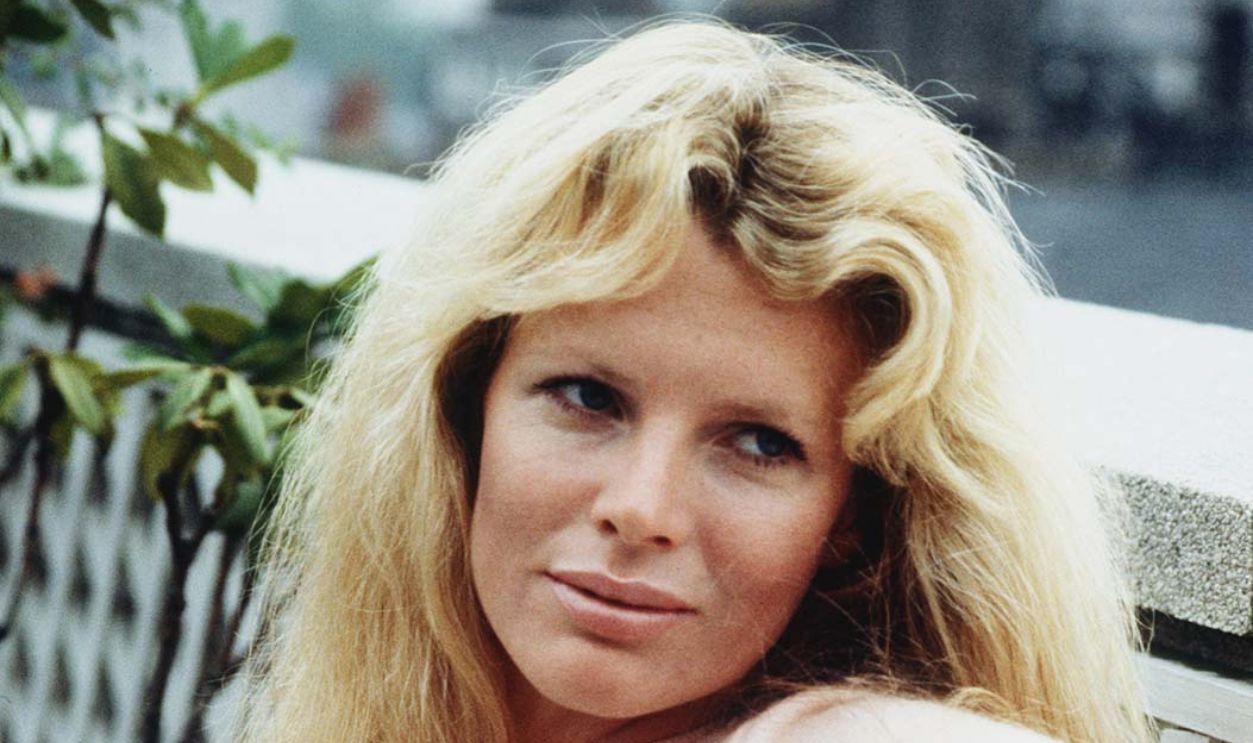
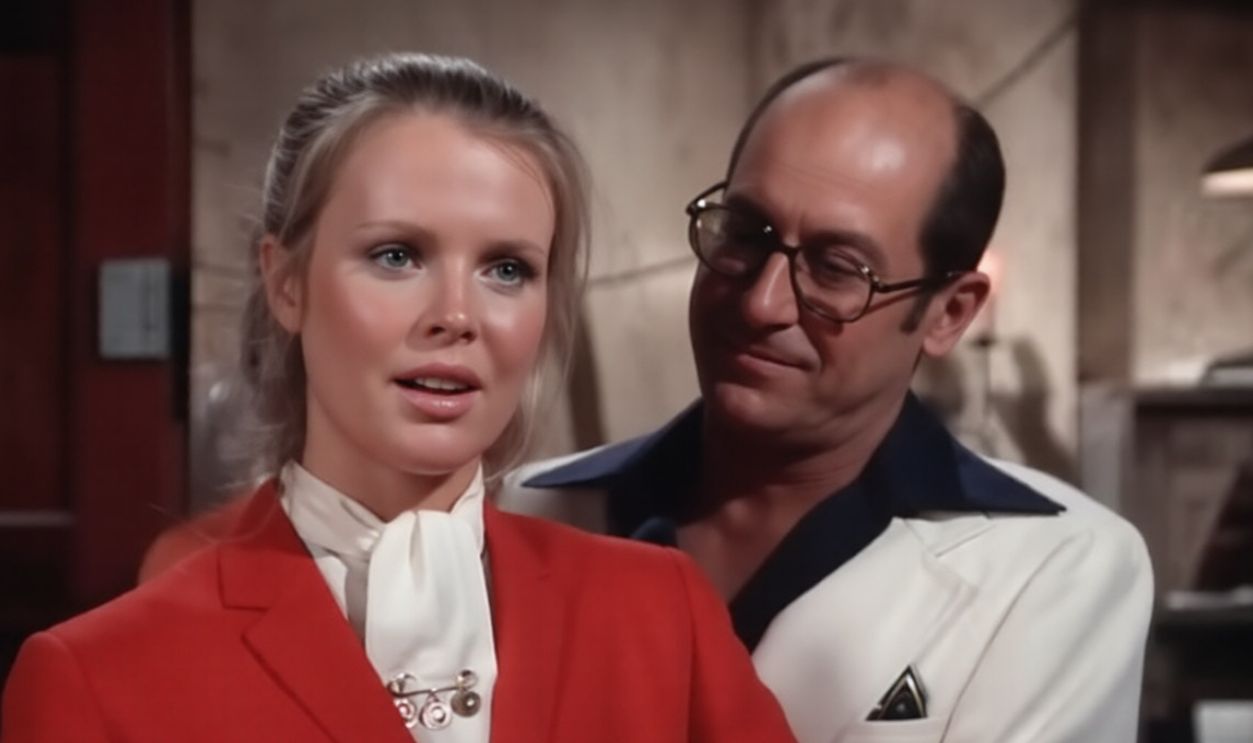
Hollywood did not immediately hand Basinger movie stardom. She appeared on shows including The Six Million Dollar Man and Charlie's Angels, then landed a regular role in the short-lived series Dog and Cat. Her first major starring vehicle came with the 1978 TV movie Katie: Portrait of a Centerfold.
 Screenshot from The Six Million Dollar Man, ABC (1973–1978), Enhanced
The Movie Roles Started Coming
Basinger later appeared in the television adaptation of From Here to Eternity. Her feature-film career began with Hard Country, followed by Mother Lode opposite Charlton Heston. Neither made her a superstar, but they moved her firmly into movies.
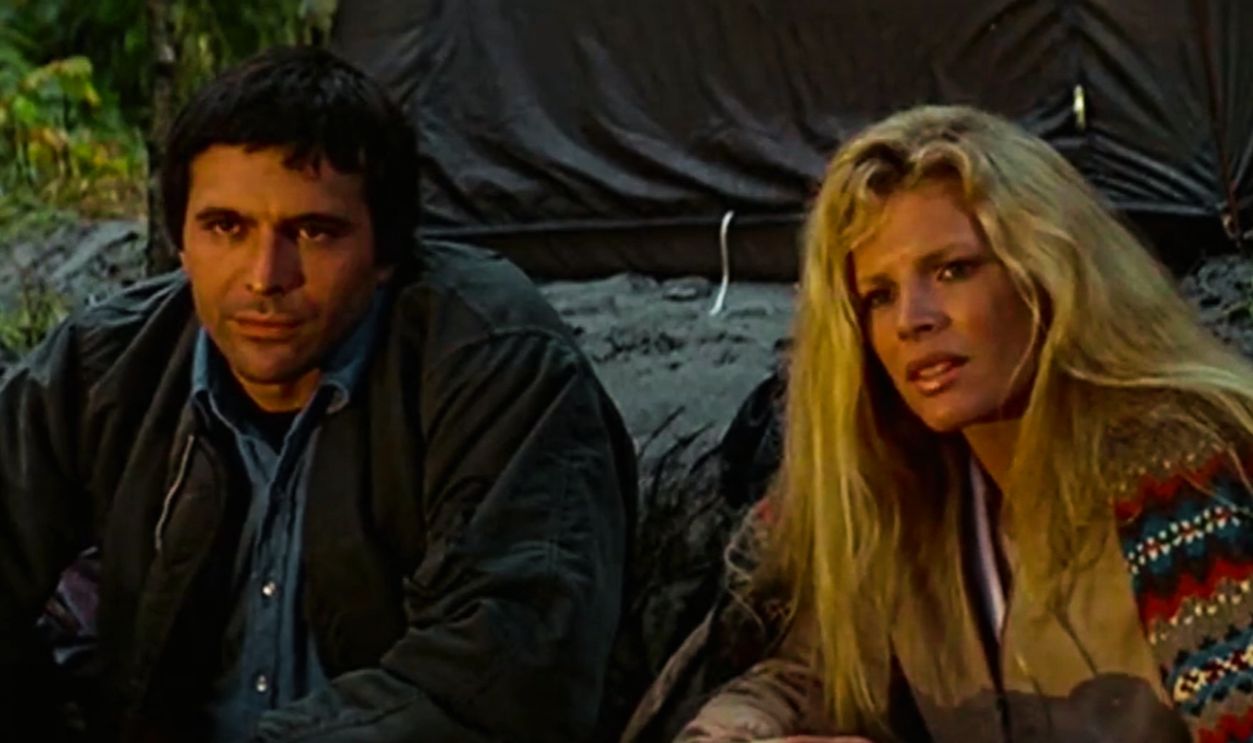 Screenshot from Mother Lode, Agamemnon Films (1982)
James Bond Changed Everything
Basinger broke through as Domino Petachi opposite Sean Connery in 1983's Never Say Never Again. The Bond role dramatically raised her international profile just as her movie career was gaining momentum. By the middle of the decade, she was becoming a major Hollywood name.
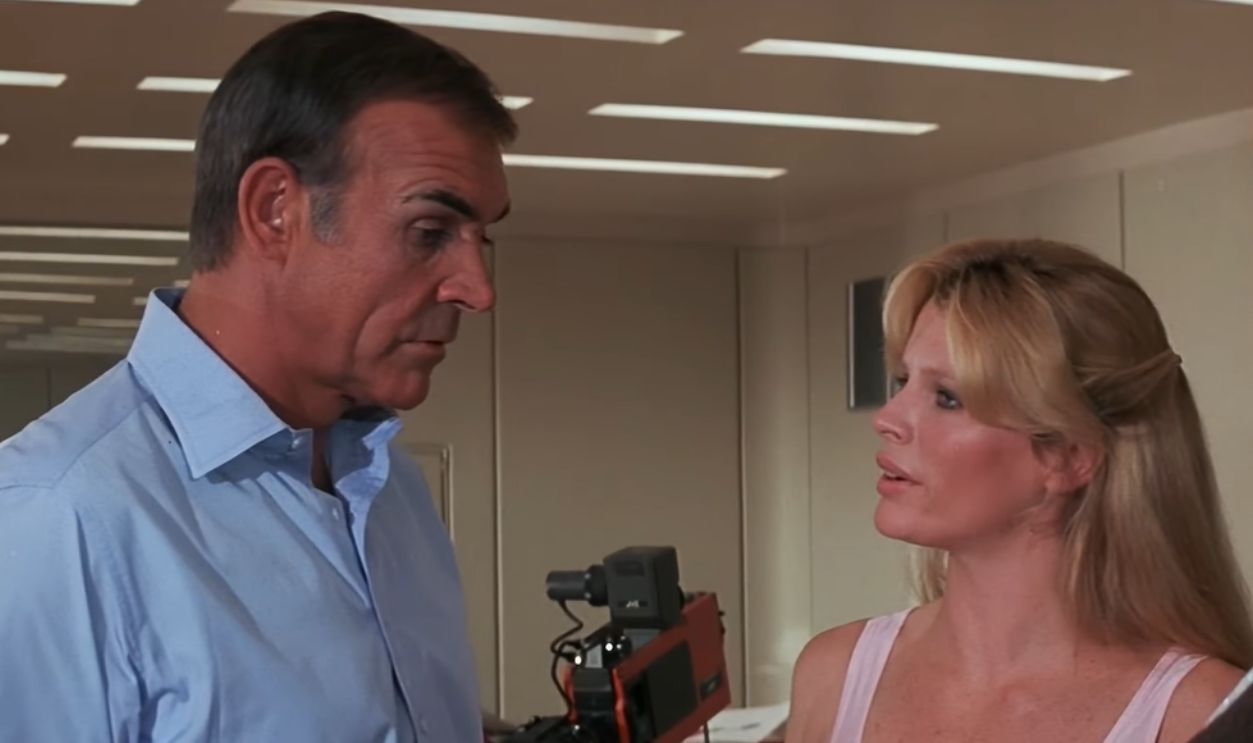 Screenshot from Never Say Never Again, Warner Bros. Pictures (1983)
The Natural Brought Awards Attention
Basinger followed Bond with Barry Levinson's The Natural, starring Robert Redford. Her performance as Memo Paris earned her a Golden Globe nomination for supporting actress. It showed that Hollywood was beginning to take her acting seriously.
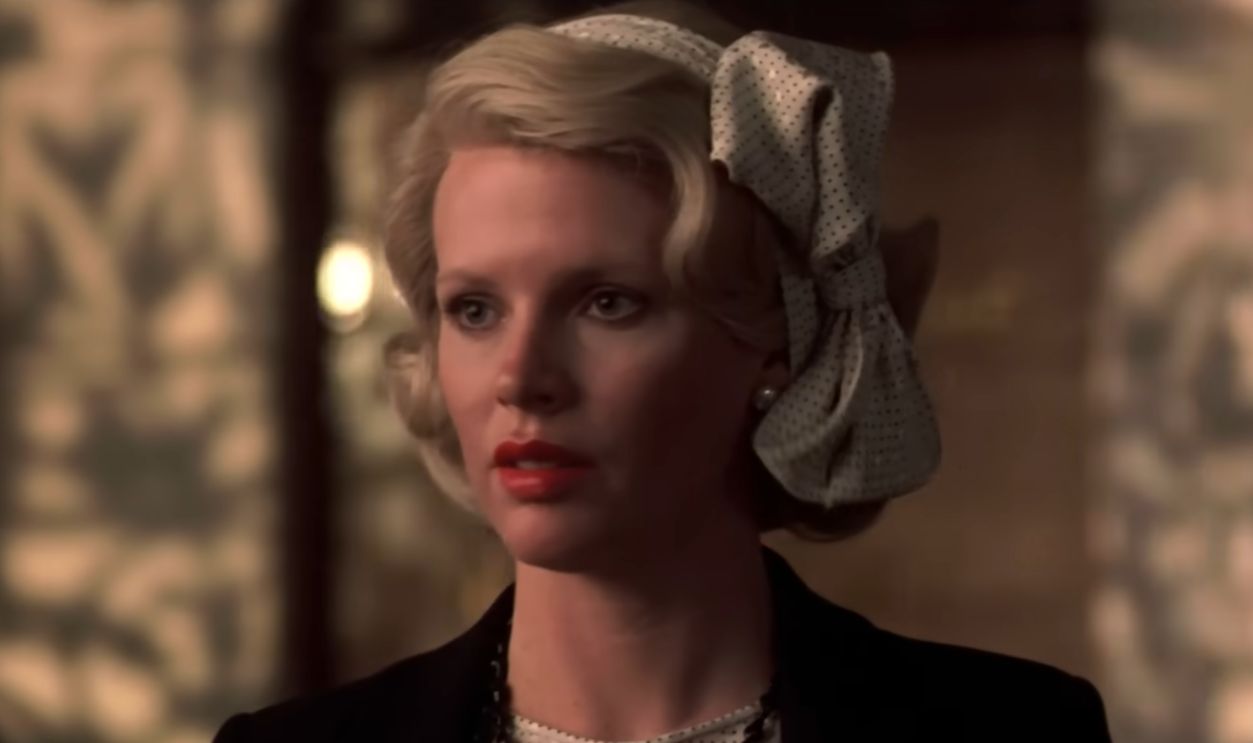 Screenshot from The Natural, TriStar Pictures (1984)
9½ Weeks Made Her An International Star
Adrian Lyne's 9½ Weeks paired Basinger with Mickey Rourke in an intense, provocative relationship drama. Basinger later described it as one of the toughest roles she had taken on. The film's bold imagery helped cement her status as one of the decade's most glamorous screen icons.
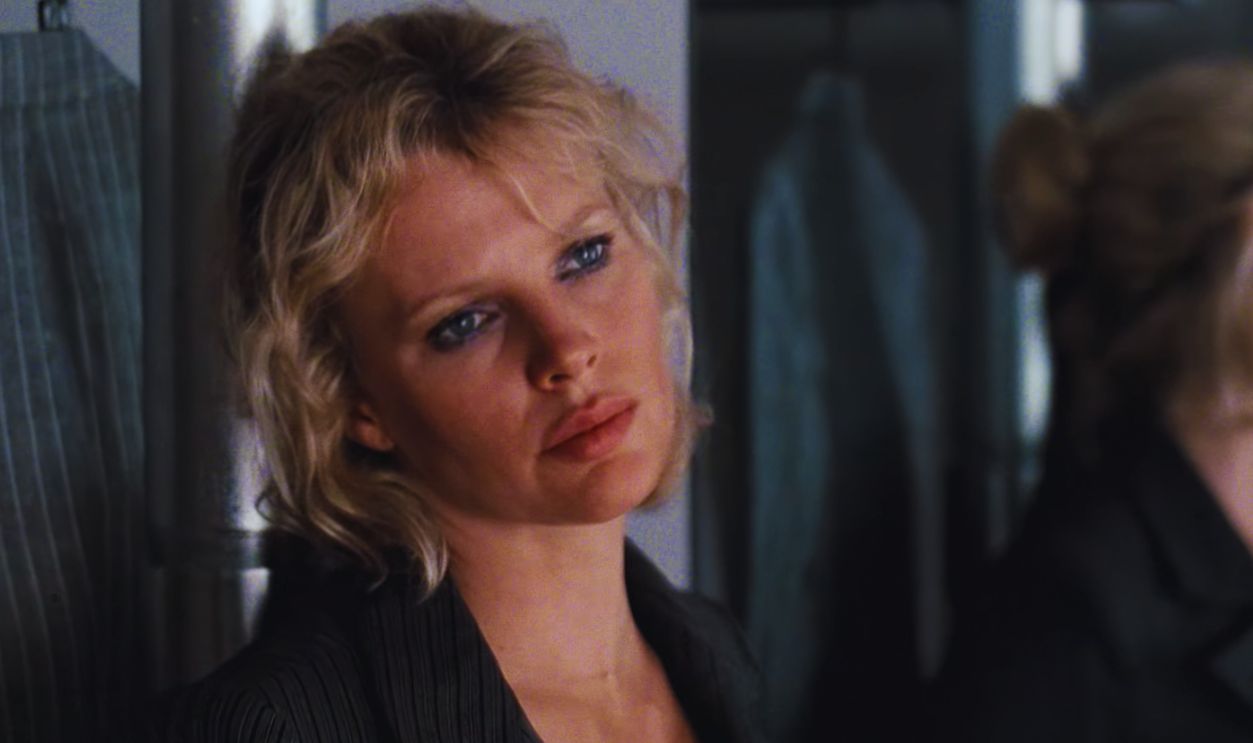 Screenshot from 9½ Weeks, Metro Goldwyn Mayer (1986)
She Could Do More Than Play Glamorous Women
Basinger also moved into comedy with movies such as Blind Date and Nadine. She was especially fond of Nadine, later praising how well the title character had been written. Those films gave audiences a looser, funnier version of Basinger.
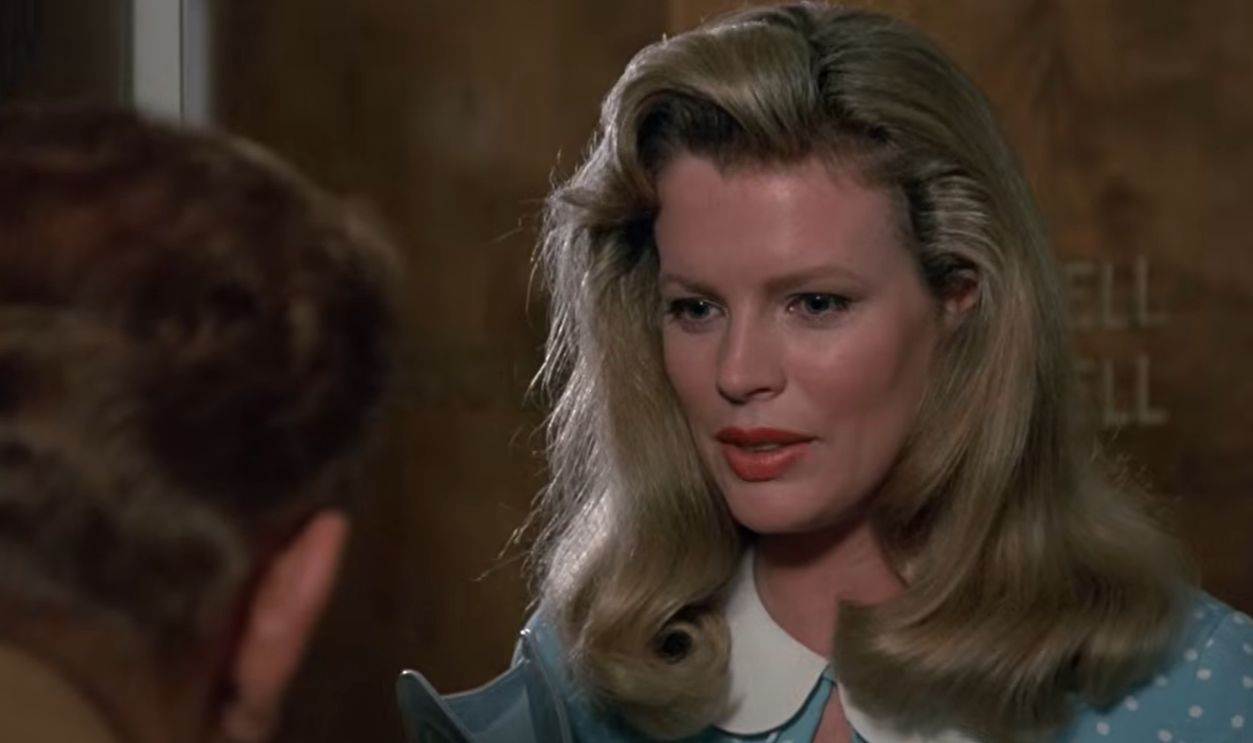 Screenshot from Nadine, TriStar Pictures (1987)
Batman Came Together At The Last Minute
Sean Young was originally cast as photographer Vicki Vale in Tim Burton's Batman. A horseback-riding injury forced Young to leave the production, and Basinger took over. Suddenly, she was starring opposite Michael Keaton and Jack Nicholson in one of Hollywood's most anticipated movies.
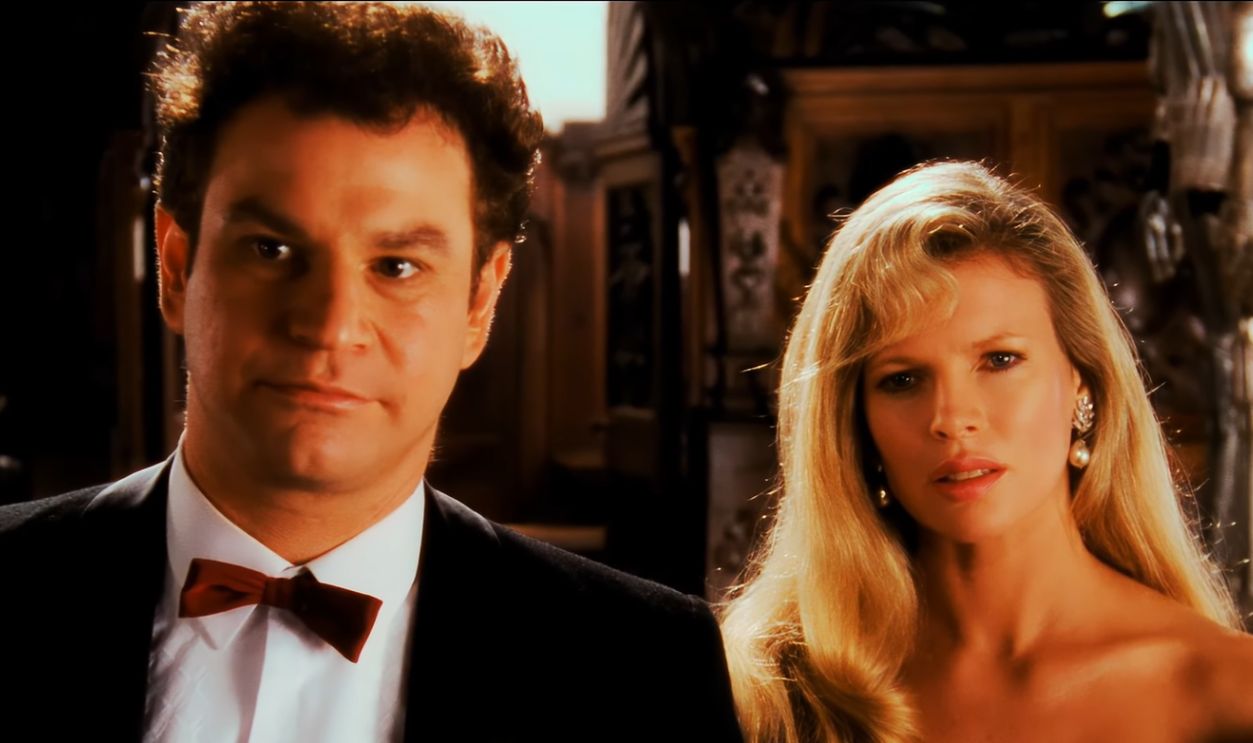 Screenshot from Batman, Warner Bros. Pictures (1989)
Batman Sent Her Fame Into Overdrive
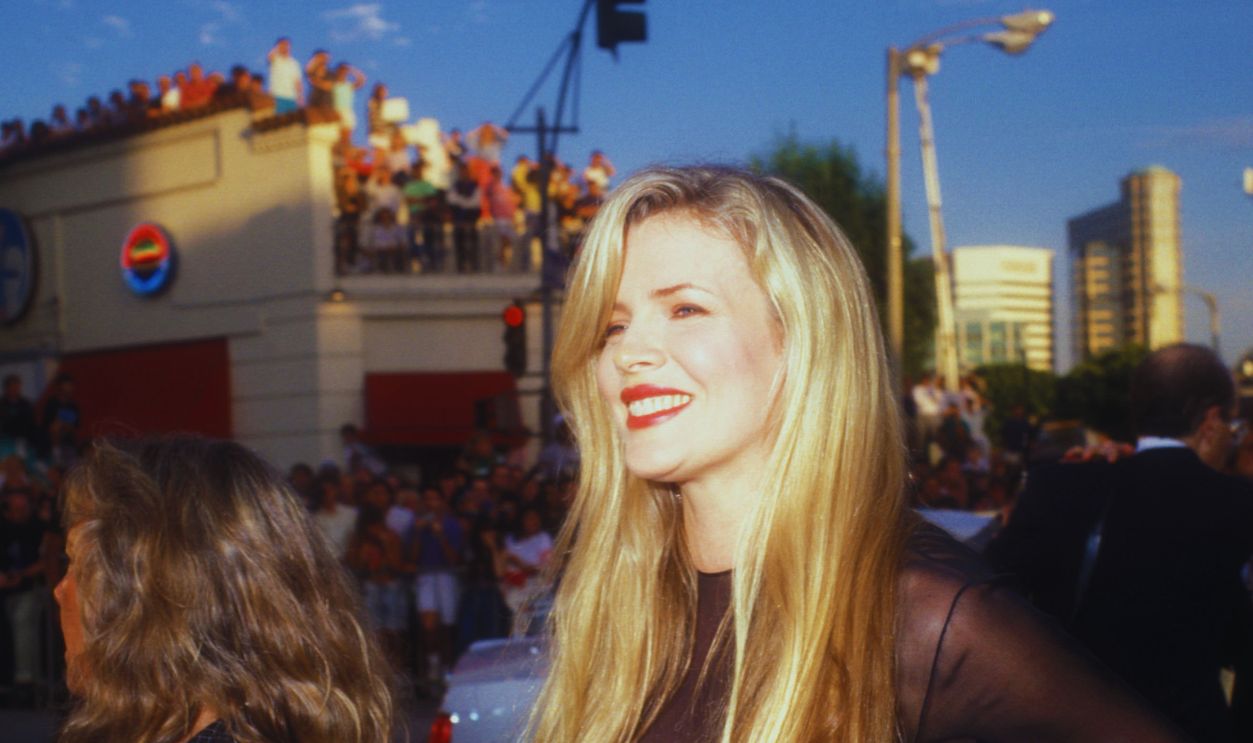
When Batman arrived in 1989, Basinger's Vicki Vale became part of a huge pop-culture phenomenon. Thousands packed Westwood for the Los Angeles premiere, where her arrival drew intense attention. By late 1989, the Los Angeles Times described her as earning roughly $2 million per movie.
Then She Bought Most Of A Town
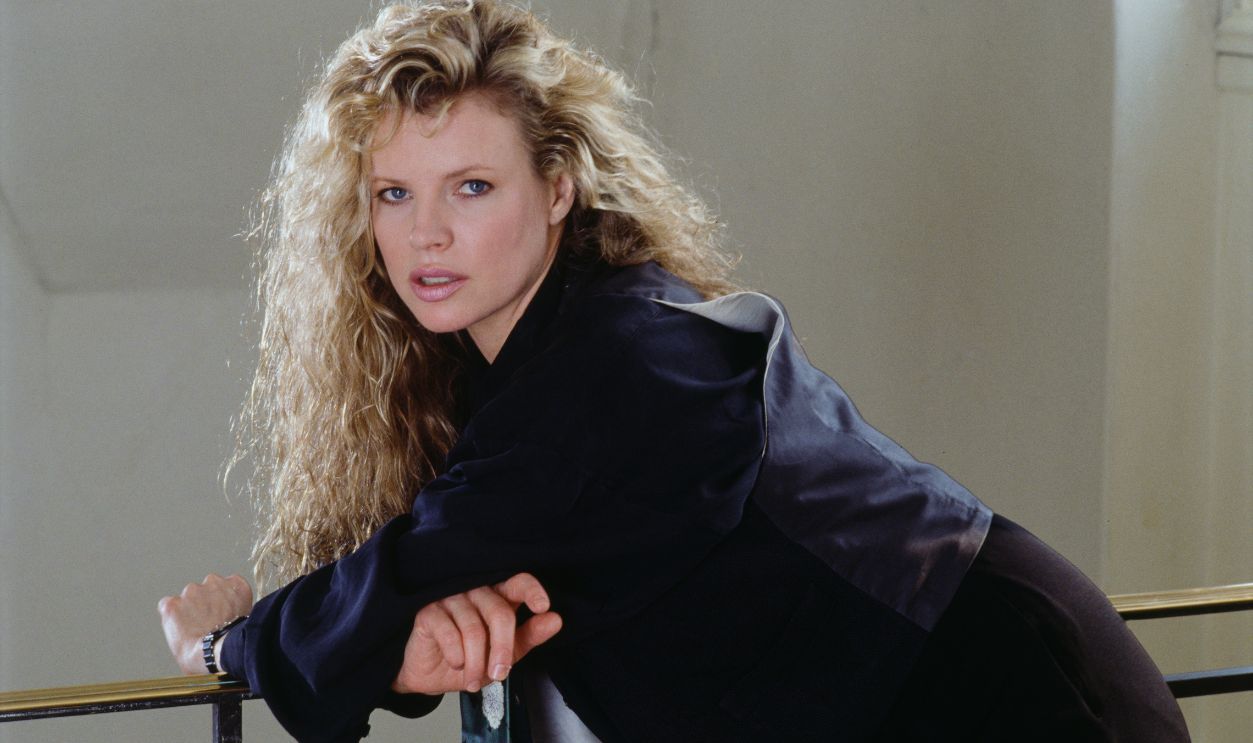
At almost exactly the moment her career peaked, Basinger made an extraordinary investment back in Georgia. She joined a deal to buy roughly 1,700 acres comprising most of Braselton, near her hometown of Athens. The reported purchase price was $20 million.
She Had Big Plans For Braselton
Basinger did not buy Braselton simply as a celebrity novelty. Plans discussed at the time included movie and recording studios that could bring entertainment production to the area. The purchase included numerous buildings, an industrial park, and valuable interstate frontage.
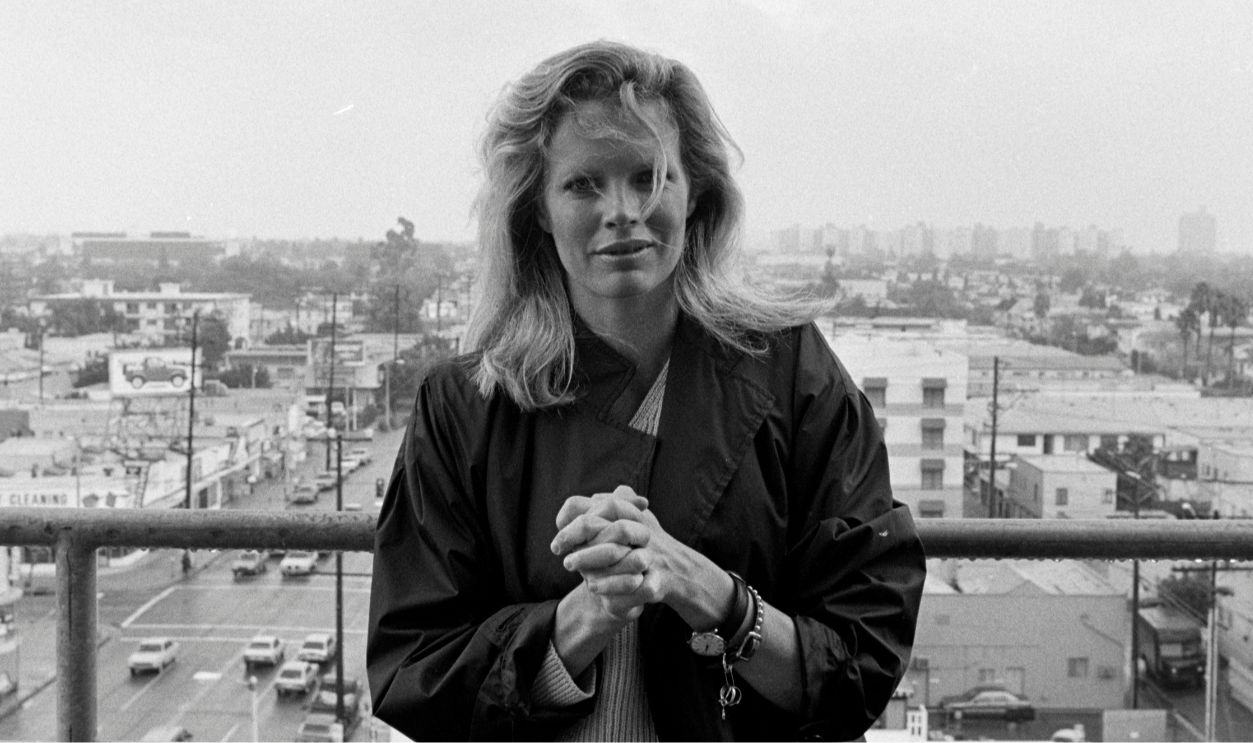
The Early 1990s Were Less Predictable
After Batman, Basinger starred with Alec Baldwin in The Marrying Man, where the future spouses first worked together. Other projects included Final Analysis, Cool World, and The Real McCoy. She remained highly visible, but none matched the impact of Batman.
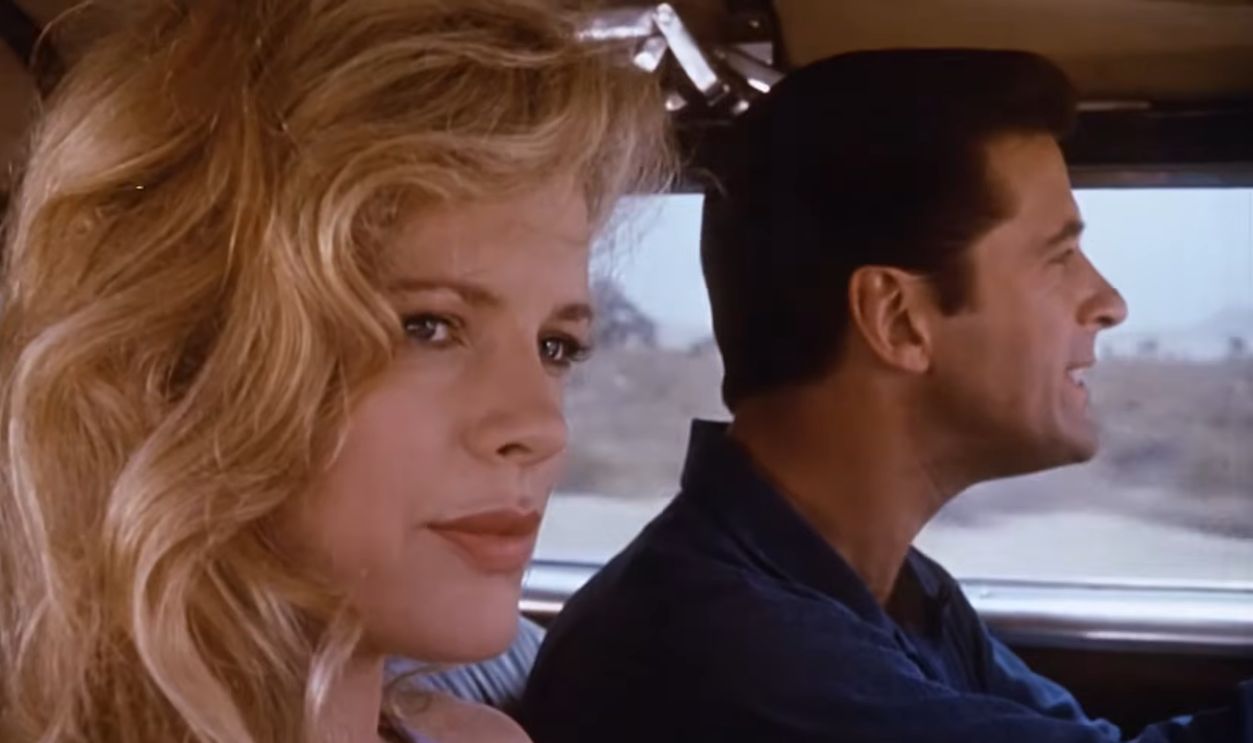 Screenshot from The Marrying Man, Buena Vista Pictures Distribution (1991)
Then Boxing Helena Entered The Picture
In December 1990, Main Line Pictures sent Basinger the screenplay for Boxing Helena, written and directed by Jennifer Lynch. The company initially offered her $500,000 plus deferred compensation to play the title character. Basinger expressed interest, and negotiations quickly became serious.
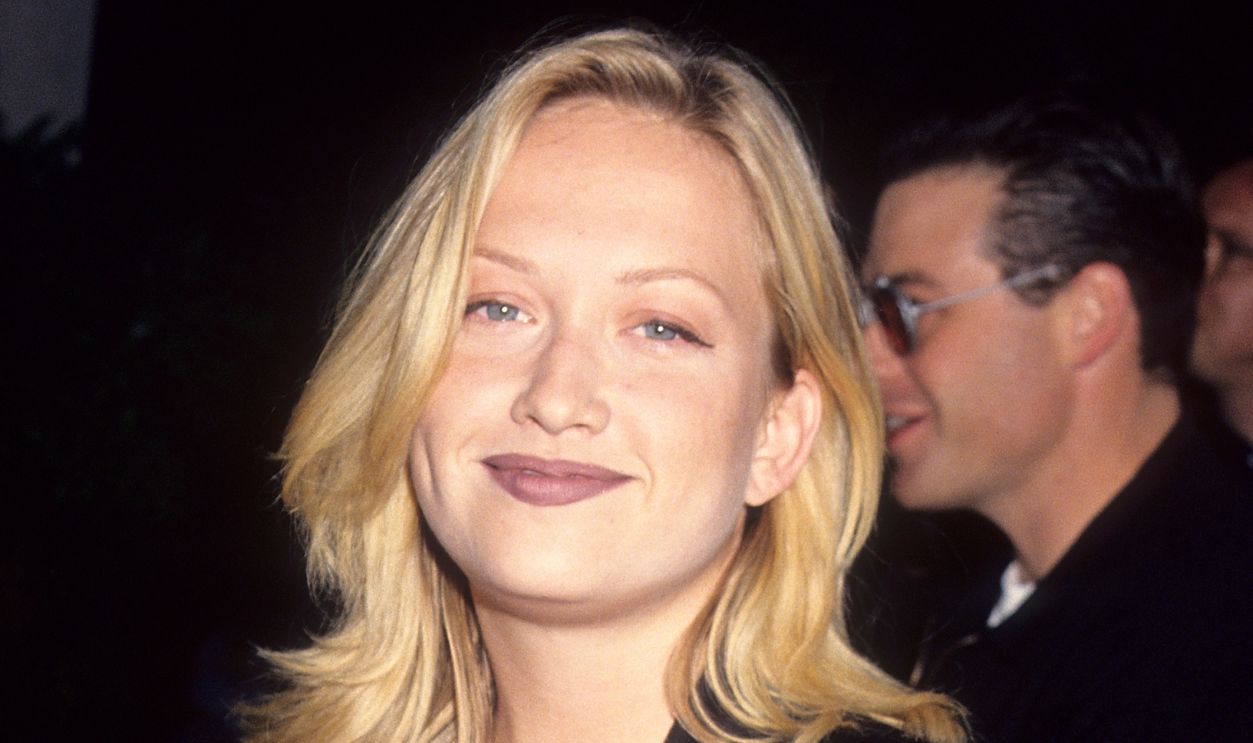
The Negotiations Became Extremely Detailed
The parties negotiated compensation, billing, nudity, and other conditions. The proposed deal eventually included $600,000 guaranteed, plus deferred and contingent payments that could raise her total compensation substantially. Main Line believed a binding agreement had been reached even though a long-form contract remained unsigned.
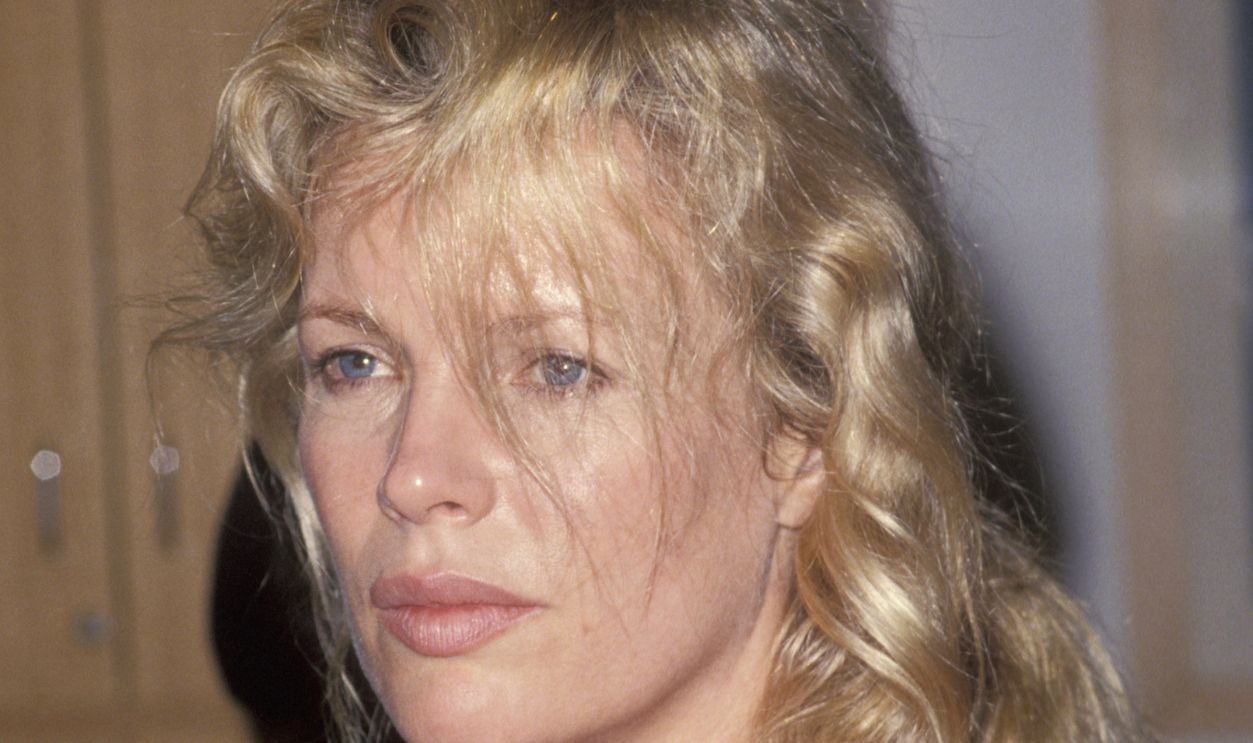
Hollywood Often Worked Without Final Signatures
That missing signature became central to the dispute, but Hollywood often operated through oral agreements and unsigned deal memos. The appellate record noted that Basinger had signed full written contracts for only two of her previous movies. Main Line argued that the lack of a signature did not mean there was no deal.
Her Enthusiasm Began To Fade
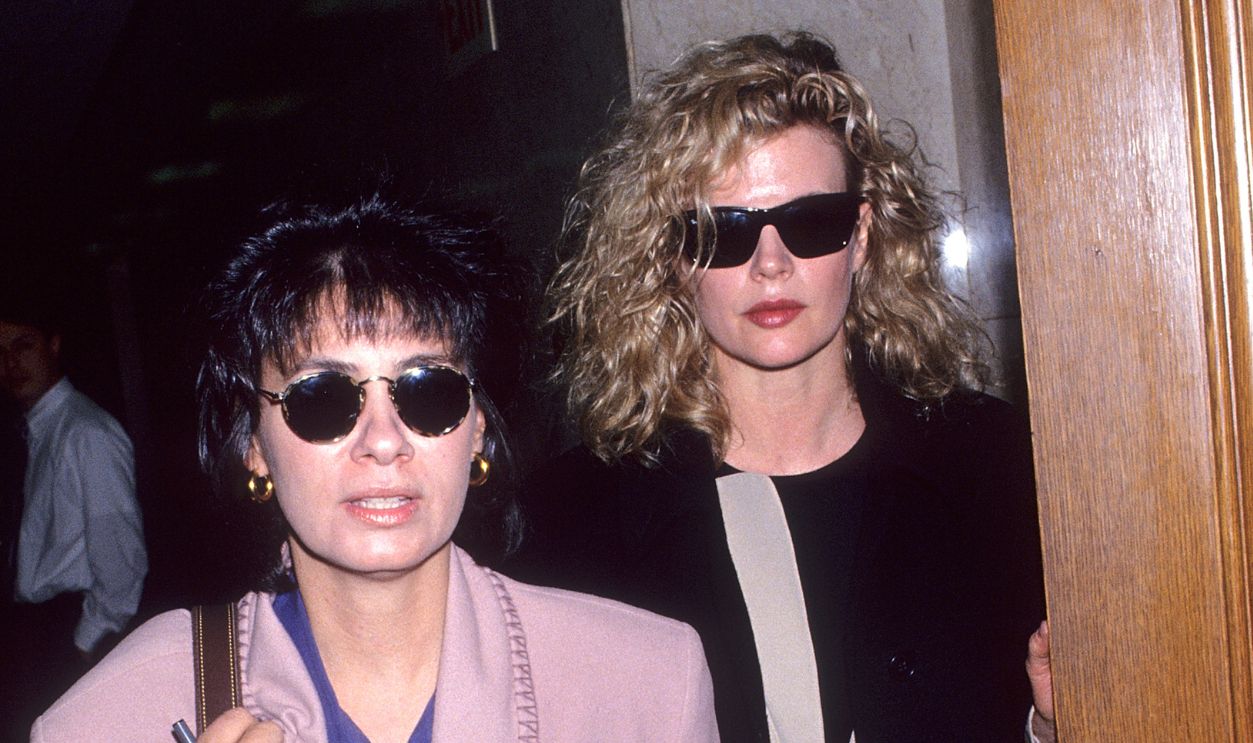
In spring 1991, Basinger changed agencies, and her new representatives advised her against making the film. She also raised concerns about the script and wanted Helena portrayed more sympathetically. Jennifer Lynch attempted revisions, but the disagreements remained.
She Ultimately Walked Away
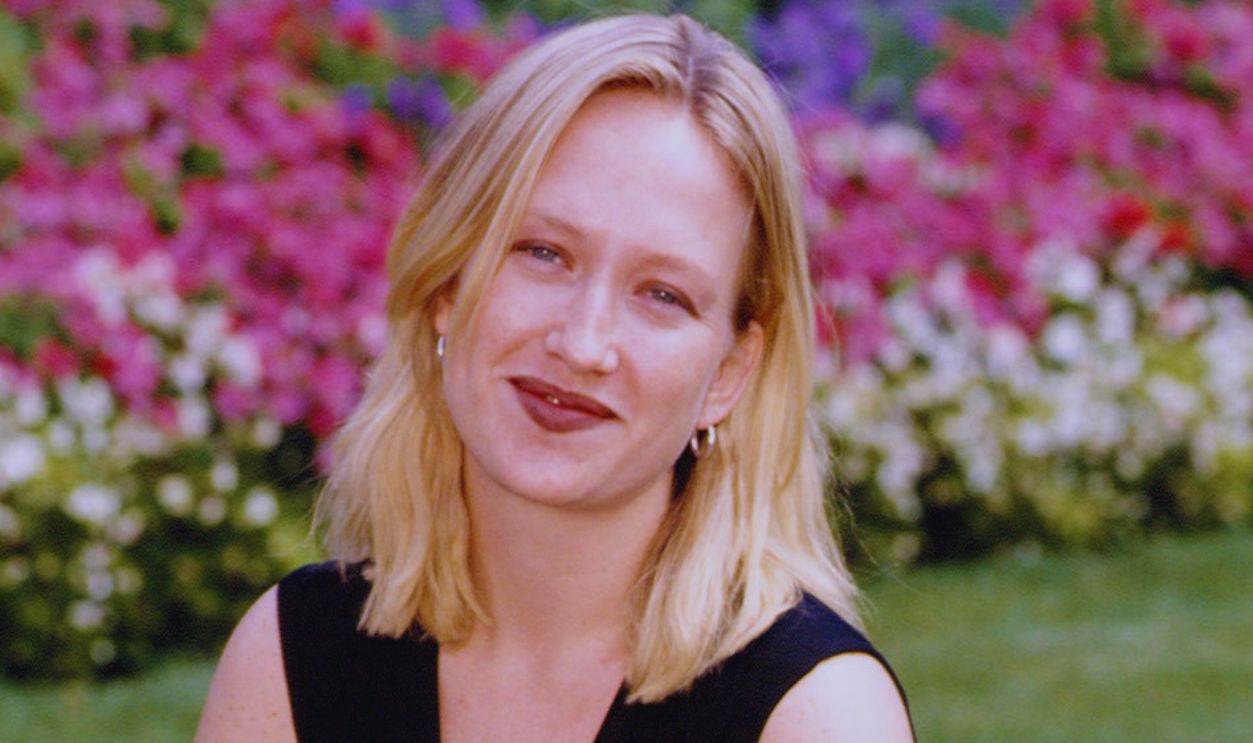
Main Line learned in June 1991 that Basinger would not appear in Boxing Helena. The company had already been marketing the movie internationally using her name and said foreign presales had reached $6.8 million. According to the later appellate record, those presales fell to $2.5 million after she withdrew.
Main Line Took Her To Court
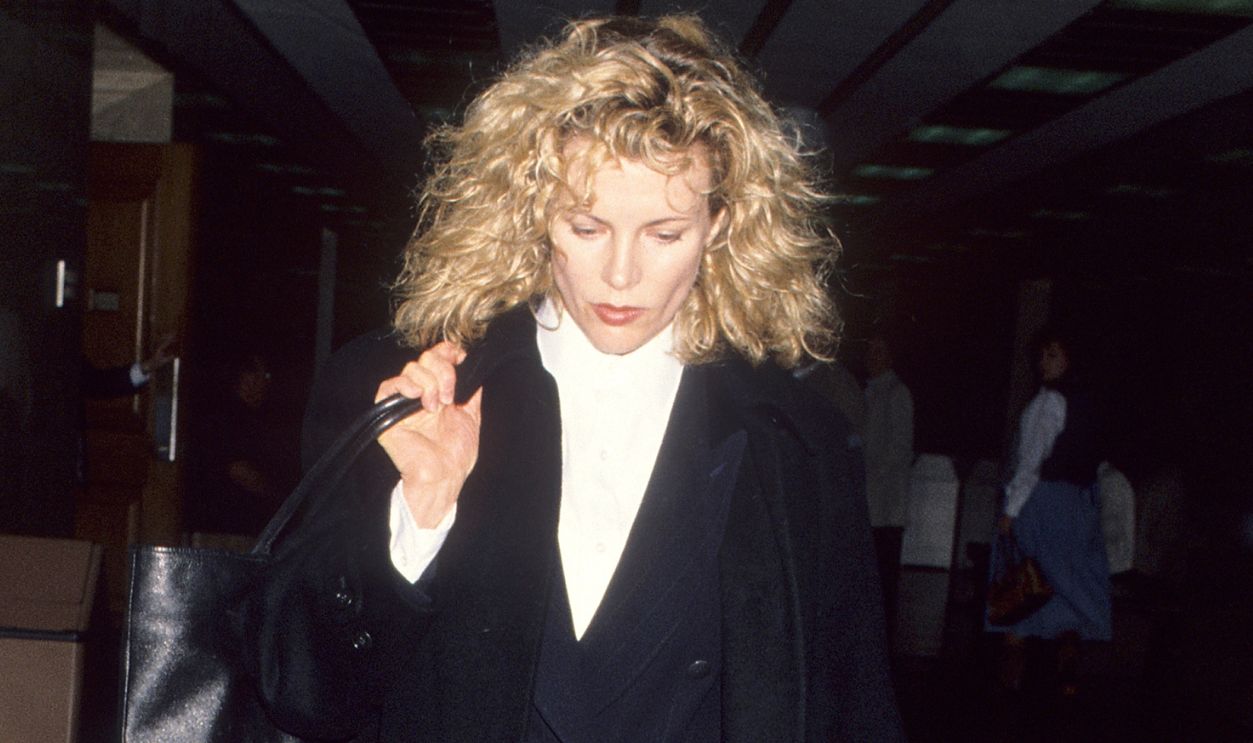
The production company sued Basinger and her loan-out corporation, Mighty Wind, alleging breach of contract. Basinger maintained that she had never personally entered a binding agreement. The dispute quickly became a major test of Hollywood's informal deal-making culture.
The Jury Delivered A Stunning Verdict
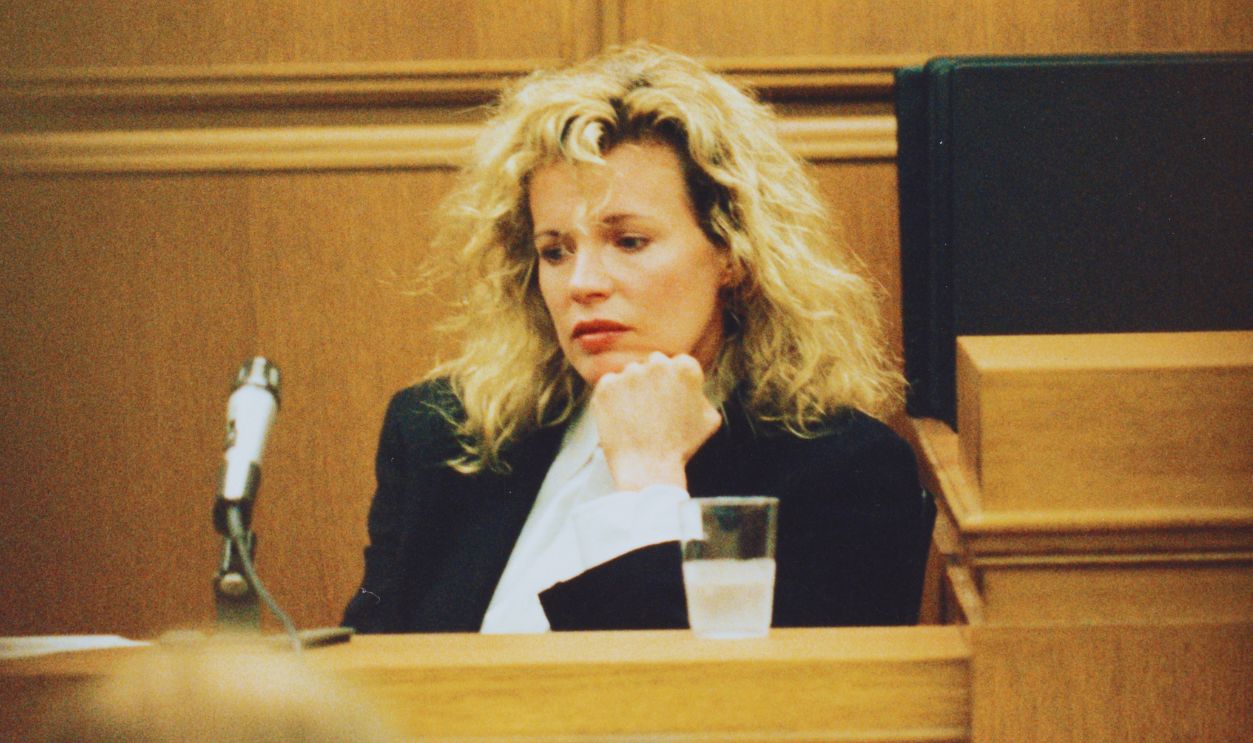
In March 1993, a Los Angeles jury sided with Main Line and initially awarded about $8.9 million in damages. After adjustments and added costs, the entered judgment was about $8.14 million. Basinger's stipulated net worth during the case was only around $5.4 million.
Bankruptcy Followed Within Months
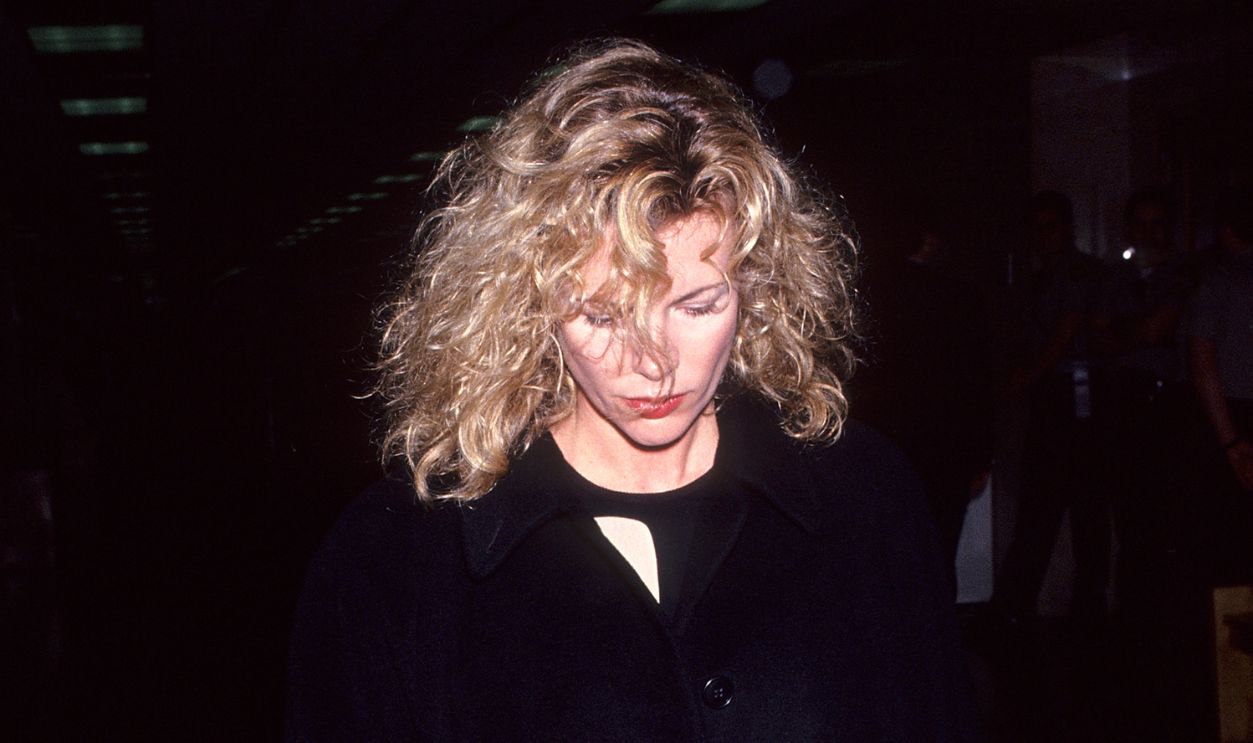
Basinger filed for Chapter 11 bankruptcy protection in May 1993, saying she could not afford the judgment. Later that year, her lawyers sought to convert the case to Chapter 7, allowing assets to be liquidated for creditors. Her finances had gone from movie-star salaries to bankruptcy proceedings in a matter of months.
The Braselton Dream Fell Apart Too
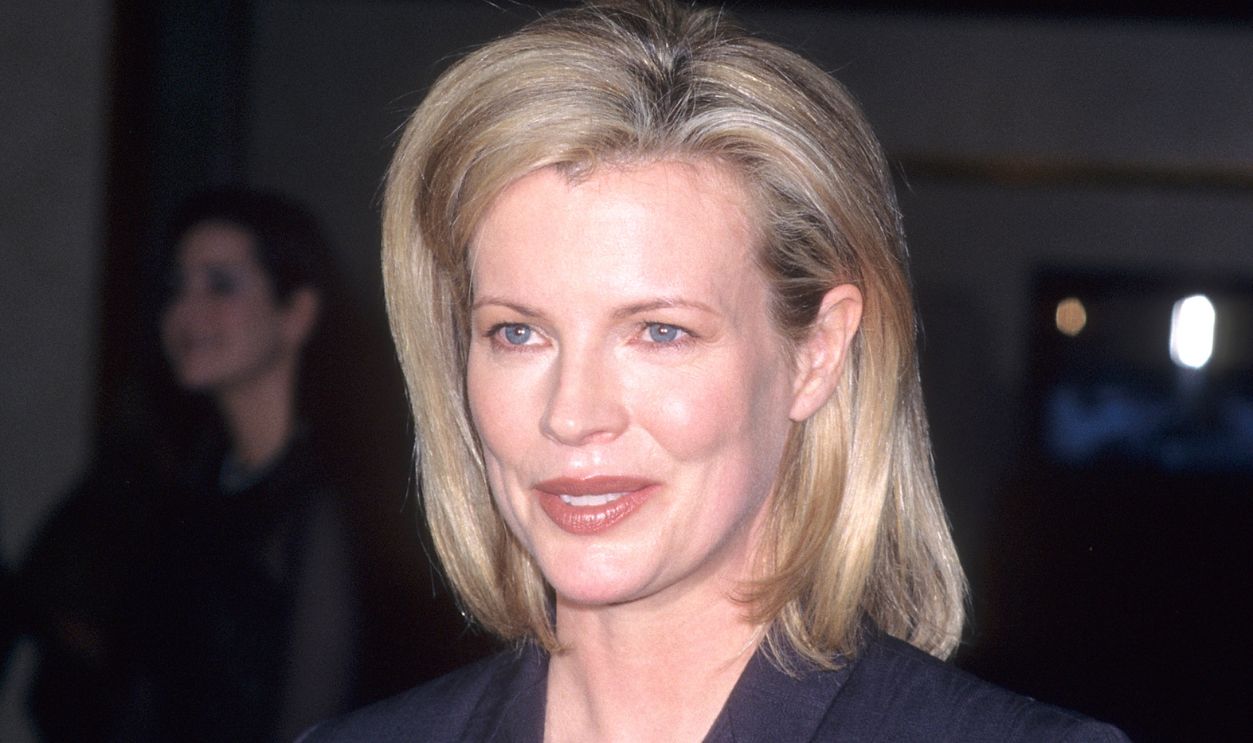
Basinger's Georgia investment became one of the most visible casualties of her financial troubles. Her Braselton holdings were eventually liquidated at a substantial loss, and her interest in a local bank was also sold. The plan to turn the area into an entertainment center never materialized.
Then The Courtroom Story Changed
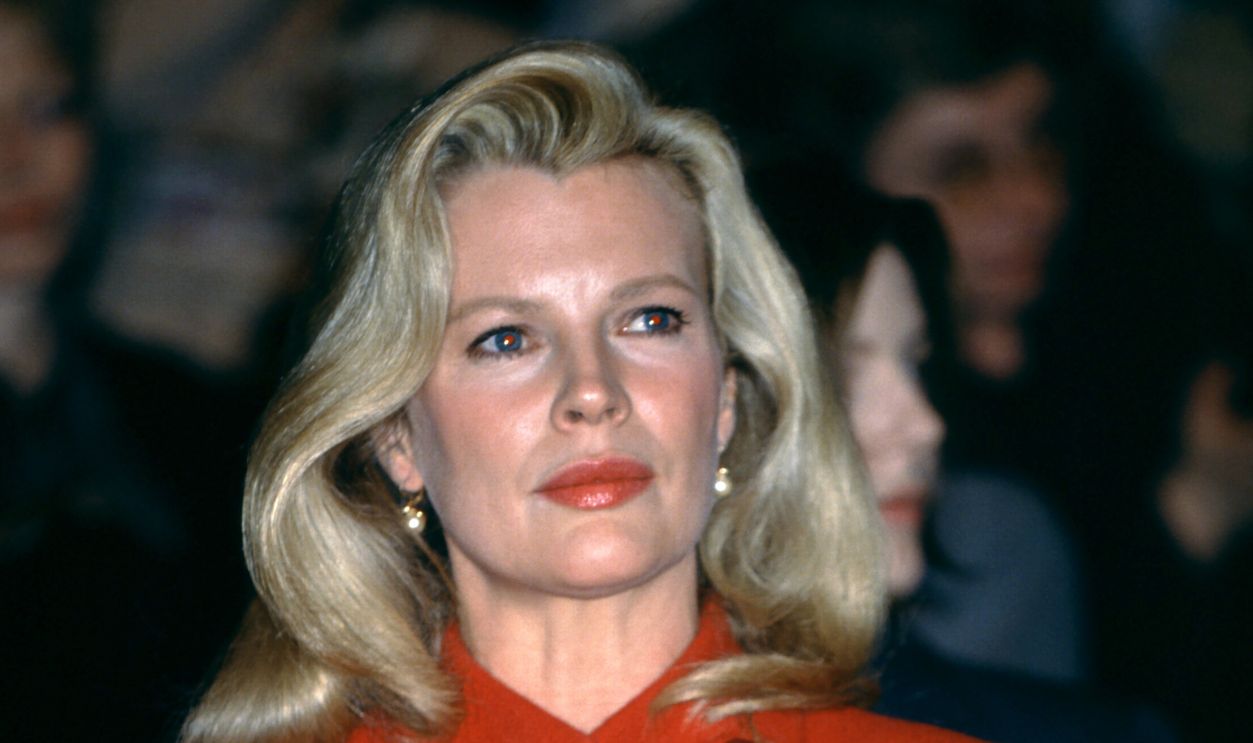
Basinger appealed, and in September 1994 a California appellate court reversed the judgment. The judges ruled that the jury's use of "Basinger and/or Mighty Wind" made it unclear who had actually been found liable. Because Basinger and her corporation were separate legal entities, a new trial was required.
The Reversal Did Not Erase Everything
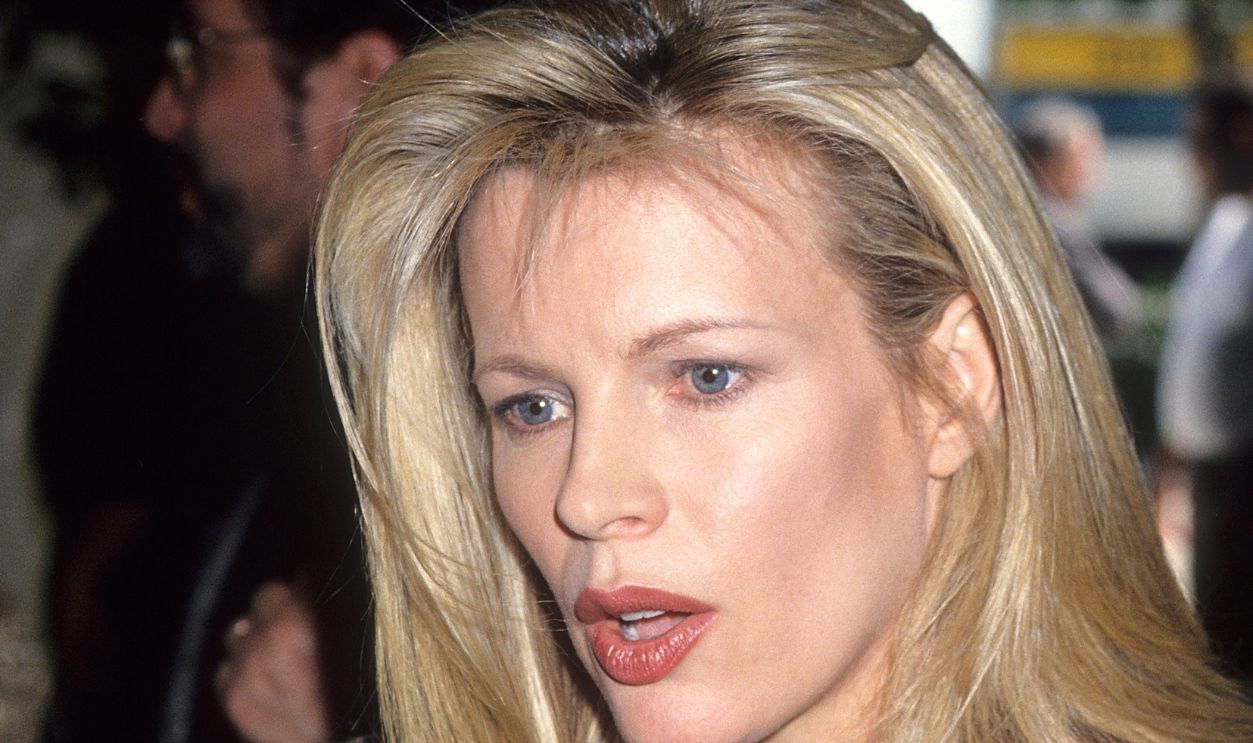
The appellate court did not rule that no contract had existed. It said there was substantial evidence from which a jury could find that an oral agreement had been made and breached. The problem was that the original verdict failed to separate Basinger's potential liability from that of Mighty Wind.
The Case Finally Ended In A Settlement
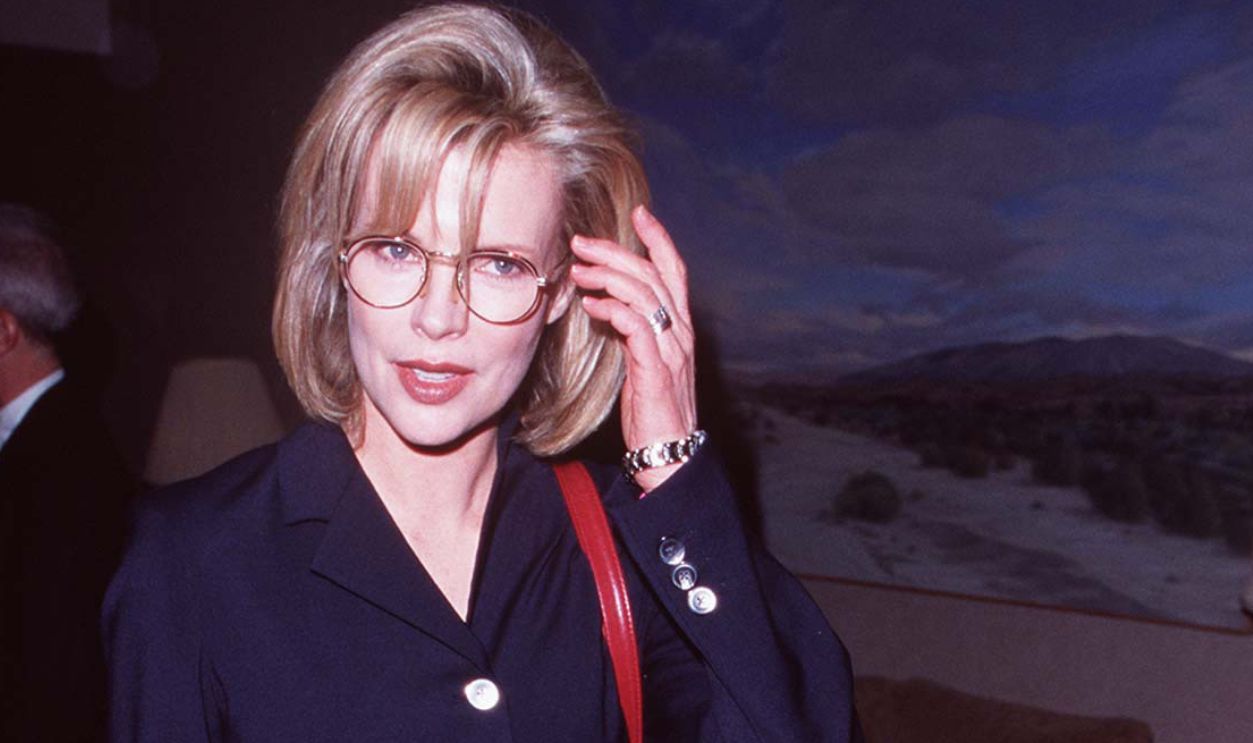
Rather than go through another trial, Basinger and Main Line settled in December 1995. The Los Angeles Times reported that the terms were not publicly disclosed. Other contemporary reports put the settlement at up to $3.8 million, finally bringing the dispute toward an end.
L.A. Confidential Gave Her The Perfect Comeback
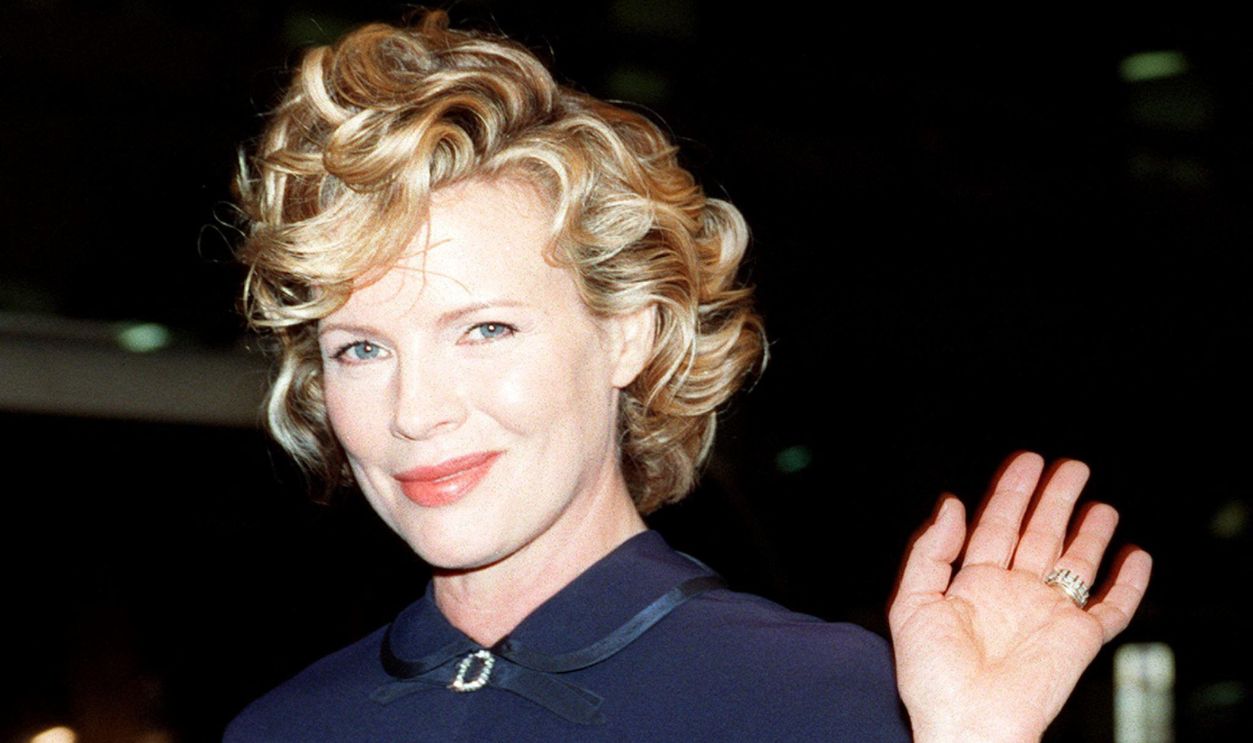
Basinger spent several years largely away from movies while focusing on motherhood after the birth of her daughter, Ireland, in 1995. She initially resisted taking the role of Lynn Bracken in L.A. Confidential before reconsidering. The film became one of 1997's most acclaimed releases and completely reset the conversation around her career.
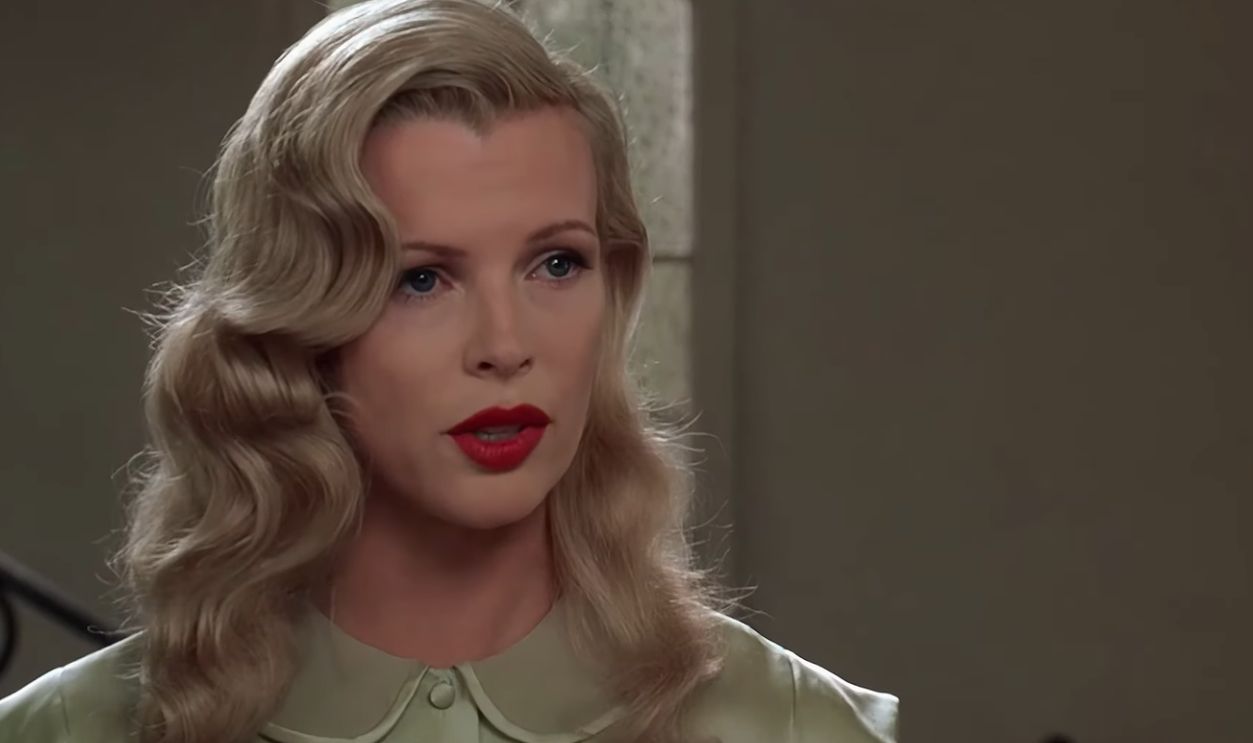 Screenshot from L.A. Confidential, Warner Bros. Pictures (1997)
Hollywood Finally Gave Her Its Biggest Prize
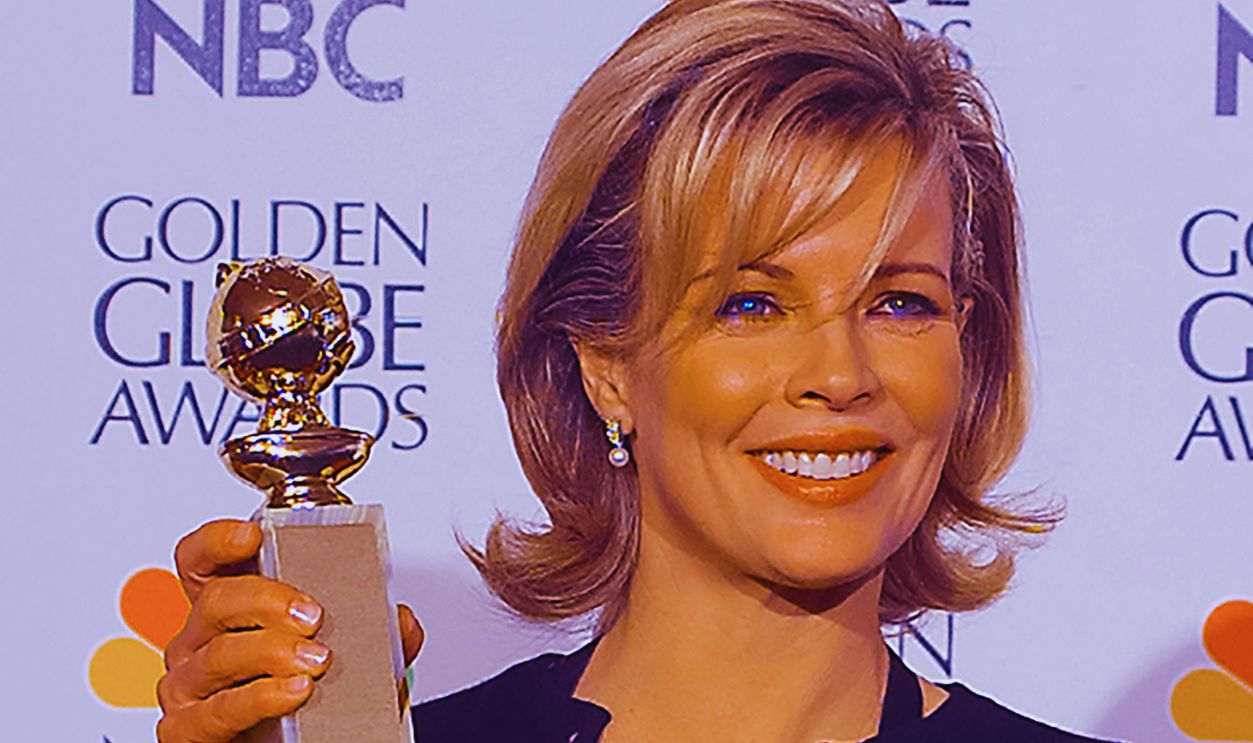
Basinger won both the Golden Globe and the Academy Award for supporting actress for L.A. Confidential. It was a remarkable comeback only a few years after bankruptcy and a punishing legal fight. She continued working in films including 8 Mile, The Nice Guys, and Fifty Shades Darker, but her rise, fall, and comeback had already become pure Hollywood history.
You May Also Like:
The Vatican Condemned Jane Birkin’s Steamiest Love Song—Then It Topped The UK Charts
Barbara Bach Became One Of The 1970s’ Most Iconic Bond Girls—But Her Toughest Battle Began Offscreen
Pepsi Dropped Madonna Over Like A Prayer—Then Lost A Lot Of Money When The Song Shot To No. 1
Sources: 1, 2, 3, 4, 5, 6, 7, 8, 9, 10, 11, 12, 13, 14, 15, 16, 17, 18