That Purse Meant Trouble.
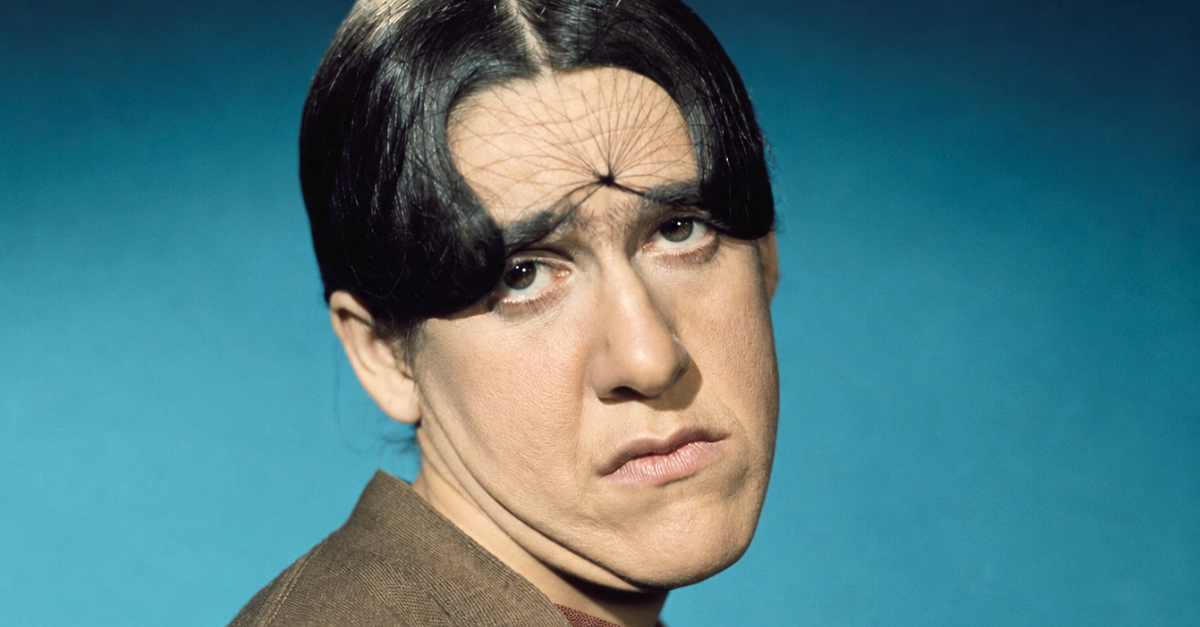
Ruth Buzzi created dozens of characters during a career that stretched from Broadway revues to children’s television, yet none could compete with the scowling, hairnet-wearing Gladys Ormphby of Rowan & Martin’s Laugh-In. What began as an eccentric character Buzzi had been refining before the show existed became one of the most recognizable pieces of physical comedy on television.
Rhode Island Was An Unlikely Starting Point
Buzzi was born in Westerly, Rhode Island, on July 24, 1936. She entered show business long before television viewers knew her as Gladys, eventually building a career that would include stage work, films, commercials, variety television, and voice acting. By the end, the Television Academy described her as best known for the handbag-swinging Laugh-In character who had become inseparable from her name.
 Daniel Case, Wikimedia Commons
Creativity Was Already In The Family
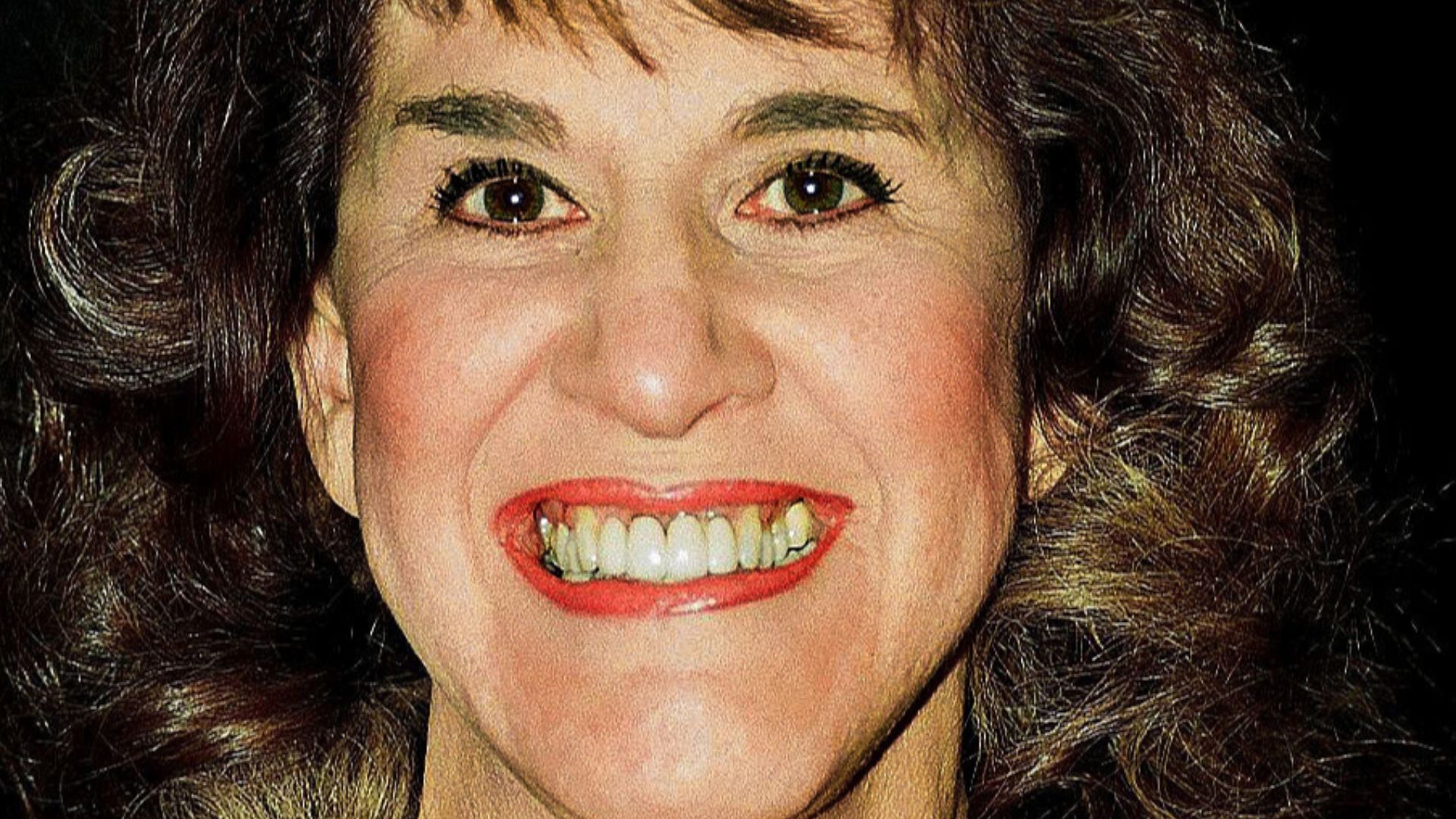
Buzzi grew up in a household where making things professionally was hardly unusual. Her father, Angelo Buzzi, was a stone sculptor, while Ruth eventually gravitated toward performance rather than visual art. That choice would lead her toward a form of comedy where costume, silhouette, facial expression, and movement mattered almost as much as dialogue.
 John Mathew Smith & www.celebrity-photos.com from Laurel Maryland, USA, Wikimedia Commons
Pasadena Gave Her Serious Training
At 17, Buzzi enrolled at the Pasadena Playhouse, one of the best-known theatrical training grounds in Southern California. The Associated Press reports that she was already becoming a working performer before completing her studies. That early professional discipline mattered because the apparently chaotic comedy she later performed on Laugh-In required remarkably precise timing.
 Jeff Lorch, Pasadena Playhouse, Wikimedia Commons
Rudy Vallee Put Her On The Road
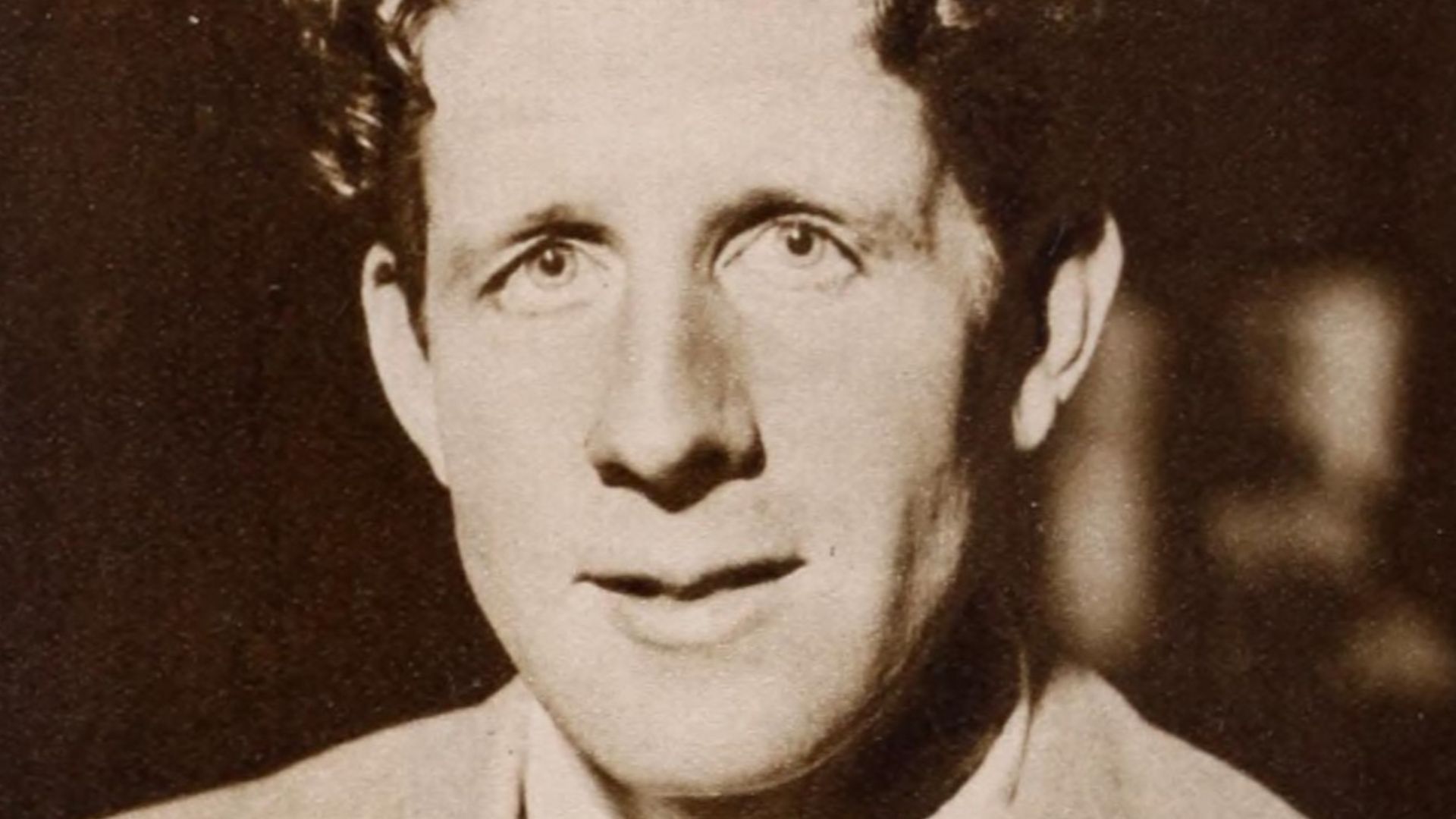
While still a student, Buzzi traveled with singer and bandleader Rudy Vallee in a musical-comedy act. The job earned her an Actors’ Equity card before she had even graduated from the Pasadena Playhouse’s College of Theatre Arts. She was therefore a union professional years before television suddenly turned her into a household face.
 Photographer uncredited, Wikimedia Commons
New York Became Her Comedy Laboratory
After her training, Buzzi moved to New York and immediately found work in an Off-Broadway musical revue. The Associated Press says it was the first of 19 such productions she performed in around the East Coast. Those years put her alongside emerging talents and taught her how quickly a comic performer must establish a recognizable character in front of a live audience.
 King of Hearts, Wikimedia Commons
Carol Burnett Helped Give Her A Break
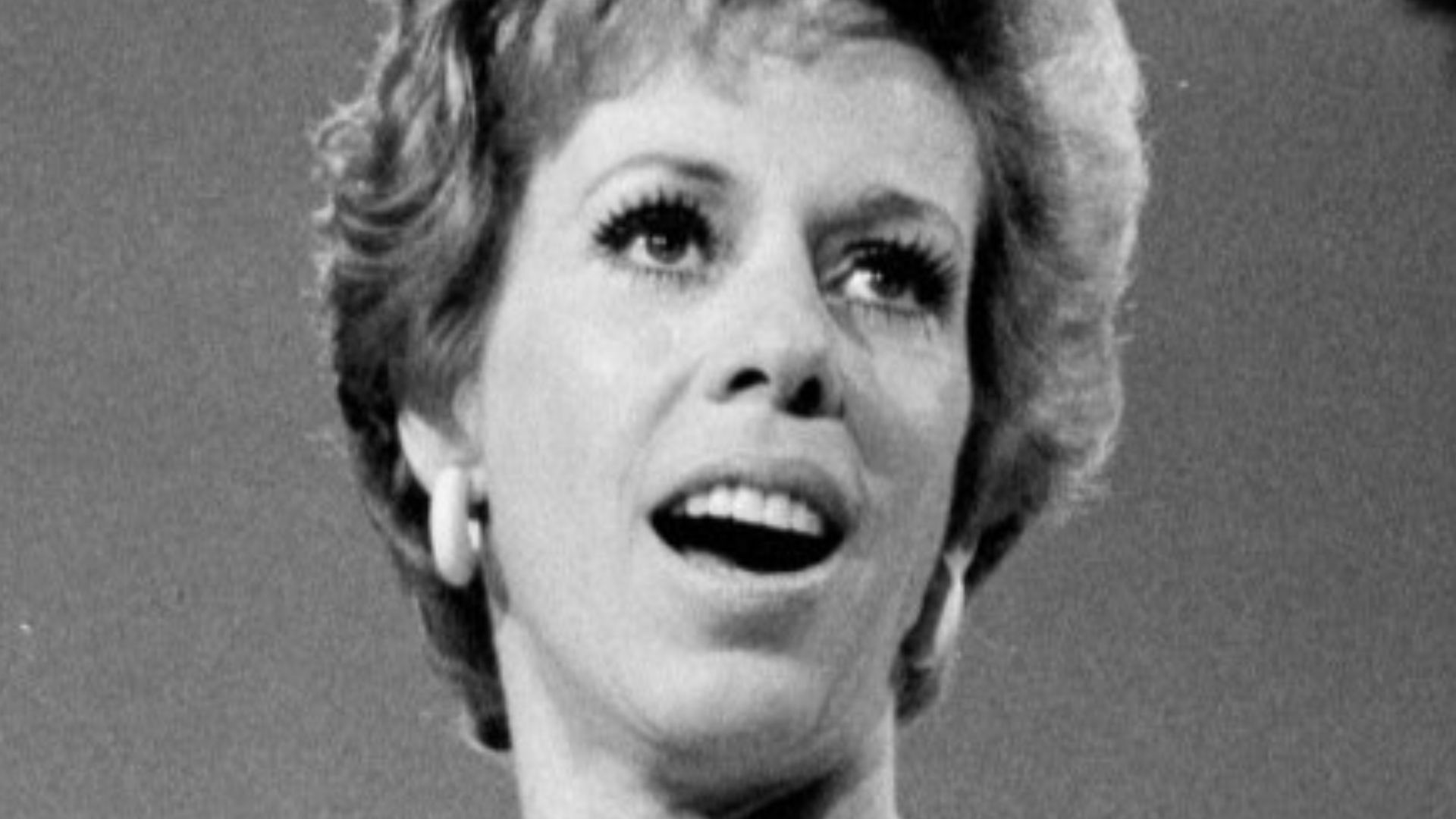
One important opportunity arrived on The Garry Moore Show in 1964. Playbill reports that Carol Burnett brought Buzzi onto the program to play Shakundala the Silent, the bumbling assistant to Dom DeLuise’s magician Dominic the Great. It was a useful preview of Buzzi’s television specialty because she could make an exaggerated visual character memorable without needing to dominate the dialogue.
 CBS Television, Wikimedia Commons
The Entertainers Made Her A Television Regular
The success of that appearance helped Buzzi become part of the regular repertory company on CBS’s The Entertainers. The variety series gave her additional experience switching between characters, sketches, and musical-comedy material. She was learning the exact skill set that a frantic new NBC program would soon demand from its ensemble.
Broadway Came Calling Before Laugh-In
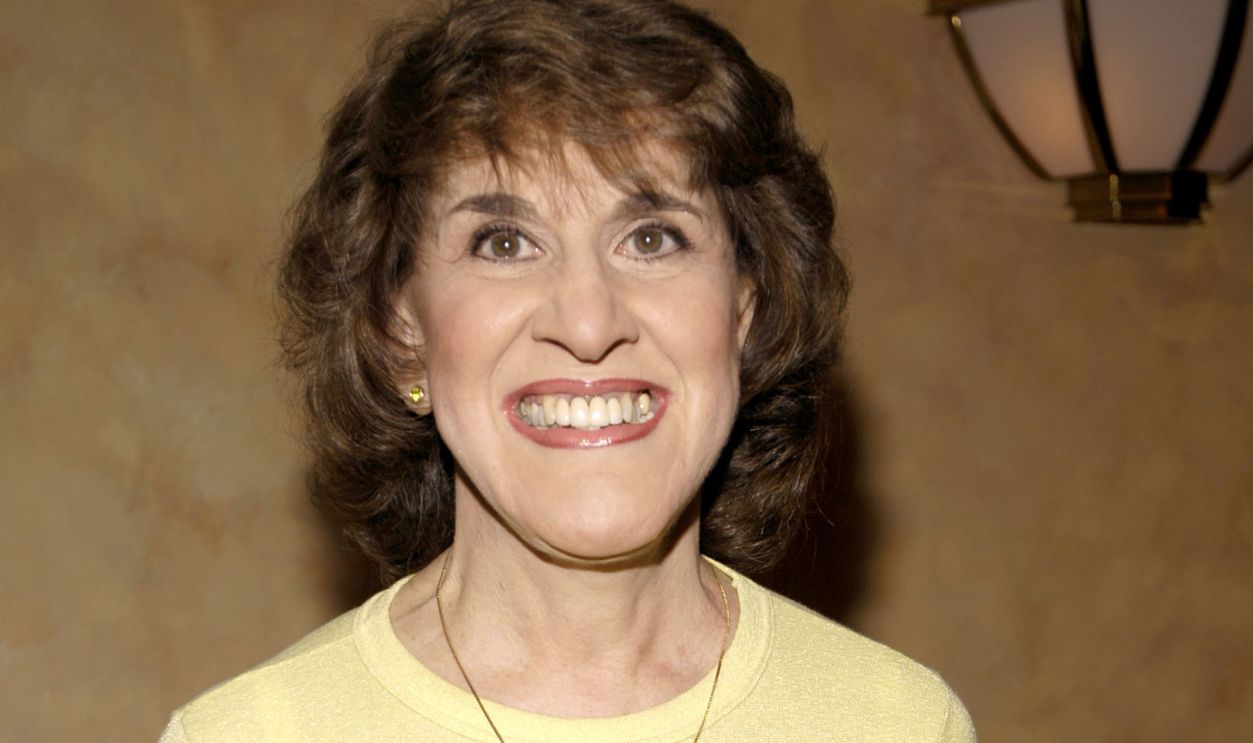
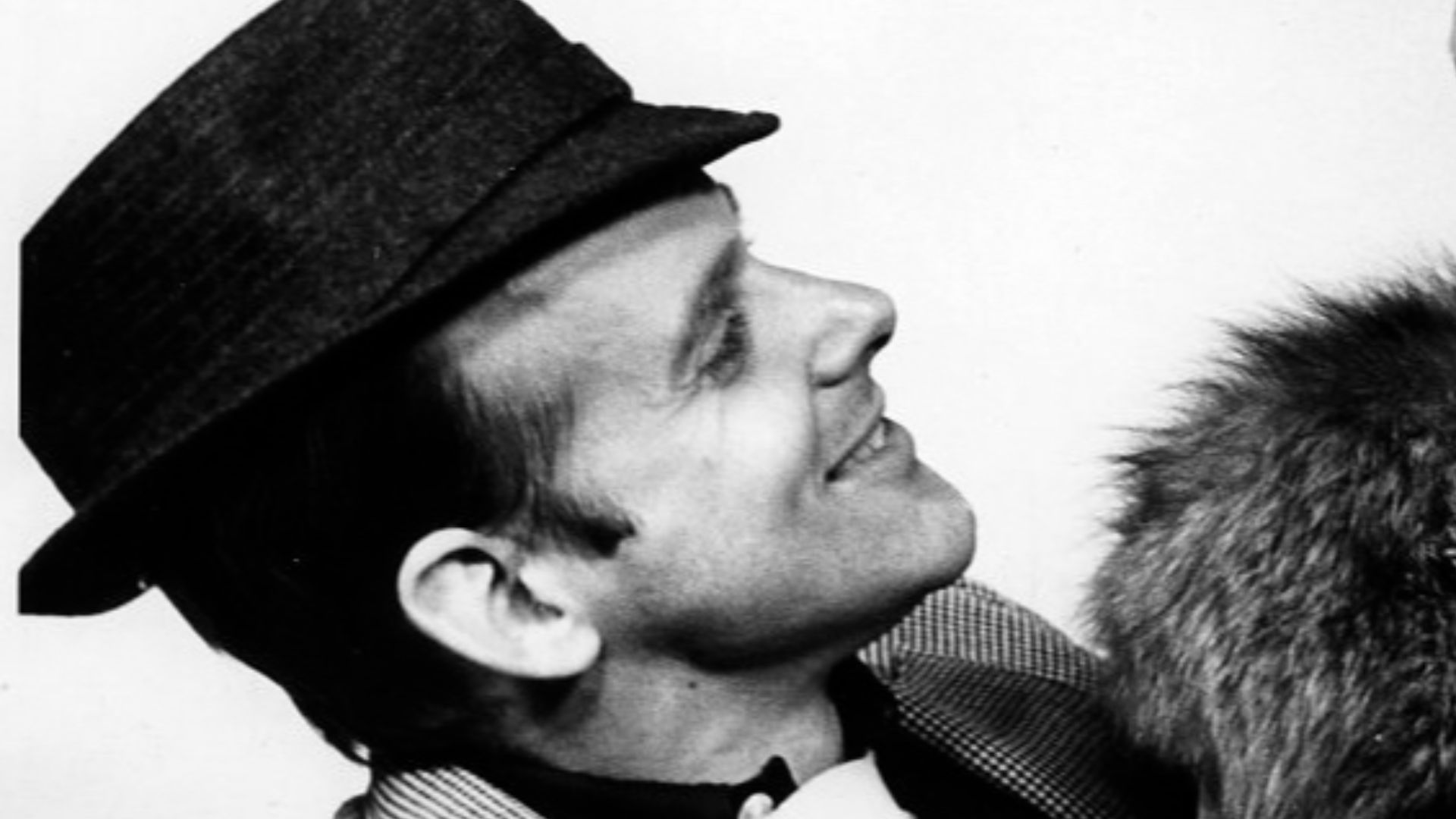
Buzzi joined the original Broadway cast of Sweet Charity, which opened in 1966 with Gwen Verdon starring and Bob Fosse directing and choreographing. Broadway records credit Buzzi as the Good Fairy, a receptionist, and a woman with a hat. Her Broadway career was not long, but it established that she could function inside a major professional production before television became her primary home.
 Alix Jeffry, Wikimedia Commons
Television Was Already Learning Her Face
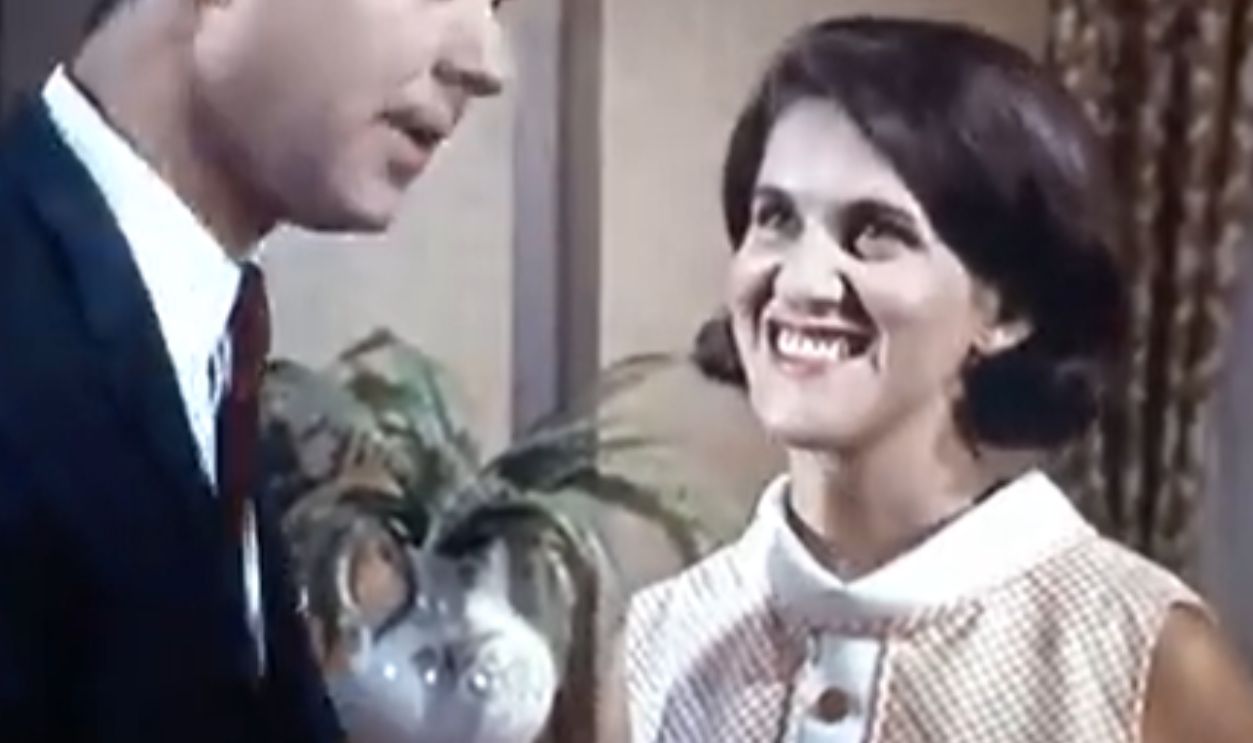
Buzzi worked on programs including The Steve Allen Comedy Hour and had a recurring role on That Girl. The Television Academy specifically notes those jobs in its retrospective coverage of Laugh-In. They placed Buzzi in front of television producers while she continued developing the unusual characters that would ultimately separate her from more conventional actresses.
 Screenshot from That Girl, ABC (1966-1971)
Laugh-In Wanted Comedy At Machine-Gun Speed
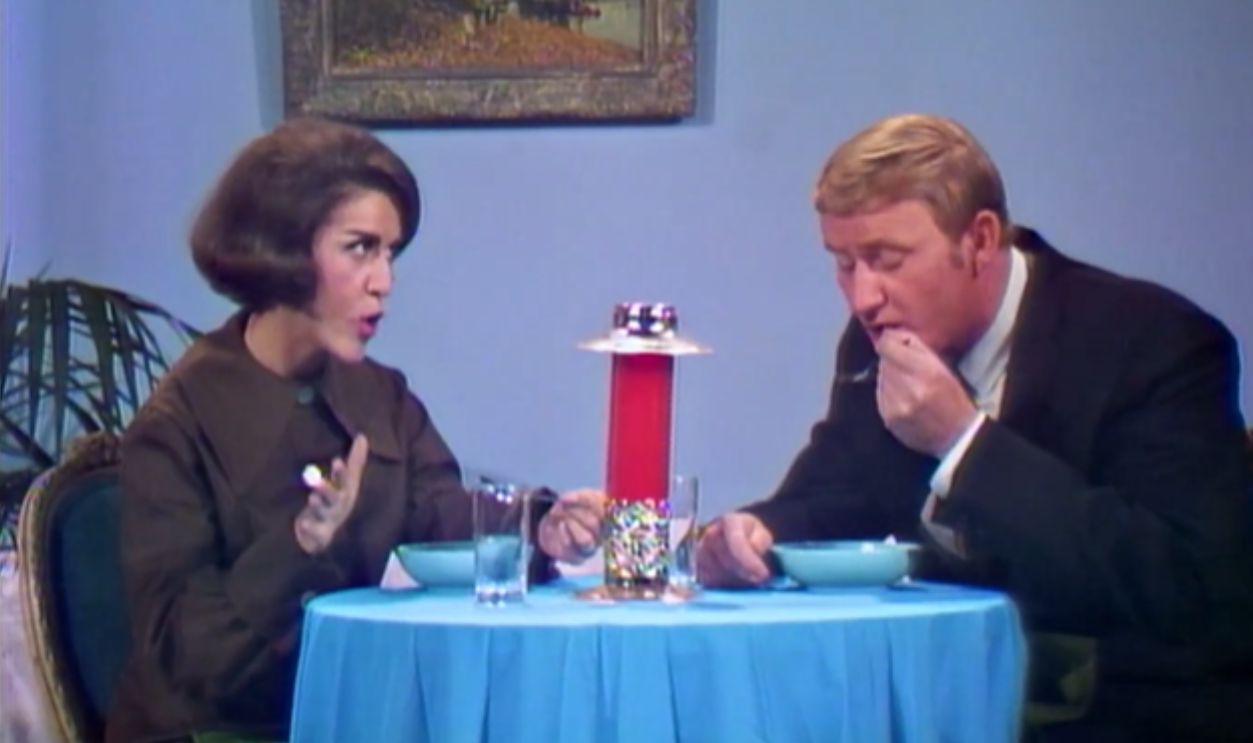
Rowan & Martin’s Laugh-In premiered as a weekly NBC series in January 1968. Its format mixed quick sketches, one-liners, visual jokes, political satire, sexual innuendo, recurring catchphrases, and deliberately abrupt editing. The Television Academy describes the show as both old-fashioned in its burlesque roots and startlingly modern in the speed and subjects of its comedy.
 Screenshot from Rowan & Martin's Laugh-In, NBC (1968-1973)
George Schlatter Had Already Noticed Her
Creator and producer George Schlatter first noticed Buzzi performing different characters on The Steve Allen Comedy Hour. When he began assembling the Laugh-In cast, she was therefore not simply another unknown actress arriving for an audition. Schlatter knew she could create characters, but one particular woman in Buzzi’s repertoire captured his imagination.
 Angela George at https://www.flickr.com/photos/sharongraphics/, Wikimedia Commons
One Bizarre Photograph Helped Seal The Deal
While Schlatter was casting the show, he received a photograph of Buzzi dressed as Gladys and sitting inside a wire-mesh trash basket. He later wrote that his fascination with Gladys contributed directly to hiring her. It is difficult to imagine a more appropriate entrance into Laugh-In, a series whose entire visual language celebrated absurdity.
 Screenshot from Rowan & Martin's Laugh-In, NBC (1968-1973)
Gladys Had Existed Before Laugh-In
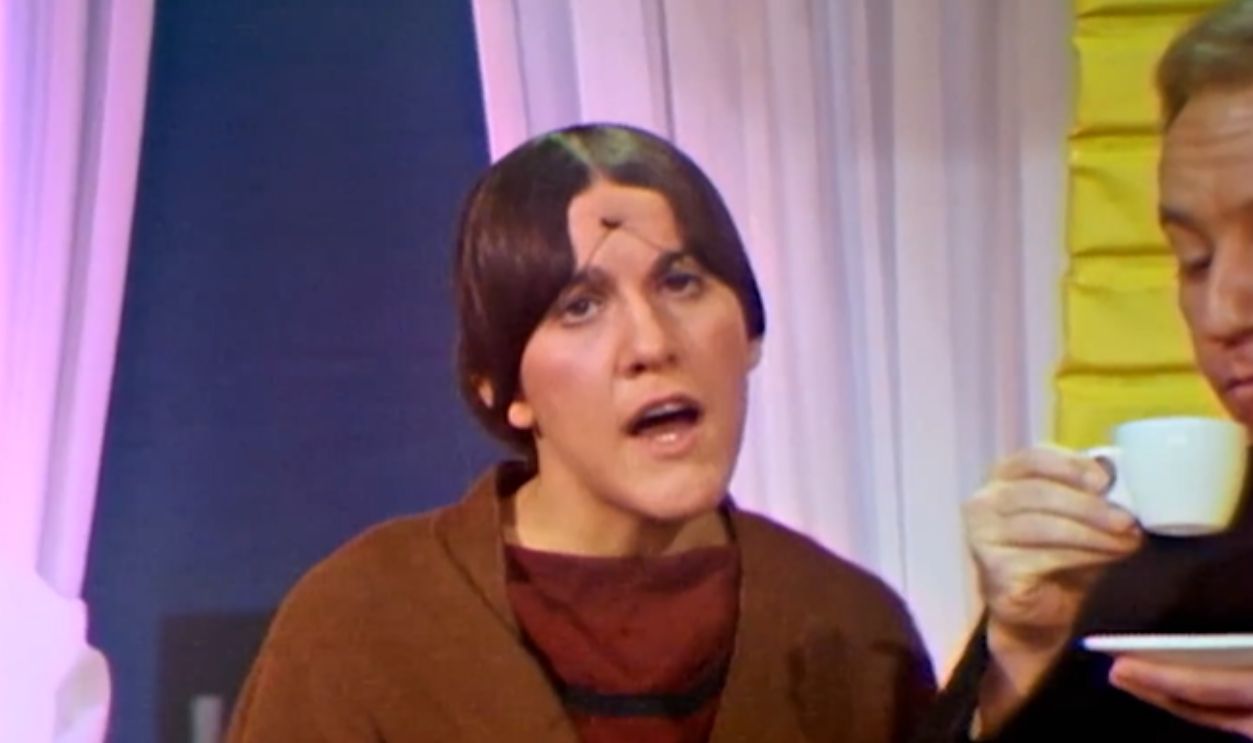
The visual roots of Gladys went back to Buzzi’s earlier stage work. The Washington Post reports that she had played the dowdy Agnes Gooch in a 1960 summer-stock production of Auntie Mame and experimented with the character’s appearance. The costume and physical ideas she discovered there eventually evolved into the woman television audiences knew as Gladys Ormphby.
 Screenshot from Rowan & Martin's Laugh-In, NBC (1968-1973)
The Hairnet Did Half The Introduction
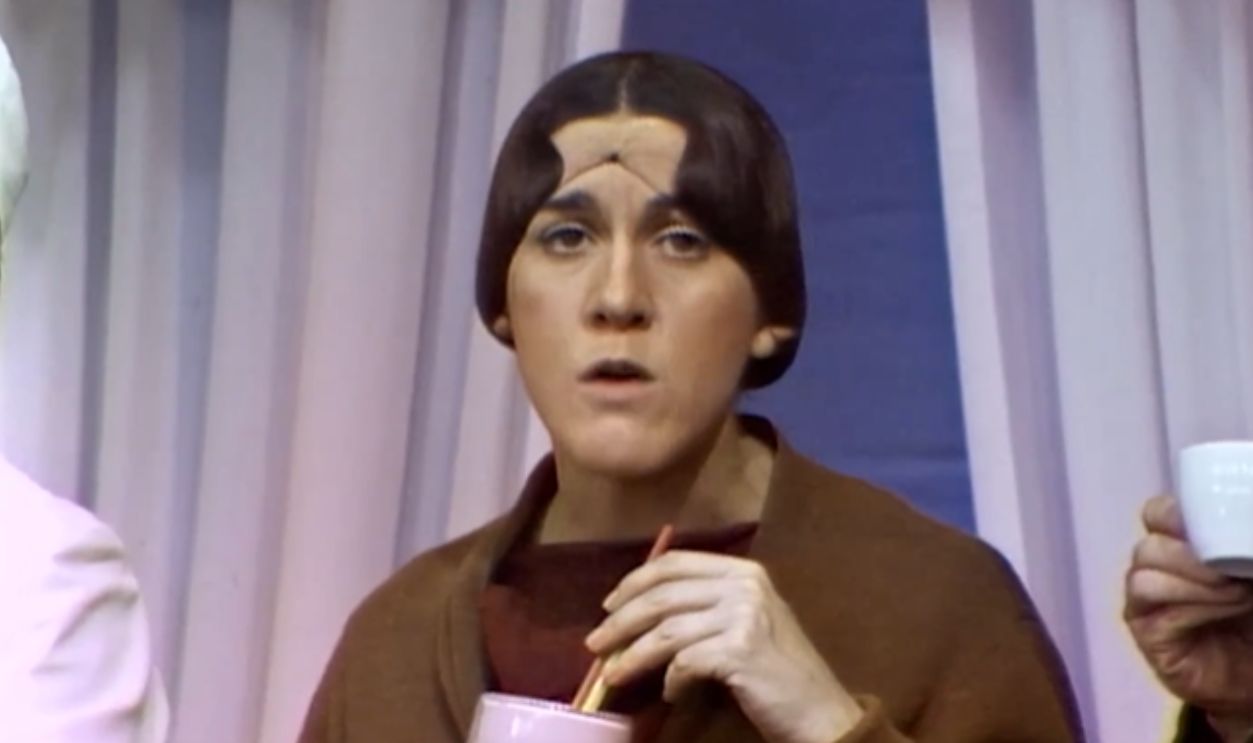
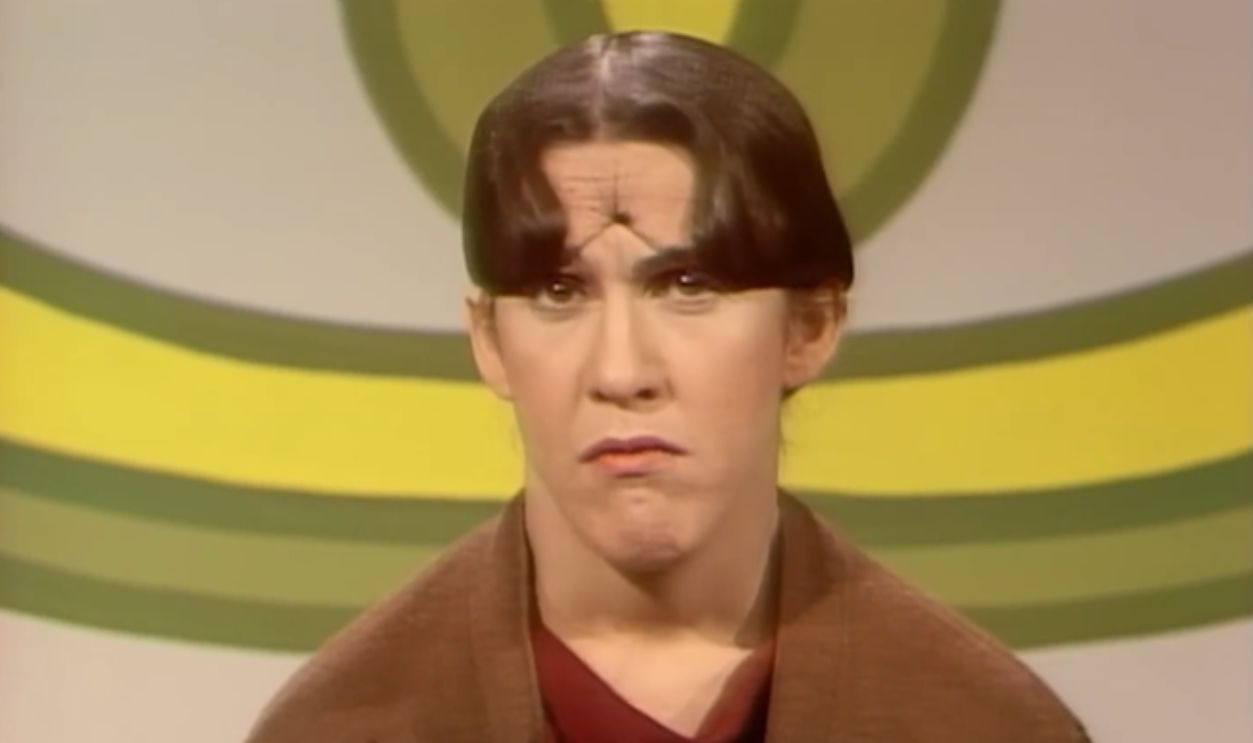
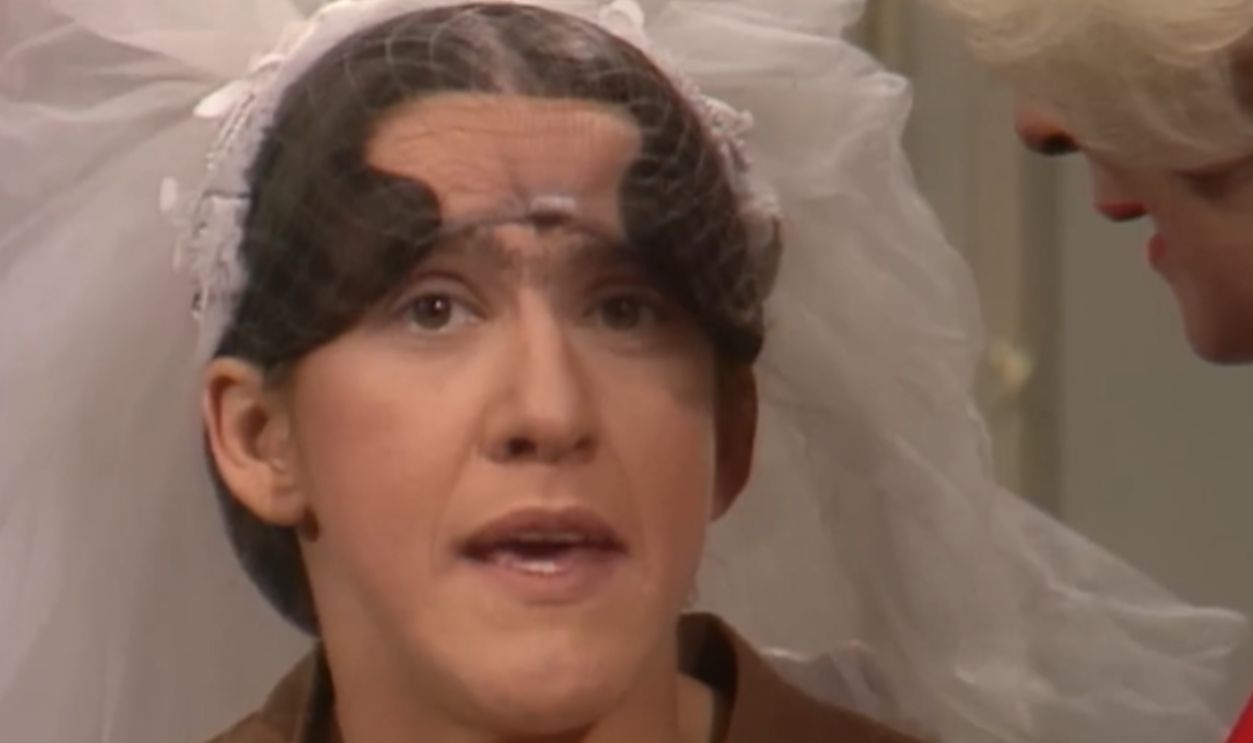
Gladys appeared in drab clothing with her hair pulled into a bun beneath a conspicuously positioned hairnet. Buzzi recalled experimenting with the hairnet while playing Agnes Gooch, eventually wearing it backward for a deliberately ridiculous effect. By the time Gladys appeared on television, viewers could understand her whole comic world before she had spoken.
 Screenshot from Rowan & Martin's Laugh-In, NBC (1968-1973)
Then Came The Most Dangerous Handbag On TV
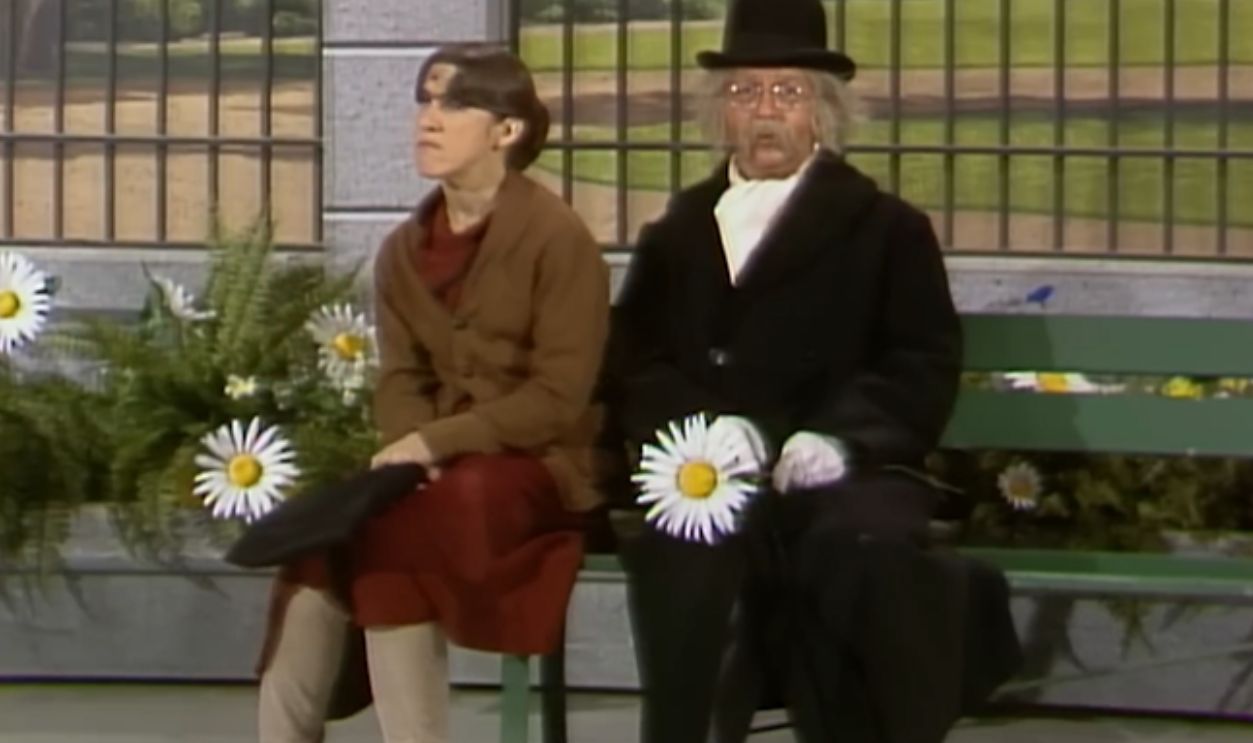
Gladys carried a purse that looked like an ordinary accessory until somebody annoyed her. She would suddenly swing it as a weapon, clobbering whichever unfortunate character had crossed the line. The Television Academy still identifies the handbag attack as the defining visual gag associated with Buzzi’s most famous creation.
 Screenshot from Rowan & Martin's Laugh-In, NBC (1968-1973)
Arte Johnson Gave Gladys Her Perfect Target
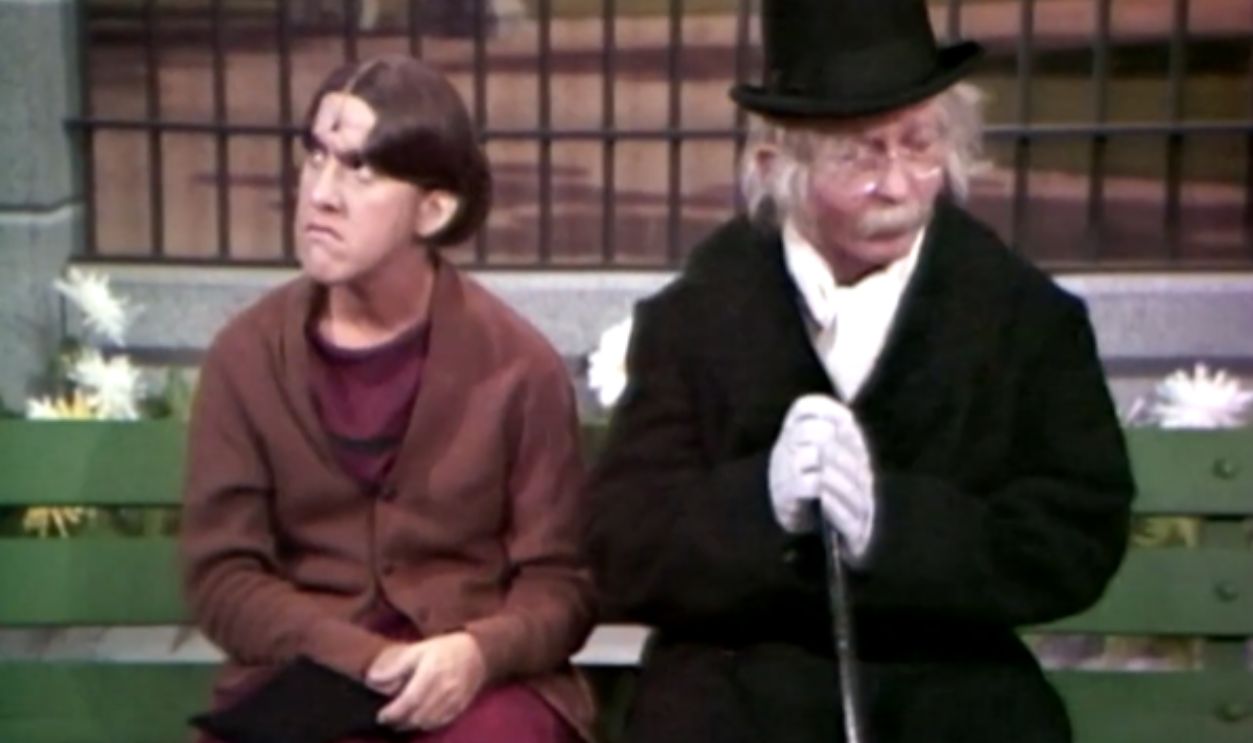
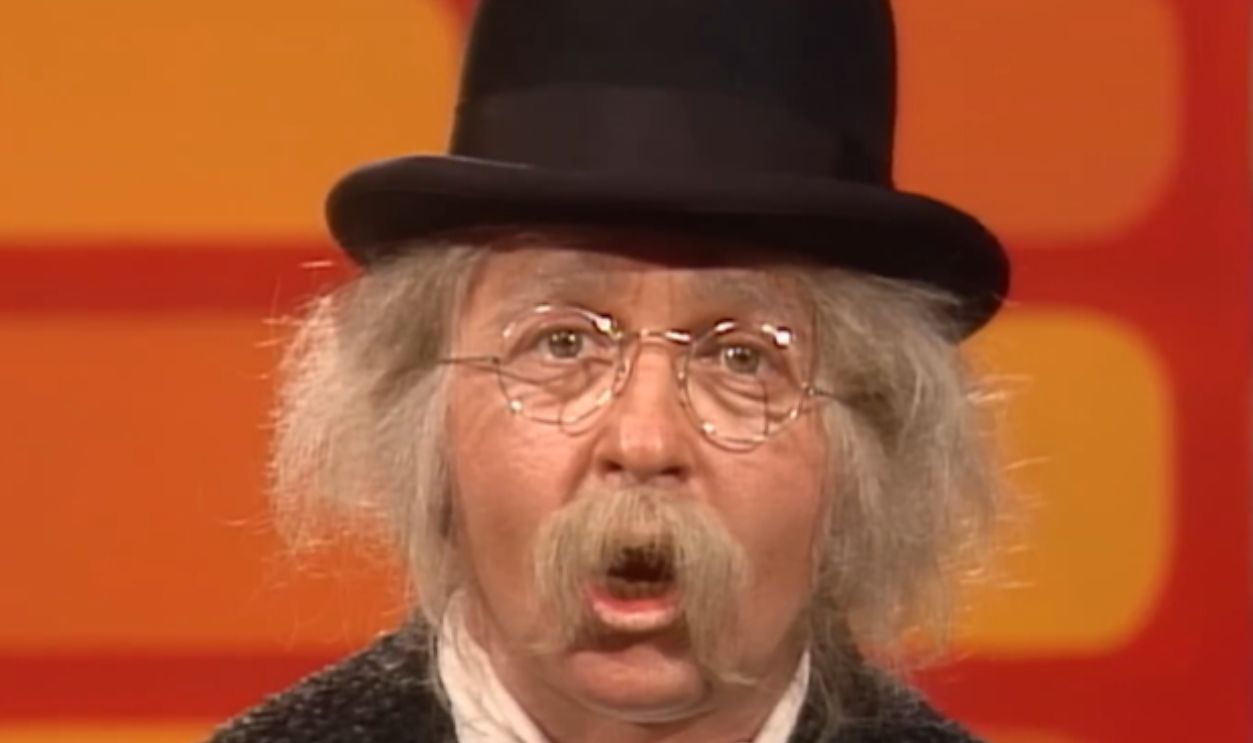
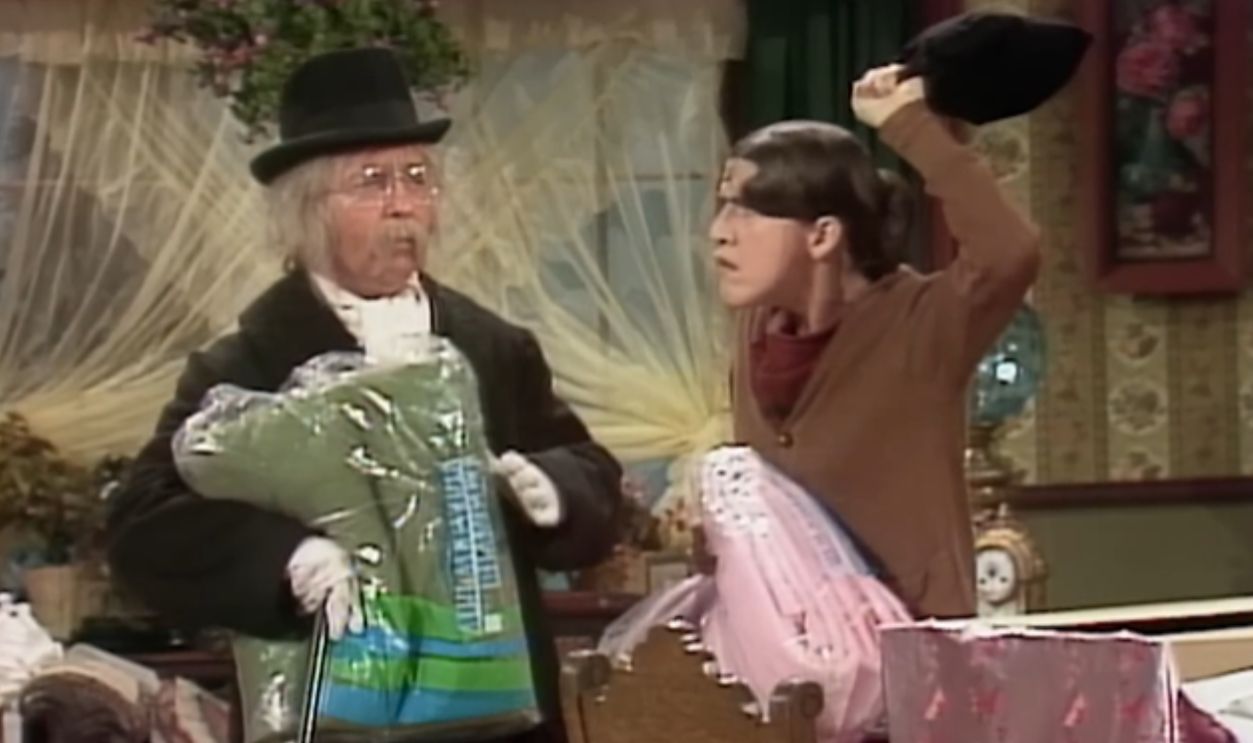
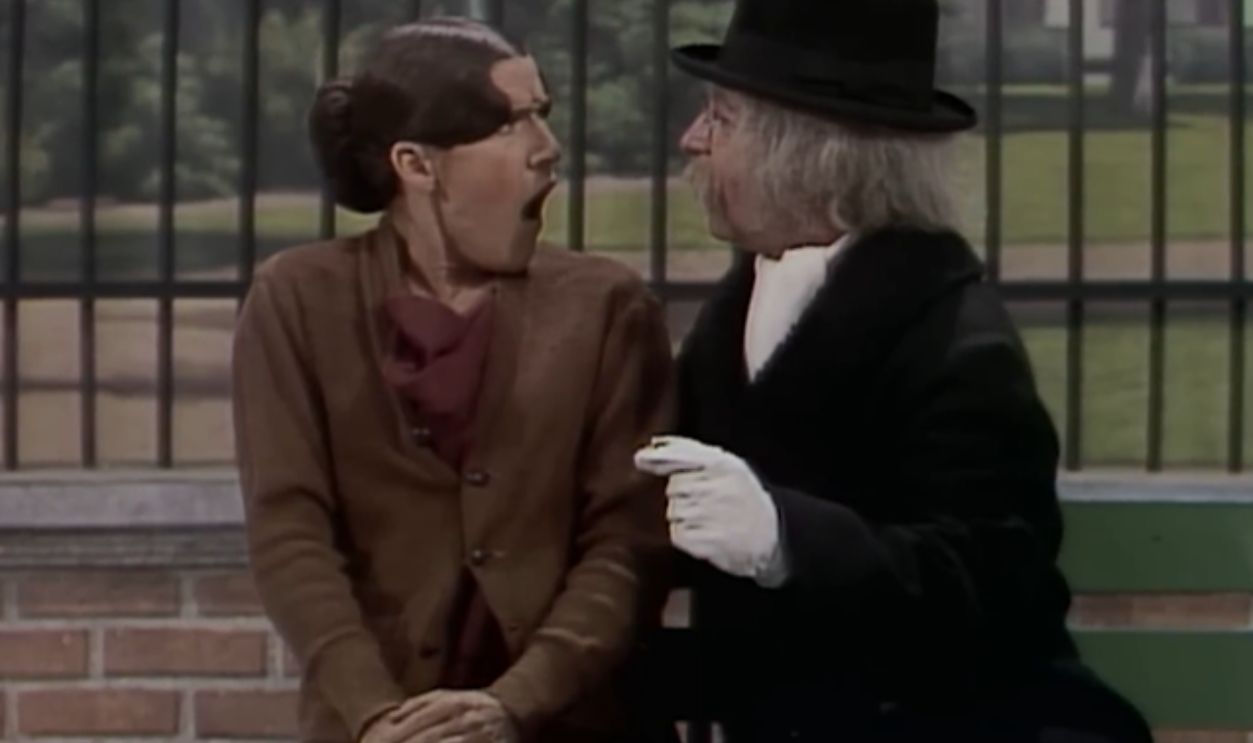
Gladys’s most famous scenes paired her with Arte Johnson’s Tyrone F. Horneigh, an elderly would-be seducer who approached her on a park bench. Tyrone persisted with unwanted romantic advances until Gladys answered with her handbag. Television Academy descriptions of Johnson still highlight the inevitable moment when the purse sent Tyrone tumbling from the bench.
 Screenshot from Rowan & Martin's Laugh-In, NBC (1968-1973)
The Routine Reversed The Power In Seconds
The sketch initially presented Gladys as an apparently vulnerable, lonely woman being bothered by an aggressive stranger. Then the purse appeared and the balance changed instantly. Buzzi transformed a character designed to look powerless into someone who could end the encounter herself, which gave the slapstick an unexpectedly satisfying twist.
 Screenshot from Rowan & Martin's Laugh-In, NBC (1968-1973)
Buzzi Understood Why Gladys Connected
Years later, Buzzi explained that she saw Gladys as representing people who were overlooked, dismissed, or taken for granted. She believed audiences responded when such a character finally fought back. That interpretation gives the purse gag more depth than simple cartoon violence because Gladys’s anger came from spending her life being underestimated.
 Screenshot from Rowan & Martin's Laugh-In, NBC (1968-1973)
She Made Being Unglamorous A Superpower
Television comedy often relied on beautiful performers deliberately making themselves look silly for a sketch. Buzzi went further by making Gladys’s dowdiness central to her authority. The rolled stockings, hairnet, severe expression, and brown clothes announced that this woman had no interest in winning anybody’s approval, which made her explosive retaliation even funnier.
 Screenshot from Rowan & Martin's Laugh-In, NBC (1968-1973)
America Could Not Get Enough Of Laugh-In
The formula quickly became a national phenomenon. Television Academy records say Laugh-In reached number one in the ratings during both the 1968–69 and 1969–70 television seasons. Amid political turmoil and cultural change, its rapid jokes and outrageous characters turned Monday nights into one of television’s most fashionable destinations.
 Screenshot from Rowan & Martin's Laugh-In, NBC (1968-1973)
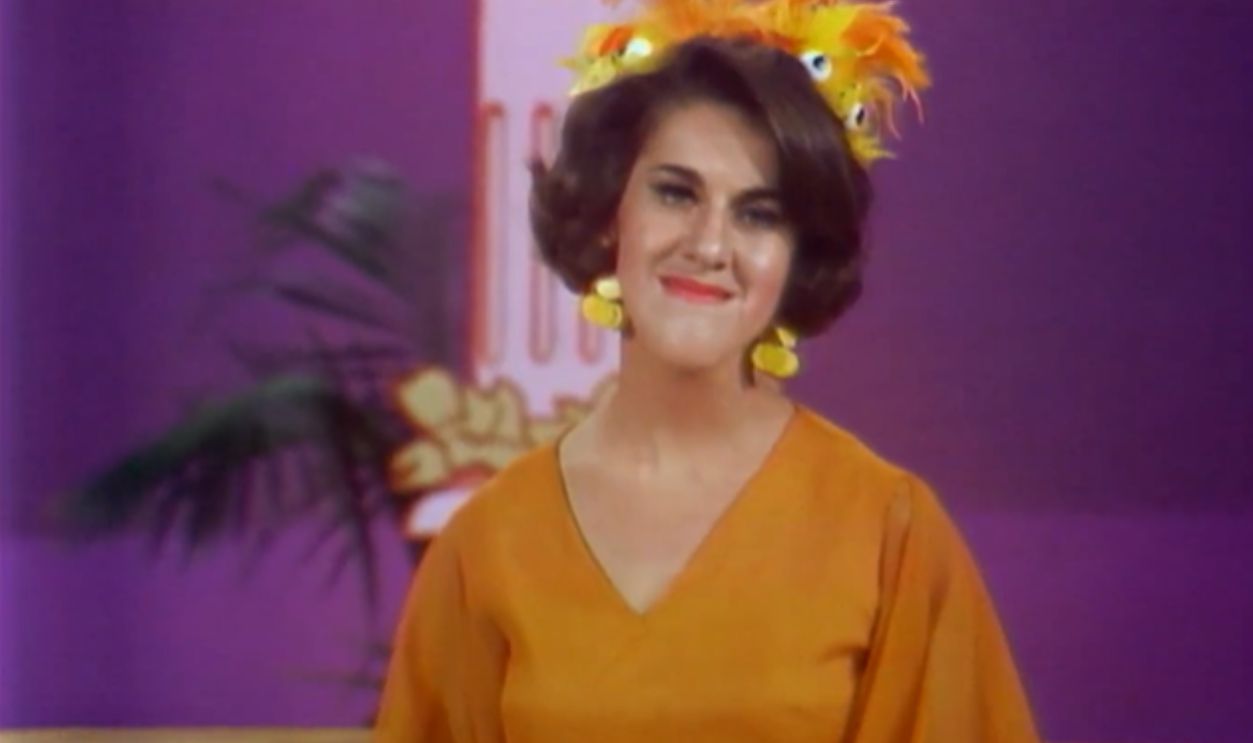
Buzzi Outlasted An Ever-Changing Cast
Laugh-In experienced substantial cast turnover as performers such as Goldie Hawn, Arte Johnson, and others moved on. Buzzi, however, remained through all six seasons from 1968 to 1973. The Associated Press identifies her as the only regular performer who appeared throughout the entire run, including the pilot.
 Screenshot from Rowan & Martin's Laugh-In, NBC (1968-1973)
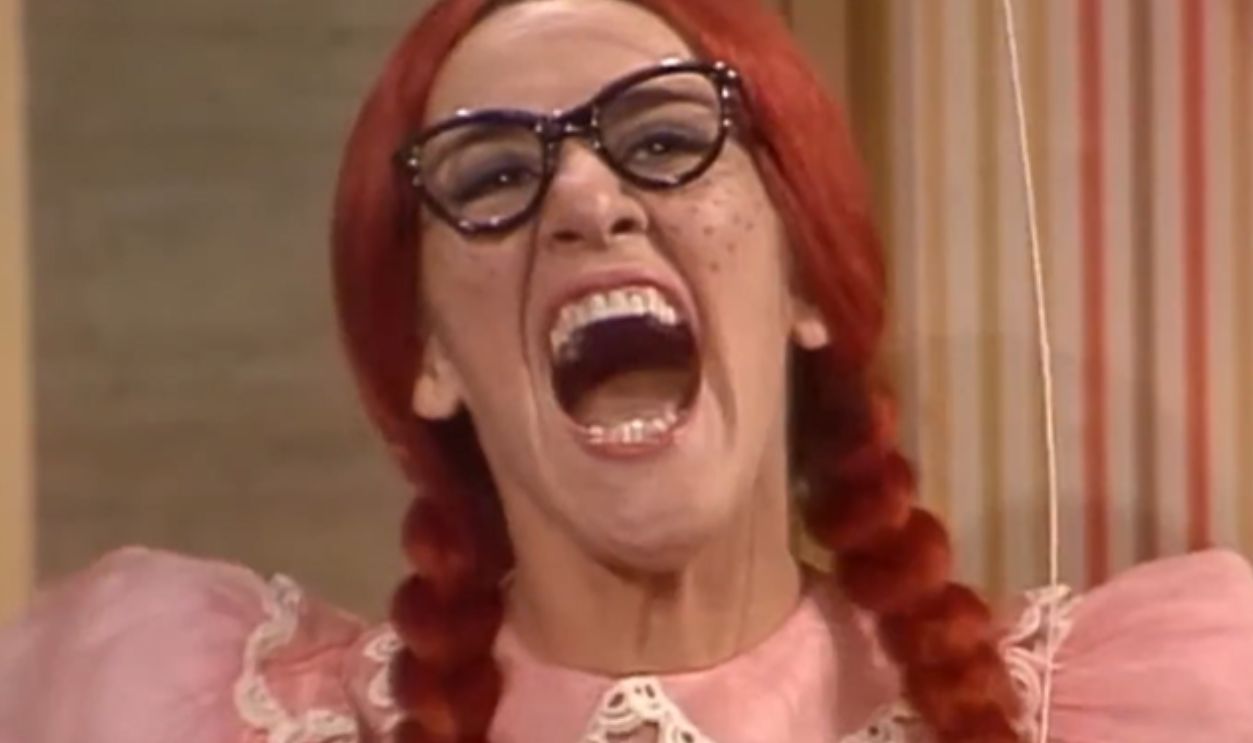
Gladys Was Only One Of Her Characters
Buzzi did considerably more than swing a purse. Her recurring Laugh-In creations included gossip columnist Busy-Buzzi, cocktail-lounge regular Doris Swizzler, Flicker Farkle, and other eccentric figures. The variety demonstrated why the show could continue using her even after Gladys had become the character everyone remembered.
 Screenshot from Rowan & Martin's Laugh-In, NBC (1968-1973)
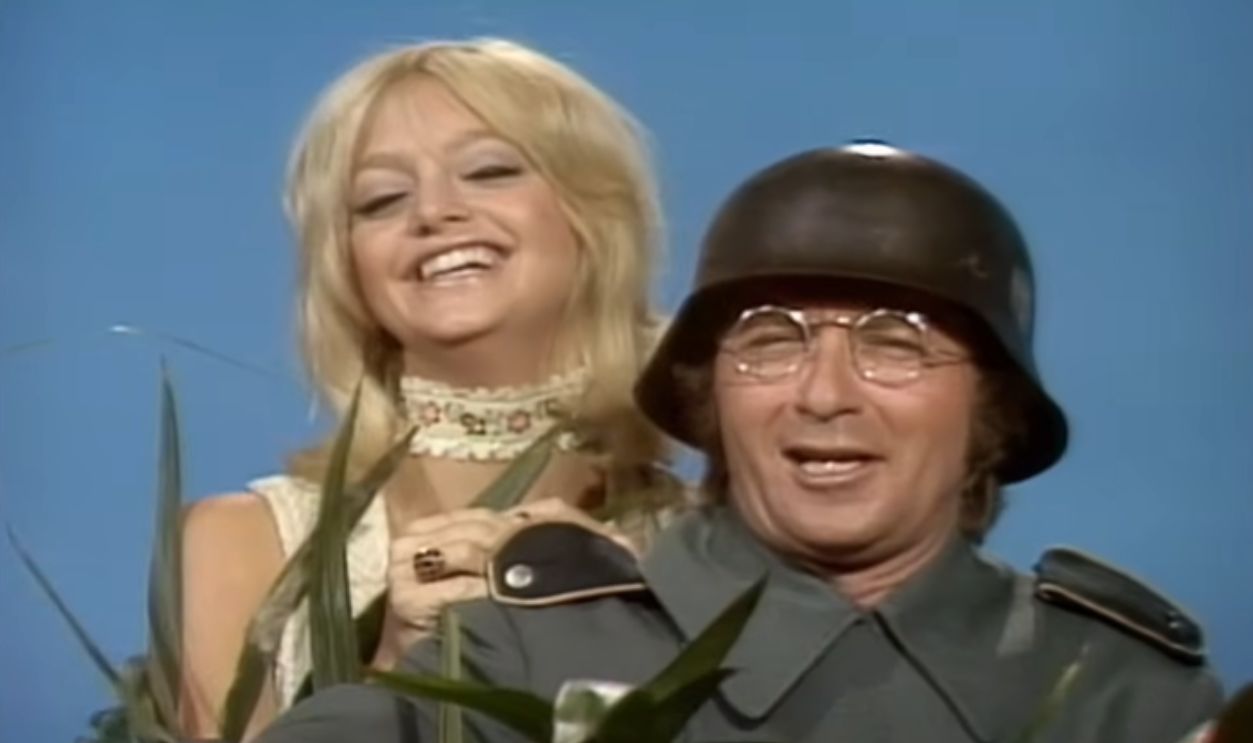
She Worked Beside A Remarkable Comedy Generation
The Laugh-In ensemble included performers such as Arte Johnson, Goldie Hawn, Henry Gibson, Jo Anne Worley, and later Lily Tomlin. Several became major stars, yet Buzzi maintained her own instantly recognizable place within the group. The strength of the cast was variety because each performer brought a different comic silhouette, voice, and rhythm to the screen.
 Screenshot from Rowan & Martin's Laugh-In, NBC (1968-1973)
Emmy Voters Recognized The Work
Buzzi received Emmy nominations for Laugh-In in 1969 and again in 1972. The Television Academy’s official records confirm both nominations, including one for Outstanding Achievement by a Performer in Music or Variety. Her precision as a sketch performer was being recognized even though Gladys often appeared to be nothing more sophisticated than a furious woman swinging a handbag.
A Golden Globe Finally Came Home
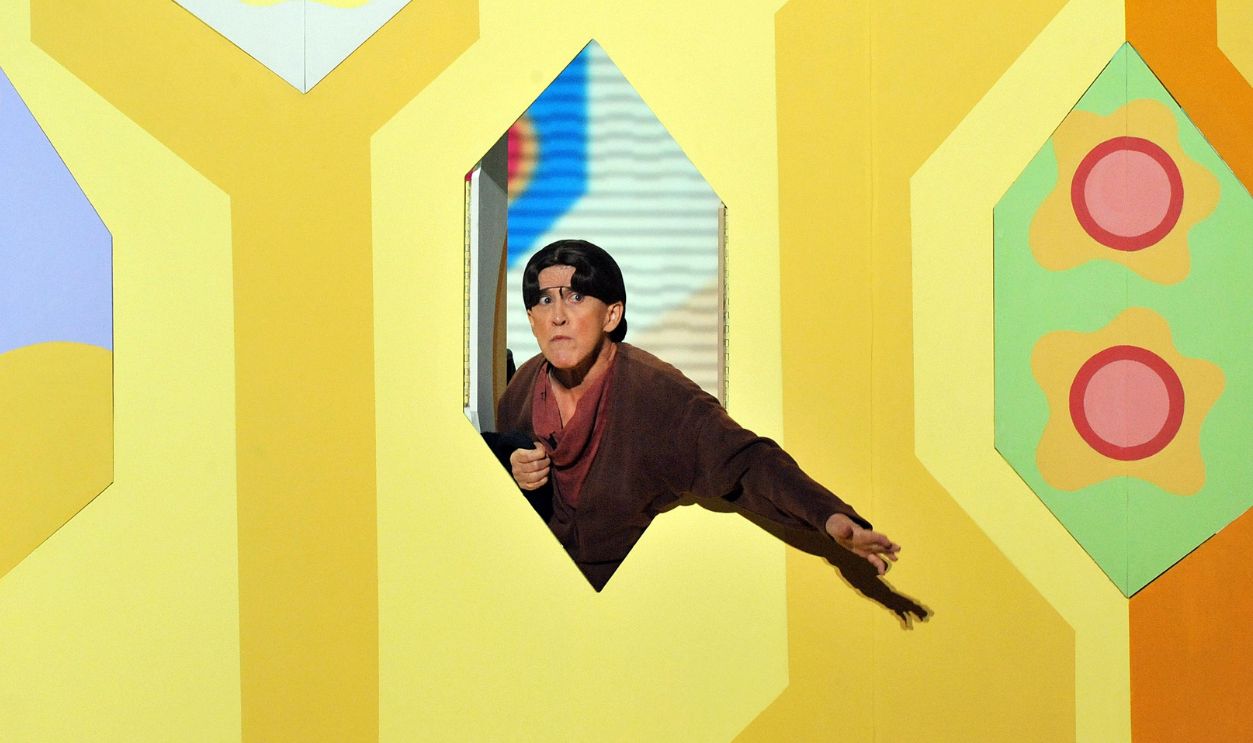
In 1973, Buzzi won the Golden Globe for supporting actress in television for Rowan & Martin’s Laugh-In. The Golden Globes’ official record lists it as her sole nomination and victory. The award arrived near the end of the show’s run, after Gladys had already become a familiar part of American popular culture.
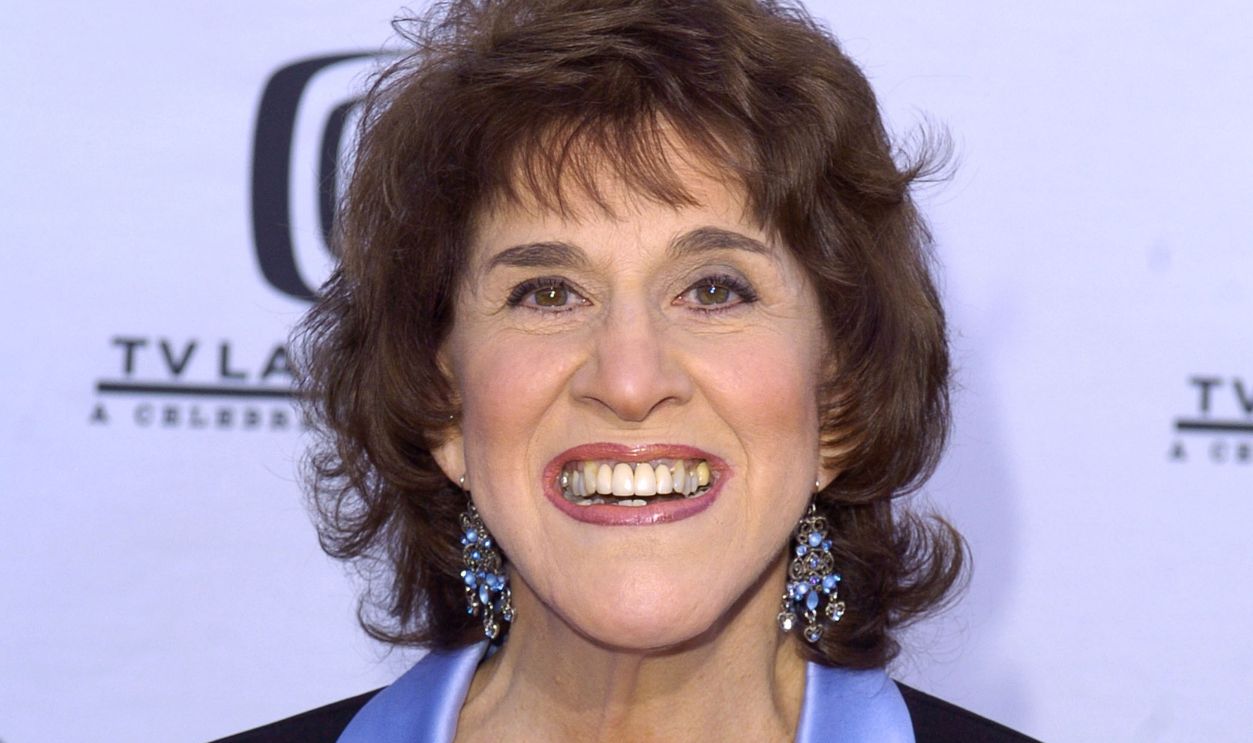
Gladys Survived Outside Laugh-In
Buzzi carried the character into Dean Martin’s celebrity roasts after Laugh-In. The Associated Press notes that Gladys used her purse on celebrities including Frank Sinatra, Lucille Ball, and Martin himself. A sketch character created for one frantic variety show had become portable enough to work wherever Buzzi carried the costume and handbag.
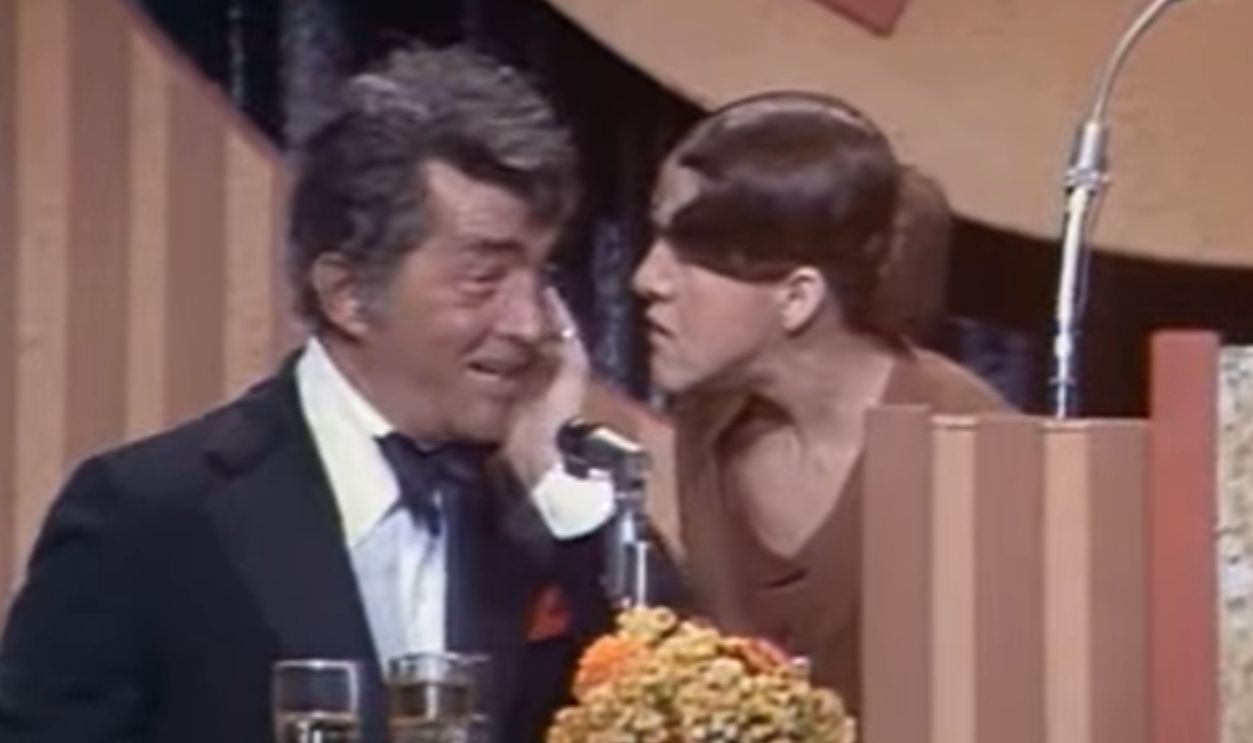 Screenshot from Ruth Buzzi Roasts Dean Martin and Jimmy Stewart, NBC (1970s)
Disney Found Room For Ruth Buzzi Too
Buzzi’s screen career extended well beyond variety television. She appeared in Disney’s 1976 Freaky Friday and The Apple Dumpling Gang Rides Again, among more than 20 film credits cited in later career retrospectives. Those roles helped introduce her to family audiences who might have been too young to remember Laugh-In at its peak.
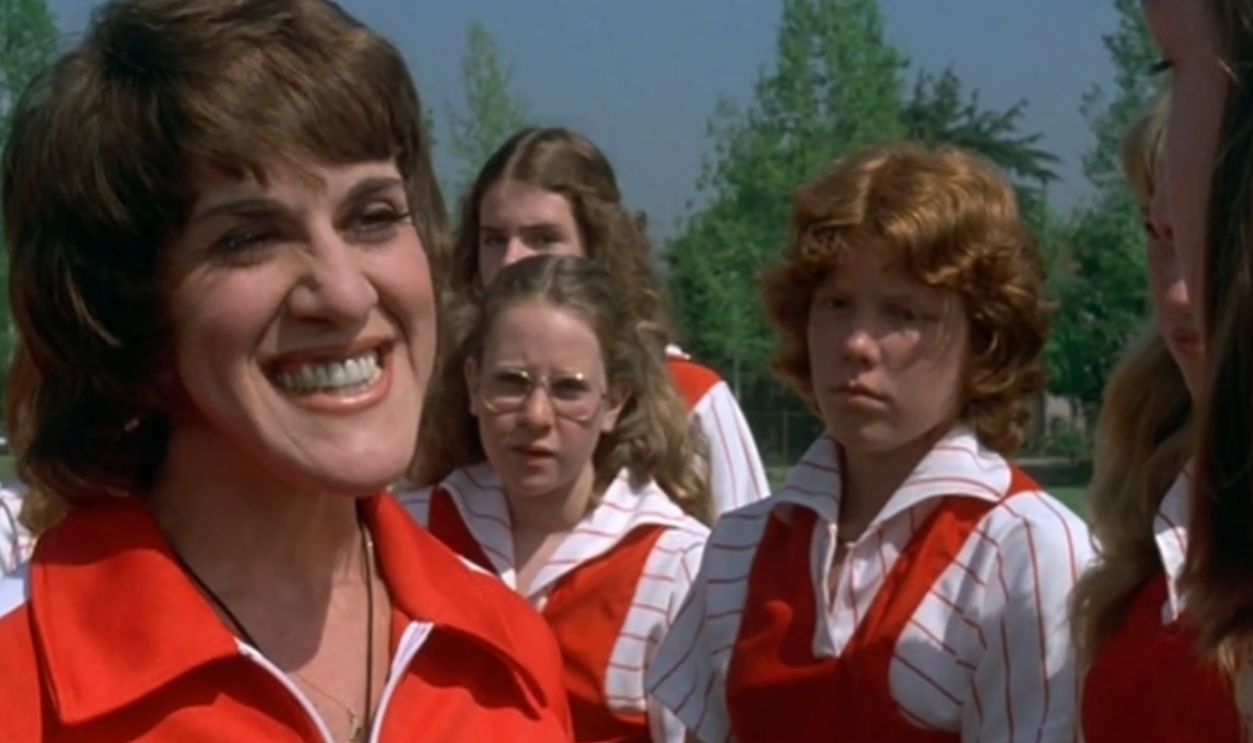 Screenshot from Freaky Friday, Buena Vista Distribution (1976)
Sesame Street Introduced Her To Another Generation
During the 1990s, Buzzi joined Sesame Street as Ruthie, proprietor of the Finders Keepers thrift shop in the program’s expanded neighborhood. Contemporary Washington Post coverage specifically identified Buzzi and the new shop as part of the show’s 25th-season changes. Sonia Manzano later discussed Buzzi as one of her Sesame Street colleagues in her Television Academy oral history.
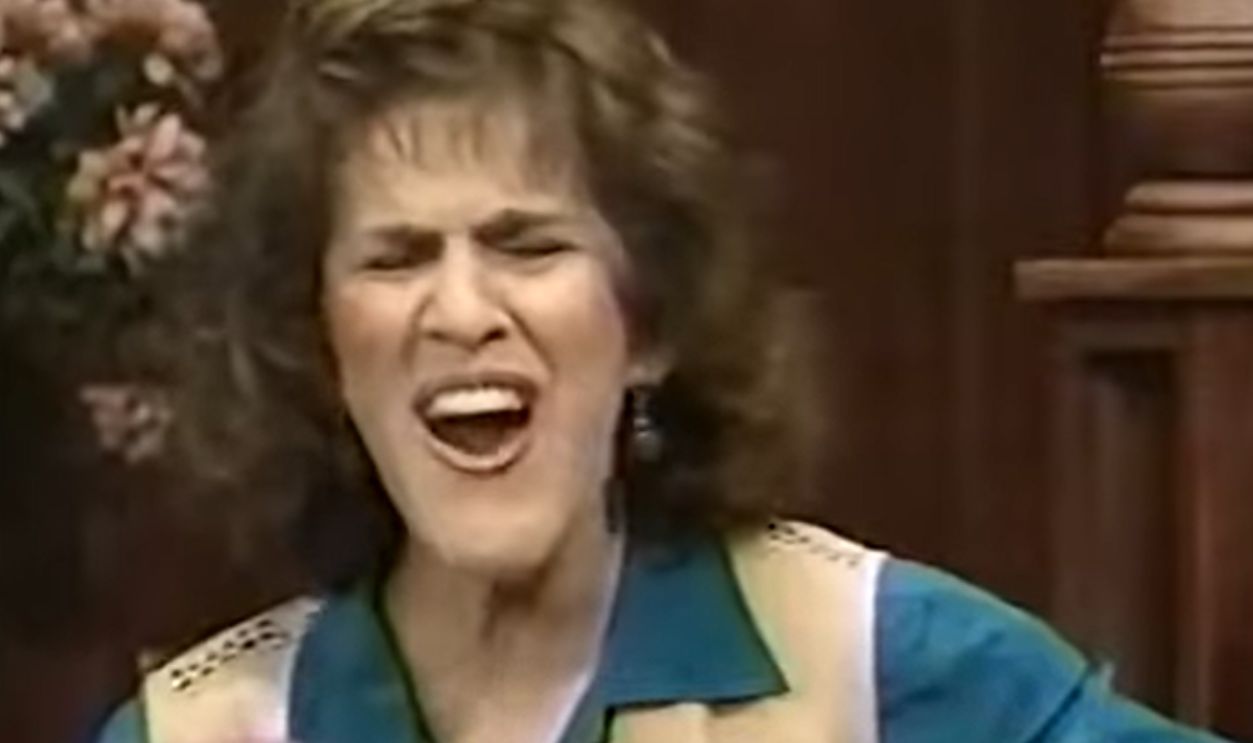 Screenshot from Sesame Street, Sesame Workshop (1969-)
Her Voice Became Just As Useful As Her Face
Buzzi also developed an extensive career in animation and voice work. Her credits included productions connected with The Smurfs, The Berenstain Bears, and other animated properties. It was a fitting second act for a performer whose comedy had always depended on distinctive sounds, vocal rhythms, and sharply defined characters.
 Screenshot from The Berenstain Bears, Worldvision Enterprises (1985-1987)
More Than Two Hundred TV Appearances Followed
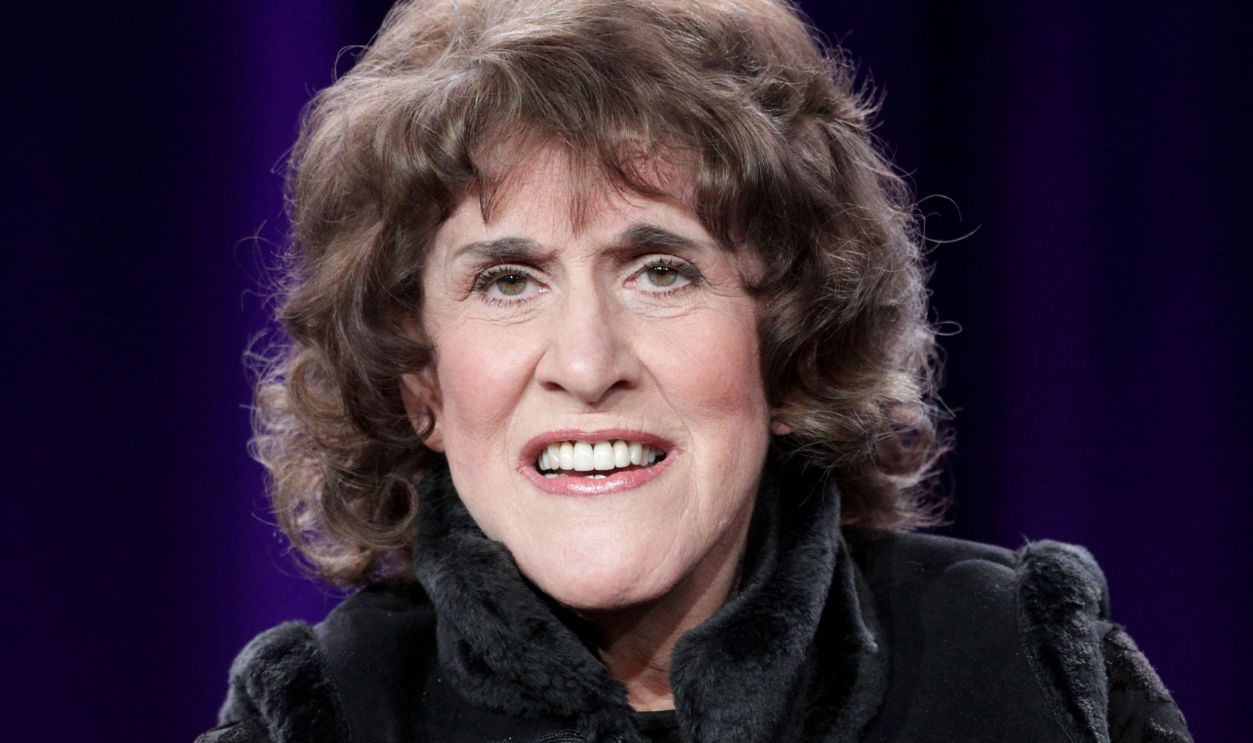
The Associated Press credited Buzzi with more than 200 television appearances across a career spanning about 45 years. She moved between sitcoms, variety shows, children’s programming, roasts, commercials, and cartoons without ever escaping the affectionate association with Gladys. Rather than resenting the character’s endurance, Buzzi repeatedly embraced how much pleasure audiences still took in remembering her.
 Frederick M. Brown, Getty Images
People Never Stopped Asking For The Purse
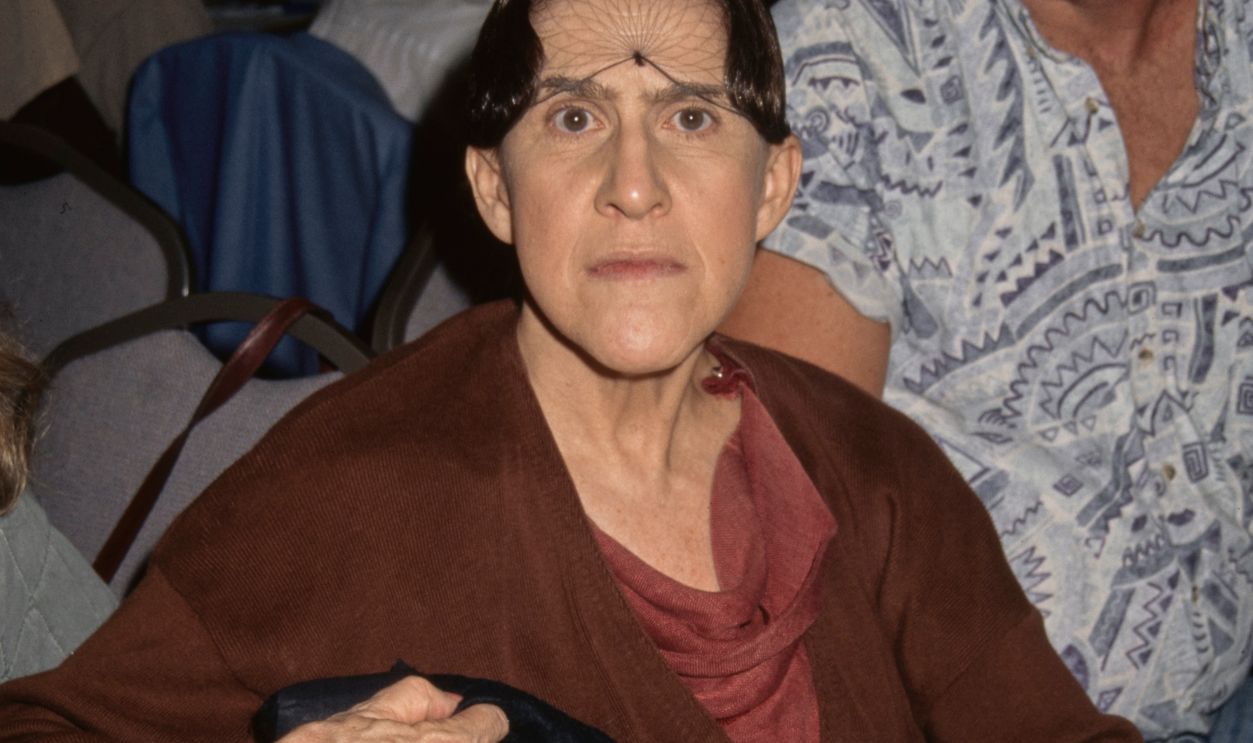
Decades after Laugh-In, strangers still wanted Buzzi to recreate Gladys’s most famous move. Entertainment Weekly recalled Buzzi telling a story about Elton John approaching her at a Beverly Hills party and asking to be hit with the purse because it was on his bucket list. When a two-second physical gag remains recognizable to people generations later, it has moved beyond a sketch and into pop-culture memory.
Gladys Outlived The Era That Created Her
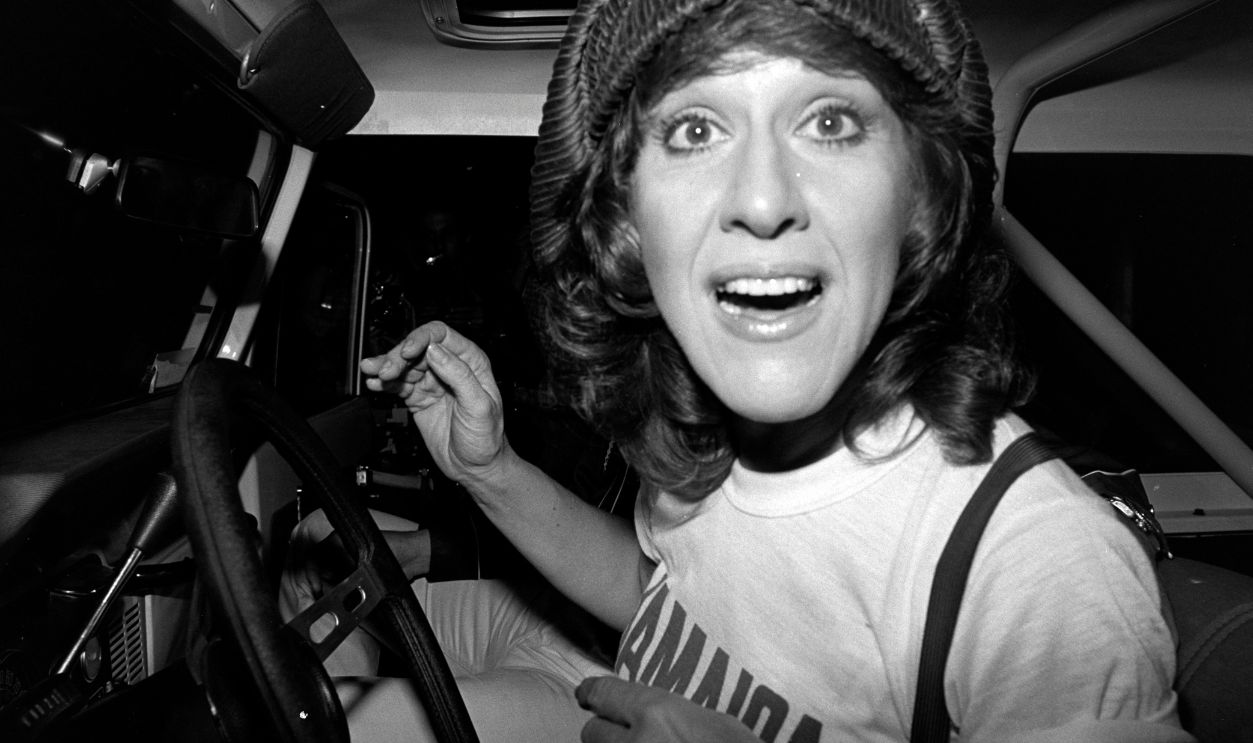
Buzzi died on May 1, 2025, at age 88 after living for years with Alzheimer’s disease. Obituaries from the Associated Press, Entertainment Weekly, the Los Angeles Times, and the Washington Post all led with the same image: Gladys Ormphby and that formidable purse. Ruth Buzzi performed hundreds of roles, but one hairnet, one park bench, and one perfectly timed swing were enough to put her into comedy history.
You May Also Like:
Facts About Classic TV Shows That Will Make You Nostalgic
The First TV Shows To Break Major Barriers
Does Anyone Remember These Television Shows? Anyone?
Sources: 1, 2, 3, 4, 5, 6, 7, 8, 9, 10, 11, 12, 13, 14, 15, 16, 17, 18, 19