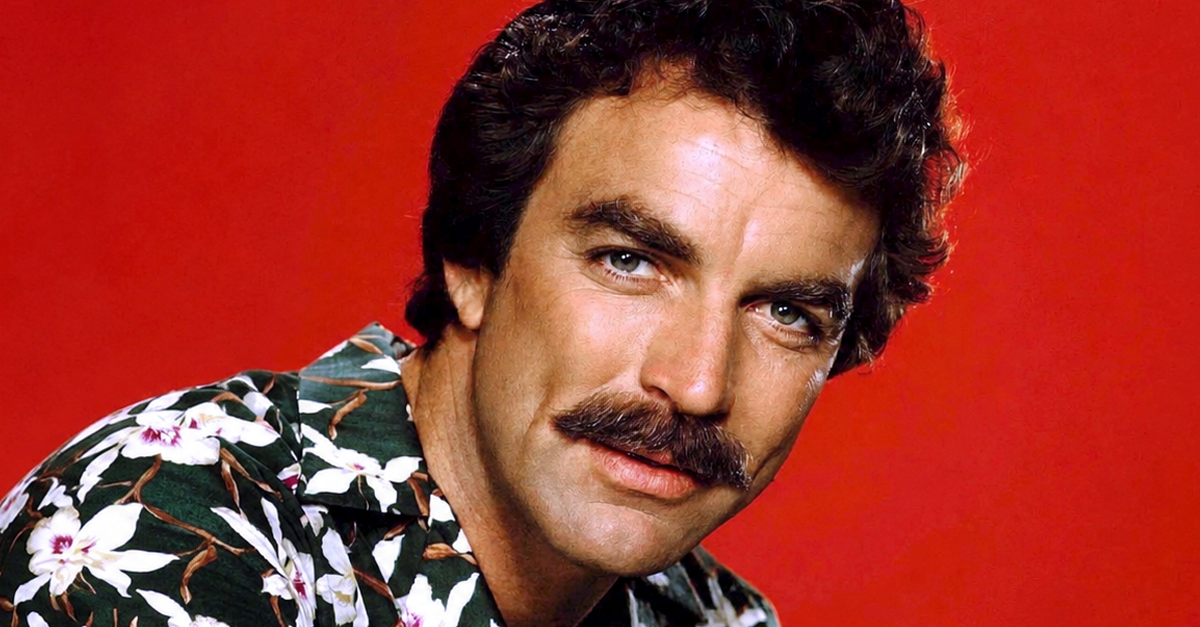
Magnum, P.I. Changed Everything
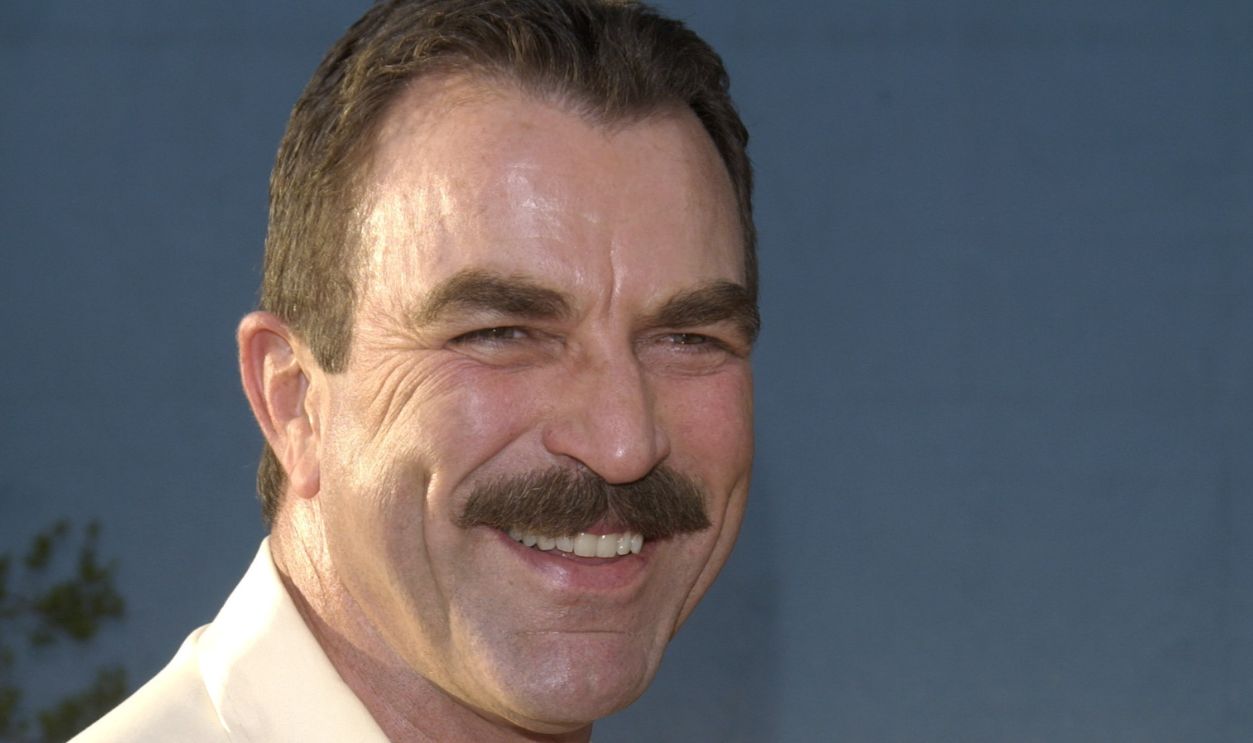
By the time Tom Selleck landed Magnum, P.I., he had already spent nearly a decade trying to break through in Hollywood. Then Thomas Magnum changed everything, turning the 35-year-old into one of TV’s biggest stars almost overnight. Selleck had finally made it, but he quickly discovered that fame came with consequences he never expected.
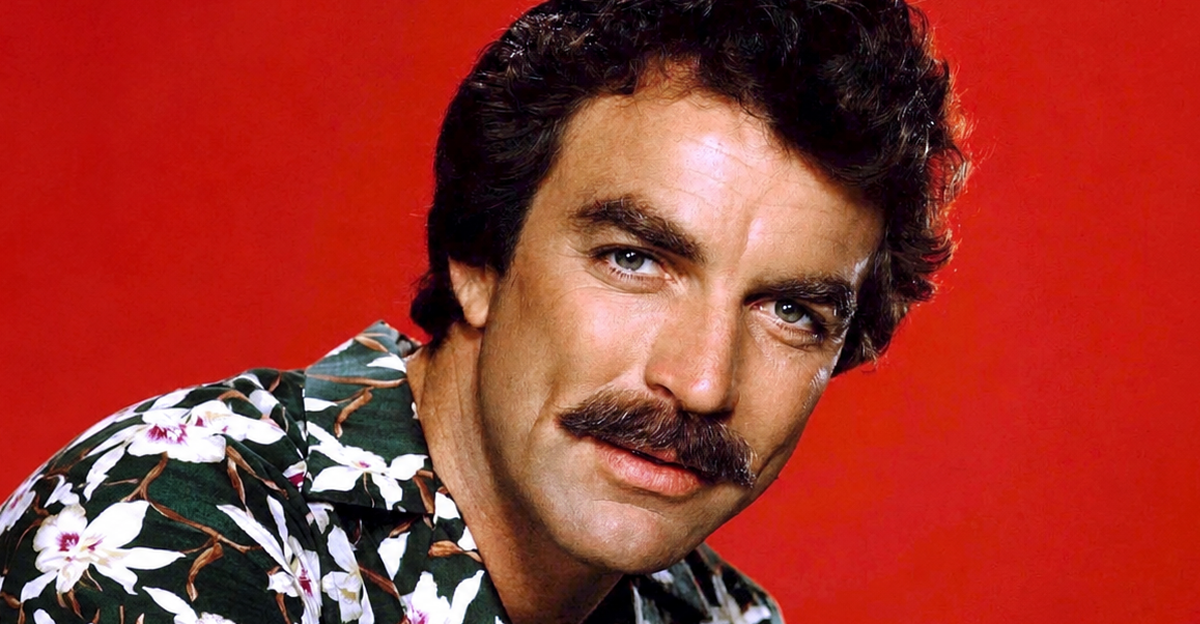 Sunset Boulevard/Corbis, Getty Images
Acting Was Never The Grand Plan
Selleck attended the University of Southern California and played basketball while studying there. He later recalled that acting entered his life almost by accident after he took a theater class. Before long, something he had never planned on doing became the career he wanted to chase.
The Dating Game Was An Early Reality Check
Long before anyone associated him with a Hawaiian shirt and mustache, Selleck appeared as a contestant on The Dating Game. He was Bachelor No. 2, and he did not win the date. The experience was a far cry from the effortless confidence audiences would later associate with Thomas Magnum.
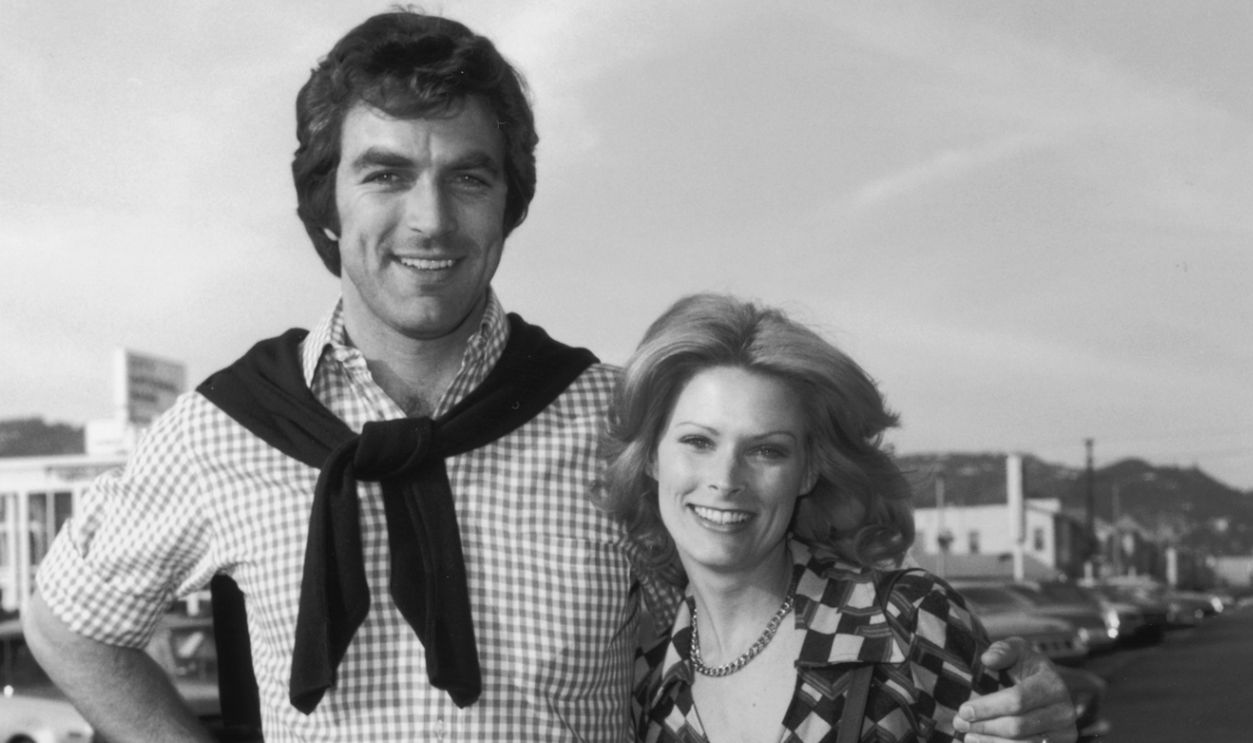
Years Of Rejection Followed
Selleck found commercials, guest roles, and a stint as Jed Andrews on The Young and the Restless, but lasting success remained elusive. He also made six television pilots that failed to become series. Looking back, he has described that stretch as a long period filled with failures and learning.
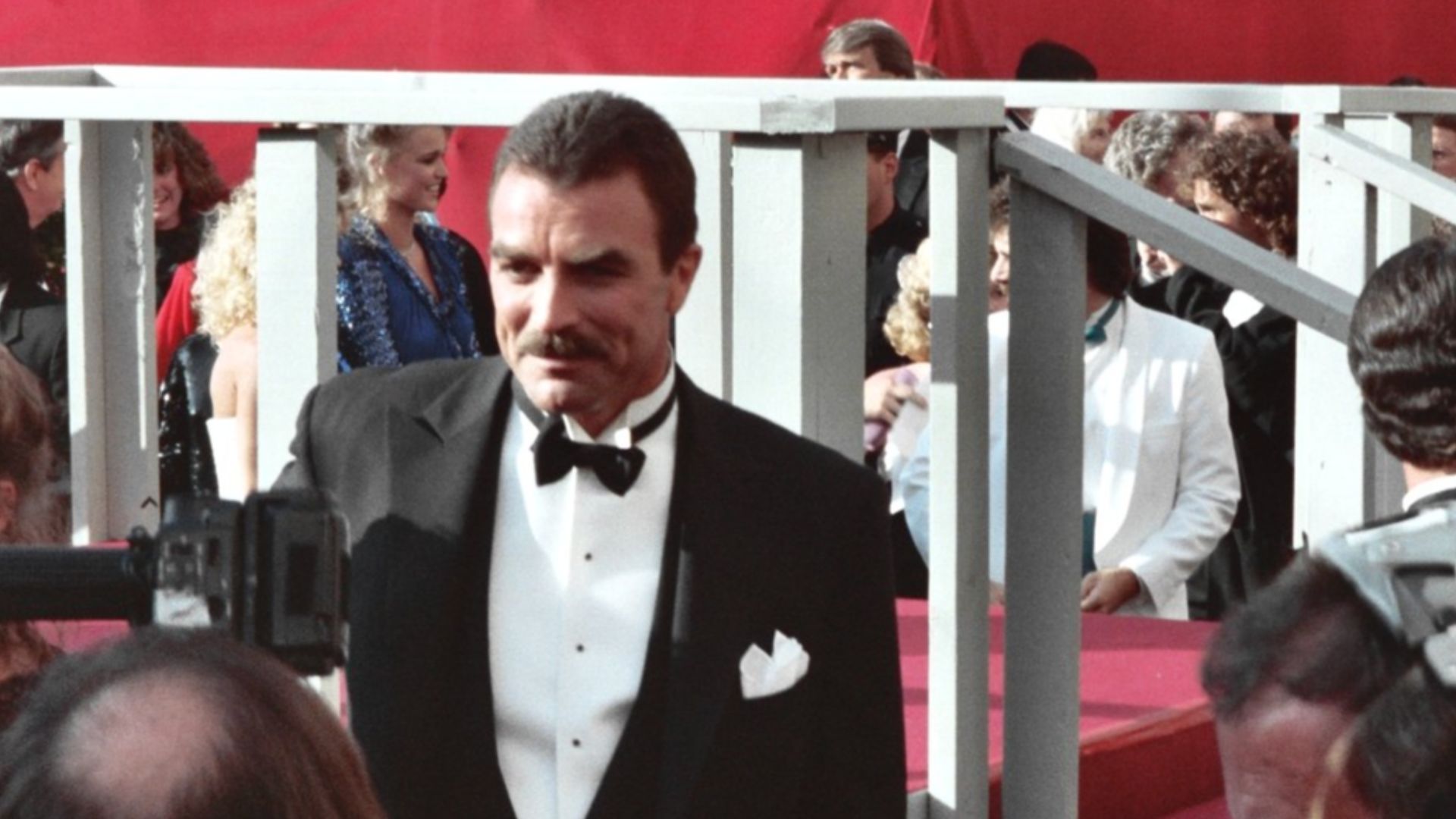
 Featureflash Photo Agency, Shutterstock
The Rockford Files Helped Change His Luck
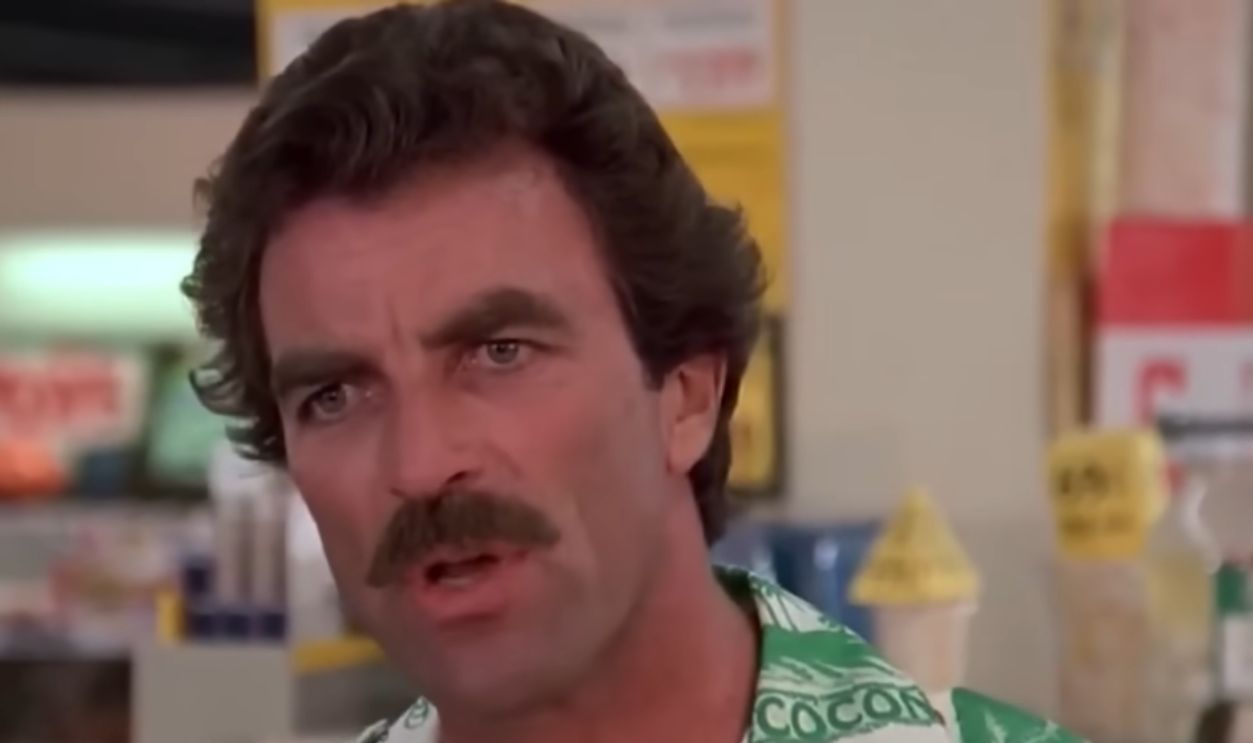
A major step forward came when Selleck played the unusually polished private investigator Lance White on The Rockford Files in 1978. His performance helped convince CBS and Universal that Selleck could carry a detective series of his own. Suddenly, the years of near misses were starting to lead somewhere.
 Screenshot from Magnum, P.I., NBCUniversal (1980-1988)
He Wasn't Sold On The Original Magnum
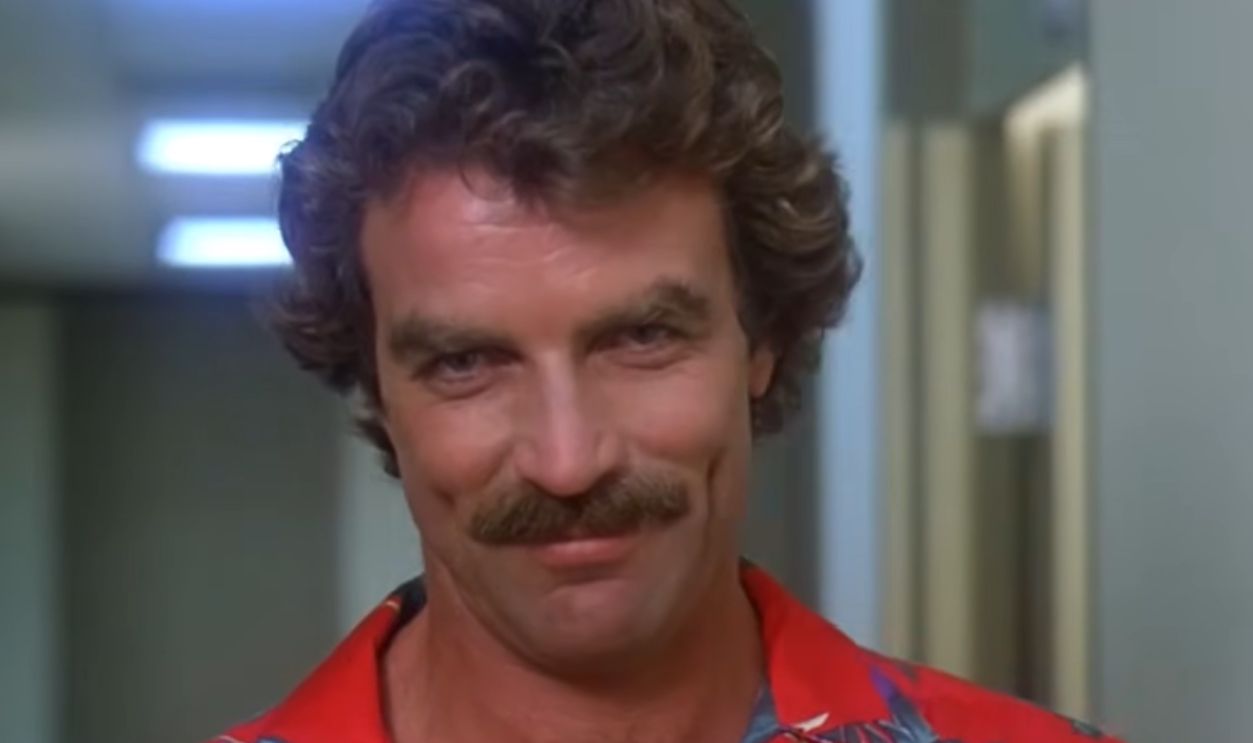
Getting offered a starring vehicle did not mean Selleck was willing to accept the character exactly as written. The original conception of Magnum was much more conventionally macho and was compared to a James Bond-style hero. Selleck thought that version was too perfect to be interesting.
 Screenshot from Magnum, P.I., NBCUniversal (1980-1988)
He Wanted Magnum To Mess Up
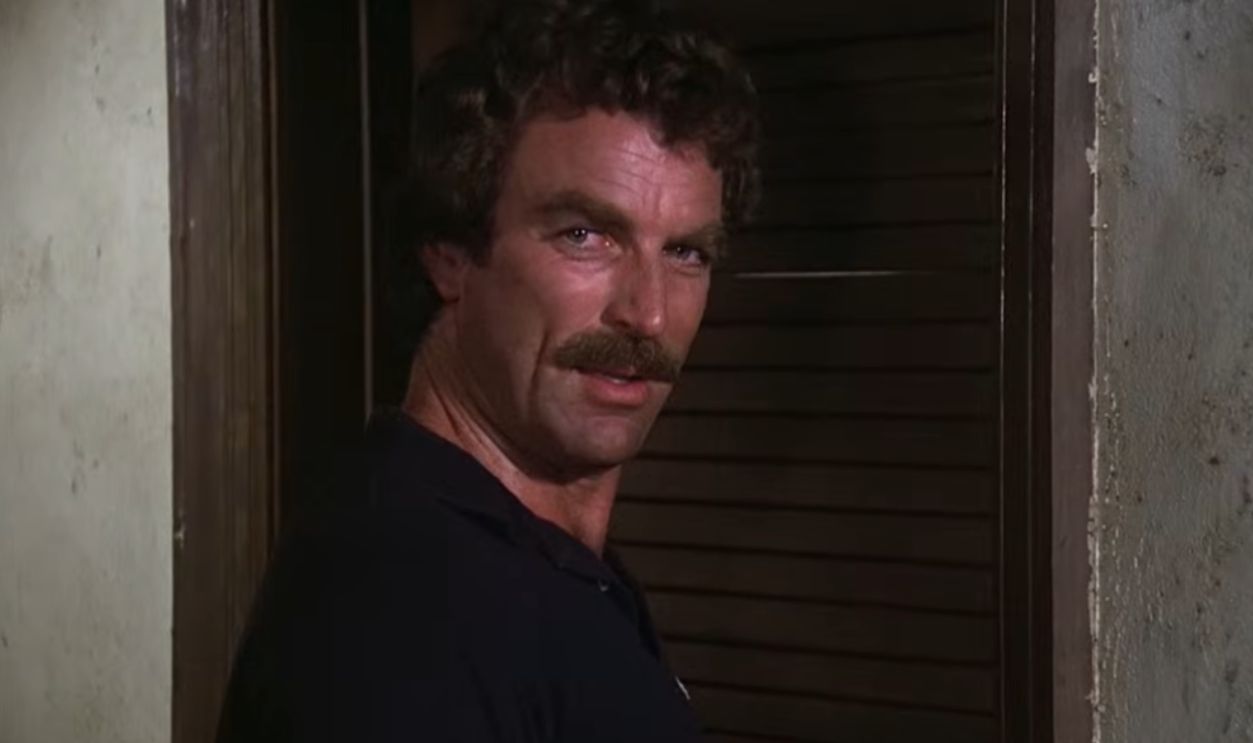
Selleck pushed for a hero who could lose, make mistakes, and occasionally look ridiculous. That approach brought Thomas Magnum closer to the flawed charm Selleck admired in James Garner’s Jim Rockford. The result was a leading man who could look heroic one minute and find himself scrambling from trouble the next.
 Screenshot from Magnum, P.I., NBCUniversal (1980-1988)
He Fought For Magnum's Military Past
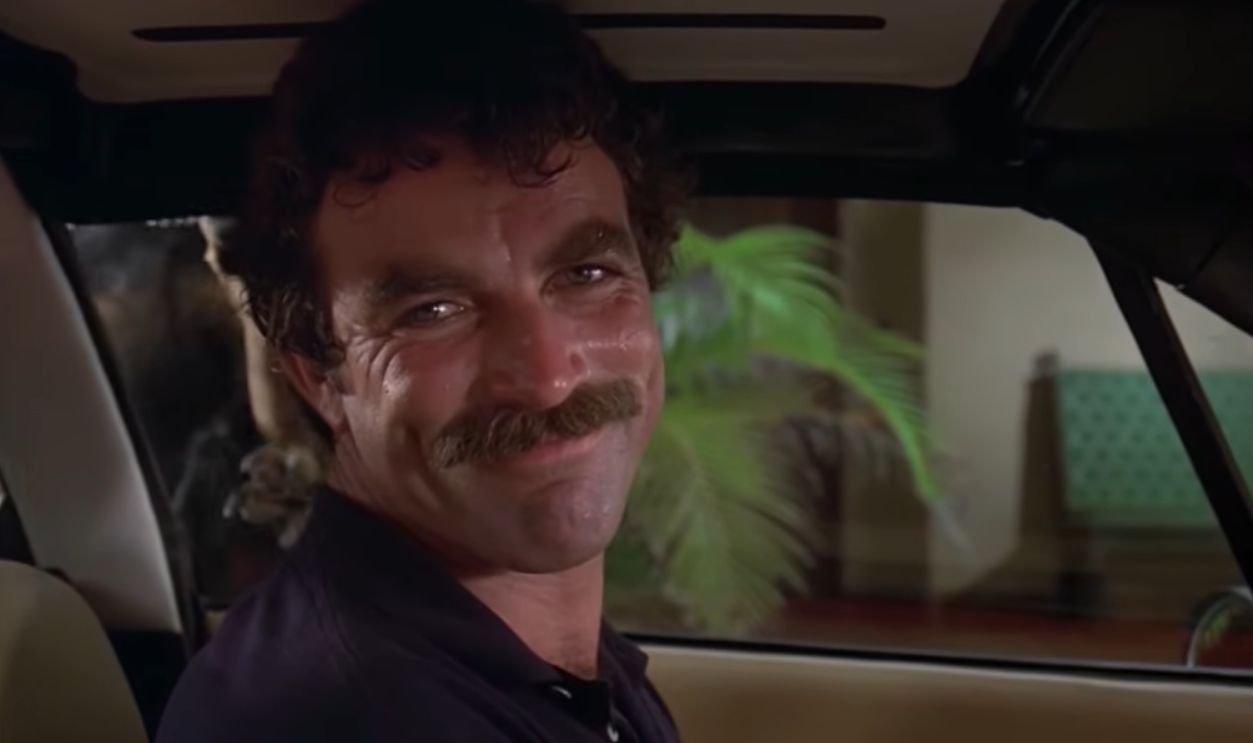
Selleck also believed Magnum’s history as a Vietnam veteran should remain central to the character. CBS had reservations about emphasizing that element, but Selleck and the show’s producers fought to retain it. Magnum’s experiences and friendships with fellow veterans eventually became an important part of the series.
 Screenshot from Magnum, P.I., NBCUniversal (1980-1988)
Then Indiana Jones Came Calling
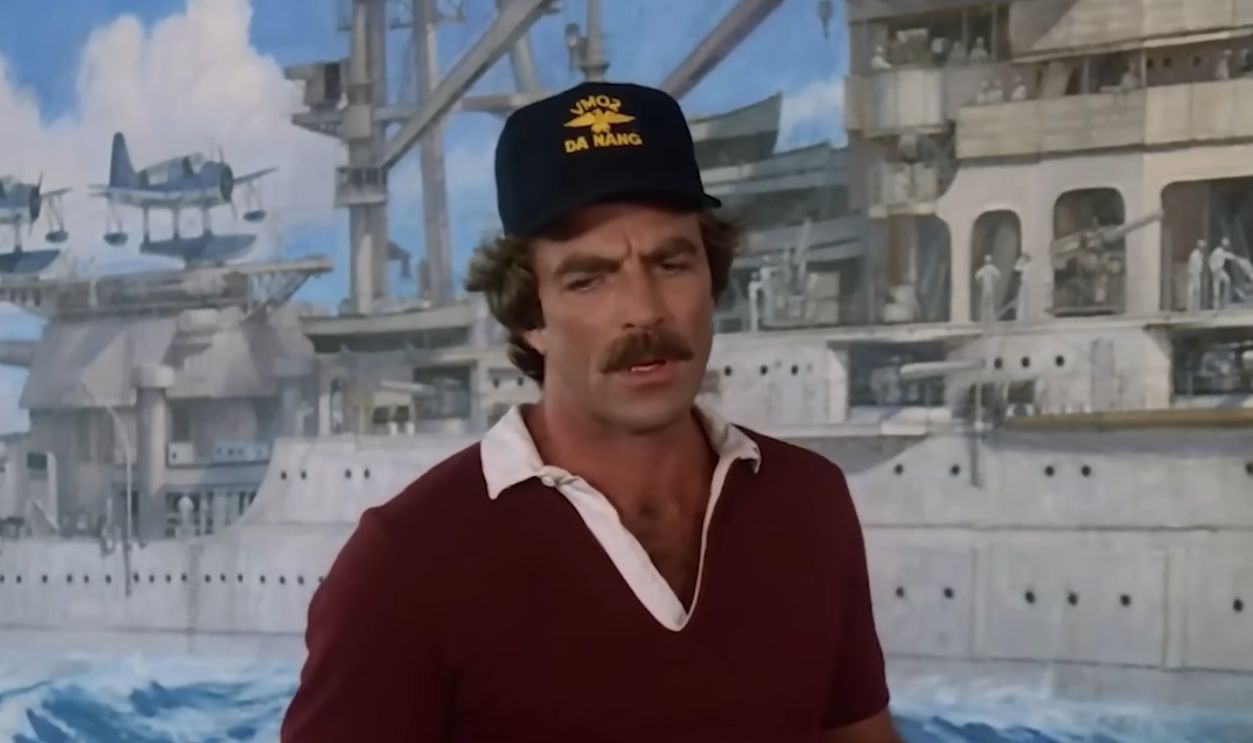
Just as Magnum, P.I. was becoming real, Selleck received the kind of opportunity actors spend their careers chasing. Steven Spielberg wanted him to play Indiana Jones in Raiders of the Lost Ark. Selleck read the script and immediately realized how good the project was.
 Screenshot from Magnum, P.I., NBCUniversal (1980-1988)
He Didn't Actually Turn Raiders Down
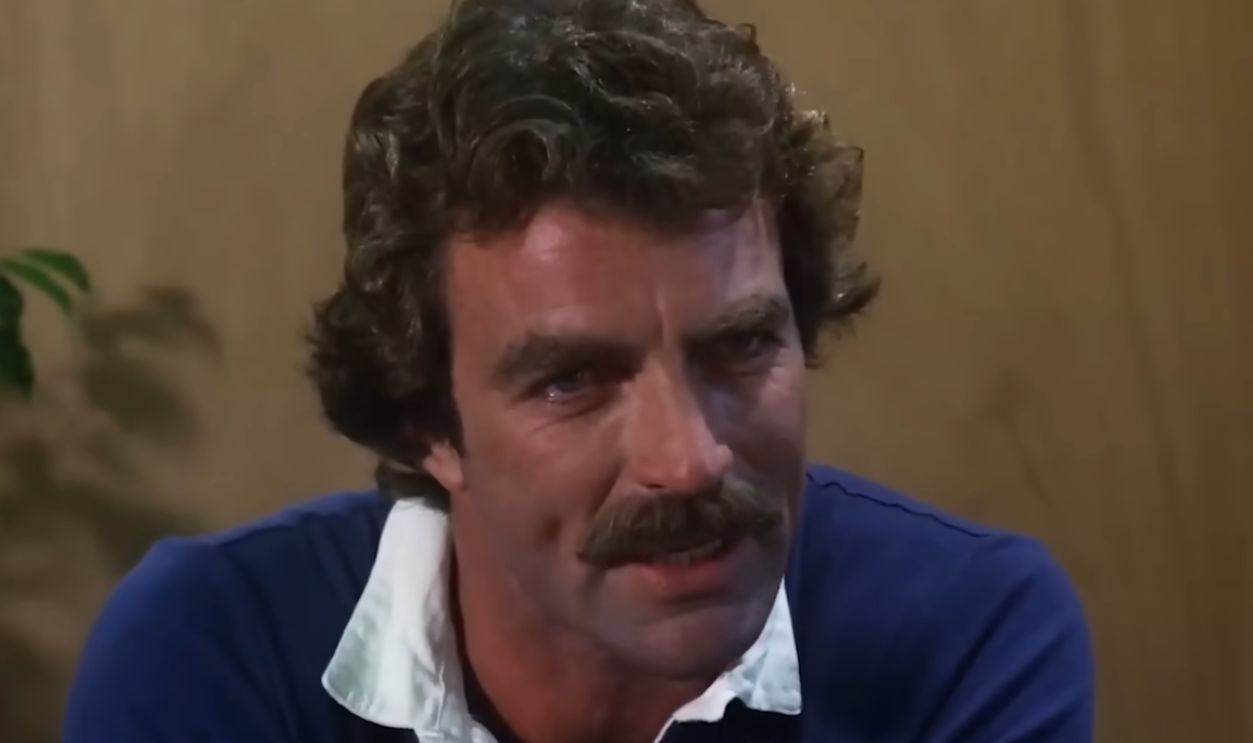
The story is sometimes shortened to Selleck choosing Magnum over Indiana Jones, but that is misleading. CBS held Selleck to his television commitment and would not release him to make the movie. Harrison Ford ultimately took the role and turned Indiana Jones into one of cinema’s defining heroes.
 Screenshot from Magnum, P.I., NBCUniversal (1980-1988)
The Timing Made It Even More Ironic
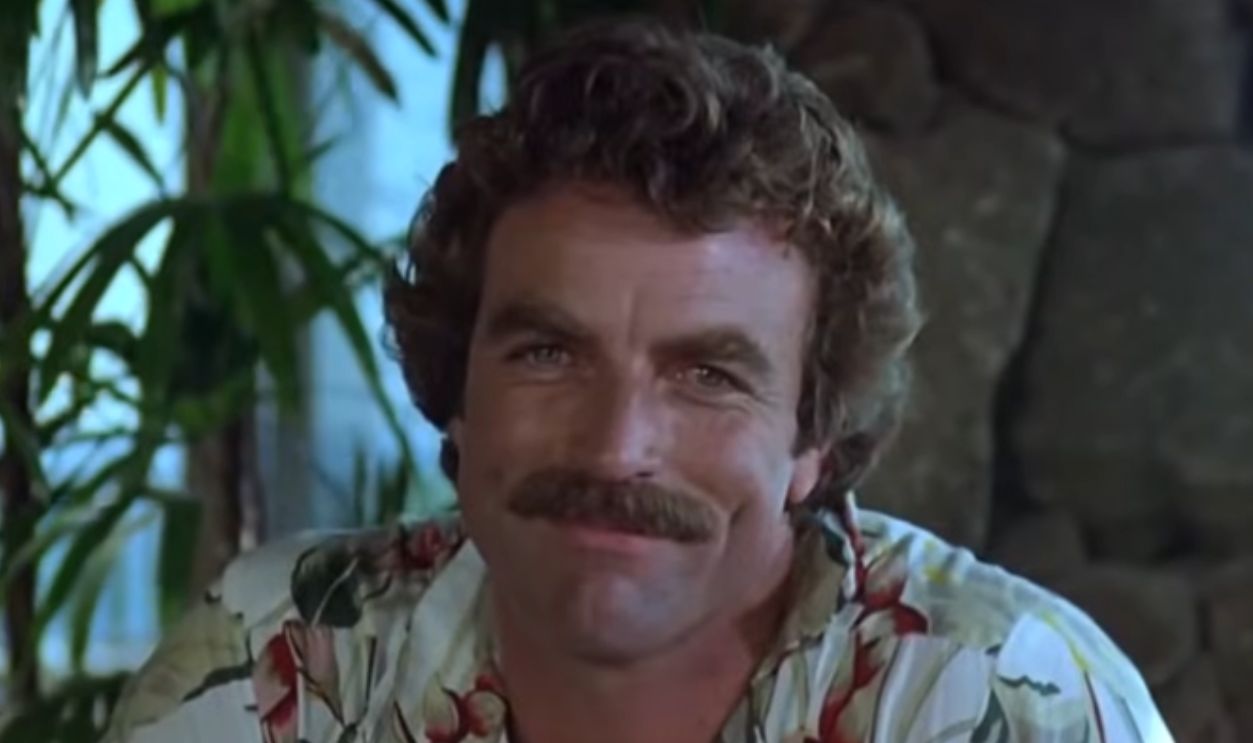
There was an added twist that made the missed opportunity particularly frustrating. Production on Magnum was delayed by the 1980 actors’ strike, and Selleck has since discussed how the scheduling might have worked after all. Still, his contractual commitment had already decided the issue.
 Screenshot from Magnum, P.I., NBCUniversal (1980-1988)
Magnum Quickly Found Its Audience
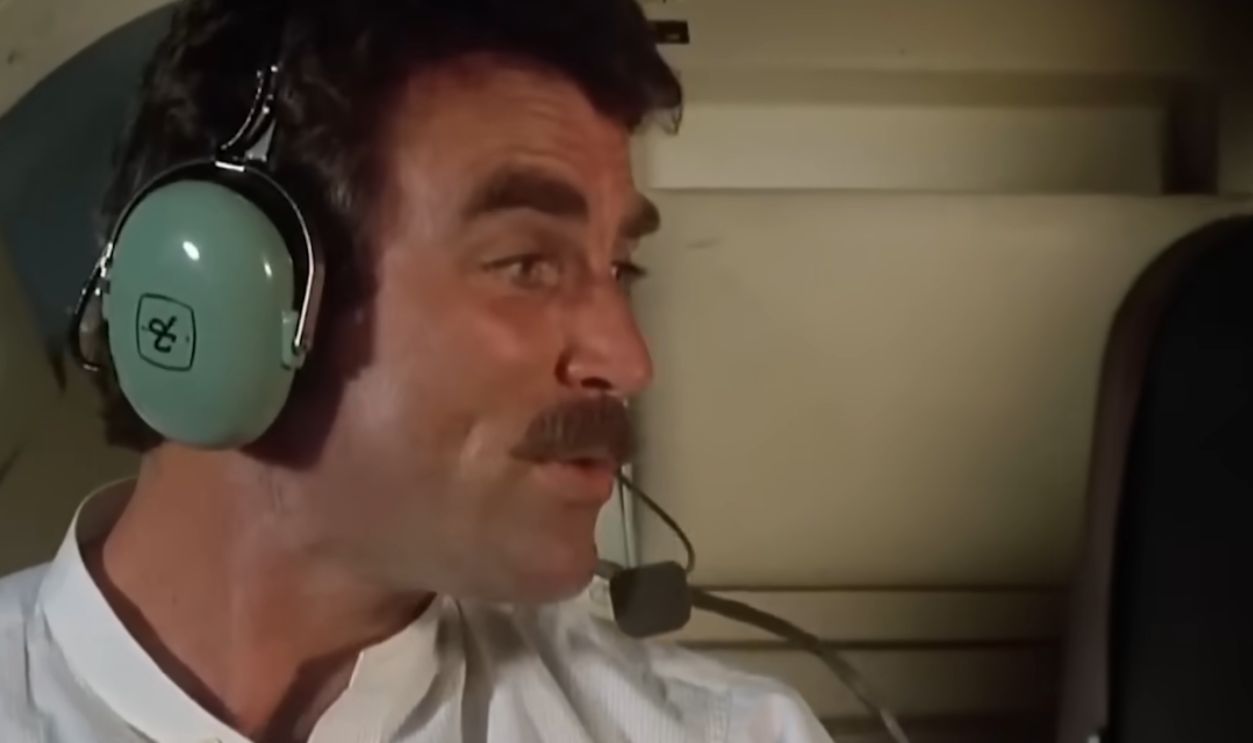
Magnum, P.I. premiered on CBS on December 11, 1980. The Hawaiian detective series quickly became a hit and finally gave Selleck the breakthrough that years of pilots and supporting roles had failed to deliver. His career had changed almost overnight, even if reaching that moment had taken years.
 Screenshot from Magnum, P.I., NBCUniversal (1980-1988)
The Look Became Instantly Recognizable
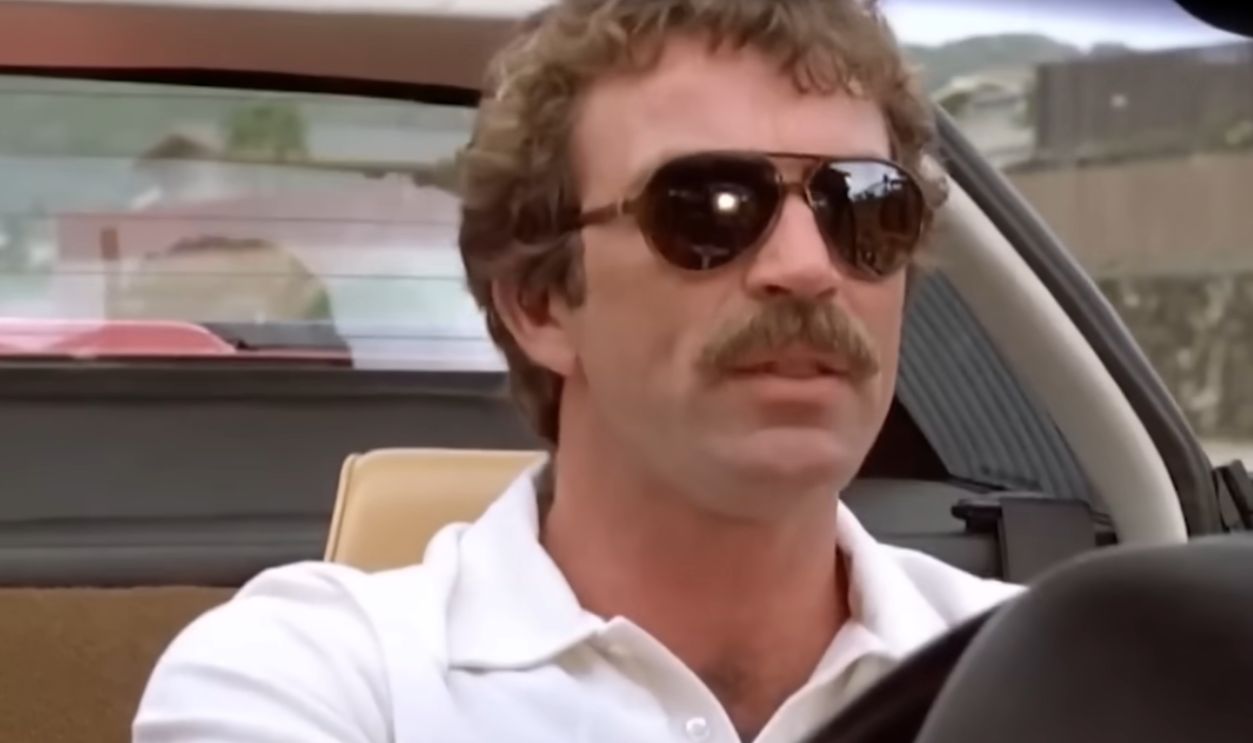
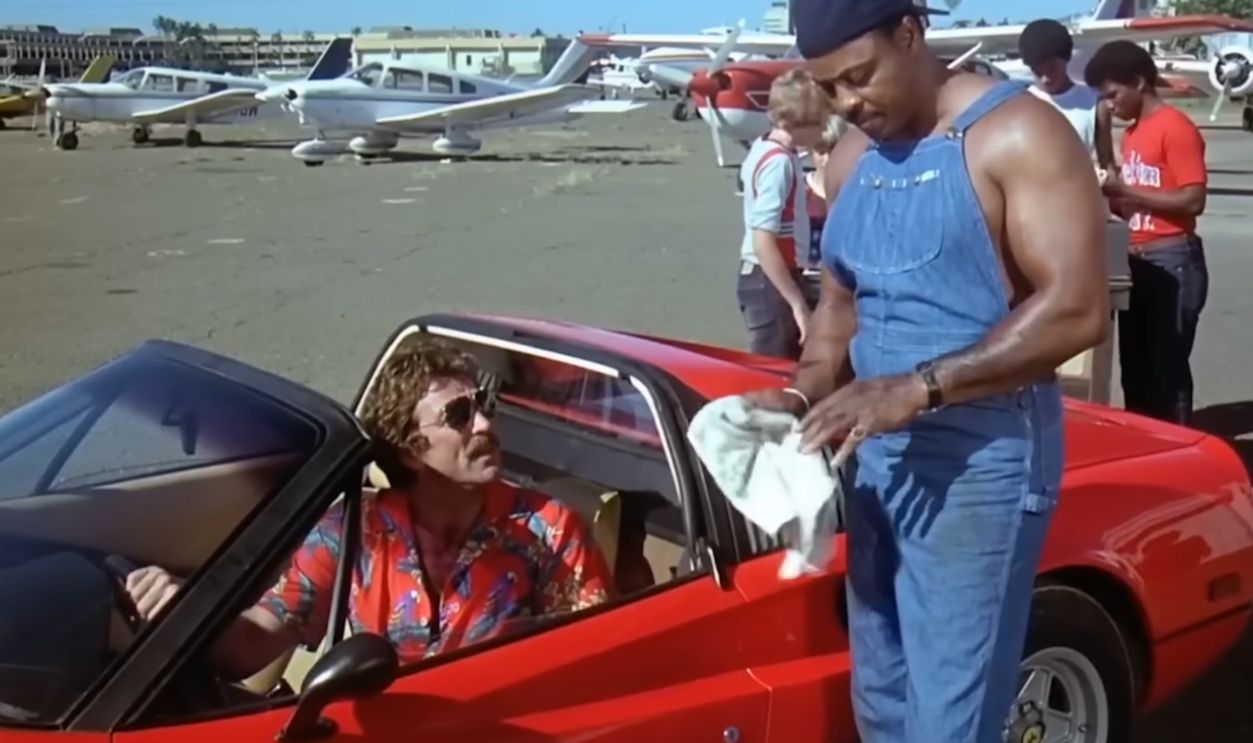
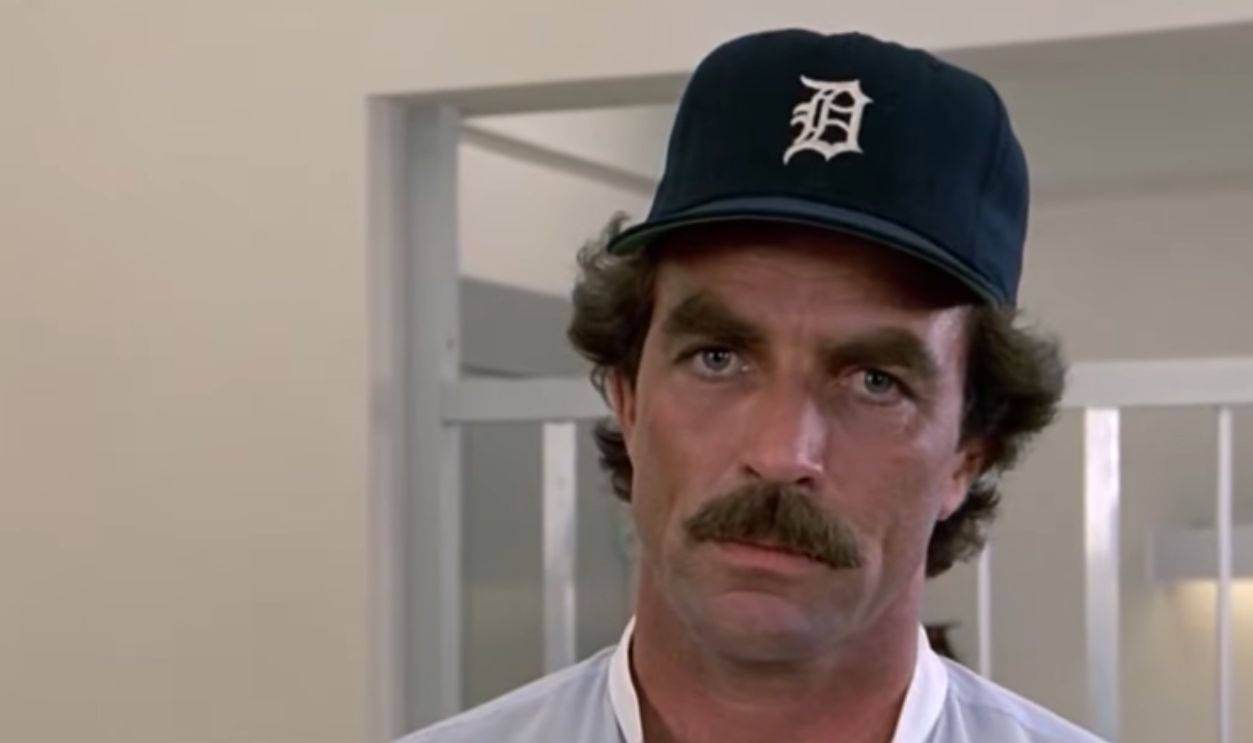
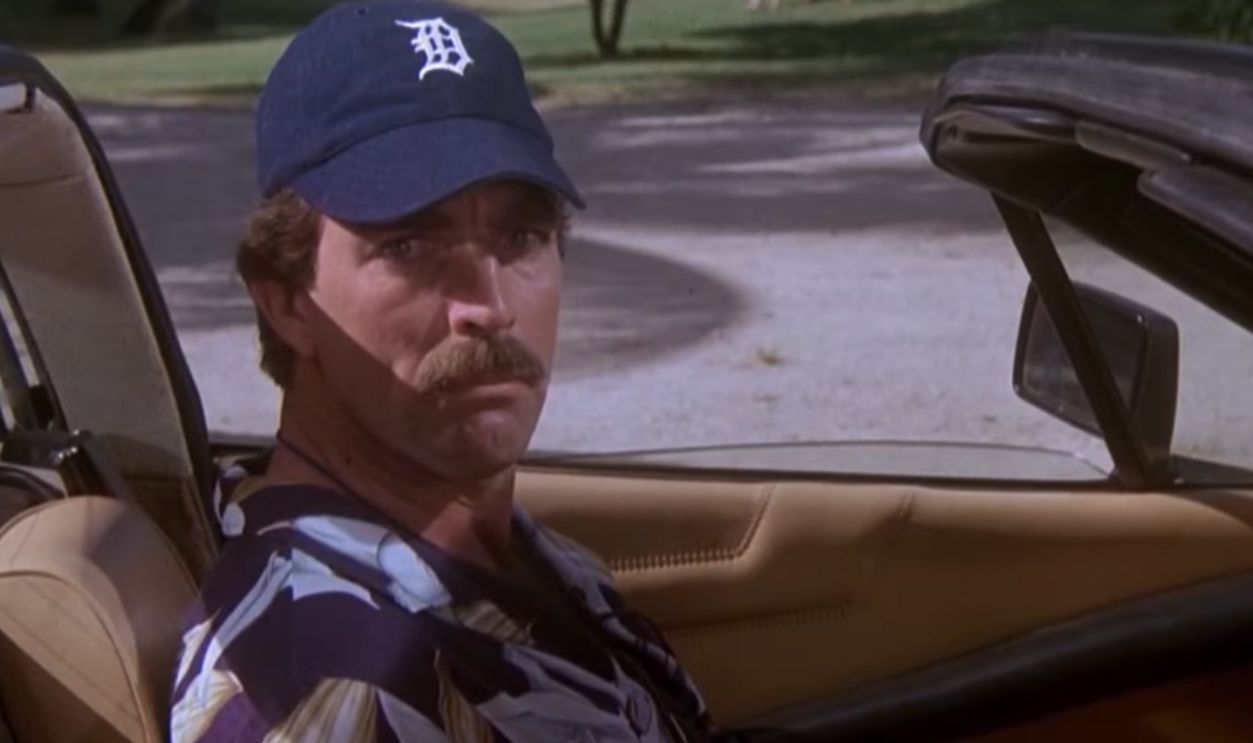
The show gave Selleck a visual identity that was almost impossible to separate from the decade. There were Hawaiian shirts, short shorts, a Detroit Tigers cap, and the red Ferrari 308. Yet the polished surroundings worked because Magnum himself was allowed to be far less polished.
 Screenshot from Magnum, P.I., NBCUniversal (1980-1988)
Magnum Needed His Friends
Selleck may have been the star, but the show built much of its personality around Magnum’s relationships. John Hillerman played the perpetually irritated Higgins, Roger E. Mosley was T.C., and Larry Manetti played Rick. Their arguments, favors, and shared history made the series feel like more than a weekly showcase for its leading man.
 Screenshot from Magnum, P.I., NBCUniversal (1980-1988)
Even Frank Sinatra Wanted In
The series eventually became big enough to attract some extraordinary guests. Frank Sinatra told Larry Manetti that he wanted to appear on Magnum, leading Selleck to contact him about a role. Sinatra's 1987 guest appearance became the legendary entertainer’s final acting performance.
 Screenshot from Magnum, P.I., NBCUniversal (1980-1988)
The Awards Started Piling Up
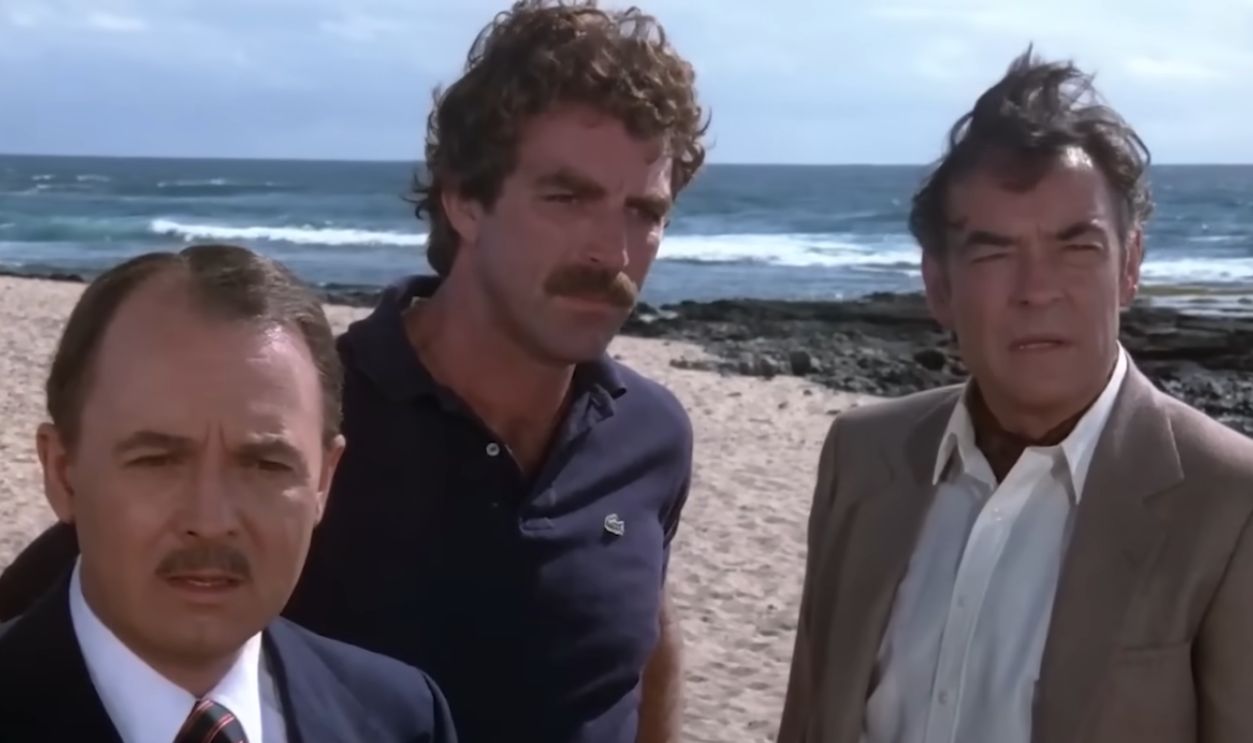
Selleck’s work was not just popular with audiences. He won the 1984 Emmy for Outstanding Lead Actor in a Drama Series, followed by a Golden Globe in 1985. A year later, his rise was cemented with a star on the Hollywood Walk of Fame.
 Screenshot from Magnum, P.I., NBCUniversal (1980-1988)
Selleck Didn't Love What Came Next
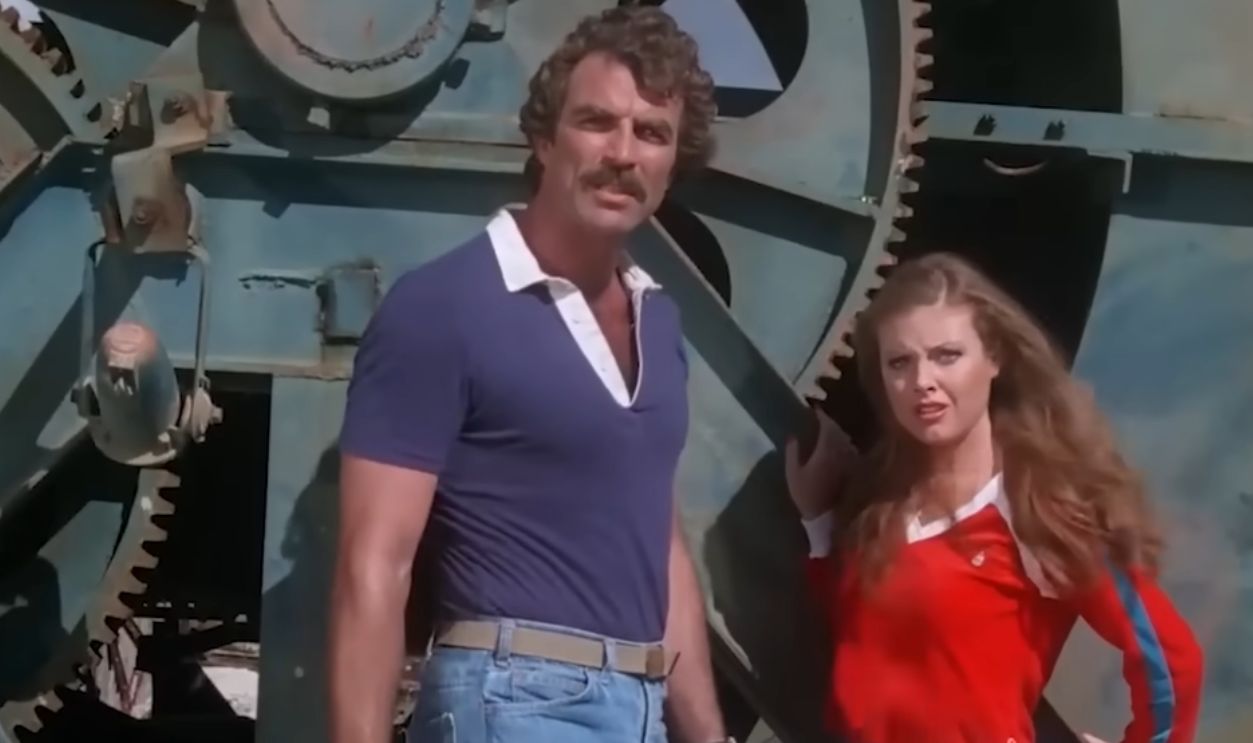
The professional success was enormous, but Selleck later admitted that he did not particularly enjoy the sudden level of attention. Privacy and family were major reasons for his discomfort. He found himself trying to decide where the boundary between Tom Selleck the actor and Tom Selleck the private person should be.
 Screenshot from Magnum, P.I., NBCUniversal (1980-1988)
Hawaii Gave Him Somewhere To Hide
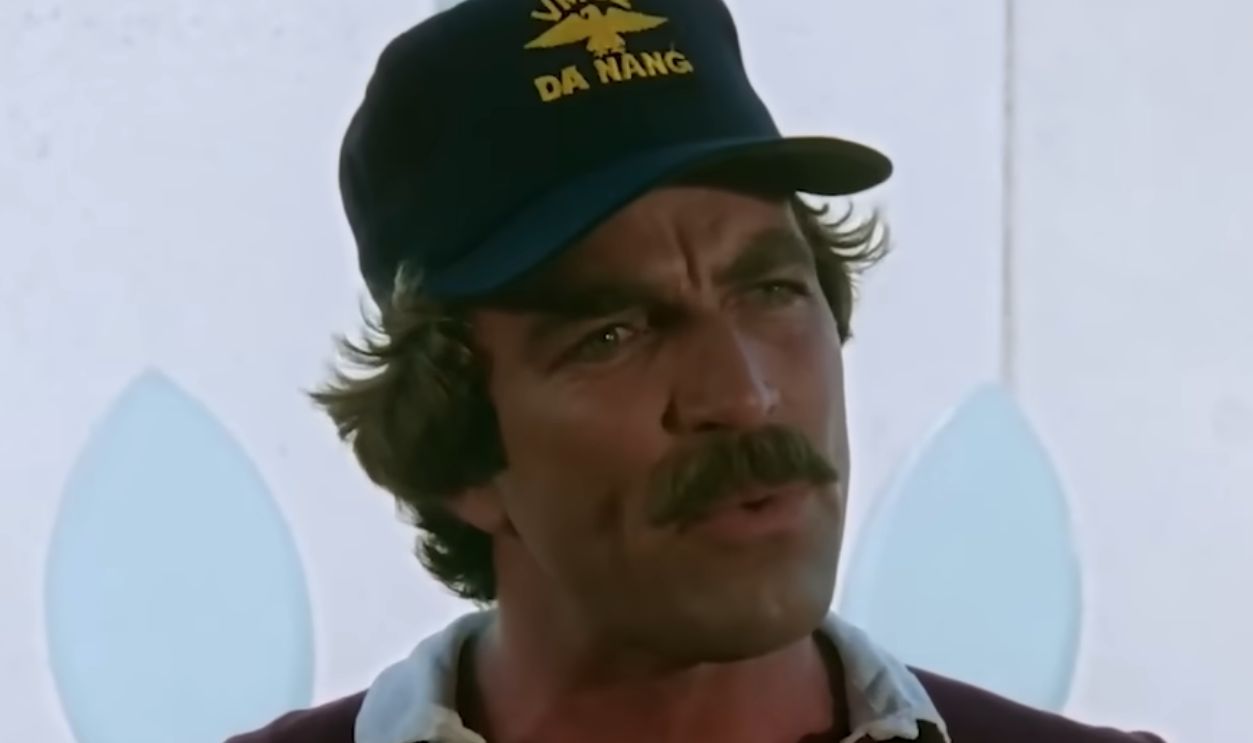
Living in Hawaii initially softened the transition. Selleck rented a tiny one-bedroom home and spent time around locals at the Outrigger Canoe Club while waiting for Magnum production to begin. He later said filming away from Los Angeles gave him a valuable buffer from the full force of celebrity culture.
 Screenshot from Magnum, P.I., NBCUniversal (1980-1988)
Soon The Crowds Were Impossible To Ignore
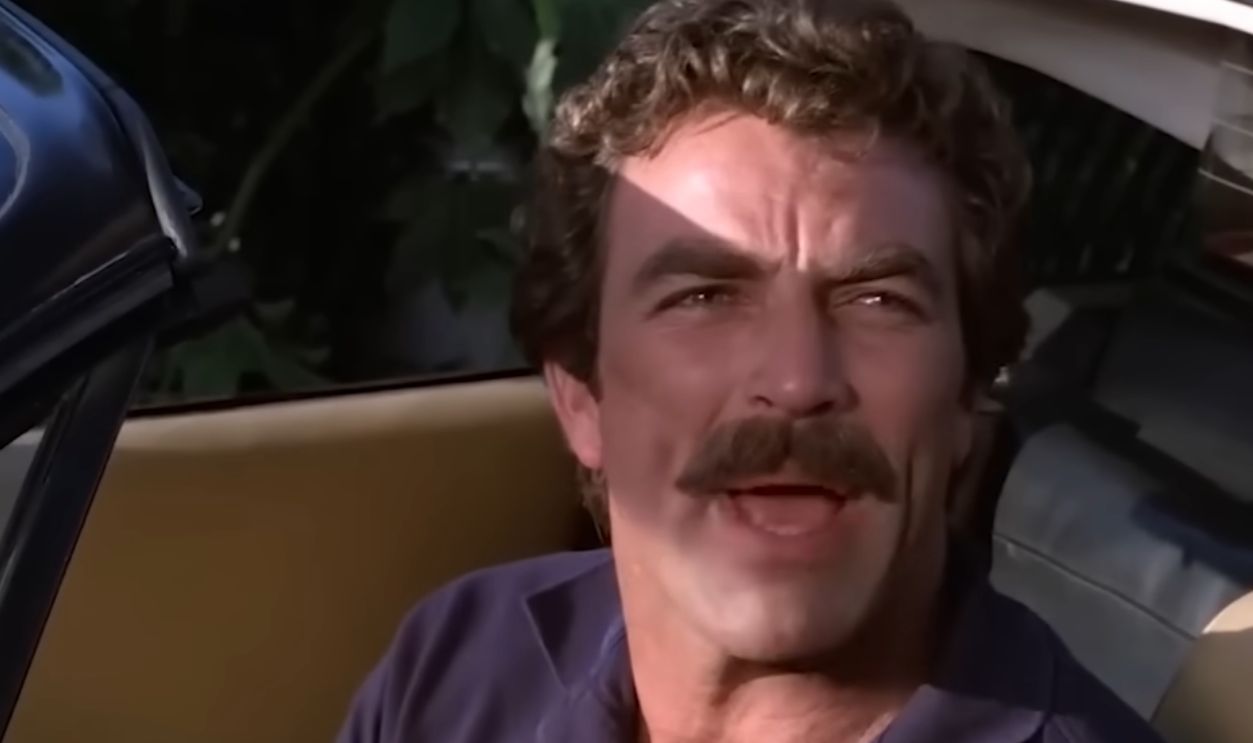
That relative anonymity did not last. By 1985, The Washington Post reported that crowds of fans were complicating filming in Waikiki and turning public appearances into major events. Selleck had finally achieved the recognition every struggling actor supposedly wanted, only to discover how disruptive it could become.
 Screenshot from Magnum, P.I., NBCUniversal (1980-1988)
Even Simple Choices Changed
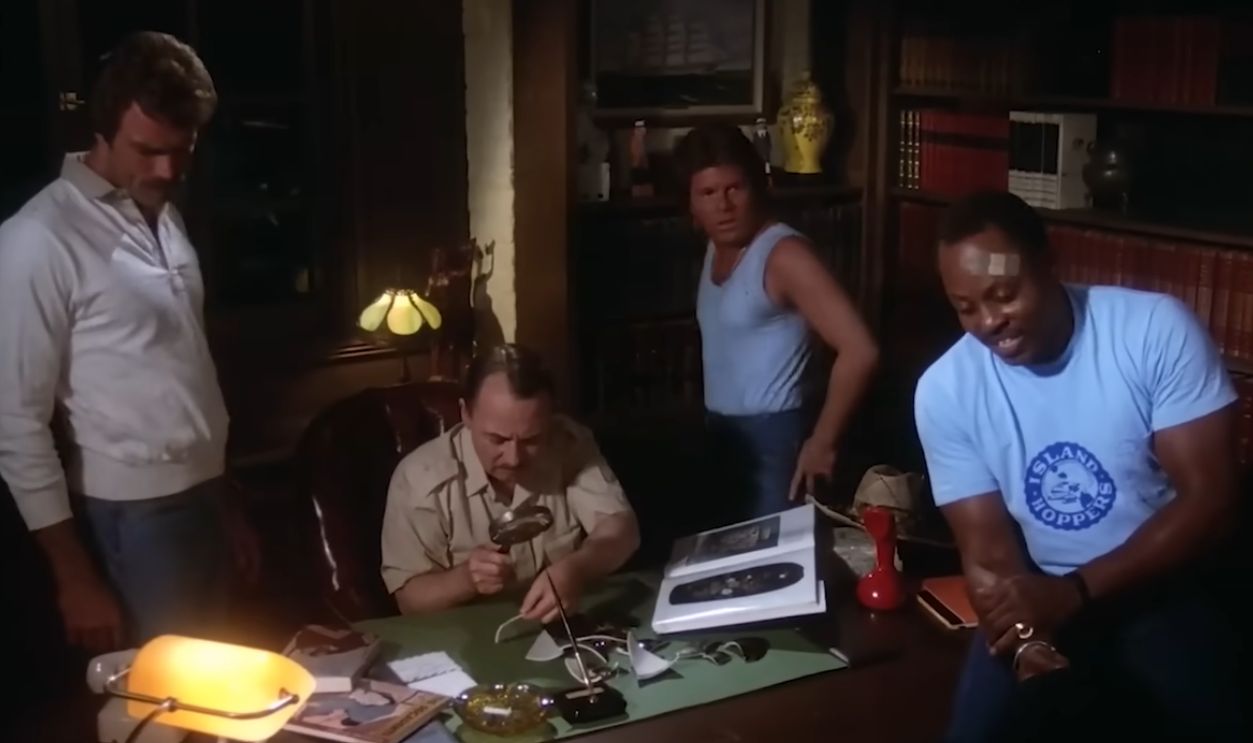
Celebrity began affecting everyday decisions that had nothing to do with acting. Selleck said he had started choosing restaurants based on how likely he was to be left alone rather than how good the food was. He also stopped driving a red Ferrari similar to Magnum’s because it attracted too much attention.
 Screenshot from Magnum, P.I., NBCUniversal (1980-1988)
Interviews Became More Complicated
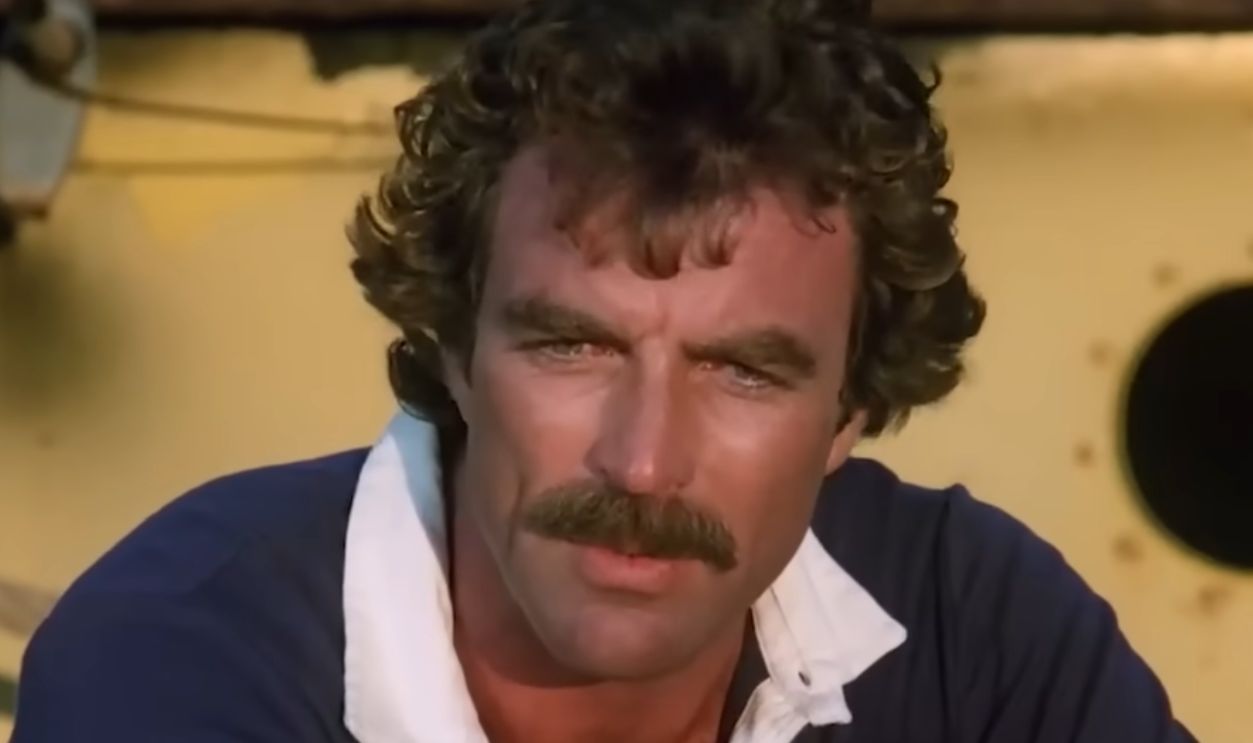
The press wanted more than stories about television episodes. Selleck later recalled being asked increasingly personal questions that he did not want to answer. He began consciously deciding what parts of his life he was willing to make public and what he intended to keep for himself.
 Screenshot from Magnum, P.I., NBCUniversal (1980-1988)
He Saw Another Danger In Celebrity
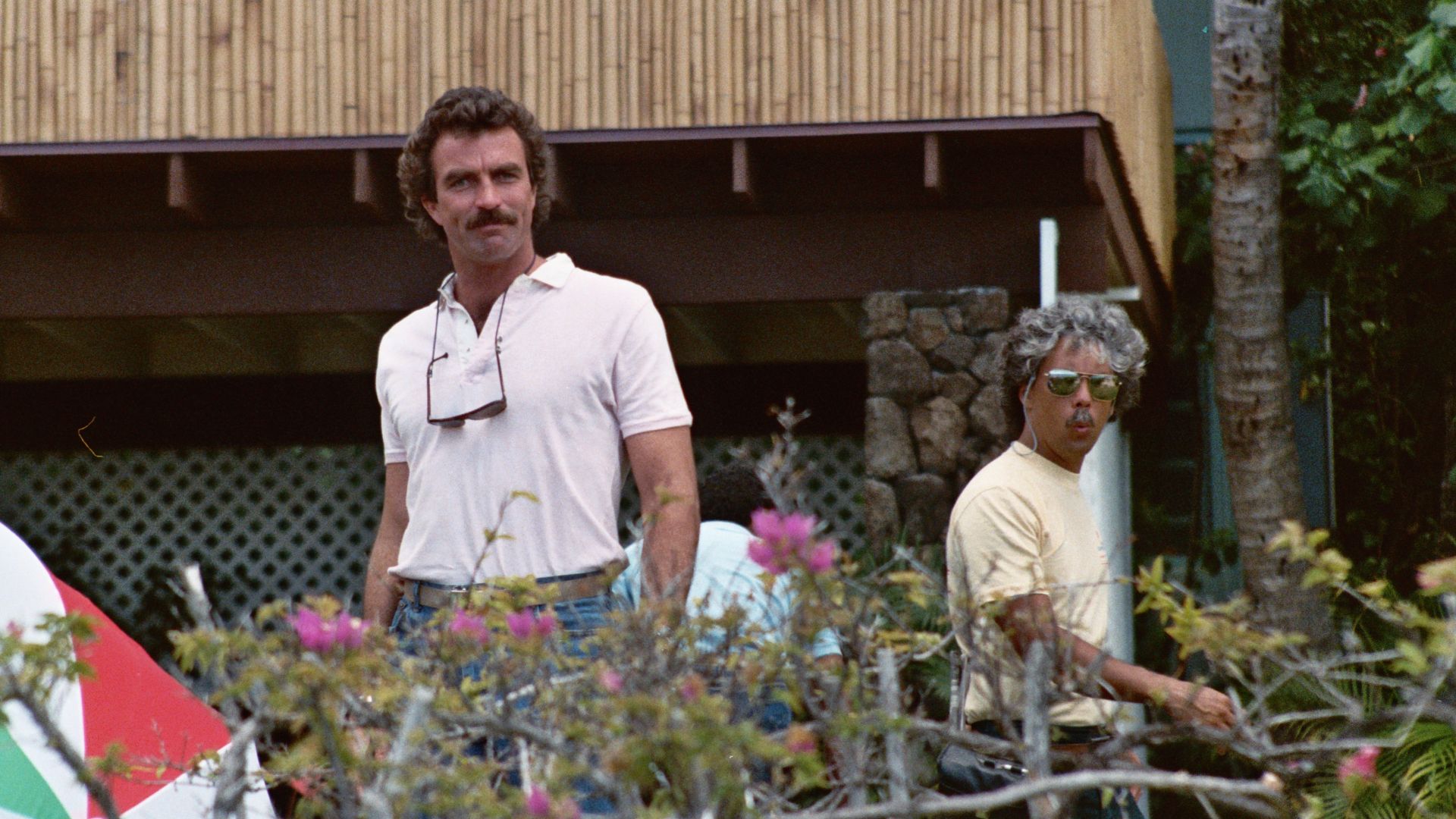
Selleck also recognized that public attention could be seductive. Near the end of Magnum, he acknowledged that it was difficult to pretend celebrity meant nothing when people suddenly treated you differently everywhere you went. The problem was that a star could never control when that attention appeared or disappeared.
The Schedule Was Wearing Him Down
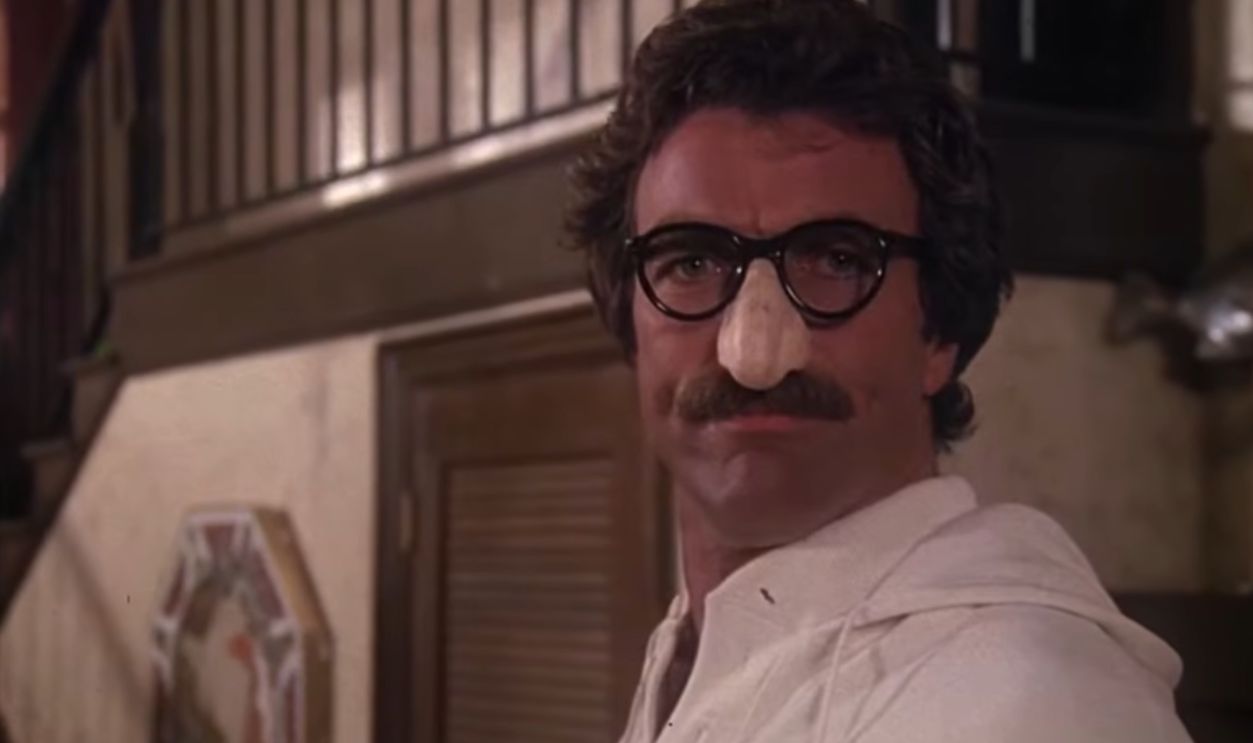
The job itself was becoming exhausting too. During the series, Selleck spoke openly about long days and the possibility of burning himself out. By 1988, he was looking for a better balance after years of intense production schedules.
 Screenshot from Magnum, P.I., NBCUniversal (1980-1988)
Movie Stardom Finally Arrived Too
Selleck still managed to build a movie career while Magnum was running, and 1987 brought his biggest film success. He starred alongside Ted Danson and Steve Guttenberg in Three Men and a Baby. The comedy ultimately finished as the highest-grossing domestic release associated with the 1987 box-office year by total gross.
 Screenshot from Magnum, P.I., NBCUniversal (1980-1988)
His Personal Life Was Changing Too
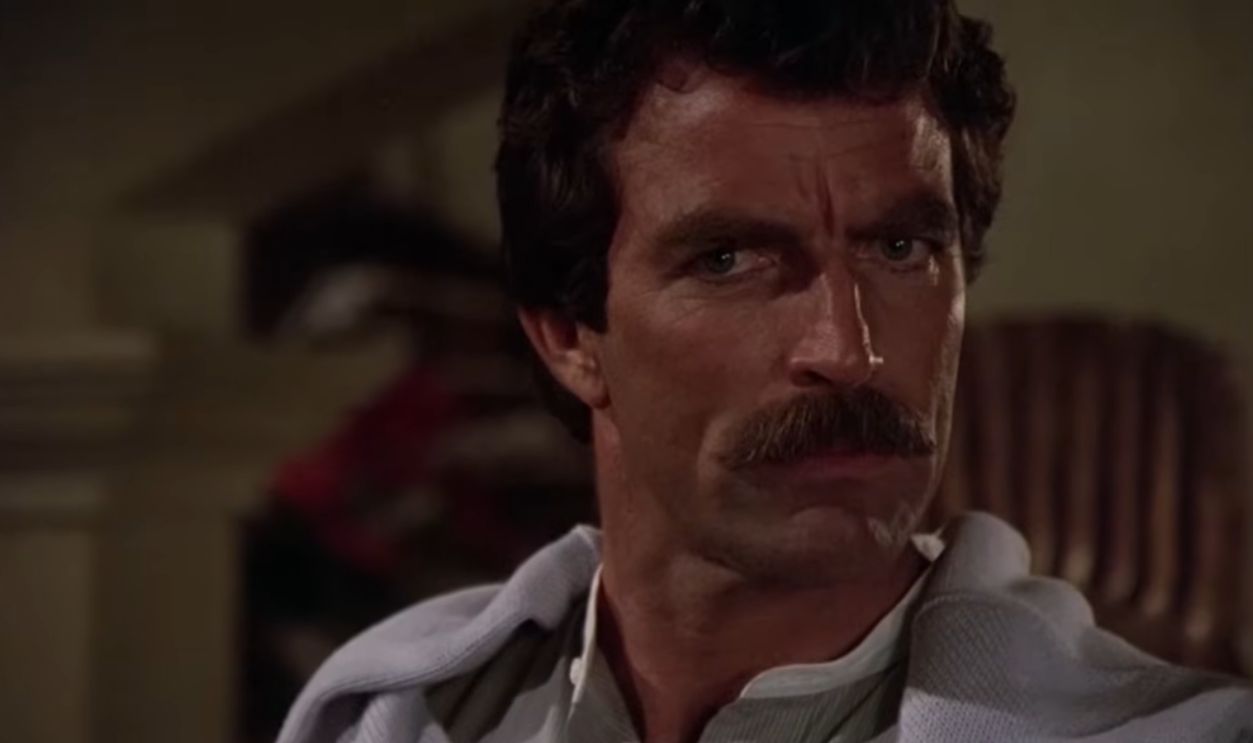
At the height of his fame, Selleck had also fallen in love with British actress and dancer Jillie Mack. They met while she was appearing in the West End production of Cats and Selleck was working in London. Mack eventually moved to the United States, and their relationship became increasingly serious.
 Screenshot from Magnum, P.I., NBCUniversal (1980-1988)
Their Wedding Was Deliberately Secret
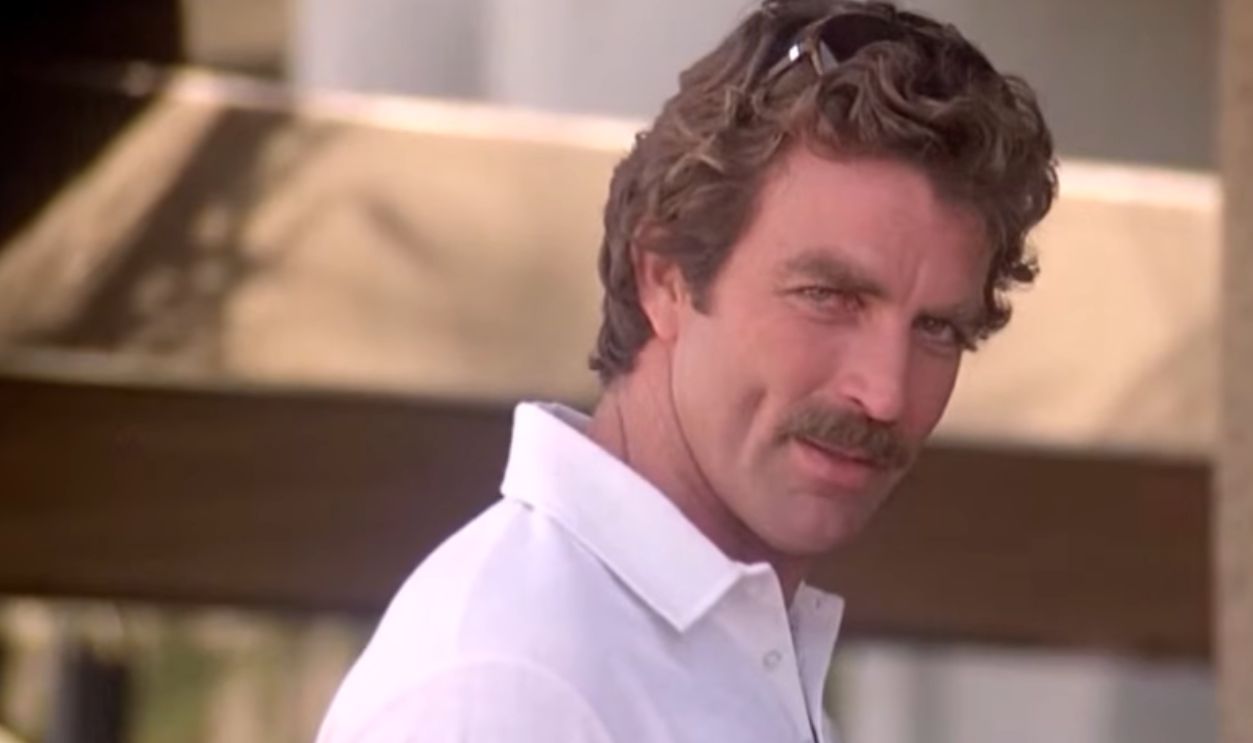
Selleck and Mack married near Lake Tahoe on August 7, 1987. Their wedding was arranged quietly, with fake names reportedly used during the planning to protect their privacy. The public did not learn about the marriage until roughly a month later, which suited a man who had grown increasingly protective of his private life.
 Screenshot from Magnum, P.I., NBCUniversal (1980-1988)
He Chose To Walk Away From Magnum
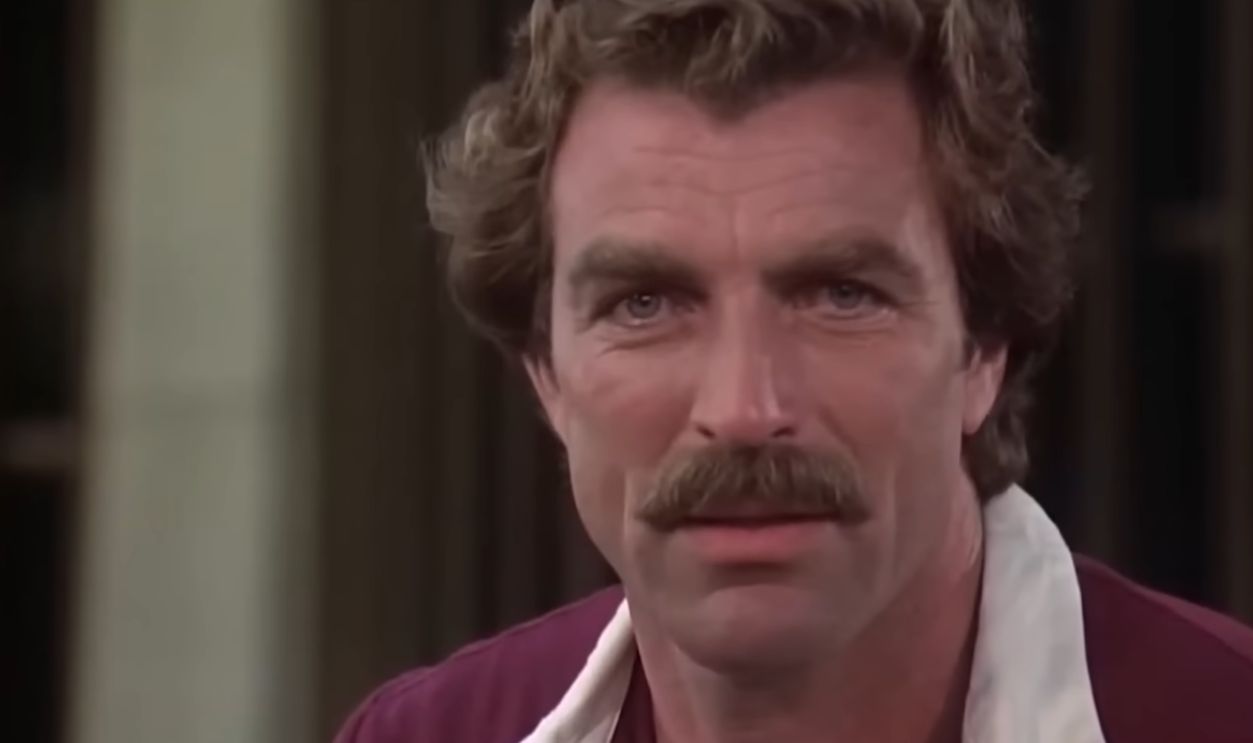
By the final season, Selleck decided he had done enough. CBS reduced the season from a planned 22 episodes to 13 at his request, with his representative explaining that he was tired of working six days a week after eight seasons. Selleck wanted to restore some balance rather than simply keep riding the show until it ran out of steam.
 Screenshot from Magnum, P.I., NBCUniversal (1980-1988)
He Wanted Time For A Family
Selleck was thinking beyond his next role as Magnum approached its finale. In 1988, he said he had always wanted a child but felt it would have been unfair to become a father while working a schedule that kept him away so much. He and Mack welcomed their daughter Hannah later that year.
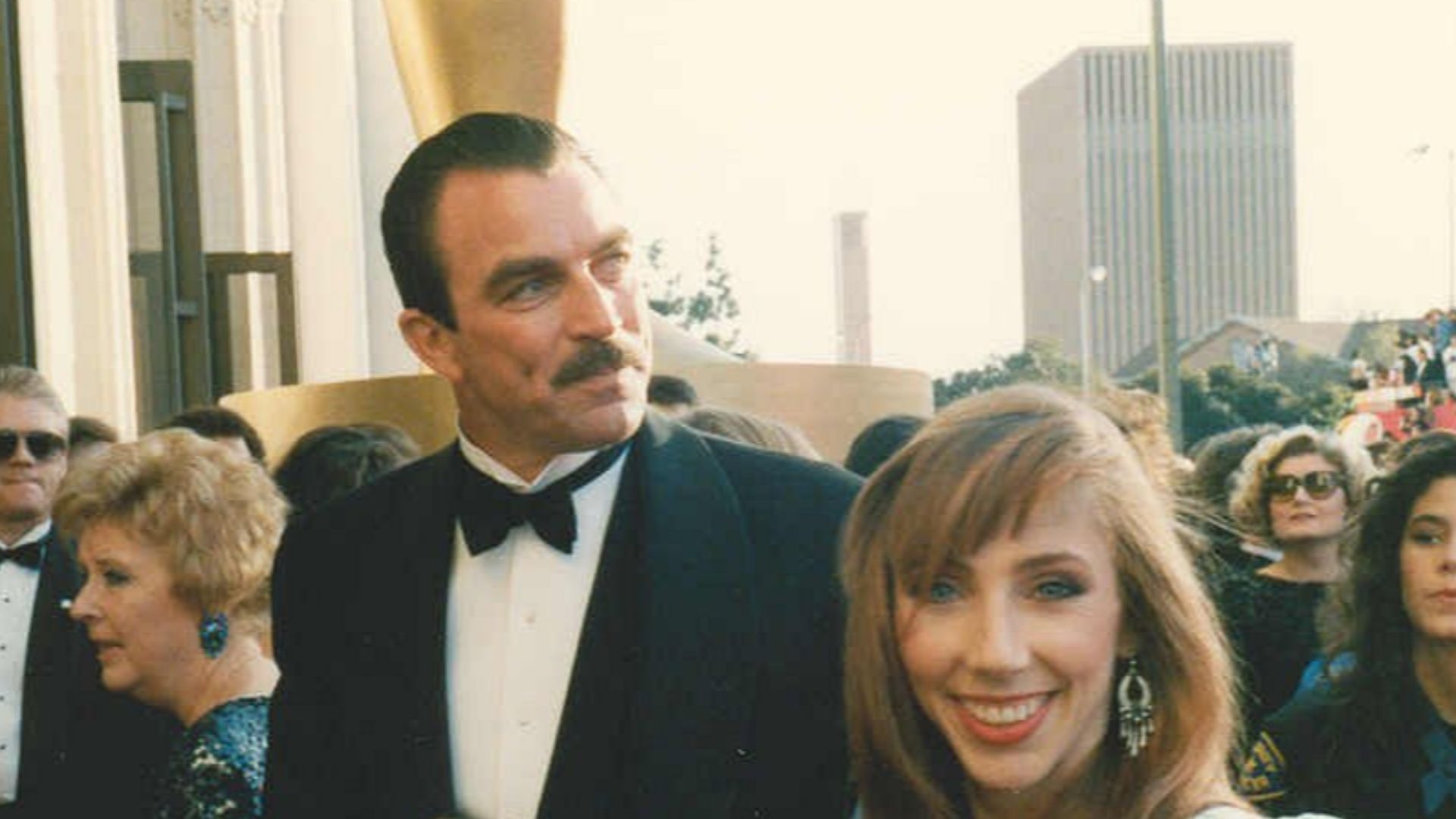
The Ranch Became His Escape From Hollywood
The family eventually made a secluded California ranch central to their life together. Selleck has repeatedly described family time and ranch life as important counterweights to the entertainment business, while Mack has said they believed it was a good environment in which to raise Hannah. After years of unavoidable attention, Selleck had deliberately created somewhere that felt separate from it.
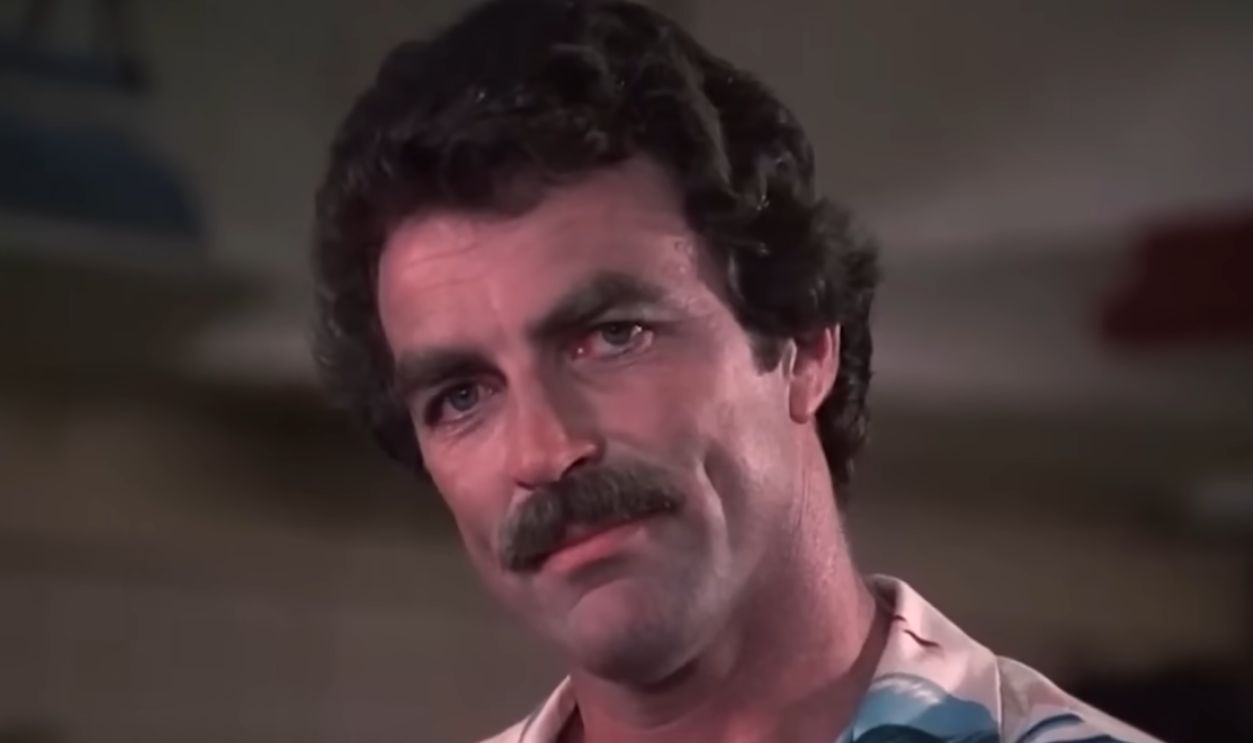 Screenshot from Magnum, P.I., NBCUniversal (1980-1988)
He Found A Way To Be Famous On His Own Terms
Selleck never disappeared from television. He later found memorable roles on Friends, built the Jesse Stone television-movie series, and spent 14 seasons playing Frank Reagan on Blue Bloods, which concluded in 2024. Magnum, P.I. gave him the career he had spent years chasing, but his response to that success was just as lasting: protect the private life, choose the work carefully, and never let stardom become the whole story.
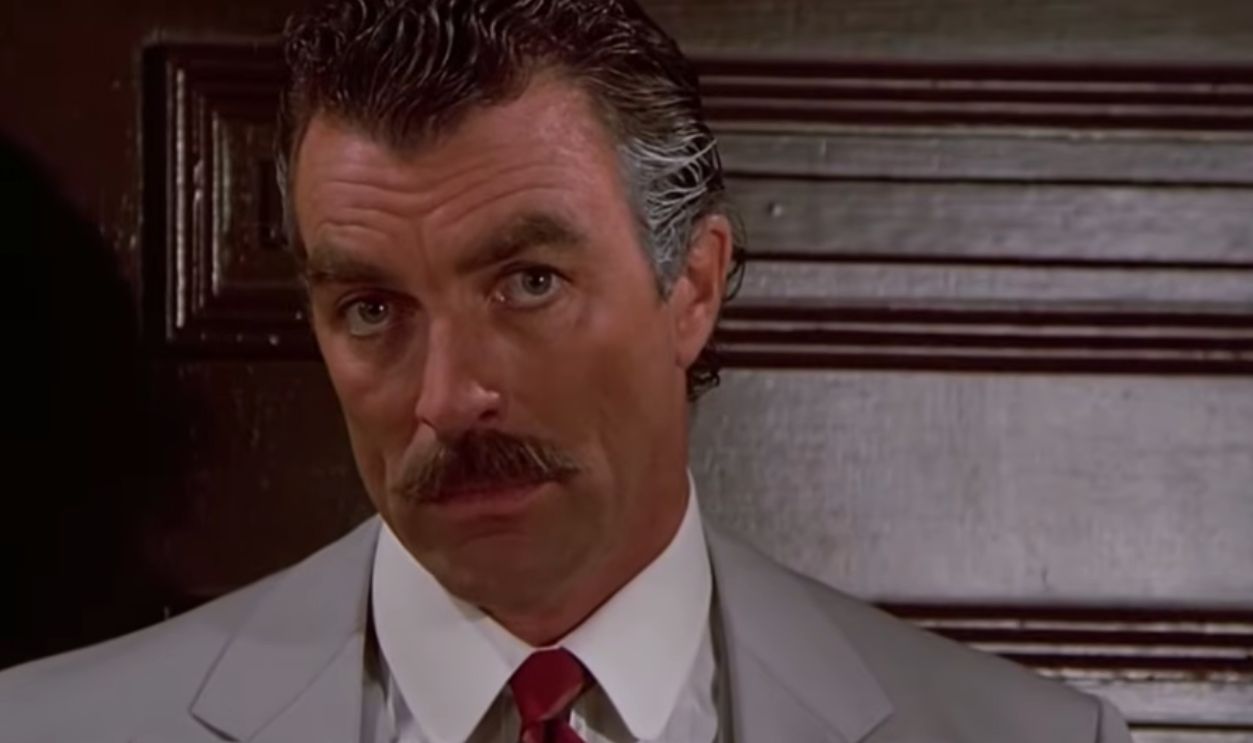 Screenshot from Magnum, P.I., NBCUniversal (1980-1988)
You May Also Like:
The Surprising Way The Rockford Files Revived James Garner's Career
The Hardest TV Detectives Quiz Ever—How Many Can You Get Right?
Whirlwind Facts About Don Johnson, Hollywood's Lost Soul
Sources: 1, 2, 3, 4, 5, 6, 7, 8, 9, 10, 11, 12, 13, 14, 15, 16