The TV Reset Button At Its Best
A great anthology series knows how to make uncertainty addictive. You may not know the characters yet, or even what kind of story you’re getting, but that’s part of the fun. Every episode or season arrives with a fresh promise: this one might really get under your skin.
 Screenshot from True Detective, Home Box Office (2014)
Alfred Hitchcock Presents
Alfred Hitchcock Presents turned suspense into a weekly ritual. Hitchcock’s dry introductions were almost as famous as the stories themselves, setting up murder, betrayal, paranoia, and nasty little twists with perfect deadpan calm. The show helped prove anthology television could be elegant, sinister, and funny at the same time, all while using Hitchcock’s persona as its secret weapon.
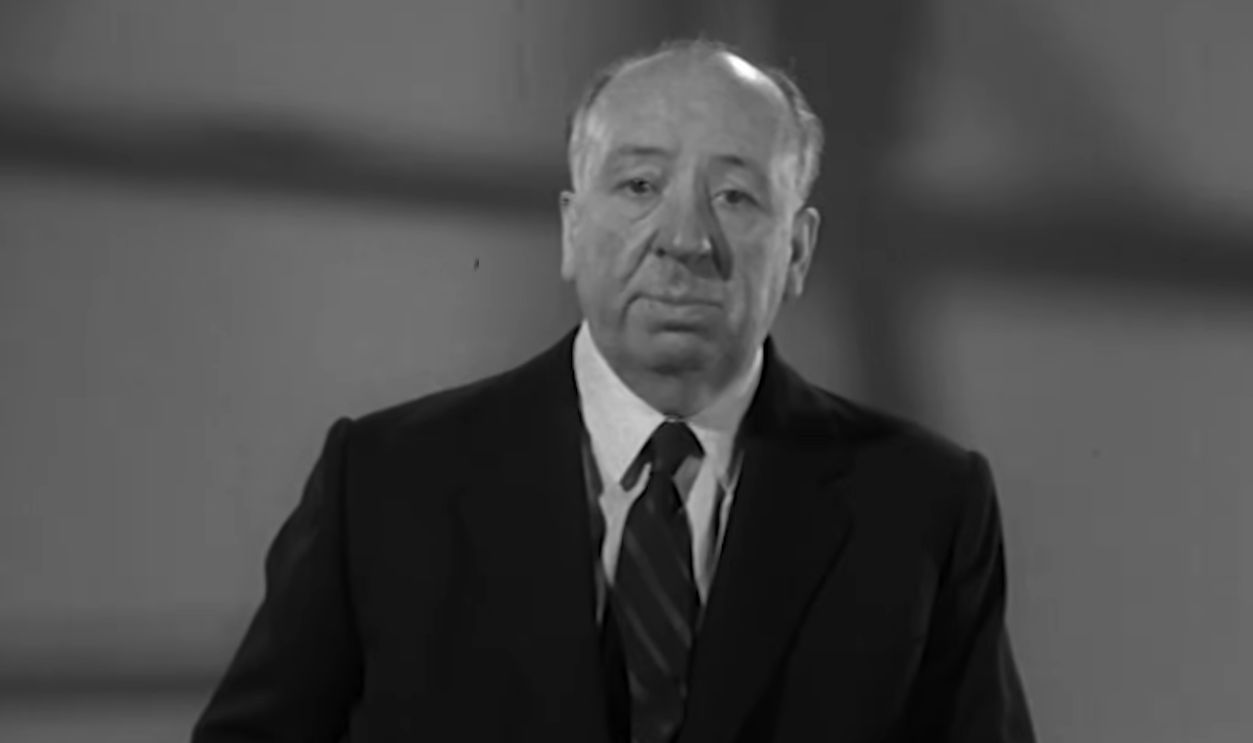 Screenshot from Alfred Hitchcock Presents, CBS (1955–1965)
Fargo
Fargo took the tone of the Coen brothers’ film and somehow made it work as a seasonal anthology. Each installment brings new criminals, officers, schemes, and snowy moral disasters, but the same odd Midwestern darkness keeps everything connected. At its best, the series turns bad decisions into slow-motion catastrophes with style, humor, and real emotional weight.
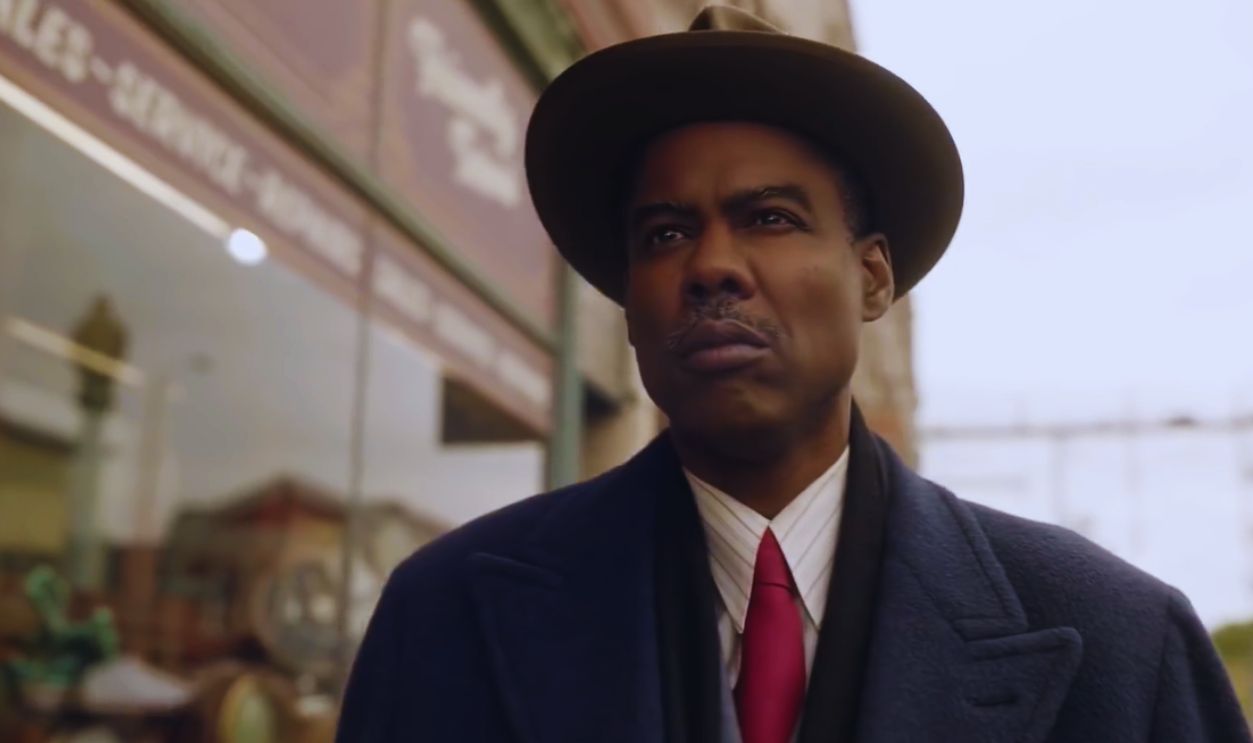 Screenshot from Fargo, FX Networks (2014–2024)
Tales From The Crypt
Tales from the Crypt was horror anthology television with a wicked grin. Hosted by the pun-loving Crypt Keeper, the HBO series mixed gore, revenge, dark comedy, and morality tales that usually ended badly for the worst person in the room. It felt pulpy, nasty, and proudly excessive, which is exactly why fans still remember it so fondly.
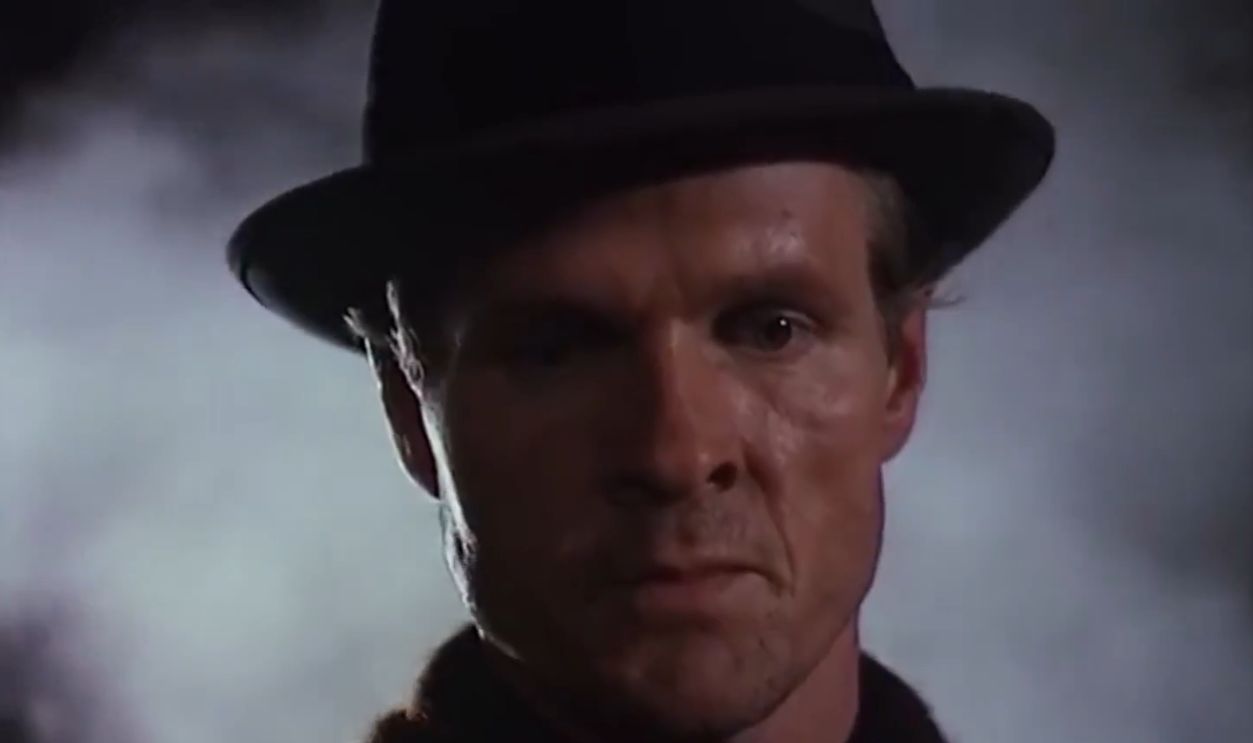 Screenshot from Tales from the Crypt, HBO (1989–1996)
The Twilight Zone
The Twilight Zone remains the gold standard because it understood that the weirdest stories often reveal the most human truths. Rod Serling used aliens, time loops, monsters, dolls, and alternate realities to explore fear, prejudice, greed, loneliness, and power. Decades later, its best episodes still feel sharp because the twist was rarely just a gimmick.
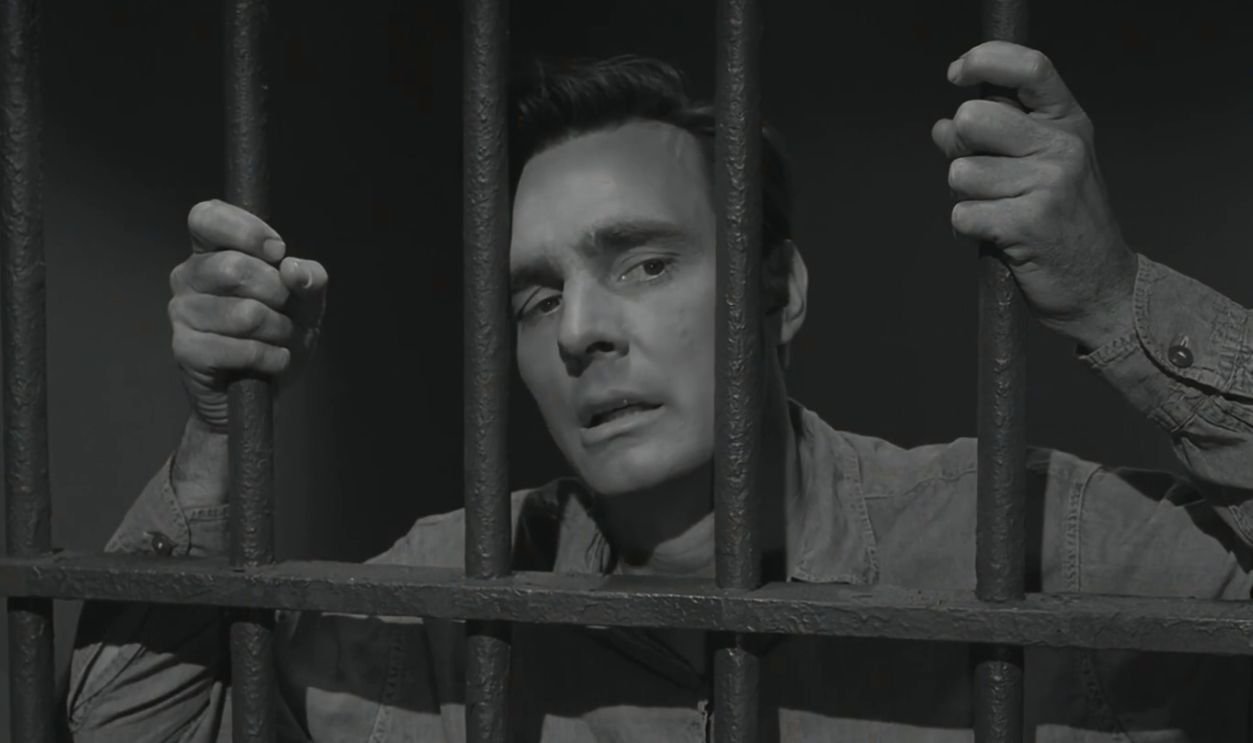 Screenshot from The Twilight Zone, CBS (1959–1964)
Are You Afraid Of The Dark?
Are You Afraid of the Dark? gave kids their own campfire anthology and trusted them to handle actual scares. The Midnight Society’s ritual made every episode feel like a secret being shared after dark. Some stories were goofy, others were genuinely creepy, but the show understood childhood fear better than most adult horror ever manages.
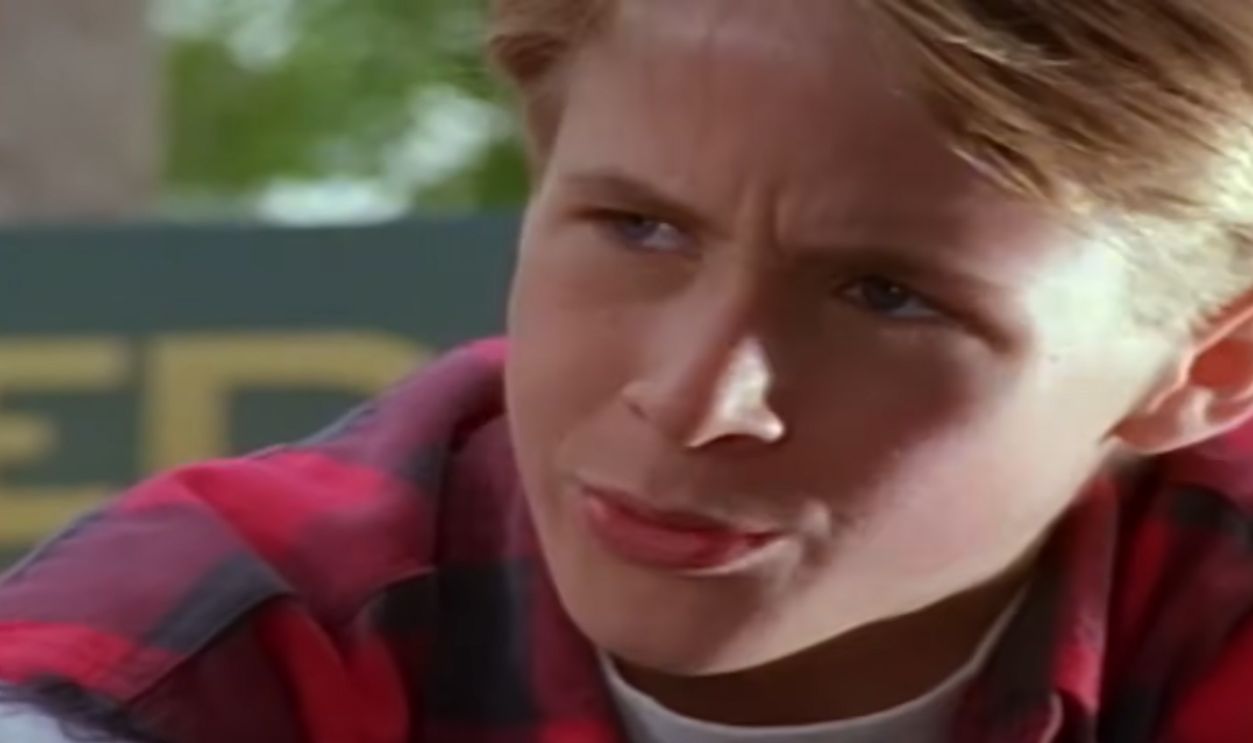 Screenshot from Are You Afraid of the Dark?, Nickelodeon (1991–2022)
The Outer Limits
The Outer Limits leaned harder into science fiction than many of its anthology cousins. Its famous “control voice” introduced stories about alien contact, human experimentation, strange technology, and moral collapse. The series could be pulpy and philosophical in the same episode, giving viewers monsters and big ideas without acting like one canceled out the other.
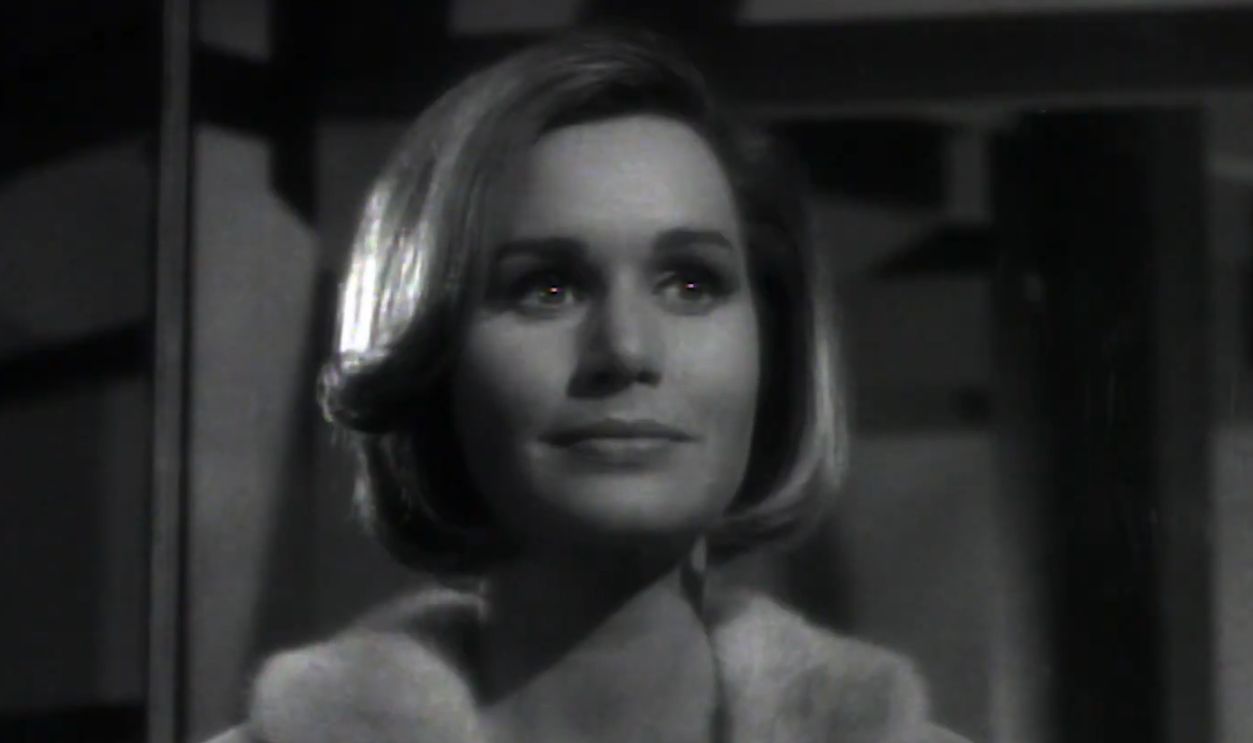 Screenshot from The Outer Limits, ABC (1963–1965)
American Horror Story
American Horror Story helped revive the season-long anthology for modern television. Each season resets the setting and story while keeping a rotating company of actors, from haunted houses and asylums to covens, cults, hotels, and summer camps. The results can be messy, but the show’s wild swings are part of its appeal.
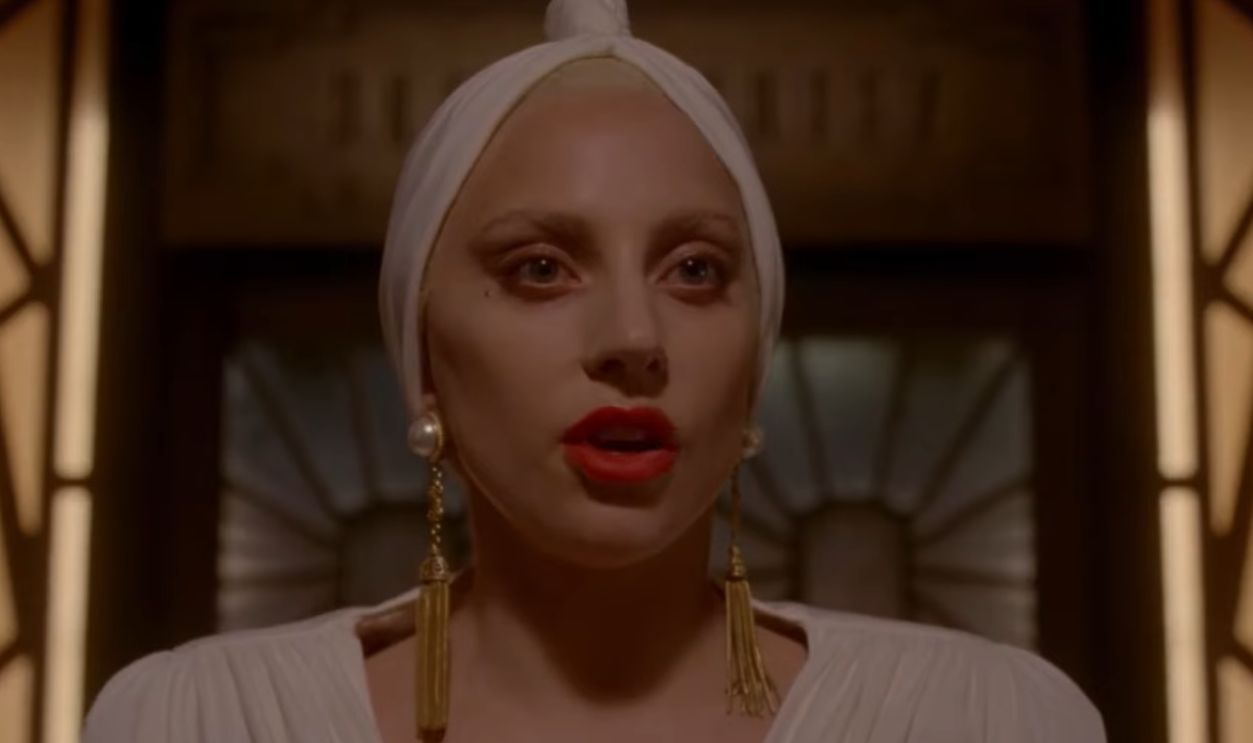 Screenshot from American Horror Story, FX (2011–)
Black Mirror
Black Mirror became the defining tech-anxiety anthology of the streaming era. Charlie Brooker’s series uses near-future ideas to expose very current problems: surveillance, humiliation, addiction, grief, fame, malice, and the way technology amplifies human weakness. The best episodes work because the gadget is never really the villain. People are.
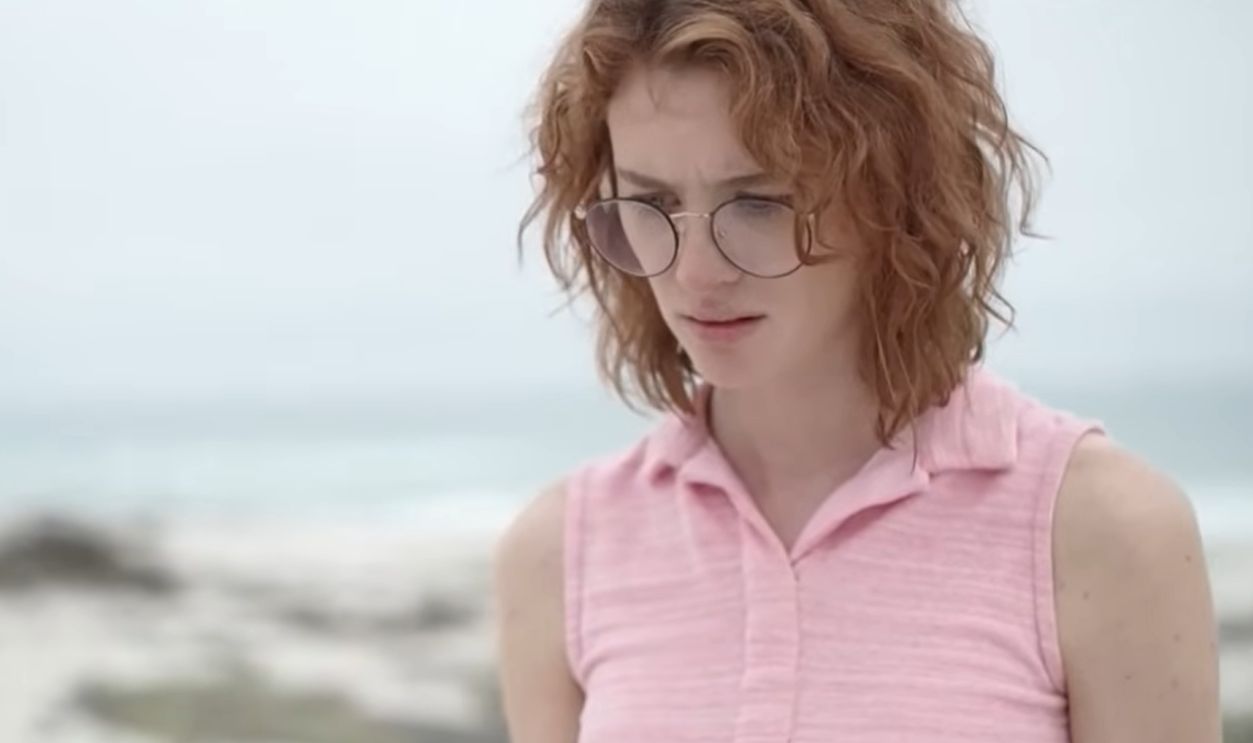 Screenshot from Black Mirror, Netflix (2011–)
Goosebumps
Goosebumps brought RL Stine’s spooky books to television with exactly the right mix of kid-friendly fright and silly nightmare logic. Haunted masks, evil dummies, creepy cameras, and cursed towns made the show feel like a gateway into horror. It was rarely polished, but for young viewers, that low-budget weirdness became part of the charm.
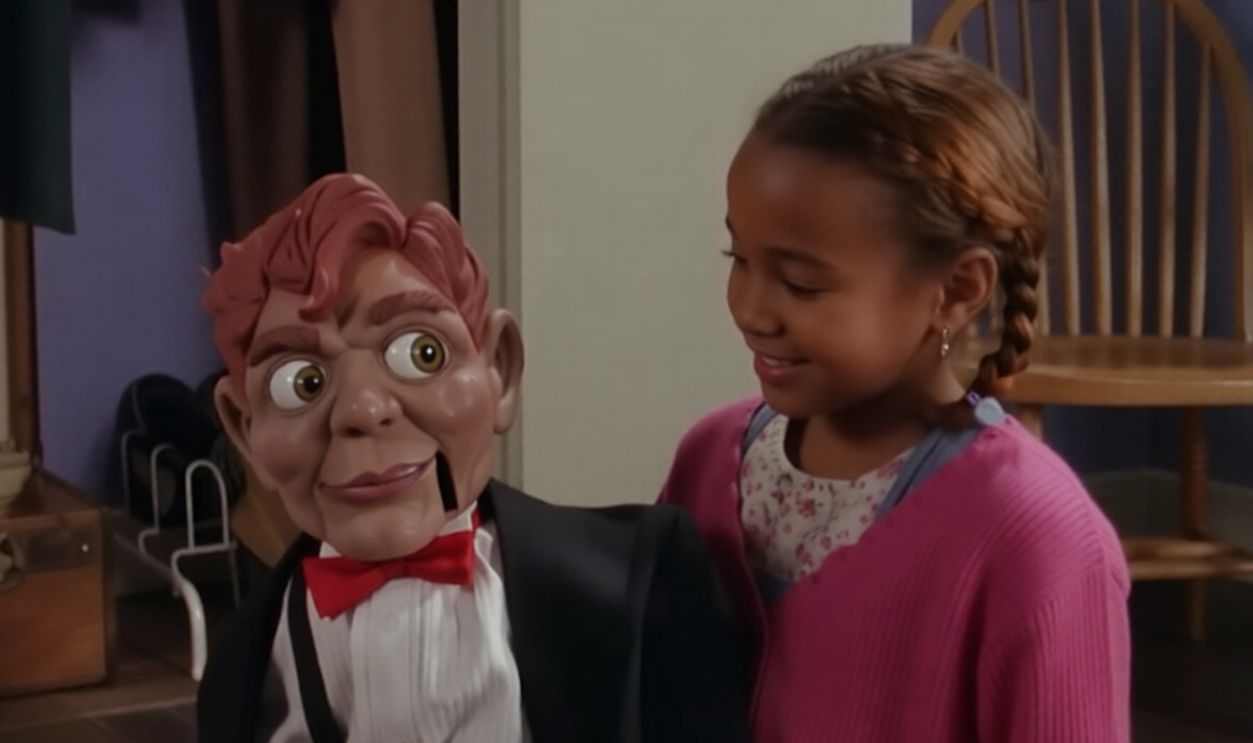 Screenshot from Goosebumps, Fox Kids (1995–1998), Modified
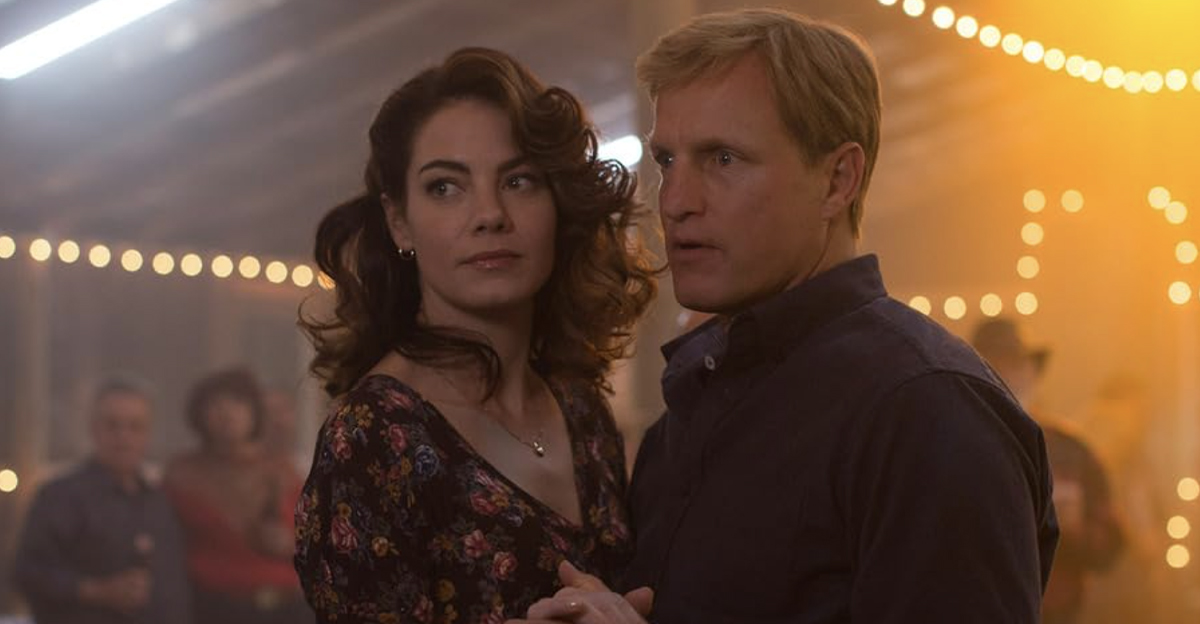
True Detective
True Detective showed how powerful a season-long crime anthology could be when the mood was strong enough. Its first season became a cultural event thanks to Matthew McConaughey, Woody Harrelson, Southern Gothic dread, and philosophical doom. Later seasons varied in impact, but the series kept proving that detective stories could reset without losing their brooding identity.
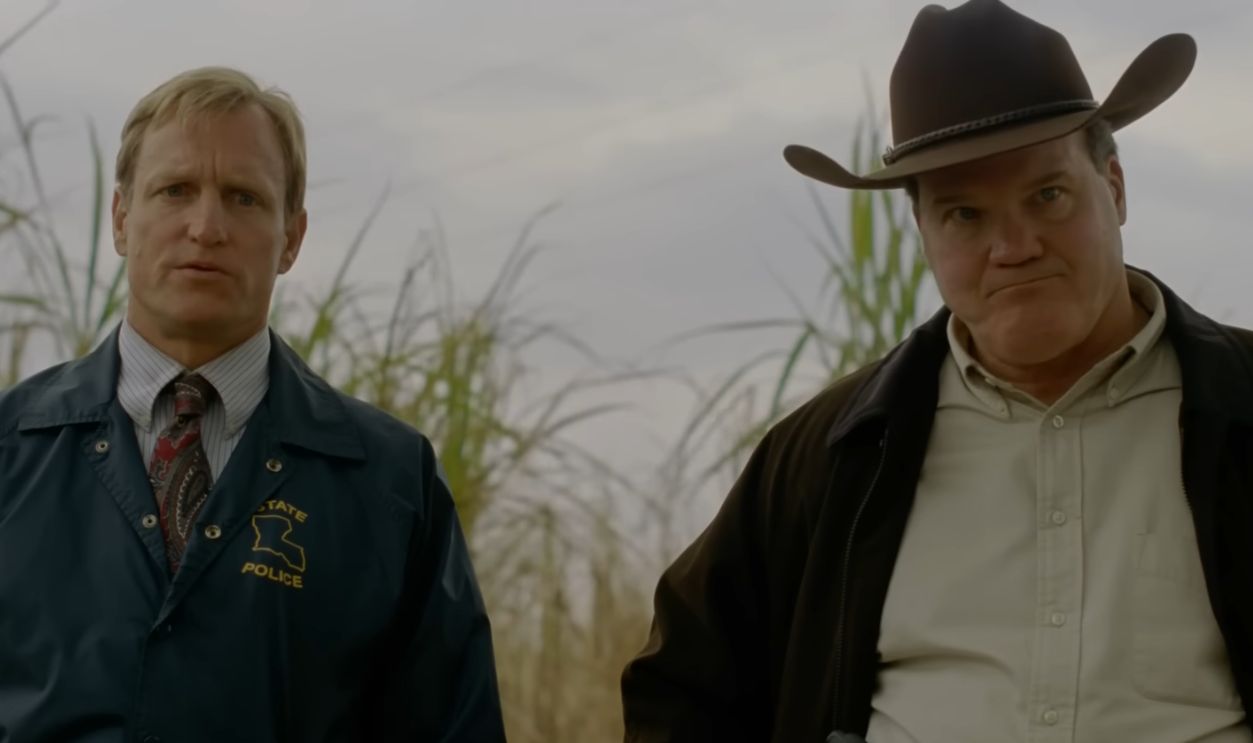 Screenshot from True Detective, HBO (2014-)
Amazing Stories
Amazing Stories had Steven Spielberg’s name, which immediately gave it a sense of wonder and scale. The 1980s series mixed fantasy, science fiction, comedy, horror, and sentimental adventure, often feeling like a weekly short film. Not every episode became a classic, but the ambition was clear: make television feel magical, cinematic, and unpredictable.
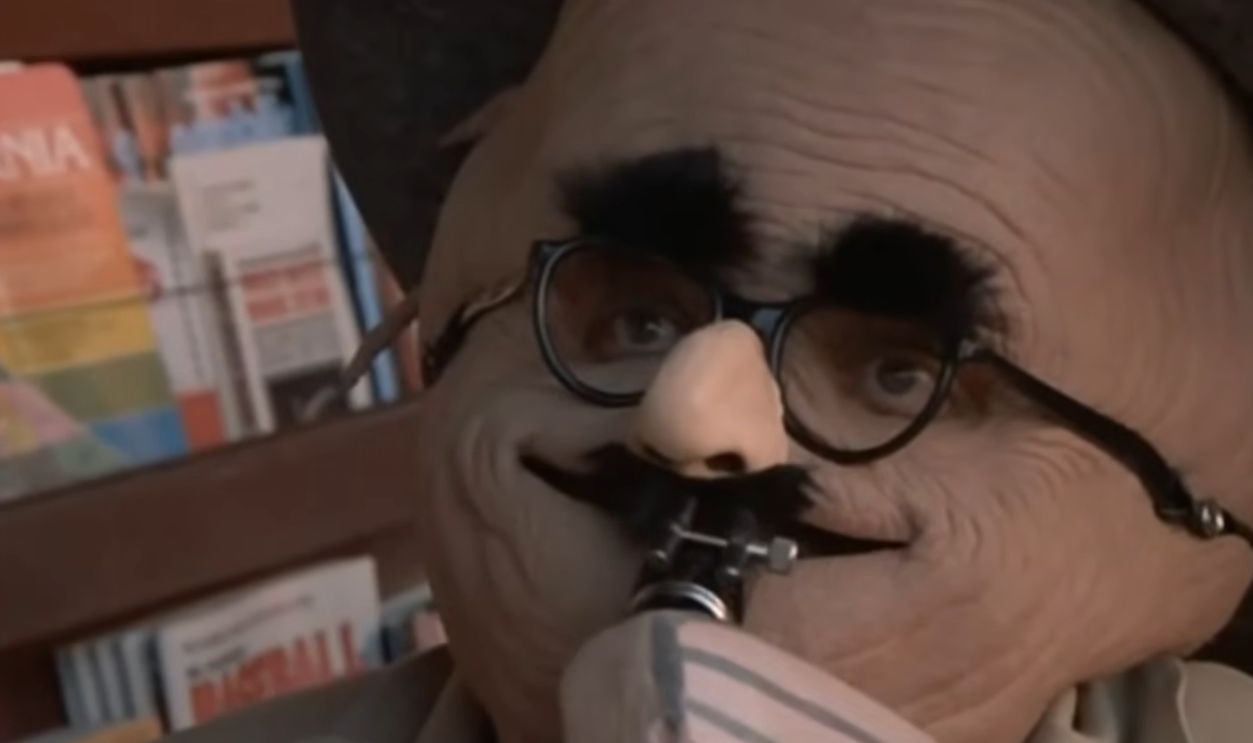 Screenshot from Amazing Stories, NBC (1985–1987)
Masters Of Horror
Masters of Horror was built on a simple, irresistible idea: give major horror directors their own episodes and let them loose. Filmmakers like John Carpenter, Joe Dante, Dario Argento, and Takashi Miike brought very different styles to the series. The result was uneven by nature, but also exciting because each episode felt like a director’s signature nightmare.
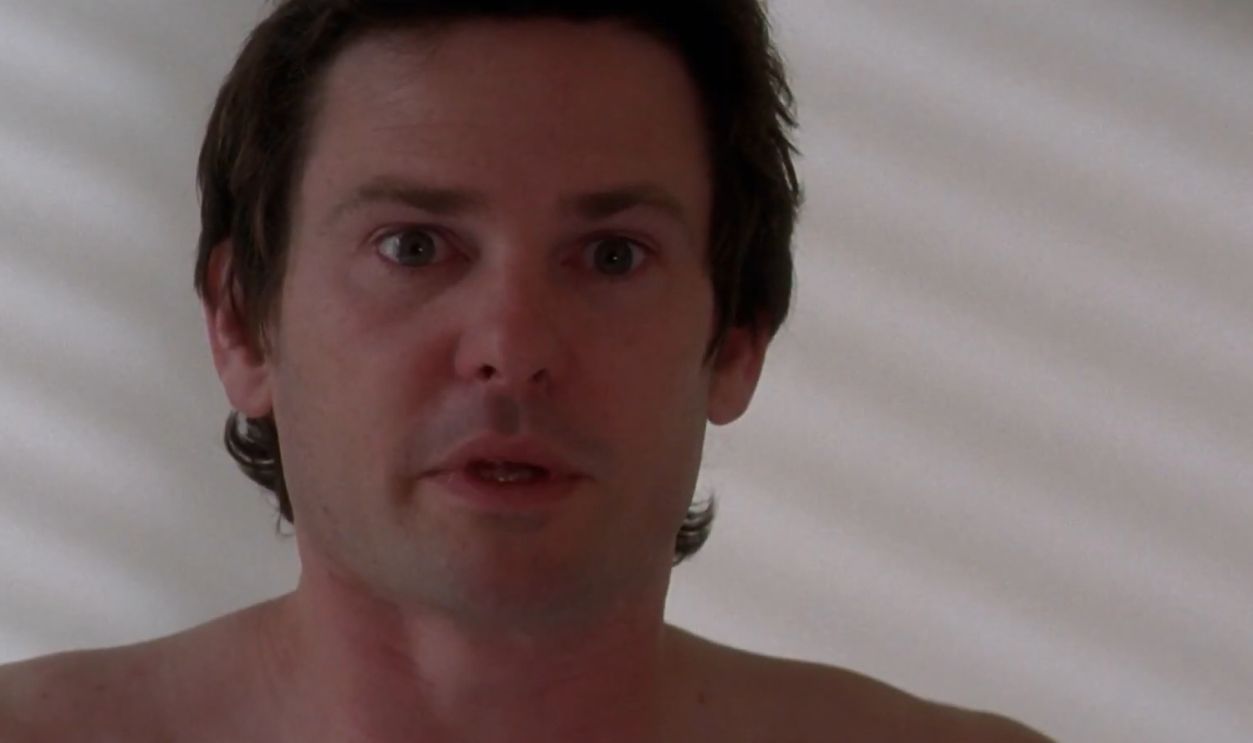 Screenshot from Masters of Horror, Showtime (2005–2007)
Channel Zero
Channel Zero turned internet creepypasta into surprisingly serious horror television. Each season adapted a different online nightmare, from Candle Cove to No-End House, and treated the material with eerie patience rather than cheap jump scares. The show never became a massive hit, but horror fans still praise its atmosphere, imagery, and willingness to get deeply strange.
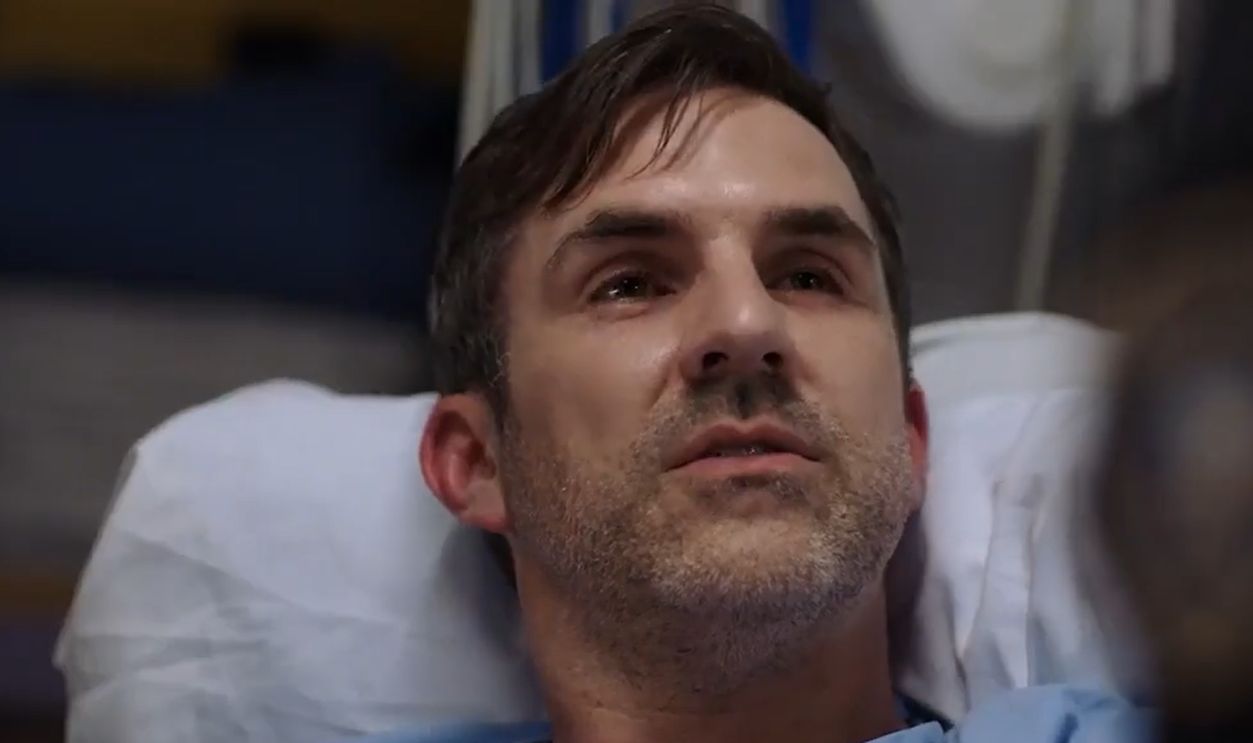 Screenshot from Channel Zero, Syfy (2016–2018)
Love, Death & Robots
Love, Death & Robots feels like a chaotic sci-fi magazine brought to life through animation. Episodes can be funny, violent, beautiful, bleak, or completely unhinged, often shifting styles from one short to the next. Its greatest strength is variety. You never quite know whether the next story will be a joke, a nightmare, or a gut punch.
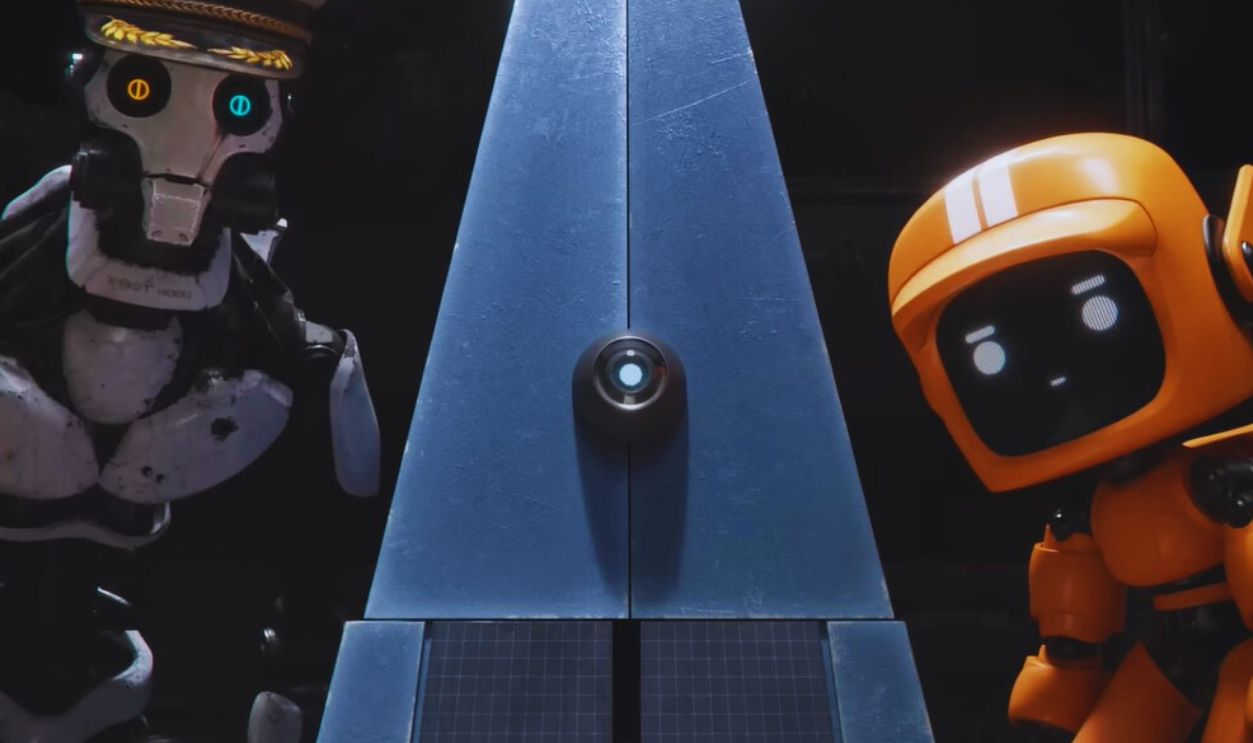 Screenshot from Love, Death & Robots, Netflix (2019–2025)
American Crime Story
American Crime Story brought the anthology format to true-crime dramatization with major cultural events as its focus. The People v OJ Simpson showed how a famous case could become a layered story about celebrity, race, media, policing, and power. Later seasons shifted to Versace and Clinton-era politics, proving the format could handle more than one kind of scandal.
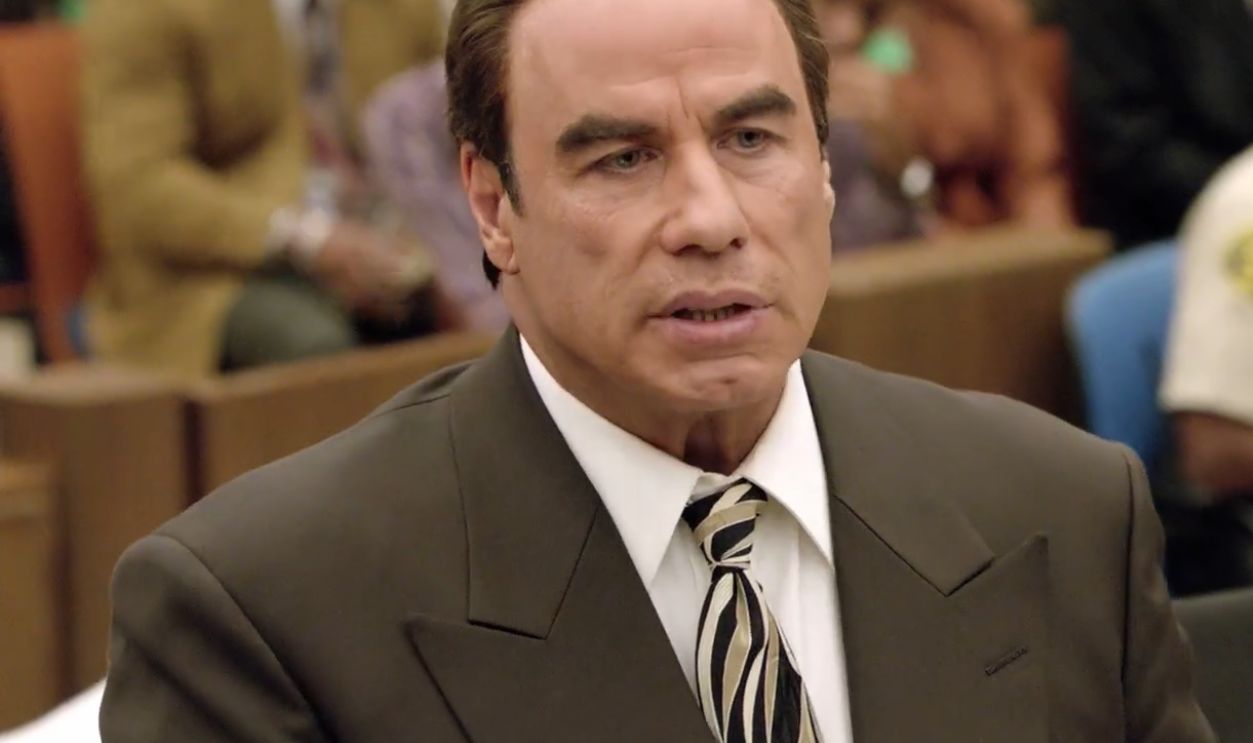 Screenshot from American Crime Story, FX (2016–2021)
The White Lotus
The White Lotus turned luxury resorts into pressure cookers. Each season follows a new group of wealthy guests, frustrated employees, and quiet disasters waiting to happen. Mike White’s anthology works because the locations are gorgeous and the people are often unbearable. It is funny, anxious, glamorous, and mean in a way that feels painfully precise.
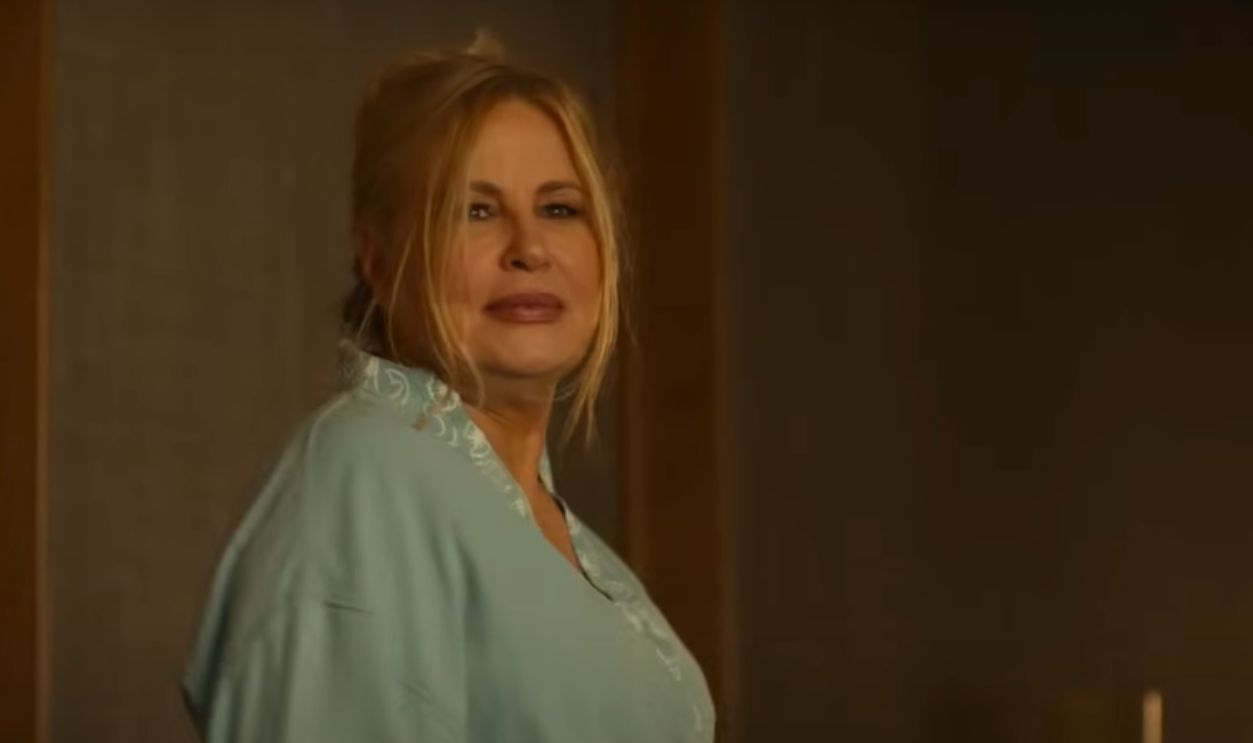 Screenshot from The White Lotus, HBO (2021–)
Inside No. 9
Inside No. 9 is one of the cleverest anthology series of the modern era. Every episode takes place around some version of the number nine, then uses that loose rule to explore horror, comedy, tragedy, farce, and twisty suspense. Steve Pemberton and Reece Shearsmith keep reinventing the format without making it feel like a gimmick.
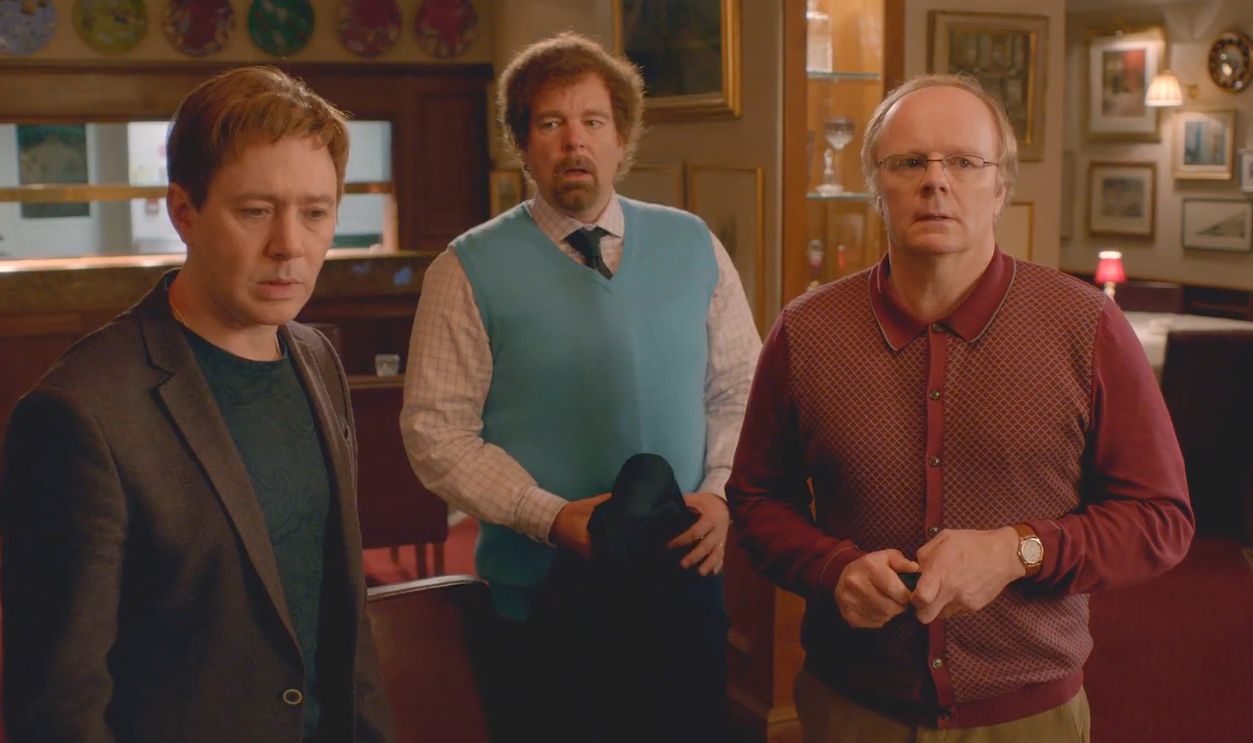 Screenshot from Inside No. 9, BBC Two (2014–2024)
Night Gallery
Night Gallery was Rod Serling’s darker follow-up to The Twilight Zone, built around paintings that introduced strange and often horrifying stories. It never reached the same iconic status, but its best episodes have a grim, gothic personality all their own. The show leaned more heavily into supernatural horror, giving Serling another eerie platform for moral nightmares.
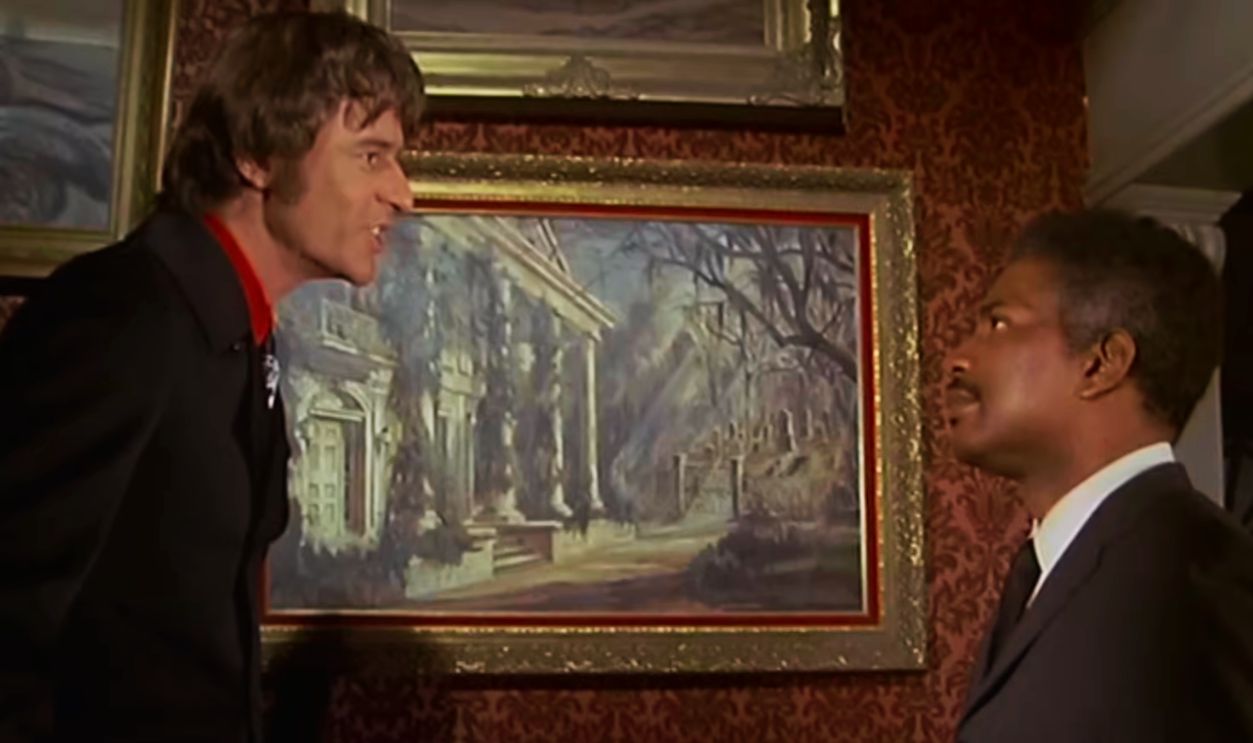 Screenshot from Night Gallery, NBC (1969–1973)
The Haunting
The Haunting anthology began with The Haunting of Hill House and continued with The Haunting of Bly Manor, using classic ghost stories as emotional family dramas. Mike Flanagan’s approach made the scares matter because the grief mattered first. The series proved that anthology horror could be slow, sad, literary, and still deeply unsettling.
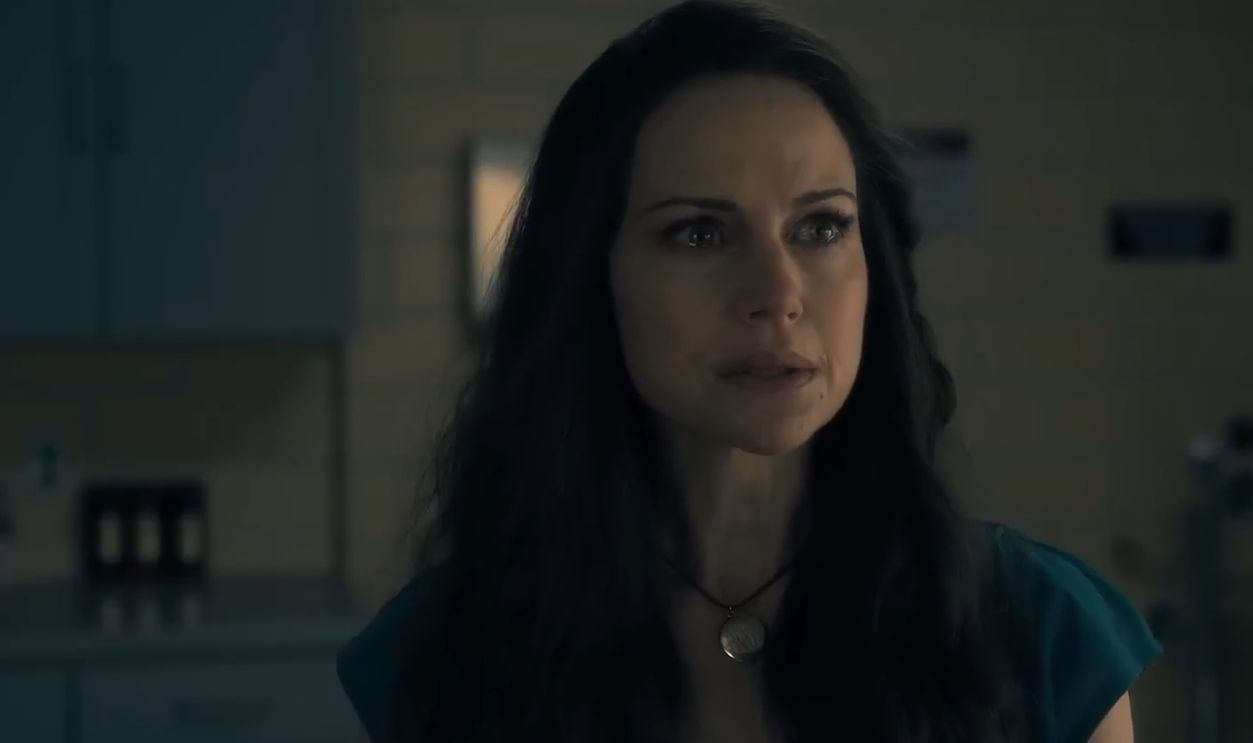 Screenshot from The Haunting of Hill House, Netflix (2018)
Guillermo Del Toro’s Cabinet Of Curiosities
Guillermo del Toro’s Cabinet of Curiosities feels like a beautifully arranged horror museum. Del Toro curates stories from different filmmakers, giving the series a handmade, old-world quality that separates it from more polished streaming horror. The episodes vary in tone, but the best ones understand what del Toro does so well: monsters are never just monsters.
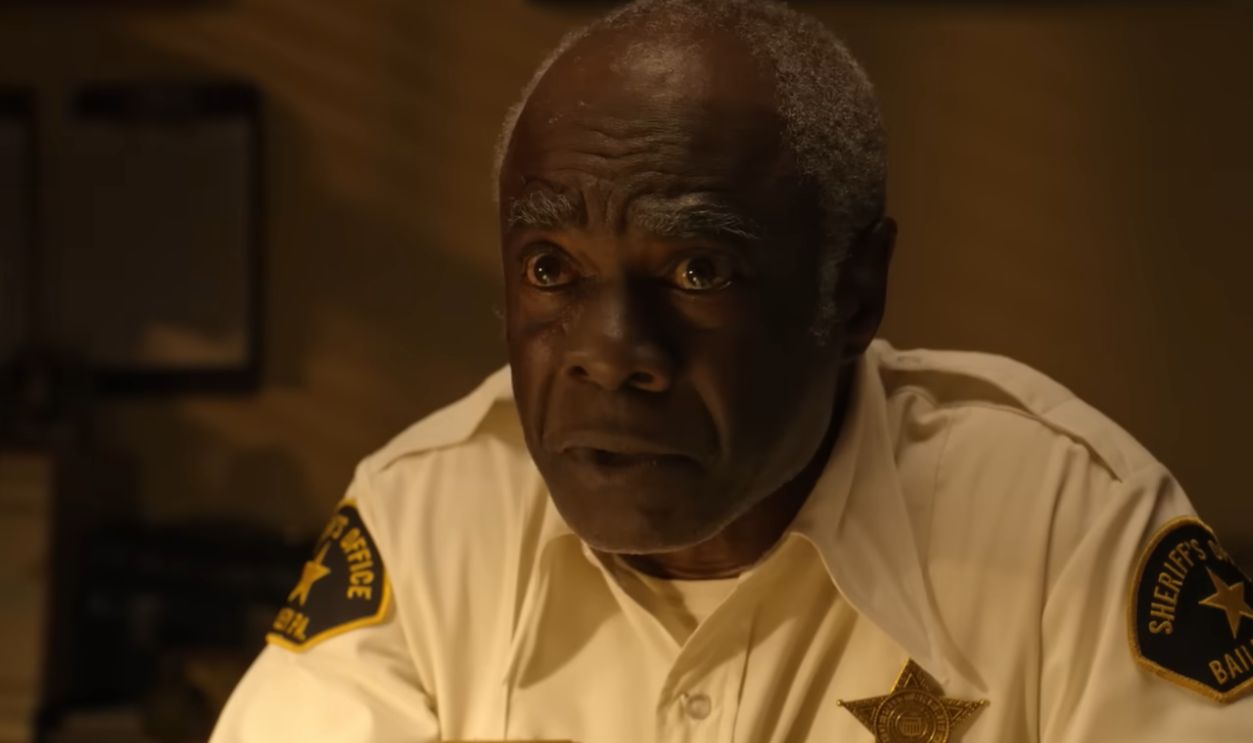 Screenshot from Guillermo del Toro’s Cabinet of Curiosities, Netflix (2022)
You May Also Like:
The Best Limited Series You Can Stream This Weekend
Popular Britbox Miniseries That Are Great From Start To Finish