Chapters That Fans Underestimate
Some stories never reached fan-favorite status, yet they carried the show’s most unsettling and thoughtful energy. They reveal their strength only when the spotlight shifts, quietly asking for a second look.
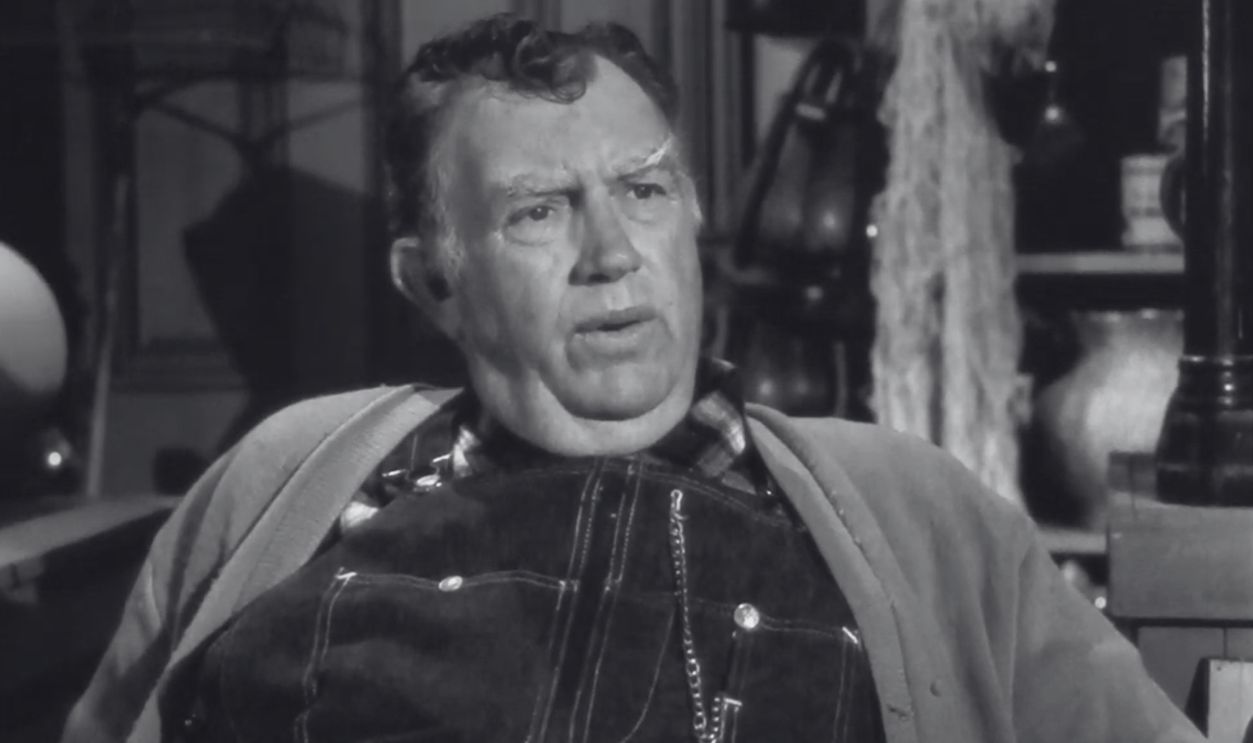
“Hocus-Pocus And Frisby” (S3 E30)
Andy Devine’s Somerset Frisby spins tall tales that land him in comic peril when literal aliens test his honesty. Rod Serling’s sly script spins homespun humor and bittersweet irony to make this underrated character study a charming outlier within a season remembered for darker entries.
 Screenshot from The Twilight Zone, CBS (1962)
“Spur Of The Moment” (S5 E21)
Richard Matheson’s tense teleplay stages a haunting chase across time and memory, with Diana Hyland’s vulnerable portrayal anchoring a surreal, female-focused horror piece. Its psychological ambiguity and nocturnal atmosphere make this episode a quietly powerful, under-discussed highlight of Season 5.
 Screenshot from The Twilight Zone, CBS (1962)
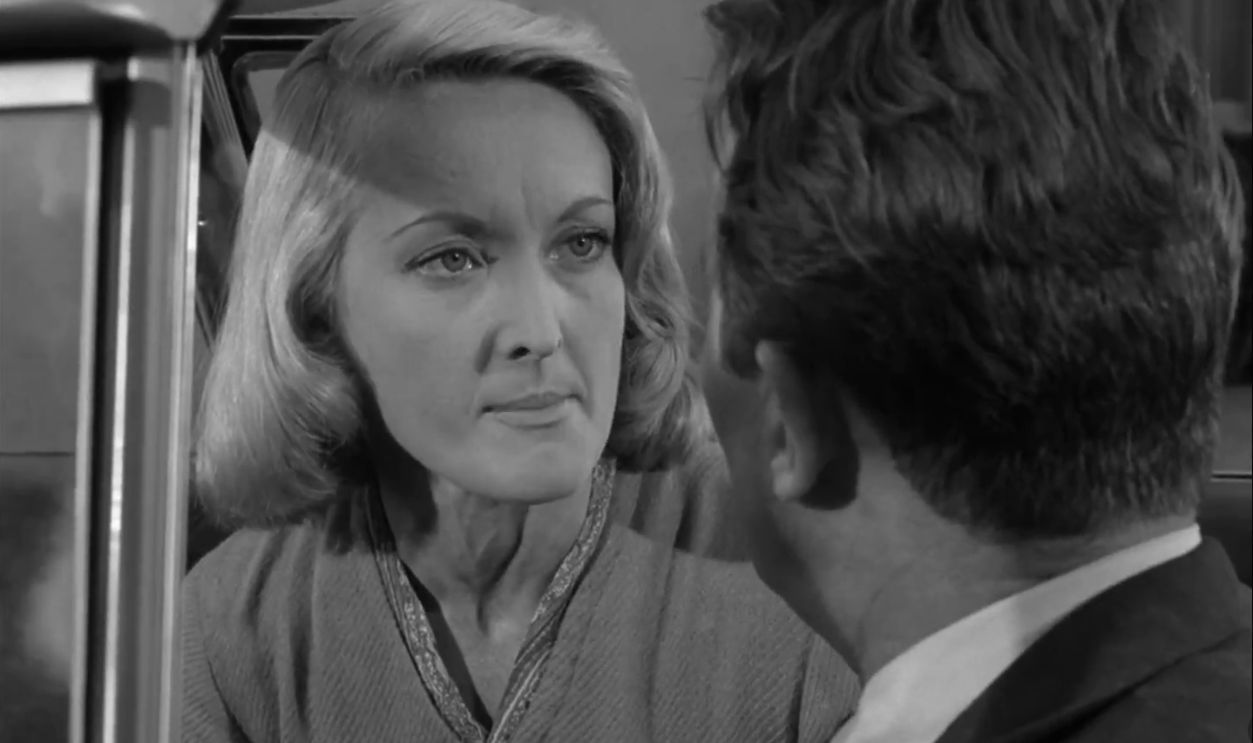
“A World Of Difference” (S1 E23)
Howard Duff stars in a metafictional thriller that peels back performance and reality by asking whether a man’s life is merely an actor’s role. This one has a stage-within-a-screen conceit and tight pacing that reveal Serling and Matheson-era formal daring often missed by casual viewers.
 Screenshot from The Twilight Zone, CBS (1960)
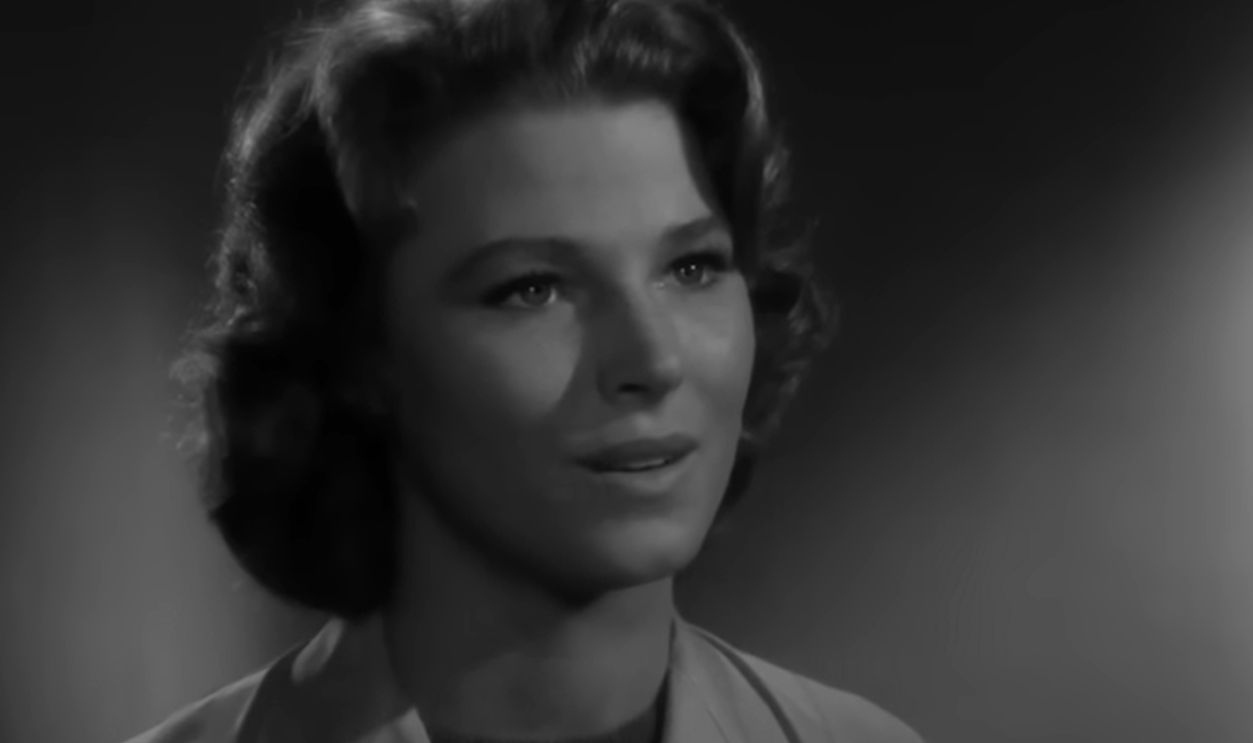
“The Long Morrow” (S5 E15)
A melancholic romantic drama about a man facing forty years in suspended animation, this later-season entry leans on Robert Lansing’s restrained lead and evocative production design. The bittersweet treatment of love and sacrifice gives it emotional depth that many lists overlook.
 Screenshot from The Twilight Zone, CBS (1964)
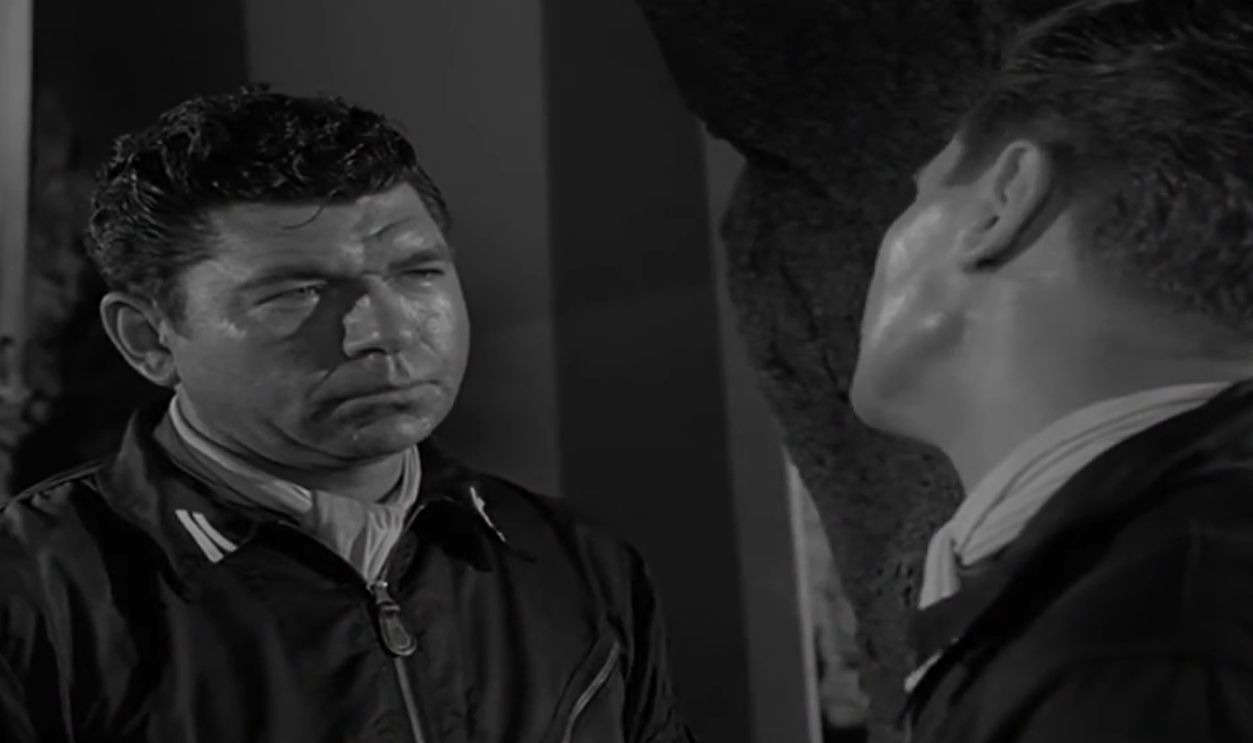
“The Little People” (S3 E28)
Claude Akins’s volatile astronaut discovers the miniature inhabitants of a planet and the corrupting taste of godlike power. His moral fable here interrogates hubris through spectacularly economical staging to produce a provocative parable that’s frightfully underappreciated outside fan circles.
 Screenshot from The Twilight Zone, CBS (1962)
“Elegy” (S1 E20)
Three astronauts land on an asteroid where townspeople are frozen in a surreal tableau. Charles Beaumont’s script cultivates a mournful, dreamlike atmosphere and a slow-burning sense of dread. The episode stands out for its visual mood and existential weight, yet is frequently overlooked in casual Twilight Zone discussions.
 Screenshot from The Twilight Zone, CBS (1960)
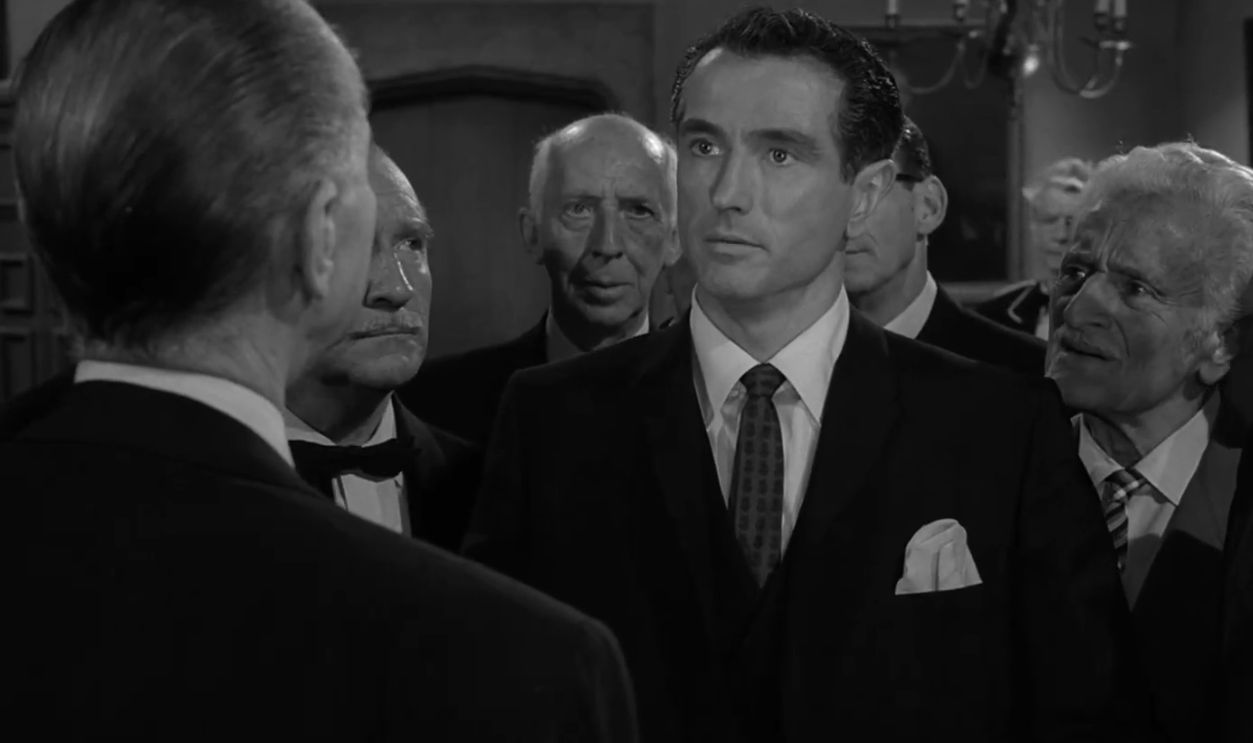
“The Silence” (S2 E25)
A loudmouthed braggart wagers his silence against a wealthy man’s tormenting game. Franchot Tone’s controlled performance and Serling’s economical plotting put pressure on character rather than spectacle. This has stage‑like intensity and moral focus, rendering it a taut study of pride and compulsion that deserves wider notice.
 Screenshot from The Twilight Zone, CBS (1961)
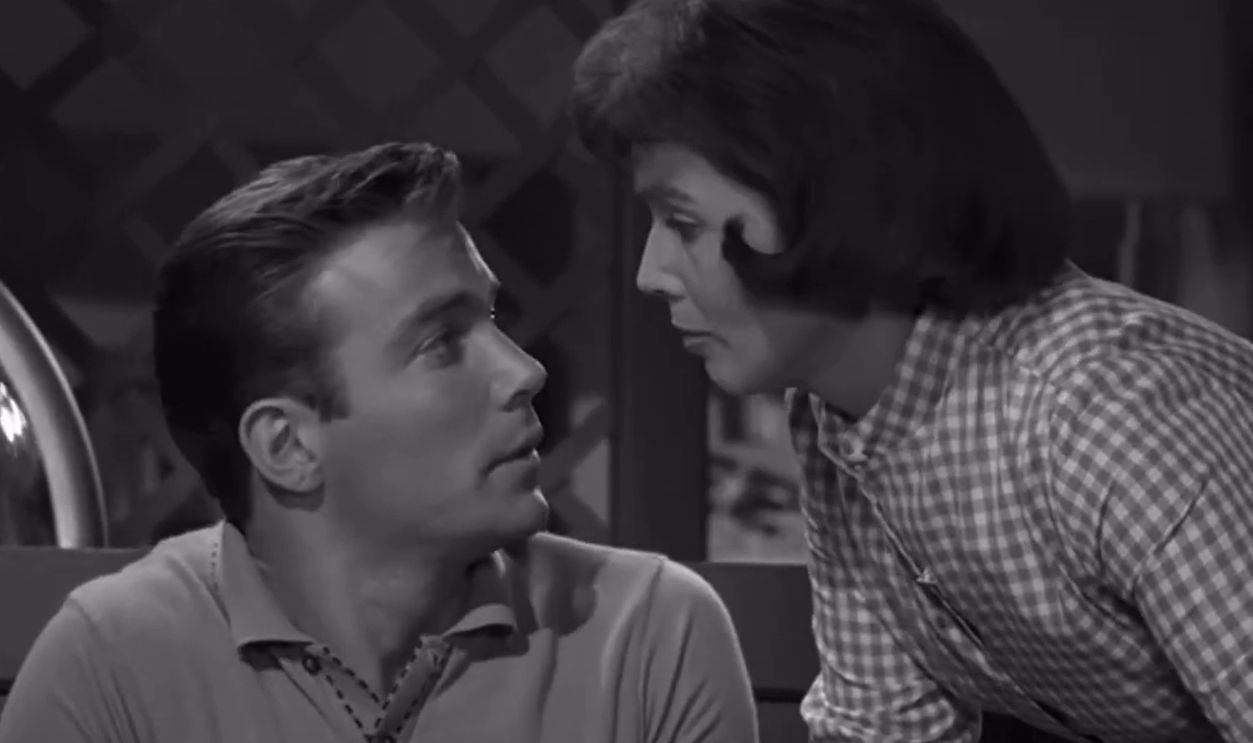
“Nick Of Time” (S2 E7)
William Shatner plays a newlywed who gets hooked on a fortune‑telling machine. The episode turns superstition into a relationship problem and shows how little rituals can snowball into real fear. The tense, and surprisingly relatable, as one of those small Twilight Zone hours people tend to skip.
 Screenshot from The Twilight Zone, CBS (1960)
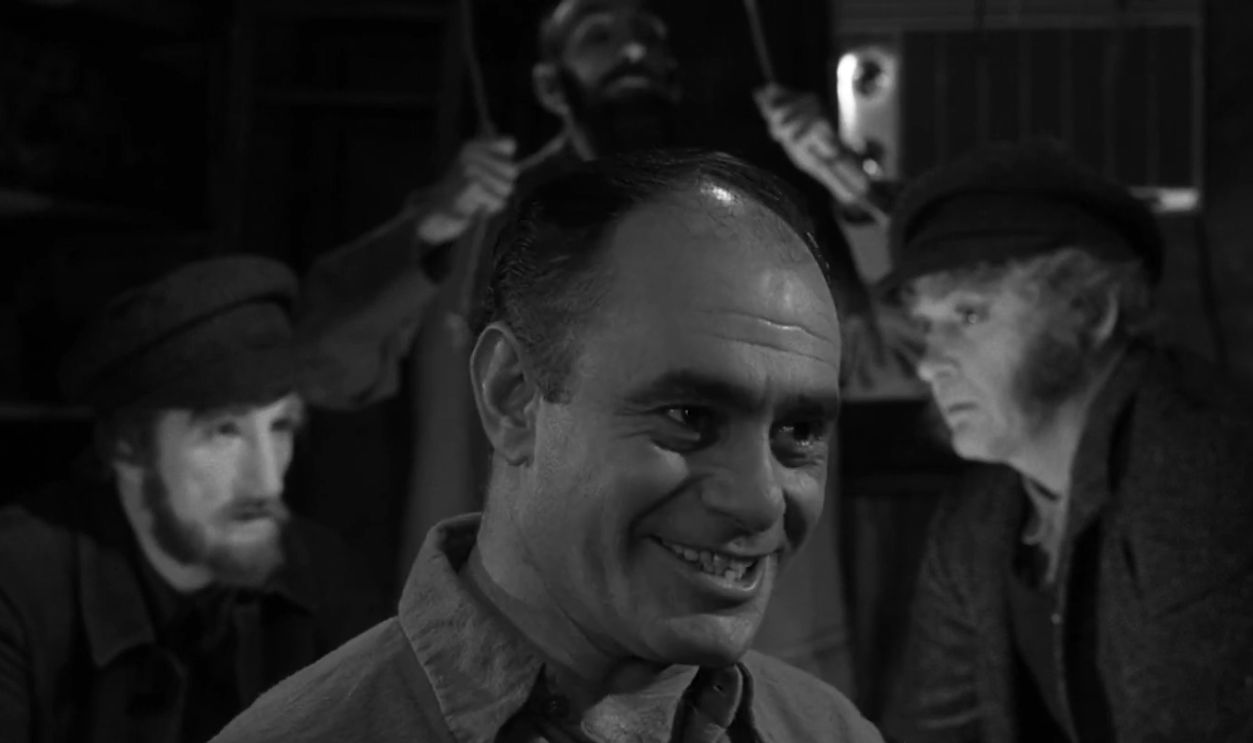
“The New Exhibit” (S4 E13)
This one feels like a creepy museum visit gone wrong. Martin Balsam’s character brings wax figures home and slowly realizes they’re dangerous. It’s claustrophobic, and oddly disturbing. Fans who like mood over spectacle swear by it, but most casual viewers barely know it exists.
 Screenshot from The Twilight Zone, CBS (1963)
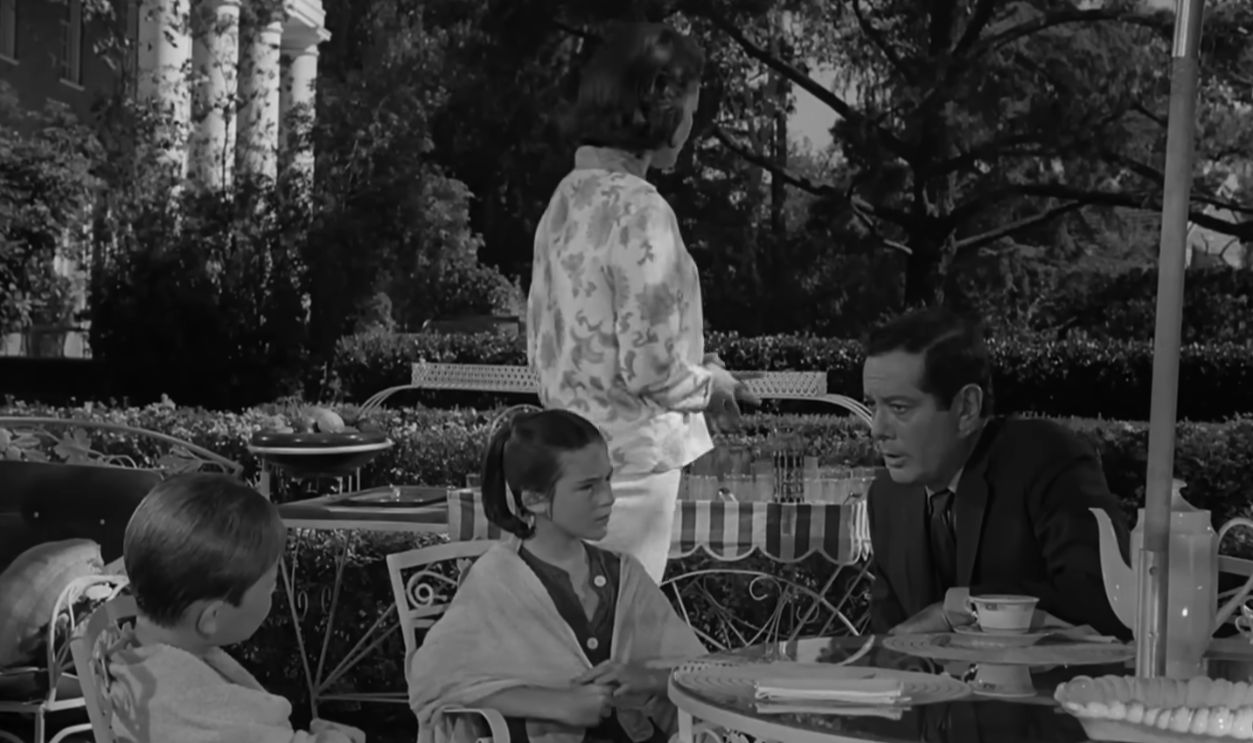
“The Bewitchin’ Pool” (S5 E36)
Two kids run away from their messy family lives and find a secret pool that’s basically a fairy‑tale escape. The ending is divisive, and the tone is softer than most episodes, which turned off some critics. Still, it’s tender and oddly bittersweet—a gentle curtain call for the original run.
 Screenshot from The Twilight Zone, CBS (1964)
“The Old Man In The Cave” (S5 E7)
A town survives by following the advice of a mysterious cave oracle. When people start doubting that authority, things fall apart. This one is a thoughtful piece about faith and leadership, with James Coburn lending quiet menace. It’s smart and relevant, yet it rarely gets name‑checked.
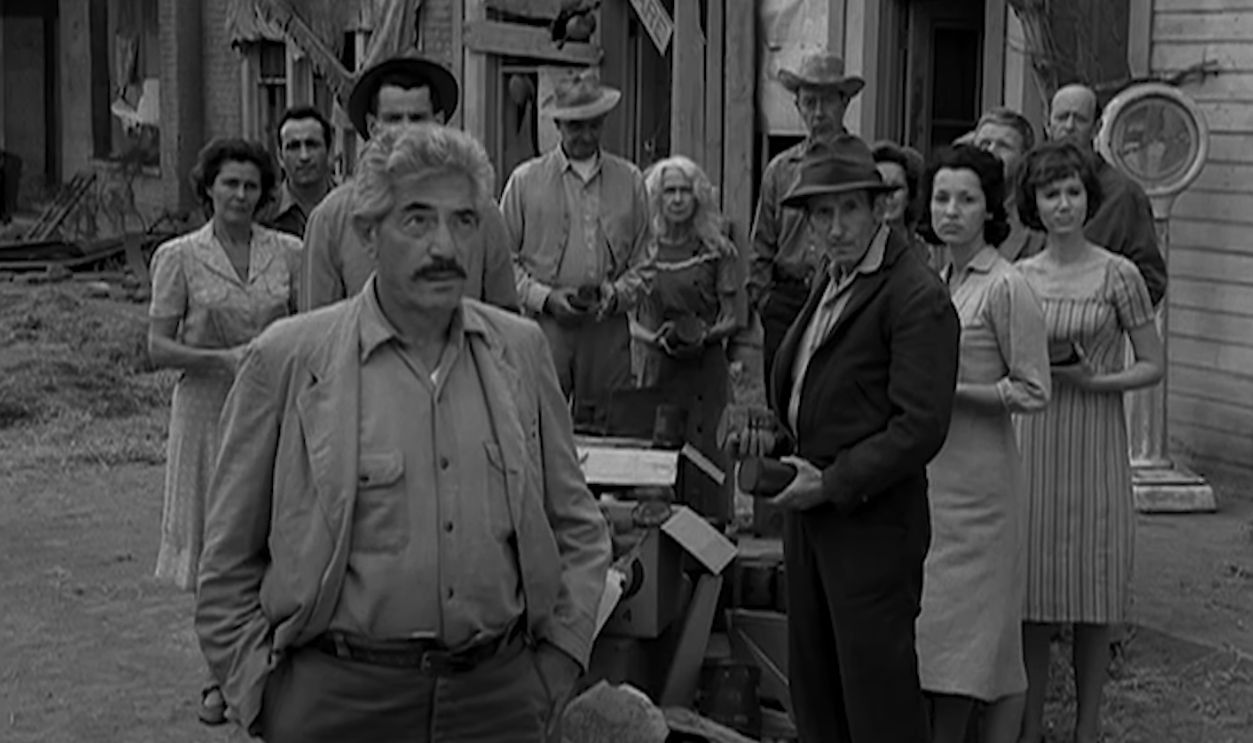 Screenshot from The Twilight Zone, CBS (1963)
“Stopover In A Quiet Town” (S5 E30)
A couple wakes up in a dream house with no idea how they got there. Little details keep feeling off until the truth lands like a punch. The episode is a slow creep toward an unforgettable twist, built more on atmosphere than effects. Definitely underrated for how unsettling it becomes.
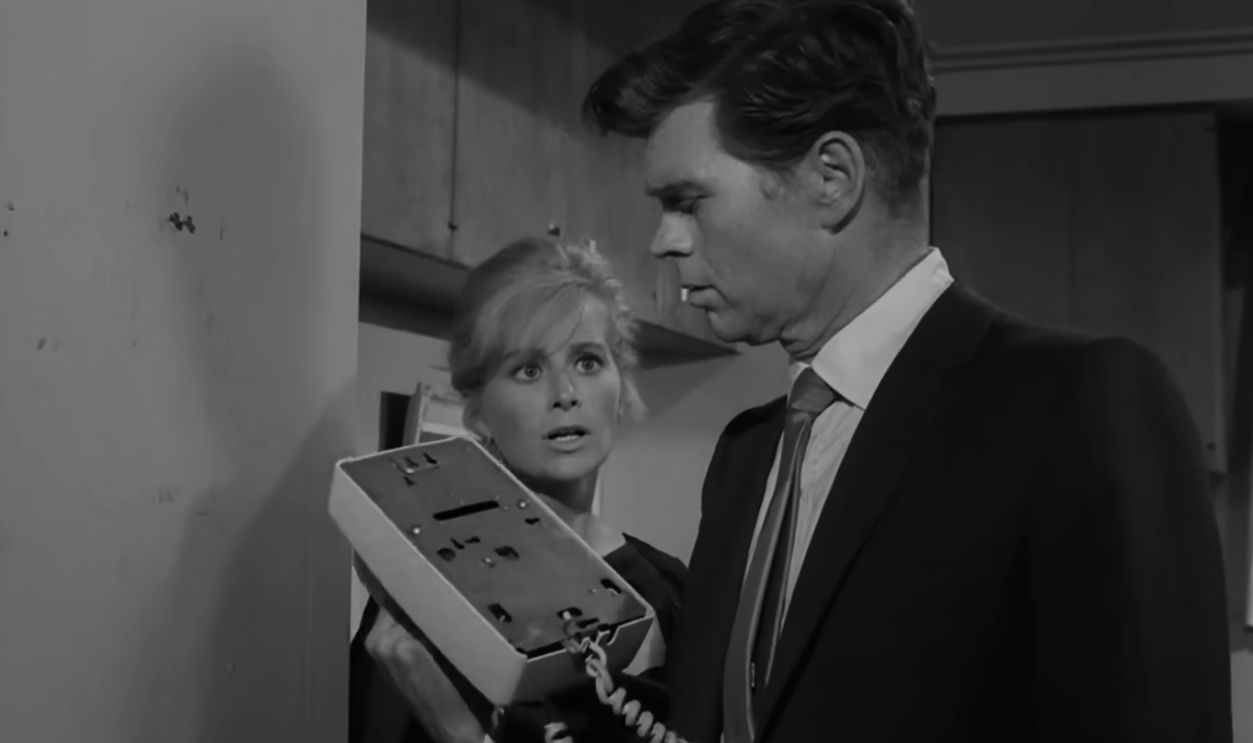 Screenshot from The Twilight Zone, CBS (1964)
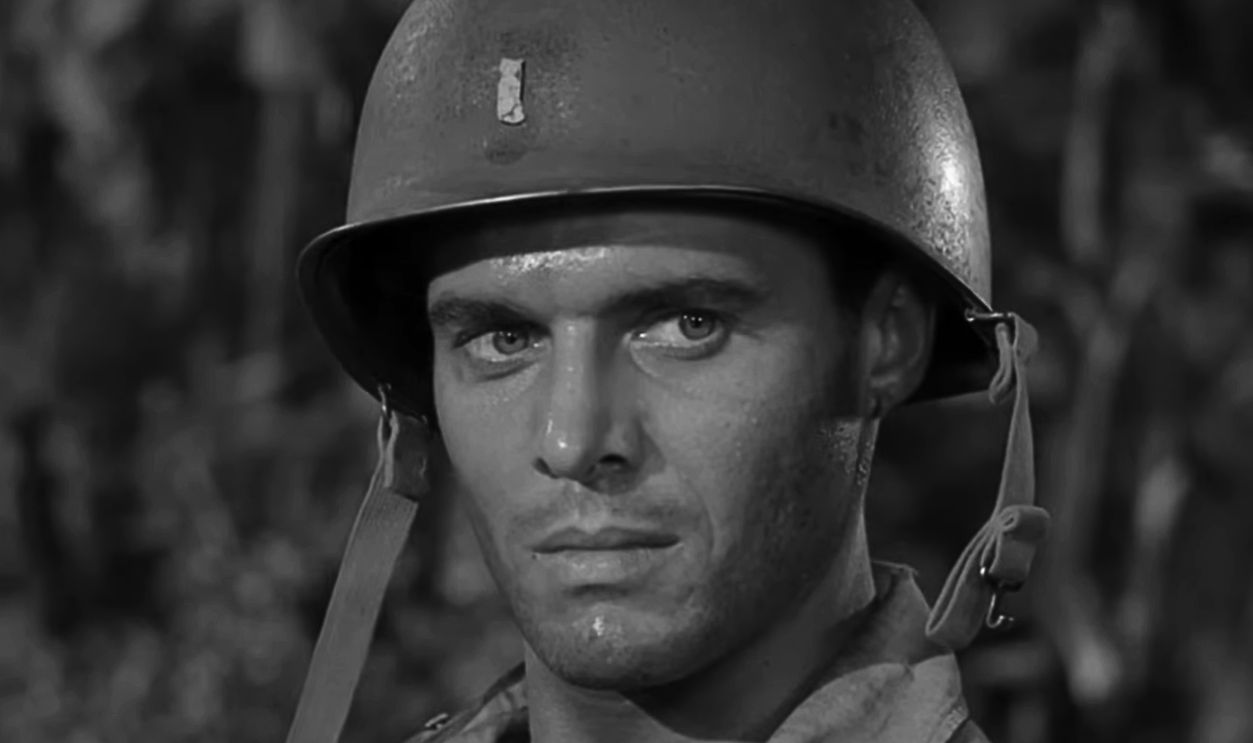
“The Purple Testament” (S1 E19)
Set during WWII, this episode follows a soldier who suddenly sees who’s going to die next. This one mixes realistic wartime tension with a spooky, fatalistic edge. The performances are restrained, and the mood is heavy. And the episode sticks with you.
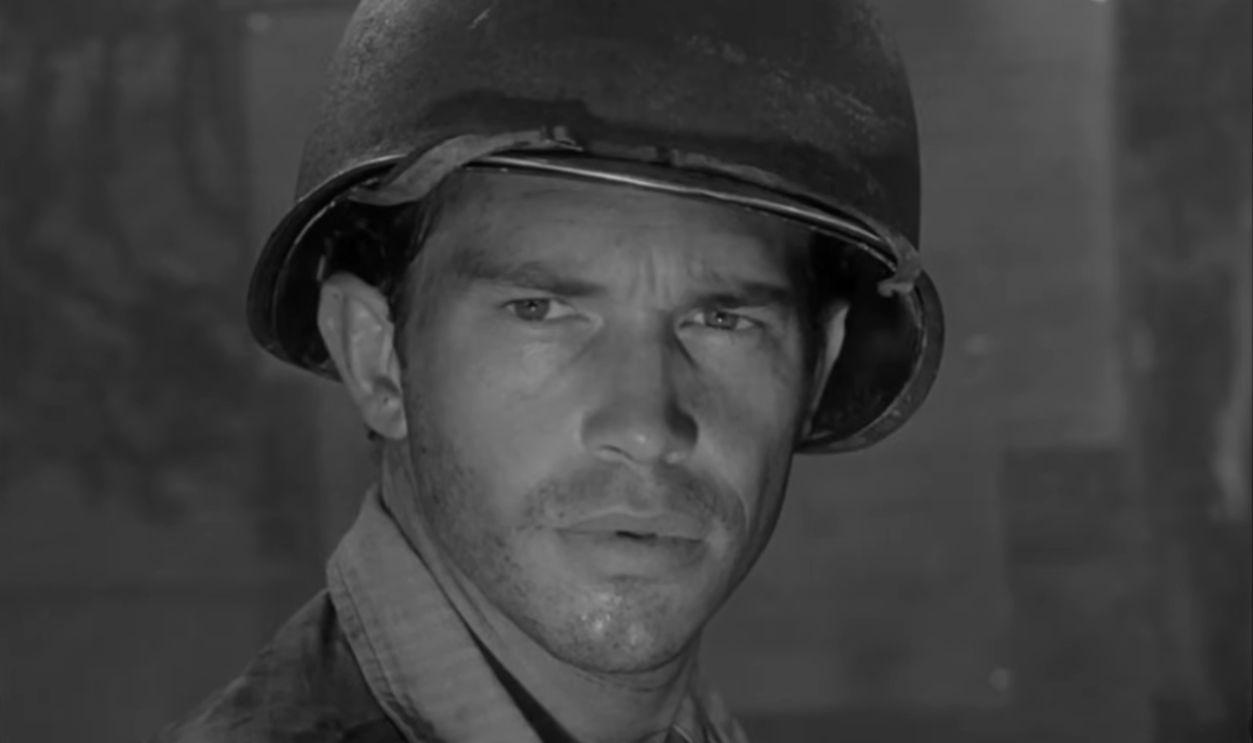 Screenshot from The Twilight Zone, CBS (1960)
“Passage On The Lady Anne” (S4 E17)
This is a melancholy little story about a couple on a ship trying to heal after loss. It’s quiet, reflective, and strangely beautiful in a low‑key way. If you like character moments over big twists, this one will reward you—but most viewers breeze past it.
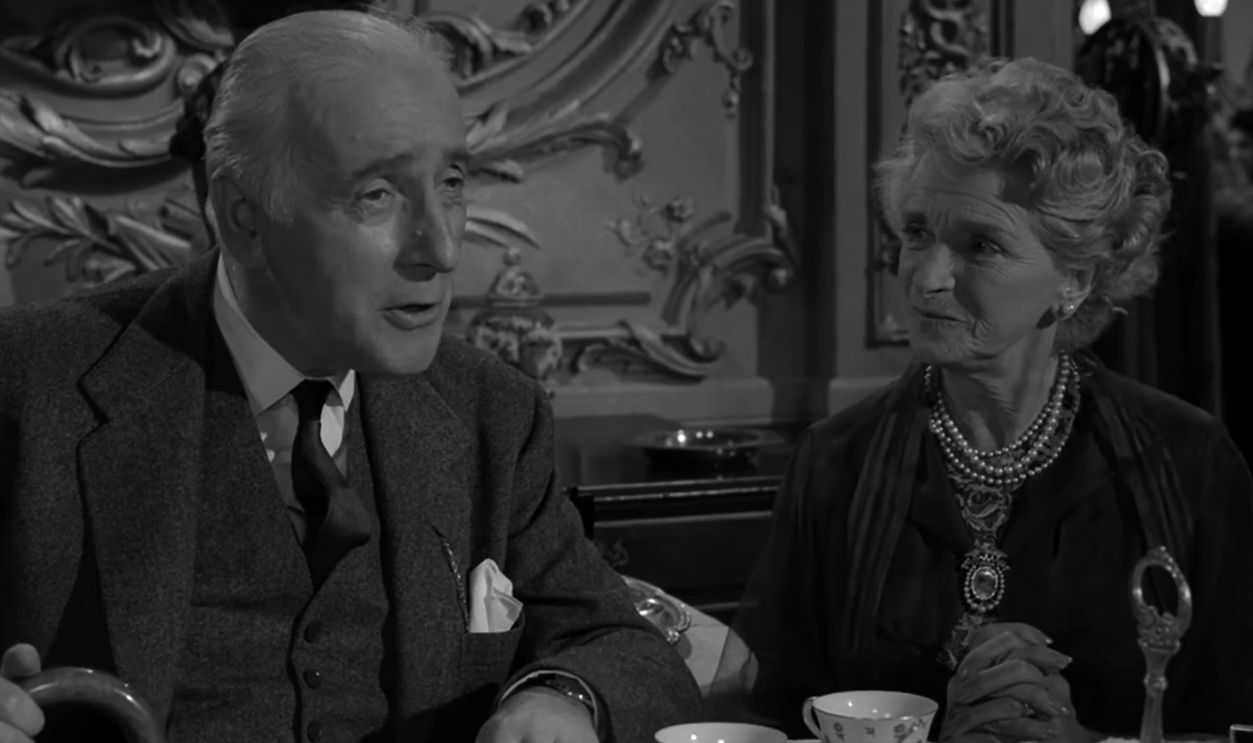 Screenshot from The Twilight Zone, CBS (1963)
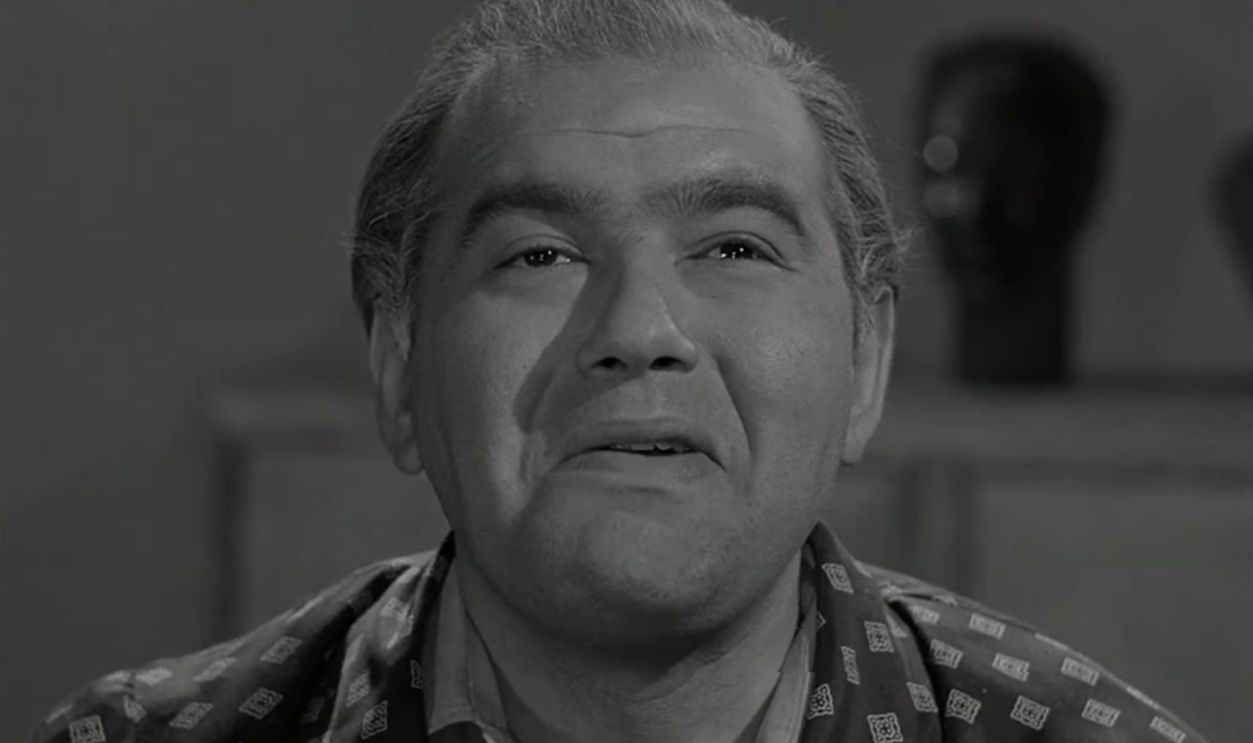
“The Four Of Us Are Dying” (S1 E13)
A man who can change faces uses his skill to con and manipulate. Ross Martin’s performance is slippery, and the episode plays like a noir with a supernatural twist. It’s clever and a bit dark—definitely a cool find for people who dig identity stories.
 Screenshot from The Twilight Zone, CBS (1960)
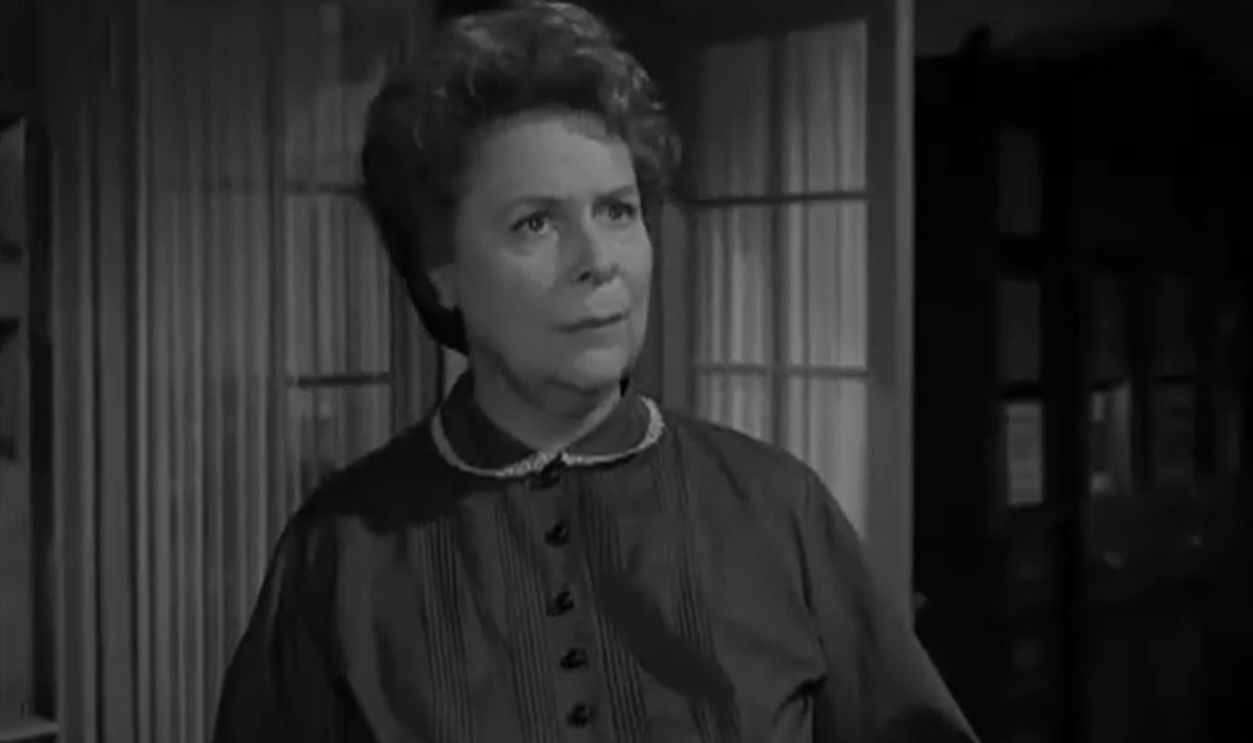
“The Changing Of The Guard” (S3 E37)
An aging teacher wonders if his life mattered until former students show up to prove it did. The episode is sentimental without being cloying, and Donald Pleasence gives a heartfelt turn. You will experience a warm, human story that’s often underrated.
 Screenshot from The Twilight Zone, CBS (1962)
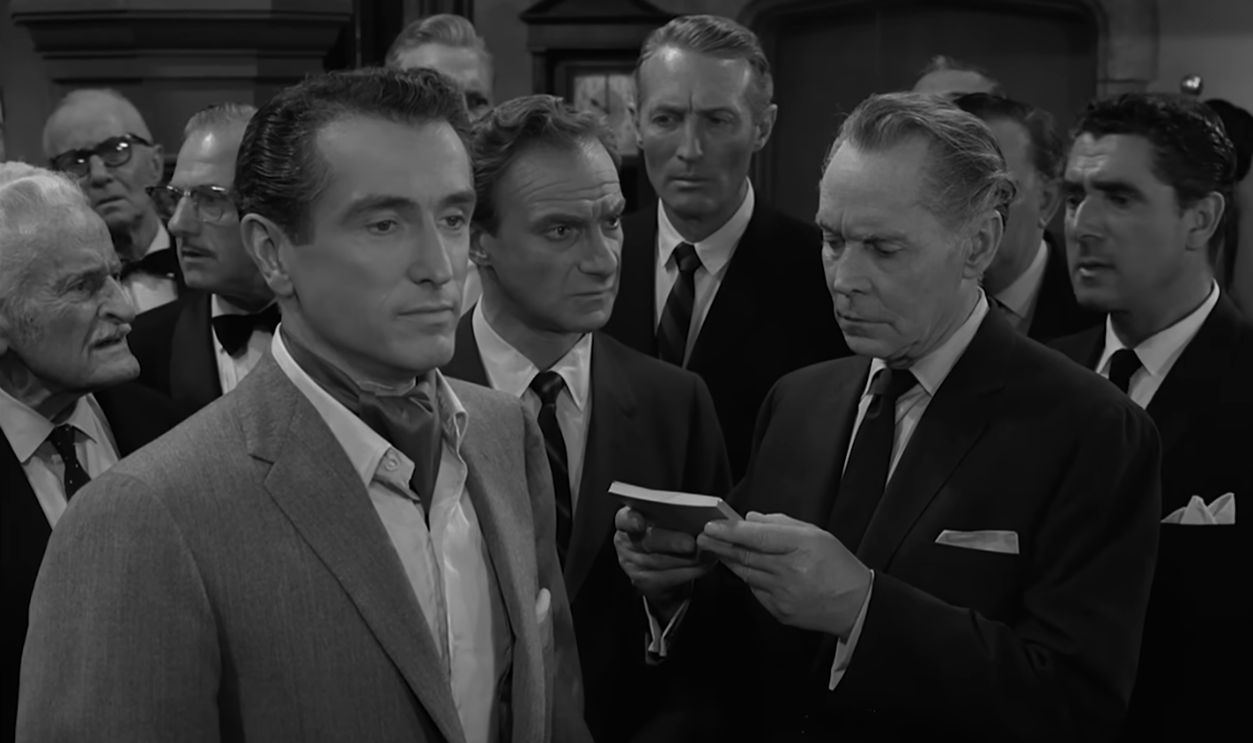
“The Jeopardy Room” (S5 E29)
Think of this as a slow-burning spy thriller. Martin Landau hides out while danger closes in, and the episode builds tension through waiting, small rituals, and tight staging. It’s minimalist but effective as a different flavor of Twilight Zone that deserves more attention.
 Screenshot from The Twilight Zone, CBS (1964)
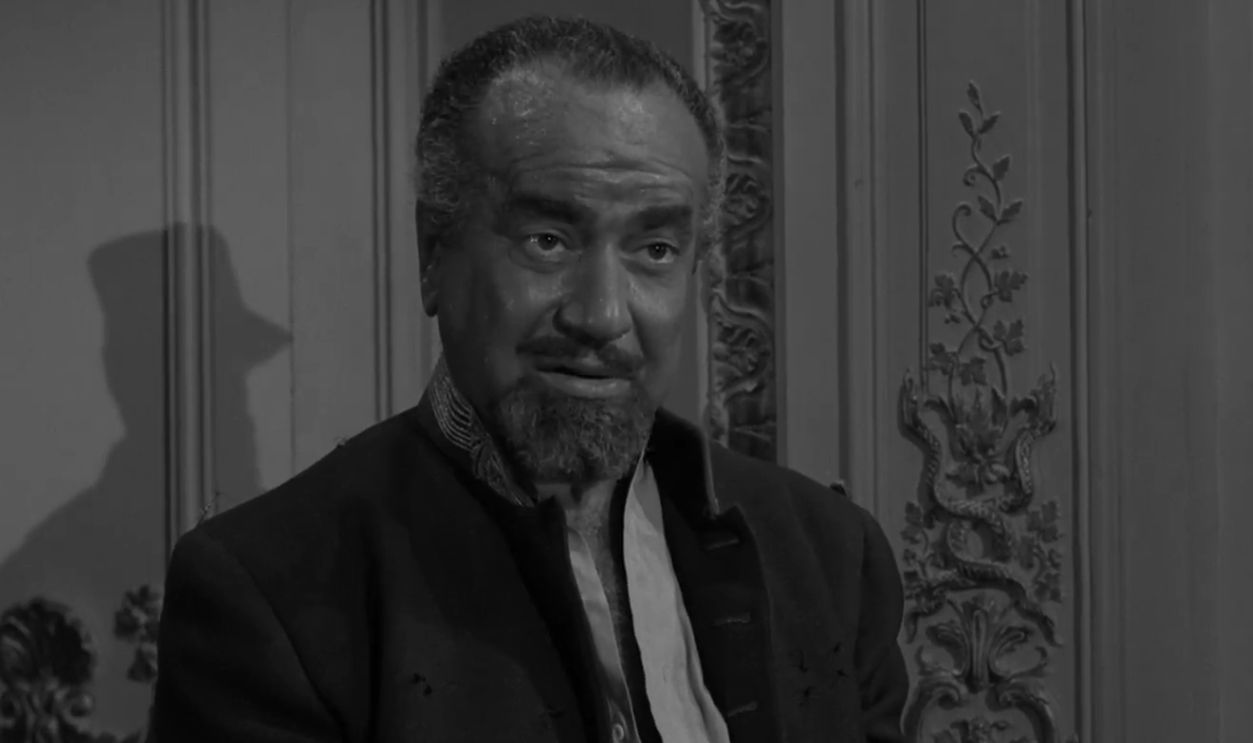
“Mirror Image” (S1 E21)
This one feels like a creeping paranoia. A woman stuck in a bus depot begins noticing doubles and wonders if reality is slipping away. It’s small in scope but unnerving in tone, and the ambiguity keeps it quietly memorable even though many viewers overlook it.
 Screenshot from The Twilight Zone, CBS (1960)
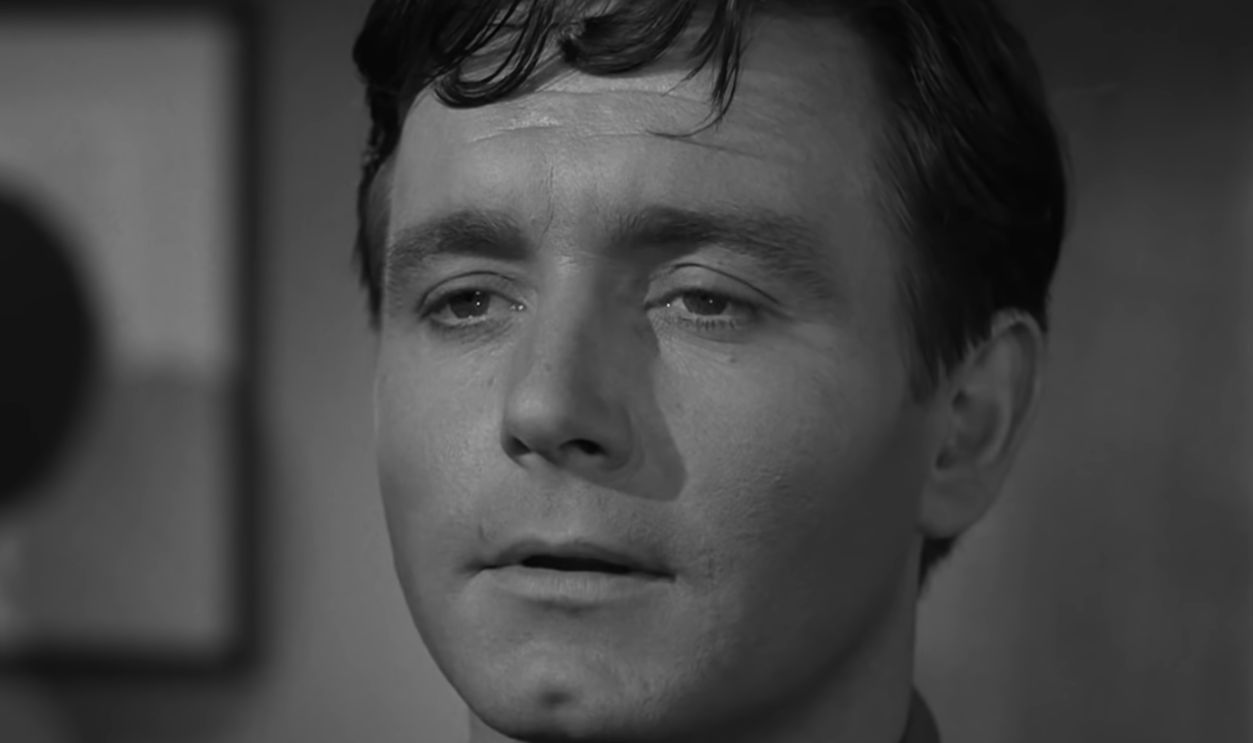
“The Last Flight” (S1 E18)
A WWI pilot suddenly appears in 1959 and must face what courage and regret mean. The story is thoughtful and bittersweet rather than flashy. If you appreciate subtle time‑travel tales with emotional heft, this episode is a rewarding, often-missed choice.
 Screenshot from The Twilight Zone, CBS (1960)
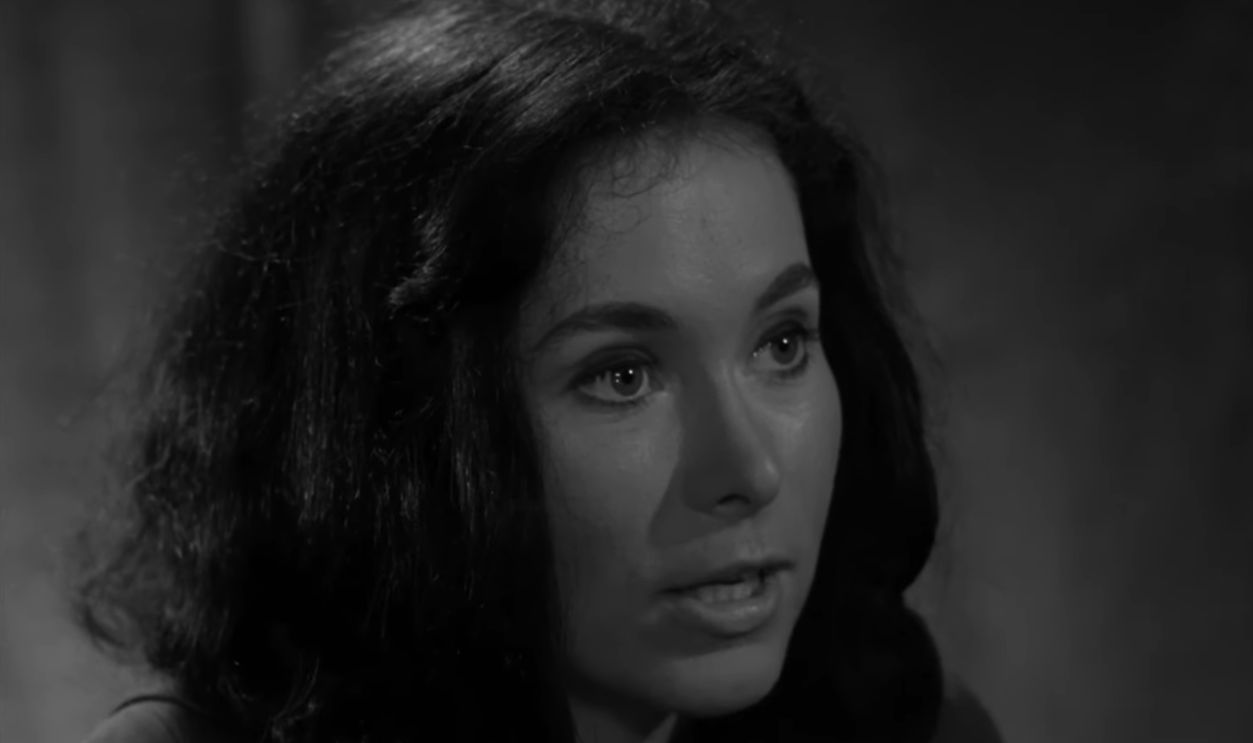
“The Grave” (S3 E7)
Lee Marvin leads a grim little Western with a supernatural edge. The plot is tight, and the final payoff lands with absolute dread. It mixes frontier grit and eerie atmosphere in a way that makes it stick in your mind long after it’s over.
 Screenshot from The Twilight Zone, CBS (1961)
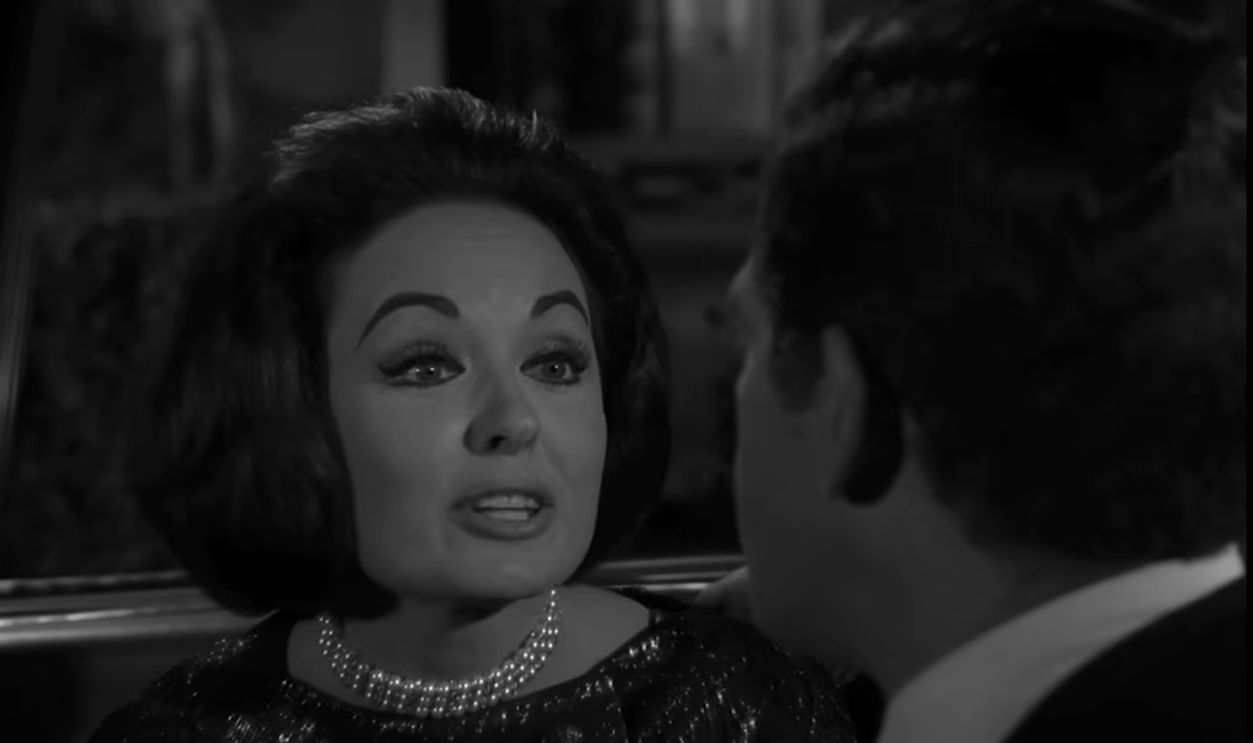
“Queen Of The Nile” (S5 E23)
Ann Blyth stars as an ageless screen siren whose beauty masks a parasitic immortality sustained by youthful admirers. Rod Serling lampoons Hollywood glamor while delivering gothic melodrama. The episode’s artful set pieces and Blyth’s magnetic performance critique celebrity culture, yet often get sidelined in broader series roundups.
 Screenshot from The Twilight Zone, CBS (1964)
“The Trade‑Ins” (S3 E31)
Think of this as a quiet, sad look at aging and what we’ll trade for youth. An elderly couple faces a futuristic option to swap bodies, and the emotional cost becomes the real point. It’s tender and humane, a Twilight Zone hour built on feeling rather than spectacle.
 Screenshot from The Twilight Zone, CBS (1962)
“Person Or Persons Unknown” (S3 E27)
Imagine waking up and finding everyone insists you never existed. That’s the setup here, and the episode leans into the disorientation and paranoia while exploring identity and memory. It’s a slow burn that keeps you unsettled and asking questions long after it ends.
 Screenshot from The Twilight Zone, CBS (1962)
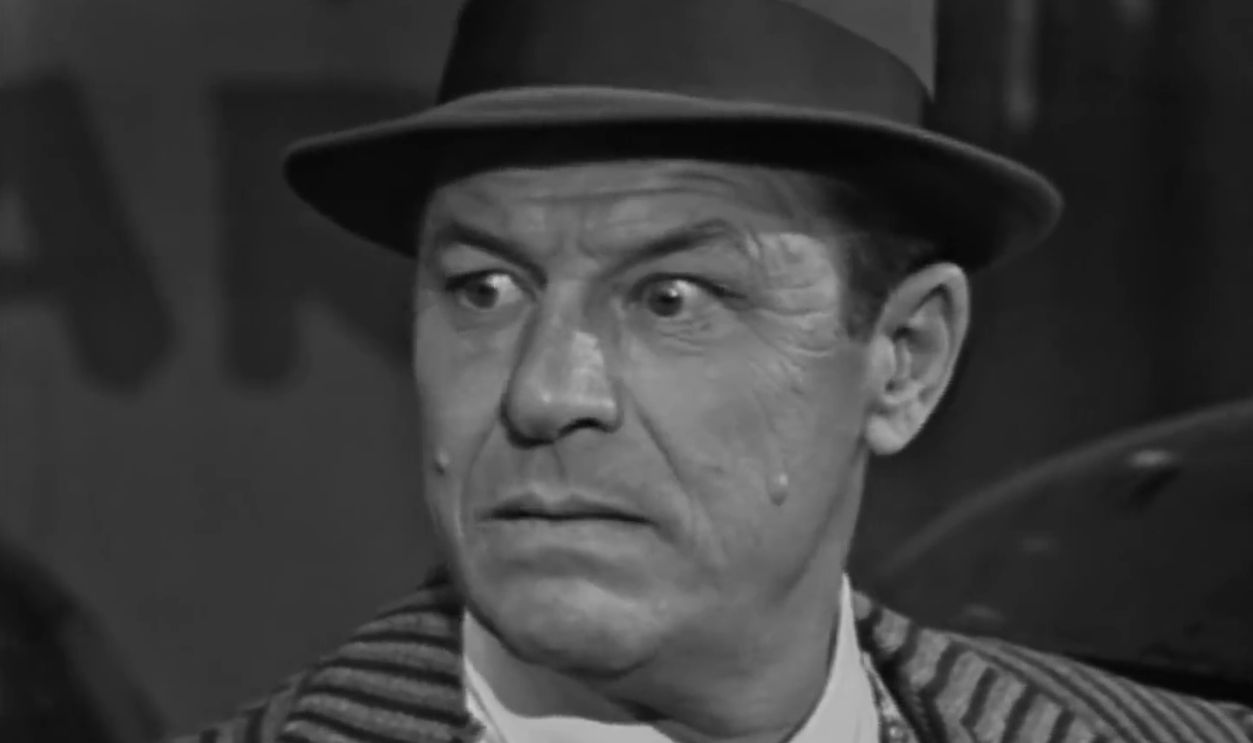
“The Whole Truth” (S2 E14)
This one’s lighter and pretty funny. A smooth used‑car salesman acquires a cursed car that forces him to tell nothing but the truth. Jack Carson’s comic performance and Serling’s ironic touch make it a breezy, moral little fable—entertaining, and oddly underseen.
 Screenshot from The Twilight Zone, CBS (1961)
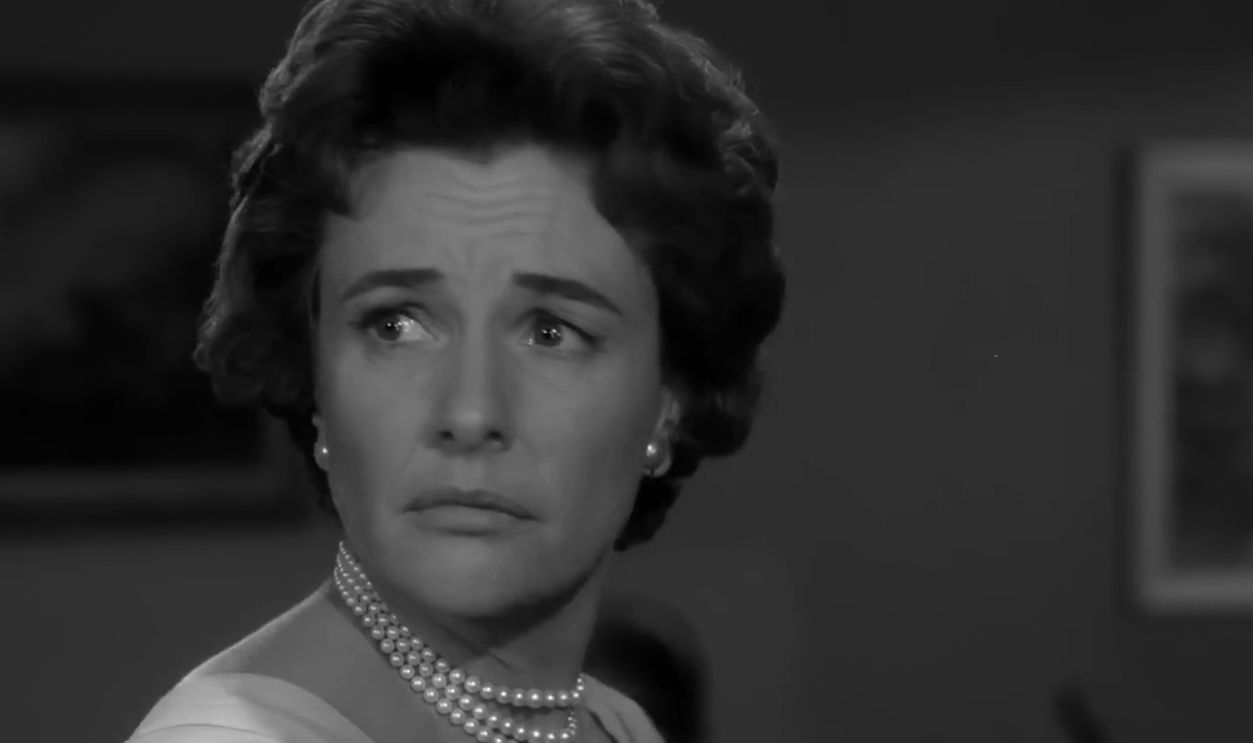
“Young Man’s Fancy” (S3 E34)
A man returns to a house that seems frozen in a past season of life, and nostalgia turns into something eerie. Richard Matheson’s script is gentle, focusing on memory and attachment. It’s a subtle, melancholic episode that rewards patience and mood over shocks.
 Screenshot from The Twilight Zone, CBS (1962)