An Unlikely Hero Answers The Call
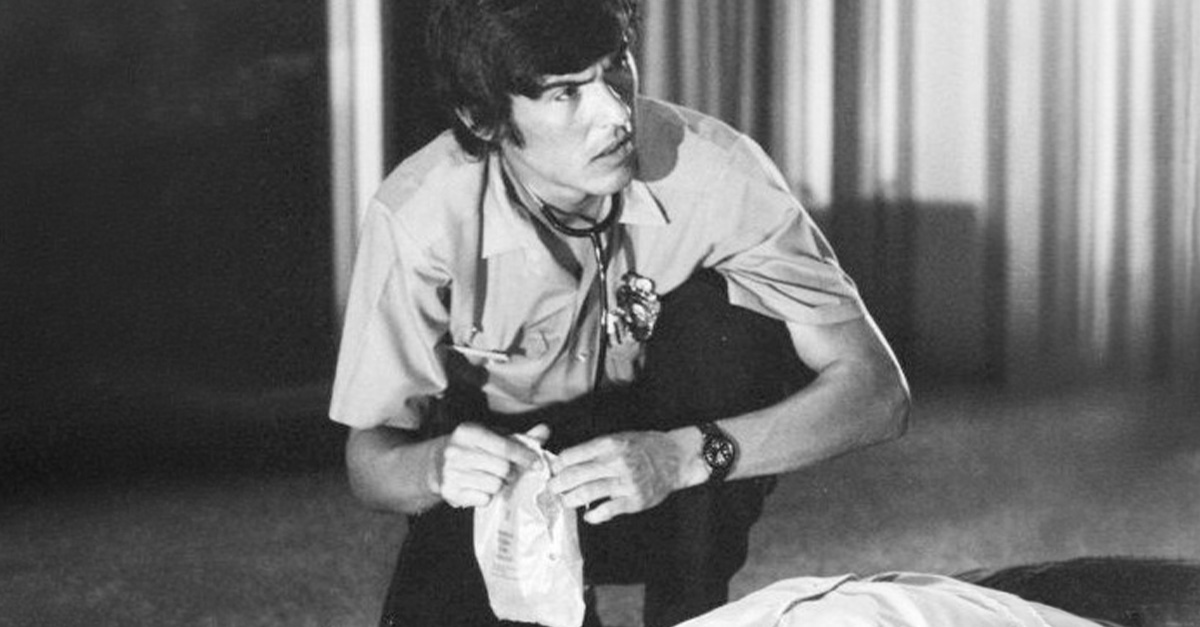
Randolph Mantooth never looked like the usual 1970s television savior. He was lanky, funny, and slightly rumpled. Yet once Emergency! put him in Johnny Gage’s blue uniform, viewers saw something fresh: a hero who felt like a real person.
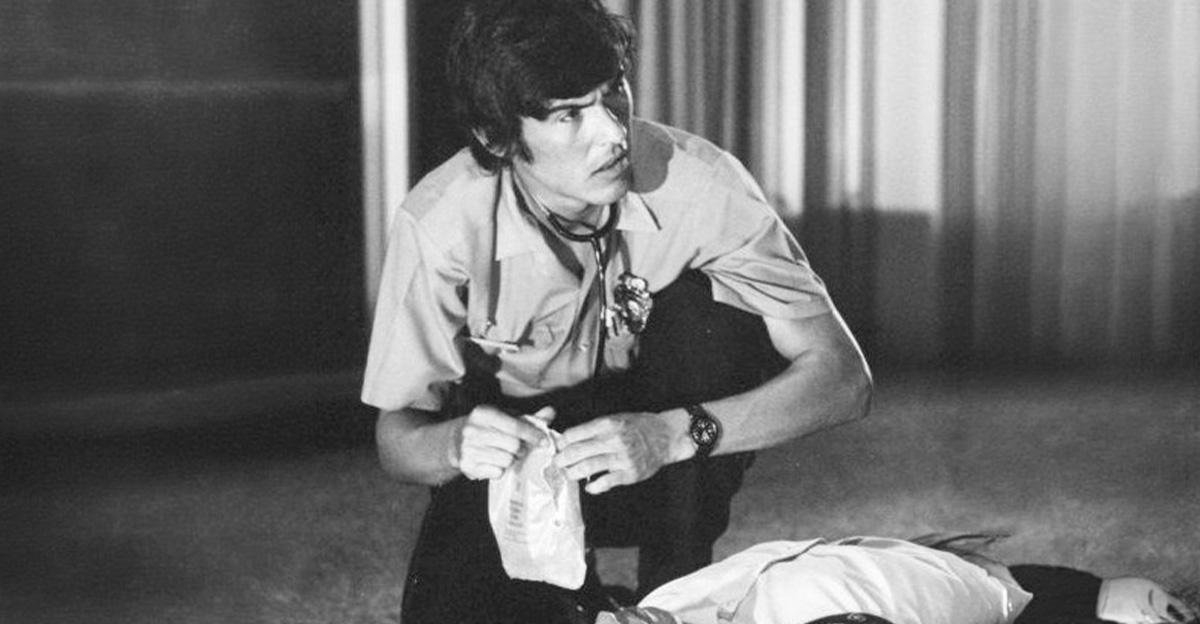 NBC Television, Public domain, via Wikimedia Commons
A Kid Who Found His Place Onstage
Born Randy DeRoy Mantooth in Sacramento in 1945, he found acting through school plays after his family settled near Santa Barbara. The stage gave the new kid a useful superpower: he could stop feeling out of place by becoming somebody else.
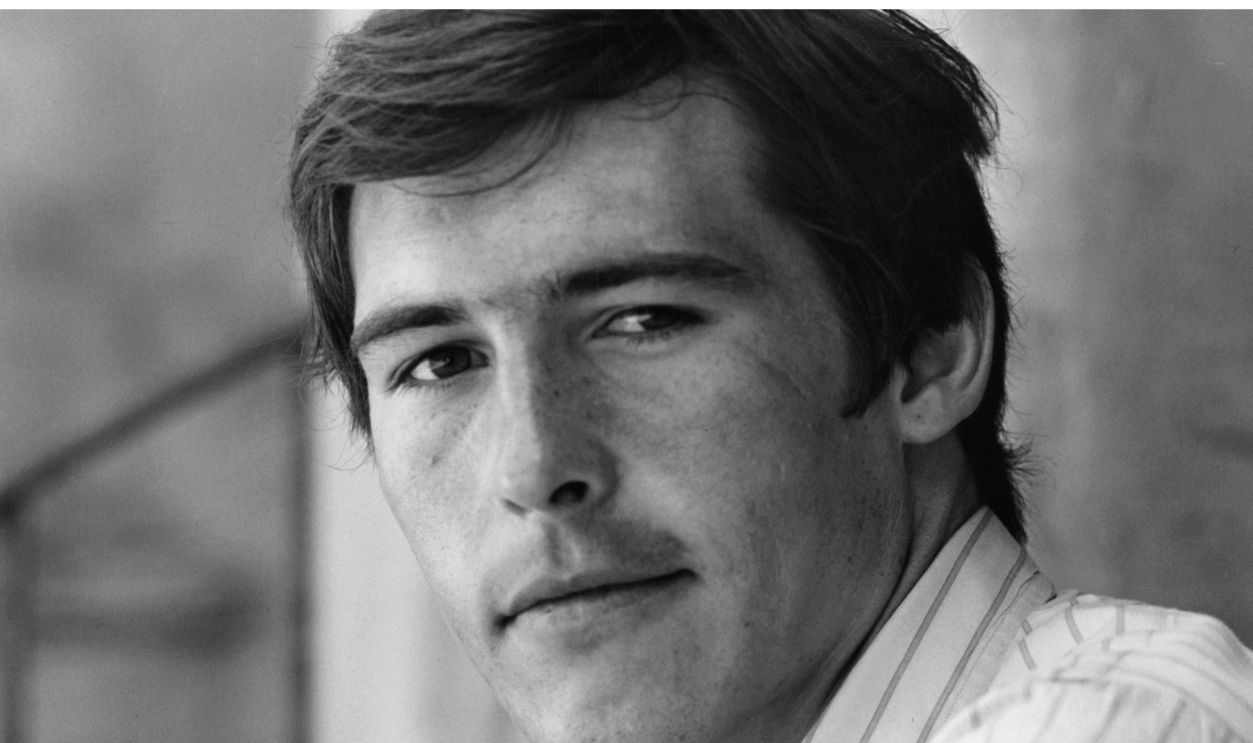 Michael Ochs Archives, Getty Images
New York Opened The Door
After Santa Barbara City College, Mantooth earned a scholarship to the American Academy of Dramatic Arts in New York. The training polished his craft without sanding away the warmth and quick timing that would later make Johnny Gage so believable.
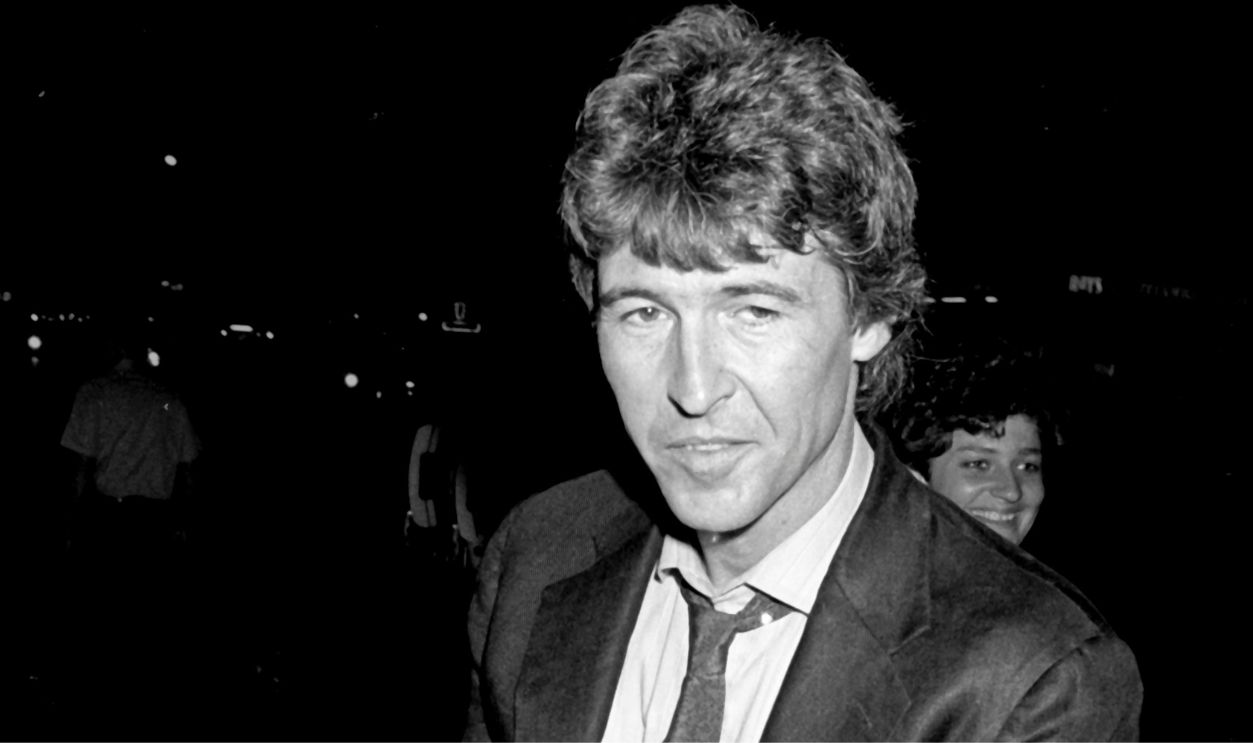
One Play Changed Everything
While starring in Philadelphia, Here I Come!, Mantooth caught the attention of a Universal Studios talent agent. Soon he was back in California, trading stage rehearsals for television sets and learning Hollywood the practical way: one audition and guest role at a time.
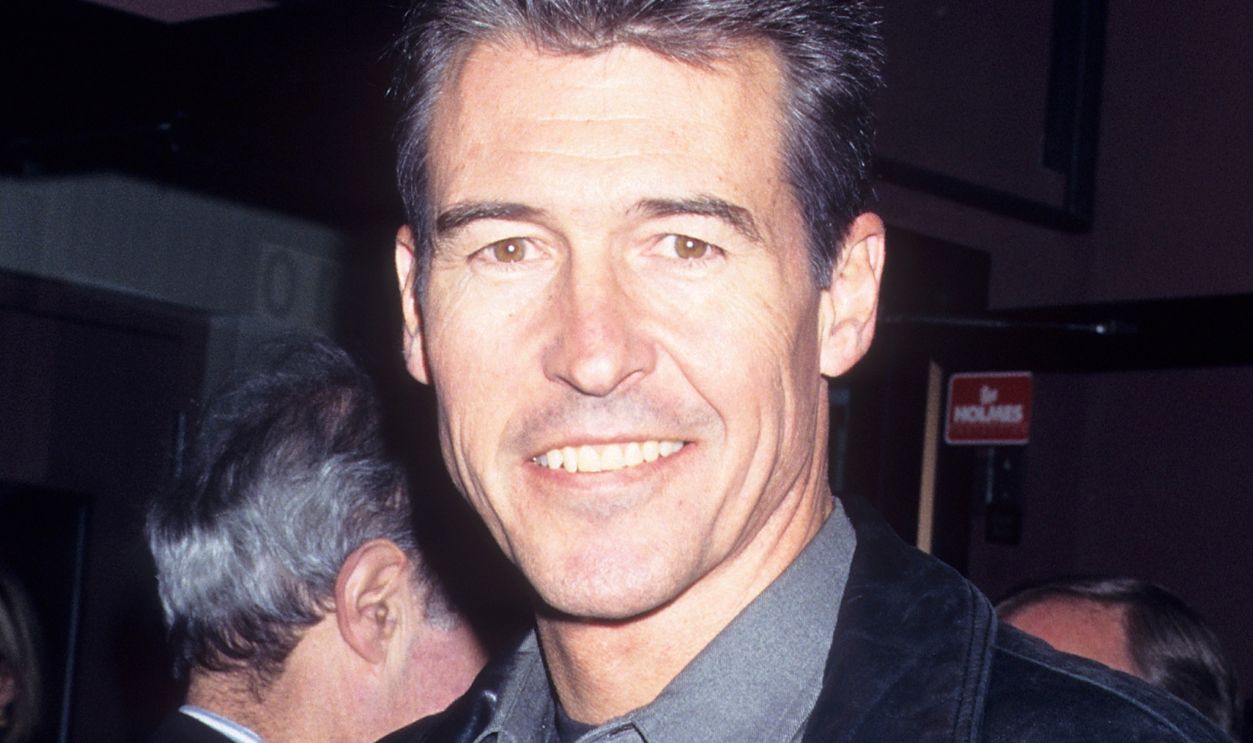
Television Became His Training Ground
Before fame, he appeared on Adam-12, McCloud, Marcus Welby, M.D., Alias Smith and Jones, and The Bold Ones. Those jobs taught him how to enter an established series, make an impression quickly, and leave the story stronger than he found it.
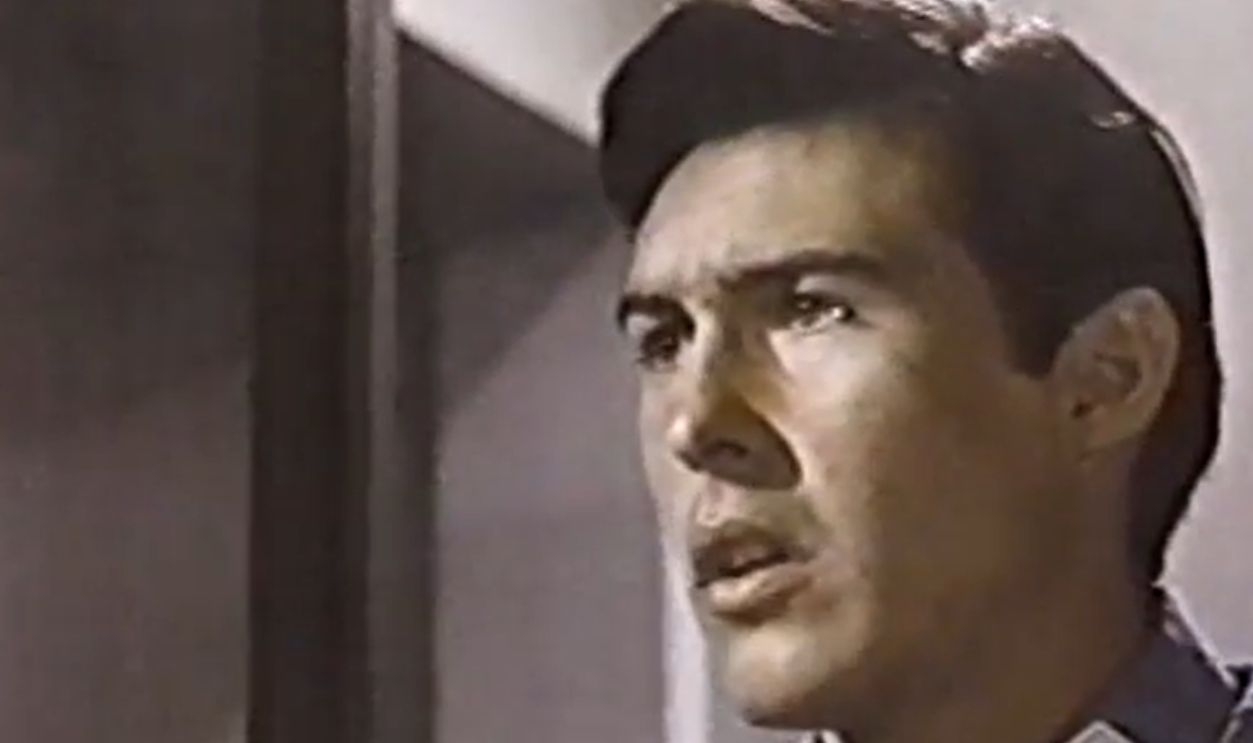 Screenshot from The Bold Ones, NBC (1969–1973)
Then He Heard The Word Paramedic
When Emergency! came along, Mantooth had one basic question: what was a paramedic? That confusion made him perfect for the moment. The profession was unfamiliar to much of America, so the actor and the audience were about to learn together.
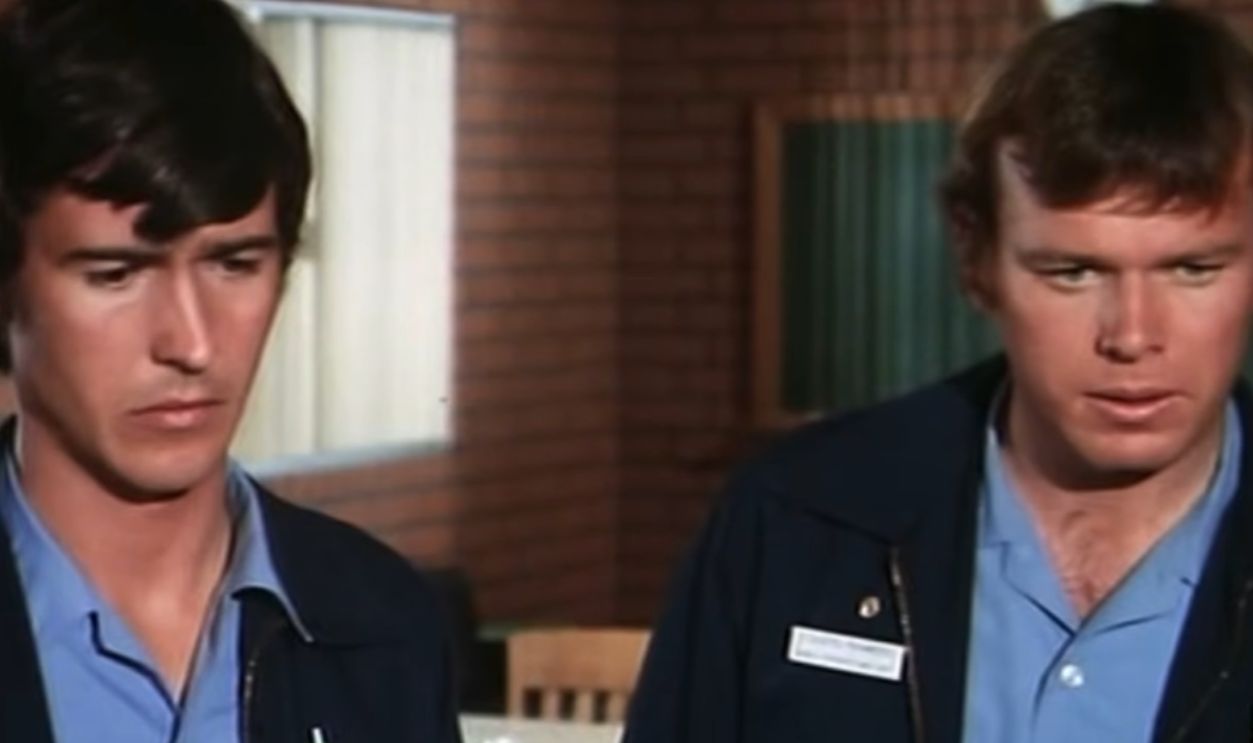 Screenshot from Emergency!, NBC (1972–1979)
Johnny Gage Was Not A Superhero
John Gage could be brave one minute and hopelessly distracted the next. He chased dates, traded jokes, worried, and still ran toward danger. Mantooth knew competence becomes more impressive when the person wearing it is recognizably human, not carved from marble.
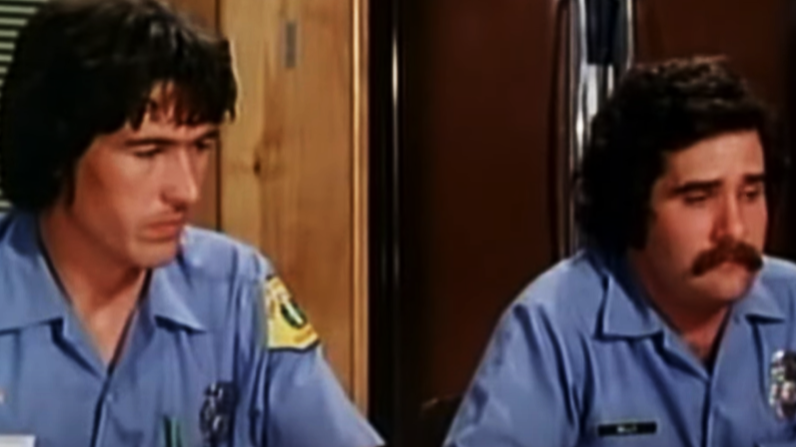 Screenshot from Emergency!, NBC (1972–1979)
Kevin Tighe Made The Partnership Click
As Roy DeSoto, Kevin Tighe gave the duo a steady center. Roy was the calmer counterweight; Johnny was the restless spark. Their contrast created comedy and trust, producing a rhythm that felt like two partners who had survived countless shifts together.
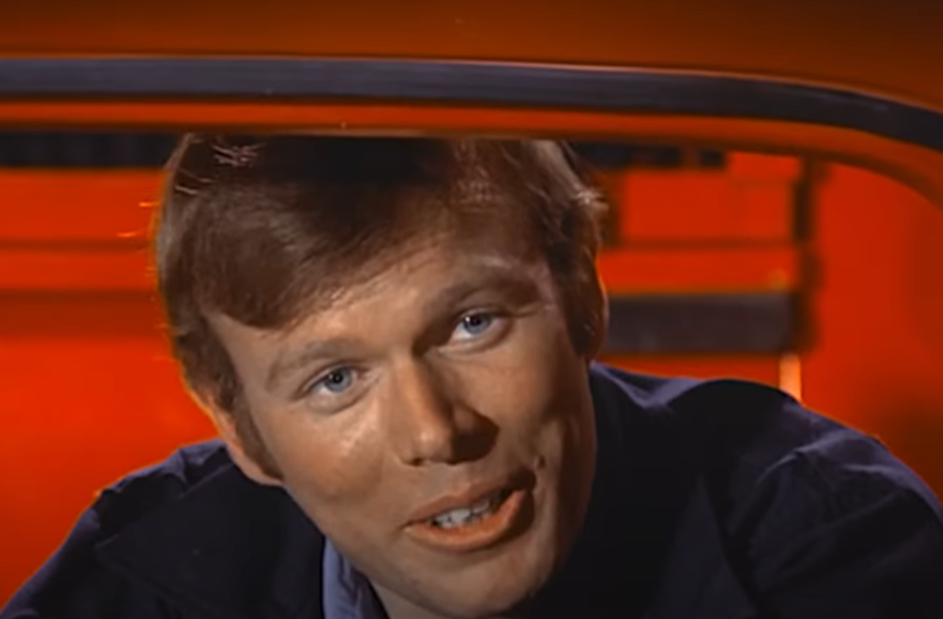 Screenshot from Emergency!, NBC (1972–1979)
Squad 51 Became The Third Star
Emergency! followed Gage and DeSoto from their fictional Los Angeles County fire station to crashes, fires, odd household accidents, and Rampart General Hospital. The red squad, radio calls, and clatter of equipment turned careful procedure into surprisingly gripping television.
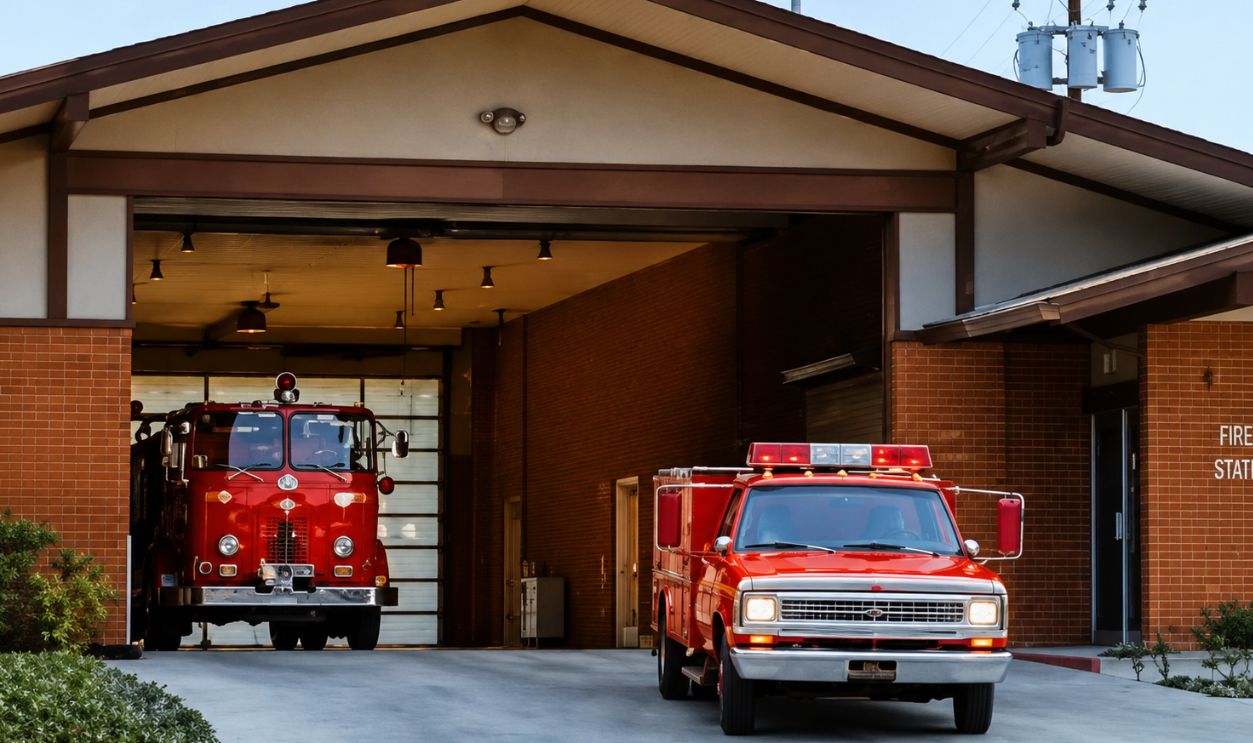 Screenshot from Emergency!, NBC (1972–1979), Modified
The Details Had To Feel Real
Producer Jack Webb worked closely with the Los Angeles County Fire Department, while firefighters and paramedics served as advisers. The equipment mirrored field tools, and real firefighter Mike Stoker appeared onscreen. Authenticity was not decoration; it powered the entire show.
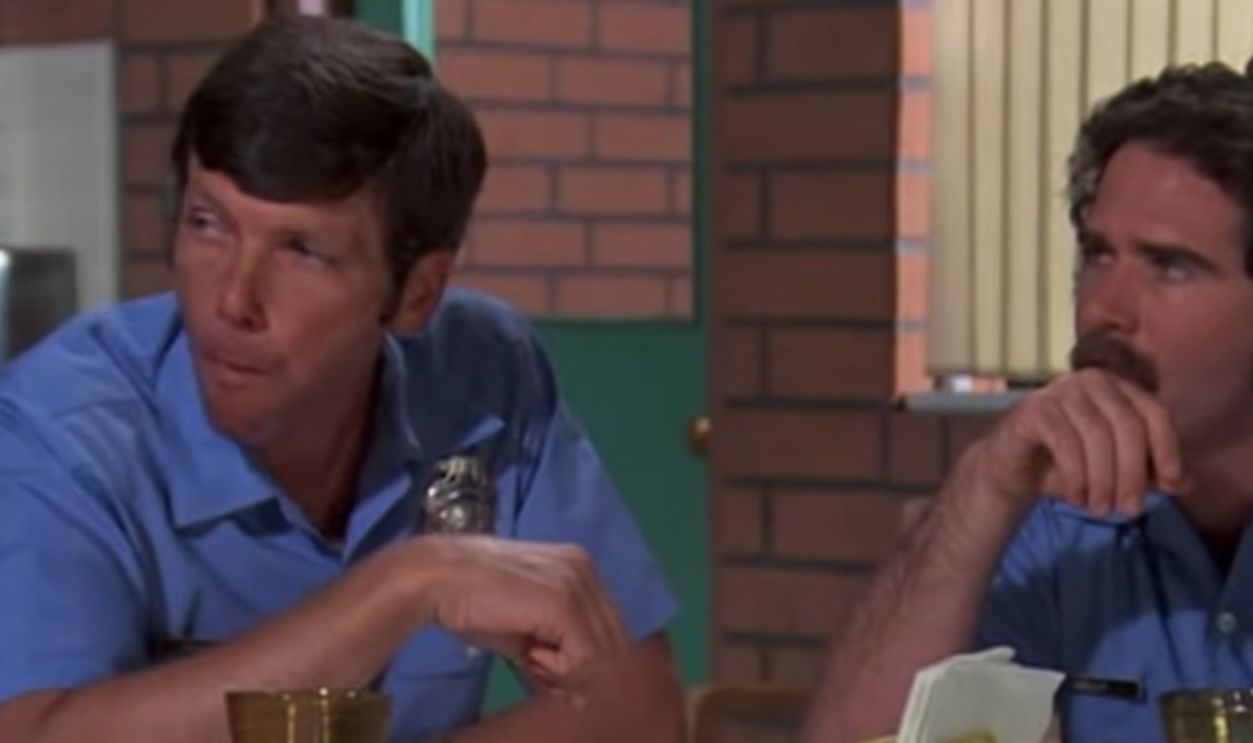 Screenshot from Emergency!, NBC (1972–1979)
Mantooth Learned To Move Like A Responder
Viewers could not believe Johnny unless Mantooth handled the gear confidently. He learned the routines, tackled demanding rescue scenes, and did stunt work. The result was physical acting without swagger: quick hands, focused eyes, and urgency that looked practiced.
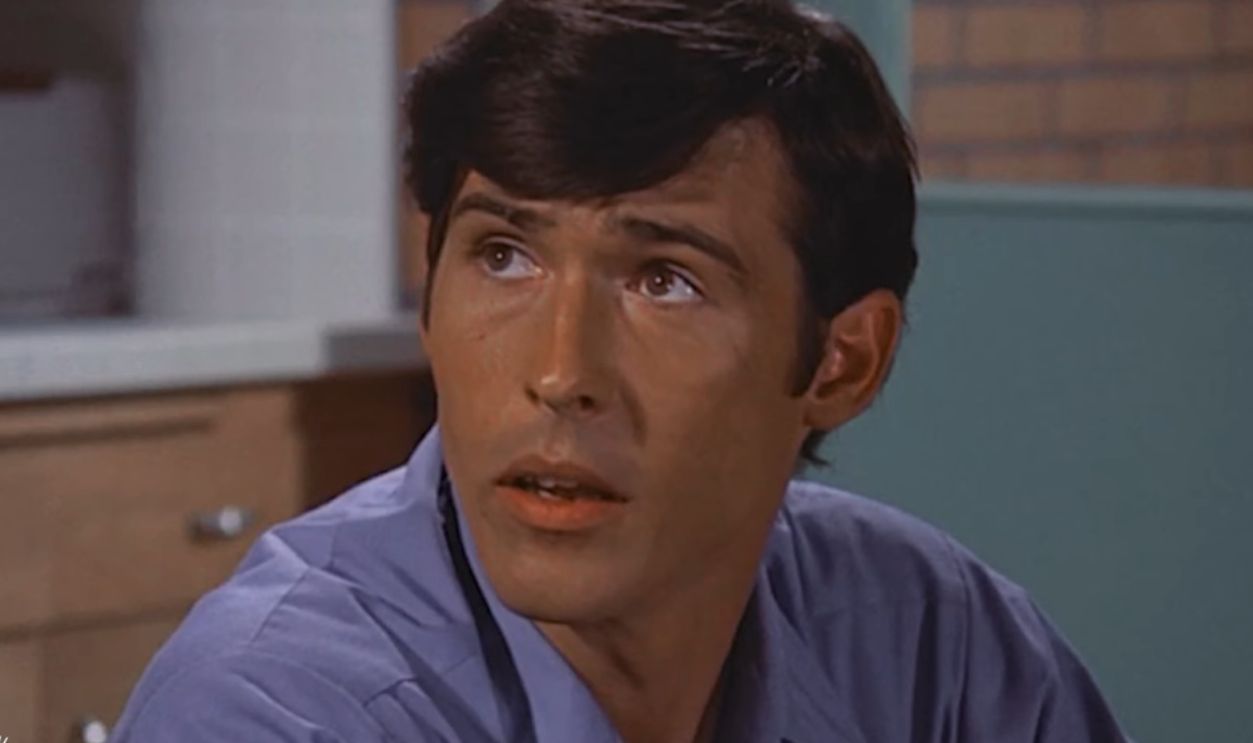 Screenshot from Emergency!, NBC (1972–1979)
His Face Sold The Quiet Moments
Mantooth was especially good when nothing exploded. A quick grin could relax a frightened patient; a worried glance could raise the stakes. He made Johnny attentive rather than flashy, keeping each rescue personal instead of turning disaster into empty spectacle.
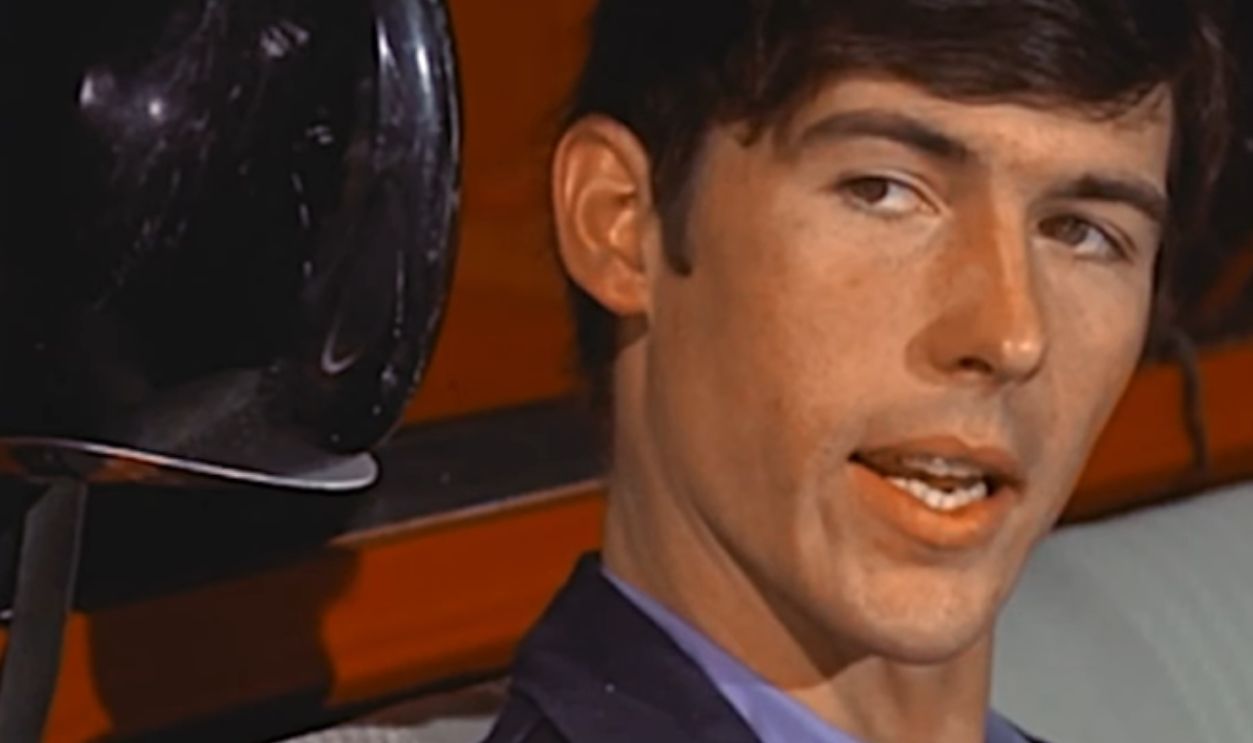 Screenshot from Emergency!, NBC (1972–1979)
Humor Kept The Sirens From Taking Over
The firehouse scenes gave Mantooth room to play. Johnny’s romantic misadventures, friendly rivalries, and wounded pride made him lovable between calls. That humor let viewers breathe—and made the sudden switch back to danger hit even harder.
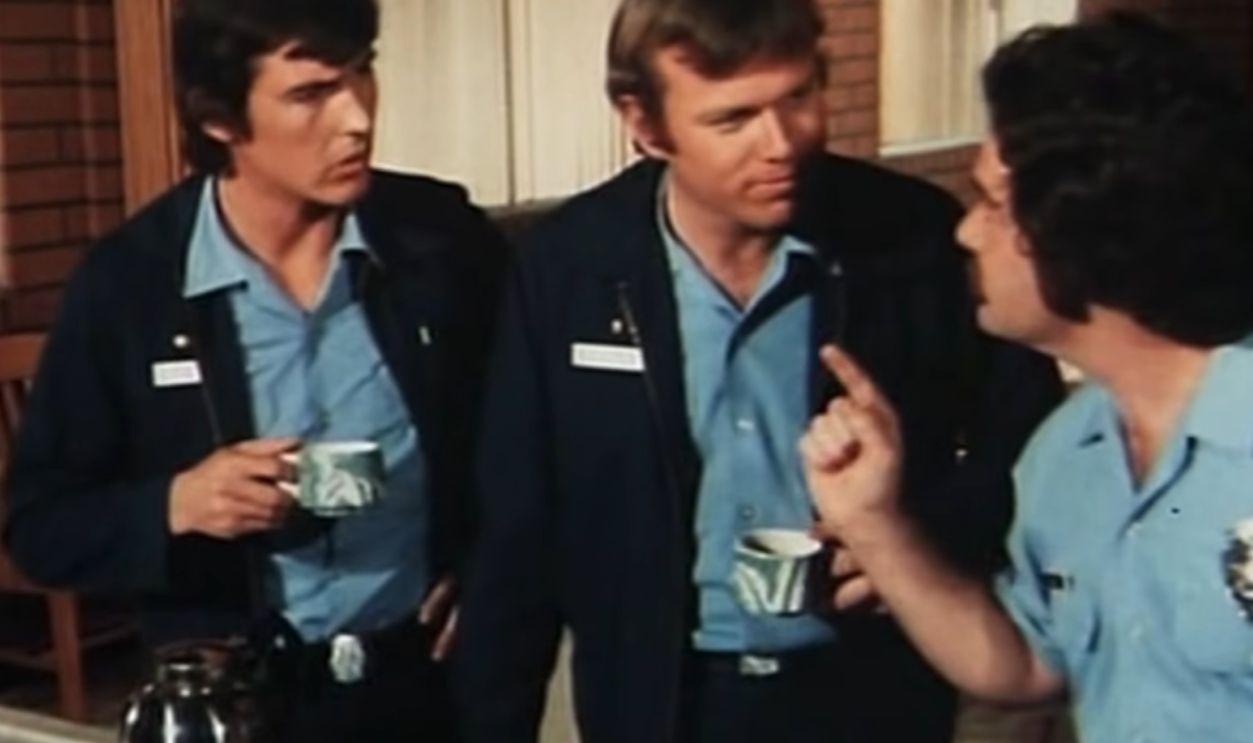 Screenshot from Emergency!, NBC (1972–1979)
He Looked Like Someone You Might Know
Johnny was handsome, but never polished into a distant idol. His hair fell out of place, his emotions showed, and his confidence sometimes cracked. Mantooth made the uniform seem reachable, suggesting ordinary people could do extraordinary work.
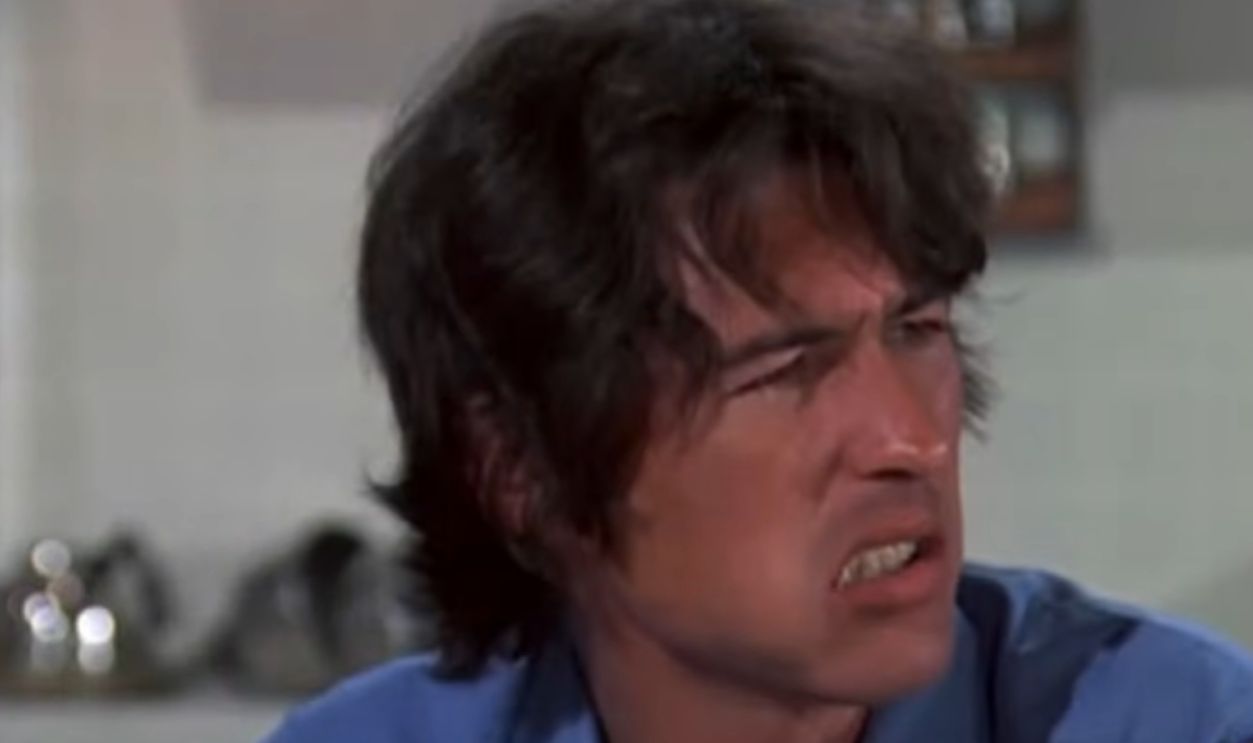 Screenshot from Emergency!, NBC (1972–1979)
America Got A Crash Course In EMS
When Emergency! premiered in 1972, modern paramedicine was still developing. Through Johnny and Roy, viewers learned about field treatment, hospital communication, defibrillators, and the bulky biophone. The lessons arrived inside brisk stories, so education never felt like homework.
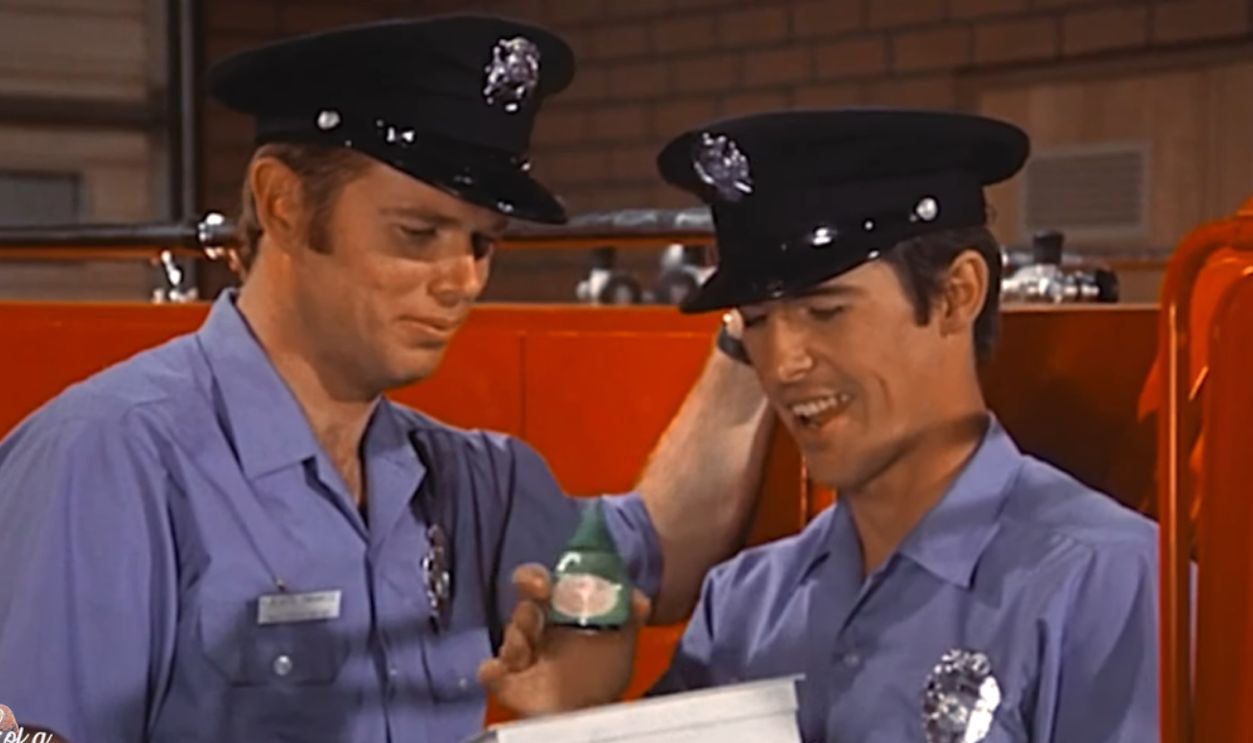 Screenshot from Emergency!, NBC (1972–1979)
The Show Inspired Real Careers
The program did more than make rescue work exciting. The Smithsonian says Emergency! motivated viewers to enter emergency medicine, and first responders have long called it an inspiration. Mantooth became the familiar face of a profession still finding its public identity.
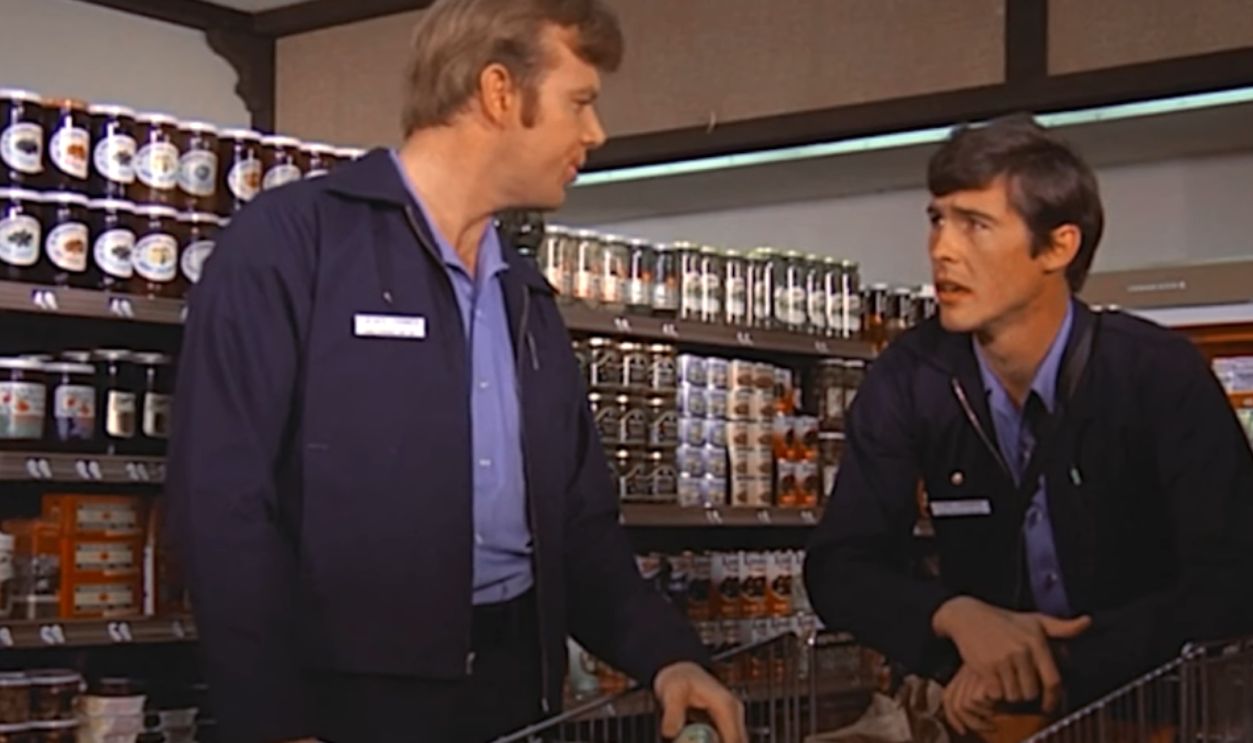 Screenshot from Emergency!, NBC (1972–1979)
Fame Found Him In A Blue Shirt
Mantooth became a household face, but Johnny Gage’s popularity was never built on wealth or power. His appeal came from service. Week after week, he listened, lifted, reassured, and acted. His heroism stayed refreshingly practical.
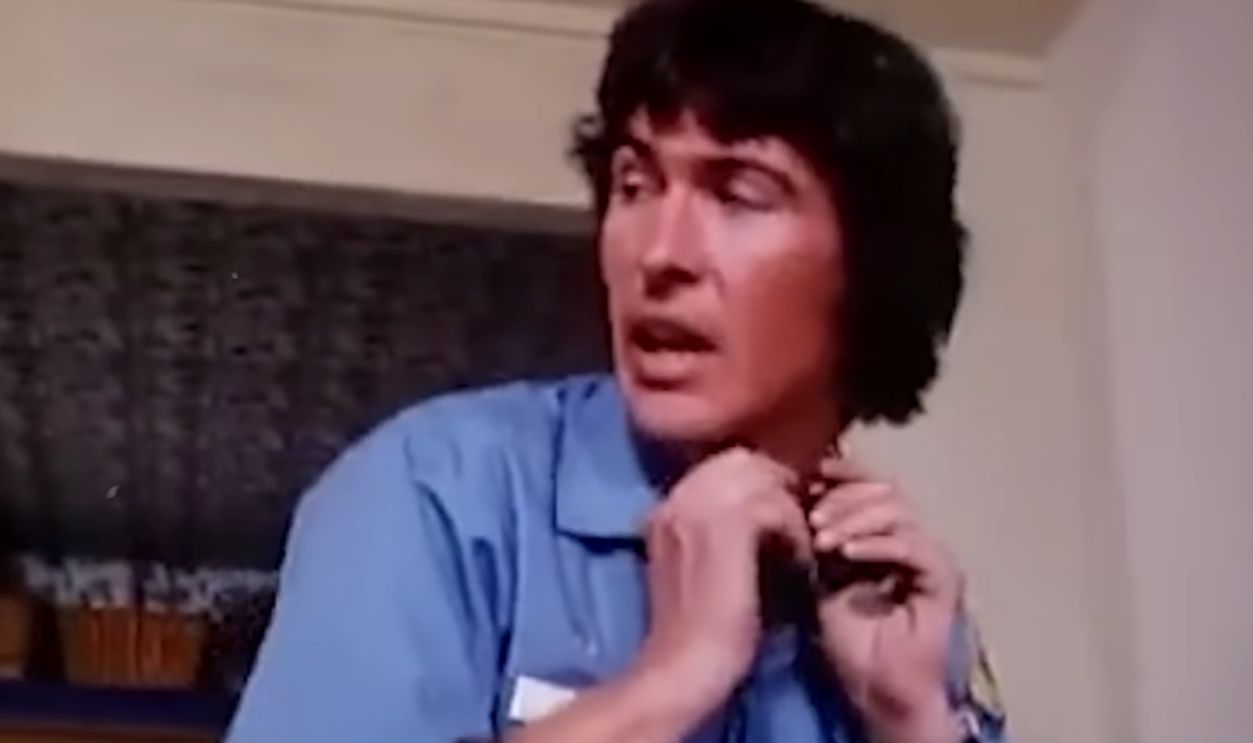 Screenshot from Emergency!, NBC (1972–1979)
Six Seasons Turned A Role Into A Legacy
Emergency! ran from 1972 to 1977, followed by television movies through 1979. Mantooth stayed central, giving viewers years to watch Johnny mature without losing his humor. Eventually, the character felt less like a role than an old colleague.
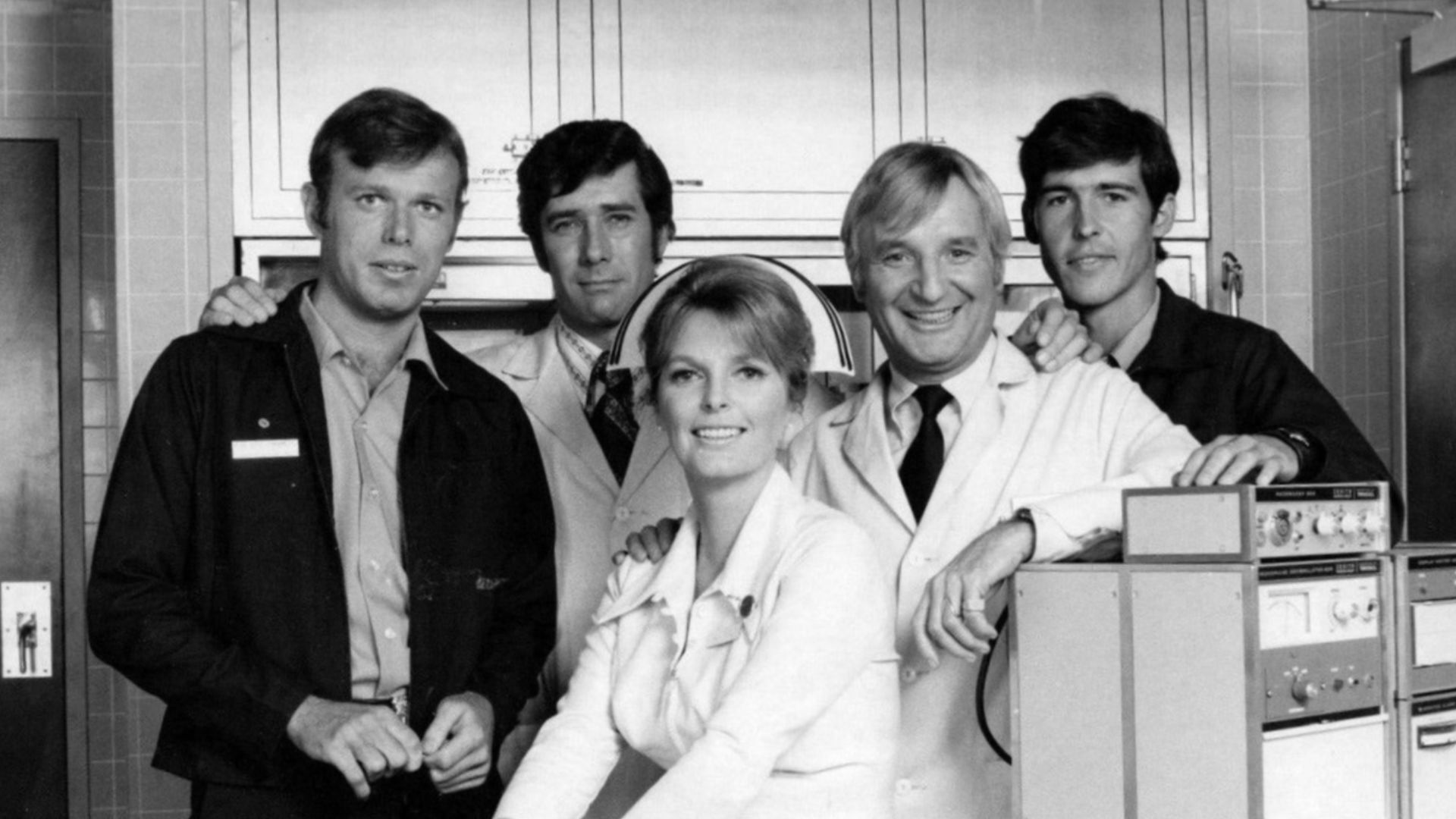 NBC Television, Wikimedia Commons
Johnny Gage Kept Getting The Call
Mantooth reprised Johnny in follow-up movies, crossovers, and the animated Emergency +4. Hollywood often treats a signature role like baggage, but he valued this one. Johnny had introduced viewers to a real public service, and that connection deserved respect.
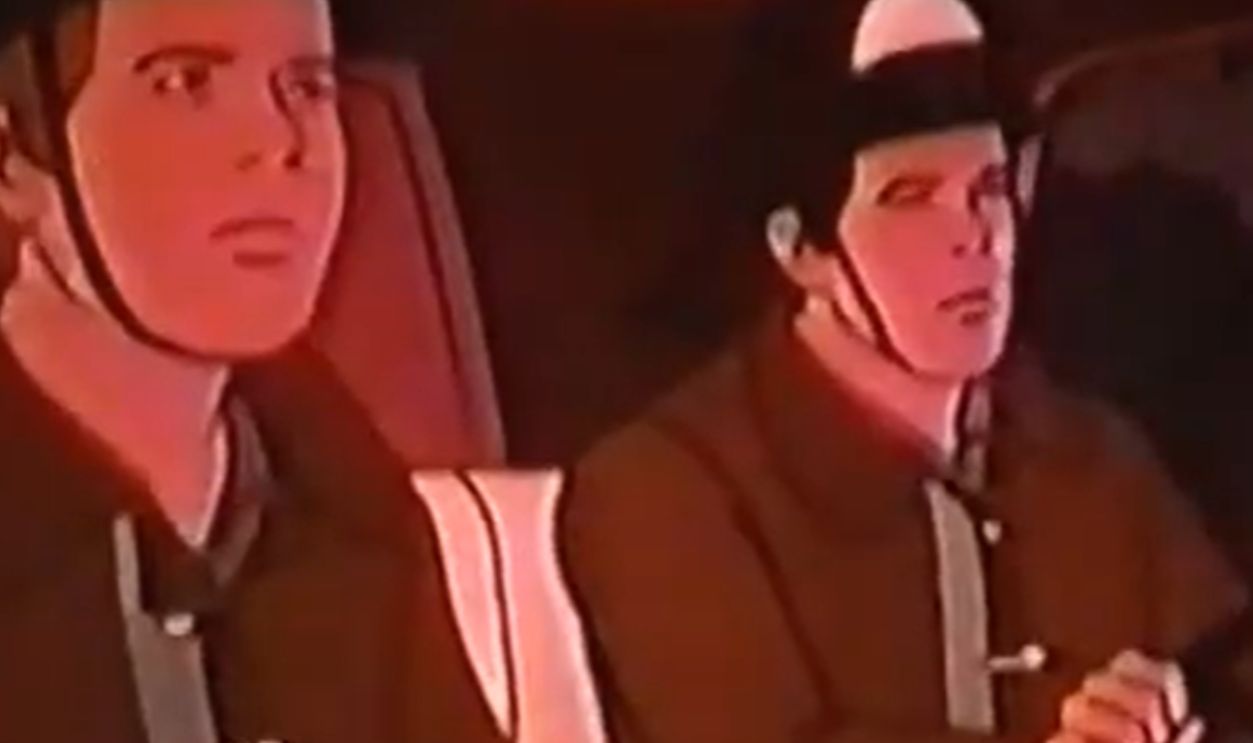 Screenshot from Emergency +4, NBC (1973–1974)
He Built A Career Beyond Station 51
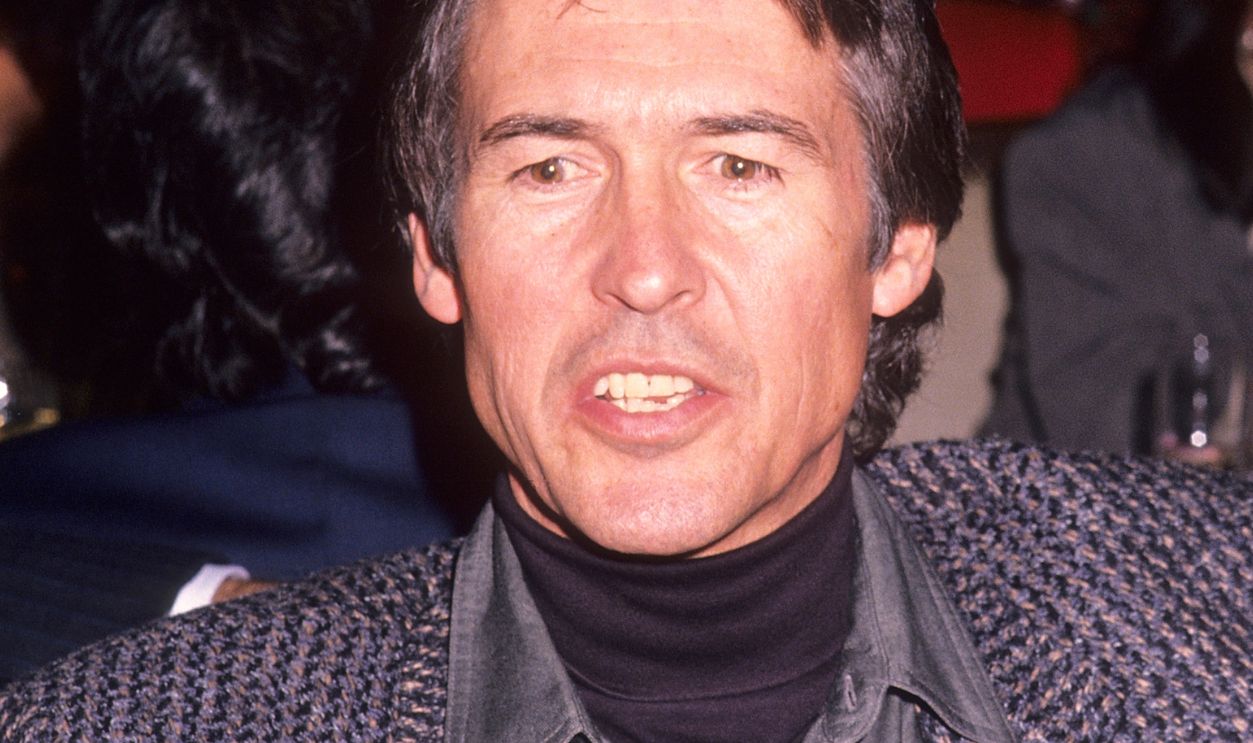
After Emergency!, Mantooth moved through miniseries, films, and prime-time favorites including Charlie’s Angels, Fantasy Island, Dallas, and The Fall Guy. The parts proved he was not trapped by Johnny Gage, even when viewers happily recognized him.
Daytime Drama Gave Him A Second Home
Mantooth found another rich chapter in soaps, especially Loving and The City. He also appeared on General Hospital, As the World Turns, All My Children, and One Life to Live. Daytime rewarded the warmth, humor, and emotional speed that had always been his strengths.
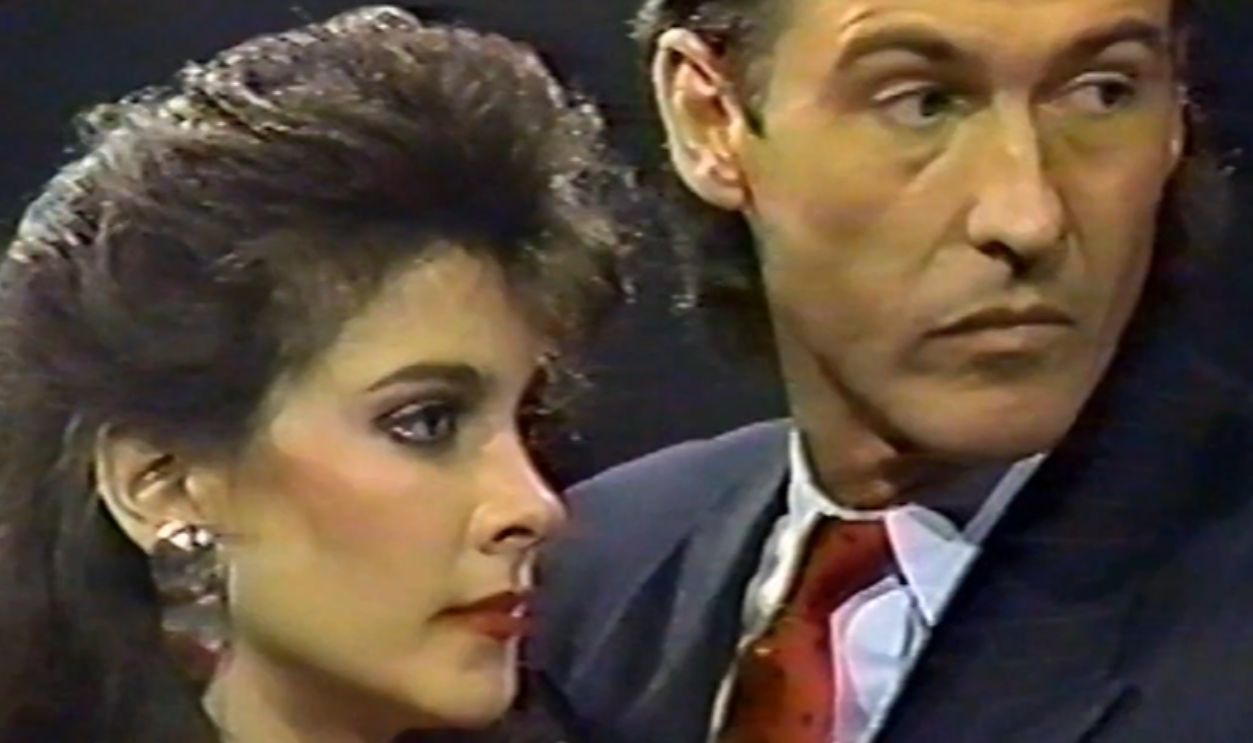 Screenshot from Loving, ABC (1983–1995)
The Stage Never Stopped Calling
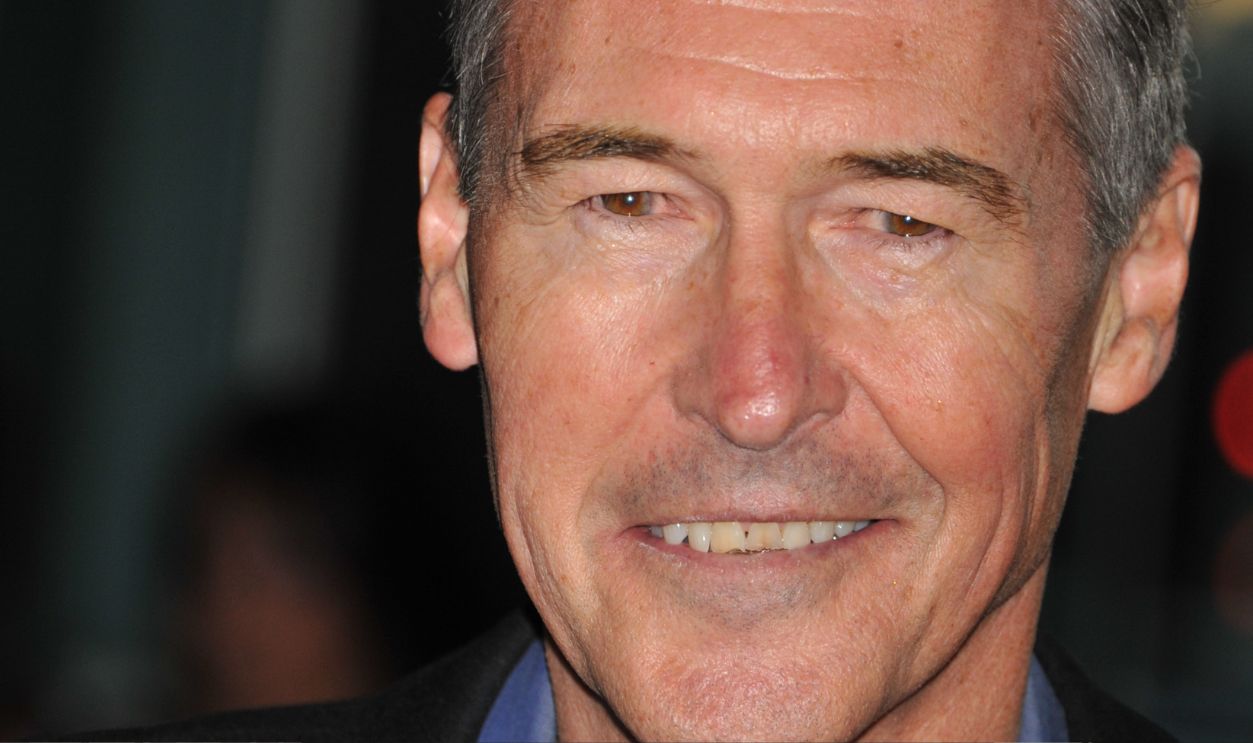
Television made him famous, but theater remained essential. He appeared in Rain Dance and later worked with Jeff Daniels’ Purple Rose Theatre. Onstage, he could trade sirens and close-ups for language, silence, and the energy of a live audience.
He Never Resented Johnny Gage
Some actors spend years escaping the role that made them famous. Mantooth did the opposite. He embraced Emergency! because its influence mattered. Being remembered for a show that helped people understand lifesaving work was not a burden; it was extraordinary luck.
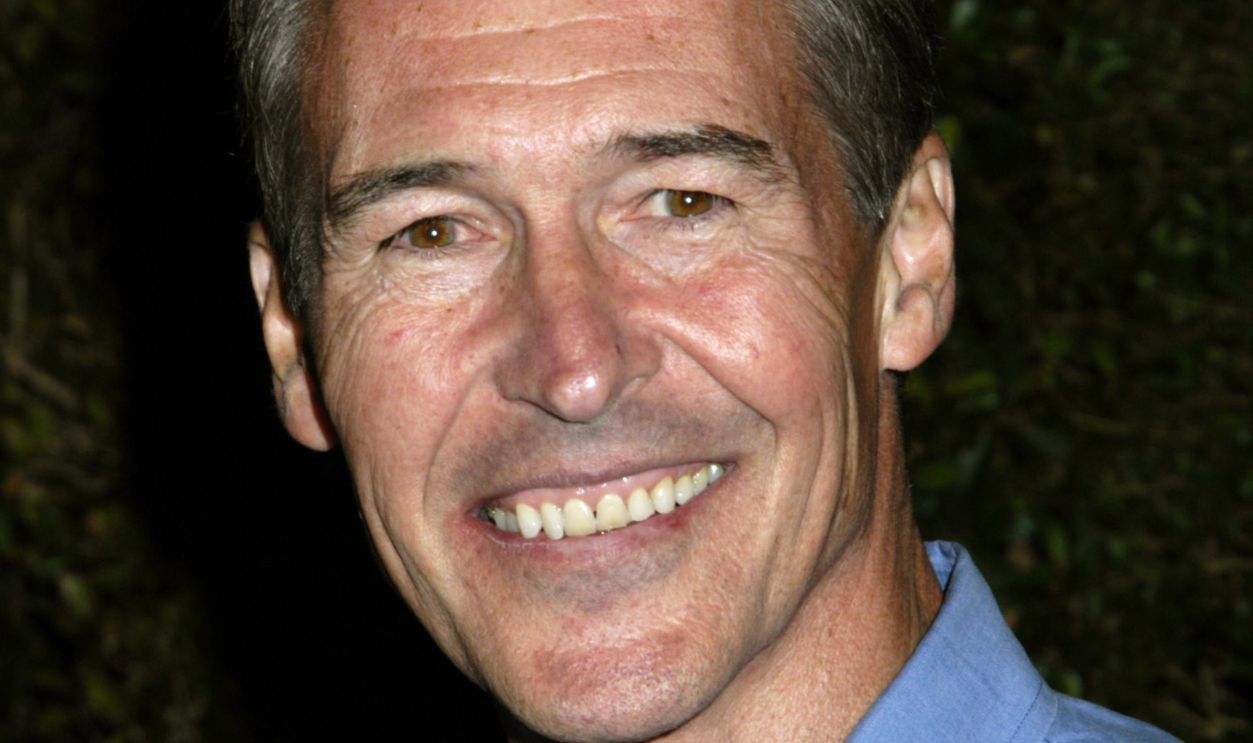
First Responders Became His Real Audience
Long after filming ended, Mantooth spoke at fire and EMS events, supported health and safety efforts, and worked with the Los Angeles County Fire Museum. He redirected praise toward working responders. He played the hero; they lived the job.
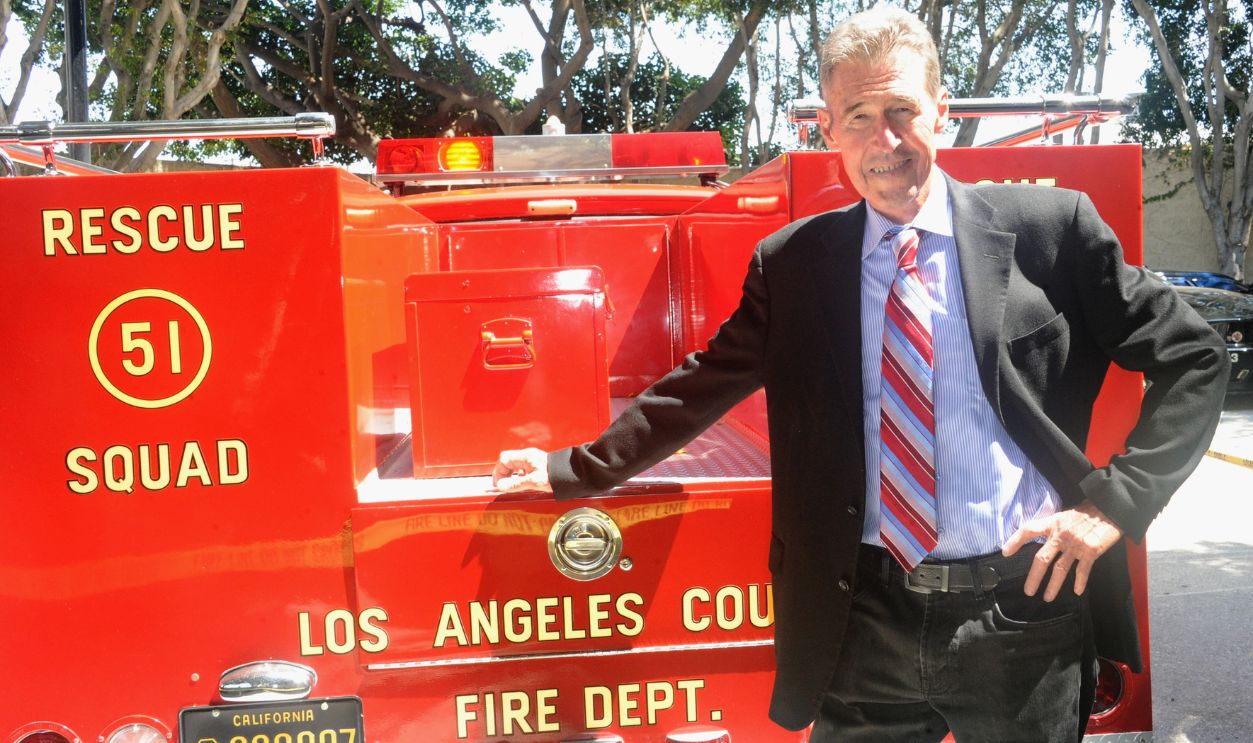 Albert L. Ortega, Getty Images
The Professionals Returned The Salute
The respect became official. Mantooth and Tighe were named honorary fire chiefs in 2012, and the International Association of Fire Chiefs gave Mantooth its James O. Page Award in 2022. Few actors earn that kind of salute from real professionals.
 Patrick McMullan, Getty Images
His Final Chapters Still Served The Mission
Late in life, Mantooth stayed connected to EMS storytelling through the documentary Into the Unknown. His career had come full circle. The actor who once asked what a paramedic was spent decades helping the public understand what paramedics endure.

The Call Still Echoes
Mantooth died on July 9, 2026, at age 80, but Johnny Gage remains forever ready beside Squad 51. His unlikely heroism worked because it never seemed manufactured. Courage, he showed us, can grin, stumble, joke, and still arrive when needed.
 User:Parabluemedic, Wikimedia Commons
You May Also Like:
Dan Blocker was Bonanza’s most popular star, but his story ended in sudden tragedy.