
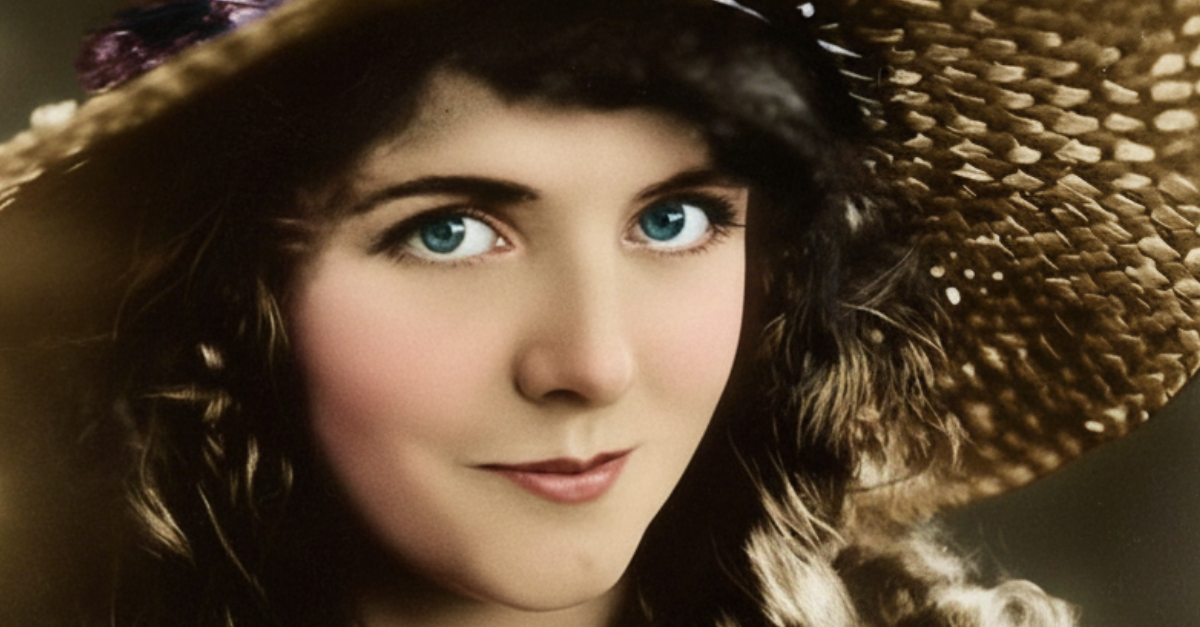
The Original “It Girl” Before The Phrase Existed
Before Hollywood had red carpets, influencer drama, or publicists pretending everything was “amicable,” it had Olive Thomas. She was young, beautiful and famous. Then one night in a Paris hotel room, she reached for the wrong bottle...
 Unknown photographer, Wikicommons
She Wasn’t Born Into Any Of It
Olive Thomas was born Olive Duffy in Pennsylvania in 1894, which is about as far from Paris hotel suites and silent-film fame as you can get. She didn’t come from movie royalty. She wasn’t groomed by a studio from childhood. She was a working-class girl who figured out very quickly that beauty could open doors.
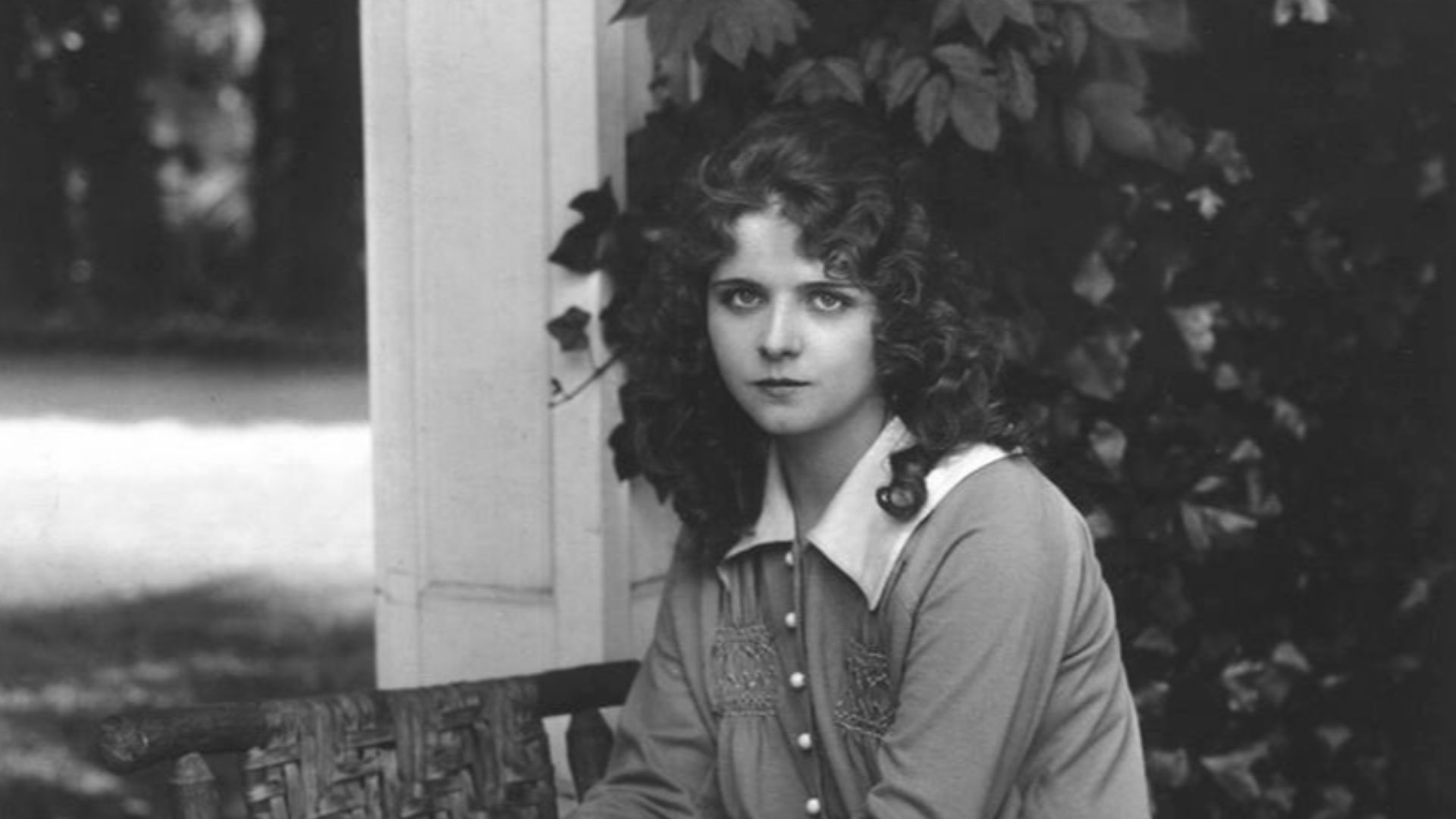 Albert Witzel, Wikimedia Commons
First Came The Beauty Contest
Her first big break came after she won a “Most Beautiful Girl in New York City” contest in 1914. That sounds like something a publicist would invent after the fact, but it was real—and it did exactly what contests like that were supposed to do. Suddenly, artists and photographers wanted her face.
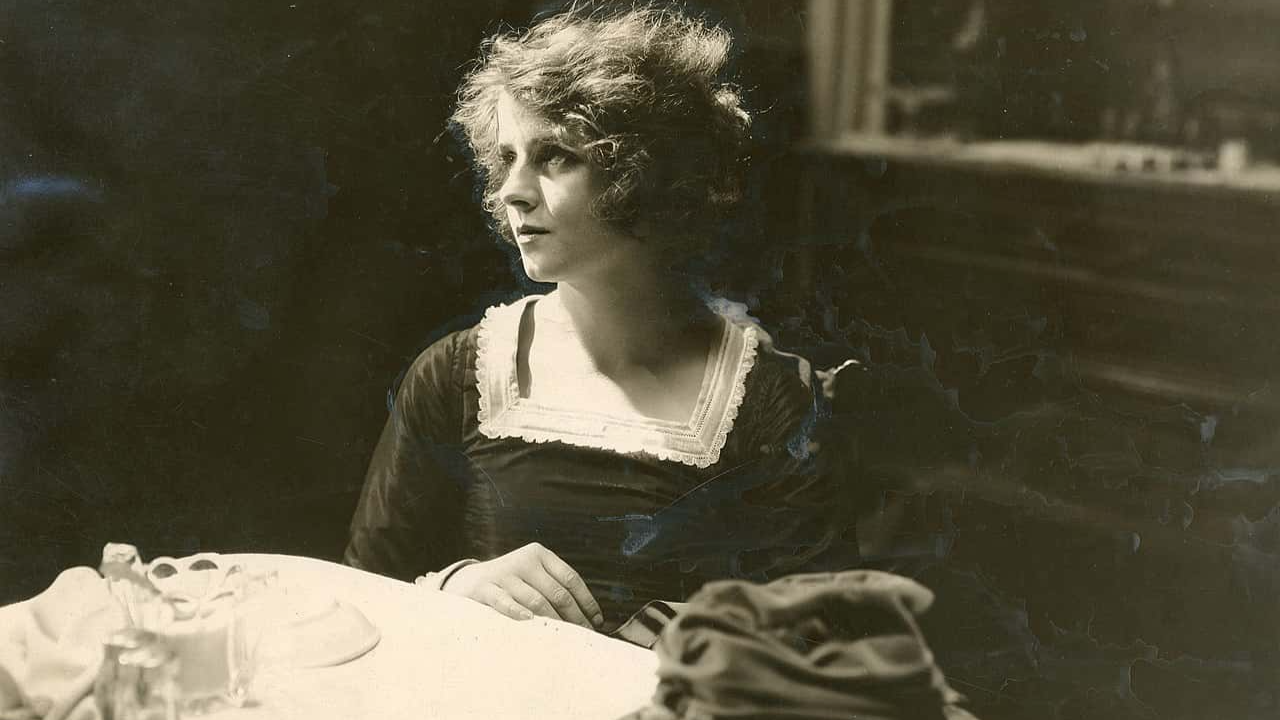 University of Washington, Wikimedia Commons
Then Ziegfeld Came Calling
Olive moved into the world of the Ziegfeld Follies, which in the 1910s was basically the fast lane with feathers, spotlights, and rich men applauding from the dark. She wasn’t just another pretty face in the chorus. She had that dangerous kind of charisma where people wanted to look twice.
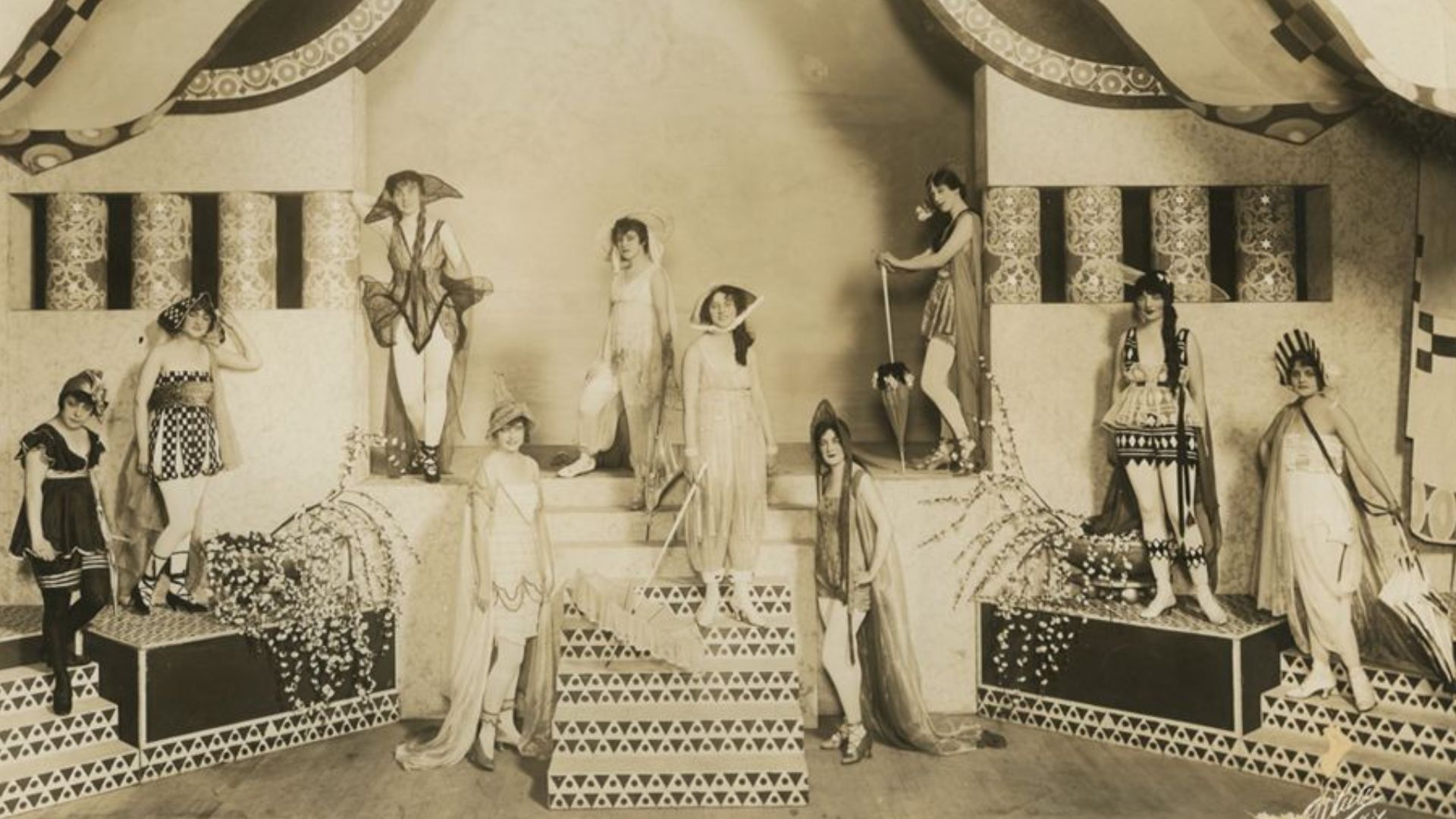 White Studios, Wikimedia Commons
The Midnight Frolic Changed The Temperature
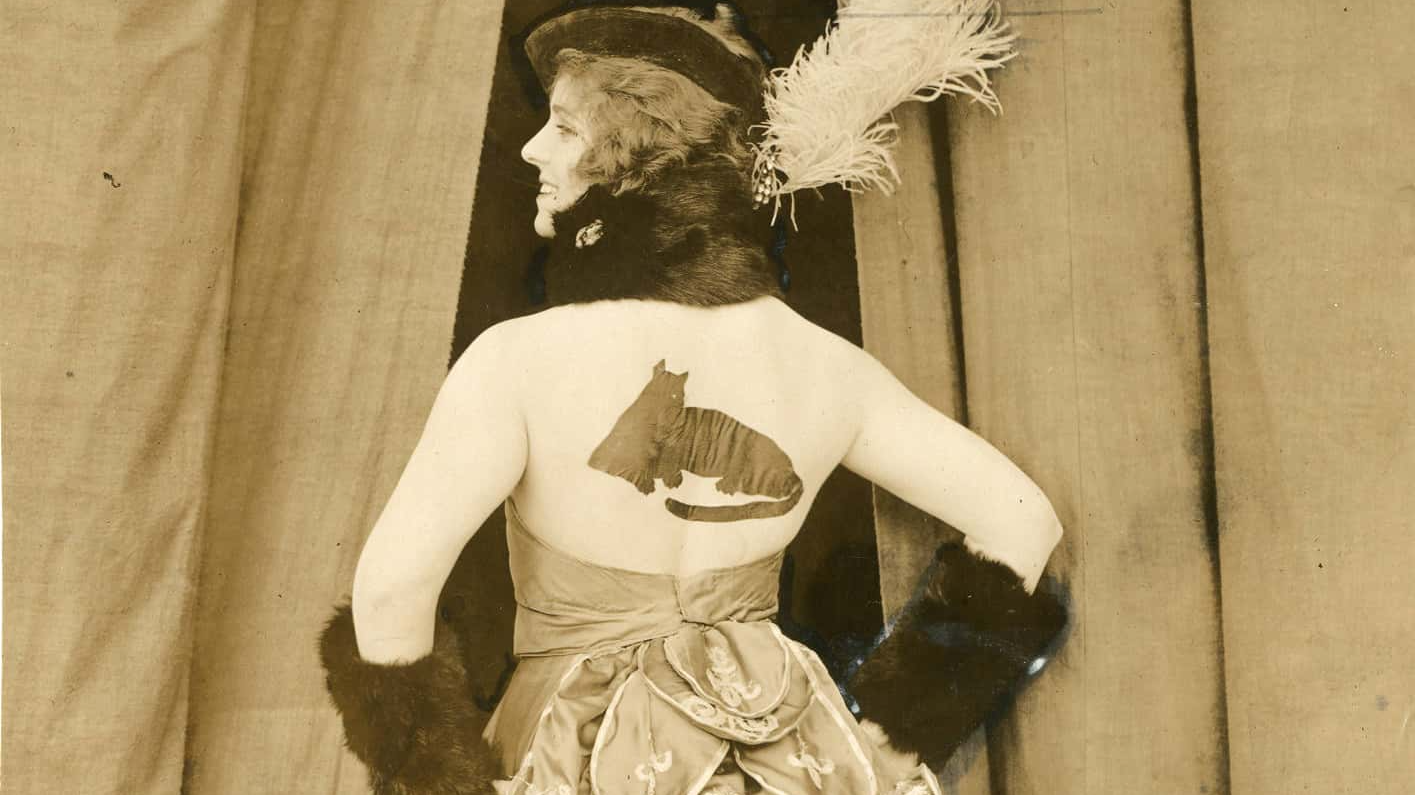
She also appeared in Ziegfeld’s Midnight Frolic, the more adult, after-hours version of the Follies staged on the roof of the New Amsterdam Theatre. That was where Olive’s image really started to sharpen: glamorous, modern, slightly forbidden, and just risky enough to make people whisper.
 University of Washington, Wikimedia Commons
Hollywood Knew Exactly What To Do With Her
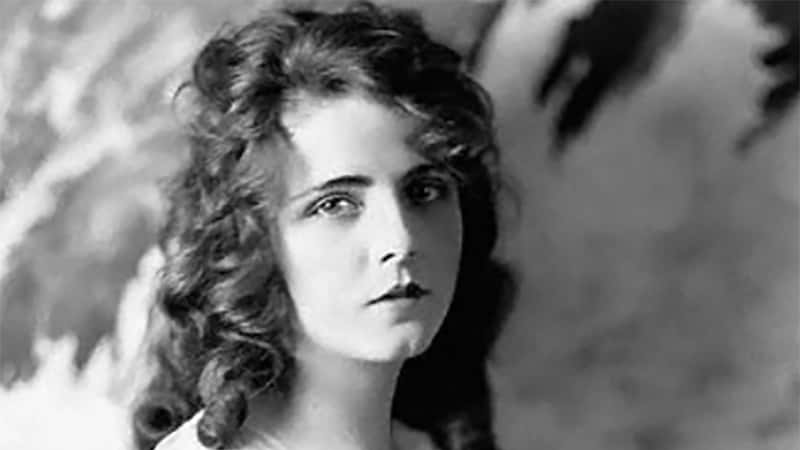
In 1916, Olive moved into movies, and silent Hollywood understood the assignment. She could play innocent. She could play mischievous. She could play the girl who knew more than she was saying. In just four years, she appeared in more than 20 films. That is not a career starting. That is a career sprinting.
 www.angelpig.com/fisher/models.html, Wikimedia Commons
Then She Married Into Movie Royalty
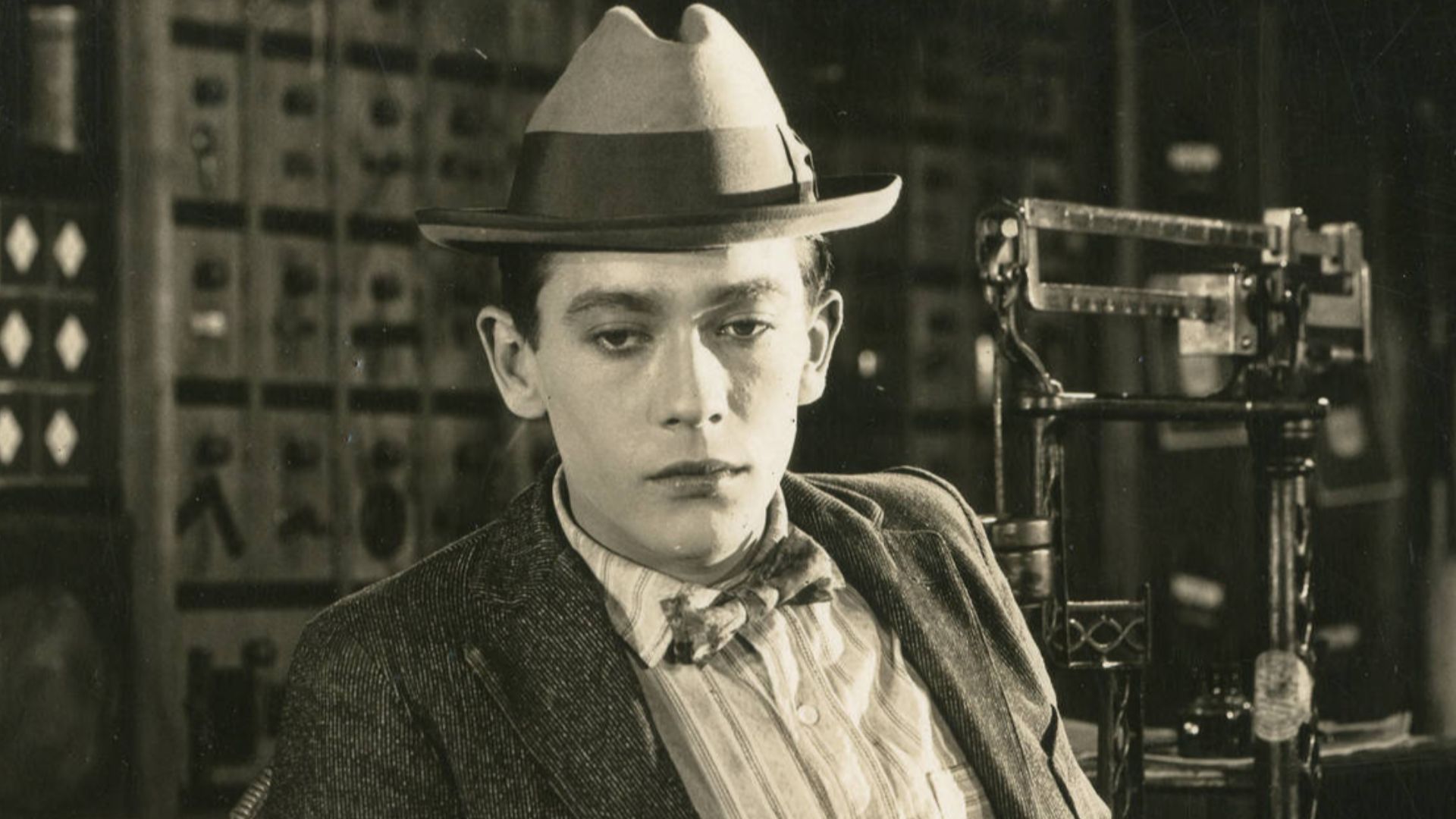
In 1916, Olive secretly married Jack Pickford, the younger brother of Mary Pickford. Today, that name doesn’t hit the same way, but back then Mary Pickford was not just famous. She was Hollywood royalty. So Olive didn’t just marry an actor. She married into the closest thing silent Hollywood had to a royal family.
 Unknown authorUnknown author, Wikimedia Commons
The Marriage Was Not Exactly Peaceful
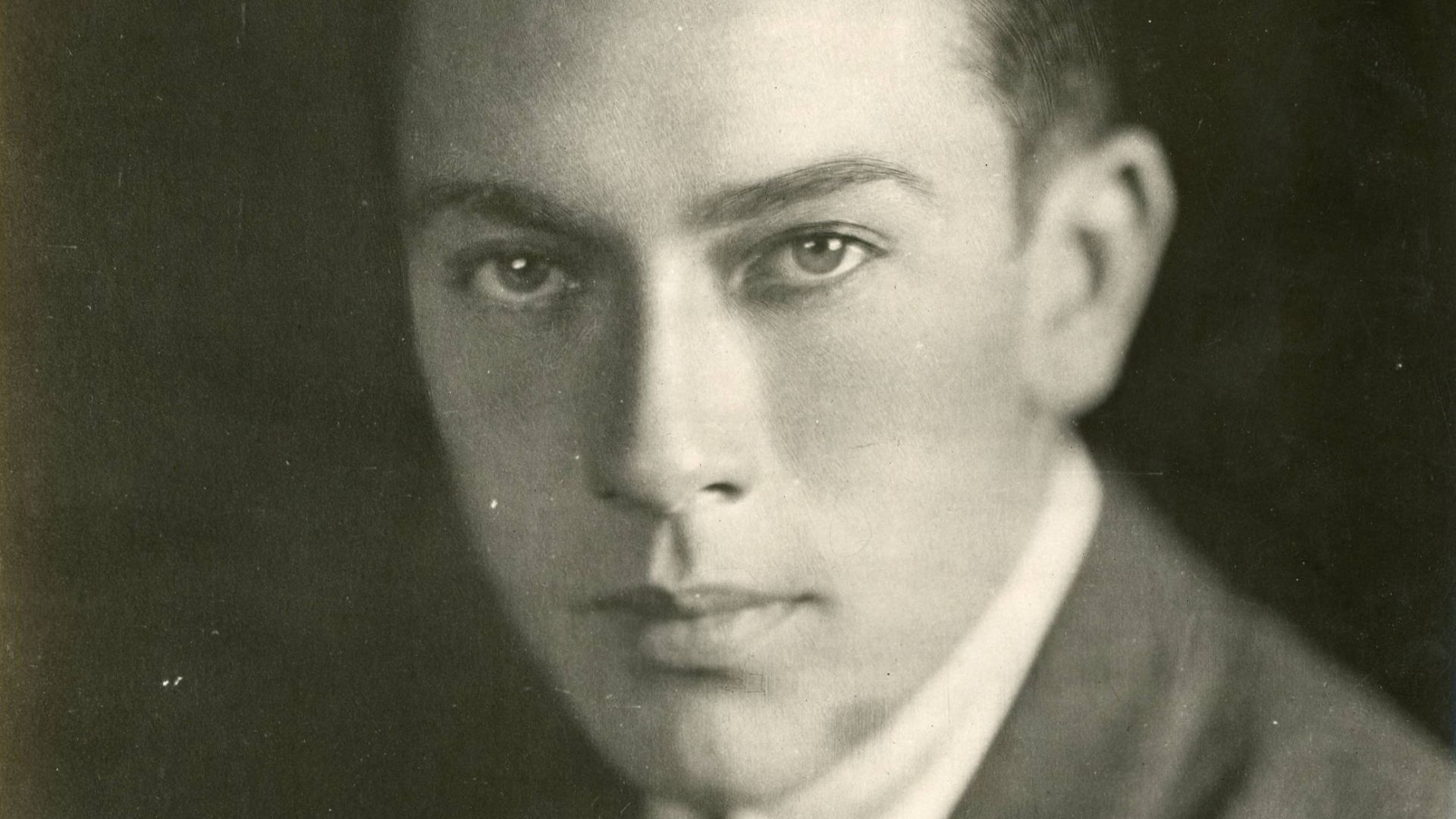
Olive and Jack looked like a dream couple from a distance, which is usually where dream couples work best. Up close, the marriage was messy. They were young, famous, often apart, and surrounded by the kind of nightlife that has never improved anyone’s decision-making.
 Unknown authorUnknown author, Wikimedia Commons
Then Came "The Flapper"
In 1920, Olive starred in The Flapper, a silent comedy that helped push the flapper image into American pop culture. It is widely credited as the first American film to portray the flapper lifestyle, which is a pretty good legacy for a movie most people today have never even seen.
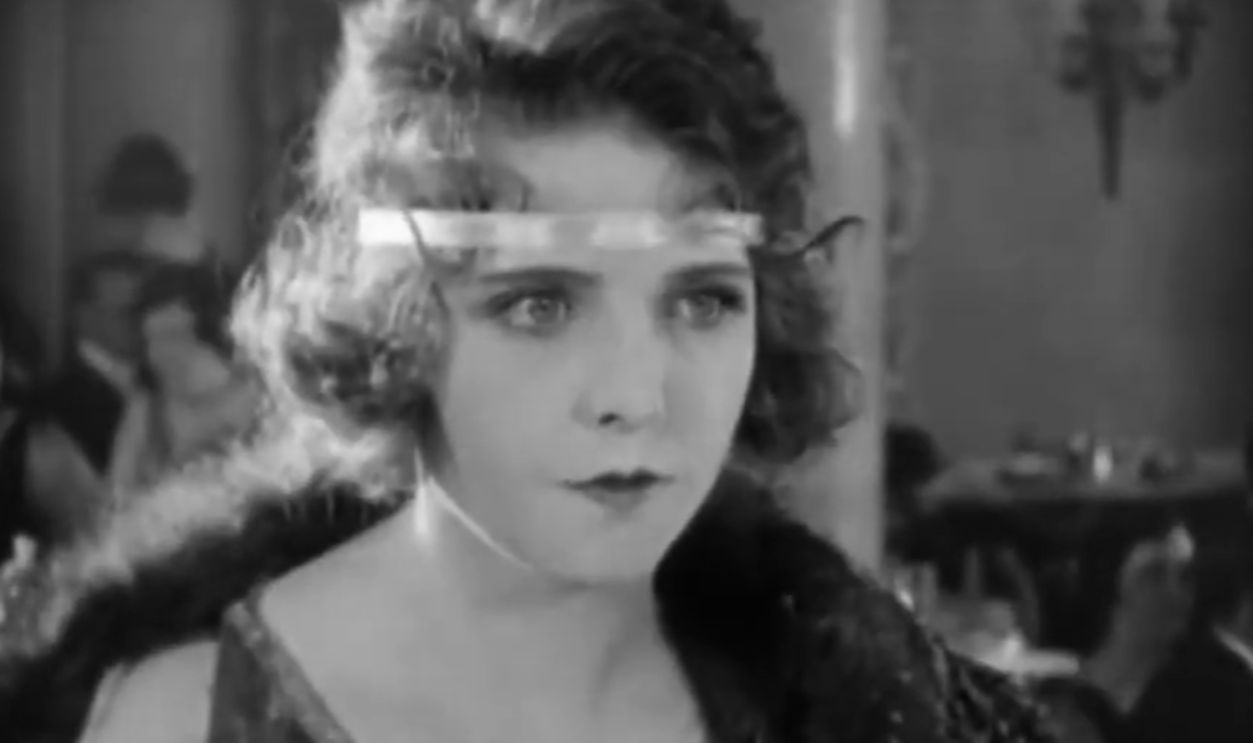 Screenshot from The Flapper, Select Pictures (1920)
She Was The Perfect Face For It
That’s what makes Olive Thomas so interesting. She wasn’t just playing the early flapper. She looked like the idea before the country fully had a name for it. Shorter skirts, bigger energy, less patience for old rules. If the 1920s needed a poster girl, Olive was standing right there.
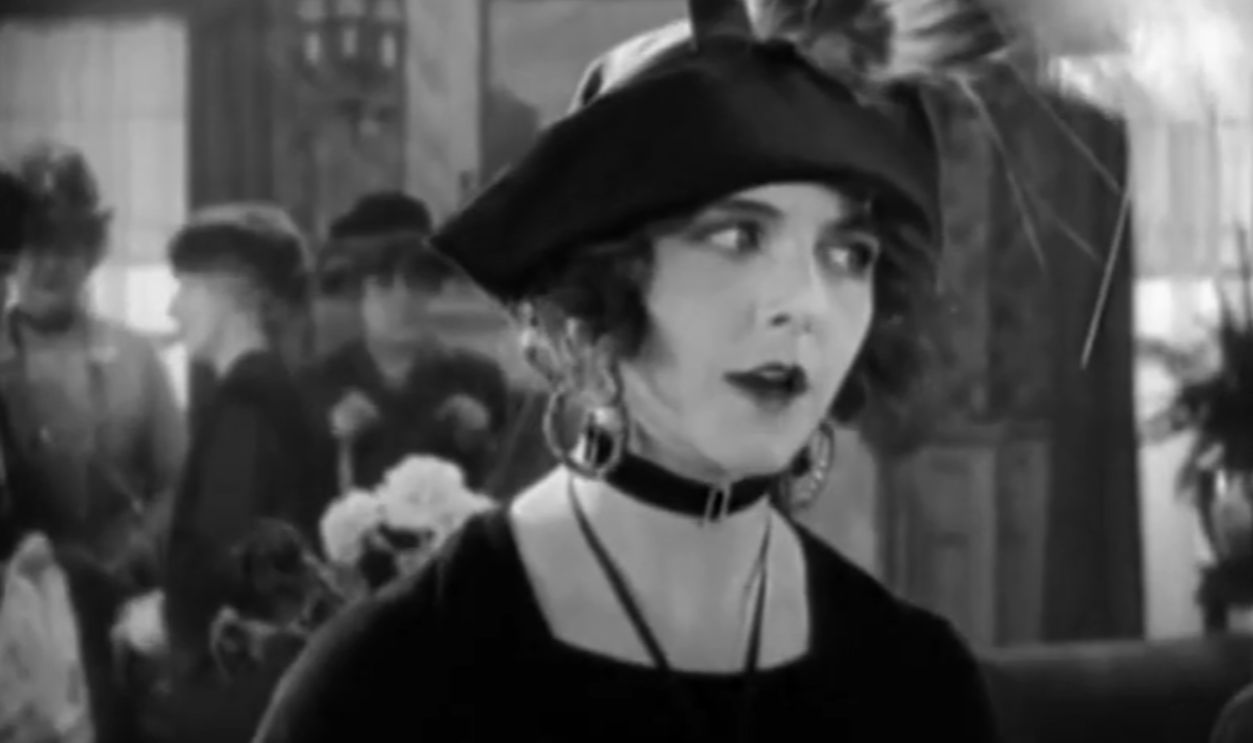 Screenshot from The Flapper, Select Pictures (1920)
Paris Was Supposed To Fix Things
In August 1920, Olive and Jack sailed to Paris. Depending on which version you believe, it was partly a vacation, partly a second honeymoon, and partly an attempt to patch up a marriage that had already taken damage. Very Hollywood. Very romantic. Also, as it turned out, a terrible setup.
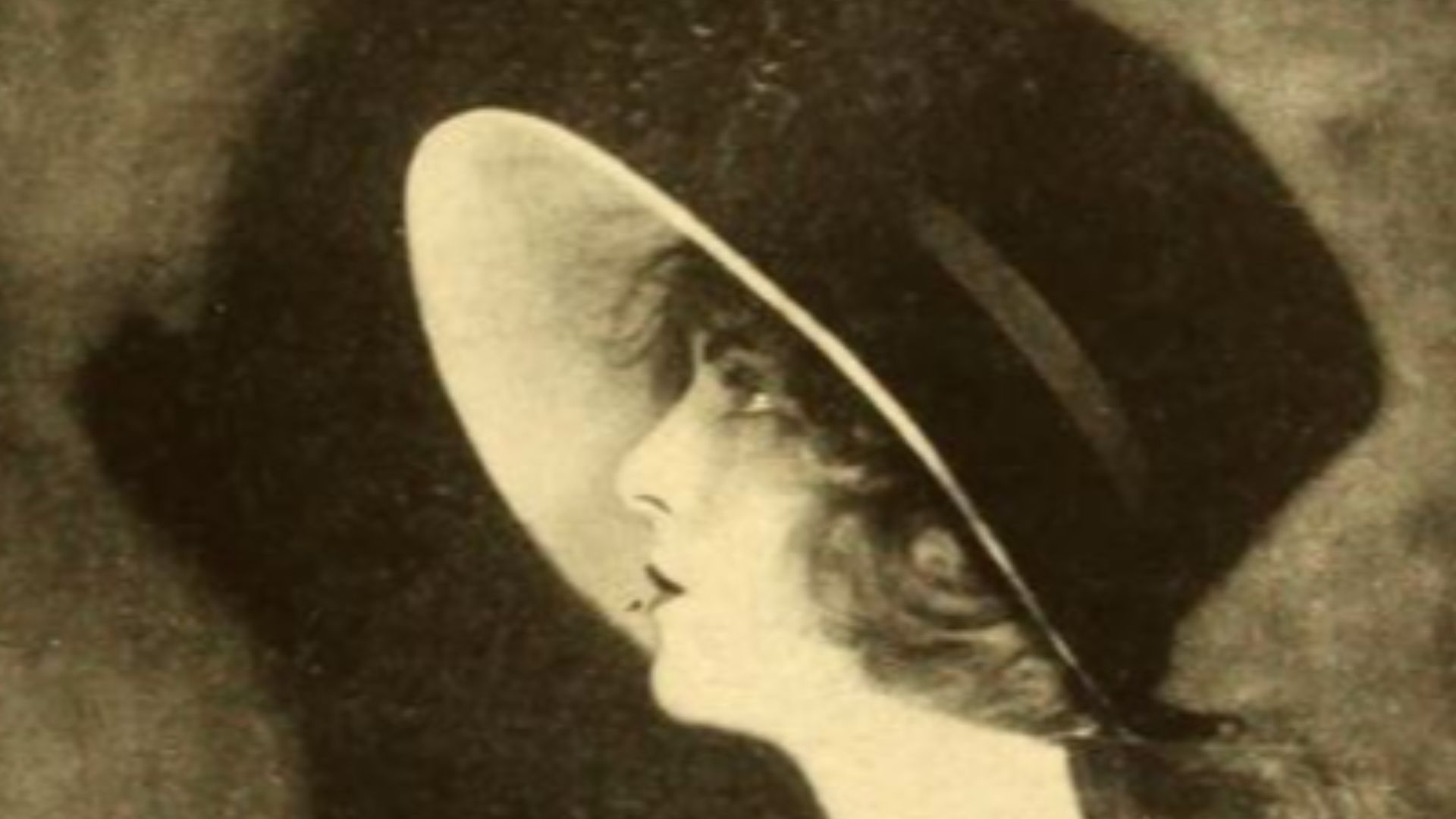 Alfred Cheney Johnston, Wikimedia Commons
The Night Started Like A Movie
On September 5, 1920, the couple went out in Paris and returned to their suite at the Hotel Ritz in the early morning hours. It is easy to imagine the scene because every tragic Hollywood story seems to have one: the glamorous hotel, the exhausted starlet, the rich husband, the bottle sitting where it should not have been.
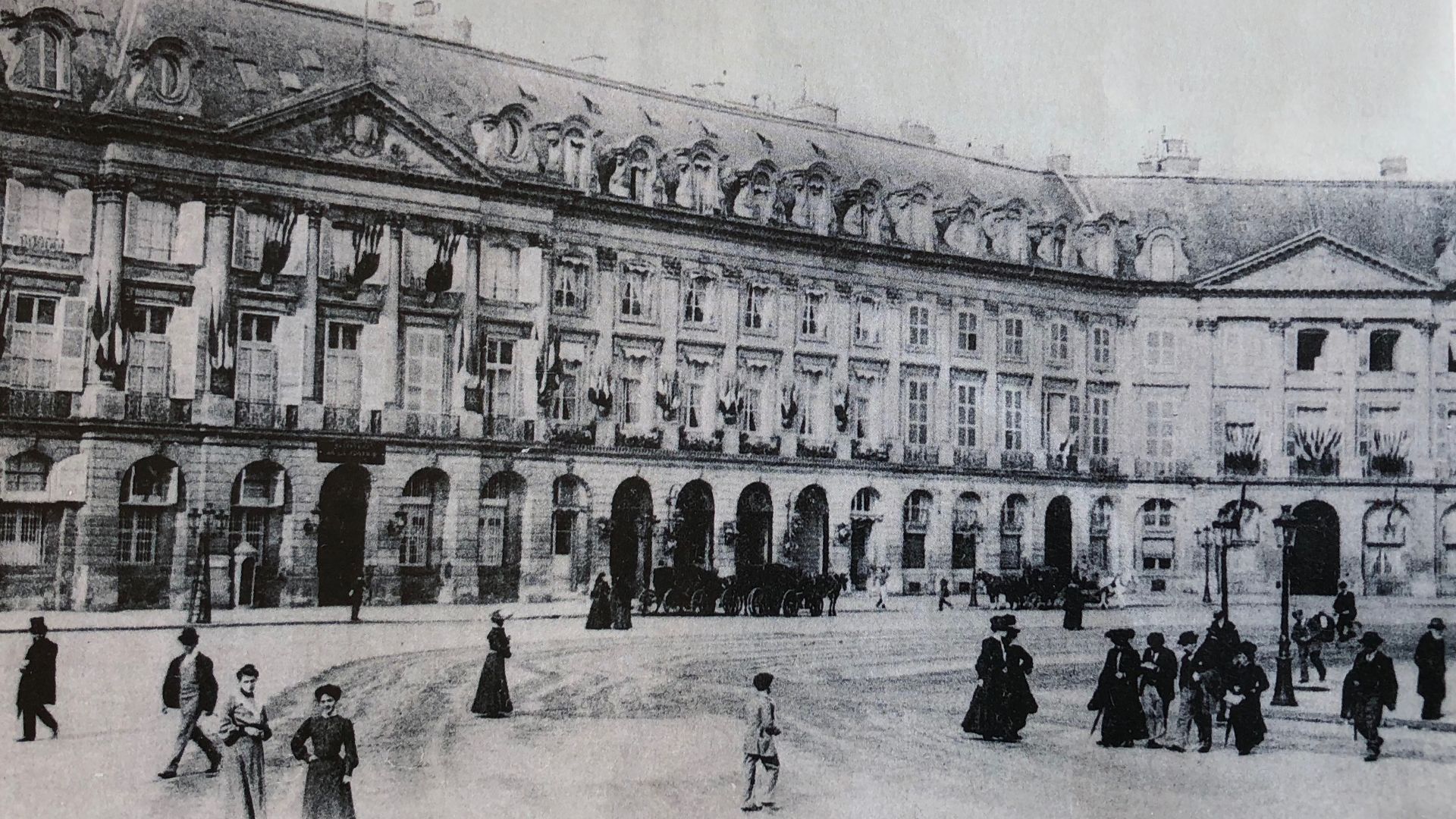 Unknown authorUnknown author, Wikimedia Commons
The Bottle Was Not Harmless
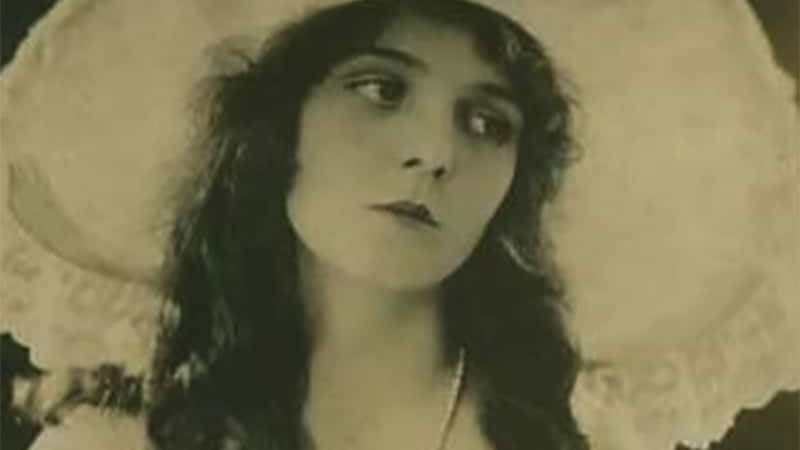
The bottle contained mercury bichloride, a powerful poison that was also used medically in that era. That alone sounds insane now, but the early 1900s were full of products that came with the general vibe of “this might cure you or end the evening permanently.”
 Charlotte Fairchild, Wikimedia Commons
It Was Jack’s Medicine
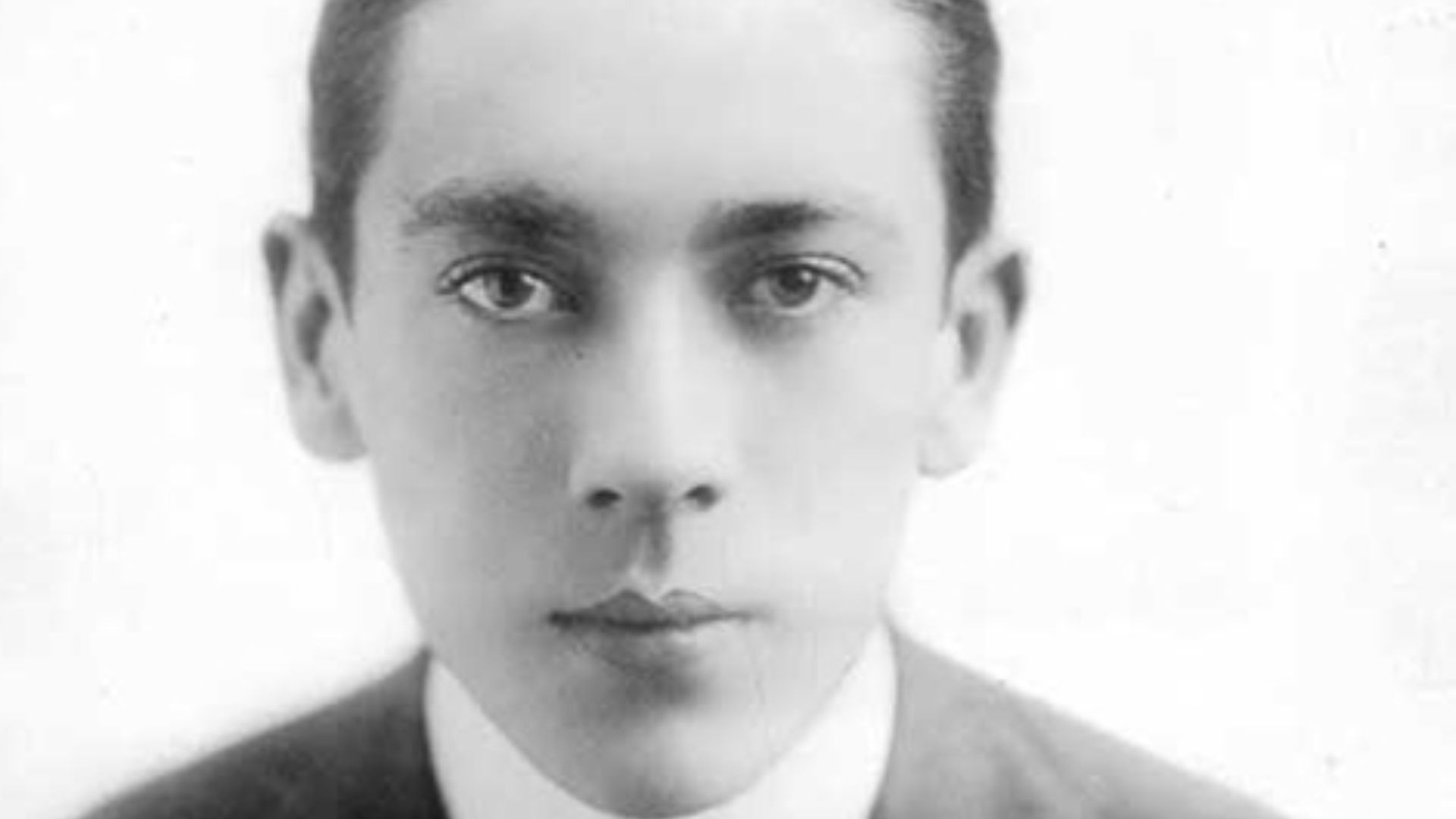
The bottle reportedly belonged to Jack Pickford, and accounts say the mercury bichloride may have been prescribed to him as a treatment in an era when medicine still came with a disturbing amount of “good luck.” That detail makes the whole story even stranger. This was not some random hotel-room bottle. It was already there, waiting.
 Apeda Studio, N.Y., Wikimedia Commons
Drank It By Mistake
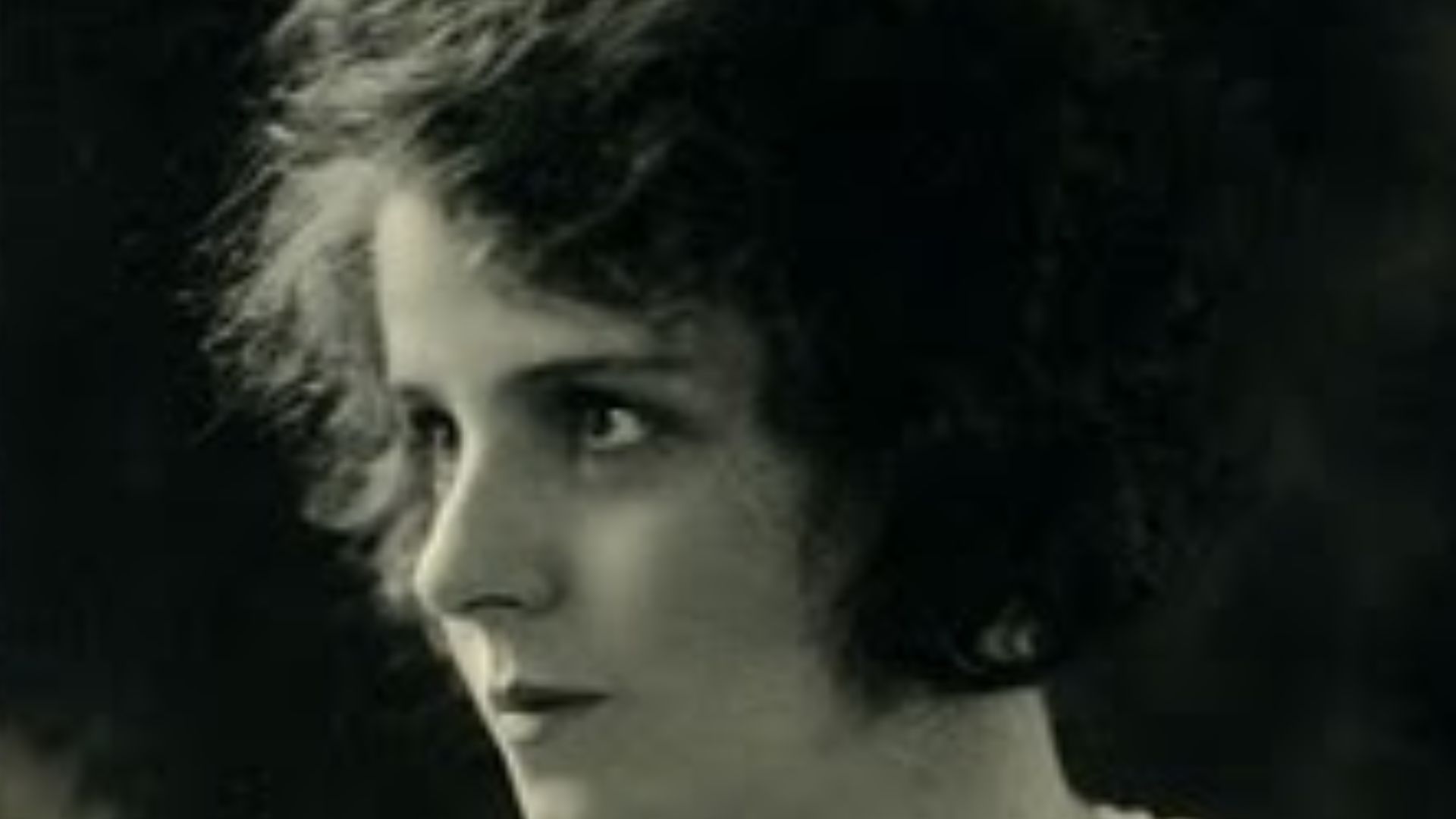
According to Jack Pickford, Olive was tired, possibly confused, and swallowed the liquid by mistake. Some accounts say she may have thought it was water or something to help her sleep. Either way, once she realized what had happened, the horror was immediate. This was not a slow “something feels off” moment. This was panic.
 Unknown authorUnknown author, Wikimedia Commons
Five Terrible Days Followed
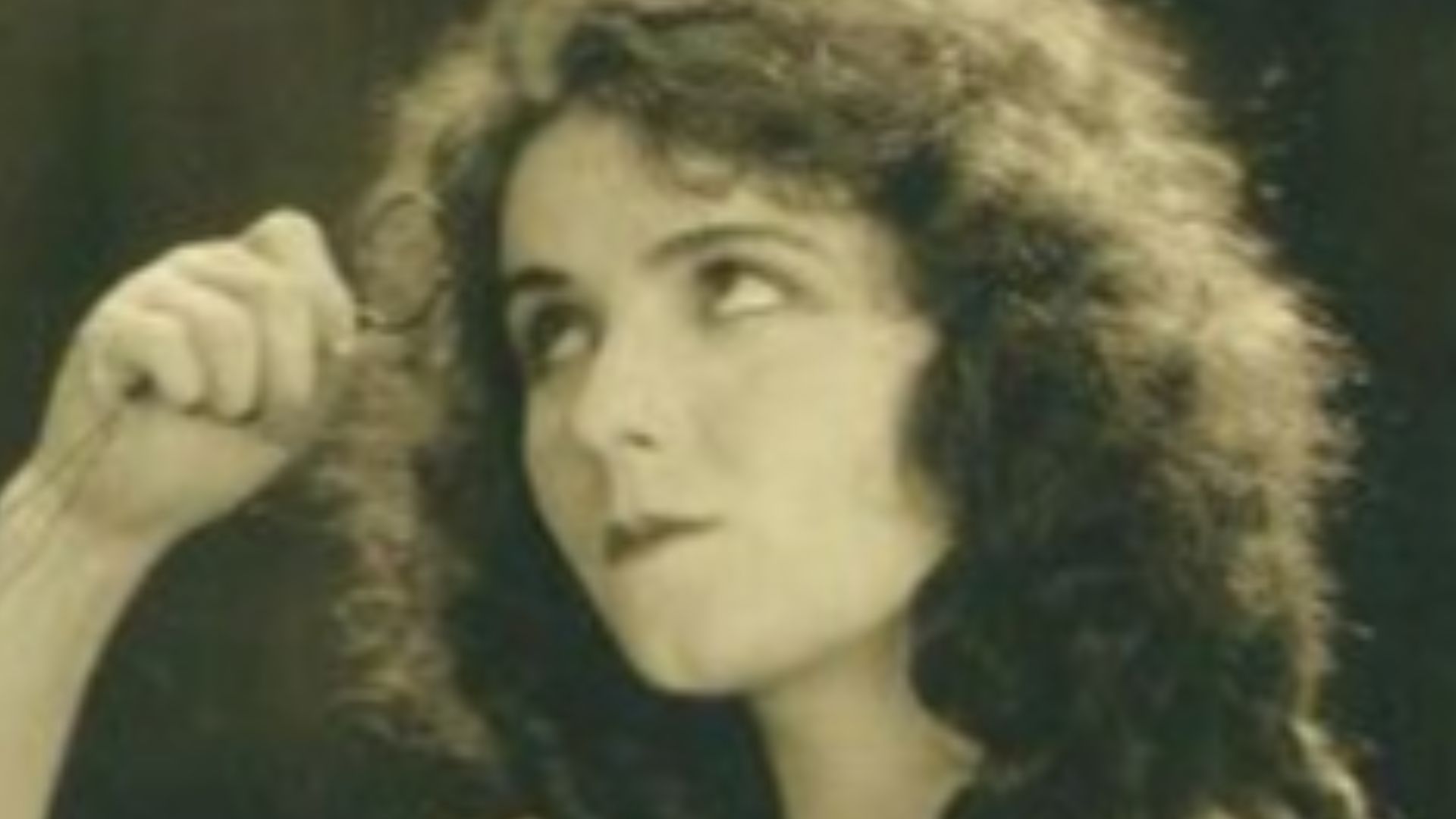
Olive was rushed to a hospital, where doctors tried to save her for nearly a week. The poison attacked her body, especially her kidneys, and there was only so much medicine could do in 1920. On September 10, Olive Thomas was gone. She was 25.
 Selznick Pictures Corporation / Select Pictures Corporation, Wikimedia Commons
The Official Ruling Was Accidental
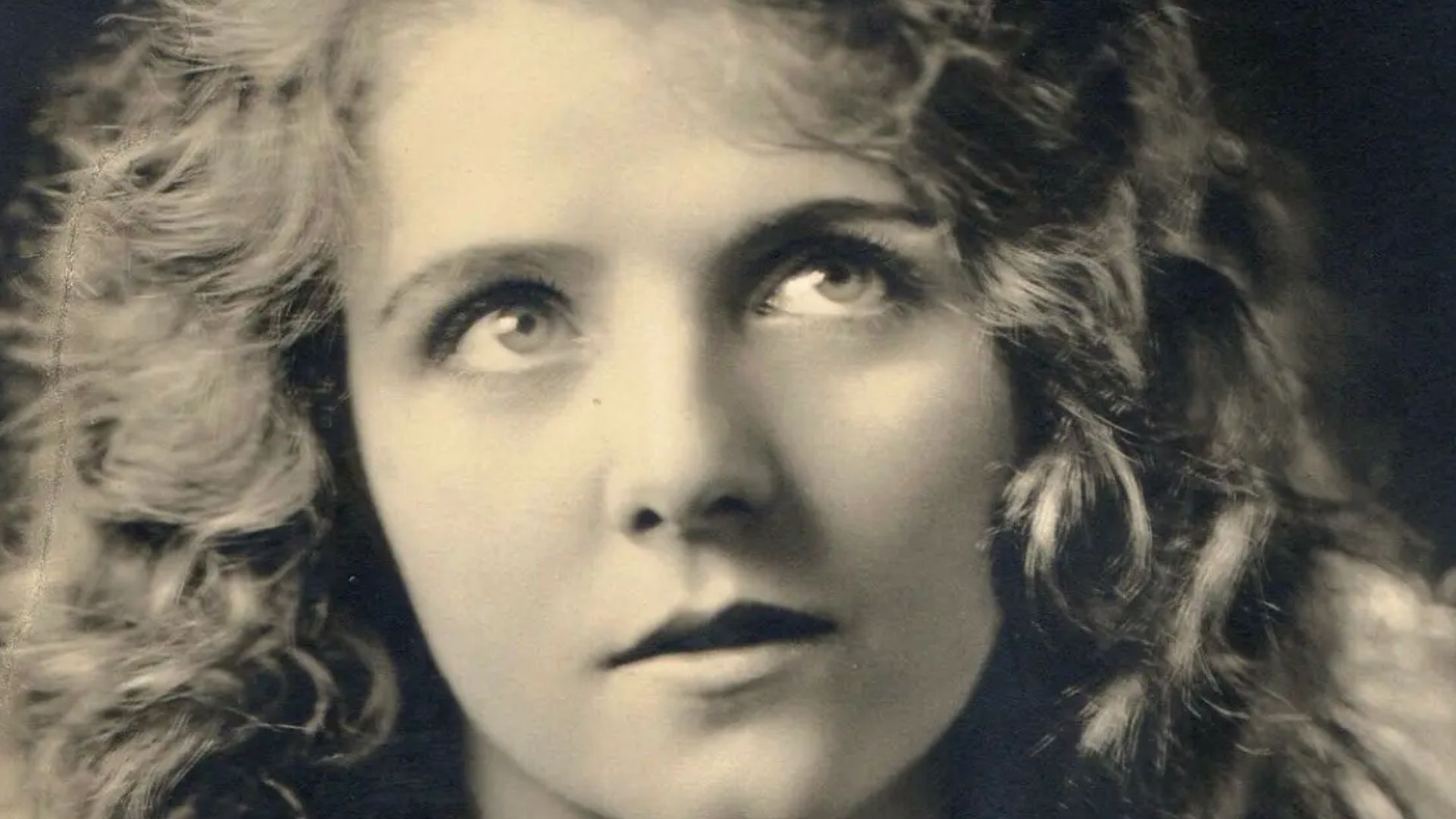
Authorities ruled the poisoning an accident. That matters, because the newspapers and gossip machine were already doing what they always do when a beautiful young star is caught in a strange hotel-room tragedy: filling every gap with scandal, suspicion, and whatever sold the most papers.
But The Rumors Never Really Left
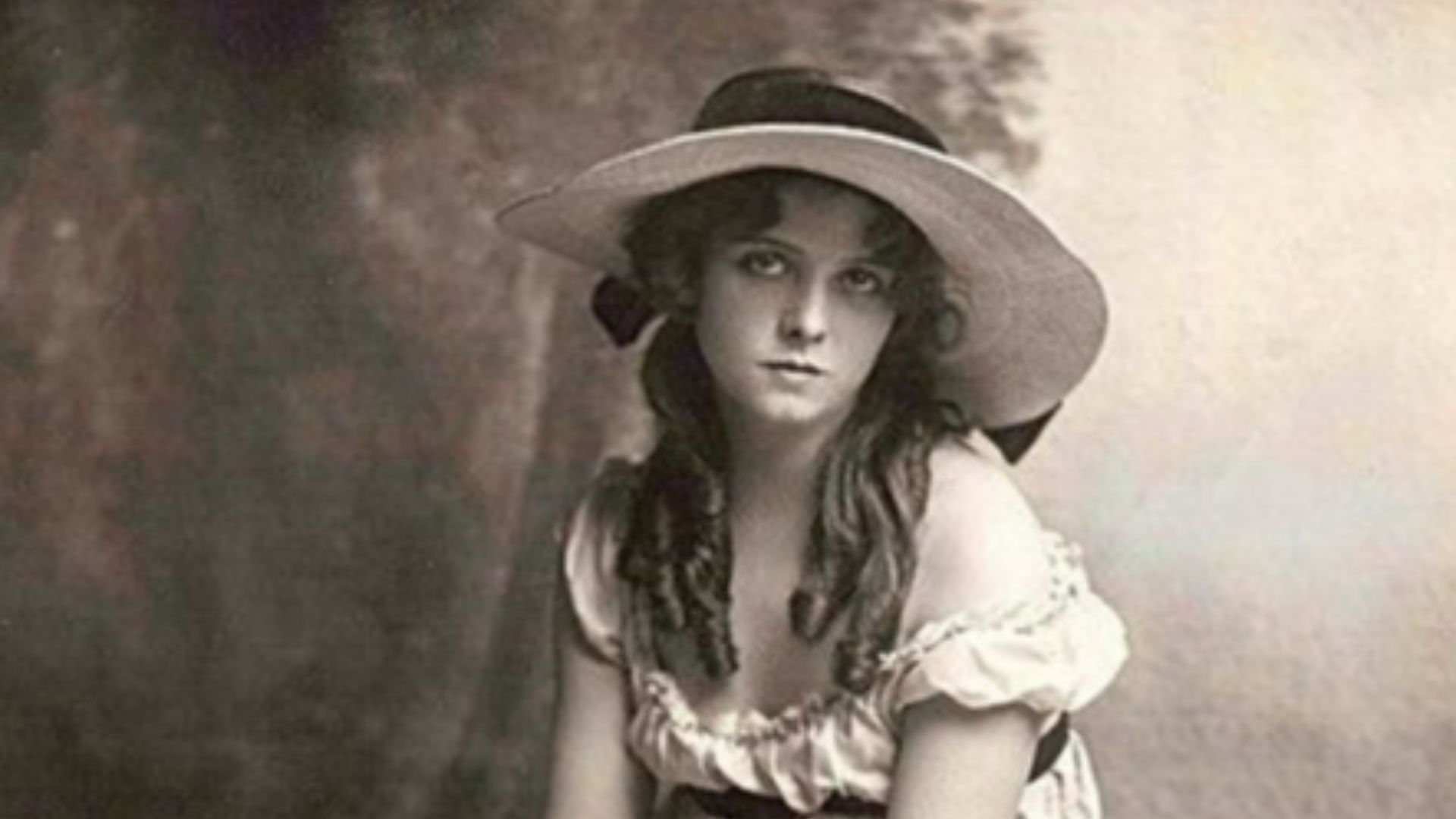
Was it really an accident? Was there more to it? Was Jack telling the full story? The official answer was clear, but public curiosity was not. Olive’s Paris tragedy became one of those early Hollywood stories where the facts were already awful—and people still wanted something darker behind them.
 Ira L. Hill, Wikimedia Commons
Jack Pickford Never Escaped It
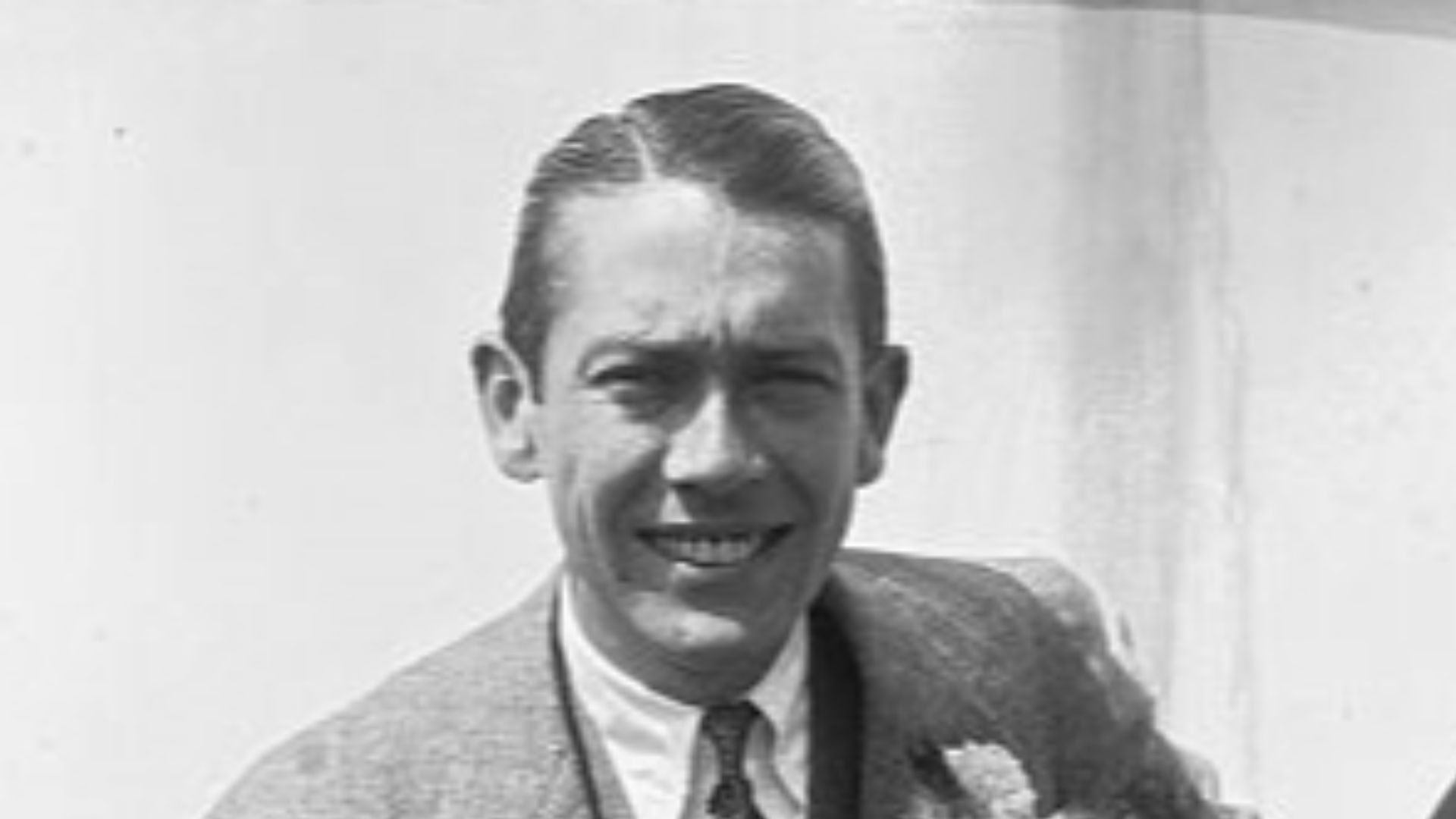
Jack Pickford was already living in the shadow of his sister’s fame, and the Paris scandal followed him for the rest of his short life. Even after the official ruling pointed to an accident, the stain remained. Hollywood could forgive plenty. But it rarely forgot a story that dramatic.
 George Grantham Bain Collection (Library of Congress), Wikimedia Commons
Her Final Film Came Out Afterward
Olive’s final film, Everybody’s Sweetheart, was released after she was gone in 1920, which is almost too on-the-nose for a silent-film tragedy. The title sounded sweet. The timing was brutal. Audiences were not just watching a movie star anymore. They were watching a vanished screen idol with perfect lighting.
 Unknown authorUnknown author, Wikimedia Commons
She Became A Warning Before Hollywood Had Rules
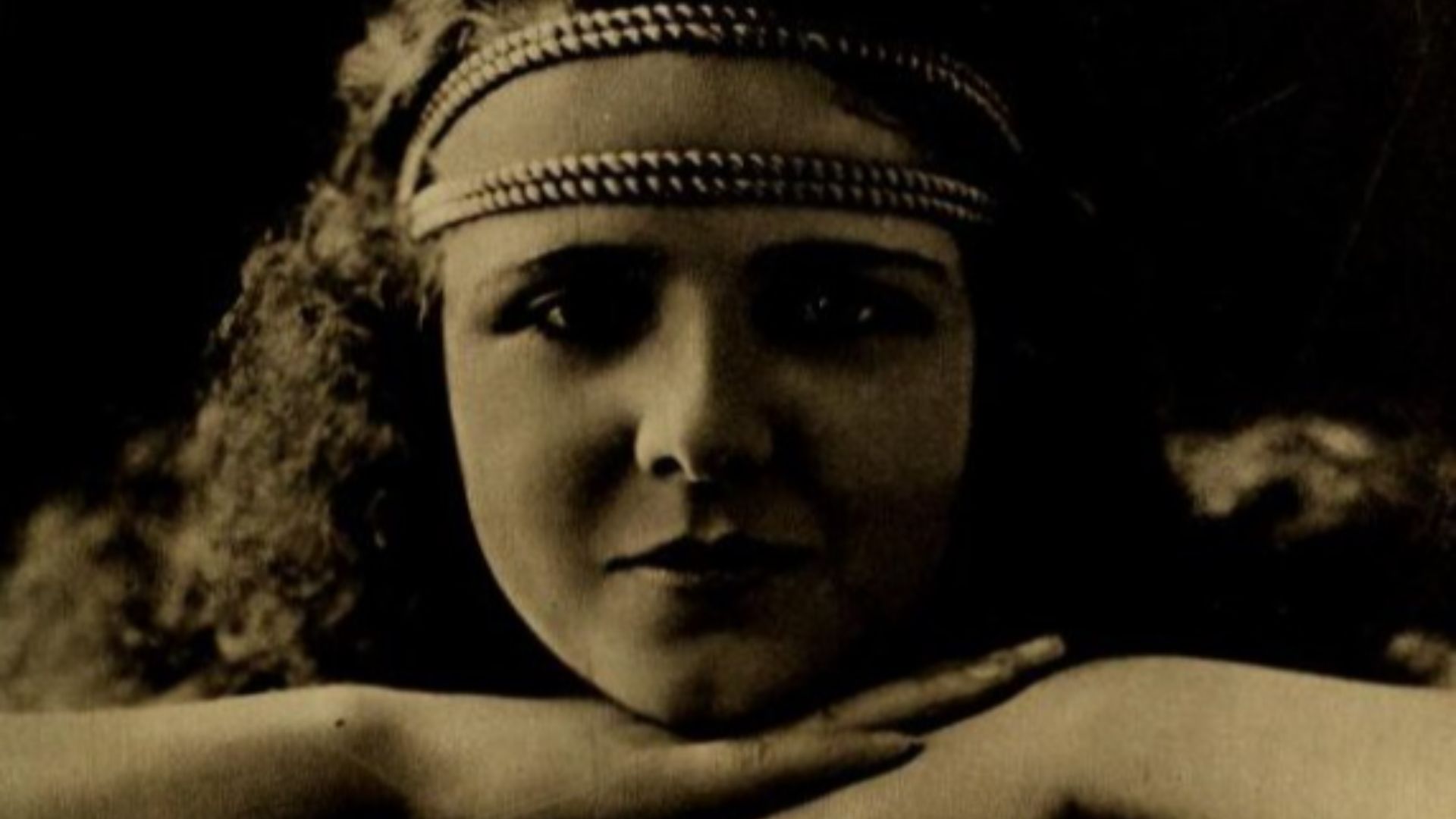
Olive Thomas’s story landed before the biggest silent-era scandals that would soon make Hollywood look less like a dream factory and more like a velvet-rope disaster zone. She was not the last beautiful young star to be turned into a cautionary tale. She was just one of the first.
 Motion Picture Magazine, Wikimedia Commons
The Flapper Girl Who Never Got The 20s
That is the cruelest part. Olive Thomas helped introduce the flapper image right as the 1920s were about to explode. But she never got to live through the decade she seemed built to define. She helped open the door, stepped into the spotlight—and then vanished before the party really began.
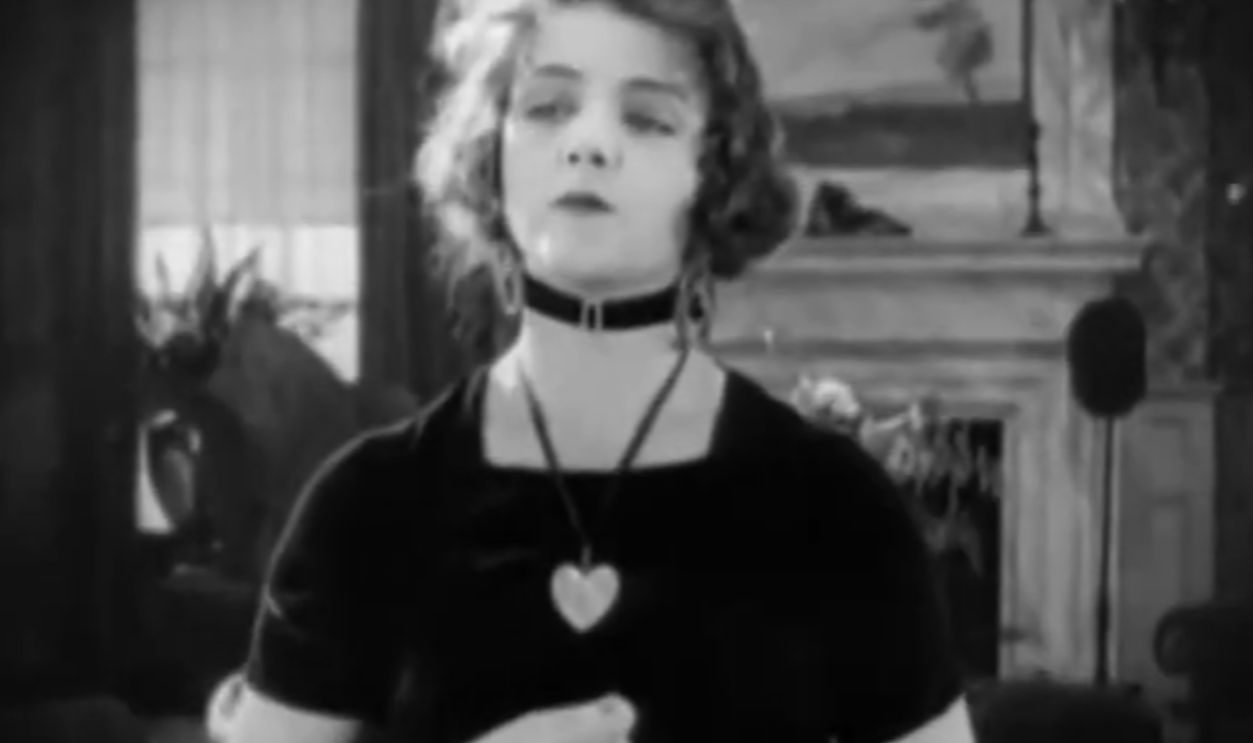 Screenshot from The Flapper, Select Pictures (1920)
The Bottle Was Small. The Scandal Was Huge.
In the end, Olive Thomas’s story is not just about fame or beauty or bad luck in a Paris hotel room. It is about how quickly old Hollywood could turn a person into a symbol. One minute, she was the girl everyone wanted to watch. The next, she was the story everyone could not stop retelling.
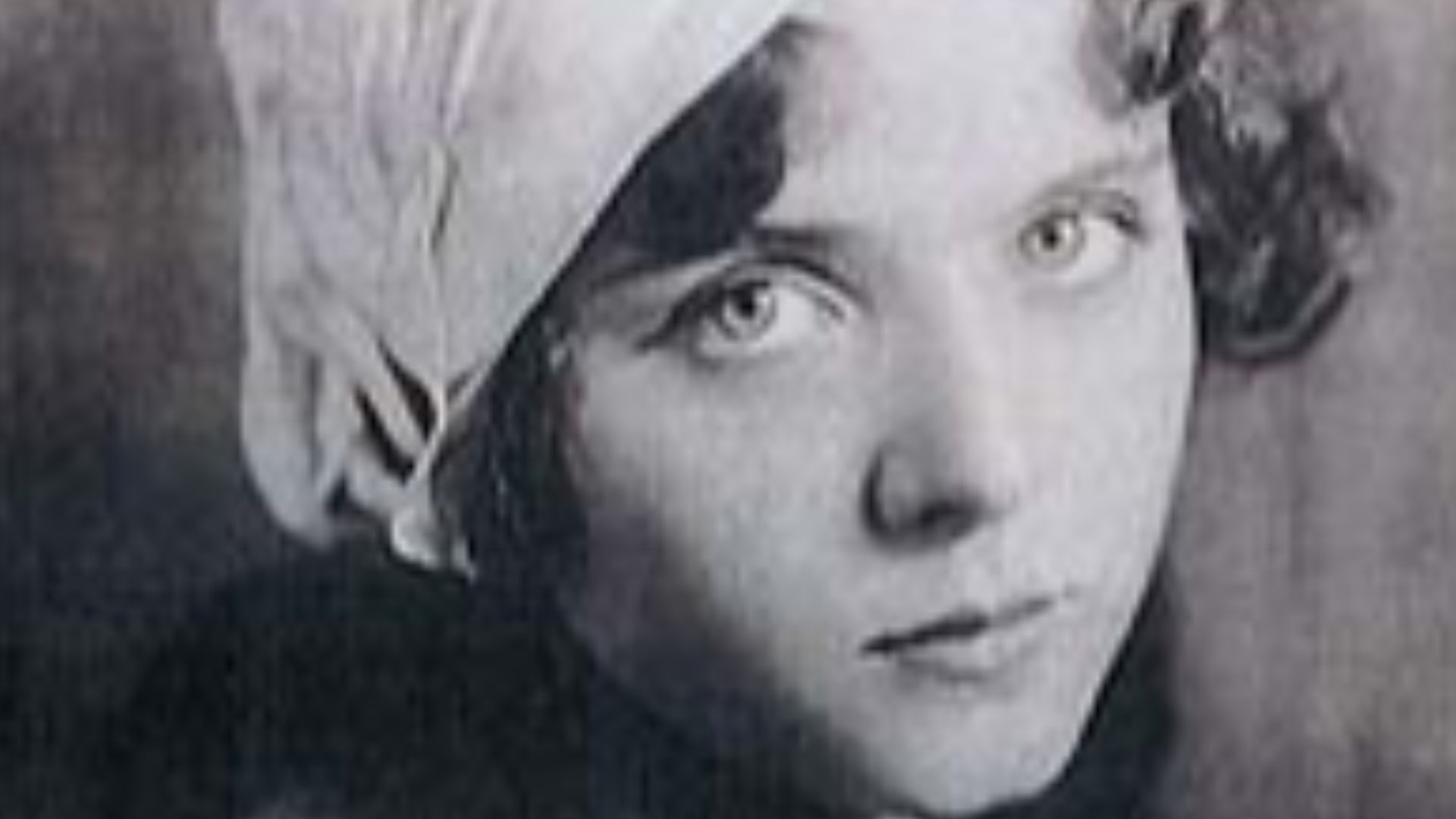 Unknown authorUnknown author, Wikimedia Commons
You Might Also Like:
Glam Facts About Nils Asther, The Male Greta Garbo
Why Ed Asner became one of television's most outspoken stars
Movie Stars Who Thought Fame Would Last Forever—Now No One Born After 2000 Has Even Heard Of Them


.jpg)
.jpg)

