A Voice That Never Backed Down
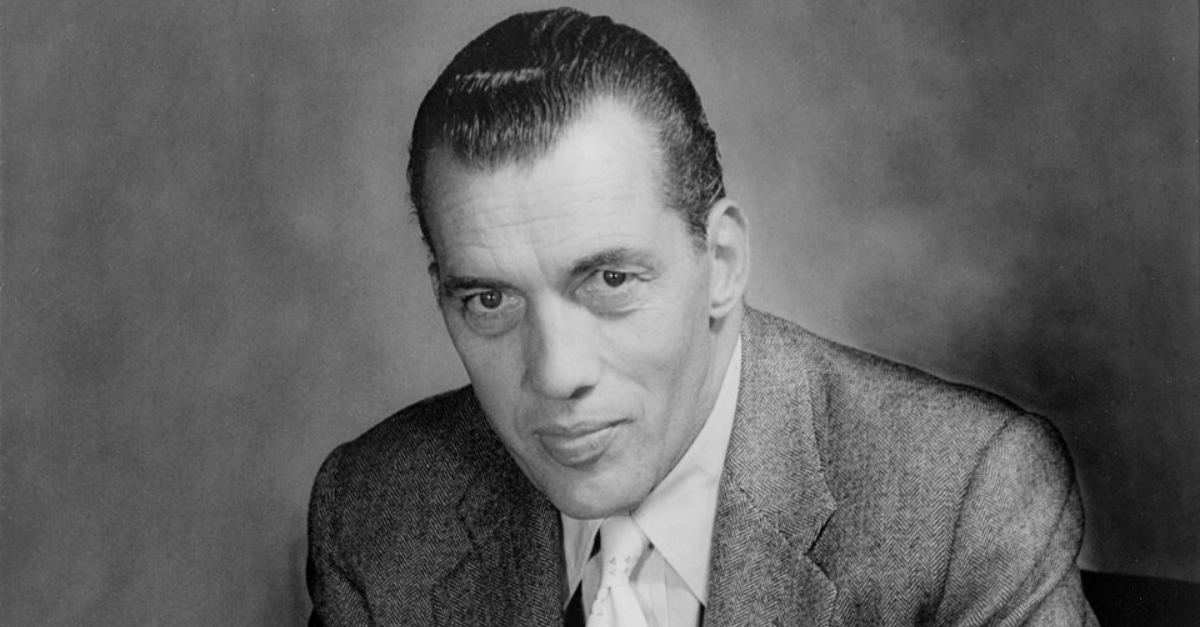
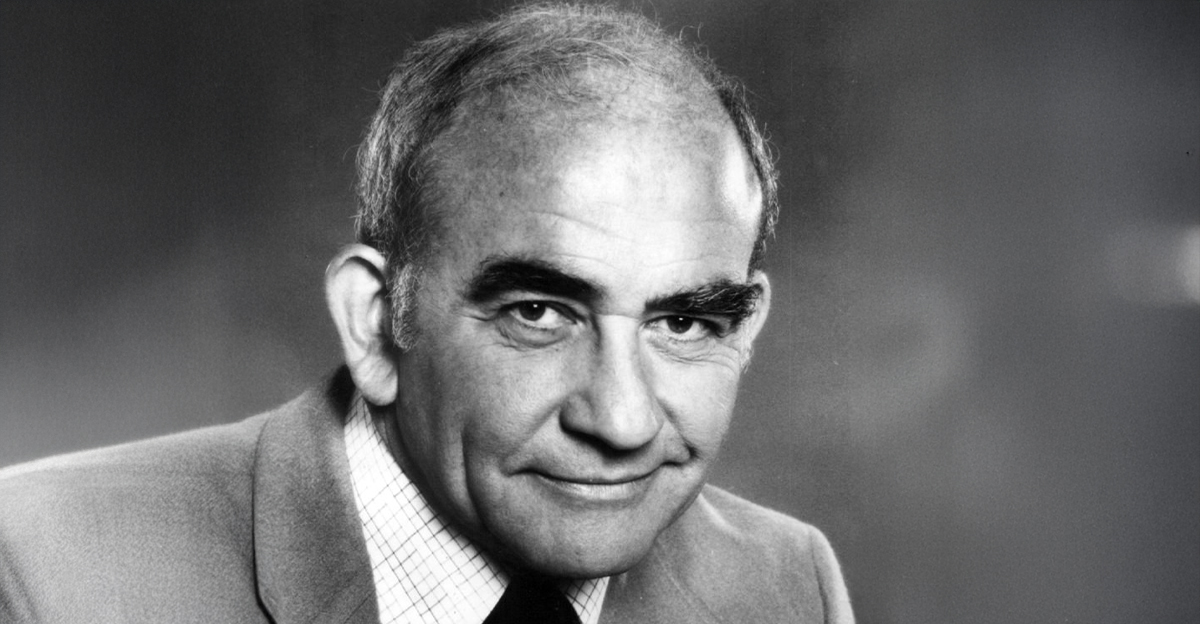
From struggling stage actor and factory worker to the unforgettable Lou Grant, Ed Asner combined extraordinary acting and comedic talent with an unwavering commitment to political and humanitarian causes. Whether portraying gruff but compassionate newsroom editors or speaking out on controversial issues, he made a memorable mark on American entertainment.
 CBS Television, Public domain, via Wikimedia Commons
Growing Up In Kansas
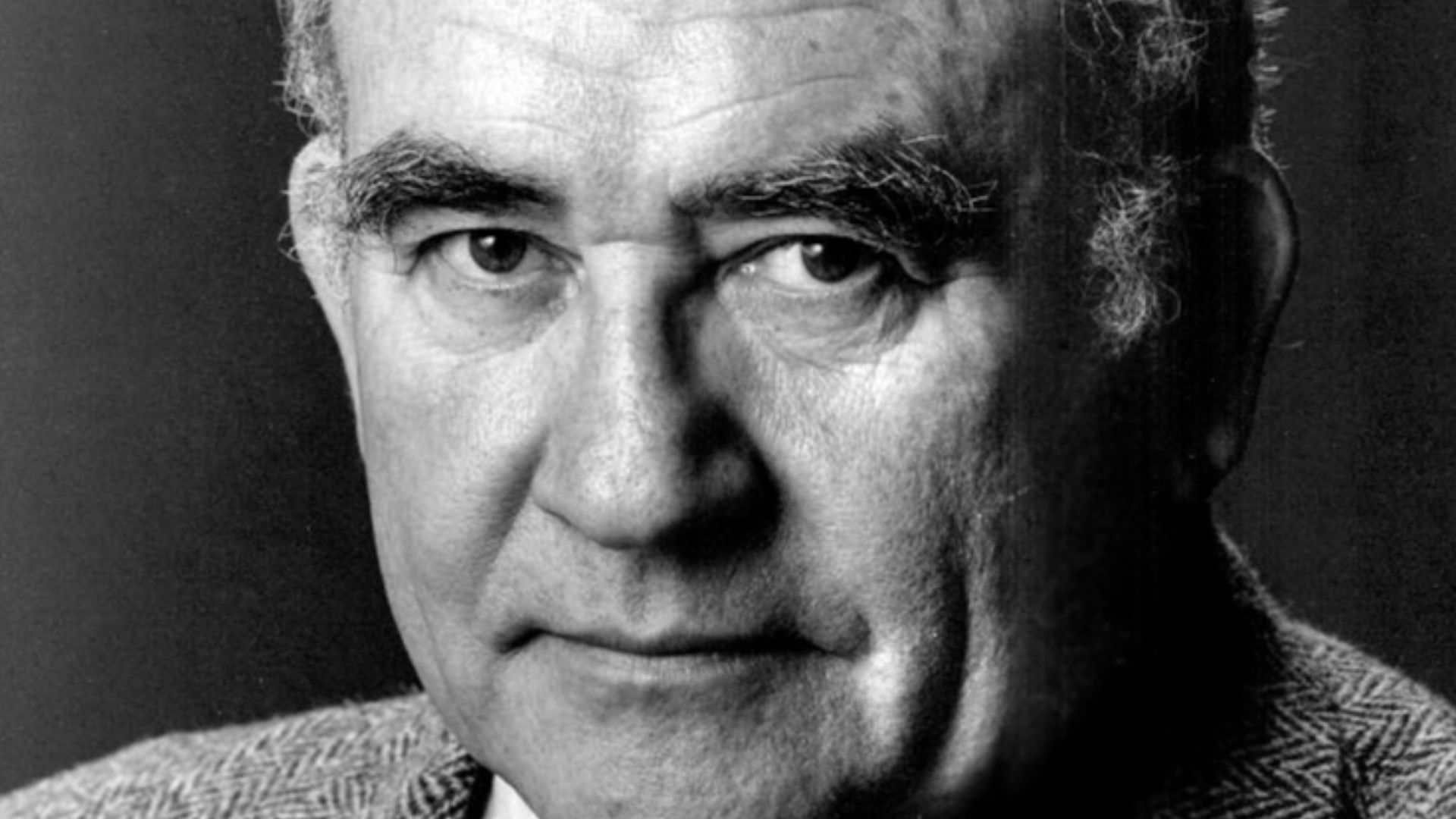
Yitzhak Edward Asner was born on November 15, 1929, in Kansas City, Missouri, to Orthodox Jewish immigrant parents. His family traced its roots to what is now Lithuania, and his upbringing emphasized hard work, education, and community. Those values remained central throughout both his acting career and his public activism.
 Unknown authorUnknown author, Wikimedia Commons
Discovering His Passion
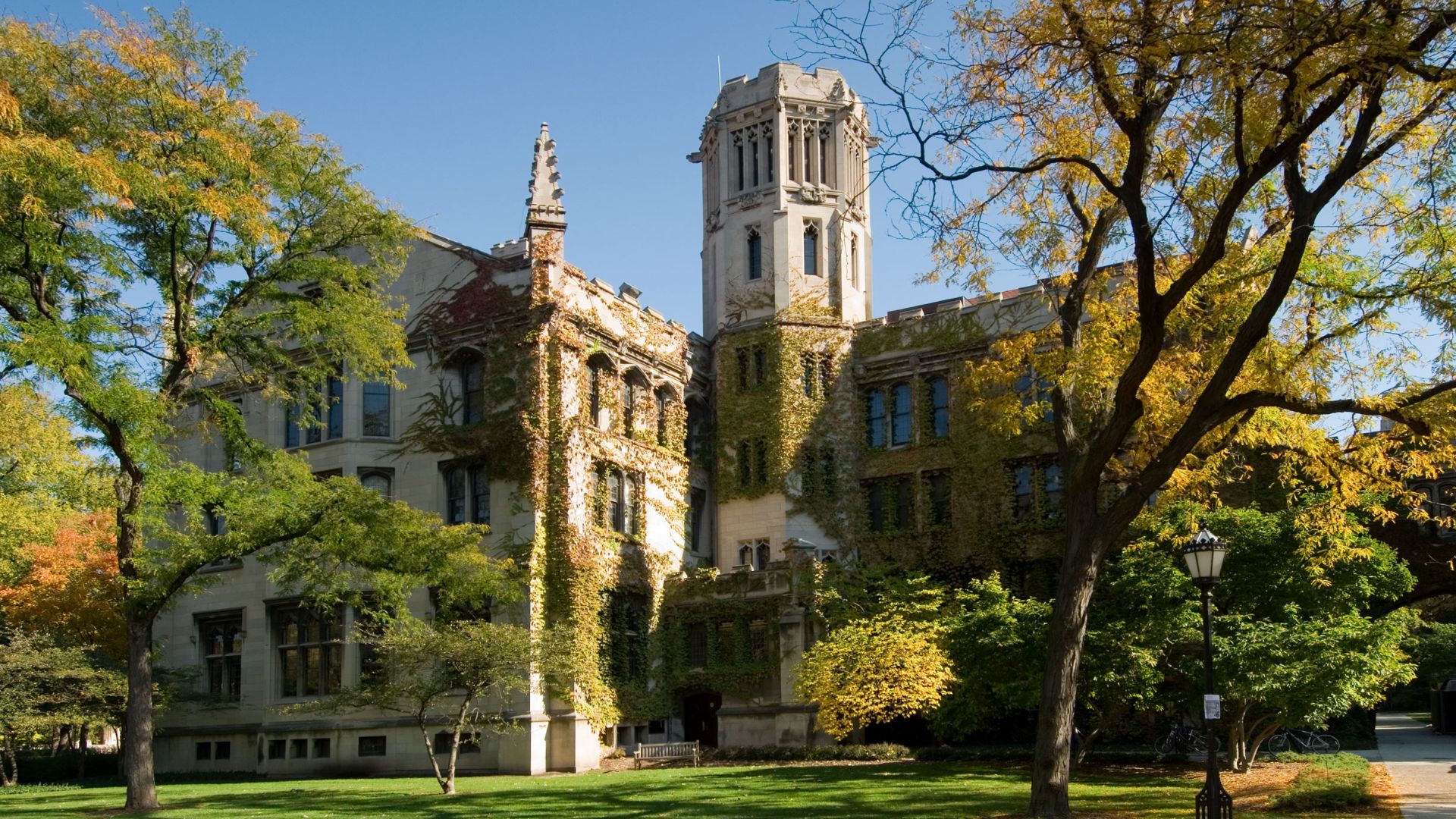
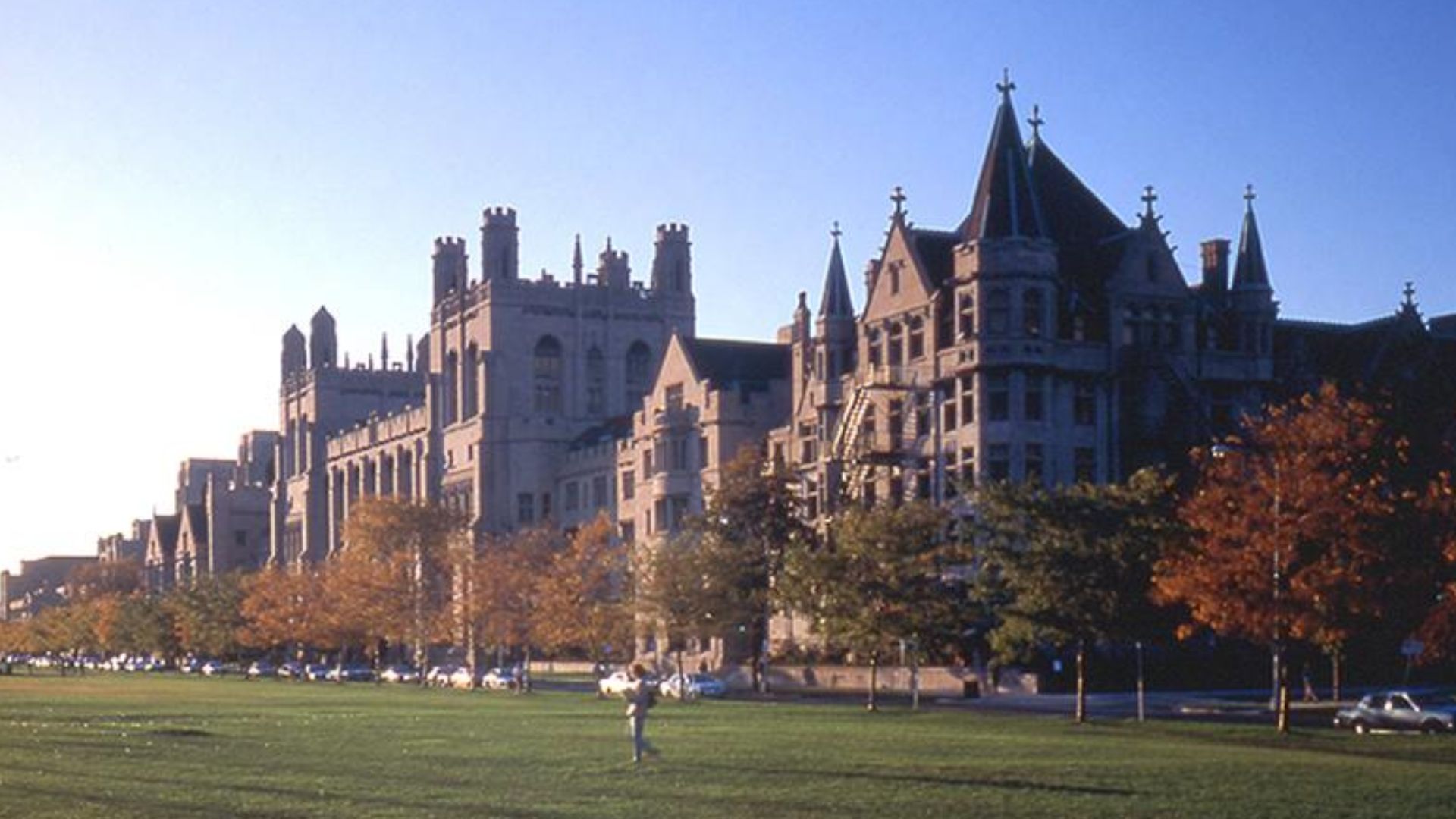
After graduating from high school, Asner enrolled at the University of Chicago. Although he initially pursued higher education, campus theater increasingly captured his attention. Acting offered a creative outlet unlike anything he had ever experienced before, and it gradually pulled him away from traditional academic ambitions.
Leaving College Behind
Asner ultimately left the University of Chicago before completing his degree in order to pursue acting full time. It was a risky decision, especially since professional opportunities were far from guaranteed, but he believed success required complete commitment rather than treating performance as a hobby.
 Urban~commonswiki, Wikimedia Commons
Hard Working Years
Breaking into acting was anything but easy. To support himself, Asner worked a variety of demanding jobs, including driving a taxicab and laboring on an automobile assembly line. Those experiences gave him an appreciation for ordinary working people that later informed many of his performances.
 Adrian Nier, Wikimedia Commons
Serving His Country
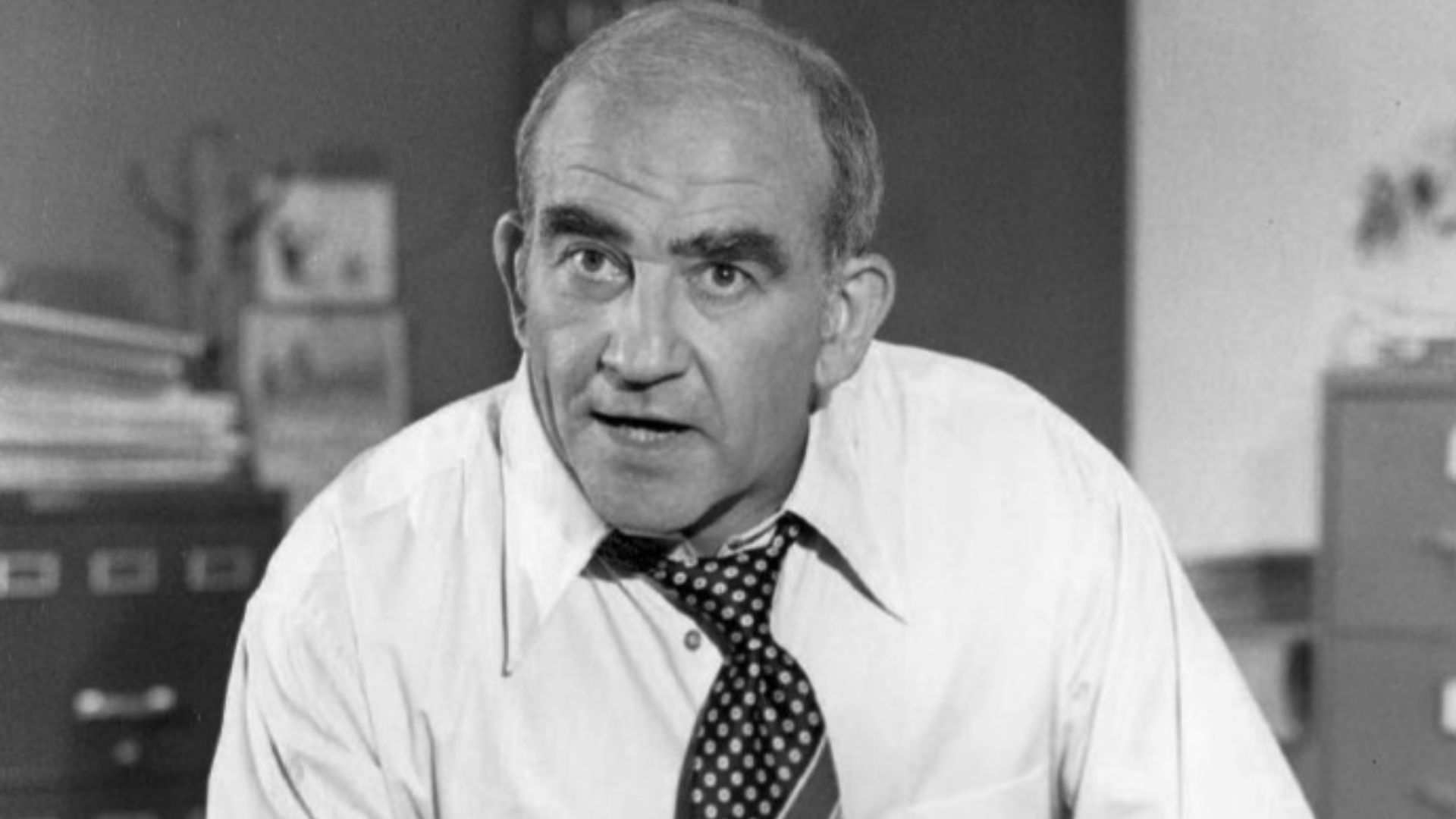
Before his acting career gained momentum, Asner served in the United States Army during the Korean War era. Although he did not serve in combat, his military service instilled discipline and life experience that helped prepare him for the competitive entertainment industry awaiting him afterward.
 CBS Television, Wikimedia Commons
Learning The Craft
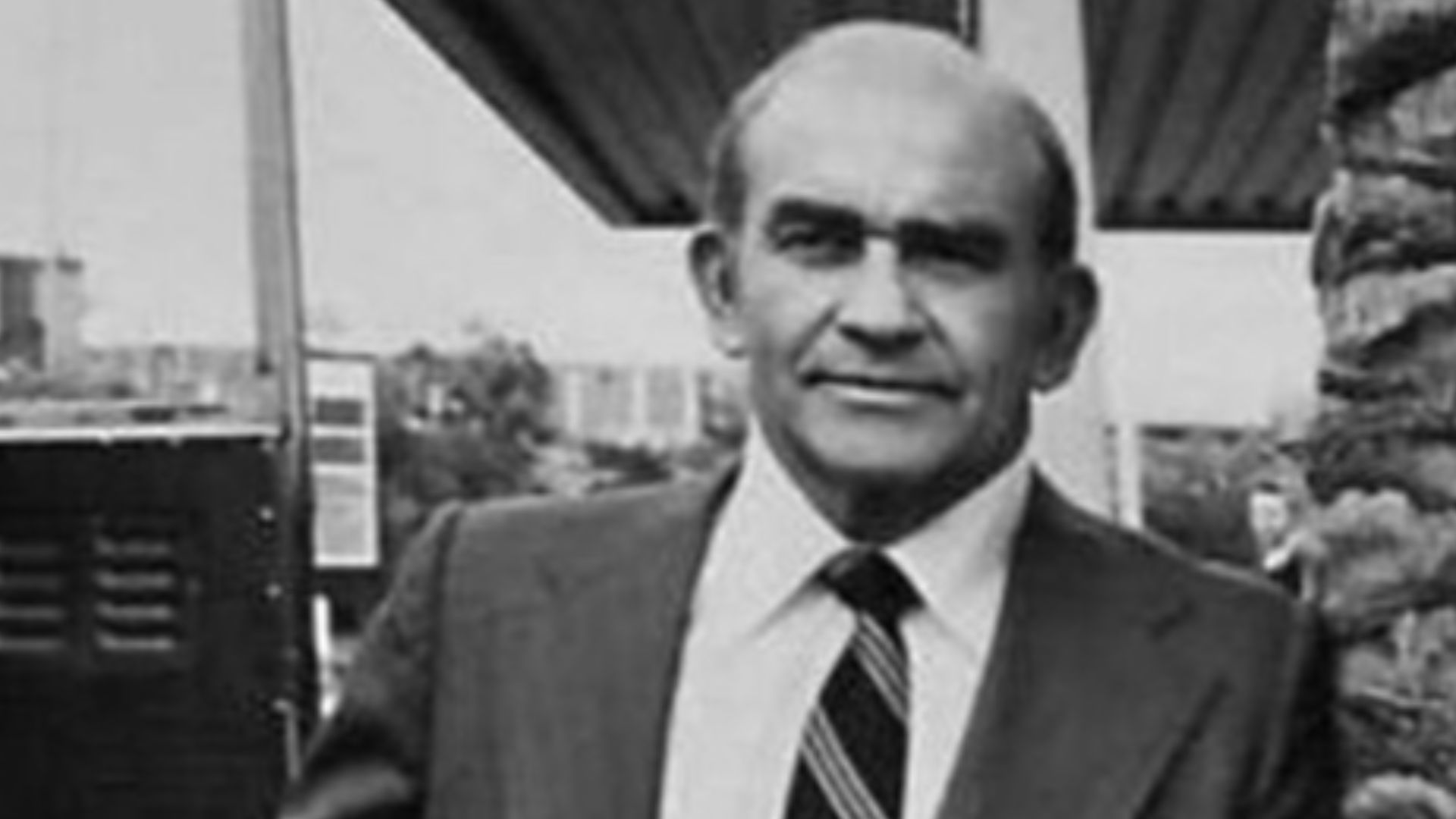
Following military service, Asner immersed himself in stage acting. He joined Chicago theater groups before eventually relocating to New York, where he refined his technique through live performances. Years of theater work provided a strong dramatic foundation that would later distinguish him on television.
 CBS Television Uploaded by We hope at en.wikipedia, Wikimedia Commons
Broadway Beckons
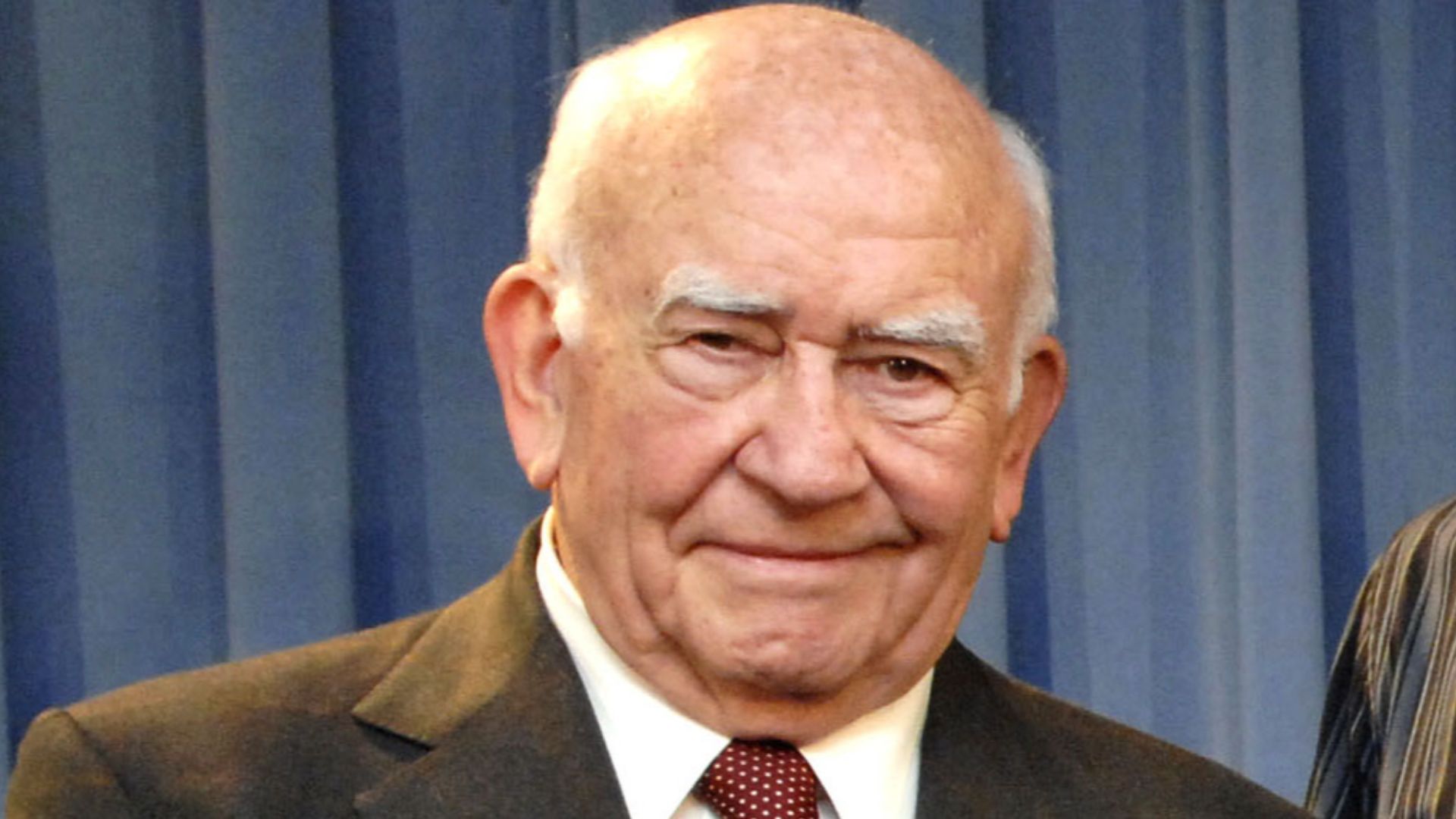
Asner earned his first Broadway role opposite Jack Lemmon in Face of a Hero. Sharing the stage with an established star exposed him to top-tier professional productions while demonstrating that he belonged among accomplished performers on New York's prestigious theater scene.
 Department of Defense/William D. Moss, Wikimedia Commons
Hollywood Arrives
By the late 1950s, Asner began finding steady work in television. Casting directors appreciated his commanding presence, distinctive voice, and ability to portray authority figures with authenticity. Those qualities quickly made him one of Hollywood's busiest character actors.
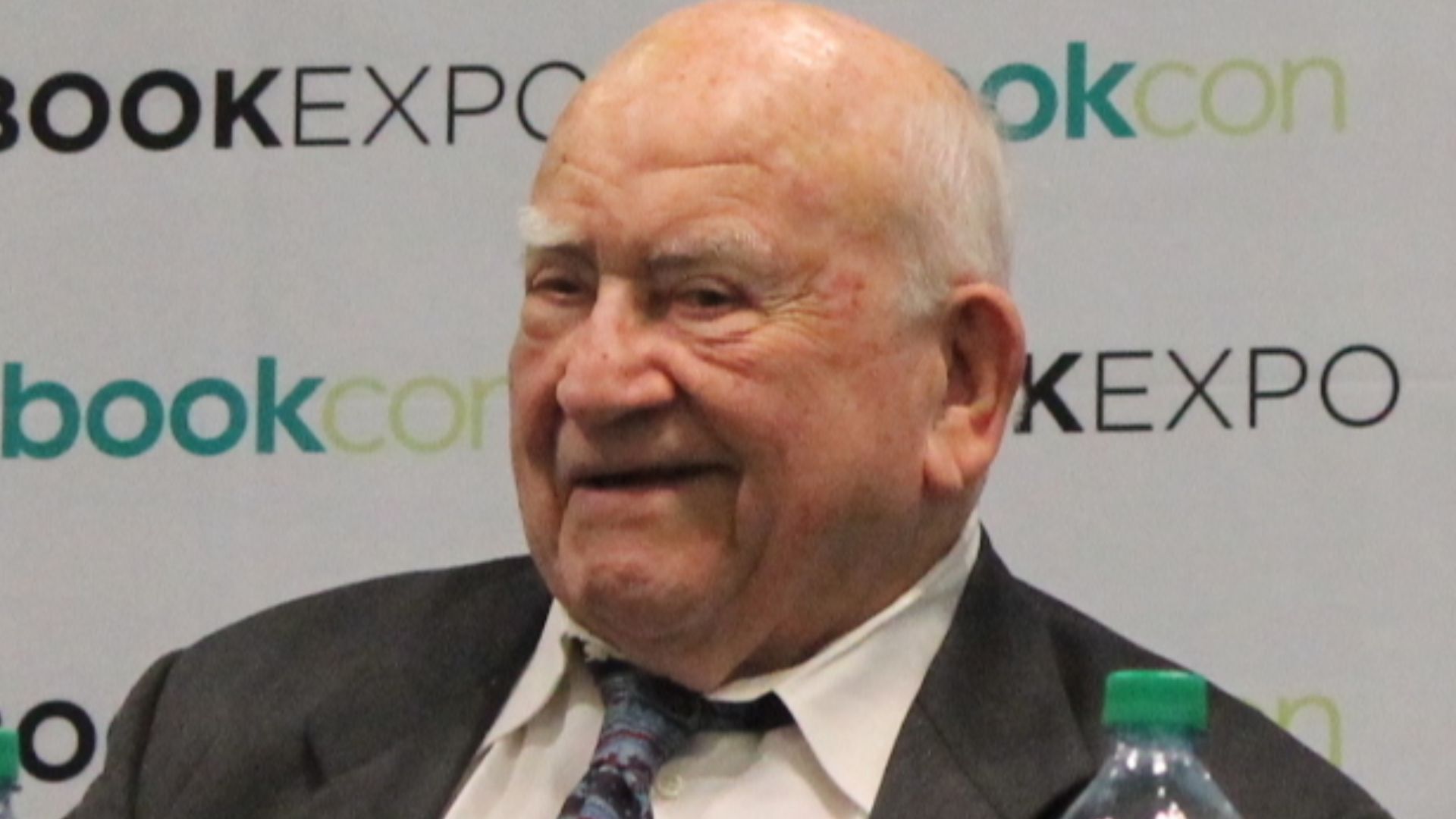 Terry Ballard, Wikimedia Commons
Building Television Credits
Throughout the early 1960s, Asner appeared in numerous dramatic television series. Guest roles on Naked City, Route 66, and The Untouchables introduced him to millions of viewers while steadily building an impressive résumé that showcased his remarkable versatility.
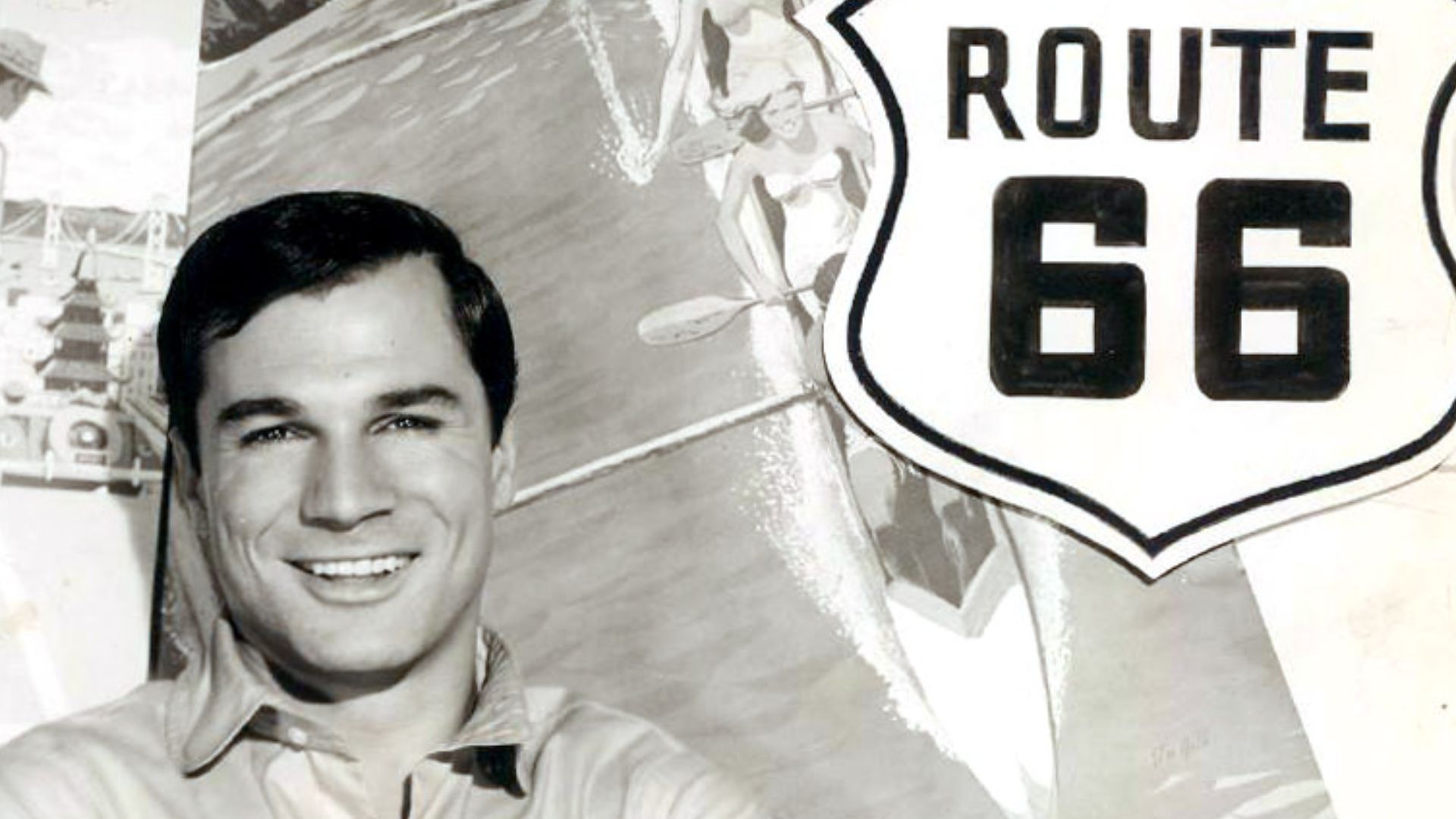 Photographer-Bud Fraker, Beverly Hills., Wikimedia Commons
Entering Science Fiction
Asner also appeared on The Outer Limits, one of television's most imaginative sci-fi anthology series. He was one of many contributors to the show that proved science fiction could provide thoughtful storytelling and memorable character work rather than simple escapist entertainment.
 Screenshot from The Outer Limits, United Artists Television (1963)
Becoming A Familiar Face
Throughout the decade, Asner accumulated dozens of guest appearances across television's biggest programs. Although he had not yet landed a signature role, producers increasingly recognized him as an actor capable of elevating virtually any scene through intelligence, authority, and understated humor.
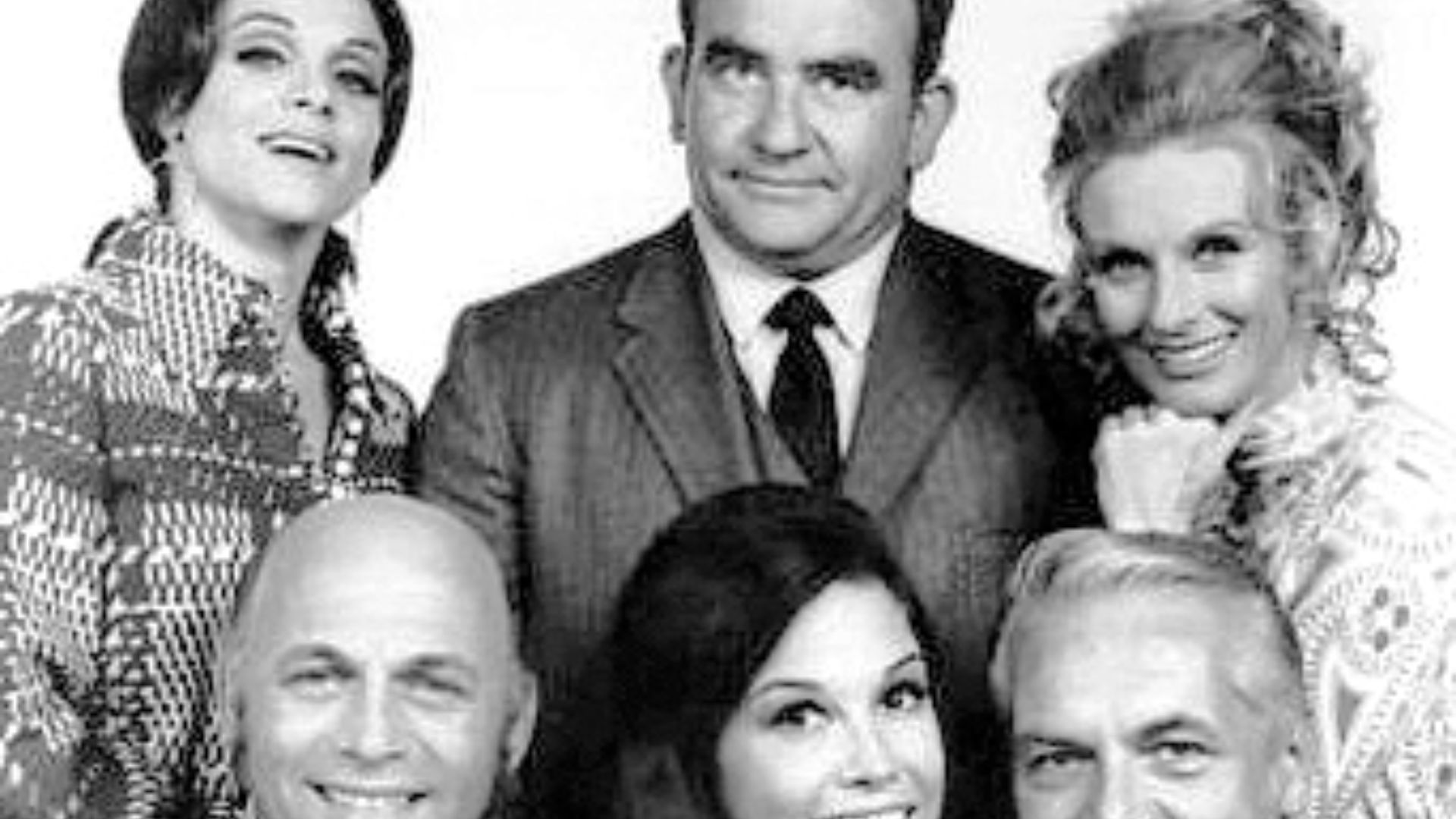 CBS Television Uploaded by We hope at en.wikipedia, Wikimedia Commons
Meeting Lou Grant
Everything changed in 1970 when Asner was cast as Lou Grant on The Mary Tyler Moore Show. Initially introduced as Mary's demanding but compassionate newsroom boss, Grant became one of television's most beloved characters, balancing gruff professionalism with surprising warmth and humanity.
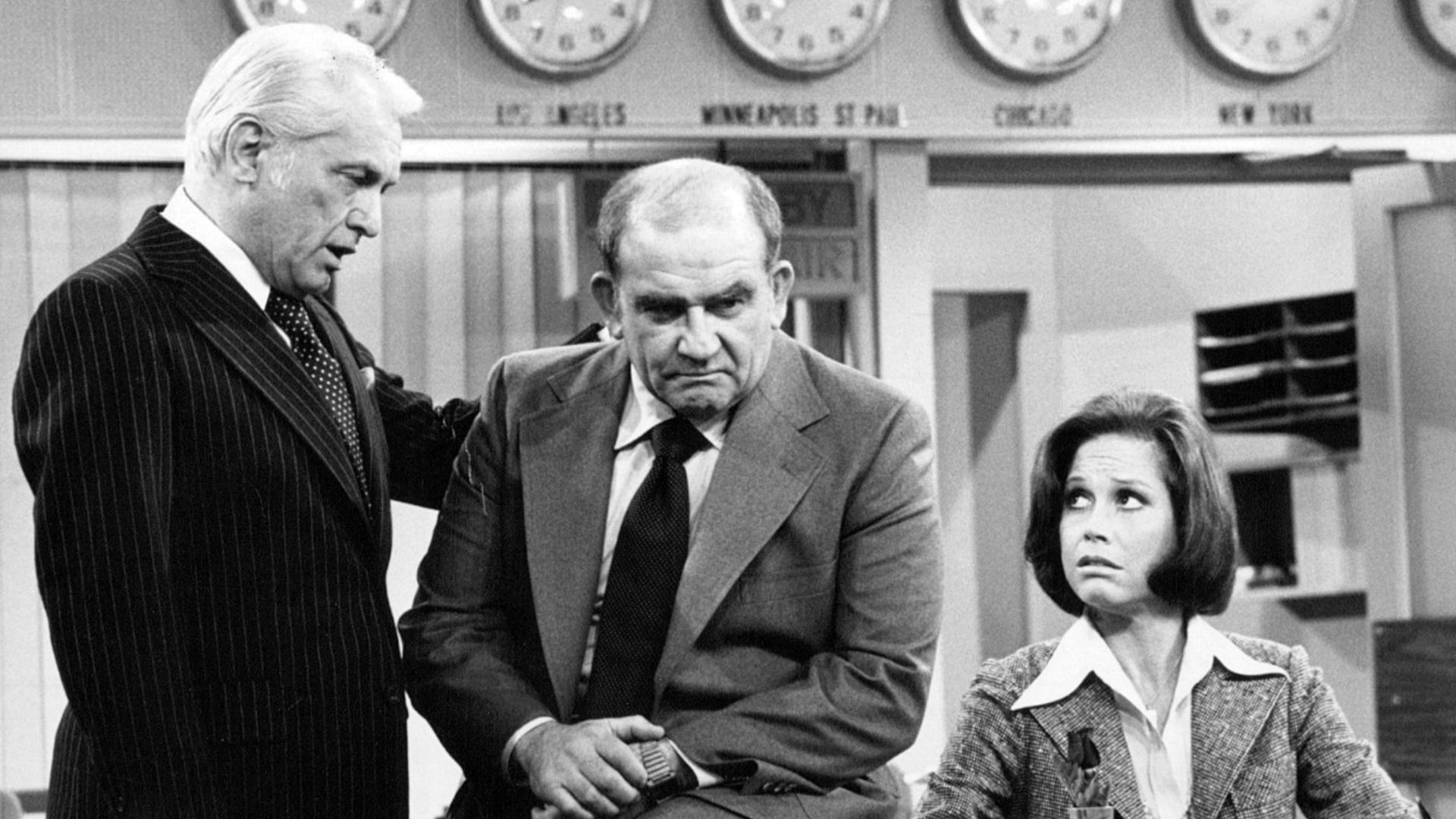 CBS Television, Wikimedia Commons
Television Stardom
Asner's performance on The Mary Tyler Moore Show earned widespread acclaim from audiences and critics alike. Lou Grant evolved far beyond a stereotypical boss, becoming a richly developed character whose wit, integrity, and occasional vulnerability helped define one of television's greatest ensemble comedies.
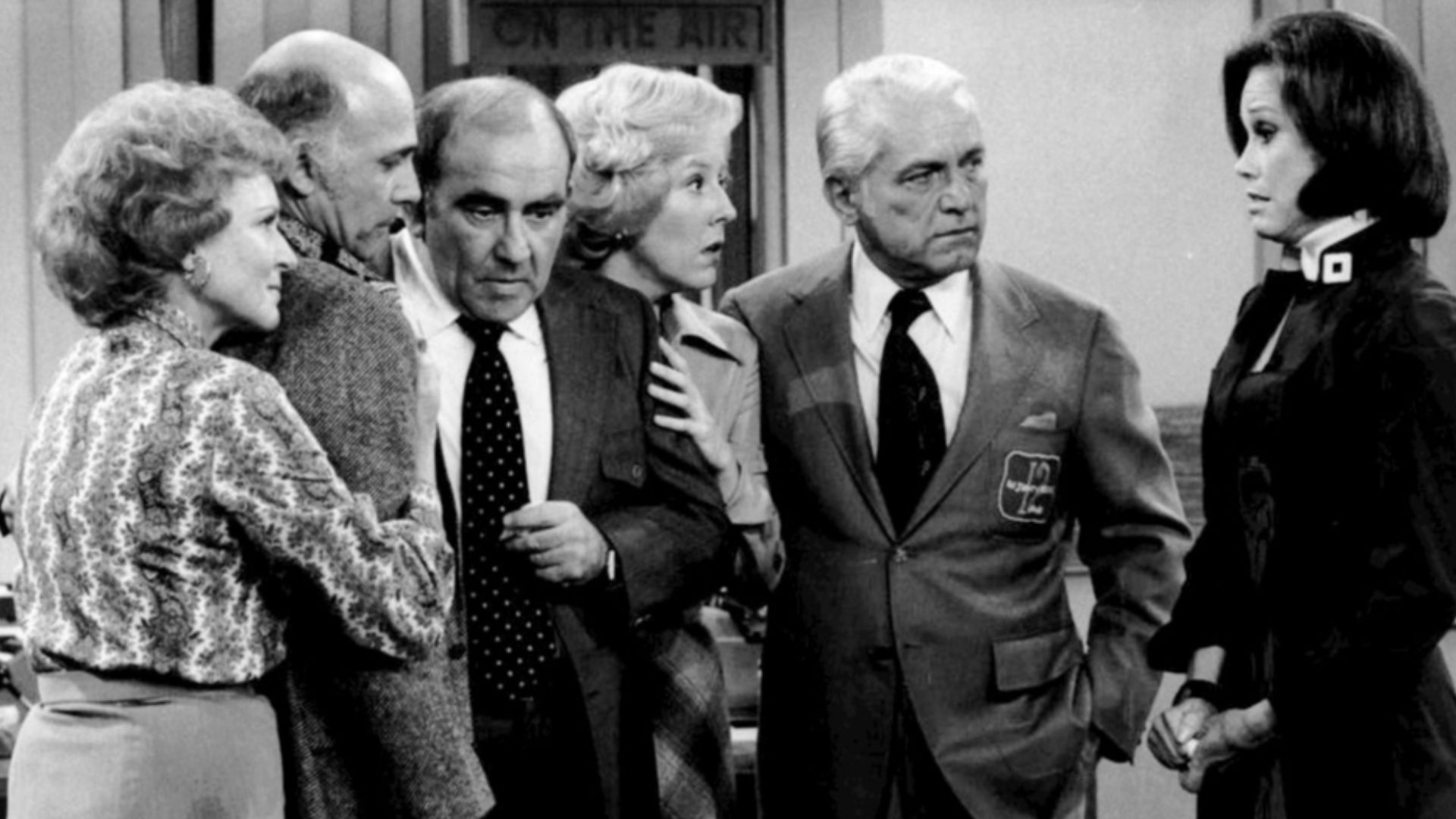 CBS Television, Wikimedia Commons
A Successful Spinoff
Following the conclusion of The Mary Tyler Moore Show in 1977, Asner continued portraying Lou Grant in the dramatic series Lou Grant. Rather than another sitcom, the new series focused on investigative journalism and newspaper ethics, allowing Asner to explore deeper dramatic territory.
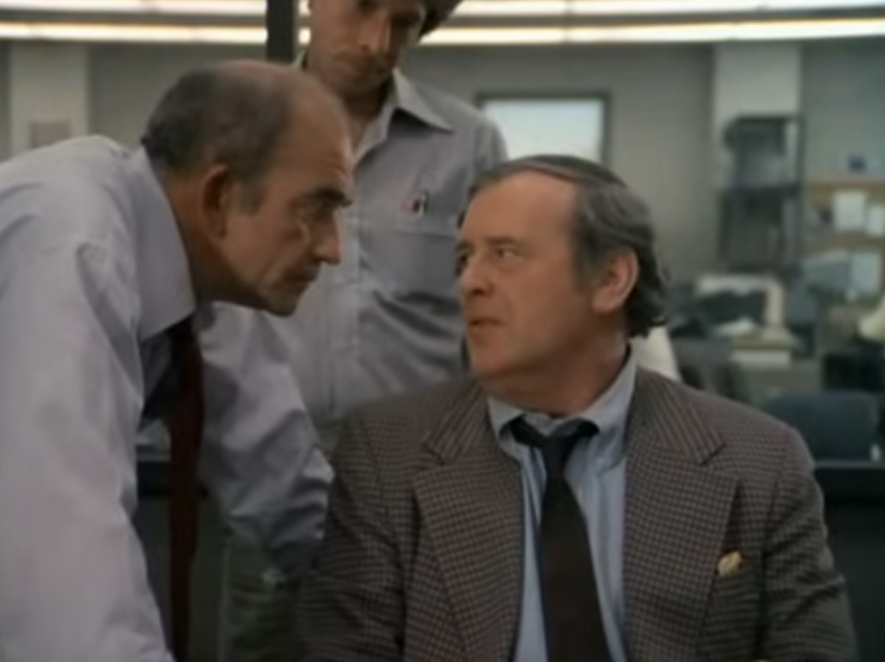 Screenshot from Lou Grant, CBS (1977-1982)
Emmy Dominance
Asner's portrayal of Lou Grant made television history. He won multiple Emmy Awards for playing the same character in both a comedy and a drama, helping establish himself as one of the most decorated performers ever recognized by the Television Academy.
 Bill Ingalls, Wikimedia Commons
A Powerful Performance
During the same era, Asner also appeared in the landmark ABC miniseries Roots (1977). The groundbreaking production became a cultural phenomenon, introducing millions of Americans to a dramatized history of slavery while cementing Asner's reputation as one of television's premier dramatic actors.
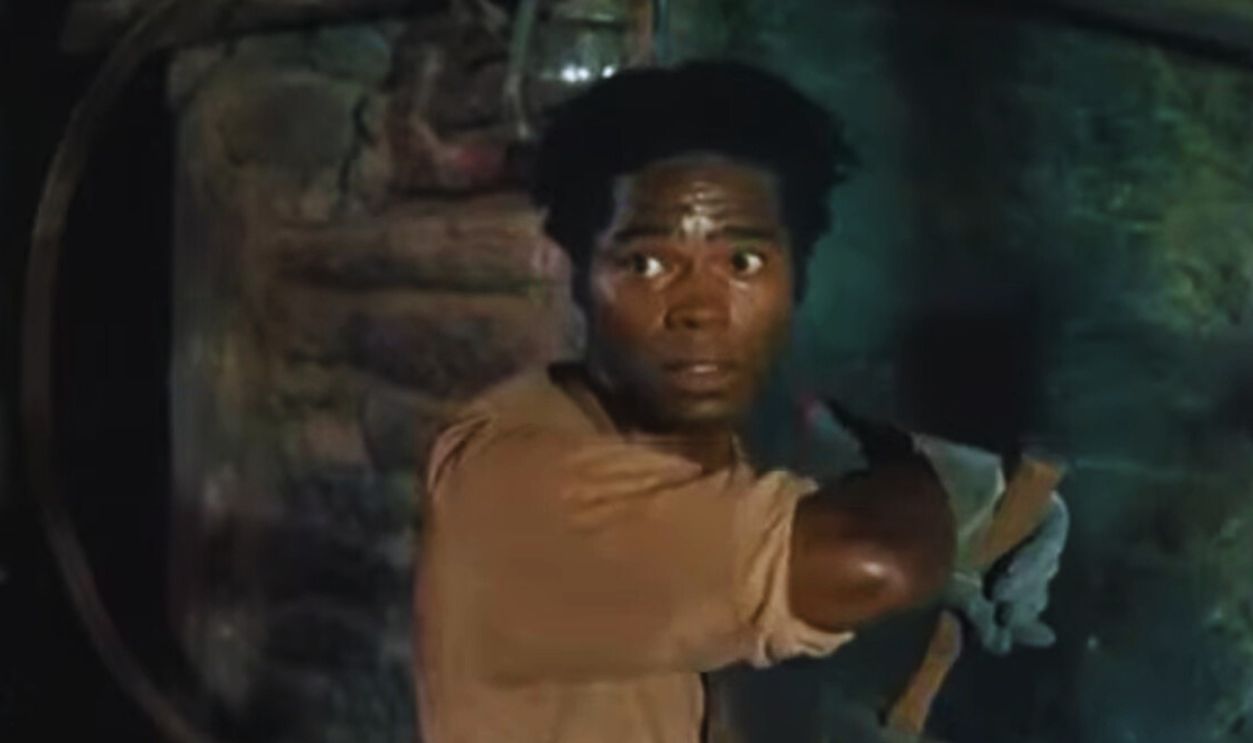 Screenshot from Roots, ABC (1977)
Speaking His Mind
Away from acting, Asner became one of Hollywood's most outspoken liberal voices. He served as president of the Screen Actors Guild during a difficult labor period, supported striking actors, opposed U.S. involvement in Central America during the 1980s, and frequently used his public profile to advocate for political and humanitarian causes.
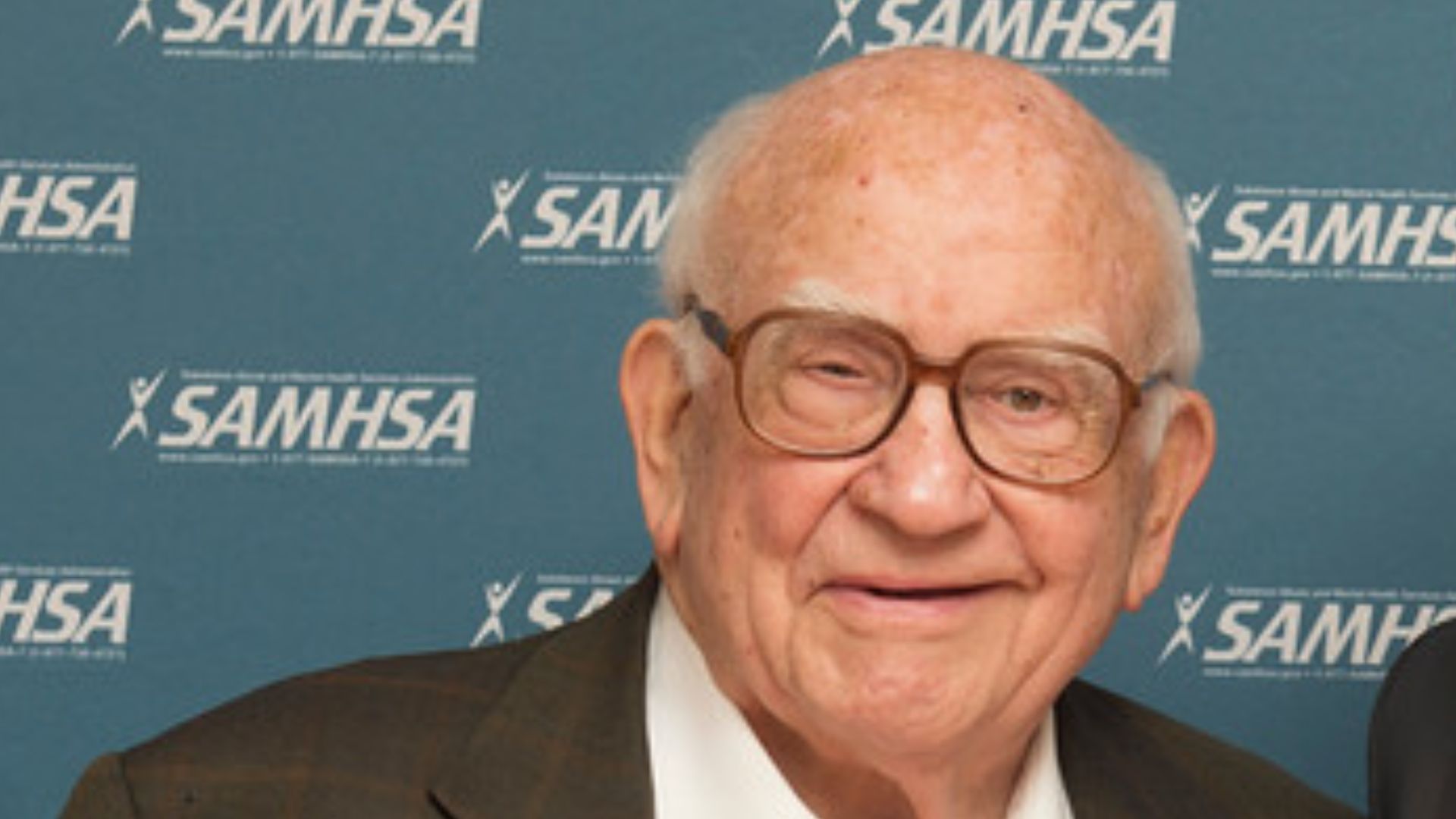
Controversy And Activism
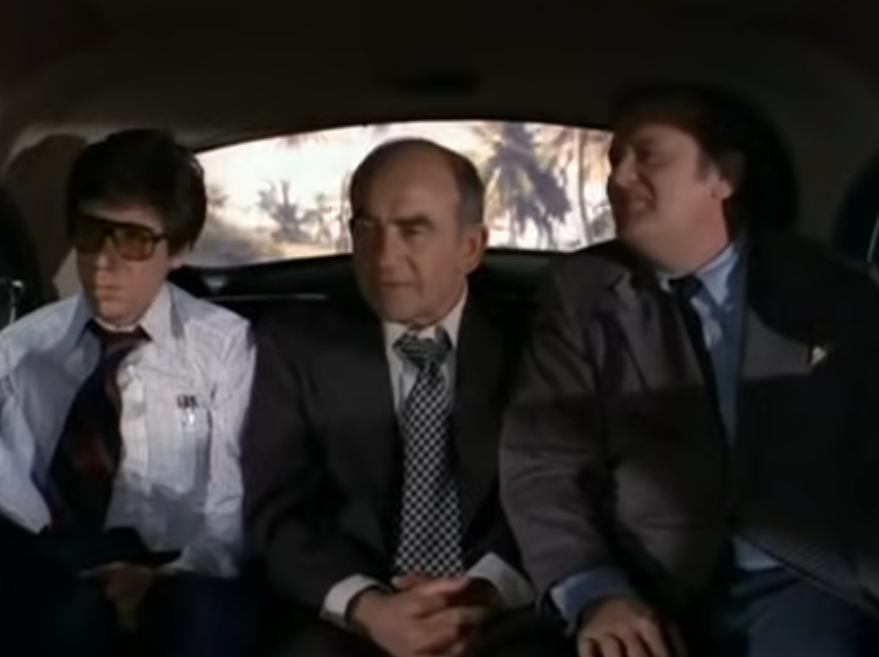
Asner's political views didn’t always sit well with everyone. Some critics speculated that his outspoken activism contributed to the cancellation of Lou Grant in September of 1982, despite the show's strong ratings, although network executives cited declining advertising revenue and changing programming priorities. Regardless, Asner continued championing causes that mattered to him throughout his life.
 Screenshot from Lou Grant, CBS (1977-1982)
Finding New Audiences
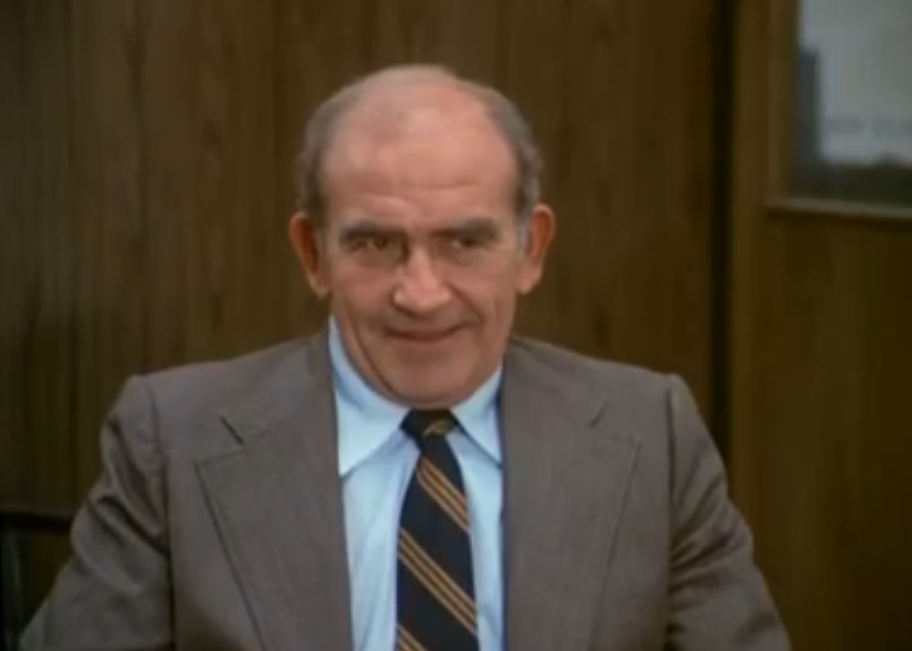
Asner remained remarkably active for decades after Lou Grant. His instantly recognizable voice led to an extensive voice acting career in animation and video games, introducing him to younger audiences while demonstrating that his talents extended well beyond live-action dramatic performances.
 Screenshot from Lou Grant, CBS (1977-1982)
Giving Back
Community service became another defining aspect of Asner's later years. He supported organizations including Exceptional Minds, Defenders of Wildlife, and humanitarian efforts that placed water stations in Arizona's Sonoran Desert for migrants. His charitable work reflected a lifelong belief that public figures should help those in need.

Final Curtain
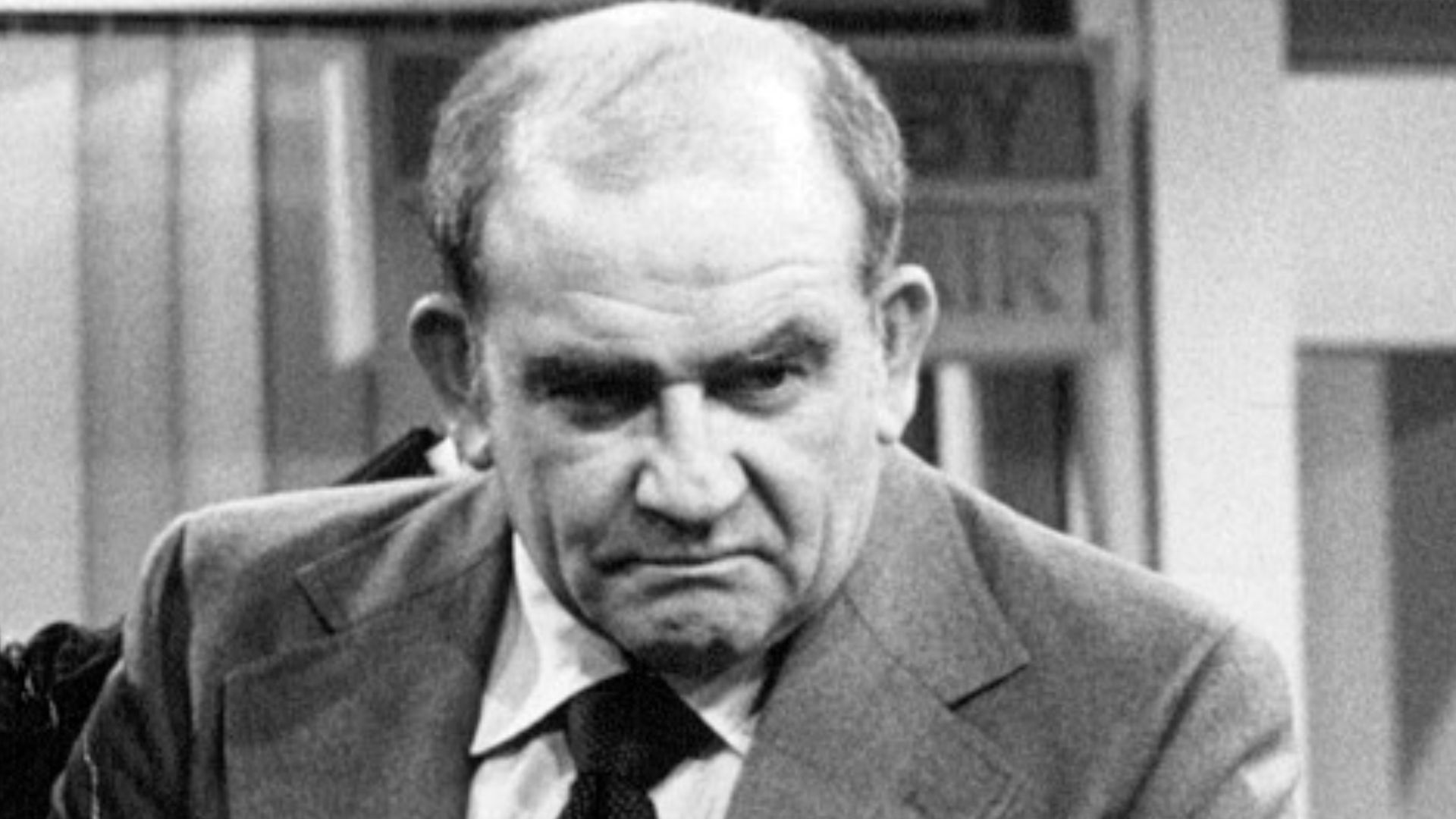
Asner continued acting well into his nineties, remaining one of Hollywood's busiest veteran performers. He died on August 29, 2021, at the age of 91, prompting tributes from colleagues across the entertainment industry who celebrated both his immense talent and his unwavering convictions.
 CBS Television, Wikimedia Commons
Lasting Legacy
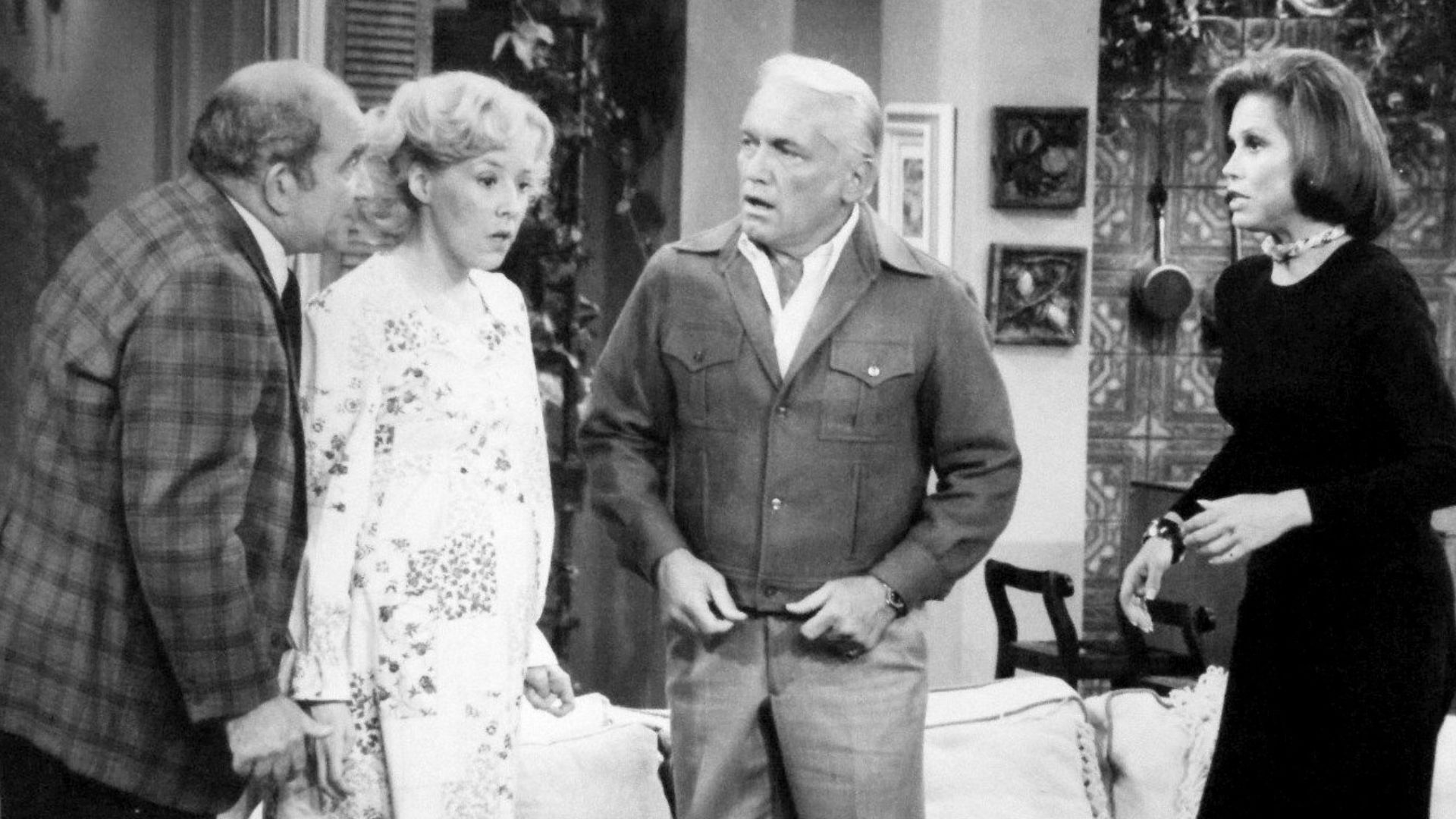
Ed Asner left behind one of television's greatest careers, earning seven Primetime Emmy Awards for acting—more than any other male performer. Beyond the trophies, he is remembered for creating one of television's most iconic characters, championing workers' rights and humanitarian causes, and proving that an actor could achieve extraordinary success without sacrificing deeply held principles.
 CBS Television, Wikimedia Commons
You May Also Like:
Little-Known Facts About Mary Tyler Moore, The New American Woman
Valerie Harper And The Making Of A 70s TV Legend
These 1970s Shows Aren't Trending Anymore, But Their Impact Is Unforgettable