When Legends Met Felt
The Muppet Show was built like a classic variety show, but its guest list made it feel like a Hollywood party with better punchlines. Across its original 1976 to 1981 run, Kermit, Miss Piggy, Fozzie, Gonzo, and the gang welcomed stars from movies, Broadway, comedy, rock, ballet, and television. That mix is why the show still feels so joyfully strange today.
 Screenshot from The Muppet Show, The Walt Disney Company (1976-1981)
Rita Moreno
Rita Moreno appeared in the first season and instantly proved the show could handle serious star power. By then, she was already known for West Side Story, and her career would become one of the great EGOT stories in entertainment history. Her Muppet Show appearance matched her energy with the chaos around her.
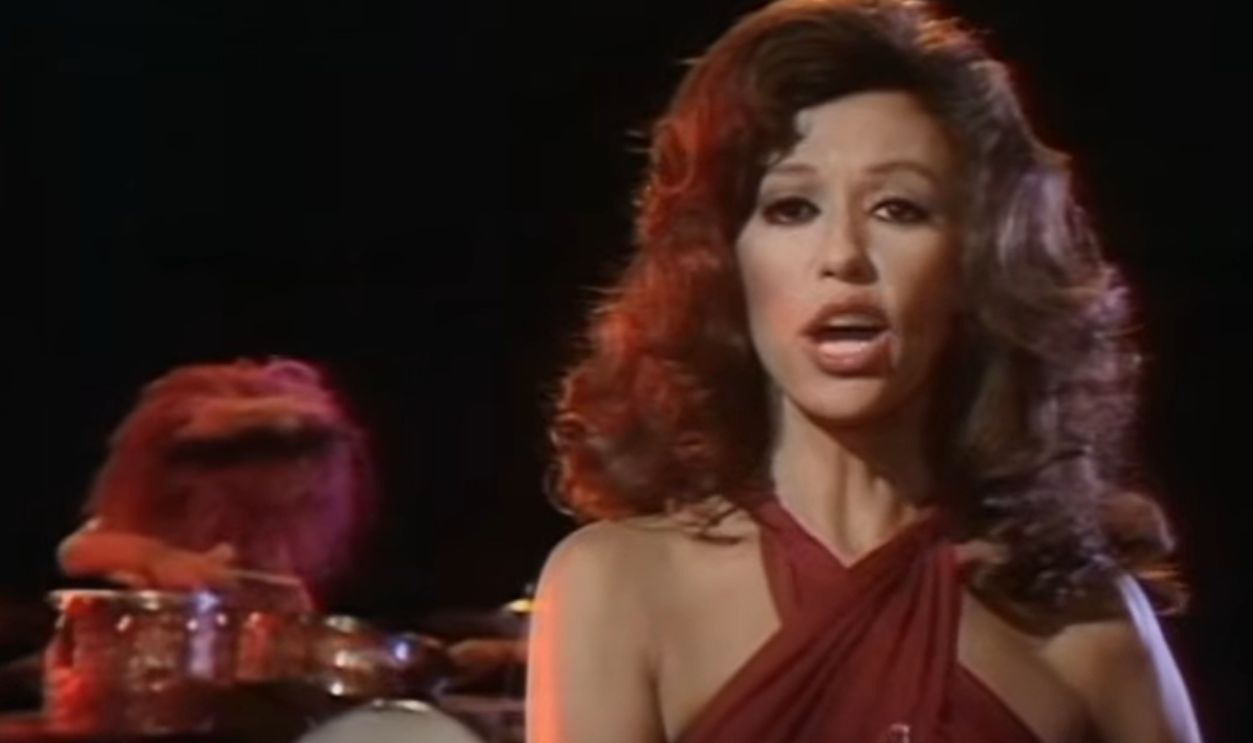 Screenshot from The Muppet Show, ITC Entertainment (1976-1981)
Elton John
Elton John’s episode is remembered because it understood him as both a musician and a visual event. By the late 1970s, he was already one of pop music’s biggest entertainers. The Muppets gave his flamboyance a perfect frame, and he gave the show a burst of rock-star color.
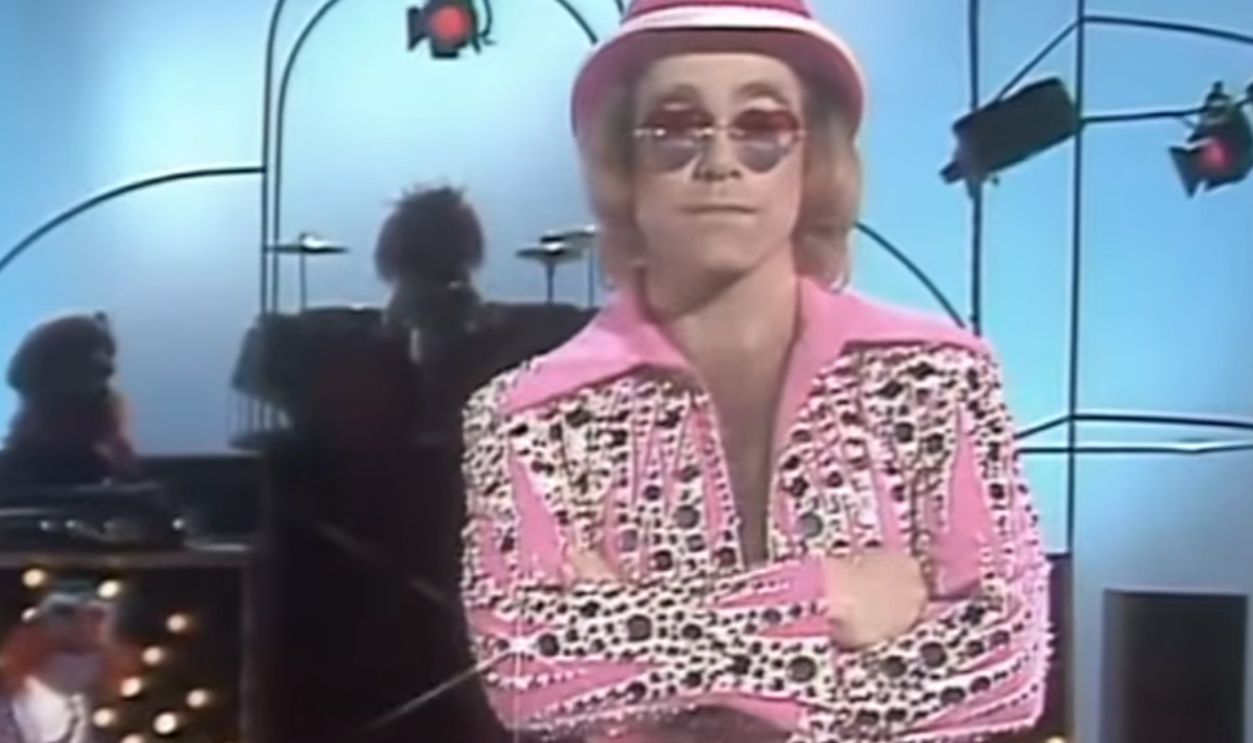 Screenshot from The Muppet Show, ITC Entertainment (1976-1981)
Andy Williams
Andy Williams was one of television’s most popular singers and variety-show hosts. He brought his smooth vocals and easygoing style to The Muppet Show. His episode blended classic entertainment with the Muppets’ playful humor. It was a natural fit for a beloved TV icon.
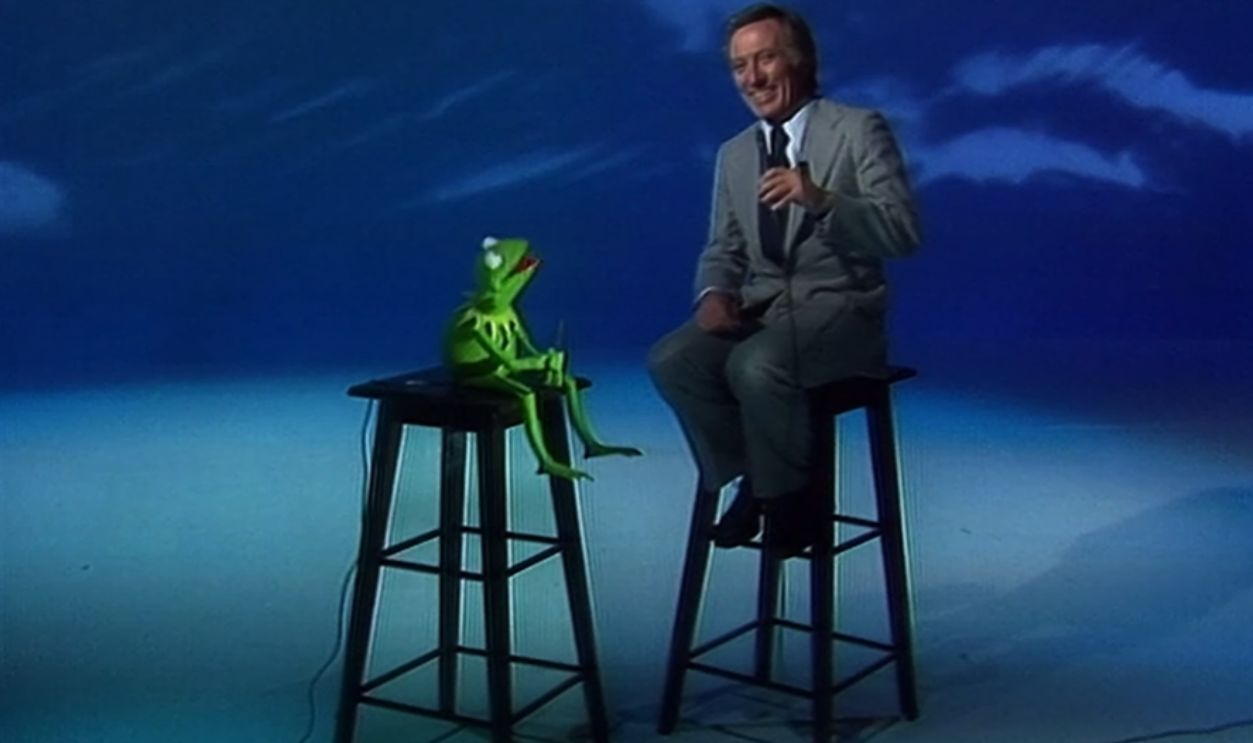 Screenshot from The Muppet Show, ITC Entertainment (1976-1981)
Sylvester Stallone
Sylvester Stallone was already tied forever to Rocky Balboa when he visited The Muppet Show. His appearance let audiences see the action icon in a looser, goofier setting. That contrast was the secret sauce, because the Muppets always loved making tough guys look delighted.
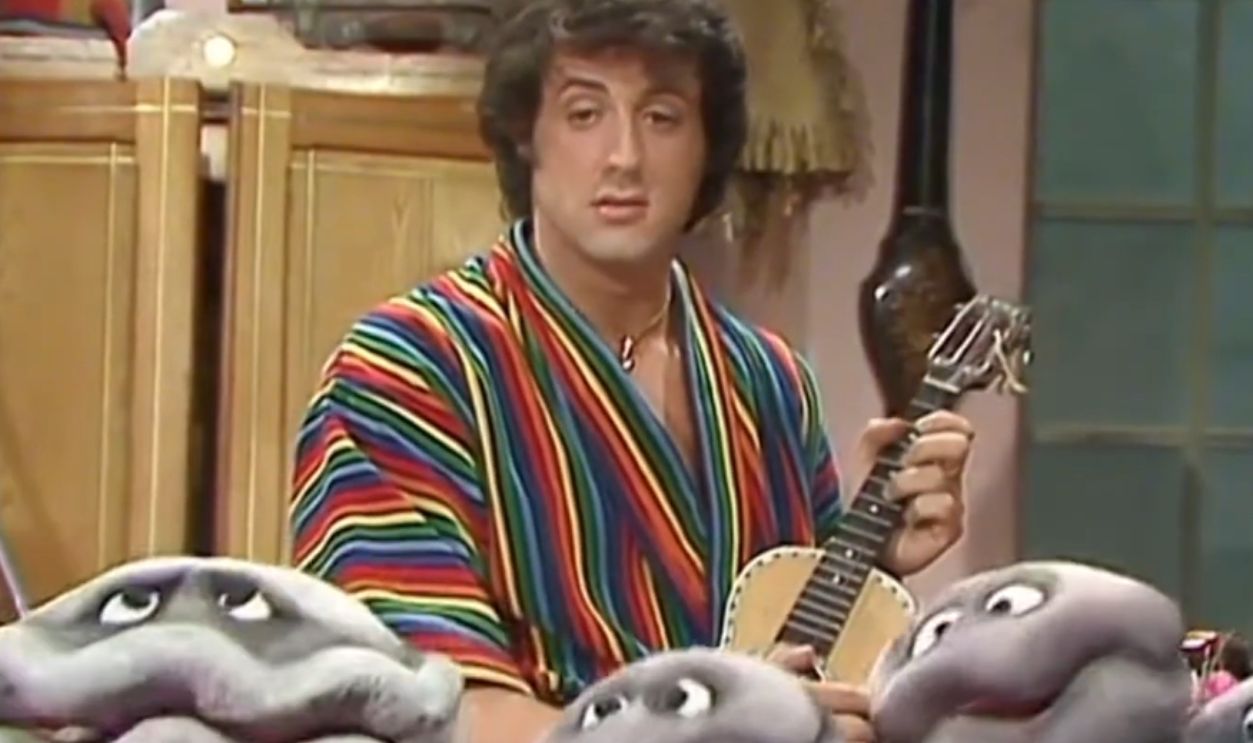 Screenshot from The Muppet Show, ITC Entertainment (1976-1981)
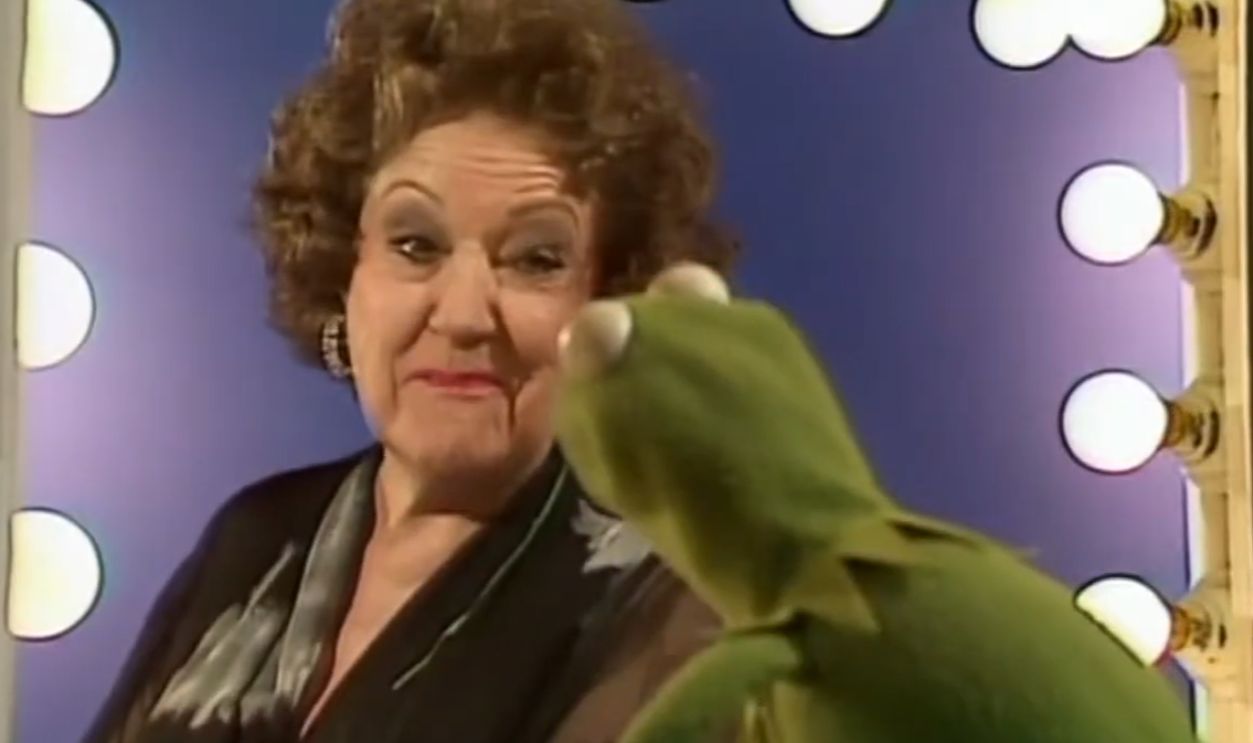
Ethel Merman
Ethel Merman brought Broadway volume, confidence, and old-school showbiz electricity. She was remembered for her powerful voice and a career that helped define the American musical stage. Pairing her with the Muppets made sense because nobody on that stage believed in subtlety.
 Screenshot from The Muppet Show, ITC Entertainment (1976-1981)
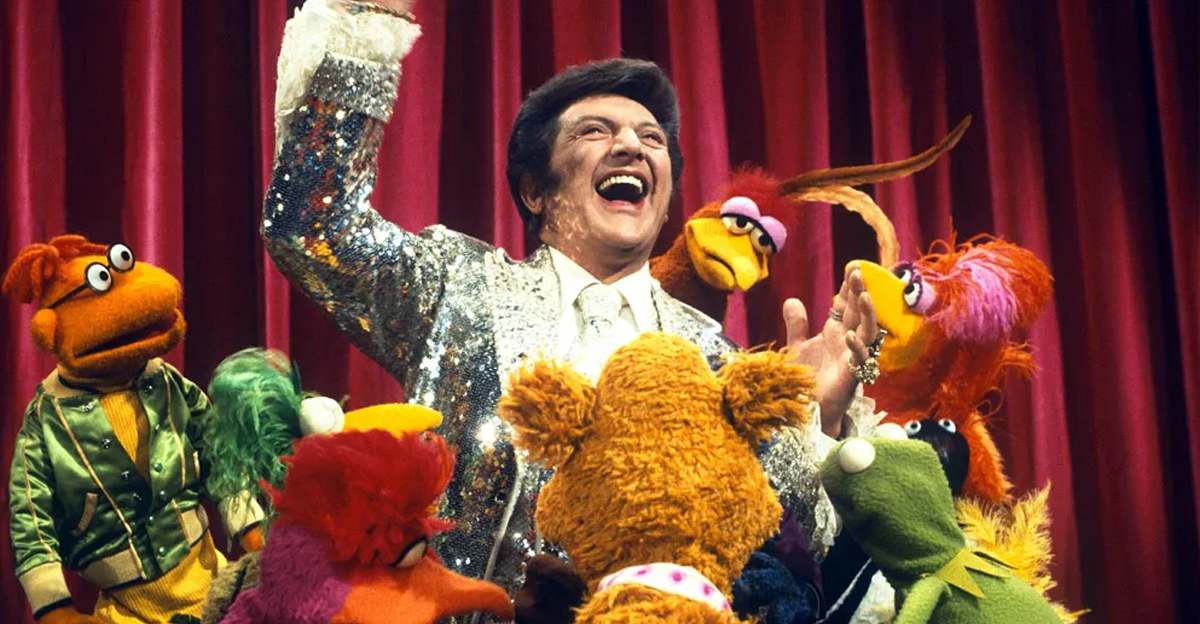
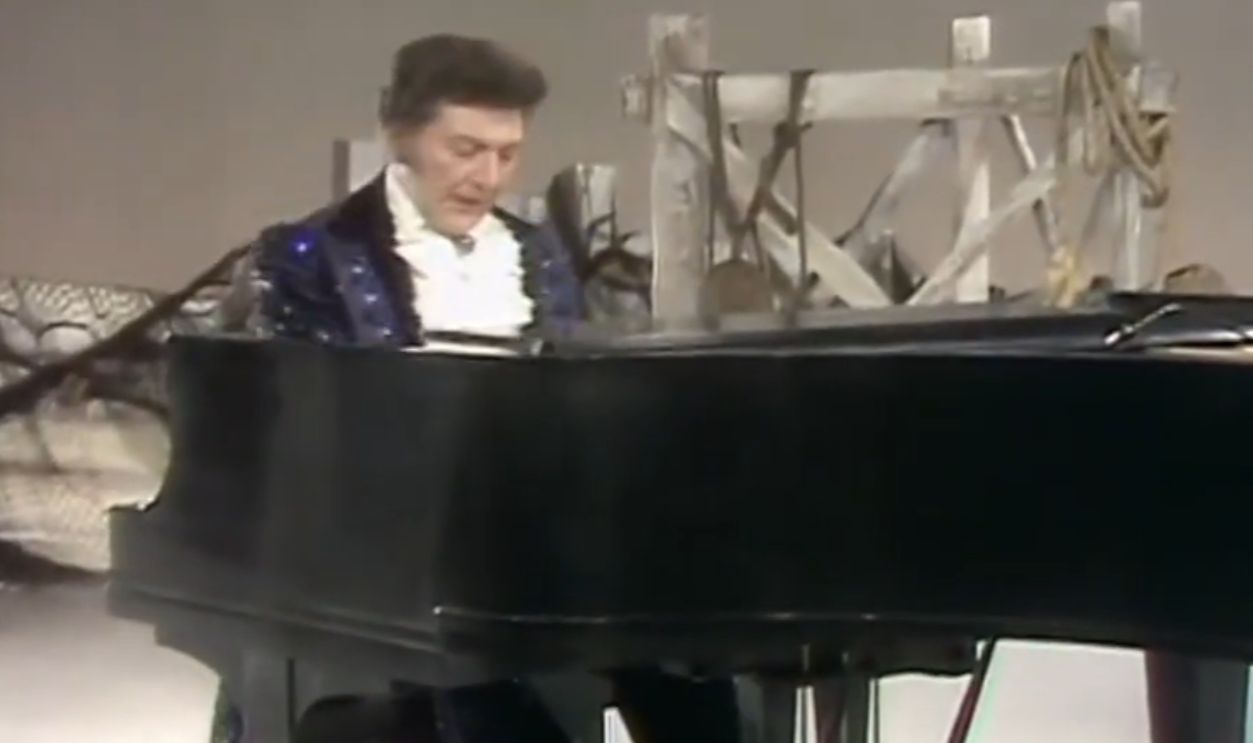
Liberace
Liberace was one of America’s most famous entertainers, known for his dazzling piano skills and extravagant style. His appearance on The Muppet Show was a perfect match for the series’ love of spectacle and humor. He embraced the comedy while showcasing the talent that made him a television icon. The result was a memorable blend of showmanship and Muppet chaos.
 Screenshot from The Muppet Show, ITC Entertainment (1976-1981)
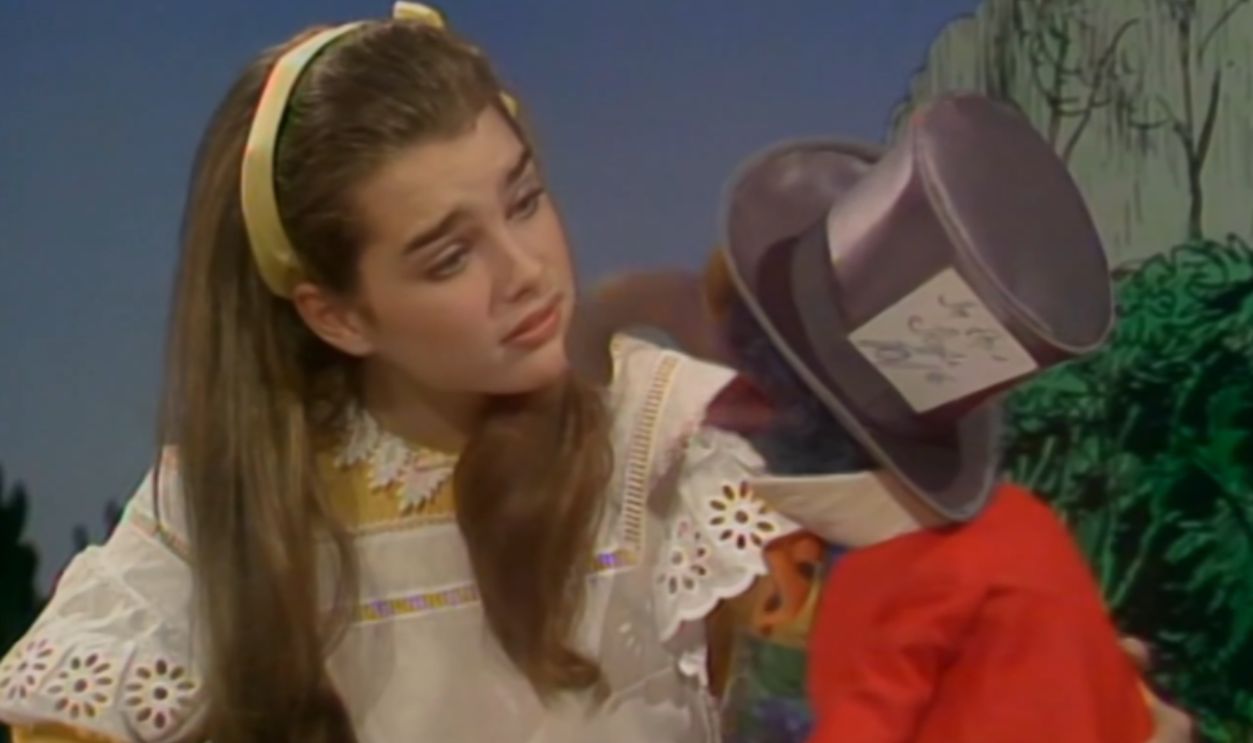
Brooke Shields
Brooke Shields was one of the most recognizable young stars of the late 1970s. Already famous through films and modeling, she brought major celebrity appeal to The Muppet Show. Her episode highlighted her charm and sense of humor. It remains a fun snapshot of a rising pop culture icon.
 Screenshot from The Muppet Show, ITC Entertainment (1976-1981)
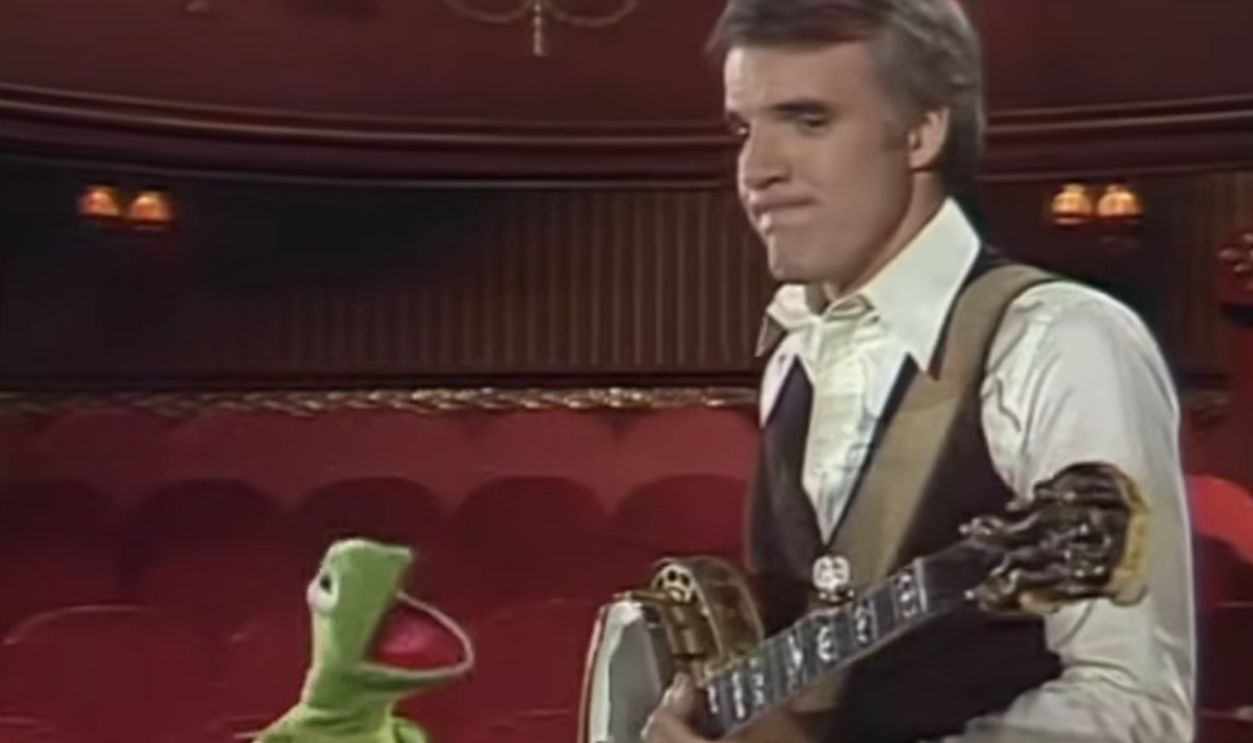
Steve Martin
Steve Martin’s episode came during the rise of his stand-up superstardom. His comedy already loved banjos, magic tricks, fake seriousness, and sudden nonsense. That made him one of the few guests who could meet Muppet logic on its own terms.
 Screenshot from The Muppet Show, ITC Entertainment (1976-1981)
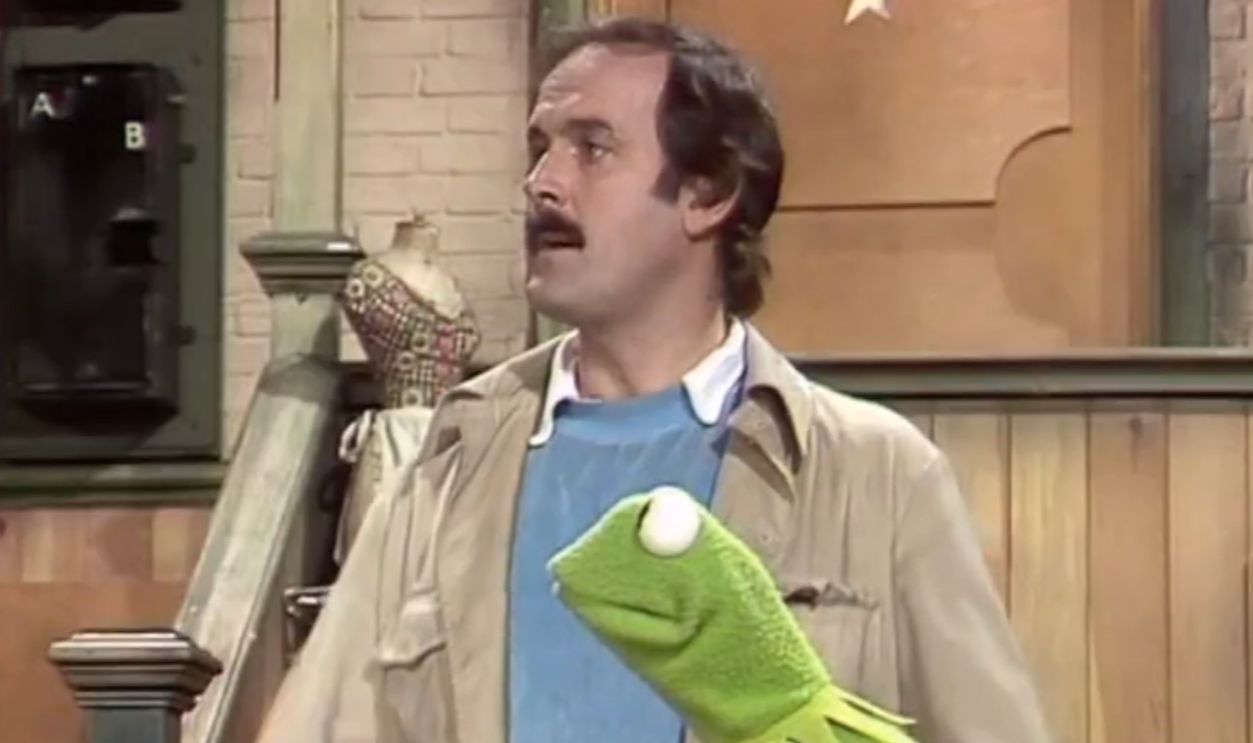
John Cleese
John Cleese was already famous for Monty Python’s Flying Circus and Fawlty Towers. His sharp, irritated comic style fit beautifully against Kermit’s desperate attempts to keep the show moving. The result felt like a collision between British farce and backstage puppet panic.
 Screenshot from The Muppet Show, ITC Entertainment (1976-1981)
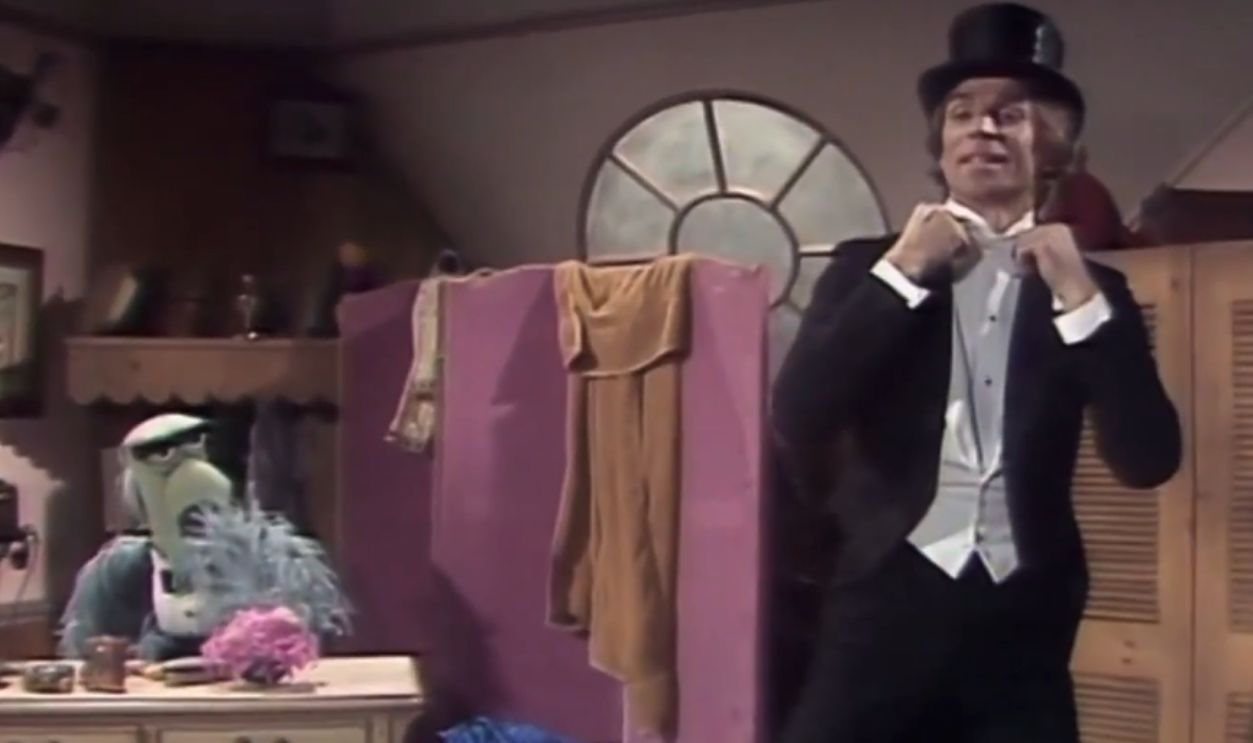
Rudolf Nureyev
Rudolf Nureyev was one of the most celebrated ballet dancers in the world. The Muppet Show did not treat that prestige like museum glass, which was exactly the point. His appearance showed that high art and ridiculous comedy could share the same spotlight.
 Screenshot from The Muppet Show, ITC Entertainment (1976-1981)
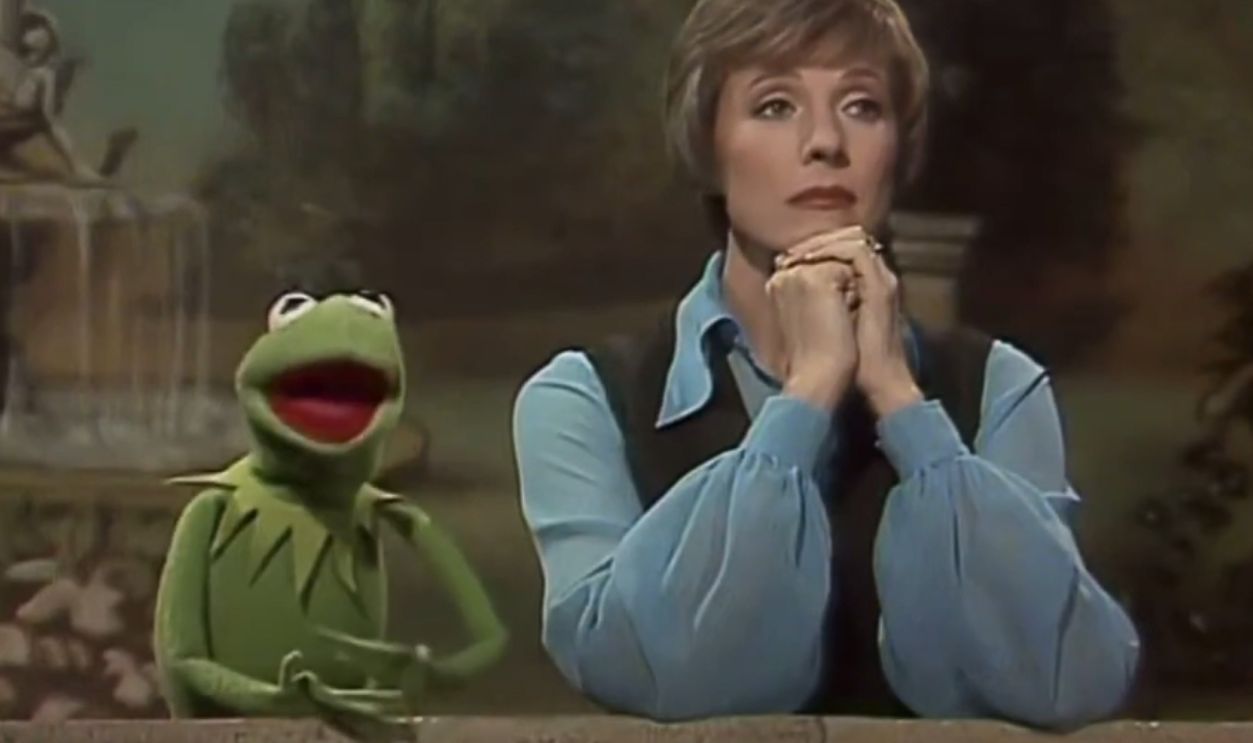
Julie Andrews
Julie Andrews brought warmth, precision, and musical authority to the Muppet theater. She was already beloved for Mary Poppins and The Sound of Music, which made her presence feel instantly comforting. The joy of her episode came from watching pure professionalism meet pure mayhem.
 Screenshot from The Muppet Show, ITC Entertainment (1976-1981)
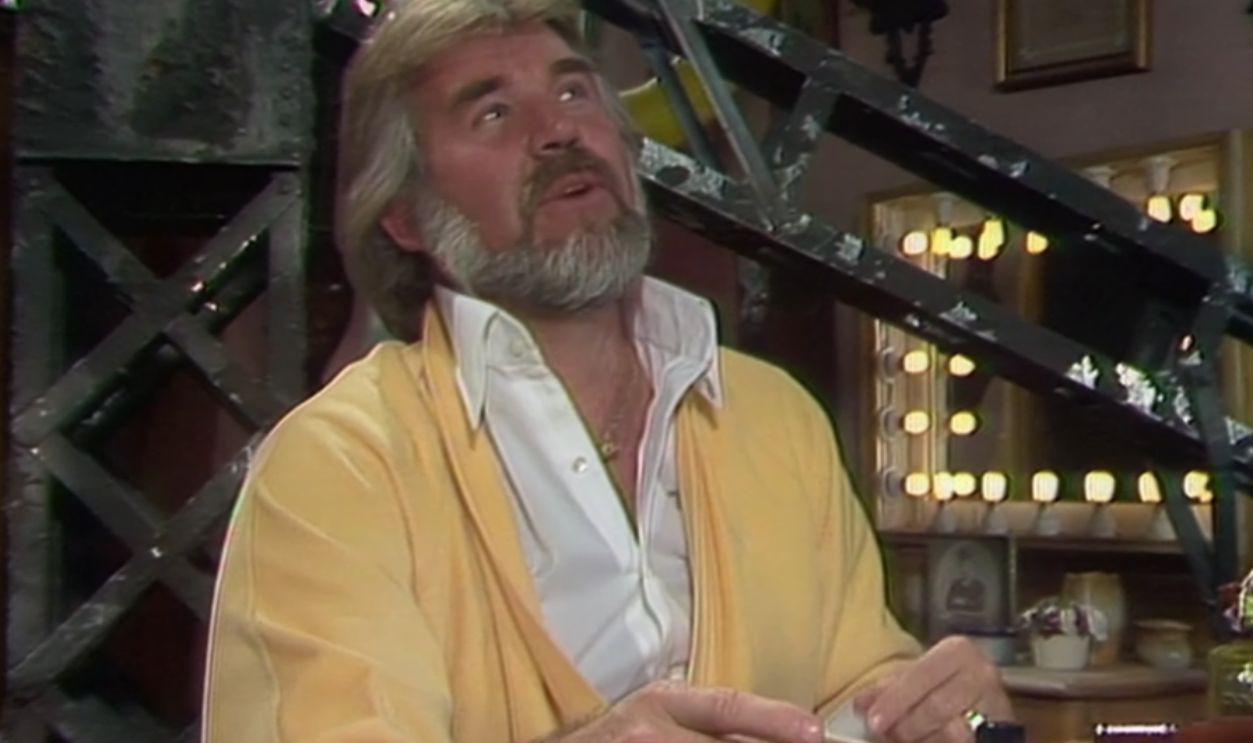
Kenny Rogers
Kenny Rogers was one of the biggest music stars of the late 1970s and early 1980s. Known for hits like The Gambler and Lucille, he brought his easygoing charm to The Muppet Show. His episode blended great music with the series' signature humor. It was a perfect showcase for one of country-pop's most beloved performers.
 Screenshot from The Muppet Show, ITC Entertainment (1976-1981)
Alice Cooper
Alice Cooper brought shock-rock theatrics to a show that was already halfway to a haunted vaudeville act. His stage persona mixed horror imagery with hard rock, which gave the Muppets a new kind of mischief to bounce against. The episode proved the show could welcome counterculture without losing its family-friendly wink.
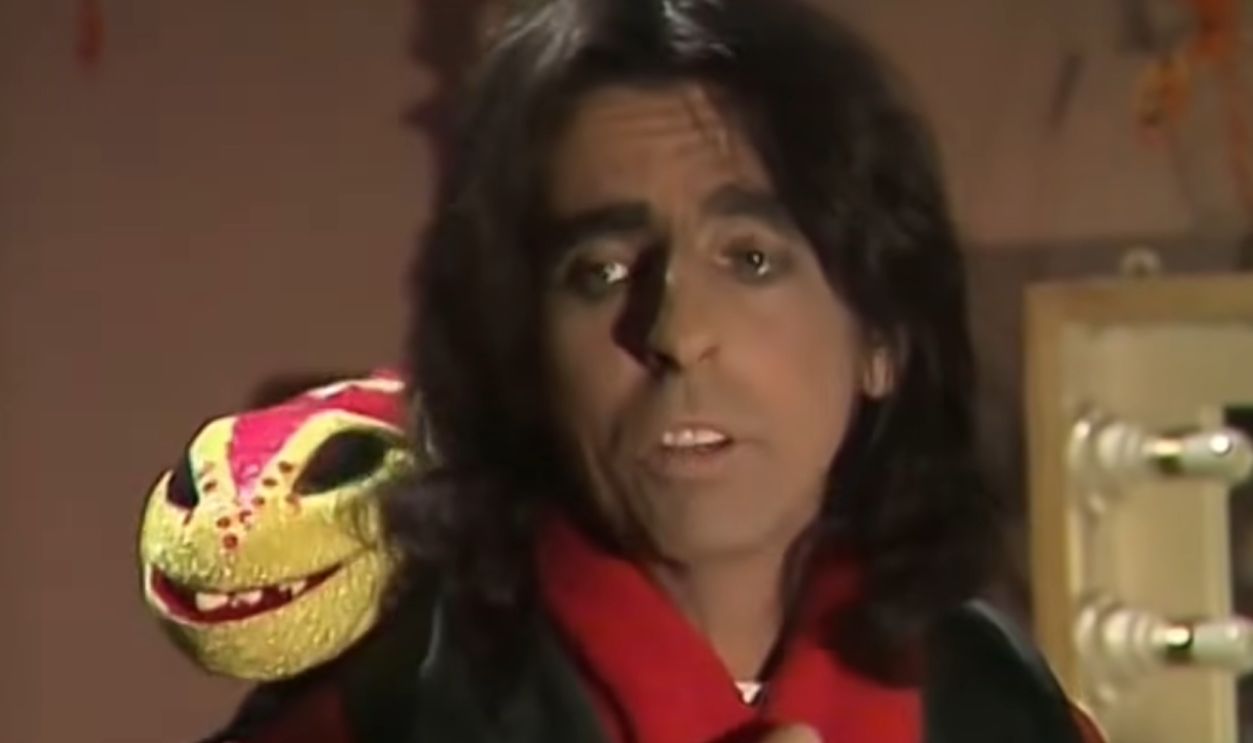 Screenshot from The Muppet Show, ITC Entertainment (1976-1981)
Raquel Welch
Raquel Welch appeared at a time when she was one of Hollywood’s most recognizable stars. Her screen image had been shaped by films like Fantastic Voyage and One Million Years B.C. On The Muppet Show, she showed the kind of self-aware glamour that made the format work.
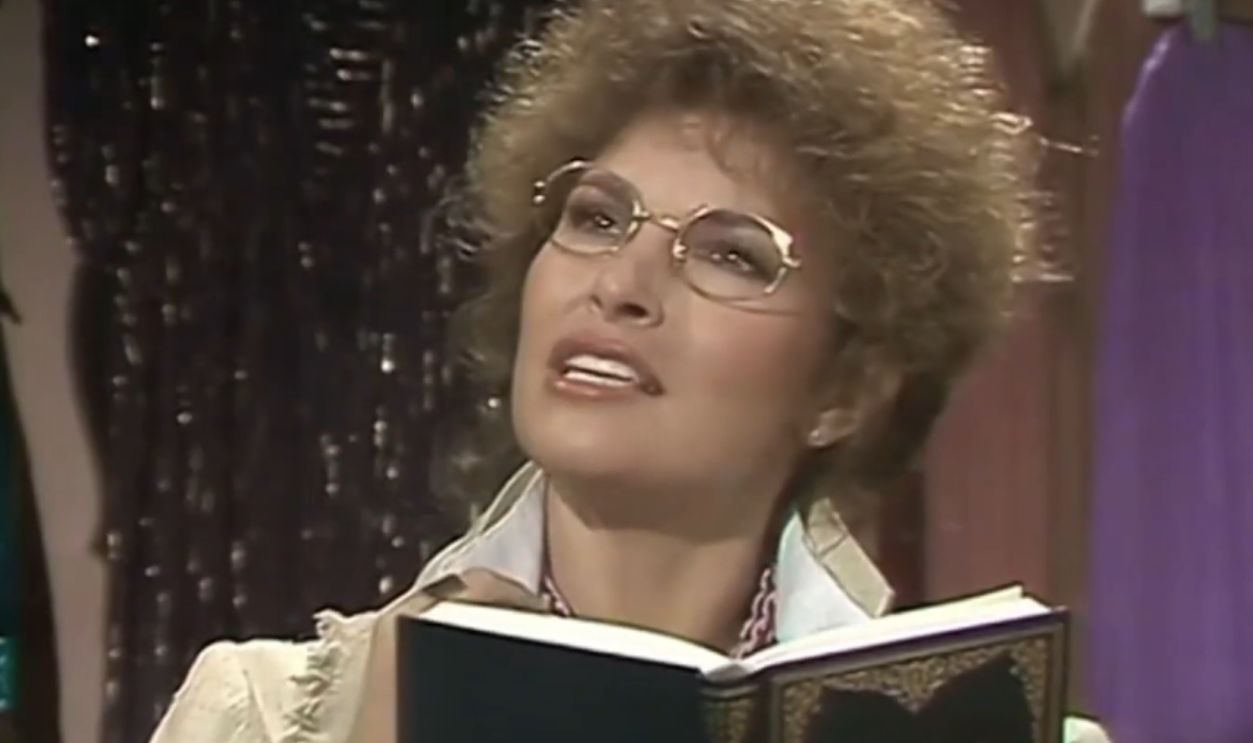 Screenshot from The Muppet Show, ITC Entertainment (1976-1981)
Harry Belafonte
Harry Belafonte brought more than star quality to The Muppet Show. He was a singer, actor, producer, and activist whose work helped popularize calypso music for American audiences. His appearance carried warmth and substance, which gave the episode a special emotional charge.
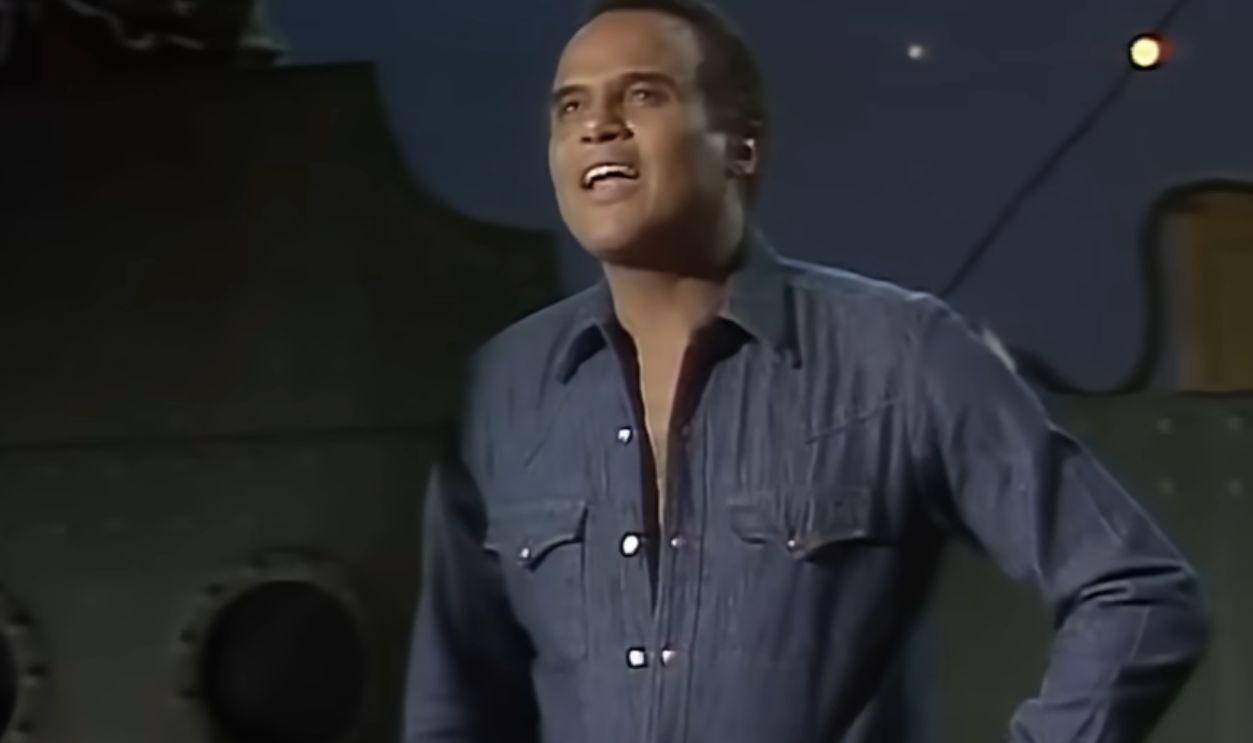 Screenshot from The Muppet Show, ITC Entertainment (1976-1981)
Liza Minnelli
Liza Minnelli brought classic show-business sparkle to the Muppet theater. Best known for Cabaret, she carried the energy of a performer who could command a room with one look. Her episode felt like a miniature nightclub act that just happened to have frogs, pigs, and chickens nearby.
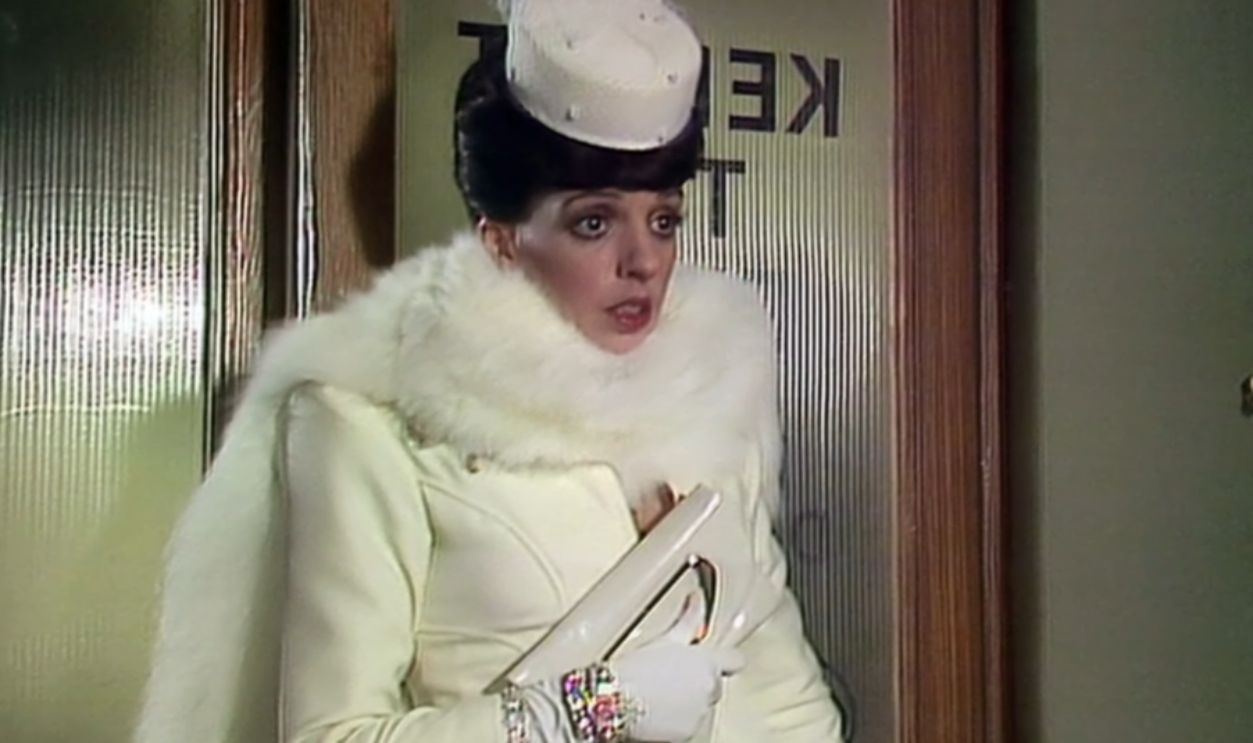 Screenshot from The Muppet Show, ITC Entertainment (1976-1981)
Christopher Reeve
Christopher Reeve appeared after becoming a household name as Superman. The Muppet Show gave him a chance to step out of superhero grandeur and into comic disorder. Seeing him play along with the absurdity made his charm feel even bigger.
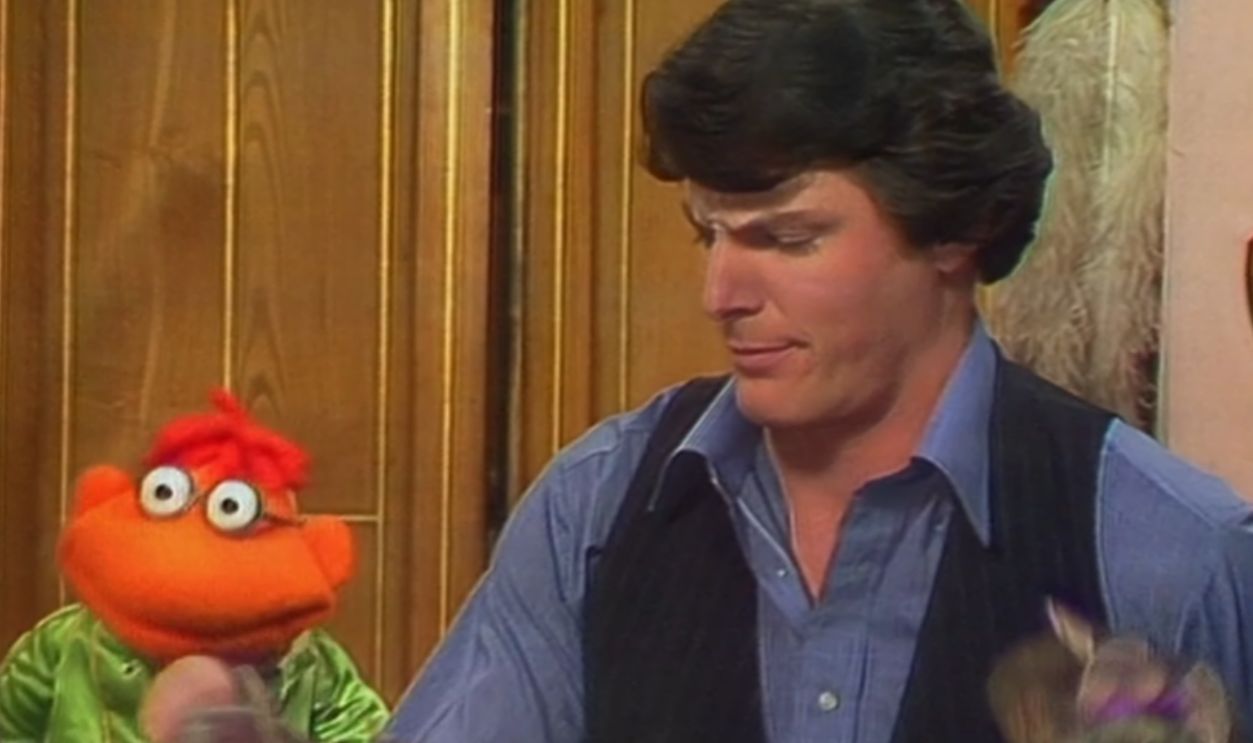 Screenshot from The Muppet Show, ITC Entertainment (1976-1981)
Mark Hamill
Mark Hamill’s appearance was a dream crossover for late 1970s pop culture fans. The episode featured Star Wars characters alongside the Muppets, turning the theater into a sci-fi variety-show mashup. It was silly, bold, and exactly the kind of stunt only this show could pull off.
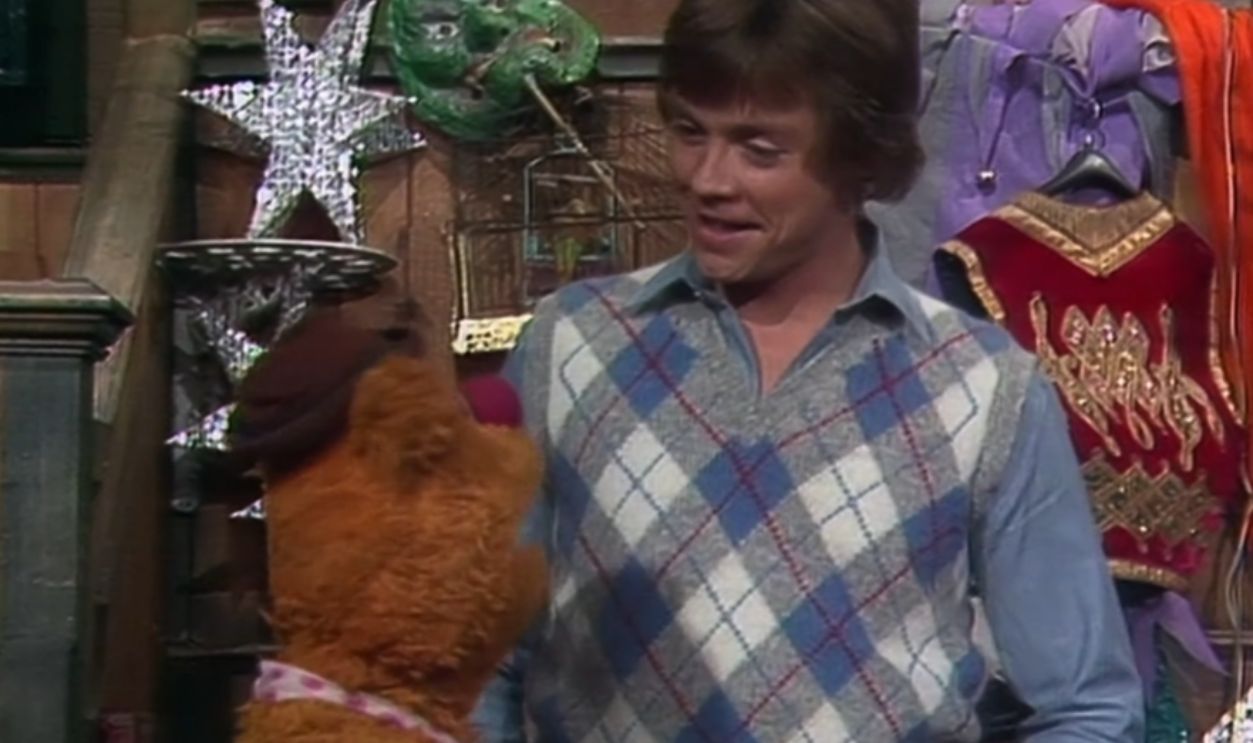 Screenshot from The Muppet Show, ITC Entertainment (1976-1981)
Vincent Price
Vincent Price was a perfect fit for the Muppets because he understood theatricality better than almost anyone. Famous for his horror roles and unmistakable voice, Price leaned into the show’s playful weirdness. His episode let the Muppets flirt with fright without ever losing their grin.
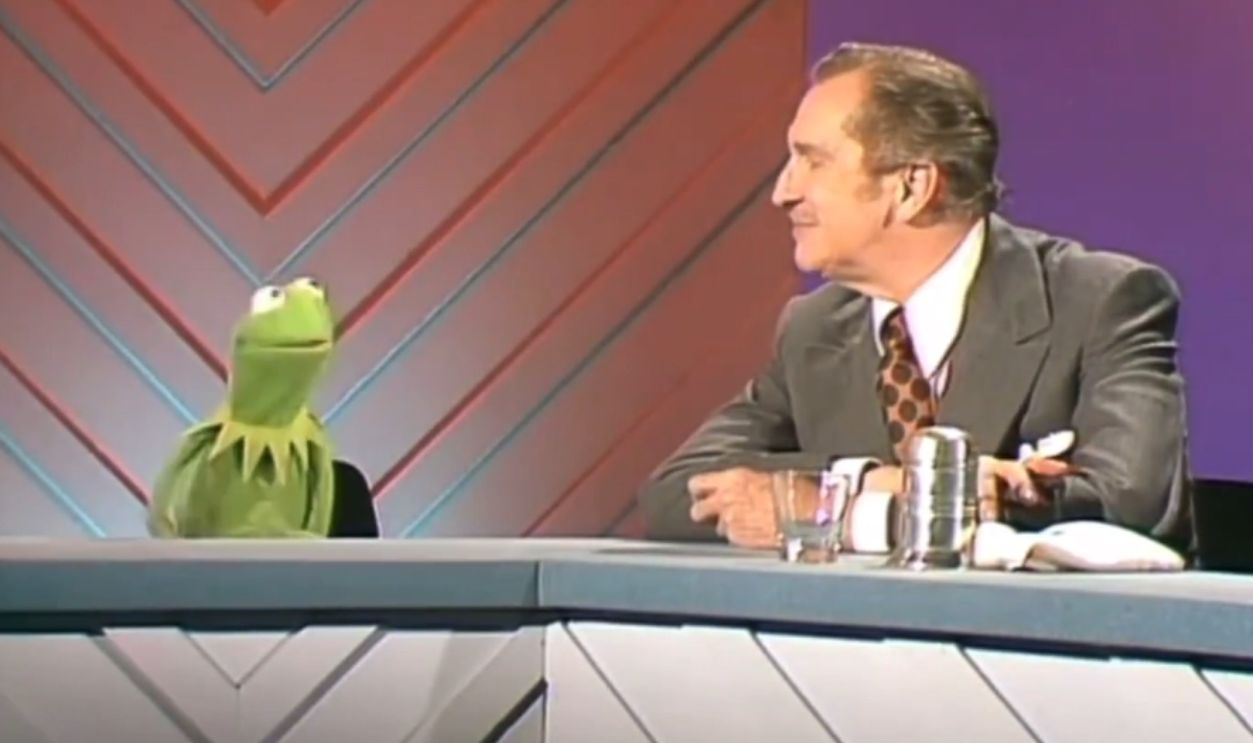 Screenshot from The Muppet Show, ITC Entertainment (1976-1981)
Diana Ross
Diana Ross arrived with a legacy that stretched from the Supremes to a major solo career. Her elegance and pop authority gave the Muppet stage a dose of Motown glamour. The episode worked because Ross did not need to compete with the chaos around her.
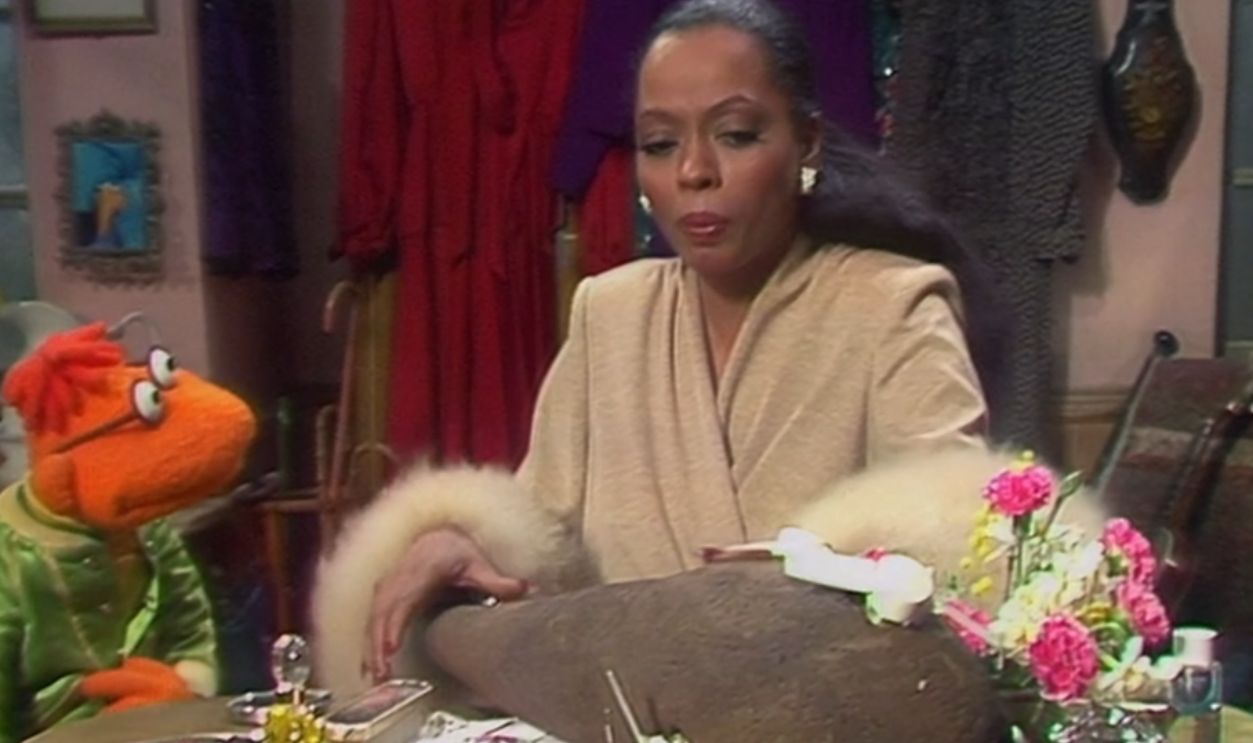 Screenshot from The Muppet Show, ITC Entertainment (1976-1981)
Roger Moore
Roger Moore’s visit gave the Muppets their own brush with James Bond cool. Moore had played Bond throughout the 1970s and into the 1980s, which made his polished persona instantly recognizable. The fun came from watching that smoothness survive a building full of unpredictable performers.
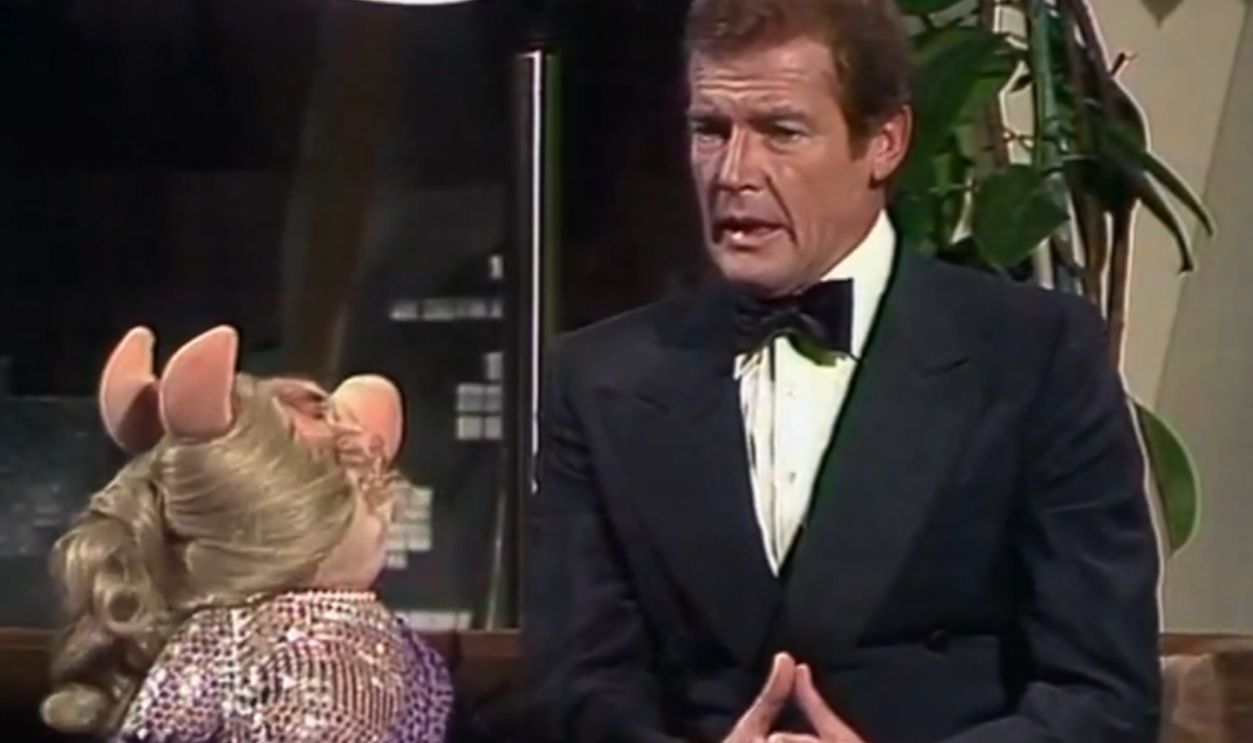 Screenshot from The Muppet Show, ITC Entertainment (1976-1981)
Paul Simon
Paul Simon brought a quieter kind of star power to The Muppet Show. His songwriting career, from Simon and Garfunkel to his solo work, had made him one of popular music’s most respected figures. His episode reminded viewers that the show could slow down and still hold the room.
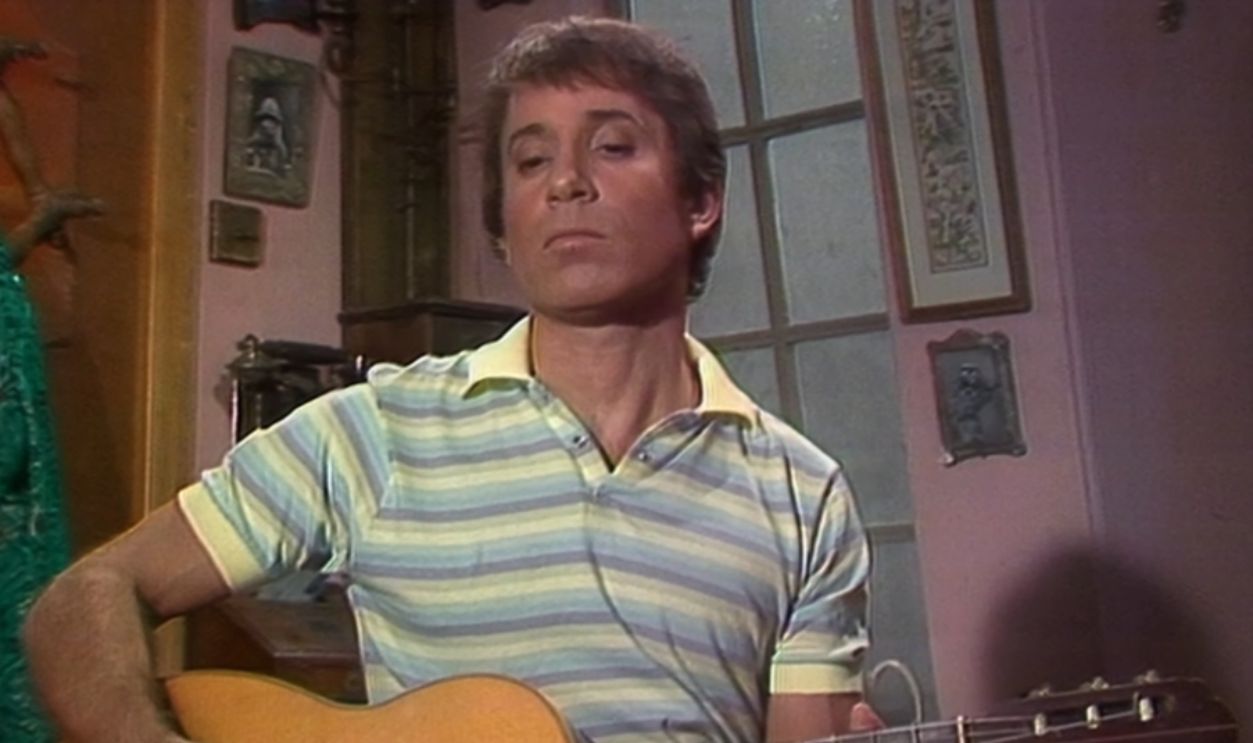 Screenshot from The Muppet Show, ITC Entertainment (1976-1981)
Debbie Harry
Debbie Harry arrived as the face and voice of Blondie, one of the defining bands of the new wave era. Her cool style and rock edge gave the Muppets a direct line to the late 1970s music scene. The pairing worked because the show was never afraid of sounding current.
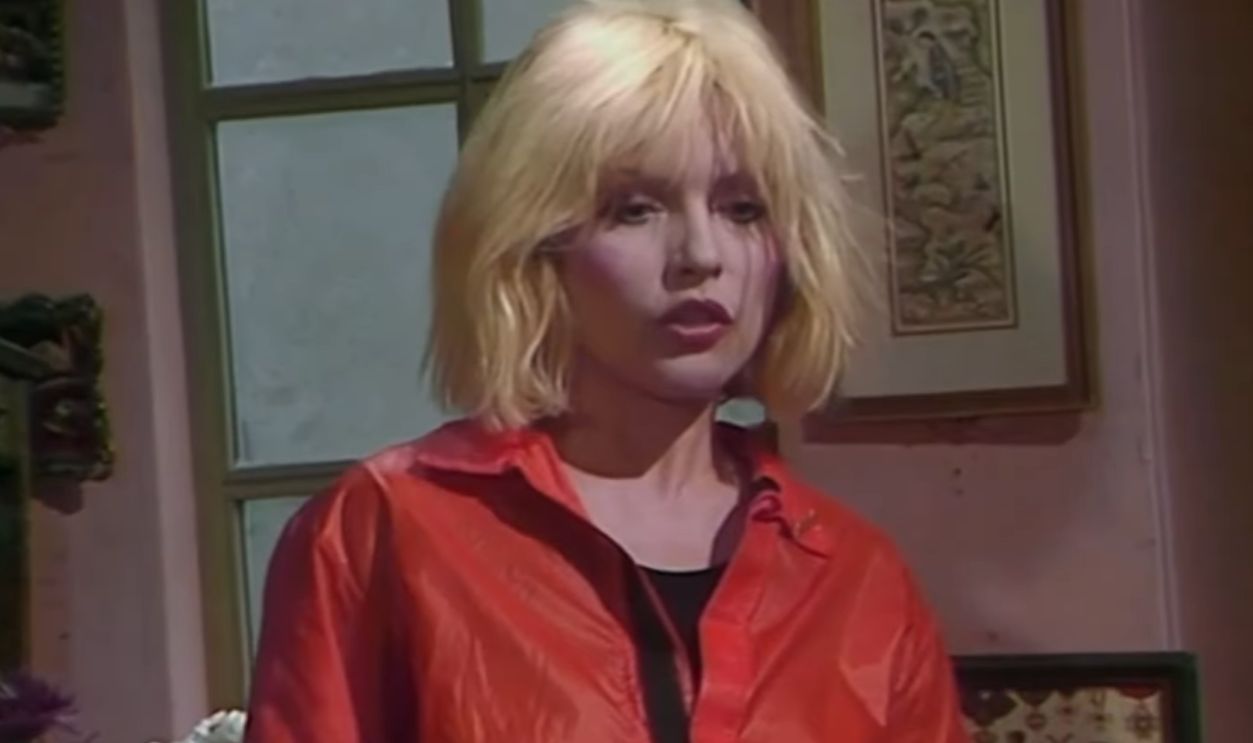 Screenshot from The Muppet Show, ITC Entertainment (1976-1981)
Johnny Cash
Johnny Cash brought a voice and presence that changed the temperature of any room. Known for broadening the reach of country and western music, he carried an authority that felt grounded and unmistakable. Around the Muppets, that seriousness became charming rather than heavy.
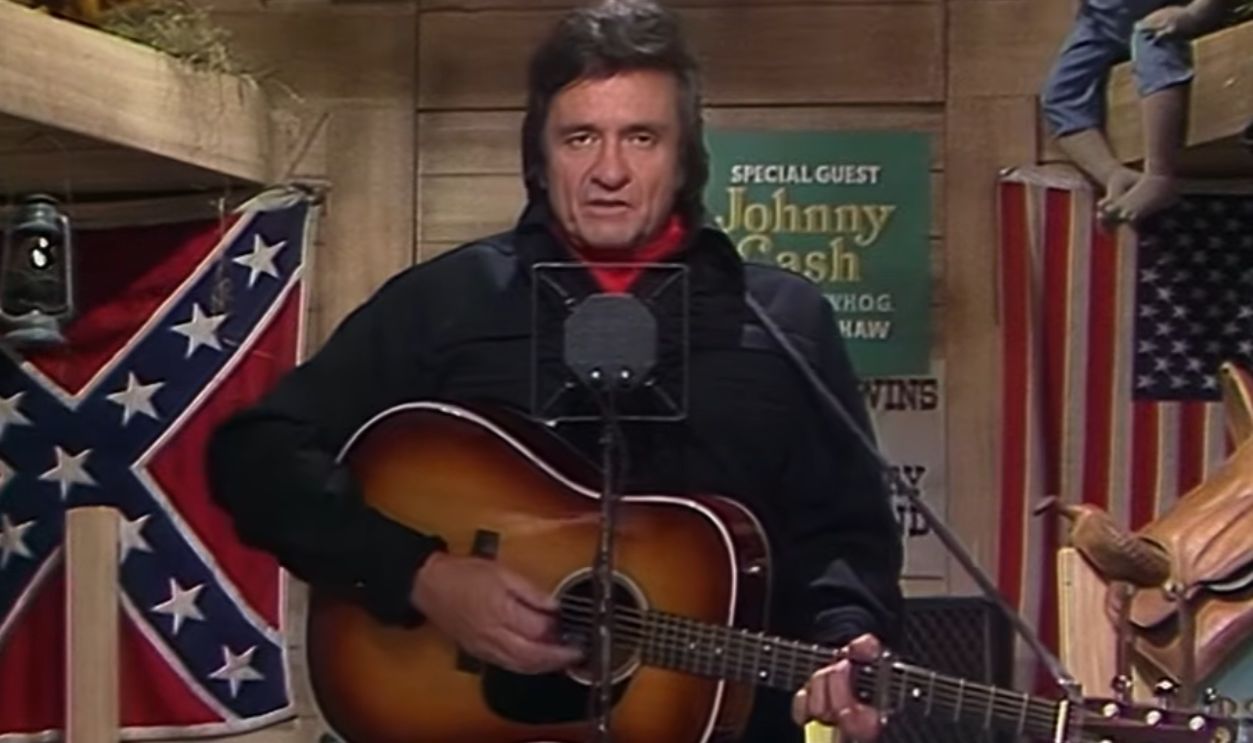 Screenshot from The Muppet Show, ITC Entertainment (1976-1981)
Gene Kelly
Gene Kelly appeared in the final season, bringing one of Hollywood’s greatest musical-film legacies to the Muppet stage. His work in Singin’ In The Rain and An American In Paris had helped redefine dance on screen. His appearance felt like a graceful bow from old Hollywood to a new kind of variety-show magic.
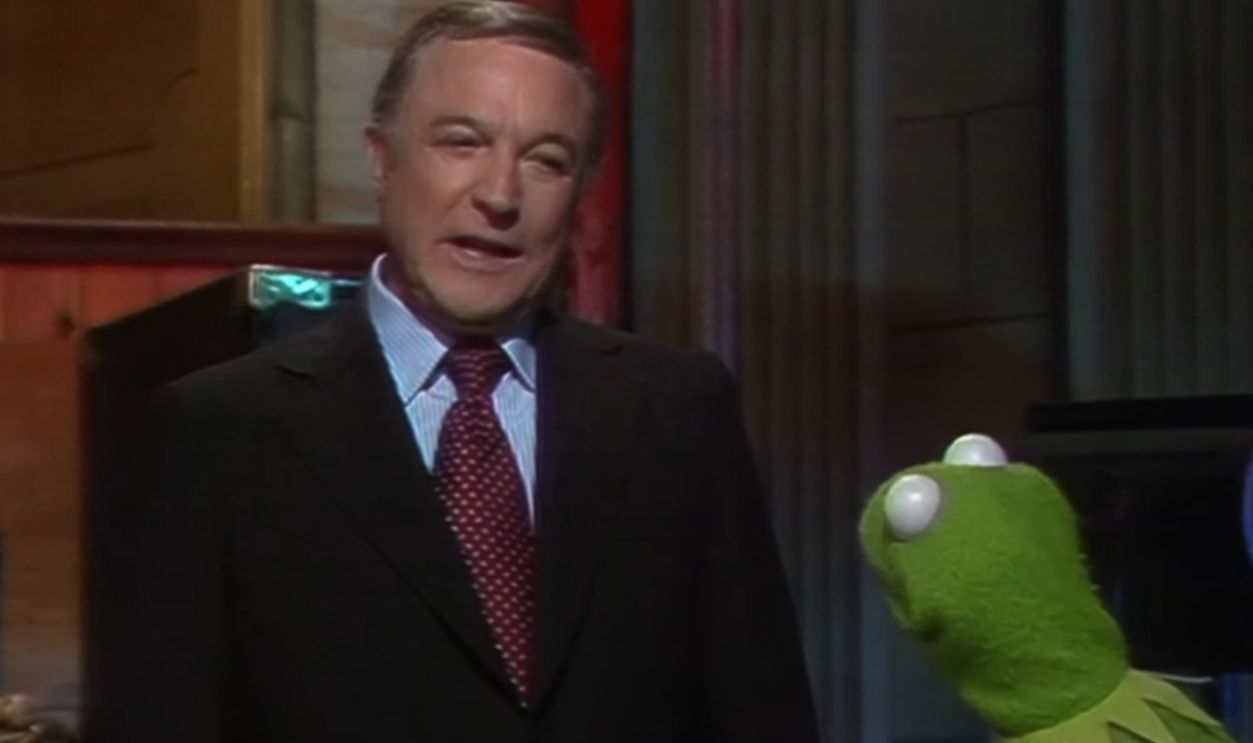 Screenshot from The Muppet Show, ITC Entertainment (1976-1981)
You May Also Like:
Why Andy Williams Remained Relevant Long After His Peers Faded
Sources: 1, 2, 3, 4, 5, 6, 7, 8, 9, 10, 11, 12, 13, 14, 15, 16, 17, 18, 19, 20, 21, 22, 23, 24, 25