Fame Was Only The First Act
Some TV stars collect awards, cash checks, and move on to the next role. Others quietly transform their fame into companies, investments, product lines, and media brands worth millions or even billions. While fans were focused on their favorite shows, stars like Martha Stewart, Ryan Reynolds, Jessica Alba, and the Olsen twins were building impressive business empires behind the scenes. They didn't just stay famous. They built ownership.
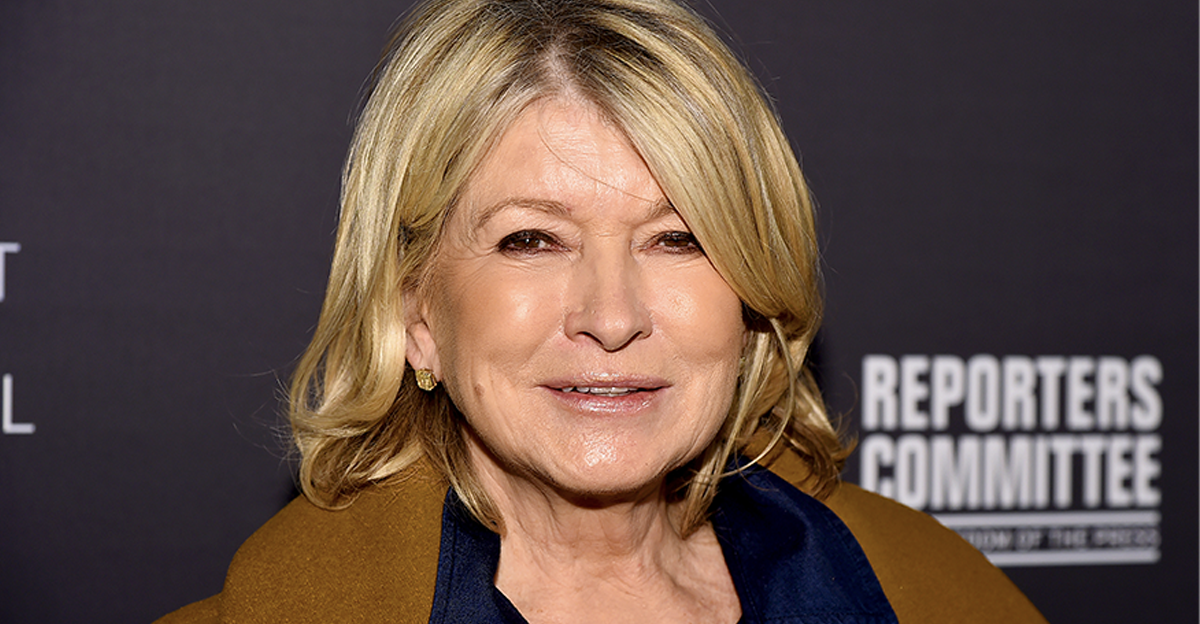
Oprah Winfrey
Oprah Winfrey did more than host one of the most successful talk shows in television history. She built Harpo Productions, launched OWN, produced films and series, and became one of the rare entertainers to turn a personal brand into billionaire-level wealth. Her business strength came from owning the platform, not just appearing on it. That move changed the playbook for nearly every TV personality who followed.
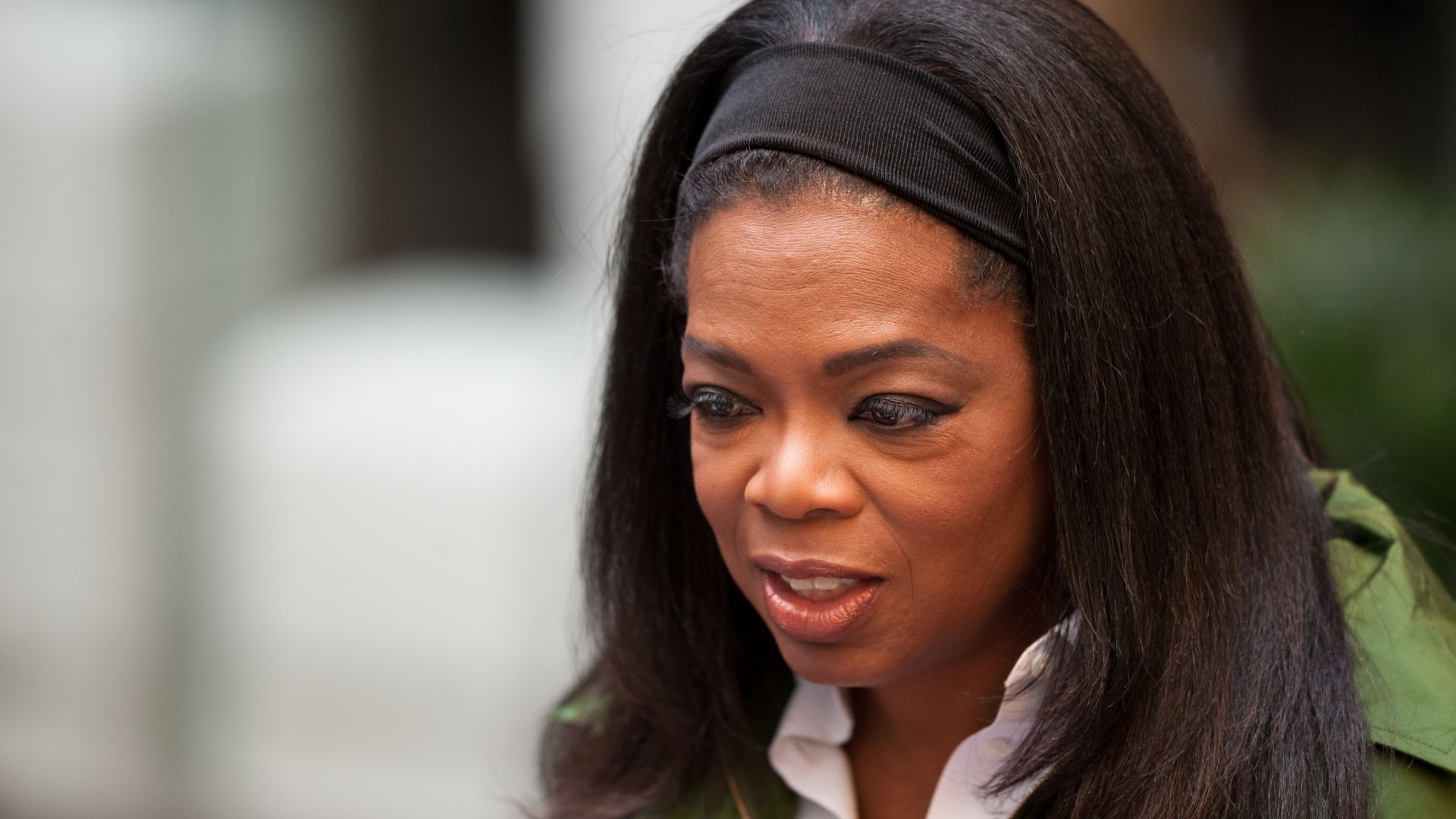 Bill Ebbesen, Wikimedia Commons
Reese Witherspoon
Reese Witherspoon was already a star when she began building Hello Sunshine around stories led by women. The company produced projects including Big Little Lies, The Morning Show, and Little Fires Everywhere. In 2021, a Blackstone-backed company bought a majority stake in Hello Sunshine in a deal that valued it at about $900 million. Witherspoon proved that taste, timing, and ownership could be just as powerful as box office numbers.
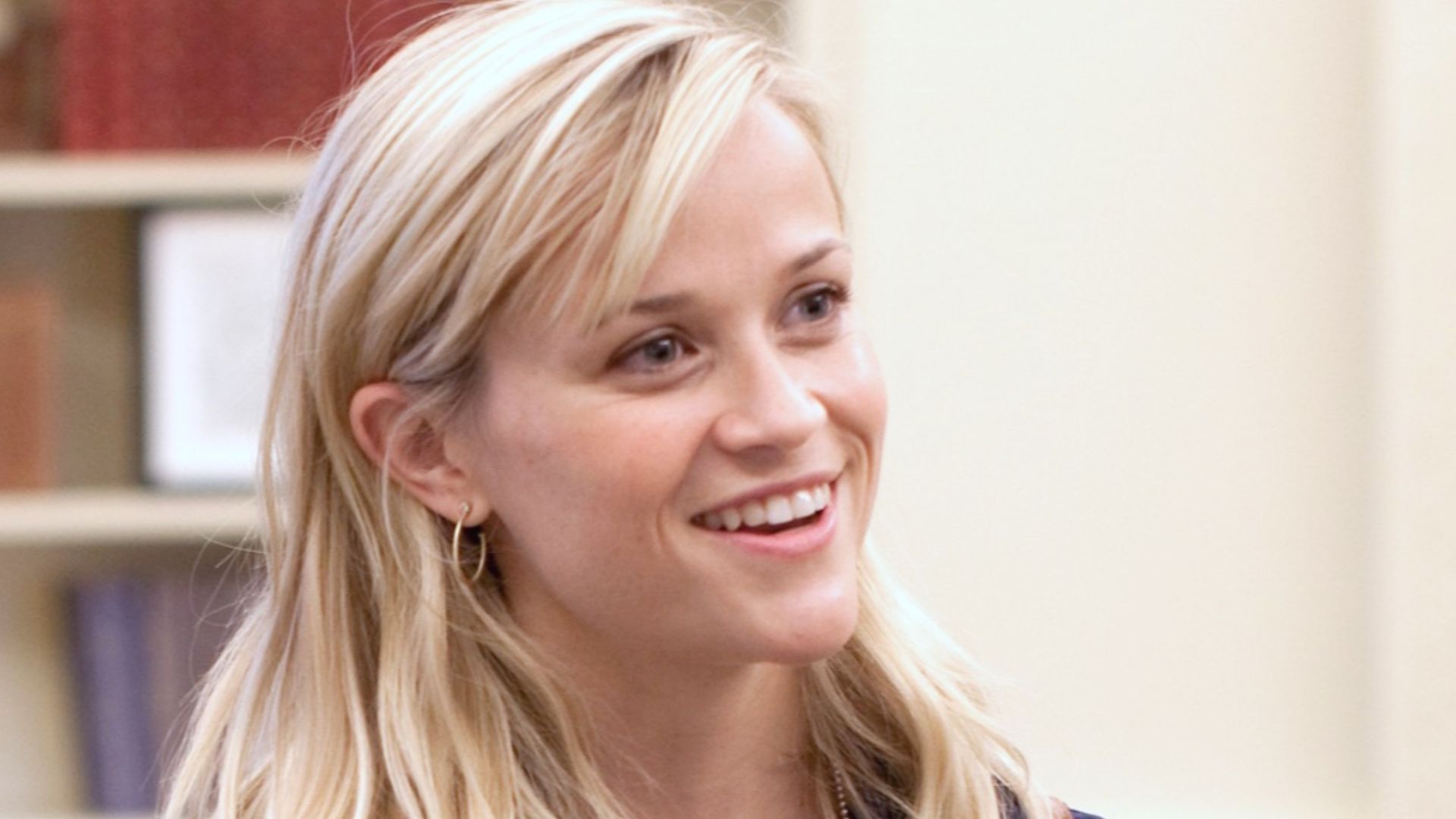 Official White House Photo by Pete Souza, Wikimedia Commons
Jessica Alba
Jessica Alba became a household name on Dark Angel, then quietly built one of the best-known celebrity consumer brands. She co-founded The Honest Company to sell baby, beauty, and household products with a cleaner-living message. The company went public in 2021 after years of major venture backing and high-profile retail growth. Alba later stepped down from her executive role, but her founder story remains one of TV’s biggest business pivots.
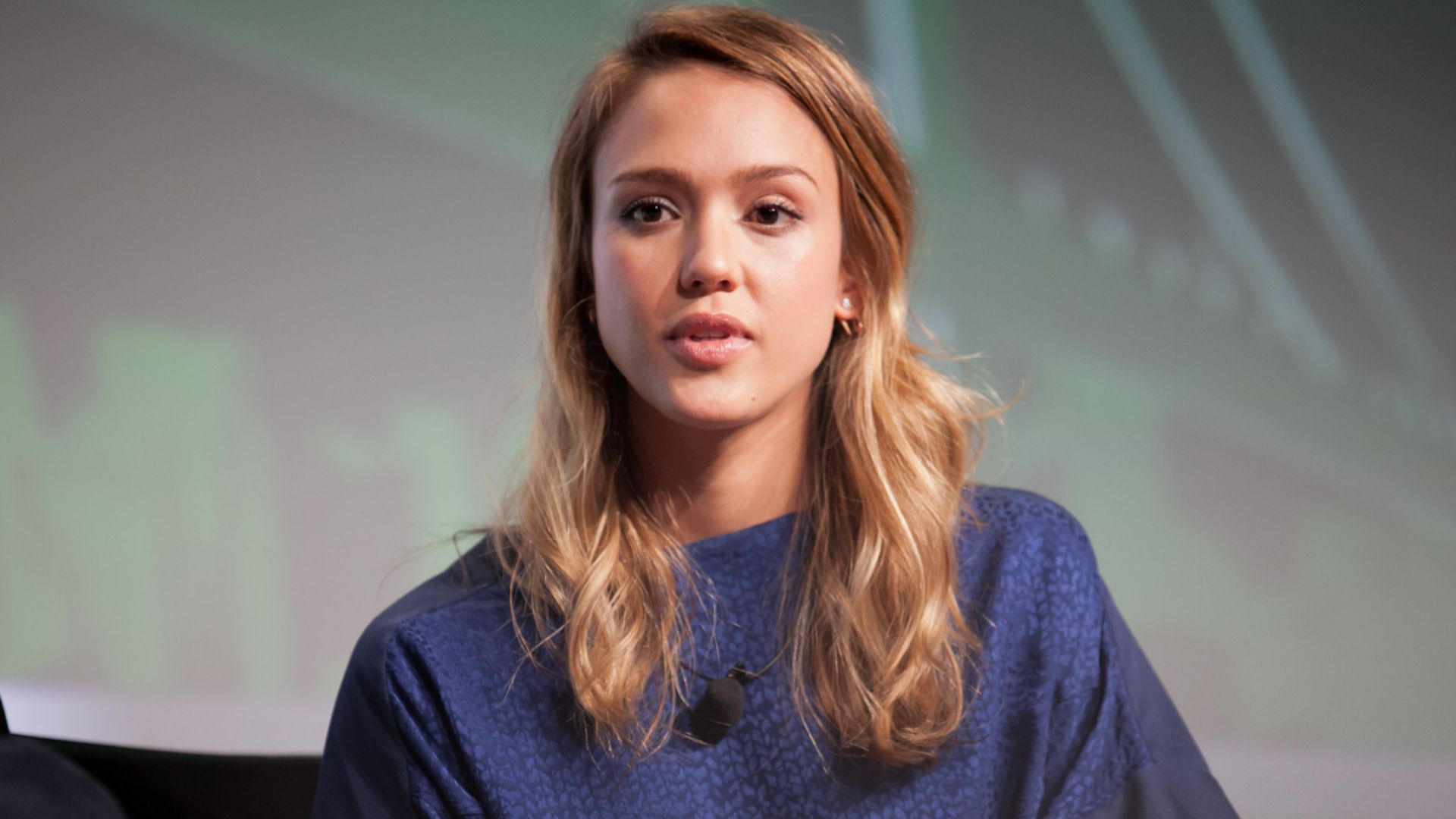 JD Lasica from Pleasanton, CA, US, Wikimedia Commons
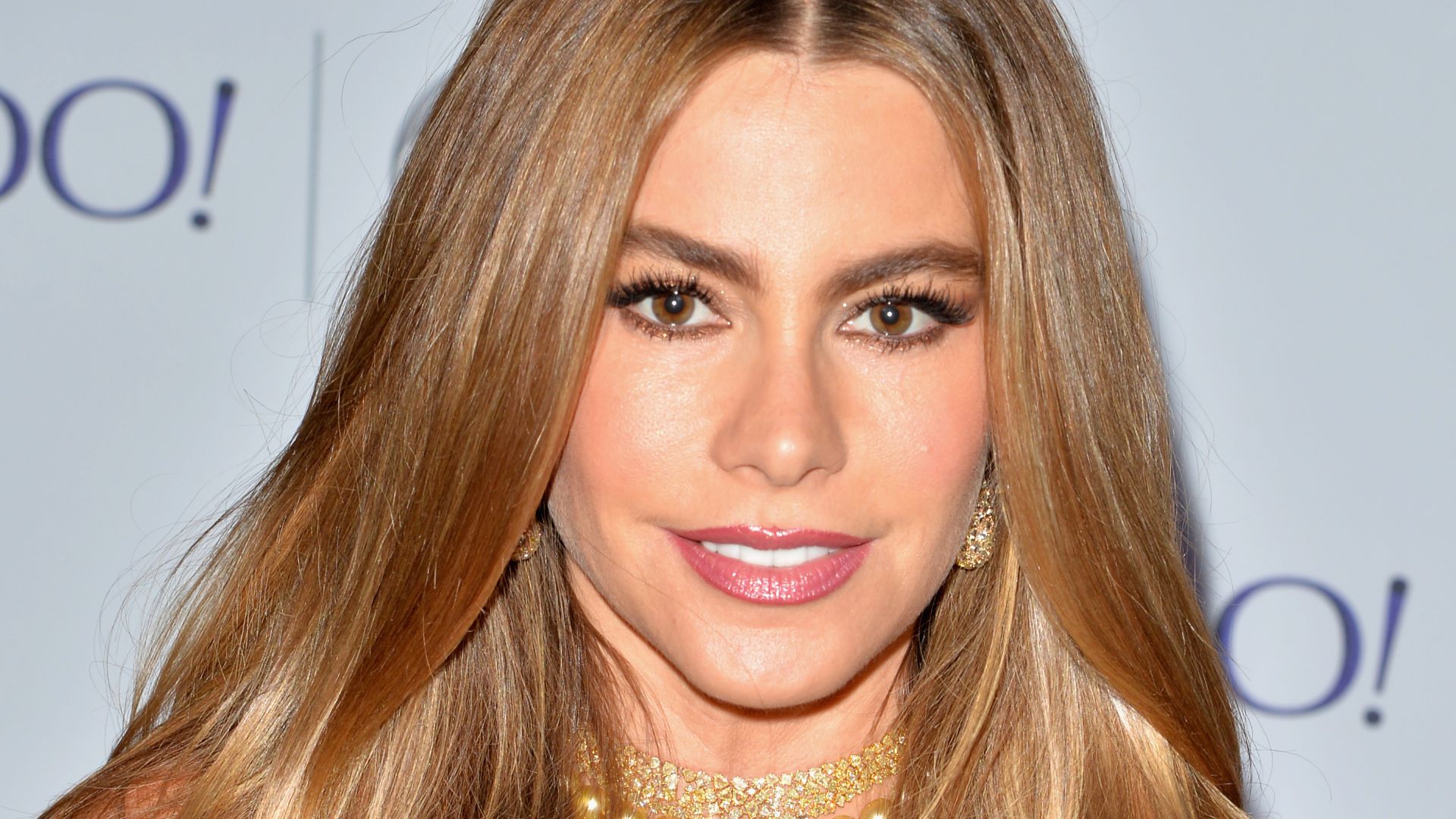
Sofia Vergara
Sofia Vergara became a sitcom superstar through Modern Family, but her business career started long before Gloria Pritchett became iconic. She co-founded Latin World Entertainment, built licensing and endorsement deals, and expanded into brands including EBY. Her success came from understanding that visibility could become ownership if handled carefully. Vergara turned TV fame into a long-running commercial engine.
 Yahoo from Sunnyvale, California, USA, Wikimedia Commons
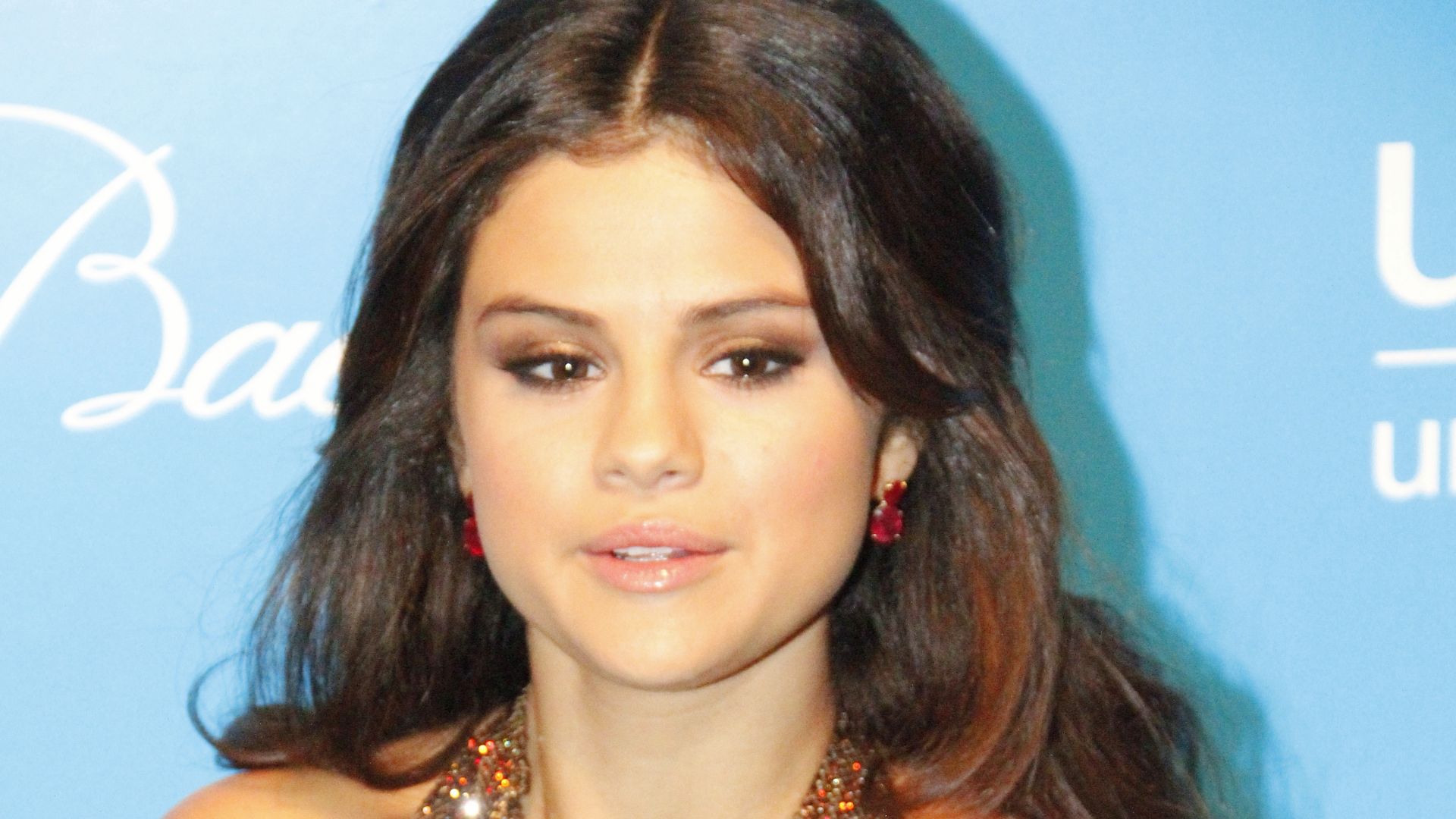
Selena Gomez
Selena Gomez grew up on television through Wizards of Waverly Place, then returned to major TV success with Only Murders in the Building. Her biggest business leap came with Rare Beauty, the cosmetics brand she launched in 2020. Bloomberg and other outlets have tied much of her billionaire-level wealth to the brand’s rapid growth. Gomez built a company that connected makeup, mental health messaging, and a massive fan base.
 Joella Marano from Manhattan, NYC, Wikimedia Commons
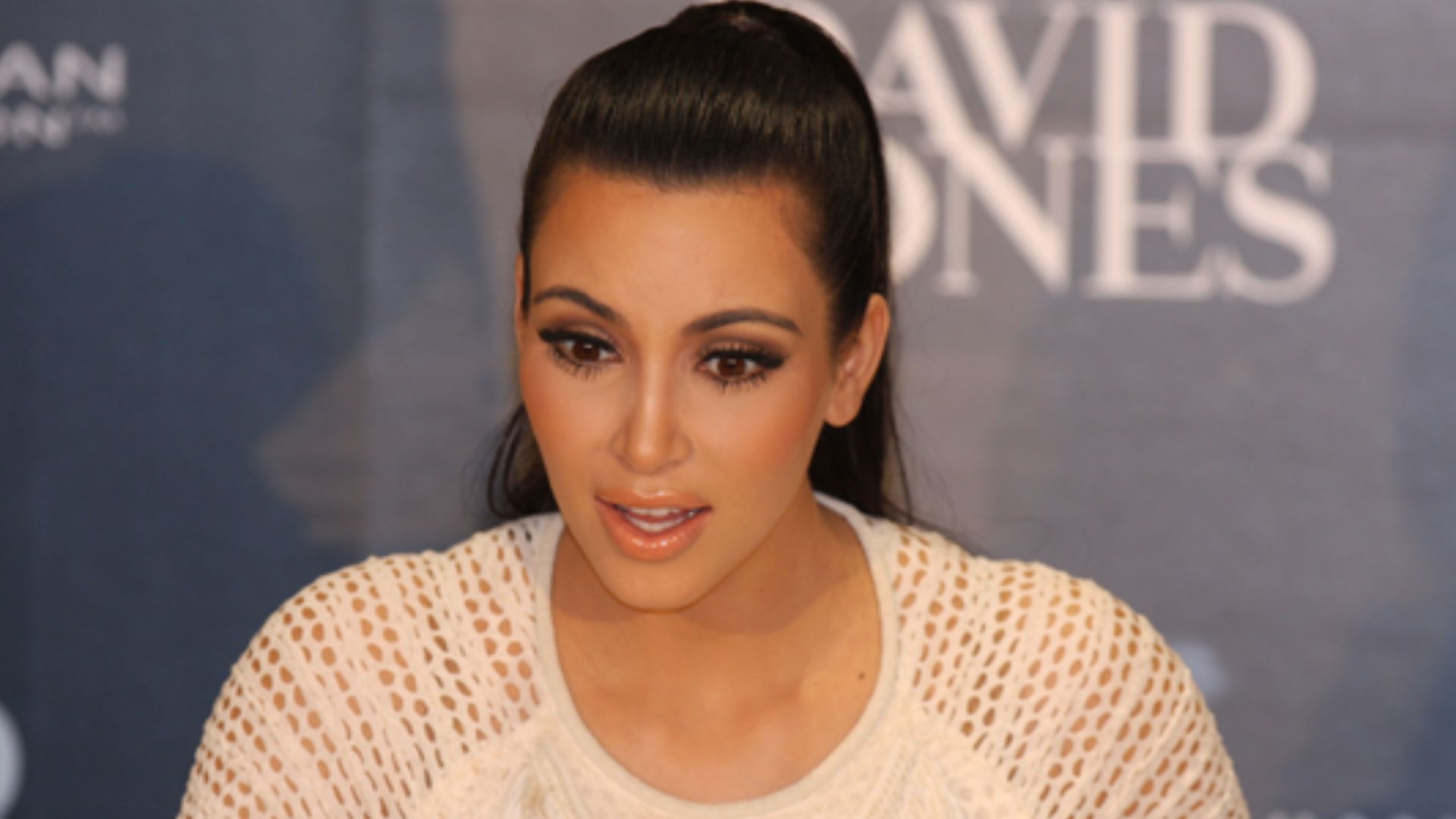
Kim Kardashian
Kim Kardashian used reality TV fame as the launchpad for one of the most valuable celebrity brands in fashion. Skims, the shapewear and apparel company she co-founded, reached a $4 billion valuation in 2023 after a major funding round. The brand expanded far beyond shapewear into loungewear, menswear, and retail partnerships. Kardashian’s empire shows how reality TV attention can become a serious consumer business.
 Eva Rinaldi, Wikimedia Commons
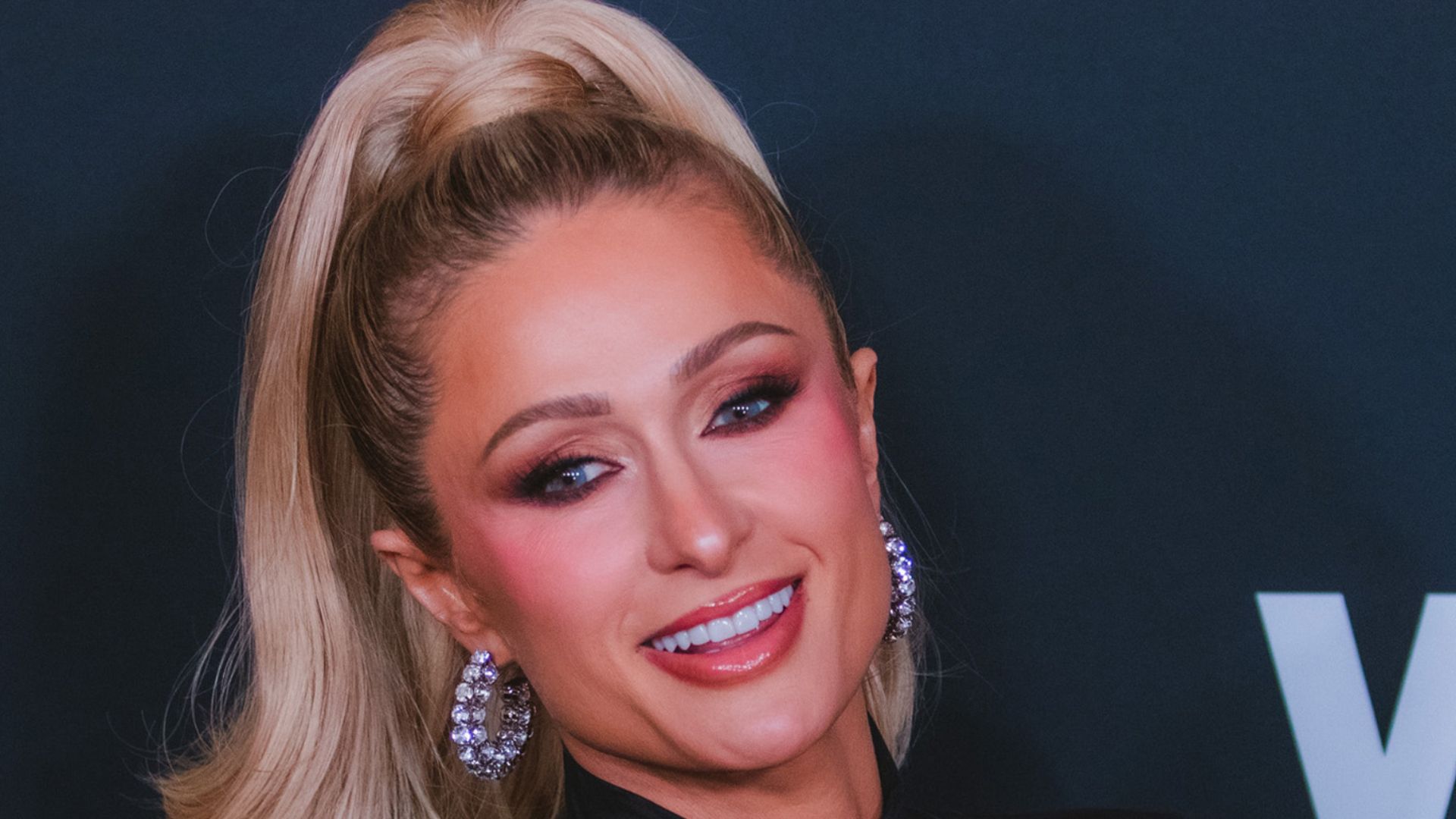
Paris Hilton
Paris Hilton became a television phenomenon with The Simple Life, but her business strategy was much bigger than being famous. She built a global licensing empire across fragrances, fashion, accessories, and media ventures. Her fragrance business alone has generated billions in reported retail sales over time. Hilton quietly became one of the clearest examples of celebrity branding done at scale.
Ashton Kutcher
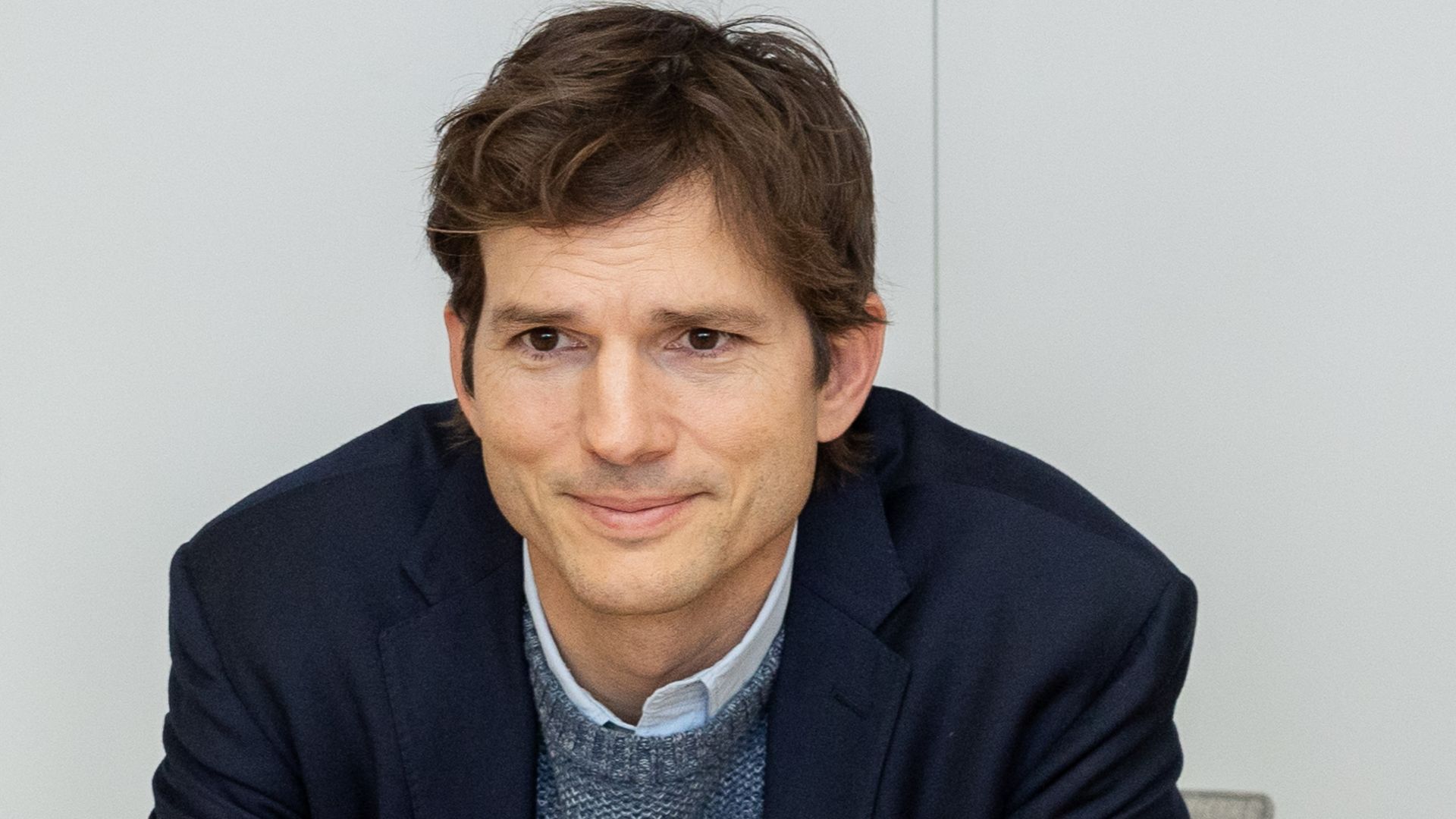
Ashton Kutcher was a sitcom star on That ’70s Show before he became known as one of Hollywood’s most successful tech investors. He co-founded A-Grade Investments and later Sound Ventures, backing companies connected to major shifts in consumer technology. His early investment reputation grew through stakes linked to companies such as Airbnb, Uber, and Spotify. Kutcher quietly became the guy many founders wanted in the room.
 Photographer: Jennifer Jacquemart, Wikimedia Commons
Martha Stewart
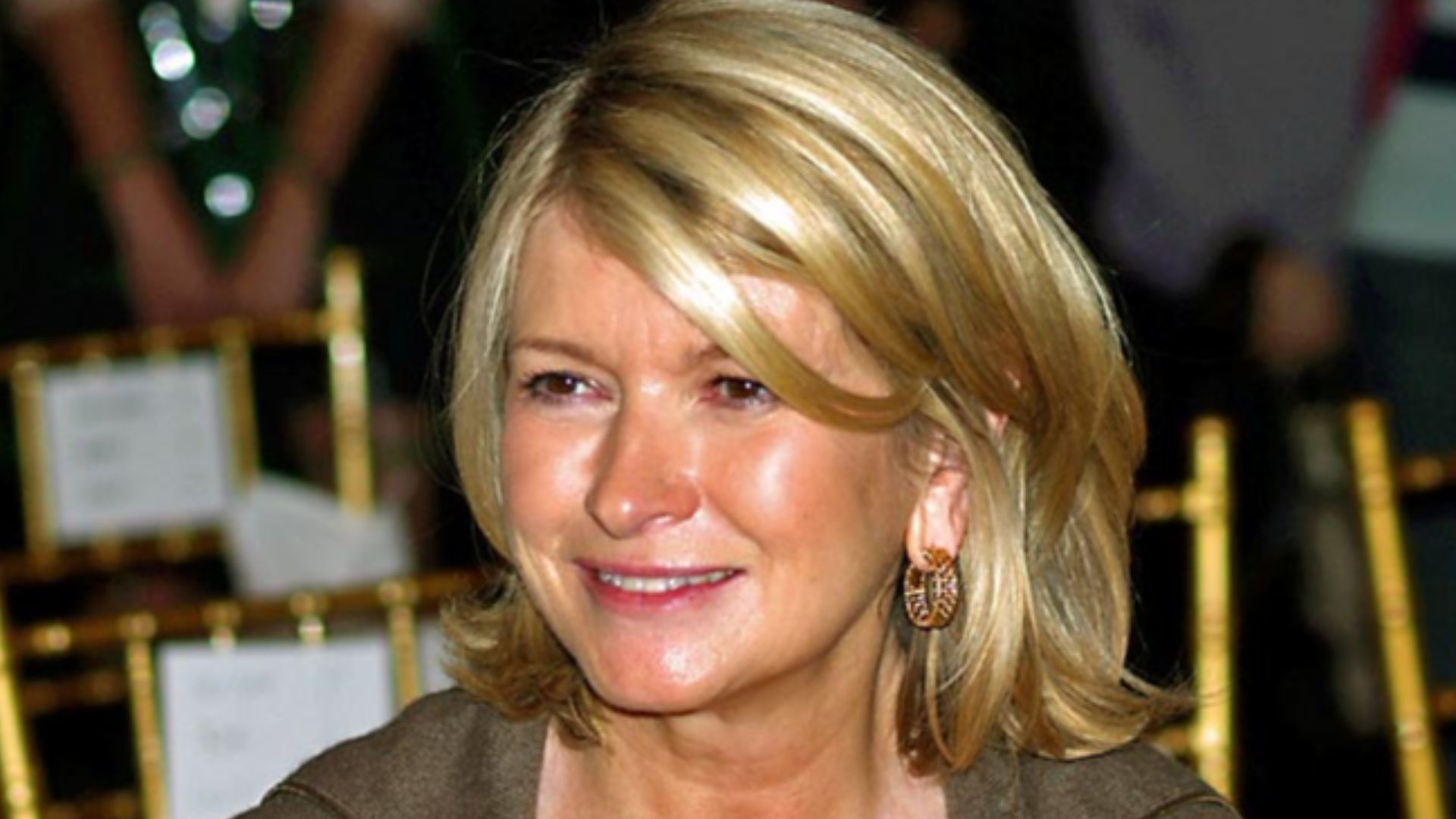
Martha Stewart turned cooking, decorating, and home advice into a media and merchandising empire. Martha Stewart Living Omnimedia went public in 1999 and made her one of the most powerful lifestyle figures in American business. Her television presence helped sell magazines, products, books, and branded ideas about domestic life. Stewart showed that a trusted TV persona could become an entire commercial category.
 Peter Duhon from New York City, USA, Wikimedia Commons
Rachael Ray
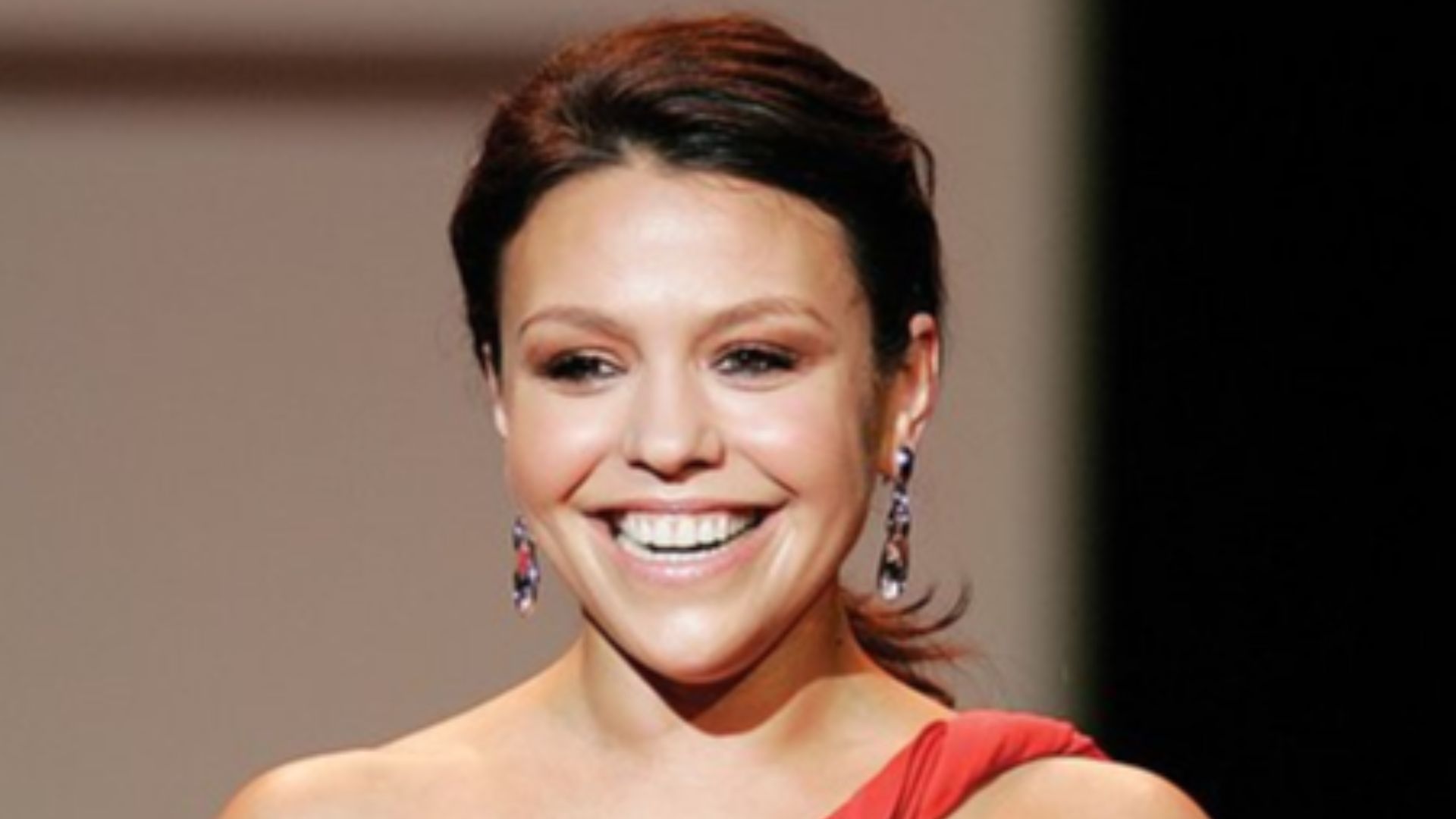
Rachael Ray became a daytime TV staple with her approachable cooking style. She later extended her brand into books, cookware, magazines, and the Nutrish pet food line. J.M. Smucker bought Ainsworth Pet Nutrition, the company behind Rachael Ray Nutrish, in a deal valued around $1.9 billion. Ray’s name helped turn everyday kitchen warmth into a much larger lifestyle business.
 The Heart Truth, Wikimedia Commons
Drew Barrymore
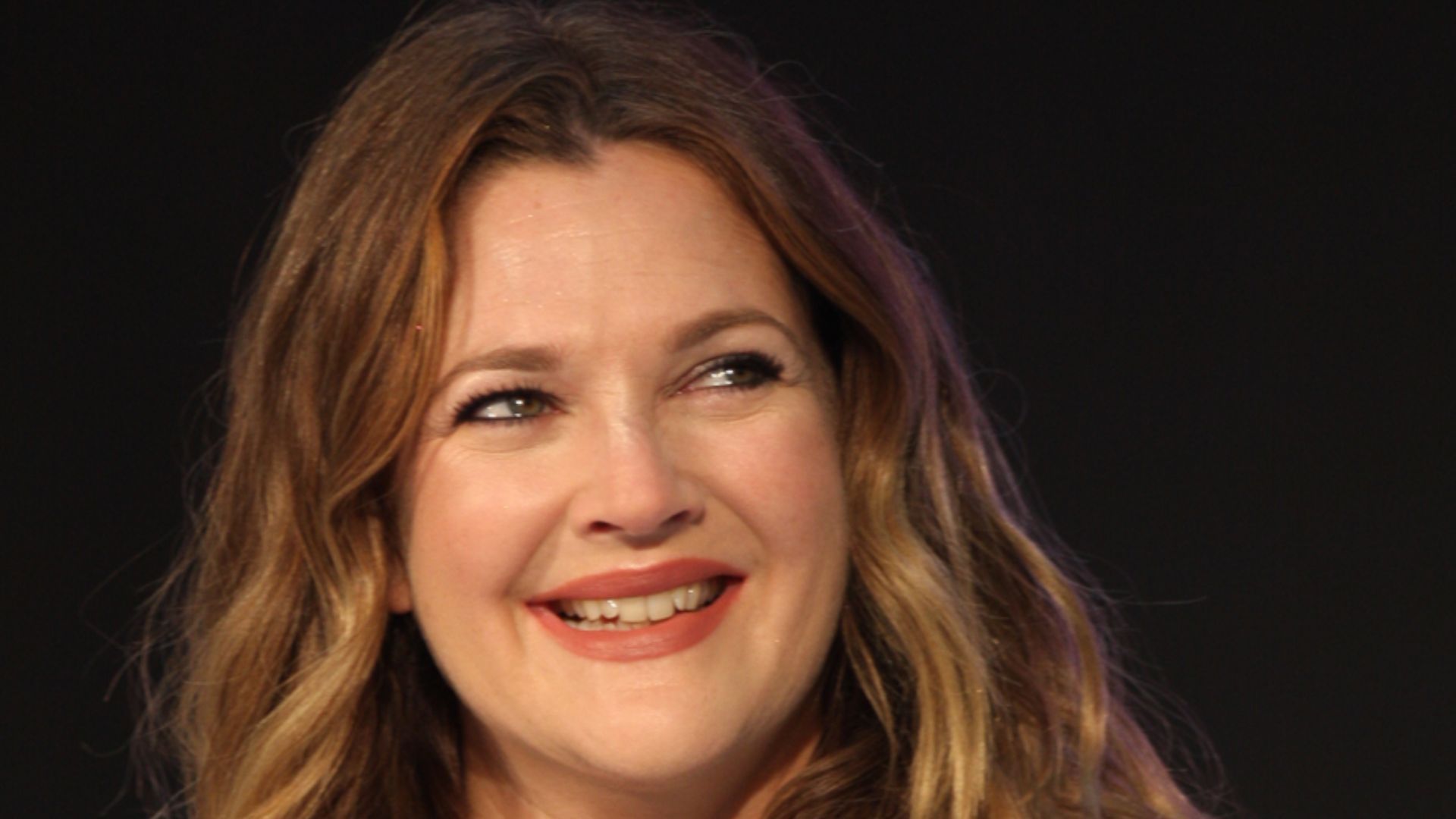
Drew Barrymore moved comfortably between movies and television, including The Drew Barrymore Show. Offscreen, she built Flower Beauty as an affordable cosmetics brand that launched with Walmart and later expanded to other retailers. The brand earned a loyal following for its accessible products before shutting down in 2024. Barrymore also expanded into home goods and eyewear, giving her brand life beyond makeup.
 Eva Rinaldi, Wikimedia Commons
Tyra Banks
Tyra Banks used television to turn her modeling authority into a business platform. She created and produced America’s Next Top Model, hosted her own talk show, and built Bankable Productions around her media work. Banks also experimented with beauty and consumer ventures, including Tyra Beauty. Her empire grew from teaching audiences how fashion worked, then owning part of the conversation herself.
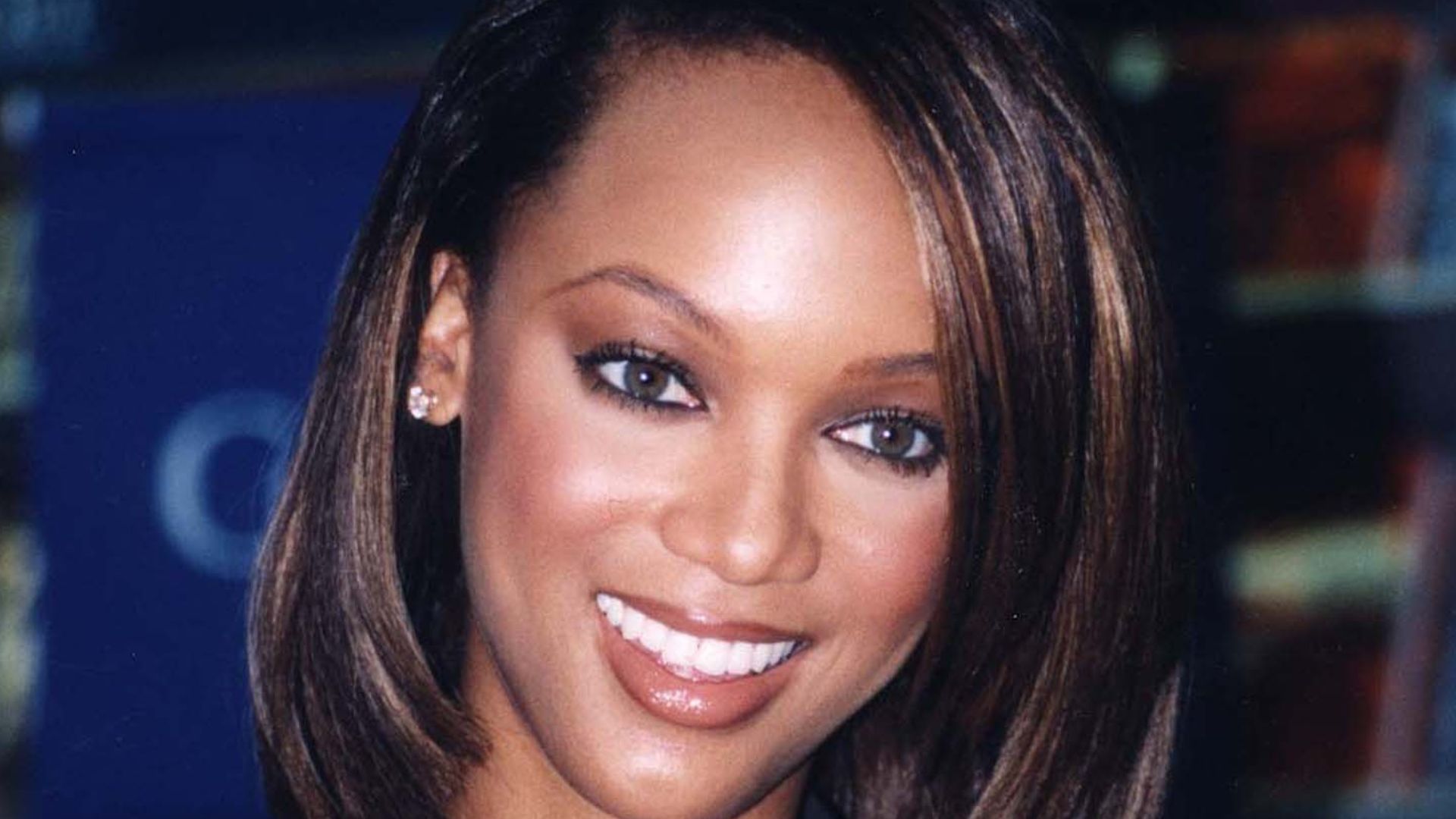 John Mathew Smith and celebrity-photos.com from Laurel, Maryland, Wikimedia Commons
Bethenny Frankel
Bethenny Frankel joined The Real Housewives of New York City as a sharp-tongued reality star with a business plan. She built Skinnygirl into a cocktail brand and sold the beverage business for a reported nine-figure sum. Just as important, she kept rights to the Skinnygirl name for other categories. Frankel turned Bravo screen time into one of reality TV’s most famous founder stories.
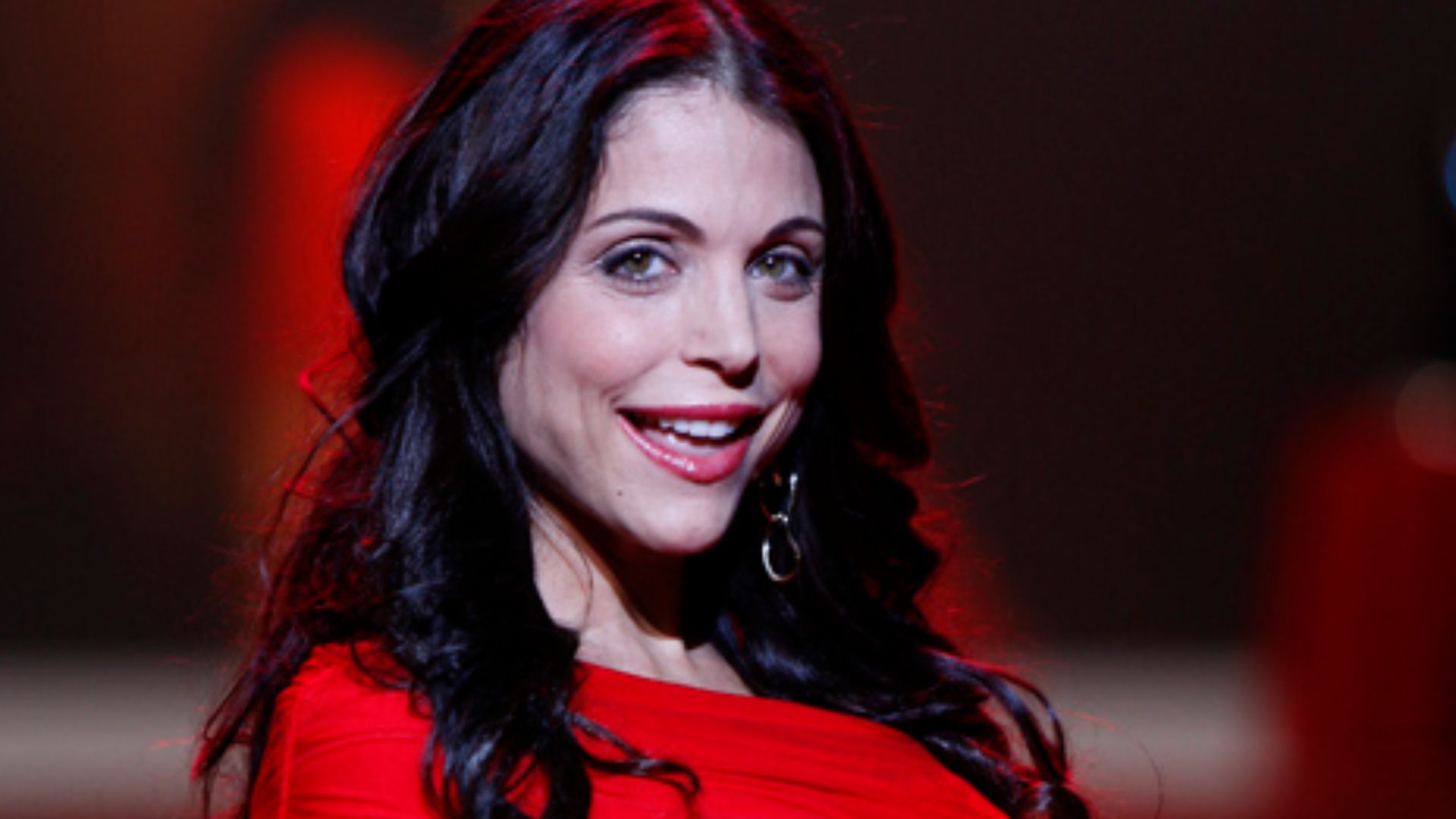 The Heart Truth, Wikimedia Commons
Gordon Ramsay
Gordon Ramsay was already an elite chef before shows like Hell’s Kitchen and Kitchen Nightmares made him a global TV personality. His restaurant group expanded internationally while his television work made his name instantly recognizable. The business now spans fine dining, casual restaurants, licensing, and media projects. Ramsay’s empire works because the restaurants and TV shows keep feeding each other.
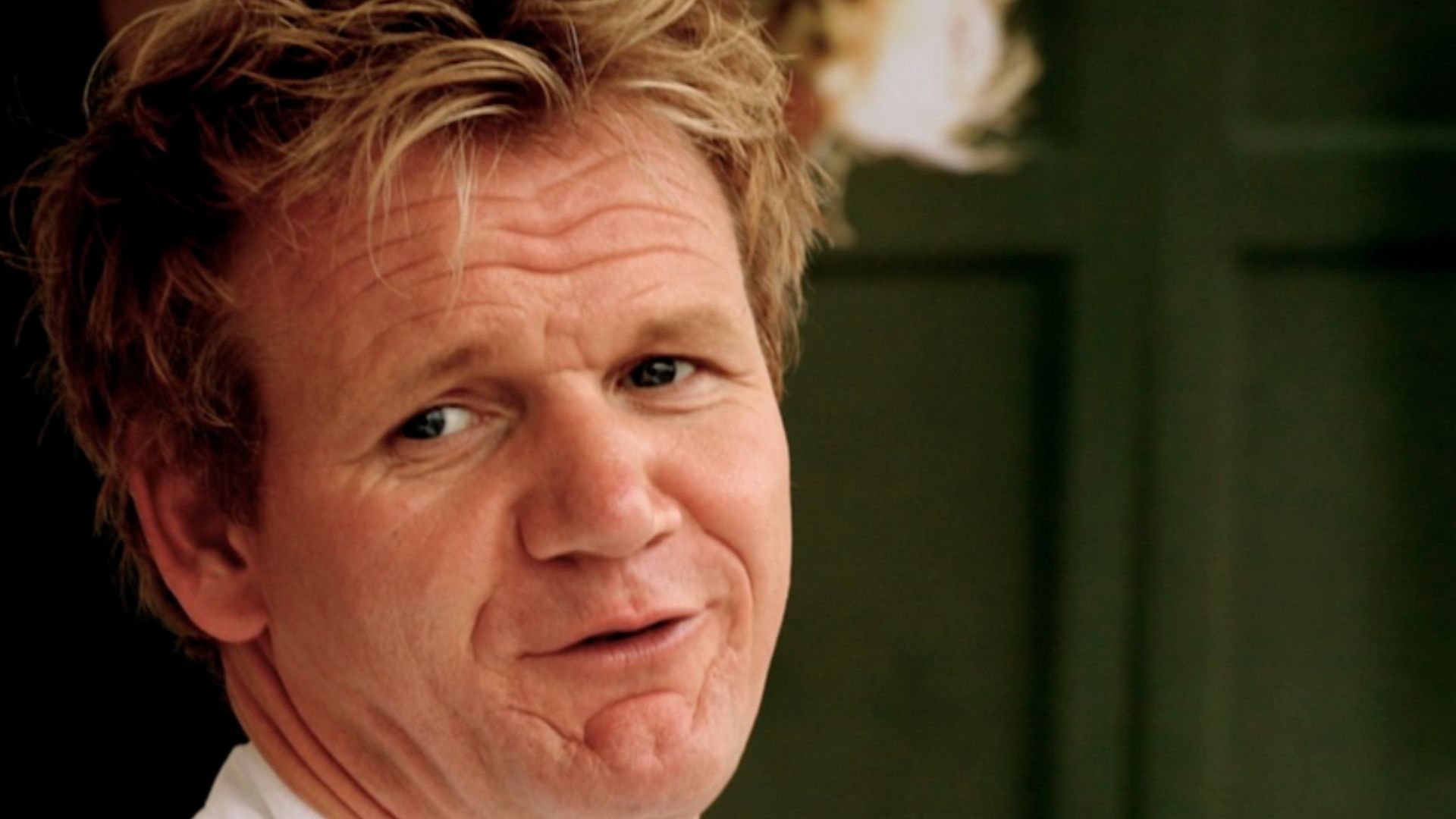 Dave Pullig, Wikimedia Commons
Dwayne Johnson
Dwayne Johnson became a television fixture through wrestling, Ballers, and Young Rock, then expanded into a full entertainment and consumer empire. He co-founded Seven Bucks Productions, backed ZOA Energy, and became a co-owner of Teremana Tequila. Teremana quickly became one of the most visible celebrity tequila brands in the market. Johnson’s business model is simple and effective. He sells the personality people already trust.
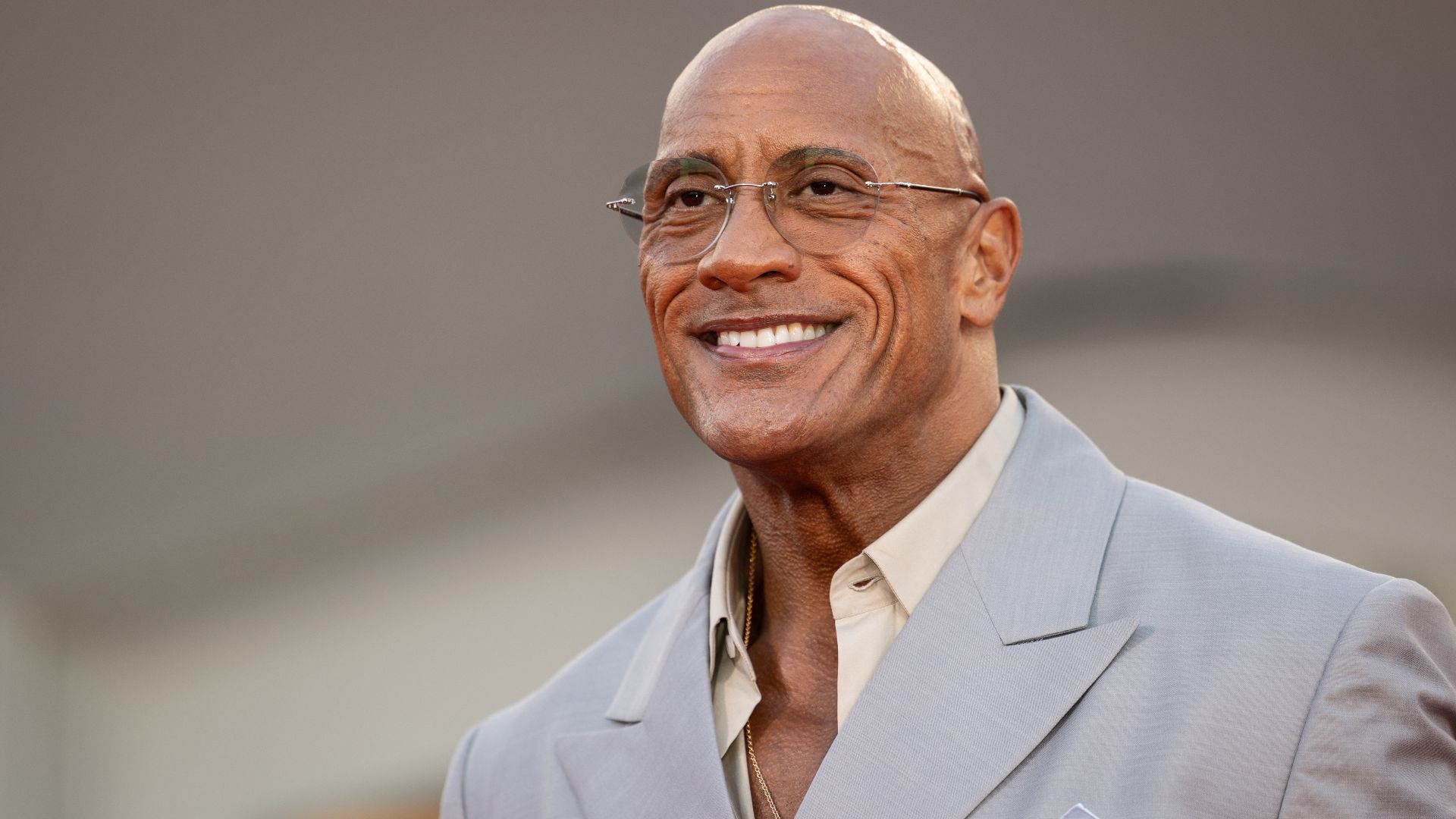 Harald Krichel, Wikimedia Commons
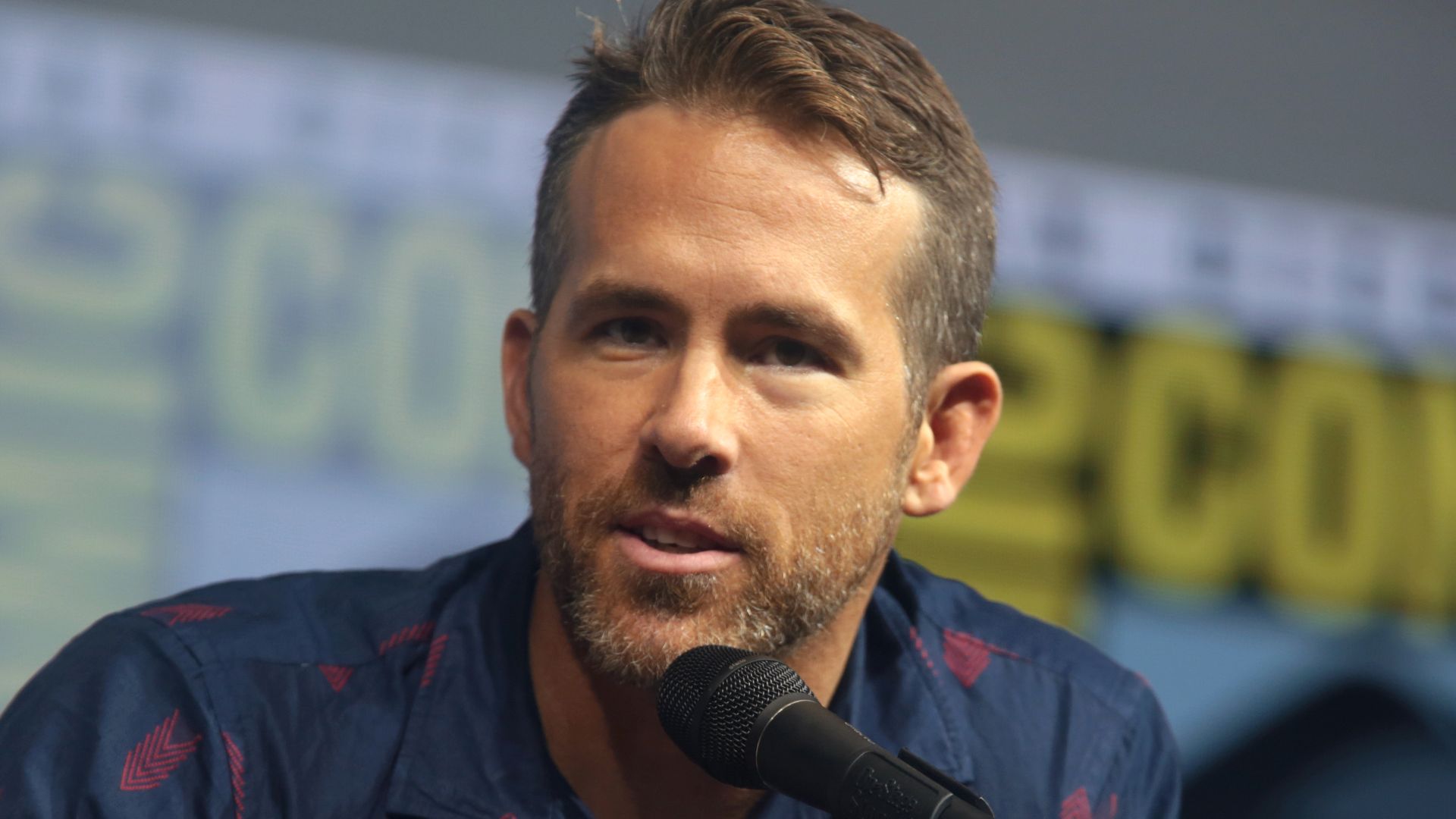
Ryan Reynolds
Ryan Reynolds first broke through on television with Two Guys and a Girl, then became one of Hollywood’s savviest celebrity entrepreneurs. He invested in Aviation Gin, Mint Mobile, Wrexham AFC, Maximum Effort, and other ventures. Mint Mobile was later acquired by T-Mobile in a deal worth up to $1.3 billion. Reynolds made humor, marketing, and ownership feel like one connected business.
 Gage Skidmore from Peoria, AZ, United States of America, Wikimedia Commons
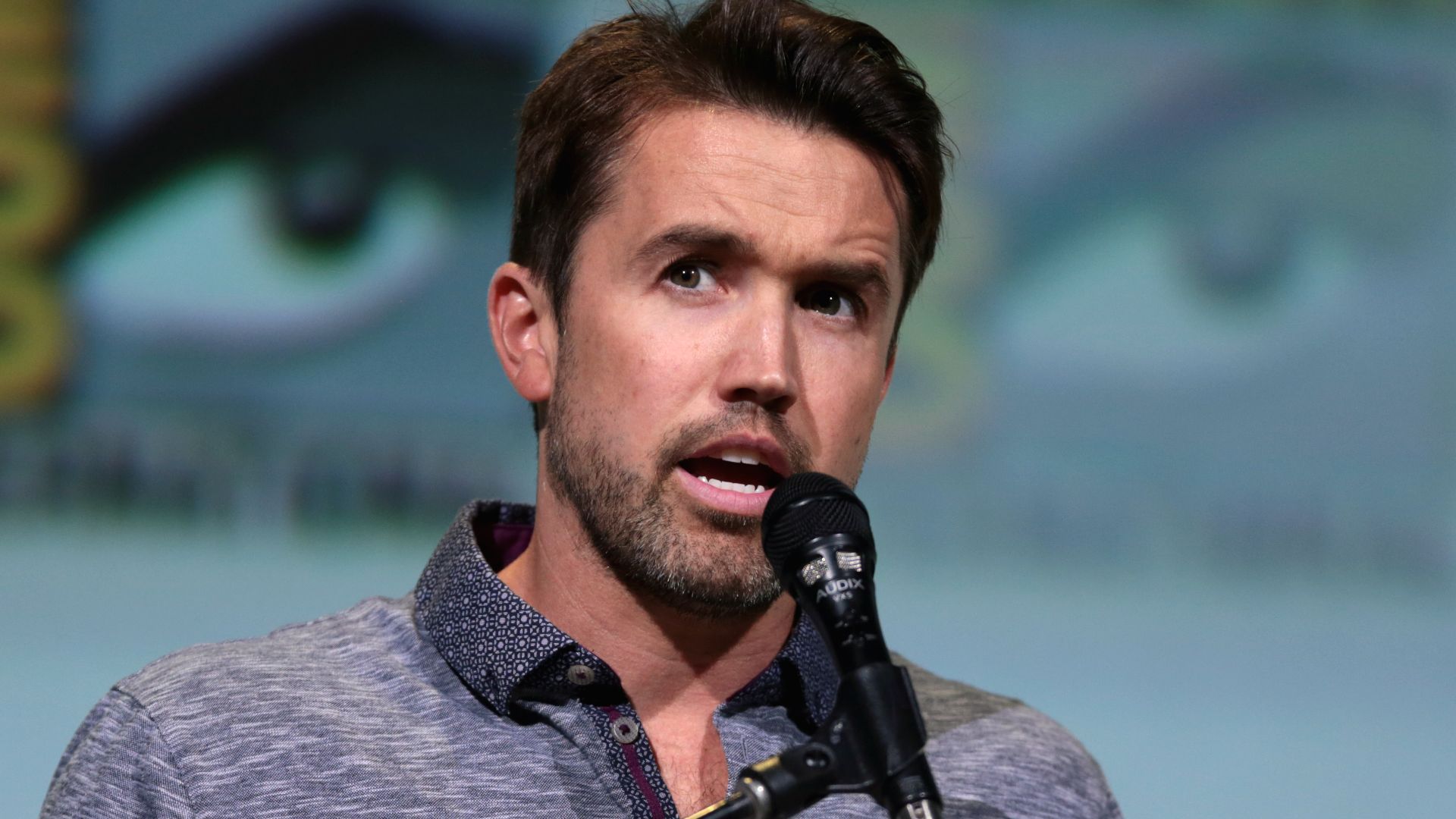
Rob McElhenney
Rob McElhenney built a cult TV legacy as the creator and star of It’s Always Sunny in Philadelphia. His surprise business move came when he teamed with Ryan Reynolds to buy Wrexham AFC. The club’s rise, boosted by Welcome to Wrexham, turned a local football story into a global entertainment brand. McElhenney proved that a TV creator could build a sports business with heart, storytelling, and patience.
 Gage Skidmore from Peoria, AZ, United States of America, Wikimedia Commons
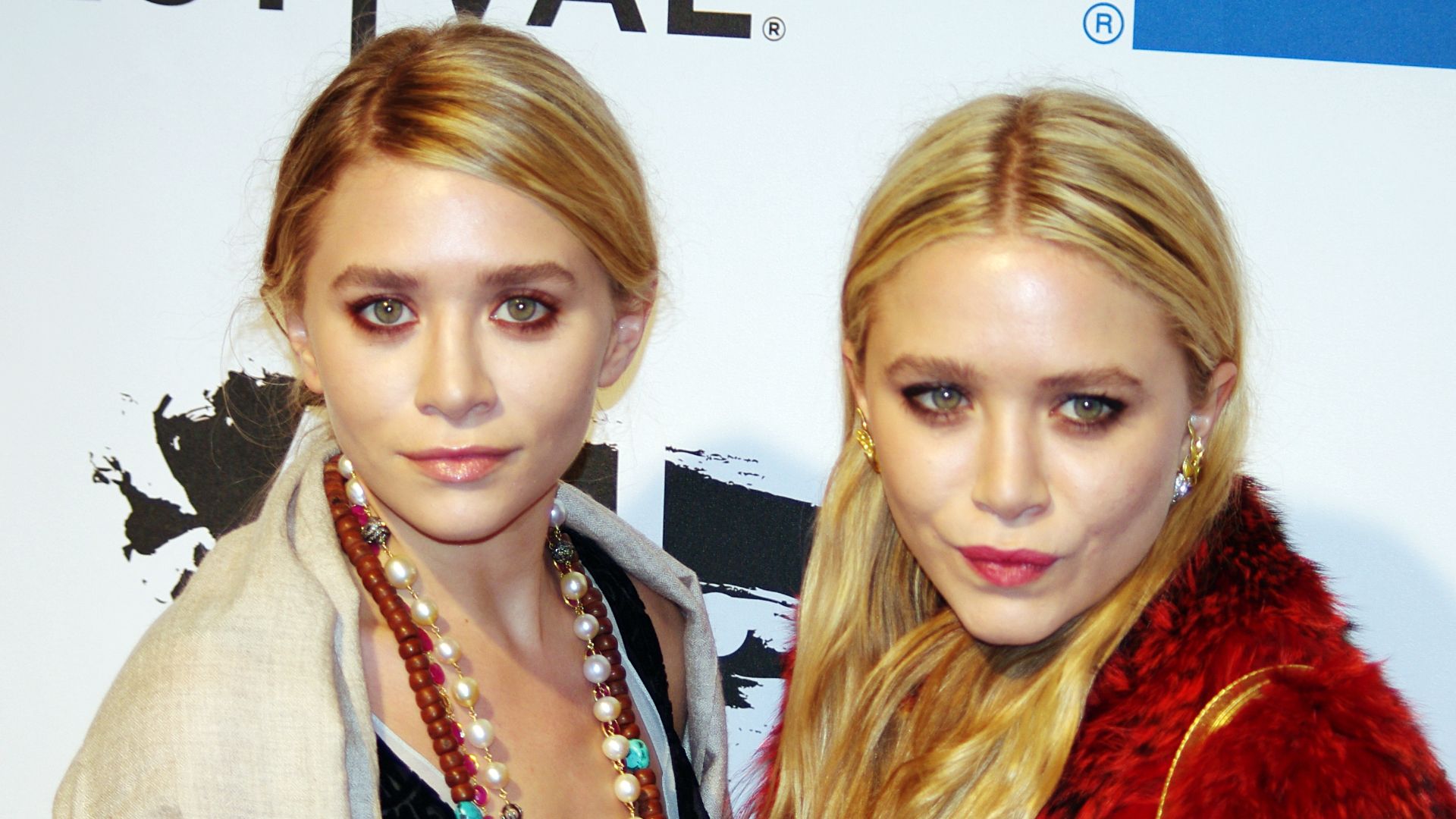
Mary-Kate And Ashley Olsen
Mary-Kate and Ashley Olsen started as child stars on Full House, then built a fashion career that became far more serious than many expected. Their luxury label The Row earned critical respect and attracted major investors. Reports in 2024 placed The Row’s valuation around $1 billion after a minority investment. The twins quietly moved from sitcom nostalgia to one of fashion’s most admired businesses.
 David Shankbone, Wikimedia Commons
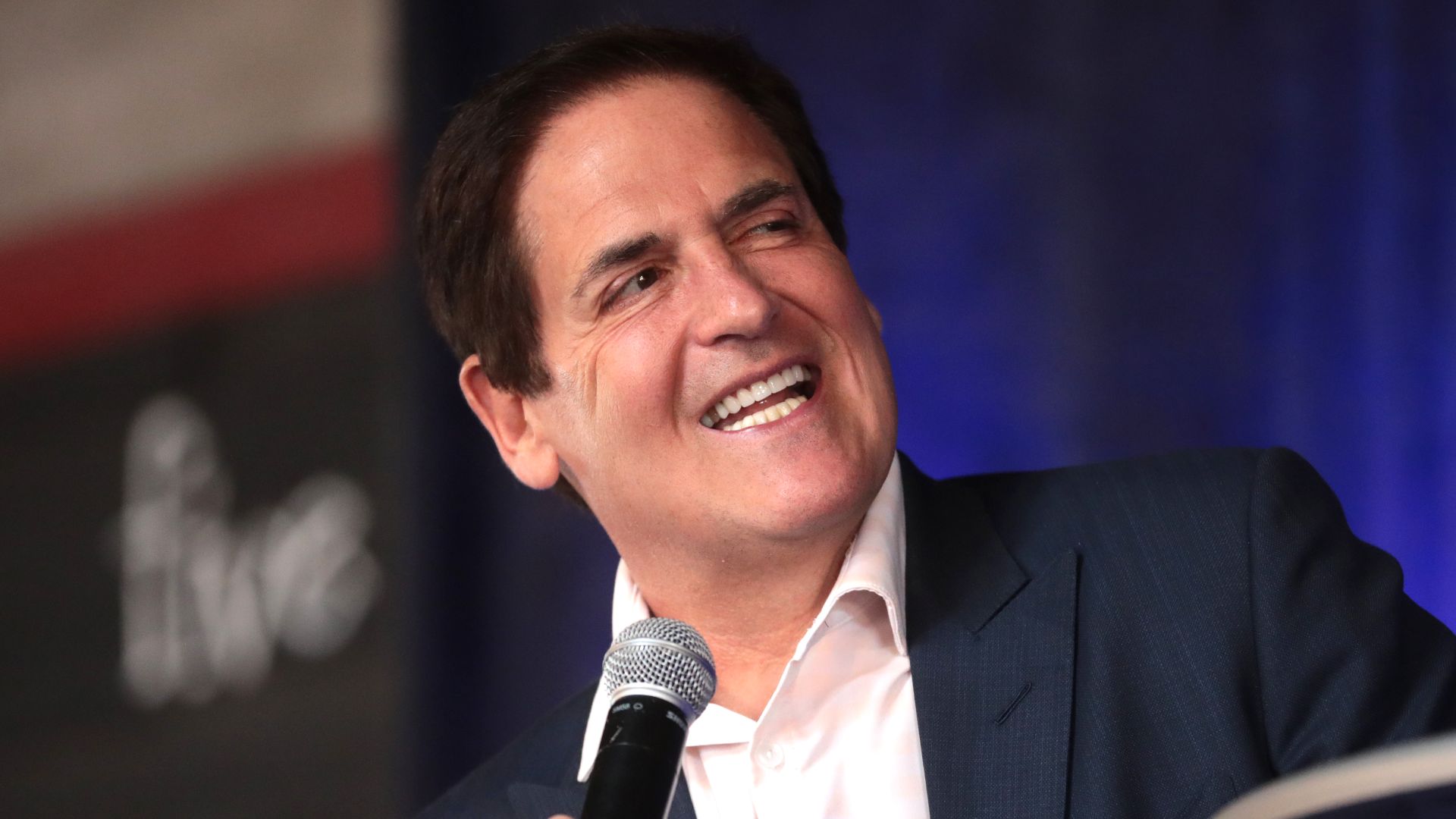
Mark Cuban
Mark Cuban is now widely known to TV audiences from Shark Tank, but his fortune came before the show. He co-founded Broadcast.com and sold it to Yahoo in 1999 for $5.7 billion in stock. That deal helped make him a billionaire and gave him the credibility he later brought to television investing. Cuban’s TV career became the second act of a business story already worth billions.
 Gage Skidmore from Peoria, AZ, United States of America, Wikimedia Commons
Kevin O’Leary
Kevin O’Leary became famous to many viewers as "Mr. Wonderful” on Shark Tank. Long before that, he founded SoftKey, which became The Learning Company and was sold to Mattel in a deal valued at upwards of $3.5 billion. He later turned that business background into television authority. O’Leary’s empire is a reminder that some TV stars arrived onscreen after the millions were already made.
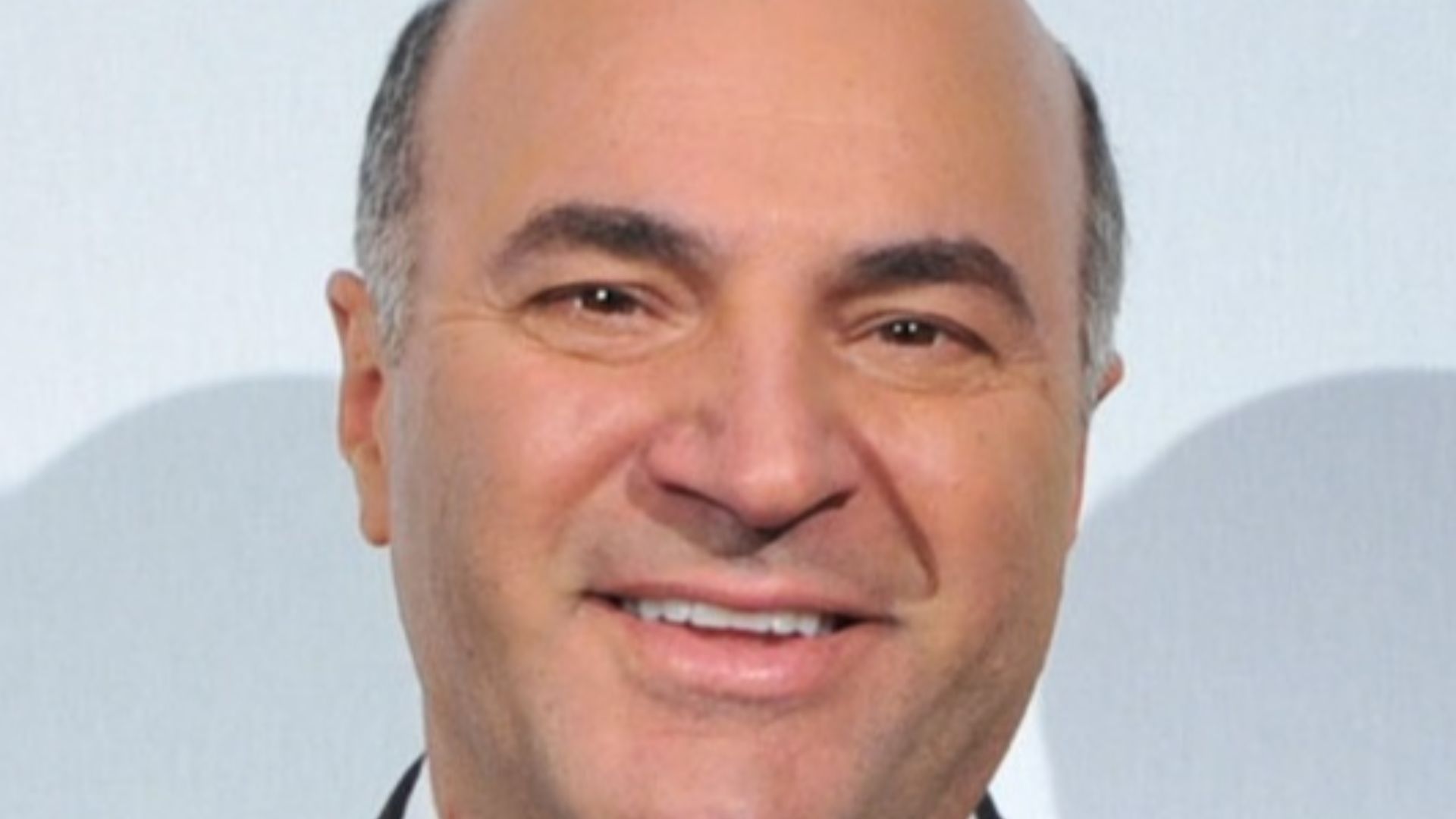 Randstad Canada, Wikimedia Commons
Steve Harvey
Steve Harvey moved from sitcoms and stand-up to become one of television’s busiest hosts. In 2017, he launched Steve Harvey Global to bring his production, licensing, partnerships, and business ventures under one company. His brand now stretches across Family Feud, international formats, events, radio, and digital content. Harvey built a business around being familiar, funny, and dependable.
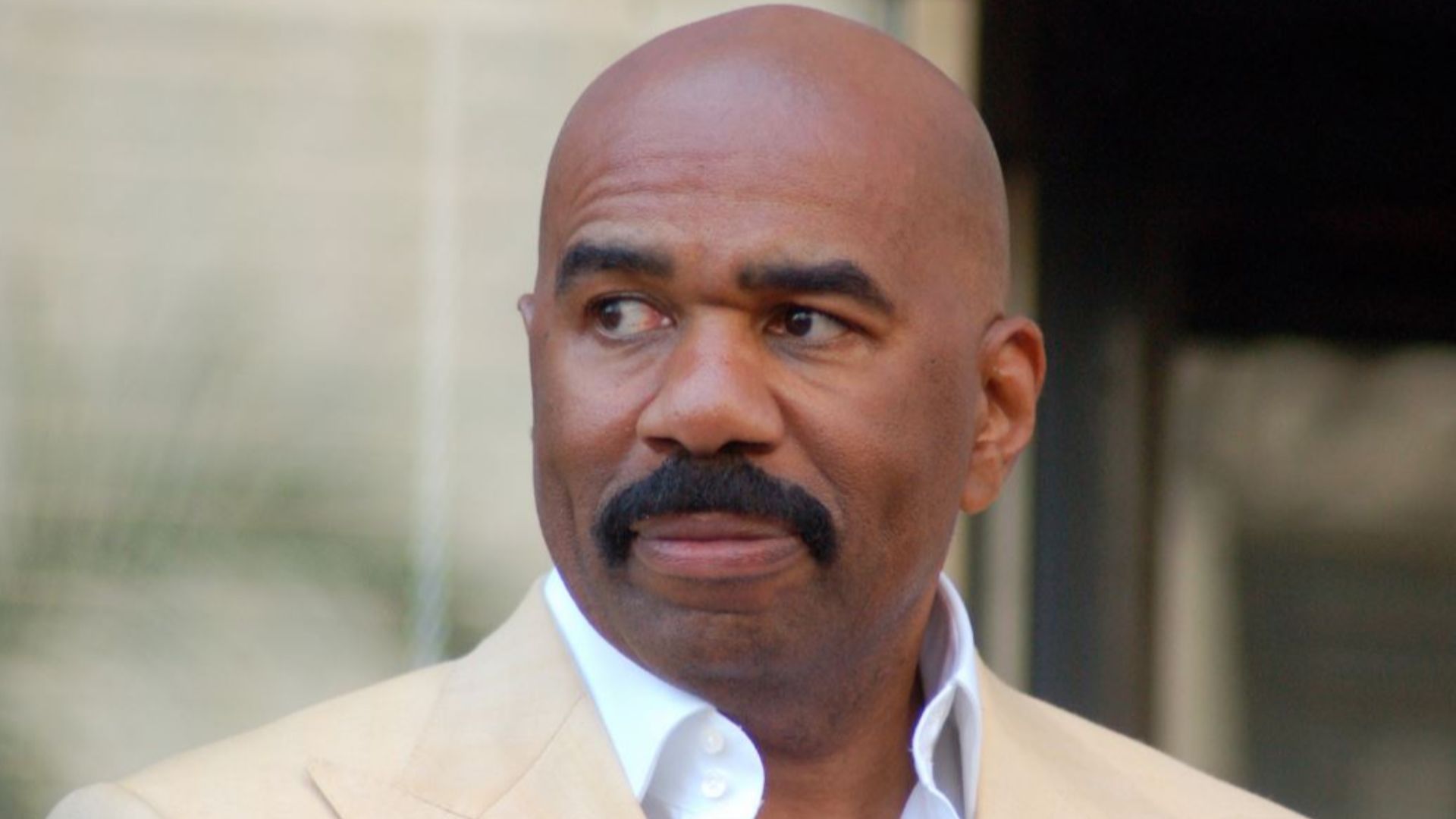 Angela George, Wikimedia Commons
Chip And Joanna Gaines
Chip and Joanna Gaines turned Fixer Upper into the foundation for a much bigger lifestyle business. Magnolia now includes retail, books, restaurants, hospitality, media, and the Magnolia Network. Their Hearth & Hand with Magnolia line also gave them a major national retail presence through Target. The Gaineses turned Waco, Texas, into both a destination and a brand.
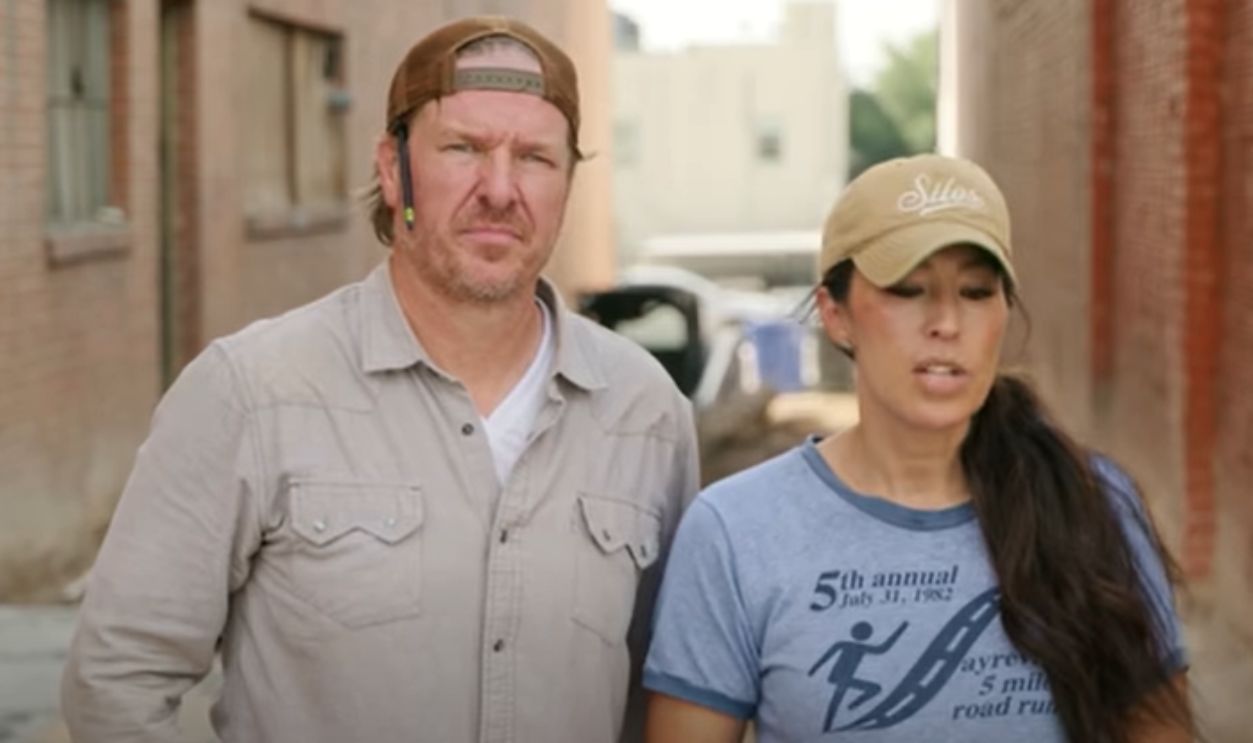 Screenshot from Fixer Upper: The Hotel, Warner Bros. Discovery (2023)
Ellen DeGeneres
Ellen DeGeneres became one of daytime TV’s biggest names through The Ellen DeGeneres Show. Behind the scenes, she also built wealth through production work, branding, and a long-running passion for luxury real estate. Reports have tracked many high-value property purchases and sales involving DeGeneres and Portia de Rossi. Her empire mixed television money with design taste and extremely expensive houses.
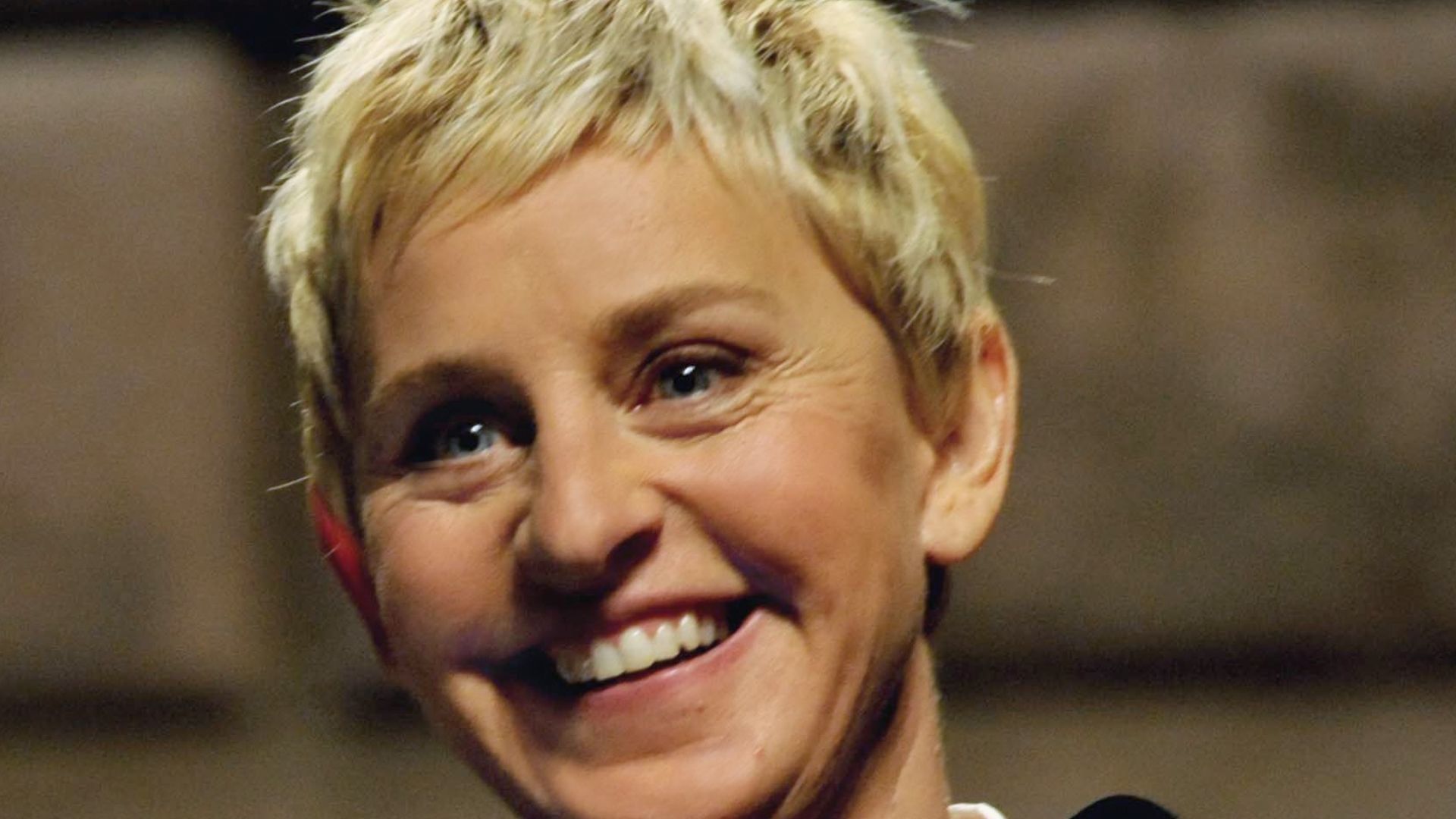 Tulane Public Relations, Wikimedia Commons
Ryan Seacrest
Ryan Seacrest became a TV institution through American Idol, Live, and major red-carpet broadcasts. He also built Ryan Seacrest Productions, which helped produce shows including Keeping Up With the Kardashians and its related franchise universe. Beyond hosting, he invested in media, fashion, skincare, and consumer startups. Seacrest’s genius was turning constant screen presence into a steady stream of business opportunities.
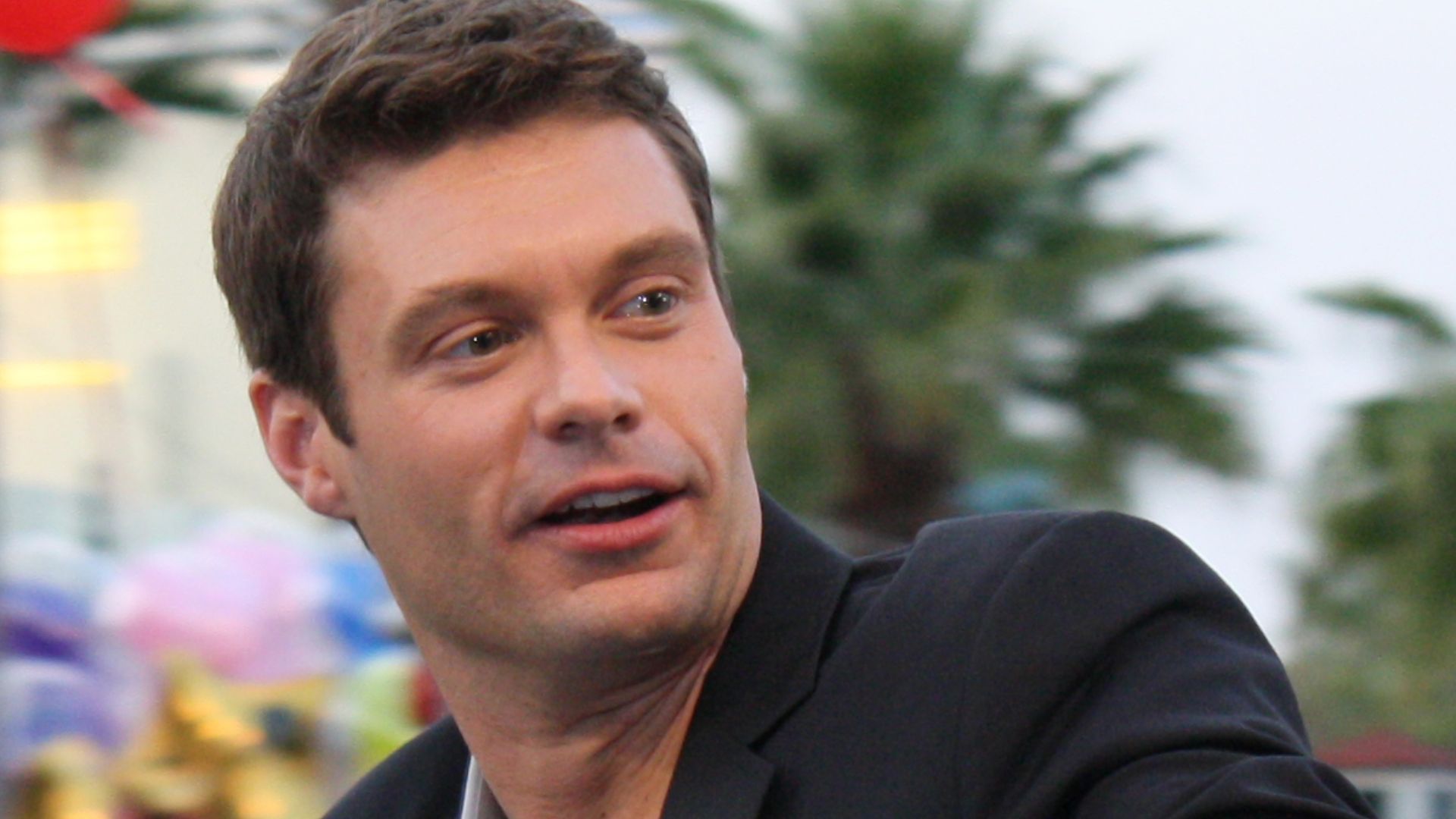 Jyle Dupuis from Canada, Wikimedia Commons
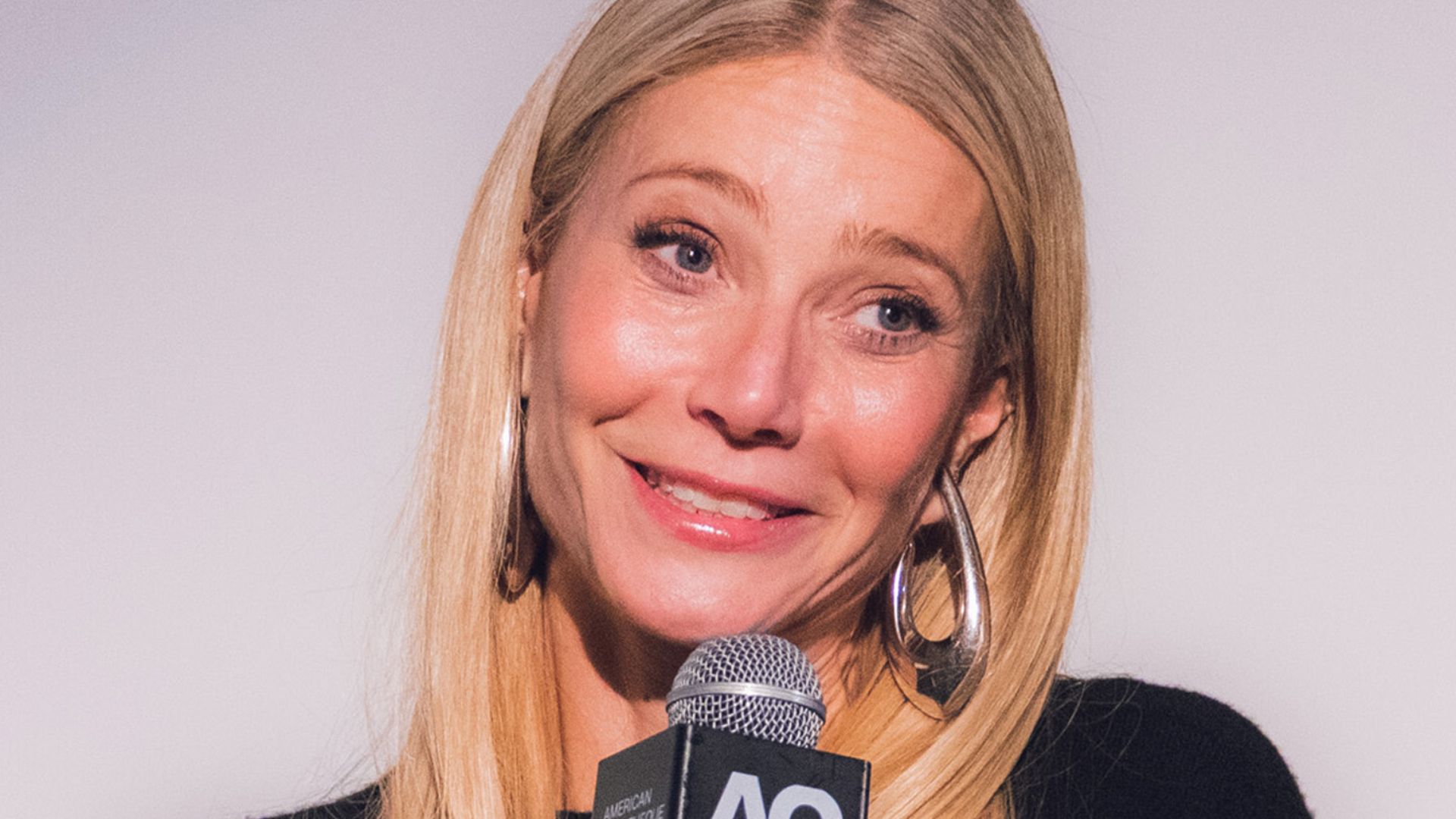
Gwyneth Paltrow
Gwyneth Paltrow had major TV moments on Glee and later brought her Goop brand to streaming with The Goop Lab. Goop began as a newsletter in 2008 and grew into a wellness, beauty, fashion, commerce, podcast, and events company. The brand has attracted investment, attention, criticism, and loyal customers in nearly equal measure. Paltrow built a business that stayed profitable in one currency television understands very well. People kept talking about it.
You May Also Like:
The Best Cooking Competition Shows
TV Stars Who Thought Fame Would Last Forever—Now No One Born After 2000 Has Even Heard Of Them
The Most Controversial Reality TV Stars Of All Time
Sources: 1, 2, 3, 4, 5, 6, 7, 8, 9, 10, 11, 12, 13, 14, 15, 16, 17, 18, 19, 20, 21, 22, 23, 24, 25