They Were Everywhere…Until They Weren’t
There was a time when these people were television. You didn’t just know them—you saw them constantly. Prime time, commercials, magazine covers. It felt permanent. Like they’d always be famous. Well, they weren't. So much so that there is a whole generation that have pretty much zero name recognition with these past stars.
Gary Coleman (Diff’rent Strokes, 1978–1986)
Tell anyone who grew up in the 80s that there are people who don’t know who Gary Coleman is, and they’ll probably respond, “What you talkin’ about, (insert your name here)?” Because come on—for a while, he might’ve been the most famous kid on TV. That catchphrase was everywhere. But child stardom doesn’t always age well career-wise, and his fame didn’t really transition into adulthood.
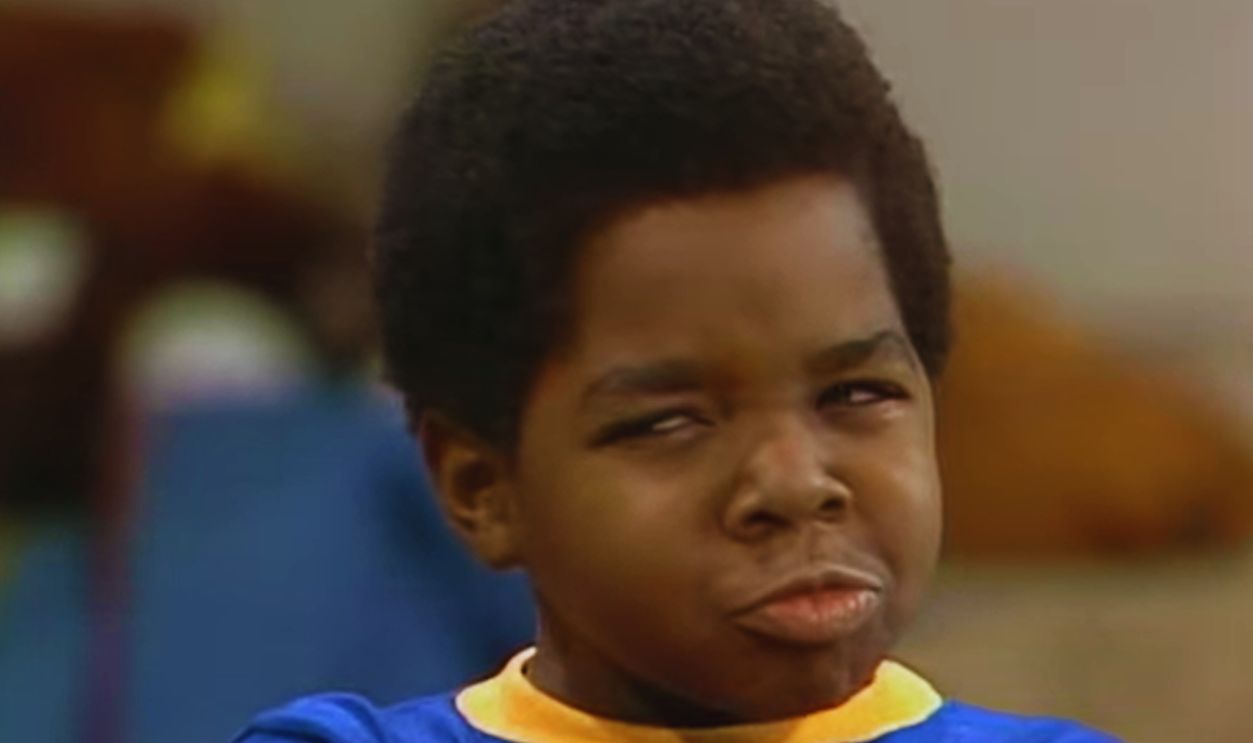 Screenshot from Diff’rent Strokes, NBC (1978–1986)
David Caruso (NYPD Blue, 1993–1994)
This one still feels wild. He was the star of the biggest show on TV… and just left. One season. The idea was he’d become a huge movie star. That didn’t happen. He eventually bounced back with CSI: Miami, but that run ended in 2012—and anyone born after 2000 was probably watching Nickelodeon, not CSI. And yeah, did you know he was retired?
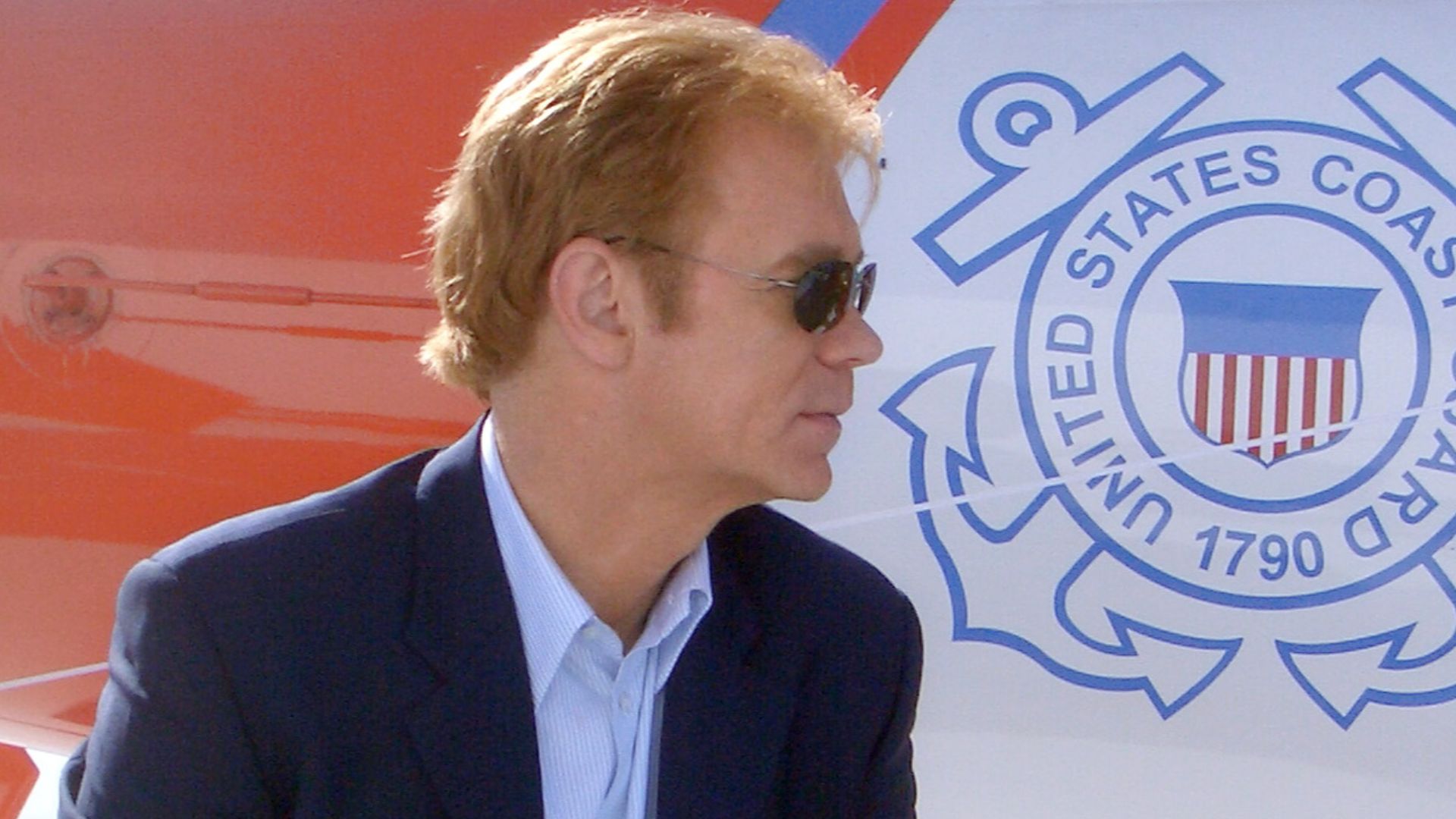 USCG photo by Lt. Cmdr. Jeff Loftus., Wikimedia Commons
Shelley Long (Cheers, 1982–1987)
She was the co-lead on one of the biggest sitcoms ever—and then walked away at its peak. The thinking? Movies would be bigger. But like what would happen later with David Caruso… they weren’t. Meanwhile, Cheers kept going just fine without her. It’s one of those “what if she stayed?” TV moments—and one of those rare times leaving early didn’t age the way anyone expected.
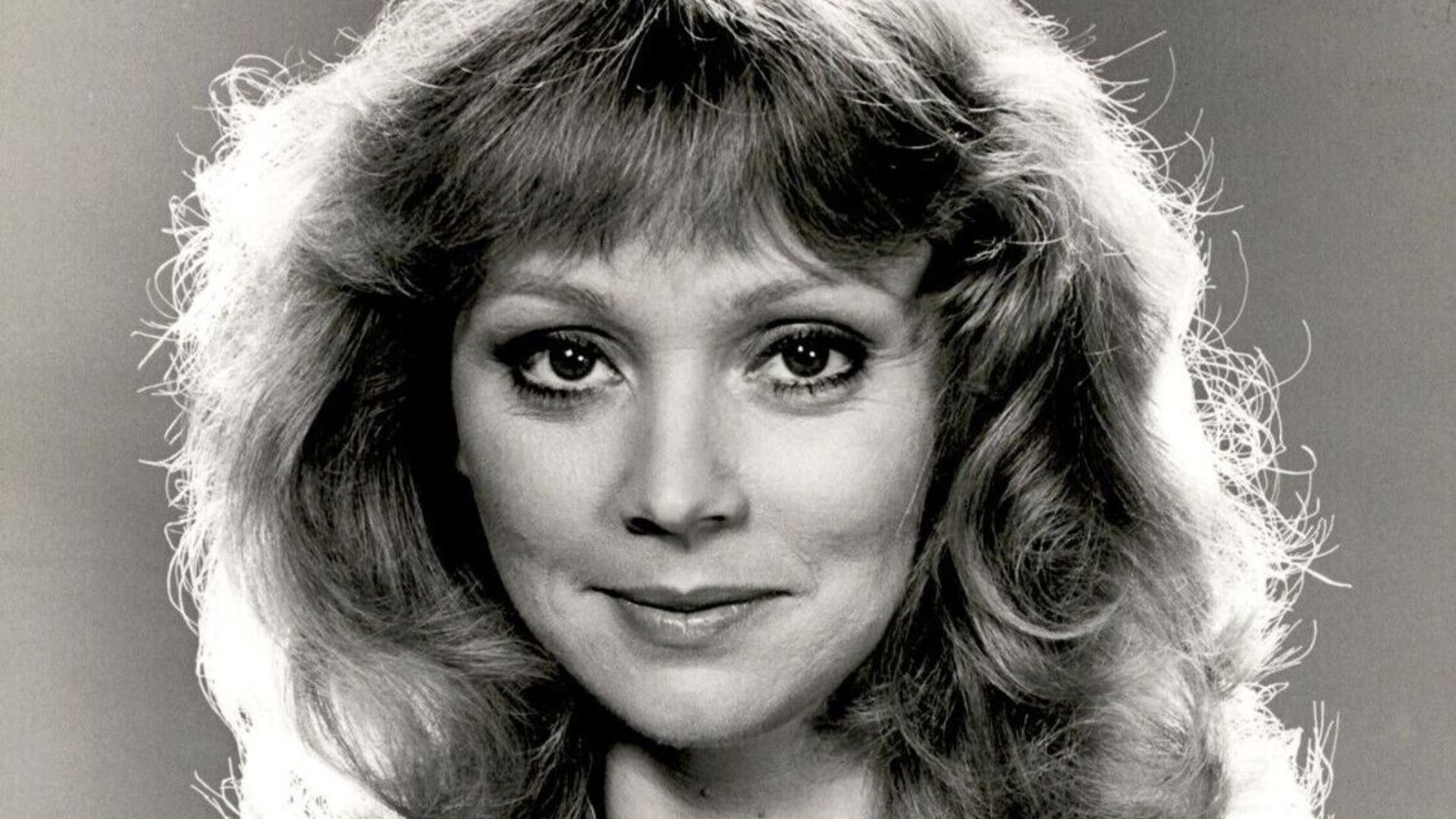 NBC Television, Wikimedia Commons
Donna Mills (Knots Landing, 1979–1993)
If you watched TV back then, you knew Abby. Everyone did. One of those characters people loved to hate. But soap fame can be weird—it’s huge while it lasts, then doesn’t always carry forward. Younger viewers today? Probably not connecting the Knots (sorry, dots).
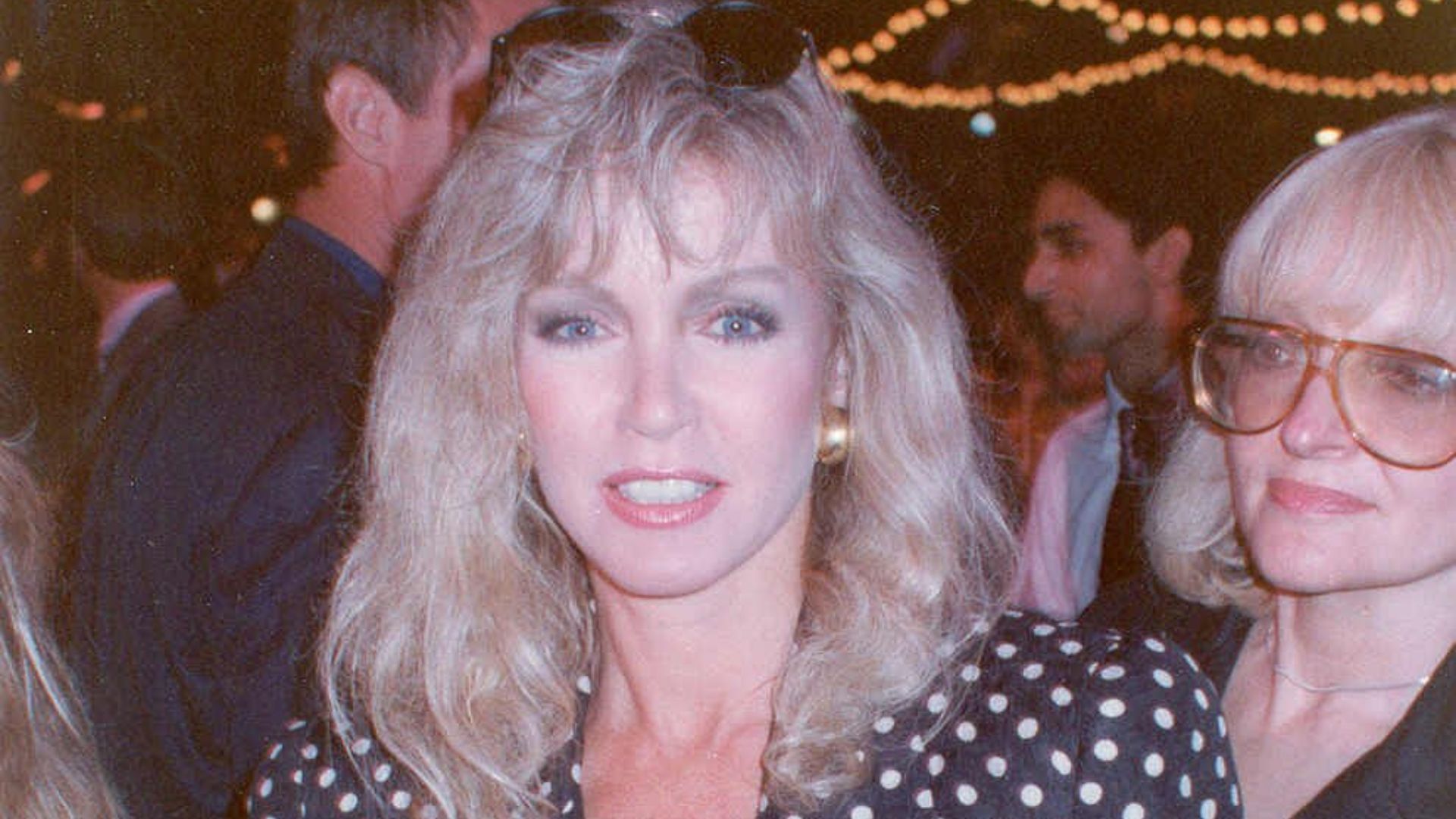
Willie Aames (Eight Is Enough, 1977–1981)
Classic teen idol trajectory—huge popularity early, then a tough transition afterward. It’s a story that repeats a lot in TV. For a moment, it feels like it’ll last forever… and then it just doesn’t.
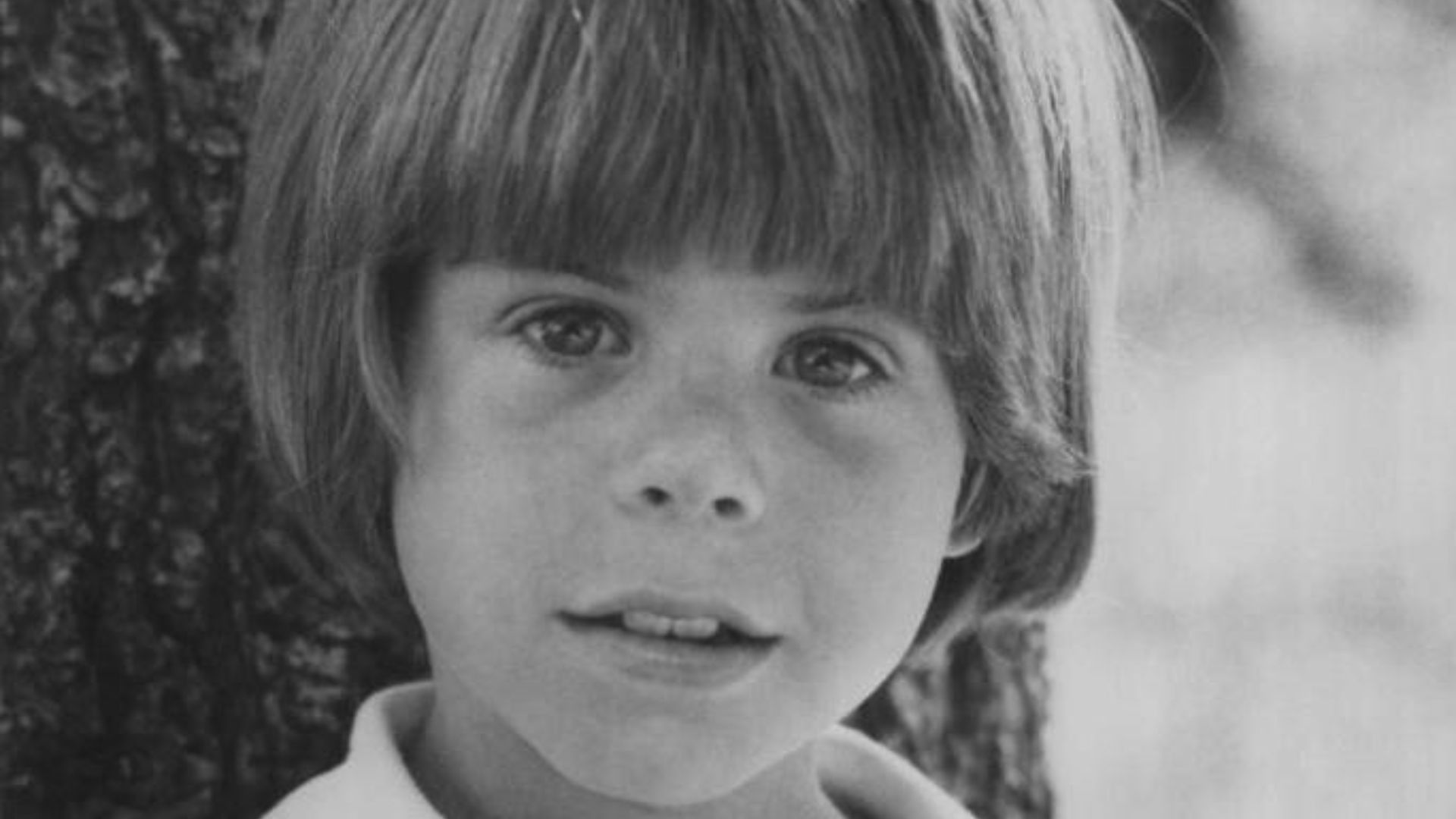 American Broadcasting Company, Wikimedia Commons
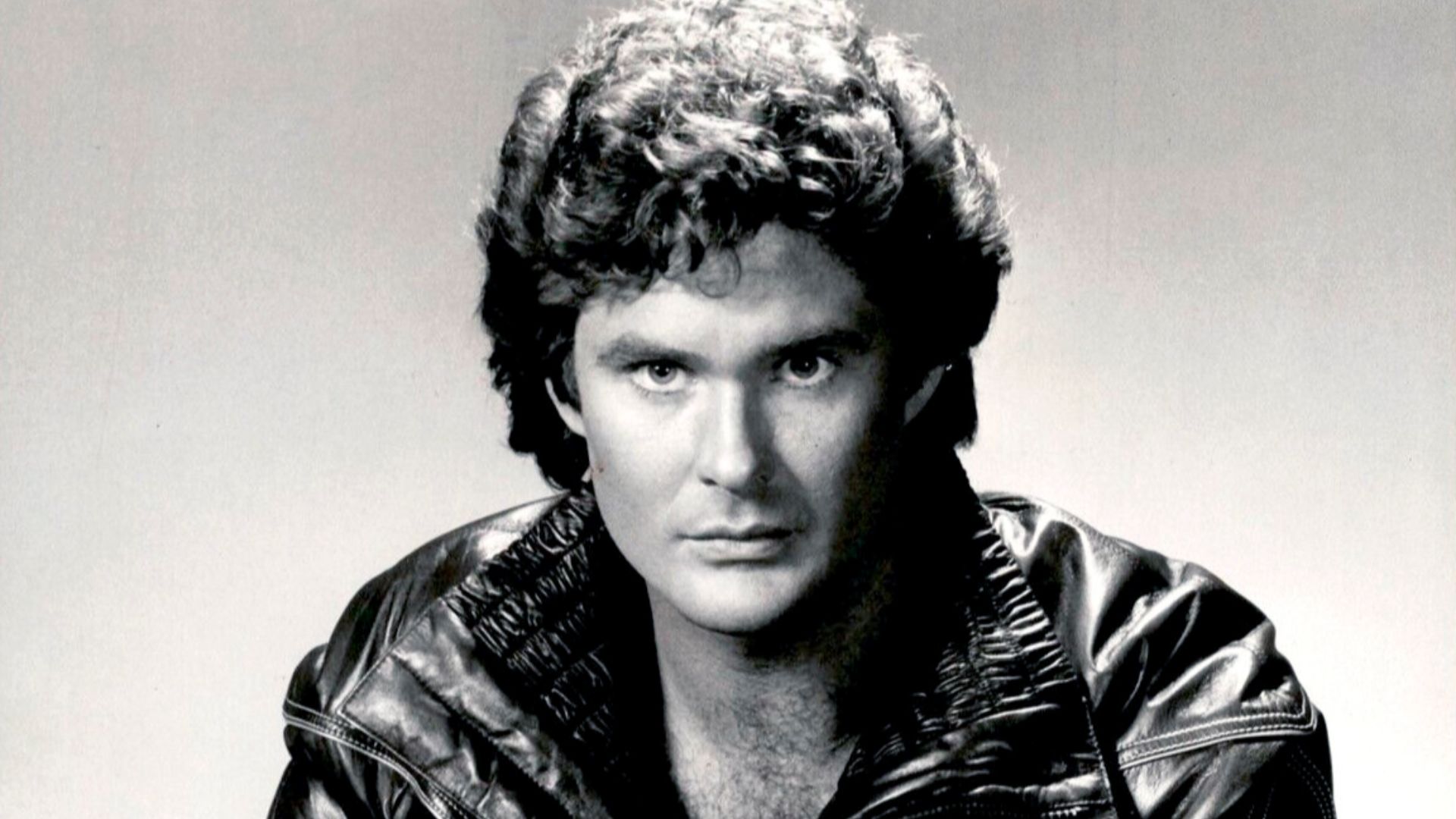
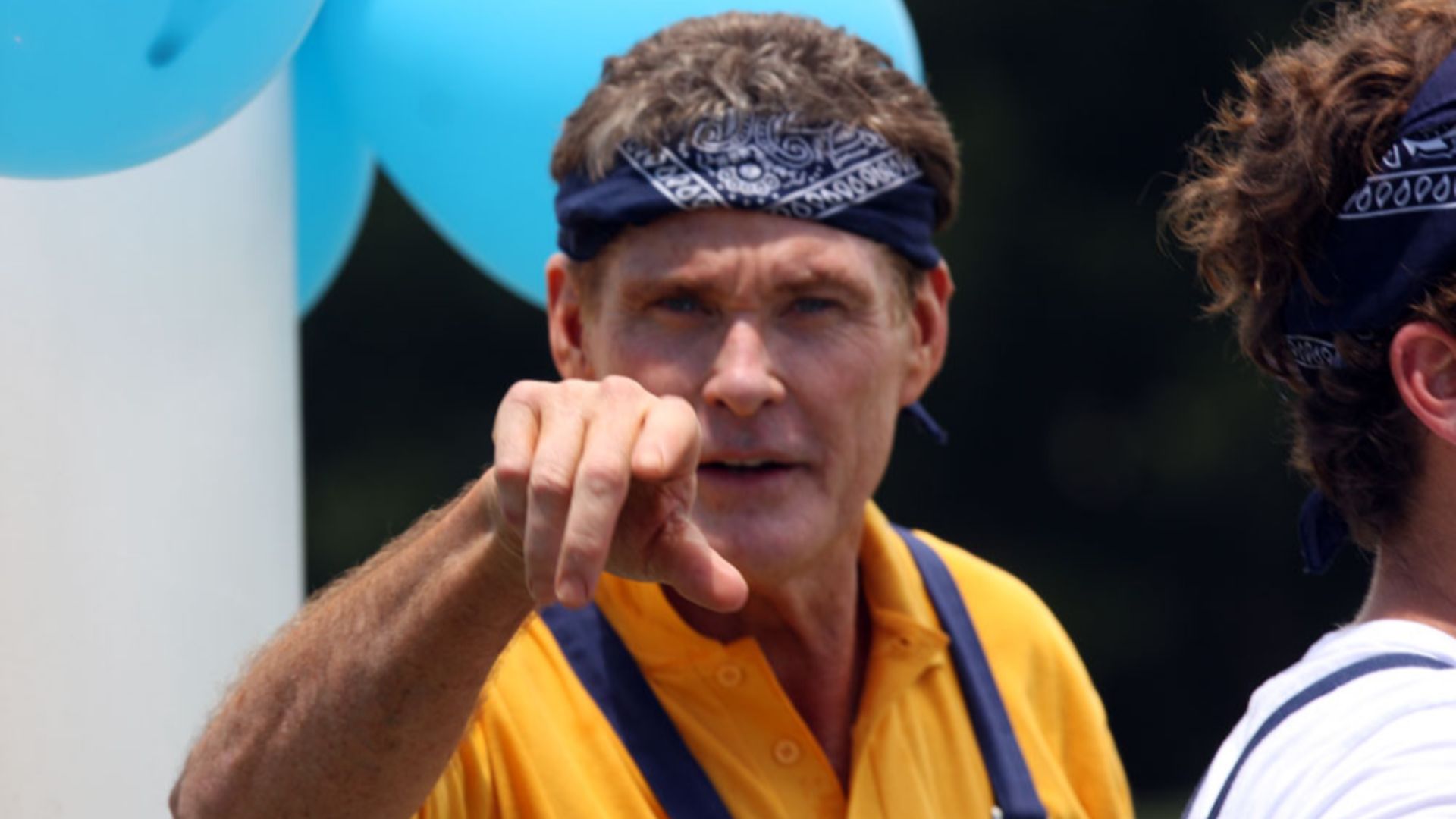
David Hasselhoff (Knight Rider, 1982–1986; Baywatch, 1989–2000)
He was insanely famous. Globally. TV, music, everything. For a while, you couldn’t escape him. But if you ask someone born after 2000, there’s a decent chance they wouldn't hassel-the-hoff because, well, they don't know who he is. Unless they're in Germany of course.
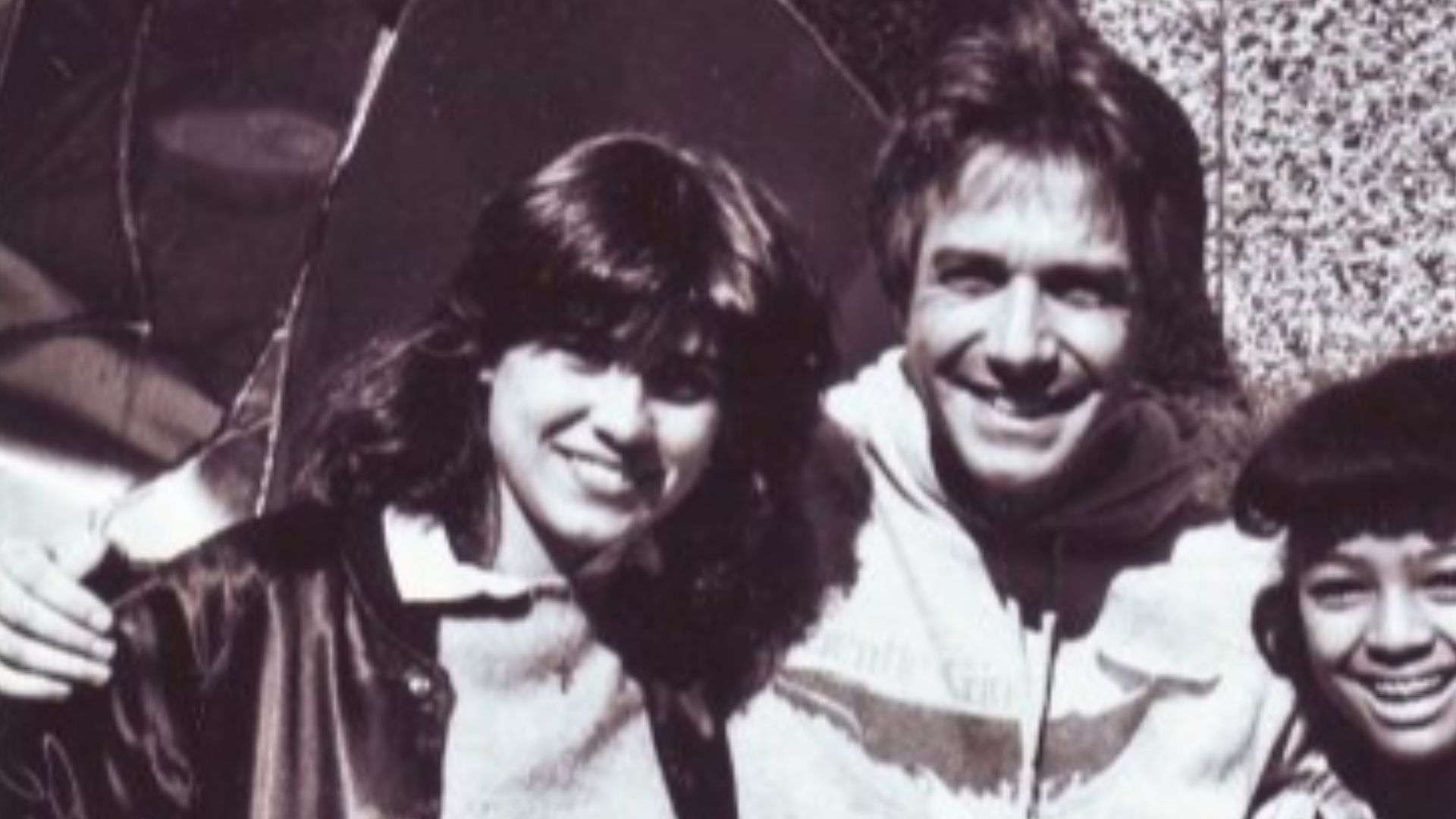
Nancy McKeon (The Facts of Life, 1979–1988)
Jo was one of those characters people loved. Tough, different, memorable. McKeon kept working, but never hit that same cultural level again. Gen X can still sing the theme song, but tell a post-2000 baby to take the good and take the bad and you probably aren’t getting the smile of recognition you hoped for.
 Louise Palanker, Wikimedia Commons
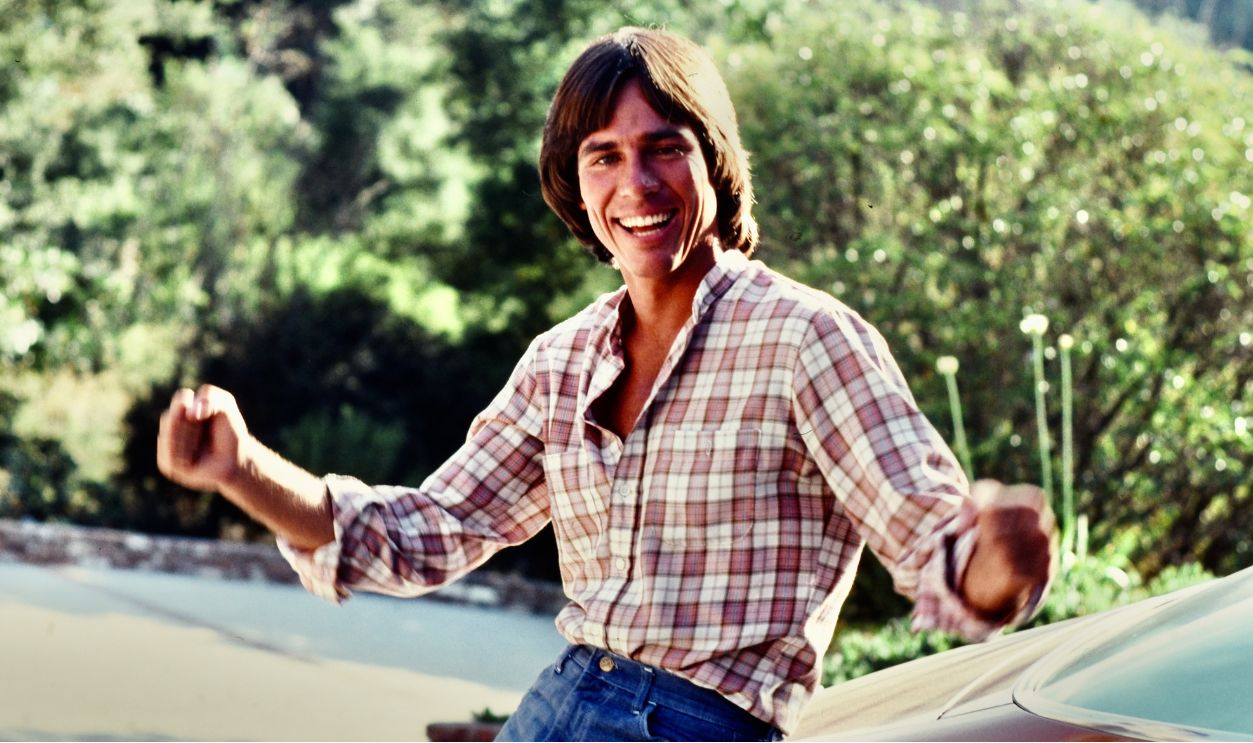
Richard Hatch (Battlestar Galactica, 1978–1979)
For a minute, this was supposed to be the next big sci-fi universe—and he was front and center. The show didn’t last long, but the fanbase stuck around. Hatch stayed connected to it for years, but outside of that world? The recognition faded fast—and then the reboot basically reset everything for a whole new audience.
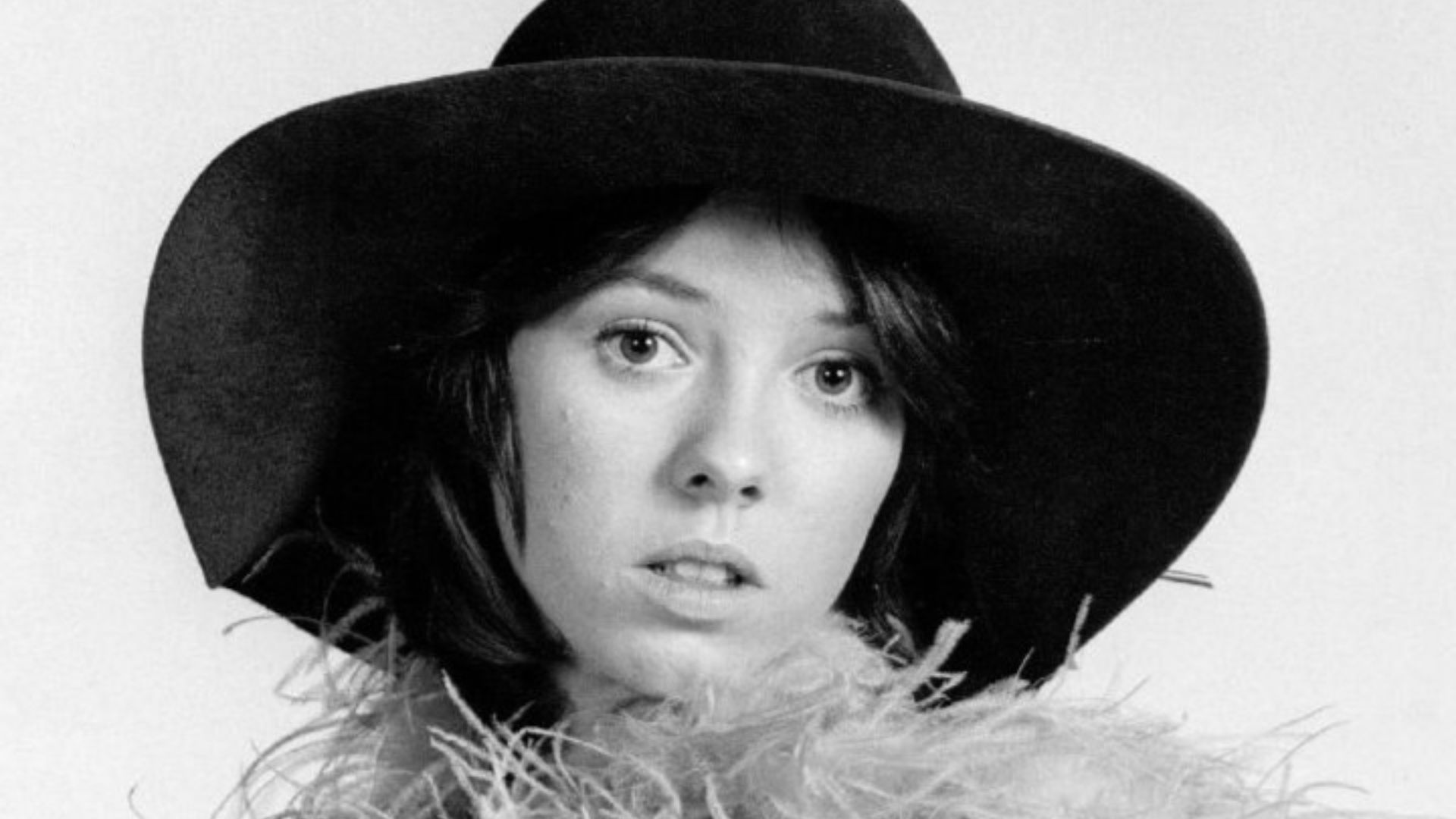
Mackenzie Phillips (One Day at a Time, 1975–1984)
She stood out on a massively popular show—but behind the scenes, things were falling apart. Personal struggles took over, and her career never really got back to that same level. People remember the show… but the name doesn’t always come with it anymore.
 CBS Television, Wikimedia Commons
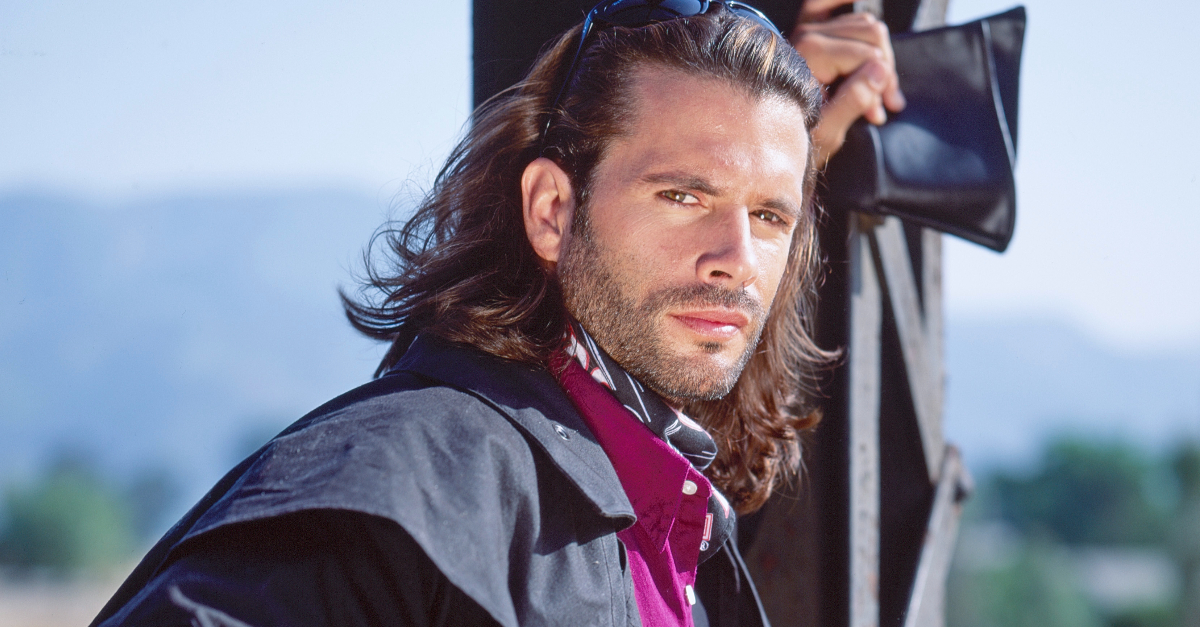
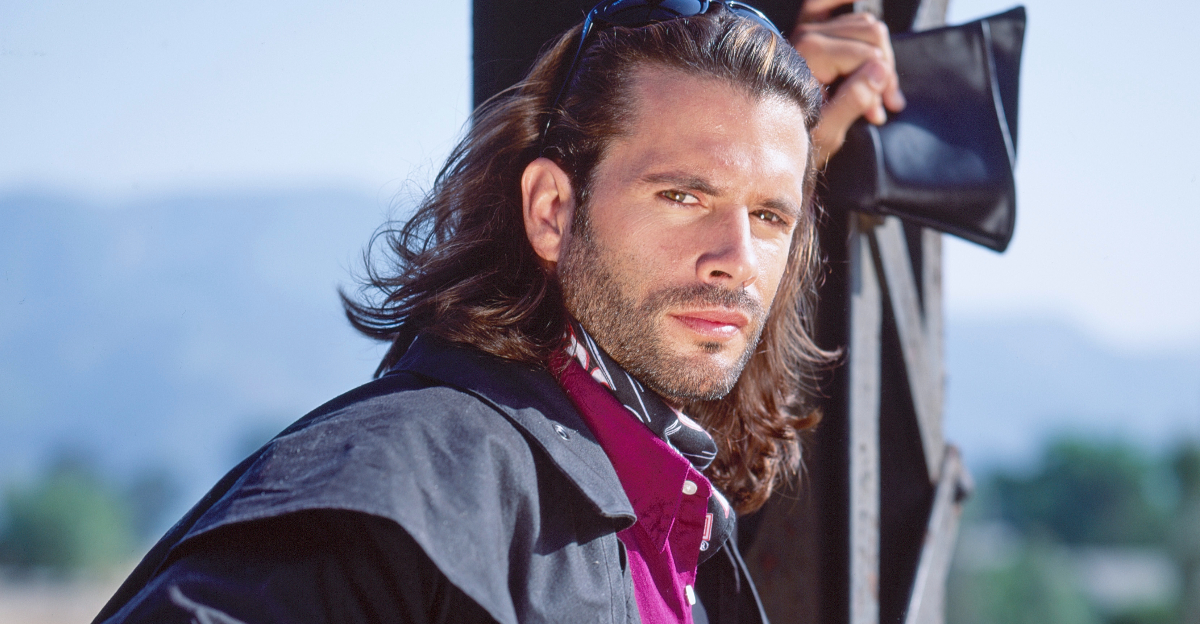
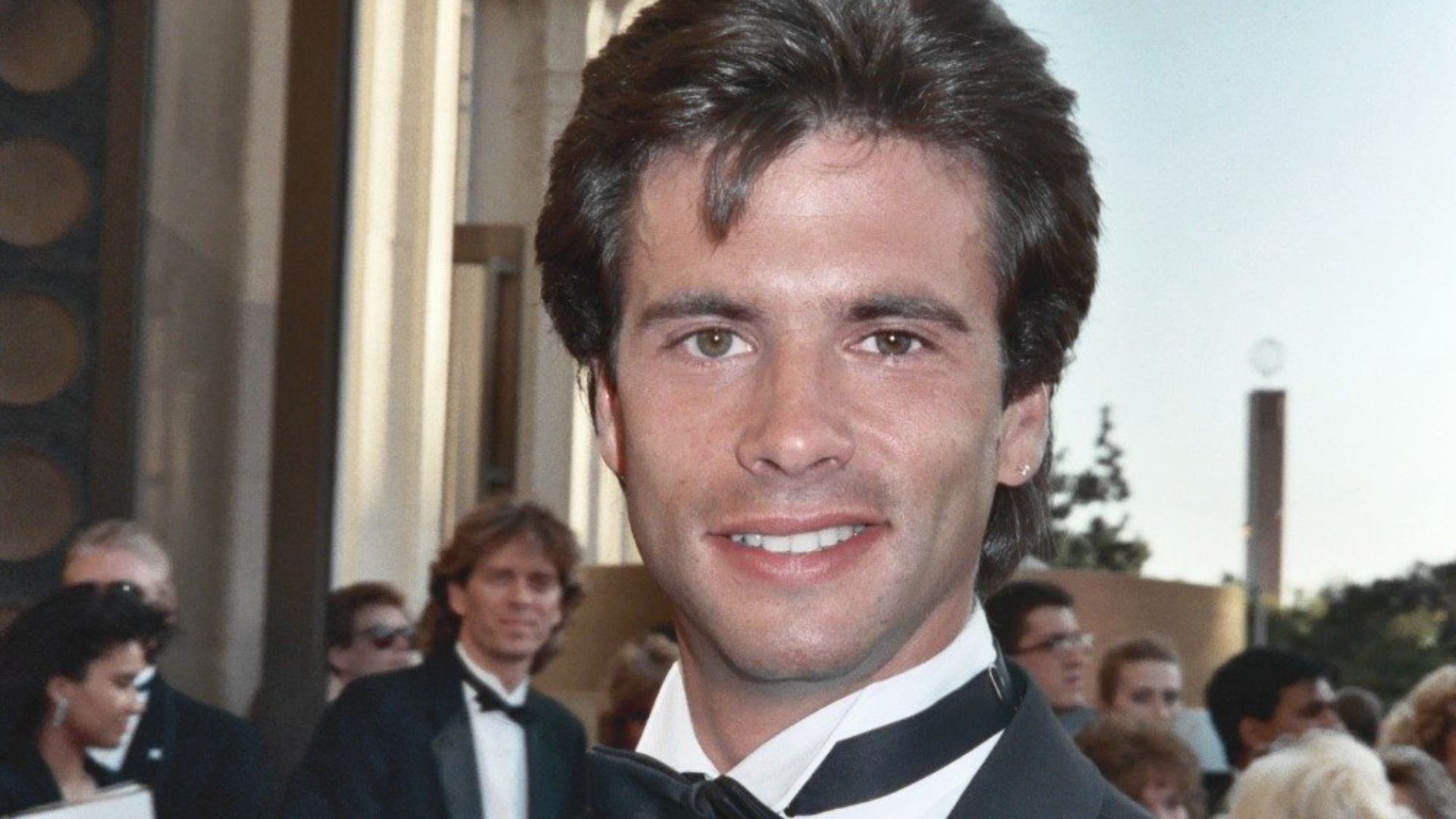
Lorenzo Lamas (Falcon Crest, 1981–1990)
Prime-time soap star, classic 80s fame—everything lined up. For years, he was part of a show millions followed religiously. Then it ended—and so did that level of spotlight. He pivoted into action roles and shows like Renegade. He stayed busy, but fame was already fading when the 2000s hit.
Erik Estrada (CHiPs, 1977–1983)
For a stretch, Erik Estrada was basically unavoidable. CHiPs was huge, and Ponch was the guy. Cool, charming, everywhere. But once the show ended, that level of fame didn’t stick. If you didn’t grow up with it, there’s a good chance the name doesn’t ring a bell—Ponch might as well be a new character to you.
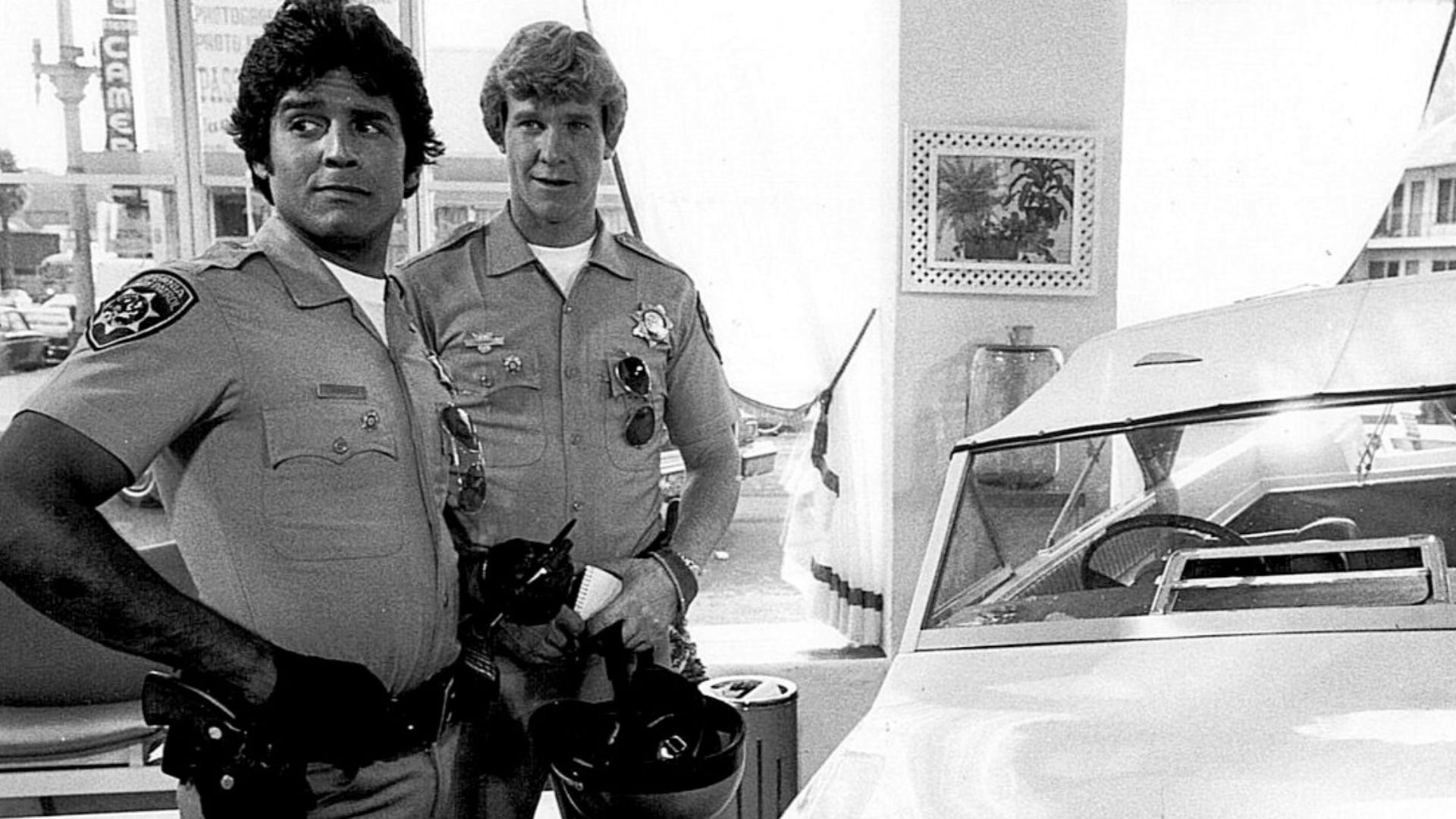 NBC Television, Wikimedia Commons
Barry Williams (The Brady Bunch, 1969–1974)
Greg Brady was a full-on teen idol. Posters, fan mail, the whole thing. But once The Brady Bunch ended, that kind of fame didn’t really evolve into something bigger. The show lives on—but mostly as something people recognize without ever actually sitting down to watch.
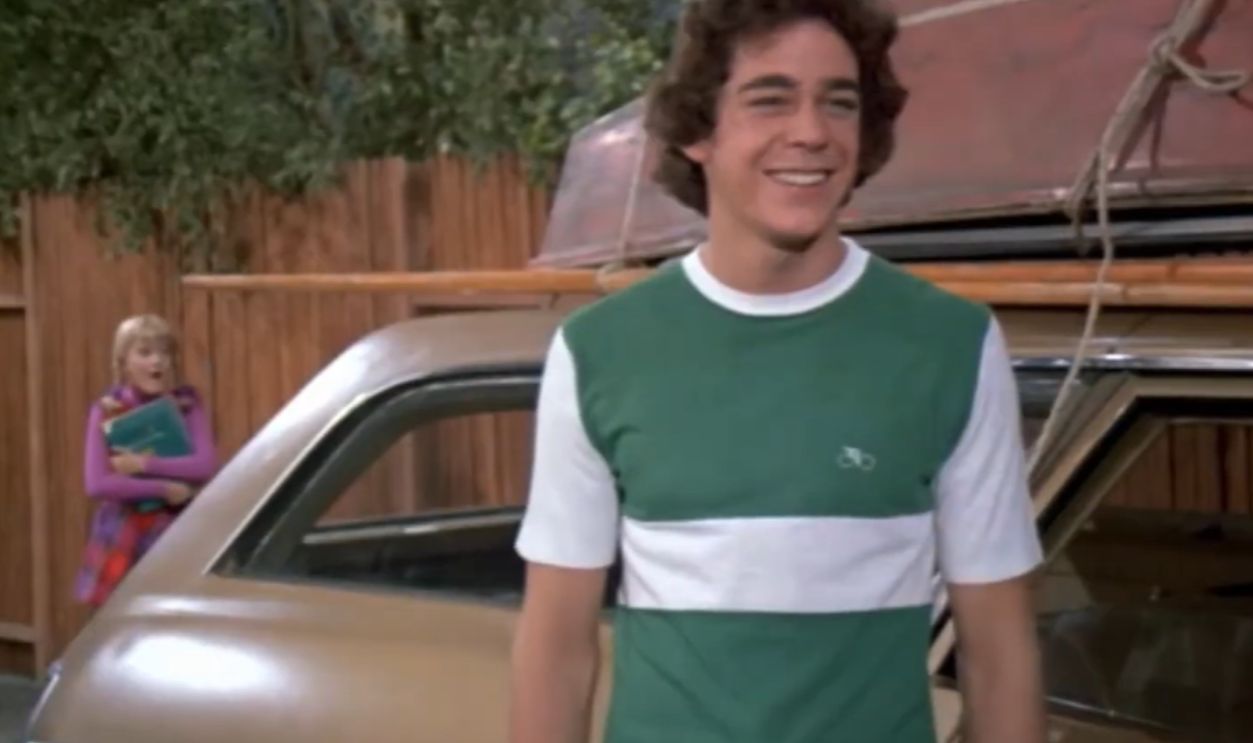 Screenshot from The Brady Bunch, Paramount Television (1969-1974)
Susan Dey (The Partridge Family, 1970–1974; L.A. Law, 1986–1992)
She actually pulled off something rare—two different waves of TV fame. Teen idol, then respected drama star. And still… it didn’t quite stick across generations. You had to be there for at least one of those eras.
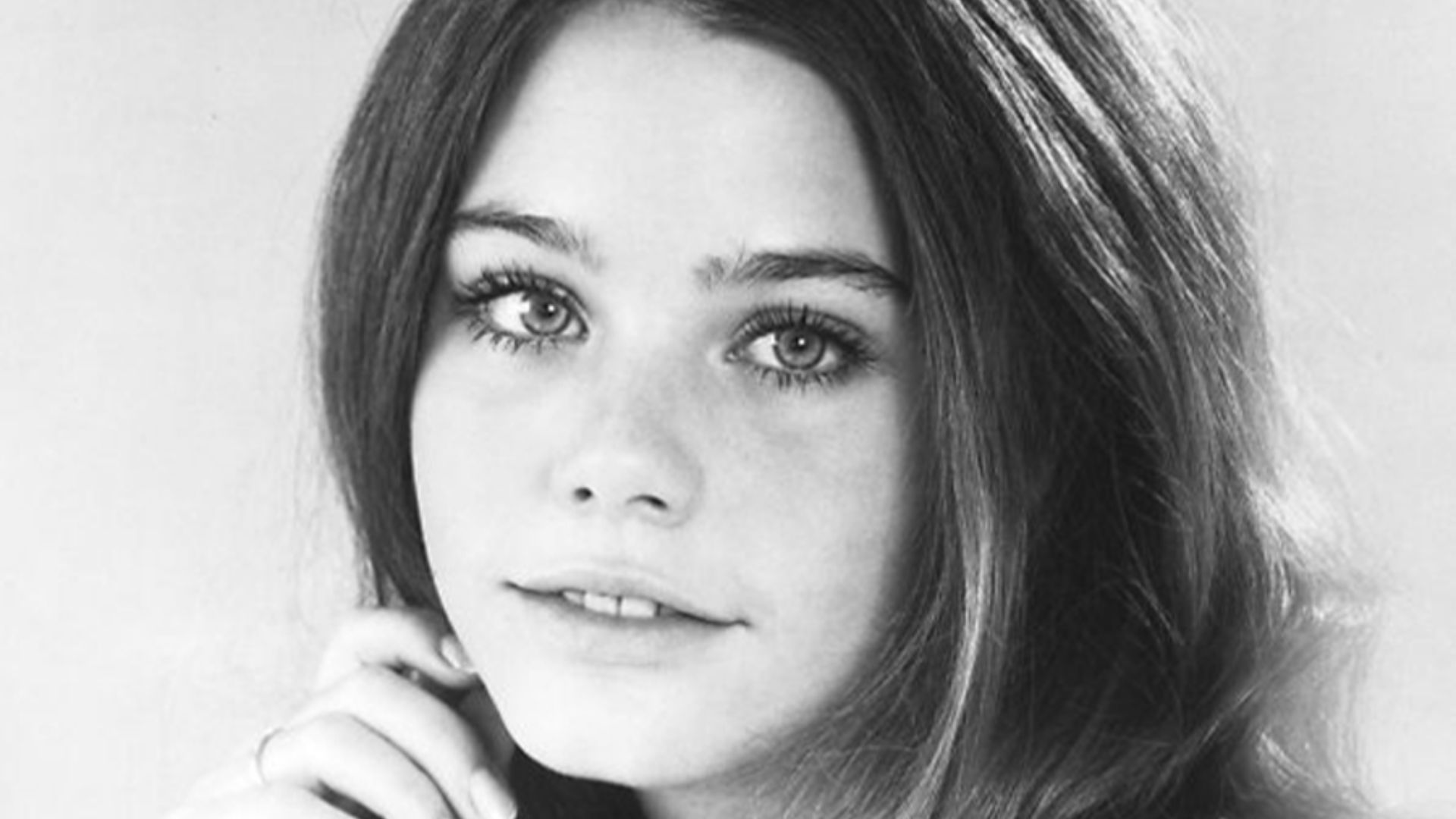 ABC Television Network., Wikimedia Commons
Jack Wagner (General Hospital, 1983–1995)
Soap opera fame is intense. Like, really intense. And Wagner had it—he was everywhere, even had a hit song. But that kind of fame tends to stay in its moment. Once that moment passes, so does the recognition… unless you grew up watching it every day.
 Greg Hernandez (Greg in Hollywood), Wikimedia Commons
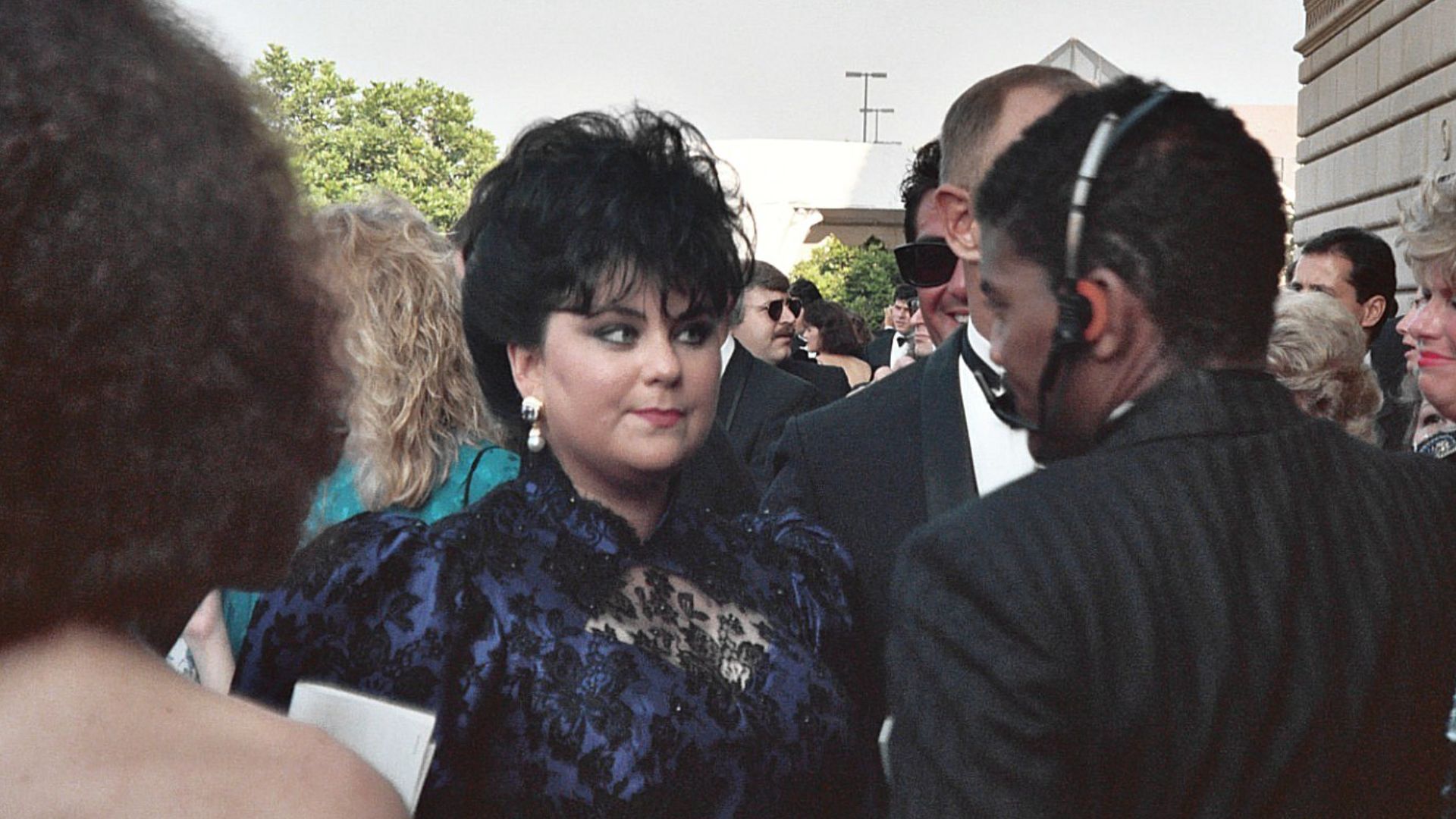
Delta Burke (Designing Women, 1986–1991)
Big personality, big role, big show. Then behind-the-scenes issues led to an exit—and things just never quite got back to that level. The show still gets talked about, but her peak fame is very locked into that one era.
Ted McGinley (Married… with Children, 1991–1997)
You definitely recognize the face…even if the name takes a second. He was on a bunch of popular shows, especially later seasons. But he never quite became the star—more like the guy you kept seeing everywhere for a while… and then one day realized you hadn’t seen in years.
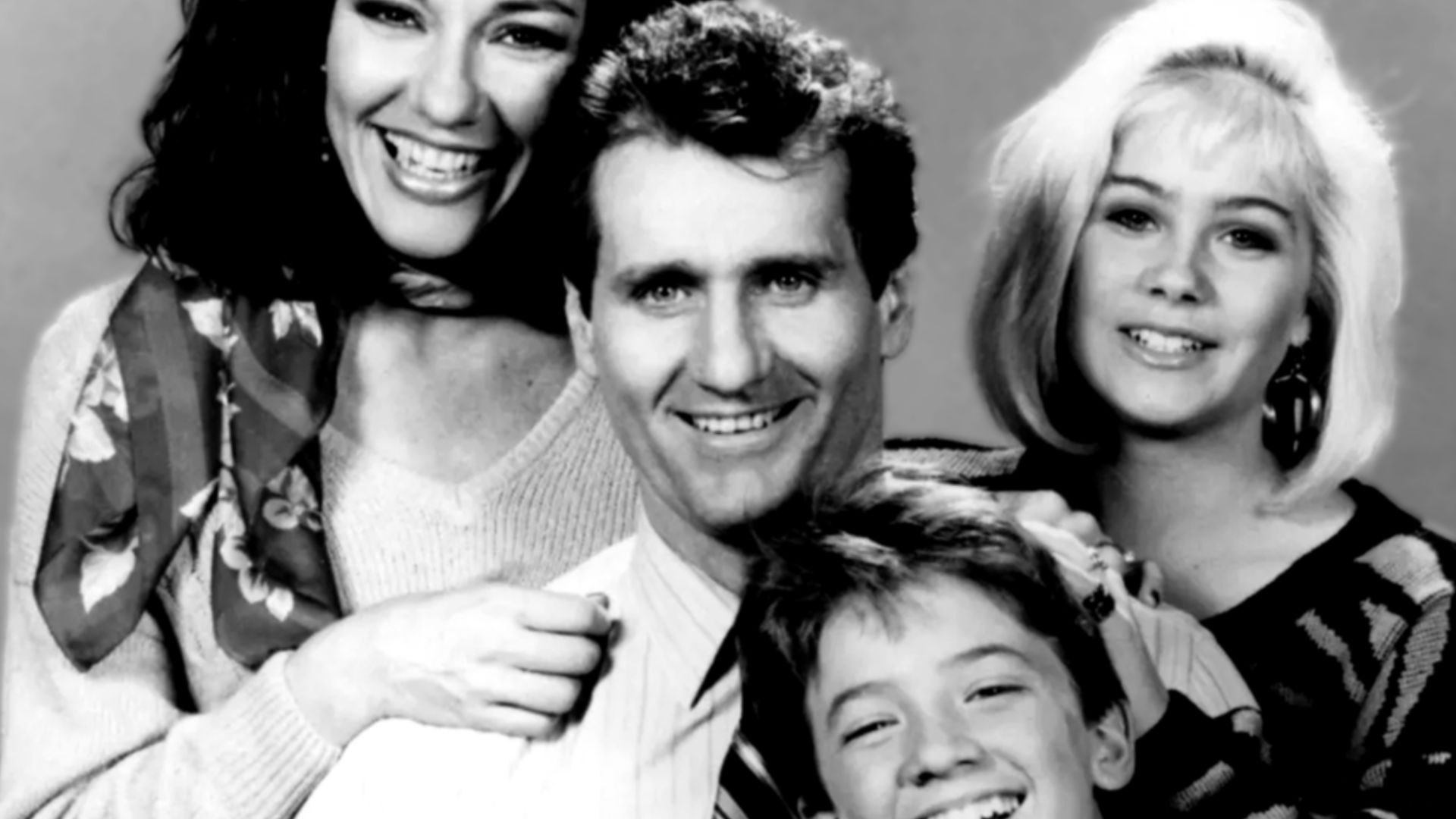 FOX Broadcasting Company, Wikimedia Commons
Catherine Bach (The Dukes of Hazzard, 1979–1985)
Daisy Duke became such a thing that her name turned into a fashion style. That’s how big it was. But weirdly, that kind of iconic image doesn’t always mean long-term recognition for the person behind it.
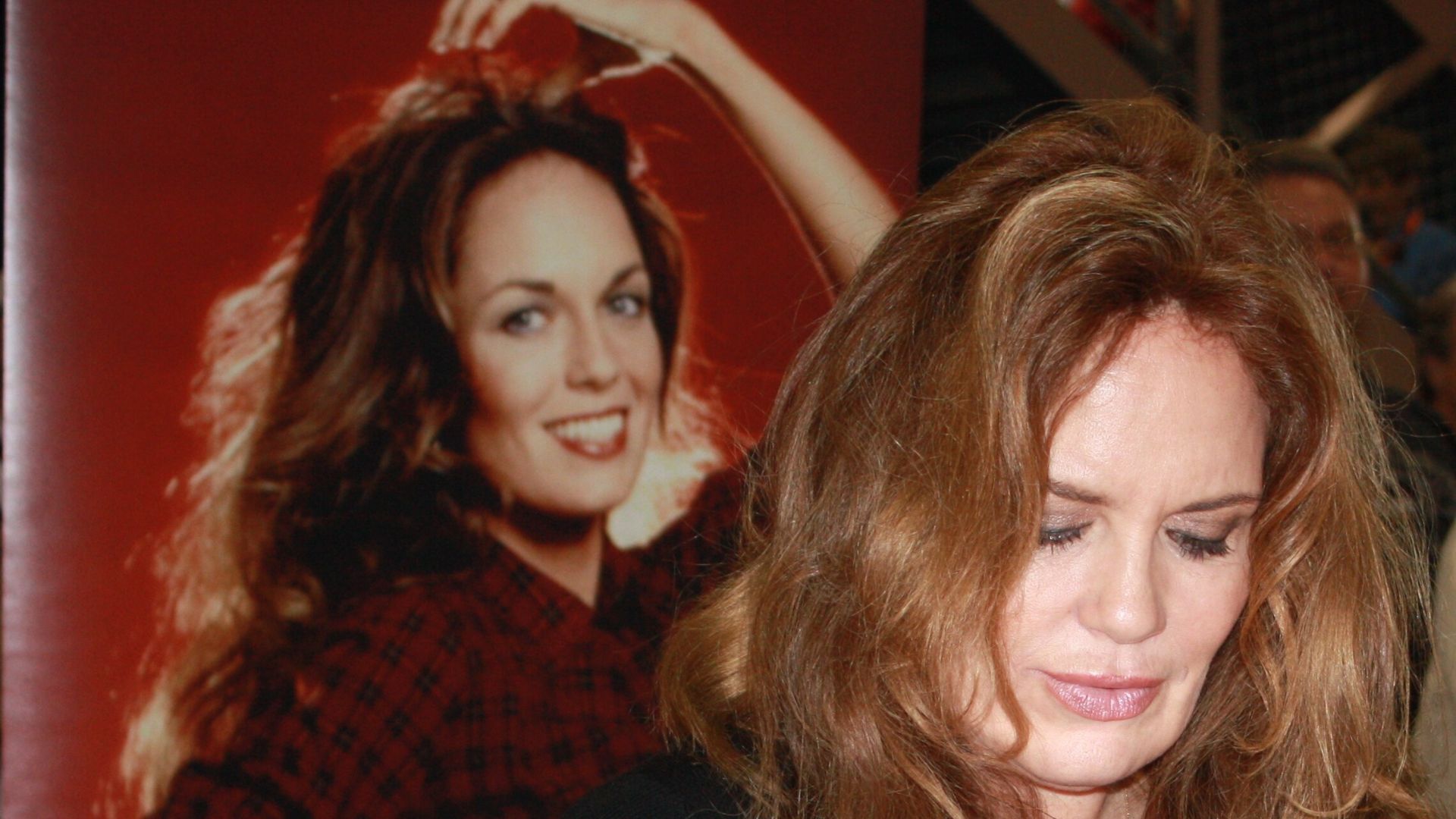 Nick Ares from Auburn, CA, United States, Wikimedia Commons
Dirk Benedict (The A-Team, 1983–1987)
The A-Team was massive. Face was cool, confident, and all over TV. But when the show ended, that level of visibility just… stopped. Unless you’re actively seeking out 80s TV, he’s not someone you just randomly come across anymore.
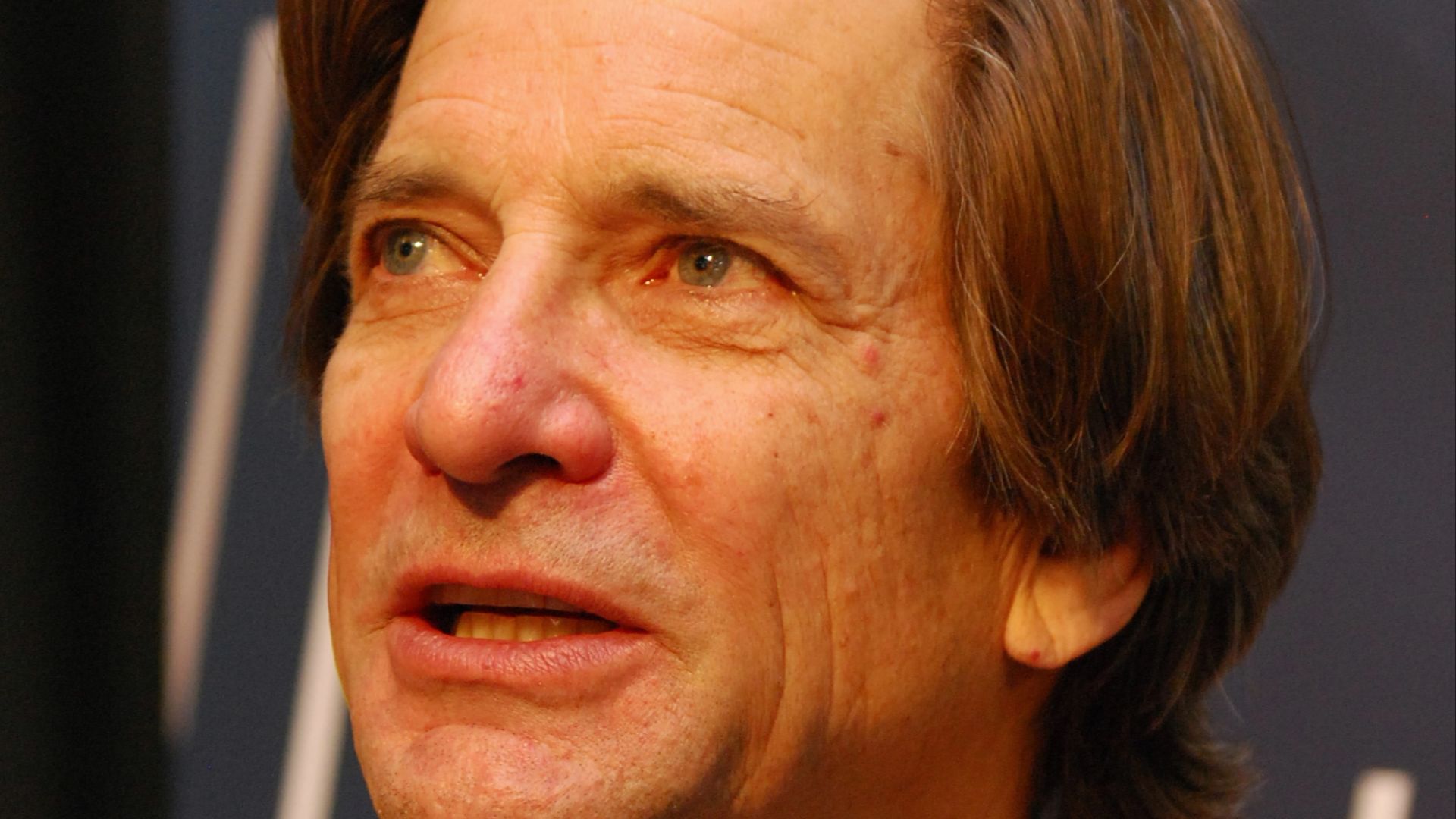 Niccolò Caranti, Wikimedia Commons
Loni Anderson (WKRP in Cincinnati, 1978–1982)
She was one of the most recognizable sitcom stars of her time—glamorous, funny, constantly in the spotlight. But her fame was very tied to that era. Once it passed, so did a lot of the visibility—and WKRP isn’t exactly popping up in anyone’s algorithm today.
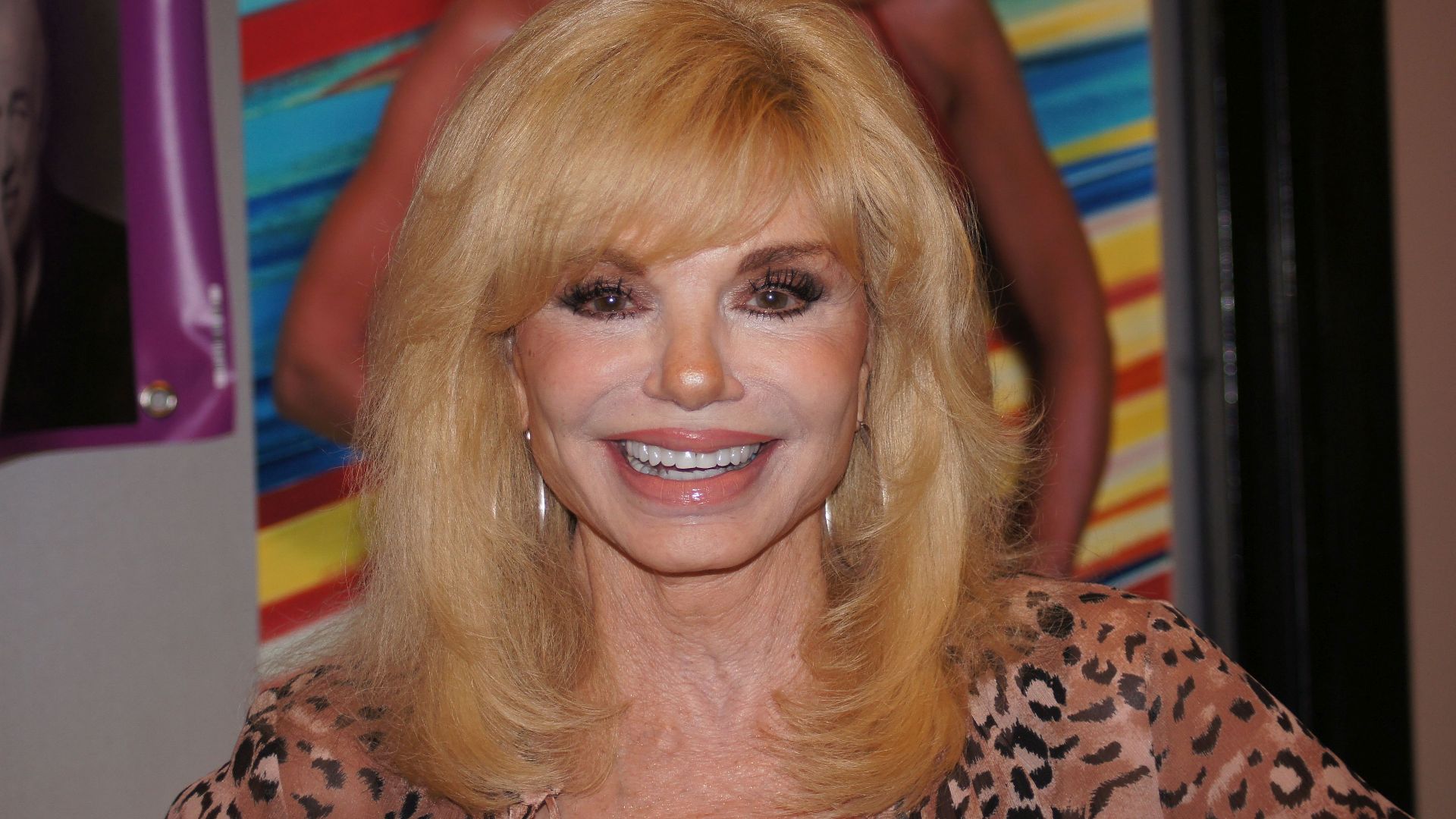 John Mathew Smith & www.celebrity-photos.com from Laurel Maryland, USA, Wikimedia Commons
Todd Bridges (Diff’rent Strokes, 1978–1986)
Same show, same massive exposure. But after it ended, things got rough—personally and professionally. He’s made appearances since, but that original level of fame stayed in that moment… and didn’t really carry forward.
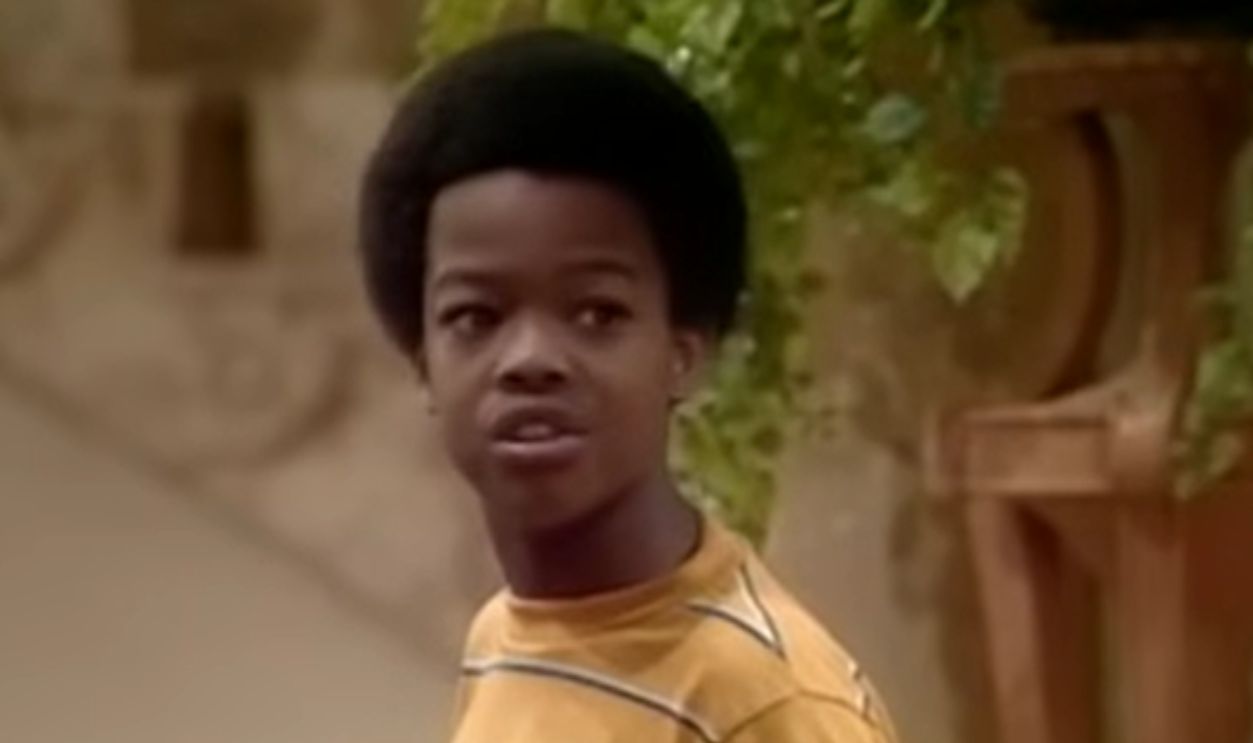 NBC Productions, Diff’rent Strokes (1978–1986)
Grant Goodeve (Eight Is Enough, 1977–1981)
Another familiar face from a big family drama. He had the look, the role, the audience. Then quietly shifted into other work, including voice acting—and kind of disappeared from the 'you see him everywhere' level of fame.
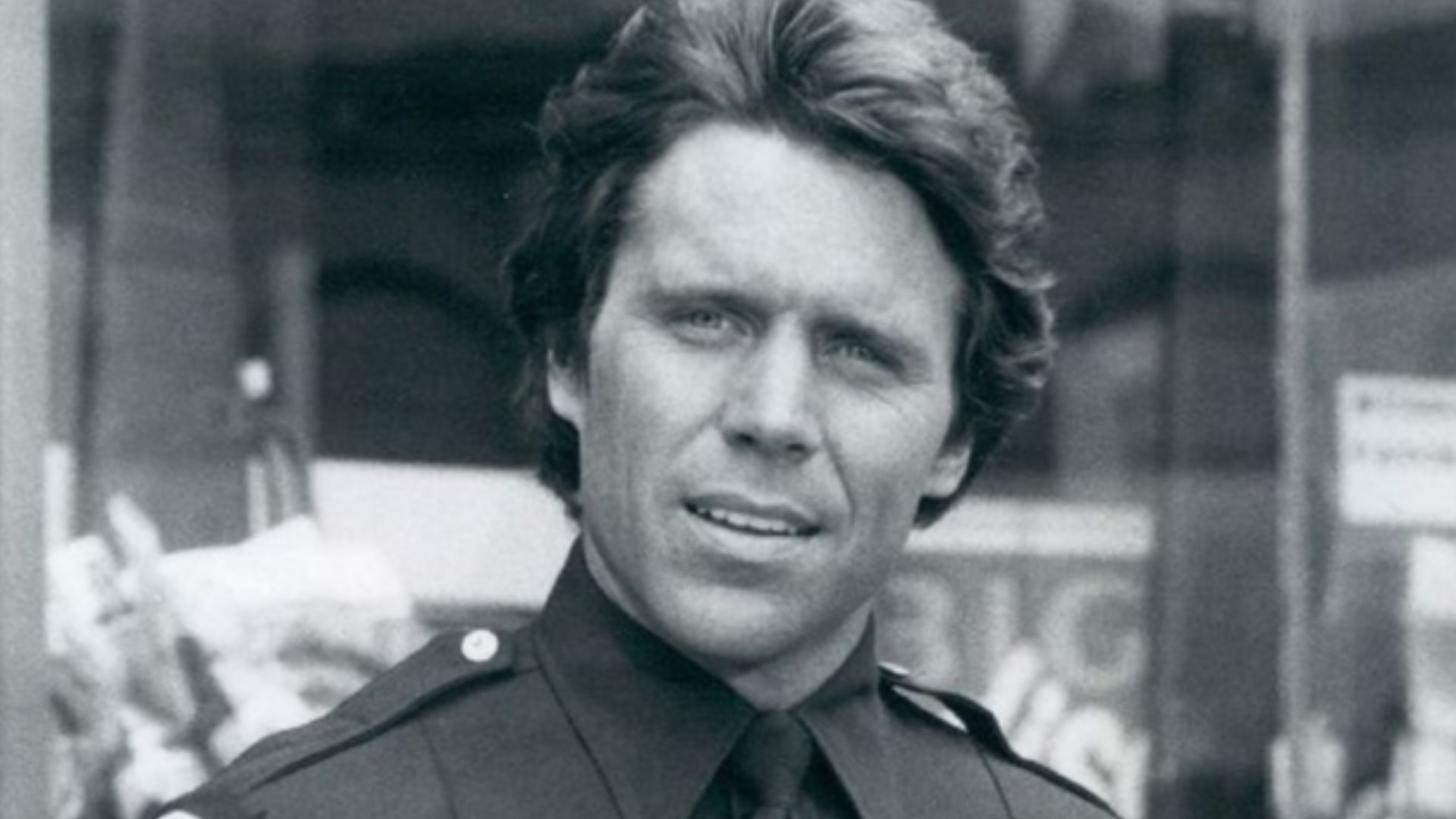 ABC Network, Wikimedia Commons
Robert Conrad (The Wild Wild West, 1965–1969)
At the time, this was a big deal show—and he was the lead. Action, style, something a little different. But it’s very much tied to its era now, which means newer audiences rarely come across him.
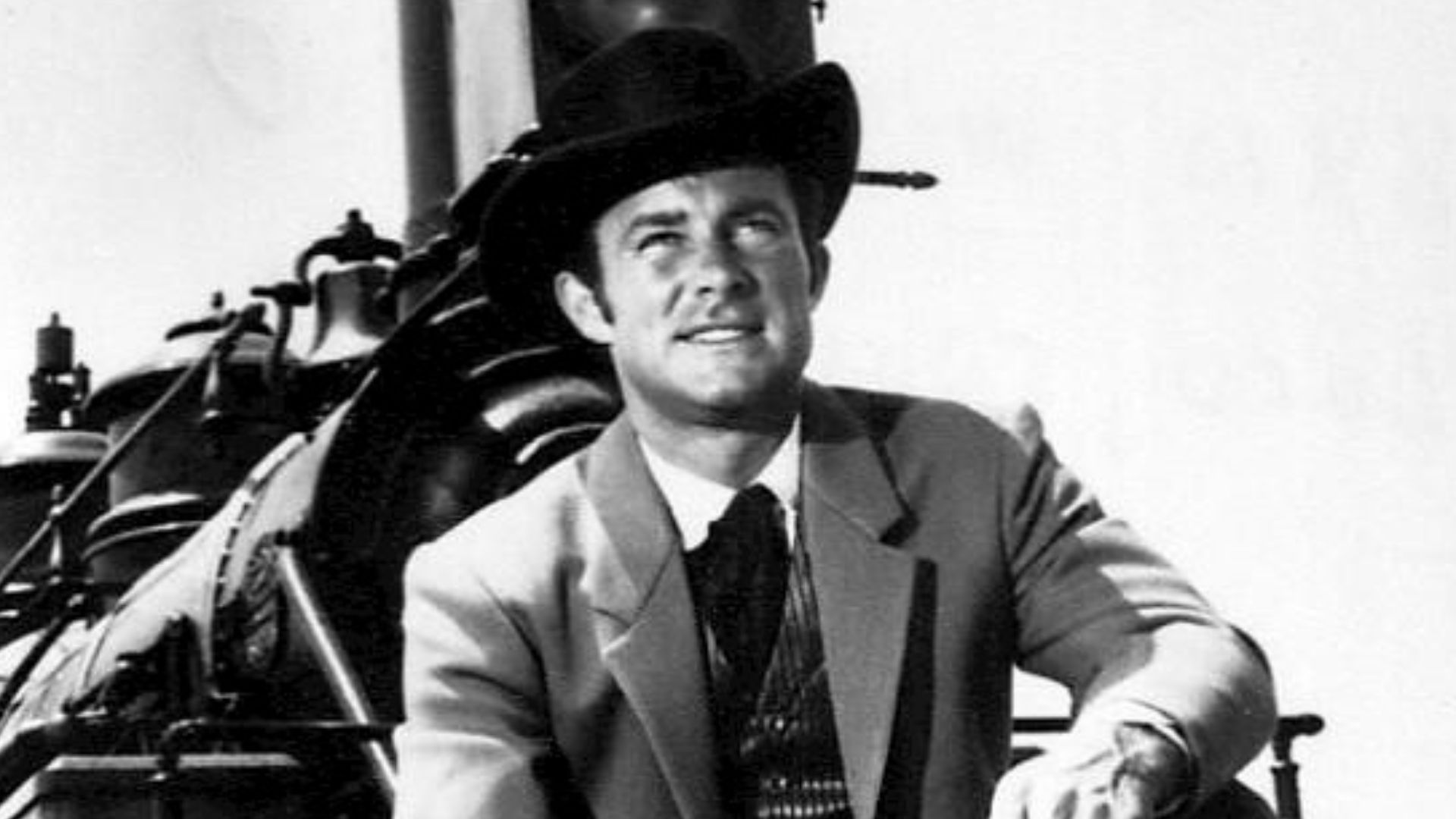 CBS Television, Wikimedia Commons
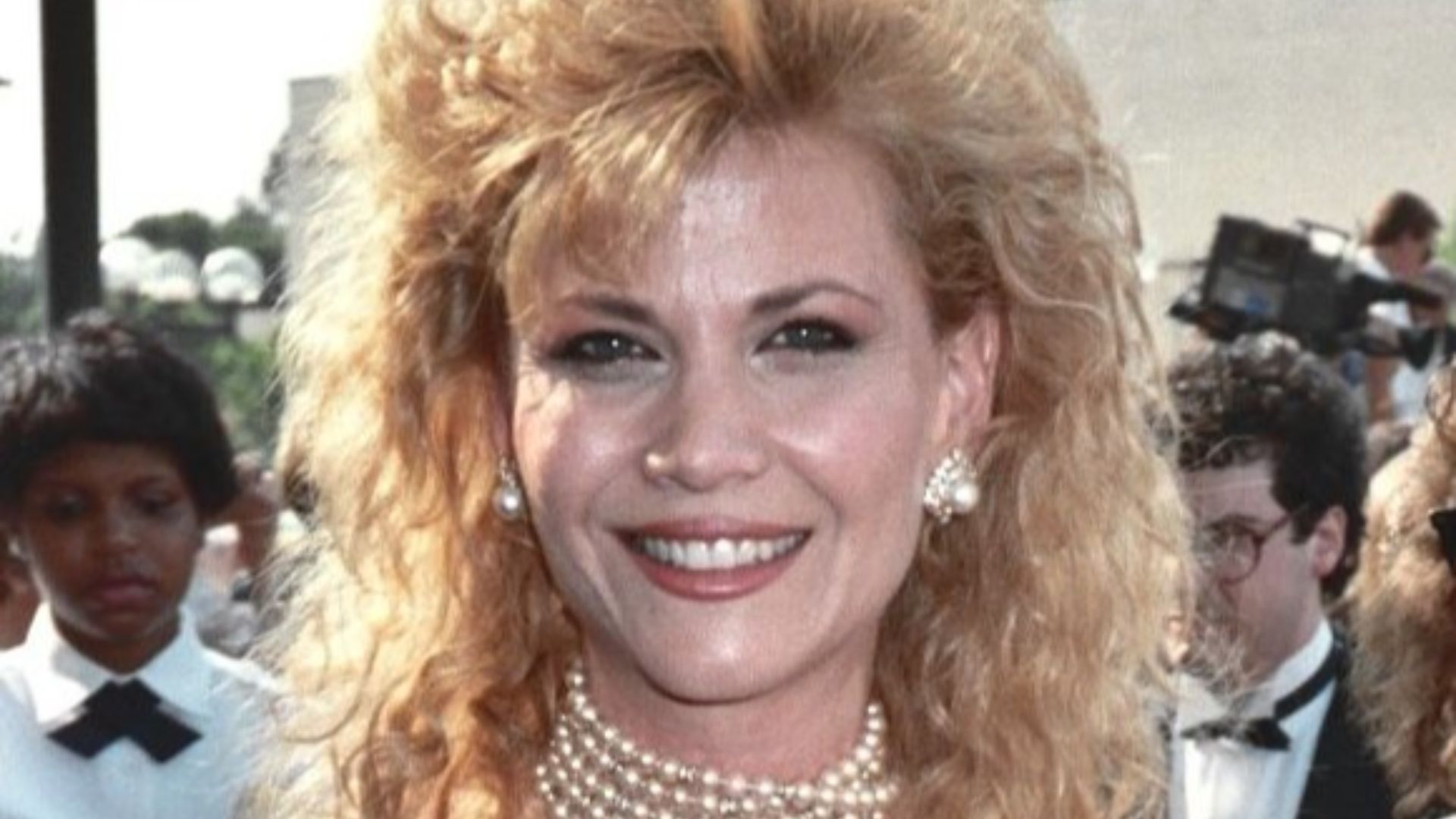
Markie Post (Night Court, 1985–1992)
Night Court was huge for years, and she was right at the center of it. But like a lot of shows from that era, it didn’t fully carry forward to younger audiences—so neither did the recognition.
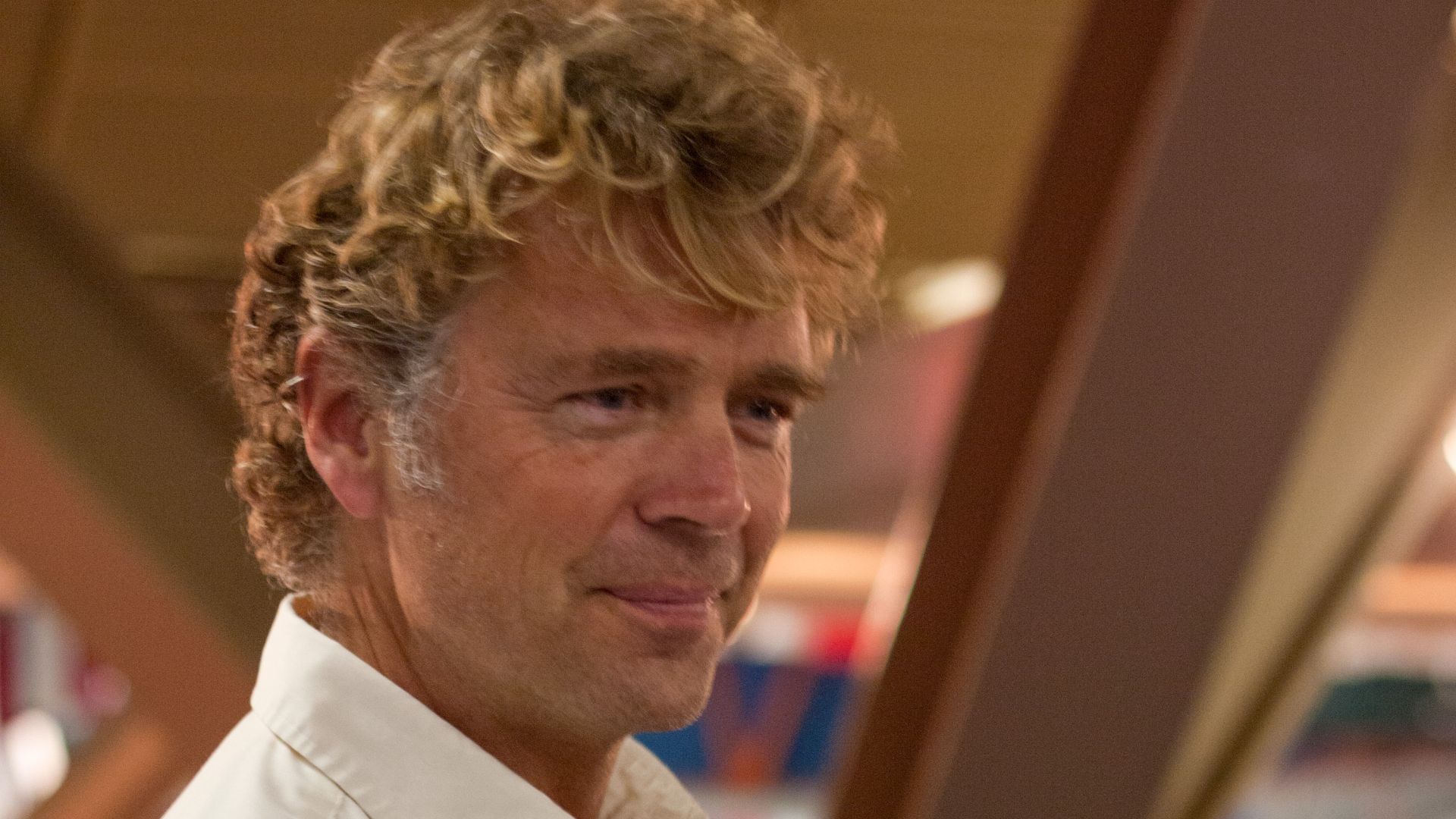
John Schneider (The Dukes of Hazzard, 1979–1985)
Another Duke, another huge wave of fame. He kept working after, including Smallville, but his peak 'everybody knows this guy' era was tied to that original run.
 Nick Ares from Auburn, CA, United States, Wikimedia Commons
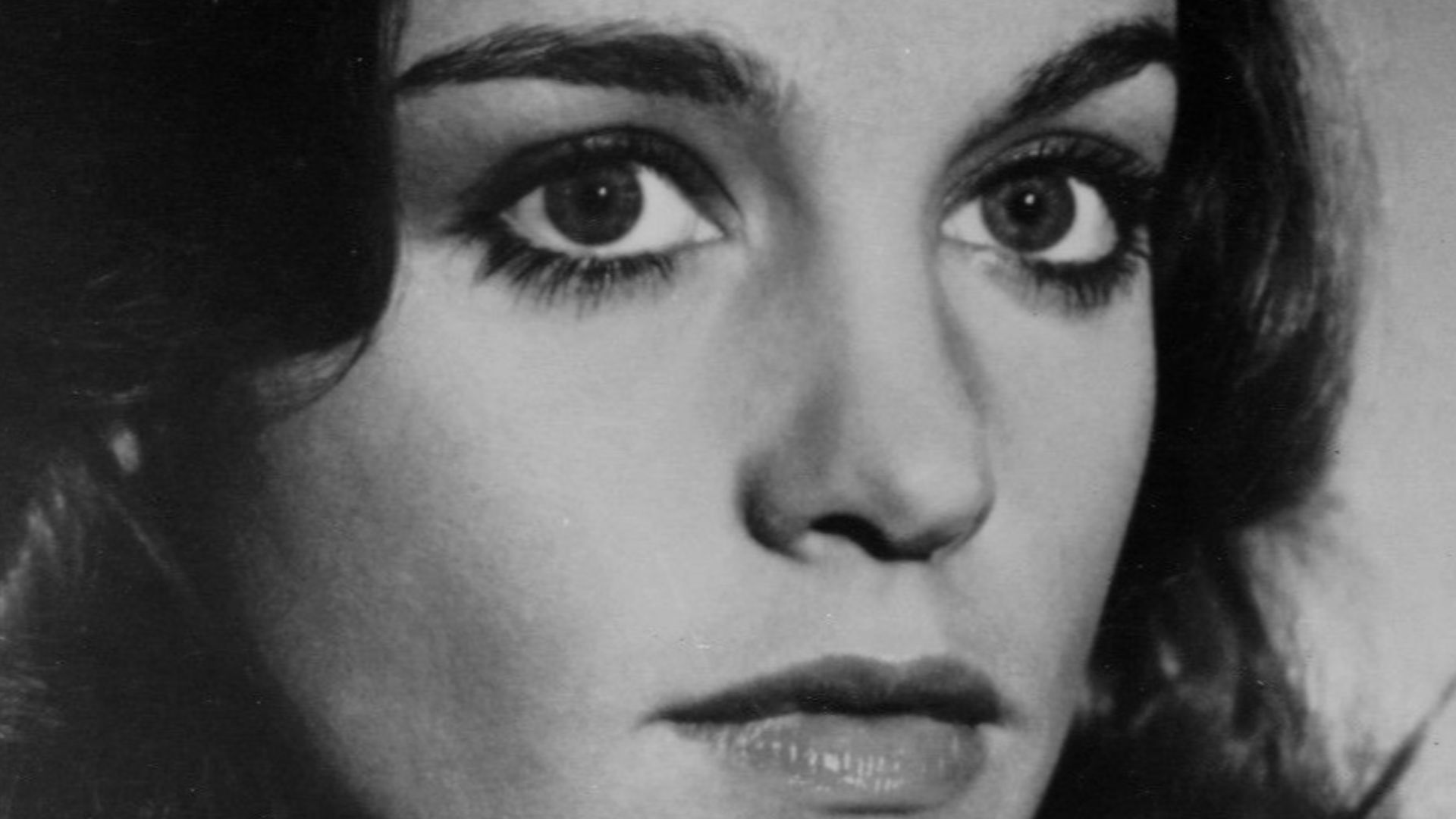
Pamela Sue Martin (Dynasty, 1981–1984)
She was a central figure on one of the most talked-about shows on TV—and then left early. The show kept going, and like we’ve seen… that kind of decision can really change how long the fame lasts.
 ABC Television, Wikimedia Commons
Fame Feels Permanent…Until It Isn’t
At the time, it probably felt locked in. Hit show = lasting fame. But TV doesn’t really work like that. It moves on, audiences change, and names fade. And yeah…it’ll probably happen to today’s stars too.
 Eva Rinaldi, Wikimedia Commons
You Might Also Like:
Celebrities Who Look Like Twins—But The Crazy Part Is They Aren’t Even Related
12 Things Movie Westerns Get Completely Wrong About The Old West
The 30 Greatest Songs Of The 1970s That No One Ever Talks About—How Many Do You Remember?