When Channel Surfing Was A Lifestyle Choice
Before streaming queues and autoplay made decisions for us, television required commitment. You showed up at a specific time, watched with everyone else, and actually waited a week to see what happened next. The 2000s didn’t just produce great shows—they transformed TV into something sharper, riskier, and far more addictive. It was the era where storytelling leveled up across the board, and suddenly the small screen didn’t feel so small anymore.
These 22 shows capture exactly why this decade still hits differently.
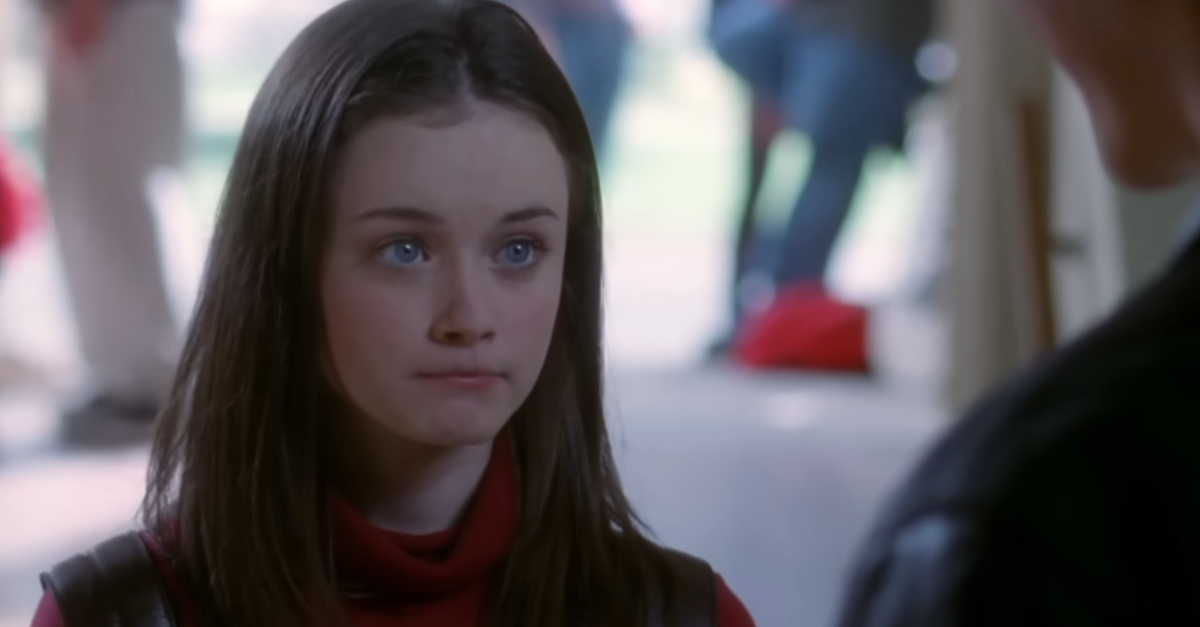
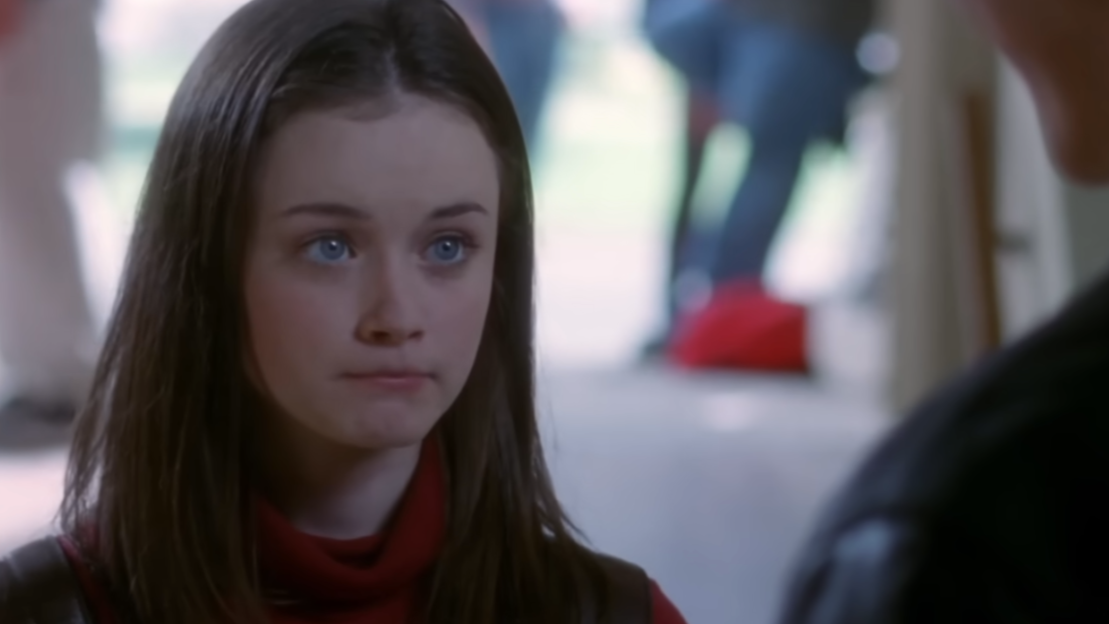 Screenshot from Gilmore Girls, 2000, www.disneyplus.com
The Sopranos
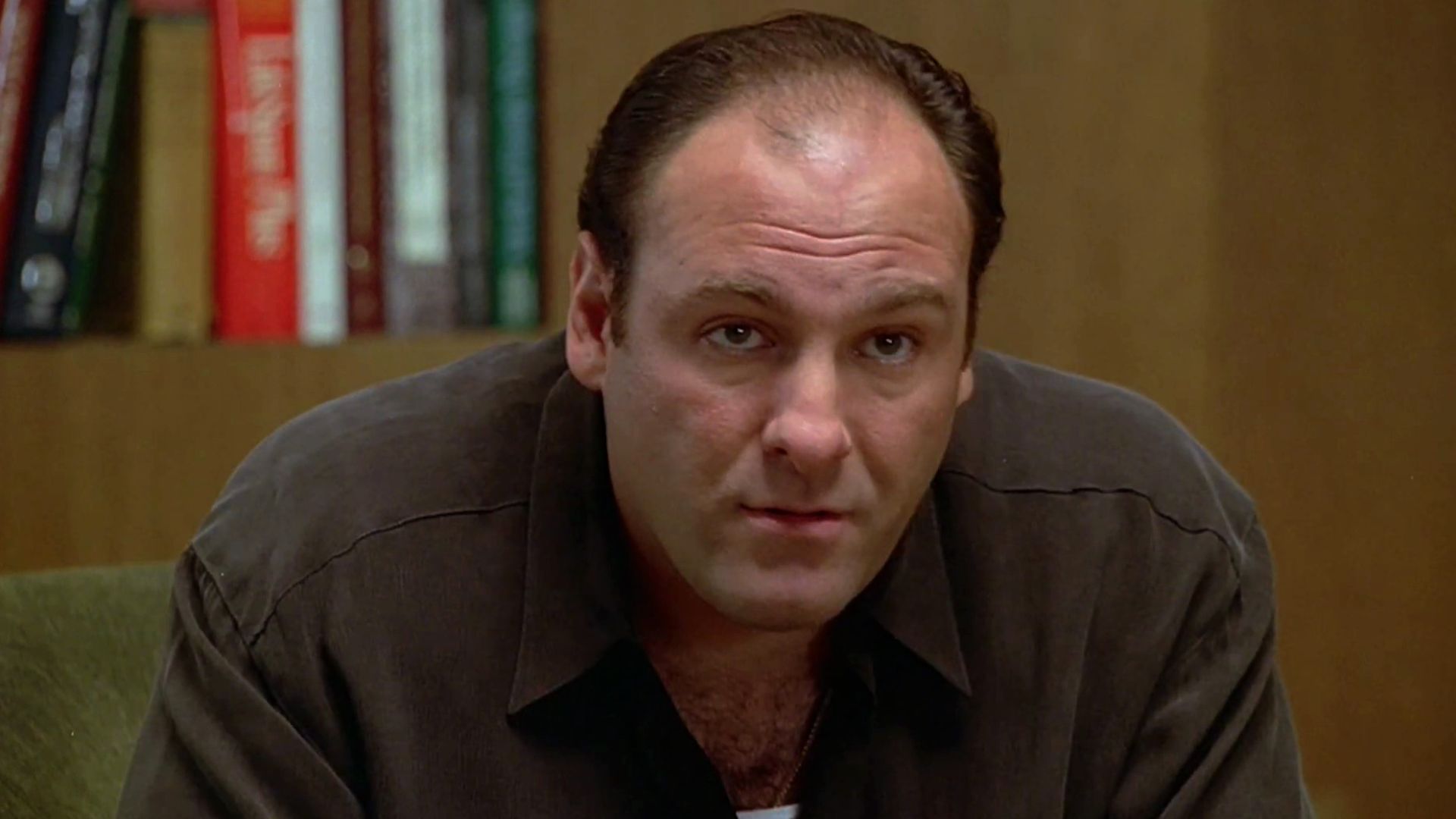
Tony Soprano didn’t just change TV—he complicated it. Suddenly, the main character could be violent, vulnerable, and deeply unlikeable, all at once. The show blended mob drama with therapy sessions and family tension, creating something that felt more like a novel than a series. It set the tone for everything that followed, raising the bar so high that television never really came back down.
The Wire
The Wire didn’t care if you were paying attention—it assumed you were. Instead of focusing on one storyline, it built an entire ecosystem where politics and institutions collided in messy, realistic ways. Characters came and went, problems never had easy solutions, and that was exactly the point. It felt less like entertainment and more like a deep, unfiltered look at how things actually work.
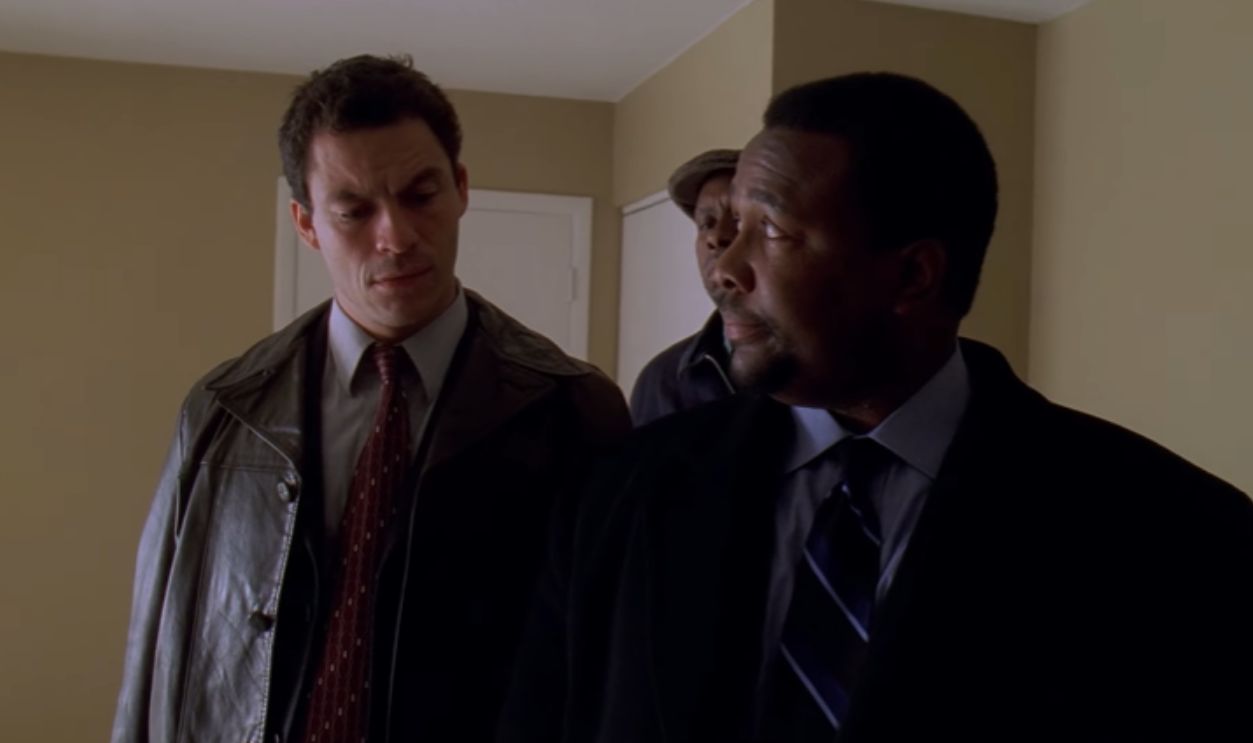 Screenshot from The Wire, HBO (2002-2008)
Mad Men
Mad Men made silence feel loud. Set in the world of 1960s advertising, it explored identity, ambition, and the art of reinvention through characters who were always hiding something. Don Draper carried the show with quiet intensity, making even the smallest moments feel loaded with meaning. It proved you didn’t need constant action to keep people completely hooked.
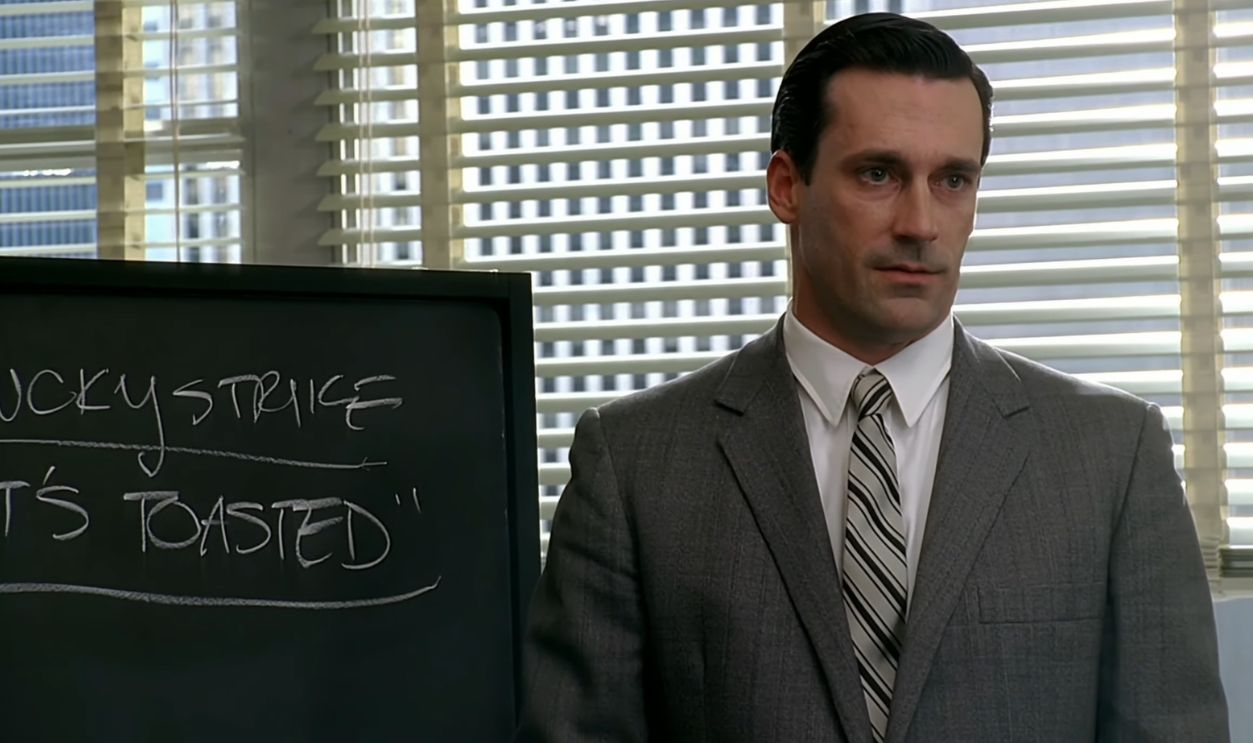 Screenshot from Mad Men, AMC (2007-2015)
Breaking Bad
Watching Walter White change was like watching a slow-motion explosion. What started as a desperate attempt to provide for his family turned into something far darker and far more compelling. Every season raised the stakes, tightening the tension until it felt almost unbearable. It wasn’t just about what happened—it was about how far someone could fall before there was no coming back.
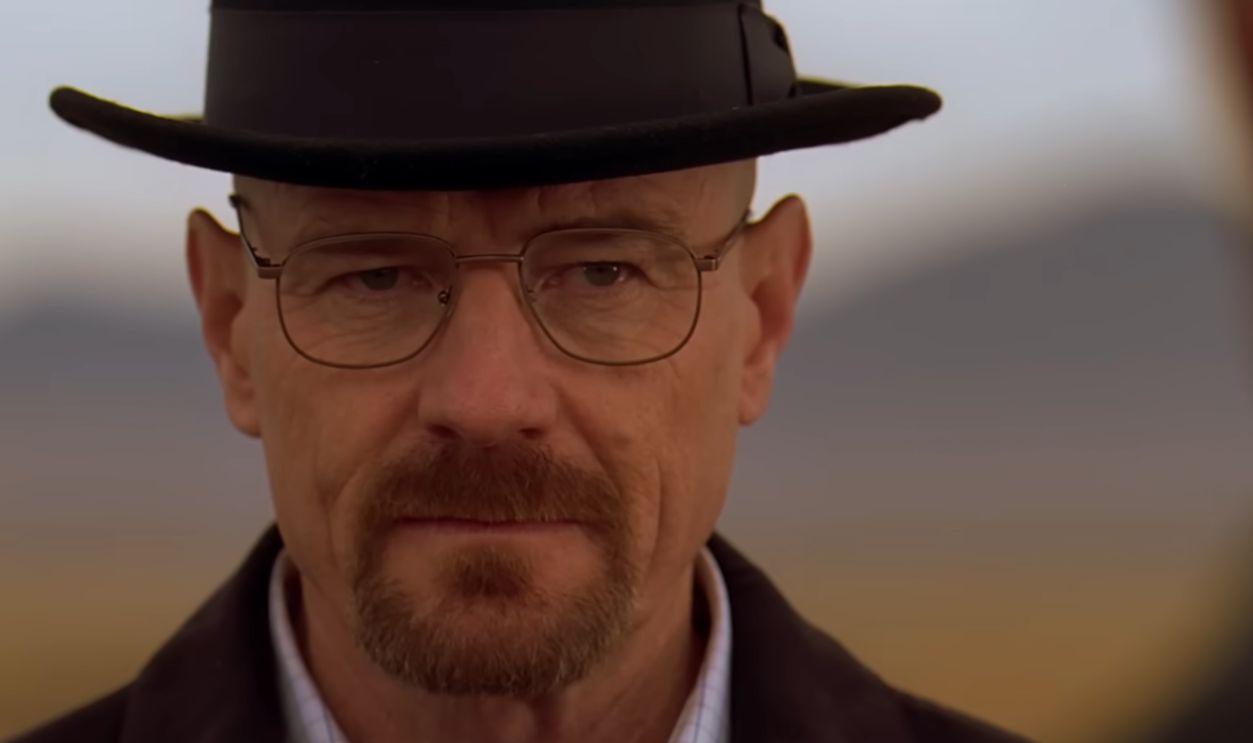 Screenshot from Breaking Bad, AMC (2008-2013)
Lost
Lost turned confusion into a weekly event. The mystery of the island pulled viewers in, but it was the characters and their tangled backstories that kept them there. Every episode added new questions, new theories, and new reasons to keep watching. For a while, it felt like everyone was trying to solve the same puzzle together.
 Screenshot from Lost, ABC (2004–2010)
The Office (U.S.)
The Office made awkwardness feel like an art form. Through its mockumentary style, it captured the small, painfully relatable moments of everyday work life. Michael Scott’s chaos somehow balanced perfectly with the quieter, more heartfelt stories unfolding around him. It was funny, uncomfortable, and unexpectedly sincere all at once.
 Screenshot from The Office (U.S.), NBC (2005–2013)
Arrested Development
Arrested Development moved at a speed most comedies wouldn’t dare attempt. Jokes stacked on top of jokes, callbacks appeared out of nowhere, and nothing was ever as simple as it seemed. The Bluth family’s dysfunction became a playground for some of the smartest writing on television. It’s the kind of show that rewards you for paying attention—and then rewards you again on the rewatch.
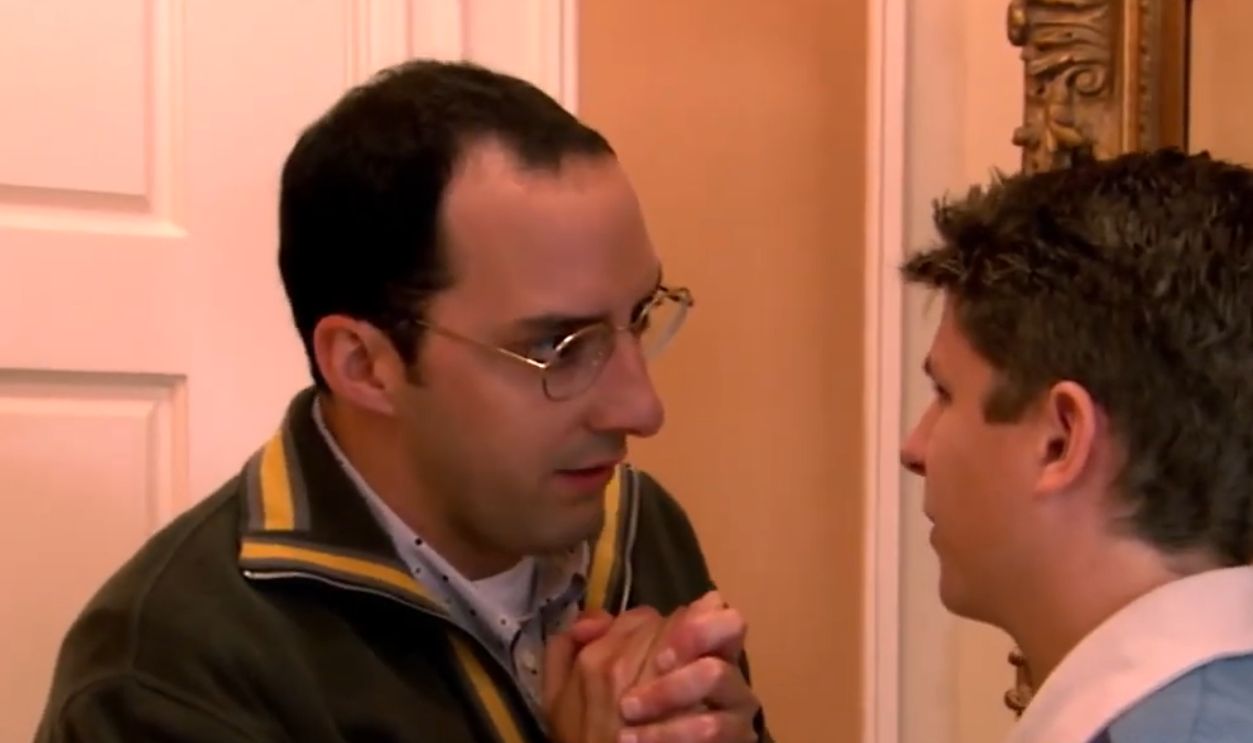 Screenshot from Arrested Development, Netflix (2003–2019)
30 Rock
30 Rock felt like it was written in a constant state of urgency. The jokes came fast, the characters were delightfully ridiculous, and the satire cut surprisingly deep. It turned the chaos of television production into something wildly entertaining. Missing a single line almost guaranteed you missed something funny.
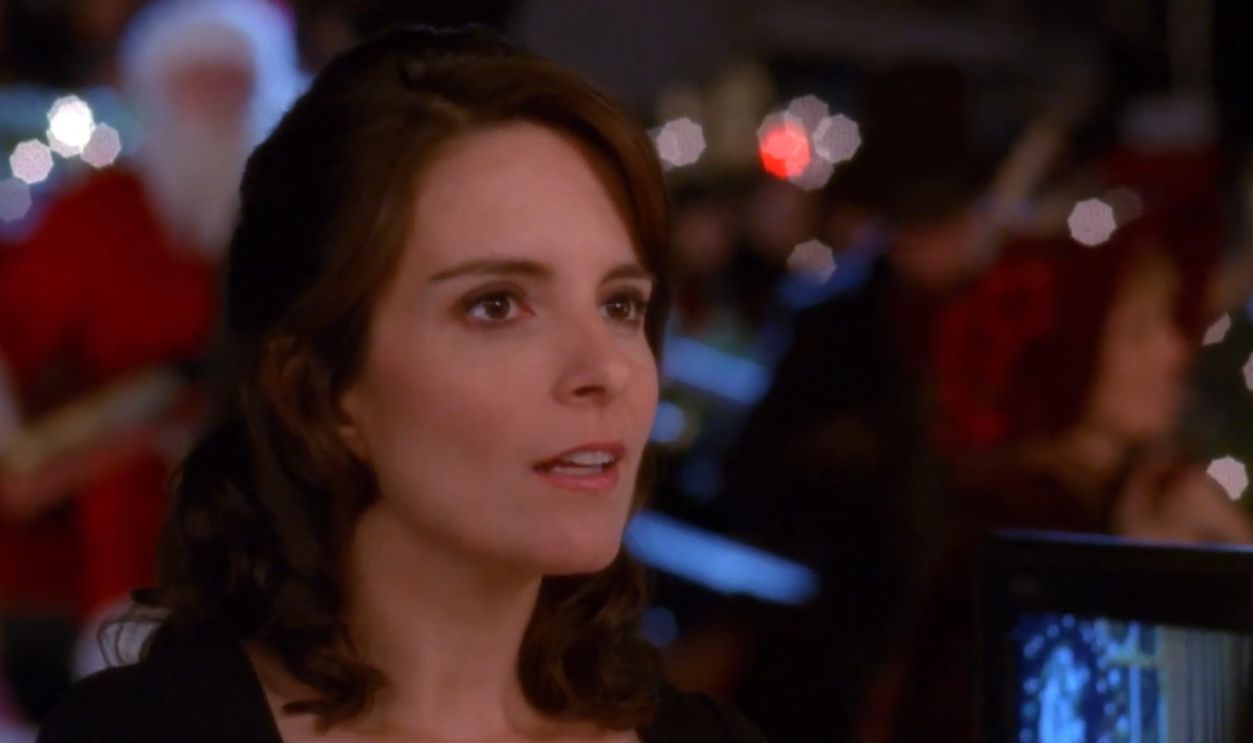 Screenshot from 30 Rock, NBC (2006–2013)
Six Feet Under
Six Feet Under took a premise centered on the end of life and turned it into something deeply human. Each episode explored grief, family, and the strange ways people cope with loss. The characters felt real in a way that stuck with you long after episodes ended. And when it all wrapped up, it did so in a way that still gets talked about like a benchmark.
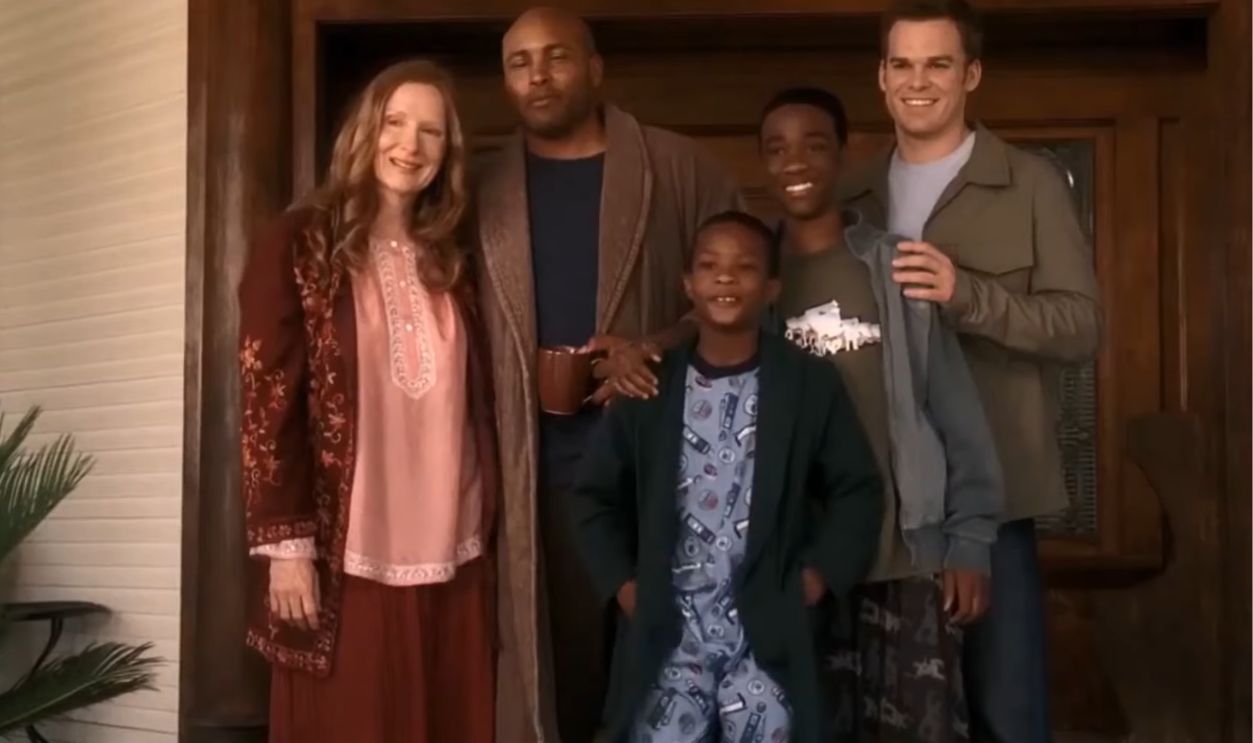 Screenshot from Six Feet Under, HBO (2001–2005)
Battlestar Galactica
Battlestar Galactica proved that sci-fi could carry serious weight. Beneath its futuristic premise was a story about survival, morality, and the cost of leadership. The characters constantly faced impossible decisions, and there were rarely clear answers. It blurred the line between genre and drama in a way that felt surprisingly grounded.
 Screenshot from Battlestar Galactica, NBCUniversal (2004-2009)
Deadwood
Deadwood didn’t just depict the Old West—it immersed you in it. The dialogue was dense, almost poetic, and packed with personality that demanded your attention. Every character felt rough around the edges, shaped by the world they were trying to survive in. It wasn’t always easy viewing, but that’s exactly what made it unforgettable.
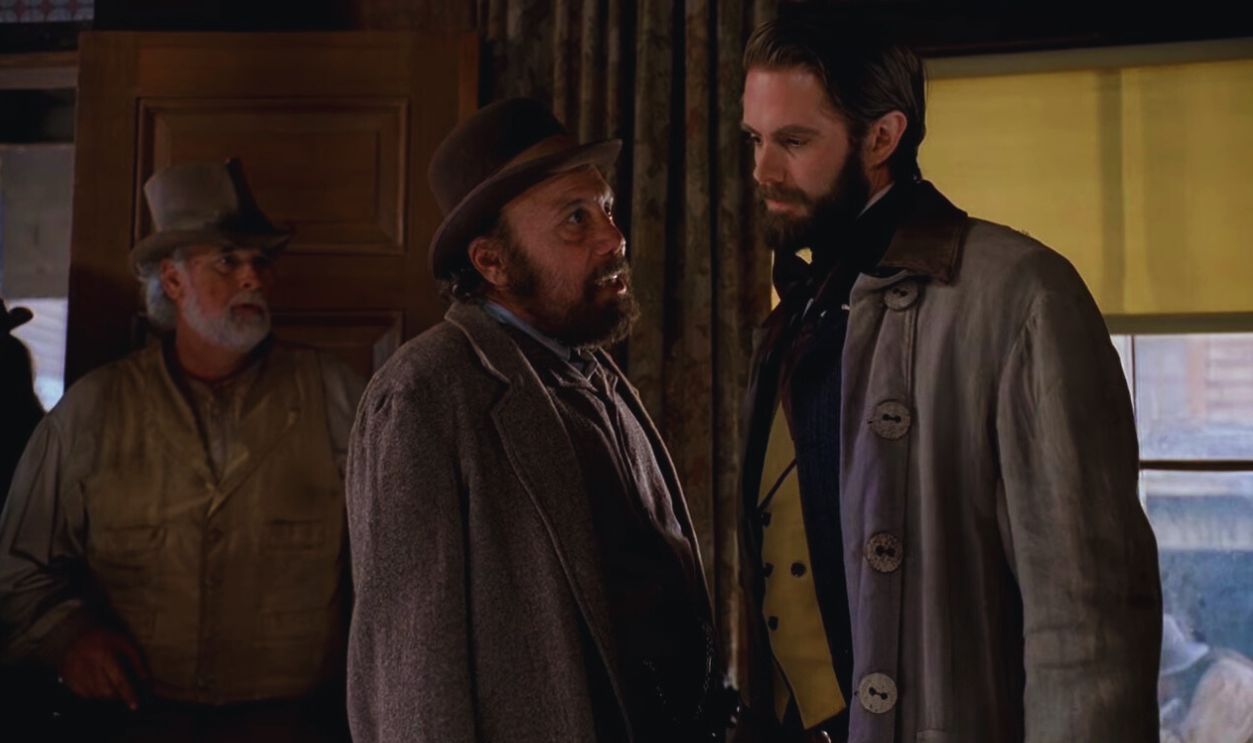 Screenshot from Deadwood, HBO (2004-2006)
Friday Night Lights
Friday Night Lights used football as a backdrop, but it was never really about the game. It focused on pressure, expectations, and the emotional lives of a small-town community. The relationships felt genuine, the struggles felt real, and the stakes always felt personal. It quietly built one of the most heartfelt series of the decade.
 Screenshot from Friday Night Lights, NBCUniversal (2006-2011)
The West Wing
The West Wing made politics feel fast, smart, and surprisingly hopeful. Its rapid-fire dialogue and idealistic tone created a version of government that felt both aspirational and engaging. Characters moved through high-pressure situations with wit and urgency. It made conversations feel just as gripping as action.
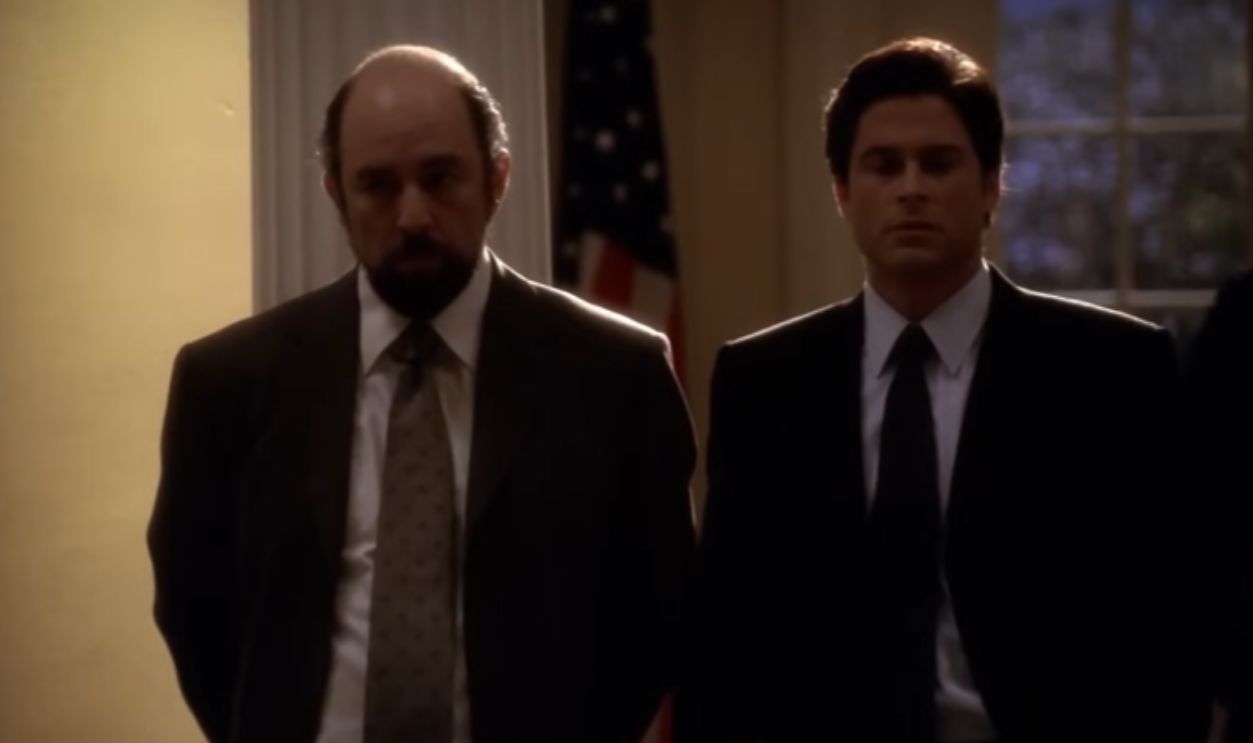 Screenshot from The West Wing, Warner Bros. (1999-2006)
Grey’s Anatomy
Grey’s Anatomy turned hospital drama into something intensely addictive. Relationships unfolded alongside life-or-death situations, giving every episode emotional weight. Characters came and went, but the core intensity never really faded. It knew exactly how to keep viewers invested.
 Screenshot from Grey’s Anatomy, ABC (2005–)
House
House built its appeal around a contradiction—a brilliant doctor who was almost impossible to like. Every episode presented a mystery, but the real tension came from watching him interact with everyone around him. His sharp mind was matched only by his complete disregard for social norms. It made diagnosis feel like drama.
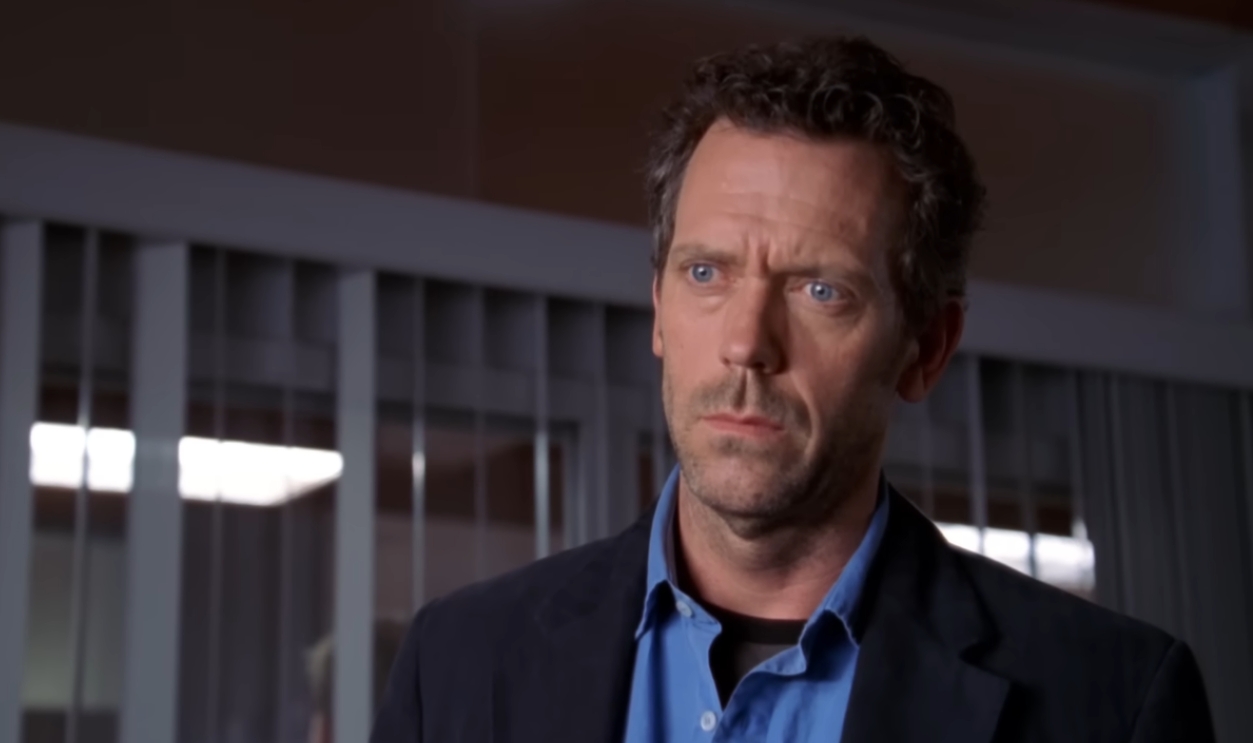 Screenshot from House, Fox (2004–2012)
Veronica Mars
Veronica Mars blended teen drama with detective storytelling in a way that felt completely fresh. The mysteries were compelling, but the sharp writing and strong lead made it stand out. It balanced humor, darkness, and emotional stakes with surprising ease. The result was something that never quite fit into one category—and that was its strength.
 Screenshot from Veronica Mars, Warner Bros. (2004-2019)
Dexter
Dexter asked viewers to do something unusual—root for someone who shouldn’t be rootable. The show leaned heavily into moral ambiguity, making every decision feel uneasy. Watching Dexter navigate his double life created a constant sense of tension. It wasn’t comfortable viewing, but it was impossible to look away from.
 Screenshot from Dexter, Paramount Global (2006-2013)
Curb Your Enthusiasm
Curb Your Enthusiasm turned everyday social situations into escalating disasters. Larry David’s ability to make small misunderstandings spiral into chaos became the show’s signature. The humor was awkward, sharp, and often painfully relatable. It found comedy in places most shows wouldn’t even think to look.
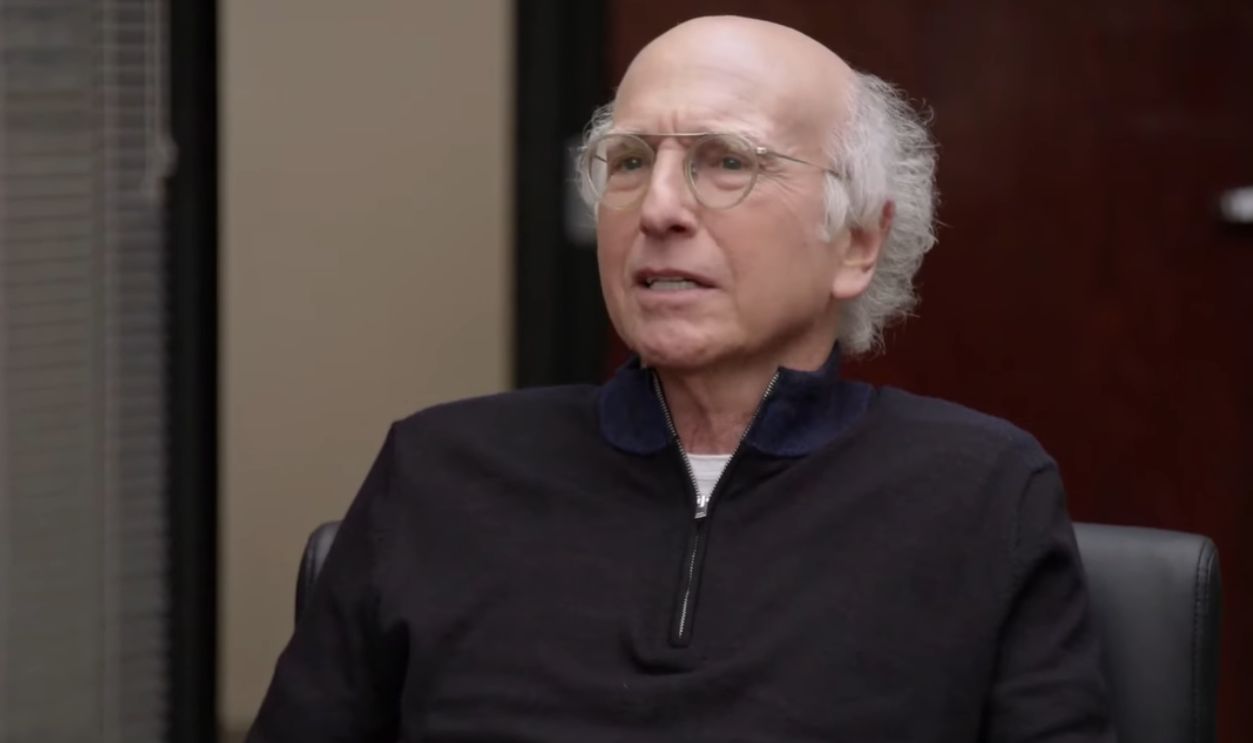 Screenshot from Curb Your Enthusiasm, HBO (2000–2024)
The Daily Show With Jon Stewart
The Daily Show redefined what a news show could be. It blended humor with commentary in a way that felt both entertaining and surprisingly insightful. For many viewers, it became a go-to source for understanding what was happening in the world. It proved that comedy could carry real weight.
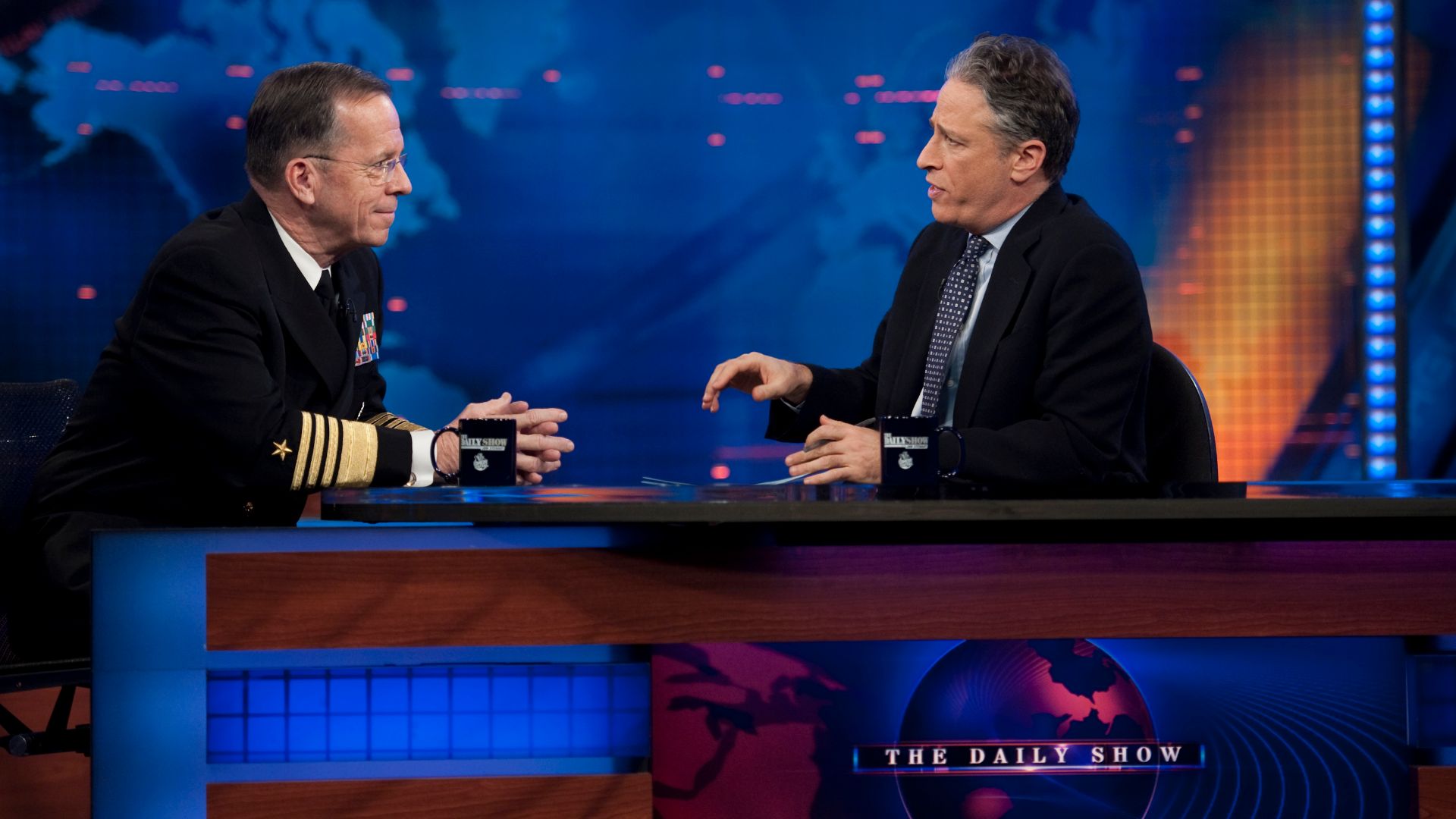 Petty Officer 1st Class Chad J. McNeeley, U.S. Navy, Wikimedia Commons
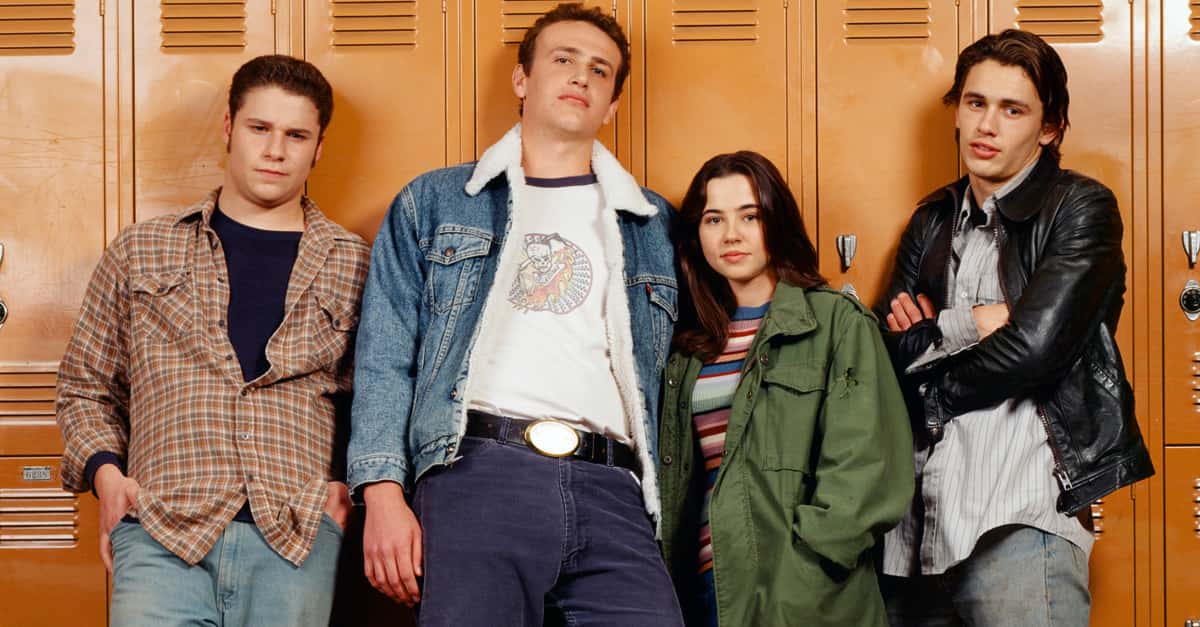
Freaks and Geeks
Freaks and Geeks didn’t last long, but it didn’t need to. It captured the awkwardness of adolescence with honesty and warmth that felt completely genuine. The characters were messy, uncertain, and incredibly relatable. It became one of those rare shows that felt timeless almost immediately.
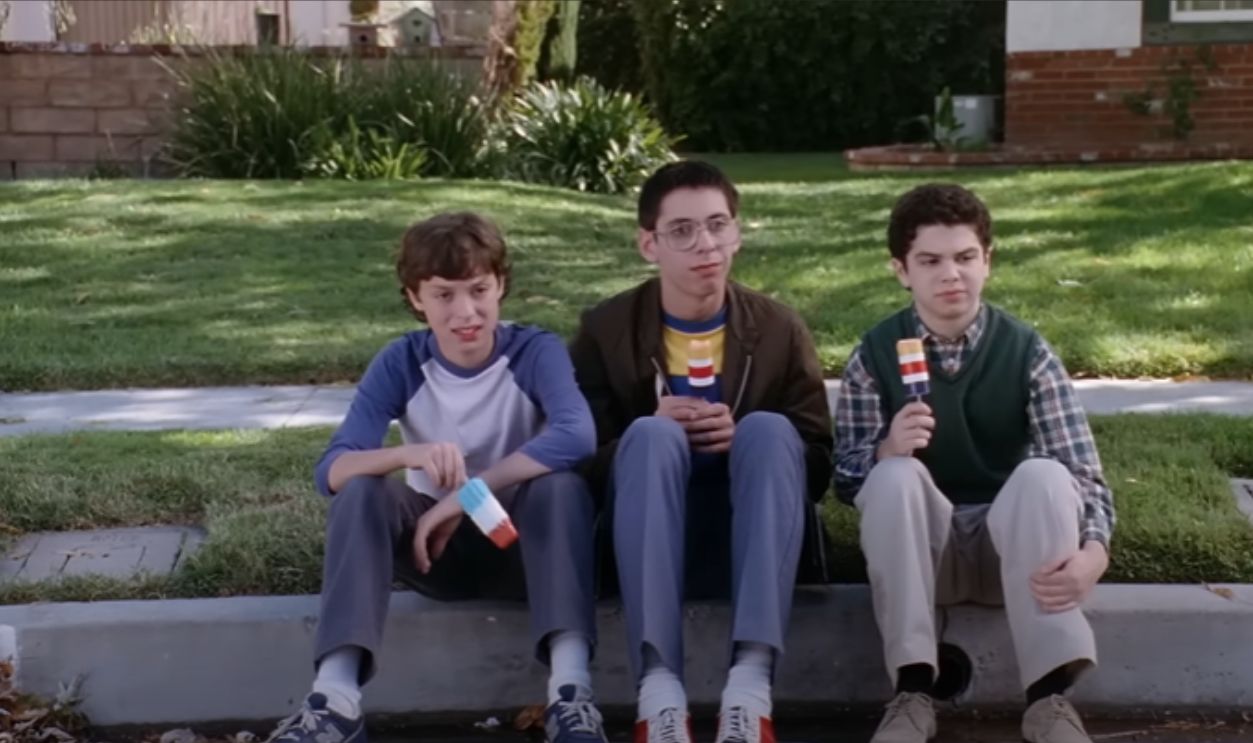 Screenshot from Freaks and Geeks, NBCUniversal (1999–2000)
Gilmore Girls
Gilmore Girls thrived on rhythm—fast dialogue, quick wit, and constant references. The relationship at its center grounded everything, giving the show its emotional core. It created a world that felt cozy but never shallow. Spending time in it felt easy in the best way.
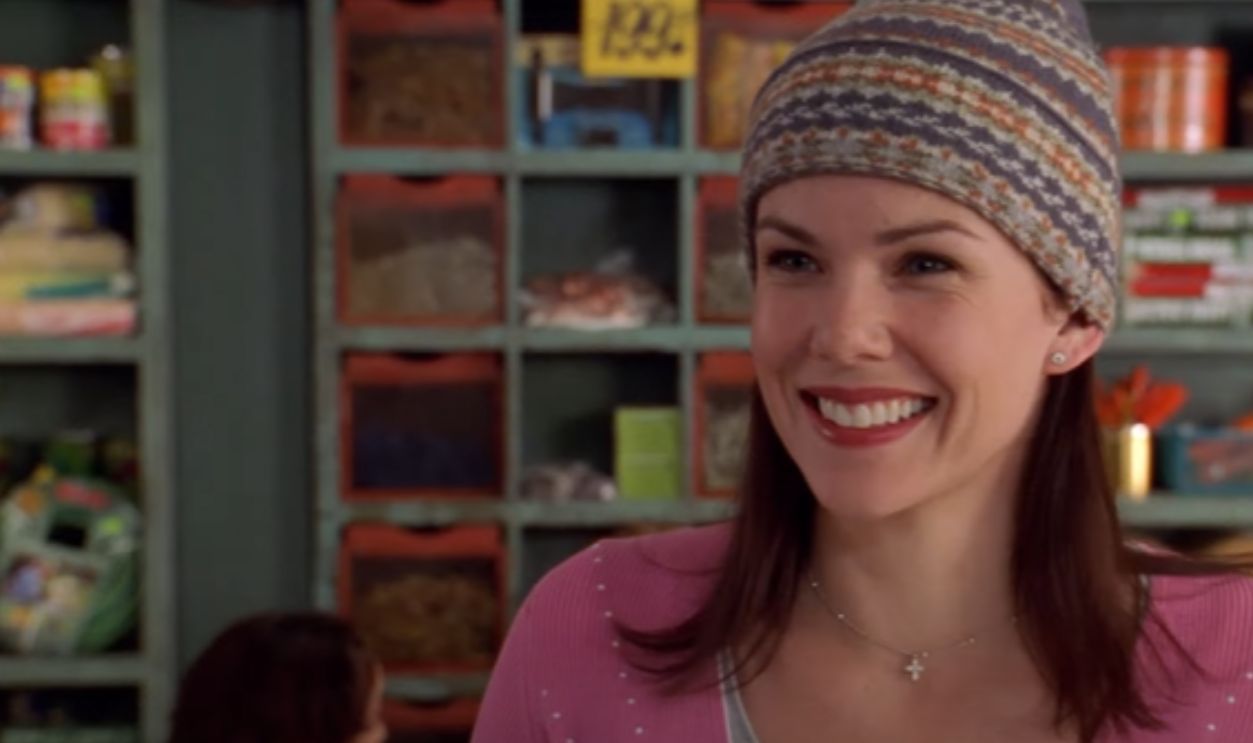 Screenshot from Gilmore Girls, Warner Bros. (2000-2007)
The Shield
The Shield pushed the boundaries of what a crime drama could get away with. It embraced moral complexity, putting its characters in situations where the right choice wasn’t always clear. The tension rarely let up, making each episode feel urgent. It showed that even within familiar genres, there was still room to take risks.
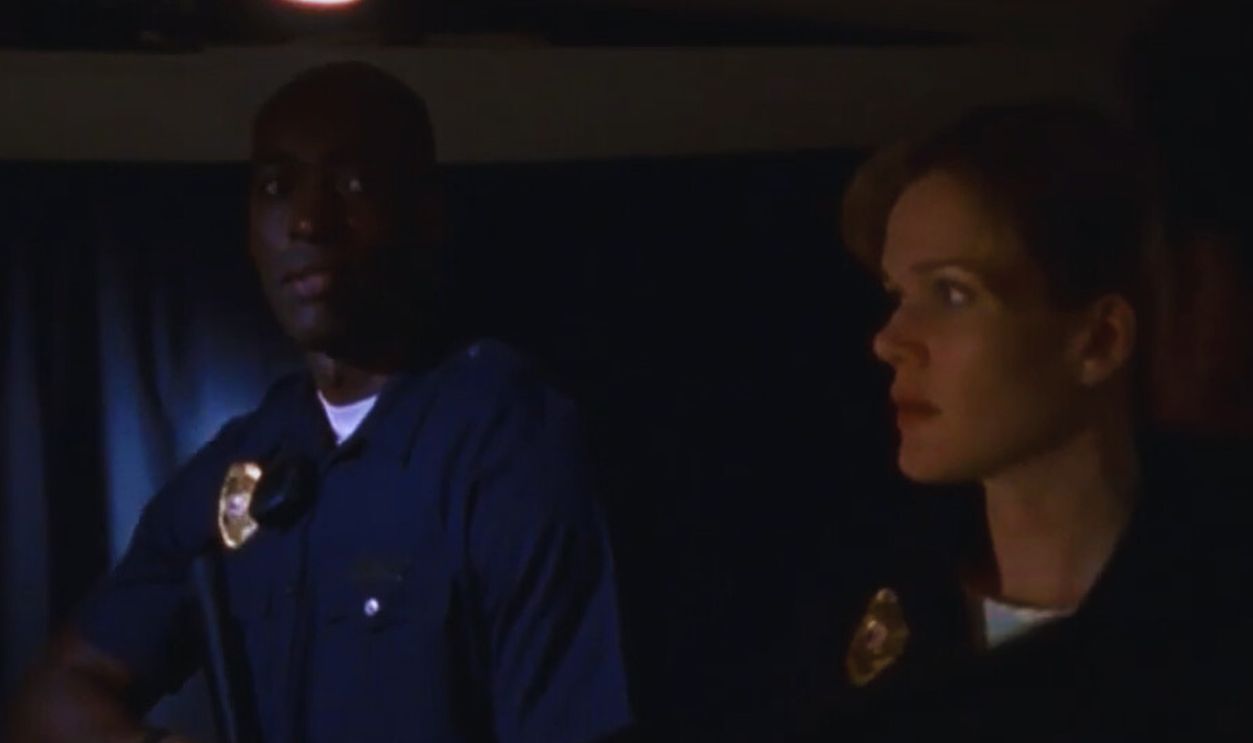 Screenshot from The Shield, FX (2002-2008)
Why The 2000s Still Feel Different
The 2000s marked the moment television stopped playing it safe and started trusting its audience. Stories stretched across seasons, characters evolved in unexpected ways, and viewers were willing to keep up. It was a time when shows weren’t just background noise—they were something you planned around.
That’s what makes this era stand out. It wasn’t just about great writing or strong performances—it was about a shared experience that felt bigger than any one screen.
You May Also Like:
Most Emmy Winning Shows In History
The Worst American Idol Auditions We Still Love
Legendary TV Reunions That Hit Us Right In The Feelings
Source: 1