A Fortune That Came With A Warning
Gene Roddenberry built Star Trek into a sci-fi empire, but his death sparked a bitter family feud over his fortune. His daughter Dawn stood to inherit $500,000 and a potentially massive share of future profits. Instead, she challenged his will and lost everything her father had intended to leave her.
How did one legal decision cost her millions?

Before He Created Star Trek
Long before becoming a Hollywood legend, Gene Roddenberry lived a remarkably adventurous life. Born in Texas in 1921, he served as a military pilot during World War II before working as a commercial airline pilot. He later joined the Los Angeles Police Department, where he began writing television scripts while building a career in entertainment.
He Already Had A Family
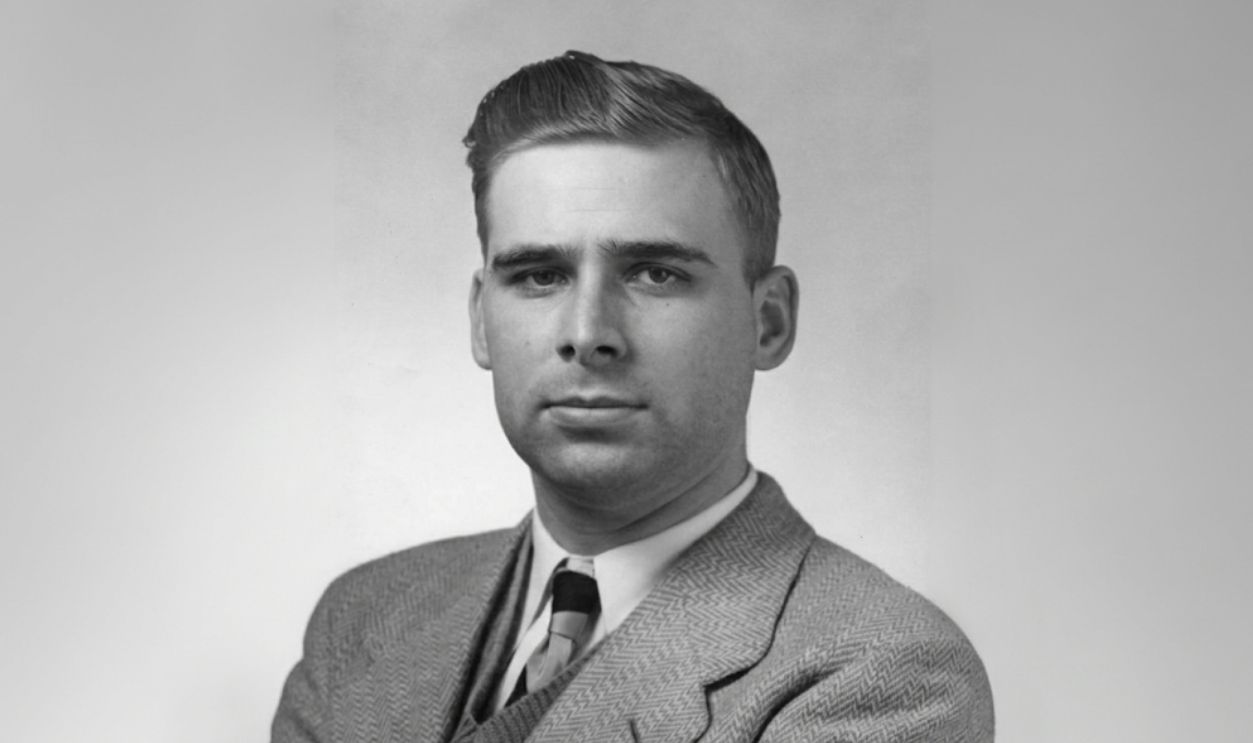
Roddenberry married Eileen Rexroat in 1942, long before Star Trek made him famous. The couple had two daughters, Darleen and Dawn, who grew up as their father pursued his Hollywood ambitions. Neither daughter could have imagined how valuable his eventual television creation would become, or how complicated their inheritance would be.
His Big Idea Nearly Failed
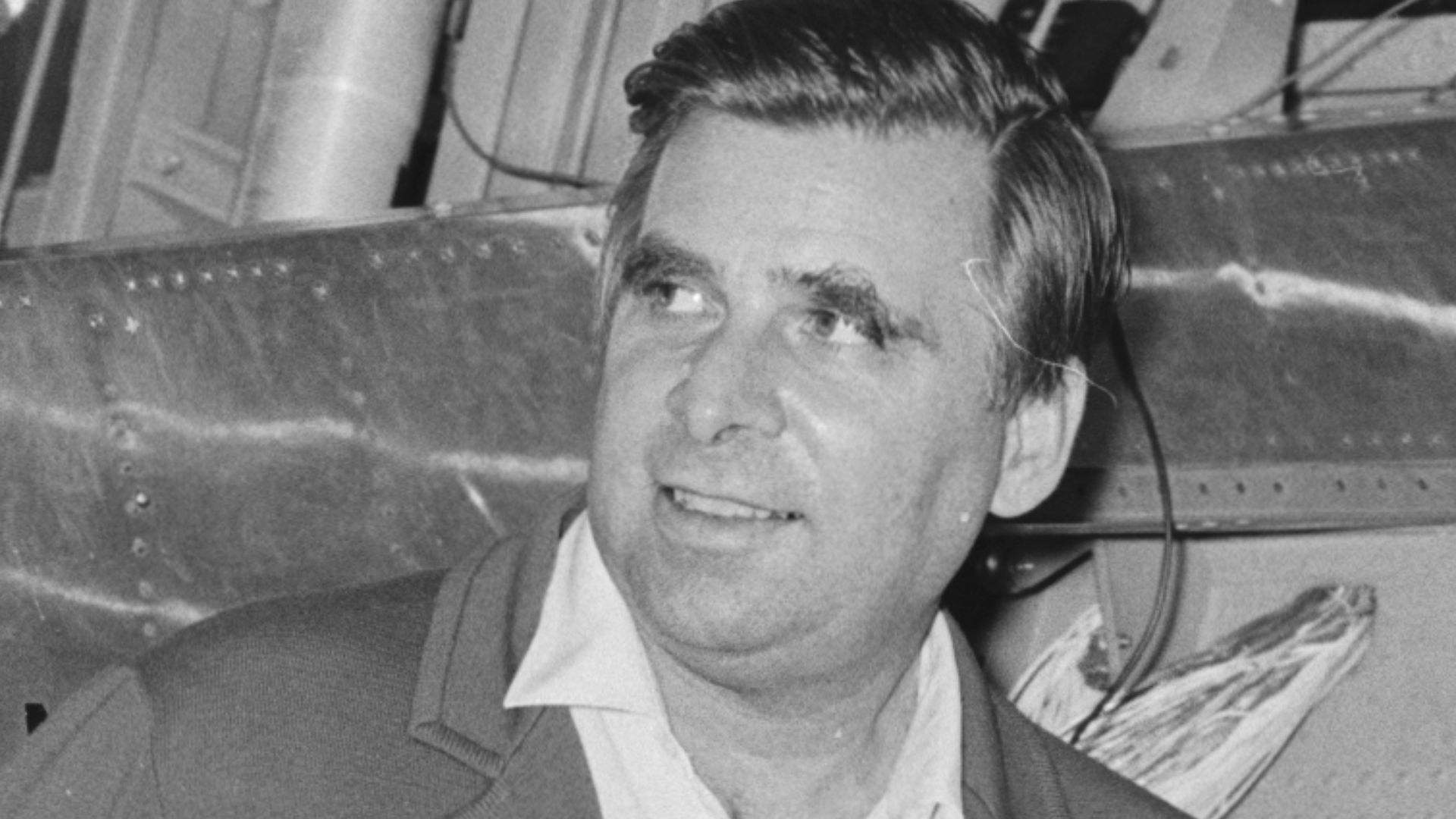
In 1964, Roddenberry pitched an ambitious science fiction series about a starship exploring distant worlds. Desilu Productions developed the project, but NBC rejected its first pilot, The Cage. In an unusual move, the network commissioned a second pilot, giving Roddenberry another chance to bring his futuristic vision to television.
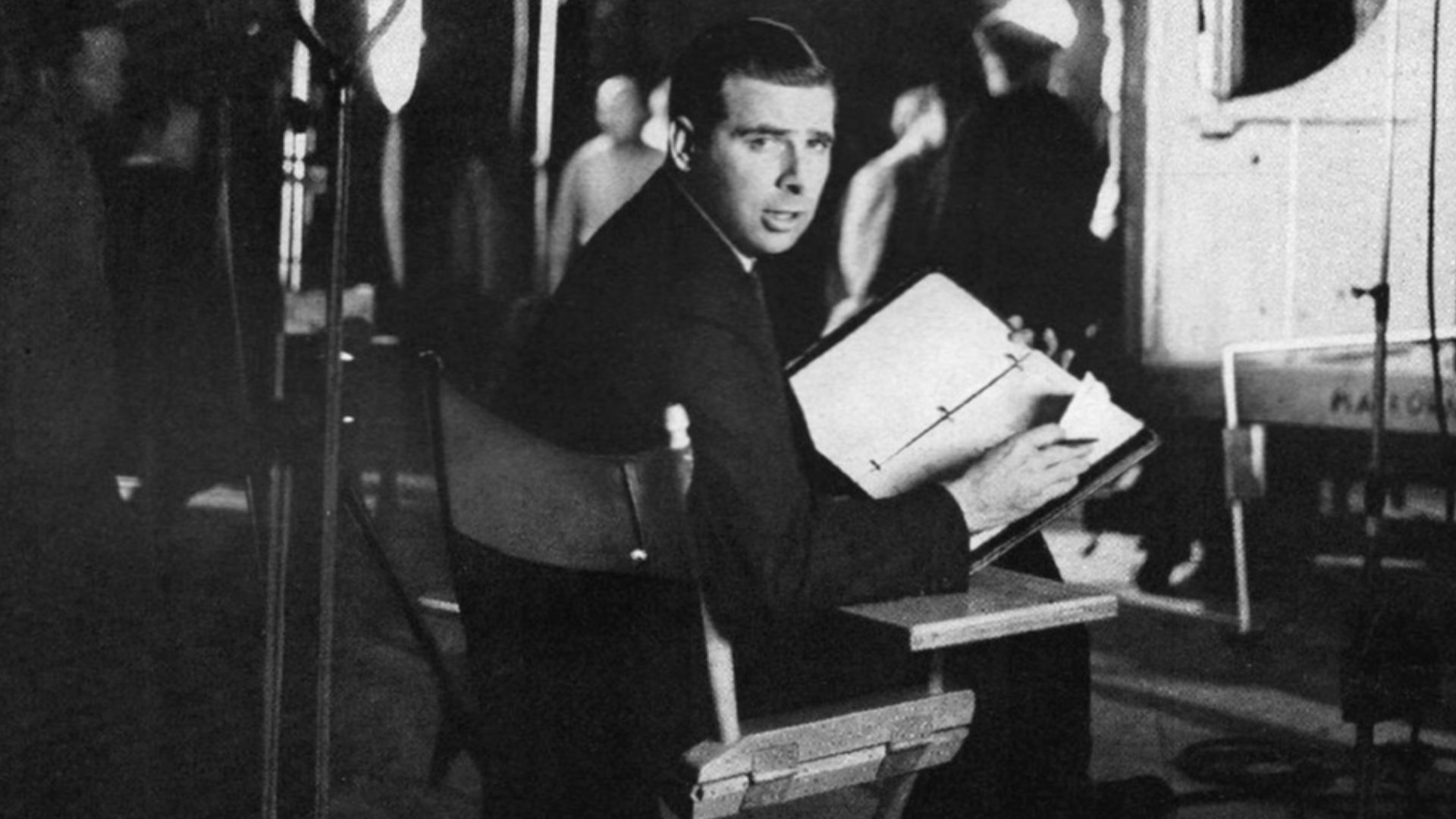 Mutual of New York (MONY), Wikimedia Commons
The Enterprise Finally Took Flight
Star Trek premiered on NBC on September 8, 1966, introducing audiences to the crew of the USS Enterprise. Captain James T. Kirk, Mr. Spock, and their fellow officers explored strange new worlds while confronting issues that reflected contemporary society. The show's ambitious storytelling attracted loyal viewers, although its greatest success was still years away.
 Screenshot from Star Trek: The Original Series, Paramount (1966-1969)
His Dream Was Canceled
Despite passionate fans, NBC canceled Star Trek after just three seasons in 1969. The final episode aired on June 3, seemingly ending Roddenberry's dream of a continuing science fiction adventure. The cancellation came during another major upheaval in his life, one that would eventually have enormous financial consequences.
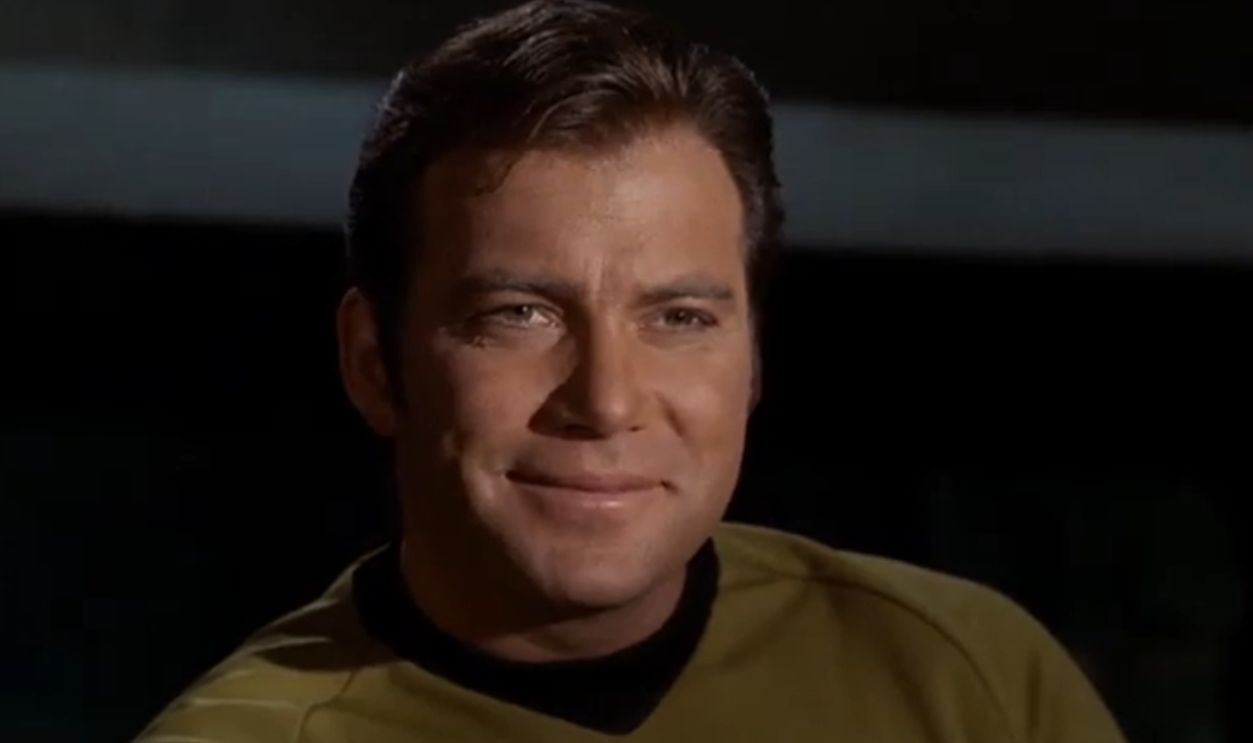 Screenshot from Star Trek: The Original Series, Paramount (1966-1969)
His First Marriage Ended
Roddenberry and Eileen divorced in 1969 after more than two decades of marriage. Their settlement allowed Eileen to retain an interest in the profits generated by the original Star Trek series. At the time, the canceled show was hardly a guaranteed moneymaker, but that seemingly modest provision would eventually become worth millions.
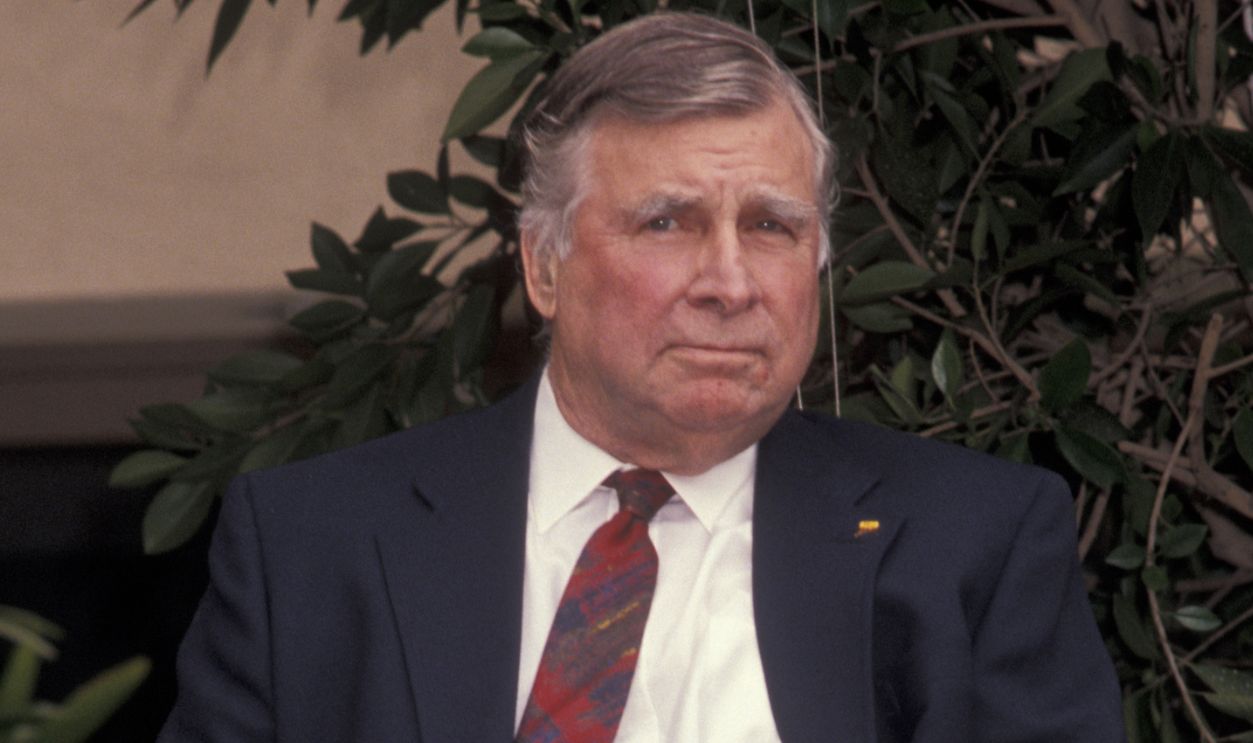 Ron Galella, Ltd., Getty Images
He Married A Star Trek Actress
Roddenberry's second wife was Majel Barrett, who had appeared in the original pilot and later played Nurse Christine Chapel in the original series. They held a wedding ceremony in Japan on August 6, 1969, although his divorce from Eileen was not yet final. The couple legally married that December, beginning a partnership that would become closely associated with the franchise.
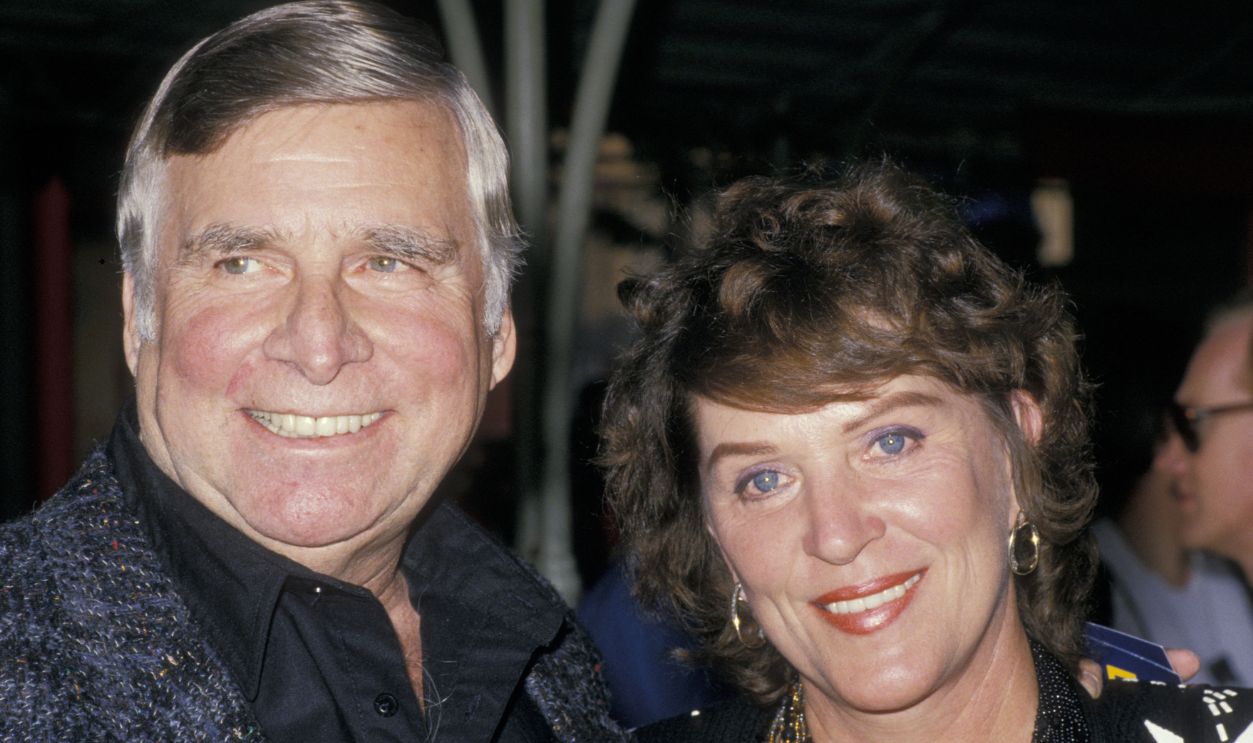 Ron Galella, Ltd., Getty Images
Another Child Joined The Family
In February 1974, Gene and Majel welcomed their son, Eugene Wesley Roddenberry Jr., better known as Rod. He joined Gene's two daughters from his first marriage, creating a family divided between two households. Years later, all three children would be named in their father's will, although the money they expected would become a source of conflict.
 Gage Skidmore from Peoria, AZ, United States of America, Wikimedia Commons
The Canceled Show Became A Sensation
Meanwhile, Star Trek was finding an unexpected second life through syndicated reruns. New audiences discovered the Enterprise, and dedicated fans began organizing conventions celebrating Roddenberry's fictional universe. Their enthusiasm was so powerful that a fan campaign helped persuade NASA to name its first space shuttle orbiter Enterprise in 1976.

Hollywood Finally Saw The Money
The franchise returned to theaters with Star Trek: The Motion Picture in 1979. More movies followed, transforming Roddenberry's canceled television series into a continuing Hollywood property. Television reruns, theatrical releases, and merchandise helped create financial opportunities that seemed unimaginable when NBC had pulled the plug.
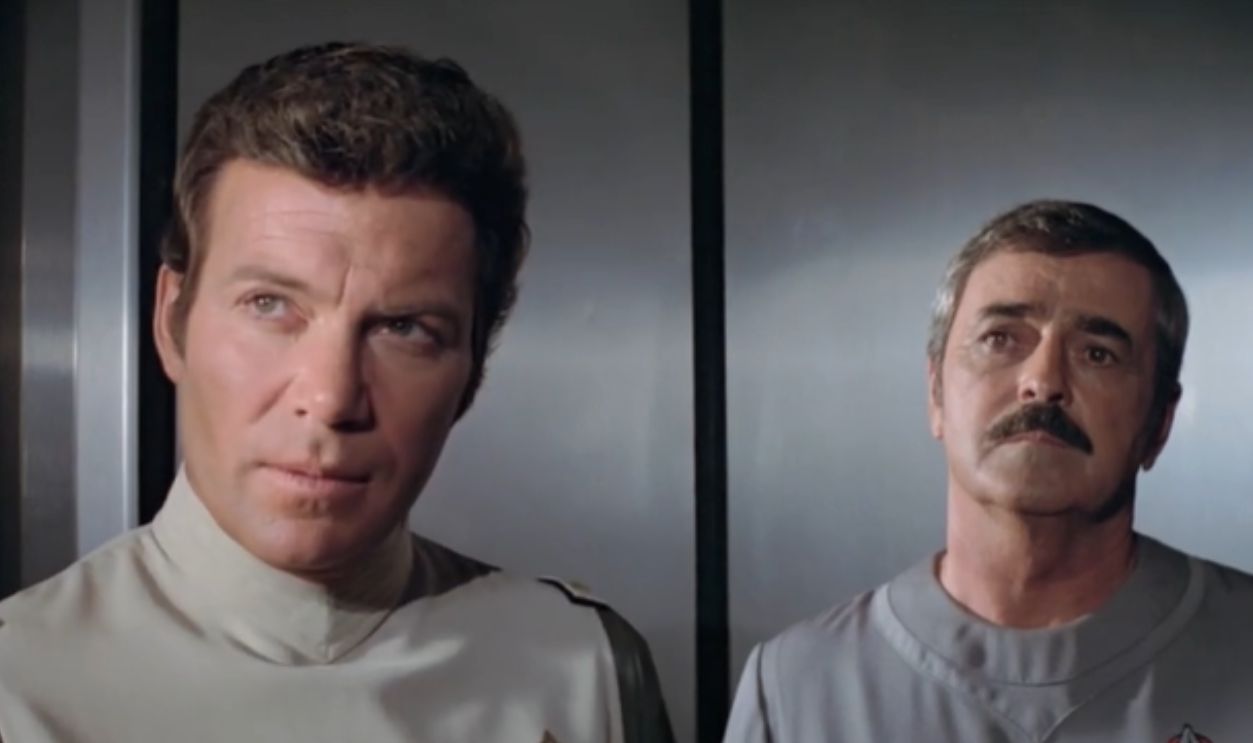 Screenshot from Star Trek: The Motion Picture, Paramount Pictures (1979)
The Franchise Kept Growing
In 1987, Star Trek: The Next Generation introduced an entirely new crew led by Patrick Stewart's Captain Jean-Luc Picard. Its success proved the franchise could thrive without relying exclusively on the original actors. As new productions expanded the fictional universe, the question of who was entitled to its profits became increasingly important.
 Screenshot from Star Trek: The Next Generation, Paramount (1987-1994)
His First Wife Had Already Made Millions
Eileen's divorce settlement entitled her to half of the specified profit participation income from the original Star Trek. By 1995, court records showed she had received approximately $13.8 million from that arrangement. But she believed the agreement entitled her to considerably more, particularly as the franchise expanded beyond the original series.
 https://kaboompics.com/, Pexels
Another Legal Battle Was Brewing
Eileen argued that her settlement should cover later productions, including The Next Generation and Deep Space Nine. The dispute eventually reached a California appellate court, which ruled in 1996 that her agreement did not entitle her to profits from those newer shows. Meanwhile, an even more personal battle over Roddenberry's estate was already unfolding.

He Signed A Will With A Catch
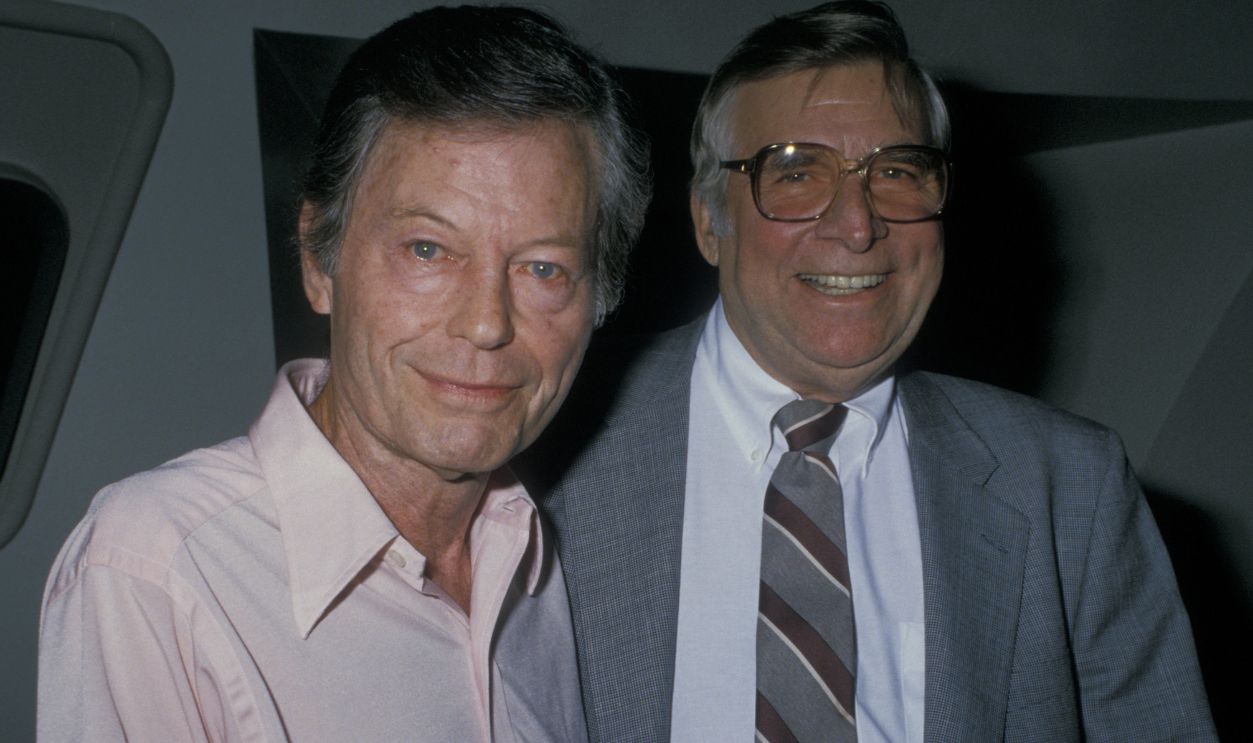
On August 24, 1990, Roddenberry signed a will outlining how his substantial estate would be distributed. It provided for his wife and children while establishing a trust to manage much of his wealth. But buried among its provisions was a strict warning for anyone who might challenge his final wishes.
 Ron Galella, Ltd., Getty Images
Then Gene Roddenberry Died
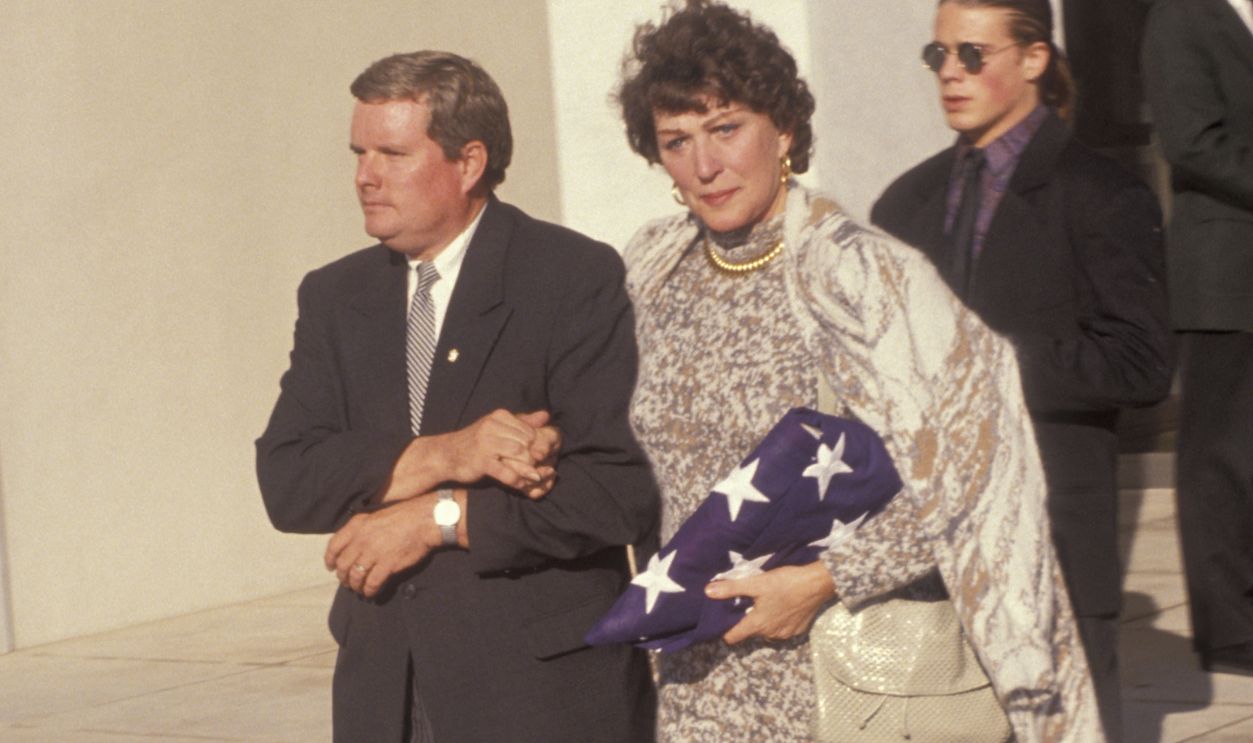
Roddenberry died on October 24, 1991, at the age of 70. The Next Generation was still thriving, and another original-cast movie, Star Trek VI: The Undiscovered Country, was approaching release. He left behind a growing entertainment legacy, a surviving wife, three children, and an estate whose future value was difficult to calculate.
 Ron Galella, Ltd., Getty Images
His Children Were Promised $500,000 Each
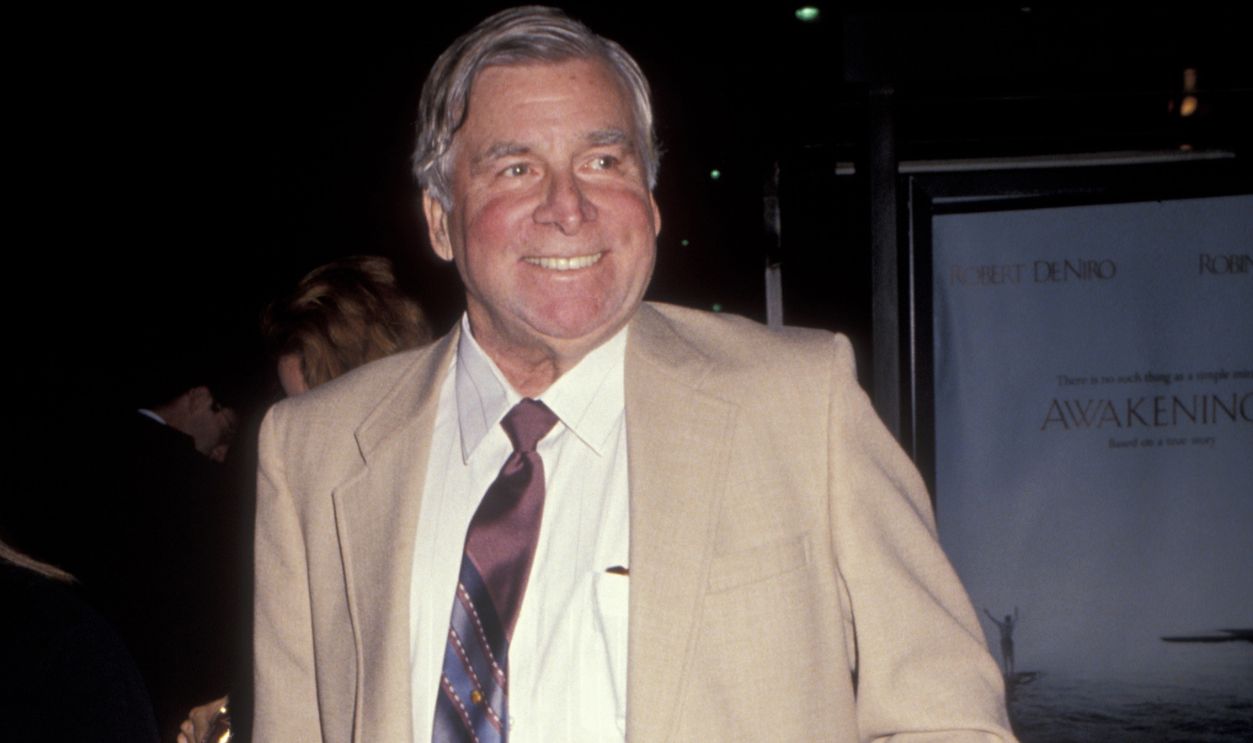
Under Roddenberry's will, each of his three children was entitled to a $500,000 cash inheritance. That meant Dawn, Darleen, and Rod all stood to receive substantial immediate payments. But the children were also named as future beneficiaries of a trust, potentially giving them access to much greater wealth.
 Ron Galella, Ltd., Getty Images
His Widow Controlled The Trust
Majel was named trustee and entitled to receive the main trust's income during her lifetime. After her death, Rod was supposed to receive half the remaining trust, while Dawn and Darleen would each receive one-quarter. Those future interests could become extremely valuable as Star Trek continued generating income.
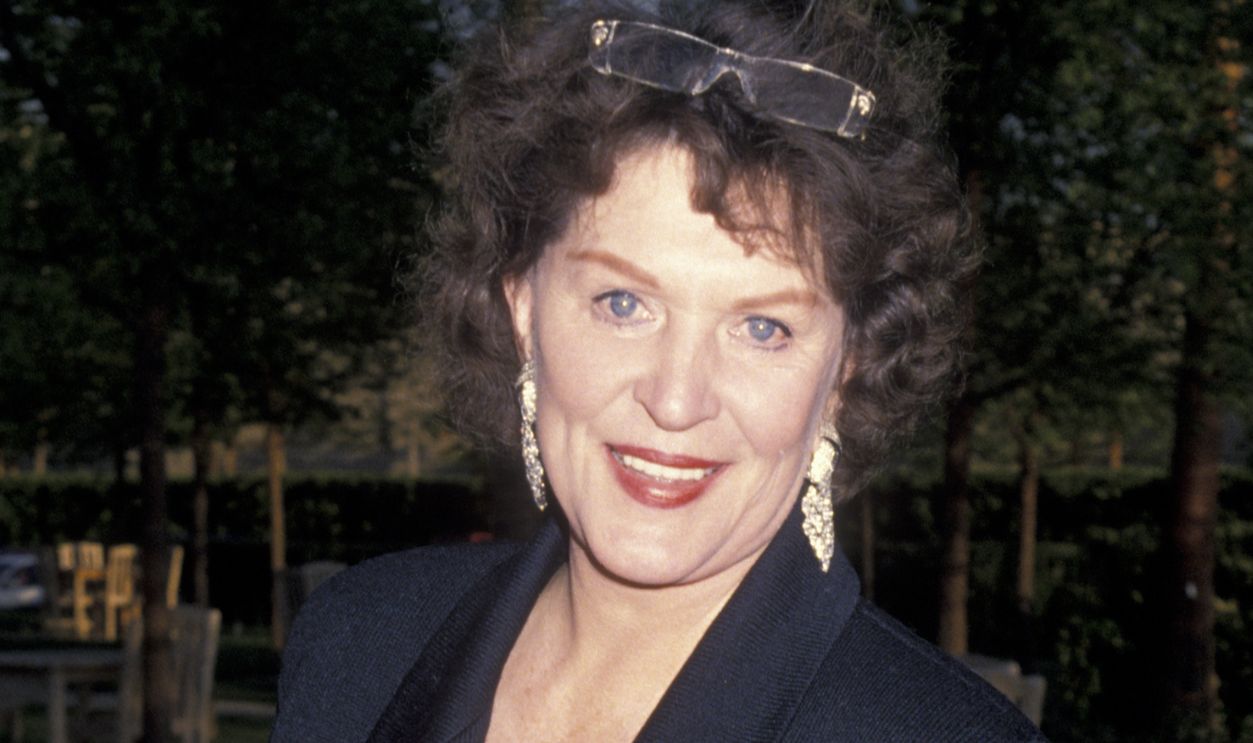
Dawn Questioned Her Father's Wishes
Approximately six weeks after her father's death, Dawn filed a legal challenge to his will. She questioned whether Roddenberry had been mentally competent when he signed the document and raised concerns about her stepmother's influence. Her decision set the stage for a dispute that would threaten everything she stood to inherit.
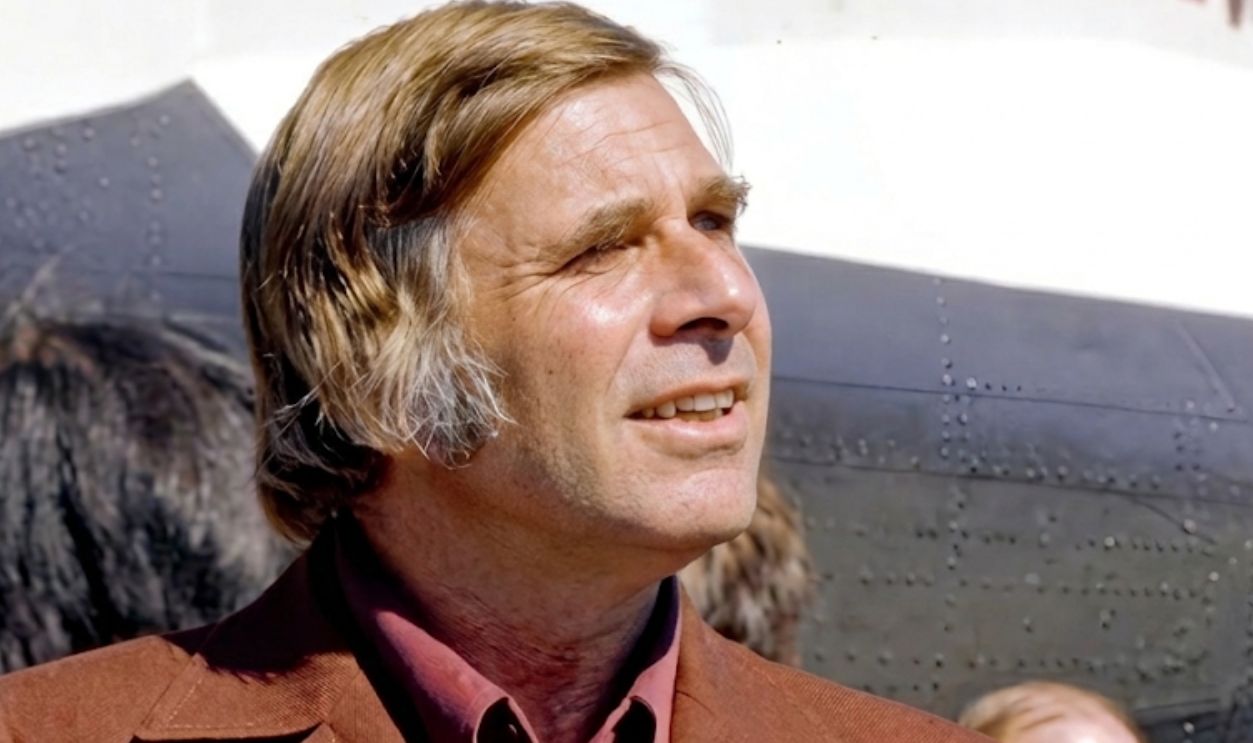 NASA, Wikimedia Commons, Enhanced
She Made Some Serious Allegations
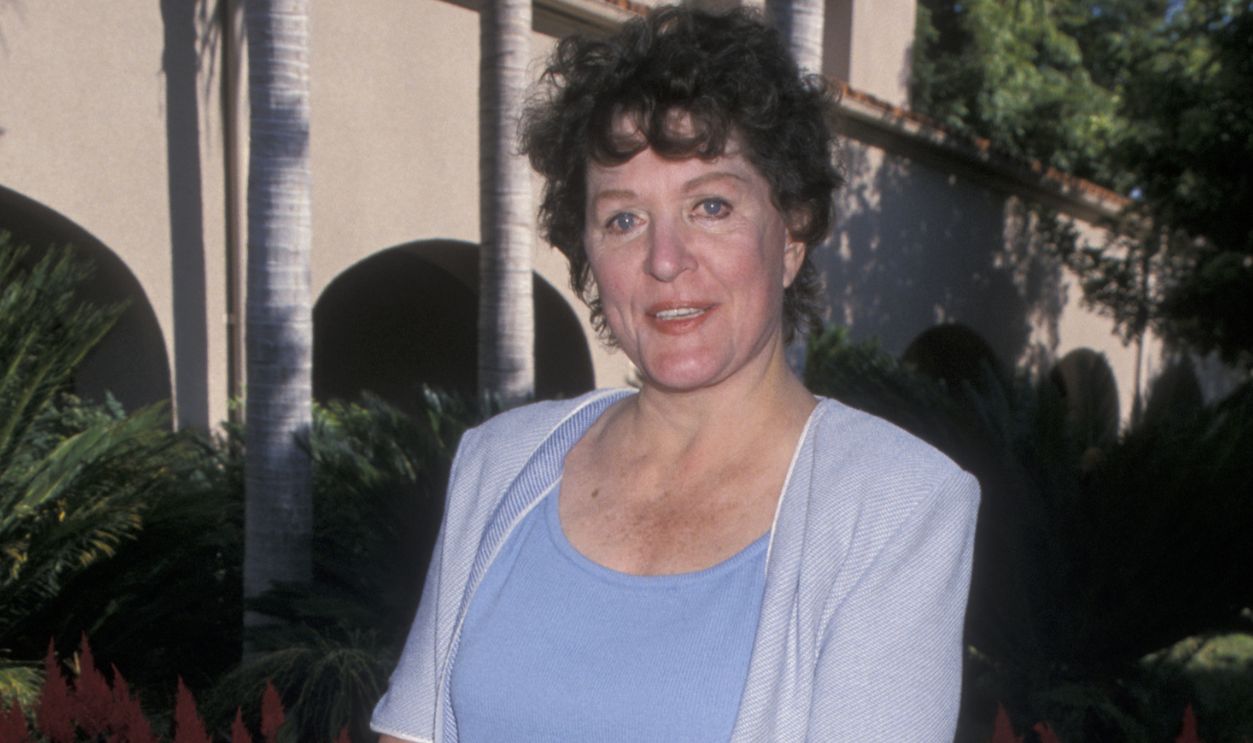
Dawn alleged that Majel had exerted undue influence and raised claims involving possible fraud. She also questioned whether the will had been properly executed and suggested her father might have destroyed copies intending to revoke it. These were allegations made during litigation, not wrongdoing established by a court.
 Ron Galella, Ltd., Getty Images
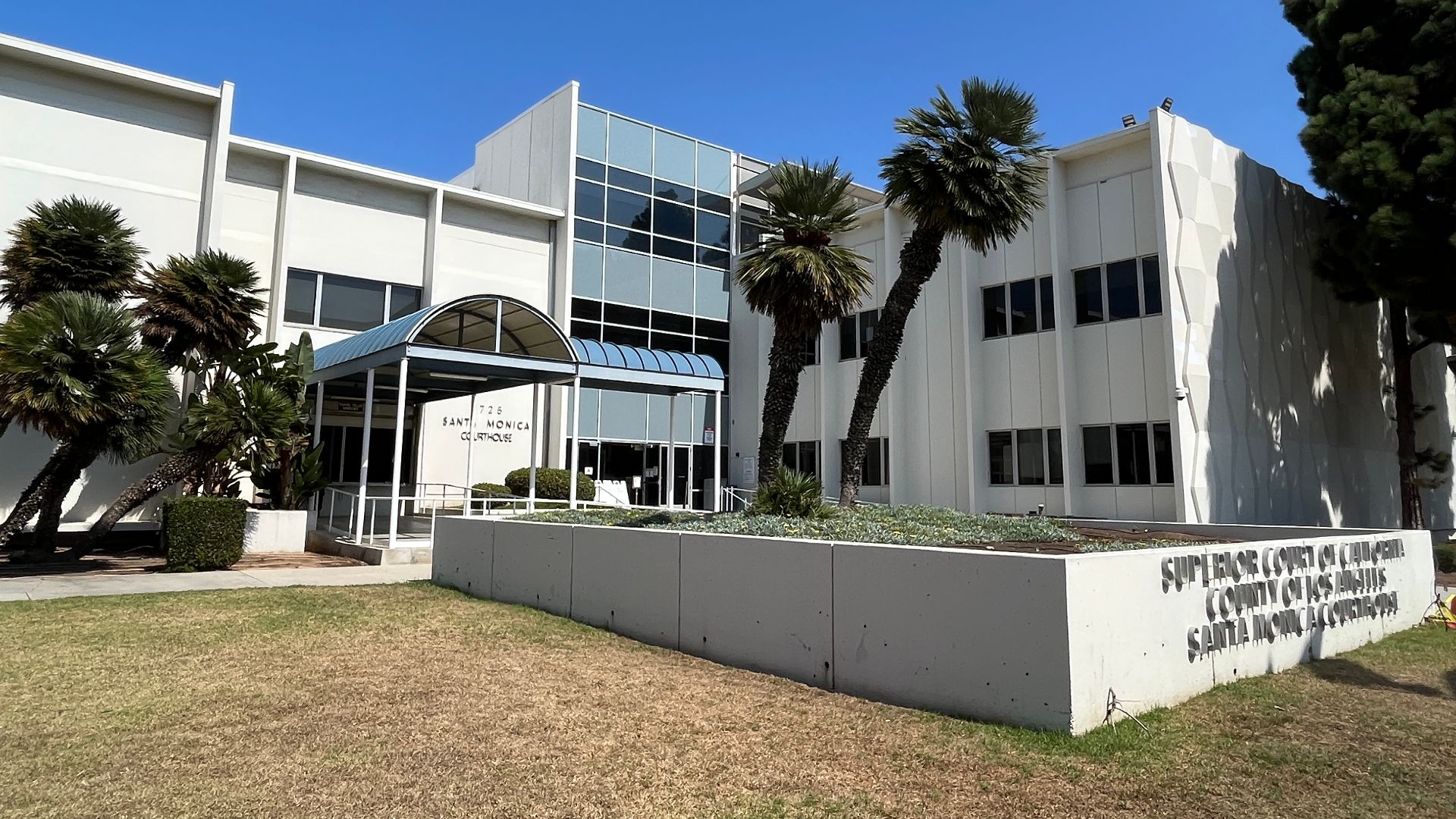
The Fight Dragged On For Two Years
The dispute remained active in Los Angeles Superior Court for nearly two years. Dawn's side conducted approximately 16 depositions and extensive written discovery while challenging the document's validity. The proceedings were substantial, but the case was about to take an unexpected turn before a trial could begin.
 Another Believer, Wikimedia Commons
She Dropped Her Challenge On Trial Day
On November 15, 1993, the day the case was scheduled to go to trial, Dawn voluntarily dismissed her challenge. That meant her allegations would not be resolved through a trial verdict. She apparently hoped withdrawing the case would preserve her inheritance, but the will contained a provision that threatened to make the damage permanent.

The Will Contained A Dangerous Clause
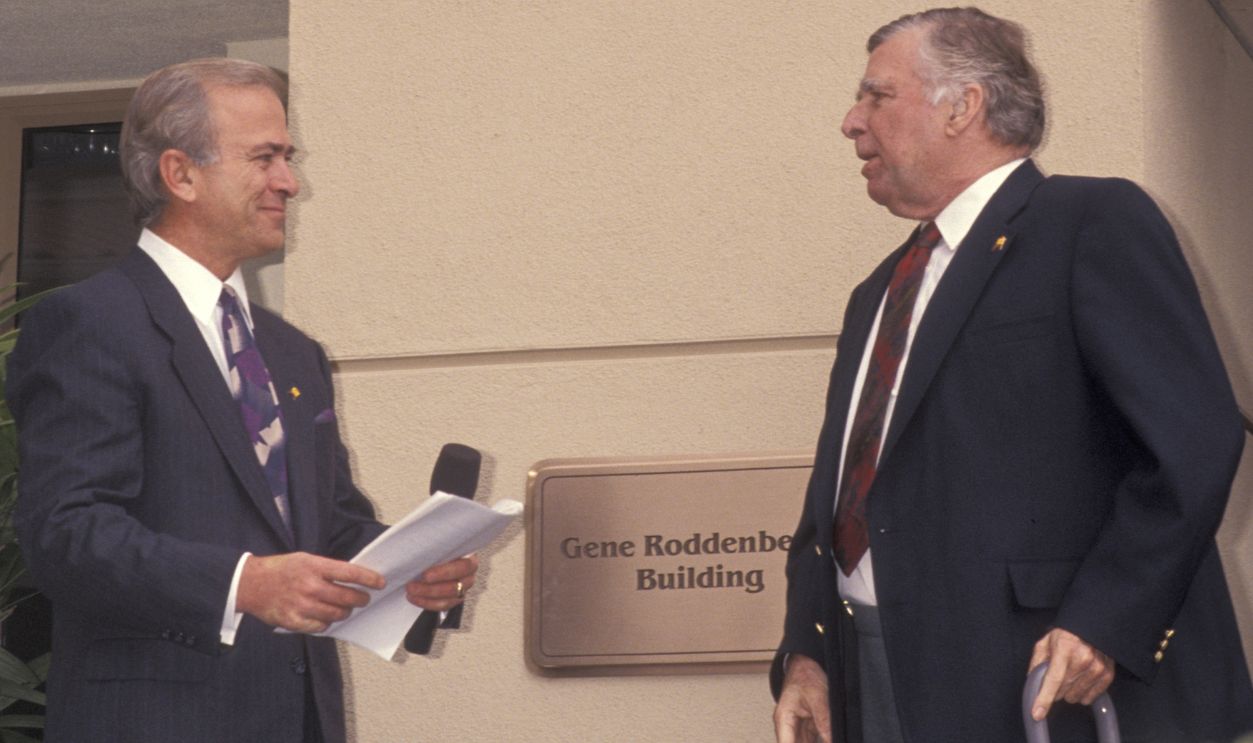
Roddenberry had included a no-contest clause, a legal provision designed to discourage beneficiaries from challenging his wishes. Under its terms, anyone who contested the will or its provisions risked losing their share of the estate. Dawn's problem was that the clause did not expressly require a challenger to lose a trial before facing that punishment.
 Ron Galella, Ltd., Getty Images
Her Stepmother Went Back To Court
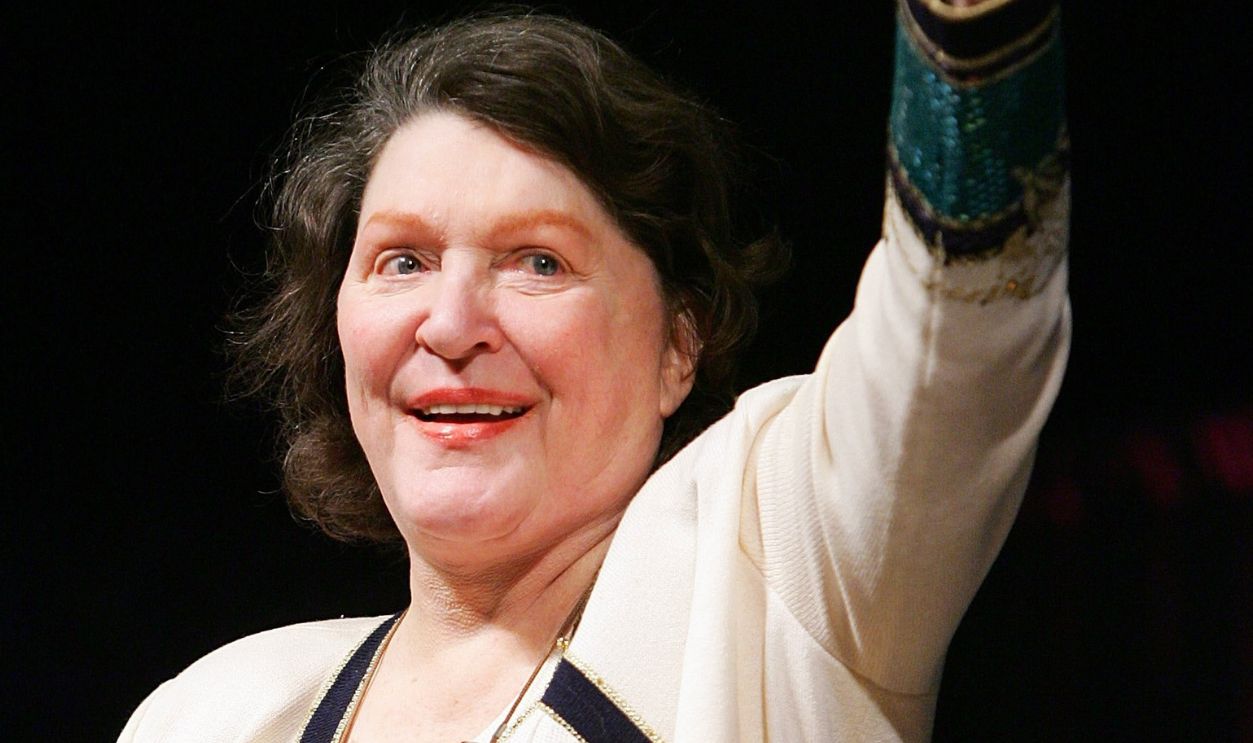
In March 1994, Majel asked the court to determine who was entitled to benefit from her late husband's will. She argued that Dawn had already violated the no-contest clause by filing her original challenge. Even though Dawn had withdrawn the case, Majel maintained that her stepdaughter had forfeited her inheritance.
Dawn Had An Argument Of Her Own
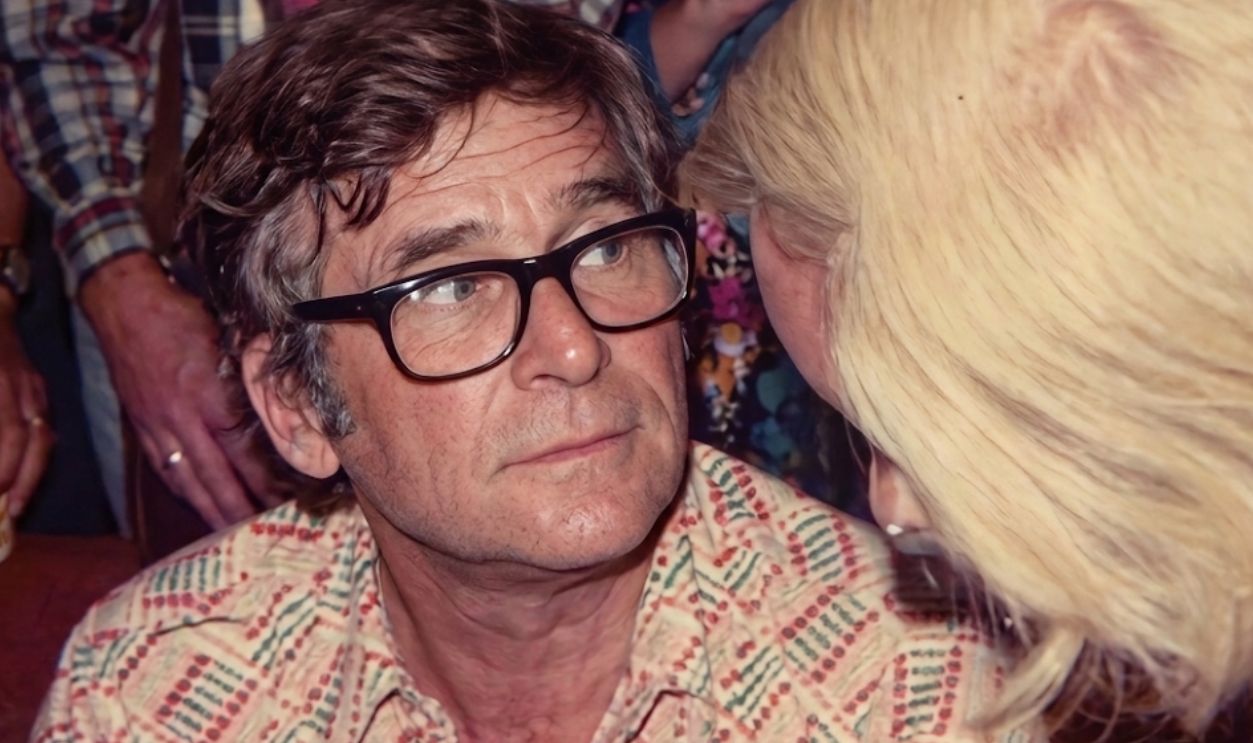
Dawn argued that she had acted in good faith and had abandoned her challenge before the trial began. She also questioned whether her father had knowingly agreed to include the no-contest provision in his will. Her defense presented the court with a crucial question about whether withdrawing a challenge could undo its consequences.
 Larry D. Moore, Wikimedia Commons, Enhanced
The Judge Sided Against Her
Los Angeles Superior Court Judge Irving Shimer ruled that Dawn had violated the no-contest clause. The decision meant she would lose both her $500,000 cash bequest and her future interest in the trust. Rather than accept the outcome, Dawn appealed, hoping a higher court would restore what her father had intended to leave her.

The Appeals Court Delivered A Devastating Blow
In June 1996, California's Second District Court of Appeal upheld the ruling against Dawn. The court concluded that her challenge had triggered the no-contest provision, despite her decision to withdraw it before trial. Dawn was consequently disinherited, losing the substantial financial interests she had once been promised.

She Lost More Than Half A Million Dollars
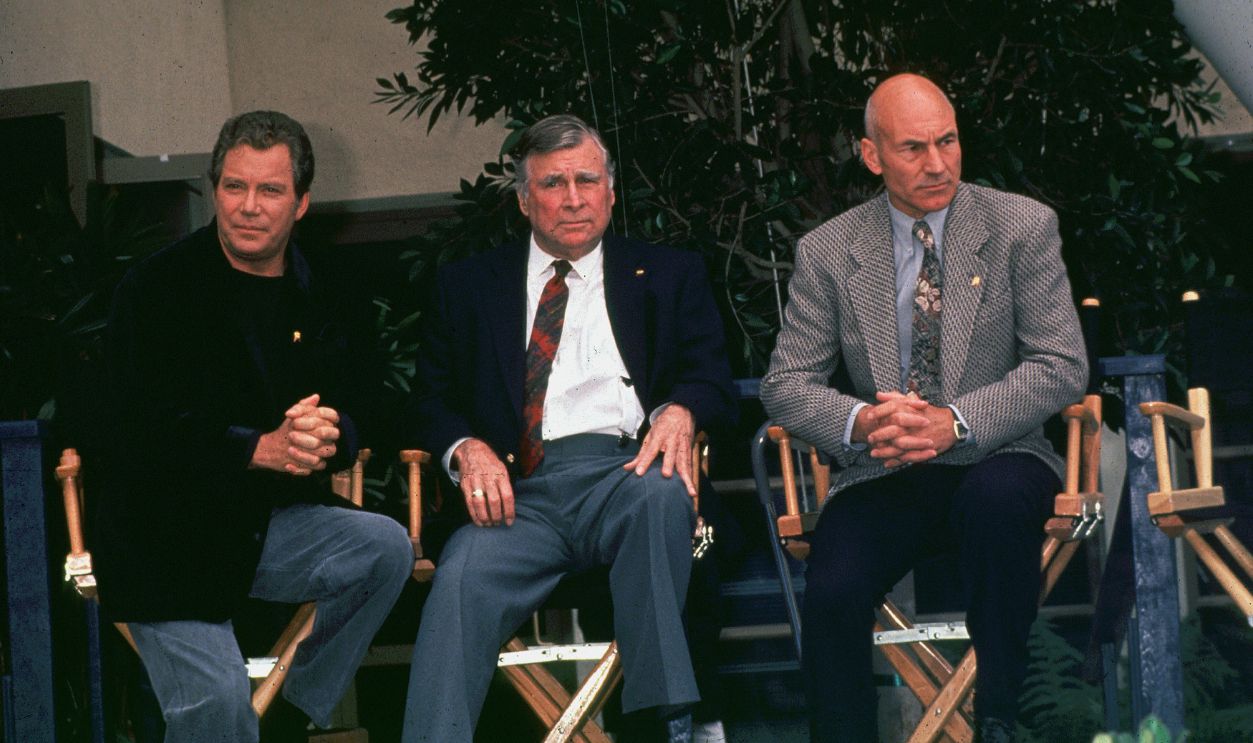
The immediate loss was $500,000, but Dawn's forfeited trust interest was potentially worth far more. Contemporary reports described a loss of millions in future Star Trek earnings, with one estimate suggesting the eventual amount could reach hundreds of millions. The actual value was impossible to establish because it depended on the estate's future finances, and an estate attorney described the ruling as one of the largest disinheritances in American history.
 Albert L. Ortega, Getty Images
The Empire Survived, But Her Inheritance Didn't
Majel died in December 2008, while Star Trek continued expanding into new television productions and movies. Rod later became the head of Roddenberry Entertainment, carrying his father's creative legacy into another generation. Dawn, however, had already forfeited her inheritance through the 1996 ruling. In a bitter twist, her attempt to challenge her father's final wishes had cost her the very fortune she hoped to protect.
You May Also Like: